
CategoriesNews Current Affairs Economy Geopolitics Investment Trade Trending

Pakistan Emerges as Key Mediator in the US–Iran Peace Talks | All Eyes on Islamabad

ISLAMABAD, April 10, 2026 —Pakistan stands at the centre of one of the most consequential diplomatic efforts in decades as Islamabad prepares to host the US Iran peace talks, positioning the country as the primary intermediary in efforts to stabilise a conflict that disrupts global energy supplies and threatens wider regional escalation. The emerging framework, increasingly referred to by diplomats as the Islamabad Accord, follows a Pakistan-brokered ceasefire after weeks of intensive shuttle diplomacy.

The US Iran talks come after the US-Iran ceasefire announced on April 7–8, which emerged following sustained diplomatic engagement led by Pakistan’s civilian and military leadership. Islamabad facilitates backchannel communication, relays proposals, hosts regional meetings and coordinates with partners including China and Saudi Arabia. The agreement pauses hostilities shortly before a U.S. escalation deadline, underscoring the urgency surrounding the diplomatic push.

Analysts describe the development as a major diplomatic breakthrough. South Asia expert Michael Kugelman calls the mediation “one of Pakistan’s biggest diplomatic wins in years,” according to a France 24 report.

Conflict Triggered Global Energy Shock After Strait of Hormuz Closure
strait of hormuz

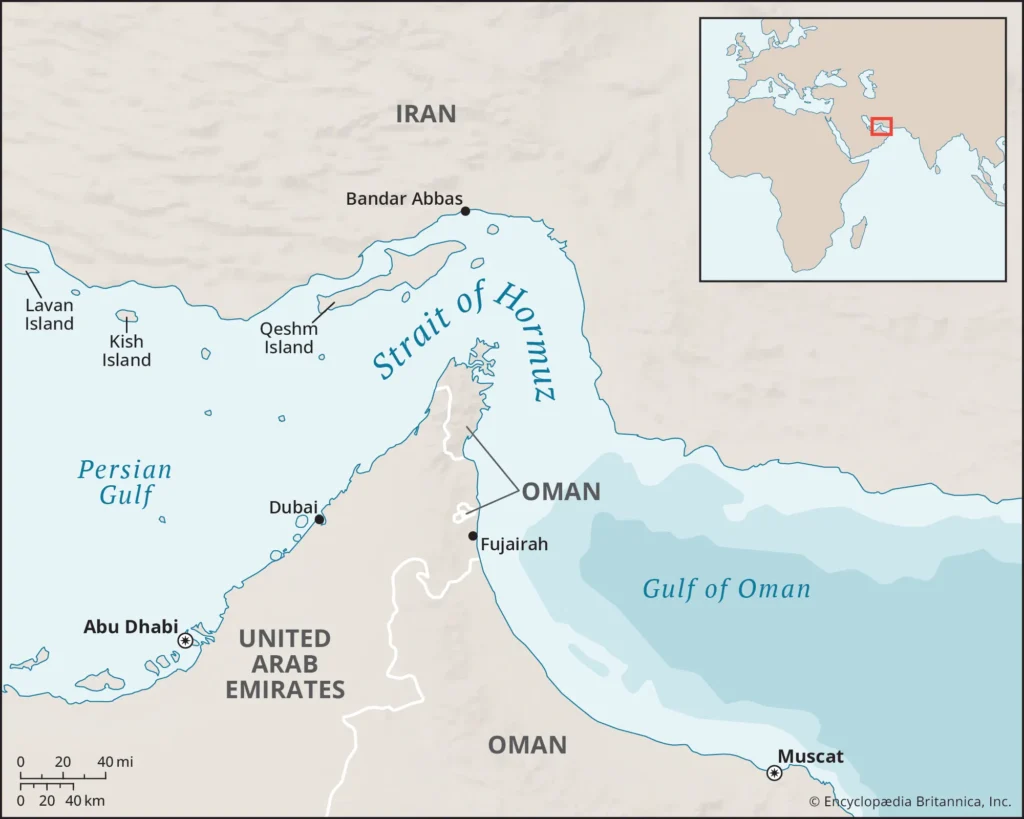
The crisis begins on February 28, 2026, when coordinated U.S. and Israeli airstrikes target Iran’s leadership and military infrastructure. Iran responds with missile and drone attacks and moves to close the Strait of Hormuz, the narrow waterway through which roughly 20 percent of global oil supply flows.

The closure of the Strait of Hormuz immediately disrupts global markets. The International Energy Agency warns the situation represents “the largest supply disruption in the history of the global oil market,” according to the IEA Oil Market Report cited in the document.

According to IEA data referenced in the report:

  • About 20 million barrels per day of oil are disrupted
  • Brent crude rises close to $120 per barrel
  • Analysts warn prices could reach $200 per barrel, according to Bloomberg
  • Global LNG supply drops around 20 percent
  • Gulf food imports fall by roughly 70 percent
  • Global GDP risk reaches −1.3 percentage points, according to Dallas Fed research

These figures illustrate the global stakes surrounding the US Iran peace talks and the urgency behind the Pakistan-brokered ceasefire.

Jet fuel prices double while U.S. gasoline prices rise about 30 percent, according to reporting cited from Time and industry data referenced in the report.

Pakistan Emerges as Only Credible Mediator

Pakistan mediates the US Iran crisis largely because of its unique diplomatic positioning. Islamabad maintains relations simultaneously with Washington, Tehran, Riyadh and Beijing, a rare diplomatic victory.

Pakistan shares a 900-kilometre border with Iran, maintains defence cooperation with Saudi Arabia and retains longstanding ties with the United States. It is also widely regarded as China’s closest regional partner, according to analysis cited from Al-Monitor.

Pakistan also has significant domestic and economic stakes:

  • Over 20 million Shia Muslims
  • Approximately 5 million workers in Gulf states
  • Annual remittances of $38.3 billion
  • Heavy reliance on energy imports through the Strait of Hormuz

Pakistan also emphasises neutrality. Officials condemn attacks by all sides and rule out military participation against Iran, strengthening Islamabad’s credibility as mediator, according to reporting cited from Al Jazeera.

Six Weeks of Shuttle Diplomacy Leads to Islamabad Accord

Pakistan launches diplomatic outreach immediately after the conflict begins.

On March 3, Foreign Minister Ishaq Dar tells Pakistan’s Senate Islamabad is ready to facilitate US Iran talks, according to Al Jazeera.

Prime Minister Shehbaz Sharif meets Saudi leadership in Jeddah on March 12, expressing solidarity while reassuring Iran. The move helps prevent further escalation, according to reporting referenced from CNN.

Regional foreign ministers meet in Riyadh on March 19 and again in Islamabad on March 29, aligning diplomatic positions for the US Iran peace talks.

Pakistan relays a 15-point U.S. ceasefire proposal to Tehran on March 25. Iran rejects the proposal but submits its own conditions, keeping negotiations alive.

On March 31, Pakistan and China announced a joint five-point peace initiative calling for cessation of hostilities and restoration of navigation in the Strait of Hormuz, reinforcing momentum toward the Islamabad Accord.

Further negotiations follow. Pakistan presents a two-phase ceasefire framework in early April. The exchange culminates in the US-Iran ceasefire announced April 7–8, according to reporting from CNN, Al Jazeera and France 24.

Historic Significance of US Iran Peace Talks
US Iran peace talks

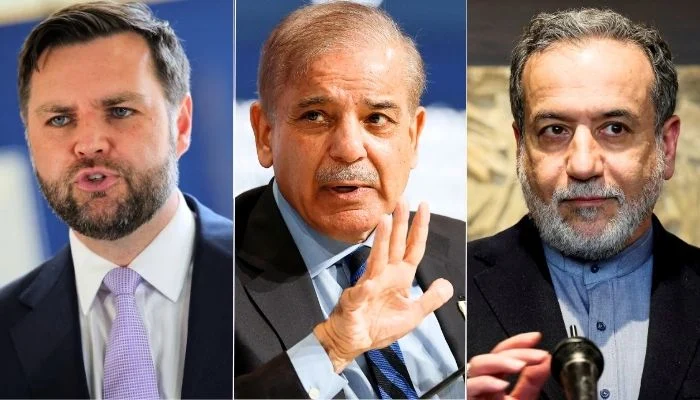
Analysts describe the US Iran peace talks in Islamabad as unprecedented. The mediation marks the first time Pakistan brokers a ceasefire between adversaries during active escalation, according to expert assessments cited from Al Jazeera.

The engagement also represents the highest-level US Iran talks since 1979, according to Time.

Economic Stakes Linked to Ceasefire

The US-Iran ceasefire and potential Islamabad Accord carry major economic implications.

A diplomatic breakthrough could revive the Iran–Pakistan gas pipeline. The project:

  • Length: 2,775 km
  • Gas flow: 21.5 million m³/day
  • Power generation: 4,000 MW
  • Savings: $2.3 billion annually
  • Penalty risk avoided: $18 billion

These figures come from IPRI Pakistan research cited in the report.

The conflict also threatens remittances from Gulf-based Pakistani workers. About five million workers send home $38.3 billion annually, according to Time.

Global Reaction to Pakistan Mediates Ceasefire

International leaders welcome the Pakistan-brokered ceasefire.The United Nations calls for compliance with terms. European Commission President Ursula von der Leyen welcomes de-escalation. UK Prime Minister Keir Starmer calls the deal a “moment of relief.”

These reactions are cited from international coverage referenced in the report, including Reuters and Al Jazeera.

China says it works actively to help bring about the US-Iran ceasefire, while Iran confirms acceptance of the agreement.

Islamabad at the Centre of Global Diplomacy
Islamabad accord

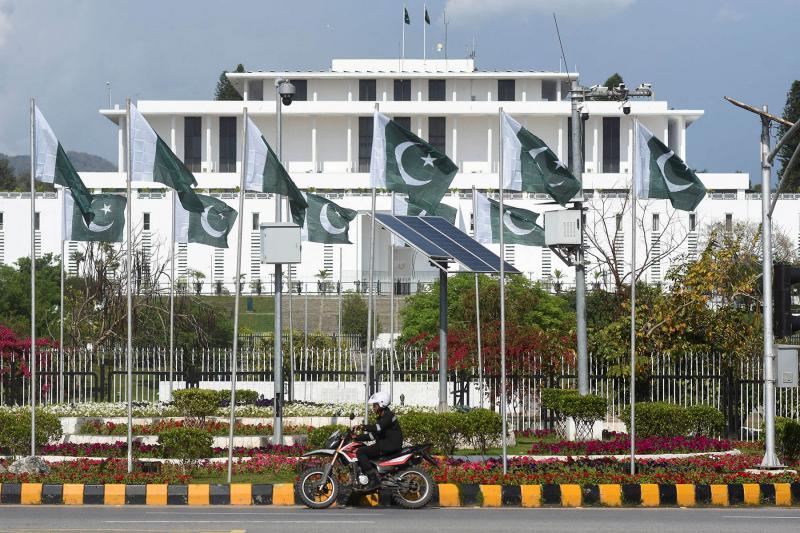
Pakistan mediates the crisis at a moment when global markets remain sensitive to disruptions in the Strait of Hormuz and regional escalation risks. The Pakistan-brokered ceasefire pauses what analysts describe as the largest oil disruption in modern history and positions Islamabad as a central diplomatic actor.

The US Iran peace talks, expected to shape the emerging Islamabad Accord 2026, now place Pakistan at the centre of global diplomacy; with energy security, regional stability and geopolitical alignment all hinging on the outcome.

For more news on real estate and Special Reports, visit Chakor Ventures.

CategoriesNews Economy Investment Property Taxes Trade

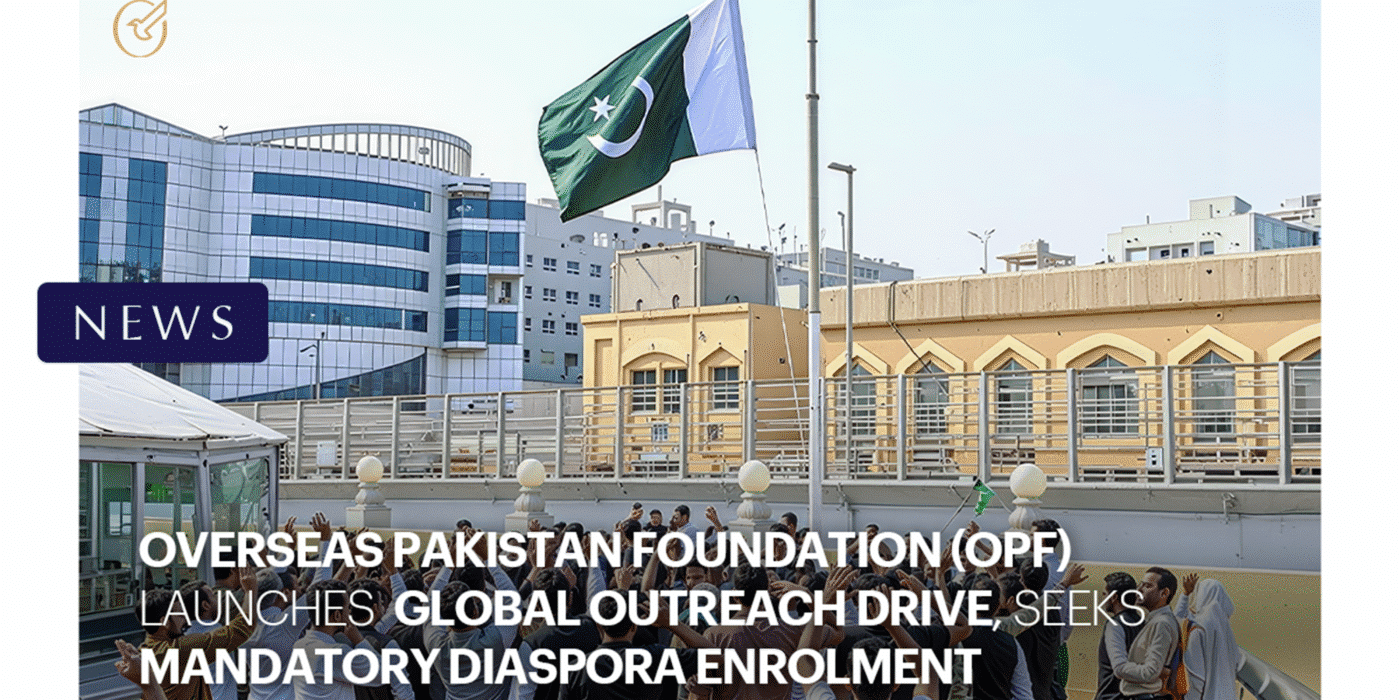
Pakistan’s OPF launches global outreach drive, seeks mandatory diaspora enrolment

ISLAMABAD: Over 12 million Pakistanis live and work outside the country. Until now, the government had no formal system to register, track, or serve them. The OPF is moving to change that, and its chairman is personally carrying that message to every major diaspora hub.”

Every year, Pakistanis living abroad send billions of dollars back home. Last year, that figure hit a record $38.3 billion. Yet, despite that contribution, the government had no formal, structured relationship with these citizens. That is now changing, and changing fast.

OPF Chairman Syed Qamar Raza Shah is currently on an international tour spanning Japan, South Korea, Germany, and the UAE. At each stop, he has been sitting with Pakistani community members, listening to their concerns, and making commitments on the spot. The tour is not just a goodwill exercise. It is laying the ground for the most significant changes to the Overseas Pakistanis Foundation in its 45-year history.

In Japan, community leader Haji Syed Saleem Shah described the visit as a turning point. Pakistanis there raised long-standing problems, including jobs, education, legal disputes, and property matters back home. For many, it was the first time such issues were heard at a senior government level. The OPF Chairman gave direct instructions for urgent cases to be resolved immediately.

“This visit has given new hope to the Pakistani community in Japan. For the first time, their issues were seriously heard at such a high level.”
— Haji Syed Saleem Shah, Chairman, Ahl-e-Bait Foundation Japan

The same pattern repeated in the UAE. There, the OPF Chairman went a step further — announcing a formal proposal to make OPF membership compulsory for all overseas Pakistanis worldwide. Under the proposal, every Pakistani abroad would be required to register with the foundation and pay a one-time fee of Rs10,000 (around $35). The proposal now awaits approval from Prime Minister Shehbaz Sharif.

To go alongside the obligation, OPF has launched the Overseas Pakistanis Education Fund (OPEF), a scholarship program for children and spouses of overseas Pakistanis studying in Pakistani universities and colleges. The deadline to apply is April 30, 2026.

Two moves together tell the full story: the government wants to register its diaspora, fund its operations through their fees, and in return, invest in their families back home.

For more news on real estate and Special Reports, visit Chakor Ventures.

CategoriesNews Economy Investment Trade

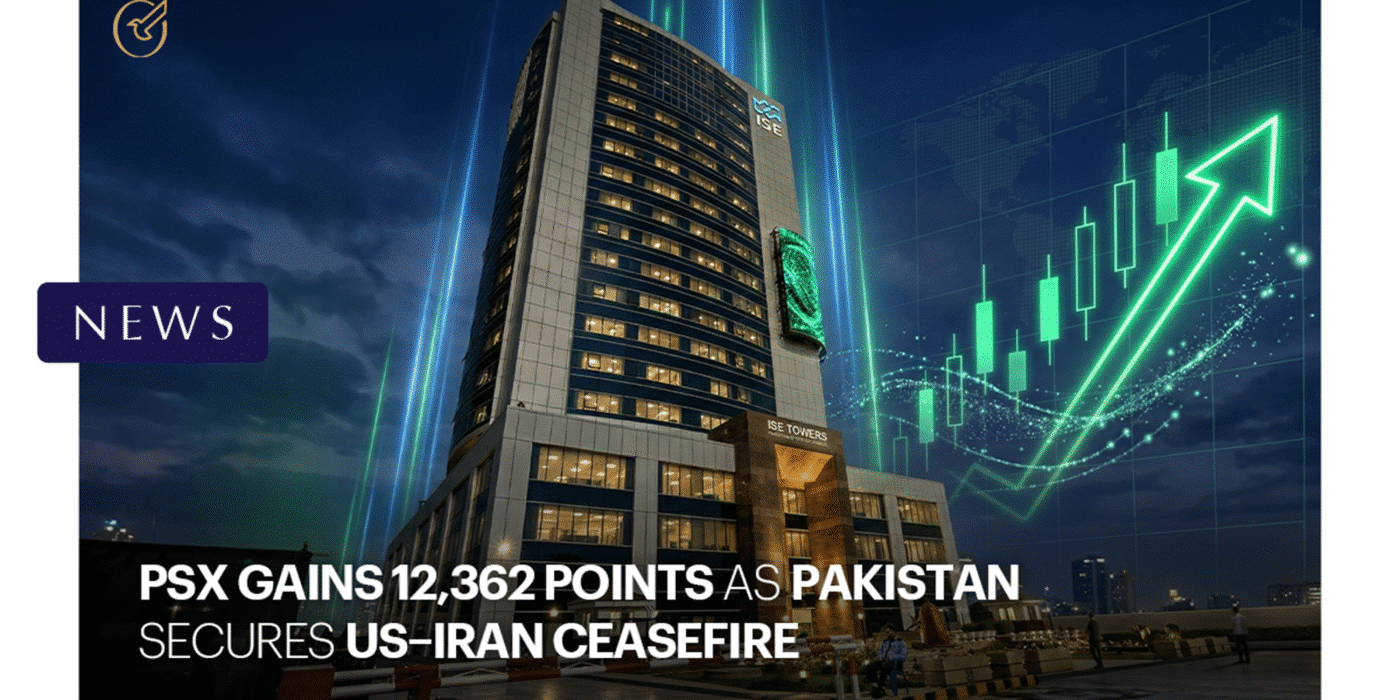
PSX Gains 12,362 Points as Pakistan Secures US–Iran Ceasefire

ISLAMABAD: The Pakistan Stock Exchange (PSX) recorded one of its sharpest single-day gains on Wednesday, with the benchmark KSE-100 index rising 12,362 points, or 8.15%, to close at 164,035.83. The surge was triggered by news that Pakistan had mediated a two-week ceasefire between the United States and Iran, pausing an escalating military conflict in the Middle East.

Trading was briefly halted following the rapid climb and resumed at 10:42 AM. The previous session had closed at 151,673.45 points.

The ceasefire was agreed upon less than two hours before a deadline set by US President Donald Trump for Iran to reopen the Strait of Hormuz. Iran’s Foreign Minister Abbas Araqchi confirmed that Tehran would halt counter-attacks and ensure safe passage through the waterway, conditional on the cessation of attacks against Iran.

Prime Minister Shehbaz Sharif announced that he has invited the leadership of both nations to Islamabad on April 10 for further negotiations aimed at reaching a conclusive agreement.

The diplomatic development was accompanied by a sharp decline in international oil prices, which fell approximately 15%. Analysts noted that lower energy costs ease fears of imported inflation and reduce pressure on Pakistan’s external accounts.

Maaz Mulla of Topline Securities described the session as a broad-based rally driven by two simultaneous tailwinds: diplomatic de-escalation and softer energy prices. He noted that with Islamabad set to host peace talks on April 10, investors moved quickly to price in reduced geopolitical risk.

Prior to Wednesday’s session, the KSE-100 had corrected by 20% to 22%, largely due to regional tensions and global macroeconomic uncertainty. Wednesday’s gains represent a significant reversal of that decline, though analysts caution that the rally’s sustainability will depend on the outcome of the April 10 talks.

For more news on the economy, real estate, and development, visit Chakor Ventures.

CategoriesNews Economy Investment Trade

Finance minister, US envoy review economic reforms and investment prospects

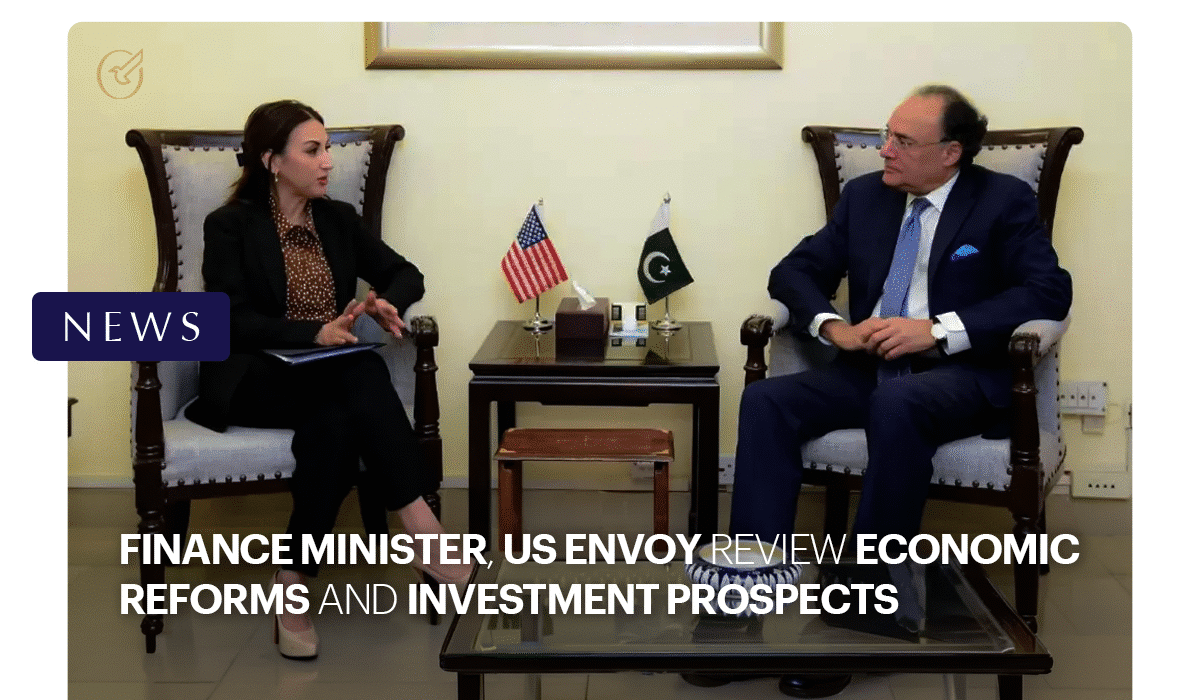
ISLAMABAD: Pakistan’s Federal Minister for Finance and Revenue, Muhammad Aurangzeb, met with United States Chargé d’Affaires to Pakistan, Natalie Baker, on Thursday to discuss bilateral economic ties, trade, and investment.

The meeting, held at the Finance Division in Islamabad, covered the state of Pakistan-US relations, current economic developments, and ways to expand cooperation in key sectors, including energy, mining, technology, and logistics.

Baker highlighted a recent symposium held in Washington by the Pakistan Caucus in the US Congress, which brought together policymakers, diaspora representatives, and business leaders to explore areas of future cooperation. She described the overall direction of bilateral engagement as positive.

Aurangzeb briefed the US delegation on steps taken by the Pakistani government to address challenges in the energy sector, including procurement, pricing, and targeted subsidies for vulnerable groups such as small farmers and public transport users. He also pointed to the effects of rising global oil prices on Pakistan’s import costs, inflation, and broader economic stability.

The two sides discussed Pakistan’s ongoing engagement with international financial institutions, including progress under its current International Monetary Fund programme. Aurangzeb reaffirmed the government’s commitment to fiscal discipline while noting the need for flexibility in light of global and regional developments.

Baker expressed US support for Pakistan’s economic reform agenda and interest in expanding investment across multiple sectors. Both sides discussed participation in upcoming forums, including the Select USA Investment Summit, and explored collaboration on infrastructure, digital connectivity, and regional trade.

The finance minister stressed Pakistan’s focus on structural reforms, export-led growth, and creating a more business-friendly environment to attract foreign direct investment.

For more news on the economy, real estate, and development, visit Chakor Ventures.

CategoriesNews Economy Trade

Malaysian Cargo Arrival Highlights Gwadar’s Growing Role in Global Trade

GWADAR: Gwadar Port has received a cargo shipment of 14,629 metric tons from Malaysia, port authorities confirmed on Monday. The shipment was successfully unloaded at the port, which is located along the Arabian Sea coast in Balochistan, Pakistan.

Port officials stated that the arrival of this shipment indicates that more international trading partners are choosing Gwadar as a preferred entry point for goods into the region. The port has seen a steady rise in incoming vessels over recent months, with shipments arriving from multiple countries.

This increase in activity is partly linked to changes in global shipping. Ongoing tensions in the Gulf region have prompted many shipping companies to seek safer, more reliable routes. Gwadar, due to its location near key trade lanes, has become a practical choice for several carriers.

Pakistan’s ports as a whole have recorded stronger numbers in early 2026. Karachi Port handled over 11,000 cargo containers in March 2026, a figure that exceeds the entire volume processed throughout 2025. Gwadar is also seeing more vessels arriving compared to previous periods.

Authorities noted that Gwadar Port offers storage benefits and modern handling facilities, which continue to attract foreign shipping interest. Experts have called on the government to keep improving port services and keep costs competitive so that this growth can be maintained over the long term.

For more news on the economy, real estate, and development, visit Chakor Ventures.

CategoriesPress Release

Chakor Ventures Holds Momentum 2026 Annual Event, Announces Three New Projects and Strong Financial Results

Islamabad, Pakistan – March 31, 2026:  Chakor Ventures successfully hosted Momentum 2026, its annual stakeholder event, in March 2026. The event brought together investors, partners, employees, and industry stakeholders to review the company’s performance in 2025 and outline its strategic direction for the year ahead. Key highlights included the announcement of financial results, project delivery milestones, partner and employee recognition, and the introduction of three upcoming projects.

Strong Financial Performance in 2025

Chakor Ventures concluded the financial year 2025 with notable results across all key performance indicators. The company recorded Rs 7.5 billion in new revenue and collected Rs 4 billion. Citadel 7, one of the company’s flagship developments, was fully sold out; a clear reflection of strong market confidence in the Chakor brand.

On-Time Delivery of Citadel 7

Chakor Ventures fulfilled its commitment to deliver Citadel 7 on schedule, a distinction that sets the company apart in Pakistan’s real estate sector, where delays remain a persistent challenge. This milestone reinforces the company’s standing as a dependable developer and demonstrates that commitments made to buyers, investors, and partners are taken seriously and honoured without compromise.

This achievement speaks directly to the culture that CEO Muhammad Abbas Khan spoke of at the event. 

Addressing the audience, he stated:

“Winning once is difficult. Winning twice requires character. Winning consistently requires culture.”

He continued: “We have proven we can win. The applause is deserved, but applause fades. What endures is the standard, the level we now hold ourselves to, every day, in every project, in every interaction.“


Partner and Employee Recognition

In recognition of the contributions that made Citadel 7’s successful delivery possible, Chakor Ventures distributed Rs 15 million in cash awards to employees and partner firms at the event. 

Awards and recognition were given to the partner firms that helped bring the project to life: Thaheem, Meinhardt, DWP, MAK, ZKS, Bridgetech, and Asad Ijaz & Sons, covering everything from construction and design to electrical work, elevators, facades, and legal support.

Three New Projects Announced

Momentum 2026 marked the formal announcement of three upcoming projects, signaling the company’s continued expansion and its first entry into the international real estate market. The Islamabad project, currently in the design phase, is scheduled for launch in May 2026. The Lahore project, for which funding has already been secured and design work is underway, is set to launch in June 2026.

Additionally, Chakor Ventures announced its first international project in Dubai, with further details to be communicated in the coming months.

Momentum 2026 reflected Chakor Ventures’ commitment to transparency, accountability, and growth. With a strong 2025 on record and three new projects on the horizon, the company enters 2026 positioned to continue raising the bar for real estate development in Pakistan and beyond.

For more information about Chakor Ventures and its development initiatives, visit Chakor Ventures.

CategoriesNews Construction Developments Property Real Estate Urban Developments & Planning

CDA Launches Ataturk Avenue Expansion Project in Islamabad

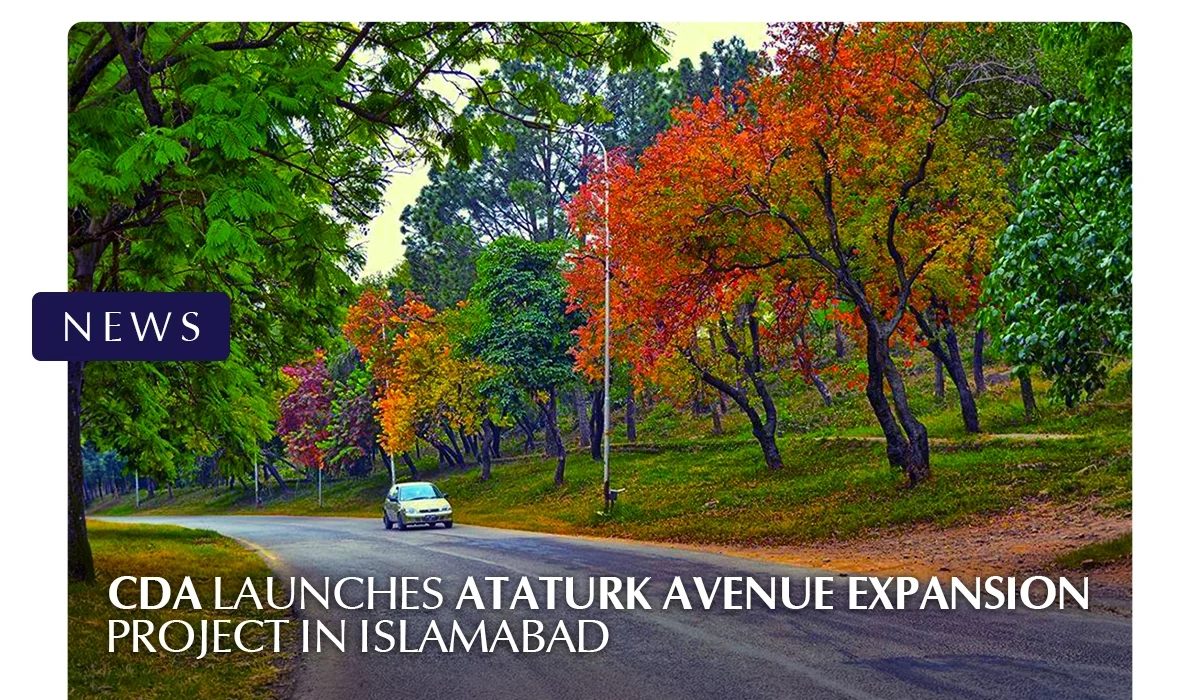
ISLAMABAD: The Capital Development Authority has started construction work on Ataturk Avenue to widen the road between D-Chowk and Ayub Chowk. The road will be expanded from a single lane into a two-way carriageway. The project will cost Rs. 241 million and is expected to finish within two months.

Since March 31, the avenue has been closed to traffic while construction is ongoing. Islamabad Traffic Police has set up alternate routes to help commuters get around the affected area.

The CDA has also taken steps to protect trees along the route, following heavy criticism over a similar project in 2018 when more than a hundred trees were cut down. This time, the authority says no trees will be removed. Twelve trees that fall in the path of construction are being dug up and moved to nearby locations. CDA spokesperson Shahid Kiani invited journalists and environmentalists to visit the site and see the process for themselves.

The project is being carried out under the supervision of the Environment Protection Agency, which had previously raised objections over tree cutting on the same stretch.

Apart from widening the road, the project also includes building dedicated cycling lanes and improving the overall layout of the avenue to reduce traffic congestion.
Residents have been asked to plan their travel in advance and follow instructions from traffic police during the construction period.

For more news on the economy, real estate, and development, visit Chakor Ventures.

Downtown Condominium
CategoriesCitadel One3 Construction Developments Property Real Estate Towers Urban Developments & Planning

Downtown Condominium: Top Reasons to Invest in 2026

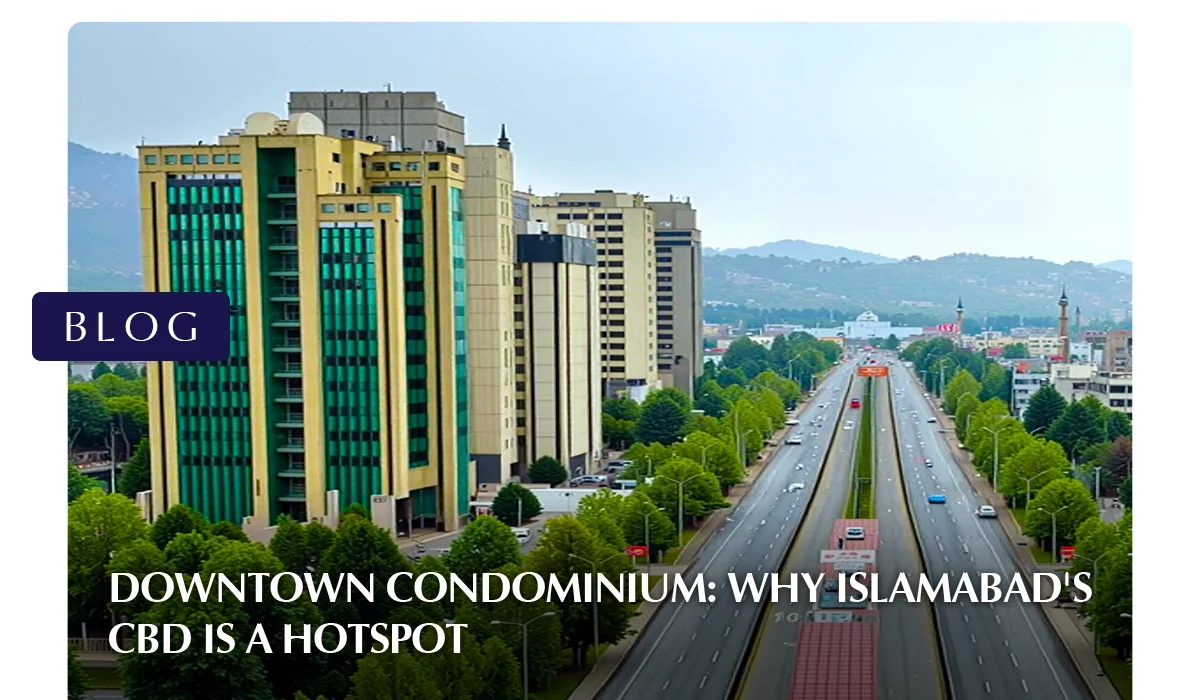
Islamabad has never had an officially designated Central Business District. Its original master plan followed a low-density, sector-based layout. Commercial activity was spread across local markets rather than concentrated in one urban core, but the market filled that gap on its own.

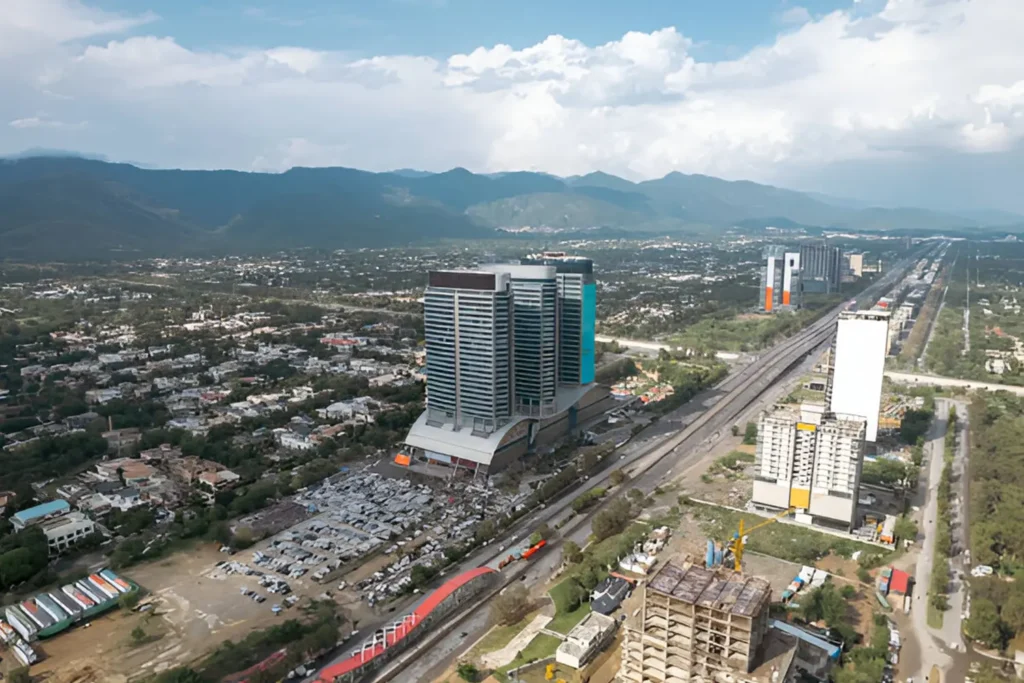
Over decades, one area emerged as the city’s de facto commercial spine: the Blue Area. And today, it is where the most compelling case for a downtown condominium in Islamabad is being made.

Understanding Islamabad’s Urban Growth

downtown condominium

To understand why the Blue Area matters, it helps to understand how Islamabad grew.

The city’s original planning assumptions were quickly overtaken by reality. The population crossed two million, and the built-up area expanded from around 58 km² in 2000 to nearly 256 km² by 2020, a fourfold increase in urbanised land in just two decades.

Most of that growth happened horizontally. Large residential projects pushed outward. Commercial spaces followed to serve local demand. The result was sprawl, not density.

This created an important gap: a rapidly growing city with no true urban commercial core. Blue Area stepped into that gap, and the data confirms it.

Why the Blue Area Is Islamabad’s Real Downtown

downtown condominium

Multiple areas have been branded as “downtown Islamabad” over the years. But branding and economic reality are not the same thing. Commercial real estate data from 2018 to 2024 tells a clear story:

Indicator Blue Area New Blue Area Gulberg Park View City
Price per Sq. Ft (2024) Rs. 500,000 Growing Rs. 90,000 Rs. 81,000
Long-Term Growth (2018–24) +196% Positive (since 2020) Moderate Moderate
6-Month Momentum +22% +4% −8% +6%
Market Stability Very High Medium Low Medium
Commercial Density Highest Rising Low Low
CBD Qualification Yes Emerging extension No No

The numbers are not ambiguous. Blue Area has the highest price per square foot, the strongest long-term growth, and the greatest market stability of any commercial zone in the city. No other area comes close on all four indicators simultaneously.

What Made Blue Area the Commercial Core

downtown condominium

Blue Area’s dominance wasn’t accidental. Several structural factors drove its rise:

Location Along Jinnah Avenue

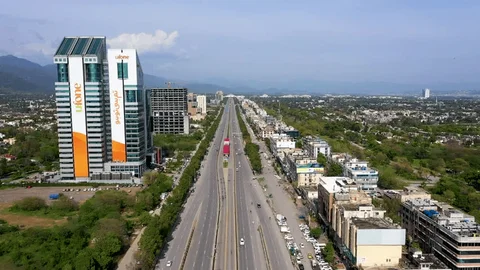
Blue Area sits along Islamabad’s primary east-west arterial road. Jinnah Avenue links major residential sectors directly to administrative and institutional zones, placing the Blue Area at the convergence point of commercial, civic, and residential traffic.

This is the kind of structural positioning that cannot be replicated elsewhere.

Concentration of Corporate Headquarters

Major national and multinational firms established their headquarters in the Blue Area due to its centrality and prestige. Financial institutions, telecom companies, and service-sector firms clustered here over time.

This concentration created a self-reinforcing cycle, as more firms attracted more firms, deepening the commercial density that defines a true urban core.

Proximity to Government and Civic Institutions

Ministries, regulatory bodies, and public-sector offices are located in adjacent zones. This proximity is strategically important for businesses in the finance, policy, and corporate coordination sectors, which form the backbone of any CBD.

Infrastructure and Transit Access

Wide boulevards, public transport corridors, and high-traffic convergence points all reinforce the Blue Area’s commercial accessibility. Footfall, visibility, and market liquidity are all higher here than anywhere else in the city.

What a Downtown Condominium in This Location Means

A downtown condominium in the Blue Area is not just a property purchase. It is a position within the city’s most active and stable economic zone.

Here is what that location delivers in practical terms:

Benefit What It Means for Residents and Investors
Central location Close to offices, hospitals, civic infrastructure, and transport
Established demand Working professionals consistently seek housing near the Blue Area
High land value Limited supply in a high-demand zone supports long-term appreciation
Low-maintenance living Shared, professionally managed building, no personal upkeep
Security Controlled access, CCTV, and on-site security in a multi-floor setup
Rental potential Steady tenant pool from nearby corporate offices and institutions

For investors, the logic is straightforward. Rental demand in Islamabad’s commercial core comes from professionals who need to be near their workplace. That demand does not disappear when the economy shifts if anything, proximity to the city’s institutional and corporate centre becomes more valuable over time.

Downtown Condominium in Pakistan’s Urban Centres

The rise of downtown condominiums in Pakistan’s major cities reflects a structural change in how urban property is being approached.

Horizontal expansion, buying a plot in a new housing scheme on the city’s outskirts, has long been the default investment model. But that model has limitations: long commutes, high construction costs, slow appreciation in new or peripheral zones, and no professional management of shared infrastructure.

The downtown condominium model addresses all of these:

  • You own your unit outright
  • Building operations are managed professionally
  • Location is fixed in an established, high-demand zone
  • Entry costs are more accessible than land plus construction costs
  • Rental income is supported by consistent urban demand

This is why the apartment and condominium segment is growing not as a lifestyle trend, but as a rational response to how cities actually function.

What to Verify Before Buying

Not every development in or near the Blue Area delivers equal value. Before committing, check the following:

  • CDA approval and NOC status: Confirm all relevant approvals from the Capital Development Authority are in place
  • Developer track record: Look at previously delivered projects, not just promises
  • Management structure: Who manages the building post-handover, and how?
  • Payment plan documentation: Everything should be in writing and legally sound
  • Confirmed amenities: Distinguish between what is built into the project and what is aspirational
  • Unit type and floor specifics: Location within the building affects both living quality and rental value

Citadel One3 Downtown Condominium Living in Blue Area

Citadel One3 by Chakor Ventures is a luxury condominium complex located in Blue Area, Islamabad, at the heart of the city’s verified commercial core.

The project details, taken directly from confirmed sources:

Feature Detail
Location Blue Area, Islamabad
Property Types Commercial and residential units
Total Area 27,500 sq ft
Height 40+ floors
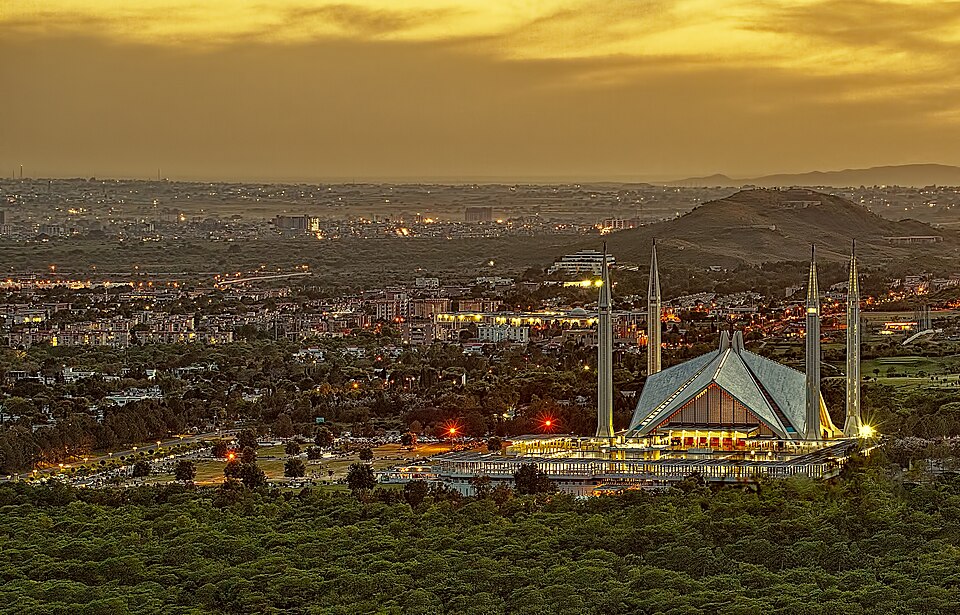
Views Faisal Mosque and Margalla Hills
Developer Chakor Ventures

Each apartment is designed to offer comfort, calm, and understated modern luxury with panoramic views of Islamabad’s most recognisable landmarks.

Citadel One3 is backed by Chakor Ventures, the developer behind Citadel 7, Islamabad’s first premium corporate tower, already positioned on Jinnah Avenue in the Blue Area with a December 2026 completion timeline.

For investors, the location within the Blue Area places Citadel One3 in the zone where commercial real estate has shown the strongest and most stable long-term growth in the city. For residents, it means living in the middle of Islamabad’s most connected and established urban address with the convenience of professionally managed condo living.

Is a Downtown Condominium the Right Move for You?

It makes sense if you:

  • Want to live close to the city’s commercial and civic core
  • Prefer managed, low-maintenance ownership
  • Are you investing for rental income in a high-demand location
  • Are you an overseas buyer who needs a professionally managed, rental-ready asset
  • Want an urban lifestyle without the complexity of building and maintaining a house

You may prefer other options if:

  • You need a large private outdoor space
  • You want a fully standalone property with no shared governance
  • Your focus is exclusively suburban or residential

Final Thoughts | Downtown Condominium

Islamabad’s urban growth created the conditions for the Blue Area to become what it is today, the city’s dominant commercial core, by data and by function, not just by branding.

A downtown condominium in this location is not a speculative bet. It is an investment in the most economically active, best-connected, and most stable commercial zone the city has produced.

The fundamentals are clear: limited land supply, established corporate demand, strong historical appreciation, and a growing preference for managed urban living.

For those looking at condos in Pakistan’s capital, the Blue Area is where the evidence points.

If you’re looking for a holiday apartment in Islamabad or real estate investing tips, visit Chakor Ventures.

Read More:

CategoriesNews Construction Developments Economy Transport Urban Developments & Planning

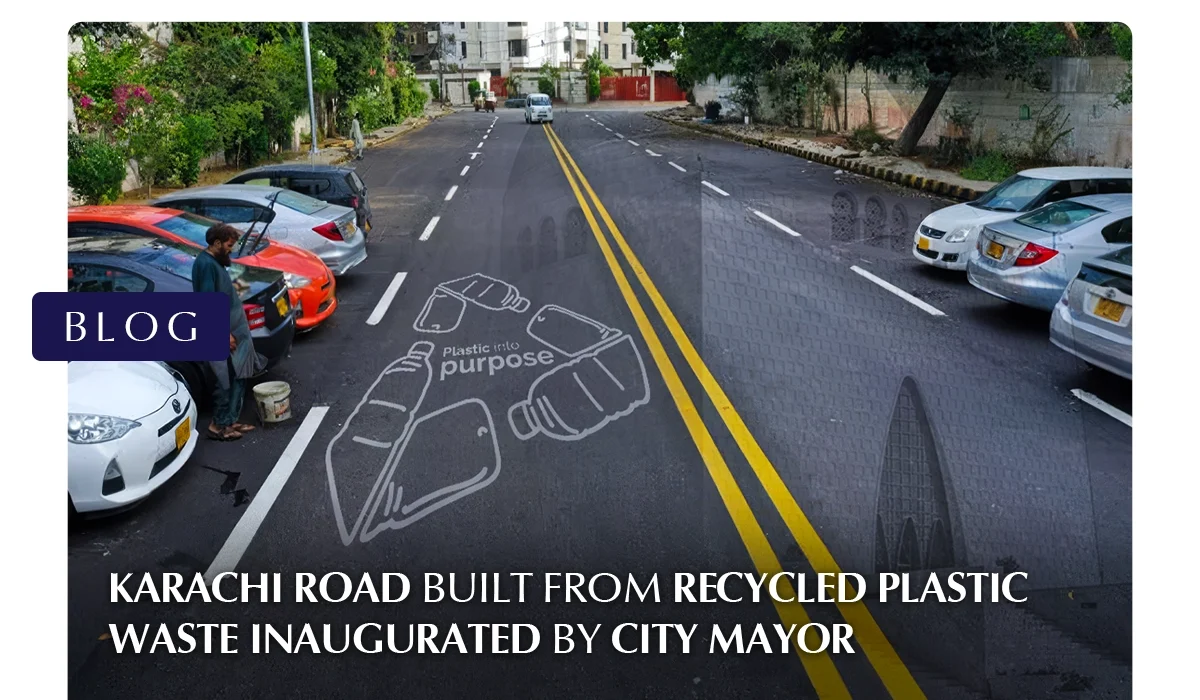
Karachi Road Built from Recycled Plastic Waste Inaugurated by City Mayor

KARACHI: Karachi Mayor Murtaza Wahab on Monday inaugurated a road near the English Biscuit Manufacturers (EBM) facility constructed using recycled industrial plastic waste, marking a notable convergence of private-sector sustainability efforts and urban infrastructure development in Pakistan’s largest city.

The road, located adjacent to EBM’s Karachi manufacturing plant, was developed in partnership with Concept Loop and is designed to divert low-value plastic waste from landfills by converting it into durable road material. The initiative is part of EBM’s broader circular economy agenda and is presented as a scalable model for integrating recycled materials into national infrastructure projects.

Speaking at the inauguration, Mayor Wahab described the project as “practical innovation that Karachi needs,” adding that it addresses both infrastructural deficiencies and environmental challenges simultaneously. EBM Executive Director Shahzain Munir emphasised the company’s commitment to long-term value creation through circular solutions and called for stronger public–private collaboration to scale such initiatives nationwide.

The inauguration ceremony also featured public awareness activities on sustainable waste management practices.

Separately, Mayor Wahab laid the foundation stone for the rehabilitation of Mirza Adam Khan Road in Lyari Town on the same day, at an estimated cost of Rs400 million. The project encompasses a 4.48-kilometre dual carriageway, a 4.61-kilometre drainage line, and an 18-inch sewerage line, with completion targeted before 30 June 2026. The mayor noted the road is a key artery connecting the Mauripur Road and Garden areas and forms part of the broader Lyari Transformation Project, valued at approximately Rs5 billion in its first phase.

For more news on the economy, real estate, and development, visit Chakor Ventures.

condominium property management
CategoriesCitadel One3 Construction Developments Property Real Estate Towers Urban Developments & Planning

Top Condominium Property Management | Complete Guide 2026

Across major cities in Pakistan, high-rise residential towers, mixed-use complexes, and gated apartment developments are becoming mainstream investments. With that shift comes a question many new owners aren’t prepared for: who manages the building, the shared spaces, and the day-to-day operations? That’s exactly what condominium property management addresses. Whether you own an apartment unit, a shop in a mixed-use tower, or an office in a commercial complex, understanding how condo management works can protect your investment and save you from a great deal of unnecessary stress.

What Is a Condominium?

Condominium Property Management

The most commonly asked query among homeowners is: ” What is a condominium?” A condominium is any apartment building, residential tower, or mixed-use development where individuals own separate units while sharing common infrastructure.

Think of any modern apartment block or high-rise development. Each unit has a private owner. But the lobby, lifts, car park, rooftop, and corridors belong to everyone.

Condominium property management is the professional system that keeps all of this running on behalf of all unit owners collectively.

How Is It Different from Rental Property Management?

Rental property management is similar but not identical. Here’s a simple comparison:

Aspect Rental Property Management Condominium Property Management
Focus One owner and their tenants Entire building community
Ownership Single owner Multiple individual unit owners
Common Areas Not applicable Lifts, lobbies, parking, amenities
Financial Structure Rent collection for one owner Shared maintenance contributions
Decision Making The owner decides independently Collectively, all owners involved
Complexity Moderate Higher community rules apply

In many apartment buildings, units are also rented out, which means rental property management operates alongside condominium management services within the same building. Both need to work together smoothly.

Core Responsibilities of Condominium Management Services

Condominium Property Management

Professional condominium management services cover a wide range of duties. Here is what a well-run setup handles:

1. Building Maintenance and Repairs

Shared spaces need regular upkeep. A professional manager schedules routine inspections, handles preventive maintenance, and responds quickly to emergencies, such as a broken lift, a water supply issue, or an electrical fault.

Small problems ignored become expensive ones. A proactive management team prevents that from happening.

2. Financial Management and Maintenance Funds

Every shared building needs a maintenance budget. The property manager:

  • Collects monthly maintenance charges from unit owners
  • Prepares transparent annual budgets
  • Manages payments to vendors and service providers
  • Keeps financial records accessible to all stakeholders
  • Plans ahead for larger capital expenses

Without proper financial oversight, buildings deteriorate, and disputes arise.

3. Resident and Tenant Relations

In buildings with rented units, the condo manager serves as a neutral party between landlords and tenants. They handle complaints, mediate disputes, and ensure everyone follows the building’s agreed-upon rules.

Clear communication prevents small issues from escalating.

4. Security and Access Management

A structured security system is non-negotiable in multi-floor buildings. Professional condominium property management covers:

  • Management of security staff and shift schedules
  • Visitor entry and exit procedures
  • CCTV oversight
  • Emergency response protocols

Residents, whether owners or tenants, need to feel safe in their building.

5. Utility Management

In many condominium units, utilities like electricity and water are managed collectively for common areas. The property manager ensures:

  • Timely payment of utility bills for shared areas
  • Meter readings and usage tracking
  • Coordination with relevant utility providers

6. Legal Documentation and Compliance

Buildings must comply with local authority regulations, building bylaws, and safety requirements. A professional manager keeps all documentation in order: NOCs, approvals, fire safety certifications, and any requirements set by relevant development authorities.

Why Professional Condominium Property Management Matters

condominium Property Management Services

Without professional management, apartment buildings often face the same recurring issues:

  • Maintenance requests ignored for weeks
  • Maintenance funds are misused or unaccounted for
  • Disputes between residents that go unresolved
  • Common areas falling into visible disrepair
  • Security arrangements that are inconsistent or unreliable

The consequences are real. Property values decline. Residents grow dissatisfied. Owners, especially those who invested for rental income, begin losing returns.

Professional condominium management services bring structure and accountability to what is a complex, community-wide operation.

For investors who are not physically present at the property, having a reliable management team in place is the difference between a genuinely passive income and a constant source of problems.

The Growing Need for Condominium Property Management

condominium property management

The shift toward high-rise apartments and mixed-use towers brings new management challenges that informal setups simply cannot handle:

Challenge Solution By Condominium Property  Management
Unresolved maintenance complaints Scheduled maintenance and defined response times
Funds mismanaged or unaccounted for Transparent budgeting and monthly reporting
Owner-tenant disputes Neutral mediation and documented processes
Security gaps in multi-floor buildings Structured security protocols and access systems
Utility bill disputes in shared buildings Metered tracking and transparent billing
Legal and documentation gaps Compliance support and proper paperwork

Developments like Chakor Ventures’ Citadel projects represent this new direction, professionally designed, multi-use buildings that require equally professional management. For investors in such projects, condominium property management services aren’t optional. They are what keep the investment performing year after year.

What to Look for in a Condominium Property Management Service

condominium property management

Not all condominium property management companies deliver the same quality. Before hiring one, evaluate these points:

  • Experience with multi-unit buildings: Managing a tower is fundamentally different from managing a single house. Look for a team with proven experience.
  • Transparent financial reporting: You should receive clear monthly statements without having to ask repeatedly.
  • Responsive communication: Problems arise at odd hours. Your management team needs a reliable system for complaints and emergencies.
  • Established vendor network: A good manager already has trusted contractors for plumbing, electrical work, cleaning, and security.
  • Knowledge of local regulations: Proper compliance with building bylaws and development authority requirements is non-negotiable.
  • Organised documentation: All agreements, approvals, and financial records should be properly maintained and accessible to relevant stakeholders.

Rental Property Management Within a Condo Building

A significant number of condo unit owners don’t live in their units; they rent them out. This is where rental property management comes into play.

Within a condo setup, rental management for individual units typically covers:

  • Finding and screening tenants through proper verification
  • Collecting rent and transferring income to the owner
  • Handling tenant complaints within the framework of building rules
  • Ensuring tenants respect shared facilities and community guidelines
  • Managing unit-level maintenance separate from common-area upkeep

Ideally, one management team handles both, eliminating friction between individual unit management and building-wide operations.

Summary: What Condominium Management Services Cover

Service What It Includes
Common Area Maintenance Lifts, lobbies, car parks, staircases, and rooftops
Financial Management Budgets, maintenance funds, and transparent reporting
Security Management Guards, CCTV, visitor access procedures
Resident Communication Notices, disputes, community guidelines
Utility Management Bills for shared areas, meter tracking
Legal Compliance NOCs, building approvals, safety documentation
Rental Management Tenant placement and rent collection for individual units
Vendor Supervision Contractors, cleaning, repairs, security staff

Citadel One3 — A New Standard in Managed Living

Citadel One3 by Chakor Ventures is a modern residential apartment tower located in Islamabad. It is designed for investors and residents who want the benefits of apartment living without the hassle of managing it themselves.

The development brings together thoughtfully designed living spaces with professionally managed shared facilities, lobbies, lifts, car parking, and common areas, all maintained to a consistent standard.

For investors, Citadel One3 offers a straightforward value proposition. You own the unit. A professional team handles the rest.

This is exactly the kind of setup that makes condominium property management work in practice. Owners don’t have to chase maintenance teams or deal with building-wide issues personally. Everything operates within a structured, accountable system.

Whether you plan to live in your unit or rent it out, Citadel One3 takes the complexity out of ownership and lets your investment do the work.

Conclusion | Condominium Property Management

Condominium property management is what keeps modern multi-unit buildings functional, safe, and financially sound. It goes well beyond fixing a water leak or collecting monthly fees.

It is about running an entire community fairly, transparently, and professionally.

As the real estate market matures and more investors move into apartment buildings and mixed-use developments, the demand for quality condominium property management services will only grow. Owners who invest in proper management early are the ones who protect and grow their assets over time.

If you own or are considering a unit in a high-rise or mixed-use development, always check what management structure is in place. It is one of the most important and most commonly overlooked factors in any property investment decision.

If you’re looking for a holiday apartment in Islamabad, visit Chakor Ventures.

Read More: