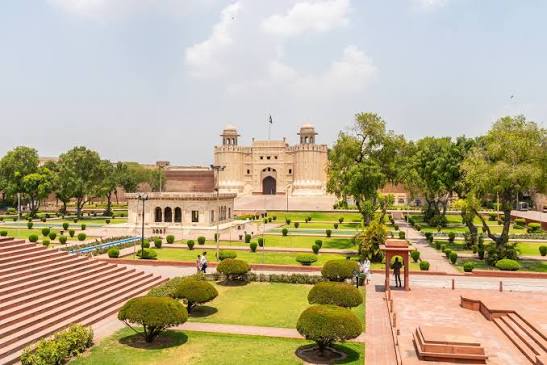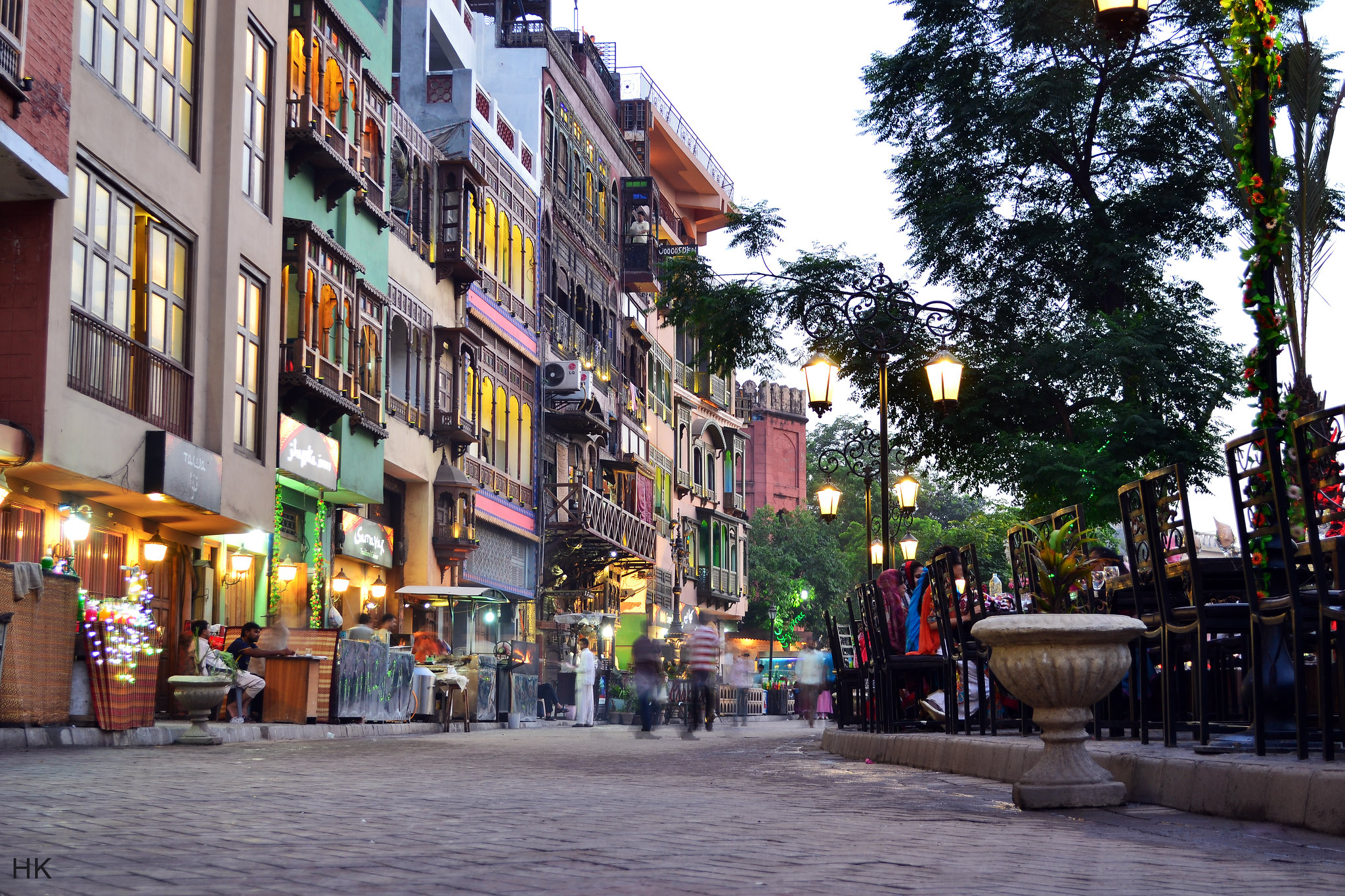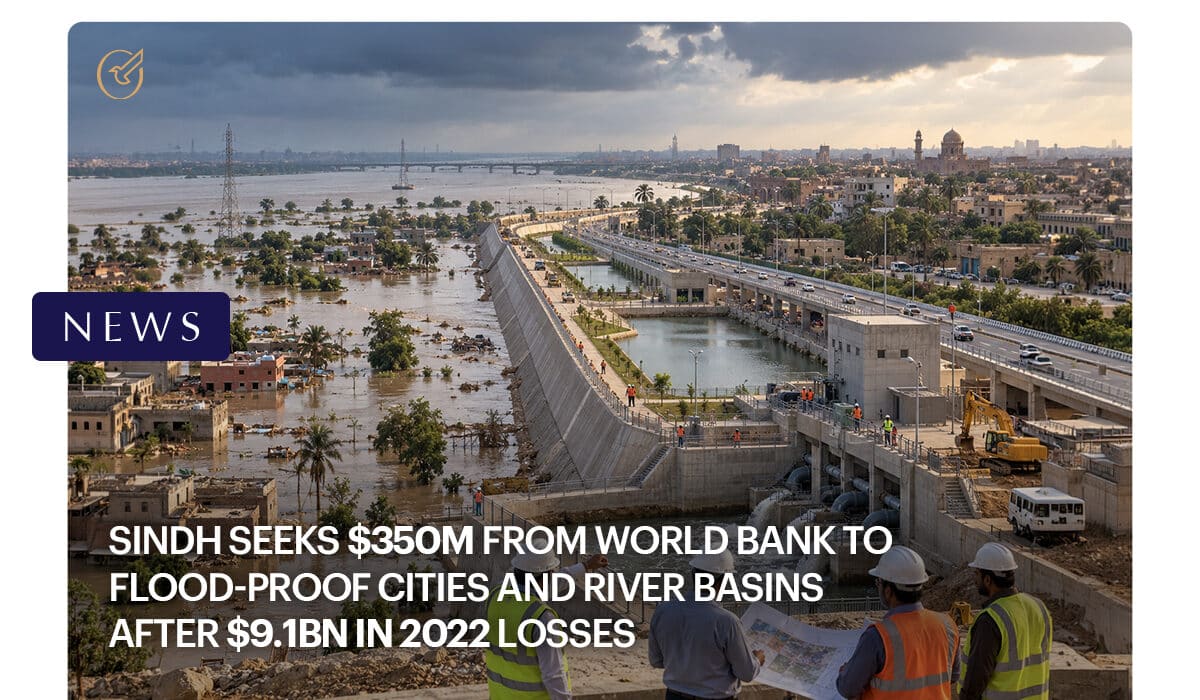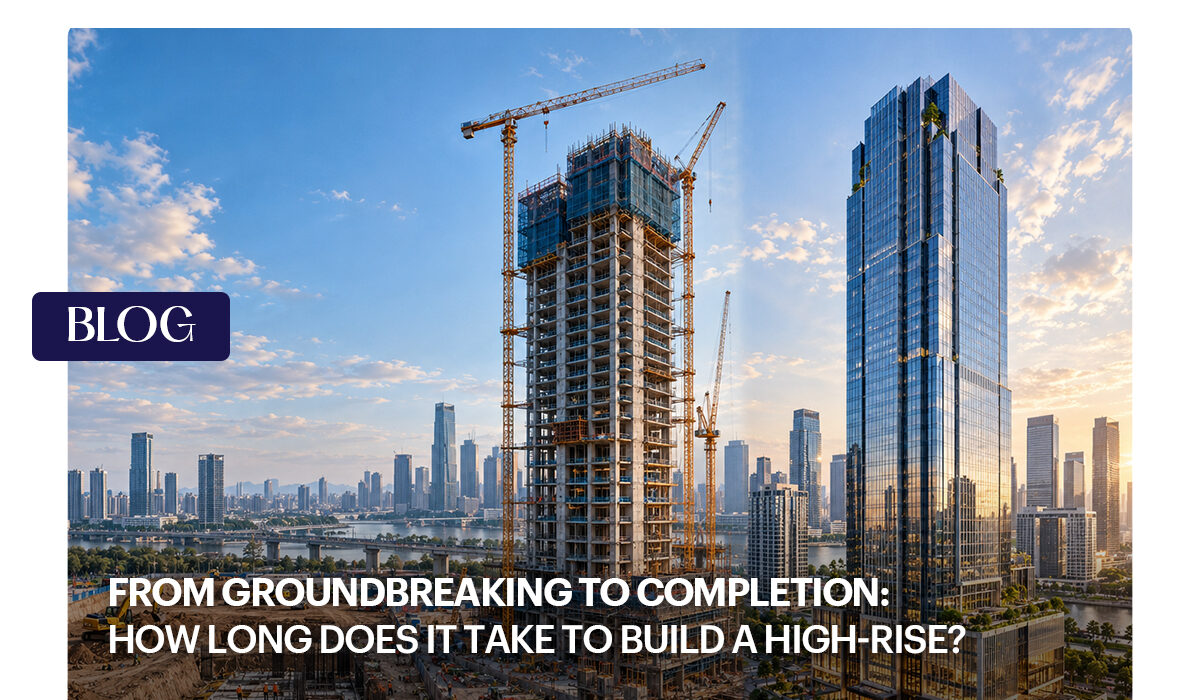
Ranikot Fort
CategoriesArchitecture Construction Entertainment Tourism

Ranikot Fort: 10 Surprising Facts of ‘Great Wall of Sindh’

Hidden deep within the rugged Kirthar hills of Sindh, Ranikot Fort stands as one of the most extraordinary and enigmatic structures in the world. Stretching over 32 kilometres in circumference, this colossal fortification is widely regarded as the largest fort on Earth, earning it the legendary title of “The Great Wall of Sindh.” Yet despite its staggering scale, Ranikot Fort remains one of Pakistan’s historical treasures, shrouded in mystery and waiting to be discovered.

Whether you are a history enthusiast, an adventure traveller, or simply curious about Pakistan’s rich heritage, this complete guide covers everything from the history of Ranikot Fort and its disputed origins to its architectural wonders and practical travel tips.

What Is Ranikot Fort?

Ranikot Fort

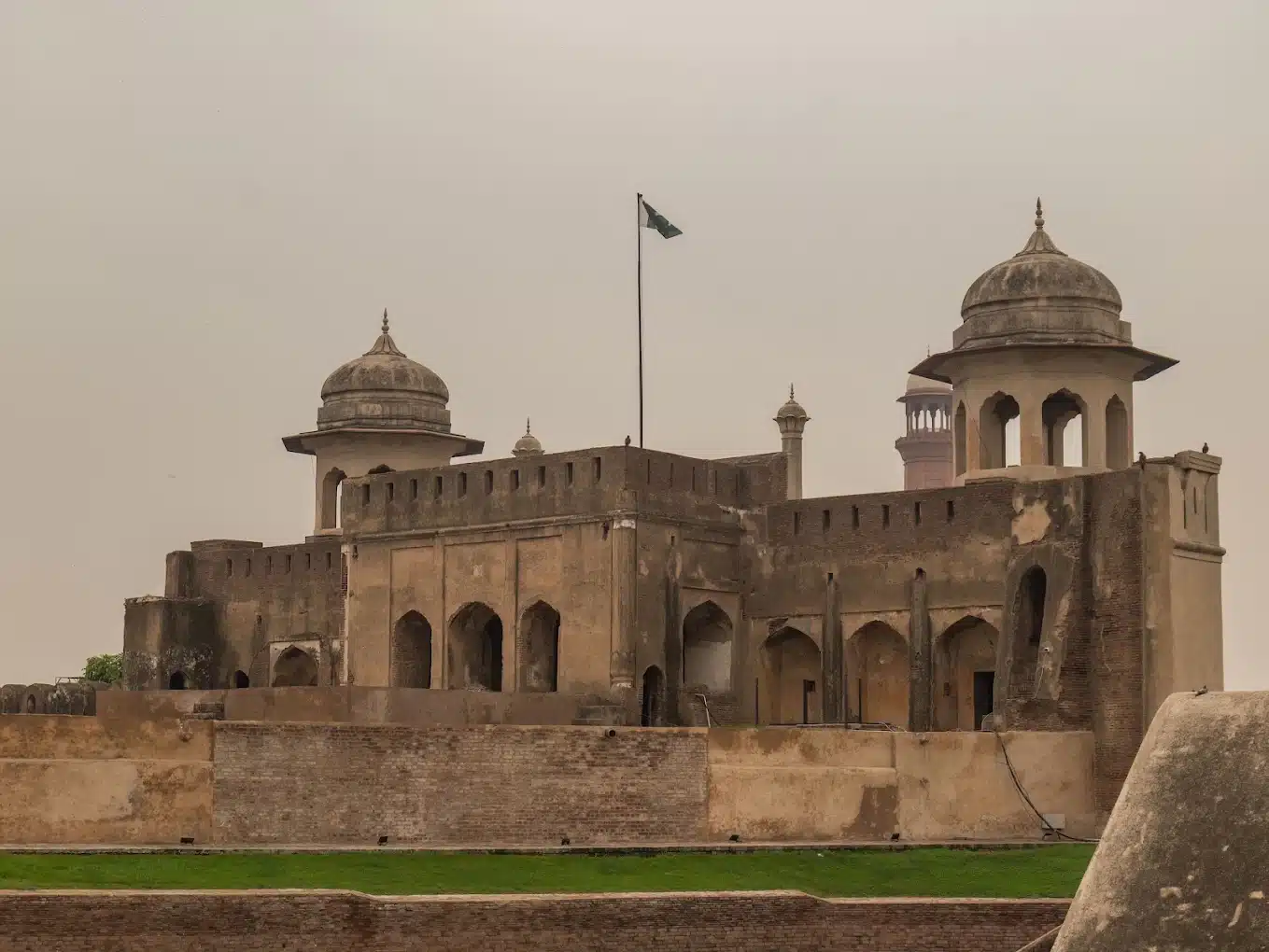
Ranikot Fort is a massive ancient fortification located in Sindh, Pakistan. Its walls, built from solid limestone and sandstone, rise between 6 and 9 metres in height in various sections, winding dramatically across barren hills and valleys in a distinctive zigzag pattern. From a distance, the fort blends seamlessly into its natural surroundings, its tawny stone walls appearing almost as an extension of the landscape itself.

Unlike the grand Mughal forts of Lahore or Agra, Ranikot Fort does not dazzle visitors with ornate palaces or intricate decorative tile work. Its power lies entirely in its sheer, almost unimaginable scale and in the raw, untamed wilderness that surrounds it. The fort’s walls are interspersed with solid semi-circular bastions placed at strategic intervals, a design clearly intended for serious military defence.

Quick Facts 

Feature Detail
Total Circumference ~32 km
Wall Height 6–9 metres
Number of Gates 4 (Sann, Amri, Shah-Pere, Mohan)
Built By Talpur Dynasty / Nawab Wali Muhammad Khan Leghari
Located In Jamshoro District, Sindh, Pakistan
UNESCO Status Tentative World Heritage Site (since 1993)
Nearest Town Sann

Where Is Ranikot Fort Located?

Ranikot Fort Location

Ranikot Fort is located in the Jamshoro District of Sindh province, Pakistan, within the rugged Kirthar mountain range. It is approximately 90 kilometres north of Hyderabad on the Indus Highway (N-55) and falls within the boundaries of Kirthar National Park, Pakistan’s second-largest national park.

The nearest town is Sann, which also serves as a railhead on the Kotri–Larkana railway line. From Sann, a rough 21-kilometre diversion road leads to the eastern entrance of the fort, known as Sann Gate.

The surrounding landscape is stark and arid, with barren hills, sparse scrubland, and a silence that amplifies the sense of stepping into a forgotten world.

Getting There

  • From Karachi: Take the M-9 Karachi–Hyderabad Motorway, cross Jamshoro Toll Plaza (approx. 1.5 hours), then join the Indus Highway (N-55) northward. The total journey is roughly 261 km and takes about 3 to 3.5 hours by car.
  • From Hyderabad: The distance is approximately 120 km via the Indus Highway and Ranikot Fort Road, a journey of about 1.5 to 2 hours.

Once you reach the small settlement of Meeri, it is advisable to park your vehicle and proceed on foot for the remaining stretch to the fort.

Who Built Ranikot Fort?

Talpur Mirs of Sindh

The question of who built Ranikot Fort remains one of the most fascinating debates in Pakistani archaeology. Officially, the answer points to the Talpur Mirs of Sindh, with Nawab Wali Muhammad Khan Leghari credited as the chief architect and supervisor of the fort’s construction in the early 1800s.

However, various theories persist. Some researchers argue that earlier civilisations, possibly the Sassanians or Parthians, may have constructed an earlier version of the fortification, which the Talpurs later rebuilt and expanded.

The discovery of Gupta-era inscriptions on the fort walls has added further weight to the idea that the site held strategic or cultural significance centuries before the Talpur era.

Ranikot Fort was built by the Talpur dynasty, yet the full truth of its origins may be far older and more complex than any single dynasty can account for. This unresolved mystery is precisely what continues to attract historians, archaeologists, and curious travellers from around the world.

History of Ranikot Fort

The Ranikot Fort history is as dramatic and layered as its towering stone walls. Few historical monuments in South Asia carry as much mystery around their origins, and that very mystery is a large part of what makes this place so compelling.

Ancient Origins

the Sassanians

For a long time, historians debated whether Ranikot Fort was the work of ancient civilisations, the Sassanians, the Scythians, the Parthians, or even the Bactrian Greeks. This belief was fuelled by the sheer scale of the structure, which seemed almost impossibly grand for a relatively recent construction.

However, discoveries in 2018 significantly changed the conversation. Three inscriptions found on the southeastern corner of the fort were examined by scholars, with one set of markings traced to the Gupta Period (4th–5th century AD). Iron arrowheads from what researchers believe may be the Scythian period and coins from the Habbarid period (854–910 AD) were also found in the vicinity, suggesting the site had been occupied or used across multiple eras.

Radiocarbon testing conducted on charcoal embedded in the mortar of a collapsed pillar at Sann Gate confirmed that parts of the fort were renovated between the early 18th and early 19th centuries, most likely during the reign of the Kalhoras or the Talpur Mirs of Sindh.

The Talpur Dynasty and Construction

Talpur Dynasty

The most widely accepted view among archaeologists today is that the Ranikot Fort was substantially built and reconstructed during the Talpur dynasty in the early 19th century.

According to the history of Ranikot Fort as documented in the Sindh Gazetteer, the fort underwent major reconstruction in 1812 at a recorded cost of 1.2 million rupees, an enormous sum at the time.

Historian accounts record that the fort was planned and constructed under the direct supervision of Nawab Wali Muhammad Khan Leghari, the Prime Minister of Sindh under the Talpur rulers, around 1819 AD. The Talpurs, facing growing pressure from an advancing British Empire, needed both a military stronghold and a safe refuge for the ruling Mir family and their households.

Ironically, the British forces swept through Sindh and seized Ranikot Fort before its construction was even complete. The fort thus never fulfilled the purpose for which it was so ambitiously built.

Architecture and Key Features

The Four Gates

The Four Gates

Ranikot Fort has four entry gates, arranged in a roughly rhomboid formation:


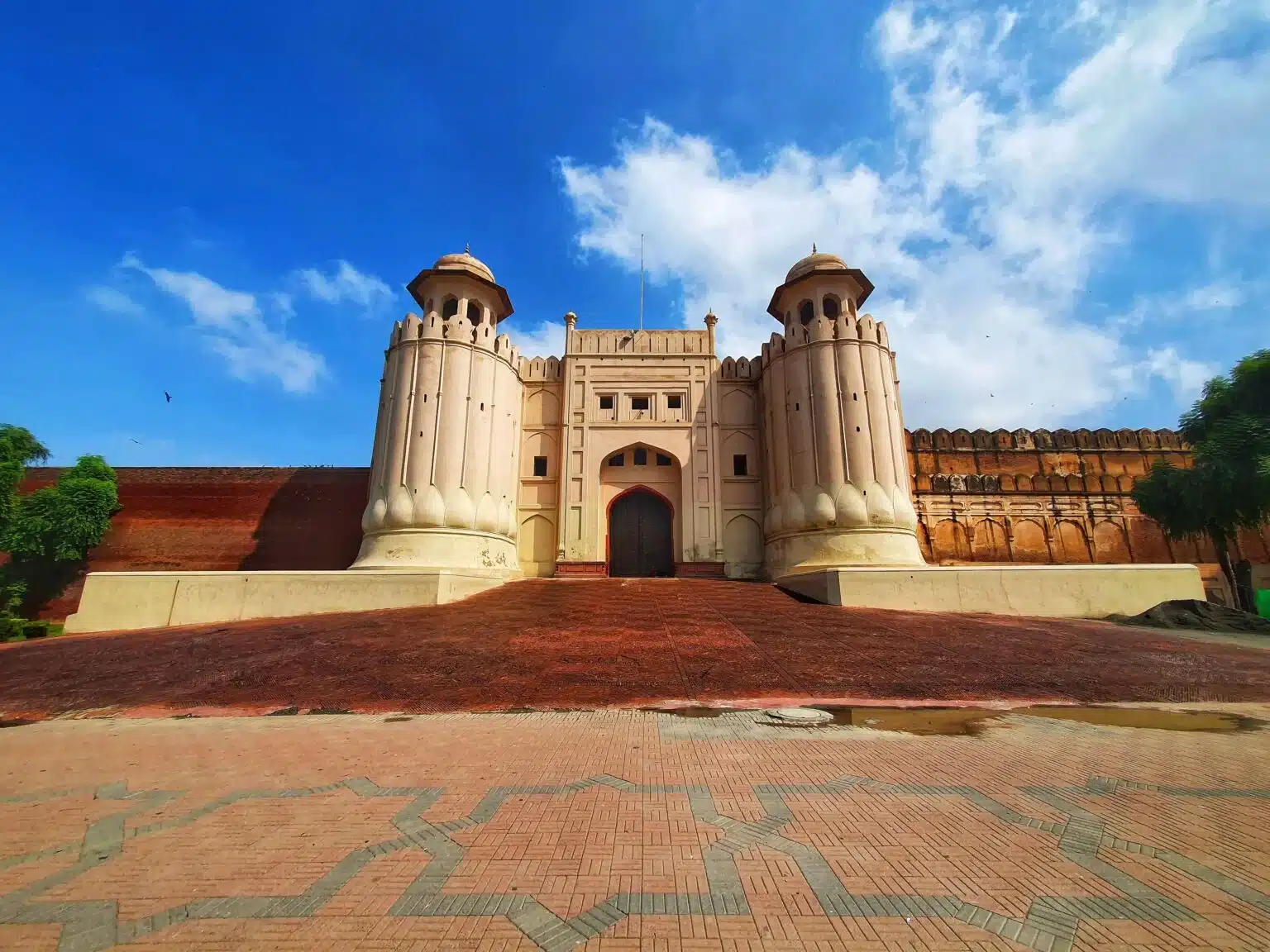
  • Sann Gate is the best-preserved and most commonly used entrance. It can be scaled from both sides and offers panoramic views of the surrounding terrain. This gate also serves as the entry point to Miri Fort.
  • Mohan Gate is the main southern gate and features a rare double-door design. Inside the gate, two decorative niches carved with floral motifs and stone carvings add a touch of elegance to what is otherwise a purely defensive structure.
  • Amri Gate and Shah-Pere Gate complete the four entrances, with the Sann River cutting through two of the gates, making certain approaches particularly difficult, a deliberate defensive feature.

Miri Fort — The Palace Within

Miri Fort — The Palace Within

Approximately 3 kilometres from Sann Gate lies Miri Fort (also called Meeri), a smaller fortress within the grand outer walls. This inner fort is believed to have served as the royal residence and palace of the Mir ruling family. It is the most visited section of the complex and contains the remains of what was once a well-appointed royal retreat.

Shergarh and Mohan Kot

Shergarh

Two additional inner forts, Shergarh, perched high in the Kirthar mountains, and Mohan Kot, near Mohan Gate, are part of the Ranikot complex. Shergarh requires a full day’s trekking to reach and is recommended only for serious adventurers.

Ranikot Fort vs. The Great Wall of China

Ranikot Fort

The comparison between Ranikot Fort and the Great Wall of China is not mere hyperbole; it is a genuine architectural parallel that has struck every serious observer who has visited both.

Like China’s Great Wall, Ranikot’s walls follow the natural contours of the mountain terrain, rising and falling with the hills rather than cutting through them. Both were built for large-scale territorial defence. Both were built with stone and mortar. And both stretch across vast distances that seem almost humanly impossible to have constructed.

The key difference is recognition. The Great Wall of China is one of the most visited landmarks on Earth. Ranikot Fort, equally impressive in scope, is barely known outside Pakistan. That disparity speaks less to the fort’s significance, and more to how dramatically under-promoted Pakistan’s cultural heritage remains on the global stage.

The Great Wall of China

UNESCO Status and Conservation

Ranikot Fort was nominated for UNESCO World Heritage Site status in 1993 by the Pakistan National Commission and has since remained on UNESCO’s Tentative List. The fort is also protected under Pakistan’s Antiquities Act of 1975.

Restoration works have been undertaken by the Archaeology Department of Pakistan and the Sindh Department of Culture, though these efforts have not been without controversy. An inquiry commissioned in 2005 found that restoration work had been carried out using cement and new stonework that did not comply with the Venice Charter for the Conservation and Restoration of Monuments and Sites. Further restoration work was subsequently halted pending review.

The fort clearly deserves far greater investment in conservation, research, and promotion, both for Pakistan’s cultural pride and for its potential to become a major global heritage tourism destination.

FAQs About Ranikot Fort

Who built Ranikot Fort? 

Ranikot Fort was built by the Talpur dynasty of Sindh, under the supervision of Nawab Wali Muhammad Khan Leghari, around 1819 AD.

Where is Ranikot Fort located? 

Ranikot Fort is located in Jamshoro District, Sindh, Pakistan, within the Kirthar National Park, approximately 90 km north of Hyderabad.

What is Ranikot Fort famous for? 

It is famous as the world’s largest fort by circumference, often called the Great Wall of Sindh for its resemblance to the Great Wall of China.

Is Ranikot Fort a UNESCO World Heritage Site? 

It has been on UNESCO’s Tentative World Heritage List since 1993, but has not yet received full UNESCO World Heritage designation.

Has Ranikot Fort ever been invaded? 

According to local accounts and visitor records, the fort was never successfully invaded by an enemy force, and the British took control of Sindh before the fort was fully completed.

Final Thoughts

Ranikot Fort is not just a historical monument; it is a statement of ambition, mystery, and endurance carved in stone across the hills of Sindh. From its disputed origins spanning possibly thousands of years, to its dramatic construction by the Talpur Mirs in the face of British expansion, every wall and gate of this extraordinary fortification tells a story worth knowing.

If Pakistan’s cultural heritage were given the global attention it deserves, Ranikot Fort would already be as famous as the Great Wall of China. Until that day comes, those who make the journey to Jamshoro will find themselves rewarded with one of the most awe-inspiring and profoundly silent historical experiences in all of South Asia.

For more informative blogs on topics like lok virsa heritage museum and Shakarparian, visit Chakor Blogs.

Read More:

Derawar Fort: Complete Guide to Bahawalpur’s Desert Jewel

Reviving History: Restored Heritage Properties in Islamabad

10 Incredible Haunted Places in Pakistan to Explore

Kachehry Chowk Project
CategoriesNews Construction Developments Economy

Construction Material Prices Drive Kachehry Chowk Project Cost Up by Rs3 Billion

RAWALPINDI: The ambitious District Kachehry underpass, overhead bridge, and pedestrian bridges project in Rawalpindi has witnessed significant cost escalation, with the budget rising from Rs16 billion to Rs19 billion. Authorities attribute the sharp increase to skyrocketing prices of key construction materials, including cement, sand, and steel, which have placed considerable financial strain on the infrastructure initiative.

In addition to the cost overrun, the project has suffered a 30-day delay in its scheduled completion. Eid holidays and persistent heavy rainfall over the past three weeks have disrupted construction timelines, pushing the expected completion date from April 30 to May 30, 2026. Preparations for the inauguration ceremony have consequently been suspended until further notice.

Rawalpindi Commissioner Aamir Khattak has taken strict notice of the setback and issued firm directives to the concerned authorities to ensure the project is completed by May 30 without any further extension. During a recent site visit alongside Frontier Works Organisation officials, the commissioner reviewed construction progress firsthand and received detailed briefings from engineers and contractors.

Current figures indicate that overall construction progress stands at 76 percent, with work being carried out in double shifts to compensate for lost time. Physical progress at Kachehry intersection stands at 74 percent, 72 percent at Iftikhar Janjua, and 71 percent at Annex Chowk. Utility ducts are 83 percent complete, pedestrian bridges 50 percent, the tube well 96 percent, and the retaining wall 98 percent complete.

The project has also sparked controversy following the closure of the 200-year-old main gate of the district courts and adjoining access routes serving multiple judicial institutions. Judges, lawyers, and court staff have formally protested the closure, prompting the matter to be escalated to the High Court. Authorities have cited security concerns as justification, while legal community representatives have deemed alternative routes unsafe.

Launched on November 3, 2025, the project remains on course for its revised May 2026 deadline.

For more news on the economy, real estate, and development, visit Chakor Ventures.

Tomb of Jahangir
CategoriesEntertainment Architecture Construction Tourism

Tomb of Jahangir 2026: Lahore’s Remarkable Mughal Heritage

The tomb of Jahangir stands as one of the most breathtaking and historically significant monuments of the Mughal Empire. Located in the heart of Lahore, Pakistan, this magnificent mausoleum is the eternal resting place of Emperor Noor-ud-Din Muhammad Jahangir, the fourth ruler of the Mughal dynasty, who reigned from 1605 to 1627. For centuries, the tomb of Jahangir has drawn historians, architects, tourists, and heritage enthusiasts from across the world, offering a stunning window into the grandeur of one of South Asia’s most powerful empires.

Whether you are a history lover, a traveller planning a trip to Lahore’s historical landmark, or simply curious about Mughal heritage, this complete guide to the tomb of Jahangir covers everything you need to know.

Who Was Emperor Jahangir?

Emperor Jahangir

Before exploring the tomb of Jahangir, it is essential to understand the man behind this monument. Emperor Noor-ud-Din Muhammad Salim, known by his imperial name Jahangir, meaning “Conqueror of the World“, was the fourth ruler of the Mughal Empire. 

He reigned from 1605 to 1627 CE and is remembered as a patron of art, nature, and architecture. Jahangir had a deep love for Lahore and spent considerable time there. His passion for beauty and grandeur is perfectly reflected in the monument that now carries his name.

Where Is the Tomb of Jahangir?

Tomb of Jahangir

The tomb of Jahangir is situated in Shahdara Bagh, on the western bank of the River Ravi, in Lahore, Punjab, Pakistan. If you’re wondering where the tomb of Mughal Emperor Jahangir is on a map, the coordinates are 31°37’22.6″N, 74°18’13.2″E, easily accessible by road from central Lahore.

It lies approximately three miles northwest of Lahore’s historic Walled City, in a lush, rural landscape dotted with pleasure gardens and scenic retreats.

More precisely, the Jahangir tomb is situated within the grounds of the Dilkusha Garden, a name that translates to “heart-pleasing”, which was originally laid out in 1557. This garden was personally favoured by Emperor Jahangir during his time in Lahore, making it a deeply personal and symbolic choice for his burial site.

History of Jahangir Tomb: From an Emperor’s Death to a Mughal Masterpiece

The Death of Emperor Jahangir

History of Jahangir Tomb

The history of Jahangir tomb begins with the final days of the emperor himself. In October 1627, Emperor Jahangir passed away near Rajauri in the foothills of Kashmir while travelling from Lahore. As per his last wish, his body was returned to Lahore, arriving on Friday, 12 November 1627.

He had requested burial in the Dilkusha Garden, a place he deeply loved during his years in the city. His son and successor, the legendary Emperor Shah Jahan, immediately ordered that a mausoleum befitting an emperor be constructed in his father’s honour.

Who Built the Tomb of Jahangir?

Tomb-Jahangir

The question of who built tomb of Jahangir is one of the most fascinating debates in Mughal architectural history. While contemporary court records officially credit Shah Jahan with commissioning the structure, many historians argue that the real creative vision behind the tomb belonged to Empress Noor Jahan, Jahangir’s powerful and architecturally gifted wife, who outlived him by 18 years.

Noor Jahan, of Persian descent, had previously overseen the construction of the exquisite Itimad-ud-Daulah tomb in Agra. Her Persian sensibilities and deep devotion to Jahangir are clearly reflected in the tomb’s design. She became a permanent resident of Lahore after his death and is widely believed to have played an active role in the monument’s design and planning.

Construction began in 1627 and took a full decade to complete, finishing in 1637 at a total cost of approximately Rs. 10 lakh, an enormous sum at the time. The result was a monument that would be described for centuries as the finest ornament of Lahore.

Jahangir Tomb Lahore: Architectural Brilliance Explained

The Jahangir tomb Lahore is a masterwork of Mughal architecture, fusing Persian, Timurid, and Safavid influences into a single, cohesive monument of extraordinary beauty.

Exterior Design

Exterior Design

The mausoleum is a single-storey, square-plan structure measuring 267 feet on each side, built upon a high platform. Its façade is clad in rich red sandstone intricately inlaid with white marble in the pietra dura style, a decorative technique involving semi-precious stones cut and fitted to form elaborate floral and geometric patterns.

Rising from each of the four corners of the building are striking octagonal minarets, each standing 100 feet tall and decorated with chevrons of pink and white marble. These minarets are divided into three sections and are crowned with elegant white marble cupolas.

One of the most distinctive features of the tomb of Jahangir is its complete absence of a central dome. Unlike almost every other major Mughal mausoleum, including the Taj Mahal and Humayun’s Tomb, the tomb of Jahangir has a flat roof. This was not an oversight; it was Jahangir’s express wish, made before his death, in keeping with Sunni burial traditions that favour simplicity and openness to the sky.

The Chahar Bagh Garden

tomb of Jahangir

The tomb of Jahangir is set within a classical Chahar Bagh, a Persian-style four-part garden. The grounds cover approximately 55 acres, divided into four main sections and further subdivided into sixteen equal squares by brick-paved walkways and water channels. The garden was designed to evoke the Islamic concept of paradise on earth, with lush greenery, fountains, and reflecting pools completing the serene atmosphere.

The Inner Burial Chamber

The Inner Burial Chamber

Passing through the arcaded verandah of the inner sanctuary, visitors enter the central octagonal burial chamber measuring approximately eight meters in diameter. At its heart sits the marble cenotaph of Emperor Jahangir, intricately inlaid with 99 attributes of Allah (Asma-ul-Husna) in semi-precious and precious stones, crafted in stunning floral patterns. At the foot of the cenotaph, a Persian inscription reads:

“This is the illumined grave of His Majesty, the Asylum of Pardon, Nooruddin Muhammad Jahangir Padshah 1037 AH.”

The vaulted ceiling and side walls of the burial chamber are adorned with rich Mughal buon fresco paintings among the finest surviving examples of Mughal mural art. 

Akbari Sarai and Tomb of Asif Khan

Akbari Sarai

Entry to the main complex of the tomb of Jahangir is through the western gate via the Akbari Sarai, a grand caravanserai featuring 180 small cells, a mosque with three domed chambers, and stately Mughal-style gateways beautifully decorated with frescoes. Adjacent to the Akbari Sarai lies the Tomb of Asif Khan, Jahangir’s brother-in-law, completing the historic ensemble.

Tomb of Asif Khan

Historical Importance of Jahangir Tomb

The historical importance of Jahangir tomb extends far beyond its visual grandeur. Here is why this monument holds such a significant place in history:

  • National Symbol: The tomb of Jahangir was depicted on Pakistan’s 1,000-rupee note until 2005 and was commemorated on a Pakistani postage stamp in 1954, reflecting its stature as a defining symbol of the nation’s Mughal heritage.
  • UNESCO Recognition: The tomb of Jahangir, along with the Tomb of Asif Khan and the Akbari Sarai, was inscribed on UNESCO’s Tentative World Heritage Site list in 1993. This recognition places it among the most historically and architecturally significant sites not only in Pakistan but in the world.
  • Artistic Legacy: The tomb of Jahangir represents the peak of Mughal artistic achievement, combining Persian, Timurid, and local craftsmanship in an ensemble that influenced subsequent Mughal architecture, including Shah Jahan’s own masterpiece, the Taj Mahal.
  • Cultural Identity: For the people of Lahore and Pakistan, the tomb of Jahangir is more than a monument; it is a living link to a rich imperial past that shaped the region’s culture, art, language, and identity.

Interesting Facts About the Tomb of Jahangir

  • The tomb of Jahangir is the only major Mughal royal mausoleum without a central dome.
  • The complex covers 55 acres, making it one of the largest Mughal tomb complexes.
  • Noor Jahan’s own tomb lies slightly to the southwest of the tomb of Jahangir, keeping the royal couple geographically close even in death.
  • The garden’s Chahar Bagh design follows the same concept as the gardens of the Taj Mahal.
  • The tomb of Jahangir was once used as a private residence during the Sikh era.

Visitor Information

Planning a visit to the tomb of Jahangir? Here is what you need to know:

 Location: Shahdara Bagh, Lahore, Punjab, Pakistan 

Opening Hours: Generally open from 8:00 AM to 6:00 PM daily

Entry Fee: A nominal fee is charged for both local and international visitors 

Best Time to Visit: October to February, when Lahore’s weather is cooler and pleasant 

Nearby Attractions: Badshahi Mosque, Lahore Fort, Shalimar Gardens, and the Tomb of Noor Jahan

The tomb of Jahangir is well connected by road from central Lahore. Rickshaws, taxis, and ride-hailing apps make getting there straightforward.

Frequently Asked Questions

Where is tomb of Jahangir? 

The tomb of Jahangir is in Shahdara Bagh, on the western bank of the River Ravi, Lahore, Punjab, Pakistan.

Who built the tomb of Jahangir? 

Shah Jahan commissioned the tomb of Jahangir, though historians widely credit Empress Noor Jahan as the guiding visionary behind its design and construction.

Does the tomb of Jahangir have a dome? 

No. Jahangir expressly forbade a dome over his tomb, making the tomb of Jahangir unique among major Mughal mausoleums.

Is the tomb of Jahangir a UNESCO site? 

It has been on UNESCO’s Tentative World Heritage Site list since 1993.

Conclusion

The tomb of Jahangir is far more than a burial place. It is a monument to Mughal grandeur, a testament to the love between an emperor and his empress, and a living archive of art, architecture, and history. From its domed-free roofline to its pietra dura-embellished cenotaph, every detail of the tomb of Jahangir tells a story worth knowing. If you visit Lahore, no journey is complete without standing in the presence of this timeless masterpiece and feeling the weight of centuries beneath your feet.

For more informative blogs on topics like lok virsa heritage museum and Shakarparian, visit Chakor Blogs.

Read More:

Saidpur Village: A Hidden Gem in Islamabad

Reviving History: Restored Heritage Properties in Islamabad

10 Incredible Haunted Places in Pakistan to Explore

CategoriesNews Construction Developments Property Real Estate Urban Developments & Planning

CDA Launches Ataturk Avenue Expansion Project in Islamabad

ISLAMABAD: The Capital Development Authority has started construction work on Ataturk Avenue to widen the road between D-Chowk and Ayub Chowk. The road will be expanded from a single lane into a two-way carriageway. The project will cost Rs. 241 million and is expected to finish within two months.

Since March 31, the avenue has been closed to traffic while construction is ongoing. Islamabad Traffic Police has set up alternate routes to help commuters get around the affected area.

The CDA has also taken steps to protect trees along the route, following heavy criticism over a similar project in 2018 when more than a hundred trees were cut down. This time, the authority says no trees will be removed. Twelve trees that fall in the path of construction are being dug up and moved to nearby locations. CDA spokesperson Shahid Kiani invited journalists and environmentalists to visit the site and see the process for themselves.

The project is being carried out under the supervision of the Environment Protection Agency, which had previously raised objections over tree cutting on the same stretch.

Apart from widening the road, the project also includes building dedicated cycling lanes and improving the overall layout of the avenue to reduce traffic congestion.
Residents have been asked to plan their travel in advance and follow instructions from traffic police during the construction period.

For more news on the economy, real estate, and development, visit Chakor Ventures.

Downtown Condominium
CategoriesCitadel One3 Construction Developments Property Real Estate Towers Urban Developments & Planning

Downtown Condominium: Top Reasons to Invest in 2026

Islamabad has never had an officially designated Central Business District. Its original master plan followed a low-density, sector-based layout. Commercial activity was spread across local markets rather than concentrated in one urban core, but the market filled that gap on its own.

Over decades, one area emerged as the city’s de facto commercial spine: the Blue Area. And today, it is where the most compelling case for a downtown condominium in Islamabad is being made.

Understanding Islamabad’s Urban Growth

downtown condominium

To understand why the Blue Area matters, it helps to understand how Islamabad grew.

The city’s original planning assumptions were quickly overtaken by reality. The population crossed two million, and the built-up area expanded from around 58 km² in 2000 to nearly 256 km² by 2020, a fourfold increase in urbanised land in just two decades.

Most of that growth happened horizontally. Large residential projects pushed outward. Commercial spaces followed to serve local demand. The result was sprawl, not density.

This created an important gap: a rapidly growing city with no true urban commercial core. Blue Area stepped into that gap, and the data confirms it.

Why the Blue Area Is Islamabad’s Real Downtown

downtown condominium

Multiple areas have been branded as “downtown Islamabad” over the years. But branding and economic reality are not the same thing. Commercial real estate data from 2018 to 2024 tells a clear story:

Indicator Blue Area New Blue Area Gulberg Park View City
Price per Sq. Ft (2024) Rs. 500,000 Growing Rs. 90,000 Rs. 81,000
Long-Term Growth (2018–24) +196% Positive (since 2020) Moderate Moderate
6-Month Momentum +22% +4% −8% +6%
Market Stability Very High Medium Low Medium
Commercial Density Highest Rising Low Low
CBD Qualification Yes Emerging extension No No

The numbers are not ambiguous. Blue Area has the highest price per square foot, the strongest long-term growth, and the greatest market stability of any commercial zone in the city. No other area comes close on all four indicators simultaneously.

What Made Blue Area the Commercial Core

downtown condominium

Blue Area’s dominance wasn’t accidental. Several structural factors drove its rise:

Location Along Jinnah Avenue

Blue Area sits along Islamabad’s primary east-west arterial road. Jinnah Avenue links major residential sectors directly to administrative and institutional zones, placing the Blue Area at the convergence point of commercial, civic, and residential traffic.

This is the kind of structural positioning that cannot be replicated elsewhere.

Concentration of Corporate Headquarters

Major national and multinational firms established their headquarters in the Blue Area due to its centrality and prestige. Financial institutions, telecom companies, and service-sector firms clustered here over time.

This concentration created a self-reinforcing cycle, as more firms attracted more firms, deepening the commercial density that defines a true urban core.

Proximity to Government and Civic Institutions

Ministries, regulatory bodies, and public-sector offices are located in adjacent zones. This proximity is strategically important for businesses in the finance, policy, and corporate coordination sectors, which form the backbone of any CBD.

Infrastructure and Transit Access

Wide boulevards, public transport corridors, and high-traffic convergence points all reinforce the Blue Area’s commercial accessibility. Footfall, visibility, and market liquidity are all higher here than anywhere else in the city.

What a Downtown Condominium in This Location Means

A downtown condominium in the Blue Area is not just a property purchase. It is a position within the city’s most active and stable economic zone.

Here is what that location delivers in practical terms:

Benefit What It Means for Residents and Investors
Central location Close to offices, hospitals, civic infrastructure, and transport
Established demand Working professionals consistently seek housing near the Blue Area
High land value Limited supply in a high-demand zone supports long-term appreciation
Low-maintenance living Shared, professionally managed building, no personal upkeep
Security Controlled access, CCTV, and on-site security in a multi-floor setup
Rental potential Steady tenant pool from nearby corporate offices and institutions

For investors, the logic is straightforward. Rental demand in Islamabad’s commercial core comes from professionals who need to be near their workplace. That demand does not disappear when the economy shifts if anything, proximity to the city’s institutional and corporate centre becomes more valuable over time.

Downtown Condominium in Pakistan’s Urban Centres

The rise of downtown condominiums in Pakistan’s major cities reflects a structural change in how urban property is being approached.

Horizontal expansion, buying a plot in a new housing scheme on the city’s outskirts, has long been the default investment model. But that model has limitations: long commutes, high construction costs, slow appreciation in new or peripheral zones, and no professional management of shared infrastructure.

The downtown condominium model addresses all of these:

  • You own your unit outright
  • Building operations are managed professionally
  • Location is fixed in an established, high-demand zone
  • Entry costs are more accessible than land plus construction costs
  • Rental income is supported by consistent urban demand

This is why the apartment and condominium segment is growing not as a lifestyle trend, but as a rational response to how cities actually function.

What to Verify Before Buying

Not every development in or near the Blue Area delivers equal value. Before committing, check the following:

  • CDA approval and NOC status: Confirm all relevant approvals from the Capital Development Authority are in place
  • Developer track record: Look at previously delivered projects, not just promises
  • Management structure: Who manages the building post-handover, and how?
  • Payment plan documentation: Everything should be in writing and legally sound
  • Confirmed amenities: Distinguish between what is built into the project and what is aspirational
  • Unit type and floor specifics: Location within the building affects both living quality and rental value

Citadel One3 Downtown Condominium Living in Blue Area

Citadel One3 by Chakor Ventures is a luxury condominium complex located in Blue Area, Islamabad, at the heart of the city’s verified commercial core.

The project details, taken directly from confirmed sources:

Feature Detail
Location Blue Area, Islamabad
Property Types Commercial and residential units
Total Area 27,500 sq ft
Height 40+ floors
Views Faisal Mosque and Margalla Hills
Developer Chakor Ventures

Each apartment is designed to offer comfort, calm, and understated modern luxury with panoramic views of Islamabad’s most recognisable landmarks.

Citadel One3 is backed by Chakor Ventures, the developer behind Citadel 7, Islamabad’s first premium corporate tower, already positioned on Jinnah Avenue in the Blue Area with a December 2026 completion timeline.

For investors, the location within the Blue Area places Citadel One3 in the zone where commercial real estate has shown the strongest and most stable long-term growth in the city. For residents, it means living in the middle of Islamabad’s most connected and established urban address with the convenience of professionally managed condo living.

Is a Downtown Condominium the Right Move for You?

It makes sense if you:

  • Want to live close to the city’s commercial and civic core
  • Prefer managed, low-maintenance ownership
  • Are you investing for rental income in a high-demand location
  • Are you an overseas buyer who needs a professionally managed, rental-ready asset
  • Want an urban lifestyle without the complexity of building and maintaining a house

You may prefer other options if:

  • You need a large private outdoor space
  • You want a fully standalone property with no shared governance
  • Your focus is exclusively suburban or residential

Final Thoughts | Downtown Condominium

Islamabad’s urban growth created the conditions for the Blue Area to become what it is today, the city’s dominant commercial core, by data and by function, not just by branding.

A downtown condominium in this location is not a speculative bet. It is an investment in the most economically active, best-connected, and most stable commercial zone the city has produced.

The fundamentals are clear: limited land supply, established corporate demand, strong historical appreciation, and a growing preference for managed urban living.

For those looking at condos in Pakistan’s capital, the Blue Area is where the evidence points.

If you’re looking for a holiday apartment in Islamabad, visit Chakor Ventures.

Read More:

CategoriesNews Construction Developments Economy Transport Urban Developments & Planning

Karachi Road Built from Recycled Plastic Waste Inaugurated by City Mayor

KARACHI: Karachi Mayor Murtaza Wahab on Monday inaugurated a road near the English Biscuit Manufacturers (EBM) facility constructed using recycled industrial plastic waste, marking a notable convergence of private-sector sustainability efforts and urban infrastructure development in Pakistan’s largest city.

The road, located adjacent to EBM’s Karachi manufacturing plant, was developed in partnership with Concept Loop and is designed to divert low-value plastic waste from landfills by converting it into durable road material. The initiative is part of EBM’s broader circular economy agenda and is presented as a scalable model for integrating recycled materials into national infrastructure projects.

Speaking at the inauguration, Mayor Wahab described the project as “practical innovation that Karachi needs,” adding that it addresses both infrastructural deficiencies and environmental challenges simultaneously. EBM Executive Director Shahzain Munir emphasised the company’s commitment to long-term value creation through circular solutions and called for stronger public–private collaboration to scale such initiatives nationwide.

The inauguration ceremony also featured public awareness activities on sustainable waste management practices.

Separately, Mayor Wahab laid the foundation stone for the rehabilitation of Mirza Adam Khan Road in Lyari Town on the same day, at an estimated cost of Rs400 million. The project encompasses a 4.48-kilometre dual carriageway, a 4.61-kilometre drainage line, and an 18-inch sewerage line, with completion targeted before 30 June 2026. The mayor noted the road is a key artery connecting the Mauripur Road and Garden areas and forms part of the broader Lyari Transformation Project, valued at approximately Rs5 billion in its first phase.

For more news on the economy, real estate, and development, visit Chakor Ventures.

vacation rental property management
CategoriesCitadel One3 Construction Developments Economy Property Real Estate Towers Urban Developments & Planning

Vacation Rental Property Management: Passive Income from Condos

Islamabad is no longer just Pakistan’s administrative capital; it is fast becoming the country’s most rewarding city for condominiums and vacation rental property management. The capital city attracts a steady, year-round flow of business travelers, government visitors, foreign delegates, overseas Pakistanis, and domestic tourists, a guest profile that no seasonal hill station can match. 

Yet most condo owners in Islamabad are either leaving their properties vacant for months, renting them out on long-term leases at fixed rates, or struggling to self-manage short-term guests without the right systems in place.

What Is Vacation Rental Property Management?

Vacation Rental Property Management

Vacation rental property management is the professional handling of all operations involved in renting out a property on a short-term basis. A management company or dedicated manager takes over every aspect of your rental from creating listings and setting prices to welcoming guests, coordinating cleaning, and sending you your monthly earnings.

This is fundamentally different from long-term rental arrangements. A long-term tenant pays a fixed monthly rent and occupies your property for a year or more. Vacation rental property management operates on a short-term model; guests stay for one night to a few weeks, which means nightly rates are considerably higher, and your income potential scales with demand rather than being locked into a fixed amount.

Why Islamabad Is One of Pakistan’s Best Cities for Vacation Rentals

Pakistan's Best Cities for Vacation Rentals

Before anything else, it is worth understanding why Islamabad specifically is such a strong market for condos in pakistan and vacation rental property management, stronger, in many ways, than purely tourist destinations.

Year-Round Demand, Not Just Seasonal

Unlike Murree or Nathia Gali, which see heavy summer and winter traffic but dip significantly in between, Islamabad has consistent demand year-round. Corporate travelers, consultants, NGO workers, foreign diplomats, and government liaisons need quality furnished accommodation every single month. This baseline demand is the foundation of reliable passive income.

Proximity to Top Tourist Destinations

Islamabad’s location makes it the natural gateway to some of Pakistan’s most visited spots. This means your Islamabad condo benefits from both direct city demand and overflow tourism traffic during peak seasons like Eid, summer school holidays, and long weekends.

A Growing Expat and Corporate Community

The diplomatic enclave, international organizations, and a growing startup and tech ecosystem provide a steady stream of high-quality guests who prefer fully furnished private apartments to hotel rooms. These guests tend to stay longer, pay more, and leave properties in better condition, making them ideal for vacation rental property management in Islamabad.

Infrastructure and Connectivity

Islamabad’s clean road network, New Islamabad International Airport, and reliable utilities make it easier to run a vacation rental here than in remote destinations, where logistics can be complicated.

Citadel One3:  A Prime Islamabad Condo Built for Vacation Rental Success

Citadel One3

If you are looking for a concrete example of the kind of Islamabad property purpose-built for high-performance vacation rental management, Citadel One3 by Chakor Ventures is exactly what that looks like.

Rising 40+ floors along Jinnah Avenue in the heart of Blue Area, Islamabad’s central business and commercial district, Citadel One3 is a luxury condominium complex that overlooks the iconic Faisal Mosque, F-9 Park, and the Margalla Hills.

This is not just a premium address. It is the kind of location, building quality, and amenity package that short-term rental guests, whether corporate travelers, overseas Pakistanis, or high-end domestic tourists, actively seek out and are willing to pay premium nightly rates for.

Why Citadel One3 Is Ideal for Vacation Rental Investment

Location alone sets Citadel One3 apart. Jinnah Avenue sits at the center of Islamabad’s most active professional and commercial district, putting guests within minutes of government offices, corporate headquarters, embassies, and the city’s best dining and retail.

For a vacation rental property management strategy targeting business and executive travelers, the most lucrative and consistent guest segment in Islamabad, this address is as strong as it gets.

Beyond location, the building’s amenities do much of the selling for you. Citadel One3 features:

  • Rental Stay Management
  • Gym and Wellness Facilities 
  • Culinary Court 
  • Sports and Kids Play Area 
  • Smart Parking for 350+ Cars 
  • 24/7 Surveillance and Secure Entry and Exit Points 
  • Advanced Firefighting System 

The Passive Income Case for Citadel One3 Owners

Citadel One3 is not just a beautiful building; it is a structurally sound vehicle for passive rental income when paired with professional vacation rental property management.

The combination of a premier Blue Area address, iconic views, luxury in-building amenities, and dedicated rental stay management infrastructure means that owners who place their units under full-service vacation rental management are starting from an exceptionally strong position.

For investors and condo buyers evaluating where in Islamabad to put their money with vacation rental income as a priority, Citadel One3 represents the convergence of the right location, the right building, and the right amenities, the three pillars that determine whether vacation rental property management delivers strong returns or merely average ones.

What Does Full Service Vacation Rental Management Include?

Vacation Rental Management Include

When Islamabad property owners talk about truly stepping back from the day-to-day, they are describing full-service vacation rental management, a comprehensive arrangement where one company handles every operational detail. Here is exactly what that covers:

1. Professional Listing Creation and Marketing

Your Islamabad condo gets distributed across short-term rental platforms accessible in Pakistan, as well as direct booking channels and local corporate networks. A professionally presented listing in a competitive market like Islamabad consistently outperforms a basic self-managed post.

2. Dynamic Pricing

Professional managers never set a single fixed rate. Prices adjust based on real demand signals Eid holidays, PSL matches, government sessions, and corporate events. When demand rises, rates go up. When it slows, strategic reductions protect occupancy. The result is consistently higher annual revenue than static pricing delivers.

3. Guest Communication and Booking Management

Every inquiry, confirmation, check-in instruction, and post-stay message is handled by the management team. Corporate and international guests in Islamabad expect prompt, professional responses. Full-service vacation rental management companies ensure your guests always feel taken care of and your platform’s reputation stays strong.

4. Professional Cleaning and Turnover

Between every stay, your condo is cleaned, linens replaced, supplies restocked, and conditions checked. Trained housekeeping staff follow standardized checklists. Consistent cleanliness drives strong ratings, and strong ratings drive more bookings.

5. Maintenance and Property Care

Islamabad’s summer heat, winter cold, and daily wear all take a toll. A management company handles repairs through a vetted network of local technicians. Preventative checks are scheduled regularly, so small issues never become expensive guest-stay problems.

6. Financial Reporting and Owner Dashboard

You receive monthly statements covering bookings, revenue, fees, maintenance costs, and your net payout. Many companies provide real-time owner portals. You stay fully informed without touching a single operational task.

Self-Managing vs. Full Service 

Responsibility Self-Managed Full Service Vacation Rental Management
Listing & Photography Owner creates Professional quality, multi-platform
Pricing Fixed, often underpriced Dynamic, demand-based
Guest Communication Owner 24/7 Dedicated management team
Cleaning & Turnover Owner coordinates Scheduled, inspected, consistent
Maintenance The owner calls contractors Vetted vendors, proactive care
Guest Screening Limited or none Structured vetting process
Financial Reporting Basic income tracking Detailed monthly statements
Your Time Commitment Very high Minimal

How Much Does Vacation Rental Property Management Cost?

Vacation Rental Property Management Cost

In Pakistan, professional vacation rental property management fees generally range between 20% and 35% of gross booking revenue. The exact percentage depends on the scope of services, your property’s location, and the company you choose.

A higher fee does not automatically mean worse value. A management company charging 28% that consistently achieves 75% monthly occupancy at strong nightly rates will put significantly more money in your pocket and ultimate benefits than self-managing at zero fees but struggling with 35% occupancy.

Always request a clear, written fee breakdown. Watch specifically for:

  • Onboarding or setup fees
  • Photography charges
  • Maintenance markup percentages
  • Early exit penalties
  • Fees charged during vacant months

A trustworthy vacation rental property management partner in Islamabad will be completely transparent about its full cost structure before you sign anything.

Condo-Specific Considerations in Islamabad

Condo-Specific Considerations in Islamabad

Before placing your condo under professional management, address these Pakistan-specific practical points:

  • Housing Society Rules
  • Ownership Documentation
  • Insurance
  • Tax Compliance
  • Owner Personal Use

Choosing the Right Vacation Rental Property Management Company 

Choosing the Right Vacation Rental Property Management Company 

The professional short-term rental management industry in Pakistan is still developing, which means due diligence matters more here than in more mature markets. Here is what to evaluate:

  • Local Islamabad Knowledge: A manager who understands Islamabad’s specific sectors, guest profiles, peak demand windows, and competitive pricing landscape will consistently outperform a generic national operator
  • Transparent Pricing: Full written breakdown, no hidden fees
  • Technology: Owner portal, booking platform integration, and automated financial reporting signal a professional operation
  • References: Ask to speak with existing property owners they currently manage
  • Responsiveness: How quickly they respond to you during initial discussions tells you exactly how they will respond to your guests

Frequently Asked Questions

What is vacation rental property management? 

It is a professional service in which a company manages all short-term rental operations on your behalf, including listings, pricing, guest management, cleaning, maintenance, and financial reporting.

Is Islamabad a good market for vacation rentals? 

Yes. Islamabad’s combination of year-round corporate demand, proximity to northern tourist destinations, growing expat community, and improving infrastructure makes it one of Pakistan’s strongest and most consistent vacation rental markets.

How much does vacation rental property management cost in Pakistan? 

Professional management fees typically range from 20% to 35% of gross booking revenue, depending on the service scope and location.

Can I still use my condo when it is under management? 

Yes. Most vacation rental property management agreements allow owners to block personal-use dates with advance notice to the management team.

Is rental income taxable in Pakistan? 

Yes. Rental income is subject to taxation under Pakistan’s Income Tax Ordinance. A local tax advisor can guide you on your specific obligations.

Final Thoughts

Islamabad is not just Pakistan’s capital; it is one of the country’s most commercially sound markets for short-term rentals. Year-round demand, a quality-conscious guest base, and growing awareness of furnished apartment stays make it an ideal environment for professional vacation rental property management to deliver real, consistent passive income. Vacation rental property management, done right, is how Islamabad condo owners build lasting passive income from real estate without giving up their time.

If you’re looking for a holiday apartment in Islamabad, visit Chakor Ventures.

Read More:

condominium property management
CategoriesCitadel One3 Construction Developments Property Real Estate Towers Urban Developments & Planning

Top Condominium Property Management | Complete Guide 2026

Across major cities in Pakistan, high-rise residential towers, mixed-use complexes, and gated apartment developments are becoming mainstream investments. With that shift comes a question many new owners aren’t prepared for: who manages the building, the shared spaces, and the day-to-day operations? That’s exactly what condominium property management addresses. Whether you own an apartment unit, a shop in a mixed-use tower, or an office in a commercial complex, understanding how condo management works can protect your investment and save you from a great deal of unnecessary stress.

What Is a Condominium?

Condominium Property Management

The most commonly asked query among homeowners is: ” What is a condominium?” A condominium is any apartment building, residential tower, or mixed-use development where individuals own separate units while sharing common infrastructure.

Think of any modern apartment block or high-rise development. Each unit has a private owner. But the lobby, lifts, car park, rooftop, and corridors belong to everyone.

Condominium property management is the professional system that keeps all of this running on behalf of all unit owners collectively.

How Is It Different from Rental Property Management?

Rental property management is similar but not identical. Here’s a simple comparison:

Aspect Rental Property Management Condominium Property Management
Focus One owner and their tenants Entire building community
Ownership Single owner Multiple individual unit owners
Common Areas Not applicable Lifts, lobbies, parking, amenities
Financial Structure Rent collection for one owner Shared maintenance contributions
Decision Making The owner decides independently Collectively, all owners involved
Complexity Moderate Higher community rules apply

In many apartment buildings, units are also rented out, which means rental property management operates alongside condominium management services within the same building. Both need to work together smoothly.

Core Responsibilities of Condominium Management Services

Condominium Property Management

Professional condominium management services cover a wide range of duties. Here is what a well-run setup handles:

1. Building Maintenance and Repairs

Shared spaces need regular upkeep. A professional manager schedules routine inspections, handles preventive maintenance, and responds quickly to emergencies, such as a broken lift, a water supply issue, or an electrical fault.

Small problems ignored become expensive ones. A proactive management team prevents that from happening.

2. Financial Management and Maintenance Funds

Every shared building needs a maintenance budget. The property manager:

  • Collects monthly maintenance charges from unit owners
  • Prepares transparent annual budgets
  • Manages payments to vendors and service providers
  • Keeps financial records accessible to all stakeholders
  • Plans ahead for larger capital expenses

Without proper financial oversight, buildings deteriorate, and disputes arise.

3. Resident and Tenant Relations

In buildings with rented units, the condo manager serves as a neutral party between landlords and tenants. They handle complaints, mediate disputes, and ensure everyone follows the building’s agreed-upon rules.

Clear communication prevents small issues from escalating.

4. Security and Access Management

A structured security system is non-negotiable in multi-floor buildings. Professional condominium property management covers:

  • Management of security staff and shift schedules
  • Visitor entry and exit procedures
  • CCTV oversight
  • Emergency response protocols

Residents, whether owners or tenants, need to feel safe in their building.

5. Utility Management

In many condominium units, utilities like electricity and water are managed collectively for common areas. The property manager ensures:

  • Timely payment of utility bills for shared areas
  • Meter readings and usage tracking
  • Coordination with relevant utility providers

6. Legal Documentation and Compliance

Buildings must comply with local authority regulations, building bylaws, and safety requirements. A professional manager keeps all documentation in order: NOCs, approvals, fire safety certifications, and any requirements set by relevant development authorities.

Why Professional Condominium Property Management Matters

condominium Property Management Services

Without professional management, apartment buildings often face the same recurring issues:

  • Maintenance requests ignored for weeks
  • Maintenance funds are misused or unaccounted for
  • Disputes between residents that go unresolved
  • Common areas falling into visible disrepair
  • Security arrangements that are inconsistent or unreliable

The consequences are real. Property values decline. Residents grow dissatisfied. Owners, especially those who invested for rental income, begin losing returns.

Professional condominium management services bring structure and accountability to what is a complex, community-wide operation.

For investors who are not physically present at the property, having a reliable management team in place is the difference between a genuinely passive income and a constant source of problems.

The Growing Need for Condominium Property Management

condominium property management

The shift toward high-rise apartments and mixed-use towers brings new management challenges that informal setups simply cannot handle:

Challenge Solution By Condominium Property  Management
Unresolved maintenance complaints Scheduled maintenance and defined response times
Funds mismanaged or unaccounted for Transparent budgeting and monthly reporting
Owner-tenant disputes Neutral mediation and documented processes
Security gaps in multi-floor buildings Structured security protocols and access systems
Utility bill disputes in shared buildings Metered tracking and transparent billing
Legal and documentation gaps Compliance support and proper paperwork

Developments like Chakor Ventures’ Citadel projects represent this new direction, professionally designed, multi-use buildings that require equally professional management. For investors in such projects, condominium property management services aren’t optional. They are what keep the investment performing year after year.

What to Look for in a Condominium Property Management Service

condominium property management

Not all condominium property management companies deliver the same quality. Before hiring one, evaluate these points:

  • Experience with multi-unit buildings: Managing a tower is fundamentally different from managing a single house. Look for a team with proven experience.
  • Transparent financial reporting: You should receive clear monthly statements without having to ask repeatedly.
  • Responsive communication: Problems arise at odd hours. Your management team needs a reliable system for complaints and emergencies.
  • Established vendor network: A good manager already has trusted contractors for plumbing, electrical work, cleaning, and security.
  • Knowledge of local regulations: Proper compliance with building bylaws and development authority requirements is non-negotiable.
  • Organised documentation: All agreements, approvals, and financial records should be properly maintained and accessible to relevant stakeholders.

Rental Property Management Within a Condo Building

A significant number of condo unit owners don’t live in their units; they rent them out. This is where rental property management comes into play.

Within a condo setup, rental management for individual units typically covers:

  • Finding and screening tenants through proper verification
  • Collecting rent and transferring income to the owner
  • Handling tenant complaints within the framework of building rules
  • Ensuring tenants respect shared facilities and community guidelines
  • Managing unit-level maintenance separate from common-area upkeep

Ideally, one management team handles both, eliminating friction between individual unit management and building-wide operations.

Summary: What Condominium Management Services Cover

Service What It Includes
Common Area Maintenance Lifts, lobbies, car parks, staircases, and rooftops
Financial Management Budgets, maintenance funds, and transparent reporting
Security Management Guards, CCTV, visitor access procedures
Resident Communication Notices, disputes, community guidelines
Utility Management Bills for shared areas, meter tracking
Legal Compliance NOCs, building approvals, safety documentation
Rental Management Tenant placement and rent collection for individual units
Vendor Supervision Contractors, cleaning, repairs, security staff

Citadel One3 — A New Standard in Managed Living

Citadel One3 by Chakor Ventures is a modern residential apartment tower located in Islamabad. It is designed for investors and residents who want the benefits of apartment living without the hassle of managing it themselves.

The development brings together thoughtfully designed living spaces with professionally managed shared facilities, lobbies, lifts, car parking, and common areas, all maintained to a consistent standard.

For investors, Citadel One3 offers a straightforward value proposition. You own the unit. A professional team handles the rest.

This is exactly the kind of setup that makes condominium property management work in practice. Owners don’t have to chase maintenance teams or deal with building-wide issues personally. Everything operates within a structured, accountable system.

Whether you plan to live in your unit or rent it out, Citadel One3 takes the complexity out of ownership and lets your investment do the work.

Conclusion | Condominium Property Management

Condominium property management is what keeps modern multi-unit buildings functional, safe, and financially sound. It goes well beyond fixing a water leak or collecting monthly fees.

It is about running an entire community fairly, transparently, and professionally.

As the real estate market matures and more investors move into apartment buildings and mixed-use developments, the demand for quality condominium property management services will only grow. Owners who invest in proper management early are the ones who protect and grow their assets over time.

If you own or are considering a unit in a high-rise or mixed-use development, always check what management structure is in place. It is one of the most important and most commonly overlooked factors in any property investment decision.

If you’re looking for a holiday apartment in Islamabad, visit Chakor Ventures.

Read More:

Rental Property Management Services
CategoriesCitadel One3 Construction Developments Property Real Estate Towers Urban Developments & Planning

Rental Property Management Services: Best User Guide 2026

Owning property in Pakistan is one of the most common investment choices. But managing that property is a different story. Keeping your property profitable and well-maintained takes consistent effort. That’s where rental property management services come in. Instead of handling everything yourself, you hand over the day-to-day responsibilities to professionals. They deal with tenants, maintenance, rent collection, and legal paperwork, so you don’t have to.

This guide covers what these services include, how much they cost, and which rental companies are worth considering in Pakistan.

What Are Rental Property Management Services?

Rental property management services refer to the professional handling of a property on behalf of its owner. A property manager acts as the link between the landlord and the tenant.

In Pakistan’s growing real estate market across Islamabad, Lahore, Karachi, and Rawalpindi, demand for these services has risen sharply. Property values are higher, legal requirements are stricter, and tenant expectations have changed. Managing it all alone has become harder than ever.

Here’s what typically falls under professional rental property management:

  • Tenant screening and placement: Finding reliable tenants through CNIC and background checks
  • Lease drafting: Preparing rental agreements in line with local requirements
  • Rent collection, following up on monthly payments, and handling delays
  • Property maintenance and repairs, coordinating routine upkeep and emergency fixes
  • Utility and tax payments, making sure bills and property taxes are paid on time
  • Legal and dispute handling: Resolving conflicts between tenants and landlords
  • Financial reporting: Providing monthly updates to property owners

    Types of Rental Property Management Services

Rental Property Management Services

Not all properties are the same, and neither are management needs. Here’s a quick overview:

Service Type What It Covers Who Benefits Most
Tenant Management Screening, lease drafting, and rent collection Residential landlords
Property Maintenance Repairs, inspections, upkeep All property types
Financial Management Tax payments, utility bills, and reporting Overseas Pakistanis
Legal Assistance Dispute handling, compliance, documentation Commercial property owners
Vacancy Management Marketing, tenant placement for empty units Investors & landlords

Residential property management is the most common covering homes, apartments, and multi-unit buildings. Commercial management handles offices, shops, and plazas, usually with more complex lease terms. Some companies also manage industrial properties like warehouses.

Why Property Owners in Pakistan Need These Services

Rental Property Management Services

Most landlords in Pakistan manage properties informally. A neighbor keeps an eye on the house. A relative collects rent. Things work until they don’t.

Common problems that push owners toward professional rental property management services:

  • Tenants who delay or skip rent payments
  • Properties sitting vacant for months without proper marketing
  • Disputes over damages and security deposits
  • Properties deteriorating due to a lack of maintenance
  • Utility bills piling up during vacancies
  • Legal complications with tenant agreements

For overseas Pakistanis, the challenge is even greater. Many own property in Islamabad or Lahore but live abroad. Relying on informal arrangements often leads to losses or disputes. Professional services fill this gap completely.

Understanding Rental Property Management Fees

Rental Property Management Services

Rental property management fees in Pakistan vary depending on property type, service scope, and the company you hire.

Here’s a general breakdown:

Fee Type Typical Range in Pakistan
Monthly Management Fee 5% – 10% of the monthly rent
Tenant Placement / Leasing Fee One month’s rent (one-time)
Maintenance Coordination Fee Included in package or charged separately
Legal Documentation Fee Fixed charge per agreement
Vacant Property Care Flat monthly fee or % of market rent

Always understand what’s included before signing. Some companies offer flat packages; others charge per service. Ask for a written breakdown up front.

As a practical example on a property renting at Rs. 60,000/month, a 7% management fee works out to Rs. 4,200/month. Against the time and stress it saves, most landlords consider this a fair exchange.

Compare rental property management fees across at least two or three companies before deciding. Cheaper isn’t always better; reliability and transparency matter more.

What to Expect From Good Rental Property Management Services

Not all rental property management services deliver the same level of service. Here’s what to look for:

1. Transparent Communication

You should receive regular reports on rent collection, maintenance, and tenant status. Monthly reporting is standard, especially for overseas clients.

2. Verified Tenant Screening

The wrong tenant can cost you months of rent and legal trouble. Look for companies that do proper CNIC verification, employment checks, and reference calls before placing any tenant.

3. A Reliable Maintenance Network

Emergencies happen. A good property manager has plumbers, electricians, and repair technicians on call. Your property shouldn’t wait weeks for maintenance.

4. Legal Knowledge

Your property manager should be familiar with tenancy regulations applicable in Islamabad, Lahore, and Karachi.

5. A Clear Written Fee Structure

Any legitimate company should clearly outline all rental property management fees in a written agreement before you commit.

How to Choose the Right Rental Property Management Services?

With so many rental property management services available, here’s a practical approach to narrowing it down:

  • Start local. Choose a company with a strong presence in the city where your property is located.
  • Check reviews. Review online feedback and, if possible, speak with existing clients before signing.
  • Ask for a sample report. Reputable companies have standard monthly reporting formats; ask to see one.
  • Compare fees. Don’t just go with the lowest quote. Understand what is and isn’t included.
  • Read the contract carefully. Make sure it clearly covers termination conditions, notice periods, and responsibilities.
  • Verify legal knowledge. The company should understand local tenancy laws and provide properly documented agreements.

Citadel One3 | Luxury Condominium Complex

It is a contemporary residential apartment project developed by Chakor Ventures, designed to embody modern urban living in Islamabad. The development reflects a strong emphasis on architectural innovation, combining functionality with a refined aesthetic to create a comfortable and upscale living environment.

Spanning approximately 27,500 square feet, the project demonstrates efficient space utilization while maintaining a sense of openness and luxury within a compact footprint.

The concept of Citadel One3 centers on delivering a balanced lifestyle where sophistication meets practicality. The apartments are planned with contemporary layouts that cater to the needs of modern residents, offering both comfort and convenience. Attention to detail in design and construction highlights a commitment to quality, ensuring a premium residential experience.

Conclusion | Rental Property Management Services

Rental property management services have moved from being a luxury to a practical necessity in Pakistan’s real estate market. Whether you own one property or several, having professionals handle tenants, maintenance, and finances saves time, reduces stress, and often improves returns.

The key is choosing the right company for your needs. Compare rental property management fees, check their track record, and get everything in writing before handing over the keys.

If you’re looking for a holiday apartment in Islamabad, visit Chakor Ventures.

Read More:

condo investment
CategoriesCitadel One3 Construction Developments Investment Property Real Estate Towers Urban Developments & Planning

Is Condo Investment Good in Pakistan? Expert Breakdown 2026

If you’ve been searching for a smart way to grow your wealth in Pakistan’s real estate market, the term condo investment has probably crossed your mind more than once. High-rise living is no longer a foreign concept in Pakistan.  But the real question every investor asks is: Is a condo a good investment in Pakistan’s unique economic environment? And more importantly, is a condo profitable enough to compete with traditional plots and houses?

What Is a Condo Investment?

What Is a Condo Investment?

Before diving into profitability, let’s get the basics right for Pakistani readers who may be more familiar with plots and houses than vertical living.

What is a condominium? A condo (short for condominium) is an individually owned unit within a larger residential building or complex. When you make a condo investment, you own your specific apartment unit outright while sharing ownership of common areas like lobbies, gyms, swimming pools, parking, and corridors with other residents. 

Unlike renting a flat, a condo investment means you hold the asset. You can live in it, rent it out for income, or sell it later at a higher price. This dual benefit of rental income and capital appreciation is what makes condo investment so appealing globally.

The Rise of Condo Investment in Pakistan (2024–2026)

Rise of Condo Investment in Pakistan

Pakistan’s real estate landscape has been shifting dramatically. Rapid urbanization, a growing middle class, and a young professional population hungry for modern amenities have collectively pushed demand for high-rise living to new heights.

The overseas Pakistani community has also played a major role in fueling condo investment demand. With easier remote management, fixed service charges, and professional building management, condos are far more practical for diaspora investors than plots or houses that require on-ground supervision.

In 2026, condo investment in Pakistan sits at an exciting but critical inflection point. The opportunity is real, but so is the need for informed decision-making.

Is Condo a Good Investment in Pakistan? 

Is Condo a Good Investment in Pakistan? 

Let’s address the core question directly: Is condo a good investment in Pakistan? The short answer is yes, but conditionally. A condo investment in Pakistan can deliver strong returns when you choose the right city, the right developer, and the right location.

However, it is not a guaranteed win-all strategy. Pakistan’s real estate market has unique characteristics, including documentation challenges, concerns about developer reliability, and a cultural preference for plots that every investor must understand before committing capital.

Here is how the answer breaks down:

When Condo Investment Works Well in Pakistan

When Condo Investment Works Well in Pakistan

  • You are buying in a well-developed area with strong rental demand
  • The developer has a proven track record of timely project delivery
  • You are an overseas Pakistani looking for a managed, income-generating asset
  • You want access to a prime-location property without paying full house/plot prices
  • You have a long-term horizon of five to seven years minimum

When Condo Investment May Disappoint

  • You are buying from an unknown developer with no previously completed projects
  • The project is in an area with low rental demand or poor connectivity
  • You expect quick resale profits within one to two years
  • The building has extremely high monthly maintenance charges that eat into rental income
  • Documentation and NOC approvals are unclear or under litigation

Is a Condo Profitable? ROI Breakdown for Pakistan 2026

Is a Condo Profitable? ROI Breakdown for Pakistan 2026

This is where most investors want specifics. Is a condo profitable enough in Pakistan? Here is a realistic look at the numbers:

Gross Rental Yield: In prime locations, well-managed condo units can yield 5% to 8% annually. This means a unit purchased at PKR 1.5 crore could generate monthly rental income of PKR 75,000 to 1,20,000, depending on size, furnishing, and amenities.

Net Yield (After Charges): After accounting for monthly service charges (typically PKR 8,000 to 25,000 in premium buildings), property management fees, and occasional vacancy, realistic net yields fall between 3.5% and 6% per year.

Capital Appreciation: In high-demand projects, annual capital appreciation has ranged from 10% to 20% over the past three years. More average projects in secondary locations may appreciate at 5% to 8% annually.

Combined Return Potential: A well-chosen condo investment in a prime Pakistani city can realistically yield a combined annual return of 8% to 14% when rental income and capital gains are combined. This is competitive, though it must be weighed against the current high-interest rate environment, where bank fixed deposits have offered returns of 18–20% in 2024. As the SBP has been cutting rates through 2025 into 2026, real estate, including condo investment, becomes increasingly attractive by comparison.

Quick Comparison Table

Asset Type Estimated Annual Return Liquidity Risk Level
Condo (prime location) 8–14% combined Low–Medium Medium
Plot (DHA/Bahria) 10–20% capital gain Medium Medium
Gold 8–12% High Low
PSX Stocks Variable High High
Bank Fixed Deposit (2026) 12–15% (declining) High Low

The table makes it clear: Is a condo profitable compared to other options? Yes, especially as interest rates decline and real estate regains its traditional role as Pakistan’s preferred wealth-building vehicle.

Pros of Condo Investment in Pakistan

Here are the key benefits that make condo investment worth serious consideration:

  1. Lower Entry Price Than Houses or Plots A well-located condo unit can be acquired for PKR 80 lakh to 2.5 crore, far less than buying a plot or house in the same area. This makes condo investment accessible to a much wider range of investors.
  2. Rental Income Generation Unlike plots that sit idle, condos generate monthly rental income from day one of possession. Corporate clients, expats, and young professionals in major cities create consistent rental demand for well-amenitized units.
  3. Low External Maintenance Responsibility: Building exterior, elevators, lobbies, pools, and landscaping are maintained by the building management, not you personally. This is especially valuable for overseas Pakistani investors.
  4. Premium Amenities Attract Quality Tenants. Condo buildings offering gym facilities, 24/7 security, backup power, and concierge services command higher rents and attract more reliable long-term tenants.
  5. Ideal for Diaspora Investors. For Pakistanis abroad, a managed condo is far easier to oversee remotely than plots or independent houses, which require constant local supervision.

Cons of Condo Investment in Pakistan

A truly useful guide must also be honest about the downsides:

  1. Developer Trust Remains a Serious Risk. Pakistan has unfortunately seen many cases of delayed handovers, incomplete amenities, and even fraudulent projects. Always verify developer history thoroughly before committing.
  2. Monthly Service Charges Can Be High. Premium buildings charge service fees of PKR 15,000 to 40,000 per month. If the unit sits vacant, this is a direct cost with no offsetting income.
  3. Resale Market Is Thinner. Pakistan does not yet have a deep secondary market for condo resales. Finding a buyer can take longer than selling a plot in the same area.
  4. Title and Legal Documentation Complexity. Condo ownership title documentation in Pakistan is still less standardized than plot ownership. Always engage a property lawyer to verify all paperwork before purchase.

Citadel One3: A Prime Condo Investment Opportunity in Islamabad

Citadel one3

What Is Citadel One3?

Citadel One3 is a luxury condominium complex being developed by Chakor Ventures, one of Islamabad’s most credible real estate development firms, with a proven portfolio that includes Citadel 7 Corporate Tower, Citadel Prime, and the upcoming Citadel Blu in Dubai. This track record alone addresses one of the biggest concerns Pakistani investors have: developer reliability.

Rising to 40+ floors along Jinnah Avenue in the Blue Area of Islamabad, Citadel One3 will offer both commercial and residential units across a total built-up area of 27,500 square feet. The tower offers breathtaking, unobstructed views of the Faisal Mosque, F-9 Park, and the Margalla Hills, a combination that is genuinely rare even by Islamabad’s high standards.

This is not just an apartment building. It is a condo investment vehicle designed for people who understand the long-term value of location, quality construction, and professional building management.

Why Citadel One3 Ticks Every Box for Condo Investment

Earlier in this guide, we laid out exactly what to look for before making a condo investment in Pakistan. Here is how Citadel One3 measures up against each criterion:

    • Prime Location 
    • Reputable Developer with Proven Track Record 
    • World-Class Amenities That Drive Rental Value 
    • Iconic Views That Command Rental Premium
  • Structured Payment Plan

The project features:

  • A fully equipped gym
  • Sports and kids’ play area
  • Culinary court 
  • Rental stay management services 
  • Smart parking for 350+ cars
  • 24/7 CCTV surveillance
  • Secure entry and exit points
  • Advanced firefighting system

Who Should Consider Investing in Citadel One3?

Based on the investment profile criteria we outlined earlier in this guide, Citadel One3 is particularly well-suited for:

  • Overseas Pakistanis who want a premium Islamabad asset managed professionally without needing to be present
  • High-income urban professionals seeking a luxury residence in the capital’s most central location
  • Long-term investors with a five-plus year horizon, looking for combined rental income and capital appreciation
  • Corporate rental investors targeting the steady stream of executives, diplomats, and government officials who need premium furnished accommodation in the Blue Area
  • First-time condo investors who want to enter the market through a credible developer with a transparent delivery history

Best Cities for Condo Investment in Pakistan in 2026

Best Cities for Condo Investment in Pakistan

Islamabad

The capital remains the top destination for premium condo investment. Projects like Citadel One3, Eighteen Islamabad, Goldcrest Mall & Residency, and The Centaurus Residences attract diplomats, senior government officials, and corporate executives, all of whom generate strong rental demand and solid appreciation.

Lahore

Pearl One Tower, Icon Valley, and DHA Lahore’s emerging high-rise belt are drawing significant investor interest. Lahore’s large, young professional population creates sustained rental demand, making it one of the most condo investment-friendly markets in the country.

Karachi

Karachi has the largest rental market. DHA Karachi, Emaar Developments, and Bahria Heights serve a wide range of tenants, from expats to corporate professionals. Rental yields here are among the highest in the country.

What to Check Before Making a Condo Investment in Pakistan

To protect your capital and maximize returns, evaluate these factors carefully:

  • Developer Track Record
  • NOC and Legal Approvals
  • Monthly Service Charges
  • Location and Connectivity
  • Rental Demand
  • Exit Market Depth
  • Payment Plan Terms 

Final Verdict: Is Condo Investment Worth It in Pakistan in 2026?

After analyzing the full picture, the answer is clear. Condo investment in Pakistan in 2026 is a legitimate, worthwhile strategy provided you go in with your eyes open.

If you’re looking for a holiday apartment in Islamabad, visit Chakor Ventures.

Read More: