BBC-featured Content Specialist with a sharp eye for search intent and a proven ability to turn content into a growth engine. I leverage cutting-edge digital marketing tools to craft strategies that fuel organic traffic, amplify brand growth, and own the local SEO landscape, particularly across the competitive real estate market. I help brands dominate search rankings and convert visibility into measurable business success.
KARACHI: The Pakistan Stock Exchange suffered a sharp sell-off on Monday as escalating hostilities in the Middle East drove the KSE-100 Index down 3,500 points to 148,201, from a previous close of 151,707.
The decline is the latest in a string of war-driven corrections. Earlier this month, the index shed over 16,000 points in a single session, its steepest single-day fall on record, triggering a temporary halt under PSX circuit-breaker regulations. The conflict, sparked by joint U.S.-Israeli strikes on Iran, has since cast a long shadow over domestic markets.
The turmoil is not confined to Pakistan. Global markets have been broadly rattled, with hedge funds in Europe rapidly unwinding leveraged positions and volatility spreading across U.S. Treasuries, gold, and currencies. The closure of the Strait of Hormuz, a conduit for roughly 20% of the world’s oil and gas supplies, has produced what the International Energy Agency has called the largest supply disruption in the history of the global oil market, with Gulf production cuts exceeding 10 million barrels per day.
Oil prices surged further after Yemen’s Houthi movement launched ballistic missiles at Israeli targets over the weekend, widening the regional conflict. Brent crude climbed 2.47% to approximately $115.35 per barrel, up nearly 36% since hostilities began on February 27.
As a net oil importer, Pakistan faces compounding risks, inflationary pressure, current account stress, and currency vulnerability. While AKD Securities has suggested the direct economic impact remains manageable, analysts broadly agree that market recovery hinges on the conflict’s trajectory.
BBC-featured Content Specialist with a sharp eye for search intent and a proven ability to turn content into a growth engine. I leverage cutting-edge digital marketing tools to craft strategies that fuel organic traffic, amplify brand growth, and own the local SEO landscape, particularly across the competitive real estate market. I help brands dominate search rankings and convert visibility into measurable business success.
Owning property in Pakistan is one of the most common investment choices. But managing that property is a different story. Keeping your property profitable and well-maintained takes consistent effort. That’s where rental property management services come in. Instead of handling everything yourself, you hand over the day-to-day responsibilities to professionals. They deal with tenants, maintenance, rent collection, and legal paperwork, so you don’t have to.
This guide covers what these services include, how much they cost, and which rental companies are worth considering in Pakistan.
What Are Rental Property Management Services?
Rental property management services refer to the professional handling of a property on behalf of its owner. A property manager acts as the link between the landlord and the tenant.
In Pakistan’s growing real estate market across Islamabad, Lahore, Karachi, and Rawalpindi, demand for these services has risen sharply. Property values are higher, legal requirements are stricter, and tenant expectations have changed. Managing it all alone has become harder than ever.
Here’s what typically falls under professional rental property management:
Tenant screening and placement: Finding reliable tenants through CNIC and background checks
Lease drafting: Preparing rental agreements in line with local requirements
Rent collection, following up on monthly payments, and handling delays
Property maintenance and repairs, coordinating routine upkeep and emergency fixes
Utility and tax payments, making sure bills and property taxes are paid on time
Legal and dispute handling: Resolving conflicts between tenants and landlords
Financial reporting: Providing monthly updates to property owners
Types of Rental Property Management Services
Not all properties are the same, and neither are management needs. Here’s a quick overview:
Service Type
What It Covers
Who Benefits Most
Tenant Management
Screening, lease drafting, and rent collection
Residential landlords
Property Maintenance
Repairs, inspections, upkeep
All property types
Financial Management
Tax payments, utility bills, and reporting
Overseas Pakistanis
Legal Assistance
Dispute handling, compliance, documentation
Commercial property owners
Vacancy Management
Marketing, tenant placement for empty units
Investors & landlords
Residential property management is the most common covering homes, apartments, and multi-unit buildings. Commercial management handles offices, shops, and plazas, usually with more complex lease terms. Some companies also manage industrial properties like warehouses.
Why Property Owners in Pakistan Need These Services
Most landlords in Pakistan manage properties informally. A neighbor keeps an eye on the house. A relative collects rent. Things work until they don’t.
Common problems that push owners toward professional rental property management services:
Tenants who delay or skip rent payments
Properties sitting vacant for months without proper marketing
Disputes over damages and security deposits
Properties deteriorating due to a lack of maintenance
Utility bills piling up during vacancies
Legal complications with tenant agreements
For overseas Pakistanis, the challenge is even greater. Many own property in Islamabad or Lahore but live abroad. Relying on informal arrangements often leads to losses or disputes. Professional services fill this gap completely.
Understanding Rental Property Management Fees
Rental property management fees in Pakistan vary depending on property type, service scope, and the company you hire.
Here’s a general breakdown:
Fee Type
Typical Range in Pakistan
Monthly Management Fee
5% – 10% of the monthly rent
Tenant Placement / Leasing Fee
One month’s rent (one-time)
Maintenance Coordination Fee
Included in package or charged separately
Legal Documentation Fee
Fixed charge per agreement
Vacant Property Care
Flat monthly fee or % of market rent
Always understand what’s included before signing. Some companies offer flat packages; others charge per service. Ask for a written breakdown up front.
As a practical example on a property renting at Rs. 60,000/month, a 7% management fee works out to Rs. 4,200/month. Against the time and stress it saves, most landlords consider this a fair exchange.
Compare rental property management fees across at least two or three companies before deciding. Cheaper isn’t always better; reliability and transparency matter more.
What to Expect From Good Rental Property Management Services
Not all rental property management services deliver the same level of service. Here’s what to look for:
1. Transparent Communication
You should receive regular reports on rent collection, maintenance, and tenant status. Monthly reporting is standard, especially for overseas clients.
2. Verified Tenant Screening
The wrong tenant can cost you months of rent and legal trouble. Look for companies that do proper CNIC verification, employment checks, and reference calls before placing any tenant.
3. A Reliable Maintenance Network
Emergencies happen. A good property manager has plumbers, electricians, and repair technicians on call. Your property shouldn’t wait weeks for maintenance.
4. Legal Knowledge
Your property manager should be familiar with tenancy regulations applicable in Islamabad, Lahore, and Karachi.
5. A Clear Written Fee Structure
Any legitimate company should clearly outline all rental property management fees in a written agreement before you commit.
How to Choose the Right Rental Property Management Services?
With so many rental property management services available, here’s a practical approach to narrowing it down:
Start local. Choose a company with a strong presence in the city where your property is located.
Check reviews. Review online feedback and, if possible, speak with existing clients before signing.
Ask for a sample report. Reputable companies have standard monthly reporting formats; ask to see one.
Compare fees. Don’t just go with the lowest quote. Understand what is and isn’t included.
Read the contract carefully. Make sure it clearly covers termination conditions, notice periods, and responsibilities.
Verify legal knowledge. The company should understand local tenancy laws and provide properly documented agreements.
Citadel One3 | Luxury Condominium Complex
It is a contemporary residential apartment project developed by Chakor Ventures, designed to embody modern urban living in Islamabad. The development reflects a strong emphasis on architectural innovation, combining functionality with a refined aesthetic to create a comfortable and upscale living environment.
Spanning approximately 27,500 square feet, the project demonstrates efficient space utilization while maintaining a sense of openness and luxury within a compact footprint.
The concept of Citadel One3 centers on delivering a balanced lifestyle where sophistication meets practicality. The apartments are planned with contemporary layouts that cater to the needs of modern residents, offering both comfort and convenience. Attention to detail in design and construction highlights a commitment to quality, ensuring a premium residential experience.
Conclusion | Rental Property Management Services
Rental property management services have moved from being a luxury to a practical necessity in Pakistan’s real estate market. Whether you own one property or several, having professionals handle tenants, maintenance, and finances saves time, reduces stress, and often improves returns.
The key is choosing the right company for your needs. Compare rental property management fees, check their track record, and get everything in writing before handing over the keys.
BBC-featured Content Specialist with a sharp eye for search intent and a proven ability to turn content into a growth engine. I leverage cutting-edge digital marketing tools to craft strategies that fuel organic traffic, amplify brand growth, and own the local SEO landscape, particularly across the competitive real estate market. I help brands dominate search rankings and convert visibility into measurable business success.
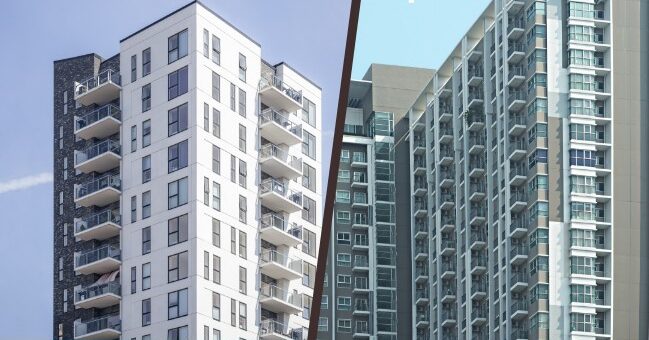
Condominium vs apartment vs flat: three terms, one big confusion. If you are looking to buy, rent, or invest, knowing the difference is not just helpful, it is essential. The wrong choice can cost you money, time, and peace of mind. This guide breaks it all down simply and clearly so you can make a confident decision.
What Do These Terms Actually Mean?
Before comparing a condominium an apartment a flat, it helps to know what each one refers to on its own.
What Is a Flat?
A flat is a self-contained residential unit inside a larger building. It usually sits on a single floor. The term is common in British English and is widely used in the UK, Europe, and South Asia.
In markets like Pakistan, “flat” is often associated with affordable or mid-range housing. It’s simpler in design, smaller in scale, and usually located in a smaller building.
What Is an Apartment?
An apartment is also a self-contained unit inside a larger building. But the term is standard in American English. It’s generally associated with modern, multi-storey buildings and a slightly more premium living experience.
In many real-world contexts, “flat” and “apartment” refer to the same type of unit. The difference is mostly regional and connotational; flat sounds practical, apartment sounds polished.
What Is a Condominium?
A commonly asked query is “what is a condominium?” A condo is a residential unit that you own, not rent. It’s located in a shared building or complex. You own the interior of your unit. This is the biggest distinction. Ownership is what sets condos apart when comparing a condominium an apartment a flat.
Condominium vs Apartment vs Flat
Feature
Flat
Apartment
Condo
Ownership
Owned or rented
Typically rented
Privately owned
Language Usage
British English
American English
Global
Building Size
Smaller buildings
Large multi-storey
High-rise or townhouse
Managed By
Owner / basic management
Property management company
HOA / Condo association in some countries
Maintenance
Owner’s responsibility
The landlord handles it
Interior: owner; Common areas: HOA
Amenities
Basic
Standard to high
High-end to luxury
Customisation
High freedom
Restricted
Moderate (HOA rules apply)
Cost
Most affordable
Moderate
Higher (purchase + HOA fees)
Equity Building
Yes (if owned)
No
Yes
Privacy
Higher
Moderate
Moderate
Resale Value
Lower
Not applicable (renter)
Generally higher
Key Differences | Condominium vs Apartment vs Flat
1. Ownership: The Biggest Factor
This is where the condominium vs apartment vs flat debate really splits apart.
Flat can be owned or rented. Ownership gives individual control.
Apartment almost always rented. Tenant does not own the unit.
Condo always owned. The buyer holds a deed to their unit.
When you rent an apartment, a property management company owns the entire building. Every unit follows the same rules and standards set by that company.
When you buy a condo, you own your unit. The shared spaces belong to all owners collectively.
2. Who Manages the Property?
Apartments are managed by a single property management company. They handle repairs, maintenance, common areas, and tenant rules. Everything is standardised.
Condos are managed by an HOA. The HOA is made up of the unit owners themselves. They collect fees, hire vendors, and vote on community decisions.
Flats can be either, depending on whether the building has an association or a private owner.
3. Maintenance Responsibilities
Property Type
Who Handles Interior Repairs
Who Handles Common Areas
Apartment
Landlord/management company
Property management company
Condo
Unit owner
HOA
Flat
Owner (if owned)
Varies by building
In an apartment, you just report the issue, and it gets fixed. In a condo, you manage your own unit, which means hiring your own vendors for repairs.
4. Amenities
Amenities vary a lot across all three types.
Flats typically offer:
Basic security
Water supply
Sometimes parking
Apartments typically offer:
Gym and swimming pool
Laundry facilities
On-site management office
In premium buildings: dog parks, valet, tennis courts
Condos typically offer:
Concierge services
Fitness centre and pool
Garage parking
Landscaped outdoor areas
Sometimes, indoor pools or rooftop spaces
Condos tend to have the most upscale shared amenities. But quality in apartments can vary widely, too, based on the building’s tier.
5. Rules and Restrictions
Apartments follow rules set by the landlord or management company. These cover:
Noise policies
Pet policies
Guest restrictions
Décor limitations
Condos follow HOA rules, which can be stricter. These may include:
Interior renovation limits
Rental restrictions (some HOAs ban short-term rentals)
Parking regulations
Pet size and breed restrictions
Violations in a condo can lead to fines or in serious cases, legal action.
Flats in smaller buildings may have fewer formal rules, giving owners more freedom.
6. Costs and Fees
Here’s where things get more complex especially when comparing a condominium vs apartment.
Renting an apartment usually involves:
First and last month’s rent
Security deposit (one month’s rent)
Application fees
Pet deposit if applicable
Renting or buying a condo may involve:
Special assessments (unexpected one-time charges for major repairs)
Property taxes
HO-6 insurance for your unit’s interior
In urban areas, deeded parking can add significantly to the cost
Flat costs depend on whether you’re buying or renting but generally sit lower than apartments or condos in equivalent markets.
Flat vs Apartment: Are They Really Different?
Both refer to a residential unit inside a larger building. The main difference is language and regional usage:
Flat = British English. Think London, Mumbai, Karachi.
Apartment = American English. Think New York, Chicago, Toronto.
Where they do differ is in scale and perception:
Factor
Flat
Apartment
Connotation
Practical, affordable
Modern, premium
Typical Buyer
First-time buyers, budget-conscious
Mid-to-high income buyers
Building Type
Smaller, older
Larger, newer
Amenities
Minimal
Comprehensive
Resale Value
Lower
Higher
Investment Return
Moderate
More secure, higher returns
Condo vs Apartment
Condo vs Apartment: This is the comparison most people search for when looking up condominium vs apartment vs flat.
Both look similar from the outside. Both can be in the same building. But they work very differently.
When a Condo Makes More Sense
You want to build equity over time.
You want more control over your living space.
You’re looking for a long-term investment with rental income potential.
You prefer higher-end amenities and a premium living environment.
You’re okay with HOA fees and governance involvement.
When an Apartment Makes More Sense
You value flexibility, short-term leases, and easy relocation.
You don’t want maintenance responsibilities.
You want lower upfront costs.
You’re not ready for a long-term financial commitment.
You prefer a hands-off living arrangement.
Pros and Cons: Condominium vs Apartment vs Flat
Flat
Pros
Cons
Most affordable option
Fewer amenities
Greater customisation freedom
Security may be limited
More privacy in smaller buildings
Lower resale value
Individual ownership control
All maintenance falls on the owner
Apartment
Pros
Cons
Short-term lease flexibility
No equity building
No maintenance burden
Rent can increase or lease can be terminated
Access to shared amenities
Limited customisation
Strong security in modern complexes
No governance rights
Condominium
Pros
Cons
Full ownership and equity growth
Higher purchase cost
Premium amenities and security
Mandatory HOA fees
Sense of community with governance rights
HOA rules can be restrictive
Can generate rental income
Special assessments can be financially significant
Regional Usage of Terms | Condominium vs Apartment vs Flat
The same type of property gets called different things around the world. This is part of why the condominium vs apartment vs flat debate can be so confusing.
Region
Common Term
Notes
UK, Europe, South Asia
Flat
Standard term for residential units
USA, Canada
Apartment / Condo
Apartment = rented; Condo = owned
India / Pakistan
Flat / Apartment
Flat for budget; Apartment for premium
Australia, New Zealand
Unit / Strata
Strata = condo equivalent
South Africa
Flat / Sectional Title
Governed by Sectional Titles Act
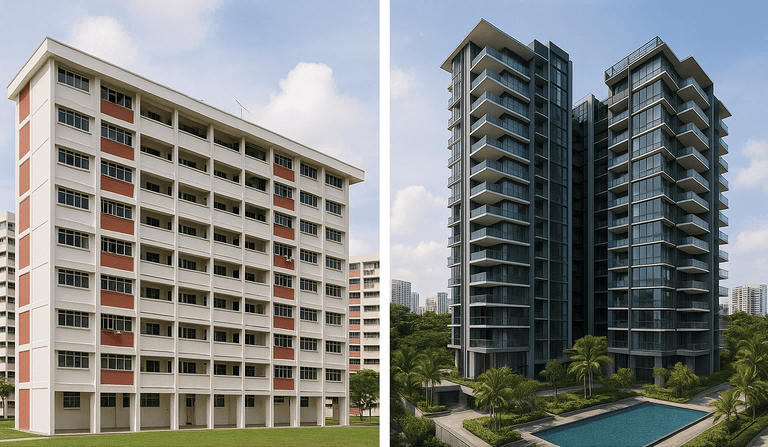
Singapore
HDB Flat / Condominium
77.4% in HDB flats; 17.7% in condos (2024)
Citadel One3 A Luxury Condominium
Now that you understand the condominium vs apartment vs flat distinction, here’s what a premium condominium actually looks like in practice.
Citadel One3 by Chakor Ventures is an upcoming luxury condominium complex rising along Jinnah Avenue in the Blue Area, Islamabad. It’s a strong real-world example of everything a condominium offers: ownership, amenities, location, and long-term value all in one address.
Citadel One3 seamlessly blends sleek architecture with panoramic views of the iconic landmarks of Islamabad. Each condo apartment offers comfort, calm, and understated modern luxury which is exclusive of condos of Islamabad.
This is exactly what separates a condominium from a basic flat or standard apartment the combination of prime location, premium design, and ownership value.
Amenities
From curated wellness and leisure to refined comforts, Citadel One3 seeks to transform amenities into privileges. Here’s what residents get:
Fully equipped gym
Culinary court
Sports and kids’ play area
Smart parking for 350+ cars
Rental stay management
24/7 CCTV surveillance
Secure entry and exit points
Advanced firefighting system
Why It’s Worth Considering as an Investment
Citadel One3 will rise along Jinnah Avenue as a 40+ story residential tower. It offers breathtaking views of the Faisal Mosque and F-9 Park, creating an unparalleled location for long-term value. Its elegant design, wellness-focused spaces, and discreet smart amenities make Citadel One3 a lucrative investment option.
In the condominium vs apartment vs flat conversation, Citadel One3 represents the condominium at its best, owned, premium, and built for lasting returns.
Choosing the Right One | Condominium vs Apartment vs Flat
Ask yourself these four questions before deciding between a condominium vs apartment vs flat:
What’s your budget? Flats are the most affordable. Apartments have lower upfront commitment. Condominiums require the highest investment but offer long-term returns.
Are you renting or buying? If buying consider a condominium or flat. If renting apartments and flats offer more flexibility.
How long are you staying? Short stay? An apartment is ideal. Long-term plan? A condominium builds wealth over time.
What lifestyle do you want? Need premium amenities and community? A condominium wins. Want privacy and simplicity? A flat may suit you better.
Final Word
The debate around condominium vs apartment vs flat comes up constantly and for good reason. These terms are used interchangeably, but they carry real differences in ownership, cost, management, and lifestyle.
BBC-featured Content Specialist with a sharp eye for search intent and a proven ability to turn content into a growth engine. I leverage cutting-edge digital marketing tools to craft strategies that fuel organic traffic, amplify brand growth, and own the local SEO landscape, particularly across the competitive real estate market. I help brands dominate search rankings and convert visibility into measurable business success.
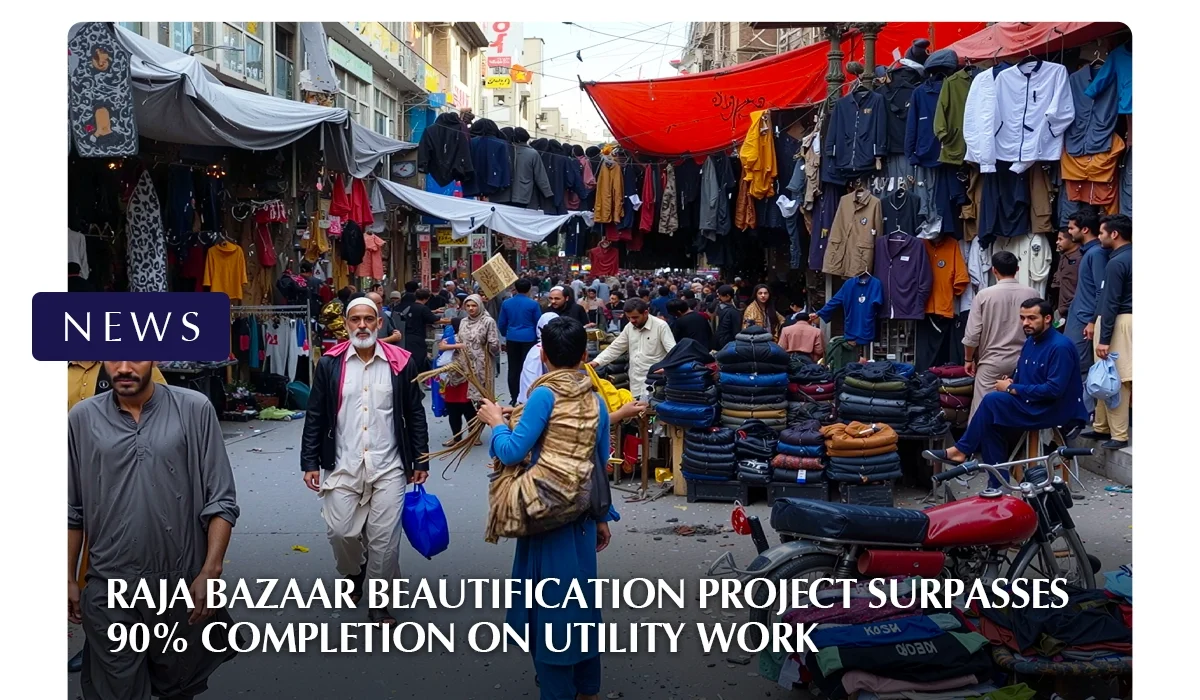
RAWALPINDI: Rawalpindi Division Commissioner Aamir Khattak conducted an on-site inspection of the ongoing beautification and infrastructure development project at Raja Bazaar, reviewing progress, construction quality, and safety compliance.
During the visit, the commissioner underscored the historical and commercial significance of Raja Bazaar, stressing that modernisation efforts must be balanced with the preservation of the area’s cultural and architectural heritage. He reiterated that only high-grade construction materials were to be used throughout the project.
With active construction causing disruption to the locality, Commissioner Khattak directed authorities to ensure dedicated access routes for pedestrians and shopkeepers, keeping public convenience a central consideration.
On safety, he mandated the use of helmets and protective jackets for all on-site workers, alongside proper signage, physical barriers, and adequate night lighting to reduce the risk of accidents.
Project officials briefed the commissioner on current progress. Underground shifting of utility lines, a major component of the scheme, has seen significant advancement, with Sui Gas work reaching 97 percent completion, followed by PTCL and WASA each at 95 percent, and IESCO at 92 percent.
Civil beautification works, which encompass the construction of arch walls, building facades, installation of tuff tiles, benches, streetlights, Victorian-style lighting, dustbins, planters, and entrance ornamentation, have reached 29% completion.
The project is expected to transform Raja Bazaar into a modern, well-organised commercial hub while retaining its historical character. All work is scheduled to be completed by May 30.
Commissioner Khattak noted that continued site visits would serve as a mechanism for ongoing quality assurance and progress monitoring.
BBC-featured Content Specialist with a sharp eye for search intent and a proven ability to turn content into a growth engine. I leverage cutting-edge digital marketing tools to craft strategies that fuel organic traffic, amplify brand growth, and own the local SEO landscape, particularly across the competitive real estate market. I help brands dominate search rankings and convert visibility into measurable business success.
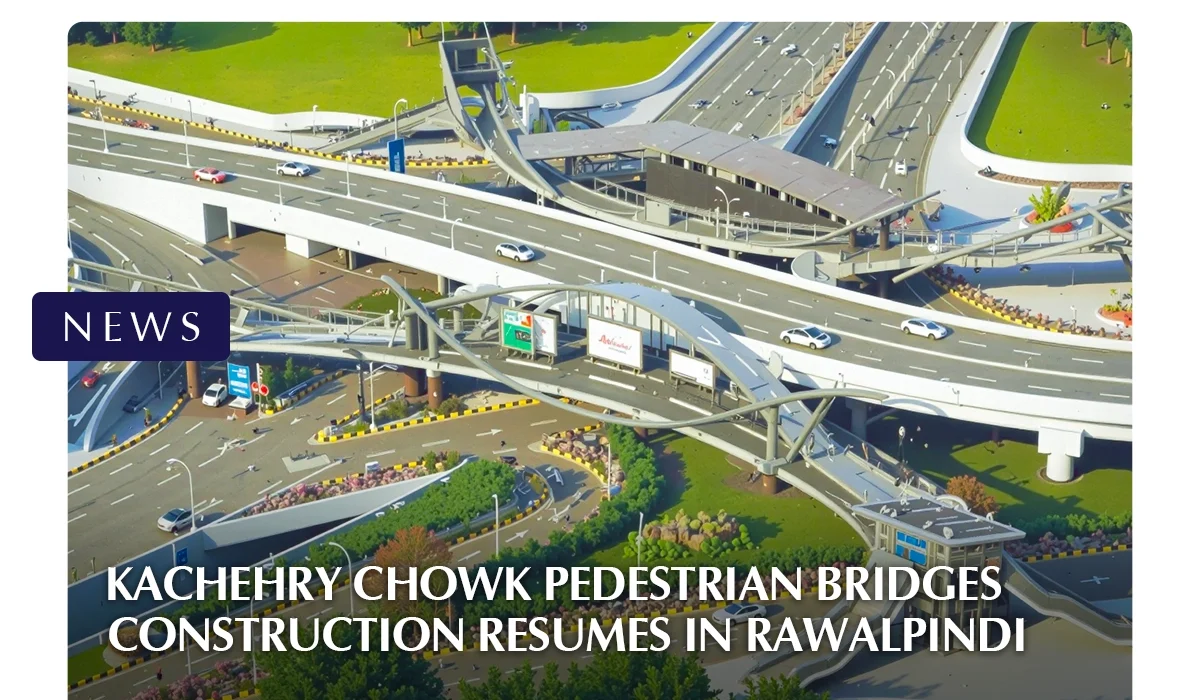
RAWALPINDI: Construction of pedestrian bridges under the Kutchery Chowk remodelling project commenced on Monday, March 24, 2026, following a brief suspension during the Eid holidays. The bridges are expected to be completed within one month, according to Punjab Highway Department Superintendent Engineer Ashfaq Sulheri.
The construction encompasses two interconnected bridges: the first spanning from Rashid Minhas Road, near the Federal Board of Revenue building, to Jhelum Road at the gate of the district courts; and the second connecting Fatima Jinnah University to the Adiala Road bus stand. Officials described the structure as the first state-of-the-art pedestrian bridge of its kind under the project.
Mr. Sulheri stated that the bridges were necessitated by the concentration of district courts, administrative offices, and police headquarters in the vicinity, creating a critical need for dedicated pedestrian access across the main square without the use of flyovers, underpasses, or ground-level roads.
The overall Rs19 billion remodelling project has surpassed 74 per cent completion. Structures for two flyovers and three underpasses have been fully built, over 50 per cent of road work has been carried out, and finishing work on the Jinnah Park flyover is currently underway.
Drainage infrastructure is near completion, with rainwater to be collected in sump wells and discharged into nearby nullahs, which will also serve to irrigate green belts along the square.
Upon full completion, more than 250,000 vehicles are expected to pass through Kutchery Chowk daily without traffic signals or congestion. The Parks and Horticulture Agency has been assigned a revised horticulture plan, with work already initiated at Jinnah Park.
Divisional Commissioner Abdul Aamer Khattak has urged authorities to adhere to the stipulated timeframe, citing ongoing road closures affecting motorists. The project is on course for completion by the end of April 2026.
BBC-featured Content Specialist with a sharp eye for search intent and a proven ability to turn content into a growth engine. I leverage cutting-edge digital marketing tools to craft strategies that fuel organic traffic, amplify brand growth, and own the local SEO landscape, particularly across the competitive real estate market. I help brands dominate search rankings and convert visibility into measurable business success.
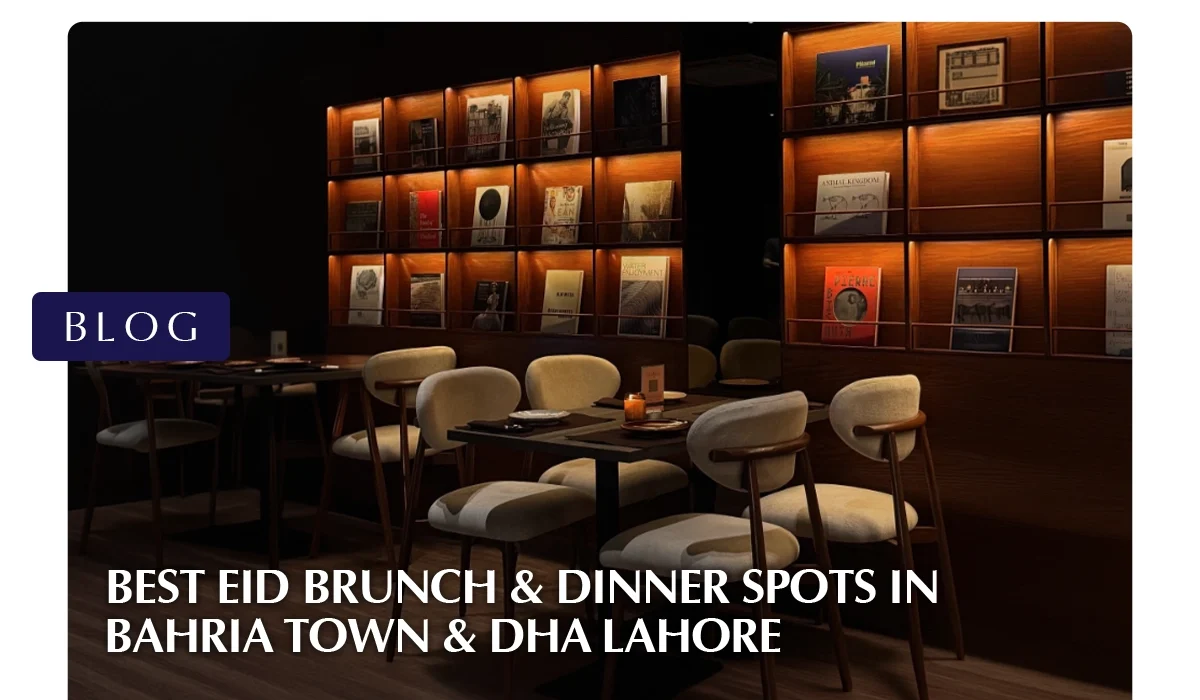
Eid in Lahore is the perfect time to enjoy festive meals with family, especially at the best restaurants DHA Lahore Eid has to offer. From elegant dine-in spots to lively cafés, DHA is full of options for a memorable celebration. Meanwhile, the Bahria Town food street Eid scene brings a vibrant mix of traditional flavors, street food, and family-friendly dining. This guide will help you find the ideal places to celebrate Eid with great food and atmosphere.
Quick-Reference Table – DHA and Bahria Town food street Eid
Top Restaurants – DHA and Bahria Town Food Street Eid
DHA remains Lahore’s go-to for upscale dining. Across its phases, you will find a mix of desi, continental, and Asian options all suited to different Eid occasions.
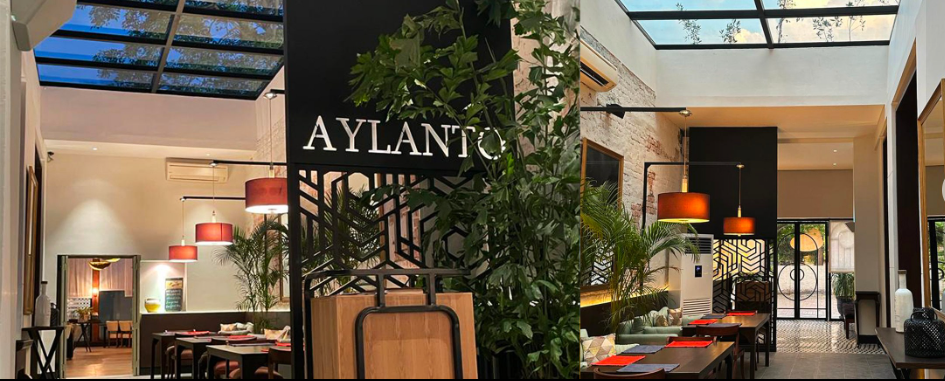
Café Aylanto
Address
DHA Phase III & MM Alam Road, Lahore
Cuisine
Mediterranean Italian Outdoor courtyard
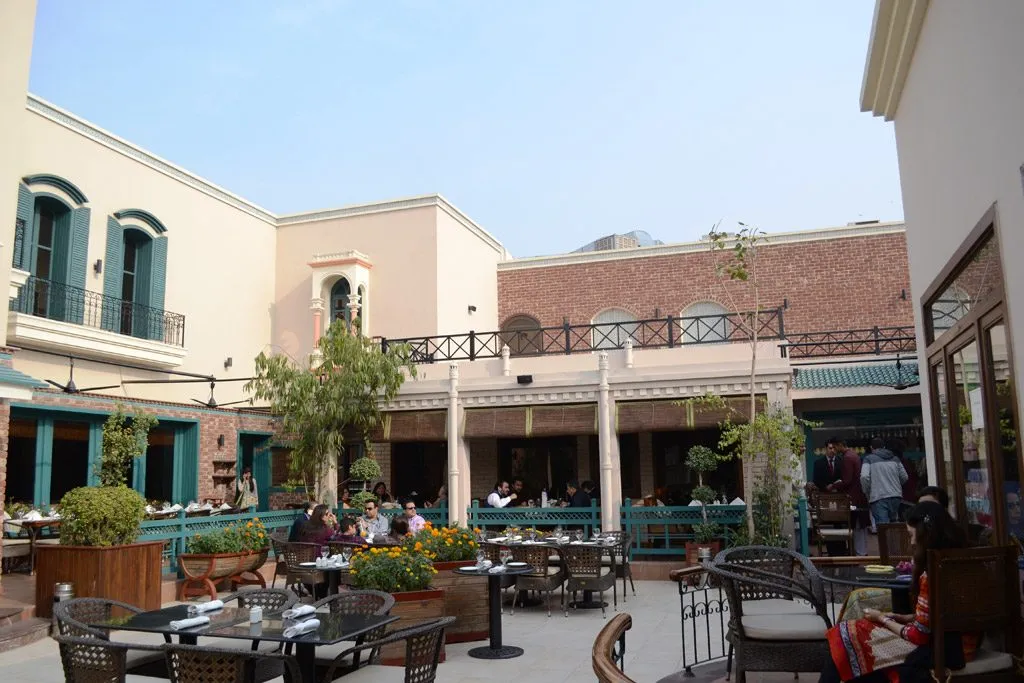
One of the most loved restaurants in DHA Lahore for Eid. Aylanto is known for its outdoor courtyard ideal for evening Eid dinners. The menu covers Mediterranean and Italian dishes, with standouts like Moroccan Chicken, Sole Mediterranean, and their Cream of Mushroom soup. Beef steaks are also among the best in the city.
Spice Bazaar
Address
DHA Phase VI & MM Alam Road, Lahore
Cuisine
Desi, BBQ, Hi-tea
A top pick for Eid dining in DHA Lahore for lovers of Pakistani food. Spice Bazaar does malai botti, mutton chops, chicken handi, and fresh naans really well. They also run a hi-tea buffet from 3–7 PM with a mix of desi, Chinese, and dessert stations great for afternoon Eid gatherings.
Andaaz Restaurant
Address
Walled City of Lahore
Cuisine
Mughlai, Rooftop, Heritage dining
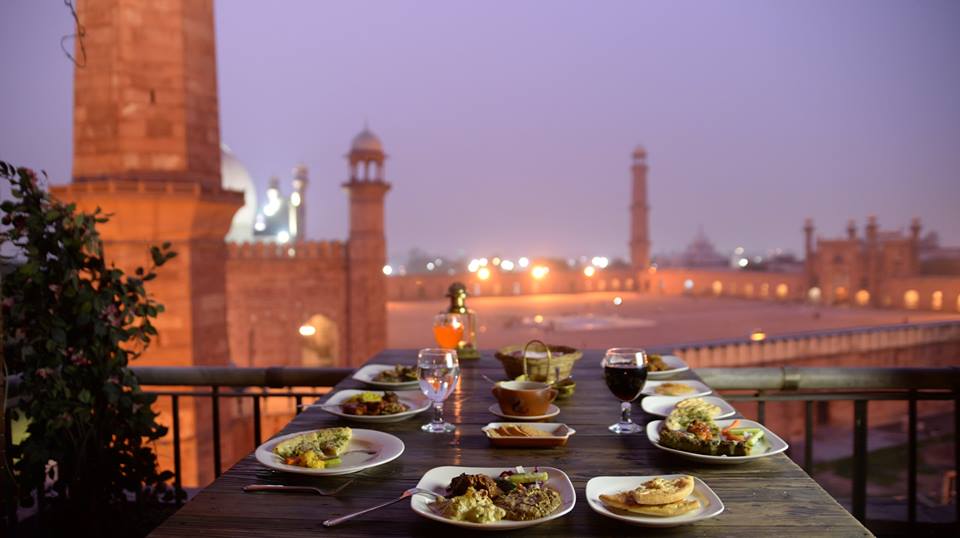
Andaaz sits in the Walled City with a rooftop view of Badshahi Masjid one of the most iconic settings for an Eid dinner in Lahore. The menu is rooted in Mughlai cuisine: slow-cooked karahi, mutton chops, and rich gravies served in traditional style. A memorable choice for families who want something culturally immersive.
W by Wasabi
Address
Gulberg & DHA, Lahore
Cuisine
Japanese, Teppanyaki, Premium
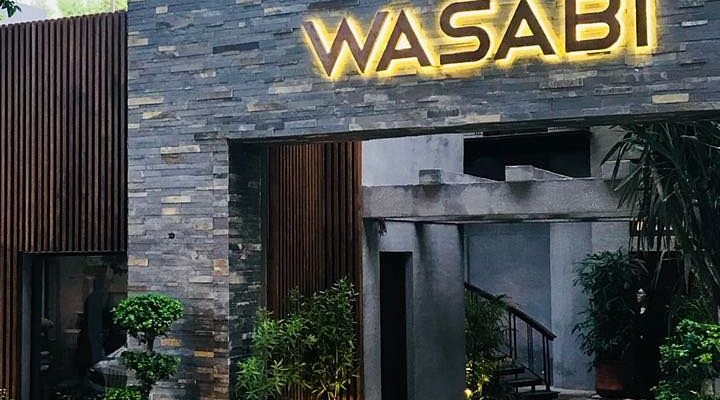
For something different from the usual Eid spread, W by Wasabi is a strong choice. It offers live teppanyaki cooking, sushi, ramen, and tempura. The interactive teppanyaki experience makes it particularly fun for groups. It is on the pricier side but the quality is consistently high across both the Gulberg and DHA locations.
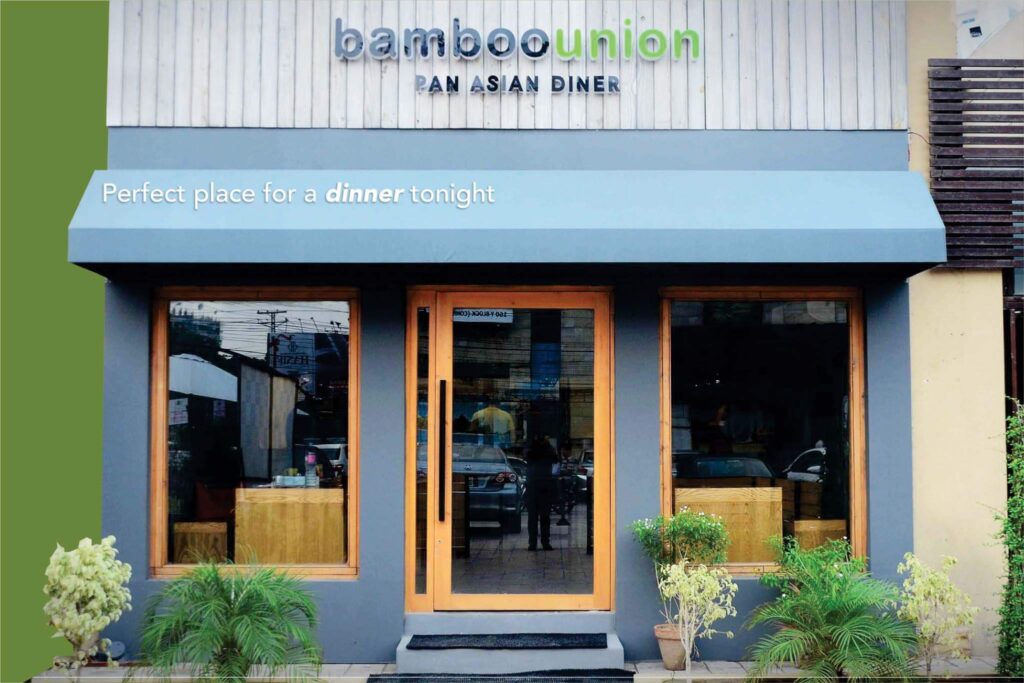
Bamboo Union
Address
DHA Phase V & Gulberg (Mall One), Lahore
Cuisine
Asian Fusion
Bamboo Union is popular for its big portions and reliable flavours good for Eid brunch in Lahore or an early dinner. Pad Thai, Chicken in Garlic Sauce, and Chicken Manchurian are crowd favourites. The DHA Phase V branch is more spacious and better suited for larger Eid groups.
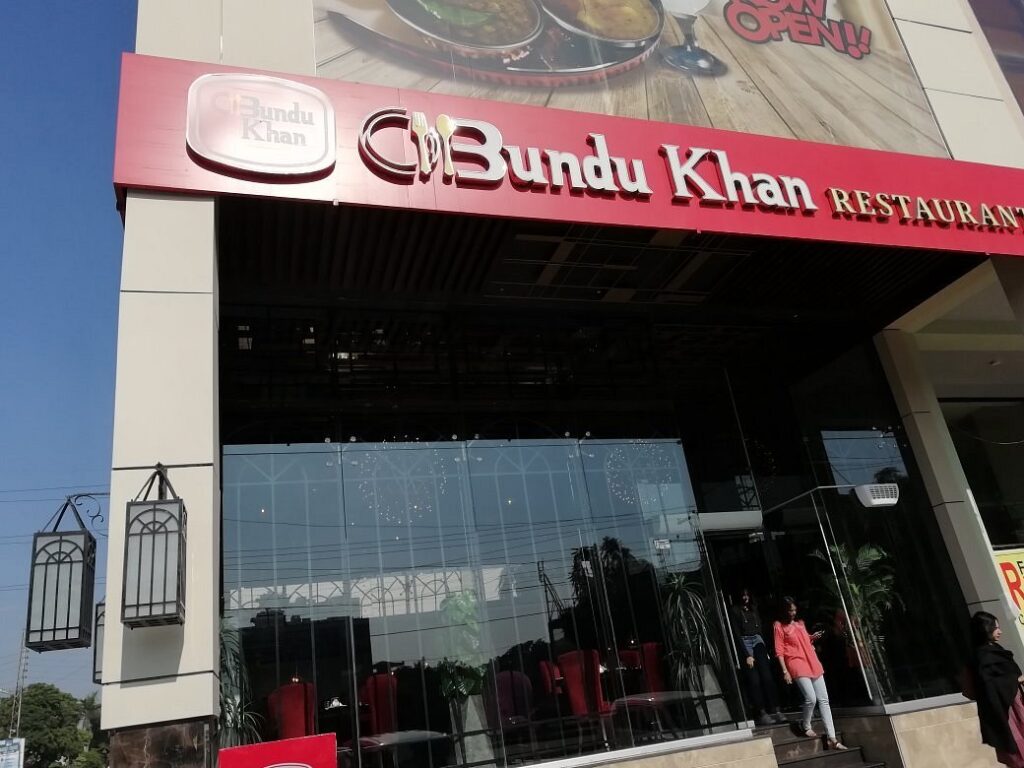
Bundu Khan
Address
Bahria Town Phase 4 Commercial, Lahore
Cuisine
Pakistani BBQ, Karahi
Bundu Khan is a trusted name for Bahria Town food street Eid. Their mutton karahi, flavorful grilled meats, and buttery naan are consistently good. Takeaway is available too useful for families who want to bring food back home after Eid prayers. Extended hours during Eid and family platter deals make it a reliable choice.
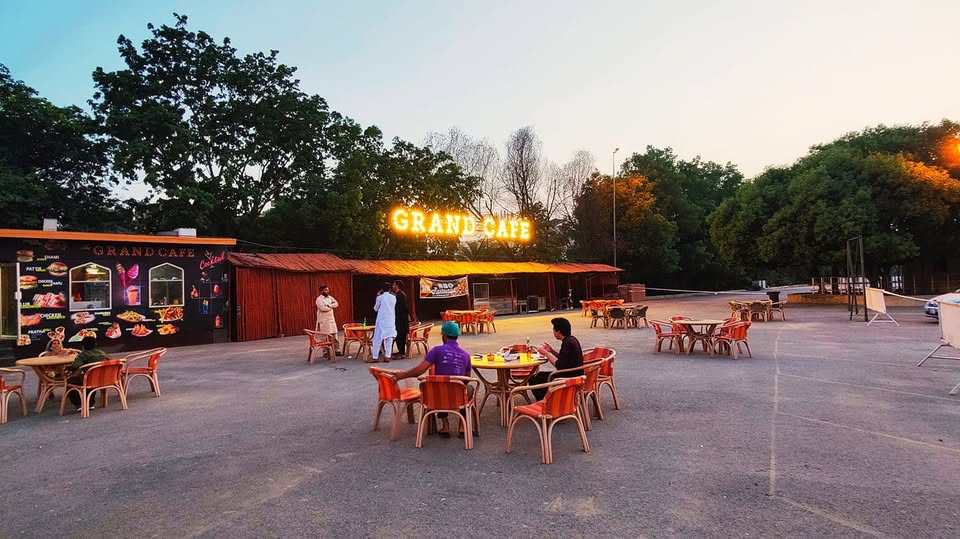
Café Grand – Bahria Town Food Street Eid
Address
Sector B, near Canal Road, Bahria Town, Lahore
Cuisine
Pakistani, Continental, 24/7
Café Grand is one of the most accessible options on the Bahria Town food street Eid because it runs 24/7. The menu spans traditional Pakistani dishes, BBQ, continental fare, and desserts. Good for late-night Eid visits when most other places have closed. The location near Canal Road also makes it easy to reach from outside Bahria Town.
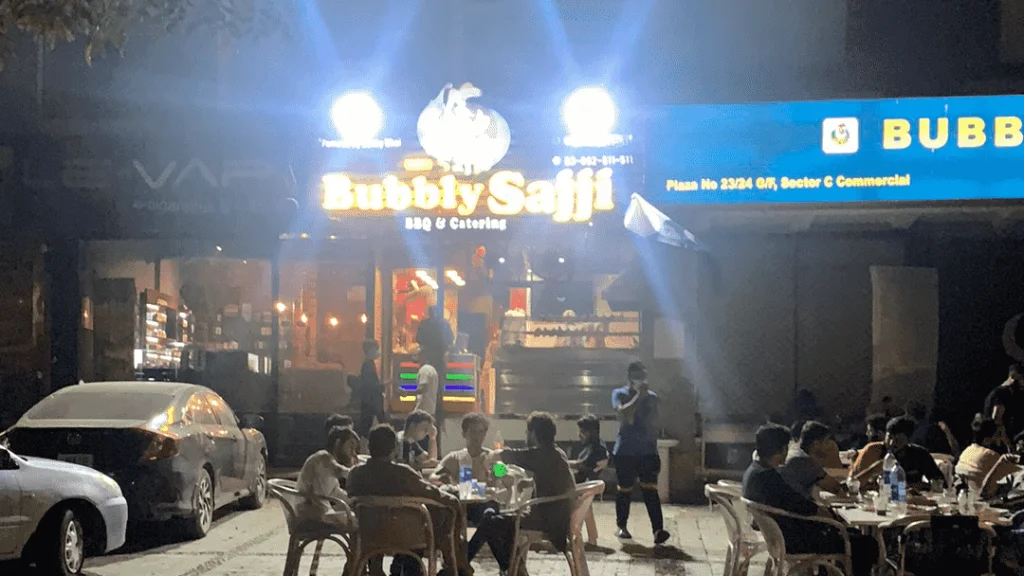
Bubbly Sajji by Bunty Bhai
Address
Sector C, Bahria Town, Lahore
Cuisine
Sajji, BBQ, Outdoor seating
Sajji is a Lahori Eid staple, and Bubbly Sajji by Bunty Bhai in Sector C is among the best in Bahria Town food street Eid. The food is served in a traditional rustic style with outdoor seating which adds to the festive atmosphere. Both BBQ and sajji options are available, and the open-air setup works especially well on cool Eid evenings.
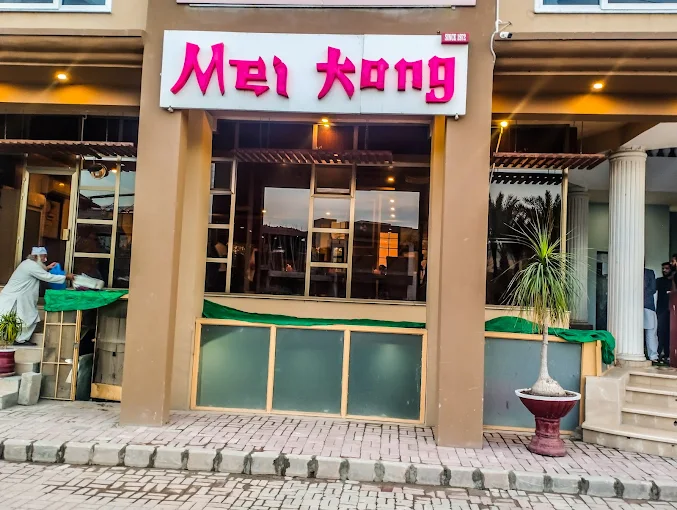
Mei Kong
Address
167-A Sector C Commercial, Gul Mohar Block, Bahria Town, Lahore
Cuisine
Chinese, Asian, Upscale
For those who want something beyond desi food during Eid, Mei Kong is the top Chinese option in Bahria Town food street Eid. It offers upscale Chinese and Asian cuisine with a good ambiance popular for night outs. It can get crowded during peak Eid hours, so booking or arriving early is recommended.
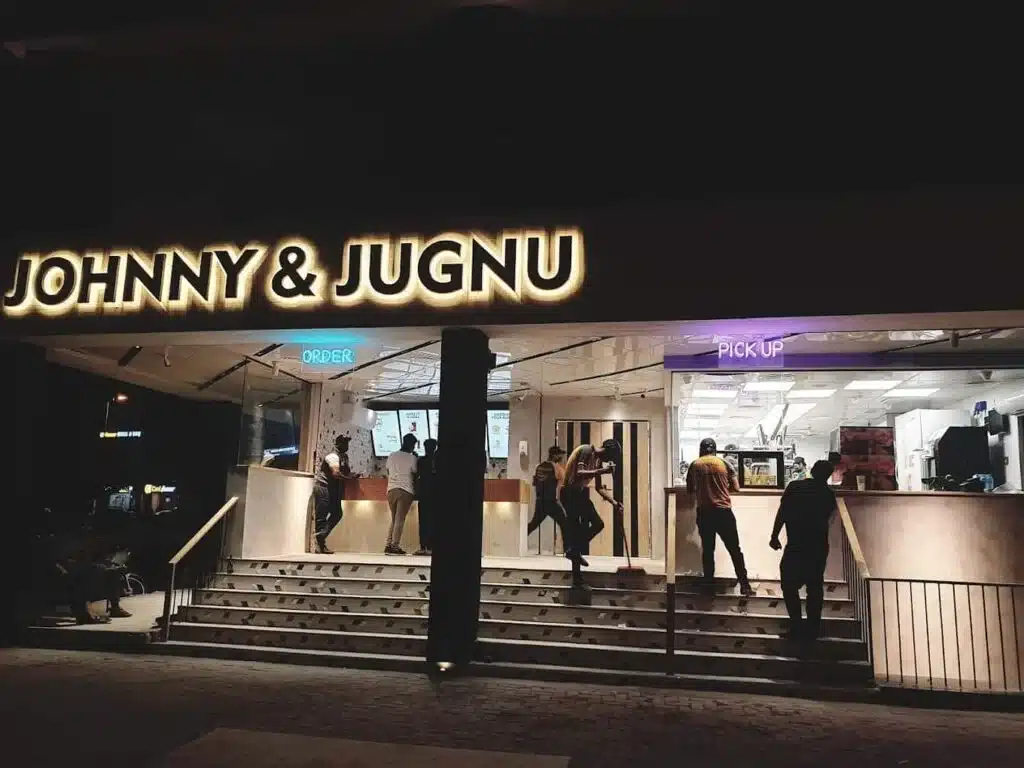
Johnny & Jugnu
Address
38-C Sector C Commercial, Bahria Town, Lahore
Cuisine
Burgers, Fast food, Casual
Not every Eid outing needs to be formal. Johnny & Jugnu is a solid casual pick popular with younger groups and families looking for something quick and satisfying in the Bahria Town food street Eid places. Their Crunchy Wehshi Burger is a must-try. Good for a relaxed Eid meet-up without the wait times of a full restaurant.
Conclusion – Bahria Town Food Street Eid
Both DHA and Bahria Town food street Eid have strong options for every type of Eid outing. Plan ahead, book where needed, and make the most of Eid in one of Pakistan’s best food cities.
BBC-featured Content Specialist with a sharp eye for search intent and a proven ability to turn content into a growth engine. I leverage cutting-edge digital marketing tools to craft strategies that fuel organic traffic, amplify brand growth, and own the local SEO landscape, particularly across the competitive real estate market. I help brands dominate search rankings and convert visibility into measurable business success.
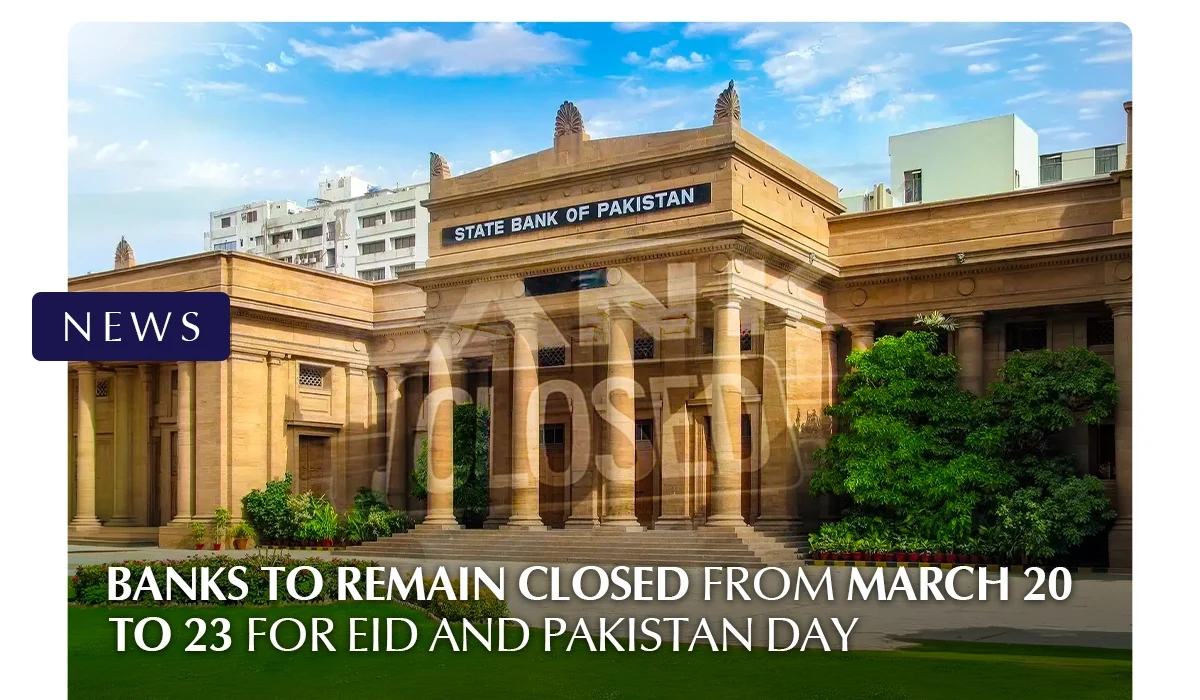
ISLAMABAD: The State Bank of Pakistan (SBP) has announced that banks and financial institutions across the country will remain closed for four consecutive days from March 20 to March 23 due to Eid-ul-Fitr holidays, the weekly weekend, and Pakistan Day.
According to the central bank’s schedule, March 20 and 21 will be observed as public holidays on account of Eid al-Fitr. These will be followed by the regular weekly holiday on Sunday, March 22, and a public holiday on March 23 to mark Pakistan Day.
The closure will apply to all commercial banks, development finance institutions, and microfinance banks operating nationwide. The State Bank of Pakistan will also remain closed during this period.
Following the holiday break, normal banking operations are expected to resume on March 24.
The federal government has already declared Eid holidays for both five-day and six-day working offices, aligning with the banking schedule. The extended closure period may affect routine financial transactions, including in-branch services and processing activities.
Customers are expected to rely on digital banking channels and ATMs for essential services during the holiday period.
BBC-featured Content Specialist with a sharp eye for search intent and a proven ability to turn content into a growth engine. I leverage cutting-edge digital marketing tools to craft strategies that fuel organic traffic, amplify brand growth, and own the local SEO landscape, particularly across the competitive real estate market. I help brands dominate search rankings and convert visibility into measurable business success.
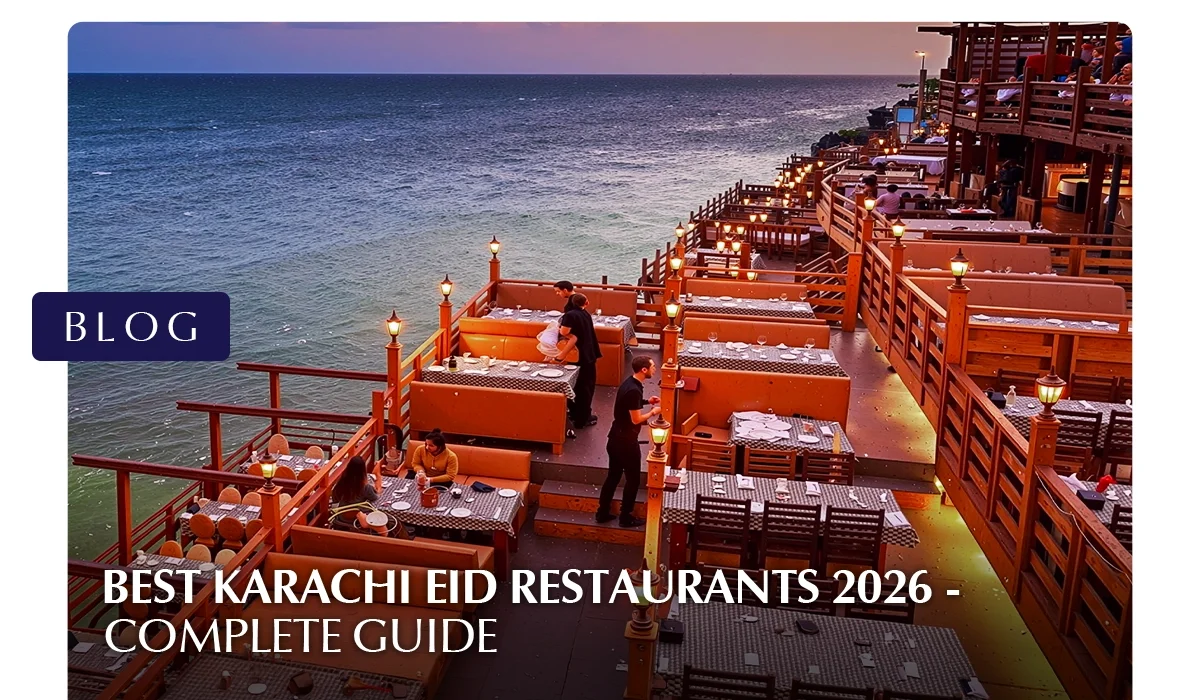
Eid in Karachi is unlike anywhere else. The city wakes up early, smells of biryani drift through every neighbourhood, and by midday, everyone is looking for a good place to eat. Whether you are planning a family lunch, a casual trip to some tourist places for Eid in Karachi, or a proper sit-down dinner, Karachi has no shortage of great options.
This guide covers the best Karachi Eid restaurants 2026, from the iconic food streets of Karachi to upscale Clifton dining.
Prices are approximate and may vary. Always confirm with the restaurant before visiting.
Burns Road Food Street
When people talk about Burns Road Eid food, they are talking about something that goes well beyond just eating.
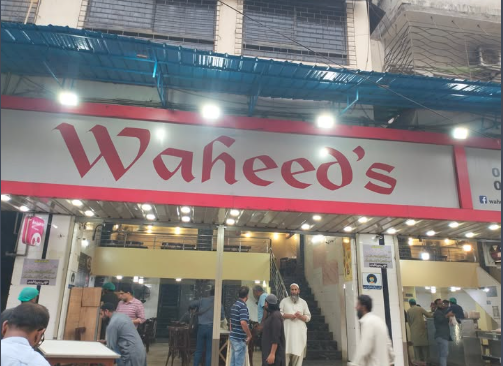
Waheed Kabab House
No trip to Burns Road is complete without stopping at Waheed Kabab House. It is one of the oldest and most reliable names on the street, known particularly for its dahi baray lentil dumplings soaked in sweetened yoghurt.
Detail
Info
Address
Burns Road, Saddar, Karachi
Best For
Dahi baray, kababs, chana chaat, budget street food
Ideal For
Budget-friendly Eid meals, street food lovers, and families
Price/Person
PKR 300–700
Eid Hours
Morning onwards (call to confirm)
Parking
Street parking available
Do Darya Karachi
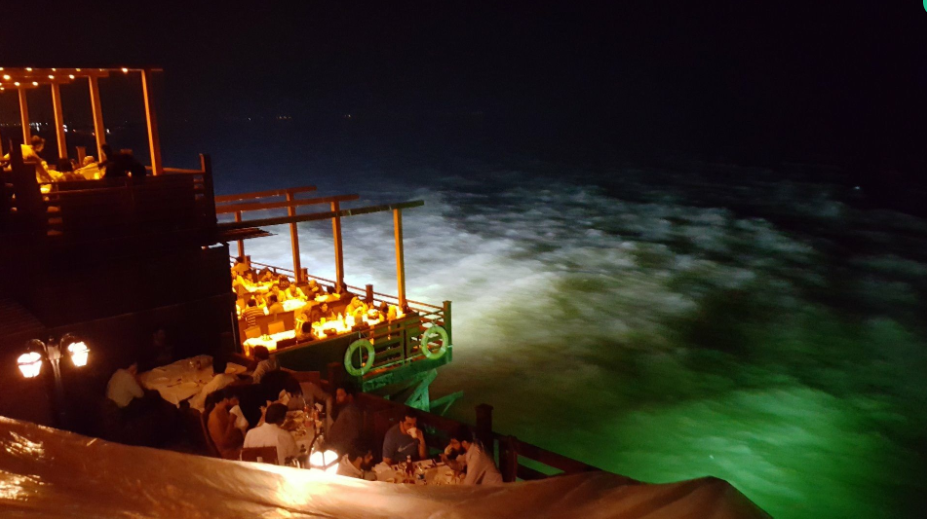
If Burns Road represents Karachi’s old soul, Do Darya located along Abdul Sattar Edhi Avenue in DHA Phase 8, represents its modern appetite. On Eid, the strip fills up quickly, so arriving early or booking ahead is strongly recommended.
Kolachi Restaurant – Karachi Eid Restaurants 2026
Kolachi is widely considered the flagship restaurant of Do Darya and one of the best Karachi Eid restaurants 2026 for a full dining experience. It has two locations, the original waterfront spot at Do Darya and a branch in Ocean Towers, Clifton.
Detail
Info
Address
Abdul Sattar Edhi Avenue, Do Darya, DHA Phase 8 / Ocean Towers, Clifton
Kababjees is another Do Darya staple that draws large crowds during Eid, and is one of the best Karachi Eid Restaurants 2026. Known for its generous portions and rich flavours, it offers a broad menu spanning desi, continental, seafood, and Chinese dishes.
Detail
Info
Address
Abdul Sattar Edhi Avenue, Do Darya, DHA Phase 8
Website
order.kababjees.com
Best For
BBQ, Lahori Fish, Malai Boti, buffet feast
Ideal For
Large family groups, casual Eid dinners
Price/Person
PKR 1,500–2,500
Eid Hours
Afternoon–late evening
Reservation
Recommended for Eid days
Sajjad Restaurant – Karachi Eid Restaurants 2026
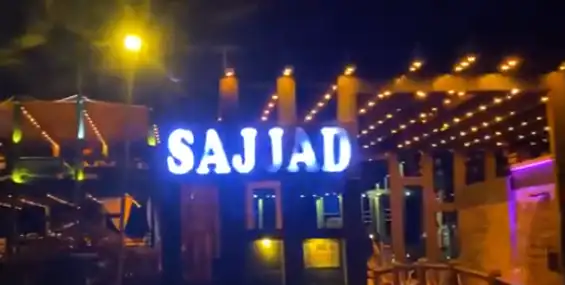
Sajjad has been serving quality BBQ at Do Darya for over two decades. It is a go-to spot for those who want no-frills, reliable grilled food in a beachside setting. Their Chicken Tandoori Sajji, Mutton Ribs, Chicken Basket, and Chullu Kabab are standout items.
Detail
Info
Address
Abdul Sattar Edhi Avenue, Do Darya, DHA Phase 8
Best For
Sajji, Mutton Ribs, Chullu Kabab, BBQ grills
Ideal For
No-frills family BBQ by the sea
Price/Person
PKR 1,000–2,000
Eid Hours
Evening onwards
Discounts
ATM card discounts available
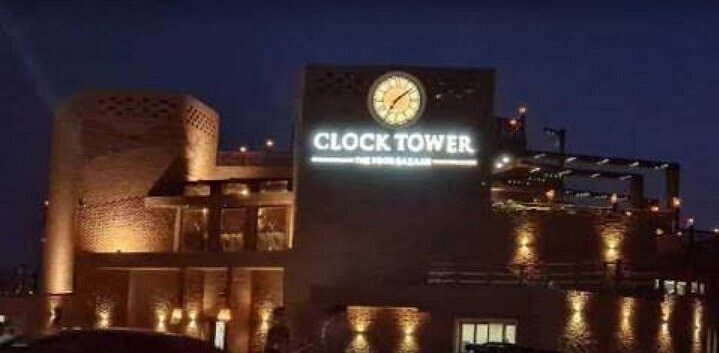
Clock Tower – The Food Bazaar
Located near Do Darya, Clock Tower offers one of Karachi’s larger buffet spreads covering Pakistani favourites alongside continental options. It is a practical choice for big family groups who want variety without the wait of à la carte ordering.
Detail
Info
Address
Near Do Darya, DHA Phase 8, Karachi
Best For
Large buffet spread, live cooking stations, variety
Ideal For
Big family groups, mixed tastes, group outings
Price/Person
PKR 1,500–2,500
Eid Hours
Afternoon–late evening
Reservation
Recommended for large groups
Clifton Restaurants for Eid: Upscale and Family-Friendly
Clifton restaurants for Eid tend to offer a more refined setting while still maintaining the festive spirit. This area of Karachi has a good mix of fine dining and casual spots that work for all types of Eid outings.
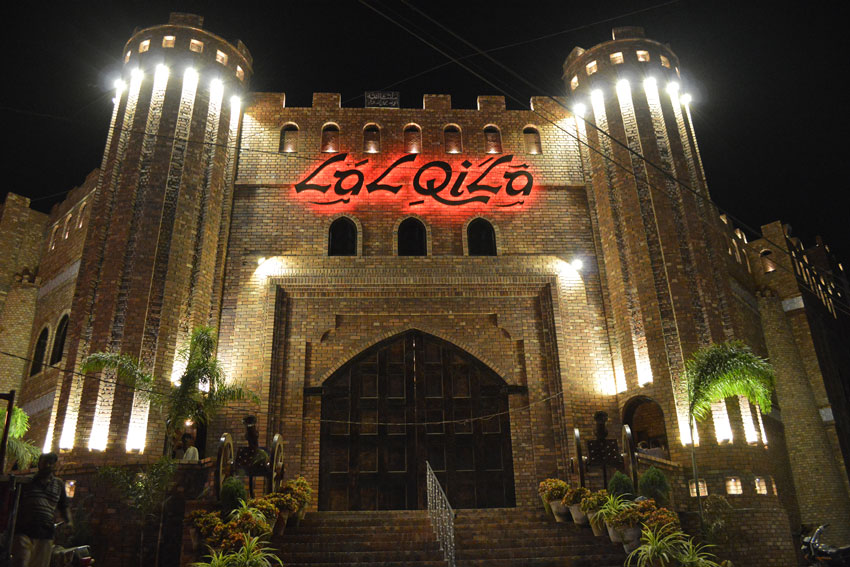
LalQila Restaurant – Karachi Eid Restaurants 2026
During Eid, it is one of the more popular buffet destinations, offering Mughlai-inspired dishes, live BBQ, and rich curries, making it a local favourite for years. The festive atmosphere and large menu make it particularly suitable for family lunches.
Detail
Info Karachi Eid Restaurants 2026
Address
Main Shahra-e-Faisal, Muhammad Ali Society, Karachi
Best For
Mughlai buffet, live BBQ, biryanis, desi curries
Ideal For
Family Eid lunches, traditional food lovers
Price/Person
PKR 1,500–2,500
Eid Hours
Lunch and dinner (call to confirm)
Reservation
Advised for Eid day
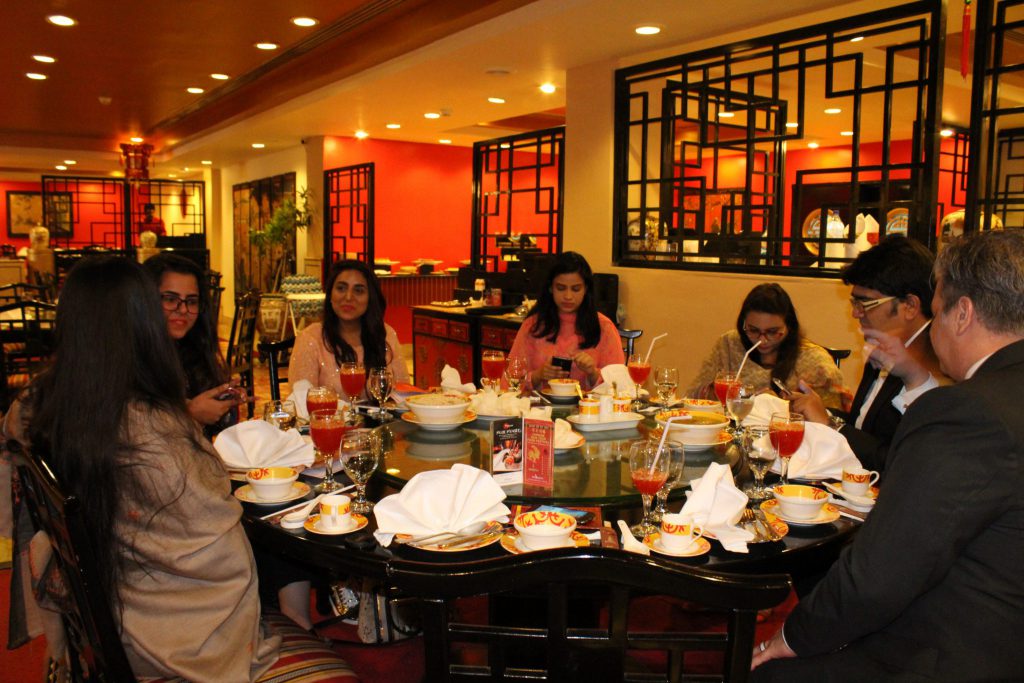
Dynasty Restaurant – Karachi Eid Restaurants 2026
For those in the mood for Chinese food on Eid, Dynasty inside the Avari Tower is one of Karachi’s most respected options. This maes it one of the top Karachi Eid Restaurants 2026.
Detail
Info
Address
Avari Tower, Fatima Jinnah Road, Clifton, Karachi
Best For
Peking Duck, dim sum, Szechuan beef, salt & pepper prawns
Ideal For
Fine dining, couples, smaller family groups
Price/Person
PKR 2,000–3,500
Eid Hours
Lunch and dinner (call to confirm)
Reservation
Strongly recommended
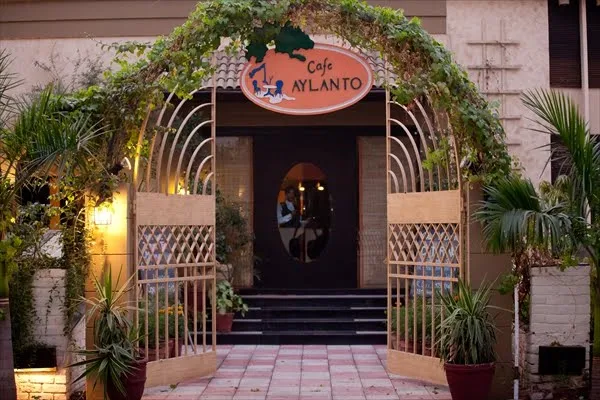
Café Aylanto – Karachi Eid Restaurants 2026
Café Aylanto in Clifton is a solid choice for those looking for a quieter, more relaxed Eid meal. The outdoor seating, continental and Mediterranean menu, and consistent quality have made it popular for couple outings and smaller family groups.
Detail
Info
Address
Block 7/8, Clifton, Karachi
Best For
Continental, Mediterranean, outdoor dining
Ideal For
Couples, smaller gatherings, relaxed Eid outing
Price/Person
PKR 2,500–4,000
Eid Hours
Lunch and dinner
Seating
Indoor and outdoor available
Coconut Grove – Karachi Eid Restaurants 2026
This contemporary restaurant brings a slightly different feel to Eid dining, a tropical-themed setting with a diverse menu that includes continental dishes alongside Pakistani classics.
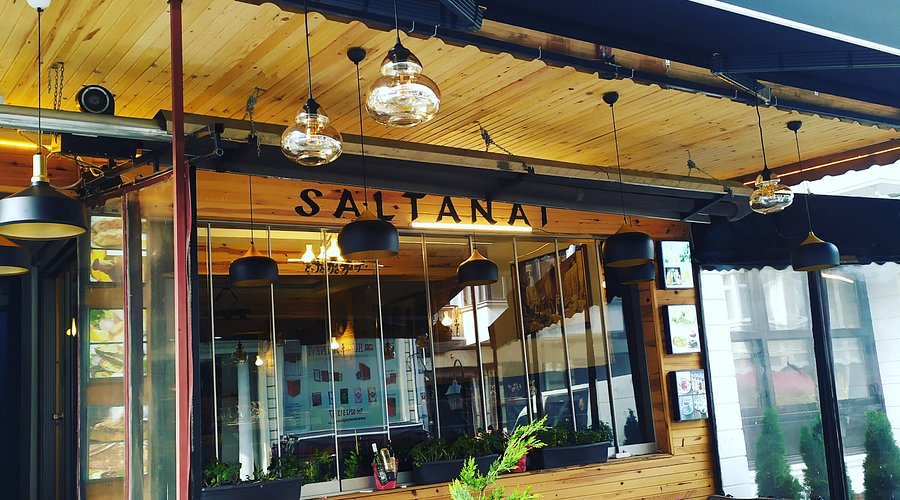
Saltanat is a reliable buffet option during Eid, offering a well-rounded spread of Pakistani specialties. It is especially suited to family gatherings where people have varied preferences, as the buffet format makes it easy for everyone to find something they enjoy.
Detail
Info
Address
Karachi (confirm via social media)
Best For
Pakistani buffet, comfort food favourites
Ideal For
Family-friendly Eid lunch or dinner
Price/Person
PKR 1,500–2,200
Eid Hours
Lunch and dinner (confirm before visiting)
Reservation
Recommended
Tips for Eating Out at Karachi Eid Restaurants 2026
Karachi Eid Restaurants 2026 can get extremely busy during the Eid holidays, especially on the first day and the evenings that follow. A few things to keep in mind before heading out:
Book in advance
Go early or late
Check for Eid specials
Burns Road is best in the morning to early afternoon
Do Darya and Clifton are best for evening dining
Conclusion – Karachi Eid Restaurants 2026
The best Karachi Eid restaurants 2026 cater to all budgets, group sizes, and preferences, so whether you are after a quick plate of dahi baray or a full seaside dinner buffet, the city has you covered. Plan ahead, book your table, and enjoy the long-awaited celebrations with good food and good company.
BBC-featured Content Specialist with a sharp eye for search intent and a proven ability to turn content into a growth engine. I leverage cutting-edge digital marketing tools to craft strategies that fuel organic traffic, amplify brand growth, and own the local SEO landscape, particularly across the competitive real estate market. I help brands dominate search rankings and convert visibility into measurable business success.
ISLAMABAD: The Capital Development Authority (CDA) has announced plans to introduce dedicated bicycle tracks across Islamabad as part of efforts to promote sustainable transportation and improve urban mobility.
According to officials, the initiative aims to develop a comprehensive network of cycling lanes across various sectors and major roads in the federal capital. The project is intended to provide residents with an alternative mode of transport while reducing traffic congestion and environmental impact.
The bicycle track plan is part of broader urban development measures focused on enhancing public infrastructure and encouraging healthier commuting options. Authorities indicated that the project will include proper planning for connectivity between different sectors, ensuring accessibility and usability for daily commuters.
In addition to promoting cycling culture, the initiative is expected to contribute to environmental goals by reducing carbon emissions associated with conventional transport. Officials also highlighted that the development of cycling infrastructure aligns with efforts to modernize the city’s transport system and improve the quality of life for residents.
The CDA has previously undertaken planning for large-scale cycling networks, including proposals for extensive bicycle lanes and supporting facilities such as parking stands and safety infrastructure.
While detailed timelines for the latest phase have not been disclosed, the authority has indicated that the project will be implemented in stages as part of ongoing development efforts in the capital.
The initiative reflects a continued focus on sustainable urban planning and the introduction of alternative transport solutions in Islamabad.
BBC-featured Content Specialist with a sharp eye for search intent and a proven ability to turn content into a growth engine. I leverage cutting-edge digital marketing tools to craft strategies that fuel organic traffic, amplify brand growth, and own the local SEO landscape, particularly across the competitive real estate market. I help brands dominate search rankings and convert visibility into measurable business success.
Eid ul Fitr 2026 in Pakistan is expected to fall on March 21, with public holidays running through March 23 giving Karachi families a four-day window to celebrate and explore. Whether you are looking for beachside fun, indoor entertainment, or a cultural day out, this guide covers the best family places for Karachi Eid outing 2026.
Best Family Places in Karachi for Eid 2026
#
Place
Category
Age Group
Budget
Best Time
1
Port Grand
Waterfront / Dining
All ages
Moderate
Evening
2
Clifton Beach
Beach
All ages
Free
Early morning / Evening
5
Safari Park
Park / Zoo / Rides
All ages
Budget friendly
Morning
6
Bahria Adventure Land
Amusement Park
Kids and teens
Moderate
Morning
7
TDF MagnifiScience Centre
Science / Education
Ages 5 to 16
Rs. 1,300
Midday
11
Dolmen Mall
Shopping / Indoor Play
All ages
Free entry
Midday
12
LuckyOne Mall
Shopping / Indoor Play
Toddlers and families
Free entry
Midday
13
Do Darya Food Street
Food/Eatries
All Ages
Budget Friendly
Evening onwards, 8 PM
Port Grand
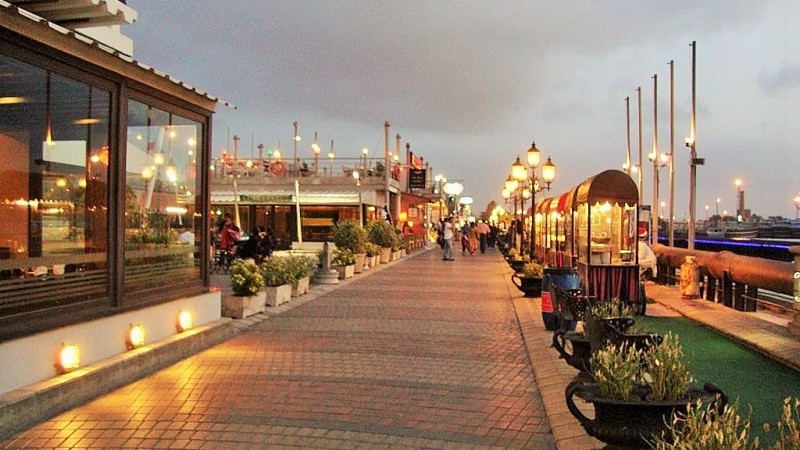
Port Grand is one of the most popular Karachi Eid outing destinations for families. The waterfront setting, restaurants, and open spaces create a festive atmosphere, especially in the evenings when a sea breeze keeps things comfortable.
It works well for all age groups. Young children enjoy the open spaces, while adults appreciate the food variety and harbour views. Eid evenings here feel genuinely celebratory.
Best For
Family dinners and casual dining
Evening strolls along the waterfront
Live entertainment and festive atmosphere
Timing
Evening visits work best
After 7 PM for cooler temperatures and better atmosphere
Clifton Beach and Hawke’s Bay – Karachi Eid Outing 2026
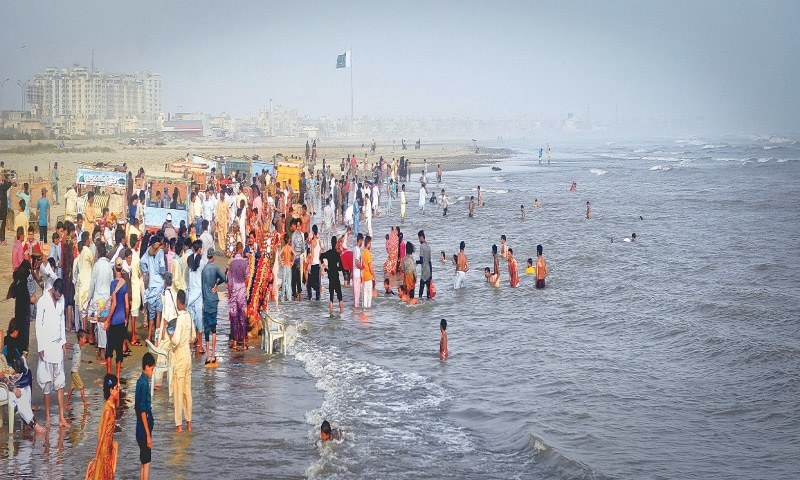
Beaches are a Karachi Eid tradition and one of the best places to visit on Eid in Pakistan. Clifton Beach offers camel and horse rides and is easy to get to from most parts of the city. Hawke’s Bay is quieter and cleaner, making it a better choice for families with small children.
Sandspit Beach is another good option. The shallow waters are safe for kids, and it tends to be less crowded on weekday mornings.
Best For
Camel and horse rides
Beach picnics with the family
Casual Eid outing for all ages
Timing
Early morning before 9 AM
After sunset for cooler weather
Safari Park – Karachi Eid Outing 2026
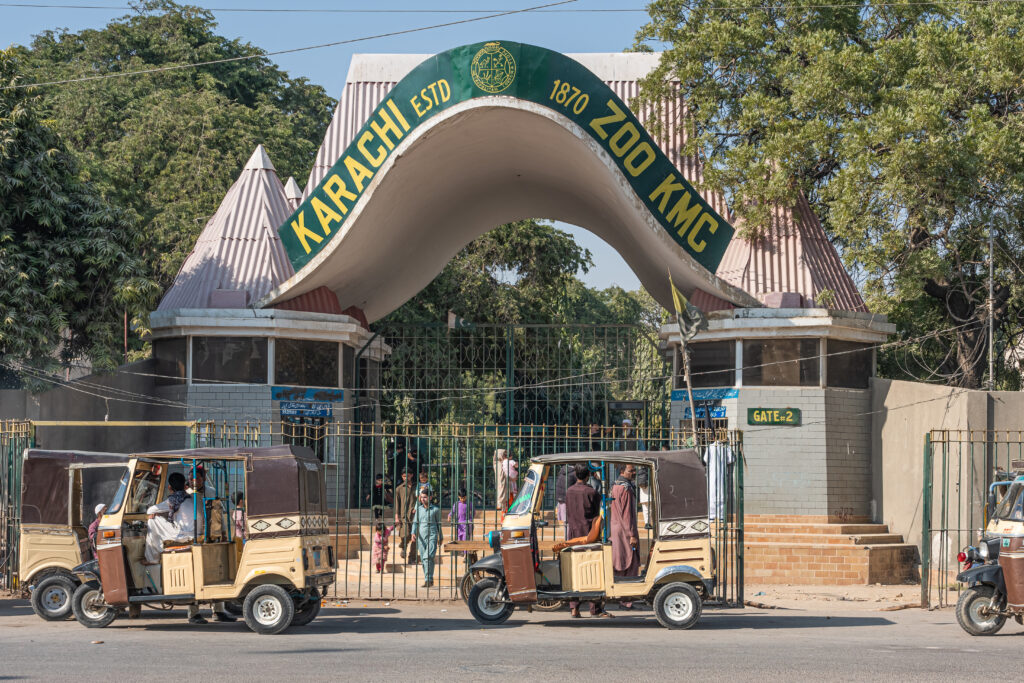
For a full-day family outing in Karachi this Eid, Safari Park is a top choice. The park combines a zoo, picnic areas, and rides in one location. The Fly Safari Zipline, added in 2026, is already a crowd favourite. It crosses over animal enclosures and gives riders aerial views of lions, bears, and deer.
The park also has an exotic birds section and a Reptile House. There is enough variety here to keep children of different ages engaged for several hours.
Best For
Full day family outing in one location
Fly Safari Zipline with aerial views over animal enclosures
Zoo, exotic birds section, and Reptile House
Timing
Morning for cooler temperatures
Eid Day 2 or Day 3 to avoid peak crowds
Bahria Adventure Land – Karachi Eid Outing 2026
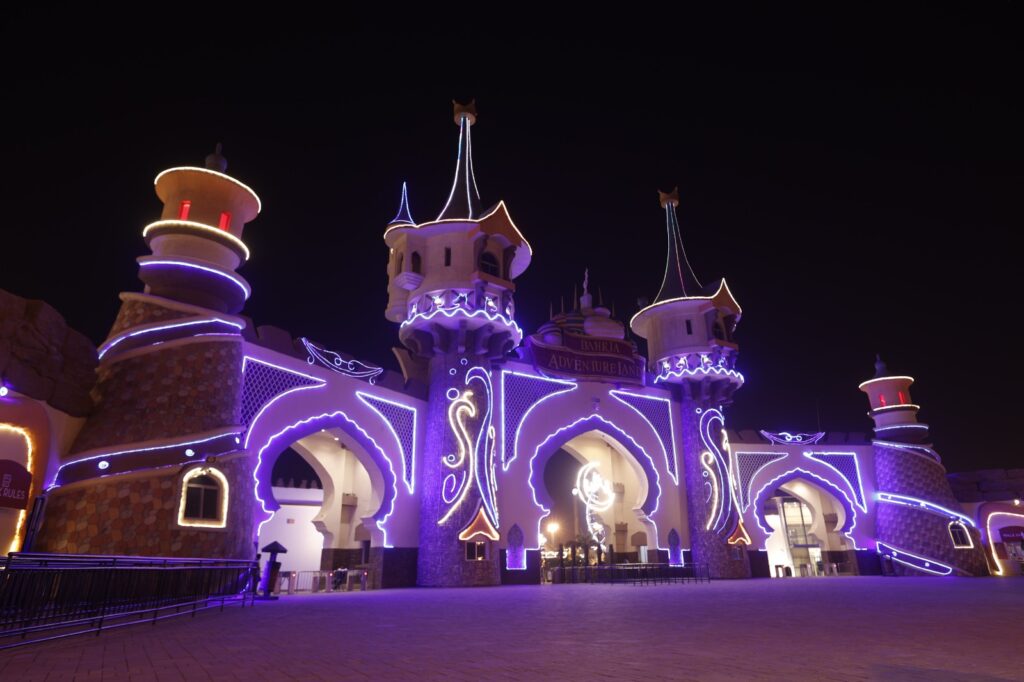
Bahria Adventure Land is widely considered the best amusement park in Karachi right now. It has rides suited for every age group, from gentle options for toddlers to water slides and roller coasters for older kids and teens. The park is clean and well-maintained.
Eid is one of the busiest times at the park, so booking tickets online in advance is strongly recommended.
Best For
Roller coasters and water slides for older kids
Gentle rides suitable for toddlers
Best maintained amusement park in Karachi
Timing
Morning visits recommended
Book tickets online before Eid Day 1
Mohatta Palace
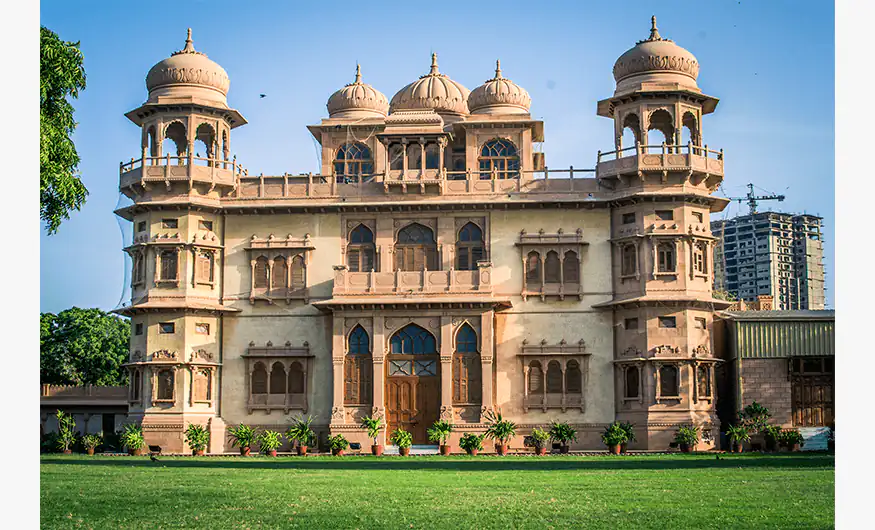
The Mohatta Palace is ideal for families who enjoy culture and architecture. The museum inside hosts art exhibitions and historical displays. The gardens are well-maintained and peaceful.
It is also one of the better spots in Karachi for Eid family photos, with the detailed Sindhi-Rajput architecture making for a striking background.
Best For
Art exhibitions and historical displays
Beautiful gardens ideal for Eid family photos
Peaceful alternative to crowded beach or park options
Timing
Morning for a quieter experience
Eid Day 3 tends to be the least crowded
Dolmen Mall and LuckyOne Mall – Karachi Eid Outing 2026
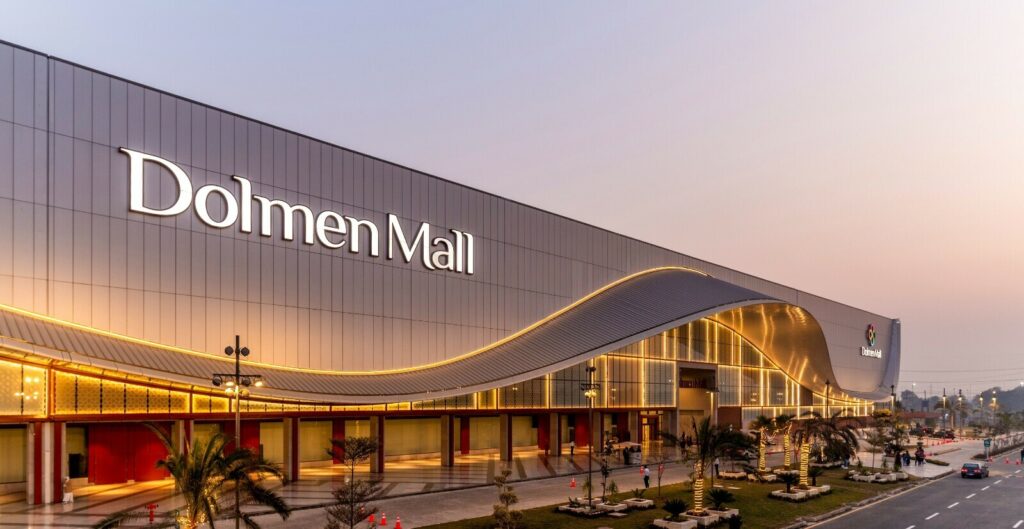
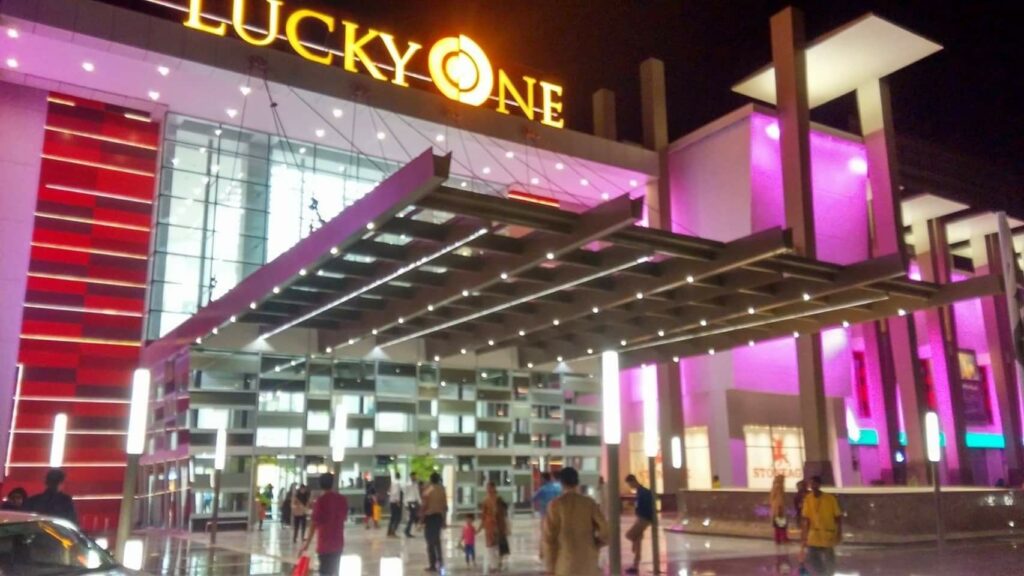
Eid shopping and indoor entertainment go hand in hand, and Karachi’s malls cover both. Dolmen Mall has a wide range of dining, shopping, and entertainment options in a fully air-conditioned space. LuckyOne Mall has Onederland, which is currently the most popular soft play area for toddlers and young children in the city.
For older kids and teens, Super Space at Dolmen Mall Clifton has VR games, arcade stations, and an indoor roller coaster.
Best For
Eid shopping with local and international brands
Super Space with VR games, arcade, and indoor roller coaster for teens
Fully air-conditioned midday escape
Timing
Midday to avoid outdoor heat
Skip Eid Day 1 afternoon, as it gets very crowded
Do Darya Food Street – Karachi Eid Outing 2026
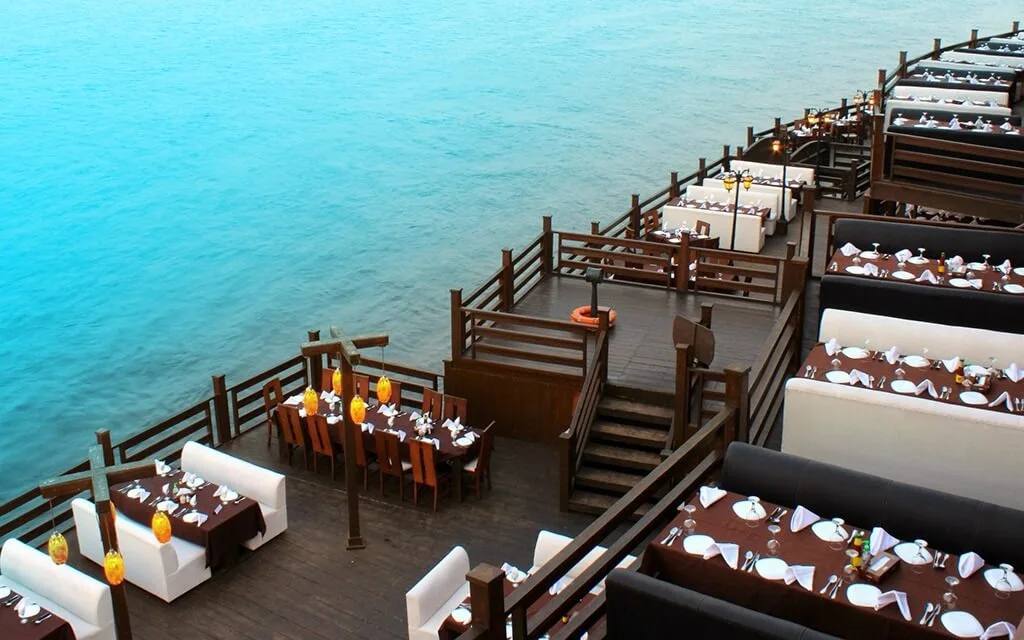
No Karachi Eid outing 2026 is complete without a food street visit. Do Darya is Karachi’s most popular dining strip, sitting right on the waterfront in DHA Phase 8. It brings together dozens of restaurants serving everything from karahi and BBQ to seafood and international cuisine. On Eid nights, the entire stretch comes alive with lights, families, and the smell of freshly grilled food.
It is not just about the food. The sea facing location, the open air setting, and the general festive energy make Do Darya one of the most enjoyable family places in Karachi for Eid. Most restaurants here are family-friendly with dedicated seating areas, so it works well even with young children.
For families who want to end their Eid day on a high note, a late dinner at Do Darya is hard to beat.
Best For
Late night Eid dining with the whole family
Karahi, BBQ and fresh seafood
Waterfront atmosphere with sea views
Families looking for variety with multiple restaurants in one strip
Combining a food outing with an evening stroll
Timing
Evening onwards, ideally after 8 PM
Eid nights are especially lively and atmospheric
Expect crowds on Eid Day 1 evening; Day 2 or Day 3 evenings are more relaxed
Karachi Eid Outing 2026 – Quick Reference
Family Type
Best Pick
Alternative
Families with toddlers
LuckyOne Mall / Onederland
Sandspit Beach
Kids aged 6 to 12
Safari Park
Maritime Museum
Teenagers
Bahria Adventure Land
Super Space Dolmen
Culture lovers
Mohatta Palace
Frere Hall
Budget families
PAF and Maritime Museums
Public beaches
Full day out
Safari Park
TDF MagnifiScience Centre
Evening outing
Port Grand
Clifton Beach
Practical Tips for Karachi Eid Outing 2026
Plan around the heat. Outdoor spots are best before 10 AM or after 6 PM. Keep midday for malls, museums and air-conditioned venues.
Book ticketed venues in advance. Bahria Adventure Land, TDF MagnifiScience Centre and cinema Eid screenings fill up fast. Online booking saves time and money.
Spread outings across days. With four days available, there is no need to rush. One outing per day keeps it enjoyable rather than exhausting.
Pack for the beach. Sunscreen, rehydration salts, hats, a basic first aid kit and spare clothes for children are essentials.
Arrive early at popular spots. Safari Park, Port Grand and Clifton Beach all experience heavy footfall on Eid Day 1. Arriving 30 minutes before opening makes a significant difference.
Final Word | Karachi Eid Outing 2026
Karachi has a lot to offer families during Eid. From the waterfront at Port Grand to the science exhibits at TDF, from the breezy beaches to the affordable museums, the city has enough variety to fill four days without repeating yourself.
The best Karachi Eid outing 2026 is the one that fits your family, your children’s ages, your budget, and what kind of memories you want to take home. Plan ahead, start early, and enjoy every moment.
BBC-featured Content Specialist with a sharp eye for search intent and a proven ability to turn content into a growth engine. I leverage cutting-edge digital marketing tools to craft strategies that fuel organic traffic, amplify brand growth, and own the local SEO landscape, particularly across the competitive real estate market. I help brands dominate search rankings and convert visibility into measurable business success.