
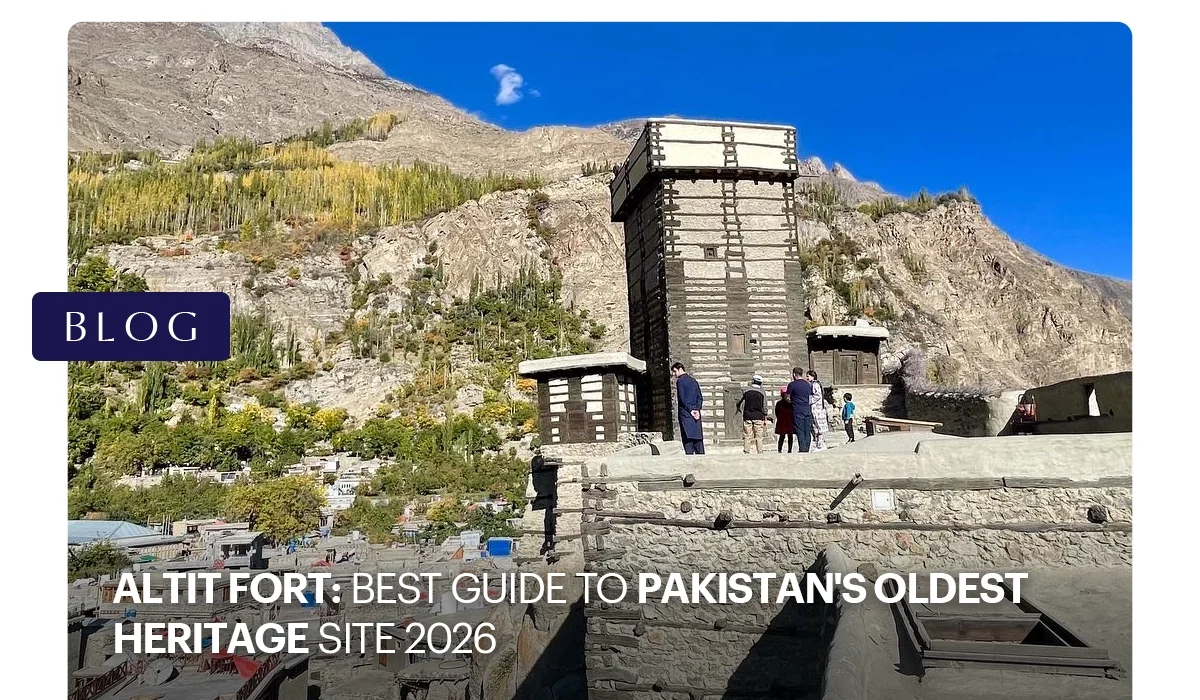

If you are planning a trip to northern Pakistan, one destination that should be at the top of your list is Altit Fort, a centuries-old monument that stands as a silent witness to the rise and fall of one of the most powerful dynasties in the Karakoram region. From its dramatic clifftop position to its intricate wooden carvings and dark underground prison, every corner of this fort tells a story worth knowing.
Quick Facts
| Features | Details |
|---|---|
| Location | Altit Village, Hunza, Gilgit-Baltistan |
| Built By | Mirs of Hunza |
| Age | ~1,100 Years Old |
| Built In | 9th – 11th Century AD |
| Altitude | ~2,400 meters above sea level |
| Restored By | Aga Khan Trust for Culture (2001–2007) |
| UNESCO Award | Asia-Pacific Award of Distinction (2011) |
| Entry Fee | Rs. 250 – Rs. 1,650 (varies by nationality) |
| Opening Hours | 9:00 AM – 5:00 PM (Daily) |
| Best Time to Visit | April – October |
| Temperature Range | -15°C (Winter) to 30°C (Summer) |
| Nearest City | Karimabad (~2 km) |
What Is Altit Fort?
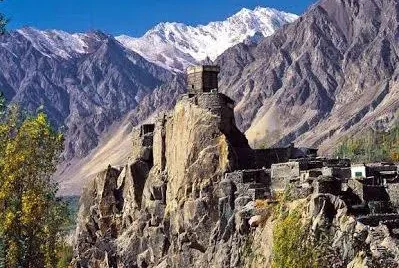
Perched on the edge of a 1,000-foot cliff overlooking the Hunza River, Altit Fort is widely recognized as the oldest surviving monument in Gilgit-Baltistan. It is located in Altit village, just a short drive from the popular tourist hub of Karimabad, in the Hunza District of Gilgit-Baltistan, Pakistan.
The fort is believed to be approximately 1,100 years old, making it older than most historical structures in the entire region. For centuries, it served as the seat of power for the rulers of Hunza. After decades of gradual decline, it was carefully restored and reopened to the public in 2007. In 2011, it received the UNESCO Asia-Pacific Award of Distinction, recognising both its architectural value and the quality of its restoration.
Today, Altit Fort welcomes thousands of visitors every year who come to explore its royal halls, ancient mosque, watchtower, and the breathtaking views it offers over the Hunza Valley.
Altit Fort Location
Altit Fort location sits in Altit village, approximately 2 kilometres from Karimabad in the Hunza District of Gilgit-Baltistan. The exact coordinates are 36°18’59.3″N and 74°40’55.4″E. It stands on the southern bank of the Hunza River, positioned at an altitude of approximately 2,400 meters above sea level.
How to Reach Altit Fort
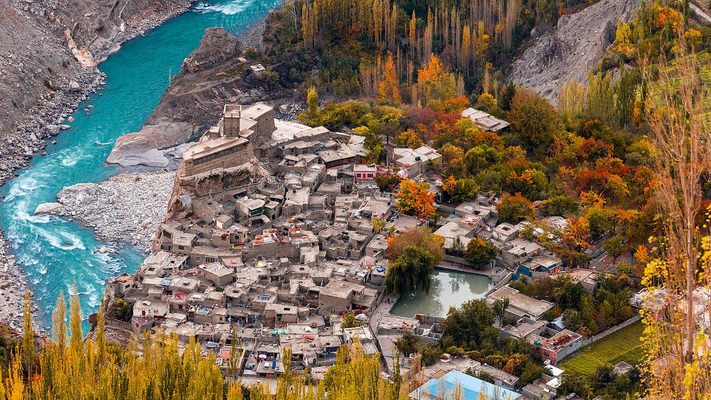
Travellers from Islamabad can reach the fort by taking the Karakoram Highway (KKH), one of the highest paved international roads in the world. The road journey takes approximately 12 to 14 hours by private car or shared transport. The nearest domestic airport is Gilgit Airport, located roughly 100 kilometres away, with regular flights from Islamabad on clear weather days.
From Karimabad, the fort is accessible by a 15-20-minute drive or a scenic walk through Altit village. Parking is available near the fort entrance. The road leading to the fort passes through a beautifully maintained heritage village, offering visitors a glimpse of the traditional Hunza lifestyle before they reach the monument itself.
Altit Fort Was Built by Which Family?
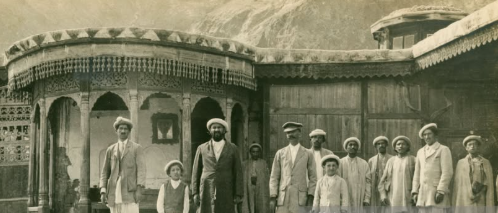
One of the most frequently asked questions about this monument is: Altit Fort was built by which family? The answer lies deep in the history of the Hunza princely state.
Altit Fort was built by the Mirs of Hunza, the hereditary rulers who held the title of “Mir,” meaning “prince.” The original structure is believed to have been constructed around the 9th to 11th century AD, during the early reign of the Mir dynasty.
Local craftsmen, supported by skilled Balti artisans, carried out the construction using rough stone, pebbles, mud mortar, and timber without any use of cement or steel.
History of Altit Fort
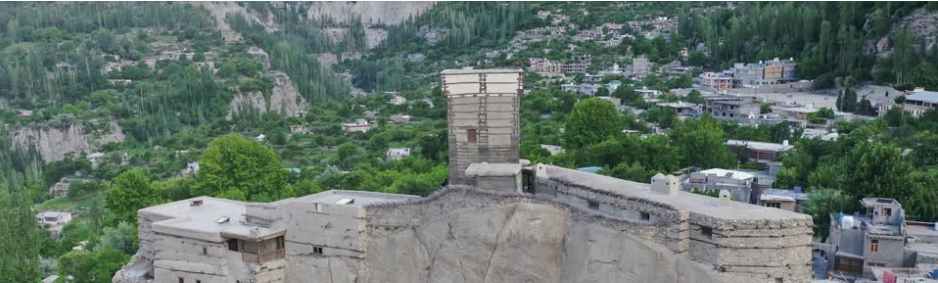
The fort’s development continued over several centuries. A significant addition came in the 16th century when a local Mir prince married a Baltistani princess.
She brought with her a team of master craftsmen from Baltistan who added refined architectural elements to the structure, blending Balti and Tibetan styles with Central Asian influences. A pivotal moment in the fort’s history occurred in the 1540s, when a bitter dispute broke out between two royal brothers, Prince Shah Abbas (also known as Shabos) and Prince Ali Khan.
This family conflict eventually led to the construction of a separate fort, which is now known as Baltit Fort. Prince Ali Khan, according to local legend, was buried alive inside the Shikari Tower of Altit Fort as a consequence of this dispute, and his standing grave can still be seen inside the tower today.
For those wondering altit fort built by which family, the answer is clear: the Mir dynasty of Hunza, one of the most influential ruling families in the entire Karakoram mountain region.
The royal family continued to maintain the fort until 1990, when they gifted it to the Aga Khan Foundation, a decision that ultimately saved the structure from permanent ruin.
Historical Significance of Altit Fort in Hunza Valley
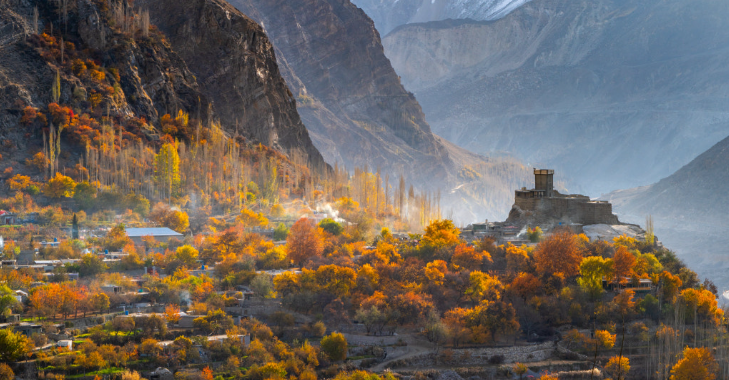
Altit Fort Hunza Valley connection goes far beyond just architecture. This fort was the original capital and political centre of the Hunza state, the first seat of power before the rulers shifted their base to Baltit Fort.
Its location was strategically chosen. Sitting high on a cliff above the Hunza River, the fort gave rulers complete visual control over the valley below and the ancient Silk Road trade routes passing through it.
The Mirs used this vantage point to monitor and often tax the caravans of merchants, traders, and travellers moving between Central Asia, China, and South Asia.
The Mir dynasty continued to rule Hunza as a semi-autonomous princely state until 1972, when Pakistan’s political reforms formally dissolved the system of princely governance. After this point, the fort fell into gradual disrepair until the Aga Khan Trust for Culture (AKTC) stepped in.
Architecture: What Makes It Unique?
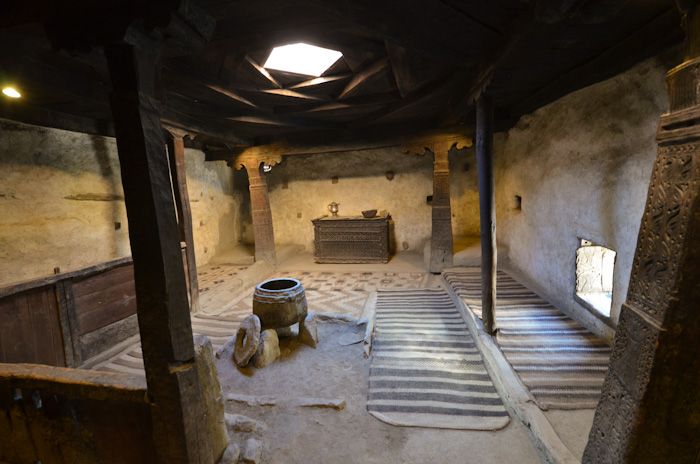
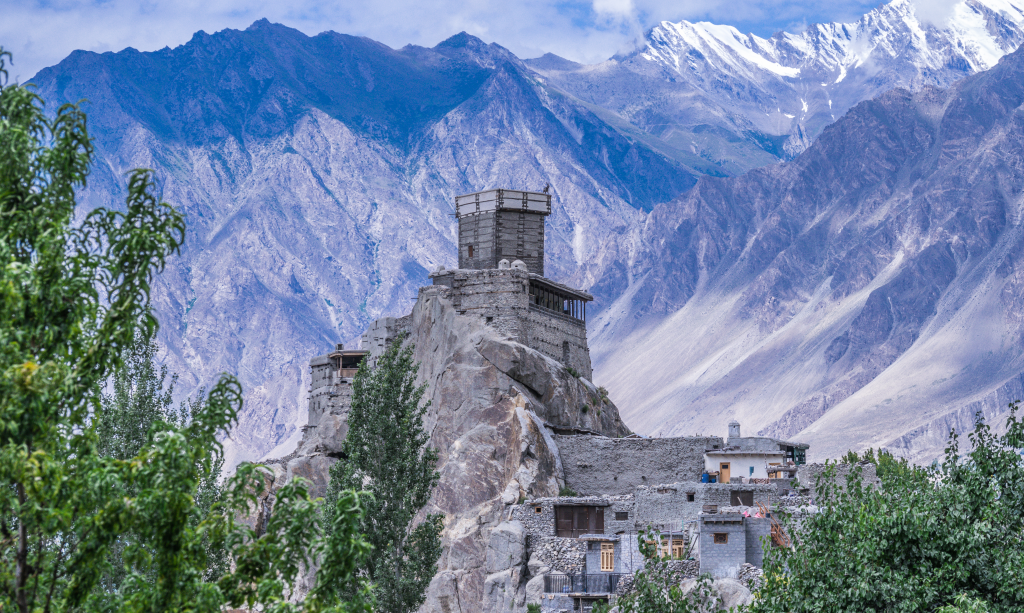
The architecture of Altit Fort is one of its most compelling features. The entire structure was built without a single gram of cement or steel. Instead, the builders relied on rough-cut stone, river pebbles, mud mortar, and large wooden beams, a construction method that has proven remarkably durable over more than a thousand years.
The architectural style is a fascinating blend of Balti-Tibetan vernacular design, with visible Central Asian and Persian influences. Key features include:
- The Shikari Tower is the oldest section of the fort, estimated to be around 1,100 years old. It served multiple purposes: a watchtower to spot approaching enemies, a court of law where judgments were delivered, and, reportedly, the site where condemned prisoners were thrown off the cliff to their deaths. The standing grave of Prince Ali Khan is also located here.
- The Royal Living Quarters include several rooms used by the Mir family, including a living room with an ancient sundial, a royal meeting hall, and, interestingly, a wine storage room dating back to the pre-Islamic era of Hunza’s history.
- The Ancient Mosque, believed to be around 400 years old, is still in remarkably good condition and remains an active place of worship.
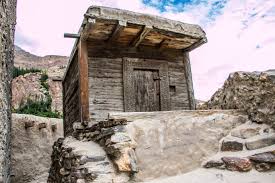
- Low Doorways are a clever defensive feature throughout the fort. Most doorways stand at just around five feet high, forcing anyone entering to bow their head, making it impossible for an enemy to enter with a weapon raised.
- Underground Prison Cells beneath the fort were used to hold prisoners. These dark, cramped cells give visitors a sobering sense of how justice was administered in medieval times.
The woodwork throughout the fort on doors, window frames, and ceilings features intricate hand-carved geometric and floral patterns that reflect the artistic traditions of multiple cultural influences.
Altit Fort Temperature and Best Time to Visit
Understanding Altit Fort temperature patterns is essential for planning a comfortable visit.
| Season | Months | Temperature Range | Visitor Experience |
| Spring | March – May | 8°C to 18°C | Apricot blossoms, ideal weather |
| Summer | June – August | 20°C to 30°C | Peak season, clear skies |
| Autumn | September – October | 10°C to 20°C | Golden poplars, great photography |
| Winter | November – February | -3°C to -15°C | Snow, limited road access |
The best time to visit is between April and October. Late March to April is particularly magical when the apricot and cherry trees in the Altit village burst into bloom, creating a pink-and-white landscape against the backdrop of snow-capped mountains. September and October offer golden autumn colours and fewer tourists, making it ideal for photography and peaceful exploration.
Restoration and UNESCO Recognition
The restoration of Altit Fort is considered one of the finest heritage conservation projects in Asia. After the royal family donated the fort to the Aga Khan Foundation in 1990, the Aga Khan Trust for Culture (AKTC) launched a comprehensive restoration program between 2001 and 2007, funded in partnership with the Government of Norway.
The project did not stop at the fort itself. The surrounding village of Altit was also rehabilitated, with water and sanitation systems improved, abandoned homes restored, and the local community actively involved throughout the process. The fort was reopened to the public in 2007 and in 2011 received the prestigious UNESCO Asia-Pacific Award of Distinction for its exceptional approach to cultural heritage preservation.
Today, the fort employs approximately 15 people directly and is managed through the Altit Town Management Society, ensuring that the benefits of tourism reach the local community.
Visitor Information
- Opening Hours: 9:00 AM – 5:00 PM, seven days a week
- Entry Fee (2025): International visitors: Rs. 1,650 | Pakistani nationals: Rs. 650 | GB & Chitral residents: Rs. 250
- Guided tours are included with every ticket
- KhaBasi Café inside the fort garden serves traditional local food
- Serena Hotel is located within the Fort Lawns for those who want to stay nearby
- Always ask for permission before photographing local residents
Nearby Attractions
While visiting Altit Fort, do not miss these nearby destinations:
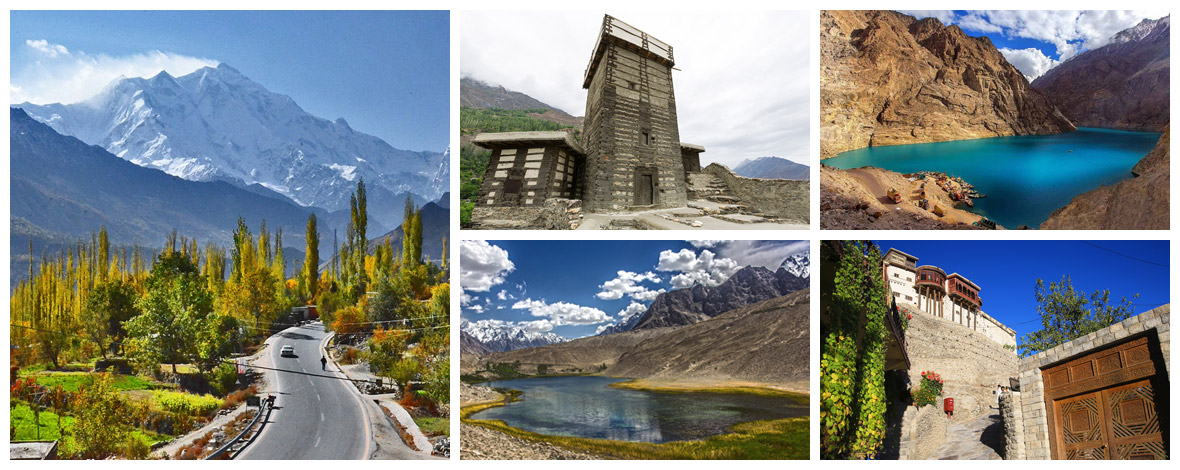
- Baltit Fort (~3 km away) the other iconic fort of Hunza
- Eagle’s Nest (~5 km) offers one of the best panoramic views in the entire Karakoram
- Attabad Lake (~30 km) is a stunning turquoise lake formed by a 2010 landslide
- Passu Cones (~50 km), dramatic rock pinnacles rising from the valley floor
- Karimabad Bazaar is perfect for buying local handicrafts, dried apricots, and traditional Hunza caps
Final Thoughts
Altit Fort is not just a historical monument; it is a living piece of Central Asian and South Asian heritage that has survived earthquakes, invasions, political upheavals, and the slow decay of time. Whether you are a history enthusiast, a travel photographer, or simply someone who appreciates extraordinary places, this fort offers an experience that few other destinations in Pakistan can match. Plan your visit between April and October, come with curiosity, and leave with a deep appreciation for the civilisation that once thrived on these clifftops above the Hunza River.
For more informative blogs on topics like Lok Virsa Heritage Museum and Shakarparian, visit Chakor Blogs.
Read More:
- Tomb of Jahangir 2026: Lahore’s Remarkable Mughal Heritage
- All You Need to Know About Tomb of Quaid e Azam
- 10 Incredible Haunted Places in Pakistan to Explore

Dedicated and detail-oriented SEO Content Writer, Real Estate Writer, and Research Analyst based in Islamabad, with proven expertise in developing accurate, valuable, and well-researched content. Skilled in analytical writing, market research, and reporting, with the ability to turn insights into clear, professional, and impactful content. Passionate about exploring new ideas, analyzing industry trends, and contributing to high-quality writing and research-driven projects.
