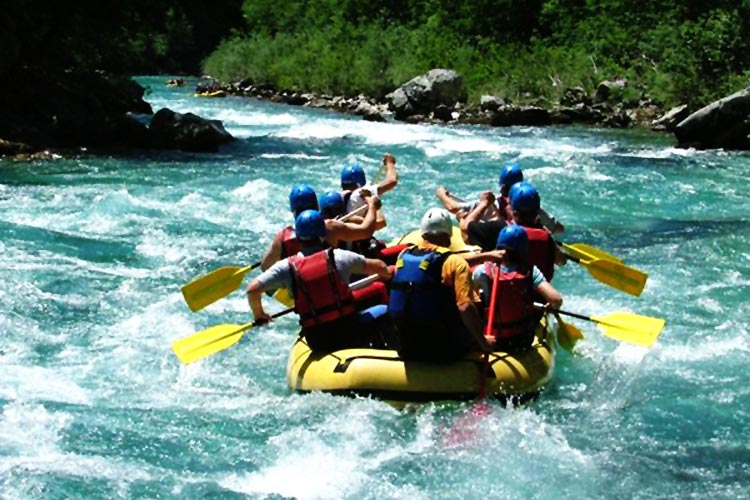
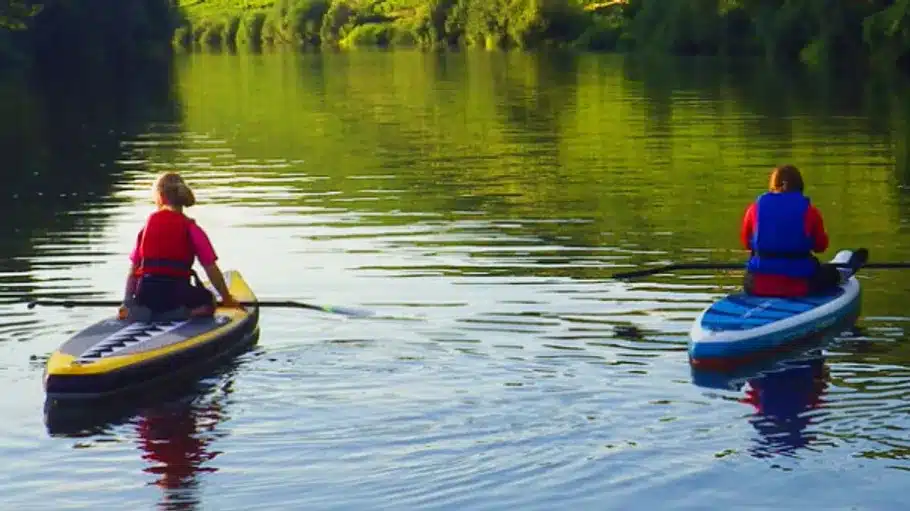
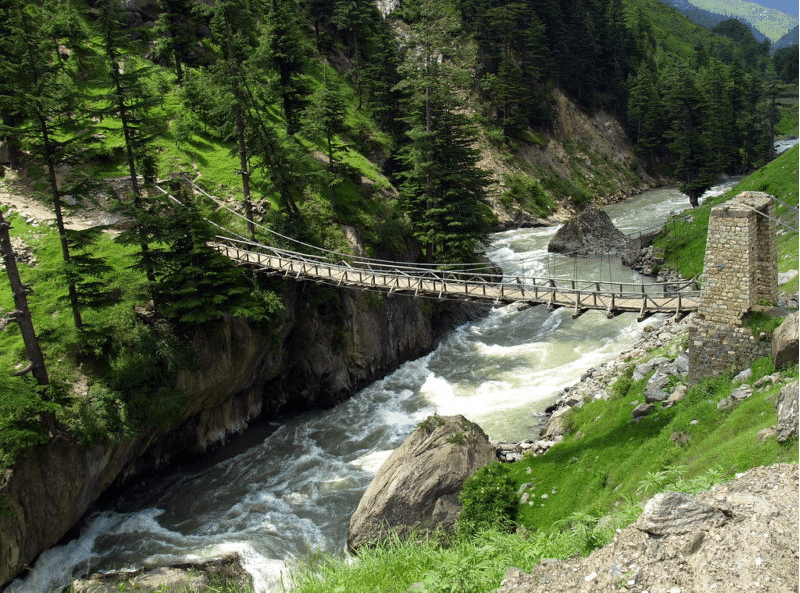
Pakistan is one of the world’s most breathtaking and underexplored destinations, and its tourism sector is finally beginning to reflect that. At Chakor, our Tourism section covers the hospitality developments, travel infrastructure, and investment opportunities emerging from a sector with enormous untapped potential.
From mountain resorts in the north to cultural destinations across the country, explore what is being built for the travellers of tomorrow.
Lahore has never lacked good food. Siri paye for breakfast, karahi for dinner, and a chai stop in between. But more and more people are ordering something different: a bubbling stew, a plate of tteokbokki, or meat they grill themselves at the table. If you’rehunting for a Korean restaurant in Lahore, this list covers the places worth your time, from BBQ grills and ramen bars to dumpling counters and street-snack corners. Addresses and contact details are included, so you can pick one and go.
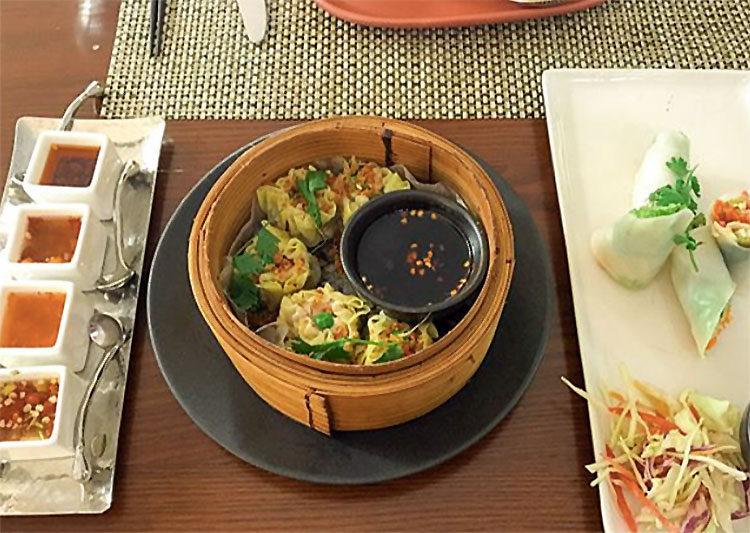
Sakana means fish in Japanese, and the menu follows with sushi and seafood plates. It’s a smart, upscale room on M.M. Alam Road, good for business lunches or a proper dinner out.
2. Fuchsia Kitchen
People order noodle bowls and big-flavored Asian mains here. Friends in Gulberg III tend to settle in for a few hours, since the place is stylish without being stiff.
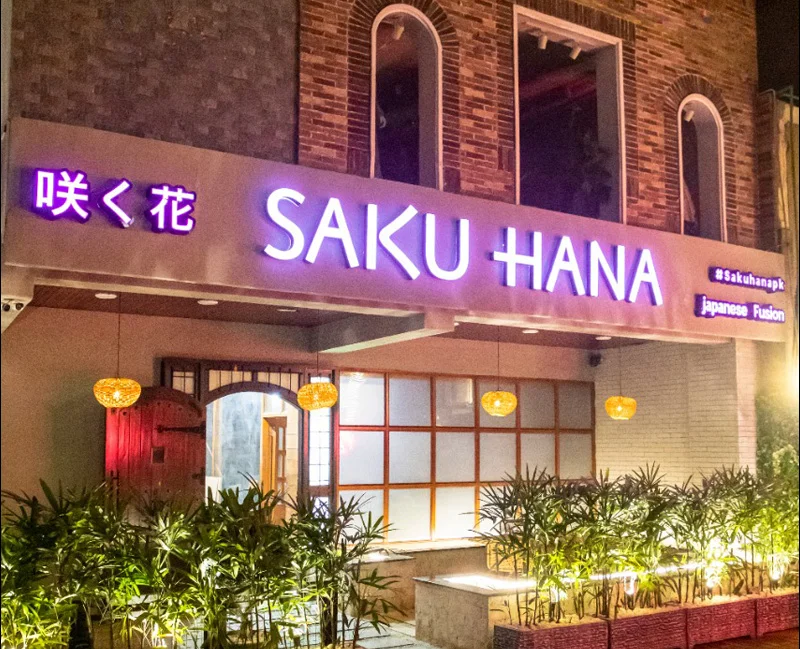
3. Saku Hana
Quiet evenings suit this DHA Raya spot best. Japanese-style dishes sit alongside Korean comfort food, and the room stays calm and neat.
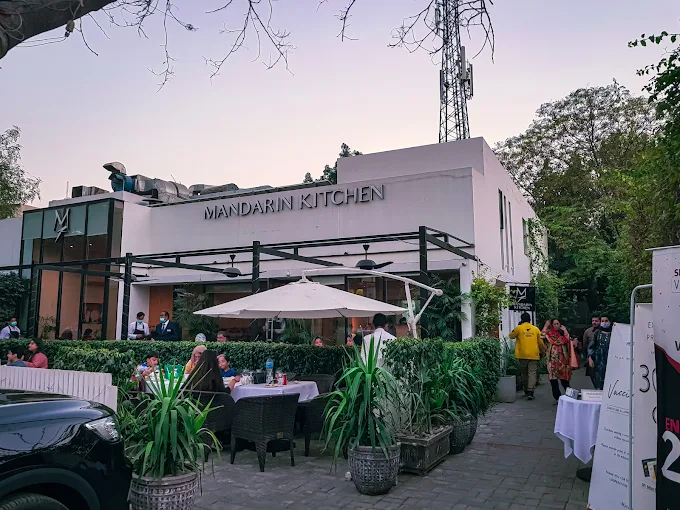
4. Mandarin Kitchen
Families keep coming back for the wok dishes and hot noodle bowls. With a branch in Gulberg and another in DHA, it’s easy to find on either side of town.
5. Che Won / Udon House
Order a bowl of thick, chewy udon in warm broth, with a few Korean-style sides on the table. It’s casual and easy for a quick lunch near Hussain Chowk.
6. Che Zou Pan Asian
Noodles, rice dishes, and sizzling starters from across Asia share one menu. It’s an easygoing Sabzazar neighbourhood place that works for the whole family.
7. Valorant Da Dhaba
A dhaba in DHA Phase IV, so expect hearty, rustic plates rather than fine dining. It’s noisy and relaxed, and nobody minds what you wore to get there.
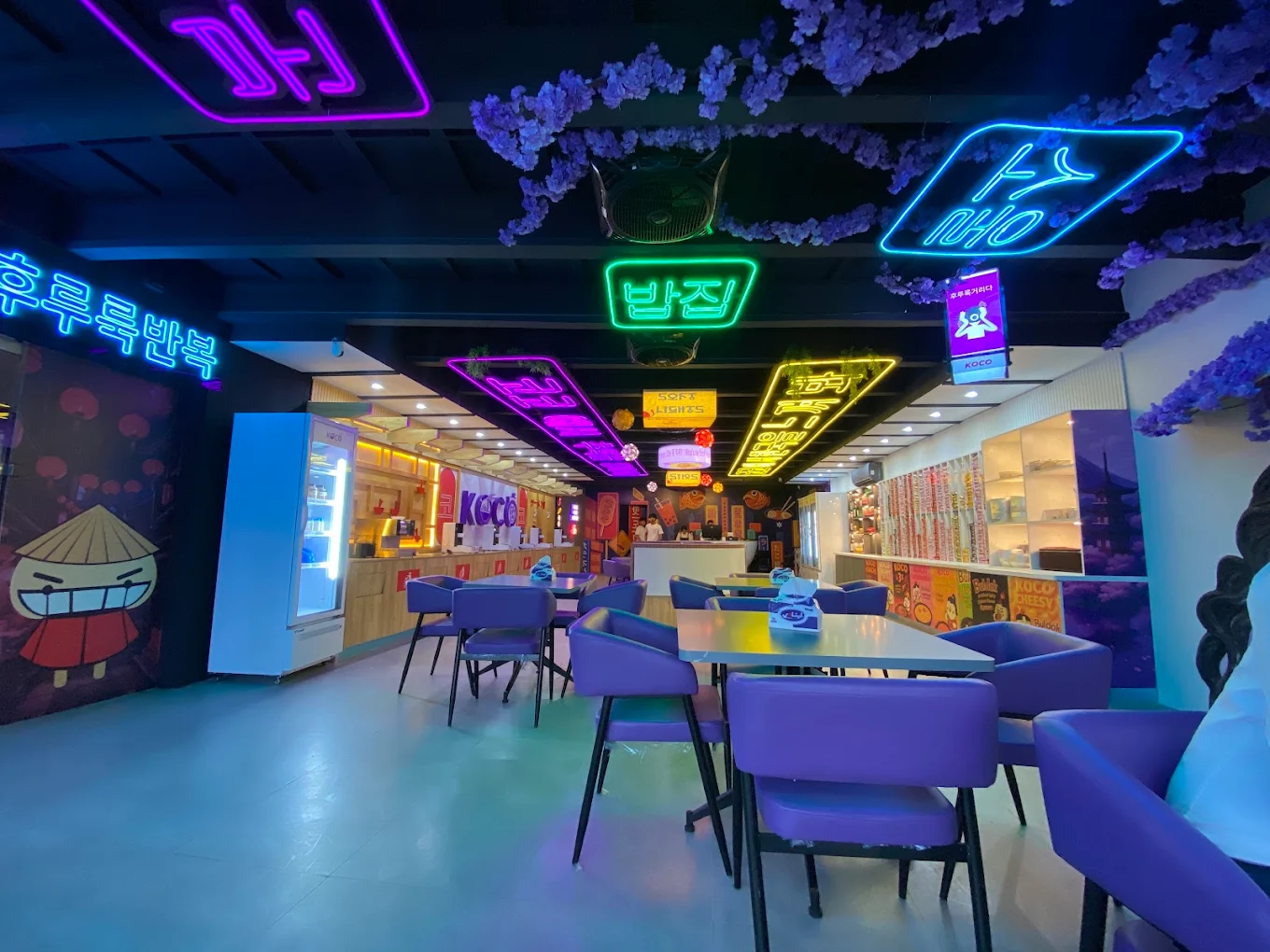
8. KOCO
Among Korean restaurant in Lahore, KOCO is the one the Instagram crowd talks about. Modern Korean bites are plated so well that half the tables photograph them first, and the M.M. Alam Road room is built for that young, social crowd.
9. Steamin’ – Momo, Dumplings and Noodles
Momos and dumplings come straight from the steamer, piping hot, with noodles on the side. Johar Town regulars like it for simple comfort food, and plenty of orders go out by delivery.
10. Daebak Korean BBQ
If you want a Korean restaurant in Lahore where you do the cooking, this is it. Marinated meats grill at the table while banchan keeps arriving, making this fourth-floor spot in DHA Phase 6 a natural fit for birthdays and group dinners.
11. Binie House
Bubbling stews and home-style rice dishes make up most of the menu, the kind of Korean food in Lahore that feels like a home kitchen. The DHA Phase 4 setting is warm and unhurried.
12. Seoul Snack 서울스낵
Spicy tteokbokki and crunchy fried snacks, the sort of street food you’d eat standing up in Seoul. It’s small and quick on Gulberg II’s Block T, with no fuss.
13. Dumplingsbar.pk
Steamed or pan-fried, with plenty of fillings to pick from, dumplings are the whole point. The DHA hub is bright and casual, so you can drop in without planning.
14. Ko Ramen
Slow-cooked broth and springy noodles are what this DHA Phase 6 place is about. For ramen fans exploring Korean restaurants in Lahore, it’s a small, quiet room made for a slow bowl.
15. The Kimchi Girl
Kimchi comes first here, eaten on its own or mixed into rice and noodle dishes. It’s a Korean restaurant in Lahore with a personal touch, and the Model Town kitchen feels like something a home cook turned into a business.
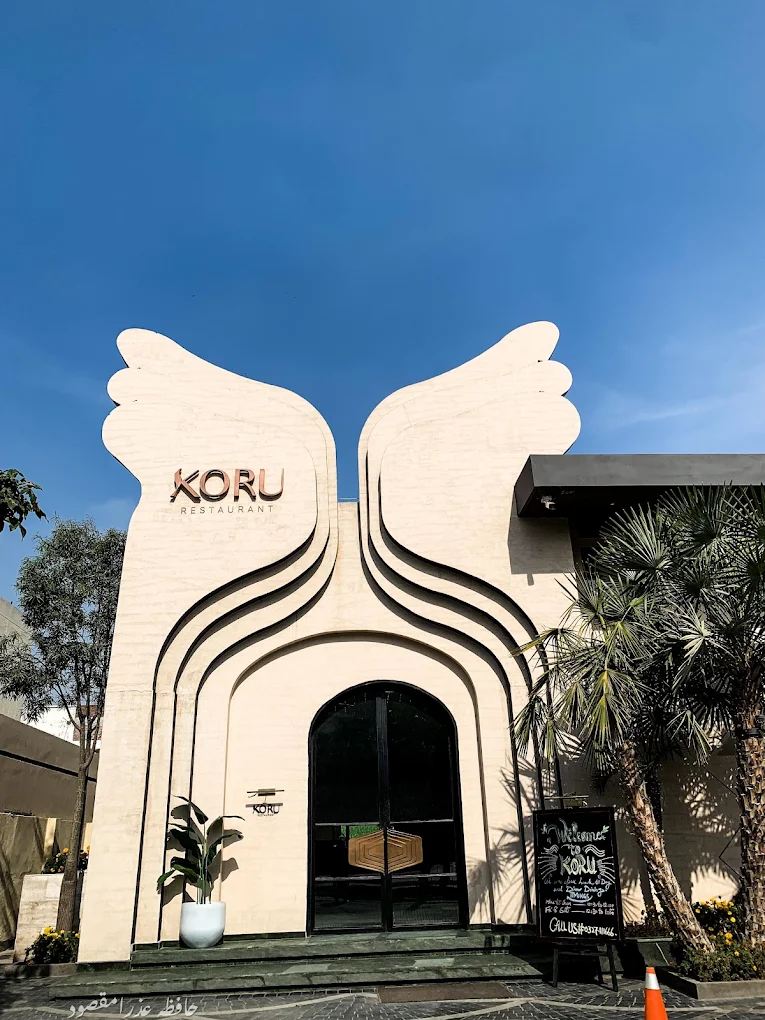
16. Koru Restaurant
Asian-inspired plates in a modern, social room on Zahoor Elahi Road. It suits a family dinner as easily as a night out with friends, and it’s worth a look if you’re exploring Korean dining in Lahore.
17. Double Cheeked Up
The izakaya idea shows up in the small plates, skewers and fusion bites, all meant for sharing. The mood in DHA Phase 5 is loose and a bit cheeky, matching the name.
Lahore’s Korean food scene is still growing, which makes it fun to explore. Whether you want a group BBQ night, a quiet bowl of ramen, or a quick plate of street snacks, this list has a Korean restaurant in Lahore that fits.
This was all about the bestKorean restaurant in Lahore. To learn more about the best Korean restaurants in Lahore, visit Chakor.
BBC-featured Content Specialist with a sharp eye for search intent and a proven ability to turn content into a growth engine. I leverage cutting-edge digital marketing tools to craft strategies that fuel organic traffic, amplify brand growth, and own the local SEO landscape, particularly across the competitive real estate market. I help brands dominate search rankings and convert visibility into measurable business success.
Lahore has long stood as a hub of cultures, where centuries of history, art, and cuisine come together to shape the city’s rich and diverse identity. Johar Town has grown into one of Lahore’s most vibrant food destinations, and finding the right restaurants in Johar Town Lahore can make all the difference for your next meal out.
From cheesy pizza joints and all-you-can-eat buffets to cosy cafés, fine dining spots, and international fast-food chains, this neighbourhood offers something for every craving and occasion.
Restaurants in Johar Town
Restaurant Name
Address
Phone Number
Cuisine / Type
Website/Socials
Second Slice by Forks N Knives
Abdul Haque Rd, Block G Phase 1 Johar Town, Lahore, 54782
A favourite stop among restaurants in Johar Town Lahore, for pizza lovers, Second Slice by Forks N Knives serves up hearty, cheese-loaded pies in a relaxed setting. It’s a solid pick for a casual family pizza night or a quick bite with friends.
Rating: 4.4
Address: Abdul Haque Rd, Block G Phase 1 Johar Town, Lahore, 54782
Website: secondslice.pk
Contact: (042) 111 656 565
Pind Restaurant
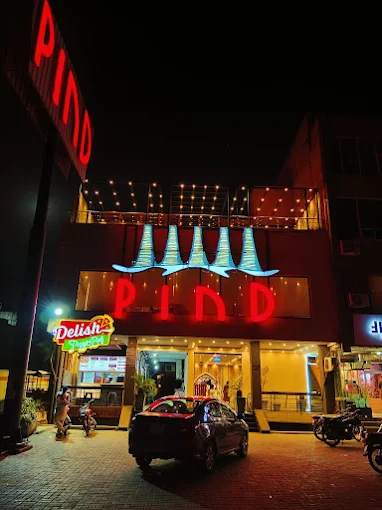
Pind Restaurant is one of the most family-friendly restaurants in Johar Town Lahore, known for its comfortable, welcoming dining atmosphere that suits multi-generational outings. It’s a dependable choice for weekend family meals.
Rating: 4.5 (1,298 reviews)
Address: 1st Floor, 30, Mughal Arcade, Mian Plaza, Civic Centre Block D 2 Phase 1 Johar Town, Lahore, 54782
Contact: (042) 35189989
Buqayvia Restaurant
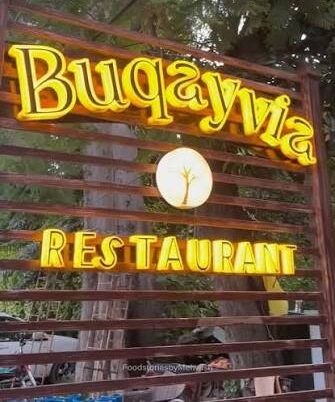
Among the top-reviewed restaurants in Johar Town Lahore, Buqayvia Restaurant stands out for its versatile offerings that suit a wide range of diners, from vegans to families with kids. It’s a great choice for casual dinners or laid-back evenings with friends.
Rating: 4.7 (1.1K reviews)
Address: Building No.6, Block H, Main Canal Rd, Block H Phase 2 Johar Town, Lahore, 54782
Website: buqayvia.pk
Contact: 0300 1780808
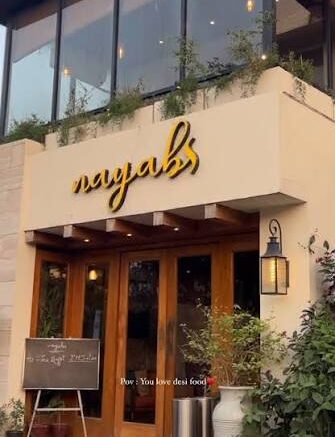
Nayabs
Nayabs is a popular name among restaurants in Johar Town Lahore, for its buffet format, drawing crowds who enjoy rooftop dining and a bit more privacy for group gatherings. Its scenic rooftop setting adds a nice touch to celebrations.
Rating: 4.1 (1.7K reviews)
Address: 33, Block M Phase 2 Johar Town, Lahore, 54000
Contact: 0300 1193338
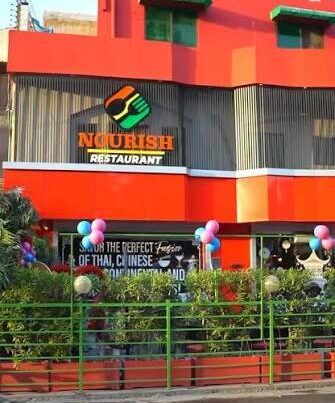
Nourish Restaurant Lahore
Frequently cited as one of the best restaurants in Johar Town Lahore, Nourish Restaurant offers a cosy, inviting ambience that works well for both casual meals and special get-togethers. Its comfortable setting has made it a favourite among locals.
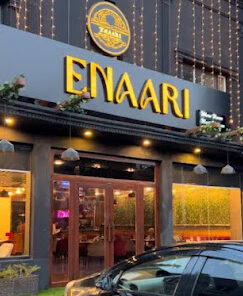
Enaari-Johar Town is counted among the reliable restaurants in Johar Town Lahore, offering a straightforward dining experience without excessive frills. It’s a solid neighbourhood option for a simple, no-fuss meal.
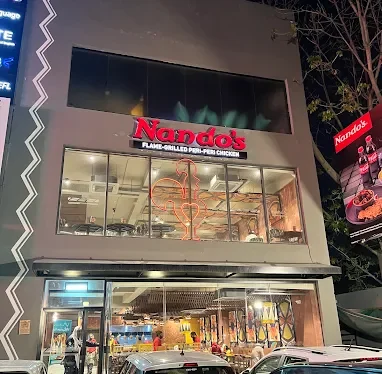
Bringing its signature peri-peri flavours to the list of restaurants in Johar Town Lahore, Nando’s maintains the chain’s familiar quality and consistency that loyal customers expect. It’s an easy, reliable choice for a quick, flavorful meal.
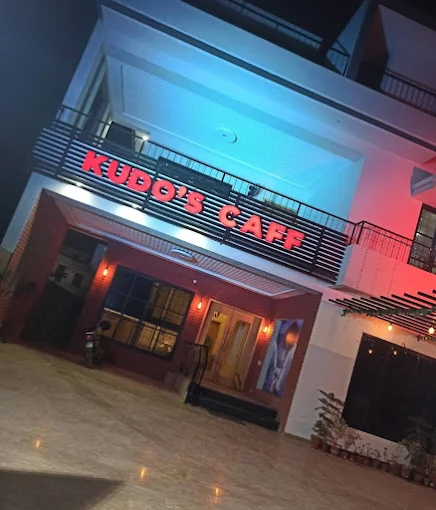
Kudo’s Caff has earned its place among the well-loved restaurants in Johar Town Lahore, thanks to its relaxed, sports-bar-like vibe. It’s a favourite for game nights, casual hangouts, and family visits alike.
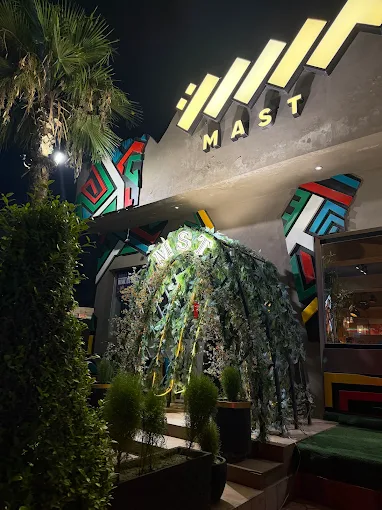
MST Restaurant is a heavyweight among restaurants in Johar Town Lahore, offering a cosy buffet-style dining atmosphere that’s popular with regulars. Its buffet format makes it practical for larger groups wanting variety.
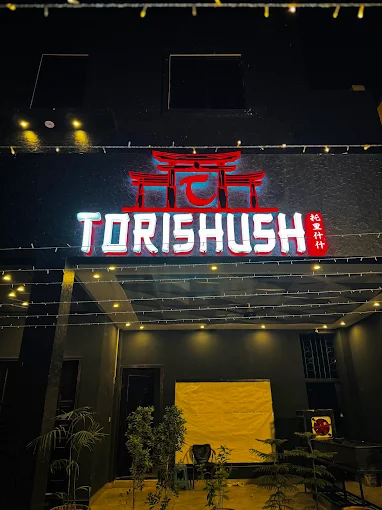
Torishush Restaurant is recognised among the more refined restaurants in Johar Town Lahore, with an ambience geared toward comfort and privacy. It’s well-suited for intimate dinners and small celebrations.
Rating: 4.5
Address: 8, Block F Phase 1 Johar Town, Lahore, 54000
Website: torishushrestaurant.com
Contact: 0325 5551525
Maalga Restaurant
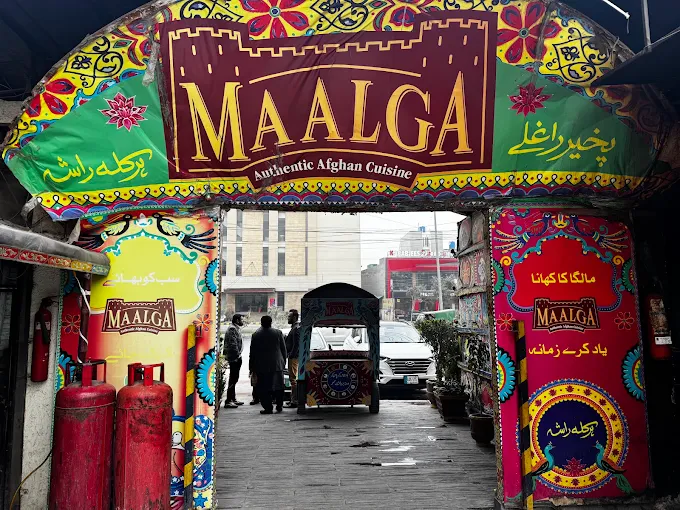
Maalga Restaurant is one of the most-reviewed restaurants in Johar Town Lahore, known for its long-standing presence and popularity. Its live music adds a fun element to the overall dining experience.
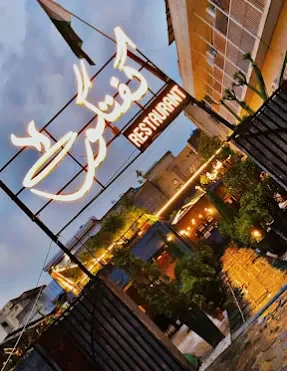
Guftagu Restaurant is a cosy addition to the restaurants in Johar Town Lahore roster, with a café-style setting suited to casual coffee catch-ups and light meals. It’s a great choice for a more laid-back, conversational atmosphere.
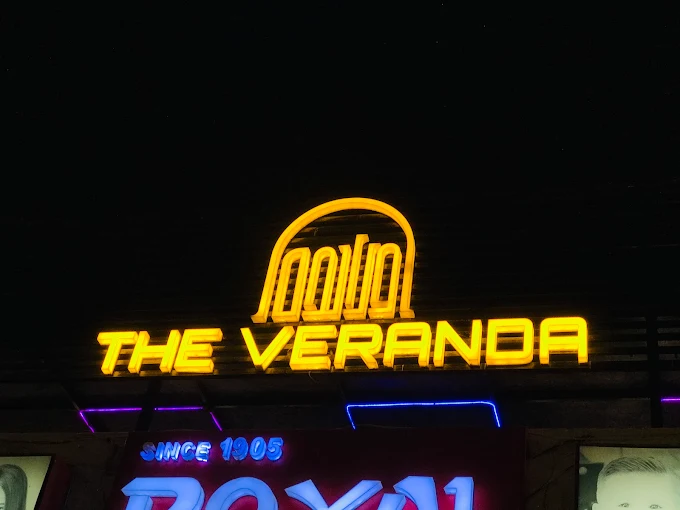
The Veranda adds variety to the restaurants in Johar Town Lahore lineup, offering a relaxed setting suited for casual meetups. Its open-air seating is especially popular during pleasant weather.
Rating: 4.2 (362 reviews)
Address: 166, Block M Phase 2 Johar Town, Lahore, 54000
Website: facebook.com/theverandapk
Contact: 0310 0572222
Chaye Qawali
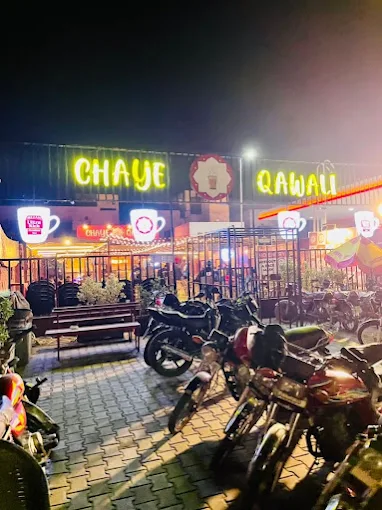
Chaye Qawali stands out among restaurants in Johar Town Lahore for its cultural, café-style charm, blending a tea-house atmosphere with live entertainment. It’s especially popular with younger crowds looking for an immersive evening out.
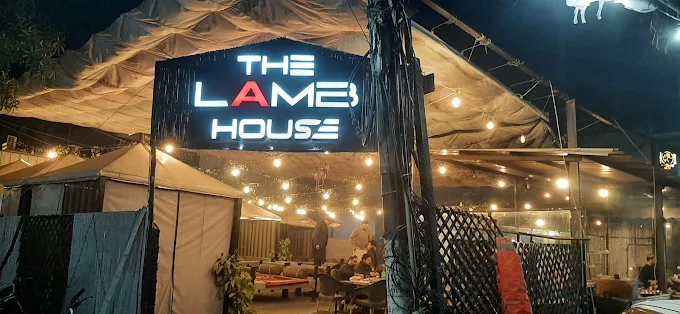
The Lamb House is known among restaurants in Johar Town Lahore, for operating on a reservation basis, offering al-fresco dining for guests who prefer it. Planning ahead is recommended, especially during peak hours.
Rating: 3.9
Address: 445, Block G1 Phase 1 Johar Town, Lahore
Contact: 0321 8440321
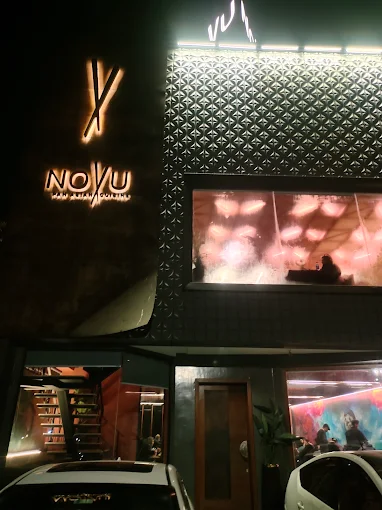
NOVU Johar Town
NOVU Johar Town ranks among the more structured restaurants in Johar Town Lahore, offering a buffet experience convenient for guests who want to stay connected while dining. Reservations help ensure a smoother visit during busier periods.
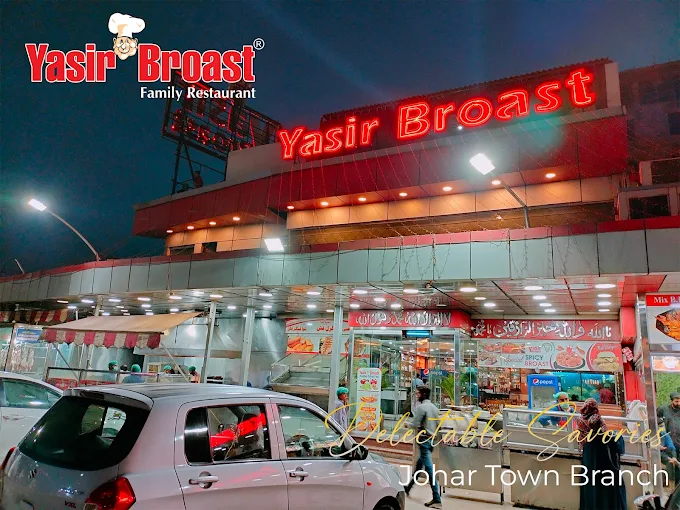
Yasir Broast has built a large following among restaurants in Johar Town Lahore, particularly for its broast-style chicken. Its combination of affordability and variety keeps it a consistent favourite for casual and private gatherings alike.
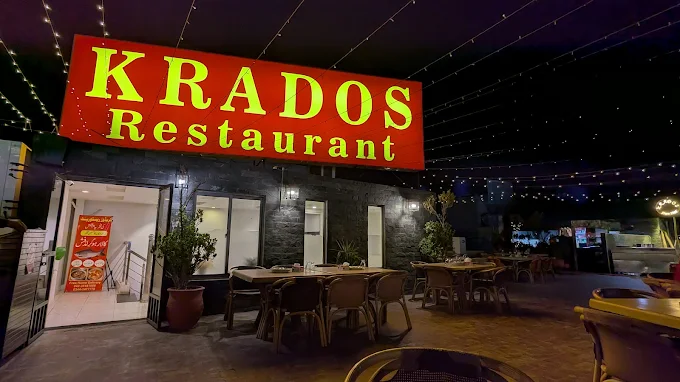
Krados Restaurant Johar Town is a family-oriented restaurant in Johar Town, Lahore, making it a practical choice for families planning celebrations or casual weekend outings. Its buffet setup ensures there’s something for every family member.
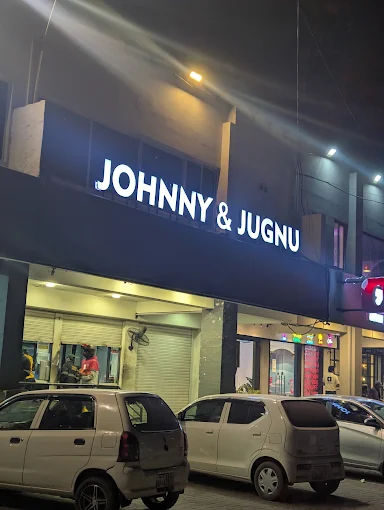
Johnny & Jugnu is a well-known fast-food name among restaurants in Johar Town Lahore, popular for quick, satisfying meals suited to a fast-paced lifestyle. Its central location makes it a convenient stop for a casual meal.
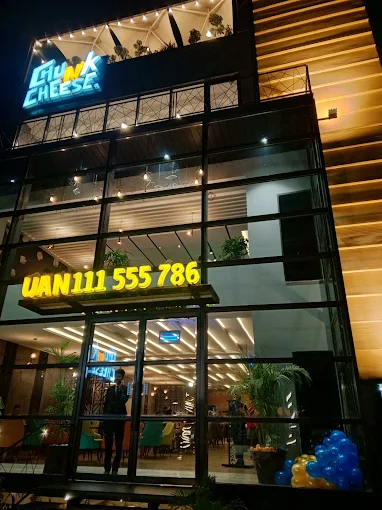
Chunk N Cheese is a favourite among family-focused restaurants in Johar Town Lahore, offering a buffet format that appeals to those wanting a filling meal with variety. It’s well-suited for family dinners and casual outings.
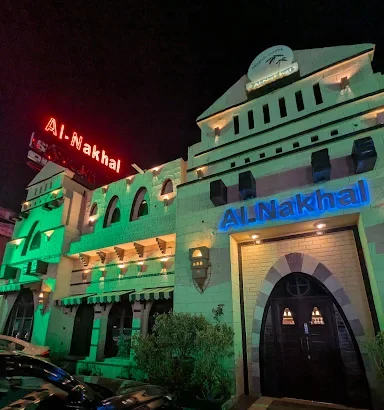
Al-Nakhal Arabian Cuisine brings Middle Eastern flavours to Johar Town Lahore, with an emphasis on privacy and reservation-based dining that suits special occasions or business meals. Its authentic offerings make it a solid choice for those seeking something different.
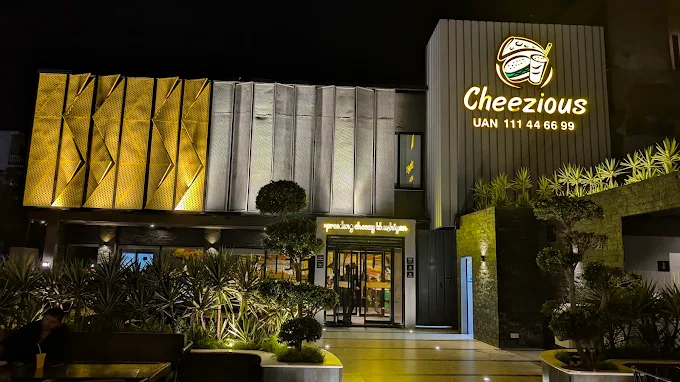
Cheezious G-3 is a heavyweight among restaurants in Johar Town Lahore, known for its all-you-can-eat fast food format and late-night hours that make it a go-to for both quick bites and full meals. Its strong review base reflects its popularity across the Johar Town community.
Rating: 4.6 (13,004 reviews)
Address: 446 Plaza Johar, Block G3 Phase 2 Town, Lahore
Contact: (042) 111 446 699
Cheezious (J3)
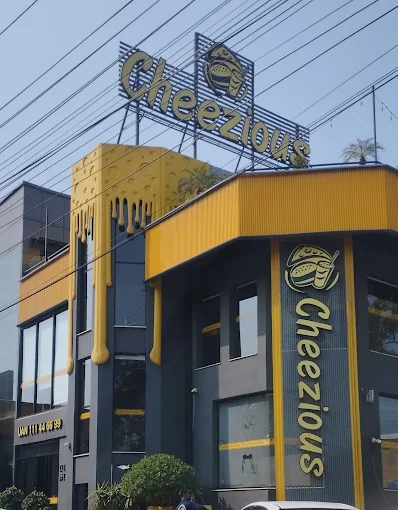
Cheezious (J3) adds another strong branch to the list of restaurants in Johar Town Lahore, offering a lively evening dining experience with live music alongside its all-you-can-eat buffet. It’s a solid pick for happy-hour dining with friends.
Rating: 4.5 (6,441 reviews)
Address: J-3, M A Johar, Block J3 Phase 2 Town, Lahore, 54792
Contact: (042) 111 446 699
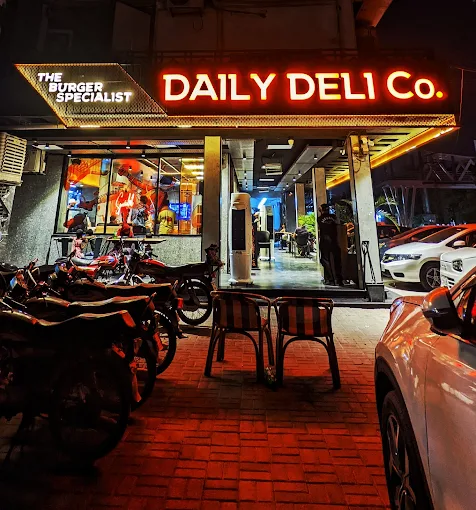
Daily Deli Co. (Johar Town)
Daily Deli Co. is a well-reviewed fast food name among restaurants in Johar Town Lahore, offering a relaxed, family-friendly setup with outdoor seating. It’s a convenient stop for a casual, affordable meal.
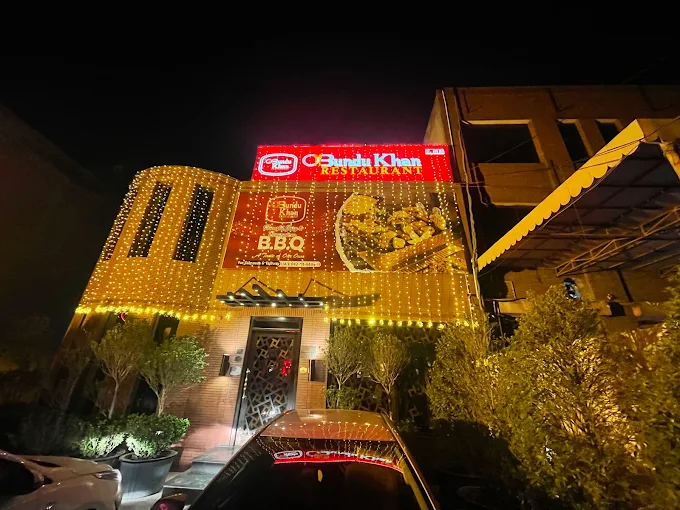
Bundu Khan Restaurant is a well-established name among restaurants in Johar Town Lahore, known for its generous all-you-can-eat offering. It’s a solid choice for those wanting a hearty, traditional dining experience.
Rating: 4.1 (3,398 reviews)
Address: 19 Main Blvd, Block N Phase 2 Johar Town, Lahore, 54782
Contact: (042) 35316011
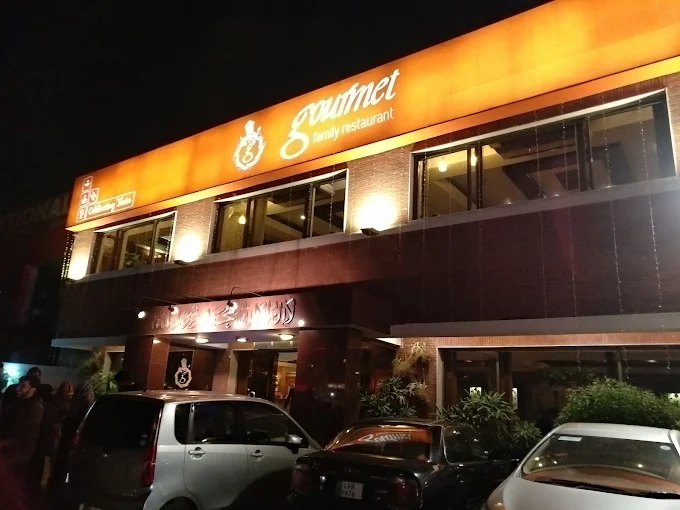
Gourmet Restaurant Faisal Town
Gourmet Restaurant is a nearby favourite often mentioned alongside restaurants in Johar Town Lahore, offering a versatile buffet with vegan-friendly options and private dining. It’s a good fit for both casual meals and more private gatherings.
Rating: 4.0 (15,318 reviews)
Address: Block D Faisal Town, Branch
Contact: (042) 111 111 157
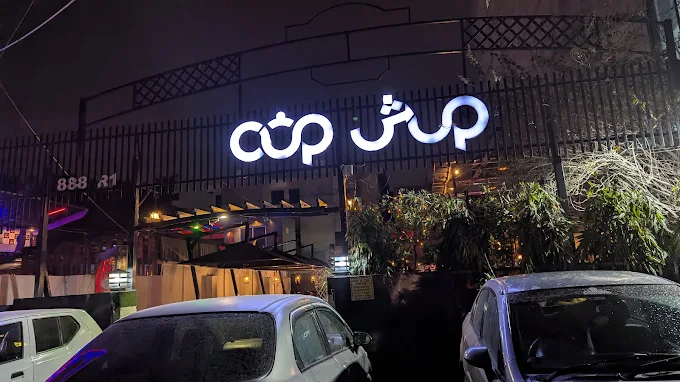
Cup Shup Cafe & Restaurant
Cup Shup Cafe & Restaurant brings a cosy vibe to the Johar Town Lahore restaurant scene, combining outdoor seating with a warm fireplace setting. It’s a comfortable spot for relaxed, all-you-can-eat dining.
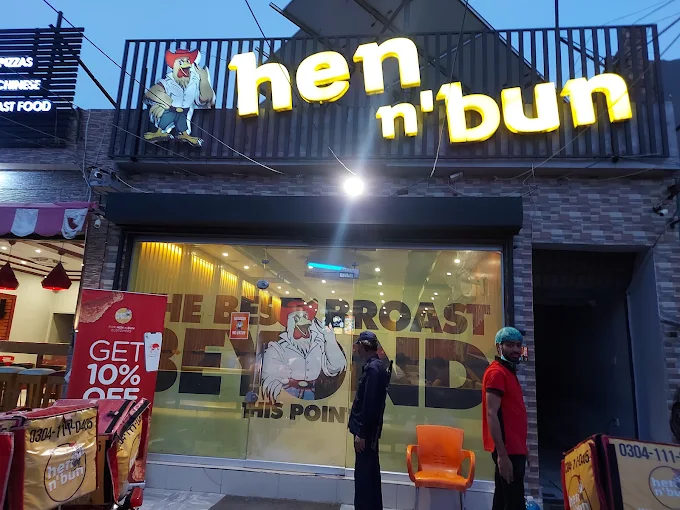
Hen n’ Bun is a chicken-focused addition to the restaurants in Johar Town Lahore lineup, known for its straightforward, no-reservation dining style. It’s a practical choice for a quick chicken meal.
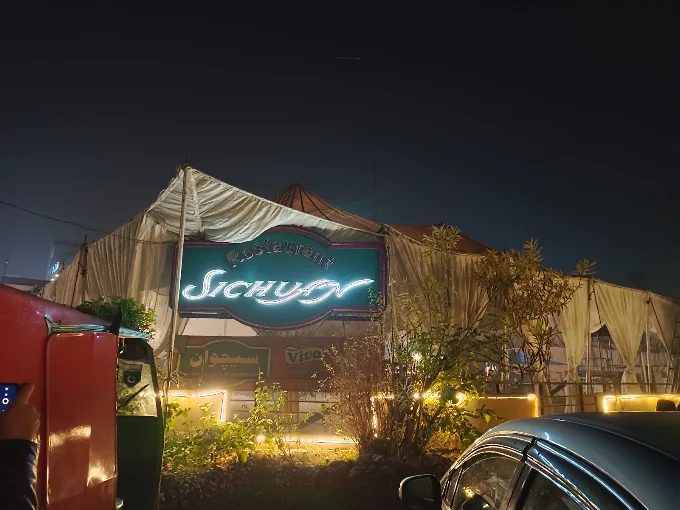
Sichuan Chinese Restaurant offers a change of pace among restaurants in Johar Town Lahore, serving Chinese cuisine in an outdoor setting that’s also good for kids’ birthdays. It’s a nice option for families wanting something different.
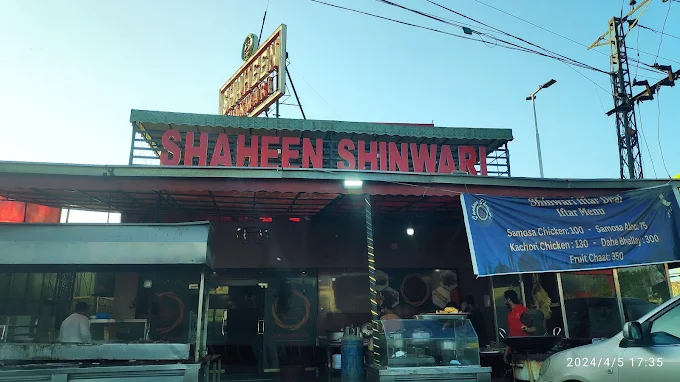
Shaheen Shinwari is a traditional pick among restaurants in Johar Town Lahore, known for its hearty all-you-can-eat spread served with outdoor seating. It suits diners looking for classic, filling meals.
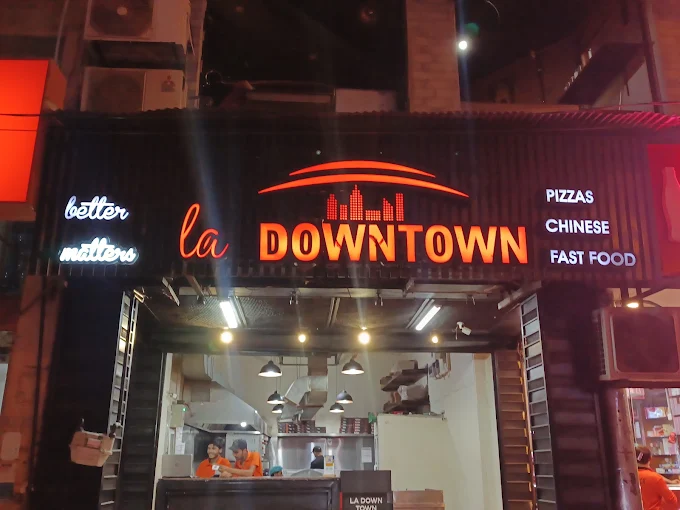
La Downtown Johar Town extends beyond the usual restaurants in Johar Town Lahore list, offering a fast food experience in the nearby DHA area. It’s worth the short trip for those exploring options slightly outside Johar Town.
Rating: 4.3 (196 reviews)
Address: 18 R-2 Johar Town, Lahore
Contact: 0304 1114020
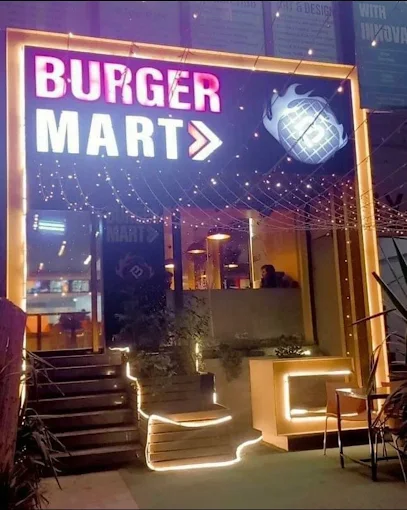
Burger Mart
Burger Mart is a casual favourite among restaurants in Johar Town Lahore, offering outdoor seating and Wi-Fi alongside a kids’ menu. It’s a convenient stop for a quick, family-friendly burger meal.
Rating: 4.3 (751 reviews)
Address: 256-A Khayaban-e-Firdousi, next to Standard Chartered Bank, Block R2 Phase 2 Johar Town, Lahore, 54782
Menu: wa.me
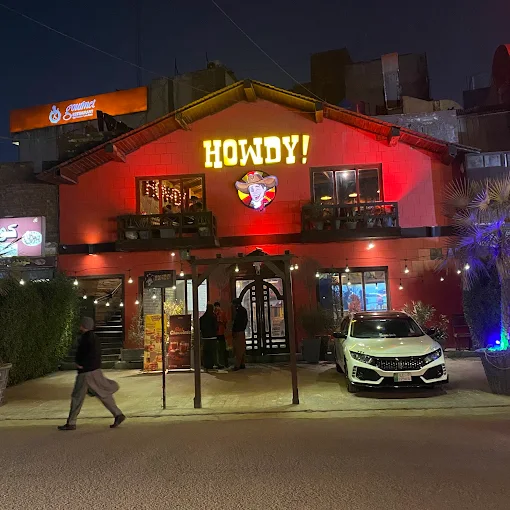
Howdy
Howdy is a pet-friendly addition to the restaurants in Johar Town Lahore scene, with outdoor seating that even allows dogs. It’s a relaxed spot for casual dining with family or pets in tow.
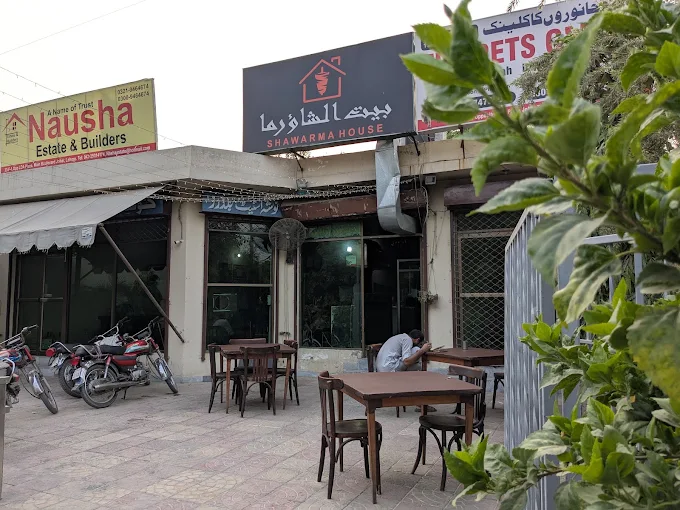
Bait Al Shawarma is a smaller, lesser-known name among restaurants in Johar Town Lahore, offering shawarma-style fast food. It’s a simple option for those craving a quick Middle Eastern-inspired snack.
Rating: 2.7 (6 reviews)
Address: 33-F1, Block F1 Phase 1 Town, Lahore, 54000
Contact: 0334 7755101
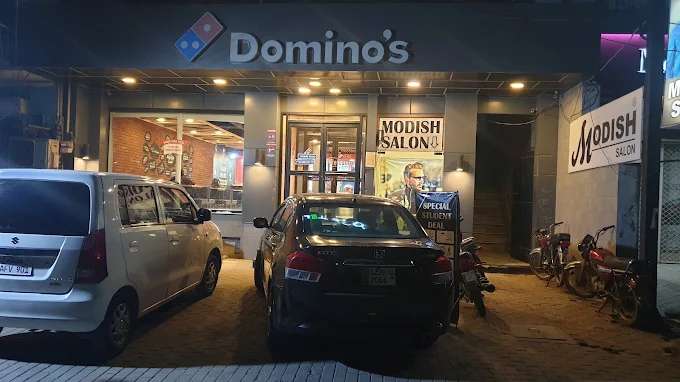
Domino’s Pizza – Johar Town
Domino’s Pizza is a familiar chain among restaurants in Johar Town Lahore, offering delivery, carryout, and dine-in service with a wide range of pizzas and sides. It’s a reliable choice for a quick pizza fix.
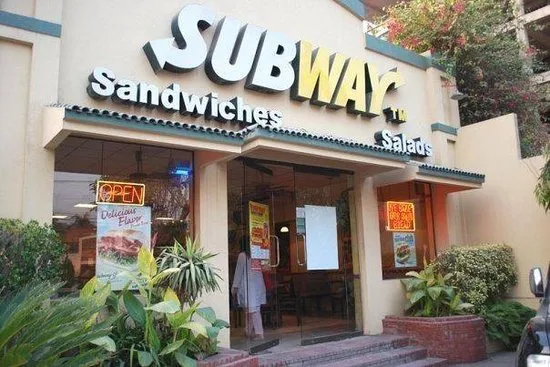
Subway rounds out the health-conscious side of restaurants in Johar Town Lahore, offering build-your-own sandwiches and salads with vegan options. It’s a good pick for a lighter, customizable meal.
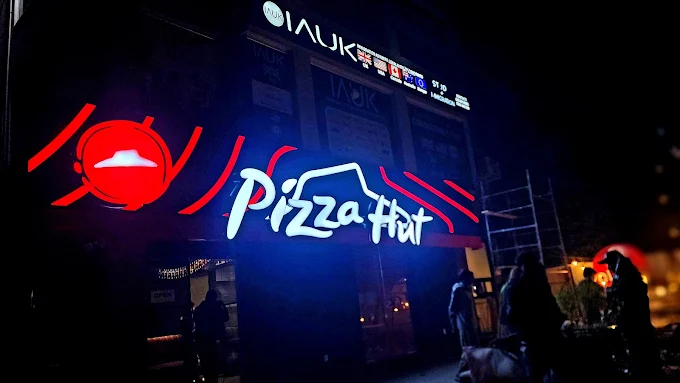
Pizza Hut is a high-rated staple among restaurants in Johar Town Lahore, offering outdoor seating and a kids’ menu for a comfortable family pizza outing. Its strong rating reflects consistent quality.
McDonald’s is one of the most accessible restaurants in Johar Town Lahore, open late with outdoor seating, Wi-Fi, and a kids’ menu that suits families and quick solo visits alike.
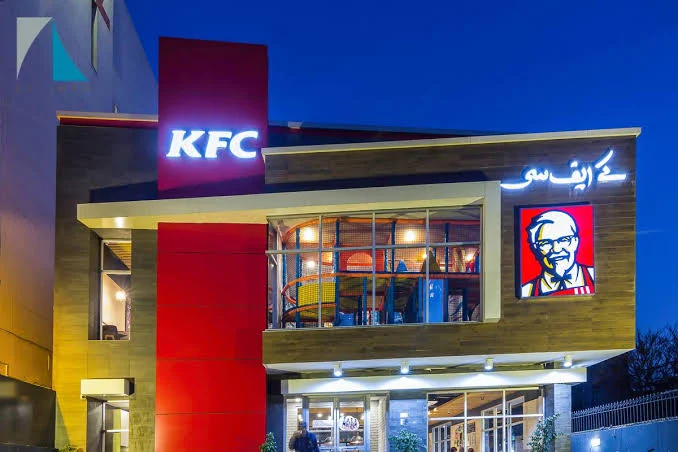
KFC is a globally recognised name on the list of restaurants in Johar Town Lahore, known for its buckets of fried chicken and combo meals. It remains a dependable choice for a satisfying fast food meal.
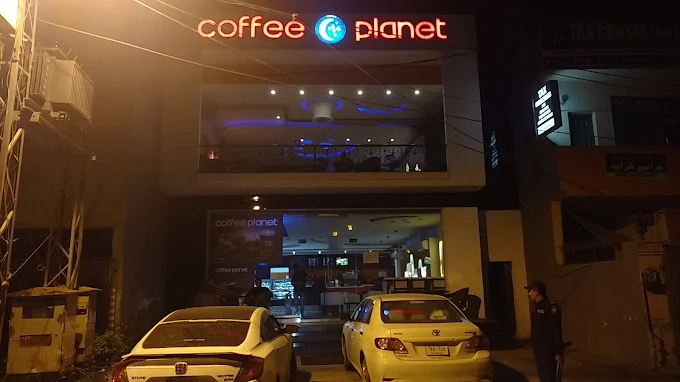
Coffee Planet gives coffee lovers a break from the usual restaurants in Johar Town Lahore, offering a relaxed café setting for casual catch-ups. It’s a nice stop for a coffee break during a day out.
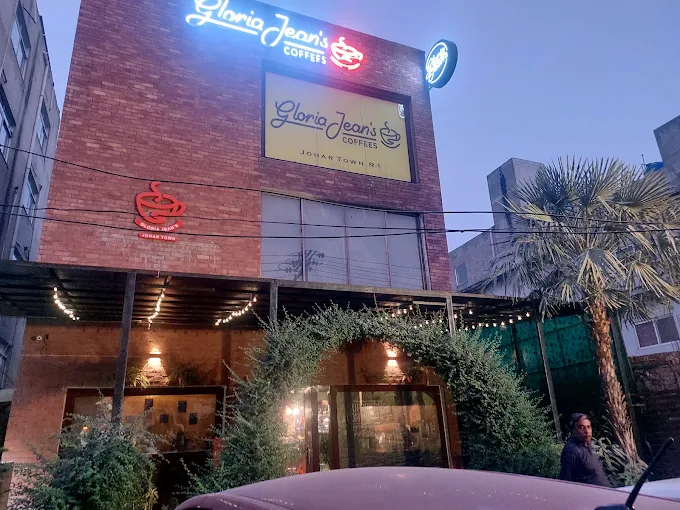
Gloria Jean’s Coffees adds a speciality coffeehouse option to the restaurants in Johar Town Lahore area, serving gourmet blends, tea, and pastries. It’s a comfortable spot for a relaxed coffee outing.
Rating: 4.2 (4,455 reviews)
Address: Corner of Main Boulevard and Khayaban-e-Firdousi, Block R1 Phase 1 Johar Town, Lahore
Website: gloriajeanscoffees.com.pk
Contact: (042) 35241114
Regalia Restaurant
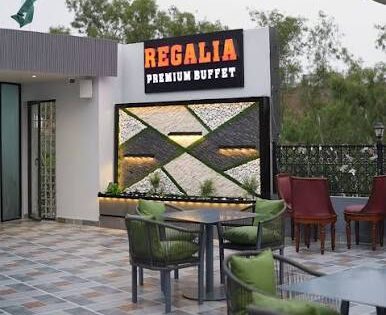
Regalia Restaurant holds a strong rating among restaurants in Johar Town Lahore, reflecting a quality dining experience near Shaukat Khanum Hospital Road. It’s worth considering for a slightly more upscale meal.
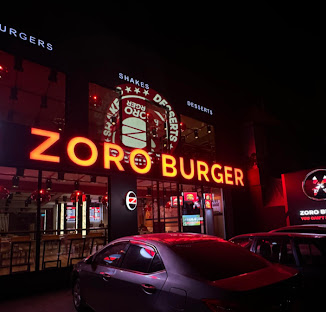
Zoro Burger has earned a standout rating among restaurants in Johar Town Lahore, making it a top choice for burger enthusiasts. Its high rating reflects strong customer satisfaction despite a smaller review count.
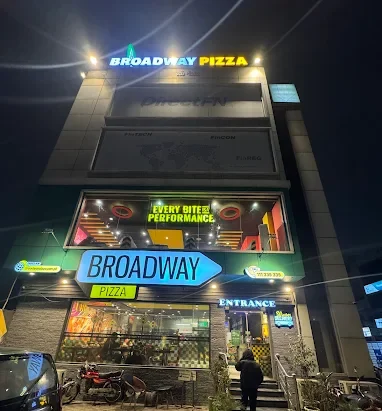
Broadway Pizza is a highly popular pick among restaurants in Johar Town Lahore, offering happy-hour deals and vegetarian options in a setting that’s also good for watching sport. It’s a versatile choice for pizza nights with a crowd.
Rating: 4.6 (10,533 reviews)
Address: Shahrah Nazaria-e-Pakistan, Commercial Area Phase 2 Johar Town, Lahore
Website: broadwaypizza.com.pk
Contact: (042) 111 339 339
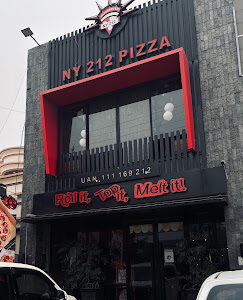
NY212 Johar Town
NY212 is a fast-food restaurant in Johar Town, Lahore, conveniently located near Khokhar Chowk for easy access. It’s a good option for a quick meal while out and about in the area.
Rating: 4.1 (3,474 reviews)
Address: 9M Johar Town, near Khokhar Chowk, Block M Phase 2 Johar Town, Lahore
Website: ny-212.com
Contact: (042) 111 169 212
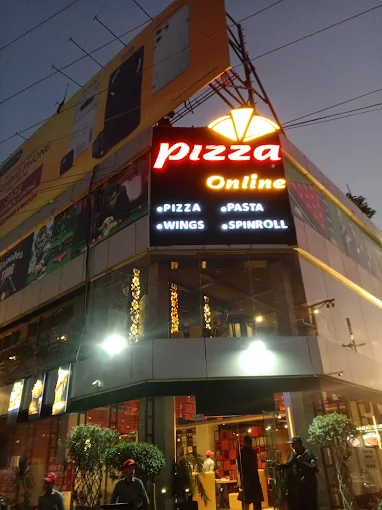
Pizza Online Johar Town
Pizza Online is a well-reviewed restaurant in Johar Town, Lahore, offering an all-you-can-eat pizza deal, happy-hour pricing, and a kids’ menu. It’s a great value pick for families.
Rating: 4.5 (10,895 reviews)
Address: Haakim Chowk, PIA Main Boulevard, Block D Phase 1 Johar Town, Lahore, 54770
Contact: (042) 111 765 000
Menu: bit.ly
Italian Pizza
Italian Pizza rounds out the fast-food options among restaurants in Johar Town, Lahore, near Ghosia Chowk. It’s a straightforward choice for a casual pizza meal.
Rating: 4.3 (23 reviews)
Address: Ghosia Chowk, Main University of Management & Technology Rd, Township Block C2 Phase 1 Johar Town, Lahore, 54600
Contact: 0306 9209045
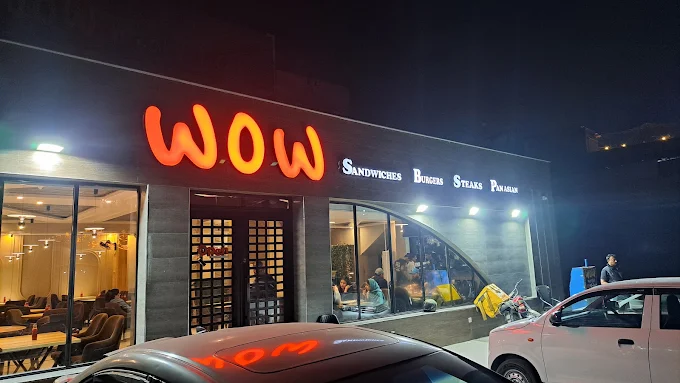
WOW Meal N Deal
WOW Meal N Deal is a popular pick among restaurants in Johar Town Lahore, offering a wide-ranging menu that suits both quick pickups and sit-down meals. Its strong rating reflects consistent customer satisfaction across many reviews.
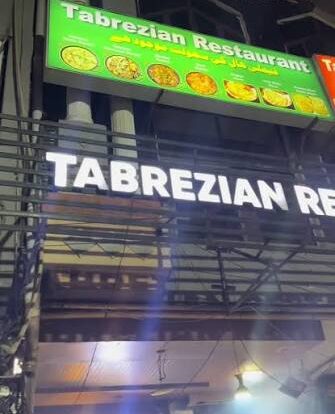
Tabrezian Restaurant is a desi budget-friendly name among restaurants in Johar Town Lahore, located inside G1 Market. It’s a good option for an affordable, casual meal.
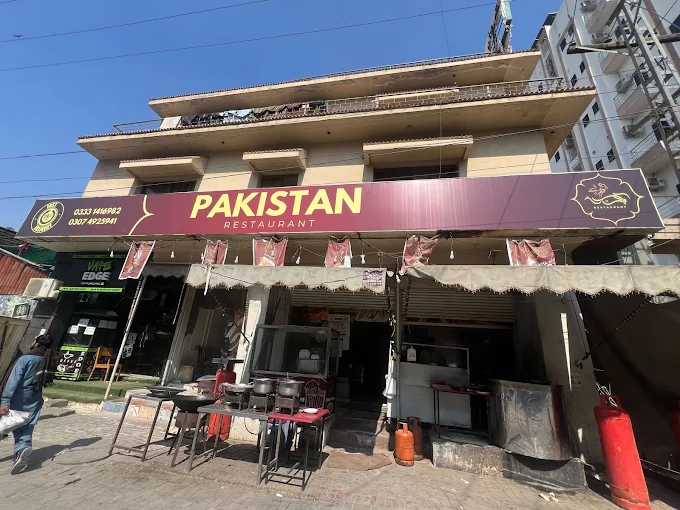
Pakistan Restaurant Pak brings a traditional buffet-style experience to the restaurants in Johar Town Lahore list, complete with outdoor seating and a cosy fireplace. It’s a comfortable, affordable choice for a filling meal.
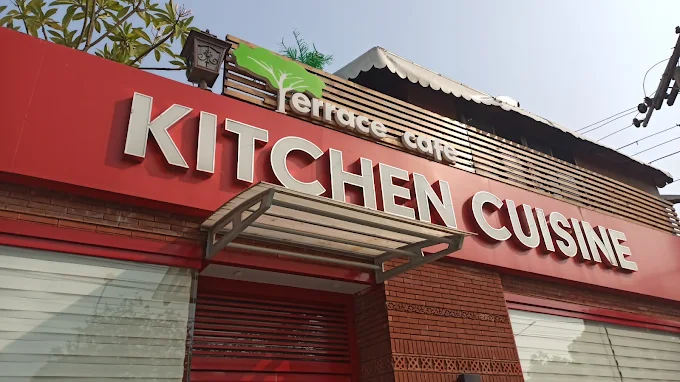
Kitchen Cuisine adds a bakery option to the restaurants in Johar Town Lahore scene, staying open late for evening cravings. It’s a convenient stop for baked goods and light bites.
Patiala House holds an excellent rating among restaurants in Johar Town Lahore, reflecting strong satisfaction despite a smaller review count. It’s worth considering for a more refined dining experience.
Rating: 4.7 (18 reviews)
Address: 452, Block F1 Phase 1 Johar Town, Lahore, 54782
Contact: 0324 6070373
Final Words
Johar Town truly have many restaurants for every mood, budget, and occasion, making it one of the most exciting food hubs in Lahore. Whether you’re a fan of quick fast-food fixes, buffet-style feasts, or laid-back café evenings, this list of restaurants in Johar Town Lahore gives you plenty of options to explore.
Dedicated and detail-oriented SEO Content Writer, Real Estate Writer, and Research Analyst based in Islamabad, with proven expertise in developing accurate, valuable, and well-researched content. Skilled in analytical writing, market research, and reporting, with the ability to turn insights into clear, professional, and impactful content. Passionate about exploring new ideas, analyzing industry trends, and contributing to high-quality writing and research-driven projects.
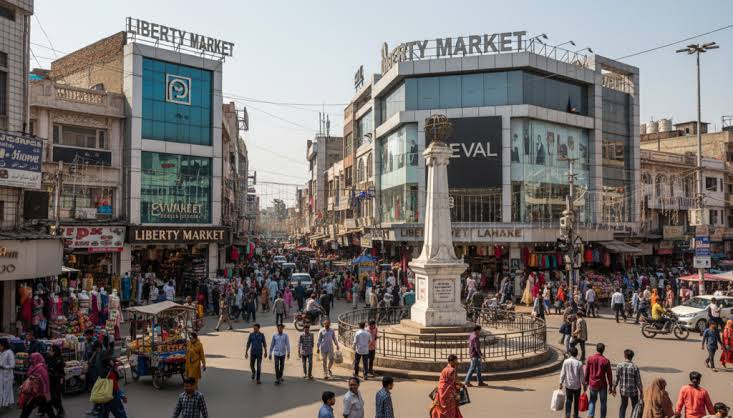
Few names carry as much weight in Lahore’s retail landscape as Liberty Market. For decades, it has stood as the city’s most recognisable shopping destination, a place where fashion, food and everyday commerce meet in one continuously busy stretch of Gulberg III. Whether you are a first-time visitor planning a trip or a local trying to time your next outing right, here is a complete guide to Liberty Market Lahore, its location, timings, shops and the history that shaped it.
Liberty Market Lahore: A Quick Overview
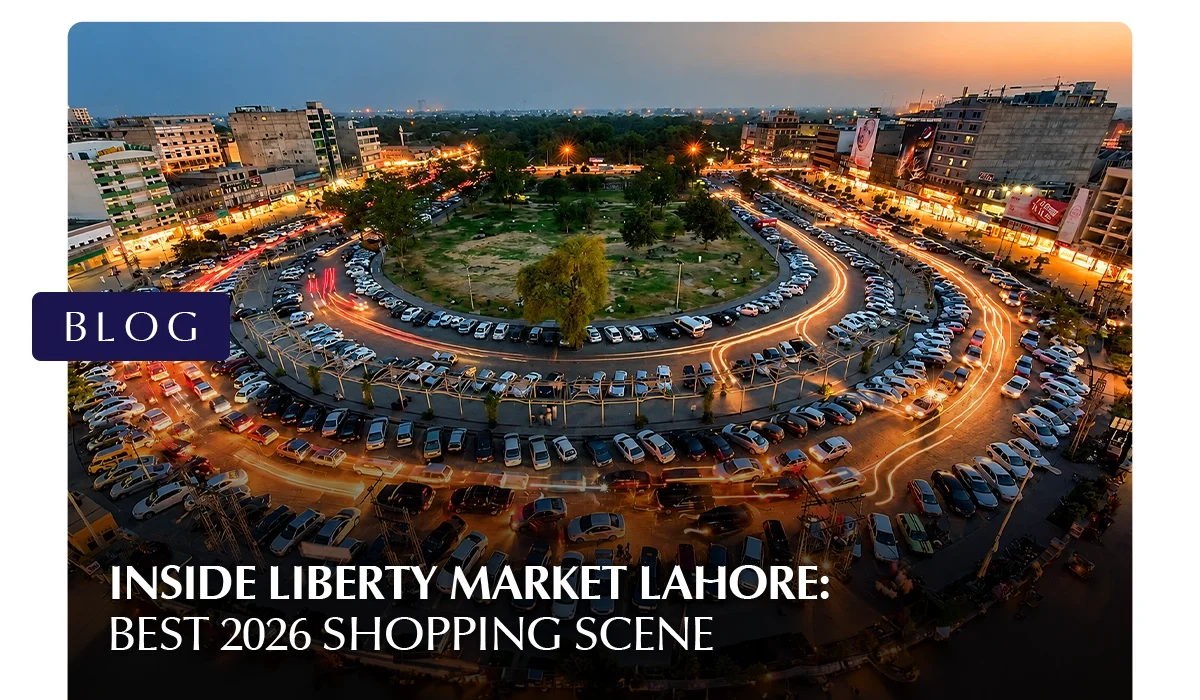
Liberty Market Gulberg III Lahore sits at the intersection of Noor Jehan Road and Main Boulevard Gulberg, right at the roundabout known as Liberty Chowk. It is best described as a flea and street market, known for its chaotic, vibrant atmosphere, its growing reputation as a food street, and the sheer density of shops packed into its distinctive layout.
Liberty Market’s story began in the 1960s, when the market’s blueprint was first approved. At the time, Lahore’s retail scene was already shifting toward newer development trends, and Liberty Market Lahore was planned as the city’s next core shopping district.
Its design and construction drew inspiration from two of the city’s oldest and most established bazaars, Anarkali and Ichra. The goal was to capture the same commercial energy while introducing more modern building patterns that would set Liberty apart and give the city’s retail landscape a fresh boost.
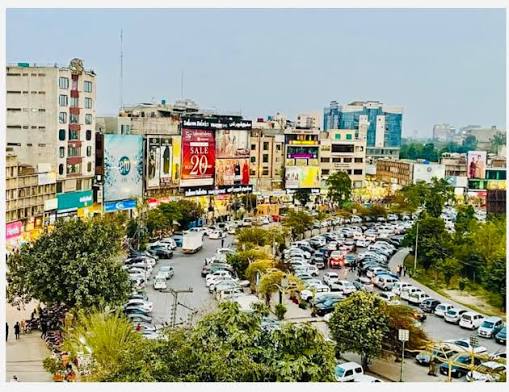
Decades later, the market has held onto much of its original character. The layout and the mix of businesses have stayed largely consistent since the 1960s, with the most visible change being cosmetic. Shops and eateries across the market now use bright LED signage, giving Liberty Market its especially vivid look after dark.
Liberty Market Lahore as Accidental Urban Design
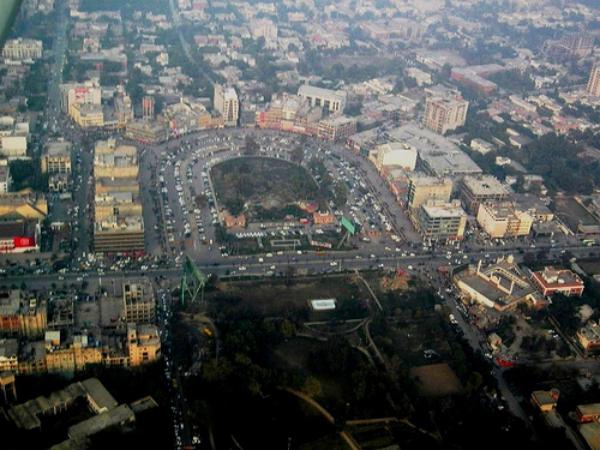
Liberty Market Lahore was never planned around a car-centric layout. Its horseshoe footprint keeps every shop within a short walk of the next, wraps foot traffic around a single continuous loop, and naturally creates the kind of density that modern malls spend enormous budgets trying to simulate through architecture and lighting design.
There is no anchor store pulling shoppers in one direction and no dead zones far from parking. Every point on the loop gets roughly equal footfall, which is part of why rents across the market have stayed commercially viable for shop owners across generations, rather than favouring a handful of premium corner units the way linear plazas typically do.
This also explains something locals know intuitively but rarely articulate: Liberty Market functions socially the way an old town square does. The loop encourages circling back, running into people, stopping for food, and browsing without a fixed endpoint, more akin to a European pedestrian quarter than a typical South Asian bazaar or an enclosed mall.
It was not designed with that language in mind in the 1960s, but six decades later, it is a working case study in what urban planners now call “the pedestrian loop effect,” where a self-contained circuit increases dwell time and repeat visits far more effectively than a straight commercial strip.
For a city that is now building glass-fronted, vertically stacked commercial towers, Liberty Market Lahore is a reminder that some of Lahore’s most enduring commercial real estate wasn’t engineered by planners chasing a trend.
It grew out of a simple loop that happened to get pedestrian flow right, and it has quietly outlasted several generations of newer retail concepts as a result.
Liberty Market Location and How to Get There
Liberty Market location places it firmly within Gulberg, one of Lahore’s most commercially active and centrally located neighbourhoods. It sits directly along Noor Jehan Road, a short walk from Liberty Chowk where Noor Jehan Road meets Main Boulevard Gulberg.
Because of this position, Liberty Market Gulberg III Lahore is easy to reach from almost any part of the city, and the surrounding roundabout functions as one of Lahore’s most recognisable landmarks. Local shop owners and retailers treat the intersection as a point of pride, tied closely to the market’s identity.
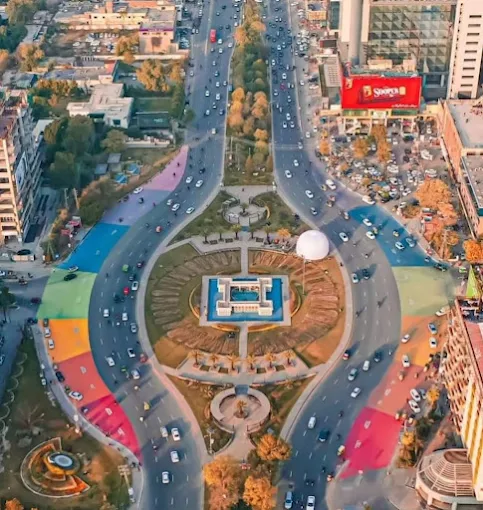
The roundabout itself has also gone through a visible transformation in recent years. As part of a broader push to improve Lahore’s infrastructure and public spaces, the provincial government carried out a beautification project at Liberty Chowk, adding multi-colored landscaping, a fountain that lights up at night, and a well-maintained park around the circle.
There was also a proposal to formally rename Liberty Chowk to Rainbow Square, a change that met considerable pushback from residents who see the original name as tied to decades of memory and local identity.
Liberty Market Shops: What You Will Find
The Liberty Market shops list leans heavily toward fashion, and in particular, fashion for women. Clothing, accessories, jewellery and cosmetics make up the bulk of what is on offer, with entire rows of the market dedicated to specific categories.
A distinctive feature of Liberty Market is its community of independent tailors. These are standalone operators, not linked to any particular fashion label, and several rows of the market are reserved specifically for tailors who stitch clothing for women. This makes Liberty Market Lahore as much a place to get something custom made as it is a place to shop off the rack.
Beyond clothing, visitors will also come across social aid kiosks set up by various organisations throughout the market, a common sight across Lahore’s busier public spaces. These stalls typically raise funds to support relief efforts following natural disasters or to assist communities facing hardship in more remote parts of the country.
For anyone building a shopping list before visiting, the market rewards a bit of planning. Because it is organised loosely by category and row, deciding what you are looking for first, whether that is formal wear, everyday clothing, accessories or a tailor, will make navigating the market considerably easier.
Liberty Market Lahore Timings
Liberty Market Lahore timings generally run from around midday into the late evening, with the market at its busiest after sunset when the LED signage lights up and the street food stalls fill in.
Most shops close on Sundays and public holidays, so it is worth checking with individual shopkeepers if you are planning a visit on those days, since hours can vary somewhat from store to store.
Evenings tend to offer the best version of Liberty Market, with cooler weather, fuller crowds and the market’s food stalls in full swing. If your goal is simply to shop without the crowds, an earlier weekday visit will be a calmer experience.
Food and Dining Around Liberty Market
Liberty Market’s reputation extends well beyond clothing and accessories. The area surrounding Liberty Chowk has become one of Lahore’s more established dining destinations, home to well-known names like Monal Rooftop Restaurant, Casa Bianca, Salt’n Pepper, Freddy’s Cafe and Howdy’s Restaurant.
Street food vendors add another layer to the experience, offering some of the city’s most popular quick bites right alongside the market’s shopping lanes.
For many visitors, a trip to Liberty Market Lahore is as much about the food as it is about the shopping, and the two experiences tend to blend into one long evening out.
Why Liberty Market Still Matters
Liberty Market Lahore has held its place at the center of the city’s retail identity for more than half a century, and that staying power says something about how well it continues to serve both shoppers and businesses.
It reflects a wider slice of Pakistani culture too, where shopping, dining, and simply spending time with family and friends often happen in the same place, at the same time.
Citadel Prime: A New Landmark Minutes From Liberty Market
Liberty Market’s location at the heart of Gulberg has long made this stretch of the city one of Lahore’s most valuable addresses, and that same commercial energy is now shaping the area’s next major development.
Citadel Prime, by Chakor Ventures, is a mixed-use development on Main Boulevard Gulberg bringing together premium corporate offices and branded apartments just minutes from Liberty Chowk.
Positioned within the same high-demand corridor that has made Gulberg synonymous with prime real estate, Citadel Prime offers a rare opportunity to live, work and invest at the center of one of Lahore’s most connected neighbourhoods. Learn more about Citadel Prime.
BBC-featured Content Specialist with a sharp eye for search intent and a proven ability to turn content into a growth engine. I leverage cutting-edge digital marketing tools to craft strategies that fuel organic traffic, amplify brand growth, and own the local SEO landscape, particularly across the competitive real estate market. I help brands dominate search rankings and convert visibility into measurable business success.
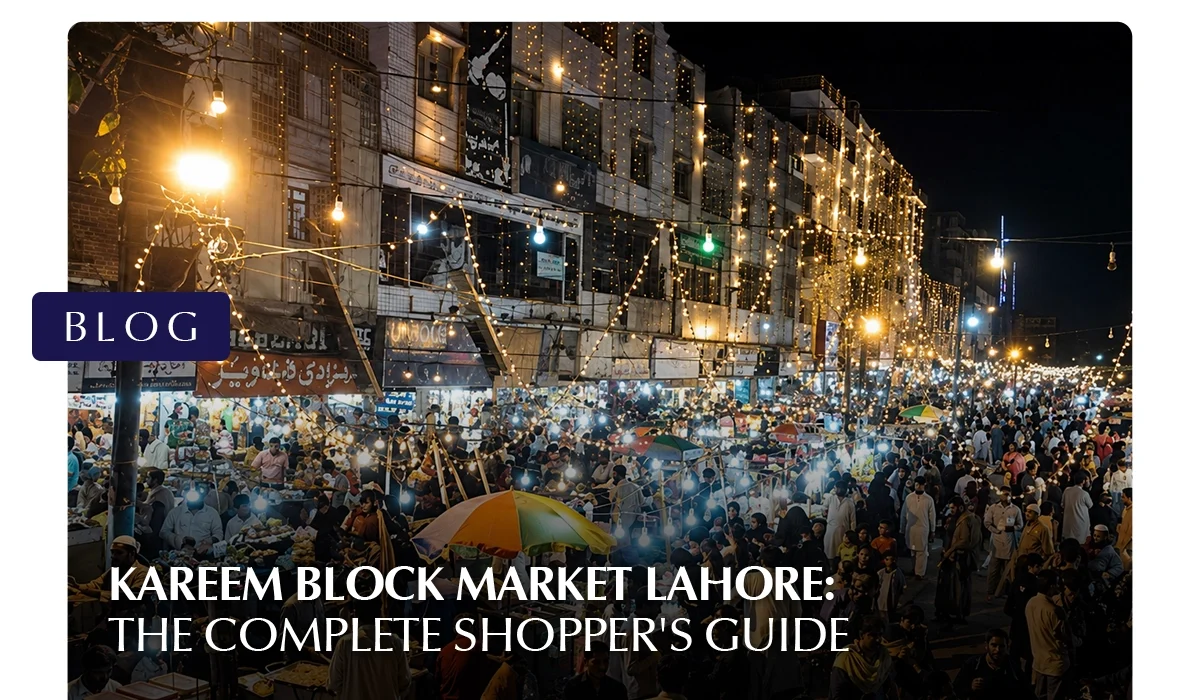
Located in Allama Iqbal Town on Lahore’s Wahdat Road, Kareem Block Market has spent nearly five decades building a reputation that most shopping plazas in the city can only aspire to. It is loud, crowded, and one of the few places in Lahore where a first-time visitor and a lifelong Lahori end up haggling over the same shirt for the same price. This guide walks through everything a shopper needs before heading to Kareem Block Market, from its exact coordinates to the one historical detail almost nobody writing about the market ever mentions.
Where Exactly Is Kareem Block Market?
Kareem Block Market sits at Kareem Block, Allama Iqbal Town, Lahore, Punjab 54000, right beside Umer Block on Wahdat Road. For anyone plugging coordinates into a map app, the market sits close to 31.4815° N, 74.3030° E, near the crossing of Multan Road and Wahdat Road.
Coming from Maulana Shaukat Ali Road: head toward Jauhar Town, pass Shaukat Khanum Hospital, then turn onto Main Boulevard Allama Iqbal Town. Kareem Block is a short distance further, near Moon Market, and signposted once you’re on the boulevard.
Coming from Multan Road: follow Multan Road onto Main Boulevard Allama Iqbal Town, pass Scheme Morr, and continue toward Kareem Block. Traffic is usually heavy this close to the market, which is itself a sign you’re almost there.
Coming from Fazal e Haq Road (Samanabad): head toward Main Boulevard Allama Iqbal Town via Mor Samanabad. The drive takes roughly 10 to 15 minutes depending on traffic.
By metro: the Orange Line stop at Samanabad is the closest station, followed by a short rickshaw ride of about 10 minutes into the market.
For parking, Moon Market’s plaza is the most reliable option and sits about a five-minute walk from the main lanes, since on-street parking around Kareem Block itself is limited.
What Surrounds the Market
Kareem Block Market backs onto Multan Road to the north and Wahdat Road to the east, which connects Punjab University and Gulshan-e-Iqbal Park. To the west sits Umer Block Market, a more built-up commercial plaza.
Nearby landmarks worth knowing include Moon Market for parking, Allama Iqbal Open University’s Raza Block, and Gulshan-e-Iqbal Park about fifteen minutes away, which makes for an easy stop after a long shopping session.
The History Behind Kareem Block Market
Kareem Block Market’s story begins in the late 1970s, when it was developed as part of Allama Iqbal Town, a residential and commercial scheme built by Hassan Zaman Pvt Limited on what was previously known as “Sola SauAcre”, literally “sixteen hundred acres,” later renamed in honour of Pakistan’s national poet, Allama Muhammad Iqbal.
A key reason the area first became commercially significant is its proximity to Lahore’s film industry.
In the 1980s and 1990s, the nearby Shahnoor and Bari Studios drew actors, filmmakers, and the wardrobe and prop trade that follows a film set.
That early foot traffic from the cinema world helped shape the market’s original identity before it evolved into the textile and garment destination it’s known as today.
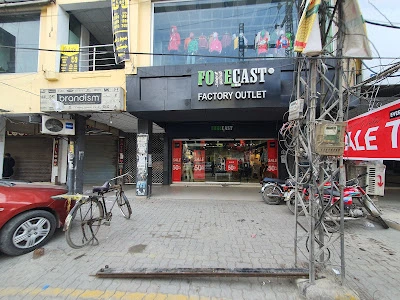
Over the decades, that shift has produced more than a hundred commercial buildings that now blend old-style bazaar stalls with newer factory outlets, a layering of eras that’s part of what makes the market feel like a maze rather than a mall.
There’s also a naming quirk worth knowing before you search for it online: both “Kareem Block” and “Karim Block” are in circulation, and locals use them interchangeably. The market’s official Facebook community goes by “Kareem Block Market Lahore Official,” while local signage and everyday conversation lean toward both spellings depending on who you ask.
Inside the Market: Sections and Specialties
Kareem Block Market isn’t organized like a mall. It winds through narrow lanes that group loosely by specialty rather than clear signposted zones, which is part of its charm and part of why a first visit can feel overwhelming.
Garments and apparel: everything from basic shalwar kameez and casual denim to discounted stock from brands like Levi’s, Outfitters, and Minnie Minors. Shirt prices can start at PKR 300, which is a major reason the market draws budget-conscious shoppers and bridal parties alike.
Footwear: a wide mix of local and imported shoes for men, women, and children.
Jewelry: classic gold and silver pieces sit alongside artificial jewelry for shoppers working with a tighter budget.
Mobiles and electronics: a cluster of shops dealing in phones and accessories, where patient bargaining tends to pay off.
Food and snacks: street stalls serving shawarma, fries, burgers, and local snacks, plus at least one long-standing bakery favourite among regulars.
Everyday essentials: pharmacies, grocery stores, and general stores round out the market for nearby residents.
When to Go?
Kareem Block Market typically opens around 11:30 AM and stays busy well into the night, with many shops only closing between 3:00 and 4:00 AM. The quieter window is early evening, around Asar time, before the crowd thickens.
From evening until roughly 1:00 AM, the market is at its busiest, especially on weekends and during Eid or wedding season, when extended hours and festive discounts bring in noticeably larger crowds.
The market also stays open on Sundays, since that’s a common shopping day in Lahore rather than a rest day for most vendors here.
Tips for First-Time Shoppers
Make a list, but leave room to wander. A plan keeps you from getting lost in the sheer number of options, but some of the best finds at Kareem Block happen off script.
Carry cash. Card acceptance is inconsistent across smaller stalls, and cash also gives you more room to negotiate.
Bargain with a smile. Haggling isn’t just tolerated here; it’s expected, and starting low while staying friendly usually lands you a fair price.
Dress for a long walk. Comfortable shoes and water matter more than they sound like they would, especially during a festive rush.
Compare before you commit. Whether it’s a phone accessory or a pair of jeans, prices vary shop to shop, so a quick walk through before buying pays off.
Sample before you settle in. At the food stalls, a small portion before a full order helps you find the vendor worth returning to.
Why Kareem Block Market Still Matters to Lahore
Kareem Block Market isn’t trying to be Lahore’s most polished shopping destination, and that’s precisely its appeal. It represents a slice of the city’s everyday commerce, where a factory outlet sits next to a bakery that’s been there for a generation, and where the price of a shirt is a conversation rather than a fixed number on a tag.
For students, families, and anyone shopping ahead of a wedding or Eid, it remains one of the most dependable places in Lahore to find affordable fashion, footwear, and jewelry without compromising on variety.
A Different Kind of Investment in Lahore’s Growth
Famous Markets in Lahore like Kareem Block Market show what happens when a neighbourhood is built around everyday commerce and community life over decades. Chakor is building the next chapter of Lahore’s growth story with the same long-term thinking, starting with Citadel Prime on Main Boulevard, Gulberg.
Positioned in Lahore’s central business district, Citadel Prime is designed for those looking to invest in commercial and residential spaces that combine prime location with modern infrastructure, addressing the city’s growing demand for premium office space and serviced living.
As Lahore continues to expand outward from its historic commercial hubs, Citadel Prime offers a foothold in one of the city’s most connected addresses, built for the same enduring relevance that markets like Kareem Block have earned over the last fifty years.
This was all about the Kareem Block Market in Lahore; for more information on relevant topics such as Anarkali Bazaar Lahore, visit Chakor blogs.
BBC-featured Content Specialist with a sharp eye for search intent and a proven ability to turn content into a growth engine. I leverage cutting-edge digital marketing tools to craft strategies that fuel organic traffic, amplify brand growth, and own the local SEO landscape, particularly across the competitive real estate market. I help brands dominate search rankings and convert visibility into measurable business success.
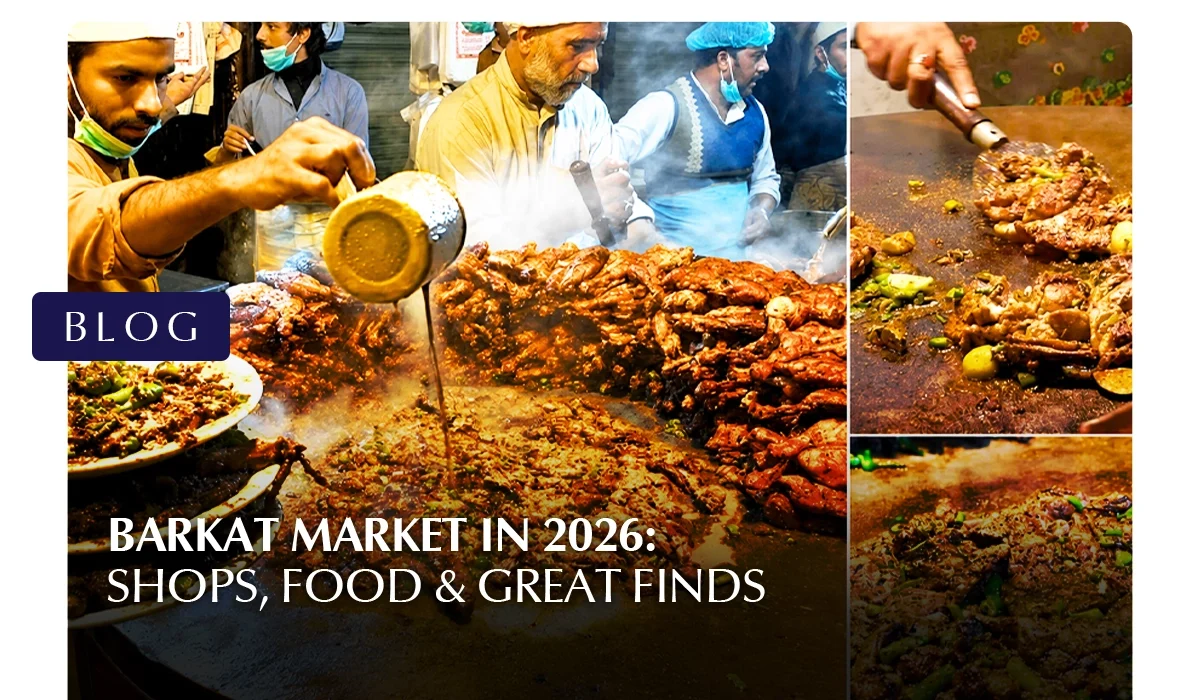
Barkat Market is one of Lahore’s most recognised commercial destinations, sitting right on Main Boulevard in Garden Town. Known for its food, retail variety, and central location, Barkat Market Lahore has grown from a small neighbourhood bazaar into one of the city’s busiest commercial corridors.
Whether someone is looking for a quick bite, running errands, or exploring commercial real estate opportunities in the area, Barkat Market remains a reliable point of reference in Lahore’s urban landscape.
This guide covers everything worth knowing about Barkat Market Lahore location, how to get there, what it offers, its history, and why it continues to matter for both residents and businesses.
Barkat Market Location
Barkat Market location places it on Main Boulevard, Garden Town, Lahore, in Usman Block’s commercial area. Its central position places it within easy reach of several major Lahore localities, including Gulberg, Model Town, Faisal Town, and Allama Iqbal Town. The postal code for the broader Garden Town area, which includes Barkat Market, is 54600.
Because of this location, Barkat Market functions as a connecting point between several residential and commercial zones, making it a natural stop for people commuting across the city.
How to Reach Barkat Market Lahore
Barkat Market is accessible from multiple directions, which is part of why it sees such consistent foot traffic.
From Ferozepur Road: Head toward Kalma Chowk, then turn onto Main Boulevard Garden Town instead of taking the flyover. Continue straight, and the market will appear on the left, near the Shell petrol pump.
From Gulberg: Approach Kalma Chowk and take the underpass onto Main Boulevard Garden Town. Continue straight, and Barkat Market will be visible on the left after passing the main Garden Town blocks.
From Multan Road or Thokar Niaz Baig (via Okara Road): Enter Main Boulevard Garden Town and take the designated U-turn near the Shell petrol pump. The market sits just past the turn, on the left.
From Canal Road: Canal Road offers one of the smoothest approaches, connecting directly into Garden Town with minimal traffic compared to peak-hour routes through Kalma Chowk.
Public transport, rickshaws, and ride-hailing services regularly stop near Barkat Market, and parking is available in designated spaces around the market, though it can get tight during peak evening hours.
What You’ll Find at Barkat Market
Barkat Market is best described as a mixed-use commercial strip that blends food, retail, services, and business activity in one compact stretch.
Food and Dining: This is arguably what Market is best known for today. The market has built a reputation as one of Lahore’s reliable food destinations, with a dense cluster of restaurants and food stalls covering everything from fast food and BBQ to traditional Pakistani cuisine and continental options.
Among the long-standing names here, Lal Qila Barkat Market is frequently mentioned by regulars for its Mughal-inspired menu, alongside other established spots serving karahi, biryani, and grilled fast food. The area is informally treated as a food street by locals, especially in the evenings when most outlets are at full capacity.
Retail and Shopping: Beyond food, Market houses a range of retail outlets, including clothing stores, mobile phone shops and repair centers, bakeries, grocery stores, and general merchandise shops. It has also developed a presence as a destination for wedding-related shopping, supported by nearby event venues.
Banking and Financial Services: Several major banks operate branches or ATMs in and around Market, giving visitors easy access to everyday banking needs without having to travel outside the area.
Healthcare Pharmacies, clinics, and basic diagnostic facilities are present within the market, and larger hospitals are a short drive away, making the area reasonably well-served for routine medical needs.
Offices and Commercial Spaces: Market is also home to a number of small offices, service centers, and real estate agencies, reflecting its dual identity as both a retail destination and a working commercial zone.
A Brief History of Barkat Market
Barkat Market began as a modest neighbourhood market serving the residential needs of Garden Town, established as the area developed in the decades following independence.
As Garden Town expanded and nearby institutions, including Punjab University’s campus, grew their presence, the market expanded alongside the rising population and commercial demand.
A significant redevelopment took place in the mid-2000s, which included road widening, improved infrastructure, expanded parking, and modernised shopfronts. This redevelopment played a major role in shifting Market from a basic retail strip into the dining and commercial hub it is recognised as today.
In recent years, the market has leaned further into its identity as a food destination, while still retaining its role as a practical commercial center for the surrounding residential communities.
Why Barkat Market Matters for Commercial Real Estate
For anyone evaluating commercial property in Lahore, Market is a useful reference point. Its consistent footfall, central location, and proximity to established residential societies such as Garden Town, Model Town, and Faisal Town make it an example of how a well-positioned commercial corridor sustains long-term value.
Areas like this tend to attract continued investment in retail and food businesses precisely because of steady demand and easy accessibility from multiple parts of the city.
This pattern is one that real estate developers pay close attention to when assessing commercial viability in Lahore. A strong mix of footfall, accessibility, and surrounding residential density is often what separates a commercial area that thrives long-term from one that struggles to retain businesses.
Frequently Asked Questions
What are Barkat Market’s general operating hours?
Most shops operate during standard daytime hours, but the market is busiest in the evening, particularly between 5 PM and 10 PM, when food stalls and restaurants see peak activity.
Is parking available at Market?
Yes, designated parking spaces are available around the market, though they can fill up quickly during evening hours.
Is Barkat Market mainly known for food?
While it offers a wide range of retail and services, food is what Bakat Market is most popularly associated with today, particularly its concentration of restaurants and food stalls.
What is Barkat Market Lahore location relative to major roads?
Market sits on Main Boulevard, Garden Town, within close reach of Canal Road, Ferozepur Road, and Gulberg, making it accessible from most parts of central Lahore.
Is Lal Qila Barkat Market still open?
Lal Qila Market remains one of the area’s established dining spots, known for its Mughal-inspired menu and continued popularity among regular visitors to the market.
What residential areas are closest to Barkat Market?
Garden Town, Model Town, Faisal Town, and parts of Allama Iqbal Town are all within close reach.
Are banks and hospitals available nearby?
Yes, several bank branches operate within the market, and larger hospitals are a short drive away.
What is the best route to avoid traffic when visiting Barkat Market?
Canal Road tends to offer a smoother approach compared to routes through Kalma Chowk during peak hours.
For more informative blogs on Lahore’s most promising commercial real estate, visit Chakor.
BBC-featured Content Specialist with a sharp eye for search intent and a proven ability to turn content into a growth engine. I leverage cutting-edge digital marketing tools to craft strategies that fuel organic traffic, amplify brand growth, and own the local SEO landscape, particularly across the competitive real estate market. I help brands dominate search rankings and convert visibility into measurable business success.
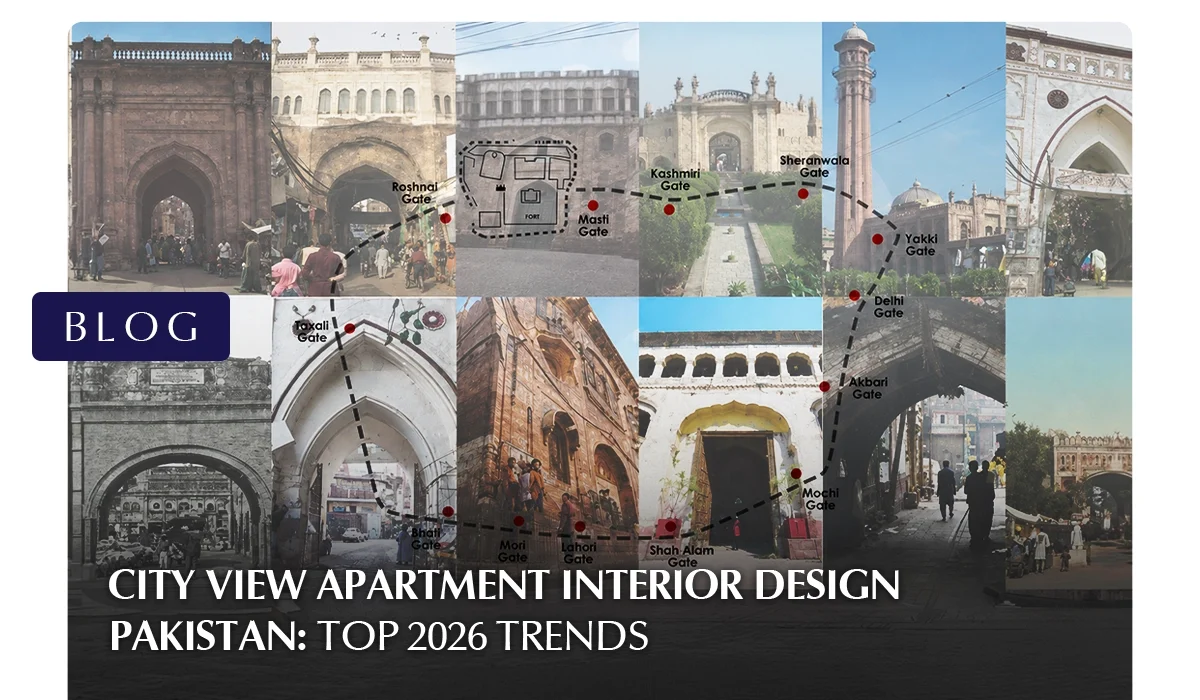
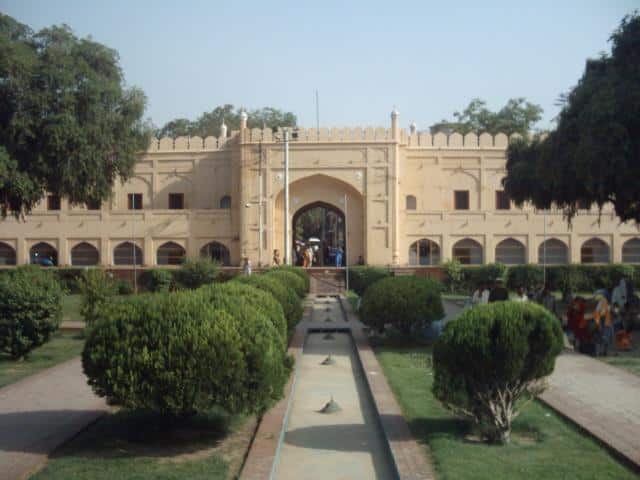
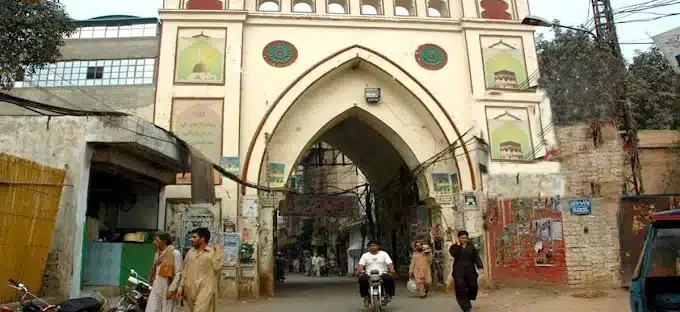
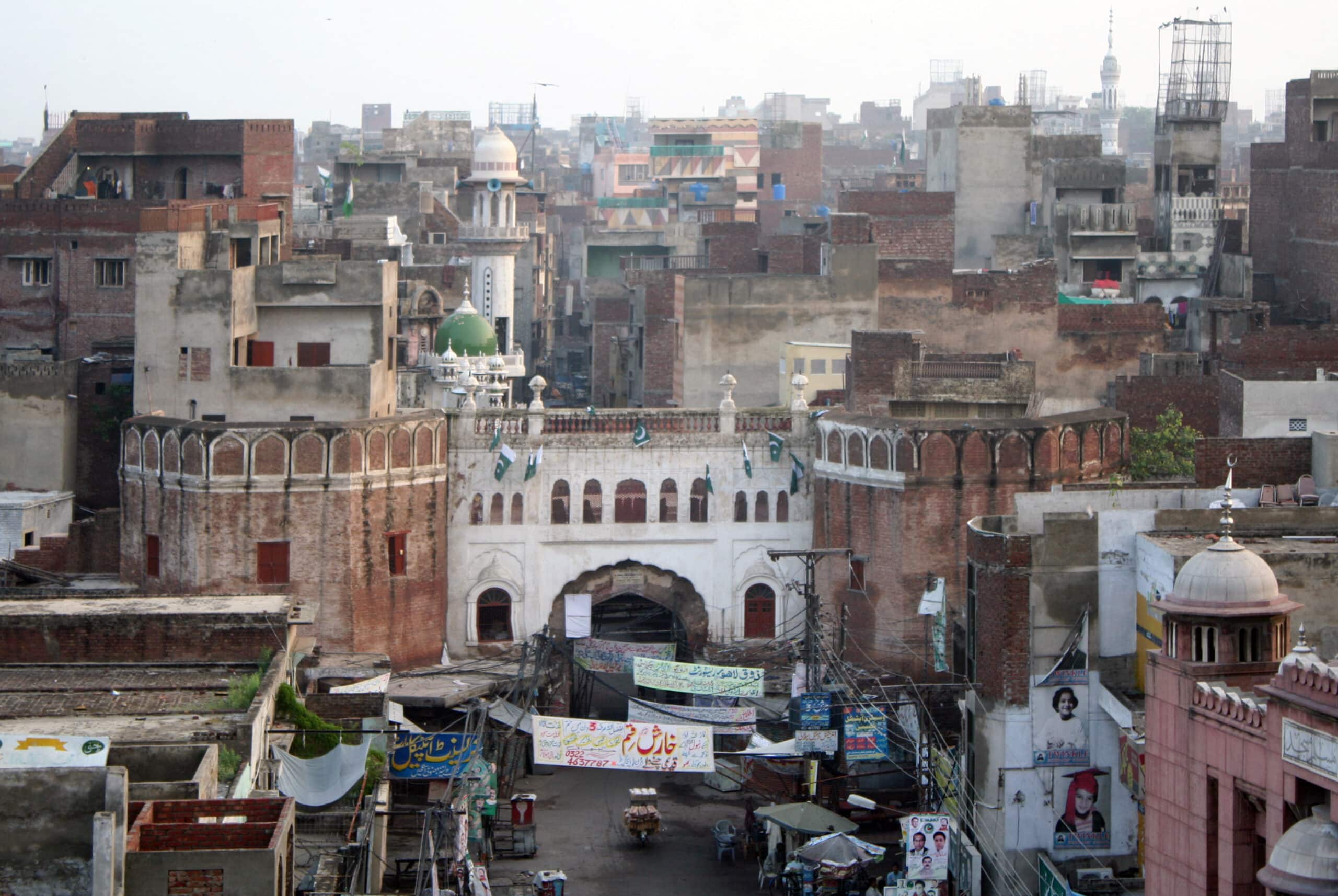
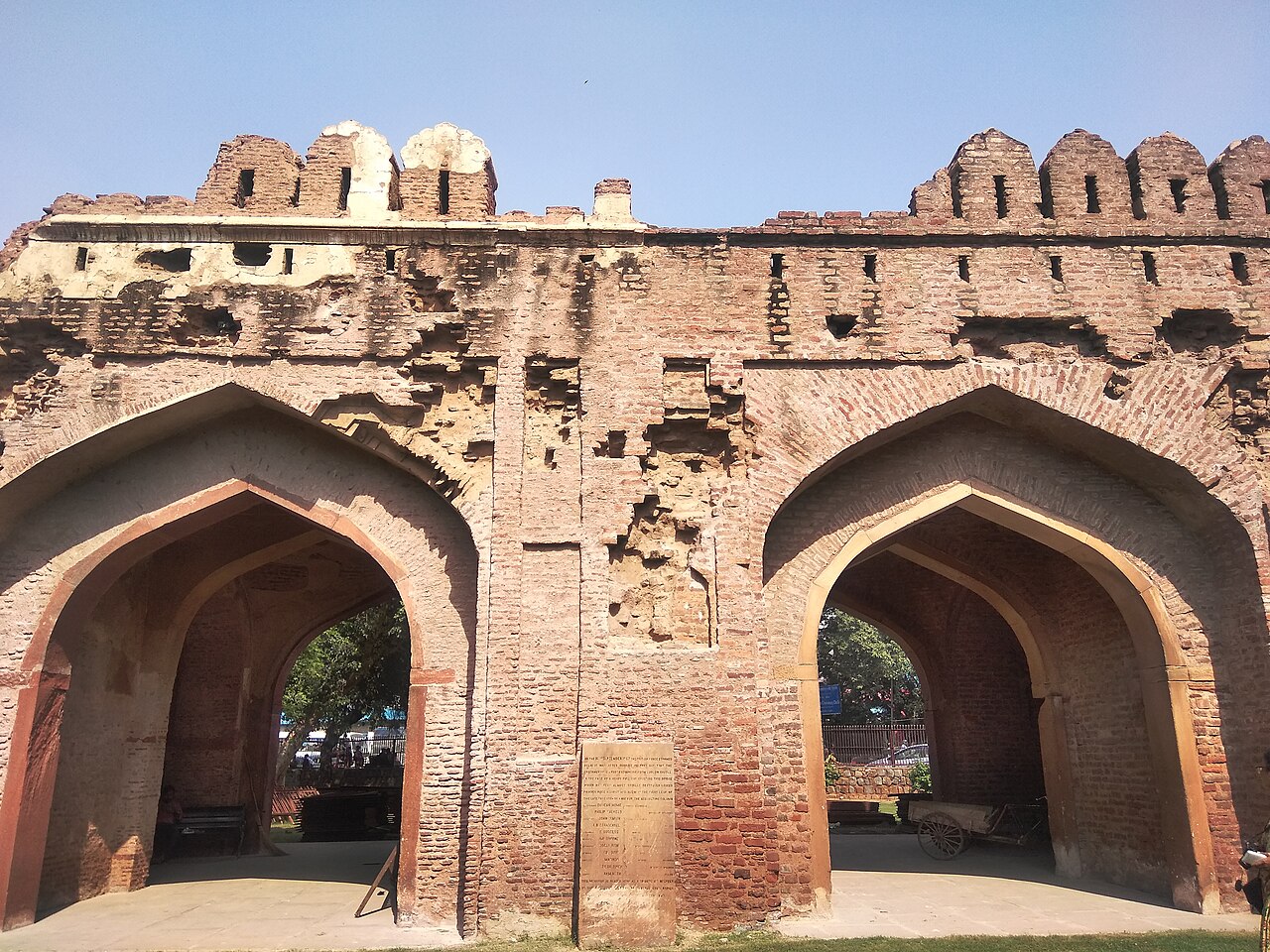
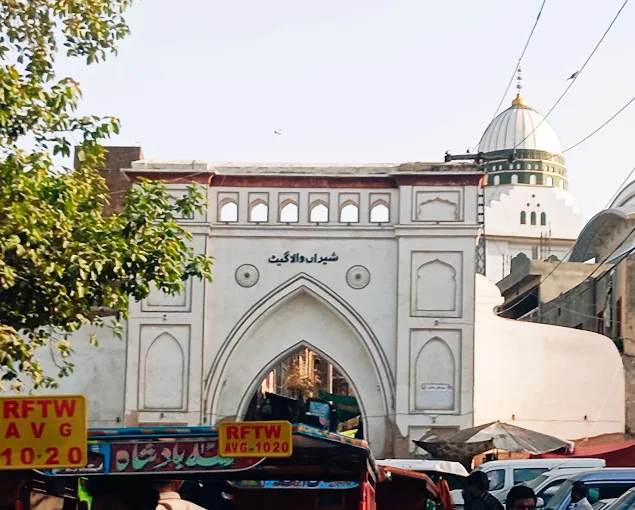
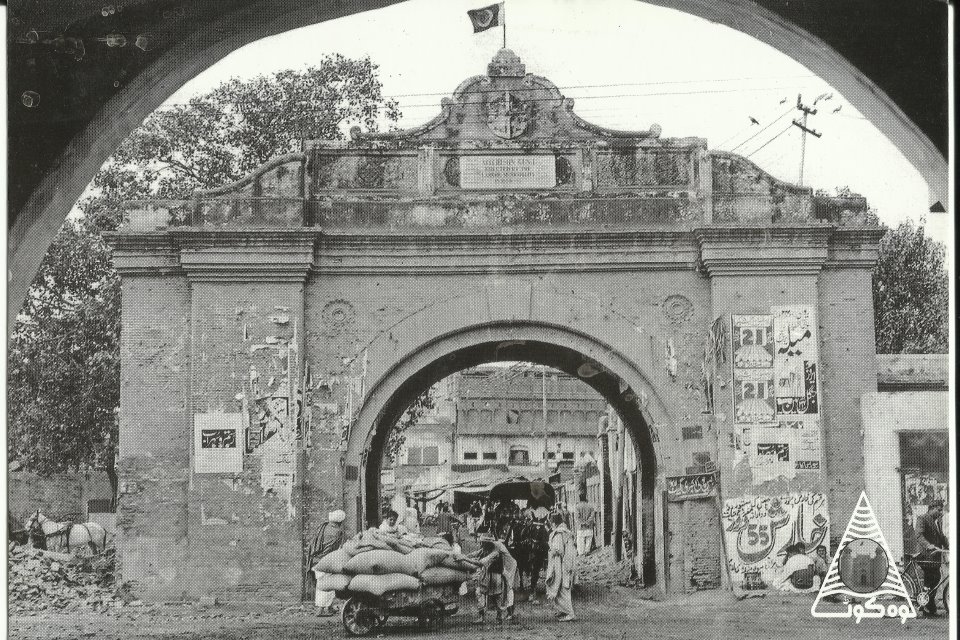
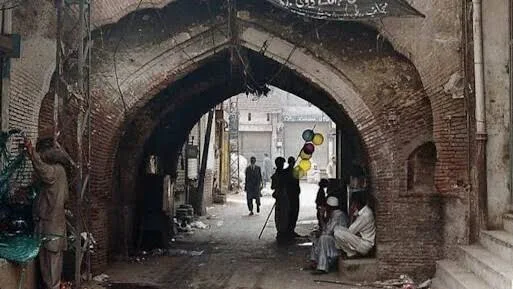
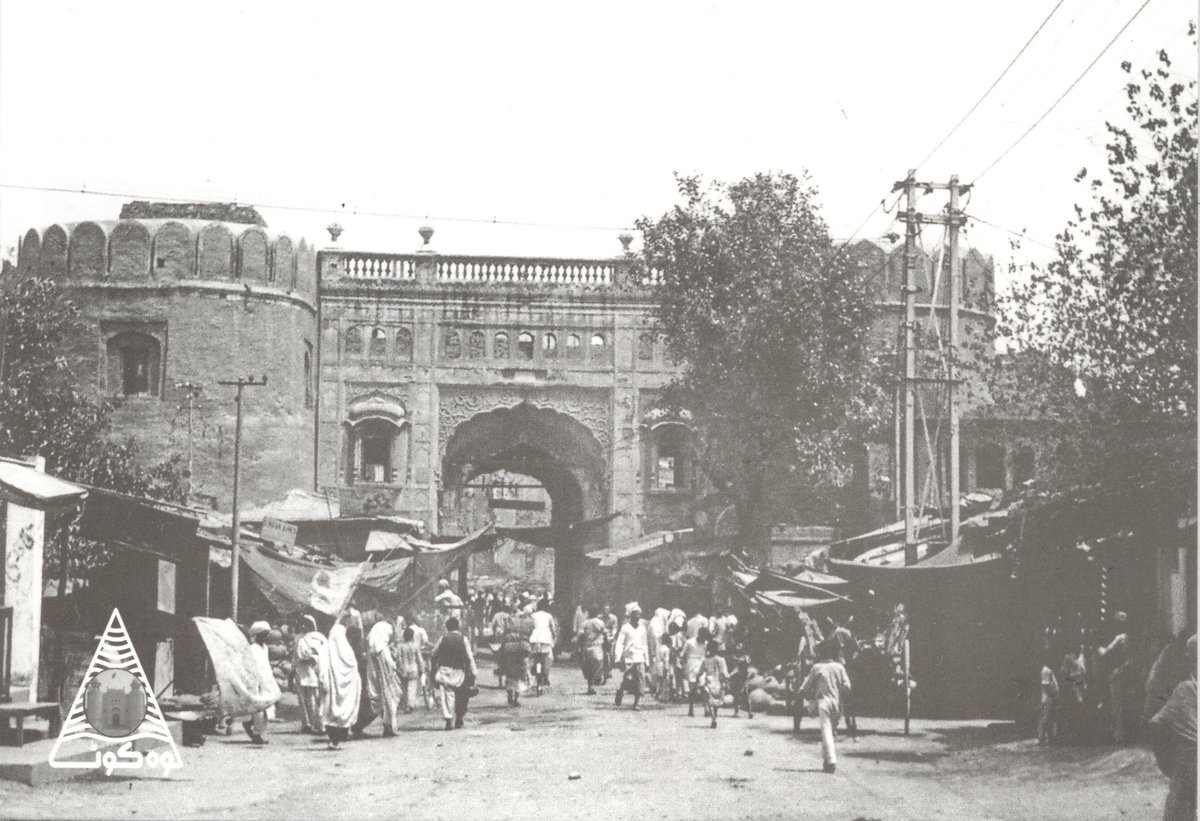
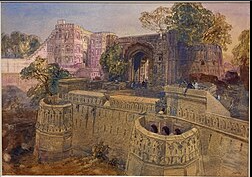
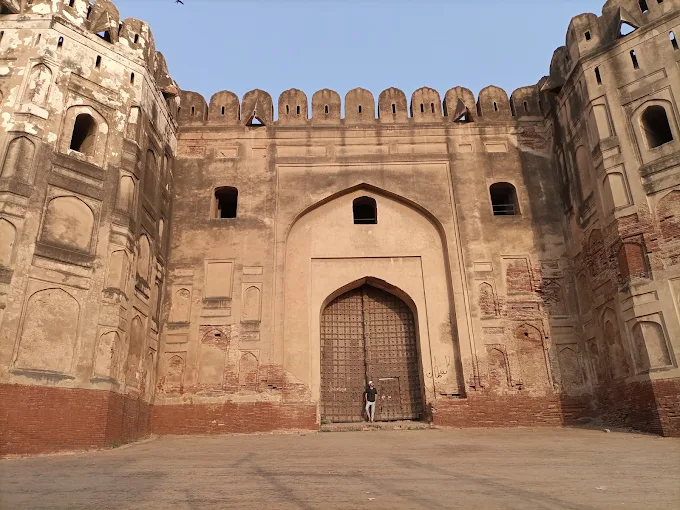
Lahore, the cultural soul of Pakistan, carries its history not just in its food, music, and poetry, but literally written in brick and mortar across its ancient skyline. Among its most iconic heritage structures are the gates of Lahore, thirteen magnificent portals that once guarded the Walled City from invaders, regulated trade, and served as the beating pulse of daily life for centuries.
Whether you are a history enthusiast, a curious traveller, or simply a Lahori who has passed through these ancient arches a hundred times without knowing their stories, this guide will take you through every single one of them, their origins, their legends, their architecture, and their fate.
The Walled City and the Story Behind the Gates of Lahore
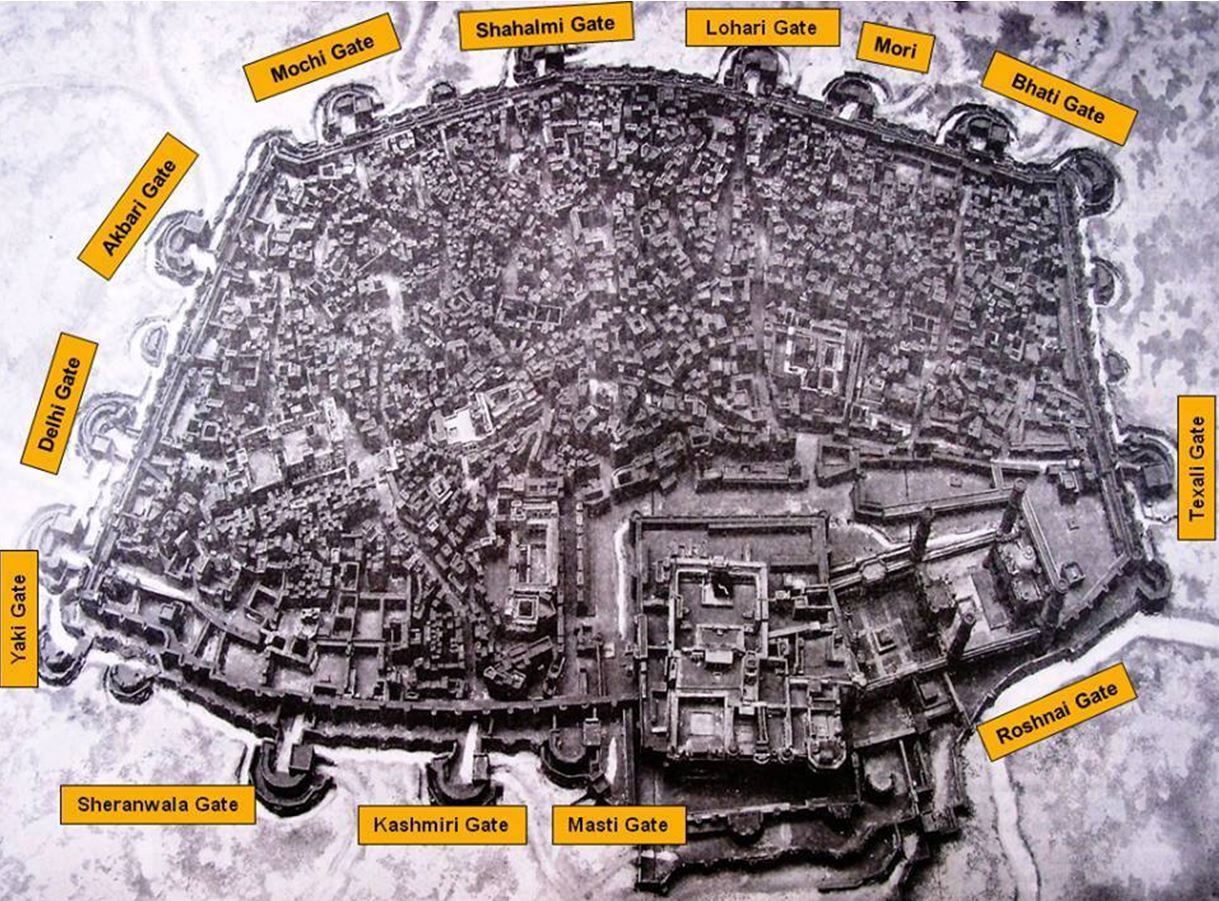
To understand the gates of Lahore, you must first understand the city they once protected. During the Mughal era, the old city of Lahore was encircled by a formidable brick wall standing nearly 30 feet high, with a protective rampart running along its perimeter. A circular road around this rampart connected all thirteen entry points, each one serving a distinct purpose:
Strategic: Defending the city against invaders and controlling military access
Commercial: Regulating trade, collecting taxes, and monitoring goods entering the city
Cultural: Serving as community landmarks tied to saints, clans, and royal figures
The credit for formalising and fortifying these gates of Lahore largely goes to the third Mughal Emperor, Jalal-ud-Din Muhammad Akbar, who rebuilt and reinforced the city’s defences in the mid-16th century. These gates were not merely doors; they were fully functional administrative checkpoints that served multiple roles every single day:
Tax collection from merchants and traders passing through
Traveller verification to screen those entering the walled city
Nightly security enforcement, with heavy wooden shutters swung shut at dusk to protect residents
Over centuries, the gates of Lahore witnessed the rise and fall of three great powers:
The Mughal Dynasty, which built and originally fortified all thirteen gates of Lahore
The Sikh Empire under Maharaja Ranjit Singh, during whose declining rule, the gates were neglected and fell into disrepair
British Colonial Rule, which demolished several gates of Lahore and reconstructed others, leaving a European architectural imprint on some of them.
Today, the Walled City Lahore Authority (WCLA) continues active efforts to preserve, restore, and document what remains of this extraordinary heritage for future generations.
All 13 Gates of Lahore at a Glance
Before diving into each gate’s story, here is a quick reference to all thirteen gates of Lahore, their alternate names, and whether they survive today:
#
Gate Name
Also Known As
Named After
Built/Rebuilt By
Current Status
1
Delhi Gate
—
Direction to Delhi
Mughal (Akbar) / British
Standing
2
Roshnai Gate
Gate of Lights
Evening lamps for worshippers
Mughal (original)
Standing
3
Bhati Gate
Bhatti Darwaza
Bhati Rajput clan
Mughal / British
Standing
4
Lohari Gate
Lahori Gate
Blacksmiths of Lahore
Mughal / British (1864)
Standing
5
Kashmiri Gate
—
Direction of Kashmir
British (late 19th century)
Standing
6
Sheranwala Gate
Khizri Gate / Lions Gate
Caged lions of Ranjit Singh
Mughal / Sikh era
Standing
7
Akbari Gate
—
Emperor Jalal-ud-Din Akbar
Mughal / British
Demolished
8
Yakki Gate
Zakki Gate
Martyr saint Pir Zakki
Mughal
Demolished
9
Mochi Gate
Mochi Darwaza
Guard Moti Ram / “Morchi”
Mughal
Demolished
10
Shah Alam Gate
Shah-Almi Gate
Muazzam Shah Alam Bahadur Shah
Mughal
Demolished
11
Masti Gate
Masjidi Gate
Guard Masti Baloch / Masjid
Mughal
Demolished
12
Taxali Gate
Texali Gate
Royal Mint (Taxal)
Mughal
Demolished
13
Mori Gate
Mori Darwaza
“Small hole” / waste outlet
Mughal
Demolished
Detailed History of the 13 Gates of Lahore
Every gate of Lahore carries a unique soul shaped by the rulers who built them, the legends that named them, and the centuries of history that either preserved or erased them.
1. Delhi Gate: The Grand Eastern Entrance
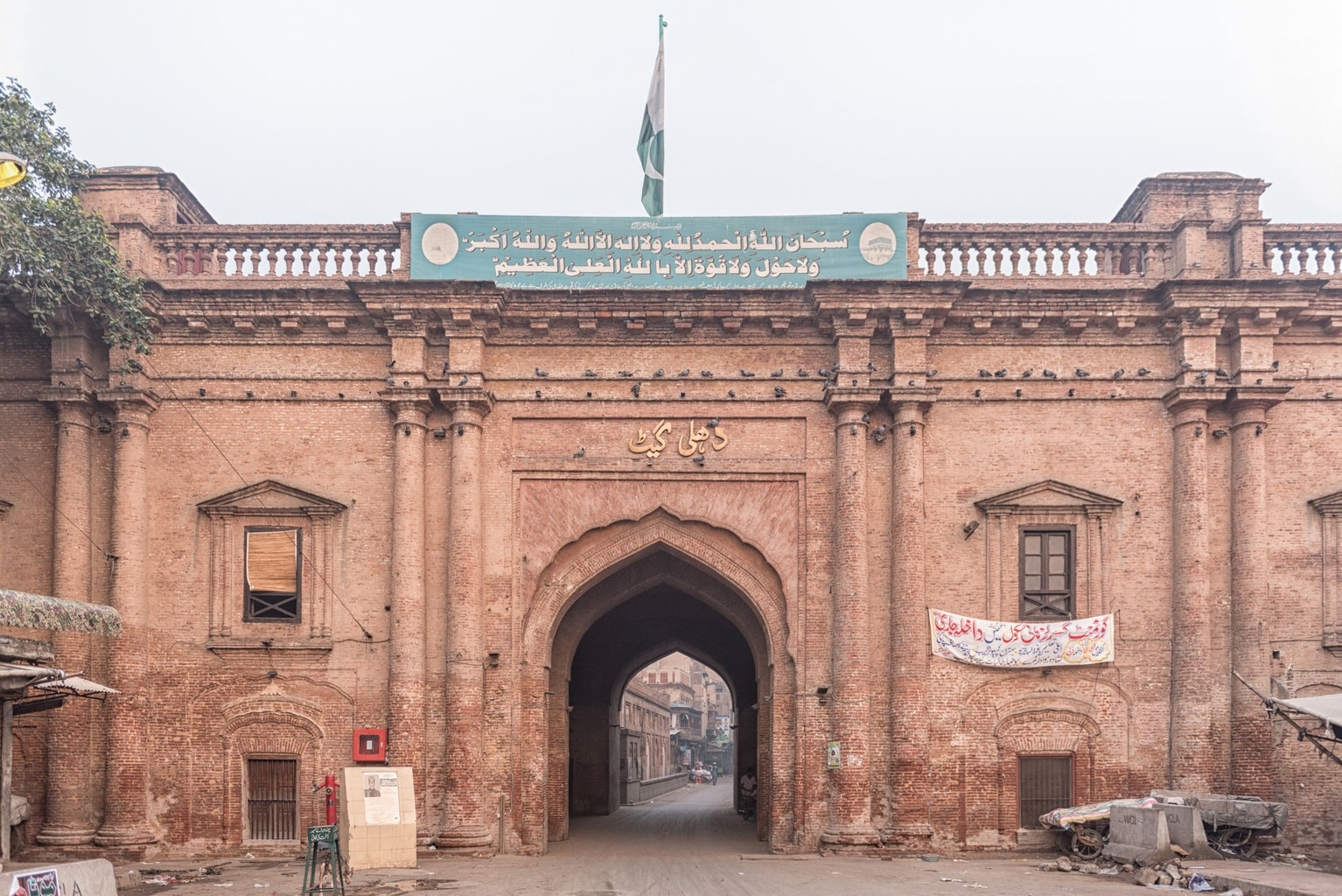
The most architecturally celebrated of all the gates of Lahore, Delhi Gate stands on the eastern side of the Walled City and was once the primary route connecting Lahore to Delhi, the capital of the Mughal Empire.
Built during Emperor Akbar’s reign, it is the largest of the surviving gates, rising three storeys high with thick load-bearing walls, vaulted roofs, and a stunning front portal featuring a double-layered arch and an outer multi-foil arch sitting above an inner four-centred structural arch in pure Mughal style.
Inside Delhi Gate lies one of the world’s most beautiful mosques, Wazir Khan Mosque, barely 200 metres from the entrance. The adjacent Shahi Hammam, the only surviving public bath from the Mughal period, is also located here. Although the structure weakened under British rule, it was restored and today remains an active symbol of Lahore’s living heritage.
2. Roshnai Gate: The Gate of Lights
Perhaps the most atmospheric of all the gates of Lahore, Roshnai Gate, meaning “Gate of Lights”, sits between Lahore Fort and the Badshahi Mosque. It was specifically used by courtiers, royal servants, and entourages entering the city from the fort. Every evening, the gate was lit with lamps to guide Muslim residents toward the mosque, giving it its luminous name.
What makes Roshnai Gate truly special is that it is the only gate surviving in its original, unaltered condition, untouched by British reconstruction. Adjacent to it stands Hazuri Bagh, the garden built by Maharaja Ranjit Singh in 1813 to celebrate his acquisition of the Koh-i-Noor Diamond. Today, Roshnai Gate opens into Fort Road Food Street, one of Lahore’s most beloved evening destinations.
3. Bhati Gate: Where Poets and Saints Rest
Situated on the western wall of the Walled City, Bhati Gate, among the gates of Lahore, is considered one of the two oldest entry points into the city and controlled the major north-south thoroughfare during the Ghaznavid period. It was named after the Bhati clan of Rajputs who inhabited this quarter in ancient times.
Beyond its military history, Bhati Gate carries deep cultural significance. Just outside it stands the shrine of the great Sufi saint Hazrat Ali Hajweri, Data Darbar, one of the most visited shrines in South Asia. The renowned philosopher-poet Allama Iqbal lived in a house near Bhati Gate between 1901 and 1905 during his years of study. Inside the gate, Hakiman Bazaar and the Fakir Khana Museum continue to draw visitors.
4. Lohari Gate: The Oldest Gate, the Blacksmiths’ Legacy
Lohari Gate holds the distinction of being the oldest of the thirteen gates of Lahore, named in honour of the skilled blacksmiths “lohars” who once populated this quarter. The gate was reconstructed by the British in 1864 under the orders of Lieutenant Governor Sir Robert Montgomery, and a marble plaque above its arched entrance still records this history in both Urdu and English.
Notably, among all five British-era reconstructed gates of Lahore, Lohari Gate is the one least influenced by European Gothic Revival styles, retaining much of its original Mughal spatial character. Today, the surrounding neighbourhood is celebrated for its desi food, with Sahib Nihari, Sheikh Chatkhara, and Hafiz Channay among the most beloved names.
5. Kashmiri Gate: Facing the Valley of Kashmir
Kashmiri Gate, among the gates of Lahore, earns its name simply from its orientation, which faces Kashmir, and once opened onto the road that led travellers toward the Kashmiri valley during the Mughal period. The present structure was built by the British in the late 19th century in a colonial style and is nearly identical in form to Sheranwala Gate.
Architecturally, it is T-shaped with a Gothic-type arch flanked by heavy piers and minimal ornamentation, a stark contrast to the elaborate Mughal craftsmanship of Delhi Gate. Post-independence, Kashmiri Bazaar inside the gate grew into one of the busiest commercial centres of the Walled City and remains vibrant today.
6. Sheranwala Gate: Guarded by Lions
Originally named Khizri Gate after the revered Muslim saint Hazrat Khawaja Khizr Elias, the patron saint of rivers and running waters, this gate earned its modern name during the Sikh era. Maharaja Ranjit Singh famously placed two caged lions at either side of the gate, and the locals quickly renamed it Sheranwala Gate, meaning “the gate with lions.”
The gate faces north between Kashmiri Gate to the west and Yakki Gate to the southeast. Two decorative medallions, shamsas, adorn its central entrance arch, and it retains its wooden-shutter mounts though the shutters themselves are long gone. Its original structure still stands, making it one of the few authentic surviving gates of Lahore.
7. Akbari Gate: Named for the Great Emperor
Located approximately 850 metres south of Delhi Gate on the eastern side of the Walled City, Akbari Gate is one of the most historically significant gates of Lahore, named after Emperor Akbar, who rebuilt the nearby town and citadel.
Though the original structure has completely dilapidated and the British-era renovation has also since crumbled, this gate lives on through Akbari Mandi, Lahore’s largest wholesale and retail market for food grains, which still operates vigorously at the same site.
Among all the demolished gates of Lahore, Akbari Gate is perhaps the finest example of how a gateway’s legacy can outlive its physical structure, its name and spirit permanently embedded in the commercial heartbeat of the city.
8. Yakki Gate: The Martyr’s Two Graves
Among the most legend-steeped of all the gates of Lahore, Yakki Gate was originally called Zakki Gate, named after the martyr saint Pir Zakki, who, according to tradition, was beheaded while defending the city against invaders from the north. The legend holds that even after decapitation, his body continued fighting before collapsing, and his head and torso were buried in two separate graves, both venerated to this day.
The gate stood approximately 170 metres east of Delhi Gate. Its physical structure no longer exists, but the nearby alleyways still lead to havelis, including Nadirwali Haveli and Laal Haveli, partially surviving monuments of the Mughal courtier era.
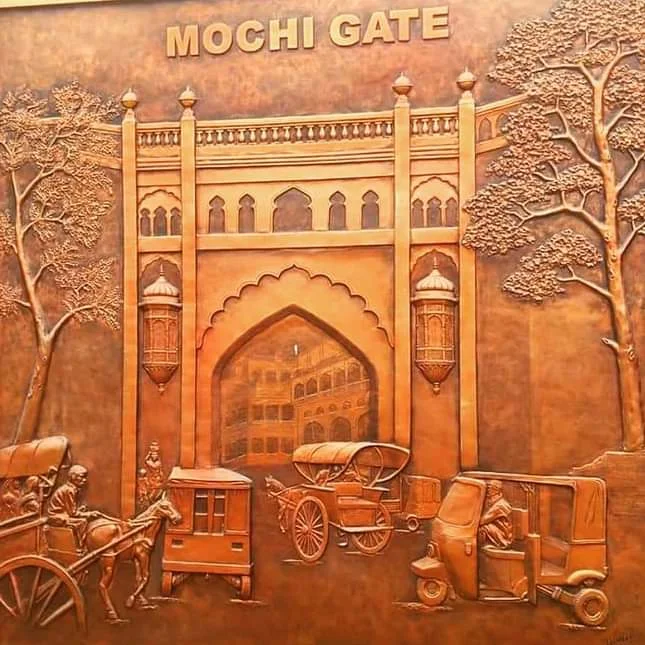
9. Mochi Gate: Trench Soldiers and Ancient Markets
Situated between Akbari Gate and Shah Alam Gate on the southern side of the Walled City, Mochi Gate is subject to two competing naming theories. One attributes the name to Pandit Moti Ram, a devoted guard under Emperor Akbar who guarded the gate until his death, leading rulers to honour him by naming it after him. The other, more linguistically supported theory holds that “Mochi” is a corrupted form of “Morchi”, the Urdu word for trench soldier, as evidenced by nearby streets still bearing names like Mohalla Teer-garan (arrow craftsmen) and Mohalla Kaman-garan (bow craftsmen).
Though the gate structure is gone, Mochi Bagh, right beside it, remains one of Lahore’s most historically charged political grounds among the gates of Lahore, where processions and public gatherings have been held for generations.
10. Shah Alam Gate: Lost in the Fires of 1947
Shah Alam Gate, colloquially known as Shah-Almi, was named after Muazzam Shah Alam Bahadur Shah, the mild and generous son of Aurangzeb, who ruled from 1707 to 1712. Originally called Bherwala Gate, it was burned to the ground during the catastrophic partition riots of 1947, one of the most tragic losses among all the gates of Lahore.
The Government of Pakistan’s 1952 Damaged Area Development Ordinance widened the road from 20 to 80 feet, erasing any remaining traces of the structure. Today, only the name survives, attached to one of Lahore’s busiest wholesale markets, Rang Mahal, where everything from jewellery to electronics is traded.
11. Taxali Gate: Where the Royal Mint Stood
Taxali Gate takes its name from “Taxal”, the royal mint that once operated in its neighbourhood during the Mughal imperial period, making it one of the most economically significant gates of Lahore.
The gate and the mint are both long gone, but the area around Taxali Gate remains legendary for two things: its traditional shoe markets, Khussa, Peshawari, and Kohlapuri chappals and its unbeatable Lahori breakfast, with Phajjai ka Paye and Taj Mahal Halwa Puri drawing crowds every morning.
The Sufi saint Madhu Lal, born here in 1539, adds a spiritual dimension to this neighbourhood’s heritage.
12. Masti Gate: The Guard Who Never Left His Post
Masti Gate, located behind Lahore Fort on the eastern side, carries two naming legends. The more romantic account attributes it to Masti Baloch, a loyal guard who protected the gate with absolute devotion until his dying breath. The more scholarly interpretation suggests the name derives from “Masjidi” (pertaining to a mosque) in the local Punjabi dialect, which was gradually mispronounced as “Masti.” The nearby mosque of Mariam Makhani, the mother of Emperor Akbar, lends weight to this second theory.
Among the demolished gatesofLahore, the Masti gate no longer exists, but the area remains known for its milk shops serving rabri wala doodh and traditional shoe vendors.
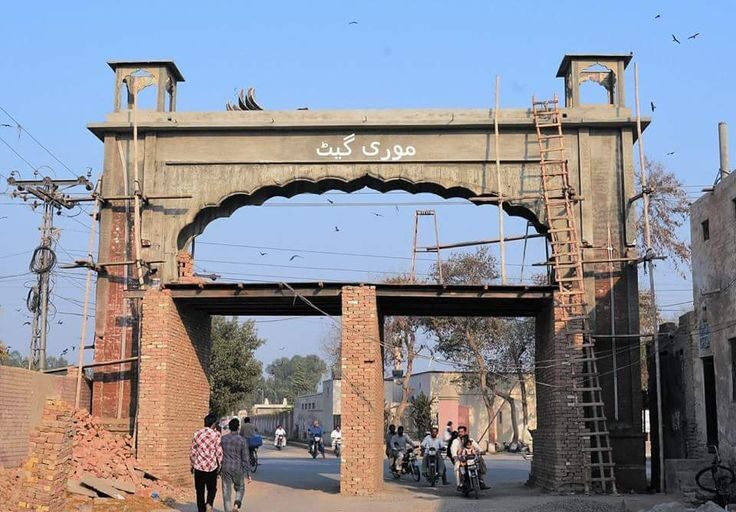
13. Mori Gate: The Smallest of All
The most humble of the gates of Lahore, Mori Darwaza, was never a grand gateway but rather a functional opening, “mori” meaning “small hole” in Urdu. It lay between Lohari Gate and Bhati Gate and served a very specific purpose: when all twelve major gates were locked at night for security, Mori Gate remained open as the sole access point into the city. It also functioned as an outlet for the city’s refuse and sweepings.
Inside Mori Gate, Chowk Jhanda was once home to Upal Store, the finest desi condiment shop of its era. Urdu Bazaar, famous for books and stationery, sits just across from its former location. The gate itself has vanished, but its legacy as Lahore’s humble, indispensable back door lives on.
Which Gates of Lahore Still Exist Today?
Of the original thirteen gates of Lahore, only six physically survive: Delhi Gate, Roshnai Gate, Bhati Gate, Lohari Gate, Sheranwala Gate, and Kashmiri Gate. Of these, Roshnai Gate is the sole one standing in its original, unmodified form. The remaining five were rebuilt by British colonial authorities during the 19th century, with varying degrees of European architectural influence.
The other seven Akbari, Yakki, Mochi, Shah Alam, Masti, Taxali, and Mori exist today only as neighbourhoods and bazaar names, their physical structures lost to time, neglect, and the violence of 1947.
Final Thoughts: Why the Gates of Lahore Matter
The gates of Lahore are far more than ancient doorways. They are a layered record of every civilisation that shaped this city: Ghaznavid, Mughal, Sikh, and British. Each gate tells a story of a royal guard, a Sufi saint, a Rajput warrior, a caged lion, or a royal mint. Each one anchors a neighbourhood whose food, culture, and social life still pulse with the energy of centuries past.
The Walled City Lahore Authority (WCLA) continues restoration and documentation work, and virtual heritage tours of the gates of Lahore are now available for those who cannot visit in person. But nothing compares to walking through Delhi Gate at dawn, smelling the nihari simmering at Lohari Gate, or standing between the fort and the mosque at Roshnai Gate as the evening lights come on just as they did for worshippers a thousand years ago.
The gates of Lahore are not ruins. They are living, breathing chapters of one of the world’s oldest cities, still telling their stories to anyone willing to listen.
Dedicated and detail-oriented SEO Content Writer, Real Estate Writer, and Research Analyst based in Islamabad, with proven expertise in developing accurate, valuable, and well-researched content. Skilled in analytical writing, market research, and reporting, with the ability to turn insights into clear, professional, and impactful content. Passionate about exploring new ideas, analyzing industry trends, and contributing to high-quality writing and research-driven projects.
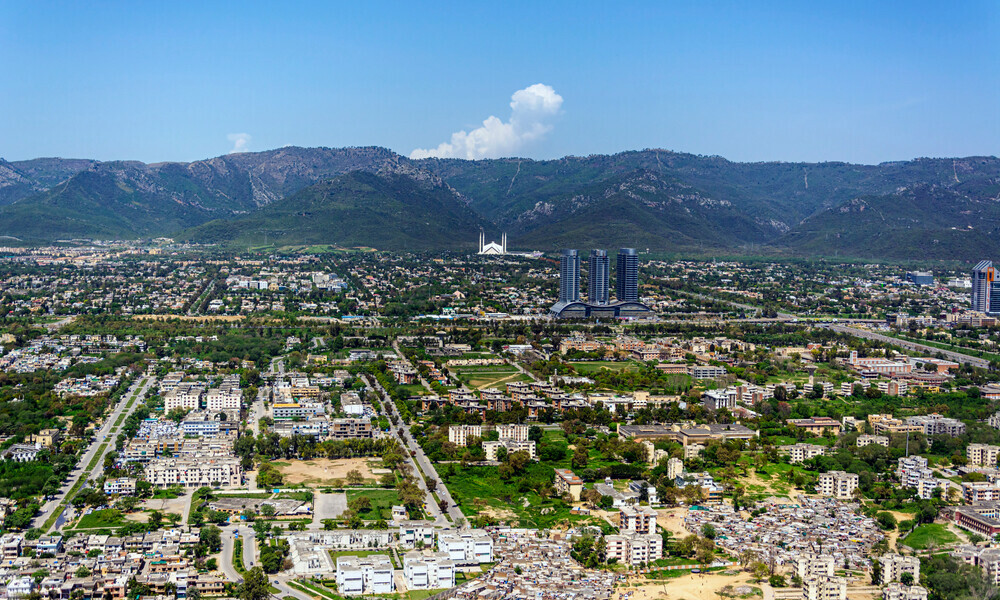
Islamabad is famous for its wide tree-lined streets, scenic Margalla Hills, and peaceful residential sectors. However, beneath all that calm lies a city with a genuinely dark history. If you look closely enough, you will find stories passed down through generations that no amount of urban planning can erase. Every haunted place in Islamabad carries a history that is as fascinating as it is deeply unsettling.
Why Islamabad Has a Paranormal Side
Most visitors are surprised to learn that Islamabad sits on land layered with thousands of years of human history, Buddhist settlements, Mughal-era villages, colonial-era structures, and post-partition trauma. That much accumulated human experience leaves its marks, and, according to locals, some of those marks extend far beyond the historical. The most haunted place in Islamabad is not a single location. It is an entire city carrying stories that refuse to stay buried.
Quick Facts: Haunted Place in Islamabad
#
Location
Sector/Area
Why It’s Haunted
1
F-7/4 Government Mansion
F-7/4, Islamabad
Jinn activity, shadow figures, bloody paw prints on the ceiling, no official tenant stays
2
Shah Allah Ditta Caves
Margalla Hills Foothills
700-year-old caves, voices heard at night, dark shadow figures, haunted hill park nearby
3
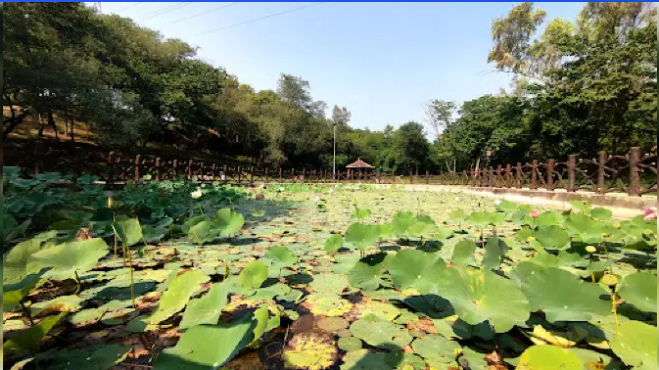
Lotus Lake
Shakarparian Hills
Multiple murders were committed here, bodies dumped by the lake, and eerie sounds were reported
4
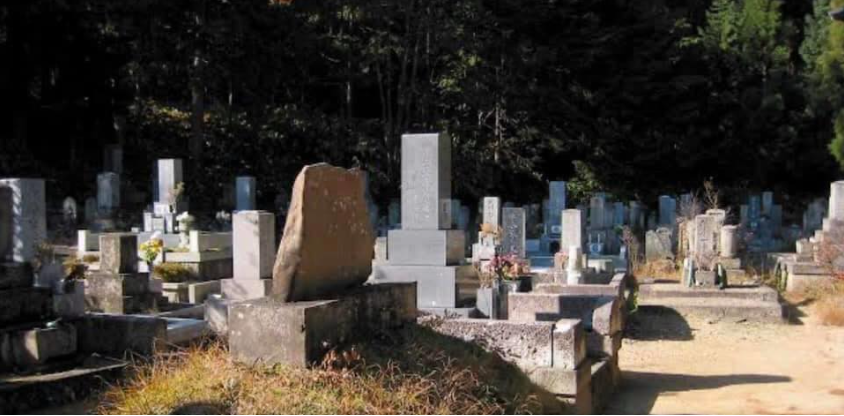
Buddhist Graveyard
Islamabad (Ancient Site)
Oldest burial ground in the region, cold patches, shadow movement, centuries of layered history
5
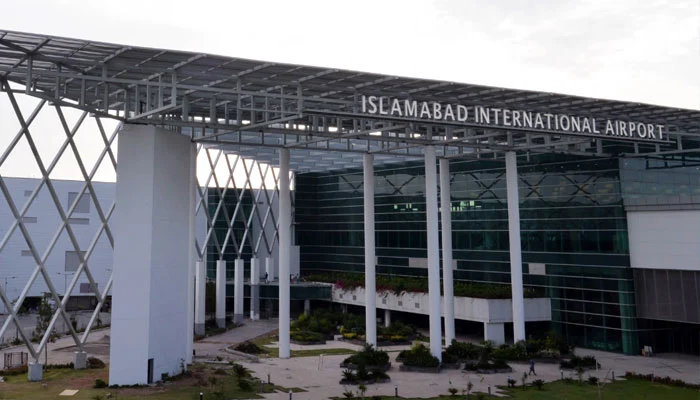
New Islamabad Airport
NIIAP, Islamabad
Built over an old graveyard, children’s shadows on the runway, workers fainted from fear
6
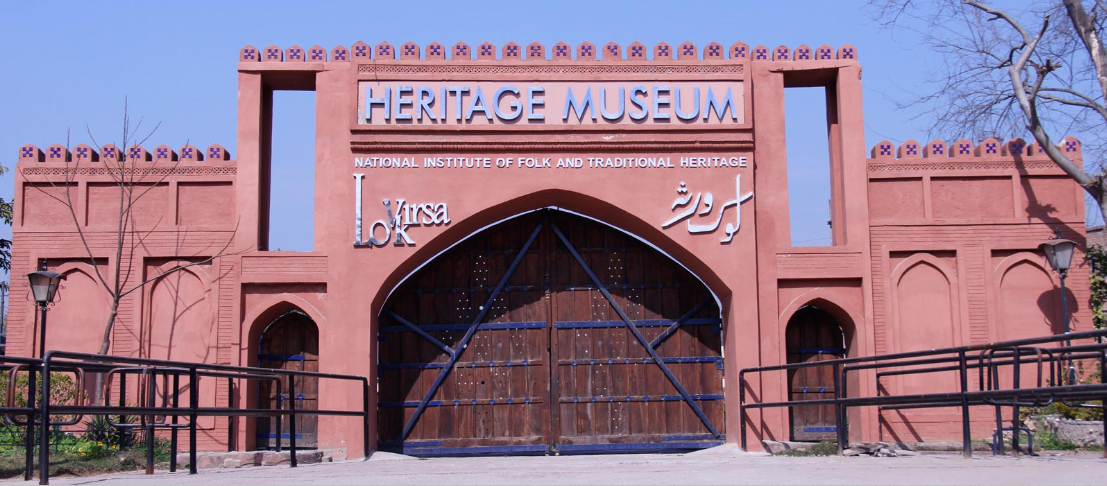
Lok Virsa Museum
H-8, Islamabad
Staff report sounds, movement & being watched in empty halls at night
7
Rawal Lake
Between Islamabad & Rawalpindi
Multiple disappearances, figures seen near water at night, overwhelming dread reported
8
Haunted Hills
F-6, Islamabad
Name predates modern development, voices from the tree line, a feeling of being followed on trails
9
Kachnar Park
Islamabad Capital Territory
Figures in dense vegetation at night, unexplained sounds in isolated corners
10
Pir Sohawa Road
Margalla Hills
Strange lights at night, footsteps behind solo walkers, and consistent paranormal reports
1. The F-7/4 Government Mansion: The House No One Will Live In
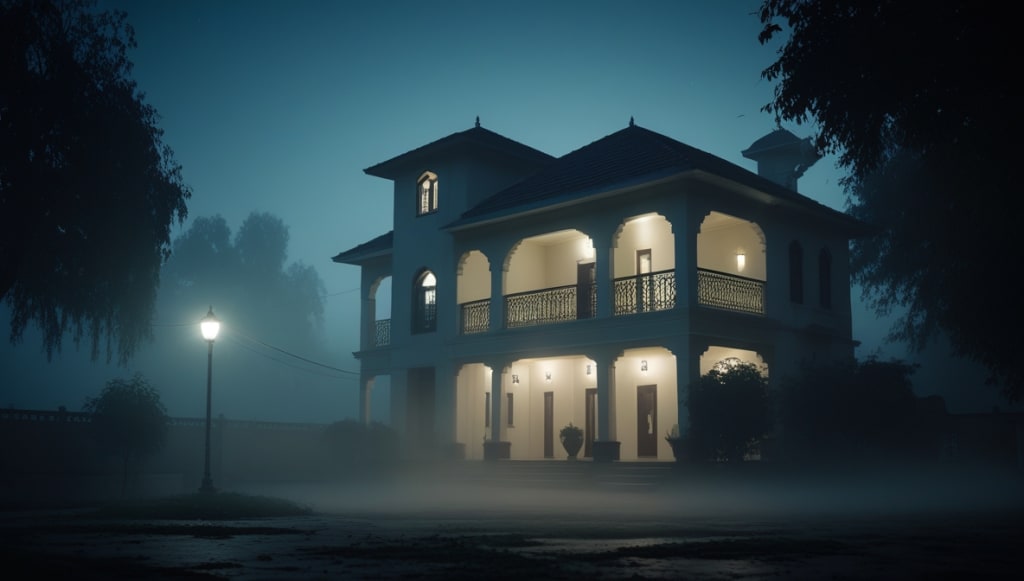
If there is one location that every resident of Islamabad speaks about in hushed tones, it is the government-owned property in the F-7/4 sector. This is arguably the single most notorious haunted place in Islamabad, with stories spanning six decades and touching the lives of senior judges, ministers, and high-ranking officials.
The house was originally built in 1965 by a young East Pakistani CSS officer and his wife, who chose the prime plot for its sweeping views of the Margalla Hills. Life was quiet until the fall of Dhaka in 1971 forced them to leave. The Pakistani government took over the property shortly after, and that is when the terror began.
Every family that has occupied the house since then has fled. Household staff reported footsteps outside locked rooms at night, furniture shifting on its own, and doors swinging open for no reason.
One resident’s son saw a dark shadow near the balcony that passed clean through the wall when he approached it. In the 1980s, a young boy woke at 3 a.m. to find a woman sitting in a nearby tree, her mouth bleeding, holding raw meat and then found the same figure standing on his bed when he ran back inside. Bloody paw prints ran from the mattress up to the ceiling. A renowned spiritual healer was called in and left without resolving anything.
Ministers, judges, and senior officials have all been assigned this house over the years, but reportedly none has stayed more than a few months. During the 2022 Noor Mukadam media coverage, the case occurred directly across the street, a security guard who had worked outside the property for over two decades told a journalist that it was simply “the abode of jinn.” The house remains largely empty today, still a prime government asset, but one that no one will live in.
2. Shah Allah Ditta Caves: Ancient Darkness in the Margalla Foothills
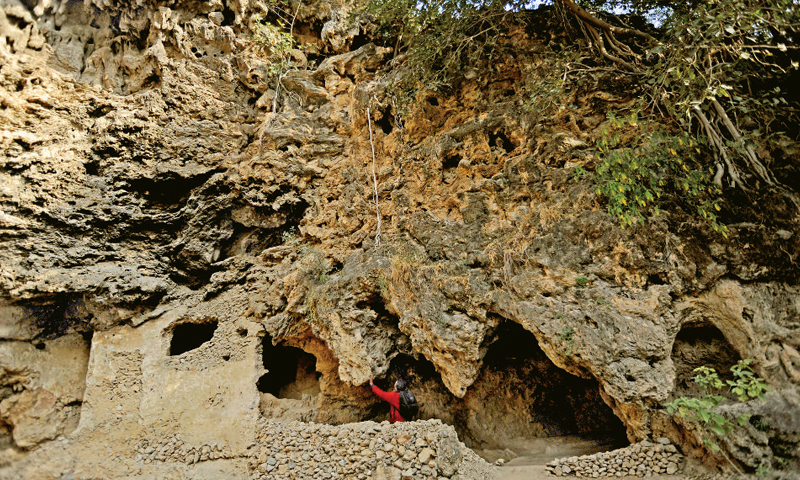
Tucked into the foothills of the Margalla Hills near the historic village of Shah Allah Ditta, these caves are believed to be approximately 700 years old, with roots going back to Buddhist monks who meditated here centuries ago. During daylight hours, the site draws hikers and history lovers. After dusk, however, it transforms into one of the most genuinely unsettling haunted place in Islamabad.
Locals from the surrounding village have long reported strange noises deep inside the caves at night, sounds like multiple people conversing in spaces where no one is present. Dark shadow figures have been seen moving in chambers where no human could be standing.
Residents openly advise against entering the caves alone, and absolutely never after dark. The dense old trees surrounding the cave entrance add to an atmosphere that even daytime visitors find difficult to shake. The haunted hill park, immediately adjacent to the caves, is also considered possessed by locals.
3. Lotus Lake, Shakarparian: Beauty Built on Blood
Situated in the Shakarparian hills, Lotus Lake was once considered one of the most scenic, peaceful spots and family park in the capital. That reputation changed into a haunted place in Islamabad. The lake gained a grim notoriety after it became the site of multiple murders. Killers used the area to leave their victims’ bodies by the water. That dark history transformed a beautiful location into one of the most talked-about haunted places in Islamabad.
Visitors and joggers who frequent the Shakarparian area have reported an inexplicable unease near the lake, particularly after sunset. Some describe hearing sounds with no visible source. The lake’s beauty remains, but the community’s collective memory of what happened there gives it an atmosphere that is genuinely difficult to ignore once you know its history.
4. Buddhist Graveyard, Islamabad: The Oldest Haunted Ground
Few residents of Islamabad are aware that an ancient Buddhist graveyard exists within the city, but those who do know about it also know the stories attached to it. As one of the oldest burial grounds in the region, this site predates Islamabad’s existence as a capital and carries centuries of layered history.
Local accounts consistently describe the area around the graveyard as deeply unsettling, with unexplained cold patches, shadow movement where nothing should be, and an atmosphere of unease that multiple visitors have independently reported.
As a haunted place in Islamabad with genuine historical roots rather than mere rumour, the Buddhist graveyard represents the city’s oldest paranormal legacy and is rarely discussed in mainstream coverage.
5. New Islamabad International Airport: Paranormal Under the Modern Facade
It sounds unlikely, but the gleaming New Islamabad International Airport is widely cited as a haunted place in Islamabad, with a disturbing history of construction. According to multiple accounts, the airport was built over an old graveyard, and the consequences reportedly became apparent during construction.
Construction workers reported unexplained sounds, tools that moved overnight, and a persistent sense of unseen presence in certain sections. Several staff members have reportedly heard scary noises and claimed to see shadows of children playing near the runway. Some accounts describe workers fainting on site. Whether tied to the buried ground beneath or something else, the reports were consistent enough that the site developed a paranormal reputation long before the first flight ever landed.
6. Lok Virsa Museum: Haunted Heritage
The Lok Virsa Museum, dedicated to preserving Pakistan’s folk heritage and culture, is one of the more surprising entries on the list of haunted place in Islamabad. Staff members working late at the museum have reported unsettling experiences inside the building, strange sounds, unexplained movement, and a pervasive sense of being watched in the empty halls.
For a building that houses centuries-old artifacts and cultural objects, the idea that its contents carry something beyond historical value is not entirely far-fetched. Whether it is the weight of old objects and old stories, or something more difficult to explain, Lok Virsa earns its place on this list through the consistency of staff accounts over the years.
7. Rawal Lake: Disappearances and Dark Water
Rawal Lake is one of Islamabad’s most visited recreational spots, drawing families, joggers, and picnickers throughout the year. But after dark, its reputation changes to a haunted place in Islamabad.
The lake and its surrounding areas have been the site of multiple disappearances over the years, and the stories attached to them have made it one of the most persistently discussed haunted place in Islamabad among long-time residents.
Visitors who have been near the lake at night report seeing figures near the water that disappear when approached, hearing sounds from the water’s surface for no apparent reason, and experiencing a sudden, overwhelming sense of dread in areas that feel completely ordinary during daylight. The combination of documented tragedies and the lake’s naturally dark, expansive atmosphere after sunset makes this a location best respected and avoided after dark.
8. Haunted Hills, F-6: The Name That Says Everything
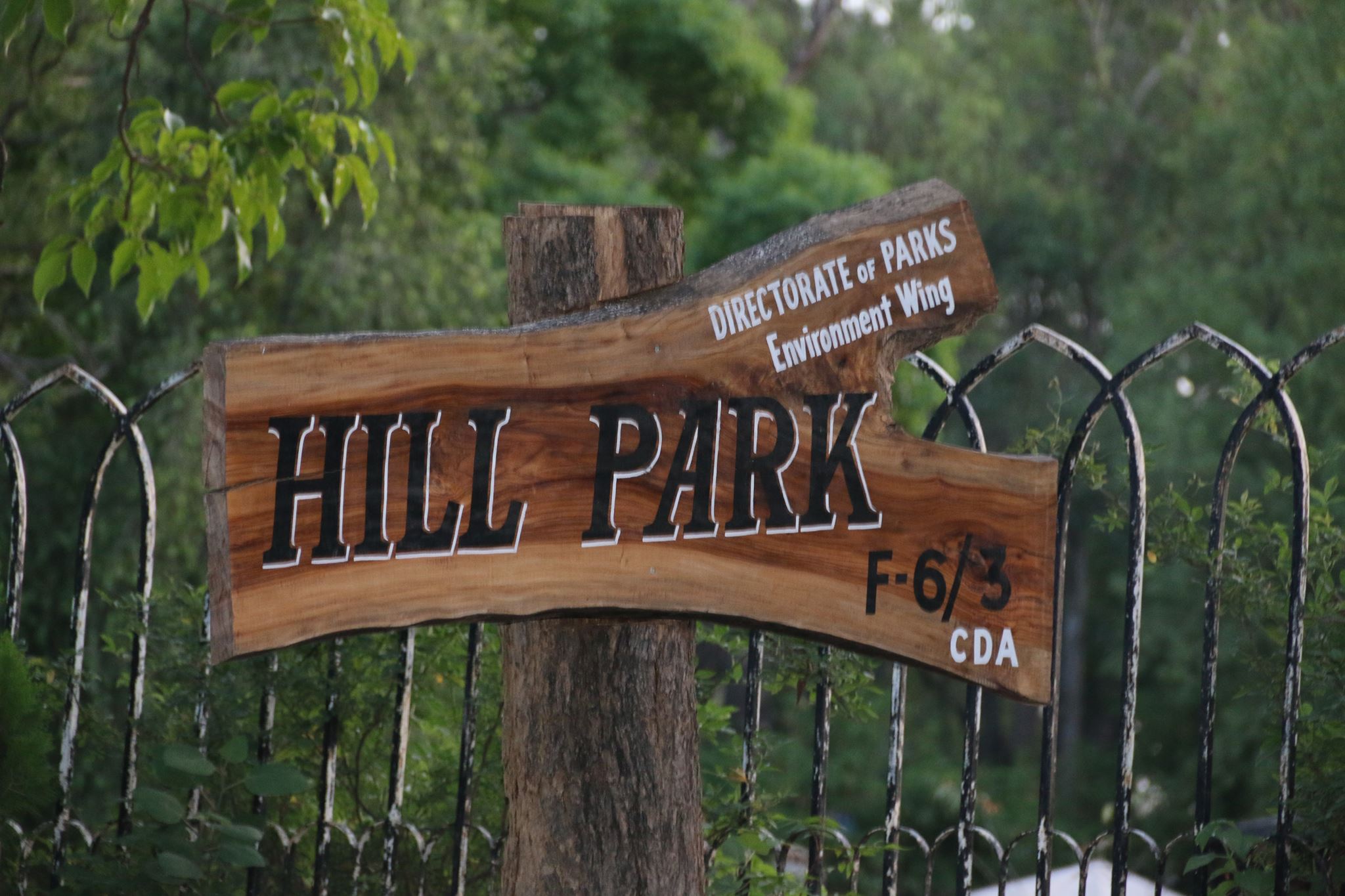
In the F-6 sector sits a hilly green space that Islamabad residents have long called “Haunted Hills”, and the name has simply become official. By day, it works perfectly as a jogging trail and picnic spot, with a small café serving coffee and offering panoramic views. But ask any long-time Isolate why the area carries that name, and you will rarely get a direct answer, just an uncomfortable pause and a shrug.
The nickname predates most of the current development, pointing to a deep-rooted community belief that this space is not entirely ordinary. Multiple visitors report an overwhelming sense of being followed while walking the trails alone, particularly as light begins to fade in the late afternoon.
Voices and sounds emerge from the tree line with no visible source. For a haunted place in Islamabad that looks so unremarkable on a sunny morning, Haunted Hills earns its name thoroughly once daylight fades.
9. Kachnar Park: Family Park by Day, Something Else by Night
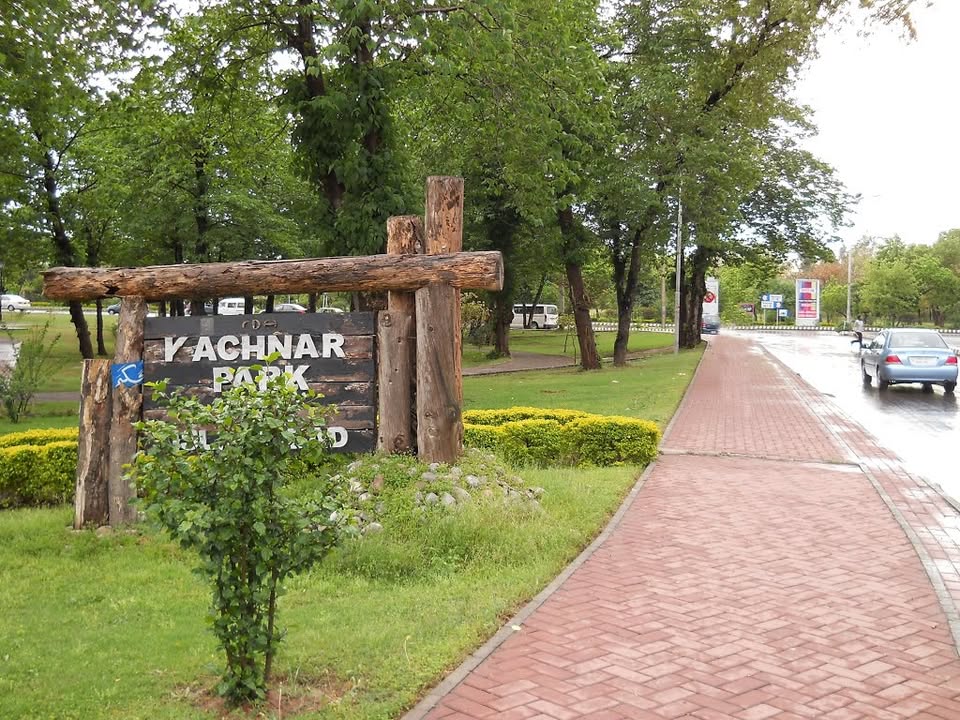
Kachnar Park is a pleasant, well-used green space during daylight hours. After dark, however, visitor accounts describe something very different. The dense vegetation becomes disorienting, figures are reported moving through areas that should be empty, and sounds emerge from isolated corners that do not belong to any identifiable source. Rangers and frequent visitors generally agree: this is a haunted place in Islamabad that you should leave well before sunset.
10. Pir Sohawa Road: Where the Mountain Tells Stories
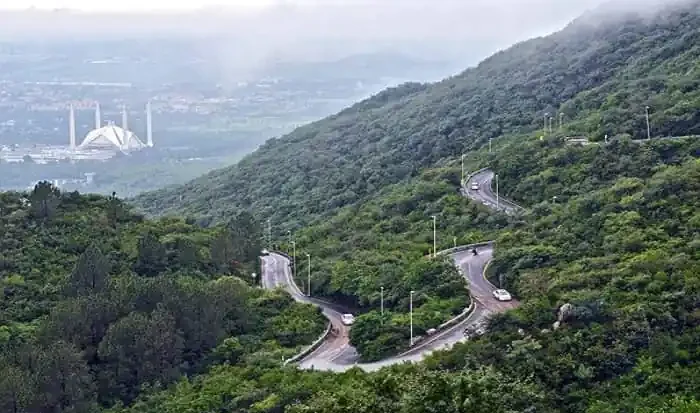
The winding road up to Pir Sohawa through the Margalla Hills is breathtaking during the day and genuinely frightening at night. Hikers who have camped overnight in the area describe strange lights moving through the trees at elevations where no paths exist, and the sound of footsteps behind solo walkers that stop the moment the walker stops.
As a haunted place in Islamabad, Pir Sohawa Road is unique in that it is not a single building or room, but an entire stretch of living mountain environment that has accumulated a powerful and consistently strong paranormal reputation over many years.
Safety Advice Before You Go
Most of these haunted place in Islamabad are either government-controlled, conservation areas, or sites with active security. Trespassing is illegal and physically dangerous. If you visit Shah Allah Ditta caves or the Margalla Hills trails, register with the park authorities and go only during daylight. Respect the communities and histories associated with every haunted place in Islamabad. These are not just locations; they are living stories.
FAQ: Haunted Place in Islamabad
The F-7/4 Government Mansion is widely considered the most notorious, as no official tenant has ever stayed long due to reported jinn activity and shadow figures.
Yes, but only during daylight hours, locals strongly advise against entering the caves alone or after dark.
The ancient Buddhist Graveyard holds the city’s oldest paranormal legacy, predating Islamabad’s existence as a capital by centuries.
Multiple disappearances and consistent reports of unexplained figures near the water make it a location as haunted place in Islamabad.
Daytime visits are generally safe, but overnight stays are strongly discouraged due to persistent reports of strange lights and unexplained footsteps.
Final Thoughts: Haunted Place in Islamabad
Islamabad’s reputation as a model, tourist places and modern capital is well-deserved. But the stories surrounding every haunted place on this list remind us that no amount of planning can erase what land, history, and human experience carry forward. From the F-7/4 mansion to the murder-shadowed Lotus Lake, from the 700-year-old caves of Shah Allah Ditta to the airport built over an ancient graveyard, the capital holds a shadow side that has been documented and passed down across generations.
These are not mere ghost stories told for entertainment. They are a reflection of Islamabad’s layered identity, ancient, colonial, political, and deeply human. The next time you drive through its clean sectors or walk its wide, quiet streets at night, remember: the most terrifying haunted place in Islamabad might be closer than you think.
Dedicated and detail-oriented SEO Content Writer, Real Estate Writer, and Research Analyst based in Islamabad, with proven expertise in developing accurate, valuable, and well-researched content. Skilled in analytical writing, market research, and reporting, with the ability to turn insights into clear, professional, and impactful content. Passionate about exploring new ideas, analyzing industry trends, and contributing to high-quality writing and research-driven projects.
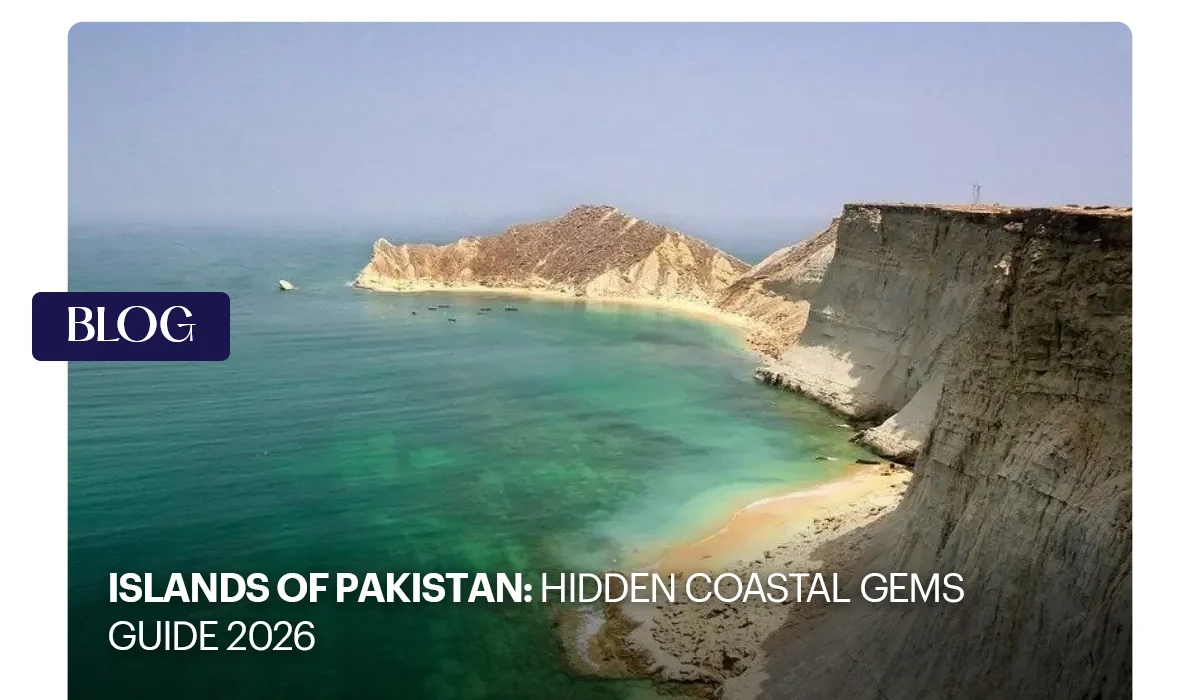
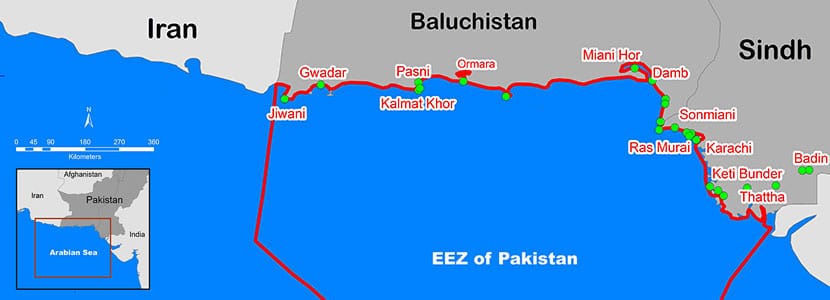
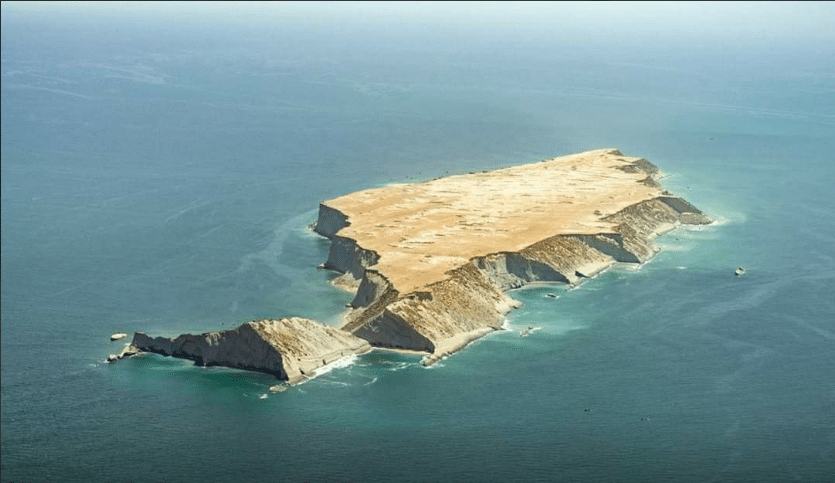
Pakistan is known for its towering mountains, lush valleys and tourist places. But very few people talk about its stunning coastline. Pakistan has over 1,046 kilometres of coastline along the Arabian Sea. Along this coastline lie more than 12 remarkable islands. These islands of Pakistan are among the most underexplored destinations in Asia.
From wild, uninhabited ecological reserves to historically rich harbour islands, Pakistan’s offshore world is extraordinary. This guide covers every major island of Pakistan.
Pakistan’s Coastline: A Hidden Maritime World
Pakistan shares its southern border with the Arabian Sea. The two coastal provinces are Sindh and Balochistan. Both provinces are home to a distinct group of islands of Pakistan. Some islands are rocky and remote. Others are densely populated fishing communities. A few are geological curiosities that rise and sink with the tides.
The islands of Pakistan fall into three broad categories. First are the ecological islands, rich in marine biodiversity. Second are the historical and residential islands near Karachi. Third are the geological curiosities formed by underwater volcanic activity.
Islands of Pakistan
#
Island Name
Province / Region
Type
Location
Key Highlight
Accessibility
1
Astola Island
Balochistan
Ecological / Offshore
39 km SE of Pasni
Pakistan’s largest offshore island & first MPA
Boat from Pasni/Gwadar (permit required)
2
Churna Island
Sindh/Balochistan border
Ecological / Diving
9 km west of the Hub River
Best diving spot in Pakistan, coral reefs
Boat from Mubarak Village (1.5 hrs)
3
Malan Island
Balochistan
Geological / Mud Volcano
Off Hingol National Park
Appears and disappears due to volcanic activity
Unreliable — not recommended
4
Zalzala Koh
Balochistan
Geological (Submerged)
Off the Gwadar coast
Rose from the sea in the 2013 earthquake, fully submerged by 2016
Not accessible
5
Manora Island
Sindh (Karachi)
Historical / Residential
South of Karachi Harbour
Colonial lighthouse, Navy base, and the oldest port defence
Boat or causeway from Keamari
6
Bundal Island
Sindh (Karachi)
Ecological / Cultural
Near Clifton Beach, Karachi
Tomb of Sufi saint Yusuf Shah, development controversy
Local boat from the Clifton area
7
Buddo Island
Sindh (Karachi)
Ecological
West of Bundal Island
Mangrove-rich, vital coastal ecosystem
Local boat from the Clifton area
8
Baba & Bhit Islands
Sindh (Karachi)
Residential / Cultural
Centre of Karachi Harbour
~25,000 residents, the oldest Karachi settlement, a diverse ethnic community
Short boat from Keamari
9
Shams Pir Island
Sindh (Karachi)
Cultural / Spiritual
Near Kakapir & Sandspit Beach
Shrine of Hazrat Shams Pir, Partition-era settlement
Boat rental from Karachi Harbour
10
Khiprianwala Island
Sindh (Karachi)
Ecological / Endangered
Near Port Qasim & Landhi
The largest mangrove forest area is slowly sinking due to rising seas
Fishermen’s boats only
11
Clifton Oyster Rocks
Sindh (Karachi)
Urban / Recreational
Off Clifton Beach, Karachi
Formerly Navy-restricted, the world’s 2nd-tallest fountain is nearby
Accessible from Clifton
12
Bukkur Island
Sindh (Sukkur)
Historical / River Island
Indus River, near Sukkur/Rohri
Ancient fortress, colonial history, and Muslim heritage mosques
Road + short boat from Sukkur
Balochistan Islands — Wild, Remote, and Breathtaking
The Balochistan coastline stretches over 770 kilometres along the Arabian Sea. It is one of the most untouched and least explored coastal regions. The islands of Pakistan located along the Makran Coast, are raw, rugged, and remarkably beautiful.
Astola Island: Pakistan’s Largest Offshore Island
Astola Island is the crown jewel of all islands of Pakistan. It sits approximately 39 kilometres southeast of Pasni. It lies about 25 kilometres off the coast of Balochistan. The island stretches 7 kilometres in length and 2.5 kilometres in width.
Locals call it “Haft Talar”, meaning Island of the Seven Hills. This name comes from its seven small hillocks and large tilted plateau. Another local name is “Jabl-e-Zareen”, which means beautiful mountain.
Astola is completely uninhabited. There are no hotels or guesthouses here. Visitors must bring their own camping gear, food, and fresh water. Despite this, the island attracts adventurers from across Pakistan.
The marine life here is extraordinary. Endangered green sea turtles nest on their beaches. Coral reefs surround its rocky shores. Seabirds, including the greater crested tern, nest on its cliffs.
In 2017, Astola became Pakistan’s first Marine Protected Area (MPA). This was a landmark conservation decision. Activities here include scuba diving, fishing, birdwatching, and camping.
Historians also note that Admiral Nearchos, sent by Alexander the Great in 325 BCE, may have referenced this island during his Arabian Sea expedition. That gives Astola a remarkable historical depth alongside its natural beauty.
How to reach: Take a boat from Pasni or Gwadar. A permit or NOC from the relevant provincial authorities is required. Always check current access rules before departure.
Churna Island: The Diver’s Paradise
Churna Island is a small island among other islands of Pakistan, an uninhabited island near Mubarak Village. It sits about 9 kilometres west of the mouth of the Hub River. From Karachi, it is roughly a 1.5-hour boat ride.
The island is locally known as “Cheerno.” It is jointly managed by the Pakistan Navy and the Pakistan Game Fishing Association (PGFA).
Churna is famous for its coral reefs. The waters are home to lobsters, crabs, green turtles, and dozens of rare fish species.
Best time to visit: February and March. Many travel agencies offer group and individual packages during these months.
Malan Island: The Volcanic Ghost Island
Malan Island is one of the most unusual islands of Pakistan. It is a mud volcano island located off the coast of Hingol National Park in Balochistan.
This island has appeared and disappeared multiple times. It first surfaced in March 1999. It sank below sea level within a year. It reappeared again in 2010. Geologists find it fascinating. Tourists cannot visit it reliably due to its unstable nature.
Zalzala Koh: The Earthquake Island
Zalzala Koh is one of the strangest geological events in Pakistan’s recent history among the islands of Pakistan. It emerged from the sea on September 24, 2013. A massive 7.7-magnitude earthquake struck Awaran District in Balochistan. The seabed released methane gas. A mud volcano erupted. An island rose from the ocean overnight.
The island measured approximately 176 metres in length and 161 metres in width. Its height was between 15 and 20 metres above sea level.
Satellite images showed it had sunk about 3 metres within just one month of its appearance. By the end of 2016, Zalzala Koh had completely submerged.
Despite being lifeless on land, the waters around it became a thriving marine habitat. The coral species Acabaria delicata was discovered in the surrounding waters. Local fishermen actually benefited from the new marine ecosystem.
Sindh Islands — History, Culture, and Urban Adventure
Sindh’s coastline is home to some of the most culturally rich and historically significant islands of Pakistan. These islands sit close to Karachi Pakistan’s largest city making them far more accessible than their remote Balochistan counterparts yet equally fascinating to explore.
Manora Island: Where History Meets the Sea
Manora Island sits just south of Karachi Harbour. It is a 15-20 minute boat ride from Keamari. A long causeway through Sandspit also connects it to the mainland.
Manora has a rich colonial history. The British used it as a key defensive outpost for Karachi port. Today, it houses a Pakistan Navy base, residential areas, and the famous Manora Lighthouse, one of the tallest in Pakistan.
Visitors come for the sandy beaches, colonial architecture, and peaceful atmosphere. It is one of the most accessible islands of Pakistan for day-trippers from Karachi.
Bundal and Buddo Islands: The Twin Islands
Bundal and Buddo are two barrier islands located near Clifton Beach in Karachi. They are sometimes called the Twin Islands. Their original names were Bhundaar Island and Dingi Island.
Bundal Island carries deep cultural significance. The tomb of Sufi saint Yusuf Shah is located here. Every year, thousands of devotees visit during his annual Urs ceremony.
These two islands of Pakistan have also been at the centre of a major controversy. A mega real estate development plan proposed by Bahria Town included the world’s tallest building, a shopping mall, a sports city, and a media city on Bundal Island. Environmental groups strongly opposed this plan. They raised concerns about mangrove destruction, coastal erosion, and the displacement of local fishing communities.
Buddo Island sits on the western side of Bundal. It is covered in mangroves. It plays a vital ecological role in the Karachi coastal ecosystem.
Baba and Bhit Islands: Living Islands of Karachi Harbour
Baba and Bhit Islands are located in the heart of Karachi Harbour near Keamari Town. They are among the most populous islands of Pakistan. Around 25,000 people live here.
The community is remarkably diverse. Residents include Muhajirs, Sindhis, Punjabis, Kashmiris, Balochis, Memons, Bohras, and Ismailis. These islands are among the oldest continuously inhabited settlements in Karachi.
Basic infrastructure is limited. Yet the islands are rich in cultural diversity. A short boat ride from Keamari brings you to a completely different world.
Shams Pir Island: The Shrine Island
Shams Pir Island is located near Kakapir and Sandspit Beach on Karachi’s western edge. It is named after the Sufi saint Hazrat Shams Pir, whose shrine stands on the island.
The island was partly settled by refugees during the 1947 Partition. It has a more peaceful, spiritual atmosphere than other islands of Pakistan. Activities here include scuba diving, kayaking, pedal boating, canoeing, swimming, snorkelling, and sunbathing. Boat rentals are available from Karachi Harbour.
Khiprianwala Island: The Sinking Paradise
Khiprianwala Island lies near Port Qasim and Landhi Town in Karachi. It is one of the ecologically rich yet endangered islands of Pakistan.
The island sits within Pakistan’s largest mangrove forest. Rare marine species inhabit its surrounding waters. However, rising sea levels are slowly swallowing this island. Climate change is a real and visible threat here.
There is no tourist infrastructure on the island. Local fishermen can guide you there by boat. It is best suited for nature lovers and eco-travellers.
Clifton Oyster Rocks: Karachi’s Urban Islets
The Clifton Oyster Rocks are a series of small rocky islets just off Clifton Beach in Karachi. They were formerly restricted by the Pakistan Navy. After the Navy relocated, the area was opened to the public.
The area is now part of Karachi’s urban waterfront. Notably, the world’s second-tallest fountain, the Port Fountain, stands nearby. It shoots water 620 feet into the air.
River Islands — An Overlooked Category
Most people associate the islands of Pakistan only with the Arabian Sea. But Pakistan also has fascinating river islands tucked within the mighty Indus ancient, historically loaded, and almost completely off the tourist radar.
Bukkur Island: The Fortress in the Indus
Not all islands of Pakistan are in the sea. Bukkur Island is a river island located in the Indus River near Sukkur and Rohri in Sindh.
This island is home to an ancient fortress. It played a major role during British colonial rule. Inside the island, you can find remnants of Sukkur Fort, historic mosques, and traditional brick architecture. It is a treasure for history enthusiasts.
Today, the island hosts an Army Public School and the Tomb of Sayyid Sadruddin.
Practical Travel Guide for 2026
Planning a trip to the islands of Pakistan requires some preparation, especially for remote destinations like Astola and Churna.
Best Time to Visit
The best time to visit the islands of Pakistan is between October and March. The weather is cooler. The Arabian Sea is calmer. Boat journeys are safer and more comfortable.
February and March are peak months for Churna Island. Diving packages are widely available during this period.
Avoid travelling between May and August. Monsoon conditions make the Arabian Sea rough and dangerous.
How to Get There
Island
Departure Point
Mode
Notes
Astola
Pasni or Gwadar
Motorised boat
Permit required
Churna
Mubarak Village
Boat (1.5 hrs)
Check Navy rules
Manora
Keamari, Karachi
Boat or causeway
Easy access
Baba & Bhit
Keamari, Karachi
Short boat ride
Daily service
Shams Pir
Karachi Harbour
Boat rental
Day trip
Bundal/Buddo
Clifton area
Local boat
Tidal timing matters
Khiprianwala
Port Qasim area
Fishermen boats
No tourist service
Bukkur
Sukkur/Rohri
Road + short boat
River island
Permits and Regulations
Astola Island requires a No Objection Certificate (NOC) before visiting. Access to Churna Island is controlled by the Pakistan Navy and PGFA. Always verify the latest entry rules before planning your trip. Regulations can change.
What to Pack for Remote Islands
Bring enough food and fresh water for your entire stay on remote islands like Astola. Pack a quality tent and sleeping bag. Carry sunscreen, a first aid kit, and a satellite communication device. There is no mobile signal on most offshore islands.
Conservation and the Future of Islands of Pakistan
The islands of Pakistan face real environmental threats. Rising sea levels are affecting Khiprianwala Island. Proposed development on Bundal and Buddo sparked national debate about ecological responsibility. Astola and Churna have MPA status. But enforcement and awareness still need strengthening.
Pakistan’s Blue Economy initiative and CPEC coastal development are reshaping the maritime landscape. There is a genuine opportunity here. Sustainable eco-tourism on Pakistan’s islands could benefit local fishing communities and national tourism revenue simultaneously.
The world is only beginning to discover what Pakistan’s coastline truly holds.
Conclusion: Islands of Pakistan
Pakistan’s islands deserve far more attention than they receive. Each island tells a different story of geology, history, culture, and nature. Whether you are a diver, a history enthusiast, or simply a curious traveller, the islands of Pakistan offer something genuinely unforgettable. Start planning your coastal adventure in 2026. The Arabian Sea is waiting.
Dedicated and detail-oriented SEO Content Writer, Real Estate Writer, and Research Analyst based in Islamabad, with proven expertise in developing accurate, valuable, and well-researched content. Skilled in analytical writing, market research, and reporting, with the ability to turn insights into clear, professional, and impactful content. Passionate about exploring new ideas, analyzing industry trends, and contributing to high-quality writing and research-driven projects.
Pakistan is full of cultural heritage sites. Rawat Fort is one of them. It stands quietly on the Grand Trunk Road, just 17 kilometres east of Rawalpindi. Hundreds of thousands of vehicles pass it every day. Most drivers never look twice. But behind those weathered stone walls lies one of the most layered historical stories in all of Punjab.
This guide covers everything a history lover needs to know about Rawat Fort, including its origins, battles, architecture, and how to visit it today.
Rawat Fort
Rawat Fort is a fortified caravanserai located in Rawat, Punjab, Pakistan. It sits on the Pothohar Plateau, near Rawalpindi. The fort is also known as Sarai Rawat. The name itself tells you something important. “Rawat” derives from the Arabic word “rabat”, meaning roadside inn or caravanserai. This was not originally a military fortress. It began as a rest stop for travellers on the world’s oldest highway.
The structure is nearly square. It measures 93.5 × 106.3 metres and encloses a courtyard of roughly 10,000 square metres. It has two main entrances. Corner towers once stood on the northern and southern ends. Inside, you will find a three-domed mosque, an octagonal tomb, scattered graves, and cell-like rooms lining the perimeter walls.
Some historians push the story back even further. According to local tradition, the site may have earlier roots going back to 1036–1039 CE. It is believed to have connections with Sultan Masud I, son of the famous Mahmud of Ghazna. However, this claim is contested. The dates do not align cleanly with the surviving architectural evidence.
Origins: A Caravanserai on the Grand Trunk Road
The story of Rawat Fort begins in the early 15th century. The Delhi Sultanate founded it as a caravanserai. At that time, the Pothohar region was under the control of Malik Jasarat, who is considered its original builder.
The original structure followed the classic Persian rebat design. This pattern was common between the 8th and 12th centuries. It featured two tall gates high enough for heavily loaded camels, corner towers, and an inner courtyard. The fort originally had up to 76 individual cells. These were small rooms rented out to travelling merchants. Comfort and commerce went hand in hand here.
The Gakhar Fortification
In the 16th century, the character of Rawat Fort changed completely. The Gakhar clan transformed it from a peaceful rest stop into a military stronghold.
The Gakhars were a powerful warrior tribe native to the Pothohar Plateau. They were loyal supporters of the Mughal Emperor Humayun. When Sher Shah Suri, the powerful Pashtun king, began expanding his control over northern India, the Gakhars became a target.
Sultan Sarang Khan Gakhar led the resistance. He had deep roots in the region. Emperor Babur himself had rewarded Sarang Khan in 1525, granting him the Potohar estate in recognition of his loyalty. That bond between the Gakhars and the Mughal dynasty would define and ultimately cost everything.
The Battle of Rawat Fort (1546): Sarang Khan’s Last Stand
This is the most powerful chapter in the story of Rawat Fort.
When Sher Shah Suri drove Humayun out of India, he needed to eliminate Gakhar resistance in the Pothohar region. He constructed the massive Rohtas Fort about 50 miles from Rawat and placed a garrison of 12,000 soldiers there under his general Khawas Khan. The message was clear: the Gakhars would be crushed.
Sher Shah Suri died in 1545. The battle at Rawat Fort took place in 1546. This means Sultan Sarang Khan was actually fighting Islam Shah Suri, Sher Shah’s son, not Sher Shah himself. Pakistan’s Archaeology Department confirms this timeline. It is a small but important correction that changes how we read the fort’s history.
The battle itself was brutal and final. Sultan Sarang Khan was struck by a spear and killed. Sixteen of his sons also died fighting alongside him. They were buried inside the fort. The courtyard that once hosted travelling merchants became a graveyard for an entire dynasty.
Sarang Khan’s brother, Adam Khan Gakhar, took over leadership of the tribe after Sarang Khan’s death.
After the Battle: Colonial Use and Abandonment
The fort continued to stand long after the battle. Local accounts suggest that British authorities also used the building during the colonial period. It was abandoned after the Partition of the subcontinent in 1947. The mosque inside, however, was never abandoned. It continues to function as the area’s Markazi Jamia Masjid. Locals still offer Friday and Eid prayers within its centuries-old walls.
The 1893–94 Rawalpindi District Gazetteer described Rawat as “the first camping ground from Rawalpindi on the Grand Trunk Road towards Jhelum.” Even in the British era, the fort’s importance was tied to its tomb and the road leading to it.
Architecture of Rawat Fort
The Gates
The fort originally had three gateways: east, north, and south. The eastern gate is the primary entrance. These gates were built tall and wide to accommodate heavily laden camels, a direct feature of the Persian rebat design. The original main gate has since vanished. The government has installed iron gates in its place.
The Three-Domed Mosque
The mosque runs along the western wall. It measures 29.5 × 12.1 metres. Three connected bays, each capped by a dome, form its silhouette. Arched openings mark each bay on the facade. The old tile flooring has been lost. Small modern modifications have changed parts of the interior. But the mosque remains a living building, not a relic frozen in time.
From the roof of this mosque, you can see the Mankiala Stupa. This is a 2nd-century Gandhara-era Buddhist monument located roughly three miles to the southeast. The view connects Rawat Fort to an even older layer of human history on the Pothohar Plateau.
The Octagonal Tomb of Sultan Sarang Khan
This is the most architecturally striking structure inside Rawat Fort. The tomb is octagonal, with a diameter of 16.6 metres. A large dome crowns it. Each entrance features a deep pishtaq, a recessed arched portal common in Mughal-era tombs. The walls are high with panel detailing and arched openings.
No marble cenotaph survives inside. It was likely removed or destroyed through vandalism or careless restoration work. But the structure itself still radiates a solemn authority. Standing beside it, you feel the weight of what happened here in 1546.
The Courtyard, Cells, and Hidden Features
The smaller graves scattered through the courtyard are believed to belong to Sarang Khan’s 16 sons. The cell-like rooms along the interior perimeter walls were originally merchant quarters.
Archaeologists have also found evidence of a hamam (bathhouse) inside the fort. A spring well once stood in the main courtyard, supplying water for animals and travellers. These features reveal that Rawat Fort was once a fully self-contained stop on one of Asia’s busiest roads.
Conservation Status: A Heritage Under Threat
The state of Rawat Fort today is both hopeful and troubling.
On the hopeful side, the government has invested in preservation. In November 2016, a conservation plan was officially commissioned. In March 2017, Rs. 50 million was allocated for the first phase of restoration work. In 2020–21, an additional Rs. 5.6 million was allocated through the Public Sector Development Programme. Restoration work was still underway as recently as early 2025.
On the troubling side, the results have been uneven. The east gate was white-washed during restoration, a decision widely criticised for erasing the fort’s time-worn character. Urban encroachment has swallowed three of the fort’s four sides. Nearby residents have dismantled old medieval bricks to use in constructing modern homes. Bats roost in the dome. Fissures run through the walls. There are no security guards at the entrance.
There is also a jurisdiction problem. The federal Archaeology and Museum Department and the Punjab provincial government have both claimed jurisdiction over the site. This administrative limbo has significantly slowed preservation.
Visitor Guide to Rawat Fort (2026)
How to Get There
Rawat Fort sits on GT Road (N-5), about 17–18 km east of Rawalpindi city centre. From Rawalpindi, allow 40–60 minutes by car, depending on traffic. From Islamabad, the drive takes approximately 25–30 minutes. Public buses and wagons run to Rawat town. From Rawat town, a short rickshaw ride will bring you to the fort.
GPS Coordinates: 33°29′53″N, 73°11′39″E
When to Visit
October to March is the best season. The weather is cool and clear. For photography, aim for early morning or late afternoon. Avoid midday visits in summer; the heat on the GT Road corridor is intense.
How Much Time to Allow
A brisk visit takes 45 minutes. A thorough exploration of the mosque, tomb, perimeter cells, and courtyard takes 60 to 90 minutes. Add extra time if you plan to photograph in detail or read the signage carefully.
What to See First
Start at the eastern main gate. Study the gateway architecture. Move into the courtyard. Visit the mosque first, then walk to the octagonal tomb. Pay attention to the smaller graves around the courtyard. If the roof access is open, climb up for the view of the Mankiala Stupa on the horizon.
Nearby Attractions
Mankiala Stupa: 3 miles southeast; a 2nd-century Buddhist monument
Rohtas Fort: ~50 miles away; UNESCO World Heritage Site connected to the same historical conflict
Pharwala Fort: another Gakhar-period fort in the Rawalpindi area
Taxila: one of the great ancient cities of the subcontinent, within easy driving distance, and home to the famous Taxila Museum a must-visit for history lovers and tourists.
Why Rawat Fort Deserves More Attention
Rawat Fort is not famous. It does not appear on any international heritage list. There are no guided tours, no gift shops, no visitor centres. But that is precisely what makes it extraordinary for a serious history lover.
This is a place where the entire sweep of medieval Punjab played out trade, power, loyalty, betrayal, and sacrifice on a single stretch of road. The Gakhar tribe fought to the last man here. A father and sixteen sons are buried inside its walls. The mosque where they prayed still calls the azan five times a day.
Every stone in Rawat Fort has a story. Most of those stories are still waiting to be told properly.
Frequently Asked Questions
The Delhi Sultanate founded it as a caravanserai in the early 15th century. The Gakhar clan later fortified it in the 16th century.
It is located in Rawat town, Punjab, Pakistan, 17 km east of Rawalpindi on the Grand Trunk Road.
Sultan Sarang Khan Gakhar and his 16 sons, who died in the 1546 battle against Suri forces, are buried inside the fort.
October to March offers the best weather. Early morning visits are ideal for photography.
No. It is a federally protected Cultural Heritage Site of Punjab, but it does not hold UNESCO status.
Conclusion
History lovers will find Rawat Fort deeply rewarding. It does not offer polished displays or guided tours. It offers something far more valuable: raw, unfiltered contact with the past. You walk the same courtyard where caravans once unloaded their goods. You stand beside the graves of men who died defending their home. You look out from the mosque roof and see a Buddhist stupa on the horizon, reminding you that this land holds centuries upon centuries of human story.
The biggest threat to Rawat Fort is not time. It is indifference. Urban encroachment, administrative disputes, and inconsistent funding are slowly erasing what centuries of weather could not destroy. Awareness is the first step toward preservation.
Dedicated and detail-oriented SEO Content Writer, Real Estate Writer, and Research Analyst based in Islamabad, with proven expertise in developing accurate, valuable, and well-researched content. Skilled in analytical writing, market research, and reporting, with the ability to turn insights into clear, professional, and impactful content. Passionate about exploring new ideas, analyzing industry trends, and contributing to high-quality writing and research-driven projects.
Pakistan is home to some of the world’s most stunning rivers. But few can match the raw beauty of the Kunhar River. This magnificent waterway flows through the heart of Khyber Pakhtunkhwa, carving a breathtaking path through northern Pakistan. Whether you are a nature lover, an adventure seeker, a cultural explorer or want a celestial escape, the Kunhar River has something extraordinary to offer.
This complete visitor guide covers everything you need to know before your 2026 trip.
What Is the Kunhar River?
The Kunhar River is a 177-kilometre-long river located primarily in Khyber Pakhtunkhwa province. It flows through the iconic Kaghan Valley, which is one of Pakistan’s most visited regions. The river is part of the larger Indus River watershed basin.
Locally, the river is also known as Nain-Sukh, which beautifully translates to “eye’s repose.” The name perfectly captures the visual peace this river brings to everyone who sees it.
Quick Facts:
Feature
Detail
Length
177 km (110 miles)
Source
Lulusar Lake
Source Elevation
~3,410–3,950 m above sea level
Mouth
Jhelum River, near Muzaffarabad
Province
Khyber Pakhtunkhwa
Average Discharge
101 m³/s
Water Temperature
10–15°C
Where Does the Kunhar River Originate?
The Kunhar River begins its journey at the serene Lulusar Lake. This stunning lake sits at approximately 3,410 metres above sea level, near the famous Babusar Pass. The surrounding Himalayan peaks feed the river through glacial meltwater and natural springs.
Additional water comes from Dudipat Lake and Saif-ul-Mulook Lake. Glaciers from Malka Parbat and other high peaks also contribute to the river’s flow. This is what keeps the Kunhar River so pure and ice-cold year-round.
The Route: From Source to Sea
The river does not travel in a straight line. It weaves through some of Pakistan’s most dramatic landscapes along the way.
Here is the path the Kunhar River follows:
Lulusar Lake → Naran → Kaghan → Jalkhand → Balakot → Garhi Habibullah → Dalola → Jhelum River (Muzaffarabad)
Each town along this route has its own charm. Naran is the most popular tourist stop. Balakot serves as the entry gateway for most travellers. Garhi Habibullah is a quieter town with scenic riverside spots. The journey ends where the Kunhar River merges with the Jhelum River near Muzaffarabad in Azad Jammu and Kashmir.
Top Attractions Along the Kunhar River
The most breathtaking stops along the Kunhar River, from the serene Lulusar Lake to the fairy-tale Saif-ul-Mulook and the lively streets of Balakot.
Lulusar Lake: The Birthplace
Lulusar Lake is where the entire story begins. Sitting at over 3,400 metres, this pristine alpine lake is surrounded by snow-capped peaks. It is perfect for photography, boating, and peaceful picnics. Arriving here feels like stepping into another world entirely.
Babusar Pass: Panoramic Views
Babusar Pass stands at 4,173 metres above sea level. From here, you get breathtaking aerial views of the Kunhar River winding through green valleys far below. This pass also connects Kaghan Valley to Gilgit-Baltistan. It is typically open from May to October, so plan accordingly.
Naran and Kaghan Valley: The Heart of the River
Naran is the most beloved tourist destination along the entire river corridor. The town sits right alongside the fast-flowing waters. Visitors come here for rafting, fishing, camping, and simply soaking in the views. Kaghan Valley adds dense forests and alpine meadows to the experience.
Saif-ul-Mulook Lake
This magical lake near Naran is fed by the Kunhar River system. It is famous for its mythical folklore and crystal-clear reflections of the surrounding peaks. Foreign tourists frequently rate it among Pakistan’s top natural wonders. The boat rides here are absolutely unforgettable.
Shogran and Siri Paye Meadows
Shogran is a high-altitude plateau that overlooks the Kunhar River valley. The nearby Siri Paye Meadows are accessible by jeep and offer stunning views. Hiking and horse riding are popular activities here. The green meadow carpet against the backdrop of snowy peaks is a photographer’s dream.
Balakot: The Gateway Town
Balakot is a historic town that greets you as you enter Kaghan Valley. It sits right beside the Kunhar River and offers traditional bazaars, local food, and riverside seating. It is a great place to rest before heading further north toward Naran.
Adventure Activities on the Kunhar River
The Kunhar River is not just beautiful to look at. It is a full adventure playground.
White-Water Rafting
Rafting is the most thrilling activity on the river. The official rafting point sits approximately 4 kilometres from Naran town toward Babusar Top. You can reach it by jeep, car, or even on foot. The cost is around 500 PKR per person for a 2-kilometre stretch. Every raft includes a certified instructor.
Life jackets are mandatory. Shoes are not allowed inside the raft. The changing glacial climate has raised water levels in recent years, making rafting even more exciting. At the end of the rafting stretch, food stalls serve fresh trout and live BBQ. It is a full experience from start to finish.
Trout Fishing
The Kunhar River is legendary for its trout. Brown trout and rainbow trout thrive in these icy, clean waters. Many anglers consider this one of the finest trout fishing destinations in the entire Indian subcontinent. You will need a fishing permit from the local authorities. The best fishing spots are found near Naran, Kaghan town, and Garhi Habibullah.
Kayaking and Stand-Up Paddleboarding
Kayaking expeditions on the Kunhar River are available through licensed tour operators. Stand-up paddleboarding and river float trips are also offered. These activities give you an up-close, personal connection with the river’s flow and surroundings.
Camping and Bonfires
Camping beside the Kunhar River is a magical experience. The sound of flowing water, crisp mountain air, and a sky full of stars create an atmosphere unlike anywhere else. Popular camping sites are available in Naran, Shogran, and the wider Kaghan Valley. Always book a designated camping spot to stay safe.
Hiking and Trekking
Numerous trails fan out from the riverbanks. These lead to hidden waterfalls, alpine meadows, and remote mountain villages. Notable destinations include Lalazar Plateau, Ansoo Lake, and Dudipatsar Lake. Trails are available for beginners and experienced trekkers alike.
Chair Lifts and Jeep Safaris
For a more relaxed adventure, chair lifts near the river offer bird’s-eye views of the entire valley. Jeep safaris let you explore rugged terrain that no regular car can access. Both options are widely available and family-friendly.
Best Time to Visit the Kunhar River in 2026
Choosing the right season makes a huge difference to the quality of your trip.
Season
Months
What to Expect
Spring
April – June
Wildflowers bloom, pleasant weather, great for fishing
Summer
July – September
Best for rafting, trekking, and high-altitude lakes
Autumn
October – November
Golden foliage; fewer tourists; excellent photography
Winter
December – March
Snowfall; Babusar Pass closes; snow trekking only
The ideal window for most visitors is May through September. This period offers the best weather, the most open roads, and the widest range of activities.
How to Get to the Kunhar River in 2026
By Air
Fly into Islamabad International Airport (ISB). This is the most common entry point for international tourists. From Islamabad, you can then travel by road to Naran. In summer, some travellers fly to Gilgit and enter via Babusar Pass for a scenic approach.
By Road from Islamabad
Take the Hazara Expressway (M-15) from Islamabad toward Mansehra. Continue through Balakot and then on to Naran. The total journey takes approximately 6 to 8 hours, depending on traffic and road conditions. Always check for monsoon-season landslides before departing, especially between July and September.
From Gilgit
Travel via Babusar Pass only during the summer months. The pass is typically closed from November to April due to heavy snowfall. This route is scenic but requires a 4×4 vehicle.
Cultural Significance of the Kunhar River
The Kunhar River is far more than a geographical feature. It is the cultural heartbeat of the Kaghan Valley. Local communities have lived along its banks for generations. Their agriculture, traditions, and daily life all revolve around the river’s rhythms. Festivals and rituals tied to the river are still practiced in riverside villages today. The river also plays a vital role as a water source for the Mangla Dam reservoir downstream.
Conservation and Responsible Tourism
According to the Pakistan Tourism Development Corporation, the Kunhar River is a nationally significant natural asset that demands collective protection. Pollution, unregulated tourism, and deforestation are putting pressure on the ecosystem.
Climate change is also affecting glacial meltwater patterns, which directly impacts the river’s flow. Scientists have studied the river’s run-of-river hydropower potential, highlighting its national strategic importance.
Every visitor has a responsibility to protect this precious resource.
Follow these responsible tourism practices:
Never litter along the riverbanks or water
Use biodegradable products during your trip
Obtain all required fishing and activity permits
Stay on designated trails and paths
Support local businesses and conservation efforts
Participate in clean-up events if available
Essential Travel Tips for 2026
Carry cash in Pakistani Rupees (PKR). ATMs are very limited in remote areas.
Check road and weather conditions before departure, particularly during the monsoon season.
Dress modestly and respect local customs and traditions throughout the valley.
Purchase travel insurance before attempting any adventure activities.
Hire licensed local guides for rafting, trekking, and kayaking for maximum safety.
Water in the river is cold year-round. Wear appropriate gear for any water activity.
International visitors must carry a valid Pakistani visa.
Frequently Asked Questions
What is the river that flows through Naran called?
The river flowing through Naran is the Kunhar River, also locally called Nain-Sukh.
How long is the Kunhar River?
It is 177 kilometres (110 miles) long.
Where does the Kunhar River start?
It originates from Lulusar Lake near Babusar Pass at approximately 3,410 metres above sea level.
Where does the Kunhar River end?
It merges with the Jhelum River near Muzaffarabad in Azad Jammu and Kashmir.
Is rafting on the Kunhar River safe for beginners?
Yes. Guided sections near Naran are suitable for beginners. Licensed instructors accompany every raft.
What fish can I catch in the Kunhar River?
Brown trout and rainbow trout are the most sought-after species.
Is the Kunhar River the same as the Chitral River?
No. This is a common misconception. The Chitral (Kunar) River is a completely separate river in KPK.
Conclusion
The Kunhar River is one of Pakistan’s most complete natural destinations. It offers crystal-clear glacial waters, thrilling adventures, rich cultural heritage, and some of the most dramatic mountain scenery on earth. From its peaceful origin at Lulusar Lake to its powerful meeting with the Jhelum River near Muzaffarabad, every kilometre of this river tells a breathtaking story.
Dedicated and detail-oriented SEO Content Writer, Real Estate Writer, and Research Analyst based in Islamabad, with proven expertise in developing accurate, valuable, and well-researched content. Skilled in analytical writing, market research, and reporting, with the ability to turn insights into clear, professional, and impactful content. Passionate about exploring new ideas, analyzing industry trends, and contributing to high-quality writing and research-driven projects.