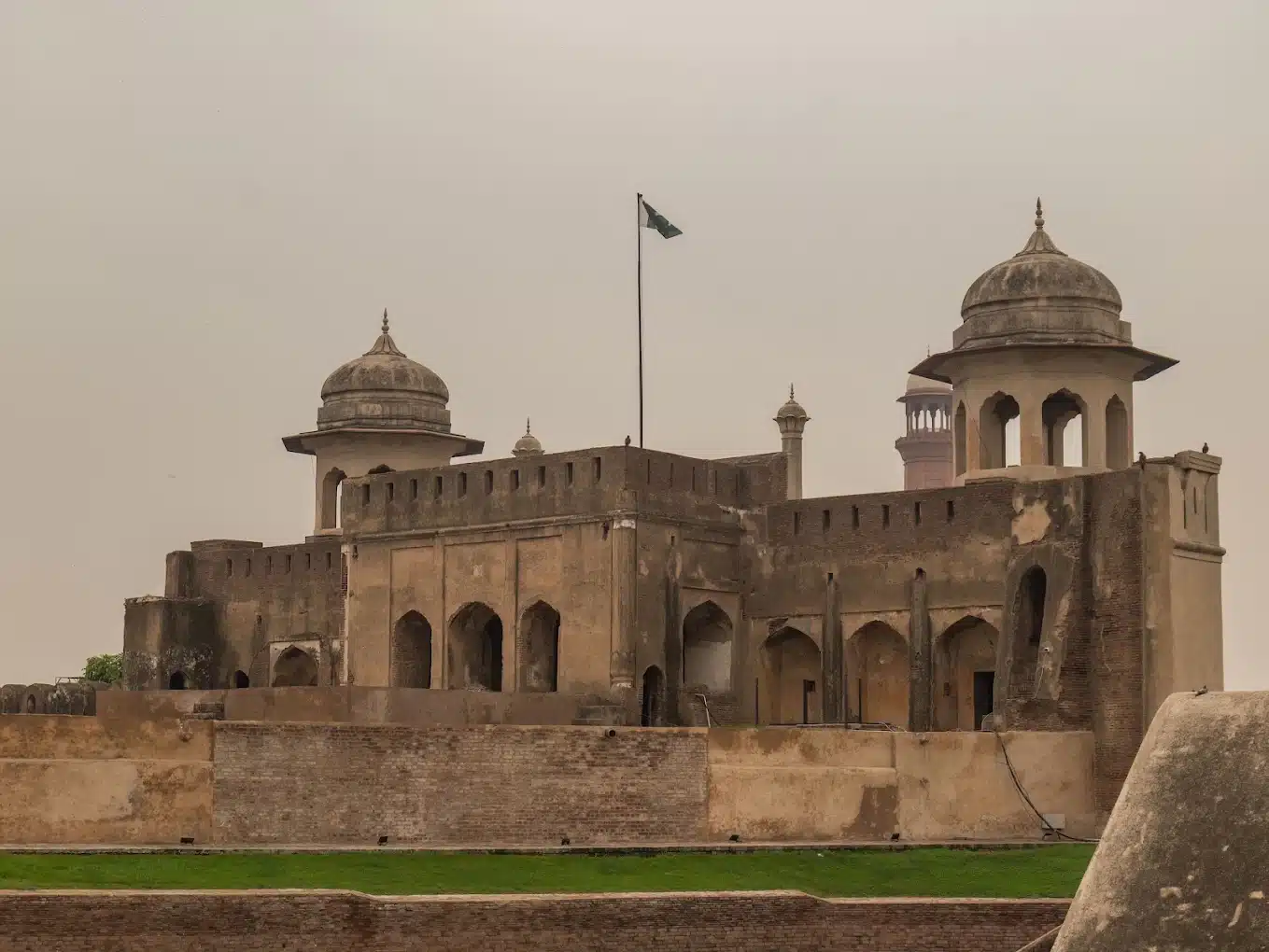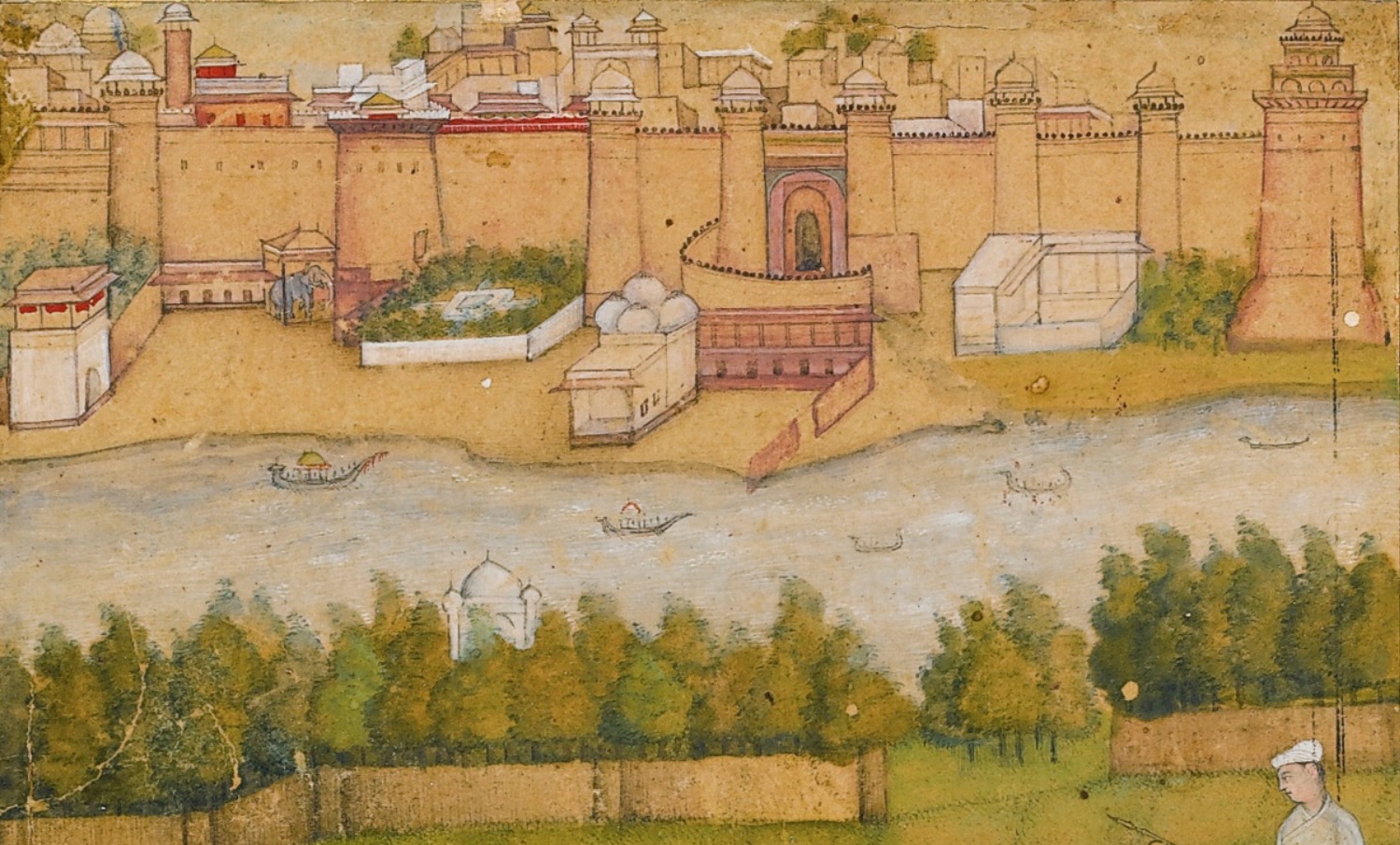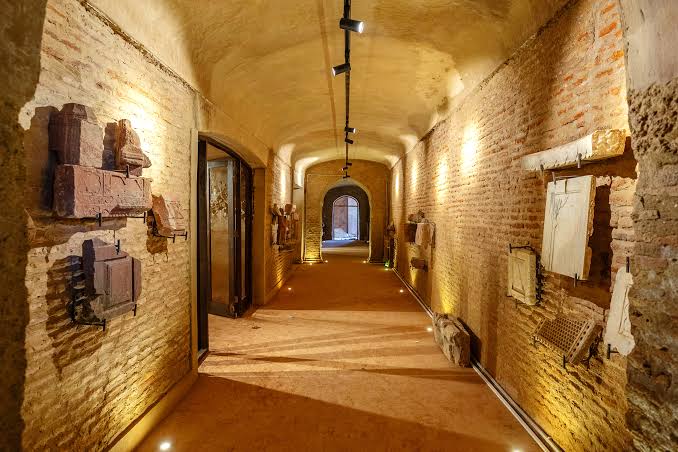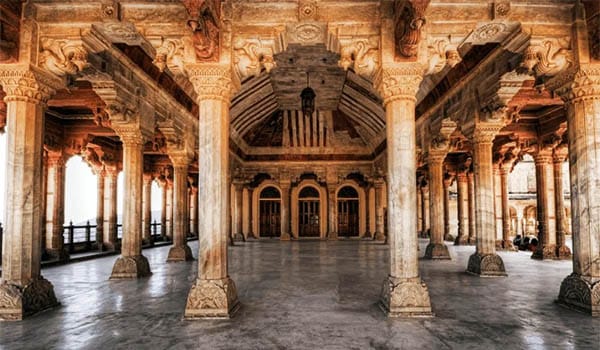
Ranikot Fort
CategoriesArchitecture Construction Entertainment Tourism

Ranikot Fort: 10 Surprising Facts of ‘Great Wall of Sindh’

Hidden deep within the rugged Kirthar hills of Sindh, Ranikot Fort stands as one of the most extraordinary and enigmatic structures in the world. Stretching over 32 kilometres in circumference, this colossal fortification is widely regarded as the largest fort on Earth, earning it the legendary title of “The Great Wall of Sindh.” Yet despite its staggering scale, Ranikot Fort remains one of Pakistan’s historical treasures, shrouded in mystery and waiting to be discovered.

Whether you are a history enthusiast, an adventure traveller, or simply curious about Pakistan’s rich heritage, this complete guide covers everything from the history of Ranikot Fort and its disputed origins to its architectural wonders and practical travel tips.

What Is Ranikot Fort?

Ranikot Fort

Ranikot Fort is a massive ancient fortification located in Sindh, Pakistan. Its walls, built from solid limestone and sandstone, rise between 6 and 9 metres in height in various sections, winding dramatically across barren hills and valleys in a distinctive zigzag pattern. From a distance, the fort blends seamlessly into its natural surroundings, its tawny stone walls appearing almost as an extension of the landscape itself.

Unlike the grand Mughal forts of Lahore or Agra, Ranikot Fort does not dazzle visitors with ornate palaces or intricate decorative tile work. Its power lies entirely in its sheer, almost unimaginable scale and in the raw, untamed wilderness that surrounds it. The fort’s walls are interspersed with solid semi-circular bastions placed at strategic intervals, a design clearly intended for serious military defence.

Quick Facts 

Feature Detail
Total Circumference ~32 km
Wall Height 6–9 metres
Number of Gates 4 (Sann, Amri, Shah-Pere, Mohan)
Built By Talpur Dynasty / Nawab Wali Muhammad Khan Leghari
Located In Jamshoro District, Sindh, Pakistan
UNESCO Status Tentative World Heritage Site (since 1993)
Nearest Town Sann

Where Is Ranikot Fort Located?

Ranikot Fort Location

Ranikot Fort is located in the Jamshoro District of Sindh province, Pakistan, within the rugged Kirthar mountain range. It is approximately 90 kilometres north of Hyderabad on the Indus Highway (N-55) and falls within the boundaries of Kirthar National Park, Pakistan’s second-largest national park.

The nearest town is Sann, which also serves as a railhead on the Kotri–Larkana railway line. From Sann, a rough 21-kilometre diversion road leads to the eastern entrance of the fort, known as Sann Gate.

The surrounding landscape is stark and arid, with barren hills, sparse scrubland, and a silence that amplifies the sense of stepping into a forgotten world.

Getting There

  • From Karachi: Take the M-9 Karachi–Hyderabad Motorway, cross Jamshoro Toll Plaza (approx. 1.5 hours), then join the Indus Highway (N-55) northward. The total journey is roughly 261 km and takes about 3 to 3.5 hours by car.
  • From Hyderabad: The distance is approximately 120 km via the Indus Highway and Ranikot Fort Road, a journey of about 1.5 to 2 hours.

Once you reach the small settlement of Meeri, it is advisable to park your vehicle and proceed on foot for the remaining stretch to the fort.

Who Built Ranikot Fort?

Talpur Mirs of Sindh

The question of who built Ranikot Fort remains one of the most fascinating debates in Pakistani archaeology. Officially, the answer points to the Talpur Mirs of Sindh, with Nawab Wali Muhammad Khan Leghari credited as the chief architect and supervisor of the fort’s construction in the early 1800s.

However, various theories persist. Some researchers argue that earlier civilisations, possibly the Sassanians or Parthians, may have constructed an earlier version of the fortification, which the Talpurs later rebuilt and expanded.

The discovery of Gupta-era inscriptions on the fort walls has added further weight to the idea that the site held strategic or cultural significance centuries before the Talpur era.

Ranikot Fort was built by the Talpur dynasty, yet the full truth of its origins may be far older and more complex than any single dynasty can account for. This unresolved mystery is precisely what continues to attract historians, archaeologists, and curious travellers from around the world.

History of Ranikot Fort

The Ranikot Fort history is as dramatic and layered as its towering stone walls. Few historical monuments in South Asia carry as much mystery around their origins, and that very mystery is a large part of what makes this place so compelling.

Ancient Origins

the Sassanians

For a long time, historians debated whether Ranikot Fort was the work of ancient civilisations, the Sassanians, the Scythians, the Parthians, or even the Bactrian Greeks. This belief was fuelled by the sheer scale of the structure, which seemed almost impossibly grand for a relatively recent construction.

However, discoveries in 2018 significantly changed the conversation. Three inscriptions found on the southeastern corner of the fort were examined by scholars, with one set of markings traced to the Gupta Period (4th–5th century AD). Iron arrowheads from what researchers believe may be the Scythian period and coins from the Habbarid period (854–910 AD) were also found in the vicinity, suggesting the site had been occupied or used across multiple eras.

Radiocarbon testing conducted on charcoal embedded in the mortar of a collapsed pillar at Sann Gate confirmed that parts of the fort were renovated between the early 18th and early 19th centuries, most likely during the reign of the Kalhoras or the Talpur Mirs of Sindh.

The Talpur Dynasty and Construction

Talpur Dynasty

The most widely accepted view among archaeologists today is that the Ranikot Fort was substantially built and reconstructed during the Talpur dynasty in the early 19th century.

According to the history of Ranikot Fort as documented in the Sindh Gazetteer, the fort underwent major reconstruction in 1812 at a recorded cost of 1.2 million rupees, an enormous sum at the time.

Historian accounts record that the fort was planned and constructed under the direct supervision of Nawab Wali Muhammad Khan Leghari, the Prime Minister of Sindh under the Talpur rulers, around 1819 AD. The Talpurs, facing growing pressure from an advancing British Empire, needed both a military stronghold and a safe refuge for the ruling Mir family and their households.

Ironically, the British forces swept through Sindh and seized Ranikot Fort before its construction was even complete. The fort thus never fulfilled the purpose for which it was so ambitiously built.

Architecture and Key Features

The Four Gates

Ranikot Fort has four entry gates, arranged in a roughly rhomboid formation:

The Four Gates

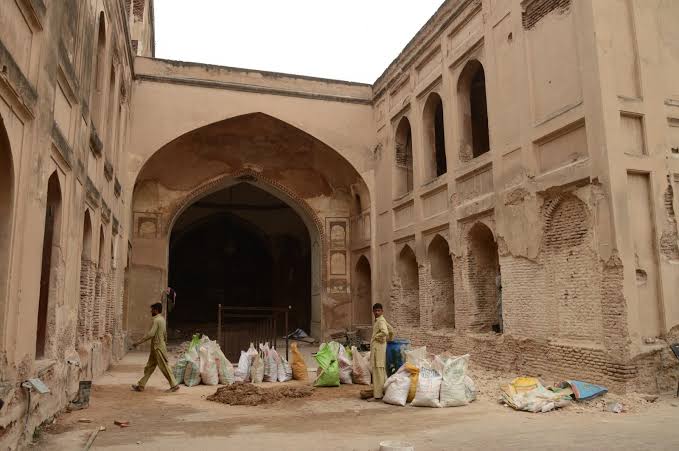
  • Sann Gate is the best-preserved and most commonly used entrance. It can be scaled from both sides and offers panoramic views of the surrounding terrain. This gate also serves as the entry point to Miri Fort.
  • Mohan Gate is the main southern gate and features a rare double-door design. Inside the gate, two decorative niches carved with floral motifs and stone carvings add a touch of elegance to what is otherwise a purely defensive structure.
  • Amri Gate and Shah-Pere Gate complete the four entrances, with the Sann River cutting through two of the gates, making certain approaches particularly difficult, a deliberate defensive feature.

Miri Fort — The Palace Within

Miri Fort — The Palace Within

Approximately 3 kilometres from Sann Gate lies Miri Fort (also called Meeri), a smaller fortress within the grand outer walls. This inner fort is believed to have served as the royal residence and palace of the Mir ruling family. It is the most visited section of the complex and contains the remains of what was once a well-appointed royal retreat.

Shergarh and Mohan Kot

Shergarh

Two additional inner forts, Shergarh, perched high in the Kirthar mountains, and Mohan Kot, near Mohan Gate, are part of the Ranikot complex. Shergarh requires a full day’s trekking to reach and is recommended only for serious adventurers.

Ranikot Fort vs. The Great Wall of China

Ranikot Fort

The comparison between Ranikot Fort and the Great Wall of China is not mere hyperbole; it is a genuine architectural parallel that has struck every serious observer who has visited both.

Like China’s Great Wall, Ranikot’s walls follow the natural contours of the mountain terrain, rising and falling with the hills rather than cutting through them. Both were built for large-scale territorial defence. Both were built with stone and mortar. And both stretch across vast distances that seem almost humanly impossible to have constructed.

The key difference is recognition. The Great Wall of China is one of the most visited landmarks on Earth. Ranikot Fort, equally impressive in scope, is barely known outside Pakistan. That disparity speaks less to the fort’s significance, and more to how dramatically under-promoted Pakistan’s cultural heritage remains on the global stage.

The Great Wall of China

UNESCO Status and Conservation

Ranikot Fort was nominated for UNESCO World Heritage Site status in 1993 by the Pakistan National Commission and has since remained on UNESCO’s Tentative List. The fort is also protected under Pakistan’s Antiquities Act of 1975.

Restoration works have been undertaken by the Archaeology Department of Pakistan and the Sindh Department of Culture, though these efforts have not been without controversy. An inquiry commissioned in 2005 found that restoration work had been carried out using cement and new stonework that did not comply with the Venice Charter for the Conservation and Restoration of Monuments and Sites. Further restoration work was subsequently halted pending review.

The fort clearly deserves far greater investment in conservation, research, and promotion, both for Pakistan’s cultural pride and for its potential to become a major global heritage tourism destination.

FAQs About Ranikot Fort

Who built Ranikot Fort? 

Ranikot Fort was built by the Talpur dynasty of Sindh, under the supervision of Nawab Wali Muhammad Khan Leghari, around 1819 AD.

Where is Ranikot Fort located? 

Ranikot Fort is located in Jamshoro District, Sindh, Pakistan, within the Kirthar National Park, approximately 90 km north of Hyderabad.

What is Ranikot Fort famous for? 

It is famous as the world’s largest fort by circumference, often called the Great Wall of Sindh for its resemblance to the Great Wall of China.

Is Ranikot Fort a UNESCO World Heritage Site? 

It has been on UNESCO’s Tentative World Heritage List since 1993, but has not yet received full UNESCO World Heritage designation.

Has Ranikot Fort ever been invaded? 

According to local accounts and visitor records, the fort was never successfully invaded by an enemy force, and the British took control of Sindh before the fort was fully completed.

Final Thoughts

Ranikot Fort is not just a historical monument; it is a statement of ambition, mystery, and endurance carved in stone across the hills of Sindh. From its disputed origins spanning possibly thousands of years, to its dramatic construction by the Talpur Mirs in the face of British expansion, every wall and gate of this extraordinary fortification tells a story worth knowing.

If Pakistan’s cultural heritage were given the global attention it deserves, Ranikot Fort would already be as famous as the Great Wall of China. Until that day comes, those who make the journey to Jamshoro will find themselves rewarded with one of the most awe-inspiring and profoundly silent historical experiences in all of South Asia.

For more informative blogs on topics like lok virsa heritage museum and Shakarparian, visit Chakor Blogs.

Read More:

Derawar Fort: Complete Guide to Bahawalpur’s Desert Jewel

Reviving History: Restored Heritage Properties in Islamabad

10 Incredible Haunted Places in Pakistan to Explore

faisal mosque islamabad pakistan
CategoriesArchitecture Tourism

Discover Faisal Masjid 2026: Inspiring Travel Guide

Every year, thousands of tourists flock to Islamabad just to catch a glimpse of the magnificent Faisal Masjid Islamabad. One of Islamabad’s most visited tourist attractions, this architectural wonder has captured the hearts of travellers, historians, and devotees from around the world. Whether you’re planning a trip or simply curious about this breathtaking landmark, there’s so much to discover. Keep reading to find out everything you need to know about the Faisal Masjid.

Key Facts About Faisal Masjid 

Faisal Masjid Detail Info
Location Islamabad, Pakistan
Architect Vedat Dalokay (Turkish)
Style Modern Islamic
Completed 1986
Construction Cost ~US$120 million
Site Area 130,000 m² (33 acres)
Minarets 4 × 90 m (300 ft) tall
Total Capacity ~300,000 worshippers

Faisal Masjid Location

 Faisal Masjid is located at the northern tip of Faisal Avenue in Islamabad, right at the foot of the Margalla Hills. The hills are the westernmost foothills of the Himalayas.

The Faisal mosque sits on elevated ground and faces the entire city. Its gleaming white structure against the dark green hills creates one of Pakistan’s most iconic views visible from miles away.

How to Reach Faisal Masjid Islamabad?

faisal masjid

Field Details Faisal Masjid
Location Faisal Avenue, Islamabad
Coordinates 33°43’47″N, 73°2’14″E
Nearest Landmark Margalla Hills
Administration Capital Development Authority
Site Area 130,000 m² (33 acres)

The  Faisal Masjid is easily accessible from anywhere in Islamabad or Rawalpindi. Here are your main options:

  • By car or Rickshaw: Head north on Faisal Avenue to its end. Parking is available nearby. 
  • By Metro Bus: Take the Metro Bus to the Faisal Mosque stop, then a short walk or rickshaw to the entrance.
  • From Rawalpindi: Use the Rawalpindi–Islamabad Metro Bus or a local bus toward the Islamabad city centre.
  • From the Airport: Approx. 30–40 min by car. Taxis and ride apps are available at the terminal.
  • Best time to visit: Early mornings or weekday evenings for fewer crowds
  • Fridays: Expect heavy traffic and limited parking due to Jumma prayers
  • Entry: Free for all visitors

Faisal Masjid History


The Faisal Masjid Islamabad history begins in 1966. Saudi King Faisal bin Abdul-Aziz visited Pakistan and supported the government’s plan to build a grand national mosque in Islamabad. That royal gesture sparked a two-decade journey.

The Design Competition – Faisal Masjid History

faisal Mosque Islamabad

In 1969, an international competition was held. Architects from 17 countries submitted 43 designs. The winner was Vedat Dalokay, a Turkish architect, whose bold tent-shaped concept stood out from all the rest.

“I tried to capture the spirit, proportion, and geometry of the Kaaba in a purely abstract manner.”

Vedat Dalokay, Architect

Construction of Faisal Mosque Islamabad

interior view of faisal masjid islamabad

The construction of Faisal Mosque Islamabad Pakistan started in 1976 by National Construction Limited of Pakistan, led by Azim Khan. It was fully funded by Saudi Arabia at a cost of 130 million Saudi Riyals (~US$120 million). All engineering and labour was handled by Pakistanis.

King Faisal was assassinated in 1975, before construction began. Both the mosque and the avenue leading to it were named after him. His successor, King Khalid, laid the foundation stone in October 1976 and signed the agreement in 1978.

Key Dates –Faisal Masjid History

Year / Date Event
1966 King Faisal visits Pakistan; national mosque project proposed
1969 International design competition held (43 entries from 17 countries); Vedat Dalokay wins
1975 King Faisal assassinated; mosque named in his honour
Oct 1976 Foundation stone laid by King Khalid; construction begins
1978 Formal construction agreement signed
1986 Mosque completed; becomes the world’s largest mosque
18 Jun 1988 First official prayer held
1993 Surpassed by Saudi mosques; now the 6th largest globally
2000 International Islamic University relocates to its own campus

Faisal Masjid Architecture

faisal masjid minarets

Most mosques have a dome. Faisal Mosque does not. Architect Vedat Dalokay replaced it with a striking eight-sided concrete shell shaped like a Bedouin desert tent. It was unconventional and unforgettable.

The Minarets:

  • Four minarets, each 90 metres (300 ft) tall tallest in South Asia
  • Each minaret is 10 × 10 metres in circumference
  • Design inspired by Ottoman Turkish architecture
  • Dalokay described them as marking the four corners of an abstract Kaaba

The Interior:

  • Walls are lined with white marble throughout
  • Mosaics and calligraphy by Pakistani artist Sadequain
  • Qibla Wall covered in blue and white calligraphic tiles by Turkish artist Mengu Ertel
  • Kalimah written in early Kufic script in a mirror-image pattern on the west wall
  • Grand Turkish-style chandelier overhead
  • Entrance from the east, fronted by a wide courtyard with porticoes

Capacity Breakdown

faisal masjid jumma time

Area Capacity
Main prayer hall 10,000 worshippers
Inner hall + courtyard combined 74,000 worshippers
Surrounding open grounds 200,000 worshippers
Total capacity ~300,000 worshippers

Facilities within the complex:

  • Library open to the public
  • Lecture hall used for educational events
  • The museum covers Islamic architecture and mosque history
  • Café pleasant spot to rest and enjoy the surroundings
  • Formerly housed the International Islamic University Islamabad (relocated in 2000)

Key Architectural Facts 

Feature Details
Style Modern Islamic
Shape 8-sided concrete shell
Inspired by Bedouin desert tent
Minarets 4 × 90 m tall
Interior Art Sadequain
Qibla Tiles Mengu Ertel

Faisal Masjid Jumma Time

faisal masjid jumma time

Attending Jumma prayers at Faisal Masjid is a deeply moving experience. Every Friday, thousands of worshippers fill the halls, courtyard, and open grounds. Faisal Masjid Jumma time shifts with the seasons. Use the table below as a guide.

Prayer Summer (Apr–Sep) Winter (Oct–Mar)
Fajr 4:15 – 4:45 AM 5:30 – 6:00 AM
Zuhr 12:30 – 1:00 PM 12:15 – 12:45 PM
Faisal Masjid Jumma Time 1:00 – 1:30 PM 12:30 – 1:00 PM
Asr 4:30 – 5:00 PM 3:15 – 3:45 PM
Maghrib 7:15 – 7:30 PM 5:30 – 5:45 PM
Isha 8:45 – 9:00 PM 7:30 – 7:45 PM

Exact Jumma Namaz time in Faisal Masjid changes weekly. Always confirm via the mosque’s official schedule or a prayer app before visiting on a Friday.

Visitor tips for Jumma

  • Arrive 30–45 minutes early, space and parking fill up fast on Fridays
  • Dress modestly, women must cover their heads; full-length clothing for all
  • Remove shoes before entering the prayer hall; storage is available
  • Non-Muslim visitors are welcome to avoid entering during active prayers
  • Photography is permitted in open areas be respectful of worshippers

Tourist Attraction

faisal mosque islamabad

Faisal Masjid Islamabad, Pakistan, is one of the country’s top tourist attractions. It  is regularly featured in international travel guides.

What makes it special

  • Scenic Setting: Backed by Margalla Hills National Park with a full city view in front
  • Iconic Photography: Stunning at dawn, golden hour, and lit up at night
  • Cultural Depth: Museum, library, and public lecture hall on site
  • Literary Significance: Featured in Khaled Hosseini’s The Kite Runner
  • Ramadan Experience: Especially breathtaking on Laylat al-Qadr (27th night) when hundreds of thousands gather
  • Author Connection: Michael Muhammad Knight came here as a teenager to study Islam and frequently references it in his writing

Best Viewpoints

faisal mosque islamabad pakistan

  • Daman-e-Koh: Hilltop viewpoint, the best panoramic view of the mosque against the hills
  • Margalla Hills Trails: View the mosque from above while hiking
  • Faisal Avenue Approach: Driving up the avenue gives a dramatic straight-on view
  • Hilltop viewpoint, best mosque panorama
  • Pakistan Monument
  • National heritage landmark, short drive away
  • Shakarparian Hills
  • Scenic park with walking trails and city views
  • Margalla Hills trails
  • Hiking directly behind the mosque

Quick Visitor Info

Detail Info
Entry fee Free for all visitors
Open to non-Muslims Yes, respectful dress required
Photography Allowed in open areas
Best days to visit Weekdays for quiet; Fridays for Jumma atmosphere
Best time of day Early morning or evening
On-site facilities Café, museum, library, lecture hall
Parking Available near the premises

FAQs – Faisal Masjid Islamabad

Where is Faisal Masjid Islamabad located?

At the northern end of Faisal Avenue, Islamabad at the foot of the Margalla Hills. Coordinates: 33°43’47″N, 73°2’14″E.

What is the Jumma Namaz time in Faisal Masjid?

Around 1:00–1:30 PM in summer and 12:30 PM in winter. Timings change weekly always verify before visiting.

Who designed Faisal Mosque?

Turkish architect Vedat Dalokay, selected through an international competition in 1969 with 43 entries from 17 countries.

Why does Faisal Mosque have no dome?

Dalokay deliberately replaced the traditional dome with a tent-shaped eight-sided shell, inspired by the Bedouin desert tent and representing an abstract form of the Kaaba.

When was the construction of the Faisal Mosque completed?

Construction began in 1976 and was completed in 1986. The first official prayer was held on 18 June 1988.

How many people can Faisal Mosque hold?

Around 300,000 in total 10,000 in the main hall, 74,000 including the courtyard, and 200,000 in the surrounding grounds.

Who funded the construction of the Faisal Mosque?

The Saudi Arabian government, at a cost of over 130 million Saudi Riyals (~US$120 million). King Faisal bin Abdul-Aziz initiated the funding the mosque is named after him.

Was Faisal Mosque ever the largest mosque in the world?

Yes, from 1986 to 1993, it was the world’s largest. It is now the sixth-largest globally.

Is Faisal Mosque open to non-Muslim tourists?

Yes, entry is free and open to all. Modest dress is required. Avoid the prayer hall during active prayers.

What is inside the Faisal Mosque complex?

A library, lecture hall, museum, and café. The International Islamic University, one of the best universities in Islamabad, was also formerly housed here before moving to its own campus in 2000.

Conclusion – Faisal Masjid

Faisal Mosque Islamabad Pakistan is more than a religious building. It is a piece of history, a work of art, and one of the world’s most extraordinary landmarks. Whether you are coming for Faisal Masjid Jumma prayers, to explore its rich Faisal Masjid history, or simply to witness its stunning architecture in person it never disappoints. 

For more information on tourist attractions like Minar-e-Pakistan, visit Chakor blogs

Read More:

  • Best Places to Visit in Islamabad
Derawar Fort
CategoriesTourism Architecture

Derawar Fort: Complete Guide to Bahawalpur’s Desert Jewel

Rising dramatically from the endless golden sands of the Cholistan Desert, Derawar Fort is one of Pakistan’s most breathtaking and historically significant landmarks. This colossal square fortress has stood for over a thousand years, silently witnessing the rise and fall of empires, the passage of desert caravans, and the grandeur of royal courts. Whether you are a history enthusiast, an architecture lover, or an adventurous traveller, Derawar Fort offers an experience unlike any other in South Asia.

What is Derawar Fort?

Derawar Fort

Derawar Fort Bahawalpur is a massive square fortification built of baked clay bricks, rising 30 meters high from the flat sands of the Cholistan Desert in southern Punjab, Pakistan. Its forty enormous circular bastions, visible for miles across the open desert, make it one of the most visually striking forts on the entire subcontinent. The walls stretch over 1,500 meters in perimeter, enclosing a world of royal history, military legacy, and architectural brilliance.

The fort is not merely a tourist attraction; it is a living monument to the people, rulers, and civilizations that shaped the culture of the Cholistan region for centuries.

Where is Derawar Fort Located?

Derawar Fort is located in Tehsil Yazman, Bahawalpur District, Punjab, Pakistan. It sits approximately 130 kilometers south of Bahawalpur city and about 20 kilometers south of Ahmedpur East, deep within the Cholistan Desert, also known locally as the Rohi Desert.

Derawar Fort Bahawalpur is not just a geographic pairing; the two are deeply intertwined in history. The fort served as the desert stronghold of the Nawabs of Bahawalpur for centuries and remains in the possession of the Abbasi family, the descendants of those very rulers, to this day.

The fort’s position was no accident. It was strategically placed at a critical point where deep underground water deposits and remnants of the ancient Hakra River could be accessed. This made Derawar an essential stopping and watering point for caravans crossing the vast desert on trade and pilgrimage routes connecting Central Asia, the subcontinent, and Mecca.

Derawar Fort History: A Thousand Years of Power

The story of Derawar Fort history stretches back over eleven centuries, making it one of the oldest surviving fortifications in Pakistan.

Origins: The Bhatti Rajputs (9th Century)

Derawar Fort

Derawar Fort was originally built in 858 AD by Rai Jajja Bhatti, a Hindu Rajput ruler of the Bhatti clan. It was constructed as a tribute to Rawal Deoraj Bhatti, the king of Jaisalmer. The fort was initially called “Dera Rawal,” which over time became “Dera Rawar” and eventually evolved into the name we know today, Derawar.

For several centuries, the fort remained under the control of the Rajput Bhatti royal family of Jaisalmer. It served as a military stronghold protecting the desert trade routes that connected Iran, Afghanistan, and Central Asia to the heart of the subcontinent.

The Nawabs of Bahawalpur Take Control (18th Century)

The Nawabs of Bahawalpur

In the 18th century, the political landscape of the Cholistan Desert shifted dramatically. The Nawab of Bahawalpur, Sadeq Mohammad Khan I, captured the fort in 1733. The Nawab transformed what was a Rajput desert outpost into a symbol of Muslim royal power in the region, adding the iconic bastions, reinforced brick walls, and the grand architectural features that define the fort today.

In 1747, the fort temporarily slipped from the Nawabs’ hands due to military preoccupations elsewhere, but they recaptured it in 1804, and it remained their prized desert fortress for generations. Nawab Sadeq Muhammad Khan Abbasi V, the 12th and last ruler of the Bahawalpur State, was born within the fort’s walls in 1904, a testament to the fort’s deep integration into Bahawalpur’s royal identity.

British Era and Beyond


British Era

During British rule, Derawar Fort took on a darker role; it was used to house prisoners and even served as a site of executions. During the period around the 1965 war with India, several structures inside the fort were demolished to make room for military training activities, causing irreversible damage to parts of its interior.

In more recent history, Google honoured the fort with a special Doodle on Pakistan’s 75th Independence Day, recognizing it as a symbol of Pakistani antiquity and adaptability. In 2016, the Pakistani government submitted “Derawar and the Desert Forts of Cholistan” to UNESCO for consideration as a World Heritage Site, a long-overdue recognition of its global significance.

Derawar Fort Architecture: A Marvel in Brick and Stone

Derawar Fort Architecture

Derawar Fort architecture is where this monument truly sets itself apart from every other fort in Pakistan. The sheer scale, symmetry, and craftsmanship of the structure are extraordinary, especially considering it rises from a flat, featureless desert landscape with no natural elevation to aid its defense.

  • The StructureThe Structure

The fort is a massive square structure built entirely of baked clay bricks. Its walls have a perimeter of 1,500 meters and stand up to thirty meters high. Forty circular bastions, ten on each side of the square, surround the fort and are decorated with intricately carved geometric patterns cut directly into the brickwork. 

These bastions can be seen from many miles across the flat desert, making Derawar Fort visible long before you reach it, a deliberate statement of power and presence.

  • The Interiorinterior

Inside the fort, there are remains of imperial quarters, residential rooms, offices, a small prison, a water pond, and even an ancient gallows, each telling a different chapter of the fort’s long history. Even the architecture of its dungeons, once accessible through tunnelled stairways, carries a haunting charm.

One of the most remarkable and lesser-known features of Derawar Fort is its underground connectivity. A long underground tunnel once connected the fort directly to the Sadiq Garh Palace in Bahawalpur. The fort was also connected to other fortifications across the Cholistan Desert through a network of underground passages, reflecting the Nawabs’ sophisticated military and logistical strategy.

tunnels

  • Nearby Monuments

mosque

Just outside the fort walls stands the stunning Abbasi Mosque (also called the Moti or Pearl Mosque), a beautifully proportioned white structure that provides a striking visual contrast to the red-brown fort behind it. Adjacent to the mosque lies the cemetery of the Nawabs of Bahawalpur, filled with ornate, richly decorated tombs featuring elaborate tilework and domed structures.

Derawar Fort and the Cholistan Desert: Part of a Greater Legacy


cholistan desert

Derawar Fort Cholistan is not simply a single monument standing alone in the desert; it is the crown jewel of an entire network of historic forts that once spanned the Cholistan landscape. This network included Meergarh, Jaangarh, Marotgarh, Maujgarh, Dingarh, Khangarh, Khairgarh, Bijnotgarh, and Islamgarh, a chain of fortifications that protected desert caravan routes, controlled water resources, and maintained order across an otherwise inhospitable terrain.

These forts protected and enabled the desert caravan routes, the mercantile routes from Central Asia to the heart of the subcontinent, and the pilgrimage routes between Mecca and India. Of all these forts, Derawar Fort is by far the best surviving example, and it is the only one that continues to draw visitors from across Pakistan and the world.

Conservation Crisis: A Heritage Under Threat

Heritage Under ThreatDespite its legendary status, Derawar Fort is facing a serious conservation crisis. The exterior walls and bastions remain visually impressive, but the fort’s interior is rapidly deteriorating. Fallen roofs, crumbling walls, and damaged structures paint a picture of years of neglect and underfunding.

In 2019, the Punjab government allocated Rs. 46 million for conservation work, including the underpinning of damaged bastions, wall repairs, and the restoration of the main entrance platform. However, heritage activists and researchers argue that these efforts are far too limited for a monument of this scale and significance.

The fort is crumbling and necessitates urgent, large-scale preservation work. With its UNESCO tentative listing at stake, the pressure is mounting on both the Abbasi family, which still owns the fort, and the government of Pakistan to take decisive action before any more of this irreplaceable heritage is lost.

Visiting Derawar Fort: Practical Travel Tips

Planning a visit to Derawar Fort requires some preparation, but the experience is absolutely worth the effort.

Best time to visit: October to February, when the desert climate is cool and manageable. Summer temperatures in the Cholistan Desert can be extreme, making visiting uncomfortable or even dangerous.

How to get there: Travel from Bahawalpur city toward Ahmedpur East, then head south into the desert. The trip is a full-day excursion that includes a three- to four-hour four-wheel-drive journey led by local guides familiar with the desert terrain. A sturdy 4×4 vehicle is essential.

Entry permission: The fort remains private property owned by the Abbasi family, and visitors wishing to enter the interior must obtain special permission from the Nawab’s family in advance. The exterior and surrounding mosques and mausoleums can generally be visited without restriction.

What to see nearby: The Abbasi Mosque, the Nawabs’ ornate mausoleum complex, and the surrounding desert landscape are all part of the experience. 

Frequently Asked Questions

Who built Derawar Fort? 

In 858 AD, the Derawar fort built by Rai Jajja Bhatti and later rebuilt in its current form in 1732 by Nawab Sadeq Muhammad Khan I of Bahawalpur.

How old is Derawar Fort? 

The fort is over 1,100 years old, dating back to the 9th century AD.

Is Derawar Fort on the UNESCO World Heritage List? 

It is currently on UNESCO’s tentative list, submitted by Pakistan in 2016 under the title “Derawar and the Desert Forts of Cholistan.”

Can tourists visit Derawar Fort? 

Yes. The exterior, mosque, and mausoleum are accessible to visitors. Entering the interior requires advance permission from the Abbasi family.

Final Thoughts

Derawar Fort is more than a crumbling relic in the desert; it is a living, breathing testament to over a thousand years of human civilization, royal ambition, architectural ingenuity, and cultural resilience. From the Bhatti Rajputs who first raised its walls to the Abbasi Nawabs who gave it the grandeur it carries today, every brick of this extraordinary fortress tells a story worth preserving.

If Pakistan has a monument that deserves the full attention of heritage bodies, travel writers, and future generations alike, it is Derawar Fort, the undisputed crown of the Cholistan Desert.

For more informative blogs on topics like lok virsa heritage museum and Shakarparian, visit Chakor Blogs.

Read More:

Reviving History: Restored Heritage Properties in Islamabad

10 Incredible Haunted Places in Pakistan to Explore

Tomb of Jahangir
CategoriesEntertainment Architecture Construction Tourism

Tomb of Jahangir 2026: Lahore’s Remarkable Mughal Heritage

The tomb of Jahangir stands as one of the most breathtaking and historically significant monuments of the Mughal Empire. Located in the heart of Lahore, Pakistan, this magnificent mausoleum is the eternal resting place of Emperor Noor-ud-Din Muhammad Jahangir, the fourth ruler of the Mughal dynasty, who reigned from 1605 to 1627. For centuries, the tomb of Jahangir has drawn historians, architects, tourists, and heritage enthusiasts from across the world, offering a stunning window into the grandeur of one of South Asia’s most powerful empires.

Whether you are a history lover, a traveller planning a trip to Lahore’s historical landmark, or simply curious about Mughal heritage, this complete guide to the tomb of Jahangir covers everything you need to know.

Who Was Emperor Jahangir?

Emperor Jahangir

Before exploring the tomb of Jahangir, it is essential to understand the man behind this monument. Emperor Noor-ud-Din Muhammad Salim, known by his imperial name Jahangir, meaning “Conqueror of the World“, was the fourth ruler of the Mughal Empire. 

He reigned from 1605 to 1627 CE and is remembered as a patron of art, nature, and architecture. Jahangir had a deep love for Lahore and spent considerable time there. His passion for beauty and grandeur is perfectly reflected in the monument that now carries his name.

Where Is the Tomb of Jahangir?

Tomb of Jahangir

The tomb of Jahangir is situated in Shahdara Bagh, on the western bank of the River Ravi, in Lahore, Punjab, Pakistan. If you’re wondering where the tomb of Mughal Emperor Jahangir is on a map, the coordinates are 31°37’22.6″N, 74°18’13.2″E, easily accessible by road from central Lahore.

It lies approximately three miles northwest of Lahore’s historic Walled City, in a lush, rural landscape dotted with pleasure gardens and scenic retreats.

More precisely, the Jahangir tomb is situated within the grounds of the Dilkusha Garden, a name that translates to “heart-pleasing”, which was originally laid out in 1557. This garden was personally favoured by Emperor Jahangir during his time in Lahore, making it a deeply personal and symbolic choice for his burial site.

History of Jahangir Tomb: From an Emperor’s Death to a Mughal Masterpiece

The Death of Emperor Jahangir

History of Jahangir Tomb

The history of Jahangir tomb begins with the final days of the emperor himself. In October 1627, Emperor Jahangir passed away near Rajauri in the foothills of Kashmir while travelling from Lahore. As per his last wish, his body was returned to Lahore, arriving on Friday, 12 November 1627.

He had requested burial in the Dilkusha Garden, a place he deeply loved during his years in the city. His son and successor, the legendary Emperor Shah Jahan, immediately ordered that a mausoleum befitting an emperor be constructed in his father’s honour.

Who Built the Tomb of Jahangir?

Tomb-Jahangir

The question of who built tomb of Jahangir is one of the most fascinating debates in Mughal architectural history. While contemporary court records officially credit Shah Jahan with commissioning the structure, many historians argue that the real creative vision behind the tomb belonged to Empress Noor Jahan, Jahangir’s powerful and architecturally gifted wife, who outlived him by 18 years.

Noor Jahan, of Persian descent, had previously overseen the construction of the exquisite Itimad-ud-Daulah tomb in Agra. Her Persian sensibilities and deep devotion to Jahangir are clearly reflected in the tomb’s design. She became a permanent resident of Lahore after his death and is widely believed to have played an active role in the monument’s design and planning.

Construction began in 1627 and took a full decade to complete, finishing in 1637 at a total cost of approximately Rs. 10 lakh, an enormous sum at the time. The result was a monument that would be described for centuries as the finest ornament of Lahore.

Jahangir Tomb Lahore: Architectural Brilliance Explained

The Jahangir tomb Lahore is a masterwork of Mughal architecture, fusing Persian, Timurid, and Safavid influences into a single, cohesive monument of extraordinary beauty.

Exterior Design

Exterior Design

The mausoleum is a single-storey, square-plan structure measuring 267 feet on each side, built upon a high platform. Its façade is clad in rich red sandstone intricately inlaid with white marble in the pietra dura style, a decorative technique involving semi-precious stones cut and fitted to form elaborate floral and geometric patterns.

Rising from each of the four corners of the building are striking octagonal minarets, each standing 100 feet tall and decorated with chevrons of pink and white marble. These minarets are divided into three sections and are crowned with elegant white marble cupolas.

One of the most distinctive features of the tomb of Jahangir is its complete absence of a central dome. Unlike almost every other major Mughal mausoleum, including the Taj Mahal and Humayun’s Tomb, the tomb of Jahangir has a flat roof. This was not an oversight; it was Jahangir’s express wish, made before his death, in keeping with Sunni burial traditions that favour simplicity and openness to the sky.

The Chahar Bagh Garden

tomb of Jahangir

The tomb of Jahangir is set within a classical Chahar Bagh, a Persian-style four-part garden. The grounds cover approximately 55 acres, divided into four main sections and further subdivided into sixteen equal squares by brick-paved walkways and water channels. The garden was designed to evoke the Islamic concept of paradise on earth, with lush greenery, fountains, and reflecting pools completing the serene atmosphere.

The Inner Burial Chamber

The Inner Burial Chamber

Passing through the arcaded verandah of the inner sanctuary, visitors enter the central octagonal burial chamber measuring approximately eight meters in diameter. At its heart sits the marble cenotaph of Emperor Jahangir, intricately inlaid with 99 attributes of Allah (Asma-ul-Husna) in semi-precious and precious stones, crafted in stunning floral patterns. At the foot of the cenotaph, a Persian inscription reads:

“This is the illumined grave of His Majesty, the Asylum of Pardon, Nooruddin Muhammad Jahangir Padshah 1037 AH.”

The vaulted ceiling and side walls of the burial chamber are adorned with rich Mughal buon fresco paintings among the finest surviving examples of Mughal mural art. 

Akbari Sarai and Tomb of Asif Khan

Akbari Sarai

Entry to the main complex of the tomb of Jahangir is through the western gate via the Akbari Sarai, a grand caravanserai featuring 180 small cells, a mosque with three domed chambers, and stately Mughal-style gateways beautifully decorated with frescoes. Adjacent to the Akbari Sarai lies the Tomb of Asif Khan, Jahangir’s brother-in-law, completing the historic ensemble.

Tomb of Asif Khan

Historical Importance of Jahangir Tomb

The historical importance of Jahangir tomb extends far beyond its visual grandeur. Here is why this monument holds such a significant place in history:

  • National Symbol: The tomb of Jahangir was depicted on Pakistan’s 1,000-rupee note until 2005 and was commemorated on a Pakistani postage stamp in 1954, reflecting its stature as a defining symbol of the nation’s Mughal heritage.
  • UNESCO Recognition: The tomb of Jahangir, along with the Tomb of Asif Khan and the Akbari Sarai, was inscribed on UNESCO’s Tentative World Heritage Site list in 1993. This recognition places it among the most historically and architecturally significant sites not only in Pakistan but in the world.
  • Artistic Legacy: The tomb of Jahangir represents the peak of Mughal artistic achievement, combining Persian, Timurid, and local craftsmanship in an ensemble that influenced subsequent Mughal architecture, including Shah Jahan’s own masterpiece, the Taj Mahal.
  • Cultural Identity: For the people of Lahore and Pakistan, the tomb of Jahangir is more than a monument; it is a living link to a rich imperial past that shaped the region’s culture, art, language, and identity.

Interesting Facts About the Tomb of Jahangir

  • The tomb of Jahangir is the only major Mughal royal mausoleum without a central dome.
  • The complex covers 55 acres, making it one of the largest Mughal tomb complexes.
  • Noor Jahan’s own tomb lies slightly to the southwest of the tomb of Jahangir, keeping the royal couple geographically close even in death.
  • The garden’s Chahar Bagh design follows the same concept as the gardens of the Taj Mahal.
  • The tomb of Jahangir was once used as a private residence during the Sikh era.

Visitor Information

Planning a visit to the tomb of Jahangir? Here is what you need to know:

 Location: Shahdara Bagh, Lahore, Punjab, Pakistan 

Opening Hours: Generally open from 8:00 AM to 6:00 PM daily

Entry Fee: A nominal fee is charged for both local and international visitors 

Best Time to Visit: October to February, when Lahore’s weather is cooler and pleasant 

Nearby Attractions: Badshahi Mosque, Lahore Fort, Shalimar Gardens, and the Tomb of Noor Jahan

The tomb of Jahangir is well connected by road from central Lahore. Rickshaws, taxis, and ride-hailing apps make getting there straightforward.

Frequently Asked Questions

Where is tomb of Jahangir? 

The tomb of Jahangir is in Shahdara Bagh, on the western bank of the River Ravi, Lahore, Punjab, Pakistan.

Who built the tomb of Jahangir? 

Shah Jahan commissioned the tomb of Jahangir, though historians widely credit Empress Noor Jahan as the guiding visionary behind its design and construction.

Does the tomb of Jahangir have a dome? 

No. Jahangir expressly forbade a dome over his tomb, making the tomb of Jahangir unique among major Mughal mausoleums.

Is the tomb of Jahangir a UNESCO site? 

It has been on UNESCO’s Tentative World Heritage Site list since 1993.

Conclusion

The tomb of Jahangir is far more than a burial place. It is a monument to Mughal grandeur, a testament to the love between an emperor and his empress, and a living archive of art, architecture, and history. From its domed-free roofline to its pietra dura-embellished cenotaph, every detail of the tomb of Jahangir tells a story worth knowing. If you visit Lahore, no journey is complete without standing in the presence of this timeless masterpiece and feeling the weight of centuries beneath your feet.

For more informative blogs on topics like lok virsa heritage museum and Shakarparian, visit Chakor Blogs.

Read More:

Saidpur Village: A Hidden Gem in Islamabad

Reviving History: Restored Heritage Properties in Islamabad

10 Incredible Haunted Places in Pakistan to Explore

condo building meaning
CategoriesCitadel One3 Architecture Construction Developments

Condo Building Meaning: Ultimate Guide for Modern Living 2026

Urban living in Pakistan is rapidly evolving. Cities like Islamabad, Lahore, and Karachi are seeing a growing demand for modern residential spaces that combine convenience, security, and community living. One housing concept becoming increasingly popular is the condominium. But many people still ask: What exactly does the condo building meaning?

In simple terms, the condo building meaning refers to a residential building in which individual units are privately owned. These properties offer a balanced lifestyle for people who want ownership without the responsibilities of maintaining a full house.

Condo Building Meaning – Explained

Condo Building Meaning

A condo building is a type of residential property in which multiple housing units are within a single building, each owned separately by individuals. At the same time, residents share ownership of the building’s common spaces.

A condominium residence typically includes:

  • Individually owned apartments or units
  • Shared areas like hallways, parking, and elevators
  • Collective management of building maintenance
  • Community rules for residents

In Pakistan’s urban areas, condominium-style buildings are often found in high-rise residential towers or gated communities. These developments provide facilities that traditional houses may not offer, such as security services, maintenance staff, and shared recreational spaces.

Understanding the condo building meaning helps buyers recognize that they own their individual unit while sharing responsibility for the building’s overall upkeep.

What You Own in a Condo Building

One important part of understanding the condo building meaning is knowing what exactly belongs to you and what belongs to the community.

condo house

Private Unit Ownership

In a condominium, the owner has full rights over the interior of their unit. This includes:

  • Interior walls and flooring
  • Fixtures and fittings
  • Personal renovations inside the unit
  • Furniture and appliances

Your condominium residence becomes your private living space, just like any other home.

Shared Common Areas

Common areas are shared by all residents in the building. These spaces may include:

  • Entrance lobby
  • Staircases and elevators
  • Parking areas
  • Rooftop spaces
  • Community halls or gyms (if available)

The condo building meaning highlights this shared ownership structure where residents collectively maintain these areas.

How Condo Buildings Work in Pakistan

Many modern residential developments in Pakistan are adopting condominium-style living. The condo building meaning also includes the management system that keeps the building functioning smoothly.

Resident Management System

Most condo buildings operate through a resident association or building management committee. This group is responsible for:

  • Organizing building maintenance
  • Managing security staff
  • Handling cleaning services
  • Maintaining elevators and utilities

Residents often contribute a monthly fee for these services.

Maintenance Fees

Maintenance Fees

Another essential aspect of the condo is the concept of maintenance charges. These monthly contributions cover:

  • Cleaning of shared areas
  • Security services
  • Building repairs
  • Utility management for shared spaces

These fees allow residents to enjoy a well-maintained living environment without having to handle these responsibilities individually.

Example of a Modern Condo Development: Citadel One3

Citadel

A practical example of a condo building in Pakistan is Citadel One3, a modern apartment project developed by Chakor Ventures in Islamabad. This project represents the kind of contemporary condominium residence that is becoming increasingly common in Pakistan’s major cities.

Citadel One3 is a premium condominium complex in the Blue Area of Islamabad, offering residents modern apartments with scenic views of major landmarks, including Faisal Mosque and Fatima Jinnah Park (F‑9 Park).

Why Projects Like Citadel One3 Are Important for Urban Living

Developments such as Citadel One3 highlight why the condo building is becoming more relevant in Pakistan. As cities expand and land becomes scarce, high-rise residential buildings enable developers to create modern living spaces that blend comfort, security, and community.

For residents, a condominium residence in a building like Citadel One3 offers:

  • Centralized City Living in Islamabad’s prime Blue Area location
  • 27,500 sq ft total area within a large modern residential development
  • 40+ floors offering high-rise urban living
  • Serene Margalla Hills views from selected apartments
  • Culinary Court for dining and social experiences
  • Sports & Kids Play Area for recreation and family activities
  • Fully equipped gym for fitness and health
  • Rental stay management for property owners who want rental income opportunities
  • Smart parking for over 350+ cars for residents and visitors
  • Advanced firefighting system for enhanced safety
  • Secure entry and exit points for controlled building access
  • 24/7 surveillance to maintain security throughout the property

These features illustrate how the condo building meaning translates into real-world developments in Pakistan.

The Future of Condo Living in Islamabad

Projects like Citadel One3 demonstrate how Pakistan’s real estate sector is moving toward vertical living solutions. As demand for modern housing increases, more developments similar to this condominium complex are expected to emerge in Islamabad and other major cities.

For buyers exploring the condo building, developments like Citadel One3 provide a clear example of how condominium residences combine private home ownership with shared urban amenities, creating a balanced lifestyle for modern city residents.

Benefits of Living in a Condominium Residence

Benefits of Living in a Condominium Residence

Understanding the condo building meaning also involves recognizing the advantages it offers, especially for modern urban lifestyles in Pakistan.

1. Low Maintenance Lifestyle

Owning a condominium residence means you do not need to manage external maintenance tasks such as building repairs or security arrangements. The management system handles these responsibilities.

2. Security and Safety

Most condo buildings provide:

  • Gated entry points
  • Security guards
  • CCTV monitoring

This makes condo living attractive for families and working professionals.

3. Efficient Use of Urban Space

Cities in Pakistan are becoming more densely populated. The condo building supports vertical housing solutions that allow more people to live comfortably within limited urban space.

4. Community Living

Residents share a living environment with neighbors, which often creates a sense of community.

5. Ideal for Professionals

For people working long hours or living alone in cities, a condo house offers convenience without the upkeep of a large property.

Possible Drawbacks of Condo Living

Possible Drawbacks of Condo Living

While the condo building meaning many advantages, it also comes with certain challenges that buyers should consider.

1. Monthly Maintenance Fees

Residents must regularly contribute to building maintenance costs.

2. Shared Spaces

Since common areas are shared, residents must follow building rules regarding noise, parking, and cleanliness.

3. Limited Customization Outside the Unit

Changes to the building’s external areas usually require approval from the management committee.

Despite these factors, many urban residents still prefer condos because they offer a practical balance between ownership and convenience.

Condo House vs Traditional House in Pakistan

Condo House vs Traditional House in Pakistan

Another way to understand the condo building is to compare it with a traditional independent house.

Condo House

A condo house usually means an apartment-style unit in a building where residents share common facilities.

Characteristics include:

  • Individual unit ownership
  • Shared building facilities
  • Lower maintenance responsibility
  • Security services

Independent House

An independent house means full ownership of both the building and the land.

Characteristics include:

  • Complete control over the property
  • No shared areas
  • Higher maintenance responsibilities
  • Greater privacy

For many city residents, understanding the condo building meaning helps them decide whether a condo house or an independent home suits their lifestyle.

Condo vs Apartment: What’s the Difference?

Condo vs Apartment

In Pakistan, many people confuse condos with apartments. However, the condo building meaning differs mainly in ownership.

Apartment

Apartments are usually owned by a single landlord or developer who rents units to tenants.

Condominium

In a condominium building:

  • Each unit has a different owner
  • Residents may live in or rent out their units
  • Maintenance responsibilities are shared

This ownership difference defines the true condo building meaning.

Why Condo Living is Growing in Pakistan

Why Condo Living is Growing in Pakistan

The increasing interest in condos reflects changing urban lifestyles.

Several factors contribute to this trend:

Rapid Urbanization

Cities like Islamabad and Lahore are expanding rapidly. High-rise residential buildings offer an efficient way to accommodate growing populations.

Modern Amenities

Many condominium residences provide facilities such as:

  • Fitness areas
  • Community spaces
  • Parking management
  • Security services

These features attract younger buyers and professionals.

Affordable Entry into Property Ownership

For many first-time buyers, purchasing a condo house may be more affordable than buying a large independent house.

Understanding the condo building meaning helps buyers evaluate these benefits before making a decision.

Things to Check Before Buying a Condo in Pakistan

If you are considering a condominium residence, it is important to review several factors.

Building Maintenance System

Ensure the building has a clear management structure responsible for maintenance.

Monthly Fees

Understand what services are covered by maintenance charges.

Building Condition

Check elevators, parking areas, and other shared facilities to ensure the building is well-maintained.

Ownership Documents

Verify property documentation and ownership details before purchasing.

These steps help buyers fully understand the condo building meaning and avoid unexpected problems.

Who Should Consider a Condo House?

A condo house may be ideal for:

  • Working professionals living in cities
  • Small families seeking secure housing
  • First-time property buyers
  • People who prefer low-maintenance living

For many urban residents, the condo building meaning represents a practical modern lifestyle option.

Future of Condo Living in Pakistan

Future of Condo Living in Pakistan

The future of condominium living in Pakistan looks promising. As cities continue to grow and space becomes limited, high-rise residential developments are likely to become more common.

The condo building meaning will continue to evolve with new architectural designs, improved security systems, and smarter building management technologies.

Many developers are already planning projects that combine modern amenities with efficient residential layouts, making condominium residences an attractive option for the next generation of homeowners.

Conclusion

The condo building meaning describes a residential structure in which individuals own separate housing units while sharing responsibility for common areas and building facilities. This housing model is becoming increasingly relevant in Pakistan’s rapidly expanding cities.

A condominium residence offers modern urban living with benefits such as convenience, security, and shared maintenance. At the same time, buyers must understand the responsibilities that come with community living.

Whether you are considering a condo house as your first property or exploring new housing options in major Pakistani cities, understanding the condo building meaning will help you make an informed decision about modern residential living.

If you’re looking for a holiday apartment in Islamabad, visit Chakor Ventures.

Read More:

Condominium Room Design
CategoriesCitadel One3 Architecture Home Design

Top Condominium Room Design Trends for 2026

Modern urban living is redefining how homes are designed, and Condominium Room Design is at the center of this transformation. In 2026, condominium interiors focus on smart layouts, multifunctional spaces, and refined aesthetics that maximize comfort without compromising style.

As cities grow vertically, homeowners are turning toward efficient condo interior design solutions that make smaller spaces feel open, practical, and luxurious. From wellness-focused layouts to contemporary luxury condo interiors, today’s design trends prioritize both functionality and lifestyle experience.

This guide explores the top condominium room design trends for 2026, along with practical ideas you can apply room by room to create a modern, elegant living environment.

Why Condominium Room Design Matters in Modern Urban Living

Condominium Room Design

What is a Condominium?

A condominium is a type of real estate ownership where individuals own a private residential unit while sharing ownership of common areas such as hallways, parking, elevators, and amenities with other residents through a collective association.

Condominiums represent the future of metropolitan housing. As urban density increases, interior design must maximize comfort in compact spaces while maintaining elegance.

Modern Condominium Room Design emphasizes:

  • Smart space utilization
  • Flexible layouts for hybrid lifestyles
  • Natural lighting optimization
  • Wellness-focused environments
  • Seamless technology integration
  • Community-oriented living experiences

Instead of treating rooms separately, designers now create connected living environments where each area flows naturally into the next. The result is a home that feels larger, calmer, and more functional.

Top Condominium Room Design Trends for 2026

1. Minimalism with Warm Character

Minimalism with Warm Character

Minimalism remains a dominant influence, but 2026 introduces a warmer and more human-centered version. Designers combine simplicity with texture and comfort using earthy palettes and layered materials.

Key elements include:

  • Earth-toned color palettes
  • Natural wood finishes
  • Soft textiles like linen and boucle
  • Clean architectural lines
  • Intentional decorative accents

This approach keeps condo interiors uncluttered while maintaining warmth and personality.

2. Multi-Functional Living Spaces

Condominium Room Design Trends

Modern homes must adapt to hybrid lifestyles where living rooms double as workspaces and dining areas serve multiple purposes.

Popular solutions include:

  • Modular furniture systems
  • Foldable tables
  • Built-in storage units
  • Sliding partitions
  • Convertible seating arrangements

Multi-functionality is now essential in effective condo interior design, especially for urban living.

3. Wellness-Focused Interiors

Wellness-Focused Interiors

Wellbeing has become central to residential planning. Designers prioritize calm environments that reduce stress and encourage relaxation.

Trending wellness features:

  • Indoor greenery and biophilic elements
  • Natural airflow planning
  • Soft layered lighting
  • Neutral calming color palettes
  • Dedicated relaxation corners

These elements are now key characteristics of modern luxury condo interiors.

4. Smart Technology Integration

Smart Technology Integration

Technology is seamlessly integrated into contemporary condominium layouts.

Examples include:

  • Automated lighting systems
  • Smart climate control
  • Digital security access
  • Voice-controlled appliances
  • Energy-efficient automation

Smart solutions improve convenience while preserving a clean visual design.

5. View-Centered Interior Layouts

View-Centered Interior Layouts

Designers increasingly treat exterior views as part of interior composition. Furniture placement is planned to maximize daylight and scenic surroundings.

Benefits include:

  • Enhanced mood and productivity
  • Larger perceived space
  • Better natural illumination
  • Reduced reliance on artificial lighting

Natural light has become one of the most valuable elements in Condominium Room Design.

Color Trends Defining Condo Interiors in 2026

Color Trends Defining Condo Interiors

Color choices strongly influence spatial perception. Modern condo interior design favors calming tones that visually expand rooms.

Trending palettes include:

  • Warm beige and sand tones
  • Muted greens and soft greys
  • Terracotta accents
  • Layered off-white neutrals
  • Nature-inspired shades

These palettes create cohesive and relaxing living environments ideal for condominium spaces.

Condominium Room Design — Room-by-Room Guide

Room Type Key Design Focus (2026) Recommended Elements Expected Result
Living Room Flexible social space Modular sofa, layered lighting Open & welcoming atmosphere
Bedroom Calm wellness environment Neutral tones, hidden storage Better relaxation
Kitchen Compact efficiency Vertical cabinets, island counters Functional workflow
Dining Area Multi-purpose usage Foldable tables, statement lighting Space optimization
Balcony Indoor-outdoor connection Plants, lounge seating Expanded living feel

This structured strategy ensures harmony while maximizing usability, a core principle of successful Condominium Room Design.

Materials & Textures Shaping Luxury Condo Interiors

Modern luxury condo interiors rely on texture layering instead of excessive decoration.

Popular materials include:

  • Engineered wood flooring
  • Matte stone finishes
  • Glass and metallic accents
  • Soft upholstery fabrics
  • Sustainable materials

Texture variation adds depth while keeping interiors visually calm and sophisticated.

Condominium Room Design in Practice: How Citadel One3 Reflects Modern Living Trends

Citadel One3

As condominium living continues to evolve, upcoming residential developments are increasingly designed around lifestyle experiences rather than just physical structures. Citadel One3, an upcoming luxury residential complex in Islamabad’s Blue Area, represents this new direction by aligning modern living environments with contemporary Condominium Room Design principles.

Instead of focusing solely on architectural scale, projects like Citadel One3 one of the vertical towers in Islamabad emphasize how residents interact with their living spaces daily. The design philosophy supports interiors that feel open, functional, and wellness-oriented, key characteristics shaping modern condo interior design in 2026.

Luxury Living Through Interior Experience

As an upcoming luxury residential complex in front of F9 Park, Citadel One3 reflects the shift in luxury condo interiors toward subtle sophistication. Rather than excessive decoration, luxury is expressed through:

  • Efficient spatial planning
  • Natural light optimization
  • Calm, minimalist aesthetics
  • Wellness-focused environments
  • Seamless integration between private and shared spaces

This approach mirrors global condominium design trends, in which interior environments are crafted to enhance well-being and long-term livability.

A Reflection of Future Condominium Design

Developments like Citadel One3 demonstrate that successful Condominium Room Design extends beyond furniture or décor. It involves creating a complete living ecosystem where architecture, amenities, and interiors work together to support modern urban lifestyles.

By aligning residential planning with evolving design trends, upcoming luxury developments are helping redefine how condominium spaces are experienced not just as homes but as thoughtfully designed environments for contemporary city living.

Popular Condominium Design Styles for 2026

Japandi Style

Several interior styles are shaping contemporary condominium spaces:

Japandi Style — A fusion of Japanese simplicity and Scandinavian warmth emphasizing calm minimalism.

Modern Contemporary — Clean lines, neutral tones, and functional layouts suited for urban living.

Soft Industrial — Subtle concrete textures paired with warm lighting and natural materials.

Luxury Minimalist — High-end finishes combined with uncluttered spatial planning, commonly seen in premium developments.

Choosing the right style helps maintain visual consistency across your entire Condominium Room Design.

How to Choose the Right Condo Interior Design Style

Selecting a design style depends on lifestyle needs rather than trends alone.

Consider:

  • Space size: Smaller condos benefit from minimalist layouts.
  • Lighting availability: Bright spaces allow darker accents.
  • Daily routines: Work-from-home setups require flexible layouts.
  • Maintenance level: Simple finishes reduce upkeep.
  • Personal comfort: Design should support relaxation and functionality.

The best condo interior design balances aesthetics with practical living requirements.

Lighting Strategies for Modern Condo Spaces

Lighting Strategies for Modern Condo Spaces

Layered lighting transforms small spaces dramatically. Designers combine:

  • Ambient lighting for overall brightness
  • Task lighting for functionality
  • Accent lighting for depth and atmosphere

Warm lighting tones enhance comfort and elevate luxury condo interiors without overwhelming the space.

Storage Solutions That Transform Small Condos

Condominium Room Design Trends

Smart storage keeps interiors uncluttered while maximizing functionality.

Effective solutions include:

  • Floor-to-ceiling cabinetry
  • Built-in wardrobes
  • Hidden storage beds
  • Floating shelves
  • Multi-use furniture storage

Well-planned storage is essential for successful Condominium Room Design.

Common Condominium Design Mistakes to Avoid

Avoid these frequent issues:

  • Oversized furniture
  • Blocking natural light
  • Excess decoration
  • Poor lighting planning
  • Ignoring vertical storage

Thoughtful planning prevents spaces from feeling cramped.

Practical Tips for Designing Your Condo in 2026

  • Choose proportional furniture
  • Maintain neutral base colors
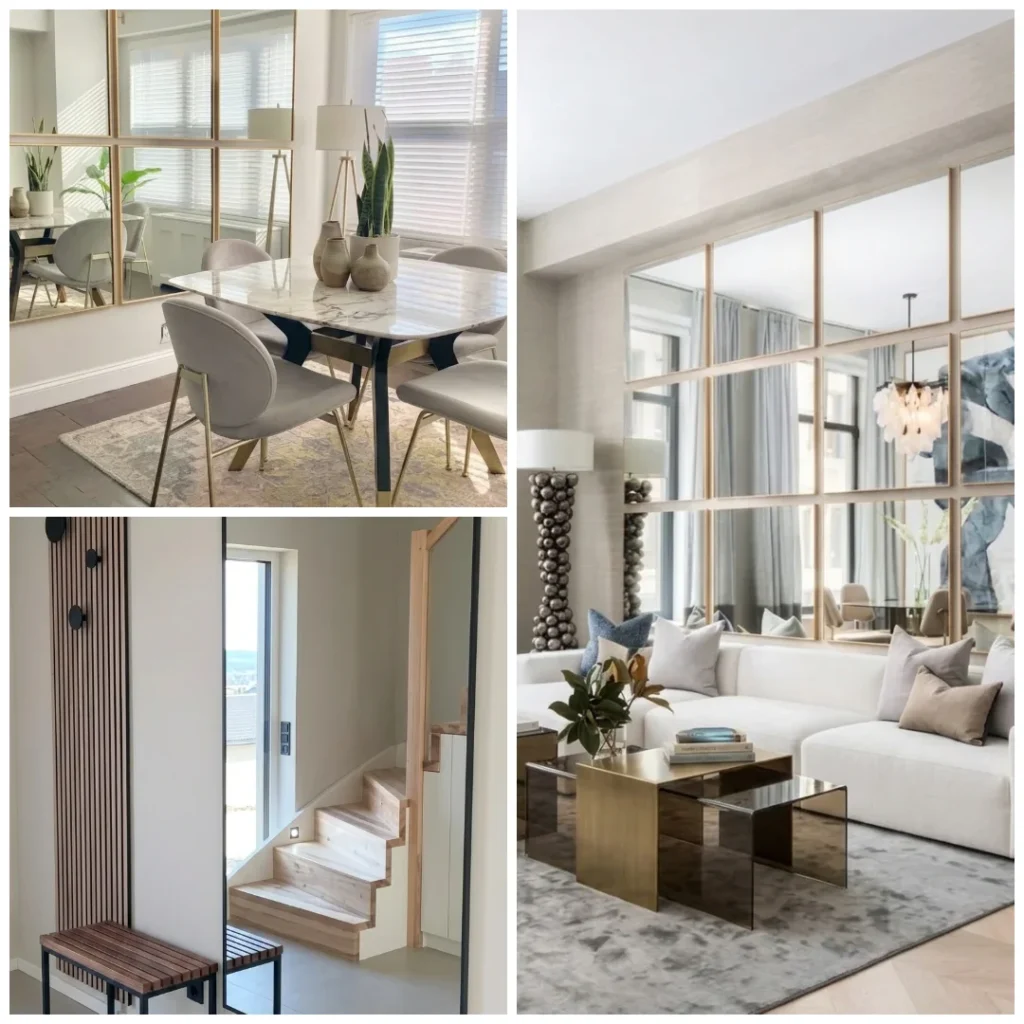
  • Use mirrors to expand perception
  • Define zones using rugs and lighting
  • Prioritize hidden storage
  • Keep circulation pathways clear
  • Add texture instead of clutter

Small decisions significantly improve both comfort and visual appeal.

The Future of Condominium Room Design

The Future of Condominium Room Design

As urban lifestyles evolve, Condominium Room Design will increasingly prioritize adaptability and personalization.

Future directions include:

  • AI-assisted smart homes
  • Sustainable materials
  • Modular interiors
  • Wellness-integrated planning
  • Community-focused residential ecosystems

The condominium of the future is designed around human experience rather than square footage alone.

Frequently Asked Questions (FAQ)

What is condominium room design?

Condominium Room Design refers to planning interior spaces within condos to maximize functionality, comfort, and aesthetics while adapting to the constraints of limited urban space.

How can small condos look luxurious?

Use layered lighting, neutral palettes, premium textures, and smart storage solutions commonly found in luxury condo interiors.

What is the best condo interior design style for 2026?

Minimalist, Japandi, and contemporary styles dominate modern condo interior design trends due to their efficiency and timeless appeal.

How do you make a condo feel bigger?

Maximize natural light, use mirrors, choose multifunctional furniture, and maintain clutter-free layouts.

How do you design a small condominium room efficiently?

Efficient condo interior design focuses on multifunctional furniture, vertical storage solutions, layered lighting, and open layouts that reduce visual clutter while maximizing usable space.

What makes luxury condo interiors different from regular condo designs?

Luxury condo interiors emphasize premium materials, thoughtful spatial planning, customized storage, and wellness-focused layouts that enhance comfort and lifestyle rather than simply adding decorative elements.

Is an open-plan layout suitable for condominium living?

Yes, open-plan layouts are ideal for Condominium Room Design because they improve natural light flow, create flexible living zones, and make compact spaces feel more spacious and connected.

How can lighting improve condominium room design?

Layered lighting combining ambient, task, and accent lighting enhances functionality and atmosphere, making condominium rooms feel larger, warmer, and more visually balanced.

Conclusion

The evolution of Condominium Room Design reflects modern urban lifestyles, dynamic, connected, and experience-driven. By embracing flexible layouts, wellness-focused planning, and refined luxury condo interiors, homeowners can transform condominium spaces into environments that feel elegant, efficient, and timeless.

As 2026 approaches, successful condo interior design will not be defined by size but by how intelligently every square foot is used. Developments like Citadel One3 demonstrate how thoughtful architecture and lifestyle amenities can elevate everyday living, proving that compact homes can still deliver comfort, luxury, and long-term value.

If you’re looking for a holiday apartment in Islamabad, visit Chakor Ventures.
what is a condominium
CategoriesCitadel One3 Architecture Construction Developments Urban Developments & Planning

What Is a Condominium? Excellent Buyer’s Guide 2026

When researching modern housing options, one question appears frequently: What is a condominium? Whether you are a first-time homebuyer, investor, or simply comparing housing types, understanding condominiums is essential in today’s evolving real estate market.

Across the world and increasingly in Pakistan, condominiums are becoming a popular alternative to traditional houses and rental apartments. They combine private ownership with shared amenities, offering affordability, convenience, and urban lifestyle benefits.

This complete guide explains everything you need to know about condominiums, including ownership structure, differences from apartments and houses, types of condos, costs, advantages, and how condominiums are shaping Pakistan’s urban housing future.

What Is a Condominium?

A condominium is a type of real estate ownership where individuals own a private residential unit while sharing ownership of common areas such as hallways, parking, elevators, and amenities with other residents through a collective association.

Unlike renting, condo owners hold legal title to their unit while jointly maintaining shared spaces.

Explaining the Concept | What is a Condominium

what is a condominium

To properly define condominium, it is important to understand that a condo refers to ownership structure, not building style.

A condominium can exist in:

  • High-rise buildings
  • Townhouses
  • Detached homes within communities
  • Mixed-use developments

What makes it a condominium is shared ownership of common elements.

Key Components of Condominium Ownership | What is a Condominium

  1. Individual Ownership
    Owners legally own the interior of their unit.
  2. Shared Common Areas
    Residents collectively own spaces like:
  • Lobbies
  • Parking areas
  • Elevators
  • Gyms and pools
  • Gardens and corridors
  1. Condominium Association (HOA)
    An association manages maintenance, finances, and community rules.

This structure allows residents to enjoy amenities without individually managing large property maintenance responsibilities.

What Is a Condo?

What Is a Condo What is a condominium

The term condo is simply the shortened version of condominium.

When someone asks “what is a condo?”, they usually mean:

“A privately owned housing unit located within a shared residential building or community.”

Physically, condos often look identical to apartments, but legally, they function very differently due to ownership rights.

Condo vs Apartment: Key Differences Explained

Condo vs Apartment What is a condominium

Many buyers confuse condos with apartments. In the following section, you will find the difference between condos and apartments.
Condo vs Apartment Comparison Table

Feature Condo Apartment
Ownership Individually owned Owned by landlord/company
Payment Purchase + HOA fees Monthly rent
Equity Builds property value No ownership equity
Maintenance Interior owner responsibility Landlord responsible
Amenities Shared via association Provided by the property owner
Customization Allowed (interior) Usually restricted
Investment Potential Yes No ownership benefit

What Is the Difference Between a Condominium and a House?

What is a condominium

A house provides full ownership of both the building and the land. A condominium owner, however, owns only their unit while sharing land and infrastructure.

Major Differences

  • Houses require full maintenance responsibility.
  • Condos distribute maintenance costs across residents.
  • Houses offer more privacy.
  • Condos provide convenience and shared amenities.

For urban residents, condos often represent a practical balance between affordability and ownership.

Types of Condominiums

Types of Condominiums

One major gap in many articles, and a key ranking opportunity, is explaining condo types.

1. High-Rise Condominiums

What is a condominium

Most common in cities.

Features:

  • Multi-story buildings
  • Elevators and security
  • Shared amenities like gyms and pools
  • Ideal for urban professionals

One common example of High-rise condominiums is Citadel One3 in Islamabad.

2. Townhouse Condominiums

What is a condominium

Rows of connected homes sharing walls.

Benefits:

  • More space than apartments
  • Community maintenance included
  • Family-friendly layouts

3. Detached Condominiums

What is a condominium

Standalone houses operating under condominium ownership rules.

Owners enjoy:

  • Private home feel
  • Shared infrastructure maintenance
  • Gated community benefits

4. Condominium Hotels (Condo Hotels)

What is a condominium

Units owned privately but managed like hotels, allowing rental income opportunities.

How Condominium Ownership Works? | What is a Condominium

Ownership operates through a legal framework dividing responsibility.

What You Own

  • Interior walls
  • Flooring and fixtures
  • Appliances
  • Living space

What You Share

  • Roof
  • Elevators
  • Parking
  • Building exterior
  • Security systems

Owners contribute monthly fees for maintenance through the condominium association.

Costs Associated With Condominiums | What is a Condominium

Buying a condo includes several financial components:

Purchase Price

Usually lower than detached houses in urban locations.

Condominium Fees

Monthly payments covering:

  • Cleaning
  • Security
  • Repairs
  • Shared utilities
  • Building management

Maintenance Responsibilities

Owners maintain interior spaces only.

Advantages of Owning a Condominium

What is a condominium
modern corner apartment complex with blue colored windows and light leaks

1. Lower Maintenance Lifestyle

Exterior upkeep is handled collectively.

2. Urban Accessibility

Condos are typically located near business districts and transport hubs.

3. Amenities Access

Pools, gyms, and security become affordable through shared costs.

4. Investment Potential

Urban condos often appreciate due to location demand.

Disadvantages of Condominiums

  • Monthly association fees
  • Limited exterior customization
  • Shared walls reduce privacy
  • Community rules must be followed

Understanding these trade-offs helps buyers make informed decisions.

Condominiums in Pakistan: A Growing Housing Trend

Most global guides ignore regional markets, but localized relevance strongly improves rankings.

Urban Housing Trends in Pakistan

Cities like:

  • Karachi,
  • Lahore,
  • and Islamabad

are experiencing rapid urbanization. Rising land prices and population density are shifting buyers toward vertical living solutions.

Condominiums offer:

  • Affordable ownership in city centers
  • Secure gated communities
  • Modern amenities are attractive to young professionals

Developers increasingly focus on mixed-use condominium projects combining residential, retail, and office spaces.

Citadel One3 | What is a Condominium

Citadel One3 is an upcoming condominium project designed to introduce modern and community-focused urban living in Pakistan. Planned around contemporary condominium principles, the development aims to combine private ownership with shared amenities and professionally managed common spaces.

Planned Features

The project is expected to offer:

  • Modern residential condominium units
  • Secure entry and controlled access
  • Dedicated parking facilities
  • Contemporary architectural design
  • Shared community amenities
  • Professionally maintained common areas

Location & Lifestyle Benefits

Citadel One3 is being developed to provide convenient access to key urban facilities, including commercial areas, educational institutions, healthcare services, and major transportation routes. The project is designed to support a comfortable lifestyle suited for professionals, families, and investors.

Legal Ownership | What is a Condominium

Although terminology varies, condominium-style ownership exists through apartment ownership laws and cooperative housing regulations.

What Buyers Should Verify

  • Project approval by local development authorities
  • Property registration documentation
  • Developer credibility
  • Maintenance governance structure

Provincial authorities such as CDA, LDA, and SBCA regulate developments depending on location.

Legal due diligence is essential before purchasing.

Typical Condominium Fees in Pakistani Cities

Fees vary depending on amenities and building quality.

Islamabad

Higher fees due to security and premium facilities.

Karachi

Wide range depending on neighborhood and services.

Lahore

Growing mid-range condo developments offering competitive maintenance costs.

Who Should Buy a Condominium?

Condos are ideal for:

  • First-time homebuyers
  • Young professionals
  • Overseas Pakistanis investing locally
  • Investors seeking rental income
  • Retirees wanting low-maintenance living

They may not suit buyers wanting large private land ownership.

How to Find Condominiums for Sale in Pakistan

You can explore available properties through:

  • Online property portals
  • Licensed real estate agencies
  • Developer project launches
  • Local market research

Always compare projects and verify legal approvals before committing.

Are Condominiums a Good Investment in 2026?

Global housing trends show increasing demand for compact urban living. Pakistan is following a similar path due to:

  • Rising urban migration
  • Increasing land costs
  • Changing lifestyle preferences

Well-located condominiums often provide:

  • Rental income opportunities
  • Capital appreciation
  • Lower maintenance burden compared to houses

Final Thoughts: What is a Condominium?

Understanding what is a condominium helps buyers evaluate one of the fastest-growing housing models worldwide.

A condominium blends ownership with community living, offering affordability, convenience, and modern amenities while reducing maintenance responsibilities.

As Pakistani cities continue expanding vertically, condominiums are likely to become a central part of urban housing solutions.

FAQs | What is a Condominium

The following are some of the FAQs relevant to condominium apartments:

What is a condominium in simple terms?

In simple terms, a condominium is a private property in a shared building or community. 
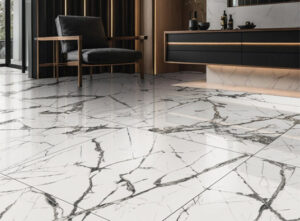
What is the concept of a condominium?

The concept of a condominium is based on the idea of shared ownership. Each owner controls their unit, but the ownership of common areas is shared with other residents. 

Why is it called a condo?

The term “condo” comes from condominium, which originates from Latin, meaning shared ownership. 

What is meant by condo apartment?

A condo apartment refers to an apartment-style unit within a condominium complex that is owned by an individual rather than rented. 

What are the characteristics of a condominium?

Some key characteristics of a condominium include:

  • Private ownership of residential units
  • Shared ownership of common areas such as pools, parking, and gardens
  • Monthly fees for maintenance and common area management

What is the difference between an apartment and a condo?

  • In an apartment, the entire building is typically owned by a single entity or landlord and rented out to tenants.

  • In a condo, the individual units are owned by different residents, and common areas are collectively owned and maintained by all the condo owners.

Are apartment and condo the same?

No, an apartment is a rental unit, owned by a landlord or company, while a condominium refers to privately owned units within a shared building or complex. 

Is it smarter to get a condo or apartment?

Choosing between a condo and an apartment depends on your personal situation:

  • Condos are suitable for long-term ownership, investment opportunities, and building equity.
  • Apartments are more suitable for short-term rentals and flexibility with fewer responsibilities.

Is a condo more luxurious than an apartment?

While luxury depends on the property, condominiums typically offer better amenities than rental apartments, such as pools, gyms, and 24-hour security. 

What is the difference between a condominium and a regular house?

A condominium is a type of property where you own a unit but share ownership of common areas such as hallways, parking, and amenities. In contrast, a regular house involves complete ownership of both the structure and the land. Condos typically have shared maintenance costs, while houses do not.

What is a condominium vs townhouse?

A condominium refers to ownership of a unit within a shared building or complex with shared responsibility for common areas. A townhouse, on the other hand, is a specific type of house that shares walls with other units but generally does not have shared amenities like a condo. 

What is the difference between a condo and a unit?

A unit is a generic term that refers to any individual living space within a building or complex. A condo is a specific type of unit where ownership is governed by condominium rules.

Is a condo the same as a unit?

Not exactly. While all condos are units, not all units are condos. 

What is a condominium house?

A condominium house is typically a standalone or semi-detached home that falls under condominium ownership rules. 

What is a condominium complex?

A condominium complex refers to a large development consisting of multiple individually owned units, with shared amenities like gardens, pools, and common areas. 

What is a condominium hotel?

A condominium hotel is a hybrid property where owners buy individual units that are operated like a hotel. 

What is a condominium act.

The condominium act is a set of legal rules that governs condominium ownership, management, rights, and responsibilities of owners in a particular jurisdiction. 

What is a condominium fees? 

Condominium fees are monthly charges paid by condo owners to cover the cost of maintaining common areas, services, and amenities such as security, cleaning, and upkeep of shared spaces like lobbies or gardens.

What are the typical monthly fees for a condo?

Monthly condo fees typically vary depending on the size, location, and amenities offered by the building. 

What are the typical maintenance fees for condominiums in Islamabad?

In Islamabad, maintenance fees for condominiums vary depending on the project’s location and amenities.

Pros and cons of buying a condominium unit. What is a condominium?

Pros of buying a condominium unit include access to amenities, reduced maintenance responsibilities, and lower costs compared to detached houses. 

What are the legal regulations for buying a condominium in Pakistan?

In Pakistan, legal regulations for buying a condominium include ensuring the project is registered with relevant authorities and verifying ownership rights. 

Which companies offer condominium listings in major Pakistani cities? What is a condominium?

Real estate agencies and property portals in Pakistan, such as Chakor Ventures offer condominiums in Islamabad like Citadel One3.

How to find available condominium properties for sale. What is a condominium?

You can find available condominium properties for sale by searching on reputable online property platforms, contacting local real estate agents, or checking with developers offering new condo projects.

What does 1 unit mean in housing?

In housing, 1 unit refers to an individual living space within a larger building or community, typically used as a measurement for apartments, condos, or houses in multi-unit developments.

If you want to look for a guide on holiday apartments in Islamabad, visit Chakor Ventures.

CategoriesNews Architecture Developments Tourism

Punjab-Backed WCLA Project to Transform Old Anarkali

LAHORE: The Punjab government has directed the Walled City of Lahore Authority to begin a large-scale heritage restoration project in Old Anarkali. The initiative reflects a renewed focus on protecting Lahore’s historic identity. Officials describe it as one of the most significant conservation efforts in the area in recent years.

The project is estimated to cost Rs 1.097 billion. Work is expected to continue through December 2027. The restoration covers the historic stretch between Jain Temple and Lohari Gate, an area known for its architectural and cultural value.

The plan includes street resurfacing and improved pedestrian pathways. Modern underground electrical wiring will replace overhead cables. Street lighting will also be upgraded to improve safety and visual appeal. Authorities will introduce uniform shop signage to create a more organized streetscape. Directional signs will be installed to help visitors navigate the area.

Landscaping is another key component. Both hard and soft landscape features will be added to enhance the environment without disturbing the historic character. Selected building facades will undergo careful conservation to retain their original appearance.

A key part of the initiative focuses on the restoration of 71 building façades in both Old and New Anarkali, including 29 structures located within Old Anarkali. Prominent sites such as the Old Anarkali Food Street, Nashaman Building, and Bakhshi Market are also included in the conservation plans, highlighting the project’s emphasis on preserving well-known commercial and cultural landmarks.

Officials say the goal is to balance heritage preservation with modern urban needs. The project also aims to support tourism and local businesses. By improving infrastructure and restoring visual harmony, the government hopes to revive the historic charm of Old Anarkali.

The initiative forms part of broader provincial efforts to conserve heritage zones across Lahore while promoting sustainable urban development.

For more news on real estate and development, visit Chakor Ventures.

CategoriesArchitecture Construction Developments

Best Shopping Mall in Islamabad: Why Citadel 7 Leads the Future

Islamabad, the capital city of Pakistan, is renowned not only for its stunning landscapes and modern architecture but also for its vibrant retail scene. The city is home to some of the best shopping mall in Islamabad, offering a perfect blend of luxury, convenience, and entertainment. In this blog, we take you through the top shopping destinations in the city, each providing an exceptional shopping experience that makes them stand out as the best shopping mall in Islamabad.

List of the Best Shopping Malls in Islamabad

blue area hub of best shopping malls in Islamabad

Islamabad is home to some of the most modern, diverse and best shopping malls in Pakistan, offering a variety of retail, dining, and entertainment experiences. Below is a list of the top shopping malls in the city:

Sr. No. Mall Name Location
1 Citadel 7 Mall Blue Area Islamabad
2 Centaurus Mall Jinnah Avenue
3 Giga Mall DHA Phase II
4 Blue World Trade Centre Blue Area
5 Safa Gold Mall F-7
6 Olympus Mall Islamabad Expressway
7 Mall of Islamabad Bahria Enclave
8 Al-Janat Mall F-8 Markaz
9 Amazon Outlet Mall Islamabad 

Citadel 7 Mall in Islamabad

Best shopping mall in Islamabad

Citadel 7 Mall occupies a prime location in Islamabad’s Blue Area, right across from The Centaurus, one of the city’s most iconic commercial landmarks. This positioning ensures excellent visibility and easy accessibility for both local shoppers and international visitors. 

Being part of the central commercial and cultural artery of Jinnah Avenue, the mall experiences high footfall, with professionals, families, and tourists passing by daily.

Easy Accessibility

Jinnah Avenue boasts some of the best shopping malls in islamabad

The mall’s accessibility is unparalleled, located at the intersection of Jinnah Avenue and Ibn-e-Sina Road. The location is close to major transportation hubs, making it easy for visitors to reach via public transit, taxis, and private vehicles. 

Furthermore, its proximity to key city landmarks, such as PIMS (Pakistan Institute of Medical Sciences), enhances its appeal as a destination for both shopping and leisure.

About Citadel 7 Mall 

Citadel 7 Mall Islamabad is more than just a shopping centre; it’s an experience. With four expansive retail floors and a dedicated food court, the mall is designed to cater to both businesses and shoppers. 

The space is thoughtfully optimised, with wide concourses and spacious corridors to handle heavy foot traffic, ensuring a seamless shopping experience at any time of the day. These features make it one of the best shopping malls in Islamabad.

Fine Dining & Exclusive Food Court

Fine Dining at citadel 7 best shopping mall in Islamabad

For those who enjoy combining shopping with indulgent dining, Citadel 7 offers an exquisite 5th-floor restaurant with a terrace offering panoramic views of Islamabad. 

A diverse range of dining options is also available in the mall’s large, dedicated food court, ensuring that shoppers can take a break from retail therapy and enjoy a variety of cuisines.

Mall Layout & Design Features

Citadel 7 features a five-level design: four retail floors and a food court on the fifth floor. Every inch of space has been carefully planned to maximise visibility and shopper engagement. 

Whether you’re looking for a ground-floor unit with high exposure or a more private second or third-floor location, Citadel 7 has a layout that suits your business needs.

Advanced Escalators System

modern escalators

Modern escalators ensure that customers can move between floors with ease, enhancing their shopping experience. With efficient circulation across all floors, Citadel 7 ensures shoppers can quickly and comfortably navigate from one store to the next, leading to higher customer retention and increased foot traffic.

World-Class Amenities | Citadel 7-Best Shopping Mall in Islamabad

  • Luxurious Dining Experience: The 5th-floor restaurant and terrace offer a fine-dining experience unlike anything else in the city. Whether indoors or out, diners are treated to breathtaking views.
  • Ample Parking: Citadel 7 Mall features over 1,200 parking spaces spread across four basement levels, with additional outdoor parking available. This makes it easy for visitors to access the mall, even during peak hours.
  • 24/7 Security & Modern Connectivity: With round-the-clock security and high-speed internet available throughout the mall, both shoppers and retailers can enjoy a safe and connected environment.
  • Energy-Efficient Design: Built with sustainability in mind, Citadel 7 Mall features energy-efficient systems that reduce operational costs and support long-term environmental goals.

Investment Highlights 

Feature Description
Prime Location Citadel 7 Mall is situated in Islamabad’s Blue Area, ensuring high demand for retail spaces and making it the best shopping mall in Islamabad.
High Rental Returns Due to its strategic positioning, the mall guarantees high rental yields and attracts steady foot traffic.
Long-Term Capital Appreciation As Islamabad expands, property values in the Blue Area are expected to rise, increasing long-term value.
Prestigious Address Located on Jinnah Avenue, directly opposite Centaurus, the mall enjoys high visibility and commercial activity.
Low Vacancy Risk High demand for premium retail spaces in Blue Area ensures consistent occupancy and low vacancy rates.

Citadel 7 Mall’s prime location ensures consistent demand for retail space; the mall’s accessibility and strategic positioning within Islamabad’s most prestigious commercial zone guarantee high rental returns. Retail units in the Blue Area consistently perform well, attracting a steady stream of customers.

Long-Term Capital Appreciation

As Islamabad continues to expand and develop, property values in the Blue Area are expected to grow. Citadel 7 Mall is situated in one of the city’s most coveted areas, ensuring long-term capital appreciation. The combination of high foot traffic, prime location, and quality design positions the mall as a reliable asset for investors.

Prestigious Location

Being on Jinnah Avenue, directly across from Centaurus and close to significant landmarks like PIMS and Citadel 7, it benefits from high visibility and constant foot traffic. The area is known for its commercial activity, which keeps retail units in the mall in high demand.

Low Vacancy Risk

Given the strong demand for retail space in the Blue Area and the mall’s strategic positioning, investors can rest assured that their units will see consistent occupancy. The demand for premium retail spaces in Islamabad’s most prestigious areas keeps vacancy rates low.

Flexible Payment Plan 

Investing in Citadel 7 Mall is made simple with a flexible payment plan designed to suit investors’ needs:

Sr. No. Payment Milestone Date Percentage
1 On Booking Immediately upon booking 40%
2 15th Payment 15th March 2026 12.5%
3 15th Payment 15th June 2026 12.5%
4 15th Payment 15th September 2026 12.5%
5 15th Payment 15th December 2026 12.5%
6 Final Payment (Possession) At the time of possession 10%

1. Centaurus Mall

Centaurus Mall one of the best shopping malls in Islamabad

One of Islamabad’s most iconic shopping destinations, Centaurus Mall offers a luxurious shopping experience with a mix of high-end international and local brands. Situated on Jinnah Avenue, it also features entertainment options, including a cinema, a food court, and a bowling alley, making it one of the best shopping malls in Islamabad.

2. Giga Mall

Giga Mall

Located in DHA Phase II, Giga Mall is one of the largest malls in Islamabad, boasting over 200 retail stores. The mall offers a wide range of shopping, dining, and entertainment options, including a play area for kids and ample parking space, making it an ideal shopping mall in Islamabad for family outings.

3. Safa Gold Mall

Safa Gold Mall

Known for its premium shopping experience, Safa Gold Mall offers a blend of luxury brands and high-end retail options. Located in F-7, this mall is perfect for shoppers seeking upscale merchandise and a refined atmosphere, making it a go-to destination for premium products and hence one of the best shopping malls in Islamabad.

4. Olympus Mall

Olympus Mall one of the best shopping malls in Islamabad

Olympus Mall is a contemporary shopping space offering a mix of fashion, electronics, and dining options. It’s known for its spacious design and vibrant interior, with stores catering to a wide variety of tastes, from fashion to lifestyle products, making it a versatile shopping destination.

6. Mall of Islamabad

Mall of Islamabad one of the best shopping malls in islamabad

Located in Bahria Enclave, Mall of Islamabad is a newly emerging retail space with a growing collection of retail stores, a spacious food court, and ample parking. All these features make it one of the best shopping mall in Islamabad.

7. Amazon Outlet Mall

amazon mall one of the best malls in islamabad

Amazon Outlet Mall is a unique retail destination featuring a mix of outlet stores, offices, and modern amenities. Located in the heart of Islamabad, it’s ideal for bargain hunters and shoppers looking for discounted products from well-known brands. The mall also adds diversity to Islamabad’s growing retail scene.

Why Citadel 7 Mall Is a Smart Investment?

  • Strategic Blue Area Location: The mall’s central location ensures high visibility and access for both shoppers and retailers.
  • Future-Proof Investment: With demand for high-quality retail space in Islamabad expected to rise, Citadel 7 Mall is designed to cater to evolving retail trends, making it the best shopping mall in Islamabad.
  • Long-Term Value: Positioned in an area that is rapidly becoming one of Islamabad’s top commercial zones, the value of retail units at Citadel 7 will appreciate steadily.
  • Low Vacancy Risk: The demand for space in the Blue Area ensures that your investment will remain lucrative with minimal risk of vacancy.

Conclusion | Best Shopping Mall in Islamabad

Citadel 7 Mall is more than just a retail centre; it’s an investment opportunity that combines luxury, prime location, and high rental yield potential. Positioned in the heart of Islamabad’s Blue Area, it offers an unmatched opportunity for investors looking for long-term capital appreciation and steady returns. 

This was all about Citadel 7 – the best shopping mall in Islamabad. For more details regarding similar topics, such as the benefits of an investment policy statement, visit Chakor Ventures.

FAQs | Citadel 7-Best Shopping Mall in Islamabad

Which is the best shopping mall in Islamabad?

The best shopping mall in Islamabad is one that offers a prime location, modern amenities, strong footfall, and a mix of retail, dining, and entertainment options.

Which Islamabad mall is a go-to place for everybody?

Malls located in central areas like the Blue Area are considered go-to places due to easy access, diverse brands, and dining choices.

Which market is best in Islamabad for shopping and leisure?

Blue Area is widely regarded as the best market in Islamabad for shopping, business, and entertainment.

Which Markaz is best to visit in Islamabad?

Popular Markaz areas such as F-7 and F-8 are best to visit due to their commercial activity and accessibility.

Which is the No. 1 shopping mall in Pakistan?

Large-scale malls in prime cities like Islamabad and Lahore are often ranked among the top shopping malls in Pakistan.

Which is the biggest shopping mall in Pakistan?

Some of the biggest shopping malls in Pakistan include large mixed-use developments offering retail, food courts, and entertainment under one roof.

Which is the largest Markaz in Islamabad for the best shopping mall in Islamabad?

Blue Area is considered the largest and most prominent commercial zone in the capital, offering some of the best shopping malls in Islamabad.

Which is the best area in Islamabad?

Blue Area is considered the best area in Islamabad due to its central location, business importance, and premium developments.

Is Blue Area home to the best shopping mall in Islamabad?

Yes, Blue Area hosts some of the best shopping mall in Islamabad options due to high visibility, accessibility, and strong commercial demand.

Why is the best shopping mall in Islamabad important for investors?

The best shopping mall in Islamabad offers high rental yields, low vacancy risk, and long-term capital appreciation due to consistent demand.

CategoriesArchitecture Tourism

Shalamar Garden: Complete Guide to Lahore’s Historic Landmark (2025)

Built during the golden age of the Mughal Empire, Shalamar Garden in Lahore stands as a timeless symbol of beauty, art, and royal elegance. Designed by Emperor Shah Jahan in 1641, this UNESCO World Heritage Site reflects the perfection of Mughal architecture. From intricate marble pavilions to 400 sparkling fountains and lush greenery, every corner of Shalamar Garden Lahore tells a story of grace and grandeur. In this blog, you’ll find everything you need to know, from its history and architecture to Shalamar Garden’s timing and travel tips.

Why Visit Shalamar Garden Lahore?

Shalamar garden poolside view

Shalamar Garden is one of the most remarkable landmarks in Lahore and a proud reminder of the Mughal Empire’s architectural brilliance. Built in the 17th century under Emperor Shah Jahan, it reflects the Mughal vision of paradise on earth: a perfect balance of design, nature, and water.

UNESCO World Heritage Site

Shalamar Garden was added to the UNESCO World Heritage list in 1981 as part of Lahore Fort and Shalamar Garden. It is protected for its cultural and historical importance. The garden’s water system, architecture, and layout represent the finest achievements of Mughal-era engineering and aesthetics.

Unique Value Among Mughal Gardens

  • Designed in the Charbagh style, a Persian-inspired four-part layout divided by water channels and walkways.
  • Built on three descending terraces, each serving a unique function: royal, residential, and public.
  • Home to 410 fountains, marble pavilions, and elegant cascades that create a soothing atmosphere.
  • Represents the height of Mughal garden art, combining geometry, beauty, and spiritual symbolism.

Location and Appeal


Shalamar Garden is located in Baghbanpura, Lahore, about five kilometers from the Walled City. Its serene setting, flowing water, and lush greenery make it a peaceful retreat for locals and tourists alike. 

The garden’s charm lies in its quiet elegance, a perfect place to experience Lahore’s royal past in a calm, natural environment.

Location Information 

Detail Information
Address Shalamar Garden is located in Baghbanpura, Lahore, about 5 kilometers from Delhi Gate on the Grand Trunk Road.
Size and Area 16 hectares (approximately 40 acres). 
Date of Construction Construction began in 1641 and was completed in 1642 under the rule of Emperor Shah Jahan.
UNESCO World Heritage Status Inscribed on the UNESCO World Heritage list in 1981 as part of “Lahore Fort and Shalamar Gardens.” 

Address

Shalamar Garden is located in Baghbanpura, Lahore, about five kilometers from Delhi Gate on the Grand Trunk Road. The site is easily accessible by car, taxi, or public transport from anywhere in the city.

Size and Area

The garden covers around 16 hectares, which is roughly 40 acres of land. It is one of the largest surviving Mughal gardens in Pakistan and is known for its wide layout, long water channels, and open green spaces.

Date of Construction

Work on Shalamar Garden began in 1641 during the reign of Emperor Shah Jahan. It was completed in 1642, taking just over a year to finish.

The emperor ordered its creation as a royal retreat and a reflection of paradise on earth.

UNESCO World Heritage Status

Shalamar garden front view

In 1981, Shalamar Garden was added to the UNESCO World Heritage list as part of “Lahore Fort and Shalamar Gardens.” This status highlights its cultural, architectural, and historical importance as one of the finest examples of Mughal garden design in the world.

History of Shalamar Garden

The Shalamar Garden has a rich history that reflects the vision and artistry of the Mughal Empire. It was designed as a royal retreat and a symbol of peace, beauty, and power. The story of its creation and preservation spans several centuries.

Inspiration and Early Concept (Early 1600s)

shalamar garden lahore aerial view

The idea for Shalamar Garden was inspired by the earlier Shalimar Gardens in Kashmir, which were built during the reign of Emperor Jahangir. The Mughal emperors were known for their love of gardens that combined water, greenery, and architecture to represent paradise on earth.

When Emperor Shah Jahan came to power, he wanted to create a similar masterpiece in Lahore, a city he considered the heart of Mughal culture.

Construction under Shah Jahan (1641–1642)

Shalimar Gardens

The construction of Shalamar Garden began in 1641 and was completed in 1642. It was built under the rule of Emperor Shah Jahan, the same emperor who commissioned the Taj Mahal.

The garden was designed with help from Ali Mardan Khan, a nobleman and engineer in the Mughal court who supervised its planning and water systems. The project also involved skilled architects, gardeners, and craftsmen from across the empire.

Together, they created a garden that blended Persian style with Mughal refinement, using advanced hydraulic systems and artistic design.

Use During the Mughal Era (1642–1707)

During the Mughal period, Shalamar Garden served as a royal leisure retreat and a venue for official receptions and celebrations. Members of the royal family often visited the garden to relax by the fountains and enjoy musical performances.

It was a private sanctuary that symbolized the grandeur and grace of the Mughal court.

Sikh and Colonial Periods (1799–1947)

Shalimar Gardens Lahore gazebo structure

After the decline of the Mughal Empire, the garden fell under Sikh rule in the early 19th century. During this time, parts of the garden were damaged, and some decorative elements were removed.

The once private royal retreat became a public space but lost much of its original splendor. When the British colonial government took control of Lahore, they recognized the garden’s historical importance and began basic restoration work.

Pathways and fountains were repaired, and some sections were rebuilt to preserve the original Mughal layout.

Modern Era and UNESCO Recognition (1947–Present)

In the 20th century, Shalamar Garden received greater protection as Pakistan’s government and international organizations focused on conserving Mughal heritage.

In 1981, it was declared a UNESCO World Heritage Site, ensuring ongoing preservation efforts. 

Today, it stands as a reminder of Lahore’s royal past and remains one of the city’s most visited historical attractions.

Architecture & Layout

gazebo structure in the shalimar bagh lahore

The Shalamar Garden is a masterpiece of Mughal design where nature, architecture, and symmetry come together beautifully. Every part of the garden was built with purpose and precision, creating a calm and balanced atmosphere.

Persian-Style Charbagh Design

Persian Charbagh style garden

The garden’s layout follows the Persian Charbagh style, which represents paradise through water, greenery, and geometry. It is built on three descending terraces, each with its own name and purpose.

  • Bagh-e-Farah Baksh means The Bestower of Pleasure. It was used by the royal family for private gatherings.
  • Bagh-e-Faiz Baksh means The Bestower of Goodness. It was meant for guests and court officials.
  • Bagh-e-Hayat Baksh means The Bestower of Life. It was open for the public and special events.

The terraces are connected through marble cascades and flowing water channels. The gradual slope allows water to move smoothly from one terrace to the next, creating a peaceful sound and a cooling effect in the air.

Dimensions and Structure

Shalamar Garden stretches about 658 meters from north to south and 258 meters from east to west. The rectangular shape and balanced proportions highlight Mughal love for order and harmony.

The entire garden is enclosed by high brick walls with arched entrances and decorated patterns that separate it from the busy surroundings.

Water Engineering and Fountains

water fountain


The water system of the garden is one of its most impressive features. There are more than 410 fountains arranged across the three terraces.

These fountains are powered by a natural pressure system that pushes water through stone channels into pools and marble basins

The sound of running water and the sight of fountains create a refreshing and relaxing atmosphere. The design shows the advanced understanding of engineering during the Mughal period.

Walls, Pavilions, and Plantings

shalamar garden marble structures

Tall red sandstone walls protect the garden from outside noise and heat. Inside, beautifully designed pavilions and baradaris add elegance to the open landscape. These structures have marble floors, carved pillars, and open spaces that let air and light flow freely.

Rows of cypress and poplar trees line the walkways, symbolizing strength and life. Flowering plants and fruit trees fill the garden with color and fragrance. 

Every element is arranged in perfect symmetry, making Shalamar Garden not just a garden but a living work of art.

Visitor Information

Detail Information
Date of Construction 1641–1642
Opening Hours 8:00 AM – 6:00 PM
Entry Fee Affordable; discounts for students and children
Means of Transport Car, taxi, public transport, ride-sharing apps
Nearby Attractions Lahore Fort, Badshahi Mosque, Walled City of Lahore

Visiting Shalamar Garden is a must for anyone exploring Lahore. The site is easy to reach, well-maintained, and open to visitors throughout the week. Here is everything you need to know before planning your visit.

Opening Hours

Shalamar Garden is open daily from 8:00 AM to 6:00 PM. It is best to confirm the timing before your visit, as hours may vary slightly on public holidays or during special events.

Entry Fee

The entry fee is generally affordable for both locals and tourists. Children, students, and senior citizens may receive discounted rates. It is recommended to check the latest ticket price at the entrance gate.

How to Reach?

The garden is located in Baghbanpura, Lahore, near the Grand Trunk Road. It is about five kilometers from the Walled City and can be reached easily by car, taxi, or public transport.

Visitors can also hire ride-sharing services from anywhere in Lahore. The route is straightforward, and signboards along the way guide visitors to the main entrance.

Best Time to Visit

shalamar garden arches and pathways

The best time to visit Shalamar Garden is in the morning or early afternoon. During these hours, the temperature is pleasant, and the fountains are active. The natural light highlights the marble structures and water reflections beautifully.

Late afternoon is also a good time for photography as the sun softens and the garden grows quieter.

Nearby Attractions

badshahi masjid

Shalamar Garden is part of the “Lahore Fort and Shalamar Gardens” UNESCO World Heritage group. It pairs perfectly with a visit to Lahore Fort, which is located a short drive away. Other nearby attractions include:

Why Shalamar Garden Stands Out?

  • Masterpiece of Mughal Design: Represents the height of Mughal garden architecture with perfect symmetry, proportion, and balance.
  • UNESCO Recognition: Listed under UNESCO World Heritage criteria (i), (ii), and (iii) for its outstanding cultural and artistic value.
  • Architectural Harmony: Combines architecture, water channels, fountains, and vegetation in a seamless, peaceful layout.
  • Engineering Excellence: Features an advanced hydraulic system that still functions, showing the skill of Mughal engineers.
  • Natural Beauty: Shaded trees, flowing water, and open terraces create a refreshing and serene environment.
  • Well Preserved: One of the best-preserved Mughal gardens in South Asia, maintaining its original layout and design for nearly four centuries.
  • Cultural Symbol: Stands as a timeless reminder of Lahore’s royal heritage and the artistic brilliance of the Mughal Empire.

FAQs About Shalamar Garden

Following are some of the top FAQs regarding Shalamar Garden, Lahore.

Who built Shalamar Garden at Lahore?
Emperor Shah Jahan built the Shalamar Garden in 1641–1642.

What is the history of Shalamar Garden?
It was built during the Mughal era as a royal retreat and symbolizes paradise on earth.

Who built the Lahore Fort and Shalamar Gardens?
The Lahore Fort was also expanded and beautified by Emperor Shah Jahan, though its foundation dates back to earlier Mughal rulers.

Where does the name Shalamar come from?
The name “Shalamar” is derived from Sanskrit, meaning “abode of love” or “place of joy.”

What is the entry fee for Shalamar Garden?
The entry fee is affordable for locals and tourists, with possible discounts for students and children.

What is special about Lahore Fort and Shalamar Garden?
It showcases perfect Mughal symmetry, with flowing fountains, marble terraces, and lush greenery.

What is Shalamar famous for?
Shalamar Garden is famous for its 410 fountains, three terraces, and UNESCO World Heritage status.

What do you see when you visit Shalamar Garden?
Visitors can explore water channels, marble pavilions, shaded trees, and historic Mughal architecture.

What does the word Shalamar mean?
It means “abode of love” or “place of beauty.”

How much is the ticket for Shalamar Bagh Lahore?
Tickets are inexpensive and vary slightly by visitor category.

What is the entry fee for Shalamar Bagh?
The ticket price is modest, making it accessible for everyone.

How much is the entrance to Shalamar Gardens Lahore?
Entry fees are affordable and can be confirmed at the gate or via local tourism offices.

What is the best time to visit Shalamar Bagh?
Morning or early afternoon is ideal to enjoy pleasant weather and active fountains.

What is the best time of year to visit Shalamar Park?
Spring and autumn are best, with mild temperatures and blooming gardens.

What is Shalimar Bagh famous for?
It is known for its Mughal design, marble terraces, fountains, and peaceful atmosphere.

For more information on popular tourist places, visit Chakor blogs.