CategoriesConstruction Developments

Cryptocurrency Trading vs. Investing vs. Real Estate Investing: Comparing Stability and Volatility in Pakistan

In the ever-evolving world of investments, traditional methods such as real estate are no longer the only options. With the rise of digital currencies, cryptocurrency trading vs investing has introduced exciting new investment opportunities in Pakistan. But with these emerging options comes a crucial question: which one should you choose?

The decision between cryptocurrency trading/investing and real estate investing depends largely on individual factors such as financial goals, risk tolerance, and market understanding. While real estate offers stability and tangible assets, cryptocurrencies are known for their volatility and high-growth potential.

However, both investment avenues come with their own set of challenges and rewards. In this article, we’ll break down the pros and cons of cryptocurrency trading, crypto investing, and real estate investing to help you make an informed decision.

Whether you’re drawn to the quick profits of crypto or the long-term growth of real estate, understanding these investment options will enable you to choose the one that best suits your unique needs and financial objectives.

Overview of Cryptocurrency Trading

cryptocurrency trading vs investing

Cryptocurrency trading involves buying and selling digital currencies to make short-term profits. Traders capitalise on cryptocurrency price fluctuations, buying low and selling high, sometimes within minutes or hours. 

This fast-paced nature of crypto trading requires constant market monitoring, with a focus on quick decision-making to maximise profits.

Traders often use advanced tools, such as charts and indicators, to predict price movements and determine the best entry and exit points.

Pros of Crypto Trading

  • High Volatility = High Profit Potential: The crypto market is known for its significant price fluctuations, which can offer traders substantial profit opportunities in a short period.
  • 24/7 Market Access: Unlike traditional markets that operate during fixed hours, cryptocurrency markets are open around the clock, allowing traders to act on opportunities at any time.
  • Global Accessibility: Crypto trading platforms are accessible from anywhere in the world, providing a global trading environment.
  • Potential for Quick Gains with Leverage: Some exchanges offer leverage, enabling traders to amplify potential gains (though this also increases the risk).

Cons of Cryptocurrency Trading

  • High Risk Due to Volatility: The same volatility that offers profit potential also presents significant risks, with sudden market crashes potentially leading to substantial losses.
  • Complexity of Understanding Technical Analysis: Successful trading requires knowledge of technical analysis, chart patterns, and market indicators, which can be complex for beginners.
  • Security Risks: Crypto traders face the risk of hacks and cybercrime, as digital wallets and exchanges can be vulnerable to breaches.
  • Emotional Strain from Market Swings: The market’s unpredictability can be emotionally taxing, with traders constantly experiencing anxiety, stress, and the fear of missing out (FOMO).

Cryptocurrency Investing

Cryptocurrency Investing

Cryptocurrency investing, on the other hand, is about buying and holding digital currencies for long-term growth. Investors in this category believe in the future potential of blockchain technology and specific cryptocurrencies, such as Bitcoin or Ethereum. 

Unlike traders who focus on short-term gains, investors aim to hold onto their assets for extended periods, hoping that their value will increase as the market matures and adoption rises.

Pros of Crypto Investing

  • Potential for Long-Term Growth: As blockchain technology becomes more widely adopted, investors expect cryptocurrencies to see increased demand and, consequently, higher prices.
  • Diversification for Portfolios: Cryptocurrencies offer a unique asset class that can diversify an investment portfolio, especially for those looking to hedge against traditional market risks.
  • Relative Ease of Entry: The barrier to entry in crypto investing is lower than in many other investments, with many cryptocurrencies being available for purchase in small amounts.

Cons of Crypto Investing

  • Highly Speculative and Uncertain Long-Term Stability: The crypto market is still in its early stages, and its future remains speculative, making long-term stability uncertain.
  • Regulatory Concerns: Governments and regulators worldwide are still grappling with how to classify and regulate cryptocurrencies, and future regulations could affect their value or legality.
  • Potential for Massive Losses if the Market Crashes: Although the potential for gains is high, the risks are equally severe. A major market crash could result in significant losses for long-term investors.
  • Lack of Tangible Assets to Back the Investment: Unlike real estate or stocks, cryptocurrencies lack tangible assets or physical backing, making them harder to value and more susceptible to market speculation.

Cryptocurrency Trading vs Investing | Overview of Real Estate Investing

cryptocurrency trading vs investing

Real estate investing involves purchasing, owning, or renting properties to generate returns, either through property value appreciation or rental income. In Pakistan, real estate has long been considered a relatively stable and lucrative investment option, driven by the country’s growing population and urbanisation. 

Unlike highly volatile cryptocurrencies, real estate offers tangible assets that can provide long-term value and steady income streams.

Cryptocurrency Trading vs Investing | Why Real Estate is Safer and More Stable Compared to Cryptocurrencies

Real estate is often seen as a safer investment because it is backed by physical assets that can appreciate over time. Unlike cryptocurrencies, which can experience wild price swings in short periods, real estate tends to have lower volatility and a more predictable growth trajectory. 

This makes it a preferred option for those seeking stability, particularly in regions like Pakistan, where economic conditions can fluctuate but property remains a key store of value.

Pros of Real Estate Investing

  • Tangible Assets: Properties are physical assets that can increase in value over time, offering a sense of security.
  • Steady Cash Flow: Rental properties provide consistent, passive income through monthly rents.
  • Tax Benefits: Investors may benefit from certain tax deductions and incentives in some areas.
  • Long-Term Stability: Real estate investments tend to exhibit lower volatility than cryptocurrencies.
  • Hedge Against Inflation: As inflation increases, property values and rents often rise, preserving wealth.

Cons of Real Estate Investing

  • High Upfront Cost: Real estate investments require significant capital, often with financing challenges.
  • Long-Term Horizon: Real estate typically requires years to see substantial returns.
  • Illiquidity: Selling property quickly is difficult and can take months or even years.
  • Management Hassles: Property owners may face headaches from managing tenants or maintaining properties.
  • Market Fluctuations: Local economic conditions, government regulations, and policy changes can impact property values in Pakistan.

Cryptocurrency Trading vs. Investing: How to Choose the Right Investment Option for You? 

Choosing the right investment option between cryptocurrency trading vs investing or real estate investing in Pakistan depends on several factors, including your financial goals, risk tolerance, and the level of involvement you’re willing to commit to. Here are some key considerations to help guide your decision:

Risk Tolerance

If you prefer a safer, more stable investment, real estate might be a better fit due to its relatively low volatility. On the other hand, cryptocurrency offers high potential returns but comes with significant risk.

If you are willing to accept fluctuations and the potential for loss, crypto might appeal to you, but if you’re risk-averse, real estate would be a better fit.

Investment Goals

Do you want short-term gains or long-term growth? Cryptocurrency trading can deliver quick profits through rapid price changes, making it ideal for those seeking short-term returns.

In contrast, real estate investing and crypto investing typically require a longer investment horizon, focusing on gradual appreciation and more stable returns over time.

Liquidity Needs

Cryptocurrency is highly liquid; you can quickly buy or sell assets in a 24/7 market. Real estate, however, is illiquid and may take months to sell, which means it’s a better choice if you’re willing to commit for a more extended period and don’t need immediate access to your funds.

Market Knowledge

Investing in crypto requires a good understanding of market trends, blockchain technology, and often technical analysis, especially for trading. In contrast, real estate investing involves knowledge of local property laws, market trends, and potential for future development. Consider which market you’re more knowledgeable about.

Capital Availability

Real estate investing typically requires a larger upfront investment, making it more suitable for those with higher available capital. Crypto investing, however, allows for entry with relatively lower capital, enabling people to start with smaller amounts and scale up over time.

Conclusion

The right choice ultimately depends on your personal circumstances. If you have a higher risk tolerance, a short-term outlook, and limited capital, cryptocurrency might be the better option. If you prefer stability and long-term growth and can commit more capital, real estate could be a more suitable choice. 

Before making a decision, it’s essential to thoroughly research each investment type and consult with financial experts to ensure it aligns with your financial goals and risk profile.

For more information on relevant topics such as Best Vertical Corporate Tower in Islamabad, visit Chakor Ventures.

FAQs | Cryptocurrency Trading vs Investing

Can you make $100 a day trading crypto?

Yes, it’s possible, but it requires experience and a well-thought-out trading strategy.

How much can you make off crypto in a day?

Earnings vary significantly depending on market fluctuations, strategy, and investment size.

Is it possible to make $200 a day day trading?

Yes, but it requires skill, experience, and a high tolerance for risk in volatile markets.

Which is better, trading or investing?

It depends on your risk tolerance, time commitment, and financial goals.

Is it better to be a trader or investor?

Traders can make quick profits, while investors typically look for long-term gains with lower risk.

What is the 90% rule in trading?

The 90% rule suggests that 90% of traders lose money, emphasising the importance of discipline and strategy.

Which one is best, investing or trading?

It depends on your goals, with investing being more passive and trading requiring active involvement.

Is $100 enough to start trading?

Yes, you can start with $100, but your returns may be small unless you take high risks.

Why do 99% of day traders fail?

Most fail due to a lack of strategy, emotional trading, and insufficient risk management.

Cryptocurrency trading vs investing.

Trading involves short-term buying and selling for profit, while investing is long-term with an emphasis on asset growth.

Which is better, trading or investing?

Trading can offer quicker returns but with higher risks, while investing is typically safer and aimed at long-term gains.

What is the 2% rule for property?

The 2% rule suggests that the monthly rent of a property should be at least 2% of its purchase price to be a good investment.

How do you calculate the 2% rule?

Multiply the property’s purchase price by 2%, then compare it to the expected monthly rent.

How realistic is the 2% rule?

It’s a useful guideline, but it may not apply to every property, especially in expensive areas or emerging markets.

What is the best investment in Pakistan right now, cryptocurrency trading vs investing?

Real estate and stocks are popular options, but it depends on market conditions.

What investment is 100% safe, cryptocurrency trading vs investing?

No investment is 100% safe, but government bonds and FDIC-insured accounts are among the safest.

Which top 5 stocks to buy today?

Stock recommendations vary, so it’s best to consult a financial advisor or conduct thorough research.

Which investment gives 50% return, cryptocurrency trading vs investing?

Investments with high returns, such as stocks or cryptocurrencies, carry high risk and may yield those returns only under favourable conditions.

Which city is best for real estate investment in Pakistan?

Major cities like Lahore, Karachi, and Islamabad are popular for real estate investments.

Which is the best place to invest money in Pakistan, cryptocurrency trading vs investing vs ?

Real estate, stocks, and mutual funds are the top investment options in Pakistan, based on current market trends. However, real estate investing in Pakistan tops all.

What is the best city to buy property in?

Cities like Lahore, Islamabad, and Karachi offer lucrative property investments.

Is real estate a good investment in Pakistan?

Yes, real estate in Pakistan has historically provided good returns, especially in major cities.

What is the future of real estate in Pakistan?

The real estate market is expected to continue growing, particularly in urban areas.

Is it worth investing in property in Pakistan?

Yes, given the potential for long-term appreciation and rental income.

Which investment gives the highest return in Pakistan, cryptocurrency trading vs investing?

Real estate and stocks are among the highest-return investments in Pakistan.

What is the biggest problem in real estate?

Issues like property fraud, legal complications, and fluctuating market conditions pose significant challenges.

Is real estate a good investment in Pakistan?

Yes, real estate in major cities offers significant long-term potential for both capital appreciation and rental income.

What is the 2% rule for property?

It suggests that the monthly rent should equal 2% of the property’s purchase price for a good investment.

Which city is best for real estate investment in Pakistan?

Lahore, Karachi, and Islamabad are among the best cities for real estate investment.

What is the best investment in Pakistan right now, cryptocurrency trading vs investing?

Real estate and stocks continue to be the most promising investment options in Pakistan.

Best real estate investment platforms in Pakistan.

Platforms like Chakor Ventures provide reliable real estate investment opportunities in Pakistan.

How to buy property through online real estate portals in Pakistan?

Visit trusted websites like Chakorventures.com and browse listings, and contact sellers or agents to proceed with the purchase.

Compare real estate investment funds available in Pakistan.

Various REITs (Real Estate Investment Trusts) and property funds offer investors access to diverse real estate portfolios.

How to verify property listings on Pakistani real estate websites?

Ensure listings come from verified developers or brokers, and consult legal experts to confirm the property’s authenticity.

Find commercial real estate projects open for investment in Pakistan.

Websites like Chakor Ventures list commercial projects open for investment.

Guide to property rental services for real estate investors in Pakistan.

Property rental services offer reliable tenants and property management services, ensuring steady rental income.

Where to find trusted real estate brokers in major Pakistani cities?

Trusted brokers can be found through reputable online platforms, real estate websites, and referrals from other investors.

CategoriesConstruction Developments News

Green Transit Boost: Maryam Nawaz Poised to Unveil Rawalpindi’s New Electric Bus Fleet

RAWALPINDI: The district administration will launch the first phase of Rawalpindi’s electric bus service next week, with Punjab Chief Minister Maryam Nawaz expected to inaugurate the project. The initiative forms part of the provincial government’s plan to introduce environmentally friendly public transport in the garrison city.

A total of 80 electric buses will operate on 10 routes covering 86 kilometres. In the first phase, 45 buses, delivered last month, will be deployed. The inauguration, initially scheduled for October 15, was postponed due to the Tehreek-i-Labbaik Pakistan protest in Islamabad.

Preparations for the launch are underway. A temporary charging station has been established at the old General Transport Service (GTS) bus stand on Adamjee Road, while two additional charging stations at the Peshawar Road bus stand are expected to be completed by December. These will support the induction of 35 more buses in the second phase. A third phase, involving 30 additional buses, will commence after construction at Kutchery Chowk is completed.

Officials said staff recruitment and driver training have been finalised. Buses are currently parked at the GTS bus stand and the Metro Bus Service Command and Control Centre on Haider Road. Due to ongoing construction at Kutchery Chowk, temporary route adjustments will remain in place.

Deputy Commissioner Dr Hassan Waqar Cheema said the service will link key locations, including the airport, railway station, metro stations, and major transport hubs, and will connect Rawalpindi with parts of Islamabad. A dedicated depot will also be built on 28 kanals of land along Peshawar Road to house the growing fleet.

Announced routes include Railway Station to Lahore High Court, Koral Chowk to Fawara Chowk, Umar Baig Chowk to Mandi Mor, Munawar Colony to Saddar, Marrir Chowk to Motorway Mor, and Faizabad to Tramri Chowk.

CategoriesConstruction Developments News Real Estate Urban Developments & Planning

Faisalabad accelerates road rehabilitation under “Sarakain Bahal – Safar Asaan” initiative

FAISALABAD – The city’s road infrastructure is being rapidly upgraded under the ongoing ‘Sarakain Bahal – Safar Asaan’ program, as repair and restoration work gains momentum along Sheikhupura Road up to Nishatabad Bridge.

Divisional Commissioner and Administrator Municipal Corporation Faisalabad, Raja Jahangir Anwar, said the government is utilizing all available resources to improve road conditions and provide residents with safer, smoother, and more convenient travel options. He emphasized that the initiative reflects the Punjab government’s commitment to enhancing urban mobility and public convenience across the province.

Alongside road repairs, anti-encroachment operations are underway throughout the city, including Faisalabad’s eight main bazaars, to reclaim public spaces and ensure unobstructed pedestrian and traffic movement. Authorities are also restoring traffic signals, illuminating streetlights, and completing asphalt work on link roads and inner streets to improve citywide connectivity.

Raja Jahangir Anwar noted that municipal services will continue uninterrupted during the development work and reaffirmed that the improvement drive will persist until Faisalabad’s infrastructure aligns with the standards envisioned by the Chief Minister of Punjab.

The “Sarakain Bahal – Safar Asaan” program is part of the Punjab government’s broader effort to modernize urban infrastructure, promote civic development, and facilitate efficient, safe travel for citizens across major cities.

CategoriesConstruction News

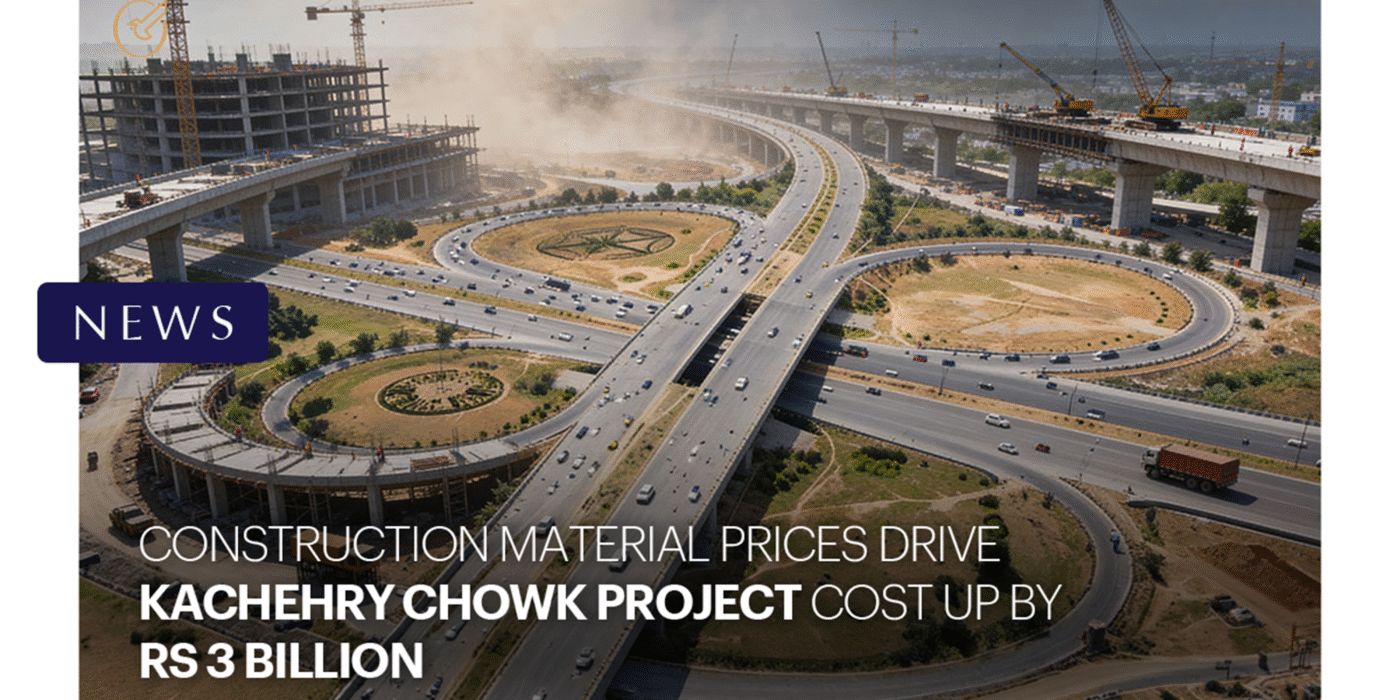
Work on Kachehri Chowk flyovers and underpasses to start in early November

RAWALPINDI: The long-awaited remodeling of Kachehri Chowk, one of Rawalpindi’s busiest intersections connecting the city, cantonment area, and GT Road, is scheduled to begin in early November. Work has already commenced on the University side, with the formal launch expected in the first week of the month.

According to officials, the project includes the construction of flyovers and underpasses stretching from Police Annex Chowk to University Chowk to ease severe congestion at the intersection, which sees more than 200,000 vehicles pass daily. Once construction begins, Kachehri Chowk will be fully closed to traffic.

The City Traffic Police has issued a detailed diversion plan to manage the expected disruption. Traffic from Rawat T-Chowk to the Old Airport will be rerouted via Bahria Town Phase-I and Gulraiz, while vehicles from Jhelum Road heading toward Peshawar Road, the Motorway, or Saddar will be diverted through Morgah Turn, Defence Road, and other designated routes.

Additional officers will be deployed in three shifts, with regular updates shared through public address systems and media platforms.

The project was initially proposed as Pakistan’s first double underpass scheme, but was terminated in 2023 due to high costs, land acquisition challenges, and security concerns. The estimated project cost now stands at Rs6.4 billion.

Meanwhile, the Communication and Works Department is overseeing several complementary infrastructure initiatives, including the Rs2.3 billion Nawaz Sharif Flyover at Khawaja Corporation Chowk and the Rs4.39 billion Mall Road underpass project. 

Once completed, these developments are expected to create a signal-free corridor from Kachehri Chowk to the motorway junction, significantly improving traffic flow across the city.

CategoriesArchitecture Construction

Stock Exchange Tower Islamabad: An Iconic Landmark of Pakistan’s Finance Sector

Standing tall in the bustling Blue Area, the Stock Exchange Tower Islamabad, is hard to miss. This iconic high-rise has witnessed Pakistan’s financial evolution firsthand, evolving from the headquarters of the Stock Exchange Tower Islamabad to a modern office hub for multinational corporations. Its impressive architecture, advanced facilities, and prime location make it a landmark for business and design enthusiasts alike. In this guide, we take you through the tower’s history, architectural features, financial significance, and everything you need to know about this centerpiece of Islamabad’s skyline.

Key Information

Here’s a comprehensive table of key information about the ISE Tower:

Attribute Details
Name ISE Tower (Stock Exchange Tower Islamabad )
Location 55, Jinnah Avenue, Blue Area, Islamabad, Pakistan
Height 22 stories (Second-tallest building in Islamabad)
Total Area 562,629 sq. ft. (52,269.9 m²)
Basements 3 levels, parking capacity of 300 cars
Construction Cost PKR 2.5 billion
Construction Period Completed in under 4 years; inaugurated in 2009
Architect NESPAK Pvt. Ltd.
Main Contractor Habib Rafiq Pvt. Ltd.
Building Type Office building; formerly stock exchange headquarters
Trading Hall None (Digital trading system implemented)
Key Features Bronze bull statue, largest electronic screen in Pakistan (15 ft × 10 ft), state-of-the-art HVAC system, 6 passenger lifts per floor, 1 cargo lift, 3 stairwells
Connectivity 5,000 telephone lines, optic fiber internet, no copper connections
Fire Safety Advanced firefighting system installed (cost ~PKR 300 million)
Notable Tenants Air China Pakistan, Etihad Airlines Pakistan, OMV Pakistan, NEC Worldwide (Pakistan), Air Blue Head Office, Turkish Airlines Pakistan
Current Function Office building, REIT asset managed by stock exchange tower Islamabad REIT Management Company Limited
Opening Date 31 July 2009

History of the ISE Tower 

stock exchange tower Islamabad

The stock exchange tower Islamabad was originally designed to serve as the headquarters of the Islamabad Stock Exchange (ISE), reflecting Pakistan’s growing financial ambitions. The Islamabad Stock Exchange itself was incorporated on 25 October 1989 as a guarantee-limited company to develop a modern trading infrastructure in the capital city.

  • Licensed as a stock exchange on 7 January 1992
  • Commenced trading operations in July 1992
  • Introduced computerized trading systems over time, starting with ISE-CTS in 1997, followed by ULTRA TRADE in 2002, and remote/internet trading in 2003
  • Joined Lahore Stock Exchange on 30 April 2007 to create a unified trading platform

Construction of the Stock Exchange Tower Islamabad

To accommodate the growing needs of the stock exchange, the ISE Tower was planned and executed as a state-of-the-art high-rise office building in Islamabad’s Blue Area.

  • Construction commenced in 2006 and was completed in April 2009
  • Inaugurated by then Prime Minister Yusuf Raza Gilani on 31 July 2009
  • Built at a cost of PKR 2.5 billion, independently funded by ISE management
  • Constructed in under four years, demonstrating efficient project execution

Transition and Repurposing

With the merger of the Islamabad Stock Exchange into the Pakistan Stock Exchange (PSX) in 2016, the building was repurposed from a stock exchange headquarters to a modern office tower:

  • Integrated with Karachi Stock Exchange and Lahore Stock Exchange under the Stock Exchanges (Corporatization, Demutualization, and Integration) Act 2012
  • Renamed ISE Towers REIT Management Company Limited, now functioning as a corporate office building and REIT asset
  • Hosts multiple multinational companies, airlines, and corporate offices, becoming a hub of Islamabad’s financial and business activities

Key Milestones | Stock Exchange Tower Islamabad

  • 1989: ISE incorporation
  • 1992: Trading commenced
  • 1997-2003: Transition to computerized and remote trading systems
  • 2006-2009: Construction of ISE Tower
  • 2009: Tower inauguration
  • 2016: Integration into the Pakistan Stock Exchange and transformation into a REIT-managed office building

How to Reach Stock Exchange Tower Islamabad

map of stock exchange tower islamabad

The stock exchange tower Islamabad is located in the heart of Islamabad’s business district, the Blue Area, making it highly accessible via multiple modes of transport.

Location of Stock Exchange Tower Islamabad

  • Address: 55, Jinnah Avenue, Blue Area, Islamabad, Pakistan
  • Situated near prominent landmarks like The Centaurus Mall, Ufone Tower, and Shaheed-e-Millat Metro Station

By Car or Taxi

  • Easily reachable from all parts of Islamabad via Jinnah Avenue, the Blue Area, and nearby arterial roads
  • Ample on-site parking available in three basement levels, accommodating up to 300 vehicles

Public Transport

  • Close to Metro Bus stations: Shaheed-e-Millat Station South and 7th Avenue Metro Station
  • Local buses and ride-hailing services such as Careem and Uber provide convenient access

Walking & Cycling

For locals working or staying in the Blue Area, the tower is within walking or short cycling distance from nearby commercial and residential zones.

Accessibility Tips

  • Arrive early in the morning to avoid traffic congestion, particularly during peak office hours
  • The tower is fully equipped with lifts, stairwells, and security protocols for smooth visitor access

Visiting the ISE Tower is straightforward, whether you’re coming for business, a tour, or to explore its architectural prominence in Islamabad’s skyline.

Architectural & Design Features of Stock Exchange Tower Islamabad

stock exchange tower Islamabad

The Stock Exchange Tower Islamabad was designed by NESPAK Pvt. Ltd. and constructed by Habib Rafiq Pvt. Ltd., showcasing a modern approach to high-rise architecture in Islamabad’s Blue Area.

The building features asymmetrical twin towers, which give it a unique skyline presence while maintaining a professional and corporate aesthetic.

The exterior combines blue-tinted glass with a robust grey structural framework, creating a sleek and contemporary look that contrasts yet complements the surrounding commercial district.

Special Features

The Stock Exchange Tower Islamabad is not just visually striking but also technologically advanced. Key highlights include:

  • Bronze bull statue, symbolizing financial growth and prosperity
  • Largest electronic screen in Pakistan, measuring 15 feet high by 10 feet wide
  • First building in Islamabad to feature an LCD screen mounted on its façade

Basements and Parking

The stock exchange tower Islamabad includes three basement levels, each spanning 50,000 sq. ft., primarily allocated for employee parking with a capacity of 300 cars. These levels also house critical plant rooms for the building’s HVAC and electrical systems.

Interior Amenities

Designed for efficiency and comfort, the interior of the Stock Exchange Tower Islamabad, includes:

  • Six passenger lifts per floor and one cargo lift
  • Three stairwells per tower for accessibility and safety
  • Centralized HVAC system ensuring optimal temperature control
  • High-speed internet infrastructure, supported by a 5,000-line PTCL hub connected via fiber optics for fast and reliable connectivity

Fire Safety | Stock Exchange Tower Islamabad

fire safety at stock exchange tower islamabad

Safety is a major focus of the building’s design. A state-of-the-art firefighting system was installed at a cost of approximately Rs 300 million, ensuring high standards of emergency preparedness for tenants and visitors.

Ground Floor for Banks

The ground floor of the Stock Exchange Tower Islamabad, is dedicated to banking facilities, providing easy access for tenants and visitors to essential financial services. This strategic allocation ensures convenience for daily operations and financial transactions within the building.

Corporate Tenants

Stock exchange tower Islamabad hosts a diverse range of corporate tenants from multiple industries, including aviation, energy, technology, and financial services. Notable offices include:

  • Air China Pakistan Office
  • British Airways Pakistan Office (11th floor)
  • Etihad Airways Pakistan Office
  • OMV Pakistan Office (17th floor)
  • NEC Worldwide Pakistan (ground floor)
  • Airblue (12th floor)
  • MOL Pakistan (17th–19th floors)
  • Emirates Pakistan Office
  • Turkish Airlines Pakistan Office

These multinational corporations and local enterprises contribute to stock exchange tower Islamabad’s status as a premier corporate hub in Islamabad’s Blue Area.

Office Features & Infrastructure | Stock Exchange Tower Islamabad

The stock exchange tower Islamabad is designed to provide modern office amenities that meet the needs of contemporary businesses:

  • State-of-the-art office spaces with flexible layouts
  • Fully-equipped meeting rooms and conference halls for corporate events
  • Dining and cafeteria facilities for employees and visitors
  • Reception and administrative support, ensuring smooth operations
  • Advanced security systems with 24/7 building access
  • Robust ICT infrastructure supporting high-speed internet, telecommunication lines, and digital connectivity

Work Environment and Convenience

Stock exchange tower Islamabad offers a professional and fully functional workspace, combining comfort, technology, and efficiency. With modern amenities, corporate tenants can conduct business seamlessly, while visitors and employees benefit from the convenience of integrated facilities.

Technological and Infrastructure Highlights

The stock exchange tower Islamabad integrates advanced infrastructure to support corporate and financial operations efficiently. Key features include:

  • Connectivity: Fiber-optic network with no copper connections; added cost of Rs 250 million to ensure high-speed, uninterrupted communication.
  • Communication & IT: Centralized hub of 5,000 telephone lines and integrated data systems for robust internal and external connectivity.
  • Safety & Security: State-of-the-art firefighting system, multiple emergency exits, and CCTV surveillance throughout the building.
  • Sustainability: Centralized HVAC system that efficiently manages energy use and ensures comfort for tenants and visitors.

These features make stock exchange tower Islamabad a model for modern, secure, and technologically advanced office buildings in Pakistan.

Significance

The stock exchange tower Islamabad is more than an office building; it is a symbol of Pakistan’s financial modernization:

  • Symbolism: Represents the country’s growing economic strength and aspirations for global financial integration.
  • Economic Hub: Hosts multinational offices, airlines, energy firms, and financial institutions, fostering business collaboration.
  • Strategic Location: Situated in Islamabad’s Blue Area, close to Metro stations and major business centers, ensuring easy accessibility.

Visitor Information

Visitors can access the tower for guided tours, gaining insights into office layouts, trading setups, and corporate operations.

Accessibility highlights:

  • Metro stations (Shaheed-e-Millat and 7th Avenue) are 2–4 minutes away on foot.
  • Gandhara International Airport is approximately 40 minutes by car.
  • Tours offer a unique perspective on Pakistan’s financial architecture and corporate environment.

Conclusion

The stock exchange tower Islamabad stands as a modern landmark, blending architectural elegance with Pakistan’s financial growth and development. Its advanced infrastructure, strategic location, and corporate significance make it a symbol of economic progress and innovation. For more information on the architectural marvels of Pakistan, visit Chakor blogs.

Pakistan Monument near shakarparian islamabad
CategoriesArchitecture Construction Tourism

Pakistan Monument: A Symbol of Unity and National Pride

Located in the heart of Islamabad, the Pakistan Monument stands as a proud symbol of the nation’s journey towards independence, unity, and national identity. This monumental structure not only commemorates Pakistan’s history but also showcases the country’s architectural brilliance and cultural diversity. Whether you’re a local resident, tourist, or history enthusiast, visiting this iconic landmark is a must.

In this guide, Chakor will explore its historical background, architectural design, visitor information, and cultural significance.

Key Facts About the Pakistan Monument Islamabad

Attribute Details
Name Pakistan Monument
Pakistan Monument Location Shakarparian Hills, Islamabad, Pakistan
Height 58 ft (about 17.7m)
Construction Period Begin 25 May 2004, complete 2006, open 23 March 2007.
Inauguration 23 March 2007
Architect Arif Masood
Design Style Fusion of Islamic, Mughal, and modern architecture
Materials Red sandstone, marble, granite
Symbolism Represents Pakistan’s four provinces and three territories
Nearby Attractions Lok Virsa Museum, Shakarparian Hills, Fatima Jinnah Park in Islamabad
Visitor Hours 8:00 AM to 10:00 PM

(Note: Timings may change. It’s better to confirm before visiting.)

Best For History lovers, families, students, photographers, and tourists

What Is the Pakistan Monument?

The Pakistan Monument is a famous national landmark located in Islamabad, built to symbolise the unity and strength of the Pakistani nation. The monument’s unique structure resembles a blooming flower, with petals representing Pakistan’s provinces and regions coming together as one.

It is one of the most photographed and visited places in Islamabad, not only because of its architectural beauty, but also because the site includes the Pakistan Monument Museum, which highlights the history and struggle behind Pakistan’s independence.

Pakistan Monument Location (Map + How to Reach)

The Pakistan Monument is located in the Shakarparian Hills of Islamabad, an easily accessible area near several major landmarks in the capital.

How to Reach the Pakistan Monument?

You can reach the monument by:

  • Car: Best option for families; parking is usually available nearby
  • Ride-hailing apps: Careem/InDrive/Uber (depending on availability) are convenient
  • Local transport: A mix of metro + taxi may work, but direct transport is easier for tourists

Approximate Travel Time (Islamabad)

  • From Blue Area: 15–20 minutes
  • From Faisal Mosque: 25–35 minutes
  • From Rawalpindi Saddar: 35–45 minutes

History of Pakistan Monument

aerial view of pakistan monument

History of Pakistan Monument

The idea of the Pakistan Monument was developed to create a national symbol that represents the country’s unity and heritage. It was designed and built in the early 2000s and quickly became one of Islamabad’s most iconic landmarks.

Timeline Highlights

  • 2002: Project initiated
  • 2004: Construction began
  • 2006: Monument completed
  • 23 March 2007: Officially inaugurated (Pakistan Day)

Since its opening, the monument has become a popular destination for tourists in Islamabad, educational trips, and national celebrations.

Architecture and Symbolism of Pakistan Monument

pakistan monument petals structure

The Monument is designed like a blooming flower, representing Pakistan’s growth and progress as a nation. Its petal-shaped structure symbolises how different communities and regions collectively form a united country.

What Do the Petals Represent?

The design includes seven petals, each representing a part of Pakistan’s identity:

  • Four large petals represent Pakistan’s four major cultural groups: Punjabi, Sindhi, Baloch, and Pakhtun
  • Three smaller petals represent minorities, Azad Kashmir, and Gilgit-Baltistan

Together, all seven petals converge on a central platform, showing unity and togetherness.

Pakistan monument

Crescent and Star Concept

Standing together, the petals visually protect the crescent and star, reflecting the national flag and linking the monument with Pakistan’s identity.

Murals and Interior Art

The inner walls feature artistic murals depicting Pakistan’s rich heritage and important landmarks, such as the Lahore Fort, Badshahi Mosque, Khyber Pass, and Minar-e-Pakistan.

Pakistan Monument Museum | What to See Inside

Pakistan Monument Museum exterior

Right next to the monument is the Pakistan Monument Museum, which is one of the most interesting cultural museums in Islamabad. It gives visitors a deeper understanding of Pakistan’s independence movement and national journey.

wax museums at Pakistan Monument Museum

Highlights Inside the Museum

  • Exhibits covering the Pakistan Movement
  • Visual storytelling through historic photographs, models, and artwork
  • A wax museum section showing key historical moments
  • Educational displays about Pakistan’s heritage and identity

Recommendation: If you’re already visiting the monument, the museum is absolutely worth adding; it transforms your visit from “just sightseeing” into a meaningful experience.

Things to Do at the Pakistan Monument

A visit to the Monument can be relaxing, educational, and highly photogenic. Here are some of the best things you can do while visiting:

  • Enjoy panoramic views of Islamabad from Shakarparian Hills
  • Take photos at sunset (golden hour looks stunning on the monument’s structure)
  • Visit at night to see the monument beautifully lit
  • Explore the museum for historical context
  • Spend time with family; the area is spacious and ideal for casual walking
  • Capture aesthetic shots from the stairs and the central platform

Average visit time: 1–2 hours (2–3 hours with museum + photography)

Pakistan Monument Timings & Ticket Price

Pakistan monument view at night

Before planning your visit, it’s best to confirm the timings, as they may vary depending on the season, maintenance, or national events.

General Visiting Timings

  • The monument area is generally accessible daily
  • Evening visits are popular due to the lighting and weather comfort

Pakistan Monument Museum Timings

Museum timings may differ from monument access hours, and it may sometimes have a weekly day off.

Ticket Price

  • Entry to the monument grounds is usually affordable
  • The museum may have a separate ticket

Tip: For the latest ticket pricing and updated timings, check the Google Maps listing or official updates before visiting.

Best Time to Visit

The best time to visit the Pakistan Monument depends on the weather and the type of experience you want.

Best Season

  • October to March is ideal due to pleasant weather
  • Summers in Islamabad can be hot, especially during midday

Best Time of Day

  • Sunset (Golden Hour): best for photography
  • Night Visits: perfect for lights + city vibes
  • Weekdays: less crowded than weekends

Cultural and Political Significance

The Monument is not only a famous landmark in Islamabad, but it is also a powerful national symbol. Built to represent unity, pride, and shared identity, the monument reflects how Pakistan’s diverse provinces, regions, and minority communities come together as one nation.

Because of its symbolism, the monument is often visited during national celebrations (especially Pakistan Day), educational tours, and cultural gatherings. Many visitors see it as a reminder of Pakistan’s history, independence struggle, and the collective journey of its people.

Beyond tourism, the monument holds value as a national space where people connect with Pakistan’s heritage, making it one of the most meaningful public landmarks in the capital.

FAQs

What is Pakistan’s monument called in Urdu?

Monument is called “یادگارِ پاکستان” in Urdu.

What is the monument of Pakistan?

The Monument is a national monument in Islamabad symbolising unity and pride.

Who made the Pakistan Monument?

The Monument was designed by Architect Arif Masoud.

Why was the monument built?

The Monument was built to represent the unity of Pakistan and honour national sacrifices.

What is the famous monument of Pakistan?

The Monument is one of Pakistan’s most famous monuments.

Where is the Pakistan Monument located?

It is located in Shakarparian Hills, Islamabad, Pakistan.

What is the meaning of the monument of Pakistan?

It represents unity, with petals symbolising Pakistan’s regions and communities.

How much is the ticket for Pakistan Monument?

The ticket price may vary, so check the latest official update before visiting.

Conclusion

The Monument Islamabad is more than just an iconic structure — it is a powerful symbol of unity, pride, and national identity. With its meaningful petal-shaped design, cultural murals, and the nearby Museum, the site offers a complete experience of Pakistan’s heritage and history.

Whether you’re visiting for photography, sightseeing, or learning about the country’s journey, the Monument is a must-visit landmark for anyone exploring Islamabad.

For more information on tourist attractions like Minar-e-Pakistan, visit Chakor blogs.

CategoriesConstruction

5 Types of Soil in Pakistan: Characteristics, Pros & Cons

Soil is the foundation of life, whether you’re cultivating a garden or managing farmland. But not all soils are created equal. Different types of soil have unique characteristics that influence everything from water retention and nutrient availability to drainage and stability. Whether it’s sandy, clay, loamy, or silty, understanding soil properties is essential in fields like agriculture, landscaping, and even construction. In this guide, we’ll dive into the key soil types, their distinct features, and how they impact the overall environment.

Types of Soil in Pakistan and Their Characteristics, Pros and Cons

Types of Soil Key Traits Advantages Disadvantages
Sandy soil Large particles, very good drainage, low water retention warms quickly; good for drought-resistant plants; easy tilling poor nutrients; dries fast; can erode easily
Silt soil Smooth, fine particles, retain moisture, good fertility fertile; holds moisture; good for many plants tends to compact; poor drainage if structure breaks; erosion risk
Clay soil Very fine particles, compact, high retention of water and nutrients nutrient rich; retains water; good for water-loving crops drains poorly; heavy; slow to warm; may crack when dry
Loamy soil Balanced mix of sand, silt, clay, + organic matter ideal fertility; moisture + nutrient retention + good drainage; best all-round Requires good soil management; may need amendment if dominated by one component
Chalky soil Limestone/calcium carbonate content; alkaline good for plants that prefer higher pH; often free draining many plants dislike alkaline; nutrient availability issues; may need acidifying amendments
Peaty / Organic soils High organic matter, retains moisture, often acidic very fertile; retains moisture; good structure; rich in nutrients may be too wet; decomposition causes subsidence; acidity may limit plant types

Types of Soil | Pros and Cons

Soil texture plays a crucial role in determining how well plants will grow. The main types of soil are sand, silt, and clay, and the proportions of these particles determine how the soil behaves in terms of moisture retention, nutrient availability, and drainage.

Sand: The Largest Particles

Sand is composed of the largest particles, which gives it a gritty texture. It has good aeration and allows water to flow through it easily. While it dries out quickly, it also warms up fast, making it ideal for plants that thrive in drier conditions. However, sand doesn’t retain nutrients or moisture very well, which requires additional care and amendments.

Sand one of the gritty types of soil

  • Aggregate Structure: Sand’s particles don’t bind together well, leaving plenty of air gaps. This allows water to flow freely but also leads to rapid evaporation and poor nutrient retention.
  • Compaction & Pore Spaces: Sand has large pore spaces that allow good airflow but can lead to rapid compaction when the soil structure is disturbed. Root growth can become restricted in overly compacted sand.
  • Soil pH: Sandy soil can have varying pH levels depending on the surrounding environment, but it is often more alkaline, especially in areas near coastal regions. Alkaline pH can make certain nutrients less available to plants.
  • Organic Matter: Adding organic matter can improve sandy soil’s fertility and water retention, helping it hold nutrients for longer periods.

Advantages:

  • Excellent drainage properties.
  • Warms up quickly, promoting early spring growth.
  • Easy to till and work with.

Disadvantages:

  • Poor nutrient retention, requiring frequent fertilization.
  • Dries out quickly, requiring frequent irrigation.
  • It can erode easily if not properly managed.

Silt: The Smooth & Fertile Type of Soil

Silt soil consists of fine particles that feel soft and powdery. It holds moisture better than sandy soil and has better fertility. It can be compacted easily, and when over-watered, it can become prone to erosion. However, it’s still an excellent choice for growing plants that require consistent moisture.

Silt one of the types of soil

  • Aggregate Structure: Silt particles are small and form fine aggregates that allow for good nutrient retention. However, the small particles can also form clumps that reduce water movement.
  • Compaction & Pore Spaces: Due to its fine texture, silt is prone to compaction, which can restrict root growth and water drainage. Small pore spaces reduce the amount of soil oxygen, affecting root health.
  • Soil pH: Silt soil tends to have a neutral to slightly acidic pH, making it one of the ideal types of soil in Pakistan for most plants. However, if the pH is too low, nutrient availability may be reduced.
  • Organic Matter: Silt benefits from organic matter that can improve its structure and prevent compaction. Adding compost helps improve its drainage while maintaining moisture retention.

Advantages:

  • Holds moisture well.
  • Fertile soil that supports a variety of plants.
  • Smooth texture, making it easy to work with.

Disadvantages:

  • Easily compacted, reducing aeration and root growth.
  • Prone to erosion, especially when not covered with vegetation.
  • Drains slowly, which can result in waterlogged conditions.

Clay: The Smallest Particles

Clay soil has the smallest particles of all three soil types, which makes it dense and sticky when wet. While it’s great at retaining water and nutrients, it suffers from poor drainage. Clay becomes hard and cracks when dry, which can inhibit root penetration and growth.

clay soil

  • Aggregate Structure: Clay particles are very fine and bind together tightly, which helps it retain nutrients but reduces airflow and drainage.
  • Compaction & Pore Spaces: Low pore space and high compaction can suffocate roots and prevent air from reaching the soil. Roots may struggle to penetrate deep, especially in dense clay.
  • Soil pH: Clay soil tends to be slightly alkaline, which may make some nutrients less available. However, if the pH becomes too high, essential nutrients like iron and phosphorus may become unavailable.
  • Organic Matter: Adding organic matter to clay soil helps break up compaction, improves aeration, and increases moisture retention. This is essential for plant growth in clay-heavy areas.

Advantages:

  • Nutrient-rich and capable of retaining a large amount of nutrients.
  • Excellent water retention for water-loving plants.
  • Stable structure that can withstand harsh weather conditions.

Disadvantages:

  • Poor drainage, which can cause waterlogging.
  • Tends to compact easily, suffocating plant roots.
  • Hardens when dry, making it difficult for roots to penetrate.

Loam: The Ideal Soil

Loam is a balanced mixture of sand, silt, and clay, making it one of the best soil types for plant growth. It combines the best characteristics of all three types: excellent drainage, moisture retention, and nutrient-holding capabilities. It is easy to work with and provides a supportive environment for a wide range of plants.

Loam soil

  • Aggregate Structure: Loam has an optimal aggregate structure, with enough pore space for water and air to circulate while still retaining moisture and nutrients.
  • Compaction & Pore Spaces: Loam has moderate pore spaces, providing a perfect balance of aeration and water retention. It does not compact easily and supports healthy root development.
  • Soil pH: Loam generally has a neutral pH, making it ideal for a wide range of plants. The pH is suitable for nutrient uptake and supports plant growth without needing much adjustment, which makes it one of the ideal types of soil.
  • Organic Matter: Loam contains a good amount of organic matter, which improves fertility and enhances soil structure. It’s easier to maintain and amend than other soil types.

Advantages:

  • Perfect balance of drainage and moisture retention.
  • Fertile and nutrient-rich, ideal for most plants.
  • Easy to work with and amend for specific plants.

Disadvantages:

  • Requires occasional maintenance to keep it well-drained in wet conditions.
  • In dry areas, it may need additional moisture-retention amendments.

Chalky Soil: Alkaline, Rock-Based Soil

Chalky soil is one of the coarse types of soil and is slightly alkaline due to its high lime content. It is typically coarser and can be a mix of clay and gravel. While it tends to drain well, its high pH can limit the types of plants that thrive in it. It is often more suitable for plants that prefer alkaline conditions.

Chalky soil

  • Aggregate Structure: Chalky soil particles are coarse, and the structure tends to be loose, allowing for good drainage and aeration. This makes it easier for roots to penetrate, but it can also dry out quickly in hot conditions.
  • Compaction & Pore Spaces: Chalky soils are typically non-compact, due to the presence of gravel and coarse particles. This results in larger pore spaces, which improves aeration but can also lead to the soil drying out faster. However, the loose structure also allows for better root growth compared to more compact soils like clay.
  • Soil pH: Chalky soil is naturally alkaline, which can affect plant growth. Most plants prefer slightly acidic to neutral soil for optimal nutrient uptake. If the soil’s pH is too high, it can lock up essential nutrients like iron and phosphorus, making them unavailable to plants.
  • Organic Matter: Adding organic matter like compost or mulch helps lower the pH slightly and improves soil fertility by providing nutrients that the soil may lack. Organic amendments also help retain moisture, preventing the soil from drying out too quickly.

Advantages:

  • Well-drained, preventing waterlogging.
  • Works well for alkaline-loving plants, such as certain herbs.
  • Easy to till and manage compared to clay.

Disadvantages:

  • The alkaline nature limits plant variety.
  • Nutrient availability issues for certain plants that prefer acidic soils.
  • Requires pH adjustments for non-alkaline-tolerant plants.

Peaty Soil: Rich in Organic Matter

Peaty soil is rich in organic material, often dark and spongy to the touch. It retains moisture very well but can become too wet in certain conditions. It’s ideal for plants that need high organic content and moisture retention, like blueberries or moisture-loving vegetables.

Peaty soil one of the ideal types of soil in Pakistan

  • Aggregate Structure: Peaty soil has a fine, loose texture with plenty of organic material that can form aggregates. This structure improves water retention but can also become waterlogged if not properly managed.
  • Compaction & Pore Spaces: The high organic content allows for good aeration in the soil, but it can become compacted over time, especially in wet conditions. The pore spaces in peaty soil are often filled with water, making it difficult for roots to access air and nutrients if the soil is too saturated.
  • Soil pH: Peaty soil tends to be acidic, which can limit the availability of nutrients like calcium, magnesium, and potassium. Acidic conditions are great for plants like blueberries, but they may not be ideal for other species. Amending with lime or alkaline materials can help balance the pH if needed.
  • Organic Matter: Peaty soil is naturally high in organic matter, which helps improve soil structure, water retention, and fertility. Adding more organic material, such as compost or well-rotted manure, can enhance the soil’s ability to support plant growth by improving drainage and increasing nutrient availability.

Advantages:

  • Highly fertile and rich in organic matter.
  • Excellent water retention—great for moisture-loving plants.
  • Supports healthy root growth with plenty of organic nutrients.

Disadvantages:

  • It can become waterlogged, leading to root rot.
  • Acidic pH, which may need adjustments depending on plant requirements.
  • Decomposes over time, causing soil subsidence.

Soil Texture Triangle & Combinations

Understanding how soil types combine is key to determining the best soil for your needs. The soil texture triangle helps to visualize how sand, silt, and clay mix to form different soil types. For example:

  • Sandy Loam: A balanced soil with good drainage but still retains enough moisture for most plants.
  • Silty Clay: A mixture of silt and clay that retains moisture but drains poorly.

Knowing the properties of these soil combinations allows you to make better decisions about soil amendments, irrigation, and plant selection.

Types of Soil in Pakistan

Pakistan’s diverse topography and climatic conditions have led to the formation of various soil types, each with unique characteristics and agricultural significance. Understanding these soil types is crucial for effective land use, agriculture, and construction.

1. Alluvial Soil

Alluvial Soil one of the types of soil in pakistan

  • Location: Predominantly found in the Indus Plain, encompassing regions like Punjab and parts of Sindh.
  • Composition: A mix of clay, silt, and sand.
  • Properties:
    • Light and easily tillable due to its porous nature.
    • Rich in nutrients, making it highly fertile.
    • Ideal for cultivating a variety of crops, including wheat, rice, and cotton.

2. Sandy Soil

Sandy one of the types of soil

  • Location: Common in arid and semi-arid regions such as Thar, Cholistan, and parts of Balochistan.
  • Composition: High sand content with minimal clay.
  • Properties:
    • Excellent drainage but low water and nutrient retention.
    • Generally acidic, requiring amendments for improved fertility.
    • Suitable for drought-resistant plants and certain desert vegetation.

3. Clayey Soil

The,Hand,Is,Holding,A,Lump,Of,Clay,Loam.,Soil

  • Location: Found in areas like Hyderabad, Sahiwal, Multan, and Badin.
  • Composition: High clay content.
  • Properties:
    • Heavy and sticky texture.
    • High water retention and nutrient content.
    • Prone to waterlogging; requires proper drainage systems.
    • Supports crops like rice, sugarcane, and various vegetables.

4. Silty Soil

Silty Soil one of the types of soil in pakistan

  • Location: Found in regions with fine sediment deposition.
  • Composition: A balance of sand, silt, and clay.
  • Properties:
    • Smooth texture with moderate water retention.
    • Moderate fertility; may require organic matter for enhanced productivity.
    • Suitable for a wide range of crops, including vegetables and fruits.

5. Calcareous Soil

Calcareous Soil one of the types of soil in pakistan

  • Location: Common in the western mountainous regions such as Sibbi, Kohat, and Quetta.
  • Composition: High in calcium carbonate.
  • Properties:
    • Alkaline pH, often above 7.
    • Low in iron and phosphorus availability.
    • Supports limited vegetation; requires soil amendments for agricultural use.

How to Identify Types of Soil in Pakistan?

Knowing the types of soil is crucial for making the right decisions for your garden or land. Different soils support different plant types and have unique needs for drainage, watering, and fertilization. 

Fortunately, you don’t need expensive equipment to identify your soil type. You can do simple field tests to understand your soil better and ensure it’s suitable for your intended plantation or construction projects.

  1. Feel Test:

Take a small amount of soil and rub it between your fingers.

  • Sandy Soil: Feels gritty and rough.
  • Clay Soil: Feels sticky and smooth.
  • Silty Soil: Feels smooth and powdery, like flour.
  • Loamy Soil: Feels soft, crumbly, and balanced between smooth and gritty.

1. Water Retention Test:

Fill a container with soil and add water.

  • Sandy Soil: Water drains through quickly.
  • Clay Soil: Water will sit on the surface for a long time.
  • Silty Soil: Water will absorb slowly but stay for a while.
  • Loamy Soil: Water will be absorbed at a moderate rate, with no pooling.2. Squeeze Test:

Take a handful of moistened soil and squeeze it in your hand.

  • Sandy Soil: Falls apart quickly with minimal shaping.
  • Clay Soil: Molds into a ball easily but feels sticky.
  • Silty Soil: Forms a loose ball but doesn’t stick as much as clay.
  • Loamy Soil: Forms a loose ball but crumbles when touched lightly.3. Drainage Test:

Dig a small hole in the soil and fill it with water.

  • Sandy Soil: Water drains within 1-2 hours.
  • Clay Soil: Water takes several hours or more to drain.
  • Silty Soil: Water drains in about 2-3 hours.
  • Loamy Soil: Water drains moderately within a few hours.

Observing Soil Color, Drainage, and Texture

  • Color: Darker soils tend to have more organic matter, making them fertile. Lighter soils, like sandy soils, are often low in organic matter.
  • Texture: Look for smoothness, grittiness, or stickiness in your soil to help identify its type.
  • Drainage: Well-draining soil is ideal for most plants, whereas slow-draining soil  may require amendments or drainage systems.

Lab Test to Understand Types of Soil 

While simple field tests can provide useful insights, lab testing can offer a more precise understanding of your soil’s composition. This is especially useful when you want to:

  • Test for pH: Determining whether your soil is acidic, neutral, or alkaline is critical, as it affects nutrient availability.
  • Check nutrient levels: A soil test can tell you if your soil has enough of the essential nutrients like nitrogen, phosphorus, and potassium.
  • Identify toxicities: Some soils may have excess metals or salts that could harm plants. A lab test can help you determine whether your soil needs treatment or amendment.
  • Call to action: Try improving soil health once this season; small changes yield big rewards.

FAQs

What Soil Type is Best for Vegetable Gardens?

For vegetable gardens, loamy soil is often considered the best choice. It strikes a perfect balance between drainage and moisture retention, while also providing enough nutrients for healthy plant growth. 

How Do I Know if Soil is Clay or Sandy Without a Lab?

  • Feel Test: Sandy soil feels gritty and rough, while clay soil feels smooth and sticky when wet.
  • Squeeze Test: Sandy soil falls apart easily when squeezed, while clay soil forms a ball and may even stay intact.
  • Water Drainage Test: Sandy soil drains water quickly, while clay soil holds water longer.

Can Soil Type Change Over Time?

Yes, soil type can change over time due to natural processes or human intervention. Factors like erosion, compaction, and the addition of organic material can alter the composition of your soil. 

How Often Should I Test Soil pH and Nutrients to understand types of soil?

Soil pH and nutrient levels should be tested at least once a year, preferably in early spring before planting. If you’re making changes to your garden or farming practices, testing more frequently (every 6 months) can help you track soil improvements. 

Conclusion

Understanding types of soil is the first step to successful gardening and farming. Whether you’re growing vegetables, flowers, or trees, knowing what your soil needs, be it better drainage, more nutrients, or a specific pH, can help you optimize growth and yield.

For more information on similar blogs, such as sustainable construction materials, visit Chakor blogs.

Cement Price in Pakistan
CategoriesConstruction

Cement Price in Pakistan (December 2025)

If you’ve ever been part of building a home or even a small renovation project, you already know one thing: cement is the backbone of construction in Pakistan. From laying strong foundations to finishing sleek interiors, cement plays a role in almost every step. However, as of August 2025, one of the most pressing questions in the construction industry is, “What is the cement price in Pakistan today?” Let’s break it down in a storytelling and conversational tone, so whether you’re a homeowner, investor, or simply curious about construction costs, you’ll walk away informed.

Cement Price in Pakistan Today

As of August 2025, the cement price in Pakistan today ranges between Rs. 1,250 and Rs. 1,450 per 50 kg bag, depending on the brand, type, and region. Prices may vary slightly in Karachi, Lahore, Islamabad, and other cities due to transportation and supply chain factors.

Kohat Cement

Here are the details of the brand-wise cement bag price in Pakistan:

  • DG Cement price in Pakistan today – Rs. 1,350–1,380 per 50 kg bag
  • Lucky Cement price in Pakistan today – Rs. 1,340–1,360 per 50 kg bag
  • Fauji Cement price per bag today in  Rs. 1,320–1,350
  • Cherat Cement price in Pakistan today – Rs. 1,330–1,360
  • Bestway Cement price in Pakistan – Rs. 1,340–1,370
  • Maple Leaf Cement price in Pakistan – Rs. 1,360–1,390
  • Kohat Cement price in Pakistan today – Rs. 1,330–1,360
  • Pak Cement price in Pakistan today – Rs. 1,320–1,350
  • Fecto Cement price in Pakistan – Rs. 1,310–1,340
  • Paidar Cement price in Pakistan today – Rs. 1,310–1,340
  • White Cement price in Pakistan – Rs. 1,700–1,900 per 40 kg bag
  • Cement block price in Pakistan – Rs. 70–100 per block (varies with size & quality)

What is Cement?

Cement is essentially a binding material. When mixed with sand, gravel, and water, it turns into concrete or mortar, the stuff that literally holds your home together. Over the years, manufacturers have developed various types of cement and their uses to match different construction needs.

Common Types of Cement in Pakistan

Ordinary Portland Cement (OPC) 

The most widely used cement in Pakistan and across the world, OPC is ideal for general construction such as houses, commercial buildings, and pavements. It offers reliable strength and durability at an affordable cost, making it the first choice for residential and commercial projects. Available in different grades, OPC sets at a standard rate and perform well in most climatic conditions.

Sulphate Resistant Cement (SRC)
Specially formulated to withstand harsh environments, SRC is best for foundations, basements, bridges, and structures in coastal or saline areas where water contains a high level of sulfates. By resisting chemical attack, it protects steel reinforcements from corrosion and extends the lifespan of structures built in aggressive soil or groundwater conditions.

Sulphate Resistant Cement

White Cement
Famous for its clean, bright appearance, white cement is mostly used for decorative finishes, terrazzo flooring, tiles, and architectural designs. It is also widely used for grouts, wall finishes, and artistic work where aesthetics matter as much as strength. Though slightly more expensive than OPC, its fine texture and beauty make it popular in interior and exterior designs.

Rapid Hardening Cement
This cement is designed to develop strength much faster than OPC. It is preferred in projects like road repairs, precast concrete works, and urgent construction tasks where quick setting and early strength are required. Using this cement reduces construction time significantly, making it cost-effective in fast-paced projects.

Low Heat Cement
It is used in massive construction projects like dams, bridges, retaining walls, and large foundations; low-heat cement minimizes the risk of cracks caused by the heat of hydration. Its slow strength gain makes it ideal for projects where temperature control and long-term durability are more important than early strength.

Slag Cement
Slag Cement produced by blending ground granulated blast furnace slag with OPC, slag cement is known for its excellent durability and resistance to chemicals. It is often used in large-scale projects such as highways, marine works, and high-rise buildings. Slag cement improves workability, reduces permeability, and enhances the long-term strength of structures.

Each type serves a unique purpose, and selecting the right one is crucial for durability and cost efficiency.

Types and Uses of Cement and Why It Matters

Selecting from the types and uses of cement isn’t just about cost; it’s about ensuring your structure stands strong for decades. For example, while OPC is great for general use, SRC is a must if you’re building in Karachi or Gwadar, where saltwater exposure is high. Similarly, white cement adds beauty but comes at a higher cost compared to regular cement. So, whenever you see price updates like the cement bag price in Pakistan today, remember that the right choice depends on your project’s needs, not just the rate.

Cement Prices and Construction Trends

The cement price in Pakistan is closely tied to market demand, raw material costs, and government policies. With Pakistan’s real estate and infrastructure projects gaining momentum, demand for cement remains robust. While prices in August 2025 have seen slight fluctuations, they remain stable compared to earlier in the year. Builders, contractors, and even investors keep a close eye on prices, such as the Lucky Cement price in Pakistan today or the DG Cement price in Pakistan today, since small variations can significantly impact overall project budgets.

From Cement Prices to Strong Investments with Chakor Ventures

Whether you’re checking the Fauji Cement price in Pakistan, comparing the Maple Leaf cement price, or tracking the cement block price, remember: cement isn’t just a material, it’s the foundation of your future. Stay updated with the cement price in Pakistan today to make smart construction and investment choices.  Chakor Ventures helps you turn strong foundations into lasting success. Partner with us today to build your future with confidence.
Cement Price in Pakistan
CategoriesConstruction

A Comprehensive Guide on Cement Price in Pakistan, Types & Uses

Cement is the backbone of modern construction, forming the basis of concrete, mortar, and other essential building materials. But not all cement is created equal. Different types of cement have unique characteristics, making them suitable for specific applications. Understanding these differences is crucial for engineers, builders, and homeowners alike. In this blog, we’ll explore common types of cement and cement price in Pakistan

What is Cement and Types of Cement

sac of cement in pakistan

Cement is a binding material made by grinding clinker with gypsum and other additives. When mixed with water, it undergoes a chemical reaction called hydration, forming a hard, solid mass that holds aggregates together in concrete and mortar. Cement plays a vital role in construction, providing strength, durability, and stability to buildings, roads, bridges, and other infrastructure.

Cement Price in Pakistan Today

Choosing the right cement is essential for any construction project. In Pakistan, a variety of cement types are available, each designed for specific applications. 

Common options include Ordinary Portland Cement (OPC) for general construction, Portland Pozzolana Cement (PPC) for long-lasting durability, white cement for decorative finishes, and rapid hardening or sulfate-resistant cement for specialized structures.

Keeping track of today’s cement price in Pakistan helps builders and homeowners budget accurately and make informed choices for their construction needs.

Brand Type Price Range (PKR) Notes
DG Cement Price in Pakistan Today OPC 1,345 – 1,450 Widely used for general construction.
Fauji Cement Price in Pakistan  OPC 1,375 – 1,475 Known for consistent quality.
Lucky Cement Price in Pakistan Today OPC 1,355 – 1,475 Offers both OPC and SRC variants.
Cherat Cement Price in Pakistan Today OPC 1,305 – 1,445 Competitive pricing in the market.
Bestway Cement Price in Pakistan OPC 1,325 – 1,465 Offers both OPC and SRC variants.
Kohat Cement Price in Pakistan Today OPC 1,335 – 1,465 Available in both grey and white cement.
Maple Leaf Cement Price in Pakistan OPC 1,375 – 1,485 Premium quality cement.
Fecto Cement Price in Pakistan  OPC 1,375 – 1,450 Reliable choice for various applications.
Paidar Cement Price in Pakistan Today OPC 1,380 – 1,450 Economical option for large projects.
White Cement Price in Pakistan 2,050 – 2,380 Higher cost due to special production requirements.

Common Types of Cement and Their Uses

In the following sections, you will find the various types of cement and their uses.

1. Ordinary Portland Cement (OPC)

OPC is the most widely used cement worldwide. It has a fine, powdery texture and provides high early and final compressive strength. OPC is available in different strength grades, typically 33, 43, and 53 MPa, allowing engineers to choose based on structural requirements. Its quick setting time makes it suitable for general construction, but it is less resistant to chemical attacks and aggressive environments.

Uses:

  • Residential and commercial buildings
  • Concrete for roads, pavements, and flooring
  • Mortar for brickwork and plastering
Advantages Disadvantages
High compressive strength and long-term durability Poor resistance to chemical corrosion such as sulphates and chlorides
Quick setting time for faster construction Not suitable for marine or acidic soil conditions
Widely available and cost-effective Requires proper curing for optimal strength development

2. Portland Pozzolana Cement (PPC)

PPC is blended with pozzolanic materials, such as fly ash, which enhances durability, chemical resistance, and long-term strength. Its slower setting time compared to OPC is advantageous in hot climates, as it reduces cracking due to rapid hydration. PPC is environmentally friendlier because the inclusion of industrial by-products like fly ash lowers carbon emissions.

Uses:

  • Hydraulic structures and dams
  • Coastal and marine constructions
  • Bridges, tunnels, and irrigation channels
Advantages Disadvantages
Excellent resistance to chemical and environmental attacks Slower initial strength gain compared to OPC
Provides long-term strength and durability Slightly more expensive
Generates lower heat of hydration, reducing thermal cracks Needs proper curing for best performance

3. Sulphate-Resistant Cement (SRC)

SRC is specifically formulated to resist sulphate attacks from soils or groundwater, which can deteriorate standard cement. It has low C3A content, which makes it suitable for areas with sulphate-rich soils or water.

Uses:

  • Foundations in sulphate-rich soils
  • Sewage treatment plants
  • Underground and marine structures
Advantages Disadvantages
Protects concrete from sulphate corrosion in soils and groundwater Slower setting time than standard cement
Ensures long-term durability in harsh environments Limited availability in some regions
Ideal for industrial and marine projects Slightly higher cost compared to OPC

4. White Cement

White Cement mixture one of the types of cement in pakistan

White cement is similar to OPC but manufactured from raw materials with low iron content, giving it a pure white color. It is primarily used for aesthetic and decorative applications, rather than heavy structural use.

Uses:

  • Decorative plastering and wall finishes
  • Flooring, terrazzo, and tiles
  • Architectural features and sculptures
Advantages Disadvantages
Superior aesthetic appeal for architectural designs More expensive than grey OPC and PPC
Can be mixed with pigments for decorative finishes Not suitable for structural purposes
Enhances visual appeal in floors, tiles, and walls Often less accessible in remote areas

5. Rapid Hardening Cement

Rapid hardening cement gains strength faster than OPC, allowing early removal of formwork. It contains finer clinker particles and higher C3S content, which accelerates the initial strength gain.

Uses:

  • Urgent repair and renovation works
  • Precast concrete products
  • Road repairs and fast-track construction
Advantages Disadvantages
Gains strength quickly, allowing early formwork removal Higher cost than ordinary cement
Reduces construction time for urgent projects Requires careful handling and curing
Suitable for repairs and precast concrete Not ideal for mass concreting

6. Low Heat Cement

Low heat cement is designed to minimize heat generation during hydration, making it ideal for massive concrete structures like dams. It has lower C3A content, which reduces the risk of thermal cracking.

Uses:

  • Large foundations and massive concrete structures
  • Dams and reservoirs
  • Nuclear and industrial constructions
Advantages Disadvantages
Produces less heat during hydration, reducing thermal cracking Gains strength more slowly
Durable and stable for large concrete structures Not widely available
Suitable for dams, foundations, and reservoirs Unsuitable for projects needing rapid strength gain
  1. High Alumina Cement

High alumina cement is known for rapid strength gain and resistance to high temperatures. It contains high percentages of alumina (Al2O3) and is often used in refractory applications.

Uses:

  • Refractory concretes for furnaces and kilns
  • Industrial constructions exposed to high temperatures
  • Chemical-resistant structures
Advantages Disadvantages
Rapid early strength and high temperature resistance Expensive compared to conventional cement
Resistant to chemical and thermal damage Not ideal for regular structural projects
Suitable for refractory and industrial applications Requires precise mix design for long-term stability

8. Specialty Cements (Optional/Industrial)

cement price in pakistan

Examples:

  • Expansive Cement: Controls cracking by slight expansion; used in shrinkage-sensitive structures.
  • Oil-Well Cement: Designed for high-pressure well applications.
  • Super Sulfate Cement: Highly resistant to chemical attacks in aggressive environments.

Uses: Specialized industrial, marine, and chemical constructions.

Advantages Disadvantages
Highly effective for specialized or industrial applications Not widely produced or available
Strong resistance to chemical, marine, or pressure conditions Costly for general construction use
Designed for unique engineering requirements Limited to specific projects only

8. Other Specialty Cements

In addition to the commonly used types of cement, there are several specialty cements designed for specific industrial, structural, or environmental requirements.

These cements address unique challenges such as controlled expansion, extreme chemical resistance, or high-pressure applications.

Expansive Cement

Expansive cement is formulated to expand slightly during hydration, which helps to counteract shrinkage cracking in concrete. This property is particularly useful in large concrete structures where cracks can compromise durability and aesthetics.

Uses:

  • Mass concrete foundations
  • Dam construction
  • Large floor slabs and pavements
Advantages Disadvantages
Minimizes shrinkage cracks in large concrete structures More expensive than ordinary Portland cement
Enhances durability and reduces long-term maintenance Requires precise proportioning to prevent over-expansion
Ideal for massive structures such as dams and foundations Limited availability in some regions

Oil-Well Cement

Oil-well cement is specially designed for high-pressure and high-temperature environments, making it suitable for drilling and petroleum industry applications. It is resistant to downhole chemical attacks and can maintain integrity under extreme conditions.

Uses:

  • Oil and gas well cementing
  • Deep-well drilling projects
  • Geothermal wells
Advantages Disadvantages
Maintains strength and stability under high pressure and temperature Highly specialized and costly
Resistant to chemical attacks in deep-well environments Not suitable for general construction projects
Ensures long-term structural integrity in oil and gas wells Limited to petroleum and geothermal applications

Super Sulfate Cement

Super sulfate cement is engineered for maximum resistance to aggressive chemicals, such as sulphates, chlorides, and acidic environments. It is ideal for structures exposed to highly reactive conditions that could otherwise deteriorate standard cement.

Uses:

  • Coastal and marine constructions
  • Industrial floors and chemical plants
  • Sewerage systems
Advantages Disadvantages
Excellent resistance to sulphates, chlorides, and acidic environments More expensive than OPC or PPC
Provides long-lasting durability in harsh conditions Limited market availability
Reduces maintenance in industrial and marine structures Requires accurate mix design for best performance

How to Choose the Right Type of Cement?

Selecting the appropriate cement is crucial for structural integrity, durability, and cost efficiency. Several factors must be considered to ensure the cement performs well in its intended application.

Type of Construction

  • Residential: OPC or PPC for standard structures and masonry.
  • Industrial: SRC, super sulfate cement, or high alumina cement for chemical resistance or high-load applications.
  • Infrastructure: Low-heat cement for massive pours, such as dams; rapid-hardening cement for urgent repair work.

Environmental Conditions

  • Marine or coastal areas: PPC or SRC to resist sulfate and chloride attacks.
  • Acidic soils: Sulfate-resistant cement or blended cements.
  • Hot climates: PPC for slower setting and reduced cracking.

Desired Strength and Durability

  • Early strength requirement: Rapid hardening or high alumina cement.
  • Long-term durability: PPC or super sulfate cement for chemical resistance.

Aesthetic Requirements

  • White or decorative finishes: White cement or colored cement blends.
  • Textured or exposed surfaces: Consider cements that allow smooth finishes or can be polished.

For more information on similar topics, such as types of soil in Pakistan, visit Chakor blogs.

FAQs

1. What are the different types and uses of cement?

Cement comes in various types like OPC, PPC, white cement, and specialty cements. Each type is designed for specific construction needs such as general building, decorative work, hydraulic structures, or industrial applications.

2. What are the types of cement in Pakistan?

In Pakistan, common cement types include OPC, PPC, white cement, rapid hardening cement, low heat cement, and high alumina cement. Major brands supplying these include DG Cement, Lucky, Fauji, Cherat, Bestway, Kohat, Maple Leaf, Fecto, Paidar, and Pakcem.

3. How much is a 50 kg cement bag in Pakistan?

The price of a 50 kg cement bag in Pakistan generally ranges from PKR 1,305 to PKR 1,485 for OPC and PPC, while white cement is higher, usually between PKR 2,050 and PKR 2,380. Prices vary by brand and region.

4. What is the cement block price in Pakistan?

Cement block prices depend on block size, cement quality, and mix ratio. Standard blocks usually cost between PKR 50 and PKR 120 each, with reinforced or specialty blocks priced higher.

5. What is Fauji Cement price per bag today in Pakistan?

Fauji Cement OPC bags currently range from PKR 1,375 to PKR 1,475 per 50 kg bag, depending on the city and supplier. PPC variants may be slightly higher but offer better durability.

6. How do I find today’s cement price in Pakistan?

You can check today’s cement price through local suppliers, brand websites, or online portals for DG Cement, Lucky Cement, Fauji Cement, and other manufacturers, ensuring you get updated and competitive rates.

Evolution of Pakistan Real estate
CategoriesConstruction Developments Independence

From Partition to Progress: Evolution of Real Estate in Pakistan

The story of Pakistan’s real estate market is deeply intertwined with the country’s history. From the earliest days after Partition to the present moment, real estate has mirrored the nation’s struggles, ambitions, and transformations. This blog traces the evolution of Pakistan real estate, highlighting key milestones, market shifts, and emerging trends, while offering insights into the current situation of real estate in Pakistan and its future potential. It’s also part of our Independence Day blog series, showing how real estate development has become a cornerstone of national progress.

1947–1970: The Foundational Phase

After Partition, Pakistan faced the monumental task of building cities to accommodate millions of migrants. Urban land was scarce, and planning policies were rudimentary. Karachi, the initial capital, experienced unplanned urban sprawl. Cities like Lahore and Peshawar struggled to cope with the sudden population boom.

Real estate Trends in Pakistan

In response, early housing schemes like Nazimabad and PECHS in Karachi and Model Town in Lahore were launched to create affordable housing. The government initiated the first regulatory frameworks, such as the 1959 Land Acquisition Act, to manage development and distribution of land.

Key Characteristics:

  • Government-led land schemes
  • Absence of private developers
  • Emphasis on housing migrants
  • No vertical development

This era laid the groundwork for what would become a multi-billion-rupee industry.

1971–1990: Regulation and Expansion

The 1970s brought more regulation and a renewed focus on urban development. The Housing and Physical Planning Department (HPPD) was formed to address the growing demand for structured housing and town planning.

The Defence Housing Authority (DHA), though initially formed in the 1970s for military personnel, gradually gained traction with civilians as well. Large-scale private developers were still not dominant, but there was growing interest in real estate as an investment vehicle.

Notable Shifts:

  • Development of Gulshan-e-Iqbal and Gulistan-e-Jauhar in Karachi
  • Rise of cooperative housing societies in Lahore and Islamabad
  • Increased construction of plazas and commercial markets

This era introduced the idea of real estate as a savings tool for the middle class, setting the foundation for speculative growth in the following decades.

1991–2010: The Boom Years

The real estate sector entered a phase of rapid growth. Economic liberalization, overseas remittances, and the increasing demand for housing drove prices up. Large developers began to emerge, leading to more planned urban expansion.

Real estate trends in Pakistan

DHA expanded rapidly. Bahria Town entered the scene in the late 1990s and quickly became a game-changer by offering gated communities with modern infrastructure.

Key Trends:

  • Gated housing societies became standard
  • Real estate was seen as a top investment
  • Speculation became common
  • Overseas Pakistanis drove up demand

This was a turning point in the evolution of Pakistan real estate, as the sector became more organized and investor-focused. Private developers started delivering mega housing projects, redefining urban living.

2011–2021: Digital Transformation and Demand Surge

This decade saw the advent of real estate portals like Zameen.com and Graana, transforming how people searched, bought, and sold properties. Information became more accessible, and market transparency improved.

Pakistan also saw record-breaking foreign remittances and local investment in real estate during this time. Housing demand increased due to the country’s rapidly growing population.

Key initiatives included:

  • Naya Pakistan Housing Scheme: Aimed to build 5 million affordable homes
  • RERA (Real Estate Regulatory Authority) proposals: Intended to bring transparency

Technology began playing a key role:

  • Virtual tours
  • 3D visualization
  • Digital land records in Punjab and KPK

This digital shift brought the real estate industry closer to global standards.

2022–2024: Uncertainty and Slowdown

April 2022 marked a significant political shift with the removal of the PTI-led government. Their tax amnesty schemes had previously fueled massive growth in the sector.

The new administration introduced stricter tax measures and removed amnesties, leading to a cooling of the market. Simultaneously, macroeconomic instability—including high inflation and currency depreciation—shrunk purchasing power.

Key Impacts:

  • Real estate transactions declined
  • Developers like DHA reported slower activity
  • Speculative investments reduced

These changes sparked concern about the current situation of real estate in Pakistan, but also laid the groundwork for a more transparent, structured future.

2024–2025: Early Signs of Recovery

Amid uncertainty, a critical development occurred: the State Bank of Pakistan slashed interest rates from 22% to 13% in just a few months. This triggered optimism in the market.

Why This Matters:

  • Bank deposits became less attractive
  • Investors began seeking alternative avenues—like real estate
  • Developers started launching projects again

Industry analysts project interest rates could fall to single digits by March 2025—creating favorable conditions for mortgage and construction financing.

High-Rise and Mixed-Use Projects Gain Momentum

A major transformation in the real estate trends in Pakistan has been the shift from horizontal to vertical growth. With land scarcity and increasing urbanization, cities are moving upward.

Commercial Real Estate Trends:

  • CBD Lahore: A dedicated commercial zone attracting multinational businesses
  • IT Parks in Islamabad: Government-supported innovation hubs
  • High-rise apartments: Emerging in Lahore, Islamabad, and Karachi

Mixed-use developments that combine residential, commercial, and recreational spaces are gaining popularity. These trends are reshaping how Pakistanis live and work.

Citadel 7: A New Era of Innovation

In the heart of Islamabad’s Blue Area, Citadel 7 corporate tower Islamabad stands tall—both literally and symbolically. It reflects the next generation of Pakistan’s real estate vision: tech-integrated, strategically located, and future-ready.

10 Reasons Why Citadel 7 Is the Best Vertical Corporate Tower in Islamabad

What Makes It Unique:

  • Smart building features and modern architecture
  • Prime business location at the capital’s commercial hub
  • Designed for a hybrid workforce with premium workspaces and lifestyle facilities

Citadel 7 is not just another high-rise—it’s a blueprint for what’s possible. Where traditional landmarks once marked progress through size, Citadel 7 marks it through innovation.

Population Pressure and Housing Demand

Pakistan’s current population exceeds 260 million. Housing demand far exceeds supply. A study by the World Bank reveals that Pakistan needs 5 million new homes to accommodate renters alone.

Addressing this gap could:

  • Stimulate construction
  • Create jobs
  • Expand middle-class housing options

Serviced apartments, short-term rentals, and co-living spaces are also rising in popularity, particularly in high-tourism areas like Murree, Naran, and Hunza.

Innovation and Sustainability Are the Future

The best real estate in Pakistan will increasingly reflect global trends:

  • Green building standards
  • Digital transactions using blockchain
  • Smart city infrastructure

Shared workspaces, e.g., WeWork-style office setups, are already popular in Lahore and Karachi.

Sustainability certifications and eco-friendly developments are becoming the new gold standard for real estate developers.

Challenges That Still Need Solving

While the industry is evolving, it still faces serious challenges:

  • Policy inconsistency
  • Tax confusion
  • Corruption in land acquisition
  • Lack of reliable urban data

Improving transparency, streamlining regulations, and adopting tech can resolve many of these issues.

A Look Ahead: Real Estate Market 2025 and Beyond

Despite recent struggles, experts believe the market is set to rebound by mid-to-late 2025. Here’s why:

  • Interest rate cuts will unlock capital
  • Urbanization trends will continue
  • High-rise developments will become the norm
  • Digitalization will streamline transactions
  • Demand for housing will remain high

Investors looking for the top real estate trends should focus on:

  • Commercial high-rises
  • Mixed-use developments
  • Serviced apartments
  • Eco-certified housing

Final Thoughts: From Partition to Progress

From emergency shelters in 1947 to smart skyscrapers in 2025, the evolution of Pakistan real estate tells a powerful story of resilience, ambition, and reinvention.

The real estate trends in Pakistan reflect the nation’s ongoing transition—from rural to urban, informal to regulated, fragmented to integrated.

Projects like Citadel 7 represent a bold new chapter—where design meets data, and growth meets governance.

This blog is part of our Independence Day blog series, connecting the dots between past, present, and future.

Because building homes, offices, and cities isn’t just construction—it’s nation-building.