Dedicated and detail-oriented SEO Content Writer, Real Estate Writer, and Research Analyst based in Islamabad, with proven expertise in developing accurate, valuable, and well-researched content. Skilled in analytical writing, market research, and reporting, with the ability to turn insights into clear, professional, and impactful content. Passionate about exploring new ideas, analyzing industry trends, and contributing to high-quality writing and research-driven projects.
ISLAMABAD: The federal government has set December 15 as the deadline for completing the expansion of a key section of the M-4 Motorway. Federal Minister for Communications Abdul Aleem Khan has asked the National Highway Authority (NHA) to accelerate work on its ongoing infrastructure projects.
Chairing a review meeting on development schemes in the NHA Central Region, the minister directed officials to widen the Pindi Bhattian–Faisalabad section of the motorway from four lanes to six within the stipulated timeframe.
Officials briefed the meeting on the progress of various motorway and national highway projects. The minister then instructed the authority to adhere strictly to its prescribed targets and to speed up work on schemes currently underway.
Reviewing other projects, Mr Khan assessed the status of the Lodhran–Multan Expressway. He asked the NHA to expedite preliminary work on the Lala Musa Bypass on the N-5 National Highway. He also said that rehabilitation work on the Baba Farid Bridge over the River Sutlej would begin shortly.
The meeting also discussed projects to connect the Layyah and Taunsa bridges with adjoining highways in South Punjab. Regarding the Phool Nagar Interchange on the N-5, the minister stressed that construction must be of high quality. He also asked that all new infrastructure projects incorporate modern requirements.
Outlining his expectations for future highways, the minister called for modern lighting, quality infrastructure and properly developed rest areas. He further directed that the Islamabad–Murree Expressway serve as a model for planning and delivering new projects.
For more real estate news and special reports, visit Chakor.
Dedicated and detail-oriented SEO Content Writer, Real Estate Writer, and Research Analyst based in Islamabad, with proven expertise in developing accurate, valuable, and well-researched content. Skilled in analytical writing, market research, and reporting, with the ability to turn insights into clear, professional, and impactful content. Passionate about exploring new ideas, analyzing industry trends, and contributing to high-quality writing and research-driven projects.
Fortress Stadium in Lahore has become one of the city’s most popular food destinations, home to a huge mix of dining spots that cater to every taste and budget. The restaurants in Fortress Lahore offer something for everyone. The area is especially popular with families thanks to its mix of outdoor seating, kids’ menus, and all-you-can-eat deals, while Fortress Square Mall adds even more variety with its food court and standalone outlets.
From long-standing local favourites to newer names building a following, this guide covers the top restaurants in Fortress Lahore worth visiting, along with their ratings, closing times, and contact details to make planning your next meal easier.
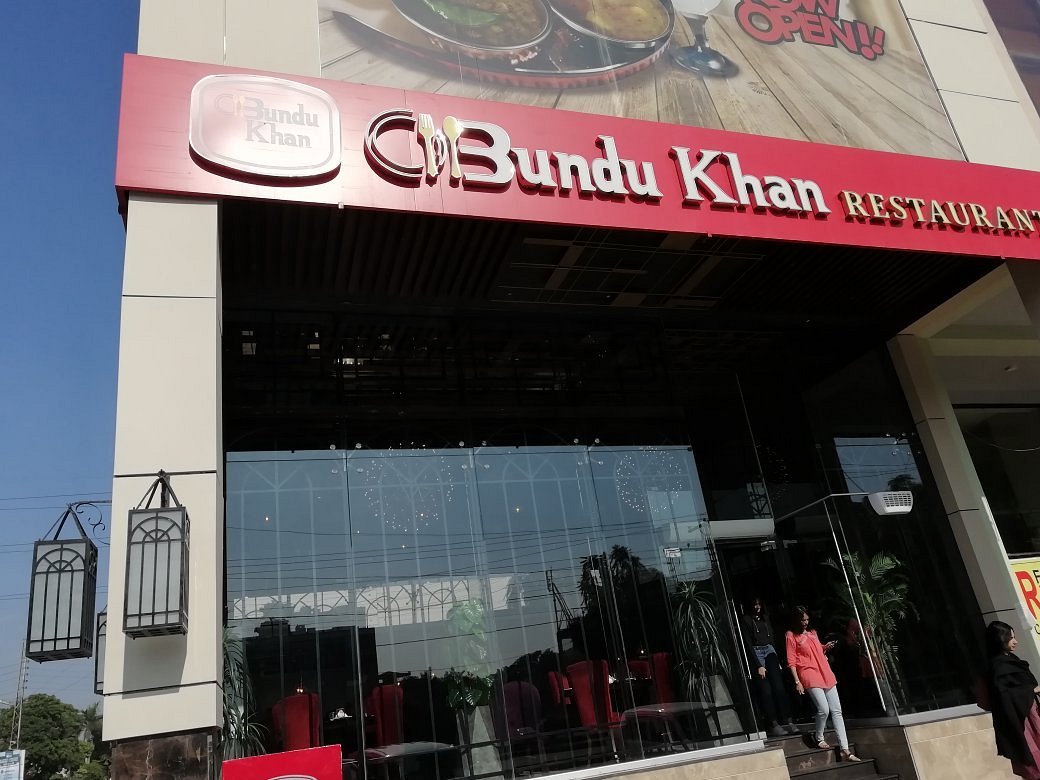
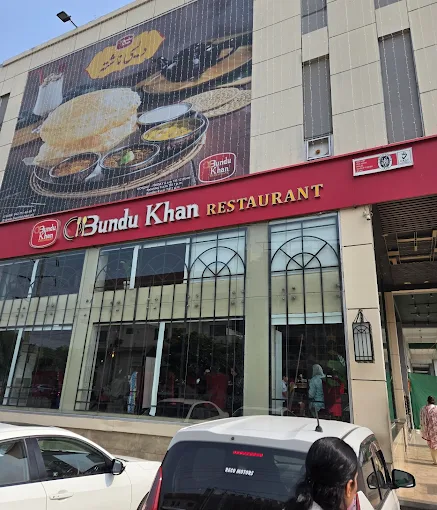
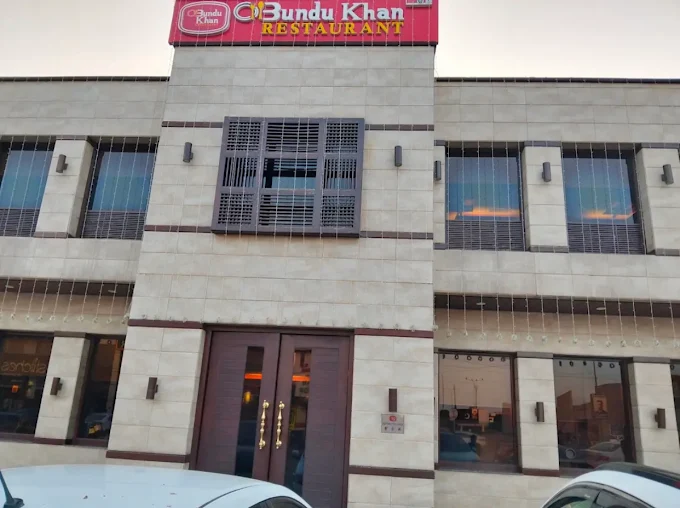
Bundu Khan is one of the most popular restaurants in Fortress Lahore, known for its authentic Pakistani BBQ and rich, flavourful karahi dishes. This branch offers outdoor seating along with a dedicated kids’ menu, making it a great pick for families visiting the area. With an all-you-can-eat option, diners can enjoy a wide spread of grilled items, curries, and traditional desi favourites in one sitting. The relaxed outdoor ambience adds to the overall dining experience, especially during cooler evenings. It remains a go-to spot among restaurants in Fortress Lahore for anyone craving classic Pakistani flavours. Prices are on the higher end but justified by the portion sizes and variety on offer.
Rating: 4.2
Closes: 12 am
Contact: (042) 36667319
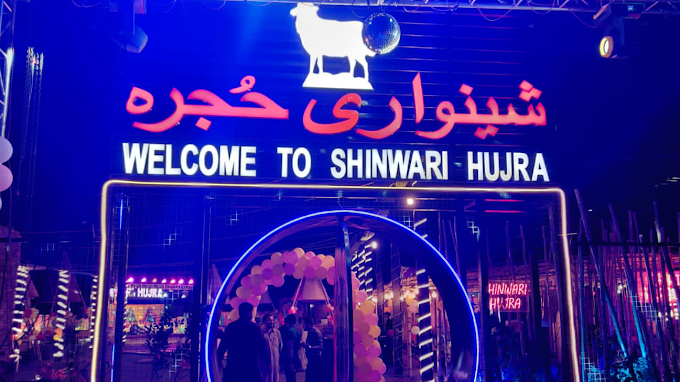
Heritage Shinwari Family Restaurant
Heritage Shinwari Family Restaurant stands out among restaurants in Fortress Lahore for its warm, family-friendly setting and Shinwari-style cooking. The menu focuses on tender karahi and grilled meats prepared in traditional Peshawari style, paired with fresh naan straight from the tandoor. It also offers vegan options and an all-you-can-eat deal, giving guests flexibility depending on their appetite and dietary preference.
The relatively affordable pricing makes it a favourite for casual family outings and get-togethers. Its high rating reflects consistent quality and friendly service. For those exploring restaurants in Fortress Stadium Lahore, this is a reliable choice for hearty, home-style Pathan cuisine.
Rating: 4.6
Closes: 11 pm
Contact: 0321 4640250
Shezan Restaurant
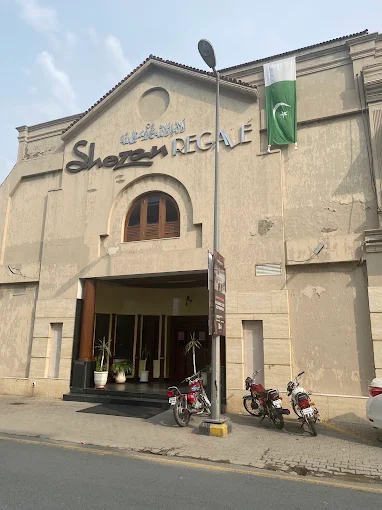
Shezan Restaurant is a long-standing name among restaurants in Fortress Lahore, offering a comfortable, family-friendly dining atmosphere. It’s known for serving a broad menu that caters to different tastes, from local Pakistani dishes to continental options. The spacious setup suits larger groups and family gatherings.
Although the rating is moderate, it still attracts regular visitors because of its central location within Fortress Stadium. Service and ambience are generally considered dependable rather than exceptional. It remains a solid, no-frills option for a casual meal in the area.
Rating: 4.0
Closes: 11:30 pm
Contact: (042) 36651315
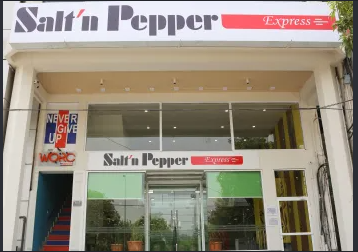
Salt’n Pepper Express Fortress Stadium
Salt’n Pepper Express is a well-known fast-casual option among restaurants in Fortress Lahore, offering a mix of Pakistani and fast-food favourites. The restaurant provides outdoor seating, a kids’ menu, and vegan options, making it accommodating for varied dietary needs and family visits.
Its menu typically includes grilled items, fast-food staples, and desi specialities across a fairly wide price range. The relaxed outdoor setting adds a nice touch for evening dining. It’s a convenient stop for those looking for quick, tasty meals without a long wait. Overall, it offers decent value for casual outings in Fortress Stadium.
Rating: 3.9
Closes: 11 pm
Contact: (042) 36623100
Eedon Restaurant
Eedon Restaurant is a popular Pakistani eatery and one of the well-recognised restaurants in Fortress Lahore, especially for those who enjoy late-night dining. It offers an all-you-can-eat option along with free Wi-Fi, making it convenient for longer sit-down meals. The menu focuses on traditional Pakistani cuisine, with a good variety of curries, grilled items, and rice dishes.
Its late closing time makes it a favourite among night owls and post-event diners. The overall dining experience is casual and budget-friendly, appealing to a wide range of customers. It’s a dependable choice for a hearty Pakistani meal in the Fortress area.
Butt Karahi is a straightforward, no-nonsense Pakistani restaurant among restaurants in Fortress Lahore, best known for its classic karahi preparations. It offers outdoor seating, giving guests a relaxed environment to enjoy their meal. The menu centres on traditional meat-based dishes, appealing to those who want authentic desi flavours without a fancy setup.
Pricing is on the more affordable side, making it accessible for casual outings. While the rating suggests average service, it still has a steady customer base in the area. It’s a practical choice for a quick, flavourful karahi meal.
Rating: 3.4
Closes: 12:30 am
Contact: 0309 3788884
Thalii Restaurant – Fortress Square Mall
Thalii Restaurant, located inside Fortress Square Mall, is a budget-friendly addition to the restaurants in Fortress Lahore. It’s a convenient option for mall visitors looking for a quick and affordable bite without stepping outside. The menu is generally simple, catering to casual diners rather than those seeking an elaborate meal.
Given its location, it works well for a short break during shopping trips. Pricing is very affordable compared to most nearby options. It’s a decent pick for a light, no-frills meal within the mall premises.
Rating: 3.7
Contact: 0334 4666046
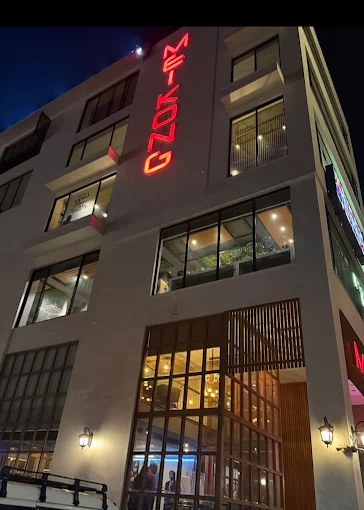
Mei Kong Restaurant
Mei Kong Restaurant brings Chinese cuisine into the mix of restaurants in Fortress Lahore, offering a change of pace from the typical Pakistani menus in the area. It serves a variety of Chinese dishes, from noodles and rice to stir-fried mains, catering to those craving something different. The restaurant keeps prices moderate, making it accessible for regular visits.
Its consistent rating reflects a fairly reliable dining experience. It’s a good option for groups who want Chinese food without travelling far from Fortress Stadium. The relatively early closing time makes it better suited for an early dinner outing.
Rating: 4.1
Closes: 10 pm
Contact: (042) 36661443
KUKU (Fortress Stadium, Cantt)
KUKU is a Korean restaurant that adds variety to the restaurants in Fortress Lahore, standing out for its momos, ramen, and Korean-inspired dishes. Visitors often highlight the tandoori momos and ramen bowls as standout items. The restaurant has built a strong reputation quickly despite being a newer name in the area.
Its Korean fusion menu appeals to younger crowds and those looking for something different from typical desi food. Portion sizes and taste are frequently praised by first-time visitors. It’s becoming a popular pick for anyone exploring Korean flavours within Fortress Stadium.
Rating: 4.1
Contact: 0324 4438090
Arif Chatkhara House
Arif Chatkhara House is a chicken-focused eatery among restaurants in Fortress Lahore, known for its spicy, tangy chatkhara-style dishes. It offers an affordable menu that appeals to those craving bold, chatpata flavours rather than a formal sit-down meal. The restaurant suits quick, casual visits, especially for snack-style orders.
Its pricing remains budget-friendly, making it accessible for frequent visits. While relatively small, it has built a loyal local following. It’s a solid choice for spicy chicken-based street-style food in the Fortress area.
Rating: 4.0
Contact: 0302 4299092
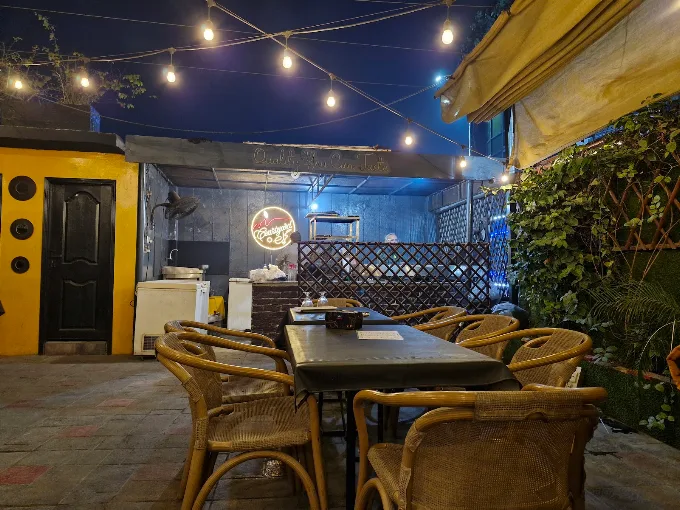
Captain Cuisine
Captain Cuisine is a casual dining spot among restaurants in Fortress Lahore, located opposite Fortress Square Mall. It offers a fairly wide price range, catering to different budgets and group sizes. The menu leans toward general restaurant fare, making it a flexible option for a range of cravings. Its rating suggests an average dining experience compared to some of the higher-rated spots nearby.
Still, its convenient location keeps it on the radar for mall visitors. It works as a backup option when other nearby restaurants are crowded.
Rating: 3.3
Closes: 12 am
Contact: 0311 1777139
California Pizza (Fortress Square Mall)
California Pizza, located on the third floor of Fortress Square Mall, adds a pizza-focused option to the restaurants in Fortress Lahore. It offers outdoor seating, giving diners a more open dining experience within the mall setting. The menu centres on pizzas and related fast-food items, appealing to families and younger diners.
Pricing remains moderate, making it a reasonably affordable mall meal option. Its rating reflects a fairly standard, casual dining experience. It’s a convenient pick for pizza cravings while shopping at Fortress Square Mall.
Rating: 3.6
Closes: 11 pm
Contact: (042) 111 753 753
Fri Chiks
Fri Chiks is a well-loved fast-food restaurantsinFortressLahore, especially popular for its fried chicken, pizza, and quick-service meals. It offers an all-you-can-eat option, a kids’ menu, and on-site parking, making it convenient for families. The restaurant is known for fast service even during busy hours, though it can get quite crowded. Visitors often praise the taste and affordability, especially the pizza options.
Delivery services are also available, adding to its convenience. It remains one of the busier and more recommended restaurants in Fortress Stadium Lahore for casual fast food.
Rooster’s Fortress Mall is a fast food outlet among restaurants in Fortress Lahore, located within Fortress Square Mall. Despite being a smaller player, it has earned a strong rating from early visitors. The menu focuses on quick fast food items suited for a casual mall visit. Its moderate price range makes it accessible for a quick meal or snack break. The restaurant has been recently updated, suggesting active management and fresh offerings. It’s a promising option worth trying for those exploring newer fast food spots in Fortress Stadium.
Rating: 4.5
Closes: 12 am
Contact: 0306 7770123
Hunger Spot
Hunger Spot is a smaller, casual restaurant among the many restaurants in Fortress Lahore, known for its taste and economical pricing. Visitors often mention the good food quality and pleasant atmosphere, making it suitable for family time or hanging out with friends. It maintains a solid rating despite being a relatively low-profile spot compared to bigger chains in the area.
The affordable pricing makes it a practical choice for regular visits. Its friendly ambience adds to the overall casual dining experience. It’s a hidden gem for those wanting good food without a hefty bill.
Rating: 4.1
Closes: 12 am
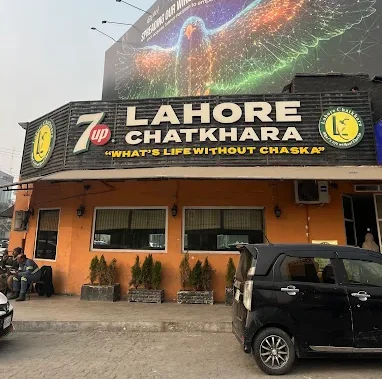
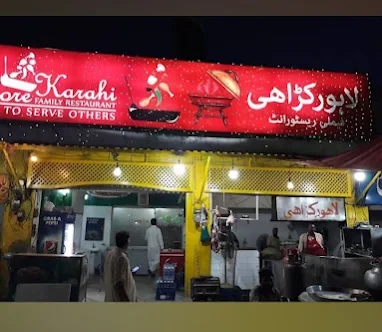
Lahore Chatkhara Fortress
Lahore Chatkhara Fortress is another spicy, street-style food option among restaurants in Fortress Lahore, catering to those who enjoy bold, chatpata flavours. It has quickly built a strong rating despite limited reviews, suggesting positive early customer feedback. The restaurant focuses on quick, casual meals rather than an elaborate sit-down experience. Its pricing is generally budget-friendly, appealing to a wide range of visitors.
It’s a convenient choice for a quick snack or light meal in the Fortress area. This spot is gaining attention among best restaurants in Fortress Lahore for spicy street food lovers.
Rating: 4.4
Closes: 12 am
Contact: 0309 5470432
KFC | Fortress Stadium
KFC Fortress Stadium is a globally recognised fast food chain among restaurants in Fortress Lahore, known for its fried chicken buckets, combo meals, and sides. It offers a consistent menu and reliable quality that customers expect from the brand worldwide. The outlet is a convenient choice for families and groups looking for a quick, familiar meal.
Its moderate pricing and steady service make it a dependable option at any time of day. The brand’s popularity ensures it remains a frequently visited spot in the Fortress area. It’s ideal for those who want familiar fast-food flavours without surprises.
Captain D is a fast-food outlet among restaurants in Fortress Lahore, offering a casual, quick dining experience near Fortress Stadium Bridge. The menu typically includes fast food staples suited for on-the-go meals or quick family outings. Its moderate rating reflects an average but acceptable experience for fast food seekers.
The restaurant’s straightforward setup makes it convenient for a fast, no-fuss meal. It suits those who prefer quick service over a formal sit-down experience. It remains a solid choice for casual fast-food cravings in the area.
Fortress Square Mall is home to many popular restaurantsinFortressLahore, with a five-story mix of local and international brands, a food court, a cinema, and a kids’ play area. Visitors frequently praise the food quality, service, and overall atmosphere across its various food court outlets. It serves as a central hub for dining and entertainment, making it a convenient one-stop destination for families and groups.
The variety of cuisines available within the mall caters to nearly every taste and budget. Its consistently high rating reflects strong customer satisfaction over time. For anyone searching for restaurants in Fortress Stadium Lahore, this mall is often the starting point.
Rating: 4.4
Closes: 12 am
Contact: 0310 9996516
Khilji’s
Khilji’s is a highly rated fast food restaurant among restaurants in Fortress Lahore, located inside Fortress Square Mall. It offers an all-you-can-eat option, outdoor seating, and vegetarian choices, catering to a wide range of dietary preferences. Despite having fewer reviews, its near-perfect rating suggests strong customer satisfaction.
The restaurant provides a flexible dining experience suited for families and groups alike. Its inclusive menu options also make it a thoughtful choice for vegetarians. It’s quickly becoming known as one of the best restaurants in Fortress Lahore for all-you-can-eat dining.
Rating: 4.9
Closes: 12 am
Contact: 0333 4566433
RED
RED is an Asian restaurant among the lesser-known restaurantsinFortressLahore, offering a different flavour profile than the more common Pakistani and fast-food places nearby. With limited reviews so far, it appears to be a newer or smaller-scale establishment. The restaurant likely serves a focused Asian menu, appealing to those looking for variety in the area.
Its current rating suggests mixed feedback from early visitors. It may be worth trying for those specifically seeking Asian food options in Fortress Stadium. More reviews will likely help establish its reputation over time.
Rating: 3.0
Hibachi
Hibachi is a niche addition to the restaurants in Fortress Lahore, offering a distinct dining concept compared to the more traditional options in the area. With only a couple of reviews so far, it appears to be a newer or lesser-known establishment. Its perfect rating from early reviewers suggests a promising dining experience worth exploring. The restaurant likely focuses on a specific cuisine style, adding diversity to the local food scene. As more customers visit, its reputation is expected to grow further. It’s an interesting option for those wanting to try something different in Fortress Stadium.
Rating: 5.0
New Yorker Pizza
New Yorker Pizza is a pizza-focused restaurant among restaurants in Fortress Lahore, located right in front of Fortress Square Mall. Customers frequently praise its taste and service, with several reviews calling it one of the best pizza spots in town. The restaurant offers a straightforward menu centred on pizza, appealing to families and pizza lovers alike.
Its convenient location makes it easy to visit before or after a trip to the mall. The consistently positive feedback reflects good value and taste. It’s a solid choice for anyone craving a good slice of pizza in the Fortress area.
Rating: 3.5
Closes: 12 am
Conclusion
With such a diverse lineup of options, it’s easy to see why the restaurants in Fortress Lahore continue to draw crowds from across the city. Families, friends, and solo diners alike will find plenty of choices, whether they’re looking for a sit-down meal or a quick bite between errands at Fortress Square Mall. Use the ratings and closing times above to plan your visit, and don’t hesitate to explore a few different spots with this many great options in one area; discovering your next favourite restaurant in Fortress Lahore is only a short walk away.
Dedicated and detail-oriented SEO Content Writer, Real Estate Writer, and Research Analyst based in Islamabad, with proven expertise in developing accurate, valuable, and well-researched content. Skilled in analytical writing, market research, and reporting, with the ability to turn insights into clear, professional, and impactful content. Passionate about exploring new ideas, analyzing industry trends, and contributing to high-quality writing and research-driven projects.
Lahore’s food scene has always been a melting pot of flavours, and in recent years, the demand for authentic international cuisine has grown tremendously. With so many options, finding the right TurkishrestaurantinLahore is easier than ever.
In this guide, we’ve rounded up some of the best-rated Turkish and Turkish-inspired restaurants in Lahore, complete with ratings, price ranges, closing times, and useful links, so you can easily plan your next Turkish dining experience without the guesswork.
If you’re searching for a well-loved Turkish restaurant in Lahore, restaurants in Gulberg is a strong pick. Nisa Sultan sets in the heart of Block C1, Gulberg III, this outlet is known for its authentic Turkish flavours and warm hospitality. The restaurant offers pleasant outdoor seating, ideal for evening dining with family or friends.
It also caters to vegan diners with dedicated options on the menu. Meals here typically range between Rs 2,000–7,000 per person, making it suitable for both casual and special outings. The restaurant closes at 12 am, giving guests plenty of time to enjoy a relaxed dinner.
Mez Turkish Restaurant is one of the highest-rated spots for a genuine Turkish restaurant in Lahore. Located at Block L, Gulberg 2, this restaurant has built a loyal following for its rich, authentic Turkish dishes. The ambience is cosy and well-suited for a relaxed meal.
It has recently updated its listing, reflecting active management and consistent service quality. Guests appreciate the attention to detail in both presentation and taste. It’s a great choice for anyone craving traditional Turkish cuisine in the city.
Sofra Turkish Restaurant continues to be a popular name among those looking for a reliable Turkish restaurant in Lahore. Nestled within the AFOHS, Falcon Complex in Gulberg 3, it offers a mix of comfort and authenticity. The restaurant provides outdoor seating for guests who prefer dining al fresco, along with a dedicated kids’ menu for families.
With meals priced between Rs 1,000–5,000 per person, it caters to a wide range of budgets. The overall dining experience here is consistently praised for its flavorful Turkish specialities.
Another branch of a well-known chain, Nisa Sultan – Raya, ranks among the top choices for a Turkish restaurant in Lahore’s DHA area. Located within the Defence Raya Golf Resort, this outlet blends fine dining with a scenic golf-course setting.
It offers outdoor seating for those who enjoy dining amid greenery, along with high chairs for families with young children. The restaurant has earned a strong reputation for consistency and quality across its outlets. It’s a favourite for both casual meals and special occasions.
For residents around Lake City, Nisa Sultan – Lake City stands out as a convenient Turkish restaurant in Lahore. Located near the Lake City Roundabout in Block M1, it offers a relaxed dining atmosphere with outdoor seating. The menu features classic Turkish dishes, priced between Rs 2,000–8,000 per person.
The branch maintains the same quality standards that the Nisa Sultan chain is known for across the city. It’s a solid option for families and groups looking for authentic Turkish flavours.
Hungry Habibi is a widely recognised name for anyone searching for a Turkish restaurant in Lahore with a modern twist. Located at FirstCapital House on MM Alam Road, Gulberg, it offers a stylish setting complete with a private dining room and live music. The restaurant also caters to families with a dedicated kids’ menu.
Meals are priced between Rs 2,000–8,000 per person, reflecting its upscale dining experience. Its combination of ambience, entertainment, and Middle Eastern-inspired Turkish cuisine makes it a standout choice in the city.
Sultan Siraye Restaurant brings an Afghani touch to the search for a Turkish restaurant in Lahore, offering a unique fusion dining experience. Located in DHA, it features live music, an all-you-can-eat option, and happy-hour food deals.
The restaurant’s takeout service runs until 12 am, making it convenient for late-night cravings. It’s known for its generous portions and vibrant atmosphere. Guests can also make online reservations through the restaurant’s own website for a smoother dining experience.
True to its name, Turkish Food is a straightforward, popular TurkishrestaurantinLahore near Karim Park. It’s a cash-only establishment, which keeps transactions simple for regular diners. Outdoor seating is available for guests who enjoy a casual, open-air meal. With prices ranging from Rs 1,000–4,000 per person, it’s an affordable option for authentic Turkish food. The restaurant has built a solid local reputation for its taste and value.
Rating: 4.2
Contact: 0306 4373874
Almadina Istanbul Restaurant
Almadina Istanbul Restaurant is a unique Turkish restaurant in Lahore, open 24 hours a day. Located in Johar Town’s Civic Centre, it’s a convenient stop for Turkish cuisine at any hour. Prices here range from Rs 1,000–4,000 per person, keeping it accessible for most budgets. Its round-the-clock availability makes it especially popular with late-night diners. The restaurant has built a loyal customer base through consistent quality and service.
Rating: 4.3
Contact: 0301 1099944
Rumi Sultan
Rumi Sultan is a modest yet notable Turkish restaurant in Lahore, located in Bahria Town’s Sector C Commercial Area. It offers outdoor seating for guests who prefer dining in open surroundings. Meals here are priced between Rs 1,000–2,000 per person, making it one of the more budget-friendly Turkish options in the city. It’s a good pick for casual, no-frills Turkish meals. The restaurant maintains a steady presence within the Bahria Town dining scene.
Turkish Kitchen TK 786 offers a fast-food take on the classic Turkish restaurant in Lahore experience, located on Barki Road in Paragon City. It’s a great option for quick, affordable Turkish-style meals, with prices ranging from Rs 1,000–6,000 per person.
The casual setup makes it convenient for takeout or a quick bite. It has built a strong reputation among locals looking for fast, tasty Turkish food. The relaxed, no-fuss environment adds to its appeal.
Rating: 4.0
Contact: 0310 4464052
Rumi Folk Pizza
Rumi Folk Pizza offers a creative twist for those exploring options for a Turkish restaurant in Lahore, blending Turkish flavours with pizza-style dishes. Located in Johar Town’s Civic Centre, it has quickly gained popularity for its unique menu concept. The restaurant has earned an impressive rating, reflecting strong customer satisfaction.
Its fusion approach appeals to diners looking for something different from traditional Turkish fare. It’s a fun and flavorful addition to the city’s Turkish food scene.
Rating: 4.7
Contact: 0341 6966412
Butcher’s Steakhouse
While primarily known for steaks, Butcher’s Steakhouse often appears alongside other options for a TurkishrestaurantinLahore because of its Middle Eastern-inspired menu items. Located in Gulberg 2, it offers a premium dining experience with a private dining room, high chairs, and Wi-Fi access.
The restaurant is well regarded for its perfectly cooked meats and flavorful sauces. Its upscale ambience makes it a popular choice for special occasions. Guests consistently praise the food’s quality and presentation.
Ala Rahi is frequently mentioned in searches for a Turkish restaurant in Lahore, thanks to its Middle Eastern and Turkish-inspired menu. Located in DHA Phase 6, the restaurant offers a cosy setting complete with a fireplace, high chairs, and Wi-Fi.
Meals are priced between Rs 2,000–8,000 per person, reflecting its premium dining experience. It’s especially known for generous portions and authentic Turkish preparation. Diners often highlight the excellent ambience and attentive service.
Spice Bazaar is a popular destination for those seeking a Turkish restaurant in Lahore with a strong Pakistani-Turkish fusion menu. Located near MM Alam Road in Gulberg 2, it requires reservations due to high demand. The restaurant offers all-you-can-eat deals and happy-hour food specials, making it a value-packed choice.
With prices ranging from Rs 2,000–7,000 per person, it suits both casual and larger group dining. Its bold spices and generous servings have made it a long-time local favourite.
Heritage Shinwari Family Restaurant rounds out the list of great spots for a Turkish restaurant in Lahore, offering a family-friendly dining atmosphere. Located in Saddar Town’s Fortress Stadium area, it’s known for its all-you-can-eat deals and vegan-friendly options. Prices here range from Rs 1,000–2,000 per person, making it an affordable choice for families.
Its warm hospitality and generous portions have earned it a loyal customer base. It’s an excellent pick for casual family outings.
Rating: 4.6
Contact: 0321 4640250
Conclusion
From upscale dining experiences to budget-friendly gems, Lahore truly caters to every kind of Turkish food lover. Each Turkish restaurant in Lahore featured in this list brings something unique to the table, whether it’s a scenic golf-course setting, round-the-clock availability, or a family-friendly atmosphere with generous portions.
With ratings ranging from solid to outstanding and price points that fit nearly every budget, there’s a perfect option waiting for you no matter where you are in the city. So next time you’re in the mood for authentic Turkish flavours, save this list and pick the restaurant that best matches your taste, budget, and occasion.
Dedicated and detail-oriented SEO Content Writer, Real Estate Writer, and Research Analyst based in Islamabad, with proven expertise in developing accurate, valuable, and well-researched content. Skilled in analytical writing, market research, and reporting, with the ability to turn insights into clear, professional, and impactful content. Passionate about exploring new ideas, analyzing industry trends, and contributing to high-quality writing and research-driven projects.
Lahore’s food scene has grown far beyond traditional dine-in setups, and one trend that has taken over the city in recent years is rooftop fine dining. If you’re searching for the best rooftop restaurants in Lahore, you’ll find plenty of options. Whether you’re planning a family dinner, a casual evening with friends, or a special celebration, rooftop restaurants in Lahore offer a unique combination of great food, fresh air, and city views that indoor dining simply can’t match.
In this guide, we’ve rounded up some of the most popular and highly rated rooftop restaurants in Lahore, complete with ratings, closing times, and contact details, so you can easily plan your next night out.
Rooftop Restaurants in Lahore
#
Restaurant
Address
Contact Number
Instagram & Website
1
Heights n Delights – A Rooftop Restaurant
11 Abu Bakr Block, New Prince Hall, Service Rd, next to Hameed Latif Hospital, Garden Town, Lahore
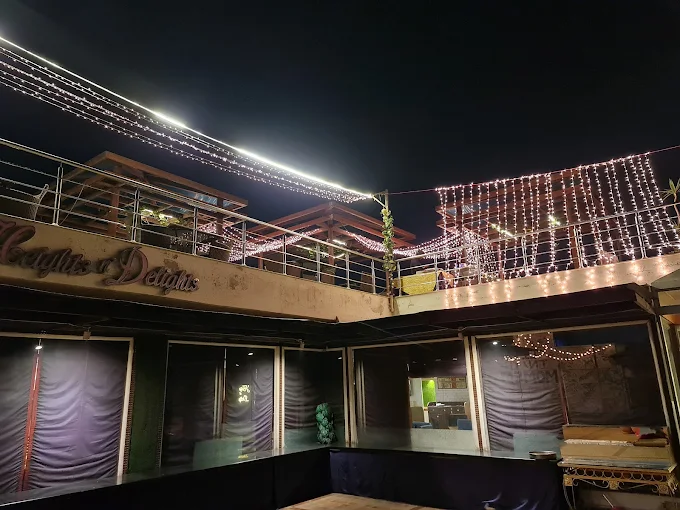
Heights n Delights is a well-known name among rooftop restaurants in Lahore, tucked away near Hameed Latif Hospital in Abu Bakar Block, Garden Town. It holds a solid rating of 4.3, which reflects a consistent dining experience across its all-you-can-eat spread. Reservations are required, so plan ahead, especially on weekends. The open-sky seating and relaxed ambience add to its charm, making it a go-to choice for families and groups.
Menu: View Menu (available on listing)
Contact: 0322 3335588
VOCO Rooftop
VOCO Rooftop stands out among rooftop restaurants in Lahore for its lively atmosphere and live music evenings. Located in Block K, Gulberg 2, this venue carries a 3.9 rating and is currently open, closing at 2 am. VOCO has built a name for combining good food with entertainment, which keeps it high on the list for younger crowds. Its late closing time makes it convenient for late dinners or post-event gatherings.
Menu: Instagram highlight menu
Contact: 0321 6660079
The Skye Restaurant
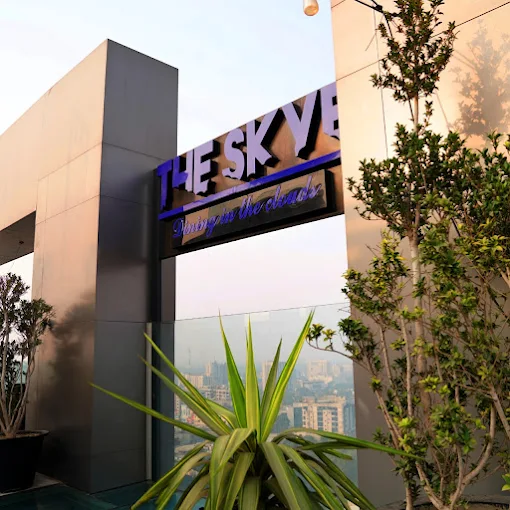
The Skye Restaurant is a buffet-style destination and one of the standout rooftop restaurants in Lahore, located in Block C3, Gulberg III. With a rating of 4.1, it’s known for its all-you-can-eat buffet and happy-hour offerings. Reservations are required, which is typical for busier venues that see high footfall during dinner hours. At Rs 2,000 to Rs 7,000 per person, it falls in the mid-to-premium bracket. Its buffet variety and skyline views make it a memorable stop for locals and visitors alike.
Reservations: indigoheights.com
Contact: 0316 4778886
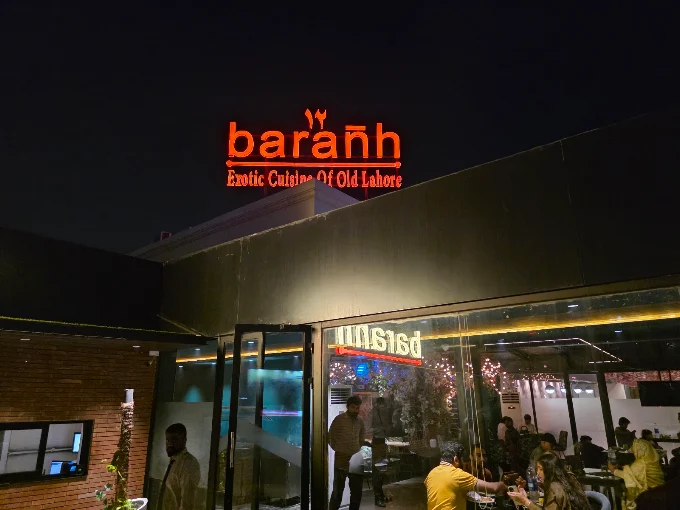
Baranh
Baranh consistently ranks among the top rooftop restaurants in Lahore, located at Gulberg Galleria on Main Boulevard Gulberg. It holds an impressive 4.6 rating and closes at 12 am. Reservations are required, especially on weekend evenings. Pricing ranges from Rs 1,000 to Rs 7,000, depending on what you order. Baranh’s blend of ambience, service, and food quality has earned it a reputation as one of the city’s most reliable spots.
Contact: 0342 9501552
Poet Rooftop Garden
Poet Rooftop Garden is a scenic addition to the growing list of rooftop restaurants in Lahore, located near the roundabout in Block M1, Lake City. It carries a 4.1 rating and offers an all-you-can-eat experience with outdoor seating that suits both intimate dinners and larger groups. Reservations are required, as is common among established venues. The garden-style layout gives it a distinct character compared to more urban spots.
Menu: shorturl.at/MQwad
Contact: (042) 111 117 638
Banera Rooftop Restaurant
Banera Rooftop Restaurant is a family-friendly name among rooftop restaurants in Lahore, located in the DHA EME Sector near Thokar Niaz Baig. With a 4.1 rating, it offers an all-you-can-eat menu and outdoor seating, making it ideal for family outings. Reservations are required, which helps manage the steady flow of visitors. Priced between Rs 1,000 and Rs 2,000 per person, it’s one of the more budget-friendly options around. Its family-oriented setup distinguishes it from more nightlife-focused venues.
Contact: 0300 0226372
Howdy Rooftop
Howdy Rooftop is one of the most reviewed rooftop restaurants in Lahore, located on MM Alam Road in Gulberg III. It holds a strong 4.4 rating and is known for its outdoor seating, vegetarian options, and sports-friendly atmosphere. Priced between Rs 1,000 and Rs 3,000, it remains accessible for a wide range of diners. Its casual, laid-back vibe makes it a favourite for evenings with friends rather than formal occasions.
Menu: howdy.pk/menu
Contact: 0310 4448807
Bistro 201
Bistro 201 brings a slightly more refined Chinese touch to the world of rooftop restaurants in Lahore, located on Shahrah-e-Quaid-e-Azam in Upper Mall. Rated 4.2, it offers an all-you-can-eat menu and a private dining room option, which is uncommon among similar venues. The Rs 1,000 to Rs 4,000 pricing range keeps it moderately accessible while still feeling upscale. Its outdoor seating and private dining combination make it suitable for both casual meetups and special occasions. Bistro 201 has carved out a niche among diners who want more privacy.
Contact: (042) 35776317
Haveli Restaurant
Haveli Restaurant is a landmark name among rooftop restaurants in Lahore, located by Badshahi Mosque on Food Street, Fort Road. With a 4.2 rating and currently open until 11 pm, it offers traditional Pakistani cuisine served with a scenic, top-floor view of the historic surroundings. This spot is widely known for combining heritage architecture with upmarket dining, a rare pairing among similar venues. Reservations are required, especially in the evenings, when tourists and locals both flock to Food Street. Haveli’s location makes it one of the city’s most visually striking spots, especially at night when the mosque is illuminated.
Website: haveli.com.pk
Contact: 0300 8414899
Lahori Barbecue Rooftop
Lahori Barbecue Rooftop is a barbecue specialist among rooftop restaurants in Lahore, located off MM Alam Road in Gulberg III. It boasts an excellent 4.8 rating and is currently open, closing at 12 am. Known for its all-you-can-eat barbecue spread and happy-hour deals, this spot has quickly become a favourite for meat lovers. Reservations are required given its high demand, particularly on weekend nights. Attached to Oban Hotel, the venue adds a touch of hospitality-driven service that elevates the overall experience. Its consistently high rating places it among the best-reviewed spots currently operating.
Menu: obanhotel.pk
Reservations: aiosell.com
Contact: (042) 35771741
TLT – The Last Tribe Rooftop
TLT – The Last Tribe Rooftop brings Afghani cuisine into the mix of rooftop restaurants in Lahore, located on MM Alam Road in Gulberg III. It holds a 4.5 rating and offers an all-you-can-eat menu along with spacious outdoor seating. Reservations are required, reflecting its steady popularity among diners looking for something different from the usual options. The Afghani-inspired menu sets it apart from the more common Pakistani and continental choices found elsewhere. Its rooftop setting on a busy commercial street gives it an energetic, urban feel.
Contact: (042) 36407431
Rooftop Lounge
Rooftop Lounge is a smaller but well-rated entry among rooftop restaurants in Lahore, located near Bundu Khan in Krishan Nagar. Despite fewer reviews, it maintains a strong 4.5 rating, suggesting a consistently good experience for visitors. As one of the more understated venues, it offers a simpler, no-frills setting compared to larger commercial spots. This makes it appealing to diners who prefer a quieter, more local vibe. Its central Islampura location keeps it accessible for residents of the older parts of the city.
Contact: 0322 7217901
Monal Lahore
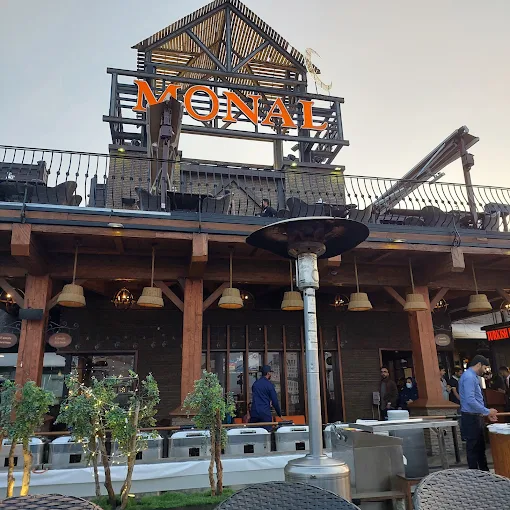
Monal Lahore is one of the most iconic names among rooftop restaurants in Lahore, located near Liberty Chowk in Gulberg III. With a 4.3 rating, it’s known for its all-you-can-eat concept and happy-hour food specials. Reservations are required, as this venue draws large crowds throughout the week. Priced between Rs 2,000 and Rs 6,000, it sits comfortably in the premium segment. Its central Liberty location makes it easy to access from most parts of the city, adding to its popularity.
Menu: facebook.com/monallahore/menu
Contact: (042) 35789823
Baranh Raya
Baranh Raya extends the Baranh brand into DHA, offering another strong contender among rooftop restaurants in Lahore at Defence Raya Golf Resort. It carries a 4.7 rating and is currently open until 1 am, making it one of the later-closing options in the city. The Pakistani menu is served all-you-can-eat style, complemented by happy-hour deals and vegan options, a combination not commonly found together elsewhere. Its location within a golf resort setting gives it a more scenic, relaxed backdrop than typical city-based venues. Pricing ranges from Rs 1,000 to Rs 7,000, covering both casual and premium budgets.
Contact: 0340 1013497
Junoon Heritage Restaurant
Junoon Heritage Restaurant sits among the heritage-focused rooftop restaurants in Lahore near Badshahi Mosque in the Walled City. Rated 4.3, it offers an all-you-can-eat menu, happy-hour food, and a private dining room option. Reservations are required, particularly given the high tourist footfall around Food Street. This venue combines historic surroundings with modern dining comfort, a hallmark of the city’s best heritage venues. Its private dining room suits family functions or small private events. Junoon’s location adds significant scenic value, especially for evening diners with views of the historic skyline.
Contact: 0300 1363996
Miso Defence Raya
Miso Defence Raya is another DHA-based entry among rooftop restaurants in Lahore, located in the Raya Fairways commercial area. It holds a 4.6 rating and offers an all-you-can-eat menu with outdoor seating. Reservations are required, reflecting its growing popularity in the DHA dining scene. As one of the newer venues in this area, it has quickly gained a loyal customer base. The resort-adjacent setting gives it a peaceful, upscale atmosphere compared to more crowded city-centre spots. Its strong rating suggests consistent food quality and service standards.
Contact: 0307 0019282
Andaaz Restaurant
Andaaz Restaurant brings a cosy, fireplace-equipped setting to the roster of rooftop restaurants in Lahore, located on Fort Road in the Walled City. With a 4.1 rating, it offers Pakistani cuisine alongside happy-hour food deals and a fireplace feature that’s uncommon among similar venues. Reservations are required, especially during winter evenings when the fireplace becomes a major draw. Priced between Rs 1,000 and Rs 6,000, it caters to a broad range of budgets. Its heritage location near the Walled City adds historical charm to the dining experience.
Darbar Rooftop Restaurant is a hotel-affiliated entry among rooftop restaurants in Lahore, located near Makkah Colony in Gulberg III. It holds an impressive 4.7 rating, reflecting positive guest feedback. Being attached to a hotel adds an extra layer of hospitality service compared to standalone venues. Its Gulberg III location keeps it within easy reach of the city’s main commercial hub. For travellers looking for a hotel-based dining option, Darbar is worth checking out.
Contact: 0302 3587777
Spice Bazaar
Spice Bazaar is a Pakistani-cuisine specialist among rooftop restaurants in Lahore, located on Main Boulevard in DHA Phase 6. It carries a 4.1 rating and offers an all-you-can-eat menu with outdoor seating. Reservations are required, and the business has recently updated its listing, indicating active management. Priced between Rs 2,000 and Rs 8,000, it falls into the premium bracket. Its DHA Phase 6 location makes it a convenient choice for residents of that community. Spice Bazaar’s focus on traditional Pakistani flavours keeps it competitive among venues that emphasise local cuisine.
Contact: 0311 1122103
RARE
RARE is a modern addition to the list of rooftop restaurants in Lahore, situated on the rooftop of Gulberg Galleria on Main Boulevard. With a 4.3 rating, it offers outdoor seating and high chairs, making it a family-accommodating choice. Priced between Rs 2,000 and Rs 8,000, it positions itself in the premium segment. Its central Gulberg location makes it easily accessible from most parts of the city. RARE’s contemporary setup and amenities like high chairs set it apart from more traditional venues. For a modern take on rooftop dining, RARE is a solid contender.
Contact: (042) 35776603
Cooco’s Den
Cooco’s Den is a well-known heritage venue among rooftop restaurants in Lahore, located near Roshnai Gate on Food Street. It has a 3.8 rating and offers outdoor seating, a private dining room, and vegetarian options. Its location within the historic Walled City gives it strong visual appeal compared to many modern spots. Priced between Rs 1,000 and Rs 7,000, it spans a wide price range.
Menu: crispy.pk
Contact: 0300 9472407
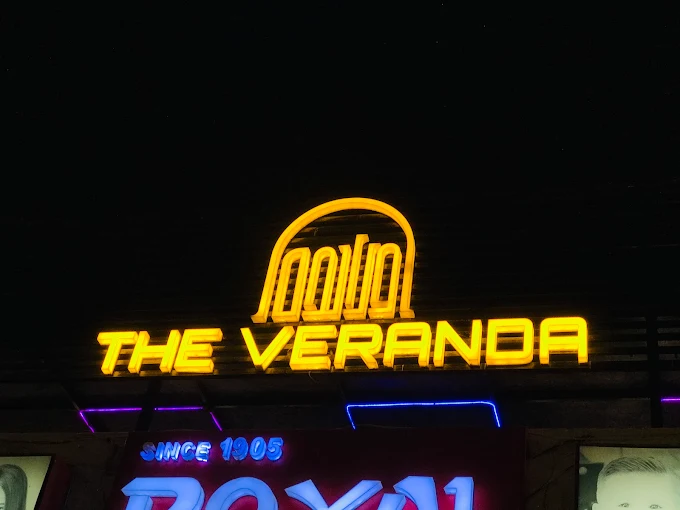
The Veranda
The Veranda is a smaller, community-focused entry among rooftop restaurants in Lahore, located in Johar Town. It holds a 4.2 rating and offers outdoor seating in a relatively quiet setting. As a lesser-known venue, it appeals to residents looking for a nearby option without the crowds of more commercial spots. Its Johar Town location makes it convenient for families living in that part of the city. The Veranda’s simpler setup and fast food restaurant vibe give it a more relaxed, neighbourhood feel compared to larger establishments.
Contact: 0310 0572222
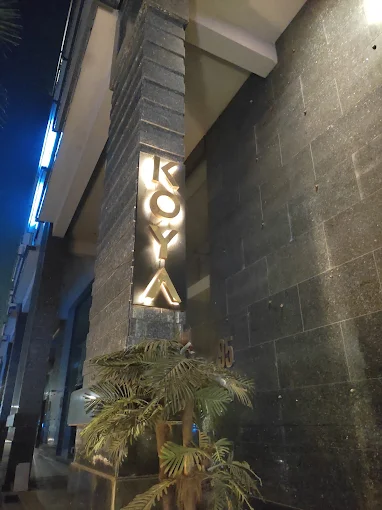
Koyla – The Barbecue
Koyla – The Barbecue is a strong barbecue-focused name among rooftop restaurants in Lahore, located on Egerton Road in Garhi Shahu. It holds a 4.6 rating and offers outdoor seating, a fireplace, and high chairs, making it comfortable for couples and families. As one of the city’s more versatile venues, it balances a cosy winter ambience with family-friendly amenities. Priced between Rs 1,000 and Rs 2,000, it remains an affordable option for barbecue lovers. Its central Garhi Shahu location keeps it accessible from several parts of the city.
Contact: (042) 36310077
Spice6 Exclusive
Spice6 Exclusive is a family-friendly desi option among rooftop restaurants in Lahore, located on MM Alam Road within the Airlink Tower. It has a 4.3 rating and offers outdoor seating for casual family dinners. As a smaller player in the scene, it offers a more intimate setting away from the bigger commercial crowds. Its MM Alam Road address places it in one of the city’s most popular dining corridors. Despite having fewer reviews, its rating suggests a satisfying experience for visitors. For a quieter, family-oriented pick, Spice6 Exclusive is worth exploring.
Contact: 0335 4666654
Spice Arena
Spice Arena is a well-rated, family-friendly name among rooftop restaurants in Lahore, located along Ferozpur Road near Palmcity. With a 4.6 rating, it offers an all-you-can-eat menu paired with happy-hour food deals. Reservations are required, especially for larger family gatherings, which this venue is known to host. Its location further out on Ferozpur Road makes it a good option for those living in the surrounding suburbs. For families seeking a spacious, well-reviewed dining spot, Spice Arena is a top recommendation.
Menu: Instagram highlight menu
Contact: 0336 1117777
Qawali Lounge
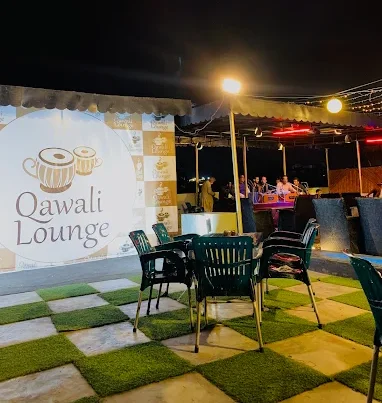
Qawali Lounge brings a musical theme to the world of rooftop restaurants in Lahore, located on MM Alam Road in Gulberg III. It has a 3.8 rating and offers an all-you-can-eat menu, plus happy-hour food and vegan options. As one of the more niche venues, it appeals to diners who want a cultural or musical dining atmosphere. Priced between Rs 1,000 and Rs 2,000, it remains one of the more budget-friendly options. Its central Gulberg III location makes it easy to reach. Qawali Lounge’s vegan options broaden its appeal beyond venues that focus mainly on meat dishes. For a themed dining experience, Qawali Lounge offers something different.
Contact: 0306 0479238
Haji Baba Tikka Rooftop Restaurant
Haji Baba Tikka Rooftop Restaurant is a family-friendly, tikka-focused entry among rooftop restaurants in Lahore, located in Karim Block, Allama Iqbal Town. It holds an excellent 4.7 rating and offers outdoor seating suited to casual family meals. Priced between Rs 1 and Rs 4,000, it remains one of the city’s most affordable options. The business has recently updated its listing, showing active engagement with customers.
Contact: 0342 7101556
Bagh – Gold Crest Mall DHA
Bagh – Gold Crest Mall DHA is a Pakistani cuisine specialist among rooftop restaurants in Lahore, located on the mezzanine floor of Gold Crest Mall in DHA Phase 4. It holds a 4.3 rating and offers an all-you-can-eat menu with happy-hour food deals. Reservations are required, particularly for evening slots in this mall-based venue. Priced between Rs 2,000 and Rs 3,000, it sits in the mid-range bracket. Its mall location offers added convenience for shoppers looking to combine dining with retail visits.
Contact: 0320 9993344
Posh Lounge Rooftop Restaurant & Bar
Posh Lounge Rooftop Restaurant & Bar is a newer, highly rated entry among rooftop restaurants in Lahore, located at Capital Ata Tower on Ferozepur Road in Ichhra. It boasts a perfect 5.0 rating, though based on a limited number of visits so far. As one of the newest venues in this space, it’s still building its reputation but shows strong early promise. Its Ferozepur Road location places it in a busy commercial area with good accessibility.
Contact: 0327 3333003
Pind Restaurant Iqbal Town
Pind Restaurant Iqbal Town rounds out this list of rooftop restaurants in Lahore, located on Main Boulevard in Allama Iqbal Town. It holds a 4.2 rating and offers an all-you-can-eat menu, plus happy-hour food and a private dining room. Reservations are required, especially for its popular buffet slots. Priced between Rs 1,000 and Rs 6,000, it appeals to a broad range of diners. Pind Restaurant has built a loyal following for its consistent buffet quality. For a well-rounded dining experience, Pind Restaurant Iqbal Town is a dependable choice.
Contact: (042) 37800682
Conclusion
Lahore truly has something for everyone when it comes to rooftop dining, and this list of rooftop restaurants in Lahore proves just how diverse the city’s food culture has become. From all-you-can-eat buffets to barbecue specialists and themed lounges, rooftop restaurants continue to redefine how the city eats out and socialises.
It’s always a good idea to check reservation requirements and closing times, since many of these rooftop restaurants in Lahore get busy fast, especially on weekends. Whatever your preference heritage ambience, modern skyline views, or family-friendly comfort this list of rooftop restaurants should make choosing your next dining destination a whole lot easier.
Dedicated and detail-oriented SEO Content Writer, Real Estate Writer, and Research Analyst based in Islamabad, with proven expertise in developing accurate, valuable, and well-researched content. Skilled in analytical writing, market research, and reporting, with the ability to turn insights into clear, professional, and impactful content. Passionate about exploring new ideas, analyzing industry trends, and contributing to high-quality writing and research-driven projects.
Lahore’s food scene has evolved dramatically over the past few years, and today the city is home to some of the most impressive fine dining restaurants in Lahore. Lahore offers plenty of upscale options, from elegant Mediterranean courtyards to lively rooftop grills.
In this guide, we’ve rounded up 20 of the best restaurants across Gulberg, DHA, and the Walled City, covering everything from ratings and price ranges to standout features like private dining rooms, live music, and outdoor seating.
Bistro Noir Lahore is one of the standout fine dining restaurants in Lahore, known for its refined menu and intimate atmosphere. With a strong 4.5 rating, it has built a loyal following among diners who value consistency and presentation.
The restaurant offers a private dining room, making it a great pick for special occasions and business meetings. It’s an ideal spot for guests who want a quieter, more personalised experience. Service here is attentive, and the ambience feels polished without being stiff. It closes at 11 pm, giving diners a comfortable window for a relaxed evening meal.
Contact: 0300 1888718
2. Mystique Restaurants Lahore
Mystique Restaurants Lahore holds an impressive 4.6 rating, one of the highest among fine dining restaurants in Lahore. Guests can expect to spend between Rs 2,000 and Rs 8,000 per person, depending on the menu selection.
The restaurant offers happy-hour food deals, a private dining room, and live music, making it versatile for both casual evenings and formal gatherings. Its menu blends continental, Asian, and Pakistani flavours into one elegant offering.
Menu: mystiquerestaurants.com/main-menu
Reservations: mystiquerestaurants.com/reservation
Contact: 0306 9047766
3. Fuoco
Fuoco brings modern European cuisine into the mix of fine dining restaurants in Lahore, earning a solid 4.2 rating from guests. Reservations are required here, reflecting its popularity among diners seeking a curated experience. The restaurant also caters to health-conscious guests with dedicated vegan options and offers free Wi-Fi for those working over a meal.
It has carved out a niche for its European-inspired plating and thoughtful ingredient sourcing. It’s a great choice for anyone looking to try something different from the usual Pakistani or continental fare in the city.
Contact: 0305 2101111
4. Paola’s Cosa Nostra
Paola’s Cosa Nostra is a beloved Italian spot and one of the more popular fine dining restaurants in Lahore, holding a 4.2 rating. Meals typically range from Rs 2,000 to Rs 7,000 per person. The restaurant offers outdoor seating, a cosy fireplace, and vegan-friendly options, making it suitable for both winter evenings and summer nights.
It’s particularly known for its authentic pasta and wood-fired dishes. It closes at 11:45 pm, giving guests plenty of time to enjoy a leisurely Italian dinner.
Menu: instagram.com/stories/highlights (Paola’s Cosa Nostra)
Contact: 0304 1112166
5. Meet Me In Paris Raya
Meet Me In Paris has quickly become one of the more distinctive fine dining restaurants in Lahore, rated 4.4 by guests. With pricing between Rs 2,000 and Rs 8,000 per person, it offers an all-you-can-eat format alongside happy-hour deals and a warm fireplace setting.
Located in a golf and leisure community, it offers a scenic, relaxed backdrop uncommon in the city’s dining scene. The French-inspired theme and generous buffet-style offering make it popular for family outings and celebratory dinners.
Menu: meetmeinparisworld.com/menu
Contact: 0313 8000664
6. Andaaz Restaurant
Andaaz Restaurant is a heritage favourite set inside the historic Walled City, ranking among the top fine dining restaurants in Lahore with a 4.1 rating. Pricing ranges from Rs 1,000 to Rs 6,000 per person, making it a relatively accessible entry point into upscale Pakistani dining.
Reservations are required, and the restaurant also offers happy-hour food and a fireplace for cooler evenings. What sets it apart is its rooftop view of the Lahore Fort and Badshahi Mosque, pairing authentic Pakistani cuisine with an unmatched heritage atmosphere.
Poet Mughlai has earned a spot among the premium fine dining restaurants in Lahore, with a strong 4.5 rating and prices starting at Rs 10,000 per person. Known especially for its hi-tea and dinner buffet spreads, the restaurant requires reservations and offers an all-you-can-eat format along with happy-hour food.
Its rich Mughlai-inspired menu appeals to diners looking for a lavish, traditional feast. It’s often chosen for large family gatherings and celebratory events thanks to its generous buffet variety.
Menu: shorturl.at/MQwad
Contact: (042) 111 117 638
8. Poet Rooftop Garden
Poet Rooftop Garden complements its sister restaurant, with a 4.1 rating and a spot among Lahore’s fine dining restaurants in Lahore list. It requires reservations and features an all-you-can-eat buffet alongside spacious outdoor seating.
The rooftop garden setting gives it a distinctive open-air charm compared to indoor alternatives. It’s particularly well-suited for evening gatherings where guests want fresh air paired with a generous buffet spread.
Menu: shorturl.at/MQwad
Contact: (042) 111 117 638
9. Café Aylanto
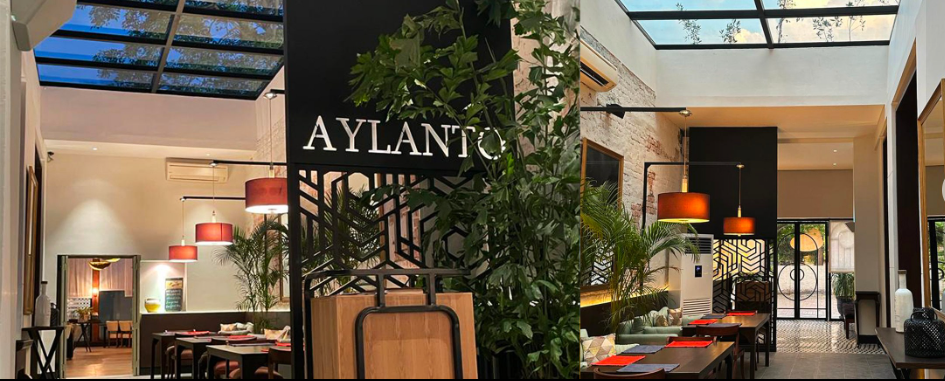
Café Aylanto is one of the most iconic fine dining restaurants in Lahore, long regarded as the benchmark for Mediterranean cuisine in the city, with a 4.2 rating. Prices range from Rs 2,000 to Rs 7,000 per person. The restaurant requires reservations and offers outdoor seating along with a private dining room for exclusive gatherings.
It’s especially known for its elegant courtyard and premium Mediterranean dishes. It stays open until 12 am, making it a favourite for late dinners and evening celebrations.
Contact: (042) 35751886
10. Spice Bazaar
Spice Bazaar brings elevated Pakistani cuisine into the world of fine dining restaurants in Lahore, holding a strong 4.3 rating. With pricing between Rs 2,000 and Rs 7,000 per person, it offers an all-you-can-eat format, plus happy-hour food, and requires reservations.
It’s widely appreciated for presenting classic desi flavours curries, kebabs, and street food favourites within an upscale, elegant setting. It stands out for making traditional Pakistani cuisine feel genuinely premium.
Menu: spicebazaar.pk/menu
Contact: 0311 1122103
11. RARE
RARE has built a reputation as one of the more modern fine dining restaurants in Lahore, earning a 4.3 rating from guests. Pricing typically ranges from Rs 2,000 to Rs 8,000 per person.
The rooftop location offers outdoor seating and is family-friendly, with high chairs available. Its contemporary rooftop setting gives it a fresh, social vibe, making it popular with younger crowds and those looking for a trendy evening out.
Contact: (042) 35776603
12. Basilico by Sara
Basilico by Sara holds one of the highest ratings among fine dining restaurants in Lahore at 4.7, reflecting its consistent quality and service. Pricing ranges from Rs 2,000 to Rs 8,000 per person. The restaurant offers outdoor seating, vegetarian options, and a great spot to watch sports while dining.
It’s a standout choice for guests who want a relaxed yet upscale atmosphere. It closes at 11:45 pm, allowing for a full evening of dining and socialising.
Contact: 0329 9922245
13. Baranh
Baranh has earned a strong 4.6 rating, placing it firmly among the top fine dining restaurants in Lahore. Pricing ranges from Rs 1,000 to Rs 7,000 per person, making it a more budget-friendly option without compromising on ambience.
Reservations are required, and the restaurant offers an all-you-can-eat buffet along with outdoor seating. Its central Gulberg location adds to its appeal, and it stays open until 12 am for late-evening diners.
Contact: 0342 9501552
14. Caviar Club
Caviar Club offers one of the more exclusive experiences among fine dining restaurants in Lahore, with a 4.4 rating from guests. Pricing ranges from Rs 3,000 to Rs 8,000 per person, and the restaurant features outdoor seating in a quieter, polo-ground-adjacent setting.
Its intimate scale and curated menu make it a niche pick for guests who prefer a smaller, more private dining environment over larger, busier venues.
Menu: instagram.com/caviarclubpk
Reservations: instagram.com/caviarclubpk
Contact: 0300 1228427
15. TLT – The Last Tribe Rooftop
TLT – The Last Tribe Rooftop brings Afghani cuisine into the roster of fine dining restaurants in Lahore, with a solid 4.5 rating. Reservations are required, and the restaurant offers an all-you-can-eat format along with generous outdoor seating.
Its rooftop setting and smoky, traditional Afghani dishes make it a distinctive option, especially for guests looking for something beyond the usual continental or Pakistani menu.
Contact: (042) 36407431
16. Fuchsia Kitchen
Fuchsia Kitchen offers Asian fusion cuisine and ranks among the notable fine dining restaurants in Lahore, holding a 4.3 rating. Pricing ranges from Rs 2,000 to Rs 6,000 per person.
restaurant features outdoor seating, a private dining room, and vegan options, catering to a wide range of dietary preferences. It’s a solid pick for guests craving pan-Asian flavours in a refined, comfortable setting.
Contact: 0336 3824742
17. The Skye Restaurant
The Skye Restaurant is a buffet-style entry among fine dining restaurants in Lahore, with a 4.1 rating. Prices range from Rs 2,000 to Rs 7,000 per person. Reservations are required, and the restaurant offers an all-you-can-eat spread along with happy-hour food.
It’s a practical choice for groups and families who want variety without ordering individually off a menu.
Reservations: indigoheights.com/contact
Contact: 0316 4778886
18. Lili by Deja
Lili by Deja rounds out the mid-tier list of fine dining restaurants in Lahore with a 4.3 rating. Pricing ranges from Rs 2,000 to Rs 7,000 per person, and the restaurant serves dedicated vegetarian dishes alongside its main menu. Its MM Alam Road location places it right in the heart of Lahore’s dining district, making it easy to pair with a broader night out in the area.
Contact: 0303 4444340
19. VOCO Rooftop
VOCO Rooftop is a livelier addition to the fine dining restaurants in Lahore scene, with a 3.9 rating. It offers happy-hour food, live music, and a great spot to watch sports while enjoying a meal. It leans more toward a social, energetic vibe rather than a quiet, formal dinner. It stays open until 2 am, making it one of the latest-closing options on this list for night owls.
Menu: instagram.com (VOCO Rooftop story highlight)
Contact: 0321 6660079
20. AristoPolo
AristoPolo is a strong addition to the list of fine dining restaurants in Lahore, holding a 4.4 rating from guests. Set near the Jinnah Polo Fields, it offers a spacious, open-air setting with a more casual, outdoorsy feel. Reservations are required, and the restaurant follows an all-you-can-eat format paired with generous outdoor seating.
It’s a great pick for guests who enjoy a scenic, polo-club-adjacent atmosphere along with a hearty buffet spread, well suited for group outings and weekend dinners.
Contact: 0300 8446552
Conclusion
Lahore’s dining landscape has something for every taste and occasion. These 20 fine dining restaurants in Lahore each bring their own character, whether it’s Café Aylanto’s timeless Mediterranean elegance, Basilico by Sara’s top-rated hospitality, or AristoPolo’s scenic polo-ground setting. Since many of these spots require reservations and fill up quickly on weekends and holidays, book ahead to secure your table. Whatever the occasion, this list should make it easy to find the right restaurant for a memorable evening out in Lahore.
Dedicated and detail-oriented SEO Content Writer, Real Estate Writer, and Research Analyst based in Islamabad, with proven expertise in developing accurate, valuable, and well-researched content. Skilled in analytical writing, market research, and reporting, with the ability to turn insights into clear, professional, and impactful content. Passionate about exploring new ideas, analyzing industry trends, and contributing to high-quality writing and research-driven projects.
Lahore has quickly become a haven for food lovers who crave more than just great taste; they want an experience. Over the past few years, the city has seen a surge of stylish cafés and fine-dining spots designed to delight both the palate and the eye. If you’re searching for the most aesthetic restaurants in Lahore, you’re in for a treat, because this city offers everything from rooftop gardens under the stars to elegant European-inspired interiors and cosy French bistros.
Whether you’re planning a family celebration or simply want to enjoy a beautifully designed space with delicious food, this list of aesthetic restaurants in Lahore has something for everyone. Let’s dive into the best aesthetic restaurants in Lahore that are worth adding to your bucket list.
Bistro Noir Lahore is one of the standout aesthetic restaurants in Lahore, known for its elegant ambience and refined dining setup. Located on MM Alam Road, this spot offers a private dining room, perfect for intimate gatherings or business meetings. The interior design reflects a modern yet cosy vibe that keeps guests coming back. With a strong rating of 4.5, it has built a loyal customer base over the years. Whether you’re here for dinner or a late-night takeout, Bistro Noir Lahore delivers a memorable experience. It’s a great pick for anyone looking for a stylish night out.
Mystique Restaurants Lahore blends luxury and charm, situated on MM Alam Road. It features happy-hour food, a private dining room, and live music, creating a lively yet sophisticated atmosphere. This venue caters to both casual diners and those seeking a premium night out. With a rating of 4.6, it ranks among the city’s top-reviewed spots. Prices range from Rs 2,000–8,000 per person, reflecting its upscale positioning. Guests often praise its decor and overall dining experience, making it a go-to aesthetic restaurants in Lahore.
Meet Me In Paris Raya brings a French-inspired charm to restaurants in DHA Phase 6, offering an all-you-can-eat buffet, happy-hour deals, and a cosy fireplace setting. This restaurant is a great pick for those looking for romantic, Parisian-style dining. With a solid rating of 4.4, it has earned popularity among food enthusiasts across the city. The price range of Rs 2,000–8,000 per person makes it a mid-to-high-end choice for special occasions. Its themed interiors make it perfect for photos and celebrations, earning it a spot among the top aesthetic restaurants in Lahore.
Fuoco is a Modern European restaurant known for its refined culinary offerings and minimalist decor. Located in Gulberg, it requires reservations and offers vegan-friendly options along with free Wi-Fi. It attracts a niche crowd of fine-dining lovers seeking something beyond traditional Pakistani cuisine. Its 4.2 rating reflects consistent quality and service over time. The ambience is calm, upscale, and ideal for a quiet evening out. Fuoco easily earns its place among the top aesthetic restaurants in Lahore for European cuisine lovers.
Closing Time: Opens at 1 pm
Rating: 4.2
Contact: 0305 2101111
5. Poet Rooftop Garden
Poet Rooftop Garden offers open-air dining with a scenic garden setting in Lake City. Reservations are required, and it offers an all-you-can-eat buffet and spacious outdoor seating. This spot is especially popular for evening hangouts under the sky. With a 4.1 rating and thousands of positive reviews, it remains a go-to destination for groups. The rooftop setting gives it a unique edge for casual celebrations. It’s easily one of the most scenic, aesthetic restaurants in Lahore.
Lili by Deja is a charming café-style venue known for its vegetarian-friendly menu and stylish interior. Located on MM Alam Road, it offers a relaxed setting for breakfast, lunch, or coffee dates. Its softer, boutique vibe appeals to a younger crowd. Its 4.3 rating reflects good food quality and consistent service. The price range of Rs 2,000–7,000 per person makes it accessible yet upscale. It’s a solid pick among aesthetic restaurants in Lahore for daytime dining.
Closing Time: Opens at 11 am
Rating: 4.3
Price Range: Rs 2,000–7,000 per person
Contact: 0303 4444340
7. Basilico by Sara
Basilico by Sara is a vibrant venue in Gulberg, known for its outdoor seating and lively atmosphere. It’s a great spot for watching sports while enjoying a meal in comfort. This restaurant balances casual dining with a stylish setup that appeals to families and friends alike. With an impressive rating of 4.7, it’s one of the highest-rated spots on this list. The price range of Rs 2,000–8,000 per person suits casual outings and special occasions, making it a favourite among aesthetic restaurants in Lahore.
Closing Time: 11:45 pm
Rating: 4.7
Price Range: Rs 2,000–8,000 per person
Contact: 0329 9922245
8. Café Aylanto
Café Aylanto offers a refined dining experience with outdoor seating and a private dining room in Gulberg III. Reservations are required, adding to its exclusive appeal. It’s popular for both casual meals and formal gatherings throughout the week. Its 4.2 rating reflects steady quality over the years. The price range of Rs 2,000–7,000 per person makes it a reasonable choice for upscale dining. Its late closing time makes it one of the more convenient aesthetic restaurants in Lahore for evening plans.
Closing Time: 12 am
Rating: 4.2
Price Range: Rs 2,000–7,000 per person
Contact: (042) 35751886
9. Alchemy
Alchemy brings authentic Italian flavours to Main Boulevard Gulberg, known for its cosy setup and reasonably priced menu. With a rating of 4.3, it has built a strong reputation for quality Italian cuisine. At Rs 1,000–5,000 per person, it’s budget-friendly compared to similar venues. Its simple yet tasteful interior appeals to those who enjoy understated elegance. It’s a great choice for casual Italian dining and ranks among the more affordable aesthetic restaurants in Lahore.
Rating: 4.3
Price Range: Rs 1,000–5,000 per person
10. Café de Como
Cafe de Como is a cosy option in Gulberg III, featuring outdoor seating and free Wi-Fi. It offers a relaxed setting ideal for casual meetups and coffee dates. While its 3.8 rating is more modest than other venues, it still has appeal for its ambience. This spot is a good pick for those who prefer a quieter, laid-back dining experience. Its simple design and outdoor space make it a comfortable hangout among aesthetic restaurants in Lahore.
Closing Time: Opens 2 pm Tue
Rating: 3.8
Contact: 0300 5792161
11. TLT – The Last Tribe Rooftop
TLT – The Last Tribe Rooftop is an Afghani-themed venue known for its rooftop seating and vibrant decor. Located on MM Alam Road, it requires reservations and offers an all-you-can-eat experience. It stands out for its cultural theme and open-air dining setup. With a strong rating of 4.5, it has become a favourite among food lovers across the city. Its rooftop views make it especially popular in the evenings, earning it a spot among top aesthetic restaurants in Lahore.
Closing Time: Opens at 12 pm
Rating: 4.5
Contact: (042) 36407431
12. Paola’s Cosa Nostra
Paola’s Cosa Nostra is an Italian gem known for its outdoor seating and cosy fireplace setup in Gulberg. It also offers vegan options, catering to a wide range of diners. This restaurant blends comfort food with a stylish setting that appeals to couples and groups alike. With a rating of 4.2, it maintains a solid reputation among Italian food lovers. At Rs 2,000–7,000 per person, it’s a moderately priced option among aesthetic restaurants in Lahore.
13. Poet Mughlai – Best Hi-tea & Dinner Buffet Restaurant in Lahore
Poet Mughlai stands out for its lavish hi-tea and dinner buffet offerings in Lake City. Reservations are required, and it’s known for its all-you-can-eat and happy-hour deals. This premium spot is ideal for larger gatherings and celebrations year-round. With a 4.5 rating, it has earned a strong reputation for buffet quality. At Rs 10,000+ per person, it sits firmly among Lahore’s higher-end aesthetic restaurants in Lahore.
The Balcony Lahore offers a relaxed, budget-friendly option featuring outdoor seating and vegan choices. Located on Main Boulevard Gulberg, it’s also family-friendly with high chairs available for kids. It appeals to families and casual diners looking for a comfortable dining spot. With a rating of 4.1, it maintains a decent reputation for food and service. At Rs 1,000–2,000 per person, it’s one of Lahore’s most wallet-friendly aesthetic restaurants in Lahore for everyday dining.
Closing Time: Opens at 12 pm
Rating: 4.1
Price Range: Rs 1,000–2,000 per person
Contact: 0310 0001180
15. Eggspectation Gulberg
Eggspectation Gulberg is a popular breakfast and brunch spot offering outdoor seating and vegan-friendly options. Located on Main Boulevard, it’s known for its cheerful, casual vibe throughout the day. This restaurant is perfect for morning meetups and weekend brunches with friends. With a rating of 4.3, it has built a loyal following among regulars. Free Wi-Fi adds convenience for those who like to work while dining, making it a favourite among aesthetic restaurants in Lahore.
Haveli Restaurant is a historic and iconic name located right next to Badshahi Mosque in the Walled City. Known for traditional Pakistani cuisine and scenic rooftop views, it requires reservations and offers all-you-can-eat and happy-hour deals. This is one of the city’s most visually stunning heritage-inspired dining spots. With a strong rating of 4.2, it remains one of the most visited aesthetic restaurants in Lahore. Being open 24 hours makes it a convenient choice any time of day or night.
VOCO Rooftop is a lively venue known for its happy-hour food, live music, and sports-viewing setup. Located in Gulberg, it’s a popular late-night hangout spot for the city’s younger crowd. It attracts a social, energetic audience looking for a fun evening out. With a rating of 3.9, it offers a casual and entertaining dining experience. Its rooftop setting and entertainment options make it a fun pick among aesthetic restaurants in Lahore for nightlife lovers.
La Cornucopia Ristorante is a Continental dining spot offering outdoor seating in a calm, garden-like setting. Located in Cantt, it’s known for its European-inspired menu and relaxed atmosphere. This restaurant appeals to those seeking a quieter fine-dining experience away from the crowds. With a rating of 4.0, it has built a steady, loyal customer base. The price range of Rs 2,000–7,000 per person places it among the mid-to-high-tier aesthetic restaurants in Lahore for peaceful dining.
Closing Time: Opens at 1 pm
Rating: 4.0
Price Range: Rs 2,000–7,000 per person
Contact: 0324 4256222
19. Andaaz Restaurant
Andaaz Restaurant is a traditional Pakistani venue located in the historic Walled City. It offers happy-hour food and a cosy fireplace setup and requires reservations in advance. This restaurant is known for its authentic cultural setting and heritage-style interior. With a rating of 4.1, it continues to attract both locals and tourists year-round. The price range of Rs 1,000–6,000 per person makes it accessible across different budgets, earning it a spot among aesthetic restaurants in Lahore.
AristoPolo offers a distinctive outdoor experience set near the Jinnah Polo Fields in DHA Phase 8. Reservations are required, and it offers an all-you-can-eat buffet and spacious outdoor seating. This venue is ideal for large gatherings and open-air events year-round. With a rating of 4.4, it has earned a strong reputation for its setting and food quality. Its polo-field backdrop makes it a standout choice among aesthetic restaurants in Lahore for those seeking something different.
Closing Time: Opens 1 pm
Rating: 4.4
Contact: 0300 8446552
21. Garden Kitchen
Garden Kitchen is a family-friendly favourite located near Central Park Housing Scheme. It offers an all-you-can-eat buffet along with a dedicated kids’ menu, making it great for family outings. This spot balances a relaxed garden setting with hearty food options for all ages. With an excellent rating of 4.7, it ranks among the top-rated venues on this list. Its family-oriented approach makes it a popular weekend destination among aesthetic restaurants in Lahore.
Closing Time: Opens at 5 pm
Rating: 4.7
Contact: 0328 8431113
22. Àmú
Àmú brings French sophistication to Gulberg 2, with reservations required for dining. It offers vegetarian options for a well-rounded culinary experience. This intimate, upscale setting caters to guests seeking a refined evening out. With a rating of 4.2, it maintains a solid reputation among French cuisine lovers in the city. Its elegant, minimalist decor makes it a standout among aesthetic restaurants in Lahore for special occasions.
Closing Time: Opens 6:30 pm Wed
Rating: 4.2
Contact: 0300 8180918
23. Spice Arena
Spice Arena is a vibrant, family-friendly venue located near Palm City on Ferozepur Road. It requires reservations and offers all-you-can-eat and happy-hour deals, making it ideal for group outings. This restaurant is known for its lively atmosphere and variety of cuisines. With a strong rating of 4.6, it has become a popular choice for families and friends. Its extensive buffet options make it a standout among aesthetic restaurants in Lahore for those who enjoy variety.
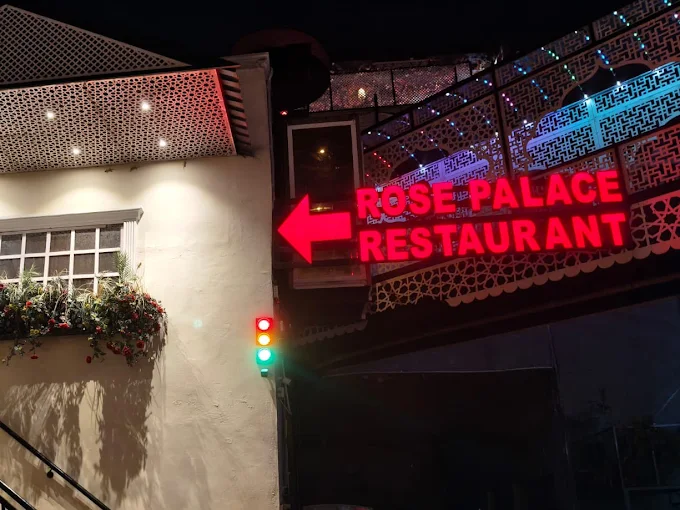
Rose Palace Restaurant is an elegant venue located in Gulberg 2. It requires reservations and offers all-you-can-eat and happy-hour food options, making it suitable for both casual and formal dining. This restaurant is known for its refined interior and attentive service throughout the evening. With a rating of 4.3, it remains a reliable choice for diners. At Rs 2,000–8,000 per person, it falls into the moderately upscale aesthetic restaurants in Lahore.
Closing Time: 11:30 pm
Rating: 4.3
Price Range: Rs 2,000–8,000 per person
Contact: 0314 4337172
25. P.F. Chang’s
P.F. Chang’s is a well-known international name offering a striking, modern space paired with creative Asian-inspired cuisine. Located on MM Alam Road, it features outdoor seating and vegetarian options, making it suitable for a variety of diners. As a family-friendly chain, it appeals to both casual diners and those seeking a polished dining experience. With a solid rating of 4.2, it remains a popular choice for Chinese cuisine lovers. Its stylish interior and consistent quality make it a reliable pick among aesthetic restaurants in Lahore.
Lahore truly has no shortage of stunning dining destinations, and this list of aesthetic restaurants in Lahore proves how diverse and vibrant the city’s food scene has become. Eating spots don’t just serve great food; they create memorable experiences through thoughtful design, ambience, and attention to detail.
As more aesthetic restaurants in Lahore continue to open their doors, the city is fast becoming a go-to destination for Instagram-worthy dining and unforgettable evenings out. So next time you’re planning a meal with friends, family, or someone special, let this list guide you to the best aesthetic restaurants in Lahore has to offer. Your perfect dining experience is just a reservation away.
Dedicated and detail-oriented SEO Content Writer, Real Estate Writer, and Research Analyst based in Islamabad, with proven expertise in developing accurate, valuable, and well-researched content. Skilled in analytical writing, market research, and reporting, with the ability to turn insights into clear, professional, and impactful content. Passionate about exploring new ideas, analyzing industry trends, and contributing to high-quality writing and research-driven projects.
Lahore has become one of the city’s biggest food hubs, and finding good restaurants in Bahria Town Lahore is easier than ever thanks to its dense mix of commercial sectors. Whether you’re craving traditional karahi and nehari, Chinese buffets, wood-fired pizza, or a quick fast-food fix, this stretch of the city has it all within a short drive.
To make browsing easier, this guide organises the best restaurants in Bahria Town Lahore sector by sector (Sector A through Sector F, plus a few nearby outliers), with a quick-reference table of address, contact number, and official socials or website.
Restaurants in Bahria Town Lahore: Sector A
Restaurant
Address
Contact Number
Socials / Website
Cluster
226, Plaza B1, near Grand Mosque, Sector A, Bahria Town, Lahore
Cluster is a fast-food name among restaurants in Bahria Town Lahore, located near the Grand Mosque in Sector A. Prices per person range from Rs 1–1,000. It’s an affordable option for quick bites. Its budget-friendly pricing appeals to casual diners.
AlKhan is a well-known, family-friendly name among restaurants in Bahria Town Lahore, offering an all-you-can-eat menu along with happy-hour deals. It also has a private dining room for special occasions. Prices range from Rs 2,000–8,000 per person. Its scale and variety make it suitable for larger gatherings.
Rating: 4.7
Facebook: facebook.com/alkhanrestaurant
Ghani Shinwari Restaurant
Ghani Shinwari is a private-dining-room name among restaurants in Bahria Town Lahore, located in Sector B. Price per person ranges from Rs 2,000–8,000. It caters to guests seeking a more premium Shinwari dining setup. Its higher price bracket reflects a more upscale experience.
Rating: 3.9
Yasir Broast
Yasir Broast is a family-friendly name among restaurants in Bahria Town Lahore, offering an all-you-can-eat format and a kids’ menu. Prices per person range from Rs 1,000–5,000. It’s located along Canal Bank Road in Sector B. Its broast speciality makes it popular for family outings.
What a Paratha! is among the most talked-about restaurants in Bahria Town Lahore, especially for breakfast and late-night cravings. It stays open 24 hours, so there’s no fixed closing time to worry about. Prices range from Rs 1,000–2,000 per person. Its paratha-focused menu has built a loyal local following.
Rating: 4.8
Boss Signature Dining
Boss Signature Dining stands out among restaurants in Bahria Town Lahore for its outdoor seating and live music setup. It also offers vegetarian options, adding variety to the menu. Prices range from Rs 2,000–7,000 per person, positioning it as a premium dining spot. Live entertainment makes it suitable for evening outings.
Rating: 4.9
The Piatto – Gloria Jean’s Bahria Town
The Piatto, attached to Gloria Jean’s, is a versatile entry among restaurants in Bahria Town Lahore, serving everything from coffee to full meals. Closing time: 3 am. Prices range widely from Rs 1,000–5,000 per person. Its café-restaurant hybrid format appeals to casual visitors and groups alike.
Rating: 4.7
Bahria Food Street
Bahria Food Street is a health-food-focused name among restaurants in Bahria Town Lahore, appealing to fitness-conscious diners. It’s located near the Bahria Grand Masjid parking area. The concept caters to people looking for lighter, cleaner meal options. It has quickly built a strong reputation despite being a newer entrant.
Rating: 5.0
Nawabi Buffet By Banera
Nawabi Buffet By Banera is one of the larger buffet-style restaurants in Bahria Town Lahore, offering an all-you-can-eat format. It also serves happy-hour food and has a fireplace setup for cooler evenings. Prices range from Rs 1,000–3,000 per person. Its buffet spread makes it popular for family gatherings.
Rating: 4.3
Abid Kozi Haleem & Restaurant Bahria Town Lahore
Abid Kozi Haleem is a cash-only, family-friendly entry among restaurants in Bahria Town Lahore, known for traditional haleem. Closing time: 2 am. The price range is budget-friendly at Rs 1–1,000 per person. It’s a straightforward, no-frills option for authentic local food.
Rating: 4.7
MEI KONG Bahria Town
MEI KONG is a heavily reviewed Chinese restaurant among restaurants in Bahria Town Lahore, with outdoor seating available. Prices range from Rs 1,000–6,000 per person. Its extensive Chinese menu has made it one of the busiest restaurants in the sector. The large volume of regular diners speaks to its popularity.
Rating: 4.7
Bundu Khan Restaurant – Bahria Town
Bundu Khan is a widely recognised name among restaurants in Bahria Town Lahore, with outdoor seating available. Closing time: 9 pm. Prices range from Rs 1,000–7,000 per person. Its established brand reputation draws steady foot traffic.
Rating: 4.1
Italian Affair Restaurant
Italian Affair is a distinctive Italian-cuisine entry among restaurants in Bahria Town Lahore, offering an all-you-can-eat format. Closing time: 3 am. Reservations are required, and it offers rotating tables. Prices range from Rs 1,000–2,000 per person.
Rating: 4.7
Le Mandarin
Le Mandarin is an established name among restaurants in Bahria Town Lahore, offering outdoor seating, a fireplace, and reservation-based dining. Prices range from Rs 1,000–6,000 per person. Its cosy ambience suits evening dinners. The fireplace adds a distinct touch in winter.
Rating: 4.5
Muhammadi Nehari House Bahria Town
Muhammadi Nehari House is a 24-hour name among restaurants in Bahria Town Lahore, specialising in nehari. It also offers outdoor seating. Prices range from Rs 1,000–4,000 per person. Round-the-clock service makes it ideal for late-night or early-morning meals.
Rating: 4.3
Prime Restaurant
Prime Restaurant is a smaller, budget-friendly option among restaurants in Bahria Town Lahore, located in Chambelli Block. Prices range from Rs 1–1,000 per person. Despite its size, it maintains a strong reputation among locals. It’s a good option for a quick, affordable meal.
Rating: 4.9
Sindhi Biryani in Bahria Town Lahore
Sindhi Biryani is a cash-only, biryani-focused name among restaurants in Bahria Town Lahore. Closing time: 2 am. Prices range from Rs 1–1,000 per person. Its late-night hours make it convenient for biryani cravings after dark.
Rating: 4.3
Malik Spicy Restaurant
Malik Spicy Restaurant is a family-friendly name among restaurants in Bahria Town Lahore, with outdoor seating available. Closing time: 3 am. Prices range from Rs 1,000–2,000 per person. Its late hours make it a solid option for night-time dining.
Rating: 4.0
Dogar Restaurant Bahria Town Lahore
Dogar Restaurant is a versatile name among restaurants in Bahria Town Lahore, offering outdoor seating, vegetarian options, and Wi-Fi. Closing time: 2 am. Prices range from Rs 1–4,000 per person. Its late hours and added amenities make it convenient for extended visits.
Rating: 3.8
Tanoor
Tanoor is a straightforward name among restaurants in Bahria Town Lahore, offering outdoor seating in Jasmine Block. Prices range from Rs 1–1,000 per person. It’s a budget-conscious pick for casual dining. The simple setup appeals to everyday diners.
Rating: 4.3
Forks n Knives Pizza Kitchen – Bahria Town Lahore
Forks n Knives is a popular pizza-focused name among restaurants in Bahria Town Lahore, offering happy-hour food and Wi-Fi. It’s also good for watching sports. Prices range from Rs 1,000–6,000 per person. Its sports-friendly setup makes it a hangout spot.
SMASH is a hamburger-focused name among restaurants in Bahria Town Lahore, located in Sector C Commercial Area. Prices range from Rs 1,000–2,000 per person. Its burger-centric menu appeals to fast-food lovers. The compact setup is ideal for quick meals.
Rating: 4.3
Eatology
Eatology is a pizza-focused restaurantsinBahriaTownLahore, offering outdoor seating, Wi-Fi, and high chairs for kids. Its family-friendly amenities make it suitable for group outings. Eatology has built a strong reputation for its pizza menu.
Rating: 4.7
Mauj Tandoor Restaurant
Mauj Tandoor is a cash-only name among restaurants in Bahria Town Lahore, offering outdoor seating opposite the Grand Jamia Masjid. Prices range from Rs 1–1,000 per person. It focuses on affordable tandoor-style cooking. The location near the mosque makes it easy to find.
Rating: 4.0
Second Bowl Chinese Cuisine
Second Bowl is a Chinese-cuisine name among restaurants in Bahria Town Lahore, offering an all-you-can-eat format and happy-hour food. It requires reservations. Prices range from Rs 1–6,000 per person. Its buffet-style Chinese offering has built a strong following.
Adan Shinwari is a traditional name among restaurants in Bahria Town Lahore, located in Iris Block. Prices range from Rs 1,000–2,000 per person. It specialises in Shinwari-style dishes similar to other outlets in the area. Its solid rating reflects consistent quality.
Rating: 4.6
Saadi Di Sajji Bahria Branch
Saadi Di Sajji is a sajji-focused restaurantsinBahriaTownLahore, located in the Commercial Zone of Sector C. Prices range from Rs 1,000–6,000 per person. It has built a strong reputation for its sajji speciality. The wide price range accommodates both small and large orders.
Rating: 4.1
Rumi Sultan
Rumi Sultan is a Turkish-cuisine name among restaurants in Bahria Town Lahore, offering outdoor seating in Sector C. Price per person ranges from Rs 1,000–2,000. It brings a distinct Turkish flavour profile to the area. Its niche cuisine sets it apart from other nearby options.
Rating: 3.9
The Rice Bowl Bahria Town
The Rice Bowl is a Chinese-cuisine name among restaurants in Bahria Town Lahore, offering reservations, outdoor seating, and vegetarian options. It’s located in the Commercial Area of Sector C. The vegetarian-friendly menu broadens its appeal. Its Chinese speciality adds to the area’s variety.
Rating: 3.8
The Grand Cafe & Restaurant
The Grand Cafe & Restaurant is a name among restaurants in Bahria Town Lahore, offering outdoor seating in Janiper Block. It’s located near the Bahria Town Main Boulevard. Despite fewer reviews, it maintains a strong rating. Its parking-lot-adjacent location makes it easy to reach.
Rating: 4.8
Daily Deli Co. (BTL)
Daily Deli Co. is a fast-food name among restaurants in Bahria Town Lahore, offering outdoor seating in the Commercial Area of Sector C. Price per person ranges from Rs 1,000–2,000. Its deli-style menu offers a different flavour compared to typical fast-food joints. It has built strong popularity in the local commercial hub.
Rating: 4.6
J Jamera
J Jamera is a pizza-focused name among restaurants in Bahria Town Lahore, serving happy-hour food. Closing time: 4 am. Prices range from Rs 1,000–5,000 per person. It’s located adjacent to the Bahria Grand Mosque. Its late hours make it convenient for night-time pizza cravings.
Rating: 4.7
Johnny & Jugnu – Bahria Town
Johnny & Jugnu is a fast-food name among restaurants in Bahria Town Lahore, located in the Commercial Area of Sector C. Price per person ranges from Rs 1,000–2,000. It has built a large, loyal customer base in the area. Its fast-food menu suits quick, casual meals.
Rating: 4.4
Burger Lab – Bahria Town Lahore
Burger Lab is a 24-hour fast-food name among restaurants in Bahria Town Lahore, located in the Commercial Area. Prices range from Rs 1–4,000 per person. Its round-the-clock service makes it ideal for late-night burger cravings. The wide price range covers both quick snacks and full meals.
Rating: 3.9
Brim Burgers Bahria
Brim Burgers is a fast-food name among restaurants in Bahria Town Lahore, offering an all-you-can-eat format, outdoor seating, and Wi-Fi. Prices range from Rs 1,000–5,000 per person. It’s located in the Commercial Plaza of Sector C. Its added amenities make it suitable for longer visits.
Rating: 4.4
DUMx Broast | Bahria Town
DUMx Broast is a fast-food name among restaurants in Bahria Town Lahore, located near Talwar Chowk behind Baskin Robbins. Prices range from Rs 1,000–2,000 per person. Its roast speciality has developed a strong local reputation. The central location makes it easy to access.
Rating: 4.4
Olio’s Pizzeria & Eatery
Olio’s Pizzeria & Eatery is a pizza-focused name among restaurants in Bahria Town Lahore, near Talwar Chowk in the Commercial Zone. Prices range from Rs 1,000–5,000 per person. Its pizzeria concept adds another option to the area’s pizza scene. The eatery format also supports a broader range of meal choices.
Rating: 4.5
Al Abrish Food
Al Abrish Food is a reservation-based name among restaurants in Bahria Town Lahore, offering rooftop seating and a fireplace. It’s located along the Bahria Town Main Boulevard. The rooftop setup adds a scenic dining touch. Its fireplace feature suits cooler evenings well.
Rating: 4.5
Crust Bros – Bahria Town Lahore
Crust Bros is a fast-food name among restaurants in Bahria Town Lahore, located in the Gulmahar Block Commercial area. Prices range from Rs 1,000–2,000 per person. Its focused menu keeps operations simple and quick. It’s a smaller but growing name in the local food scene.
Rating: 4.0
Wakhra Sayapa | Bahria Town Lahore
Wakhra Sayapa is a fast-food name among restaurants in Bahria Town Lahore, offering outdoor seating, Wi-Fi, and space for dogs outside. Prices range from Rs 1,000–2,000 per person. It’s located in the Gulmahar Block Commercial area. Its pet-friendly outdoor space is a distinctive feature.
Rating: 3.6
Fri Chiks
Fri Chiks is a fast-food name among restaurants in Bahria Town Lahore, located in the Gulmohr Commercial Area. Closing time: 3 am. Prices range from Rs 1–1,000 per person. Its late hours make it convenient for night-time snacking.
Rating: 3.8
Max Fast Food
Max Fast Food is a cash-only name among restaurants in Bahria Town Lahore, offering outdoor seating in Jasmine Block. Prices range from Rs 1–1,000 per person. Its simple, budget-friendly menu suits quick meals. The straightforward setup keeps service fast.
Rating: 4.1
Pizza Max – Bahria Town
Pizza Max is a pizza-focused name among restaurants in Bahria Town Lahore, serving happy-hour food. Closing time: 5 am on Sundays. Prices range from Rs 1,000–7,000 per person. It’s located beside Gloria Jean’s in Gulbahar Block.
Rating: 4.2
Silver Burn Coffee Shop
Silver Burn Coffee Shop is a café-style name among restaurants in Bahria Town Lahore, offering outdoor seating, Wi-Fi, and high chairs. It’s located in Tulip Block. The high chairs make it suitable for families with young kids. Its Wi-Fi appeals to those who want to work while dining.
Rating: 4.4
Broadway Pizza – Bahria Town
Broadway Pizza is a well-known pizza chain among restaurants in Bahria Town Lahore, located in the Commercial Area of Sector C. Closing time: 4 am. Price per person ranges from Rs 1,000–4,000. Its late-night hours make it a go-to for pizza cravings after dark.
Rating: 4.2
Hardee’s – Bahria Town
Hardee’s is a fast-food chain name among restaurants in Bahria Town Lahore, located in Tulip Block. Prices range from Rs 1,000–5,000 per person. Its globally recognised menu of burgers and combos draws steady visitors. The chain’s consistency appeals to regular fast-food diners.
Rating: 4.0
KFC | Bahria Town Lahore
KFC is a globally known fried-chicken chain among restaurants in Bahria Town Lahore, offering an all-you-can-eat format and a kids’ menu. Prices range from Rs 1–2,000 per person. It’s located near Talwar Chowk in the Commercial Area. Known for its fried chicken buckets, combo meals, and sides, KFC remains a popular choice among restaurants in Lahore.
Rating: 3.9
Papa John’s Pizza
Papa John’s is an international pizza chain among restaurants in Bahria Town Lahore, offering vegetarian options and high chairs. Closing time: 7 am on Sundays. It’s located in the Commercial Area of Sector C. Its late Sunday hours make it useful for weekend late-night orders.
Malik’s Spicy Restaurant is a 24-hour, cash-only name among restaurants in Bahria Town Lahore, with outdoor seating. It’s located in Sector D. Round-the-clock availability makes it a reliable late-night option. The spicy menu has developed a loyal customer base.
Rating: 4.1
McDonald’s – Bahria Town
McDonald’s is a globally known fast-food chain among restaurants in Bahria Town Lahore, offering outdoor seating and a kids’ menu. Closing time: 2 am. Prices range from Rs 1–4,000 per person. Its familiar menu of burgers and fries draws consistent footfall.
Boomerang is one of the popular restaurants in Bahria Town Lahore, known for its relaxed dine-in setup. It falls in the Rs 1,000–2,000 per person range, making it a solid mid-budget pick. The place is located in Sector E, Lavandus Block Commercial. It’s a favourite stop for anyone exploring restaurants in Bahria Town with friends or family. The overall experience keeps regulars coming back.
Rating: 4.9
Nayabs – Bahria Town
Nayabs – Bahria Town is one of the outdoor-seating restaurants in Bahria Town Lahore, located in Violet Block. It offers a comfortable open-air dining experience. The restaurant has built a reasonably established presence in the area. It suits diners who prefer eating outside during pleasant weather.
Rating: 4.0
BUNTY Sajji by Bunty Bhai – Bahria Town
BUNTY Sajji is a 24-hour name among restaurants in Bahria Town Lahore, known for traditional sajji. Reservations are required, and it offers outdoor seating. Prices range from Rs 1–5,000 per person. Its round-the-clock availability makes it convenient for odd-hour cravings.
Rating: 3.9
Salt’n Pepper Express Bahria Town
Salt’n Pepper Express is an Asian-cuisine name among restaurants in Bahria Town Lahore, offering outdoor seating and a kids’ menu. Prices range from Rs 2,000–3,000 per person. It’s located near the Eiffel Tower landmark in Sector E. Its family-friendly setup makes it a practical weekend choice.
Rating: 4.4
Street Flames
Street Flames is a budget-friendly addition to restaurants in Bahria Town Lahore, located in the Lavandus Block. Prices range from Rs 1–1,000 per person. It caters to diners looking for affordable street-style food. The compact setup keeps things simple and quick.
Rating: 4.5
Cheezious – Bahria Town
Cheezious is a fast-food chain outlet among restaurants in Bahria Town Lahore, located in Lavandus Block. Prices range from Rs 1,000–5,000 per person. Known nationally, its Bahria Town branch draws a consistent local crowd. The menu focuses on pizzas and fast-food combos.
Rating: 4.4
Tofu Bahria Town Chinese & Thai Restaurant
Tofu is a Chinese and Thai-focused name among restaurants in Bahria Town Lahore, located in Rafi Block. Prices range from Rs 1–1,000 per person. Its combined Chinese-Thai menu offers variety at an affordable price. It’s a good pick for those wanting Asian flavours on a budget.
Rating: 4.5
SHiFU Restaurant Bahria Town
SHiFU is a Chinese-cuisine name among restaurants in Bahria Town Lahore, located near the Clock Tower. It offers delivery from 5 pm to 2 am. Prices range from Rs 1,000–2,000 per person. Its delivery hours make it a convenient late-evening option.
Rating: 4.4
JS Shinwari Restaurant
JS Shinwari is a well-rated name among restaurants in Bahria Town Lahore, located in Nishter Block. Prices range from Rs 1,000–2,000 per person. It specialises in Shinwari-style traditional dishes. Its strong rating reflects consistent food quality. JS Shinwari is a recommended pick for Shinwari cuisine in Bahria Town.
Rating: 4.8
Steak Away – Bahria Town (Burgers & Steaks)
Steak Away is a fast-food name among restaurants in Bahria Town Lahore, offering outdoor seating in Lavandus Block. Prices range from Rs 1,000–3,000 per person. It combines burgers and steaks in one menu. Its strong rating reflects good food quality for the price.
Rating: 4.7
NY 212 Bahria Town
NY 212 is a pizza-focused name among restaurants in Bahria Town Lahore, offering happy-hour food and a kids’ menu. Prices range from Rs 1–3,000 per person. It’s located near the Grand Bahria Masjid in Sector E. Its family-friendly setup makes it a practical weekend option.
Rating: 4.2
Coffee Planet & The OG – Bahria Town
Coffee Planet & The OG is a versatile name among restaurants in Bahria Town Lahore, offering outdoor seating, vegan options, and a sports-friendly setup. Prices range from Rs 1,000–2,000 per person. It’s located near the Clock Tower in Rafi Block. Its combined café-and-restaurant concept adds variety.
Rating: 4.2
Toppy – The Pizza Guy (Bahria Town)
Toppy is a pizza-focused name among restaurants in Bahria Town Lahore, located in Lavandus Block. Prices range from Rs 1,000–4,000 per person. It has built a strong following for its pizza offerings. Its solid rating reflects consistent food quality.
Rating: 4.7
Sultan Shawarma – Bahria Town
Sultan Shawarma is a shawarma-focused name among restaurants in Bahria Town Lahore, offering high chairs and a sports-friendly setup. Prices range from Rs 1–1,000 per person. It’s located in the Nishter Commercial area. Its shawarma speciality makes it a quick, affordable choice.
Timmy’s is a fast-food chain name among restaurants in Bahria Town Lahore, offering outdoor seating and a kids’ menu. Prices per person range from Rs 1–4,000. It’s located in the F Sector area of Bahria Town. Its broad price range suits both quick snacks and full meals.
Rating: 4.0
Nearby / Outside Core Sectors
Restaurant
Address
Contact Number
Socials / Website
Monaco Bay
22 Nishtar Block, Main Blvd, Lilic Block, Bahria Town, Lahore
Monaco Bay is a mid-tier name among restaurants in Bahria Town Lahore, located along the Main Boulevard. It’s set in the Lilic Block area of Bahria Town. The restaurant maintains a steady flow of regular diners. It offers a comfortable setting for casual meals.
Rating: 4.4
Butt Karahi Bahria Town Lahore
Butt Karahi is a well-established name among restaurants in Bahria Town Lahore, offering an all-you-can-eat format and a private dining room. Prices range from Rs 1,000–5,000 per person. It’s located along Canal Bank Road, opposite Bahria Town. Its karahi speciality has built strong repeat business.
This Nayabs branch is a name that also appears alongside restaurants in Bahria Town Lahore, offering an all-you-can-eat format, rooftop seating, and a private dining room. Prices range from Rs 1,000–7,000 per person. Its rooftop setup adds a scenic dining option. The private dining room suits special gatherings.
Rating: 4.1
Maalga Restaurant
Maalga Restaurant is a name connected to restaurants in Bahria Town Lahore, offering happy-hour food, vegetarian options, and live music. It’s located on Khayaban-e-Firdousi. The live music feature adds an entertainment element to dining. Its vegetarian options broaden the menu’s appeal.
Rating: 4.0
Final Thoughts
With so many options spread across its sectors, choosing between the best restaurants in Bahria Town Lahore really comes down to what kind of experience you’re after. Families and larger groups are well served by buffet-style options and fast-food lovers have plenty of chains to choose from. Whatever the occasion, restaurants in Bahria Town Lahore consistently deliver on variety, convenience, and value, making the area one of Lahore’s most reliable destinations for eating out.
Dedicated and detail-oriented SEO Content Writer, Real Estate Writer, and Research Analyst based in Islamabad, with proven expertise in developing accurate, valuable, and well-researched content. Skilled in analytical writing, market research, and reporting, with the ability to turn insights into clear, professional, and impactful content. Passionate about exploring new ideas, analyzing industry trends, and contributing to high-quality writing and research-driven projects.
Lahore has always had a soft spot for good food, and nowhere is that more obvious than in its buzzing fast food scene. Whether you’re craving a classic burger, a loaded shawarma, a cheesy pizza, or crispy fried chicken, the city’s fast food restaurants offer something for every mood, budget, and occasion.
This guide takes a closer look at some of the most popular fast food restaurants in Lahore, spanning favourites in Gulberg, Johar Town, and Bahria Town, so you can find your next go-to spot without endless scrolling.
Fast Food Restaurants in Gulberg Lahore
Name
Address
Contact Number
Instagram / Official Website
The Fat Boy
G89W+HFX, Fashion Ave, Block D1 Gulberg III, Lahore
The Fat Boy stands out among fast food restaurants in Lahore with an outstanding 4.7 rating, one of the highest on this list. Tucked into Gulberg III, it has quickly become a favourite for diners who want bold, satisfying flavours at a reasonable Rs 1,000–2,000 per person. The buzz around this spot is well-earned, with a menu that keeps people coming back.
2. Howdy Rooftop
Howdy Rooftop brings a lively rooftop setting to the list of fast food restaurants in Lahore, complete with outdoor seating, vegetarian options, and a great atmosphere for watching sports. It has earned a solid 4.4 rating from many diners. Meals here typically run Rs 1,000–3,000 per person, offering more variety than a standard fast-food counter. Located on MM Alam Road in Gulberg III, it’s easy to find and always buzzing with energy.
3. Marks Kitchen
Marks Kitchen is a modest but reliable name among fast food restaurants in Lahore, offering outdoor seating and a kids’ menu in its Gulberg III location. It carries a 4.1 rating, reflecting a solid, no-frills dining experience. The restaurant keeps things simple and approachable, making it a good option for families.
4. SteakAway – Gulberg (Burgers & Steaks)
SteakAway in Gulberg stands out among fast food restaurants in Lahore for anyone craving burgers and steaks in one place. It holds a strong 4.3 rating and offers a wide price range of Rs 1,000–6,000 per person, catering to both quick meals and bigger splurges. With outdoor seating and a kids’ menu, it suits families and groups alike. It closes at 11 pm, giving diners a full evening to enjoy their meal.
5. Burger Lab Gulberg Lahore
Burger Lab in Gulberg is one of the more unique fast food restaurants in Lahore simply because it operates 24 hours a day, making it a go-to for late-night cravings. It has a 3.9 rating, and prices typically fall between Rs 2,000–3,000 per person. Located near Kalma Chowk, it’s easy to reach from several parts of the city. For anyone needing a midnight burger fix, this is the spot to remember.
6. Juicy Chuck Gulberg (Flagship Store)
Juicy Chuck’s flagship store in Gulberg III is a well-loved name among fast food restaurants in Lahore, known for its outdoor seating and family-friendly kids’ menu. It maintains a strong 4.3 rating, and meals typically cost Rs 1,000–2,000 per person. Located inside WB Mall, it’s a convenient stop for shoppers looking for a quick, tasty bite.
7. Ranchers
Ranchers is one of the most celebrated fast food restaurants in Lahore, with an exceptional 4.8 rating that ranks among the highest on this list. Located inside Mall 1 in Gulberg III, it offers an all-you-can-eat format along with a dedicated kids’ menu, making it perfect for families. Prices range from Rs 1,000–6,000 per person, and closing time is 11 am the following day, with delivery running until 1:45 am.
8. Keprek Smashed Chicken
Keprek Smashed Chicken has quickly become a favourite among fast food restaurants in Lahore, thanks to its focus on crispy, flavour-packed smashed chicken dishes. It holds a strong 4.6 rating, reflecting the loyalty of its regular customers. Meals are priced around Rs 1,000–2,000 per person, keeping it budget-friendly for everyday visits. Located near Outfitters in Gulberg 2, it’s easy to spot and always drawing a crowd.
9. Baranh
Baranh brings a more elevated dining experience to the list of fast food restaurants in Lahore, with an all-you-can-eat format and reservations recommended in advance. It holds a strong 4.6 rating, and prices range widely from Rs 1,000–7,000 per person. It closes at 1 am, making it a great option for late dinners. Situated in Gulberg Galleria on Main Boulevard, it’s centrally located and easy to access.
10. Burger O’Clock – Gulberg Fashion Avenue
Burger O’Clock on Fashion Avenue is a popular name among fast food restaurants in Lahore, offering outdoor seating and a kids’ menu for families. It carries a solid 4.6 rating and prices ranging from Rs 1,000–5,000 per person. Its delivery service runs until 4 am, making it a reliable choice for very late-night cravings. Located in Mall 95 in Gulberg III, it’s a convenient stop for shoppers and diners alike.
11. Substation
Substation in Gulberg III has earned its place among fast food restaurants in Lahore by offering vegan options alongside a dedicated kids’ menu, appealing to a wide range of diners. It holds a 4.3 rating, showing steady approval from its customer base. Meals are priced around Rs 1,000–2,000 per person, keeping it accessible for regular visits. Located on MM Alam Road, it sits centrally in the Gulberg dining scene.
12. SMASH – Gulberg
SMASH in Gulberg brings a distinctive hamburger-focused concept to the roster of fast food restaurants in Lahore, complete with a fireplace, live music, and a great atmosphere for watching sports. It holds a 4.4 rating and sits in the Rs 1,000–3,000 per person range. Located on MM Alam Road, it draws a crowd looking for more than just a quick bite. It’s an ideal spot for a relaxed evening out with friends.
13. Papa-Jee’s Fast Food Restaurant
Papa-Jee’s is exactly what its name promises: one of the classic fast food restaurants in Lahore, offering an all-you-can-eat format along with happy-hour deals. It carries a strong 4.6 rating, and prices range from Rs 1,000–5,000 per person. Reservations are recommended, especially during peak hours, given its popularity. Located near Ashraf Heights on Gulberg Road, it’s tucked into a quieter part of the neighbourhood.
14. OPTP – MM Alam
OPTP on MM Alam Road is a flexible addition to the list of fast food restaurants in Lahore, offering a kids’ menu and no reservations, so you can walk in anytime. It holds a 4.0 rating and covers a broad price range of Rs 1–5,000 per person. It closes at 2 am, making it a solid late-night option in Gulberg III. Its central MM Alam location keeps it within easy reach of much of the city’s dining scene.
15. BonBird Cue Cinema
BonBird at Cue Cinema combines moviegoing with dining, making it a unique entry among fast food restaurants in Lahore. It offers outdoor seating and a kids’ menu, and holds a strong 4.5 rating. Meals are priced around Rs 1,000–2,000 per person, keeping it affordable for a cinema outing. Located inside Siddique Trade Centre on Main Boulevard Gulberg, it’s a convenient stop before or after a movie.
16. Fri-Chiks – Main Market
Fri-Chiks in Main Market Gulberg has built a name among fast food restaurants in Lahore for its wide price range, from Rs 1–4,000 per person. It holds a 4.0 rating, reflecting steady customer satisfaction. Its location on Main Boulevard Gulberg makes it a convenient stop for shoppers in the Main Market area. It’s a reliable choice for a quick, no-fuss meal.
17. Shawarma Stop
Shawarma Stop in Gulberg III is a focused entry among fast food restaurants in Lahore, specialising in shawarmas and quick wraps. It carries an excellent 4.7 rating, showing strong approval from regular customers. Prices range from Rs 1,000–5,000 per person, offering options for both light and heavier meals. Located on Service Road in Block D1, it’s tucked into a busy commercial pocket of Gulberg.
18. Cheese Please!
Cheese Please! in Gulberg’s Main Market is a budget entry among fast food restaurants in Lahore, with prices ranging from Rs 1–1,000 per person. It holds an excellent 4.7 rating, showing strong approval despite its small size. Located in Gulberg Arcade, it sits on a busy commercial strip in Gulberg 2. Its high rating relative to its size makes it a hidden gem worth trying.
19. Mystique Restaurants Lahore
Mystique Restaurants on MM Alam Road offers a more upscale experience among fast food restaurants in Lahore, featuring happy-hour food, a private dining room, and live music. It holds a strong 4.6 rating, and prices range from Rs 2,000–8,000 per person. It closes at 11 pm, giving diners a full evening to enjoy the ambience. Located in Block L of Gulberg, it’s a popular choice for special occasions and group dinners.
20. Hunza Den
Hunza Den in Gulberg brings a distinct regional flavour to the list of fast food restaurants in Lahore, earning an impressive 4.7 rating. Prices fall in the Rs 1,000–3,000 per person range, offering solid value for the quality on offer. Located in Mall 94 on Fashion Avenue, it’s easy to reach within the Gulberg dining district. It’s a great choice for diners wanting something a little different from the usual fast food lineup.
21. Rina’s Kitchenette
Rina’s Kitchenette on Main Boulevard, Gulberg, is a well-rounded name among fast food restaurants in Lahore, offering vegetarian choices and a kids’ menu for families. It holds a 4.3 rating, and prices range from Rs 1,000–5,000 per person. It closes at 12 am, making it a good option for late dinners. Located at Fountain Avenue in Gulberg 2, it’s centrally placed within the city’s dining hub.
22. Giramondo
Giramondo in Gulberg III adds variety to the list of fast food restaurants in Lahore with its all-you-can-eat format and outdoor seating. It holds a 4.3 rating and sits in the Rs 2,000–3,000 per person range. It closes at 12 am, making it suitable for late-evening dining. Its Block C2 location keeps it conveniently placed within Gulberg’s dining scene.
23. Brim Burgers
Brim Burgers in Gulberg III is a hamburger-focused name among fast food restaurants in Lahore, offering outdoor seating for a relaxed dining experience. It holds a strong 4.5 rating, reflecting steady customer approval. Prices remain accessible at Rs 1,000–2,000 per person. Located inside Mall 1 on Main Boulevard Gulberg, it’s a convenient stop for shoppers and diners alike.
24. Basilico by Sara
Basilico by Sara in Gulberg 2 is one of the top-rated fast food restaurants in Lahore, holding an excellent 4.7 rating. It offers outdoor seating, vegetarian options, and a great setup for watching sports, making it versatile for different occasions. Prices range from Rs 2,000–8,000 per person, and it closes at 11:45 pm, allowing for a full evening of dining. Located on Block T in Gulberg 2, it’s a well-known destination for both casual and slightly upscale meals.
25. Meat The Cheese
Meat The Cheese near Hussain Chowk in Gulberg III rounds out the list of fast food restaurants in Lahore with its rooftop seating and private dining room options. It holds a 4.2 rating and prices range from Rs 1,000–7,000 per person, suiting both quick meals and bigger group gatherings. Its Block C3 location keeps it within easy reach of the Gulberg dining scene. It’s a good option for a relaxed meal with a view.
26. McDonald’s
McDonald’s on Main Boulevard Gulberg is one of the most recognisable fast food restaurants in Lahore, offering outdoor seating, vegetarian options, and a dedicated kids’ menu for families. It holds a strong 4.3 rating and stays open 24 hours, making it accessible at any time of day or night. Prices remain affordable at Rs 1,000–2,000 per person, keeping it a go-to for quick meals. As a globally known chain, it remains a reliable option for burgers and fries in Gulberg 2.
27. Daily Deli Co. (Gulberg)
The Gulberg branch of Daily Deli Co. has become one of the top-rated fast food restaurants in Lahore, earning an impressive 4.7 rating from customers. Prices stay reasonable at Rs 1,000–2,000 per person, making it a practical choice for casual dining. Located in Block L of Gulberg, it’s well positioned within the neighborhood’s busy food scene. It’s a solid pick for anyone craving a quick, quality meal in Gulberg.
28. Joli be
Joli be stands out among fast food restaurants in Lahore with an outstanding 4.9 rating, one of the highest on record. Prices are extremely budget-friendly at Rs 1–1,000 per person, making it accessible for quick, affordable meals. Located inside Al-Hafeez Heights on Sir Syed Road in Gulberg III, it sits in a busy commercial pocket of the city. Recently updated, it shows active engagement with its growing customer base.
29. Zoro Burger – Gulberg
Zoro Burger in Gulberg has earned a strong spot among fast food restaurants in Lahore, holding an impressive 4.7 rating from a large number of diners. Prices remain accessible at Rs 1,000–2,000 per person, making it a practical choice for regular visits. Located on Main Boulevard in Gulberg 2, it’s easy to find within the city’s central dining district. It’s a great option for anyone craving a satisfying, well-reviewed burger.
30. Hardee’s – Gulberg III
Hardee’s in Gulberg III is a globally recognised name among fast food restaurants in Lahore, known for fried chicken, big burgers, and made-from-scratch breakfast biscuits. It offers outdoor seating and a kids’ menu, and holds a solid 4.2 rating. Prices stay affordable at Rs 1,000–2,000 per person, keeping it accessible for everyday meals. Located on Mian Mehmood Ali Kasuri Road, it’s centrally placed within Gulberg III.
31. MAD – Mighty & Delicious (Gulberg)
MAD – Mighty & Delicious brings a budget-friendly option to the list of fast food restaurants in Lahore, with prices as low as Rs 1–1,000 per person. It holds a 4.1 rating, reflecting solid approval from its customers. Located inside Sheraz Plaza in Block B, Gulberg 2, it sits in a busy commercial area. Its central Gulberg location makes it easy for shoppers and residents alike to reach.
32. Kruncheese
Kruncheese in Gulberg III is a well-loved name among fast food restaurants in Lahore, holding a strong 4.4 rating from its customers. Prices range from Rs 1–4,000 per person, offering flexibility for both light snacks and bigger meals. Located near Hussain Chowk in Block C3, it’s easy to find within the busy Gulberg dining scene.
33. SAND
SAND in Gulberg offers a casual, outdoor-seating experience among fast food restaurants in Lahore, holding a 4.0 rating from its regular customers. Prices are moderate at Rs 1,000–2,000 per person, keeping it accessible for everyday dining. Located on Ghalib Road in Block C2 Gulberg, it’s conveniently placed within the neighbourhood.
34. Cluckin
Cluckin is a smaller name among fast food restaurants in Lahore, holding a 3.5 rating from its early customer base. Prices stay in the Rs 1,000–2,000 per person range, keeping it accessible for casual meals. Located in Block E1, E-3 Gulberg III, it sits in a quieter pocket of the neighbourhood. It’s worth trying for those exploring lesser-known spots in Gulberg III.
35. Pizza Dot Com
Pizza Dot Com adds a pizza-focused option to the list of fast food restaurants in Lahore, holding an excellent 4.7 rating. Prices are budget-friendly at Rs 1–2,000 per person, and it closes at 2 am, making it a solid late-night choice. Located at Centre Point in Block E2 Gulberg, it’s easy to reach within the neighbourhood. It’s a great pick for a late-night pizza craving.
36. Dough Joe
Dough Joe in Gulberg 2 rounds out the list of fast food restaurants in Lahore with its pizza-focused menu, holding a solid 4.3 rating. Prices range from Rs 1,000–5,000 per person, offering options for both quick bites and bigger orders. Located inside Mall 1 in Block D1, Gulberg 2, it’s conveniently placed for shoppers and diners. It’s a good choice for anyone craving pizza in the Gulberg area.
ROX Burger in Johar Town is a budget-friendly entry among fast food restaurants in Lahore, with prices as low as Rs 1–1,000 per person. It holds a 3.8 rating and offers outdoor seating for a casual dining experience. Located in the G1 Market area of Phase 1 Johar Town, it’s easy for locals to find. It’s especially popular with students and younger crowds in the area.
38. Burger O’Clock – Johar Town
The Johar Town branch of Burger O’Clock is a standout among fast food restaurants in Lahore, holding an excellent 4.7 rating from its customers. Prices remain accessible at Rs 1,000–2,000 per person, and it closes at 4 am, making it a great option for late-night cravings. Located in Block J3 of Phase 2 Johar Town, it’s easy for local residents to reach. It’s a strong choice for a late-night burger run.
39. Johnny & Jugnu – Johar Town
Johnny & Jugnu in Johar Town remains one of the most popular fast food restaurants in Lahore, known for its burgers and tortilla wraps served in a simple carry-out format. It holds a solid 4.3 rating, reflecting steady approval from a large customer base. Prices stay affordable at Rs 1,000–2,000 per person, making it a go-to for quick meals. Located behind Mian Plaza in Block D2 of Phase 1, it’s a convenient stop for locals.
40. Ranchers (Johar Town)
The Johar Town branch of Ranchers is a top pick among fast food restaurants in Lahore, holding a strong 4.7 rating. Prices range from Rs 1,000–4,000 per person, and it closes at 1:45 am, making it a great choice for late dinners. Located in Block G3 of Phase 2 Johar Town, it’s centrally placed within the neighbourhood. It’s an excellent option for a hearty, satisfying meal any time of day.
41. Daily Deli Co. (Johar Town)
Daily Deli Co. in Johar Town remains a reliable name among fast food restaurants in Lahore, offering outdoor seating and a kids’ menu for families. It holds a strong 4.4 rating, showing consistent customer satisfaction. Prices stay accessible at Rs 1,000–2,000 per person, making it a practical choice for everyday meals. Located near Civic Centre in Block D2 of Phase 1 Johar Town, it’s easy to find within the neighbourhood.
42. Devour – Johar Town
Devour in Johar Town is one of the highest-rated fast food restaurants in Lahore, boasting an outstanding 4.9 rating. It offers outdoor seating, vegan options, and Wi-Fi, making it a versatile choice for different types of diners. Prices range from Rs 1,000–5,000 per person, and it closes at 2 am, giving guests plenty of time to enjoy their meal. Located on Shahrah Nazaria-e-Pakistan in Block R1, it’s a well-known destination in the area.
43. Chunk N Cheese – Johar Town
Chunk N Cheese brings a pizza-focused, all-you-can-eat concept to the list of fast food restaurants in Lahore, complete with happy-hour deals and a kids’ menu. It holds a solid 4.3 rating, and prices range from Rs 1,000–5,000 per person. It closes at 3 am, making it a strong late-night option in Johar Town. Located on Abdul Haque Road in Block G3 of Phase 2, it’s easy to find within the neighbourhood.
44. Burger Lab Johar Town
Burger Lab’s Johar Town branch is a round-the-clock addition to the list of fast food restaurants in Lahore, operating 24 hours a day. It holds a 4.3 rating and keeps prices accessible at Rs 1,000–2,000 per person. Its always-open format makes it a reliable choice for late-night or early-morning cravings. Located on Abdul Haque Road in Block G of Phase 1, it’s conveniently placed within the neighbourhood.
45. DOUGH JOE Johar Town
Dough Joe’s Johar Town branch is a well-equipped addition to the list of fast food restaurants in Lahore, offering an all-you-can-eat format, Wi-Fi, and high chairs for families with young children. It holds a strong 4.4 rating, and prices range from Rs 1,000–4,000 per person. It closes at 2 am, making it a solid late-night choice. Located in Block J3 of Phase 2 Johar Town, it’s easy to reach within the neighbourhood.
46. Howdy (Johar Town)
Howdy’s Johar Town branch is a family-friendly name among fast food restaurants in Lahore, offering outdoor seating, a kids’ menu, and space for dogs outside. It holds a solid 4.3 rating, and prices range from Rs 1,000–5,000 per person. Located near Shaukat Khanum Hospital Road in Block R3 of Phase 2, it’s conveniently placed within the neighbourhood. It’s a great option for a relaxed outdoor meal with the whole family.
47. FoodSmith – Johar Town
FoodSmith is a budget-friendly addition to the list of fast food restaurants in Lahore, with prices as low as Rs 1–1,000 per person. It holds a 4.0 rating and offers outdoor seating for a casual dining experience. It closes at 3 am, making it a solid late-night option near UMT. Located inside Royal Boys Hostel in Block C-2 Johar Town, it’s popular with local students.
48. DUMx Broast Johar Town
DUMx Broast has built a strong reputation among fast food restaurants in Lahore, holding an impressive 4.6 rating. Prices stay accessible at Rs 1,000–2,000 per person, making it a practical choice for regular visits. Located inside DUMx Tower in the G1 Market of Block G, Phase 1 Johar Town, it’s easy to find within the neighbourhood. It’s a solid pick for anyone craving crispy, flavorful chicken.
49. Second Slice by Forks N Knives
Second Slice by Forks N Knives is one of the most reviewed fast food restaurants in Lahore, holding a strong 4.4 rating from nearly 18,000 customers. It offers happy-hour deals, vegetarian options, and a great setup for watching sports. Prices stay accessible at Rs 1,000–2,000 per person, and it closes at 3 am, making it a strong late-night pizza option. Located on Abdul Haque Road in Block G of Phase 1, it’s centrally placed within Johar Town.
50. Smash Grab – Johar Town (J3)
Smash Grab in Johar Town is a budget-friendly, all-you-can-eat option among fastfoodrestaurantsinLahore and also offers Wi-Fi for guests. It holds a strong 4.6 rating and keeps prices low at Rs 1–1,000 per person. Located in Block J3 of Phase 2 Johar Town, it’s conveniently placed within the neighbourhood. Its all-you-can-eat format makes it especially popular with bigger groups.
51. Substation (Johar Town)
Substation’s Johar Town branch is a health-conscious addition to the list of fast food restaurants in Lahore, known for build-your-own sandwiches and salads. It offers outdoor seating, vegetarian options, and Wi-Fi, and holds a solid 4.3 rating. Prices stay accessible at Rs 1,000–2,000 per person, making it a practical choice for a lighter meal. Located in Block G1 of Phase 1 Johar Town, it’s conveniently placed within the neighbourhood.
52. Broadway Pizza – Johar Town
Broadway Pizza’s Johar Town branch is a well-known name among fast food restaurants in Lahore, offering happy-hour deals, vegetarian options, and a great setup for watching sports. It holds an impressive 4.6 rating and keeps prices accessible at Rs 1,000–2,000 per person. It closes at 4 am, making it a strong choice for late-night pizza cravings. Located on Shahrah Nazaria-e-Pakistan in the Commercial Area of Phase 2, it’s easy to find within Johar Town.
53. Eighty Twenty (Johar Town)
Eighty Twenty is a growing name among fast food restaurants in Lahore, offering outdoor seating for a relaxed dining experience. It holds a solid 4.4 rating, reflecting positive customer feedback. Prices remain accessible at Rs 1,000–2,000 per person, keeping it practical for regular visits. Located in Block R2 of Phase 2 Johar Town, it’s conveniently placed within the neighbourhood.
54. NY212 Johar Town
NY212 is a distinctive addition to the list of fast food restaurants in Lahore, holding a solid 4.1 rating. Prices stay accessible at Rs 1,000–2,000 per person, and its closing time is 12:30 pm before it reopens later at 1:30 pm. Located near Khokhar Chowk in Block M of Phase 2 Johar Town, it’s easy to find within the neighbourhood. Check the timings before heading over.
55. Godfather Burgers
Godfather Burgers is a cash-only, all-you-can-eat entry among fast food restaurants in Lahore, also offering vegan options for a broader range of diners. It holds a solid 4.1 rating. Prices stay accessible at Rs 1,000–2,000 per person, keeping it practical for regular meals. Located on Main Boulevard near Civic Centre in Block D2 of Phase 1 Johar Town, it’s easy to find within the neighbourhood.
56. FoodGuy – Johar Town
FoodGuy is a budget-conscious, cash-only addition to the list of fast food restaurants in Lahore, with prices as low as Rs 1–1,000 per person. It holds a strong 4.4 rating from its early customer base. Located in Block F of Phase 1 Johar Town, it’s tucked into a quieter part of the neighbourhood. It’s a good option for a quick, affordable bite in Johar Town.
57. SteakAway – Johar Town (Burgers & Steaks)
The Johar Town branch of SteakAway is a well-equipped addition to the list of fast food restaurants in Lahore, offering an all-you-can-eat format, Wi-Fi, and a kids’ menu for families. It holds a 4.0 rating, and prices range from Rs 1,000–3,000 per person. Located on Shahrah Nazaria-e-Pakistan in Block J3 of Phase 2, it’s conveniently placed within the neighbourhood. Among the best fast food restaurants in Lahore, this branch continues the brand’s reputation for combining burgers and steaks under one roof. It’s a solid choice for a heartier fast food meal.
58. Zingo Chicken & Tender Johar Town
Zingo Chicken & Tender is a budget-friendly name among fast food restaurants in Lahore, with prices as low as Rs 1–1,000 per person. It holds a solid 4.2 rating from its customer base. Located on Khayaban-e-Firdousi, opposite Shaukat Khanum Hospital Road, in Block F of Phase 1, it’s easy to find in Johar Town. It’s a good choice for a fast, inexpensive chicken meal.
59. The Veranda
The Veranda offers a relaxed, outdoor-seating experience among fast food restaurants in Lahore, holding a solid 4.2 rating. Located in Block M of Phase 2 Johar Town, it’s conveniently placed within the neighbourhood. Its outdoor setup makes it a pleasant choice for evening gatherings. It’s worth a visit for those wanting a more relaxed dining atmosphere in Johar Town.
60. Tayto
Tayto stands out among fast food restaurants in Lahore with a strong 4.6 rating and a 12 am closing time, making it a great choice for late dinners. Prices remain accessible at Rs 1,000–2,000 per person, keeping it practical for regular visits. Located inside Trade Centre on Abdul Haque Road in the Commercial Area of Phase 2 Johar Town, it’s easy to find within the neighbourhood. It’s a dependable pick for a satisfying evening meal.
61. KFC
KFC in Johar Town is a globally recognised name among fast food restaurants in Lahore, known for its buckets of fried chicken, combo meals, and sides. It holds a 4.0 rating and keeps prices accessible at Rs 1,000–2,000 per person. Located on Khayaban-e-Firdousi in Block R2 of Phase 2 Johar Town, it’s easy to find within the neighbourhood. It’s a reliable choice for classic fried chicken favourites.
The Bahria Town branch of Cheezious is a strong addition to the list of fast food restaurants in Lahore, holding a solid 4.4 rating. Prices range from Rs 1,000–5,000 per person, and it closes at 3 am, making it a great choice for late-night cravings. Located in the Lavandus Block of Bahria Town, it’s conveniently placed within the neighbourhood. It’s a solid pick for a late dinner in Bahria Town.
63. Fri Chiks
Fri Chiks in Bahria Town is a budget-friendly name among fast food restaurants in Lahore, with prices as low as Rs 1–1,000 per person. It has a 3.8 rating and closes at 3 am, making it a good late-night option. Located in the Gulmohr Commercial Area of Sector C, it’s easy to find within Bahria Town. Its central location makes it a convenient stop for local residents.
64. Pixel Bites
Pixel Bites is one of the highest-rated fast food restaurants in Lahore, boasting an outstanding 4.9 rating despite being a smaller operation. Prices stay budget-friendly at Rs 1–1,000 per person, making it accessible for quick, affordable meals. Located in the Commercial Area of Sector C, Bahria Town, it sits in a busy plaza. It’s a great pick for those exploring lesser-known spots in Bahria Town.
65. Burger Lab – Bahria Town Lahore
Burger Lab’s Bahria Town branch is a round-the-clock addition to the list of fast food restaurants in Lahore, staying open 24 hours a day. It holds a 3.9 rating and covers a wide price range of Rs 1–4,000 per person. Its always-open format makes it a reliable choice for late-night or early-morning cravings in Bahria Town. Located in the Commercial Area of Sector C, it’s easy to find within the neighbourhood.
66. SMASH – Bahria Town
SMASH’s Bahria Town branch brings its hamburger-focused concept to the list of fast food restaurants in Lahore, holding a solid 4.3 rating. Prices remain accessible at Rs 1,000–2,000 per person, keeping it practical for regular visits. Located on Main Boulevard North in the Commercial Area of Sector C, it’s easy to find within Bahria Town. It’s a solid pick for burger lovers in the Bahria Town area.
67. Wrapsy
Wrapsy is one of the top-rated fast food restaurants in Lahore, holding an impressive 4.9 rating, plus outdoor seating and Wi-Fi for guests. Prices stay budget-friendly at Rs 1–1,000 per person, making it accessible for quick, affordable meals. Located inside Alif Holding Shop in Iqbal Commercial 2, Bahria Town, it sits in a busy commercial pocket. It’s a great choice for a quick, satisfying bite in Bahria Town.
68. Timmy’s – Bahria Town
Timmy’s in Bahria Town is a well-known name among fast food restaurants in Lahore, offering outdoor seating and a kids’ menu for families. It holds a 4.0 rating and covers a wide price range of Rs 1–4,000 per person. It closes at 5 am on Saturdays, making it a strong late-night option on weekends. Located on Shershah Commercial in Sector F, Bahria Town, it’s conveniently placed within the neighbourhood.
69. Cluster
Cluster is a budget-friendly addition to the list of fast food restaurants in Lahore, holding an excellent 4.7 rating despite its small size. Prices stay accessible at Rs 1–1,000 per person, making it a practical choice for quick meals. Located near the Grand Mosque in Sector C’s Chambelli Block, Bahria Town, it’s tucked into a quiet commercial plaza. It’s worth seeking out for a casual, affordable bite.
70. Daily Deli Co. (BTL)
The Bahria Town branch of Daily Deli Co. is a strong addition to the list of fast food restaurants in Lahore, offering outdoor seating and holding an impressive 4.6 rating. Prices remain accessible at Rs 1,000–2,000 per person, keeping it practical for everyday meals. Located on the Ground Floor in Sector C’s Chammeli area, Bahria Town, it’s conveniently placed within the neighbourhood.
71. McDonald’s – Bahria Town
McDonald’s in Bahria Town is a well-known name among fast food restaurants in Lahore, offering outdoor seating and a kids’ menu for families. It holds a 4.2 rating and covers a price range of Rs 1–4,000 per person. It closes at 2 am, making it a reliable late-night option in Bahria Town. Located near Sorahi Chowk in Sector D, it’s easy to find within the neighbourhood.
72. Steak Away – Bahria Town (Burgers & Steaks)
The Bahria Town branch of Steak Away is a top-rated addition to the list of fast food restaurants in Lahore, holding an impressive 4.7 rating. Prices range from Rs 1,000–3,000 per person, offering good value for the quality. Located on Main Boulevard in the Nishtar Block of Lavandus, Bahria Town, it’s easy to find within the neighbourhood. It’s a solid pick for a heartier fast food meal in Bahria Town.
73. Forks n Knives Pizza Kitchen – Bahria Town Lahore
Forks n Knives Pizza Kitchen is a well-rounded addition to the list of fast food restaurants in Lahore, offering happy-hour deals, a great setup for watching sports, and Wi-Fi for guests. It holds an impressive 4.7 rating, and prices range from Rs 1,000–6,000 per person. It closes at 3 am, making it a strong late-night pizza option. Located near the Grand Masjid in Sector C’s Chambelli Block, Bahria Town, it’s easy to find within the neighbourhood.
74. Brim Burgers Bahria
Brim Burgers’ Bahria Town branch is a well-equipped addition to the list of fast food restaurants in Lahore, offering an all-you-can-eat format, outdoor seating, and Wi-Fi. It holds a solid 4.4 rating, and prices range from Rs 1,000–5,000 per person. Located inside a commercial plaza in Sector C’s Chambelli Block, Bahria Town, it’s conveniently placed within the neighbourhood. It’s a great choice for a filling burger meal in Bahria Town.
75. Johnny & Jugnu – Bahria Town
The Bahria Town branch of Johnny & Jugnu continues the brand’s presence among fast food restaurants in Lahore, holding a solid 4.4 rating. Prices remain accessible at Rs 1,000–2,000 per person, keeping it practical for casual meals. Located in the Commercial Area of Sector C, Bahria Town, it’s easy to find within the neighbourhood. It’s a dependable choice for a quick, satisfying meal in Bahria Town.
76. Eatology
Eatology is a well-rounded pizza-focused addition to the list of fast food restaurants in Lahore, offering outdoor seating, Wi-Fi, and high chairs for families. It holds an impressive 4.7 rating and prices range from Rs 1,000–4,000 per person. Located inside a plaza in Sector C’s Chambelli Block, Bahria Town, it’s conveniently placed within the neighbourhood. Among Lahore’s restaurants, Eatology stands out for its family-friendly amenities and strong customer approval. It’s a great choice for a relaxed pizza meal with the whole family.
77. Crust Bros – Bahria Town Lahore
Crust Bros is a newer addition to the list of fast food restaurants in Lahore, holding a solid 4.0 rating from its early customers. Prices remain accessible at Rs 1,000–2,000 per person, and it closes at 5:30 am on Saturdays, making it a strong late-night weekend option. Located in the Side Commercial area of Sector C’s Gulmahar Block, Bahria Town, it’s easy to find within the neighbourhood.
78. Zingerato
Zingerato is a well-reviewed addition to the list of fast food restaurants in Lahore, holding an impressive 4.7 rating from its customers. Located inside a shop in Iqbal Commercial, Lavandus Block, Bahria Town, it’s tucked into a busy commercial pocket of the neighbourhood. It’s worth checking out for those exploring lesser-known spots in the Lavandus Block. Its high rating reflects consistent approval from its regular customers.
79. Wakhra Sayapa | Bahria Town Lahore
Wakhra Sayapa is a distinctive addition to the list of fast food restaurants in Lahore, offering outdoor seating, Wi-Fi, and space for dogs outside. It holds a 3.6 rating and keeps prices accessible at Rs 1,000–2,000 per person. Located inside a commercial plaza in Sector C’s Gulmahar Block, Bahria Town, it’s easy to find within the neighbourhood. It’s a good option for a relaxed outdoor meal with your pet in tow.
80. Hen’s Den
Hen’s Den is a family-friendly addition to the list of fast food restaurants in Lahore, offering outdoor seating, Wi-Fi, and a kids’ menu. It holds a solid 4.2 rating from its customer base. Located next to Subway in the Jasmine Block of the Commercial Area, Sector C, Bahria Town, it’s easy to find within the neighbourhood. Its combination of amenities makes it a practical choice for group outings.
81. BURP
BURP is one of the highest-rated fast food restaurants in Lahore, with a perfect 5.0 rating from early customers. Prices remain accessible at Rs 1,000–2,000 per person, making it a practical choice for casual meals. Located near the Clock Tower at Grand 6 Landmark in the Lavandus Block, Bahria Town, it sits in a well-known commercial spot. It’s well worth a visit for those exploring Bahria Town’s growing food scene.
Cheezious in Faisal Town is one of the highest-rated fast food restaurants in Lahore on this list, boasting an impressive 4.8 rating. It offers an all-you-can-eat option along with a kids’ menu, making it a strong choice for families. Prices are budget-friendly at Rs 1,000–2,000 per person, keeping it accessible for regular visits. Its Faisal Town branch continues that reputation for consistent, crowd-pleasing food.
83. Imbiss
Imbiss in Faisal Town has earned a strong reputation among fast food restaurants in Lahore, holding an impressive 4.7 rating. Prices range from Rs 1,000–4,000 per person, offering flexibility for different budgets. Its Block A location keeps it well within reach for Faisal Town residents. As a recently updated and actively maintained business, it reflects an attentive, customer-focused approach.
Cravv in Model Town is a dependable choice among fast food restaurants in Lahore, holding a 4.1 rating from its regular customer base. Prices stay accessible at Rs 1,000–2,000 per person, making it suitable for everyday dining. Its Model Town location makes it convenient for local residents.
85. Simply Sufi XPRS | Model Town
Simply Sufi XPRS in Model Town is a versatile addition to the list of fast food restaurants in Lahore, offering an all-you-can-eat option, Wi-Fi, and a kids’ menu. It holds a strong 4.4 rating and covers a wide price range of Rs 1–2,000 per person. It closes at 2 am, making it a reliable late-night option for Model Town residents. It’s a great all-around choice for families and night owls alike.
The Phase 4 branch of Johnny & Jugnu extends the brand’s presence among fast food restaurants in Lahore into DHA, offering the same burger- and wrap-focused menu. It holds a 4.4 rating, showing consistent quality across its locations. Prices remain accessible at Rs 1,000–2,000 per person. Located near CC Masjid in DHA Phase 4, it’s a convenient option for local residents.
Fast Food Restaurants in Cantt Lahore
Name
Address
Contact Number
Instagram / Official Website
Klap Cantt
Shop 14, Bagh Ali Road, Girja Chowk, Cantt, Lahore
Klap in Cantt is a smaller but steady name among fast food restaurants in Lahore, offering outdoor seating near Girja Chowk. It holds a 3.8 rating and keeps prices moderate at Rs 1,000–2,000 per person. Its location near Bagh Ali Road makes it easy for residents of the Cantonment area to reach. It’s worth a visit if you’re exploring the Cantt dining scene.
88. BRGR – Cantt
BRGR in Cantt is a smaller, tightly focused entry among fast food restaurants in Lahore, holding a solid 4.5 rating. Prices are moderate at Rs 1,000–2,000 per person, keeping it accessible for regular visits. Located near Sarfaraz Rafiqui Road in Saddar Town, it serves the Cantonment area with a straightforward burger-focused menu. It’s a good option for a quick, quality burger in the Cantt area.
Buzzin’ Buns in Lake City is a growing name among fast food restaurants in Lahore, offering outdoor seating and a kids’ menu for family outings. It holds a respectable 4.2 rating, and meals typically cost Rs 1,000–2,000 per person. Its Business Bay location makes it a convenient stop for Lake City residents looking for a casual meal. It’s worth checking out if you’re in the Lake City area craving something quick and tasty.
Big Bites in Shadman lives up to its name among fast food restaurants in Lahore, offering an all-you-can-eat format, outdoor seating and Wi-Fi. It holds a 4.0 rating and keeps prices affordable at Rs 1,000–2,000 per person. Its location on Shadman Market Road makes it a convenient stop for locals. The added Wi-Fi also makes it a practical choice for casual work sessions.
Conclusion
From globally recognised chains to hidden neighbourhood gems, fast food restaurants in Lahore continue to grow in variety, quality, and convenience. Ratings, pricing, and closing hours can shift over time, so it’s always worth a quick check before heading out, but the list above should give you a solid starting point for your next meal. However you like to eat fast, fresh, or somewhere in between Lahore’s fast food scene has a place ready to welcome you.
Dedicated and detail-oriented SEO Content Writer, Real Estate Writer, and Research Analyst based in Islamabad, with proven expertise in developing accurate, valuable, and well-researched content. Skilled in analytical writing, market research, and reporting, with the ability to turn insights into clear, professional, and impactful content. Passionate about exploring new ideas, analyzing industry trends, and contributing to high-quality writing and research-driven projects.
Lahore DHA has become the city’s undisputed food capital, and anyone searching for restaurantsinDHALahore today faces an almost overwhelming number of choices across every phase and sector. From rooftop grills and golf-course cafés to 24-hour burger joints and hole-in-the-wall karahi spots, this neighbourhood packs in more dining variety per square mile than almost anywhere else in Lahore.
Whether you’re chasing the best restaurants in Lahore DHA for a special night out, hunting on a tighter budget, or trying to figure out where to eat this weekend, this guide makes that decision easier.
La Downtown is a fast-food-style entry on the list of restaurants in DHA Lahore, holding a 4.3 rating. Its pricing sits in the mid-range, positioning it slightly above the typical fast-food bracket while still keeping a casual format. Located in the block market of Sector H, Phase 1. Its late closing time also makes it a viable late-night option for residents in this pocket of DHA. La Downtown is a solid pick for casual dining in Phase 1.
Desi Oven brings a straightforward, traditional Pakistani menu to the list of restaurants in DHA Lahore, with a 4.0 rating. It’s a cash-only establishment, which is a notable point for diners used to card or digital payments elsewhere. Priced at the lower end, it targets everyday, budget-conscious dining rather than a special-occasion outing. Located on Street 148 in Sector H, Phase 1, it serves a quieter, more residential part of DHA. Desi Oven is worth a visit for anyone who wants classic desi food without the higher price tags found elsewhere.
Contact: 0302 4994998
Closing time: 12 am
3. The Cheese Factor
The Cheese Factor is one of the cosiest restaurants in DHA Lahore, holding a 4.3 rating and outdoor seating for a more relaxed dining setup. Its budget-friendly pricing makes it accessible for regular, everyday visits rather than an occasional splurge. Located in Sector A, DHA Phase 1, it serves a quieter, more residential part of the neighbourhood compared to the busier commercial strips elsewhere. A dedicated online menu makes planning ahead easier. The Cheese Factor is a solid, comfortable choice for casual dining in Phase 1.
Shezan Regale is a family-oriented name among restaurants in DHA Lahore, holding a 3.9 rating thanks to its all-you-can-eat format. Vegetarian options and free Wi-Fi round out a menu built to appeal to a broad range of diners, not just meat-focused eaters. Its budget-friendly pricing makes the buffet-style setup an easy choice for a filling family meal. Located near Sector L in DHA Phase 1, it serves a quieter part of the neighbourhood. Shezan Regale suits anyone looking for variety and value in a single sitting.
What a Paratha! is one of the most convenient restaurants in DHA Lahore, thanks to its round-the-clock service and a 4.5 rating. Outdoor seating, vegetarian options, and free Wi-Fi make it suitable for a wide range of visits, from a quick breakfast to a late-night snack. Its affordable pricing fits its fast-food identity, built for frequent, casual visits rather than long sit-down meals. Located in Sector H, DHA Phase 1, it’s a reliable stop any time of day or night.
Tandoor Restaurant is one of the most budget-friendly restaurants in DHA Lahore, with pricing starting under Rs 1,000 per person and an all-you-can-eat format. Happy-hour food deals and vegan options add extra appeal for diners watching both their budget and dietary preferences. It holds a 3.8 rating, reflecting a steady, no-frills reputation. Located on Street 148 in Sector H, Phase 1, its very late Friday closing time of 5 am makes it a standout for late-night dining that week. Tandoor Restaurant suits anyone in DHA looking for a cheap, filling meal without much fuss.
Zakir Tikka is a straightforward, tikka-focused name among restaurants in DHA Lahore, holding a 3.4 rating. Its mid-range pricing fits a casual grilled-food outing rather than a premium dining experience. Located on Street 148 in Sector H, DHA Phase 1, it serves a quieter residential pocket of the neighbourhood. As a smaller, speciality restaurant, its focus on tikka suggests a more limited but specific menu. Zakir Tikka is worth trying for anyone in the Phase 1 area who’s specifically in the mood for grilled tikka.
Contact: 0324 9698700
Opens: 11 am
8. Buona Pizzeria DHA
Buona Pizzeria is a strong pizza-focused entry among restaurants in DHA Lahore, with a 4.4 rating. Its all-you-can-eat pizza format is rare in the area, making it a great option for groups who want variety without ordering multiple pies. It doesn’t accept reservations, keeping the experience casual, and free Wi-Fi adds convenience for longer visits. Located in the commercial market of Sector G, DHA Phase 1, it serves a part of DHA with fewer dedicated pizza spots. Buona Pizzeria is a great choice for anyone craving an all-you-can-eat pizza experience.
Contact: (042) 35691309
Opens: 2 pm
9. Utopian Chinese
Utopian Chinese holds one of the highest ratings among restaurants in DHA Lahore at 4.7, based on over 400 reviews, all while keeping prices under Rs 1,000 per person. Its all-you-can-eat format, happy-hour deals, and vegetarian options make it an excellent value pick for Chinese food lovers. A 24-hour delivery service adds extra flexibility for those who’d rather eat at home. Located in the commercial area of Sector K, DHA Phase 1, it has built a loyal following through consistently strong reviews. Utopian Chinese is one of the best-value Chinese restaurants across all of DHA.
Chicago Street is a fast-food name among restaurants in DHA Lahore, holding a 4.1 rating and offering outdoor seating with high chairs for families. Its mid-range pricing suits a casual meal without stretching into premium territory. Located on Street 14 in the DHA Phase 1 commercial area, it serves a part of the neighbourhood with a smaller but steady food scene. The American-inspired name hints at a menu built around burgers, fries, and similar comfort food. Chicago Street is a solid, family-friendly fast-food option in Phase 1.
Contact: (042) 37207322
Opens: 12 pm
11. McDonald’s – DHA Phase 1, H Block
McDonald’s needs little introduction among restaurants in DHA Lahore, holding a 4.3 rating from an enormous base of over 13,500 reviewers, by far the most reviewed spot on this list. As a long-running, globally recognised fast-food chain, it’s best known for its burgers and fries, and it offers outdoor seating and a kids’ menu for family convenience. Its budget-to-mid-range pricing keeps it accessible for frequent visits. Located right on DHA Main Boulevard in Sector G, Phase 1, it’s one of the most visible and easy-to-find restaurants in the area. McDonald’s remains the most familiar fast-food option in DHA.
Chili’s brings its familiar international casual-dining format to the roster of restaurants in DHA Lahore, holding a 4.0 rating. As a globally recognised chain, it appeals to diners seeking a consistent, predictable menu of American-style dishes. Located in the Civic Commercial Area of Sector T, Phase 2, it serves a slightly different pocket of DHA. Its familiar branding makes it an easy default choice for families with younger diners or anyone craving a taste of a well-known international menu. Chili’s remains a steady, no-surprises option in the DHA dining landscape.
Contact: 0300 5552975
Closing time: 11:45 pm
13. TOFU DHA – Chinese & Thai Restaurant
TOFU DHA is a Chinese-cuisine restaurant that stands out among restaurants in DHA Lahore for its vegan-friendly menu and 4.3 rating. Its wide price range covers both casual and more elaborate meals, giving diners flexibility for any occasion. Located near Lalik Chowk in Sector T’s Phase 2 commercial zone, it serves a slightly different pocket of DHA compared to the busier Phase 3 and 4 areas. Its late closing time makes it a good option for late-night Chinese cravings. TOFU DHA is a good pick for vegan-conscious diners wanting East Asian flavours.
SMASH is a burger-focused entry among restaurants in DHA Lahore, holding a 4.2 rating from over 1,100 reviewers and one of the latest closing times on this list at 4 am. Its wide price range makes it suitable for both a simple burger order and a bigger combo meal for groups. Located in the Civic Commercial Area of Sector T, Phase 2, it serves a part of DHA with fewer dining options. Its very late hours make it a strong choice for anyone needing food well into the early morning. SMASH is a dependable pick for late-night burger cravings in DHA.
Courtyard Grill stands out among barbecue-focused restaurantsinDHALahore, with a strong 4.5 rating. Reservations are required, and its fireplace setting gives it a warm, cosy feel that suits Lahore’s cooler evenings especially well. Happy-hour food deals add extra value for those planning their visit around the right time. Tucked behind Subway in the Phase 2 commercial area of Sector T, it’s easy to find once you know the landmark. Its affordable pricing, paired with a proper barbecue menu, makes Courtyard Grill a favourite among grilled-food lovers across DHA.
Captain Cook’s is a fast-food spot among restaurants in DHA Lahore, holding a 4.3 rating. Outdoor seating and a separate drive-through option make it convenient for both dine-in and on-the-go visits. Its mid-range pricing fits a quick, casual meal rather than a lengthy sit-down experience. Located on Street 1 in Q Block, Sector Q, DHA Phase 2, it serves part of DHA with a smaller dining footprint than Phase 3 or 4. Captain Cook’s is a convenient choice for a fast, on-the-go meal in Phase 2.
For anyone scanning restaurants in DHA Lahore for a proper breakfast or brunch spot, Sesame consistently comes up as a favourite. It has earned a 4.5 rating from over a thousand reviewers, a strong signal for a café-style restaurant built around morning and midday menus. The pricing is mid-range, making it accessible for a casual weekend brunch or a coffee catch-up with friends. Its location in Sector Z, DHA Phase 3, puts it in the heart of one of the area’s busiest commercial strips.
Contact: 0331 7372632
Closing time: 10:40 pm
18. Baranh Defence
Baranh Defence has quickly become one of the more sought-after restaurants in DHA Lahore, largely thanks to its rooftop seating, which offers a different vibe from the usual ground-floor dining spots in the area. With a 4.7 rating, it’s clearly resonating with a broad audience. Pricing is on the more affordable side, which helps explain its popularity among younger crowds and groups looking for a relaxed evening out. Located in the busy Y Block commercial market of Phase 3, it benefits from strong foot traffic and visibility. The rooftop setting alone makes it worth a visit for anyone touring DHA’s dining hotspots.
With over 3,400 reviews, Rina’s Kitchenette is one of the most reviewed restaurants in DHA Lahore, giving it a strong track record even at a moderate 4.3 rating. The wide price range, from budget to premium, means it can accommodate everything from a quick solo meal to a larger group dinner. Located on Street No. 15 in Sector Y, DHA Phase 3, it sits in a well-trafficked residential-commercial pocket that’s easy to find. Its sheer volume of reviews suggests it’s a regular go-to for locals rather than a one-off destination spot.
Mandarin Kitchen brings a strong East Asian option to the list of restaurants in DHA Lahore, carrying a 4.3 rating. It has built a reputation for consistent Chinese cuisine in a sector that’s otherwise dominated by Pakistani and continental menus. Located in Sector Z, DHA Phase 3, it’s easily reachable for residents across the Phase 3 commercial belt. The restaurant also maintains a dedicated online menu, making it easy for diners to plan their order before visiting.
The Phase 3 branch of Cafe Aylanto offers a more accessible entry point into this well-known brand’s presence among restaurants in DHA Lahore. With a 3.9 rating from over 1,500 reviewers, it sits slightly below its Raya counterpart but still draws a steady crowd due to brand recognition. Located in the Z Sector parking area on Street 18, it sits in the busy Phase 3 commercial hub. Its casual, walk-in-friendly setup makes it an easier option for spontaneous visits compared to the reservation-only Raya branch. This location suits diners who want the Aylanto name without the resort-level formality.
NOVU has made a name for itself among restaurants in DHA Lahore for its modern setting and outdoor seating, catering to a younger, trend-conscious crowd. With a 4.0 rating, it holds steady appeal despite operating in a competitive stretch of Sector Y, Phase 3. High chairs are available, making it suitable for families and groups of friends. Its dedicated menu website makes it easy to plan visits or check current offerings. NOVU suits diners who want a contemporary café-restaurant vibe in DHA’s busiest social district.
Gourmet Restaurant is one of the longer-standing restaurants in DHA Lahore, carrying a 4.0 rating from over 3,000 reviewers, a mark of years of steady operation in Sector Z, Phase 3. The wide price range, from budget to premium, lets it cover everything from a simple lunch to a more elaborate evening meal. Its established presence makes it a familiar name for many DHA residents, rather than a newer, trend-driven spot. Its commercial-area location keeps it easily accessible alongside other Phase 3 eateries. For diners who value a proven track record over novelty, Gourmet Restaurant remains a dependable choice.
Cosa Nostra brings an Italian-inspired presence to the list of restaurants in DHA Lahore, holding a 4.2 rating. Its mid-range pricing makes it approachable for a regular dinner out rather than reserved only for special occasions. Located on Street 11 in Sector Y, Phase 3, it’s within easy reach of the area’s other popular dining spots. The name and cuisine style give it a slightly different identity from the more traditional desi restaurants dominating the neighbourhood. Cosa Nostra suits diners looking for a change of pace within DHA’s varied food scene.
Haute Dolci stands apart from the typical restaurants in DHA Lahore by focusing squarely on desserts, with a strong 4.7 rating. It’s the go-to spot for anyone in the mood for cakes, sundaes, or a sweet treat rather than a full meal. Positioned in the busy Y Block commercial market of Phase 3, it’s conveniently close to several other popular dining spots for an after-dinner stop. The affordable pricing makes it easy to justify a quick visit even outside of mealtimes. Haute Dolci is a reliable choice for dessert lovers exploring DHA.
The Mad Italian brings a dedicated Italian menu to the roster of restaurants in DHA Lahore, holding a 3.9 rating and requiring reservations required. Its focused identity around Italian cuisine sets it apart from the more generalist “restaurant” category dominating this part of DHA. Located in Z Block, Sector Z, Phase 3, it sits on one of the neighbourhood’s busier commercial strips. An online ordering menu adds convenience for those who’d rather order ahead. The Mad Italian is a fitting choice for anyone in DHA specifically craving pasta, pizza, or other Italian classics.
Salt’n Pepper Express is a recognisable, established brand among restaurants in DHA Lahore, holding a 4.5 rating from over 1,300 reviewers. Its outdoor seating and kids’ menu make it a comfortable option for families wanting quick, familiar Pakistani and continental fare. Located in Sector Y, Phase 3, it sits in one of DHA’s most accessible areas for locals and visitors. A dedicated online menu makes ordering ahead simple, which suits its faster-paced service style. Salt’n Pepper Express remains a dependable, mid-range choice for casual family dining in DHA.
Nando’s is a globally recognised name among restaurants in DHA Lahore, known for its flame-grilled chicken and consistent 4.4 rating from over 3,300 reviewers. Vegetarian options, Wi-Fi, and a kids’ menu make it accessible to a wide range of diners, from solo visitors to full family outings. The wide price range suits both a quick snack and a fuller meal. Located in the Z Commercial 3 area of Sector Z, Phase 3, it’s positioned in one of DHA’s most active dining zones. Nando’s remains a trusted, internationally familiar option for anyone nearby.
Yum Chinese & Thai adds another strong East Asian contender to the list of restaurants in DHA Lahore, with a 4.3 rating from over 2,700 reviewers. Its private dining room, vegetarian options, and kids’ menu make it a versatile choice for both business dinners and family outings. Located on Sector Z’s Plot C in Phase 3, it’s close to several other well-established restaurants in the same commercial cluster. Its combination of Thai and Chinese cuisines gives diners more variety in a single visit than many single-cuisine spots. Yum is a solid choice for those wanting Southeast and East Asian flavours under one roof.
Pickled is a fast-food restaurants in DHA Lahore, with an excellent 4.8 rating despite a relatively small review count of around 33. Its budget-friendly pricing and fast-food format suit quick, casual meals rather than sit-down dining. Located on Y Block in Sector Y, Phase 3, it sits among new restaurants in DHA Lahore. The strong rating despite a smaller sample size suggests early but enthusiastic praise from its customer base. Pickled is worth trying for anyone wanting a quick, well-reviewed fast-food option in Phase 3.
Contact: 0327 4155522
Closing time: 12 am
31. Sumo
Sumo is the go-to Japanese name among restaurants in DHA Lahore, holding a 4.5 rating from over 1,400 reviewers. Reservations are required, and Wi-Fi and high chairs make it suitable for both business meals and family visits. Its online menu allows diners to browse sushi and hot Japanese dishes before arriving. Located in the Z Sector parking area of Phase 3, it sits close to several other established restaurants in the same commercial cluster. Sumo remains one of the most consistent choices for Japanese cuisine within DHA.
Arlo Burger Bar brings a focused burger menu to the list of restaurants in DHA Lahore, holding a strong 4.5 rating despite a smaller review base of around 79. Its budget-friendly pricing and late closing hours make it a natural choice for a casual, late-evening bite. Located on Y Block in Sector Y, Phase 3, it sits alongside several other food spots in the same commercial strip. Its focused menu suggests a specialist approach rather than trying to cover every cuisine under one roof. Arlo Burger Bar is worth a stop for anyone specifically craving a good burger in DHA.
Contact: 0329 4609500
Closing time: 2 am
33. SALT – DHA Phase 3
SALT rounds out the fast-food category among restaurants in DHA Lahore, with a 4.1 rating and pricing on the higher end of the fast-food spectrum. Wi-Fi, a kids’ menu, and dog-friendly seating make it a particularly welcoming, flexible spot for a wide range of visitors. Located in Z Block, Sector Z, Phase 3, it sits in one of DHA’s busiest and most established commercial areas. An online shop for pickup orders adds extra convenience for repeat customers. SALT is a solid, pet-friendly choice among DHA’s fast-food scene.
MUSTRD is a fast-food option among restaurants in DHA Lahore, carrying a 4.0 rating and affordable, budget-friendly pricing. Located on Street 8 in Sector Y, Phase 3, it’s well positioned within one of DHA’s busiest social and dining strips. Its late closing time at 3 am puts it in the same late-night category as several fast-food spots nearby. As a smaller, focused fast-food operation, it works well for a quick, casual bite rather than a lengthy sit-down meal. MUSTRD suits diners looking for an easy, no-fuss late-night option.
Contact: 0321 0070999
Closing time: 3 am
35. English Tea House
English Tea House brings a café-style, tea-focused concept to the list of restaurants in DHA Lahore, holding a 4.3 rating from over 2,400 reviewers. Its price range leans toward the mid-to-premium bracket, fitting a more refined café experience rather than a fast, casual one. Located on Street 22 in Sector Z, DHA Phase 3, it’s positioned within easy reach of the area’s other well-known food spots. Its identity as a tea house sets it apart from the more meal-focused restaurants dominating this list. English Tea House is a great pick for a relaxed afternoon tea or light meal in DHA.
Wasabi rounds off this list of restaurants in DHA Lahore with a 4.2 rating and comfortable outdoor seating. Its budget-friendly pricing makes it an accessible option for a casual meal without a large commitment. Located on Street No. 10 in the Y Block commercial area of Sector Y, Phase 3, it sits among some of DHA’s most popular food destinations. Despite the Japanese-sounding name, it operates as a general restaurant rather than a dedicated Japanese speciality spot. Wasabi is a convenient, easy-going choice for anyone exploring DHA’s Phase 3 food strip.
Baked is a bakery-style entry among restaurants in DHA Lahore, holding a 4.2 rating and affordable, budget-friendly pricing. Located on Y Block in Sector Y, Phase 3, it sits on one of DHA’s busiest, most food-dense commercial strips. Its late closing time of 1 am makes it a handy option for a late-evening sweet craving. As a bakery, it’s likely focused on cakes, pastries, and baked treats rather than full meals. Baked is a convenient choice for anyone wanting a quick dessert stop while exploring DHA’s Phase 3 food scene.
This Z Block branch of Bundu Khan adds another location to the list of restaurants in DHA Lahore, holding a 4.1 rating from over 1,400 reviewers. As part of a long-running, well-known Pakistani food chain, it brings a familiar menu and consistent quality that many DHA residents already trust. Located on Street 22 in Sector Z, DHA Phase 3, it sits in one of the neighbourhood’s busiest commercial belts. Its brand recognition alone makes it an easy default choice for a reliable Pakistani meal. This Bundu Khan branch is a solid, familiar option in the heart of Phase 3.
Burger Lab is one of the most flexible restaurants in DHA Lahore thanks to its 24-hour service, holding a 4.0 rating from over 2,100 reviewers. It doesn’t accept reservations, keeping things casual and walk-in friendly, while Wi-Fi and a kids’ menu add convenience for a wider range of visitors. Its mid-range pricing suits both a quick burger and a fuller combo order. Located in the Z Sector parking area of Phase 3, it’s easy to reach, along with several other well-known DHA eateries. Burger Lab is a strong pick for burger cravings at any hour, day or night.
MastaniDHA is one of the more budget-friendly restaurants in DHA Lahore, with pricing under Rs 1,000 per person and a 3.7 rating. Its smaller shop-front setup on Street 17 in Sector Y, Phase 3, suggests a quick, casual dining format rather than a sit-down restaurant experience. The affordable pricing makes it an easy choice for a light snack or quick meal on a budget. Being tucked into a smaller commercial spot, it may be less crowded than DHA’s bigger-name restaurants. Mastani DHA is a reasonable pick for a cheap, no-fuss bite in Phase 3.
Broadway Pizza is a heavyweight name among pizza-focused restaurants in DHA Lahore, holding a 4.5 rating from over 4,300 reviewers. Happy-hour food deals, vegan options, and a setup good for watching sports make it a versatile choice for both casual meals and group hangouts. Its price range stretches from very affordable to more premium orders, covering a wide range of budgets. Located on Plot C in Sector Z, DHA Phase 3, it’s part of one of the busiest food streets in the neighbourhood. Broadway Pizza remains one of the most trusted, widely reviewed pizza destinations in DHA.
Bagh, located inside the Gold Crest Mall, brings a Pakistani-cuisine speciality to the list of restaurants in DHA Lahore, backed by a 4.3 rating from over a thousand diners. It’s built for a more organised dining experience, with reservations required and an all-you-can-eat format that suits buffet-style gatherings. Happy-hour food offers also make it attractive for those looking to time their visit around better deals. Sitting on the mezzanine floor of the mall in Sector DD, Phase 4, it’s easy to combine with a shopping trip. Bagh is a strong pick for anyone wanting a structured, buffet-driven meal in DHA.
Butt Karahi is a well-known name among restaurants in DHA Lahore, particularly for lovers of traditional Pakistani karahi dishes. It carries a solid 4.6 rating from over 2,000 reviewers, reflecting years of consistent word-of-mouth popularity. The price range is broad, from budget-friendly to premium, so it suits both quick family dinners and larger celebratory meals. Outdoor seating and a kids’ menu make it a practical choice for family outings, while its Sector FF, Phase 4 location keeps it central. For anyone craving authentic, no-frills karahi in DHA, Butt Karahi remains a top pick.
Fasana Café has one of the strongest ratings among restaurantsinDHALahore, with 4.7 from over 2,500 reviewers, making it a standout in the mid-range price bracket. It has built its reputation largely through word of mouth rather than flashy branding, which speaks to consistent food quality over time. Located in Sector FF, DHA Phase 4, it sits in one of the area’s newer, rapidly growing commercial pockets. Its straightforward, no-nonsense approach appeals to diners who prioritise taste and value over ambience. Fasana Café is a strong recommendation for anyone wanting a well-reviewed, reliable meal in Phase 4.
Daily Deli Co. has earned its place among the popular restaurants in DHA Lahore with a strong 4.6 rating from nearly 3,900 reviewers, an impressive figure for a deli-style eatery. Outdoor seating, Wi-Fi, and high chairs make it versatile for solo diners, working professionals, and families alike. Its budget-friendly pricing adds to the appeal, making it an easy everyday choice rather than an occasional treat. Located in Sector FF, DHA Phase 4, it fits neatly into the area’s growing food scene. Daily Deli Co. is a strong option for casual, all-purpose dining in Phase 4.
Bovinoes Steak House targets diners looking for a more premium meat-focused experience among restaurants in DHA Lahore, with pricing that runs higher than most on this list. It carries a 4.0 rating from over 1,900 reviewers, showing a large customer base despite the higher price point. Located on Street 1 in Sector FF, Phase 4, it’s a dedicated destination for steak lovers rather than a general-purpose eatery. Its menu is also available online, making it easy to plan an order before you arrive. Bovinoes is worth considering for anyone in DHA specifically craving a proper steak dinner.
Pagla Bawarchi is one of the more budget-friendly restaurants in DHA Lahore, with a 4.2 rating and prices firmly in the lower bracket. Its no-frills approach suits diners looking for a quick, affordable meal rather than a lengthy dining experience. Located in Sector FF, DHA Phase 4, it sits within reach of several other casual eateries in the same commercial pocket. The name suggests a playful, unpretentious identity that matches its straightforward menu. Pagla Bawarchi is a solid pick for anyone wanting good value without compromising on taste.
Garden Of Eve is a smaller, continental-focused addition to the list of restaurants in DHA Lahore, carrying a strong 4.7 rating. Its outdoor seating gives it a relaxed, garden-like feel that fits its name. Located in Sector FF, DHA Phase 4, it operates in one of the area’s newer commercial zones. As a smaller establishment, it may offer a more personal, less crowded dining experience compared to the bigger chains nearby. Garden Of Eve is worth trying for anyone seeking a quieter continental meal in Phase 4.
Boomerang is one of the highest-rated fast-food restaurants in DHA Lahore, holding a 4.8 rating. Its late-night closing time makes it a popular choice for those craving a meal well into the evening, a rarity among the more formal restaurants in the area. Affordable pricing keeps it accessible for frequent visits rather than occasional treats. Located in Sector CC, DHA Phase 4, it has become a go-to name for quick, satisfying fast food in this part of the neighbourhood. Boomerang’s late hours and strong ratings make it a standout for casual, anytime dining.
Bundu Khan is a well-established, widely recognised name among restaurants in DHA Lahore, holding a 4.3 rating from over 3,300 reviewers. Vegan options and a kids’ menu make it suitable for a broad mix of diners, while its wide price range covers both simple meals and larger orders. As a long-running Pakistani food chain, it brings a level of consistency that newer independent restaurants sometimes lack. Located in Sector FF, DHA Phase 4, its earlier closing time of 9 pm makes it better suited to an early dinner than a late-night outing. Bundu Khan remains a trusted, familiar choice across DHA.
Cheezious is one of the most recognisable fast-food chains among restaurants in DHA Lahore, holding a 4.6 rating from over 5,400 reviewers. Known for its cheese-loaded pizzas and fast-food staples, it’s a favourite for younger crowds and families alike. Its wide price range and late 3 am closing time make it one of the most flexible options for late-night cravings in the area. Located in Sector FF, DHA Phase 4, it’s easily accessible alongside the area’s many other food outlets. Cheezious remains a dependable, high-volume choice for fast food in DHA.
Dajaj Broast has one of the latest closing times among restaurants in DHA Lahore, staying open until 3:30 am, making it a top pick for late-night broast and fried chicken cravings. It holds a 4.5 rating and offers outdoor seating for a relaxed, casual setup. Its wide price range suits both a quick snack and a fuller group order. Located in Sector FF, DHA Phase 4, it’s another strong option in this food-dense pocket of the neighbourhood. Dajaj Broast is ideal for anyone in DHA needing a satisfying meal well past midnight.
Johnny & Jugnu is one of the most reviewed restaurants in DHA Lahore, with over 11,000 reviews contributing to its strong 4.4 rating, making it a genuine neighbourhood institution. Its very late closing time of 4 am has made it a legendary late-night stop for Lahoris across the city, not just DHA residents. Priced affordably, it’s built around volume and accessibility rather than a premium dining experience. Located near CC Masjid in Sector CC, DHA Phase 4, it draws crowds at almost any hour. Johnny & Jugnu’s massive review count alone makes it one of the must-visit restaurants in DHA Lahore.
Mithaas is a budget-friendly addition to the list of restaurants in DHA Lahore, holding a 4.2 rating. Its affordable pricing makes it an easy, everyday option for locals rather than a destination spot for visitors from further afield. Located in the CCA of Sector CCA, DHA Phase 4 near DD Block, it’s tucked into one of the area’s residential-commercial pockets. As a smaller, straightforward restaurant, it likely focuses on consistency over variety. Mithaas is a practical choice for anyone in Phase 4 wanting a simple, wallet-friendly meal.
Contact: 0304 1111765
Closing time: 12 am
55. Loafology Bakery & Cafe – Gold Crest Mall
Loafology adds a bakery-café dimension to the list of restaurants in DHA Lahore, holding a 4.1 rating. Its wide price range covers everything from a quick pastry to a fuller café meal, making it flexible for different kinds of visits. Located inside the Gold Crest Mall in Sector DD, Phase 4, it’s an easy stop for anyone already shopping nearby. Its bakery focus sets it apart from the more meal-centric restaurants dominating this part of DHA. Loafology is a solid choice for coffee, baked goods, or a light café-style meal.
Jade Cafe and Chinatown brings an East Asian identity to the list of restaurants in DHA Lahore, holding a 4.0 rating. Its name suggests a menu built around Chinese cuisine, likely appealing to the same crowd that frequents DHA’s other Chinese restaurants. Located in Sector FF, DHA Phase 4, it sits in one of the area’s newer, growing commercial pockets. As a café-style Chinese restaurant, it may offer a more relaxed pace compared to larger buffet-style competitors. Jade Cafe in Chinatown is worth checking out for Chinese food fans in Phase 4.
Contact: (042) 35746602
Opens: 12 pm
57. Dumpling On Wheels
Dumpling On Wheels is a newer, Chinese-focused addition to the list of restaurants in DHA Lahore, holding a strong 4.3 rating. As the name suggests, its menu likely centres around dumplings and related Chinese street-food-style dishes. Located inside the Gold Crest Mall in Sector DD, Phase 4, it’s convenient for anyone already shopping or dining there. Its early, promising rating suggests positive first impressions from its initial customers. Dumpling On Wheels is worth watching as it builds its reputation in DHA’s food scene.
Among the most talked-about restaurants in DHA Lahore, Pind Restaurant Defence has built a loyal following for its hearty, traditional Pakistani menu served in a relaxed outdoor setting. With a strong 4.6 rating from hundreds of diners, it’s a dependable pick for families and large groups looking for generous portions at a wide price range. The restaurant caters well to children with high chairs available, making it a comfortable stop for a casual family dinner. Restaurants in Phase 5 DHA Lahore Sector G keeps it central and easy to reach for residents across DHA. Whether you’re after a quick bite or a full sit-down meal, this remains one of the standout restaurants in DHA Lahore for classic desi flavours.
Better Half Café ranks among the highest-rated restaurants in DHA Lahore, holding an impressive 4.8. What sets it apart is its inclusive menu, offering vegan options alongside its regular fare, plus a dedicated kids’ menu that makes it genuinely family-friendly. Happy-hour food deals add extra value for those visiting during off-peak hours. Priced affordably at the lower end of the DHA restaurant spectrum, it’s an easy choice for a budget-conscious outing that still feels like a treat. Tucked into Phase 5’s commercial sector, it’s become a neighbourhood favourite for both casual meals and longer catch-ups.
Contact: 0345 7966888
Closing time: 1 am
60. SAUTÉ
SAUTÉ is one of the more understated restaurants in DHA Lahore, offering comfortable outdoor seating and a straightforward menu in Sector C, Phase 5. With a 4.1 rating, it sits solidly in the mid-tier, appealing to diners who want a relaxed meal without the crowds of the bigger, more famous names nearby. The mid-range pricing makes it a sensible option for a weekday dinner or a casual meetup. Its al-fresco setup is especially pleasant during Lahore’s cooler months, giving guests a breezy alternative to indoor dining. For those exploring lesser-known restaurants in DHA Lahore, SAUTÉ is worth a visit for its low-key, unpretentious atmosphere.
MEI KONG is one of the busiest Chinese restaurants in DHA Lahore, holding a 4.6 rating from an enormous base of over 5,400 reviewers. Its all-you-can-eat model makes it a favourite for groups, while screens for watching sport add a social, casual-dining energy not common at other spots. Free Wi-Fi rounds out its appeal for diners who want to combine a meal with some downtime. Positioned in Sector A, Phase 5, it’s a well-established name that draws crowds from across the wider DHA network. For sheer popularity and volume of positive reviews, MEI KONG is hard to beat among DHA’s Chinese food options.
Veera 5 stands out among restaurants in DHA Lahore as a modern, bi-level eatery offering a mix of Thai and Chinese dishes, from prawns to beef and poultry. It holds a 4.5 rating from over 3,300 reviewers, and its private dining room makes it a good fit for more intimate or business-focused gatherings. Vegan options and free Wi-Fi broaden its appeal further, and the price range covers both casual and more indulgent meals. Located in the CCA of Phase 5’s Sector C, it’s close to several other well-known DHA eateries. Veera 5 is a strong choice for those wanting East Asian variety in a stylish setting.
Dogar Restaurant is one of the most affordable restaurants in DHA Lahore, with prices starting well under Rs 1,000 per person and a family-friendly atmosphere. It holds a 3.7 rating, reflecting a steady, long-serving presence in the Sector C commercial area of Phase 5. Its very late closing time of 2 am makes it a practical choice for a late dinner or a post-outing meal. As a budget option, it’s built for everyday, no-frills dining rather than a special occasion. Dogar Restaurant is a solid pick for anyone in Phase 5 wanting a cheap, reliable meal.
Contact: 0313 2222511
Closing time: 2 am
64. GAI’A Japanese Fusion
GAI’A brings a refined Japanese fusion concept to the list of restaurants in DHA Lahore, holding a 4.1 rating. Reservations are required, and its outdoor seating combined with a fireplace creates an atmosphere suited to a more relaxed, evening-focused dining experience. As a fusion restaurant, it likely blends traditional Japanese elements with more contemporary or local touches. Located in the CCA of Sector C, Phase 5, it’s positioned among several other upscale dining spots in the same commercial pocket. GAI’A is a strong choice for diners looking for something different from DHA’s usual Pakistani and fast-food options.
Shinwari Hujra brings a traditional, rustic dining concept to the list of restaurants in DHA Lahore, holding a 4.3 rating. Its all-you-can-eat format, outdoor seating, and private dining room make it well-suited to larger gatherings centred around Shinwari-style cuisine. The wide price range covers both simple meals and more elaborate spreads for bigger groups. Located along the M Extension Ring Road Service Lane in Phase 5, it offers a more open, hujra-style setting compared to DHA’s typical commercial-plaza restaurants. Shinwari Hujra is a great pick for anyone wanting an authentic, traditional dining experience.
Contact: 0305 4970000
Opens: 4:04 pm
Restaurants in Phase 6 DHA Lahore
Name
Address
Contact Number
Official Website / Instagram
Koya Restaurant
FFFC+G4J, Raya Fairways, Plaza 96, Sector M DHA Phase 6, Lahore
Situated in the Raya Fairways development of DHA Phase 6, Koya Restaurant is one of the more scenic restaurants in DHA Lahore, thanks to its golf-course-adjacent outdoor seating. It has earned a solid 4.5 rating across more than 1,500 reviews, reflecting consistent quality over a large customer base. The price range stretches from budget to premium, so it can suit both a casual lunch and a more elevated evening meal. Its location makes it a popular choice for those already spending time at the Raya golf resort or looking for a scenic dining backdrop. Koya has carved out a reputation as a dependable, view-friendly dining destination in this part of DHA.
Marketed as one of the best restaurants in DHA Lahore, Olivetrail Raya combines outdoor seating, Wi-Fi, and high chairs to appeal to a wide mix of diners, from remote workers to families. It holds a respectable 4.3 rating and sits in the mid-to-premium price bracket, positioning it above casual everyday dining. Its address inside the Defence Raya Golf Resort in Sector M gives it a resort-like setting that’s popular for weekend outings. The combination of connectivity and comfort makes it a practical choice for longer visits, whether for work or leisure. It’s a great stop for anyone exploring Raya’s restaurant scene.
Cafe Aylanto’s Raya branch is one of the more upscale restaurants in DHA Lahore, located inside the Defence Raya Golf Resort in Sector M. It has a 4.0 rating and requires reservations, signalling a more formal dining approach than walk-in casual eateries. Outdoor seating and vegan options broaden its appeal across dietary preferences and weather conditions. Its golf-resort location gives it a scenic, premium feel that’s popular for special occasions or business meals. For diners wanting a polished setting away from DHA’s busier commercial strips, this branch of Cafe Aylanto is a solid choice.
Backed by the Pearl Continental hospitality name, Dumpukht is easily one of the more premium restaurants in DHA Lahore, holding a 4.5 rating from close to a thousand reviewers. It’s designed for more elevated dining, offering an all-you-can-eat format, happy-hour deals, and a private dining room for special gatherings. Set in the Fairways Commercial area of the Defence Raya Golf Resort, its surroundings match the menu’s refined nature. The private dining option makes it particularly suited to business dinners or family celebrations. Dumpukht stands out for combining hotel-grade service with the resort setting of DHA Phase 6.
Contact: 0311 4789198
Closing time: 12 am
70. Spice Bazaar
Spice Bazaar is one of the larger-scale restaurants in DHA Lahore, built around an all-you-can-eat Pakistani buffet format that’s proven popular with over 4,300 reviewers and a 4.1 rating. Reservations are required, reflecting the demand and scale of its buffet operation. Outdoor seating is available for those who prefer al-fresco dining, and the price range stretches into the premium bracket for its more elaborate spreads. Restaurants in DHA Phase 6 Lahore, Sector H, it draws diners from across DHA looking for variety in a single sitting. Spice Bazaar remains a go-to for anyone planning a buffet-style family gathering.
Ghani Shinwari is a barbecue-focused addition to the list of restaurants in DHA Lahore, holding a 4.2 rating from a large base of over 3,500 reviewers. Its all-you-can-eat format and private dining room make it well-suited to larger family or group gatherings centred around grilled meats. Outdoor seating adds to the barbecue-house atmosphere that this cuisine style typically calls for. Located in Sector A, DHA Phase 6, it’s positioned toward the newer, more spacious end of DHA’s development. Ghani Shinwari is a strong choice for anyone craving a traditional Peshawari-style barbecue spread.
Ilyas Dumba Karahi is a speciality destination among restaurants in DHA Lahore, known specifically for its dumba (mutton) karahi and holding a 4.3 rating. Outdoor seating, a fireplace, and a private dining room combine to create a warm, distinctive atmosphere that’s especially appealing during Lahore’s cooler evenings. Located near Askari 11 on Main Bedian Road in Sector A, DHA Phase 6, it’s a bit farther out but well worth the trip for karahi enthusiasts. A dedicated online menu helps diners plan their order ahead of time. Ilyas Dumba Karahi is a must-visit for anyone seeking a truly traditional karahi experience.
Nematoon extends the reach of restaurants in DHA Lahore into Phase 8, offering a budget-friendly menu with a promising 4.5 rating, though it is still building its review base. Its location in the Commercial Broadway area puts it in one of DHA’s newer, developing pockets. As a relatively newer or smaller listing, it may appeal to diners looking for something off the more crowded Phase 3 and Phase 4 circuits. The affordable pricing makes it accessible for everyday dining rather than special occasions. Nematoon is worth watching as Phase 8’s food scene continues to grow.
Lahore Organic Village offers a distinctive take among restaurants in DHA Lahore, built around organic, all-you-can-eat dining with a 4.1 rating. Outdoor seating and vegan options make it especially appealing to health-conscious diners and those wanting a farm-style eating experience. Its budget-friendly pricing keeps the organic concept accessible rather than a premium niche. Located along DHA Main Boulevard near New Super Town, it stands somewhat apart from the denser commercial clusters elsewhere in DHA. Lahore Organic Village is a great option for anyone seeking a healthier, nature-oriented dining experience in the city.
With over 75 options covered here, it’s clear that restaurants in DHA Lahore aren’t confined to any single style, price point, or phase; this list spans everything from budget-friendly street food to premium resort dining. If you’re comparing the bestrestaurantsinDHALahore, ratings and review counts are a useful starting point, but personal taste in cuisine and ambience will ultimately matter more than the numbers alone.
Whether you end up at a decades-old family restaurant in Phase 1 or one of the newer concepts along the Raya Golf Resort, DHA Lahore’s dining scene has something for nearly every craving, budget, and occasion, making it one of the easiest parts of the city to simply pick a direction and find a great meal.
Dedicated and detail-oriented SEO Content Writer, Real Estate Writer, and Research Analyst based in Islamabad, with proven expertise in developing accurate, valuable, and well-researched content. Skilled in analytical writing, market research, and reporting, with the ability to turn insights into clear, professional, and impactful content. Passionate about exploring new ideas, analyzing industry trends, and contributing to high-quality writing and research-driven projects.
Lahore has always been a city that eats with its whole heart, and nowhere is that more obvious than in its endless lineup of desi restaurants in Lahore. Lahore’s desi restaurant scene has a table waiting for every mood and budget. Gulberg restaurants alone are packed with options, but the search for the best desi restaurants in Lahore stretches well beyond it.
Whether you’re a local planning your next family dinner or a visitor wanting to taste the city properly, this roundup of desi restaurants in Lahore should make the decision a whole lot easier.
If you’re hunting for authentic desi restaurants in Lahore that pair hearty flavours with a relaxed, family-friendly atmosphere, Desi Oven Gulberg deserves a spot on your list. Tucked away on College Road in Block L, Gulberg 2, this spot has earned a strong 4.3 rating for its comforting home-style dishes and welcoming outdoor seating.
It’s an easy pick for families, casual catch-ups, or a quick weeknight meal without breaking the bank, with meals typically running Rs 1,000–2,000 per person. The vibe stays laid-back throughout the evening, making it a dependable choice among desi restaurants in Lahore for anyone craving classic Pakistani comfort food. Whether you’re a local or visiting the city, it’s worth adding to your shortlist.
Price range: Rs 1,000–2,000 per person
Closing time: 12 am
Phone: 0325 5995998
Spice Bazaar
Spice Bazaar sits comfortably among the higher-end desi restaurants in Lahore, blending traditional Pakistani cuisine with a polished all-you-can-eat format. Located on Tipu Road off MM Alam Road in Block T, Gulberg 2, it has racked up nearly 16,000 reviews and holds a solid 4.3 rating. The restaurant leans into a premium dining experience, with reservations required and happy-hour food deals adding extra value for early diners. Meals here run from Rs 2,000 up to Rs 7,000 per person, making it a good choice for special occasions or when you want a slightly more refined desi meal. It closes relatively early compared to others on this list, so plan your visit accordingly.
Menu: spicebazaar.pk/menu
Price range: Rs 2,000–7,000 per person
Closing time: 11 pm
Phone: 0311 1122103
The Carnival All Day Buffet Gulberg
The Carnival All Day Buffet Gulberg stands out among desi restaurants in Lahore for its round-the-clock buffet restaurant concept, located on MM Alam Road in Block P, Gulberg 2. With a 4.3 rating from over 6,200 reviews, this restaurant is known for its all-you-can-eat format that runs all day, along with a relaxed policy that even allows dogs in the outdoor seating area. Prices sit in the Rs 2,000–3,000 range, making it accessible for regular visits rather than just special occasions. Reservations are recommended, particularly during peak meal times, given how popular the buffet format has become.
Menu: instagram.com/thecarnivalalldaybuffet
Reservations: wa.me/923177775179
Price range: Rs 2,000–3,000 per person
Closing time: 12 am
Phone: 0317 7775179
Ambarsariya Restaurant
Ambarsariya Restaurant has a strong reputation among desi restaurants in Lahore and is located on the fifth floor of Mini Tower near Block K, Gulberg 2. With a notable 4.6 rating from nearly 4,000 reviewers, it’s especially popular for its vegetarian options alongside traditional Punjabi fare, plus a setup that’s good for watching sports while dining. Outdoor seating rounds out the experience for those who prefer a more open setting. It’s a solid choice for anyone wanting quality desi food without necessarily needing a formal reservation.
Closing time: 11 pm
Phone: 0313 8455354
Shahenshah Sajji And Grill
Shahenshah Sajji And Grill is a go-to name for grilled specialities among desi restaurants in Lahore, located in Block L, Gulberg 2. With a strong 4.6 rating from nearly 2,500 reviewers, this restaurant is known for its focus on sajji and grilled meats, complemented by a comfortable outdoor seating area. Prices remain affordable at Rs 1,000–2,000 per person, making it accessible for regular visits. Its earlier closing time suggests it’s better suited to an early or mid-evening meal rather than a late-night outing.
Price range: Rs 1,000–2,000 per person
Closing time: 9:45 pm
Phone: 0330 4363996
Rose Palace Restaurant
Rose Palace Restaurant is a well-regarded name among desi restaurants in Lahore, located on Gurumangat Road in Block N, Gulberg 2. With a 4.3 rating from over 1,200 reviewers, it’s known for its all-you-can-eat spread and happy-hour food deals, making it a solid choice for both weekday meals and weekend gatherings. Reservations are generally required given its steady popularity in the area. Prices range from Rs 2,000 to Rs 8,000 per person, making it a mid-to-upper-range option for those wanting a fuller dining experience.
Price range: Rs 2,000–8,000 per person
Closing time: 11:30 pm
Phone: 0314 4337172
Lahore Chatkhara
Lahore Chatkhara keeps things simple and budget-friendly among desi restaurants in Lahore, located near Mini Market Roundabout on College Road, Block P, Gulberg 2. With a 3.8 rating from over 3,300 reviewers, it’s known for classic Pakistani street-food-style dishes at very affordable prices, ranging from Rs 1 to Rs 1,000 per person. It’s a great pick for a quick, low-cost desi meal without needing to book ahead, making it popular with students and casual diners alike.
Price range: Rs 1–1,000 per person
Closing time: 12 am
Phone: (042) 35872090
Dera Restaurant
Dera Restaurant (MM Alam Road branch) is another strong contender among desi restaurants in Lahore, located in Block P, Gulberg 2. With a notable 4.4 rating, it’s known for its outdoor seating and live music, offering a livelier atmosphere compared to more traditional dining spots. Prices range from Rs 1,000 to Rs 7,000 per person, depending on the meal you choose. Its late closing time makes it a good option for those wanting music and food combined into one evening out.
Price range: Rs 1,000–7,000 per person
Closing time: 1 am
Phone: 0322 4305059
VOCO Rooftop
VOCO Rooftop brings a livelier, entertainment-driven vibe to the desi restaurants in Lahore scene, located on Sir Syed Road in Block K, Gulberg 2. With a 3.9 rating, it’s known for its happy-hour food deals, live music, and a setup that’s good for watching sports, making it a popular choice for evening hangouts. Its very late closing time suits a nightlife-oriented crowd looking to combine good food with entertainment.
Menu: instagram.com
Closing time: 2 am
Phone: 0321 6660079
Desi Restaurants in Lahore: Gulberg III
Name
Address
Contact
Instagram / Official Website
Bagh – The Desi Experience
HEC Park, Off MM Alam Rd, Block B2, Gulberg III, Lahore
True to its name, Bagh – The Desi Experience is built around delivering desi restaurants in Lahore culture in one immersive setting. Set inside HEC Park off MM Alam Road in Block B2, Gulberg III, this restaurant offers an all-you-can-eat format alongside happy-hour food promotions. With a 3.9 rating from over 3,000 reviewers, it’s a mid-tier option that still draws steady footfall, particularly among younger crowds looking for a lively evening out. Reservations are recommended given how busy it can get. If you’re after a themed, experience-driven meal rather than just food, this is worth checking out.
Closing time: 12 am
Phone: 0320 9992244
Masalawala by Qasar-e-Noor
Masalawala by Qasar-e-Noor is a family-friendly favourite among desi restaurants in Lahore, located in Block E2, Gulberg III. With a 4.2 rating from nearly 4,000 reviewers, it’s known for its all-you-can-eat setup and outdoor seating, making it a comfortable choice for both small groups and larger family outings. Meals fall in the Rs 2,000–3,000 range, positioning it as a mid-range option that balances quality with affordability. Reservations are generally required, especially on weekends, so it’s wise to book ahead.
Price range: Rs 2,000–3,000 per person
Closing time: 12 am
Phone: 0308 8789789
Adaab Lahore
Adaab Lahore is one of the more distinctive desi restaurants in Lahore thanks to its round-the-clock hours and its location on Main Boulevard Gulberg in Block D1, Gulberg III. With a 4.0 rating, it’s a solid choice for anyone craving desi food at unconventional hours, whether that’s a late-night snack or an early breakfast. The outdoor seating area also makes it suitable for casual family outings, and it’s also noted as good for kids’ birthday celebrations. Since it never really closes, it’s a reliable fallback option whenever hunger strikes at odd hours.
Closing time: Open 24 hours
Phone: 0328 3480000
Salt’n Pepper Restaurant Liberty
Salt’n Pepper Restaurant Liberty extends the well-known Salt’n Pepper brand’s presence among desi restaurants in Lahore, located in the Commercial Zone of Gulberg III. With a 4.3 rating from nearly 7,800 reviews, it offers an all-you-can-eat format along with happy-hour food promotions, appealing to a wide range of diners. Prices range broadly from Rs 1,000 to Rs 7,000 per person depending on the meal chosen. Reservations are generally recommended, particularly for larger groups, given how consistently busy this branch tends to get.
Menu: restaurant.saltnpepper.com.pk/menu
Price range: Rs 1,000–7,000 per person
Closing time: 12 am
Phone: (042) 111 100 678
TLT – The Last Tribe Rooftop
TLT – The Last Tribe Rooftop brings an Afghani twist to the desi restaurants in Lahore scene, located on Mall Road near MM Alam Road in Block B2, Gulberg III. With a strong 4.5 rating from over 4,400 reviewers, it’s known for its rooftop outdoor seating and all-you-can-eat format, offering a distinct menu compared to typical Pakistani spots on this list. Reservations are generally required given its popularity, especially with its unusually late closing time drawing in a younger, nightlife-oriented crowd.
Closing time: 2 am
Phone: (042) 36407431
Bon Vivant Palais
Bon Vivant Palais rounds out the list of family-oriented desi restaurants in Lahore, located on Sir Syed Road in Block D1, Gulberg III. With a 4.2 rating from over 3,600 reviewers, it’s known for its all-you-can-eat format, vegan options, and a dedicated kids’ menu, making it especially suitable for families with children. Prices are kept modest at Rs 1,000–2,000 per person, keeping it accessible for regular outings. It’s a dependable choice for anyone who wants variety without leaving a family-friendly setting.
Price range: Rs 1,000–2,000 per person
Closing time: 12 am
Phone: (042) 111 111 157
Villa | The Grand Buffet
Villa | The Grand Buffet is a popular buffet-focused stop among desi restaurants in Lahore, located on MM Alam Road in Block B1, Gulberg III. With a 3.9 rating from nearly 6,800 reviewers, it’s known for its all-you-can-eat spread and happy-hour offers, and it caters well to larger groups and families. Prices sit in the moderate Rs 2,000–3,000 range per person, and reservations are typically required given consistent demand. It’s a solid pick for those wanting variety in a single sitting without an overly formal setting.
Menu: instagram.com/p/DZMsuQ0CIDA
Price range: Rs 2,000–3,000 per person
Closing time: 11 pm
Phone: 0311 1777241
Zouq-E-Saeed Restaurant
Zouq-E-Saeed Restaurant has built a loyal following among desi restaurants in Lahore, located on Gurumangat Road in Block A3, Gulberg III. With an impressive 4.5 rating from over 3,700 reviewers, it stands out for its all-you-can-eat format, plus vegan options and happy-hour food deals, catering to a wide range of dietary preferences. Prices are kept reasonable at Rs 1,000–3,000 per person, making it accessible for regular family outings. It’s a strong choice for those wanting variety without stretching the budget.
Menu: zouqesaeed.com.pk
Price range: Rs 1,000–3,000 per person
Closing time: 11 pm
Phone: 0302 1158891
Monal Lahore
Monal Lahore is one of the most recognisable names among desi restaurants in Lahore, located at Liberty Chowk’s Park and Ride Plaza in Commercial Area, Gulberg III. With a massive 22,700-plus review base and a 4.3 rating, it’s known for its all-you-can-eat spread, happy-hour food deals, and consistent quality that has made it a city landmark. Prices range from Rs 2,000 to Rs 6,000 per person, and reservations are generally required due to steady demand. Delivery is also available, running until midnight for those who’d rather enjoy the meal at home.
Menu: facebook.com/monallahore/menu
Price range: Rs 2,000–6,000 per person
Closing time: 11 pm
Phone: (042) 35789823
Bundu Khan Restaurant – Liberty
Bundu Khan Restaurant’s Liberty branch is another strong entry among desi restaurants in Lahore, located inside Liberty Market on Noor Jahan Road, Block D1, Gulberg III. With a 4.3 rating from over 7,700 reviewers, it offers an all-you-can-eat format alongside outdoor seating, making it convenient for shoppers and families exploring Liberty Market. Prices range from Rs 1,000 to Rs 6,000 per person, giving flexibility depending on appetite. Its central location makes it an easy stop before or after a shopping trip.
Price range: Rs 1,000–6,000 per person
Closing time: 10:15 pm
Phone: (042) 35756108
Sarhad Restaurant
Sarhad Restaurant brings a barbecue-focused menu to the list of desi restaurants in Lahore, located near Jinnah Park on Gurumangat Road, Block N, Gulberg III. With a 4.0 rating from nearly 2,900 reviewers, it’s best known for its grilled specialities and cash-only payment policy. Prices range from Rs 1,000 to Rs 7,000 per person depending on your order. Its late closing time makes it a solid option for those craving barbecue well into the night, especially after other spots nearby have wound down.
Price range: Rs 1,000–7,000 per person
Closing time: 12:30 am
Phone: 0300 4398816
Chandni Chowk Buffet Restaurant
Chandni Chowk Buffet Restaurant is a casual, buffet-style venue among desi restaurants in Lahore, located on Gurumangat Road in Block A3, Gulberg III. With a 4.2 rating from over 8,200 reviewers, it offers all-you-can-eat local and global fare, including grilled meats, curries, and desserts, all served with outdoor seating. Prices range from Rs 2,000 to 3,000, and reservations are typically required. Takeout is also available until 11:30 pm, giving diners the flexibility to enjoy the buffet spread at home.
Menu: chandnichowk.pk/buffet-box
Reservations: chandnichowk.pk/book-a-table
Price range: Rs 2,000–3,000 per person
Closing time: 12 am
Phone: 0320 4751111
The Canvas
The Canvas offers a modern, Wi-Fi-equipped setting among desi restaurants in Lahore, located on Street 1 in Block C1, Gulberg III. With a 4.4 rating, it’s known for its all-you-can-eat format and vegan options, appealing to a younger, more health-conscious crowd. Prices sit in the moderate Rs 2,000–3,000 range per person, and reservations are generally recommended. It’s a good pick for anyone wanting to work or catch up over a relaxed desi meal, thanks to the added convenience of wifi.
Menu: instagram.com/p/C5fzp7yoyXb
Reservations: instagram.com/thecanvaspk
Price range: Rs 2,000–3,000 per person
Closing time: 12 am
Phone: 0300 0825183
HN Foods
HN Foods rounds out the Gulberg III cluster of desi restaurants in Lahore, located near Salt’n Pepper Village on MM Alam Road, Block B2. With a 3.9 rating from over 4,500 reviewers, it offers an all-you-can-eat format, plus happy-hour food deals and a private dining room for smaller gatherings. It closes earlier than most others on this list, making it a good choice for an early dinner. Reservations through foodpanda add convenience for those planning ahead.
Swad Premium by Siddique Sons brings an Asian-influenced menu into the mix of desi restaurants in Lahore, located on Ghalib Road in Block C1, Gulberg III. With an outstanding 4.7 rating from over 3,300 reviewers, it’s one of the highest-rated entries on this list, known for its all-you-can-eat format and Wi-Fi-equipped seating. Prices range from Rs 2,000 to Rs 4,000 per person, and reservations are required given the demand this rating naturally attracts. It’s a strong choice for diners wanting something a little different from the typical desi menu.
Menu: erp.siddiquesonscatering.com
Price range: Rs 2,000–4,000 per person
Phone: 0328 2822252
Dil Se (Taste Of Lahore)
Dil Se (Taste Of Lahore) lives up to its name as one of the more heartfelt desi restaurants in Lahore, located in the Commercial Area of Gulberg III. With a 4.5 rating from 398 reviewers, it’s known for its outdoor seating and affordable menu, keeping prices at Rs 1,000–2,000 per person. Its late closing time makes it a convenient choice for those wanting a satisfying desi meal well after midnight. It’s a good option for a casual, unpretentious dinner without advance reservations.
Price range: Rs 1,000–2,000 per person
Closing time: 2 am
Phone: 0327 4792847
Giramondo
Giramondo brings a slightly different flavour to the mix of desi restaurants in Lahore, located in Block C2, Gulberg III. With a 4.3 rating from 328 reviewers, it’s known for its all-you-can-eat format and comfortable outdoor seating. Prices sit in the moderate Rs 2,000–3,000 range per person, making it a reasonable choice for casual dinners with friends or family. It’s a relatively low-key option compared to some of the bigger names on this list, but it holds its own in rating and consistency.
Price range: Rs 2,000–3,000 per person
Closing time: 12 am
Phone: 0340 1111225
Qawali Lounge
Qawali Lounge adds a musical, cultural touch to the list of desi restaurants in Lahore, located on MM Alam Road in Block C2, Gulberg III. With a 3.8 rating from over 1,100 reviewers, it’s known for its all-you-can-eat format, happy-hour food deals, and vegan options, plus a very late closing time that suits night owls. Prices stay affordable at Rs 1,000–2,000 per person, making it easy to visit regularly. The lounge-style setting adds an extra layer of entertainment to the dining experience.
Price range: Rs 1,000–2,000 per person
Closing time: 2 am
Phone: 0306 0479238
The Skye Restaurant
The Skye Restaurant is a buffet-style favourite among desi restaurants in Lahore, located on Noor Jahan Road in Block C3, Gulberg III. With a 4.1 rating from over 1,900 reviewers, it’s known for its all-you-can-eat spread and happy-hour food deals, making it a solid choice for both casual and slightly more special dinners. Reservations are generally required given consistent demand. Prices range from Rs 2,000 to Rs 7,000 per person, positioning it as a comfortable mid-range option in the area.
Reservations: indigoheights.com
Price range: Rs 2,000–7,000 per person
Closing time: 12 am
Phone: 0316 4778886
AOS Restaurant
AOS Restaurant offers a family-friendly setting among desi restaurants in Lahore, located inside Airlink Tower on MM Alam Road, Block B1, Gulberg III. With a 3.6 rating, it’s known for its outdoor seating, vegan options, and a setup that works well for kids’ birthday celebrations. It’s a more low-key option on this list, suited to casual family outings rather than elaborate buffet-style meals. Reservations through Instagram add a convenient booking option for those planning ahead.
Reservations: instagram.com
Closing time: 11 pm
Phone: 0349 1494518
Bar BQ Tonight Lahore
Bar BQ Tonight Lahore is a well-known barbecue chain among desi restaurants in Lahore, located on Mian Mehmood Ali Kasoori Road in Block A3, Gulberg III. With a 4.0 rating from over 5,300 reviewers, it’s known for its all-you-can-eat format, outdoor seating, and a fireplace for cooler evenings. It has built a strong reputation across the city for consistent barbecue quality, and its late closing time makes it a reliable choice for a satisfying grilled dinner any night of the week.
Menu: wa.me
Closing time: 1 am
Phone: (042) 111 227 111
Jashan
Jashan is a family-friendly pick among desi restaurants in Lahore, located in Block C3, Gulberg III. With a 4.3 rating, it’s known for its outdoor seating and convenient pickup and delivery options, making it flexible for both dine-in and at-home meals. Prices range from Rs 1,000 to Rs 5,000 per person, giving diners good flexibility depending on what they’re after. It’s a solid choice for families wanting a relaxed, no-fuss desi meal.
Price range: Rs 1,000–5,000 per person
Nadeem Restaurant
Nadeem Restaurant has built a loyal following among desi restaurants in Lahore and is located opposite the City School near the old 7up Factory site in Block A3, Gulberg III. With a 3.9 rating from over 4,200 reviewers, it’s known for its all-you-can-eat format, outdoor seating, and a private dining room for smaller groups. Prices range from Rs 2,000 to Rs 3,000 per person, and its late closing time makes it a solid choice for a satisfying late dinner in Gulberg III.
Menu: nadeemtikka.com
Price range: Rs 2,000–3,000 per person
Closing time: 2 am
Phone: 0311 1466668
Aladdin Lounge The Theme Restaurant
Aladdin Lounge The Theme Restaurant brings a playful, themed concept to the list of desi restaurants in Lahore, located on Javed Iqbal Road in Block L, Gulberg III. With a 3.9 rating from 345 reviewers, it’s known for its all-you-can-eat format and outdoor seating, wrapped in a distinctive themed setting that sets it apart from more conventional desi spots. It’s a good pick for those wanting a slightly different atmosphere alongside their usual desi meal.
Baranh has earned its place among the most talked-about desi restaurants in Lahore, thanks to an impressive 4.6 rating built on nearly ten thousand reviews. Located inside Gulberg Galleria on Main Boulevard, this restaurant is known for its all-you-can-eat spread, which ranges widely in price from Rs 1,000 to Rs 7,000 depending on what you’re after. Outdoor seating and a reservation-required policy hint at its popularity, especially during peak evening hours. It’s a great fit for bigger gatherings, celebrations, or anyone wanting a generous, varied buffet experience.
Price range: Rs 1,000–7,000 per person
Closing time: 12 am
Phone: 0342 9501552
Desi Table – Lahore
Desi Table – Lahore is a straightforward, no-frills option among desi restaurants in Lahore, located along Main Gulberg Road. It has a 4.2 rating and offers a fairly wide price range, from Rs 1,000 to Rs 6,000 per person, giving diners flexibility based on appetite and budget. The restaurant focuses on classic Pakistani dishes without the elaborate buffet setups found elsewhere on this list, making it a good choice for a quick, satisfying meal. It’s a solid pick for anyone wandering through Main Gulberg looking for dependable desi food without needing a reservation.
Price range: Rs 1,000–6,000 per person
Closing time: 12 am
Phone: 0310 0004646
Mystique Restaurants Lahore
Mystique Restaurants Lahore blends fine dining with desi flavours, making it one of the more atmospheric desi restaurants in Lahore. Located on MM Alam Road in Block L, Gulberg, this restaurant holds an impressive 4.6 rating from over 2,100 reviews. It stands out for its private dining rooms and live music, offering an experience geared toward special evenings rather than quick meals. Prices range from Rs 2,000 to Rs 8,000 per person, reflecting its more upscale positioning.
Website: mystiquerestaurants.com
Menu: mystiquerestaurants.com/main-menu
Reservations: mystiquerestaurants.com/reservation
Price range: Rs 2,000–8,000 per person
Closing time: 11 pm
Phone: 0306 9047766
Salt’n Pepper Village Lahore
Salt’n Pepper Village Lahore is a well-established name among desi restaurants in Lahore, located on MM Alam Road in Block B2, Gulberg III. With over 11,300 reviews and a 4.1 rating, it’s known for its family-friendly atmosphere and generous all-you-can-eat buffet, making it a go-to option for larger gatherings. Outdoor seating adds to its appeal for those who prefer al fresco dining. Prices range from Rs 2,000 to Rs 8,000 per person, and reservations are generally required given its consistent popularity across the city.
Menu: village.saltnpepper.com.pk
Reservations: saltnpepper.com.pk/reserve
Price range: Rs 2,000–8,000 per person
Closing time: 12 am
Phone: 0311 1101047
Ziafat
Ziafat is a well-established buffet destination among desi restaurants in Lahore, located near Sukh Chain Wellness Club on College Road, Extension Block H, Gulberg. With a 4.0 rating from over 5,700 reviewers, it’s known for its all-you-can-eat format and happy-hour food deals, and it caters well to larger groups. Prices range from Rs 2,000 to Rs 7,000 per person, and reservations are generally required given the steady footfall this buffet draws throughout the week.
Price range: Rs 2,000–7,000 per person
Closing time: 11 pm
Phone: 0345 6789105
ص by Siddique Sons
ص by Siddique Sons is a round-the-clock name among desi restaurants in Lahore, located inside Zam Zam Plaza on Main Market Road, Gulberg. With a 3.8 rating from over 2,800 reviewers, it’s known for its cash-only policy, all-you-can-eat format, and outdoor seating. Prices range from Rs 1,000 to Rs 5,000 per person, and since it never closes, it’s a dependable option whenever a desi craving strikes, day or night.
Poet Rooftop Garden brings a scenic, open-air dimension to the list of desi restaurants in Lahore, located near a roundabout in Block M1, Lake City. With a 4.1 rating from over 2,400 reviewers, it’s known for its all-you-can-eat spread served amid a garden-style rooftop setting. Outdoor seating is a major draw here, especially for evening diners who enjoy a breezy atmosphere while eating. Reservations are generally required due to steady demand.
Menu: shorturl.at/MQwad
Closing time: 11 pm
Phone: (042) 111 117 638
Poet Mughlai – Best Hi-tea & Dinner Buffet Restaurant in Lahore
For a more premium take on desi restaurants in Lahore, Poet Mughlai offers an elevated hi-tea and dinner buffet experience in Block M1, Lake City. With a 4.5 rating and prices starting at Rs 10,000 and above, it sits firmly at the top end of the market, appealing to diners looking for a lavish spread rather than a casual meal. The all-you-can-eat format, paired with happy-hour food offers, makes it a popular choice for celebrations and special gatherings. Reservations are required given the exclusive nature of the dining experience, so early booking is strongly advised.
Menu: shorturl.at/MQwad
Price range: Rs 10,000+ per person
Closing time: 11 pm
Phone: (042) 111 117 638
Desi Restaurants in Lahore: Walled City / Fort Road
Name
Address
Contact
Instagram / Official Website
Haveli Restaurant
2170 Food Street, Fort Road, Shahi Mohallah, Walled City, Lahore
Few desi restaurants in Lahore carry the historic charm of Haveli Restaurant, perched near the iconic Badshahi Mosque on Food Street, Fort Road, in the Walled City. This rooftop dining spot sits inside a converted heritage building and is known for traditional, upmarket Pakistani fare paired with sweeping views of the old city.
With over 19,000 reviews and a 4.2 rating, it remains one of the most visited desi restaurants in Lahore for tourists and locals alike. The all-you-can-eat option and happy-hour deals add extra appeal, though reservations are typically required given its popularity.
Menu: haveli.com.pk
Closing time: 11 pm
Phone: 0300 8414899
Cooco’s Den
Cooco’s Den offers a rooftop dining experience among desi restaurants in Lahore, located near Roshnai Gate on Food Street in the Walled City. With a 3.8 rating from over 3,000 reviewers, it’s known for scenic views over the old city, traditional Pakistani fare, outdoor seating, and vegetarian options. A private dining room is also available for those wanting a more secluded setting. Its late closing time makes it a good option for those wanting to enjoy the old city’s ambience well into the night.
Menu: crispy.pk
Price range: Rs 1,000–7,000 per person
Closing time: 1 am
Phone: 0300 9472407
Andaaz Restaurant
Andaaz Restaurant offers a cosy, fireplace-equipped setting among desi restaurants in Lahore, located on Fort Road in the historic Shahi Mohallah area. With a 4.1 rating from over 2,000 reviewers, it’s known for its happy-hour food deals and traditional Pakistani menu, best enjoyed in the cooler evenings thanks to the indoor fireplace. Reservations are generally required, and prices range from Rs 1,000 to Rs 6,000 per person. It opens later in the day, making it a solid choice for a relaxed evening meal in the old city.
LalQila Restaurant is a long-standing favourite among desi restaurants in Lahore, located on Main Boulevard in Garden Town’s Babar Block. Holding a 4.1 rating from over 9,000 reviews, it’s best known for its buffet-style all-you-can-eat offering paired with happy-hour food deals. Prices are kept moderate at Rs 2,000–3,000 per person, making it accessible for regular family outings rather than just special occasions. Reservations are typically required, especially during busy weekend evenings, given its steady popularity across Garden Town and beyond.
Price range: Rs 2,000–3,000 per person
Closing time: 11 pm
Phone: 0304 1115745
Heights n Delights A Rooftop Restaurant
Heights n Delights A Rooftop Restaurant offers an elevated dining setting among desi restaurants in Lahore, located next to Hameed Latif Hospital in Garden Town’s Abu Bakar Block. With a 4.3 rating from over 1,200 reviewers, it’s known for its all-you-can-eat option and happy-hour food deals, served with a rooftop view of the surrounding area. Reservations are generally required given its popularity. Prices range widely from Rs 1 to Rs 5,000 per person, so check specifics before you visit.
Maalga Restaurant is a well-rounded pick among desi restaurants in Lahore, located on Khayaban-e-Firdousi in Block R1, Phase 2, Johar Town. With a 4.0 rating from over 6,100 reviewers, it stands out for its live music and happy-hour food deals, along with vegetarian options for those with dietary preferences. Its late closing time makes it a flexible choice for evening entertainment paired with a full desi meal, appealing to groups looking for both good food and a lively atmosphere.
Closing time: 1 am
Phone: 0311 1550011
MST Restaurant
MST Restaurant is a comfortable, fireplace-equipped stop among desi restaurants in Lahore, located on Khayaban-e-Firdousi in Block R2, Phase 2, Johar Town. With a 4.4 rating from over 4,100 reviewers, it’s known for its all-you-can-eat option, happy-hour food deals, and cosy seating suited to cooler evenings. Prices range broadly from Rs 1,000 to Rs 7,000 per person, giving diners plenty of flexibility. It stays open late, making it a dependable choice for a relaxed late dinner in Johar Town.
Price range: Rs 1,000–7,000 per person
Closing time: 1 am
Phone: 0313 1678678
Al-Nakhal Arabian Cuisine Johar Town
Al-Nakhal Arabian Cuisine brings an Arabian twist to the desi restaurants in Lahore scene, located near Shaukat Khanum Hospital on Khayaban-e-Firdousi, Block R1, Phase 2, Johar Town. With a 4.2 rating from over 5,700 reviewers, it’s known for its all-you-can-eat format, a private dining room, and a menu that blends Arabian and desi influences. Reservations are generally required. Prices range from Rs 1,000 to Rs 6,000 per person, making it a solid choice for those wanting variety beyond the typical Pakistani menu.
Yum Yard (Haute Cuisine) offers a slightly more refined take among desi restaurants in Lahore, located in Block M, Wapda Town Phase 2. With a 4.4 rating from nearly 1,900 reviewers, it’s known for its outdoor seating and setup that’s good for watching sport, making it a favourite for casual get-togethers. Prices remain affordable at Rs 1,000–2,000 per person, and reservations are generally recommended given its growing popularity in Wapda Town. It stays open until fairly late, suiting both early and late diners.
Desi Oven – DHA Phase 1 extends the Desi Oven brand’s reach among desi restaurants in Lahore, located on Street 148 in Sector H, DHA Phase 1. With a 4.0 rating from 326 reviewers, this branch keeps things simple with a cash-only policy and a focus on traditional Pakistani dishes. Prices stay affordable at Rs 1,000–2,000 per person, making it a good everyday option for DHA Phase 1 residents. It’s best suited for a quick, no-frills desi meal rather than an elaborate dining experience.
Price range: Rs 1,000–2,000 per person
Closing time: 12 am
Phone: 0302 4994998
DHA Phase 6
Name
Address
Contact
Instagram / Official Website
Desi Oven Phase 6 DHA
67 Main Blvd, Commercial Sector H, DHA Phase 6, Lahore
Desi Oven Phase 6 DHA continues the Desi Oven brand’s presence among desi restaurants in Lahore, located on Main Boulevard in Commercial Sector H, DHA Phase 6. With a 4.1 rating from 146 reviewers, this branch focuses on barbecue and grilled specialities, keeping the menu simple and affordable. Prices stay in the Rs 1,000–2,000 range per person, making it a practical everyday option for DHA Phase 6 residents. It’s a good pick for a quick, satisfying barbecue meal without any frills.
Price range: Rs 1,000–2,000 per person
Closing time: 12 am
Phone: 0325 6996998
Faisal Town
Name
Address
Contact
Instagram / Official Website
Butt Karahi Tikka
24/A Faisal Town, opposite PSO Petrol Pump, Block A, Faisal Town, Lahore
Butt Karahi Tikka is a straightforward, meat-focused entry among desi restaurants in Lahore, located near the PSO Petrol Pump in Faisal Town’s Block A. With a 4.1 rating from over 5,000 reviewers, it’s best known for its karahi and tikka specialities served with a comfortable outdoor seating area. Prices range from Rs 1,000 to Rs 6,000 per person, giving diners flexibility depending on their order. Its later closing time makes it convenient for a late dinner without the fuss of formal reservations.
Bundu Khan Restaurant at Fortress Stadium carries the trusted Bundu Khan name into the world of desi restaurants in Lahore, located in the Peshawar Block near Circular Road, Saddar Town. With a 4.2 rating from over 7,300 reviewers, it offers an all-you-can-eat format alongside a dedicated kids’ menu, making it a solid choice for family dinners. Prices range from Rs 2,000 to Rs 8,000 per person, making it a reliable mid-to-upper-range option in the Saddar area.
Lahore Karahi Family Restaurant is a dependable, family-oriented stop among desi restaurants in Lahore, located on Tufail Road in Saddar, Cantt. With a 4.2 rating, it’s known for its cash-only policy, all-you-can-eat format, and outdoor seating. Prices range from Rs 1,000 to Rs 3,000 per person, keeping it accessible for regular family outings. Its unusually late closing time makes it a reliable choice for late-night karahi cravings in the Cantt area.
PunjToon is a distinctive name among desi restaurants in Lahore, located at Bank Square Market in Model Town. With a 4.3 rating, it’s known for its outdoor seating and unusually late closing time, which stretches well past midnight. Prices range from Rs 1,000 to Rs 6,000 per person, giving flexibility for different budgets. Its WhatsApp-based menu access adds convenience for those planning their order before visiting Model Town.
DERA RESTAURANT is a cosy, fireplace-equipped stop among desi restaurants in Lahore, located in Cavalry Ground. With a 4.1 rating, it’s known for its all-you-can-eat format and outdoor seating, well suited to cooler evenings thanks to the indoor fireplace. Prices range from Rs 1,000 to Rs 5,000 per person, giving diners flexibility depending on appetite. Its late closing time makes it a dependable choice for a relaxed dinner well into the night.
Khan Baba Restaurant is a well-loved name among traditional desi restaurants in Lahore, located near Chauburji Chowk in Sanda. With a 4.3 rating from over 8,100 reviewers, this restaurant is known for authentic Pakistani cuisine and an all-you-can-eat option, along with a private dining room for more intimate gatherings. Outdoor seating adds further versatility for casual meals. It closes earlier than many others on this list, making it a good choice for an early dinner rather than a late-night outing.
The Mughal Court adds a touch of old-world elegance to the list of desi restaurants in Lahore, located on Shahrah-e-Quaid-e-Azam in Garhi Shahu. With a 4.3 rating, it’s known for its outdoor seating, vegan options, and wifi access, making it suitable for both leisurely meals and casual work sessions. Prices range from Rs 2,000 to Rs 5,000 per person. It opens later in the evening, so it’s best suited for a relaxed dinner rather than an early meal.
Lahore Organic Village brings a health-conscious angle to the world of desi restaurants in Lahore, located on DHA Main Boulevard in New Super Town. With a 4.1 rating, it’s known for its all-you-can-eat format, outdoor seating, and vegan options, appealing to diners who want organic, wholesome ingredients alongside traditional desi flavours. Prices stay affordable at Rs 1,000–2,000 per person, making it a good choice for regular, health-focused family meals.
Muhammadi Nehari House is a round-the-clock institution among desi restaurants in Lahore, located near Saadi Park in Mozang Chungi. With a 4.0 rating from nearly 7,900 reviewers, it’s best known for its nehari and other slow-cooked Pakistani specialities, served at any hour thanks to its 24-hour operation. Prices range from Rs 1,000 to Rs 4,000 per person, making it accessible for a wide range of budgets. It’s a go-to spot for anyone craving traditional nehari at odd hours.
Tiffin Wala rounds out this list of desi restaurants in Lahore with a strong early reputation, located on Street 14 near Hero Pharmacy in Ichhra. With an excellent 4.7 rating, it shows early promise for anyone in the Ichhra area looking for solid home-style desi food. It’s a newer, smaller-scale option than the bigger names on this list, making it worth trying for those who want to discover an up-and-coming spot before it becomes more widely known.
Closing time: 9 pm
Phone: 0321 9480742
Final Thoughts
Desi restaurants in Lahore are as varied as the city itself. Some are built for grand family gatherings with sprawling all-you-can-eat spreads, others for a quiet late-night karahi, and a few for a livelier evening with rooftop views and live music.
If you’re still deciding where to go, start with what you’re craving, sajji, karahi, nehari, or a full buffet spread, and let that guide you toward the right pick from this list. However you choose, Lahore’s desi restaurant scene rarely disappoints, and with this guide in hand, finding your next favourite spot among the many desi restaurants in Lahore should be a lot simpler.
Dedicated and detail-oriented SEO Content Writer, Real Estate Writer, and Research Analyst based in Islamabad, with proven expertise in developing accurate, valuable, and well-researched content. Skilled in analytical writing, market research, and reporting, with the ability to turn insights into clear, professional, and impactful content. Passionate about exploring new ideas, analyzing industry trends, and contributing to high-quality writing and research-driven projects.

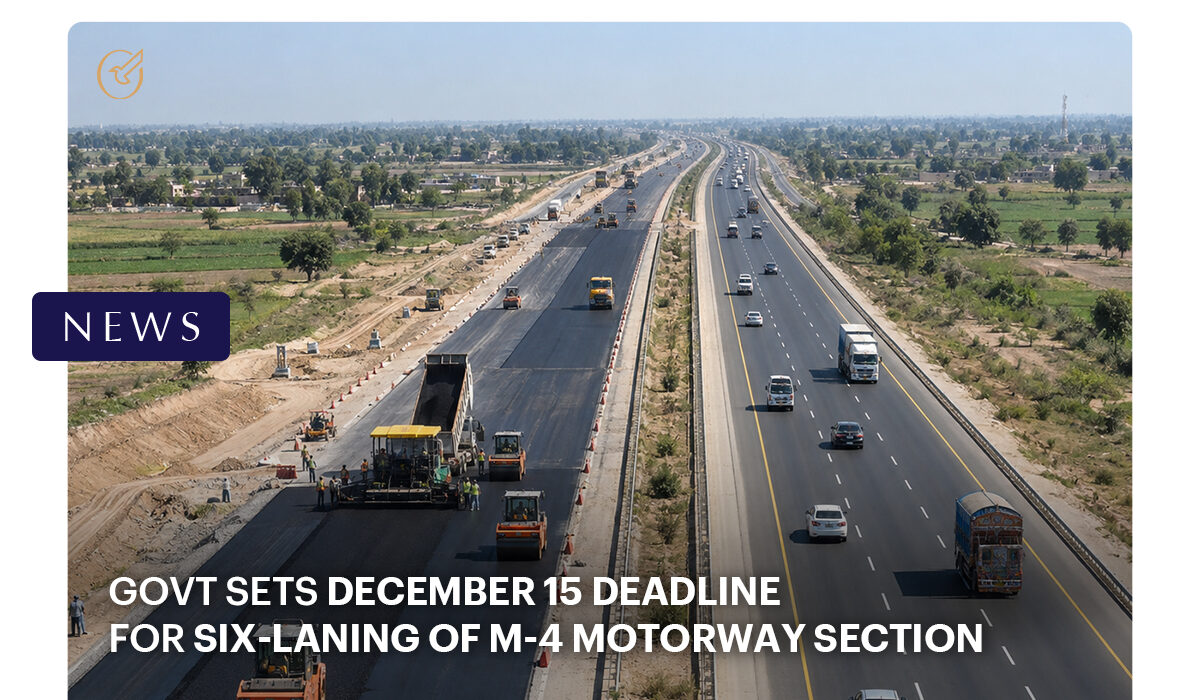
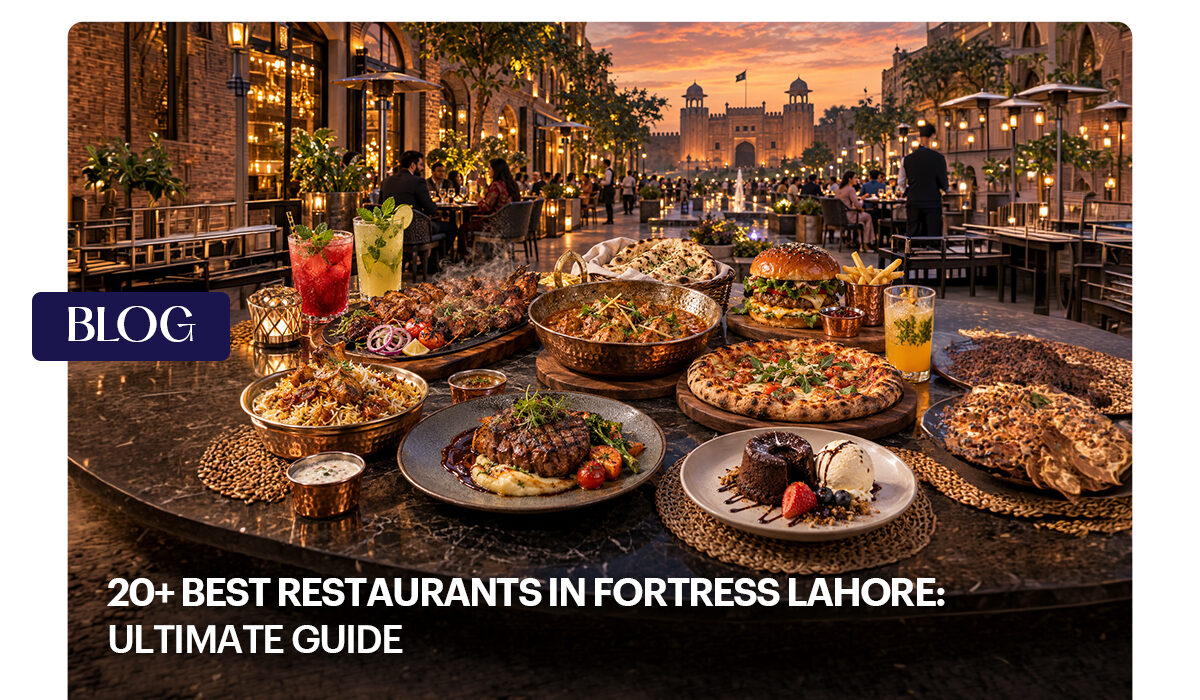
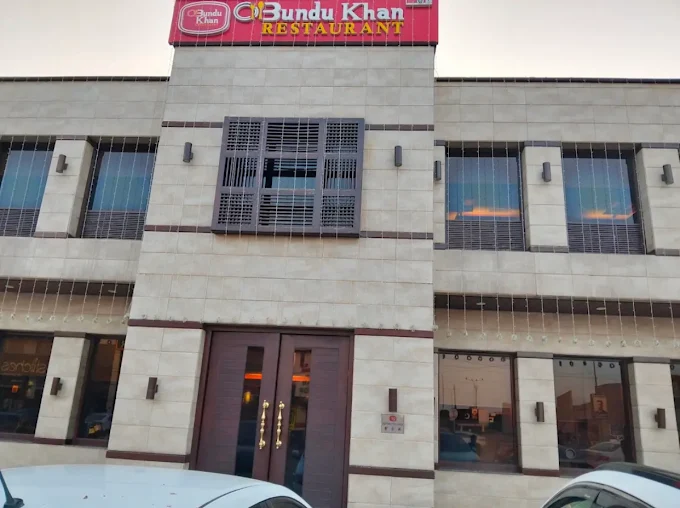
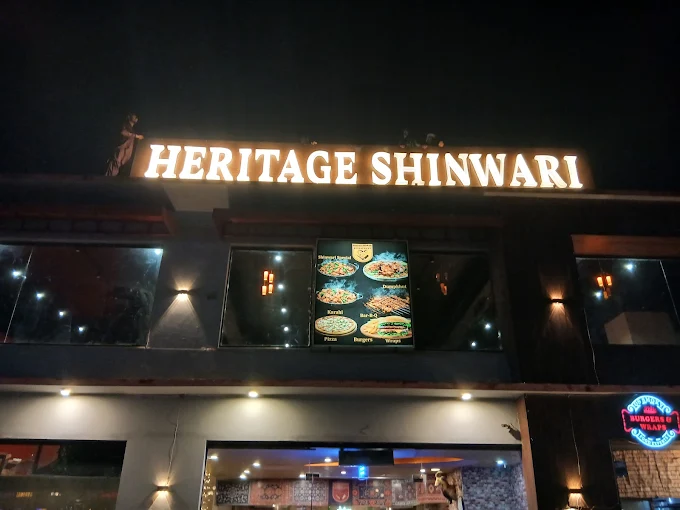
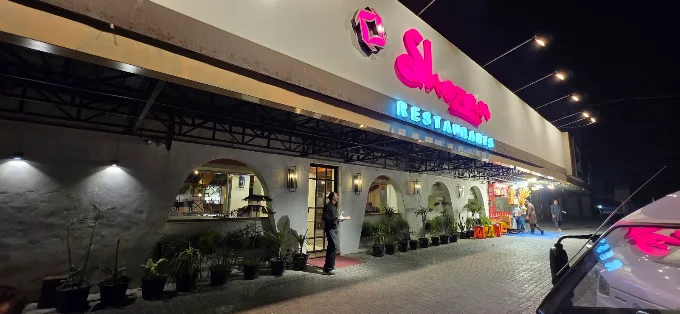
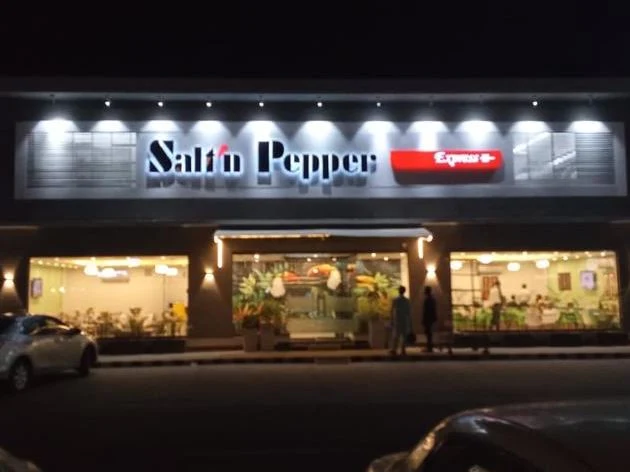
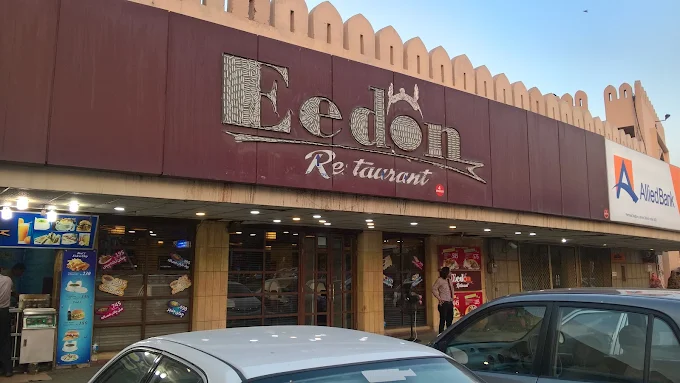
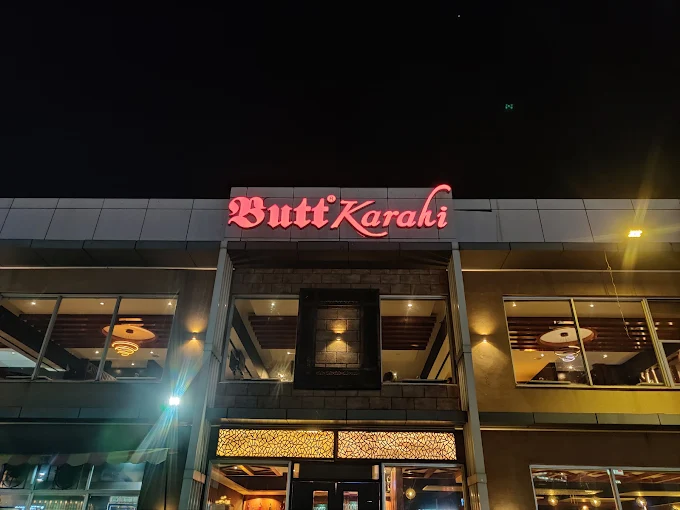
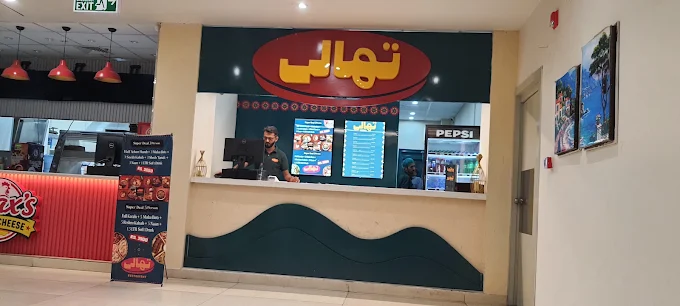
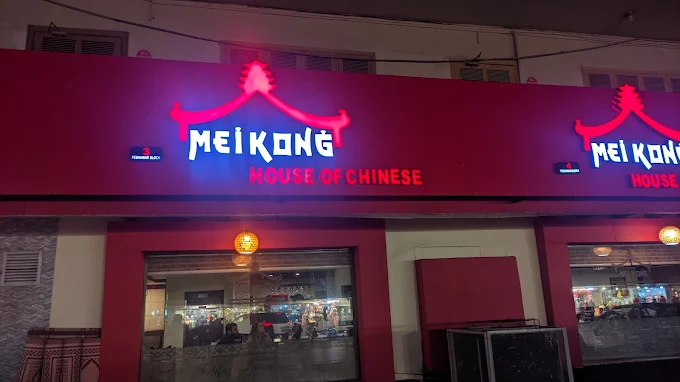
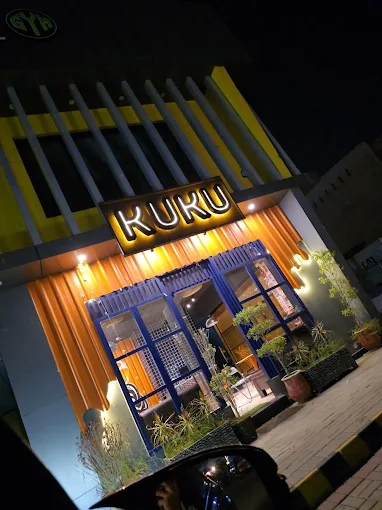
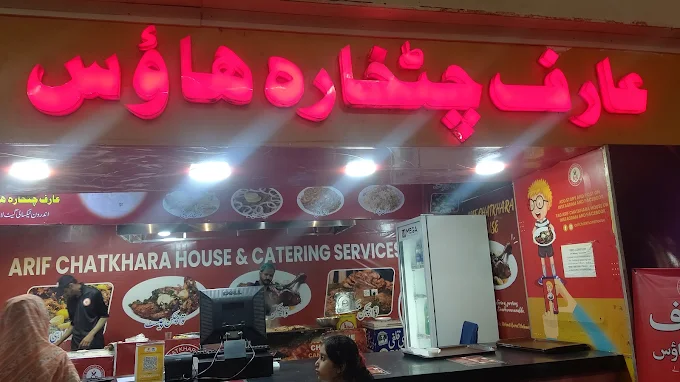
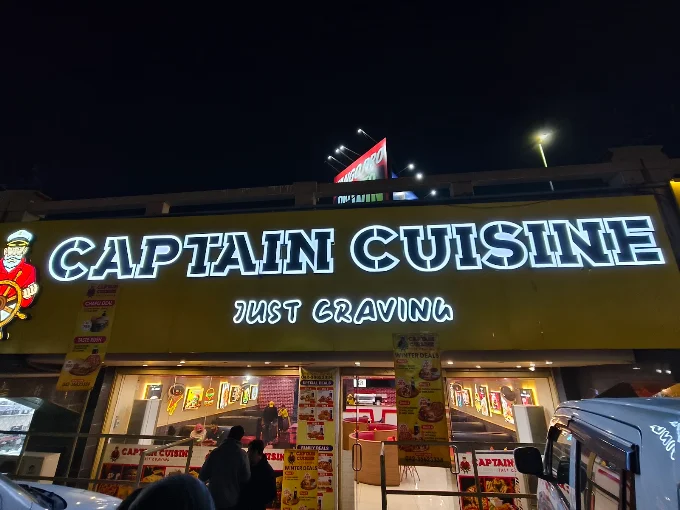
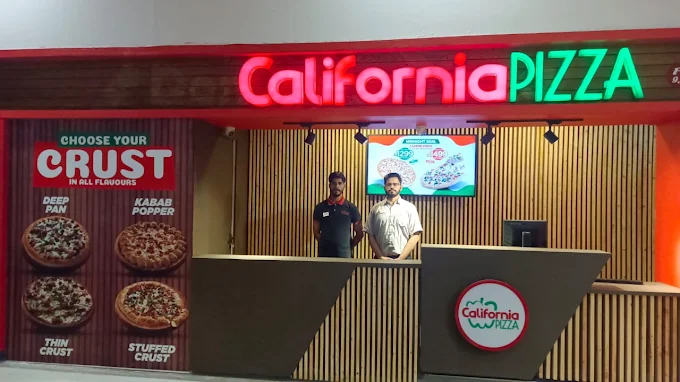
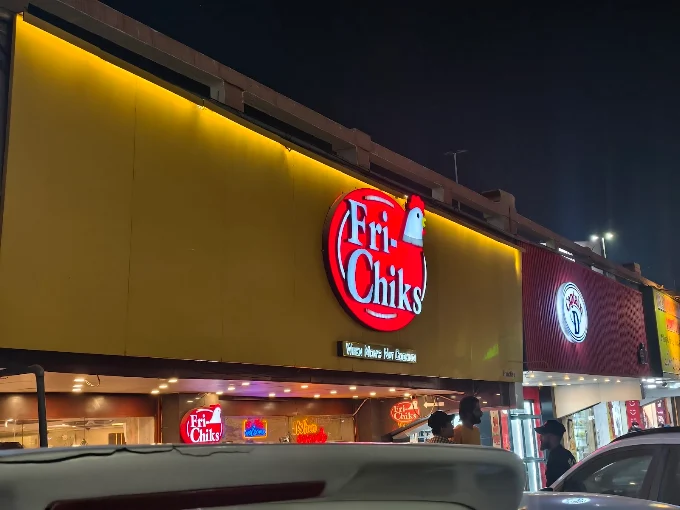
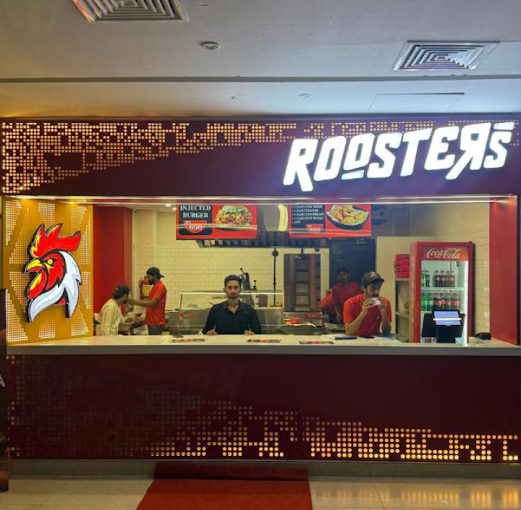
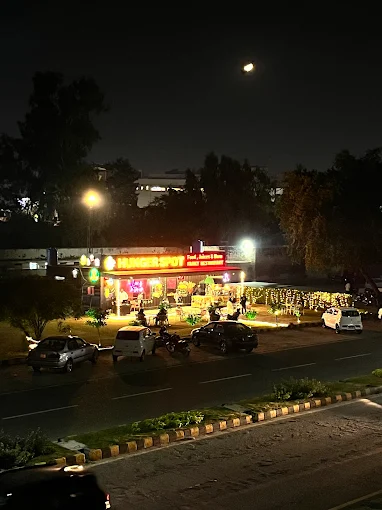
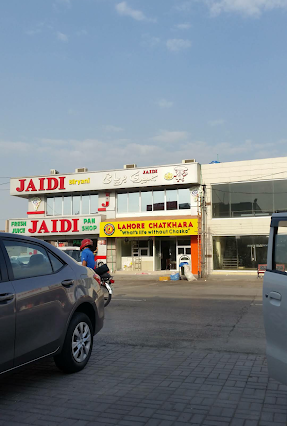
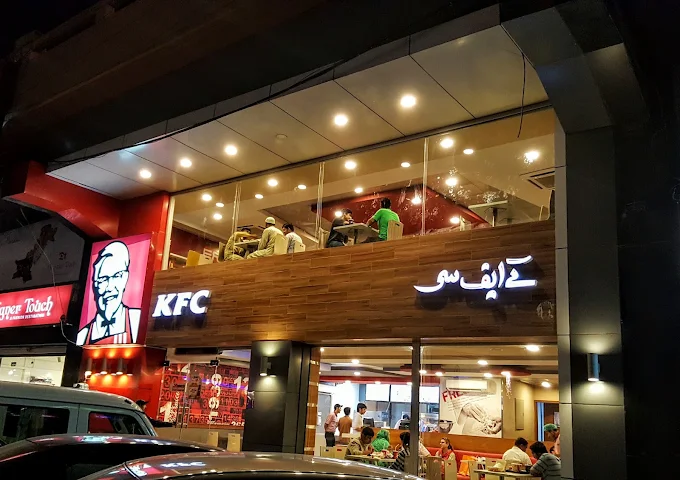
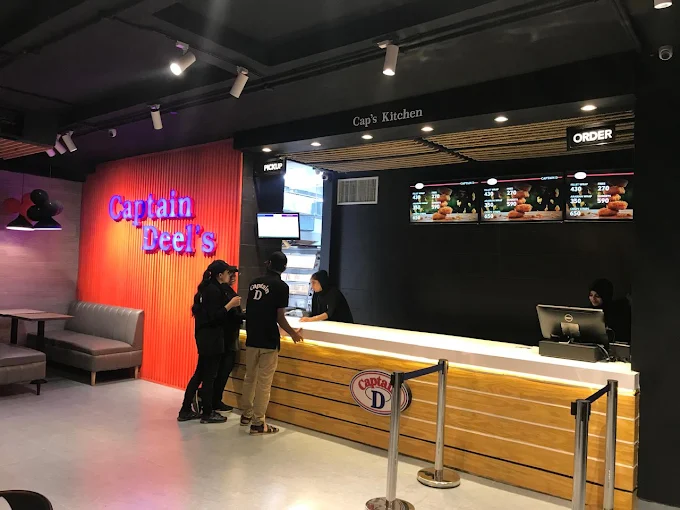
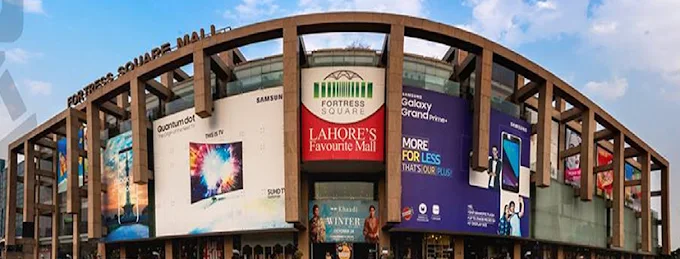
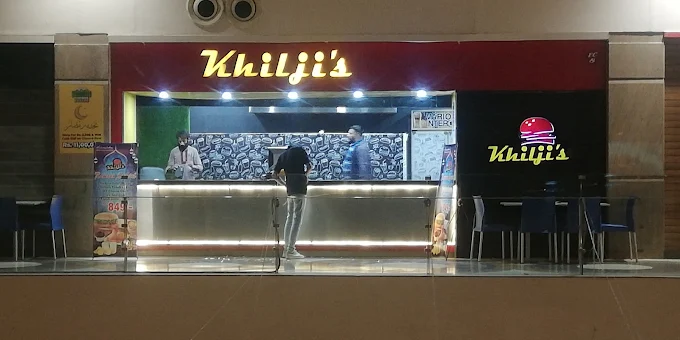
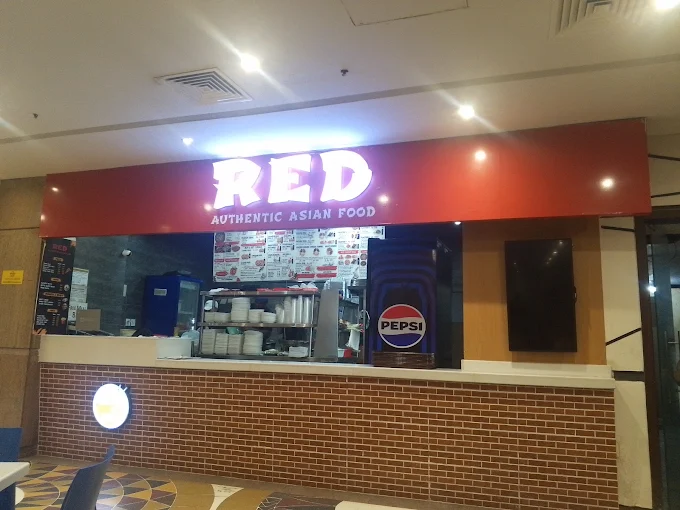
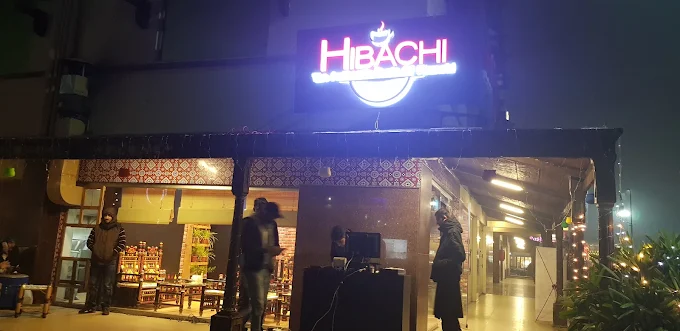
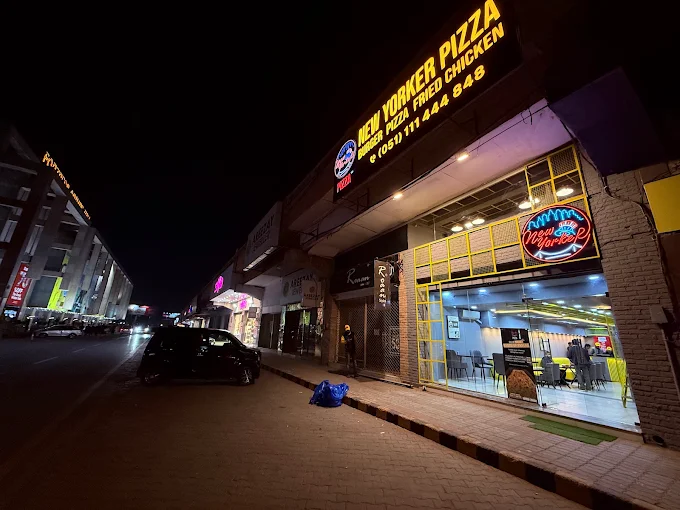
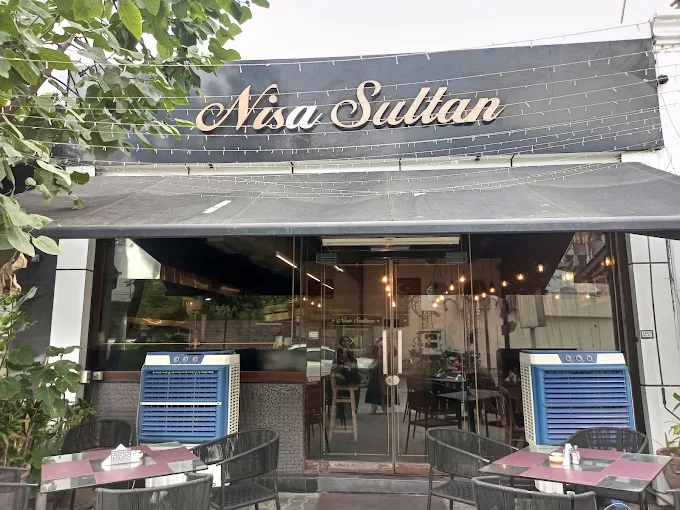
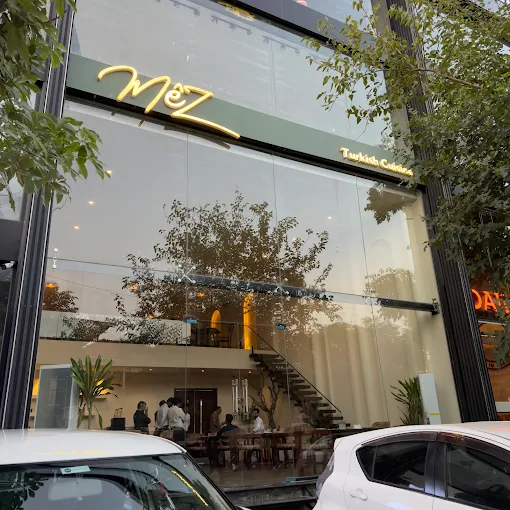
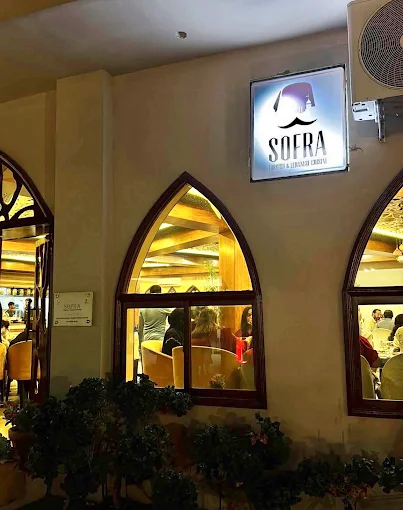
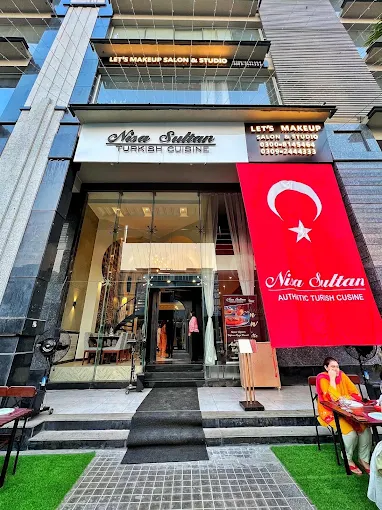
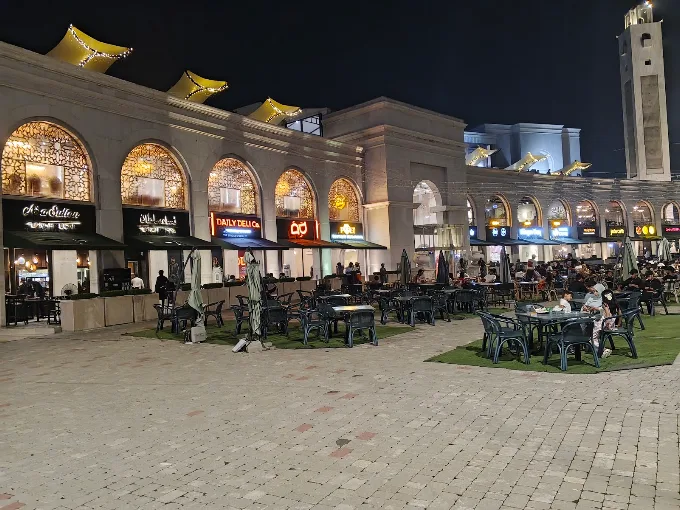
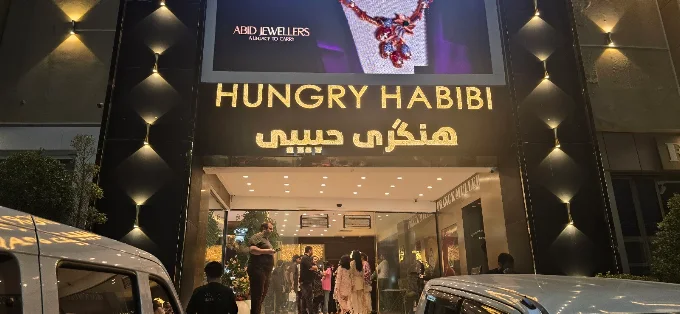
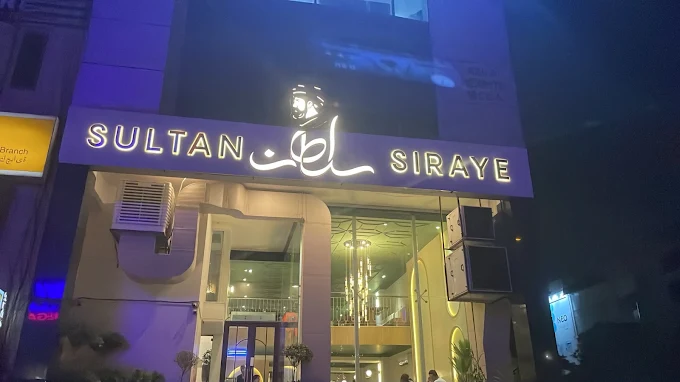
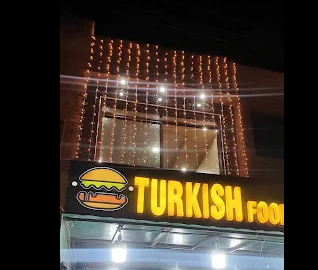
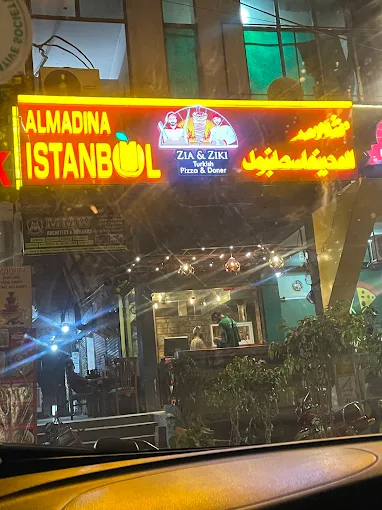
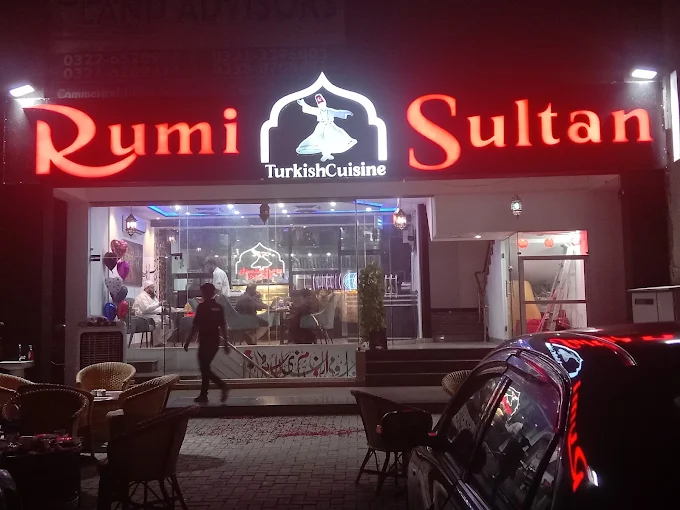
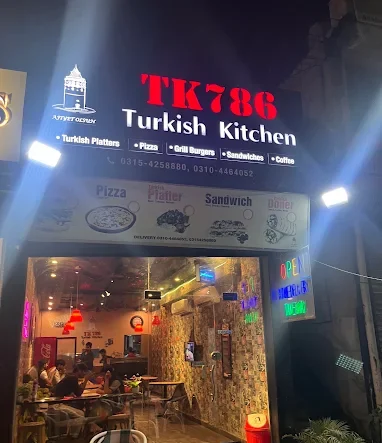
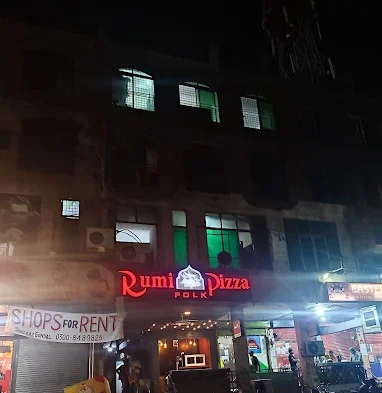
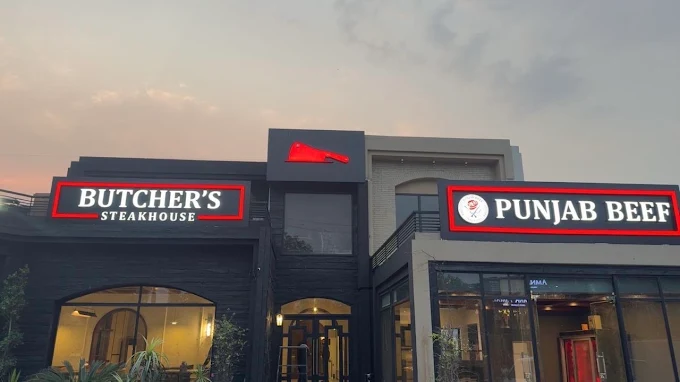
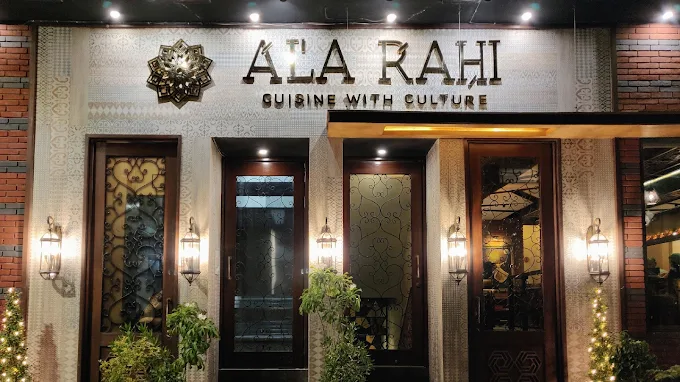
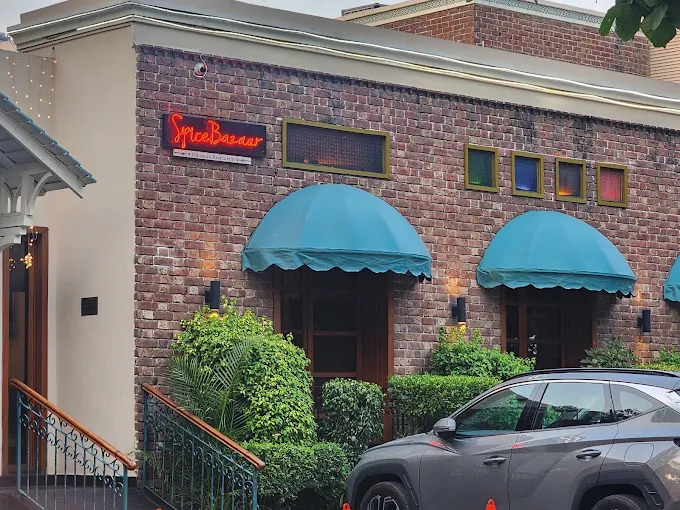
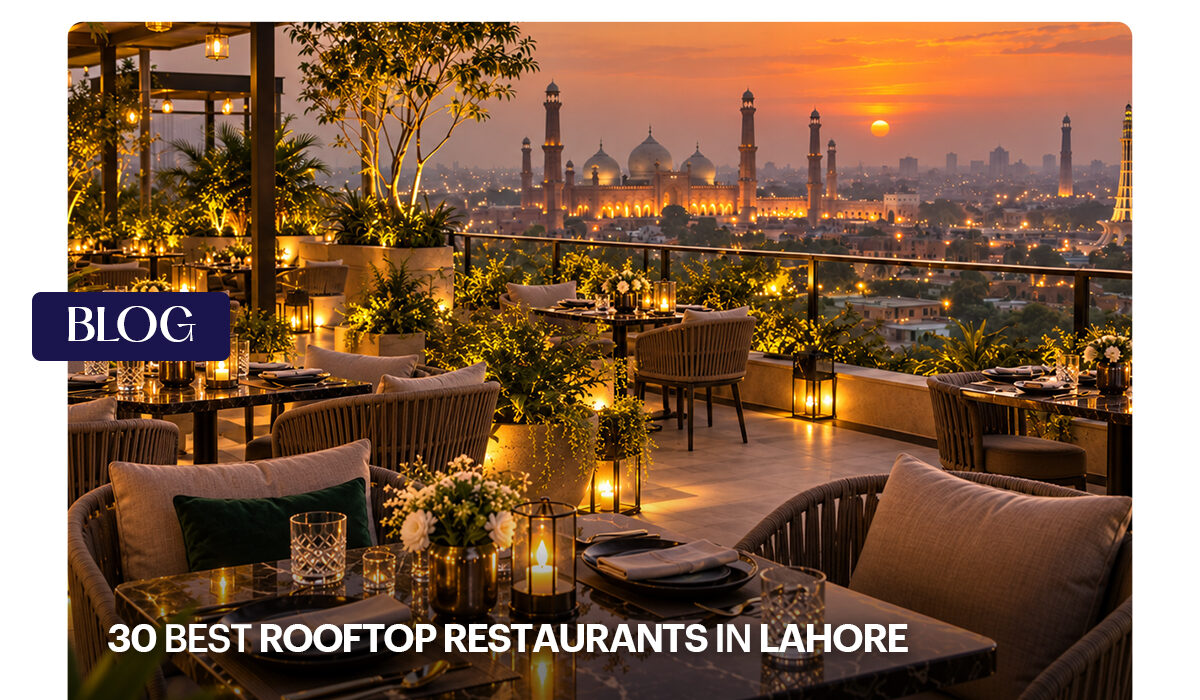
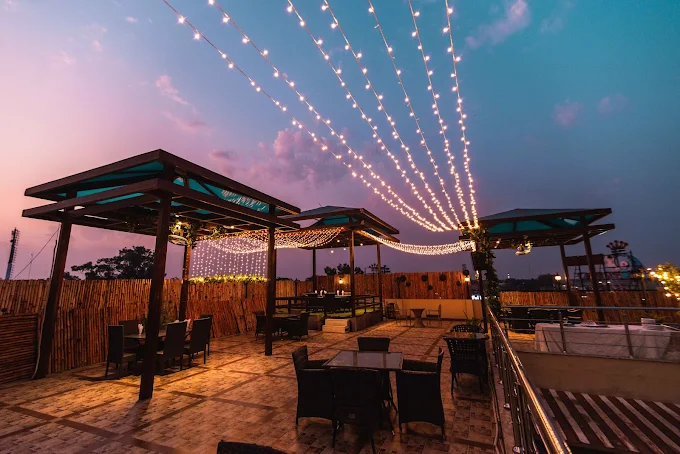
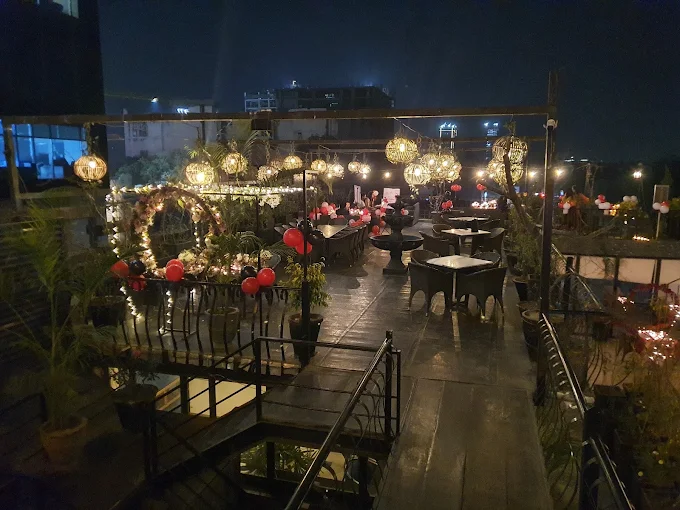
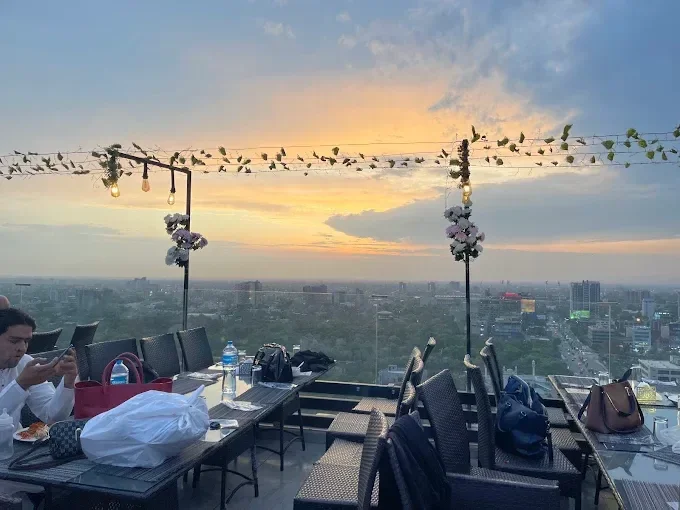
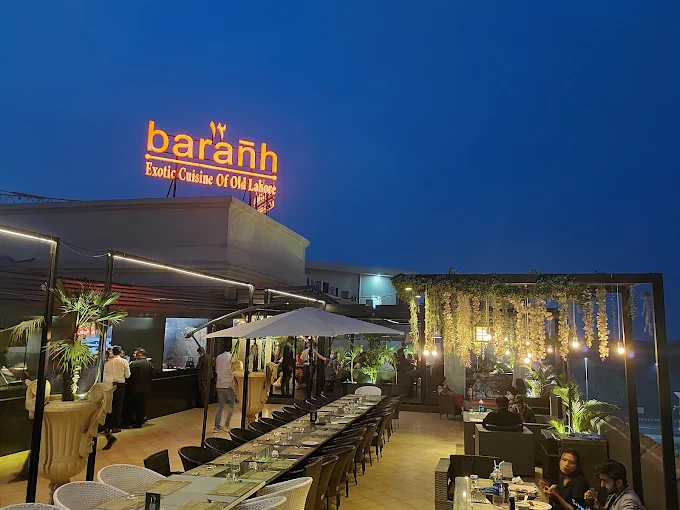
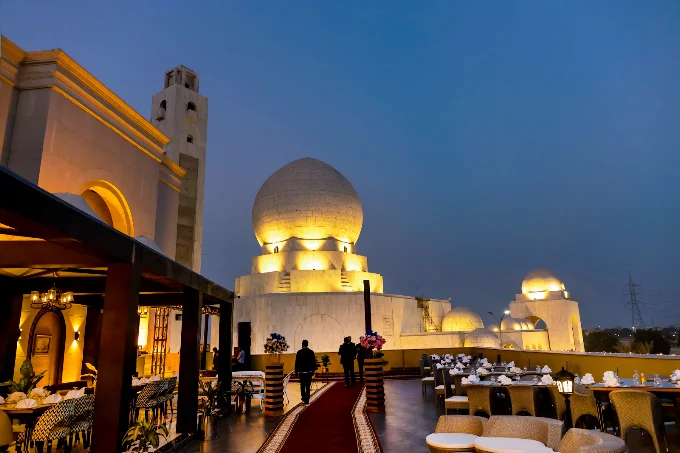
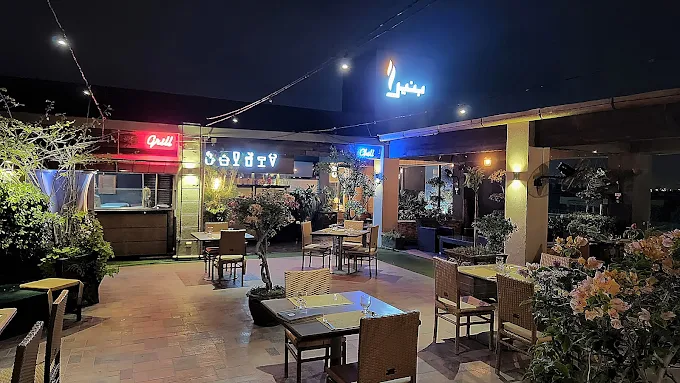
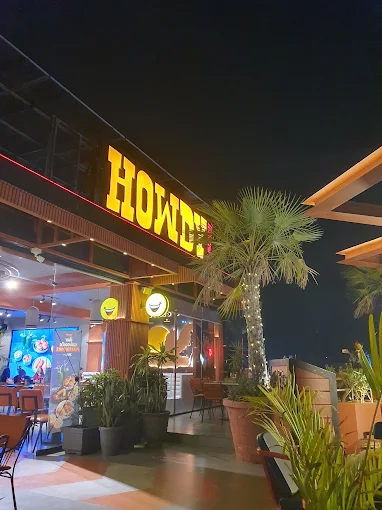
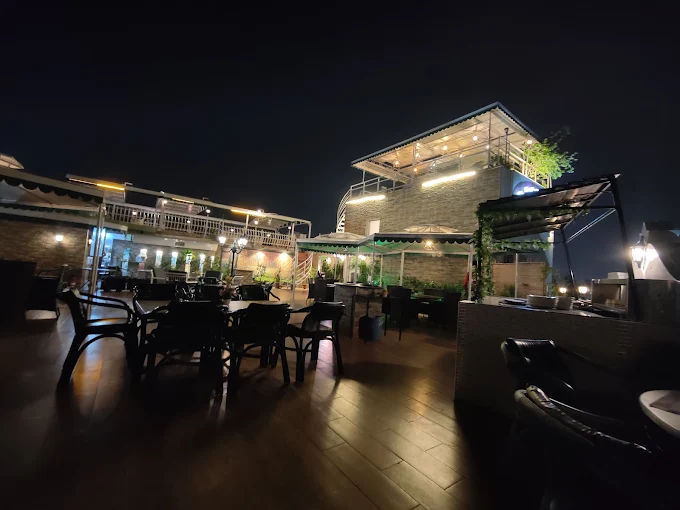
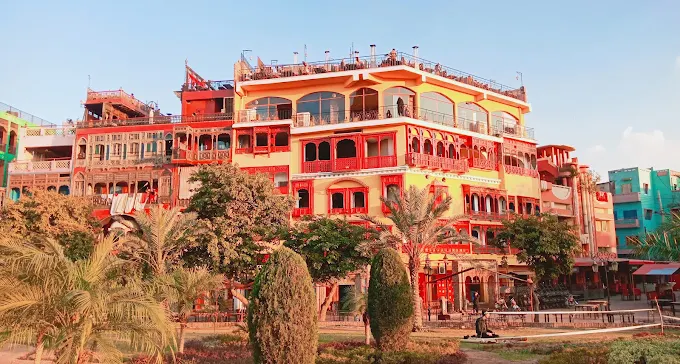
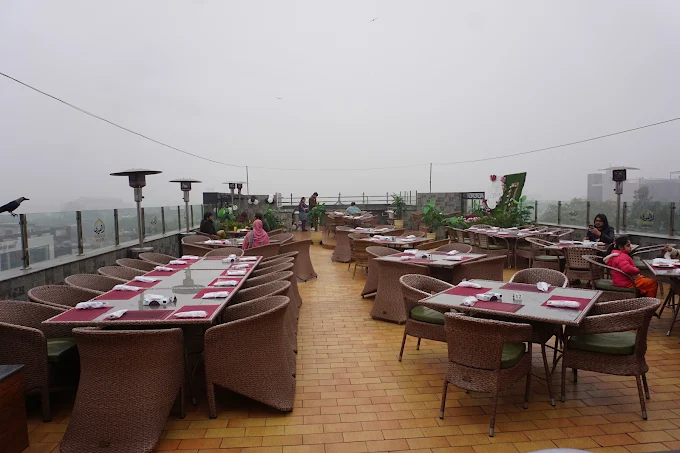
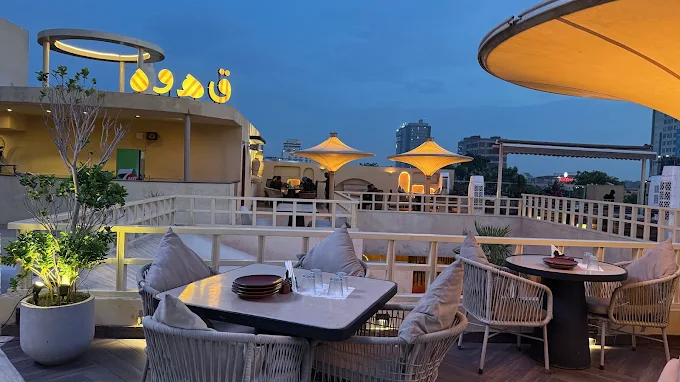
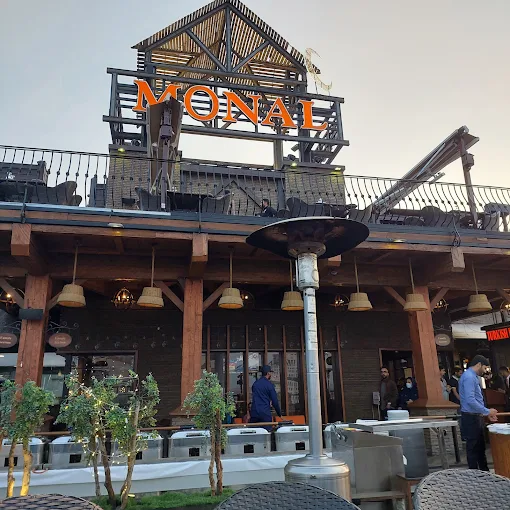
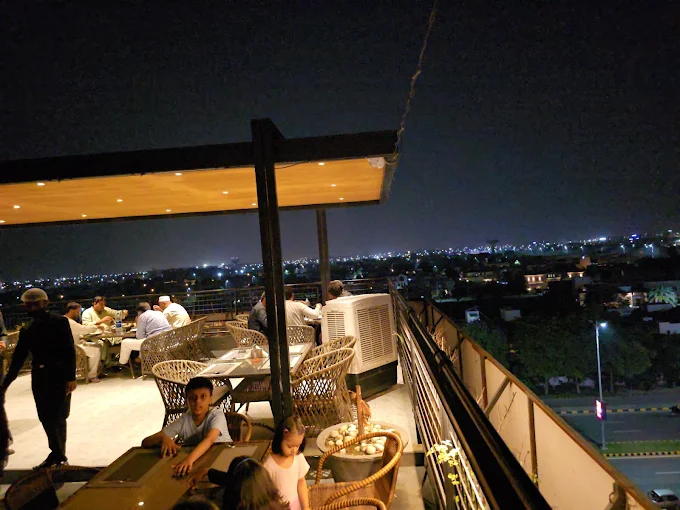
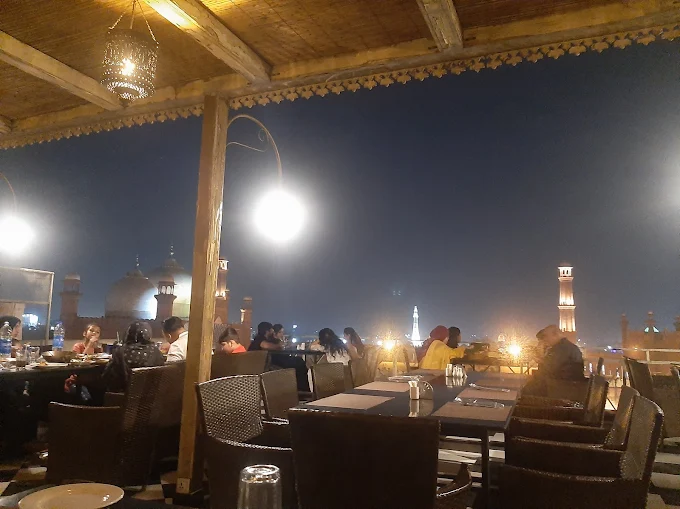
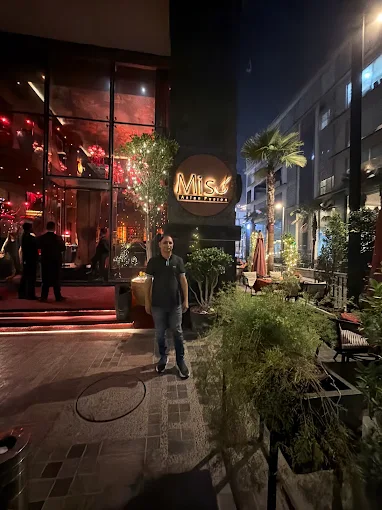
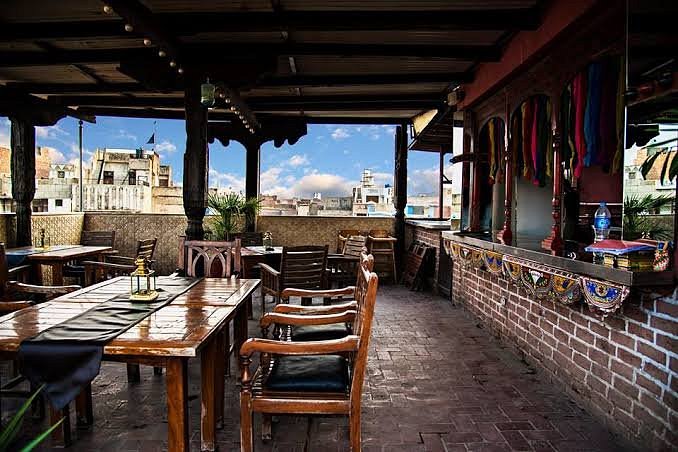
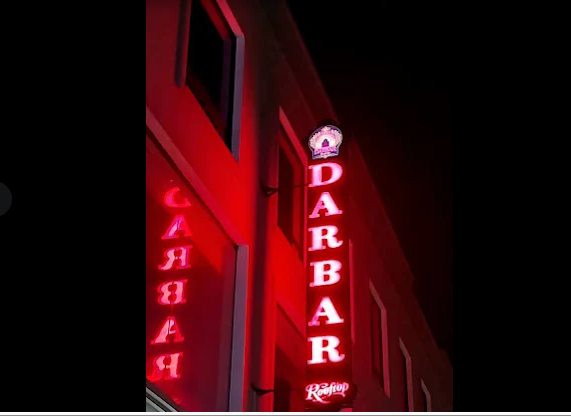
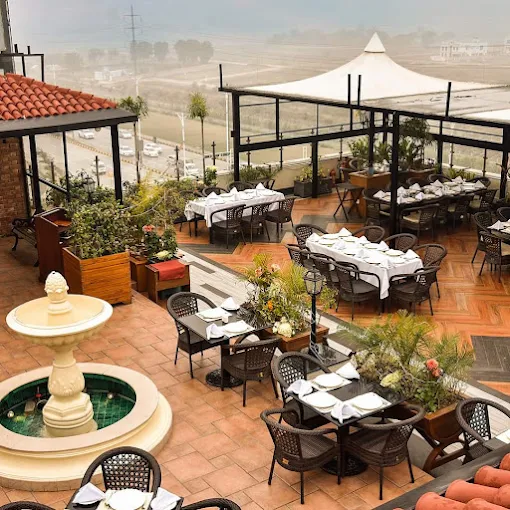
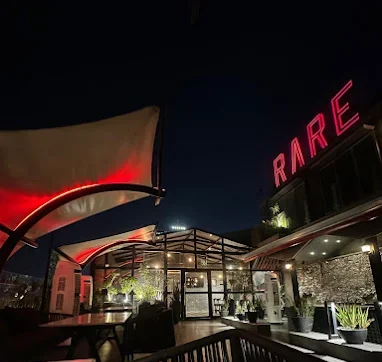
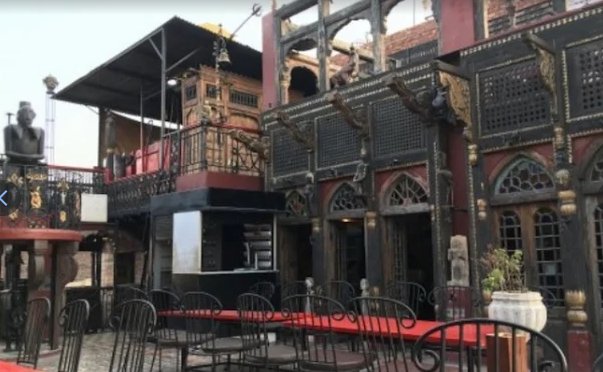
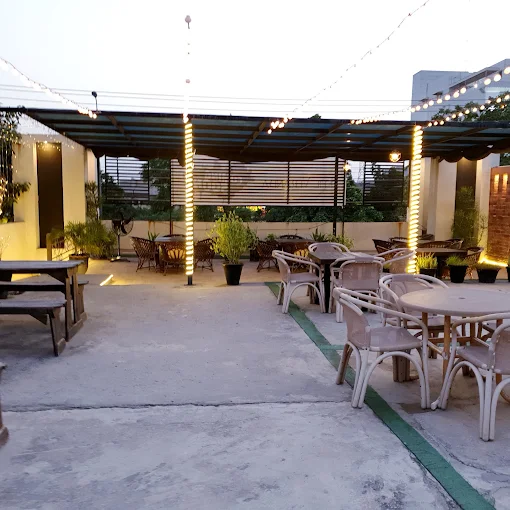
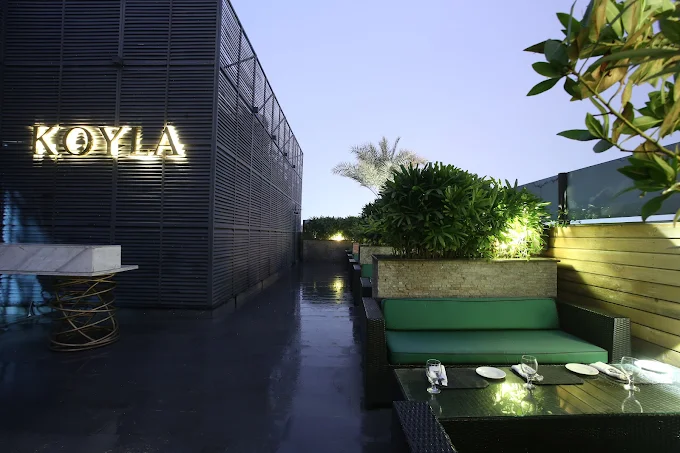
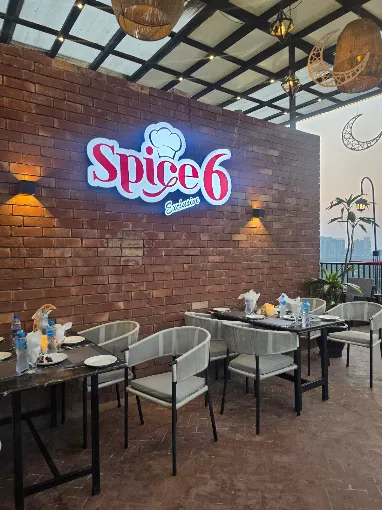
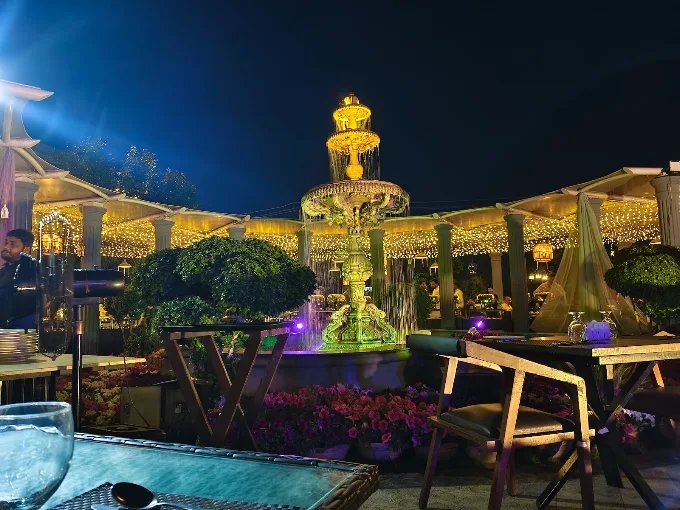
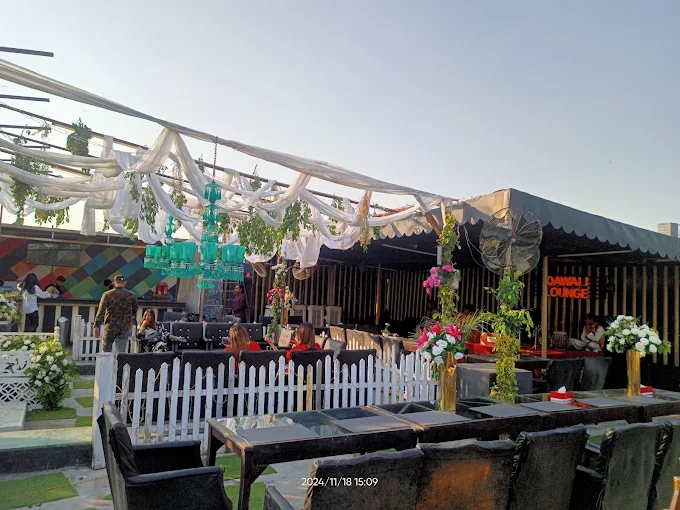
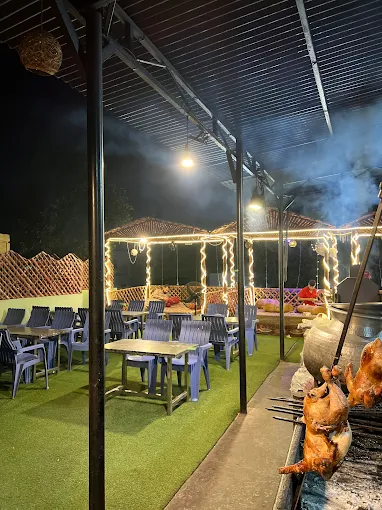
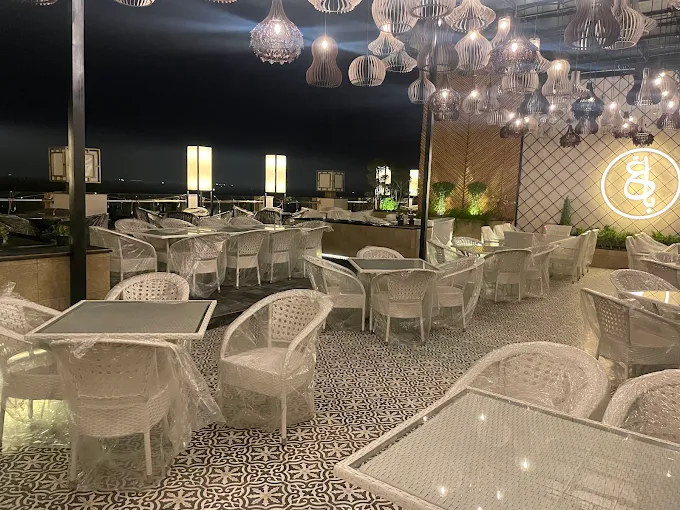
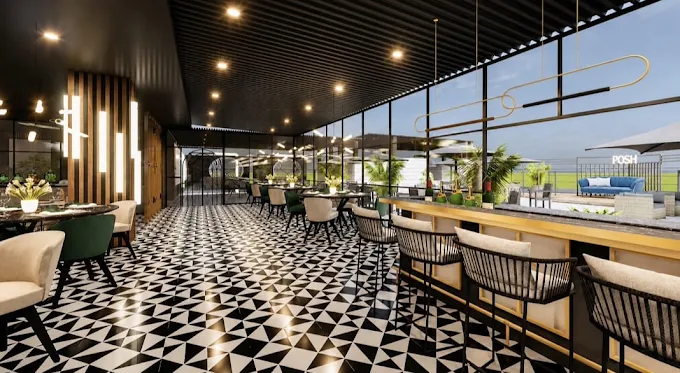
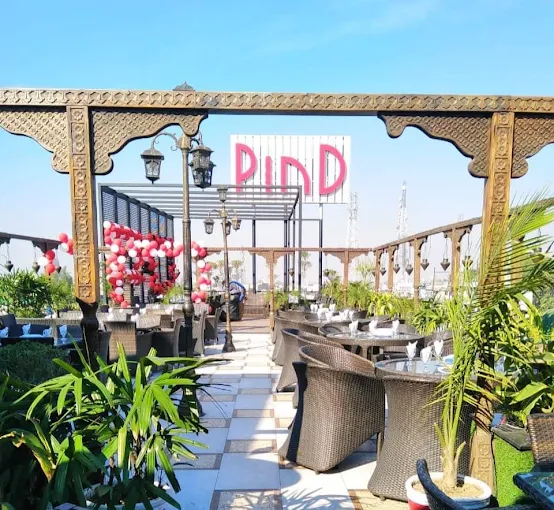
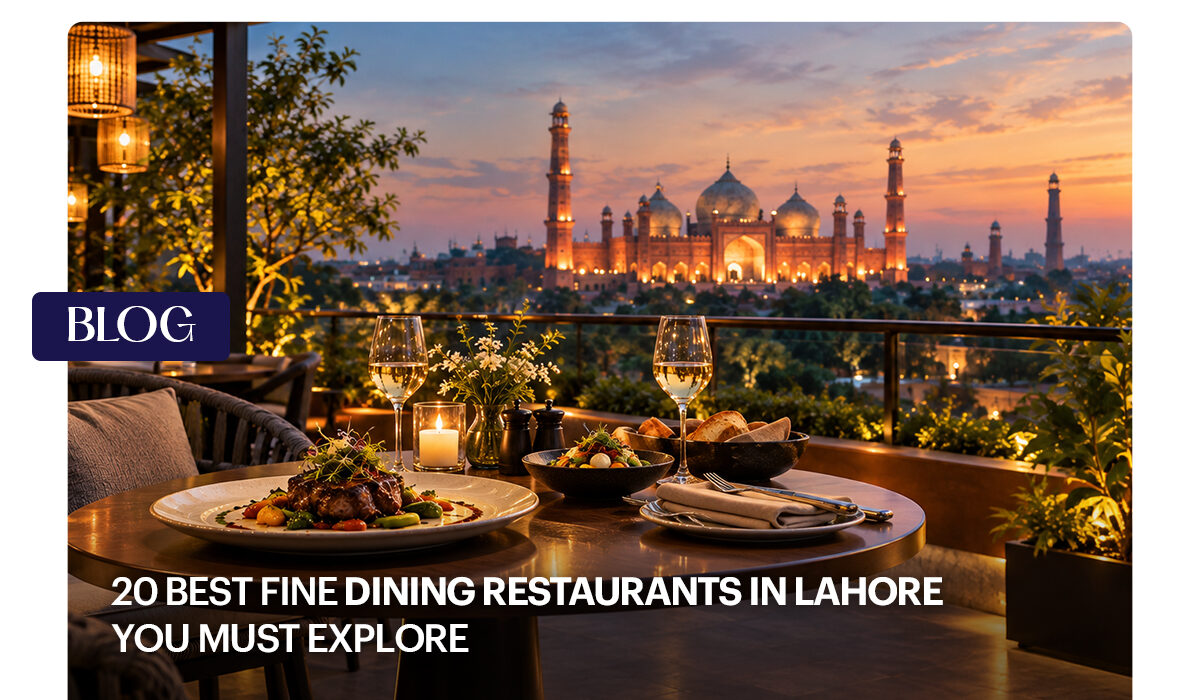
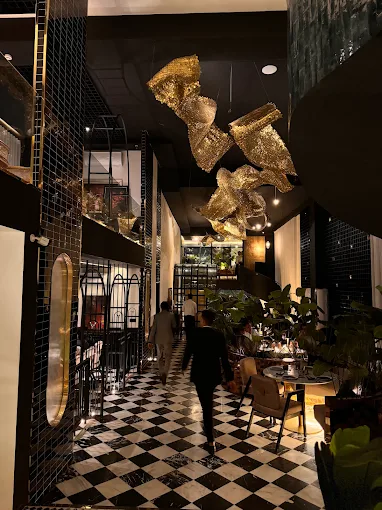
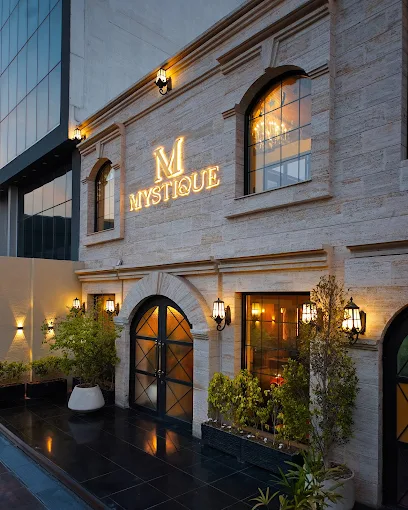
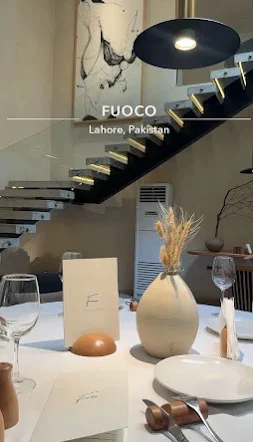
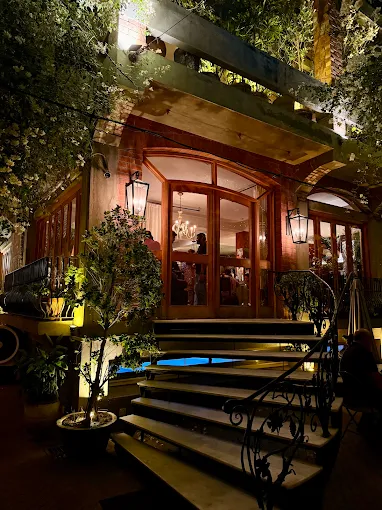
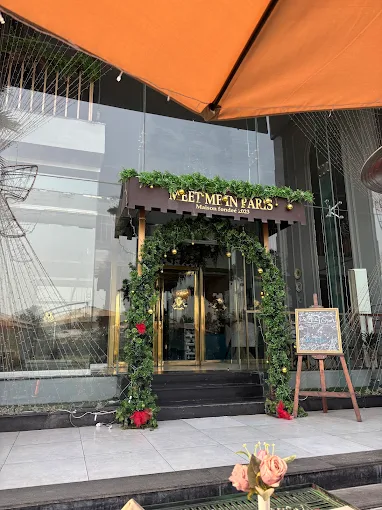
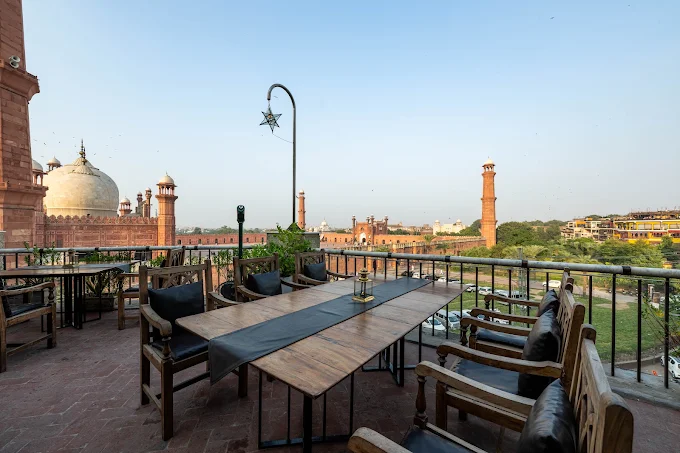
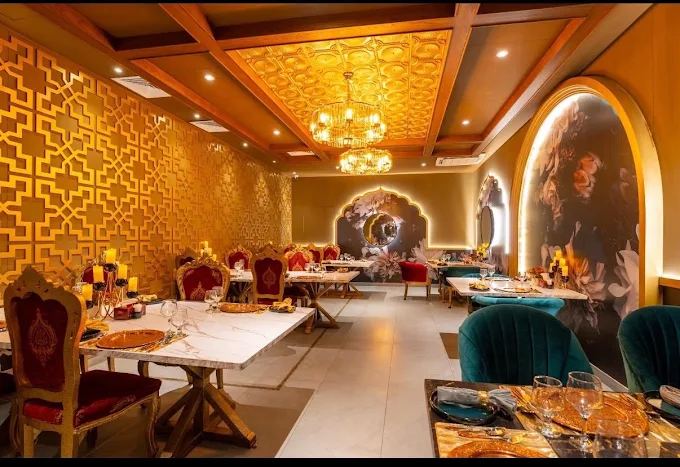
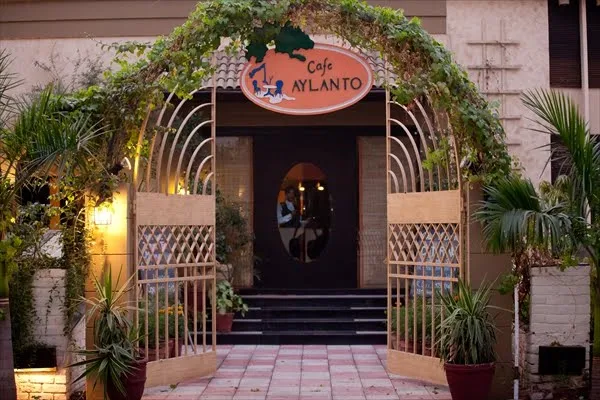
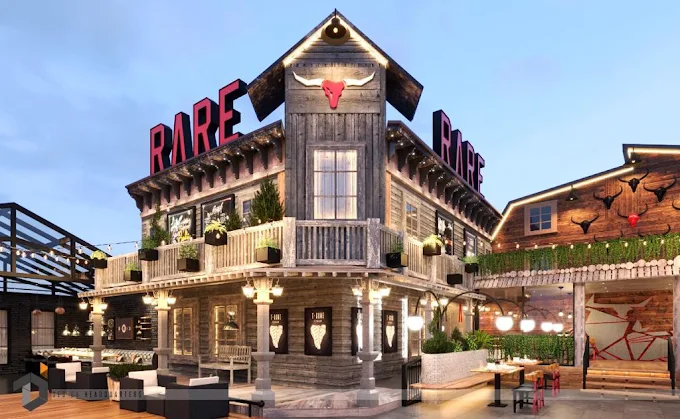
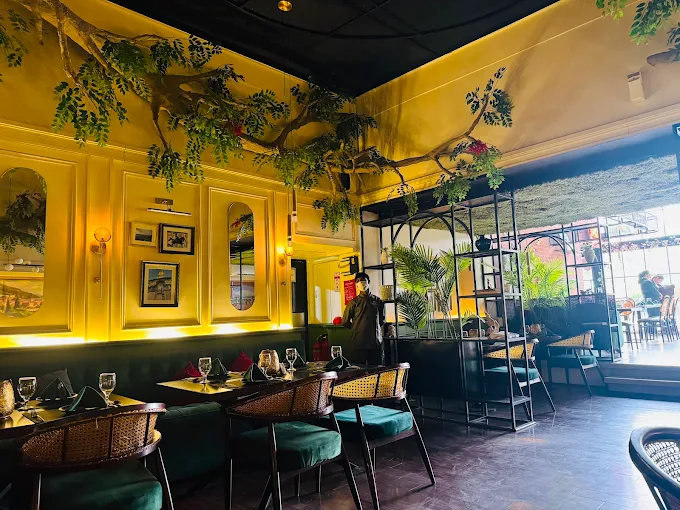
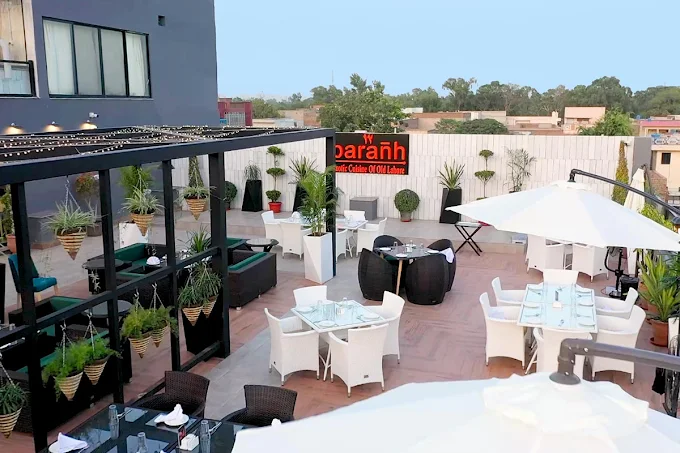
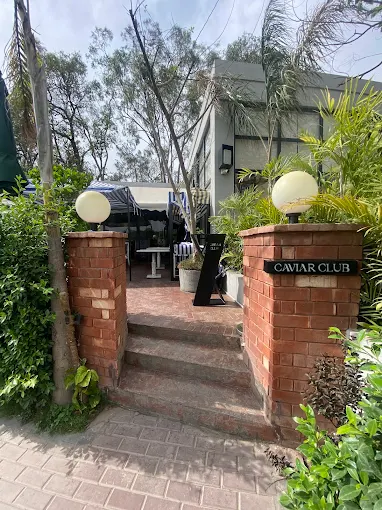
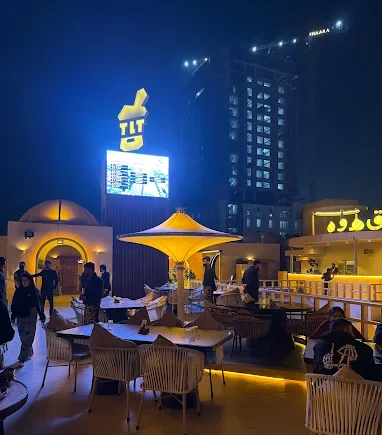
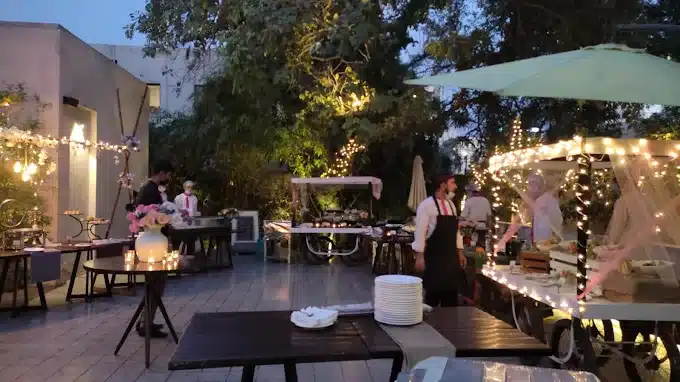
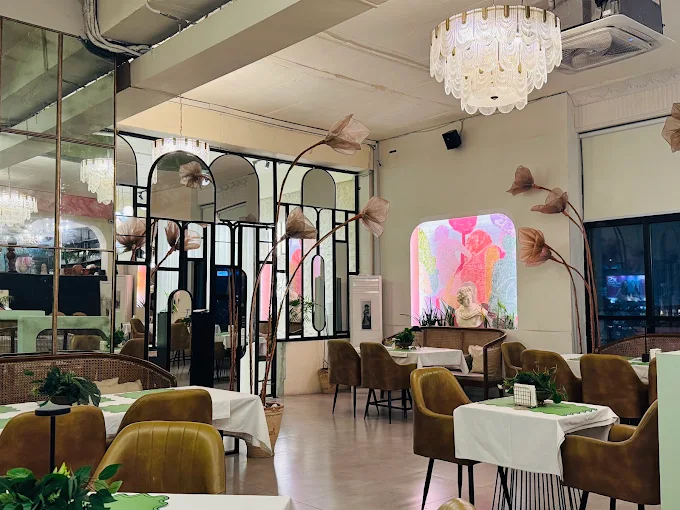
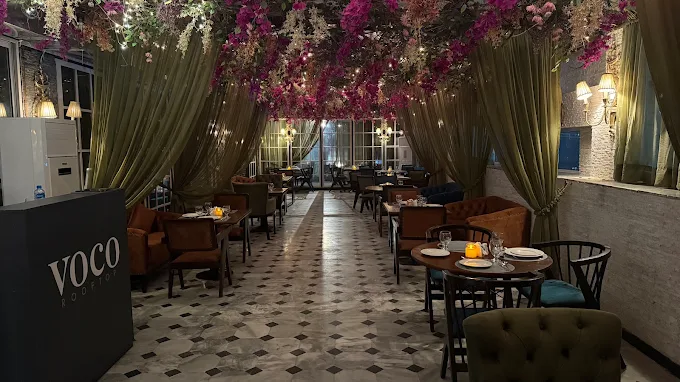
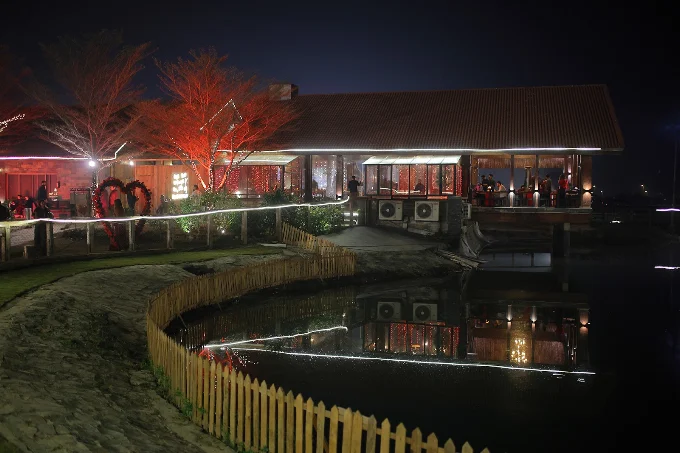

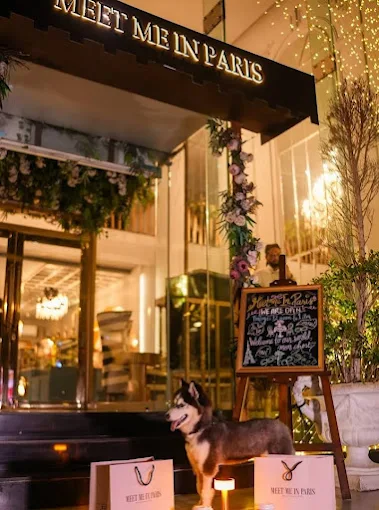
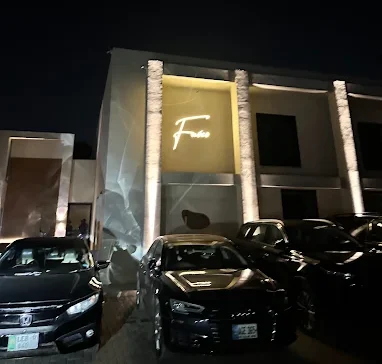
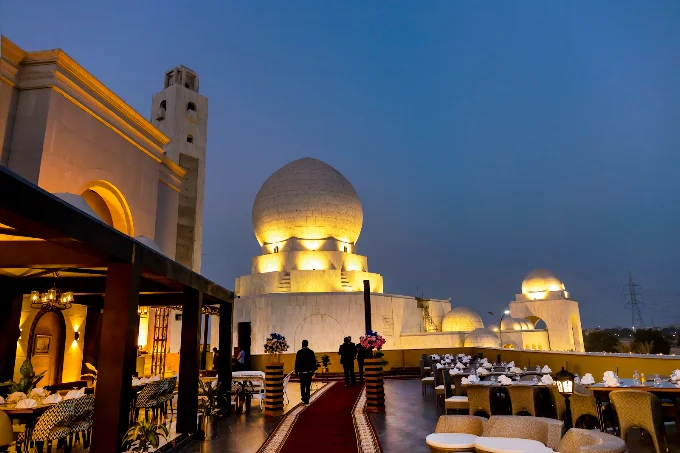
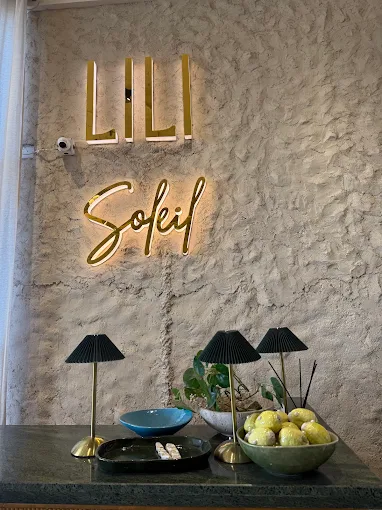
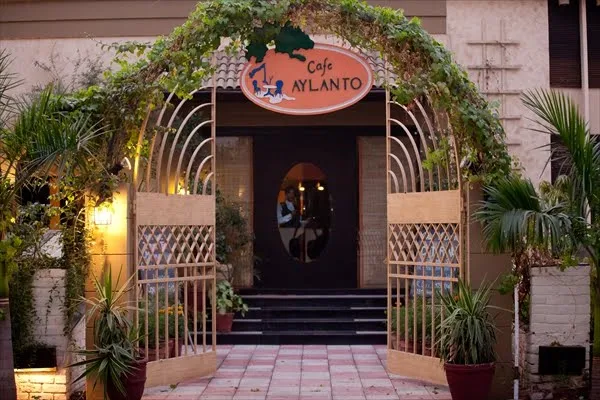
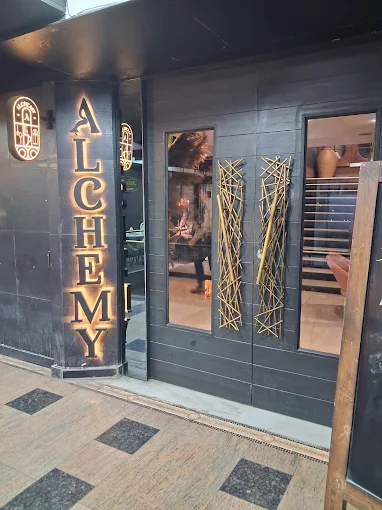
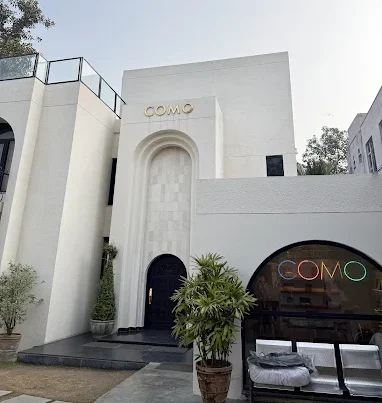
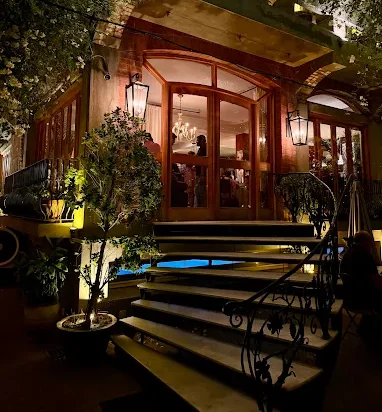 Paola’s Cosa Nostra is an Italian gem known for its outdoor seating and cosy fireplace setup in Gulberg. It also offers vegan options, catering to a wide range of diners. This restaurant blends comfort food with a stylish setting that appeals to couples and groups alike. With a rating of 4.2, it maintains a solid reputation among Italian food lovers. At Rs 2,000–7,000 per person, it’s a moderately priced option among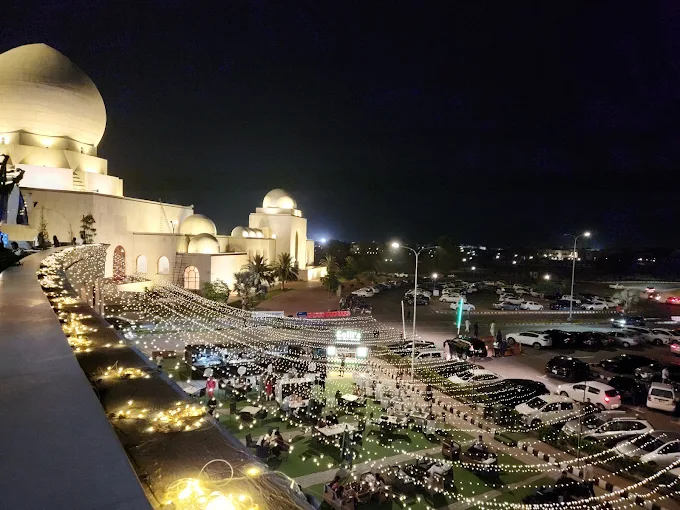
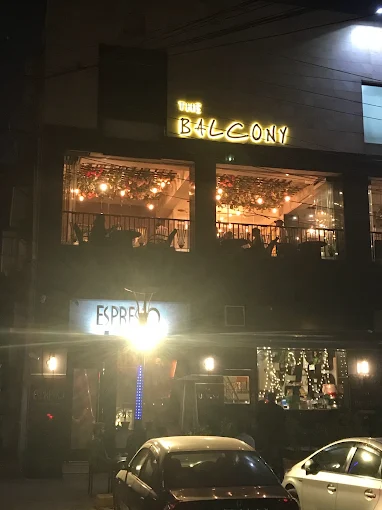
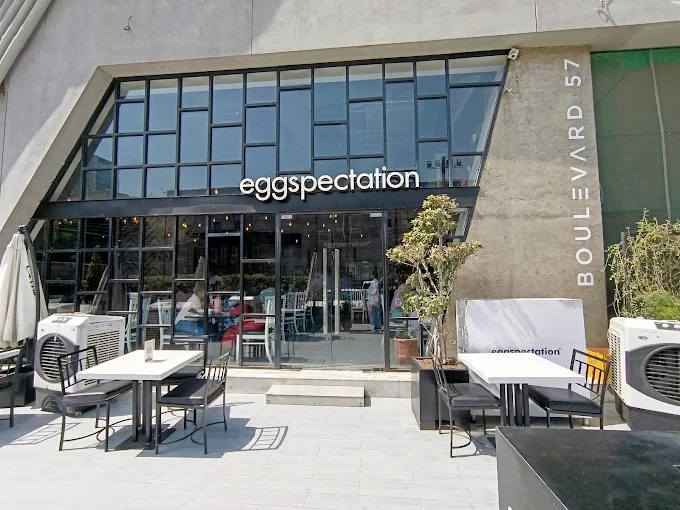
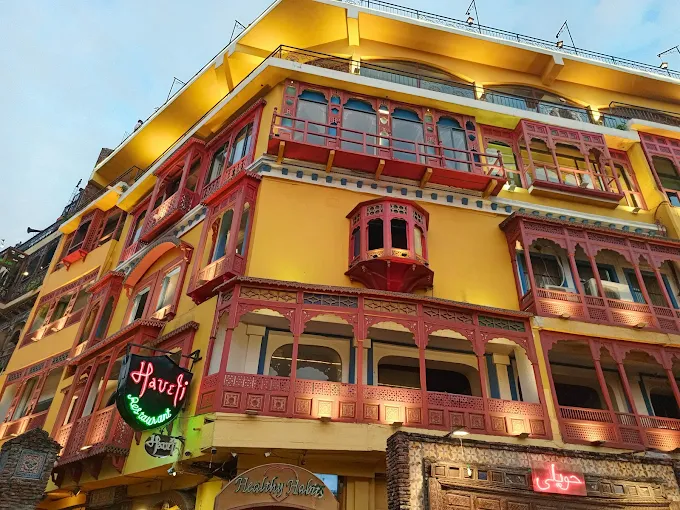
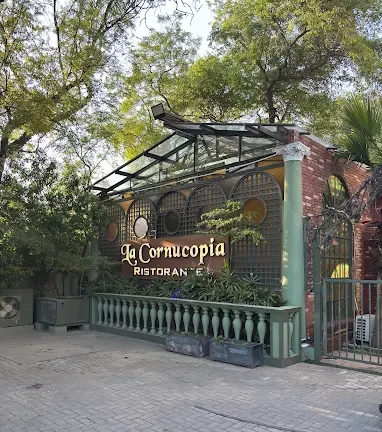
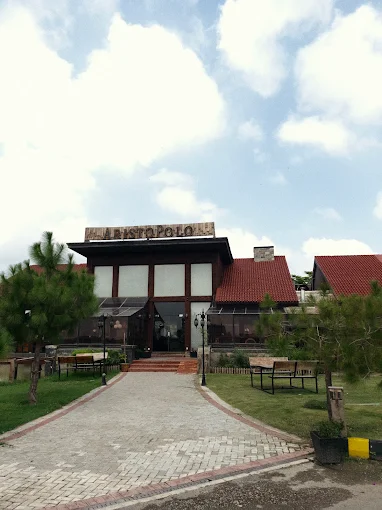
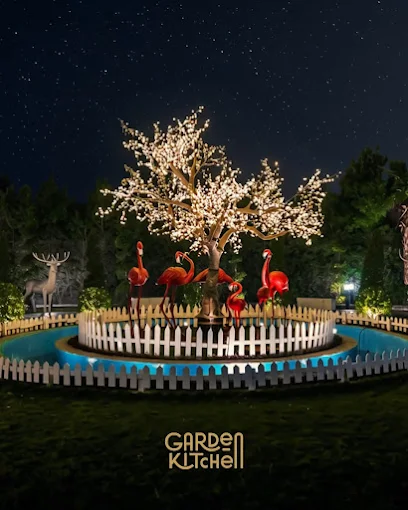
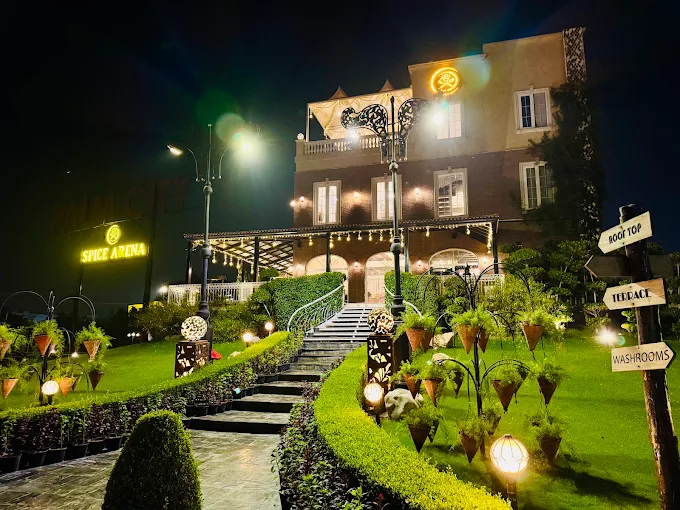
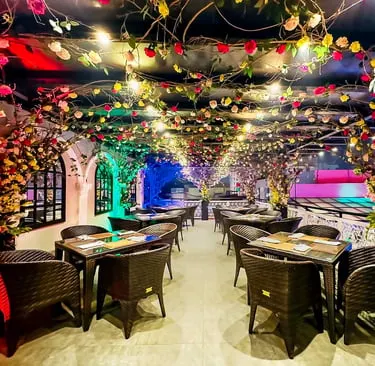
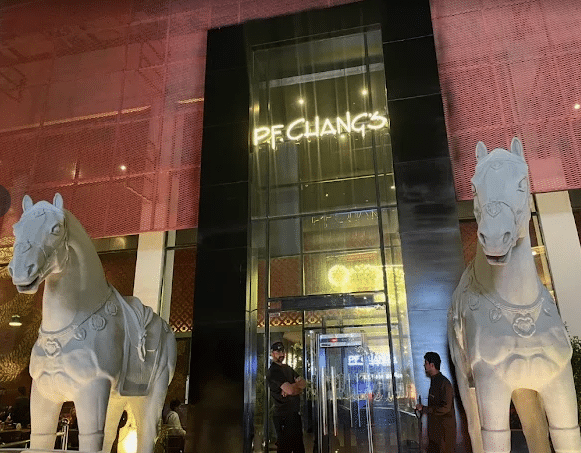

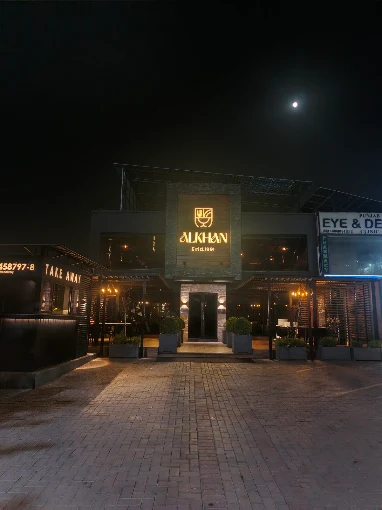
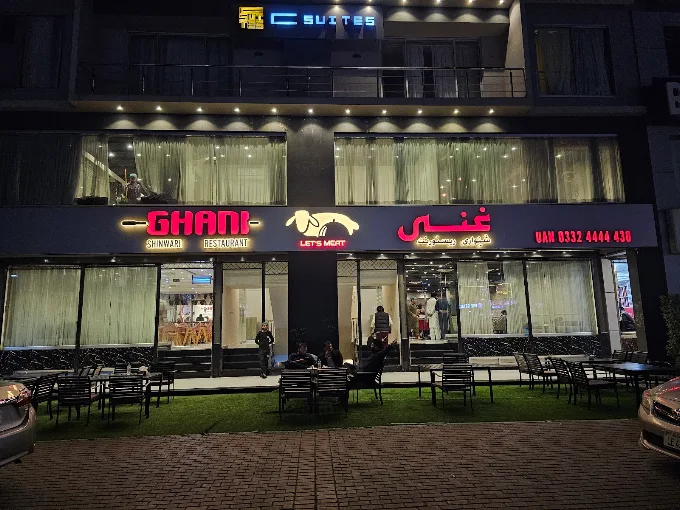
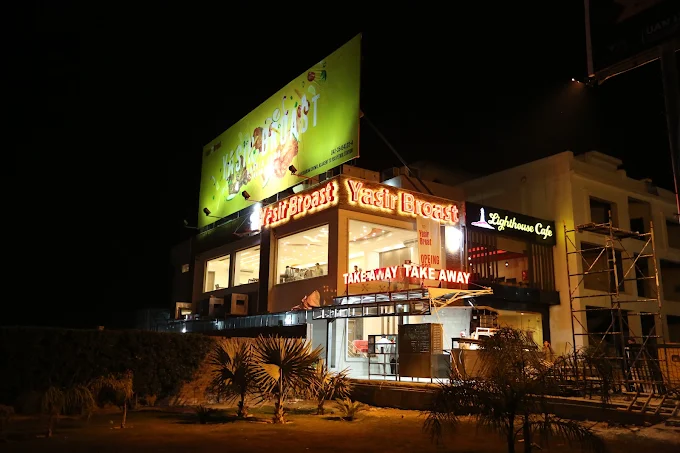
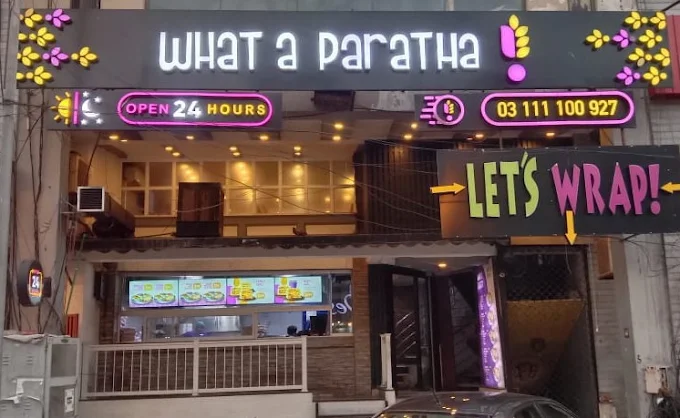
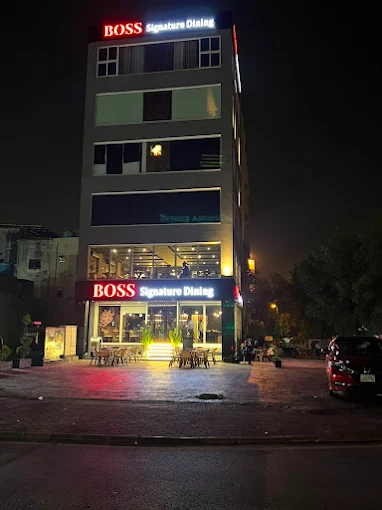
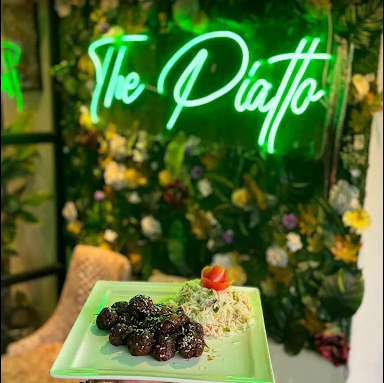
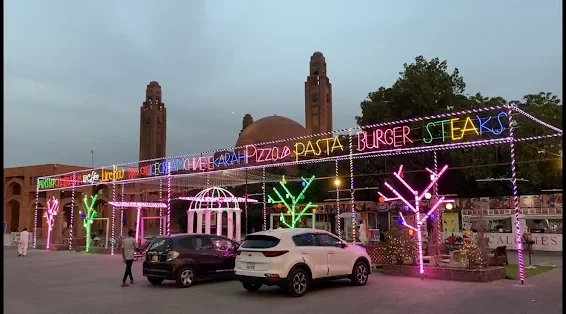
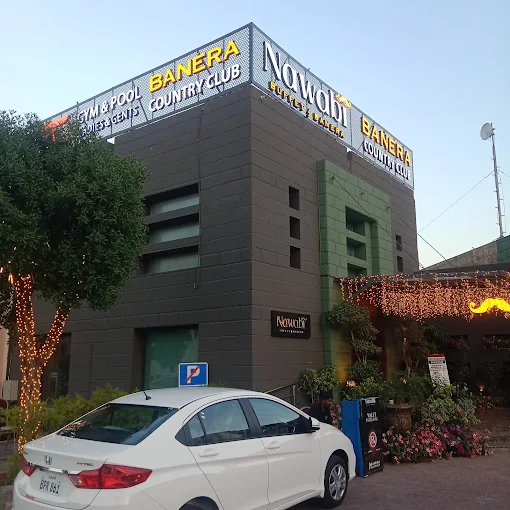
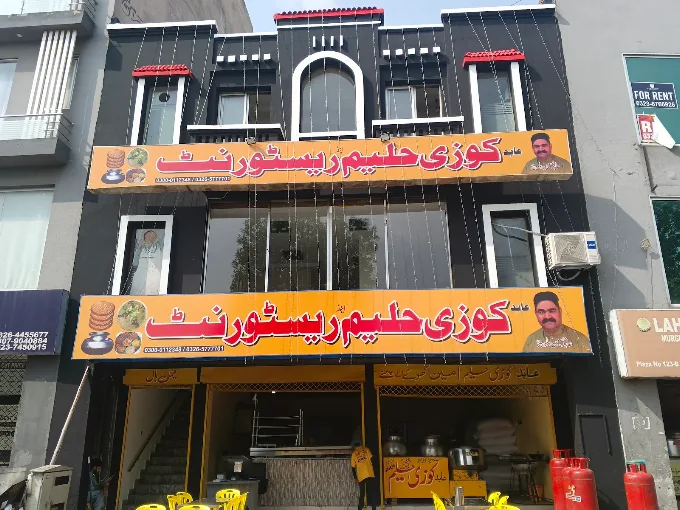
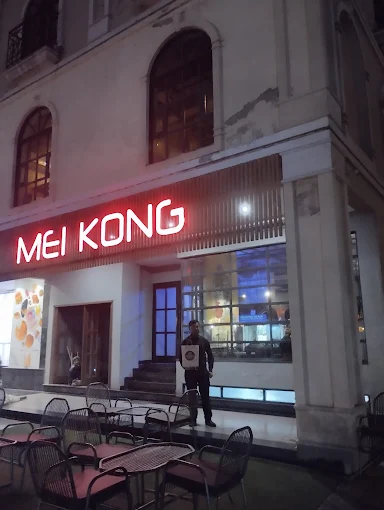
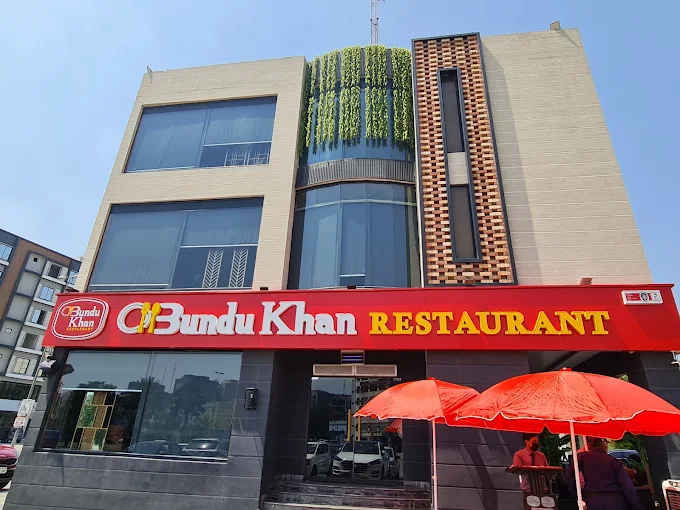
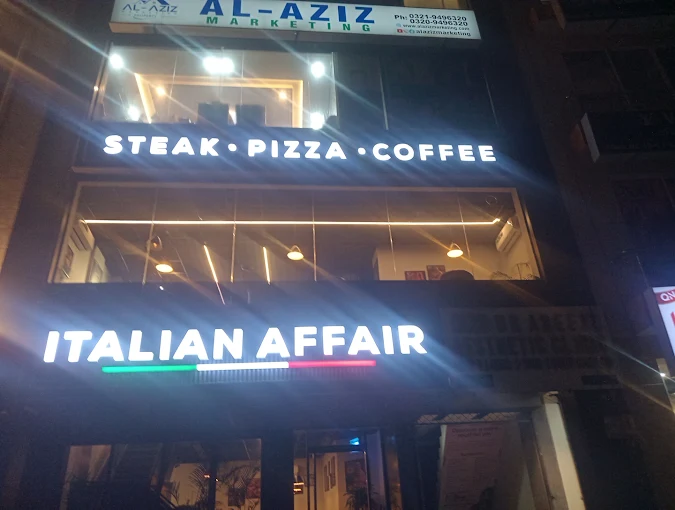
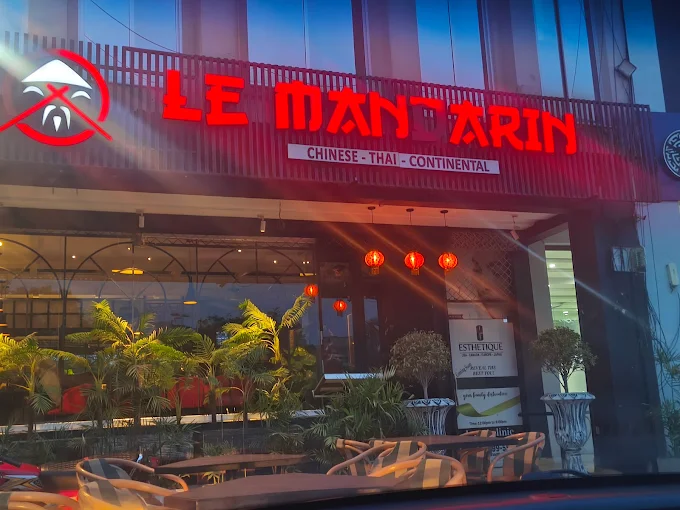
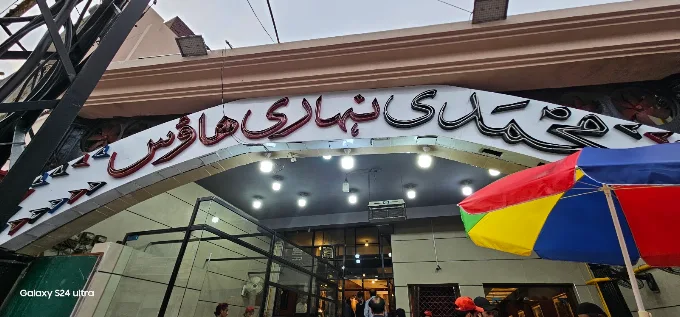
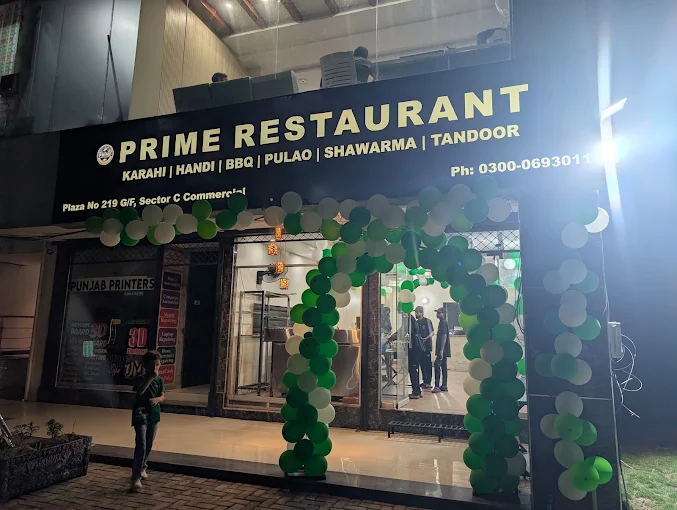
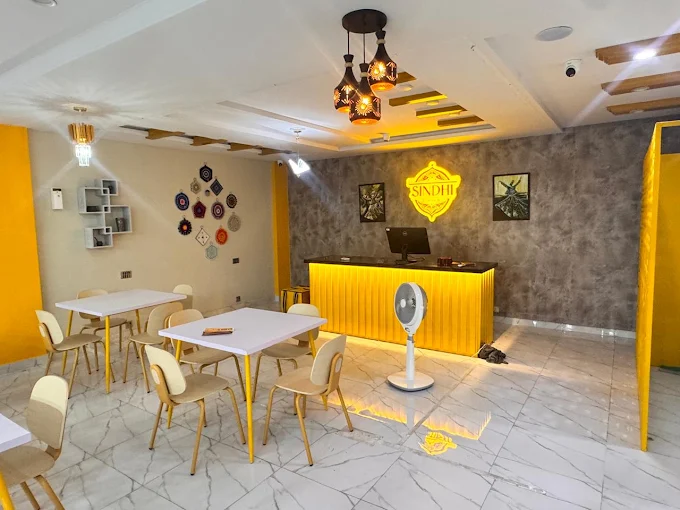
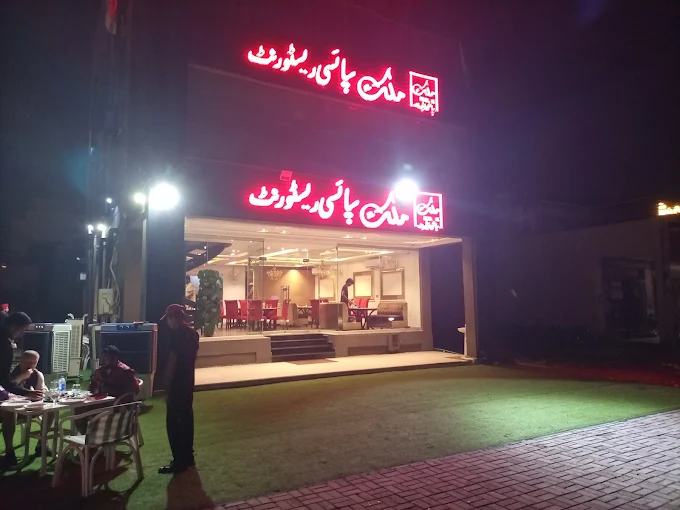
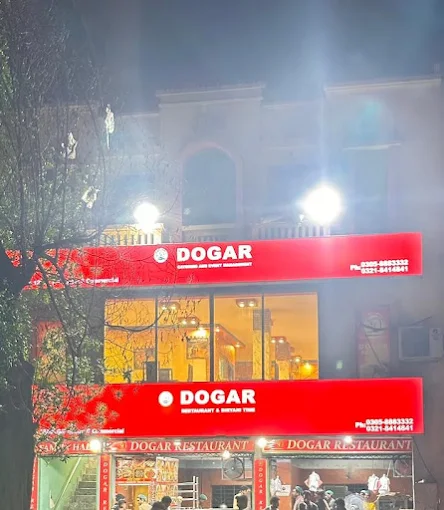


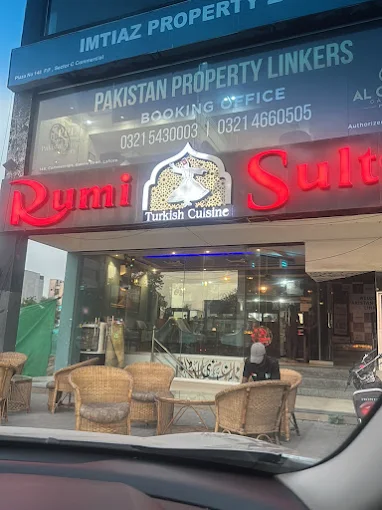





 Max Fast Food is a cash-only name among


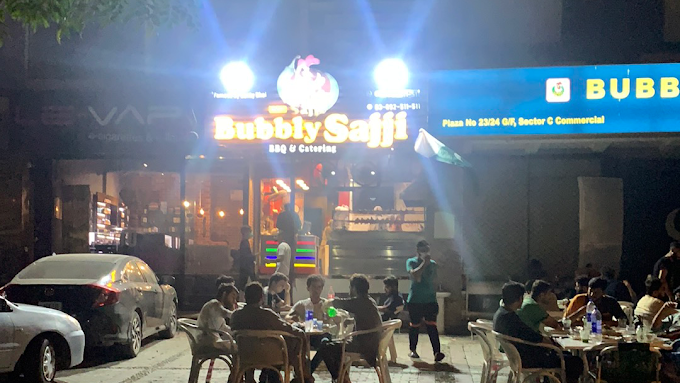
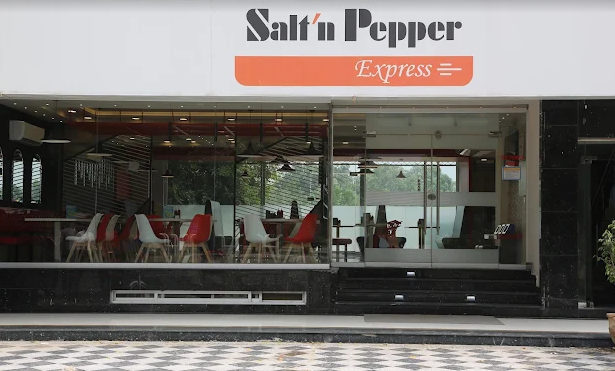
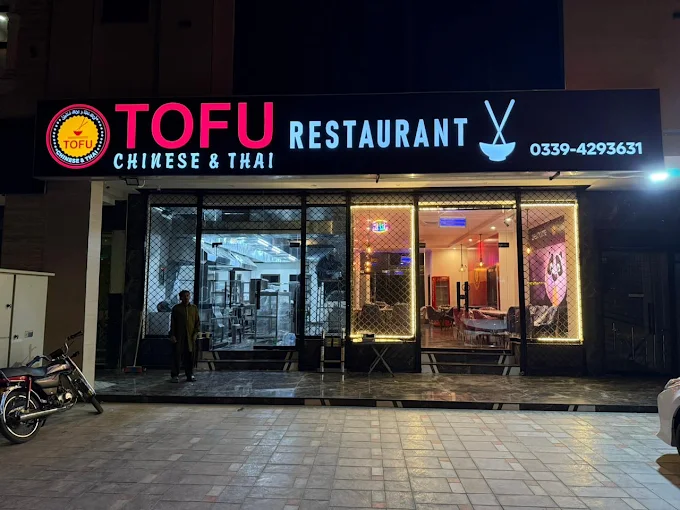
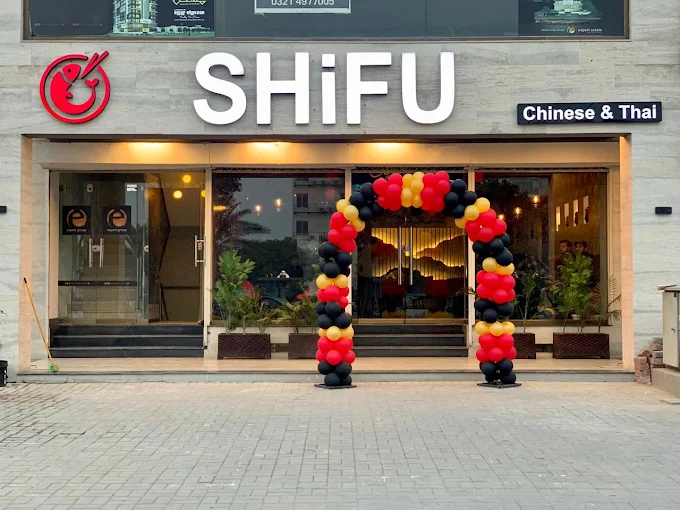
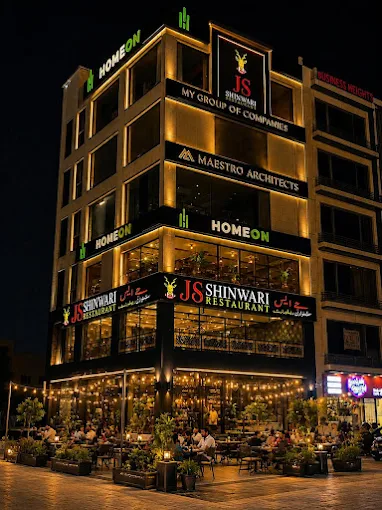

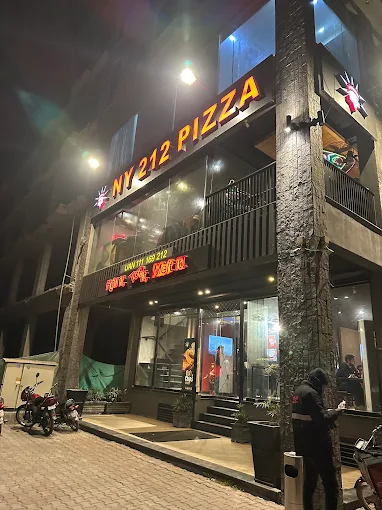
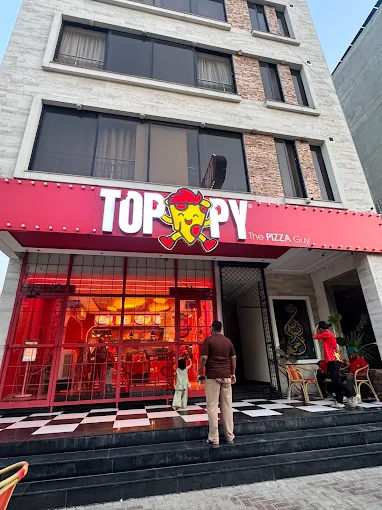
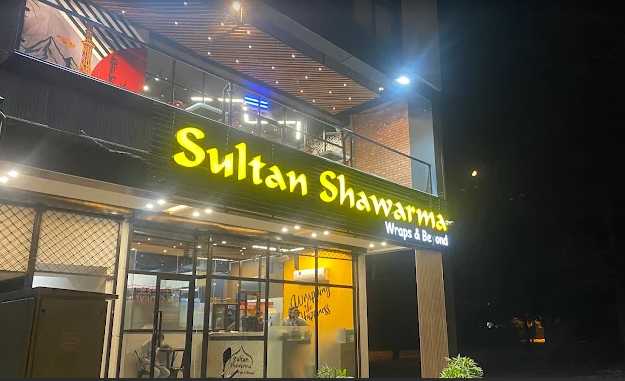

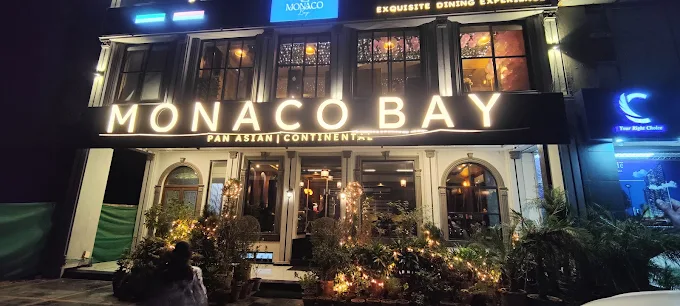
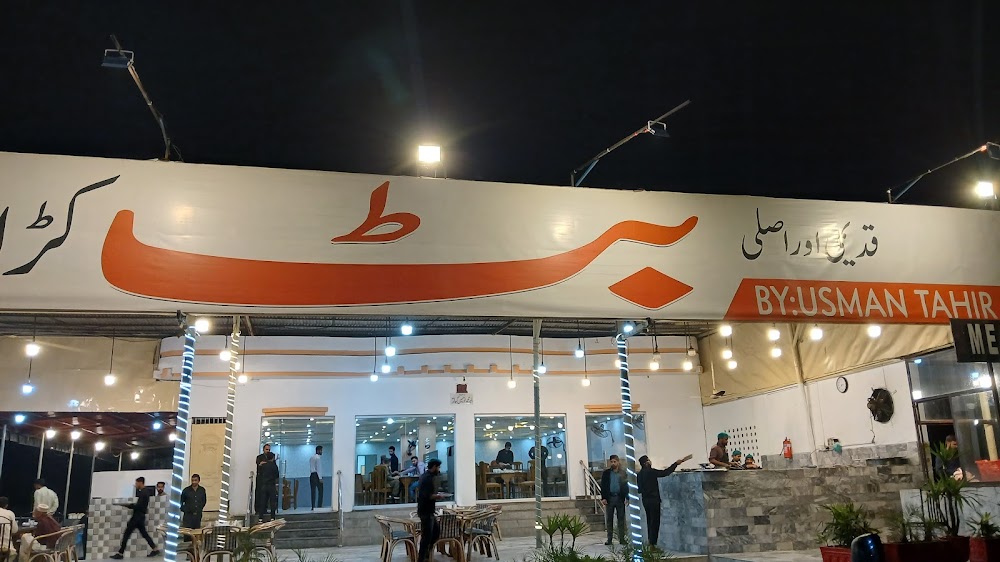
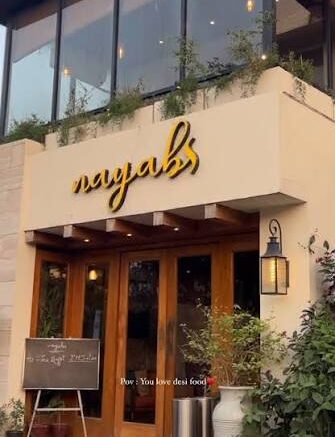
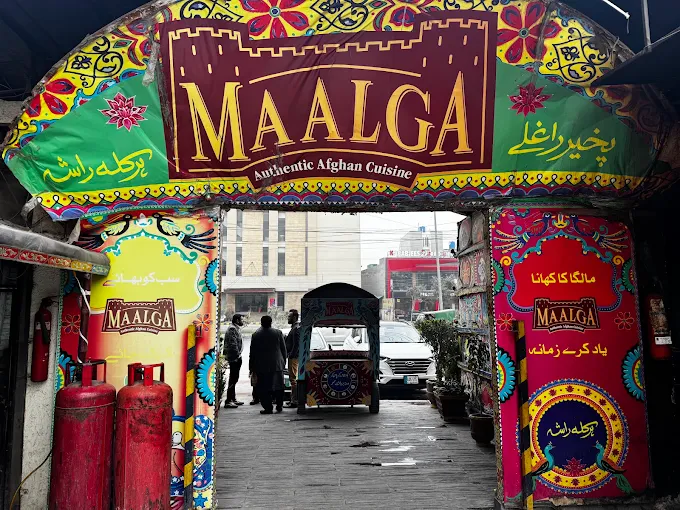


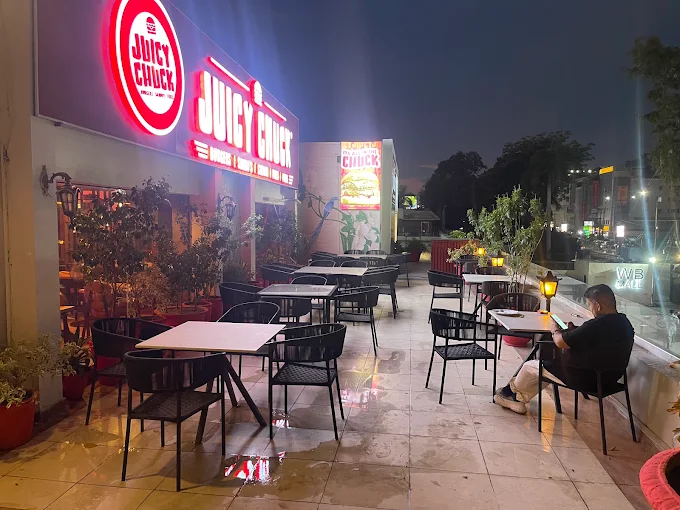


 Giramondo in Gulberg III adds variety to the list of
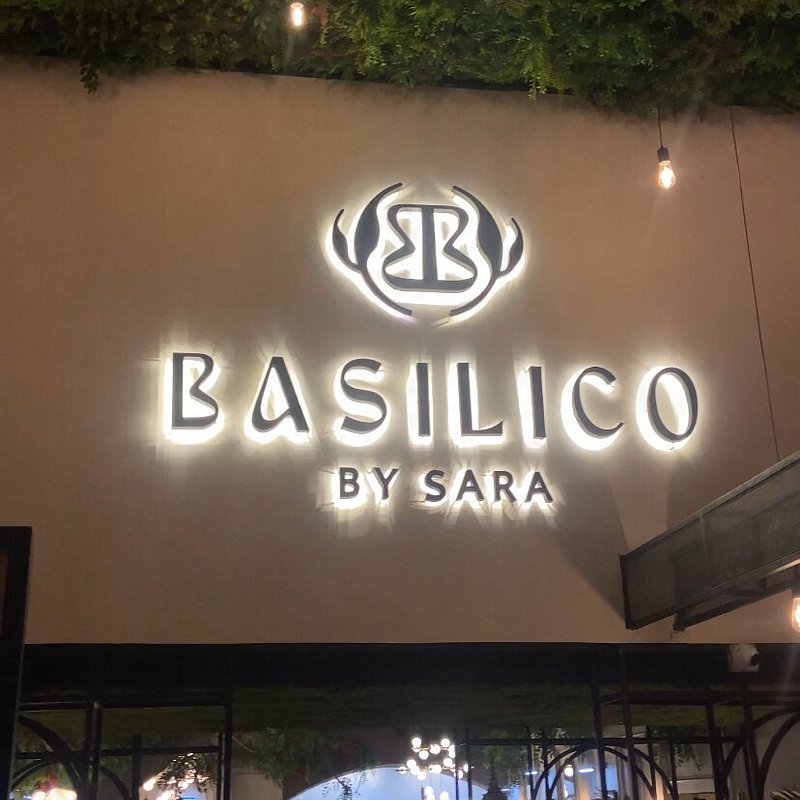
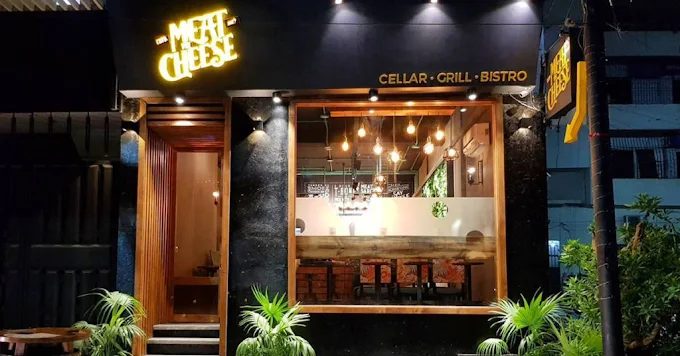

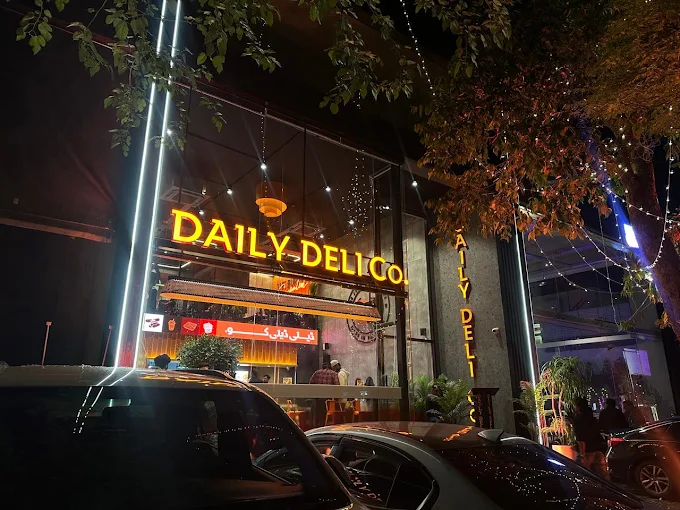

 Hardee’s in Gulberg III is a globally recognised name among