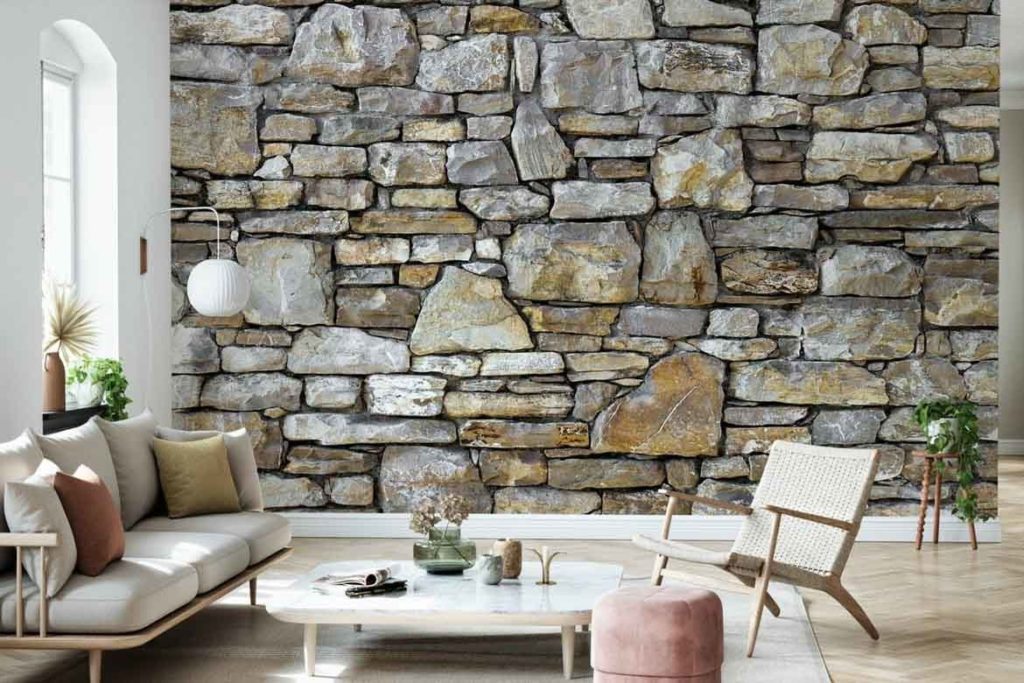
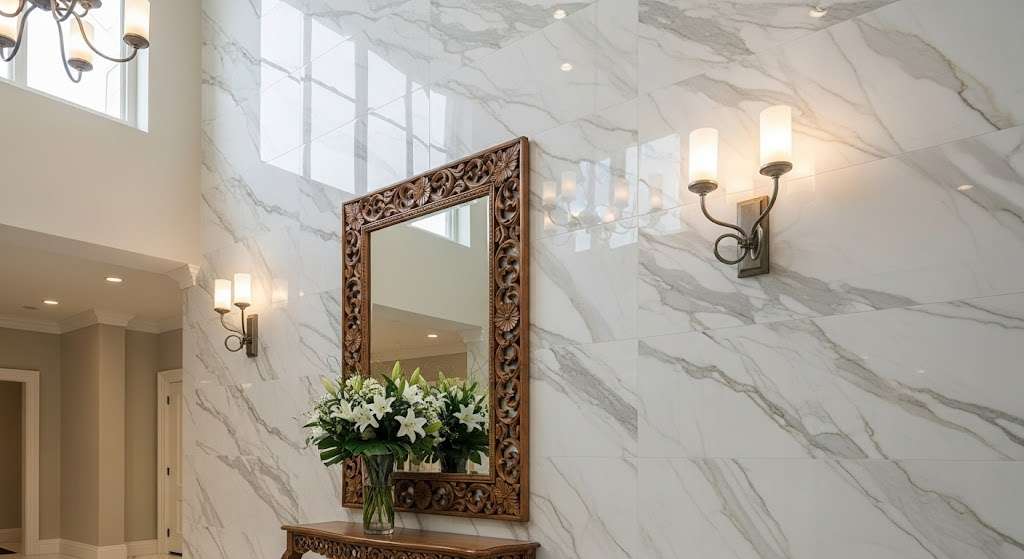
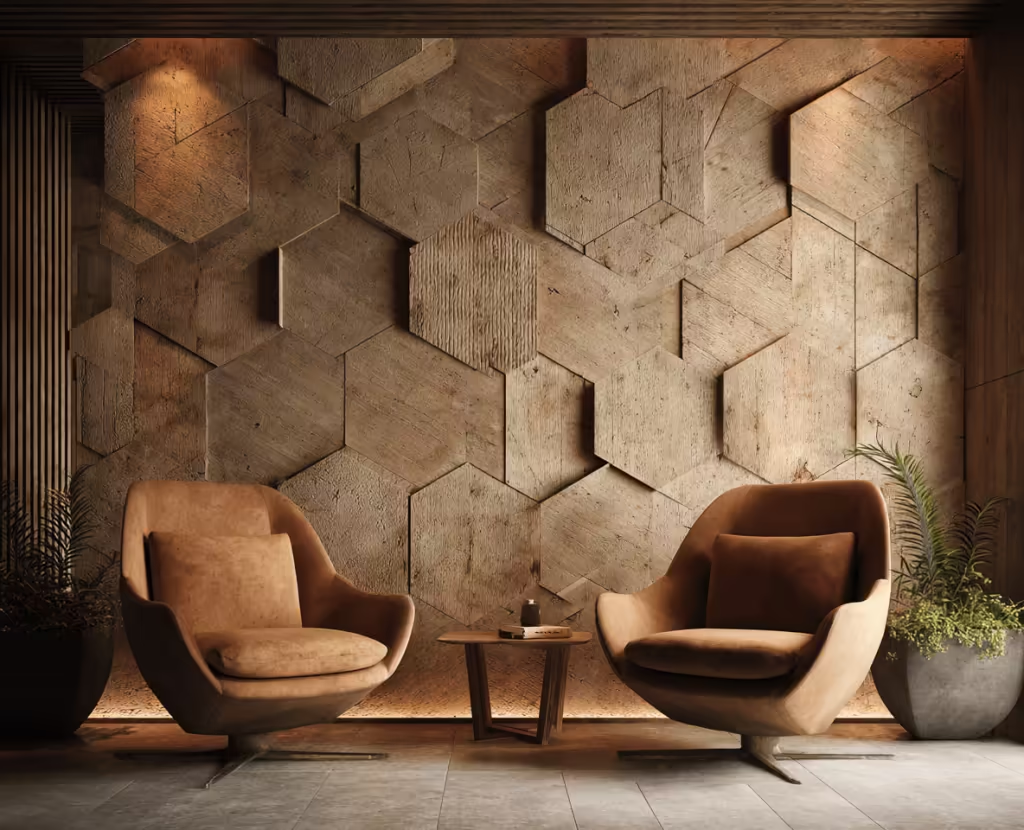
Dedicated and detail-oriented SEO Content Writer, Real Estate Writer, and Research Analyst based in Islamabad, with proven expertise in developing accurate, valuable, and well-researched content. Skilled in analytical writing, market research, and reporting, with the ability to turn insights into clear, professional, and impactful content. Passionate about exploring new ideas, analyzing industry trends, and contributing to high-quality writing and research-driven projects.
ISLAMABAD: Pakistan’s construction sector has emerged as one of the key drivers of economic recovery, registering a robust growth of 5.73% during FY2025-26, a remarkable turnaround from the modest 1.14% expansion recorded in the previous fiscal year. The figures were disclosed in the Pakistan Economic Survey 2025-26, released by the Ministry of Finance.
The significant acceleration in growth has been attributed to improved macroeconomic conditions, a stable exchange rate, declining inflation, and a notable rise in private investment, which surged by 12.8% during the same period. These combined factors created a more conducive environment for developers, contractors, and investors to expand their activities across the country.
The construction sector holds strategic importance in Pakistan’s economy owing to its deep linkages with more than 40 allied industries, including cement, steel, glass, ceramics, paints, electrical equipment, and transport services.
The sector’s upward trajectory consequently provided a significant boost to broader industrial performance. The industrial sector expanded by 3.51%, while large-scale manufacturing recorded an impressive growth of 6.11% during FY2025-26.
Demand for key construction materials, particularly cement and steel products, also rose considerably, reflecting the heightened pace of building and infrastructure activity across urban and semi-urban areas.
Pakistan’s growing population, which reached approximately 252 million in FY2025-26, has further intensified demand for housing, transportation networks, and urban infrastructure, providing sustained momentum to the sector.
Additionally, construction remains one of the highest-employment sectors in the economy. Its extensive supply chain supports skilled, semi-skilled, and unskilled workers, while also creating business opportunities for contractors, suppliers, and transporters.
Analysts view the sector’s strong performance as a positive indicator of broader economic stabilisation, noting that continued investment in infrastructure and housing will be critical to sustaining this growth trajectory in the years ahead.
Dedicated and detail-oriented SEO Content Writer, Real Estate Writer, and Research Analyst based in Islamabad, with proven expertise in developing accurate, valuable, and well-researched content. Skilled in analytical writing, market research, and reporting, with the ability to turn insights into clear, professional, and impactful content. Passionate about exploring new ideas, analyzing industry trends, and contributing to high-quality writing and research-driven projects.
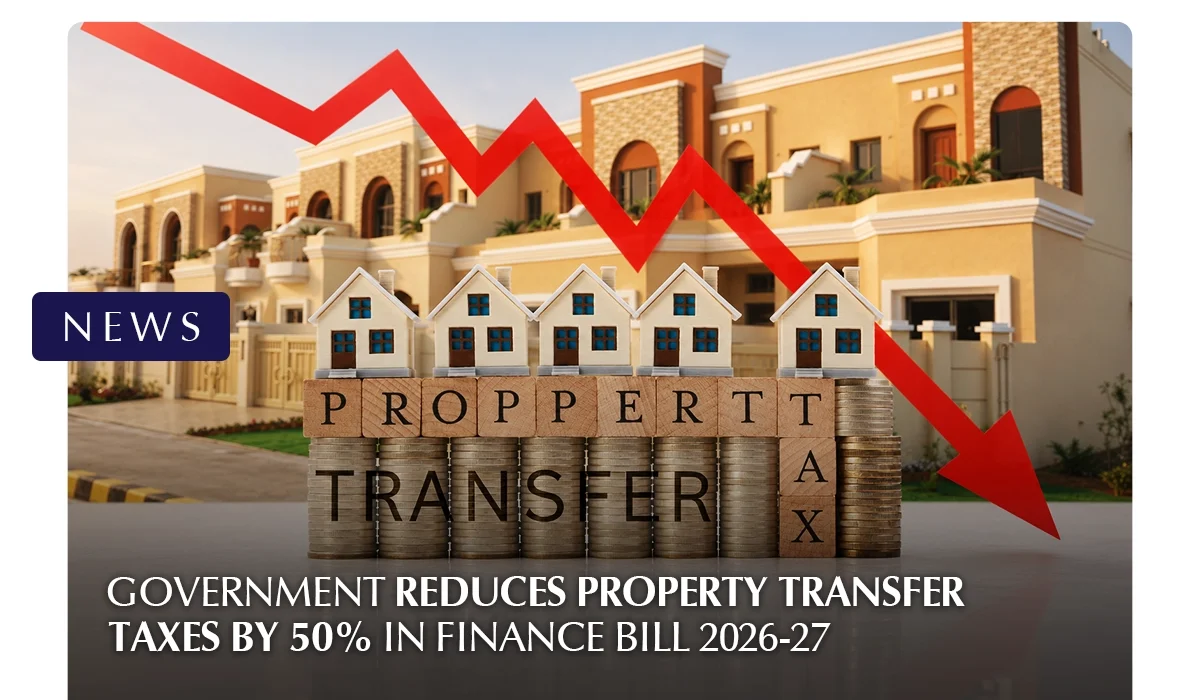
ISLAMABAD: The Federal Government has announced a series of significant tax reductions in the Finance Bill 2026-27, aimed at revitalising Pakistan’s real estate sector and reducing the financial burden on property buyers and sellers nationwide.
Under the new measures, the advance tax on property sales has been reduced by half. Sellers on the Active Taxpayers List (ATL) will now pay a flat rate of 2.75% under Section 236C, down from the previous 5.5%. Similarly, buyers who are registered filers will benefit from a reduced advance tax rate of 1.25% on the fair market value of purchased properties under Section 236K, compared to the earlier rate of 2.5%.
In a landmark move, the Finance Bill officially abolishes Section 7E, which levied a deemed income tax on immovable properties by taxing owners on a notional 5% of income, regardless of whether the property generated any actual earnings.
The Federal Constitutional Court had already declared Section 7E unconstitutional and void ab initio in May 2026, and the Finance Bill now formally removes it from the statute books.
The government has also abolished the Capital Value Tax (CVT) on foreign assets held by resident Pakistanis. Previously, Pakistanis owning properties abroad were required to pay CVT on their declared foreign wealth. The removal of this tax is expected to encourage greater transparency and documentation of overseas assets.
Furthermore, the Finance Bill introduces important amendments to Section 76(8A) regarding inherited property. The cost of an inherited asset will henceforth be recorded at the fair market value on the date of the original owner’s death, ensuring that heirs are not subjected to capital gains tax on value appreciation that occurred prior to inheritance.
It is noteworthy that while registered filers receive considerable relief, non-filers and individuals on the Non-Active Taxpayers List will continue to face substantially higher punitive tax rates during property transactions, reinforcing the government’s broader strategy of incentivising tax compliance and expanding the documented economy.
Dedicated and detail-oriented SEO Content Writer, Real Estate Writer, and Research Analyst based in Islamabad, with proven expertise in developing accurate, valuable, and well-researched content. Skilled in analytical writing, market research, and reporting, with the ability to turn insights into clear, professional, and impactful content. Passionate about exploring new ideas, analyzing industry trends, and contributing to high-quality writing and research-driven projects.
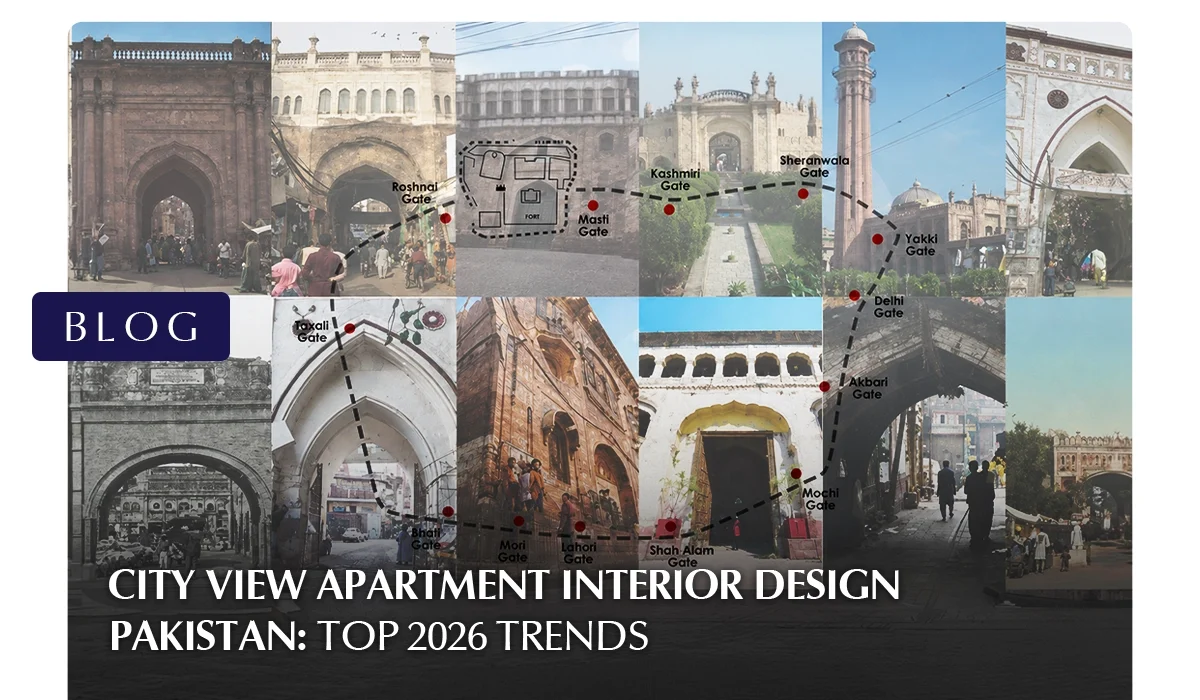
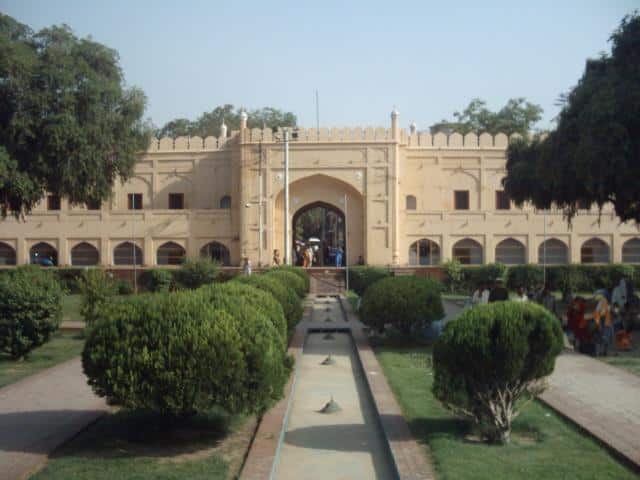
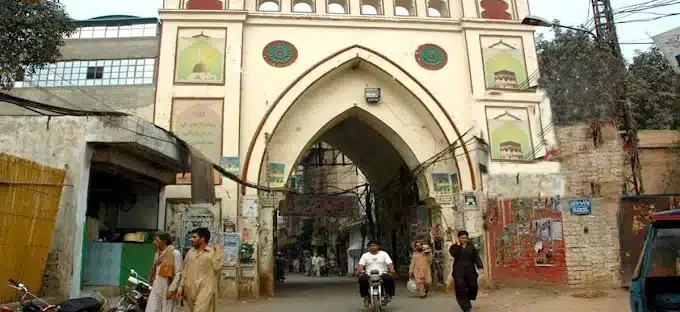
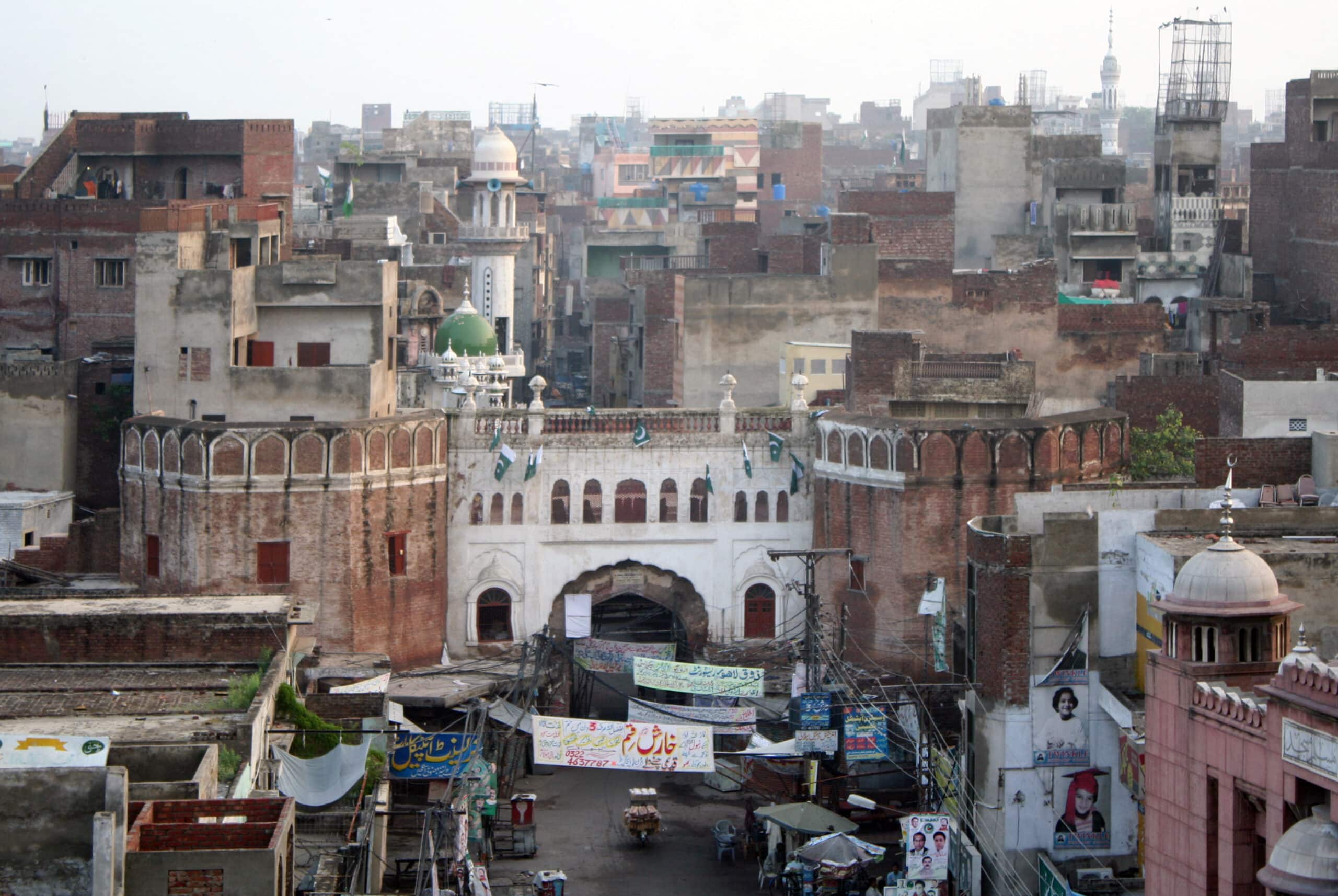
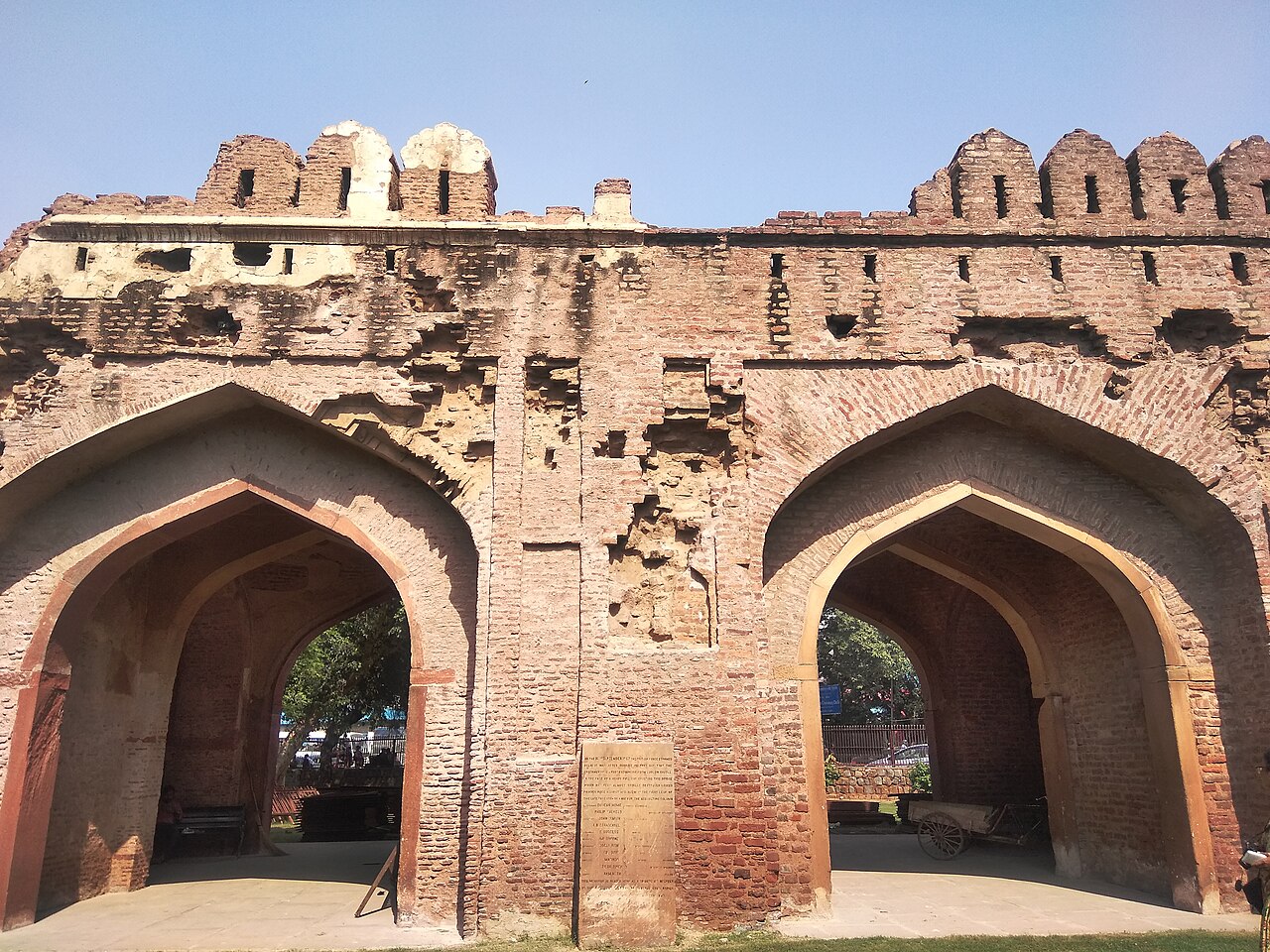
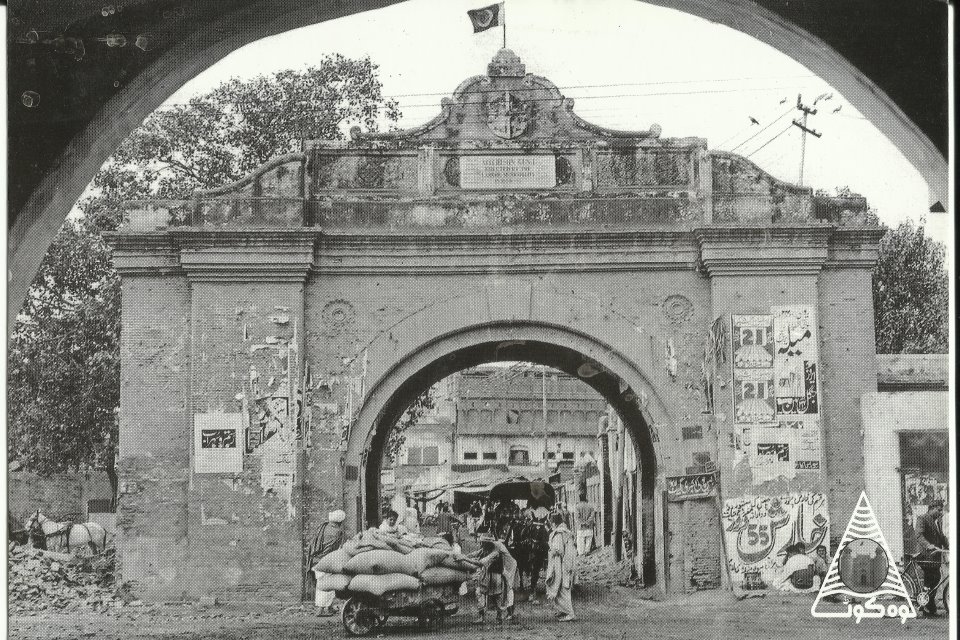
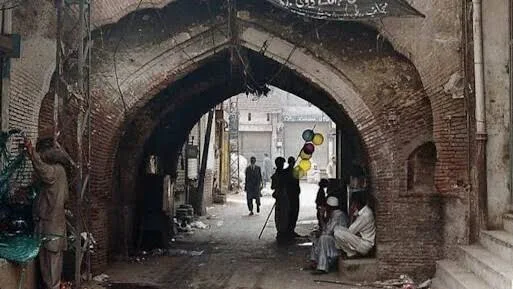
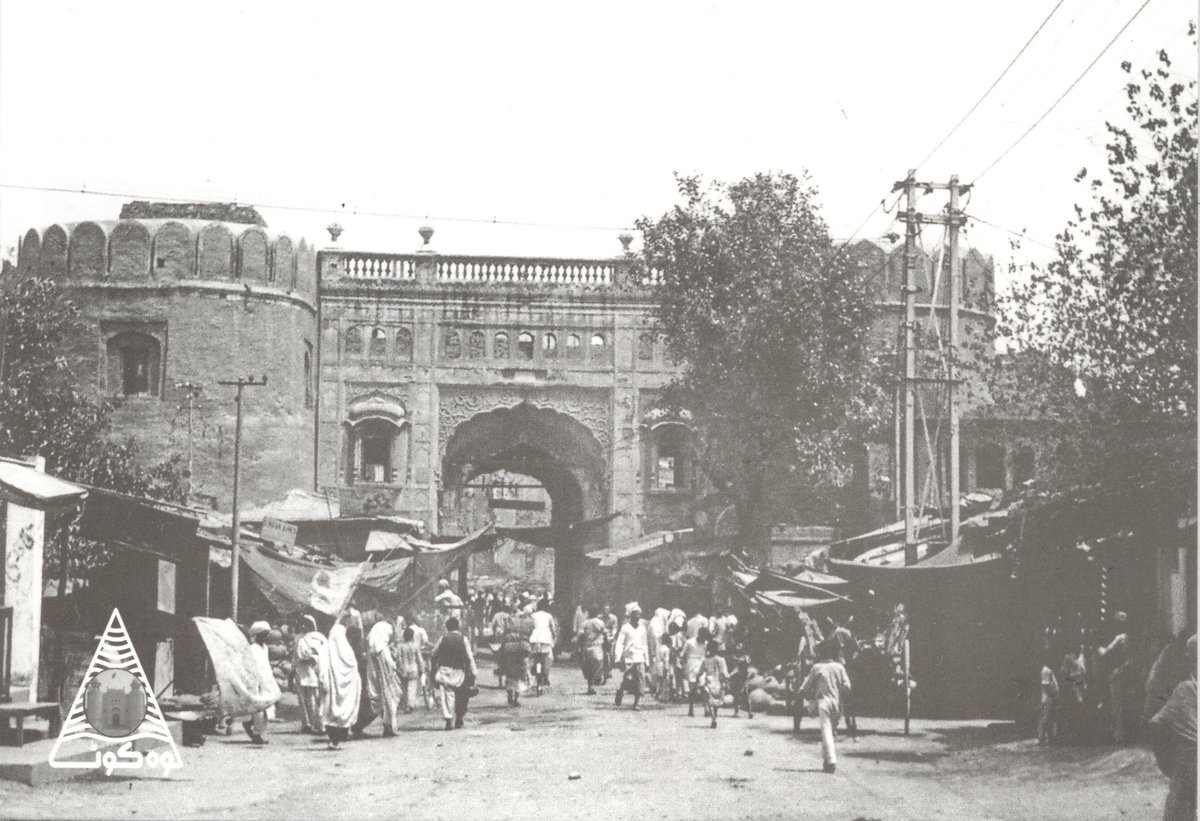
Lahore, the cultural soul of Pakistan, carries its history not just in its food, music, and poetry, but literally written in brick and mortar across its ancient skyline. Among its most iconic heritage structures are the gates of Lahore, thirteen magnificent portals that once guarded the Walled City from invaders, regulated trade, and served as the beating pulse of daily life for centuries.
Whether you are a history enthusiast, a curious traveller, or simply a Lahori who has passed through these ancient arches a hundred times without knowing their stories, this guide will take you through every single one of them, their origins, their legends, their architecture, and their fate.
The Walled City and the Story Behind the Gates of Lahore
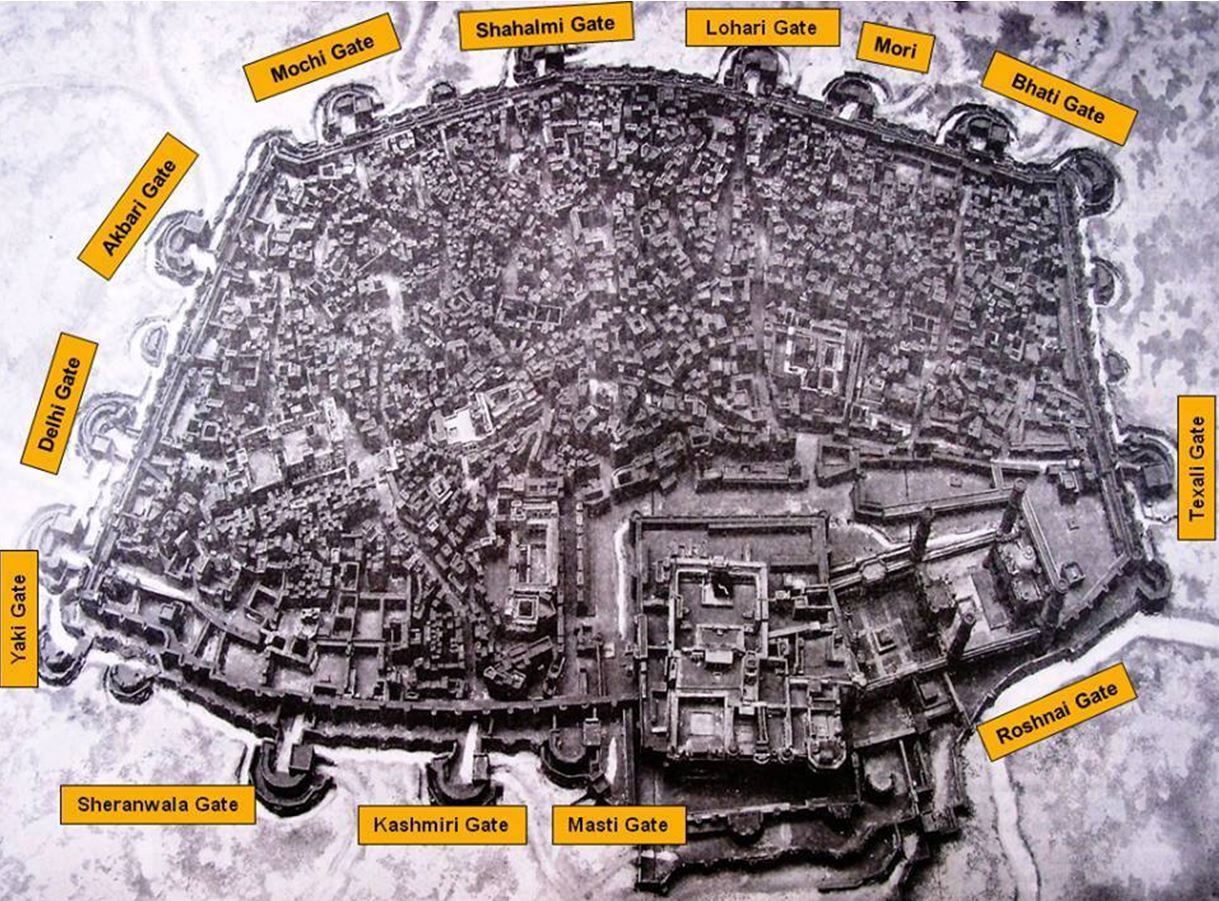
To understand the gates of Lahore, you must first understand the city they once protected. During the Mughal era, the old city of Lahore was encircled by a formidable brick wall standing nearly 30 feet high, with a protective rampart running along its perimeter. A circular road around this rampart connected all thirteen entry points, each one serving a distinct purpose:
Strategic: Defending the city against invaders and controlling military access
Commercial: Regulating trade, collecting taxes, and monitoring goods entering the city
Cultural: Serving as community landmarks tied to saints, clans, and royal figures
The credit for formalising and fortifying these gates of Lahore largely goes to the third Mughal Emperor, Jalal-ud-Din Muhammad Akbar, who rebuilt and reinforced the city’s defences in the mid-16th century. These gates were not merely doors; they were fully functional administrative checkpoints that served multiple roles every single day:
Tax collection from merchants and traders passing through
Traveller verification to screen those entering the walled city
Nightly security enforcement, with heavy wooden shutters swung shut at dusk to protect residents
Over centuries, the gates of Lahore witnessed the rise and fall of three great powers:
The Mughal Dynasty, which built and originally fortified all thirteen gates of Lahore
The Sikh Empire under Maharaja Ranjit Singh, during whose declining rule, the gates were neglected and fell into disrepair
British Colonial Rule, which demolished several gates of Lahore and reconstructed others, leaving a European architectural imprint on some of them.
Today, the Walled City Lahore Authority (WCLA) continues active efforts to preserve, restore, and document what remains of this extraordinary heritage for future generations.
All 13 Gates of Lahore at a Glance
Before diving into each gate’s story, here is a quick reference to all thirteen gates of Lahore, their alternate names, and whether they survive today:
#
Gate Name
Also Known As
Named After
Built/Rebuilt By
Current Status
1
Delhi Gate
—
Direction to Delhi
Mughal (Akbar) / British
Standing
2
Roshnai Gate
Gate of Lights
Evening lamps for worshippers
Mughal (original)
Standing
3
Bhati Gate
Bhatti Darwaza
Bhati Rajput clan
Mughal / British
Standing
4
Lohari Gate
Lahori Gate
Blacksmiths of Lahore
Mughal / British (1864)
Standing
5
Kashmiri Gate
—
Direction of Kashmir
British (late 19th century)
Standing
6
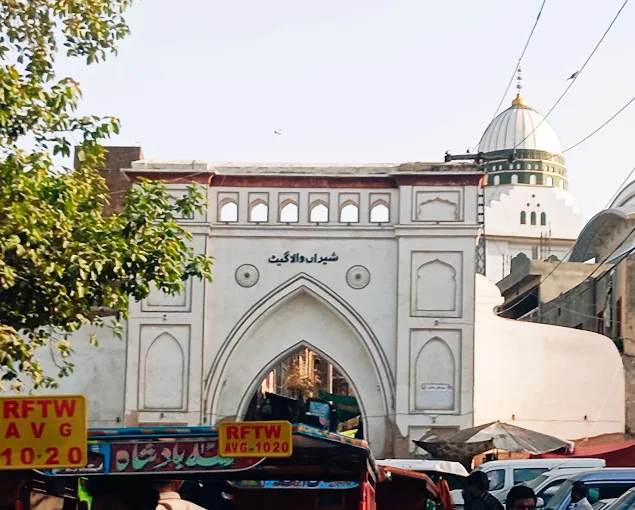
Sheranwala Gate
Khizri Gate / Lions Gate
Caged lions of Ranjit Singh
Mughal / Sikh era
Standing
7
Akbari Gate
—
Emperor Jalal-ud-Din Akbar
Mughal / British
Demolished
8
Yakki Gate
Zakki Gate
Martyr saint Pir Zakki
Mughal
Demolished
9
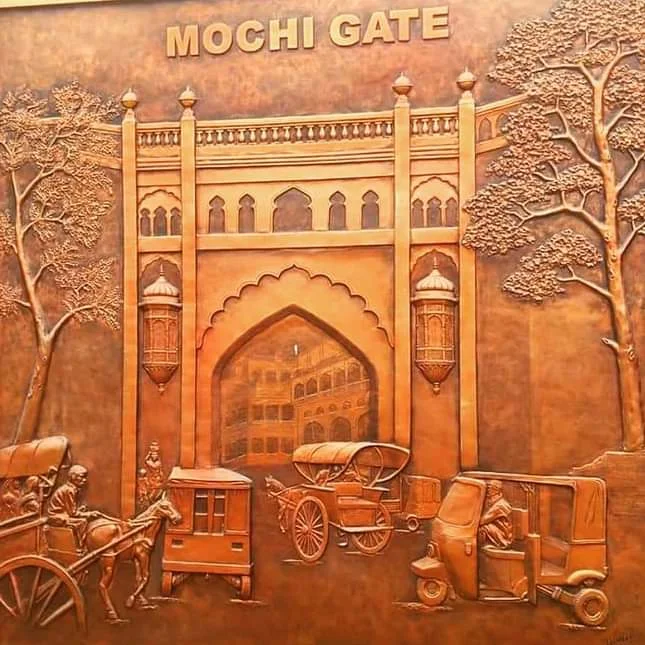
Mochi Gate
Mochi Darwaza
Guard Moti Ram / “Morchi”
Mughal
Demolished
10
Shah Alam Gate
Shah-Almi Gate
Muazzam Shah Alam Bahadur Shah
Mughal
Demolished
11
Masti Gate
Masjidi Gate
Guard Masti Baloch / Masjid
Mughal
Demolished
12
Taxali Gate
Texali Gate
Royal Mint (Taxal)
Mughal
Demolished
13
Mori Gate
Mori Darwaza
“Small hole” / waste outlet
Mughal
Demolished
Detailed History of the 13 Gates of Lahore
Every gate of Lahore carries a unique soul shaped by the rulers who built them, the legends that named them, and the centuries of history that either preserved or erased them.
1. Delhi Gate: The Grand Eastern Entrance
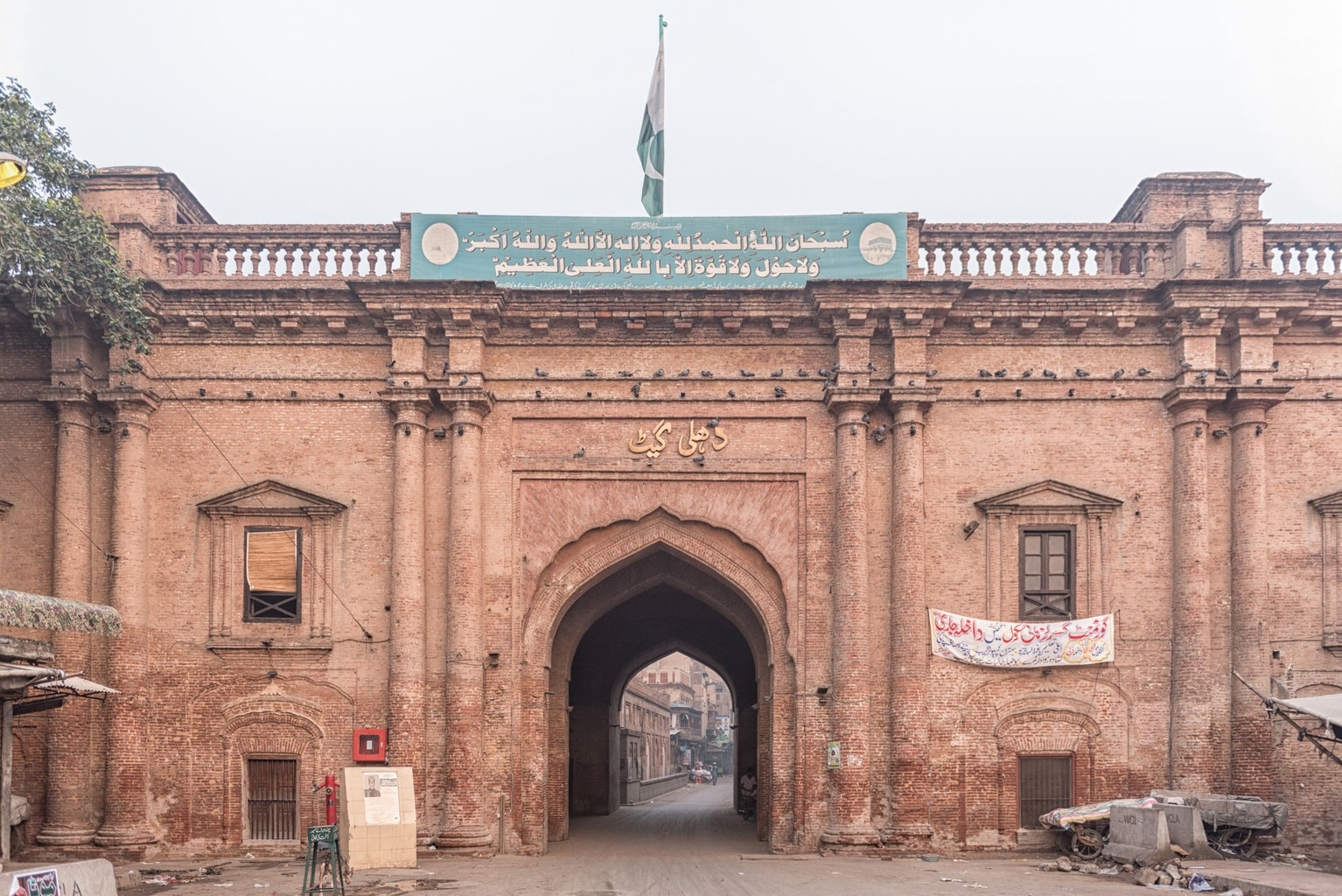
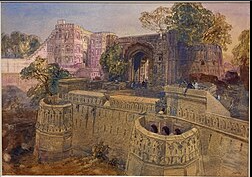
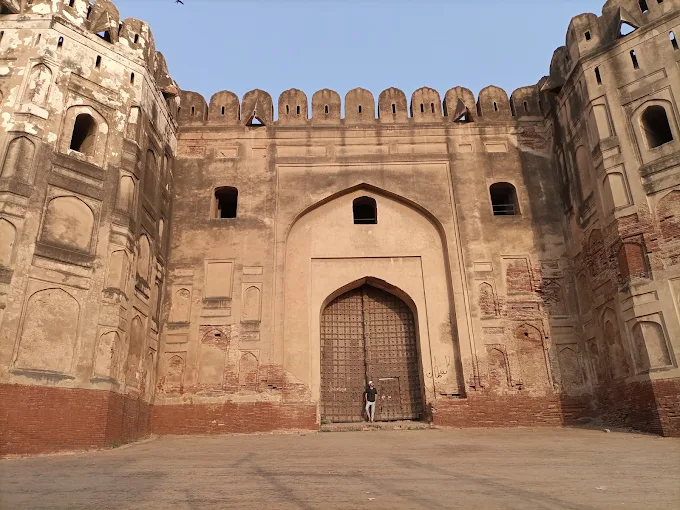
The most architecturally celebrated of all the gates of Lahore, Delhi Gate stands on the eastern side of the Walled City and was once the primary route connecting Lahore to Delhi, the capital of the Mughal Empire.
Built during Emperor Akbar’s reign, it is the largest of the surviving gates, rising three storeys high with thick load-bearing walls, vaulted roofs, and a stunning front portal featuring a double-layered arch and an outer multi-foil arch sitting above an inner four-centred structural arch in pure Mughal style.
Inside Delhi Gate lies one of the world’s most beautiful mosques, Wazir Khan Mosque, barely 200 metres from the entrance. The adjacent Shahi Hammam, the only surviving public bath from the Mughal period, is also located here. Although the structure weakened under British rule, it was restored and today remains an active symbol of Lahore’s living heritage.
2. Roshnai Gate: The Gate of Lights
Perhaps the most atmospheric of all the gates of Lahore, Roshnai Gate, meaning “Gate of Lights”, sits between Lahore Fort and the Badshahi Mosque. It was specifically used by courtiers, royal servants, and entourages entering the city from the fort. Every evening, the gate was lit with lamps to guide Muslim residents toward the mosque, giving it its luminous name.
What makes Roshnai Gate truly special is that it is the only gate surviving in its original, unaltered condition, untouched by British reconstruction. Adjacent to it stands Hazuri Bagh, the garden built by Maharaja Ranjit Singh in 1813 to celebrate his acquisition of the Koh-i-Noor Diamond. Today, Roshnai Gate opens into Fort Road Food Street, one of Lahore’s most beloved evening destinations.
3. Bhati Gate: Where Poets and Saints Rest
Situated on the western wall of the Walled City, Bhati Gate, among the gates of Lahore, is considered one of the two oldest entry points into the city and controlled the major north-south thoroughfare during the Ghaznavid period. It was named after the Bhati clan of Rajputs who inhabited this quarter in ancient times.
Beyond its military history, Bhati Gate carries deep cultural significance. Just outside it stands the shrine of the great Sufi saint Hazrat Ali Hajweri, Data Darbar, one of the most visited shrines in South Asia. The renowned philosopher-poet Allama Iqbal lived in a house near Bhati Gate between 1901 and 1905 during his years of study. Inside the gate, Hakiman Bazaar and the Fakir Khana Museum continue to draw visitors.
4. Lohari Gate: The Oldest Gate, the Blacksmiths’ Legacy
Lohari Gate holds the distinction of being the oldest of the thirteen gates of Lahore, named in honour of the skilled blacksmiths “lohars” who once populated this quarter. The gate was reconstructed by the British in 1864 under the orders of Lieutenant Governor Sir Robert Montgomery, and a marble plaque above its arched entrance still records this history in both Urdu and English.
Notably, among all five British-era reconstructed gates of Lahore, Lohari Gate is the one least influenced by European Gothic Revival styles, retaining much of its original Mughal spatial character. Today, the surrounding neighbourhood is celebrated for its desi food, with Sahib Nihari, Sheikh Chatkhara, and Hafiz Channay among the most beloved names.
5. Kashmiri Gate: Facing the Valley of Kashmir
Kashmiri Gate, among the gates of Lahore, earns its name simply from its orientation, which faces Kashmir, and once opened onto the road that led travellers toward the Kashmiri valley during the Mughal period. The present structure was built by the British in the late 19th century in a colonial style and is nearly identical in form to Sheranwala Gate.
Architecturally, it is T-shaped with a Gothic-type arch flanked by heavy piers and minimal ornamentation, a stark contrast to the elaborate Mughal craftsmanship of Delhi Gate. Post-independence, Kashmiri Bazaar inside the gate grew into one of the busiest commercial centres of the Walled City and remains vibrant today.
6. Sheranwala Gate: Guarded by Lions
Originally named Khizri Gate after the revered Muslim saint Hazrat Khawaja Khizr Elias, the patron saint of rivers and running waters, this gate earned its modern name during the Sikh era. Maharaja Ranjit Singh famously placed two caged lions at either side of the gate, and the locals quickly renamed it Sheranwala Gate, meaning “the gate with lions.”
The gate faces north between Kashmiri Gate to the west and Yakki Gate to the southeast. Two decorative medallions, shamsas, adorn its central entrance arch, and it retains its wooden-shutter mounts though the shutters themselves are long gone. Its original structure still stands, making it one of the few authentic surviving gates of Lahore.
7. Akbari Gate: Named for the Great Emperor
Located approximately 850 metres south of Delhi Gate on the eastern side of the Walled City, Akbari Gate is one of the most historically significant gates of Lahore, named after Emperor Akbar, who rebuilt the nearby town and citadel.
Though the original structure has completely dilapidated and the British-era renovation has also since crumbled, this gate lives on through Akbari Mandi, Lahore’s largest wholesale and retail market for food grains, which still operates vigorously at the same site.
Among all the demolished gates of Lahore, Akbari Gate is perhaps the finest example of how a gateway’s legacy can outlive its physical structure, its name and spirit permanently embedded in the commercial heartbeat of the city.
8. Yakki Gate: The Martyr’s Two Graves
Among the most legend-steeped of all the gates of Lahore, Yakki Gate was originally called Zakki Gate, named after the martyr saint Pir Zakki, who, according to tradition, was beheaded while defending the city against invaders from the north. The legend holds that even after decapitation, his body continued fighting before collapsing, and his head and torso were buried in two separate graves, both venerated to this day.
The gate stood approximately 170 metres east of Delhi Gate. Its physical structure no longer exists, but the nearby alleyways still lead to havelis, including Nadirwali Haveli and Laal Haveli, partially surviving monuments of the Mughal courtier era.
9. Mochi Gate: Trench Soldiers and Ancient Markets
Situated between Akbari Gate and Shah Alam Gate on the southern side of the Walled City, Mochi Gate is subject to two competing naming theories. One attributes the name to Pandit Moti Ram, a devoted guard under Emperor Akbar who guarded the gate until his death, leading rulers to honour him by naming it after him. The other, more linguistically supported theory holds that “Mochi” is a corrupted form of “Morchi”, the Urdu word for trench soldier, as evidenced by nearby streets still bearing names like Mohalla Teer-garan (arrow craftsmen) and Mohalla Kaman-garan (bow craftsmen).
Though the gate structure is gone, Mochi Bagh, right beside it, remains one of Lahore’s most historically charged political grounds among the gates of Lahore, where processions and public gatherings have been held for generations.
10. Shah Alam Gate: Lost in the Fires of 1947
Shah Alam Gate, colloquially known as Shah-Almi, was named after Muazzam Shah Alam Bahadur Shah, the mild and generous son of Aurangzeb, who ruled from 1707 to 1712. Originally called Bherwala Gate, it was burned to the ground during the catastrophic partition riots of 1947, one of the most tragic losses among all the gates of Lahore.
The Government of Pakistan’s 1952 Damaged Area Development Ordinance widened the road from 20 to 80 feet, erasing any remaining traces of the structure. Today, only the name survives, attached to one of Lahore’s busiest wholesale markets, Rang Mahal, where everything from jewellery to electronics is traded.
11. Taxali Gate: Where the Royal Mint Stood
Taxali Gate takes its name from “Taxal”, the royal mint that once operated in its neighbourhood during the Mughal imperial period, making it one of the most economically significant gates of Lahore.
The gate and the mint are both long gone, but the area around Taxali Gate remains legendary for two things: its traditional shoe markets, Khussa, Peshawari, and Kohlapuri chappals and its unbeatable Lahori breakfast, with Phajjai ka Paye and Taj Mahal Halwa Puri drawing crowds every morning.
The Sufi saint Madhu Lal, born here in 1539, adds a spiritual dimension to this neighbourhood’s heritage.
12. Masti Gate: The Guard Who Never Left His Post
Masti Gate, located behind Lahore Fort on the eastern side, carries two naming legends. The more romantic account attributes it to Masti Baloch, a loyal guard who protected the gate with absolute devotion until his dying breath. The more scholarly interpretation suggests the name derives from “Masjidi” (pertaining to a mosque) in the local Punjabi dialect, which was gradually mispronounced as “Masti.” The nearby mosque of Mariam Makhani, the mother of Emperor Akbar, lends weight to this second theory.
Among the demolished gatesofLahore, the Masti gate no longer exists, but the area remains known for its milk shops serving rabri wala doodh and traditional shoe vendors.
13. Mori Gate: The Smallest of All
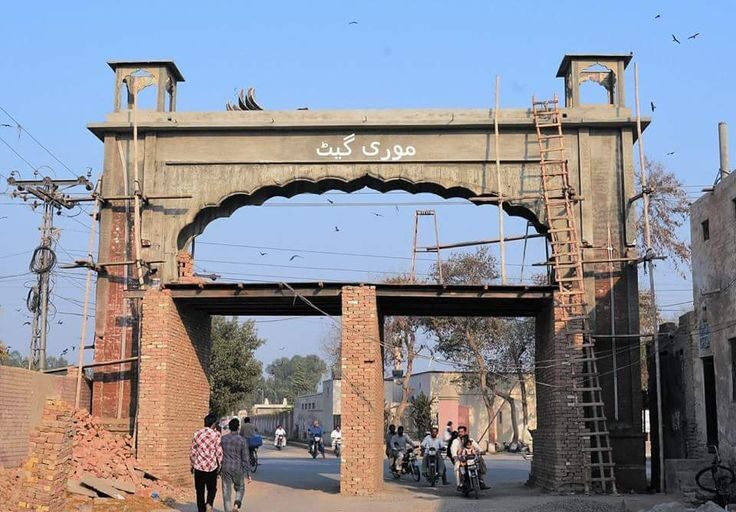
The most humble of the gates of Lahore, Mori Darwaza, was never a grand gateway but rather a functional opening, “mori” meaning “small hole” in Urdu. It lay between Lohari Gate and Bhati Gate and served a very specific purpose: when all twelve major gates were locked at night for security, Mori Gate remained open as the sole access point into the city. It also functioned as an outlet for the city’s refuse and sweepings.
Inside Mori Gate, Chowk Jhanda was once home to Upal Store, the finest desi condiment shop of its era. Urdu Bazaar, famous for books and stationery, sits just across from its former location. The gate itself has vanished, but its legacy as Lahore’s humble, indispensable back door lives on.
Which Gates of Lahore Still Exist Today?
Of the original thirteen gates of Lahore, only six physically survive: Delhi Gate, Roshnai Gate, Bhati Gate, Lohari Gate, Sheranwala Gate, and Kashmiri Gate. Of these, Roshnai Gate is the sole one standing in its original, unmodified form. The remaining five were rebuilt by British colonial authorities during the 19th century, with varying degrees of European architectural influence.
The other seven Akbari, Yakki, Mochi, Shah Alam, Masti, Taxali, and Mori exist today only as neighbourhoods and bazaar names, their physical structures lost to time, neglect, and the violence of 1947.
Final Thoughts: Why the Gates of Lahore Matter
The gates of Lahore are far more than ancient doorways. They are a layered record of every civilisation that shaped this city: Ghaznavid, Mughal, Sikh, and British. Each gate tells a story of a royal guard, a Sufi saint, a Rajput warrior, a caged lion, or a royal mint. Each one anchors a neighbourhood whose food, culture, and social life still pulse with the energy of centuries past.
The Walled City Lahore Authority (WCLA) continues restoration and documentation work, and virtual heritage tours of the gates of Lahore are now available for those who cannot visit in person. But nothing compares to walking through Delhi Gate at dawn, smelling the nihari simmering at Lohari Gate, or standing between the fort and the mosque at Roshnai Gate as the evening lights come on just as they did for worshippers a thousand years ago.
The gates of Lahore are not ruins. They are living, breathing chapters of one of the world’s oldest cities, still telling their stories to anyone willing to listen.
Dedicated and detail-oriented SEO Content Writer, Real Estate Writer, and Research Analyst based in Islamabad, with proven expertise in developing accurate, valuable, and well-researched content. Skilled in analytical writing, market research, and reporting, with the ability to turn insights into clear, professional, and impactful content. Passionate about exploring new ideas, analyzing industry trends, and contributing to high-quality writing and research-driven projects.
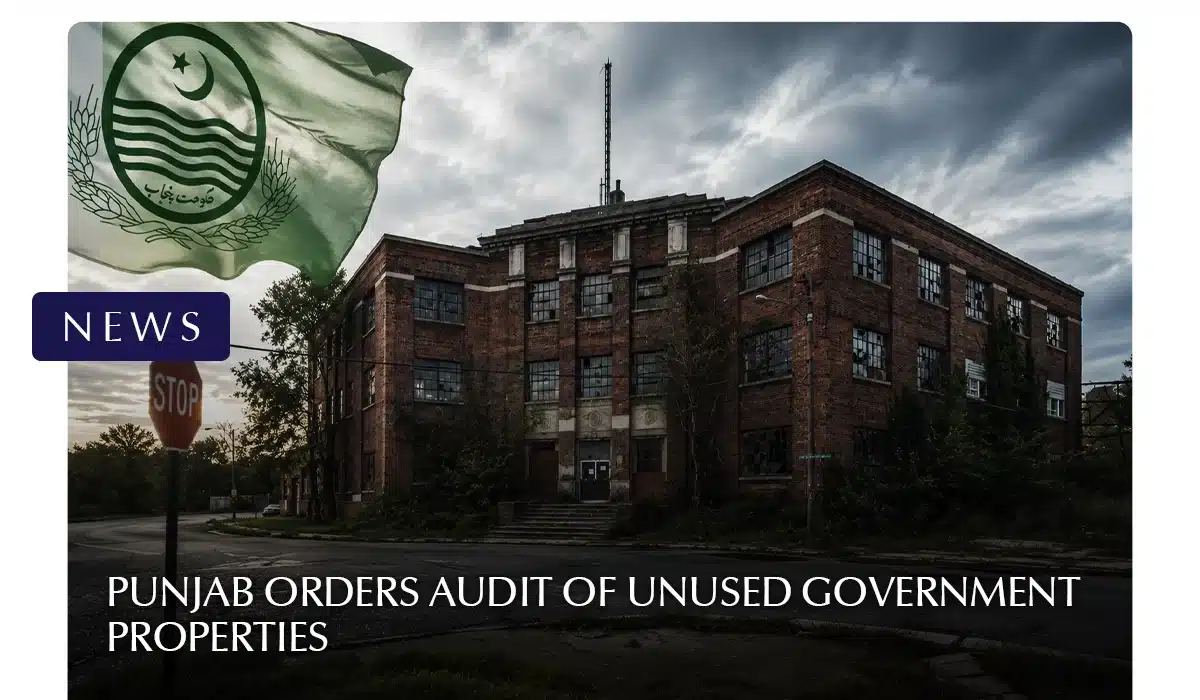
LAHORE: The Punjab government has directed 12 public-sector institutions to compile and submit comprehensive details of vacant, unused, and underutilised state-owned residential and commercial properties as part of a broader strategy to achieve an ambitious revenue target of Rs500 billion for the upcoming fiscal year.
The directive was issued by the Housing, Urban Development and Public Health Engineering Department, which has contacted nine major development authorities across the province, including those operating in Lahore, Rawalpindi, Multan, Faisalabad, Sargodha, Bahawalpur, Gujranwala, Dera Ghazi Khan, and Koh-e-Suleman.
Additionally, the Ravi Urban Development Authority, the Punjab Housing and Planning Agency, and the Punjab Central Business District Development Authority have been included in the exercise.
According to the letter issued by the department, institutions are required to submit complete records not only of properties that remain vacant or underused, but also of state assets that have previously been sold, leased, auctioned, licensed, or otherwise utilised.
The scope of the survey further extends to identifying roads, corridors, and public areas with potential for commercialisation, accompanied by actionable recommendations for their possible use.
Each agency has been tasked with conducting a thorough assessment of land and property values within its jurisdiction, evaluating commercialisation prospects, and identifying concrete revenue-generation opportunities.
The institutions are also expected to prepare detailed action plans, complete with implementation timelines, to enable them to contribute meaningfully to their individually assigned revenue targets.
The initiative reflects the provincial government’s intent to activate dormant public assets rather than relying solely on conventional taxation measures to meet its fiscal obligations. By systematically cataloguing and monetising idle state properties, Punjab aims to create a sustainable and transparent mechanism for the utilisation of public resources.
Officials have indicated that the data collected through this exercise will form the foundation of a structured revenue mobilisation plan ahead of the next fiscal year.
Dedicated and detail-oriented SEO Content Writer, Real Estate Writer, and Research Analyst based in Islamabad, with proven expertise in developing accurate, valuable, and well-researched content. Skilled in analytical writing, market research, and reporting, with the ability to turn insights into clear, professional, and impactful content. Passionate about exploring new ideas, analyzing industry trends, and contributing to high-quality writing and research-driven projects.
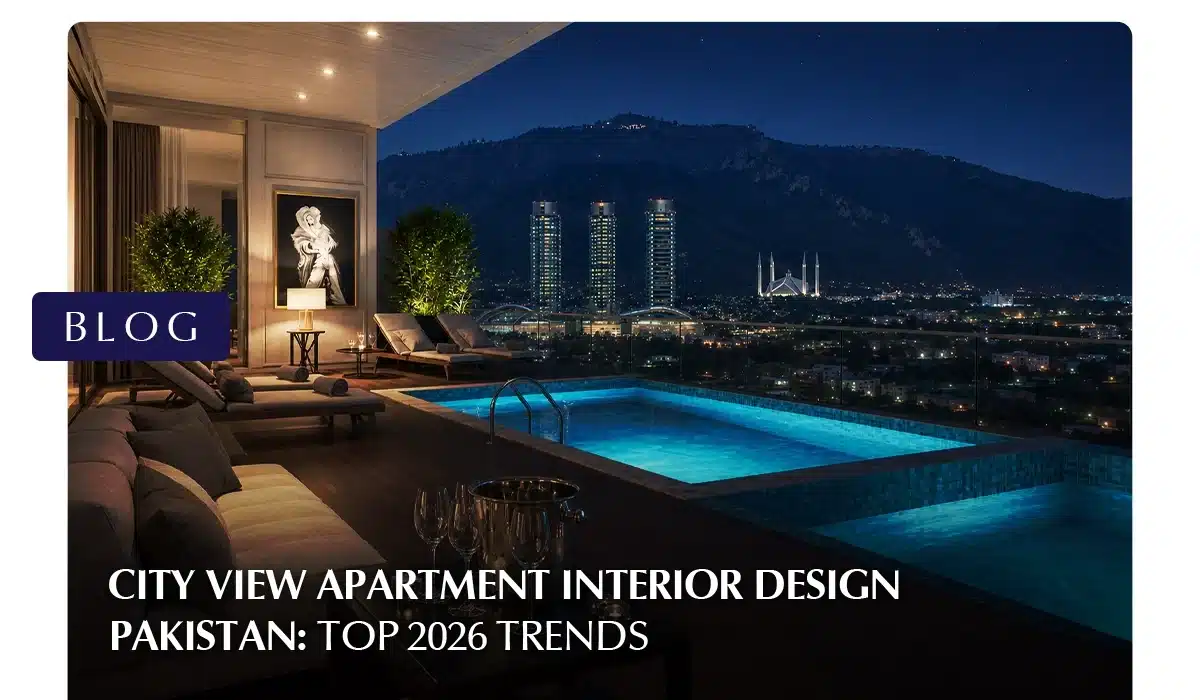
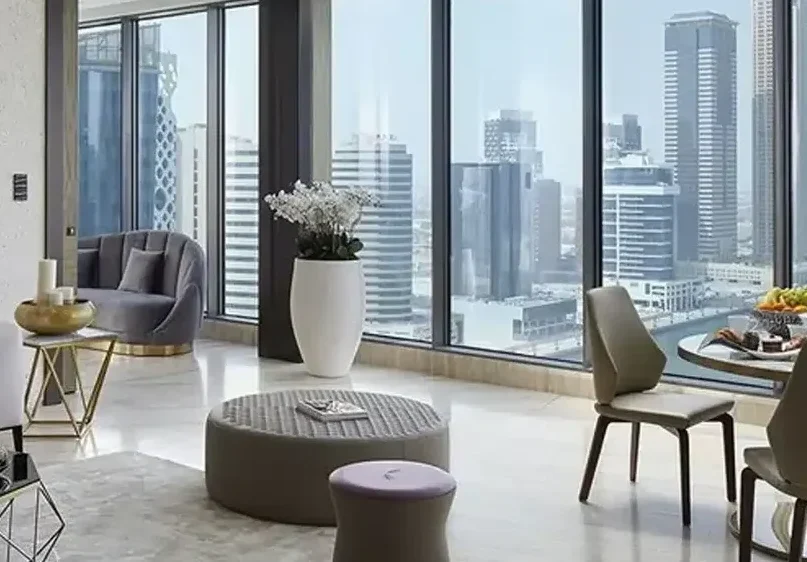
Pakistan’s apartment culture has matured rapidly. Cities like Islamabad, Lahore, and Karachi are now home to dozens of luxury high-rise city view apartment. As more Pakistanis transition from houses to flats, the demand for thoughtful, city-specific interior design has never been higher, and you already understand why city view apartment interior design Pakistan has become one of the most searched topics in the country’s real estate and lifestyle space. This guide breaks down exactly what is trending in 2026 and how you can apply it to your own space.
Why City View Apartments Need a Different Design Approach
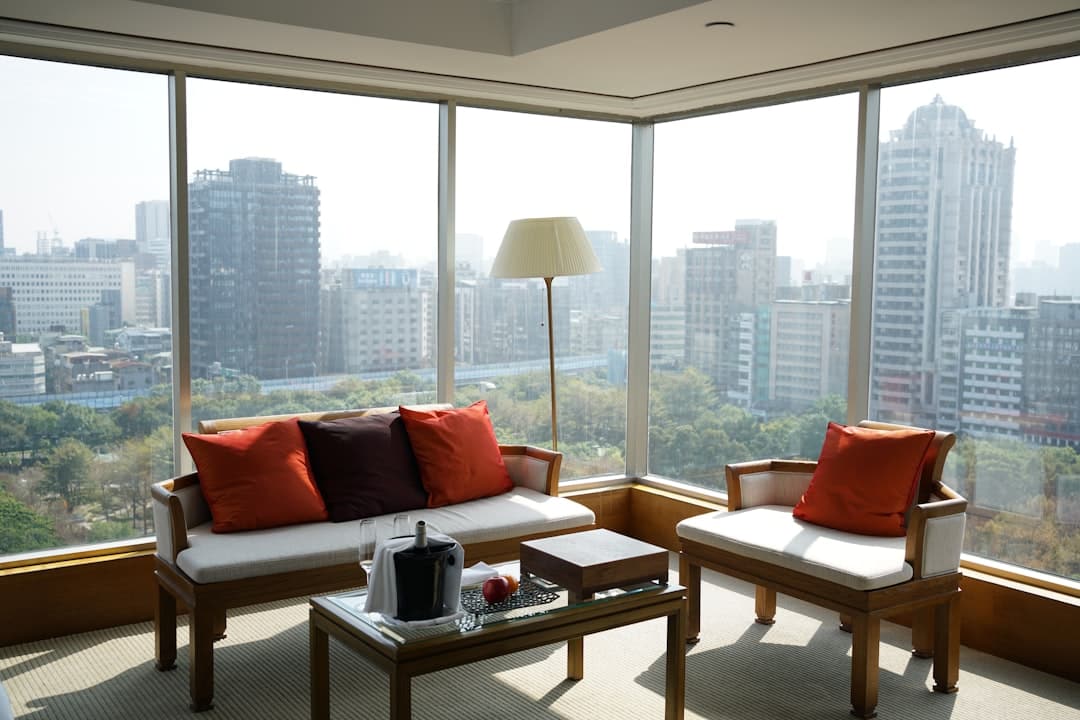
Most people furnish their apartments the same way they furnish their houses, and that is where they go wrong. A house design prioritises enclosed rooms, heavy drapery, and layered furniture. A city view apartment demands the opposite: openness, restraint, and a design language that pulls your eyes toward the glass, not away from it.
City view apartment interior design Pakistan is not just about looking good in photos. It is about creating a daily living experience where the city itself becomes part of your interior. When done right, your apartment feels twice its actual size because the skyline extends your visual field indefinitely.
2026’s Top Interior Design Trends for Pakistani City Flats
Source: algedra.com.tr
Source: Uncover Pakistan
Pakistan’s apartment interiors have entered a new era in 2026, one where global design movements are being thoughtfully adapted to local lifestyles, climates, and cultural sensibilities.
1. Soft Minimalism with Cultural Warmth
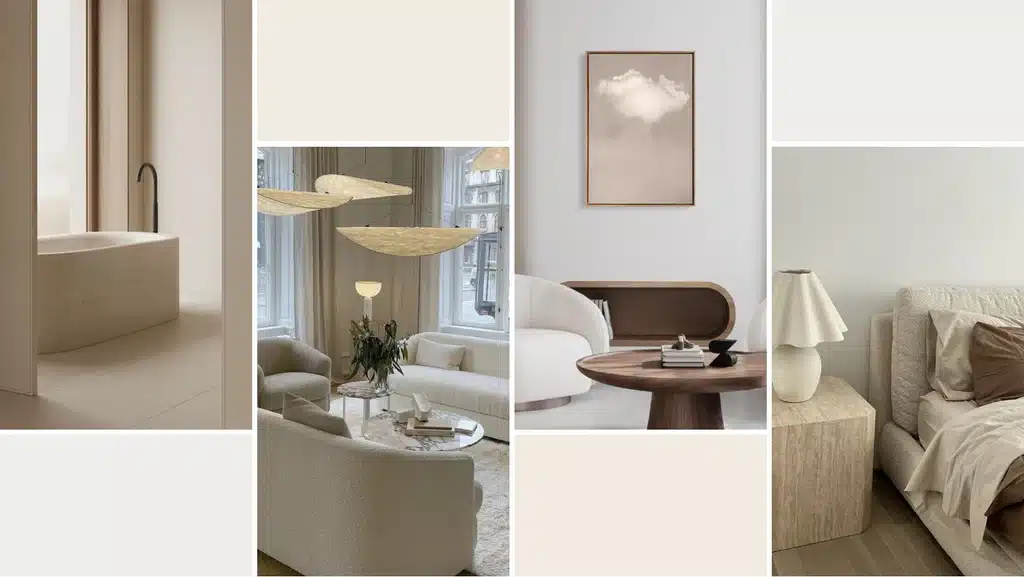
The cold, stark minimalism of the early 2020s has evolved. In 2026, city view apartment interior design Pakistan is defined by soft minimalism spaces that are clean and uncluttered but feel warm and liveable, not sterile.
Think warm whites, aged beige, sandy neutrals, and terracotta accent tones that work beautifully against Pakistan’s natural light and complement city views at every hour of the day. The distinctly Pakistani touch comes through subtle local craft:
A hand-block-printed linen cushion
A Multani tile piece used as wall art
A carved wooden frame around a mirror
These elements add cultural soul without cluttering the space.
2. Biophilic Design: Bringing Nature Into the Flat
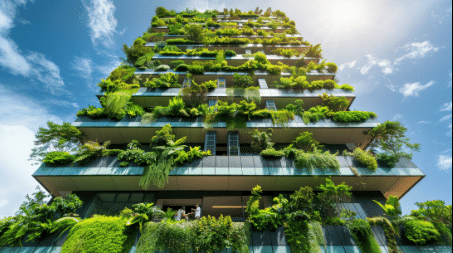
One of the strongest movements in city view apartment interior design Pakistan right now is biophilic design: the deliberate integration of natural elements into urban living spaces or eco-friendly city view. This does not mean filling your flat with dozens of plants. It means choosing materials and textures that reference nature:
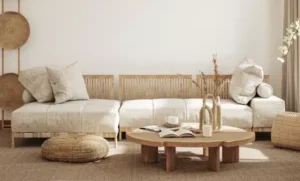
Rattan side tables
Stone-finish wall panels
Linen curtains
Indoor plants used sparingly and strategically
For apartments in Islamabad facing the Margalla Hills, biophilic design creates a seamless visual connection between your indoor space and the greenery outside. For city-facing apartments in Lahore or Karachi, it introduces a calming natural contrast against the urban landscape.
3. Japandi-Pakistan Fusion
Source: Japanese Taste
Source: House Designer
Source: Japanese Taste
Source: Vgradne omare
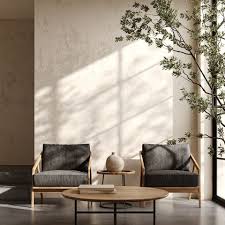
Japandi, the design blend of Japanese minimalism and Scandinavian functionality, has taken Pakistani interiors by storm, and in 2026, it is being adapted with a distinctly local flavour. Key elements defining this aesthetic include:
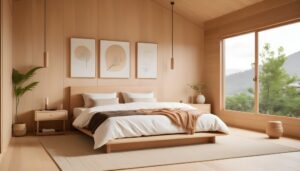
Light wood tones
Clean-line furniture
Intentional negative space
Pakistani designers are now sourcing Chiniot craftsmen to produce Japandi-inspired furniture at a fraction of the cost of imports, making this one of the most accessible luxury trends on the market.
Applied to city view apartment interior design Pakistan, the Japandi approach means low-profile furniture that keeps sight lines clear, a muted colour palette that lets the view speak, and quality over quantity in every piece you choose.
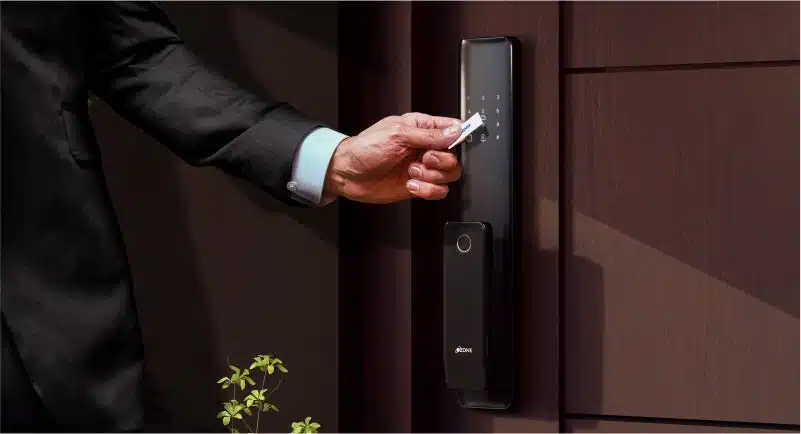
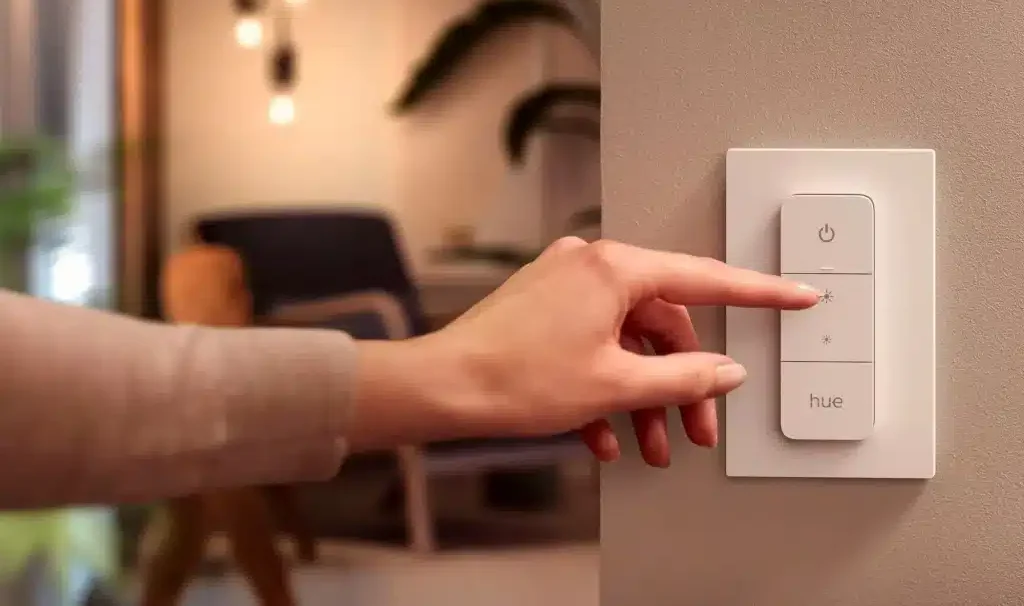
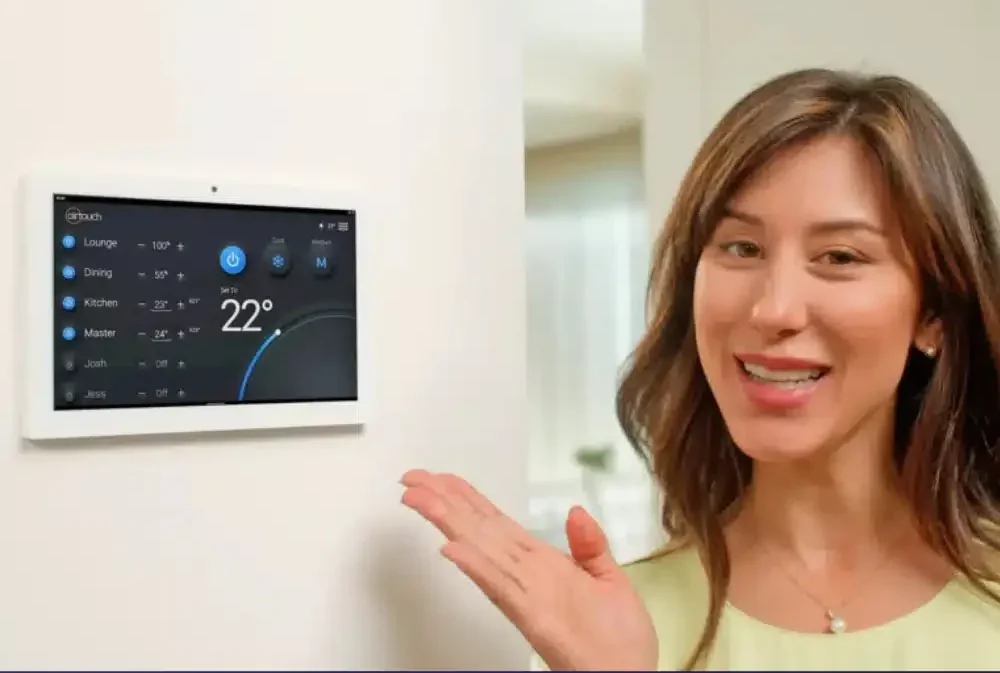
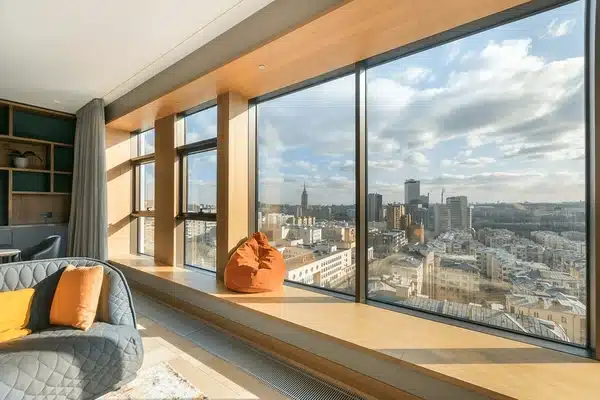
4. Smart Home Integration
Source: Concord Technologies
Source: Ozone Group
Source: Modern.Place
Source: Alpha Omega Air Store
No discussion of modern apartment design in 2026 is complete without addressing smart home technology. The following are now becoming standard expectations in luxury Pakistani apartments:
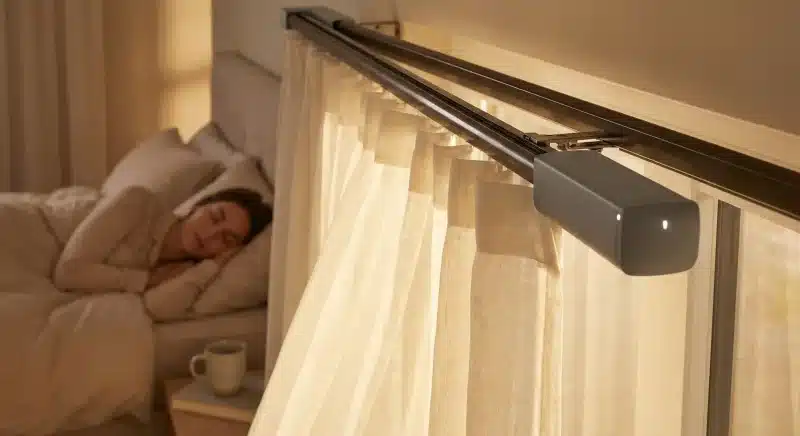
Automated curtains that adjust based on the time of day
Dimmable LED lighting systems
Smart locks
Voice-controlled climate settings
For a city view flat specifically, motorised sheer curtains are a game-changer. They filter harsh afternoon light without ever fully blocking your view, and they open automatically at sunset, so you never miss the city lighting up.
Designing Around the View: The Principles No One Talks About
This is where city view apartment interior design Pakistan separates those who get it right from those who spend a fortune and still feel something is off.
Keep your furniture low. Tall wardrobes, high bookshelves, and bulky cabinets placed near windows kill the view. Choose low-profile sofas, floating shelves, and wall-mounted storage that keep the visual field open from floor to glass.
Face the view, not the TV. In most Pakistani apartments, the sofa is placed against the window, and the TV wall becomes the focal point. Flip this. Position your seating to face the city. Mount a TV on the side wall. Your living room will feel like an entirely different space.
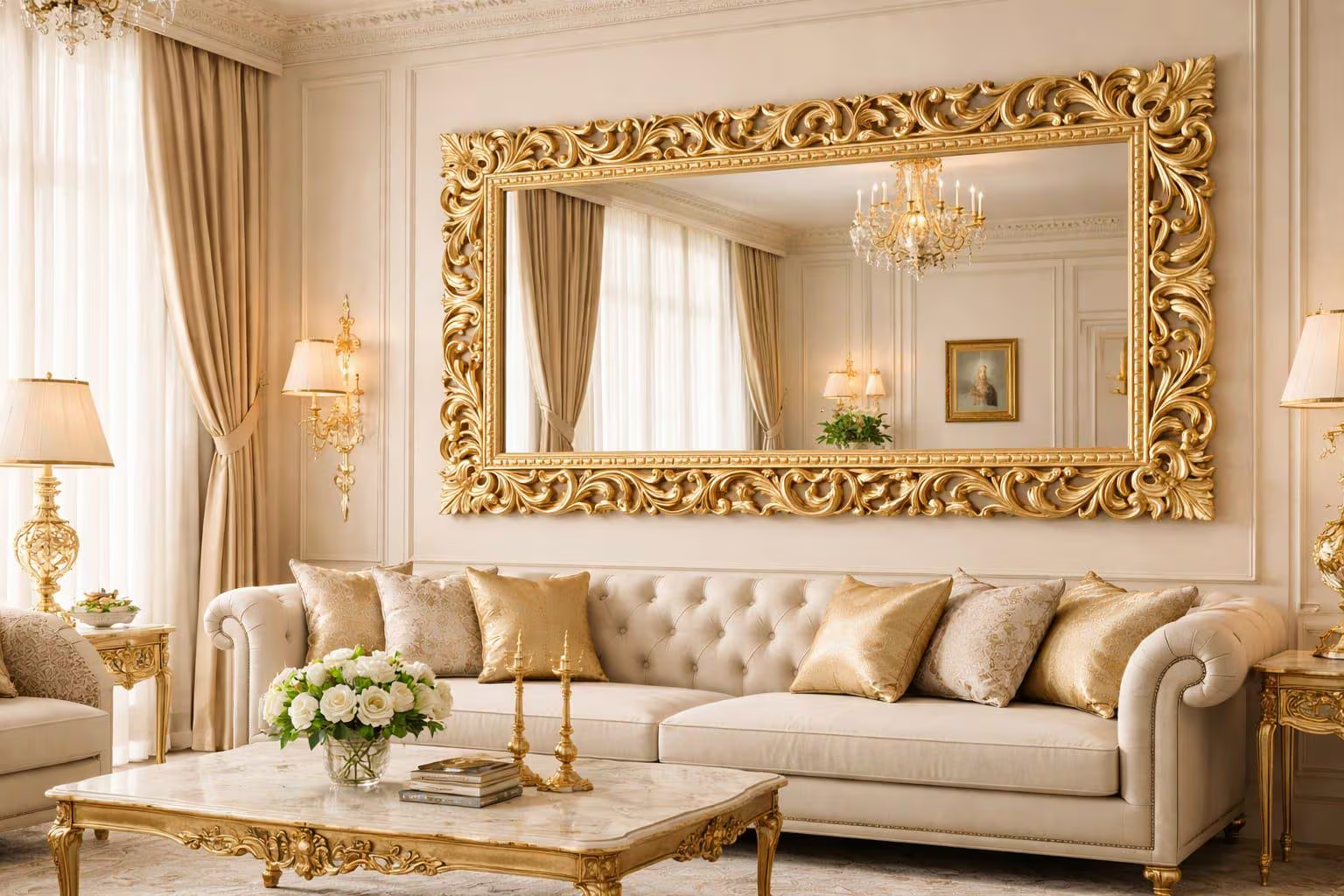
Use reflective surfaces strategically. A large mirror on the wall adjacent to your main window doubles the cityscape inside your room. Glossy tiles, metallic light fixtures, and glass coffee tables all help bounce the view around the space without adding clutter.
Choose the right window treatment. Heavy traditional Pakistani drapes are the single biggest enemy of good city view apartment interior design Pakistan. Replace them with sheer linen panels or dual-layer curtains, a blackout layer for sleeping and a translucent layer for living. Neutral tones (warm white, soft grey, dusty blush) work best.
Room-by-Room Design Guide for 2026
Knowing the room design trends is one thing, knowing how to apply them to each specific room in your apartment is where good city view apartment interior design Pakistan truly comes to life.
Living Room
Source: Shutterstock
Source: Dreamstime.com
Source: Agoda.com
Source: Pinterest
Source: iReal Projects
Source: Adobe Stock
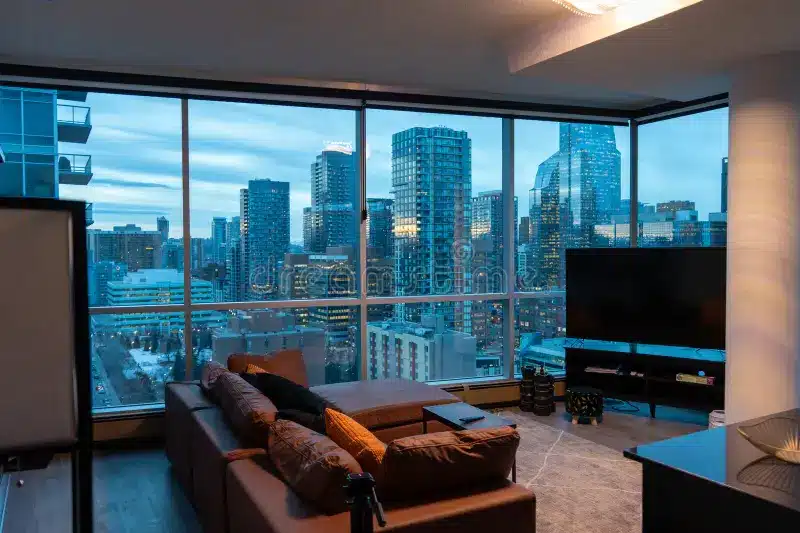
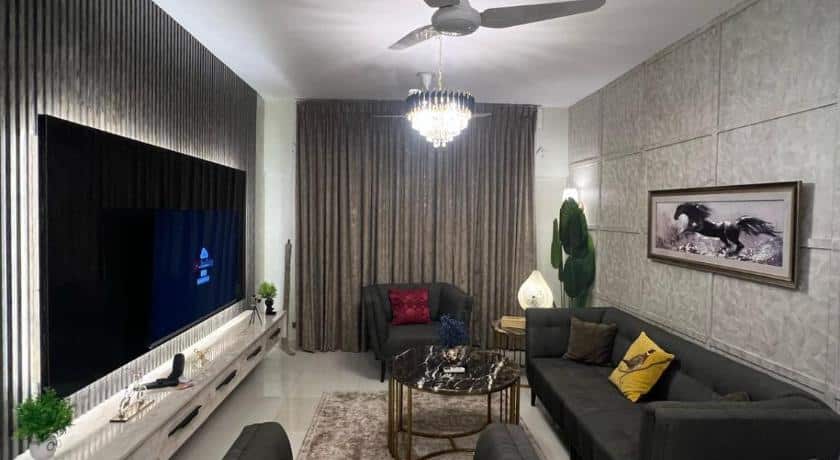
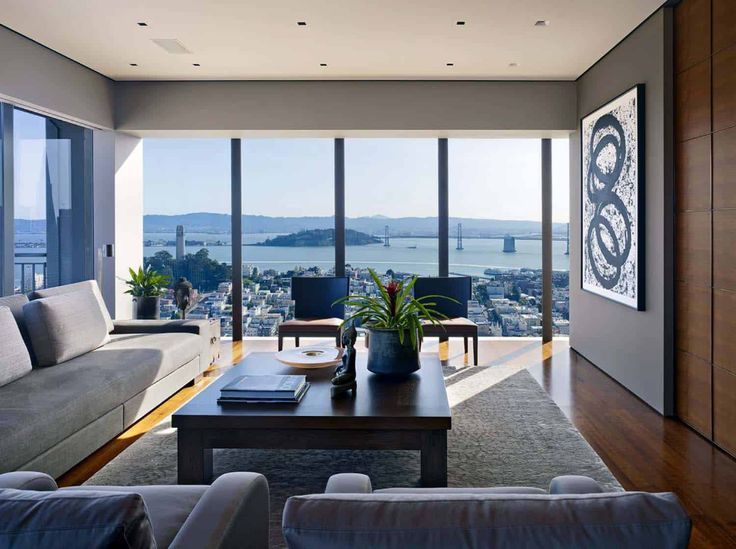
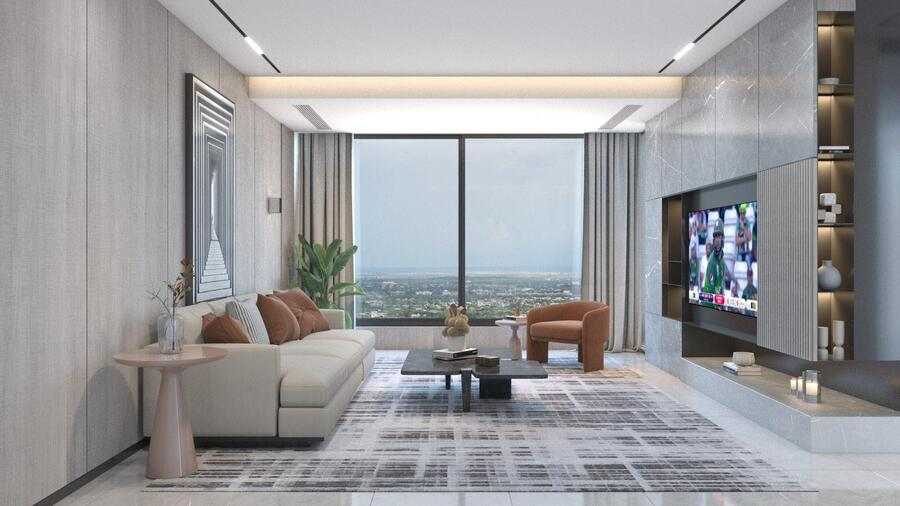
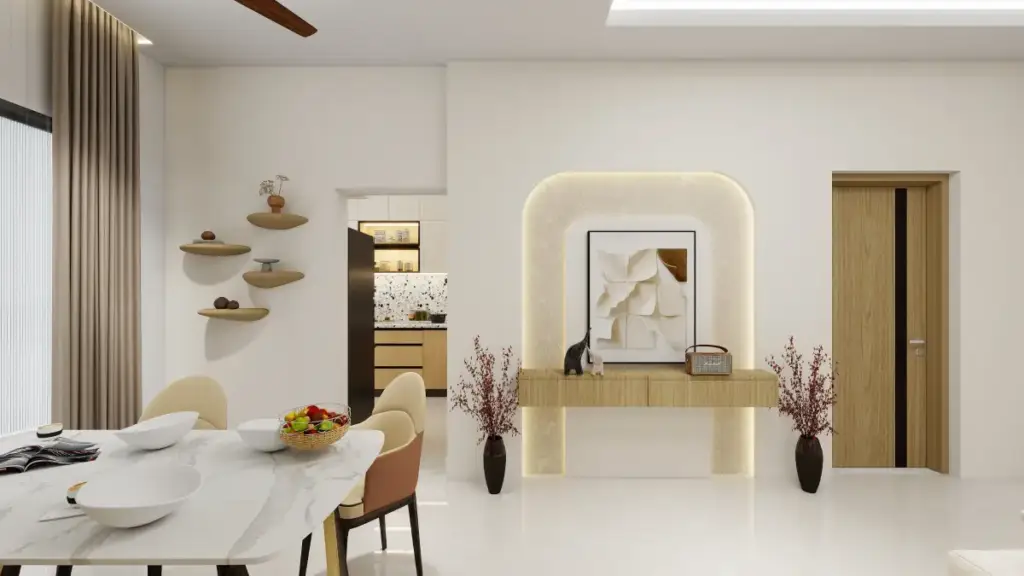
The living room in a city view apartment is your showpiece. In 2026, open-plan layouts connecting the living and dining area are the standard in quality city view apartment interior design Pakistan. Use a single cohesive colour palette across both zones: warm white walls, a statement rug in a muted jewel tone (such as deep teal, olive, or terracotta), and minimal accessories.
Lighting is critical; overhead fluorescent lights are out. Replace them with:
Recessed warm LEDs
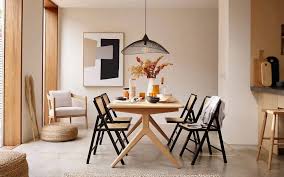
A statement pendant over the dining table
Floor lamps near seating corners
The goal is to create a space that transitions beautifully from day to evening, matching the energy of the city view outside.
Master Bedroom
Source: Primarc Studio
Source: Expedia
Source: Stayz
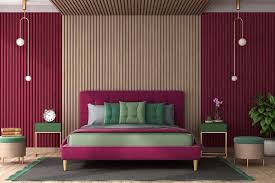
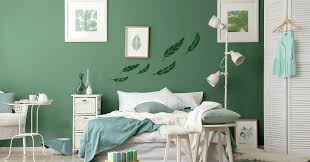
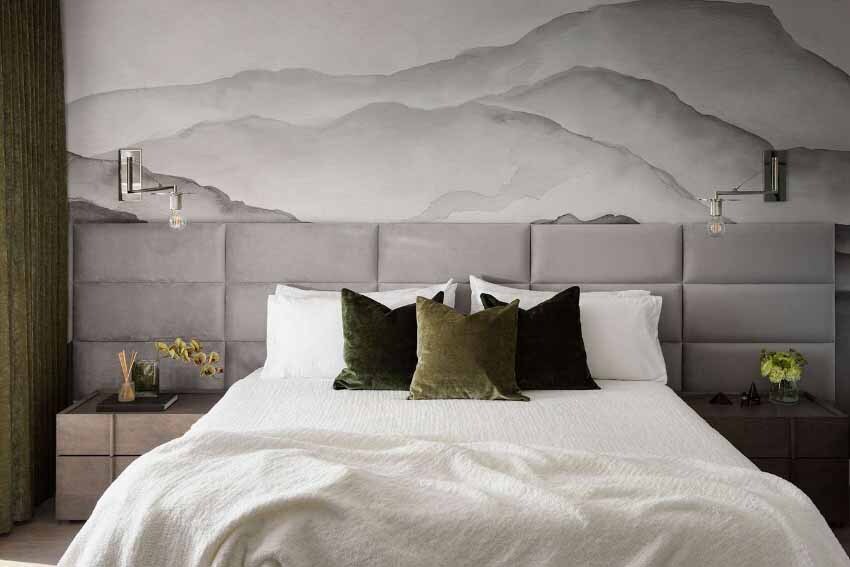
Position your bed so you wake up facing the view, not a wall. This single change transforms the feeling of the room entirely. For city view apartment interior design Pakistan in 2026, bedroom palettes lean towards sage green, dusty rose, warm grey, and soft camel colours that feel restful during the day and luxurious at night against a lit cityscape.
Kitchen
Source: Pinterest
Source: Pinterest
Source: livecityviewnashville.com
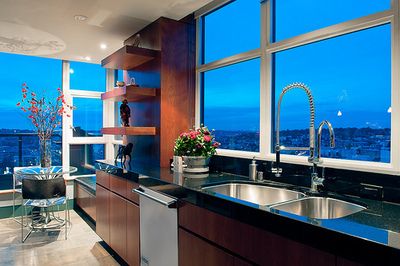
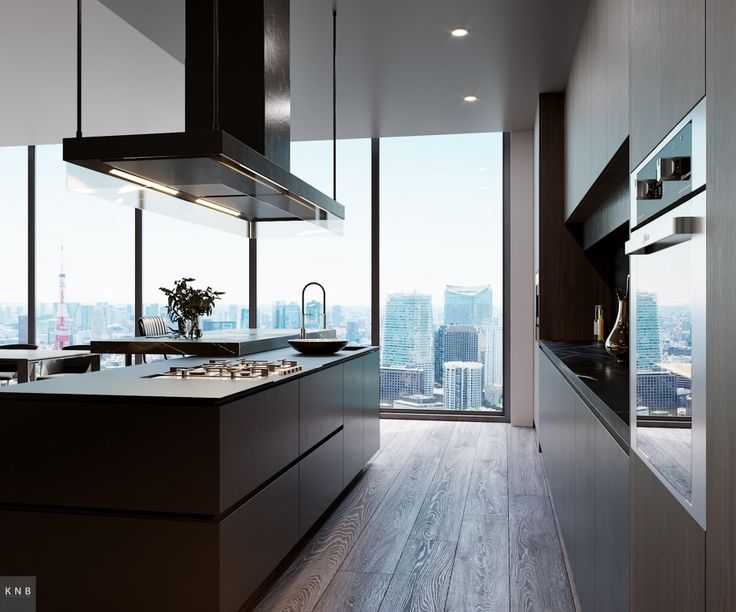
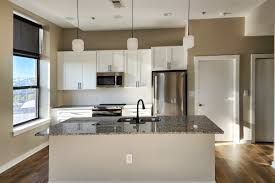
Handle-less modular kitchens in matte finishes are the defining look of modern apartment interiors Islamabad in 2026. Paired with quartz countertops (widely available at stone markets in Islamabad and Lahore) and under-cabinet lighting, they create a sleek, hotel-quality kitchen feel. If your kitchen has a city-facing window, resist the urge to cover it with bulky cabinetry. Keep that wall light, use open shelving for plants and curated cookware, and let the view breathe.
Bathroom
Source: Pinterest
Source: Pinterest
Source: Pinterest
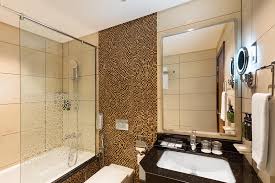
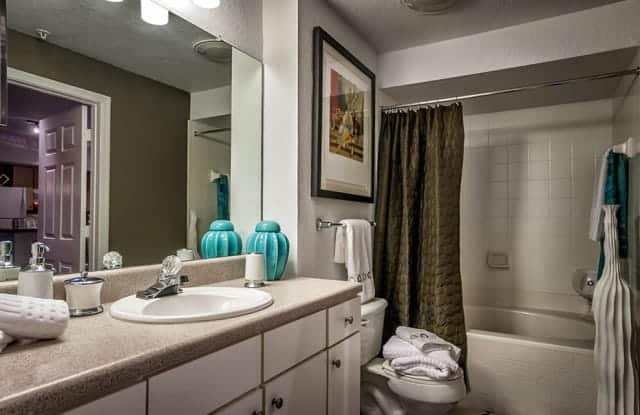
Spa-inspired bathrooms are the standard expectation in luxury flat décor in Pakistan today. The following finishes are now all accessible at local tile markets:
Large-format tiles (60×120 cm in neutral stone tones)
Wall-mounted vanities
Backlit mirrors
Where space allows in the larger luxury developments, a freestanding bathtub positioned to face a city-view window is the ultimate 2026 statement piece.
Spotlight: Citadel One3: A Real-World Example of City View Living in Islamabad
When discussing city view apartment interior design Pakistan, Citadel One3 by Chakor Ventures is a development worth knowing. Located in Islamabad’s Blue Area, this premium condominium complex rises across 40+ floors, offering panoramic views of the Faisal Mosque, F9 Park, and the Margalla Hills.
The development offers:
Commercial and residential units
Culinary court
Gym and sports areas
Smart parking for over 350 cars
With the Faisal Mosque and Margallas as your backdrop, the design principles in this guide apply here more powerfully than anywhere else:
Sheer window treatments
Low-profile furniture
Soft neutral palettes
If you are purchasing a unit at Citadel One3 or a similar high-rise, begin planning your city view apartment interior design Pakistan before handover. Designing from scratch is always easier than retrofitting.
Budget Tiers for City View Apartment Interior Design Pakistan
One of the most practical questions people ask about city view apartment interior design Pakistan is what it actually costs in 2026. Here is a realistic breakdown based on current market conditions.
Essential Modern (PKR 15–25 lakh): Locally manufactured modular furniture, quality paint job, LED lighting upgrades, new curtains, and basic accessories. This tier achieves a clean, pulled-together look without custom work.
Premium Contemporary (PKR 30–60 lakh): Custom furniture, imported or premium local tiles for bathrooms and kitchen, smart lighting system, and professional interior designer fees. This is where most serious city view apartment interior design Pakistan projects sit.
Ultra Luxury (PKR 70 lakh and above): Full bespoke joinery, imported bathroom fixtures, complete smart home system, high-end imported furniture, and premium finishes throughout.
Common Mistakes to Avoid
Even with a generous budget, certain mistakes consistently undermine city view apartment interior design Pakistan projects.
Blocking the view with heavy curtains or tall furniture is the most common. Over-decorating, layering too many cultural artefacts, frames, and accessories, creates visual noise that competes with the cityscape. Using house-scale furniture in apartment-sized rooms makes spaces feel cramped.
Ignoring vertical space means missing out on potential storage and display opportunities on walls. And perhaps most importantly, skipping a proper design consultation means making expensive decisions without a coherent plan.
Final Thoughts
City view apartment interior design Pakistan in 2026 is about one thing above all else: respect for the view. Every trend this year, soft minimalism, biophilic design, Japandi fusion, smart home integration, ultimately serves the same purpose: creating an interior that amplifies the city outside your window rather than competes with it.
Your view is permanent. Your furniture can be changed. Start with the view, design outward from it, and you will create an apartment that feels genuinely world-class, not just by Pakistani standards, but by any standard.
Dedicated and detail-oriented SEO Content Writer, Real Estate Writer, and Research Analyst based in Islamabad, with proven expertise in developing accurate, valuable, and well-researched content. Skilled in analytical writing, market research, and reporting, with the ability to turn insights into clear, professional, and impactful content. Passionate about exploring new ideas, analyzing industry trends, and contributing to high-quality writing and research-driven projects.
ISLAMABAD: The federal government has decided to maintain existing tax rates on solar panels, stationery items, and the stock market in the upcoming Budget 2026-27, providing relief to consumers and investors who had feared potential increases.
According to senior tax officials, the earlier proposal to raise sales tax on solar panels from 10 to 18 percent has been formally withdrawn. This decision is expected to sustain the momentum of solar energy adoption across Pakistan, particularly among households and small businesses increasingly reliant on renewable energy solutions amid persistent power outages.
Similarly, the proposed hike in sales tax on stationery items will not be pursued in the forthcoming budget. The move is likely to be welcomed by students, educational institutions, and the stationery trade, which had raised concerns about the impact on affordability of any such increase.
Stock market taxation will also remain unchanged, effective July 1, 2026, offering a degree of stability to investors and market participants who have been closely monitoring pre-budget policy signals.
On the income tax front, the government intends to raise the threshold for the highest tax slab for salaried individuals. Simultaneously, the surcharge currently levied on the highest income earners is set to be abolished, representing a structural adjustment aimed at rationalising the direct tax framework.
A significant development for the export sector is the likely abolition of the one percent tax on exports. Highly placed officials confirmed that this relief measure forms part of a broader exporter support package to be announced in the budget speech. The industry has long advocated for the reinstatement of the Final Tax Regime with a one percent turnover tax, calling for protection from undue regulatory pressure.
The tax status of the real estate sector, however, remains under deliberation and has not yet been finalised.
Dedicated and detail-oriented SEO Content Writer, Real Estate Writer, and Research Analyst based in Islamabad, with proven expertise in developing accurate, valuable, and well-researched content. Skilled in analytical writing, market research, and reporting, with the ability to turn insights into clear, professional, and impactful content. Passionate about exploring new ideas, analyzing industry trends, and contributing to high-quality writing and research-driven projects.
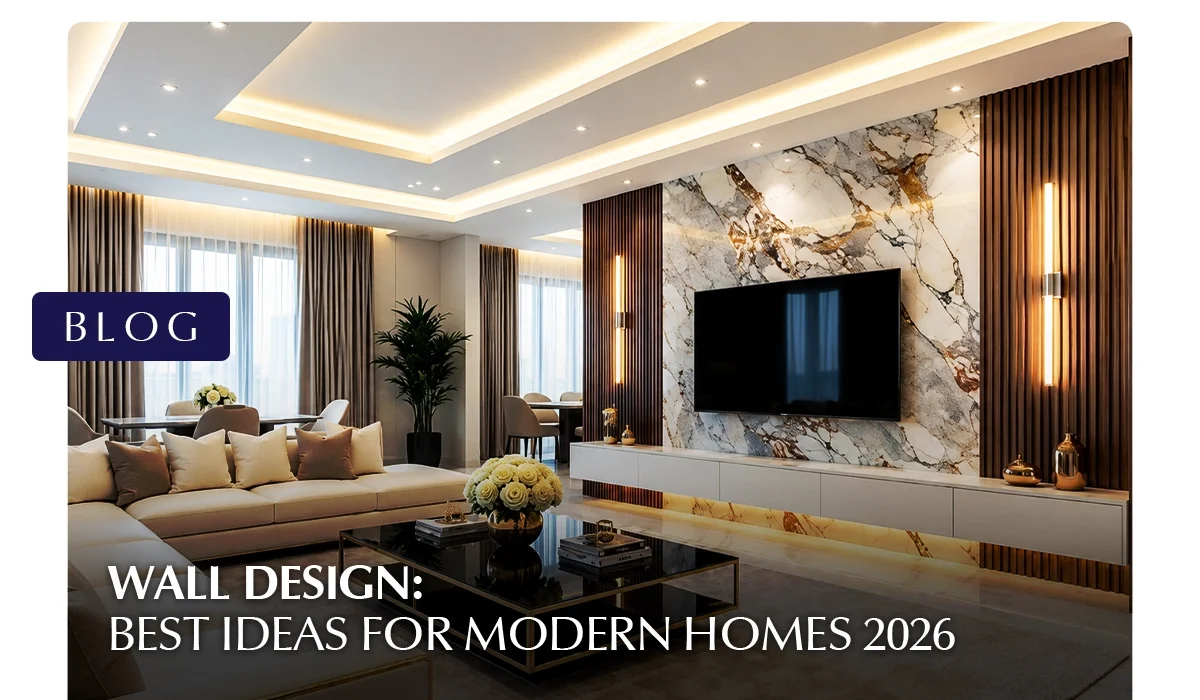
Your walls are the largest canvas in your home, yet they are often the most overlooked. The right wall design can completely transform a space, turning a plain room into a statement, a blank facade into a welcoming entrance, and a forgotten staircase into a visual journey.
Whether you are renovating a single bedroom or redesigning your entire home, understanding your options is the first step toward making confident, beautiful choices.
This guide covers the most popular and effective wall design ideas for modern homes, from interior accent walls to exterior boundary treatments, all in one place.
Why Wall Design Matters More Than You Think
Source: Pinterest
Source: Pinterest
Source: Pinterest
Source: Pinterest
Source: Pinterest
Source: Pinterest
Most homeowners spend their renovation budget on furniture and flooring, leaving walls as an afterthought. But walls set the tone for everything else. A well-executed wall design creates depth, controls light, defines zones in open-plan spaces, and expresses personality without saying a word.
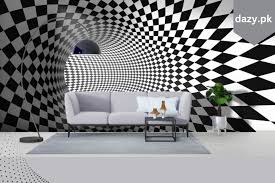
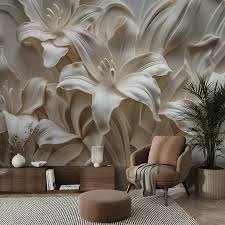
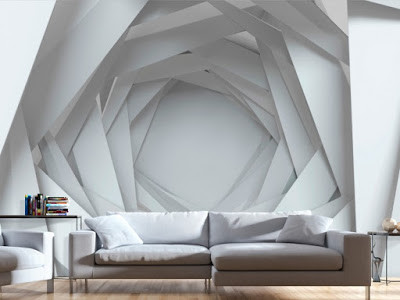
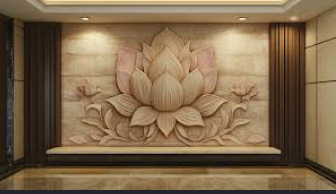
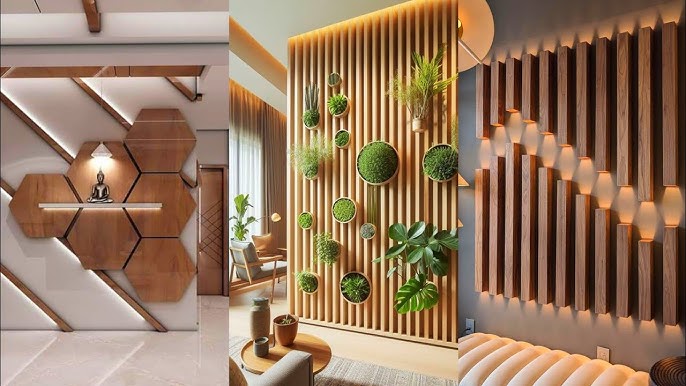
Today’s wall design options go far beyond a coat of paint. Materials such as wood panels, 3D tiles, PVC sheets, LED installations, and textured plaster have made it possible to achieve luxury finishes across a range of budgets. The key is knowing which treatment works best for which space.
Quick Guide: Wall Design Types at a Glance
Wall Design Type
Best For
Budget Range
DIY Friendly
Wallpaper Design
Bedrooms, Dining Rooms
Low – Medium
Yes
Wood Wall Design
Living Rooms, Studies
Medium – High
Partial
PVC Wall Panel Design
Bathrooms, Kitchens
Low
Yes
3D Wall Design
Accent Walls, Living Rooms
Medium
Partial
LED Wall Design
Bedrooms, TV Walls
Medium
Partial
Mirror Wall Design
Hallways, Small Rooms
Medium
Partial
Wall Tiles Design
Kitchens, Bathrooms
Medium – High
No
Brick Wall Design
Living Rooms, Exteriors
Medium
No
Wall Moulding Designs
Hallways, Dining Rooms
Low – Medium
Yes
Grass Wall Design
Living Rooms, Outdoors
Medium – High
Partial
Boundary Wall Design
Exterior, Front Facade
Medium – High
No
Interior Wall Design Ideas for Every Room
Your interior walls do more than separate rooms; they set the mood, tell your story, and tie every design element together.
TV Wall Design
Source: Pinterest
Source: Pinterest
Source: Pinterest
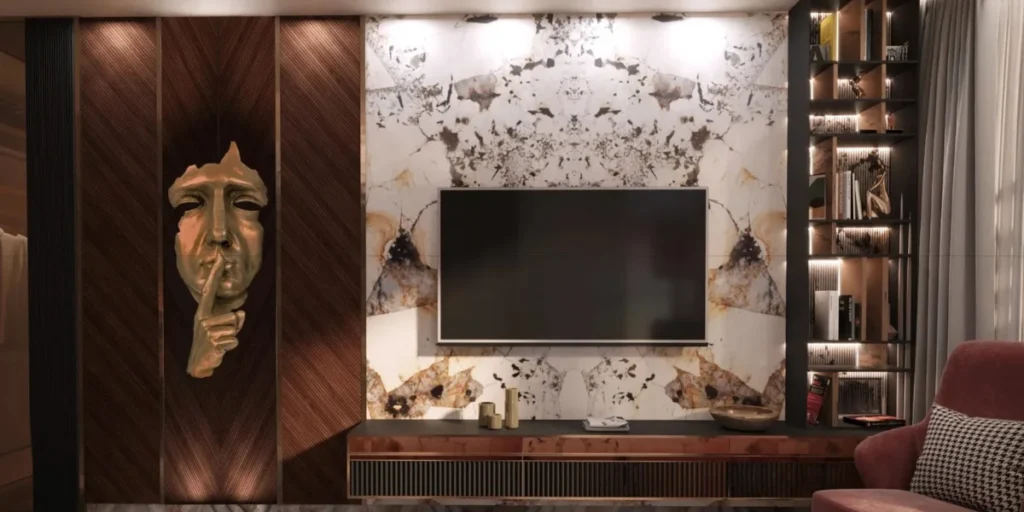
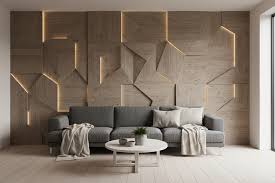
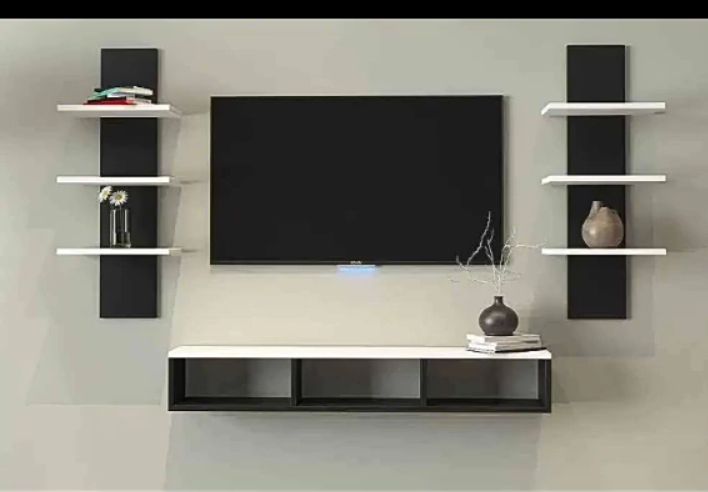
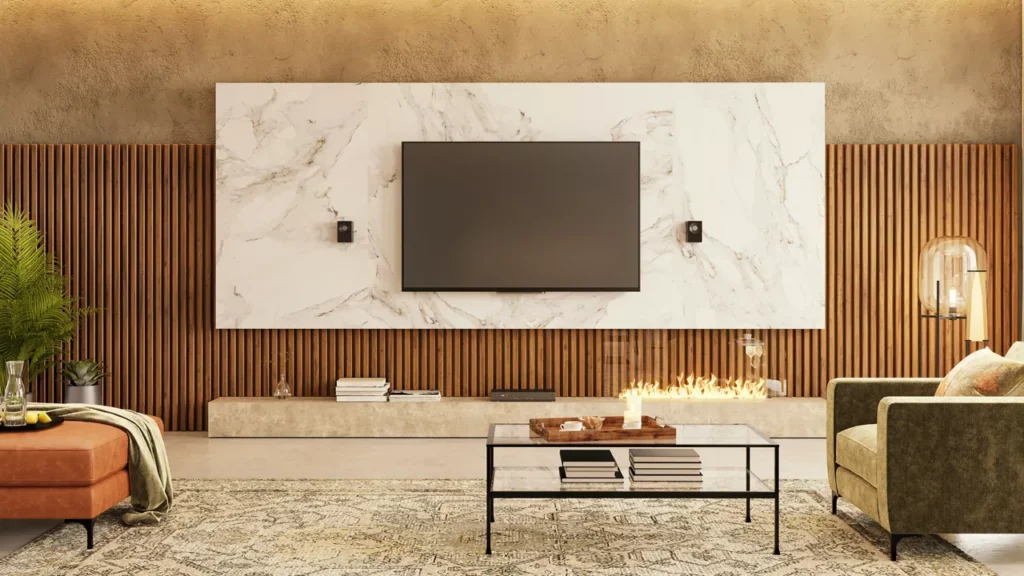
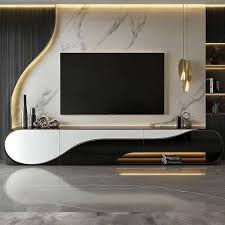
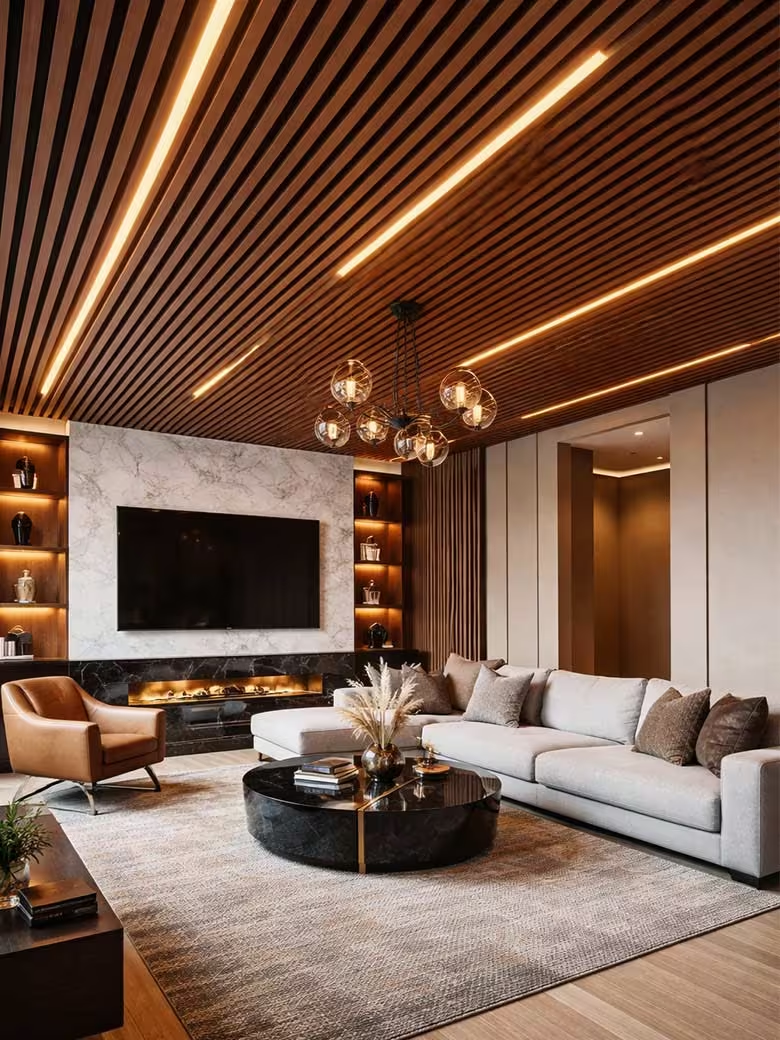
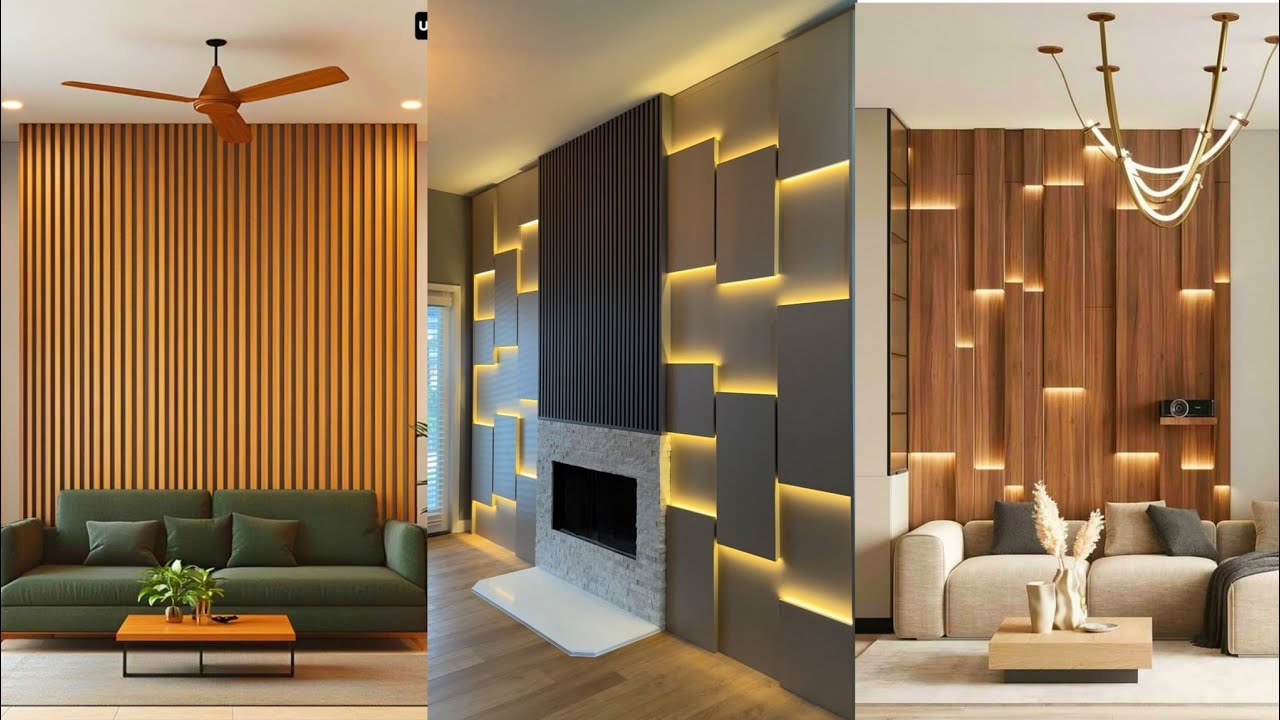
The television wall is one of the most prominent surfaces in any living room, and treating it as a feature wall rather than just a mounting point makes a huge difference. Popular TV wall design approaches include fluted wooden panels, stone-effect cladding, built-in shelving units, and backlit niches.
Pairing a dark stone finish with warm LED strip lighting behind the panel creates a cinematic effect that works in both modern and contemporary homes. Keep the design symmetrical for a clean, formal look, or go asymmetric with floating shelves for a more relaxed, lived-in style.
Bedroom Wall Design
Source: Pinterest
Source: Pinterest
Source: Pinterest
Source: Pinterest
Source: Pinterest
Source: Pinterest
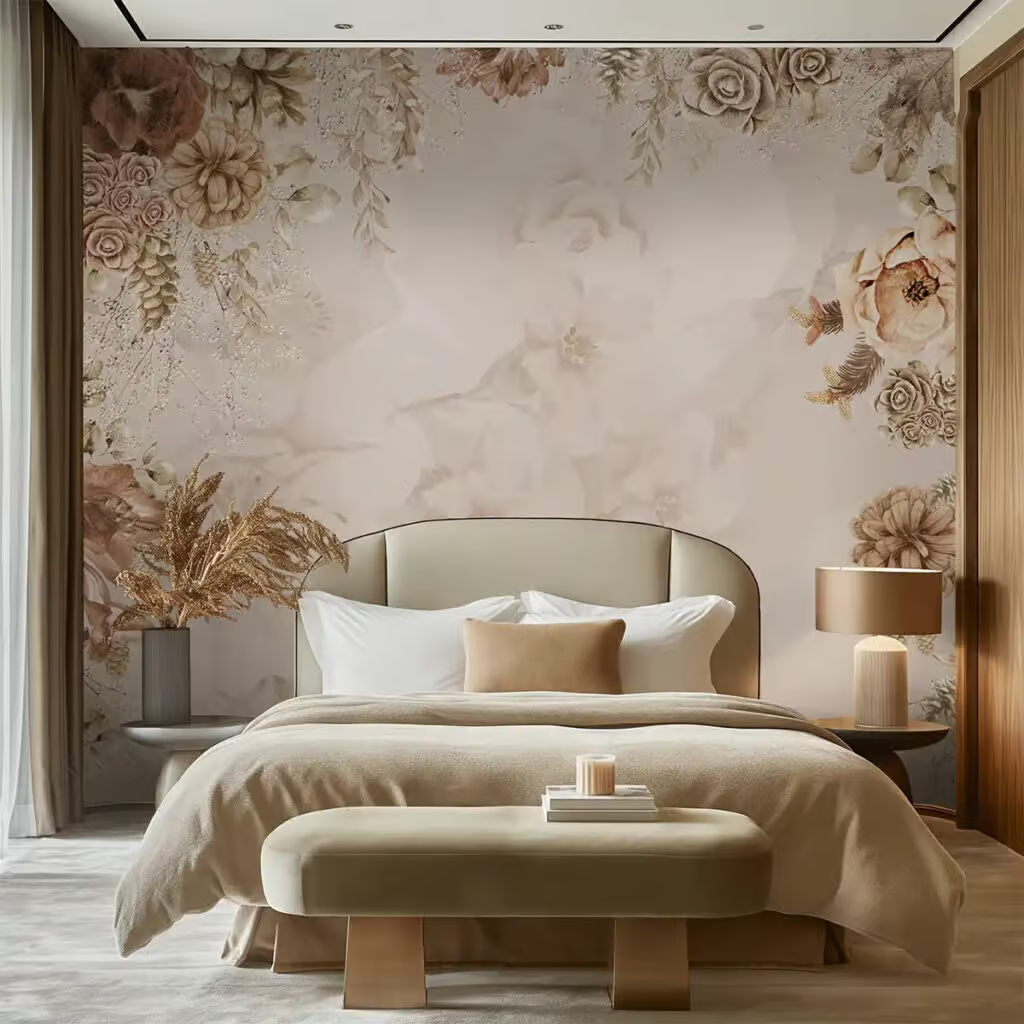
The wall behind the bed, the headboard wall, is the natural focal point in any bedroom. A strong bedroom wall design here anchors the entire room. Options range from soft fabric-upholstered panels that add warmth and sound absorption, to bold geometric wallpaper that adds energy, to subtle lime-wash paint that brings organic texture without overwhelming the space.
For smaller bedrooms, a light-toned textured panel behind the bed creates depth without making the room feel crowded. For larger master bedrooms, a floor-to-ceiling wood panel or a dramatic mural wallpaper makes a confident design statement.
Wall Moulding Designs
Source: Pinterest
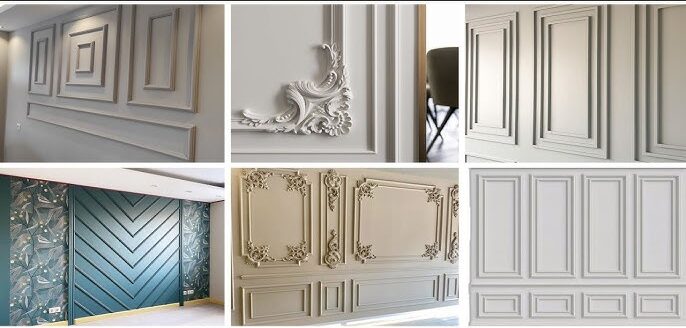
Few details add as much architectural character as moulding. Wall moulding designs, including picture rail moulding, wainscoting, shaker-style panelling, and classical dado rails, are having a major revival in modern interiors. They work brilliantly in living rooms, dining rooms, and hallways, adding a sense of craftsmanship and permanence that paint alone cannot achieve.
Painted in the same colour as the wall, the moulding creates a subtle tonal effect. Painted in a contrasting shade, it becomes a bold graphic feature. Either way, it adds instant character to otherwise flat walls.
Mirror Wall Design
Source: Pinterest
Source: Pinterest
Source: Pinterest
Source: Pinterest
Mirrors are one of the smartest tools in interior design. A well-placed mirror wall design makes a small room feel twice its size, bounces natural light into dark corners, and adds a touch of glamour. Full-length mirror panels work in narrow hallways and compact living rooms.
Geometric arrangements of smaller framed mirrors create gallery-style interest on dining room or bedroom walls. Antique-finish mirrors with irregular shapes add a luxurious, collected-over-time feel. For a truly dramatic effect, an entire wall clad in mirror panels transforms the perception of space in ways no other material can match.
LED Wall Design
Source: Pinterest
Source: Pinterest
Source: Pinterest
Source: Pinterest
Lighting and wall design are increasingly inseparable. LED wall design goes beyond simple strip lighting today; it includes backlit 3D panels, recessed LED niches, neon sign installations, and colour-changing smart light panels that let you adjust the mood at the touch of a button.
LED backlighting behind a TV wall or a bed headboard adds depth and reduces eye strain during screen time. Neon word art or custom LED signs are popular in home offices and teenage bedrooms. For living rooms, an LED-illuminated stone or wood panel creates a dramatic focal point that works equally well in daylight and at night.
Wall Ceiling Design
Source: Pinterest
Source: Pinterest
Source: Pinterest
Source: Pinterest
Source: Pinterest
Source: Pinterest
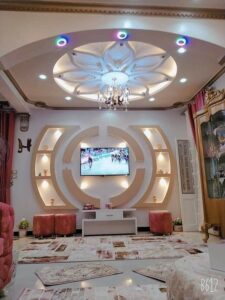
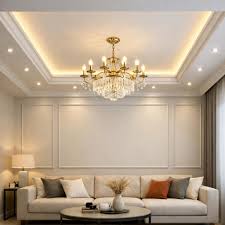
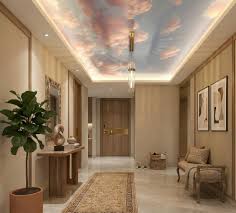
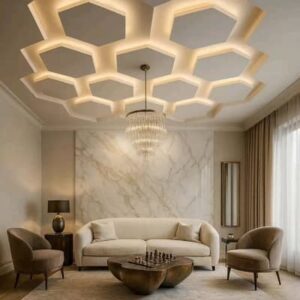
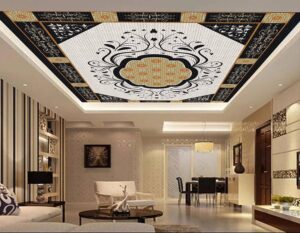
The connection between walls and ceilings is an underutilised design opportunity. A wall ceilingdesign that transitions smoothly through cove lighting, crown moulding, or continuous cladding makes a room feel intentionally designed rather than assembled.
Cove lighting along the top of an accent wall casts a soft glow upward, making ceilings appear higher. A false ceiling with integrated LED strips that echo the tones of the wall below creates a seamless, layered effect.
Wallpaper Design
Source: Pinterest
Source: Pinterest
Source: Pinterest
Source: Pinterest
Source: Pinterest
Source: Pinterest
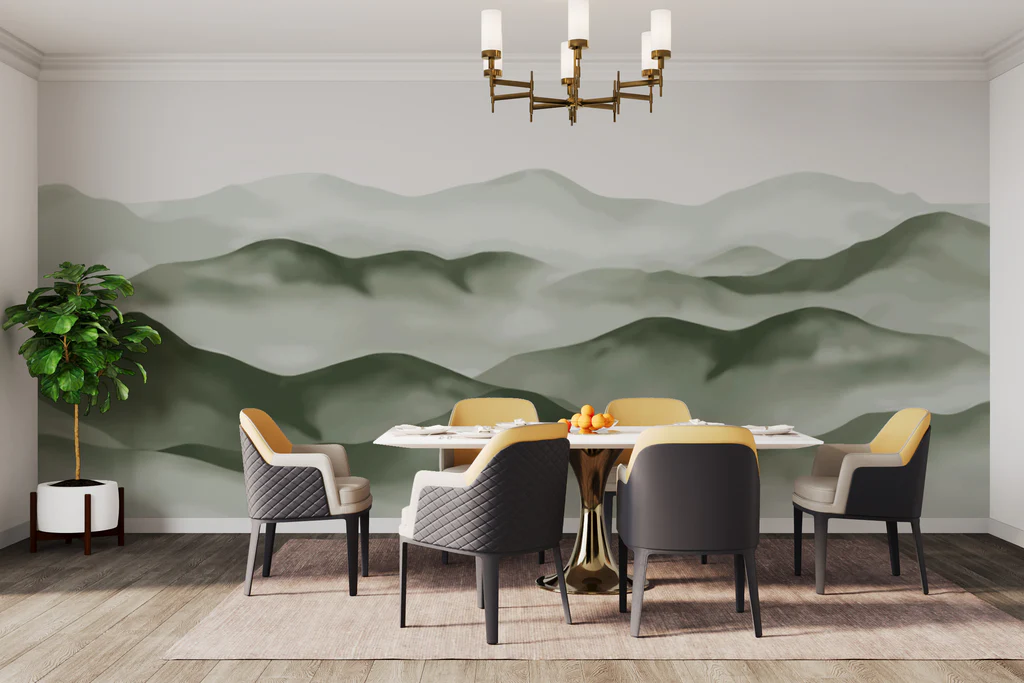
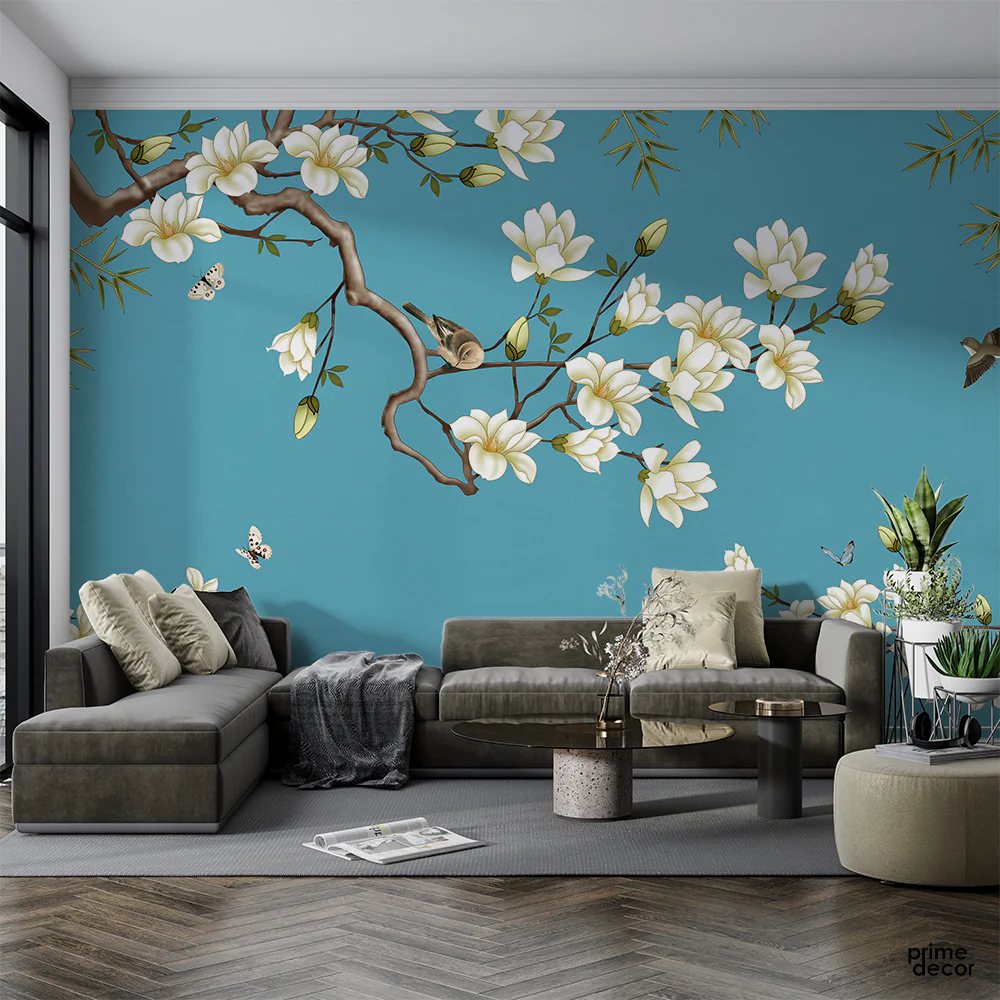
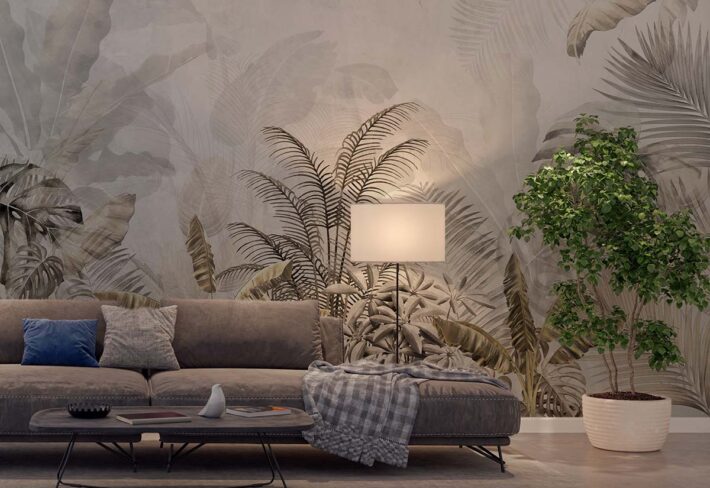
Wallpaper has evolved far beyond the floral patterns of previous decades. Contemporary wallpaper design includes large-format photographic murals, abstract watercolour prints, textured grasscloth, metallic geometric patterns, and even hand-painted custom designs.
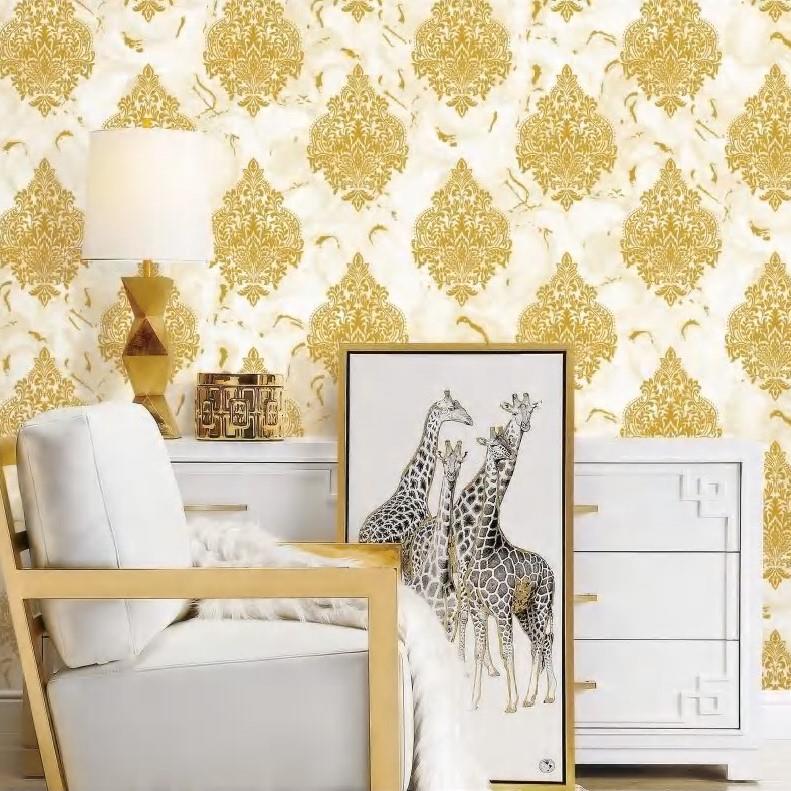
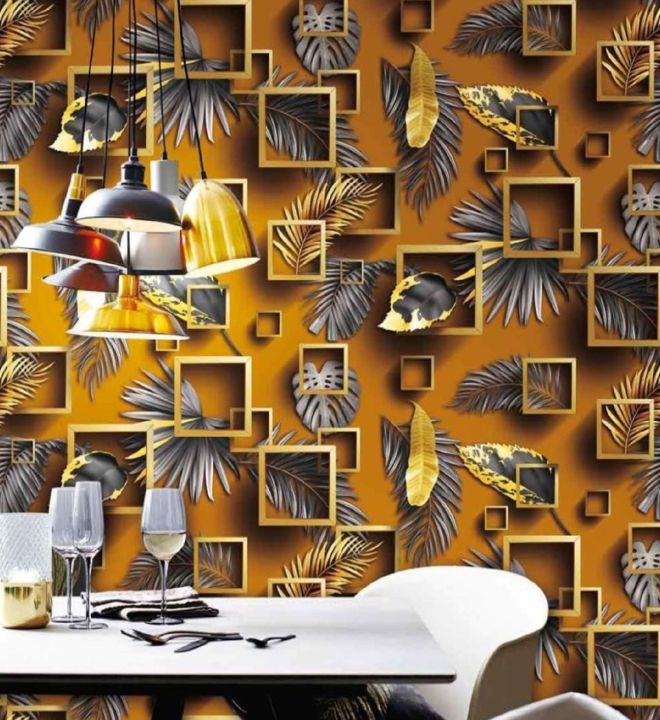
Wallpaper works best as a feature wall treatment on one wall in a room, not all four, and it is particularly effective in bedrooms, dining rooms, and powder rooms where you want maximum visual impact in a contained space. Peel-and-stick options have made wallpaper more accessible for renters and those who like to change their interiors frequently.
Wall Tiles Design
Source: Pinterest
Source: Pinterest
Source: Pinterest
Tiles are not just for kitchens and bathrooms anymore. Creative wall tile designs now appear in living rooms, hallways, and even bedrooms, used as feature wall cladding rather than functional surface covering. Handmade terracotta tiles with uneven glazing add artisanal warmth.
Large-format marble-effect porcelain tiles make a sleek, contemporary statement. Subway tiles stacked in a herringbone pattern bring a timeless quality to kitchen splashbacks. 3D ceramic tiles with geometric relief patterns add sculptural interest without requiring any artwork or decoration. The key with wall tiles is to choose a grout colour that either blends seamlessly or creates deliberate contrast.
Staircase Wall Design
The wall running alongside a staircase is a long, continuous surface that deserves thoughtful treatment. A staircase wall design can be as simple as a gallery wall of framed family photographs arranged in a diagonal line that follows the stair line, or as elaborate as a full-height wood-panelled feature with integrated lighting.
Vertical wallpaper stripes make low ceilings feel taller along stairwells. A continuous mural, abstract or botanical, turns the climb between floors into an experience. Even simple ledge shelves installed along a staircase wall give you a changing display of objects, books, and plants.
Textured and Material-Based Wall Treatments
Modern homeowners are moving beyond flat surfaces, and textured, material-based wall treatments are leading the shift toward interiors that you can not only see but almost feel.
3D Wall Design
Source: Pinterest
Source: Pinterest
Source: Pinterest
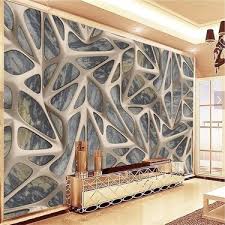
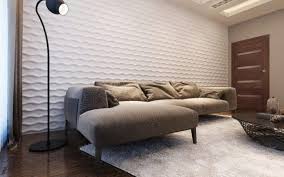
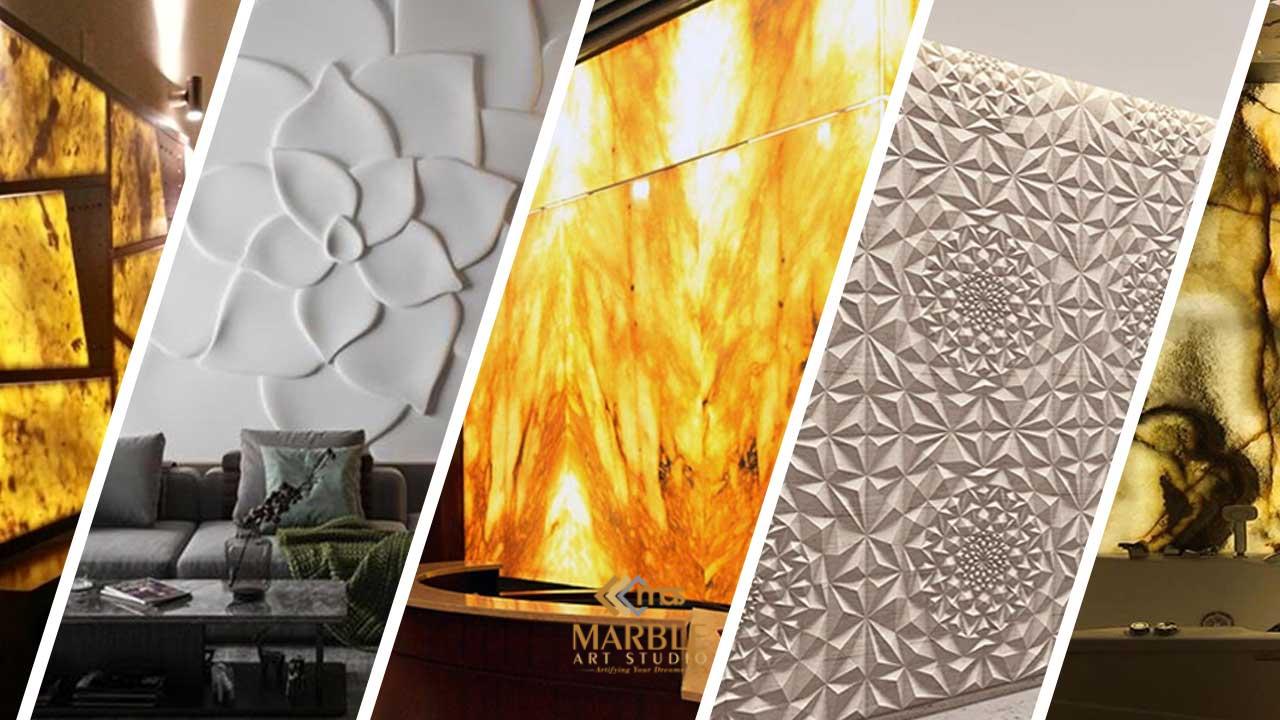
Three-dimensional wall panels are among the most impactful ways to add texture and depth to an interior. 3D wall design panels are available in MDF, plaster, PVC, and natural stone, creating geometric or organic relief patterns that change in appearance as light shifts throughout the day.
A single 3D-panelled accent wall in a living room or behind a bed dramatically elevates the perceived quality of the entire space. They work particularly well in minimalist rooms where the panel itself becomes the artwork.
Wood Wall Design
There is a reason wood keeps appearing in the most beautifully designed interiors around the world. Wood wall design, whether through reclaimed barn-wood planks, shiplap cladding, herringbone parquet panels, or smooth engineered-wood veneer, brings warmth, texture, and organic richness that no synthetic material can fully replicate.
Dark walnut panels create drama and intimacy. Light oak cladding adds Scandinavian freshness. Reclaimed wood with visible knots and weathering adds history and soul. Wood wall design suits modern, rustic, and transitional home styles equally well and is particularly effective in living rooms, studies, and master bedrooms.
PVC Wall Panel Design
For those working with a tighter budget or needing a moisture-resistant solution, PVC wall panel design is a practical and increasingly attractive option. Modern PVC panels come in marble, wood-grain, concrete, and solid colour finishes that are surprisingly convincing at a distance.
They are lightweight, easy to install without professional help, and simple to clean, making them ideal for bathrooms, kitchens, basements, and rental properties. High-gloss PVC panels in particular reflect light beautifully and can make compact spaces feel more open.
Brick Wall Design
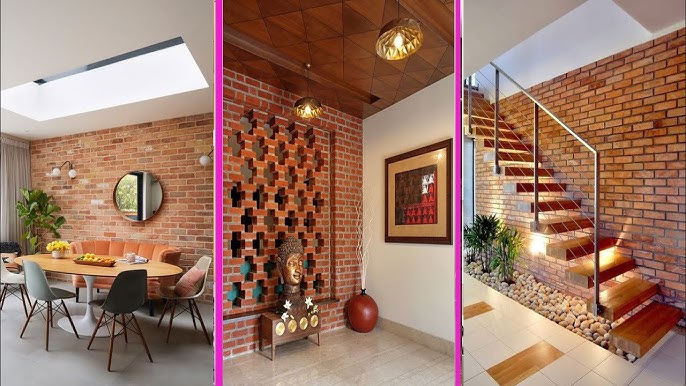
The appeal of exposed brick never fades. A brick wall design, whether using genuine reclaimed bricks, thin brick veneer slips, or brick-effect wallpaper, brings industrial character, warmth, and a sense of permanence to any interior.
It works across multiple styles: raw and rough for industrial loft spaces, whitewashed for farmhouse and coastal aesthetics, and painted in deep tones such as charcoal or navy for a more contemporary look. In exterior spaces, brick boundary walls with decorative pillar caps and recessed lighting remain a classic choice.
Exterior Wall Design: Boundary, Front, and Parapet
Interior wall design gets most of the attention, but exterior walls are the first thing visitors and passersby see. They deserve equal care.
Front wall design
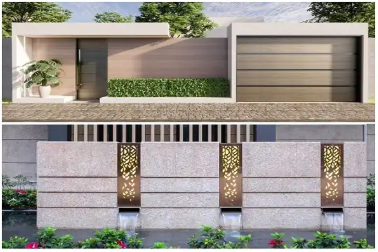
Front wall design sets the tone for the entire property. Rendered and painted finishes in clean whites and greys are popular for modern homes. Stone cladding on gate pillars and plinth areas adds material richness. Timber battens used vertically on a front porch wall soften the look and add warmth to otherwise hard exterior finishes. When considering front wall designs for homes, always ensure the materials chosen are weather-resistant and complement the roofline and windows.
Boundary wall design
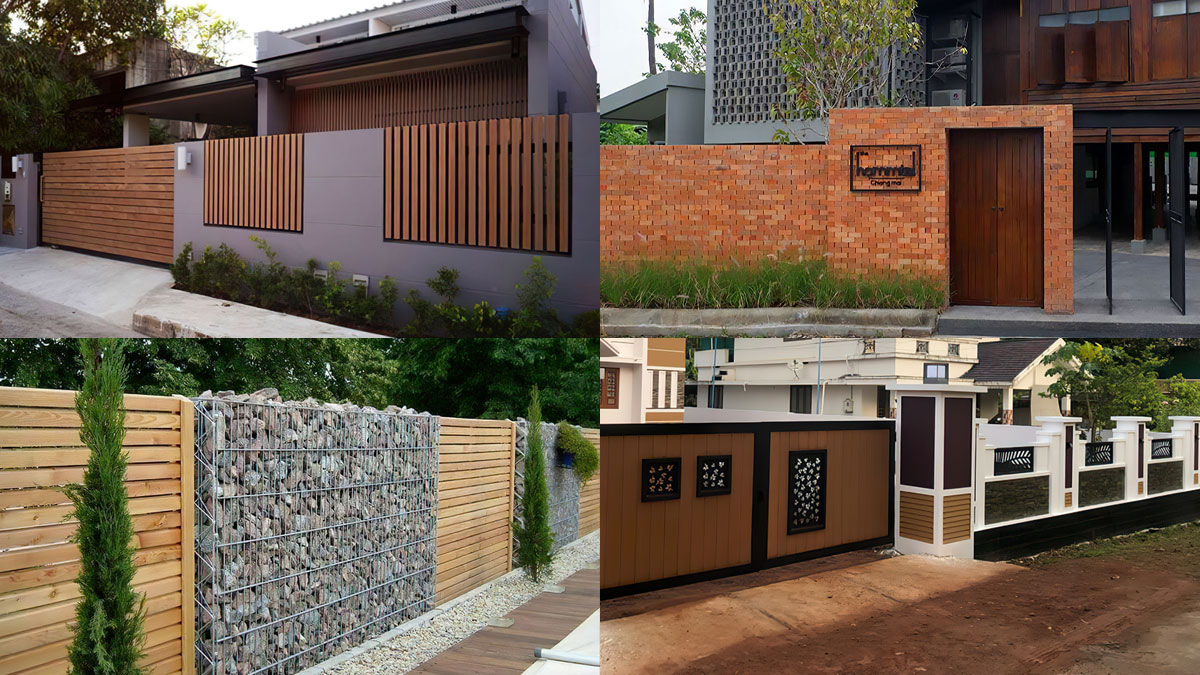
Boundary wall design is about balancing privacy with aesthetics. Simple plastered and painted boundary walls look fine, but miss an opportunity. Adding decorative block-work patterns, jali screens, or metal grille inserts to the upper portion of a boundary wall introduces light and visual interest without sacrificing security. Capping the top of a boundary wall with a contrasting material, such as natural stone or pre-cast concrete, adds a polished, finished look.
Parapet wall designs
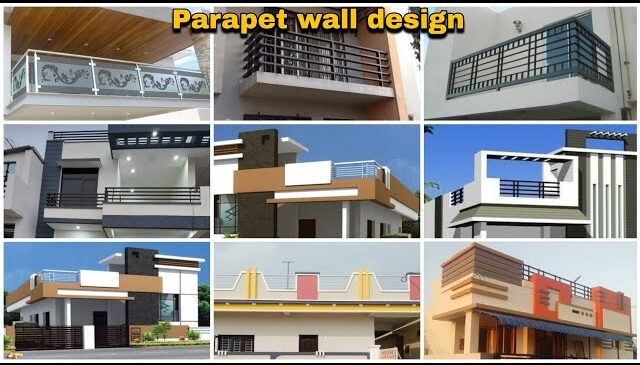
Parapet wall designs on flat-roofed homes are functional but can also be decorative. A parapet with a subtle profile, rendered to match the rest of the facade, ties the roofline together cleanly. More elaborate parapet wall designs include stepped or curved profiles, ornamental coping stones, and even integrated planter boxes for rooftop greenery.
Three More Ideas Worth Exploring
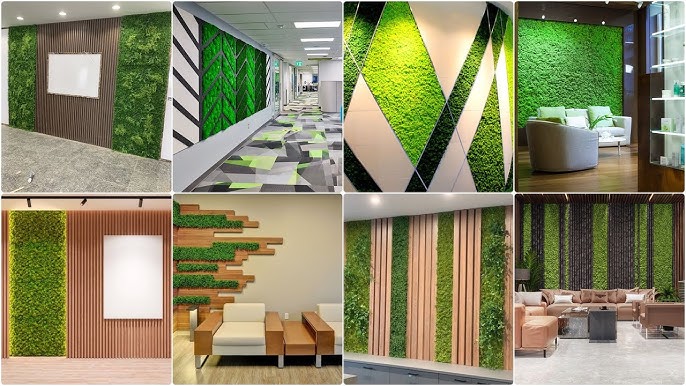
Grass wall design vertical gardens using real or preserved moss panels bring life, colour, and texture to both interior feature walls and exterior garden boundaries. They work especially well in living rooms and covered outdoor areas.
Wall sheet design using high-pressure laminates or acrylic sheets is growing in popularity for contemporary kitchens and home offices where a seamless, jointless surface is preferred over tiles.
Source: Pinterest
Source: Pinterest
Source: Pinterest
Room wall design combining two or more of the above treatments, say, wood panels on the lower half and textured wallpaper above a dado rail, creates layered, sophisticated interiors that feel custom-designed rather than off-the-shelf.
FAQs: Wall Design Ideas for Modern Homes
Light-toned textured panels or a single wall paper accent wall behind the bed work best for small bedrooms, adding depth without making the space feel cramped.
Wood panels, 3D tiles, PVC panels, brick veneer, textured plaster, and wallpaper are the most popular materials used in modern homes today.
Costs vary widely depending on the material. PVC panels are the most budget-friendly, while natural stone cladding and custom wood panelling sit at the higher end.
Peel-and-stick wallpaper, adhesive 3D panels, and geometric paint patterns are beginner-friendly options that require no special tools or professional installation.
If your budget is limited, invest in a strong TV wall design as the focal point first it delivers the most visual impact per square foot in a living room setting.
Choosing the Right Wall Design for Your Home
With so many options available, the best approach is to start with one room and one wall. Identify the focal wall, the one you see first when you enter the room, and treat it as your canvas. Consider the natural light, the existing furniture tones, and the atmosphere you want to create. Bold and dramatic for a living room; calm and restful for a bedroom; clean and functional for a kitchen.
Wall design is one of the highest-return investments you can make in your home. Done well, it elevates every other element in the room, making your furniture look more intentional, your lighting more effective, and your space more deeply your own.
Dedicated and detail-oriented SEO Content Writer, Real Estate Writer, and Research Analyst based in Islamabad, with proven expertise in developing accurate, valuable, and well-researched content. Skilled in analytical writing, market research, and reporting, with the ability to turn insights into clear, professional, and impactful content. Passionate about exploring new ideas, analyzing industry trends, and contributing to high-quality writing and research-driven projects.
ISLAMABAD: Prime Minister Shehbaz Sharif on Thursday directed the launch of a pilot project for a proposed automated income tax collection system in the federal capital, Islamabad, marking a significant step in the government’s ongoing efforts to modernise Pakistan’s revenue infrastructure.
The directive was issued during a high-level review meeting chaired by the Prime Minister at the Prime Minister’s Office, attended by Finance Minister Muhammad Aurangzeb, State Minister for Finance Bilal Azhar Kayani, and other senior officials. The meeting conducted a detailed assessment of the Federal Board of Revenue’s (FBR) ongoing reform measures to make inland revenue collection more effective, transparent, and faceless.
Addressing the gathering, Prime Minister Shehbaz described the initiative as a milestone in the government’s broader reform agenda. He stressed that minimising human intervention and curtailing discretionary powers within the tax collection mechanism were urgent priorities, as they would directly reduce corruption and improve institutional accountability.
The proposed system is designed to leverage modern technology and artificial intelligence to identify under-declared income and assets by cross-referencing data across property, vehicle, and banking records. To further strengthen the framework, the meeting proposed establishing three dedicated wings: a National Faceless Audit Wing, a National Assessment Wing, and a Field Operations Wing, each intended to streamline and safeguard the integrity of the tax process.
The Prime Minister affirmed that the successful implementation of this system would not only boost national revenue but also foster greater transparency, fairness, and public trust in the taxation system. He reiterated the government’s commitment to continuing FBR reforms to comprehensively document the economy and meaningfully expand the tax net.
On a separate note, the Prime Minister commended provincial governments for their decisive action against illegal cigarettes, with additional tax collection from the sector projected to reach Rs40 billion this fiscal year.
Dedicated and detail-oriented SEO Content Writer, Real Estate Writer, and Research Analyst based in Islamabad, with proven expertise in developing accurate, valuable, and well-researched content. Skilled in analytical writing, market research, and reporting, with the ability to turn insights into clear, professional, and impactful content. Passionate about exploring new ideas, analyzing industry trends, and contributing to high-quality writing and research-driven projects.
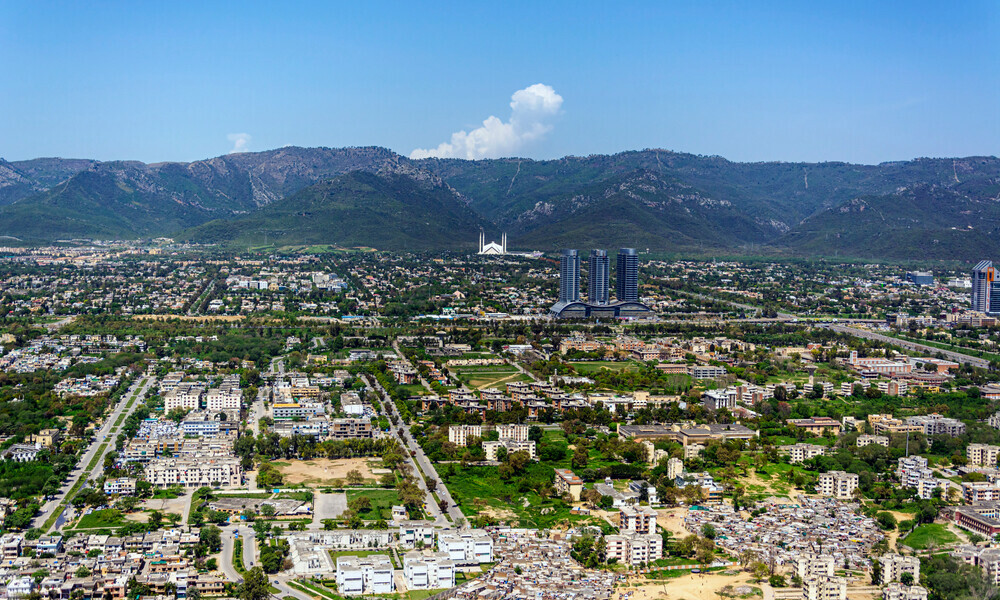
Islamabad is famous for its wide tree-lined streets, scenic Margalla Hills, and peaceful residential sectors. However, beneath all that calm lies a city with a genuinely dark history. If you look closely enough, you will find stories passed down through generations that no amount of urban planning can erase. Every haunted place in Islamabad carries a history that is as fascinating as it is deeply unsettling.
Why Islamabad Has a Paranormal Side
Most visitors are surprised to learn that Islamabad sits on land layered with thousands of years of human history, Buddhist settlements, Mughal-era villages, colonial-era structures, and post-partition trauma. That much accumulated human experience leaves its marks, and, according to locals, some of those marks extend far beyond the historical. The most haunted place in Islamabad is not a single location. It is an entire city carrying stories that refuse to stay buried.
Quick Facts: Haunted Place in Islamabad
#
Location
Sector/Area
Why It’s Haunted
1
F-7/4 Government Mansion
F-7/4, Islamabad
Jinn activity, shadow figures, bloody paw prints on the ceiling, no official tenant stays
2
Shah Allah Ditta Caves
Margalla Hills Foothills
700-year-old caves, voices heard at night, dark shadow figures, haunted hill park nearby
3
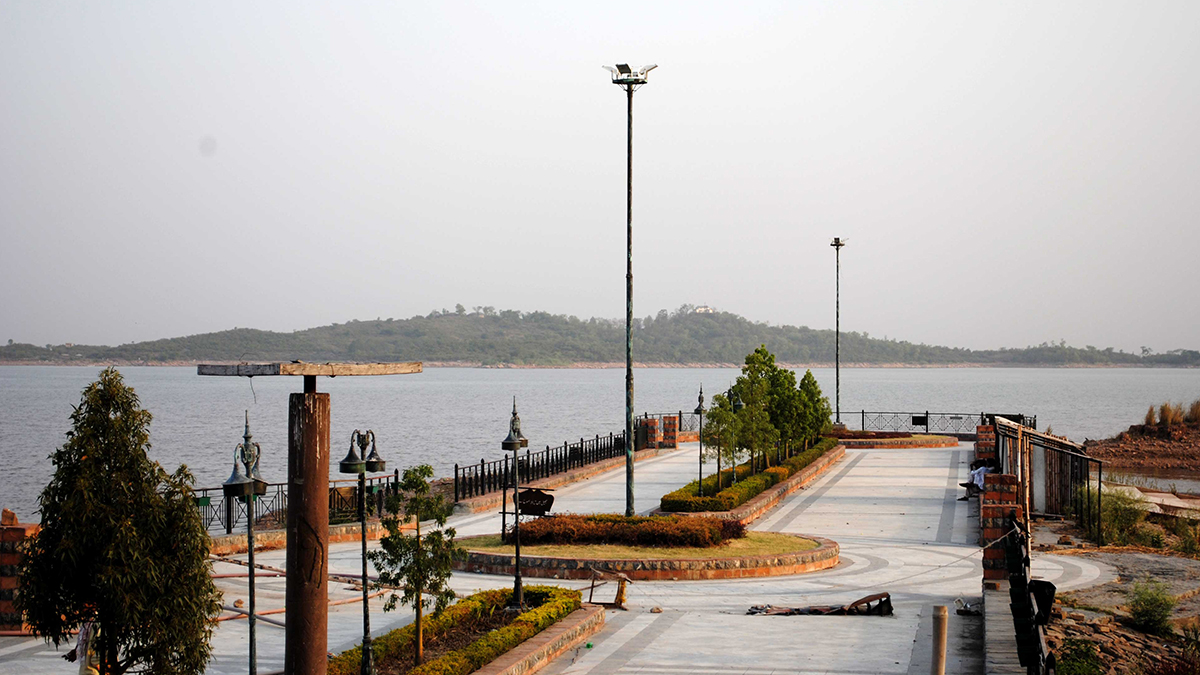
Lotus Lake
Shakarparian Hills
Multiple murders were committed here, bodies dumped by the lake, and eerie sounds were reported
4
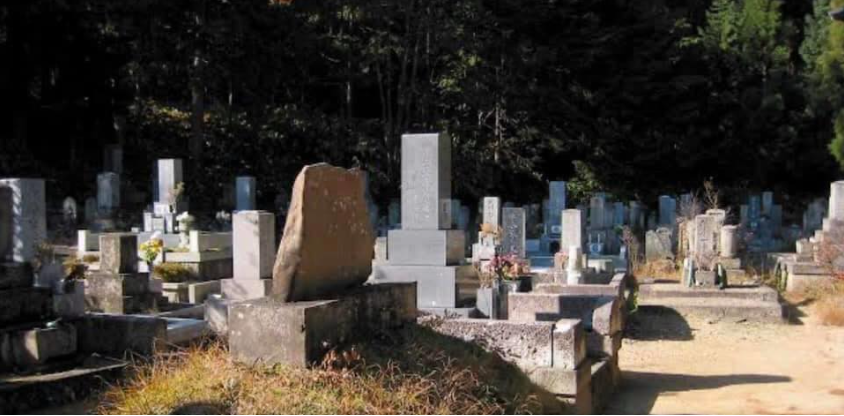
Buddhist Graveyard
Islamabad (Ancient Site)
Oldest burial ground in the region, cold patches, shadow movement, centuries of layered history
5
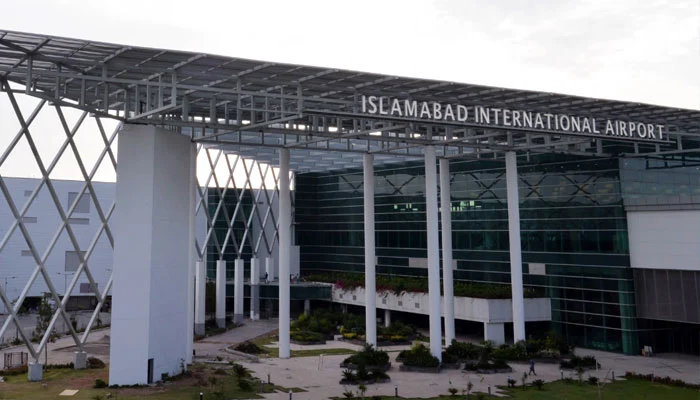
New Islamabad Airport
NIIAP, Islamabad
Built over an old graveyard, children’s shadows on the runway, workers fainted from fear
6
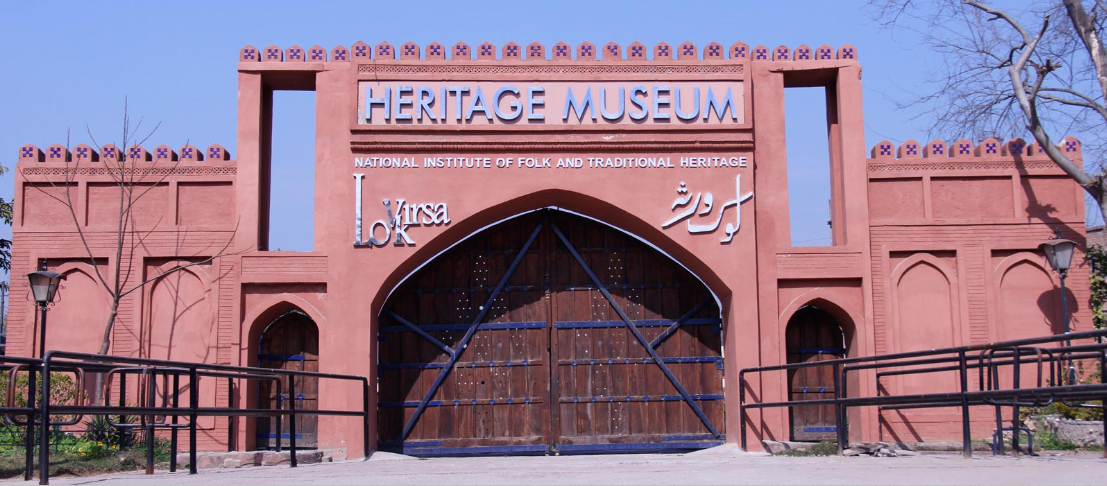
Lok Virsa Museum
H-8, Islamabad
Staff report sounds, movement & being watched in empty halls at night
7
Rawal Lake
Between Islamabad & Rawalpindi
Multiple disappearances, figures seen near water at night, overwhelming dread reported
8
Haunted Hills
F-6, Islamabad
Name predates modern development, voices from the tree line, a feeling of being followed on trails
9
Kachnar Park
Islamabad Capital Territory
Figures in dense vegetation at night, unexplained sounds in isolated corners
10
Pir Sohawa Road
Margalla Hills
Strange lights at night, footsteps behind solo walkers, and consistent paranormal reports
1. The F-7/4 Government Mansion: The House No One Will Live In
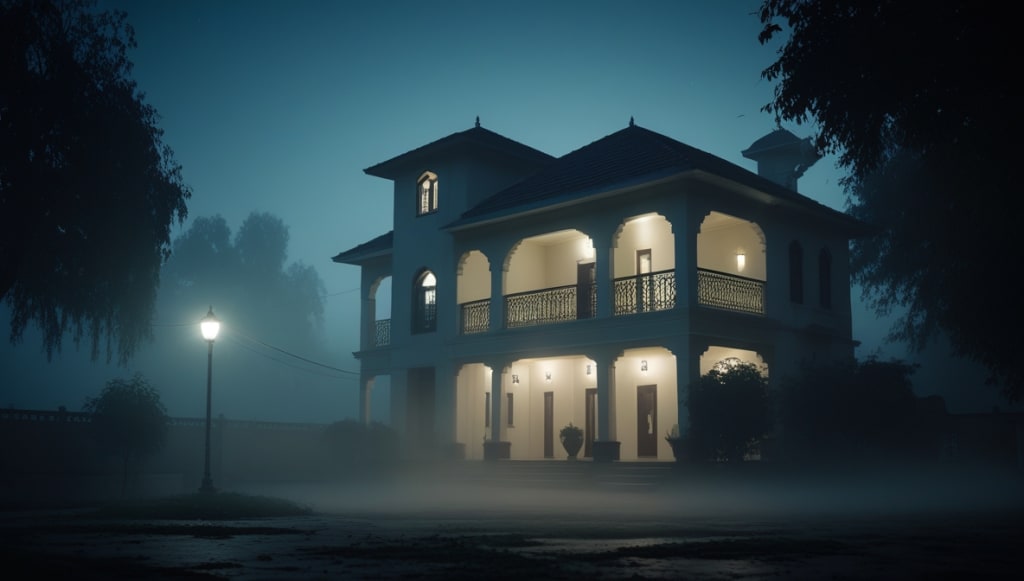
If there is one location that every resident of Islamabad speaks about in hushed tones, it is the government-owned property in the F-7/4 sector. This is arguably the single most notorious haunted place in Islamabad, with stories spanning six decades and touching the lives of senior judges, ministers, and high-ranking officials.
The house was originally built in 1965 by a young East Pakistani CSS officer and his wife, who chose the prime plot for its sweeping views of the Margalla Hills. Life was quiet until the fall of Dhaka in 1971 forced them to leave. The Pakistani government took over the property shortly after, and that is when the terror began.
Every family that has occupied the house since then has fled. Household staff reported footsteps outside locked rooms at night, furniture shifting on its own, and doors swinging open for no reason.
One resident’s son saw a dark shadow near the balcony that passed clean through the wall when he approached it. In the 1980s, a young boy woke at 3 a.m. to find a woman sitting in a nearby tree, her mouth bleeding, holding raw meat and then found the same figure standing on his bed when he ran back inside. Bloody paw prints ran from the mattress up to the ceiling. A renowned spiritual healer was called in and left without resolving anything.
Ministers, judges, and senior officials have all been assigned this house over the years, but reportedly none has stayed more than a few months. During the 2022 Noor Mukadam media coverage, the case occurred directly across the street, a security guard who had worked outside the property for over two decades told a journalist that it was simply “the abode of jinn.” The house remains largely empty today, still a prime government asset, but one that no one will live in.
2. Shah Allah Ditta Caves: Ancient Darkness in the Margalla Foothills
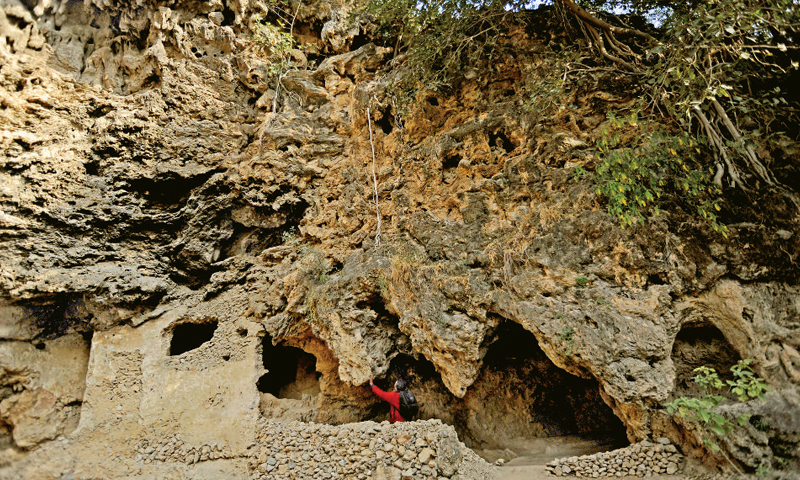
Tucked into the foothills of the Margalla Hills near the historic village of Shah Allah Ditta, these caves are believed to be approximately 700 years old, with roots going back to Buddhist monks who meditated here centuries ago. During daylight hours, the site draws hikers and history lovers. After dusk, however, it transforms into one of the most genuinely unsettling haunted place in Islamabad.
Locals from the surrounding village have long reported strange noises deep inside the caves at night, sounds like multiple people conversing in spaces where no one is present. Dark shadow figures have been seen moving in chambers where no human could be standing.
Residents openly advise against entering the caves alone, and absolutely never after dark. The dense old trees surrounding the cave entrance add to an atmosphere that even daytime visitors find difficult to shake. The haunted hill park, immediately adjacent to the caves, is also considered possessed by locals.
3. Lotus Lake, Shakarparian: Beauty Built on Blood
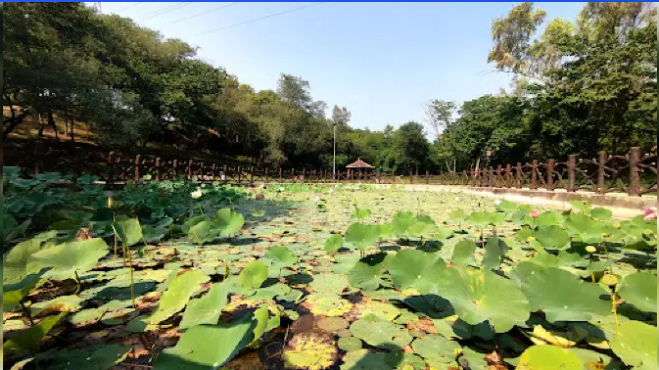
Situated in the Shakarparian hills, Lotus Lake was once considered one of the most scenic, peaceful spots and family park in the capital. That reputation changed into a haunted place in Islamabad. The lake gained a grim notoriety after it became the site of multiple murders. Killers used the area to leave their victims’ bodies by the water. That dark history transformed a beautiful location into one of the most talked-about haunted places in Islamabad.
Visitors and joggers who frequent the Shakarparian area have reported an inexplicable unease near the lake, particularly after sunset. Some describe hearing sounds with no visible source. The lake’s beauty remains, but the community’s collective memory of what happened there gives it an atmosphere that is genuinely difficult to ignore once you know its history.
4. Buddhist Graveyard, Islamabad: The Oldest Haunted Ground
Few residents of Islamabad are aware that an ancient Buddhist graveyard exists within the city, but those who do know about it also know the stories attached to it. As one of the oldest burial grounds in the region, this site predates Islamabad’s existence as a capital and carries centuries of layered history.
Local accounts consistently describe the area around the graveyard as deeply unsettling, with unexplained cold patches, shadow movement where nothing should be, and an atmosphere of unease that multiple visitors have independently reported.
As a haunted place in Islamabad with genuine historical roots rather than mere rumour, the Buddhist graveyard represents the city’s oldest paranormal legacy and is rarely discussed in mainstream coverage.
5. New Islamabad International Airport: Paranormal Under the Modern Facade
It sounds unlikely, but the gleaming New Islamabad International Airport is widely cited as a haunted place in Islamabad, with a disturbing history of construction. According to multiple accounts, the airport was built over an old graveyard, and the consequences reportedly became apparent during construction.
Construction workers reported unexplained sounds, tools that moved overnight, and a persistent sense of unseen presence in certain sections. Several staff members have reportedly heard scary noises and claimed to see shadows of children playing near the runway. Some accounts describe workers fainting on site. Whether tied to the buried ground beneath or something else, the reports were consistent enough that the site developed a paranormal reputation long before the first flight ever landed.
6. Lok Virsa Museum: Haunted Heritage
The Lok Virsa Museum, dedicated to preserving Pakistan’s folk heritage and culture, is one of the more surprising entries on the list of haunted place in Islamabad. Staff members working late at the museum have reported unsettling experiences inside the building, strange sounds, unexplained movement, and a pervasive sense of being watched in the empty halls.
For a building that houses centuries-old artifacts and cultural objects, the idea that its contents carry something beyond historical value is not entirely far-fetched. Whether it is the weight of old objects and old stories, or something more difficult to explain, Lok Virsa earns its place on this list through the consistency of staff accounts over the years.
7. Rawal Lake: Disappearances and Dark Water
Rawal Lake is one of Islamabad’s most visited recreational spots, drawing families, joggers, and picnickers throughout the year. But after dark, its reputation changes to a haunted place in Islamabad.
The lake and its surrounding areas have been the site of multiple disappearances over the years, and the stories attached to them have made it one of the most persistently discussed haunted place in Islamabad among long-time residents.
Visitors who have been near the lake at night report seeing figures near the water that disappear when approached, hearing sounds from the water’s surface for no apparent reason, and experiencing a sudden, overwhelming sense of dread in areas that feel completely ordinary during daylight. The combination of documented tragedies and the lake’s naturally dark, expansive atmosphere after sunset makes this a location best respected and avoided after dark.
8. Haunted Hills, F-6: The Name That Says Everything
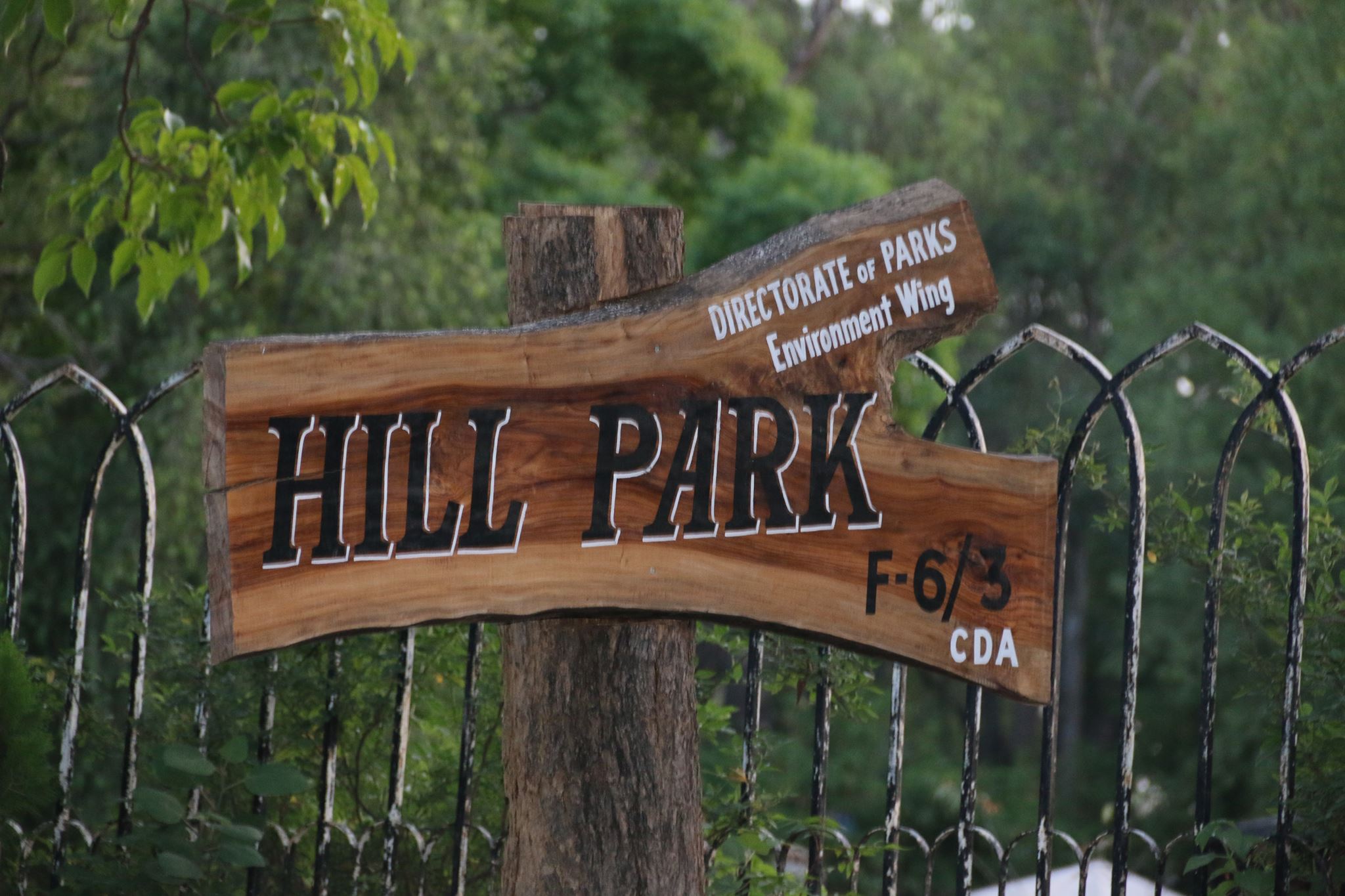
In the F-6 sector sits a hilly green space that Islamabad residents have long called “Haunted Hills”, and the name has simply become official. By day, it works perfectly as a jogging trail and picnic spot, with a small café serving coffee and offering panoramic views. But ask any long-time Isolate why the area carries that name, and you will rarely get a direct answer, just an uncomfortable pause and a shrug.
The nickname predates most of the current development, pointing to a deep-rooted community belief that this space is not entirely ordinary. Multiple visitors report an overwhelming sense of being followed while walking the trails alone, particularly as light begins to fade in the late afternoon.
Voices and sounds emerge from the tree line with no visible source. For a haunted place in Islamabad that looks so unremarkable on a sunny morning, Haunted Hills earns its name thoroughly once daylight fades.
9. Kachnar Park: Family Park by Day, Something Else by Night
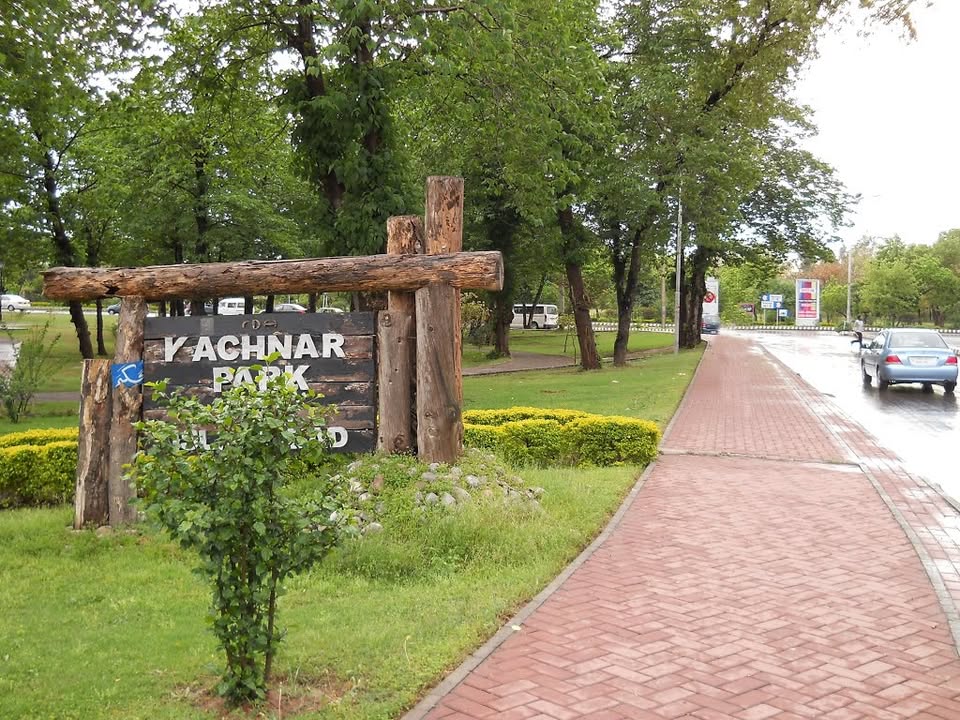
Kachnar Park is a pleasant, well-used green space during daylight hours. After dark, however, visitor accounts describe something very different. The dense vegetation becomes disorienting, figures are reported moving through areas that should be empty, and sounds emerge from isolated corners that do not belong to any identifiable source. Rangers and frequent visitors generally agree: this is a haunted place in Islamabad that you should leave well before sunset.
10. Pir Sohawa Road: Where the Mountain Tells Stories
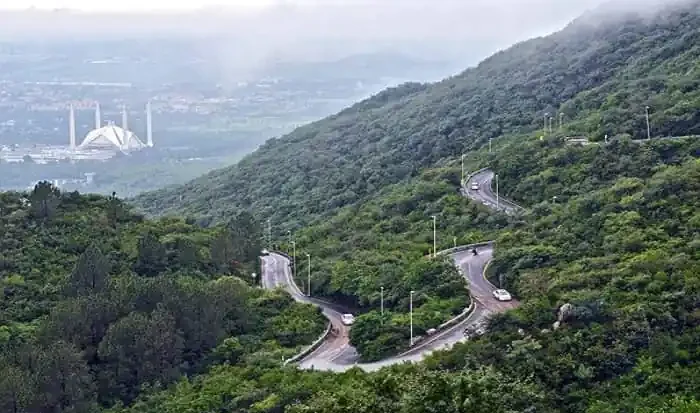
The winding road up to Pir Sohawa through the Margalla Hills is breathtaking during the day and genuinely frightening at night. Hikers who have camped overnight in the area describe strange lights moving through the trees at elevations where no paths exist, and the sound of footsteps behind solo walkers that stop the moment the walker stops.
As a haunted place in Islamabad, Pir Sohawa Road is unique in that it is not a single building or room, but an entire stretch of living mountain environment that has accumulated a powerful and consistently strong paranormal reputation over many years.
Safety Advice Before You Go
Most of these haunted place in Islamabad are either government-controlled, conservation areas, or sites with active security. Trespassing is illegal and physically dangerous. If you visit Shah Allah Ditta caves or the Margalla Hills trails, register with the park authorities and go only during daylight. Respect the communities and histories associated with every haunted place in Islamabad. These are not just locations; they are living stories.
FAQ: Haunted Place in Islamabad
The F-7/4 Government Mansion is widely considered the most notorious, as no official tenant has ever stayed long due to reported jinn activity and shadow figures.
Yes, but only during daylight hours, locals strongly advise against entering the caves alone or after dark.
The ancient Buddhist Graveyard holds the city’s oldest paranormal legacy, predating Islamabad’s existence as a capital by centuries.
Multiple disappearances and consistent reports of unexplained figures near the water make it a location as haunted place in Islamabad.
Daytime visits are generally safe, but overnight stays are strongly discouraged due to persistent reports of strange lights and unexplained footsteps.
Final Thoughts: Haunted Place in Islamabad
Islamabad’s reputation as a model, tourist places and modern capital is well-deserved. But the stories surrounding every haunted place on this list remind us that no amount of planning can erase what land, history, and human experience carry forward. From the F-7/4 mansion to the murder-shadowed Lotus Lake, from the 700-year-old caves of Shah Allah Ditta to the airport built over an ancient graveyard, the capital holds a shadow side that has been documented and passed down across generations.
These are not mere ghost stories told for entertainment. They are a reflection of Islamabad’s layered identity, ancient, colonial, political, and deeply human. The next time you drive through its clean sectors or walk its wide, quiet streets at night, remember: the most terrifying haunted place in Islamabad might be closer than you think.
Dedicated and detail-oriented SEO Content Writer, Real Estate Writer, and Research Analyst based in Islamabad, with proven expertise in developing accurate, valuable, and well-researched content. Skilled in analytical writing, market research, and reporting, with the ability to turn insights into clear, professional, and impactful content. Passionate about exploring new ideas, analyzing industry trends, and contributing to high-quality writing and research-driven projects.
ISLAMABAD: A National Assembly standing committee has formally recommended the creation of a dedicated Federal Government Real Estate Management Authority to oversee and optimise the management of state-owned properties across Pakistan.
The proposal, unanimously approved by the National Assembly Standing Committee on Cabinet Secretariat, has been forwarded to the National Assembly for full legislative passage.
The committee, chaired by Malik Ibrar Ahmad, convened to address longstanding concerns regarding the mismanagement and illegal occupation of government-owned land. Members highlighted that numerous federal properties remain either encroached upon or underutilised, failing to generate meaningful economic returns for the state despite holding considerable commercial value.
Malik Ibrar Ahmad underscored the gravity of the issue, noting that government-owned properties had been illegally occupied over extended periods. He cited the example of railway land recovered through intervention by the Standing Committee on Railways, noting that rapid urban expansion and commercial development have substantially increased the value of such assets in recent years.
The cabinet secretary informed committee members that the federal government holds an extensive portfolio of commercial, urban, and rural properties spread across the country. These assets are currently distributed among various ministries, divisions, and government organisations, resulting in fragmented oversight and widespread inefficiency. Previous efforts to improve returns from these holdings have largely yielded unsatisfactory outcomes.
The proposed authority would consolidate oversight responsibilities, managing, leasing, and supervising federal properties in accordance with government approvals, with a clear mandate to maximise economic utility.
In the same session, the committee approved several additional legislative proposals, including the Archival Material (Preservation and Export Control) Amendment Bill, 2026, the Abandoned Properties (Management) Amendment Bill, 2026, and the Oil and Gas Regulatory Authority (Amendment) Bill, 2026. Officials stated that these legislative measures collectively aim to strengthen governance, enhance administrative efficiency, and align legal frameworks with ongoing institutional reforms.
Dedicated and detail-oriented SEO Content Writer, Real Estate Writer, and Research Analyst based in Islamabad, with proven expertise in developing accurate, valuable, and well-researched content. Skilled in analytical writing, market research, and reporting, with the ability to turn insights into clear, professional, and impactful content. Passionate about exploring new ideas, analyzing industry trends, and contributing to high-quality writing and research-driven projects.