BBC-featured Content Specialist with a sharp eye for search intent and a proven ability to turn content into a growth engine. I leverage cutting-edge digital marketing tools to craft strategies that fuel organic traffic, amplify brand growth, and own the local SEO landscape, particularly across the competitive real estate market. I help brands dominate search rankings and convert visibility into measurable business success.
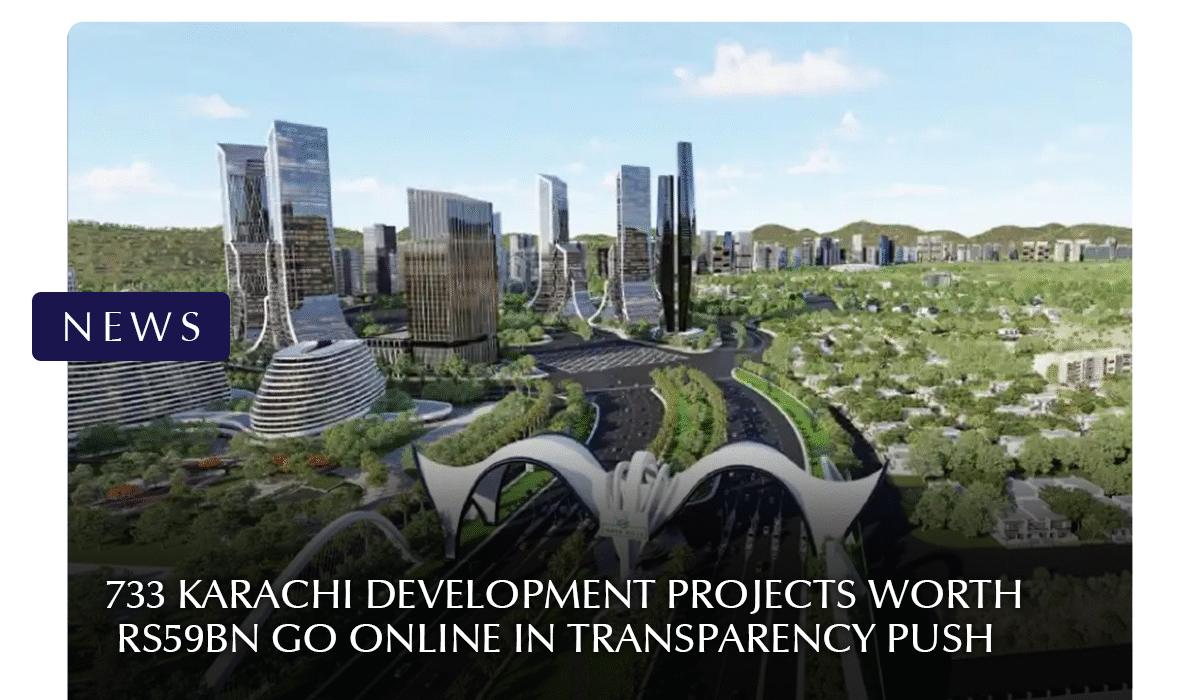
KARACHI: The Karachi Metropolitan Corporation (KMC) has begun publishing details of 733 development projects worth a combined Rs59 billion on its website, part of a broader digital transparency drive announced this week.
Mayor Barrister Murtaza Wahab said new sections added to the KMC website cover municipal assets and properties, ongoing development schemes, a Karachi Development Map, and a Land Record Management System. The project database includes costs, approved allocations and expenditure, along with details of contractors, funding sources and the institutions responsible for each scheme.
Through the interactive map, residents can track the location, jurisdiction, cost, progress and expected completion date of ongoing road works, including a Rs173 million scheme in District East, the Rs155 million Patel Hospital Road project, and the Rs472 million Mirza Adam Khan Road project. Photos and videos of construction progress will also be uploaded for public monitoring.
KMC is separately digitising land records dating back decades, with future property transfers to be recorded electronically. Employee records have been shifted to the SAP system to curb duplicate or fraudulent payments, and the civic body is moving toward an account-to-account digital payment system capable of tracking every transaction.
Wahab said the shift to digital collection has already lifted revenue, with one department’s monthly collections rising from around Rs170-180 million to roughly Rs300 million last month. Revenue and receivables are expected to be linked to the digital system in the coming months.
The mayor also cited progress on the Hub Canal, cleaning of the Hub Reservoir, and the 38-kilometre Shahrah-e-Bhutto Expressway, alongside a proposed Chakor Nala Expressway meant to ease congestion around Gulistan-e-Johar and Rashid Minhas Road.
BBC-featured Content Specialist with a sharp eye for search intent and a proven ability to turn content into a growth engine. I leverage cutting-edge digital marketing tools to craft strategies that fuel organic traffic, amplify brand growth, and own the local SEO landscape, particularly across the competitive real estate market. I help brands dominate search rankings and convert visibility into measurable business success.
ISLAMABAD: The federal government has begun weighing proposals for a new local tax in Islamabad, contingent on the capital being granted autonomous unit status, as Pakistan and the International Monetary Fund (IMF) prepare to open talks this month on the fifth review of the ongoing loan programme.
According to sources, the proposed tax streams would fund basic facilities and administrative infrastructure in the capital, including hospitals, schools, colleges and welfare initiatives. The proposals are set to be discussed with the IMF delegation during the upcoming review, with approved measures to be incorporated into the FY28 budget. A final revenue target has yet to be determined.
The process begins with the Federal Board of Revenue (FBR) drafting the proposals, which then move to a dedicated tax subcommittee formed to examine mechanisms for an autonomous Islamabad. Following subcommittee approval, the proposals will go to a committee chaired by the Minister for Planning, before reaching Prime Minister Shehbaz Sharif for a final decision, subject to IMF approval.
The Ministry of Finance has directed all relevant ministries to compile data ahead of the review, with briefings expected to cover structural benchmarks and reform targets, including energy sector measures focused on circular debt in the electricity and gas segments.
The government is banking on a successful review to unlock the fifth tranche of the loan programme. Pakistan is expected to receive $1 billion under the tranche, plus a further $200 million earmarked for climate-related losses, bringing the potential total to $1.2 billion.
The broader push reflects a wider roadmap for Islamabad’s administrative autonomy, combining a new local tax and resource-distribution framework with IMF-guided reforms to strengthen the capital’s fiscal system.
BBC-featured Content Specialist with a sharp eye for search intent and a proven ability to turn content into a growth engine. I leverage cutting-edge digital marketing tools to craft strategies that fuel organic traffic, amplify brand growth, and own the local SEO landscape, particularly across the competitive real estate market. I help brands dominate search rankings and convert visibility into measurable business success.
LAHORE: The LDA has introduced a digital monitoring system to enforce against illegal construction, unauthorised commercial use of properties, land-use violations, and non-payment of dues.
Under revised standard operating procedures, the authority will process notices, sealing, and demolition proceedings through a digital file-management system. Enforcement notices will carry QR codes, while geo-tagged photographs and supporting records will be uploaded for online monitoring.
Properties facing action will be classified into three categories: illegal construction, unauthorised change in building use and non-payment of dues.
A committee headed by the chief town planner will review cases involving alleged illegal commercialisation. The committee will examine building plans, commercialisation status, legal records, court orders, previous approvals, outstanding dues and other relevant information before deciding on enforcement measures.
The committee will record decisions and supporting documents digitally, and track subsequent changes through an electronic audit trail.
Under the revised procedures, property owners will be given 15 days to address unauthorised commercial use and five days to respond in cases involving illegal construction before enforcement action is initiated.
The authority has also digitised de-sealing proceedings. Sealed properties may be reopened following payment of applicable fines, restoration to lawful status or approval from the competent authority.
LDA has warned that officials failing to comply with the new procedures may face departmental action.
BBC-featured Content Specialist with a sharp eye for search intent and a proven ability to turn content into a growth engine. I leverage cutting-edge digital marketing tools to craft strategies that fuel organic traffic, amplify brand growth, and own the local SEO landscape, particularly across the competitive real estate market. I help brands dominate search rankings and convert visibility into measurable business success.
ISLAMABAD: The Federal Board of Revenue (FBR) recorded a 56.9 percent increase in withholding tax (WHT) collected on the sale of immovable property during FY26, with receipts rising by Rs66.7 billion compared to the previous fiscal year, according to official data.
The property-sector levy, collected under Section 236C of the Income Tax Ordinance 2001, was one of five major withholding tax categories driving overall WHT growth during the year, alongside contracts, imports, dividends and salaries.
WHT collected on contracts under Section 153 rose 22.3 percent, adding Rs162.3 billion in FY26 the largest absolute increase among the categories. Import-related WHT under Section 150 grew 16.5 percent, generating an additional Rs69.5 billion.
Dividend-income WHT under Section 149 increased 18.5 percent, contributing Rs30 billion in incremental revenue, while WHT deducted from salaries rose 3.8 percent, adding Rs23 billion to collections.
In percentage terms, the property sector recorded the sharpest growth among the five heads, though contracts remained the largest contributor to incremental WHT revenue in absolute rupee terms.
The figures suggest withholding mechanisms continue to anchor FBR’s direct tax collection, with real estate transactions emerging as an increasingly significant revenue source alongside trade- and salary-linked deductions.
BBC-featured Content Specialist with a sharp eye for search intent and a proven ability to turn content into a growth engine. I leverage cutting-edge digital marketing tools to craft strategies that fuel organic traffic, amplify brand growth, and own the local SEO landscape, particularly across the competitive real estate market. I help brands dominate search rankings and convert visibility into measurable business success.
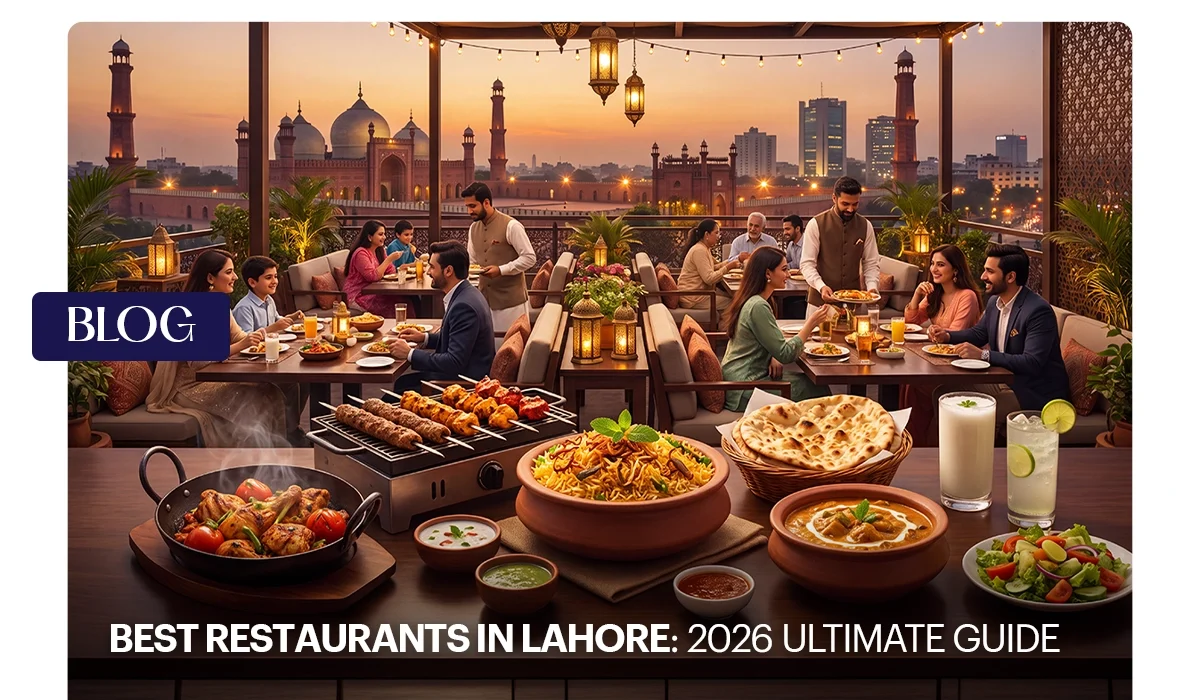
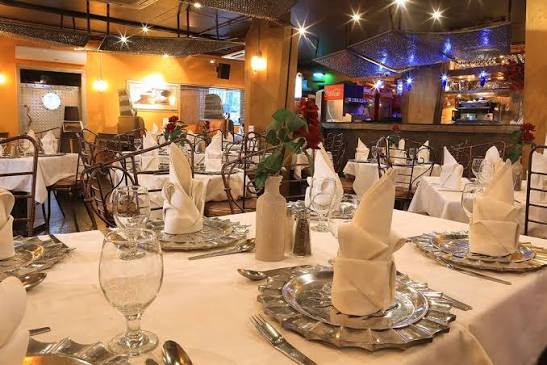
Lahore, the cultural capital of Pakistan, is known not only for its rich history and vibrant traditions but also for one of the country’s most exciting food scenes. From smoky BBQ joints in the Walled City to sushi counters in DHA, Lahore offers restaurants that cover almost every cuisine imaginable. Whether you’re in the mood for a fine-dining experience, a casual family meal, or a quick bite on the go, the city’s best restaurants have something for everyone.
In this blog, we’ve put together a list of the best restaurants in Lahore where you can enjoy a memorable dining experience.
List of Best Restaurants in Lahore
Here is a list of the best restaurants in Lahore, covering everything from heritage rooftops to the newest names in town a good starting point for anyone searching for a complete list of restaurants in Lahore.
For anyone short on time, these are consistently ranked among the top restaurants in Lahore and make up most versions of the top 10 restaurants in Lahore that circulate across food blogs and review sites. The same names make up the top 5 and top 10 restaurants in Lahore in most rankings, just reshuffled slightly depending on the source.
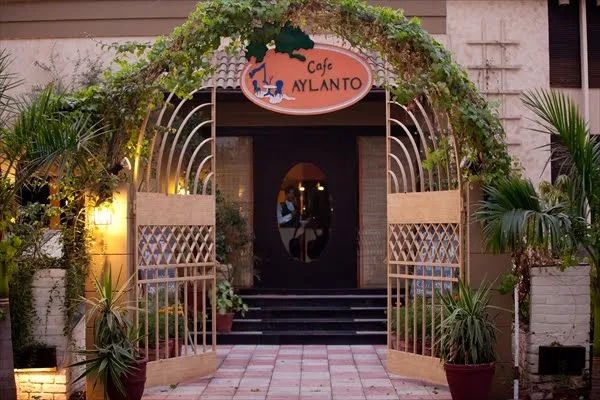
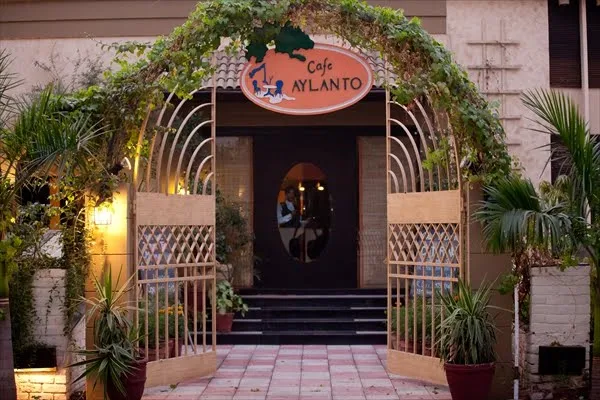
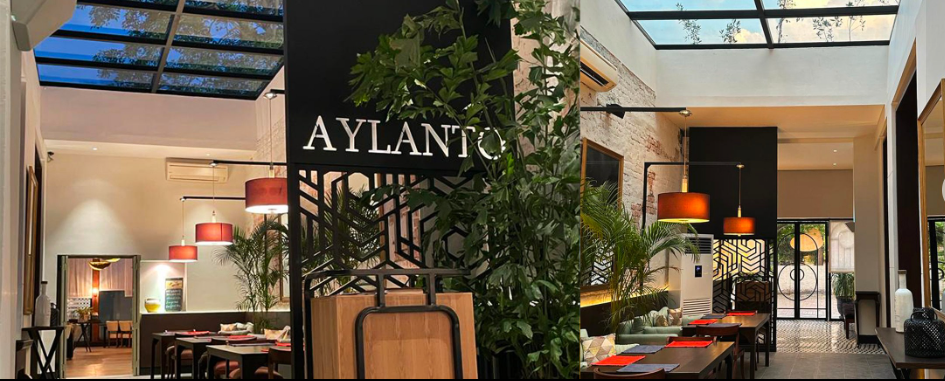
Located on MM Alam Road and in DHA, Café Aylanto is one of the best restaurants in Lahore for Mediterranean and continental food. It’s known for its outdoor courtyard, Moroccan Chicken, and Cream of Mushroom Soup, making it a favourite for both romantic dinners and business lunches.
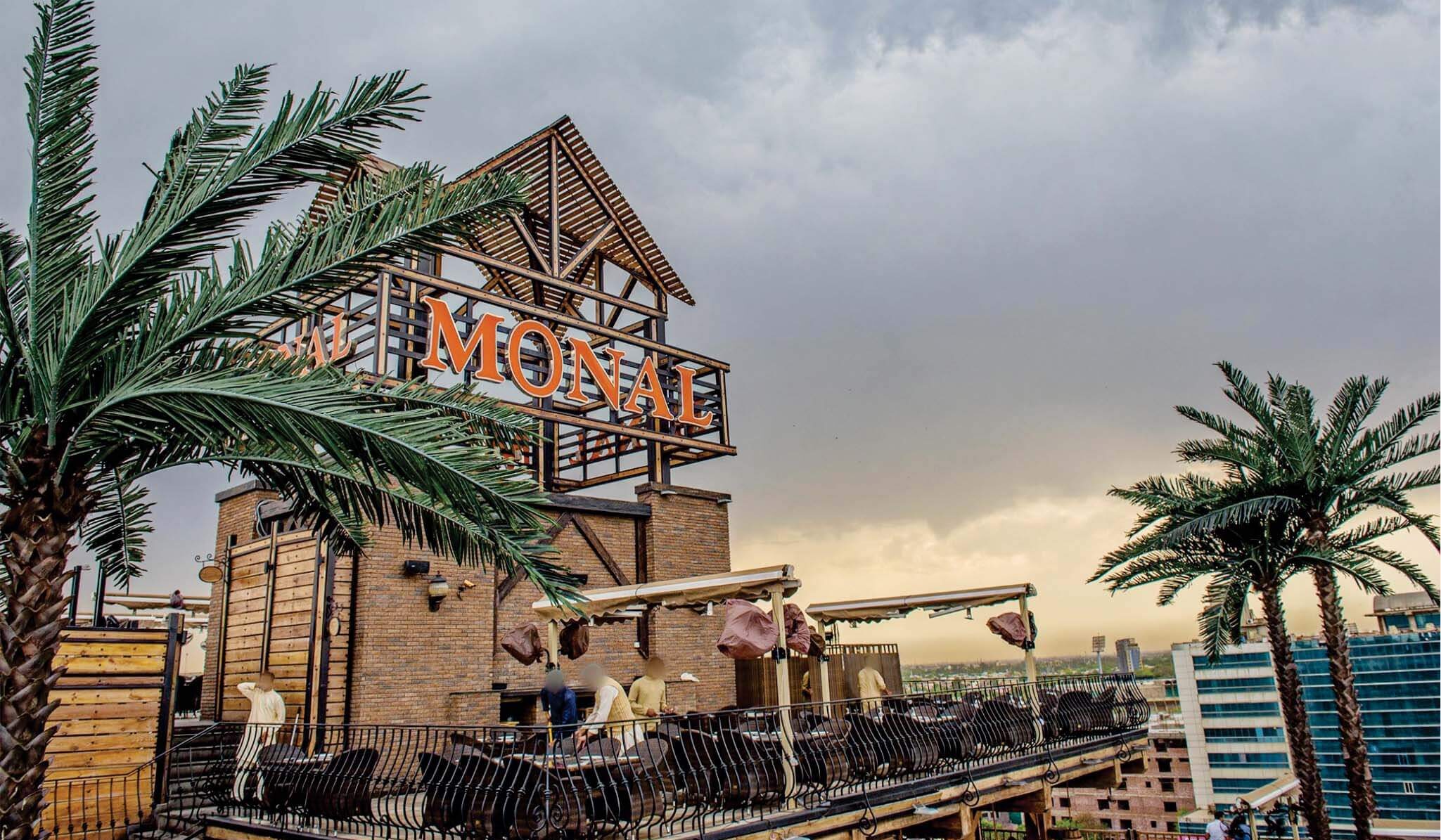
2. Monal Lahore – Restaurants in Lahore
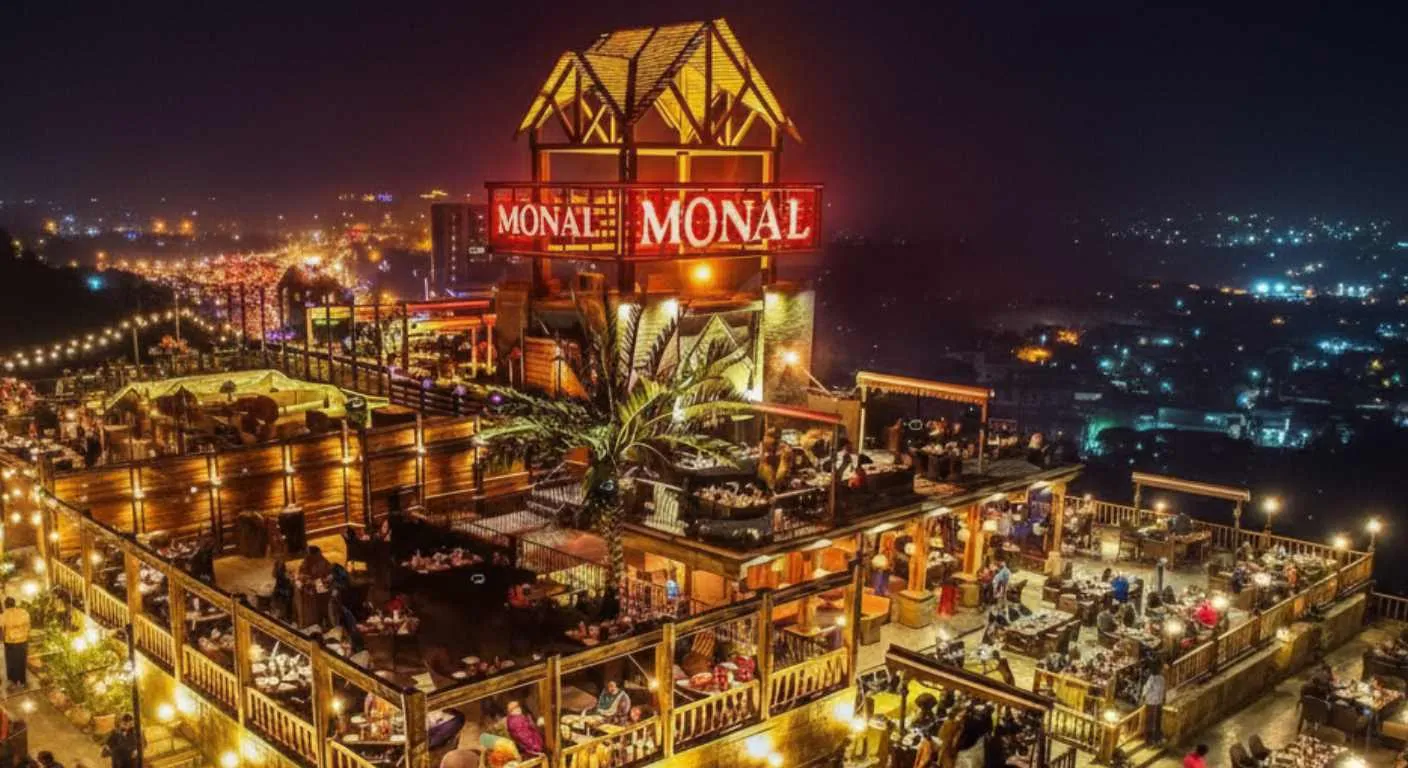
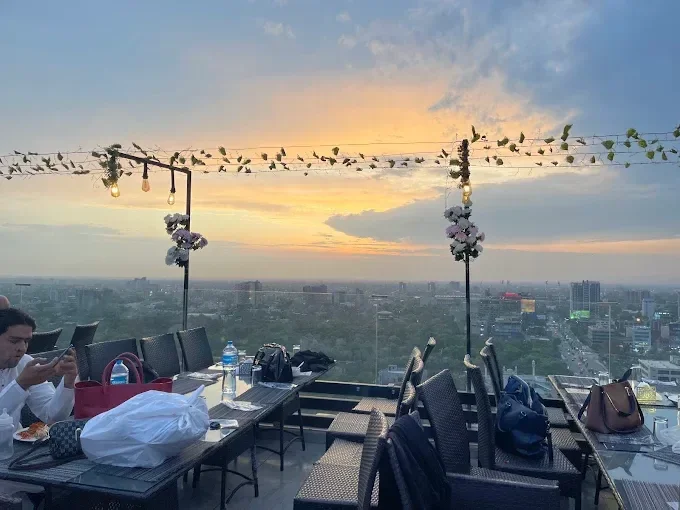
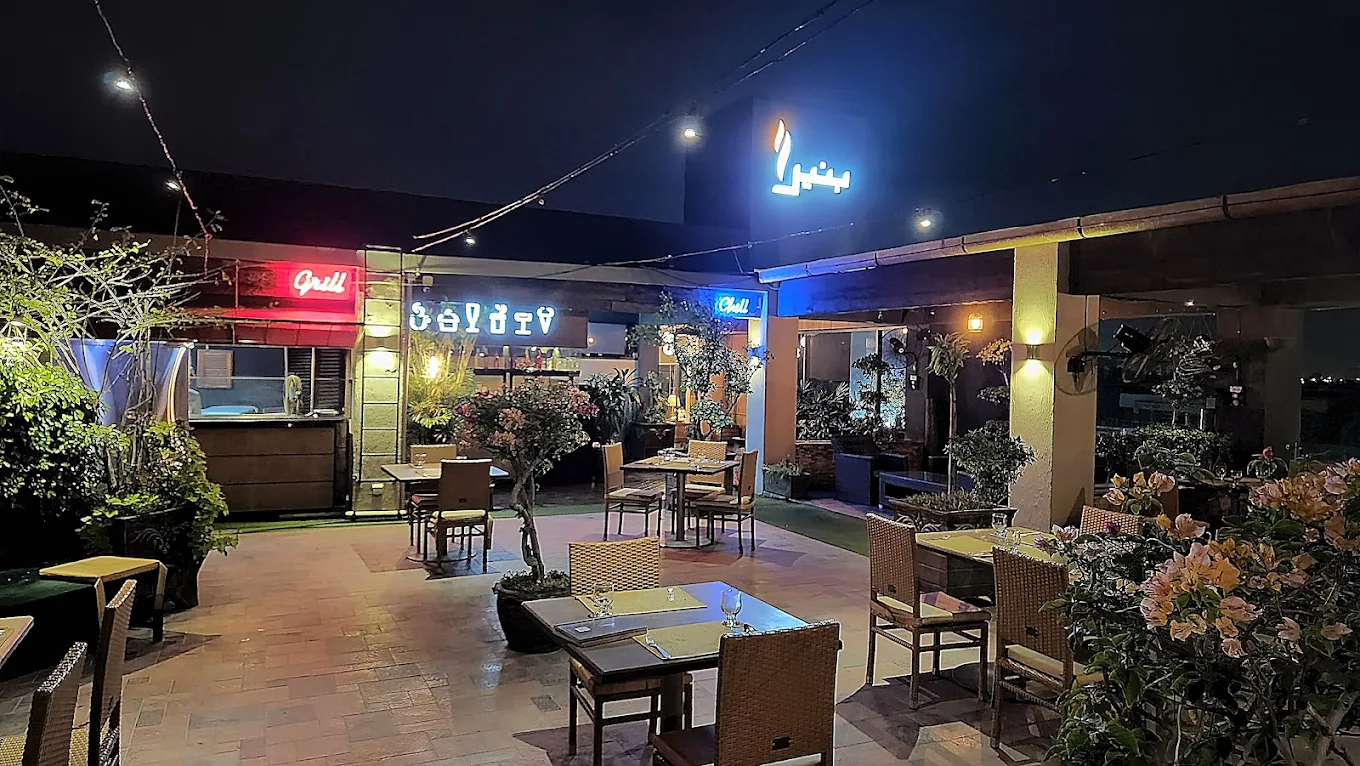
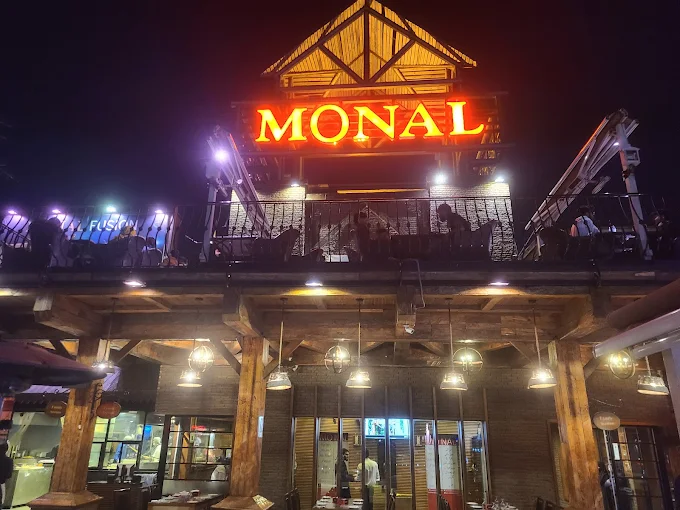
Set in Gulberg III, Monal Lahore offers a rooftop dining experience with panoramic city views. Its wide-ranging BBQ Platters and Continental Buffet appeal to families and large groups alike, and it’s frequently named among the top restaurants in Lahore for its scale and consistency.
3. Andaaz Restaurant
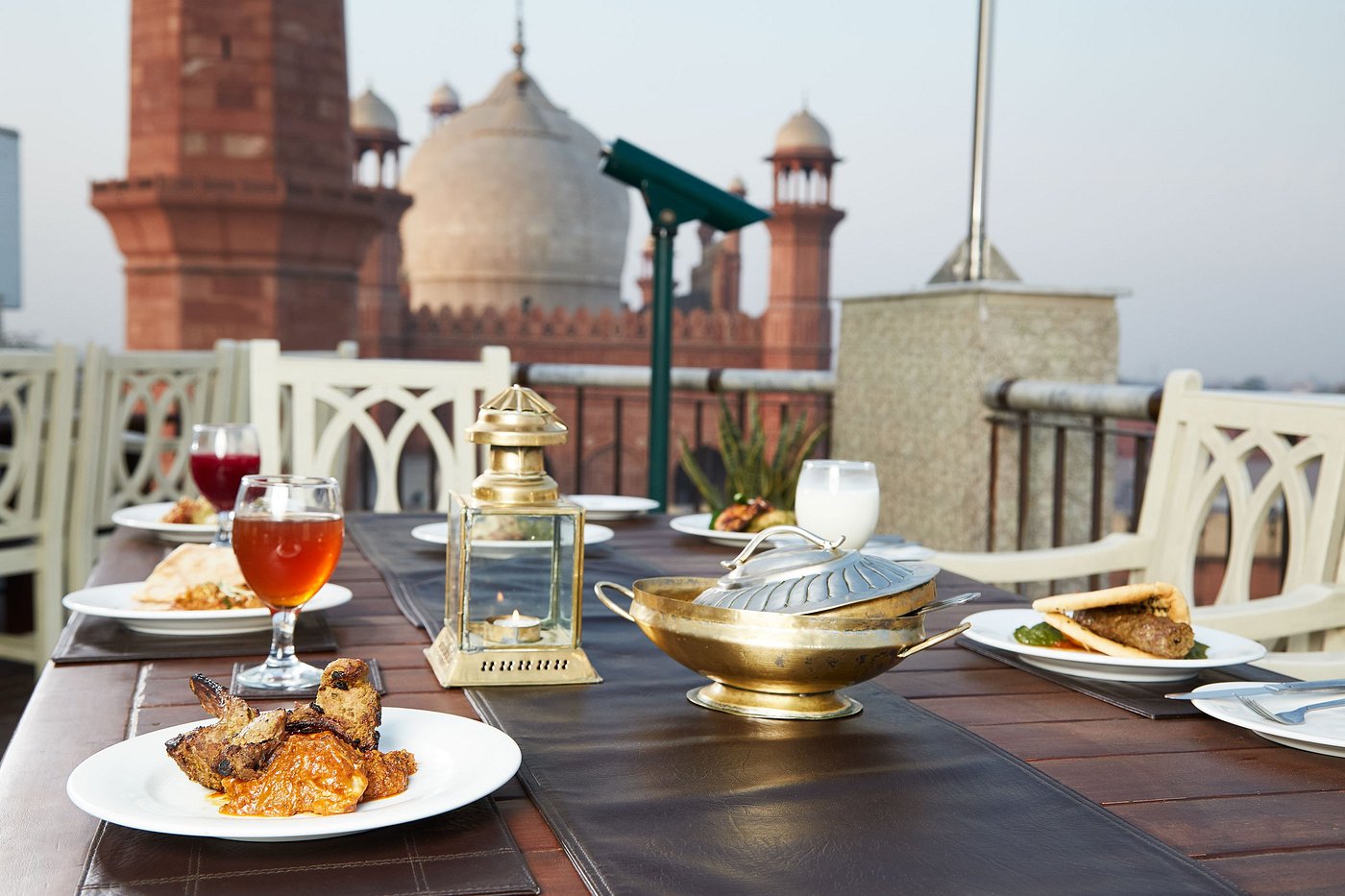
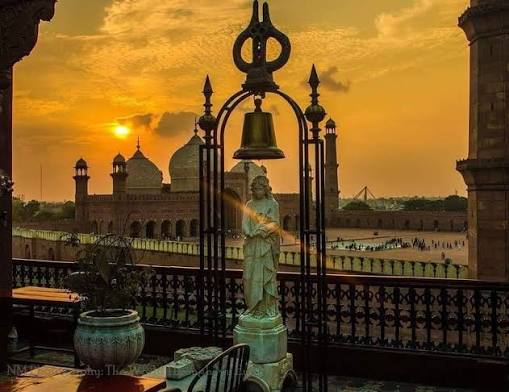
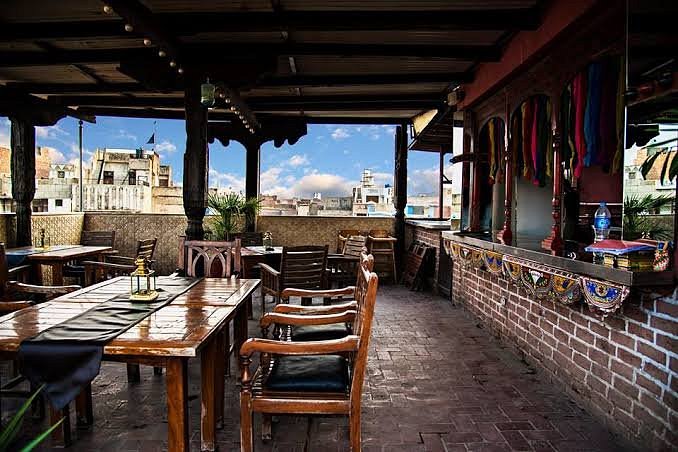
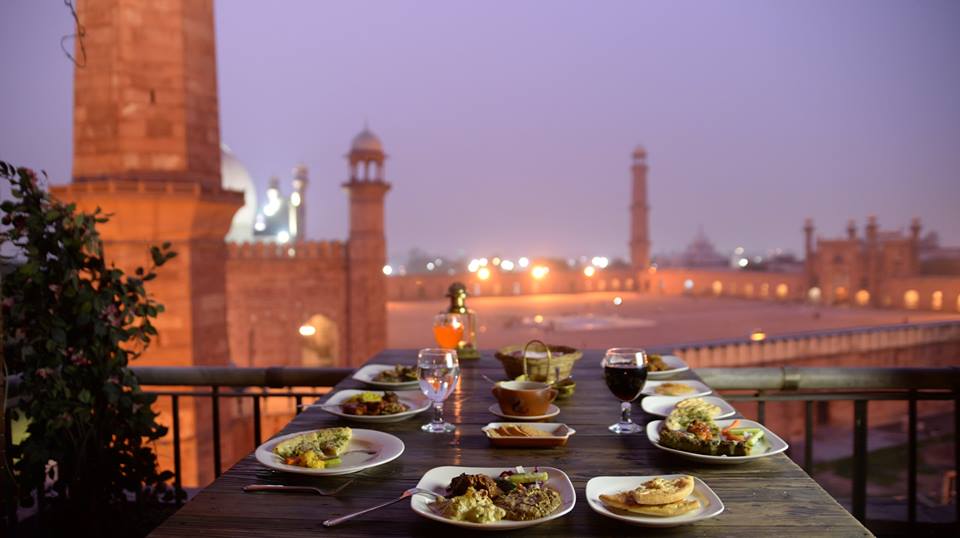
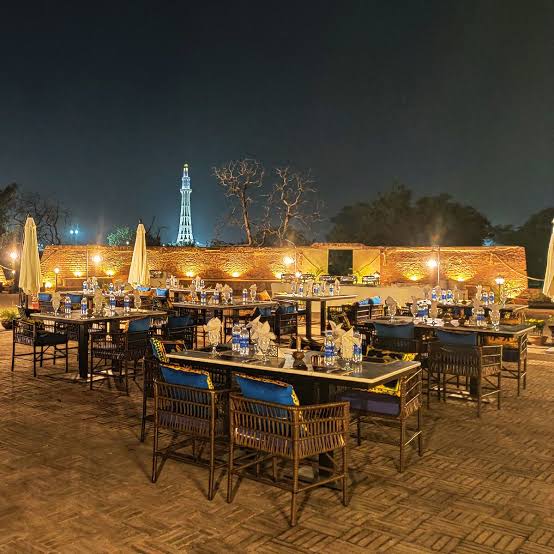
On Fort Road in the Walled City, Andaaz Restaurant serves Mughlai and desi cuisine with a rooftop view of the Badshahi Mosque. Most diners come back for the Tandoori Jheengay, Badami Kabab, and Mutton Karahi.
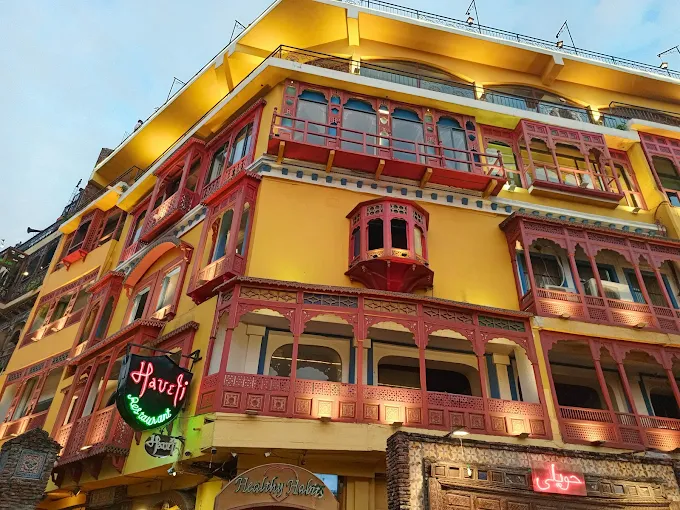
4. Haveli Restaurant
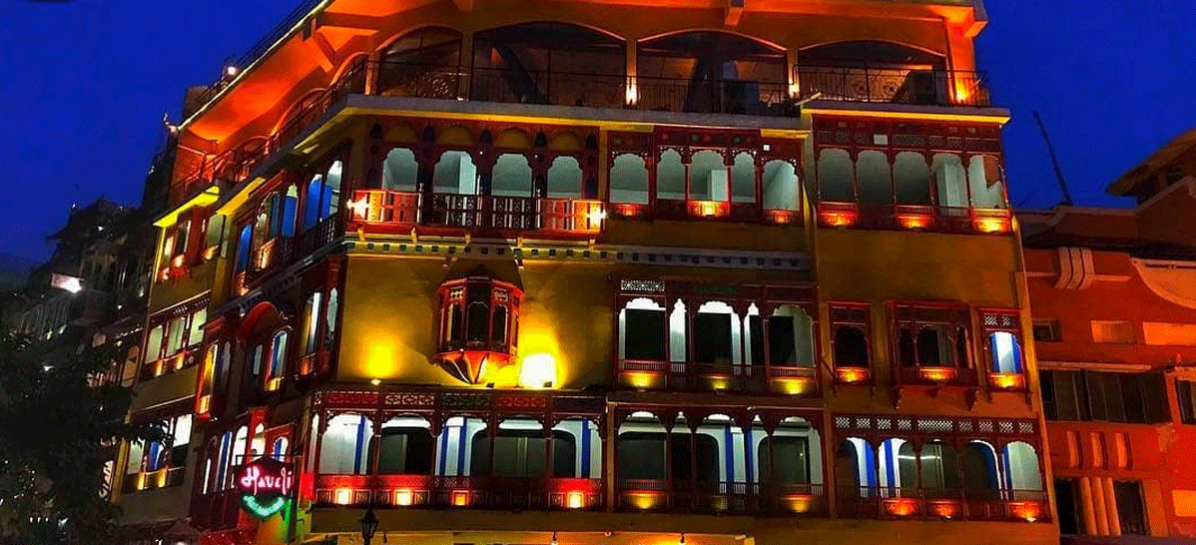
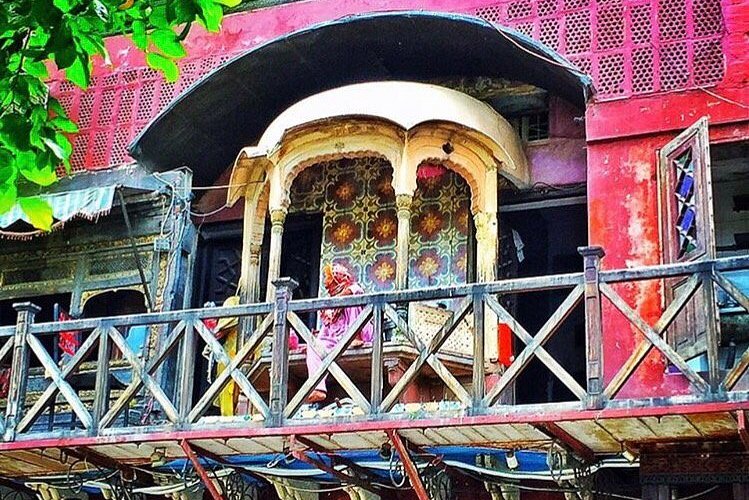
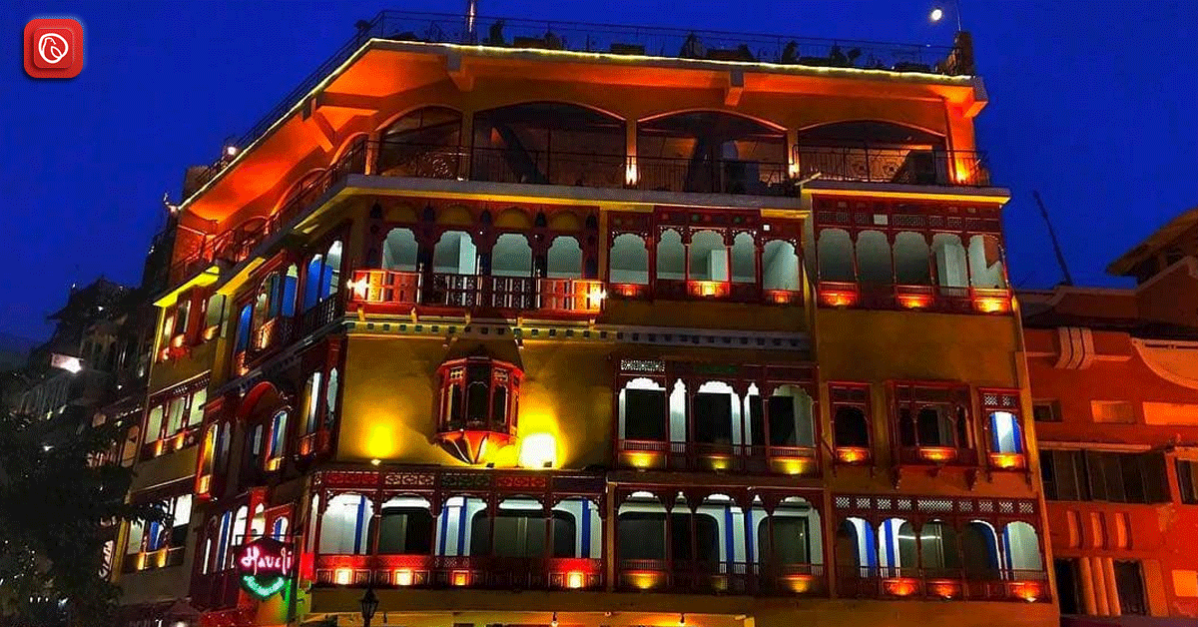
Also on Fort Road, Haveli Restaurant is set inside a restored haveli overlooking the Walled City. Its traditional Pakistani BBQ and reasonably priced one of the best desi food restaurants in Lahore.
5. Spice Bazaar
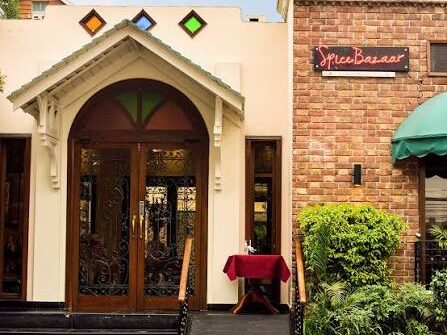
Located on Main Boulevard, Gulberg, Spice Bazaar is an upscale Lahori buffet restaurant with both indoor and rooftop seating. Its Mutton Chops and Chicken Handi are consistently mentioned as some of the best desi food in the city.
6. Cosa Nostra (Paola’s)
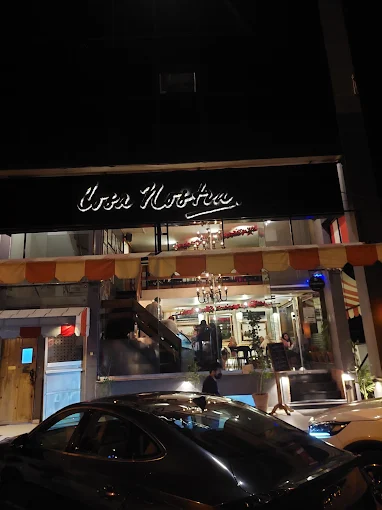
On MM Alam Road, Cosa Nostra has been one of Lahore’s longest-running Italian kitchens. It’s best known for its wood-fired pizza, pasta dishes like Aglio E Olio, and Truffle Parmesan Fries.
7. Fuchsia Kitchen
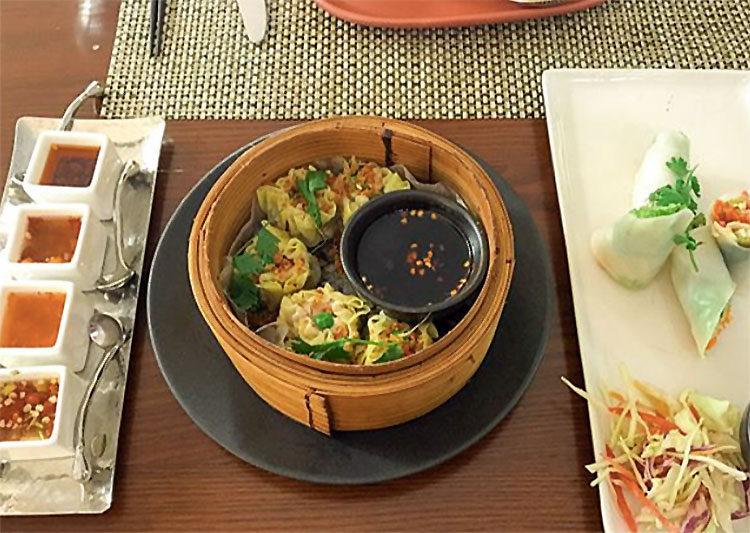
In Gulberg III, Fuchsia Kitchen specializes in Pan-Asian fusion, covering Thai, Chinese, and Japanese-style dishes. Its Thai red and green curry are among its most requested items.
8. Cooco’s Den
Part restaurant, part art house, Cooco’s Den sits in the Walled City near the Lahore Fort. Beyond the rooftop views, it’s known for its Mutton Karahi, Chicken Tikka, and Nihari.
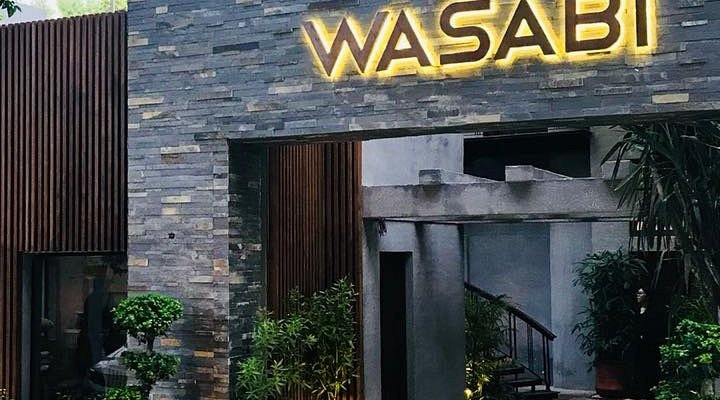
9. Wasabi
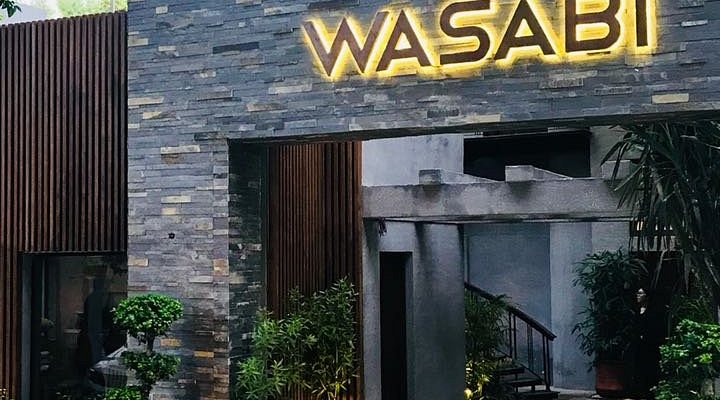
Located on MM Alam Road, Gulberg, Wasabi is one of Lahore’s most established names for Japanese fine dining. Guests come for the sushi, sashimi, and teppanyaki cooked live at the table.
10. Gaia
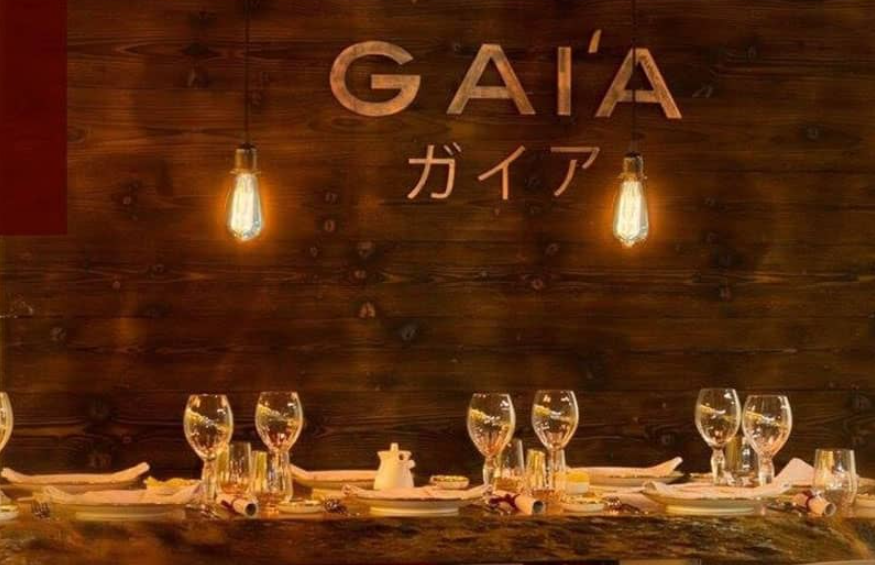
In DHA Phase 5, Gaia offers premium Pan-Asian and Japanese fusion in a sleek, modern interior. Its Crunchy California Maki, Salmon Ceviche, and Black Cod are its most talked-about dishes.
Famous Restaurants in Lahore
Some names come up again and again when people talk about famous restaurants in Lahore, mostly because they’ve been part of the city’s food identity for years.
A Walled City institution, Cooco’s Den is known as much for its art and history as its food. It remains one of the most photographed and most famous restaurants in Lahore for tourists visiting the Badshahi Mosque.
2. Bundu Khan
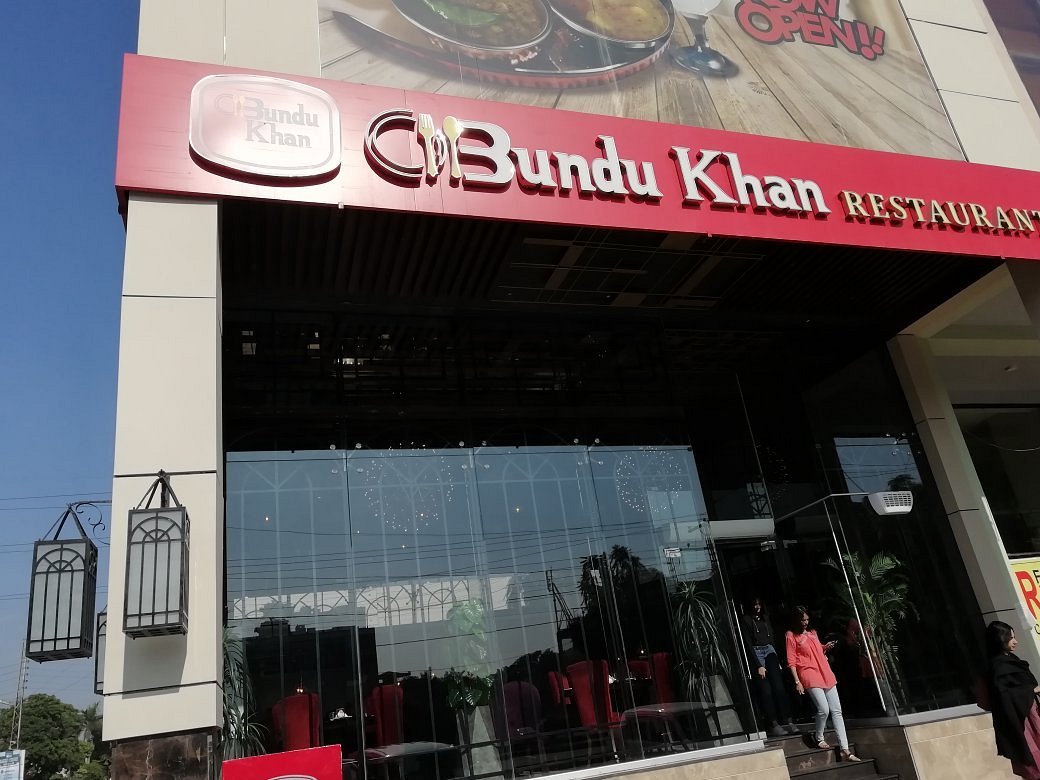
With branches across the city, Bundu Khan is a household name for Lahori breakfast, karahi, and BBQ. It’s been a go-to for family meals for decades.
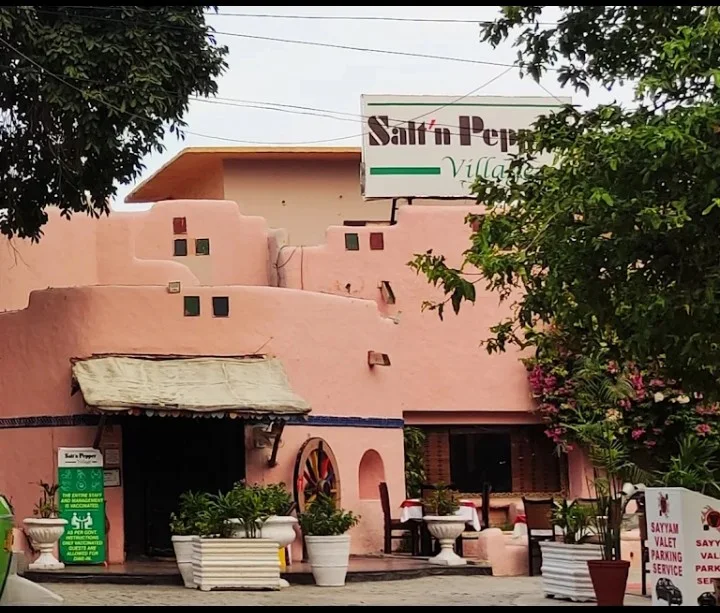
3. Salt’n Pepper Village
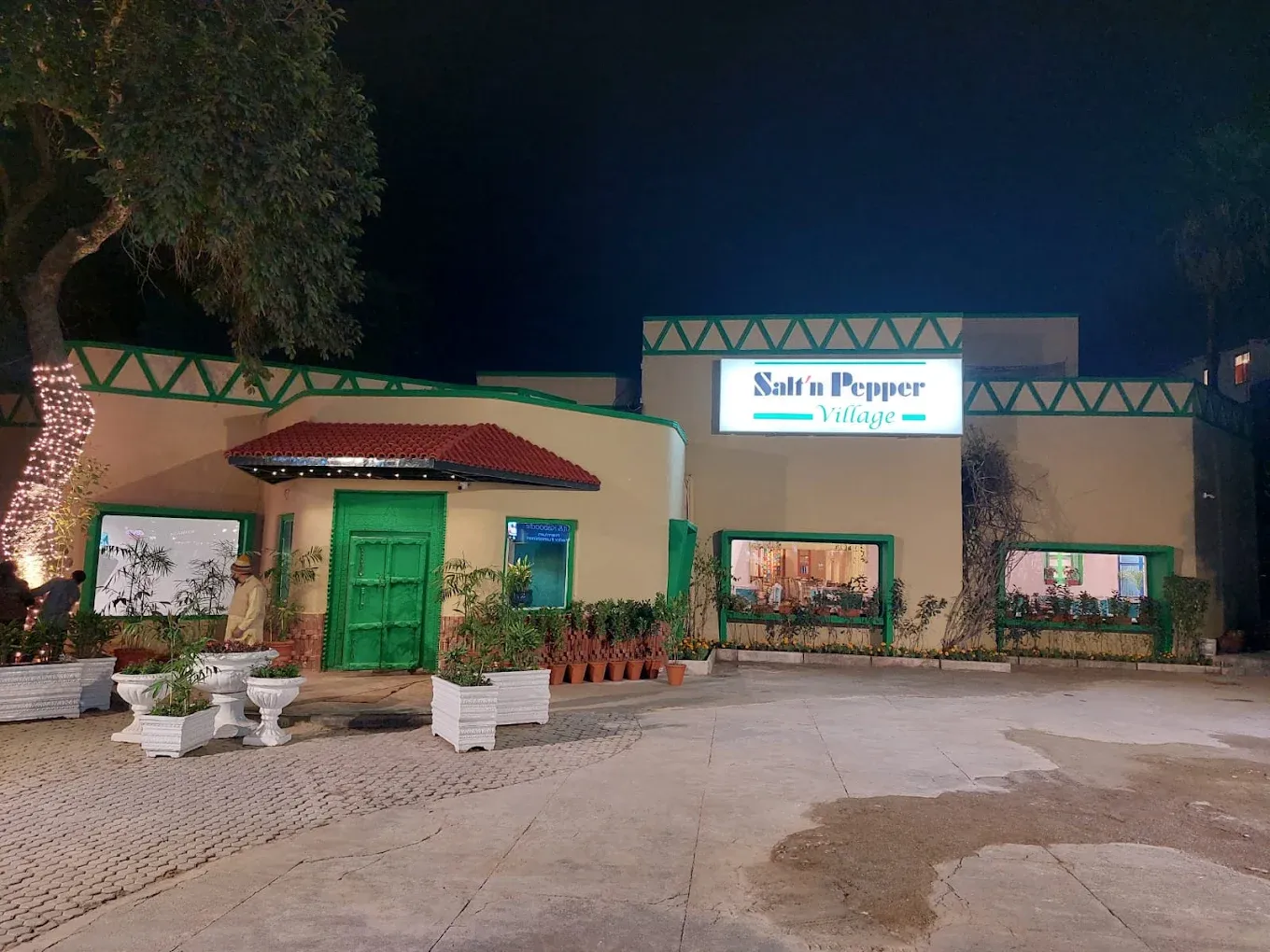
On MM Alam Road, Salt’n Pepper Village has been a long-standing spot for Pakistani family dining. Its broad menu and casual setting keep it popular with locals of every generation.
4. Haveli Restaurant
Famous for its Fort Road rooftop view of the Badshahi Mosque, Haveli Restaurant combines heritage architecture with traditional Pakistani cooking, making it one of the most recognizable names in the Walled City.
5. Andaaz Restaurant
Also facing the Badshahi Mosque from Fort Road, Andaaz Restaurant is known for its fairy-lit rooftop and Mughlai menu, and is frequently cited alongside Haveli as one of the city’s most iconic dining spots.
6. Monal Lahore
Monal Lahore in Gulberg III is known citywide for its rooftop setting and large buffet-style menu, making it one of the most consistently recommended restaurants for tourists and locals alike.
New Restaurants in Lahore
Lahore’s dining scene turns over quickly, and a fresh set of names shows up on “where to eat” lists every year. Among the new restaurants in Lahore gaining attention recently, and the ones most often described as the best new restaurants in Lahore, are the following.
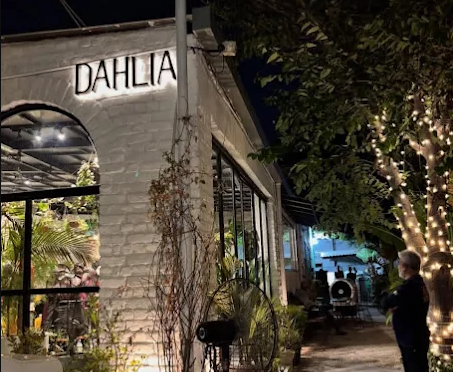
Part of a new wave of experience-driven, aesthetic-first restaurants in DHA, Dahlia has quickly become one of the names people mention first when asked about new restaurants in Lahore.
2. Basilico by Sara
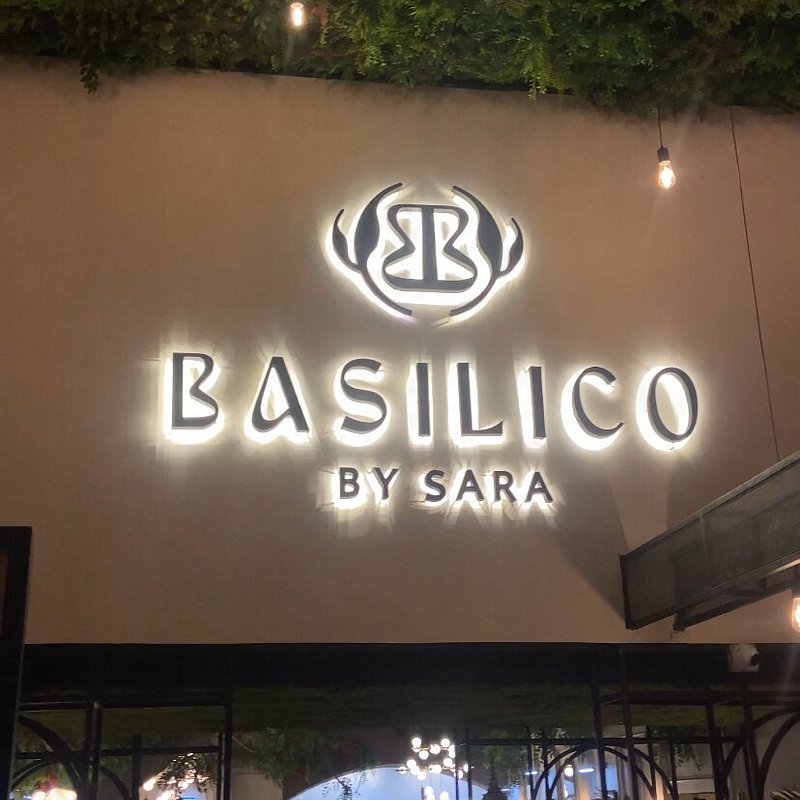
Basilico by Sara, in Gulberg, serves handcrafted Italian and Mediterranean dishes in a European-inspired dining room, and has become one of the best new restaurants in Lahore for group dinners and celebrations.
3. KOCO
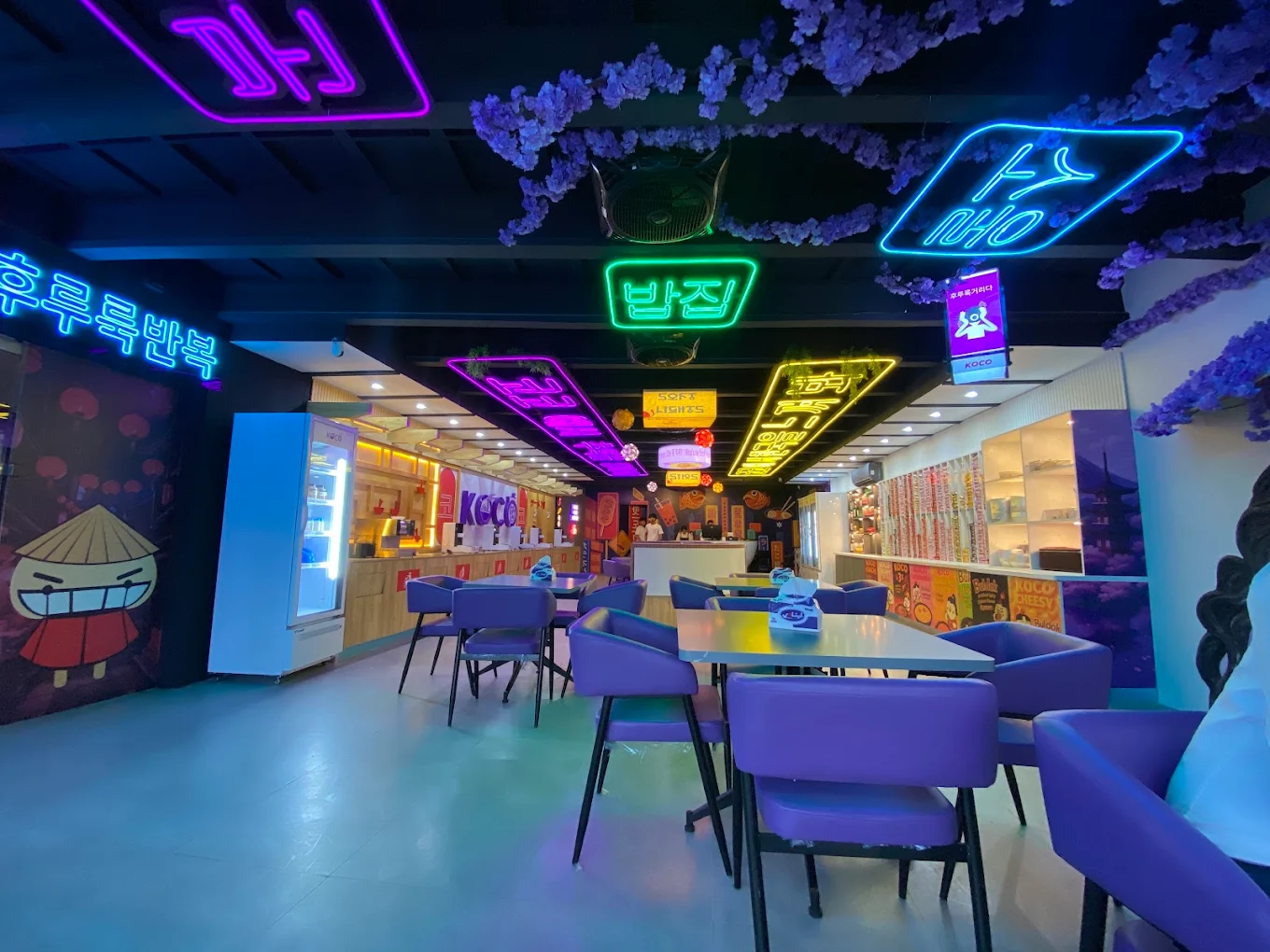
Located in Gulberg, KOCO blends Korean and continental cuisine, adding to Lahore’s small but growing list of dedicated Korean dining spots.
4. Daebak
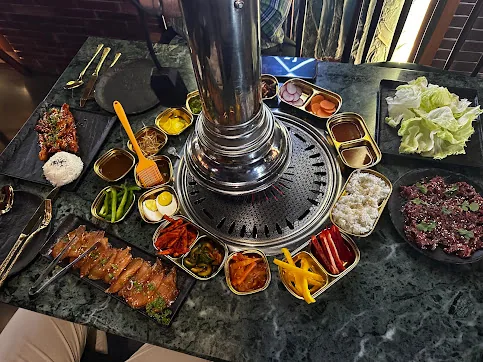
In DHA Raya, Daebak is one of Lahore’s first dedicated Korean BBQ restaurants, known for its Wagyu beef, tteokbokki, and kimbap.
5. Villa: The Grand Buffet
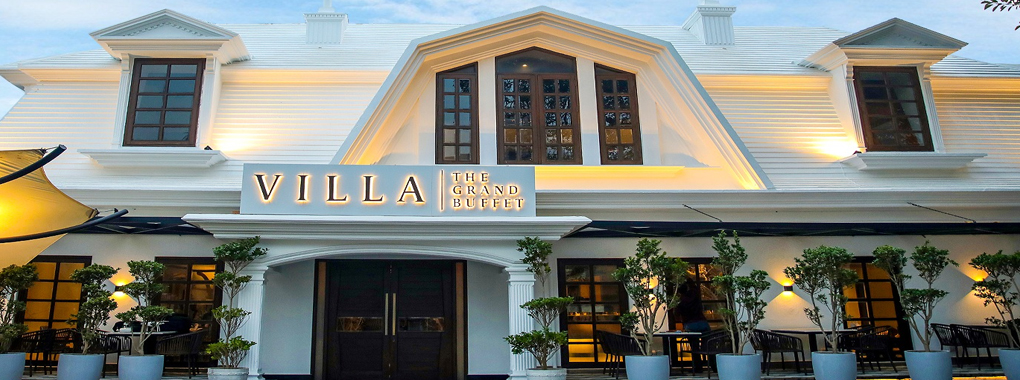
With branches in Gulberg and Lake City, Villa: The Grand Buffet offers an extensive spread of Pakistani, Continental, and Chinese dishes under one roof.
6. El Momento
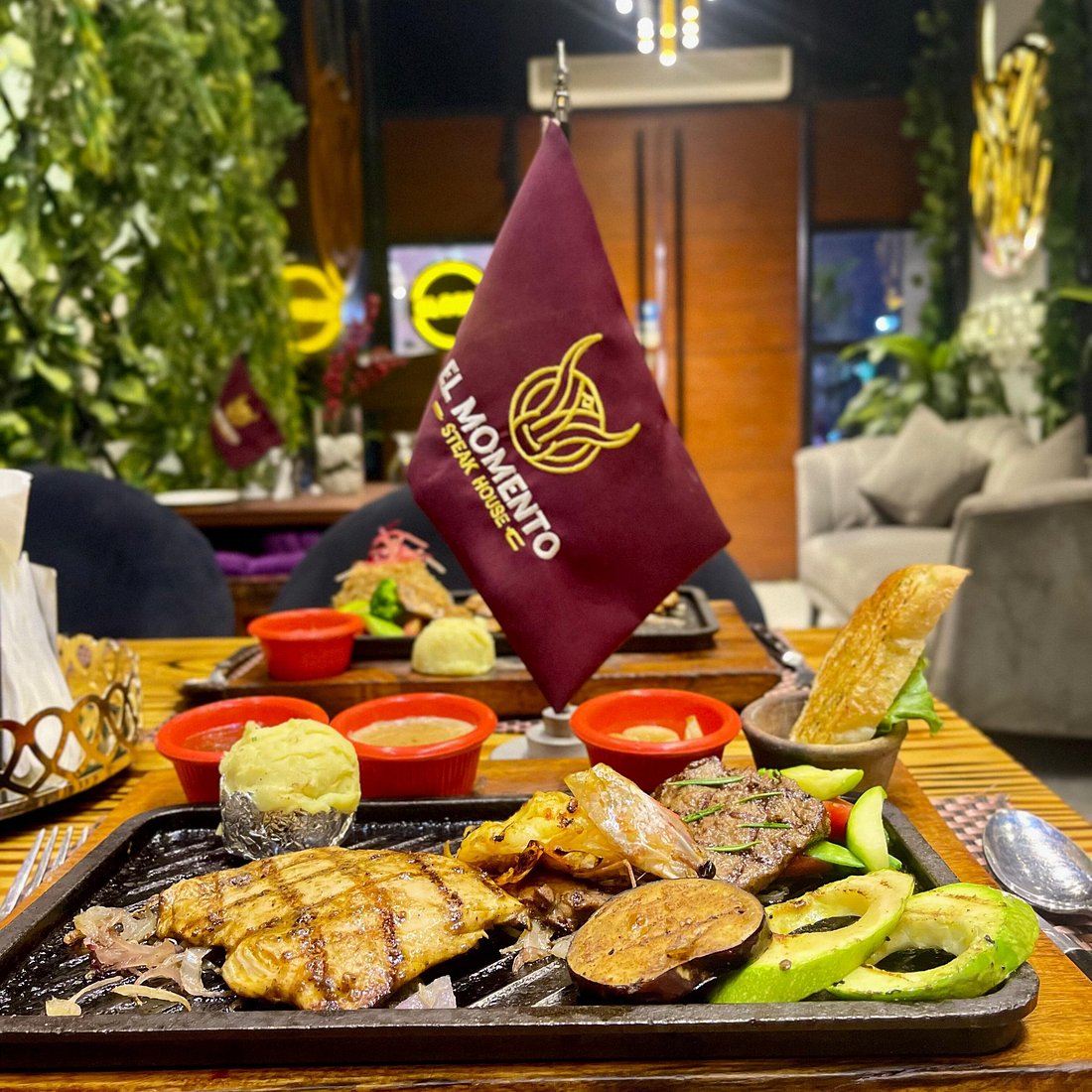
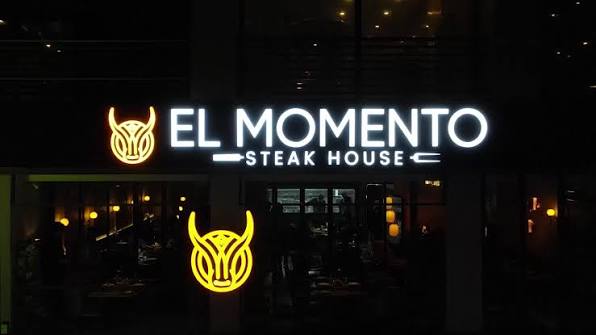
While it’s been around for a few years, El Momento with branches in Gulberg, Blue Area, and DHA continues to top “trending” lists in 2026 for its Wagyu steaks and Tomahawk cuts.
Most Expensive & Luxury Restaurants in Lahore
For special occasions, business dinners, or simply treating yourself, these are generally considered the most expensive restaurants in Lahore, and the names most people mean by 5-star restaurants in Lahore, luxury restaurants in Lahore, or elite restaurants in Lahore.
In DHA Phase 5, Gaia sits at the top of Lahore’s dining market for its premium Pan-Asian and sushi menu, making it one of the most expensive restaurants in Lahore by most measures.
2. Café Aylanto
Long the benchmark for upscale Mediterranean dining in the city, Café Aylanto on MM Alam Road and DHA remains a favorite for imported ingredients and formal service.
3. Cosa Nostra
On MM Alam Road, Cosa Nostra carries a higher price tag than most pizza spots thanks to its imported ingredients and Italian fine-dining approach.
4. The Skye
As Lahore’s highest rooftop restaurant, on the 18th floor of a Gulberg III hotel, The Skye commands premium prices for its continental buffet and skyline views.
5. El Momento
Known for Wagyu beef and premium cuts, El Momento in Gulberg, Blue Area, and DHA is one of the priciest steakhouses in the city.
6. Polo Lounge
Set inside the Lahore Polo Club, Polo Lounge offers exclusive continental dining overlooking the polo grounds, and is one of the most exclusive names on this list.
7. Dumpukht
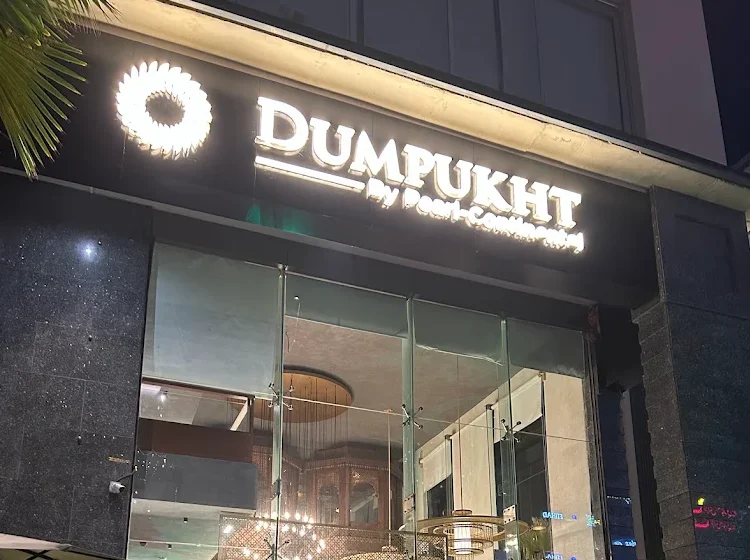
Inside the Pearl Continental Hotel, Dumpukht serves Mughal specialties like Lakhnavi Murgh Qorma in a royal, formal setting a genuine 5 star restaurant in Lahore experience.
8. Baking Virsa
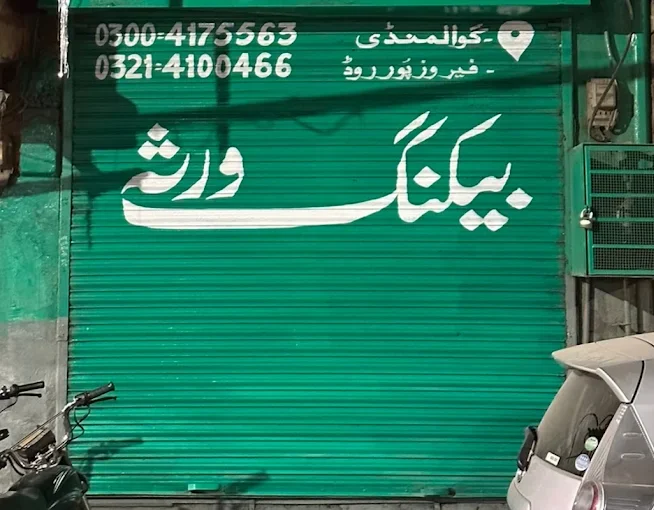
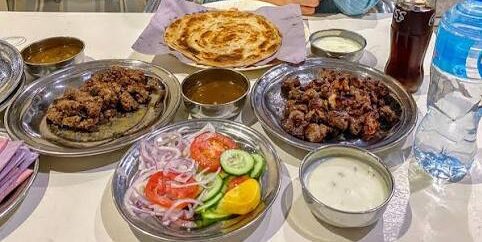
In Gawalmandi, Baking Virsa is a no-frills kebab and flatbread spot that Bloomberg once profiled as one of the country’s most expensive restaurants, given what’s actually on the menu proof that “most expensive restaurant in Lahore” doesn’t always mean fine dining.
Affordable, Cheap & Economical Restaurants in Lahore
Not every meal needs to be a special occasion. For anyone looking for affordable restaurants in Lahore, cheap restaurants in Lahore, or simply reasonable restaurants in Lahore, these are reliable, budget-friendly picks and among the best affordable restaurants in Lahore for consistency.
On MM Alam Road, Salt’n Pepper Village offers a broad Pakistani and continental menu at mid-range prices, making it one of the most economical restaurants in Lahore for families.
2. Bundu Khan
With multiple branches citywide, Bundu Khan delivers classic karahi, BBQ, and breakfast without the fine-dining markup a go-to for good restaurants in Lahore on a budget.
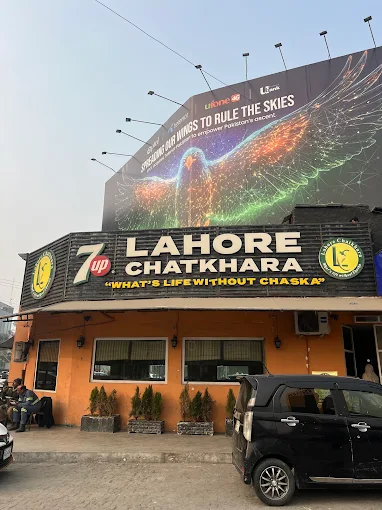
3. Lahore Chatkhara
Found in Gulberg II and DHA, Lahore Chatkhara serves street-food-style chaats, rolls, and the popular Chicken Qeema Cheese Naan, all at cheap restaurant prices.
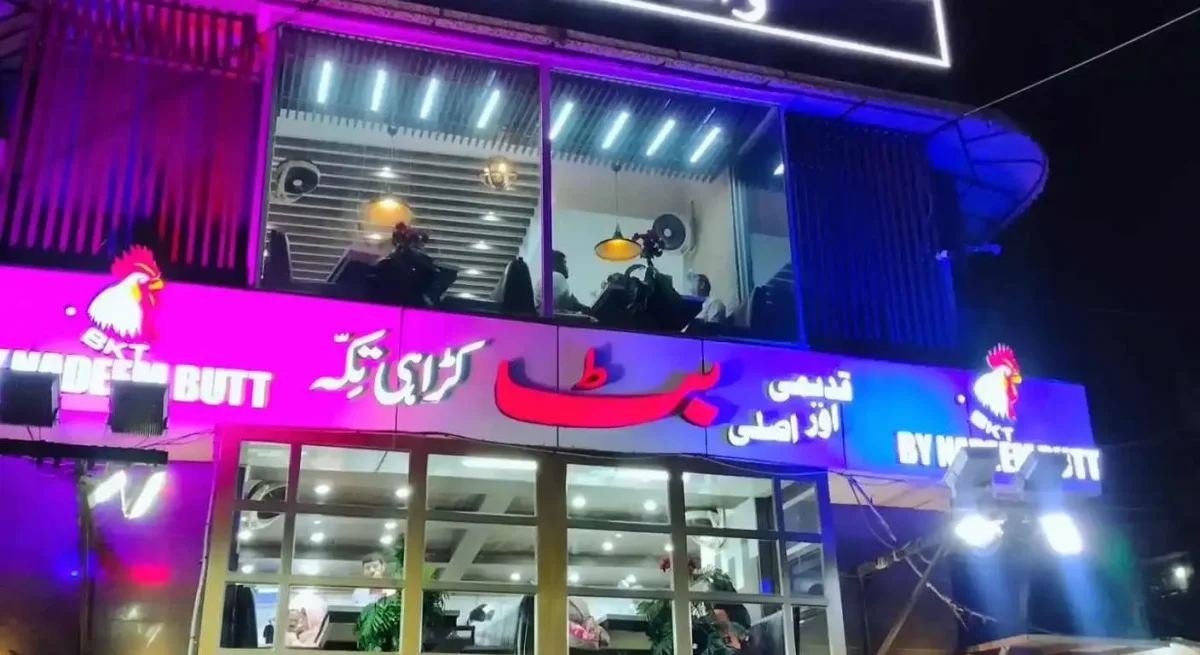
4. Butt Karahi
With locations in Bahria Town and Model Town, Butt Karahi is known for kebabs and karahi at very reasonable prices.
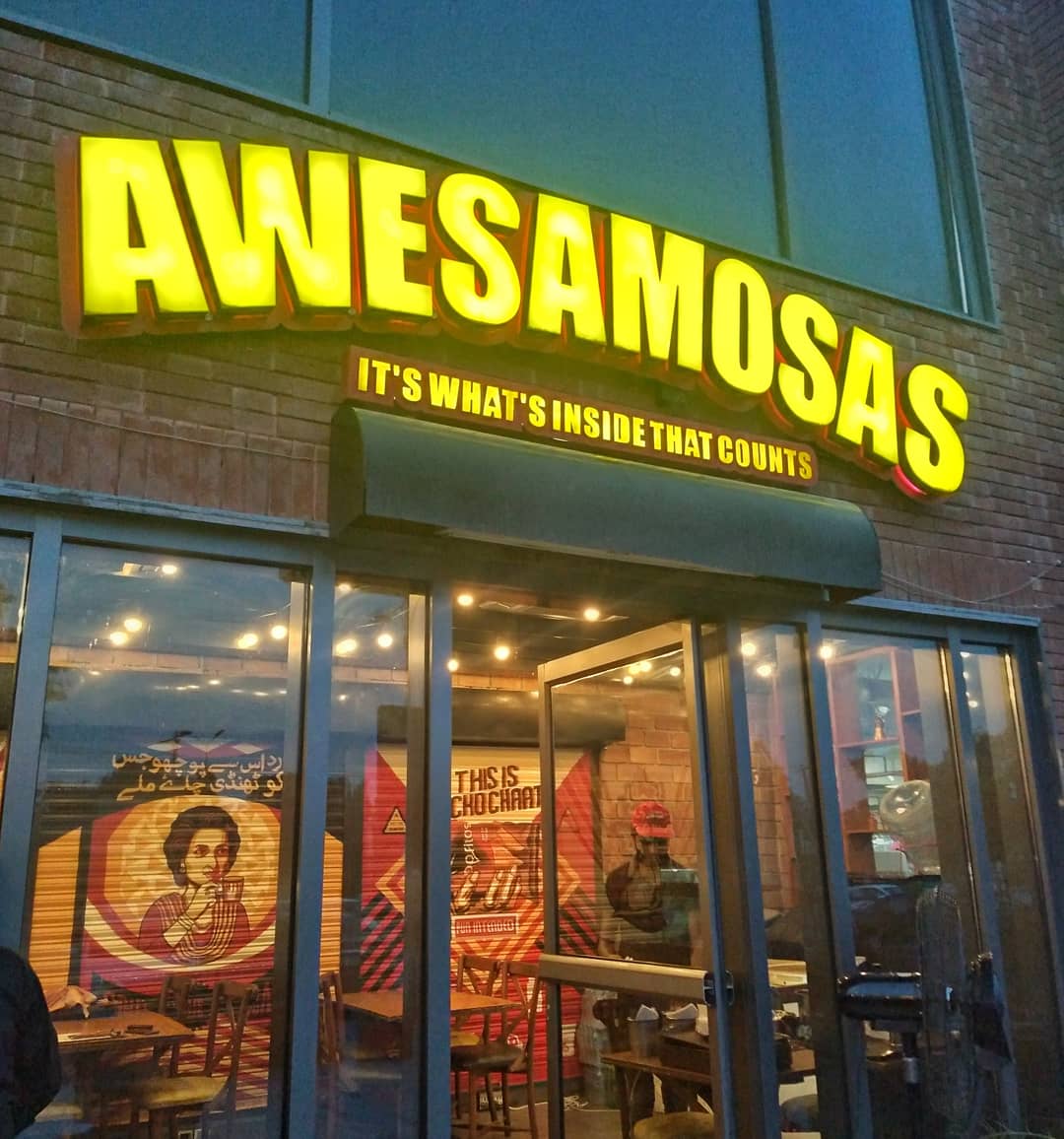
5. Awesamosas
Near Cavalry Ground, Awesamosas serves budget-friendly samosas, chaat, and snacks a favorite among students and young professionals.
6. Siddique Kabab Shop
In Model Town, Siddique Kabab Shop is a simple, no-frills kebab spot with prices that have stayed well below Lahore’s fine-dining inflation.
Restaurants in Lahore with the Best Ambience
Some restaurants in Lahore are worth visiting for the setting as much as the food. These are consistently named among the beautiful restaurants in Lahore, and the answer to both best ambience restaurants in Lahore and best ambiance restaurants in Lahore searches, since it’s really the same list with two different spellings.
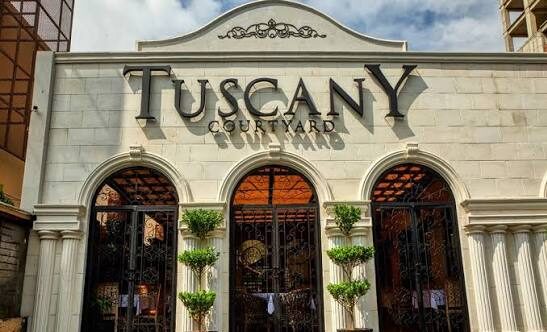
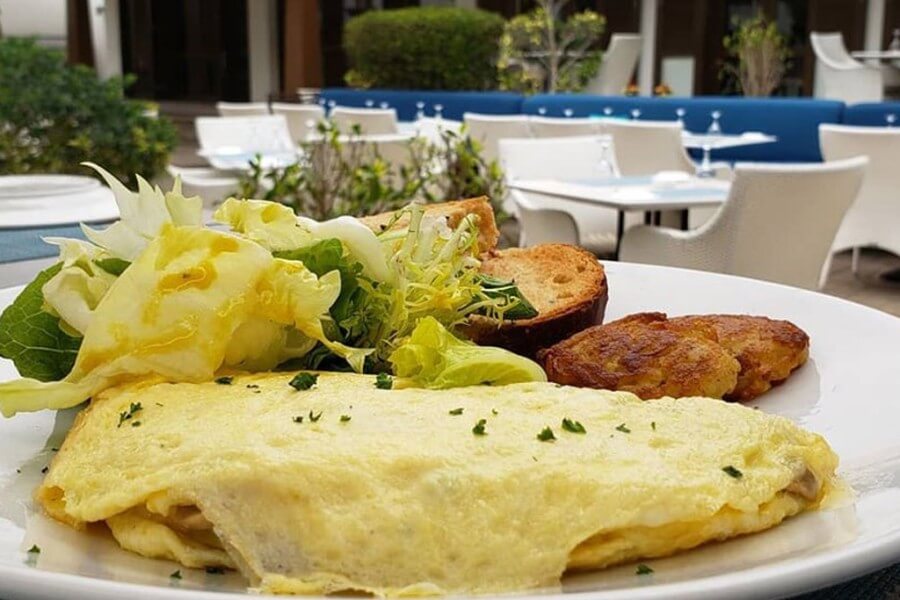
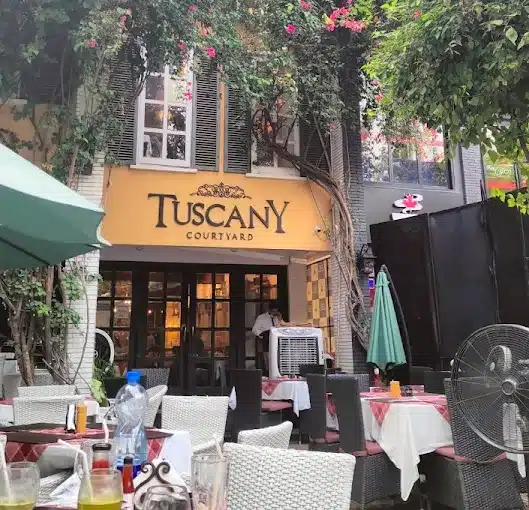
On MM Alam Road, Tuscany Courtyard is designed to feel like a slice of southern Europe, with a Mediterranean courtyard that’s one of the most photographed settings in Gulberg.
2. Café Aylanto
The outdoor courtyard at Café Aylanto remains one of the most requested seating areas in the city, making it a favorite for both couples and larger groups.
3. Haveli Restaurant
With its Mughal architecture and rooftop view of the Badshahi Mosque, Haveli Restaurant is one of the most beautiful restaurants in Lahore for anyone wanting heritage atmosphere.
4. Andaaz Restaurant
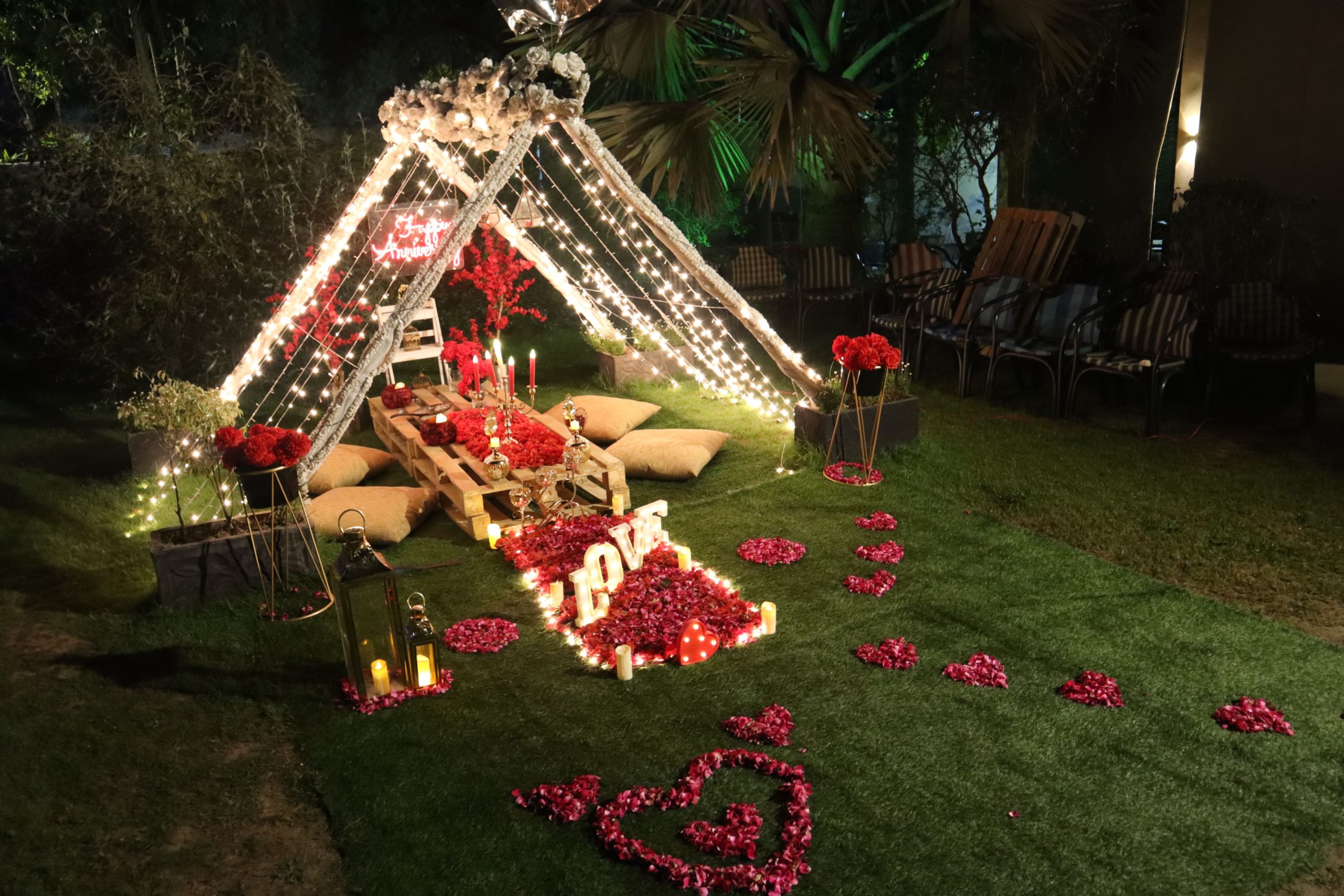
Fairy lights, an antique fountain, and a Fort Road sunset view make Andaaz Restaurant a standout for romantic dinners and anniversaries.
5. The Skye
Floor-to-ceiling glass and 360-degree skyline views from the 18th floor give The Skye one of the most striking settings in Lahore.
6. Cooco’s Den
Part gallery, part restaurant, Cooco’s Den offers genuinely unusual décor that makes it stand out even among Lahore’s other rooftop spots.
Best Fast Food Restaurants in Lahore
Fast food culture in Lahore is vibrant and constantly expanding, blending international chains with home-grown Pakistani brands. Here are the best fast food restaurants in Lahore.
For continental fine dining, Café Aylanto on MM Alam Road and DHA remains the standard-bearer, especially for its courtyard seating and Moroccan Chicken.
2. Gaia – Restaurants in Lahore
In DHA Phase 5, Gaia covers the Pan-Asian and sushi side of fine dining, with its Black Cod frequently singled out.
3. Cosa Nostra
On MM Alam Road, Cosa Nostra brings Italian fine dining to Lahore through wood-fired pizza and classic pasta.
4. El Momento
Spanning Gulberg, Blue Area, and DHA, El Momento is the city’s reference point for steak-focused fine dining.
5. Tuscany Courtyard – Restaurants in Lahore
On MM Alam Road, Tuscany Courtyard delivers Mediterranean fine dining with its signature Fettuccine Alfredo.
6. Wasabi
Located on MM Alam Road, Wasabi is Lahore’s long-standing choice for Japanese fine dining.
7. Spice Bazaar – Restaurants in Lahore
On Main Boulevard, Gulberg, Spice Bazaar elevates Pakistani cuisine to fine-dining standards with its Mutton Chops and desi buffet.
Best Rooftop Restaurants in Lahore
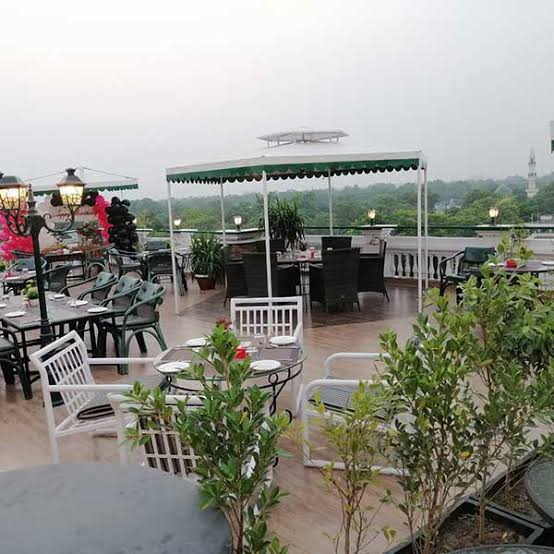
Lahore’s skyline, history, and evening breeze make rooftop dining one of its most popular formats. Here are the best rooftop restaurants in Lahore.
Restaurants in Lahore Name
Address
Contact Number(s)
Official Website
Social Media Handles
Cuisine Specialty
The Skye
Indigo Heights Hotel (17th & 18th Floor), 3-C3 Noor Jahan Rd, Gulberg III
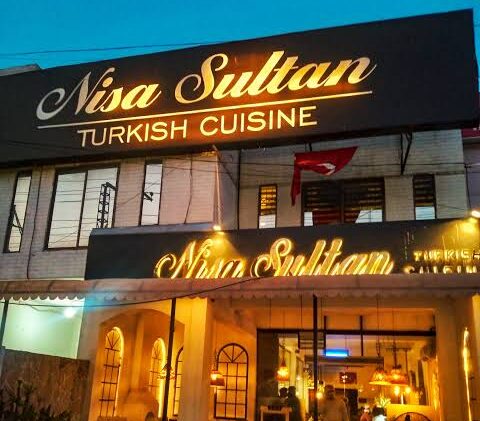
1. Nisa Sultan Turkish Cuisine Restaurant in Lahore
Widely considered the oldest and most established Turkish restaurant in the city, Nisa Sultan Turkish Cuisine has locations on MM Alam Road and in Johar Town.
2. Lokanta by Nisa Sultan
A more casual, street-food-style offshoot of Nisa Sultan, Lokanta focuses on quick Turkish classics like lahmacun and doner kebab.
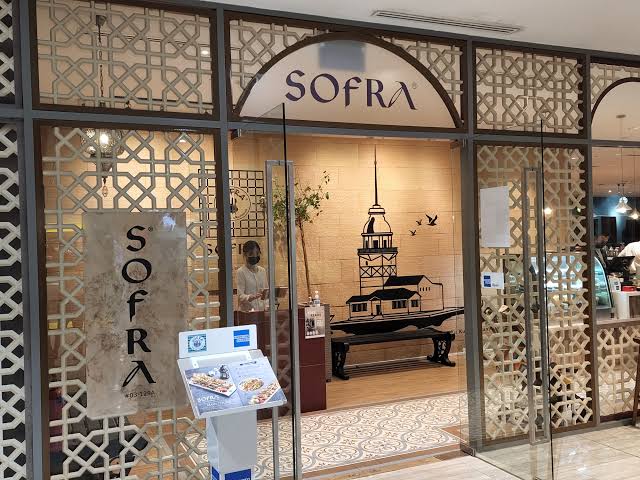
3. Sofra Turkish Restaurant
Known for outdoor seating and a kids’ menu, Sofra Turkish Restaurant is a popular choice for family dinners.
4. Sultan Basha – Restaurants in Lahore
Sultan Basha blends Turkish and Lebanese flavors, offering both grilled meats and seafood on one menu.
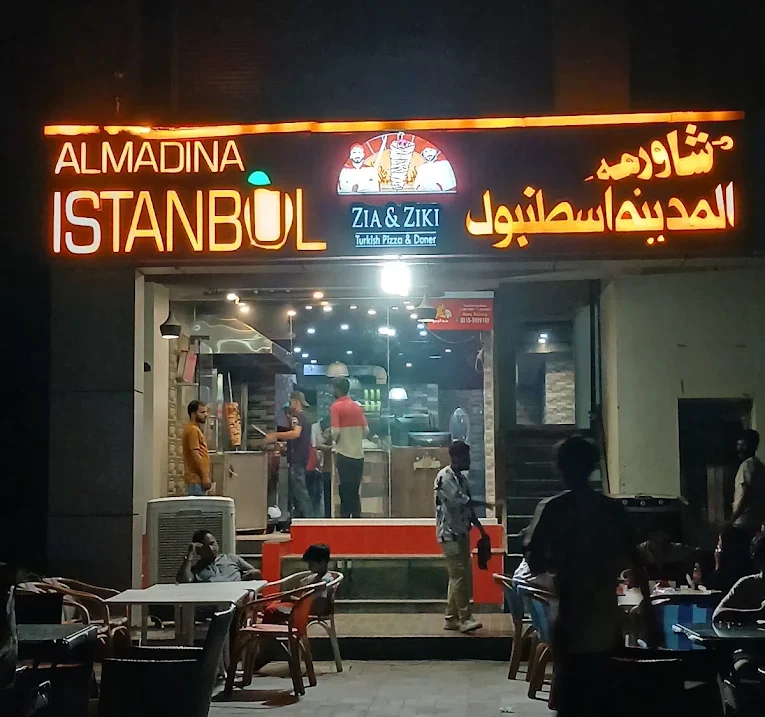
5. Al Madina Istanbul
In Bahria Town, Al Madina Istanbul offers rustic décor with a view of the Eiffel Tower replica, serving classic dishes like Iskender Kebab and Kofte.
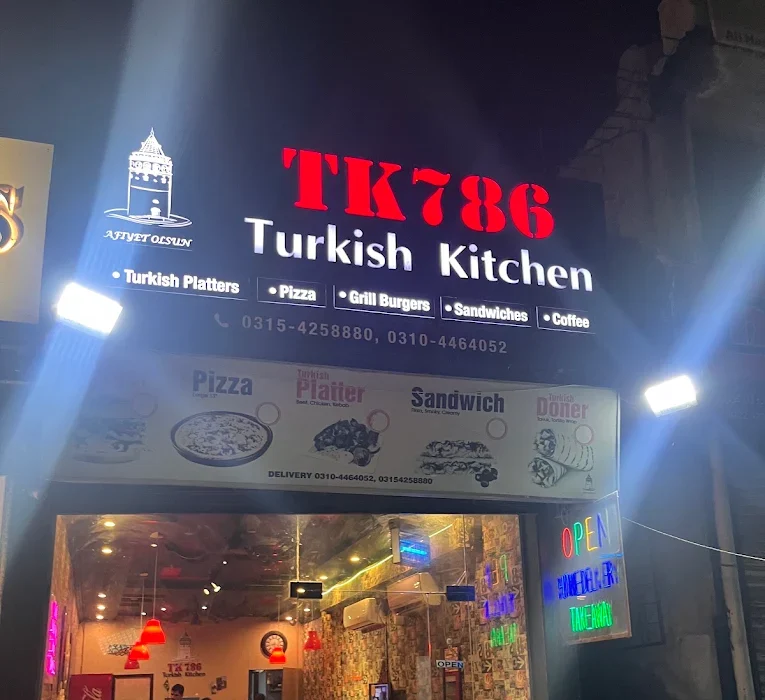
6. Turkish Kitchen TK 786
Turkish Kitchen TK 786 is known for its Turkish coffee and pastries alongside a wide range of Turkish dishes.
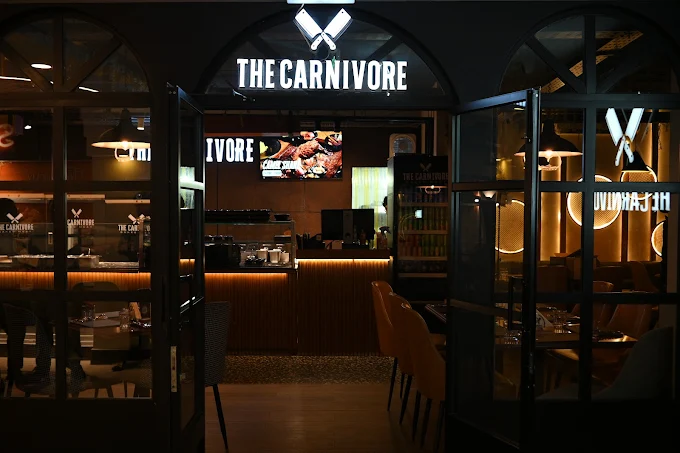
7. The Carnivore
In DHA, The Carnivore focuses on grilled meats and Turkish BBQ, cooked using slow, traditional methods.
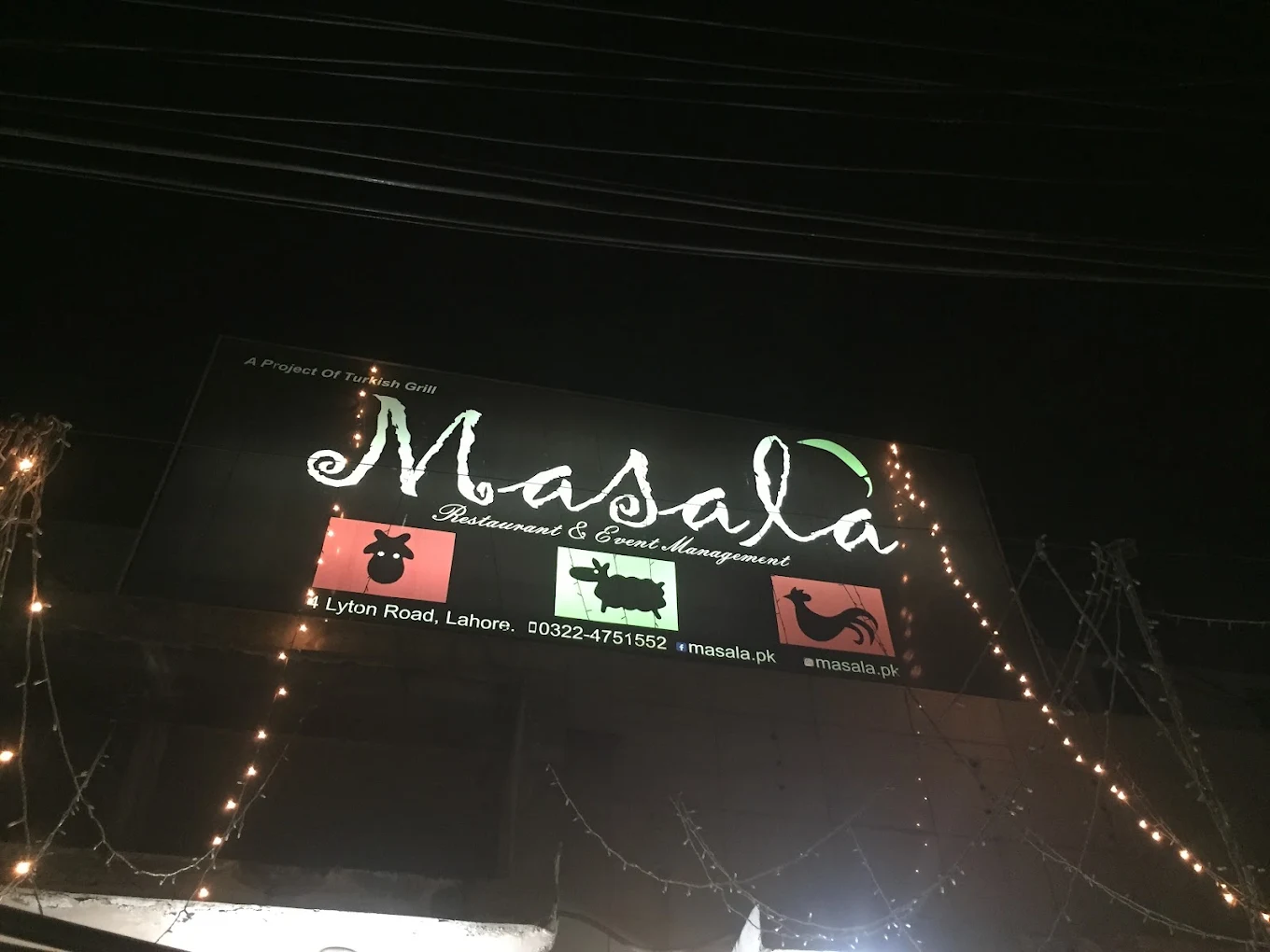
8. Masala Pakistan – Project Turkish Grill
On Lytton Road, this restaurant mixes traditional Pakistani and Turkish cuisine, known especially for its hareesa.
Best Italian Restaurants in Lahore
From wood-fired pizza to handmade pasta, these are the best Italian restaurants in Lahore.
One of the longest-running Italian kitchens in Lahore, Cosa Nostra on MM Alam Road is best known for wood-fired pizza and pasta.
2. Tuscany Courtyard
On MM Alam Road, Tuscany Courtyard brings a Mediterranean courtyard setting to its Italian menu, headlined by Fettuccine Alfredo.
3. Basilico by Sara
In Gulberg, Basilico by Sara serves handcrafted artisan pizzas and Mediterranean dishes in a European-style dining room.
4. NEAPO Gastronomia
Near Lake City, NEAPO Gastronomia offers a dedicated Italian fine-dining experience in an elegant setting.
5. Napoli
In DHA Phase 5, Napoli blends Italian, American, and continental menus in one spacious restaurant.It is one of the best DHA restaurants in Lahore.
6. Pasta la Vista
On MM Alam Road, Pasta la Vista is known for its Florentine Burger and Pesto & Truffle Oil Pizza, an Italian-inspired twist on comfort food.
7. La Cucina (Nishat Hotel)
Inside the Nishat Hotel, La Cucina serves traditional Italian dishes including pasta, pizza, and risotto in a warm, family-friendly setting.
Best Continental Restaurants in Lahore
Continental restaurants in Lahore have grown fast over the last decade as more diners look beyond traditional desi menus. Here are the best continental restaurants in Lahore.
One of the earliest and best-known continental menus in the city, Café Zouk on MM Alam Road remains a benchmark for the category.
2. Café Aylanto
With locations on MM Alam Road and DHA, Café Aylanto leans Mediterranean within the continental space, with a loyal following for its Moroccan Chicken.
3. Arcadian Café
In Gulberg and Packages Mall, Arcadian Café combines Asian fusion, Italian, and French dishes on one continental-leaning menu.
4. Tuscany Courtyard
On MM Alam Road, Tuscany Courtyard crosses over between Italian and continental, especially through its pasta and grilled mains.
5. Spice Bazaar
On Main Boulevard, Gulberg, Spice Bazaar pairs its Pakistani buffet with continental and Mediterranean dishes.
6. The Skye
On the 18th floor in Gulberg III, The Skye serves a high-end continental buffet alongside its skyline views.
7. La Atrium
La Atrium is another long-standing name for continental dining in Lahore, known for its steady, dependable menu.
Best Seafood Restaurants in Lahore
For fresh prawns, fish, and Asian-style seafood, these are the best seafood restaurants in Lahore.
Restaurant Name
Address
Contact Number(s)
Official Website
Social Media Handles
Cuisine Specialty
Bamboo Union
• Gulberg: 43 D-1, Block D1 (Near Blue Mall) • DHA: Phase 5 CCA, Block CCA • Pine Ave: Shop 5, V2 Business Center
• Gulberg: 0301-8485574 • DHA Phase 5: 042-37182258 • Pine Ave: 0323-0441111
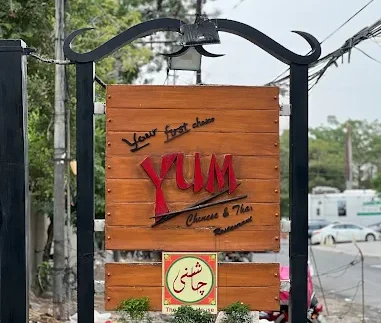
With locations in DHA and Gulberg, Yum Chinese & Thai is widely cited as the city’s most consistent Thai kitchen. It also offers authentic Chinese flavours, making it a top choice among Lahore’s Chinese food restaurants.
2. Fuchsia Kitchen
In Gulberg III, Fuchsia Kitchen is a strong option for Thai curry alongside its wider Pan-Asian menu. It is one of the most popular restaurants in Lahore, Gulberg.
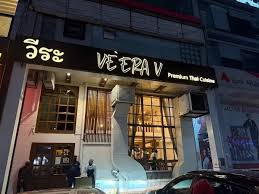
3. Veera 5
Veera 5 is known specifically for its pad Thai and green curry.
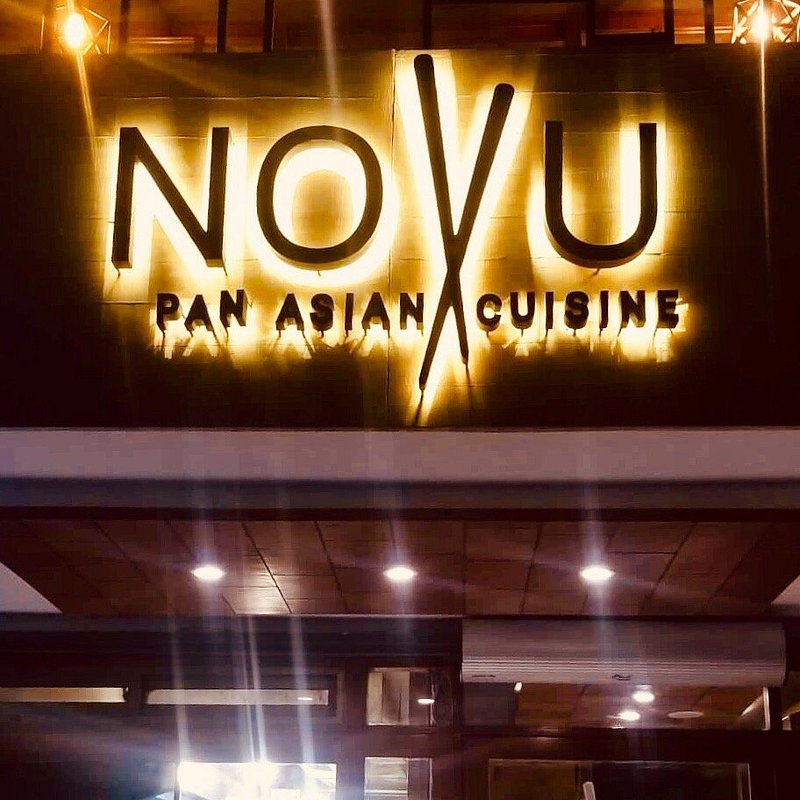
4. Novu
Novu rounds out the city’s Thai offerings with a combined Japanese and Thai menu.
Best Breakfast Restaurants in Lahore
Lahore takes its breakfast seriously, from nihari and halwa puri to European-style brunch. Here are the best breakfast restaurants in Lahore.
Available every day of the week, Bundu Khan (The Garden) offers a traditional Lahori breakfast of chane, paye, and halwa puri with spacious open-air seating.
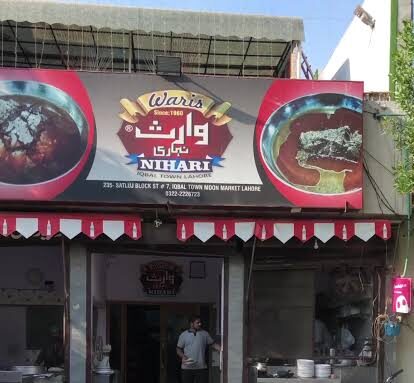
2. Waris Nihari
Near Anarkali, Waris Nihari is a go-to spot for traditional nihari using a recipe passed down through generations.
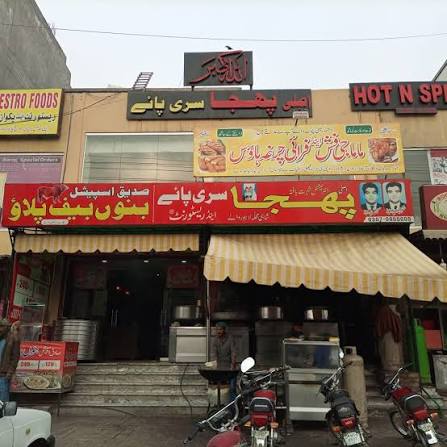
3. Phajja Siri Paye
In the Walled City, Phajja Siri Paye has served authentic desi breakfast for decades, including its famous Amritsari Naan Chanay.
4. English Tea House
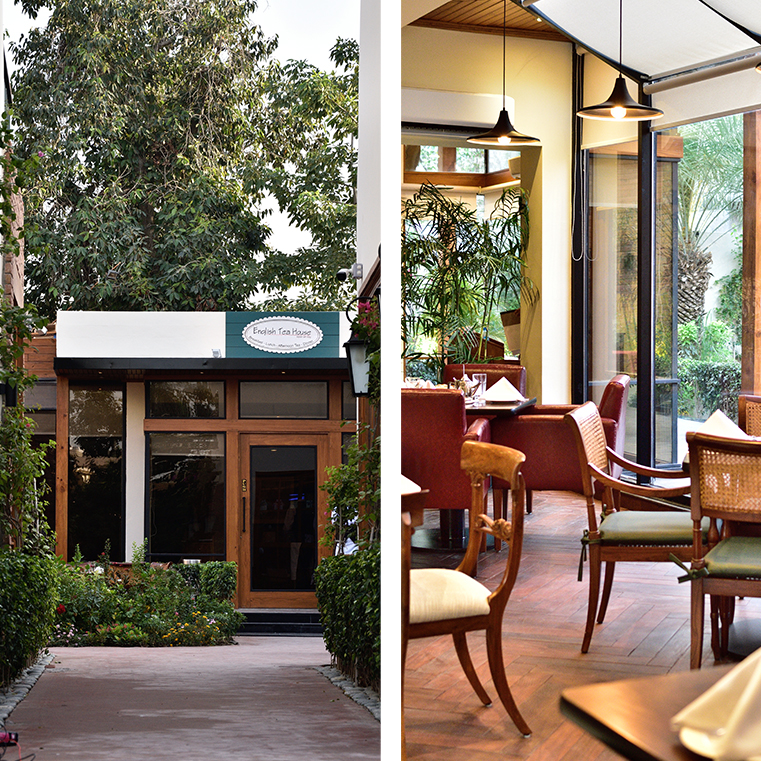
On Gulberg II, English Tea House offers international breakfast dishes like Eggs Benedict and French Toast in a trendy setting.
5. Eggspectations
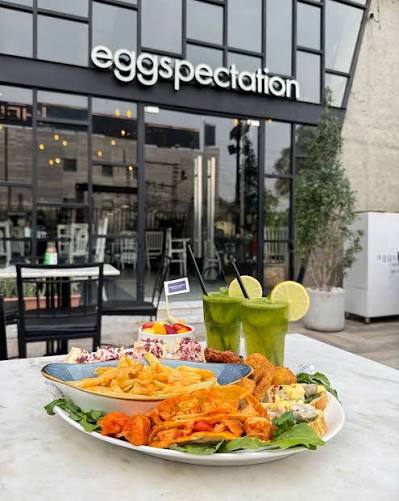
In Gulberg III, Eggspectations is known for its large menu of egg-based dishes, pancakes, and waffles.
6. Lahore Chatkhara
With branches in Gulberg II and DHA, Lahore Chatkhara offers a more street-food-style breakfast, including its popular Chicken Qeema Cheese Naan.
7. Café Aylanto
For a more upscale, European-style breakfast, Café Aylanto on MM Alam Road and DHA is a favorite among Lahore’s brunch crowd.
Best Mexican Restaurants in Lahore
Mexican food has carved out a small but growing niche in Lahore. Here are the best Mexican restaurants in Lahore.
Restaurant Name
Address
Contact Number(s)
Official Website
Social Media Handles
Cuisine Specialty
El Momento
Building 43-L2, Ground Floor, Mini Market, Gulberg II
Alongside its steakhouse menu, El Momento with branches in Gulberg, Blue Area, and DHA offers Mexican-inspired dishes that are among the most popular in the city.
2. Zapata Mexican Grill
Zapata Mexican Grill brings a lively atmosphere along with classic tacos and fresh guacamole.
3. Loca – Authentic Mexican Cuisine
One of the more established names in this category, Loca – Authentic Mexican Cuisine offers a dedicated Mexican menu.
4. Chalupa Mexican Café
On 14-C 1 MM Alam Road, Chalupa Mexican Café serves Mexican street food with staff dressed in traditional attire.
5. Coco Cubano
On MM Alam Road, Coco Cubano blends Cuban and Mexican street food, including tacos, burgers, and burritos, with chic outdoor seating.
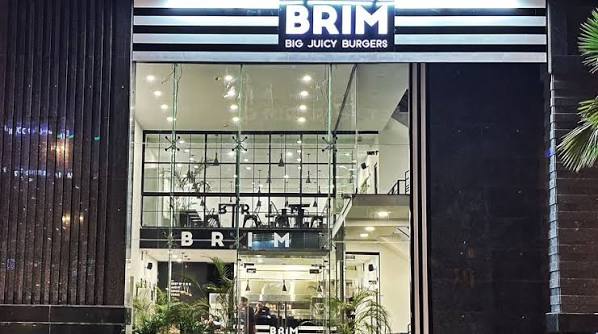
Best Burger Restaurants in Lahore
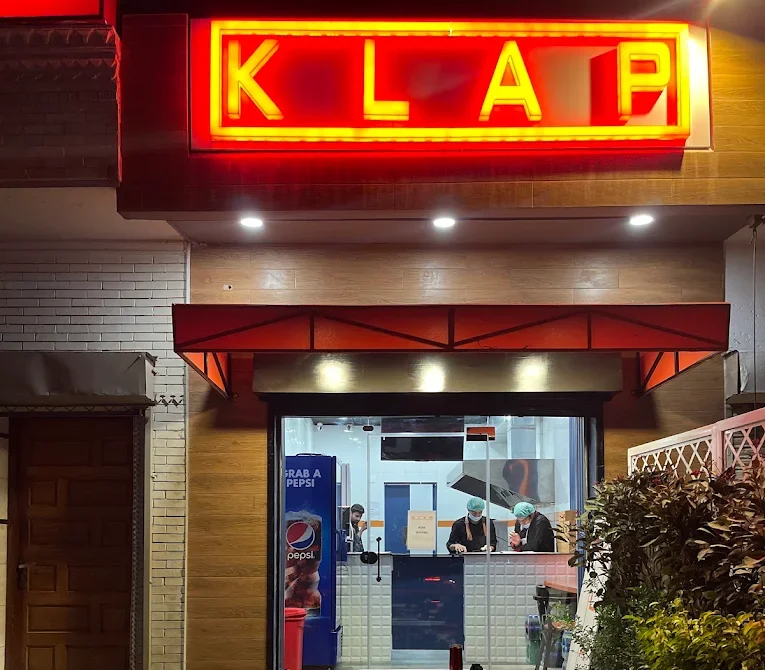
From smash burgers to gourmet steakhouse-style patties, these are the best burger restaurants in Lahore.
Monal Lahore in Gulberg III provides a dedicated play area for children under five, alongside its rooftop dining.
2. The Garden Spice – Restaurants in Lahore
The Garden Spice combines a play area with mini golf and VR games, making it popular with families who have older kids too.
4. Fine Pizza Family Restaurant
On Main Market, Gulberg, Fine Pizza Family Restaurant pairs its Malai Boti Platter and Super Supreme Pizza with a dedicated outdoor play area for kids.
Best Outdoor & Open-Air Restaurants in Lahore
For dining under the sky, here are the best outdoor and open-air restaurants in Lahore.
Fort Road’s best-known open-air rooftop, Andaaz Restaurant offers outdoor seating with views of the Badshahi Mosque.
2. Haveli Restaurant – Restaurants in Lahore
Set inside a 350-year-old haveli, Haveli Restaurant on Fort Road offers open-air terrace dining in the heart of the Walled City.
3. Bastion Café – Restaurants in Lahore
Located inside the historic Lahore Fort complex, Bastion Café combines heritage surroundings with an open-air dining setup.
4. The Garden Spice – Restaurants in Lahore
Built around family gatherings, The Garden Spice offers spacious outdoor seating alongside its grilled menu.
5. Café Aylanto – Restaurants in Lahore
Its outdoor courtyard remains one of the most requested outdoor seating areas in the city, on both MM Alam Road and DHA.
Restaurants in Lahore, Bahria Town
Bahria Town Lahore has grown into its own dining destination, separate from the usual Gulberg and DHA hotspots. Here are the top restaurants in Bahria Lahore.
Restaurants in Lahore Name
Address
Contact Number(s)
Official Website
Social Media Handles
Cuisine Specialty
Café Grand
Bahria Grand Hotel, Executive Lodges, Sector B, Bahria Town
One of the few genuinely open restaurants in Lahore round the clock, Café Grand at the Bahria Grand Hotel, Sector B runs 24/7 with a wide-ranging Pakistani, BBQ, and continental menu.
2. Butt Karahi – Restaurants in Lahore
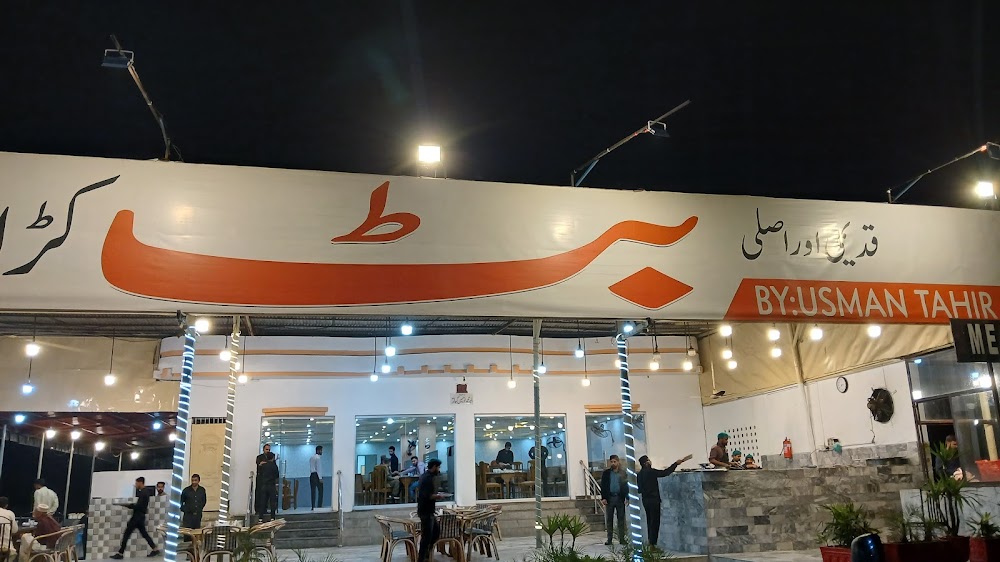
Widely regarded as the top karahi spot within Bahria Town, Butt Karahi is known for its kebabs and karahi.
3. Nadeem Tikka – Restaurants in Lahore
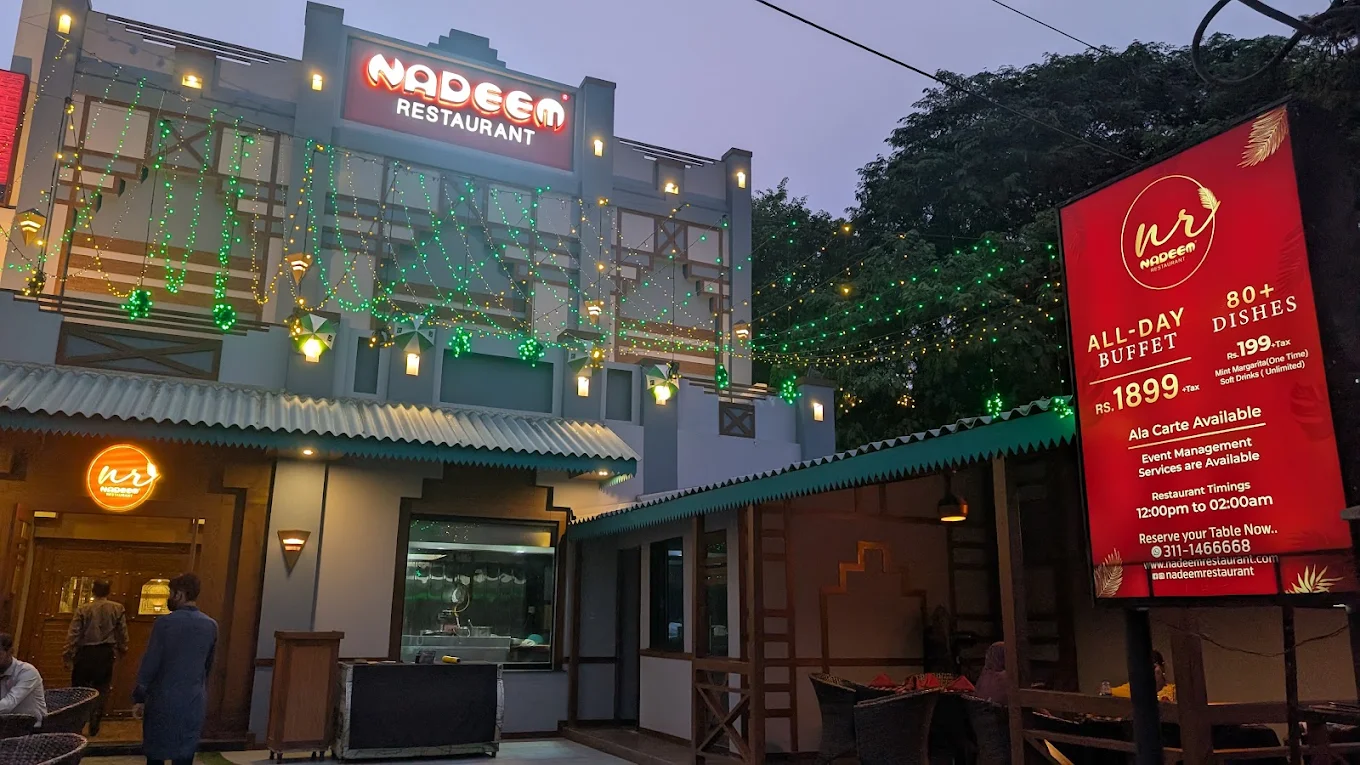
Nadeem Tikka is the area’s best-known tikka restaurant, serving succulent, well-spiced skewers.
4. Bundu Khan – Restaurants in Lahore
The same trusted name found across Lahore, Bundu Khan also has a branch in Bahria Town.
5. Banera Country Club – Restaurants in Lahore
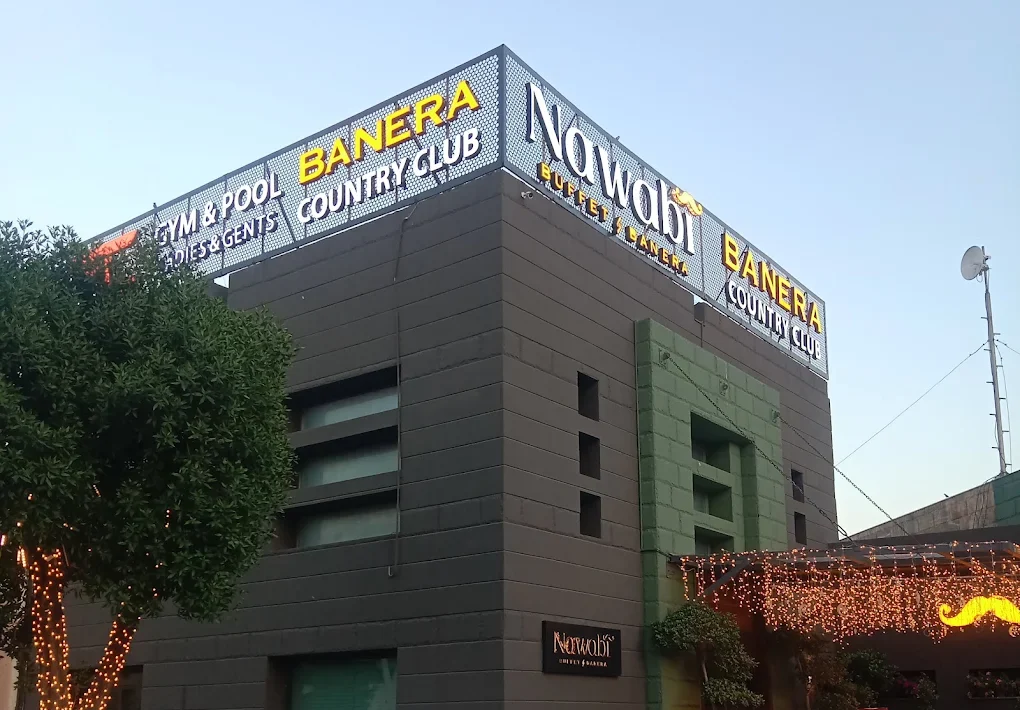
A buffet-style restaurant with a calmer, greener setting, Banera Country Club offers dishes like Manchurian and Chicken Tempura. One of the best restaurants in Lahore that serves continental dishes.
6. Brick Oven Cafe – Restaurants in Lahore
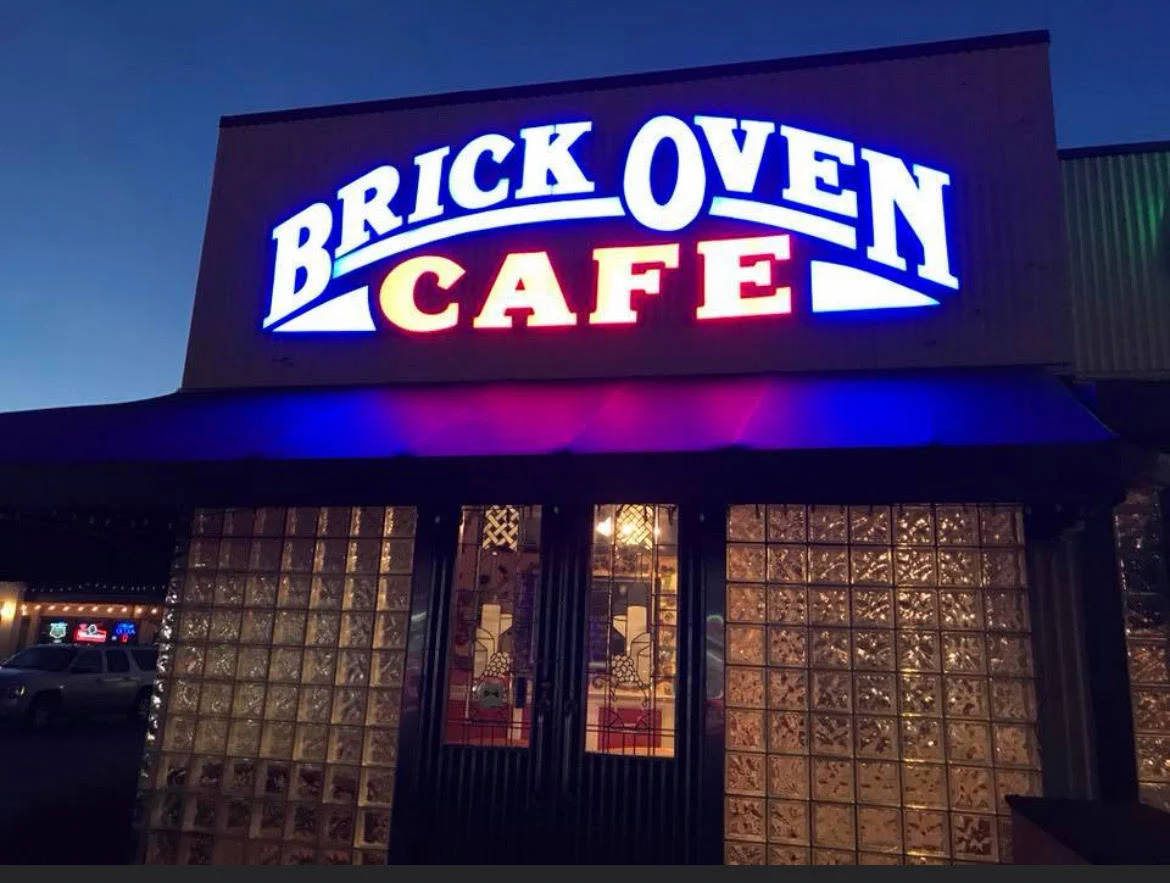
Brick Oven Cafe is a cosy, book-lined space known for its wood-fired pizza. It’s one of the best go-to restaurants in Lahore Bahria Town.
7. Karnivora Steakhouse – Restaurants in Lahore
The go-to option for steak restaurants in Lahore within Bahria Town, Karnivora Steakhouse serves a range of grilled cuts.
8. Timmy’s – Restaurants in Lahore
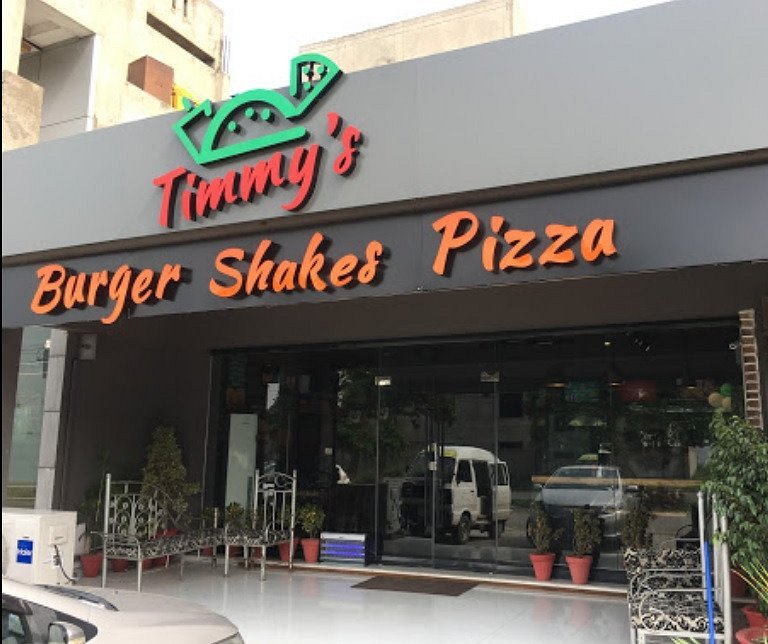
A go-to fast food joint for Bahria Town residents, Timmy’s offers shawarmas, burgers, and pizzas.
9. Al Madina Istanbul – Restaurants in Lahore
With a rustic setting and a view of the Eiffel Tower replica, Al Madina Istanbul brings Turkish classics like Iskender Kebab to Bahria Town.
Conclusion – Restaurants in Lahore
Whether you’re in the mood for spicy desi karahi, rooftop continental dining, authentic Turkish kebabs, or a quick fast-food fix, Lahore has a restaurant to satisfy every craving. The city’s food scene reflects its history and diversity, and the restaurants featured in this list are just a glimpse of the many options, from famous restaurants in Lahore, Pakistan, known for decades to the newest openings still finding their footing. Whether you’re searching for the best restaurants in Lahore near me on a Friday night or simply want to know which are the top-rated restaurants in Lahore for your next celebration, this guide should make the decision easier.
BBC-featured Content Specialist with a sharp eye for search intent and a proven ability to turn content into a growth engine. I leverage cutting-edge digital marketing tools to craft strategies that fuel organic traffic, amplify brand growth, and own the local SEO landscape, particularly across the competitive real estate market. I help brands dominate search rankings and convert visibility into measurable business success.
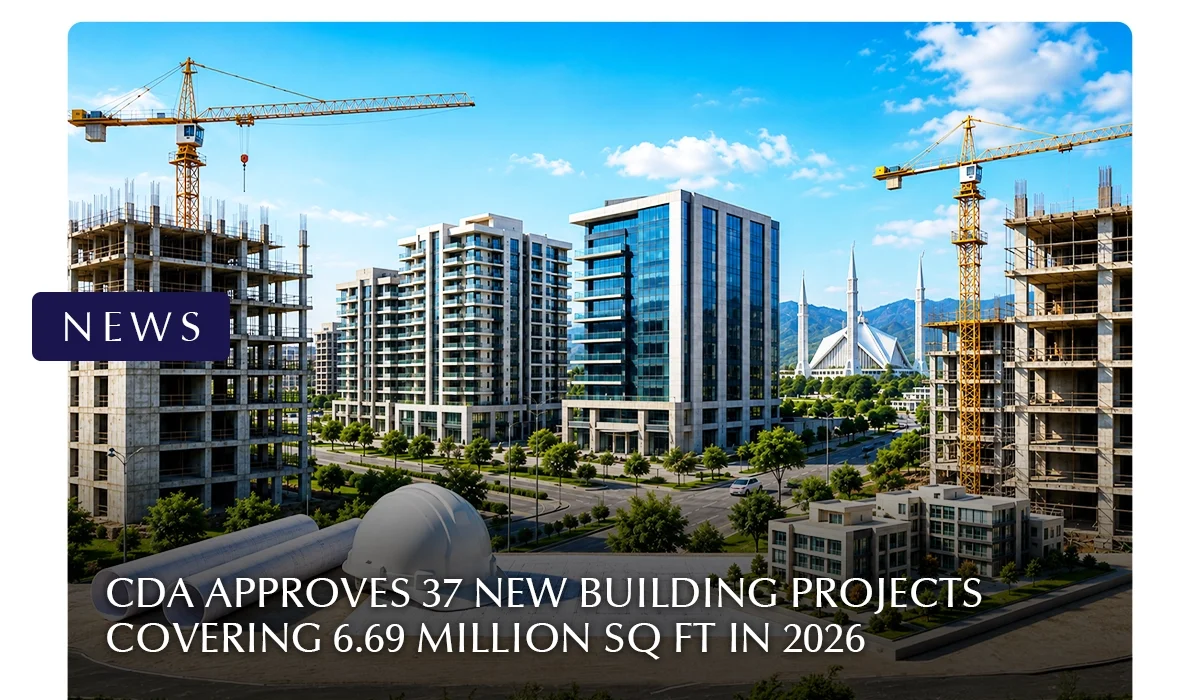
ISLAMABAD: The Capital Development Authority (CDA) has approved 37 commercial and residential building projects within the Islamabad Capital Territory (ICT) this year, covering a combined 6,690,580 square feet of construction.
The approvals were issued by CDA’s Building and Housing Control Wing through its Design Vetting Committee (DVC), which reviewed a total of 42 project applications across seven meetings held during 2026.
The approved portfolio includes a mix of commercial plazas, apartment buildings, mixed-use developments, office units, a hostel facility, five mosques, and one school building. Collectively, the projects will introduce 721 commercial shops, 1,981 residential flats, and 362 office units to the capital.
CDA officials noted that the current pace and scale of approvals reflect the authority’s continued support for the construction industry and its efforts to encourage investment in Islamabad, while upholding professional standards in building design.
The authority also reaffirmed its commitment to further streamlining regulatory processes, including the approval of building plans and issuance of completion certificates, while ensuring compliance with safety requirements under the ICT Building Control Regulations 2023.
The DVC review mechanism remains a core part of CDA’s regulatory oversight of private construction activity in the capital, balancing development facilitation with safety and planning compliance.
BBC-featured Content Specialist with a sharp eye for search intent and a proven ability to turn content into a growth engine. I leverage cutting-edge digital marketing tools to craft strategies that fuel organic traffic, amplify brand growth, and own the local SEO landscape, particularly across the competitive real estate market. I help brands dominate search rankings and convert visibility into measurable business success.
ISLAMABAD: The Federal Board of Revenue (FBR) has yet to establish a mechanism to refund taxes collected under Section 7E, the deemed income tax on immovable property, and Super Tax under Section 4C, despite more than three months having passed since a formal request for such a procedure was made.
Waheed Shahzad Butt, Chairman of the LTBA Public Interest Litigation Committee, said he had written to the FBR Chairman, routed through Board Members, seeking a notified refund process for both levies. He noted that the FBR has not issued any guidance, prescribed an application format, or designated a forum for filing such claims.
The demand follows rulings by the Federal Constitutional Court (FCC), which struck down Section 7E as unconstitutional and void from inception, nullifying all notices and proceedings initiated under the provision. Introduced through the Finance Act 2022, the levy had applied a five percent charge on properties valued above Rs25 million, based on FBR-assessed fair market value.
On Super Tax, the FCC upheld the provision’s constitutional validity but excluded certain exempt capital gains from its scope, meaning the tax cannot be charged on the sale of immovable property held beyond the prescribed holding period, inherited property, or otherwise exempt income.
Butt said the FBR’s continued silence, despite binding constitutional rulings, has left taxpayers in an uncertain legal and financial position. He proposed allowing refunds as an adjustment against tax liability for Tax Year 2026 through the annual return, with field formations directed to process such claims uniformly rather than leaving the matter to individual Commissioners or Regional Tax Offices.
He cautioned that continued inaction exposes the FBR to further litigation, including complaints before the Federal Tax Ombudsman, as affected taxpayers seek redress for amounts they believe were unlawfully retained.
BBC-featured Content Specialist with a sharp eye for search intent and a proven ability to turn content into a growth engine. I leverage cutting-edge digital marketing tools to craft strategies that fuel organic traffic, amplify brand growth, and own the local SEO landscape, particularly across the competitive real estate market. I help brands dominate search rankings and convert visibility into measurable business success.
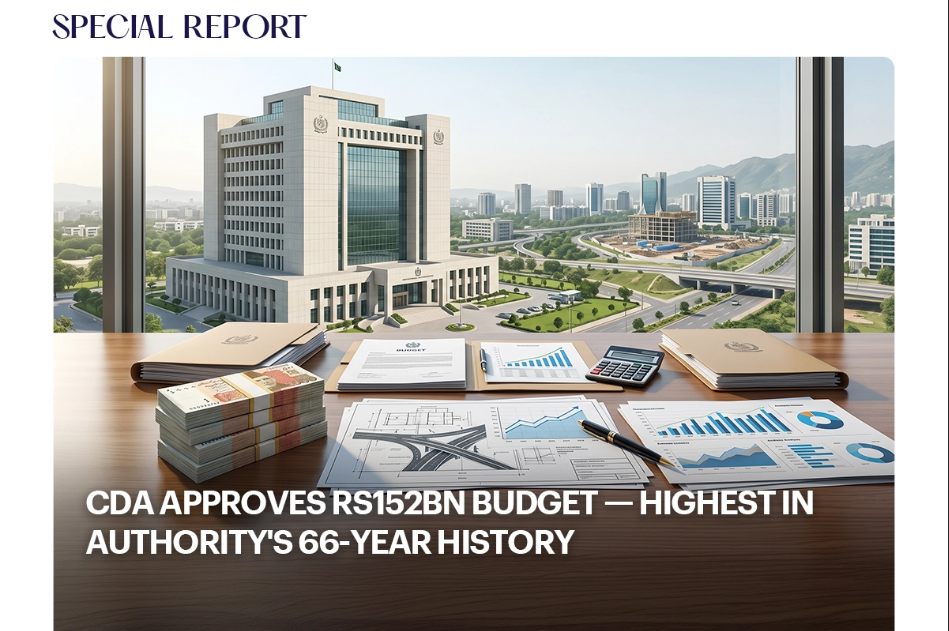
On August 25, 2026, the Capital Development Authority (CDA) board chaired by Chairman Sohail Ashraf approved a Rs152 billion budget for fiscal year 2026-27, reported by Dawn as the highest in the authority’s history. (Dawn, Aug 26, 2026) That framing is worth testing rather than repeating. This report lays out the full budget, then examines three things a purely descriptive write-up would skip: whether the “record” claim survives scrutiny, whether CDA’s underlying finances support the number, and what CDA’s own track record suggests about how much of it will actually get spent.
1. The Budget at a Glance
Of the Rs152 billion total, Rs112 billion is earmarked for new and ongoing development works and Rs40 billion for non-development (administrative/running) expenditure.
CDA projects Rs152.5 billion in receipts: 74% from self-finance (plot auctions and taxes), 19% from revenue receipts, and 7% from an opening balance. By spending category, 74% goes to development, 24% to non-development, and 2% to the Metropolitan Corporation Islamabad (MCI). (Dawn, Aug 26, 2026)
Development allocation breakdown:
Allocation
Amount
Covers
26 priority projects
Rs55 billion
Not itemised in board disclosure
63 new projects
Rs16 billion
Sector development, infrastructure, sewerage, metro buses
246 ongoing works
Rs13.5 billion
Existing projects in progress
Pending liabilities
Rs7 billion
Legacy payment obligations
Lump-sum provisions
Rs19 billion
Contingency/unallocated
Source: Dawn, Aug 26, 2026. These five line items sum to Rs110.5bn against the reported Rs112bn development total — a gap that exists in the original board disclosure, not something introduced in this report.
Two other decisions came out of the same meeting: the board approved Package-II of the cleanliness/garbage collection contract, outsourcing collection and transport to the Losar landfill in Rawalpindi for four years, and approved 10 additional acres for Daanish School Kuri. (Dawn, Aug 26, 2026)
3. Can CDA Afford Its Own Ambitions? The Land Bank Problem
CDA covers most of its expenditure through auctioning commercial plots it has not built a durable revenue base beyond its land holdings, and conducts two to three auctions a year. (Dawn, Aug 26, 2026) This isn’t an incidental detail; it’s the mechanism financing 74% of the new budget.
Live examples from this month: a three-day commercial plot auction in early August generated Rs16.4 billion, with a single Blue Area plot fetching Rs9.1 billion in one bid. (ProPakistani, Aug 4, 2026; ProPakistani, Aug 6, 2026)
That volatility, dependent on land market appetite, which fluctuates with interest rates, political stability, and buyer confidence, sits underneath a headline number presented as fixed and stable.
The clearest sign that CDA’s cash position doesn’t match its ambitions: just one week before approving the Rs152bn “record” budget, the same board again chaired by Sohail Ashraf approved seeking a Rs20 billion bridge facility from the federal government. A board member told Dawn: “Today, we decided to seek a federal government loan for sector development.” (Dawn, Aug 18, 2026)
That report detailed the specific commitments straining CDA’s balance sheet: the Expressway Service Road (~Rs5bn), the Margalla Road Extension (~Rs3.8bn), the New Convention Centre (NICEEC, near Malpur, built for the 2027 SCO summit lowest bid Rs37 billion after a design revision added steel components), the first phase of a new cricket stadium (lowest bid ~Rs8.9bn), two underpass projects, and a planned Safari Park. (Dawn, Aug 18, 2026; Zameen News, 2026)
An authority that needs a federal loan to fund sector development while simultaneously approving its largest development allocation in three years is, at minimum, carrying more committed spending than its liquid revenue currently supports.
4. Does CDA Deliver What It Budgets? A Mixed Track Record
The most concrete reason for scepticism about the Rs152bn figure converting into real infrastructure is what happened to last year’s budget. FY2025-26 included Rs17 billion for three tourism projects a zipline, a safari park, and a cricket stadium near Sector D-12 none of which broke ground. (Dawn, Aug 26, 2026) That same year’s Rs90.2bn initial allocation was also revised down to Rs81bn mid-year, a roughly 10% cut from the original plan. (Dawn, Aug 26, 2026)
This year’s budget carries similar exposure: Rs7 billion is earmarked simply for pending liabilities (unpaid obligations from prior commitments), and 246 separate ongoing works are competing for a combined Rs13.5 billion, an average of roughly Rs55 million per project, which is thin for infrastructure works if spread unevenly.
Whether the 63 new projects and 26 priority projects move faster than last year’s stalled tourism package is the open question this report can’t answer in advance; it’s the one to watch over the coming fiscal year.
5. The Governance Backdrop
Sohail Ashraf, who also serves as Islamabad’s Chief Commissioner, became CDA chairman in April 2026, succeeding Muhammad Ali Randhawa. At that transition, an unnamed CDA official summarised the structural problem now facing a much larger budget: “How long will we continue selling plots for development projects and paying salaries? There should be a new model to end dependency on the sale of plots.” (Dawn, Apr 2, 2026)
That same report flagged unresolved issues the new chairman inherited: stalled development in sectors I-12, I-15, E-12 and C-15; unresolved compensation for land-affected persons in D-13, E-13, F-13, C-13 and C-15; a chronic water shortfall (CDA supplies ~70 million gallons daily against ~220mgd demand); and a 1960 master plan that was meant to be revised every 20 years but has instead seen 51 piecemeal amendments rather than a comprehensive update. (Dawn, Apr 2, 2026)
None of these structural issues is resolved by a larger budget number a bigger allocation for sewerage and infrastructure only helps if the underlying planning and delivery capacity keeps pace with the money.
Separately, CDA did make one real reform in this period: cutting the property transfer fee from 3% back to 1% in April 2026, reversing a July 2025 increase that had been criticised for raising transaction costs. (Wirasat Real Estate, Apr 2026; CDA official release, Apr 9, 2026)
6. What Expert and Market Commentary Exists
Independent economists and real estate analysts have not published commentary specifically reacting to the August 26 budget announcement as of this writing; it’s roughly 48 hours old. What is available:
On CDA’s financing model specifically: the two insider quotes above (the “new model to end dependency” comment from April 2026, and the loan-seeking board member’s comment from August 18) are the most substantive on-record structural critique available, both from within CDA itself rather than outside analysts.
On real estate market impact: analysts cited by Wirasat Real Estate said the property transfer fee reduction should lower transaction costs and improve transparency in Islamabad’s property market, though this reaction predates and is unrelated to the new budget. (Wirasat Real Estate, Apr 2026) Separately, property-market commentary has argued that specific infrastructure catalysts like the Margalla Road extension matter more for sector-level property values (D-12, E-11, D-13) than headline mega-projects like the cricket stadium, whose realistic completion window has reportedly slipped toward 2028-29. (Milkiyat, Jun 2026)
On the macro backdrop: economists Naved Hamid and Waqar Wadho, commenting on Pakistan’s federal FY2026-27 budget generally, described minimal room for growth under the current IMF programme. Hamid put it bluntly: “We don’t really have any room.” (Dawn, Jun 2026) That’s a comment on the national fiscal picture, not CDA specifically, but it frames a genuine tension: CDA is scaling up its own spending sharply in the same year the federal government is operating under IMF-driven austerity, worth watching for whether federal support (like the Rs20bn loan request) materialises on CDA’s timeline.
If independent analysis of this specific announcement is published in the coming days, it would be worth a follow-up.
7. How CDA Compares
Lahore Development Authority (LDA): approved Rs88.613 billion for FY2026-27, under 60% of CDA’s figure. (ProPakistani, Aug 19, 2026)
Sargodha Development Authority (SDA): approved Rs697.415 million — illustrating the scale gap between the federal capital’s authority and a smaller regional one. (APP, Jul 10, 2026)
Federal/ICT context: CDA’s budget is separate from the Islamabad Capital Territory (ICT) Administration, the local-government body. The National Assembly separately approved Rs23.22 billion for ICT Administration’s operations, part of a Rs968.041 billion demands-for-grants package passed in June 2026, and the PSDP earmarked Rs21.82 billion for the Interior Division (up 69.2% from Rs12.9bn), covering ICT Administration among other departments. (Business Recorder, Jun 23, 2026; Business Recorder, Jun 13, 2026) None of this federal money is part of CDA’s Rs152bn.
8. Critical Assessment
Reading the full record together, three conclusions seem more defensible than the headline framing:
The record claim is overstated, not fabricated. Rs152bn is a genuinely large budget and likely the biggest in three years, but Rs156.35bn (2021-22) and a reported ~Rs308bn (2022-23) complicate any claim to an all-time high. The one number that may genuinely be a record is the Rs112bn development allocation, which edges out 2023-24’s Rs107.463bn.
The financing base hasn’t changed despite the bigger number. CDA is more reliant than ever on volatile land-auction income, and needed a federal loan request the week before approving this budget the exact dependency an internal official called for ending back in April.
Delivery risk is the biggest open question. With last year’s Rs17bn tourism package fully unbuilt, Rs7bn in pending liabilities carried into this year, and 246 ongoing projects sharing Rs13.5bn, the gap between what’s approved on paper and what gets built on the ground is the detail worth tracking through the fiscal year, not the size of the initial number.
For anyone using this budget as a signal for real estate or development planning in Islamabad, the more reliable indicators are likely to be specific, funded, in-progress projects (like the Margalla Road extension) rather than the aggregate Rs152bn figure or the political framing around it.
9. Sourcing & Verification Notes
Wikipedia’s infobox for CDA still lists Muhammad Ali Randhawa as chairman; multiple 2026 Dawn reports, including the budget story itself, consistently show Sohail Ashraf holding the post since April 2026. (Wikipedia)
The Rs110.5bn vs Rs112bn gap in the development breakdown (Section 1) is present in CDA’s own disclosure as reported by Dawn and has not been reconciled publicly.
The FY2022-23 Rs308bn figure (Section 2) was reported as a board estimate pending Federal Cabinet approval; this report could not confirm whether that exact figure was the final approved budget for that year.
CDA was established June 14, 1960, per the authority’s own ordinance page — used to calculate any “X years old” reference. (CDA official site)
BBC-featured Content Specialist with a sharp eye for search intent and a proven ability to turn content into a growth engine. I leverage cutting-edge digital marketing tools to craft strategies that fuel organic traffic, amplify brand growth, and own the local SEO landscape, particularly across the competitive real estate market. I help brands dominate search rankings and convert visibility into measurable business success.
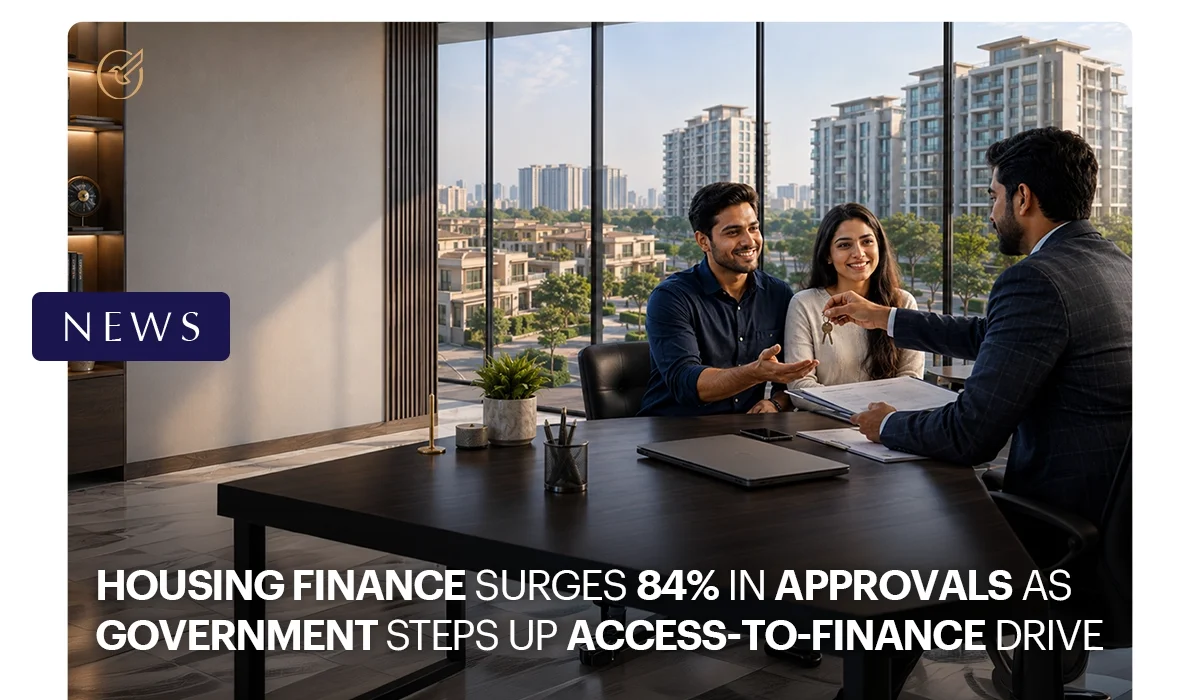
ISLAMABAD: Federal Finance Minister Senator Muhammad Aurangzeb chaired the fortnightly Access to Finance Steering Committee meeting on Monday, reporting sharp gains across housing, agriculture, SME and export financing since the close of FY26.
Total housing finance climbed from Rs294 billion at end-June to Rs307 billion by mid-August. Under the Wazir-e-Azam Apna Ghar Program, applications rose 52 percent to nearly 139,000, while approvals surged 84 percent to over 46,000, with approved financing nearly doubling to Rs279 billion. Loans disbursed increased 59 percent, crossing Rs38 billion.
The Committee credited the momentum to regulatory reforms, including the State Bank’s revised housing finance rules, a 90:10 loan-to-value ratio and a 65 percent debt-burden ratio, alongside passage of the Financial Institutions (Recovery of Finances) (Amendment) Act, 2026, aimed at strengthening mortgage recovery and lender confidence.
Agriculture borrowers grew to 3.37 million, adding roughly 115,000 since June, with sector financing steady near Rs1.26 trillion. The Zarkhez-e Asaan Zarai Qarza scheme for uncollateralised farm lending recorded over 58,000 registrations.
SME formal financing stood at Rs1.05 trillion across some 330,000 businesses, with a credit-scoring pilot underway across 13 banks. Officials set medium-term targets of Rs1.5 trillion in combined agriculture and SME financing by June 2027, rising to Rs2 trillion by June 2028.
On exports, the newly effective Performance Based Rebate on Incremental Exports offers exporters a 1 percent rebate for growth up to 10 percent, and 2 percent beyond that. The Pakistan Accelerated Vehicle Electrification Programme also gained pace, with EV deliveries tripling to over 1,500 units.
Aurangzeb called for tighter bank-wise monitoring and broader public awareness to sustain credit growth across housing, farming and enterprise sectors.
BBC-featured Content Specialist with a sharp eye for search intent and a proven ability to turn content into a growth engine. I leverage cutting-edge digital marketing tools to craft strategies that fuel organic traffic, amplify brand growth, and own the local SEO landscape, particularly across the competitive real estate market. I help brands dominate search rankings and convert visibility into measurable business success.
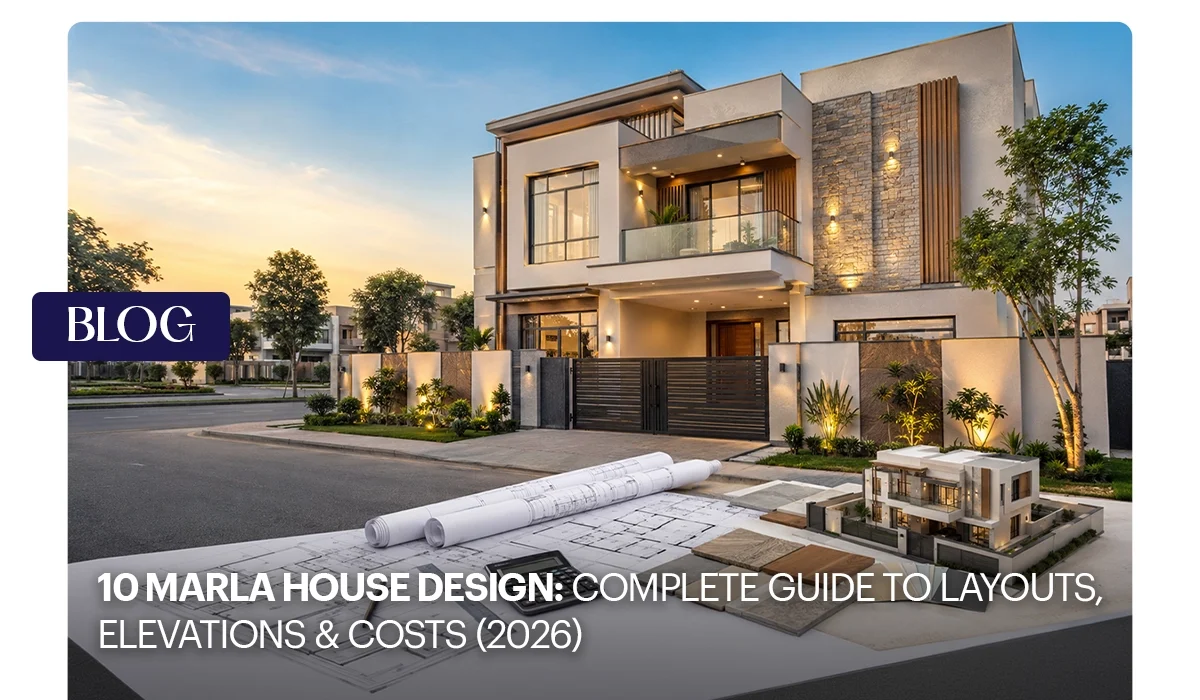
Among house designs in Pakistan for 10 marla plots, this size has become the default aspiration for middle- and upper-middle-class families, and it’s easy to see why. A 10 marla plot is large enough for a genuinely comfortable home, with room for separate living areas, a proper lawn, and covered parking, without the construction cost and upkeep of a kanal-sized property. This guide walks through everything that goes into a 10 marla house design: plot dimensions, single-story versus double-story layouts, floor plans, front elevation styles, basements, ceilings, and realistic 2026 construction costs.
Quick Facts: 10 Marla House Design at a Glance
Detail
Information
Plot size
2,250 sq ft (approx. 250 sq yards); common dimensions include 35×65, 40×56, and 45×50 feet
Roughly PKR 8–12 million for a standard-to-mid-range finish; higher for premium finishes
Understanding the 10 Marla Plot
A marla is a traditional South Asian land measurement equal to 225 square feet. Ten marla therefore equals about 2,250 square feet, or roughly 250 square yards. In practice, housing societies lay this out in slightly different shapes; some plots are 45 feet by 50 feet, others 40 by 56, and older schemes often use a 35-by-65-foot frontage, but they all land close to the same total area.
This size is attractive because it offers more flexibility than a 5 marla plot. Instead of constantly trading one room off against another, a 10 marla house design gives you room for a formal drawing room and a separate family lounge, 3 to 5 bedrooms depending on the layout, a proper kitchen and dining area, and outdoor space that doesn’t feel like an afterthought.
10 Marla House Design: Single Story vs Double Story
The first real decision in any 10 marla house design is how many floors to build. Both options work well on this plot size; the right choice depends on family structure, budget, and how much you value outdoor space versus covered area.
10 Marla House Design Single Story
A single-story 10 marla house typically covers 1,600–1,900 square feet, leaving generous room for a lawn, porch, and parking. A typical layout includes 3–4 bedrooms (roughly 12×14 to 14×16 feet each), 2–3 bathrooms, a large drawing room, a family lounge, a kitchen with a breakfast area, and a storeroom.
This layout suits:
Older couples or households with elderly members who want to avoid stairs
Families who prioritise a large lawn or garden over extra bedrooms
Anyone building on a tighter budget, since single-story construction generally costs around 30–35% less than an equivalent double-story house
Families planning to add a second floor later as the household grows
10 Marla House Design Double Story
A 10 marla double-story house design pushes the covered area to roughly 2,800–3,400 square feet while still leaving room for a lawn and parking, which is why double-story remains the more popular choice on this plot size.
The ground floor usually holds the formal drawing room, a guest bedroom, the kitchen and dining area, a powder room, and parking, while the first floor holds the master suite and the remaining bedrooms, along with a family lounge and balconies.
Compared with a single-level layout, a 10 marla double-story house design roughly doubles usable floor area on the same footprint, which matters in cities where land prices keep climbing faster than household incomes.
It also creates natural separation between generations: parents on the ground floor, children’s families upstairs or between formal and everyday living spaces.
10 Marla House Map Design: Planning a Practical Layout
A good 10 marla house map design (locally called a “naqsha”) is about more than fitting rooms onto paper; it’s about controlling how people move through the house and how private and public areas relate.
A well-zoned ground floor generally separates the house into three areas:
Front (public): covered porch and parking, entrance foyer, drawing room, guest washroom
Middle (semi-private): dining area, kitchen, staircase, and sometimes a guest bedroom
Back (private/service): storeroom, service area, and the back lawn or terrace
This zoning means guests never have to walk through bedrooms to reach the drawing room, and cooking smells stay away from formal living areas. On the first floor of a double-story design, the same logic applies: the master suite typically sits furthest from the stairs for privacy, while a shared family lounge acts as the connecting space between bedrooms.
10 Marla House Design Front: Elevation Styles to Consider
The 10 marla house design front elevation is what defines the house’s character before anyone steps inside. With more frontage than a 5 marla plot, you have real room to make an architectural statement.
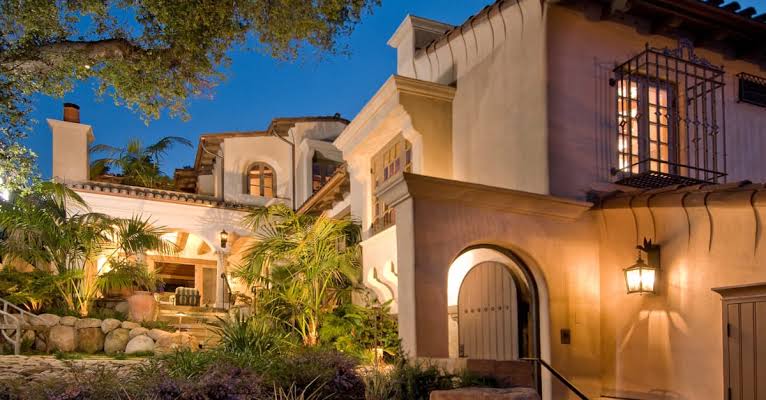
10 Marla Spanish House Design
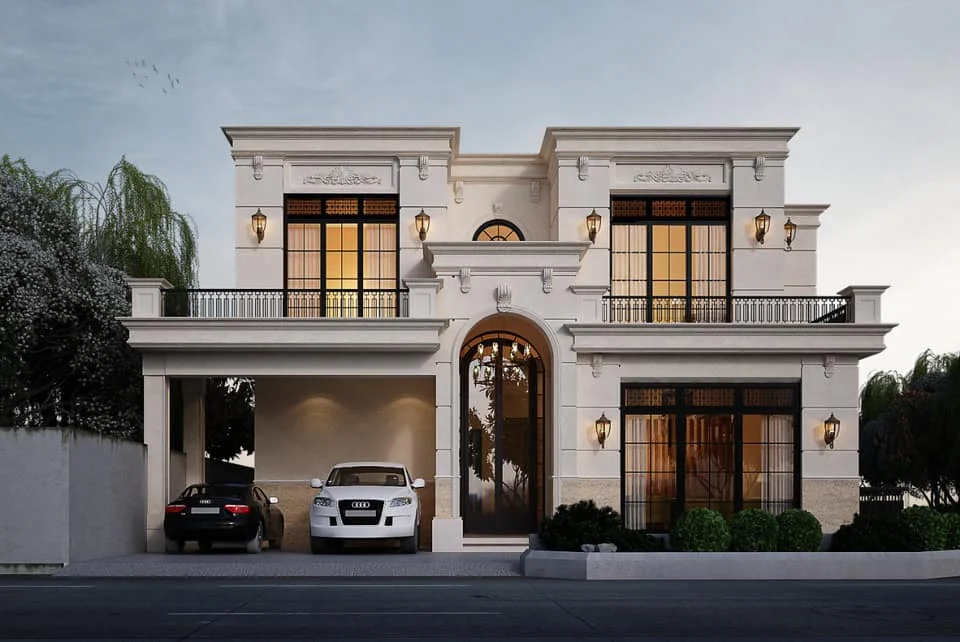
A 10 marla Spanish house design remains one of the most requested elevation styles in societies like DHA and Bahria Town, in both Lahore and Islamabad. The style centres on arched windows and doorways, terracotta or clay-tile roofing accents, stucco-textured walls, and wrought-iron railings or balcony details.
Beyond the aesthetic appeal, the deep arches and extended eaves common to Spanish elevations also provide useful shade against Pakistan’s harsh summer sun, and stucco finishes add insulation.
The trade-off is cost: the ornamentation and detailing typically push finishing budgets higher than a comparable modern facade, and upkeep tends to be a bit more demanding over time.
Modern and Contemporary Elevations
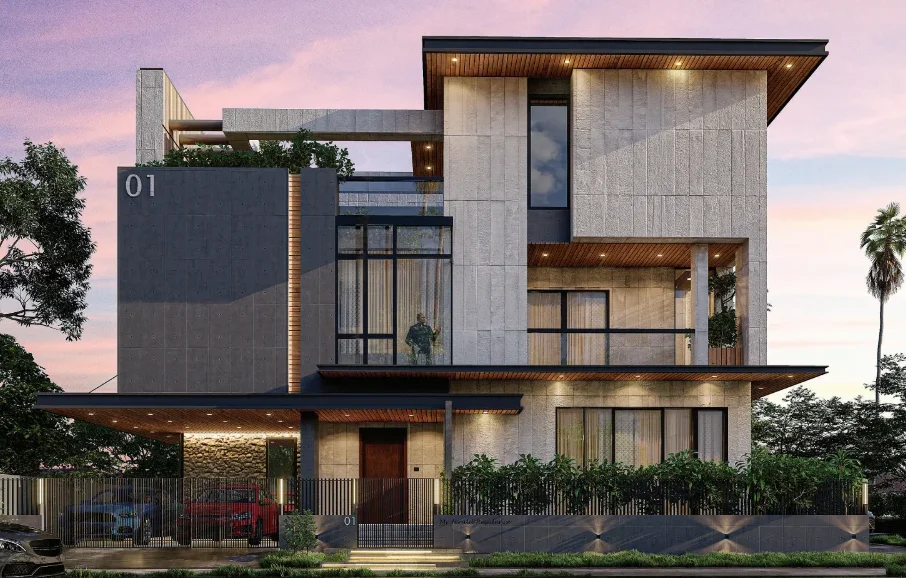
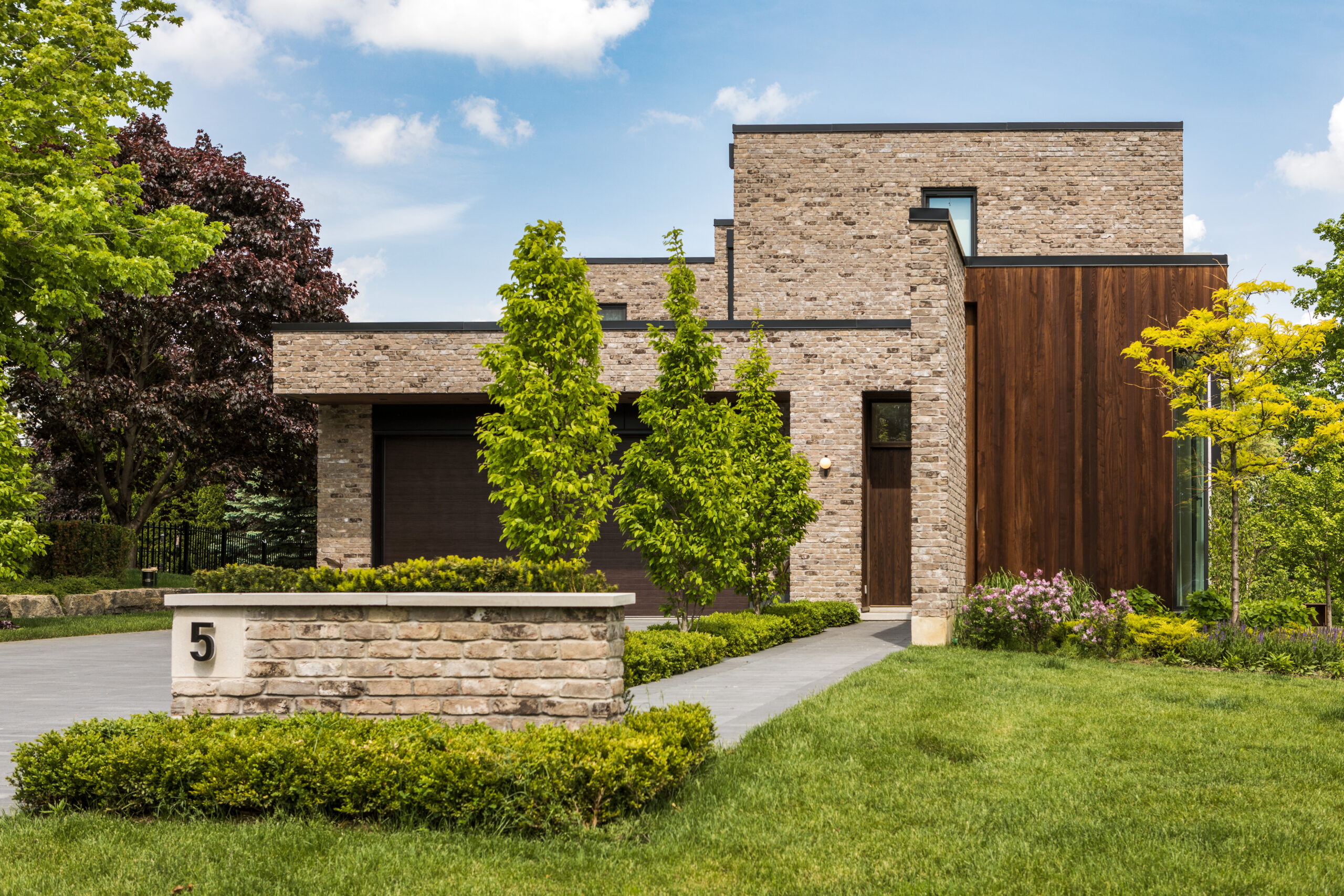
Modern 10 marla elevations favour clean lines, flat or minimally sloped roofs, large glass panels, and a restrained material palette usually two or three finishes such as smooth plaster, stone veneer, and wood cladding- in neutral tones like grey, white, and charcoal.
This style has become the dominant choice in newer developments partly because it’s more budget-friendly than heavy ornamentation, and partly because younger homeowners tend to prefer its simplicity.
A contemporary-classic hybrid modern massing with a few traditional touches, like an arched entrance or textured accent wall, is a popular middle ground for families who want a house that reads as elegant without committing fully to either extreme.
Reading 10 Marla House Design Pictures Front View the Right Way
When browsing 10 marla house design pictures front view for inspiration, keep in mind that photographs can flatter a facade in ways that don’t always translate to real-life lighting; camera angle and even the time of day can make proportions look different than they are.
It helps to note which materials are used (not just the colour), how the elevation looks at both midday and evening, and whether the design still works without the landscaping and lighting shown in the photo.
Where possible, ask your architect for a 3D render of your actual plot rather than relying purely on a picture of someone else’s house.
10 Marla House Designs 3D: Visualizing Before You Build
Increasingly, homeowners request 10 marla house designs 3d before committing to construction, and for good reason. A 3D render shows how the elevation, proportions, and material choices will actually look on your specific plot, rather than leaving it to imagination from a 2D floor plan.
It’s especially useful for comparing two elevation options side by side, for instance, a Spanish versus a modern facade on the same layout and for overseas Pakistanis who can’t visit the site in person but want to approve the design with confidence before construction begins.
10 Marla Corner House Design: What Changes on a Corner Plot
A 10 marla corner house design comes with a distinct set of trade-offs compared to a mid-block plot. On the positive side, corner plots typically allow:
Two street-facing sides, which usually means a second, secondary elevation worth designing carefully
Better natural light and cross-ventilation, since the house isn’t boxed in by neighbours on both sides
More flexibility for additional parking or a side lawn
In many societies, a slightly larger permissible covered area than an equivalent mid-block plot
The trade-offs are worth planning for as well: corner plots have more boundary wall exposed to the street, which raises both construction cost and privacy considerations, and the extra frontage often carries a land-price premium. A well-designed corner house typically treats both visible facades as “fronts” rather than finishing one side and leaving the other plain.
10 Marla House Design with Basement
A 10 marla house design with basement is optional rather than standard, and whether it makes sense depends on your budget, the water table in your area, and your housing society’s bylaws; some societies restrict or don’t permit basements at all.
Where it is feasible, a basement is commonly used as a media or recreation room, extra storage, a home gym, or an additional bedroom suite, since it keeps noise and activity away from the main living floors.
Because a basement adds meaningfully to structural and waterproofing costs, it’s a decision worth locking in early, since retrofitting one after construction has started is rarely practical.
10 Marla House Design with Lawn
For most Pakistani families, a 10 marla house design with lawn isn’t a luxury add-on; it’s where evening tea happens, where kids play, and where winter barbecues take place. A front lawn of roughly 10×15 feet adds curb appeal and space for plants, while a back lawn or terrace of 15×20 feet or more works well for gatherings.
On corner plots, a side lawn is often possible, too. In double-story designs where ground-floor outdoor space is limited, a rooftop terrace is a common way to recover some green, open-air space without giving up covered area.
10 Marla House Ceiling Design
Ceiling treatment is one of the easier ways to add character to a 10 marla house design without major structural changes. Common approaches include:
False ceilings (gypsum board or POP) with recessed or cove lighting, often used to define the dining or TV lounge area
Double-height ceilings in the drawing room or entrance foyer, which create a sense of grandeur and work particularly well in double-story houses
Wooden panel or slat ceilings as an accent in lounges or bedrooms
Simple flat ceilings with layered lighting for a cleaner, more minimalist look, which tends to be the lower-cost option
Whichever direction you choose, decide on ceiling treatment during the design stage rather than after wiring and structural work are finalised, since recessed lighting and ceiling drops both need to be planned in advance.
Finding the Best 10 Marla House Design for Your Family
There’s no single best 10 marla house design; the right layout depends on who will live in it. A few honest questions help narrow things down:
Family size and structure: A joint family living across generations usually benefits from a double-story layout with clear separation between the ground floor and upper floor. A retired couple or young nuclear family may be better served by a single-story design.
Budget: Single-story construction costs meaningfully less, both in grey structure and finishing. If budget is tight, it’s often better to build a well-finished single-story house than a double-story shell that stays unfinished for years.
Plot type: A corner plot opens up design options a mid-block plot doesn’t have, but it also costs more.
Lifestyle priorities: Some families care more about a large lawn than a fifth bedroom; others would rather have a basement media room than a bigger garden.
Estimated Construction Cost for a 10 Marla House in Pakistan (2026)
Construction costs vary by city, material choices, and finish level, and they move with material prices over time, so treat these as a starting point rather than a fixed quote. As of recent 2026 estimates, a standard-to-mid-range finish 10 marla house typically runs somewhere in the PKR 8–12 million range, covering grey structure and finishing together.
Premium finishes better tiles, imported fixtures, a modular kitchen, and designer lighting push the total closer to PKR 15–20 million or more. Grey structure alone is generally quoted per square foot, and rates shift often enough that it’s worth getting a current quote from a contractor rather than relying on a number from an old article.
A few factors that move the number up or down:
City: Construction in Islamabad tends to run higher than in Rawalpindi or tier-2 cities, partly due to stricter building regulations.
Design complexity: Multiple roof levels, unusual angles, and heavy ornamentation (like an elaborate Spanish elevation) add to both material and labour costs.
Basement or corner-plot features: Both add to structural and waterproofing costs beyond a standard mid-block, above-ground layout.
Finish level: Finishing costs can easily match or exceed grey structure costs, so it’s the area where budgets most often run over.
Common Mistakes to Avoid
Underestimating parking needs. With most families now owning more than one vehicle, plan for at least two covered spaces more on a corner plot.
Skimping on storage. Store rooms, built-in wardrobes, and under-stair storage are easy to cut in early design but hard to add back later.
Ignoring orientation and ventilation. Where the sun hits the house affects both comfort and cooling costs; this is worth discussing with your architect before finalising the layout.
Overcomplicating the elevation. Multiple roof levels and excessive protrusions can add 20–30% to costs while creating long-term maintenance headaches.
Deciding on a basement or ceiling treatment too late. Both require planning before structural and electrical work begins.
FAQs – 10 Marla Plot in Pakistan
What is the standard size of a 10 marla plot in Pakistan?
A 10 marla plot measures approximately 2,250 square feet, or about 250 square yards. Common dimensions include 45×50, 40×56, and 35×65 feet, depending on the housing society.
Should I choose a single-story or double-story 10 marla house design?
Double-story designs are more popular because they roughly double the covered area on the same plot, which suits growing or joint families. Single-story designs cost less to build and suit elderly residents or families who prioritise lawn space over extra bedrooms.
Is a basement a good idea for a 10 marla house?
It can be, provided the local water table and your housing society’s bylaws allow it. Basements work well as media rooms, storage, or extra bedroom space, but they add meaningfully to construction cost and need to be planned from the start.
Is Spanish-style elevation still popular for 10 marla houses?
Yes. A 10 marla Spanish house design remains a common choice in societies like DHA and Bahria Town, prized for its arches, stucco walls, and wrought-iron detailing, though it typically costs more to finish than a modern facade.
How much does it cost to build a 10 marla house in Pakistan in 2026?
Based on recent estimates, a standard-to-mid-range finish generally costs roughly PKR 8–12 million, while premium finishes can push the total to PKR 15–20 million or more. Costs vary by city and material prices.
Does a corner plot need a different house design?
Yes. A 10 marla corner house design typically needs two well-designed facades instead of one and benefits from better light and ventilation, but it also requires more boundary wall and usually costs more than a mid-block plot.
Conclusion
A 10 marla house design offers one of the best space-to-cost ratios for Pakistani homeowners, spacious enough for real comfort, compact enough to stay manageable. Whether you lean toward a single-story home with a generous lawn, a double-story house built for a growing family, or a Spanish-style elevation with a finished basement, the plot size can accommodate nearly any lifestyle with the right planning. The details that matter most floor plan, zoning, elevation style, ceiling treatment, and realistic cost estimates- are worth settling before construction starts, since most of them are far cheaper to change on paper than after the foundation is laid.
BBC-featured Content Specialist with a sharp eye for search intent and a proven ability to turn content into a growth engine. I leverage cutting-edge digital marketing tools to craft strategies that fuel organic traffic, amplify brand growth, and own the local SEO landscape, particularly across the competitive real estate market. I help brands dominate search rankings and convert visibility into measurable business success.