restaurants in Johar Town Lahore
CategoriesEnvironment Tourism

Best Restaurants in Johar Town, Lahore 2026

Lahore has long stood as a hub of cultures, where centuries of history, art, and cuisine come together to shape the city’s rich and diverse identity. Johar Town has grown into one of Lahore’s most vibrant food destinations, and finding the right restaurants in Johar Town Lahore can make all the difference for your next meal out.

From cheesy pizza joints and all-you-can-eat buffets to cosy cafés, fine dining spots, and international fast-food chains, this neighbourhood offers something for every craving and occasion.

Restaurants in Johar Town

Restaurant Name Address Phone Number Cuisine / Type Website/Socials
Second Slice by Forks N Knives Abdul Haque Rd, Block G Phase 1 Johar Town, Lahore, 54782 (042) 111 656 565 Pizza / Fast Food https://secondslice.pk
Pind Restaurant 1st Floor, 30, Mughal Arcade, Mian Plaza, Civic Centre Block D2 Phase 1 Johar Town (042) 35189989 Pakistani / Family Dining Pind Restaurant
Buqayvia Restaurant Building No.6, Block H, Main Canal Rd, Block H Phase 2 Johar Town 0300 1780808 Multi Cuisine / Family Dining https://buqayvia.pk
Nayabs 33, Block M Phase 2 Johar Town 0300 1193338 Buffet / Pakistani @nayabspk
Nourish Restaurant Lahore 8 Near Shaukat Khanum Hospital Road, Block R3 Phase 2 Johar Town 0300 0401876 Fine Dining / Multi Cuisine https://nourish-restaurant.com
Enaari Johar Town Plot 71, Block R1 Phase 2 Johar Town 0300 3555246 Casual Dining Instagram: Enaari 
Nando’s Johar Town Plot 392, Block J3 M.A Johar Town Phase 2 (042) 111 626 367 Portuguese / Peri Peri Chicken https://nandos.pk
Kudo’s Caff 39-Q Johar Town Rd, Block Q Phase 2 (042) 38930582 Cafe / Continental / Sports Bar https://kudoscaff.com
MST Restaurant 272 R2 Khayaban-e-Firdousi Block R2 0313 1678678 Pakistani / Middle Eastern / Buffet https://facebook.com/mstrestaurant
Torishush Restaurant 8 Block F Phase 1 Johar Town 0325 5551525 Fine Dining Torishush 
Maalga Restaurant 916-R1 Khayaban-e-Firdousi Block R1 0311 1550011 Pakistani / Live Music Dining Maalga Restaurant
Guftagu Restaurant 879-R1 Block R1 Phase 2 0322 7972398 Cafe / Light Meals https://instagram.com/guftagucafe.pk
The Veranda 166 Block M Phase 2 0310 0572222 Cafe / Outdoor Dining https://facebook.com/theverandapk
Chaye Qawali 13 Khayaban-e-Firdousi D1 Block D1 Phase 1 0333 4953959 Tea House / Cafe @chayeqawali
The Lamb House 445 Block G1 Phase 1 0321 8440321 BBQ / Al Fresco Dining @thelambhouseshinwari
NOVU Johar Town 942 J/2 Nazria-e-Pakistan Road Block J2 Phase 2 0305 4226688 Asian / Fusion / Japanese https://novu.pk
Yasir Broast Opposite Shaukat Khanum Hospital Road Block R1 0334 8464447 Broast / Fast Food Yasir Broast
Krados Restaurant Johar Town 270 R2 Khayaban-e-Firdousi Block R2 (042) 35181066 Pakistani / Middle Eastern https://krados.com
Johnny & Jugnu Johar Town 28 Behind Mian Plaza Block D2 (042) 111 333 363 Burgers / Fast Food Johnny & Jugnu Lahore  
Chunk N Cheese Johar Town 452 G3 Abdul Haque Rd Block G3 (042) 111 555 786 Pizza / Fast Food Chunk N Cheese
Al-Nakhal Arabian Cuisine Khayaban-e-Firdousi Near Shaukat Khanum Block R1 (042) 35314401 Arabian Cuisine https://alnakhal.com.pk
Cheezious G3 446 Plaza Johar Block G3 Phase 2 (042) 111 446 699 Pizza / Fast Food https://cheezious.com
Cheezious J3 J3 M.A Johar Block J3 Phase 2 (042) 111 446 699 Pizza / Fast Food https://cheezious.com
Daily Deli Co. Khayaban-e-Firdousi Civic Centre Block D2 (042) 111 132 459 Burgers / Fast Food https://dailydelico.com
Bundu Khan Restaurant Johar Town 19 Main Blvd Block N Phase 2 Johar Town (042) 35316011 Pakistani / BBQ https://bundukhan.pk
Gourmet Restaurant Faisal Town Block D Faisal Town (042) 111 111 157 Pakistani / Buffet restaurant.gourmetpakistan
Cup Shup Cafe & Restaurant 888 Block R1 Phase 2 0305 5406644 Cafe / Continental @cupshup.pk
Hen n’ Bun – Johar Town R2, 18-R2 Service Road, Block R2 Phase 2 Johar Town 0304 1110405 Fried Chicken / Fast Food hen n’ bun – Innovator of Spicy Broast 
Sichuan Chinese Restaurant 1-G-4 Main Canal Rd, Block G4 Phase 2 Johar Town 0300 8852030 Chinese Cuisine Sichuan 
Shaheen Shinwari 920 Maulana Shaukat Ali Rd, Block R1 Phase 2 Johar Town (042) 35956381 Shinwari / BBQ / Pakistani @shaheen_shinwarijt 
La Downtown DHA 84-H Block Market, Sector H DHA Phase 1 Lahore 0304 1114020 Fast Food / Burgers @ladowntownpakistan
Burger Mart 256-A Khayaban-e-Firdousi, Block R2 Phase 2 Johar Town — Burgers / Fast Food @burgermartpakistan
Howdy Johar Town 7 R3 Near Shaukat Khanum Hospital Road, Block R3 Phase 2 Johar Town 0310 4448801 Burgers / Steaks / Western Howdy Burgers 
Bait Al Shawarma 33-F1 Block F1 Phase 1 Johar Town 0334 7755101 Shawarma / Arabian Fast Food @baitulshawarma
Domino’s Pizza Johar Town 64 Main Blvd Block R1 Phase 2 Johar Town (021) 111 366 466 Pizza / Fast Food https://dominos.com.pk
Subway Johar Town Shop 20 Abdul Haque Rd Block H2 Phase 2 Johar Town (042) 35314425 Sandwiches / Fast Food https://subway.com
Pizza Hut Johar Town 318 Block G3 Main Blvd Phase 2 Johar Town (042) 111 000 765 Pizza Pizza Hut
McDonald’s Johar Town J2 Block J2 Phase 2 Johar Town — Burgers / Fast Food https://mcdonalds.com.pk
Broadway Pizza Johar Town Shahrah Nazaria-e-Pakistan Commercial Area Phase 2 (042) 111 339 339 Pizza https://broadwaypizza.com.pk
NY212 Johar Town 9M Johar Town Near Khokhar Chowk Block M Phase 2 (042) 111 169 212 Pizza / Fast Food https://ny-212.com
Pizza Online Johar Town Haakim Chowk, PIA Main Boulevard Block D Phase 1 (042) 111 765 000 Pizza Pizza Online Johar Town
Italian Pizza Johar Town Ghosia Chowk Main University of Management & Technology Road 0306 9209045 Pizza / Fast Food Italian Pizza Johar Town
WOW Meal N Deal 22 R2 Johar Town Rd Block R2 Phase 2 0307 0001200 Fast Food / Multi Cuisine https://wowmealndeal.pk
Tabrezian Restaurant Shop 660 G1 Market Block G1 Phase 1 0326 4328881 Pakistani / Local Cuisine tabrezian
Pakistan Restaurant Pak Near UMT HBL Block C1 Phase 1 0333 1416982 Pakistani / Buffet Pakistan Restaurant Pak
Kitchen Cuisine Johar Town 42-A Khayaban-e-Firdousi Block A Phase 1 (042) 35202525 Bakery / Cafe https://kitchencuisine.com.pk
Patiala House (The Fine Cuisine) 452 Block F1 Phase 1 Johar Town 0324 6070373 Pakistani / Indian Fine Dining @patialahouse_pk 
KFC Johar Town Khayaban-e-Firdousi Block R2 Phase 2 Johar Town (042) 111 532 532 Fried Chicken / Fast Food https://kfcpakistan.com
Gloria Jean’s Coffees Johar Town Corner Main Boulevard & Khayaban-e-Firdousi Block R1 (042) 35241114 Coffee / Cafe / Desserts https://gloriajeanscoffees.com.pk
Coffee Planet 66 R1 Main Boulevard Block R1 Phase 2 Johar Town 0325 9898807 Coffee / Cafe Coffee Planet
Regalia Restaurant 111-R3 Near Shaukat Khanum Hospital Road Block R3 Phase 2 0300 0401858 Fine Dining / Pakistani & Continental https://www.regaliarestaurants.com (Regalia Restaurant)
Zoro Burger Johar Town 467-G3 Khokhar Chowk Block G3 Phase 2 0300 0967658 Burgers / Fast Food https://zoroburger.com (Zoro Burger)

Second Slice by Forks N Knives

Second Slice by Forks N Knives

A favourite stop among restaurants in Johar Town Lahore, for pizza lovers, Second Slice by Forks N Knives serves up hearty, cheese-loaded pies in a relaxed setting. It’s a solid pick for a casual family pizza night or a quick bite with friends.

  • Rating: 4.4
  • Address: Abdul Haque Rd, Block G Phase 1 Johar Town, Lahore, 54782
  • Website: secondslice.pk
  • Contact: (042) 111 656 565

Pind Restaurant
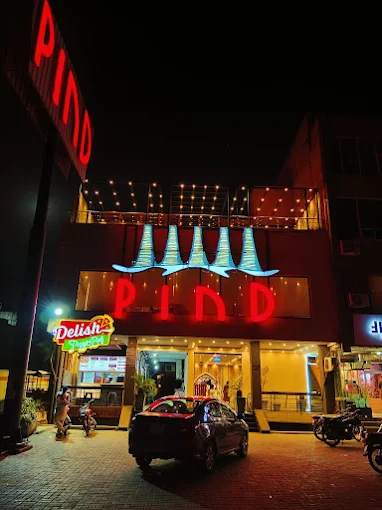
Pind Restaurant

Pind Restaurant is one of the most family-friendly restaurants in Johar Town Lahore, known for its comfortable, welcoming dining atmosphere that suits multi-generational outings. It’s a dependable choice for weekend family meals.

  • Rating: 4.5 (1,298 reviews)
  • Address: 1st Floor, 30, Mughal Arcade, Mian Plaza, Civic Centre Block D 2 Phase 1 Johar Town, Lahore, 54782
  • Contact: (042) 35189989

Buqayvia Restaurant

Buqayvia Restaurant

Among the top-reviewed restaurants in Johar Town Lahore, Buqayvia Restaurant stands out for its versatile offerings that suit a wide range of diners, from vegans to families with kids. It’s a great choice for casual dinners or laid-back evenings with friends.

  • Rating: 4.7 (1.1K reviews)
  • Address: Building No.6, Block H, Main Canal Rd, Block H Phase 2 Johar Town, Lahore, 54782
  • Website: buqayvia.pk
  • Contact: 0300 1780808

Nayabs

Nayabs

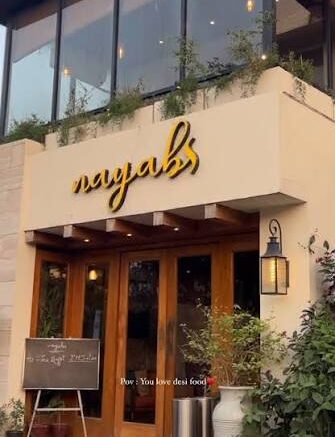
Nayabs is a popular name among restaurants in Johar Town Lahore, for its buffet format, drawing crowds who enjoy rooftop dining and a bit more privacy for group gatherings. Its scenic rooftop setting adds a nice touch to celebrations.

  • Rating: 4.1 (1.7K reviews)
  • Address: 33, Block M Phase 2 Johar Town, Lahore, 54000
  • Contact: 0300 1193338

Nourish Restaurant Lahore
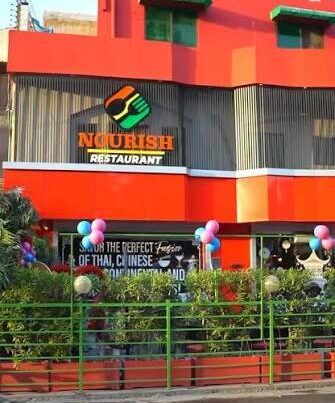
Nourish Restaurant Lahore

Frequently cited as one of the best restaurants in Johar Town Lahore, Nourish Restaurant offers a cosy, inviting ambience that works well for both casual meals and special get-togethers. Its comfortable setting has made it a favourite among locals.

  • Rating: 4.8 (1,553 reviews)
  • Address: 8, near Shaukat Khanum Hospital Road, Block R3 Phase 2 Johar Town, Lahore, 54000
  • Website: nourish-restaurant.com
  • Contact: 0300 0401876

Enaari-Johar Town 
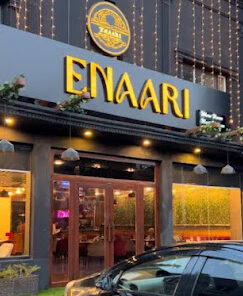
Enaari

Enaari-Johar Town is counted among the reliable restaurants in Johar Town Lahore, offering a straightforward dining experience without excessive frills. It’s a solid neighbourhood option for a simple, no-fuss meal.

  • Rating: 4.2 (383 reviews)
  • Address: Plot 71, Block R1 Phase 2 Johar Town, Lahore, 51000
  • Contact: 0300 3555246

Nando’s – Johar Town

Nando's

Bringing its signature peri-peri flavours to the list of restaurants in Johar Town Lahore, Nando’s maintains the chain’s familiar quality and consistency that loyal customers expect. It’s an easy, reliable choice for a quick, flavorful meal.

  • Rating: 4.7
  • Address: Plot 392, Block J3, M.A Johar Town Phase 2, Lahore
  • Website: nandos.pk
  • Contact: (042) 111 626 367

Kudo’s Caff 
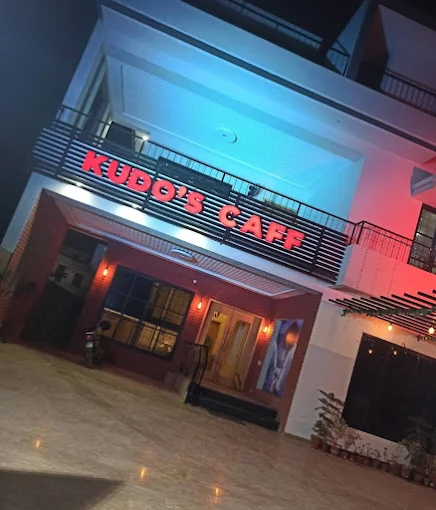
Kudo's Caff 

Kudo’s Caff has earned its place among the well-loved restaurants in Johar Town Lahore, thanks to its relaxed, sports-bar-like vibe. It’s a favourite for game nights, casual hangouts, and family visits alike.

  • Rating: 4.7 (2.4K reviews)
  • Address: 39-Q Johar Town Rd, Block Q Phase 2 Johar Town, Lahore, 54782
  • Website: kudoscaff.com
  • Contact: (042) 38930582

MST Restaurant 
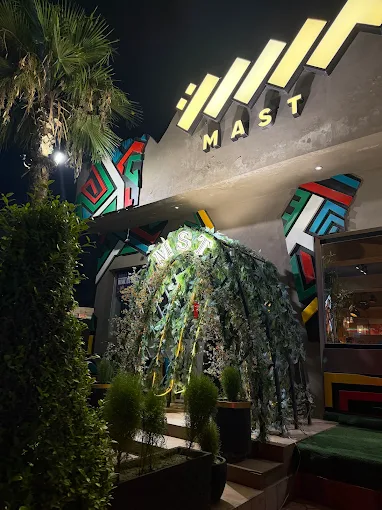
MST Restaurant 

MST Restaurant is a heavyweight among restaurants in Johar Town Lahore, offering a cosy buffet-style dining atmosphere that’s popular with regulars. Its buffet format makes it practical for larger groups wanting variety.

  • Rating: 4.4 (4.2K reviews)
  • Address: Khayaban-e-Firdousi, 272 R2, Block R2 Phase 2 Johar Town, Lahore, 54600
  • Website: facebook.com/mstrestaurant
  • Contact: 0313 1678678

Torishush Restaurant 
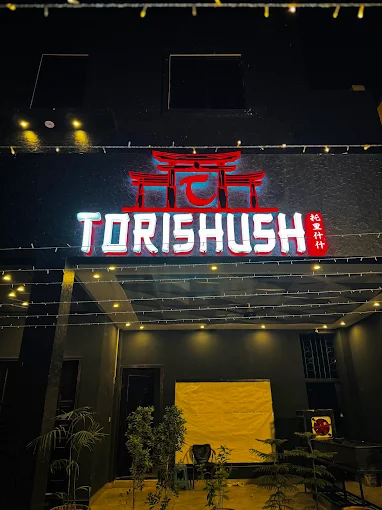
Torishush Restaurant 

Torishush Restaurant is recognised among the more refined restaurants in Johar Town Lahore, with an ambience geared toward comfort and privacy. It’s well-suited for intimate dinners and small celebrations.

  • Rating: 4.5
  • Address: 8, Block F Phase 1 Johar Town, Lahore, 54000
  • Website: torishushrestaurant.com
  • Contact: 0325 5551525

Maalga Restaurant
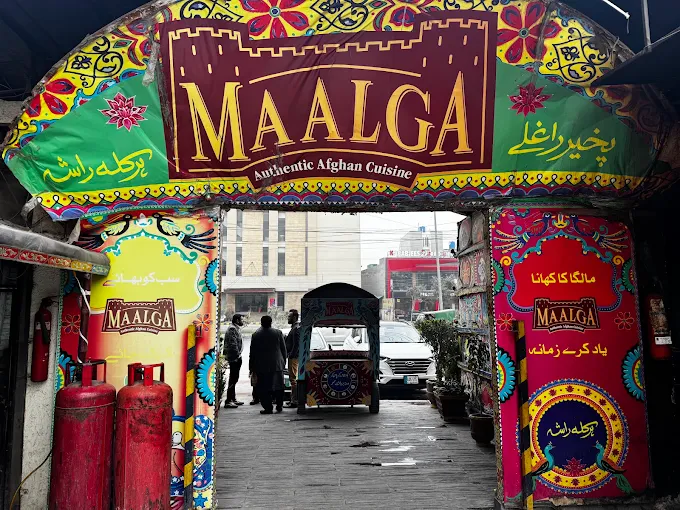
Maalga Restaurant

Maalga Restaurant is one of the most-reviewed restaurants in Johar Town Lahore, known for its long-standing presence and popularity. Its live music adds a fun element to the overall dining experience.

  • Rating: 4.0 (6.2K reviews)
  • Address: 916 – R1 Khayaban-e-Firdousi, Block R1 Phase 2 Johar Town, Lahore, 54000
  • Website: maalga.com
  • Contact: 0311 1550011

Guftagu Restaurant

Guftagu Restaurant

Guftagu Restaurant is a cosy addition to the restaurants in Johar Town Lahore roster, with a café-style setting suited to casual coffee catch-ups and light meals. It’s a great choice for a more laid-back, conversational atmosphere.

  • Rating: 4.2
  • Address: 879-R1, Block R1 Phase 2 Johar Town, Lahore, 54782
  • Website: instagram.com/guftagucafe.pk
  • Contact: 0322 7972398

The Veranda

The Veranda

The Veranda adds variety to the restaurants in Johar Town Lahore lineup, offering a relaxed setting suited for casual meetups. Its open-air seating is especially popular during pleasant weather.

  • Rating: 4.2 (362 reviews)
  • Address: 166, Block M Phase 2 Johar Town, Lahore, 54000
  • Website: facebook.com/theverandapk
  • Contact: 0310 0572222

Chaye Qawali

Chaye Qawali

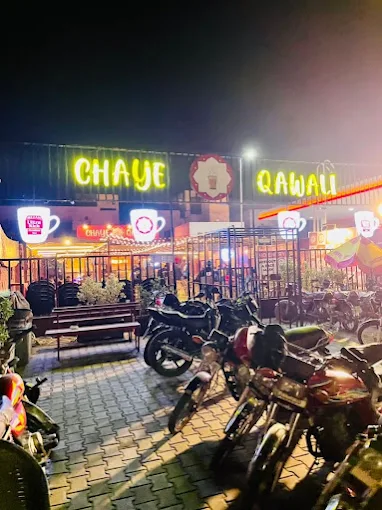
Chaye Qawali stands out among restaurants in Johar Town Lahore for its cultural, café-style charm, blending a tea-house atmosphere with live entertainment. It’s especially popular with younger crowds looking for an immersive evening out.

  • Rating: 4.2 (6.3K reviews)
  • Address: 13 Khayaban-e-Firdousi, D-1, Block D1 Phase 1 Johar Town, Lahore, 54000
  • Website: chayeqawali.pk
  • Contact: 0333 4953959

The Lamb House

The Lamb House

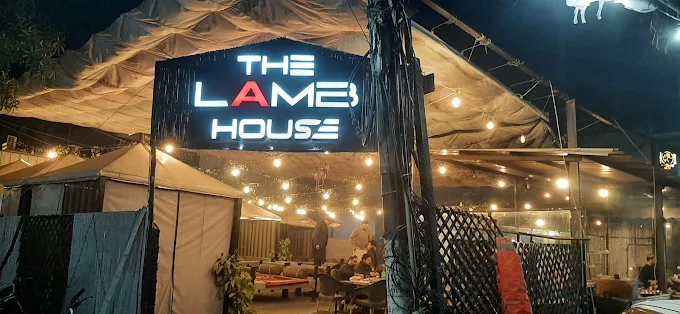
The Lamb House is known among restaurants in Johar Town Lahore, for operating on a reservation basis, offering al-fresco dining for guests who prefer it. Planning ahead is recommended, especially during peak hours.

  • Rating: 3.9
  • Address: 445, Block G1 Phase 1 Johar Town, Lahore
  • Contact: 0321 8440321

NOVU Johar Town

NOVU

NOVU Johar Town ranks among the more structured restaurants in Johar Town Lahore, offering a buffet experience convenient for guests who want to stay connected while dining. Reservations help ensure a smoother visit during busier periods.

  • Rating: 4.1 (2.6K reviews)
  • Address: 942 J/2, Nazria-e-Pakistan Road, Block J2 Phase 2 Johar Town, Lahore, 54782
  • Website: novu.pk
  • Contact: 0305 4226688

Yasir Broast

Yasir Broast

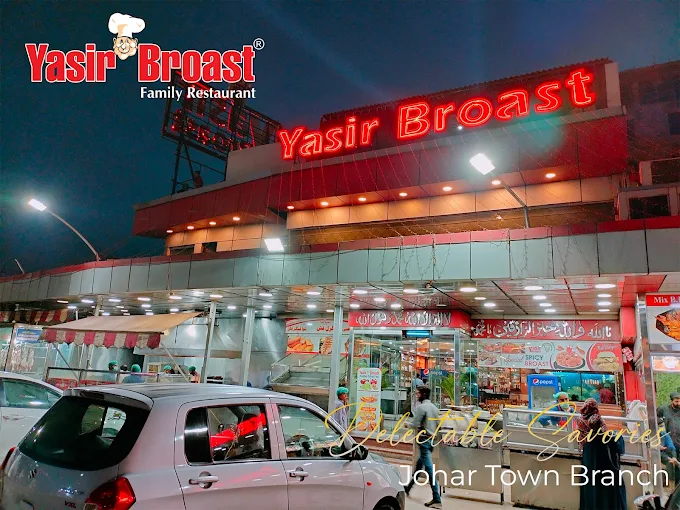
Yasir Broast has built a large following among restaurants in Johar Town Lahore, particularly for its broast-style chicken. Its combination of affordability and variety keeps it a consistent favourite for casual and private gatherings alike.

  • Rating: 3.8 (9.1K reviews)
  • Address: F72C+M57, opp. Shaukat Khanum Hospital Road, Block R1 Phase 2 Johar Town, Lahore, 54000
  • Website: order.yasirbroast.com.pk
  • Contact: 0334 8464447

Krados Restaurant Johar Town
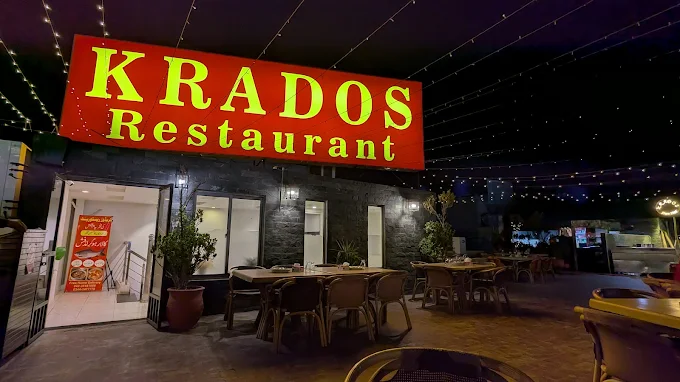
Krados Restaurant Johar Town

Krados Restaurant Johar Town is a family-oriented restaurant in Johar Town, Lahore, making it a practical choice for families planning celebrations or casual weekend outings. Its buffet setup ensures there’s something for every family member.

  • Rating: 3.9
  • Address: 270 R2 Johar Town Rd, Block R2 Phase 2 Johar Town, Lahore, 54000
  • Website: krados.com
  • Contact: (042) 35181066

Johnny & Jugnu – Johar Town

Johnny & Jugnu

Johnny & Jugnu is a well-known fast-food name among restaurants in Johar Town Lahore, popular for quick, satisfying meals suited to a fast-paced lifestyle. Its central location makes it a convenient stop for a casual meal.

  • Rating: 4.3
  • Address: 28, behind Mian Plaza, Block D2 Phase 1 Johar Town, Lahore, 54782
  • Contact: (042) 111 333 363

Chunk N Cheese – Johar Town

Chunk N Cheese

Chunk N Cheese is a favourite among family-focused restaurants in Johar Town Lahore, offering a buffet format that appeals to those wanting a filling meal with variety. It’s well-suited for family dinners and casual outings.

  • Rating: 4.3
  • Address: 452 G3, Abdul Haque Rd, Block G3 Phase 2 Johar Town, Lahore, 54782
  • Website: chunkncheese.pk
  • Contact: (042) 111 555 786

Al-Nakhal Arabian Cuisine Johar Town

Al-Nakhal Arabian Cuisine

Al-Nakhal Arabian Cuisine brings Middle Eastern flavours to Johar Town Lahore, with an emphasis on privacy and reservation-based dining that suits special occasions or business meals. Its authentic offerings make it a solid choice for those seeking something different.

  • Rating: 4.2
  • Address: Khayaban-e-Firdousi, near Shaukat Khanum Hospital, Block R1 Phase 2 Johar Town, Lahore
  • Website: alnakhal.com.pk
  • Contact: (042) 35314401

Cheezious G-3

Cheezious G-3

Cheezious G-3 is a heavyweight among restaurants in Johar Town Lahore, known for its all-you-can-eat fast food format and late-night hours that make it a go-to for both quick bites and full meals. Its strong review base reflects its popularity across the Johar Town community.

  • Rating: 4.6 (13,004 reviews)
  • Address: 446 Plaza Johar, Block G3 Phase 2 Town, Lahore
  • Contact: (042) 111 446 699

Cheezious (J3)
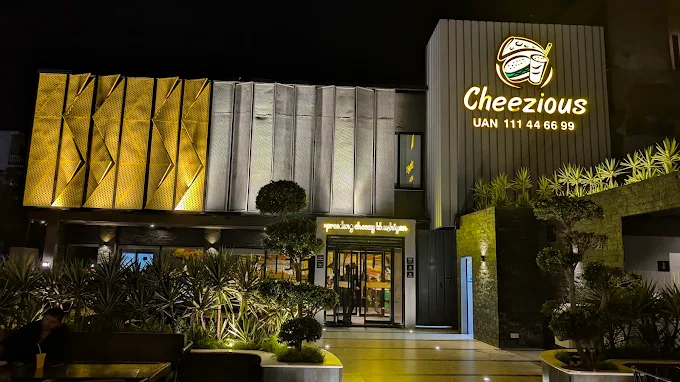
Cheezious (J3)

Cheezious (J3) adds another strong branch to the list of restaurants in Johar Town Lahore, offering a lively evening dining experience with live music alongside its all-you-can-eat buffet. It’s a solid pick for happy-hour dining with friends.

  • Rating: 4.5 (6,441 reviews)
  • Address: J-3, M A Johar, Block J3 Phase 2 Town, Lahore, 54792
  • Contact: (042) 111 446 699

Daily Deli Co. (Johar Town)
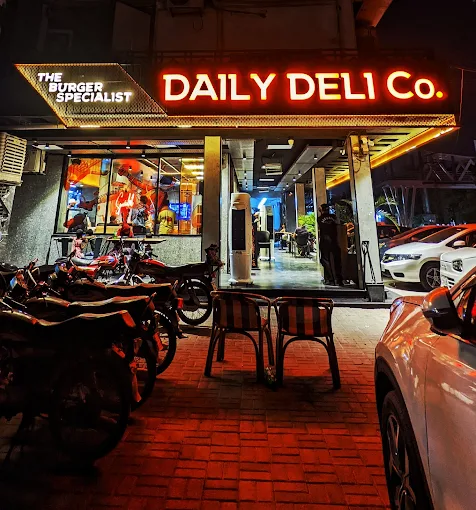
Daily Deli Co.

Daily Deli Co. is a well-reviewed fast food name among restaurants in Johar Town Lahore, offering a relaxed, family-friendly setup with outdoor seating. It’s a convenient stop for a casual, affordable meal.

  • Rating: 4.4 (10,364 reviews)
  • Address: Khayaban-e-Firdousi, Civic Centre Block D2 Phase 1 Johar Town, Lahore
  • Contact: (042) 111 132 459

Bundu Khan Restaurant – Johar Town

Bundu Khan Restaurant

Bundu Khan Restaurant is a well-established name among restaurants in Johar Town Lahore, known for its generous all-you-can-eat offering. It’s a solid choice for those wanting a hearty, traditional dining experience.

  • Rating: 4.1 (3,398 reviews)
  • Address: 19 Main Blvd, Block N Phase 2 Johar Town, Lahore, 54782
  • Contact: (042) 35316011

Gourmet Restaurant Faisal Town

Gourmet Restaurant Faisal Town

Gourmet Restaurant is a nearby favourite often mentioned alongside restaurants in Johar Town Lahore, offering a versatile buffet with vegan-friendly options and private dining. It’s a good fit for both casual meals and more private gatherings.

  • Rating: 4.0 (15,318 reviews)
  • Address: Block D Faisal Town, Branch
  • Contact: (042) 111 111 157

Cup Shup Cafe & Restaurant
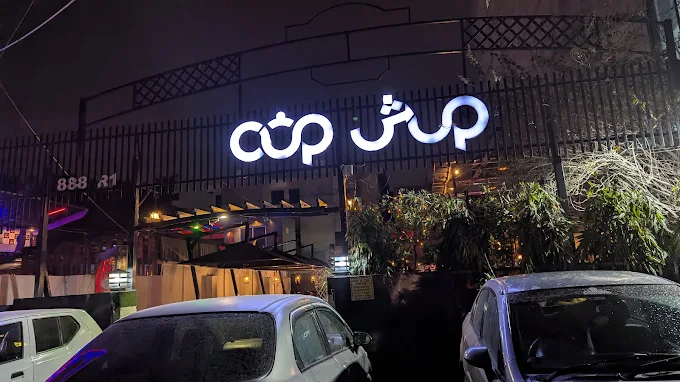
Cup Shup Cafe & Restaurant

Cup Shup Cafe & Restaurant brings a cosy vibe to the Johar Town Lahore restaurant scene, combining outdoor seating with a warm fireplace setting. It’s a comfortable spot for relaxed, all-you-can-eat dining.

  • Rating: 4.2 (5,246 reviews)
  • Address: 888, Block R1 Phase 2 Johar Town, Lahore, 54000
  • Contact: 0305 5406644

Hen n’ Bun – Johar Town

Hen n' Bun

Hen n’ Bun is a chicken-focused addition to the restaurants in Johar Town Lahore lineup, known for its straightforward, no-reservation dining style. It’s a practical choice for a quick chicken meal.

  • Rating: 4.2 (3,555 reviews)
  • Address: R2, 18-R2 Service Road, Block R2 Phase 2 Johar Town, Lahore, 54782
  • Contact: 0304 1110405

Sichuan Chinese Restaurant

Sichuan Chinese Restaurant

Sichuan Chinese Restaurant offers a change of pace among restaurants in Johar Town Lahore, serving Chinese cuisine in an outdoor setting that’s also good for kids’ birthdays. It’s a nice option for families wanting something different.

  • Rating: 4.0 (1,818 reviews)
  • Address: 1-G-4, Main Canal Rd, Block G4 Phase 2 Johar Town, Lahore, 5400
  • Contact: 0300 8852030

Shaheen Shinwari

Shaheen Shinwari

Shaheen Shinwari is a traditional pick among restaurants in Johar Town Lahore, known for its hearty all-you-can-eat spread served with outdoor seating. It suits diners looking for classic, filling meals.

  • Rating: 3.8 (3,156 reviews)
  • Address: 920 Maulana Shaukat Ali Rd, Block R1 Phase 2 Johar Town, Lahore
  • Contact: (042) 35956381

La Downtown Johar Town
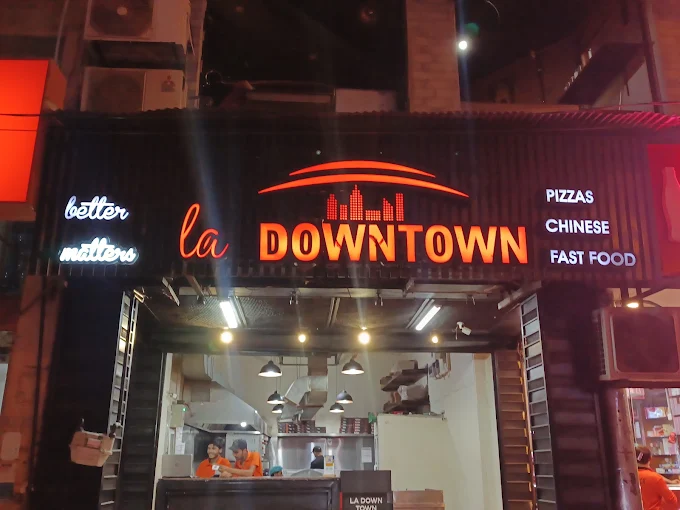
La Downtown

La Downtown Johar Town extends beyond the usual restaurants in Johar Town Lahore list, offering a fast food experience in the nearby DHA area. It’s worth the short trip for those exploring options slightly outside Johar Town.

  • Rating: 4.3 (196 reviews)
  • Address: 18 R-2 Johar Town, Lahore 
  • Contact: 0304 1114020

Burger Mart

Burger Mart

Burger Mart is a casual favourite among restaurants in Johar Town Lahore, offering outdoor seating and Wi-Fi alongside a kids’ menu. It’s a convenient stop for a quick, family-friendly burger meal.

  • Rating: 4.3 (751 reviews)
  • Address: 256-A Khayaban-e-Firdousi, next to Standard Chartered Bank, Block R2 Phase 2 Johar Town, Lahore, 54782
  • Menu: wa.me

Howdy

Howdy

Howdy is a pet-friendly addition to the restaurants in Johar Town Lahore scene, with outdoor seating that even allows dogs. It’s a relaxed spot for casual dining with family or pets in tow.

  • Rating: 4.3 (5,721 reviews)
  • Address: 7 R3, near Shaukat Khanum Hospital Road, Block R3 Phase 2 Johar Town, Lahore
  • Contact: 0310 4448801

Bait Al Shawarma
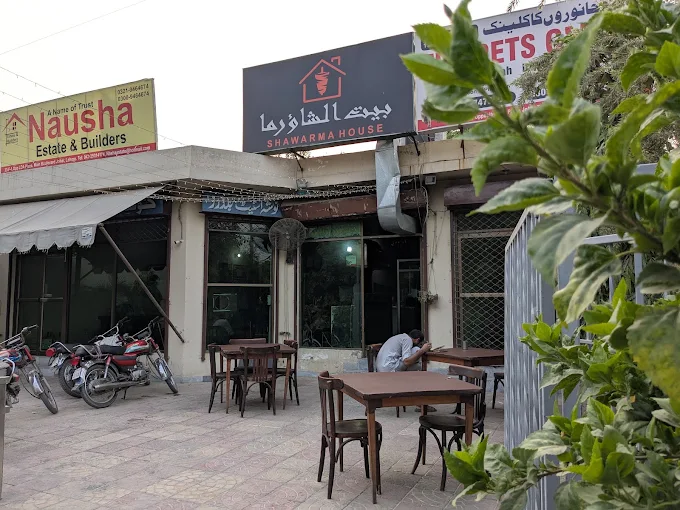
Bait Al Shawarma

Bait Al Shawarma is a smaller, lesser-known name among restaurants in Johar Town Lahore, offering shawarma-style fast food. It’s a simple option for those craving a quick Middle Eastern-inspired snack.

  • Rating: 2.7 (6 reviews)
  • Address: 33-F1, Block F1 Phase 1 Town, Lahore, 54000
  • Contact: 0334 7755101

Domino’s Pizza – Johar Town

Domino's Pizza

Domino’s Pizza is a familiar chain among restaurants in Johar Town Lahore, offering delivery, carryout, and dine-in service with a wide range of pizzas and sides. It’s a reliable choice for a quick pizza fix.

  • Rating: 3.9 (2,169 reviews)
  • Address: 64 Main Blvd, Block R1 Phase 2 Johar Town, Lahore, 54782
  • Website: dominos.com.pk
  • Contact: (021) 111 366 466

Subway

Subway

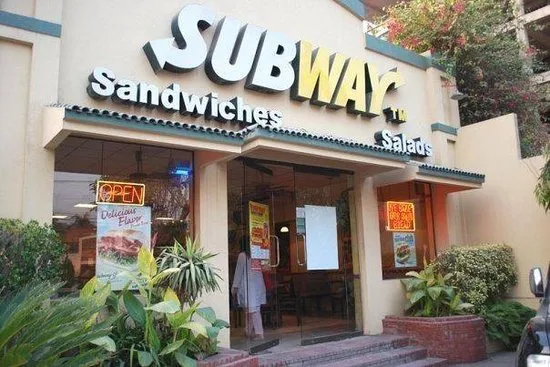
Subway rounds out the health-conscious side of restaurants in Johar Town Lahore, offering build-your-own sandwiches and salads with vegan options. It’s a good pick for a lighter, customizable meal.

  • Rating: 4.2 (894 reviews)
  • Address: Shop 20, Abdul Haque Rd, Block H2 Phase 2 Johar Town, Lahore, 54782
  • Contact: (042) 35314425

Pizza Hut Johar Town

Pizza Hut

Pizza Hut is a high-rated staple among restaurants in Johar Town Lahore, offering outdoor seating and a kids’ menu for a comfortable family pizza outing. Its strong rating reflects consistent quality.

  • Rating: 4.6 (1,396 reviews)
  • Address: 318 Block G3 Main Blvd, Johar Block G3 Phase 2 Town, Lahore, 54000
  • Contact: (042) 111 000 765

McDonald’s – Johar Town

McDonald

McDonald’s is one of the most accessible restaurants in Johar Town Lahore, open late with outdoor seating, Wi-Fi, and a kids’ menu that suits families and quick solo visits alike.

  • Rating: 4.3 (4,168 reviews)
  • Address: J2, Block J2 Phase 2 Johar Town, Lahore, 54600
  • Website: mcdonalds.com.pk

KFC

KFC

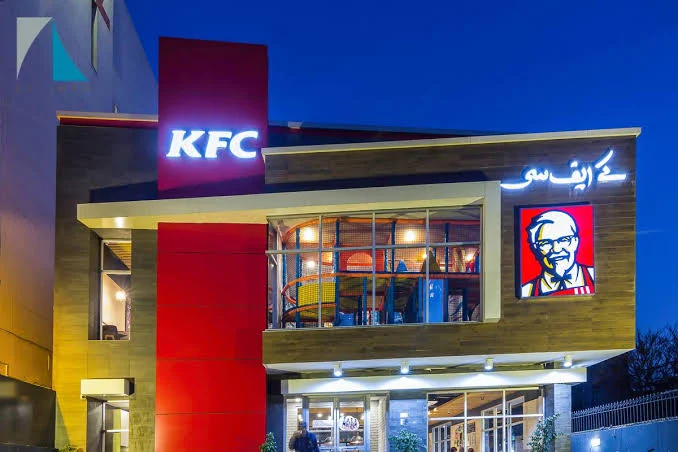
KFC is a globally recognised name on the list of restaurants in Johar Town Lahore, known for its buckets of fried chicken and combo meals. It remains a dependable choice for a satisfying fast food meal.

  • Rating: 4.0 (6,854 reviews)
  • Address: Khayaban-e-Firdousi, Block R2 Phase 2 Johar Town, Lahore
  • Website: kfcpakistan.com
  • Contact: (042) 111 532 532

Coffee Planet

Coffee Planet

Coffee Planet gives coffee lovers a break from the usual restaurants in Johar Town Lahore, offering a relaxed café setting for casual catch-ups. It’s a nice stop for a coffee break during a day out.

  • Rating: 4.1 (1,214 reviews)
  • Address: 66 R1 Main Blvd, Block R1 Phase 2 Johar Town, Lahore
  • Contact: 0325 9898807

Gloria Jean’s Coffees – Johar Town

Gloria Jean's Coffees

Gloria Jean’s Coffees adds a speciality coffeehouse option to the restaurants in Johar Town Lahore area, serving gourmet blends, tea, and pastries. It’s a comfortable spot for a relaxed coffee outing.

  • Rating: 4.2 (4,455 reviews)
  • Address: Corner of Main Boulevard and Khayaban-e-Firdousi, Block R1 Phase 1 Johar Town, Lahore
  • Website: gloriajeanscoffees.com.pk
  • Contact: (042) 35241114

Regalia Restaurant
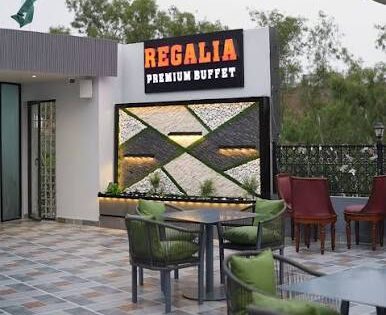
Regalia Restaurant

Regalia Restaurant holds a strong rating among restaurants in Johar Town Lahore, reflecting a quality dining experience near Shaukat Khanum Hospital Road. It’s worth considering for a slightly more upscale meal.

  • Rating: 4.7 (278 reviews)
  • Address: 111-R3, near Shaukat Khanum Hospital Road, Block R3 Phase 2 Johar Town, Lahore, 54000
  • Contact: 0300 0401858

Zoro Burger – Johar Town

Zoro Burger

Zoro Burger has earned a standout rating among restaurants in Johar Town Lahore, making it a top choice for burger enthusiasts. Its high rating reflects strong customer satisfaction despite a smaller review count.

  • Rating: 4.8 (657 reviews)
  • Address: 467-G3 Khokhar Chowk, Block G3 Phase 2 Johar Town, Lahore, 54782
  • Website: zoroburger.com
  • Contact: 0300 0967658

Broadway Pizza – Johar Town

Broadway Pizza

Broadway Pizza is a highly popular pick among restaurants in Johar Town Lahore, offering happy-hour deals and vegetarian options in a setting that’s also good for watching sport. It’s a versatile choice for pizza nights with a crowd.

  • Rating: 4.6 (10,533 reviews)
  • Address: Shahrah Nazaria-e-Pakistan, Commercial Area Phase 2 Johar Town, Lahore
  • Website: broadwaypizza.com.pk
  • Contact: (042) 111 339 339

NY212 Johar Town

NY212

NY212 is a fast-food restaurant in Johar Town, Lahore, conveniently located near Khokhar Chowk for easy access. It’s a good option for a quick meal while out and about in the area.

  • Rating: 4.1 (3,474 reviews)
  • Address: 9M Johar Town, near Khokhar Chowk, Block M Phase 2 Johar Town, Lahore
  • Website: ny-212.com
  • Contact: (042) 111 169 212

Pizza Online Johar Town

Pizza Online

Pizza Online is a well-reviewed restaurant in Johar Town, Lahore, offering an all-you-can-eat pizza deal, happy-hour pricing, and a kids’ menu. It’s a great value pick for families.

  • Rating: 4.5 (10,895 reviews)
  • Address: Haakim Chowk, PIA Main Boulevard, Block D Phase 1 Johar Town, Lahore, 54770
  • Contact: (042) 111 765 000
  • Menu: bit.ly

Italian Pizza

Italian Pizza rounds out the fast-food options among restaurants in Johar Town, Lahore, near Ghosia Chowk. It’s a straightforward choice for a casual pizza meal.

  • Rating: 4.3 (23 reviews)
  • Address: Ghosia Chowk, Main University of Management & Technology Rd, Township Block C2 Phase 1 Johar Town, Lahore, 54600
  • Contact: 0306 9209045

WOW Meal N Deal

WOW Meal N Deal

WOW Meal N Deal is a popular pick among restaurants in Johar Town Lahore, offering a wide-ranging menu that suits both quick pickups and sit-down meals. Its strong rating reflects consistent customer satisfaction across many reviews.

  • Rating: 4.5 (2,319 reviews)
  • Website: wowmealndeal.pk
  • Address: 22 R2 Johar Town Rd, Block R2 Phase 2 Johar Town, Lahore, 54782
  • Contact: 0307 0001200

Tabrezian Restaurant

Tabrezian Restaurant

Tabrezian Restaurant is a budget-friendly name among restaurants in Johar Town Lahore, located inside G1 Market. It’s a good option for an affordable, casual meal.

  • Rating: 4.2 (891 reviews)
  • Address: Shop number 660, market, Block G1 Phase 1 Johar Town, Lahore, 54000
  • Website: tabrezian.com
  • Contact: 0326 4328881

Pakistan Restaurant Pak
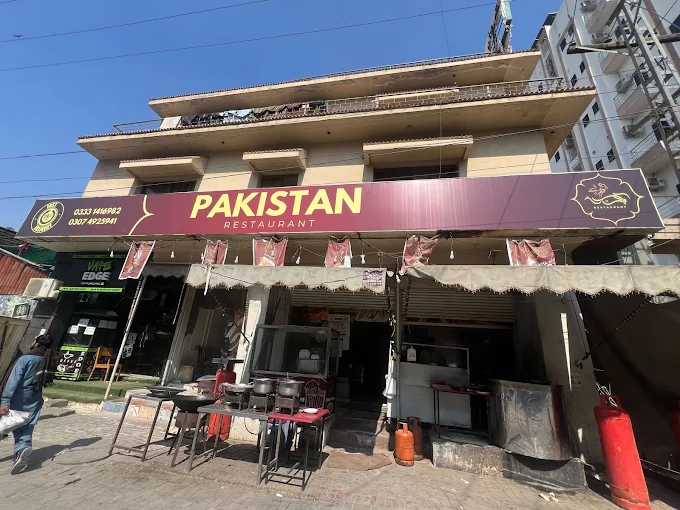
Pakistan Restaurant Pak

Pakistan Restaurant Pak brings a traditional buffet-style experience to the restaurants in Johar Town Lahore list, complete with outdoor seating and a cosy fireplace. It’s a comfortable, affordable choice for a filling meal.

  • Rating: 3.8 (547 reviews)
  • Address: Near UMT HBL, UMT Road, Block C1 Phase 1 Johar Town, Lahore, Punjab, 54000
  • Contact: 0333 1416982

Kitchen Cuisine – Johar Town Allahu Chowk
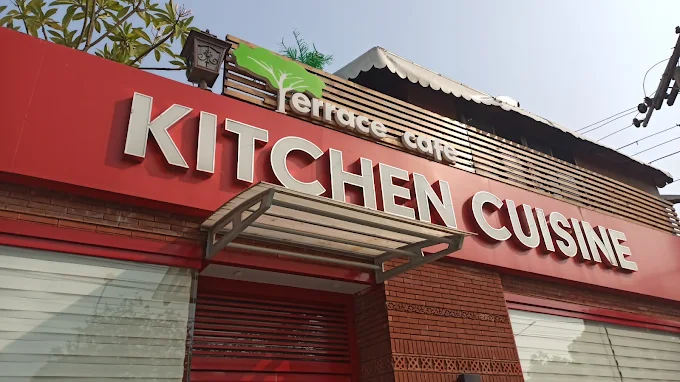
Kitchen Cuisine

Kitchen Cuisine adds a bakery option to the restaurants in Johar Town Lahore scene, staying open late for evening cravings. It’s a convenient stop for baked goods and light bites.

  • Rating: 4.0 (73 reviews)
  • Address: 42-A Block Khayaban-e-Firdousi, Block A Phase 1 Johar Town, Lahore
  • Website: kitchencuisine.com.pk
  • Contact: (042) 35202525

Patiala House (The Fine Cuisine)

Patiala House

Patiala House holds an excellent rating among restaurants in Johar Town Lahore, reflecting strong satisfaction despite a smaller review count. It’s worth considering for a more refined dining experience.

  • Rating: 4.7 (18 reviews)
  • Address: 452, Block F1 Phase 1 Johar Town, Lahore, 54782
  • Contact: 0324 6070373

Final Words

Johar Town truly have many restaurants for every mood, budget, and occasion, making it one of the most exciting food hubs in Lahore. Whether you’re a fan of quick fast-food fixes, buffet-style feasts, or laid-back café evenings, this list of restaurants in Johar Town Lahore gives you plenty of options to explore.

For more informative blogs on topics like Best Restaurants in F6 Islamabad, visit Chakor Blogs.


climate-resilient real estate
CategoriesReal Estate Climate Change Deforestation Environment Urban Developments & Planning Urban Flooding

Climate-Resilient Real Estate in Pakistan: The Future of Property (2026)

Pakistan’s real estate sector is entering a new era, one where climate-resilient real estate is no longer a niche concept but a market necessity. The 2022 floods submerged nearly a third of the country and caused an estimated $40 billion in damage, a stark reminder that the built environment cannot ignore climate risk any longer. Today, buyers, investors, and developers are rethinking how homes and commercial spaces are designed, built, and certified. Climate-resilient real estate now sits at the center of that shift, supported by sustainable real estate development practices and growing demand for green building certification across major cities.

This blog explains what climate-resilient real estate means for Pakistan, why it matters, and how the market is adapting.

What Is Climate-Resilient Real Estate?

Climate-Resilient Real Estate

Climate-resilient real estate refers to properties designed and constructed to withstand climate-related stressors such as flooding, extreme heat, and unpredictable rainfall, while protecting the wellbeing of residents and maintaining long-term asset value. It goes beyond aesthetics or energy savings. It is about ensuring a building can function safely and efficiently even as weather patterns become more extreme.

In Pakistan, this is not a distant concern. The housing sector faces a significant shortfall alongside growing climate risks, and most existing structures were never built to handle the intensity of floods, heatwaves, or storms the country now experiences. Climate-resilient real estate addresses this gap through better materials, smarter design, and disaster-aware planning.

Why Climate-Resilient Real Estate Matters for Pakistan

Why Climate-Resilient Real Estate

Pakistan ranks among the countries most vulnerable to climate change, yet much of its housing stock was never designed with resilience in mind. A few reasons this matters now more than ever:

  • Rising climate risk affects property value. Buildings that perform better against flooding, heat, and extreme weather tend to command higher rents and stronger resale value, while vulnerable properties face higher insurance and maintenance costs over time.
  • Urban flooding is a recurring threat. Karachi, Lahore, and other major cities regularly face monsoon flooding, making resilient drainage, elevated foundations, and flood-resistant materials essential rather than optional.
  • Energy and water demand keep rising. Passive design, insulation, and efficient systems reduce strain on an already stressed power grid while lowering utility bills for residents.
  • Investor expectations are shifting. Global capital increasingly favours developments that can demonstrate climate resilience and sustainability credentials, particularly as international investors look at Pakistan’s property sector.

Sustainable Real Estate Development

Climate-Resilient Real Estate

Climate-resilient real estate does not happen by accident. It is the outcome of deliberate sustainable real estate development, a process that integrates energy efficiency, resource-conscious design, and disaster resilience from the earliest planning stages rather than as an afterthought.

In practice, sustainable real estate development in Pakistan increasingly includes:

  • Low-carbon construction materials, such as autoclaved aerated concrete (AAC) blocks and interlocking bricks, which studies show can meaningfully reduce cooling energy demand and construction costs compared to conventional materials.
  • Passive design strategies, including solar orientation, natural ventilation, and shading, which reduce dependence on mechanical cooling in Pakistan’s hot climate.
  • Water conservation systems, such as rainwater harvesting and greywater recycling, which help offset the country’s growing water scarcity.
  • Renewable energy integration, particularly solar panels, which take advantage of Pakistan’s abundant sunlight to cut electricity costs and reduce grid dependence.
  • Resilient infrastructure planning, including improved drainage, elevated site design, and flood-conscious layouts for master-planned communities.

Developers who commit to sustainable real estate development are not just responding to climate risk; they are also meeting a clear shift in buyer expectations, especially among younger, environmentally conscious purchasers and overseas Pakistanis evaluating long-term investments.

The Role of Green Building Certification

Green building certification has become one of the clearest ways for developers to prove that a project meets recognised sustainability and resilience standards, rather than simply claiming it. Two frameworks are shaping this conversation in Pakistan:

LEED (Leadership in Energy and Environmental Design)

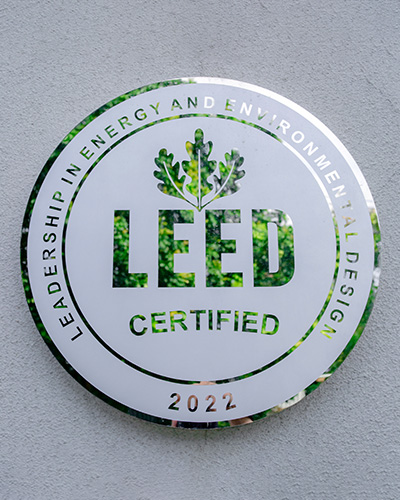
LEED (Leadership in Energy and Environmental Design), developed by the U.S. Green Building Council, remains the world’s most widely used green building rating system. It evaluates projects on energy efficiency, water conservation, material selection, and indoor environmental quality, awarding certification levels from Certified up to Platinum. LEED-certified buildings can cut electricity and water bills significantly, an important advantage in a market facing rising energy costs.

EDGE climate-resilient real estate

EDGE (Excellence in Design for Greater Efficiencies), an IFC-backed certification, simplifies green building design and focuses on resource efficiency and net-zero performance. EDGE also supports a Building Resilience Index, giving developers, banks, insurers, and governments a way to assess and disclose climate resilience across a portfolio.

Green building certification is gaining real traction in Pakistan. Institutions and urban development authorities have started pursuing LEED and EDGE recognition for major projects, signalling that certification is moving from a rare achievement to an expected standard for large-scale developments.

For developers, pursuing certification demonstrates credibility to both local buyers and international investors, while positioning a project ahead of regulatory trends that are likely to tighten in the coming years.

How Pakistan’s Property Market Is Responding

The shift toward climate-resilient real estate is visible across Pakistan’s major cities. In Karachi, new projects increasingly feature solar power, rainwater harvesting, and green building certification as standard offerings rather than premium add-ons.

In Lahore and Islamabad, urban development authorities and private developers are integrating resilient infrastructure, smart mobility, and green public spaces into master-planned communities.

This momentum is also being supported at the policy level. Recent reforms, including reductions in withholding tax and the removal of Federal Excise Duty on certain property transactions, have lowered the cost of developing and investing in real estate, creating more room for developers to invest in sustainable features without passing steep costs onto buyers.

For overseas Pakistanis and institutional investors, climate-resilient real estate offers a practical advantage: lower long-term operating costs, stronger asset protection against extreme weather, and greater alignment with the sustainability standards increasingly demanded by global capital.

What Buyers and Investors Should Look For

When evaluating a property or project for climate resilience, a few practical indicators are worth checking:

  1. Certification status — Is the project pursuing or holding LEED, EDGE, or an equivalent green building certification?
  2. Drainage and flood planning — Does the site design account for monsoon flooding and urban drainage capacity?
  3. Material choices — Are low-carbon, insulating materials used to reduce cooling demand?
  4. Water and energy systems — Does the development include rainwater harvesting, solar power, or greywater recycling?
  5. Long-term maintenance plans — Is there a clear strategy for monitoring and maintaining resilience features after handover?

Final Thoughts

Climate-resilient real estate is fast becoming the defining standard for Pakistan’s property market, not a future ambition but a present-day requirement. As climate risks intensify, sustainable real estate development and green building certification are giving developers a credible framework to build safer, more efficient, and more valuable properties. For buyers and investors alike, understanding these standards is no longer optional. It is central to making sound, future-focused property decisions in Pakistan.

As one of Pakistan’s leading real estate developers, Chakor continues to track these shifts closely, ensuring its projects reflect the standards that today’s buyers and international investors expect.

Frequently Asked Questions

What does climate-resilient real estate mean?

It refers to properties built to withstand climate-related risks such as flooding, extreme heat, and storms, while protecting resident wellbeing and long-term property value.

Why is green building certification important in Pakistan?

Green building certification, such as LEED or EDGE, verifies that a project meets recognised standards for energy efficiency, water conservation, and resilience, giving buyers and investors measurable proof of sustainability rather than unverified claims.

How does sustainable real estate development reduce costs?

Sustainable real estate development uses passive design, efficient materials, and renewable energy to lower a building’s energy and water consumption, which reduces utility costs for owners and occupants over the property’s lifetime.

Is climate-resilient real estate more expensive to build?

Some resilient materials and certification processes involve upfront investment, but they typically deliver long-term savings through lower utility bills, reduced maintenance, and stronger resale value.

This was all about Water Security. For more information on rainwater harvesting systems and real estate investment options, please visit Chakor.

rainwater harvesting system
CategoriesClimate Change Dams Deforestation Environment Urban Developments & Planning Urban Flooding

Rainwater Harvesting System: Complete Guide, Benefits & Cost 2026

Water shortage is a real problem in most cities today. Borewells run dry. Water bills keep rising. Groundwater levels keep falling. A rainwater harvesting system offers a simple, low-cost fix. It collects rain that would otherwise run off your roof or yard and turns it into a usable water source for drinking, irrigation, flushing, or simply topping up the ground beneath your feet.

This guide covers everything about a rainwater harvesting system: what it is, how it works, its components, methods, benefits, cost, water quality standards, and the rules that apply in Pakistan. By the end, you will know exactly how to plan one for your home, office, or institution.

What Is a Rainwater Harvesting System?

rainwater harvesting system

According to Encyclopaedia Britannica, a rainwater harvesting system is a technology that collects and stores rainwater for human use. Systems range from simple rain barrels to elaborate structures with pumps, tanks, and purification units. The stored water can irrigate landscaping, flush toilets, launder clothes, or even be purified for drinking.

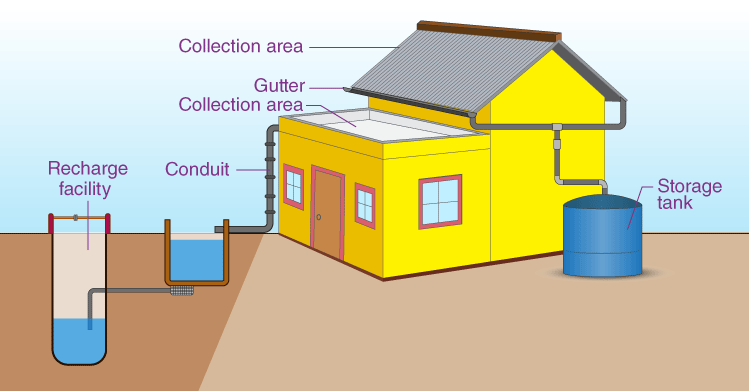
Instead of letting rain run into the street or drain away, a rainwater harvesting system directs it through gutters and pipes into a storage tank or into the ground. Researchers describe every rainwater harvesting system (RWHS) as sharing four core parts: a catchment area, gutters, pipes, and a storage system. Everything else- filters, pumps, recharge wells, treatment units- builds on that basic four-part foundation.

The idea itself is old. People have collected rainwater for thousands of years. Ancient cisterns dating back to 2500 BC have been found in the Middle East, and rainwater harvesting for irrigation dates back to roughly 4500 BC in southern Mesopotamia. Roman cities used rooftop channels and aqueducts long before modern gutters existed.

Farming communities in Balochistan practiced rainwater harvesting around 300 BC. The method has simply been refined with better tanks, filters, and monitoring tools, and in some university research projects today, even Building Information Modeling (BIM) and augmented reality.

Why a Rainwater Harvesting System Matters Right Now

rainwater harvesting system

Water stress is no longer a distant concern. Reports cited by industry sources suggest more than half the world’s population will be living in water-stressed regions by 2050.

Pakistan is a clear example. According to Abamet Pakistan, an environmental engineering firm, Pakistan is technically a “water-stressed” country rather than a “water-scarce” one, but it wastes nearly 10 trillion gallons of water every year due to poor conservation.

A rainwater harvesting system is one of the most direct ways to close that gap, because it captures free water at the exact point where it is needed most.

The United Nations’ Intergovernmental Panel on Climate Change (IPCC) has listed rainwater harvesting among specific measures for adapting to climate change.

In Semarang, Indonesia, a city badly affected by climate-driven flooding and drought, a rainwater harvesting system built into public schools now channels collected water into daily use and groundwater recharge, directly benefiting more than 20,500 people.

This shows how a single, simple technology can serve two opposite climate problems at once: it eases drought by storing water, and it eases flooding by capturing runoff before it overwhelms drains.

How Does a Rainwater Harvesting System Work?

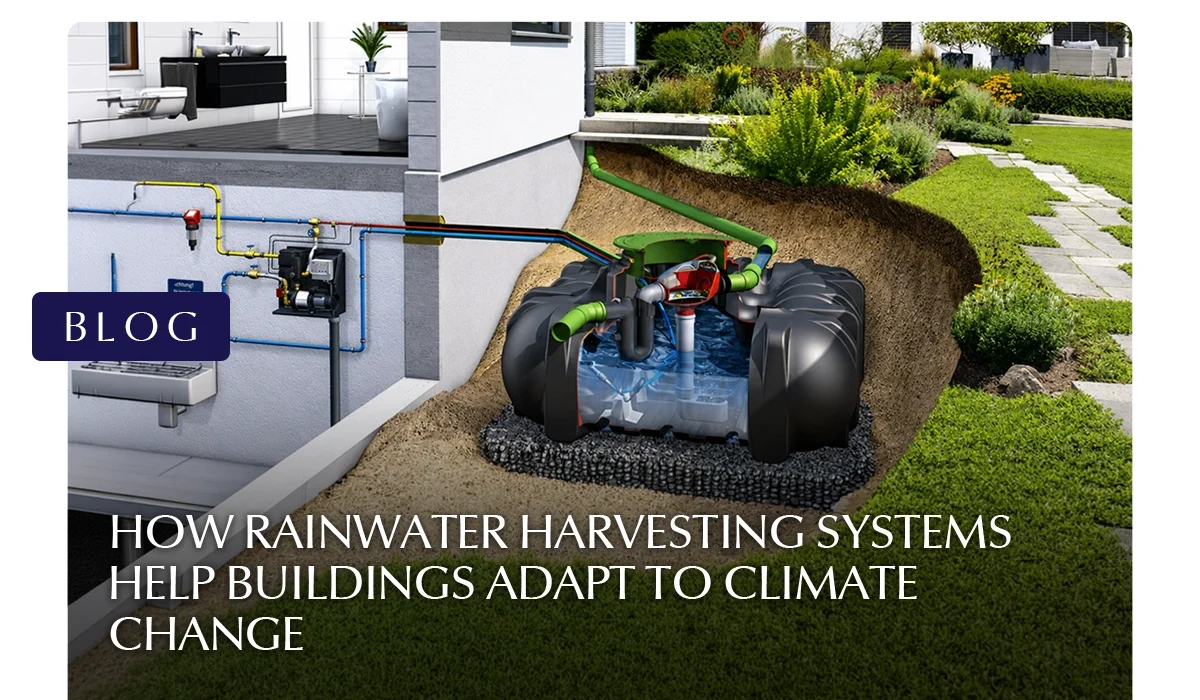
A rainwater harvesting system works in four simple stages: catchment, conveyance, filtration, and storage or recharge.

  1. Catchment: Rain falls on a roof, terrace, or paved surface. This surface is called the catchment area.
  2. Conveyance: Gutters and downpipes carry the water from the roof to the storage point.
  3. Filtration: Before the water reaches the tank, it passes through a first-flush diverter and a filter. This removes dust, leaves, and bird droppings.
  4. Storage or recharge: Clean water is stored in a tank for reuse, or it is directed into a recharge well or pit so it seeps into the ground and refills the water table.

Gravity does most of the work in a well-designed rainwater harvesting system. Pumps are only needed when water must move uphill, into upper floors, or through pressurised taps.

Methods of Rainwater Harvesting

There are two broad methods used in any rainwater harvesting system, and within each, two purpose-based categories worth knowing.

1. Rooftop Rainwater Harvesting

rainwater harvesting system pakistan

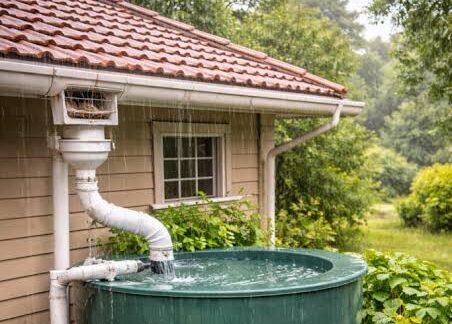
This is the most common method for homes, apartments, schools, and offices. Rain falling on the roof is captured through gutters and either stored in a tank or directed to a recharge well.

Roof runoff is generally of higher quality than surface runoff and can often be used with only basic treatment. It is simple, affordable, and works well for houses, mosques, factories, hotels, and multi-storey buildings.

2. Surface Runoff Harvesting

Surface Runoff Harvesting

This method collects rainwater flowing across the ground, such as from a courtyard, driveway, or open plot. The runoff is channelled into a storage tank or recharge pit below ground level.

It works well for larger plots and is often used alongside rooftop systems to capture every drop of rain falling on a property, while also cutting soil erosion, water pollution, and street flooding.

Domestic vs. Agricultural Rainwater Harvesting

Beyond catchment type, rainwater harvesting is also split by purpose. Domestic rainwater harvesting (DRWH) serves household needs: drinking, washing, gardening, and flushing.

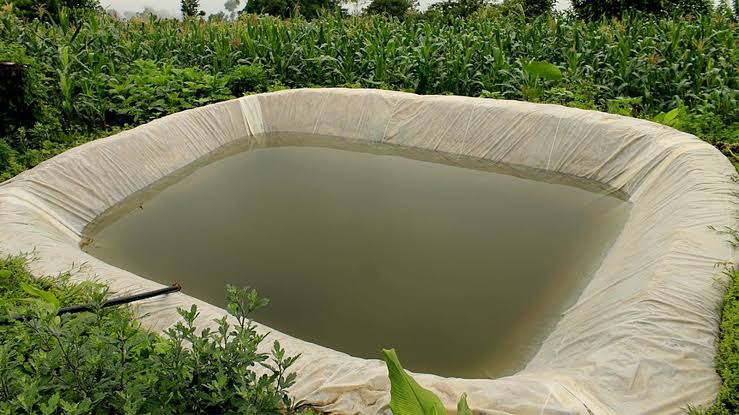
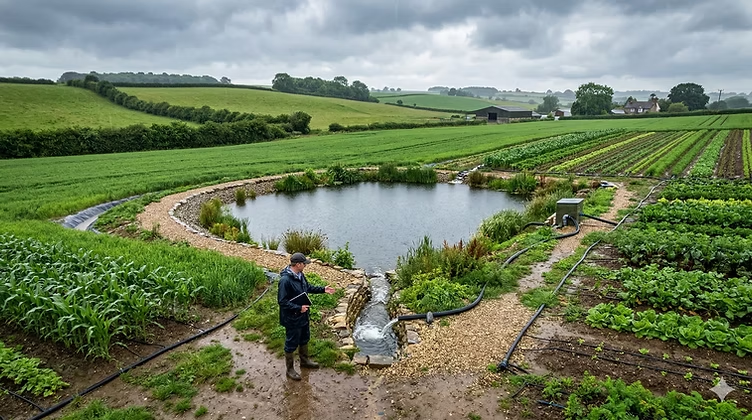
Agricultural and livestock rainwater harvesting (ARWH) serves larger-scale needs through pans, hafir dams, birkads, check dams, sand dams, and agricultural bunds, structures built to trap surface runoff for crops, livestock, and groundwater recharge in arid and semi-arid regions.

Both approaches share the same underlying goal: intercept rain before it is lost, and put it to productive use.

Key Components of a Rainwater Harvesting System

Every rainwater harvesting system, small or large, domestic or industrial, is built from a similar set of parts.

  • Catchment surface: Usually a roof, terrace, or courtyard. Roofing material affects water quality. Metal sheets and glazed tiles perform well; thatched roofs discolour the water and lower quality.
  • Coarse mesh: A screen at the roof or tank inlet that prevents leaves and large debris from entering the system.
  • Gutters: Channels fixed along the roof edge that collect rain and guide it toward a downpipe. Gutters should be sized 10–15% larger than the expected peak flow so they do not overflow, and given a gentle slope of about 10 mm fall per metre to avoid standing water.
  • Downpipes (conduits): Pipes, usually PVC or galvanised iron, that carry water from the gutter down to ground level. Pipe diameter should match rainfall intensity and roof area; a larger, high-intensity roof needs a wider downpipe to avoid backflow during heavy storms.
  • First-flush diverter: A valve that discards the initial rainfall, which carries the most dust, pollen, and pollutants washed off a dry roof.
  • Filter: A chamber filled with sand, gravel, charcoal, or fine mesh that removes suspended particles before water enters the tank. Filter designs range from simple household charcoal and sand filters to advanced multi-chamber units like the Dewas filter, the VARUN drum filter, horizontal roughing and slow sand filters (HRF/SSF), and compact potable-conversion units such as the RainPC, which combines screening, flocculation, and membrane filtration to bring rainwater up to WHO drinking-water standards.
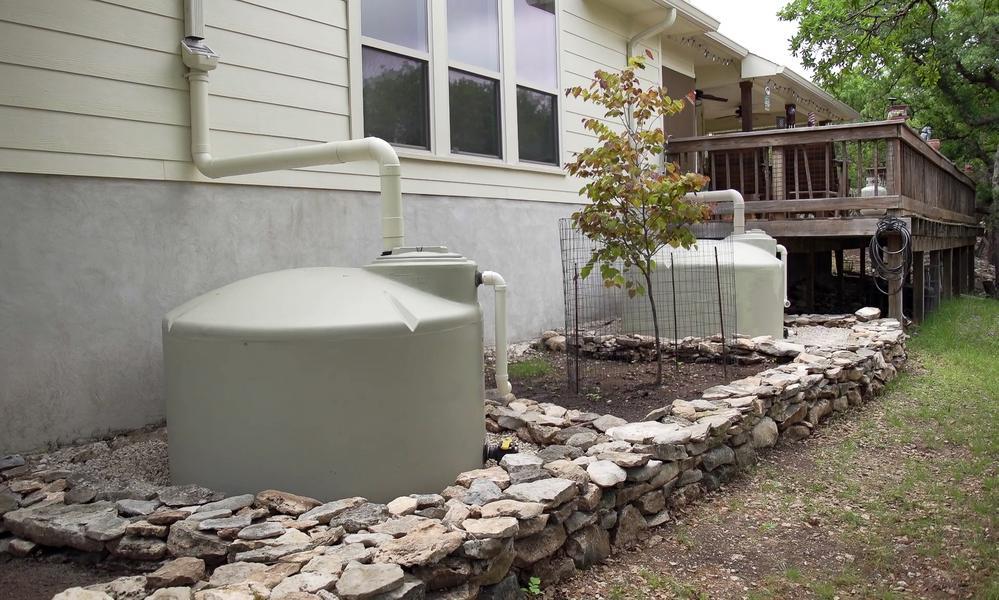
  • Storage tank: Can be built above ground, underground, or partly buried. Common materials include reinforced concrete, ferrocement, masonry, HDPE plastic, fibreglass, and galvanised steel. Tank scale varies enormously, from small garden water butts of a few hundred litres to large underground commercial tanks holding well over 100,000 litres.
  • Overflow pipe: Directs excess water away safely once the tank is full, so it does not flood the roof, driveway, or a building’s boundary wall.
  • Recharge structures: Where storage is not the only goal, surplus filtered water can be sent into recharge wells, recharge pits, recharge trenches, recharge troughs, or modified injection wells, all designed to let water percolate into the ground and restore the local aquifer rather than run to waste.
  • Pump and controls (optional): Used when water needs to reach upper floors or pressurised taps. A water level indicator and flow meter with a data logger help track usage and detect problems early.
  • Backflow preventer: Stops rainwater from flowing backwards into a municipal or well water supply under negative pressure, an important safety feature for any hybrid system.
  • Treatment unit (optional): UV lights, chlorination, or fine membrane filters, needed only if the water will be used for drinking. Full potable treatment typically removes at least 99% of particles 3 microns or larger and includes daily water-quality testing.

Step-by-Step: How to Set Up a Rainwater Harvesting System

Installing an efficient rainwater harvesting system generally follows four practical steps:

  1. Determine and clean your catchment area. Identify the terrace, courtyard, or roof section that will feed the system, and clean it thoroughly to prevent contamination at the very first stage.
  2. Plan the layout. Decide where tanks and pipelines will sit to make the best use of your available collection surfaces. Common layouts include a single large tank or a cluster of smaller linked tanks.
  3. Set up storage. Every drainpipe and collection point should include a mesh filter and first-flush diverter, a filtration stage before the tank, an air gap to prevent backflow, and an overflow route, ideally connected to a recharge system rather than a storm drain.
  4. Install the pipes and tanks. Lay pipes with a single, consistent fall to avoid sediment traps that are hard to clean. Secure the tanks on a stable stand, connect them so they function as a single storage volume, install isolation valves for maintenance, and finish with a tank gauge so water levels can be monitored at a glance.

How Much Water Can You Actually Collect?

You can estimate the water your roof can capture with a simple formula, essentially the same one used by both the U.S. Department of Energy’s Federal Energy Management Program and independent engineering manuals:

Water collected (litres) = Roof area (m²) × Rainfall (mm) × Runoff coefficient

For example, a 300 m² roof catching 25 mm of rain, with a runoff coefficient of 0.9 for a smooth metal or tiled roof, would collect roughly 6,750 litres in a single rain event, before losses from the first-flush diverter and minor leaks. The U.S. Department of Energy recommends applying a collection factor of 75–90% to account for real-world system losses.

The runoff coefficient changes with roof material:

Roof Type Runoff Coefficient
Metal (GI) sheet 0.8–0.9
Glazed tiles 0.6–0.9
Concrete/RCC roof 0.7–0.8
Asbestos (existing roofs only) 0.8–0.9
Thatched roof 0.2

There are three broad approaches used to size a storage tank:

  • Common-side approach: Uses mean annual rainfall to estimate how much water a roof can realistically supply, then sizes the tank to meet roughly a quarter’s worth of demand.
  • Demand-side approach: Bases tank size on daily consumption per person, household size, and the longest expected dry spell, useful where rainfall is plentiful and reliable.
  • Supply-side approach: Compares monthly rainfall potential against monthly demand across a full year, useful in low-rainfall or uneven-rainfall regions where storage must bridge real seasonal gaps.

Whichever method is used, tank size should reflect realistic demand, not the theoretical maximum a roof could ever collect.

Benefits of a Rainwater Harvesting System

Research reviews covering the environmental, economic, and social aspects of rainwater harvesting systems consistently find the same core advantages, echoed across engineering, government, and NGO sources alike.

  • Lowers water bills. Once the upfront cost of the system is paid off, harvested rainwater is essentially free. UK homes with rainwater systems commonly cut mains water use by 20–30%, and sometimes by 50% or more, a figure matched by European tank manufacturers who report up to 50% savings on drinking-water demand for homes using underground rainwater harvesting.
  • Supports groundwater levels. Directing surplus rainwater into recharge wells helps restore water tables that have dropped due to overuse of borewells, and reduces the risk of saltwater or brackish intrusion in coastal and low-lying aquifers.
  • Reduces flooding and stormwater runoff. Capturing rain before it reaches the street lowers the load on stormwater drains and reduces non-point source pollution reaching rivers and lakes, especially valuable during monsoon downpours.
  • Improves water security during drought. Stored rainwater acts as a backup source when mains supply is cut, a well runs low, or a drought hits. It can also serve as a main supply for new homes with no access to municipal water.
  • Requires low maintenance. Once installed, a system needs only routine gutter cleaning and periodic tank inspection; tanks and pipework can last 15 to 30 years with basic upkeep.
  • Reduces energy use and emissions. Because rainwater is used close to where it falls, it cuts the energy needed to pump and transport water across a city, and lowers the broader carbon footprint of urban water supply.
  • Adds long-term property value. Buildings with a working rainwater harvesting system often score points under green-building rating programs, and some municipalities offer rebates, tax exemptions, or property-tax reductions for installing one.
  • Supports climate adaptation. International climate bodies now class rainwater harvesting as a formal adaptation measure: it simultaneously builds drought resilience and reduces flood risk, which is why it appears in UN-backed community projects from Indonesia to Jamaica.
  • Cuts soil erosion. In open plots and agricultural land, capturing runoff reduces the speed and volume of water that would otherwise wash away topsoil.

Cost of a Rainwater Harvesting System and Return on Investment

Cost depends on tank size, excavation depth, pipe length, filtration quality, and whether the project is new construction or a retrofit. Broadly, price rises with:

  • Tank material (plastic tanks generally cost less than reinforced concrete)
  • Underground versus above-ground placement
  • Filtration and disinfection equipment, especially if the water will be used for drinking
  • Pump requirements
  • Site conditions, such as soil type and depth to the water table

Independent studies looking at hospital, residential, and office installations found payback periods of roughly 1 year for a hospital-scale system, up to 8 years for an office block, and around 21 years for a smaller residential system, showing that larger, higher-demand buildings generally see a faster return on a rainwater harvesting system than single homes.

Some cities also offer direct incentives: rebates covering up to half the system cost, sales-tax exemptions on harvesting equipment, and property-tax reductions tied to construction costs, all of which shorten the payback period further.

Retrofitting an existing building costs more than planning the system during original construction, since pipe runs and tank pits must work around finished structures.

Architects and engineers recommend including rainwater harvesting in the design stage, alongside plumbing and drainage drawings, rather than adding it as an afterthought.

Water Quality and Safety

Rainwater itself is naturally low in salinity and, scientifically as well as traditionally, considered one of the cleanest available water sources. However, once it touches a roof, it can pick up dust, bird droppings, moss, airborne pollutants, and even trace pesticides during the first rain after a dry spell. This is why filtration matters at every stage of a rainwater harvesting system.

For non-potable use, such as flushing, gardening, and washing, a first-flush diverter plus a basic sand, charcoal, or mesh filter is usually enough. For drinking water, additional treatment is required: fine filtration down to a few microns, plus disinfection through UV light, chlorination, or ozone, often used in combination.

Health authorities recommend boiling harvested rainwater as an added safety step where treatment systems are basic. Regular water testing is essential if a system is intended to supply drinking water, since contamination can occur even in a well-designed setup, and cisterns should also be checked periodically to prevent mosquito breeding.

Recent engineering research has gone a step further, developing integrated rainwater harvesting units that combine collection with on-site disinfection and mineral fortification to produce drinking water directly at the household level, with reported economic payback periods of around eight years for such compact potable units.

Maintenance of a Rainwater Harvesting System

A rainwater harvesting system needs simple, regular upkeep to keep working well:

  • Weekly: Clear debris from gutters and the roof surface, especially after storms, and check inlet filters for blockages.
  • Monthly: Check the first-flush diverter, overflow pipe, water level indicator, and any pumps or controls for proper function.
  • Annually: Inspect the storage tank for cracks or sediment buildup, and have backflow preventers tested by a qualified professional if the system connects to mains water.
  • As needed: Replace filter cartridges and UV lamps per the manufacturer’s schedule, particularly for systems used for drinking water, since a UV lamp typically loses effectiveness after about a year.

Storage tanks and pipework typically carry warranties of 15 to 30 years, while pumps last 2 to 10 years depending on use.

Rainwater Harvesting in Pakistan

Pakistan faces serious water stress, and a rainwater harvesting system is increasingly part of the national response, both in cities and in dry rural regions.

In arid zones like the Cholistan Desert, groundwater is often unusable due to salinity, so rainfall is the main source of drinking water for people and livestock. The Pakistan Council of Research in Water Resources (PCRWR) has developed a rainwater harvesting network of 110 specially designed reservoirs spread across 26,000 sq. km of Cholistan, storing around 440 million gallons of water.

Twenty deep tubewells add roughly 1,405 million gallons of annual discharge where groundwater is usable. Together, these measures have significantly cut seasonal migration among nomadic communities searching for water and are estimated to save around Rs. 6 billion a year.

In urban Pakistan, the picture is different but just as urgent. Falling groundwater levels in cities like Lahore, Islamabad, and Rawalpindi have pushed local authorities to act. The Capital Development Authority (CDA) has made rooftop rainwater harvesting mandatory for new buildings in Islamabad under updated building bylaws, aiming to raise groundwater levels and reduce water wastage.

Academic and engineering institutions are also pushing the technology forward locally. A recent civil engineering project at COMSATS University Islamabad’s Wah Campus designed a full rainwater harvesting system using Building Information Modeling (BIM), GIS, and integrated AR/VR technology, drawing on precipitation data from NASA and the Pakistan Meteorological Department, and applying the SCS Curve Number and Rational Method to estimate runoff.

The project paired a designed recharge well and anthracite filtration system with pre- and post-filtration water quality testing, illustrating how modern design tools are now being applied to a very old technology in a Pakistani context.

For homeowners and developers in Pakistan, practical design guidance includes:

  • Combine a storage tank (for reuse in gardening, washing, and flushing) with a recharge well (to support groundwater levels).
  • Always install a first-flush diverter and filter chamber before the water reaches a recharge well, so silt and pollutants do not enter the aquifer.
  • Keep gutters, downpipes, and tanks accessible for regular cleaning and inspection.
  • Plan the system with the architecture and plumbing drawings, not after construction has already started.
  • Size storage and recharge separately for different property types. A 5-marla house, a 1-kanal villa, a farmhouse, and an apartment building all need different catchment and storage strategies.

Harvested rainwater in Pakistani homes is generally safe for gardening, car washing, floor cleaning, and toilet flushing. It should not be used for drinking unless it undergoes proper filtration, disinfection, and water quality testing, in accordance with both PCRWR guidance and international drinking-water standards.

Frequently Asked Questions

Is a rainwater harvesting system worth it for a single home?

Yes. Even a basic setup with a storage tank and filter can meaningfully cut water bills and provide backup supply during shortages, especially in areas with unreliable mains water. Studies show payback periods for residential systems can run longer than for commercial buildings, but the system still pays for itself over its 15–30-year lifespan.

Can I drink harvested rainwater directly?

Not without proper treatment. Rainwater needs filtration and disinfection to meet drinking-water standards, ideally with regular testing. Most households use it for non-potable purposes like gardening, washing, and flushing.

Is rainwater harvesting mandatory in Pakistan?

It is mandatory for new buildings in Islamabad under CDA bylaws. Other cities and housing societies are increasingly encouraging or requiring it as groundwater levels continue to fall, echoing similar mandatory rules already applied in several Indian cities.

What is the difference between a storage tank and a recharge well?

A storage tank holds water for direct reuse. A recharge well, recharge pit, or recharge trench sends filtered surplus water underground to restore the water table. Most well-designed systems use both together.

How long does a rainwater harvesting system last?

With regular maintenance, storage tanks and pipework can last 15 to 30 years. Pumps and filters need more frequent servicing or replacement, typically every 2 to 10 years.

Does a rainwater harvesting system help with climate change?

Yes. International climate bodies, including the IPCC, list rainwater harvesting as a recognised adaptation measure, since it builds drought resilience while also reducing flood risk from heavy rainfall events.

Final Thoughts

A rainwater harvesting system turns a free, renewable resource into real savings and long-term water security. Whether it is a small rooftop setup for a single home, a BIM-designed university project, or a large recharge network across a desert region, the basic principle stays the same: catch the rain, filter it, and use every drop wisely. With water stress rising across Pakistan and beyond, installing a rainwater harvesting system is no longer just an environmental choice. It is a practical and increasingly necessary one.

For more information on Islamabad City view apartments and real estate investment options, please visit Chakor.

CategoriesNews Climate Change Dams Environment Urban Flooding Weather

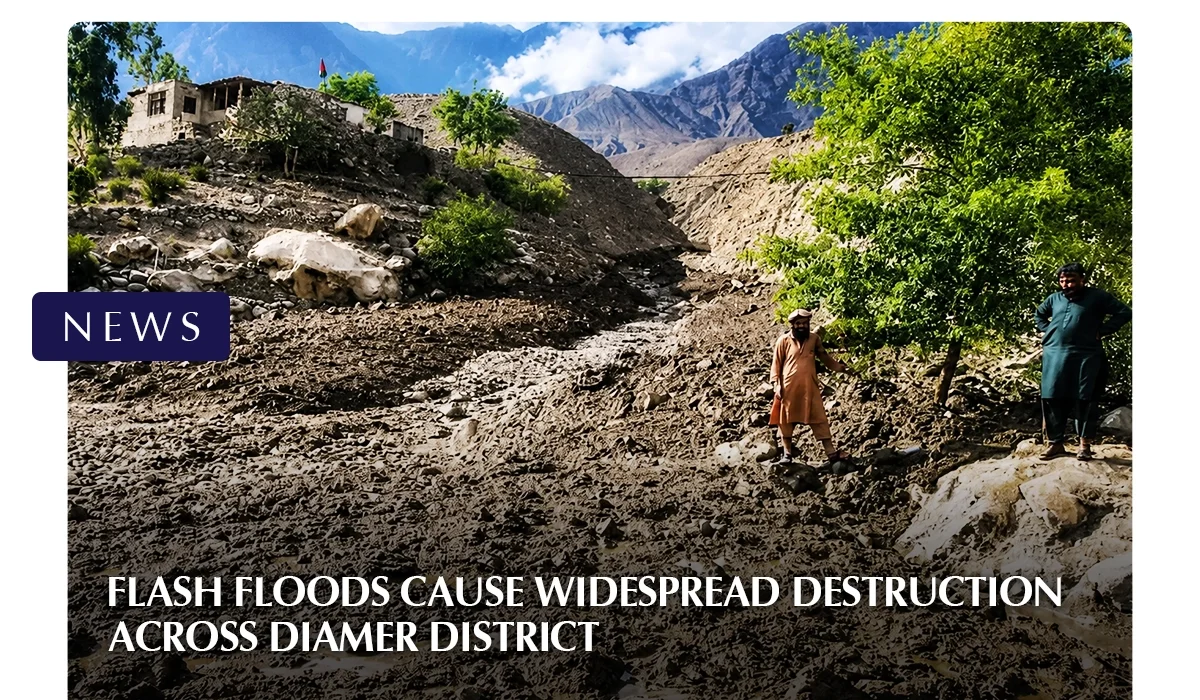
Flash Floods Cause Widespread Destruction Across Diamer District

GILGIT: Flash floods triggered by heavy rainfall have caused extensive damage across Diamer district, with disaster officials confirming flooding at six locations early Monday.

The floods damaged houses, the Karakoram Highway (KKH), link roads, crops, agricultural land, and public and private property. Flooding was reported in Khanbari, Niyat, Thore, Gaspayan, Gasbala, Bunar and surrounding areas.

In Thore Valley’s Thunraka area, flood debris entered several homes, while standing crops, agricultural land and fruit trees sustained heavy damage. The valley’s main road was washed away at multiple points, completely suspending traffic.

Power transmission lines were also damaged, cutting electricity to Thore Valley and nearby areas. In Chilas’ Niyat area, floodwaters damaged link roads, disrupting transportation for local communities.

In Khanbari, a severe flash flood swept away two houses along with their contents, as well as several livestock. A private company working on the Diamer-Bhasha Dam project reported major losses after floodwaters swept away 13 dumpers, an excavator, a crushing plant and two water tankers, halting construction activities.

Landslides and debris blocked the KKH at Bonar Das, stranding domestic and foreign travellers for several hours. While the highway was later reopened, link roads to remote areas remained blocked, and power supply had not been restored in several affected localities.

Affected residents have called for immediate relief operations, restoration of roads and electricity, and financial assistance for impacted families.

Officials noted that Gilgit-Baltistan is witnessing a sharp rise in climate-linked disasters, including cloudbursts, flash floods, landslides and glacial lake outburst floods (GLOFs), driven by rising temperatures and accelerated glacier melt.

The region, home to roughly 8,400 glaciers and over 4,000 glacial lakes, faces mounting long-term water security risks. Authorities say emergency response arrangements remain in place.

For more news on real estate and special reports, visit Chakor.

Source:

CategoriesNews Climate Change Dams Deforestation Environment Urban Flooding Weather

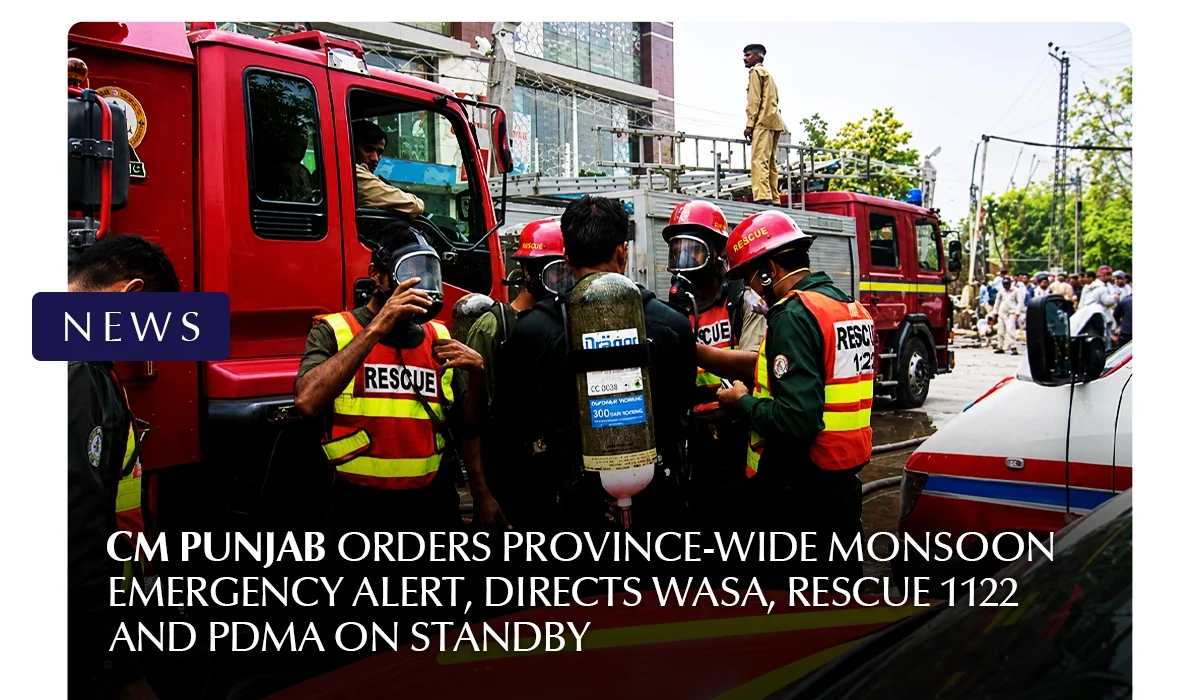
CM Punjab Orders Province-Wide Monsoon Emergency Alert, Directs WASA, Rescue 1122 and PDMA on Standby

LAHORE: CM Punjab Maryam Nawaz has placed all provincial line departments on high alert following the onset of the monsoon season, directing commissioners, deputy commissioners and field officers across the province to maintain round-the-clock preparedness and ensure rapid emergency response.

The Chief Minister emphasised that all concerned officers and staff must remain vigilant, stating there would be no tolerance for negligence or irresponsibility during the monsoon period.

Directives were issued to immediately drain rainwater, with continuous monitoring ordered for Water and Sanitation Agency (WASA) operations. The Provincial Disaster Management Authority (PDMA) Control Room and District Emergency Operation Centres have been instructed to remain fully alert across Punjab.

Rescue 1122 and WASA have been directed to keep personnel and machinery on standby, with priority given to swift-water drainage from low-lying areas and identified choke points. Continuous monitoring of stormwater drains and nullahs was also ordered to prevent water stagnation in urban areas.

The Irrigation Department has been instructed to keep teams on high alert to monitor canal water flow, while authorities were directed to ensure all manholes across urban and rural areas remain properly covered.

Additional safety arrangements were ordered at construction sites, alongside special monitoring of dilapidated and structurally vulnerable buildings. The Safe City Authority and Chief Traffic Officer teams have been directed to ensure smooth traffic flow on highways and main roads during periods of rainfall.

Field teams have been instructed to remain fully prepared to support public guidance, traffic management, and the protection of lives and property throughout the monsoon season.

For more news on real estate and special reports, visit Chakor.

Source:

CategoriesNews Entertainment Environment Urban Developments & Planning

CDA Plans 350-Acre Wildlife Safari Park in Islamabad

ISLAMABAD: The Capital Development Authority (CDA) has announced plans to build a modern wildlife safari park spread across 350 acres in Islamabad. The facility will be developed at Milpur Forestry Park along Murree Road, near Bhara Kahu, with the design already finalised.

Officials say the project will be executed without disturbing the area’s natural forest cover, and construction will proceed while keeping environmental impact to a minimum.

The park is designed to house 3,605 animals in natural-style habitats, spread across 10 dedicated safari and wildlife sanctuary zones. Among these will be Pakistan’s largest ungulate safari zone, covering 1,000 kanals, along with a separate big cat enclosure for lions, tigers, bears and hyenas. Additional sections will be built for crocodiles, rhinos, elephants and hippos.

Recreational features planned for the site include a one-kilometer forest canopy walk, a two-kilometer chairlift track, a natural lake with a fish pond and bridge walk, and a jungle play area with a zip line for children. A digital museum is also part of the design.

The park’s central area will host a safari village, lodges and recreational centers, while a food street connected directly to Murree Road will offer multiple dining options.

CDA also plans to set up a world-class wildlife care complex, featuring veterinary and quarantine facilities built to international standards, to support animal health and treatment.

For more news on real estate and special reports, visit Chakor.

Source:

CategoriesDeforestation Economy Environment

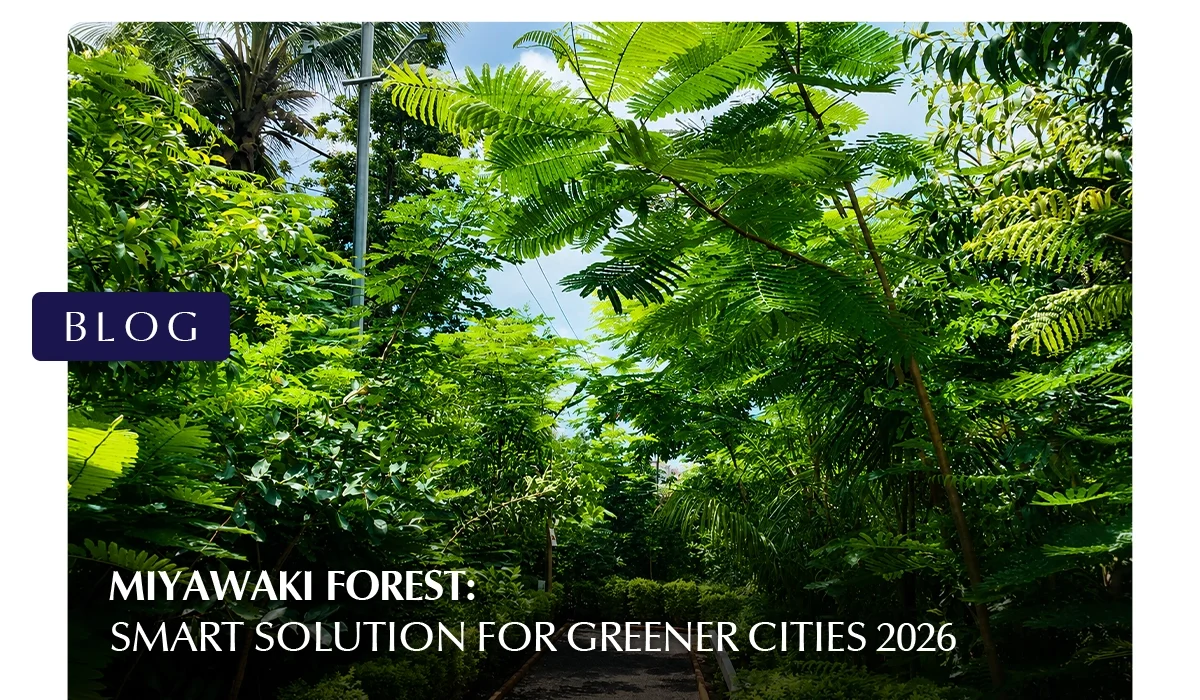
Miyawaki Forest: Smart Solution for Greener Cities 2026

Cities are getting hotter. Green spaces are shrinking. Biodiversity is disappearing from urban landscapes at an alarming rate. The world urgently needs a smart, scalable, and proven solution. The Miyawaki Forest is exactly that.

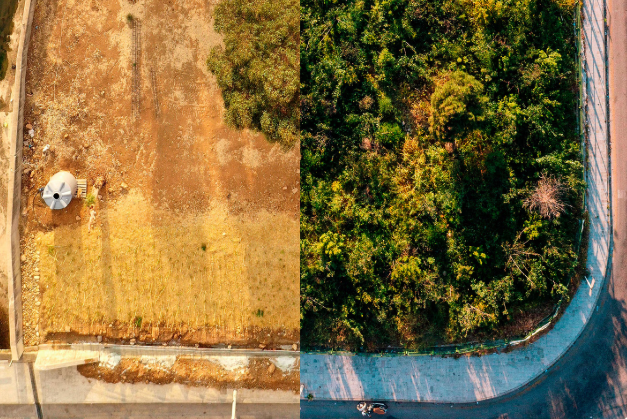
This rapid urban reforestation method is transforming roadsides, school grounds, and barren plots into thriving ecosystems. It is gaining momentum across Asia, Europe, the Americas, and the Middle East. 

Quick Facts: Miyawaki Forest at a Glance

Factor Detail
Invented By Professor Akira Miyawaki, Japan (1970s)
Minimum Land Required As small as 9 sq meters
Planting Density 3 saplings per square meter
Growth Speed Up to 10x faster than conventional forests
Self-Sustaining After 2–3 years
Global Trees Planted 40+ million native trees worldwide
Also Known As Pocket Forest, Tiny Forest, Urban Mini-Forest

What Is a Miyawaki Forest?

Miyawaki Forest

A Miyawaki Forest is a dense, multi-layered plantation of native trees and shrubs. It is grown on very small plots of land. The method recreates the structure of a natural, mature forest but in a fraction of the time.                                            It is also known as a Tiny Forest or Pocket Forest. These names all refer to the same core concept: planting diverse native species in close proximity to mimic how nature builds forests.

The minimum land required is 9 square meters. This makes it perfect for cities where open land is scarce.

Who Was Akira Miyawaki?

Akira Miyawaki

The method is named after Professor Akira Miyawaki. He was a Japanese botanist and plant ecology expert. He spent over 40 years studying how native forests naturally regenerate.

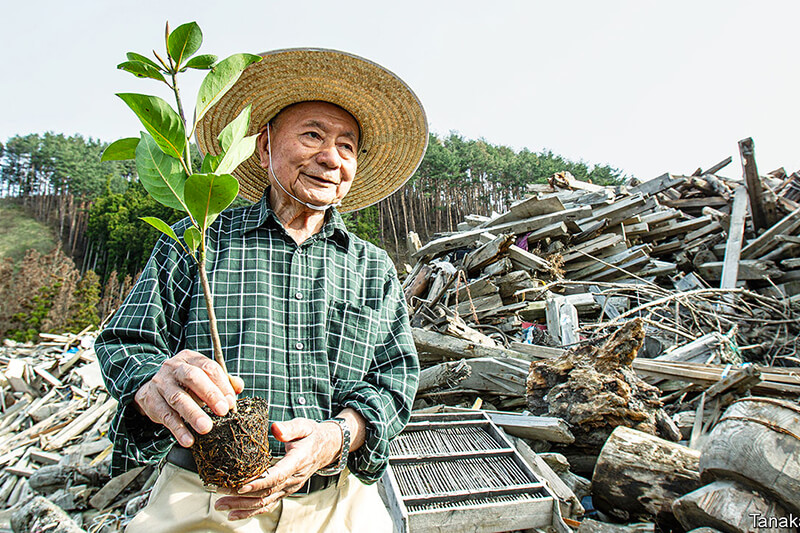
His research led him to a powerful conclusion. If you plant the right native species, in the right density, the forest takes care of itself. He educated people on planting across more than 1,700 sites worldwide. Over 1,400 of those were in Japan alone. His work has resulted in the protection of more than 3,000 primary forests and the planting of over 40 million native trees globally. His legacy is now growing faster than ever.

The Core Principle: Potential Natural Vegetation

Potential Natural Vegetation

Every region on Earth has a natural plant community that would thrive there without human interference. Scientists call this the Potential Natural Vegetation (PNV).

The Miyawaki Forest method is built on this concept. Only species that belong naturally to a given area are selected. These indigenous plants have spent thousands of years adapting to the local soil, rainfall, and climate. They do not need fertilisers. They do not need pesticides. They simply grow.

This is what makes the approach fundamentally different from conventional tree planting.

How Does the Miyawaki Method Work?

Miyawaki Method Work

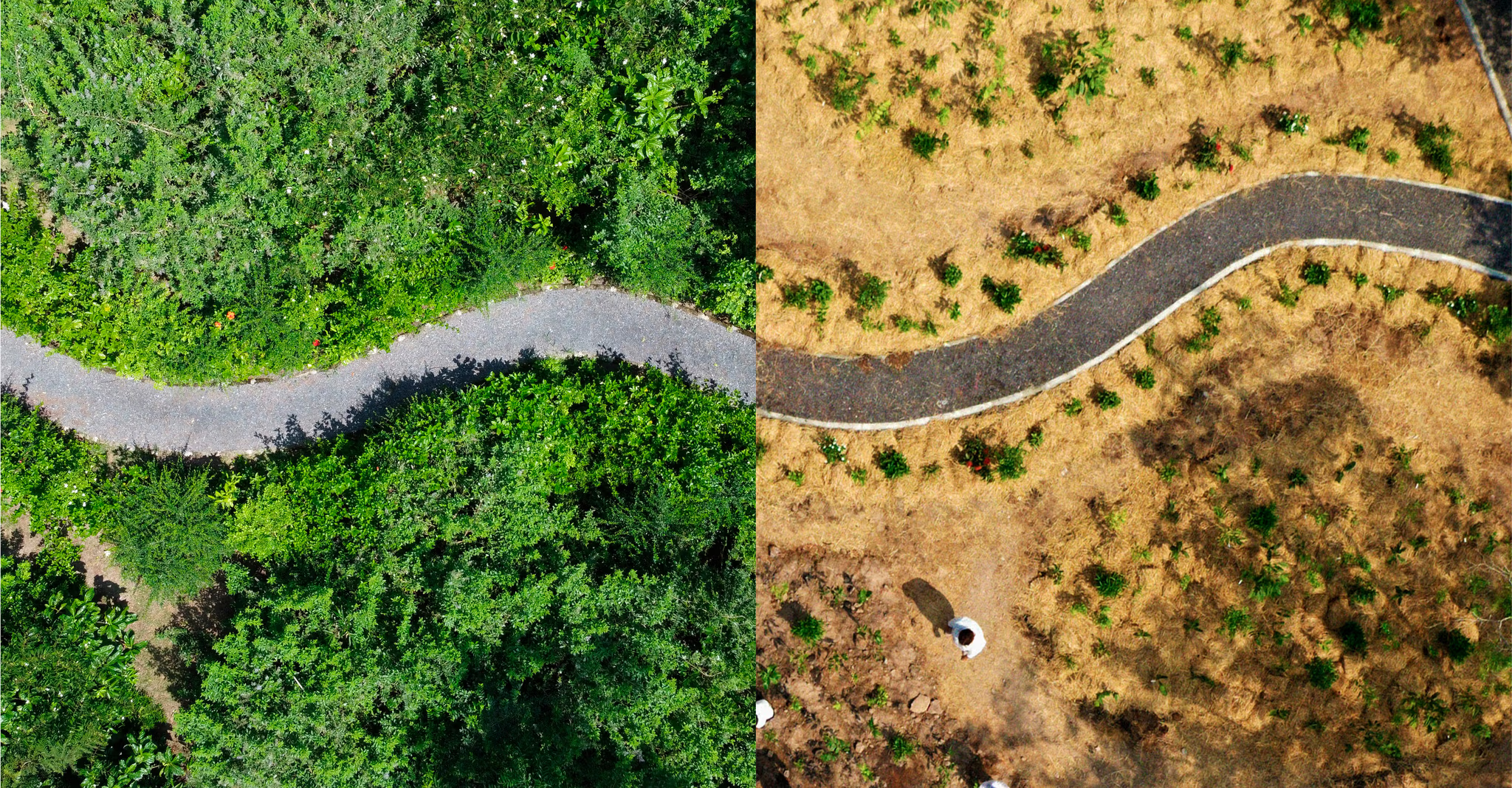
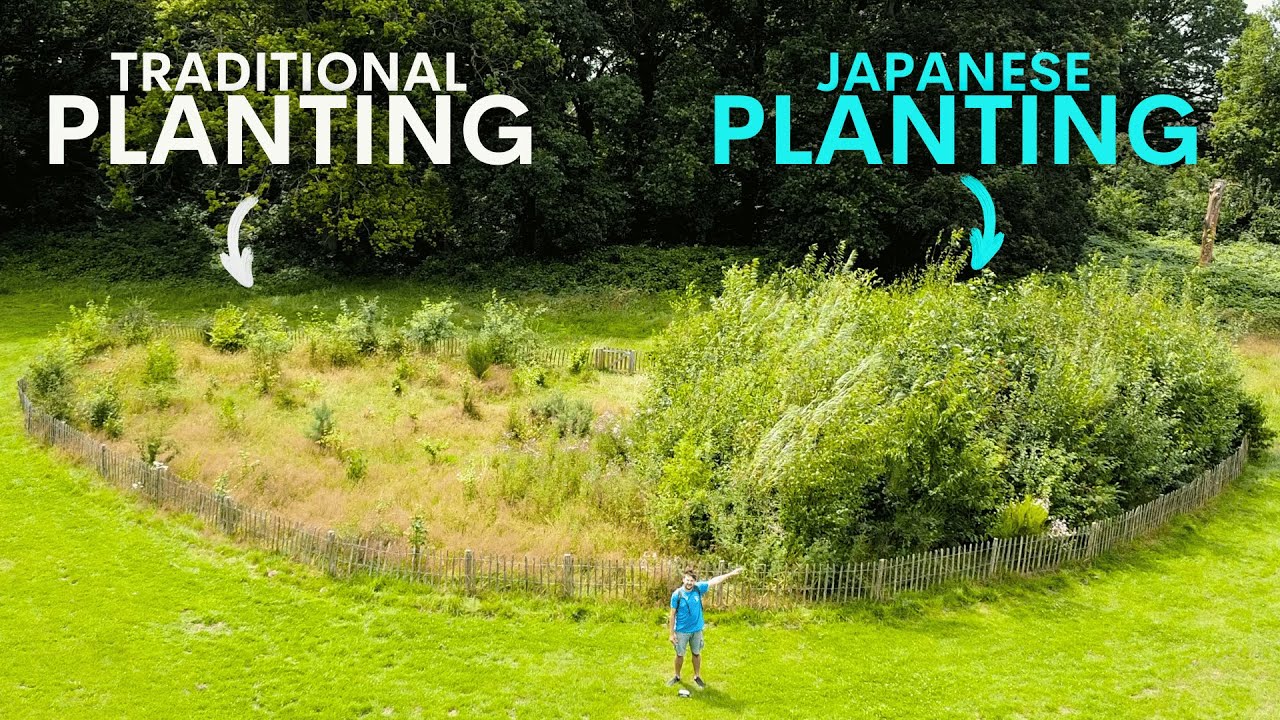
The science behind a Miyawaki Forest is elegant. When native trees are planted very close together, they compete for sunlight. This competition forces them to grow rapidly upward rather than spread sideways.

The result is fast, dense, vertical growth. The canopy closes quickly. It shades out weeds. Leaf litter builds up. Soil fertility improves. Insects, birds, and beneficial fungi arrive naturally. The entire ecosystem assembles itself.

After just two to three years, the forest becomes completely self-sustaining. No watering. No weeding. No maintenance required.

Studies and practitioners report that a Miyawaki Forest can grow up to 10 times faster than a conventional plantation. It can also support up to 30 times more biodiversity. It is worth noting that some ecologists have raised questions about these figures. The faster growth may reflect quicker ecological succession rather than raw tree height. This distinction matters for setting realistic expectations.

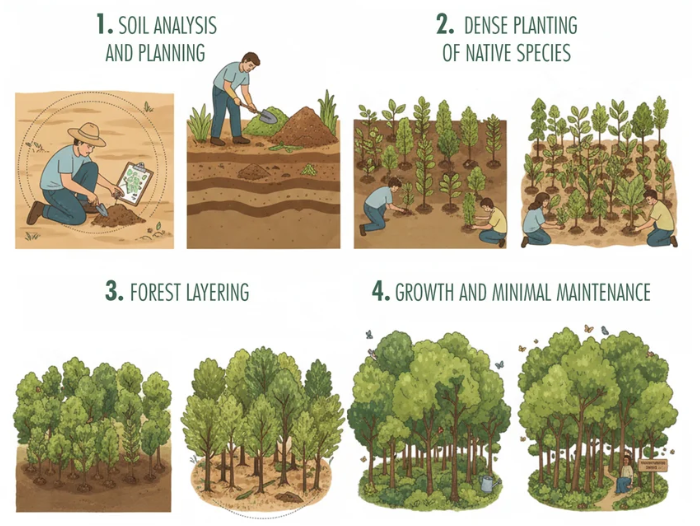
The 4-Step Planting Process

Planting a Miyawaki Forest follows a clear, structured process.

The 4-Step Planting Process

Step 1: Survey and Identify Native Species

The first step is to study the site carefully. Botanists identify which species would naturally grow within about 20 kilometres of the location. A recommended diversity range is 50 to 100 native species. Local and indigenous knowledge is invaluable at this stage.

Step 2: Prepare the Soil

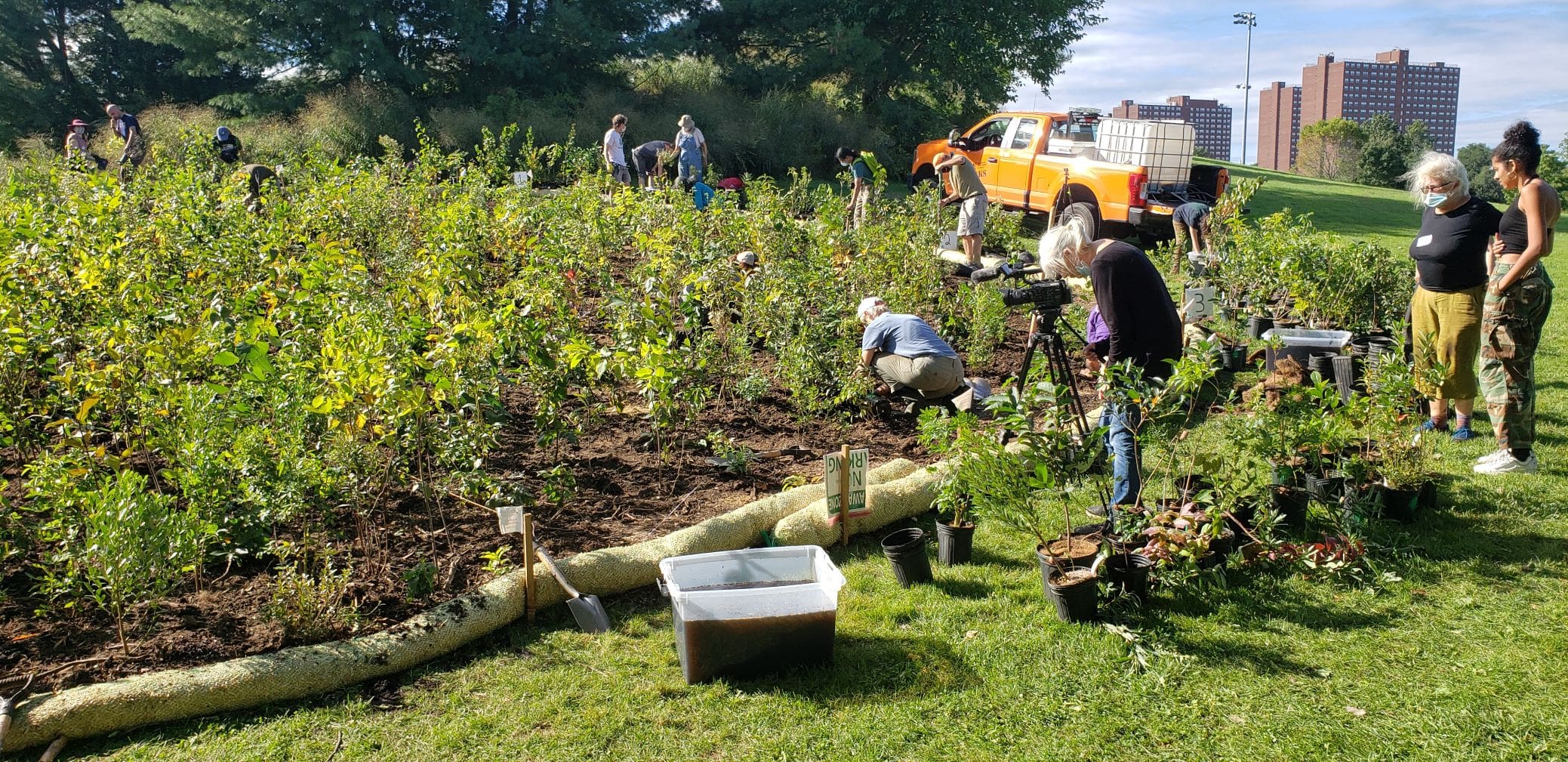
Urban soils are often compacted and nutrient-poor. The soil is improved by digging pits and incorporating organic matter. Compost, manure, and dead vegetation are commonly used. A slight mound is sometimes built to mimic the natural forest floor. Cardboard and a thick layer of wood chips or compost are placed on top to suppress weeds and retain moisture.

Step 3: Dense Planting

Saplings up to 80 centimetres tall are planted at approximately 3 per square metre. No two saplings of the same species are placed next to each other. All species are planted at the same time. This random, diverse arrangement mirrors how a natural forest seed bank works.

Step 4: Early Maintenance

The forest needs watering and weeding for the first two to three years. This is the most demanding phase. After that, the forest becomes independent. The investment of time and effort in the early years pays off for decades.

Key Benefits of a Miyawaki Forest in Urban Areas

Key Benefits of a Miyawaki Forest in Urban Areas

A Miyawaki Forest delivers rapid environmental, social, and economic benefits, making it one of the most effective nature-based solutions for modern cities. 

Environmental Impact

A Miyawaki Forest delivers measurable environmental benefits quickly.

It sequesters carbon faster than slow-growing conventional forests. It creates a cooling microclimate that directly reduces the urban heat island effect. Dense canopy cover lowers local temperatures. Root systems improve water infiltration and reduce surface run-off. Soil erosion is significantly reduced on previously bare urban land.

Biodiversity Recovery

Urban areas are biological deserts for most wildlife. A Miyawaki Forest changes rapidly. The dense, layered structure provides habitat for birds, insects, pollinators, and soil organisms. Biodiversity appears within months of planting.

Community and Social Benefits

The benefits extend beyond ecology. UNESCO has actively endorsed the use of Miyawaki Forest planting within urban schools. Children learn directly about native ecosystems. Communities come together during planting events. Access to green space improves mental health and physical well-being.

Barren roadsides, abandoned lots, school yards, and even landfills have been transformed through this approach.

Long-Term Cost Efficiency

The upfront cost is higher than that of conventional tree planting. However, the long-term cost is very low. Once established, the forest needs almost no maintenance. It functions entirely on its own. For municipalities managing tight budgets, this is a significant advantage.

Miyawaki Forests Around the World

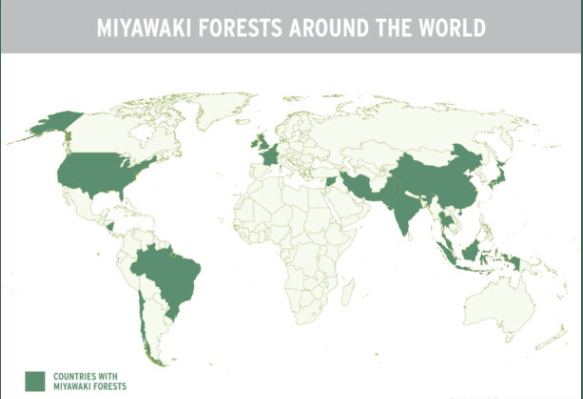
Miyawaki Forests Around the World

The global adoption of the Miyawaki Forest method tells a compelling story.

  • Japan remains the origin and heartland of the method. Thousands of sites have been established across the country since the 1970s.
  • India has seen rapid scaling. Shubhendu Sharma founded Afforestt and applied the Miyawaki method to urban plots across Indian cities. The model attracted global attention and inspired organizations worldwide.
  • Pakistan has embraced the method at a governmental level. The Parks and Horticulture Authority of Lahore announced plans to develop what was described as Asia’s largest Miyawaki urban forest. The project planned to plant 112,500 indigenous trees across 100 Kanals in China Park near Saggian Bridge. An additional 15 locations across Lahore were included in the plan. The Nature Conservation Society of Pakistan has also established Miyawaki Forest plots in Sialkot, within Shahab U Din Park.
  • The United States has seen projects in Cambridge, Massachusetts, where a forest was planted over a landfill in Danehy Park, and in Los Angeles, inside Griffith Park.
  • Brussels, Belgium, has planted a 770-square-meter pocket forest of 20 native species within the city.
  • The Yakama Nation in Washington State planted seven pocket forests of 47 native species on a rehabilitation facility, totalling over 23,000 square feet.

These examples span continents, climates, and cultures. The method adapts wherever the right expertise and commitment are applied.

Honest Assessment: Pros and Cons

No solution is without limitations. A balanced view of the Miyawaki Forest method is important for anyone considering it.

Advantages

  • Rapid establishment of a dense, functional forest on small urban land
  • High biodiversity from the earliest stages
  • Self-sustaining after just two to three years
  • Applicable on plots as small as 9 square meters
  • Builds community engagement and environmental awareness
  • Effective across diverse climates, including arid and semi-arid zones

Limitations and Criticisms

  • High upfront cost. Sourcing large numbers of native nursery saplings is expensive. Quality native stock is not always available.
  • Disputed growth claims. The widely cited “10x faster growth” figure has been questioned by forestry researchers. The evidence may reflect faster ecological succession rather than actual growth rates.
  • Not scalable for large areas. The method is intensive and impractical for reforesting vast tracts of land.
  • Water demands in early years. In dry or Mediterranean climates, the initial watering requirement can be costly and resource-intensive.
  • Expertise is essential. Without proper botanical knowledge, poorly chosen species can result in an ecologically weak or disorganized plant community.
  • Wildfire risk. In fire-prone regions, very dense planting can increase fire hazard. Modified, less dense planting is recommended in these areas.
  • CSR exploitation concerns. Some critics have raised concerns that the method has been promoted primarily to attract corporate social responsibility funding, without rigorous outcome monitoring.

Being aware of these limitations helps cities and organizations design better, more accountable projects.

Is a Miyawaki Forest Right for Your City?

Before starting a project, ask these practical questions.

Does the site receive adequate rainfall, or can water be supplied for the first three years? Is native nursery stock available locally? Is there a qualified botanist or ecologist available to guide species selection? Is the community willing to participate in early maintenance? Are there fire risk considerations that require adjusted planting density?

If the answers are largely yes, a Miyawaki Forest project is likely viable and worthwhile.

The Road Ahead: Miyawaki Forests in 2026

Miyawaki Forests in 2026

Urban heat, biodiversity collapse, and climate anxiety are defining challenges of this decade. City planners are under pressure to act. Nature-based solutions are moving from optional to essential.

The Miyawaki Forest fits perfectly into this shift. It works on small, affordable plots. It delivers results within years, not decades. It engages communities. It builds resilience.

In 2026, governments, schools, corporations, and neighbourhoods worldwide are increasingly choosing the Miyawaki method as part of their urban greening strategies. Pakistan’s large-scale government projects, UNESCO’s school programs, and grassroots NGO initiatives in dozens of countries all point in the same direction.

The question for cities is no longer whether to plant a Miyawaki Forest. The question is where to start.

Conclusion

The Miyawaki Forest is not a miracle solution. It is a well-researched, nature-based technique with a strong track record across diverse environments. It delivers rapid biodiversity gains, carbon sequestration, cooling effects, and community value to urban spaces that desperately need them.

Used thoughtfully, with proper expertise and honest expectations, it is one of the most powerful tools available to cities in 2026. Small forests can create large change. The time to plant is now.

For more informative blogs on topics like Islands of Pakistan and Gurudwara Janam Asthan Nankana Sahib, visit Chakor Blogs.

Sources

Frequently Asked Questions

Practitioners report growth up to 10 times faster than conventional forests. However, this figure refers to the rate of ecological development, not just tree height, and remains debated among scientists.

As little as 9 to 92 square meters is sufficient for a meaningful forest.

The standard density is approximately 3 saplings per square meter.

Yes, with adequate watering for the first 2 to 3 years. Projects have succeeded in Jordan, the Persian Gulf region, and parts of Pakistan.

Professor Akira Miyawaki, a Japanese botanist, developed and refined the method over four decades of research and field work.