
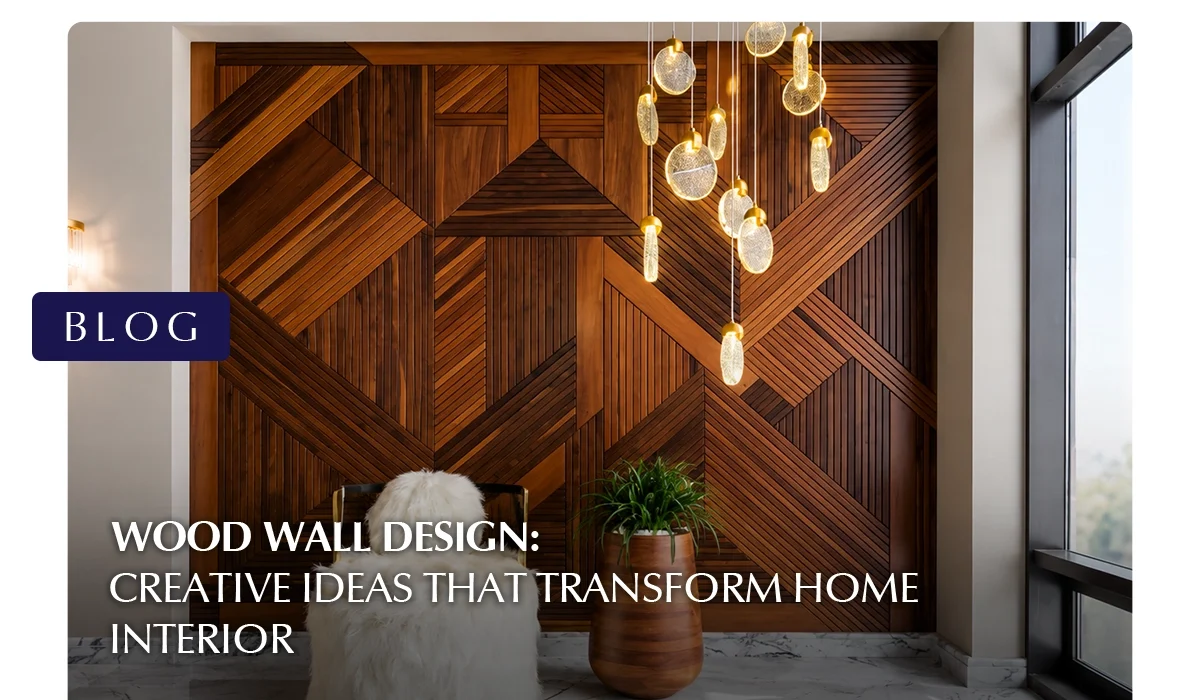

From cosy living rooms to sleek modern bedrooms, homeowners and interior designers alike are turning to wood wall design as an easy way to add warmth, texture, and personality to a space. Unlike paint or wallpaper design, a well-executed wood wall brings a natural, tactile quality that instantly elevates a room without making it feel cold or overly polished.
In this guide, we’ll walk through everything you need to know about wood wall design, from popular styles and materials to room-specific ideas, DIY tips, and how to choose the right wall design for your own home.
Why Wood Wall Design Is Trending Again
Wood wall design isn’t exactly new. Wood panelling has been part of interior design for decades, going in and out of fashion depending on the era. But today’s version of wood wall looks nothing like the dark, heavy panelling of the past. Modern wood walls are lighter, more textured, and far more versatile, which is exactly why they’re seeing such a strong resurgence.
A few reasons wood wall design continues to gain popularity:
- Warmth and cosiness: Wood naturally softens a space, making even large or minimalist rooms feel inviting.
- Biophilic appeal: With more people craving a connection to nature indoors, wood walls offer an organic material that feels grounding and calm.
- Versatility: Whether your home leans rustic, modern, industrial, or minimalist, there’s a wood wall that fits.
- Value: A well-designed wood wall can genuinely increase a home’s perceived value, especially in living rooms, entryways, and primary bedrooms.
As one interior designer put it, wood panelling isn’t limited to a single style anymore; it can transform practically any room by adding warmth, character, and a touch of luxury. That flexibility is exactly why wood wall design has become such a go-to feature in modern interiors.
Types of Wood Wall Design to Consider
Before diving into room-specific ideas, it helps to understand the different types of wood wall design available. Each style creates a completely different look and feel, so choosing the right one depends on your space, budget, and aesthetic goals.
1. Wood Panelling and Slat Walls
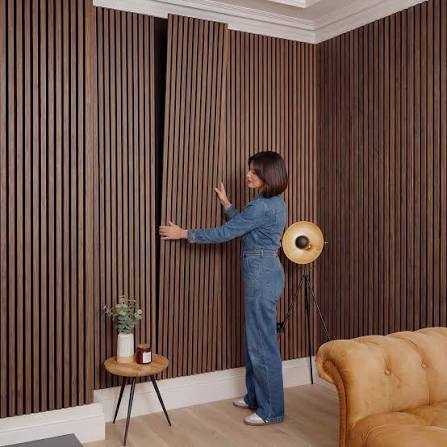
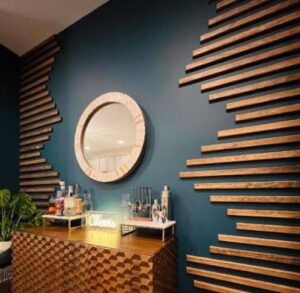
This is one of the most popular wood wall design options today. Vertical wood slats, evenly spaced and mounted onto a wall, create a clean, architectural look that works beautifully in both modern and traditional homes. Slat wall wood wall is especially popular behind beds, sofas, and TV units because it adds dimension without overwhelming the room.
2. Reclaimed and Shiplap Wood Wall Design
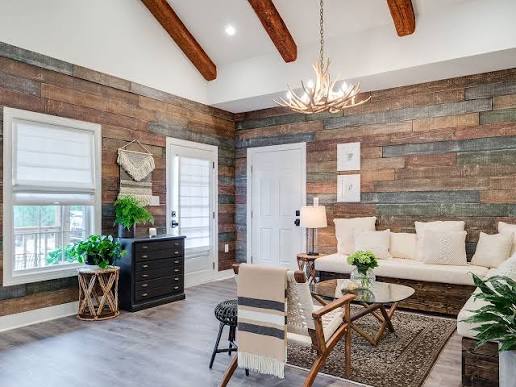
For a more rustic, farmhouse-inspired look, reclaimed wood or shiplap panelling is a favourite choice. This wood wall uses weathered, textured boards that bring character and lived-in charm to a space. It works particularly well in entryways, mudrooms, and cabin-style homes.
3. Wood Veneer Wall Design
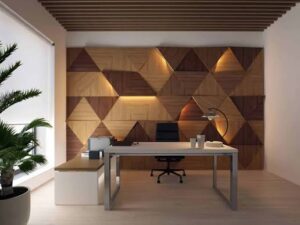
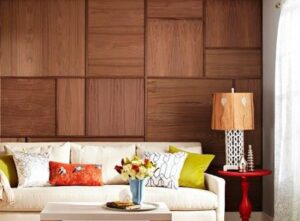
If you want the richness of hardwood without the bulk or cost of solid wood, veneer is an excellent option. Wood veneer wall design lets you choose custom finishes like rift white oak or walnut, applied directly to walls to create a smooth, high-end look often seen in luxury interiors.
4. 3D Wood Wall Design
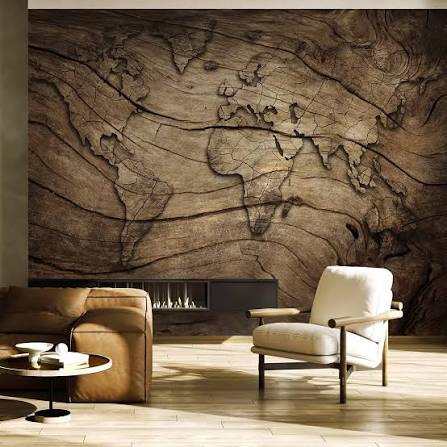
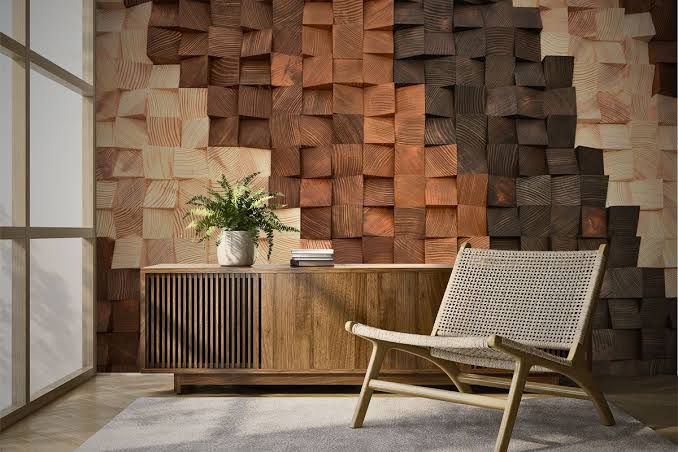
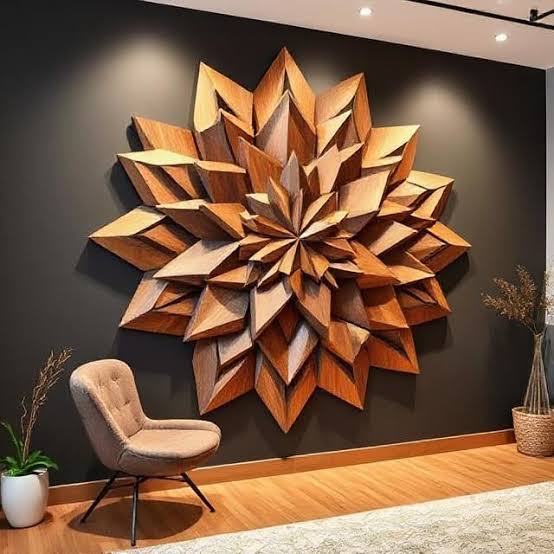
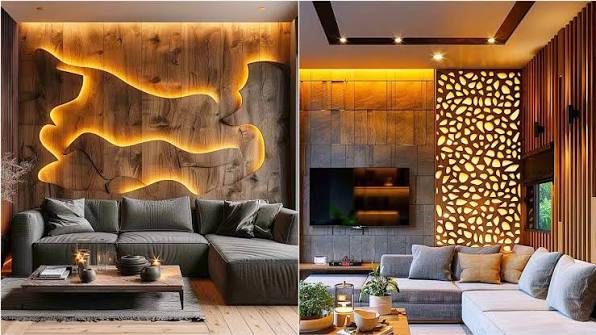
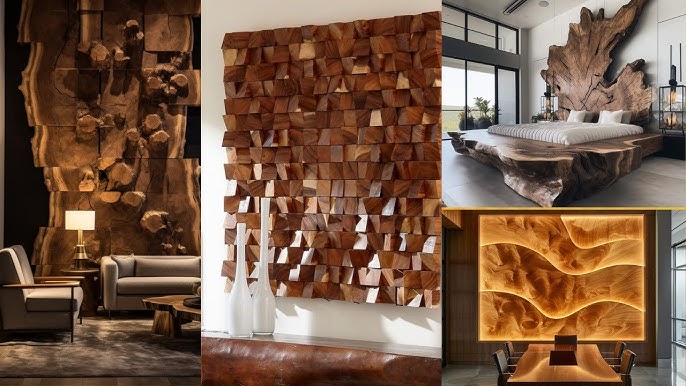
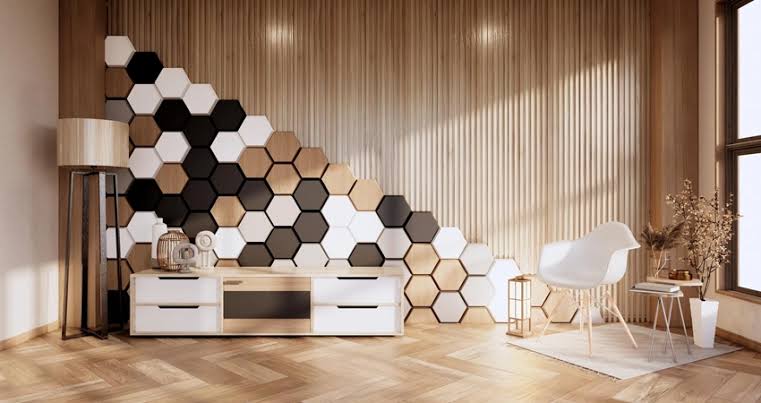
For homeowners who want their wood wall design to make a bold visual statement, 3d wood wall is one of the most eye-catching options available. This style uses layered, carved, or geometric wood pieces to create depth and movement on the wall.
Some 3D wood wall designs use repeating geometric blocks for an optical-illusion effect, while others incorporate backlighting to highlight the texture and shadows created by the wood’s layers.
3D wood wall works especially well as a statement accent wall in living rooms or as a striking backdrop behind a TV unit. You can achieve it with pre-made 3D wood panels or create it as a DIY project using reclaimed wood blocks, fence posts, or offcuts arranged in a pattern.
Home Wall Wood Design by Room
One of the best things about wood wall design is how adaptable it is across different rooms. Below is a breakdown of how you can apply home wall wood throughout your house design.
Living Room Wall Designs with Wood
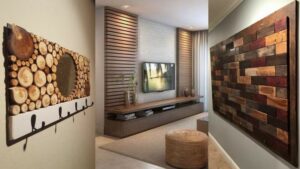
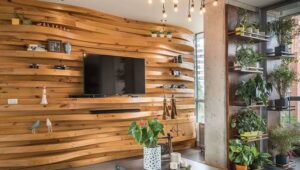
The living room is often the first place homeowners consider when exploring wood wall design, and for good reason; it’s usually the largest, most-used space in the home. Living room wall designs with wood can range from a single accent wall behind the sofa to full wood cladding that wraps around a fireplace or extends to the ceiling for dramatic effect.
Popular approaches for living room wood wall include:
- A textured slat wall behind the seating area to anchor the room
- Wood panelling that surrounds a fireplace, adding warmth to what can otherwise feel like a cold focal point
- Full millwork extended from floor to ceiling for a more formal, architectural statement
- Mixing wood tones with stone, brick, or plaster to create contrast and visual interest
Because the living room tends to be a gathering space, a wood wall design here should feel welcoming rather than overpowering, which is why many designers recommend pairing it with soft furnishings, warm lighting, and natural textures like wool or linen.
LCD Wall Design with Wood
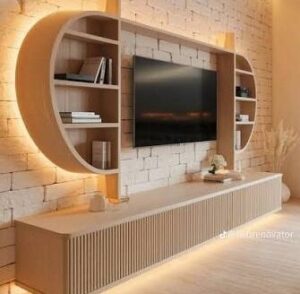
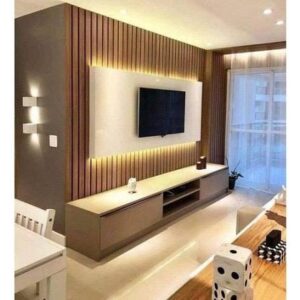
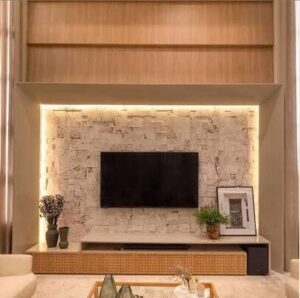
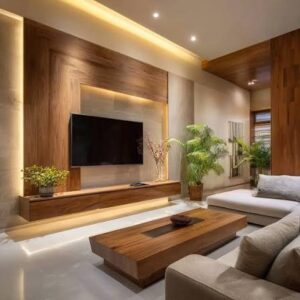
Media walls have become a major focus area for wood wall design, especially as flat-screen TVs have become a central feature in most living rooms and bedrooms. LCD wall design with wood combines function and aesthetics by hiding cables, adding storage, and creating a polished, cohesive look around the television.
A well-designed LCD wall design with wood typically includes:
- Wood slat or panelling as the backdrop, which helps the TV blend into the wall rather than standing out awkwardly
- Floating wood shelving units for storage and display
- Integrated LED backlighting behind the panel for a soft glow effect
- A mix of matte and textured wood finishes to avoid a flat, one-dimensional look
This type of wood wall is popular because it solves a practical problem: where to put the TV while still contributing to the room’s overall design language. Many homeowners now treat their TV wall as a design centrepiece rather than an afterthought, and a wood wall makes that possible.
Bedroom Wood Wall Design
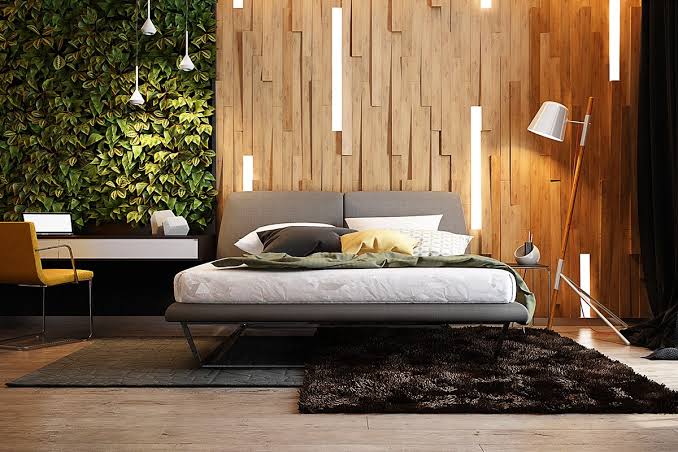 In bedrooms wall design, wood tends to lean softer and more calming. A wood accent wall behind the headboard is one of the most common applications, instantly making the room feel cosier and more grounded. Lighter wood tones like oak or ash work well in smaller bedrooms, while darker walnut tones can create a more dramatic, moody atmosphere in larger primary suites.
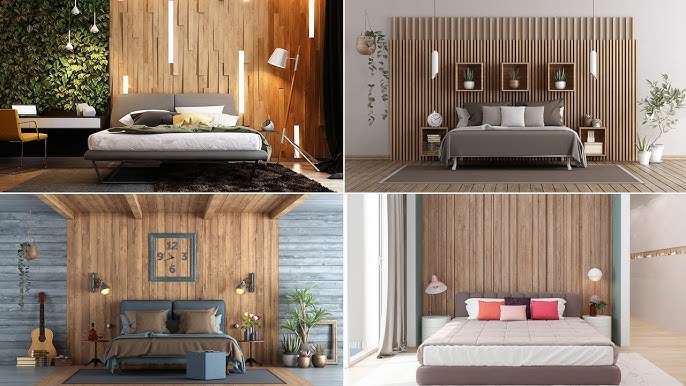
Some ideas for bedroom wood wall:
- A slatted wood headboard wall with integrated reading lights
- Reclaimed wood panelling for a rustic, cottage-style bedroom
- Vertical wood strips painted or stained to match existing furniture
Entryway and Hallway Wood Wall Design
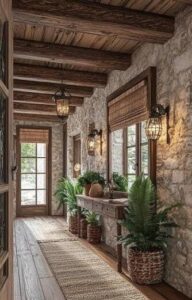
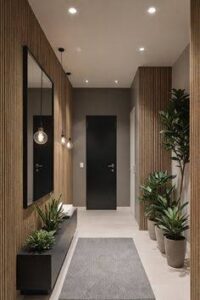
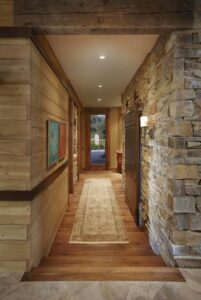
First impressions matter, and a wood wall design in the entryway sets the tone for the rest of the home. Because entryways tend to be smaller, high-traffic spaces, wood panelling here often serves a dual purpose, protecting walls from scuffs while adding a polished, welcoming look.
Bathroom Wood Accent Walls
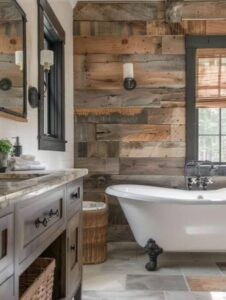
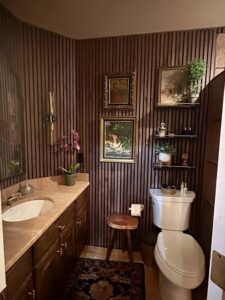
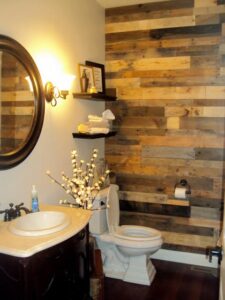
While it might seem unconventional, wood walls have also made their way into bathrooms, particularly around freestanding tubs or as a feature wall behind vanities. Treated or moisture-resistant wood options let homeowners bring warmth into what is often a utilitarian, tile-heavy space.
Popular Styles for Wood Wall Design
Because wood wall design is so adaptable, it fits into nearly every interior design style. Here’s how it typically shows up across different aesthetics:
Minimalist and Scandinavian: Clean, evenly spaced slat walls in light wood tones like birch or ash, paired with neutral colours and simple furniture.
Rustic and Farmhouse: Reclaimed wood, shiplap, and barn-wood-style panelling with visible grain and weathered texture.
Mid-Century Modern: Warm wood tones combined with strong geometric lines often seen in slat walls or panelling with clean, repeating patterns.
Industrial and Eclectic: Wood wall design mixed with metal accents, exposed brick, or concrete for a raw, layered look.
Luxury and Contemporary: Custom wood veneer wall design, often extended floor-to-ceiling, paired with high-end finishes like marble floor or brass fixtures.
No matter which style resonates with you, you can tailor a wood wall to match.
DIY Wood Wall Design vs. Professional Installation
One appealing thing about wood wall design is that it doesn’t always require a professional installer. Depending on the project’s complexity, many homeowners can complete their own wood wall with basic tools.
When DIY wood wall makes sense:
- Simple slat walls using pre-cut wood strips
- Small accent walls or feature areas (like a headboard wall)
- Peel-and-stick or lightweight wood panel products designed for easy installation
When to consider professional installation:
- Full-room or floor-to-ceiling wood wall design
- Custom veneer work requiring precise measurements and finishing
- 3D wood wall with intricate patterns or structural elements
- Projects involving electrical work, like integrated LED lighting
If you’re new to woodworking, start with a smaller wood wall project, like a single accent wall, to build confidence before tackling something larger.
Tips for Choosing the Right Wood Wall Design
With so many directions to take, choosing the right wood wall for your home comes down to a few key considerations:
- Match the wood tone to your existing furniture and flooring. A wood wall should complement your space, not clash with it.
- Consider the room’s natural light. Darker wood tones can make a dim room feel smaller, while lighter woods help brighten and open up a space.
- Think about scale. A large, open living room can handle a bold 3d wood wall, while smaller rooms may benefit from a simpler, more subtle wood wall design.
- Factor in maintenance. Solid wood requires more upkeep than engineered panels or veneers, so consider your lifestyle and how much maintenance you’re willing to commit to.
- Don’t be afraid to mix materials. Pairing wood wall with stone, metal, or plaster can add depth and prevent the space from feeling one-note.
Maintaining Your Wood Wall Design
Once your wood wall design is installed, a little maintenance goes a long way in keeping it looking its best:
- Dust regularly with a soft, dry cloth to prevent buildup in grooves or textured panels
- Avoid placing wood wall features in direct, prolonged sunlight, which can cause fading over time
- Use wood-safe cleaning products if the panels require occasional deeper cleaning
- Monitor humidity levels, especially in bathrooms or kitchens, to prevent warping
Frequently Asked Questions
It depends on the materials and scope. A simple DIY slat wall can be relatively affordable, while custom veneer or full-room wood wall design installed by a professional will cost significantly more.
Popular choices include oak, walnut, pine, and ash. The best option depends on your desired finish, budget, and whether you want a light or dark wood wall design.
Yes, many simpler wood wall design projects like slat walls or small accent panels are DIY-friendly with basic tools. More complex designs, like 3D wood wall or full veneer walls, are best left to professionals.
Absolutely. Lighter wood tones and simple slat patterns can actually make small rooms feel warmer without making them feel cramped.
Regular dusting, avoiding excess moisture, and keeping the wall out of direct sunlight will help preserve both the colour and structural integrity of your wood wall.
Final Thoughts
A wood wall is one of the most effective ways to bring warmth, texture, and character into a home. Whether you’re drawn to a subtle wood accent behind your bed, a striking 3D wood wall in the living room, or a functional LCD wall design with wood that ties your media area together, there’s a wood wall design suited to nearly every space and style.
As home wood wall design continues to evolve, one thing remains clear: wood isn’t just a passing trend. It’s a timeless material that, when thoughtfully designed, can transform the feel of any room in your home.
For more information on City View Apartment Interior Design Pakistan and Wooden Door Price, please visit Chakor.
Read More:

Dedicated and detail-oriented SEO Content Writer, Real Estate Writer, and Research Analyst based in Islamabad, with proven expertise in developing accurate, valuable, and well-researched content. Skilled in analytical writing, market research, and reporting, with the ability to turn insights into clear, professional, and impactful content. Passionate about exploring new ideas, analyzing industry trends, and contributing to high-quality writing and research-driven projects.
