Real estate is one of Pakistan’s most dynamic and opportunity-rich sectors. At Chakor, we cover it all, from emerging developments and market trends to investment analysis and buyer guidance, giving you the full picture of a sector that continues to define the country’s economic trajectory.
Whether you are buying, selling, developing, or investing, Chakor is where informed real estate decisions begin.
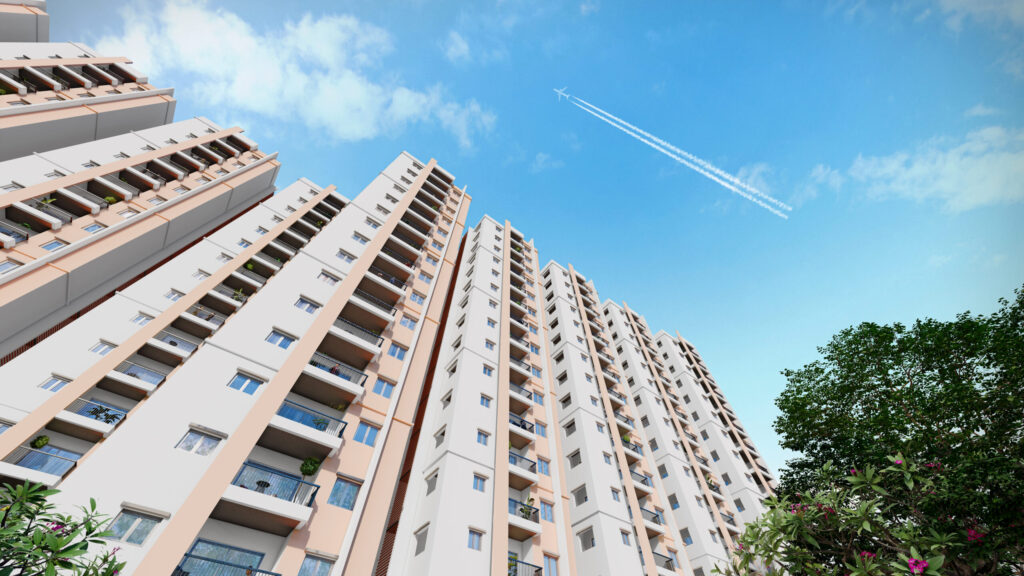
Choosing between a condominium and an apartment is one of the most common challenges faced by modern home seekers. At first glance, both housing types may appear identical multi-unit buildings with shared facilities and similar layouts. However, the condominium and apartment difference goes far beyond appearance. It affects ownership rights, financial responsibilities, lifestyle flexibility, and long-term investment potential.
As cities grow more crowded and urban housing evolves worldwide, including in Pakistan, understanding these differences has become essential for buyers, renters, and investors alike. This comprehensive guide explains everything you need to know, from definitions and ownership structures to costs, lifestyle considerations, and future housing trends.
Instant Definition: Condominium and Apartment Difference
The condominium and apartment difference is primarily based on ownership: a condominium is privately owned real estate within a shared building, while an apartment is a rental unit owned by a landlord or property company.
This single distinction influences nearly every other aspect of housing.
What Is a Condominium?
A common question that often comes up in the google searches is “what is a condominium“. A condominium, often called a condo, is a residential property where individuals own their specific unit but share ownership of common areas with other residents.
Unlike standalone houses, condominiums combine private ownership with community-managed living.
Condominium Ownership Explained
When you purchase a condominium, you legally own:
Interior living space
Walls, floors, and ceilings of your unit
Fixtures and appliances inside the unit
However, you share ownership of:
Hallways
Elevators
Parking areas
Gardens
Security systems
Recreational amenities
These shared elements are managed by a condominium association (often called an HOA).
Role of the Condominium Association
The association typically handles:
Maintenance of shared spaces
Building repairs
Security management
Community rules enforcement
Fee collection
Owners contribute monthly fees to maintain these services.
What Is an Apartment?
An apartment is a residential unit rented from a property owner or management company. Unlike condos, tenants do not own any part of the property.
Apartment Living Structure
In apartment housing:
One entity owns the entire building
Residents sign rental agreements
Maintenance is landlord responsibility
Tenants can relocate easily after leases end
Apartments emphasize convenience and flexibility rather than ownership.
Comparison Table | Condominium and Apartment Difference
Feature
Condominium
Apartment
Ownership
Individually owned
Owned by landlord
Payment
Mortgage + fees
Monthly rent
Equity Building
Yes
No
Maintenance
Shared + owner interior
Landlord responsible
Customization
Allowed inside unit
Limited
Investment Opportunity
Yes
No ownership
Stability
Long-term
Temporary
Flexibility
Lower
High
This comparison highlights why buyers and renters approach each option differently.
Ownership Differences: Condominium vs Apartment
Ownership is the defining factor in the condominium vs apartment comparison.
Condo Ownership Benefits
Property appreciation potential
Ability to sell or rent unit
Long-term financial asset
Greater personal control Apartment Rental Benefits
No long-term commitment
Easier relocation
No property taxes
Minimal maintenance responsibility
Financial Comparison: Condo vs Apartment Costs
Initial Costs
Condominium
Down payment
Closing costs
Registration fees
Apartment
Security deposit
First month’s rent
Ongoing Expenses
Condo Owners Pay
Mortgage payments
Condominium maintenance fees
Property taxes
Utilities
Apartment Tenants Pay
Rent
Utilities
Occasional service charges
Lifestyle Differences Between Condos and Apartments
Housing decisions often depend on daily lifestyle preferences.
Condominium Lifestyle
Stable community environment
Long-term neighbors
Personalization freedom
Access to shared amenities
Apartment Lifestyle
Flexibility to move
Less responsibility
Ideal for students or temporary workers
Easier budgeting without repair costs
Apartments favor mobility and simplicity.
Types of Condominiums | Condominium and Apartment Difference
Understanding condo varieties helps buyers evaluate options more accurately.
High-Rise Condominiums
Common in dense urban areas, offering elevators, security, and shared amenities.
Townhouse Condominiums
Multi-level homes sharing walls but managed collectively.
Detached Condominiums
Standalone homes within shared communities where maintenance responsibilities are distributed.
Condominium Hotels
Units owned privately but operated with hotel-style services and rental programs.
Advantages of Condominiums
Opportunity to build equity
Access to premium amenities
Reduced exterior maintenance
Strong resale potential
Urban location benefits
Disadvantages of Condominiums
Monthly association fees
Community regulations
Less privacy than houses
Shared decision-making
Advantages of Apartments
Lower upfront costs
Flexible relocation
Maintenance handled externally
Predictable monthly expenses
Disadvantages of Apartments
No ownership benefits
Rent increases over time
Limited customization
No investment return
Which Is Better: Condominium vs Apartment?
Your decision depends on personal priorities.
Choose a Condominium If You:
Want long-term housing stability
View property as investment
Plan to stay several years
Prefer ownership security
Choose an Apartment If You:
Move frequently
Want flexibility
Prefer minimal responsibility
Are not ready for property ownership
Condominium and Apartment Difference in Pakistan
This section creates a major SEO advantage because most international articles ignore local markets.
Urban Housing Trends in Pakistan
Rapid urbanization is reshaping housing demand.
Major cities experiencing vertical growth:
Karachi
Lahore
Islamabad
Legal Ownership Context in Pakistan
While condominium terminology varies, apartment ownership laws allow individual ownership within shared structures.
Buyers should verify:
Development authority approvals
Legal documentation
Ownership registration
Maintenance governance
Investment Perspective in 2026 | Condominium and Apartment Difference
Urban housing trends suggest continued condominium demand due to:
Population growth
Limited city-center land
Increasing rental demand
Lifestyle modernization
Condos may provide dual benefits: residence and investment.
Citadel One3: An Upcoming Condominium Development
Citadel One3 is an upcoming condominium project in new Blue Area, Islamabad that reflects the growing shift toward modern urban living in Pakistan. As cities continue to expand vertically, vertical towers in Islamabad like Citadel One3 highlight how condominium-style housing is becoming an important part of contemporary residential planning.
As an upcoming luxury residential complex in front of F9 Park Islamabad, Citadel One3 reflects the shift in luxury condo interiors toward subtle sophistication. Designed around the concept of shared community living, Citadel One3 aims to offer residential units within a structured property environment where individual ownership is combined with professionally managed common spaces. This approach aligns with the broader idea behind condominiums, providing private living areas while maintaining shared infrastructure through organized management systems.
For buyers researching the condominium and apartment difference, Citadel One3 demonstrate how condominium developments can provide an alternative to traditional apartment rentals by focusing on ownership-based housing models.
How to Choose Between a Condo and Apartment
Consider these questions:
Do I want ownership or flexibility?
Can I afford maintenance fees?
How long will I stay?
Is investment important?
Clear answers simplify decision-making.
Frequently Asked Questions | Condominium and Apartment Difference
Condominium and apartment difference
A condominium is owned property, while an apartment is rented housing managed by a landlord.
Condominium vs. apartment: Which is better?
Condos are better for long-term buyers; apartments suit short-term renters.
Can condos be rented?
Yes, owners may rent units depending on association policies.
Are condos cheaper than apartments?
Apartments cost less initially, but condos may offer long-term financial benefits.
Do condo owners pay rent?
No, owners pay the mortgage and association fees instead.
Final Thoughts | Condominium and Apartment Difference
Understanding the condominium and apartment difference allows you to choose housing aligned with your financial goals and lifestyle needs. Apartments provide flexibility and convenience, while condominiums offer ownership, stability, and investment potential.
As urban living continues evolving globally and within Pakistan, condominiums are becoming a key solution for modern housing challenges. By evaluating ownership structure, costs, and long-term goals, you can confidently decide which option suits your future best.
BBC-featured Content Specialist with a sharp eye for search intent and a proven ability to turn content into a growth engine. I leverage cutting-edge digital marketing tools to craft strategies that fuel organic traffic, amplify brand growth, and own the local SEO landscape, particularly across the competitive real estate market. I help brands dominate search rankings and convert visibility into measurable business success.

QUETTA: The Balochistan Revenue Authority (BRA) has directed property dealers, real estate agents, and related service providers across the province to register with the tax authority and comply with the newly enforced sales tax regulations, according to an official announcement issued recently.
Under the directive, individuals and businesses engaged in services related to the buying, selling, and renting of immovable property are required to obtain formal registration with the BRA and ensure the timely submission of tax returns for each applicable tax period. The authority has introduced a 5% sales tax on property-related services in accordance with amendments made by the Finance Act 2025 under the Balochistan Sales Tax on Services Act, 2015.
Officials stated that the measure aims to improve transparency and documentation within the real estate sector, which has historically remained under-regulated in terms of tax compliance. By bringing property service providers into the formal tax framework, the government expects to strengthen provincial revenue collection while promoting accountability in property transactions.
The BRA has warned that failure to comply with the registration and tax payment requirements may result in penalties, legal proceedings, or enforcement actions under relevant tax laws. Authorities emphasized that unregistered agents or those who fail to submit returns could face strict action as part of broader efforts to ensure adherence to fiscal regulations.
Tax officials noted that the initiative is part of ongoing reforms aimed at expanding the tax base and reducing revenue leakage in the service sectors. Stakeholders in the real estate industry have been urged to cooperate with the authority and complete registration procedures promptly to avoid disruptions to their business operations.
The development reflects increasing regulatory oversight of Pakistan’s property market as provincial governments seek sustainable revenue sources amid growing fiscal pressures.
Dedicated and detail-oriented SEO Content Writer, Real Estate Writer, and Research Analyst based in Islamabad, with proven expertise in developing accurate, valuable, and well-researched content. Skilled in analytical writing, market research, and reporting, with the ability to turn insights into clear, professional, and impactful content. Passionate about exploring new ideas, analyzing industry trends, and contributing to high-quality writing and research-driven projects.
KARACHI: The Government of Sindh has introduced a digital property registration system to facilitate overseas Pakistanis in executing property transactions without traveling to Pakistan.
Senior Minister for Information, Transport and Mass Transit, Sharjeel Inam Memon, described the initiative as a “historic and revolutionary step” designed to ease long-standing procedural challenges faced by expatriate Pakistanis. The reform enables overseas citizens to complete sale deeds and related property documentation through Pakistani embassies and consulates abroad.
The initiative follows amendments to the Sindh Registration Act, which exempt overseas Pakistanis from the requirement to appear in person at local sub-registrar offices. The new system integrates with the National Database and Registration Authority (NADRA) to enable biometric and facial verification, enhancing security, transparency, and fraud prevention.
Additionally, e-stamping services have been transitioned to the Sindh Information Technology Company to streamline digitization. The system incorporates paperless stamp duty, two-factor authentication, and mobile application access to facilitate secure, efficient transactions.
Officials say the move is expected to strengthen investor confidence among overseas Pakistanis and encourage greater participation in Pakistan’s real estate sector. The government views the reform as part of broader efforts to modernize land administration, improve governance, and simplify bureaucratic procedures.
The digital registration framework represents a significant development in Sindh’s administrative reforms and could set a precedent for similar initiatives in other provinces.
Dedicated and detail-oriented SEO Content Writer, Real Estate Writer, and Research Analyst based in Islamabad, with proven expertise in developing accurate, valuable, and well-researched content. Skilled in analytical writing, market research, and reporting, with the ability to turn insights into clear, professional, and impactful content. Passionate about exploring new ideas, analyzing industry trends, and contributing to high-quality writing and research-driven projects.
Islamabad, Pakistan’s capital, is a rapidly developing city with robust real estate opportunities. The city’s well-planned infrastructure, modern amenities, and strategic location make it an attractive option for real estate investment. With the population growing and demand for residential and commercial spaces increasing, Islamabad’s real estate market is poised for consistent growth. In this guide, we’ll explore the best places to invest in Islamabad in 2025, from established areas with high potential to up-and-coming developments that promise long-term value. Let’s dive into the details.
Premium location in Blue Area; commercial real estate hub, mixed-use development, high rental yields, CDA-approved, modern amenities, prime for corporate and retail tenants.
Smart city technology, cutting-edge infrastructure, good connectivity, significant appreciation potential, ideal for long-term growth.
Citadel 7 | Best Places to Invest in Islamabad
If you’re considering diversifying into commercial real estate in Islamabad, Citadel 7 offers a lucrative opportunity that combines corporate offices and a retail mall, all housed in a modern, state-of-the-art building.
Located in the heart of Islamabad’s most prestigious commercial district, the Blue Area, this development is positioned as a premium investment option for both corporate tenants and retail investors.
Prime Location & Strategic Positioning
Citadel 7 is strategically located on Jinnah Avenue, Islamabad’s most prominent commercial corridor. Its proximity to key landmarks like The Centaurus Mall and PIMS Hospital ensures high visibility and accessibility, making it a new retail landmark in Islamabad.
The location is also well-connected to major transport routes and business hubs, making it a prime choice for businesses and investors seeking best area to invest in Islamabad.
Being situated within walking distance of government offices and commercial spaces, Citadel 7 offers great convenience for both tenants and customers. This central positioning ensures constant demand, whether for office spaces or retail outlets.
What does Citadel 7 offer?
Here is a list of offerings by Citadel 7:
Corporate Offices
Citadel 7 features 14 floors of corporate office spaces, designed with modern architecture and high-end amenities. These office suites provide panoramic views of the city and are designed to cater to businesses of various sizes.
Spacious and flexible office layouts, ideal for companies in finance, tech, consultancy, or multinational corporations.
Smart building technologies with high-speed internet, energy-efficient systems, and integrated building management systems.
Premium facilities such as advanced HVAC systems, 24/7 security, and backup power solutions ensure smooth business operations.
These offices make Citadel 7 a sought-after location for corporate headquarters and a hub for professional services, guaranteeing a steady stream of potential tenants.
Citadel 7 Retail & Food Court
The 5 floors of Citadel 7 retail spaces are another highlight of Citadel 7, featuring a curated retail mall that is set to become one of Islamabad’s top shopping destinations. With its upscale ambience and high foot traffic, the retail spaces are ideal for international brands, lifestyle stores, and restaurants.
The food court offers a diverse dining experience, attracting shoppers and office workers alike. This combination of high-end retail and casual dining creates a dynamic shopping environment, ensuring that Citadel 7 becomes a go-to spot for both leisure and business.
Parking & Support Facilities
Citadel 7 offers ample parking space with 4 levels of basement parking, ensuring that tenants and visitors will have hassle-free access to the building. The parking facilities are equipped with smart digital systems, making it easy to navigate and secure.
Other amenities include separate entrances for office and retail visitors, high-speed elevators, and smart parking systems, all of which contribute to an enhanced experience for both business owners and customers.
Investment Highlights & ROI Potential
Citadel 7 stands out as a high-potential commercial investment for several reasons:
Location: Situated in the Blue Area, the most commercially active area of Islamabad, ensuring constant demand for both office and retail spaces.
Mixed-Use Development: The combination of corporate offices and retail spaces offers diversified revenue streams, making it a balanced investment.
Steady Rental Income: With its strategic location, Citadel 7 guarantees a high footfall and, therefore, a consistent rental yield. Both office spaces and retail outlets are expected to generate strong demand.
CDA-Approved Project: The development is CDA-approved, ensuring legal security and confidence for investors.
Investors can expect high returns from leasing both office spaces and retail units. The location, combined with the premium facilities and unique design, ensures that Citadel 7 will continue to appreciate in value.
Why Citadel 7 Stands Out in 2025
Citadel 7 is not just another office tower; it’s a symbol of modern commercial real estate development in Islamabad. Offering a high-quality working environment and premium retail experiences, it’s set to become a landmark in Islamabad’s commercial landscape.
For those looking to invest in commercial real estate in Islamabad, Citadel 7 offers a smart investment choice that promises long-term growth, capital appreciation, and diverse revenue options.
Whether you’re looking for corporate office space or retail units, this development presents an exceptional opportunity to be part of a modern, thriving business hub in Islamabad.
1. DHA Islamabad – Best Places to Invest in Islamabad
The Defence Housing Authority (DHA) is one of the most renowned and sought-after real estate projects in Islamabad. It has built a reputation for being an exclusive, high-value residential and commercial hub, making it an attractive investment opportunity in real estate.
Why Invest in DHA?
World-Class Infrastructure: DHA is known for its high standard of living with modern amenities, gated communities, and excellent roads.
Security and Lifestyle: Residents enjoy a secure, luxurious lifestyle with parks, schools, hospitals, shopping malls, and sports facilities.
Historical Price Appreciation: DHA Islamabad has consistently witnessed upward price trends over the years, offering both long-term capital gains and steady rental income.
Phases to Invest In:
Phases 2 and 3 are the most popular for residential properties and offer high demand.
Phase 5 is also gaining momentum for future investments.
DHA Valley offers more affordable options but has great potential for future returns due to its prime location and upcoming developments.
2. Bahria Town Islamabad – Best Places to Invest in Islamabad
Bahria Town is one of the most renowned private housing societies in Pakistan, and its Islamabad project is no exception. Known for its state-of-the-art planning and top-tier amenities, Bahria Town attracts investors due to its potential for high returns.
Why Invest in Bahria Town?
Master-Planned Community: Bahria Town offers residential and commercial plots, along with schools, hospitals, shopping malls, and recreational facilities.
Multiple Phases with Various Entry Points: With several phases, you can find plots that suit your budget. Investors often target Bahria Enclave for high-end residential properties due to its luxurious amenities and exclusive environment.
Strong Rental Yield: Due to the amenities and growing demand, rental properties in Bahria Town offer attractive yields.
Easy Access: Bahria Town is strategically located near major expressways and well connected to key parts of Islamabad, making it one of the best places to invest in Islamabad.
Best Areas to Invest in Islamabad Within Bahria Town:
Bahria Enclave
Bahria Town Phase 8
Bahria Town Phase 7
3. Gulberg Islamabad – Best Places to Invest in Islamabad
Gulberg Islamabad is one of the most prominent and fast-developing sectors in the city. It is a highly planned area that caters to those seeking a balance between luxury and affordability. Hence, making it one of the best places to invest in Islamabad.
Why Invest in Gulberg Islamabad?
Modern Infrastructure: Gulberg offers cutting-edge amenities and is developed with international standards in mind.
Green & Sustainable Living: Known for its eco-friendly environment, Gulberg Greens offers a unique living experience with green belts and abundant open spaces.
Growing Popularity: It is located just off the Islamabad Expressway, which is one of the city’s busiest roads, ensuring easy connectivity.
High Demand for Properties: Due to its strategic location, Gulberg is becoming one of the city’s most desirable areas. Investors can expect rising property values and rental income from well-developed residential and commercial areas.
Key Areas to Invest in Islamabad Within Gulberg:
Gulberg Residencia (Residential Area)
Gulberg Greens (For luxurious villas and farmhouses)
4. Sector B-17 (MPCHS) – Best Places to Invest in Islamabad
Sector B-17, developed under the Multi-Professional Cooperative Housing Society (MPCHS), is an affordable yet highly attractive real estate option to invest in some of the best places to invest in Islamabad. It offers significant value for money compared to many other areas in Islamabad.
Why Invest in Sector B-17: One of the Best Places to Invest in Islamabad?
Affordability: With lower property prices compared to high-end areas like DHA and Bahria Town, Sector B-17 offers an entry point for budget-conscious investors looking for a long-term return on one of the best places to invest in Islamabad.
Promising Development: Sector B-17 is continuously evolving, with infrastructure development underway, making it one of the best places to invest in Islamabad.
Proximity to Major Roads: It’s located near Islamabad’s main routes like the M1 motorway and Islamabad Expressway, ensuring convenient access to the city.
5. Sector G and Central Urban Areas – Best Places to Invest in Islamabad
While newer housing schemes have gained attention, Islamabad’s central sectors like G-11, G-12, F-11, and I-8 still hold substantial appeal due to their long-term rental potential. Hence, making them some of the best places to invest in Islamabad.
Why Invest in Central Sectors?
Proximity to City Centres: These sectors are close to Islamabad’s major commercial hubs, making them ideal for rental income.
Established Demand: High demand from both expatriates and locals for well-established residential properties ensures high resale value.
Solid Infrastructure: Full infrastructure, with schools, parks, hospitals, and commercial centres, ensures long-term sustainability.
Conclusion | Best Places to Invest in Islamabad
Islamabad’s real estate market is evolving, and with it, the opportunities to invest in the best places to invest in Islamabad for smart investors. Whether you are looking for luxury living, affordable options, or a long-term investment strategy, there is something for everyone in the capital. From established giants to the exciting Citadel 7 project, 2025 is shaping up to be a promising year for best places to invest in Islamabad.
BBC-featured Content Specialist with a sharp eye for search intent and a proven ability to turn content into a growth engine. I leverage cutting-edge digital marketing tools to craft strategies that fuel organic traffic, amplify brand growth, and own the local SEO landscape, particularly across the competitive real estate market. I help brands dominate search rankings and convert visibility into measurable business success.
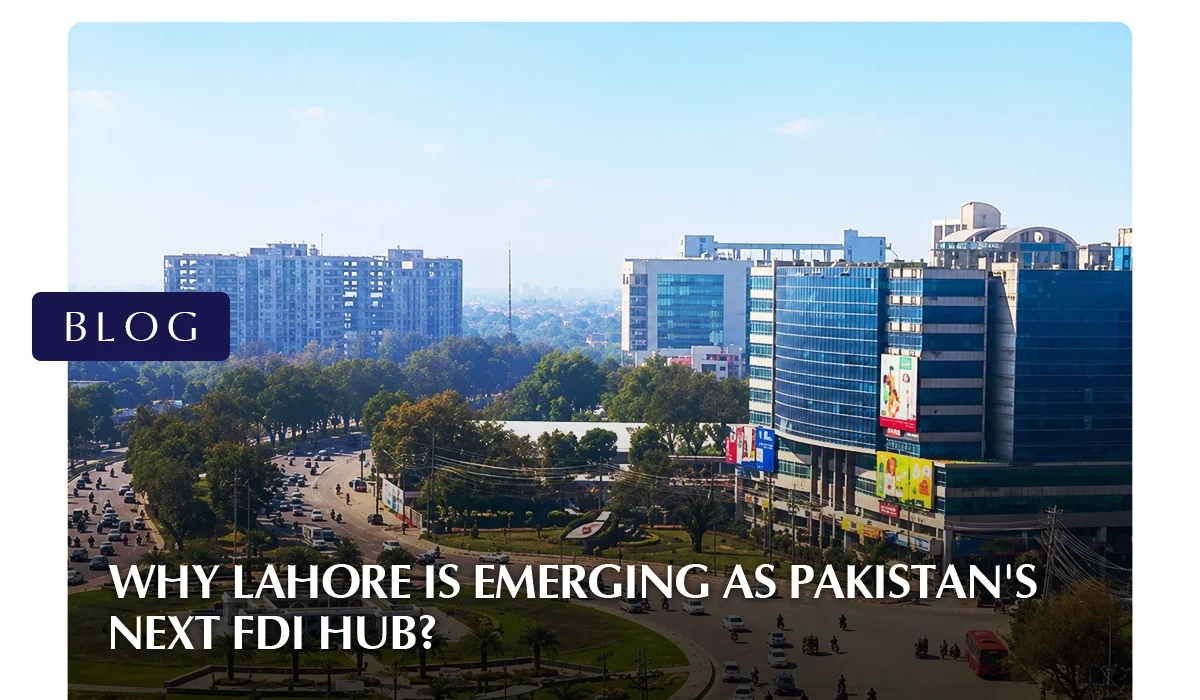
KARACHI: Commercial banks have reported a muted public response to the government’s recently relaunched subsidised housing finance scheme, with industry experts attributing the slowdown to financing limits that fall short of prevailing property prices in major urban centres.
The government allocated a Rs5 billion subsidy for the current financial year, following which the State Bank of Pakistan (SBP) introduced a housing finance facility offering a maximum loan of Rs3.5 million for the purchase, construction and renovation of residential properties.
However, market participants say the cap is insufficient in cities such as Karachi, Lahore and Islamabad, where even small housing units are priced well above the scheme’s ceiling. As a result, banks have seen limited uptake, weakening the initiative’s aim of promoting home ownership and reviving construction activity.
Experts warn that the challenge is compounded by Pakistan’s growing housing deficit, which has reached 12 million units nationwide, and by rising land and construction costs. According to data from World Population Review, Pakistan’s housing affordability index has declined to 0.4, placing it below regional peers such as Bangladesh and India.
Industry specialists have urged policymakers to revise the scheme and align financing limits with market realities. They also recommend encouraging foreign investment in low-cost and vertical housing, adopting climate-resilient construction models, and improving collaboration between banks and developers. Several stakeholders argue that raising the loan ceiling to Rs 10 million could significantly expand access for middle-income households and overseas Pakistanis, thereby driving employment and economic growth.
Observers point to the success of an earlier SBP housing finance programme launched in 2020, which allowed loans of up to Rs10 million and generated strong demand before being discontinued due to fiscal constraints. The current scheme, relaunched in September 2025 with reduced limits, is now under scrutiny as calls grow for policy adjustments to restore momentum in the housing and construction sector.
BBC-featured Content Specialist with a sharp eye for search intent and a proven ability to turn content into a growth engine. I leverage cutting-edge digital marketing tools to craft strategies that fuel organic traffic, amplify brand growth, and own the local SEO landscape, particularly across the competitive real estate market. I help brands dominate search rankings and convert visibility into measurable business success.
ISLAMABAD: The Securities and Exchange Commission of Pakistan (SECP) has announced amendments to the Real Estate Investment Trust (REIT) Regulations, 2022, aimed at improving the governance, transparency, and operational efficiency of REIT schemes in Pakistan. The revised regulations focus on streamlining processes, strengthening oversight, and fostering earlier listings of REIT schemes to enhance their development as a capital market asset class.
Key amendments introduced by the SECP include clearer timelines for transferring real estate and shares of special purpose vehicles (SPVs). These changes are designed to promote the early listing of REIT schemes, increasing their visibility in the market and attracting more investment. The regulatory updates also strengthen the roles of REIT Management Companies (RMCs) and trustees, ensuring better governance and reducing regulatory arbitrage across different REIT structures.
In a bid to align with Shariah governance frameworks, the SECP has refined the definition of real estate, distinguishing between passive and active components. Additionally, the regulations now include income and asset test requirements, consistent with international best practices, to ensure that REIT schemes primarily invest in and generate income from real estate assets.
The amendments followed a comprehensive stakeholder consultation process, which included meetings with RMCs, trustees, banks, mutual funds, law firms, and consultants. The SECP emphasised that the revised regulations are expected to boost investor confidence and encourage the growth of REITs as a long-term, stable investment option in Pakistan’s capital markets.
The amended REIT Regulations are now available on the SECP’s official website, marking a significant step toward strengthening Pakistan’s real estate investment framework.
BBC-featured Content Specialist with a sharp eye for search intent and a proven ability to turn content into a growth engine. I leverage cutting-edge digital marketing tools to craft strategies that fuel organic traffic, amplify brand growth, and own the local SEO landscape, particularly across the competitive real estate market. I help brands dominate search rankings and convert visibility into measurable business success.
Investing in Pakistan can be a smart way to grow wealth, especially with the country’s rapidly evolving market dynamics. Among the various investment options, two stand out: real estate and the Pakistan Stock Exchange (PSX). Both have their loyal followers and long-standing histories, but the big question for investors is: where can you find the best return on investment in Pakistan? Should you go with the tangible and stable real estate investing, or is it better to dive into the more volatile yet rewarding world of the investment in Pakistan Stock Exchange?
This article breaks down the strengths and challenges of each investment avenue, offering insights into their returns, risks, and long-term potential, so you can make a more informed decision for your financial future.
Real Estate vs. PSX: A Side-by-Side Comparison
To help you decide where to place your capital for the best return on investment in Pakistan, let’s break down the key differences between real estate investing and investing in the Pakistan Stock Exchange:
Criterion
Real Estate
Pakistan Stock Exchange
Average Return
5-7% (residential), 10-12% (commercial)
12-18% (volatile, with potential for high returns)
Risk
Lower volatility, but market cycles can affect returns
Higher volatility, with potential for significant gains or losses
Liquidity
Low—properties can take months to sell
High—buy and sell quickly during market hours
Initial Investment
High—millions of PKR needed
Low—can start with as little as PKR 1,000
Income Type
Rental income
Dividends and capital appreciation
Regulation
Often unregulated or informal
SECP regulated, with transparent oversight
Growth Potential
Steady, long-term growth
High growth potential during bull markets
Understanding Real Estate Investment in Pakistan
Real estate has long been regarded as a secure investment in Pakistan, and for good reason. With its tangible nature, real estate provides a sense of security, as it’s an asset that can’t be easily devalued or lost. Whether you’re considering residential or commercial real estate investment, Pakistan’s rapidly growing urban areas—especially cities like Karachi, Lahore, and Islamabad—offer lucrative opportunities for both capital appreciation and rental income.
Why Real Estate is an Attractive Investment in Pakistan?
Here are a few reasons why real estate remains a top choice for investors seeking the best return on investment in Pakistan:
1. Stable Long-Term Growth:
The growth in property prices over the last decade has been impressive. Residential real estate, in particular, offers annual returns of around 5-7%, while commercial real estate yields up to 10-12% annually. Areas like Karachi, Lahore, and Islamabad continue to see consistent demand, especially for residential and commercial properties, making real estate a reliable inflation hedge. As urbanization increases and housing shortages persist, the demand for property is expected to remain high, driving further price appreciation.
2. Passive Income Through Rent:
One of the most appealing aspects of real estate investing is the opportunity for rental income. Residential properties typically offer yields between 5-7%, but commercial properties can provide even higher returns, ranging from 10-12% annually. This steady cash flow can be reinvested or used to cover expenses, making real estate an excellent source of passive income.
3. Tangible Asset:
Real estate is a physical asset. Unlike stocks, which can fluctuate wildly due to market sentiment, property is less vulnerable to short-term market swings. Its value typically appreciates over time, offering long-term growth and stability. For investors looking for a low-risk and high-reward investment, real estate provides the ideal balance.
4. Legacy Building and Security:
Real estate investments can also be passed down from generation to generation, providing long-term financial security. Unlike stocks, where prices can be influenced by global markets, the value of real estate remains tied to the local economy, making it a more reliable asset for family wealth.
Families can explore different real estate options to choose assets that support long-term stability and future financial planning.
Challenges of Real Estate Investment in Pakistan
While real estate investing in Pakistan has its benefits, it’s not without its challenges. The high entry cost, legal hurdles, and maintenance requirements make it more suitable for investors with larger capital.
High Initial Investment
Real estate investments often require millions of Pakistani Rupees (PKR), which makes it less accessible for individuals just starting their investment journey. Unlike stocks, which allow for small investments, the capital requirement for property investments is significant. This high entry barrier means that real estate investing is more suited for wealthier investors.
Liquidity Issues
Selling property in Pakistan can take months, and the process is often delayed by legal issues, market conditions, and transaction costs. In comparison to stocks, where you can quickly sell and access your funds, real estate is less liquid, making it less suitable for investors who may need quick access to cash.
Legal and Maintenance Costs
Managing real estate comes with its own set of headaches. Legal issues, such as unclear ownership or land disputes, can complicate matters. Maintenance costs, especially for rental properties, can also add up. Whether you’re managing tenants, handling repairs, or dealing with legal challenges, the time and effort involved in real estate investing can be draining for some investors.
Investment in Pakistan Stock Exchange (PSX)
The Pakistan Stock Exchange (PSX) offers a different kind of investment experience. While it may seem more volatile and unpredictable than real estate, it comes with its own set of benefits that make it an attractive option for certain types of investors.
Why Invest in the Pakistan Stock Exchange?
High Return Potential:
Historically, the PSX has shown strong performance, with the KSE-100 index growing from 40,000 points in 2020 to over 85,000 points in 2025, providing investors with returns in the 12%-18% range annually. Despite political instability and market fluctuations, the stock market in Pakistan has exhibited resilience, offering strong returns over the long run.
Liquidity and Flexibility:
One of the key advantages of the investment in Pakistan Stock Exchange is its liquidity. Stocks can be bought and sold within minutes during market hours. If you need to liquidate your investment or make quick adjustments to your portfolio, you can do so instantly, unlike real estate, which requires months to sell. This flexibility makes PSX an attractive option for investors seeking quick access to funds.
Low Entry Cost:
You can start investing in the PSX with as little as PKR 1,000. This low entry barrier makes it an accessible option for a wider range of investors, including salaried individuals, students, and those who want to diversify their portfolios without committing large sums of capital. Apps like KTrade make it easy to buy shares and manage investments without requiring agents or excessive paperwork.
Passive Income through Dividends:
Just like real estate offers rental income, stocks can also provide passive income in the form of dividends. Many top-performing companies in Pakistan regularly distribute dividends to their shareholders, allowing investors to earn money while their stock holdings appreciate in value.
Challenges of Investing in the PSX
Volatility and Risk
One of the primary drawbacks of the stock market is its volatility. Prices can fluctuate drastically due to political events, economic news, and changes in investor sentiment. For example, in 2022, the PSX saw a significant downturn due to political instability, but it quickly recovered. Investors who aren’t prepared for market swings may find themselves exposed to substantial losses if they’re unable to ride out the volatility.
Technical Knowledge and Active Monitoring
Investing in the PSX requires a certain level of knowledge and active engagement. To maximize returns and avoid significant losses, investors need to research companies, understand market trends, and actively manage their portfolios. This can be a challenge for new investors or those who are not familiar with the stock market.
Market Cycles
The stock market operates in cycles, with periods of growth followed by downturns. Unlike real estate, which generally appreciates over time, stocks can experience long periods of stagnation or even loss. It’s important for investors to time their investments well and diversify their portfolios to minimize risk.
Conclusion: Real Estate vs. PSX – Which Is the Better Investment?
While both real estate investing and investment in the Pakistan Stock Exchange offer their own set of advantages, real estate is the better option for those seeking stability, tangible assets, and passive income over the long term. With higher rental yields, capital appreciation, and the ability to build legacy wealth, real estate in Pakistan remains a top investment choice for many.
However, for those with a lower budget, a shorter time horizon, or a higher risk tolerance, the PSX offers the potential for greater returns, though at the cost of higher volatility and the need for active management. For diversified investors, a balanced approach combining both assets can be a smart strategy.
ISLAMABAD: Rising land costs, rapid urbanisation, and changing lifestyle preferences are pushing Pakistan’s housing market towards vertical living, with condominiums, apartments, and compact residential units emerging as the preferred choice for buyers and developers, real estate experts said.
Pakistan is currently facing an estimated housing shortage of 10 to 12 million residential units, a gap that continues to widen each year due to population growth and increasing urban migration. Industry specialists warn that this persistent supply-demand imbalance is reshaping the real estate landscape, particularly in major cities such as Lahore, Karachi, and Islamabad, where land scarcity has driven prices sharply higher.
Speaking to Business Recorder, real estate expert Shahzad Akbar Janjua said accelerating urbanisation, shrinking household sizes, and evolving buyer behaviour are key factors behind the rising demand for apartments, condominiums, and townhouses.
“Urbanisation is accelerating, household sizes are shrinking, and younger families want their own homes earlier than before,” Janjua said, adding that despite economic slowdowns, real estate remains Pakistan’s most trusted long-term investment, offering security and protection against inflation.
Janjua noted that rising land acquisition costs, higher construction material prices, and inflation in labour and development inputs have significantly increased property prices, particularly in urban centres. This trend has made traditional large homes unaffordable for most middle-income families, pushing buyers towards vertical living and compact apartment-style housing.
“The greatest housing shortfall is now in mid-sized, compact units such as apartments, condominiums, and townhouses,” he said. “Without consistent development of these formats, the urban housing deficit will continue to grow.”
Another real estate expert, Ahmed Saljouk, said Pakistan’s property market is experiencing renewed momentum because housing demand has outpaced supply for several years. He explained that affordability, land optimisation, and changing lifestyle needs are driving the shift towards apartment living and community-based condominium complexes.
“Large plots are no longer viable for most buyers, while compact units offer better price accessibility,” Saljouk said. “Vertical developments allow developers to integrate security, utilities, maintenance services, and green spaces more efficiently.”
He added that horizontal urban expansion requires large, contiguous land parcels that are increasingly scarce and expensive near city centres. Such expansion also places heavy pressure on infrastructure, roads, and utilities, making high-rise apartments and condominiums a more practical and sustainable solution.
“Modern buyers prioritise convenience, connectivity, and maintenance-friendly living—qualities that apartments and condominiums deliver far better than traditional sprawl-based housing schemes,” Saljouk said.
Experts believe that improved connectivity, new residential corridors, and the growing availability of affordable apartments, condominiums, and compact housing will continue to drive Pakistan’s real estate investment towards vertical living as a long-term response to rising land prices and the country’s housing shortage.
Pakistan’s long-delayed decision to privatize Pakistan International Airlines (PIA) has become one of the most consequential economic reforms in nearly two decades. After years of losses, political interference, and failed sale attempts, the successful auction of a 75% stake in PIA for Rs135 billion by Arif Habib Ltd Consortium in December 2025 represents far more than a corporate transaction. It signals a structural shift in Pakistan’s economic thinking — away from perpetual state ownership toward market-driven reform.
While much of the public discussion has focused on whether PIA is privatized, who won the bidding war, and whether the valuation was fair, a deeper and more important question remains underexplored: What does the privatization of PIA mean for Pakistan’s broader economy — especially real estate and foreign investment?
This article examines PIA privatization as an economic reform, analyzing its direct and indirect impacts on aviation growth, real estate demand, foreign direct investment (FDI), and investor confidence, while addressing the long-term implications for Pakistan’s reform trajectory.
Understanding PIA Privatization in Context
The privatization of PIA marks a significant turning point in Pakistan’s economic trajectory. As the first major divestment since the privatization of K-Electric in 2005, it isn’t merely a financial transaction—it’s a litmus test of the country’s reform credibility.
After a failed attempt to offload PIA in 2024, the government recognized that systemic issues had to be addressed before any meaningful investor interest could be generated. At the time, PIA was weighed down by massive operational losses, an unsustainable cost structure, and a staggering debt burden exceeding Rs650 billion. The airline’s poor safety reputation, underscored by the tragic 2020 Karachi crash, further damaged investor sentiment and led to flight bans from key international regulators such as the UK and EU aviation authorities.
In a bold corrective move, the government undertook a sweeping financial and operational overhaul. Rs654–670 billion of legacy debt was absorbed onto the government’s balance sheet, instantly transforming PIA from a distressed liability into a viable investment proposition. Just as importantly, international flight bans were lifted, restoring access to European air corridors that are vital for revenue and route prestige. These developments restored not only operational credibility but also investor confidence.
This time, the privatization process was designed with transparency at its core. Unlike the previous year’s solitary lowball bid of Rs10 billion, the 2025 auction attracted three credible, pre-qualified consortia. A live-televised bidding war unfolded between Arif Habib Corporation and Lucky Cement, with the former clinching the 75% stake at a final bid of Rs135 billion—far surpassing the government’s minimum reference price of Rs100 billion.
Importantly, the deal was structured not to enrich the public treasury overnight, but to inject fresh capital into PIA’s operations. Only Rs10.1 billion from the bid proceeds will enter the government’s coffers, while the rest will fund fleet expansion, service upgrades, safety compliance, and infrastructure modernization. This signals a pivotal shift in Pakistan’s approach: privatization is no longer seen as a fiscal band-aid, but as a catalyst for operational turnaround and institutional reform.
Alignment with IMF Structural Reform Agenda
By aligning the process with International Monetary Fund (IMF) structural benchmarks, the government also reinforced its commitment to credible economic governance. This alignment not only satisfies IMF conditions under the $7 billion program but also sends a strong message to both domestic and foreign investors: Pakistan is open to transparent, rules-based capitalism.
The privatization structure—where ownership transfer is phased, post-deal investments are ring-fenced, and management insulation is prioritized—demonstrates a sophisticated understanding of political-economy risk. It explicitly addresses past failures where privatization devolved into asset-stripping or triggered ex-post litigation. By separating financial engineering from operational control, this approach offers a roadmap for other state-owned enterprises (SOEs) facing similar challenges.
In short, the privatization of PIA is not a fire sale of a national icon—it’s a strategic recalibration of Pakistan’s public sector role, a test case for responsible privatization, and a signal of market maturity. It represents the shift from a reactive state to a reform-minded, investor-conscious actor capable of unlocking long-term growth through institutional discipline.
Why PIA Privatization Is an Economic Reform — Not Just a Sale
The impacts of privatization on PIA go far beyond a mere shift in shareholder structure. This transformation addresses the deep-rooted structural inefficiencies that crippled the airline for decades, turning a once-celebrated national carrier into a perennial loss-making entity.
Legacy Burdens That Held PIA Back
For years, PIA was plagued by:
Chronic political interference, where appointments and operational decisions were influenced by non-commercial considerations
Severe overstaffing, with nearly 300 employees per aircraft—far exceeding the international norm of 150–200
Safety and compliance failures, culminating in damaging global bans, such as the EU and UK suspensions after the 2020 crash
Annual taxpayer bailouts of over Rs35 billion, draining public funds with little return
These legacy issues made PIA unattractive for both commercial growth and investment, deterring local and foreign stakeholders from engaging with the airline.
How Privatization Resets the Playing Field
The privatization of PIA directly addresses these dysfunctions by installing:
Professional management insulated from politics, capable of making data-driven, strategic decisions
Capital discipline and performance incentives, aligning leadership with profitability and efficiency
Route rationalization, prioritizing profitable paths and eliminating wasteful subsidies
Corporate governance frameworks, ensuring transparency, accountability, and compliance with international standards
This is a paradigm shift—from political patronage to performance, from bloated bureaucracy to lean strategy.
Ripple Effects on Real Estate and Foreign Investment
These operational reforms don’t just benefit the airline—they influence broader investor psychology. FDI flows and real estate investment are highly sensitive to signals of reform credibility. When a high-profile asset like PIA is restructured successfully:
Foreign investors gain trust in Pakistan’s reform agenda and institutional maturity
Real estate markets, particularly those linked to aviation and tourism (hotels, logistics parks, serviced apartments), gain momentum
Infrastructure investment around major airports (Karachi, Lahore, Islamabad) becomes viable due to predictable aviation traffic and better governance
By removing state inefficiency and political distortion from a major sector, PIA privatization acts as a beacon, attracting both capital and confidence.
How PIA Privatization Links to Real Estate Investment in Pakistan
1. Aviation Growth Drives Real Estate Demand
One of the most immediate and visible impacts of privatization on PIA is the expansion of Pakistan’s aviation sector. With the UK and EU flight bans lifted, and new capital committed for fleet modernization, PIA is set to significantly enhance: international flight routes, domestic connectivity and passenger and cargo capacity.
As more planes take off, the movement of people and goods across borders and cities will rise sharply. This surge directly boosts real estate investment in Pakistan, especially in airport-adjacent zones of Karachi, Lahore, and Islamabad.
How Aviation Growth Translates to Real Estate Demand
PIA’s revival under private management will:
Increase demand for hotels, serviced apartments, and hospitality real estate, as tourism and business travel rise.
Fuel commercial development, such as office spaces, business lounges, and retail outlets near aviation hubs.
Expand logistics and industrial real estate, including cold storage, cargo handling zones, and warehousing near airports.
Drive residential expansion, particularly for aviation staff and frequent travelers in airport-accessible neighborhoods.
2. Airport-Adjacent Real Estate Gains Momentum
Privatizing PIA strengthens Pakistan’s aviation ecosystem, creating spillover effects around major airports, especially in Karachi, Lahore & Islamabad
Increased air traffic boosts demand for:
Hotels and hospitality developments
Serviced apartments
Commercial plazas
Logistics hubs and warehousing
Cargo handling and cold-chain infrastructure
Airport-centric real estate has historically delivered premium yields in emerging markets where aviation capacity expands rapidly — a pattern Pakistan now appears poised to replicate.
3. Tourism Revival and Hospitality Expansion
The privatization of PIA coincides with the reopening of European routes, restoring Pakistan’s access to high-value tourism and diaspora travel markets.
Tourism growth stimulates:
Resort developments
Urban hotels
Mixed-use commercial districts
Retail and food destinations
Cities with international airports become real estate growth nodes, benefiting developers, REITs, and long-term investors.
Commercial Real Estate and Business Mobility
4. Business Travel Fuels Commercial Property Demand
Improved airline connectivity supports:
Multinational corporate travel
Regional headquarters operations
Trade exhibitions and conferences
As aviation reliability improves, corporate tenants seek Grade-A office space, co-working hubs, and business parks — particularly near airports and central business districts.
This dynamic reinforces demand for:
Commercial plazas
Business hotels
Logistics-linked office infrastructure
Logistics, Warehousing, and Industrial Real Estate
5. Cargo and Supply Chains Benefit from Airline Reform
PIA’s turnaround also enhances Pakistan’s air cargo potential, especially for:
Textiles
Pharmaceuticals
Perishables
E-commerce fulfillment
This creates demand for:
Warehousing near airports
Cold storage facilities
Distribution centers
Industrial real estate near Karachi, Lahore, and Islamabad airports stands to benefit significantly as air freight reliability improves.
Foreign Direct Investment (FDI): Why PIA Privatization Matters
6. A Credibility Signal to Global Investors
Foreign investors don’t assess economic reform by political promises—they evaluate execution. In this context, the successful privatization of PIA marks a breakthrough moment, sending strong, market-reassuring signals to global capital markets.
I. Contracts Can Survive Political Cycles
In Pakistan, the history of public-private partnerships (PPPs) and energy sector contracts is marred by ex-post renegotiations, sudden cancellations, and bureaucratic reversals. By successfully completing the PIA privatization process, the state has shown that large, multi-stakeholder transactions can survive political transitions—a crucial signal to long-term investors who require stability across administrations.
II. Competitive Bidding Is Possible
The live-televised bidding war between Arif Habib Corporation and Lucky Cement showcased not only transparency but also genuine market competition. This contrasts with previous failed privatization efforts where insider deals or lack of interest led to weak outcomes. It proves that competitive, rules-based asset divestment is achievable in Pakistan.
III. Large-Scale Transactions Can Be Closed
At Rs135 billion (~$480M), this was one of the largest privatization deals in recent history. Its successful closure shows that Pakistan’s institutions are capable of managing complex, high-stakes financial transactions—a critical trust factor for foreign direct investment (FDI), especially in sectors like energy, telecom, and infrastructure.
IV. State Interference Can Be Minimized
The separation of PIA’s management from direct government control also signals a reduction in political interference, which has historically been a top deterrent for institutional investors. Clear governance structures, performance incentives, and post-deal protection measures demonstrate that the government is serious about insulating private capital from political shocks.
7. Aviation as an FDI Enabler
A functioning national airline is far more than a mode of transportation—it is a strategic enabler of FDI. In the case of Pakistan, the privatization of PIA and its operational revival create ripple effects that go far beyond the aviation industry. For foreign investors, connectivity, convenience, and infrastructure reliability are crucial inputs into market entry decisions.
When an airline functions efficiently and offers expanded routes, it reduces key frictions that often deter FDI:
Lower transaction costs – Executive travel, site visits, due diligence, and logistics become faster and cheaper
Reduced travel friction – Easier access to and from major economic hubs like Karachi, Lahore, and Islamabad improves investor confidence
Less operational uncertainty – Reliable air transport ensures smoother supply chains and continuity of business operations
These improvements are not abstract—they translate into real-time investment decisions. Investors are more likely to expand into markets where access is predictable and professional, rather than patchy and politicized.
FDI Attraction Across Multiple Sectors
With PIA being modernized post-privatization, Pakistan’s air links with global markets are expected to grow. This development is especially impactful for FDI-intensive sectors such as:
Manufacturing: Investors need reliable movement of personnel, machinery, and goods across borders.
Real Estate Development: Global real estate developers, architects, and consultants rely on seamless mobility for project oversight.
Tourism & Hospitality: The revival of direct flights to Europe repositions Pakistan on the international tourism map.
Financial Services: Banks, fintechs, and investors benefit from reliable flight options for regional headquarters and branch expansions.
8. Real Estate as an FDI Gateway
The privatization of Pakistan International Airlines (PIA) is a strategic lever that strengthens all three of these prerequisites, thereby reinforcing the capital flow cycle into Pakistan’s built environment.
Improving City Connectivity Fuels Urban Expansion
By expanding international routes and domestic air access, the revitalized PIA enhances mobility across Pakistan’s major economic centers—Karachi, Lahore, and Islamabad. This reduces friction for businesses, tourists, and trade, making secondary cities more accessible and encouraging development of new growth corridors.
Improved connectivity supports:
Airport-linked commercial zones
Mixed-use residential communities
Suburban real estate clusters with higher livability and commuter access
Enhancing Investor Confidence Through Execution
Foreign investors have long been skeptical of Pakistan’s ability to complete large-scale, transparent privatization deals. The Rs135 billion PIA stake sale, conducted through open bidding, helps dispel that skepticism. It demonstrates:
Contract enforcement across political cycles
Capability to execute high-value transactions
A credible shift towards market-driven reforms
This boosts confidence among international real estate developers, infrastructure funds, and sovereign investors seeking frontier-market exposure.
Supporting Long-Term Urban Growth and Infrastructure Demand
With Pakistan’s urban population projected to cross 50% by the early 2030s, the need for modern housing, transportation, utilities, and commercial space is growing rapidly. The revival of national aviation capacity enables more predictable movement of talent, goods, and capital—essential ingredients for planned urbanization.
Catalyze private-public partnerships for city expansion projects
Impacts of Privatization on PIA and Investor Psychology
The broader impacts of privatization on PIA reshape how investors perceive Pakistan:
From Policy Volatility to Conditional Stability
Policy unpredictability has long been one of the most cited risks in foreign direct investment (FDI) risk assessments. Investors often fear abrupt contract cancellations, regulatory reversals, or shifting political priorities.
By aligning the PIA privatization with IMF structural benchmarks, maintaining process transparency, and ensuring institutional oversight, Pakistan has signaled a move toward conditional, rules-based stability. This change doesn’t remove risk—but it makes it more measurable, which is exactly what long-term capital seeks.
From Asset Decay to Value Recovery
For years, Pakistan’s national assets—airlines, energy firms, steel mills—were symbols of decline rather than growth. The revival of PIA through private capital, alongside the removal of Rs654+ billion in legacy debt, shows that value recovery is possible, even in distressed sectors.
This creates a blueprint for restructuring other loss-making SOEs, making them bankable and investible in the eyes of both local and foreign institutional investors.
Why This Psychological Shift Matters
Investor sentiment is driven as much by perception as by numbers. While fundamentals like GDP, interest rates, and regulatory policy matter, expectations about the future often shape actual capital flows.
If Pakistan is perceived as reform-minded, it will attract long-term infrastructure and real estate investors.
If it remains seen as politically unstable or anti-business, capital will continue to bypass it for more predictable markets.
The psychological shift triggered by PIA’s successful privatization tilts the scales toward optimism. It sends a message that Pakistan can respect contracts, conduct fair market processes, and pursue growth through market mechanisms.
Addressing Skepticism: Price vs Capability
Critics of PIA privatization often focus narrowly on valuation. However, aviation economics dictate that price alone cannot define success. What matters more is:
Capital depth of owners
Governance discipline
Operational expertise
Willingness to absorb early losses
From a real estate and FDI perspective, successful turnaround matters more than headline price, because sustainable aviation growth fuels downstream economic activity.
Labour, Stability, and Transitional Protection
The privatization structure includes:
One-year protection against layoffs
Preservation of pension rights
Transfer of legacy obligations to a holding entity
These measures reduce social disruption while allowing gradual restructuring — a balance that improves political sustainability and investor confidence.
Why Delay Was the Real Risk
In the case of PIA, delaying privatization had significant economic consequences. The airline continued to drain public funds, with annual subsidies exceeding Rs35 billion, putting pressure on already stretched national resources.
Meanwhile, PIA’s international relevance declined, especially after flight bans from major markets like the UK and EU. Prolonged inaction also contributed to the deterioration of aviation infrastructure, with underutilized fleets and outdated systems becoming liabilities.
Crucially, the delay led to missed opportunities in real estate and tourism. Poor connectivity limited growth around airports, holding back investments in hotels, logistics hubs, and commercial zones—sectors that rely heavily on air traffic.
By completing privatization, Pakistan has not only halted this value erosion but also created a foundation for growth across aviation, infrastructure, real estate, and tourism. It’s a strategic shift from managing decline to enabling reform-driven development.
Long-Term Outlook: Aviation, Real Estate, and Growth
Delays in PIA privatization came at a steep economic cost. The airline continued to absorb over Rs35 billion annually in public subsidies, burdening taxpayers without delivering value. Internationally, Pakistan’s aviation reputation suffered, with flight bans diminishing access to key markets and eroding global competitiveness.
Meanwhile, aging infrastructure, grounded aircraft, and weak service quality worsened. Real estate opportunities around airports stalled, and tourism growth remained undercut by poor connectivity.
Now, with privatization executed, Pakistan has reversed the trend of institutional decline. The reform halts value erosion and establishes a platform for recovery—fueling growth in aviation, real estate, logistics, and tourism while restoring investor confidence in the country’s reform agenda.
Conclusion: More Than an Airline Deal
The privatization of PIA is not merely about selling an airline. It is about restoring credibility, unlocking investment, and proving that reform is possible in a system long resistant to change.
For real estate investors, it strengthens demand drivers linked to mobility, tourism, logistics, and urban growth. For foreign investors, it signals a rare willingness to let markets function. For Pakistan’s economy, it represents a critical test case — one that could redefine the country’s investment narrative.
PIA privatization, if protected from reversal and politicization, has the potential to reshape Pakistan’s economic landscape — not just in the skies, but on the ground where real assets, capital, and confidence converge.
Islamabad’s commercial landscape is often described using the word “downtown Islamabad,” yet the city has never had an officially designated central business district. As urban expansion accelerated and new mixed-use developments emerged, multiple areas began marketing themselves as downtowns, creating confusion between real estate branding and economic reality.
In the absence of a formally planned CBD, perception has increasingly replaced evidence in shaping market narratives. This blog cuts through that ambiguity by relying strictly on multi-year commercial real estate data from 2018 to 2024, comparing long-term value trends, price-per-square-foot behaviour, and market stability across Islamabad’s major commercial zones to examine how actual downtown centrality is formed and sustained.
Indicator
Blue Area
New Blue Area
Gulberg
Park View City
Price per Sq. Ft (2024)
~PKR 500,000
Growing
~PKR 90,000
~PKR 81,000
Long-Term Growth
+196% (2018–24)
Positive (Since 2020)
Moderate
Moderate
6-Month Momentum
+22%
+4%
−8%
+6%
Market Stability
Very High
Medium
Low
Medium
Commercial Density
Highest
Rising
Low
Low
Growth Driver
Commercial Core
Core Extension
Residential-led
Residential-led
CBD Qualification
Yes
Emerging Extension
No
No
Islamabad’s Commercial Evolution and the Absence of a Planned CBD
Sector-Based Planning Without a Central Core
The original Islamabad master plan followed a low-density, sector-based layout. Commercial activity was distributed across local-sector markets rather than concentrated in a single central business district. Administrative and commercial functions were also spatially separated.
Population Growth Beyond Early Projections
Over time, Islamabad urban growth far exceeded early planning assumptions. The city’s population crossed two million, sharply increasing demand for housing and services. This growth placed pressure on land and infrastructure across the metropolitan area.
Rapid Expansion of the Built-Up Area
Islamabad’s built-up area expanded from about 58 km² in 2000 to nearly 256 km² by 2020. This represents more than a fourfold increase in urbanised land. Most of this growth occurred through horizontal expansion rather than vertical development.
Residential-Led Sprawl and Mixed-Use Development
Large-scale residential projects led the city’s outward expansion. Commercial and office spaces followed mainly to serve local residential demand. These areas functioned as mixed-use zones rather than high-density commercial centres.
How Downtown Islamabad Confusion Emerged
With no formally planned CBD, multiple areas began presenting themselves as downtown Islamabad. Real estate branding filled the gap left by planning ambiguity. This created confusion between perceived centrality and actual economic function within Islamabad’s commercial development.
Why Blue Area Became Islamabad’s Commercial Spine?
Central Position Along Jinnah Avenue
The Blue Area Islamabad history is inseparable from its strategic location along Jinnah Avenue. This corridor functions as Islamabad’s primary east–west axis, linking major residential sectors with administrative and institutional zones.
Located on Islamabad’s main arterial road
Direct connectivity to key sectors and civic areas
High visibility and accessibility for businesses
Planned Commercial Strip to Functional Core
Blue Area was originally designed as a mid-rise, mixed-use commercial strip. Over time, however, market demand reshaped its role. As Islamabad expanded, dispersed sector markets proved insufficient for large-scale corporate activity.
Initial mid-rise zoning
Gradual market-led densification
Shift from dispersed markets to centralised offices
Concentration of Corporate Headquarters
One of the defining features of Blue Area is the clustering of Islamabad corporate offices. Major national and multinational firms established headquarters in the area due to its centrality and prestige.
This concentration generated agglomeration benefits, attracting more firms and reinforcing commercial depth.
Presence of financial, telecom, and service-sector firms
High corporate visibility and institutional clustering
Strong demand for premium office space
Proximity to Administrative and Government Institutions
Blue Area’s rise was reinforced by its closeness to key government and administrative centres. Ministries, regulatory bodies, and public-sector offices are located in adjacent zones. This proximity supports frequent interaction between corporate and institutional actors.
Easy access to government offices
Strategic for policy, finance, and corporate coordination
Infrastructure, Transit, and Market Convergence
Factor
Impact on Commercial Centrality
Wide boulevards
Supports high traffic and visibility
Public transport corridors
Enhances accessibility and footfall
Traffic convergence
Increases market activity and liquidity
Evolution Into a High-Value Commercial Core
Over time, limited land supply and rising demand transformed Blue Area into Islamabad’s highest-value commercial zone. Mid-rise structures gave way to high-density, vertical development. This evolution cemented Blue Area as the city’s primary commercial spine rather than just another business district.
Long-Term Commercial Property Trends (2018–2024)
Analysing Islamabad commercial property price trends over multiple years provides a clearer picture of true market strength. Long-term trends reveal whether value growth is structural or driven by short-lived speculation. Between 2018 and 2024, distinct patterns emerged across Islamabad’s major commercial areas.
Blue Area: Sustained and Compounding Growth
Blue Area demonstrated the strongest long-term performance in the city.
Price per sq. ft increased by approximately 196%
From ~PKR 130,000 in 2018
To ~PKR 385,000 in 2024
Growth followed a steady, compounding trajectory
No sharp spikes or sudden corrections were observed
This pattern indicates persistent demand, limited land supply, and strong commercial fundamentals. Such stability is characteristic of mature downtown Islamabad markets rather than emerging or speculative zones.
Index Growth and Market Depth
In addition to rising prices, Blue Area’s commercial index nearly tripled over the same period.
Index growth reflects:
Appreciation
Transactional activity
Market stability
Rising index values signal depth and liquidity
Confirms that Blue Area real estate growth is structurally driven
Comparison With Peripheral Commercial Areas
Area
Growth Pattern
Primary Driver
Market Behavior
Blue Area
Compounding, consistent
Commercial core demand
Stable, resilient
Gulberg
Uneven growth
Horizontal expansion
Post-speculative correction
Park View City
Accelerated phases
Residential demand
Cycle-sensitive
Compounding Growth vs Speculative Spikes
Long-term Islamabad land value appreciation reflects economic centrality. Sustained growth indicates enduring demand and institutional presence. Short-term spikes, however, often result from speculation, marketing, or development announcements.
Between 2018 and 2024, Blue Area consistently outperformed peripheral markets. Its growth was gradual, predictable, and resilient, traits that distinguish a true commercial core from areas driven by temporary hype.
Short-Term Market Momentum and Liquidity Signals
While long-term trends show structural strength, Islamabad real estate momentum over shorter timeframes reveals real-time market sentiment. Six-month, one-year, and two-year growth rates indicate liquidity, buyer urgency, and confidence. These indicators help distinguish stable commercial cores from cycle-sensitive developments.
Blue Area Downtown Islamabad: Strong Momentum in a Mature Market
Blue Area stands out sharply in short-term performance.
6-month growth: ~22%
1-year growth: ~52%
2-year growth: ~102%
Such acceleration in an already high-value market is rare. Mature commercial districts typically show slower short-term movement due to pricing stability. In Blue Area’s case, strong Blue Area property demand reflects high liquidity, limited supply, and sustained interest from end-users and institutional buyers.
This level of momentum signals not speculation, but confidence in long-term commercial relevance.
Performance of Other Commercial Areas
Area
6-Month Trend
1-Year Trend
Market Signal
Blue Area
+22%
+52%
High liquidity, strong demand
New Blue Area
+4%
+15%
Early-stage consolidation
Gulberg
−8%
−14%
Market correction
Park View City
+6%
+39%
Residential-cycle driven
2024 Snapshot | Downtown Islamabad
Citywide averages often hide important variations within commercial districts. A block-level comparison provides a clearer view of where value, demand, and liquidity are most concentrated. In 2024, data from key commercial blocks highlights the sharp hierarchy within Price per square foot Islamabad markets.
Blue Area Block C: Peak Commercial Value
Blue Area Block C stands at the top of Islamabad’s commercial market.
Price per sq. ft: ~PKR 500,000
3-month growth: ~15%
1-year growth: ~63%
Commercial index: ~558
These figures place Block C firmly as the Islamabad most expensive commercial area. High quarterly growth at such elevated price levels signals intense demand, limited supply, and strong transactional liquidity.
Comparative Snapshot of Key Commercial Blocks
Area
Price per Sq. Ft
3-Month Change
1-Year Change
Index
Blue Area – Block C
~PKR 500k
+15%
+63%
558
Gulberg Civic Centre
~PKR 90k
+3%
−4%
172
Park View Downtown Islamabad
~PKR 81k
+6%
+26%
123
Why Peripheral “Downtown Islamabad” Don’t Behave Like Downtowns
Residential-led appreciation dominates growth
Commercial activity serves nearby residential communities rather than the citywide economy.
Price increases follow housing cycles, not commercial absorption.
Horizontal expansion replaces density
Peripheral zones expand outward through new land development.
Land supply remains relatively flexible, limiting long-term value pressure.
True downtown Islamabad rely on vertical consolidation due to land scarcity.
Greater exposure to speculative corrections
Rapid price increases are often driven by marketing and speculation.
Gulberg experienced negative momentum following earlier gains.
Speculative markets lose liquidity quickly when sentiment shifts.
Lack of institutional and corporate clustering
Peripheral areas do not host dense clusters of corporate headquarters.
Financial institutions and major offices are limited.
Agglomeration benefits remain weak or absent.
Function as local service markets
Most businesses cater to the surrounding residential populations.
Economic activity is localised rather than metropolitan in scale.
Despite branding, these areas do not operate as true downtown Islamabad mixed-use developments.
Long-standing commercial nucleus since early city development
Recently developed through outward expansion
Land value dominance
Highest price per square foot in the city
Significantly lower and cycle-sensitive
Corporate density
Dense clustering of national and multinational offices
Scattered, small-scale commercial presence
Administrative presence
Close proximity to major ministries and institutions
Limited or indirect access
Transit centrality
Located on Jinnah Avenue with major traffic convergence
Dependent on local access routes
Vertical development leadership
High-rise and high-density commercial zoning
Predominantly low- to mid-rise development
What This Means for Investors, Developers, and Policymakers
Islamabad’s commercial data does more than explain where downtown Islamabad is. It clarifies how different stakeholders should respond to the city’s evolving commercial hierarchy. The implications vary by role, but all point toward the continued importance of the central commercial corridor.
For Investors: Liquidity and Risk Profile
From an Islamabad commercial investment perspective, Blue Area offers a fundamentally different risk–return profile than peripheral markets. Its long-term appreciation, high transaction volume, and short-term momentum indicate strong liquidity.
High buyer depth reduces exit risk.
Price stability limits downside volatility.
End-users, not speculation, drive demand
This makes Blue Area investment potential more suitable for capital preservation and steady returns than for quick speculative gains.
For Developers: Vertical Opportunity Zones
Developers face a clear choice between horizontal expansion and vertical optimisation. Blue Area and its extension favour density-driven development due to land scarcity and sustained demand.
Factor
Central Corridor
Peripheral Areas
Growth model
Vertical densification
Horizontal expansion
Demand driver
Commercial absorption
Residential spillover
Value creation
Per sq. ft optimisation
Per plot expansion
Vertical commercial projects align more closely with proven market behaviour in the core.
For Policymakers: Densification vs Sprawl
An effective Islamabad urban policy must balance growth with efficiency. Strengthening the central commercial spine reduces infrastructure duplication and transportation strain. Densification within established corridors supports sustainable urban form.
Conclusion | Downtown Islamabad
Commercial data clearly shows that actual downtown Islamabad centrality is built through sustained value, density, and institutional concentration, not branding. Across both long-term and short-term indicators, Blue Area consistently outperforms all other locations. As the city continues to grow, strengthening this established core remains the most efficient and economically sound path forward.
BBC-featured Content Specialist with a sharp eye for search intent and a proven ability to turn content into a growth engine. I leverage cutting-edge digital marketing tools to craft strategies that fuel organic traffic, amplify brand growth, and own the local SEO landscape, particularly across the competitive real estate market. I help brands dominate search rankings and convert visibility into measurable business success.