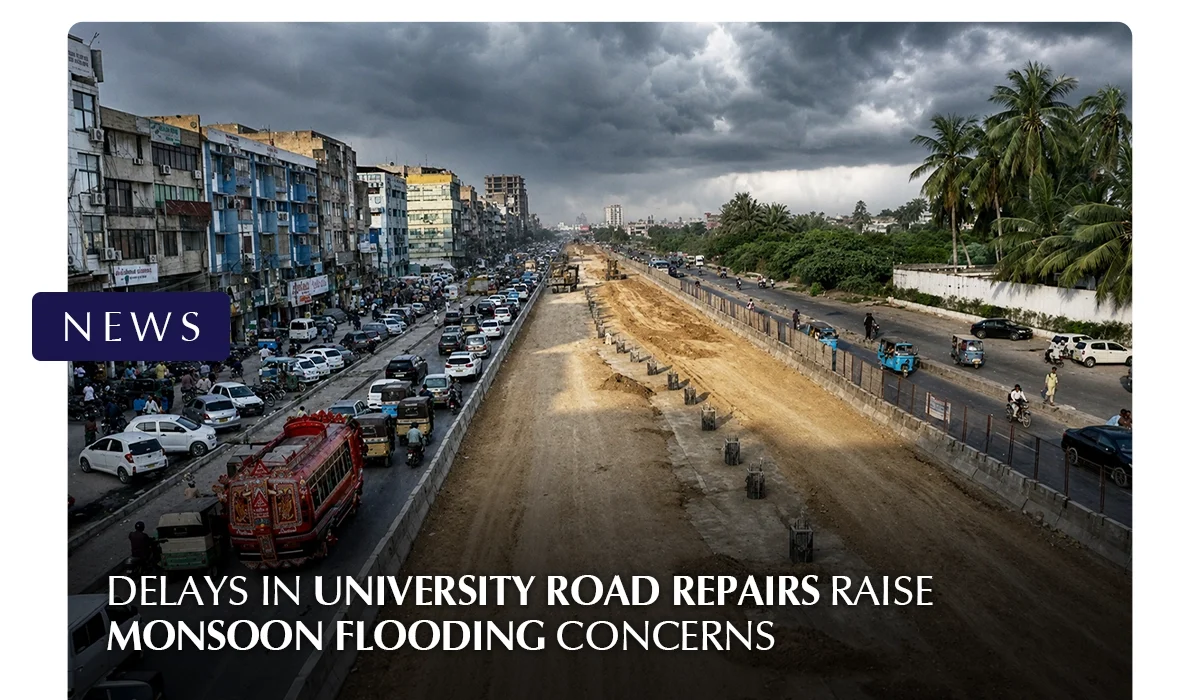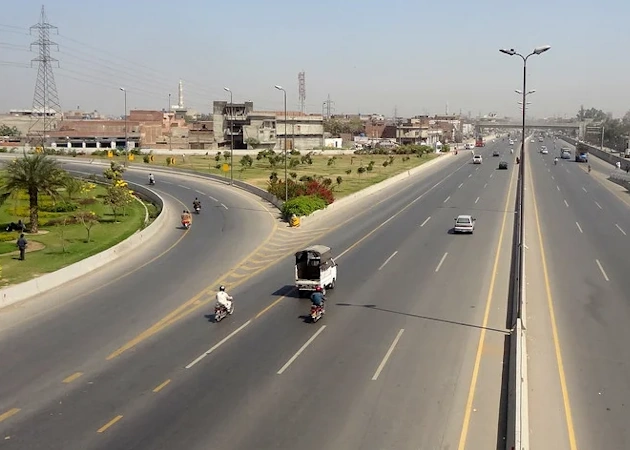
KARACHI: Jahangir Road, a vital link between two districts in Karachi, is set for a major reconstruction. The road has long suffered from severe damage and drainage problems, affecting residents and commuters.
At the foundation-laying ceremony on Wednesday, Mayor Karachi Barrister Murtaza Wahab highlighted the importance of this project. He noted that while the road was initially built by the Karachi Development Authority (KDA), it had been repeatedly damaged during rains due to outdated drainage systems.
This time, the Karachi Metropolitan Corporation (KMC) will fully fund the reconstruction. The project will not only rebuild the road but also replace the old sewerage system. Stormwater drains will be added on both sides to prevent future flooding.
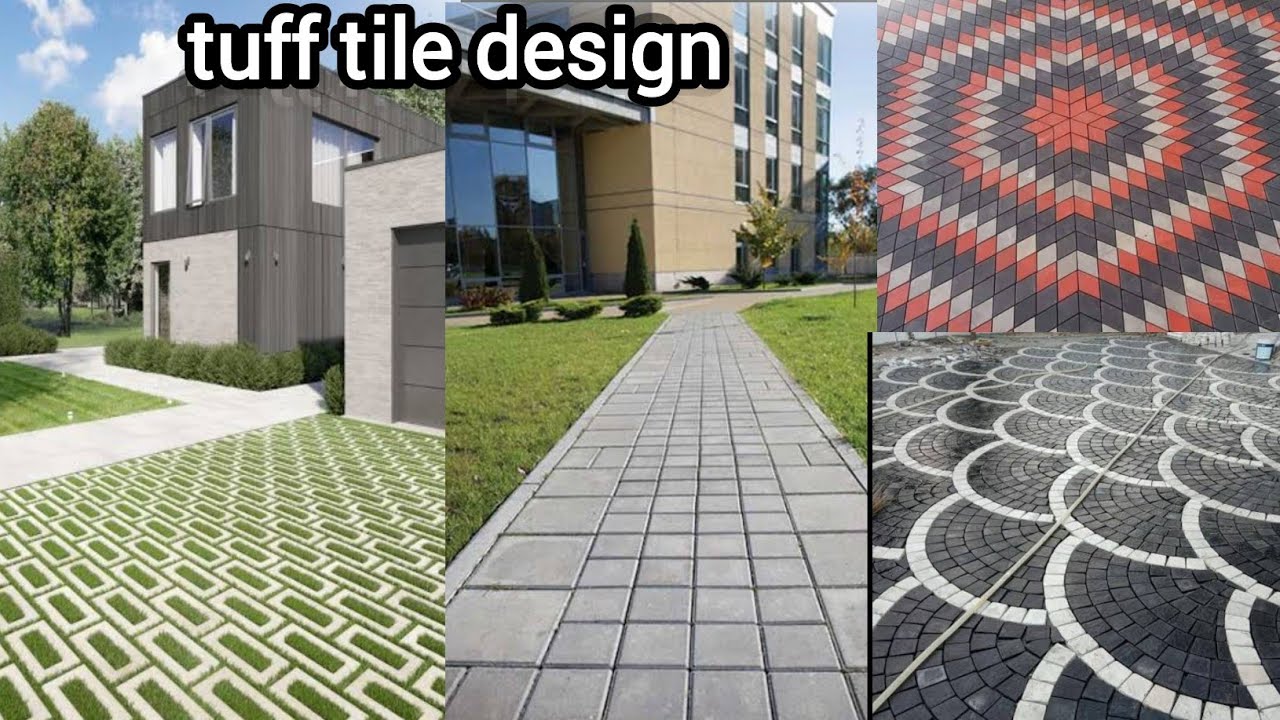
The road will feature a 3-inch asphalt base, a 2-inch asphalt concrete wearing course, and 50,000 square feet of new carpeting. Additionally, 2,000 feet of stormwater drains will be constructed, along with 252,000 square feet of 80mm paver blocks.
The original project timeline was 90 days, but it has been shortened to 60 days to reduce public inconvenience. Work will continue day and night to meet the deadline.
Once completed, the road will improve traffic flow, drainage, and overall infrastructure for local residents. This project is part of a larger initiative to develop over 400 roads across the city, with a total budget of Rs. 46 billion.
Retail shops in Islamabad are increasingly shifting toward curated mall environments, and Citadel 7 Mall is emerging as a modern retail destination in the Blue Area. Designed as a structured mall concept, it offers the kind of footfall-driven ecosystem that brands and investors prefer when comparing retail shops in Islamabad vs standalone shops.
In this guide, Chakor Ventures will compare retail shops in malls and standalone commercial shops across multiple factors, so you can decide what’s best for your goals.
Understanding Retail Shops in Islamabad: The Market Today
Islamabad’s retail ecosystem is no longer limited to traditional markets. The city now offers a blend of:
high-end malls
mixed-use commercial projects
sector-based shopping streets
standalone brand outlets and plazas
food streets and lifestyle hubs
This evolution has created strong opportunities for both retail entrepreneurs and investors. However, the competition has also grown, making commercial placement more important than ever.
Choosing between a mall shop and a standalone shop isn’t just about affordability; it’s about business positioning. Retail shops today succeed when they combine:
strong visibility
steady footfall
reliable infrastructure
brand-friendly environment
smart lease economics
That’s why comparing retail shops in Islamabad vs standalone shops is one of the most important decisions for anyone purchasing or renting retail shops in Islamabad.
What Are Mall Retail Shops?
Mall retail shops are commercial units located inside structured shopping malls. These malls usually provide:
centralized parking
security and surveillance
shared marketing and branding
food courts and entertainment zones
climate-controlled indoor shopping
regular maintenance and cleanliness
Mall shops often operate in a planned retail ecosystem where the tenant mix is managed to create a complete customer experience.
Typical Retail Shop Categories
Retail shops in Islamabad commonly include:
fashion and footwear brands
cosmetics and perfumes
electronics and accessories
kids’ wear and toys
cafés and dessert outlets
service-based outlets
What Are Standalone Shops?
Standalone shops are independently located outlets not located within a mall. These can be found in:
commercial streets
sector markaz areas
plazas
roadside commercial corridors
mixed-use buildings
independent buildings with ground-floor retail
Standalone shops generally provide higher independence, stronger signage visibility, and greater control over operational decisions.
Typical Standalone Shop Categories
Standalone outlets in Islamabad commonly include:
restaurants and takeaway
showrooms
pharmacies
grocery and convenience stores
repair/service shops
furniture, interior, and home stores
Retail Shops in Islamabad vs Standalone Shops
Factor
Retail Shops in Islamabad
Standalone Shops
Footfall
Higher and more consistent due to shopping + dining + entertainment
Depends heavily on street location and surrounding activity
Restaurants, showrooms, services, and convenience-based retail
Investor Appeal
More stable tenant demand and structured leasing environment
Can offer strong returns in prime streets, but with higher variability
Which Is Better?
Category
Choose Mall Shops If
Choose Standalone Shops If
Best for Business Owners
You sell fashion, cosmetics, footwear, or electronics
You run a restaurant, café, takeaway, or showroom
You want strong walk-in footfall
You need flexible timings and signage
You prefer a premium brand association
You want direct roadside visibility
You want a managed environment (security, maintenance, facilities)
You want lower recurring charges and fewer service fees
Best for Investors
You want stable rental demand
You are investing in a prime commercial street
You prefer premium tenant potential (brands/franchises)
You want long-term appreciation through location scarcity
You value structured property management
You can evaluate location dynamics and future demand
You want predictable occupancy
You are comfortable with higher variability in returns
Citadel 7 Mall: A Modern Mall-Based Retail Option in Islamabad
As Islamabad’s retail landscape becomes more structured and experience-driven, curated mall projects are gaining attention from both businesses and investors. Citadel 7 Mall is an upcoming shopping mall in the Blue Area being developed by Chakor Ventures.
It is positioned as a planned retail destination designed to support modern shopping behaviour. It also reflects long-term commercial value. For anyone evaluating retail shops in Islamabad, Citadel 7 Mall is a strong example of how mall-based retail is evolving beyond traditional plazas and standalone units.
Multiple retail levels designed for brands and outlets
Key Public Feature
Dedicated food court to support footfall and visitor stay time
Designed For
Shoppers, brands, franchises, and commercial investors
What Makes Citadel 7 Mall Different from Typical Retail Buildings?
Unlike unplanned commercial buildings where shops are sold without ecosystem planning, Citadel 7 Mall follows a curated mall model. This approach focuses on developing the building as a complete mall experience by emphasising:
planned retail zoning
shop discovery design
organized mall circulation
lifestyle-driven shopping experience
This matters because mall performance depends on how long visitors stay and how effectively they explore multiple floors. In other words, the mall is not just selling space; it is designing shopping behaviour.
Mall Structure & Retail Floors
Citadel 7 Mall is planned with four dedicated retail floors, enabling a wider tenant mix compared to small plazas. This is especially important in a prime commercial corridor like the Blue Area, where retail brands compete aggressively for visibility and quality space.
A multi-floor mall format typically supports:
flagship outlets and standard retail units
category-based floors
Better brand variety under one destination
, premium storefront, and display visibility
For shoppers, this improves convenience. For investors, it improves tenant demand because brands prefer structured environments with consistent visitor traffic.
Food Court as a Footfall Engine
One of the most commercially valuable features of Citadel 7 Mall is its food court concept. In modern mall economics, dining areas play a major role in generating footfall and retaining customers.
A food court helps because it:
increases repeat visits
creates evening and weekend traffic
improves customer stay time inside the mall
supports surrounding shops through natural browsing behaviour
In the broader comparison of retail shops in Islamabad vs standalone shops, malls with strong dining zones often outperform standalone retail corridors because they keep visitors engaged for longer.
Why Citadel 7 Mall Matters When Comparing Retail Shops vs Standalone Shops
When people compare retail shops in Islamabad vs standalone shops, the biggest difference is the ecosystem advantage. Standalone shops operate independently, meaning each shop must generate its own traffic through signage, marketing, and location pull.
In contrast, mall-based shops benefit from:
shared footfall
centralised security and maintenance
collective brand environment
combined shopping + dining experience
structured parking and accessibility planning
Citadel 7 Mall fits strongly into the mall model, meaning a retail unit here can benefit from the mall’s overall performance, not just its own individual visibility.
Investor Angle: Why It’s Relevant for Retail Shops in Islamabad
Citadel 7 Mall is naturally relevant to investors exploring retail shops in Islamabad because mall-based retail assets in premium locations tend to offer stronger leasing potential, especially when the project is:
located in a high-demand zone like the Blue Area
designed with strong circulation planning
supported by the food court activity
built as a structured retail destination
For commercial investors, this increases the likelihood of:
stable tenant interest
better rental competitiveness
long-term resale demand due to scarcity in premium areas
Future Trend: Mall Retail Growth in Islamabad
Retail shops in Islamabad are increasingly shifting toward:
family shopping destinations
food and entertainment-based retail models
curated mall projects
mixed-use developments
This suggests that mall retail is likely to remain a strong long-term category for both shoppers and investors. As consumer lifestyles evolve, malls create a controlled environment that matches expectations of comfort, convenience, parking, and quality.
Conclusion | Retail Shops in Islamabad
If your priority is strong branding and a structured retail environment, mall shops may offer a clearer path to growth. But if you have a strong location and want full control over operations, standalone retail can deliver excellent performance in Islamabad.
ISLAMABAD: In a significant diplomatic move, Pakistan and China have agreed to align their development strategies under the upgraded China-Pakistan Economic Corridor (CPEC), now known as CPEC 2.0. The agreement was reached during the Seventh Round of the Pakistan-China Foreign Ministers’ Strategic Dialogue, co-chaired by Chinese Foreign Minister Wang Yi and Pakistan’s Deputy Prime Minister and Foreign Minister Mohammad Ishaq Dar in Beijing.
Both countries reaffirmed their longstanding strategic partnership, with CPEC 2.0 being a major milestone in their economic and political cooperation. The upgraded corridor will focus on key sectors, including industry, agriculture, and mining, with a strong emphasis on Gwadar Port development and ensuring the smooth operation of the Karakoram Highway. These initiatives aim to boost sustainable development and strengthen Pakistan’s economic resilience.
Additionally, Pakistan and China agreed to expand cooperation in trade, investment, and cybersecurity, alongside technical exchanges in science, education, and vocational training. The opening of the Khunjerab Pass year-round will further enhance bilateral trade and people-to-people ties.
The dialogue also touched on global and regional issues, with both nations committing to deepen mutual trust and safeguard common interests. They underscored their readiness to collaborate on counter-terrorism, finance, space cooperation, and multilateral forums.
Looking forward, the two sides are preparing for the 75th anniversary of diplomatic relations in 2026 and have reaffirmed their commitment to the Action Plan for 2025–2029, aiming for closer bilateral cooperation in the years ahead.
The next round of talks will be held in Islamabad next year, continuing the momentum of strategic collaboration.
Buying shops in shopping mall is a popular choice for investors looking for steady rental income and long-term growth. Shopping malls attract consistent footfall, which makes mall shop investments more secure compared to many other commercial options.
This retail shop buying guide explains what investors must know before buying shops in shopping mall. Factors like location, layout, and developer reputation play a key role in success.
Well-planned projects such as the Citadel 7 Mall in Islamabad’s Blue Area show how the right location and smart design can improve returns and reduce investment risk.
Why Buying Shops in Shopping Mall Is a Smart Investment?
Buying shops in shopping mall offers multiple advantages for investors seeking stable returns and long-term growth. Below are the key reasons why this investment strategy continues to gain popularity:
High Footfall
Shopping malls naturally attract a large number of visitors for shopping, dining, and entertainment, ensuring consistent customer flow for retail businesses.
Strong Brand Exposure
Retailers benefit from shared mall marketing, anchor brands, and prime internal visibility, helping businesses build recognition and attract walk-in customers.
Long-Term Rental Income
Buying shops in shopping mall provides investors with steady rental income, as well-located retail units remain in high demand among brands and businesses.
Capital Appreciation
Retail shops in prime commercial areas tend to appreciate in value over time, especially within well-planned and centrally located malls.
Prime Location
Centralised malls in premium locations such as Blue Area Islamabad, like Citadel 7 Mall, consistently attract demand due to excellent accessibility, high visibility, and strong foot traffic, making them ideal examples of successful mall shop investment opportunities.
Things Investors Must Know Before Buying Shops in Shopping Mall
When buying shops in shopping mall, investors must assess several critical factors that influence footfall, rental income, and long-term returns. Below are the key considerations every mall shops investment decision should cover.
Location & Footfall
Location plays a decisive role in retail success, as high footfall directly impacts sales and rental demand. Malls positioned on major roads and within established commercial zones attract consistent visitor traffic.
Key points to consider:
Presence on main roads and within prime commercial districts
Easy accessibility for pedestrians and vehicles
Proximity to offices, residential areas, and landmarks
Shop visibility near entrances, escalators, elevators, and main corridors
A strong example is Citadel 7 Mall, located on Jinnah Avenue in Blue Area, a high-footfall commercial corridor that ensures steady customer movement throughout the day.
Developer & Mall Management Reputation
The reputation of the developer and the quality of mall management significantly influence long-term investment performance. Professionally managed malls maintain higher occupancy and attract stronger brands.
Key points to consider:
Developer’s track record and timely project delivery
Quality of construction and planning standards
Professional mall management for operations, marketing, and maintenance
Tenant mix management to sustain footfall
Projects like Citadel 7 Mall prioritise professional mall management, directly supporting tenant success, rental stability, and long-term asset value.
Shop Size, Layout & Visibility
The size, layout, and positioning of a shop affect customer engagement and sales potential. Investors should carefully evaluate where their unit sits within the mall.
Key points to consider:
Ground-floor shops for maximum visibility vs upper-floor value opportunities
Corner shops offering better frontage and brand exposure
Adequate ceiling height for signage and interior design
Wide corridors and smooth circulation to support foot traffic
Citadel 7 Mall demonstrates best practices through optimised retail layouts, wide corridors, and high-speed escalators, ensuring strong visibility and movement across all floors.
Legal Due Diligence & Documentation
Legal clarity is essential when buying shops in shopping mall, as incomplete documentation can create serious investment risks.
Key points to consider:
Clear land title and ownership verification
Relevant authority approvals and NOCs
Transparent sale and purchase agreements
Clearly defined possession timelines
Premium, CDA-approved developments like Citadel 7 Mall typically offer structured documentation and transparent processes, reducing legal and compliance risks for investors.
Rental Yield & ROI Expectations
Investors should have realistic expectations regarding returns and understand how different factors influence profitability in mall shop investments.
Key points to consider:
Difference between rental income and capital appreciation
Impact of footfall and tenant demand on rental yields
Long-term value growth in prime commercial zones
Market demand and resale potential
Retail units in prime locations such as the Blue Area, including projects like Citadel 7 Mall, generally offer strong rental yields due to sustained demand and limited premium retail supply.
How to Evaluate a Mall for Retail Shop Investment?
Before buying shops in shopping mall, investors should carefully evaluate the project using a clear checklist to minimise risk and maximise returns. Below are the key factors every buyer should assess:
Location
Choose malls located in prime commercial zones with strong visibility and surrounding activity. Citadel 7 Mall, for example, is positioned in Islamabad’s Blue Area on Jinnah Avenue, ensuring constant exposure and demand.
Parking Availability
Adequate and well-planned parking is essential for consistent footfall. Malls with large basements and outdoor parking, like Citadel 7 Mall, offer convenience that directly supports retail performance.
Footfall Drivers
Look for malls near offices, hospitals, landmarks, and business hubs that naturally attract daily visitors. Citadel 7 benefits from nearby commercial activity and major city landmarks, creating steady foot traffic.
Food Court & Anchor Attractions
A dedicated food court or dining zone keeps visitors inside the mall longer and boosts shop visibility. Citadel 7 Mall features a dedicated food court and fine-dining options that act as strong footfall anchors.
Accessibility
Easy access from main roads and multiple entry points is critical for customer convenience. Being connected to Jinnah Avenue and Ibn-e-Sina Road, Citadel 7 Mall offers seamless accessibility.
Completion Timeline & Planning
Investors should assess project timelines, approvals, and overall planning quality. Professionally planned malls with clear completion schedules, such as Citadel 7 Mall, reduce uncertainty and support long-term investment confidence.
Buying Shops in Upcoming vs Ready Shopping Malls
When buying shops in shopping mall, investors often face the choice between upcoming (under-construction) malls and ready-to-operate malls. Each option offers distinct benefits and risks, and understanding the difference is essential for making a smart mall shop investment decision.
Pros and Cons of Under-Construction Shopping Malls
Pros
Cons
Lower entry price compared to ready malls
Rental income starts only after possession
Higher capital appreciation potential by completion
Risk of construction or possession delays
Flexible and staggered payment plans
Depends heavily on developer credibility
Better choice of shop sizes and locations
Market conditions may change at completion
Easier cash-flow management for investors
Requires thorough due diligence
Payment Plans: A Key Advantage
Upcoming malls usually offer structured instalment plans, allowing investors to spread payments over the construction period rather than making a large upfront payment. This makes retail shop buying more accessible and financially manageable, especially for long-term investors.
Price Advantage vs Delivery Risk
While under-construction malls offer attractive pricing and higher upside, investors must balance this against delivery risk. Evaluating the developer’s track record, approvals, and construction progress is critical to minimising uncertainty.
Citadel 7 Mall as a Practical Example
Citadel 7 Mall serves as a strong example of a well-planned, under-construction retail project. Located in Islamabad’s Blue Area, it offers a clear completion timeline (December 2026) and a structured payment plan, making it an appealing option for investors seeking a price advantage without compromising on project credibility. This approach aligns well with best practices outlined in any reliable retail shop buying guide.
Pros & Cons of Mall Shops Investment
Pros
Cons
High footfall ensures a consistent customer flow
Higher initial investment compared to other commercial options
Better rental yield due to strong retail demand
Requires thorough legal and financial due diligence
Enhanced brand visibility within a mall environment
Longer holding period before full ROI realisation
Professional and well-managed business setting
Investment performance depends on overall mall success
Why Citadel 7 Mall Fits Key Investment Criteria
Citadel 7 Mall aligns closely with the essential factors investors should evaluate when buying shops in shopping mall, making it a relevant example within any practical retail shop buying guide.
Blue Area Location: Situated in Islamabad’s most prominent commercial zone, Citadel 7 benefits from high business activity, strong footfall, and long-term demand for retail space.
Jinnah Avenue Frontage: Its direct frontage on Jinnah Avenue ensures maximum visibility and easy access, two critical drivers of retail performance.
Retail-Optimised Design: The mall is planned with multiple retail floors, wide corridors, and efficient circulation, supporting smooth customer movement and shop visibility.
Parking & Accessibility: Multiple basement parking levels and CDA-approved access points make the mall convenient for daily visitors and peak-hour traffic.
Long-Term Appreciation Potential: Being located in Blue Area, where commercial property values historically perform well, positions Citadel 7 Mall for sustained capital growth over time.
Conclusion | Buying Shops in Shopping Mall
In conclusion, buying shops in shopping mall can be a rewarding investment when key factors such as location, design, footfall, and long-term growth potential are carefully evaluated. Understanding the differences between upcoming and ready malls, assessing risks, and learning from well-planned projects like Citadel 7 Mall can help investors make informed decisions. A strategic approach ensures stronger rental yields, capital appreciation, and sustainable returns over time.
ISLAMABAD: Interior Minister Mohsin Naqvi on Thursday chaired a high-level meeting at the Capital Development Authority (CDA) Headquarters to review progress on significant development and public welfare projects in the federal capital. During the meeting, the minister directed the CDA to finalise the designs of the proposed international cricket stadium and the Kashmir Chowk underpass within 10 days.
It was decided to construct a state-of-the-art cricket stadium in Islamabad in collaboration with the Pakistan Cricket Board (PCB). The proposed stadium will be developed at the foothills of Margalla Hills near Sector D-12, for which land has already been earmarked. The project aims to enhance sports infrastructure and promote international cricket in the capital.
To improve traffic flow, the meeting also approved the construction of a smart underpass at Kashmir Chowk, with instructions to submit its final design within the stipulated timeframe.
Additionally, the meeting discussed plans for the construction of a five-star hotel and a new convention centre in Islamabad. The minister directed the relevant departments to identify long-vacant commercial plots and submit detailed reports at the next meeting. It was also decided to engage renowned companies for the hospitality projects to ensure international standards.
The meeting further approved the formation of a special team to hire a Solid Waste Management company and reviewed proposals for allocating land for the headquarters of various law enforcement agencies, including the Federal Constabulary, Rangers, and Islamabad Traffic Police.
Minister Naqvi reiterated that anti-encroachment operations would continue, adding that retrieved land would be utilised exclusively for public welfare projects.
Islamabad, the capital city of Pakistan, is renowned not only for its stunning landscapes and modern architecture but also for its vibrant retail scene. The city is home to some of the best shopping mall in Islamabad, offering a perfect blend of luxury, convenience, and entertainment. In this blog, we take you through the top shopping destinations in the city, each providing an exceptional shopping experience that makes them stand out as the best shopping mall in Islamabad.
List of the Best Shopping Malls in Islamabad
Islamabad is home to some of the most modern, diverse and best shopping malls in Pakistan, offering a variety of retail, dining, and entertainment experiences. Below is a list of the top shopping malls in the city:
Citadel 7 Mall occupies a prime location in Islamabad’s Blue Area, right across from The Centaurus, one of the city’s most iconic commercial landmarks. This positioning ensures excellent visibility and easy accessibility for both local shoppers and international visitors.
Being part of the central commercial and cultural artery of Jinnah Avenue, the mall experiences high footfall, with professionals, families, and tourists passing by daily.
Easy Accessibility
The mall’s accessibility is unparalleled, located at the intersection of Jinnah Avenue and Ibn-e-Sina Road. The location is close to major transportation hubs, making it easy for visitors to reach via public transit, taxis, and private vehicles.
Furthermore, its proximity to key city landmarks, such as PIMS (Pakistan Institute of Medical Sciences), enhances its appeal as a destination for both shopping and leisure.
About Citadel 7 Mall
Citadel 7 Mall Islamabad is more than just a shopping centre; it’s an experience. With four expansive retail floors and a dedicated food court, the mall is designed to cater to both businesses and shoppers.
The space is thoughtfully optimised, with wide concourses and spacious corridors to handle heavy foot traffic, ensuring a seamless shopping experience at any time of the day. These features make it one of the best shopping malls in Islamabad.
Fine Dining & Exclusive Food Court
For those who enjoy combining shopping with indulgent dining, Citadel 7 offers an exquisite 5th-floor restaurant with a terrace offering panoramic views of Islamabad.
A diverse range of dining options is also available in the mall’s large, dedicated food court, ensuring that shoppers can take a break from retail therapy and enjoy a variety of cuisines.
Mall Layout & Design Features
Citadel 7 features a five-level design: four retail floors and a food court on the fifth floor. Every inch of space has been carefully planned to maximise visibility and shopper engagement.
Whether you’re looking for a ground-floor unit with high exposure or a more private second or third-floor location, Citadel 7 has a layout that suits your business needs.
Advanced Escalators System
Modern escalators ensure that customers can move between floors with ease, enhancing their shopping experience. With efficient circulation across all floors, Citadel 7 ensures shoppers can quickly and comfortably navigate from one store to the next, leading to higher customer retention and increased foot traffic.
World-Class Amenities | Citadel 7-Best Shopping Mall in Islamabad
Luxurious Dining Experience: The 5th-floor restaurant and terrace offer a fine-dining experience unlike anything else in the city. Whether indoors or out, diners are treated to breathtaking views.
Ample Parking: Citadel 7 Mall features over 1,200 parking spaces spread across four basement levels, with additional outdoor parking available. This makes it easy for visitors to access the mall, even during peak hours.
24/7 Security & Modern Connectivity: With round-the-clock security and high-speed internet available throughout the mall, both shoppers and retailers can enjoy a safe and connected environment.
Energy-Efficient Design: Built with sustainability in mind, Citadel 7 Mall features energy-efficient systems that reduce operational costs and support long-term environmental goals.
Investment Highlights
Feature
Description
Prime Location
Citadel 7 Mall is situated in Islamabad’s Blue Area, ensuring high demand for retail spaces and making it the best shopping mall in Islamabad.
High Rental Returns
Due to its strategic positioning, the mall guarantees high rental yields and attracts steady foot traffic.
Long-Term Capital Appreciation
As Islamabad expands, property values in the Blue Area are expected to rise, increasing long-term value.
Prestigious Address
Located on Jinnah Avenue, directly opposite Centaurus, the mall enjoys high visibility and commercial activity.
Low Vacancy Risk
High demand for premium retail spaces in Blue Area ensures consistent occupancy and low vacancy rates.
Citadel 7 Mall’s prime location ensures consistent demand for retail space; the mall’s accessibility and strategic positioning within Islamabad’s most prestigious commercial zone guarantee high rental returns. Retail units in the Blue Area consistently perform well, attracting a steady stream of customers.
Long-Term Capital Appreciation
As Islamabad continues to expand and develop, property values in the Blue Area are expected to grow. Citadel 7 Mall is situated in one of the city’s most coveted areas, ensuring long-term capital appreciation. The combination of high foot traffic, prime location, and quality design positions the mall as a reliable asset for investors.
Prestigious Location
Being on Jinnah Avenue, directly across from Centaurus and close to significant landmarks like PIMS and Citadel 7, it benefits from high visibility and constant foot traffic. The area is known for its commercial activity, which keeps retail units in the mall in high demand.
Low Vacancy Risk
Given the strong demand for retail space in the Blue Area and the mall’s strategic positioning, investors can rest assured that their units will see consistent occupancy. The demand for premium retail spaces in Islamabad’s most prestigious areas keeps vacancy rates low.
Flexible Payment Plan
Investing in Citadel 7 Mall is made simple with a flexible payment plan designed to suit investors’ needs:
Sr. No.
Payment Milestone
Date
Percentage
1
On Booking
Immediately upon booking
40%
2
15th Payment
15th March 2026
12.5%
3
15th Payment
15th June 2026
12.5%
4
15th Payment
15th September 2026
12.5%
5
15th Payment
15th December 2026
12.5%
6
Final Payment (Possession)
At the time of possession
10%
1. Centaurus Mall
One of Islamabad’s most iconic shopping destinations, Centaurus Mall offers a luxurious shopping experience with a mix of high-end international and local brands. Situated on Jinnah Avenue, it also features entertainment options, including a cinema, a food court, and a bowling alley, making it one of the best shopping malls in Islamabad.
2. Giga Mall
Located in DHA Phase II, Giga Mall is one of the largest malls in Islamabad, boasting over 200 retail stores. The mall offers a wide range of shopping, dining, and entertainment options, including a play area for kids and ample parking space, making it an ideal shopping mall in Islamabad for family outings.
3. Safa Gold Mall
Known for its premium shopping experience, Safa Gold Mall offers a blend of luxury brands and high-end retail options. Located in F-7, this mall is perfect for shoppers seeking upscale merchandise and a refined atmosphere, making it a go-to destination for premium products and hence one of the best shopping malls in Islamabad.
4. Olympus Mall
Olympus Mall is a contemporary shopping space offering a mix of fashion, electronics, and dining options. It’s known for its spacious design and vibrant interior, with stores catering to a wide variety of tastes, from fashion to lifestyle products, making it a versatile shopping destination.
6. Mall of Islamabad
Located in Bahria Enclave, Mall of Islamabad is a newly emerging retail space with a growing collection of retail stores, a spacious food court, and ample parking. All these features make it one of the best shopping mall in Islamabad.
7. Amazon Outlet Mall
Amazon Outlet Mall is a unique retail destination featuring a mix of outlet stores, offices, and modern amenities. Located in the heart of Islamabad, it’s ideal for bargain hunters and shoppers looking for discounted products from well-known brands. The mall also adds diversity to Islamabad’s growing retail scene.
Why Citadel 7 Mall Is a Smart Investment?
Strategic Blue Area Location: The mall’s central location ensures high visibility and access for both shoppers and retailers.
Future-Proof Investment: With demand for high-quality retail space in Islamabad expected to rise, Citadel 7 Mall is designed to cater to evolving retail trends, making it the best shopping mall in Islamabad.
Long-Term Value: Positioned in an area that is rapidly becoming one of Islamabad’s top commercial zones, the value of retail units at Citadel 7 will appreciate steadily.
Low Vacancy Risk: The demand for space in the Blue Area ensures that your investment will remain lucrative with minimal risk of vacancy.
Conclusion | Best Shopping Mall in Islamabad
Citadel 7 Mall is more than just a retail centre; it’s an investment opportunity that combines luxury, prime location, and high rental yield potential. Positioned in the heart of Islamabad’s Blue Area, it offers an unmatched opportunity for investors looking for long-term capital appreciation and steady returns.
The best shopping mall in Islamabad is one that offers a prime location, modern amenities, strong footfall, and a mix of retail, dining, and entertainment options.
Which Islamabad mall is a go-to place for everybody?
Malls located in central areas like the Blue Area are considered go-to places due to easy access, diverse brands, and dining choices.
Which market is best in Islamabad for shopping and leisure?
Blue Area is widely regarded as the best market in Islamabad for shopping, business, and entertainment.
Which Markaz is best to visit in Islamabad?
Popular Markaz areas such as F-7 and F-8 are best to visit due to their commercial activity and accessibility.
Which is the No. 1 shopping mall in Pakistan?
Large-scale malls in prime cities like Islamabad and Lahore are often ranked among the top shopping malls in Pakistan.
Which is the biggest shopping mall in Pakistan?
Some of the biggest shopping malls in Pakistan include large mixed-use developments offering retail, food courts, and entertainment under one roof.
Which is the largest Markaz in Islamabad for the best shopping mall in Islamabad?
Blue Area is considered the largest and most prominent commercial zone in the capital, offering some of the best shopping malls in Islamabad.
Which is the best area in Islamabad?
Blue Area is considered the best area in Islamabad due to its central location, business importance, and premium developments.
Is Blue Area home to the best shopping mall in Islamabad?
Yes, Blue Area hosts some of the best shopping mall in Islamabad options due to high visibility, accessibility, and strong commercial demand.
Why is the best shopping mall in Islamabad important for investors?
The best shopping mall in Islamabad offers high rental yields, low vacancy risk, and long-term capital appreciation due to consistent demand.
ISLAMABAD: The Shaheen Chowk Underpass, located at the busy intersection of Khyaban-e-Iqbal and 9th Avenue, was officially opened for traffic today, marking a significant milestone for Islamabad’s infrastructure. The project, completed by the Capital Development Authority (CDA), was delivered in an impressive 63 days, far ahead of its expected completion time. Dubbed a New Year’s gift to the city, this rapid development is expected to significantly alleviate traffic congestion in the area.
During the opening ceremony, Interior Minister Syed Mohsin Naqvi shared that Prime Minister Shehbaz Sharif would lead the formal inauguration of the underpass. Reflecting on the city’s infrastructure progress, Naqvi expressed pride in the numerous development projects completed in the Islamabad Capital Territory this year and reiterated his confidence that the pace of development would double in the upcoming year.
The event was attended by key figures, including the Minister of State for Interior, Talal Chaudhry, and the CDA Chairman, Muhammad Ali Randhawa.
In addition to the underpass, Naqvi announced plans to construct seven to eight cricket grounds and a grand cricket stadium in Islamabad to enhance the capital’s sports infrastructure.
Minister Naqvi also revealed that the M-Tag system, which is required for vehicles entering Islamabad, has been granted a 15-day extension. The new deadline offers additional time for compliance, postponing enforcement of the system, which was initially set for January 1.
The completion of the Shaheen Chowk Underpass in just 63 days underscores the government’s commitment to swift infrastructure development. It is expected to significantly improve traffic flow in one of Islamabad’s most congested areas.
When looking for investment options that are both profitable and aligned with Islamic principles, real estate stands out as the best halal investment in Pakistan. Real estate offers not only the potential for steady income and long-term capital appreciation but also aligns with Shariah law, making it an attractive choice for ethical investors. Let’s explore why real estate is the ideal halal investment and why it stands out in the Pakistani market.
What Does Halal Investment Mean?
A halal investment is one that complies with Shariah law. This means avoiding any involvement with activities prohibited in Islam, such as:
Riba (interest): Prohibited interest-based transactions.
Gharar (uncertainty): Excessive uncertainty or speculation.
Haram (forbidden): Investments in industries like alcohol, gambling, and others are deemed unethical.
Real estate investment in Pakistan is considered halal because it is based on physical assets and does not involve interest-based financing if done correctly.
Why is Real Estate Considered Halal?
Real estate is often deemed the best halal investment for the following reasons:
Tangible Asset: Unlike stocks or bonds, real estate is tangible and concrete. Investors own a physical property that holds intrinsic value.
Rental Income: Income earned from property rentals is halal, provided the transaction doesn’t involve interest-based financing.
Capital Appreciation: Over time, the value of the property increases, allowing investors to benefit from long-term wealth growth without violating Shariah principles.
Shariah-Compliant Financing: You can finance real estate investments through interest-free models like Ijarah (leasing) or Musharakah (joint venture), ensuring compliance with Islamic law.
Key Benefits of Real Estate Investment in Pakistan
Pakistan’s real estate market offers several advantages, especially for halal investors. Here are some of the key benefits:
Benefit
Description
High Growth Potential
Urbanisation in cities like Islamabad and Lahore creates demand for properties.
Steady Cash Flow
Rental income offers a consistent, reliable source of passive income.
Capital Appreciation
Property values tend to rise over time, increasing your wealth.
Inflation Hedge
Real estate can protect against inflation, preserving your capital.
Shariah Compliance
Real estate can be financed using interest-free, halal methods like Ijarah.
These benefits make real estate investment the best halal investment in Pakistan, besides it’s an ideal way to build wealth in a profitable and ethical manner.
Risks and Considerations | Best Halal Investment in Pakistan
Like any other best halal investment in Pakistan, real estate comes with its own set of risks. Here are some things to consider:
Market Fluctuations: Property values may fluctuate in the short term. While long-term growth is typical, short-term dips can occur.
Liquidity: Real estate is not as liquid as stocks or bonds. Selling property to access cash quickly can take time.
Legal & Documentation Issues: Always ensure that the property is legally sound and properly documented to avoid future disputes.
Interest-Free Loans: To remain Shariah-compliant, avoid interest-based loans. Opt for Islamic financing options like Diminishing Musharakah or Ijarah.
How to Ensure Shariah Compliance When Investing in Real Estate?
To ensure your investment in real estate is halal, follow these tips:
Seek Shariah-Compliant Financing: Always choose financing options that avoid interest-based loans, such as Ijarah (leasing) or Musharakah (joint ownership).
Avoid Haram Activities: Ensure the property you invest in doesn’t host businesses engaged in prohibited activities, such as gambling or alcohol.
Consult Shariah Scholars: If unsure, consult with an Islamic finance expert or Shariah scholar to verify compliance.
Perform Due Diligence: Always check the property’s legal status, ownership, and documentation before investing.
How to Start Real Estate Investment in Pakistan?
Real estate investment in Pakistan can be a highly rewarding endeavour, especially when done correctly. Whether you are a first-time investor or have some experience, there are key steps you should follow to ensure success in this lucrative market.
Here’s a step-by-step guide on how to start your halal real estate investment journey in Pakistan:
Understand the Market for the Best Halal Investment in Pakistan
Before making any investment decisions, it’s essential to understand the real estate market in Pakistan. The market for the best halal investment in Pakistan can vary significantly across cities, with investment opportunities that differ by location.
Key factors to consider include:
Urban Growth Areas: Cities like Islamabad, Lahore, and Karachi are rapidly urbanising, and areas near business districts, commercial hubs, or educational institutions tend to offer higher returns.
Market Trends: Understand whether the market is currently in a boom or a downturn. Analyse historical price trends to gauge whether the area you are considering is growing or stagnant.
Types of Properties: Understand the different types of properties available for investment, residential, commercial, and land.
Resources to Research: Use platforms such as real estate websites, property forums, and real estate blogs to understand current trends, forecasts, and the best-performing areas.
Define Your Investment Goals and Budget
Real estate investment requires significant capital, and understanding your goals will help you choose the best halal real estate investment type.
Ask yourself questions such as:
Are you looking for long-term capital appreciation, or do you prefer a regular income stream from rentals?
Are you planning to sell the property in the short term for quick profits, or do you want to hold the property for decades?
What is your tolerance for risk? Are you okay with speculative investments, or do you prefer safer, more established properties?
Budgeting for the best Halal Investment in Pakistan
Initial Investment: Make sure you have a clear budget for the property price and related costs such as taxes, registration, legal fees, and renovation costs.
Maintenance and Upkeep: Properties require ongoing maintenance, especially if they are rented out. Factor in these costs as well.
Financing Options: Consider how you will finance the property. If you don’t have enough cash for a full purchase, look into Shariah-compliant financing options like Ijarah (leasing) or Diminishing Musharakah (joint venture).
Choose the Right Type of Property | Best Halal Investment in Pakistan
There are three main types of properties for the best halal investment in Pakistan, each with its own benefits and challenges:
Property Type
Description
Best For
Residential Properties
Includes houses, apartments, and villas. These are usually rented out for long-term income.
Long-term investors looking for steady rental income.
Commercial Properties
Office buildings, retail spaces, or industrial properties. Typically more expensive but offer higher returns.
Investors seeking higher yields or business owners looking for office space.
Land
Undeveloped or agricultural land. Land prices often appreciate faster than built properties.
Investors are looking for long-term capital appreciation or future development potential.
Residential Properties: These are the most common types of real estate investments. They provide a steady cash flow from rental income and are often more affordable than commercial properties.
Commercial Properties: Although commercial properties can be more expensive, they often come with higher returns.
Land Investment: Land is often considered a long-term investment, with significant appreciation in areas where infrastructure is being developed. However, it may take time to realise a return, as it doesn’t generate immediate rental income.
Select the Right Location for Best Halal Investment in Pakistan
Proximity to Key Areas: Invest in areas close to key amenities such as schools, hospitals, shopping centres, and transportation hubs.
Infrastructure Developments: Look for areas where government or private projects are planned, such as new highways, universities, or business hubs.
Neighbourhood Quality: Pay attention to the neighbourhood’s overall safety, cleanliness, and development.
Financing Your Investment | Best Halal Investment in Pakistan
If you do not have enough cash to purchase a property outright, there are several financing options available. However, it’s crucial to ensure that the financing methods you choose comply with Shariah law:
Shariah-Compliant Financing Options: Opt for Islamic finance models such as Ijarah (lease-to-own) or Diminishing Musharakah (joint ownership). These methods avoid the use of interest (riba), ensuring compliance with Islamic law.
Real Estate Investment Trusts (REITs): If you prefer a more hands-off approach to real estate investing, consider investing in Shariah-compliant REITs.
Legal Due Diligence
Verify Ownership: Ensure that the seller has a clear title to the property and that it is free from any legal disputes or encumbrances.
Check Zoning Regulations: Verify that the property is zoned for the intended use (e.g., residential, commercial).
Contract and Documentation: Ensure that all agreements are legally binding and clearly outline the terms of the transaction, including price, payment schedule, and delivery date.
Manage Your Investment
Rental Management: If you are renting out the property, you’ll need to ensure proper tenant management, including collecting rent on time and handling maintenance issues.
Maintenance: Regular maintenance helps preserve the property’s value and keeps it attractive to tenants or buyers.
In the ever-evolving world of investments, traditional methods such as real estate are no longer the only options. With the rise of digital currencies, cryptocurrency trading vs investing has introduced exciting new investment opportunities in Pakistan. But with these emerging options comes a crucial question: which one should you choose?
The decision between cryptocurrency trading/investing and real estate investing depends largely on individual factors such as financial goals, risk tolerance, and market understanding. While real estate offers stability and tangible assets, cryptocurrencies are known for their volatility and high-growth potential.
However, both investment avenues come with their own set of challenges and rewards. In this article, we’ll break down the pros and cons of cryptocurrency trading, crypto investing, and real estate investing to help you make an informed decision.
Whether you’re drawn to the quick profits of crypto or the long-term growth of real estate, understanding these investment options will enable you to choose the one that best suits your unique needs and financial objectives.
Overview of Cryptocurrency Trading
Cryptocurrency trading involves buying and selling digital currencies to make short-term profits. Traders capitalise on cryptocurrency price fluctuations, buying low and selling high, sometimes within minutes or hours.
This fast-paced nature of crypto trading requires constant market monitoring, with a focus on quick decision-making to maximise profits.
Traders often use advanced tools, such as charts and indicators, to predict price movements and determine the best entry and exit points.
Pros of Crypto Trading
High Volatility = High Profit Potential: The crypto market is known for its significant price fluctuations, which can offer traders substantial profit opportunities in a short period.
24/7 Market Access: Unlike traditional markets that operate during fixed hours, cryptocurrency markets are open around the clock, allowing traders to act on opportunities at any time.
Global Accessibility: Crypto trading platforms are accessible from anywhere in the world, providing a global trading environment.
Potential for Quick Gains with Leverage: Some exchanges offer leverage, enabling traders to amplify potential gains (though this also increases the risk).
Cons of Cryptocurrency Trading
High Risk Due to Volatility: The same volatility that offers profit potential also presents significant risks, with sudden market crashes potentially leading to substantial losses.
Complexity of Understanding Technical Analysis: Successful trading requires knowledge of technical analysis, chart patterns, and market indicators, which can be complex for beginners.
Security Risks: Crypto traders face the risk of hacks and cybercrime, as digital wallets and exchanges can be vulnerable to breaches.
Emotional Strain from Market Swings: The market’s unpredictability can be emotionally taxing, with traders constantly experiencing anxiety, stress, and the fear of missing out (FOMO).
Cryptocurrency Investing
Cryptocurrency investing, on the other hand, is about buying and holding digital currencies for long-term growth. Investors in this category believe in the future potential of blockchain technology and specific cryptocurrencies, such as Bitcoin or Ethereum.
Unlike traders who focus on short-term gains, investors aim to hold onto their assets for extended periods, hoping that their value will increase as the market matures and adoption rises.
Pros of Crypto Investing
Potential for Long-Term Growth: As blockchain technology becomes more widely adopted, investors expect cryptocurrencies to see increased demand and, consequently, higher prices.
Diversification for Portfolios: Cryptocurrencies offer a unique asset class that can diversify an investment portfolio, especially for those looking to hedge against traditional market risks.
Relative Ease of Entry: The barrier to entry in crypto investing is lower than in many other investments, with many cryptocurrencies being available for purchase in small amounts.
Cons of Crypto Investing
Highly Speculative and Uncertain Long-Term Stability: The crypto market is still in its early stages, and its future remains speculative, making long-term stability uncertain.
Regulatory Concerns: Governments and regulators worldwide are still grappling with how to classify and regulate cryptocurrencies, and future regulations could affect their value or legality.
Potential for Massive Losses if the Market Crashes: Although the potential for gains is high, the risks are equally severe. A major market crash could result in significant losses for long-term investors.
Lack of Tangible Assets to Back the Investment: Unlike real estate or stocks, cryptocurrencies lack tangible assets or physical backing, making them harder to value and more susceptible to market speculation.
Cryptocurrency Trading vs Investing | Overview of Real Estate Investing
Real estate investing involves purchasing, owning, or renting properties to generate returns, either through property value appreciation or rental income. In Pakistan, real estate has long been considered a relatively stable and lucrative investment option, driven by the country’s growing population and urbanisation.
Unlike highly volatile cryptocurrencies, real estate offers tangible assets that can provide long-term value and steady income streams.
Cryptocurrency Trading vs Investing | Why Real Estate is Safer and More Stable Compared to Cryptocurrencies
Real estate is often seen as a safer investment because it is backed by physical assets that can appreciate over time. Unlike cryptocurrencies, which can experience wild price swings in short periods, real estate tends to have lower volatility and a more predictable growth trajectory.
This makes it a preferred option for those seeking stability, particularly in regions like Pakistan, where economic conditions can fluctuate but property remains a key store of value.
Pros of Real Estate Investing
Tangible Assets: Properties are physical assets that can increase in value over time, offering a sense of security.
Steady Cash Flow: Rental properties provide consistent, passive income through monthly rents.
Tax Benefits: Investors may benefit from certain tax deductions and incentives in some areas.
Long-Term Stability: Real estate investments tend to exhibit lower volatility than cryptocurrencies.
Hedge Against Inflation: As inflation increases, property values and rents often rise, preserving wealth.
Cons of Real Estate Investing
High Upfront Cost: Real estate investments require significant capital, often with financing challenges.
Long-Term Horizon: Real estate typically requires years to see substantial returns.
Illiquidity: Selling property quickly is difficult and can take months or even years.
Management Hassles: Property owners may face headaches from managing tenants or maintaining properties.
Market Fluctuations: Local economic conditions, government regulations, and policy changes can impact property values in Pakistan.
Cryptocurrency Trading vs. Investing: How to Choose the Right Investment Option for You?
Choosing the right investment option between cryptocurrency trading vs investing or real estate investing in Pakistan depends on several factors, including your financial goals, risk tolerance, and the level of involvement you’re willing to commit to. Here are some key considerations to help guide your decision:
Risk Tolerance
If you prefer a safer, more stable investment, real estate might be a better fit due to its relatively low volatility. On the other hand, cryptocurrency offers high potential returns but comes with significant risk.
If you are willing to accept fluctuations and the potential for loss, crypto might appeal to you, but if you’re risk-averse, real estate would be a better fit.
Investment Goals
Do you want short-term gains or long-term growth? Cryptocurrency trading can deliver quick profits through rapid price changes, making it ideal for those seeking short-term returns.
In contrast, real estate investing and crypto investing typically require a longer investment horizon, focusing on gradual appreciation and more stable returns over time.
Liquidity Needs
Cryptocurrency is highly liquid; you can quickly buy or sell assets in a 24/7 market. Real estate, however, is illiquid and may take months to sell, which means it’s a better choice if you’re willing to commit for a more extended period and don’t need immediate access to your funds.
Market Knowledge
Investing in crypto requires a good understanding of market trends, blockchain technology, and often technical analysis, especially for trading. In contrast, real estate investing involves knowledge of local property laws, market trends, and potential for future development. Consider which market you’re more knowledgeable about.
Capital Availability
Real estate investing typically requires a larger upfront investment, making it more suitable for those with higher available capital. Crypto investing, however, allows for entry with relatively lower capital, enabling people to start with smaller amounts and scale up over time.
Conclusion
The right choice ultimately depends on your personal circumstances. If you have a higher risk tolerance, a short-term outlook, and limited capital, cryptocurrency might be the better option. If you prefer stability and long-term growth and can commit more capital, real estate could be a more suitable choice.
Before making a decision, it’s essential to thoroughly research each investment type and consult with financial experts to ensure it aligns with your financial goals and risk profile.
RAWALPINDI: The district administration will launch the first phase of Rawalpindi’s electric bus service next week, with Punjab Chief Minister Maryam Nawaz expected to inaugurate the project. The initiative forms part of the provincial government’s plan to introduce environmentally friendly public transport in the garrison city.
A total of 80 electric buses will operate on 10 routes covering 86 kilometres. In the first phase, 45 buses, delivered last month, will be deployed. The inauguration, initially scheduled for October 15, was postponed due to the Tehreek-i-Labbaik Pakistan protest in Islamabad.
Preparations for the launch are underway. A temporary charging station has been established at the old General Transport Service (GTS) bus stand on Adamjee Road, while two additional charging stations at the Peshawar Road bus stand are expected to be completed by December. These will support the induction of 35 more buses in the second phase. A third phase, involving 30 additional buses, will commence after construction at Kutchery Chowk is completed.
Officials said staff recruitment and driver training have been finalised. Buses are currently parked at the GTS bus stand and the Metro Bus Service Command and Control Centre on Haider Road. Due to ongoing construction at Kutchery Chowk, temporary route adjustments will remain in place.
Deputy Commissioner Dr Hassan Waqar Cheema said the service will link key locations, including the airport, railway station, metro stations, and major transport hubs, and will connect Rawalpindi with parts of Islamabad. A dedicated depot will also be built on 28 kanals of land along Peshawar Road to house the growing fleet.
Announced routes include Railway Station to Lahore High Court, Koral Chowk to Fawara Chowk, Umar Baig Chowk to Mandi Mor, Munawar Colony to Saddar, Marrir Chowk to Motorway Mor, and Faizabad to Tramri Chowk.