Every great structure begins with the right foundation, and that foundation is built on quality construction. At Chakor, we bring you into the world of construction, covering projects, contractors, materials, and methodologies that are shaping Pakistan’s built landscape.
From high-rise developments and gated communities to infrastructure works and commercial builds, our construction listings offer a transparent view of what goes into bringing a project from blueprint to reality. Each entry highlights key details including build quality, project timelines, contractor credibility, and compliance standards so you can assess a development with full confidence.
Whether you are a developer sourcing the right construction partner, an investor evaluating the structural integrity behind a project, or a buyer who wants to understand what you are actually purchasing, Chakor gives you the insight to look beyond the surface.
Good construction is not just about what is visible. It is about what holds everything together. Browse our construction listings and connect with projects and professionals built on quality, accountability, and craftsmanship.
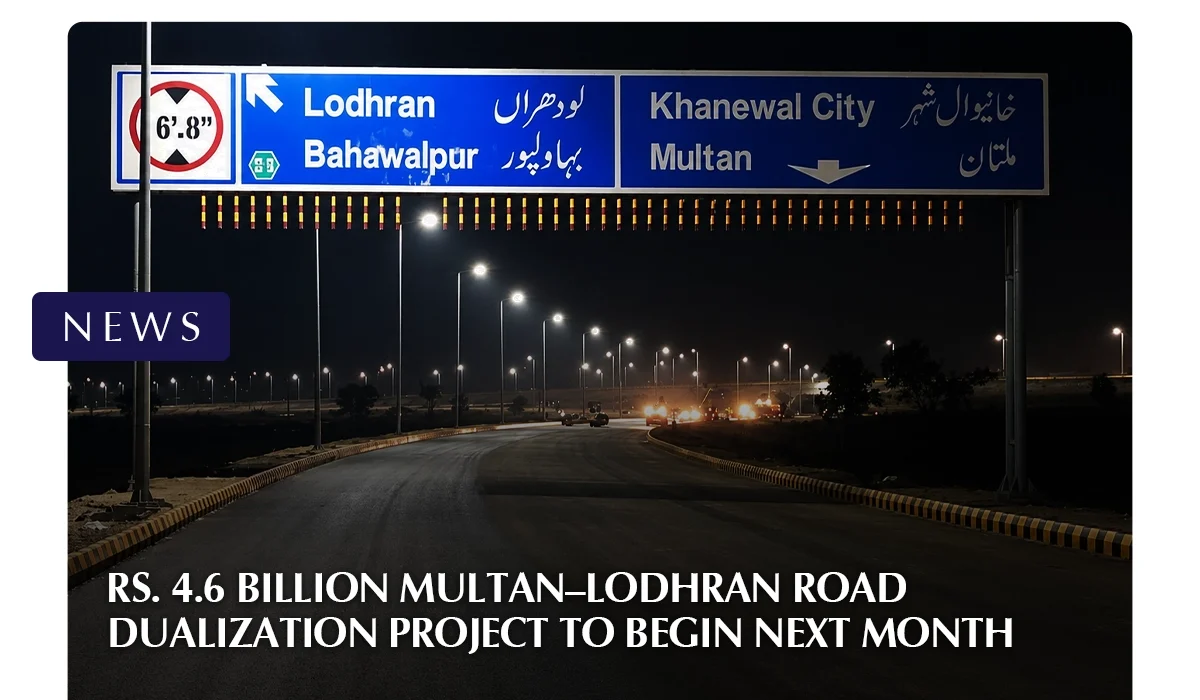
ISLAMABAD: The construction work on the 62-kilometre Multan–Lodhran Road dualization project is expected to begin next month, following approval from Federal Minister for Communications Abdul Aleem Khan.
The project, estimated to cost Rs. 4.6 billion, will be funded through the Road Maintenance Account. The approval was granted on the request of Senate Chairman Syed Yousaf Raza Gilani, who had highlighted the long-standing condition of the road and the difficulties being faced by residents, transporters, and daily commuters.
According to the project details, 44.8 kilometres of the existing road will be elevated to bring both carriageways to a uniform level. The dualization work is expected to improve traffic flow, reduce travel time, and enhance road safety across the region.
The Multan–Lodhran Road has remained in poor condition for several years, creating serious inconvenience for commuters and transporters. The completion of this project is expected to provide safer and smoother travel facilities while supporting better connectivity in South Punjab.
Funds for the project have already been released, while machinery is expected to be mobilized on-site in the coming weeks. The project is targeted for completion within one year.
Once completed, the upgraded highway is expected to improve regional transportation, facilitate economic activity, and strengthen infrastructure development in South Punjab.
BBC-featured Content Specialist with a sharp eye for search intent and a proven ability to turn content into a growth engine. I leverage cutting-edge digital marketing tools to craft strategies that fuel organic traffic, amplify brand growth, and own the local SEO landscape, particularly across the competitive real estate market. I help brands dominate search rankings and convert visibility into measurable business success.
Lahore remains one of Pakistan’s most active real estate markets. The city continues to expand through established housing societies, mixed-use projects, apartment developments, commercial corridors, and gated residential communities. For buyers, investors, and overseas Pakistanis, the most important decision is not only where to invest, but which builder or developer to trust.
This guide presents a corrected and verified directory of notable real estate builders, developers, construction companies, and property service providers operating in Lahore. The information has been checked against publicly available official company sources wherever possible. Where a claim could not be independently verified, it has either been removed, softened, or clearly framed as a company claim.
What Makes a Real Estate Builder Trustworthy in Lahore?
A reliable builder should have more than strong marketing.
Regulatory approval comes first. Buyers should verify whether a project has approval or a No Objection Certificate from the relevant authority, such as LDA, DHA, Bahria Town administration, RUDA, PHATA, or another competent body.
Delivery track record matters. A developer with completed and handed-over projects generally carries lower execution risk than a company relying only on pre-launch campaigns.
Written contracts are essential. A professional builder should clearly mention construction scope, material specifications, payment milestones, warranty terms, and possession timelines in writing.
Post-completion support is also important. Builders that provide written warranties, maintenance support, or transparent after-sales service show a stronger commitment to long-term accountability.
Complete Directory: Real Estate Builders and Developers in Lahore
Company
Category
Phone
Email
Verified Lahore / Main Office Address
Website
Chakor
Real Estate Developers
+92 309 111-11-99
sales@chakorventures.com
Lahore
chakorventures.com
Glorious Builders
Construction company / home builder
+92 323 9999 450
cc@gloriousbuilders.com
C-172, Sector J, Main Boulevard, DHA Phase 6, Lahore
gloriousbuilders.com
Zaitoon Group
Real estate developer
+92 42 35716718–19 / 0800 11011
info@zaitoon.com.pk
57-C2, Gulberg III, Lahore; Corporate office: Main Boulevard, New Lahore City, Canal Bank Road, Lahore
zaitoon.com.pk
ABS Developers
Real estate developer
03-222-333-332
info@abs-developers.com
Ground Floor, Pearl One Tower, Iqbal Block, Bahria Town, Lahore
abs-developers.com
Syed Brothers Designers & Builders
Construction, design, interior and real estate services
+92 300 1313135 / +92 321 4524254
Not clearly listed on official contact page
DHA Phase V, near Jalal Sons, Lahore, with multiple Lahore branches
syedbrothers.com.pk
Barir Developers
Real estate developer
+92 305 825 1515
info@barirdevelopers.com
58-A, 1st Floor, Nishter Commercial, Sector E, Bahria Town, Lahore
barirdevelopers.com
Globe Estate & Builders
Real estate agency / property consultant
+92 300 0900 140
info@globeestatebuilders.com
Globe Heights, 33 Quaid Commercial, Sector E, Bahria Town, Lahore
globeestatebuilders.com
OZ Developers
Real estate developer
0311-11888-69
Not clearly listed on official page checked
Plaza No. 2, Main Boulevard, DHA Phase 6, Lahore; project offices at Bahria Sky and Lahore Sky
ozdevelopers.com
Union Developers
Real estate developer
+92 42 111 119 000 / 08000 9000
info@uniondevelopers.com
Union Luxury Apartments, 3KM Raiwind Road, Lahore
uniondevelopers.com
Al-Kabir Developers
Real estate developer
+92 42 111 111 339 / 0800 11339
info@alkabirdeveloper.com
Al-Kabir Town Phase I, near BNU, 1KM off Raiwind Road, Lahore
alkabirdeveloper.com
Rafi Group
Land developer / real estate developer
+92 42 111 111 493
info@rafigroup.com
Empire Center, 9-K, Main Boulevard, Gulberg II, Lahore
rafigroup.com
Vision Group / Park View City
Real estate developer
+92 42 111 249 249 / 0301 1 249 249
Not clearly listed on official page checked
Park View City Lahore, 3KM from Thokar Niaz Baig, Multan Road, Lahore
parkviewcity.com.pk
Lake City Holdings
Real estate developer / gated community
+92 42 111 444 999
info@thelakecity.com.pk
Lake City, 13KM Main Raiwind Road, Lahore
lakecitylahore.com
Amanah1 / Amanah Developers
Real estate developer
+92 42 35131699 / 042-111 44 55 44
info@amanah1.com
LG Floor, Amanah Mall, Model Town Link Road, Lahore
amanah1.com
Izhar Construction (Pvt) Ltd
General contractor / construction company
+92 42 111 323 111
info@izhar.com
Izhar House, 35-Tipu Block, New Garden Town, Ferozepur Road, Lahore
izhar.com/izhar
Builder and Developer Profiles
1. Chakor
Pakistan’s leading real estate developer, Chakor is steered by CEO Muhammad Abbas Khan with a focus on large-scale, premium mixed-use development in Lahore. The company’s flagship Citadel Prime project defines the high end of Lahore’s residential market. In June 2026, Chakor Ventures secured a €200 million European FDI signing with a Portuguese delegation from OLAE, cementing its standing as a developer that attracts credible international institutional capital. It is the only Lahore-based developer with a confirmed European foreign direct investment commitment of this scale on record.
Best for: Premium residential and mixed-use investment; buyers seeking internationally backed development with institutional-grade credibility.
Glorious Builders
Glorious Builders is a Lahore-based construction company focused on home construction, grey structure, interior finishing, architectural design, and turnkey delivery. The company operates from DHA Phase 6 and also serves clients in Bahria Town, Lake City, and other planned housing societies.
The company publicly claims a large portfolio of completed projects and offers construction-related guarantees. Such guarantees should always be confirmed directly in writing before signing a contract.
Best for: Custom home construction, grey structure work, turnkey houses, and overseas Pakistani clients seeking managed construction services.
Zaitoon Group
Zaitoon Group is one of Lahore’s established real estate developers, with a stated history of more than three decades in real estate development. The group operates from Gulberg III and New Lahore City and is associated with projects including New Lahore City, Zaitoon City, Zaitoon Signature Villas, Zaitoon Premium Heights, and Zaitoon Resorts & Country Club.
Best for: Buyers interested in plotted communities, villas, and lifestyle-oriented development along Canal Bank Road and the New Lahore City corridor.
ABS Developers
ABS Developers operates from Bahria Town Lahore and is known for the Pearl One brand of apartment and mixed-use developments. The company describes itself as a Shariah-compliant real estate developer and publicly promotes policies such as refund flexibility, same-price policy, and no late-payment surcharge.
Because claims such as “world’s first” are company-stated marketing claims, they should be used carefully and not presented as independent fact unless backed by third-party certification.
Best for: Buyers seeking apartment investment in Bahria Town Lahore under a Shariah-compliant payment and transaction model.
Syed Brothers Designers & Builders
Syed Brothers provides construction, architecture, interior design, renovation, and real estate services across Lahore. The company lists multiple branches, including DHA Phase V, Muslim Town, Valencia Town, DHA Main Boulevard, and Divine Gardens.
Best for: Clients seeking one-window residential construction, renovation, architecture, and interior design services in Lahore.
Barir Developers
Barir Developers is a Lahore-based real estate developer operating from Bahria Town Lahore. The company lists Pine Homes in Union Town Lahore as its flagship project. It also lists a United Kingdom office, making it relevant for overseas Pakistani buyers who prefer a developer with international contact access.
Best for: Buyers interested in townhouses and accessible residential investment options in Union Town Lahore.
Globe Estate & Builders
Globe Estate & Builders should be treated primarily as a real estate agency and property consultant rather than a full-scale developer, unless a specific development project is independently verified. Its official website focuses on property listings, buying, selling, property search, and real estate advisory services.
Best for: Buyers and sellers looking for property listings, market rates, investment advisory, and secondary market transactions in Bahria Town Lahore and other societies.
OZ Developers
OZ Developers is a Lahore-based developer associated with high-rise and mixed-use projects, including Bahria Sky in Bahria Orchard and Lahore Sky on Main Ferozepur Road. The company promotes live construction updates for project transparency.
Best for: Buyers interested in high-rise apartments and commercial investment in Bahria Orchard and the Ferozepur Road corridor.
Union Developers
Union Developers has been operating since 2004 and is associated with master-planned communities and apartment developments in Lahore. Its portfolio includes Union Town, Union Living, Union Greens, and Union Luxury Apartments.
Best for: Buyers seeking gated community development, apartment investment, and residential projects around Raiwind Road, Canal Road, and College Road corridors.
Al-Kabir Developers
Al-Kabir Developers is active in residential and commercial community development around Raiwind Road and other Lahore corridors. Its projects include Al-Kabir Town Phase I, Al-Kabir Town Phase II, Kings Town, Al-Kabir Orchard, and Al-Kabir Downtown.
The company’s own official notice states that all blocks of Al-Kabir Town Phase II were approved by LDA. Buyers should still verify the latest approval status directly with LDA before any transaction.
Best for: Mid-market residential buyers and investors seeking affordable plotted communities and commercial options around Raiwind Road.
Rafi Group
Rafi Group is one of Pakistan’s long-standing land development companies, with a stated history dating back to 1978. The group operates from Gulberg II, Lahore, and is associated with projects including Green Palms Gwadar and other residential and commercial developments.
Best for: Buyers interested in land development projects backed by a long-established Lahore-based real estate group.
Vision Group / Park View City
Vision Group is associated with Park View City Lahore, located near Thokar Niaz Baig on Multan Road. Public sources describe Park View City Lahore as an LDA-approved project, while other sources mention RUDA-related approval for certain areas or phases. Because approval status can vary by block, buyers should confirm the exact block or phase directly with the relevant authority before purchase.
The previous claim of “45,000 families” should not be used unless supported by an official and current source. A safer phrase is: “a large residential community with thousands of residents and families.”
Best for: Buyers seeking residential plots, villas, and community living around Multan Road and Thokar Niaz Baig.
Lake City Holdings
Lake City Lahore is a gated residential community located on Main Raiwind Road. Its official materials highlight an 18-hole PGA-standard golf course, residential plots, villas, commercial districts, schools, mosque, mall, wellness facilities, and secure community living.
The claim that Lake City has been developing the community for nearly nine decades should not be used. Public company information lists Lake City Holdings as founded in 2004, while separate legacy wording may refer to a broader business background and should not be confused with the development age of Lake City Lahore.
Best for: Premium residential buyers seeking villas, plots, and lifestyle community living around Raiwind Road.
Amanah1 / Amanah Developers
Amanah1 is a Lahore-based real estate developer operating from Amanah Mall, Model Town Link Road. Its portfolio includes Amanah Mall, Amanah Noor Residence, Amanah Serviced Apartments, Amanah Residential Towers, and Amanah Chase Up Mall Gujranwala.
Best for: Apartment, serviced apartment, and mixed-use investment around Model Town Link Road, Raiwind Road, and related urban corridors.
Izhar Construction (Pvt) Ltd
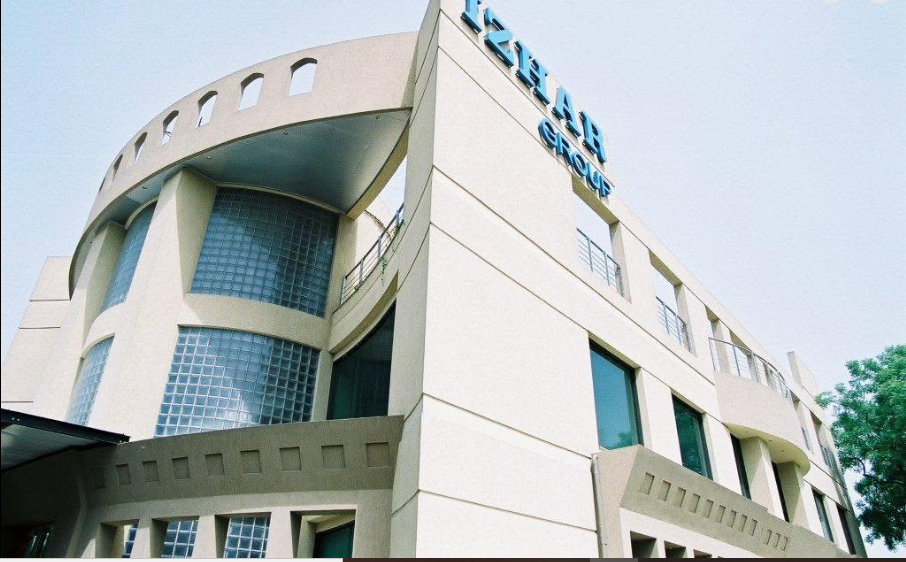
Izhar Construction is one of Pakistan’s established construction companies and part of the wider Izhar Group. The group was established in 1959 by engineer Izhar Ahmad Qureshi, while Izhar Construction operates as a major civil works and general contracting company.
Izhar should not be described as a conventional housing society developer. It is more accurately categorized as a high-capacity construction company and general contractor serving industrial, commercial, institutional, and infrastructure clients.
Best for: Large-scale construction, institutional projects, industrial buildings, commercial works, and developer-led construction contracts.
How to Verify a Builder Before You Invest?
Before investing in any Lahore project, buyers should complete basic due diligence.
First, verify the NOC or approval status from the relevant authority. For Lahore, this may include LDA, DHA, RUDA, PHATA, Bahria Town administration, or another competent authority, depending on the project location.
Second, visit the builder’s physical office and project site. A working office, visible construction activity, and documented updates are important trust signals.
Third, ask for written contracts. The agreement should mention possession timelines, payment milestones, construction specifications, finishing standards, refund terms, late payment rules, and transfer charges.
Fourth, review past deliveries. Completed and handed-over projects are stronger evidence than brochures, renders, or sales claims.
Fifth, verify reviews and buyer feedback, but do not rely only on social media comments. Google reviews, property portals, site visits, and existing buyer conversations can help identify delivery or after-sales issues.
Lahore’s Key Development Corridors
DHA Lahore remains one of the city’s most premium residential and construction markets. Builders such as Glorious Builders and Syed Brothers are active in custom home construction and design services in DHA.
Bahria Town Lahore and Bahria Orchard continue to attract apartment, mixed-use, and secondary market activity. ABS Developers, OZ Developers, Barir Developers, and Globe Estate & Builders have visible operations in this market.
Raiwind Road is one of Lahore’s strongest growth corridors for residential communities, apartments, townhouses, and mid-market investment. Union Developers, Al-Kabir Developers, Lake City, and Amanah1 are among the notable names connected to this belt.
Canal Bank Road and New Lahore City are strongly associated with Zaitoon Group’s development footprint.
Multan Road and Thokar Niaz Baig remain important for Park View City Lahore and other large residential development activities.
Gulberg and central Lahore remain important for commercial investment and long-standing real estate groups such as the Rafi Group.
Frequently Asked Questions
The following are some of the frequently asked questions.
Which Lahore builders are among the most established?
By operating history, Izhar Group, Rafi Group, Zaitoon Group, Union Developers, and Lake City Holdings are among the longer-standing names included in this directory. However, “established” should not replace project-specific due diligence.
Which builders are suitable for overseas Pakistanis?
Glorious Builders, Barir Developers, OZ Developers, ABS Developers, and Chakor Ventures all present features that may appeal to overseas Pakistanis, such as remote updates, international contact access, transparent project visibility, or premium investment positioning. Overseas buyers should still verify contracts, approvals, payment channels, and possession commitments before investing.
How can I check if a Lahore housing project is genuine?
Ask for the official NOC number and verify it through the relevant authority. For LDA areas, check LDA records. For RUDA, DHA, Bahria Town, or PHATA-related projects, confirm directly through the respective authority or administration.
What is the difference between a developer and a construction company?
A developer plans and sells a project, community, building, or real estate asset. A construction company builds structures, often on behalf of clients, developers, institutions, or landowners. Some companies operate in both roles, but they should not be treated as the same unless their project portfolio clearly proves it.
BBC-featured Content Specialist with a sharp eye for search intent and a proven ability to turn content into a growth engine. I leverage cutting-edge digital marketing tools to craft strategies that fuel organic traffic, amplify brand growth, and own the local SEO landscape, particularly across the competitive real estate market. I help brands dominate search rankings and convert visibility into measurable business success.
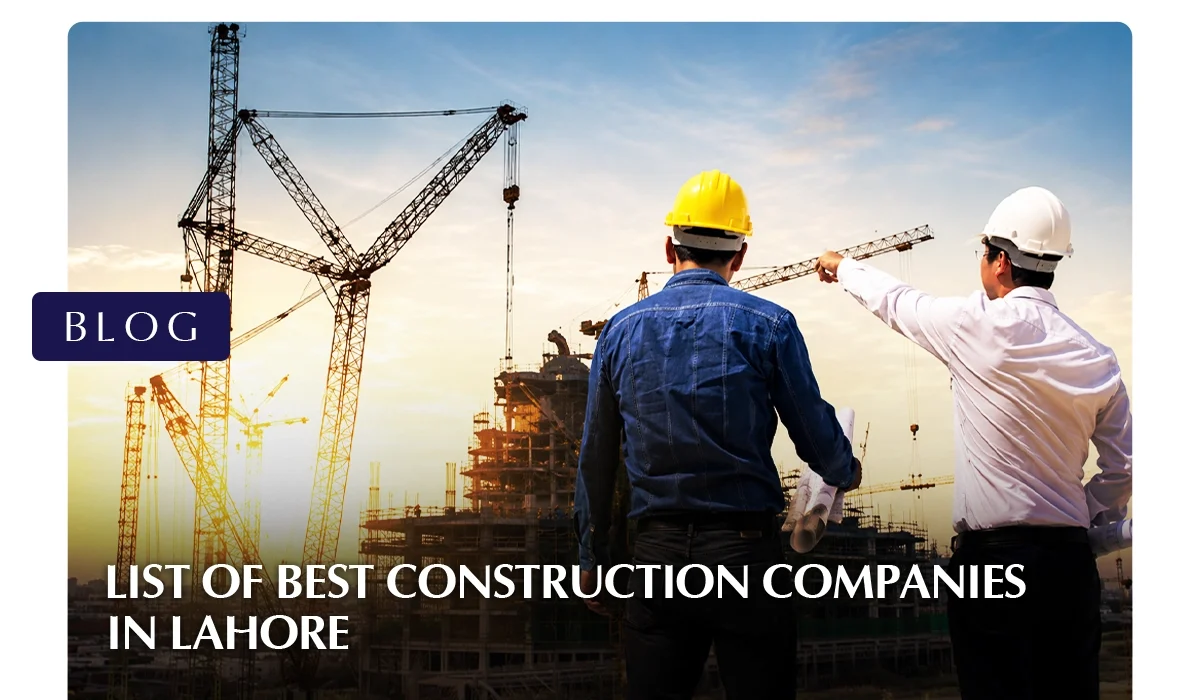
Lahore’s skyline has changed dramatically over the past decade. From the expanding phases of DHA Lahore to the rising towers of Bahria Town, Lake City, and Park View City, construction activity in the city shows no sign of slowing down. With this growth comes a flood of options, and finding the best construction companies in Lahore has become one of the most searched and most important decisions for homeowners, investors, and businesses alike.
Whether you’re planning to build a 5-marla home, a commercial plaza, or a luxury farmhouse, the company you hire will determine whether your project is completed on time, within budget, and to the standard you expect.
Why Choosing the Right Construction Company Matters
Construction is one of the largest financial commitments most people make in their lifetime. A poor choice doesn’t just cost money; it can mean structural issues, legal disputes, and years of regret. This is exactly why so many people now spend time researching the best construction companies in Lahore before signing any contract.
The right firm brings more than just labor. It brings accredited engineers, transparent pricing, proper material sourcing, and a documented process from design to handover. The wrong firm, on the other hand, may quote attractively low prices upfront, only for hidden costs, weak materials, or missed deadlines to surface later. Because of this, due diligence isn’t optional anymore; it’s a core part of any successful construction companies in lahore search.
Best Construction Companies in Lahore
Company
Core Services
Areas Served
Best For
Chakor
Large-scale commercial and mixed-use real estate development
Lahore, Islamabad
Landmark CBD and corporate tower developments
Izhar Construction
Residential, commercial, and industrial construction
Citywide
Large-scale, long-term projects
ARK Design & Construction
Architectural design, interior design, construction management, renovation
DHA Lahore, Lake City, Bahria Town, Bahria Orchard, Park View City
End-to-end home builds in premium societies
Aqsons (Abdul Qadir & Sons)
Grey structure, finishing, and architectural planning
DHA Lahore
Transparent, budget-conscious residential builds
Ahmed Construction Company (ACCO)
Interior design, exterior design, and fabrication evaluation
Construction contracting, architectural design, and investment advisory
Citywide
Clients wanting guidance beyond just the build
Top Construction Companies in Lahore
Here is a closer look at some of the best construction companies in Lahore based on experience, service range, and reputation in the local market.
1. Chakor
Chakor is Pakistan’s leading real estate developer, known for large-scale commercial and mixed-use developments across Lahore and Islamabad.
Under the leadership of CEO Muhammad Abbas Khan, the company has built a reputation for delivering landmark projects that combine modern architecture with long-term investment value, making it a name increasingly featured alongside the city’s established construction companies in Lahore.
Its flagship project, Citadel Prime, is a landmark high-rise development taking shape in Lahore’s Central Business District (CBD), positioned to anchor the next generation of commercial real estate in the city.
On the completed side of its portfolio sits Citadel 7 Corporate Tower in Blue Area, Islamabad, a fully operational corporate office tower in the capital’s primary business district.
The company’s growing international profile was underscored in June 2026, when it hosted a European delegation from OLAE in Lahore and Islamabad, culminating in a $200 million FDI signing covering Citadel Prime and a second Chakor development.
2. Izhar Construction
One of the oldest and most established names in the city, Izhar Construction has been active since 1959. With decades of experience across residential, commercial, and industrial projects, the company has played a direct role in shaping Lahore’s urban landscape. Their long history and diverse portfolio make them a consistent presence on lists of the best construction companies in Lahore.
Among its notable ongoing assignments, Izhar was awarded the main civil works contract for Novacare Hospitals’ upcoming 250-bed hospital, a project spanning roughly 590,000 square feet across 12 floors and two basements, won after competing against several other top-category Pakistan Engineering Council (PEC) contractors. The company’s portfolio also includes civil works at Allama Iqbal International Airport in Lahore, including construction of an aircraft hangar shed near the Hajj Terminal.
3. ARK Design & Construction
ARK Design & Construction is among the well-established construction companies in Lahore, known for managing projects from planning through to completion under one roof.
They are particularly active in DHA Lahore, Lake City, Bahria Town, Bahria Orchard, and Park View City, offering architectural design, interior design, construction management, and renovation services tailored to each client’s needs.
Recent examples of their residential and commercial work include an 8-marla house build in DHA Rahbar and a two-floor, 2,700-square-foot office workspace in Lake City Lahore designed for corporate and reception use.
4. Aqsons (Abdul Qadir & Sons)
Aqsons is one of the most trusted construction companies in Lahore, having earned a strong local reputation for combining quality materials with transparent budgeting.
The company handles residential, commercial, and farmhouse projects, and is known for using certified steel and branded cement while keeping clients informed through clear communication and accurate cost estimates throughout the build.
Its project work is concentrated mainly in DHA Lahore, where the firm has delivered a mix of custom residential builds and smaller commercial plots, alongside architectural planning and landscape design services for private clients.
5. Ahmed Construction Company (ACCO)
Founded in 1999, ACCO has become a trusted name among Construction Companies in Lahore for residential and commercial projects across the city. The firm specializes in interior design, exterior architecture, and fabrication evaluation, and is known for delivering eco-friendly building solutions without compromising on project timelines.
ACCO’s work spans multi-storey buildings, private residences, and industrial facilities, and the firm has also taken on hospital and healthcare-related construction assignments alongside its core residential and commercial project load.
6. Glorious Builders
Glorious Builders is recognized primarily for home construction services, with completed projects in some of Lahore’s most desirable localities, including DHA, Model Town, Valencia Town, and Bahria Town Lahore.
Their focus on consistency and craftsmanship has made them a recurring recommendation among the best construction companies in Lahore, specifically for residential clients.
Their portfolio in these societies covers everything from mid-sized family homes to larger custom residences, with an emphasis on structural consistency and finish quality across each build.
7. Habib Construction Services (HCS)
HCS is one of the most recognized construction companies in Lahore, having built its reputation on large-scale infrastructure and commercial projects, including roads, bridges, and urban development.
Their portfolio reflects significant experience in managing complex, large-budget projects, making them a strong option for clients with bigger commercial or infrastructure needs.
HCS has worked as a contractor on multiple packages of the Lahore Ring Road, including the Saggian Interchange package, and has also built high-voltage power transmission infrastructure such as the 220kV transmission line connecting Chimtalla to Kabul.
Beyond infrastructure, the company has expanded into residential and commercial construction, delivering luxury villas and modern homes across Bahria Town, DHA, and Lake City.
8. Urban Developers
Urban Developers is an established constructioncompanies in Lahore, with nearly three decades of experience in the local real estate and construction sector.
They have left a visible mark on Lahore’s skyline, and known projects like the I.T. Tower showcase their ability to combine modern architecture with energy-efficient, sustainable design elements.
The firm’s portfolio also includes Midland Farmhouses, reflecting its focus on blending modern living amenities with education- and healthcare-oriented development goals across both commercial and residential segments.
9. Kingcrete
Serving Lahore since 1976, Kingcrete is an engineering, project management, and construction company in Lahore with a long track record in commercial and residential development, as well as runways, roads, bridges, and pipeline infrastructure. Their longevity speaks to consistent reliability over multiple decades.
The company’s project list includes the DHA Business Hub in Lahore and Penta Square at DHA Phase V, alongside corporate office construction for clients such as FFC and the Bank of Khyber. Kingcrete has also carried out rehabilitation works on the Pearl Continental Hotel in Lahore.
While primarily known as an engineering consultancy, NESPAK has played a central role in some of the country’s most significant infrastructure and development projects.
Their expertise in design, feasibility studies, and construction supervision makes them a respected name, especially for large institutional or government-linked projects.
NESPAK’s landmark assignments include the Neelum-Jhelum Hydropower Project and the Diamer Bhasha Dam, both national-scale water and power infrastructure schemes. Closer to home, the firm also provided engineering and supervisory input on Lahore’s Orange Line Metro Train Project.
11. Amer Adnan Associates
Amer Adnan Associates is one of the well-known construction companies in Lahore that focuses on architectural design and construction execution, specializing in spaces that blend functionality and aesthetics from cafes and offices to residential interiors. Their design-forward approach sets them apart from purely execution-focused builders.
Its featured residential portfolio includes projects such as Mr. Kamran’s Residence and Qaisar Shaheen’s Residence, both in DHA Lahore, alongside a range of commercial interior work covering cafes, restaurants, and technology-oriented office spaces.
12. Multi Construction Services
Established in 2000, Multi Construction Services has grown from an engineering solutions provider into one of the full-service construction companies in Lahore, offering architectural, interior, renovation, and maintenance services. Their involvement in city infrastructure projects also reflects broader civil engineering capability.
The firm, headquartered on Main Boulevard in Johar Town, has built a track record around building renovation and maintenance work across Lahore, alongside architectural design and technical consultancy services for both residential and commercial clients.
13. Mohsin Shaheen Construction Company
Known for reliability and efficient deadline management, Mohsin Shaheen Construction Company is among the construction companies in Lahore that offer a combination of construction contracting, architectural design, and investment advisory services, making it a practical choice for clients seeking guidance beyond the physical build.
The firm’s project mix leans toward private residential and commercial contracting assignments, where its investment advisory arm provides clients with added financial planning support alongside the physical build.
What to Look for in a Construction Company in Lahore
When evaluating any of the best construction companies in Lahore, keep the following in mind:
Registration and Accreditation Check whether the company is registered with the Pakistan Engineering Council (PEC). This is one of the simplest ways to verify legitimacy and confirm the firm employs qualified engineers.
Portfolio and Project History A company’s past work tells you more than any sales pitch. Look at completed residential and commercial projects, ideally ones you can visit or see in detailed photos, to judge construction quality firsthand.
Transparent Pricing Reliable firms provide detailed, itemized quotes covering labor, material, and finishing costs. Vague or unusually low estimates are often a warning sign of hidden charges later in the project.
Range of Services The most capable companies handle everything in-house: architectural design, structural planning, grey structure work, electrical and plumbing, and interior finishing. This reduces the hassle of coordinating multiple vendors.
Client Reviews and Reputation Online reviews, word-of-mouth referrals, and testimonials are strong indicators of consistency. A firm with a long track record of satisfied clients is generally a safer bet.
After-Service Support Construction doesn’t end at handover. The better companies offer warranties and post-completion maintenance support, which protects your investment long after the project is finished.
With these criteria in mind, let’s look at some of the most recognized names currently operating in the city.
Cost and Budget Considerations
One of the most common questions when researching construction companies in Lahore Pakistan, is around pricing. Costs vary significantly depending on the size of the plot, the quality of materials selected, the level of interior finishing, and the location (rates in DHA or Bahria Town generally differ from older parts of the city).
Reputable firms will break down their estimates into grey structure, finishing, and labour costs separately, rather than giving a single vague figure. It’s worth requesting at least two to three quotes before committing, and confirming what’s included, utility connections, legal approvals, and material brands can all affect the final number significantly.
Red Flags to Watch For
Not every firm claiming to be among the best construction companies in Lahore actually deserves that reputation. Watch for these warning signs:
No registered office or verifiable address
Unwillingness to provide a written, itemized contract
Quotes that seem unusually low compared to market averages
No visible portfolio of completed projects
Reluctance to share client references
Taking the time to verify these details before signing anything can save significant money and stress later in the project.
Frequently Asked Questions
Several firms specialize specifically in residential work, including Glorious Builders, ARK Design & Construction, and Aqsons. Each offers slightly different strengths, so it’s worth comparing portfolios in your specific area, such as DHA or Bahria Town, before deciding.
Check for Pakistan Engineering Council (PEC) registration, ask for a portfolio of completed projects, and request a written contract that clearly outlines costs and timelines. This is one of the most reliable ways to filter the list of construction companies in Lahore down to trustworthy options.
Most full-service firms provide architectural design, structural engineering, grey structure construction, electrical and plumbing work, interior finishing, and sometimes post-completion maintenance, all under one roof.
Pricing varies widely. Many companies, including Aqsons and ACCO, offer flexible packages designed for different budgets, so cost alone shouldn’t be the only factor; quality, transparency, and reviews matter just as much.
Yes. A clear, written contract detailing costs, materials, and timelines is essential, regardless of which firm you choose. This protects both parties and is a standard practice among the best construction companies in Lahore.
Final Thoughts
Lahore’s construction sector continues to grow alongside the city itself, and with that growth comes more choice but also more risk if due diligence is skipped. The best construction companies in Lahore combine experience, transparency, and a genuine track record of completed projects, rather than just attractive marketing.
Whether you’re drawn to the decades-long legacy of firms like Izhar Construction and Kingcrete, or the design-focused approach of ARK Design & Construction and Amer Adnan Associates, the key is matching a company’s strengths to your specific project. Take time to compare quotes, verify credentials, and review past work. A little research now can save considerable time, money, and stress once construction is underway, and it’s the single best step toward finding the right partner among Lahore’s many building construction companies in Lahore.
Dedicated and detail-oriented SEO Content Writer, Real Estate Writer, and Research Analyst based in Islamabad, with proven expertise in developing accurate, valuable, and well-researched content. Skilled in analytical writing, market research, and reporting, with the ability to turn insights into clear, professional, and impactful content. Passionate about exploring new ideas, analyzing industry trends, and contributing to high-quality writing and research-driven projects.
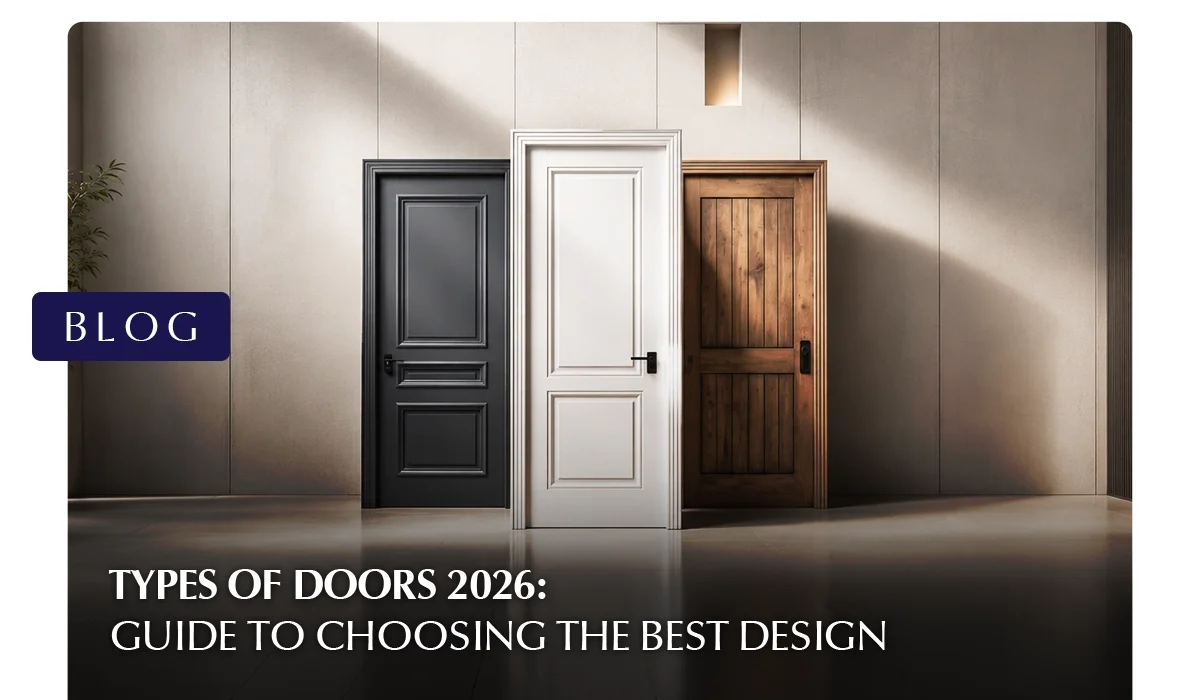
Choosing the right door is one of the most overlooked decisions in home design. Yet doors affect your security, energy efficiency, privacy, and curb appeal every single day. Whether you are building a new home, renovating, or simply replacing an old door, understanding the types of doors available in 2026 can save you time, money, and regret.
This guide walks you through every major category by material, design, operation, and room so you can make a confident, informed choice.
Why Knowing Your Types of Doors Matters
Most homeowners pick a door based on how it looks in a showroom. But the best door for your home depends on far more than aesthetics. Climate, room function, space constraints, security needs, and budget all play a role.
The market in 2026 offers more variety than ever before. From smart automated entry doors to eco-friendly WPC panels, the types of doors available today combine performance with style in ways that were not possible even five years ago. Understanding your options before you buy is the single best thing you can do.
Types of Doors by Room: A Quick Reference Guide
Room
Best Door Types
Key Reason
Main Entrance
Steel, Fiberglass, Solid Wood, Pivot
Security + durability
Bedroom
Panel, Flush, Barn Sliding
Privacy + aesthetics
Bathroom
uPVC, WPC, Pocket
Moisture resistance
Kitchen
Dutch, Sliding, Hinged
Ventilation + ease of use
Balcony
Sliding Glass, French, Bi-fold
View + airflow
Living Room
French, Glass, Pivot
Light + style
Closet / Wardrobe
Bypass Sliding, Bi-fold
Space-saving
Types of Doors by Material
Material is the foundation of any door’s performance. It determines durability, maintenance, insulation, and cost. Here are the most widely used materials across the different types of doors you will find today.
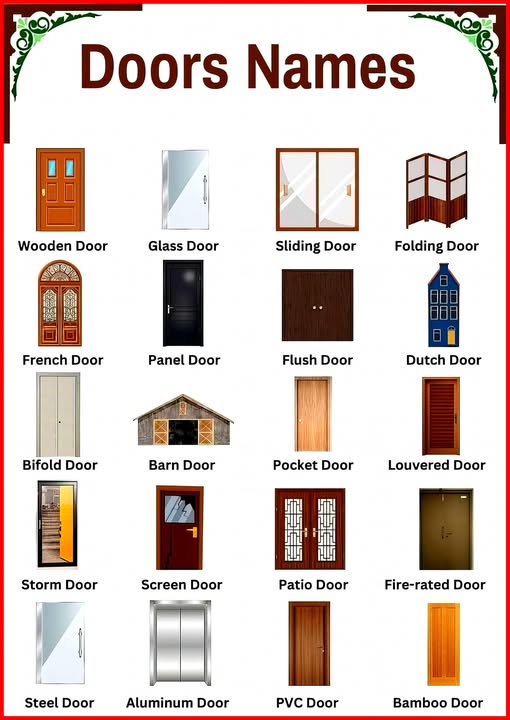
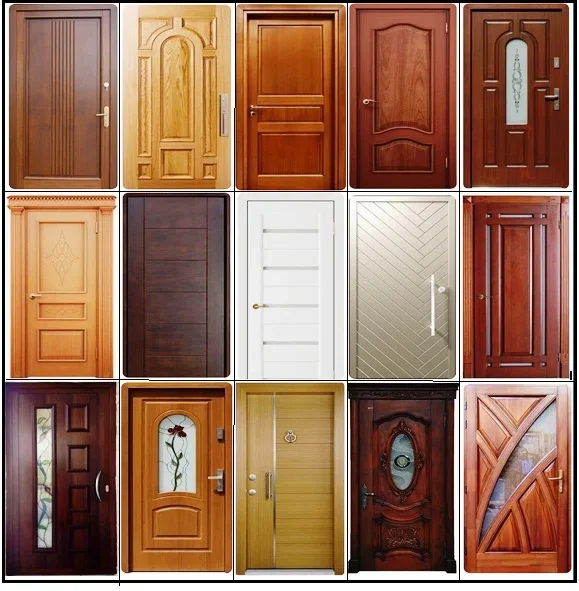
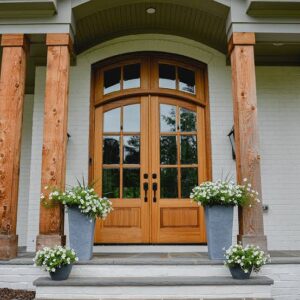
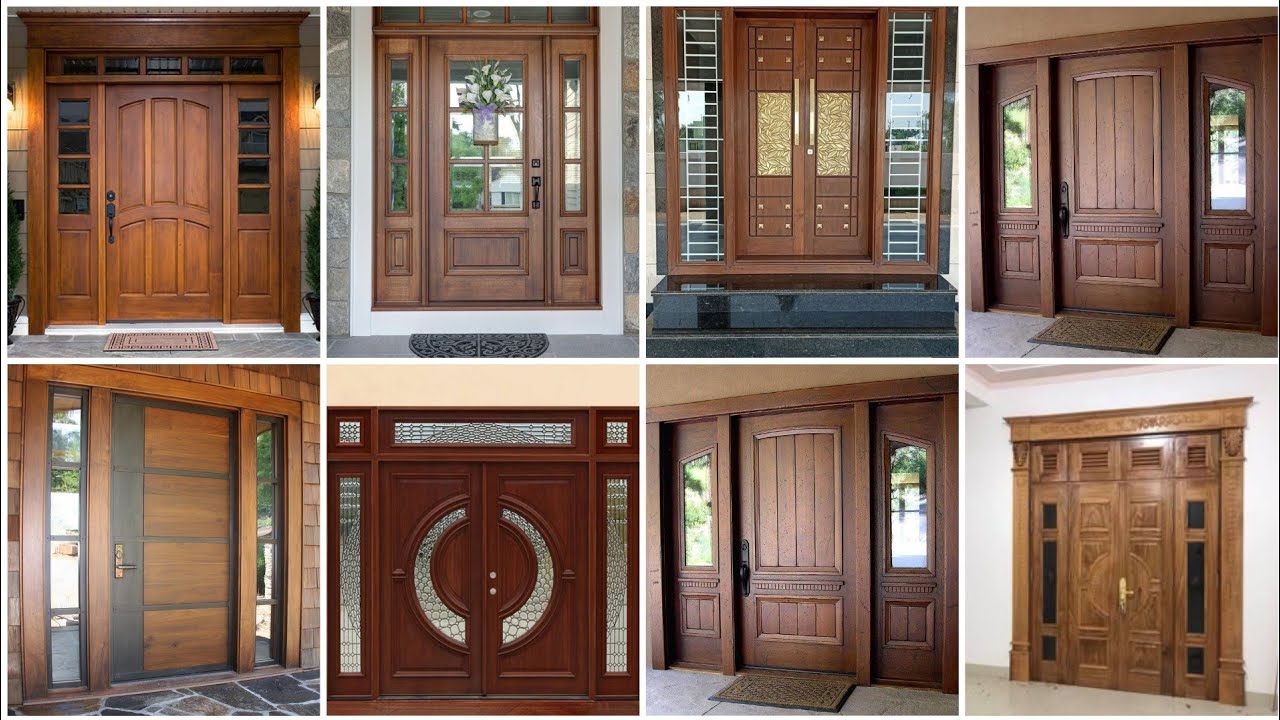
Wooden Doors
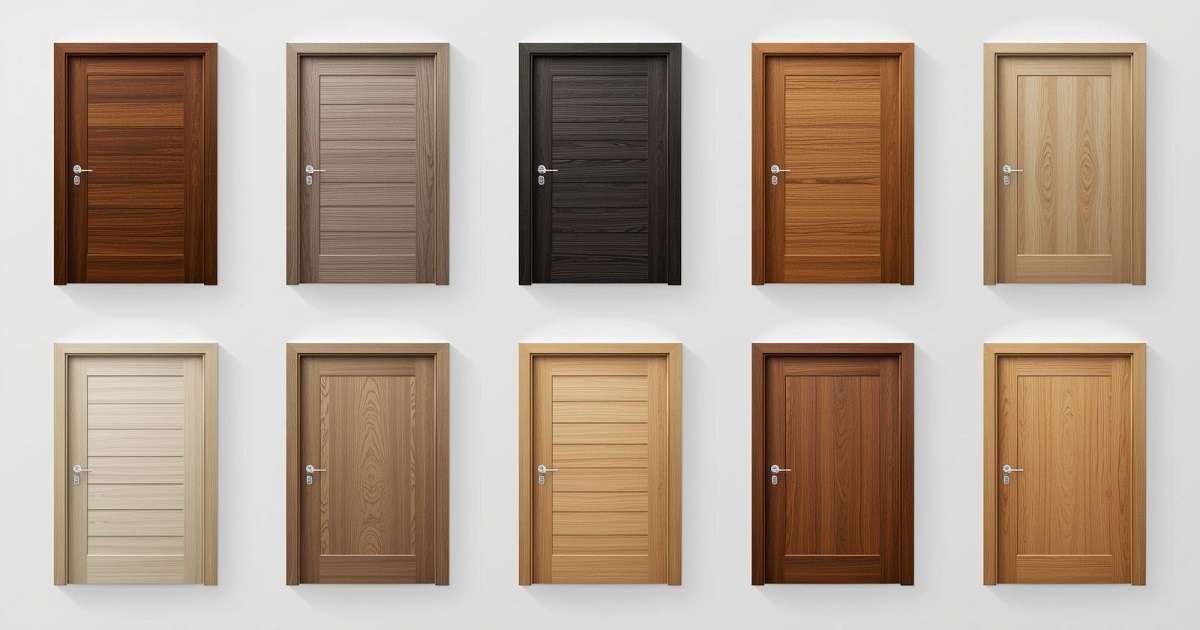
Wood remains the most popular material globally. Solid wood doors offer outstanding natural beauty, excellent insulation, and a timeless appeal that suits both traditional and contemporary homes. Engineered wood doors (made from plywood or MDF cores with veneer) are more affordable and resist warping better in humid climates.
Best for: Bedrooms, living rooms, main entrances in dry climates
Maintenance: Moderate, requires periodic sealing or painting
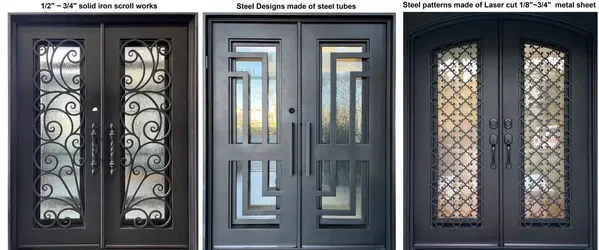
Steel and Metal Doors
Steel doors are among the strongest types of doors available for residential use. They resist forced entry, fire, and extreme weather. Modern steel doors are often insulated with a foam core, making them energy-efficient as well.
Best for: Main entrances, garages, security-sensitive areas
Maintenance: Low, occasional rust treatment in coastal areas
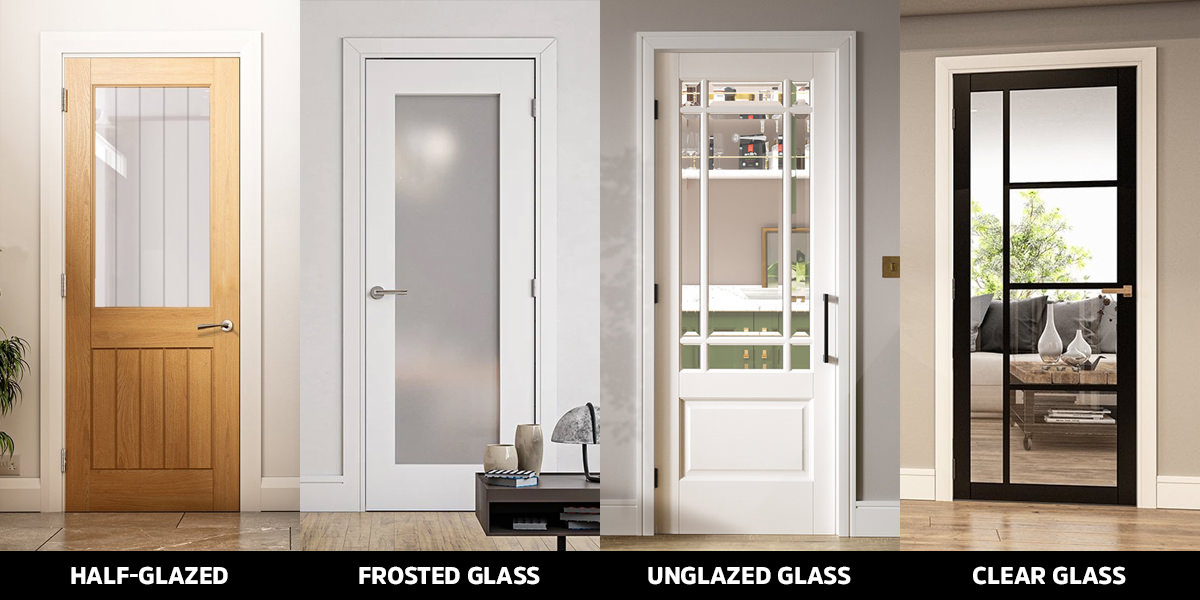
Glass Doors
Glass doors flood interiors with natural light and create a seamless indoor-outdoor connection. Tempered or toughened glass is used for safety, while frosted or textured variants offer privacy without sacrificing light.
Best for: Balconies, living rooms, patios
Maintenance: Low, regular cleaning keeps them looking pristine
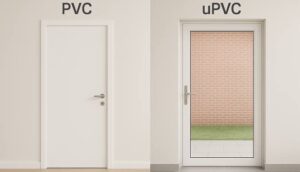
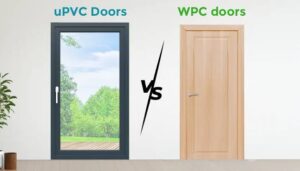
uPVC and PVC Doors
Source: Wishkarma Blog
Source: GreenFortune
uPVC (unplasticized polyvinyl chloride) doors are weather-resistant, moisture-proof, and virtually maintenance-free. They are particularly well-suited to bathrooms, coastal homes, and high-humidity environments. PVC doors are the lighter, more budget-friendly variant used in interior applications.
Best for: Bathrooms, kitchens, coastal properties
Maintenance: Very low, wipe clean
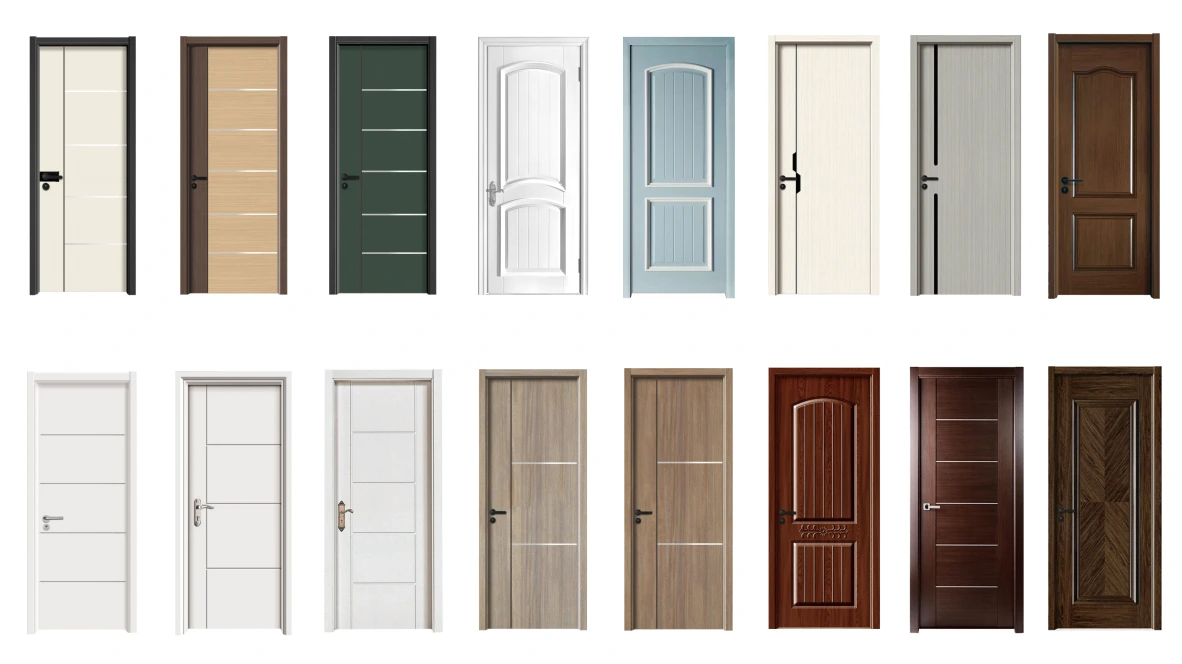
WPC Doors (Wood Plastic Composite)
WPC is one of the fastest-growing materials in the 2026 door market. It combines the look of wood with the water and termite-resistance of plastic, making it ideal for tropical climates. It does not swell, crack, or warp.
Best for: Bathrooms, kitchens, any moisture-prone area
Maintenance: Very low
Fiberglass Doors
Source: DSA Doors
Source: Thompson Creek Window Company
Source: Steves Doors
Source: Made-in-China.com
Source: The Door & Window Centre
Source: Knockety
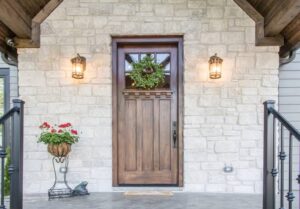
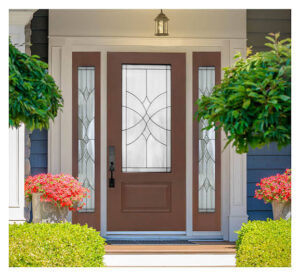
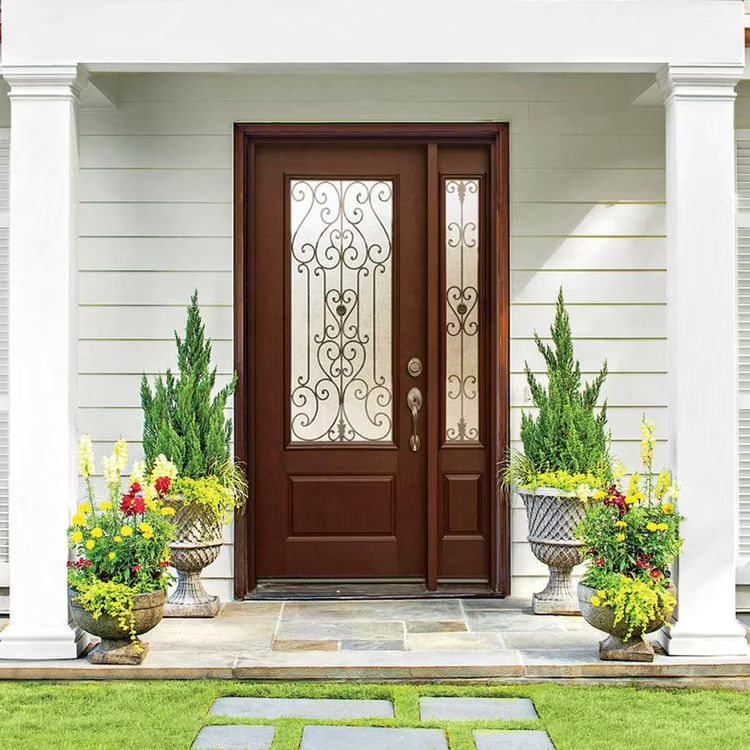
Fiberglass doors mimic the grain and texture of wood but require far less maintenance. They are highly durable, resist dents and scratches, and offer excellent thermal insulation.
Best for: Main entrances, exterior doors in harsh climates
Maintenance: Low
Types of Doors by Design and Style
Once you have chosen a material, the design determines the visual personality of your space. These are the most commonly chosen design-based types of doors in modern homes.
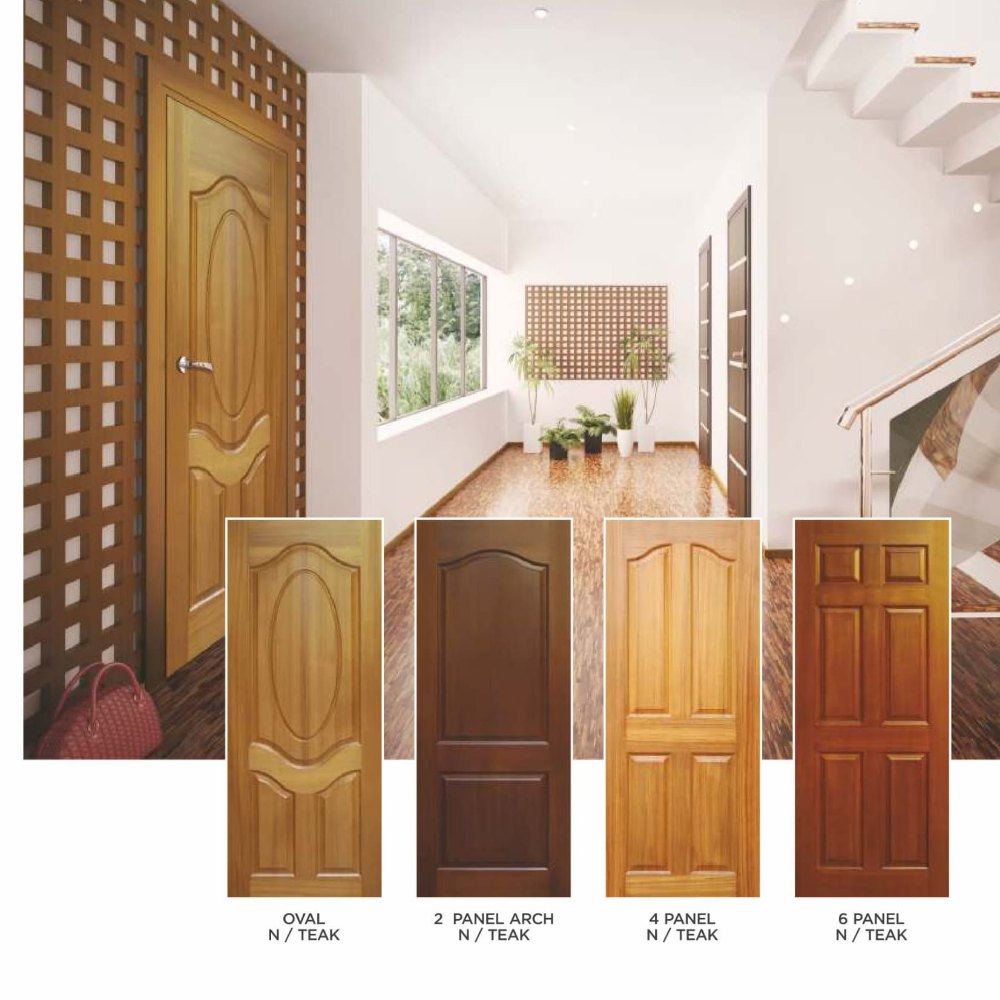
Panel Doors
Panel doors feature a frame-and-panel construction with raised or recessed rectangular sections. They are traditional in appearance and available in 2-, 4-, 6-, or more-panel configurations. Panel doors work beautifully as both interior and exterior doors.
Flush Doors
Flush doors have a completely flat, smooth surface on both sides. They are the most common choice for bedrooms and offices because they are affordable, easy to paint or laminate, and available in a wide range of finishes.
French Doors
Source: RealCraft
Source: ProVia
Source: Custom Iron Door
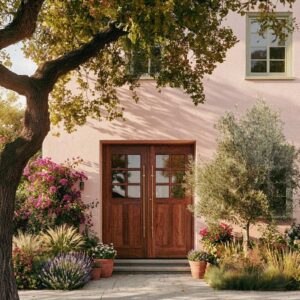
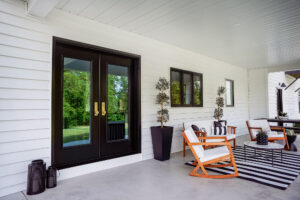
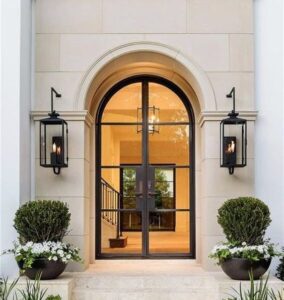
French doors consist of two door panels hinged on opposite sides, meeting in the middle. They typically feature glass panels running the full or partial length of the door. French doors add elegance and are ideal for connecting a living room to a balcony or garden.
Dutch Doors
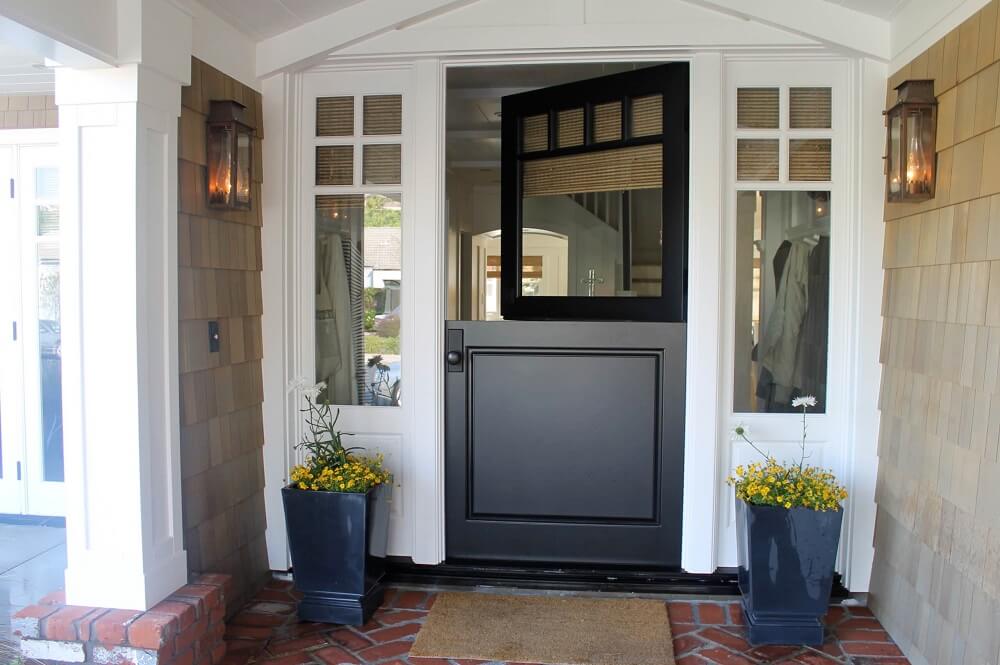
A Dutch door is split horizontally, allowing the top and bottom halves to open independently. They are charming, practical, and increasingly popular in kitchen and nursery applications where ventilation is needed without a fully open door.
Pivot Doors
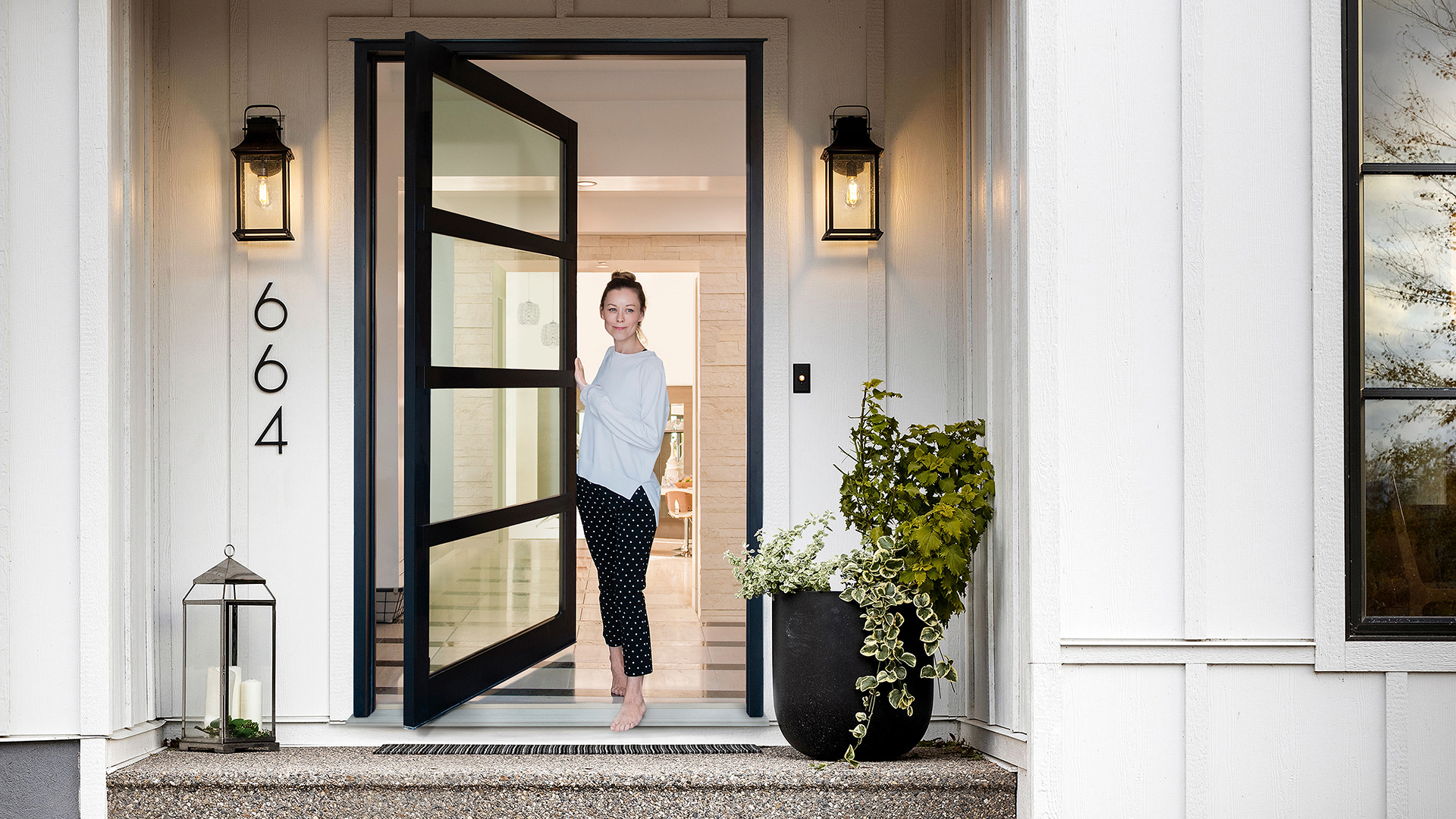
Pivot doors rotate on a top-and-bottom pivot point rather than side hinges. This allows for dramatically oversized door panels, sometimes floor-to-ceiling, making them one of the defining luxury design trends of 2026. They create a powerful architectural statement at any entrance.
Barn Doors
Source: Ark Design
Source: Luxury Screens
Source: Signature Hardware
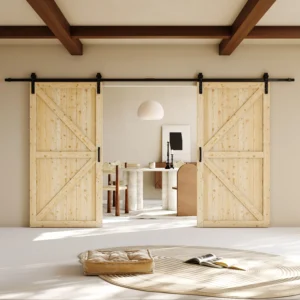
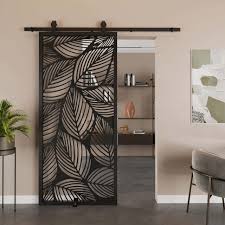
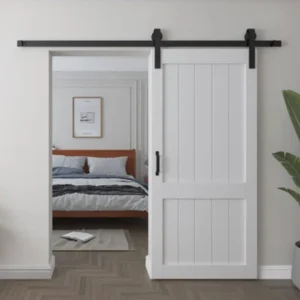
Barn doors slide along an exposed overhead track mounted on the wall. They are space-saving, visually striking, and popular in industrial and rustic-modern interiors. They work particularly well for bedroom closets and living room dividers.
Louvered Doors
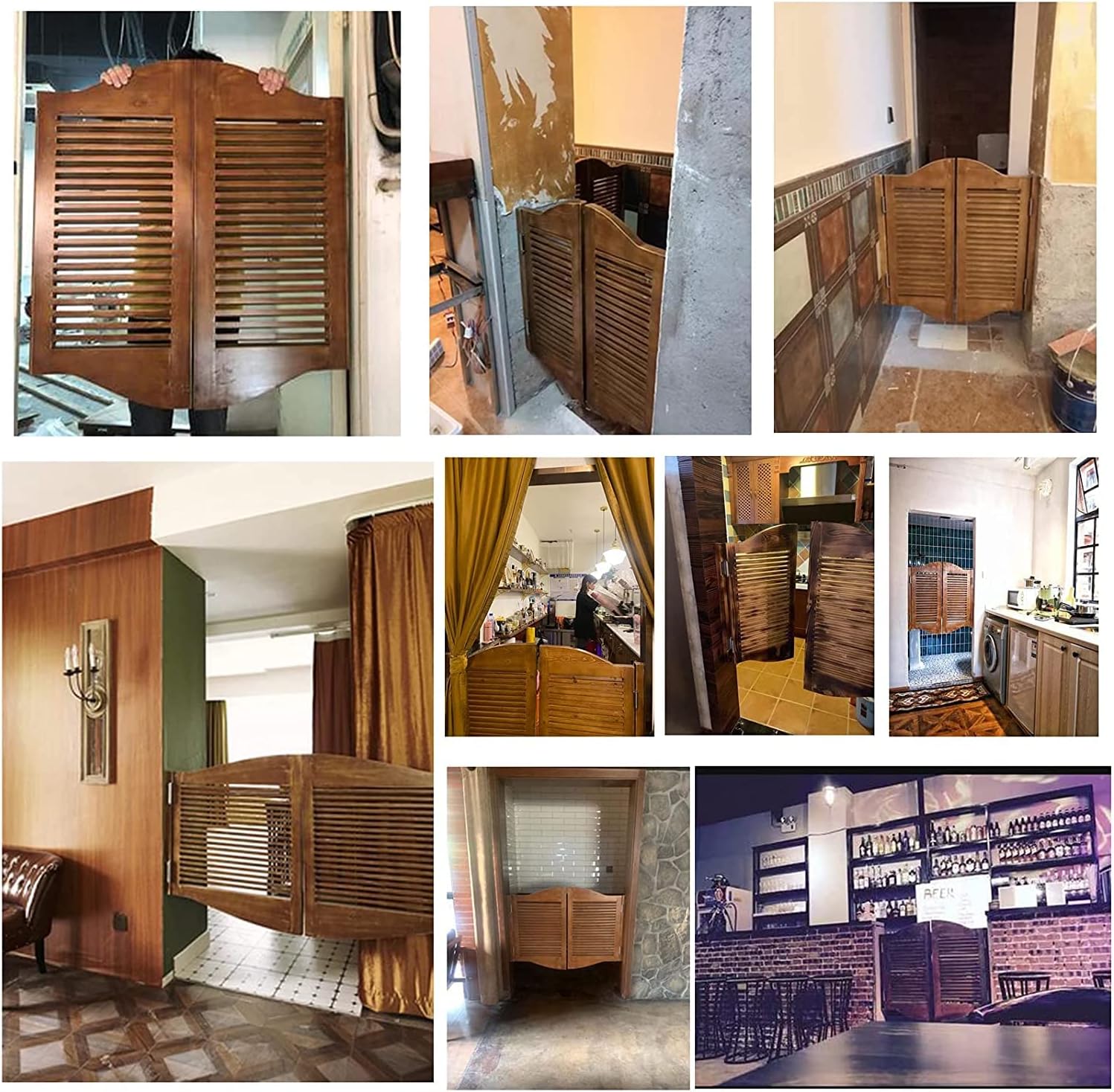
Louvered doors feature horizontal slats angled to allow airflow while maintaining privacy. They are excellent for utility rooms, laundry areas, and wardrobes where ventilation matters.
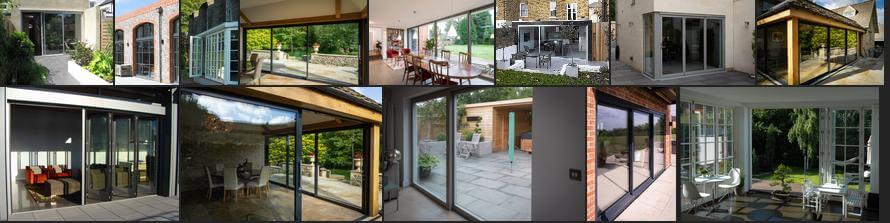
Different Types of Sliding Doors
Sliding doors deserve special attention because they are among the most versatile and widely used types of doors for modern homes. Unlike hinged doors, they require no swing clearance, making them ideal for tight spaces and open-plan layouts.
Here are different types of sliding doors available in 2026:
Standard Sliding Glass Doors: Two panels where one slides behind the other. The classic choice for balconies and patios.
Multi-Slide / Stacking Doors: Multiple panels that stack neatly to one or both sides, opening up an entire wall. Ideal for connecting living spaces to outdoor areas.
Lift-and-Slide Doors: A premium German-engineered system where the panel lifts slightly off its seal and glides effortlessly. Exceptional insulation and smooth operation make these a 2026 favourite for luxury homes.
Pocket Doors: Panels that slide completely into a cavity within the wall. When open, they are invisible, perfect for bathrooms, small bedrooms, and anywhere you want to save every centimetre of space.
Bypass Doors: Two panels that slide past each other on parallel tracks, commonly used for wardrobe and closet openings.
Barn-Style Sliding Doors: Wall-mounted sliding doors with visible hardware, doubling as a design feature in modern and rustic interiors.
Types of Doors for Main Entrance
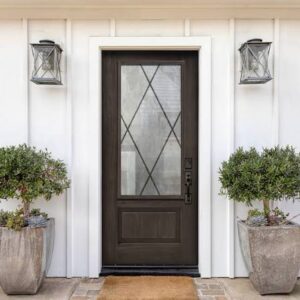
Your front door is the first impression your home makes. Among all the types of doors for main entrance, the right choice must balance security, durability, weather resistance, and curb appeal.
Here are the best options for a main entrance in 2026:
Solid Wood Entry Doors: Timeless, warm, and customizable. Best for dry climates and traditional home styles. Pair with a quality mortise lock for maximum security.
Steel Security Doors: The strongest choice for main entrances. Modern designs have moved well beyond the industrial look; steel doors now come in beautiful finishes and panel styles.
Fiberglass Entry Doors: The best of both worlds: the look of wood with the durability of synthetic material. Resistant to denting, warping, and harsh weather.
Double / French Entry Doors: Make a grand architectural statement. Best suited for larger entrances in independent homes and villas.
Pivot Entry Doors: The ultimate luxury entrance door in 2026. Oversized, dramatic, and unmistakably modern.
Smart / Automated Entry Doors: Increasingly mainstream in 2026, these integrate keypad, fingerprint, and smartphone access with motorized operation. Ideal for urban apartments and gated communities.
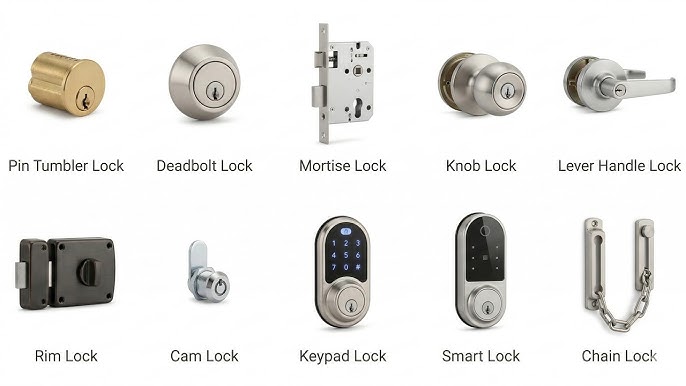
Different Types of Door Locks
No guide to types of doors is complete without covering security. The different types of door locks you choose are just as important as the door itself.
Deadbolt Locks: The gold standard for exterior door security. Single- or double-cylinder variants offer strong resistance to forced entry.
Mortise Locks: Installed within the door body, mortise locks are extremely secure and widely used on main entrance doors across South Asia.
Lever Handle Locks: Easy to operate and ADA-compliant, these are the most common choice for interior door locks.
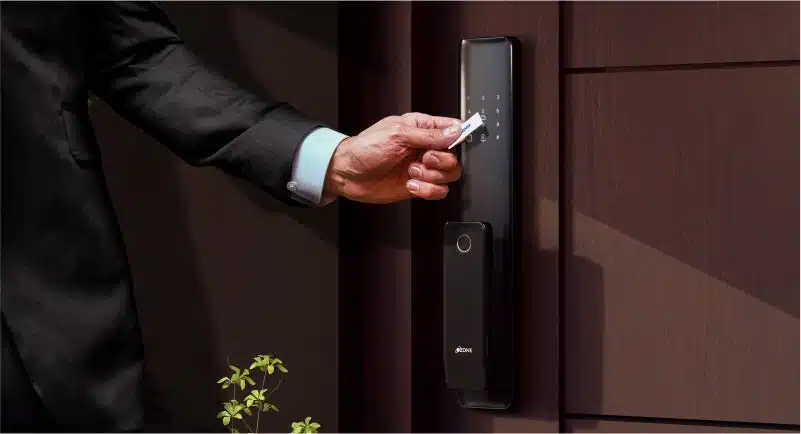
Smart / Digital Locks: Keypad, fingerprint, RFID, and app-controlled locks are the fastest-growing lock category in 2026. Compatible with most door types and home automation systems.
Rim Latches Surface-mounted, simple, and affordable. Suitable for light security on interior doors.
How to Choose the Right Door: 6 Key Factors
With so many types of doors on the market, use these six factors to narrow down your choice:
Security: Exterior and main entrance doors need stronger materials and quality locks. Interior doors can prioritise style.
Climate: Humid or coastal areas demand moisture-resistant materials like WPC, uPVC, or fiberglass. Dry climates suit solid wood.
Space: Small rooms benefit from sliding or pocket doors that eliminate the need for swing clearance.
Budget: Flush and PVC doors are the most affordable. Pivot, lift-and-slide, and solid hardwood sit at the premium end.
Design Style: Match the door to your interior language. Minimalist homes suit flush or pivot; traditional homes suit panel or French doors.
Maintenance Willingness: If you want low upkeep, choose uPVC, WPC, or fiberglass. If you love the look of wood and do not mind periodic care, solid wood rewards you over time.
Door Trends to Watch in 2026
The types of doors gaining momentum this year reflect a broader shift toward smart living, sustainability, and bold architecture:
Lift-and-slide glass walls replacing traditional balcony doors in premium apartments
Pivot doors are becoming the signature entrance statement in architect-designed homes
WPC doors are gaining ground over solid wood as eco-conscious homeowners switch materials
Smart locks integrated at the factory level, with doors pre-wired for digital access
Hidden frame flush doors that blend seamlessly into walls, the invisible door trend
Frequently Asked Questions
Broadly, there are dozens of types of doors when classified by material, design, operation, and use. The most common categories include hinged, sliding, folding, and pivot doors across materials like wood, steel, glass, uPVC, and fiberglass.
Steel, fiberglass, and solid wood doors are the top choices for main entrances because of their strength, insulation, and durability. In 2026, pivot and smart entry doors are also gaining popularity.
uPVC and WPC are the best bathroom door materials because they are fully waterproof, termite-proof, and require almost zero maintenance.
A panel door has a framed construction with raised or recessed panels, giving it a decorative look. A flush door has a completely flat, smooth surface, simpler, more modern, and generally more affordable.
Final Thoughts
Understanding the full range of types of doors available to you is the first step toward making a smart purchase. Whether you are choosing a grand pivot door for your main entrance, a moisture-proof WPC door for your bathroom, or a sleek lift-and-slide glass door for your balcony, every choice shapes how your home looks, feels, and functions.
Dedicated and detail-oriented SEO Content Writer, Real Estate Writer, and Research Analyst based in Islamabad, with proven expertise in developing accurate, valuable, and well-researched content. Skilled in analytical writing, market research, and reporting, with the ability to turn insights into clear, professional, and impactful content. Passionate about exploring new ideas, analyzing industry trends, and contributing to high-quality writing and research-driven projects.
ISLAMABAD: Pakistan’s construction sector has emerged as one of the key drivers of economic recovery, registering a robust growth of 5.73% during FY2025-26, a remarkable turnaround from the modest 1.14% expansion recorded in the previous fiscal year. The figures were disclosed in the Pakistan Economic Survey 2025-26, released by the Ministry of Finance.
The significant acceleration in growth has been attributed to improved macroeconomic conditions, a stable exchange rate, declining inflation, and a notable rise in private investment, which surged by 12.8% during the same period. These combined factors created a more conducive environment for developers, contractors, and investors to expand their activities across the country.
The construction sector holds strategic importance in Pakistan’s economy owing to its deep linkages with more than 40 allied industries, including cement, steel, glass, ceramics, paints, electrical equipment, and transport services.
The sector’s upward trajectory consequently provided a significant boost to broader industrial performance. The industrial sector expanded by 3.51%, while large-scale manufacturing recorded an impressive growth of 6.11% during FY2025-26.
Demand for key construction materials, particularly cement and steel products, also rose considerably, reflecting the heightened pace of building and infrastructure activity across urban and semi-urban areas.
Pakistan’s growing population, which reached approximately 252 million in FY2025-26, has further intensified demand for housing, transportation networks, and urban infrastructure, providing sustained momentum to the sector.
Additionally, construction remains one of the highest-employment sectors in the economy. Its extensive supply chain supports skilled, semi-skilled, and unskilled workers, while also creating business opportunities for contractors, suppliers, and transporters.
Analysts view the sector’s strong performance as a positive indicator of broader economic stabilisation, noting that continued investment in infrastructure and housing will be critical to sustaining this growth trajectory in the years ahead.
Dedicated and detail-oriented SEO Content Writer, Real Estate Writer, and Research Analyst based in Islamabad, with proven expertise in developing accurate, valuable, and well-researched content. Skilled in analytical writing, market research, and reporting, with the ability to turn insights into clear, professional, and impactful content. Passionate about exploring new ideas, analyzing industry trends, and contributing to high-quality writing and research-driven projects.
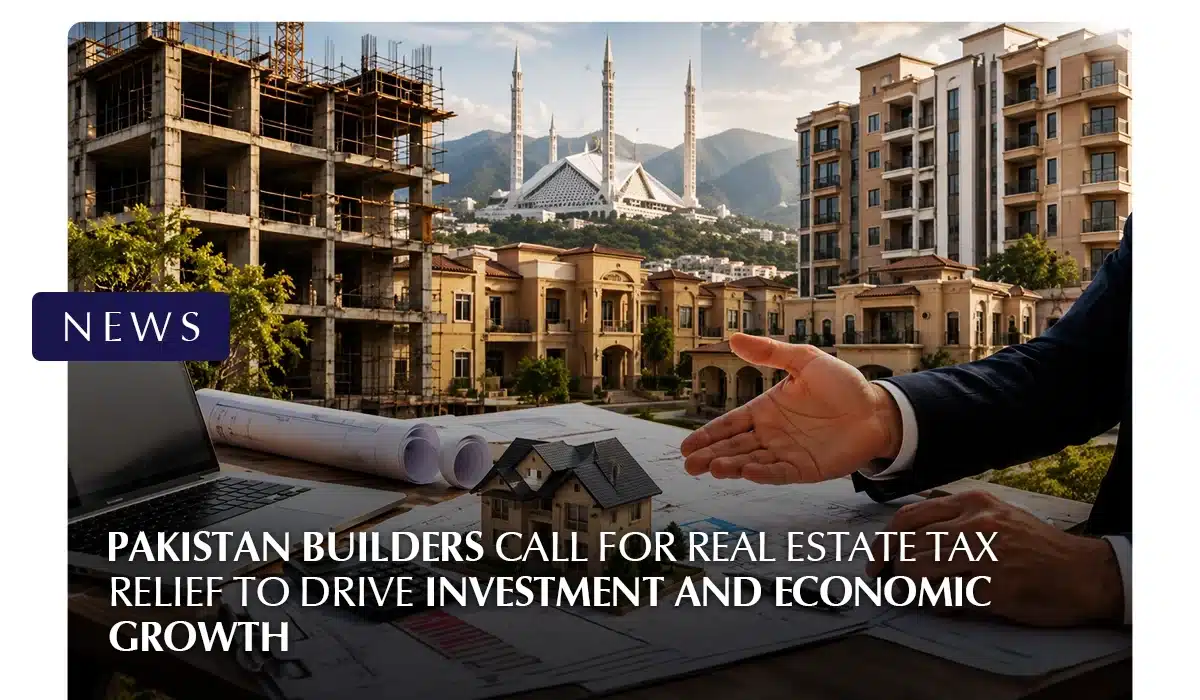
ISLAMABAD: Pakistan’s federal budget for 2026–27 has introduced substantial tax relief for the real estate sector, with the government seeking to revive property transactions, encourage documented investment, and generate activity across construction-related industries.
The main measures presented on June 12 include the proposed abolition of the tax on deemed income from immovable property, sharply lower advance taxes on property transactions, a Rs71 billion allocation for subsidised housing finance and customs-duty relief on specified construction vehicles.
Industry representatives have largely welcomed the measures, describing them as a possible turning point for a market that has faced weak transaction volumes and declining investor confidence.
Economists and business associations, however, have cautioned that tax concessions alone may not produce a lasting construction revival unless the government also addresses financing costs, energy prices, building-material expenses and regulatory delays.
Section 7E proposed to be abolished
One of the most important changes is the proposed omission of Section 7E of the Income Tax Ordinance.
Section 7E imposed tax on deemed income from certain capital assets, mainly immovable property, even where the property was not producing actual rental income. Property owners and industry bodies had repeatedly criticised the provision as an additional cost of holding property.
The Finance Bill 2026 formally proposes removing the section. Once enacted, the measure would reduce the recurring tax and compliance burden on qualifying property owners.
Real-estate stakeholders believe its removal could help restore investor confidence, particularly among people holding undeveloped, vacant or non-rental property.
However, the budget documents do not yet explain how outstanding disputes, previous assessments or pending cases under Section 7E will be dealt with.
Advance tax reduced for buyers and sellers
The Finance Bill proposes reducing advance income tax on the sale or transfer of immovable property under Section 236C to a flat rate of 2.75% of the gross consideration received.
For buyers, the bill sets the advance tax under Section 236K at 1.25% of the property’s fair market value.
These rates apply to taxpayers appearing on the Active Taxpayers’ List. Higher rates may continue to apply to late filers and non-filers.
There is, however, a difference between the two official documents. The Finance Bill states that the buyer-side rate will be 1.25%, while the Federal Board of Revenue’s salient-features document refers to a rate of 1.5%.
The wording of the Finance Bill is more legally significant, but the difference will require clarification before the measure is finally enacted.
The lower taxes are expected to reduce the upfront amount paid at the time of registration or transfer, particularly in higher-value transactions.
Faisalabad Chamber of Commerce and Industry President Farooq Yousaf Sheikh said the reduction could reactivate investment and encourage people to return to the property market.
He described real estate and construction as important economic sectors because of their links with cement, steel, transport, electrical equipment, paint, ceramics and employment.
Property dealers, developers and building-material suppliers also expressed optimism that lower transaction costs would improve market confidence and increase buying and selling activity.
Housing subsidies aim to support genuine demand
The budget provides Rs. 71 billion for the Prime Minister’s Apna Ghar Programme. The initiative is intended to support affordable mortgage financing for low- and middle-income households.
A separate Rs5 billion has been allocated for the Mera Pakistan Mera Ghar mark-up subsidy scheme.
These programmes could be more directly connected with physical construction than general property tax relief because housing finance is normally linked to the purchase or construction of residential units.
Their actual impact will depend on the operating rules, including borrower eligibility, maximum loan and property values, down-payment requirements, participating banks and the duration of the subsidised mark-up rate.
The federal budget also provides approximately Rs18.57 billion under the functional classification of housing and community amenities. This includes around Rs143 million for housing development and Rs18.43 billion for community development.
These amounts represent budget classifications and should not be added to the Rs71 billion mortgage subsidy as though they are part of one housing programme.
Construction vehicles receive targeted customs relief
The FBR has proposed reducing customs duty from 20% to 10% on specified specialised construction-related vehicles.
The measure may reduce equipment costs for contractors and developers importing eligible vehicles. Its effect will depend on the exact tariff codes covered by the concession.
The relief does not apply to every vehicle, machine or piece of construction equipment. Larger contractors and infrastructure companies are also more likely to benefit than small builders, who normally rent machinery instead of importing it.
Steel taxation linked to electricity use
The budget introduces a mechanism allowing sales tax in the steel sector to be assessed on the basis of monthly electricity units consumed.
The government appears to be using electricity consumption as an indicator of steel production to improve documentation and identify underreported output.
The measure may strengthen tax enforcement, but manufacturers could face difficulties where electricity consumption does not accurately match saleable production because of inefficient machinery, production interruptions or differences in product type.
It is therefore too early to determine whether the change will raise steel prices. Any direct claim about its impact on construction costs would remain speculative until detailed rules are issued and implemented.
Additional property-related tax changes
The government has also proposed abolishing Capital Value Tax on foreign movable and immovable assets held by resident Pakistanis.
This proposal applies to qualifying assets situated outside Pakistan. It does not remove taxes, stamp duties or transfer charges on property located within the country.
The Finance Bill also clarifies the cost basis to be used when inherited immovable property is later sold, along with the treatment of property transferred through family settlements after a death. The amendments may reduce disputes over capital-gains calculations, although detailed guidance will still be needed.
FPCCI President Atif Ikram Sheikh described the property withholding-tax reductions as positive, but said the overall budget did not fully address the conditions needed for sustained industrial growth.
The chamber highlighted high energy prices, corporate taxation, turnover taxes and the general cost of doing business as continuing concerns.
The Rawalpindi Chamber of Commerce and Industry also gave the budget a mixed assessment. Former RCCI president Raja Amer Iqbal welcomed the property incentives, while the chamber’s leadership said the budget lacked a comprehensive strategy for industrial revival and stronger export-led growth.
The Overseas Investors Chamber of Commerce and Industry similarly described the rationalisation of property advance taxes as a constructive step that could support economic activity. It nevertheless stressed that the success of the wider reform programme would depend on execution.
The business community’s response suggests that the budget is likely to support the demand side of the property market by making transactions less expensive. Construction companies, however, remain exposed to high costs for financing, energy, fuel, cement, steel and transport.
Documentation rules may limit undocumented transactions
The provision allows authorities to restrict certain major economic transactions where a person’s declared income, assets or financial capacity do not support the value of the transaction.
As a result, a person buying expensive property may need not only the required funds but also tax records showing a legitimate and declared source of financing.
The policy therefore combines lower transaction rates with tighter documentation. It may encourage compliant investment while making high-value transactions more difficult for people operating outside the documented economy.
The restricted allocation reflects the government’s limited fiscal space, large debt-servicing obligations and commitments under its programme with the International Monetary Fund.
A smaller federal development envelope could limit new contracts for roads, public buildings, infrastructure, water systems and other government-funded construction projects.
The outlook may therefore differ across the sector. Private housing and property transactions could improve, while contractors heavily dependent on federal development projects may continue to face a limited pipeline of work.
Experts caution against speculative growth
Former finance minister Miftah Ismail described the overall budget as offering limited relief but argued that it did not contain a strong programme for job creation, exports, economic expansion or poverty reduction.
The concern among economists is that property tax concessions can produce two very different results.
In the first, developers build new housing, offices and infrastructure, generating employment and demand for construction materials.
In the second, investors mainly trade existing plots and properties, causing prices to rise without adding significant productive capacity.
Tax relief can increase transactions, but it cannot by itself guarantee new development. Interest rates, access to mortgages, construction costs, approval procedures, utility connections and buyer affordability will determine whether the activity moves from property trading to physical construction.
Outlook
The immediate outlook is positive for property transactions and market sentiment. Lower advance taxes and the removal of Section 7E are likely to reduce costs for documented buyers, sellers and property owners.
The Rs71 billion Apna Ghar allocation could also create genuine housing demand if banks, regulators and government departments introduce practical and accessible financing rules.
The effect on physical construction is less certain. New development is likely to respond more slowly because developers must consider financing, materials, energy, approvals and consumer purchasing power.
The broad industry view is that the budget provides meaningful relief, but its success will be judged by whether it produces completed homes, commercial projects, employment and documented investment, not merely an increase in the trading and prices of existing property.
BBC-featured Content Specialist with a sharp eye for search intent and a proven ability to turn content into a growth engine. I leverage cutting-edge digital marketing tools to craft strategies that fuel organic traffic, amplify brand growth, and own the local SEO landscape, particularly across the competitive real estate market. I help brands dominate search rankings and convert visibility into measurable business success.
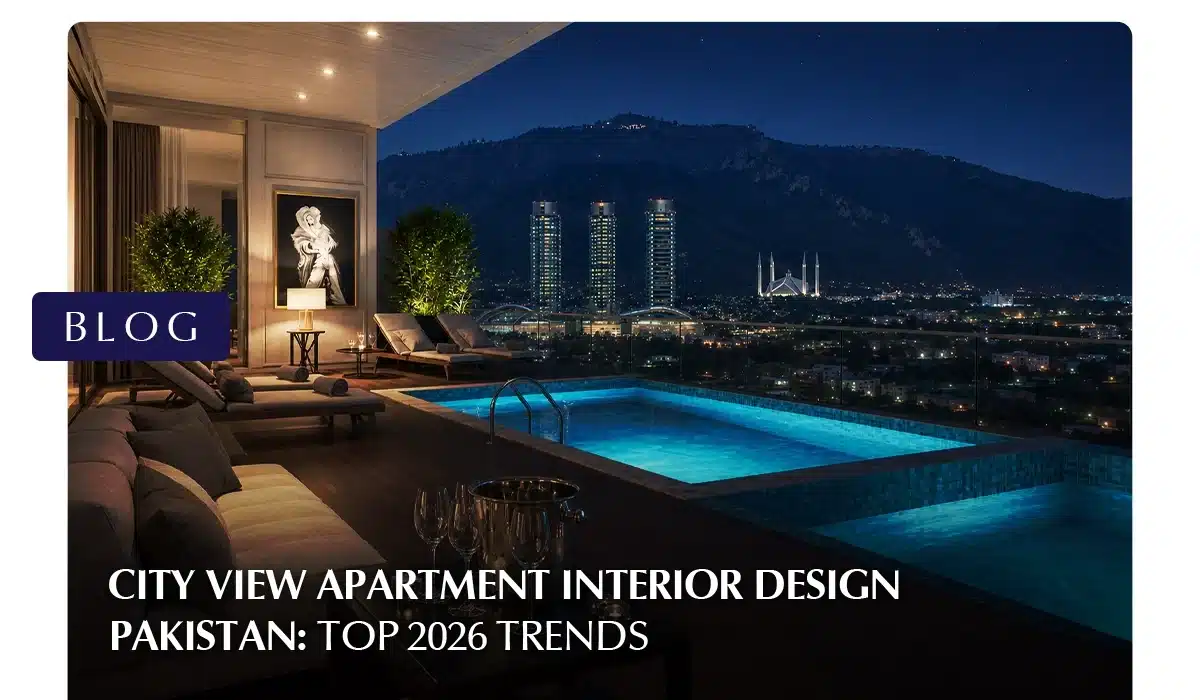
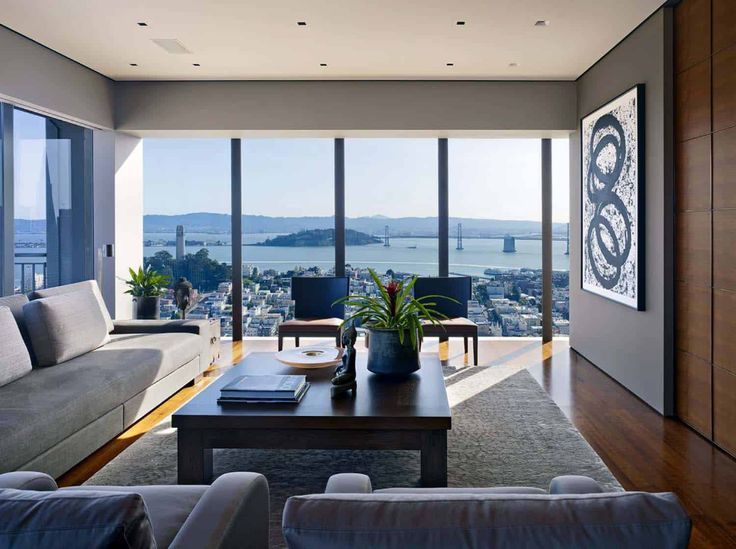
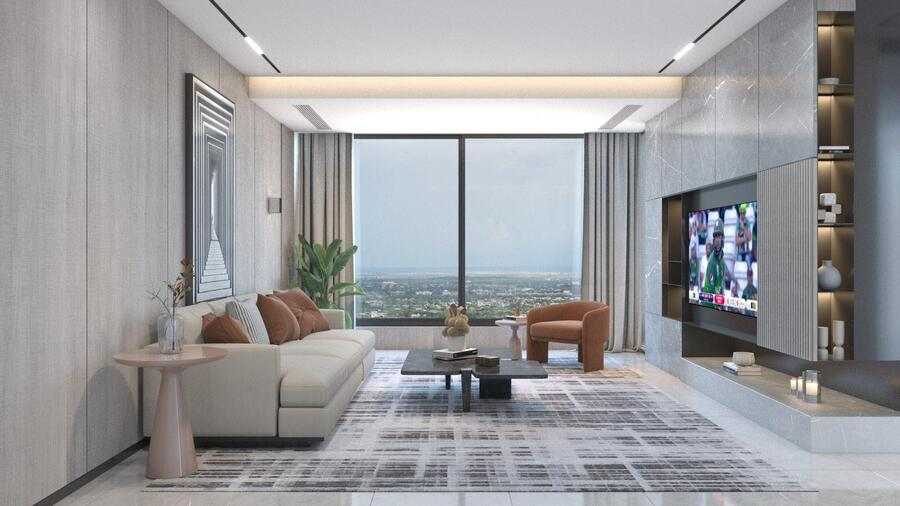
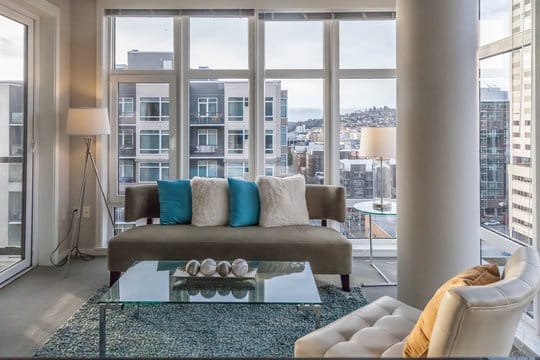
Pakistan’s apartment culture has matured rapidly. Cities like Islamabad, Lahore, and Karachi are now home to dozens of luxury high-rise city view apartment. As more Pakistanis transition from houses to flats, the demand for thoughtful, city-specific interior design has never been higher, and you already understand why city view apartment interior design Pakistan has become one of the most searched topics in the country’s real estate and lifestyle space. This guide breaks down exactly what is trending in 2026 and how you can apply it to your own space.
Why City View Apartments Need a Different Design Approach
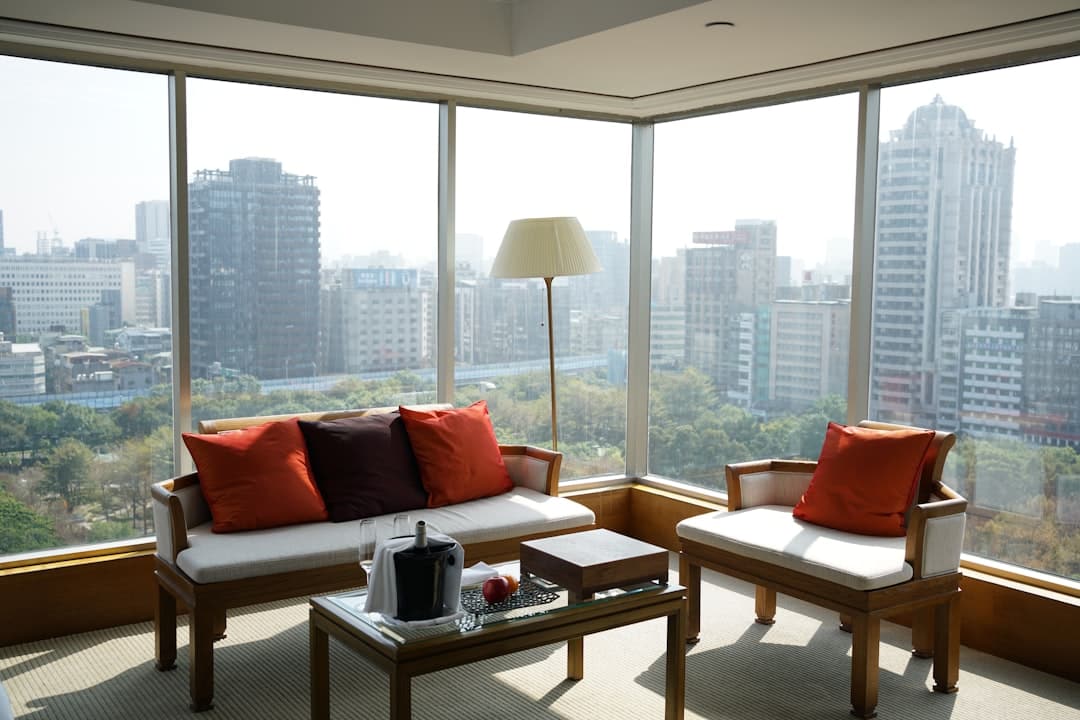
Most people furnish their apartments the same way they furnish their houses, and that is where they go wrong. A house design prioritises enclosed rooms, heavy drapery, and layered furniture. A city view apartment demands the opposite: openness, restraint, and a design language that pulls your eyes toward the glass, not away from it.
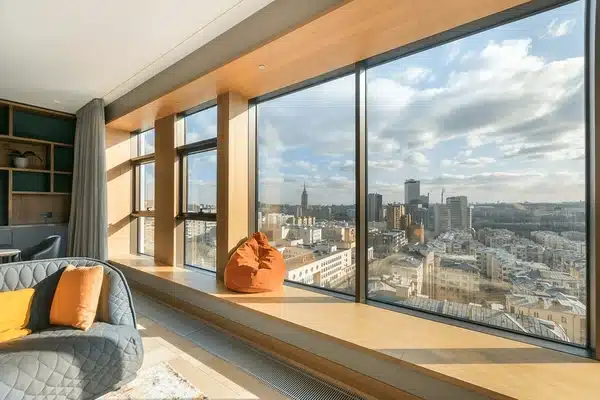
City view apartment interior design Pakistan is not just about looking good in photos. It is about creating a daily living experience where the city itself becomes part of your interior. When done right, your apartment feels twice its actual size because the skyline extends your visual field indefinitely.
2026’s Top Interior Design Trends for Pakistani City Flats
Source: algedra.com.tr
Source: Uncover Pakistan
Pakistan’s apartment interiors have entered a new era in 2026, one where global design movements are being thoughtfully adapted to local lifestyles, climates, and cultural sensibilities.
1. Soft Minimalism with Cultural Warmth
The cold, stark minimalism of the early 2020s has evolved. In 2026, city view apartment interior design Pakistan is defined by soft minimalism spaces that are clean and uncluttered but feel warm and liveable, not sterile.
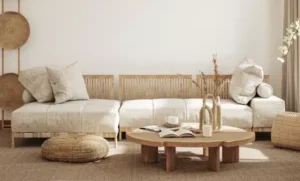
Think warm whites, aged beige, sandy neutrals, and terracotta accent tones that work beautifully against Pakistan’s natural light and complement city views at every hour of the day. The distinctly Pakistani touch comes through subtle local craft:
A hand-block-printed linen cushion
A Multani tile piece used as wall art
A carved wooden frame around a mirror
These elements add cultural soul without cluttering the space.
2. Biophilic Design: Bringing Nature Into the Flat
One of the strongest movements in city view apartment interior design Pakistan right now is biophilic design: the deliberate integration of natural elements into urban living spaces or eco-friendly city view. This does not mean filling your flat with dozens of plants. It means choosing materials and textures that reference nature:
Rattan side tables
Stone-finish wall panels
Linen curtains
Indoor plants used sparingly and strategically
For apartments in Islamabad facing the Margalla Hills, biophilic design creates a seamless visual connection between your indoor space and the greenery outside. For city-facing apartments in Lahore or Karachi, it introduces a calming natural contrast against the urban landscape.
3. Japandi-Pakistan Fusion
Source: Japanese Taste
Source: House Designer
Source: Japanese Taste
Source: Vgradne omare
Japandi, the design blend of Japanese minimalism and Scandinavian functionality, has taken Pakistani interiors by storm, and in 2026, it is being adapted with a distinctly local flavour. Key elements defining this aesthetic include:
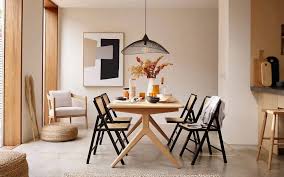
Light wood tones
Clean-line furniture
Intentional negative space
Pakistani designers are now sourcing Chiniot craftsmen to produce Japandi-inspired furniture at a fraction of the cost of imports, making this one of the most accessible luxury trends on the market.
Applied to city view apartment interior design Pakistan, the Japandi approach means low-profile furniture that keeps sight lines clear, a muted colour palette that lets the view speak, and quality over quantity in every piece you choose.
4. Smart Home Integration
Source: Concord Technologies
Source: Ozone Group
Source: Modern.Place
Source: Alpha Omega Air Store
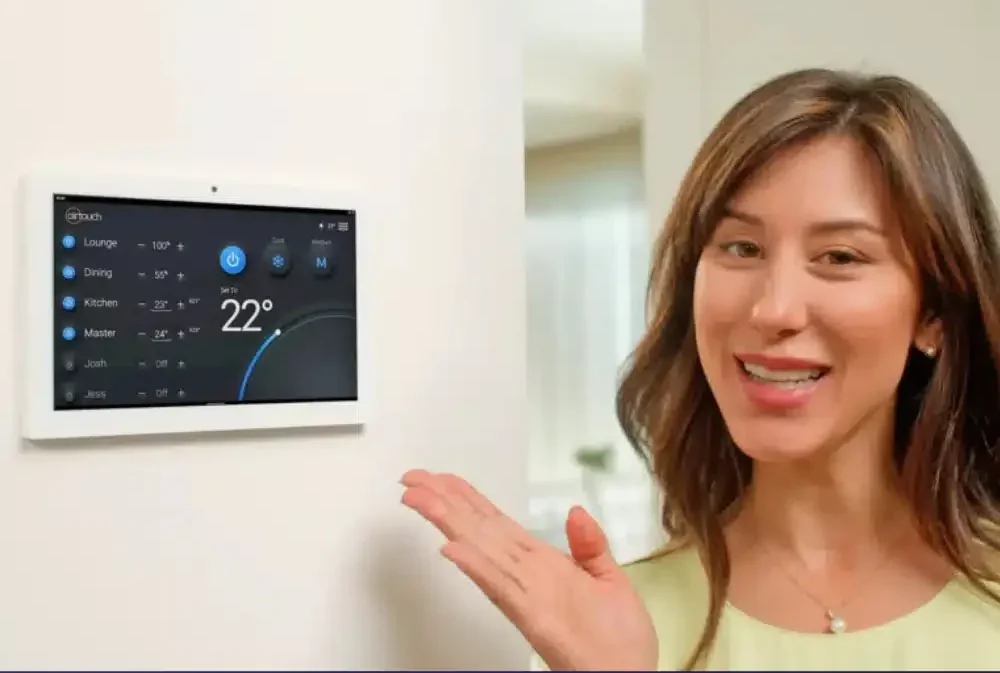
No discussion of modern apartment design in 2026 is complete without addressing smart home technology. The following are now becoming standard expectations in luxury Pakistani apartments:
Automated curtains that adjust based on the time of day
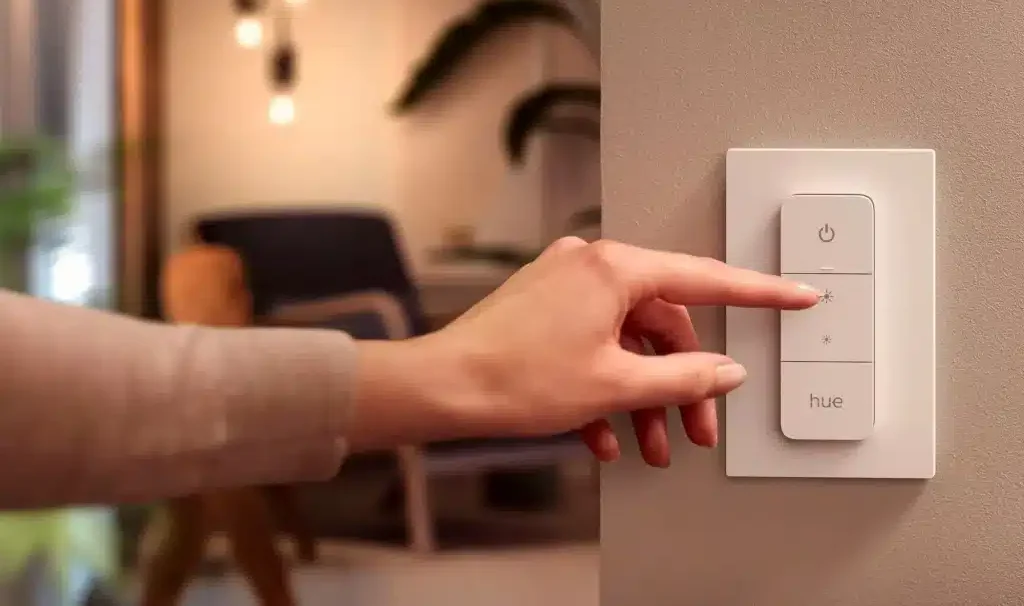
Dimmable LED lighting systems
Smart locks
Voice-controlled climate settings
For a city view flat specifically, motorised sheer curtains are a game-changer. They filter harsh afternoon light without ever fully blocking your view, and they open automatically at sunset, so you never miss the city lighting up.
Designing Around the View: The Principles No One Talks About
This is where city view apartment interior design Pakistan separates those who get it right from those who spend a fortune and still feel something is off.
Keep your furniture low. Tall wardrobes, high bookshelves, and bulky cabinets placed near windows kill the view. Choose low-profile sofas, floating shelves, and wall-mounted storage that keep the visual field open from floor to glass.
Face the view, not the TV. In most Pakistani apartments, the sofa is placed against the window, and the TV wall becomes the focal point. Flip this. Position your seating to face the city. Mount a TV on the side wall. Your living room will feel like an entirely different space.
Use reflective surfaces strategically. A large mirror on the wall adjacent to your main window doubles the cityscape inside your room. Glossy tiles, metallic light fixtures, and glass coffee tables all help bounce the view around the space without adding clutter.
Choose the right window treatment. Heavy traditional Pakistani drapes are the single biggest enemy of good city view apartment interior design Pakistan. Replace them with sheer linen panels or dual-layer curtains, a blackout layer for sleeping and a translucent layer for living. Neutral tones (warm white, soft grey, dusty blush) work best.
Room-by-Room Design Guide for 2026
Knowing the room design trends is one thing, knowing how to apply them to each specific room in your apartment is where good city view apartment interior design Pakistan truly comes to life.
Living Room
Source: Shutterstock
Source: Dreamstime.com
Source: Agoda.com
Source: Pinterest
Source: iReal Projects
Source: Adobe Stock
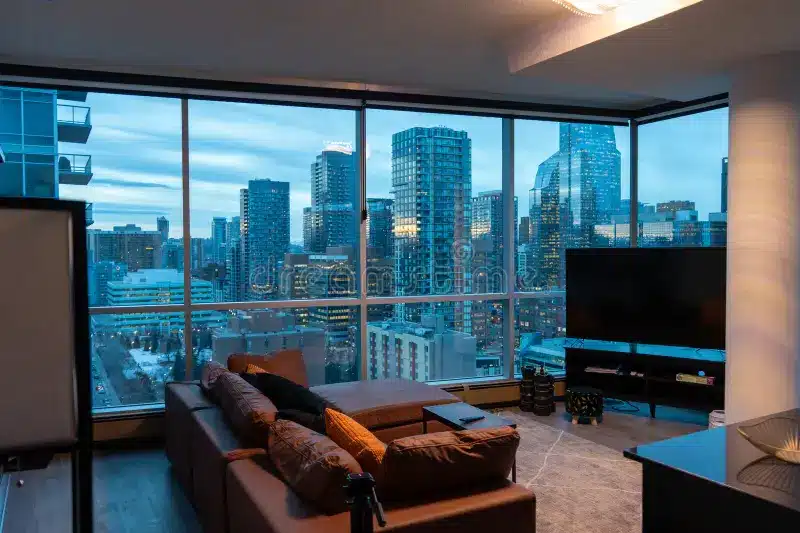
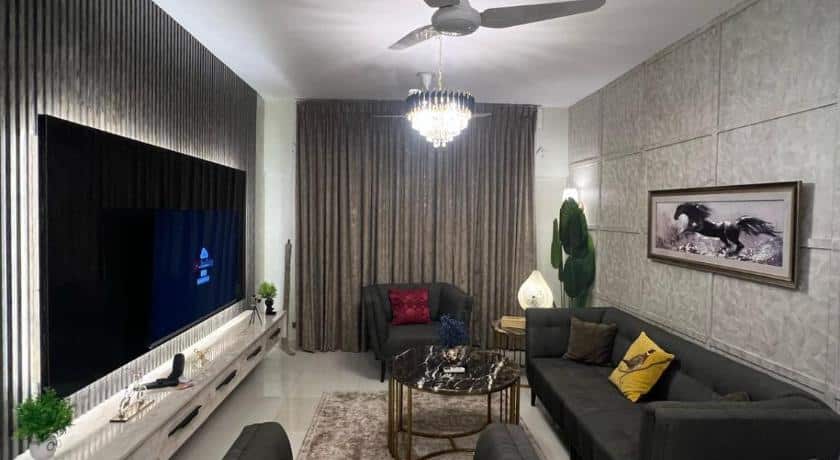
The living room in a city view apartment is your showpiece. In 2026, open-plan layouts connecting the living and dining area are the standard in quality city view apartment interior design Pakistan. Use a single cohesive colour palette across both zones: warm white walls, a statement rug in a muted jewel tone (such as deep teal, olive, or terracotta), and minimal accessories.
Lighting is critical; overhead fluorescent lights are out. Replace them with:
Recessed warm LEDs
A statement pendant over the dining table
Floor lamps near seating corners
The goal is to create a space that transitions beautifully from day to evening, matching the energy of the city view outside.
Master Bedroom
Source: Primarc Studio
Source: Expedia
Source: Stayz
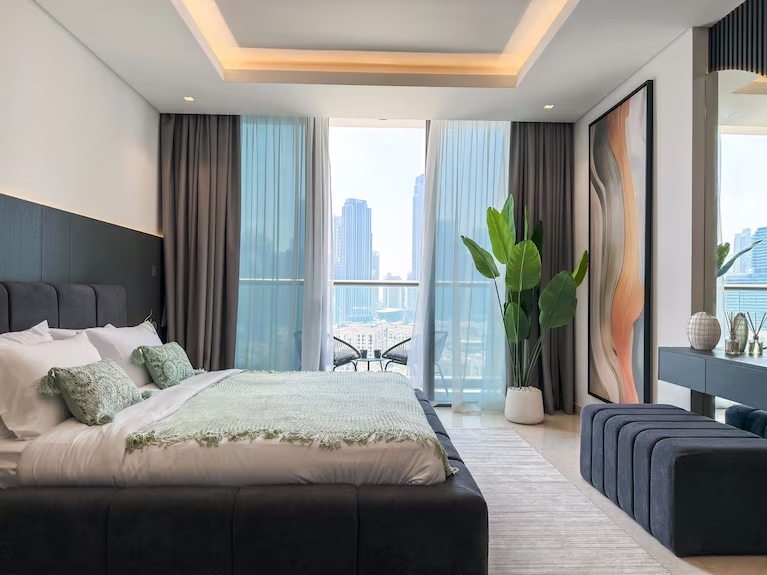
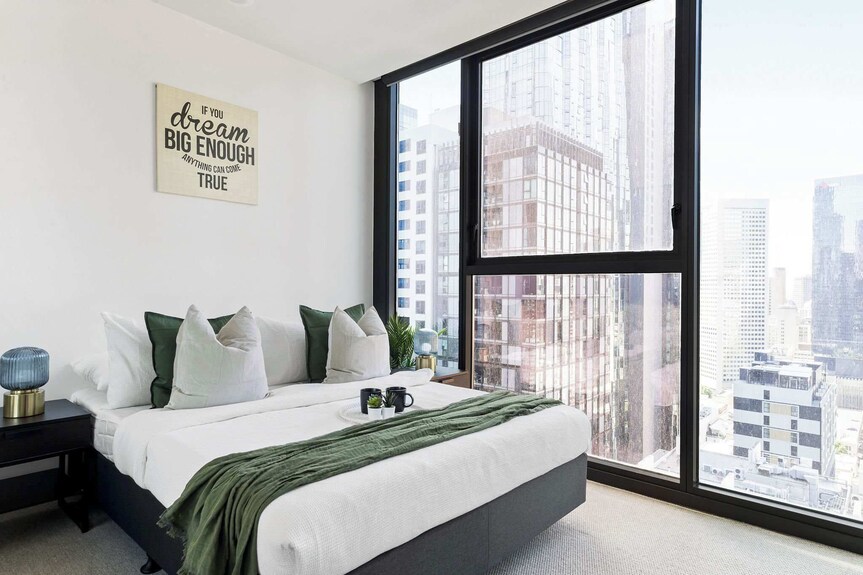
Position your bed so you wake up facing the view, not a wall. This single change transforms the feeling of the room entirely. For city view apartment interior design Pakistan in 2026, bedroom palettes lean towards sage green, dusty rose, warm grey, and soft camel colours that feel restful during the day and luxurious at night against a lit cityscape.
Kitchen
Source: Pinterest
Source: Pinterest
Source: livecityviewnashville.com
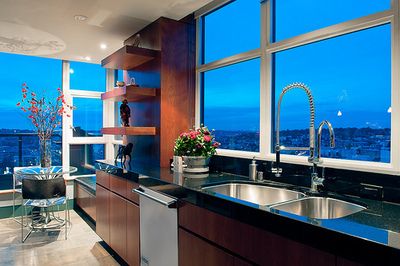
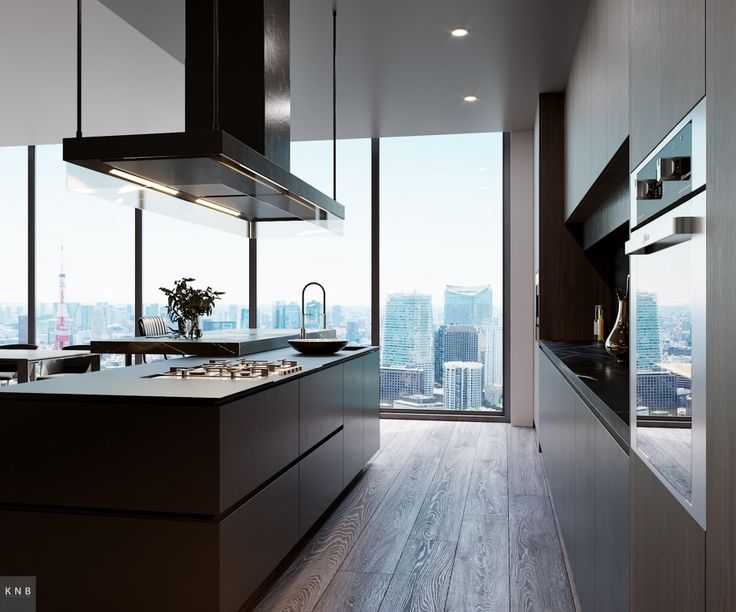
Handle-less modular kitchens in matte finishes are the defining look of modern apartment interiors Islamabad in 2026. Paired with quartz countertops (widely available at stone markets in Islamabad and Lahore) and under-cabinet lighting, they create a sleek, hotel-quality kitchen feel. If your kitchen has a city-facing window, resist the urge to cover it with bulky cabinetry. Keep that wall light, use open shelving for plants and curated cookware, and let the view breathe.
Bathroom
Source: Pinterest
Source: Pinterest
Source: Pinterest
Spa-inspired bathrooms are the standard expectation in luxury flat décor in Pakistan today. The following finishes are now all accessible at local tile markets:
Large-format tiles (60×120 cm in neutral stone tones)
Wall-mounted vanities
Backlit mirrors
Where space allows in the larger luxury developments, a freestanding bathtub positioned to face a city-view window is the ultimate 2026 statement piece.
Spotlight: Citadel One3: A Real-World Example of City View Living in Islamabad
When discussing city view apartment interior design Pakistan, Citadel One3 by Chakor Ventures is a development worth knowing. Located in Islamabad’s Blue Area, this premium condominium complex rises across 40+ floors, offering panoramic views of the Faisal Mosque, F9 Park, and the Margalla Hills.
The development offers:
Commercial and residential units
Culinary court
Gym and sports areas
Smart parking for over 350 cars
With the Faisal Mosque and Margallas as your backdrop, the design principles in this guide apply here more powerfully than anywhere else:
Sheer window treatments
Low-profile furniture
Soft neutral palettes
If you are purchasing a unit at Citadel One3 or a similar high-rise, begin planning your city view apartment interior design Pakistan before handover. Designing from scratch is always easier than retrofitting.
Budget Tiers for City View Apartment Interior Design Pakistan
One of the most practical questions people ask about city view apartment interior design Pakistan is what it actually costs in 2026. Here is a realistic breakdown based on current market conditions.
Essential Modern (PKR 15–25 lakh): Locally manufactured modular furniture, quality paint job, LED lighting upgrades, new curtains, and basic accessories. This tier achieves a clean, pulled-together look without custom work.
Premium Contemporary (PKR 30–60 lakh): Custom furniture, imported or premium local tiles for bathrooms and kitchen, smart lighting system, and professional interior designer fees. This is where most serious city view apartment interior design Pakistan projects sit.
Ultra Luxury (PKR 70 lakh and above): Full bespoke joinery, imported bathroom fixtures, complete smart home system, high-end imported furniture, and premium finishes throughout.
Common Mistakes to Avoid
Even with a generous budget, certain mistakes consistently undermine city view apartment interior design Pakistan projects.
Blocking the view with heavy curtains or tall furniture is the most common. Over-decorating, layering too many cultural artefacts, frames, and accessories, creates visual noise that competes with the cityscape. Using house-scale furniture in apartment-sized rooms makes spaces feel cramped.
Ignoring vertical space means missing out on potential storage and display opportunities on walls. And perhaps most importantly, skipping a proper design consultation means making expensive decisions without a coherent plan.
Final Thoughts
City view apartment interior design Pakistan in 2026 is about one thing above all else: respect for the view. Every trend this year, soft minimalism, biophilic design, Japandi fusion, smart home integration, ultimately serves the same purpose: creating an interior that amplifies the city outside your window rather than competes with it.
Your view is permanent. Your furniture can be changed. Start with the view, design outward from it, and you will create an apartment that feels genuinely world-class, not just by Pakistani standards, but by any standard.
Dedicated and detail-oriented SEO Content Writer, Real Estate Writer, and Research Analyst based in Islamabad, with proven expertise in developing accurate, valuable, and well-researched content. Skilled in analytical writing, market research, and reporting, with the ability to turn insights into clear, professional, and impactful content. Passionate about exploring new ideas, analyzing industry trends, and contributing to high-quality writing and research-driven projects.
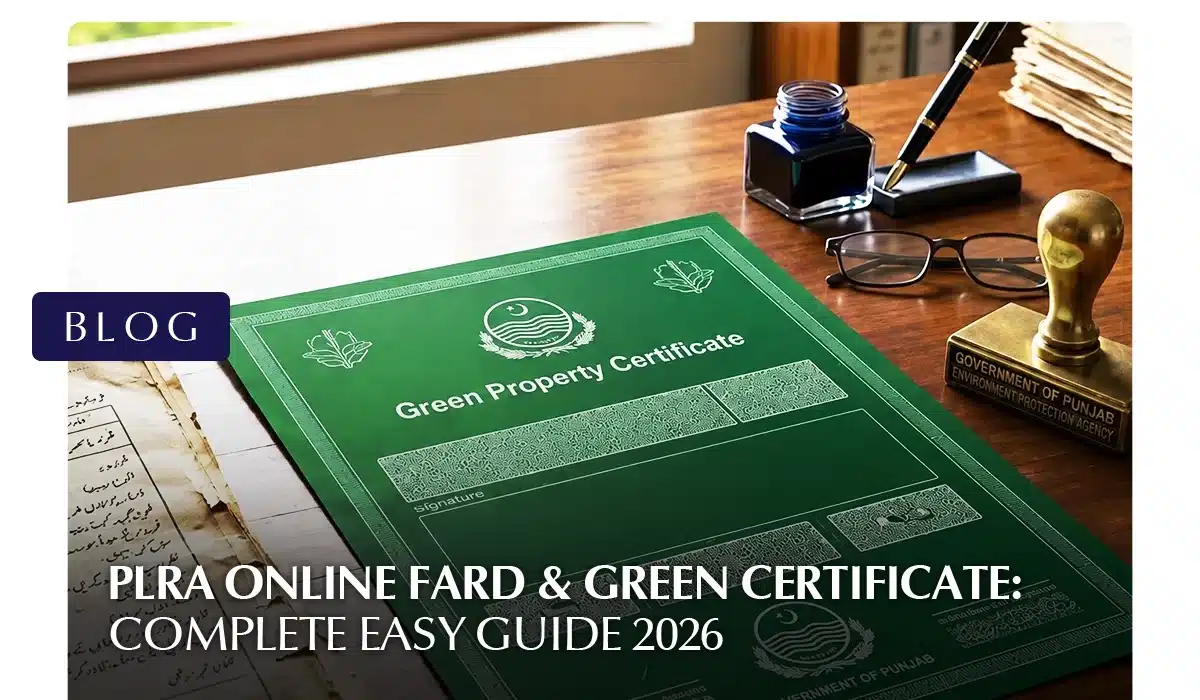
If you own land or property in Punjab, there are three things you need to know right now. First, there is an official government portal where you can search your PLRA land record online. Second, the traditional Fard, the document Pakistanis have relied on for centuries to prove ownership, is being replaced. Third, the new replacement is called the Green Property Certificate, and it changes everything about how property ownership works in Punjab.
This guide covers everything in plain language. Whether you want to do a quick PLRA land search, understand what PLRA online Fard means, or learn how to get the new Green Certificate, you will find the answers here.
What is PLRA? Understanding the Basics
PLRA stands for Punjab Land Records Authority. It is a government body set up under the PLRA Act 2017, and it works under the Board of Revenue, Punjab. Its job is to manage, digitize, and maintain land records for the entire province.
Before PLRA, property records were kept manually by Patwaris — local officials who maintained physical registers. This old system was slow, easy to corrupt, and often led to forged documents and land disputes. PLRA was created to fix exactly that.
Today, PLRA runs a digital system that covers millions of properties across Punjab. It operates Arazi Record Centers (ARCs) in every district and tehsil, and it runs an online portal at punjab-zameen.gov.pk where citizens can access their records.
Quick fact: PLRA’s digital land project is backed by the World Bank with USD 150 million in funding. It includes a full GIS mapping survey of all state land in Punjab.
What is PLRA Online Fard and How to Get It?
Fard (فرد) is the extract of the Record of Rights. In simple terms, it is the document that proves you own a piece of land. For decades, getting a Fard meant visiting the Patwari’s office, dealing with middlemen, paying unofficial fees, and waiting days or weeks. The process was slow and open to corruption.
What Changed with PLRA Online Fard?
PLRA digitized the entire system. Now you can get your PLRA online Fard in minutes from your phone or computer. The digital Fard is:
Legally valid and accepted for all property transactions
Verify with a QR code scan to confirm authenticity instantly
Free to download from the official PLRA portal
Accessible to overseas Pakistanis using NICOP
The old days of paying touts or agents just to get a copy of your own property document are over.
How to Get Your PLRA Online Fard
Visit rod.pulse.gop.pk
Enter your CNIC number
Select your district and tehsil
Your property record will appear
Click the Download or Print option to get your Fard
Every digital Fard has a unique QR code. You or anyone else can scan this code on the PLRA portal to instantly verify that the document is genuine.
Important Update — Fard is Being Replaced
As of 2026, PLRA has started replacing the traditional Fard with a new document called the Green Property Certificate. The pilot started in Sahiwal district on May 1, 2026. The province-wide rollout is expected to be complete by December 2026.
Once fully launched, property transactions in Punjab will no longer be done through Fard. The Green Property Certificate will be the only accepted ownership document for buying, selling, or transferring land.
This does not mean your existing Fard becomes worthless immediately but it does mean you should start understanding the Green Certificate process now.
What is a Green Property Certificate?
The Green Property Certificate (commonly called the Green Certificate) is a modern, electronically generated ownership document issued by PLRA. It verifies the legal status, ownership, and possession of a specific piece of land.
Unlike the old Fard, the Green Certificate does not just show who owns the land on paper. It also confirms:
That the owner is in actual physical possession of the land
That there are no unpaid taxes or government dues on the property
That no bank mortgage or financial encumbrance exists
That no active court case is attached to the property
The exact boundaries of the land (measured using GPS/DGPS technology)
This makes it a far more complete and trustworthy document than the old Fard ever was.
Why Was the Green Certificate Created?
The Fard system served Punjab for centuries, but it had serious weaknesses. A Fard could be forged. It did not confirm possession. It did not check for mortgages or court orders. Property scams, fake registries, and duplicate documents were common.
The Green Certificate solves all of this in one document. It is tamper-proof, digitally signed, QR-coded, and stored in a cloud-based government database. No one can manually edit or overwrite it.
Punjab’s 485-year-old manual property registration system, introduced in 1540, is being replaced by this digital platform.
Green Certificate Program — How It Works (10-Step Process)
Applying for a Green Property Certificate is a thorough process. Here is every step explained in simple language, based on official PLRA information.
Step 1 — Token Issuance and Process Initiation
Visit your nearest Arazi Record Center (ARC) or Service Center. At the reception, tell the staff you want to apply for a Green Property Certificate. They will issue you a service token and open your case in the PLRA system.
Step 2 — Provide Property Details and Pay the Fee
Submit complete details of your land or property. The application fee is PKR 900. You can pay at the Bank of Punjab (BOP) counter inside the ARC, at any BOP branch, or through PSID using JazzCash, EasyPaisa, or online banking.
Step 3 — Identity Verification
Your identity is verified through NADRA biometrics. You must bring your original CNIC. Your registered mobile number and basic record details are also cross-checked with what is in the PLRA registry.
Step 4 — Ownership Record and Transaction History Review
The system reviews your full ownership history and checks for any complications, including unpaid taxes or government dues, bank mortgages or financial encumbrances, and active court orders or legal disputes.
Step 5 — Field Survey and Site Inspection
A PLRA surveyor visits your property in person. Using modern GPS/DGPS technology, they measure the exact boundaries and confirm the precise area of your land. This step ensures that what is recorded on paper matches what exists on the ground.
Step 6 — Neighbor / Witness Verification
At least two neighboring landowners from your area whose records are already in the PLRA computerized system must give statements confirming that you are in actual possession of the land. Their identity is verified through biometric scanning. This step protects against fake ownership claims.
Step 7 — Gazetted Officer and Revenue Staff Verification
Authorized supervisory officers at Grade 17 or above from the Punjab government review the complete case and all verification notes. Any issues or objections raised during this stage are handled as per official procedure.
Step 8 — 15-Day Public Notice
After the field survey, your property details are published on the PLRA website for 15 days. This gives anyone, a neighbor, a relative, or any third party, the chance to raise an objection. If no objection is filed within this period, the process moves forward.
Step 9 — Final Verification and Approval
The Assistant Director Land Records (ADLR) or an authorized officer reviews the entire case one final time and grants official approval. Once approved, the certificate is ready.
Step 10 — Green Property Certificate Issuance
After all ten stages are complete, your Green Property Certificate is issued through the Service Center. It includes a unique QR code and secure digital features to prevent fraud. The certificate is your official, government-recognized proof of ownership, possession, and legal status of the property.
PLRA Land Record — What It Contains and Why It Matters
A PLRA land record is the official digital file of your property. It is stored in the PLRA database and contains all the key details about your land or property, including:
Owner name(s)
Property size and boundaries
Location (district, tehsil, village or area)
Ownership history and transfer records
Any encumbrances, mortgages, or court orders on the property
Khasra number (a unique identification number for the plot)
This record is the foundation of every property transaction in Punjab. Before you buy, sell, transfer, or mortgage any land, the first step is always to check the PLRA land record.
Why You Should Check Your PLRA Land Record
Most property disputes in Pakistan happen because people skip this step. Checking the PLRA land record before any transaction helps you confirm that:
The seller actually owns the property
No bank has a mortgage on it
There is no active court case against the property
The property size and boundaries match what is being sold
There are no unpaid taxes or government dues
A five-minute check on the PLRA portal can save you years of legal trouble.
PLRA Land Search — How to Find Any Property Record Online
The PLRA land search service lets you look up property records online without visiting any government office. It is free, available 24/7, and takes only a few minutes.
PLRA – The Official Portal
The official PLRA portal is punjab-zameen.gov.pk; this is the only authentic government website for Punjab land records. Citizens can also use the related portal at rod.pulse.gop.pk for the online ownership record search.
How to Do a PLRA Land Search — Step by Step
Open your browser and go to rod.pulse.gop.pk
Enter your 13-digit CNIC number (without dashes)
Select your property’s district and tehsil from the dropdown menu
The system will pull up all properties registered under your CNIC
Select your property to view the full land record
You can view or download your Fard (ownership document) from here
You can search by CNIC, property ID, or owner name. Overseas Pakistanis can also use their NICOP to search and download records from abroad.
What You Can Do Through PLRA Land Search
View current ownership details
Check transaction and transfer history
Download a copy of your Fard
Verify if a property is free of disputes before buying
Check unpaid taxes or bank encumbrances
The PLRA land search is one of the most useful tools available to property owners in Punjab. Use it before every transaction, no exceptions.
Green Certificate — Important Rules and FAQs
Fee and Payment
Application fee: PKR 900. Payable at the BOP counter at ARC, any BOP branch, or via PSID through JazzCash, EasyPaisa, or online banking.
What Happens to Other Transactions During the GPC Process?
Once the Green Certificate process begins for a property, all other transactions on that property are temporarily suspended. You cannot sell, transfer, or mortgage the land until the process is complete.
What If Your Application is Rejected?
If a Green Certificate cannot be issued, you will receive a refusal letter explaining the reasons. You can file an appeal before the concerned Assistant Commissioner within 30 days. You can also reapply once the cause of rejection has been resolved.
Three Types of Property Reports Under the Green Certificate System
Report Type
Purpose
Details
Non-Transactional
Information only
Shows ownership and land use. Does not create or transfer any legal rights.
Semi-Transactional
Legal/administrative use
Used for security documentation. May include encumbrance verification.
Transactional
Property transfer
Issued specifically for property transfer. Linked directly to the electronic registration system.
Special Cases – Green Certificate
Can I get a GPC for agricultural land if I am a joint owner?
For agricultural land, all co-owners must agree. If they do not, legal partition of the land must be completed first under the Punjab Land Revenue Act 1967. After the partition, each owner can apply independently.
What if I am a co-owner of residential or commercial land?
If the land use has been converted from agricultural to residential, commercial, or industrial, a single co-owner may apply independently, without needing the consent of other owners.
Can one GPC cover multiple Khasra numbers?
No. Each property with its own boundaries and unique identification number requires a separate GPC. However, developed residential, commercial, or industrial land made up of multiple Khasras may be consolidated into a single unit through parcel-based mapping.
Can I get a GPC for built-up or urban property?
Yes. A Green Certificate can be issued for properties in built-up or urban areas, including unplanned developed areas, as long as ownership is confirmed through land records. Local land use laws must be followed.
How can I verify a Green Certificate?
Scan the QR code printed on the certificate using the PLRA verification app or portal. Verification is instant and free.
Rollout Timeline — When Does the Green Certificate Affect You?
Always verify the latest dates directly at punjab-zameen.gov.pk before completing any property transaction, as implementation timelines may be updated.
PLRA has over 150 Arazi Record Centers (ARCs) across Punjab. Walk in to any ARC in your district or tehsil for in-person assistance with PLRA land search, Fard download, or Green Certificate application.
Final Takeaway – PLRA Online Fard
Pakistan’s land record system is going through its biggest change in over 400 years. The PLRA has already moved PLRA land records online, made PLRA online Fard accessible to every citizen with a CNIC, and launched the Green Certificate program that is replacing the traditional Fard entirely.
If you own property in Punjab, the most important things to do right now are:
Check your PLRA land record on the official portal to make sure everything is correct
Download your PLRA online Fard and verify the QR code
Understand the Green Certificate process and apply when your district is covered
For any transaction, buying, selling, or transferring, always do a PLRA land search first.
BBC-featured Content Specialist with a sharp eye for search intent and a proven ability to turn content into a growth engine. I leverage cutting-edge digital marketing tools to craft strategies that fuel organic traffic, amplify brand growth, and own the local SEO landscape, particularly across the competitive real estate market. I help brands dominate search rankings and convert visibility into measurable business success.
KARACHI: Karachi is finally getting a new flyover. The Azeempura Flyover has been completed and will open to traffic within a week, Mayor Barrister Murtaza Wahab confirmed during a late-night inspection of the site.
The project was completed in 100 days, meeting a deadline set by Sindh Chief Minister Syed Murad Ali Shah. The main structure is fully built. Workers are now finishing the final touches, road surfacing, signage, and safety installations, before the bridge opens to the public.
The flyover connects Shahrah-e-Bhutto to the road leading toward Jinnah International Airport. This is one of Karachi’s most congested routes, and the new bridge is expected to ease traffic, especially during morning and evening rush hours.
The project was carried out by the Karachi Metropolitan Corporation (KMC) under the supervision of the Sindh government. Officials say this flyover is part of a larger plan to fix Karachi’s long-standing traffic problems. The city is also seeing work on signal-free corridors and road rehabilitation projects as part of the same drive.
Mayor Wahab confirmed the news on social media, saying the bridge construction is complete and the flyover will be opened for public use before the deadline.
For Karachi residents, this is welcome news. The city has struggled with severe traffic congestion for years, and infrastructure projects of this scale have often faced delays. Completing this one on time marks a rare and notable achievement for the city’s administration. The exact inauguration date has not been announced yet, but authorities expect it to be open within days.
BBC-featured Content Specialist with a sharp eye for search intent and a proven ability to turn content into a growth engine. I leverage cutting-edge digital marketing tools to craft strategies that fuel organic traffic, amplify brand growth, and own the local SEO landscape, particularly across the competitive real estate market. I help brands dominate search rankings and convert visibility into measurable business success.
ISLAMABAD: The Association of Builders and Developers of Pakistan (ABAD) has formally called on the federal government to introduce tax relief measures for the real estate sector in the upcoming Budget 2026-27, warning that the current tax burden is deterring domestic and foreign investment. The federal budget is scheduled to be announced on June 10.
ABAD Chairman Muhammad Hassan Bakshi stated that the construction and real estate sector, with an estimated market value of $1 trillion, currently contributes only 2.2 to 2.5 percent to Pakistan’s GDP. He argued that policy reforms aligned with regional benchmarks could raise that contribution to 15 percent.
A central concern raised by ABAD is the high cost of property transfers. For tax filers, the transfer cost currently stands at 10 to 12 percent, while non-filers face rates as high as 30 to 32 percent. By comparison, the transfer cost in Dubai is four percent. Bakshi urged policymakers to bring Pakistan’s rates in line with Dubai or lower, to make the market competitive and attract capital held abroad.
ABAD has also requested that builders be taxed on a per-square-foot basis, a measure it says would simplify compliance and reduce disputes with tax authorities. Relief for first-time homebuyers was also among the association’s demands.
Beyond taxation, ABAD called for the digitalisation of land records and approval processes nationwide to reduce corruption and improve investor confidence. The association also emphasised the need for a long-term, legislation-backed policy developed in consultation with industry stakeholders.
The construction sector is the second-largest employer in Pakistan after agriculture, with 72 industries linked to it. Lower tax rates, ABAD maintains, would ultimately increase government revenue by encouraging greater compliance rather than avoidance.
Muhammad Waqas Ghani, Head of Research at JS Global Capital Limited, described potential real estate incentives in Budget FY27 as a positive development, noting that investment flows into the sector are likely to continue in the coming months.
Pakistan is currently operating under a $7 billion International Monetary Fund (IMF) loan program. The IMF has called on the country, which has a tax-to-GDP ratio of approximately 10 percent, to broaden its tax base by bringing sectors such as real estate, agriculture, and retail more fully into the tax net. The government is also targeting approximately Rs860 billion ($3.1 billion) in new tax revenue in the coming fiscal year.
BBC-featured Content Specialist with a sharp eye for search intent and a proven ability to turn content into a growth engine. I leverage cutting-edge digital marketing tools to craft strategies that fuel organic traffic, amplify brand growth, and own the local SEO landscape, particularly across the competitive real estate market. I help brands dominate search rankings and convert visibility into measurable business success.