
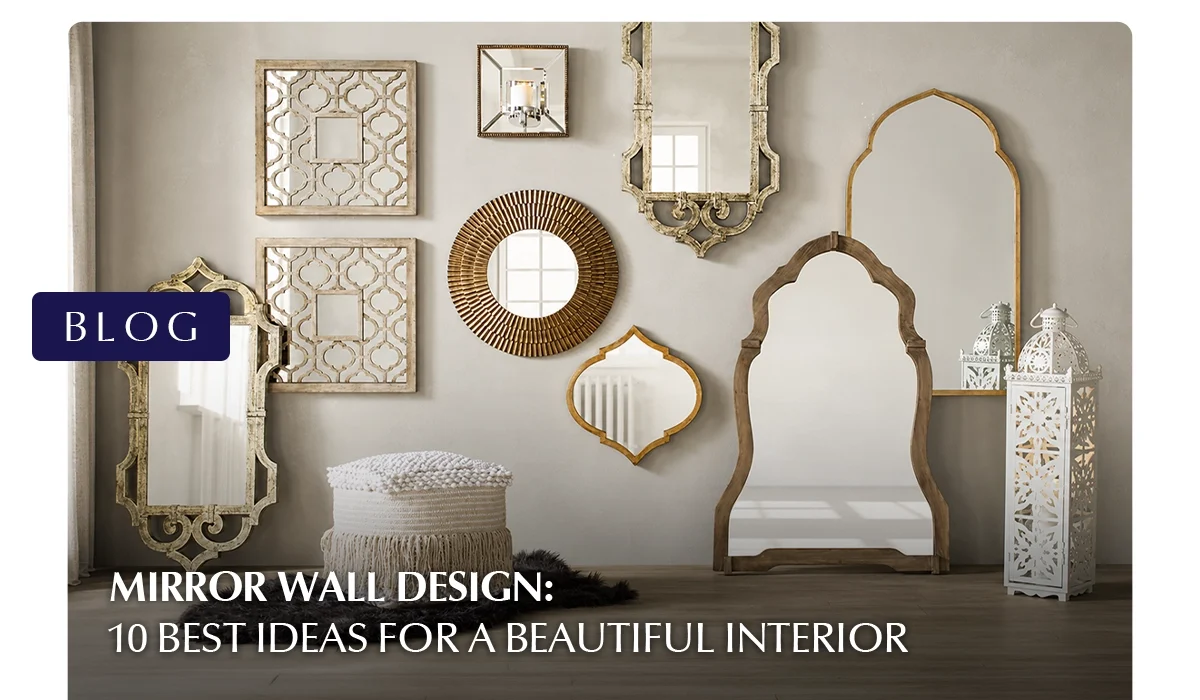

If you’ve ever walked into a room that felt instantly bigger, brighter, and more elegant, chances are a mirror wall design had something to do with it. From compact apartments to spacious living rooms, wall design ideas keep improving to refresh interior spaces without a full renovation.
In this guide, we’ll explore ten stunning mirror wall design concepts that work brilliantly in living rooms, bedrooms wall design, hallways, and beyond, along with practical tips on choosing, placing, and styling the right one for your home.
Why Choose a Mirror Wall Design for Your Home
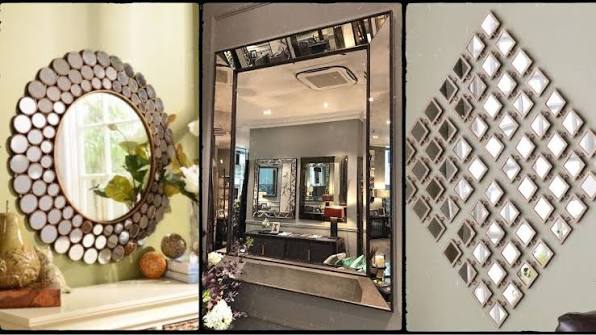
A well-planned mirror wall design does more than just let you check your outfit before heading out the door. Mirrors reflect light, create the illusion of extra square footage, and act as functional art that ties a room together. Small apartments feel airier, dark hallways feel brighter, and plain walls suddenly feel intentional.
That’s exactly why mirror wall design has become a go-to strategy for interior designers and homeowners alike; it delivers a dramatic visual upgrade at a fraction of the cost of major renovation work.
Beyond aesthetics, mirrors are practical. They help with daily grooming, make small rooms feel proportionate to the furniture, and can be swapped or rearranged far more easily than paint or wallpaper if your taste changes.
10 Best Wall Mirror Design Ideas for Every Room
Here are ten tried-and-tested ideas to inspire your next mirror wall design project, whether you’re working with a cosy bedroom corner or an entire living room feature wall.
1. Statement Full-Height Mirror Panel
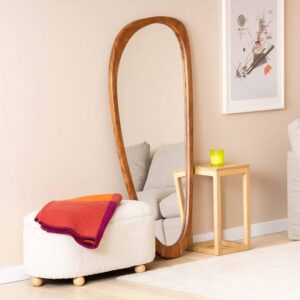
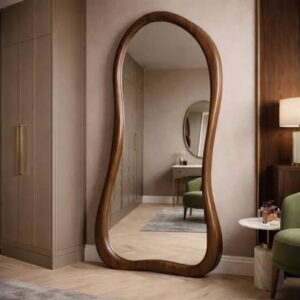
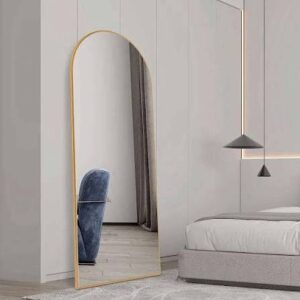
One of the boldest mirror wall design choices is a full-height mirror panel that runs floor to ceiling. Installed on one wall, it visually doubles a room’s depth and floods the space with reflected light.
This works especially well in smaller living rooms or narrow hallways where every inch of perceived space matters. Choose a frameless panel for a seamless, architectural look, or a subtly framed version if you want a softer transition between the mirror and the wall.
2. Eclectic Mirror Gallery Wall
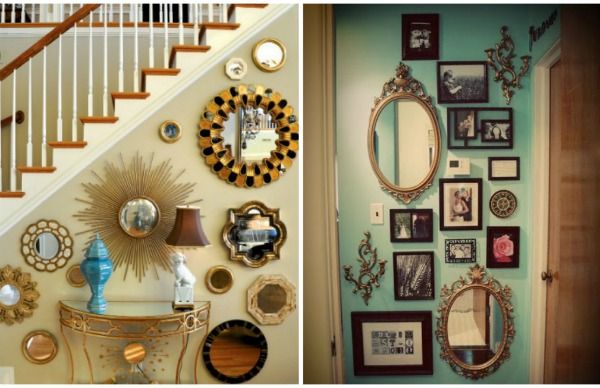
A gallery-style wall mirror design mixes different frames, shapes, and sizes into one eye-catching arrangement. Combine round, oval, and rectangular mirrors of varying dimensions, and don’t be afraid to throw in a piece of framed art for contrast.
The trick is balance: distribute similar sizes and colours evenly across the wall so the arrangement feels curated rather than cluttered. Lay everything out on the floor first to test the layout before you commit to any nail holes.
3. Wooden Wall Mirror Design for Warmth and Character
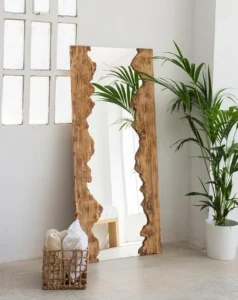
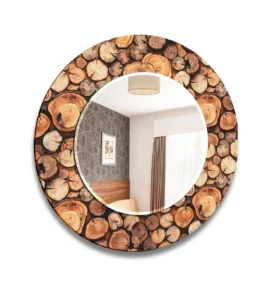
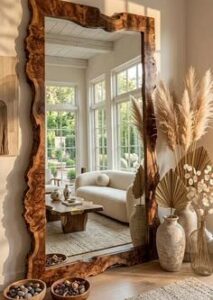
If you love natural textures, a wooden wall mirror design brings instant warmth to any space. Carved wooden frames, whether in a light honey finish or a darker walnut stain, add character that pure glass or metal frames can’t replicate.
This type of mirror wall design pairs beautifully with rattan furniture, linen upholstery, and earthy colour palettes, making it a favourite for boho, rustic, and traditional interiors alike.
4. Mirror Glass Wall Design with Bevelled Edges
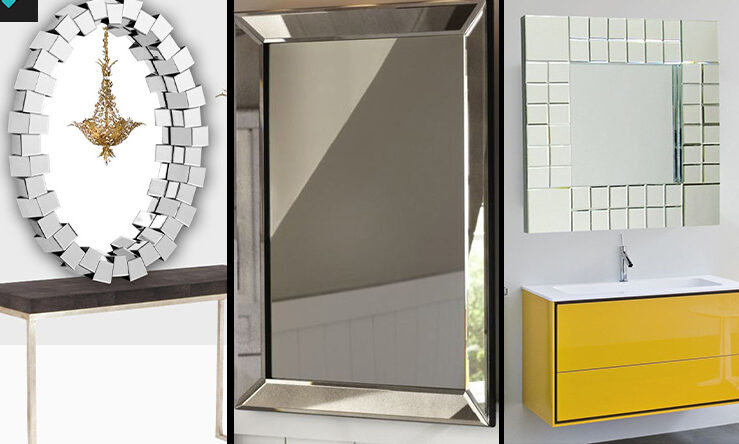
A frameless mirror glass wall design offers a sleek, minimalist look that suits contemporary interiors perfectly. Bevelled edges where the glass is cut and polished at an angle add subtle sophistication by catching and refracting light differently than a flat edge would.
This modern mirror wall design bounces natural light beautifully across the room and works especially well behind sofas, over fireplaces, or as a kitchen splashback accent.
5. Sunburst and Geometric Mirror Accents
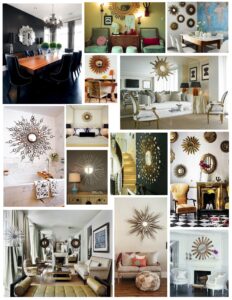
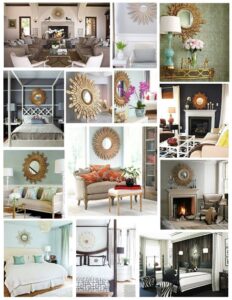
Adding a sunburst mirror is a classic mirror wall design trick for mid-century glam interiors. The radiating spokes create a striking focal point above a mantel, sofa, or console table.
If sunbursts feel too ornate for your taste, geometric mirrors hexagons, diamonds, or interlocking shapes offer a more contemporary alternative while still delivering that same “wow” factor on an otherwise plain wall.
6. Mirror Above a Console or Mantel
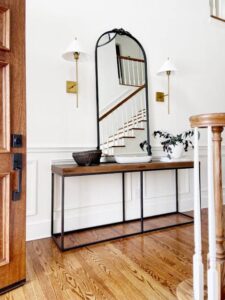
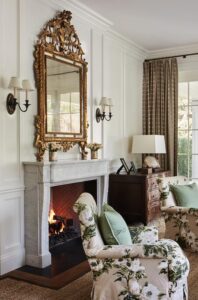
Placing a mirror above your console table is one of the easiest mirror wall design updates you can make this weekend. As a general rule, choose a mirror about two-thirds the width of the furniture beneath it for a balanced, proportional look.
This placement not only reflects ambient light but also highlights whatever decor vases, candles, framed photos sits on the surface below.
7. Layered Mirrors and Mirrored Furniture
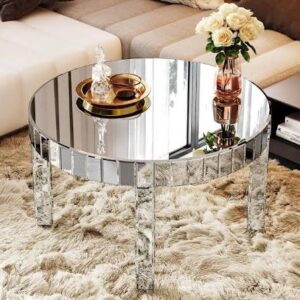
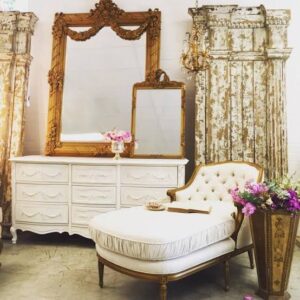
Layering mirrored furniture, like a coffee table or sideboard, with a wall mirror multiplies the design’s reflective impact throughout the room. This layered mirror wall design approach works especially well in dining rooms and living rooms, where it adds depth without requiring a single oversized piece.
Pair mirrored surfaces with plants or textured decor so the look feels warm rather than cold or overly glossy.
8. LED Backlit Mirror Walls
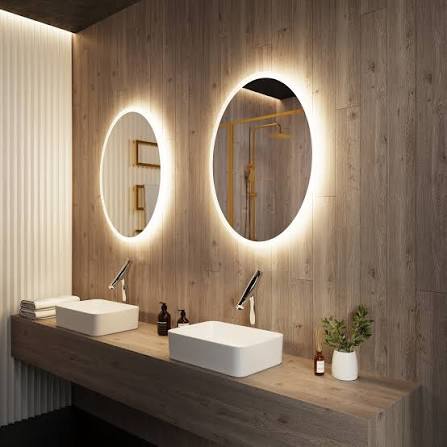
LED backlit mirrors have become a favourite modern mirror wall design, particularly for gyms, dressing rooms, and hallways. Integrated lighting around the mirror’s perimeter provides even, shadow-free illumination while doubling as an ambient light source in the evening.
It’s a trend that blends function and style, and it’s increasingly showing up in bedrooms and bathrooms as a subtle luxury upgrade.
9. Arched or Window-Style Mirror
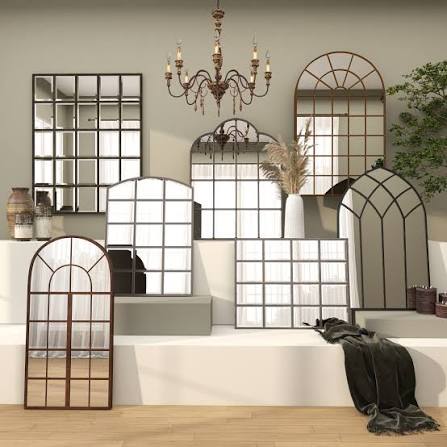
An arched mirror wall design mimics the look of a window, which is perfect for rooms lacking natural light. The soft, rounded top softens a room’s hard architectural lines and creates the illusion of an additional opening onto the outdoors. Position it opposite an actual window if possible; the reflected light will make the effect even more convincing.
10. Traditional Brass and Antique-Finish Mirrors
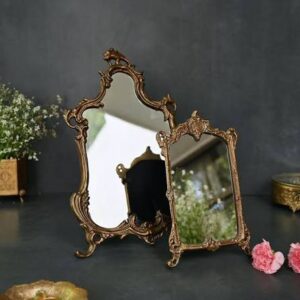
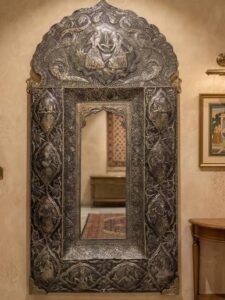
For a more traditional feel, a brass or antique-finish mirror wall design brings timeless elegance and cultural charm to any home. Ornately carved frames, aged gold finishes, and hand-hammered brass detailing suit classic, vintage, and South Asian-inspired interiors particularly well.
These pieces work beautifully as standalone statement mirrors in entryways or as part of a symmetrical pairing flanking a fireplace.
Mirror Wall Design Ideas by Room
Different rooms call for different approaches. Here’s how to adapt mirror wall design ideas to specific spaces in your home.
Wall Mirror Design for Living Room
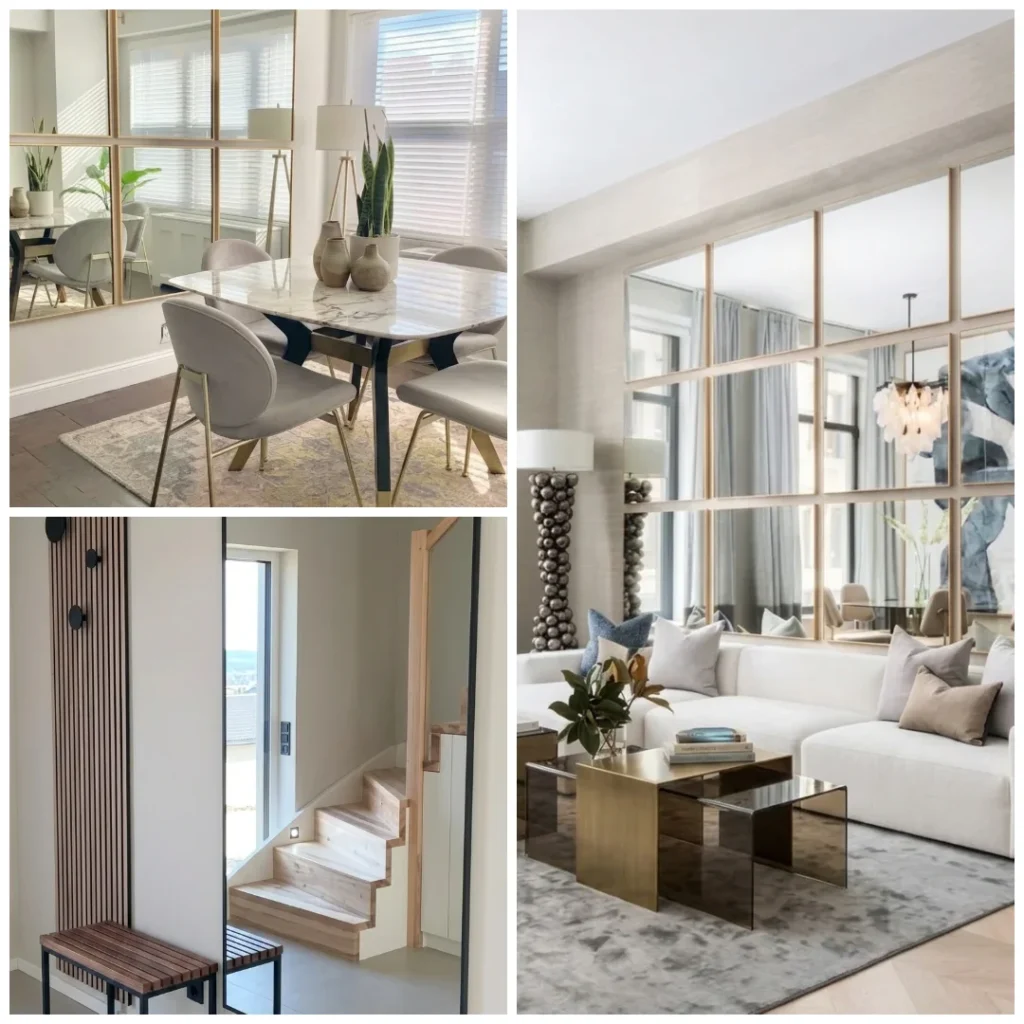
A well-placed mirror wall design for living room spaces draws the eye, opens up the room, and complements your existing furniture. Large statement mirrors above the sofa or between two windows work particularly well here, since the living room is usually the first space guests notice.
Stick to a cohesive colour palette between the mirror frame and your other metal accents, light fixtures, hardware, and picture frames for a pulled-together look.
Wall Mirror Designs for Bedrooms
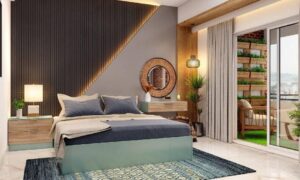
In bedrooms, wall mirror designs for bedrooms often balance function as much as style; think full-length mirrors near the wardrobe or a smaller vanity mirror paired with a dressing table.
A mirror wall design near the closet doubles as a practical outfit-check spot while still contributing to the room’s overall aesthetic. Avoid placing a mirror directly across from the bed if you prefer a calmer, more restful sleeping environment.
Entryway and Hallway
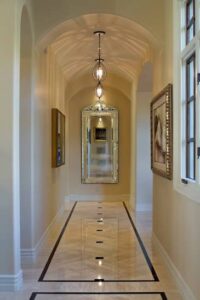
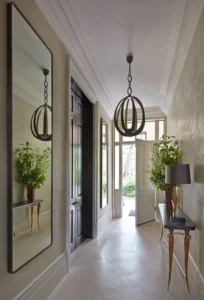
A mirror wall design at the entrance welcomes guests and makes a strong first impression while also giving you one last glance before heading out the door. In narrow hallways, a horizontal mirror stretched along the wall can make the corridor feel noticeably wider.
Dining Room
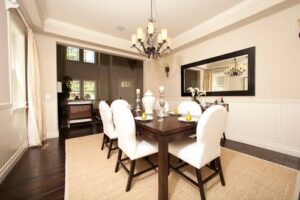
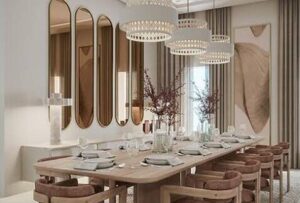
Even a small mirror wall design above the dining console can transform the mood of family dinners, bouncing candlelight or pendant lighting across the table for a warmer, more intimate atmosphere.
How to Choose the Right Wall Mirror Design for Your Space
Before you commit to any mirror wall design, think carefully about your wall size and the furniture positioned below or around it. The right mirror wall design should feel proportional, not so small that it looks lost on a large wall, and not so oversized that it overwhelms a modest piece of furniture underneath it.
Frame material also shapes your mirror wall design’s personality, whether you choose polished wood, brushed metal, sleek frameless glass, or ornate brass detailing. A few practical guidelines to keep in mind:
- Size: Aim for a mirror that’s roughly 50–75% the width of the furniture or wall section it’s paired with.
- Height: Hang mirrors at eye level where possible, generally with the centre around 60 inches from the floor.
- Shape: Round and oval mirrors soften a room with sharp architectural lines; rectangular mirrors suit minimalist, symmetrical spaces.
- Lighting: Position mirrors to reflect a light source, natural or artificial, rather than facing a cluttered or dark corner.
- Weight and hardware: Larger, heavier mirrors need proper wall anchors, not just a single nail or adhesive strip.
Wall Mirror Designs in Pakistan: Styles, Trends, and Price Guide
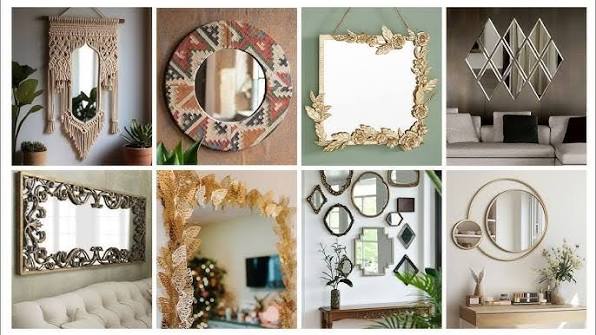
In Pakistan, wall mirror designs in Pakistan trends split into two distinct directions: traditional handcrafted pieces and sleek modern styles. Traditional Sheesham wood and brass “baradari” mirrors remain popular choices for anyone wanting a mirror wall design with strong cultural roots. These often feature intricate hand-carved detailing, gold or brass finishes, and rich wood tones that suit both classic and contemporary Pakistani homes.
On the contemporary side, local furniture brands across Lahore, Karachi, and Islamabad now offer everything from budget-friendly wall mirror designs in Pakistan to premium hand-carved statement pieces. Popular contemporary styles include asymmetric organic shapes, scalloped edges, arched full-length mirrors, and matte black round frames, all commonly available online with home delivery. Prices generally range from around PKR 4,000 for small decorative pieces to PKR 40,000 or more for large handcrafted brass baradari mirrors or oversized full-length designs, giving buyers options across every budget.
Mirror Wall Design Placement Tips and Common Mistakes
Getting the placement right matters just as much as picking the design itself. Here are a few tips and pitfalls to keep in mind:
- Do position mirrors opposite windows to maximise natural light throughout the day.
- Do consider the reflection; make sure the mirror reflects something pleasant, like artwork or a plant, rather than clutter.
- Don’t hang a mirror directly facing the front door, a common decor faux pas in many design traditions.
- Don’t place mirrors across from cluttered areas like storage corners or kitchen counters.
- Do use proper wall anchors for anything over a few kilograms; a falling mirror is both a safety hazard and an expensive mistake.
- Don’t ignore scale; an undersized mirror on a large blank wall can look like an afterthought rather than a design choice.
Frequently Asked Questions
Full-height, frameless panels or a single large statement piece tend to work best in small rooms, since they reflect the most light and create the strongest illusion of extra space.
A good rule of thumb is to pick a mirror that’s roughly two-thirds the width of the furniture or wall section beneath it, large enough to make an impact, but not so large it overwhelms the space.
It depends on the look you’re after. Wooden frames add warmth and texture, while frameless glass options feel sleeker and more minimalist. Many modern interiors actually mix both for contrast.
Yes. Positioned correctly, especially opposite a window or light source, mirrors bounce natural light around a room and create a strong illusion of added depth and space.
Aim to centre the mirror at roughly eye level, typically around 60 inches from the floor, unless it’s a full-length piece meant to extend closer to the ground.
Final Thoughts
From bold statement panels to warm wooden frames and traditional brass detailing, a mirror wall design suits nearly every room, budget, and personal style. Whether you’re drawn to a sleek frameless glass panel, a curated gallery wall, or a hand-carved antique piece, the right choice comes down to your room’s size, lighting, and the overall mood you want to create. Start with one focal wall, follow the sizing and placement guidelines above, and you’ll have a beautifully reflective, light-filled space in no time.
For more information on City View Apartment Interior Design Pakistan and Wooden Door Price, please visit Chakor.
Read More:

Dedicated and detail-oriented SEO Content Writer, Real Estate Writer, and Research Analyst based in Islamabad, with proven expertise in developing accurate, valuable, and well-researched content. Skilled in analytical writing, market research, and reporting, with the ability to turn insights into clear, professional, and impactful content. Passionate about exploring new ideas, analyzing industry trends, and contributing to high-quality writing and research-driven projects.
