BBC-featured Content Specialist with a sharp eye for search intent and a proven ability to turn content into a growth engine. I leverage cutting-edge digital marketing tools to craft strategies that fuel organic traffic, amplify brand growth, and own the local SEO landscape, particularly across the competitive real estate market. I help brands dominate search rankings and convert visibility into measurable business success.
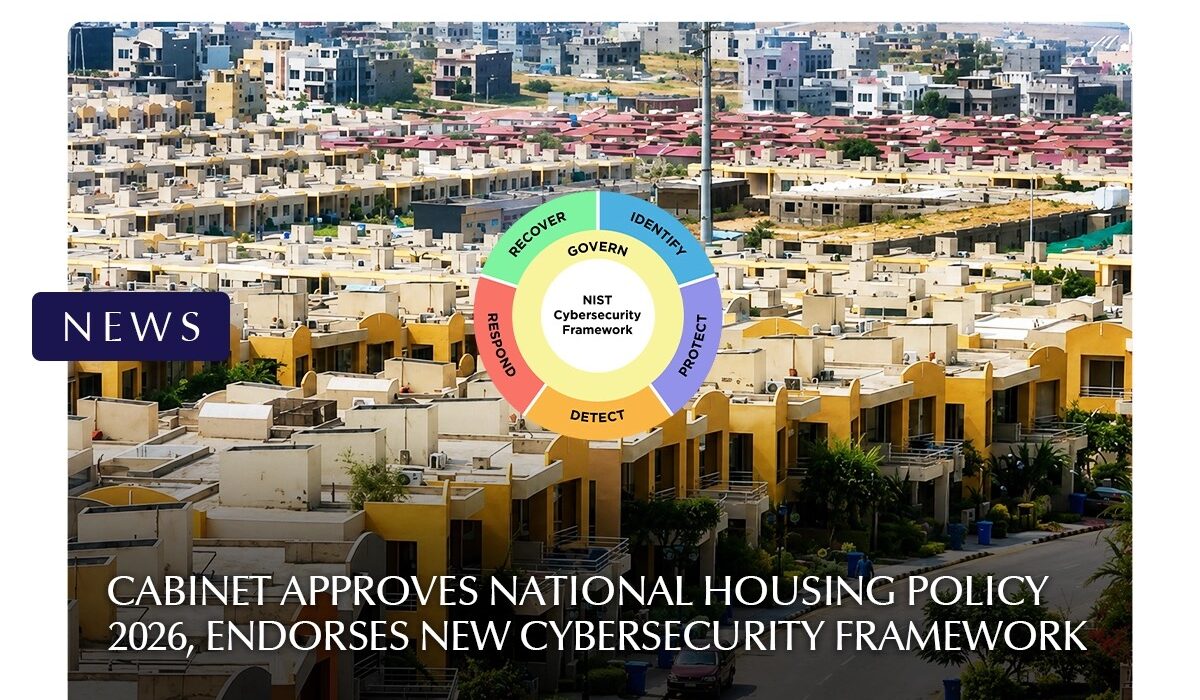
ISLAMABAD: The federal cabinet, chaired by Prime Minister Shehbaz Sharif, has approved the National Housing Policy 2026 together with a corresponding implementation plan. Under the policy, housing projects will be required to fully observe zoning regulations, with priority given to vertical construction to improve land-use efficiency.
Officials noted the policy was drafted with input from local and international experts, along with federal, provincial, and development-sector stakeholders, aiming to ensure sustainable and quality housing nationwide. Energy-efficiency standards have also been folded into the policy framework to align new construction with environmental goals.
The cabinet was additionally briefed on the Apna Ghar housing scheme, revealing that banks have sanctioned loans worth Rs220 billion for prospective homeowners, of which more than Rs32 billion has already been disbursed.
In a separate move, the cabinet approved withdrawing Pakistan’s earlier notice to terminate its 1981 bilateral investment treaty with Sweden, based on a summary presented by the Board of Investment.
On the technology front, the Ministry of Information Technology introduced the draft Pakistan Information Security Framework 2026 (PISF 2026), developed under the CERT Rules 2023. The framework is designed to establish unified baseline cybersecurity standards with centralized oversight. The cabinet approved it as a key policy document and directed its timely implementation.
Further ratifications included proposed amendments to the Pakistan Oil Refining Policy 2023, aimed at upgrading refineries to strengthen energy supply, along with decisions made during recent Economic Coordination Committee and Cabinet Committee on Legislative Cases meetings.
BBC-featured Content Specialist with a sharp eye for search intent and a proven ability to turn content into a growth engine. I leverage cutting-edge digital marketing tools to craft strategies that fuel organic traffic, amplify brand growth, and own the local SEO landscape, particularly across the competitive real estate market. I help brands dominate search rankings and convert visibility into measurable business success.
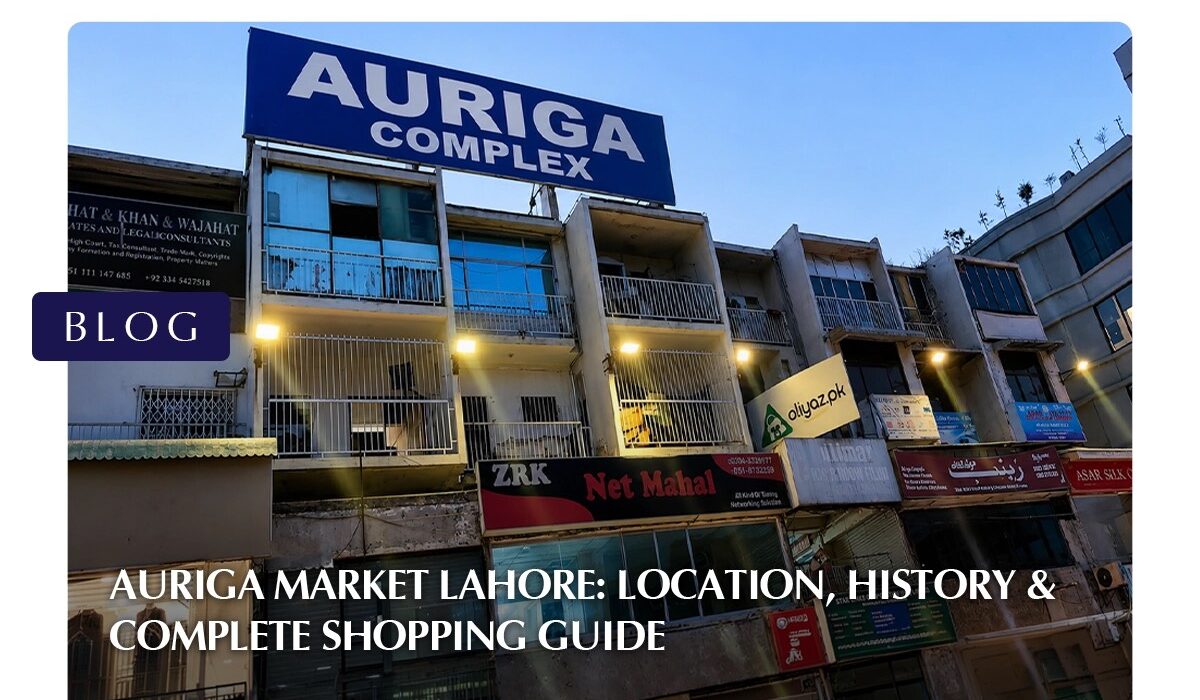
Auriga Market is one of Lahore’s most recognisable shopping destinations, known for its mix of clothing outlets, bridal wear shops, and everyday retail under one roof. Tucked into the heart of Gulberg, Auriga Market Lahore draws shoppers from across the city looking for affordable fashion, home essentials, and a lively local shopping experience. This guide covers the market’s history, its exact location, what to shop for, prices, timings, and how the old and new sections differ.
Key Information About Auriga Market Lahore
Detail
Information
Area
Gulberg, Lahore
Nearest intersection
Main Boulevard Gulberg & Zahoor Elahi Road
Known aliases
Auriga Complex, Auriga Centre, New Auriga Shopping Mall
Common misspelling
Origa Market
Floors
Multi-storey (3+ floors in the newer sections)
Typical price range
Roughly PKR 1,500 to PKR 30,000 for most clothing items
Weekday timings
Monday to Saturday, late morning to late evening
Sunday timings
Afternoon start, open later into the night
Parking
Available, limited during peak hours
History of Auriga Market
Auriga Market traces its roots back several decades to a small cluster of shops in Gulberg. What is now referred to as the old Auriga Market Lahore began as a modest commercial strip before growing into a full multi-storey complex.
The market takes its name from the original Auriga Complex, one of the first multi-storey commercial buildings to come up in the area at the time. That early structure set the tone for the retail development that followed.
Old Auriga Market vs. New Auriga Shopping Mall
Over the years, newer retail blocks were built alongside the original structure, and today the market is generally split into two identifiable parts:
Old Auriga Market Lahore – the original complex, still referenced by name in property listings and by long-time traders in the area. It houses smaller, more established shops, several of which have operated for decades.
New Auriga Shopping Mall – the newer, larger multi-storey section built later on the same stretch, spread across multiple floors with a higher shop count and a stronger focus on bridal wear and unstitched fabric.
Both sections sit close enough to each other that most visitors treat them as one continuous market, even though they have distinct commercial identities on paper.
Auriga Market Lahore Location
The Auriga Market Lahore location sits right at the intersection of Main Boulevard Gulberg and Zahoor Elahi Road, placing it firmly in one of Lahore’s most central and well-connected localities.
Its position makes it an easy stop for residents of Gulberg, Model Town, and Garden Town, and it is close to Ferozepur Road as well, which brings in shoppers from further afield.
How to Get There
Mode of transport
Notes
Private car
Direct access via Main Boulevard Gulberg; parking is limited during peak hours
Ride-hailing (Careem, Uber)
Widely used and generally the most convenient option
Public bus
Regular routes pass through Gulberg
Rickshaw
Easily available for short-distance trips within Gulberg and nearby areas
Shopping Categories at Auriga Market
Auriga Market is best known for its clothing and fashion offerings, but the range extends well beyond that.
This is the market’s biggest draw. Well-known names such as Bareeze, Khaadi, and Alkaram Studio have outlets here alongside independent shops selling local and imported fabric.
Tailoring shops are common too, offering custom stitching for anything purchased on-site, useful for shoppers who want a finished outfit rather than just fabric.
Jewellery, Footwear, Home Décor, and Electronics
Beyond clothing, the smaller speciality shops round out the market’s appeal: jewellery stores stock both everyday and occasion pieces, footwear shops cover the full range from traditional to modern styles, and a handful of electronics and home décor shops mean a single trip can cover several errands at once.
Food and Dining at Auriga Market
Shopping trips at Auriga Market are usually paired with a food break.
Street food – golgappas, samosas, chana chaat, and jalebi from vendors around the complex
Cafes and casual restaurants – a mix of Pakistani, Chinese, and fast food options nearby
Quick bites for wholesale buyers – small eateries that stay open through the market’s busier trading hours
Who Visits Auriga Market
Budget-conscious shoppers looking for negotiable prices on clothing and accessories
Brides and wedding shoppers sourcing bridal wear, jewellery, and fabric in one trip
Wholesale and bulk buyers stocking up on fabric or ready-made garments for resale
Local families running errands across clothing, footwear, and home décor in a single visit
Facilities: Banking, Parking, and Security
Several bank branches and ATMs operate in and around the market, which is useful given the volume of daily transactions in the area.
Parking is available but limited, and spaces can fill up quickly during peak hours, so visiting during off-peak times or using public transport is generally more convenient.
Security personnel and CCTV coverage are present throughout the complex, though shoppers are still advised to stay alert in crowded sections, as with any busy commercial area.
How Auriga Market Compares to Other Lahore Markets
Shoppers after negotiable prices and traditional wear tend to prefer Auriga Market. Those wanting fixed prices and branded outlets are generally better served at Packages Mall, while Liberty Market sits somewhere in between.
Auriga Market’s central location means several other well-known Lahore spots are close by:
Liberty Market – a short drive away, offering a similar mix of local and international retail
MM Alam Road – known for upscale dining and boutiques, ideal for winding down after shopping
Gaddafi Stadium – home ground of Pakistan’s national cricket team, a short distance from the market
Best Time to Visit Auriga Market
Late mornings and early afternoons tend to be less crowded, making them a better time to browse without the rush. Evenings, particularly on weekends, see the highest footfall, so shoppers looking for a quieter experience may prefer visiting earlier in the day.
Wedding season and the run-up to Eid are consistently the busiest periods, since bridal wear and fabric shops see the highest demand at those times.
Tips for Shopping at Auriga Market
Carry cash – many smaller shops don’t accept cards
Bargain confidently – negotiation is a normal part of shopping here, especially for clothing and accessories
Visit off-peak – late mornings on weekdays are quieter than weekend evenings
Plan for parking – arrive early or use ride-hailing during busy hours
Compare a few shops first – prices for similar items can vary between stores within the same market
FAQs About Auriga Market
The following are some of the FAQs.
Where exactly is Auriga Market located?
The Auriga Market Lahore location is at the intersection of Main Boulevard Gulberg and Zahoor Elahi Road, close to Ferozepur Road.
What is the difference between the old and new sections of the market?
The old Auriga Market Lahore refers to the original Auriga Complex, one of the area’s first multi-storey commercial buildings. The New Auriga Shopping Mall is the larger, newer section built later on the same stretch, with more floors and a bigger focus on bridal wear.
Is Auriga Market budget-friendly?
Yes. It caters to a wide range of budgets, with both affordable and higher-end options available across clothing, jewellery, and footwear shops. Most clothing items fall roughly between PKR 1,500 and PKR 30,000.
What are the market’s general timings?
The market generally operates from late morning to late evening on weekdays and Saturdays, with a later start and later closing on Sundays.
Is parking available at Auriga Market?
Parking is available but limited, and it can fill up quickly during busy hours. Off-peak visits or ride-hailing are recommended.
What can I buy at Auriga Market?
Shoppers can find clothing and unstitched fabrics, bridal wear, jewellery, footwear, home décor items, and electronics accessories.
How does Auriga Market compare to Liberty Market or Packages Mall?
Auriga Market is better suited to shoppers who want negotiable prices and traditional wear. Liberty Market offers a broader brand mix, while Packages Mall is the choice for fixed prices and international brands.
Conclusion
Auriga Market remains one of Gulberg’s most practical and popular shopping destinations, combining a long-standing local history with a wide range of retail options under one roof. Whether visiting the old Auriga Market Lahore section or the newer additions around it, shoppers consistently find a mix of affordability, variety, and convenience that keeps the market relevant year after year.
BBC-featured Content Specialist with a sharp eye for search intent and a proven ability to turn content into a growth engine. I leverage cutting-edge digital marketing tools to craft strategies that fuel organic traffic, amplify brand growth, and own the local SEO landscape, particularly across the competitive real estate market. I help brands dominate search rankings and convert visibility into measurable business success.
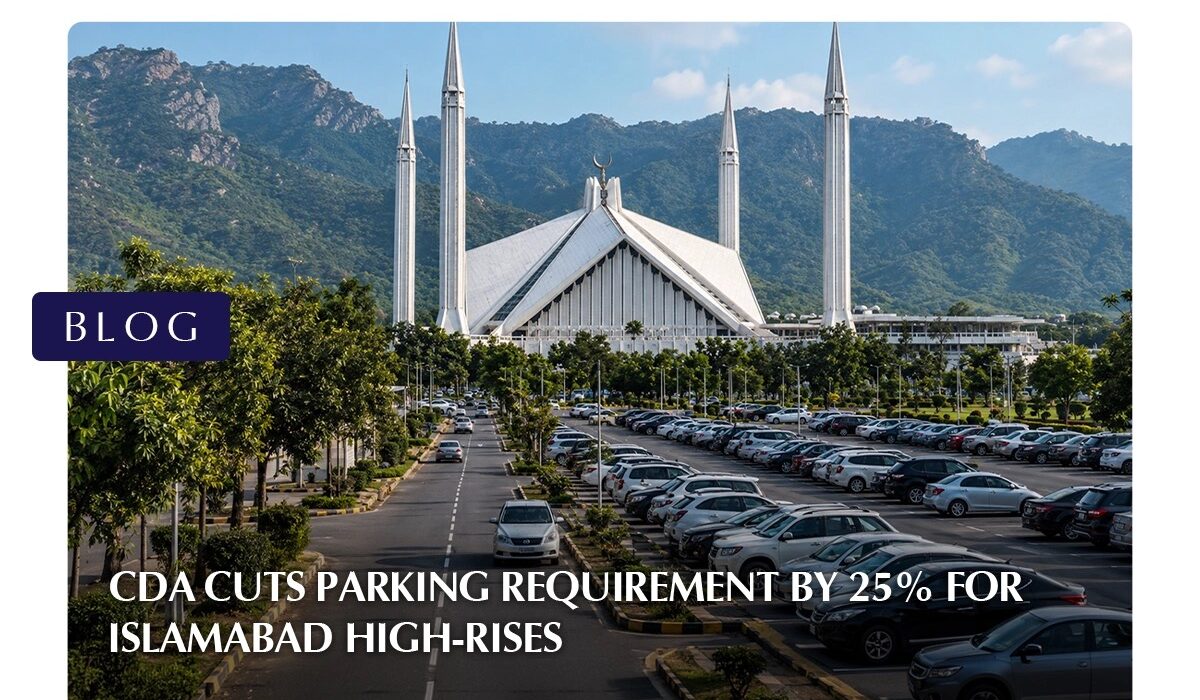
ISLAMABAD: The Capital Development Authority (CDA) has reduced the mandatory parking requirement for high-rise commercial buildings in Islamabad, lowering it from one space per 750 square feet of covered area to one per 1,000 square feet, effective immediately.
The decision was approved at the 10th CDA Board meeting of FY26, chaired by CDA Chairman and Chief Commissioner Islamabad Sohail Ashraf. Officials said the previous ratio had forced some projects to excavate up to six basement levels to meet parking norms, raising structural and safety concerns for commercial developers.
The Islamabad Chamber of Commerce and Industry, along with builders and developers, had repeatedly pushed for the revision. The authority said the new benchmark brings Islamabad’s parking standards in line with those used by regulatory bodies in other cities, and is expected to ease the approval process for commercial building plans while encouraging fresh construction activity in the capital.
The revised formula also applies to plots offered in CDA’s open commercial auction held August 4-6, as well as future auctions, with the authority confirming that auction terms and conditions have been updated to reflect the change.
Ashraf said CDA would continue introducing facilitative measures to support planned urban development and investment in the federal capital, adding that the relaxed parking norms are intended to directly stimulate high-rise commercial construction in Islamabad going forward.
BBC-featured Content Specialist with a sharp eye for search intent and a proven ability to turn content into a growth engine. I leverage cutting-edge digital marketing tools to craft strategies that fuel organic traffic, amplify brand growth, and own the local SEO landscape, particularly across the competitive real estate market. I help brands dominate search rankings and convert visibility into measurable business success.
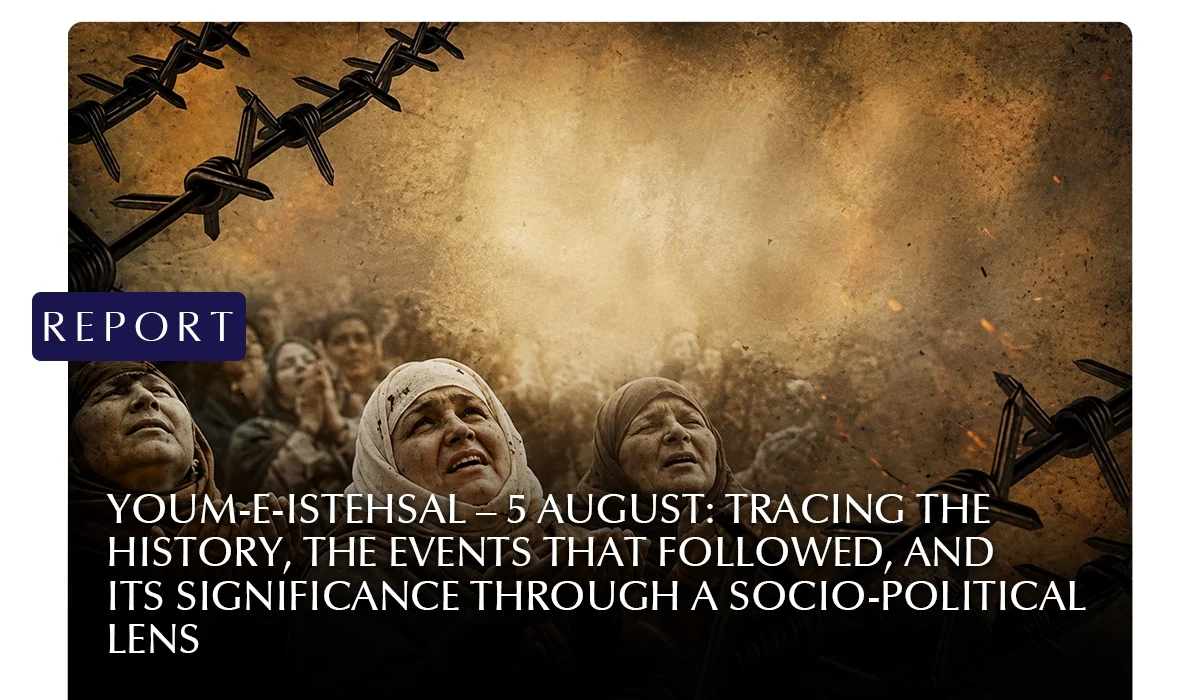
Every year on 5 August, Pakistan observes Youm-e-Istehsal (“Day of Exploitation”), commemorating the anniversary of India’s 2019 decision to revoke Articles 370 and 35A of its constitution, which had granted special autonomous status to Jammu and Kashmir. Islamabad regards that move as a unilateral and illegal change to the disputed region’s status, in violation of UN Security Council resolutions calling for a plebiscite on Kashmir’s future. New Delhi, for its part, maintains that the action was an internal constitutional matter and that Jammu and Kashmir is an integral part of India, a position Pakistan does not recognise.
The day was first observed nationally in 2020, on the one-year anniversary of the move, and has since become a fixture of Pakistan’s official calendar tied to the broader Kashmir dispute with India.
Article 370 and Kashmir’s Special Status
Article 370 gave Jammu and Kashmir special constitutional status, including greater autonomy over internal matters. Article 35A allowed the region to define permanent residents and related property and employment rights.
On August 5, 2019, India revoked Article 370 and divided the former state into the union territories of Jammu and Kashmir and Ladakh. India’s Supreme Court upheld the decision in December 2023.
Impact on Rights and International Law Concerns
The 2019 decision was followed by security restrictions, internet shutdowns, and detentions. Human rights groups and some UN officials raised concerns about civil liberties and demographic changes.
Pakistan continues to raise the Kashmir issue internationally, while India maintains that the constitutional changes were an internal and lawful matter.
Political Significance
For Pakistan, 5 August carries weight on several levels:
Diplomatic positioning: The day is used to reaffirm Pakistan’s long-standing call for Kashmiris’ right to self-determination under UN resolutions, and to keep the dispute visible on international platforms.
National consensus symbol: Observance draws participation from the government, opposition parties, and the military leadership alike, signalling rare unity on the Kashmir issue across Pakistan’s otherwise polarised political spectrum.
Domestic messaging: It reinforces the state narrative that Pakistan’s foreign policy remains anchored in support for Kashmiris, a position with deep resonance in domestic public opinion.
Annual diplomatic renewal: Each anniversary is used to argue that India’s 2019 action has not altered the disputed status of the territory under international law, nor diminished Kashmiri aspirations for self-determination.
How Pakistan Observes the Day — Government Level
This year, on Wednesday, 5 August 2026, the observance is being marked as follows:
No public holiday: The Cabinet Division clarified in advance that 5 August 2026 would not be a public holiday, despite social media speculation.
Nationwide one-minute silence: On the Prime Minister’s directions, a coordinated one-minute silence is being observed across the country at 9:00 a.m., with the Cabinet Division instructing all federal ministries, provincial governments, constitutional offices, and law enforcement agencies to ensure uniform participation. Sirens are sounded to mark the moment.
Official rallies: A rally is being held on Constitution Avenue in Islamabad, with participation from federal ministers and parliamentarians. Similar rallies are taking place across all four provinces, as well as Azad Jammu and Kashmir and Gilgit-Baltistan.
Leadership statements: President Asif Ali Zardari and Prime Minister Shehbaz Sharif issued separate messages reaffirming Pakistan’s solidarity with Kashmiris, describing 2019’s action as unlawful and vowing to continue raising the issue at international forums.
Media directives: The government has directed wide publicity of the observance through both English and Urdu print and electronic media.
How Individuals and Civil Society Mark the Day
Public participation in the silence and rallies: Citizens are encouraged to pause at 9:00 a.m. alongside the official observance, and many join organised rallies and seminars in their cities.
Seminars and awareness events: Universities, civil society organisations, and political parties typically hold seminars, panel discussions, and awareness drives on the Kashmir dispute around this date.
Media and cultural productions: Television channels, radio stations, and print media run special segments, documentaries, and opinion pieces; in past years, this has included patriotic songs and productions by state media bodies.
Social media campaigns: Hashtags and solidarity posts circulate widely, with individuals sharing content in support of Kashmiris’ right to self-determination.
Kashmiri diaspora and APHC-linked activities: Kashmiri groups both in Pakistan-administered areas and internationally, including calls from the All Parties Hurriyat Conference, urge a general shutdown and protest rallies in Indian-administered Jammu and Kashmir, in parallel with Pakistan’s domestic observance.
This was all about Youm-e-Istehsaal For more information on relevant issues, please visit Chakor.
BBC-featured Content Specialist with a sharp eye for search intent and a proven ability to turn content into a growth engine. I leverage cutting-edge digital marketing tools to craft strategies that fuel organic traffic, amplify brand growth, and own the local SEO landscape, particularly across the competitive real estate market. I help brands dominate search rankings and convert visibility into measurable business success.
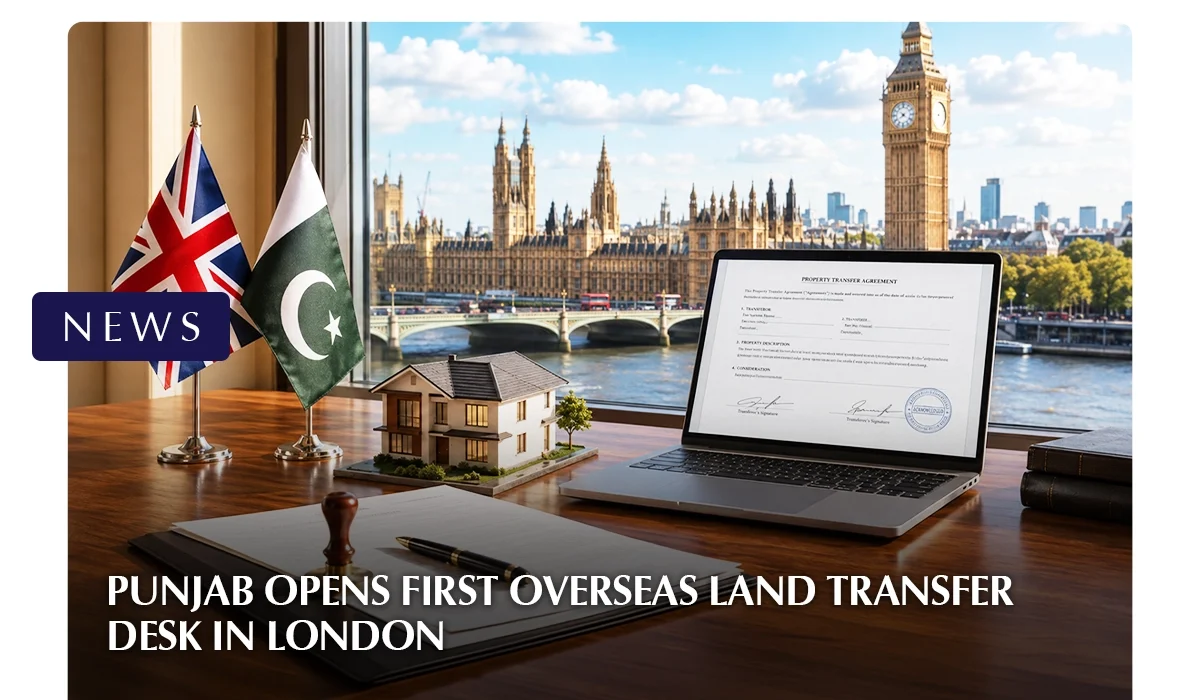
LAHORE: The Punjab Land Records Authority (PLRA), in collaboration with the Board of Revenue Punjab, has inaugurated the province’s first overseas property transfer desk in London, allowing overseas Pakistanis to complete land and property transactions without travelling to Pakistan.
The facility was formally launched at the Pakistan High Commission in London on August 3, 2026, marking the first international expansion of Punjab’s land transfer services for the Pakistani diaspora.
Under the new arrangement, overseas Pakistanis can process property transfers in Punjab through the London desk in a more convenient, secure, and transparent manner. The initiative is designed to simplify documentation requirements and reduce the need for costly and time-consuming travel for land-related transactions.
Officials said the facility aims to enhance transparency, convenience, and innovation in land administration, while ensuring secure record-keeping for the diaspora community.
The PLRA is now preparing to replicate the model in Saudi Arabia and the United Arab Emirates within the next 30 days, extending overseas transfer facilities to two of the largest hubs of Pakistani expatriates.
Authorities said the expansion is part of a broader push to digitise and internationalise Punjab’s land records system, with the goal of strengthening overseas Pakistanis’ confidence in the province’s property regulatory framework and improving the overall efficiency of land-related services beyond the country’s borders.
BBC-featured Content Specialist with a sharp eye for search intent and a proven ability to turn content into a growth engine. I leverage cutting-edge digital marketing tools to craft strategies that fuel organic traffic, amplify brand growth, and own the local SEO landscape, particularly across the competitive real estate market. I help brands dominate search rankings and convert visibility into measurable business success.
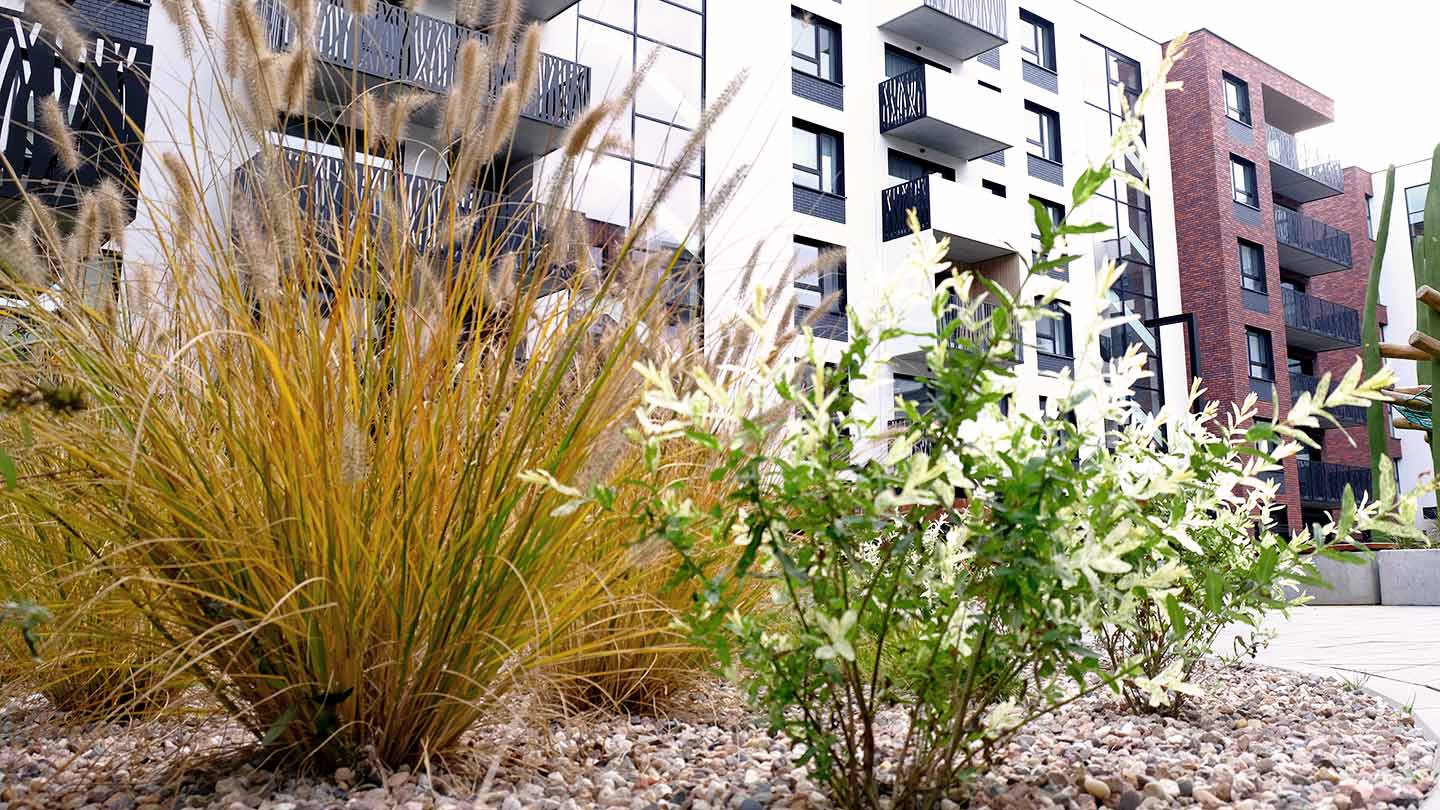
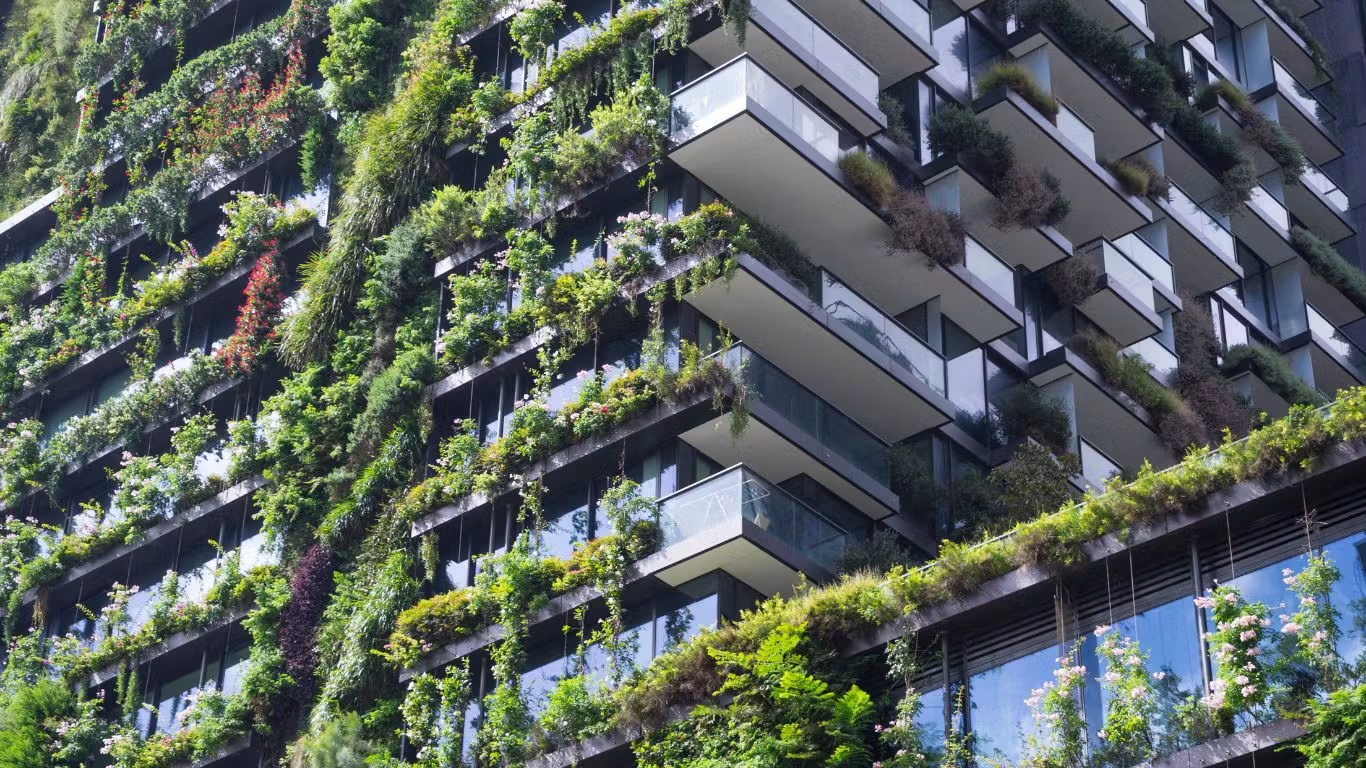
Pakistan’s real estate sector is entering a new era, one where climate-resilient real estate is no longer a niche concept but a market necessity. The 2022 floods submerged nearly a third of the country and caused an estimated $40 billion in damage, a stark reminder that the built environment cannot ignore climate risk any longer. Today, buyers, investors, and developers are rethinking how homes and commercial spaces are designed, built, and certified. Climate-resilient real estate now sits at the center of that shift, supported by sustainable real estate development practices and growing demand for green building certification across major cities.
This blog explains what climate-resilient real estate means for Pakistan, why it matters, and how the market is adapting.
What Is Climate-Resilient Real Estate?
Climate-resilient real estate refers to properties designed and constructed to withstand climate-related stressors such as flooding, extreme heat, and unpredictable rainfall, while protecting the wellbeing of residents and maintaining long-term asset value. It goes beyond aesthetics or energy savings. It is about ensuring a building can function safely and efficiently even as weather patterns become more extreme.
In Pakistan, this is not a distant concern. The housing sector faces a significant shortfall alongside growing climate risks, and most existing structures were never built to handle the intensity of floods, heatwaves, or storms the country now experiences. Climate-resilient real estate addresses this gap through better materials, smarter design, and disaster-aware planning.
Why Climate-Resilient Real Estate Matters for Pakistan
Pakistan ranks among the countries most vulnerable to climate change, yet much of its housing stock was never designed with resilience in mind. A few reasons this matters now more than ever:
Rising climate risk affects property value. Buildings that perform better against flooding, heat, and extreme weather tend to command higher rents and stronger resale value, while vulnerable properties face higher insurance and maintenance costs over time.
Urban flooding is a recurring threat. Karachi, Lahore, and other major cities regularly face monsoon flooding, making resilient drainage, elevated foundations, and flood-resistant materials essential rather than optional.
Energy and water demand keep rising. Passive design, insulation, and efficient systems reduce strain on an already stressed power grid while lowering utility bills for residents.
Investor expectations are shifting. Global capital increasingly favours developments that can demonstrate climate resilience and sustainability credentials, particularly as international investors look at Pakistan’s property sector.
Sustainable Real Estate Development
Climate-resilient real estate does not happen by accident. It is the outcome of deliberate sustainable real estate development, a process that integrates energy efficiency, resource-conscious design, and disaster resilience from the earliest planning stages rather than as an afterthought.
In practice, sustainable real estate development in Pakistan increasingly includes:
Low-carbon construction materials, such as autoclaved aerated concrete (AAC) blocks and interlocking bricks, which studies show can meaningfully reduce cooling energy demand and construction costs compared to conventional materials.
Passive design strategies, including solar orientation, natural ventilation, and shading, which reduce dependence on mechanical cooling in Pakistan’s hot climate.
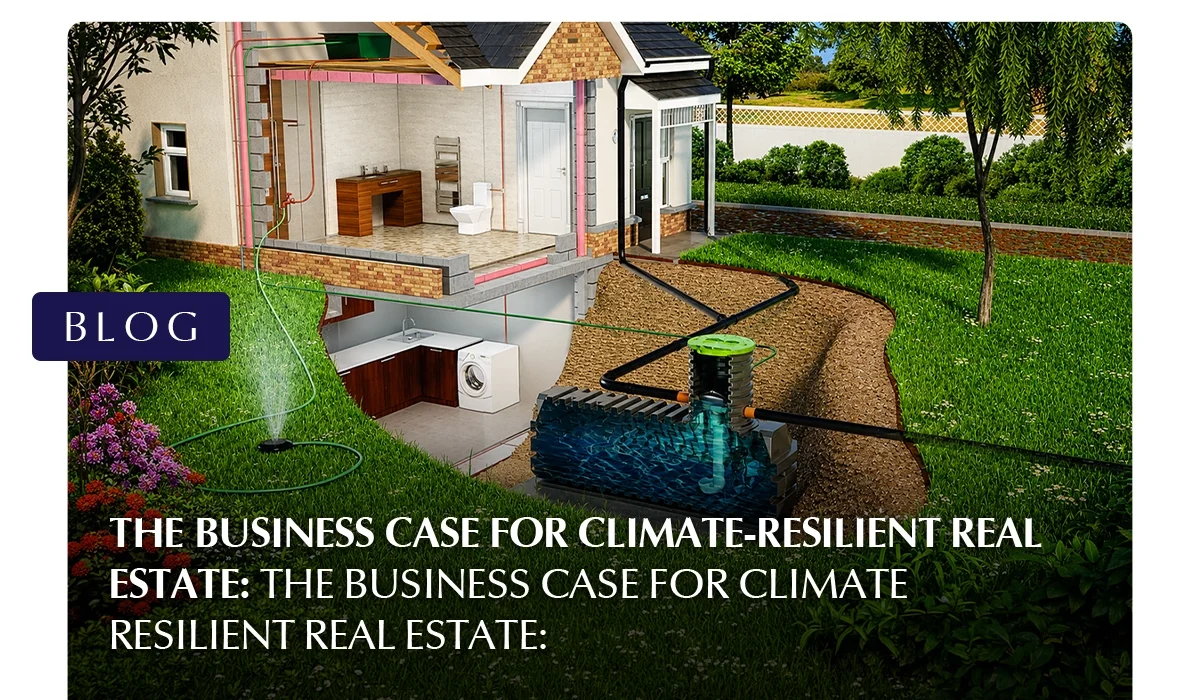
Water conservation systems, such as rainwater harvesting and greywater recycling, which help offset the country’s growing water scarcity.
Renewable energy integration, particularly solar panels, which take advantage of Pakistan’s abundant sunlight to cut electricity costs and reduce grid dependence.
Resilient infrastructure planning, including improved drainage, elevated site design, and flood-conscious layouts for master-planned communities.
Developers who commit to sustainable real estate development are not just responding to climate risk; they are also meeting a clear shift in buyer expectations, especially among younger, environmentally conscious purchasers and overseas Pakistanis evaluating long-term investments.
The Role of Green Building Certification
Green building certification has become one of the clearest ways for developers to prove that a project meets recognised sustainability and resilience standards, rather than simply claiming it. Two frameworks are shaping this conversation in Pakistan:
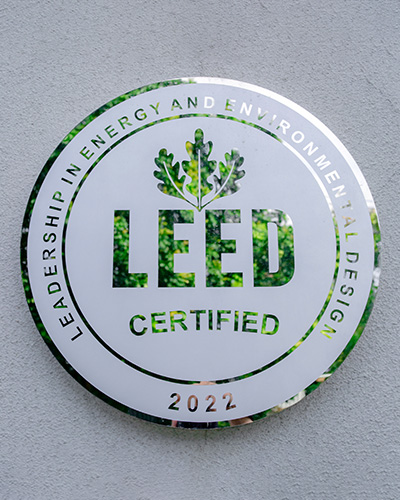
LEED (Leadership in Energy and Environmental Design), developed by the U.S. Green Building Council, remains the world’s most widely used green building rating system. It evaluates projects on energy efficiency, water conservation, material selection, and indoor environmental quality, awarding certification levels from Certified up to Platinum. LEED-certified buildings can cut electricity and water bills significantly, an important advantage in a market facing rising energy costs.
EDGE (Excellence in Design for Greater Efficiencies), an IFC-backed certification, simplifies green building design and focuses on resource efficiency and net-zero performance. EDGE also supports a Building Resilience Index, giving developers, banks, insurers, and governments a way to assess and disclose climate resilience across a portfolio.
Green building certification is gaining real traction in Pakistan. Institutions and urban development authorities have started pursuing LEED and EDGE recognition for major projects, signalling that certification is moving from a rare achievement to an expected standard for large-scale developments.
For developers, pursuing certification demonstrates credibility to both local buyers and international investors, while positioning a project ahead of regulatory trends that are likely to tighten in the coming years.
How Pakistan’s Property Market Is Responding
The shift toward climate-resilient real estate is visible across Pakistan’s major cities. In Karachi, new projects increasingly feature solar power, rainwater harvesting, and green building certification as standard offerings rather than premium add-ons.
In Lahore and Islamabad, urban development authorities and private developers are integrating resilient infrastructure, smart mobility, and green public spaces into master-planned communities.
This momentum is also being supported at the policy level. Recent reforms, including reductions in withholding tax and the removal of Federal Excise Duty on certain property transactions, have lowered the cost of developing and investing in real estate, creating more room for developers to invest in sustainable features without passing steep costs onto buyers.
For overseas Pakistanis and institutional investors, climate-resilient real estate offers a practical advantage: lower long-term operating costs, stronger asset protection against extreme weather, and greater alignment with the sustainability standards increasingly demanded by global capital.
What Buyers and Investors Should Look For
When evaluating a property or project for climate resilience, a few practical indicators are worth checking:
Certification status — Is the project pursuing or holding LEED, EDGE, or an equivalent green building certification?
Drainage and flood planning — Does the site design account for monsoon flooding and urban drainage capacity?
Material choices — Are low-carbon, insulating materials used to reduce cooling demand?
Water and energy systems — Does the development include rainwater harvesting, solar power, or greywater recycling?
Long-term maintenance plans — Is there a clear strategy for monitoring and maintaining resilience features after handover?
Final Thoughts
Climate-resilient real estate is fast becoming the defining standard for Pakistan’s property market, not a future ambition but a present-day requirement. As climate risks intensify, sustainable real estate development and green building certification are giving developers a credible framework to build safer, more efficient, and more valuable properties. For buyers and investors alike, understanding these standards is no longer optional. It is central to making sound, future-focused property decisions in Pakistan.
As one of Pakistan’s leading real estate developers, Chakor continues to track these shifts closely, ensuring its projects reflect the standards that today’s buyers and international investors expect.
Frequently Asked Questions
What does climate-resilient real estate mean?
It refers to properties built to withstand climate-related risks such as flooding, extreme heat, and storms, while protecting resident wellbeing and long-term property value.
Why is green building certification important in Pakistan?
Green building certification, such as LEED or EDGE, verifies that a project meets recognised standards for energy efficiency, water conservation, and resilience, giving buyers and investors measurable proof of sustainability rather than unverified claims.
How does sustainable real estate development reduce costs?
Sustainable real estate development uses passive design, efficient materials, and renewable energy to lower a building’s energy and water consumption, which reduces utility costs for owners and occupants over the property’s lifetime.
Is climate-resilient real estate more expensive to build?
Some resilient materials and certification processes involve upfront investment, but they typically deliver long-term savings through lower utility bills, reduced maintenance, and stronger resale value.
BBC-featured Content Specialist with a sharp eye for search intent and a proven ability to turn content into a growth engine. I leverage cutting-edge digital marketing tools to craft strategies that fuel organic traffic, amplify brand growth, and own the local SEO landscape, particularly across the competitive real estate market. I help brands dominate search rankings and convert visibility into measurable business success.
KARACHI: A high-level United States business delegation wrapped up a two-day visit to Karachi on Sunday, engaging with Sindh’s provincial leadership to assess investment prospects across multiple sectors under the facilitation of the Special Investment Facilitation Council (SIFC).
On the visit’s second day, delegates held meetings with provincial ministers to review opportunities tied to major development initiatives, including the Bin Qasim Industrial Park and Karachi Industrial Park, alongside other proposed schemes designed to expand industrial and commercial output in the province.
The delegation also received briefings on the Sindh Business One-Stop Shop, Keti Bandar Port, the NED Tech Park, and the proposed Sindh International Financial Centre, with provincial officials detailing each project’s scope and investment potential.
A separate session with the Pakistan Business Council broadened the discussion to capital markets, agriculture, textiles, energy, minerals, and healthcare, among other economic segments.
American delegates conveyed confidence in Pakistan’s strengthening investment climate, citing expanding opportunities across industries. Business representatives further stressed that sustained investor confidence hinges on policy continuity and streamlined regulatory procedures, while crediting SIFC’s coordinating role in advancing ongoing investment efforts.
The visit adds to a string of recent engagements aimed at deepening US-Pakistan commercial ties, with Sindh positioning its industrial parks, port infrastructure, and financial-sector projects as key entry points for foreign capital amid the province’s broader push to court international investors.
BBC-featured Content Specialist with a sharp eye for search intent and a proven ability to turn content into a growth engine. I leverage cutting-edge digital marketing tools to craft strategies that fuel organic traffic, amplify brand growth, and own the local SEO landscape, particularly across the competitive real estate market. I help brands dominate search rankings and convert visibility into measurable business success.
Few names carry as much weight in Lahore’s retail landscape as Liberty Market. For decades, it has stood as the city’s most recognisable shopping destination, a place where fashion, food and everyday commerce meet in one continuously busy stretch of Gulberg III. Whether you are a first-time visitor planning a trip or a local trying to time your next outing right, here is a complete guide to Liberty Market Lahore, its location, timings, shops and the history that shaped it.
Liberty Market Lahore: A Quick Overview
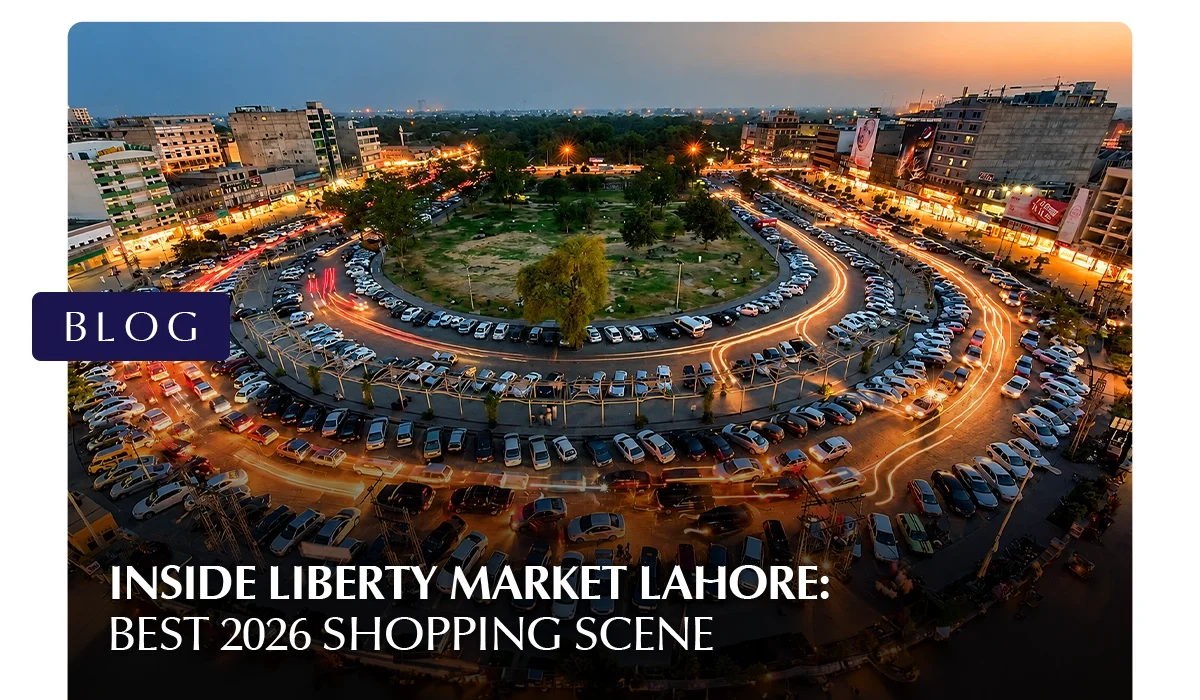
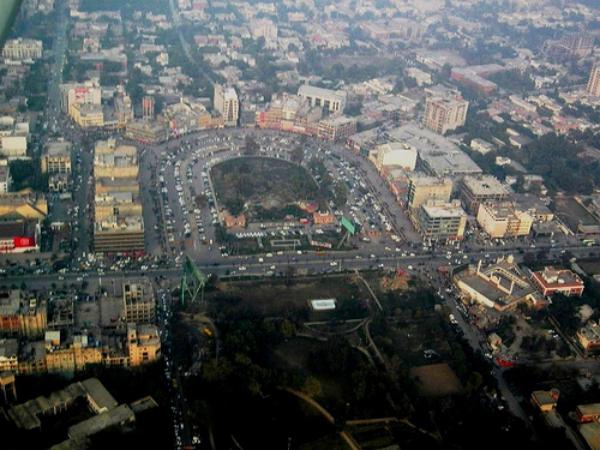
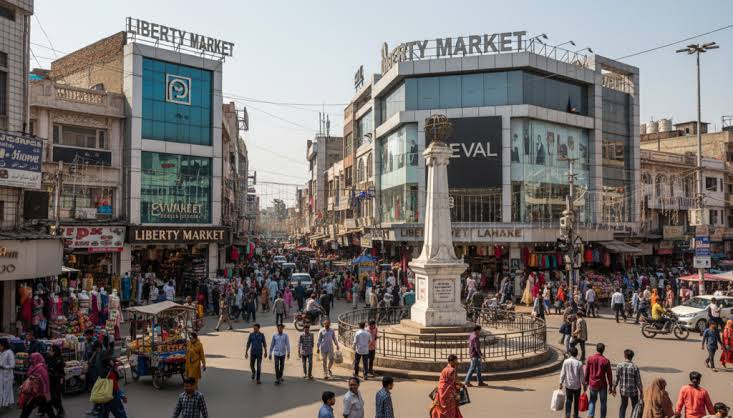
Liberty Market Gulberg III Lahore sits at the intersection of Noor Jehan Road and Main Boulevard Gulberg, right at the roundabout known as Liberty Chowk. It is best described as a flea and street market, known for its chaotic, vibrant atmosphere, its growing reputation as a food street, and the sheer density of shops packed into its distinctive layout.
Liberty Market’s story began in the 1960s, when the market’s blueprint was first approved. At the time, Lahore’s retail scene was already shifting toward newer development trends, and Liberty Market Lahore was planned as the city’s next core shopping district.
Its design and construction drew inspiration from two of the city’s oldest and most established bazaars, Anarkali and Ichra. The goal was to capture the same commercial energy while introducing more modern building patterns that would set Liberty apart and give the city’s retail landscape a fresh boost.
Decades later, the market has held onto much of its original character. The layout and the mix of businesses have stayed largely consistent since the 1960s, with the most visible change being cosmetic. Shops and eateries across the market now use bright LED signage, giving Liberty Market its especially vivid look after dark.
Liberty Market Lahore as Accidental Urban Design
Liberty Market Lahore was never planned around a car-centric layout. Its horseshoe footprint keeps every shop within a short walk of the next, wraps foot traffic around a single continuous loop, and naturally creates the kind of density that modern malls spend enormous budgets trying to simulate through architecture and lighting design.
There is no anchor store pulling shoppers in one direction and no dead zones far from parking. Every point on the loop gets roughly equal footfall, which is part of why rents across the market have stayed commercially viable for shop owners across generations, rather than favouring a handful of premium corner units the way linear plazas typically do.
This also explains something locals know intuitively but rarely articulate: Liberty Market functions socially the way an old town square does. The loop encourages circling back, running into people, stopping for food, and browsing without a fixed endpoint, more akin to a European pedestrian quarter than a typical South Asian bazaar or an enclosed mall.
It was not designed with that language in mind in the 1960s, but six decades later, it is a working case study in what urban planners now call “the pedestrian loop effect,” where a self-contained circuit increases dwell time and repeat visits far more effectively than a straight commercial strip.
For a city that is now building glass-fronted, vertically stacked commercial towers, Liberty Market Lahore is a reminder that some of Lahore’s most enduring commercial real estate wasn’t engineered by planners chasing a trend.
It grew out of a simple loop that happened to get pedestrian flow right, and it has quietly outlasted several generations of newer retail concepts as a result.
Liberty Market Location and How to Get There
Liberty Market location places it firmly within Gulberg, one of Lahore’s most commercially active and centrally located neighbourhoods. It sits directly along Noor Jehan Road, a short walk from Liberty Chowk where Noor Jehan Road meets Main Boulevard Gulberg.
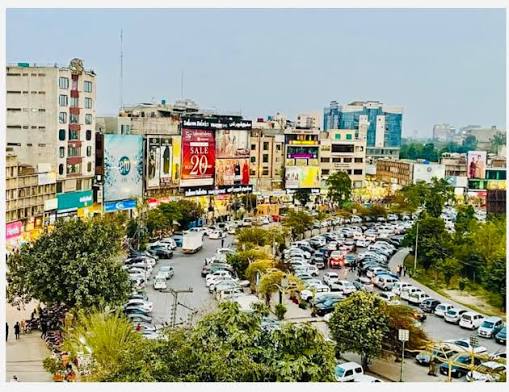
Because of this position, Liberty Market Gulberg III Lahore is easy to reach from almost any part of the city, and the surrounding roundabout functions as one of Lahore’s most recognisable landmarks. Local shop owners and retailers treat the intersection as a point of pride, tied closely to the market’s identity.
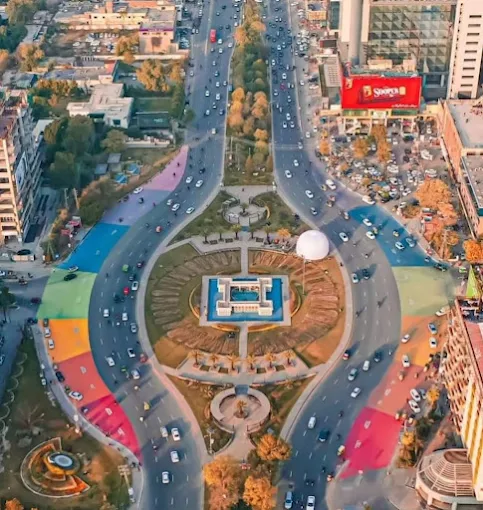
The roundabout itself has also gone through a visible transformation in recent years. As part of a broader push to improve Lahore’s infrastructure and public spaces, the provincial government carried out a beautification project at Liberty Chowk, adding multi-colored landscaping, a fountain that lights up at night, and a well-maintained park around the circle.
There was also a proposal to formally rename Liberty Chowk to Rainbow Square, a change that met considerable pushback from residents who see the original name as tied to decades of memory and local identity.
Liberty Market Shops: What You Will Find
The Liberty Market shops list leans heavily toward fashion, and in particular, fashion for women. Clothing, accessories, jewellery and cosmetics make up the bulk of what is on offer, with entire rows of the market dedicated to specific categories.
A distinctive feature of Liberty Market is its community of independent tailors. These are standalone operators, not linked to any particular fashion label, and several rows of the market are reserved specifically for tailors who stitch clothing for women. This makes Liberty Market Lahore as much a place to get something custom made as it is a place to shop off the rack.
Beyond clothing, visitors will also come across social aid kiosks set up by various organisations throughout the market, a common sight across Lahore’s busier public spaces. These stalls typically raise funds to support relief efforts following natural disasters or to assist communities facing hardship in more remote parts of the country.
For anyone building a shopping list before visiting, the market rewards a bit of planning. Because it is organised loosely by category and row, deciding what you are looking for first, whether that is formal wear, everyday clothing, accessories or a tailor, will make navigating the market considerably easier.
Liberty Market Lahore Timings
Liberty Market Lahore timings generally run from around midday into the late evening, with the market at its busiest after sunset when the LED signage lights up and the street food stalls fill in.
Most shops close on Sundays and public holidays, so it is worth checking with individual shopkeepers if you are planning a visit on those days, since hours can vary somewhat from store to store.
Evenings tend to offer the best version of Liberty Market, with cooler weather, fuller crowds and the market’s food stalls in full swing. If your goal is simply to shop without the crowds, an earlier weekday visit will be a calmer experience.
Food and Dining Around Liberty Market
Liberty Market’s reputation extends well beyond clothing and accessories. The area surrounding Liberty Chowk has become one of Lahore’s more established dining destinations, home to well-known names like Monal Rooftop Restaurant, Casa Bianca, Salt’n Pepper, Freddy’s Cafe and Howdy’s Restaurant.
Street food vendors add another layer to the experience, offering some of the city’s most popular quick bites right alongside the market’s shopping lanes.
For many visitors, a trip to Liberty Market Lahore is as much about the food as it is about the shopping, and the two experiences tend to blend into one long evening out.
Why Liberty Market Still Matters
Liberty Market Lahore has held its place at the center of the city’s retail identity for more than half a century, and that staying power says something about how well it continues to serve both shoppers and businesses.
It reflects a wider slice of Pakistani culture too, where shopping, dining, and simply spending time with family and friends often happen in the same place, at the same time.
Citadel Prime: A New Landmark Minutes From Liberty Market
Liberty Market’s location at the heart of Gulberg has long made this stretch of the city one of Lahore’s most valuable addresses, and that same commercial energy is now shaping the area’s next major development.
Citadel Prime, by Chakor Ventures, is a mixed-use development on Main Boulevard Gulberg bringing together premium corporate offices and branded apartments just minutes from Liberty Chowk.
Positioned within the same high-demand corridor that has made Gulberg synonymous with prime real estate, Citadel Prime offers a rare opportunity to live, work and invest at the center of one of Lahore’s most connected neighbourhoods. Learn more about Citadel Prime.
BBC-featured Content Specialist with a sharp eye for search intent and a proven ability to turn content into a growth engine. I leverage cutting-edge digital marketing tools to craft strategies that fuel organic traffic, amplify brand growth, and own the local SEO landscape, particularly across the competitive real estate market. I help brands dominate search rankings and convert visibility into measurable business success.
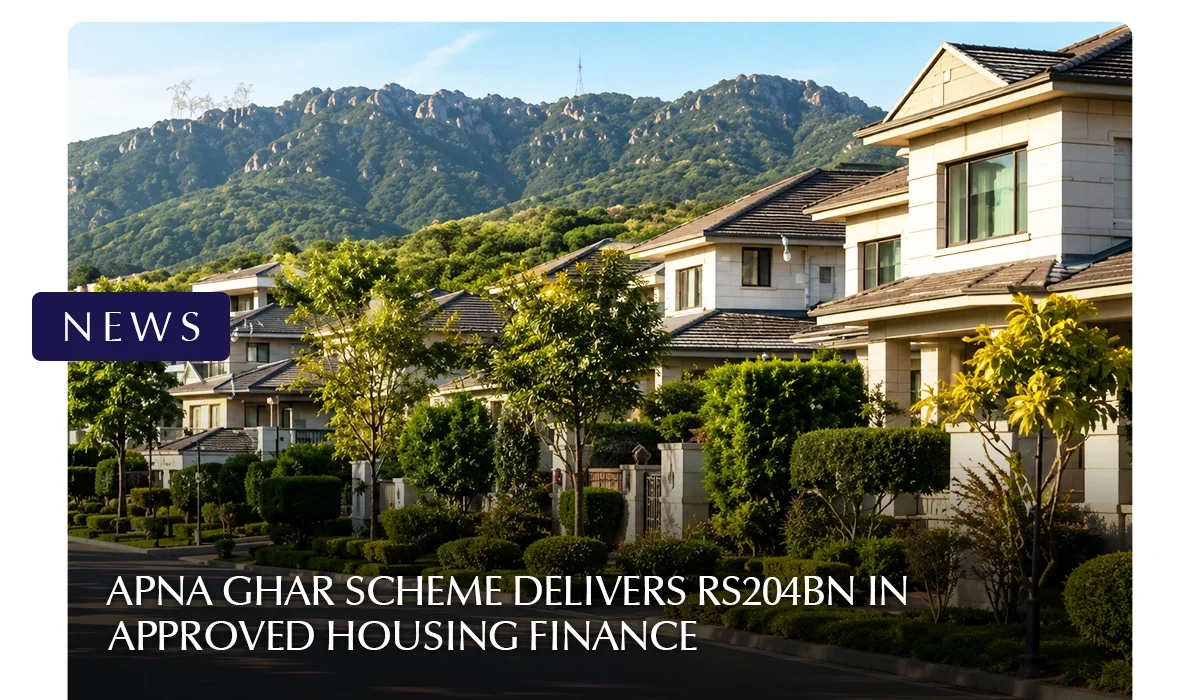
ISLAMABAD: Banks have approved housing finance worth Rs204 billion under the Prime Minister’s Apna Ghar Scheme, with Rs27 billion already disbursed to beneficiaries, a high-level review meeting was informed on Tuesday.
Chairing the meeting, Prime Minister Shehbaz Sharif said the scheme was designed to enable low- and middle-income households to own homes, describing affordable housing as one of the government’s foremost priorities.
The prime minister directed authorities to accelerate work on the scheme and called on public and private sector banks to expand financing support, aiming to widen access to housing loans for eligible families.
He further instructed relevant departments to devise a comprehensive strategy for both vertical and horizontal housing developments under the initiative, emphasising the need for practical and sustainable solutions to meet the demands of a growing population.
Reaffirming the government’s commitment to providing shelter for disadvantaged and middle-income citizens, the prime minister stressed that close coordination among all stakeholders remains essential for the scheme’s timely and successful execution.
The meeting was attended by Federal Minister for Finance and Revenue Muhammad Aurangzeb, Federal Minister for Housing and Works Riaz Pirzada, Minister of State for Finance and Railways Bilal Kayani, and senior government officials.
The Apna Ghar Scheme aims to finance 150,000 homes by June 2027, as part of the government’s broader affordable housing agenda.
BBC-featured Content Specialist with a sharp eye for search intent and a proven ability to turn content into a growth engine. I leverage cutting-edge digital marketing tools to craft strategies that fuel organic traffic, amplify brand growth, and own the local SEO landscape, particularly across the competitive real estate market. I help brands dominate search rankings and convert visibility into measurable business success.
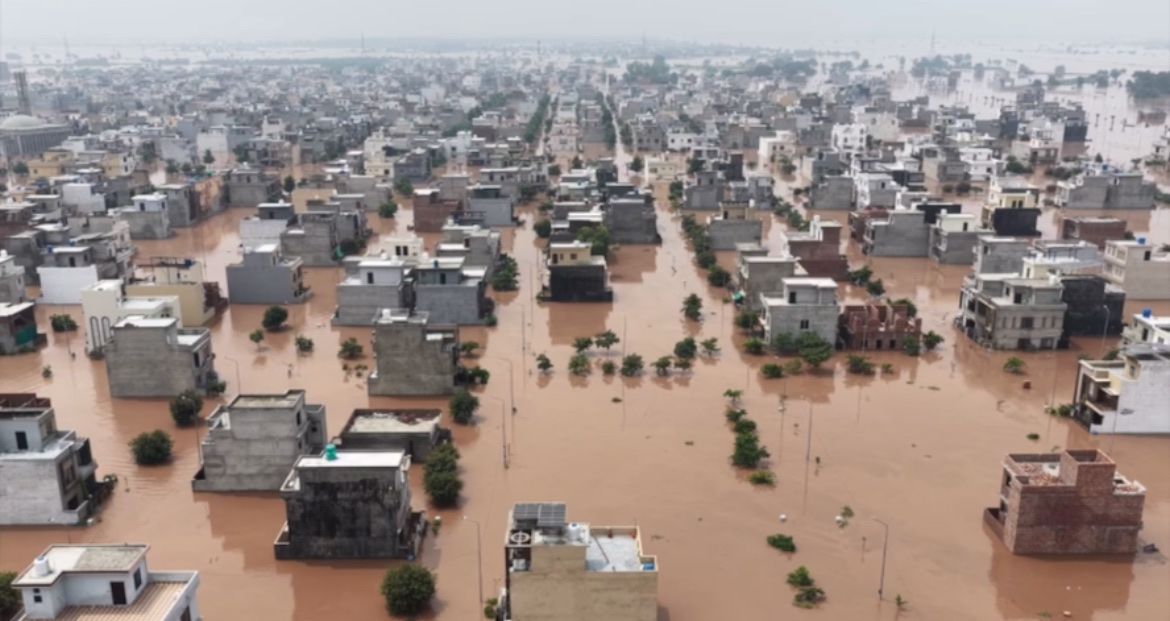
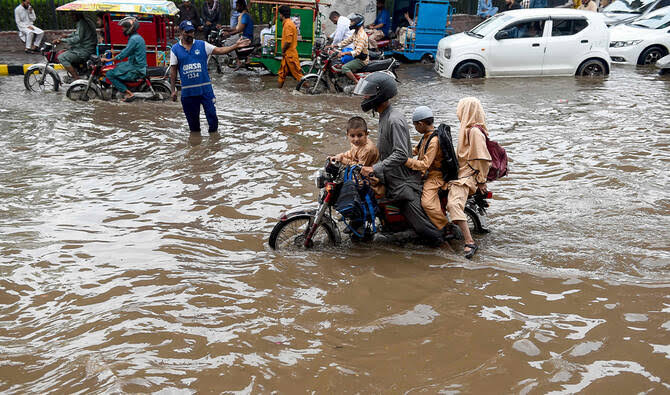
Punjab is once again facing serious flooding this monsoon season. Heavy rains have swelled the province’s major rivers, and thousands of families are watching water levels rise near their homes. This guide explains the current flood in Punjab Pakistan, what is causing it, which areas are most at risk, and what residents can do to stay safe.
Key Facts – Flood in Punjab Pakistan (July 2026)
Category
Key Facts – Flood in Punjab Pakistan
Duration
Punjab experienced 6 consecutive days of monsoon rainfall (as of late July 2026)
Area affected
~400 sq km underwater across Sheikhupura, Muridke, Gujranwala, Narowal, Sambrial, and Pasrur
Main rivers
Chenab and Ravi rivers are at the center of this year’s flooding
Chenab flood points
Medium-to-high flood levels at Marala, Khanki, Qadirabad, and Chiniot Bridge
Ravi flood points
Rising inflows at Abdul Hakeem Headworks and Head Sidhani
Worst-hit districts
Hafizabad, Gujranwala, Sialkot, Jhang
Highest flash flood risk zones
Hill torrents of Dera Ghazi Khan; low-lying areas near the Ravi and Chenab
Also at risk
Northern Balochistan and KPK (flash flood threats)
Lead agencies
PDMA Punjab, and Flood Forecasting Division/FFD
Recent PDMA advisory
Low-to-medium flood levels on Chenab and Jhelum; flash flooding expected in DG Khan (July 28–30)
2025 comparison
Prior year’s monsoon affected 4,400+ villages and ~4.4 million people across Punjab
Mandatory in Islamabad (CDA); linked to groundwater recharge and reduced urban flooding
Key rainwater initiative
IWMI/WaterAid/PCRWR project at Kachnar Park
Broader context
Rising flood frequency linked to climate change in Pakistan (heavier monsoons, faster snowmelt)
Current Flood Situation in Punjab (July 2026)
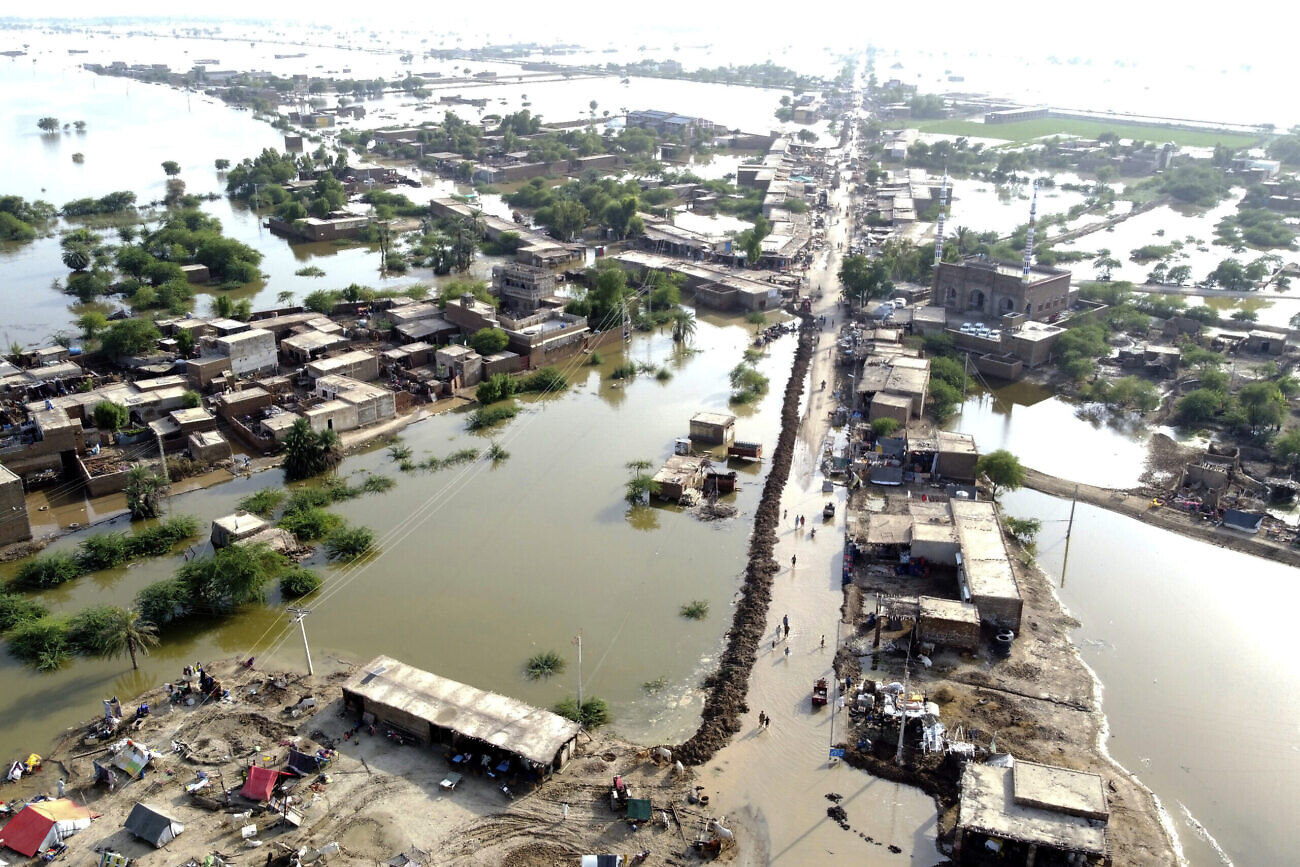
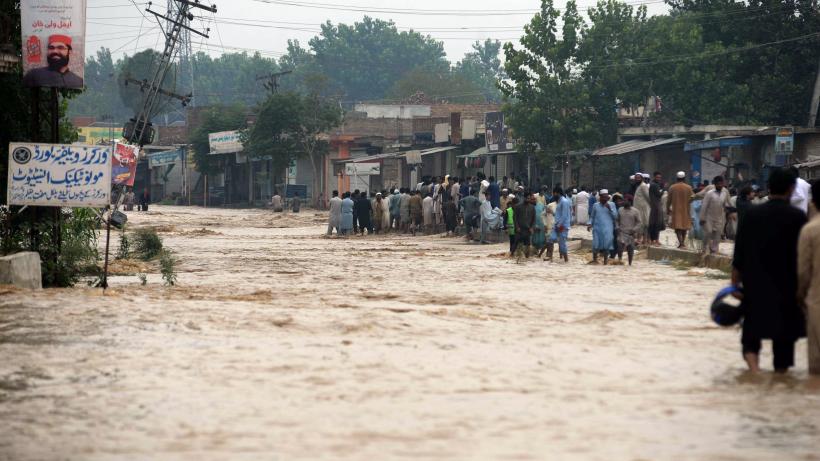
As of late July 2026, Punjab is experiencing its sixth straight day of monsoon rainfall. Nearly 400 square kilometres of land across Sheikhupura, Muridke, Gujranwala, Narowal, Sambrial, and Pasrur have already gone underwater. A senior Punjab irrigation official described the scale of flooding as unprecedented for the region.
The National Disaster Management Authority (NDMA) has warned that flood risk remains high across several parts of the country. Medium-level flooding has been recorded at key points along the Chenab River, and flash flood threats loom over northern Balochistan, Khyber Pakhtunkhwa, and the hill torrents of Dera Ghazi Khan.
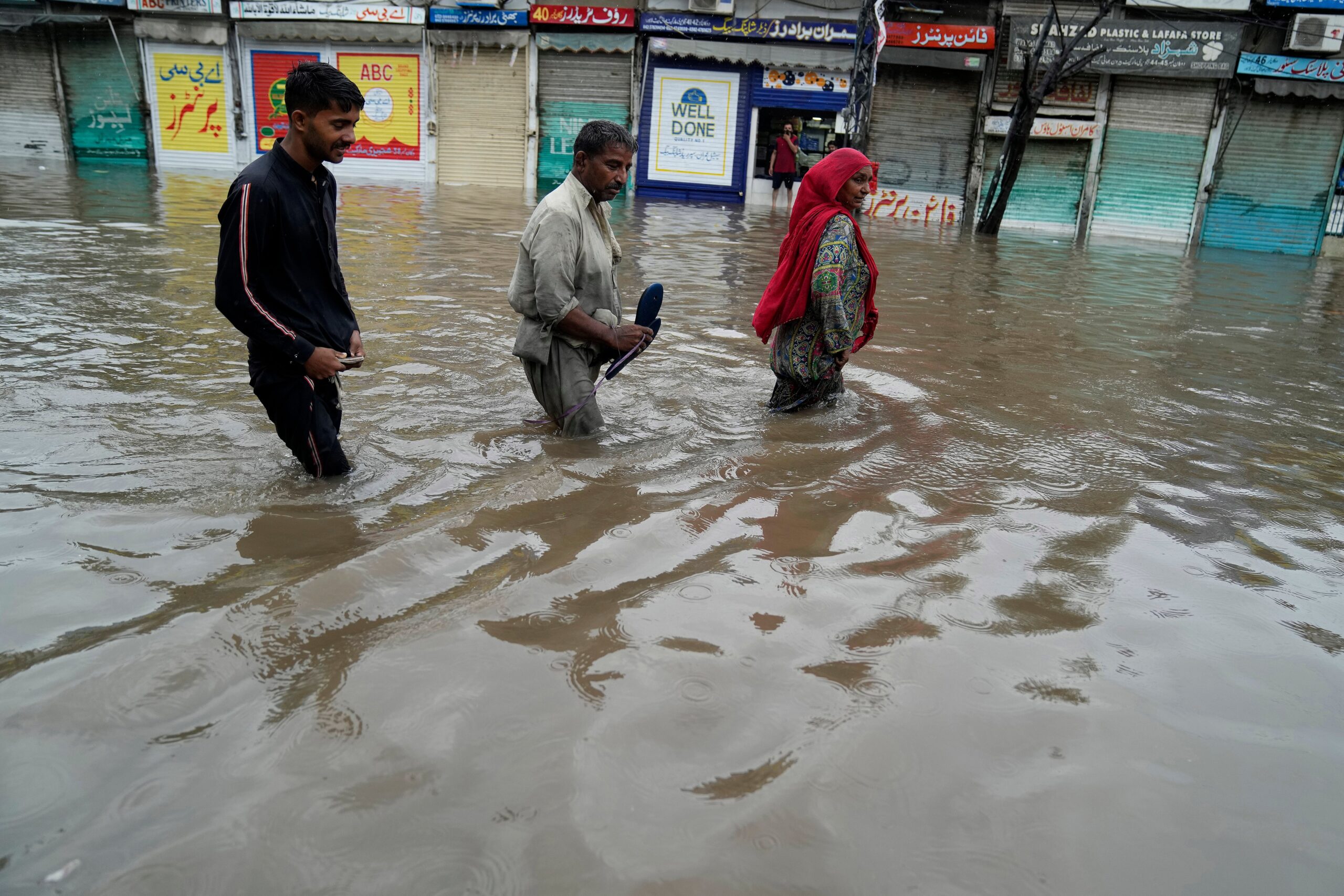
In several districts, floodwater has entered residential areas. Near Alipur Chattha, fast-moving water has caused heavy riverbank erosion, putting dozens of homes at risk of collapse.
Protective embankments have been breached in some villages, and local administrations have opened relief camps to shelter displaced families.
Chenab River Flood Update
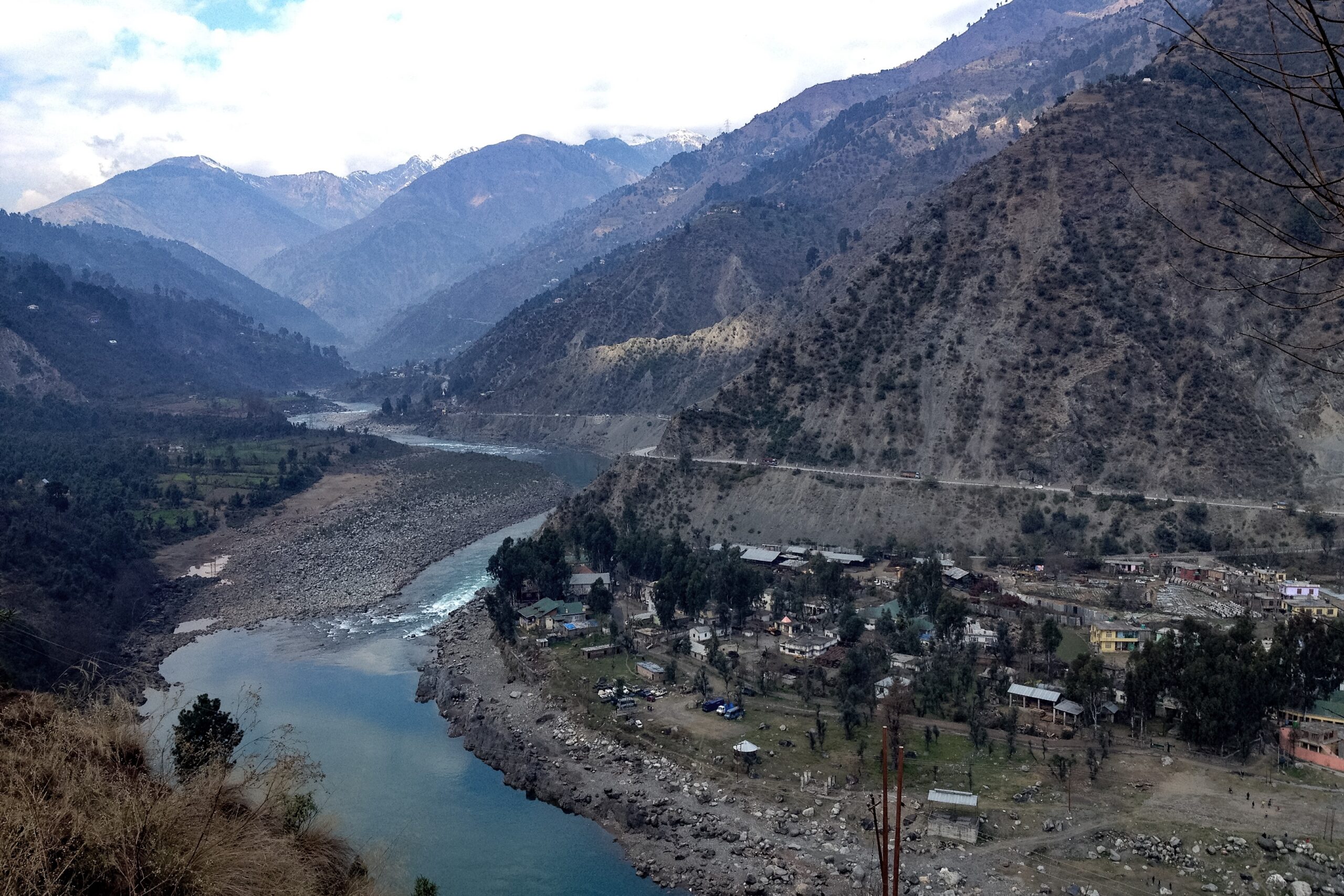
The Chenab River is at the center of this year’s flooding. Water levels have moved between medium and high flood stages at Marala, Khanki, Qadirabad, and Chiniot Bridge. Districts along the river, including Hafizabad, Gujranwala, Sialkot, and Jhang, are under close watch.
Residents in areas like the Qadirabad river belt say the situation feels familiar. Many are still recovering from last year’s flooding and are once again monitoring water levels through the night.
The Flood Forecasting Division (FFD) has reported high-level flooding at Chiniot, with moderate flooding continuing at Marala, Khanki, and Qadirabad.
The Ravi River is also rising. Inflows at Abdul Hakeem Headworks and Head Sidhani have increased steadily, adding pressure to an already stretched system of embankments and drainage channels.
What Is Causing the Flood in Punjab Pakistan
A few factors are driving this year’s flooding.
Repeated monsoon spells. Punjab has seen back-to-back rounds of heavy rain rather than a single storm, giving rivers little time to recede between spells.
Overwhelmed drainage systems. Several drains in the Lahore and Gujranwala divisions have carried far more water than they were designed to handle, pushing floodwater into farmland and villages.
Upstream water flows. Rainfall in the wider catchment area, along with water releases from upstream dams and barrages, adds to the volume moving through Punjab’s river system.
Low-lying, riverside settlements. Many communities live close to riverbanks, which puts them in the direct path of rising water when embankments are breached.
Flash Flood Risk Areas in Punjab
Flash flood risk is highest in areas with hilly or fast-draining terrain, where water levels can rise within hours rather than days.
In Punjab, the hill torrents of Dera Ghazi Khan are a particular concern, along with low-lying stretches near the Ravi and Chenab rivers.
Urban flooding is also likely in parts of Punjab, Khyber Pakhtunkhwa, and Balochistan wherever drainage systems are already stretched thin.
Because flash floods can develop quickly, residents in these zones are advised to stay alert to official alerts rather than wait for visible signs of rising water.
PDMA Punjab and Flood Forecasting Division (FFD) Response
The Provincial Disaster Management Authority (PDMA) Punjab is the main body coordinating the province’s flood response. It regularly issues advisories on river levels, expected rainfall, and flood alerts for specific districts.
Its most recent advisory flagged low-to-medium flood levels on the Chenab and Jhelum rivers, with flash flooding expected in DG Khan hill torrents, and a wider weather advisory for heavy rain across Rawalpindi, Murree, Gujranwala, Lahore, and DG Khan.
The Flood Forecasting Division works alongside PDMA to track river discharge and issue technical flood forecasts. Together, these two bodies give residents and district administrations the lead time needed to move people and livestock out of harm’s way before water levels peak.
Anyone living near a river in Punjab is encouraged to follow PDMA Punjab and FFD updates directly, rather than relying only on word of mouth.
Flood in Lahore: Local Impact
Lahore has recorded six consecutive days of monsoon rain this season, and the flood in Punjab Pakistan is being felt directly in and around the city. Heavy downpours have left several low-lying roads and neighbourhoods waterlogged, and drainage channels in parts of the Lahore and Gujranwala divisions have carried far more water than they were built to handle.
District authorities have set up relief camps for residents in the worst-affected outskirts, and commuters are being advised to avoid known flood-prone underpasses and roads during and after heavy rain. Residents can check daily updates from PDMA Punjab for road closures and rainfall forecasts specific to Lahore.
Climate Change in Pakistan and Rising Flood Frequency
This year’s flooding is part of a broader pattern. Pakistan has experienced increasingly intense and frequent flood events over the past several monsoon seasons, with 2025 alone affecting more than 4,400 villages and around 4.4 million people across Punjab.
Experts consistently point to climate change in Pakistan as a key factor behind this shift, citing heavier and less predictable monsoon rainfall, faster snowmelt in the north, and longer flood seasons overall.
For Punjab, this means flood preparedness is no longer a once-in-a-decade concern. Stronger early warning systems, better drainage infrastructure, and more resilient housing in flood-prone districts are becoming a yearly necessity rather than an occasional response.
Follow PDMA Punjab and NDMA alerts for flood in Punjab Pakistan for your district and act on evacuation notices without delay.
Avoid crossing flooded roads, bridges, or fields, even in a vehicle, since water depth and current strength are hard to judge.
Keep important documents, medicines, and a basic emergency kit ready if you live near a river or low-lying area.
Move livestock and valuables to higher ground as soon as an alert is issued for your area.
Stay in touch with your local district administration for the location of the nearest relief camp.
Rainwater Harvesting in Pakistan – Flood in Punjab Pakistan
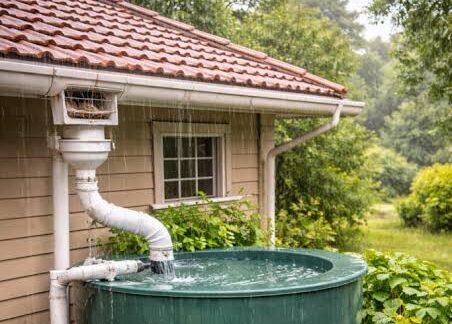
Rainwater harvesting is emerging as a key tool for Pakistan’s long-term water security, helping manage both flood risk and growing water scarcity at the same time.
Existing homeowners have been given a retrofit grace period before non-compliance penalties apply.
The federal cabinet has approved green building codes that embed rainwater harvesting into national construction standards.
A pilot project at Kachnar Park, led by IWMI with WaterAid and PCRWR, has shown that channeling rooftop runoff into recharge systems can ease urban flooding while restoring depleted groundwater.
Flood in Punjab Pakistan – Individual-level adoption:
Homeowners, mosques, and commercial developers in Lahore, Islamabad, and Rawalpindi are increasingly installing rooftop harvesting systems.
Common components include leaf screens, first-flush diverters, and storage tanks to capture and reuse rainwater.
Retrofitting is possible for existing properties, making adoption practical even without new construction.
Why it matters:
Reduces pressure on groundwater and borewells during dry spells.
Eases strain on stormwater drainage during monsoon season.
Strengthens water security at both the household and city level as flood patterns become less predictable.
FAQ – Flood in Punjab Pakistan
Is Punjab currently experiencing floods?
Yes. As of late July 2026, several districts are dealing with flood in Punjab Pakistan along the Chenab and Ravi rivers, with PDMA Punjab warning of further rain and flood risk into early August.
Which rivers are most affected by the current flood in Punjab Pakistan?
The Chenab and Ravi rivers are currently the most affected, with monitoring points at Marala, Khanki, Qadirabad, and Chiniot Bridge showing medium-to-high flood levels.
Which areas in Punjab are at the highest flash flood risk?
The hill torrents of Dera Ghazi Khan, along with low-lying areas near the Ravi and Chenab rivers, currently carry the highest flash flood risk in Punjab.
Where can residents check official flood updates?
PDMA Punjab and the Flood Forecasting Division publish regular advisories on river levels, rainfall, and district-level flood alerts.
Are there any safety tips during Flood in Punjab Pakistan?
The flood in Punjab Pakistan this monsoon season is a reminder of how quickly conditions can change for communities living near the province’s major rivers. Staying informed through PDMA Punjab and FFD updates, understanding local flash flood risk, and preparing early can make a real difference when water levels rise. As climate change in Pakistan continues to intensify monsoon patterns, this kind of preparedness is becoming part of everyday life in Punjab rather than an exception.
BBC-featured Content Specialist with a sharp eye for search intent and a proven ability to turn content into a growth engine. I leverage cutting-edge digital marketing tools to craft strategies that fuel organic traffic, amplify brand growth, and own the local SEO landscape, particularly across the competitive real estate market. I help brands dominate search rankings and convert visibility into measurable business success.