
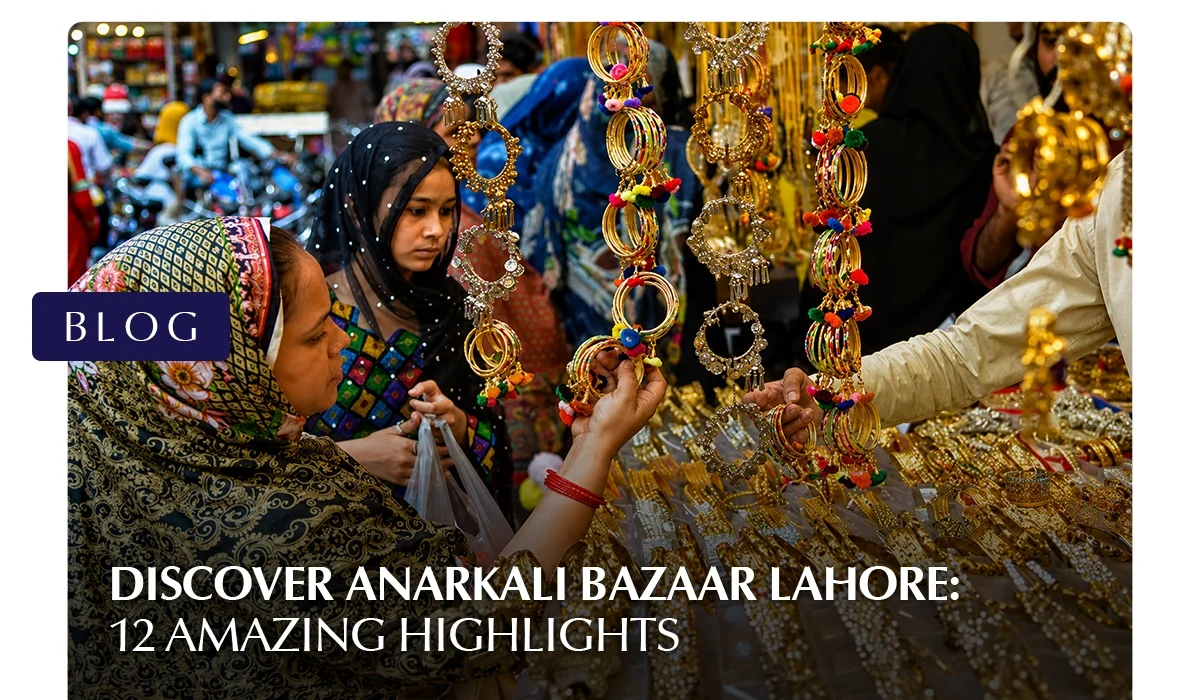

Few places capture the spirit of Lahore quite like Anarkali Bazaar. Tucked along Mall Road on the edge of the old Walled City, this market has been trading, feeding, and clothing the people of Lahore for more than two centuries. It is one of the oldest surviving bazaars in South Asia, and it remains as busy today as it likely was generations ago. For anyone exploring Lahore’s culture, history, or simply looking for a good afternoon of shopping, Anarkali Bazaar Lahore is a name that keeps coming up, and for good reason.
This guide walks through the history of Anarkali Bazaar, what to expect inside its lanes, where to eat nearby, and practical tips for visiting.
Anarkali Bazaar Location
Anarkali sits directly on Mall Road, which makes it reachable from most parts of the city. From Lahore Railway Station, the route runs through Temple Road and Rattigan Road before joining Anarkali Road.
From Allama Iqbal International Airport, the drive follows Airport Road onto Ferozepur Road before turning onto Mall Road and then Anarkali Road. Its central location near Lahore Fort and Badshahi Mosque also makes it easy to pair a bazaar visit with a broader day of sightseeing in the old city.
The History Behind Anarkali Bazaar
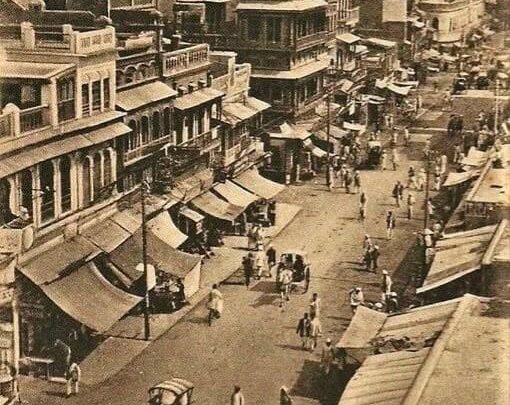
The story of Lahore Anarkali Bazaar is inseparable from the legend that gave it its name. According to popular lore, a courtesan named Anarkali fell in love with Prince Salim, son of the Mughal Emperor Akbar. When Akbar learned of the affair, he is said to have ordered her entombed alive as punishment.
Salim later became Emperor Jahangir, and the tragic tale has stayed woven into Lahore’s cultural memory ever since. The bazaar takes its name directly from this legend, and the mausoleum of Jahangir, believed to hold her remains, still stands close to the market today.
Beyond the romance and tragedy, the bazaar’s history runs deeper. It sits within a stretch of the city that developed after the British established Lahore as a colonial administrative center, and the area blends Mughal-era structures with buildings from the colonial period, including institutions like the Lahore Museum and several nearby universities.
The mausoleum of Sultan Qutb ud din Aibak, the first Sultan of Delhi, also stands within the bazaar’s boundaries, adding yet another layer of historical weight to the neighbourhood.
In recognition of its significance and its increasingly fragile condition, the World Monuments Fund placed Anarkali Bazaar on its 2020 World Monuments Watch list.
The listing was meant to draw attention to the risks the area faces from congestion, neglect and rapid urban growth, and to support local efforts, including cultural mapping work carried out with students from the National College of Arts, aimed at preserving the market’s traditional character for future generations.
Old Anarkali and New Anarkali: Two Markets in One
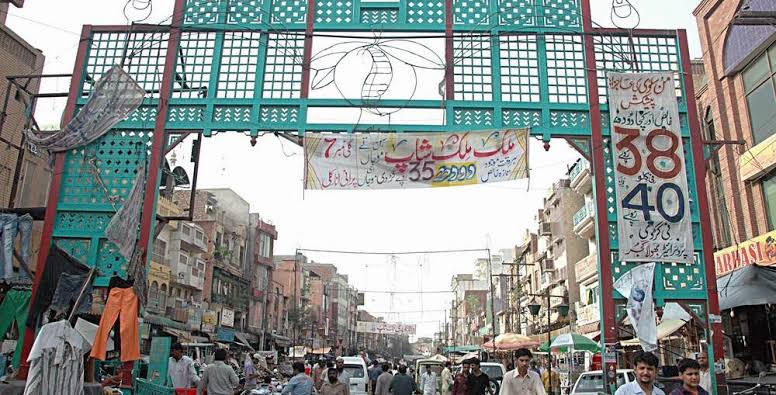
What many visitors do not realise before their first trip is that Anarkali Bazaar Lahore is really two markets joined together, each with its own personality.
Old Anarkali is the food lover’s half of the bazaar. Its narrow lanes are lined with vendors selling everything from halwa puri in the morning to nihari and siri paye later in the day. It is loud, fast-moving, and built around decades-old food stalls that locals return to again and again rather than chasing trends.
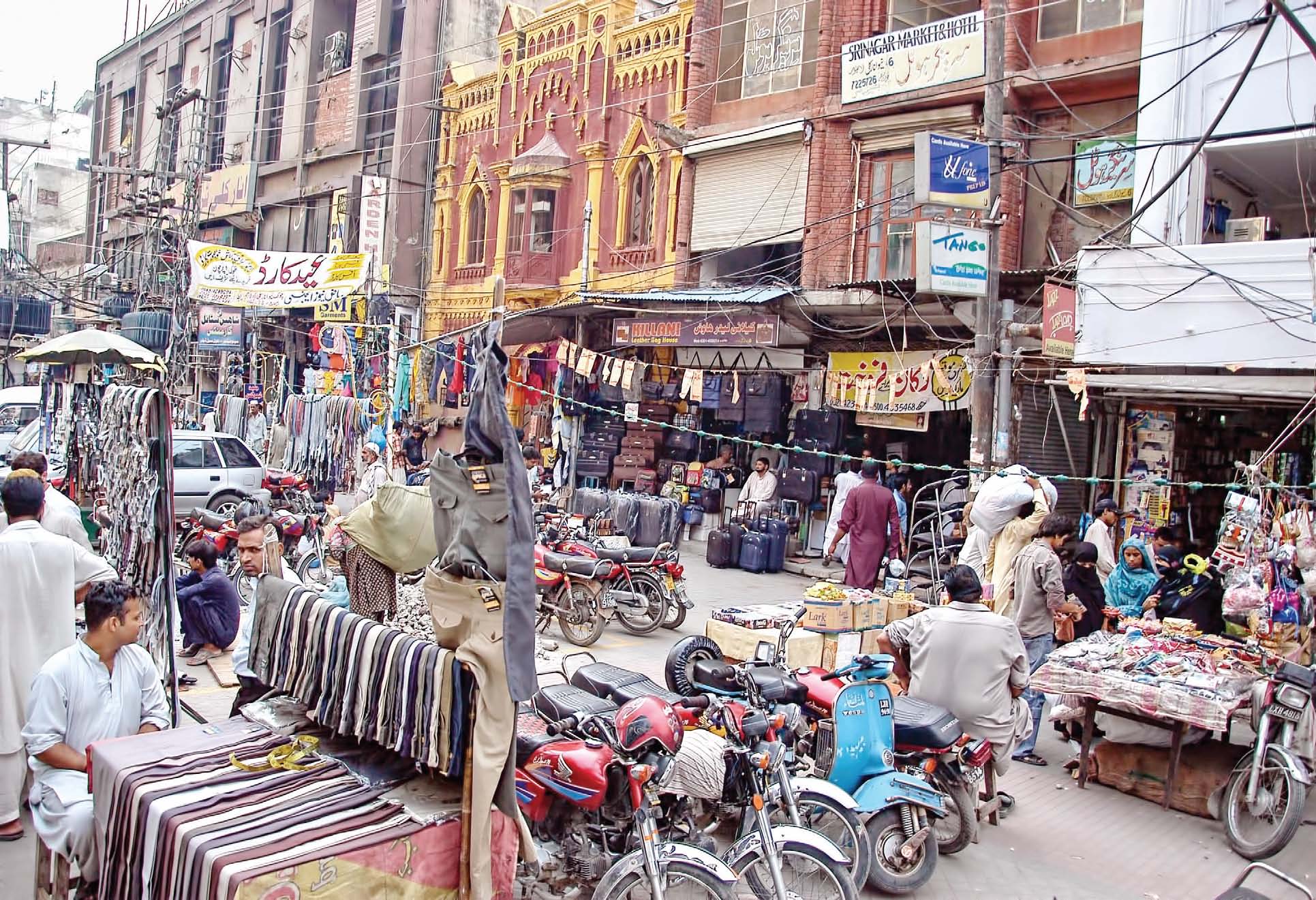
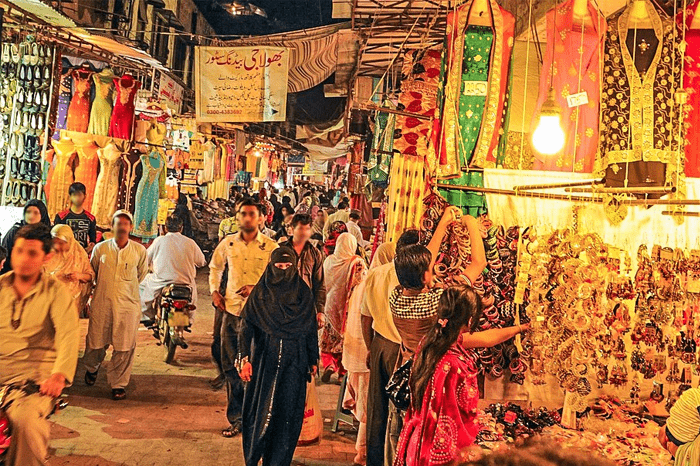
New Anarkali is where the shopping happens. This section is known for traditional garments, embroidery, bridal wear, and handicrafts, with pockets like Bano Bazaar specializing in wedding shopping.
Fabric, jewelry, shoes, and home décor stalls line the lanes, making it a strong stop for anyone hunting for handmade or traditional Pakistani items rather than mass-produced goods.
Types of Shops at Anarkali Bazaar
Part of what keeps people coming back to Anarkali Bazaar Lahore is the sheer range of shops packed into its lanes. Unlike a modern shopping mall built around a handful of categories, Anarkali has grown organically over two centuries, and that shows in the variety on offer.
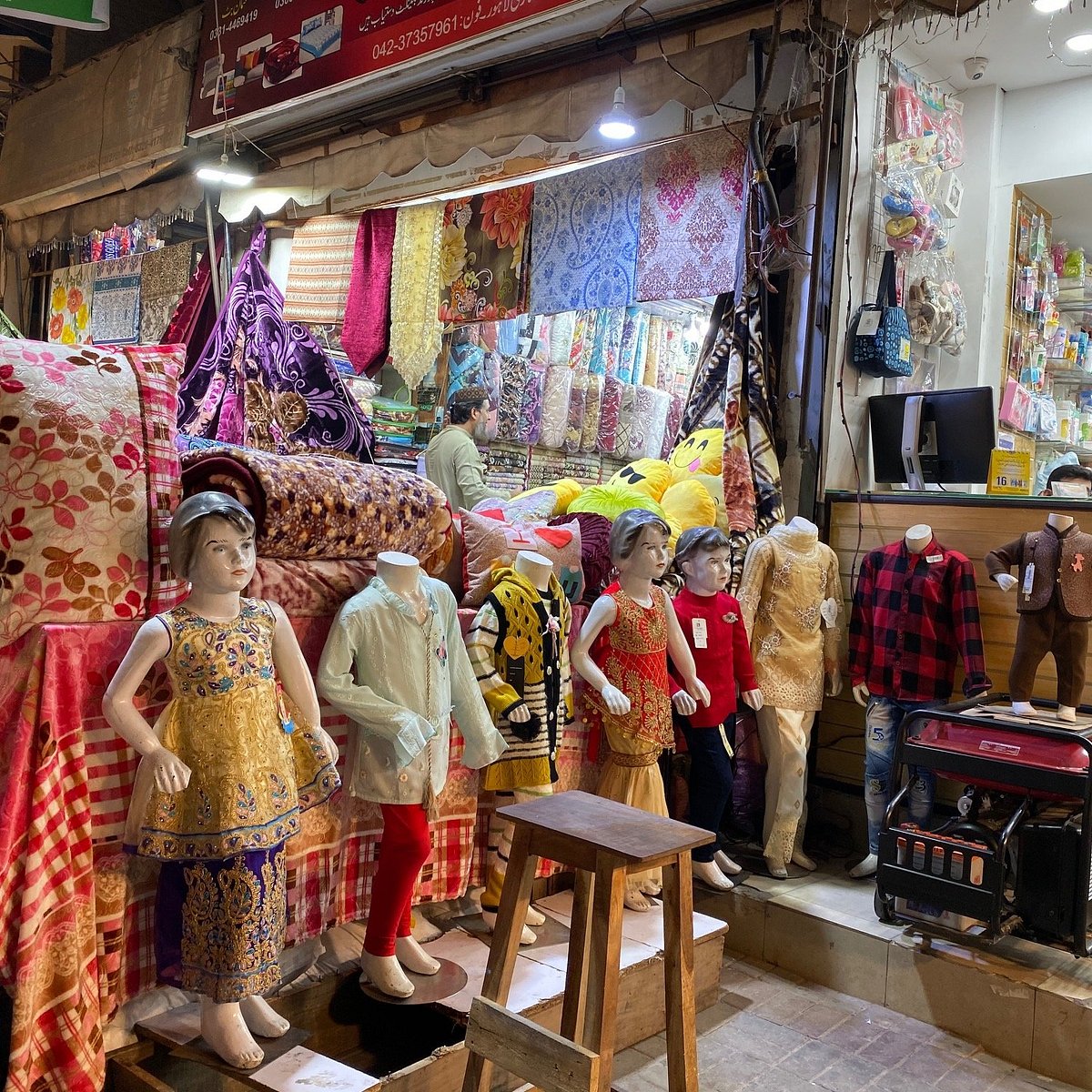
Clothing and textiles make up a large share of the bazaar, from everyday fabric and ready-made garments to intricately embroidered shawls and bridal wear concentrated around areas like Rang Mahal and Bano Bazaar in New Anarkali.
Saree specialists such as Barkat Ali Saree Walay have operated here for years, alongside smaller stalls selling unstitched fabric by the yard.
Jewellery shops are another mainstay, particularly around the Commercial Building stretch near Mall Road. Shops like Jeddah Gold cater to buyers looking for gold and traditional jewelry designs, often at prices that reflect the bazaar’s bargaining culture rather than fixed retail markups.
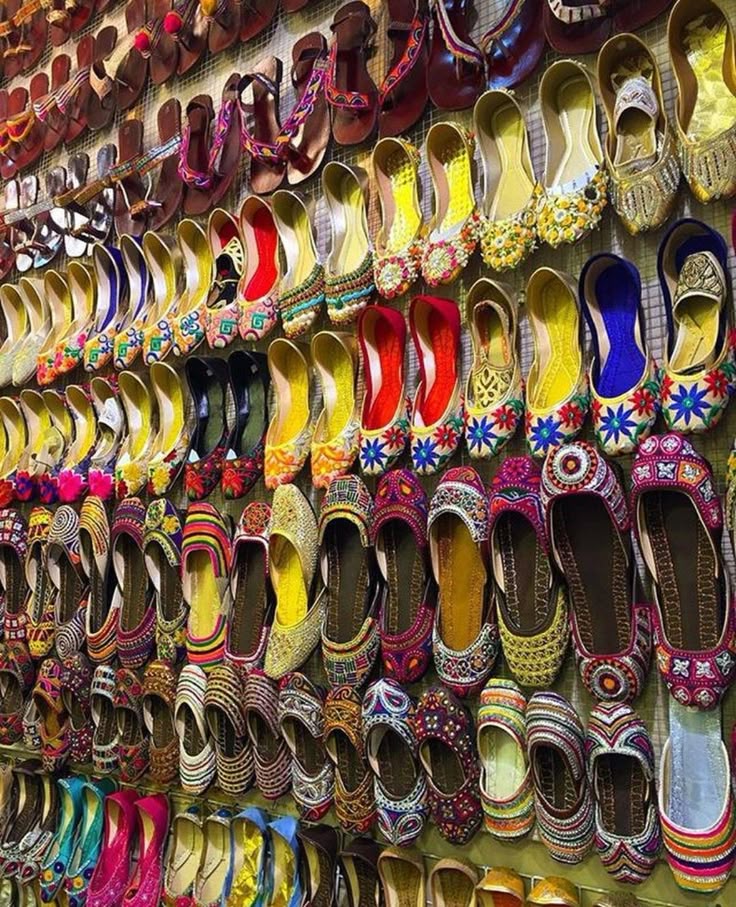
Footwear has its own dedicated corner too. Lahori Khussa House on Tourist Street is known for traditional khussa, the handmade leather footwear associated with Punjab, while shops like Lace Up and Speed Dullah Collection on New Anarkali Road cover more contemporary shoe styles.
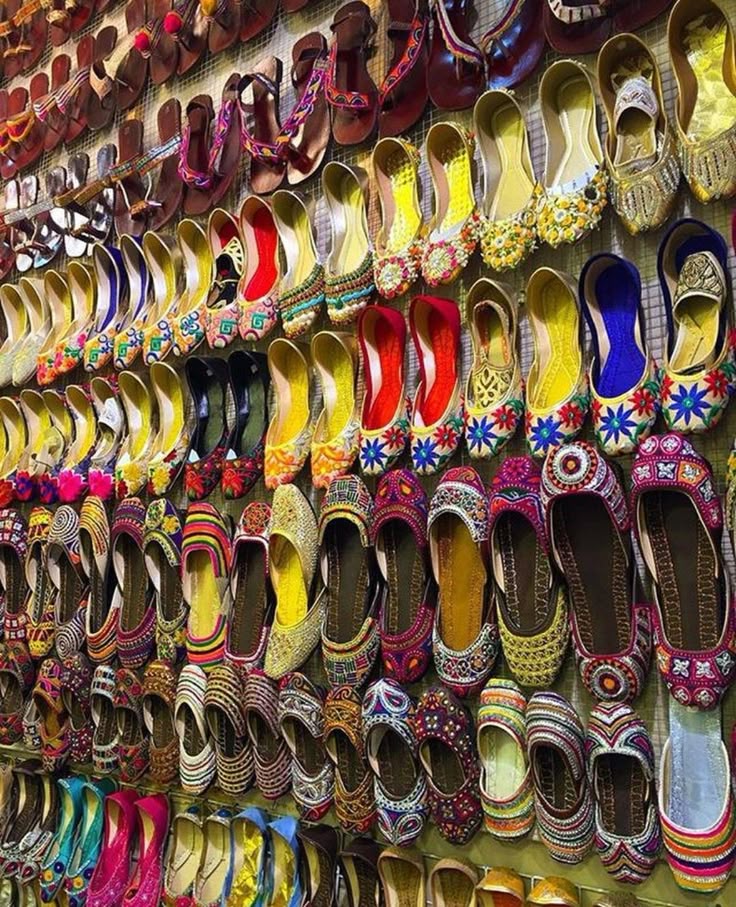
Bookshops and stationery are surprisingly well represented given the bazaar’s proximity to institutions like Government College University and Punjab University. Union Book Shop and Jafrani Medical Book Shop serve students and academics looking for both general titles and specialised medical texts, while Mian Brother Stationers and The Stationery Company cover everyday stationery and office supplies.
Macson Printing Industries, a long-established name on Chamberlain Road, adds printing services into the mix.
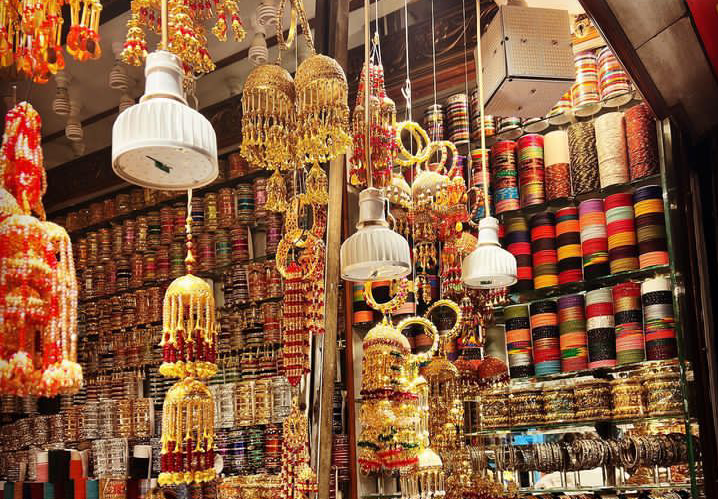
Handicrafts and antiques are scattered throughout the older lanes rather than concentrated in one block. These stalls sell wooden carvings, pottery, vintage coins and other collectible items, making them a favorite stop for anyone hunting for something one-of-a-kind rather than mass-produced.
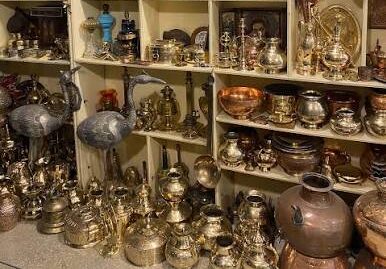
Home décor and general merchandise round out the Anarkali bazaar Lahore, with centres like Makkah Center and Singhar Center offering household items alongside smaller specialty stores. Arsenal Company near the old YMCA Hall building is another long-running name in this space.
Taken together, this mix of clothing, jewellery, footwear, books, handicrafts and household goods is what makes Anarkali Bazaar Lahore feel less like a single market and more like an entire commercial district compressed into a few historic blocks.
Well-Known Shops in Anarkali Bazaar Lahore
| Shop Name | Category | Location |
|---|---|---|
| Barkat Ali Saree Walay | Sarees and traditional wear | Mall Road, Anarkali |
| Jeddah Gold | Jewellery | Commercial Building, Anarkali |
| Lahori Khussa House | Traditional footwear | Tourist Street, Anarkali |
| Lace Up | Footwear | New Anarkali Road |
| Speed Dullah Collection | Footwear | New Anarkali Road |
| Union Book Shop | Books | Naqi Road, Anarkali |
| Jafrani Medical Book Shop | Medical books | Bheem Street, Anarkali |
| Mian Brother Stationers | Stationery | Nila Gumbad Road, Anarkali |
| The Stationery Company | Stationery | Chamberlain Road, Anarkali |
| Macson Printing Industries | Printing services | Chamberlain Road, Anarkali |
| Arsenal Company | General merchandise | Mall Road, Anarkali |
| Makkah Center | Household items | Lower Mall, Anarkali |
| Anarkali Tower | Mixed retail | Dhani Ram Road, Anarkali |
| Singhar Center | Mixed retail | Anarkali |
This is only a sample. The bazaar holds hundreds of stalls beyond these, and part of the experience is stumbling across a shop that never made it onto any list.
Anarkali Bazaar Lahore vs Other Lahore Markets
| Feature | Anarkali Bazaar Lahore | Liberty Market |
|---|---|---|
| Known for | History, street food, traditional crafts | Branded fashion, cosmetics, dining |
| Atmosphere | Old city, narrow lanes, dense crowds | Open plaza, more modern layout |
| Best for | Heritage shopping, bridal wear, street food | Everyday shopping, salons, casual dining |
| Age | Over 200 years old | Developed post-independence |
| Bargaining culture | Strong, expected | Moderate |
Both markets serve different needs, and many Lahore residents visit each for different reasons rather than treating them as substitutes for one another.
Where to Eat Near Anarkali Bazaar Lahore
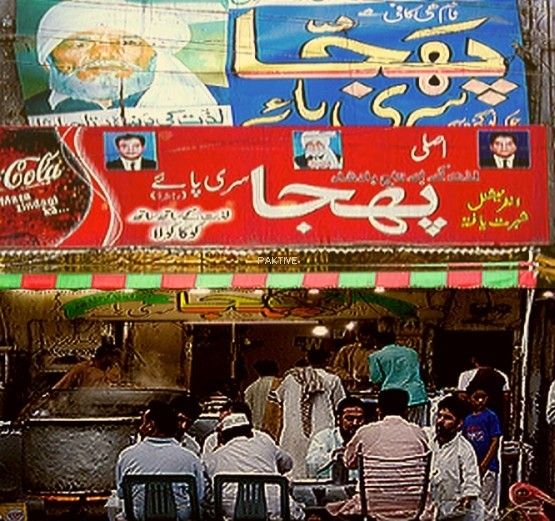
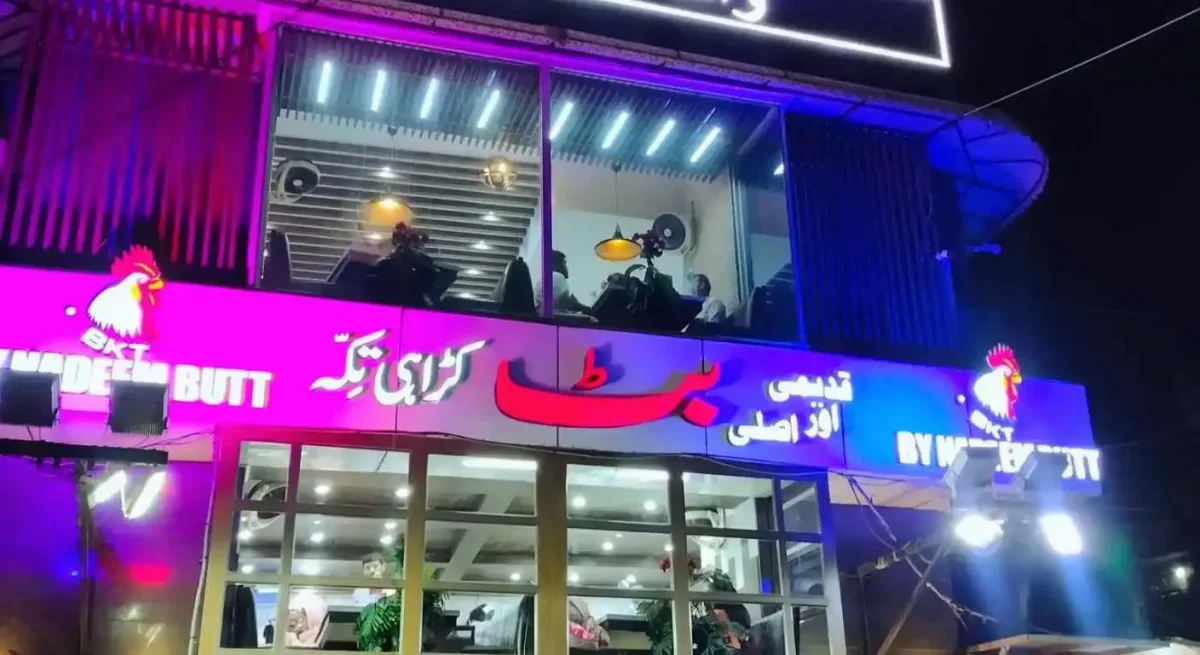
Old Anarkali alone could keep a visitor fed for days, but a few names come up again and again. Butt Karahi is a long-standing favorite for mutton and chicken karahi. Phajja Siri Paye draws early risers for its traditional breakfast.
Waris Tikka and Yasir Broast cover the grilled and fast food side of things, while Hafiz Juice & Chaat Corner is a go-to for cold drinks and street snacks on a hot Lahore afternoon.
For something calmer, Pak Tea House offers a slower, more literary pace, and Cuckoo’s Den nearby is worth the visit for its rooftop view of Badshahi Mosque alone.
Anarkali Bazaar Lahore Timings
Most of the bazaar operates on a fairly consistent schedule through the week, generally opening around 10 am and running until about 9 pm, seven days a week.
That said, individual shop hours can vary, and some food stalls in Old Anarkali Bazaar Lahore open earlier for breakfast crowds or stay open later into the evening depending on demand.
If a specific shop is the goal of the trip, it is worth calling ahead, where a contact number is available, since smaller family-run stores do not always keep fixed hours.
Educational Institutions Near Anarkali Bazaar Lahore
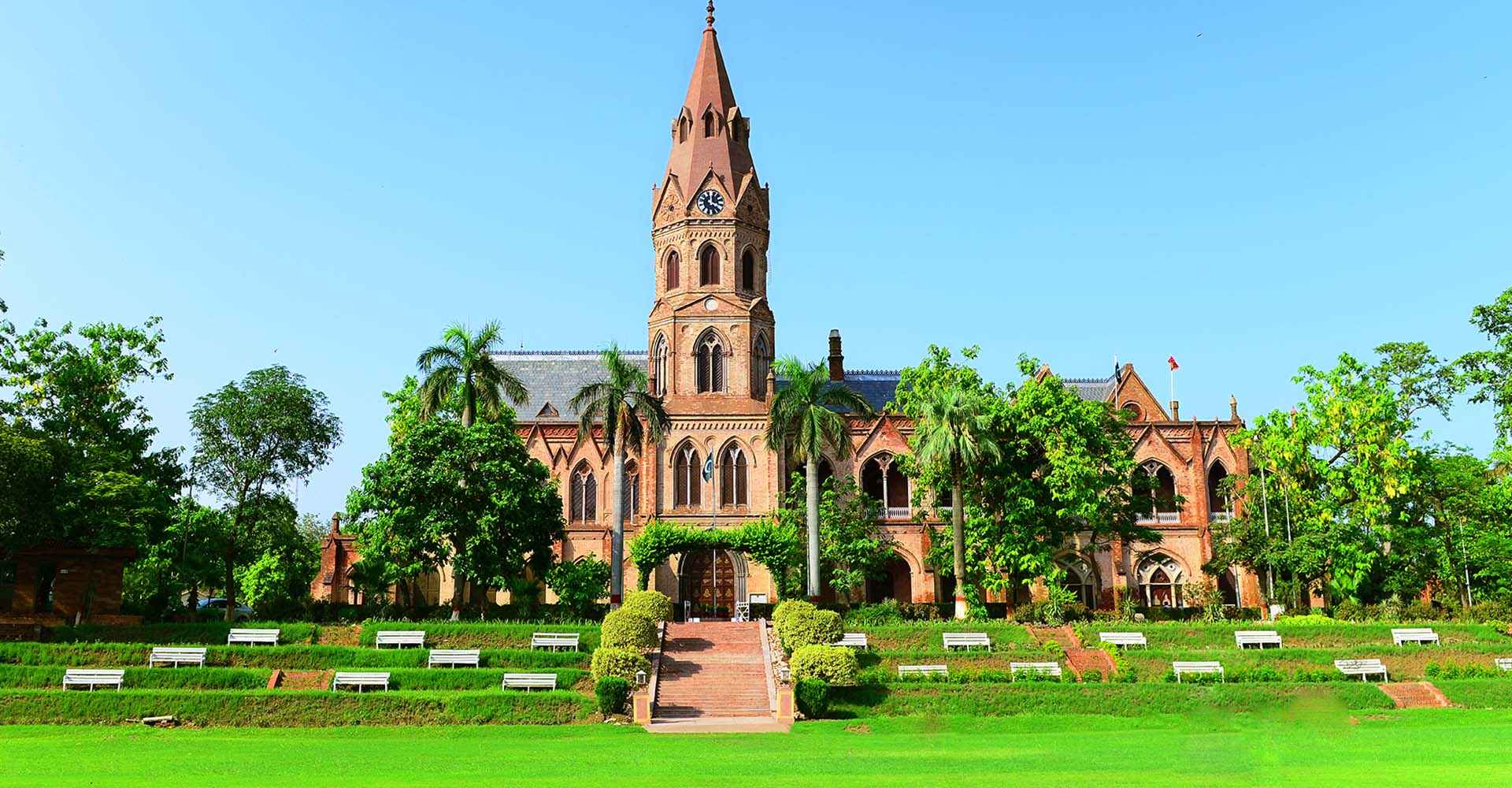
One detail that often gets overlooked is just how close Anarkali Bazaar Lahore sits to some of the city’s most respected academic institutions, which adds a distinct energy to the area beyond shopping and food.
Government College University, one of Pakistan’s oldest institutions of higher learning, sits nearby with its recognisable Gothic-style architecture. The University of the Punjab, one of the region’s largest universities, is a short drive away.
The National College of Arts, known for its role in design and fine arts education, is close enough that its students have been directly involved in cultural mapping projects around the bazaar itself.
Sacred Heart School also sits in the vicinity, rounding out a neighbourhood that mixes commerce, history and education in a way few other parts of Lahore manage.
Tips for Visiting Anarkali Bazaar Lahore
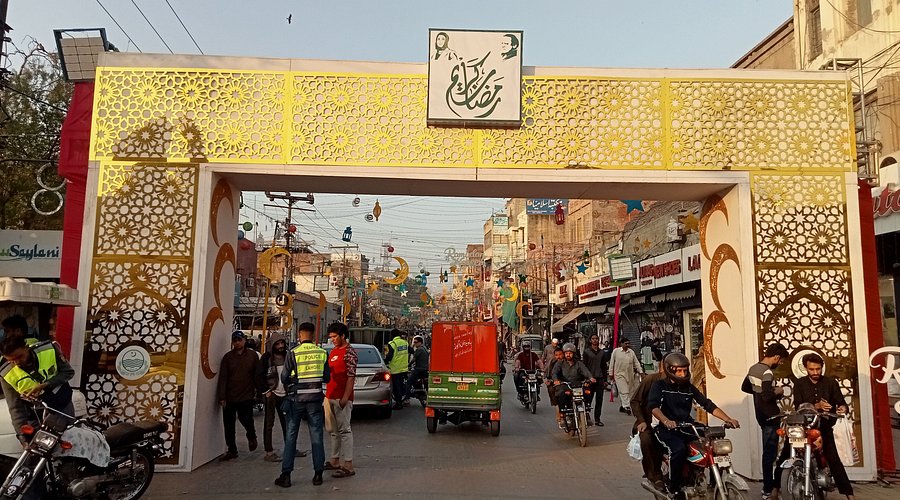
Weekday mornings in the Anarkali Bazaar Lahore tend to be calmer than weekend evenings, which is worth keeping in mind if crowds are not your thing. Comfortable shoes matter more than anything else, since the lanes involve a fair amount of walking on uneven ground.
Bargaining is part of the culture here, and a polite, unhurried approach tends to work better than an aggressive one. Cash is still king at most stalls, so carrying enough on hand avoids unnecessary back-and-forth.
It is also worth wandering off the main lanes into the side streets, where some of the more interesting antique and handicraft stalls tend to be set back from the main foot traffic.
FAQs – Anarkali Bazaar Lahore
It is known for being one of the oldest markets in Lahore and South Asia, its street food in Old Anarkali, and its traditional clothing, jewelry, and handicrafts in New Anarkali.
It sits on Mall Road in Lahore, extending from the Lohari Gate of the Walled City across to the Mall, making it easy to reach from most central parts of the city.
The name comes from a nearby mausoleum believed to contain the remains of Anarkali, a courtesan associated with a well-known Mughal-era legend involving Emperor Akbar and Prince Salim.
Yes. It offers a mix of history, food, and shopping that is hard to find in one place elsewhere in Lahore, though first-time visitors should expect crowds and narrow lanes.
Yes, bargaining is a normal and expected part of shopping here, and vendors generally expect some back-and-forth on price.
For more information on famous markets in Lahore, visit Chakor blogs.

BBC-featured Content Specialist with a sharp eye for search intent and a proven ability to turn content into a growth engine. I leverage cutting-edge digital marketing tools to craft strategies that fuel organic traffic, amplify brand growth, and own the local SEO landscape, particularly across the competitive real estate market. I help brands dominate search rankings and convert visibility into measurable business success.
