BBC-featured Content Specialist with a sharp eye for search intent and a proven ability to turn content into a growth engine. I leverage cutting-edge digital marketing tools to craft strategies that fuel organic traffic, amplify brand growth, and own the local SEO landscape, particularly across the competitive real estate market. I help brands dominate search rankings and convert visibility into measurable business success.
RAWALPINDI: Property registration activities for residential and commercial properties have resumed across Rawalpindi Division following a month-long suspension, officials confirmed.
The newly appointed deputy commissioner has retained the previous fiscal year’s property valuation rates for 2026-27, keeping official property values unchanged. Registrations in Rawalpindi city, cantonment, and surrounding areas are now processed through biometric verification alongside the existing online system.
While valuation rates remain steady, several taxes and fees have been increased. Advance tax now stands at 10.5 percent for non-filers and 1.25 percent for filers, while capital gains tax has risen to 11.5 percent for non-filers and 2.75 percent for filers.
Stamp duty remains at one percent of property value, alongside a one percent corporation tax and three percent cantonment board tax. Additional charges include a Rs3,800 Punjab Land Revenue Authority services tax, Rs1,000 registration fee, and Rs1,100 mutation fee, among others.
Officials estimate the suspension resulted in an approximate Rs1.5 billion revenue loss for the government. Biometric verification of both buyer and seller has been made mandatory, and the upgraded online registration system became fully operational on Monday, July 27.
Industry representatives noted that while stable valuation rates benefit buyers, the increased taxes and processing charges are expected to raise overall registration costs by Rs30,000 to Rs50,000 for residential properties and Rs50,000 to Rs125,000 for commercial properties.
Separately, the Excise, Taxation and Narcotics Control Department has yet to finalize property tax bills for 2026-27, with dispatch to taxpayers now expected after August 14. District authorities have also ordered the transfer of registry staff at multiple offices following corruption-related complaints.
BBC-featured Content Specialist with a sharp eye for search intent and a proven ability to turn content into a growth engine. I leverage cutting-edge digital marketing tools to craft strategies that fuel organic traffic, amplify brand growth, and own the local SEO landscape, particularly across the competitive real estate market. I help brands dominate search rankings and convert visibility into measurable business success.
Chakor is the national bird of Pakistan, a small, plump, ground-dwelling bird found across the country’s rocky hills and mountain slopes. It is recognised for its distinct call, its bold facial markings, and the deep place it holds in South Asian folklore, where it has long been read as a symbol of devotion and quiet endurance.
This article looks at the Chakor from every angle worth knowing: its English name, its meaning in Urdu, its sound, its price in Pakistan, where it can be found for sale, and the age-old legend that ties it to the moon.
What is Chakor Called in English?
In English, the Chakor is known as the Chukar, or more formally, the Chukar Partridge. Its scientific name is Alectoris chukar. Some variations in spelling exist, “chukor” or “chakoor” among them, but Chukar Partridge remains the standard term used in ornithology and birdwatching references worldwide.
Is a Chukar a Type of Quail?
Not quite. It’s a common assumption, but the Chukar is a partridge rather than a quail. Partridges tend to be larger than quails, with stockier bodies and shorter tails.
The Chakor belongs to the pheasant family, Phasianidae, which also includes quails and true pheasants, but within that family it is classified specifically as a partridge.
Chakor Meaning in Urdu
In Urdu, the word Chakor (چکور) carries a weight that goes well beyond its meaning as a bird’s name. In Urdu and Persian literature, it has long served as a symbol of longing and devotion, appearing again and again in poetry as a figure defined by its yearning.
To ask what Chakor means in Urdu, then, is really to ask about two things at once: a real, living bird, and a literary emblem that has outlived any single verse.
What Does the Chakor Bird Look Like?
The Chukar has a grey-brown body in a soft, sandy tone, with a black band that runs across the eyes and down the throat, framing a pale face. Its legs and beak carry a reddish hue, and black-and-white barring runs along its flanks.
Photographs of the bird in the wild often reveal just how well this colouring works as camouflage, letting it disappear into the dry, rocky terrain it calls home, terrain where blending in can mean the difference between safety and exposure to predators.
Chakor Sound and Voice
The Chukar’s call is one of its most recognisable traits: a sharp, repeated “chuk-chuk-chuk” that carries easily across open, rocky ground.
It’s a fitting origin story for the English name Chukar, which mimics the sound the bird actually makes. The call shifts with the seasons, growing louder and more frequent when males take to rocky outcrops to mark territory.
Its resilience, its ability to thrive in harsh, rocky terrain, and its symbolic weight in Persian and Urdu poetry all made it a fitting national emblem, one that speaks to something beyond biology.
At its core, the Chukar represents an idea: endurance in difficult landscapes, paired with an unwavering focus on something greater. That idea is nowhere more evident than in the bird’s most famous story.
Does Chukar Love the Moon?
According to a well-known piece of folklore, the Chukar is infatuated with the moon, gazing at it through the night, unable to look away. In Urdu and Persian poetry, “Chand aur Chakor,” the moon and the Chukar, has become a classic metaphor for devotion that can never quite be fulfilled.
It’s this legend that answers a question asked in various forms across generations: which bird stares at the moon, and why?
The story isn’t rooted in scientific observation but in centuries of literary tradition. It remains one of the central reasons the Chukar holds such a strong symbolic place in Pakistani and South Asian culture, setting it apart from the country’s other native birds.
Chicks, Breeding, and Price in Pakistan
Beyond the wild, these birds are also kept and bred in aviaries across Pakistan, both for ornamental purposes and for release into game reserves.
Pricing varies depending on the bird’s age, health, and the breeder in question, with chicks generally more affordable than mature breeding pairs.
Islamabad and Rawalpindi both have active communities of breeders and enthusiasts, along with poultry and bird markets where partridges are regularly traded. Lahore’s bird markets, among the largest in the country, see similar activity.
Anyone considering keeping the chicks should note that the bird needs open space, dry ground, and a diet suited to a ground-feeding partridge, an environment that echoes its natural mountain habitat as closely as possible.
Frequently Asked Questions
How is Chakor used in English?
In English, “Chakor” typically appears as a reference to the Chukar Partridge, most often in the context of ornithology, birdwatching, or discussions of Pakistan’s national symbols.
What is a chukar?
A chukar is a partridge species native to rocky, mountainous regions across South and Central Asia, known in Pakistan as the Chakor.
What is Chakor in Urdu?
In Urdu, Chakor (چکور) is the name for the same bird known as the Chukar Partridge in English, carrying additional symbolic weight in poetry as a figure of longing and devotion.
What is the meaning of Chakor?
It is the name of a partridge native to Pakistan’s mountains. In a literary sense, it also means devotion, most often associated with the bird’s legendary gaze toward the moon.
What is special about Chukar birds?
Their sharp call, distinctive plumage, resilience in rocky terrain, and symbolic bond with the moon in South Asian folklore set them apart from other native species.
Which bird stares at the moon?
In South Asian folklore, that bird is the Chakor, whose legendary fixation with the moon has made it a recurring symbol in Urdu and Persian verse.
What is the Chakor price in Pakistan?
Its price in Pakistan depends largely on the bird’s age and health, along with the breeder selling it. Chicks tend to cost less than mature, breeding-ready pairs.
Where can I find Chakor for sale in Islamabad?
Islamabad has an active community of bird breeders, and this bird is typically found for sale in Islamabad through local poultry markets and breeder networks in the city.
Where can I find Chakor for sale in Rawalpindi?
Yes, it can be commonly found through the same breeder circles.
Is Chakor found in Lahore?
Yes, but only in the bird markets, since its natural habitat is only the northern areas of Pakistan.
What is Chakor Foundation?
It is a charitable organisation working across Pakistan on education, healthcare, and community welfare, running initiatives such as student scholarships, school uniform drives, and solar-powered classrooms for underprivileged communities.
BBC-featured Content Specialist with a sharp eye for search intent and a proven ability to turn content into a growth engine. I leverage cutting-edge digital marketing tools to craft strategies that fuel organic traffic, amplify brand growth, and own the local SEO landscape, particularly across the competitive real estate market. I help brands dominate search rankings and convert visibility into measurable business success.
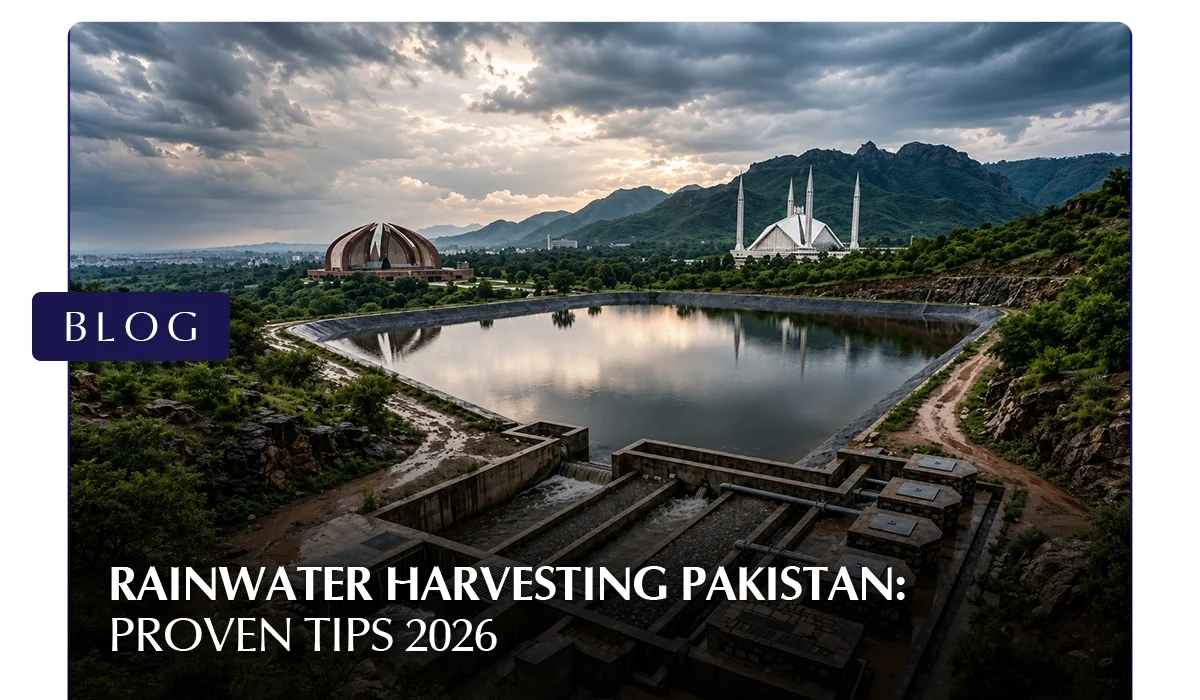
Pakistan is running out of water. Annual per capita water availability has fallen from over 5,000 cubic metres at independence to below 1,000 cubic metres today, pushing the country into the “water-scarce” category. Rainwater harvesting Pakistan offers one of the most practical, low-cost ways to slow this decline. It collects rain that would otherwise run off roofs, roads and open land, then stores it for reuse or sends it underground to recharge depleting aquifers.
This guide explains why rainwater harvesting Pakistan has become urgent, how the systems work, what government bodies are doing about it, and how households, builders and communities can take part.
Why Rainwater Harvesting in Pakistan Matters Right Now
Water scarcity in Pakistan is not a future risk. It is a present reality. The country now sits among the ten most water-stressed nations in the world. Groundwater tables are dropping in major cities, canal supplies are stretched thin, and more than half the population lacks access to safely managed drinking water.
A few numbers explain the scale of the problem:
Per capita water availability has dropped from around 5,260 cubic metres in 1951 to under 900 cubic metres today.
Pakistan can store only about 30 days of water nationally, far short of the 1,000-day buffer recommended for arid countries.
Roughly 90 percent of agricultural output depends on a single source, the Indus Basin Irrigation System.
Around 93 percent of available water goes to agriculture, leaving a thin margin for cities and households.
Rainwater harvesting Pakistan will not solve this crisis alone, but it reduces pressure on groundwater, cuts urban flooding, and gives households and buildings a backup source of water during dry months.
Climate Change in Pakistan and the Changing Rainfall Pattern
Climate change in Pakistan is making the water problem harder to manage, not easier. Rainfall has become more erratic. Long dry spells are now followed by short, intense monsoon bursts that overwhelm drains instead of soaking into the ground.
Experts from the International Water Management Institute have pointed to a rise in heatwaves and heavy precipitation events across South Asia linked to human-induced climate change, with Pakistan experiencing both extremes within the same year.
This swing between drought and flood is exactly the pattern rainwater harvesting in Pakistan is designed to manage. Storage tanks and recharge wells capture sudden heavy rain instead of letting it flood streets, then release that water slowly for use during the dry months that follow.
How Rainwater Harvesting Systems Work
A basic rainwater harvesting system follows a simple path:
Catchment – Rain lands on a roof, terrace, courtyard or paved surface.
Conveyance – Sloped surfaces and pipes direct the water toward a collection point.
Filtration – A first-flush diverter and filter screen remove dust, leaves and debris from the initial runoff.
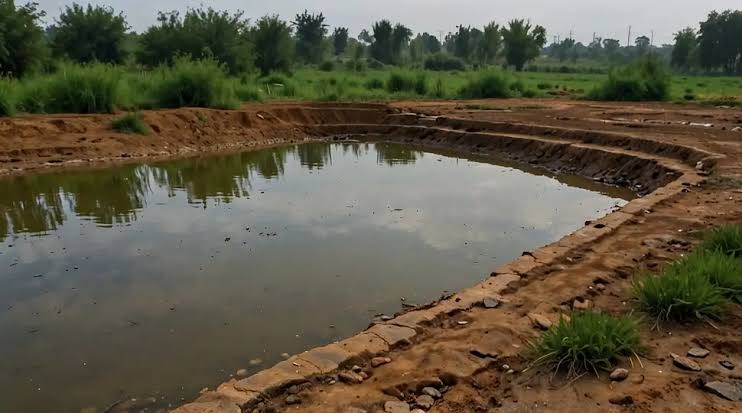
Storage or recharge – Water is either stored in a tank for reuse or channeled into a recharge well or pit to replenish groundwater.
Stored rainwater is generally used for gardening, washing, cleaning, and flushing. It is not safe for drinking unless it passes through proper treatment and testing.
Storage Tanks vs Recharge Wells -Rainwater Harvesting Pakistan
System
Best suited for
What it does
Storage tank
Homes, farmhouses, offices
Collects water for direct household reuse
Recharge pit
Small plots, gardens, open land
Lets filtered water percolate into the soil
Recharge well
Large properties, mosques, apartment blocks
Sends filtered surplus water deep underground to recharge the aquifer
Most well-designed projects use a combination: a tank for everyday reuse and a recharge point for any overflow during heavy rain.
Rainwater Harvesting Pakistan in Practice: Cities and Deserts
Urban Recharge Wells in Islamabad and Lahore
The Capital Development Authority has made rooftop rainwater harvesting mandatory for new construction in Islamabad under its building bylaws.
The authority has also been installing groundwater recharge wells across the city, working alongside the Pakistan Council of Research in Water Resources (PCRWR).
At one recharge site in Islamabad, researchers recorded a rise in the water table of nearly five metres after monitoring rainfall between May and September.
In Lahore, the Water and Sanitation Agency has built underground water tanks in flood-prone neighbourhoods. One such tank, built at a cost of Rs. 140 million, can hold 1.4 million gallons of rainwater drawn from a 30-acre catchment area.
The collected water is later used to irrigate public parks and green belts, easing pressure on piped supply while also reducing urban flooding.
Rainwater Harvesting in the Cholistan Desert
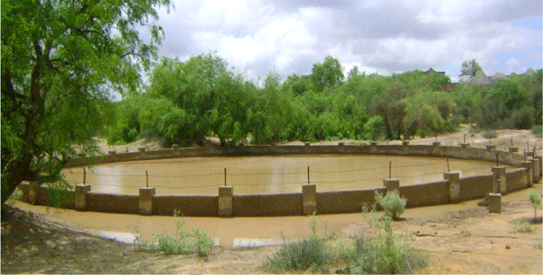
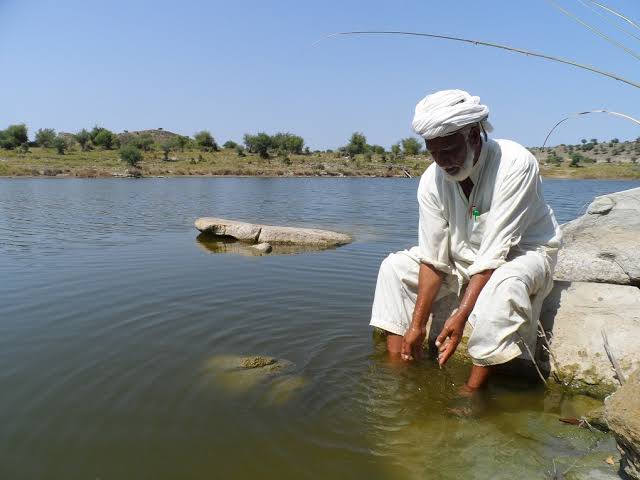
Rainwater harvesting Pakistan also plays a critical role far from major cities. In the Cholistan desert, rainfall is the only realistic water source for nomadic communities and their livestock. PCRWR has built a network of over 110 reservoirs across 26,000 square kilometers of desert, with a combined storage capacity of 440 million gallons.
This network, paired with newly drilled tubewells, has cut seasonal migration and saved an estimated Rs. 6 billion a year in losses linked to livestock movement and water shortages.
Benefits of Rainwater Harvesting Pakistan
Reduces dependence on groundwater, slowing the decline of water tables in over-extracted areas.
Lowers urban flood risk by capturing runoff before it overwhelms drains and roads.
Provides a backup water source for gardening, cleaning, and non-drinking household use during dry spells.
Supports agriculture and livestock in arid and desert regions where canal water never reaches.
Improves long-term building resilience, especially in cities where municipal supply is already intermittent.
Common Mistakes That Cause Rainwater Harvesting Pakistan Systems to Fail
Rainwater harvesting projects in Pakistan often fail for avoidable reasons:
Sending unfiltered roof water directly into a recharge well, which pushes silt and pollutants into the aquifer.
Undersized overflow pipes that cannot handle monsoon-level rainfall.
Tanks and filter chambers buried under finished paving with no access for cleaning.
Using one generic design across very different properties, rather than sizing the system to the actual roof area, rainfall pattern, and household need.
A system built without proper filtration and maintenance access may look fine in its first year and then fail during the next serious monsoon.
Not without treatment. Most systems are designed for gardening, washing, cleaning, and flushing rather than direct drinking use.
What causes water scarcity in Pakistan?
Rapid population growth, heavy reliance on a single river system, limited water storage infrastructure, and increasingly erratic rainfall linked to climate change in Pakistan have combined to push per capita water availability below internationally recognised scarcity thresholds.
Does rainwater harvesting Pakistan help with urban flooding?
Yes. Storing and redirecting heavy rainfall through tanks and recharge wells reduces the volume of runoff that would otherwise overwhelm city drains.
Final Word
Rainwater harvesting in Pakistan sits at the intersection of two growing problems: worsening water scarcity in Pakistan and the unpredictable rainfall brought on by climate change in Pakistan. Government-led projects in Islamabad, Lahore and the Cholistan desert show that the approach works at very different scales, from a single rooftop system to a desert-wide reservoir network. For households, builders and communities alike, treating rainwater as a resource rather than a runoff problem is one of the most direct ways to respond to Pakistan’s deepening water crisis.
BBC-featured Content Specialist with a sharp eye for search intent and a proven ability to turn content into a growth engine. I leverage cutting-edge digital marketing tools to craft strategies that fuel organic traffic, amplify brand growth, and own the local SEO landscape, particularly across the competitive real estate market. I help brands dominate search rankings and convert visibility into measurable business success.
LAHORE: The Punjab government has directed all private housing societies across the province to transfer their complete property transaction records to the Housing Society Management System (HSMS) as part of a broader push to strengthen ownership documentation and curb real estate fraud.
Under the new compliance framework, the government has begun issuing Property Certificates for property buying and selling transactions. These certificates will serve as legal proof of ownership across both public and private housing schemes in Lahore, replacing the fragmented documentation practices that have long characterized the sector.
Housing society owners and management have been given until August 31, 2026, to upload their complete purchase and sale records to the HSMS platform. Officials said the initiative is designed to improve transparency in property transactions and secure ownership records against manipulation.
The Property Certificate system will be integrated with NADRA records, digital mapping systems, and the e-Registry platform, an interlinkage authorities say will strengthen ownership verification and significantly reduce the risk of fraudulent transactions.
Housing societies that fail to meet the August deadline face legal consequences under the LDA Act 1975. Enforcement measures under consideration include the sealing of non-compliant societies’ offices and the initiation of legal proceedings against their management.
Officials noted that several private housing schemes in Lahore have already completed the record transfer to HSMS ahead of the deadline, signaling early compliance from parts of the sector even as the broader rollout continues.
The directive follows a series of recent enforcement actions by the Lahore Development Authority against unregistered and non-compliant housing schemes, reflecting a wider provincial effort to formalize property records and tighten oversight of the real estate sector ahead of the new fiscal year’s regulatory cycle.
BBC-featured Content Specialist with a sharp eye for search intent and a proven ability to turn content into a growth engine. I leverage cutting-edge digital marketing tools to craft strategies that fuel organic traffic, amplify brand growth, and own the local SEO landscape, particularly across the competitive real estate market. I help brands dominate search rankings and convert visibility into measurable business success.
Located in Allama Iqbal Town on Lahore’s Wahdat Road, Kareem Block Market has spent nearly five decades building a reputation that most shopping plazas in the city can only aspire to. It is loud, crowded, and one of the few places in Lahore where a first-time visitor and a lifelong Lahori end up haggling over the same shirt for the same price. This guide walks through everything a shopper needs before heading to Kareem Block Market, from its exact coordinates to the one historical detail almost nobody writing about the market ever mentions.
Where Exactly Is Kareem Block Market?
Kareem Block Market sits at Kareem Block, Allama Iqbal Town, Lahore, Punjab 54000, right beside Umer Block on Wahdat Road. For anyone plugging coordinates into a map app, the market sits close to 31.4815° N, 74.3030° E, near the crossing of Multan Road and Wahdat Road.
Coming from Maulana Shaukat Ali Road: head toward Jauhar Town, pass Shaukat Khanum Hospital, then turn onto Main Boulevard Allama Iqbal Town. Kareem Block is a short distance further, near Moon Market, and signposted once you’re on the boulevard.
Coming from Multan Road: follow Multan Road onto Main Boulevard Allama Iqbal Town, pass Scheme Morr, and continue toward Kareem Block. Traffic is usually heavy this close to the market, which is itself a sign you’re almost there.
Coming from Fazal e Haq Road (Samanabad): head toward Main Boulevard Allama Iqbal Town via Mor Samanabad. The drive takes roughly 10 to 15 minutes depending on traffic.
By metro: the Orange Line stop at Samanabad is the closest station, followed by a short rickshaw ride of about 10 minutes into the market.
For parking, Moon Market’s plaza is the most reliable option and sits about a five-minute walk from the main lanes, since on-street parking around Kareem Block itself is limited.
What Surrounds the Market
Kareem Block Market backs onto Multan Road to the north and Wahdat Road to the east, which connects Punjab University and Gulshan-e-Iqbal Park. To the west sits Umer Block Market, a more built-up commercial plaza.
Nearby landmarks worth knowing include Moon Market for parking, Allama Iqbal Open University’s Raza Block, and Gulshan-e-Iqbal Park about fifteen minutes away, which makes for an easy stop after a long shopping session.
The History Behind Kareem Block Market
Kareem Block Market’s story begins in the late 1970s, when it was developed as part of Allama Iqbal Town, a residential and commercial scheme built by Hassan Zaman Pvt Limited on what was previously known as “Sola SauAcre”, literally “sixteen hundred acres,” later renamed in honour of Pakistan’s national poet, Allama Muhammad Iqbal.
A key reason the area first became commercially significant is its proximity to Lahore’s film industry.
In the 1980s and 1990s, the nearby Shahnoor and Bari Studios drew actors, filmmakers, and the wardrobe and prop trade that follows a film set.
That early foot traffic from the cinema world helped shape the market’s original identity before it evolved into the textile and garment destination it’s known as today.
Over the decades, that shift has produced more than a hundred commercial buildings that now blend old-style bazaar stalls with newer factory outlets, a layering of eras that’s part of what makes the market feel like a maze rather than a mall.
There’s also a naming quirk worth knowing before you search for it online: both “Kareem Block” and “Karim Block” are in circulation, and locals use them interchangeably. The market’s official Facebook community goes by “Kareem Block Market Lahore Official,” while local signage and everyday conversation lean toward both spellings depending on who you ask.
Inside the Market: Sections and Specialties
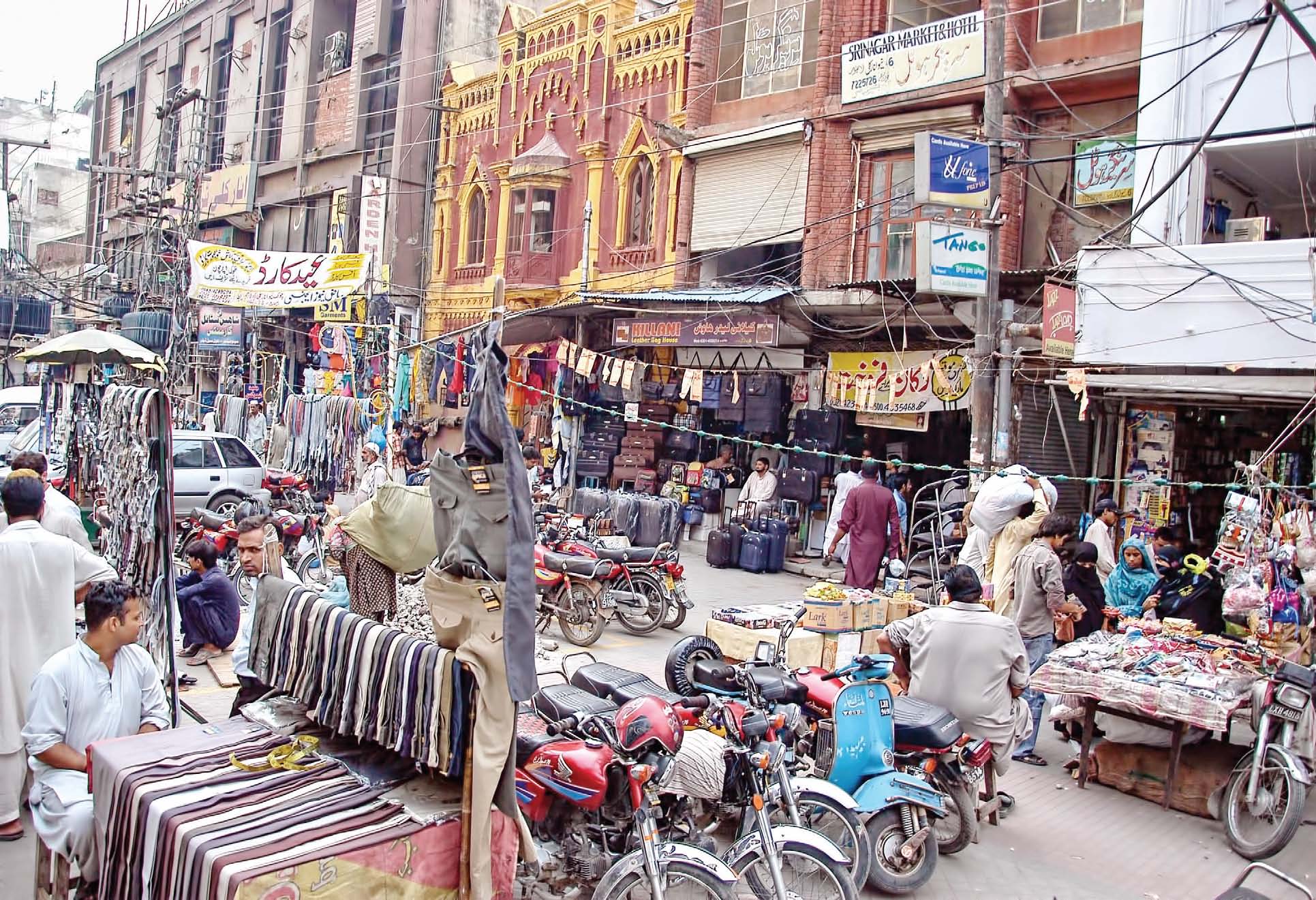
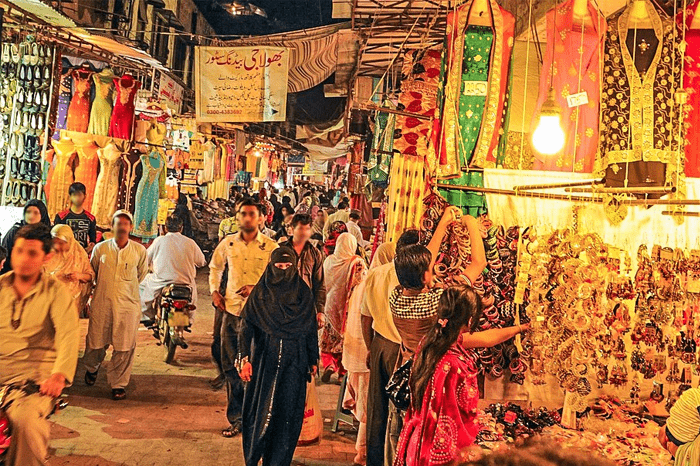
Kareem Block Market isn’t organized like a mall. It winds through narrow lanes that group loosely by specialty rather than clear signposted zones, which is part of its charm and part of why a first visit can feel overwhelming.
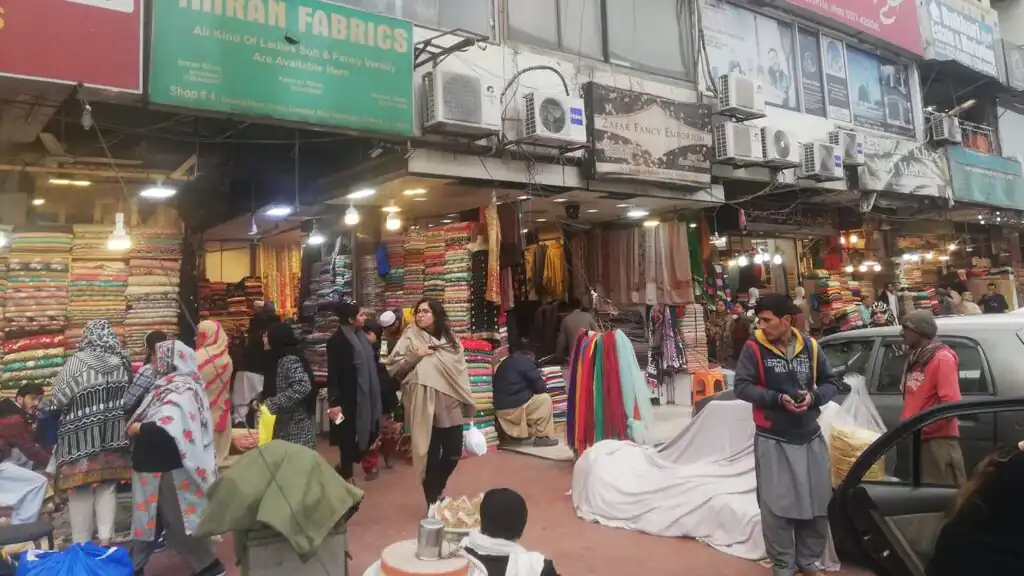
Garments and apparel: everything from basic shalwar kameez and casual denim to discounted stock from brands like Levi’s, Outfitters, and Minnie Minors. Shirt prices can start at PKR 300, which is a major reason the market draws budget-conscious shoppers and bridal parties alike.
Footwear: a wide mix of local and imported shoes for men, women, and children.
Jewelry: classic gold and silver pieces sit alongside artificial jewelry for shoppers working with a tighter budget.
Mobiles and electronics: a cluster of shops dealing in phones and accessories, where patient bargaining tends to pay off.
Food and snacks: street stalls serving shawarma, fries, burgers, and local snacks, plus at least one long-standing bakery favourite among regulars.
Everyday essentials: pharmacies, grocery stores, and general stores round out the market for nearby residents.
When to Go?
Kareem Block Market typically opens around 11:30 AM and stays busy well into the night, with many shops only closing between 3:00 and 4:00 AM. The quieter window is early evening, around Asar time, before the crowd thickens.
From evening until roughly 1:00 AM, the market is at its busiest, especially on weekends and during Eid or wedding season, when extended hours and festive discounts bring in noticeably larger crowds.
The market also stays open on Sundays, since that’s a common shopping day in Lahore rather than a rest day for most vendors here.
Tips for First-Time Shoppers
Make a list, but leave room to wander. A plan keeps you from getting lost in the sheer number of options, but some of the best finds at Kareem Block happen off script.
Carry cash. Card acceptance is inconsistent across smaller stalls, and cash also gives you more room to negotiate.
Bargain with a smile. Haggling isn’t just tolerated here; it’s expected, and starting low while staying friendly usually lands you a fair price.
Dress for a long walk. Comfortable shoes and water matter more than they sound like they would, especially during a festive rush.
Compare before you commit. Whether it’s a phone accessory or a pair of jeans, prices vary shop to shop, so a quick walk through before buying pays off.
Sample before you settle in. At the food stalls, a small portion before a full order helps you find the vendor worth returning to.
Why Kareem Block Market Still Matters to Lahore
Kareem Block Market isn’t trying to be Lahore’s most polished shopping destination, and that’s precisely its appeal. It represents a slice of the city’s everyday commerce, where a factory outlet sits next to a bakery that’s been there for a generation, and where the price of a shirt is a conversation rather than a fixed number on a tag.
For students, families, and anyone shopping ahead of a wedding or Eid, it remains one of the most dependable places in Lahore to find affordable fashion, footwear, and jewelry without compromising on variety.
A Different Kind of Investment in Lahore’s Growth
Famous Markets in Lahore like Kareem Block Market show what happens when a neighbourhood is built around everyday commerce and community life over decades. Chakor is building the next chapter of Lahore’s growth story with the same long-term thinking, starting with Citadel Prime on Main Boulevard, Gulberg.
Positioned in Lahore’s central business district, Citadel Prime is designed for those looking to invest in commercial and residential spaces that combine prime location with modern infrastructure, addressing the city’s growing demand for premium office space and serviced living.
As Lahore continues to expand outward from its historic commercial hubs, Citadel Prime offers a foothold in one of the city’s most connected addresses, built for the same enduring relevance that markets like Kareem Block have earned over the last fifty years.
This was all about the Kareem Block Market in Lahore; for more information on relevant topics such as Anarkali Bazaar Lahore, visit Chakor blogs.
BBC-featured Content Specialist with a sharp eye for search intent and a proven ability to turn content into a growth engine. I leverage cutting-edge digital marketing tools to craft strategies that fuel organic traffic, amplify brand growth, and own the local SEO landscape, particularly across the competitive real estate market. I help brands dominate search rankings and convert visibility into measurable business success.
PESHAWAR: The Khyber Pakhtunkhwa Public-Private Partnership (PPP) Committee has approved the construction of the 29-kilometre Dir Motorway, connecting Chakdara Interchange to Baroon in Lower Dir District, at an estimated cost of Rs69 billion.
The approval was granted during a committee meeting chaired by Chief Minister Sohail Afridi, held on Saturday. Following the decision, the chief minister directed relevant authorities to immediately initiate land acquisition proceedings for the project.
He further instructed concerned departments to establish clear implementation timelines to ensure the motorway is completed within the stipulated period, enabling the public to benefit from the infrastructure at the earliest opportunity. Authorities were also directed to propose amendments to the existing PPP framework aimed at facilitating faster and more efficient execution of development projects.
The chief minister termed the motorway a significant contribution by the provincial government to the people of Malakand Division, stating that it would substantially reduce travel time, lower fuel consumption and transportation costs, and generate direct economic benefits for residents. He added that the project would play a pivotal role in promoting tourism and strengthening the regional economy, noting that improved connectivity to remote tourist destinations would create new employment opportunities.
The same meeting also reviewed progress on the Peshawar-Dera Ismail Khan Motorway and Swat Motorway Phase-II projects, with participants discussing measures to ensure their timely completion.
The session was attended by cabinet members Aftab Alam Afridi, Shakeel Khan, Shafi Jan and Muzammil Aslam, along with the chief secretary, additional chief secretary (planning and development), principal secretary to the chief minister, and administrative secretaries of the relevant departments.
BBC-featured Content Specialist with a sharp eye for search intent and a proven ability to turn content into a growth engine. I leverage cutting-edge digital marketing tools to craft strategies that fuel organic traffic, amplify brand growth, and own the local SEO landscape, particularly across the competitive real estate market. I help brands dominate search rankings and convert visibility into measurable business success.
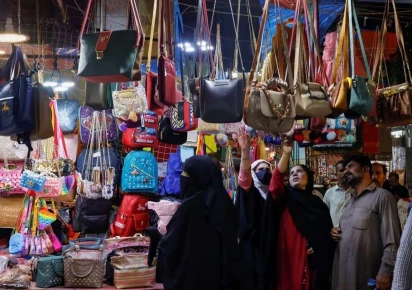
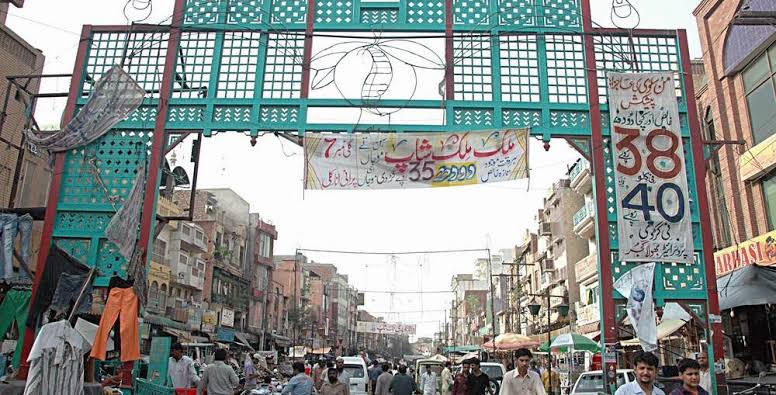
Few places capture the spirit of Lahore quite like Anarkali Bazaar. Tucked along Mall Road on the edge of the old Walled City, this market has been trading, feeding, and clothing the people of Lahore for more than two centuries. It is one of the oldest surviving bazaars in South Asia, and it remains as busy today as it likely was generations ago. For anyone exploring Lahore’s culture, history, or simply looking for a good afternoon of shopping, Anarkali Bazaar Lahore is a name that keeps coming up, and for good reason.
This guide walks through the history of Anarkali Bazaar, what to expect inside its lanes, where to eat nearby, and practical tips for visiting.
Anarkali Bazaar Location
Anarkali sits directly on Mall Road, which makes it reachable from most parts of the city. From Lahore Railway Station, the route runs through Temple Road and Rattigan Road before joining Anarkali Road.
From Allama Iqbal International Airport, the drive follows Airport Road onto Ferozepur Road before turning onto Mall Road and then Anarkali Road. Its central location near Lahore Fort and Badshahi Mosque also makes it easy to pair a bazaar visit with a broader day of sightseeing in the old city.
The History Behind Anarkali Bazaar
The story of Lahore Anarkali Bazaar is inseparable from the legend that gave it its name. According to popular lore, a courtesan named Anarkali fell in love with Prince Salim, son of the Mughal Emperor Akbar. When Akbar learned of the affair, he is said to have ordered her entombed alive as punishment.
Salim later became Emperor Jahangir, and the tragic tale has stayed woven into Lahore’s cultural memory ever since. The bazaar takes its name directly from this legend, and the mausoleum of Jahangir, believed to hold her remains, still stands close to the market today.
Beyond the romance and tragedy, the bazaar’s history runs deeper. It sits within a stretch of the city that developed after the British established Lahore as a colonial administrative center, and the area blends Mughal-era structures with buildings from the colonial period, including institutions like the Lahore Museum and several nearby universities.
The mausoleum of Sultan Qutb ud din Aibak, the first Sultan of Delhi, also stands within the bazaar’s boundaries, adding yet another layer of historical weight to the neighbourhood.
In recognition of its significance and its increasingly fragile condition, the World Monuments Fund placed Anarkali Bazaar on its 2020 World Monuments Watch list.
The listing was meant to draw attention to the risks the area faces from congestion, neglect and rapid urban growth, and to support local efforts, including cultural mapping work carried out with students from the National College of Arts, aimed at preserving the market’s traditional character for future generations.
Old Anarkali and New Anarkali: Two Markets in One
What many visitors do not realise before their first trip is that Anarkali Bazaar Lahore is really two markets joined together, each with its own personality.
Old Anarkali is the food lover’s half of the bazaar. Its narrow lanes are lined with vendors selling everything from halwa puri in the morning to nihari and siri paye later in the day. It is loud, fast-moving, and built around decades-old food stalls that locals return to again and again rather than chasing trends.
New Anarkali is where the shopping happens. This section is known for traditional garments, embroidery, bridal wear, and handicrafts, with pockets like Bano Bazaar specializing in wedding shopping.
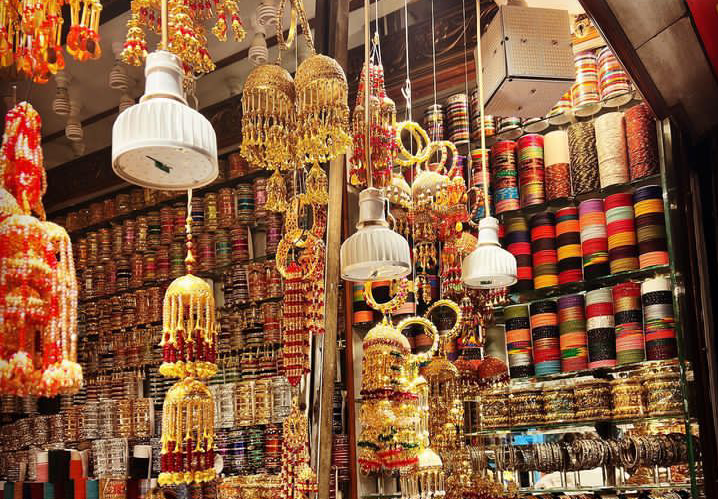
Fabric, jewelry, shoes, and home décor stalls line the lanes, making it a strong stop for anyone hunting for handmade or traditional Pakistani items rather than mass-produced goods.
Types of Shops at Anarkali Bazaar
Part of what keeps people coming back to Anarkali Bazaar Lahore is the sheer range of shops packed into its lanes. Unlike a modern shopping mall built around a handful of categories, Anarkali has grown organically over two centuries, and that shows in the variety on offer.
Clothing and textiles make up a large share of the bazaar, from everyday fabric and ready-made garments to intricately embroidered shawls and bridal wear concentrated around areas like Rang Mahal and Bano Bazaar in New Anarkali.
Saree specialists such as Barkat Ali Saree Walay have operated here for years, alongside smaller stalls selling unstitched fabric by the yard.
Jewellery shops are another mainstay, particularly around the Commercial Building stretch near Mall Road. Shops like Jeddah Gold cater to buyers looking for gold and traditional jewelry designs, often at prices that reflect the bazaar’s bargaining culture rather than fixed retail markups.
Footwear has its own dedicated corner too. Lahori Khussa House on Tourist Street is known for traditional khussa, the handmade leather footwear associated with Punjab, while shops like Lace Up and Speed Dullah Collection on New Anarkali Road cover more contemporary shoe styles.
Bookshops and stationery are surprisingly well represented given the bazaar’s proximity to institutions like Government College University and Punjab University. Union Book Shop and Jafrani Medical Book Shop serve students and academics looking for both general titles and specialised medical texts, while Mian Brother Stationers and The Stationery Company cover everyday stationery and office supplies.
Macson Printing Industries, a long-established name on Chamberlain Road, adds printing services into the mix.
Handicrafts and antiques are scattered throughout the older lanes rather than concentrated in one block. These stalls sell wooden carvings, pottery, vintage coins and other collectible items, making them a favorite stop for anyone hunting for something one-of-a-kind rather than mass-produced.
Home décor and general merchandise round out the Anarkali bazaar Lahore, with centres like Makkah Center and Singhar Center offering household items alongside smaller specialty stores. Arsenal Company near the old YMCA Hall building is another long-running name in this space.
Taken together, this mix of clothing, jewellery, footwear, books, handicrafts and household goods is what makes Anarkali Bazaar Lahore feel less like a single market and more like an entire commercial district compressed into a few historic blocks.
This is only a sample. The bazaar holds hundreds of stalls beyond these, and part of the experience is stumbling across a shop that never made it onto any list.
Anarkali Bazaar Lahore vs Other Lahore Markets
Feature
Anarkali Bazaar Lahore
Liberty Market
Known for
History, street food, traditional crafts
Branded fashion, cosmetics, dining
Atmosphere
Old city, narrow lanes, dense crowds
Open plaza, more modern layout
Best for
Heritage shopping, bridal wear, street food
Everyday shopping, salons, casual dining
Age
Over 200 years old
Developed post-independence
Bargaining culture
Strong, expected
Moderate
Both markets serve different needs, and many Lahore residents visit each for different reasons rather than treating them as substitutes for one another.
Where to Eat Near Anarkali Bazaar Lahore
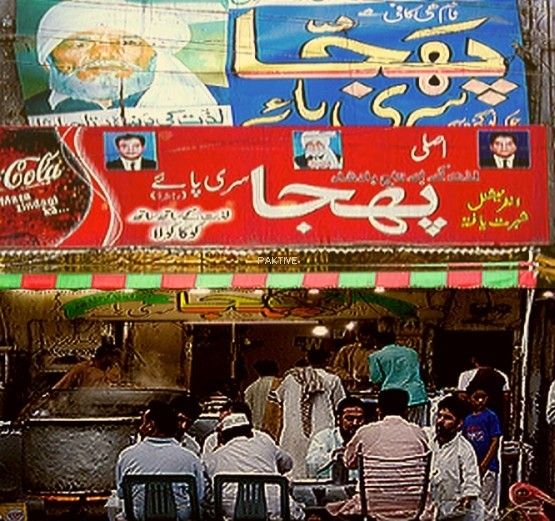
Old Anarkali alone could keep a visitor fed for days, but a few names come up again and again. Butt Karahi is a long-standing favorite for mutton and chicken karahi. Phajja Siri Paye draws early risers for its traditional breakfast.
Waris Tikka and Yasir Broast cover the grilled and fast food side of things, while Hafiz Juice & Chaat Corner is a go-to for cold drinks and street snacks on a hot Lahore afternoon.
For something calmer, Pak Tea House offers a slower, more literary pace, and Cuckoo’s Den nearby is worth the visit for its rooftop view of Badshahi Mosque alone.
Anarkali Bazaar Lahore Timings
Most of the bazaar operates on a fairly consistent schedule through the week, generally opening around 10 am and running until about 9 pm, seven days a week.
That said, individual shop hours can vary, and some food stalls in Old Anarkali Bazaar Lahore open earlier for breakfast crowds or stay open later into the evening depending on demand.
If a specific shop is the goal of the trip, it is worth calling ahead, where a contact number is available, since smaller family-run stores do not always keep fixed hours.
Educational Institutions Near Anarkali Bazaar Lahore
One detail that often gets overlooked is just how close Anarkali Bazaar Lahore sits to some of the city’s most respected academic institutions, which adds a distinct energy to the area beyond shopping and food.
Government College University, one of Pakistan’s oldest institutions of higher learning, sits nearby with its recognisable Gothic-style architecture. The University of the Punjab, one of the region’s largest universities, is a short drive away.
The National College of Arts, known for its role in design and fine arts education, is close enough that its students have been directly involved in cultural mapping projects around the bazaar itself.
Sacred Heart School also sits in the vicinity, rounding out a neighbourhood that mixes commerce, history and education in a way few other parts of Lahore manage.
Tips for Visiting Anarkali Bazaar Lahore
Weekday mornings in the Anarkali Bazaar Lahore tend to be calmer than weekend evenings, which is worth keeping in mind if crowds are not your thing. Comfortable shoes matter more than anything else, since the lanes involve a fair amount of walking on uneven ground.
Bargaining is part of the culture here, and a polite, unhurried approach tends to work better than an aggressive one. Cash is still king at most stalls, so carrying enough on hand avoids unnecessary back-and-forth.
It is also worth wandering off the main lanes into the side streets, where some of the more interesting antique and handicraft stalls tend to be set back from the main foot traffic.
FAQs – Anarkali Bazaar Lahore
It is known for being one of the oldest markets in Lahore and South Asia, its street food in Old Anarkali, and its traditional clothing, jewelry, and handicrafts in New Anarkali.
It sits on Mall Road in Lahore, extending from the Lohari Gate of the Walled City across to the Mall, making it easy to reach from most central parts of the city.
The name comes from a nearby mausoleum believed to contain the remains of Anarkali, a courtesan associated with a well-known Mughal-era legend involving Emperor Akbar and Prince Salim.
Yes. It offers a mix of history, food, and shopping that is hard to find in one place elsewhere in Lahore, though first-time visitors should expect crowds and narrow lanes.
Yes, bargaining is a normal and expected part of shopping here, and vendors generally expect some back-and-forth on price.
BBC-featured Content Specialist with a sharp eye for search intent and a proven ability to turn content into a growth engine. I leverage cutting-edge digital marketing tools to craft strategies that fuel organic traffic, amplify brand growth, and own the local SEO landscape, particularly across the competitive real estate market. I help brands dominate search rankings and convert visibility into measurable business success.
RAWALPINDI: The Rawalpindi Ring Road project has reached 98 percent completion, with installation of the toll plaza the only major work remaining before the highway opens to traffic.
The update was shared during a review meeting chaired by the Rawalpindi Divisional Commissioner. Officials confirmed that the Punjab Ring Road Authority will install and operate the toll plaza, collect tolls at government-approved rates, and oversee traffic management on the route once operational.
Spanning 38.3 kilometres, the Ring Road has completed construction of its main carriageway, flyovers, subways, interchanges, bridges, and other civil infrastructure. Installation of road barriers, lane markings, signboards, and streetlights has also been finalized.
The Punjab government has released more than Rs. 29 billion for the project to date, with the remaining funds expected within one to two weeks, according to officials.
During the review, the commissioner directed authorities to expedite the outstanding work, accelerate landscaping and tree plantation along both sides of the corridor, and establish a dedicated policing and traffic management system ahead of the road’s opening.
Officials further confirmed that construction of the Thalian Interchange will proceed as a separate project once the Ring Road becomes operational.
Once functional, the Ring Road is expected to divert heavy traffic away from Rawalpindi’s urban core, easing congestion on GT Road, Peshawar Road, Murree Road, and other major arteries. Authorities anticipate the project will reduce travel times, cut fuel consumption, and lower vehicular air pollution across the city.
The project marks one of the most significant infrastructure undertakings in the twin cities in recent years, with completion now widely anticipated in the coming weeks.
BBC-featured Content Specialist with a sharp eye for search intent and a proven ability to turn content into a growth engine. I leverage cutting-edge digital marketing tools to craft strategies that fuel organic traffic, amplify brand growth, and own the local SEO landscape, particularly across the competitive real estate market. I help brands dominate search rankings and convert visibility into measurable business success.
Water shortage is a real problem in most cities today. Borewells run dry. Water bills keep rising. Groundwater levels keep falling. A rainwater harvesting system offers a simple, low-cost fix. It collects rain that would otherwise run off your roof or yard and turns it into a usable water source for drinking, irrigation, flushing, or simply topping up the ground beneath your feet.
This guide covers everything about a rainwater harvesting system: what it is, how it works, its components, methods, benefits, cost, water quality standards, and the rules that apply in Pakistan. By the end, you will know exactly how to plan one for your home, office, or institution.
What Is a Rainwater Harvesting System?
According to Encyclopaedia Britannica, a rainwater harvesting system is a technology that collects and stores rainwater for human use. Systems range from simple rain barrels to elaborate structures with pumps, tanks, and purification units. The stored water can irrigate landscaping, flush toilets, launder clothes, or even be purified for drinking.
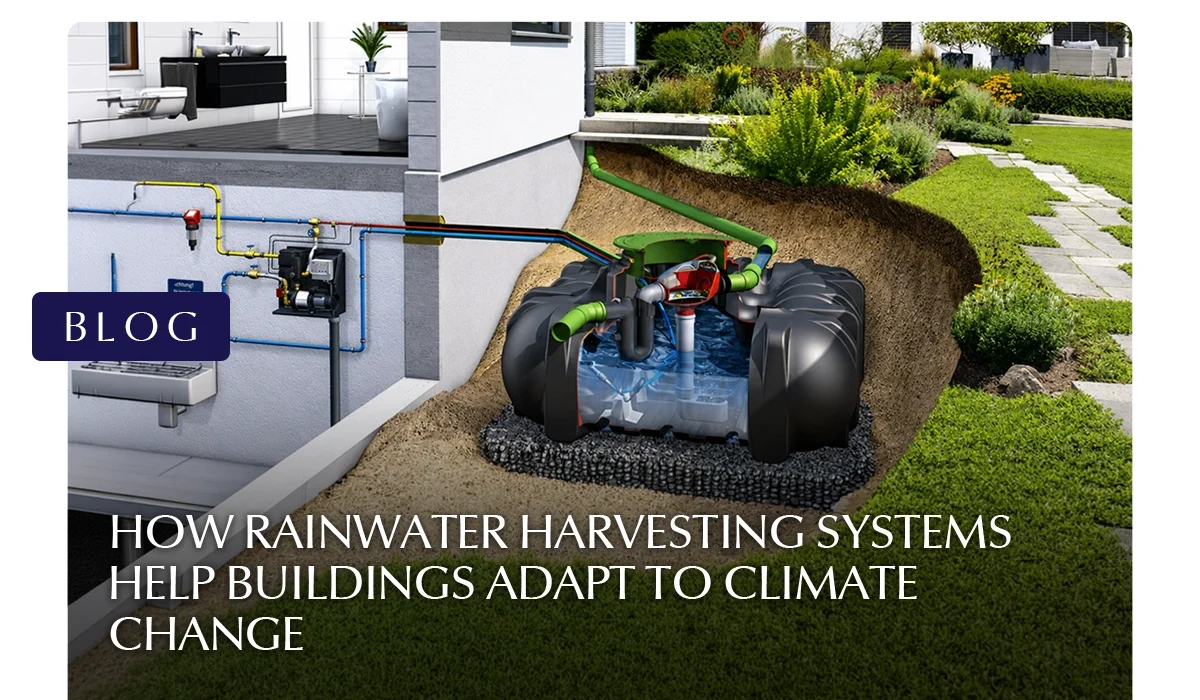
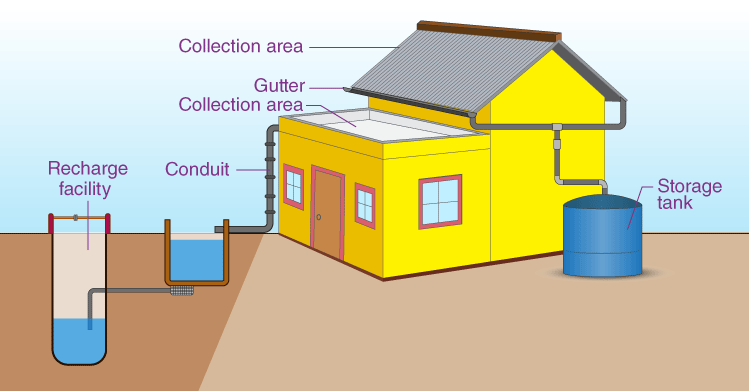
Instead of letting rain run into the street or drain away, a rainwater harvesting system directs it through gutters and pipes into a storage tank or into the ground. Researchers describe every rainwater harvesting system (RWHS) as sharing four core parts: a catchment area, gutters, pipes, and a storage system. Everything else- filters, pumps, recharge wells, treatment units- builds on that basic four-part foundation.
The idea itself is old. People have collected rainwater for thousands of years. Ancient cisterns dating back to 2500 BC have been found in the Middle East, and rainwater harvesting for irrigation dates back to roughly 4500 BC in southern Mesopotamia. Roman cities used rooftop channels and aqueducts long before modern gutters existed.
Farming communities in Balochistan practiced rainwater harvesting around 300 BC. The method has simply been refined with better tanks, filters, and monitoring tools, and in some university research projects today, even Building Information Modeling (BIM) and augmented reality.
Why a Rainwater Harvesting System Matters Right Now
Water stress is no longer a distant concern. Reports cited by industry sources suggest more than half the world’s population will be living in water-stressed regions by 2050.
Pakistan is a clear example. According to Abamet Pakistan, an environmental engineering firm, Pakistan is technically a “water-stressed” country rather than a “water-scarce” one, but it wastes nearly 10 trillion gallons of water every year due to poor conservation.
A rainwater harvesting system is one of the most direct ways to close that gap, because it captures free water at the exact point where it is needed most.
In Semarang, Indonesia, a city badly affected by climate-driven flooding and drought, a rainwater harvesting system built into public schools now channels collected water into daily use and groundwater recharge, directly benefiting more than 20,500 people.
This shows how a single, simple technology can serve two opposite climate problems at once: it eases drought by storing water, and it eases flooding by capturing runoff before it overwhelms drains.
How Does a Rainwater Harvesting System Work?
A rainwater harvesting system works in four simple stages: catchment, conveyance, filtration, and storage or recharge.
Catchment: Rain falls on a roof, terrace, or paved surface. This surface is called the catchment area.
Conveyance: Gutters and downpipes carry the water from the roof to the storage point.
Filtration: Before the water reaches the tank, it passes through a first-flush diverter and a filter. This removes dust, leaves, and bird droppings.
Storage or recharge: Clean water is stored in a tank for reuse, or it is directed into a recharge well or pit so it seeps into the ground and refills the water table.
Gravity does most of the work in a well-designed rainwater harvesting system. Pumps are only needed when water must move uphill, into upper floors, or through pressurised taps.
Methods of Rainwater Harvesting
There are two broad methods used in any rainwater harvesting system, and within each, two purpose-based categories worth knowing.
1. Rooftop Rainwater Harvesting
This is the most common method for homes, apartments, schools, and offices. Rain falling on the roof is captured through gutters and either stored in a tank or directed to a recharge well.
Roof runoff is generally of higher quality than surface runoff and can often be used with only basic treatment. It is simple, affordable, and works well for houses, mosques, factories, hotels, and multi-storey buildings.
2. Surface Runoff Harvesting
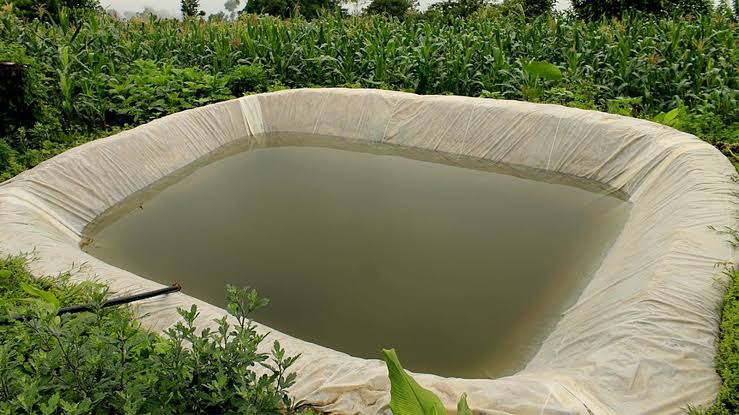
This method collects rainwater flowing across the ground, such as from a courtyard, driveway, or open plot. The runoff is channelled into a storage tank or recharge pit below ground level.
It works well for larger plots and is often used alongside rooftop systems to capture every drop of rain falling on a property, while also cutting soil erosion, water pollution, and street flooding.
Domestic vs. Agricultural Rainwater Harvesting
Beyond catchment type, rainwater harvesting is also split by purpose. Domestic rainwater harvesting (DRWH) serves household needs: drinking, washing, gardening, and flushing.
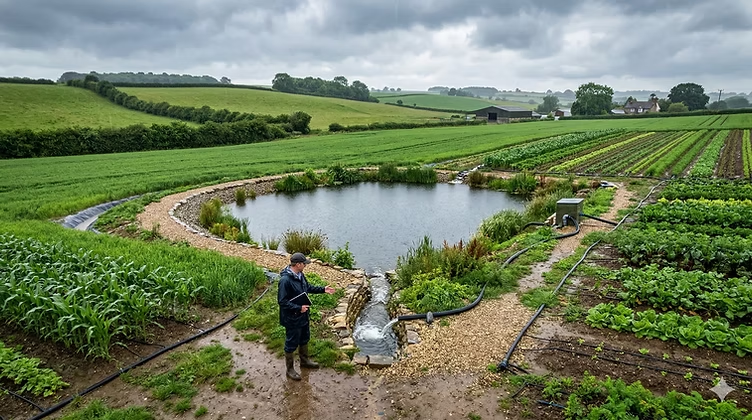
Agricultural and livestock rainwater harvesting (ARWH) serves larger-scale needs through pans, hafir dams, birkads, check dams, sand dams, and agricultural bunds, structures built to trap surface runoff for crops, livestock, and groundwater recharge in arid and semi-arid regions.
Both approaches share the same underlying goal: intercept rain before it is lost, and put it to productive use.
Key Components of a Rainwater Harvesting System
Every rainwater harvesting system, small or large, domestic or industrial, is built from a similar set of parts.
Catchment surface: Usually a roof, terrace, or courtyard. Roofing material affects water quality. Metal sheets and glazed tiles perform well; thatched roofs discolour the water and lower quality.
Coarse mesh: A screen at the roof or tank inlet that prevents leaves and large debris from entering the system.
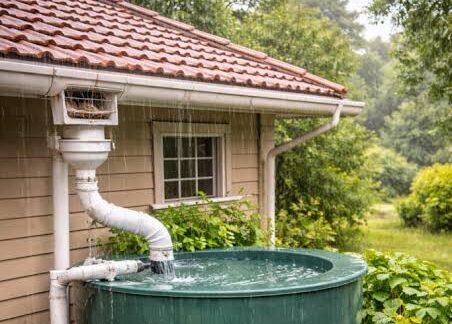
Gutters: Channels fixed along the roof edge that collect rain and guide it toward a downpipe. Gutters should be sized 10–15% larger than the expected peak flow so they do not overflow, and given a gentle slope of about 10 mm fall per metre to avoid standing water.
Downpipes (conduits): Pipes, usually PVC or galvanised iron, that carry water from the gutter down to ground level. Pipe diameter should match rainfall intensity and roof area; a larger, high-intensity roof needs a wider downpipe to avoid backflow during heavy storms.
First-flush diverter: A valve that discards the initial rainfall, which carries the most dust, pollen, and pollutants washed off a dry roof.
Filter: A chamber filled with sand, gravel, charcoal, or fine mesh that removes suspended particles before water enters the tank. Filter designs range from simple household charcoal and sand filters to advanced multi-chamber units like the Dewas filter, the VARUN drum filter, horizontal roughing and slow sand filters (HRF/SSF), and compact potable-conversion units such as the RainPC, which combines screening, flocculation, and membrane filtration to bring rainwater up to WHO drinking-water standards.
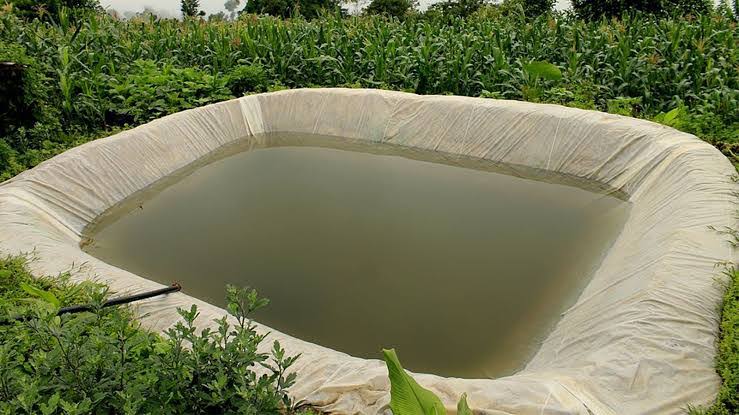
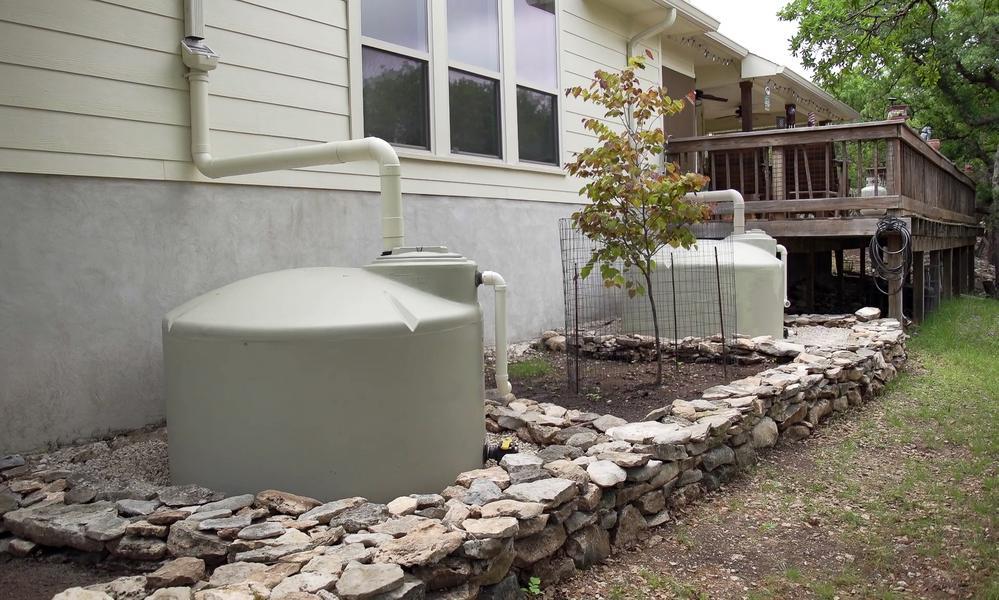
Storage tank: Can be built above ground, underground, or partly buried. Common materials include reinforced concrete, ferrocement, masonry, HDPE plastic, fibreglass, and galvanised steel. Tank scale varies enormously, from small garden water butts of a few hundred litres to large underground commercial tanks holding well over 100,000 litres.
Overflow pipe: Directs excess water away safely once the tank is full, so it does not flood the roof, driveway, or a building’s boundary wall.
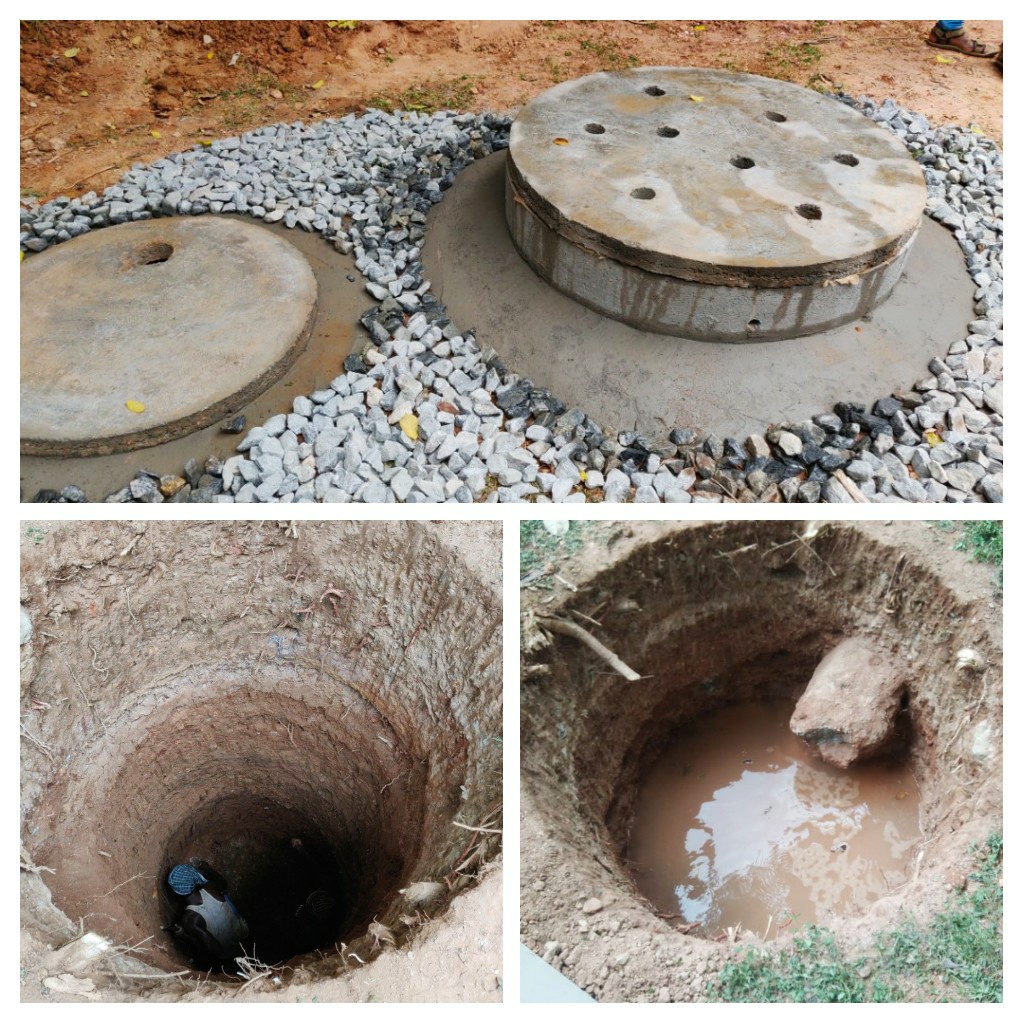
Recharge structures: Where storage is not the only goal, surplus filtered water can be sent into recharge wells, recharge pits, recharge trenches, recharge troughs, or modified injection wells, all designed to let water percolate into the ground and restore the local aquifer rather than run to waste.
Pump and controls (optional): Used when water needs to reach upper floors or pressurised taps. A water level indicator and flow meter with a data logger help track usage and detect problems early.
Backflow preventer: Stops rainwater from flowing backwards into a municipal or well water supply under negative pressure, an important safety feature for any hybrid system.
Treatment unit (optional): UV lights, chlorination, or fine membrane filters, needed only if the water will be used for drinking. Full potable treatment typically removes at least 99% of particles 3 microns or larger and includes daily water-quality testing.
Step-by-Step: How to Set Up a Rainwater Harvesting System
Installing an efficient rainwater harvesting system generally follows four practical steps:
Determine and clean your catchment area. Identify the terrace, courtyard, or roof section that will feed the system, and clean it thoroughly to prevent contamination at the very first stage.
Plan the layout. Decide where tanks and pipelines will sit to make the best use of your available collection surfaces. Common layouts include a single large tank or a cluster of smaller linked tanks.
Set up storage. Every drainpipe and collection point should include a mesh filter and first-flush diverter, a filtration stage before the tank, an air gap to prevent backflow, and an overflow route, ideally connected to a recharge system rather than a storm drain.
Install the pipes and tanks. Lay pipes with a single, consistent fall to avoid sediment traps that are hard to clean. Secure the tanks on a stable stand, connect them so they function as a single storage volume, install isolation valves for maintenance, and finish with a tank gauge so water levels can be monitored at a glance.
How Much Water Can You Actually Collect?
You can estimate the water your roof can capture with a simple formula, essentially the same one used by both the U.S. Department of Energy’s Federal Energy Management Program and independent engineering manuals:
Water collected (litres) = Roof area (m²) × Rainfall (mm) × Runoff coefficient
For example, a 300 m² roof catching 25 mm of rain, with a runoff coefficient of 0.9 for a smooth metal or tiled roof, would collect roughly 6,750 litres in a single rain event, before losses from the first-flush diverter and minor leaks. The U.S. Department of Energy recommends applying a collection factor of 75–90% to account for real-world system losses.
The runoff coefficient changes with roof material:
Roof Type
Runoff Coefficient
Metal (GI) sheet
0.8–0.9
Glazed tiles
0.6–0.9
Concrete/RCC roof
0.7–0.8
Asbestos (existing roofs only)
0.8–0.9
Thatched roof
0.2
There are three broad approaches used to size a storage tank:
Common-side approach: Uses mean annual rainfall to estimate how much water a roof can realistically supply, then sizes the tank to meet roughly a quarter’s worth of demand.
Demand-side approach: Bases tank size on daily consumption per person, household size, and the longest expected dry spell, useful where rainfall is plentiful and reliable.
Supply-side approach: Compares monthly rainfall potential against monthly demand across a full year, useful in low-rainfall or uneven-rainfall regions where storage must bridge real seasonal gaps.
Whichever method is used, tank size should reflect realistic demand, not the theoretical maximum a roof could ever collect.
Benefits of a Rainwater Harvesting System
Research reviews covering the environmental, economic, and social aspects of rainwater harvesting systems consistently find the same core advantages, echoed across engineering, government, and NGO sources alike.
Lowers water bills. Once the upfront cost of the system is paid off, harvested rainwater is essentially free. UK homes with rainwater systems commonly cut mains water use by 20–30%, and sometimes by 50% or more, a figure matched by European tank manufacturers who report up to 50% savings on drinking-water demand for homes using underground rainwater harvesting.
Supports groundwater levels. Directing surplus rainwater into recharge wells helps restore water tables that have dropped due to overuse of borewells, and reduces the risk of saltwater or brackish intrusion in coastal and low-lying aquifers.
Reduces flooding and stormwater runoff. Capturing rain before it reaches the street lowers the load on stormwater drains and reduces non-point source pollution reaching rivers and lakes, especially valuable during monsoon downpours.
Improves water security during drought. Stored rainwater acts as a backup source when mains supply is cut, a well runs low, or a drought hits. It can also serve as a main supply for new homes with no access to municipal water.
Requires low maintenance. Once installed, a system needs only routine gutter cleaning and periodic tank inspection; tanks and pipework can last 15 to 30 years with basic upkeep.
Reduces energy use and emissions. Because rainwater is used close to where it falls, it cuts the energy needed to pump and transport water across a city, and lowers the broader carbon footprint of urban water supply.
Adds long-term property value. Buildings with a working rainwater harvesting system often score points under green-building rating programs, and some municipalities offer rebates, tax exemptions, or property-tax reductions for installing one.
Supports climate adaptation. International climate bodies now class rainwater harvesting as a formal adaptation measure: it simultaneously builds drought resilience and reduces flood risk, which is why it appears in UN-backed community projects from Indonesia to Jamaica.
Cuts soil erosion. In open plots and agricultural land, capturing runoff reduces the speed and volume of water that would otherwise wash away topsoil.
Cost of a Rainwater Harvesting System and Return on Investment
Cost depends on tank size, excavation depth, pipe length, filtration quality, and whether the project is new construction or a retrofit. Broadly, price rises with:
Tank material (plastic tanks generally cost less than reinforced concrete)
Underground versus above-ground placement
Filtration and disinfection equipment, especially if the water will be used for drinking
Pump requirements
Site conditions, such as soil type and depth to the water table
Independent studies looking at hospital, residential, and office installations found payback periods of roughly 1 year for a hospital-scale system, up to 8 years for an office block, and around 21 years for a smaller residential system, showing that larger, higher-demand buildings generally see a faster return on a rainwater harvesting system than single homes.
Some cities also offer direct incentives: rebates covering up to half the system cost, sales-tax exemptions on harvesting equipment, and property-tax reductions tied to construction costs, all of which shorten the payback period further.
Retrofitting an existing building costs more than planning the system during original construction, since pipe runs and tank pits must work around finished structures.
Architects and engineers recommend including rainwater harvesting in the design stage, alongside plumbing and drainage drawings, rather than adding it as an afterthought.
Water Quality and Safety
Rainwater itself is naturally low in salinity and, scientifically as well as traditionally, considered one of the cleanest available water sources. However, once it touches a roof, it can pick up dust, bird droppings, moss, airborne pollutants, and even trace pesticides during the first rain after a dry spell. This is why filtration matters at every stage of a rainwater harvesting system.
For non-potable use, such as flushing, gardening, and washing, a first-flush diverter plus a basic sand, charcoal, or mesh filter is usually enough. For drinking water, additional treatment is required: fine filtration down to a few microns, plus disinfection through UV light, chlorination, or ozone, often used in combination.
Health authorities recommend boiling harvested rainwater as an added safety step where treatment systems are basic. Regular water testing is essential if a system is intended to supply drinking water, since contamination can occur even in a well-designed setup, and cisterns should also be checked periodically to prevent mosquito breeding.
Recent engineering research has gone a step further, developing integrated rainwater harvesting units that combine collection with on-site disinfection and mineral fortification to produce drinking water directly at the household level, with reported economic payback periods of around eight years for such compact potable units.
Maintenance of a Rainwater Harvesting System
A rainwater harvesting system needs simple, regular upkeep to keep working well:
Weekly: Clear debris from gutters and the roof surface, especially after storms, and check inlet filters for blockages.
Monthly: Check the first-flush diverter, overflow pipe, water level indicator, and any pumps or controls for proper function.
Annually: Inspect the storage tank for cracks or sediment buildup, and have backflow preventers tested by a qualified professional if the system connects to mains water.
As needed: Replace filter cartridges and UV lamps per the manufacturer’s schedule, particularly for systems used for drinking water, since a UV lamp typically loses effectiveness after about a year.
Storage tanks and pipework typically carry warranties of 15 to 30 years, while pumps last 2 to 10 years depending on use.
Rainwater Harvesting in Pakistan
Pakistan faces serious water stress, and a rainwater harvesting system is increasingly part of the national response, both in cities and in dry rural regions.
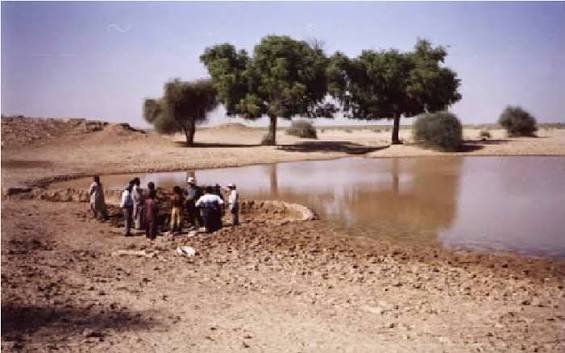
In arid zones like the Cholistan Desert, groundwater is often unusable due to salinity, so rainfall is the main source of drinking water for people and livestock. The Pakistan Council of Research in Water Resources (PCRWR) has developed a rainwater harvesting network of 110 specially designed reservoirs spread across 26,000 sq. km of Cholistan, storing around 440 million gallons of water.
Twenty deep tubewells add roughly 1,405 million gallons of annual discharge where groundwater is usable. Together, these measures have significantly cut seasonal migration among nomadic communities searching for water and are estimated to save around Rs. 6 billion a year.
In urban Pakistan, the picture is different but just as urgent. Falling groundwater levels in cities like Lahore, Islamabad, and Rawalpindi have pushed local authorities to act. The Capital Development Authority (CDA) has made rooftop rainwater harvesting mandatory for new buildings in Islamabad under updated building bylaws, aiming to raise groundwater levels and reduce water wastage.
Academic and engineering institutions are also pushing the technology forward locally. A recent civil engineering project at COMSATS University Islamabad’s Wah Campus designed a full rainwater harvesting system using Building Information Modeling (BIM), GIS, and integrated AR/VR technology, drawing on precipitation data from NASA and the Pakistan Meteorological Department, and applying the SCS Curve Number and Rational Method to estimate runoff.
The project paired a designed recharge well and anthracite filtration system with pre- and post-filtration water quality testing, illustrating how modern design tools are now being applied to a very old technology in a Pakistani context.
For homeowners and developers in Pakistan, practical design guidance includes:
Combine a storage tank (for reuse in gardening, washing, and flushing) with a recharge well (to support groundwater levels).
Always install a first-flush diverter and filter chamber before the water reaches a recharge well, so silt and pollutants do not enter the aquifer.
Keep gutters, downpipes, and tanks accessible for regular cleaning and inspection.
Plan the system with the architecture and plumbing drawings, not after construction has already started.
Size storage and recharge separately for different property types. A 5-marla house, a 1-kanal villa, a farmhouse, and an apartment building all need different catchment and storage strategies.
Harvested rainwater in Pakistani homes is generally safe for gardening, car washing, floor cleaning, and toilet flushing. It should not be used for drinking unless it undergoes proper filtration, disinfection, and water quality testing, in accordance with both PCRWR guidance and international drinking-water standards.
Frequently Asked Questions
Is a rainwater harvesting system worth it for a single home?
Yes. Even a basic setup with a storage tank and filter can meaningfully cut water bills and provide backup supply during shortages, especially in areas with unreliable mains water. Studies show payback periods for residential systems can run longer than for commercial buildings, but the system still pays for itself over its 15–30-year lifespan.
Can I drink harvested rainwater directly?
Not without proper treatment. Rainwater needs filtration and disinfection to meet drinking-water standards, ideally with regular testing. Most households use it for non-potable purposes like gardening, washing, and flushing.
Is rainwater harvesting mandatory in Pakistan?
It is mandatory for new buildings in Islamabad under CDA bylaws. Other cities and housing societies are increasingly encouraging or requiring it as groundwater levels continue to fall, echoing similar mandatory rules already applied in several Indian cities.
What is the difference between a storage tank and a recharge well?
A storage tank holds water for direct reuse. A recharge well, recharge pit, or recharge trench sends filtered surplus water underground to restore the water table. Most well-designed systems use both together.
How long does a rainwater harvesting system last?
With regular maintenance, storage tanks and pipework can last 15 to 30 years. Pumps and filters need more frequent servicing or replacement, typically every 2 to 10 years.
Does a rainwater harvesting system help with climate change?
Yes. International climate bodies, including the IPCC, list rainwater harvesting as a recognised adaptation measure, since it builds drought resilience while also reducing flood risk from heavy rainfall events.
Final Thoughts
A rainwater harvesting system turns a free, renewable resource into real savings and long-term water security. Whether it is a small rooftop setup for a single home, a BIM-designed university project, or a large recharge network across a desert region, the basic principle stays the same: catch the rain, filter it, and use every drop wisely. With water stress rising across Pakistan and beyond, installing a rainwater harvesting system is no longer just an environmental choice. It is a practical and increasingly necessary one.
BBC-featured Content Specialist with a sharp eye for search intent and a proven ability to turn content into a growth engine. I leverage cutting-edge digital marketing tools to craft strategies that fuel organic traffic, amplify brand growth, and own the local SEO landscape, particularly across the competitive real estate market. I help brands dominate search rankings and convert visibility into measurable business success.
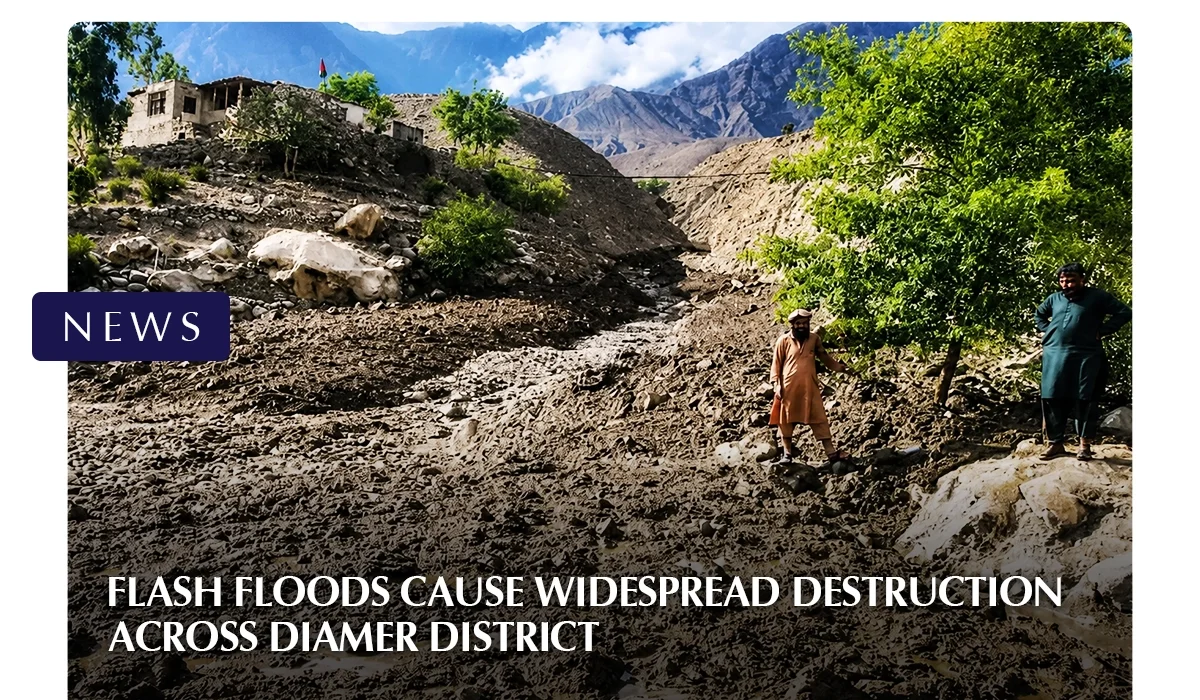
GILGIT: Flash floods triggered by heavy rainfall have caused extensive damage across Diamer district, with disaster officials confirming flooding at six locations early Monday.
The floods damaged houses, the Karakoram Highway (KKH), link roads, crops, agricultural land, and public and private property. Flooding was reported in Khanbari, Niyat, Thore, Gaspayan, Gasbala, Bunar and surrounding areas.
In Thore Valley’s Thunraka area, flood debris entered several homes, while standing crops, agricultural land and fruit trees sustained heavy damage. The valley’s main road was washed away at multiple points, completely suspending traffic.
Power transmission lines were also damaged, cutting electricity to Thore Valley and nearby areas. In Chilas’ Niyat area, floodwaters damaged link roads, disrupting transportation for local communities.
In Khanbari, a severe flash flood swept away two houses along with their contents, as well as several livestock. A private company working on the Diamer-Bhasha Dam project reported major losses after floodwaters swept away 13 dumpers, an excavator, a crushing plant and two water tankers, halting construction activities.
Landslides and debris blocked the KKH at Bonar Das, stranding domestic and foreign travellers for several hours. While the highway was later reopened, link roads to remote areas remained blocked, and power supply had not been restored in several affected localities.
Affected residents have called for immediate relief operations, restoration of roads and electricity, and financial assistance for impacted families.
Officials noted that Gilgit-Baltistan is witnessing a sharp rise in climate-linked disasters, including cloudbursts, flash floods, landslides and glacial lake outburst floods (GLOFs), driven by rising temperatures and accelerated glacier melt.
The region, home to roughly 8,400 glaciers and over 4,000 glacial lakes, faces mounting long-term water security risks. Authorities say emergency response arrangements remain in place.
BBC-featured Content Specialist with a sharp eye for search intent and a proven ability to turn content into a growth engine. I leverage cutting-edge digital marketing tools to craft strategies that fuel organic traffic, amplify brand growth, and own the local SEO landscape, particularly across the competitive real estate market. I help brands dominate search rankings and convert visibility into measurable business success.