Pakistan’s cities are growing faster than ever, and thoughtful urban planning has never been more critical. At Chakor, our Urban Developments and Planning section explores the master plans, zoning decisions, infrastructure investments, and community projects shaping how Pakistan’s urban centres evolve.
For developers, investors, and citizens alike, understanding how cities are being planned today is the key to knowing where value will be created tomorrow.
ISLAMABAD: The Capital Development Authority (CDA) has approved a comprehensive urban regeneration plan aimed at upgrading recognised kachi abadis across the Islamabad Capital Territory. The decision was taken during a CDA Board meeting chaired by Chairman and Chief Commissioner Islamabad Muhammad Ali Randhawa.
The approved framework introduces new regulations focused on the regularisation, improvement, and possible relocation of informal settlements under an organised urban development strategy. The initiative is intended to integrate recognised kachi abadis into Islamabad’s formal planning system while improving living conditions for residents.
Under the plan, only individuals verified as residents through official surveys conducted up to December 31, 2002, will be eligible to benefit from the programme. The CDA Planning Wing will carry out fresh surveys of the settlements to prepare updated layout plans and development proposals.
The regeneration process will include infrastructure upgrades and the provision of essential municipal services. Planned improvements cover road and street development, rehabilitation works, and measures aimed at enhancing access to basic urban facilities within these communities.
Officials stated that the initiative aligns with legal provisions under the CDA Ordinance 1960 and follows directives issued by the Supreme Court to regulate informal housing areas through structured planning measures.
The approved measures form part of broader efforts to promote planned urban growth and improve civic infrastructure across Islamabad while addressing long-standing issues related to informal settlements.
BBC-featured Content Specialist with a sharp eye for search intent and a proven ability to turn content into a growth engine. I leverage cutting-edge digital marketing tools to craft strategies that fuel organic traffic, amplify brand growth, and own the local SEO landscape, particularly across the competitive real estate market. I help brands dominate search rankings and convert visibility into measurable business success.
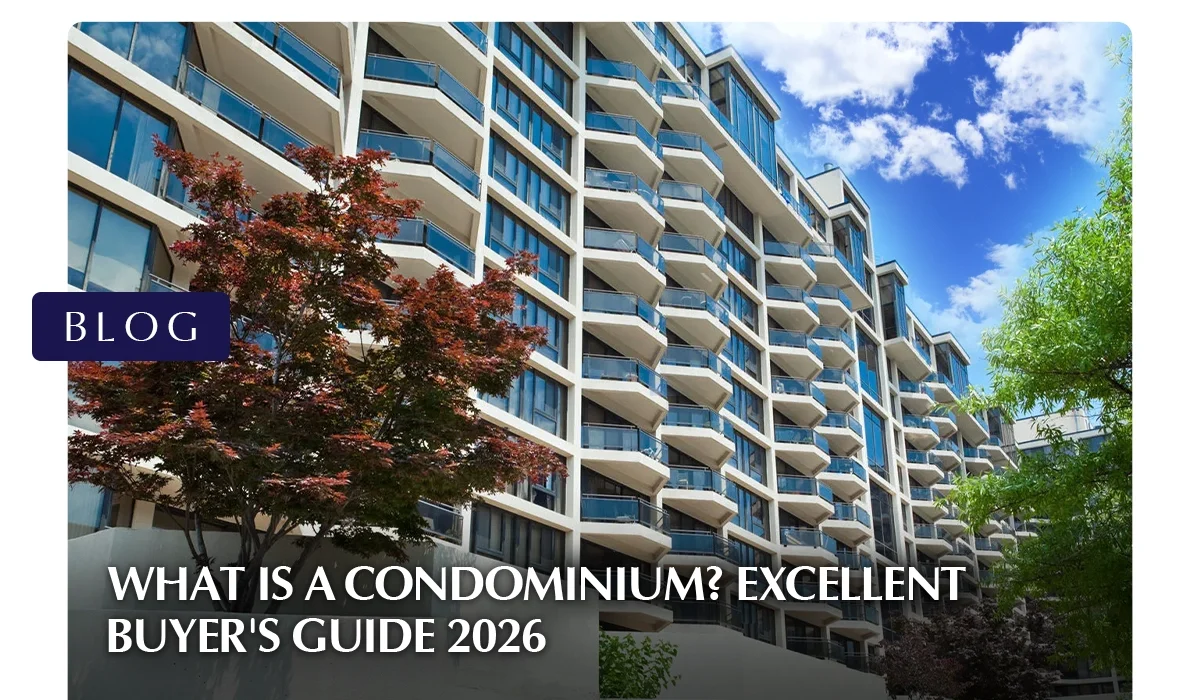
When researching modern housing options, one question appears frequently: What is a condominium? Whether you are a first-time homebuyer, investor, or simply comparing housing types, understanding condominiums is essential in today’s evolving real estate market.
Across the world and increasingly in Pakistan, condominiums are becoming a popular alternative to traditional houses and rental apartments. They combine private ownership with shared amenities, offering affordability, convenience, and urban lifestyle benefits.
This complete guide explains everything you need to know about condominiums, including ownership structure, differences from apartments and houses, types of condos, costs, advantages, and how condominiums are shaping Pakistan’s urban housing future.
What Is a Condominium?
A condominium is a type of real estate ownership where individuals own a private residential unit while sharing ownership of common areas such as hallways, parking, elevators, and amenities with other residents through a collective association.
Unlike renting, condo owners hold legal title to their unit while jointly maintaining shared spaces.
Explaining the Concept | What is a Condominium
To properly define condominium, it is important to understand that a condo refers to ownership structure, not building style.
A condominium can exist in:
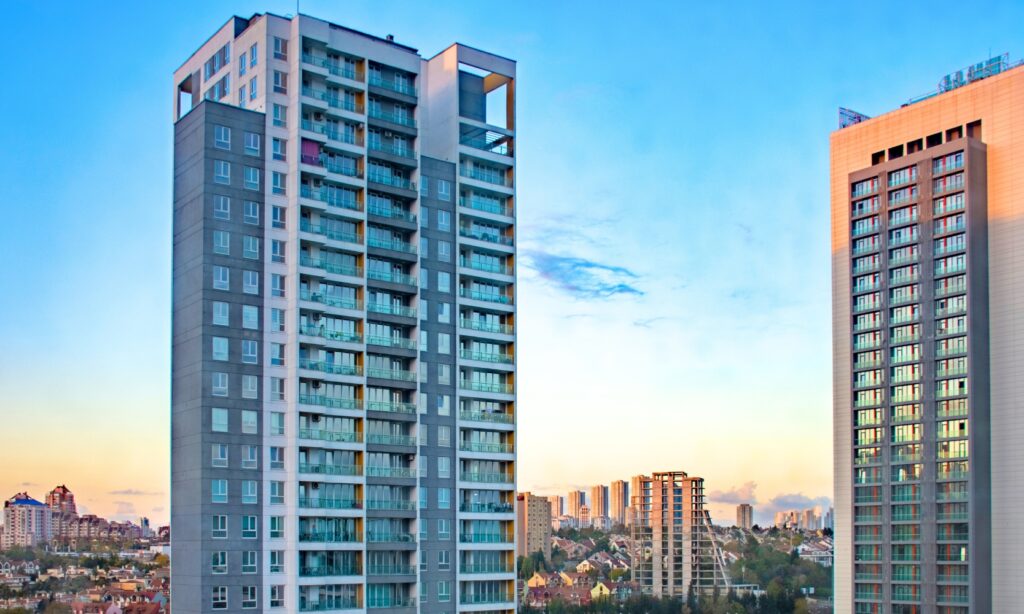
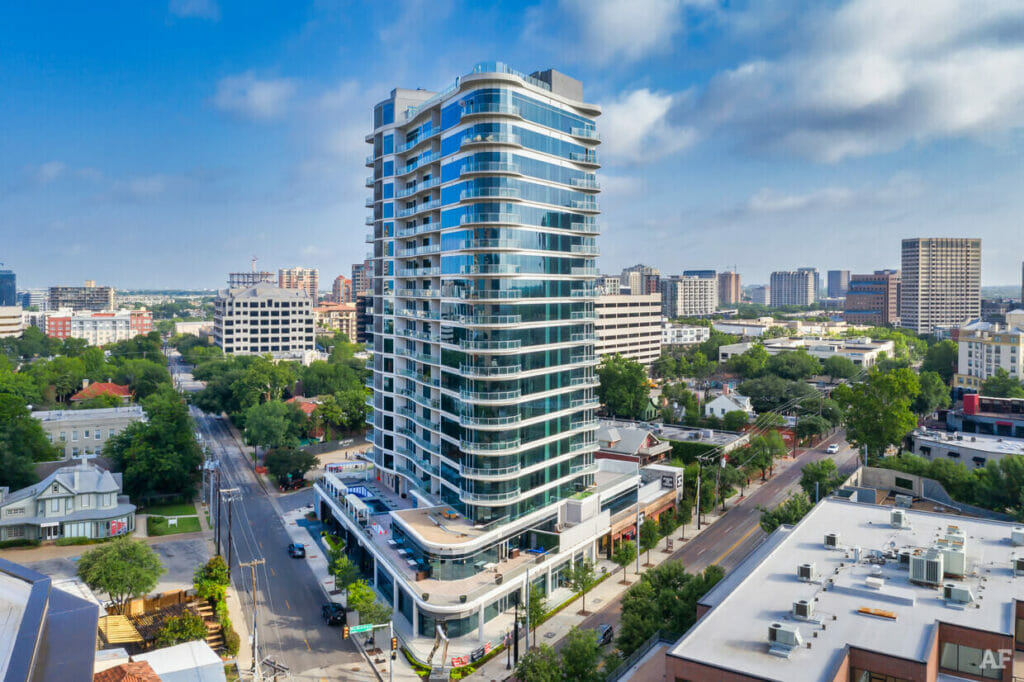
High-rise buildings
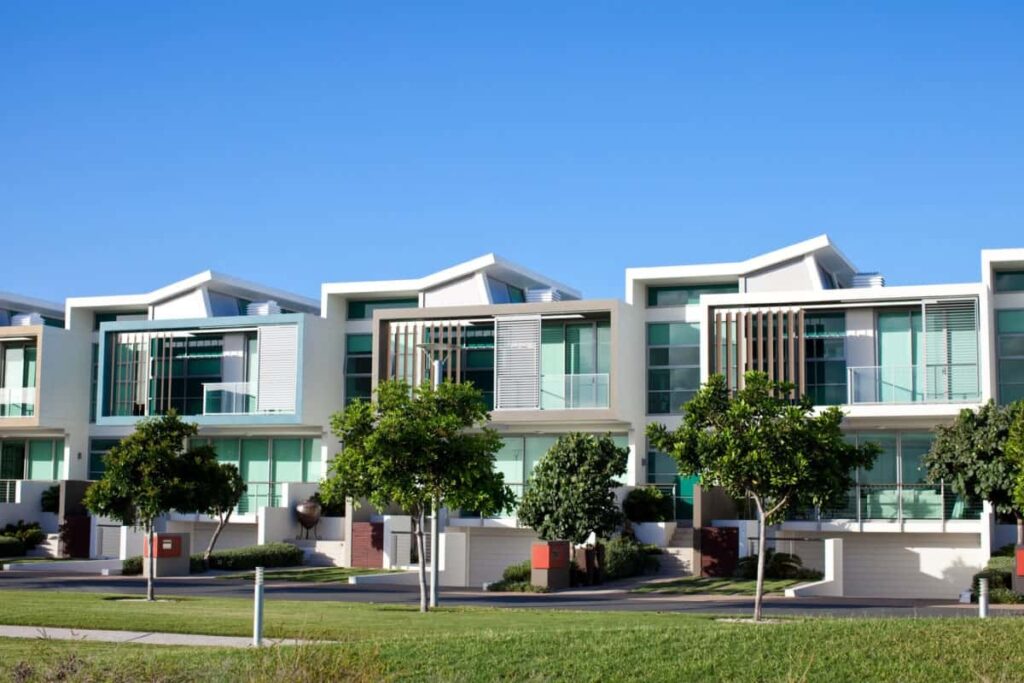
Townhouses
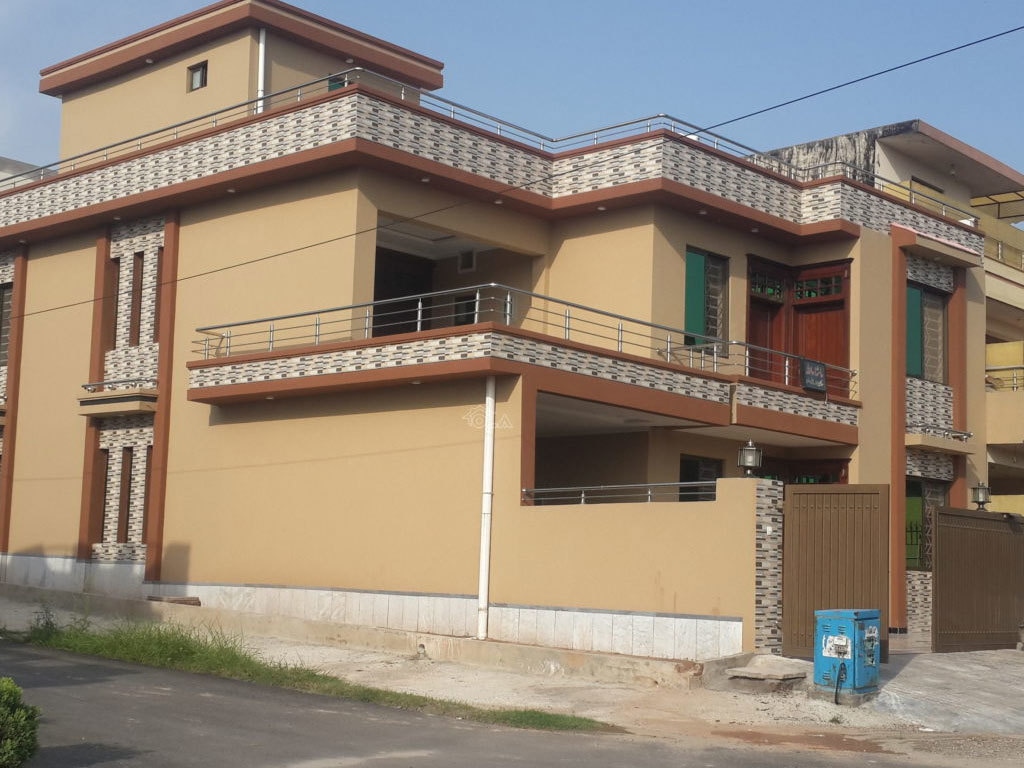
Detached homes within communities
Mixed-use developments
What makes it a condominium is shared ownership of common elements.
Key Components of Condominium Ownership | What is a Condominium
Individual Ownership Owners legally own the interior of their unit.
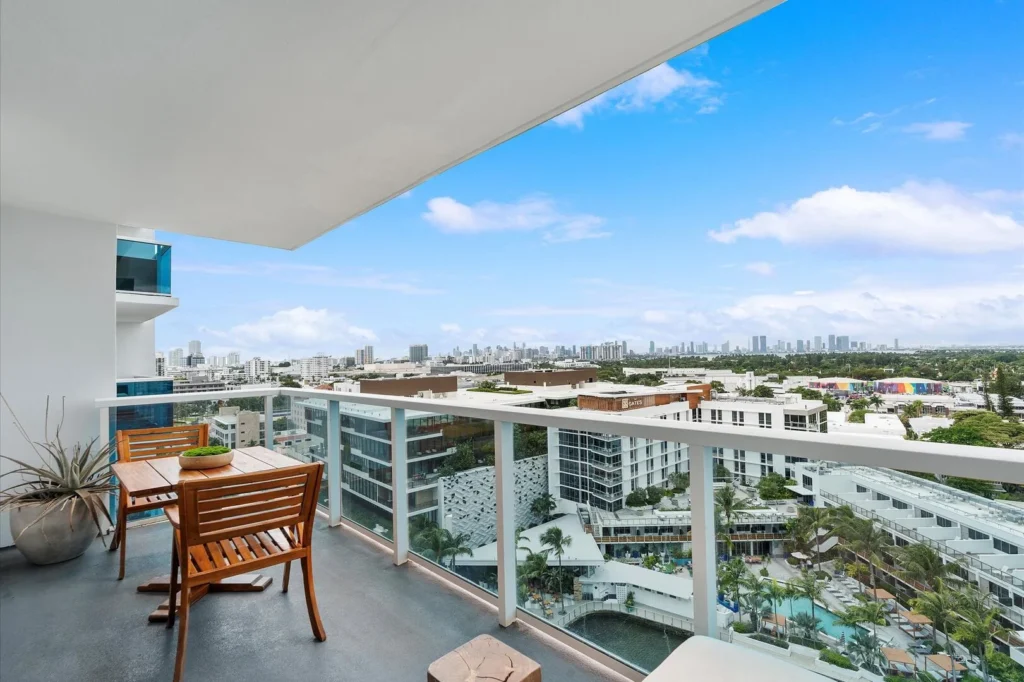
Shared Common Areas Residents collectively own spaces like:
Lobbies
Parking areas
Elevators
Gyms and pools
Gardens and corridors
Condominium Association (HOA) An association manages maintenance, finances, and community rules.
This structure allows residents to enjoy amenities without individually managing large property maintenance responsibilities.
What Is a Condo?
The term condo is simply the shortened version of condominium.
When someone asks “what is a condo?”, they usually mean:
“A privately owned housing unit located within a shared residential building or community.”
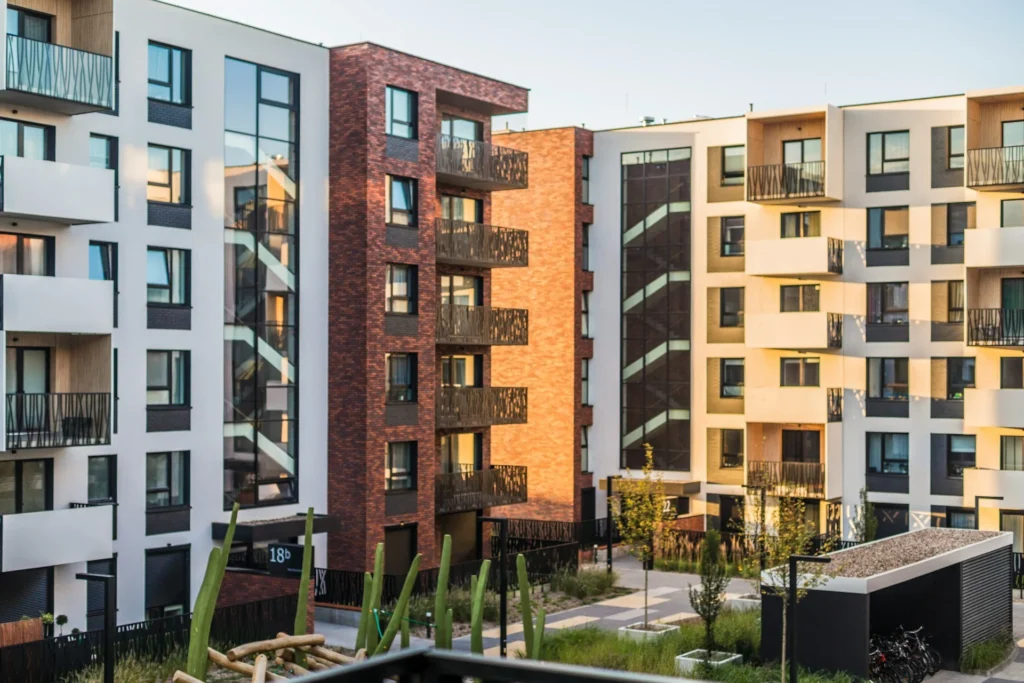
Physically, condos often look identical to apartments, but legally, they function very differently due to ownership rights.
Condo vs Apartment: Key Differences Explained
Many buyers confuse condos with apartments. In the following section, you will find the difference between condos and apartments.
Condo vs Apartment Comparison Table
Feature
Condo
Apartment
Ownership
Individually owned
Owned by landlord/company
Payment
Purchase + HOA fees
Monthly rent
Equity
Builds property value
No ownership equity
Maintenance
Interior owner responsibility
Landlord responsible
Amenities
Shared via association
Provided by the property owner
Customization
Allowed (interior)
Usually restricted
Investment Potential
Yes
No ownership benefit
What Is the Difference Between a Condominium and a House?
A house provides full ownership of both the building and the land. A condominium owner, however, owns only their unit while sharing land and infrastructure.
Major Differences
Houses require full maintenance responsibility.
Condos distribute maintenance costs across residents.
Houses offer more privacy.
Condos provide convenience and shared amenities.
For urban residents, condos often represent a practical balance between affordability and ownership.
Types of Condominiums
One major gap in many articles, and a key ranking opportunity, is explaining condo types.
1. High-Rise Condominiums
Most common in cities.
Features:
Multi-story buildings
Elevators and security
Shared amenities like gyms and pools
Ideal for urban professionals
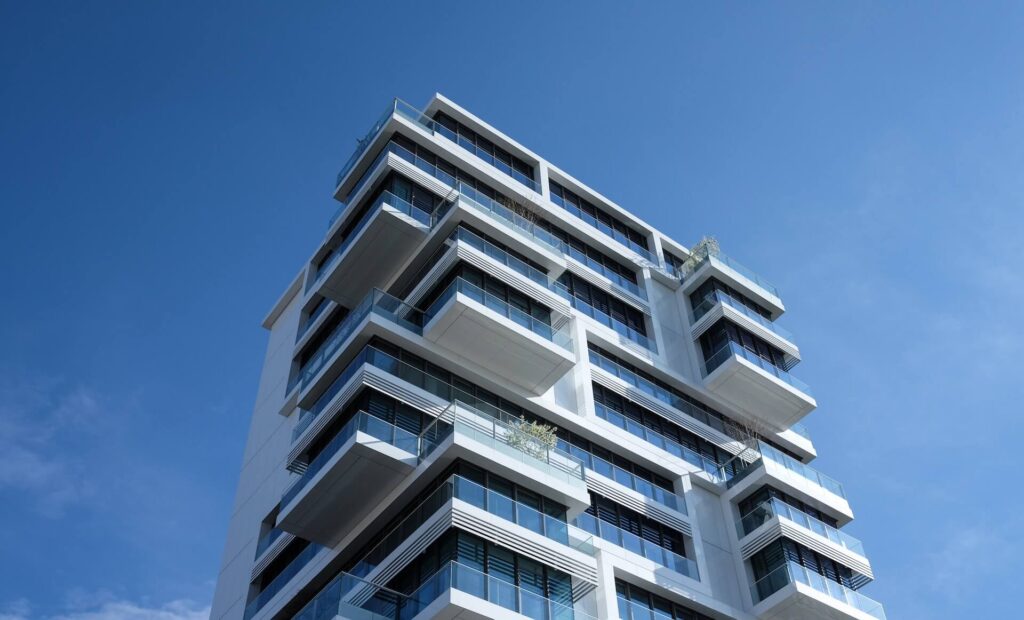
One common example of High-rise condominiums is Citadel One3 in Islamabad.
2. Townhouse Condominiums
Rows of connected homes sharing walls.
Benefits:
More space than apartments
Community maintenance included
Family-friendly layouts
3. Detached Condominiums
Standalone houses operating under condominium ownership rules.
Owners enjoy:
Private home feel
Shared infrastructure maintenance
Gated community benefits
4. Condominium Hotels (Condo Hotels)
Units owned privately but managed like hotels, allowing rental income opportunities.
How Condominium Ownership Works? | What is a Condominium
Ownership operates through a legal framework dividing responsibility.
What You Own
Interior walls
Flooring and fixtures
Appliances
Living space
What You Share
Roof
Elevators
Parking
Building exterior
Security systems
Owners contribute monthly fees for maintenance through the condominium association.
Costs Associated With Condominiums | What is a Condominium
Buying a condo includes several financial components:
Purchase Price
Usually lower than detached houses in urban locations.
Condominium Fees
Monthly payments covering:
Cleaning
Security
Repairs
Shared utilities
Building management
Maintenance Responsibilities
Owners maintain interior spaces only.
Advantages of Owning a Condominium
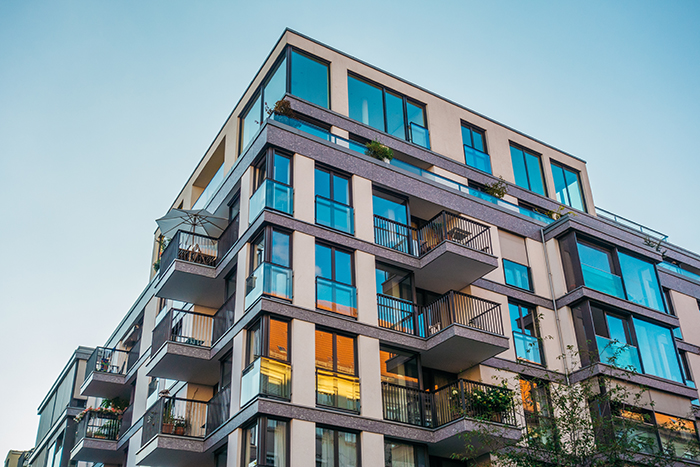
modern corner apartment complex with blue colored windows and light leaks
1. Lower Maintenance Lifestyle
Exterior upkeep is handled collectively.
2. Urban Accessibility
Condos are typically located near business districts and transport hubs.
3. Amenities Access
Pools, gyms, and security become affordable through shared costs.
4. Investment Potential
Urban condos often appreciate due to location demand.
Disadvantages of Condominiums
Monthly association fees
Limited exterior customization
Shared walls reduce privacy
Community rules must be followed
Understanding these trade-offs helps buyers make informed decisions.
Condominiums in Pakistan: A Growing Housing Trend
Most global guides ignore regional markets, but localized relevance strongly improves rankings.
Urban Housing Trends in Pakistan
Cities like:
Karachi,
Lahore,
and Islamabad
are experiencing rapid urbanization. Rising land prices and population density are shifting buyers toward vertical living solutions.
Condominiums offer:
Affordable ownership in city centers
Secure gated communities
Modern amenities are attractive to young professionals
Developers increasingly focus on mixed-use condominium projects combining residential, retail, and office spaces.
Citadel One3 | What is a Condominium
Citadel One3 is an upcoming condominium project designed to introduce modern and community-focused urban living in Pakistan. Planned around contemporary condominium principles, the development aims to combine private ownership with shared amenities and professionally managed common spaces.
Planned Features
The project is expected to offer:
Modern residential condominium units
Secure entry and controlled access
Dedicated parking facilities
Contemporary architectural design
Shared community amenities
Professionally maintained common areas
Location & Lifestyle Benefits
Citadel One3 is being developed to provide convenient access to key urban facilities, including commercial areas, educational institutions, healthcare services, and major transportation routes. The project is designed to support a comfortable lifestyle suited for professionals, families, and investors.
Legal Ownership | What is a Condominium
Although terminology varies, condominium-style ownership exists through apartment ownership laws and cooperative housing regulations.
What Buyers Should Verify
Project approval by local development authorities
Property registration documentation
Developer credibility
Maintenance governance structure
Provincial authorities such as CDA, LDA, and SBCA regulate developments depending on location.
Legal due diligence is essential before purchasing.
Typical Condominium Fees in Pakistani Cities
Fees vary depending on amenities and building quality.
Islamabad
Higher fees due to security and premium facilities.
Karachi
Wide range depending on neighborhood and services.
They may not suit buyers wanting large private land ownership.
How to Find Condominiums for Sale in Pakistan
You can explore available properties through:
Online property portals
Licensed real estate agencies
Developer project launches
Local market research
Always compare projects and verify legal approvals before committing.
Are Condominiums a Good Investment in 2026?
Global housing trends show increasing demand for compact urban living. Pakistan is following a similar path due to:
Rising urban migration
Increasing land costs
Changing lifestyle preferences
Well-located condominiums often provide:
Rental income opportunities
Capital appreciation
Lower maintenance burden compared to houses
Final Thoughts: What is a Condominium?
Understanding what is a condominium helps buyers evaluate one of the fastest-growing housing models worldwide.
A condominium blends ownership with community living, offering affordability, convenience, and modern amenities while reducing maintenance responsibilities.
As Pakistani cities continue expanding vertically, condominiums are likely to become a central part of urban housing solutions.
FAQs | What is a Condominium
The following are some of the FAQs relevant to condominium apartments:
What is a condominium in simple terms?
In simple terms, a condominium is a private property in a shared building or community.
What is the concept of a condominium?
The concept of a condominium is based on the idea of shared ownership. Each owner controls their unit, but the ownership of common areas is shared with other residents.
Why is it called a condo?
The term “condo” comes from condominium, which originates from Latin, meaning shared ownership.
What is meant by condo apartment?
A condo apartment refers to an apartment-style unit within a condominium complex that is owned by an individual rather than rented.
What are the characteristics of a condominium?
Some key characteristics of a condominium include:
Private ownership of residential units
Shared ownership of common areas such as pools, parking, and gardens
Monthly fees for maintenance and common area management
What is the difference between an apartment and a condo?
In an apartment, the entire building is typically owned by a single entity or landlord and rented out to tenants.
In a condo, the individual units are owned by different residents, and common areas are collectively owned and maintained by all the condo owners.
Are apartment and condo the same?
No, an apartment is a rental unit, owned by a landlord or company, while a condominium refers to privately owned units within a shared building or complex.
Is it smarter to get a condo or apartment?
Choosing between a condo and an apartment depends on your personal situation:
Condos are suitable for long-term ownership, investment opportunities, and building equity.
Apartments are more suitable for short-term rentals and flexibility with fewer responsibilities.
Is a condo more luxurious than an apartment?
While luxury depends on the property, condominiums typically offer better amenities than rental apartments, such as pools, gyms, and 24-hour security.
What is the difference between a condominium and a regular house?
A condominium is a type of property where you own a unit but share ownership of common areas such as hallways, parking, and amenities. In contrast, a regular house involves complete ownership of both the structure and the land. Condos typically have shared maintenance costs, while houses do not.
What is a condominium vs townhouse?
A condominium refers to ownership of a unit within a shared building or complex with shared responsibility for common areas. A townhouse, on the other hand, is a specific type of house that shares walls with other units but generally does not have shared amenities like a condo.
What is the difference between a condo and a unit?
A unit is a generic term that refers to any individual living space within a building or complex. A condo is a specific type of unit where ownership is governed by condominium rules.
Is a condo the same as a unit?
Not exactly. While all condos are units, not all units are condos.
What is a condominium house?
A condominium house is typically a standalone or semi-detached home that falls under condominium ownership rules.
What is a condominium complex?
A condominium complex refers to a large development consisting of multiple individually owned units, with shared amenities like gardens, pools, and common areas.
What is a condominium hotel?
A condominium hotel is a hybrid property where owners buy individual units that are operated like a hotel.
What is a condominium act.
The condominium act is a set of legal rules that governs condominium ownership, management, rights, and responsibilities of owners in a particular jurisdiction.
What is a condominium fees?
Condominium fees are monthly charges paid by condo owners to cover the cost of maintaining common areas, services, and amenities such as security, cleaning, and upkeep of shared spaces like lobbies or gardens.
What are the typical monthly fees for a condo?
Monthly condo fees typically vary depending on the size, location, and amenities offered by the building.
What are the typical maintenance fees for condominiums in Islamabad?
In Islamabad, maintenance fees for condominiums vary depending on the project’s location and amenities.
Pros and cons of buying a condominium unit. What is a condominium?
Pros of buying a condominium unit include access to amenities, reduced maintenance responsibilities, and lower costs compared to detached houses.
What are the legal regulations for buying a condominium in Pakistan?
In Pakistan, legal regulations for buying a condominium include ensuring the project is registered with relevant authorities and verifying ownership rights.
Which companies offer condominium listings in major Pakistani cities? What is a condominium?
Real estate agencies and property portals in Pakistan, such as Chakor Ventures offer condominiums in Islamabad like Citadel One3.
How to find available condominium properties for sale. What is a condominium?
You can find available condominium properties for sale by searching on reputable online property platforms, contacting local real estate agents, or checking with developers offering new condo projects.
What does 1 unit mean in housing?
In housing, 1 unit refers to an individual living space within a larger building or community, typically used as a measurement for apartments, condos, or houses in multi-unit developments.
BBC-featured Content Specialist with a sharp eye for search intent and a proven ability to turn content into a growth engine. I leverage cutting-edge digital marketing tools to craft strategies that fuel organic traffic, amplify brand growth, and own the local SEO landscape, particularly across the competitive real estate market. I help brands dominate search rankings and convert visibility into measurable business success.
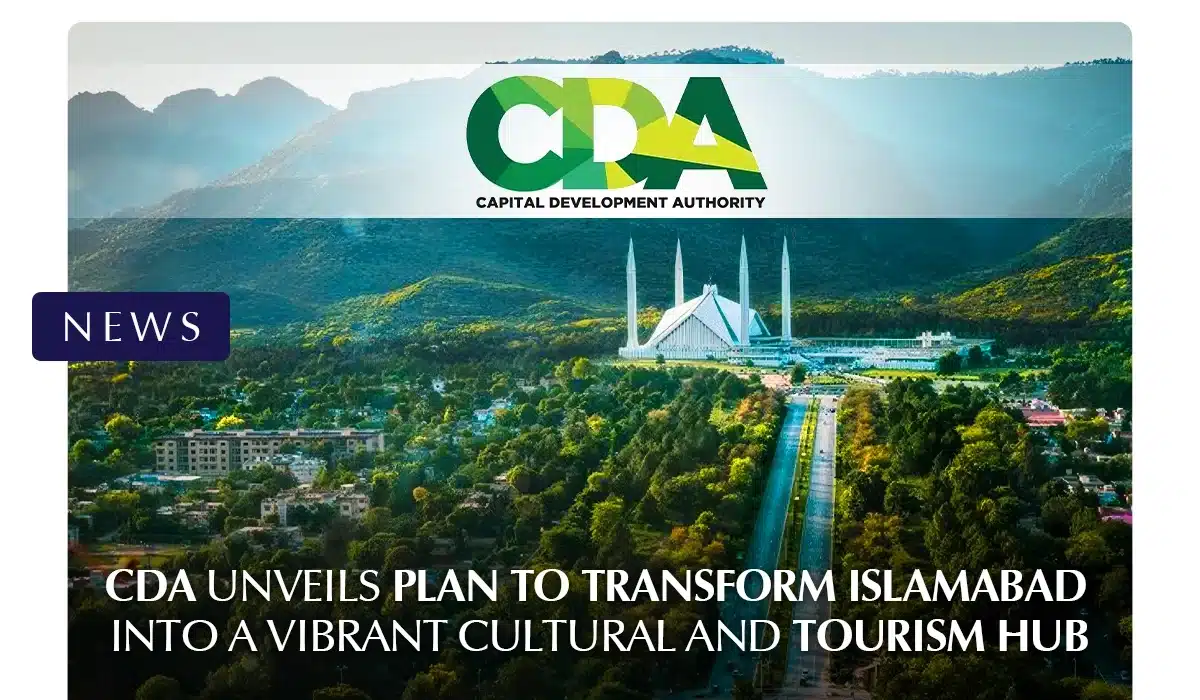
ISLAMABAD: The Capital Development Authority (CDA) has launched a new initiative to enhance Islamabad’s status as a cultural and tourism capital. Announced on February 10, the plan aims to boost the city’s cultural appeal and attract both local and international tourists.
The CDA’s strategy includes the development of spaces dedicated to art, heritage, and cultural events, designed to foster a vibrant cultural scene. The initiative will involve the creation of cultural centers, public art spaces, and tourism-focused facilities, all of which will contribute to the city’s identity as a prominent cultural hub.
Additionally, the CDA plans to allocate land for the construction of museums, galleries, and cultural landmarks, which will showcase Pakistan’s rich history and diverse cultural heritage. These new facilities are expected to enhance the city’s tourism infrastructure, drawing more visitors to Islamabad.
The CDA is committed to preserving the city’s natural beauty as a “garden city,” ensuring that the new cultural developments align with the city’s environmental and architectural character. This approach aims to balance urban growth with sustainable design, offering a blend of modern amenities and green spaces.
This initiative is part of the CDA’s broader goal to boost the city’s visibility on the global tourism map, stimulate economic growth through cultural tourism, and create a more engaging environment for both residents and visitors. The CDA’s efforts are expected to elevate Islamabad’s reputation as a key cultural and tourism destination in the region.
BBC-featured Content Specialist with a sharp eye for search intent and a proven ability to turn content into a growth engine. I leverage cutting-edge digital marketing tools to craft strategies that fuel organic traffic, amplify brand growth, and own the local SEO landscape, particularly across the competitive real estate market. I help brands dominate search rankings and convert visibility into measurable business success.
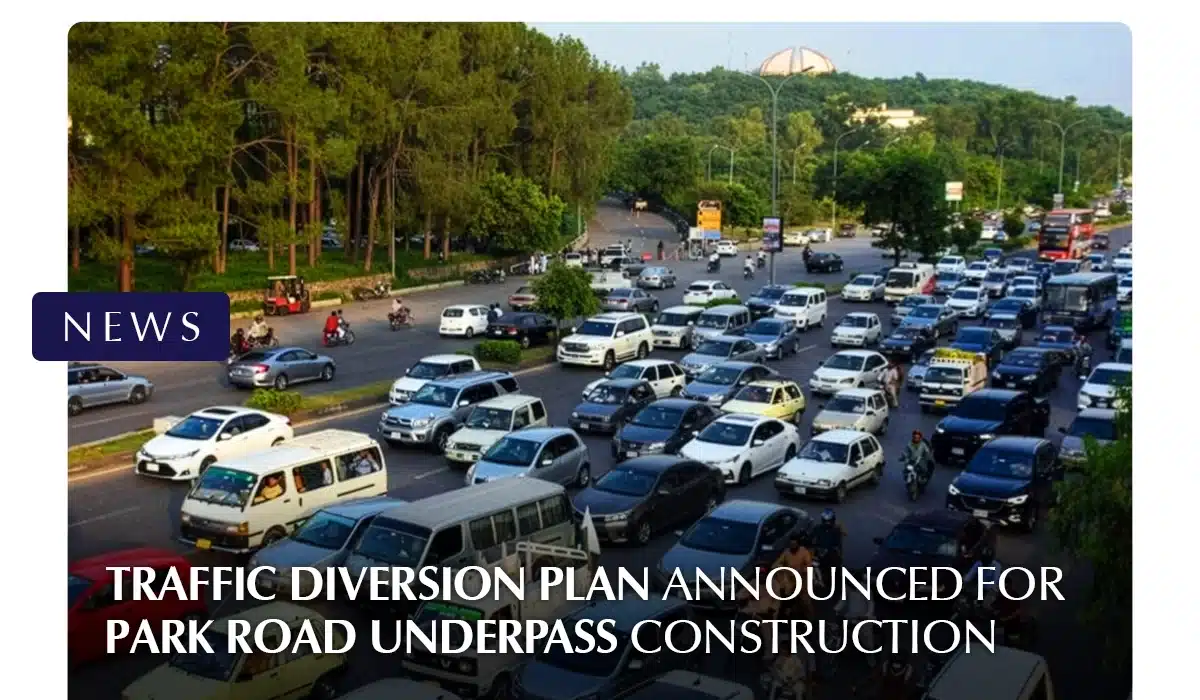
ISLAMABAD: Authorities have announced a comprehensive traffic management plan in connection with the construction of a new underpass at Margalla Enclave on Park Road in Islamabad. The diversion strategy aims to regulate vehicular movement and minimize congestion during the development phase.
According to the advisory, vehicles traveling from Rawal Dam Chowk toward Taramari will be redirected via NIH Road and will rejoin Park Road through Mohra Noor. Meanwhile, traffic moving from Taramari toward Rawal Dam Chowk will be diverted near Chai Khana, passing through the CDA Nursery area and two temporary access roads before merging back onto Park Road.
Motorists have been advised to consider alternative routes, including Lehtrar Road, Khanna Pul, and the Islamabad Expressway, to avoid delays near the construction site. Officials have cautioned that the area is likely to experience increased traffic pressure, particularly during peak hours, and commuters are encouraged to allow an additional 20 to 30 minutes for travel.
Islamabad Police personnel will remain deployed along affected stretches to assist drivers and ensure the orderly movement of vehicles. The traffic management measures will remain in place for the duration of the construction work.
The underpass project forms part of ongoing infrastructure development efforts aimed at improving traffic flow along Park Road, a key corridor connecting residential and commercial areas of the capital. Authorities have urged the public to cooperate with traffic officials and adhere to the designated diversion routes to maintain smooth traffic operations during the construction period.
BBC-featured Content Specialist with a sharp eye for search intent and a proven ability to turn content into a growth engine. I leverage cutting-edge digital marketing tools to craft strategies that fuel organic traffic, amplify brand growth, and own the local SEO landscape, particularly across the competitive real estate market. I help brands dominate search rankings and convert visibility into measurable business success.
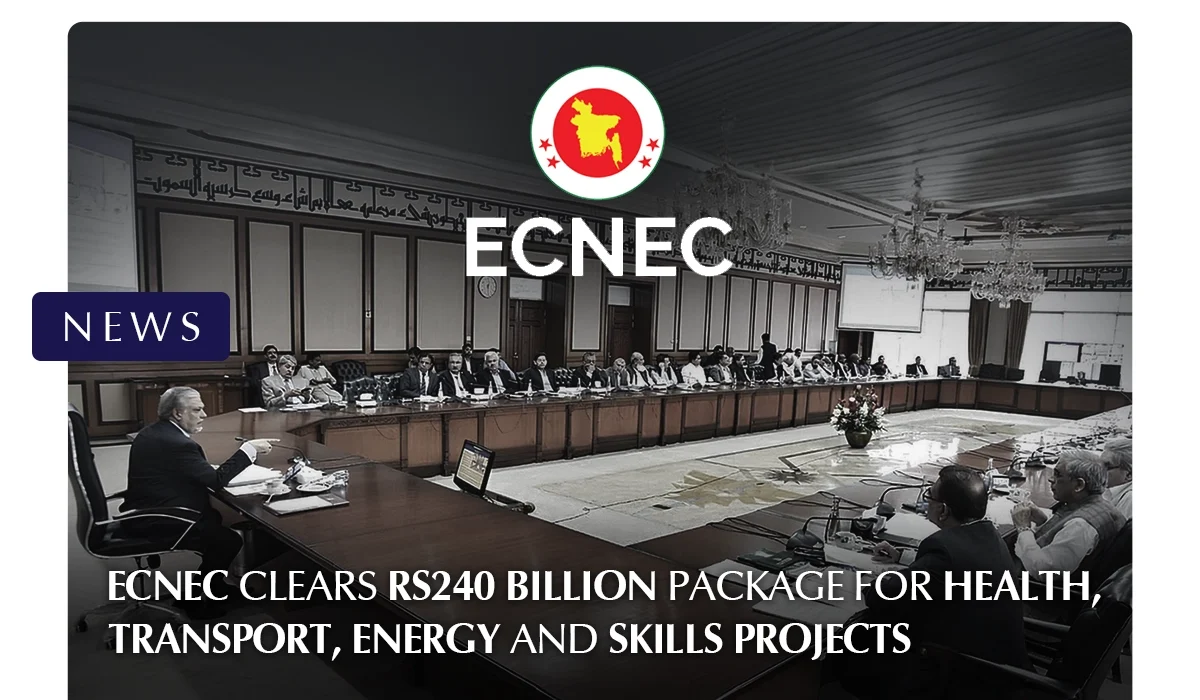
ISLAMABAD: The Executive Committee of the National Economic Council (ECNEC) has given the green light to four public sector development projects with a total estimated cost exceeding Rs240 billion. The approvals were granted during a meeting chaired by Deputy Prime Minister Ishaq Dar, according to an official release.
One of the key initiatives involves expanding cardiac care facilities at a major medical institute in Rawalpindi, aimed at strengthening specialised healthcare services and increasing treatment capacity.
The committee also approved a nationwide youth-focused skills programme intended to enhance vocational and technical training opportunities. The initiative is designed to equip young people with market-relevant skills to improve employability.
In the transport sector, ECNEC endorsed the development of a new bus rapid transit corridor in Karachi. The project is expected to support urban mobility by providing an organised public transport system along a key route in the city.
Additionally, a hydropower project with a planned generation capacity of 34.5 megawatts in Gilgit-Baltistan received approval. The scheme is expected to contribute to regional electricity supply and support local infrastructure development.
The meeting was attended by federal and provincial officials, including representatives from finance, planning, water resources, defence, and technical training institutions. The approved projects span multiple sectors, reflecting ongoing efforts to address infrastructure, energy, healthcare, and workforce development needs through public investment.
BBC-featured Content Specialist with a sharp eye for search intent and a proven ability to turn content into a growth engine. I leverage cutting-edge digital marketing tools to craft strategies that fuel organic traffic, amplify brand growth, and own the local SEO landscape, particularly across the competitive real estate market. I help brands dominate search rankings and convert visibility into measurable business success.
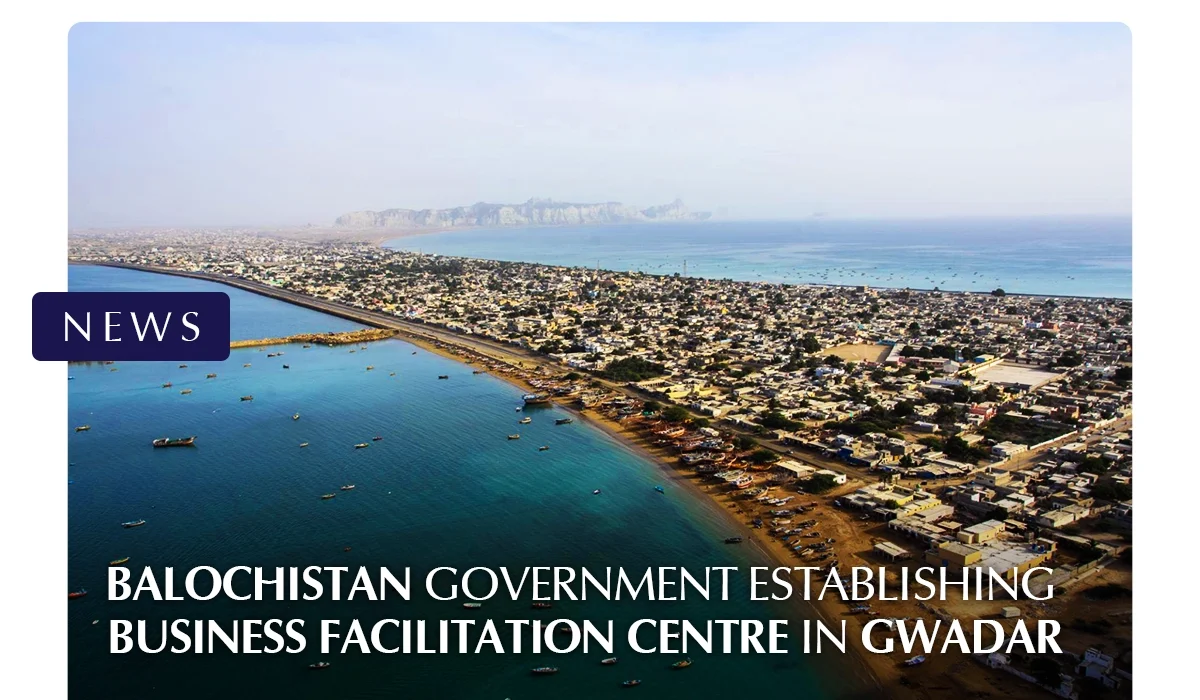
GWADAR: The Balochistan government is in the process of setting up a Business Facilitation Centre (BFC) in Gwadar to provide administrative and regulatory services to the business community. The facility is expected to become operational in the near future.
The centre will operate as a one-window platform, bringing together representatives from various government departments to process applications and approvals required for business activities. Services to be offered include the issuance of no-objection certificates (NOCs), licenses, permits, and other regulatory clearances needed to initiate or expand commercial operations.
A digital coordination system is being introduced to connect relevant departments and support the processing of applications. Business Facilitation Officers will be stationed at the centre to assist applicants and manage documentation and procedural requirements.
The initiative is part of ongoing administrative measures aimed at improving service delivery for investors and businesses operating in Gwadar. The centre is intended to centralise procedures that are currently handled by multiple offices.
The decision to establish the facility was discussed during meetings between representatives of the business community and provincial authorities responsible for investment and trade. The Business Facilitation Centre will function as a dedicated point of contact for investors seeking regulatory approvals related to business operations in Gwadar.
BBC-featured Content Specialist with a sharp eye for search intent and a proven ability to turn content into a growth engine. I leverage cutting-edge digital marketing tools to craft strategies that fuel organic traffic, amplify brand growth, and own the local SEO landscape, particularly across the competitive real estate market. I help brands dominate search rankings and convert visibility into measurable business success.
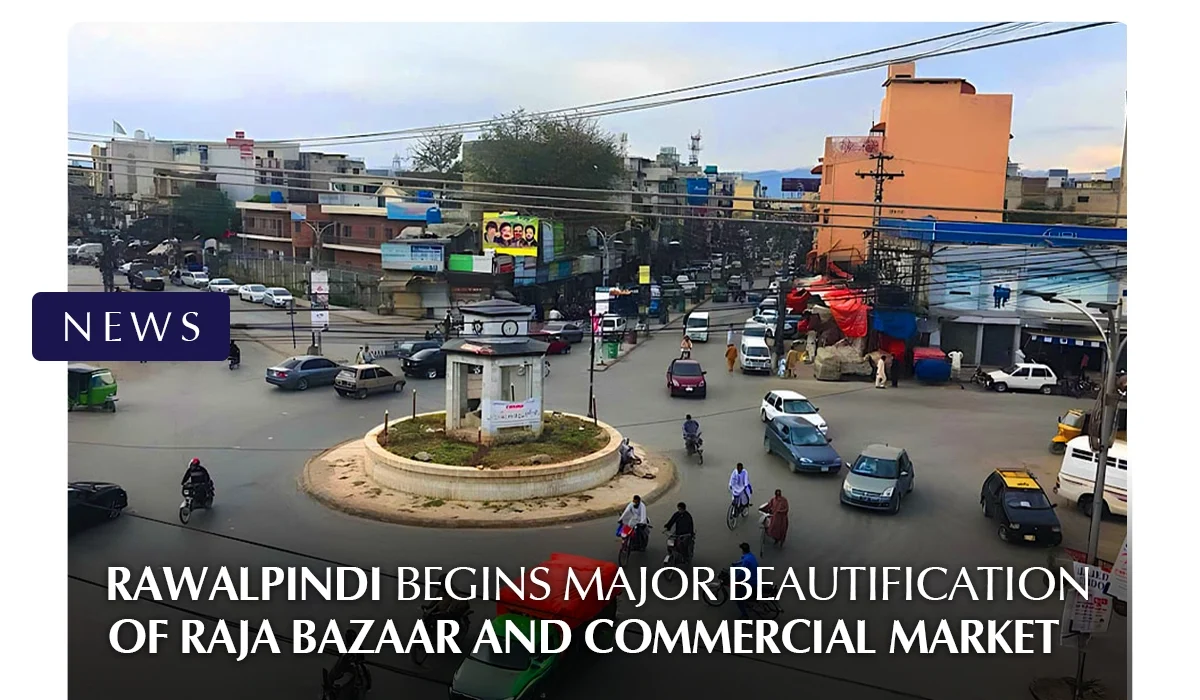
RAWALPINDI: The Rawalpindi Municipal Corporation (RMC) is nearing completion of a large-scale urban upgrade in the historic Raja Bazaar and the city’s busy Commercial Avenue Market, with most underground utility work already finished and beautification efforts now underway.
Municipal officials report that around 80 percent of underground cabling has been completed along the key commercial stretch of Raja Bazaar, while nearly 90 percent of similar work has been finalised in Commercial Avenue Market. The project, valued at Rs875 million, is scheduled for completion by May 30, with the transformed areas expected to reopen to the public in June.
The next phase in Raja Bazaar includes restoring old building façades, installing uniform signboards, constructing tuff-tiled pedestrian walkways, upgrading pavements, and adding public washrooms and seating areas. Decorative lighting, flower pots, and greenery will also be introduced to improve the visual appeal. Once finished, the market will operate as a pedestrian-friendly walking street.
In Commercial Avenue Market, beautification has begun following the relocation of utilities. Similar improvements are planned to enhance infrastructure and create a more organised shopping environment.
Officials say the initiative, launched under Punjab’s broader urban improvement drive, aims to boost cleanliness, modernise infrastructure, and create a healthier and more attractive setting for residents and visitors. Authorities believe the revamped markets will encourage increased foot traffic and commercial activity, positioning both locations as vibrant, accessible urban destinations.
BBC-featured Content Specialist with a sharp eye for search intent and a proven ability to turn content into a growth engine. I leverage cutting-edge digital marketing tools to craft strategies that fuel organic traffic, amplify brand growth, and own the local SEO landscape, particularly across the competitive real estate market. I help brands dominate search rankings and convert visibility into measurable business success.
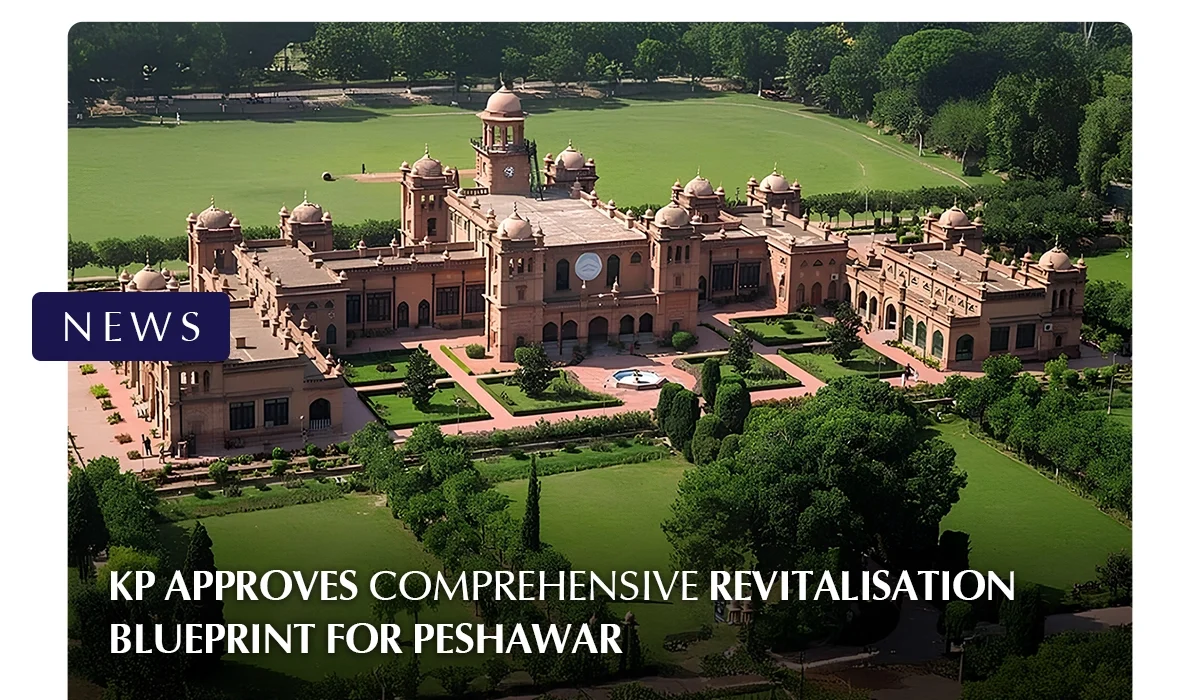
PESHAWAR: The Khyber Pakhtunkhwa government has granted initial approval to a wide-ranging urban revitalisation plan aimed at reshaping Peshawar into a more modern, livable, and well-connected city. The decision was made during a high-level review meeting chaired by the provincial chief minister, who directed departments to prioritise projects that are both technically sound and practically achievable.
The proposed plan spans multiple sectors and will be executed through coordinated efforts of key provincial departments and development authorities. A major focus will be on upgrading dozens of important city roads to improve traffic flow and accessibility. Authorities also intend to install underground electricity cabling along selected corridors to enhance safety and urban aesthetics.
To ease congestion, several underpasses are proposed at high-traffic intersections, alongside a new link road connecting the Hayatabad Industrial Estate with major surrounding routes. Urban beautification and recreation also form a central component of the initiative, with plans for theme parks, a modern children’s park, and new public landmarks designed to enhance community spaces.
Heritage preservation is included through proposed conservation work in the historic Walled City, while technical studies are being planned to guide improvements in public transportation. Infrastructure upgrades will extend to water supply, sanitation, irrigation channels, street lighting, and waste management systems. New municipal facilities, including slaughterhouses and sewerage treatment infrastructure, are also part of the blueprint.
The chief minister emphasised the timely completion of feasibility studies and planning documentation to prevent delays and ensure that development delivers visible improvements to residents. The revitalisation program is expected to significantly enhance Peshawar’s infrastructure, environmental conditions, and overall quality of urban life.
BBC-featured Content Specialist with a sharp eye for search intent and a proven ability to turn content into a growth engine. I leverage cutting-edge digital marketing tools to craft strategies that fuel organic traffic, amplify brand growth, and own the local SEO landscape, particularly across the competitive real estate market. I help brands dominate search rankings and convert visibility into measurable business success.
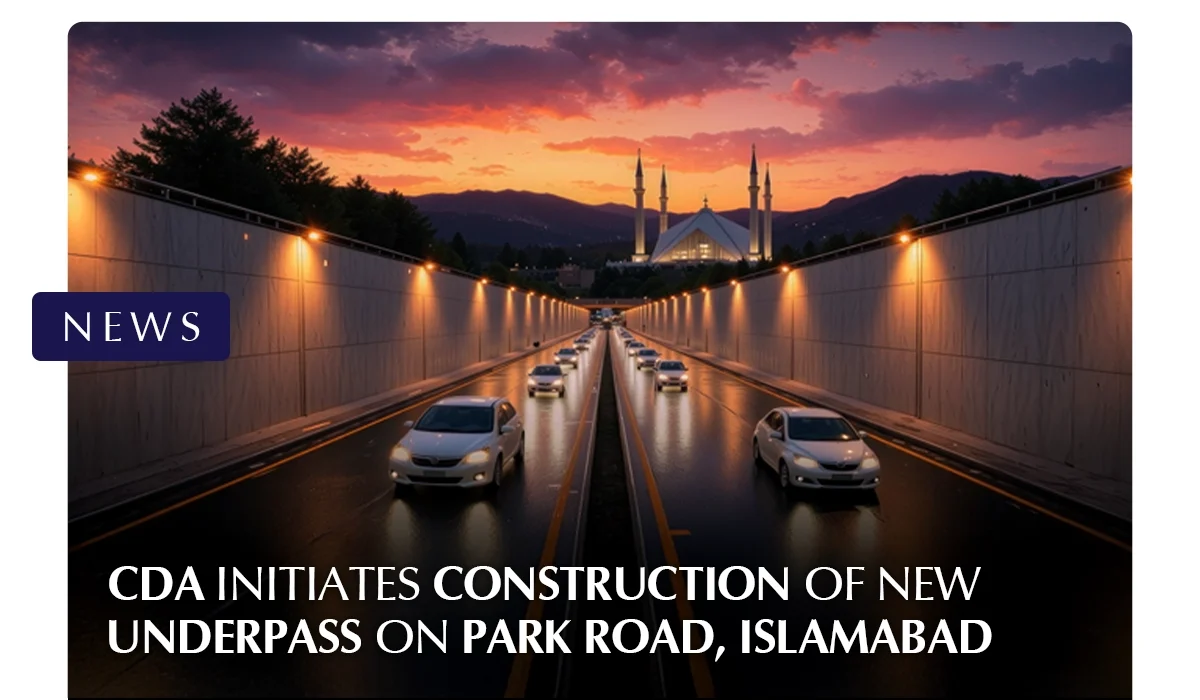
ISLAMABAD: The Capital Development Authority (CDA) has begun work on a new underpass at Margalla Enclave along Park Road in Islamabad, marking another step in its ongoing efforts to improve urban traffic infrastructure. The project is designed to ease congestion on one of the city’s busiest routes and enhance overall traffic movement for daily commuters.
To facilitate construction, the Islamabad Traffic Police (ITP) has implemented a comprehensive traffic diversion plan. Vehicles travelling from Rawal Dam Chowk toward Tramri will be redirected via NIH Road and Mohra Noor before rejoining Park Road beyond the construction zone. For traffic heading from Tramri toward Rawal Dam Chowk, a diversion has been established near Chai Khana, routing vehicles through the CDA Nursery area and back onto Park Road via temporary feeder roads.
Commuters are advised to use alternative routes such as Lehtrar Road, Khanna Pul, and the Islamabad Expressway where possible to avoid delays. Authorities have warned that the construction work is expected to cause significant traffic pressure, particularly during peak hours, and have recommended allowing an additional 20–30 minutes for travel.
Traffic police personnel will be stationed throughout the affected areas to assist motorists and manage orderly flow. Real-time updates and guidance are being provided to help drivers navigate the altered traffic patterns.
The new underpass project is part of the CDA’s broader strategy to modernise Islamabad’s road network and improve urban mobility. Once completed, it is expected to reduce congestion, shorten travel times, and support the city’s growing transportation needs, contributing to smoother and more efficient commuting for residents and visitors alike.
BBC-featured Content Specialist with a sharp eye for search intent and a proven ability to turn content into a growth engine. I leverage cutting-edge digital marketing tools to craft strategies that fuel organic traffic, amplify brand growth, and own the local SEO landscape, particularly across the competitive real estate market. I help brands dominate search rankings and convert visibility into measurable business success.
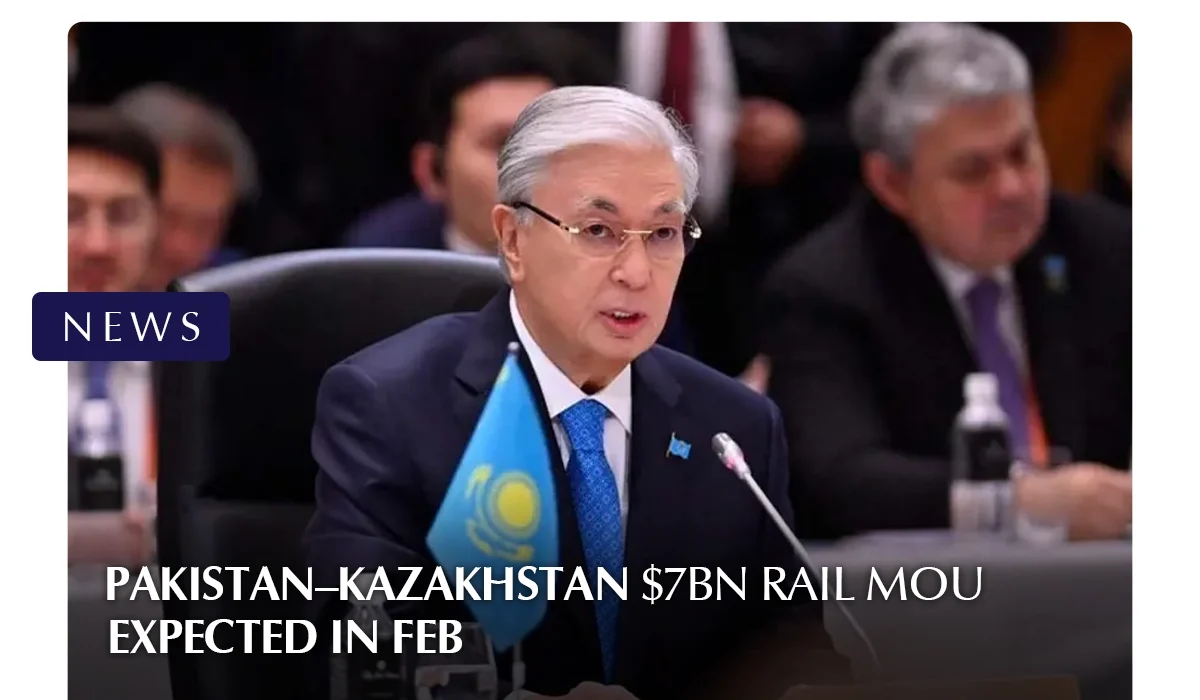
ISLAMABAD: Pakistan and Kazakhstan have moved a step closer toward launching a major regional railway connectivity initiative, following a high-level consultation held at the Ministry of Railways in Islamabad between Federal Minister for Railways Muhammad Hanif Abbasi and Kazakhstan’s Ambassador to Pakistan, Yerzhan Kistafin.
The meeting focused on strengthening bilateral cooperation in the railway sector and advancing Pakistan’s broader regional connectivity agenda. Both sides discussed strategic projects aimed at linking Pakistan with Central Asia through rail corridors, emphasizing the potential economic impact and long-term trade benefits for the region.
Officials stated that the proposed Pakistan–Kazakhstan Rail Connectivity Project has been identified as a strategically significant initiative under the Prime Minister’s Regional Connectivity Vision. Minister Abbasi described the project as a historic development for Pakistan’s railway sector, noting that it could open new avenues for trade expansion and strengthen regional linkages through enhanced transport integration.
Meanwhile, momentum for the agreement is expected to accelerate in the coming weeks, as Kazakhstan’s President Kassym-Jomart Kemeluly Tokayev is scheduled to visit Pakistan on February 3, 2026. The visit is expected to culminate in the formal signing of a Memorandum of Understanding, further solidifying railway cooperation between the two countries and advancing regional integration goals.
According to the discussions, a preliminary railway network linking Karachi Port to Kazakhstan has already been prepared. The network is intended to strengthen trade routes and improve Pakistan’s access to Central Asian markets.
The plan also envisions extending the railway linkage through Chaman, connecting Afghanistan, Turkmenistan and Kazakhstan, which could further consolidate Pakistan’s role as a key transit hub for regional commerce.
The initiative, estimated to cost approximately USD 7 billion, is expected to be completed within three years, placing it among the largest railway connectivity projects currently under consideration in the region. Stakeholders believe the project could enhance freight movement, lower transportation costs and contribute to broader economic development.
Dedicated and detail-oriented SEO Content Writer, Real Estate Writer, and Research Analyst based in Islamabad, with proven expertise in developing accurate, valuable, and well-researched content. Skilled in analytical writing, market research, and reporting, with the ability to turn insights into clear, professional, and impactful content. Passionate about exploring new ideas, analyzing industry trends, and contributing to high-quality writing and research-driven projects.