Pakistan’s cities are growing faster than ever, and thoughtful urban planning has never been more critical. At Chakor, our Urban Developments and Planning section explores the master plans, zoning decisions, infrastructure investments, and community projects shaping how Pakistan’s urban centres evolve.
For developers, investors, and citizens alike, understanding how cities are being planned today is the key to knowing where value will be created tomorrow.
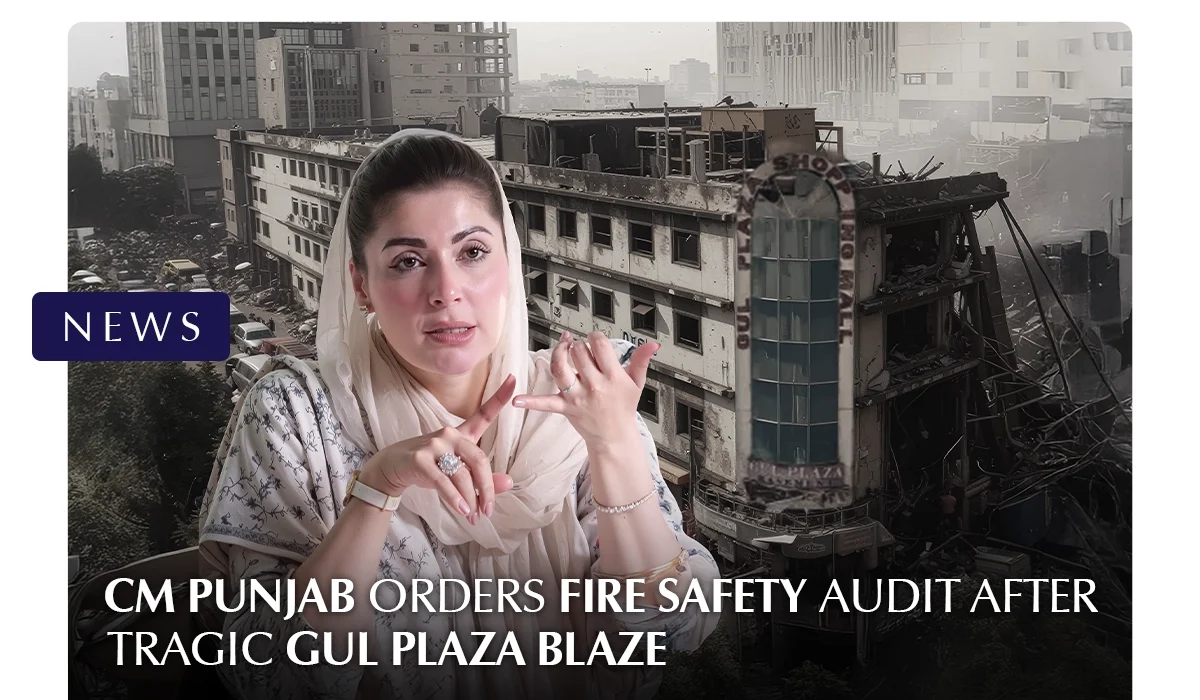
LAHORE: In response to the tragic fire that claimed 26 lives at Karachi’s Gul Plaza, Punjab Chief Minister Maryam Nawaz Sharif has directed a province-wide audit of fire safety systems in both public and private buildings. The audit is part of a broader initiative to ensure public safety and prevent similar disasters.
The Chief Minister expressed her grief over the incident and extended condolences to the victims’ families. She urged the immediate implementation of safety measures, stating that fire safety systems in all buildings must be regularly inspected and upgraded where necessary.
As part of her ongoing efforts to improve infrastructure, CM Maryam Nawaz also announced a series of urban development initiatives. These include fully reconstructing roads after excavation for sewerage and drainage projects and ensuring that pits dug during development work are properly covered and fenced to avoid accidents.
The Chief Minister further emphasized the importance of transparency in ongoing development projects. Under the Punjab Development Plan (PDP), she highlighted that Phase-I projects had saved the government Rs 2.8 billion through effective transparency measures.
CM Nawaz also outlined plans for major sewerage, drainage, and water storage projects across various districts, including Sargodha, Dera Ghazi Khan, and Gujrat, as well as for developing green spaces and utility corridors in urban areas.
Punjab Emergency Services Minister Khawaja Salman Rafique also called for the complete enforcement of the Building Safety Regulations 2022, following a survey of 2,214 high-rise buildings in the province. He revealed plans to extend firefighting services to 39 additional tehsils, with an investment of Rs 2 billion. Rescue 1122 has already responded to over 280,000 fire emergencies, saving an estimated Rs 768 billion in potential damages.
These measures reflect the Punjab government’s commitment to improving public safety and urban infrastructure across the province.
Dedicated and detail-oriented SEO Content Writer, Real Estate Writer, and Research Analyst based in Islamabad, with proven expertise in developing accurate, valuable, and well-researched content. Skilled in analytical writing, market research, and reporting, with the ability to turn insights into clear, professional, and impactful content. Passionate about exploring new ideas, analyzing industry trends, and contributing to high-quality writing and research-driven projects.
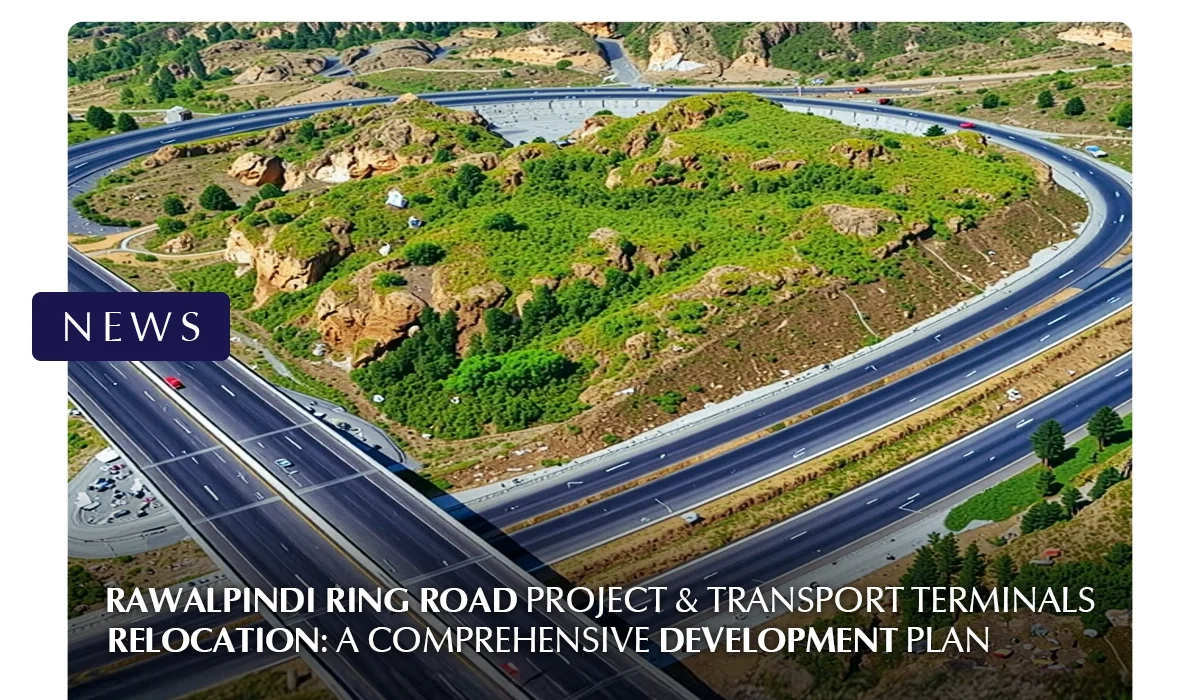
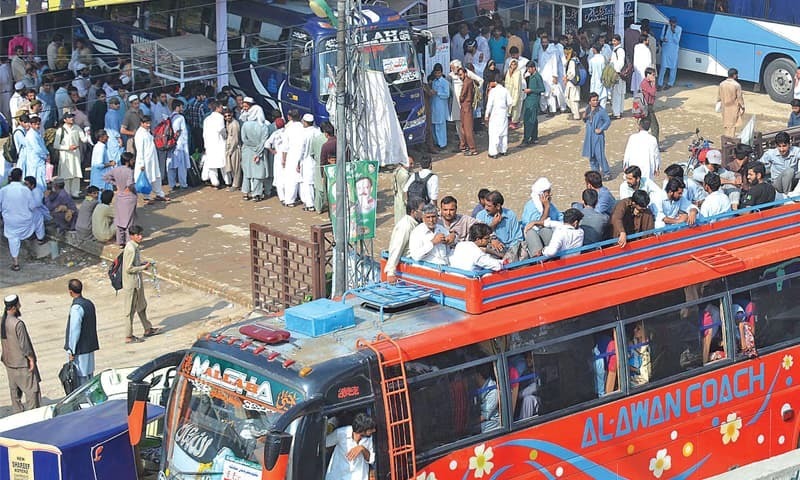
In a major move to alleviate traffic congestion and improve infrastructure, the Rawalpindi Development Authority (RDA) is making significant progress on the Rawalpindi Ring Road Project and the relocation of 44 key transport terminals. The dual initiatives are set to reshape the city’s traffic management, boost regional connectivity, and transform Rawalpindi’s transport landscape.
Rawalpindi Ring Road: Progress and Impacts
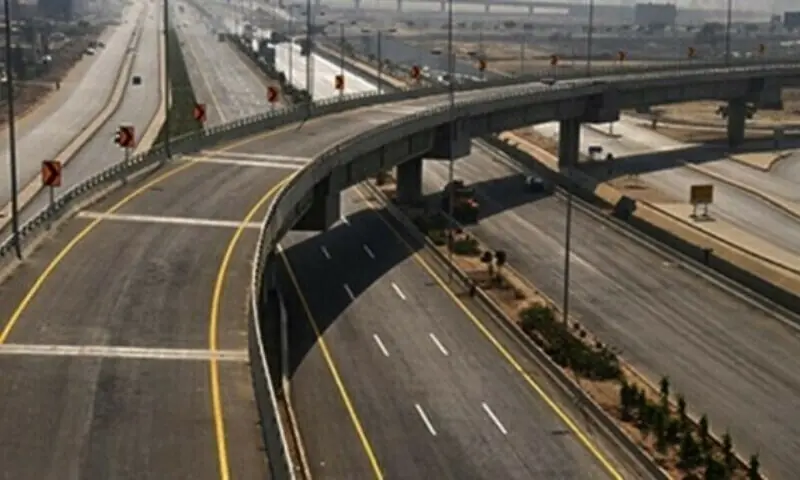
The Rawalpindi Ring Road, a crucial part of the city’s transportation overhaul, is a 38.3-kilometre, six-lane highway designed to connect key zones in Rawalpindi and Islamabad. The project aims to reduce congestion and improve access to regional economic zones.
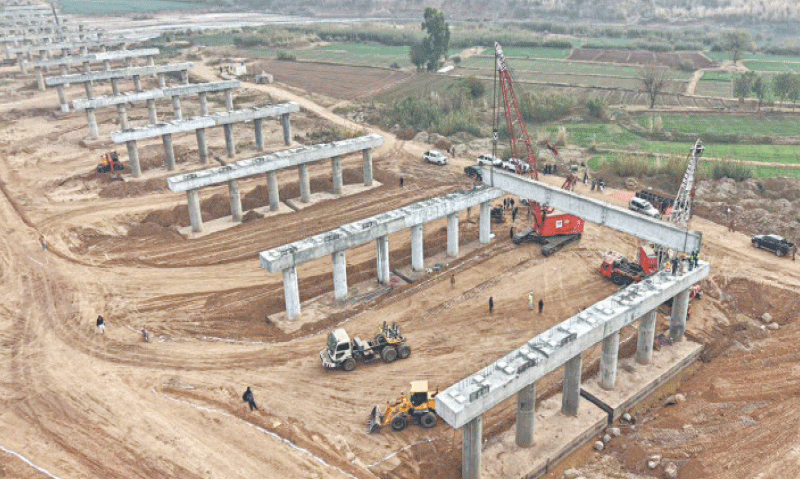
Current Progress: As of the latest reports, the project is 70% complete, with structural work, road surfacing, embankments, and drainage systems progressing steadily. Key sections, including the Banth to Thallian Interchange, are already under construction.
Revised Timeline: The Rawalpindi Ring Road, initially slated for completion by December 2025, now has a new deadline of March 2026. The project’s total cost has been revised upwards to Rs. 50 billion due to the redesigning of the Thallian Interchange, a critical junction connecting the Ring Road to the M-2 Motorway.
Expected Benefits: The Ring Road will significantly ease traffic congestion in Rawalpindi, improve access to major highways, and facilitate smoother connectivity to Islamabad. Once completed, it will reduce traffic volume on city roads, benefiting both commercial and commuter traffic.
Project Management: The construction is being carried out by Frontier Works Organisation (FWO) under the oversight of the Rawalpindi Development Authority (RDA).
Relocation of Transport Terminals: Strategic Planning for Traffic Management
In line with the vision to streamline Rawalpindi’s transport system, the Punjab government has approved the relocation of major transport terminals to areas near the Rawalpindi Ring Road. This move aims to reduce traffic congestion within the city, particularly from heavy transport vehicles.
Pirwadhai Bus Stand: The prominent Pirwadhai General Bus Stand, along with other terminals, will be shifted to a more centralised location along the Ring Road. This relocation will accommodate inter-district buses and intra-city transport, improving traffic management and passenger operations.
New Terminal Locations: Other transport terminals, including those at Faizabad and Chungi No. 26, will also be closed, with all long-distance and goods transport hubs moved to strategic locations along the Ring Road.
Key Routes:
Transport coming from Peshawar will now operate from a new terminal near Islamabad Airport.
Vehicles from Azad Kashmir via Murree will stop at Bharakahu, while those coming from other districts will enter through Rawat.
Traffic and Fare Adjustments: The relocation will impact local travel. Fares for intra-city buses will range from Rs. 20 to Rs. 50, while passengers travelling to the newly relocated terminals may experience changes in travel time.
Policy Changes: To complement the relocation, the Punjab government will enforce a ban on heavy transport vehicles entering the city’s core. Any violating vehicles will face impoundment. Public transport buses and wagons will ferry passengers from the Ring Road terminals into the city centre, offering seamless connectivity.
Long-Term Impact: Urban Mobility and Economic Growth
Both the Rawalpindi Ring Road Project and the relocation of transport terminals are part of a comprehensive urban development strategy. By reducing congestion and improving connectivity, these initiatives are expected to enhance the city’s overall mobility, improve air quality, and stimulate local economic growth.
Environmental and Aesthetic Benefits: The Ring Road project incorporates green initiatives, including the creation of green belts, better drainage systems, and improved traffic safety measures. These will contribute to a cleaner, more sustainable urban environment.
Public Response: While many residents welcome the plan for its long-term traffic management benefits, some have expressed concerns about longer travel distances and the costs of relocating terminals. However, the shift is being framed as a necessary step to manage Rawalpindi’s increasing population and transport demands.
A Vision for a Modern Rawalpindi
With Rs. 50 billion invested in the Rawalpindi Ring Road Project and additional resources allocated for terminal relocations, the city is witnessing one of its most significant infrastructural transformations.
The development of this vital infrastructure will not only ease traffic congestion but will also position Rawalpindi as a model for modern urban mobility in Pakistan.
As the project progresses towards its 2026 completion, Rawalpindi’s residents and visitors can look forward to enhanced connectivity, reduced travel times, and a cleaner, more efficient transport system.
BBC-featured Content Specialist with a sharp eye for search intent and a proven ability to turn content into a growth engine. I leverage cutting-edge digital marketing tools to craft strategies that fuel organic traffic, amplify brand growth, and own the local SEO landscape, particularly across the competitive real estate market. I help brands dominate search rankings and convert visibility into measurable business success.
RAWALPINDI: The Rawalpindi Development Authority (RDA) has officially launched a significant beautification project along the Grand Trunk Road, covering the stretch from Defence Housing Authority (DHA) Phase-I to Phase-II, as well as the area in front of Bahria Town. The project, which aims to transform this key corridor into an aesthetically pleasing and environmentally friendly route, has commenced under the directives of RDA Director General Kinza Murtaza.
The beautification efforts will include extensive plantation, the creation of green belts, and various aesthetic enhancements, such as painting and the installation of decorative pools. These improvements are designed to not only elevate the visual appeal of the area but also to contribute to environmental sustainability.
Director General Kinza Murtaza emphasised that the project aligns with the vision of Chief Minister Maryam Nawaz Sharif for Rawalpindi, focusing on a blend of beauty, functionality, and long-term sustainability in urban development. To ensure the project’s success, Murtaza has directed all relevant directorates to complete the work within the specified timeframe, uphold strict quality standards, and establish ongoing monitoring and maintenance protocols.
The beautification of the Grand Trunk Road is expected to significantly enhance the city’s aesthetic and environmental landscape, making it a more attractive route for both residents and visitors. The project is also aimed at contributing to Rawalpindi’s overall development strategy, improving the quality of life for its residents.
BBC-featured Content Specialist with a sharp eye for search intent and a proven ability to turn content into a growth engine. I leverage cutting-edge digital marketing tools to craft strategies that fuel organic traffic, amplify brand growth, and own the local SEO landscape, particularly across the competitive real estate market. I help brands dominate search rankings and convert visibility into measurable business success.
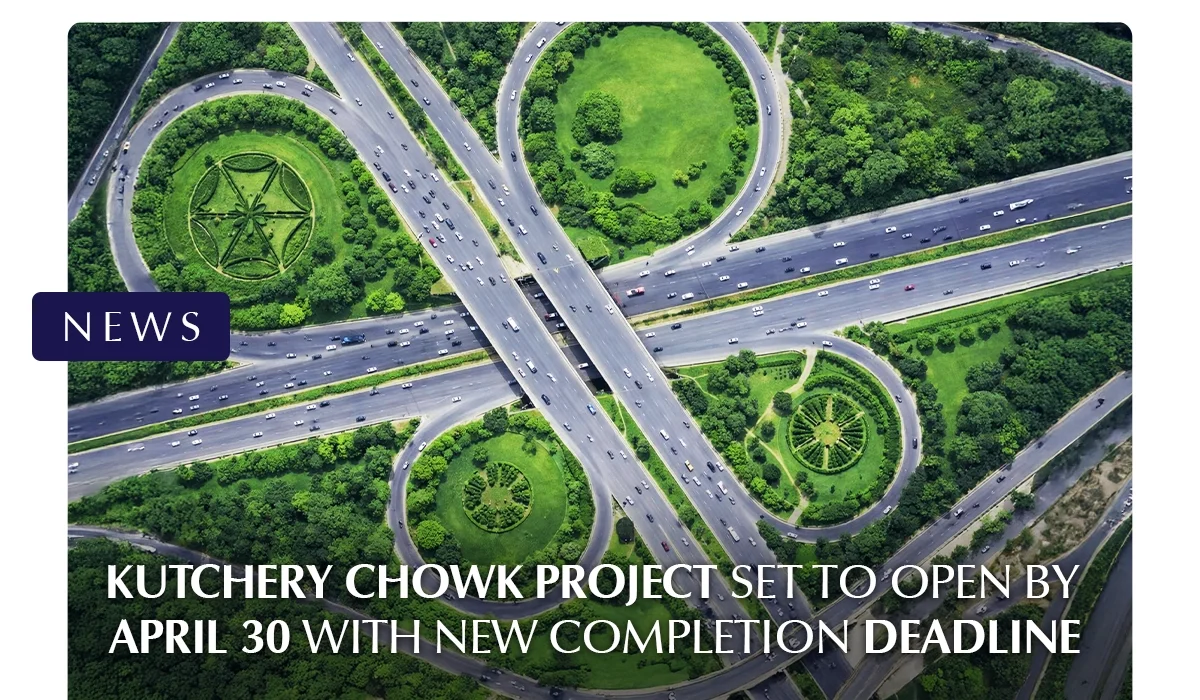
RAWALPINDI: The remodelling of Kachehri Chowk in Rawalpindi is progressing with a new deadline set for completion by April 30. The project, which includes the construction of two flyovers and three underpasses, is expected to open the busy junction to traffic by this date, following directives from the Punjab government.
According to Punjab Highway Department Executive Engineer Qamar Ali Saqib, over 45% of the work has been completed. Structural work, including the guide beam and piling at Kachehri Chowk and the Jinnah Park underpass, will be finished before Eid-ul-Fitr. The Frontier Works Organisation (FWO) is working around the clock to ensure the project meets its revised deadline.
The project includes several key features, such as a four-lane flyover between The Mall and Rashid Minhas Road, and underpasses at Kachehri Chowk and Mushtaq Baig Shaheed Road, aimed at managing traffic flows of over 250,000 vehicles daily. The total cost of the Kachehri Chowk flyover and underpass project is Rs5.974 billion, while the Annexy Chowk (Jinnah Park) project carries a budget of Rs4.672 billion.
In addition to roadwork, the Punjab Highway Department is collaborating with the Rawalpindi Parks and Horticulture Authority to enhance green spaces around the new flyovers and underpasses. Plantations will begin next month after the completion of road construction.
On Peshawar Road, work is underway to relocate electricity pylons for the construction of three underpasses at Race Course Park, Army Graveyard Square, and Charing Cross Square. The Rs8 billion project is designed to improve traffic flow for 250,736 daily commuters.
The remodelling of Kachehri Chowk and associated projects are expected to significantly ease traffic congestion and improve infrastructure in Rawalpindi.
BBC-featured Content Specialist with a sharp eye for search intent and a proven ability to turn content into a growth engine. I leverage cutting-edge digital marketing tools to craft strategies that fuel organic traffic, amplify brand growth, and own the local SEO landscape, particularly across the competitive real estate market. I help brands dominate search rankings and convert visibility into measurable business success.
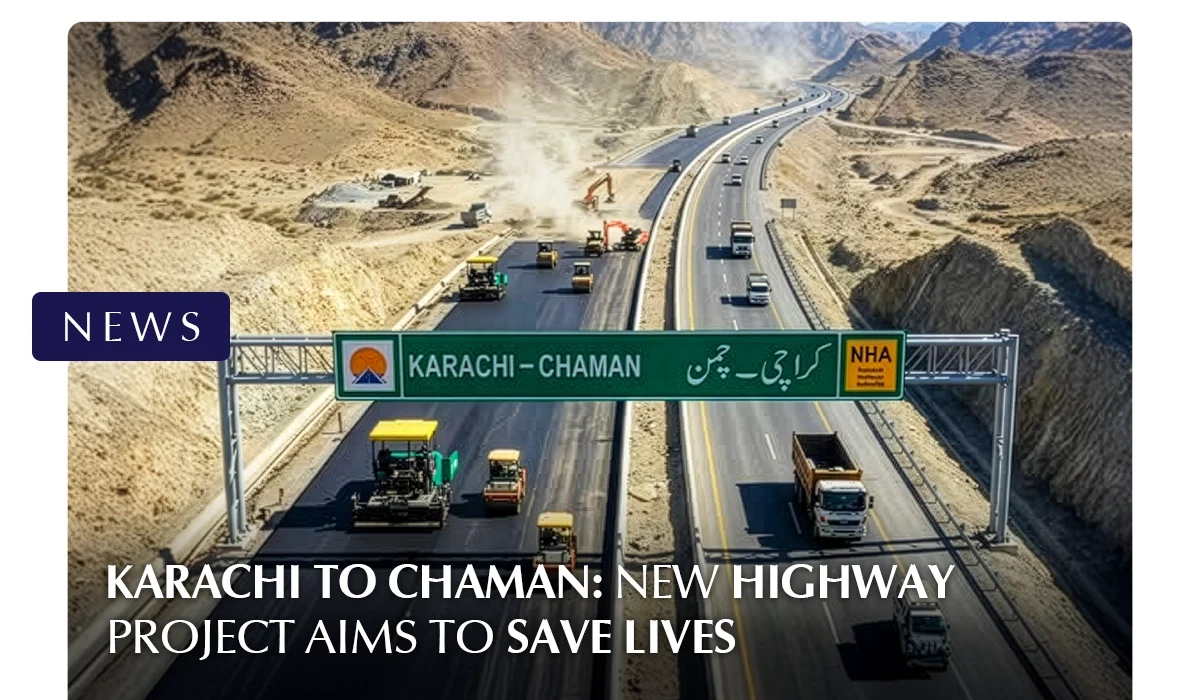
KARACHI: Prime Minister Shehbaz Sharif has announced that construction work on the Karachi–Chaman highway has officially started. He said the project will be completed in one year. Earlier, it was expected to take two years.
The prime minister called the highway a major step for safer travel. He said the current route has a long history of deadly accidents. The new highway will improve road safety and regional connectivity.
PM Sharif told the federal cabinet that he recently visited Quetta. He laid the foundation stone of the highway there. The road will be nearly 850 kilometres long. It will link Karachi to Chaman through key areas of Balochistan.
He said the project will cost around Rs400 billion. The entire cost will be paid by the federal government. He explained that funds were arranged through savings. These savings came when the government did not reduce fuel prices despite falling global oil prices. He said this money is now being used for national development.
The prime minister also highlighted support for farmers. He said a Rs75 billion agricultural package for Balochistan has been completed. Out of this, Rs50 billion was provided by the federal government. He added that solar energy solutions are being introduced to reduce dependence on unreliable electricity. Farmers can now irrigate their lands using solar panels.
He also shared updates about Daanish schools in the province. He said construction has begun and contractors are mobilised. He added that the plan has expanded from five schools to seven. The goal is to improve education and opportunities in underserved areas.
Dedicated and detail-oriented SEO Content Writer, Real Estate Writer, and Research Analyst based in Islamabad, with proven expertise in developing accurate, valuable, and well-researched content. Skilled in analytical writing, market research, and reporting, with the ability to turn insights into clear, professional, and impactful content. Passionate about exploring new ideas, analyzing industry trends, and contributing to high-quality writing and research-driven projects.
ISLAMABAD: The Capital Development Authority has moved forward with plans to connect Margalla Avenue to the Peshawar Motorway (M-1), marking a significant step toward enhancing regional traffic flow and improving access to the federal capital.
CDA has invited tenders for the construction of the final 2.7-kilometre stretch of Margalla Avenue, which will include an interchange on GT Road. According to officials, technical bids will be opened on January 23, and the project is expected to be completed within eight months once construction begins.
At the road’s endpoint near Sangjani Grid Station, the National Highway Authority will undertake construction of an additional 2.5-kilometre section within Rawalpindi’s jurisdiction. This section will connect the route to M-1 near the AWT Housing Society. NHA has already awarded a Rs 4.1 billion contract for this segment to the National Logistic Cell.
The project, which has been under discussion for nearly five years, is designed as a three-lane dual carriageway with two-lane service roads, featuring a cloverleaf interchange. Once completed, it will provide a six-lane alternative route for commuters travelling between Islamabad and GT Road (N-5), easing congestion on existing arteries.
Separately, CDA officials confirmed preparations to invite bids for an underpass near Islamabad Club on Murree Road, with the design currently undergoing finalisation. The authority stated that these initiatives align with its broader agenda to enhance urban mobility and road infrastructure in the capital.
Dedicated and detail-oriented SEO Content Writer, Real Estate Writer, and Research Analyst based in Islamabad, with proven expertise in developing accurate, valuable, and well-researched content. Skilled in analytical writing, market research, and reporting, with the ability to turn insights into clear, professional, and impactful content. Passionate about exploring new ideas, analyzing industry trends, and contributing to high-quality writing and research-driven projects.
ISLAMABAD: The Capital Development Authority has intensified its anti-encroachment campaign in the federal capital, successfully retrieving more than 900 kanals of valuable state land from illegal occupants during a recent enforcement operation.
Progress of the drive was reviewed in a high-level meeting at CDA Headquarters, chaired by Muhammad Ali Randhawa, Chairman CDA and Chief Commissioner Islamabad. Senior officials from the Authority’s enforcement, planning, environment, and administration wings attended the meeting.
Officials briefed that a focused operation was carried out against land mafia elements in the Diplomatic Enclave and adjoining areas, including the former Muslim Colony. The campaign was conducted in line with orders of the Islamabad High Court, ensuring due legal process. A temporary site office was established on the Chairman’s directives, where officials from the Revenue and Planning Wings reviewed ownership claims and resolved legitimate cases in accordance with the law.
CDA further confirmed that FIRs are being registered against those involved in illegal occupation of state land and misleading citizens through unauthorised constructions. The Enforcement Wing is operating with the full support of the District Administration and Islamabad Police.
Chairman CDA emphasised that all genuine claims would be handled fairly while reaffirming the Authority’s commitment to organised urban planning, protection of state land, and elimination of encroachments across Islamabad.
CDA has appealed to citizens to cooperate with authorities and promptly report any illegal construction or encroachment. The Authority noted that state land worth billions of rupees has been recovered so far as part of these ongoing enforcement efforts.
Dedicated and detail-oriented SEO Content Writer, Real Estate Writer, and Research Analyst based in Islamabad, with proven expertise in developing accurate, valuable, and well-researched content. Skilled in analytical writing, market research, and reporting, with the ability to turn insights into clear, professional, and impactful content. Passionate about exploring new ideas, analyzing industry trends, and contributing to high-quality writing and research-driven projects.
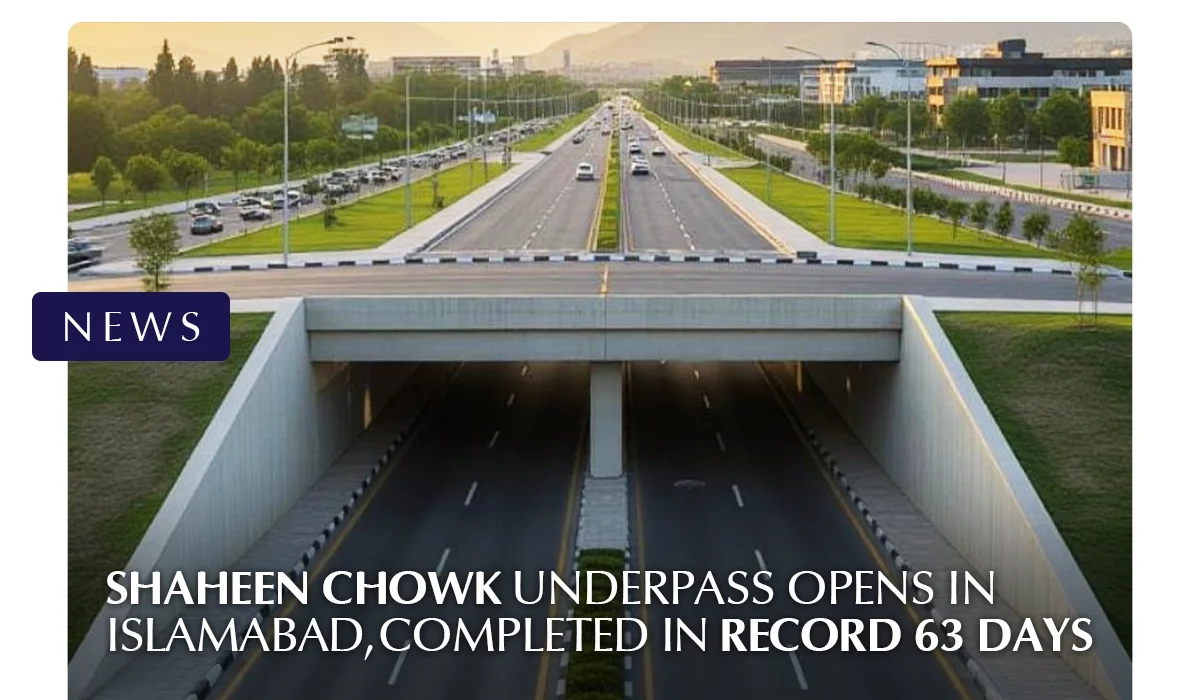
ISLAMABAD: The Shaheen Chowk Underpass, located at the busy intersection of Khyaban-e-Iqbal and 9th Avenue, was officially opened for traffic today, marking a significant milestone for Islamabad’s infrastructure. The project, completed by the Capital Development Authority (CDA), was delivered in an impressive 63 days, far ahead of its expected completion time. Dubbed a New Year’s gift to the city, this rapid development is expected to significantly alleviate traffic congestion in the area.
During the opening ceremony, Interior Minister Syed Mohsin Naqvi shared that Prime Minister Shehbaz Sharif would lead the formal inauguration of the underpass. Reflecting on the city’s infrastructure progress, Naqvi expressed pride in the numerous development projects completed in the Islamabad Capital Territory this year and reiterated his confidence that the pace of development would double in the upcoming year.
The event was attended by key figures, including the Minister of State for Interior, Talal Chaudhry, and the CDA Chairman, Muhammad Ali Randhawa.
In addition to the underpass, Naqvi announced plans to construct seven to eight cricket grounds and a grand cricket stadium in Islamabad to enhance the capital’s sports infrastructure.
Minister Naqvi also revealed that the M-Tag system, which is required for vehicles entering Islamabad, has been granted a 15-day extension. The new deadline offers additional time for compliance, postponing enforcement of the system, which was initially set for January 1.
The completion of the Shaheen Chowk Underpass in just 63 days underscores the government’s commitment to swift infrastructure development. It is expected to significantly improve traffic flow in one of Islamabad’s most congested areas.
BBC-featured Content Specialist with a sharp eye for search intent and a proven ability to turn content into a growth engine. I leverage cutting-edge digital marketing tools to craft strategies that fuel organic traffic, amplify brand growth, and own the local SEO landscape, particularly across the competitive real estate market. I help brands dominate search rankings and convert visibility into measurable business success.
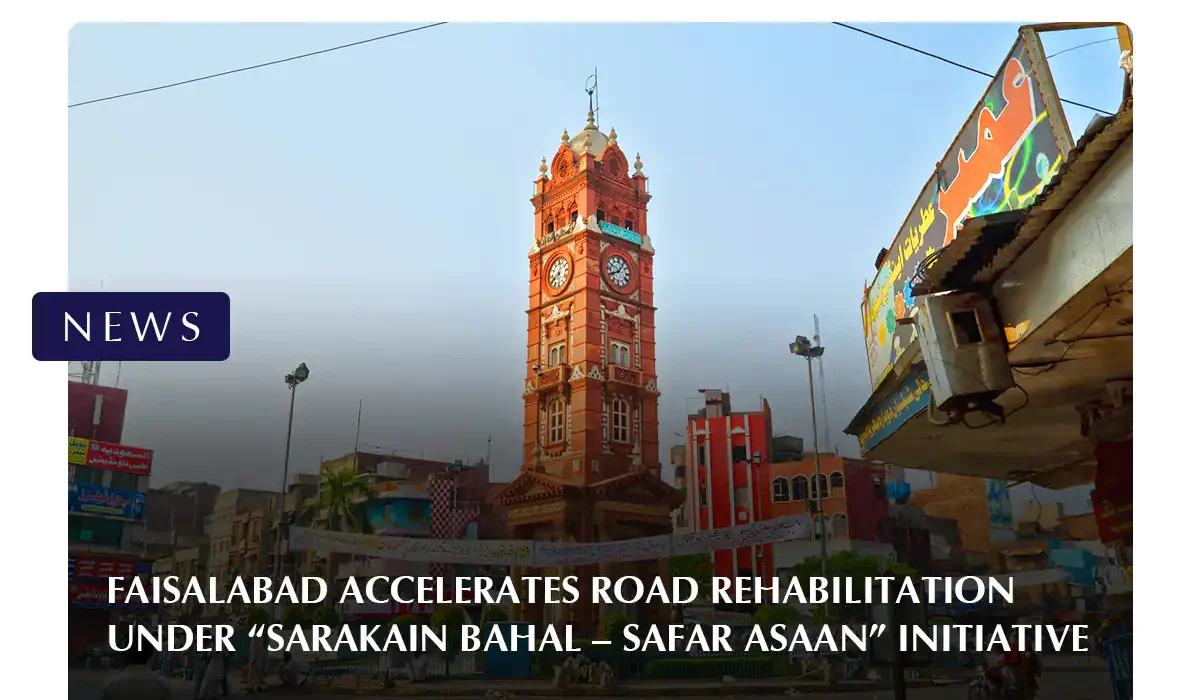
FAISALABAD – The city’s road infrastructure is being rapidly upgraded under the ongoing ‘Sarakain Bahal – Safar Asaan’ program, as repair and restoration work gains momentum along Sheikhupura Road up to Nishatabad Bridge.
Divisional Commissioner and Administrator Municipal Corporation Faisalabad, Raja Jahangir Anwar, said the government is utilizing all available resources to improve road conditions and provide residents with safer, smoother, and more convenient travel options. He emphasized that the initiative reflects the Punjab government’s commitment to enhancing urban mobility and public convenience across the province.
Alongside road repairs, anti-encroachment operations are underway throughout the city, including Faisalabad’s eight main bazaars, to reclaim public spaces and ensure unobstructed pedestrian and traffic movement. Authorities are also restoring traffic signals, illuminating streetlights, and completing asphalt work on link roads and inner streets to improve citywide connectivity.
Raja Jahangir Anwar noted that municipal services will continue uninterrupted during the development work and reaffirmed that the improvement drive will persist until Faisalabad’s infrastructure aligns with the standards envisioned by the Chief Minister of Punjab.
The “Sarakain Bahal – Safar Asaan” program is part of the Punjab government’s broader effort to modernize urban infrastructure, promote civic development, and facilitate efficient, safe travel for citizens across major cities.
BBC-featured Content Specialist with a sharp eye for search intent and a proven ability to turn content into a growth engine. I leverage cutting-edge digital marketing tools to craft strategies that fuel organic traffic, amplify brand growth, and own the local SEO landscape, particularly across the competitive real estate market. I help brands dominate search rankings and convert visibility into measurable business success.
Pakistan is urbanizing faster than ever before. Nearly four out of ten Pakistanis now live in cities, and this number is growing each year. With this rapid shift comes both opportunity and risk. Cities are the engines of economic growth, but without proper planning they also face traffic jams, housing shortages, flooding, and rising costs of living.
Urban planning is the process that helps cities grow in a smart, organized, and sustainable way. It connects housing, transport, public spaces, and infrastructure so that urban areas remain livable and productive. For Pakistan, where housing deficits run into the millions and climate risks are increasing, urban planning is no longer a choice, it is a necessity.
This blog takes a detailed look at urban planning in Pakistan: what it means, why it matters, the standards involved, and the challenges our cities face. It also highlights modern approaches, sustainability practices, and examples like the Punjab Spatial Strategy and Karachi Master Plan 2047 to show how better planning can shape the future of Pakistan’s cities.
Urban Planning Basics
Urban planning is the process of designing and regulating the use of land, buildings, infrastructure, and services in a city. Its goal is to make cities functional, fair, and resilient.
Town planning and urban management: Town planning decides where and how the city grows, while urban management ensures daily services like water supply, transport, and waste collection run smoothly.
Urban Planning vs. Architecture: Urban planning works at the city scale, while architecture designs individual buildings. Both architecture and urban planning are linked, planners decide land-use and street design, while architects bring those spaces to life.
Aspects of Urban Planning in Pakistan
Urban planning is a broad field that touches many areas of city life. Below are the key aspects that matter most for Pakistan’s growing cities:
1. Embracing Innovation in Urban Planning
Modern tools like GIS mapping, digital twins, and smart sensors are helping planners make better decisions. For Pakistan, adopting these technologies can improve traffic management, disaster response, and land monitoring.
2. Land Use
Land use defines how space is divided for housing, businesses, transport, and green areas. In Pakistan, weak zoning laws and poor enforcement often lead to haphazard growth and encroachment on agricultural land.
3. Climate Resilience
Pakistan faces extreme risks from floods, heatwaves, and air pollution. Climate-resilient planning means protecting floodplains, planting trees, and designing infrastructure that can withstand heavy rainfall and rising temperatures.
4. Environmental Planning
Cities need to manage air quality, water resources, and waste disposal. In Pakistan, untreated wastewater and solid waste are major challenges, especially in large cities like Karachi and Lahore.
5. Urban Revitalization
Old city areas often lose value because of congestion and poor maintenance. Revitalization projects, such as upgrading historic neighborhoods or redeveloping riverfronts—can bring life back to these spaces.
6. Navigating the Urban Planning Landscape
Urban planning involves many institutions: municipal bodies, provincial departments, and private developers. Clear roles, coordination, and strong governance are needed to avoid overlaps and delays.
7. Well-Planned Cities Optimize Impact
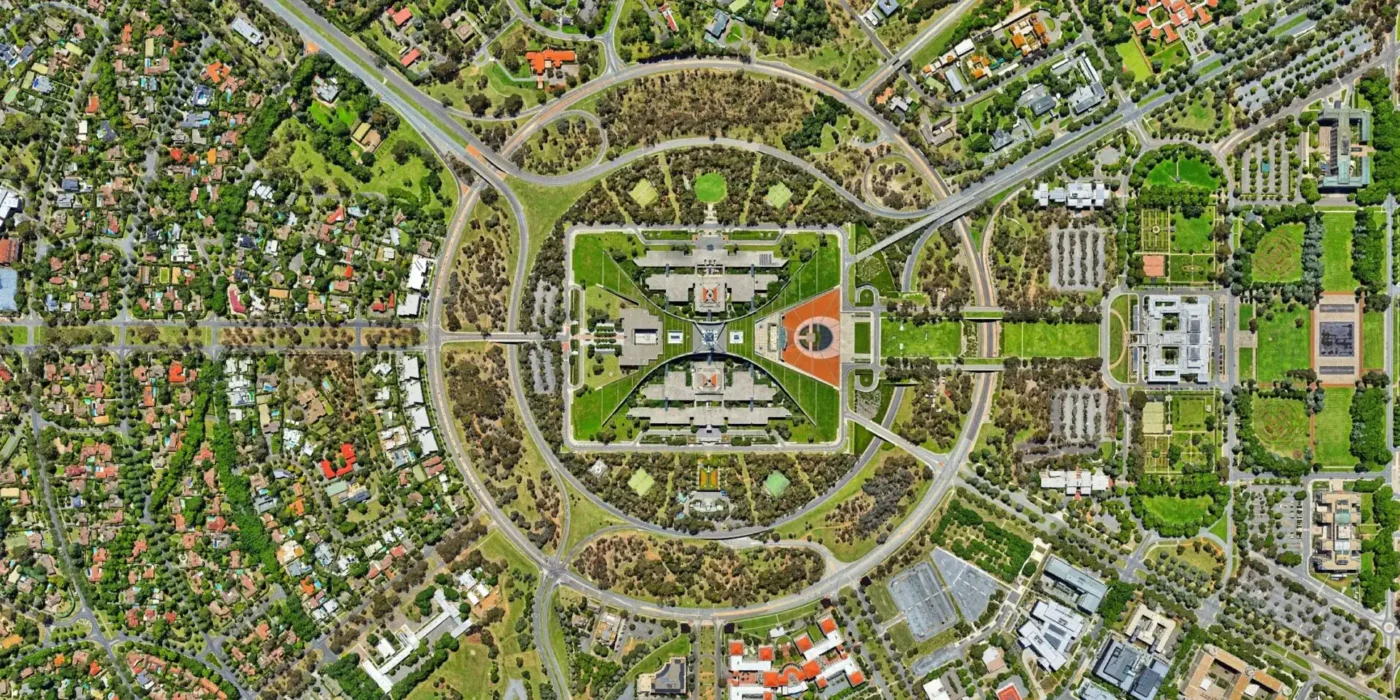
Planned cities use resources more efficiently, attract investment, and provide better living conditions. Islamabad is a rare example of a master-planned city in Pakistan, while most other cities grew without a clear framework.
8. Affordable Housing Policies
Housing affordability is one of Pakistan’s biggest issues. Urban planning can help by providing serviced land, incentivizing low-cost housing, and upgrading informal settlements.
9. Compact Development
Compact, higher-density development reduces sprawl, makes public transport viable, and preserves green land. This approach is especially important for cities like Lahore and Karachi, which are spreading outward at a fast pace.
10. Economics of Urban Planning
Well-planned cities boost productivity by clustering jobs, services, and markets. Poorly planned ones increase costs through congestion, long commutes, and inefficient infrastructure.
11. Green Spaces
Parks, urban forests, and playgrounds improve health and reduce heat stress. In Pakistan, the average green space per resident is far below global recommendations, making this a critical area for improvement.
12. Infrastructure
Roads, drainage, sanitation, power, and transport are the backbone of any city. Many Pakistani cities suffer from outdated infrastructure that cannot keep up with population growth.
13. Stakeholder Roles and Community Involvement
Planning should not be top-down. Involving citizens, NGOs, businesses, and local governments ensures that plans reflect real needs and gain public support.
14. Strategies for Sustainable Growth
To achieve long-term results, cities need strategies that balance economic growth, environmental protection, and social inclusion. This means guiding growth towards corridors, investing in transit, and protecting natural resources.
15. Sustainability
Sustainability runs across all aspects of urban planning. It means building cities that meet today’s needs without harming the future, whether through renewable energy, efficient transport, or eco-friendly housing.
Planning and Urban Design Standards
Urban planning depends on clear standards and rules. In Pakistan, provincial governments have begun using spatial strategies.
For example, the Punjab Spatial Strategy (2016–2040) guides investments into specific growth corridors and urban nodes.
Globally, planners use standards like:
Minimum density around transit stations.
Setbacks and floor-to-area ratios (FAR) for building height.
Sidewalk and road width requirements.
Ratios for open space and green areas per capita.
Risk-sensitive zoning to prevent construction in flood zones.
Pakistan’s cities need updated codes and enforcement to align with these principles.
How to Design Urban Planning?
Designing a strong urban plan involves several steps:
Diagnosis: Study population trends, housing needs, economy, and risks like floods.
Vision: Decide what kind of city the community wants, compact, mixed-use, or sprawling.
Structure plan: Prepare the framework for land use, transit networks, and utilities.
Rules and regulations: Introduce zoning, overlays, and building standards.
Investments: Plan infrastructure spending in phases.
Governance: Assign roles to institutions and set up funding mechanisms.
Monitoring: Track performance with measurable indicators.
Modern Urban Planning Approaches
Urban planning has evolved to focus on:
Compact Growth: Higher density, mixed-use development near transit.
Transit-Oriented Development (TOD): Linking housing and jobs with bus or metro corridors.
Nature-based solutions: Using wetlands, green belts, and urban forests to manage floods and heat.
Data-driven tools: Using GIS maps and digital dashboards for real-time planning.
Resilience planning: Designing cities to withstand climate shocks.
Checklist of Urban Planning Standards
Category
Standard / Guideline
Pakistan Context / Note
Land Use
Encourage mixed-use zoning near transit; minimum density of 150–200 people per hectare in growth areas
Needed in Karachi, Lahore, and Islamabad to stop sprawl
Building Form
FAR (Floor Area Ratio) set by transit accessibility; setbacks of 10–20 ft for main roads
FAR rarely enforced in Pakistan; needs revision
Streets & Roads
Collector road width: 18–24m; Local streets: 9–12m; Sidewalks min. 1.5–2m
Many Pakistani cities lack walkable sidewalks
Parking
Maximum (not minimum) parking standards near transit; encourage shared parking
Pakistani codes still require high minimums, worsening congestion
Public Transport
Transit-Oriented Development (TOD): housing and jobs within 500–800m of stations
Lahore Metro and Karachi BRT corridors need integrated land-use
Public Space
Minimum 9–10 sqm of open/green space per person
WHO guideline; Pakistan’s urban per-capita green space is below 3 sqm in many cities
Social Services
1 primary school per 5,000 residents; 1 health unit per 10,000 residents
Pakistan faces severe shortages in both
Drainage & Water
Blue-green infrastructure; no-build zones in floodplains; rainwater harvesting mandatory
Most Pakistani master plans ignore flood risk zones
Climate Resilience
Minimum 30% tree canopy cover in urban neighborhoods
Needed for heat resilience in Karachi, Multan, Lahore
Governance
Clear metropolitan authority; budgets linked to spatial strategy
Punjab Spatial Strategy shows the model but needs real enforcement
Why we Need Urban Planning in Pakistan?
Urban planning is no longer just an option for Pakistan, it is a necessity. With one of the fastest urban growth rates in South Asia, the country’s cities are expanding quickly but often without proper direction. Poorly managed growth brings problems like traffic congestion, housing shortages, water scarcity, and environmental degradation. Good urban planning addresses these challenges and sets the foundation for sustainable growth.
1. Controlling Unmanaged Sprawl and Preserving Agricultural Land
Cities like Lahore and Karachi are expanding outward at an alarming pace, swallowing up fertile agricultural land. This sprawl makes infrastructure more expensive to build and maintain because roads, utilities, and services have to cover larger areas. Planned growth encourages compact development, protects farmland, and reduces the strain on city services.
2. Closing Service Gaps in Housing, Sanitation, and Transport
Pakistan faces a housing shortage of more than 10 million units. A large share of urban residents live in informal settlements without proper sanitation, clean water, or electricity. Urban planning can help by introducing affordable housing policies, regulating land use, and planning sewerage, drainage, and solid waste systems. Well-planned public transport networks—like Bus Rapid Transit (BRT) systems—also reduce reliance on private vehicles, cutting both costs and pollution.
3. Boosting Productivity and Economic Growth
Cities are known as the engines of economic development. When industries, businesses, and services are well-clustered, workers spend less time commuting and companies benefit from shared infrastructure. Planned industrial zones, business districts, and transport corridors allow firms to operate more efficiently and attract investment. For example, projects like the Punjab Spatial Strategy are designed to connect industries with labor and markets more effectively.
4. Reducing Risks from Disasters and Climate Change
Pakistan is one of the countries most vulnerable to climate change. Urban flooding, heatwaves, and air pollution are now yearly challenges. Without planning, people often build in floodplains or areas with poor drainage, which increases losses during heavy rains. Urban planning can designate no-build zones in risky areas, design drainage and stormwater systems, and create green belts that act as buffers. Planting urban forests and increasing tree cover also help reduce urban heat islands in cities like Karachi and Multan.
5. Making Cities Livable, Healthy, and Attractive for Investment
Well-planned cities improve quality of life for residents. Wider sidewalks, clean parks, efficient transit, and reliable utilities all make daily life easier. At the same time, these improvements attract investors and businesses, who prefer to operate in environments with stable infrastructure and services. Cities like Islamabad show that a planned environment can draw both residents and global organizations because it feels orderly, green, and safe.
Advantages and Disadvantages of Urban Planning
Below are the main advantages and disadvantages that come with urban planning in Pakistan and elsewhere.
Advantages
Organized growth and efficient land use: Prevents haphazard expansion and protects valuable farmland by guiding cities to grow in a compact and balanced way.
Better infrastructure and public services: Makes it easier and cheaper for governments to deliver clean water, sanitation, power, and transport.
Safer, greener, and more inclusive public spaces: Ensures the presence of parks, walkways, and recreational areas that benefit all citizens, including vulnerable groups.
Increased property value and economic productivity: Well-planned zones attract investors, raise land values, and support business growth.
Reduced disaster and climate risks: Identifies flood-prone or heat-sensitive areas, helping cities prepare for and limit damage from climate shocks.
Long-term cost savings: Compact, well-planned infrastructure is more cost-effective than trying to retrofit unplanned development later.
Improved quality of life: Provides residents with cleaner air, shorter commutes, and easier access to education, healthcare, and jobs.
Disadvantages
Poorly made plans can worsen inequality: If the needs of low-income groups are ignored, it can push them into informal settlements without services.
Over-regulation without capacity can delay development: Complex codes and approval processes often slow down projects when institutions lack capacity.
Plans often fail without budgets or political will: Many master plans in Pakistan remain unimplemented because they are not linked to proper funding.
Risk of outdated or rigid plans: Cities change fast, and plans that aren’t updated become irrelevant, blocking innovation or adaptation.
Corruption and weak enforcement: Illegal construction and encroachments reduce the effectiveness of even the best plans.
High upfront costs: Preparing surveys, GIS maps, and technical studies is expensive, and often underfunded in developing countries.
Challenges of Urban Planning in Pakistan
Urban planning in Pakistan faces deep-rooted obstacles that go beyond technical issues. These challenges in urban planning often stem from governance, financing, and capacity gaps.
Weak governance: City and provincial authorities often work in silos, with little coordination between planning, housing, transport, and utility departments. This fragmentation makes it difficult to implement integrated urban plans. For example, in Karachi multiple agencies control water, land, and transport, but coordination between them is minimal.
Housing backlog: Pakistan faces a shortage of over 10 million housing units, and this deficit continues to grow as the urban population increases. The lack of affordable housing has led to the spread of katchi abadis (informal settlements), where millions live without access to basic services.
Service gaps: Many Pakistani cities rely on outdated water supply, sanitation, and drainage systems built decades ago. Sewerage often flows untreated into rivers, drainage systems fail during monsoons, and waste management struggles with rising population density.
Climate risks: Pakistan is ranked among the most climate-vulnerable countries in the world. Cities like Karachi face rising heatwaves, Lahore struggles with severe smog, and urban flooding is now a yearly event in Sindh and Punjab. Without climate-sensitive planning, these risks will intensify.
Implementation gaps: Master plans are frequently prepared but rarely executed. Lack of funding, political instability, and short-term decision-making mean that plans remain on paper. In many cases, by the time funding is arranged, the data used for planning has already become outdated.
Current Initiatives in Pakistan
Despite the challenges, some initiatives are underway to bring structure and sustainability to Pakistan’s urban growth.
Punjab Spatial Strategy (2016–2040): This strategy focuses on guiding infrastructure spending through defined growth corridors and urban nodes. It aims to integrate economic development with land-use planning so that investments in roads, housing, and industries are aligned. The strategy also emphasizes decentralization, encouraging medium-sized cities to take pressure off Lahore.
Karachi Master Plan 2047: Karachi, Pakistan’s largest city, is preparing a long-term plan to manage growth until 2047. The plan addresses issues like drainage, transport networks, housing, and climate resilience. It also aims to make Karachi more competitive by supporting industrial and port-related growth while improving livability for its residents.
National urban policy work: At the federal level, policymakers are holding discussions on creating a national framework for urban development. This includes improving metropolitan governance, supporting mass transit projects, addressing housing shortages, and linking urban development with climate adaptation strategies.
City-level reforms: Some cities are experimenting with Bus Rapid Transit (BRT) systems, smart waste management pilots, and municipal finance reforms. Although still limited in scale, these efforts represent steps toward modernizing urban management.
Sustainable Urban Planning for Pakistan
For Pakistan’s cities to become more livable and resilient, urban planning must integrate sustainability into every decision.
Low-carbon mobility: Expanding BRT systems in Lahore, Karachi, and Peshawar, and introducing Mass Rapid Transit (MRT) where feasible, can reduce car dependency. Walkability and cycling infrastructure should also be prioritized to cut emissions and improve health.
Water-sensitive design: With recurring floods and water shortages, Pakistan needs stormwater harvesting, protection of floodplains, and modern drainage systems. Cities must also recycle wastewater for irrigation and industry use.
Affordable housing: Upgrading informal settlements with basic services and providing secure land tenure can improve living conditions for millions. In addition, incentivizing affordable housing schemes and promoting vertical development can reduce the housing deficit.
Heat resilience: Increasing tree cover, creating shaded walkways, and adding ventilation corridors can help combat heat islands in cities. For example, Karachi needs large-scale urban forestry to offset rising summer temperatures.
New finance tools: Traditional municipal budgets are insufficient. Cities can explore land value capture, where rising property values fund infrastructure, and green bonds, which raise funds for climate-resilient projects. Public-private partnerships (PPPs) can also help bridge the financing gap.
Circular economy practices: Reducing waste, promoting recycling, and encouraging renewable energy adoption will help cities become more resource-efficient over the long term.
Architecture Urban Planning
Urban planning and architecture are often seen as separate, but they work best when integrated.
Urban planning: Operates at the city and regional scale, focusing on land use, transportation systems, housing policies, utilities, and open spaces. Planners look decades ahead to ensure cities grow in a way that is balanced, efficient, and resilient.
Architecture: Works at the building and site level, shaping how structures look and function within the urban fabric. Architects design residential blocks, offices, cultural centers, and public spaces, bringing creativity and functionality to everyday environments.
The link between them: Planning provides the framework, zoning laws, density rules, and design guidelines, while architecture brings those rules to life. For example, a transport-oriented development planned by urban planners may include high-rise apartments and pedestrian plazas designed by architects.
Conclusion
Urban planning is one of the most urgent needs for Pakistan today. With a fast-growing population, rising housing demand, and increasing climate risks, cities cannot afford to grow without direction.
If urban planning is done well, with strong governance, clear standards, and phased investments, Pakistan’s cities can become engines of growth, centers of innovation, and safer, healthier places for future generations.