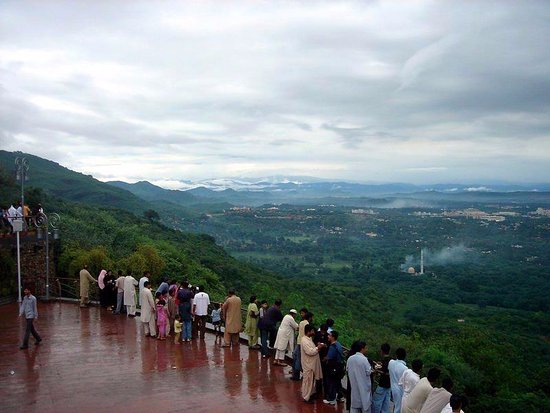
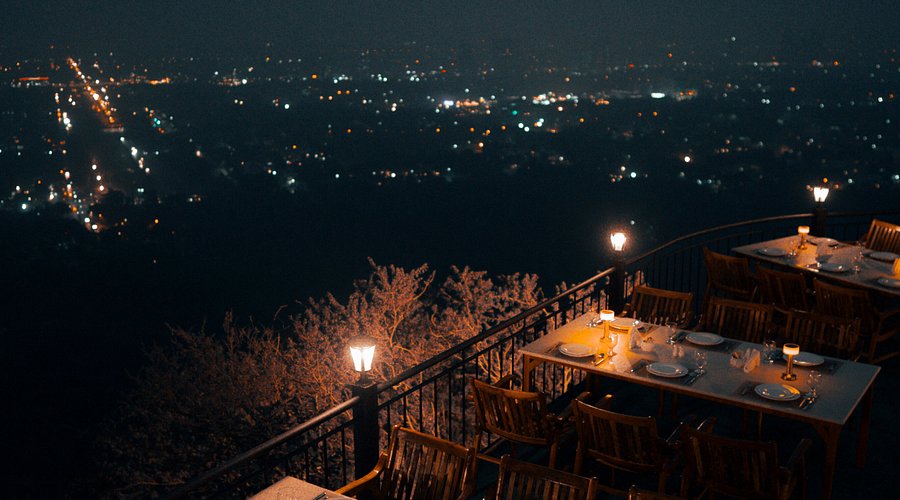
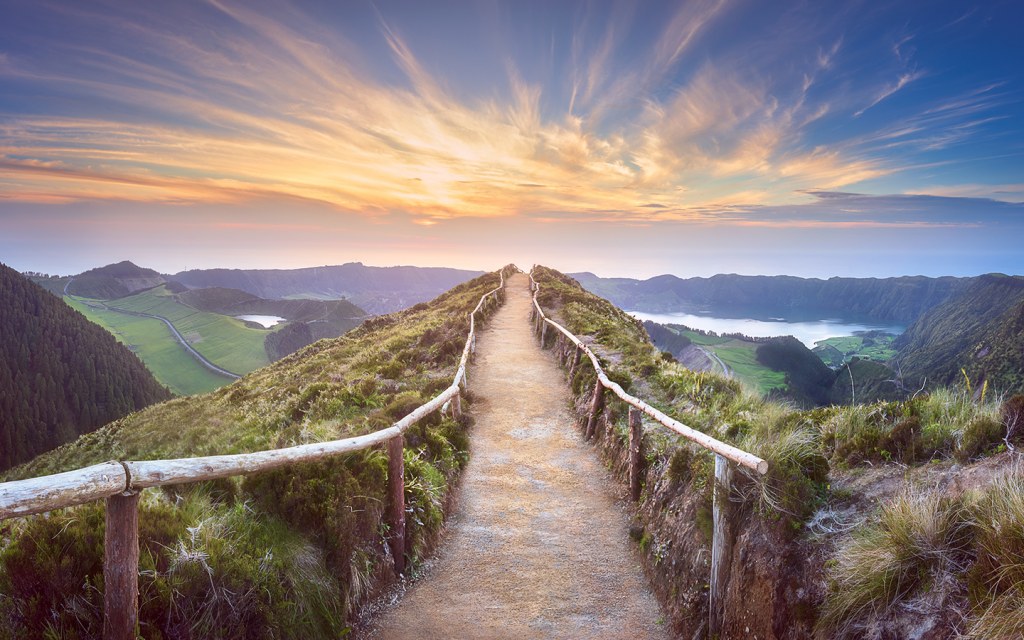
Pakistan is one of the world’s most breathtaking and underexplored destinations, and its tourism sector is finally beginning to reflect that. At Chakor, our Tourism section covers the hospitality developments, travel infrastructure, and investment opportunities emerging from a sector with enormous untapped potential.
From mountain resorts in the north to cultural destinations across the country, explore what is being built for the travellers of tomorrow.
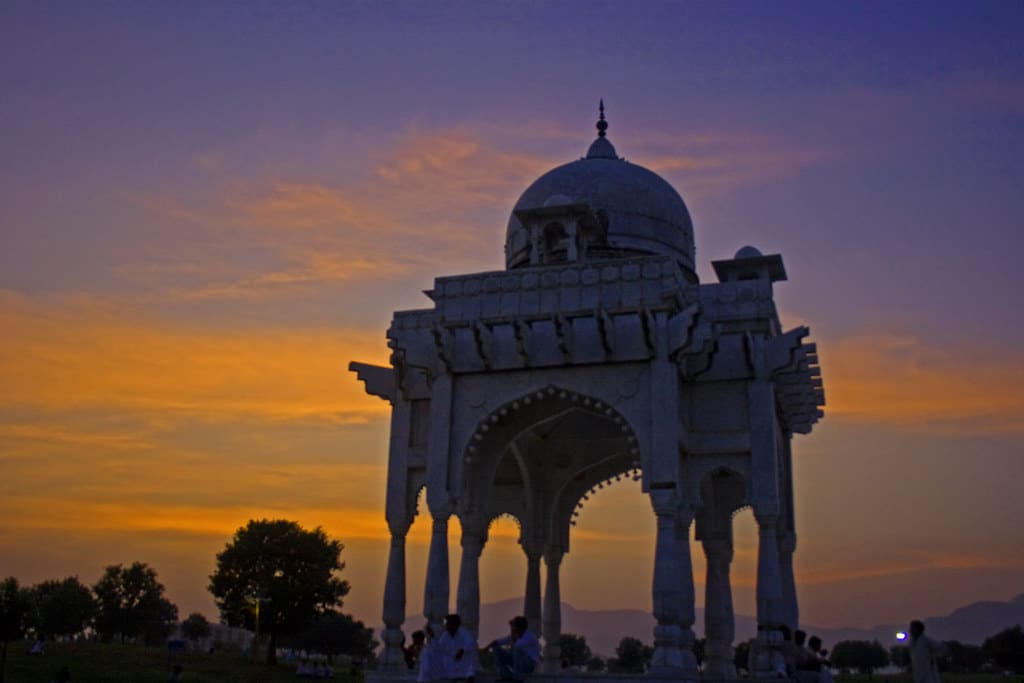
ISLAMABAD: The Capital Development Authority (CDA) has launched a new initiative to enhance Islamabad’s status as a cultural and tourism capital. Announced on February 10, the plan aims to boost the city’s cultural appeal and attract both local and international tourists.
The CDA’s strategy includes the development of spaces dedicated to art, heritage, and cultural events, designed to foster a vibrant cultural scene. The initiative will involve the creation of cultural centers, public art spaces, and tourism-focused facilities, all of which will contribute to the city’s identity as a prominent cultural hub.
Additionally, the CDA plans to allocate land for the construction of museums, galleries, and cultural landmarks, which will showcase Pakistan’s rich history and diverse cultural heritage. These new facilities are expected to enhance the city’s tourism infrastructure, drawing more visitors to Islamabad.
The CDA is committed to preserving the city’s natural beauty as a “garden city,” ensuring that the new cultural developments align with the city’s environmental and architectural character. This approach aims to balance urban growth with sustainable design, offering a blend of modern amenities and green spaces.
This initiative is part of the CDA’s broader goal to boost the city’s visibility on the global tourism map, stimulate economic growth through cultural tourism, and create a more engaging environment for both residents and visitors. The CDA’s efforts are expected to elevate Islamabad’s reputation as a key cultural and tourism destination in the region.
BBC-featured Content Specialist with a sharp eye for search intent and a proven ability to turn content into a growth engine. I leverage cutting-edge digital marketing tools to craft strategies that fuel organic traffic, amplify brand growth, and own the local SEO landscape, particularly across the competitive real estate market. I help brands dominate search rankings and convert visibility into measurable business success.
LAHORE: City’s long-awaited Basant revival has triggered a remarkable surge in commercial activity, with kite and string sales surpassing Rs1.5 billion within the first five days of trading.
According to the Kite Flying Association, daily trade volumes climbed steadily from Rs160 million on the first day to Rs180 million on the second and Rs200 million on the third, before jumping sharply to Rs680 million on the fourth day alone. By the fifth day, cumulative sales had crossed Rs1.5 billion, reflecting strong consumer demand ahead of the festival’s official start on February 6.
On the fourth trading day, more than one million kites were sold in Lahore, alongside over 20,000 spools of string (pinna). Despite rising prices, demand remained resilient. A one-and-a-half tawa kite was priced at Rs700, a one tawa kite at Rs400, and a pauna tawa kite at Rs300. Two-piece string spools ranged between Rs12,000 and Rs15,000, depending on quality and length.
Traditional commercial hubs such as Mochi Gate, Islampura, Samanabad, Delhi Gate, Shah Alam Market, and Anarkali reported heavy footfall, while Liberty Chowk emerged as a prominent focal point of public celebrations. Markets remained active late into the night as buyers stocked up on kites, spools, and decorations.
The festival’s revival has extended beyond rooftops into public spaces, marked by fireworks displays, decorative installations, and large gatherings across the city. Punjab Chief Minister Maryam Nawaz visited Liberty Chowk and Mochi Gate, affirming that safety rods for motorcycles would be mandatory during Basant, though motorcycles themselves would not be banned.
After nearly 25 years, Basant’s return has not only revived a cultural tradition but also generated substantial economic momentum across Lahore’s retail and informal sectors.
BBC-featured Content Specialist with a sharp eye for search intent and a proven ability to turn content into a growth engine. I leverage cutting-edge digital marketing tools to craft strategies that fuel organic traffic, amplify brand growth, and own the local SEO landscape, particularly across the competitive real estate market. I help brands dominate search rankings and convert visibility into measurable business success.
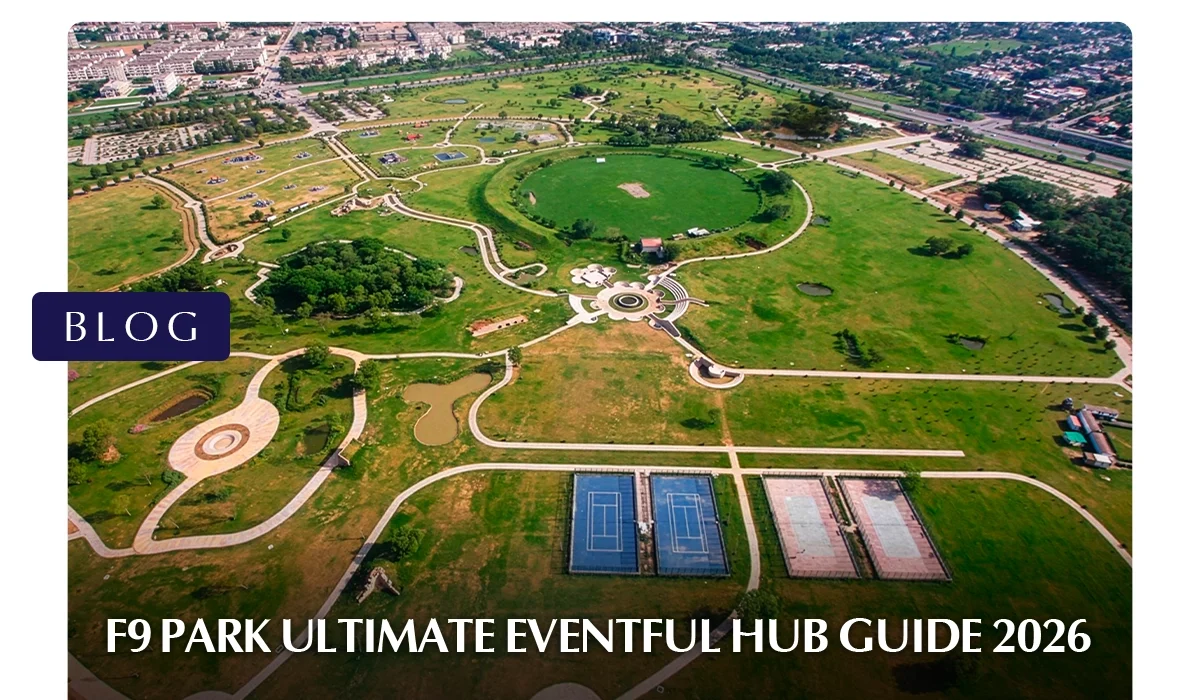
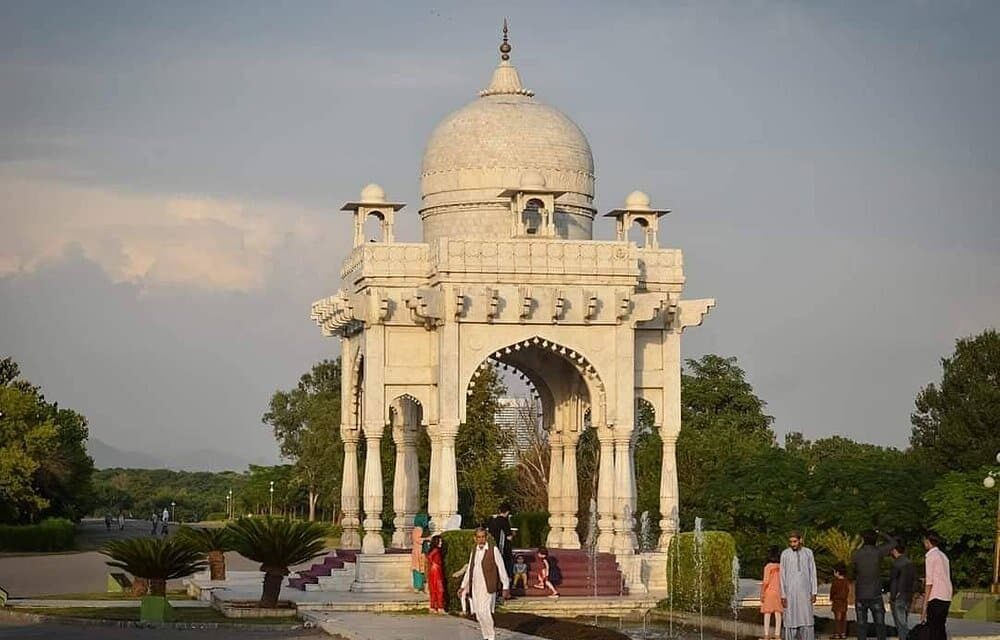
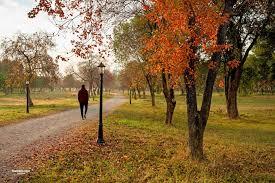
F9 Park Islamabad, officially known as Fatima Jinnah Park, is the city’s most visited public green space for a reason: it’s huge, central, and flexible. People come here for morning walks, jogging, family outings, kids’ play time, cycling, photography, and relaxed evenings on the lawns.
This guide is designed to answer the questions people actually search: F9 Park timings, best gate, kids play area details, jogging track guidance, Leisure Arena overview, entry fee, parking, safety, and what to do depending on how much time you have.
F9 Park Islamabad – Quick Facts
Feature
Details
Official Name
Fatima Jinnah Park
Location
Sector F-9, Islamabad
Size
Approx. 750 acres
Entry Fee
Free (kids’ area may charge)
Opening Hours
Early morning to late evening
Best Time to Visit
Morning (fitness) / Evening (families)
Main Gates
Mehran, Bolan, Khyber, Ravi
What is F9 Park Islamabad famous for?
F9 Park Islamabad is famous for being the largest public park in the city, offering jogging tracks, a kids’ play area, picnic lawns, and indoor entertainment like Megazone bowling.
F9 Park Location
F9 Park Islamabad is located in Sector F-9, Islamabad, Pakistan, centrally positioned between major residential and commercial sectors like the Blue Area of the capital city, Islamabad.
F9 Park Islamabad lies near the city’s central business and residential districts, making it one of the most accessible parks in Islamabad.
How to Reach F9 Park?
Easily accessible via major city roads
Reachable by private car, ride-hailing services, and local transport
Multiple entry gates allow access from surrounding sectors
Because of its central location, F9 Park is convenient for visitors coming from the Blue Area, F-10, G-9, and other nearby sectors. If you are using navigation apps, simply search “F9 Park Islamabad” or a specific gate name for precise directions.
F9 Park: Weekend vs Weekday – What’s Better?
If you’re deciding when to visit F9 Park Islamabad, here’s a practical comparison to help you choose the best time.
Factor
Weekdays
Weekends
Crowd Level
Moderate to Low
High
Kids Play Area
Less crowded
Very busy
Jogging Experience
Smooth and steady
Heavier foot traffic
Parking
Easier
Limited at peak hours
Atmosphere
Calm
Social and lively
Overview of Fatima Jinnah Park | What is F9 Park?
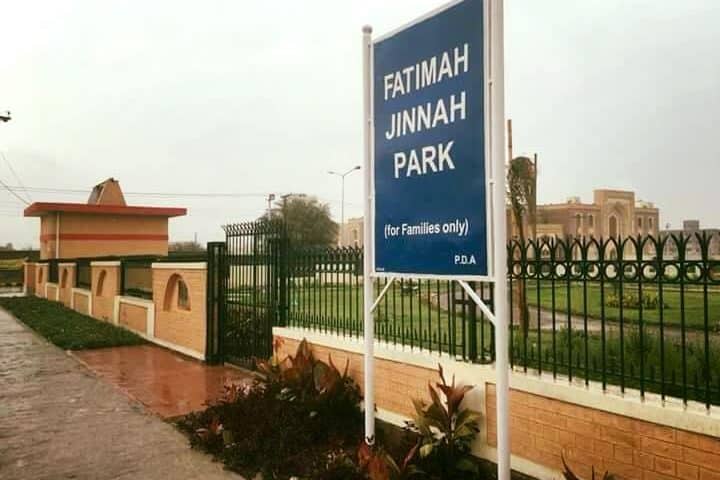
F9 Park is a large public park located in Sector F-9, Islamabad. Many visitors search for it as “F-9 Park,” “F9 Park,” or “Fatima Jinnah Park Islamabad”, all refer to the same place.
What makes F9 Park different from smaller parks in Islamabad is the scale. You can visit it like a simple neighbourhood park (short walk and leave), or treat it like a full outing (walk, kids’ play area, Leisure Arena, and a picnic). Hence, it’s quite a popular destination in Islamabad for tourism.
Quick Facts for First-Time Visitors
Location: Sector F-9, Islamabad
Size: approximately 750 acres
General Entry: free
Best for: walking, jogging, family outings, kids’ play, cycling, open lawns, nature breaks
Time needed: 45 minutes to half a day, depending on the plan
F9 Park Timings – General Park and Key Areas
Timings can vary by season, by entrance flow, and by specific facilities inside the park. Instead of assuming one universal schedule, use this practical breakdown.
General F9 Park Opening and Closing Times
In most seasons, the park is accessible from early morning until late evening. Many visitors plan around early morning fitness hours and evening family hours.
Kids’ Play Area Timings
The kids’ play area typically runs on fixed operating hours and may close earlier than the rest of the park. A common operating window is approximately 9:00 AM to 9:00 PM.
Leisure Arena Timings
The Leisure Arena follows facility-specific timings (gym, swimming, indoor sports). These timings may differ from the park’s general access hours.
How to Confirm Timings on the Day
If you are travelling specifically for the kids’ play area or Leisure Arena, confirm the current hours on the day of your visit using the facility’s posted information at entry points or on-location notices. This avoids arriving after activity areas have closed, even if the park itself is still open.
F9 Park Gates and Entrances
F9 Park has multiple gates, including widely known named gates and additional numbered gates. The right gate depends on your plan and who you’re visiting with.
Commonly Used Gates
Mehran Gate
Bolan Gate
Khyber Gate
Ravi Gate
Other numbered gates (often referenced by navigation apps)
Which F9 Park gate should you use?
Use this decision guide:
With Family and Kids Choose a gate that reduces walking time to recreational zones, especially if you plan to spend time in the kids play area. This helps avoid long walks with strollers or tired children.
Jogging or Brisk Walking Most major gates work well because internal paths connect easily. Choose based on parking convenience or where you want to start and finish.
In-and-Out Visit Pick the closest gate to your approach route. For short visits, minimising parking and entry time matters more than which section you see.
For a Quieter Entry Avoid peak-time entrances during weekends. A less busy gate can give a calmer start, especially if your goal is a relaxed walk rather than social crowds.
Things to do in F9 Park, Islamabad
F9 Park is best enjoyed when your plan matches your goal. Below are the top activities, with practical tips for each.
Walking and Casual Strolling
If you want a simple break from the city, plan a 30–60 minute walk. For comfort:
Go early morning or near sunset in warmer months
Choose paths with more shade
Bring water if you plan to walk longer than 45 minutes
Jogging and Fitness Routines
F9 Park is one of Islamabad’s most popular fitness locations. If your goal is consistent training:
Visit early morning for better weather and fewer disruptions
Warm up for 5–10 minutes with a brisk walk
Use a loop-based approach (repeat a comfortable loop rather than pushing distance immediately)
Kids’ Play Area Visit
The kids’ play area is one of the busiest zones on weekends. If you want a calmer experience:
Prefer weekday afternoons or early weekend mornings
Keep a small snack and water for children
Plan a post-play wind-down: lawn time, short walk, or photography
Cycling
Cycling is common inside the park, where paths and internal roads allow it. For safety:
Ride at moderate speed near family zones
Expect more foot traffic in the evening
Consider early morning for uninterrupted cycling
Picnics and Lawn Time
F9 Park is popular for simple family picnics. The key to a comfortable picnic is the setup:
Choose a lawn spot that’s not directly on a busy walking path
Bring a ground sheet and a small trash bag
Keep food simple if you are not near a stall area
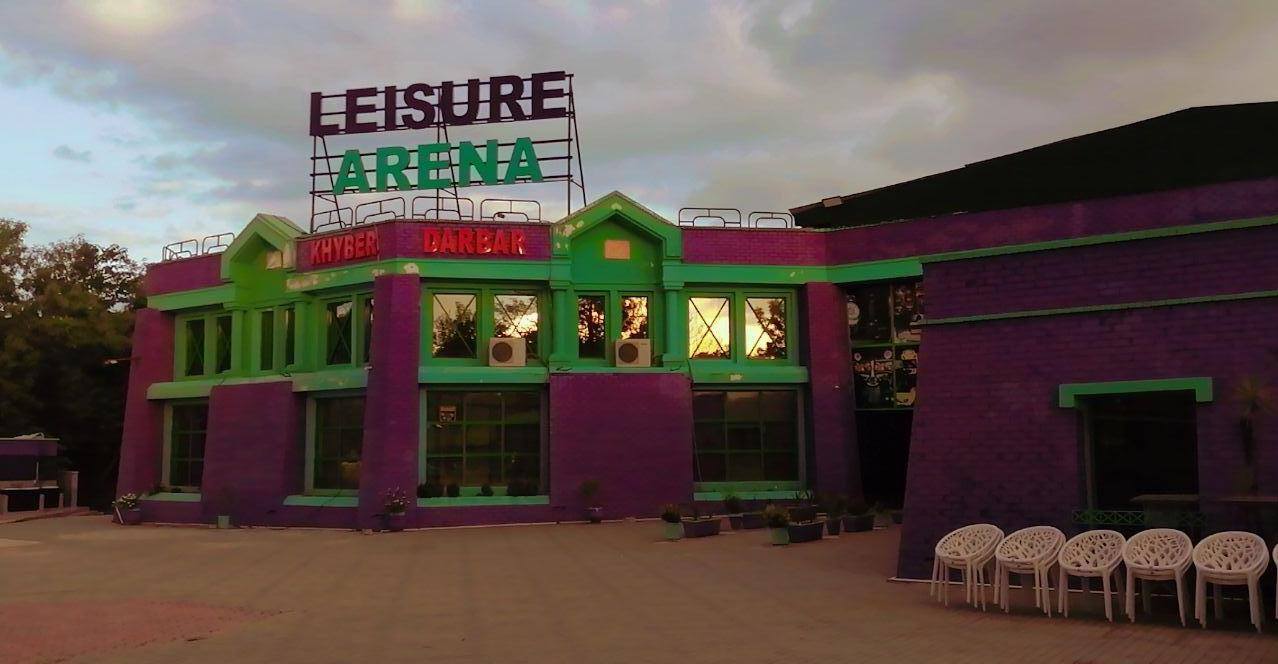
Leisure Arena (gym, swimming, indoor activities)
If you want structured recreation, the Leisure Arena is a major option inside the park. It’s especially useful when:
Visit during golden hour (late afternoon to sunset)
Use open lawns for wide shots and paths for leading lines
Capture “scale” by framing trees and pathways with people at a distance
Megazone F9 Park – Indoor Entertainment & Bowling Hub
Inside F9 Park Islamabad, one of the most popular indoor attractions is Megazone, an entertainment complex offering bowling and arcade activities.
Megazone adds a structured indoor experience to the otherwise outdoor-focused F9 Park visit, making it ideal during extreme weather or evening outings.
What is Megazone F9 Park?
Megazone Entertainment Hub offers:
Bowling lanes
Arcade games
Snooker and indoor games
Birthday party hosting
Corporate event bookings
Casual dining
It is especially popular among teenagers, families with older children, university students, and group gatherings.
F9 Park Bowling – Experience & Planning Guide
The bowling alley inside Megazone is one of Islamabad’s established bowling venues.
Best For
Family outings
Birthday celebrations
Group hangouts
Casual competitive play
When to Visit for Bowling
Weekdays: smoother experience, shorter wait times
Weekend evenings: busier and more energetic
Public holidays: high footfall expected
If visiting in a group, booking in advance is recommended to avoid waiting time.
Megazone F9 Park Contact Number & Booking Details
For reservations, pricing, birthday bookings, or event inquiries, use the official contact details below:
Name
Address
Cell
Hours
Megazone Entertainment Hub
Gate #2 Bolan, F-9 Park, Islamabad
0330 5756100
11:00 AM – 11:00 PM
Calling during business hours is recommended if you plan to reserve bowling lanes or book a party slot.
Contact details and booking information may change over time. For the most accurate and updated contact number, check Megazone’s official listing, social media page, or on-site information board before planning a visit.
Why Megazone Strengthens F9 Park as a Destination?
Adding Megazone to your F9 Park visit gives you:
A backup indoor plan during extreme weather
A structured entertainment option for teens
A social activity beyond walking or picnics
An evening-friendly activity after sunset
This combination of open green space and indoor recreation is one of the reasons F9 Park Islamabad remains one of the most versatile public spaces in the city.
F9 Park Kids Play Area (complete family guide)
The kids’ play area is the second most-searched subtopic after timings and gates, as it’s often the main reason families visit.
Entry Fee
General entry to F9 Park is free, but the kids’ play area may charge a nominal ticket fee. Fees can change, so plan for a small cash amount.
Best Age Range
Toddlers: enjoy swings and short slides with supervision
Ages 4–8: get the most value from play structures and open movement
Ages 9–12: may enjoy the area briefly, then prefer wider park activities (cycling, longer walks)
Crowd Strategy (weekend vs weekday)
Weekends: higher crowd density, shorter play turns, noisier environment
Weekdays: more relaxed play, easier supervision, smoother experience
Parent Checklist
Comfortable shoes (you will walk more than you expect)
Water for children
A light snack
Wet wipes or sanitiser
A simple plan for after play (to avoid “we’re bored” moments)
Simple Family Itinerary (2–3 hours)
Enter through a convenient gate and walk toward the kids’ zone
Kids play area (60–90 minutes)
Short family walk (20–30 minutes)
Lawn time or snack break (20–40 minutes)
Exit before the peak crowd builds (especially on weekends)
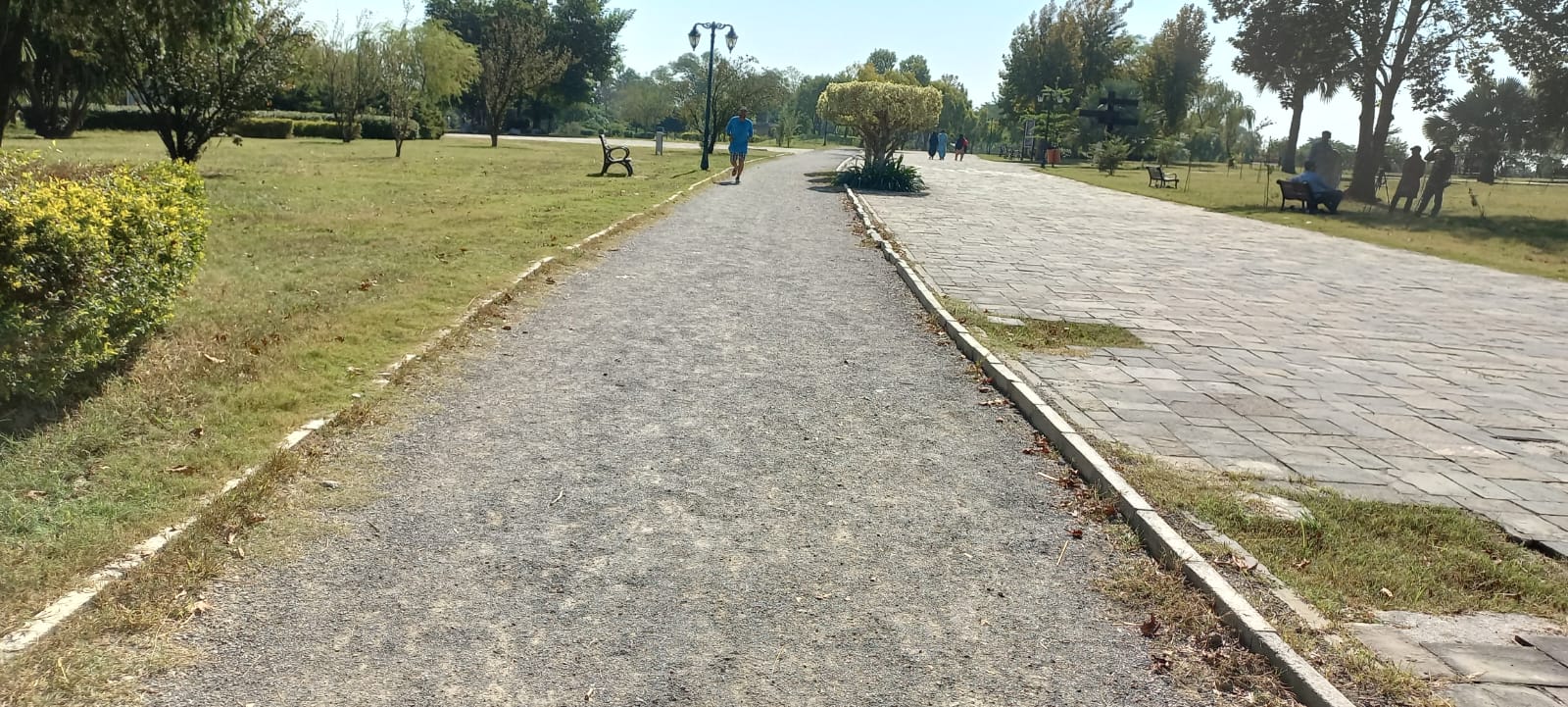
F9 Park Jogging Track and Walking Route
Many visitors search for “F9 Park jogging track” because they want a reliable route in Islamabad. While the exact loop distance can vary depending on where you start and how you route internally, you can still plan training effectively.
Best times for jogging at F9 Park
Early morning: best weather, fewer crowds, easier pacing
Late afternoon/evening: social atmosphere, but more foot traffic
Beginner (30–40 minutes total)
8 minutes brisk walk warm-up
12–18 minutes easy jog
8 minutes walk cool-down
Light stretching
Intermediate (45–60 minutes total)
10 minutes warm-up
25–35 minutes steady run
5–10 minutes cool-down walk
Optional strides (short controlled accelerations) if space allows
Practical Training Trps
Use time-based training rather than distance-based training if you are unsure of loop lengths
Stay on predictable paths to avoid frequent stops
Keep your pace steady and let crowds dictate your route choice
If you’re going in the evening, choose better-lit areas and stay in busier sections
Facilities in F9 Park
F9 Park generally offers a combination of open public-space basics and structured paid facilities.
Common Amenities
Parking areas near major entrances
Public washrooms (availability and condition can vary by area)
Benches and sitting spots
Open lawns suitable for small picnics
Security presence, especially in busier sections
Limited food stalls or nearby food options, depending on the gate area
Leisure Arena for paid recreation
If facilities matter for your visit (washrooms, parking proximity, or specific activities), plan your gate choice around convenience.
Nature at F9 Park
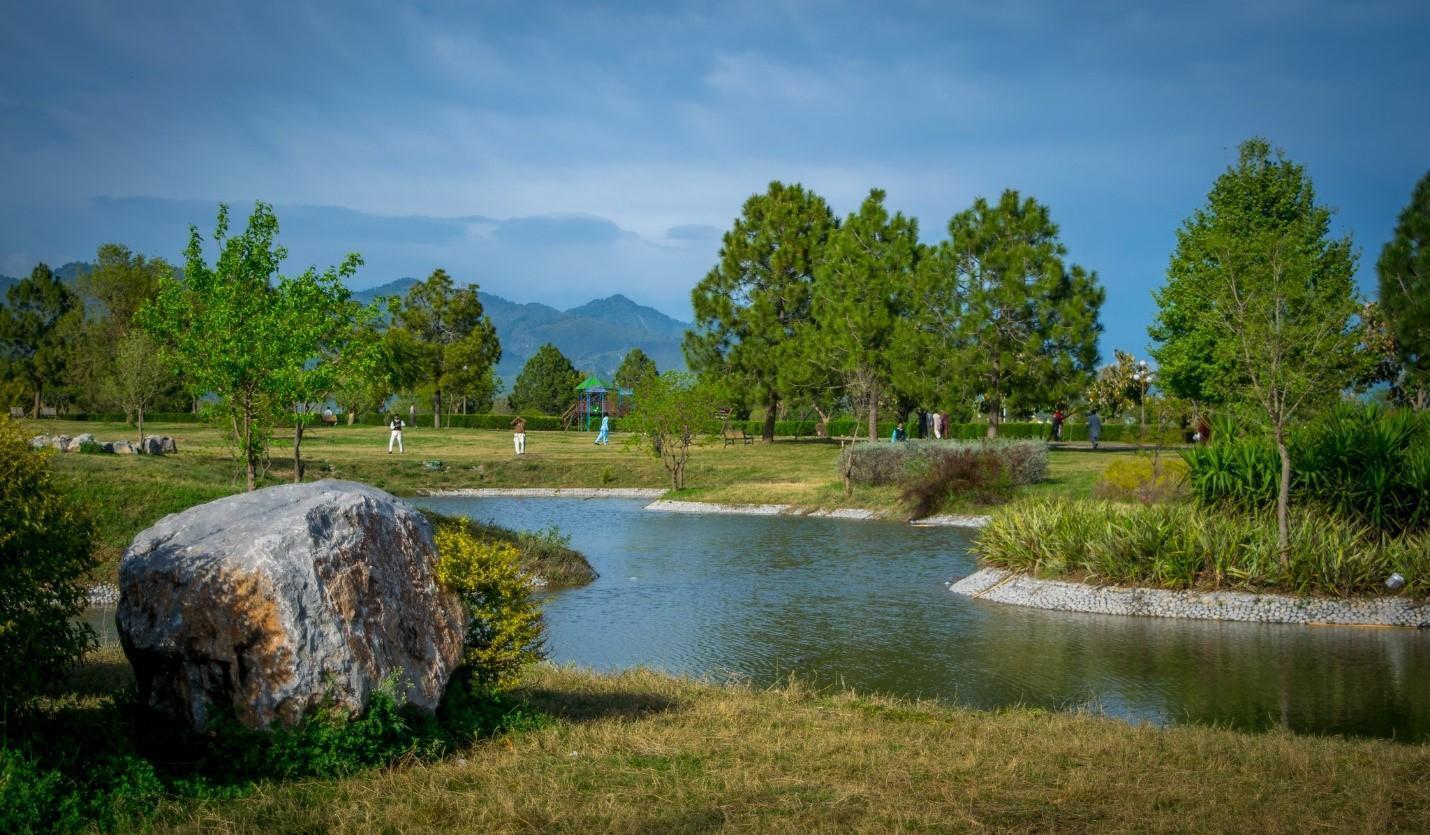
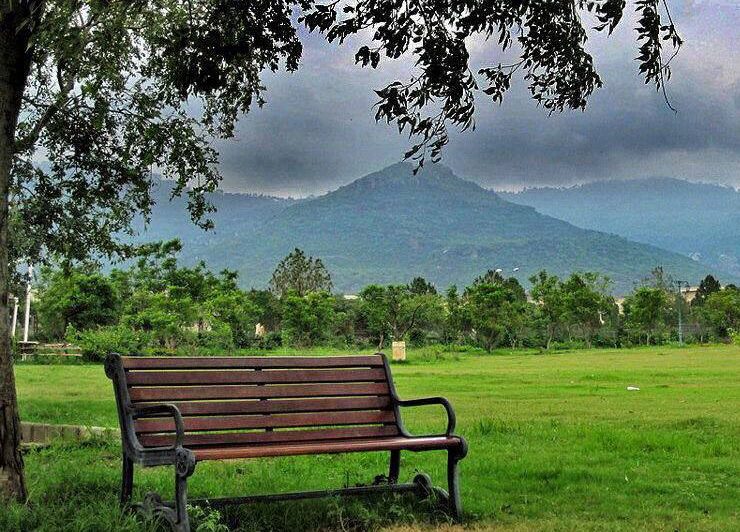
Despite being popular, F9 Park can still feel peaceful if you choose your time and route well.
How to Experience F9 Park as a Nature Break?
Visit early morning when the park feels less crowded
Walk away from the busiest family zones for quieter paths
Keep volume low and avoid disturbing wildlife and other walkers
Carry water and avoid leaving litter, especially in greener sections
Photography and Calm Walks
If you want calm rather than crowds, treat it like a “slow park visit”:
20 minutes gentle walk
15 minutes seated rest
20 minutes loop back through a different path
This makes your visit feel longer and more restorative than rushing through.
Is F9 Park safe?
F9 Park is generally considered safe during normal visiting hours, especially in areas with higher foot traffic.
Practical Safety Guidance
Solo visitors: prefer peak hours and stay on main paths
Families: keep children within sight near busy zones
Late evening: avoid isolated areas and stick to well-lit sections
Personal belongings: keep phones and wallets secure in crowded areas
If your plan involves the kids’ play area or evening walks, arriving earlier and leaving before late hours usually makes the experience more comfortable.
F9 Park Entry Fee and Ticket Information
General entry to F9 Park: free
Kids’ play area: may require a nominal ticket
Leisure Arena: paid services (pricing depends on activity)
If you’re planning a family visit, budget some small cash for kids’ activities and incidental snacks.
Best Time to Visit F9 Park, Islamabad
Your best time depends on your goal.
For Jogging and Fitness
Early morning is the most reliable choice, especially in warmer months.
For Families and Kids’ Play Area
Late afternoon to early evening is popular, but weekends can be crowded. For a calmer kids’ experience, choose weekday afternoons or early weekend mornings.
For Weather Comfort
Hot months: early morning and near sunset are best
Winter months: late morning to afternoon can be very comfortable
Weekends: expect more crowds and more social activity
Visit Plans: 1 Hour, 2–3 Hours, and Half a Day
1-Hour Plan (quick reset)
Park, enter, and walk a comfortable loop
Sit for 10 minutes on a lawn or bench
Exit without overcomplicating the visit
Best for: solo visitors, quick breaks, first-time visitors
2–3 Hour Plan (most popular)
Walk and explore (30–40 minutes)
Kids play area or fitness session (60–90 minutes)
Lawn time and snacks (30 minutes)
Exit before the park feels crowded or tiring
Best for: families, casual outings, weekend plans
Half-Day Plan (full experience)
Early arrival for walking/jogging
Leisure Arena activity or extended exploration
Picnic time on the lawn
Slow photography walk before leaving
Best for: visitors coming from farther areas or meeting friends/family
What is F9 Park Famous for?
F9 Park is famous for being Islamabad’s largest public park, offering jogging tracks, a kids’ play area, open picnic lawns, and the Leisure Arena recreational complex.
Frequently Asked Questions About F9 Park Islamabad
Following are the frequently asked questions regarding Fatima Jinnah park Islamabad.
What is the Megazone F9 Park contact number?
The official Megazone F9 Park contact number is 0330 5756100. It is located at Gate #2, Bolan, F-9 Park, Islamabad and operates from 11:00 AM to 11:00 PM.
What is F9 Park Islamabad also called?
F9 Park is officially called Fatima Jinnah Park.
Where is F9 Park located?
It is located in Sector F-9, Islamabad.
What are the F9 Park timings?
The park is typically accessible from early morning to late evening. Timings can vary by season and facility.
Is F9 Park open at night?
The park remains accessible into the evening, but specific areas may close earlier. Late-night visits are not recommended for isolated sections.
Is there an entry fee for F9 Park?
General entry is free. Some areas, such as the kids’ play zone or paid facilities, may charge fees.
What is the ticket price for the kids’ play area in F9 Park?
A nominal fee may apply and can change. Carry small cash for convenience.
How many gates does F9 Park have?
There are multiple entrances, including named gates and numbered gates.
Which gate is best for families?
Choose a gate that minimises walking distance to the recreational zones and kids’ play area.
Is F9 Park good for jogging?
Yes. It is one of Islamabad’s most popular places for jogging and walking.
Popular activities include kids’ play, cycling, photography, relaxation on lawns, and structured recreation via the Leisure Arena.
Conclusion
F9 Park Islamabad (Fatima Jinnah Park) is an easy win for almost any kind of outing: fitness, family time, quiet walks, or a simple picnic. The key is planning based on your goal, choosing the right gate, visiting at the right time, and structuring your visit so you’re not stuck in crowds or wandering without a plan.
BBC-featured Content Specialist with a sharp eye for search intent and a proven ability to turn content into a growth engine. I leverage cutting-edge digital marketing tools to craft strategies that fuel organic traffic, amplify brand growth, and own the local SEO landscape, particularly across the competitive real estate market. I help brands dominate search rankings and convert visibility into measurable business success.
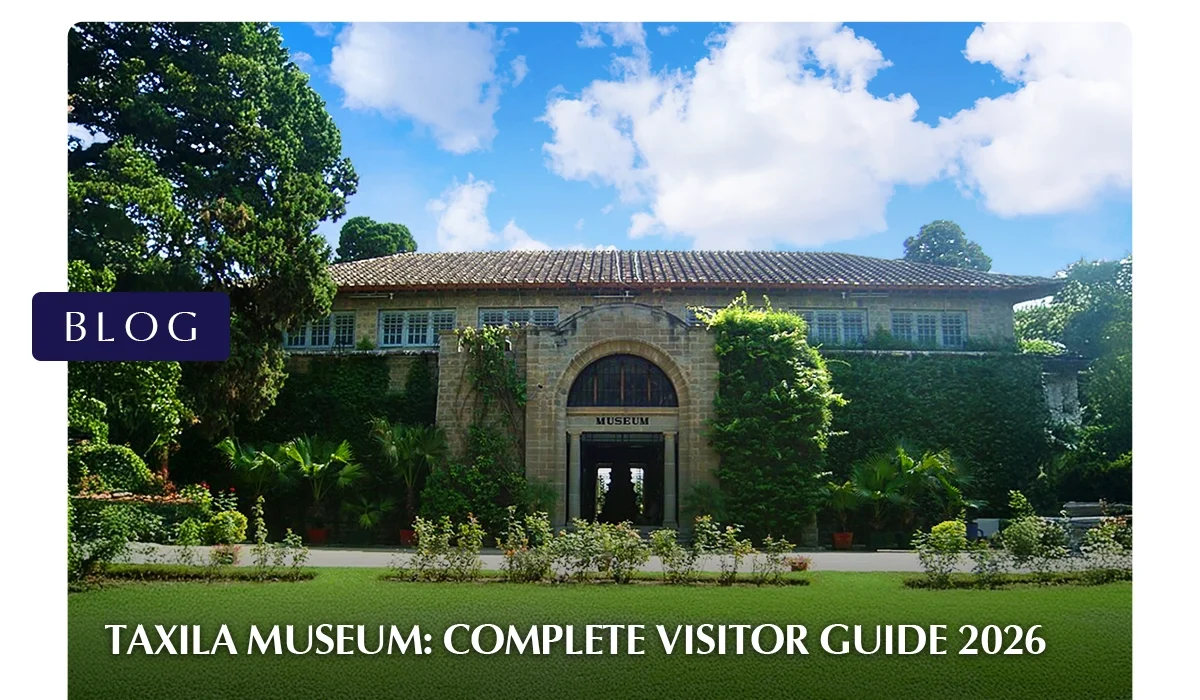
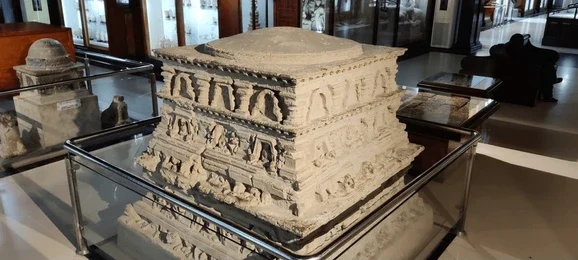
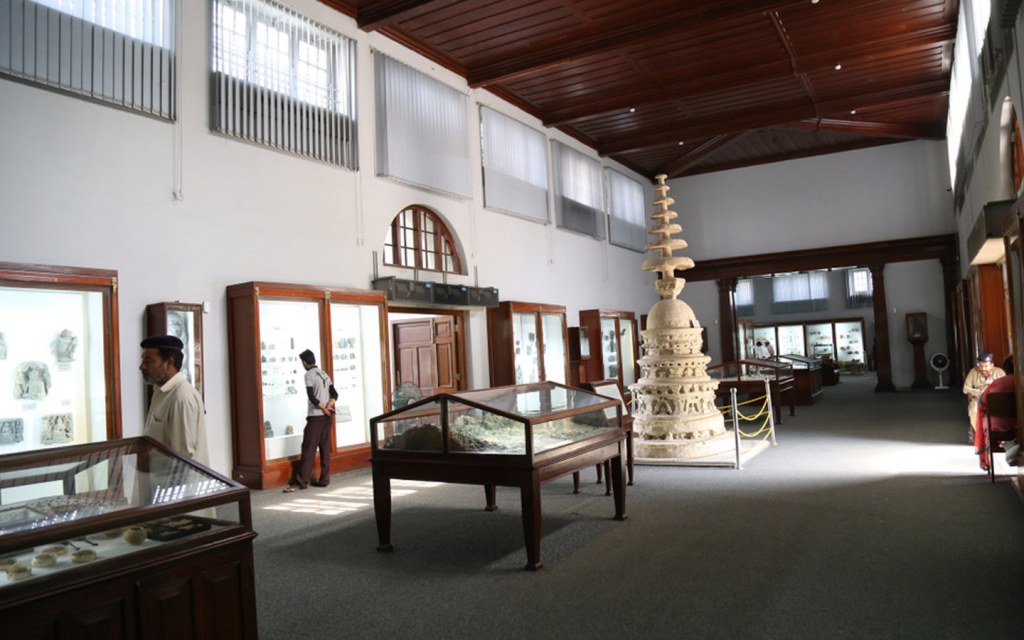
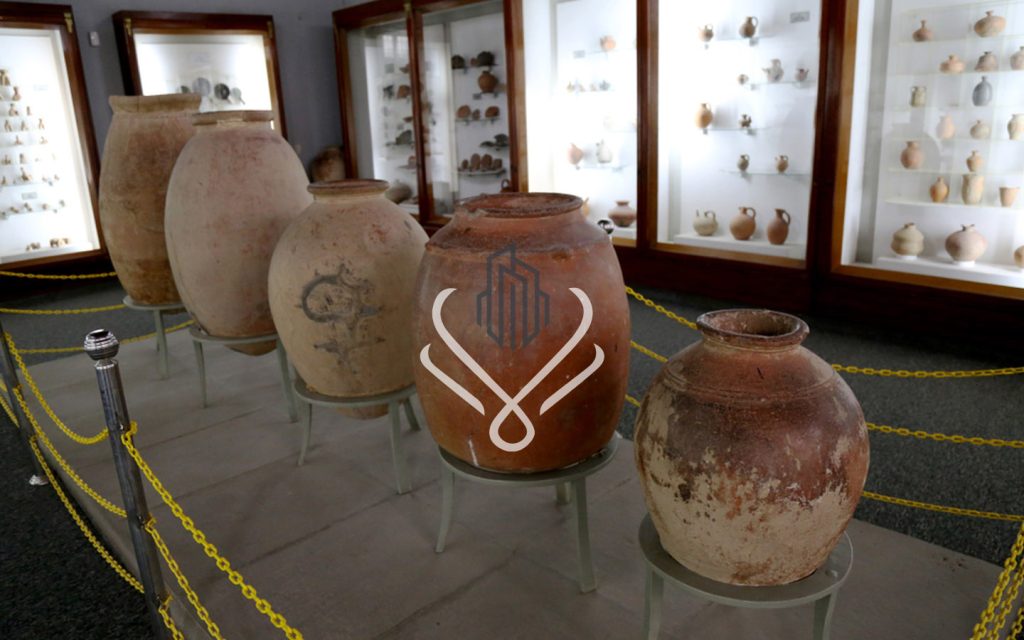
If you’re planning a cultural day trip near Islamabad or Rawalpindi, the Taxila Museum is one of the most rewarding stops in Pakistan. It’s one of the top tourist places in Islamabad, and a site museum dedicated to the Gandhara world, showcasing sculptures, coins, inscriptions, and relics excavated from the Taxila Valley’s famous ruins.
Last updated: February 2026
Timings, ticket prices, and holiday closures may change. Visitors are advised to confirm details before planning their trip.
Within the Taxila archaeological valley, surrounded by historic sites
The museum lies along Shahpur Road, a local road that connects visitors to multiple excavation sites scattered across the Taxila valley.
Why is the Taxila Museum location so important?
Unlike many museums that are built far from excavation zones, the Taxila Museum is located inside the historical landscape. Most of the objects displayed inside were discovered only a few kilometres away.
Nearby ancient cities and monasteries include:
Bhir Mound – One of the earliest settlement areas of ancient Taxila
Sirkap – A later city showing a mix of Greek and local urban planning
Sirsukh – A Kushan-era fortified city
Dharmarajika Stupa – A major Buddhist religious complex
Jaulian Monastery – A hilltop monastery with preserved student cells
Because of this, many travellers treat the museum as the starting point before exploring the valley’s ruins.
Taxila Museum Timing
Planning your visit according to the official Taxila Museum Timing is important, as seasonal schedules apply.
Opening Hours
Season
Opening Time
Closing Time
Summer
8:30 AM
5:00 PM
Winter
9:00 AM
4:00 PM
Weekly and Holiday Closures
The museum remains closed on:
The first Monday of every month
Islamic public holidays
Reduced hours may apply during Ramadan, with possible early afternoon closing
Because religious holidays and Ramadan schedules change each year, visitors are advised to confirm timings before travelling.
Taxila Museum Ticket Price
The terms Taxila Museum ticket price and Taxila Museum entry fee both refer to admission charges.
Entry Fees
Visitor Type
Ticket Price
Local Adult
Rs. 20
Children
Rs. 10
Foreign Visitors
Rs. 500
Ticket prices may be revised by authorities, so checking updated rates before visiting is recommended.
Taxila Museum Contact Number
Visitors who want to confirm opening hours, group visits, or other details can use the following contact information.
ContactInformation
Contact Type
Details
Landline Phone
+92-51-9315476
Mobile Number
0300-5899952
Email Address
info@taxilamuseum.com
Taxila Museum Distance From Major Cities
If you’re planning your route, here’s how far the museum is from key nearby hubs:
Starting Point
Approx Distance to Taxila Museum
Travel Time (by car)
Islamabad
30–35 km
40–50 minutes
Rawalpindi
~32 km
45–55 minutes
Wah Cantonment
~10 km
15–20 minutes
This makes it an easy day trip from Islamabad or Rawalpindi.
Surroundings & Landscape of Taxila Museum
The Taxila museum sits in a broad valley ringed by low hills, which once hosted monasteries, stupas, and ancient urban centres. The calm, semi-rural setting contrasts sharply with nearby cities, giving visitors a sense of stepping back in time.
You’ll notice:
Open archaeological fields rather than dense city buildings
Signposted routes leading to nearby ruins
A quieter, heritage-focused environment ideal for slow exploration
How to Reach the Taxila Museum?
The museum is easy to access because it lies within the Taxila heritage zone.
By Road
Well-connected by road from Islamabad and Rawalpindi
Directional signs guide visitors once inside the city
By Train
Taxila has a nearby railway station
Local transport is available from the station to the museum
Nearby Walking Distance
The museum is only minutes away from Bhir Mound, one of the oldest archaeological sites in the area
Suggested Sightseeing Route
Because major heritage sites are located close to one another, visitors often follow this route:
Taxila Museum
Bhir Mound
Sirkap ruins
Dharmarajika Stupa
Jaulian or Mohra Moradu monasteries
This sequence helps visitors understand the historical background inside the museum before exploring the ruins themselves.
Taxila: A UNESCO World Heritage Context
The Taxila Museum is more than a local museum; it preserves artefacts discovered in the wider Taxila archaeological region. Taxila is internationally recognised for its role as an ancient centre of learning, trade, and Buddhist culture.
Many of the sculptures, coins, and relics displayed inside the museum were excavated from nearby sites such as monasteries, stupas, and ancient cities. Visiting the museum first provides a historical background that makes exploring the ruins far more meaningful.
History of Taxila Museum – A Quick Timeline
Year / Period
Event
Early 1900s
Major excavations begin in the Taxila valley, uncovering Buddhist monasteries, cities, and artefacts
1918
Construction of the Taxila Museum begins
1928
The museum officially opens to the public
20th Century (mid–late)
Collections expand as more objects are recovered from surrounding sites
1998
The northern gallery was added to accommodate additional exhibits.
Why the Taxila Museum Was Built?
Before the museum existed, artefacts from Taxila were at risk of damage or removal far from their discovery sites. Authorities decided to establish a local site museum so:
Objects could be preserved close to where they were found
Scholars could study Gandharan art and history in one place
Visitors could understand the region’s past before touring the ruins
This made the Taxila Museum one of the earliest purpose-built archaeological museums in the region.
Growth of the Collection
Over the decades, the museum’s holdings grew as excavations continued at nearby locations like Sirkap, Dharmarajika Stupa, and Jaulian Monastery.
Today, the museum is especially known for:
Gandharan stone and stucco sculptures
Buddhist religious art dating roughly from the 1st to the 7th centuries CE
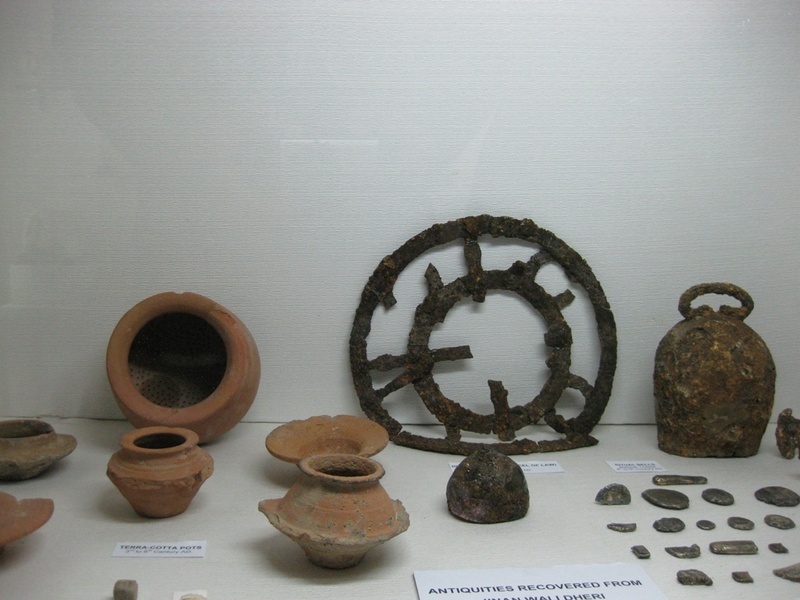
Coins, inscriptions, jewellery, and daily-life objects from ancient Taxila
What to See Inside the Taxila Museum?
Gallery Focus
Key Highlights
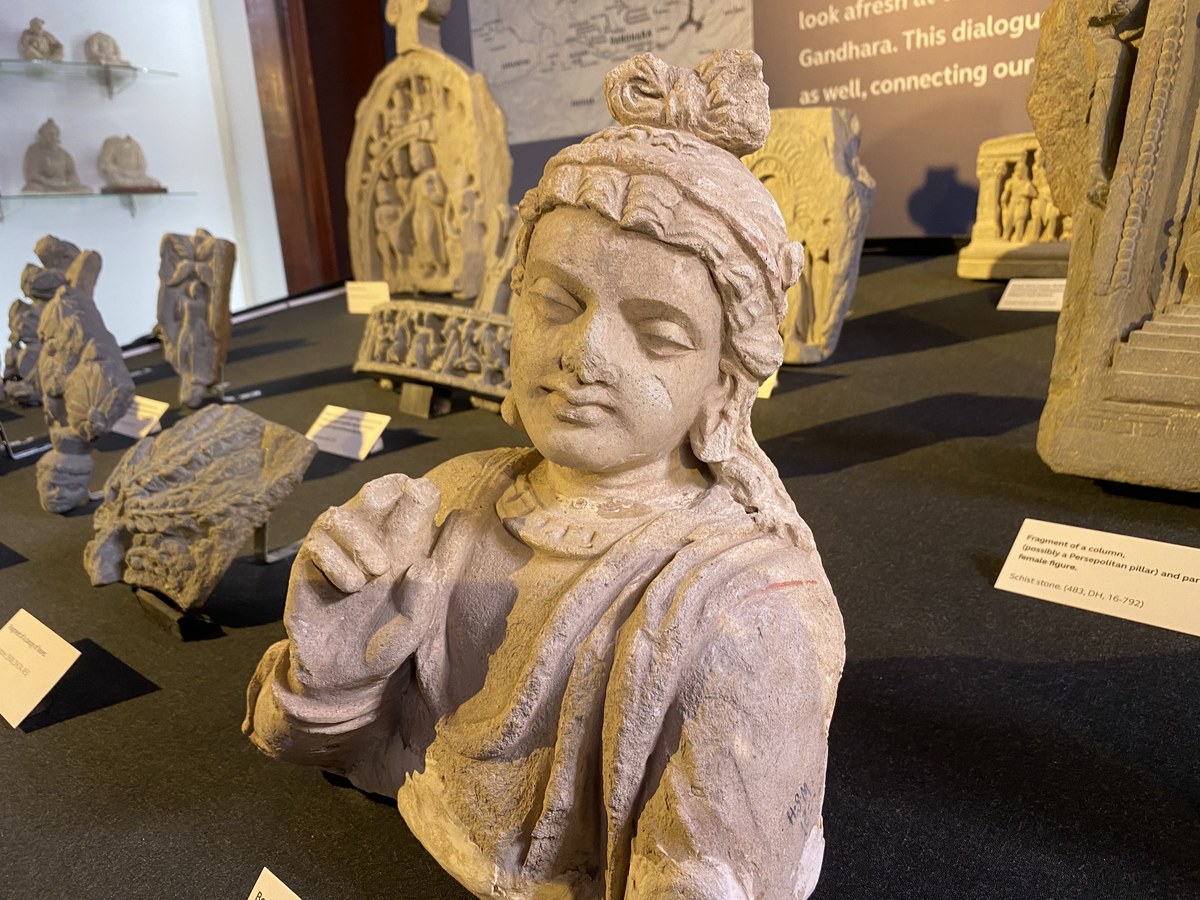
Gandharan Sculptures
Buddha statues, Bodhisattva figures, and detailed relief panels
Coins & Trade Objects
Coins from Indo-Greek, Kushan, and later periods
Everyday Life Artefacts
Pottery, tools, ornaments, and domestic items
Inscriptions & Scripts
Early writing was used for religious and administrative purposes
Architectural Fragments
Carved stone pieces from stupas and monasteries
The galleries of the Taxila Museum are arranged to showcase artefacts excavated from the surrounding Taxila valley. The focus is on Gandharan civilisation, especially its Buddhist art, daily life objects, and trade-era relics.
Here’s a quick, visitor-friendly breakdown of the highlights.
Gandharan Sculptures
Type
What You’ll Notice
Buddha Statues
Calm facial expressions, detailed robes, and halo carvings are typical of Gandhara art
Bodhisattva Figures
Jewellery, crowns, and princely dress showing royal symbolism
Relief Panels
Scenes from the life of Buddha carved in stone
Stucco Heads
Lighter material used in monastery decorations
These sculptures reflect a blend of regional and broader artistic influences and are considered the museum’s most important collection.
Everyday Life in Ancient Taxila
Not everything in the museum is religious — many objects reveal how people actually lived.
Pottery vessels used for cooking and storage
Tools and household items
Beads and jewellery pieces
Terracotta figurines
These items help visitors understand that Taxila was not just a religious centre but also a busy urban settlement.
Coins & Trade Artefacts
Item Type
Why It Matters
Ancient Coins
Show rulers, symbols, and scripts from different eras
Metal Objects
Indicate craftsmanship and trade skills
Seals & Tokens
Used in commerce and administration
The coin collection is especially interesting because it reflects Taxila’s role as a major trade crossroads.
Inscriptions & Scripts
Stone and metal inscriptions found in the region are displayed in select sections.
You may notice:
Early writing styles were used for religious and official records
Dedication inscriptions from monasteries
Scripts that reveal linguistic diversity in ancient Taxila
These pieces provide clues about governance, religion, and literacy.
Architectural Fragments
Some displays include carved stone pieces that once decorated stupas and monasteries.
These fragments show:
Decorative motifs like lotuses and geometric designs
Pieces of columns and railings
Carved panels that once formed larger religious structures
Gandhara and Cultural Importance of Taxila
Taxila Museum’s collections reflect the legacy of the Gandharan civilisation, known for its distinctive Buddhist art and cultural exchange along ancient trade routes. The region flourished under various rulers, including the Indo-Greek and Kushan dynasties, which influenced artistic styles and architecture.
The sculptures displayed in the museum are especially significant because they represent one of the earliest artistic traditions to depict the Buddha in human form. This blend of regional and international artistic influences makes Taxila an important cultural crossroads in ancient history.
Why Visit the Museum Before the Ruins?
Many travellers head straight to the archaeological sites, but starting at the Taxila Museum gives a valuable background.
Inside the museum, you can see restored sculptures, architectural fragments, and everyday objects in a protected environment. Once you understand their purpose and context, the nearby ruins, such as monasteries, stupas, and city walls, become easier to interpret and more engaging to explore.
Suggested 1-Day Taxila Itinerary
Because major heritage sites are located close together, visitors often follow this route:
Taxila Museum – Begin with historical context and artefacts
Bhir Mound – One of the oldest settlement areas
Sirkap – Ruins of a later planned city
Dharmarajika Stupa – Important Buddhist religious complex
Jaulian Monastery – Hilltop monastery with preserved structures
This route helps visitors understand the artefacts in the museum before seeing where they were originally discovered.
Visitor Tips for Taxila Museum
To make the most of your visit, keep these practical points in mind:
Time needed: Most visitors spend 1 to 1.5 hours inside the museum
Best time of day: Morning visits are quieter and more comfortable, especially in summer
Photography: Usually allowed for personal use, but flash photography may be restricted
Parking: Parking space is generally available near the entrance
Guides: Local guides may be available around the archaeological sites nearby
These small details help travellers plan better and avoid surprises during their visit.
Recent Preservation and Conservation Efforts (2026)
Taxila Museum continues to benefit from modern preservation initiatives aimed at protecting its historic collections. Conservation efforts focus on improving storage conditions, restoration techniques, and display methods to ensure that delicate artefacts remain preserved for future generations.
These improvements reflect the ongoing importance of Taxila as a heritage site and highlight efforts to maintain its collections according to international conservation standards.
Taxila Museum – Tourist Destination
The Taxila Museum serves as the central collection point for artefacts excavated from the ancient Taxila valley. Its displays of sculptures, tools, coins, and architectural fragments help visitors understand the region’s importance as a historical centre of culture, religion, and trade. Seeing the museum first adds context and depth to visits to nearby archaeological sites.
FAQ-Taxila Museum
What are the Museum Timing details?
Summer hours are 8:30 AM to 5:00 PM, and winter hours are 9:00 AM to 4:00 PM. The museum is closed on the first Monday of each month and on Islamic holidays.
What is the Museum ticket price or entry fee?
Entry fees are Rs. 20 for local adults, Rs. 10 for children, and Rs. 500 for foreign visitors.
What is the Museum Location?
It is located in Taxila, Rawalpindi District, Punjab, near the Bhir Mound archaeological site.
What is the contact number?
The museum can be contacted at +92-51-9315476.
What is the Museum’s distance from Islamabad?
The museum is about 30 to 35 km from Islamabad, making it an easy day trip.
BBC-featured Content Specialist with a sharp eye for search intent and a proven ability to turn content into a growth engine. I leverage cutting-edge digital marketing tools to craft strategies that fuel organic traffic, amplify brand growth, and own the local SEO landscape, particularly across the competitive real estate market. I help brands dominate search rankings and convert visibility into measurable business success.
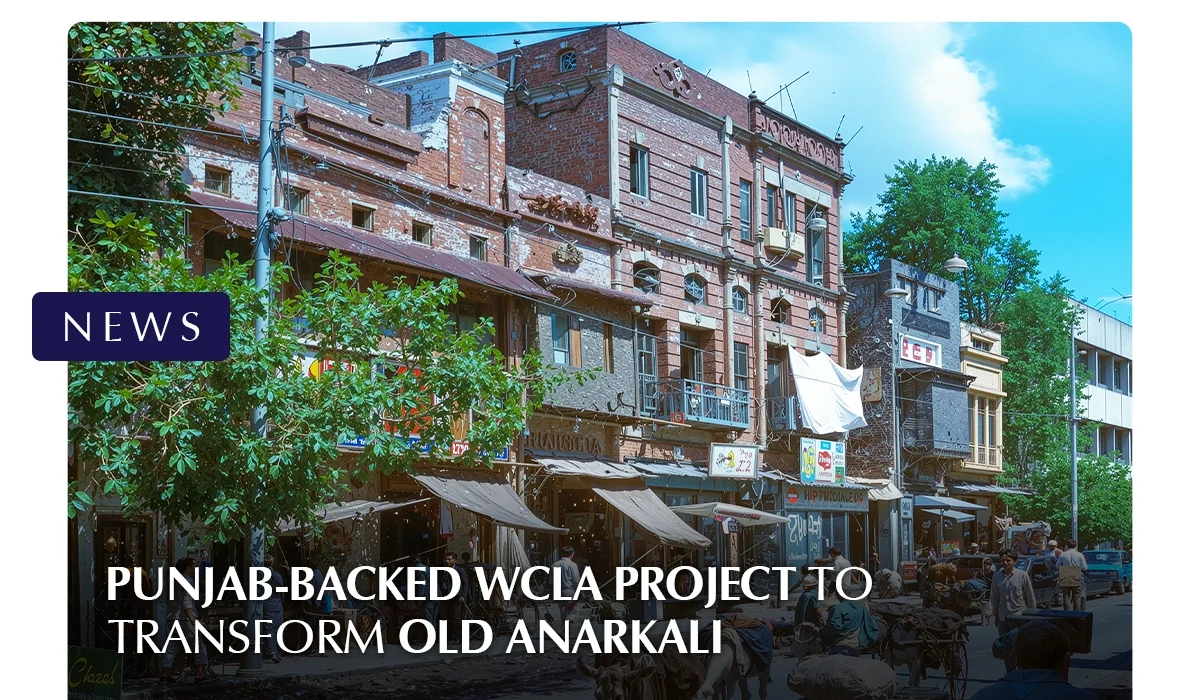
LAHORE: The Punjab government has directed the Walled City of Lahore Authority to begin a large-scale heritage restoration project in Old Anarkali. The initiative reflects a renewed focus on protecting Lahore’s historic identity. Officials describe it as one of the most significant conservation efforts in the area in recent years.
The project is estimated to cost Rs 1.097 billion. Work is expected to continue through December 2027. The restoration covers the historic stretch between Jain Temple and Lohari Gate, an area known for its architectural and cultural value.
The plan includes street resurfacing and improved pedestrian pathways. Modern underground electrical wiring will replace overhead cables. Street lighting will also be upgraded to improve safety and visual appeal. Authorities will introduce uniform shop signage to create a more organized streetscape. Directional signs will be installed to help visitors navigate the area.
Landscaping is another key component. Both hard and soft landscape features will be added to enhance the environment without disturbing the historic character. Selected building facades will undergo careful conservation to retain their original appearance.
A key part of the initiative focuses on the restoration of 71 building façades in both Old and New Anarkali, including 29 structures located within Old Anarkali. Prominent sites such as the Old Anarkali Food Street, Nashaman Building, and Bakhshi Market are also included in the conservation plans, highlighting the project’s emphasis on preserving well-known commercial and cultural landmarks.
Officials say the goal is to balance heritage preservation with modern urban needs. The project also aims to support tourism and local businesses. By improving infrastructure and restoring visual harmony, the government hopes to revive the historic charm of Old Anarkali.
The initiative forms part of broader provincial efforts to conserve heritage zones across Lahore while promoting sustainable urban development.
BBC-featured Content Specialist with a sharp eye for search intent and a proven ability to turn content into a growth engine. I leverage cutting-edge digital marketing tools to craft strategies that fuel organic traffic, amplify brand growth, and own the local SEO landscape, particularly across the competitive real estate market. I help brands dominate search rankings and convert visibility into measurable business success.
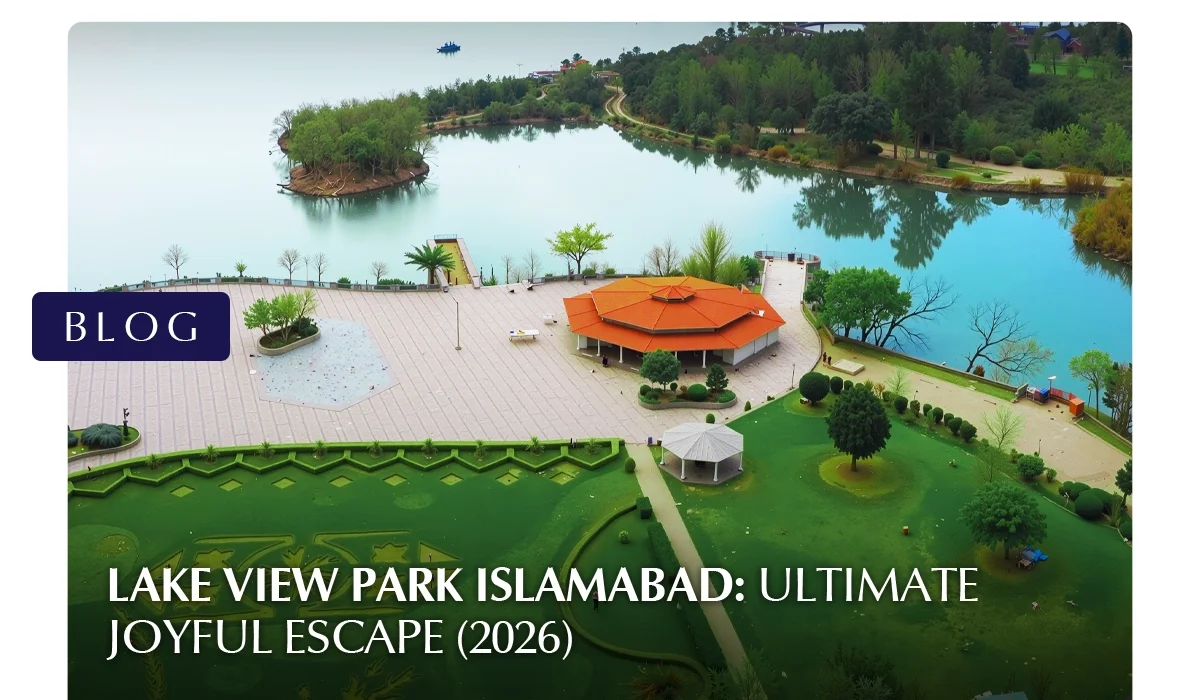
Lake View Park is one of Islamabad’s most popular tourist destinations in Islamabad, offering a mix of natural beauty, family entertainment, and adventure activities. Also known as Rawal Lake View Park, the park sits beside the scenic Rawal Lake and attracts families, tourists, and thrill-seekers year-round. From boating and bird watching to go-karting and amusement rides, the park delivers a full day of activities in one location. This guide covers everything visitors need to know, including Lake View Park timing, location, rides, ticket prices, and travel tips.
About Lake View Park, Islamabad
Lake View Park Islamabad is a CDA-managed recreational park designed as both a nature retreat and an entertainment hub. Its lakeside setting and wide range of activities make it suitable for visitors of all ages.
Key Highlights
Located on the banks of Rawal Lake
Also known as Rawal Lake View Park Islamabad
Hosts seasonal festivals and public events
Combines picnic areas, rides, and adventure zones
Home to a large walk-in bird aviary with hundreds of bird species
The park is divided into multiple sections, including the main park, F1 Traxx, Ibex Club, and Battlefield Islamabad.
Lake View Park Location and How to Reach
Find the details in the following sections:
Where is Lake View Park Located?
The Lake View Park location is along Murree Road near Malpur village, right on the edge of Rawal Lake in Islamabad. Its setting at the foothills of the Margalla range gives visitors a mix of waterfront scenery and green landscapes, making the journey itself part of the experience.
Because of its position between central Islamabad and the route toward Murree, the park is easy to reach from both Islamabad and Rawalpindi. It is far enough from dense city traffic to feel peaceful, yet close enough for a short drive from major residential and commercial areas.
Landmarks Near the Entrance
Visitors often recognise they are close to the park when they see:
Rawal Lake viewpoints and roadside scenic stops
Signboards for Lake View Park along Murree Road
The turn toward Malpur village just before the Barakahu area (when coming from Isthe lamabad side)
The park entrance is well marked, and security staff usually guide vehicles toward the designated parking zones.
Reaching Lake View Park by Car
Travelling by private car is the most convenient option.
Why driving is easy:
Direct access from Murree Road
Wide entry gates and organised parking
Suitable for family trips and group outings
Parking areas inside the park are spacious and can accommodate:
Cars
Vans
Buses for school trips or tour groups
During peak weekends, parking may fill quickly in the late afternoon, so earlier arrival is recommended.
Using Ride-Hailing Services and Taxis
Ride-hailing services are widely available in Islamabad and can drop visitors directly at the park entrance. This option is convenient for:
Tourists without personal transport
Students or small groups
Visitors staying in central Islamabad hotels
Return rides are generally available as well, though during busy hours you may experience short waiting times.
Public Transport Options
While there is no direct metro or train stop at the park entrance, visitors can still reach Lake View Park using a combination of public transport and short taxi rides.
Common approach:
Take a local bus or van heading toward Murree Road or Barakahu
From there, use a taxi or ride-hailing service for the remaining distance
This option is budget-friendly but may take longer compared to travelling by car.
Travel times can increase during rush hours, weekends, or public holidays.
Lake View Park Timing and Best Time to Visit
Find the details in the following subsections:
Best Time of Day for Travel
Traffic conditions can affect your journey, so planning ahead helps.
Recommended travel times:
Morning (before noon) for smoother roads
Early afternoon on weekdays for minimal congestion
Heavier traffic expected:
Weekend evenings
Public holidays
Late afternoon, when families head to the park
Navigation Tips
To avoid confusion on the way:
Use a GPS navigation app and search for Lake View Park, Islamabad
Follow Murree Road signs toward Rawal Lake
Look for official park signage as you approach the area
Official Lake View Park Timing
Lake View Park generally operates on a full-day schedule, allowing visitors to enjoy both daytime scenery and evening views of Rawal Lake.
Regular operating hours:
10:00 AM to 10:00 PM (Daily)
These hours apply on most days of the year, including weekends. However, during special events, public holidays, or peak tourist seasons, timings may be extended slightly, especially in the evening when the park becomes livelier.
Because individual rides and activity zones operate separately, some attractions may close earlier than the main park gates. It is a good idea to try major rides earlier in your visit.
Extra timing tip that helps on busy days: Many visitors prefer arriving right at opening time (around 10:00 AM) or visiting later in the evening (closer to closing) to avoid peak crowd pressure in the middle hours.
When Is the Park Least Crowded?
Crowd levels can greatly affect your experience, especially if you plan to enjoy Lake view park Islamabad rides or boating.
Quieter visiting times:
Weekday mornings
Early afternoons on non-holiday weekdays
Busiest periods:
Friday evenings
Saturdays and Sundays
Public holidays and school vacation periods
Arriving earlier in the day helps you avoid long queues and makes it easier to find good picnic spots, especially near the lakeside lawns.
Best Time of Day to Visit
Different times of day offer different experiences inside the park.
Morning (10:00 AM – 1:00 PM):
Cooler temperatures
Fewer crowds
Ideal for walking, photography, and bird watching
Afternoon (1:00 PM – 4:00 PM):
Suitable for indoor or shaded activities
Ride areas start getting busier
Evening (4:00 PM – 8:00 PM):
Most popular visiting time
Pleasant weather and lake breezes
Best time for family outings and social gatherings
Late Evening (After 8:00 PM):
Cooler and calmer atmosphere
Good for short walks and relaxing views before closing
Best Seasons to Visit Lake View Park
Islamabad’s changing seasons strongly influence the park experience.
Spring (March – April)
Spring is widely considered the best season to visit. Flowers bloom, the weather is mild, and the park’s gardens are at their most colourful. Outdoor activities and picnics are especially enjoyable.
Summer (May – August)
Summers can be hot during midday, but mornings and evenings remain pleasant. Visitors often prefer lakeside areas and shaded lawns during this season.
Monsoon (July – September)
Rain showers make the park greener and cooler, but pathways may become slippery. It is advisable to check the weather forecast before visiting.
Autumn (October – November)
Autumn offers clear skies, comfortable temperatures, and excellent conditions for photography and long walks.
Winter (December – February)
Winters are cool but usually sunny during the day. This season is ideal for peaceful picnics and bird watching, especially when migratory birds appear around the lake.
Special Events and Seasonal Attractions
The park often hosts events that can influence the best time to visit:
Flower exhibitions during spring
Public celebrations on national holidays
Seasonal festivals and cultural programs
These events create a festive atmosphere but also draw larger crowds. On event days, food stalls and vendors usually increase too, which adds to the overall experience.
Timing Tips for Different Visitors
Families with children
Visit in the morning or early evening
Start with rides before queues build up
Keep the kids’ play zones earlier in the plan so little ones don’t get tired before the fun starts
Couples and photographers
Late afternoon and sunset offer the most scenic lighting
Lakeside areas provide calm, picturesque settings
Adventure seekers
Arrive early to enjoy go-karting, paintball, or climbing without waiting
Quick Timing Overview
Factor
Recommendation
Opening Hours
10:00 AM – 10:00 PM
Quietest Time
Weekday mornings
Busiest Time
Weekend evenings
Best Season
Spring and Autumn
Best for Photography
Late afternoon and sunset
Lake View Park, Islamabad Rides and Attractions
Lake View Park is not just a scenic picnic destination; it is also one of the capital’s most diverse outdoor entertainment hubs. The variety of rides and attractions at Lake View Park Islamabad, makes it a suitable amusement park in Islamabad for children, families, couples, and adventure seekers alike.
The park is divided into multiple activity zones, each offering a different type of experience, from gentle amusement rides to high-energy adventure sports and peaceful nature activities.
Family and Children’s Amusement Rides
A large section of the park is dedicated to traditional amusement rides that appeal especially to children and families. These rides are designed to be fun, safe, and suitable for younger visitors.
Popular family-friendly rides include:
Carousel (merry-go-round)
Small mechanical rides for children
Bumper cars
Motion and simulator-style rides
Jumping castles and soft play areas
These attractions are usually located close together, allowing parents to supervise children easily while enjoying a relaxed environment.
Lake View Park Go Karting and Motor Sports
One of the most exciting highlights of the park is Lake View Park go-karting, which draws teenagers and adults looking for a racing-style thrill.
The go-karting track offers:
Fast-paced driving experience
Safe, supervised environment
Suitable options for beginners and casual drivers
In addition to karting, the park also features other motor-based attractions in designated zones, such as:
F1-style track experiences
Mini motor sports activities
Occasional motorsport-themed events
These areas are popular with groups of friends and older children seeking more energetic entertainment.
Adventure Activities and Outdoor Challenges
Beyond rides, Lake View Park also caters to visitors who enjoy physical and team-based activities.
Adventure attractions include:
Paintball at Battlefield Islamabad is ideal for group competitions
Rock climbing at the Ibex Club, offering a controlled climbing environment
ATV and quad bike rides for off-road-style excitement
These activities provide a more active alternative to traditional amusement rides and are particularly appealing to teens and young adults.
Bird Aviary and Wildlife Experience
One of the park’s most unique features is its large walk-in bird aviary, often described as among the largest walk-in aviaries in the region. It spans a significant area and houses a wide variety of birds, making it one of the most visited sections of the park.
Visitors can:
Walk through enclosed aviary pathways
Observe colourful and exotic birds up close
Learn about different bird species
Enjoy a quieter, educational experience within the park
Additional wildlife touch: Besides birds, visitors may also see small animals in dedicated sections, which adds to the family-friendly “mini wildlife experience” feel; especially for children.
Lakeside Activities and Boating
Because the park is located next to Rawal Lake, water-based recreation is an important part of the overall experience.
When available, visitors may enjoy:
Pedal boats for a relaxed ride on the water
Motor boats for a faster experience
Occasional speedboat options
Boating offers scenic views of the lake and surrounding hills, making it a favourite activity during pleasant weather.
Horse Riding and Leisure Attractions
For a more traditional outdoor experience, the park also includes:
Horse riding areas where visitors can take short guided rides
Passenger road train rides that travel through different parts of the park
Golf carts are used for internal transport and easy exploration
These attractions are especially enjoyable for families and visitors who prefer slower-paced activities.
Nature Walks and Scenic Spots
Not all attractions involve rides or adventure. Many visitors come to Lake View Park simply to enjoy the natural setting.
Relaxing activities include:
Walking along tree-lined paths
Sitting by the lakeside for views and fresh air
Taking photographs of the Margalla foothills and Rawal Lake
Enjoying sunset views over the water
These quieter experiences balance out the more energetic parts of the park.
Summary of Ride and Attraction Types
Category
Examples
Children’s Rides
Carousel, small rides, jumping castles
Family Rides
Bumper cars, motion rides
Adventure
Go karting, paintball, rock climbing, ATV
Nature & Wildlife
Bird aviary, walking paths
Water Activities
Pedal boats, motor boats
Leisure
Horse riding, road train, scenic seating
Lake View Park Entry Fee and Ride Prices
Entry and activity costs are generally affordable, though prices may change over time.
Entry and Parking
Item
Approximate Cost
Adult Entry
Rs. 20–50
Child Entry
Rs. 10–50
Car Parking
Around Rs. 20
Popular Ride and Activity Prices
Activity
Estimated Price
Go Karting
Rs. 250
3D Motion Ride
Rs. 150
Bumper Car
Rs. 70
Boating (Half Round)
Rs. 100
Boating (Full Round)
Rs. 200
Horse Riding
Rs. 200–300
Bird Aviary Ticket
Adults Rs. 100 / Children Rs. 50
Washroom Use
Rs. 20
Prices may vary by operator and season.
Picnic Spots, Food, and Facilities
Lake View Park is widely known as one of Islamabad’s best outdoor picnic destinations. Beyond its rides and adventure zones, the park offers spacious lawns, lakeside seating, and practical facilities that make it comfortable for families and groups to spend several hours or even an entire day.
Picnic Areas and Relaxation Spaces
The park’s design includes multiple open and shaded areas where visitors can relax, spread out picnic mats, and enjoy time outdoors.
Popular picnic features include:
Large green lawns are suitable for family gatherings
Tree-shaded spots that provide relief during warmer months
Lakeside seating areas with scenic views
Gazebos and benches are placed throughout the park
These areas are especially busy on weekends and public holidays, when families arrive early to secure the best locations. Many visitors prefer spots near the lake for cooler breezes and better views.
Barbecue and Group Gathering Areas
For visitors planning longer outings, certain parts of the park are suitable for group meals and social gatherings.
You may find:
Designated BBQ-friendly zones
Open spaces for birthday parties or small celebrations
Areas where extended families can sit together comfortably
While cooking arrangements can vary, many families bring prepared food, snacks, and picnic baskets to enjoy outdoors.
Food and Refreshment Options
Lake View Park offers a variety of food options, making it easy for visitors to stay energised during their visit.
Common food and drink options include:
Tea stalls serving hot beverages
Cold drinks and bottled water
Snack counters offering chips, sweets, and light bites
Small cafes and seasonal food vendors
Street-style foods are often available during peak seasons and busy days. While choices may not be as extensive as a shopping mall food court, visitors can easily find refreshments throughout the park.
Bringing Your Own Food
Many visitors prefer to bring their own picnic items, which is generally acceptable within the park.
Typical picnic items families bring include:
Home-cooked meals
Sandwiches and snacks
Fruits and drinks
Picnic mats and small folding chairs
This flexibility makes the park especially popular for affordable family outings.
Visitor Facilities and Amenities
To support a comfortable experience, the park provides several basic facilities.
Available amenities include:
Restrooms are located in multiple sections of the park
Benches and seating areas near walking paths
Wide pedestrian pathways for easy movement
Trash bins are placed around the park to maintain cleanliness
During busy days, restrooms and seating areas may experience higher demand, so planning short breaks can help avoid queues.
Walking Paths and Landscaped Areas
The park is not just about sitting and eating. Its layout encourages visitors to explore.
Features include:
Paved walking tracks suitable for families and elderly visitors
Landscaped gardens with seasonal flowers
Open areas where children can play freely
These spaces make the park ideal for gentle exercise, casual strolls, and photography.
Event and Festival Areas
Lake View Park also includes open grounds that are occasionally used for public events.
These may host:
Flower exhibitions
Cultural programs
National day celebrations
Seasonal fairs and festivals
During such events, food stalls and entertainment options often increase, adding to the festive atmosphere.
Nearby Attractions to Explore
Several major Islamabad attractions are located near Rawal Lake View Park Islamabad.
These spots can be combined with a Lake View Park visit for a full day of sightseeing.
Visitor Tips for Lake View Park Islamabad
Planning ahead can make your visit smoother.
Practical Tips
Arrive early to avoid long ride queues
Carry cash for ride tickets and small vendors
Wear comfortable walking shoes
Supervise children near water and rides
Experience Tips
Visit during spring or autumn for the best weather
Weekdays offer a more relaxed environment
Sunset at Rawal Lake is a great time for photography
FAQs Lake View Park
What are Lake View Park timings?
The park usually operates from 10:00 AM to 10:00 PM daily, though hours may vary seasonally.
Is go karting available at Lake View Park?
Yes, Lake View Park go karting is one of the main adventure attractions.
How much is entry to Lake View Park Islamabad?
Entry is typically affordable, ranging from Rs. 20 to Rs. 50, depending on age and policy updates.
Can you go boating at Rawal Lake View Park?
Yes, boating options such as pedal and motor boats are often available, depending on conditions.
What can visitors do besides rides?
Visitors can enjoy picnics, bird watching, walking tracks, horse riding, and seasonal events.
Conclusion
Lake View Park is one of the best family parks in Islamabad, which offers a well-rounded outdoor experience that blends nature, adventure, and family entertainment. With its wide variety of rides, scenic lake views, and picnic facilities, it remains one of the top recreational spots in the capital. Whether you are planning a relaxed family picnic or an action-packed outing, Lake View Park in Islamabad provides something for everyone.
BBC-featured Content Specialist with a sharp eye for search intent and a proven ability to turn content into a growth engine. I leverage cutting-edge digital marketing tools to craft strategies that fuel organic traffic, amplify brand growth, and own the local SEO landscape, particularly across the competitive real estate market. I help brands dominate search rankings and convert visibility into measurable business success.
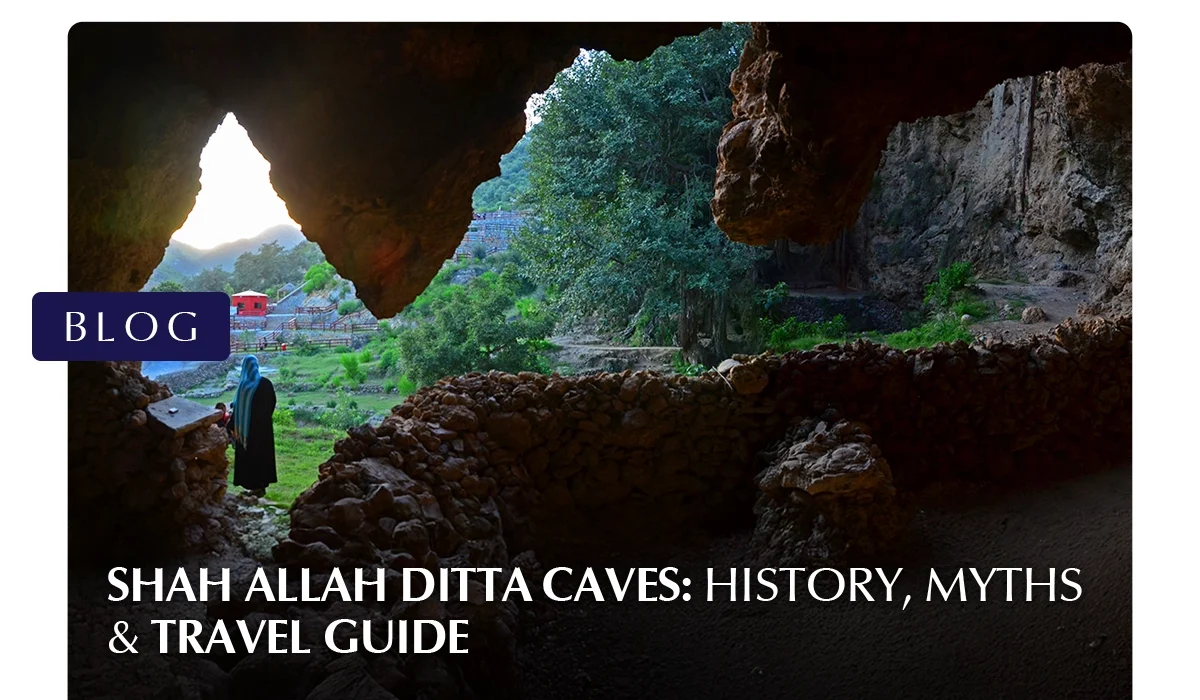
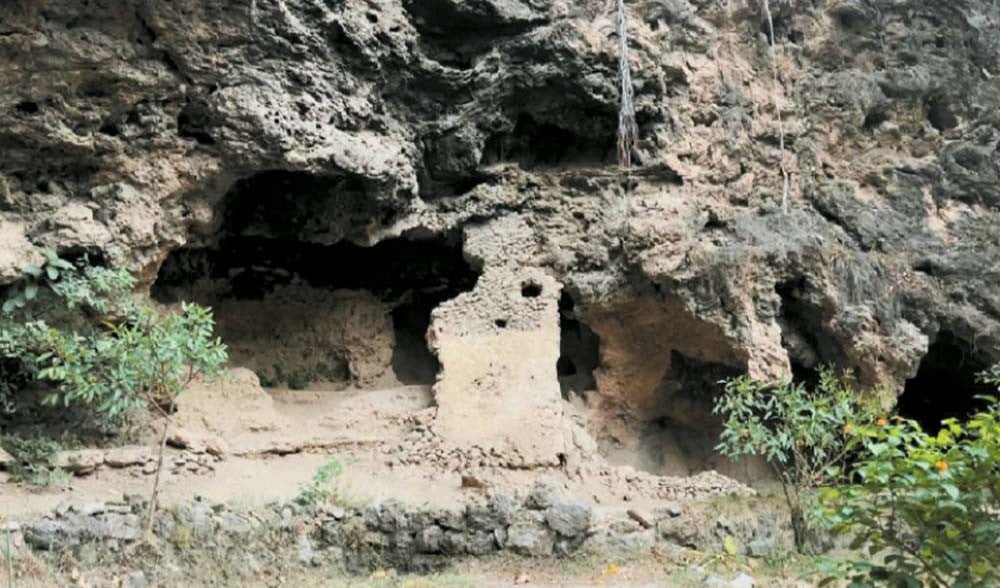
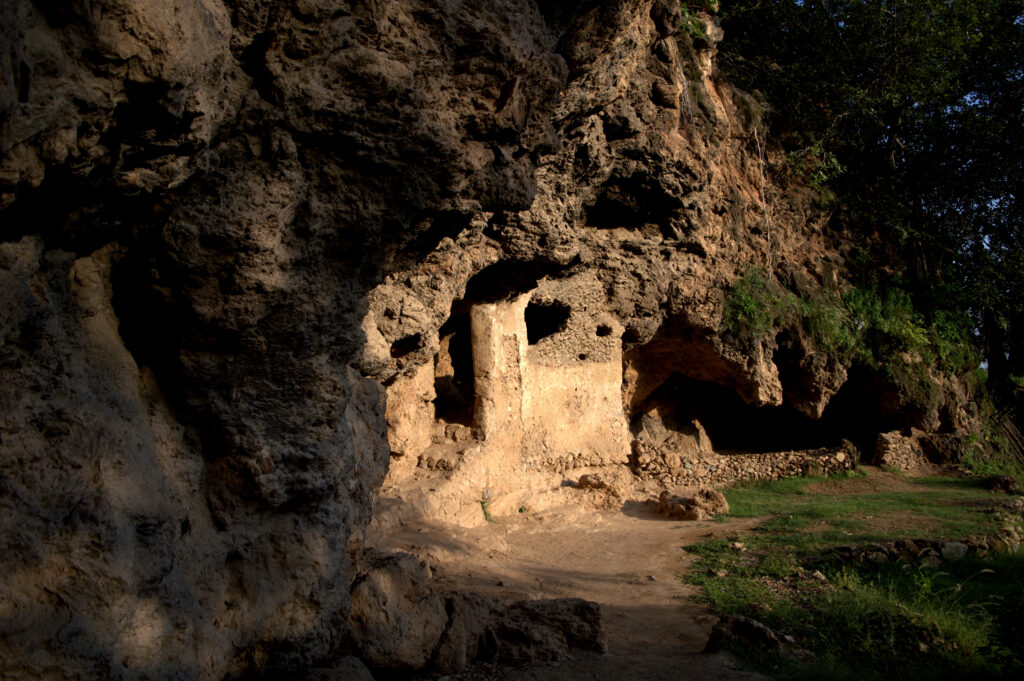
The Shah Allah Ditta Caves are an exceptional historical site nestled at the foot of the Margalla Hills near Islamabad, Pakistan. With a rich cultural and spiritual legacy, these caves draw both historians and travellers alike, offering a glimpse into Pakistan’s ancient past. Whether you’re intrigued by their Buddhist heritage, fascinated by their haunted legends, or planning a visit, this article will guide you through the many wonders of the Shah Allah Ditta Caves.
Buddhist heritage, ancient meditation caves, haunted legends
Main Attractions Nearby
Margalla Hills National Park, Pir Sohawa
National Significance
Historical Buddhist site, connection to ancient Gandhara civilisation
Ideal For
History enthusiasts, nature lovers, photographers, hikers
Best Time to Visit
October to March (cooler months for a more comfortable visit)
Popular Activities
Sightseeing, photography, hiking, exploring Buddhist history, picnicking
Entry Fee
Generally free (check for any updates before visiting)
Accessibility
Easily accessible by car or taxi from Islamabad
Photography Tip
Best photography during the early morning or late afternoon, especially for city and hill views
Where Are the Shah Allah Ditta Caves?
The Shah Allah Ditta Caves are located just 14 kilometres from Islamabad, easily accessible for a day trip. Situated in the Margalla Hills National Park, this site offers breathtaking views of the surrounding natural landscape. Whether you’re a history enthusiast or an adventure seeker, these caves offer the perfect blend of natural beauty and historical intrigue.
To get there, you can drive from Islamabad’s city centre, taking around 20 to 30 minutes, depending on traffic. The road leading to the caves is lined with lush greenery, making the journey scenic and enjoyable.
How Old Are the Shah Allah Ditta Caves?
Dating back over 2,400 years, the Shah Allah Ditta Caves are a testament to the region’s ancient past. These caves were originally used by Buddhist monks as meditation and living spaces.
The name “Shah Allah Ditta” is believed to have originated from a Sufi saint, Shah Allah Ditta, who is said to have lived in the area and given the site its name. The area around the caves has been a place of religious significance for thousands of years, with evidence suggesting that Buddhism flourished here well before the advent of Islam.
The caves themselves are believed to have been carved out of the rock during the Gandhara period, a flourishing Buddhist civilisation in what is now northern Pakistan. These caves served as a place of reflection for the monks who once inhabited the region. Over time, they were also used by Hindu sadhus and later Muslim ascetics, blending the region’s diverse religious heritage.
The village of Shah Allah Ditta, where the caves are located, is thought to be around 650 years old. It has witnessed the passing of notable historical figures, such as Alexander the Great, Sher Shah Suri, and Emperor Jahangir, who all travelled through this area at various points in history.
Fact
Details
Historical Significance
Believed to be around 2,400–2,500 years old, with Buddhist, Hindu, and Muslim heritage
Buddhist Heritage
Used by Buddhist monks for meditation and spiritual practices during the Gandhara period
Haunted Legends
Local folklore suggests eerie sounds and ghostly sightings in the caves
Conservation Efforts
Ongoing preservation and protection efforts by the Capital Development Authority (CDA)
Buddhist Heritage: Buddha Caves Shah Allah Ditta
The Shah Allah Ditta Caves are a significant site for Buddhist heritage. They are believed to have been used by Buddhist monks over 2,000 years ago for spiritual practices. The caves themselves contain remnants of Buddhist art and carvings, with some historical accounts even mentioning murals and statues that have unfortunately faded over time.
While the caves are not as well known for their Buddhist relics as other famous sites, their significance lies in their peaceful, serene atmosphere, which reflects Buddhist philosophy on meditation and enlightenment.
For those interested in ancient Gandharan Buddhist culture, these caves are an important archaeological site that connects Buddhism to the diverse cultures that have passed through this region.
Haunted Legends and Local Myths
Beyond their historical and cultural significance, the Shah Allah Ditta Caves are also surrounded by haunting legends. According to local folklore, the caves are inhabited by spirits, and many visitors report strange sounds, eerie shadows, and ghostly sightings. These myths have added a layer of mystery to the caves, making them a point of interest for thrill-seekers and paranormal enthusiasts.
While the haunting claims cannot be scientifically verified, the caves’ isolated location and their centuries-old history make them a fascinating site for anyone interested in supernatural folklore. Whether you believe in the tales of restless spirits or not, these legends only add to the allure of the Shah Allah Ditta Caves.
Visitor Guide: How to Visit the Shah Allah Ditta Caves
For those planning a visit, here’s everything you need to know about exploring the Shah Allah Ditta Caves:
Best Time to Visit: The caves are open to the public year-round, but the best time to visit is during the cooler months from October to March, when the weather in Islamabad is pleasant. Avoid visiting late at night due to the caves’ isolated location and the accompanying myths.
Distance from Islamabad: As mentioned earlier, the Shah Allah Ditta Caves are located about 14 kilometres from the heart of Islamabad, which translates into a 20-30 minute drive.
How to Reach: The most convenient way to get there is by car. You can drive or take a taxi to the site. The roads are in good condition, and it’s advisable to check the weather before heading out, as the hills can become misty in the rainy season.
Entry Fees: The caves are generally free to visit, although it’s advisable to check for any updates on entry policies before your visit. Always carry some water, comfortable walking shoes, and a camera to capture the mesmerising scenery.
Nearby Attractions: After visiting the caves, make sure to explore nearby attractions such as the Margalla Hills National Park or Pir Sohawa, both known for their panoramic views of Islamabad.
Preservation Efforts and Conservation
The Shah Allah Ditta Caves Islamabad are an important part of Pakistan’s cultural and religious heritage, and as such, preservation efforts are vital. The Capital Development Authority (CDA), in collaboration with local organisations, has undertaken efforts to ensure the protection and conservation of this historical site.
However, due to the caves’ age and the erosion caused by natural elements, it is crucial for visitors to respect the site and help preserve its heritage for future generations.
Conclusion
The Shah Allah Ditta Caves are more than just a historical landmark; they are a window into the past, offering a unique blend of ancient Buddhist heritage, spiritual significance, and local myths. Whether you’re a history buff, a nature lover, or someone intrigued by the supernatural, the caves offer something for everyone. So, if you’re in Islamabad or planning a trip soon, don’t miss the chance to explore these ancient caves and immerse yourself in a piece of Pakistan’s fascinating history.
FAQs About Shah Allah Ditta Caves
Q1: How old are the Shah Allah Ditta caves? The Shah Allah Ditta Caves are believed to be around 2,400–2,500 years old, dating back to the Buddhist era.
Q2: Are the Shah Allah Ditta caves haunted? Many locals and visitors report eerie sounds and ghostly sightings, making the caves an interesting location for those intrigued by haunted legends.
Q3: How far are the caves from Islamabad? The caves are located approximately 14 kilometres from Islamabad, which is a 20–30 minute drive.
Q4: What is the best time to visit? The best time to visit is during the cooler months, from October to March, to enjoy pleasant weather while exploring the caves.
Q5: Is there an entry fee for the caves? The Shah Allah Ditta Caves are generally free to visit, but it’s always best to check for any entry policies or fees before your trip.
Q6: Where are the Shah Allah Ditta Caves located?
The Shah Allah Ditta Caves are located at the foothills of the Margalla Hills in Islamabad, Pakistan, near Shah Allah Ditta village.
Q7: Why are the Shah Allah Ditta Caves historically important?
The caves are historically significant because they were used by Buddhist monks for meditation over 2,000 years ago and later by Hindu and Muslim ascetics, reflecting multiple religious influences.
Q8: Who was Shah Allah Ditta?
Shah Allah Ditta was a Sufi saint believed to have lived in the area during the Mughal era, and the nearby village and caves were named after him.
Q9: What can visitors do at Shah Allah Ditta Caves?
Visitors can explore the caves, enjoy scenic views, take photographs, hike nearby trails, and learn about the site’s ancient Buddhist and cultural history.
Q10: Are the Shah Allah Ditta Caves suitable for families?
Yes, the caves are suitable for families and tourists, though visitors should wear comfortable shoes and exercise caution while walking on uneven terrain.
Dedicated and detail-oriented SEO Content Writer, Real Estate Writer, and Research Analyst based in Islamabad, with proven expertise in developing accurate, valuable, and well-researched content. Skilled in analytical writing, market research, and reporting, with the ability to turn insights into clear, professional, and impactful content. Passionate about exploring new ideas, analyzing industry trends, and contributing to high-quality writing and research-driven projects.
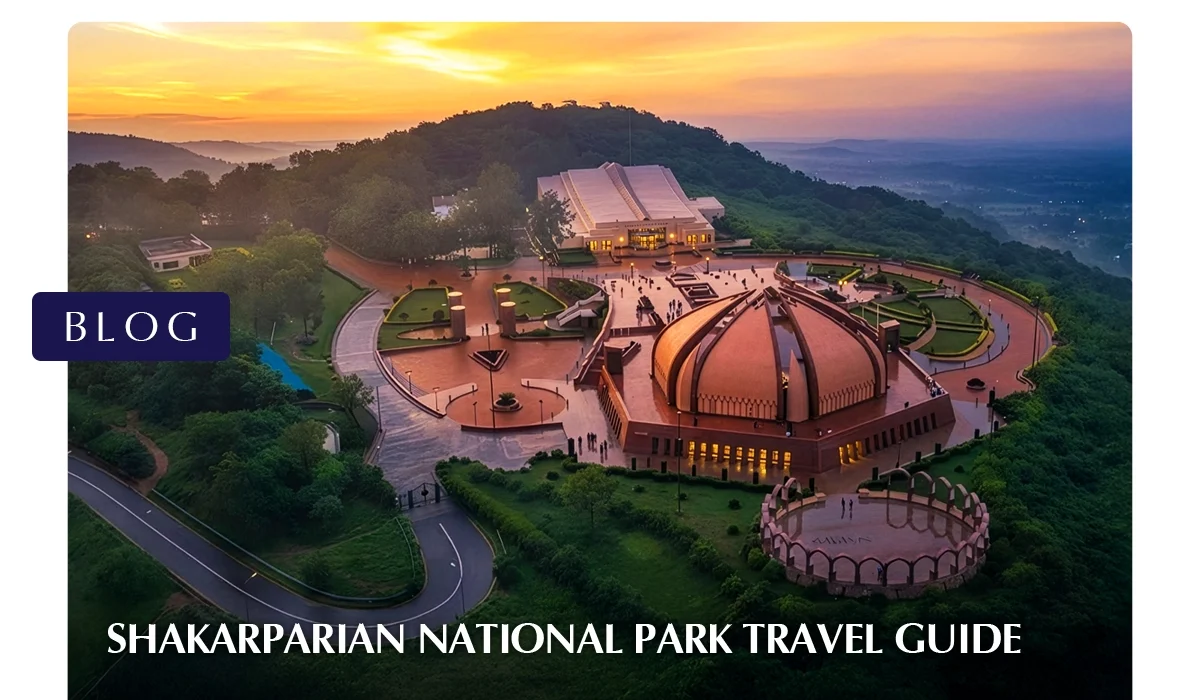
Shakarparian is one of Islamabad’s most iconic and scenic destinations, known for its green hills, panoramic viewpoints, national landmarks, and cultural attractions. Whether you are a tourist visiting Islamabad for the first time or a local planning a short evening outing, Shakarparian offers an ideal blend of nature, heritage, and relaxation.
In this complete guide, you’ll learn what Shakarparian is, where it is located, the best viewpoints, what to do inside Shakarparian National Park, how the parade ground is connected, and which nearby attractions make the trip even more worthwhile.
Key Facts
Quick Fact
Details
Name
Shakarparian
City
Islamabad, Pakistan
Type
Hills and recreational park / national park zone
Common Names
Shakarparian Hills, Shakarparian Park
Famous For
Scenic viewpoints, greenery, and national landmarks
Main Attractions Nearby
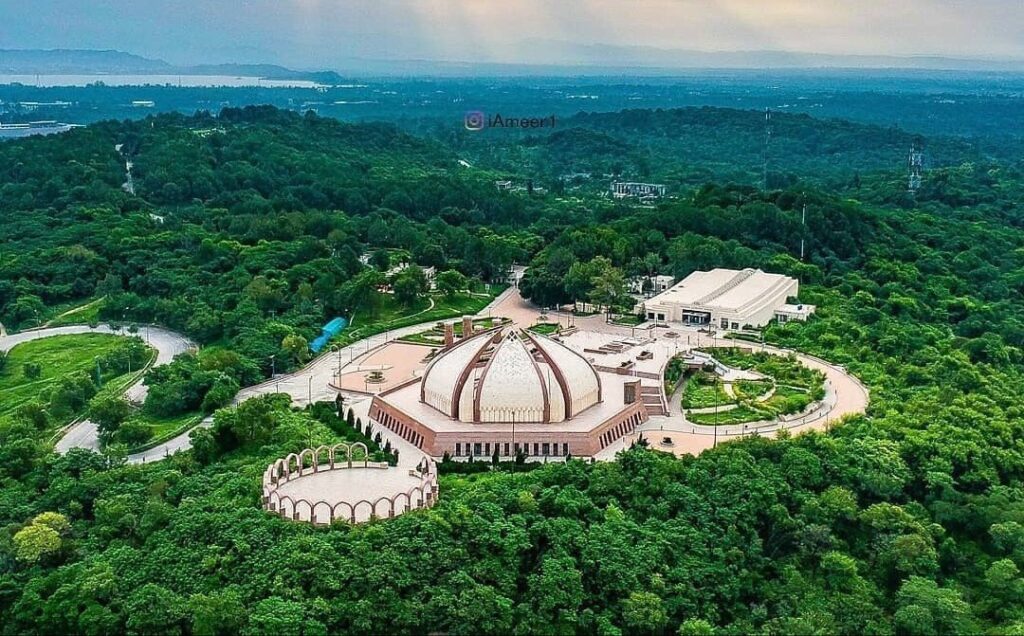
Pakistan Monument, Pakistan Monument Museum
Cultural Attraction Nearby
Lok Virsa Heritage Museum (Shakarparian Rd, Islamabad)
Key Landmark Area
Shakarparian View Point
National Significance
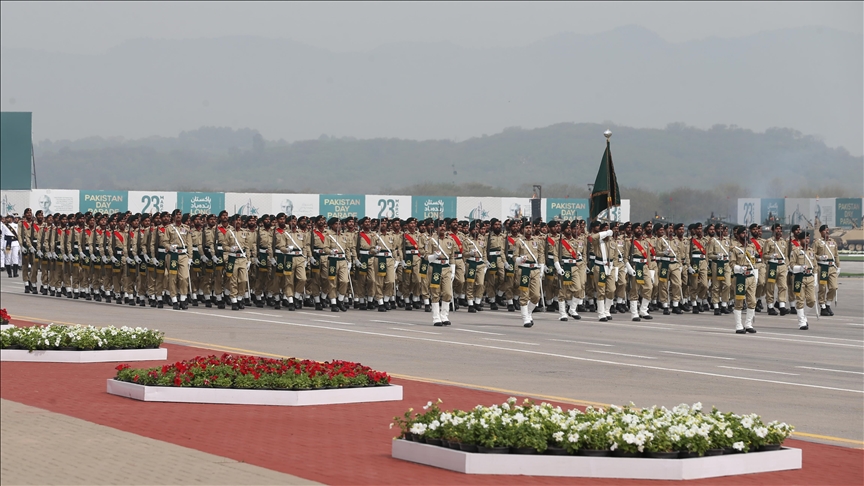
Shakarparian Parade Ground (Pakistan Day Parade venue)
Best Time to Visit
Early morning or late afternoon (sunset for best views)
1–3 hours (half-day if including museums/monuments)
Accessibility
Easily reachable by car, taxi, or ride-hailing services
Photography Tip
Sunset offers the best lighting for cityscape photos
What is Shakarparian?
Shakarparian is a hill area in Islamabad that is widely recognised for its greenery, scenic views, and national importance. It is often referred to as the Shakarparian Hills and is part of Islamabad’s central recreational zone.
Shakarparian is also closely linked with national heritage sites such as the Pakistan Monument and cultural attractions like Lok Virsa. That is why this single location attracts a wide variety of visitors, including families, tourists, photographers, students, and hikers.
Shakarparian Location: Where is Shakarparian in Islamabad?
One of Shakarparian’s biggest advantages is its easy reach. It is located near Islamabad’s main landmark routes around the Zero Point area, making it highly accessible from most sectors of Islamabad and from Rawalpindi.
How to reach Shakarparian?
You can reach Shakarparian using:
Car
Taxi
Ride-hailing services
Tour transport
From the Blue Area and central sectors, it is usually a short drive. If you are coming from Rawalpindi, the Islamabad Highway route makes access convenient.
Shakarparian National Park: Why It’s Worth Visiting
Shakarparian National Park is not just a sightseeing spot; it is a valuable green zone that offers calm, fresh air and an escape from the busy city.
Visitors come here to:
walk and relax in nature
enjoy viewpoints overlooking Islamabad
Take photos on hill tracks and scenic roads
Visit iconic monuments and museums nearby
spend time with friends and family
It is particularly popular for combining outdoor recreation with cultural exploration.
Shakarparian Park: Things to Do
The following are some of the things to do at Shakarparian, Islamabad.
1) Walk, jog, or explore the trails
Shakarparian is well-suited for low-effort walking and casual hiking. Many people visit in the morning for exercise, while evenings are popular for relaxed walks and sightseeing.
If you want a peaceful experience:
Visit early morning on weekdays
avoid peak weekend hours
2) Enjoy a picnic or family time
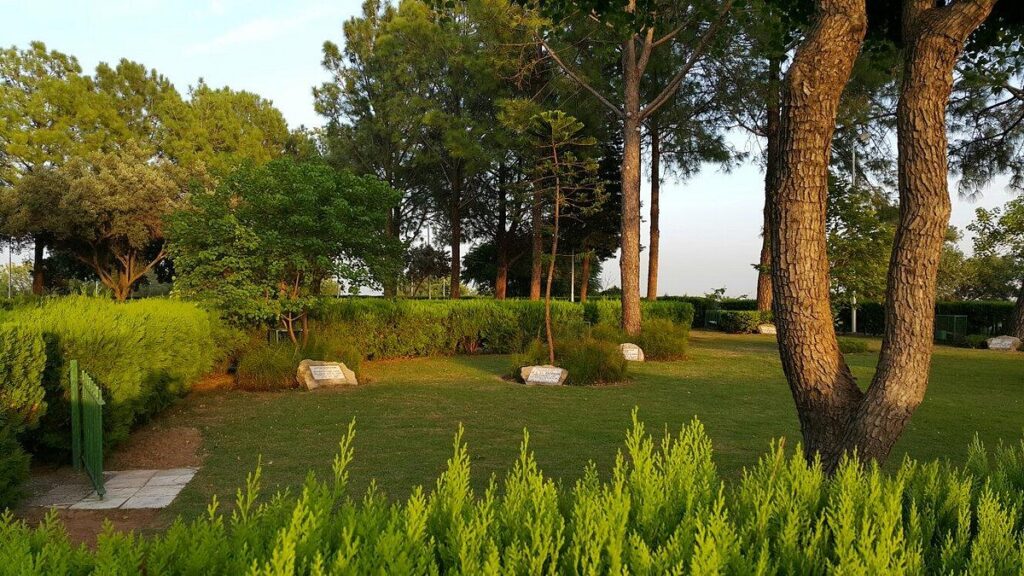
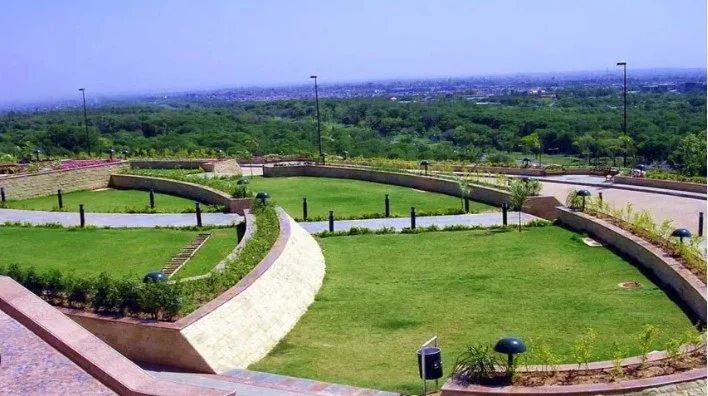
Shakarparian Park has open green areas where families often sit, relax, and eat together. It is a good option for short picnics, especially in pleasant weather.
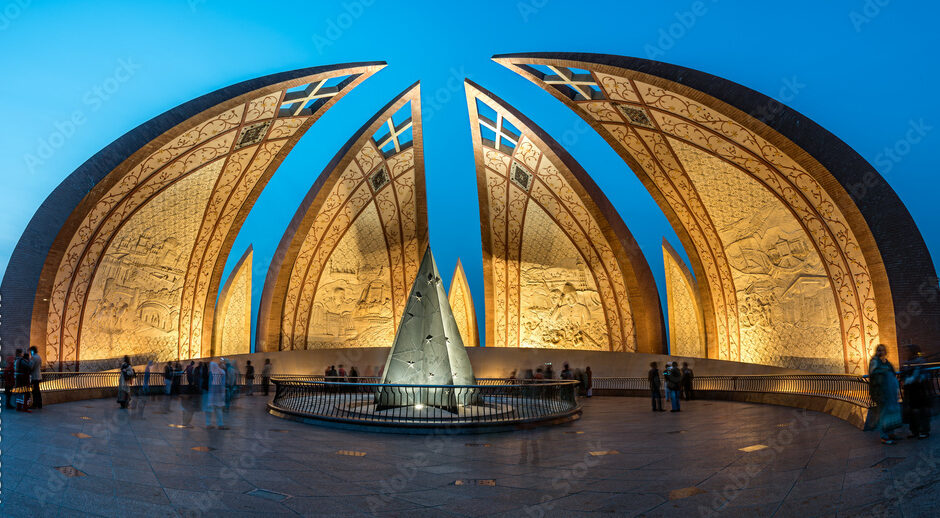
3) Explore the Pakistan Monument
A major highlight of the Shakarparian area is the Pakistan Monument. Many visitors consider it a must-see because of its architecture, symbolism, and beautiful views of Islamabad from its surrounding platforms.
If you want to make the most of your trip, include the monument in your plan even if your primary goal is the park and hills.
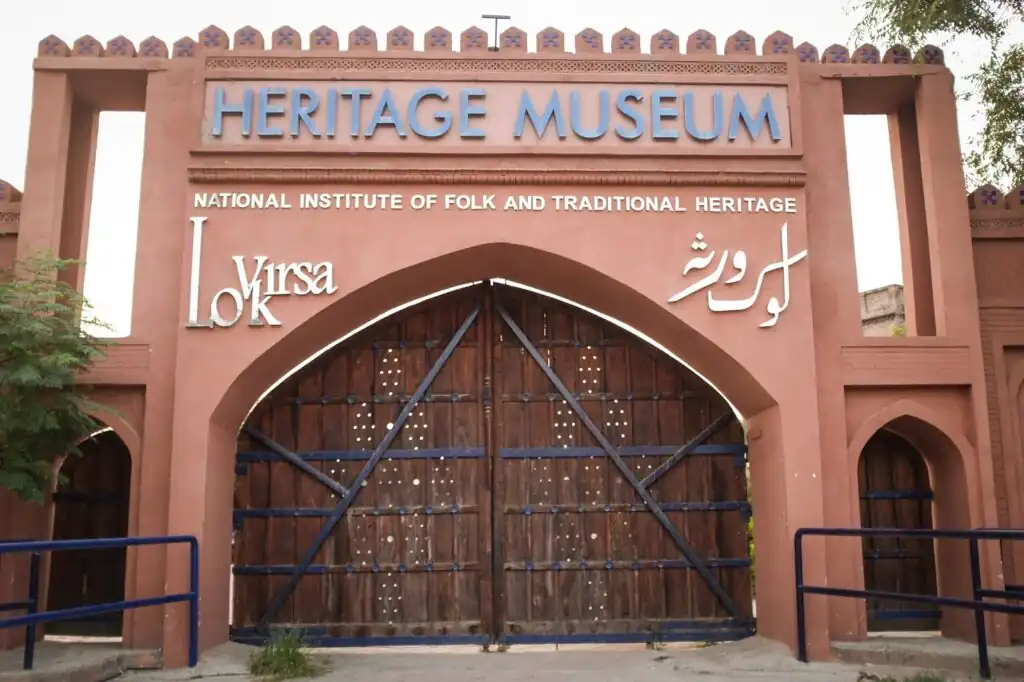
4) Visit Lok Virsa Heritage Museum
Lok Virsa Heritage Museum is one of the most culturally important attractions near the national park. It showcases Pakistan’s diverse heritage, folk traditions, and regional cultural identity.
For tourists, pairing Lok Virsa with the hill station is one of the best combinations in Islamabad because it offers both:
nature and viewpoints
history and cultural learning
Shakarparian View Point: Best Spots for Views and Photos
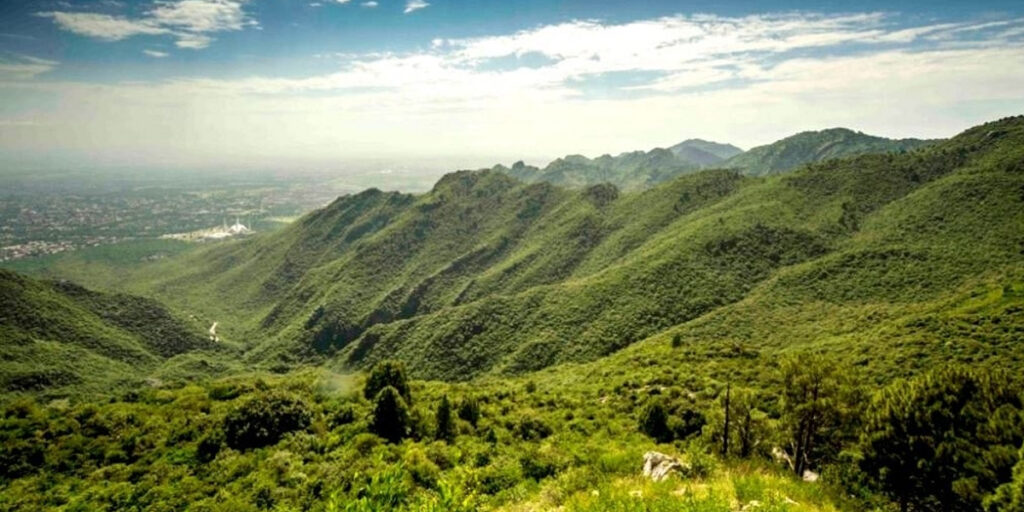
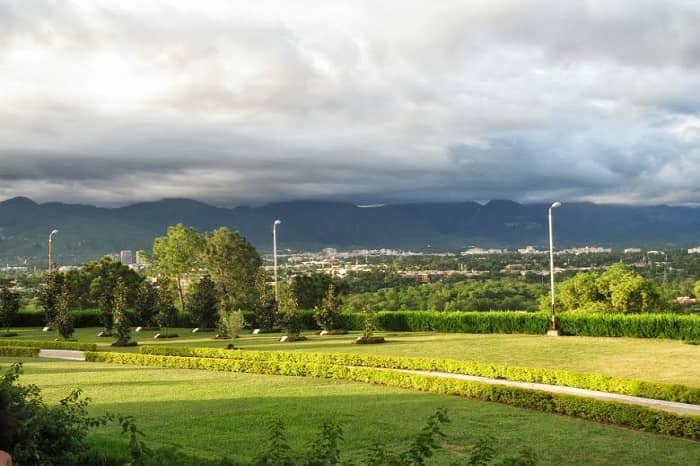
This is widely searched and visited for its viewpoints, which offer some of the most beautiful panoramic scenes in Islamabad. Because the area sits on elevated hills, the viewpoints give you a clear look over the capital’s landscape, making it an excellent spot for both casual visitors and photographers.
From View Point, you can enjoy:
wide views of Islamabad’s cityscape
scenic greenery and tree-filled slopes
distant hill ranges and layered natural scenery
landmark-focused shots near the monument area
Best spots for views and photography
While it has multiple scenic corners, the best view-focused areas are usually around:
high-elevation roadside points along the Hills
viewpoint zones near the Pakistan Monument surroundings
open areas where the trees don’t block the skyline
If you explore a little beyond the main crowd spots, you’ll often find quieter corners with cleaner shots and fewer people in the background.
Best time for viewpoint photography
Early morning Early morning is ideal if you prefer a calm and peaceful visit.
quiet atmosphere
cooler temperatures (especially in summer)
soft light that makes greenery look fresh
fewer crowds, easier to take clean photos
This timing is also great for walking and enjoying the view without rushing.
Sunset Sunset is usually the most visually impressive time at the place.
Golden-hour lighting enhances the city skyline
Dramatic shadows and contrast improve landscape photos
Perfect conditions for silhouette-style shots
The view feels more “cinematic” and memorable
For photographers and content creators, sunset is often the best option because it gives the most striking visuals in both photos and videos.
Photography tips for better results
Arrive 30–45 minutes before sunset to find the best spot
Use wide-angle shots for landscapes, then switch to portrait mode for closeups
If the area is crowded, change the angle and shoot slightly higher or lower for a cleaner frame
Bring a tripod if you want evening shots or stable videos
Shakarparian Hills: What to Expect
The Hills are one of the most scenic and relaxing natural spots in Islamabad. Unlike the steep, rugged hills you might find in northern areas of Pakistan, offers a gentle hill landscape that is easy to explore for visitors of all ages.
Here’s what you can realistically expect when visiting:
Mild elevation with easy walking paths
The Hills have light uphill and downhill slopes, making the area suitable for:
casual walks
family outings
elderly visitors
beginners who want a short “hiking” experience without difficulty
Most routes are not physically demanding, but comfortable shoes still make the experience much better.
Wide open views and scenic points
The elevation of the hills gives you clear, open views of:
Islamabad’s skyline and key sectors
nearby landmark zones around the monument area
layers of greenery stretching across the park
This is why it is often visited during sunset hours, when the lighting makes the scenery even more impressive.
Green environment and hill-station feel inside the city
Because the place is covered with trees and open parkland, it feels like a mini hill-station environment within Islamabad. Even though it sits close to the main city routes, the hills offer a more peaceful, fresh-air atmosphere compared to urban streets.
Peaceful vibes with occasional crowds
On weekdays, the hills are generally quiet and perfect for relaxing walks. On weekends and public holidays, the area becomes much more crowded, especially around viewpoint spots and major attractions.
If you prefer a calm experience, the best time is:
early morning
late afternoon on weekdays
Great for photography and short video content
The natural slopes, tree-lined roads, and viewpoint locations make Hills ideal for:
casual photography
family pictures
scenic sunset shots
travel reels and short videos
For creators, the best visuals usually come from golden hour, when the hills and city views look more dramatic.
Shakarparian Parade Ground, Islamabad
The Parade Ground holds national significance because it is known for hosting the Pakistan Day Parade. This makes it important not only as a tourist destination but also as a symbolic national landmark.
Visitor note
If you are visiting around national events, rehearsal periods, or major occasions, access routes and public entry may be restricted near parade areas. Planning your visit outside such days is the best option.
Best Time to Visit
It can be visited year-round, but your experience will be best when the weather is comfortable.
Seasonal guide
Spring: best weather, greenery, pleasant walking conditions
Summer: visit early morning or evening to avoid the heat
Autumn: comfortable temperatures and great photography light
Winter: colder but enjoyable for daytime visits
Responsible Tourism
As one of Islamabad’s major green zones, the park needs responsible behaviour from visitors.
Do:
Keep the park clean
Take trash back with you
respect greenery and plants
avoid disturbing wildlife
Stay on walking tracks
A clean and maintained park benefits both tourists and Islamabad’s environment.
FAQs | Shakarparian
Is Shakarparian good for families?
Yes, it is family-friendly and commonly visited by groups, children, and tourists.
What are Shakarparian’s best viewpoints?
The best viewpoints are typically those facing the city and monument area, especially around sunset.
Is Shakarparian close to Lok Virsa?
Yes. Lok Virsa Heritage Museum is located nearby on Shakarparian Road, making it easy to combine both in one visit.
What is Shakarparian Parade Ground famous for?
It is famous for the Pakistan Day Parade held on 23 March.
Conclusion
It is one of the most complete destinations in Islamabad because it offers multiple experiences in one location: hills, viewpoints, greenery, walking tracks, national monuments, and nearby heritage museums. If you want a destination that feels scenic, culturally rich, and accessible without leaving the city, Shakarparian should be on your itinerary.
BBC-featured Content Specialist with a sharp eye for search intent and a proven ability to turn content into a growth engine. I leverage cutting-edge digital marketing tools to craft strategies that fuel organic traffic, amplify brand growth, and own the local SEO landscape, particularly across the competitive real estate market. I help brands dominate search rankings and convert visibility into measurable business success.
Islamabad, the capital city of Pakistan, is not only known for its serene environment and scenic beauty but also for its family‑friendly entertainment options. If you’re searching for amusement parks in Islamabad, places where you can spend a thrilling day with family or friends, you’re in the right place.
In this guide, we explore the best amusement parks in Islamabad, including both outdoor theme parks and water park experiences, making it easy for you to pick the perfect destination for a fun‑filled outing.
Whether you’re looking for thrilling rides, carnival games, water slides, or unique experiences like zip lines and ATV tracks, Islamabad has it all.
Top Amusement Parks in Islamabad
Here are the best amusement parks and entertainment destinations worth visiting in Islamabad:
Located inside the broader Lake View Park, Laila Carnival Park offers a delightful mix of thrill rides, entertainment zones, and family-friendly attractions. It combines the beauty of outdoor recreation with the excitement of amusement activities, making it one of the best amusement parks in Islamabad for a day of fun.
What You Can Do:
Enjoy thrilling rides and ATV racing tracks
Experience VR rides, bumper cars, and carnival-style games
Relax at on-site cafes and open-air picnic areas
Though Lake View Park is already known as one of Islamabad’s most scenic spots, Laila Carnival Park brings something extra: a distinct amusement experience perfect for families, groups, and young visitors. It’s spacious, well-kept, and designed to offer something for every age group.
Ticket Price:
PKR 100 per person
Timings:
Daily: 10:00 am – 11:00 pm
Whether you’re visiting with kids or just looking for a relaxing yet entertaining environment outdoors, Laila Carnival Park makes for a great day trip within the capital.
2. Moj Mela Park
Also located within the greater Lake View Park area, Moj Mela Park stands out for its adventure‑style rides and outdoor fun.
What You Can Do:
Zip lining and climbing
Enjoy various thrilling rides
Family entertainment and kids’ fun activities
Moj Mela Park offers a unique blend of rides and physical activities, giving it a slightly more adventurous vibe compared to traditional amusement parks. The park routinely opens around 11 am and runs until 11 pm, accommodating both daytime visitors and evening crowds.
3. YoYo Land
If you’re looking for an indoor destination, YoYo Land is a huge family entertainment center that creates a carnival atmosphere inside a climate‑controlled space.
What You Can Do:
Carnival games and virtual reality experiences
Child‑friendly rides
Redemption and novelty games
Over 120 different types of games under one roof
With attractions suitable for school field trips and birthday parties, YoYo Land is one of the top amusement parks in Islamabad for indoor fun, especially during hot or rainy weather. It’s located in Capital Square Mall, B‑17 and operates with extended weekend hours.
4. Fun City
Fun City holds the distinction of being Pakistan’s first indoor family entertainment complex, located on the 4th floor of Centaurus Mall, Islamabad. With a vibrant and futuristic design, Fun City is a go-to destination for families looking for safe, weather-proof indoor fun.
What You Can Do:
Explore multi-level soft play areas
Enjoy kiddie rides and attraction rides
Play over 60 arcade games, including racing, claw machines, air hockey, and more
Attend special events, concerts, and themed parties
Fun City is especially popular with families, school groups, and party planners. It brings together games, rides, and entertainment under one large, climate-controlled roof — making it an excellent choice year-round.
How the Fun City Card System Works
Instead of a fixed entry ticket, Fun City uses a rechargeable “Fun Card” system at both locations (Centaurus Mall & Giga Mall):
Get a Fun Card: Purchase your card at the counter for PKR 200 (one-time cost)
Load Credits: Add any desired amount of money to your card for rides and games
Play & Earn: Use your card to enjoy attractions — some games reward you with tickets that can be redeemed for prizes at the gift counter
This system lets you control your spending and play at your own pace. Whether you’re visiting for 30 minutes or a whole evening, you only pay for what you play.
For the latest deals, bundles, and promotions, visit: FunCity.pk or contact their sales team.
Timings:
Friday – Saturday: 11:00 am – 12:00 am
Sunday – Thursday: 11:00 am – 11:00 pm
5. MegaZone Entertainment Hub
If you’re after fun with friends or family that includes both activities and food, MegaZone Entertainment Hub is a great choice. Located in F‑9 Park Islamabad, it’s more of a modern entertainment zone than a classic amusement park — making it especially appealing to teens, young adults, and groups of friends.
What You Can Do:
Bowling
Laser tag
Ice skating
Arcade and gaming areas
Indoor café and snack options
The facility is a go-to spot for casual hangouts, indoor parties, and late-night entertainment. Whether you’re competing in a laser tag match or enjoying a relaxed game of bowling, there’s something here for everyone.
Entry Ticket Price: PKR 200 Timings: Open daily from 11:00 am to 12:00 am
It’s one of the few places in Islamabad where you can enjoy affordable indoor fun late into the night, making it a favorite for night owls and weekend visitors alike.
6. Chattar Park
Located on Kashmir Road, Chattar Park is one of the oldest and most beloved theme parks in the Islamabad region. A long-time family favorite, the park combines amusement rides with nature — offering a blend of thrill and relaxation for visitors of all ages.
What You Can Do:
Enjoy bumper cars, swings, and classic carnival rides
Take a leisurely walk through spacious gardens
Relax by the Korang River during the summer
Try horse and camel rides
Visit the nearby bird park and admire beautiful peacocks
Chattar Park has undergone significant renovations in recent years, with modernized rides and new features added to improve the visitor experience — while still preserving its nostalgic charm as a family picnic spot.
Ticket Price:
Adults: PKR 100
Children: PKR 50
Timings: Daily, from 9:00 am to 8:00 pm
Whether you’re entertaining children, planning a scenic picnic, or looking for an affordable amusement option, Chattar Park remains one of the best amusement parks in Islamabad for a fun-filled outdoor day.
7. Japanese Park – Saidpur, Khayaban‑e‑Iqbal
Situated in Saidpur Village, Japanese Park is one of Islamabad’s largest and most well‑maintained parks, blending traditional play areas with amusement features.
What You Can Do:
Let kids enjoy swings, slides, and play areas
Picnic in shaded green spaces
Take a peaceful walk under tree‑covered paths
The entrance fees are extremely affordable, with adult tickets often priced around PKR 30 and children’s tickets at PKR 20, while kids under five typically enter free. This makes Japanese Park a great choice for families looking for budget‑friendly entertainment.
Although it is more of a park with children’s rides than a full theme park, its size, greenery, and variety of activities easily place it among the best amusement parks in Islamabad for families with younger kids. It’s open daily from 8 am to 11 pm, letting you enjoy early morning walks or evening visits with lights and cool breezes.
Best Water Park in Islamabad and Rawalpindi
Now let’s talk about water park experiences — an especially popular choice during hot weather or summer vacations. Many people ask:
Is there any water park in Islamabad? While Islamabad does not currently have a large standalone full‑scale water park inside the city center like some metropolises elsewhere, the nearby region around Rawalpindi and Islamabad offers water‑based attractions and theme parks that are perfect for cooling off and family fun.
Here is the most notable one:
Blue World Water Theme Park (Under Development)
Located within the Blue World City development, Blue World Water Theme Park will be a large water‑based recreational destination that draws both Islamabad and Rawalpindi visitors.
What You Can Do:
Experience over 20 world‑class water rides
Play areas for kids
Water slides, splash zones, and lazy rivers
Fast‑food outlets including McDonald’s, KFC, Subway, and Pizza Hut
This park will become one of the best places near Islamabad for a family water park in Islamabad‑area experience. With natural terrain, thrilling rides, and ample space for kids and adults alike, it stands out as one of the best water parks near Islamabad and Rawalpindi.
Tips for Visiting Amusement and Water Parks in Islamabad
When to Go:
Evenings are perfect for outdoor parks like Laila Carnival Park, Moj Mela, and Chattar Park because the weather is cooler and lights add to the experience.
Weekdays tend to be less crowded for indoor options like YoYo Land and Fun City.
Summer is the ideal season for water‑based attractions like Blue World Water Theme Park.
What to Bring:
Comfortable clothes and shoes
Sunscreen and hats for outdoor parks
Cash/card for entry fees, rides, and food
Water bottles and snacks (though most parks have food stands)
Plan Ahead:
Check park timings because some vary by season or day of the week.
Consider booking tickets in advance for popular attractions to avoid queues.
Combine parks in a single trip (for example, visiting Lake View Park’s recreation area and Moj Mela on the same day).
Final Thoughts
Islamabad is rapidly growing as a destination not just for scenic views and cultural attractions, but also for entertainment and family fun. Whether you’re exploring amusement parks in Islamabad or seeking a water‑filled adventure at places, there’s something for everyone.
From classic outdoor rides to indoor games and virtual reality experiences, this city offers a range of activities that make it a great place for family outings, school trips, and weekend getaways.
So next time someone asks where to find the best amusement park in Islamabad or the best water park in Islamabad, you’ll know exactly where to go and what fun awaits!
If you are visiting Pakistan’s capital and want to experience the city from above, Daman-e-Koh Islamabad should be at the top of your itinerary. Nestled beautifully in the lush green Margalla Hills, this scenic destination is not just a place—it’s an unforgettable experience of breathtaking panoramas, cool mountain air, wildlife encounters, and peaceful gardens.
Known as one of the most visited tourist spots after Faisal Mosque, Daman e Koh view point offers a remarkable bird’s-eye view of Islamabad city, with iconic landmarks like Shah Faisal Mosque, Rawal Lake, and Seventh Avenue clearly visible from its observation decks.
Whether you are a local looking for a relaxing picnic spot, a tourist searching for a must-see viewpoint, or a photographer chasing golden-hour cityscapes—Daman e Koh park welcomes you with charm, serenity, and mesmerizing scenery.
In a Glimpse – What Makes Daman-e-Koh Special?
Daman-e-Koh is a stunning hilltop garden located mid-way to Pir Sohawa, one of the highest viewpoints in Islamabad. The drive up to the park itself is refreshing and scenic, taking visitors through twisting hillside roads lined with trees, fresh breeze, and natural beauty.
This place is famous for:
A breathtaking panoramic sight of Islamabad city
Clear views of the Shah Faisal Mosque, one of the largest mosques in the world
A visual sweep of Rawal Lake, Rawal Dam, and surrounding areas
Beautifully developed roads like Seventh Avenue
Wide open gardens perfect for relaxation and family outings
Above all, the true fame of Daman e Koh view point lies in its full skyline view, especially at sunrise, sunset, and after dark when Islamabad lights glitter like stars.
Meaning and History – Why It’s Called Daman-e-Koh
Many people don’t realize that the name itself carries cultural meaning. The term comes from two Persian words:
Daman = foot / lap
Koh = hill / mountain
Together, the meaning becomes “foothills” or “lap of the hill”, which perfectly suits its location—placed right in the lap of the Margalla Hills.
Daman-e-Koh was developed by the Capital Development Authority (CDA) in the early 1970s as a landscaped viewpoint and recreational garden. Later, significant upgrades were introduced around 2007, including improved amenities and visitor support infrastructure.
Daman e Koh Location – Where Is It Located?
Daman-e-Koh is located in the Margalla Hills National Park, Islamabad, Pakistan. It lies on the route to Pir Sohawa and sits at an elevation of around:
2400 feet above sea level
around 500 feet above Islamabad city
Because of this height difference, the area feels cooler and fresher than the capital below—making it the perfect escape from the urban rush.
How to Reach Daman-e-Koh Islamabad
Reaching Daman-e-Koh Islamabad is easy whether you’re traveling by car, ride-hailing services, or tour transport.
By Car / Taxi
A direct road leads from Islamabad into Margalla Hills. The drive is scenic and well-maintained.
By Hiking Trails
Adventure lovers often hike from the lower trails to reach the viewpoint using different paths instead of the road. Hiking is especially popular in cooler months like October–March.
Daman e Koh Parking – Everything You Need to Know
A great thing about the place is its spacious parking area. Tourists can comfortably park their cars near the entrance.
Parking is large and organized
Vehicles are typically restricted beyond a certain gate
From the entrance, it’s around 800 meters walk to the main observation point
So if you’re planning to visit with family, rest assured: Daman e Koh parking is convenient and visitor-friendly.
Daman e Koh Park – A Garden in the Sky
Calling it a park doesn’t do justice—Daman e Koh park is a beautifully landscaped hill garden featuring:
Vast green lawns
Terraced garden sections
Benches and gazebos
Walking trails and paved paths
Seasonal flowers and decorative plants
Signboards and helpful maps of Islamabad
The cleanliness and decor add to the experience, making it feel peaceful, organized, and calming. Whether you visit during rainfall, foggy mornings, or clear sunsets, the park remains equally magical.
Panoramic Views – What Can You See From Daman-e-Koh View Point?
The star attraction is undoubtedly the Daman e Koh view point.
From the observation decks, you can see:
Faisal Mosque (Shah Faisal Mosque)
Seventh Avenue
Centaurus Mall
Government buildings and residential sectors
Rawal Lake / Rawal Dam
Even nearby Rawalpindi on clear days
On rare clear days, some visitors even mention seeing far-off ranges like the Salt Range to the south.
The best part? Islamabad looks completely different from above, revealing its greenery, planning, and unique layout.
Wildlife Experience – Monkeys, Birds & Nature
Daman-e-Koh is also known for its wildlife. Visitors often witness monkeys moving freely through the gardens, which adds a fun (and sometimes chaotic) element.
Important Tip
Monkeys are infamous for stealing food. Keep snacks hidden and avoid eating openly.
Beyond monkeys, nature enthusiasts may enjoy:
birdwatching opportunities
colorful local birds
occasional sightings of wild boars, barking deer, foxes, and jackals (rare)
over 300 bird species in Margalla Hills region
This is one of the reasons why Daman-e-Koh is considered a nature lover’s paradise.
Available Amenities – What Facilities Are Offered?
Tourists love Daman-e-Koh because it isn’t only scenic—it’s convenient too. Some key amenities include:
Binoculars/telescopes installed for viewing the city clearly
Food stalls and refreshment corners
Signboards and guidance maps
Neat walking trails
Seating areas
Spacious parking
Clean, maintained environment
This makes it an excellent family destination where people can spend several hours comfortably.
Daman e Koh Restaurant – Food With a View
One of the best experiences at this viewpoint is dining in the hills.
The Daman e Koh restaurant is popular among locals and tourists who want to enjoy meals while gazing at the city below. Whether you visit in daytime or at night, the atmosphere remains refreshing and scenic.
Many visitors specifically search for:
daman e koh restaurant islamabad
restaurants in daman e koh
Because yes—food here comes with a view that feels priceless.
You’ll find:
casual snack stalls
tea/refreshment options
restaurants offering Pakistani food
If you plan it right, you can enjoy lunch in pleasant daylight or dinner when Islamabad sparkles in lights.
Restaurants in Daman e Koh – What to Expect
Here are some of the best dining options you can explore while visiting the viewpoint:
#
Restaurant Name
Rating / Reviews
Cuisine / Type
Location
Highlight / Review Quote
1
The Dome
4.4★ (2.9K)
Restaurant
View Point, Daman-e-Koh Rd
“Everything was perfect — the ambiance, the service, and the food.”
2
PTDC Daman-e-Koh Restaurant
—
Pakistani / Snacks & Tea
Daman-e-Koh Viewpoint
Famous for dining with a panoramic Islamabad view
3
Des Pardes Restaurant
4.0★ (8.5K)
$$$ · Restaurant
Saidpur Rd
“Food was very good, atmosphere very refreshing and service was top notch.”
4
Dera Pashtun Restaurant
4.2★ (503)
$$ · Meat / BBQ
Saidpur
“Very welcome staff, amazing food.”
1. The Dome
The Dome is one of the most popular dining spots right near the Daman-e-Koh viewpoint, known for its relaxing ambiance and scenic hilltop vibe. It’s a great place to sit back after exploring the park and enjoy a peaceful meal with cool Margalla air. Tourists love it for its well-managed service, comfortable seating, and overall dining experience, especially during sunset hours when the surroundings feel magical.
2. PTDC Daman-e-Koh Restaurant
The PTDC Daman-e-Koh Restaurant is the most iconic food stop at the viewpoint and one of the first choices for visitors who want to eat without leaving the hill area. It offers simple yet satisfying Pakistani meals, snacks, and tea—perfect for families, tourists, and hikers. What makes it special is the experience of dining while overlooking Islamabad’s skyline, particularly at night when the city lights shine below.
3. Des Pardes Restaurant
Located near the heritage village route on Saidpur Road, Des Pardes Restaurant is famous for combining traditional Pakistani flavors with a cultural and refreshing atmosphere. It’s a favorite among locals and tourists who want a more premium dining experience after visiting Daman-e-Koh. With its excellent service, pleasant environment, and tasty food, Des Pardes is ideal for family dinners and gatherings.
4. Dera Pashtun Restaurant
Dera Pashtun Restaurant, located in Saidpur, is the perfect spot for BBQ lovers who want authentic Pashtun-style food. The restaurant is widely appreciated for its welcoming staff and rich meat dishes, making it a great place to satisfy cravings after exploring the Margalla Hills. If you’re looking for a hearty meal with desi flavors, Dera Pashtun is one of the best options near Daman-e-Koh.
Top Things to Do at Daman-e-Koh Islamabad
There are plenty of exciting experiences that make a trip here worthwhile.
1. Enjoy the Observation Deck
This is the #1 reason tourists come here. The panoramic skyline view is unmatched.
2. Photography
Professional photographers, vloggers, and selfie lovers all find the spot ideal. Golden hour is the best time for outdoor photography.
3. Picnic With Family
The lawns and benches make it perfect for gatherings. Cooler weather adds comfort.
4. Hiking to Pir Sohawa
Many adventurous visitors hike from Daman-e-Koh to Pir Sohawa, typically taking around 2–3 hours. Carry water and wear proper shoes.
5. Long Nature Walks
The park’s trails help you relax while achieving your daily steps target.
6. Birdwatching
Early morning and late afternoon are ideal for spotting native and migratory birds.
7. Live Local Music
Sometimes you may find local Rabab/Rubab players performing traditional tunes—an unexpected cultural treat.
Best Time to Visit Daman-e-Koh Islamabad
The best months to visit are:
October to March – ideal weather, perfect visibility
Monsoon season – lush greenery, macro photography opportunities
Sunset time – magical views
Night visit – top-down city lights look stunning
Avoid peak afternoon in summer months, especially if you plan hiking.
Celebrities Who Visited Daman-e-Koh
Daman-e-Koh is not only popular among locals—it has hosted famous global personalities too.
Reported visitors include:
Princess Diana during her 1991 Pakistan trip
Jacqueline Kennedy, wife of JFK, during a goodwill visit in 1962
Other notable foreign dignitaries
This adds an interesting historical and cultural value to the location, making it even more iconic.
Important Travel Tips Before You Go
To make your visit smooth, keep these tips in mind:
Carry water, especially if hiking
Avoid eating openly due to monkeys
Wear comfortable walking shoes
Visit on a clear day for best visibility
Keep the area clean and avoid littering
Sunset gets crowded—arrive early for a good spot
Final Thoughts – Is Daman-e-Koh Worth Visiting?
Absolutely yes.
Daman-e-Koh Islamabad remains one of the top scenic destinations in Pakistan because it offers a rare experience: a peaceful green hill park that overlooks a modern capital city in a panoramic sweep. From wildlife and gardens to photography and hiking, it is the perfect blend of adventure, nature, and relaxation.
Whether you’re a tourist exploring Islamabad for the first time or a local needing an escape from city life, it would truly be unjust to leave without visiting this breathtaking hilltop viewpoint.
So next time you search for daman e koh islamabad, remember: it’s not just a place, it’s a complete experience.