Sound investment decisions are built on economic understanding. At Chakor, our Economy section covers the macroeconomic trends, policy shifts, market movements, and financial developments that directly influence real estate, construction, and investment across Pakistan.
Whether you are tracking inflation, interest rates, or GDP growth, we break down what matters and what it means for your decisions.
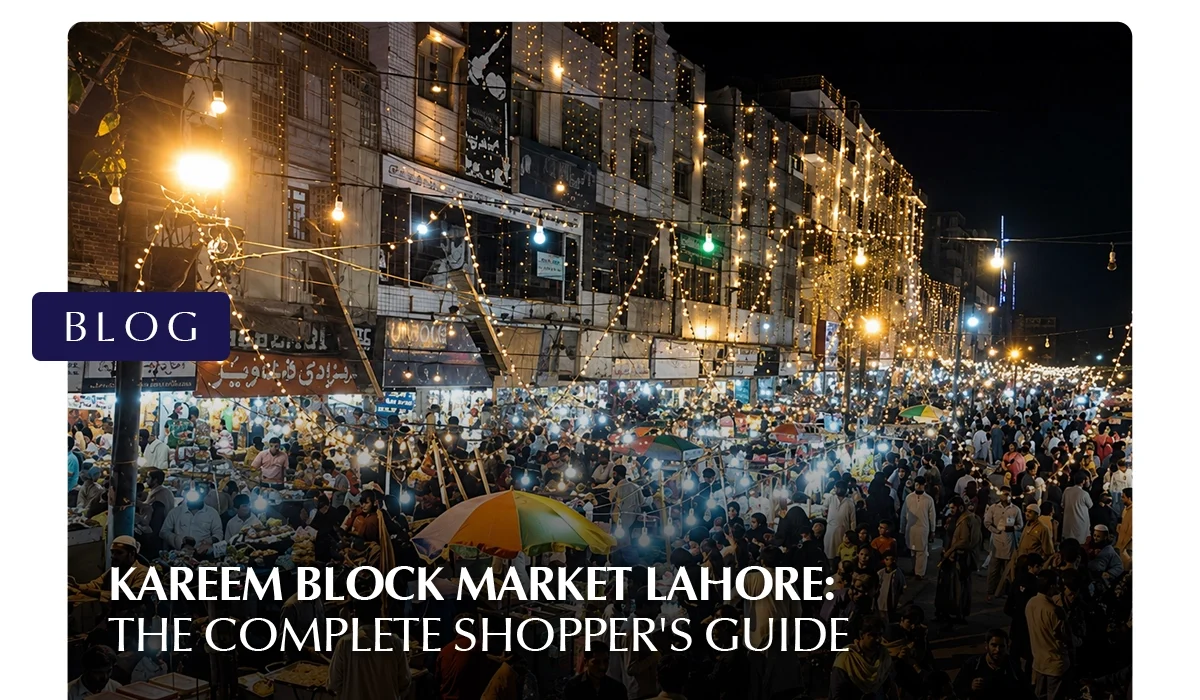
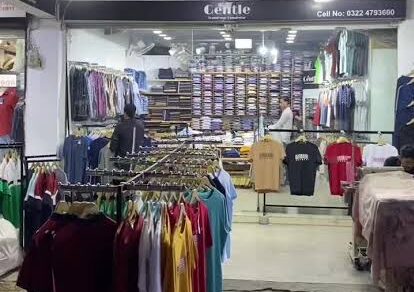
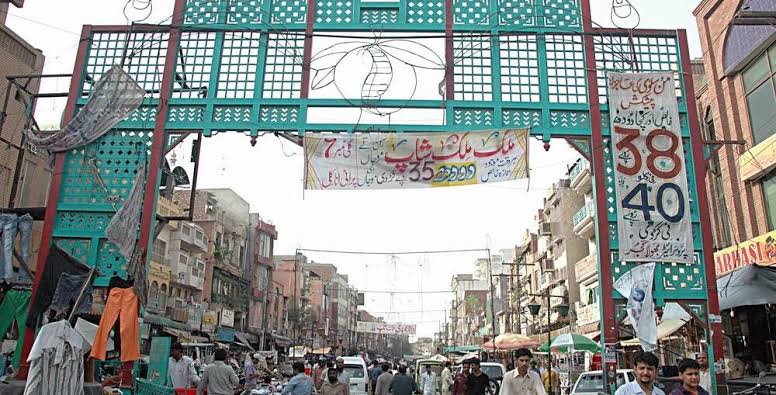
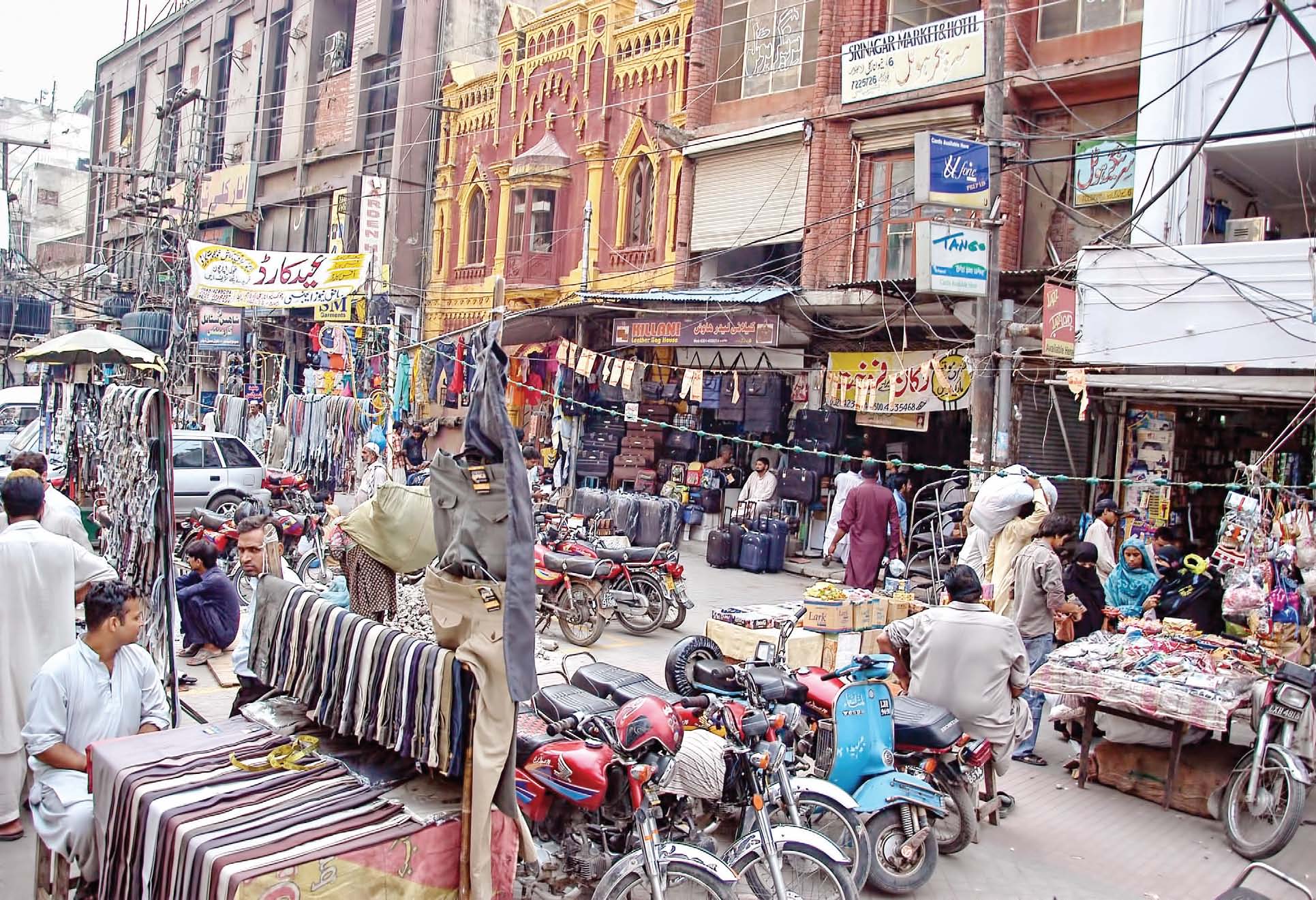
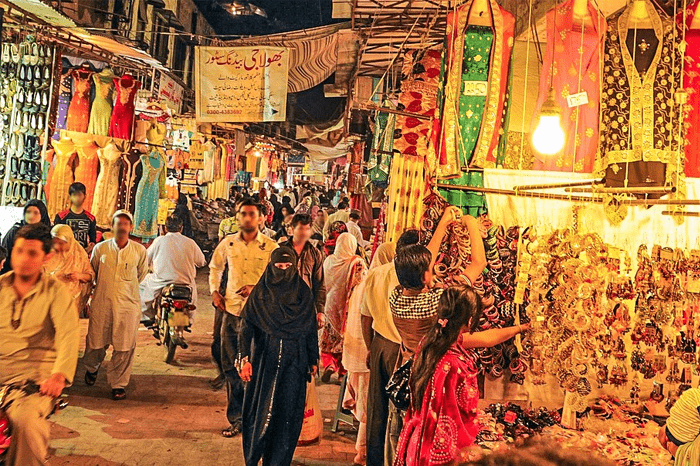
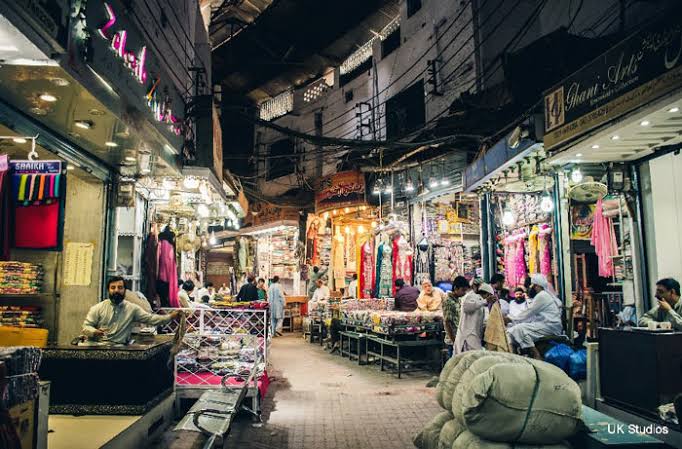
Located in Allama Iqbal Town on Lahore’s Wahdat Road, Kareem Block Market has spent nearly five decades building a reputation that most shopping plazas in the city can only aspire to. It is loud, crowded, and one of the few places in Lahore where a first-time visitor and a lifelong Lahori end up haggling over the same shirt for the same price. This guide walks through everything a shopper needs before heading to Kareem Block Market, from its exact coordinates to the one historical detail almost nobody writing about the market ever mentions.
Where Exactly Is Kareem Block Market?
Kareem Block Market sits at Kareem Block, Allama Iqbal Town, Lahore, Punjab 54000, right beside Umer Block on Wahdat Road. For anyone plugging coordinates into a map app, the market sits close to 31.4815° N, 74.3030° E, near the crossing of Multan Road and Wahdat Road.
Coming from Maulana Shaukat Ali Road: head toward Jauhar Town, pass Shaukat Khanum Hospital, then turn onto Main Boulevard Allama Iqbal Town. Kareem Block is a short distance further, near Moon Market, and signposted once you’re on the boulevard.
Coming from Multan Road: follow Multan Road onto Main Boulevard Allama Iqbal Town, pass Scheme Morr, and continue toward Kareem Block. Traffic is usually heavy this close to the market, which is itself a sign you’re almost there.
Coming from Fazal e Haq Road (Samanabad): head toward Main Boulevard Allama Iqbal Town via Mor Samanabad. The drive takes roughly 10 to 15 minutes depending on traffic.
By metro: the Orange Line stop at Samanabad is the closest station, followed by a short rickshaw ride of about 10 minutes into the market.
For parking, Moon Market’s plaza is the most reliable option and sits about a five-minute walk from the main lanes, since on-street parking around Kareem Block itself is limited.
What Surrounds the Market
Kareem Block Market backs onto Multan Road to the north and Wahdat Road to the east, which connects Punjab University and Gulshan-e-Iqbal Park. To the west sits Umer Block Market, a more built-up commercial plaza.
Nearby landmarks worth knowing include Moon Market for parking, Allama Iqbal Open University’s Raza Block, and Gulshan-e-Iqbal Park about fifteen minutes away, which makes for an easy stop after a long shopping session.
The History Behind Kareem Block Market
Kareem Block Market’s story begins in the late 1970s, when it was developed as part of Allama Iqbal Town, a residential and commercial scheme built by Hassan Zaman Pvt Limited on what was previously known as “Sola SauAcre”, literally “sixteen hundred acres,” later renamed in honour of Pakistan’s national poet, Allama Muhammad Iqbal.
A key reason the area first became commercially significant is its proximity to Lahore’s film industry.
In the 1980s and 1990s, the nearby Shahnoor and Bari Studios drew actors, filmmakers, and the wardrobe and prop trade that follows a film set.
That early foot traffic from the cinema world helped shape the market’s original identity before it evolved into the textile and garment destination it’s known as today.
Over the decades, that shift has produced more than a hundred commercial buildings that now blend old-style bazaar stalls with newer factory outlets, a layering of eras that’s part of what makes the market feel like a maze rather than a mall.
There’s also a naming quirk worth knowing before you search for it online: both “Kareem Block” and “Karim Block” are in circulation, and locals use them interchangeably. The market’s official Facebook community goes by “Kareem Block Market Lahore Official,” while local signage and everyday conversation lean toward both spellings depending on who you ask.
Inside the Market: Sections and Specialties
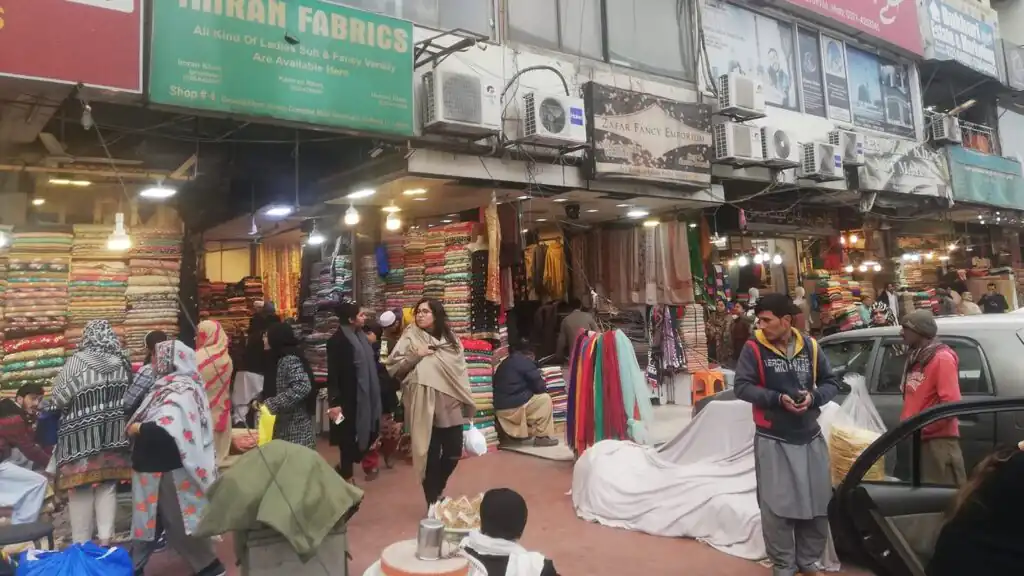
Kareem Block Market isn’t organized like a mall. It winds through narrow lanes that group loosely by specialty rather than clear signposted zones, which is part of its charm and part of why a first visit can feel overwhelming.
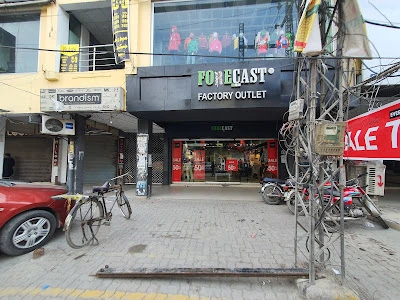
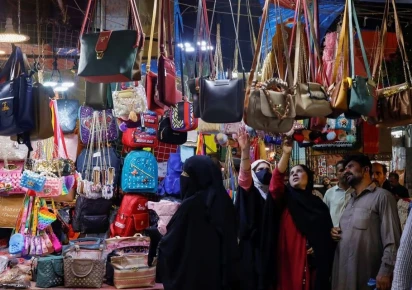
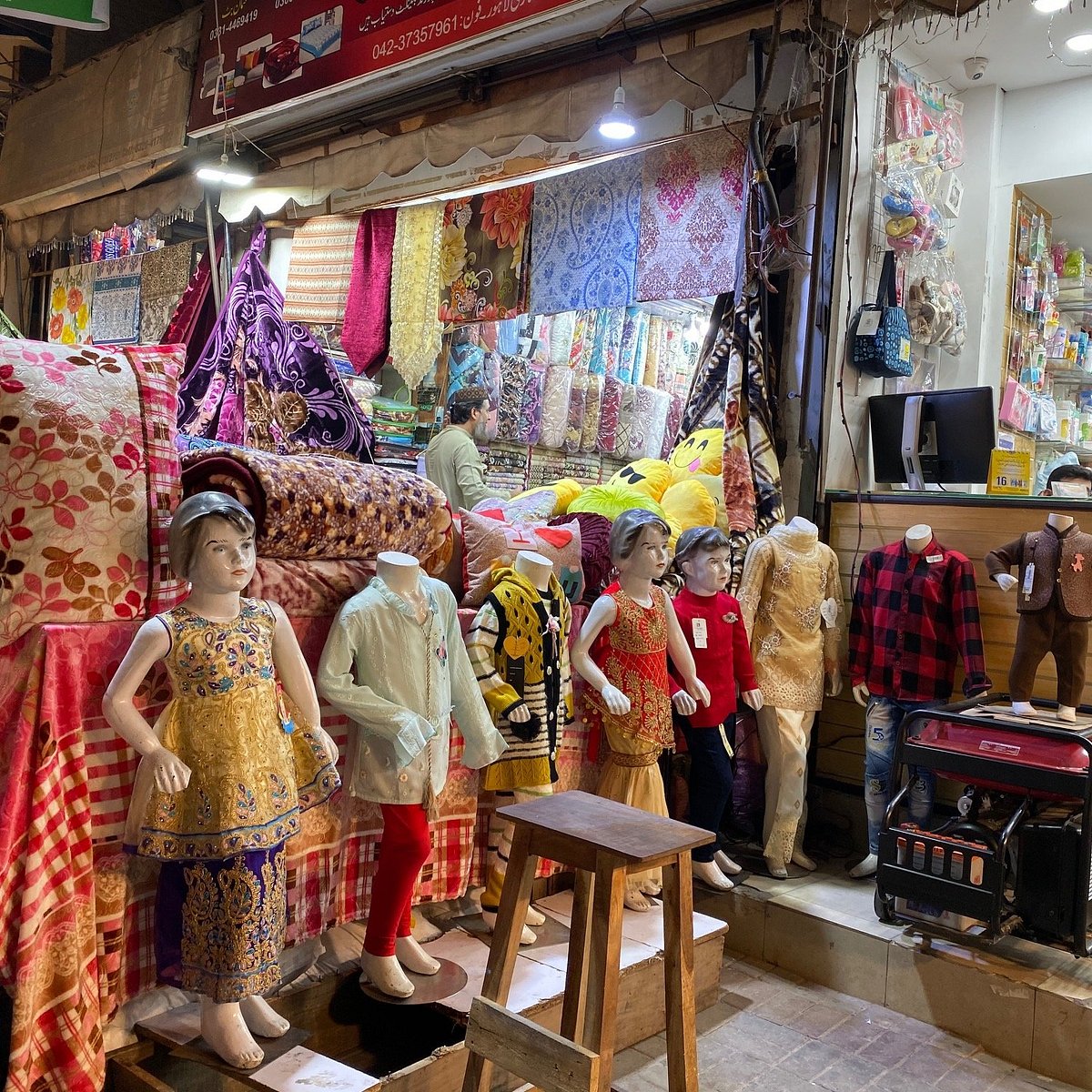
Garments and apparel: everything from basic shalwar kameez and casual denim to discounted stock from brands like Levi’s, Outfitters, and Minnie Minors. Shirt prices can start at PKR 300, which is a major reason the market draws budget-conscious shoppers and bridal parties alike.
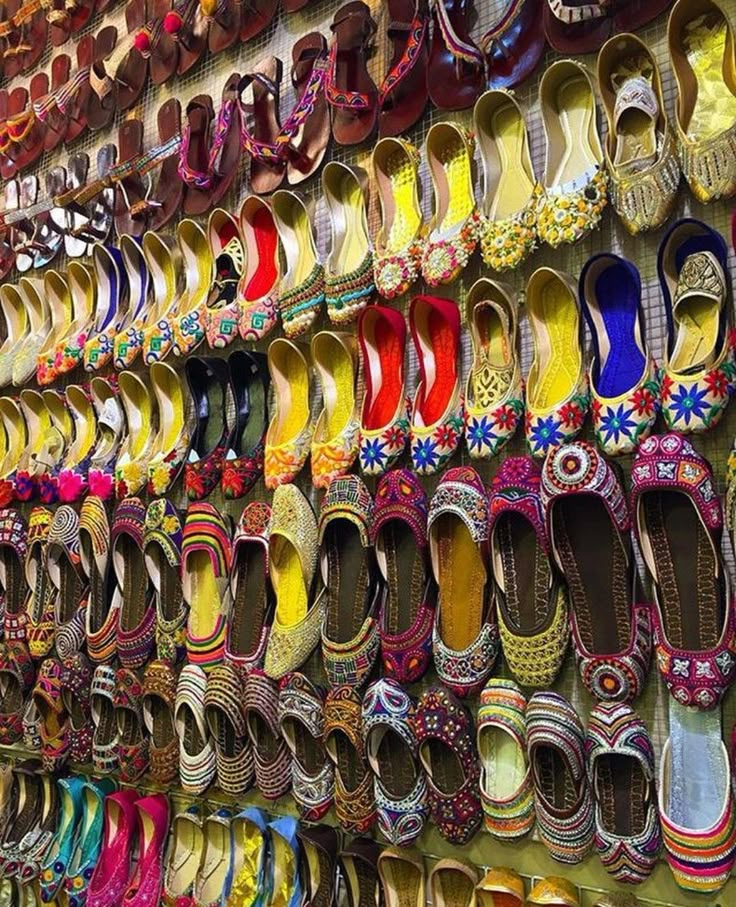
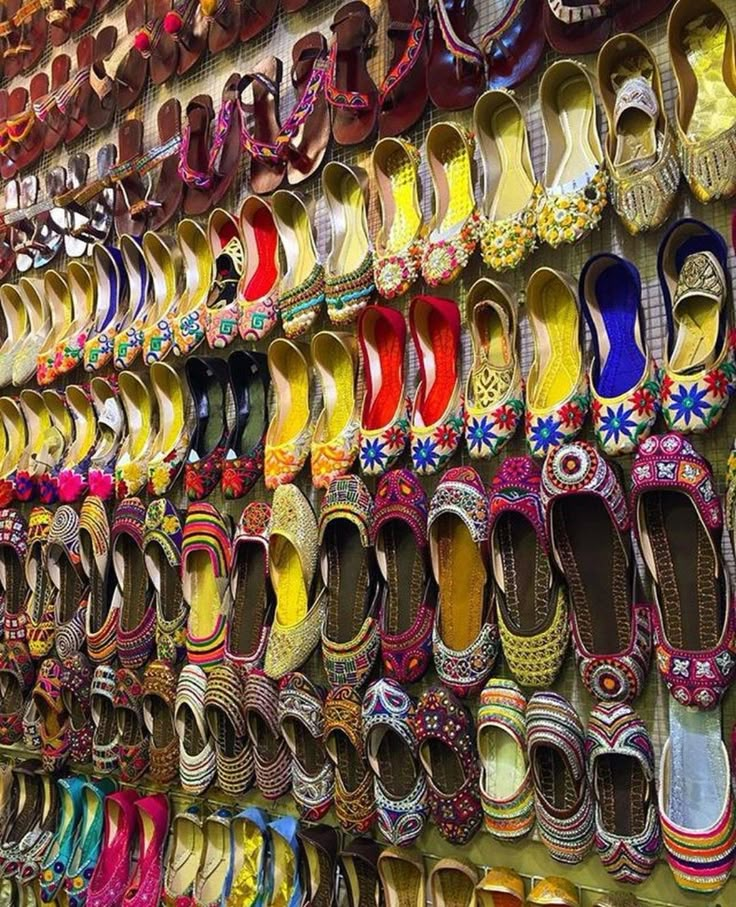
Footwear: a wide mix of local and imported shoes for men, women, and children.
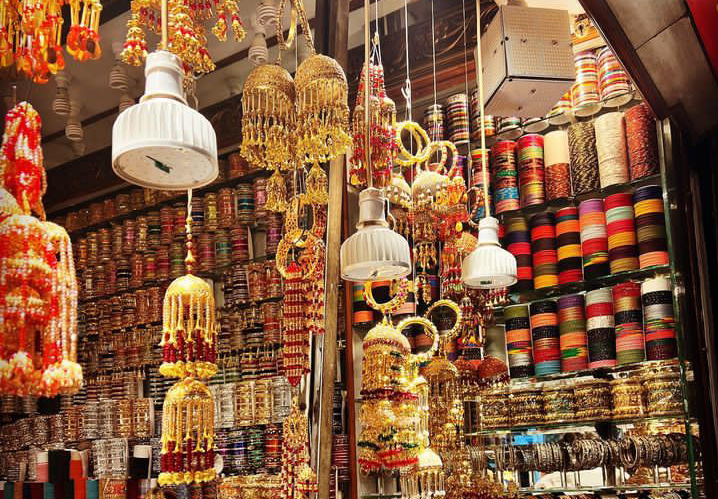
Jewelry: classic gold and silver pieces sit alongside artificial jewelry for shoppers working with a tighter budget.
Mobiles and electronics: a cluster of shops dealing in phones and accessories, where patient bargaining tends to pay off.
Food and snacks: street stalls serving shawarma, fries, burgers, and local snacks, plus at least one long-standing bakery favourite among regulars.
Everyday essentials: pharmacies, grocery stores, and general stores round out the market for nearby residents.
When to Go?
Kareem Block Market typically opens around 11:30 AM and stays busy well into the night, with many shops only closing between 3:00 and 4:00 AM. The quieter window is early evening, around Asar time, before the crowd thickens.
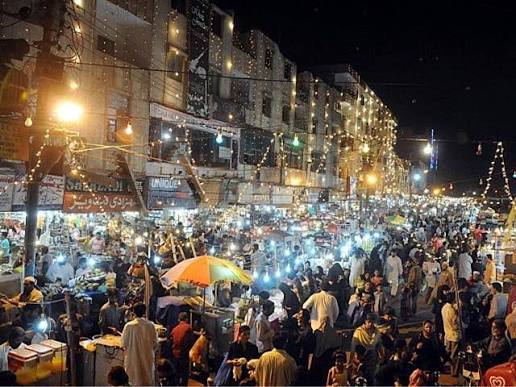
From evening until roughly 1:00 AM, the market is at its busiest, especially on weekends and during Eid or wedding season, when extended hours and festive discounts bring in noticeably larger crowds.
The market also stays open on Sundays, since that’s a common shopping day in Lahore rather than a rest day for most vendors here.
Tips for First-Time Shoppers
Make a list, but leave room to wander. A plan keeps you from getting lost in the sheer number of options, but some of the best finds at Kareem Block happen off script.
Carry cash. Card acceptance is inconsistent across smaller stalls, and cash also gives you more room to negotiate.
Bargain with a smile. Haggling isn’t just tolerated here; it’s expected, and starting low while staying friendly usually lands you a fair price.
Dress for a long walk. Comfortable shoes and water matter more than they sound like they would, especially during a festive rush.
Compare before you commit. Whether it’s a phone accessory or a pair of jeans, prices vary shop to shop, so a quick walk through before buying pays off.
Sample before you settle in. At the food stalls, a small portion before a full order helps you find the vendor worth returning to.
Why Kareem Block Market Still Matters to Lahore
Kareem Block Market isn’t trying to be Lahore’s most polished shopping destination, and that’s precisely its appeal. It represents a slice of the city’s everyday commerce, where a factory outlet sits next to a bakery that’s been there for a generation, and where the price of a shirt is a conversation rather than a fixed number on a tag.
For students, families, and anyone shopping ahead of a wedding or Eid, it remains one of the most dependable places in Lahore to find affordable fashion, footwear, and jewelry without compromising on variety.
A Different Kind of Investment in Lahore’s Growth
Famous Markets in Lahore like Kareem Block Market show what happens when a neighbourhood is built around everyday commerce and community life over decades. Chakor is building the next chapter of Lahore’s growth story with the same long-term thinking, starting with Citadel Prime on Main Boulevard, Gulberg.
Positioned in Lahore’s central business district, Citadel Prime is designed for those looking to invest in commercial and residential spaces that combine prime location with modern infrastructure, addressing the city’s growing demand for premium office space and serviced living.
As Lahore continues to expand outward from its historic commercial hubs, Citadel Prime offers a foothold in one of the city’s most connected addresses, built for the same enduring relevance that markets like Kareem Block have earned over the last fifty years.
This was all about the Kareem Block Market in Lahore; for more information on relevant topics such as Anarkali Bazaar Lahore, visit Chakor blogs.
BBC-featured Content Specialist with a sharp eye for search intent and a proven ability to turn content into a growth engine. I leverage cutting-edge digital marketing tools to craft strategies that fuel organic traffic, amplify brand growth, and own the local SEO landscape, particularly across the competitive real estate market. I help brands dominate search rankings and convert visibility into measurable business success.
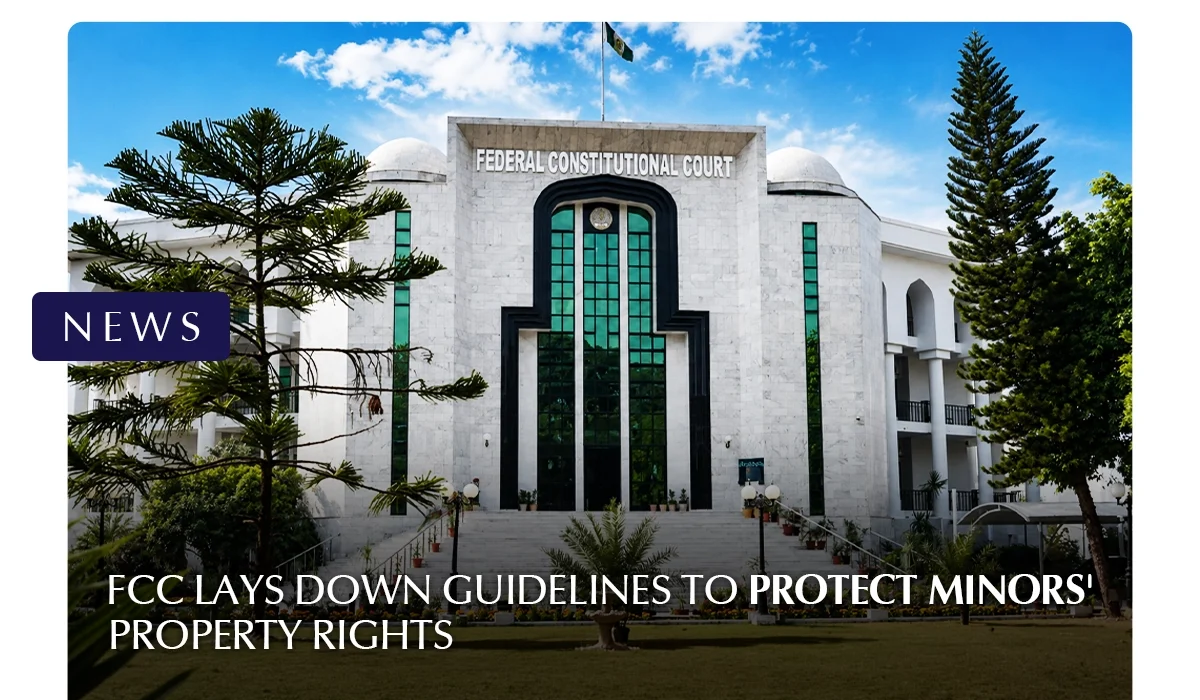
ISLAMABAD: The Federal Constitutional Court (FCC) has issued a comprehensive set of guiding principles directing civil and revenue courts nationwide to exercise greater diligence in cases involving the property and inheritance rights of minors, marking a significant step toward strengthening legal protections for vulnerable parties in litigation.
In a detailed judgement authored by Chief Justice Aminuddin Khan, a three-member bench also comprising Justice Ali Baqar Najafi and Justice Syed Arshad Hussain Shah ruled that courts must identify at the very outset of proceedings whether any litigant is a minor, and thereafter strictly adhere to Order XXXII of the Code of Civil Procedure, 1908, which governs suits involving minors.
The ruling arose from a long-running property dispute in Bahawalnagar, where a widow, Bushra Bibi, had contested a compromise decree on the grounds that minors involved in the settlement had not been afforded adequate legal safeguards.
While a revisional court had initially sided with her in 2017, the Lahore High Court’s Bahawalpur Bench reversed that decision in December 2024. The FCC has now set aside the High Court’s order and reinstated the revisional court’s findings, once again affirming the rights of the minor children and a parda nasheen woman involved in the case.
Among the newly issued guidelines, the court held that guardians appointed for minors must have no conflicts of interest, and that any compromise affecting a minor’s property must be independently verified by the court as lawful and in the child’s best interests.
Courts have also been instructed to apply heightened scrutiny in cases involving illiterate or otherwise vulnerable parties, and to avoid hasty rulings that could compromise the welfare of minors.
The court remarked that a judicial decree cannot validate an agreement inherently flawed under law, underscoring its intent to reinforce accountability across Pakistan’s judicial system.
Dedicated and detail-oriented SEO Content Writer, Real Estate Writer, and Research Analyst based in Islamabad, with proven expertise in developing accurate, valuable, and well-researched content. Skilled in analytical writing, market research, and reporting, with the ability to turn insights into clear, professional, and impactful content. Passionate about exploring new ideas, analyzing industry trends, and contributing to high-quality writing and research-driven projects.
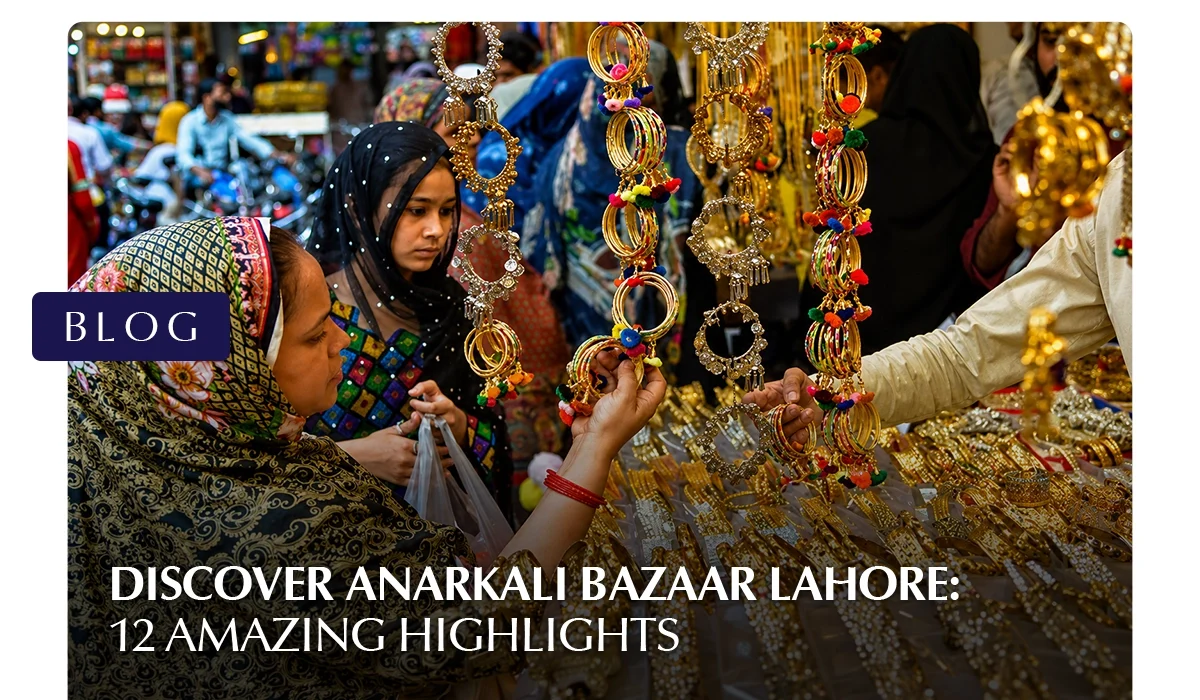
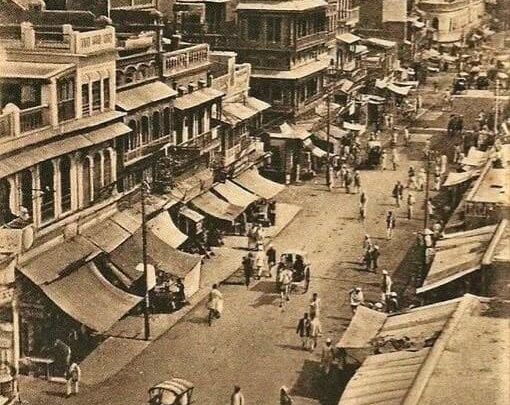
Few places capture the spirit of Lahore quite like Anarkali Bazaar. Tucked along Mall Road on the edge of the old Walled City, this market has been trading, feeding, and clothing the people of Lahore for more than two centuries. It is one of the oldest surviving bazaars in South Asia, and it remains as busy today as it likely was generations ago. For anyone exploring Lahore’s culture, history, or simply looking for a good afternoon of shopping, Anarkali Bazaar Lahore is a name that keeps coming up, and for good reason.
This guide walks through the history of Anarkali Bazaar, what to expect inside its lanes, where to eat nearby, and practical tips for visiting.
Anarkali Bazaar Location
Anarkali sits directly on Mall Road, which makes it reachable from most parts of the city. From Lahore Railway Station, the route runs through Temple Road and Rattigan Road before joining Anarkali Road.
From Allama Iqbal International Airport, the drive follows Airport Road onto Ferozepur Road before turning onto Mall Road and then Anarkali Road. Its central location near Lahore Fort and Badshahi Mosque also makes it easy to pair a bazaar visit with a broader day of sightseeing in the old city.
The History Behind Anarkali Bazaar
The story of Lahore Anarkali Bazaar is inseparable from the legend that gave it its name. According to popular lore, a courtesan named Anarkali fell in love with Prince Salim, son of the Mughal Emperor Akbar. When Akbar learned of the affair, he is said to have ordered her entombed alive as punishment.
Salim later became Emperor Jahangir, and the tragic tale has stayed woven into Lahore’s cultural memory ever since. The bazaar takes its name directly from this legend, and the mausoleum of Jahangir, believed to hold her remains, still stands close to the market today.
Beyond the romance and tragedy, the bazaar’s history runs deeper. It sits within a stretch of the city that developed after the British established Lahore as a colonial administrative center, and the area blends Mughal-era structures with buildings from the colonial period, including institutions like the Lahore Museum and several nearby universities.
The mausoleum of Sultan Qutb ud din Aibak, the first Sultan of Delhi, also stands within the bazaar’s boundaries, adding yet another layer of historical weight to the neighbourhood.
In recognition of its significance and its increasingly fragile condition, the World Monuments Fund placed Anarkali Bazaar on its 2020 World Monuments Watch list.
The listing was meant to draw attention to the risks the area faces from congestion, neglect and rapid urban growth, and to support local efforts, including cultural mapping work carried out with students from the National College of Arts, aimed at preserving the market’s traditional character for future generations.
Old Anarkali and New Anarkali: Two Markets in One
What many visitors do not realise before their first trip is that Anarkali Bazaar Lahore is really two markets joined together, each with its own personality.
Old Anarkali is the food lover’s half of the bazaar. Its narrow lanes are lined with vendors selling everything from halwa puri in the morning to nihari and siri paye later in the day. It is loud, fast-moving, and built around decades-old food stalls that locals return to again and again rather than chasing trends.
New Anarkali is where the shopping happens. This section is known for traditional garments, embroidery, bridal wear, and handicrafts, with pockets like Bano Bazaar specializing in wedding shopping.
Fabric, jewelry, shoes, and home décor stalls line the lanes, making it a strong stop for anyone hunting for handmade or traditional Pakistani items rather than mass-produced goods.
Types of Shops at Anarkali Bazaar
Part of what keeps people coming back to Anarkali Bazaar Lahore is the sheer range of shops packed into its lanes. Unlike a modern shopping mall built around a handful of categories, Anarkali has grown organically over two centuries, and that shows in the variety on offer.
Clothing and textiles make up a large share of the bazaar, from everyday fabric and ready-made garments to intricately embroidered shawls and bridal wear concentrated around areas like Rang Mahal and Bano Bazaar in New Anarkali.
Saree specialists such as Barkat Ali Saree Walay have operated here for years, alongside smaller stalls selling unstitched fabric by the yard.
Jewellery shops are another mainstay, particularly around the Commercial Building stretch near Mall Road. Shops like Jeddah Gold cater to buyers looking for gold and traditional jewelry designs, often at prices that reflect the bazaar’s bargaining culture rather than fixed retail markups.
Footwear has its own dedicated corner too. Lahori Khussa House on Tourist Street is known for traditional khussa, the handmade leather footwear associated with Punjab, while shops like Lace Up and Speed Dullah Collection on New Anarkali Road cover more contemporary shoe styles.
Bookshops and stationery are surprisingly well represented given the bazaar’s proximity to institutions like Government College University and Punjab University. Union Book Shop and Jafrani Medical Book Shop serve students and academics looking for both general titles and specialised medical texts, while Mian Brother Stationers and The Stationery Company cover everyday stationery and office supplies.
Macson Printing Industries, a long-established name on Chamberlain Road, adds printing services into the mix.
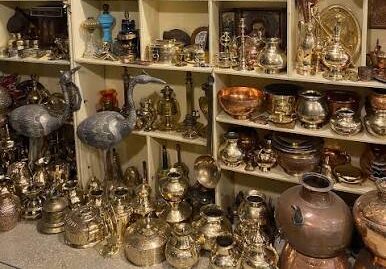
Handicrafts and antiques are scattered throughout the older lanes rather than concentrated in one block. These stalls sell wooden carvings, pottery, vintage coins and other collectible items, making them a favorite stop for anyone hunting for something one-of-a-kind rather than mass-produced.
Home décor and general merchandise round out the Anarkali bazaar Lahore, with centres like Makkah Center and Singhar Center offering household items alongside smaller specialty stores. Arsenal Company near the old YMCA Hall building is another long-running name in this space.
Taken together, this mix of clothing, jewellery, footwear, books, handicrafts and household goods is what makes Anarkali Bazaar Lahore feel less like a single market and more like an entire commercial district compressed into a few historic blocks.
This is only a sample. The bazaar holds hundreds of stalls beyond these, and part of the experience is stumbling across a shop that never made it onto any list.
Anarkali Bazaar Lahore vs Other Lahore Markets
Feature
Anarkali Bazaar Lahore
Liberty Market
Known for
History, street food, traditional crafts
Branded fashion, cosmetics, dining
Atmosphere
Old city, narrow lanes, dense crowds
Open plaza, more modern layout
Best for
Heritage shopping, bridal wear, street food
Everyday shopping, salons, casual dining
Age
Over 200 years old
Developed post-independence
Bargaining culture
Strong, expected
Moderate
Both markets serve different needs, and many Lahore residents visit each for different reasons rather than treating them as substitutes for one another.
Where to Eat Near Anarkali Bazaar Lahore
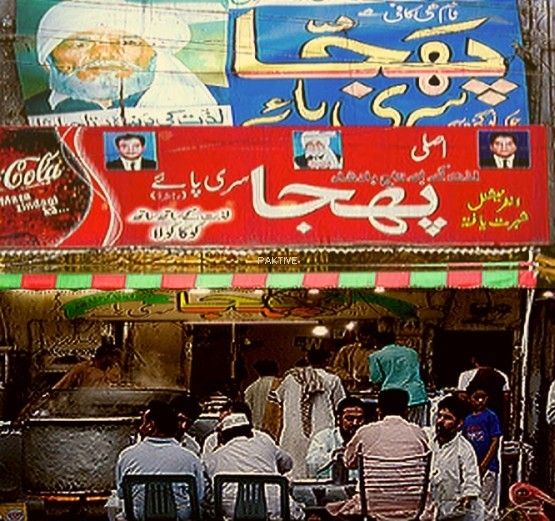
Old Anarkali alone could keep a visitor fed for days, but a few names come up again and again. Butt Karahi is a long-standing favorite for mutton and chicken karahi. Phajja Siri Paye draws early risers for its traditional breakfast.
Waris Tikka and Yasir Broast cover the grilled and fast food side of things, while Hafiz Juice & Chaat Corner is a go-to for cold drinks and street snacks on a hot Lahore afternoon.
For something calmer, Pak Tea House offers a slower, more literary pace, and Cuckoo’s Den nearby is worth the visit for its rooftop view of Badshahi Mosque alone.
Anarkali Bazaar Lahore Timings
Most of the bazaar operates on a fairly consistent schedule through the week, generally opening around 10 am and running until about 9 pm, seven days a week.
That said, individual shop hours can vary, and some food stalls in Old Anarkali Bazaar Lahore open earlier for breakfast crowds or stay open later into the evening depending on demand.
If a specific shop is the goal of the trip, it is worth calling ahead, where a contact number is available, since smaller family-run stores do not always keep fixed hours.
Educational Institutions Near Anarkali Bazaar Lahore
One detail that often gets overlooked is just how close Anarkali Bazaar Lahore sits to some of the city’s most respected academic institutions, which adds a distinct energy to the area beyond shopping and food.
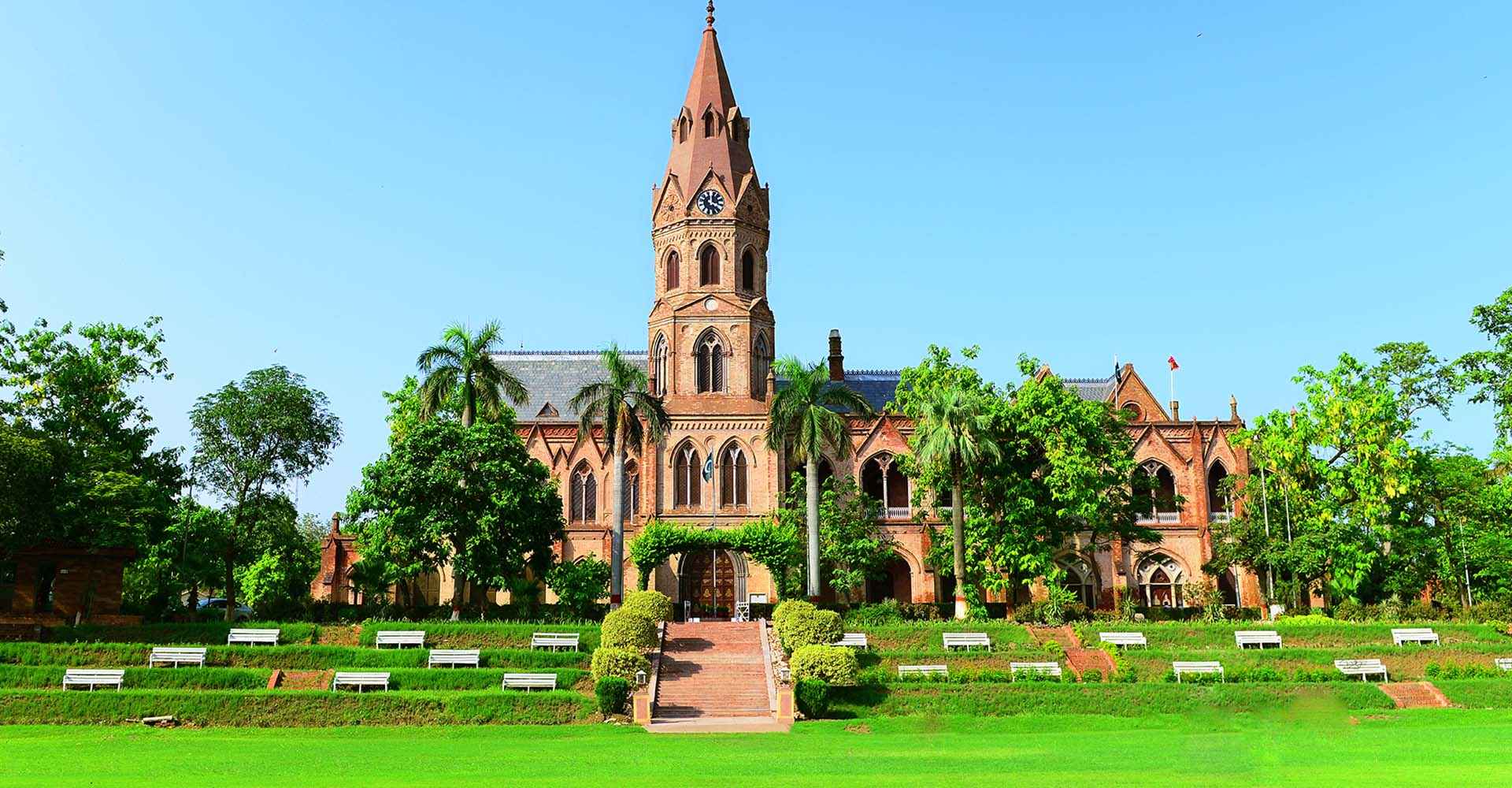
Government College University, one of Pakistan’s oldest institutions of higher learning, sits nearby with its recognisable Gothic-style architecture. The University of the Punjab, one of the region’s largest universities, is a short drive away.
The National College of Arts, known for its role in design and fine arts education, is close enough that its students have been directly involved in cultural mapping projects around the bazaar itself.
Sacred Heart School also sits in the vicinity, rounding out a neighbourhood that mixes commerce, history and education in a way few other parts of Lahore manage.
Tips for Visiting Anarkali Bazaar Lahore
Weekday mornings in the Anarkali Bazaar Lahore tend to be calmer than weekend evenings, which is worth keeping in mind if crowds are not your thing. Comfortable shoes matter more than anything else, since the lanes involve a fair amount of walking on uneven ground.
Bargaining is part of the culture here, and a polite, unhurried approach tends to work better than an aggressive one. Cash is still king at most stalls, so carrying enough on hand avoids unnecessary back-and-forth.
It is also worth wandering off the main lanes into the side streets, where some of the more interesting antique and handicraft stalls tend to be set back from the main foot traffic.
FAQs – Anarkali Bazaar Lahore
It is known for being one of the oldest markets in Lahore and South Asia, its street food in Old Anarkali, and its traditional clothing, jewelry, and handicrafts in New Anarkali.
It sits on Mall Road in Lahore, extending from the Lohari Gate of the Walled City across to the Mall, making it easy to reach from most central parts of the city.
The name comes from a nearby mausoleum believed to contain the remains of Anarkali, a courtesan associated with a well-known Mughal-era legend involving Emperor Akbar and Prince Salim.
Yes. It offers a mix of history, food, and shopping that is hard to find in one place elsewhere in Lahore, though first-time visitors should expect crowds and narrow lanes.
Yes, bargaining is a normal and expected part of shopping here, and vendors generally expect some back-and-forth on price.
BBC-featured Content Specialist with a sharp eye for search intent and a proven ability to turn content into a growth engine. I leverage cutting-edge digital marketing tools to craft strategies that fuel organic traffic, amplify brand growth, and own the local SEO landscape, particularly across the competitive real estate market. I help brands dominate search rankings and convert visibility into measurable business success.
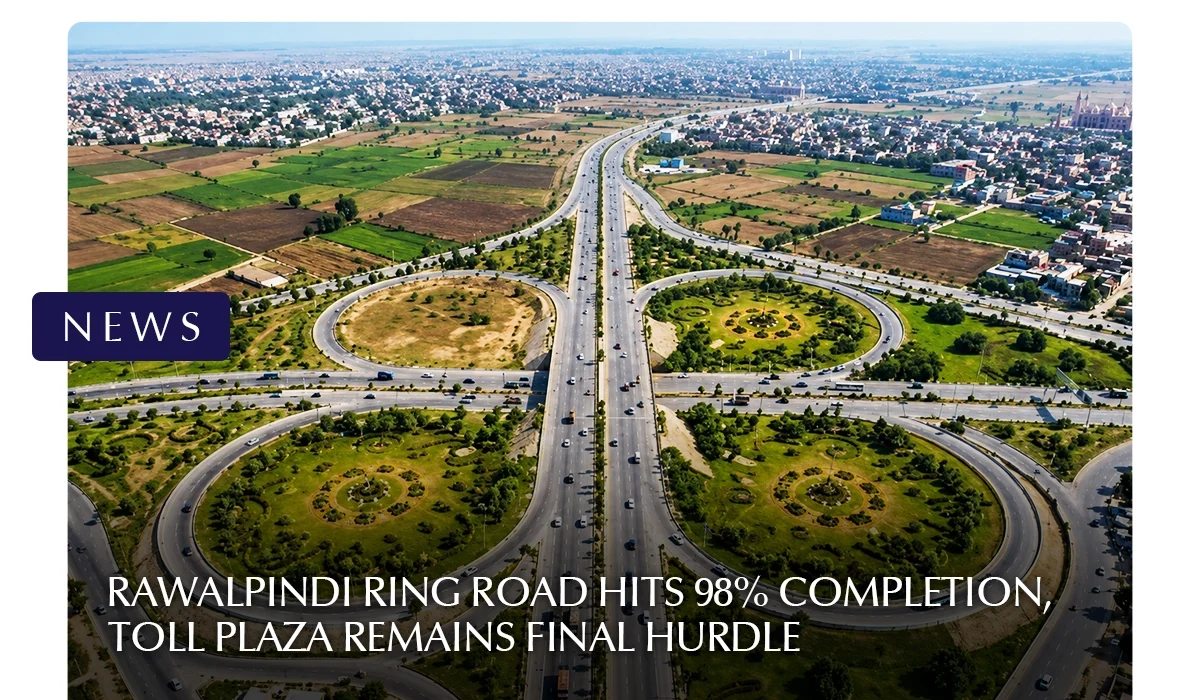
RAWALPINDI: The Rawalpindi Ring Road project has reached 98 percent completion, with installation of the toll plaza the only major work remaining before the highway opens to traffic.
The update was shared during a review meeting chaired by the Rawalpindi Divisional Commissioner. Officials confirmed that the Punjab Ring Road Authority will install and operate the toll plaza, collect tolls at government-approved rates, and oversee traffic management on the route once operational.
Spanning 38.3 kilometres, the Ring Road has completed construction of its main carriageway, flyovers, subways, interchanges, bridges, and other civil infrastructure. Installation of road barriers, lane markings, signboards, and streetlights has also been finalized.
The Punjab government has released more than Rs. 29 billion for the project to date, with the remaining funds expected within one to two weeks, according to officials.
During the review, the commissioner directed authorities to expedite the outstanding work, accelerate landscaping and tree plantation along both sides of the corridor, and establish a dedicated policing and traffic management system ahead of the road’s opening.
Officials further confirmed that construction of the Thalian Interchange will proceed as a separate project once the Ring Road becomes operational.
Once functional, the Ring Road is expected to divert heavy traffic away from Rawalpindi’s urban core, easing congestion on GT Road, Peshawar Road, Murree Road, and other major arteries. Authorities anticipate the project will reduce travel times, cut fuel consumption, and lower vehicular air pollution across the city.
The project marks one of the most significant infrastructure undertakings in the twin cities in recent years, with completion now widely anticipated in the coming weeks.
BBC-featured Content Specialist with a sharp eye for search intent and a proven ability to turn content into a growth engine. I leverage cutting-edge digital marketing tools to craft strategies that fuel organic traffic, amplify brand growth, and own the local SEO landscape, particularly across the competitive real estate market. I help brands dominate search rankings and convert visibility into measurable business success.
Lahore has long been known as one ofPakistan’s biggest hubs for furniture shopping, and its furniture markets in Lahore continue to grow every year in both size and variety. Whether you’re setting up a new home, renovating an office, or simply looking to replace an old sofa, the furniture markets in Lahore offer something for every budget and taste.
This guide covers the best furniture markets in Lahore for every budget. It also explains the wholesale furniture market in Lahore, the cheap furniture market in Lahore options, and the second hand furniture market in Lahore, with prices and locations for each.
From centuries-oldwholesale markets to modern showroom clusters scattered across the city, this guide walks you through every major area you should know before you start shopping.
Quick Overview of Furniture Markets in Lahore
Before diving into details, here’s a quick snapshot of the major furniture markets in Lahore so you can decide which one matches your needs.
Lahore is home to some of the most diverse and well-established furniture markets in the country, each offering its own mix of styles, price points, and craftsmanship. This section breaks down the major markets across the city, helping you find exactly where to go based on your needs and budget.
Ichhra Market
Ichhra is one of the oldest and best-known furniture markets in Lahore, especially popular among people looking for custom-made pieces. This market is packed with skilled carpenters and small workshops that can build furniture to your exact specifications, from bed frames to dining sets. Prices here are generally lower than in showroom-based markets because you’re often dealing directly with the manufacturer rather than a retailer.
The Ichra furniture market is easy to reach, since it sits on Ferozepur Road. Buyers often visit it for sofas, beds, upholstery and curtains in one trip. Prices vary by wood type and workmanship, so it helps to ask for a written quote before ordering.
Furniture Market Ashrafia (Ferozepur Road)
Just along the Ferozepur Road service road, Furniture Market Ashrafia is a distinct destination among furniture markets in Lahore, separate from the main Ichhra stretch. It’s particularly known for solid wood furniture; locals often mention the quality of “mother wood” pieces here at reasonable, mid-range prices. This makes it a good stop if you want something sturdier than budget MDF furniture without paying premium showroom rates.
Main Market Gulberg
Gulberg is home to some of the most established furniture markets in Lahore, catering largely to office and premium residential furniture buyers. You’ll find well-known local names like Mohkam Furnishers here, known for handmade, long-lasting pieces. This area tends to attract buyers who prioritise craftsmanship and are willing to pay a bit more for durability and design.
Shoppers who search for the furniture market Main Market Lahore are usually looking for this Gulberg stretch. It has ready-made and custom furniture for homes and offices. Rates here are higher than in most budget markets, so check current prices before buying.
PIA Road
For shoppers on a tighter budget, PIA Road is one of the most practical furniture markets in Lahore to visit. This stretch is dominated by shops selling ready-made sofa sets, beds, and dining tables at competitive prices, making it ideal for young families or first-time apartment renters.
Shah Alam Market
Shah Alam is a historic wholesale hub and remains one of the busiest furniture markets in Lahore for bulk buyers, shopkeepers, and antique collectors. If you’re a retailer looking to stock up or have a taste for vintage and handcrafted wooden furniture, this is where you’ll find the widest selection at wholesale rates.
Multan Road Cluster
The Multan Road cluster has quietly become one of the more active furniture markets in Lahore in recent years. This area includes several standalone stores such as Furniture Sale Mela and the Furniture Market Area near the PTCL Exchange, offering a mix of budget and mid-range furniture without the congestion of older inner-city markets.
Allama Iqbal Town
Allama Iqbal Town’s Karim Block area has become a solid mid-range destination among furniture markets in Lahore. Local stores here often carry unique, contemporary designs that aren’t found in the older markets.
DHA / Defence Road & Khayaban-e-Jinnah
If budget isn’t a constraint, Defence Road is arguably the most upscale furniture markets in Lahore. This area features polished showrooms with imported materials and premium finishes, including well-regarded names like EleganXa and Crown Furniture & Interior.
Nearby on Khayaban-e-Jinnah, Home Design Furniture Store is another notable option in this pocket, known for timely delivery alongside quality pieces, a combination not always guaranteed at other furniture markets in Lahore.
Wapda Town / Model Town
Wapda Town and nearby Model Town host newer furniture markets in Lahore that blend traditional retail with online ordering, such as FurnitureHub.pk, which operates both a physical store and an online catalogue.
Cantt (Sultan Park Area)
The Cantonment area, particularly around Sultan Park on Main Academy Road, is home to Living Space Furniture, one of the more consistent, higher-rated furniture markets in Lahore for buyers wanting good quality at reasonable prices without heading into the busier central markets.
Fortress Stadium
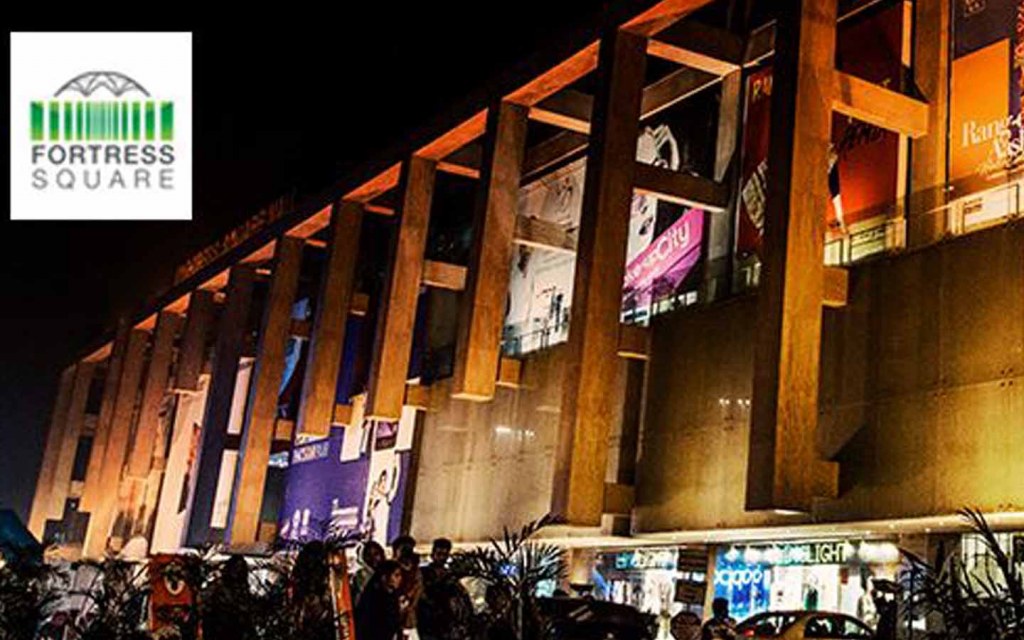
Fortress Stadium’s Rawalpindi Block is a smaller but notable stop among furniture markets in Lahore, home to AM Furniture, known for combining top-notch quality with reasonable pricing. It’s a good option if you’re in the Cantt/Fortress area and want a reliable, no-hassle shopping experience.
Hali Road
Just off Gulberg, Hali Road hosts Gourmet Furnishers, offering reliable, affordable furniture that bridges the gap between budget markets and Gulberg’s premium pricing. This makes it a useful stop for buyers who want Gulberg-adjacent convenience without the premium markup.
Bund Road / Daroghewala
Near Model Kanta, the Bund Road and Daroghewala area is one of the lesser-known furniture markets in Lahore, home to Bissmillah Furniture Mart, which supplies furniture accessories and budget pieces to both individual buyers and smaller retailers.
Shah Di Khoi (Mir Street)
Opposite Shamim Medical Complex, the Shah Di Khoi area is where you’ll find FurnitureZone.pk, a hybrid online-and-in-store option among furnituremarketsinLahore that’s earned a strong reputation for delivering good value for the quality it provides.
Other Notable Markets Worth Knowing
A few additional names come up repeatedly across furniture markets in Lahore without being tied to one specific commercial hub, but are worth knowing if you’re shopping around: Old Neelam Ghar Furniture Market (a well-regarded wholesaler), Hussnain Furniture / FurnitureIdea.pk (known for budget-friendly options), and Tahir Islam Furniture Outlet (praised for professional service). These are smaller, standalone stores rather than full market clusters, but they’re frequently recommended by local shoppers.
Best Furniture Markets in Lahore by Category
Different furniture markets in Lahore specialise in different types of furniture, so here’s a quick breakdown by category to help you shop smarter.
Best for Budget Furniture: PIA Road, Multan Road cluster, and Bund Road/Daroghewala consistently offer the lowest prices.
Best for Custom-Made Furniture: Ichhra Market and Shah Di Khoi remain top choices among furniture markets in Lahore for anyone seeking pieces built to specific measurements.
Best for Office Furniture: Main Market Gulberg, DHA and McLeod Road
Best for Wholesale or Bulk Buying: Shah Alam Market and Old Neelam Ghar Furniture Market are ideal for retailers or large-scale buyers.
Best for Reliable Mid-Range Shopping: Cantt, Fortress Stadium, and Hali Road all offer a good balance of quality and price without going fully premium.
Best for Used or Second-Hand Furniture: Several furniture markets in Lahore, particularly around Ichhra and Shah Alam, also have nearby shops selling gently used furniture at a fraction of retail price.
Best for Premium and Reliable Quality: Fortress Stadium
Best Furniture Market in Lahore: Which One Should You Choose?
The best furniture market in Lahore depends on budget and purpose. No single market wins on every point. Use this short guide to pick one.
Biggest range and wholesale: Shah Alam Market
Custom-made pieces: Ichhra Market
Budget sofas and beds: PIA Road
Solid wood at mid-range prices: Furniture Market Ashrafia
Premium and office furniture: Main Market Gulberg and DHA
For most first-time buyers, PIA Road or Ichhra is a practical starting point. Buyers who want more design choices can add Gulberg or DHA to their route.
Wholesale Furniture Market in Lahore
Shah Alam Market is generally considered the main wholesale furniture market in Lahore. It is a historic hub for retailers, shopkeepers and bulk buyers. Old Neelam Ghar Furniture Market is another name bulk buyers mention. Multan Road is also worth a visit for workshop-direct furniture.
Wholesale Furniture Market in Lahore with Price
Wholesale prices depend on quantity, wood type and finish. The table shows the per-piece price range for each market. Bulk rates are negotiated per order.
Market
Best For
Price Range
Shah Alam Market
Bulk buying, antiques
Rs. 8,000 – 60,000
Multan Road Cluster
Workshop-direct, mixed budget
Rs. 12,000 – 70,000
Bund Road / Daroghewala
Budget pieces, accessories
Rs. 8,000 – 40,000
Wholesale Furniture Market in Lahore with Price OLX
Many buyers also search for a wholesale furniture market in Lahore with price OLX listings. OLX can help buyers compare asking prices before they visit a market. Treat listing prices as a guide only. Check the piece in person and confirm the final price in writing.
Bulk buyers should also:
Ask for a written quote that lists quantity, wood type and finish.
Confirm delivery and payment terms before paying.
Check a sample piece before placing a large order.
Cheap Furniture Market in Lahore
Lahore has several areas that work as a cheap furniture market in Lahore for new homes and rentals. PIA Road, Multan Road and Bund Road/Daroghewala are the most budget-friendly. Shah Alam also has low entry prices for basic pieces.
Cheapest Furniture Market in Lahore
PIA Road, Multan Road and Bund Road/Daroghewala tend to offer the lowest prices. Bund Road has the lowest starting range, but it focuses on accessories and budget pieces. For complete sofa and bed sets, PIA Road is usually the cheapest furniture market in Lahore.
Low prices often mean MDF or particleboard. Ask about the wood type and compare at least three shops before paying.
Cheapest Furniture Market in Lahore Online Shopping
People who search for the cheapest furniture market in Lahore online shopping options can also use stores that sell both online and in person.FurnitureZone.pk,FurnitureHub.pk andFurnitureIdea.pk are examples covered in this guide.
Before ordering online, ask for real photos and exact sizes. Confirm the wood type, delivery fee and return policy in writing.
Second Hand Furniture Market in Lahore
Buyers looking for a second hand furniture market in Lahore usually start near Ichhra and Shah Alam. Both areas have nearby shops that sell gently used furniture at lower prices than new pieces. OLX listings are another option, but the piece should always be inspected in person.
What to Check Before Buying Used Furniture
Joints and frame: Press and shake the piece. Wobbling joints are a warning sign.
Wood condition: Look for cracks, damp patches and small insect holes.
Drawers and hinges: Open and close each one.
Upholstery: Check the foam, stains and any smell.
Price: Compare it with the price of the same item new.
How to Negotiate
Point out flaws politely and compare the offer with new prices. Ask whether delivery is included before agreeing on a final amount.
Best Furniture Shops in Lahore with Price
The shops below are named in this guide. Price tier follows the area’s range in the price tables on this page.
Shop
Area
Known For
Area Price Tier
Mohkam Furnishers
Gulberg
Handmade, long-lasting pieces
Premium
EleganXa
DHA / Defence Road
Imported materials, premium finishes
Premium
Crown Furniture & Interior
DHA / Defence Road
Polished showroom
Premium
Home Design Furniture Store
Khayaban-e-Jinnah
Quality and timely delivery
Premium
Living Space Furniture
Cantt (Sultan Park)
Consistent quality, reasonable prices
Mid-to-premium
AM Furniture
Fortress Stadium
Quality with reasonable pricing
Premium
Gourmet Furnishers
Hali Road
Reliable, affordable pieces
Mid-range
Bissmillah Furniture Mart
Bund Road / Daroghewala
Accessories and budget pieces
Budget
Average Furniture Prices Across Lahore’s Markets
Pricing varies significantly depending on which furniture markets in Lahore you visit, the material used, and whether the piece is custom-made or ready-made. The table below shows the best furniture markets in Lahore with price ranges for common items, by budget tier.
Furniture Item
Budget Market (PIA Rd, Bund Rd)
Mid-Range (Iqbal Town, Cantt, Hali Rd)
Premium (Gulberg, DHA, Fortress)
Sofa Set (5-seater)
Rs. 25,000 – 45,000
Rs. 45,000 – 80,000
Rs. 90,000 – 200,000+
Bed Set (Queen)
Rs. 20,000 – 40,000
Rs. 40,000 – 70,000
Rs. 80,000 – 150,000
Dining Table (6-seater)
Rs. 18,000 – 35,000
Rs. 35,000 – 60,000
Rs. 65,000 – 140,000
Office Desk
Rs. 12,000 – 25,000
Rs. 25,000 – 45,000
Rs. 50,000 – 100,000
These figures are approximate and can shift depending on wood type (Sheesham, Kikar, MDF), fabric quality, and seasonal demand.
Tips Before Visiting Furniture Markets in Lahore
Shopping at furniture markets in Lahore can be overwhelming given the sheer number of options, so keep these tips in mind:
Compare at least 3 shops before committing, since prices for similar-looking pieces can vary by 20-30% within the same market.
Check the wood type carefully. Sheesham and solid wood cost more but last significantly longer than MDF or particleboard.
Negotiate respectfully. Bargaining is common across most furniture markets in Lahore, particularly in older markets such as Shah Alam and Bund Road.
Ask about delivery and assembly, especially at showroom-based markets like DHA and Fortress Stadium.
Visit lesser-known areas like Hali Road or Shah Di Khoi if you want good quality without Gulberg or DHA pricing.
Frequently Asked Questions
Which is the biggest furniture market in Lahore?
Shah Alam Market is generally considered the largest and oldest furniture market in Lahore, known for wholesale trade.
What is the cheapest furniture market in Lahore?
PIA Road, Multan Road, and Bund Road/Daroghewala tend to offer the most budget-friendly options.
Is Ichhra Market good for custom furniture?
Yes, Ichhra is widely regarded as one of the best options for custom-made and made-to-order furniture in Lahore.
Where can I find a second hand furniture market in Lahore?
Sections near Ichhra and Shah Alam often carry used or second-hand furniture at lower prices than new pieces. Inspect joints, wood and upholstery in person before paying.
Which area is best for office furniture in Lahore?
Main Market Gulberg and DHA are the top choices for executive and corporate office furniture.
Are there good furniture markets in Lahore outside the main city centre?
Yes, Cantt, Fortress Stadium, and Wapda Town all offer reliable options without needing to travel into the busier inner-city markets.
What is the best furniture market in Lahore?
Shah Alam Market is the biggest, Ichhra is best for custom work, and PIA Road is best for budget buyers. The best furniture market in Lahore depends on budget and purpose. Gulberg and DHA suit premium and office buyers.
Which are the best furniture markets in Lahore with price details?
Ichhra, Main Market Gulberg, PIA Road and Shah Alam are among the best furniture markets in Lahore with price ranges in this guide. Single items run from about Rs. 8,000 in budget markets to over Rs. 200,000 in premium areas.
Where can I find a wholesale furniture market in Lahore with price ranges?
Shah Alam Market is the main wholesale furniture market in Lahore, with prices from about Rs. 8,000 to Rs. 60,000 per piece. Multan Road is another option for workshop-direct furniture. Bulk rates depend on quantity and wood type.
Is the Ichra furniture market good for buying furniture?
Yes. The Ichra furniture market is one of the oldest in Lahore and is popular for custom-made sofas, beds and upholstery. Many shops are small workshops, so buyers can order to size. Compare quotes before paying.
Where is the furniture market Main Market Lahore located?
The furniture market Main Market Lahore shoppers look for is in Gulberg. It has ready-made and custom furniture, with a focus on premium and office pieces.
What are the best furniture shops in Lahore with price tiers?
Mohkam Furnishers in Gulberg, EleganXa and Crown Furniture & Interior in DHA, Living Space Furniture in Cantt and Gourmet Furnishers on Hali Road are named in this guide. Prices run from mid-range to premium by area.
Final Thoughts
Whether you’re after budget-friendly essentials or premium designer pieces, the furniture markets in Lahore offer a genuinely wide range of choices spread across the city, from the historic wholesale lanes of Shah Alam to the contemporary showrooms of DHA and lesser-known but reliable pockets like Hali Road and Shah Di Khoi.
Whether the goal is the best furniture markets in Lahore for a premium home, a cheap furniture market in Lahore for a first flat, a wholesale furniture market in Lahore for bulk stock, or a second hand furniture market in Lahore for a lower-cost option, the right pick depends on budget and purpose.
Taking the time to visit two or three markets before making a decision will help you find furniture that truly fits both your style and your budget.
Dedicated and detail-oriented SEO Content Writer, Real Estate Writer, and Research Analyst based in Islamabad, with proven expertise in developing accurate, valuable, and well-researched content. Skilled in analytical writing, market research, and reporting, with the ability to turn insights into clear, professional, and impactful content. Passionate about exploring new ideas, analyzing industry trends, and contributing to high-quality writing and research-driven projects.
ISLAMABAD: The Senate Standing Committee on Religious Affairs held a heated debate this week over a proposed law that would entitle divorced women to a 50 percent share in their former husband’s property, ultimately deciding to seek guidance from the Council of Islamic Ideology before proceeding further. The session, chaired by Senator Atta-ur-Rehman, took place at Parliament House.
The private member’s bill, introduced by Senator Syed Ali Zafar, seeks to provide financial protection to women, particularly those who have spent decades in marriage supporting their households without independent income.
Zafar argued that many divorced women, especially after unions lasting 40 years or more, are left without adequate housing or financial security despite years of unpaid domestic labour.
His proposal would allow a clause to be inserted into marriage contracts granting the wife a 50 percent property share upon divorce, citing comparable legal frameworks in Iran, Syria, Libya, Jordan, Malaysia, the United Kingdom, and India.
The bill drew mixed reactions. Senator Bushra Anjum Butt argued that husbands’ financial interests should also be safeguarded in cases where wives are the stronger earners. Senator Hafiz Abdul Karim rejected the bill as currently framed, insisting that legislation should be grounded in Islamic principles rather than Western models, maintaining that Islam already affords women adequate protections.
However, Senator Sarmad Ali pushed back, cautioning against assuming Turkish or Iranian laws are inherently un-Islamic, while Senator Dinesh Kumar pointed out that similar protections already exist under Hindu personal law in Pakistan.
Committee chairman Atta-ur-Rehman reiterated that no legislation could contradict the Quran and Sunnah, a position echoed by Federal Minister for Religious Affairs Sardar Muhammad Yousuf, who supported referring the matter to the Council of Islamic Ideology. The committee will either forward the bill for religious review or invite Council representatives to its next session before reaching a final decision.
Dedicated and detail-oriented SEO Content Writer, Real Estate Writer, and Research Analyst based in Islamabad, with proven expertise in developing accurate, valuable, and well-researched content. Skilled in analytical writing, market research, and reporting, with the ability to turn insights into clear, professional, and impactful content. Passionate about exploring new ideas, analyzing industry trends, and contributing to high-quality writing and research-driven projects.
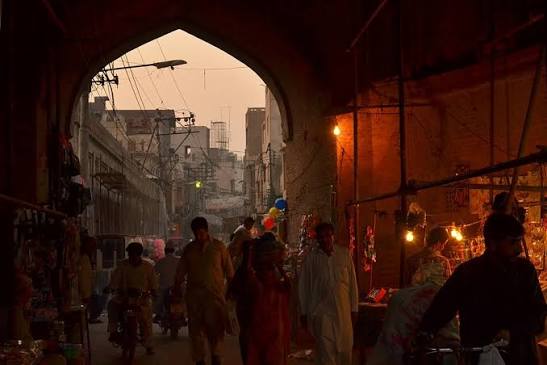
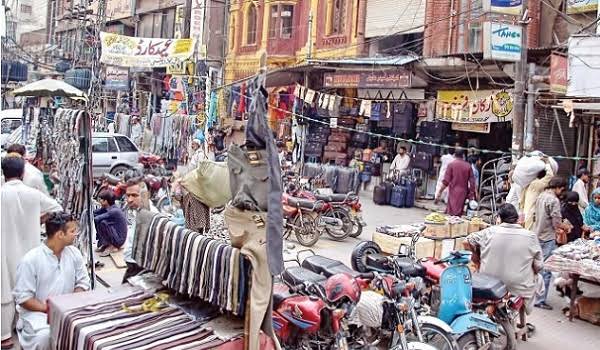
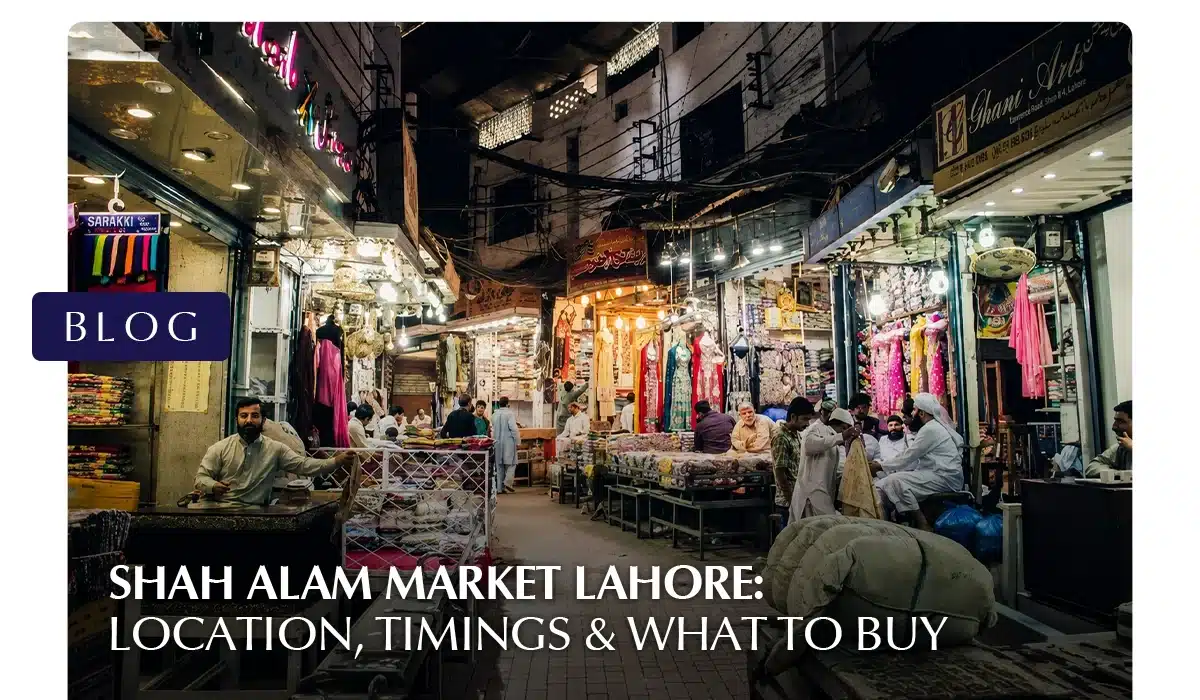
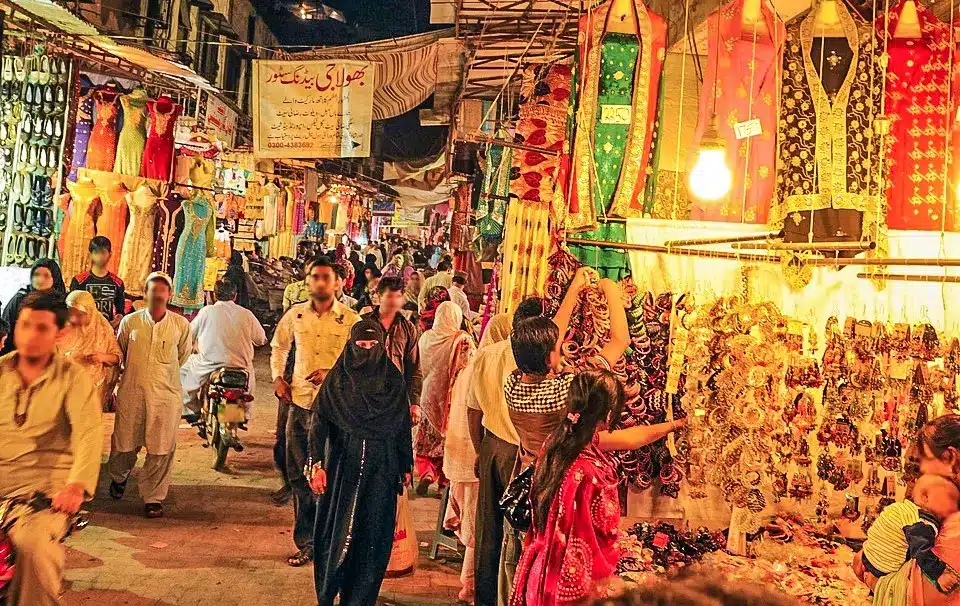
Shah Alam Market is one of the oldest and busiest commercial centers in Lahore, Pakistan. Known locally as Shahalmi or Shah Almi Market, it sits at the heart of the Walled City and draws traders, retailers, and everyday shoppers from across the country. With more than 25 bazaars packed into a sprawling network of lanes, Shah Alam Market Lahore remains one of the few places where centuries of history and modern-day wholesale trade coexist.
This guide covers everything worth knowing about the market: its origins, the exact location of the Shah Alam market, what you can buy there, when to visit, and how to get there without getting lost in its narrow streets.
The History Behind Shah Alam Market
The market takes its name from the Shah Alami Gate, one of the twelve historic gates of Lahore’s Walled City. The gate itself was named after Mughal emperor Shah Alam I, son of Aurangzeb, though before his rule it was known as the Bherwala Gate.
The gate was destroyed during the riots that accompanied the 1947 partition, and only its name lives on today through the market and neighborhood built around its former site.
Before partition, the Shah Alami area was largely home to Hindu-owned businesses and a predominantly Hindu population. Following the mass migration of 1947, the area was resettled, and the market gradually grew into the trading center it is today.
Over the decades, it expanded into a dense cluster of specialized bazaars, each known for a different category of goods, including the well-known Pappar Mandi, Rang Mahal, Bottle Bazaar, and Sarafa Bazaar.
Shah Alam Market Location: Where Exactly Is It?
Understanding the Shah Alam market location is the first step to planning a visit, since the area is dense and not always easy to navigate by car. The market sits inside Lahore’s Walled City, right next to Mayo Chowk, which is itself located beside the Mayo Hospital gate. From Mayo Chowk, a one-way road leads directly into the market’s entrance.
The broader Shah Alam market Lahore location places it close to other historic landmarks, including Minar-e-Pakistan, Lahore Fort and Badshahi Mosque, all within a short distance. This makes the market a natural stop for anyone already exploring the old city’s heritage sites, not just a destination for wholesale shopping.
Shah Alam Market Lahore Location: Getting There
Because of the narrow streets and heavy footfall, reaching the market works best with a bit of planning:
By road: Coming from Gulberg, Model Town, or DHA, take Ferozepur Road onto the Lahore Ring Road and exit near Azadi Chowk. From there, follow signs toward Circular Road, then turn toward Shahalmi Gate. Parking directly at the market is limited, so many visitors park a short distance away and walk in.
By public transport: The Metro Bus stops at Azadi Station or Timber Market Station are both a short rickshaw ride from the market. Local buses and wagons also stop frequently along Circular Road.
On foot: Given how compact the Walled City is, walking is often the fastest way to move between the market’s different bazaars once you’ve arrived.
What You Can Buy at Shah Alam Market
Shah Alam Market built its reputation on wholesale pricing, and that variety is still its biggest draw. Shoppers and retailers head here for:
Clothing and fabrics: From ready-made shalwar kameez to fabric by the meter, the market’s textile shops cater to both individual buyers and shopkeepers stocking up for resale.
Baby garments: A dedicated section of the market specializes in newborn and toddler clothing, sold in bulk to retailers from across Punjab.
Toys: Several lanes are lined with toy shops selling everything from basic plastic toys to battery-operated cars, popular with both bulk buyers and families.
Perfumes and attars: Local and imported fragrances are sold here at prices well below retail, making the perfume section a favorite for small business owners.
Crockery and kitchenware: Basic utensils, dinner sets, and steel home items are available at wholesale rates.
Electric goods: Wiring accessories, switches, and lighting fixtures are sold here at prices that attract electricians and small contractors.
Jewellery and handicrafts: The Sarafa Bazaar section is known for gold and silver jewellery, while nearby shops sell handmade décor and traditional crafts.
Food: Street food stalls and traditional eateries operate throughout the market, especially in the early morning hours before the shops fully open.
Shah Alam Market Timings
Most shops in the market follow standard trading hours from late morning through the afternoon, though food stalls open much earlier. Since individual shop hours can vary, it’s worth checking with a specific vendor before heading out, especially if you’re planning to visit a particular shop for baby garments, toys, or perfumes.
Unlike many other markets in Lahore that close on Sundays, Shah Alam Market stays open seven days a week, including Sundays, which tend to be the busiest day given that it’s a public holiday for most other businesses.
Why Shah Alam Market Still Matters
Shah Alam Market isn’t just a shopping destination; it’s a working piece of Lahore’s economic and cultural fabric. Thousands of shopkeepers, wholesalers, and support staff rely on the market for their livelihoods, and its wholesale pricing structure makes it a key source of supply for retailers across Punjab.
At the same time, its location within the Walled City, close to Lahore Fort and Badshahi Mosque, keeps it connected to the city’s historic identity rather than being just another commercial zone.
FAQs – Shah Alam Market
Where is Shah Alam Market located?
The market is located inside Lahore’s Walled City, next to Mayo Chowk, close to Mayo Hospital and within walking distance of Lahore Fort and Badshahi Mosque.
What is Shah Alam Market famous for?
It is known as one of the largest wholesale markets in Pakistan, with more than 25 specialized bazaars covering clothing, toys, perfumes, crockery, electric goods, and jewellery.
Is Shah Alam Market open on Sundays?
Yes. Unlike most markets in Lahore, it remains open on Sundays, which is often its busiest day.
What is the best time to visit Shah Alam Market?
Late afternoon tends to be less crowded than midday, making it easier to browse shops without the heaviest foot traffic.
Is Shah Alam Market only for wholesale buyers?
No. While it’s a major wholesale hub, individual retail shoppers are welcome and often find prices lower than typical retail markets elsewhere in the city.
BBC-featured Content Specialist with a sharp eye for search intent and a proven ability to turn content into a growth engine. I leverage cutting-edge digital marketing tools to craft strategies that fuel organic traffic, amplify brand growth, and own the local SEO landscape, particularly across the competitive real estate market. I help brands dominate search rankings and convert visibility into measurable business success.
ISLAMABAD: Pakistan’s tax administration is set to shift toward an artificial intelligence-led engagement model, with human intervention between the tax authority and taxpayers reduced to a minimum, Finance Minister Muhammad Aurangzeb said while addressing a banking summit in Karachi.
The minister noted that Parliament has approved a new tax administration structure under which taxpayer notices will now be issued through AI-led systems, marking a shift from the traditional, human-dependent compliance process.
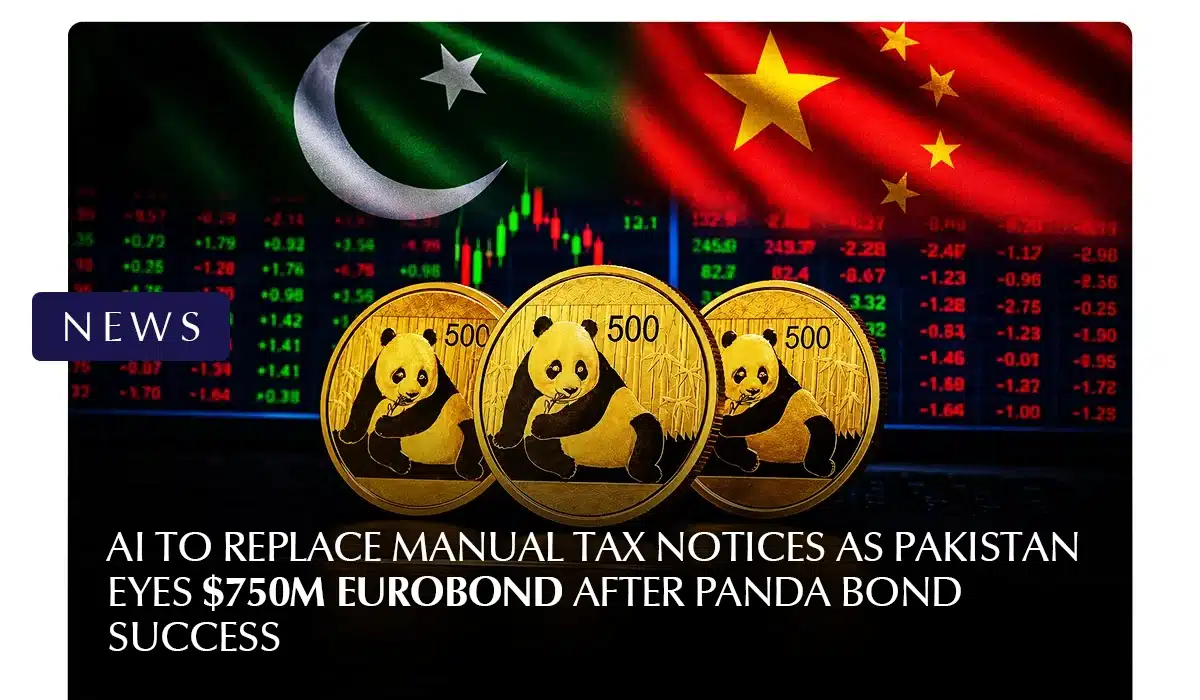
On external financing, Aurangzeb expressed optimism over Pakistan’s entry into international bond markets, citing the recent Panda Bond issuance as a notable milestone despite the country’s late arrival in China’s capital markets. The bond, launched in mid-May, raised the equivalent of $250 million in yuan and attracted demand exceeding five times its target.
The government is now preparing additional Eurobonds and sukuk, with upcoming instruments structured as dollar-settled, rupee-linked bonds, a first for Pakistan. Requests for proposals have been sent to international investors to gauge pricing and demand.
Following Pakistan’s re-entry into the international bond market after a four-year gap, strong Eurobond demand has created room to raise issuance size to $750 million, the minister said.
On capital markets, Aurangzeb said activity drivers mattered more than headline index figures, citing a growing investor base, including Gen Z participants, and a return to double-digit corporate profitability.
On fiscal policy, he said this year’s budget was formulated for the first time by the Tax Policy Office, now under the Finance Division, with focus on export-led growth through removal of the advance and super taxes.
Pakistan Banks’ Association Chairman Zafar Masood added that the banking sector paid over Rs1 trillion in annual taxes, with agriculture lending up 39 percent, housing lending up 90 percent, and SME lending growth exceeding 111 percent year-on-year.
BBC-featured Content Specialist with a sharp eye for search intent and a proven ability to turn content into a growth engine. I leverage cutting-edge digital marketing tools to craft strategies that fuel organic traffic, amplify brand growth, and own the local SEO landscape, particularly across the competitive real estate market. I help brands dominate search rankings and convert visibility into measurable business success.
KARACHI: The Sindh government and the International Finance Corporation (IFC) have agreed to explore collaboration across multiple development sectors, including digital infrastructure, renewable energy, agriculture, healthcare, and social protection.
The agreement followed a meeting between Sindh Chief Minister Syed Murad Ali Shah and IFC Division Director for Pakistan Simon Andrews, held at the CM House.
During the meeting, CM Murad outlined Sindh’s plans to attract investment in strategic sectors. These include establishing an international data centre within the province and expanding private-sector renewable energy generation.
Discussions also covered strengthening agriculture value chains, improving storage and processing facilities, and enhancing farmer livelihoods through mechanisation.
The IFC expressed interest in supporting healthcare, nutrition, and skills development initiatives, including Sindh’s ongoing programme to reduce child stunting.
Nursing sector reforms also featured prominently in the discussion. The Sindh government aims to produce at least 15,000 nurses annually. Both sides agreed to collaborate on developing a comprehensive nursing education and training model to meet this target.
A separate segment of the meeting focused on climate-resilient infrastructure. The IFC’s Sustainable Infrastructure Advisory Team offered technical assistance for climate risk assessment in public-private partnership (PPP) projects.
In response, Sindh’s PPP Unit requested support in three areas: capacity building, development of climate resilience guidelines, and integration of climate risk tools into project planning processes.
Provincial Minister Jam Khan Shoro, Chief Secretary Asif Hyder Shah, and Finance Secretary Fayaz Jatoi were among the officials present at the meeting.
Both parties are expected to continue discussions to formalise areas of cooperation in the coming months.
BBC-featured Content Specialist with a sharp eye for search intent and a proven ability to turn content into a growth engine. I leverage cutting-edge digital marketing tools to craft strategies that fuel organic traffic, amplify brand growth, and own the local SEO landscape, particularly across the competitive real estate market. I help brands dominate search rankings and convert visibility into measurable business success.
ISLAMABAD: The government has introduced fresh tax relief for the real estate sector to restore investor confidence and boost stalled investment, according to Federal Parliamentary Secretary for Planning and Development Hafiz Mian Muhammad Nauman.
Speaking at a seminar organised by the Lahore Chamber of Commerce and Industry (LCCI), Nauman said the construction and real estate sectors support around 70 allied industries and play a major role in job creation. He stressed the need to shift from unchecked horizontal expansion of cities to vertical urban development.
LCCI President Faheemur Rehman Saigol welcomed the relief measures, which include a cut in withholding tax on property purchases from 2.5% to 1.25%, and on sales from 5.5% to 2.75%, along with the abolition of Section 7E. He said these steps would help rebuild investor trust, though he urged the government to extend reduced FBR property valuation rates to other housing societies for equal treatment across the sector.
Nauman said he had raised real estate reform with Prime Minister Shehbaz Sharif nearly a year ago, pushing for a comprehensive construction package. He noted that unchecked urban sprawl has shrunk green spaces around major cities, with Lahore now spreading into Sheikhupura and Kasur. Nearly 150,000 to 200,000 residential plots remain vacant within Lahore alone, he said, making a strong case for vertical development.
He called the removal of Section 7E a major relief for property owners, noting that taxing non-income-generating assets had discouraged investment.
On affordable housing, Nauman said high financing costs keep home ownership out of reach for most citizens. He urged banks to offer long-term mortgage financing spanning 15 to 20 years, similar to models used in developed countries.
BBC-featured Content Specialist with a sharp eye for search intent and a proven ability to turn content into a growth engine. I leverage cutting-edge digital marketing tools to craft strategies that fuel organic traffic, amplify brand growth, and own the local SEO landscape, particularly across the competitive real estate market. I help brands dominate search rankings and convert visibility into measurable business success.