50 Best Restaurants in Lahore for Family
Lahore has never needed an excuse to eat well. From smoky barbecue and old-school Chinese favorites to rooftop dinners, Japanese plates, Italian comfort food, and modern café menus, the city’s restaurant scene covers almost every mood and craving. This list brings together some of the best restaurants in Lahore for family, with a quick look at what each one does best, the atmosphere you can expect, and the dishes worth knowing before you book a table.
List of Best Restaurants in Lahore for Family
| S.No. | Best Restaurants in Lahore for Family Names | Location / Address in Lahore | Contact Number | Socials | Website |
| 1 | Asian Wok | CP-113, Fairways Commercial Raya, DHA Phase 6, Lahore | 042-32365121 / 0326-8120739 | @asianwok.pk | asianwok.pk |
| 2 | The Monal | Park and Ride Plaza, Liberty Roundabout, Gulberg III, Lahore | 042-35789823 / 0324-8166625 | @themonalofficial | themonal.com |
| 3 | Veera 5 | Building No. 80, Street 6, CCA, Phase 5, DHA, Lahore | 0304-4999829 | @veera5.pk | veera5.com |
| 4 | Arcadian Café | 28-K, Gulberg II, Opposite Mobilink House, Mini Market, Lahore | 0321-9555400 | @arcadiancafe | arcadiancafe.com |
| 5 | Yum Chinese & Thai | 24 Sir Syed Road, Block K, Gulberg II, Lahore | 0311-1122101 (UAN) | @yumpakistan | yumpakistan.pk |
| 6 | Andaaz | 2189-A, Fort Road, Shahi Mohallah, Walled City, Lahore | 0300-0263229 | @andaazrestaurant | andaazrestaurant.com |
| 7 | Salt’n Pepper | 48 Commercial Zone, Liberty Market, Gulberg III, Lahore | 042-35763222 / 042-35753110 | @saltnpepper_official | saltnpepper.com.pk |
| 8 | Café Zouk | 43-L, Complex Plaza, MM Alam Road, Gulberg II, Lahore | 042-35750272 / 0300-8443929 | @cafezoukofficial | cafezouk.com |
| 9 | Café Aylanto | 12-C/1, MM Alam Road, Block C1, Gulberg III, Lahore | 042-35751886 / 0313-2952686 | @cafeaylanto | cafeaylanto.org |
| 10 | Spice Bazaar | T-01, Tipu Road, Off MM Alam Road, Gulberg, Lahore | 0311-1122103 (UAN) / 042-35759014 | @spicebazaarpk | spicebazaar.pk |
| 11 | Bundu Khan | 104-C2, MM Alam Road, Gulberg III, Lahore (Main Footprint) | 042-35723300 / 042-111-111-441 | @bundukhanlhr | bundukhan.pk |
| 12 | Fuchsia Kitchen | 119/E-1, Hali Road, Block E1, Gulberg III, Lahore | 042-35715694 / 042-35715695 | @fuchsiakitchenpk | fuchsiakitchen.com |
| 13 | Freddy’s Café | 12, C-II, MM Alam Road, Block C2, Gulberg III, Lahore | 042-35754416 / 0333-4267337 | @freddyscafelahore | linktr.ee/freddyscafelahore |
| 14 | Dera Restaurant | 12-CCA, Phase 5, DHA, Lahore; alternative: Hafeez Kardar Rd, Qaddafi Stadium | 042-111-337-211 / 0333-4888351 | Dera Restaurant Official | derarestaurant.pk |
| 15 | Paola’s Cosa Nostra | 23-A Dr Mateen Fatima Road, Block H, Gulberg, Lahore | 0304-1112166 | @cosanostra_paolas | paolascosanostra.com |
| 16 | Mei Kong | 4-CCA, Sector C, Phase 5, DHA, Lahore; also at Faisal Town & Bahria | 042-111-400-600 (UAN) / 0326-8460474 | @meikong.pk | meikong.com.pk |
| 17 | Chandni Chowk Buffet | 227 Gurumangat Road, Near MM Alam Road, Gulberg III, Lahore | 0320-4751111 / 0323-4751111 | Chandni Chowk PK | chandnichowk.pk |
| 18 | P.F. Chang’s | 17-C1, MM Alam Road, Block C1, Gulberg III, Lahore | 042-111-732-732 / 0301-8419614 | @pfchangspakistan | pfchangs.com.pk |
| 19 | Ziafat Restaurant | 26-H, Dr. Mateen Fatima Road, Gulberg II, Lahore | 0345-6789104 / 0345-6789105 | @ziafatlahore | ziafat.pk |
| 20 | Tuscany Courtyard | 16-C-1, MM Alam Road, Gulberg III, Lahore | 042-35758515 / 042-32320046 | @tuscanycourtyard.pk | N/A |
| 21 | Mandarin Kitchen | Building 23, Street 17, Sector Z, DHA Phase 3, Lahore | 042-35692969 / 0310-7771766 | @mandarinkitchenpk | mandarin.pk |
| 22 | Poet Rooftop Garden | First Floor, Lake City Mall, Raiwind Road, Lahore | 042-111-776-388 / 0327-7770828 | @poetrestaurants | poetrestaurant.com |
| 23 | Rina’s Kitchenette | Commercial Block 242 Y, Phase 3, DHA, Lahore | 0323-2222505 / 0323-2222506 | @rinaskitchenette | rinas.pk |
| 24 | Bukhara (Pearl Continental) | Mall Road, G.O.R.-I, Pearl Continental Hotel, Lahore | 042-111-505-505 | @pearl_continental_lahore | pchotels.com |
| 25 | The Carnivore | Opposite Xinhua Mall, Mehmood Ali Kasuri Road, Gulberg III, Lahore | 042-35875555 / 0336-8835555 | @thecarnivore.pk | thecarnivore.com.pk |
| 26 | Pablo’s Cafe | 136, Block B, Phase 1, Johar Town, Lahore | 0300-5451272 / 0333-5883739 | Pablo’s Cafe Lahore | N/A |
| 27 | Lahori Barbecue Rooftop | 81-C-II, Off MM Alam Road, Block C2, Gulberg III, Lahore | 0311-1122103 (Shared booking line) | Lahori Barbecue Rooftop | N/A |
| 28 | Lahore Gates Cafe | Four Points by Sheraton Lahore, 25 Egerton Road, Lahore | 042-36310077 | Four Points by Sheraton Lahore | marriott.com |
| 29 | Basilico by Sara | 57-T, Block T, Gulberg II, Just off MM Alam Rd, Lahore | 0329-9922245 | @basilicobysara | basilicobysara.com |
| 30 | Buqayvia | Building No. 6, Block H, Main Canal Road, Phase 2, Johar Town, Lahore | 0300-1780808 | @buqayvia.restaurant | buqayvia.pk |
| 31 | Qabail Tribes | 46 B-II, MM Alam Road, Gulberg III, Lahore | 042-35756314 / 042-35756315 | @qabailtribes | N/A |
| 32 | Baranh | Gulberg Galleria, Block 3, Gulberg, Lahore | 0342-9501552 | Barańh – Gulberg | baranh.pk |
| 33 | Dynasty | Avari Hotel, 87 Shahrah-e-Quaid-e-Azam, The Mall, Lahore | 042-36033597 / 042-36366366 | @dynastychinese | avari.com |
| 34 | Mystique Restaurants | 41-A, MM Alam Road, Block L, Gulberg II, Lahore | 0306-9047766 | @mystiqueofficialpk | mystiquerestaurants.com |
| 35 | Galito’s | Food Court, Emporium Mall, Abdul Haque Road, Johar Town, Lahore | 0301-4896444 | @galitospakistan | galitos.com.pk |
| 36 | Shahenshah Sajji and Grill | Next to Cafe Zouk, 42-L, Block L, Gulberg II, Lahore | 0330-4363996 | @shahenshahsajjiandgrill | N/A |
| 37 | Kim’s | Avari Hotel, 87 Shahrah-e-Quaid-e-Azam, The Mall, Lahore | 042-36033589 / 042-36366366 | Kim’s Avari Lahore | avari.com/property/avari-lahore/dining/kims |
| 38 | TLT – The Last Tribe Rooftop | MM Alam Road, Block B1, Opposite Xinhua Mall, Gulberg III, Lahore | 0310-4448810 | @found.tlt | thelasttribepk.com |
| 39 | Homemade Cuisine | 272/H2, Opposite Emporium Mall Gate 1, Johar Town, Lahore | 0333-4271429 | Homemade Cuisine Gluten Free | homemadecuisine.co |
| 40 | SIKOMORO | 25-H, College Road, inside Sukh Chan Wellness Club, Gulberg II, Lahore | 0311-5998872 | @sikomororestaurants | sikomororestaurants.com |
| 41 | Red Lotus | Four Points by Sheraton, 25 Egerton Road, Garhi Shahu, Lahore | 0301-8660077 / 042-36310077 | @redlotusrestaurantlhr | fourpointslahore.com |
| 42 | AlKhan | 289 Abpara Housing Society, Canal Road, Lahore; Heritage Branch: MM Alam Rd | 0348-1118811 | @alkhanpk | alkhan.com.pk |
| 43 | Fujiyama | Avari Hotel, 87 Shahrah-e-Quaid-e-Azam, The Mall, Lahore | 0800-28274 (AVARI) / 0333-0602743 | @avarilahore | avari.com |
| 44 | Koyla – The Barbecue | Rooftop, Four Points by Sheraton, 25 Egerton Road, Lahore | 042-36310077 | Koyla The BBQ | fourpointslahore.com |
| 45 | Taipan | Pearl Continental Hotel, Shahrah-e-Quaid-e-Azam, The Mall, Lahore | 042-111-505-505 | @pearl_continental_lahore | pchotels.com |
| 46 | Heritage Shinwari | Shop 8, Arcade Block, Fortress Stadium, Saddar Town, Lahore | 0321-4640250 | Heritage Shanwari Family Restaurant | quettashinwari.com |
| 47 | Butt Karahi Tikka | Lakshmi Chowk, McLeod Road, Lahore; Alternate: Phase 4 DHA | 0322-6663590 / 0347-4001410 | Butt Karahi Pakistan | buttkarahikhybershinwari.com |
| 48 | Howdy Rooftop | Rooftop, 9C Building, MM Alam Road, Block C2, Gulberg III, Lahore | 0310-4448807 / 042-111-146-939 | @howdyonwheels | howdy.pk |
| 49 | Bon Vivant Palais | 54-D1, Sir Syed Road, Block D1, Gulberg III, Lahore | 042-111-111-157 | Bon Vivant Palais | propakistani.pk/foodnama |
Asian Wok
Asian Wok leans into polished Pan-Asian dining, pairing a sleek, contemporary atmosphere with Chinese and Thai favorites such as crispy beef, dumplings, noodles, aromatic curries, and seafood.
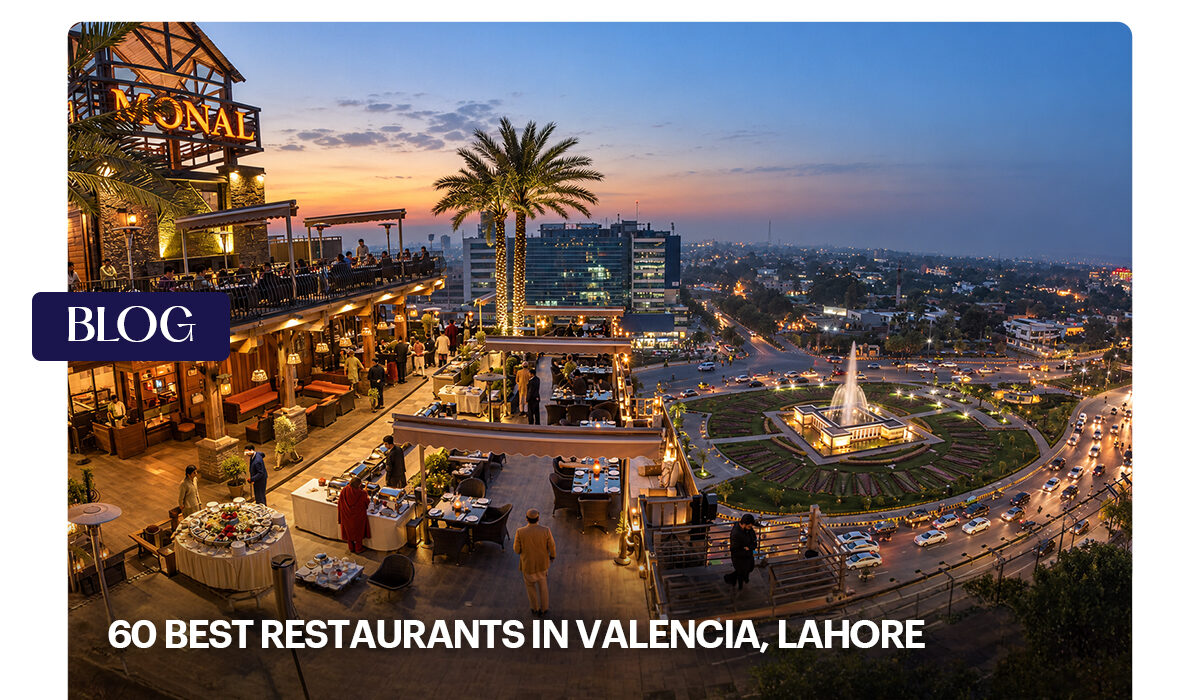
The Monal
Known for a broad Pakistani and Continental spread, The Monal works well for relaxed family meals in an upscale, lively setting; crowd-pleasers include chicken tikka, dynamite prawns, spicy chicken cheese paratha, and cheese naan.
Veera 5 – Best Restaurants in Lahore for Family
Veera 5 brings Asian flavours into a modern DHA dining room, with a menu built around Chinese, Thai, and fusion-style plates; diners commonly visit for saucy chicken entrées, noodles, rice dishes, and seafood.
Arcadian Café
Arcadian mixes Asian fusion with Continental and French-Italian cooking in a polished contemporary space centred on its distinctive bar; Bai Ze Chicken, Crispy Dragon Beef, Napoleon Chicken, and molten lava cake stand out on the menu.
Yum Chinese & Thai – Best Restaurants in Lahore for Family
Yum specialises in Chinese and Thai comfort food served in an elegant yet family-friendly setting, with chicken chow mein, Chicken Manchurian, dim sum, Thai curries, and seafood among the menu’s familiar favourites.
Andaaz – Best Restaurants in Lahore for Family
Set against Lahore’s historic Walled City character, Andaaz focuses on refined Pakistani cuisine in a heritage-rich, atmospheric setting; barbecue, kebabs, handi-style curries, and traditional meat dishes define the experience.
Salt’n Pepper
A long-established name for Pakistani, Continental, and family dining, Salt’n Pepper keeps things classic and welcoming, with barbecue, chicken handi, steaks, sandwiches, and traditional desi mains forming the heart of its menu.
Café Zouk – Best Restaurants in Lahore for Family
Café Zouk combines Thai and Mediterranean influences with boutique-style décor, soft lighting, and a cosmopolitan feel; Thai Fiery Beef, Riviera Chicken, Mediterranean platters, Philly steak sandwiches, and molten lava cake are signature choices.
Café Aylanto
Aylanto is best suited to leisurely Italian and Mediterranean dining, with a softly lit courtyard and refined indoor space complementing its pastas, steaks, Decked Beef, cream of mushroom soup, and warm bread pudding.
Spice Bazaar – Best Restaurants in Lahore for Family
Spice Bazaar celebrates Pakistani cooking in a stylish yet distinctly local setting, serving smoky barbecue and hearty classics such as Chicken Seekh Kabab, Sindhi Matka Biryani, Chicken Cheese Kabab, tikka, and desi yakhni.
Bundu Khan
Built around traditional Pakistani barbecue, Bundu Khan has a bustling, family-oriented feel where charcoal-grilled flavours take centre stage; Chicken Tikka, Chicken Karahi, Achari Handi, Shashlik, and boneless handi remain popular picks.
Fuchsia Kitchen – Best Restaurants in Lahore for Family
Fuchsia Kitchen specialises in sophisticated Pan-Asian cooking, matched by dark pink interiors, intimate evening lighting, and a quieter courtyard; its appeal lies in Asian small plates, curries, wok dishes, seafood, and sticky-rice accompaniments.
Freddy’s Café – Best Restaurants in Lahore for Family
Freddy’s has the relaxed personality of an old-school Lahore café, offering Continental comfort food in an easy-going setting where steaks, burgers, sandwiches, pasta, and rich desserts naturally fit the mood.
Dera Restaurant – Best Restaurants in Lahore for Family
Dera channels the warmth of traditional Punjabi dining through a rustic, energetic atmosphere, with barbecue, karahi, handi, kebabs, tandoori breads, and richly spiced desi platters doing most of the talking.
Paola’s Cosa Nostra – Best Restaurants in Lahore for Family
Paola’s Cosa Nostra keeps Italian food at its core in a warm, low-lit dining room; handmade pasta, thin-crust pizza, Aglio e Olio, pepperoni pizza, Caesar salad, and its signature desserts are frequent favourites.
Mei Kong – Best Restaurants in Lahore for Family
Mei Kong is a dependable choice for classic Chinese food in a lively family setting, particularly for its Famous 19-B Soup, hot-and-sour soup, Chicken Manchurian, Kung Pao Chicken, and fried rice.
Chandni Chowk Buffet – Best Restaurants in Lahore for Family
Designed around variety rather than a single cuisine, Chandni Chowk Buffet offers a busy, celebratory dining experience packed with Pakistani barbecue, curries, rice dishes, salads, Chinese selections, and traditional desserts.
P.F. Chang’s – Best Restaurants in Lahore for Family
P.F. Chang’s brings polished American-Chinese dining to Lahore with dramatic contemporary interiors, while lettuce wraps, dynamite shrimp, Mongolian beef, noodles, fried rice, and wok-fired chicken dishes anchor the menu.
Ziafat Restaurant
Ziafat is geared toward generous Pakistani dining in a spacious, event-friendly environment, with barbecue platters, karahi, handi, biryani, kebabs, and familiar desi desserts making it well suited to group meals.
Tuscany Courtyard
Tuscany Courtyard blends Italian, Continental, Thai, and steakhouse influences in a comfortable upscale setting; Tuscany Fish & Chips, spicy fettuccine, Alfredo pasta, burgers, pizzas, and grilled entrées are popular choices.
Mandarin Kitchen
Mandarin Kitchen gives Chinese and Pan-Asian food a contemporary presentation, pairing stylish interiors with dim sum, noodles, wok-tossed meats, rice bowls, soups, and seafood-led dishes.
Poet Rooftop Garden
Poet turns Mughlai dining into a theatrical, heritage-inspired experience, with its rooftop setting complementing Dumpukht Raan, Darbari Mutton Chops, Murgh Makhni, Mutton Kuna, royal kebabs, and tawa specialities.
Rina’s Kitchenette
Rina’s feels more like a polished living room than a formal restaurant, serving comforting café food in calm, understated surroundings; burgers and sandwiches are its strong suit, with the substantial Smash Burger a notable favourite.
Bukhara – Pearl Continental
Bukhara centres its identity on rich Pakistani and Mughlai flavours in the refined surroundings of Pearl Continental, where kebabs, tandoori meats, aromatic curries, barbecue, and traditional breads suit the formal hotel setting.
The Carnivore
The Carnivore is unapologetically meat-focused, creating a dark, dramatic steakhouse-style experience around slow-cooked and fire-finished cuts such as lamb shank, beef ribs, lamb ribs, and lamb neck.
Pablo’s Cafe
Pablo’s carries a casual neighbourhood-café energy, with familiar comfort food at the center of the experience; burgers, loaded sandwiches, pasta, chicken entrées, coffee, and indulgent desserts are the natural draws.
Lahori Barbecue Rooftop – Best Restaurants in Lahore for Family
As the name suggests, this rooftop spot revolves around Lahori-style grilled food served in an open-air, informal atmosphere, with tikka, seekh kebabs, grilled chicken, handi, karahi, and fresh naan fitting the setting best.
Lahore Gates Cafe – Best Restaurants in Lahore for Family
Located inside Four Points by Sheraton, Lahore Gates Cafe offers the polished ease of an international hotel restaurant, covering Pakistani and Continental staples through breakfast plates, grilled meats, curries, pasta, and desserts.
Basilico by Sara – Best Restaurants in Lahore for Family
Basilico brings Italian classics together with French and Mediterranean touches in an elegant fine-dining environment; Fettuccine Alfredo, Chicken Parmigiana, creamy mushroom soup, tiramisu, risotto, and handmade pasta are among its strongest draws.
Buqayvia – Best Restaurants in Lahore for Family
Buqayvia combines Continental, Italian, and Pan-Asian flavors inside a warm, stylish dining room, with Golden Fried Prawns, Monster Burger, house pizza, honey wings, orange chicken, and Mongolian crispy sesame among its signatures.
Qabail Tribes – Best Restaurants in Lahore for Family
Qabail Tribes draws on the robust cooking traditions of Pakistan’s north-west, using a rustic tribal-inspired setting for grilled meats, Shinwari-style karahi, chapli kebabs, mutton dishes, Kabuli pulao, and freshly baked naan.
Baranh – Best Restaurants in Lahore for Family
Baranh puts a contemporary spin on Pakistani food while maintaining a distinctly local character, pairing modern presentation with kebabs, barbecue, karahi, handi, slow-cooked meats, and regional favorites.
Dynasty – Best Restaurants in Lahore for Family
Dynasty at Avari specializes in authentic Chinese cooking, particularly Szechuan and Cantonese flavors, within a formal hotel setting; dim sum, Szechuan sizzlers, sweet-and-sour dishes, seafood, and stir-fries shape the menu.
Mystique Restaurants – Best Restaurants in Lahore for Family
Mystique adopts a polished fine-dining approach to international cuisine, with carefully composed interiors and dishes such as Dynamite Shrimps, Mystique Special Prawns, Chicken Dumplings, 19-B Soup, and Peri Peri Chicken Bites.
Galito’s
Galito’s is all about flame-grilled chicken in a bright, casual restaurant format, with peri-peri chicken, espetada-style grills, chicken burgers, wings, rice, and seasoned sides offering plenty of heat-led options.
Shahenshah Sajji and Grill
Sajji takes the lead here, served in an unfussy, contemporary grill-house environment; Classic Sajji, Peri Peri Lemon & Herb Sajji, hot peri-peri chicken, chicken kebabs, and rice combinations are especially popular.
Kim’s – Best Restaurants in Lahore for Family
Kim’s at Avari is an all-day buffet restaurant with a classic Mughal-inspired interior overlooking the hotel staircase and water feature, bringing Pakistani, Continental, seafood, barbecue, pizza, and international favorites under one roof.
TLT – The Last Tribe Rooftop
TLT is one of the best restaurants in Lahore for families, with a menu rooted in Pashtun and Pakistani grilling traditions and a casual rooftop vibe; Beef Chapli Kabab, Chicken Shinwari Karahi, Kabuli Pulao, Chicken Malai Boti, and mutton grills are key orders.
Homemade Cuisine
Homemade Cuisine keeps the mood intimate and uncomplicated, focusing on homestyle food with particular appeal for diners seeking gluten-conscious options; baked goods, comfort mains, snacks, and lighter café plates shape its offering.
SIKOMORO
SIKOMORO moves between French, Italian, Mediterranean, and contemporary European influences in an elegant setting, with Sikomoro Dream Chicken, handmade ravioli, truffle pizza, red snapper, steaks, and elaborate breakfast plates showcasing its range.
Red Lotus
Red Lotus: one of the best restaurants in Lahore for family, offering Chinese dining in the polished surroundings of Four Points by Sheraton, with a composed hotel-restaurant atmosphere and dishes like soups, noodles, rice, seafood, stir-fried chicken, and familiar Chinese classics.
AlKhan – Best Restaurants in Lahore for Family
AlKhan is one of the best restaurants in Lahore for family, built for diners who want range, combining Pakistani, Chinese, Continental, Middle Eastern, and Italian dishes in a grand, family-focused atmosphere; mandi platters, sajji, karahi, barbecue, biryani, and pasta all feature prominently.
Fujiyama – Best Restaurants in Lahore for Family
Fujiyama at Avari specialises in Japanese cuisine in an understated, formal hotel environment, with sushi, sashimi, fresh seafood, teppanyaki-style preparations, tempura, and other Japanese classics defining the experience.
Koyla – The Barbecue
Koyla places charcoal cooking at the center of a relaxed rooftop meal, offering robust Pakistani flavors through Chicken Chargha, Shahi Chicken Haleem, mutton karahi, biryani, kebabs, malai boti, and mixed grill platters.
Taipan – Best Restaurants in Lahore for Family
Taipan at Pearl Continental offers traditional Chinese dining in an elegant hotel setting, where dim sum, hot-and-sour soup, noodles, seafood, stir-fried beef, chicken entrées, and rice dishes make up the classic experience.
Heritage Shinwari – Best Restaurants in Lahore for Family
Heritage Shinwari keeps things rooted in Pashtun-style meat cookery, favoring a hearty, rustic atmosphere and straightforward flavors with Shinwari karahi, mutton, grilled tikka, chapli kebabs, Kabuli pulao, and tandoor-fresh bread.
Butt Karahi Tikka – Best Restaurants in Lahore for Family
A few dishes need explanation: karahi is the main event, served in a bustling, traditional setting alongside Desi Chicken Karahi, broiler karahi, chicken boti, reshmi kebab, fish tikka, barbecue platters, and Makhani Handi.
Howdy Rooftop – Best Restaurants in Lahore for Family
Howdy mixes its playful cowboy-inspired identity with an energetic rooftop setting, specialising in substantial burgers, loaded fries, grilled chicken, steaks, sandwiches, shakes, and indulgent fast-food combinations.
Bon Vivant Palais – Best Restaurants in Lahore for Family
Bon Vivant Palais takes a more formal approach to Continental dining, with an elegant, quieter atmosphere suited to steaks, grilled chicken, pasta, seafood, soups, and classic restaurant desserts.
This was all about the best Italian restaurants in Lahore. To learn more about the best restaurants in Lahore, visit Chakor.
Read More:

BBC-featured Content Specialist with a sharp eye for search intent and a proven ability to turn content into a growth engine. I leverage cutting-edge digital marketing tools to craft strategies that fuel organic traffic, amplify brand growth, and own the local SEO landscape, particularly across the competitive real estate market. I help brands dominate search rankings and convert visibility into measurable business success.