

Pakistan’s real estate sector is entering a new era, one where climate-resilient real estate is no longer a niche concept but a market necessity. The 2022 floods submerged nearly a third of the country and caused an estimated $40 billion in damage, a stark reminder that the built environment cannot ignore climate risk any longer. Today, buyers, investors, and developers are rethinking how homes and commercial spaces are designed, built, and certified. Climate-resilient real estate now sits at the center of that shift, supported by sustainable real estate development practices and growing demand for green building certification across major cities.
This blog explains what climate-resilient real estate means for Pakistan, why it matters, and how the market is adapting.
What Is Climate-Resilient Real Estate?
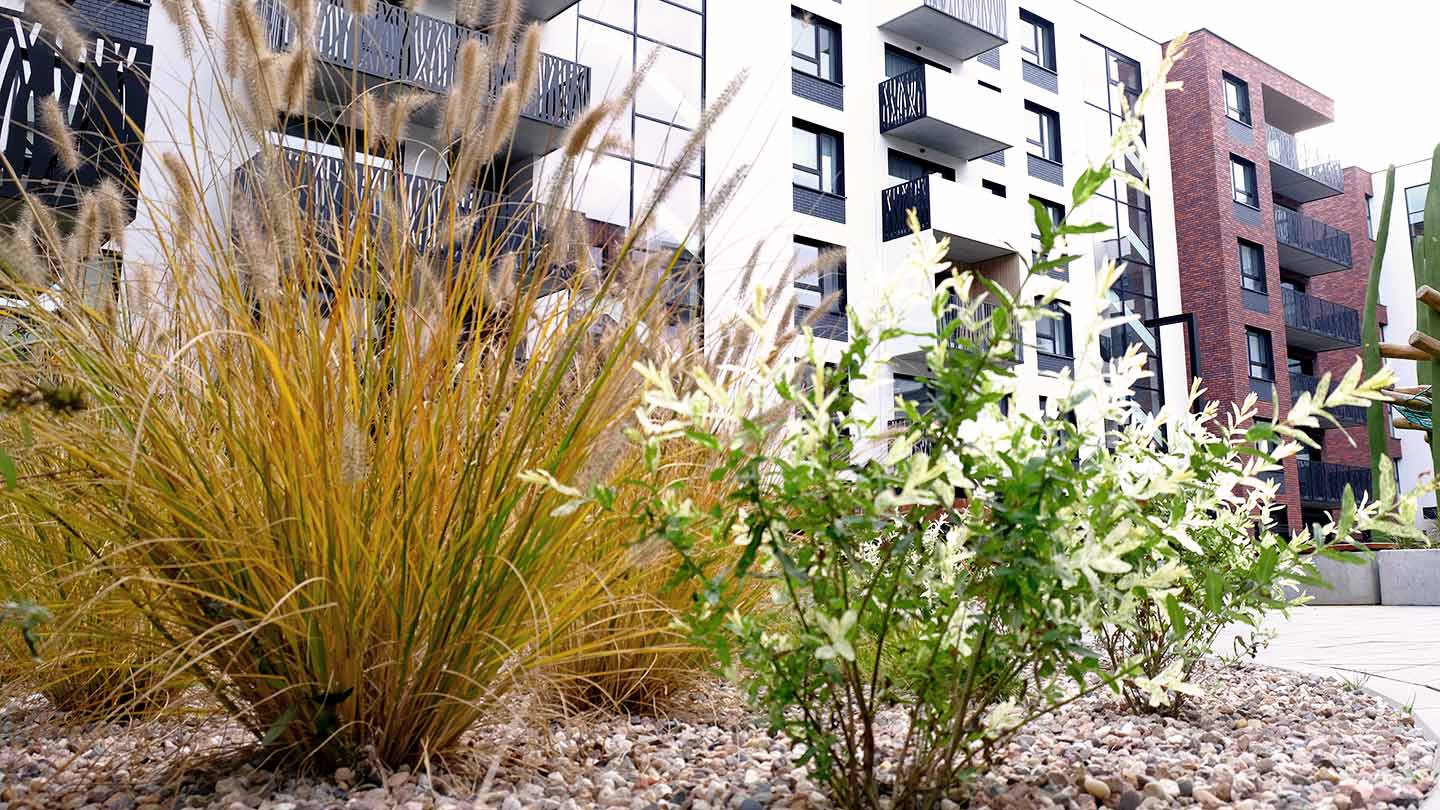
Climate-resilient real estate refers to properties designed and constructed to withstand climate-related stressors such as flooding, extreme heat, and unpredictable rainfall, while protecting the wellbeing of residents and maintaining long-term asset value. It goes beyond aesthetics or energy savings. It is about ensuring a building can function safely and efficiently even as weather patterns become more extreme.
In Pakistan, this is not a distant concern. The housing sector faces a significant shortfall alongside growing climate risks, and most existing structures were never built to handle the intensity of floods, heatwaves, or storms the country now experiences. Climate-resilient real estate addresses this gap through better materials, smarter design, and disaster-aware planning.
Why Climate-Resilient Real Estate Matters for Pakistan
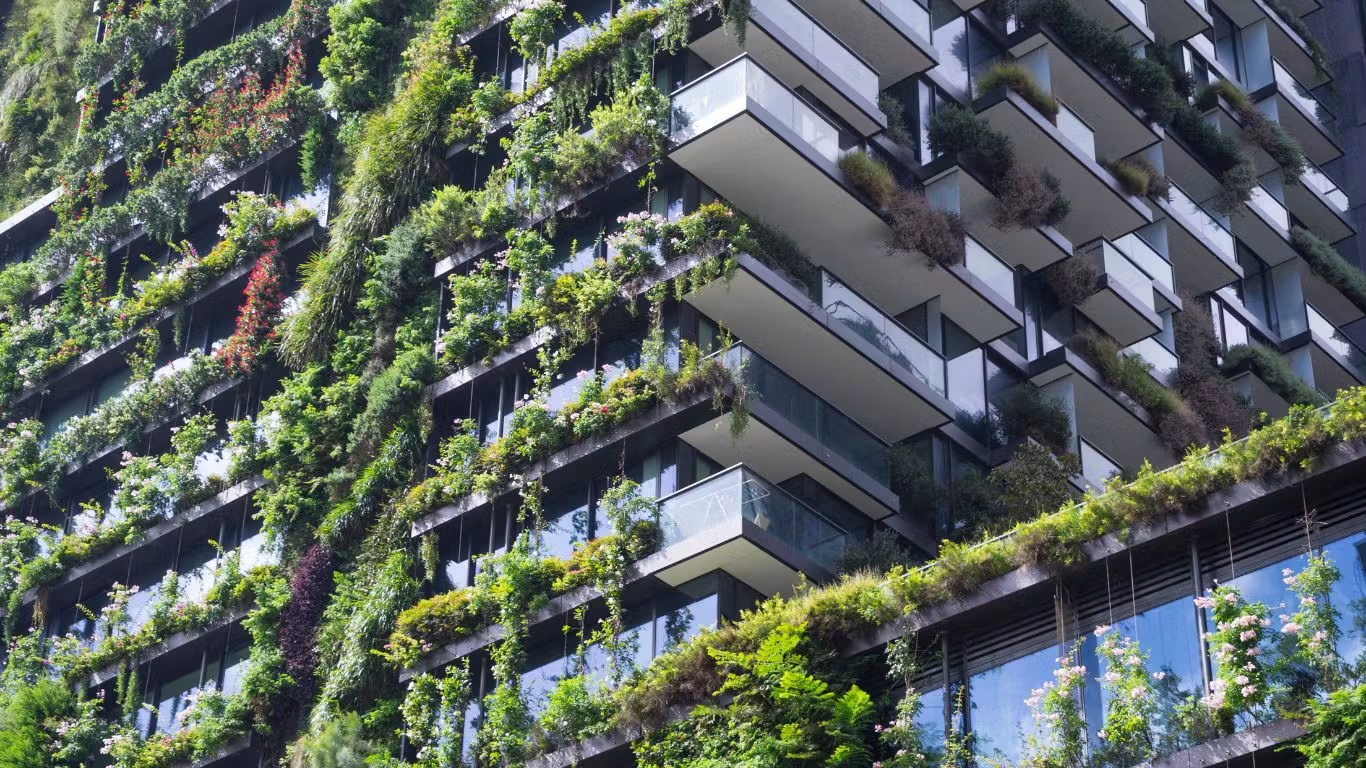
Pakistan ranks among the countries most vulnerable to climate change, yet much of its housing stock was never designed with resilience in mind. A few reasons this matters now more than ever:
- Rising climate risk affects property value. Buildings that perform better against flooding, heat, and extreme weather tend to command higher rents and stronger resale value, while vulnerable properties face higher insurance and maintenance costs over time.
- Urban flooding is a recurring threat. Karachi, Lahore, and other major cities regularly face monsoon flooding, making resilient drainage, elevated foundations, and flood-resistant materials essential rather than optional.
- Energy and water demand keep rising. Passive design, insulation, and efficient systems reduce strain on an already stressed power grid while lowering utility bills for residents.
- Investor expectations are shifting. Global capital increasingly favours developments that can demonstrate climate resilience and sustainability credentials, particularly as international investors look at Pakistan’s property sector.
Sustainable Real Estate Development
Climate-resilient real estate does not happen by accident. It is the outcome of deliberate sustainable real estate development, a process that integrates energy efficiency, resource-conscious design, and disaster resilience from the earliest planning stages rather than as an afterthought.
In practice, sustainable real estate development in Pakistan increasingly includes:
- Low-carbon construction materials, such as autoclaved aerated concrete (AAC) blocks and interlocking bricks, which studies show can meaningfully reduce cooling energy demand and construction costs compared to conventional materials.
- Passive design strategies, including solar orientation, natural ventilation, and shading, which reduce dependence on mechanical cooling in Pakistan’s hot climate.
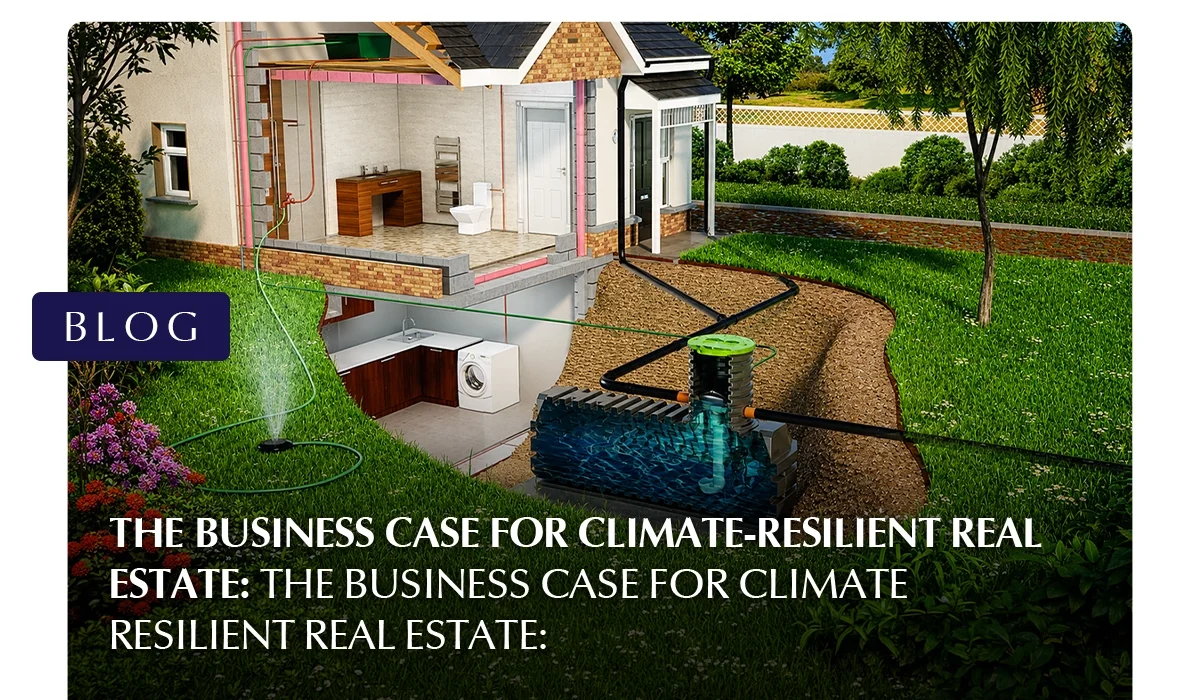
- Water conservation systems, such as rainwater harvesting and greywater recycling, which help offset the country’s growing water scarcity.
- Renewable energy integration, particularly solar panels, which take advantage of Pakistan’s abundant sunlight to cut electricity costs and reduce grid dependence.
- Resilient infrastructure planning, including improved drainage, elevated site design, and flood-conscious layouts for master-planned communities.
Developers who commit to sustainable real estate development are not just responding to climate risk; they are also meeting a clear shift in buyer expectations, especially among younger, environmentally conscious purchasers and overseas Pakistanis evaluating long-term investments.
The Role of Green Building Certification
Green building certification has become one of the clearest ways for developers to prove that a project meets recognised sustainability and resilience standards, rather than simply claiming it. Two frameworks are shaping this conversation in Pakistan:
LEED (Leadership in Energy and Environmental Design), developed by the U.S. Green Building Council, remains the world’s most widely used green building rating system. It evaluates projects on energy efficiency, water conservation, material selection, and indoor environmental quality, awarding certification levels from Certified up to Platinum. LEED-certified buildings can cut electricity and water bills significantly, an important advantage in a market facing rising energy costs.
EDGE (Excellence in Design for Greater Efficiencies), an IFC-backed certification, simplifies green building design and focuses on resource efficiency and net-zero performance. EDGE also supports a Building Resilience Index, giving developers, banks, insurers, and governments a way to assess and disclose climate resilience across a portfolio.
Green building certification is gaining real traction in Pakistan. Institutions and urban development authorities have started pursuing LEED and EDGE recognition for major projects, signalling that certification is moving from a rare achievement to an expected standard for large-scale developments.
For developers, pursuing certification demonstrates credibility to both local buyers and international investors, while positioning a project ahead of regulatory trends that are likely to tighten in the coming years.
How Pakistan’s Property Market Is Responding
The shift toward climate-resilient real estate is visible across Pakistan’s major cities. In Karachi, new projects increasingly feature solar power, rainwater harvesting, and green building certification as standard offerings rather than premium add-ons.
In Lahore and Islamabad, urban development authorities and private developers are integrating resilient infrastructure, smart mobility, and green public spaces into master-planned communities.
This momentum is also being supported at the policy level. Recent reforms, including reductions in withholding tax and the removal of Federal Excise Duty on certain property transactions, have lowered the cost of developing and investing in real estate, creating more room for developers to invest in sustainable features without passing steep costs onto buyers.
For overseas Pakistanis and institutional investors, climate-resilient real estate offers a practical advantage: lower long-term operating costs, stronger asset protection against extreme weather, and greater alignment with the sustainability standards increasingly demanded by global capital.
What Buyers and Investors Should Look For
When evaluating a property or project for climate resilience, a few practical indicators are worth checking:
- Certification status — Is the project pursuing or holding LEED, EDGE, or an equivalent green building certification?
- Drainage and flood planning — Does the site design account for monsoon flooding and urban drainage capacity?
- Material choices — Are low-carbon, insulating materials used to reduce cooling demand?
- Water and energy systems — Does the development include rainwater harvesting, solar power, or greywater recycling?
- Long-term maintenance plans — Is there a clear strategy for monitoring and maintaining resilience features after handover?
Final Thoughts
Climate-resilient real estate is fast becoming the defining standard for Pakistan’s property market, not a future ambition but a present-day requirement. As climate risks intensify, sustainable real estate development and green building certification are giving developers a credible framework to build safer, more efficient, and more valuable properties. For buyers and investors alike, understanding these standards is no longer optional. It is central to making sound, future-focused property decisions in Pakistan.
As one of Pakistan’s leading real estate developers, Chakor continues to track these shifts closely, ensuring its projects reflect the standards that today’s buyers and international investors expect.
Frequently Asked Questions
What does climate-resilient real estate mean?
It refers to properties built to withstand climate-related risks such as flooding, extreme heat, and storms, while protecting resident wellbeing and long-term property value.
Why is green building certification important in Pakistan?
Green building certification, such as LEED or EDGE, verifies that a project meets recognised standards for energy efficiency, water conservation, and resilience, giving buyers and investors measurable proof of sustainability rather than unverified claims.
How does sustainable real estate development reduce costs?
Sustainable real estate development uses passive design, efficient materials, and renewable energy to lower a building’s energy and water consumption, which reduces utility costs for owners and occupants over the property’s lifetime.
Is climate-resilient real estate more expensive to build?
Some resilient materials and certification processes involve upfront investment, but they typically deliver long-term savings through lower utility bills, reduced maintenance, and stronger resale value.
This was all about Water Security. For more information on rainwater harvesting systems and real estate investment options, please visit Chakor.

BBC-featured Content Specialist with a sharp eye for search intent and a proven ability to turn content into a growth engine. I leverage cutting-edge digital marketing tools to craft strategies that fuel organic traffic, amplify brand growth, and own the local SEO landscape, particularly across the competitive real estate market. I help brands dominate search rankings and convert visibility into measurable business success.
