
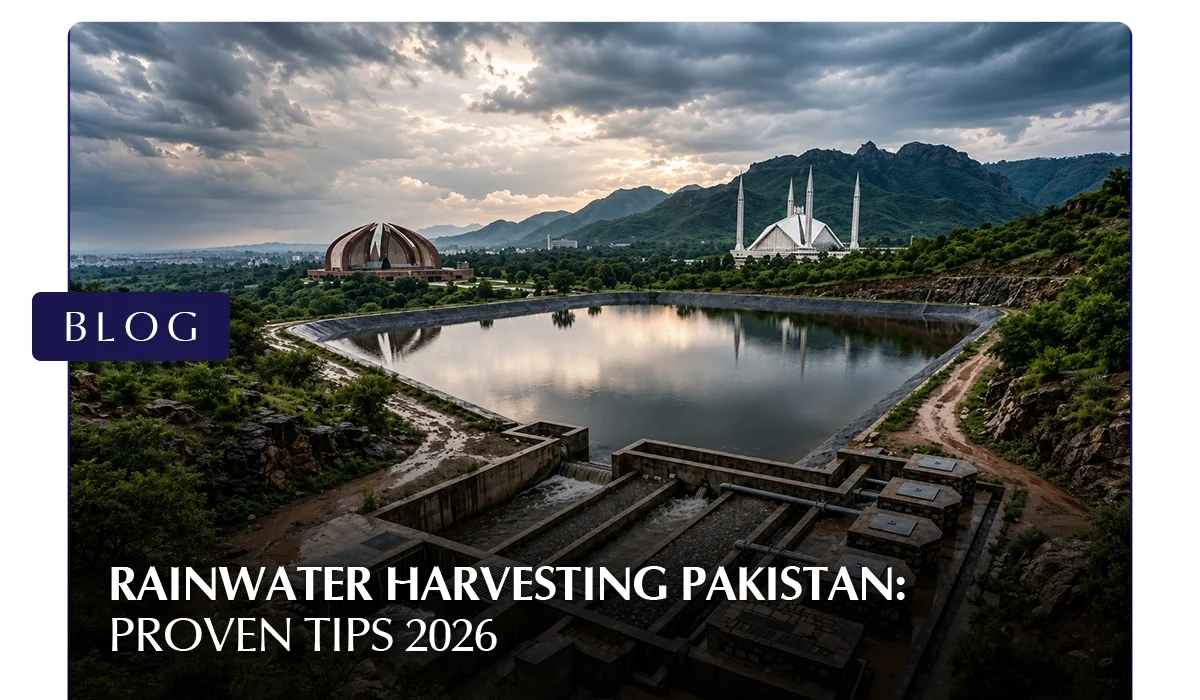

Pakistan is running out of water. Annual per capita water availability has fallen from over 5,000 cubic metres at independence to below 1,000 cubic metres today, pushing the country into the “water-scarce” category. Rainwater harvesting Pakistan offers one of the most practical, low-cost ways to slow this decline. It collects rain that would otherwise run off roofs, roads and open land, then stores it for reuse or sends it underground to recharge depleting aquifers.
This guide explains why rainwater harvesting Pakistan has become urgent, how the systems work, what government bodies are doing about it, and how households, builders and communities can take part.
Why Rainwater Harvesting in Pakistan Matters Right Now
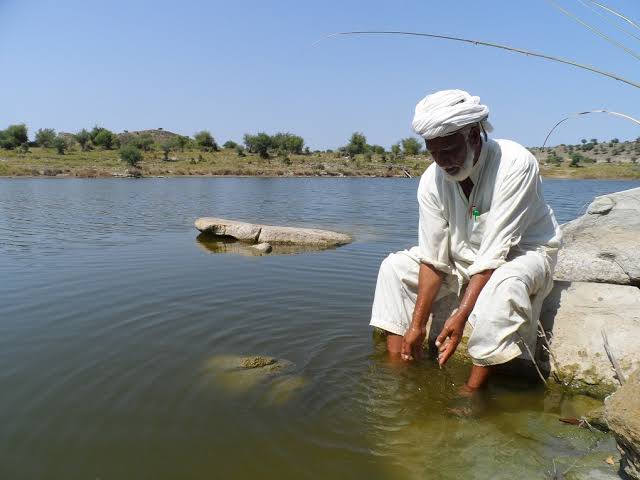
Water scarcity in Pakistan is not a future risk. It is a present reality. The country now sits among the ten most water-stressed nations in the world. Groundwater tables are dropping in major cities, canal supplies are stretched thin, and more than half the population lacks access to safely managed drinking water.
A few numbers explain the scale of the problem:
- Per capita water availability has dropped from around 5,260 cubic metres in 1951 to under 900 cubic metres today.
- Pakistan can store only about 30 days of water nationally, far short of the 1,000-day buffer recommended for arid countries.
- Roughly 90 percent of agricultural output depends on a single source, the Indus Basin Irrigation System.
- Around 93 percent of available water goes to agriculture, leaving a thin margin for cities and households.
Rainwater harvesting Pakistan will not solve this crisis alone, but it reduces pressure on groundwater, cuts urban flooding, and gives households and buildings a backup source of water during dry months.
Climate Change in Pakistan and the Changing Rainfall Pattern

Climate change in Pakistan is making the water problem harder to manage, not easier. Rainfall has become more erratic. Long dry spells are now followed by short, intense monsoon bursts that overwhelm drains instead of soaking into the ground.
Experts from the International Water Management Institute have pointed to a rise in heatwaves and heavy precipitation events across South Asia linked to human-induced climate change, with Pakistan experiencing both extremes within the same year.
This swing between drought and flood is exactly the pattern rainwater harvesting in Pakistan is designed to manage. Storage tanks and recharge wells capture sudden heavy rain instead of letting it flood streets, then release that water slowly for use during the dry months that follow.
How Rainwater Harvesting Systems Work
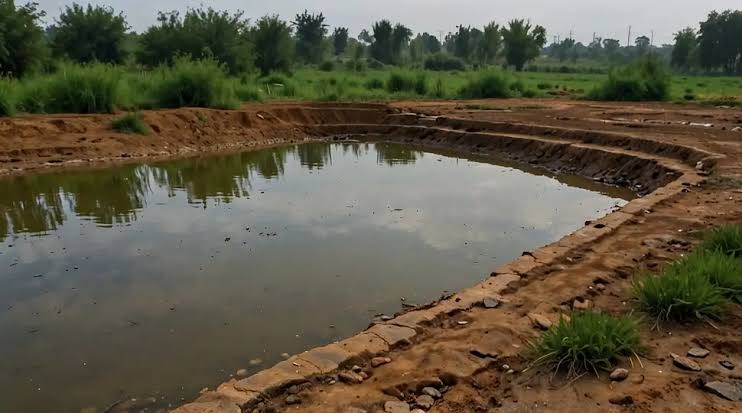
A basic rainwater harvesting system follows a simple path:
- Catchment – Rain lands on a roof, terrace, courtyard or paved surface.
- Conveyance – Sloped surfaces and pipes direct the water toward a collection point.
- Filtration – A first-flush diverter and filter screen remove dust, leaves and debris from the initial runoff.
- Storage or recharge – Water is either stored in a tank for reuse or channeled into a recharge well or pit to replenish groundwater.
Stored rainwater is generally used for gardening, washing, cleaning, and flushing. It is not safe for drinking unless it passes through proper treatment and testing.
Storage Tanks vs Recharge Wells -Rainwater Harvesting Pakistan
| System | Best suited for | What it does |
| Storage tank | Homes, farmhouses, offices | Collects water for direct household reuse |
| Recharge pit | Small plots, gardens, open land | Lets filtered water percolate into the soil |
| Recharge well | Large properties, mosques, apartment blocks | Sends filtered surplus water deep underground to recharge the aquifer |
Most well-designed projects use a combination: a tank for everyday reuse and a recharge point for any overflow during heavy rain.
Rainwater Harvesting Pakistan in Practice: Cities and Deserts
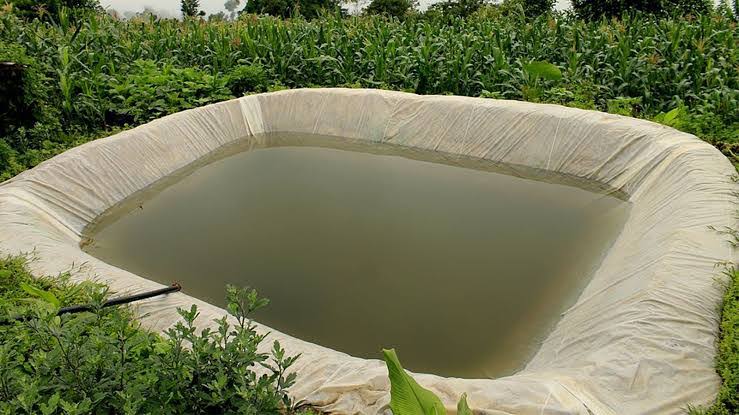
Urban Recharge Wells in Islamabad and Lahore
The Capital Development Authority has made rooftop rainwater harvesting mandatory for new construction in Islamabad under its building bylaws.
The authority has also been installing groundwater recharge wells across the city, working alongside the Pakistan Council of Research in Water Resources (PCRWR).
At one recharge site in Islamabad, researchers recorded a rise in the water table of nearly five metres after monitoring rainfall between May and September.
In Lahore, the Water and Sanitation Agency has built underground water tanks in flood-prone neighbourhoods. One such tank, built at a cost of Rs. 140 million, can hold 1.4 million gallons of rainwater drawn from a 30-acre catchment area.
The collected water is later used to irrigate public parks and green belts, easing pressure on piped supply while also reducing urban flooding.
Rainwater Harvesting in the Cholistan Desert
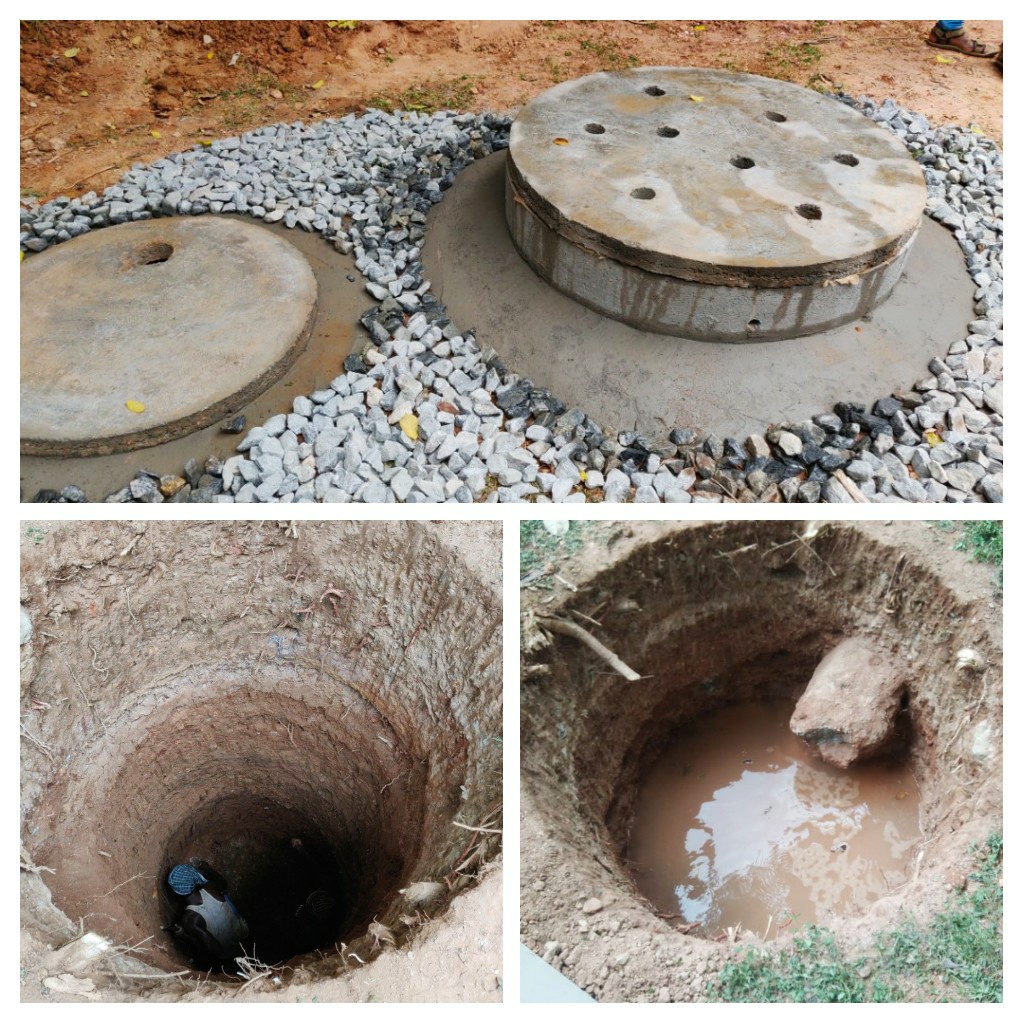
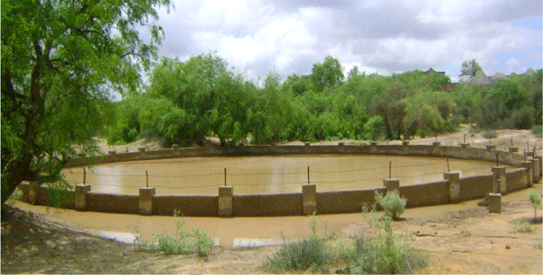
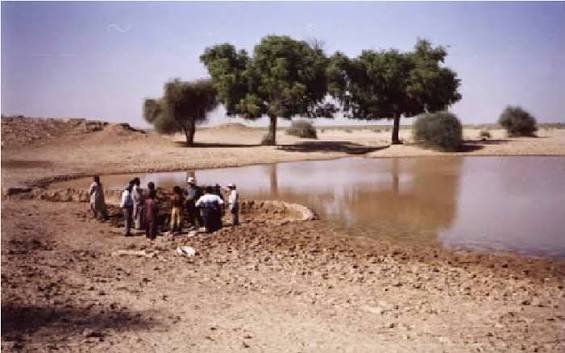
Rainwater harvesting Pakistan also plays a critical role far from major cities. In the Cholistan desert, rainfall is the only realistic water source for nomadic communities and their livestock. PCRWR has built a network of over 110 reservoirs across 26,000 square kilometers of desert, with a combined storage capacity of 440 million gallons.
This network, paired with newly drilled tubewells, has cut seasonal migration and saved an estimated Rs. 6 billion a year in losses linked to livestock movement and water shortages.
Benefits of Rainwater Harvesting Pakistan
- Reduces dependence on groundwater, slowing the decline of water tables in over-extracted areas.
- Lowers urban flood risk by capturing runoff before it overwhelms drains and roads.
- Provides a backup water source for gardening, cleaning, and non-drinking household use during dry spells.
- Supports agriculture and livestock in arid and desert regions where canal water never reaches.
- Improves long-term building resilience, especially in cities where municipal supply is already intermittent.
Common Mistakes That Cause Rainwater Harvesting Pakistan Systems to Fail
Rainwater harvesting projects in Pakistan often fail for avoidable reasons:
- Sending unfiltered roof water directly into a recharge well, which pushes silt and pollutants into the aquifer.
- Undersized overflow pipes that cannot handle monsoon-level rainfall.
- Tanks and filter chambers buried under finished paving with no access for cleaning.
- Using one generic design across very different properties, rather than sizing the system to the actual roof area, rainfall pattern, and household need.
A system built without proper filtration and maintenance access may look fine in its first year and then fail during the next serious monsoon.
Frequently Asked Questions – Rainwater Harvesting Pakistan
Is rainwater harvesting mandatory anywhere in Pakistan?
Yes. Islamabad’s Capital Development Authority has made rooftop rainwater harvesting mandatory for new construction under its building bylaws.
Can harvested rainwater be used for drinking?
Not without treatment. Most systems are designed for gardening, washing, cleaning, and flushing rather than direct drinking use.
What causes water scarcity in Pakistan?
Rapid population growth, heavy reliance on a single river system, limited water storage infrastructure, and increasingly erratic rainfall linked to climate change in Pakistan have combined to push per capita water availability below internationally recognised scarcity thresholds.
Does rainwater harvesting Pakistan help with urban flooding?
Yes. Storing and redirecting heavy rainfall through tanks and recharge wells reduces the volume of runoff that would otherwise overwhelm city drains.
Final Word
Rainwater harvesting in Pakistan sits at the intersection of two growing problems: worsening water scarcity in Pakistan and the unpredictable rainfall brought on by climate change in Pakistan. Government-led projects in Islamabad, Lahore and the Cholistan desert show that the approach works at very different scales, from a single rooftop system to a desert-wide reservoir network. For households, builders and communities alike, treating rainwater as a resource rather than a runoff problem is one of the most direct ways to respond to Pakistan’s deepening water crisis.
This was all about rainwater harvesting Pakistan. For more information on rainwater harvesting systems and real estate investment options, please visit Chakor.

BBC-featured Content Specialist with a sharp eye for search intent and a proven ability to turn content into a growth engine. I leverage cutting-edge digital marketing tools to craft strategies that fuel organic traffic, amplify brand growth, and own the local SEO landscape, particularly across the competitive real estate market. I help brands dominate search rankings and convert visibility into measurable business success.
