Sound investment decisions are built on economic understanding. At Chakor, our Economy section covers the macroeconomic trends, policy shifts, market movements, and financial developments that directly influence real estate, construction, and investment across Pakistan.
Whether you are tracking inflation, interest rates, or GDP growth, we break down what matters and what it means for your decisions.
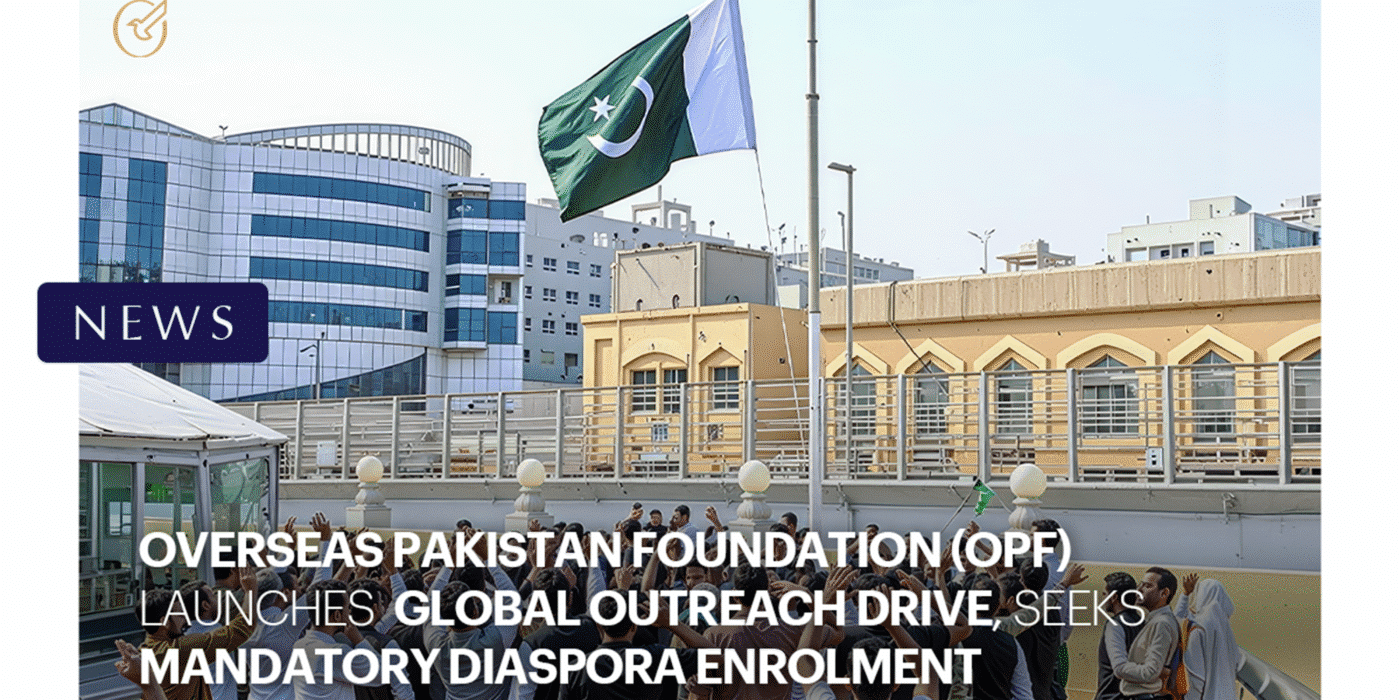
ISLAMABAD: Over 12 million Pakistanis live and work outside the country. Until now, the government had no formal system to register, track, or serve them. The OPF is moving to change that, and its chairman is personally carrying that message to every major diaspora hub.”
Every year, Pakistanis living abroad send billions of dollars back home. Last year, that figure hit a record $38.3 billion. Yet, despite that contribution, the government had no formal, structured relationship with these citizens. That is now changing, and changing fast.
OPF Chairman Syed Qamar Raza Shah is currently on an international tour spanning Japan, South Korea, Germany, and the UAE. At each stop, he has been sitting with Pakistani community members, listening to their concerns, and making commitments on the spot. The tour is not just a goodwill exercise. It is laying the ground for the most significant changes to the Overseas Pakistanis Foundation in its 45-year history.
In Japan, community leader Haji Syed Saleem Shah described the visit as a turning point. Pakistanis there raised long-standing problems, including jobs, education, legal disputes, and property matters back home. For many, it was the first time such issues were heard at a senior government level. The OPF Chairman gave direct instructions for urgent cases to be resolved immediately.
“This visit has given new hope to the Pakistani community in Japan. For the first time, their issues were seriously heard at such a high level.”
— Haji Syed Saleem Shah, Chairman, Ahl-e-Bait Foundation Japan
The same pattern repeated in the UAE. There, the OPF Chairman went a step further — announcing a formal proposal to make OPF membership compulsory for all overseas Pakistanis worldwide. Under the proposal, every Pakistani abroad would be required to register with the foundation and pay a one-time fee of Rs10,000 (around $35). The proposal now awaits approval from Prime Minister Shehbaz Sharif.
To go alongside the obligation, OPF has launched the Overseas Pakistanis Education Fund (OPEF), a scholarship program for children and spouses of overseas Pakistanis studying in Pakistani universities and colleges. The deadline to apply is April 30, 2026.
Two moves together tell the full story: the government wants to register its diaspora, fund its operations through their fees, and in return, invest in their families back home.
BBC-featured Content Specialist with a sharp eye for search intent and a proven ability to turn content into a growth engine. I leverage cutting-edge digital marketing tools to craft strategies that fuel organic traffic, amplify brand growth, and own the local SEO landscape, particularly across the competitive real estate market. I help brands dominate search rankings and convert visibility into measurable business success.
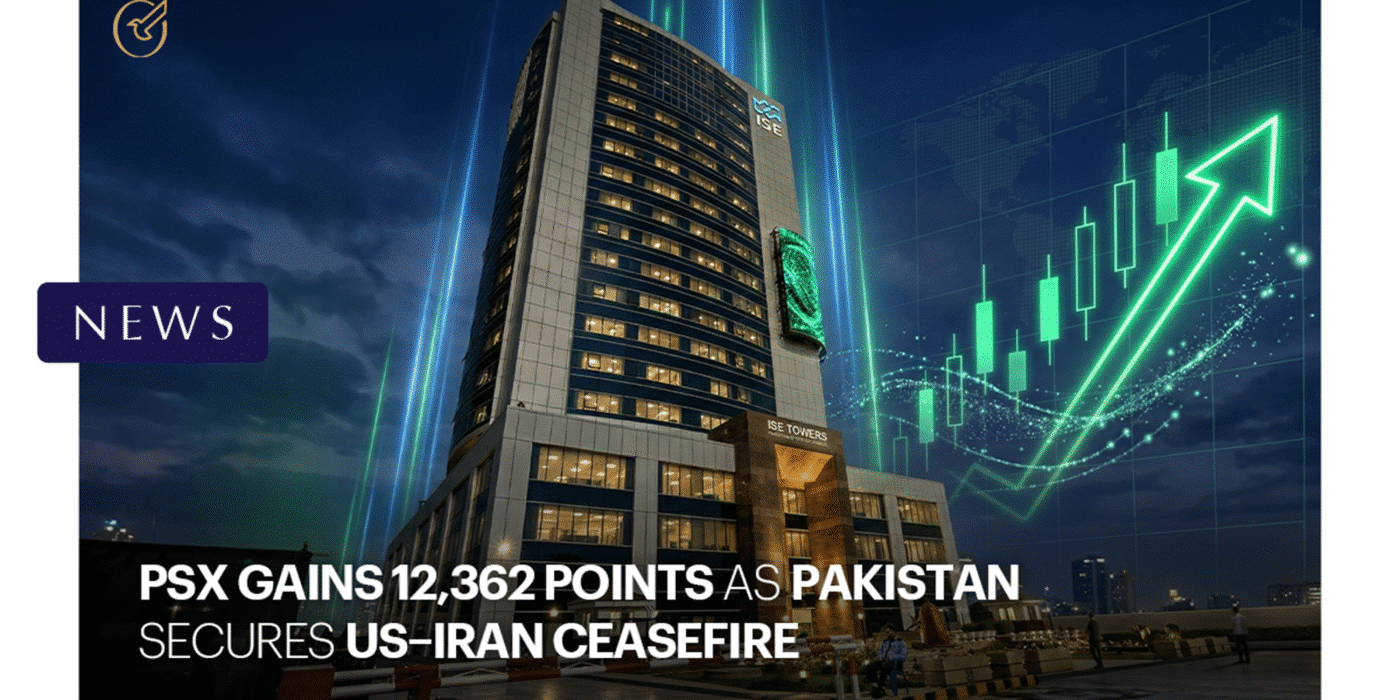
ISLAMABAD: The Pakistan Stock Exchange (PSX) recorded one of its sharpest single-day gains on Wednesday, with the benchmark KSE-100 index rising 12,362 points, or 8.15%, to close at 164,035.83. The surge was triggered by news that Pakistan had mediated a two-week ceasefire between the United States and Iran, pausing an escalating military conflict in the Middle East.
Trading was briefly halted following the rapid climb and resumed at 10:42 AM. The previous session had closed at 151,673.45 points.
The ceasefire was agreed upon less than two hours before a deadline set by US President Donald Trump for Iran to reopen the Strait of Hormuz. Iran’s Foreign Minister Abbas Araqchi confirmed that Tehran would halt counter-attacks and ensure safe passage through the waterway, conditional on the cessation of attacks against Iran.
Prime Minister Shehbaz Sharif announced that he has invited the leadership of both nations to Islamabad on April 10 for further negotiations aimed at reaching a conclusive agreement.
The diplomatic development was accompanied by a sharp decline in international oil prices, which fell approximately 15%. Analysts noted that lower energy costs ease fears of imported inflation and reduce pressure on Pakistan’s external accounts.
Maaz Mulla of Topline Securities described the session as a broad-based rally driven by two simultaneous tailwinds: diplomatic de-escalation and softer energy prices. He noted that with Islamabad set to host peace talks on April 10, investors moved quickly to price in reduced geopolitical risk.
Prior to Wednesday’s session, the KSE-100 had corrected by 20% to 22%, largely due to regional tensions and global macroeconomic uncertainty. Wednesday’s gains represent a significant reversal of that decline, though analysts caution that the rally’s sustainability will depend on the outcome of the April 10 talks.
BBC-featured Content Specialist with a sharp eye for search intent and a proven ability to turn content into a growth engine. I leverage cutting-edge digital marketing tools to craft strategies that fuel organic traffic, amplify brand growth, and own the local SEO landscape, particularly across the competitive real estate market. I help brands dominate search rankings and convert visibility into measurable business success.
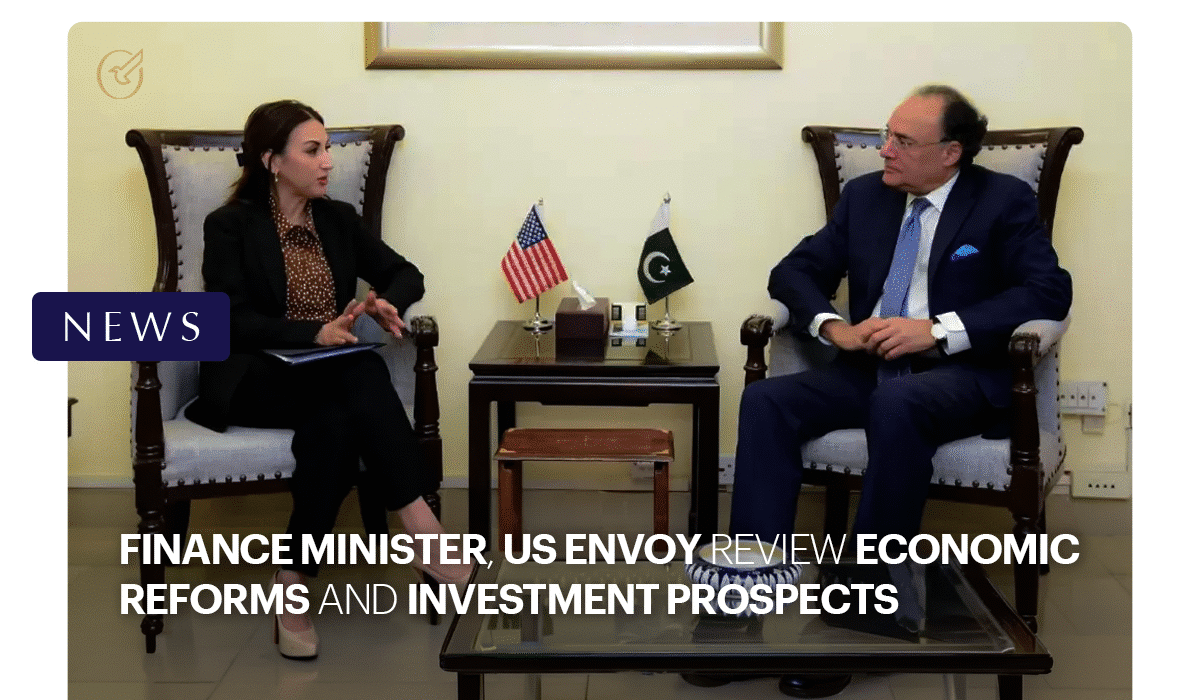
ISLAMABAD: Pakistan’s Federal Minister for Finance and Revenue, Muhammad Aurangzeb, met with United States Chargé d’Affaires to Pakistan, Natalie Baker, on Thursday to discuss bilateral economic ties, trade, and investment.
The meeting, held at the Finance Division in Islamabad, covered the state of Pakistan-US relations, current economic developments, and ways to expand cooperation in key sectors, including energy, mining, technology, and logistics.
Baker highlighted a recent symposium held in Washington by the Pakistan Caucus in the US Congress, which brought together policymakers, diaspora representatives, and business leaders to explore areas of future cooperation. She described the overall direction of bilateral engagement as positive.
Aurangzeb briefed the US delegation on steps taken by the Pakistani government to address challenges in the energy sector, including procurement, pricing, and targeted subsidies for vulnerable groups such as small farmers and public transport users. He also pointed to the effects of rising global oil prices on Pakistan’s import costs, inflation, and broader economic stability.
The two sides discussed Pakistan’s ongoing engagement with international financial institutions, including progress under its current International Monetary Fund programme. Aurangzeb reaffirmed the government’s commitment to fiscal discipline while noting the need for flexibility in light of global and regional developments.
Baker expressed US support for Pakistan’s economic reform agenda and interest in expanding investment across multiple sectors. Both sides discussed participation in upcoming forums, including the Select USA Investment Summit, and explored collaboration on infrastructure, digital connectivity, and regional trade.
The finance minister stressed Pakistan’s focus on structural reforms, export-led growth, and creating a more business-friendly environment to attract foreign direct investment.
BBC-featured Content Specialist with a sharp eye for search intent and a proven ability to turn content into a growth engine. I leverage cutting-edge digital marketing tools to craft strategies that fuel organic traffic, amplify brand growth, and own the local SEO landscape, particularly across the competitive real estate market. I help brands dominate search rankings and convert visibility into measurable business success.
GWADAR: Gwadar Port has received a cargo shipment of 14,629 metric tons from Malaysia, port authorities confirmed on Monday. The shipment was successfully unloaded at the port, which is located along the Arabian Sea coast in Balochistan, Pakistan.
Port officials stated that the arrival of this shipment indicates that more international trading partners are choosing Gwadar as a preferred entry point for goods into the region. The port has seen a steady rise in incoming vessels over recent months, with shipments arriving from multiple countries.
This increase in activity is partly linked to changes in global shipping. Ongoing tensions in the Gulf region have prompted many shipping companies to seek safer, more reliable routes. Gwadar, due to its location near key trade lanes, has become a practical choice for several carriers.
Pakistan’s ports as a whole have recorded stronger numbers in early 2026. Karachi Port handled over 11,000 cargo containers in March 2026, a figure that exceeds the entire volume processed throughout 2025. Gwadar is also seeing more vessels arriving compared to previous periods.
Authorities noted that Gwadar Port offers storage benefits and modern handling facilities, which continue to attract foreign shipping interest. Experts have called on the government to keep improving port services and keep costs competitive so that this growth can be maintained over the long term.
BBC-featured Content Specialist with a sharp eye for search intent and a proven ability to turn content into a growth engine. I leverage cutting-edge digital marketing tools to craft strategies that fuel organic traffic, amplify brand growth, and own the local SEO landscape, particularly across the competitive real estate market. I help brands dominate search rankings and convert visibility into measurable business success.
ISLAMABAD: On Friday, Shehbaz Sharif announced an immediate reduction of Rs80 per litre in the petroleum levy, lowering the retail price of petrol to Rs378 per litre. Meanwhile, Federal Minister for Interior Mohsin Naqvi declared that all public transport in Islamabad would be free for 30 days.
The crisis was triggered by a sharp surge in global oil prices following the ongoing conflict involving the United States, Israel, and Iran, which has severely disrupted international energy markets and threatened the flow of crude through the Strait of Hormuz. In response, the government on Thursday raised petrol prices by 43% to Rs458.41 per litre and high-speed diesel by 55% to Rs520.35 per litre, prompting widespread public backlash, street protests in Lahore, and long queues at fuel stations across the country.
Acknowledging the burden on ordinary citizens, the Prime Minister stated that the government had absorbed Rs129 billion in subsidies over the preceding three weeks to shield the public from the full brunt of rising international prices. The revised petrol rate of Rs378 per litre will remain in effect nationwide for at least one month.
In a parallel relief effort, Interior Minister Mohsin Naqvi announced that all public transport in Islamabad would be free of charge for 30 days, with the Ministry of Interior bearing an estimated cost of Rs350 million.
CM Punjab Maryam Nawaz extended the same measure province-wide, making the Orange Line Metro, Metro Bus, Speedo buses, and Green Electric Buses free for daily commuters. Sindh Chief Minister Murad Ali Shah, meanwhile, announced a monthly cash subsidy of Rs2,000 for registered motorcycle owners across the province, to be disbursed digitally through the excise department within 15 days.
Additional relief measures include a Rs100-per-litre diesel subsidy per acre for farmers, targeted monthly financial support for freight and passenger transport operators, and a freeze on Pakistan Railways’ economy-class fares. Federal cabinet members also extended their salary contributions to the national exchequer from 2 months to 6 months under the government’s broader austerity programme.
Dedicated and detail-oriented SEO Content Writer, Real Estate Writer, and Research Analyst based in Islamabad, with proven expertise in developing accurate, valuable, and well-researched content. Skilled in analytical writing, market research, and reporting, with the ability to turn insights into clear, professional, and impactful content. Passionate about exploring new ideas, analyzing industry trends, and contributing to high-quality writing and research-driven projects.
ISLAMABAD: Pakistan government has announced an unprecedented increase in fuel prices. Petrol prices have been raised by Rs137 per litre, a staggering 43% jump, bringing the new rate to a historic high of Rs458.4 per litre. High-speed diesel has surged even more sharply, climbing 55% to Rs520.35 per litre, while kerosene and light diesel oil rose to Rs468 and Rs395 per litre, respectively.
The move marks the second major fuel price revision in under a month, pushing the cumulative increase in petrol to 63% and high-speed diesel to 75% within thirty days.
A key driver behind the hike is the government’s failure to secure greater subsidy allowances from the International Monetary Fund, which capped fuel subsidies at Rs152 billion. Simultaneously, the closure of the Strait of Hormuz by Iran in retaliation for US and Israeli strikes has sent international oil prices soaring, severely limiting Islamabad’s room to manoeuvre.
To offset diesel costs, the government has raised the petroleum levy on petrol to a record Rs161 per litre, effectively transferring the burden onto petrol consumers to cross-subsidise diesel users, a decision that has drawn sharp criticism. As a partial relief measure, motorcycle riders will receive a subsidy of Rs100 per litre.
The government has announced subsidies for farmers, transporters, and low-income citizens. Small farmers will receive a one-time payment of Rs 1,500 per acre. Truck operators carrying food items will receive Rs 70,000 per month, large transport vehicles will receive Rs 80,000 per month, and inter-city passenger vehicles will receive Rs 100,000 per month.
A Rs100-per-litre fuel subsidy will also apply to inter-city and goods transport, with prices reviewed monthly. Low-income train passengers will also benefit from federal support.
Dedicated and detail-oriented SEO Content Writer, Real Estate Writer, and Research Analyst based in Islamabad, with proven expertise in developing accurate, valuable, and well-researched content. Skilled in analytical writing, market research, and reporting, with the ability to turn insights into clear, professional, and impactful content. Passionate about exploring new ideas, analyzing industry trends, and contributing to high-quality writing and research-driven projects.
ISLAMABAD: Pakistan has proposed a future Free Trade Agreement (FTA) with the United Kingdom, presenting it as a natural progression in an expanding bilateral trade relationship. The proposal emerged during a meeting in Islamabad between Commerce Minister Jam Kamal Khan and UK official Edward Llewellyn, attended by British High Commissioner Jane Marriott, where both sides reviewed recent developments under the Pakistan-UK Trade Dialogue.
During the discussions, officials welcomed the establishment of a dedicated working group on healthcare and life sciences, describing it as a positive step toward deeper sectoral cooperation. The two countries also agreed to operationalise additional working groups in key areas, including information technology, agriculture, professional services, education, and skills development. The broadening of engagement across these sectors reflects an effort by both governments to strengthen institutional links and expand trade-related collaboration beyond traditional goods markets.
Pakistan used the meeting to emphasise its ongoing structural reforms aimed at improving competitiveness and attracting foreign investment. Officials highlighted tariff rationalisation, regulatory adjustments, and the importance of policy continuity as part of a wider strategy to create a more stable and investor-friendly commercial environment.
The UK side, meanwhile, raised concerns regarding intellectual property policy and urged Pakistan to ensure predictability in its regulatory framework. Both delegations also discussed the registration of geographical indications and trademarks for Pakistani basmati rice, an issue viewed as significant for the protection and promotion of Pakistan’s export interests in international markets.
Broader geopolitical trade risks were also part of the exchange, with particular attention given to tensions around the Strait of Hormuz. Pakistani officials noted that rising maritime insurance and shipping costs were placing additional pressure on exports and called for a fairer assessment of risk zones affecting regional trade routes.
The meeting signalled a shared interest in expanding economic ties, while also underscoring the policy and regulatory issues that both sides consider essential for sustaining long-term commercial cooperation.
Dedicated and detail-oriented SEO Content Writer, Real Estate Writer, and Research Analyst based in Islamabad, with proven expertise in developing accurate, valuable, and well-researched content. Skilled in analytical writing, market research, and reporting, with the ability to turn insights into clear, professional, and impactful content. Passionate about exploring new ideas, analyzing industry trends, and contributing to high-quality writing and research-driven projects.
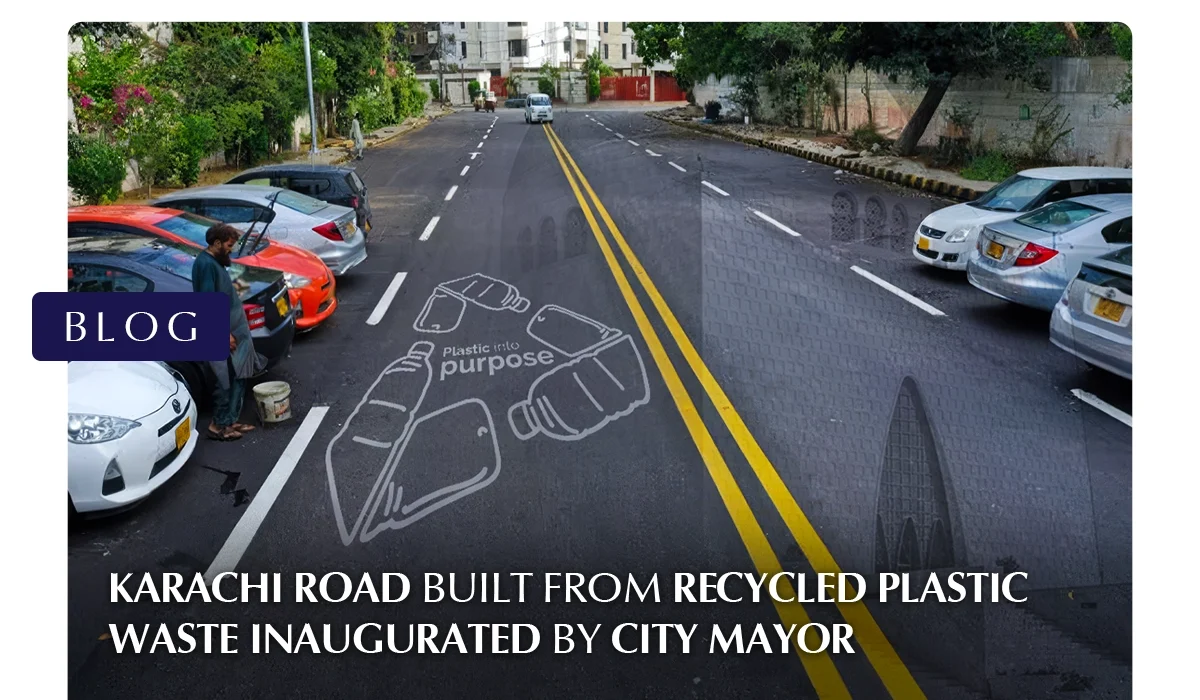
KARACHI: Karachi Mayor Murtaza Wahab on Monday inaugurated a road near the English Biscuit Manufacturers (EBM) facility constructed using recycled industrial plastic waste, marking a notable convergence of private-sector sustainability efforts and urban infrastructure development in Pakistan’s largest city.
The road, located adjacent to EBM’s Karachi manufacturing plant, was developed in partnership with Concept Loop and is designed to divert low-value plastic waste from landfills by converting it into durable road material. The initiative is part of EBM’s broader circular economy agenda and is presented as a scalable model for integrating recycled materials into national infrastructure projects.
Speaking at the inauguration, Mayor Wahab described the project as “practical innovation that Karachi needs,” adding that it addresses both infrastructural deficiencies and environmental challenges simultaneously. EBM Executive Director Shahzain Munir emphasised the company’s commitment to long-term value creation through circular solutions and called for stronger public–private collaboration to scale such initiatives nationwide.
The inauguration ceremony also featured public awareness activities on sustainable waste management practices.
Separately, Mayor Wahab laid the foundation stone for the rehabilitation of Mirza Adam Khan Road in Lyari Town on the same day, at an estimated cost of Rs400 million. The project encompasses a 4.48-kilometre dual carriageway, a 4.61-kilometre drainage line, and an 18-inch sewerage line, with completion targeted before 30 June 2026. The mayor noted the road is a key artery connecting the Mauripur Road and Garden areas and forms part of the broader Lyari Transformation Project, valued at approximately Rs5 billion in its first phase.
BBC-featured Content Specialist with a sharp eye for search intent and a proven ability to turn content into a growth engine. I leverage cutting-edge digital marketing tools to craft strategies that fuel organic traffic, amplify brand growth, and own the local SEO landscape, particularly across the competitive real estate market. I help brands dominate search rankings and convert visibility into measurable business success.
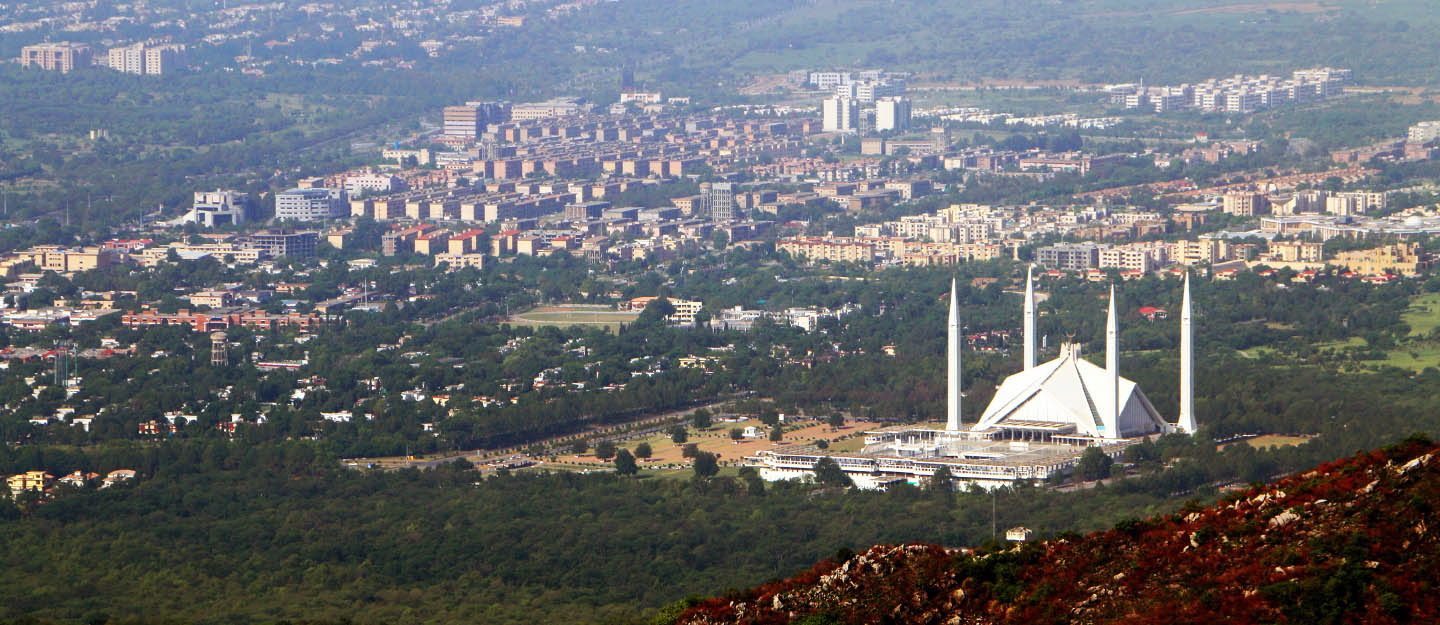
Islamabad is no longer just Pakistan’s administrative capital; it is fast becoming the country’s most rewarding city for condominiums and vacation rental property management. The capital city attracts a steady, year-round flow of business travelers, government visitors, foreign delegates, overseas Pakistanis, and domestic tourists, a guest profile that no seasonal hill station can match.
Yet most condo owners in Islamabad are either leaving their properties vacant for months, renting them out on long-term leases at fixed rates, or struggling to self-manage short-term guests without the right systems in place.
What Is Vacation Rental Property Management?
Vacation rental property management is the professional handling of all operations involved in renting out a property on a short-term basis. A management company or dedicated manager takes over every aspect of your rental from creating listings and setting prices to welcoming guests, coordinating cleaning, and sending you your monthly earnings.
This is fundamentally different from long-term rental arrangements. A long-term tenant pays a fixed monthly rent and occupies your property for a year or more. Vacation rental property management operates on a short-term model; guests stay for one night to a few weeks, which means nightly rates are considerably higher, and your income potential scales with demand rather than being locked into a fixed amount.
Why Islamabad Is One of Pakistan’s Best Cities for Vacation Rentals
Before anything else, it is worth understanding why Islamabad specifically is such a strong market for condos in pakistan and vacation rental property management, stronger, in many ways, than purely tourist destinations.
Year-Round Demand, Not Just Seasonal
Unlike Murree or Nathia Gali, which see heavy summer and winter traffic but dip significantly in between, Islamabad has consistent demand year-round. Corporate travelers, consultants, NGO workers, foreign diplomats, and government liaisons need quality furnished accommodation every single month. This baseline demand is the foundation of reliable passive income.
Proximity to Top Tourist Destinations
Islamabad’s location makes it the natural gateway to some of Pakistan’s most visited spots. This means your Islamabad condo benefits from both direct city demand and overflow tourism traffic during peak seasons like Eid, summer school holidays, and long weekends.
A Growing Expat and Corporate Community
The diplomatic enclave, international organizations, and a growing startup and tech ecosystem provide a steady stream of high-quality guests who prefer fully furnished private apartments to hotel rooms. These guests tend to stay longer, pay more, and leave properties in better condition, making them ideal for vacation rental property management in Islamabad.
Infrastructure and Connectivity
Islamabad’s clean road network, New Islamabad International Airport, and reliable utilities make it easier to run a vacation rental here than in remote destinations, where logistics can be complicated.
Citadel One3: A Prime Islamabad Condo Built for Vacation Rental Success
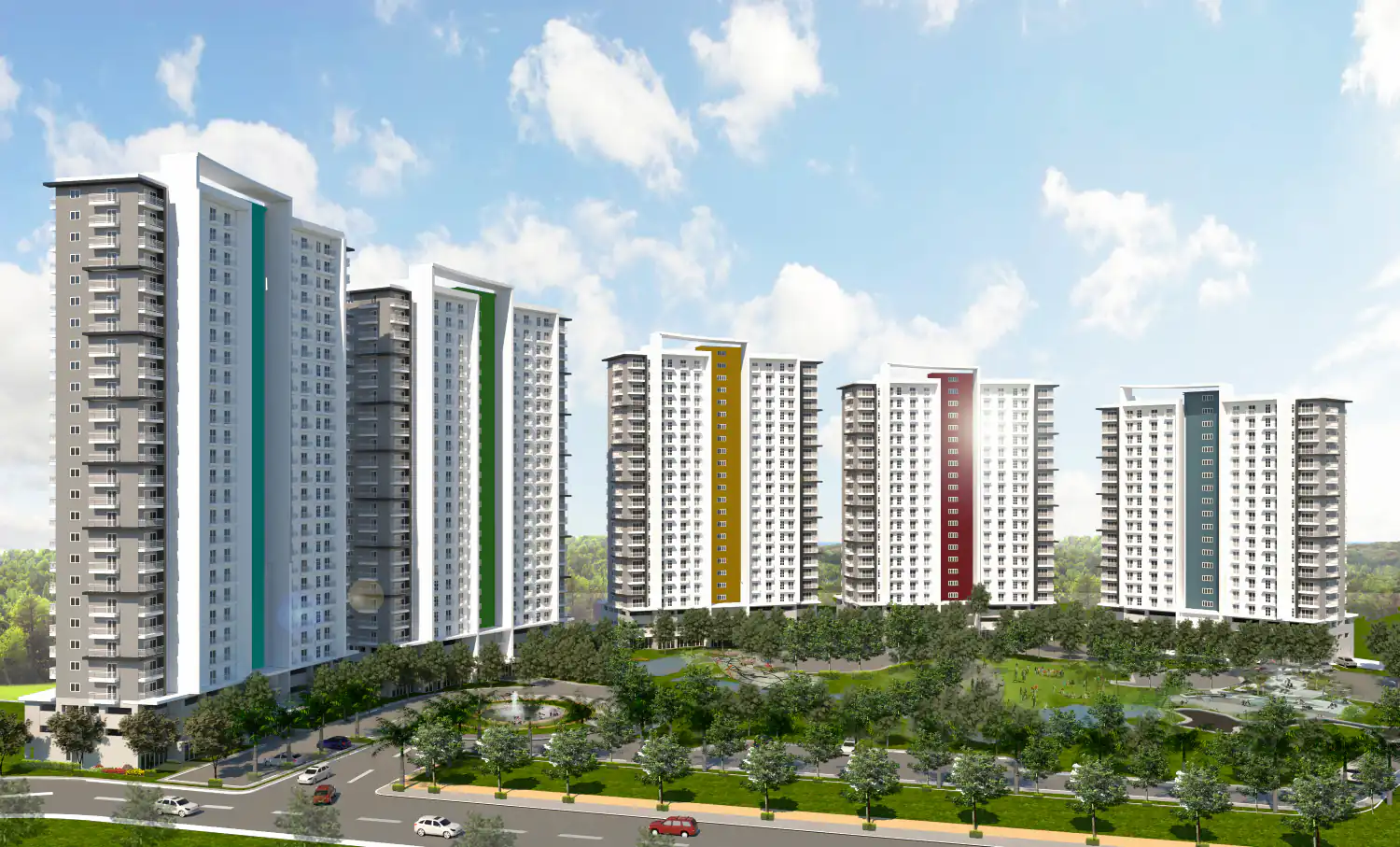
If you are looking for a concrete example of the kind of Islamabad property purpose-built for high-performance vacationrentalmanagement, Citadel One3 by Chakor Ventures is exactly what that looks like.
This is not just a premium address. It is the kind of location, building quality, and amenity package that short-term rental guests, whether corporate travelers, overseas Pakistanis, or high-end domestic tourists, actively seek out and are willing to pay premium nightly rates for.
Why Citadel One3 Is Ideal for Vacation Rental Investment
Location alone sets Citadel One3 apart. Jinnah Avenue sits at the center of Islamabad’s most active professional and commercial district, putting guests within minutes of government offices, corporate headquarters, embassies, and the city’s best dining and retail.
For a vacation rental property management strategy targeting business and executive travelers, the most lucrative and consistent guest segment in Islamabad, this address is as strong as it gets.
Beyond location, the building’s amenities do much of the selling for you. Citadel One3 features:
Rental Stay Management
Gym and Wellness Facilities
Culinary Court
Sports and Kids Play Area
Smart Parking for 350+ Cars
24/7 Surveillance and Secure Entry and Exit Points
Advanced Firefighting System
The Passive Income Case for Citadel One3 Owners
Citadel One3 is not just a beautiful building; it is a structurally sound vehicle for passive rental income when paired with professional vacation rental property management.
The combination of a premier Blue Area address, iconic views, luxury in-building amenities, and dedicated rental stay management infrastructure means that owners who place their units under full-service vacation rental management are starting from an exceptionally strong position.
For investors and condo buyers evaluating where in Islamabad to put their money with vacation rental income as a priority, Citadel One3 represents the convergence of the right location, the right building, and the right amenities, the three pillars that determine whether vacation rental property management delivers strong returns or merely average ones.
What Does Full Service Vacation Rental Management Include?
When Islamabad property owners talk about truly stepping back from the day-to-day, they are describing full-service vacation rental management, a comprehensive arrangement where one company handles every operational detail. Here is exactly what that covers:
1. Professional Listing Creation and Marketing
Your Islamabad condo gets distributed across short-term rental platforms accessible in Pakistan, as well as direct booking channels and local corporate networks. A professionally presented listing in a competitive market like Islamabad consistently outperforms a basic self-managed post.
2. Dynamic Pricing
Professional managers never set a single fixed rate. Prices adjust based on real demand signals Eid holidays, PSL matches, government sessions, and corporate events. When demand rises, rates go up. When it slows, strategic reductions protect occupancy. The result is consistently higher annual revenue than static pricing delivers.
3. Guest Communication and Booking Management
Every inquiry, confirmation, check-in instruction, and post-stay message is handled by the management team. Corporate and international guests in Islamabad expect prompt, professional responses. Full-service vacation rental management companies ensure your guests always feel taken care of and your platform’s reputation stays strong.
4. Professional Cleaning and Turnover
Between every stay, your condo is cleaned, linens replaced, supplies restocked, and conditions checked. Trained housekeeping staff follow standardized checklists. Consistent cleanliness drives strong ratings, and strong ratings drive more bookings.
5. Maintenance and Property Care
Islamabad’s summer heat, winter cold, and daily wear all take a toll. A management company handles repairs through a vetted network of local technicians. Preventative checks are scheduled regularly, so small issues never become expensive guest-stay problems.
6. Financial Reporting and Owner Dashboard
You receive monthly statements covering bookings, revenue, fees, maintenance costs, and your net payout. Many companies provide real-time owner portals. You stay fully informed without touching a single operational task.
Self-Managing vs. Full Service
Responsibility
Self-Managed
Full Service Vacation Rental Management
Listing & Photography
Owner creates
Professional quality, multi-platform
Pricing
Fixed, often underpriced
Dynamic, demand-based
Guest Communication
Owner 24/7
Dedicated management team
Cleaning & Turnover
Owner coordinates
Scheduled, inspected, consistent
Maintenance
The owner calls contractors
Vetted vendors, proactive care
Guest Screening
Limited or none
Structured vetting process
Financial Reporting
Basic income tracking
Detailed monthly statements
Your Time Commitment
Very high
Minimal
How Much Does Vacation Rental Property Management Cost?
In Pakistan, professional vacation rental property management fees generally range between 20% and 35% of gross booking revenue. The exact percentage depends on the scope of services, your property’s location, and the company you choose.
A higher fee does not automatically mean worse value. A management company charging 28% that consistently achieves 75% monthly occupancy at strong nightly rates will put significantly more money in your pocket and ultimate benefits than self-managing at zero fees but struggling with 35% occupancy.
Always request a clear, written fee breakdown. Watch specifically for:
Onboarding or setup fees
Photography charges
Maintenance markup percentages
Early exit penalties
Fees charged during vacant months
A trustworthy vacation rental property management partner in Islamabad will be completely transparent about its full cost structure before you sign anything.
Condo-Specific Considerations in Islamabad
Before placing your condo under professional management, address these Pakistan-specific practical points:
Housing Society Rules
Ownership Documentation
Insurance
Tax Compliance
Owner Personal Use
Choosing the Right Vacation Rental Property Management Company
The professional short-term rental management industry in Pakistan is still developing, which means due diligence matters more here than in more mature markets. Here is what to evaluate:
Local Islamabad Knowledge: A manager who understands Islamabad’s specific sectors, guest profiles, peak demand windows, and competitive pricing landscape will consistently outperform a generic national operator
Transparent Pricing: Full written breakdown, no hidden fees
Technology: Owner portal, booking platform integration, and automated financial reporting signal a professional operation
References: Ask to speak with existing property owners they currently manage
Responsiveness: How quickly they respond to you during initial discussions tells you exactly how they will respond to your guests
Frequently Asked Questions
What is vacation rental property management?
It is a professional service in which a company manages all short-term rental operations on your behalf, including listings, pricing, guest management, cleaning, maintenance, and financial reporting.
Is Islamabad a good market for vacation rentals?
Yes. Islamabad’s combination of year-round corporate demand, proximity to northern tourist destinations, growing expat community, and improving infrastructure makes it one of Pakistan’s strongest and most consistent vacation rental markets.
How much does vacation rental property management cost in Pakistan?
Professional management fees typically range from 20% to 35% of gross booking revenue, depending on the service scope and location.
Can I still use my condo when it is under management?
Yes. Most vacation rental property management agreements allow owners to block personal-use dates with advance notice to the management team.
Is rental income taxable in Pakistan?
Yes. Rental income is subject to taxation under Pakistan’s Income Tax Ordinance. A local tax advisor can guide you on your specific obligations.
Final Thoughts
Islamabad is not just Pakistan’s capital; it is one of the country’s most commercially sound markets for short-term rentals. Year-round demand, a quality-conscious guest base, and growing awareness of furnished apartment stays make it an ideal environment for professional vacation rental property management to deliver real, consistent passive income. Vacation rental property management, done right, is how Islamabad condo owners build lasting passive income from real estate without giving up their time.
Dedicated and detail-oriented SEO Content Writer, Real Estate Writer, and Research Analyst based in Islamabad, with proven expertise in developing accurate, valuable, and well-researched content. Skilled in analytical writing, market research, and reporting, with the ability to turn insights into clear, professional, and impactful content. Passionate about exploring new ideas, analyzing industry trends, and contributing to high-quality writing and research-driven projects.
KARACHI: The Pakistan Stock Exchange suffered a sharp sell-off on Monday as escalating hostilities in the Middle East drove the KSE-100 Index down 3,500 points to 148,201, from a previous close of 151,707.
The decline is the latest in a string of war-driven corrections. Earlier this month, the index shed over 16,000 points in a single session, its steepest single-day fall on record, triggering a temporary halt under PSX circuit-breaker regulations. The conflict, sparked by joint U.S.-Israeli strikes on Iran, has since cast a long shadow over domestic markets.
The turmoil is not confined to Pakistan. Global markets have been broadly rattled, with hedge funds in Europe rapidly unwinding leveraged positions and volatility spreading across U.S. Treasuries, gold, and currencies. The closure of the Strait of Hormuz, a conduit for roughly 20% of the world’s oil and gas supplies, has produced what the International Energy Agency has called the largest supply disruption in the history of the global oil market, with Gulf production cuts exceeding 10 million barrels per day.
Oil prices surged further after Yemen’s Houthi movement launched ballistic missiles at Israeli targets over the weekend, widening the regional conflict. Brent crude climbed 2.47% to approximately $115.35 per barrel, up nearly 36% since hostilities began on February 27.
As a net oil importer, Pakistan faces compounding risks, inflationary pressure, current account stress, and currency vulnerability. While AKD Securities has suggested the direct economic impact remains manageable, analysts broadly agree that market recovery hinges on the conflict’s trajectory.
BBC-featured Content Specialist with a sharp eye for search intent and a proven ability to turn content into a growth engine. I leverage cutting-edge digital marketing tools to craft strategies that fuel organic traffic, amplify brand growth, and own the local SEO landscape, particularly across the competitive real estate market. I help brands dominate search rankings and convert visibility into measurable business success.