US-Iran talks
CategoriesNews Current Affairs Geopolitics Trending

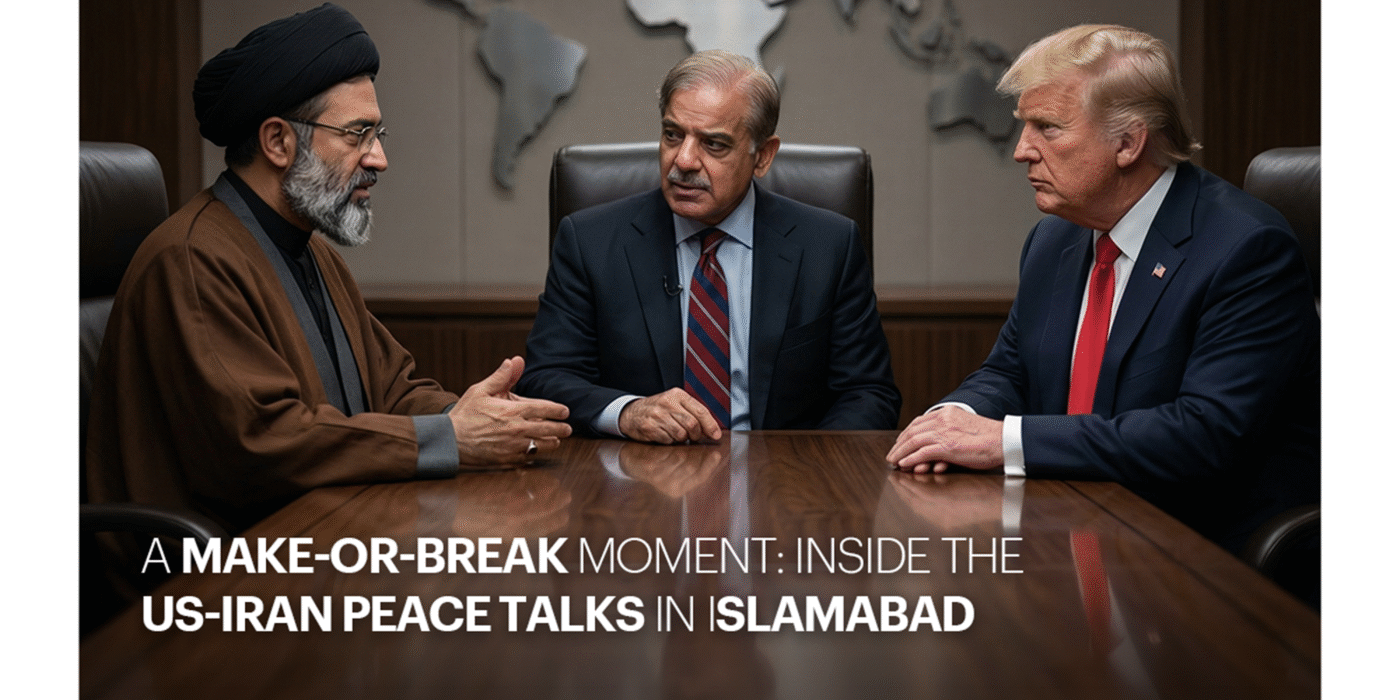
A Make-or-Break Moment: Inside the US-Iran Peace Talks in Islamabad

ISLAMABAD, April 11, 2026 — Pakistan’s capital became the centre of global diplomacy as senior delegations from Washington and Tehran gathered for high-stakes US-Iran peace talks, widely described by analysts as the most consequential negotiations in decades. The meeting followed a Pakistan-brokered truce that halted a devastating six-week conflict and reopened diplomatic channels between long-time adversaries.

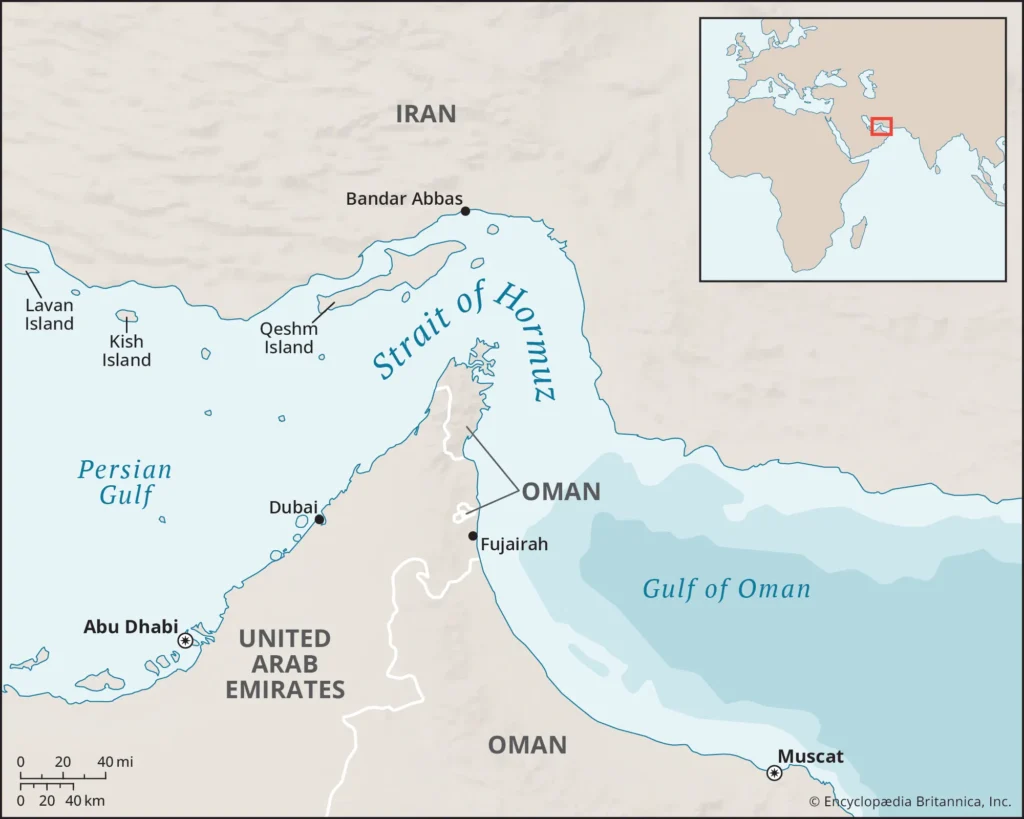
The war, which began on February 28, lasted roughly 40 days and involved extensive US-Israeli aerial bombardment of Iranian targets. The conflict resulted in thousands of casualties and pushed shipping through the Strait of Hormuz, a corridor responsible for nearly 20 percent of global oil and gas transit, to the brink of disruption.

The ceasefire, achieved after weeks of quiet diplomacy in which Pakistan mediates ceasefire efforts between the two sides, created the conditions for the US-Iran talks, Islamabad framework.

Prime Minister Shehbaz Sharif described the talks as a decisive moment. “I ask all of you to pray that these talks are successful and countless lives are saved and the world shall see peace,” he said in a televised address, according to The Express Tribune’s report.

Delegations Arrived Amid Global Attention

United States
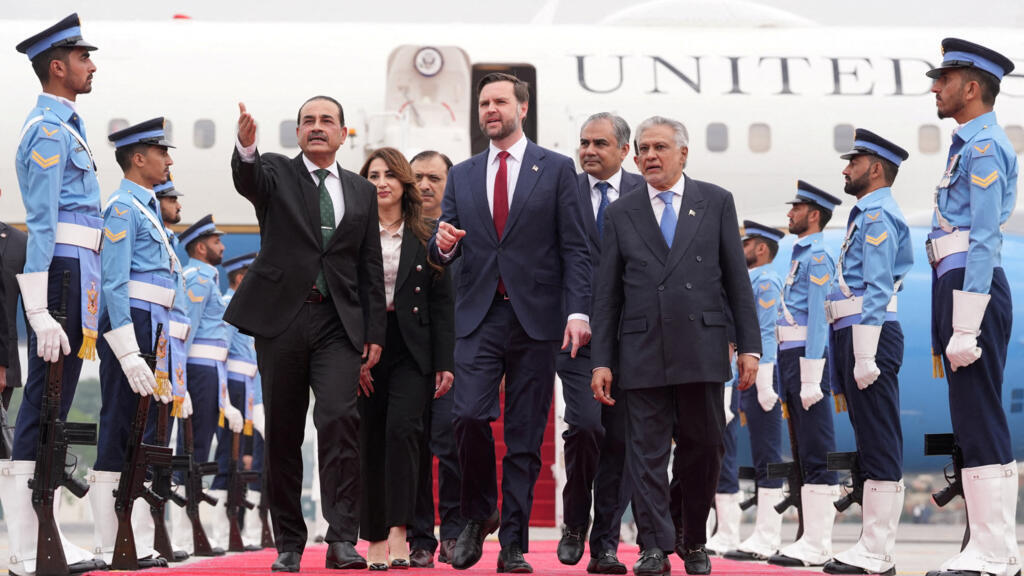
United States

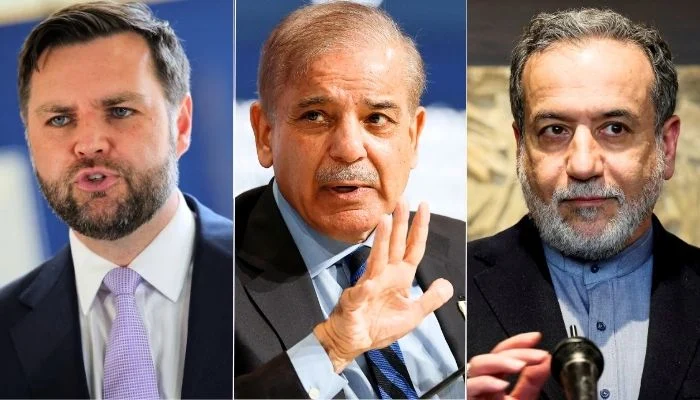
The United States delegation was led by Vice President JD Vance, marking the first visit by a sitting US vice president to Pakistan since 2011. The delegation also included Middle East Special Envoy Steve Witkoff and Jared Kushner, according to The Express Tribune’s and Bloomberg. Pakistani officials, including Deputy Prime Minister Ishaq Dar and Army Chief Field Marshal Syed Asim Munir, received the delegation at Nur Khan Airbase.

President Trump, speaking from Washington, expressed optimism while simultaneously warning of renewed military action should the talks collapse, saying: “We’re going to find out in about 24 hours.”

Before departure, Vance expressed cautious optimism regarding the US-Iran peace talks. “We’re looking forward to the negotiation. I think it’s going to be positive. If the Iranians are willing to negotiate in good faith, we’re certainly willing to extend the open hand,” he told reporters, according to The Express Tribune.

Iran
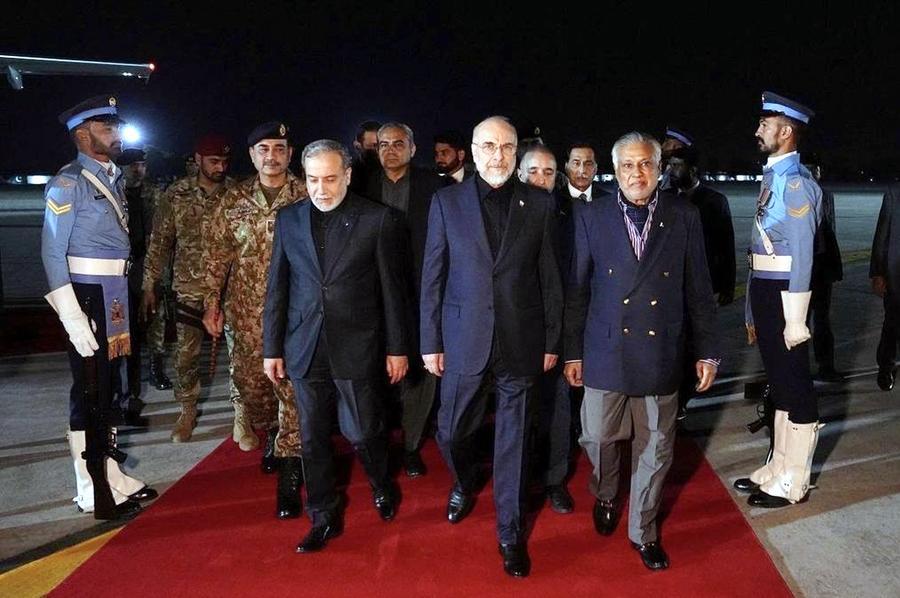
 

Iran

Iran’s delegation, led by Parliament Speaker Mohammad Bagher Ghalibaf and Foreign Minister Abbas Araghchi, arrived late on Friday night. Tehran entered the US-Iran talks Islamabad with a firm negotiating position, demanding sanctions relief, access to frozen financial assets, and security guarantees against further military operations, according to Bloomberg and Al Jazeera.

Iran also called for oversight of the Strait of Hormuz, compensation for war damages, and inclusion of Lebanon in any ceasefire arrangement, conditions analysts described as more expansive than those presented before the conflict began. 

Pakistan Mediates Ceasefire and Hosts Negotiations

Pakistan’s emergence as a mediator followed weeks of quiet diplomacy. Islamabad maintained backchannel contacts with Tehran while coordinating with Washington and consulting regional actors, including China, Saudi Arabia, Turkey and Egypt. These efforts helped bring both sides to the negotiating table and shaped the format of the US-Iran peace talks, according to an analysis published by The Friday Times.

Pakistan’s civil-military leadership adopted a layered mediation structure. Prime Minister Sharif provided political authority, Foreign Minister Ishaq Dar managed the diplomatic process, and senior security officials engaged at the strategic level.

Analysts noted that Pakistan mediates ceasefire diplomacy, combining pressure and reassurance. Islamabad warned against escalation while maintaining neutrality, enabling both sides to accept a pause without conceding.

Islamabad Under Tight Security
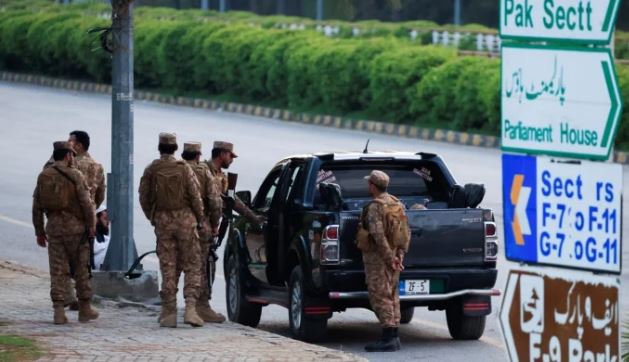
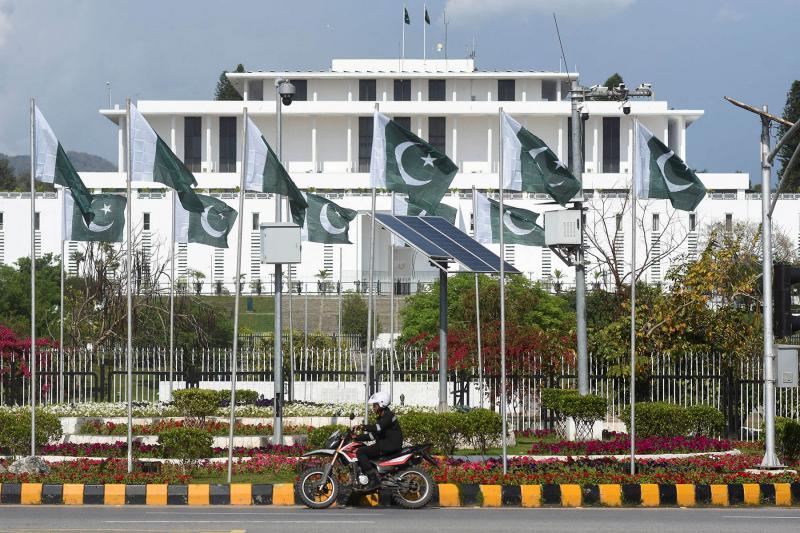
Pakistan ramps up security as Islamabad

The US-Iran talks Islamabad were held in Islamabad’s Red Zone, with heavy security deployed across the capital. Roads were sealed, barriers erected, and a dedicated media centre established for international coverage, according to The Express Tribune. Officials indicated negotiations could continue for up to 15 days, beginning with shuttle diplomacy before direct exchanges.

Nuclear Programme at the Core of US-Iran Peace Talks

The nuclear dispute remained the most contentious issue. Washington demanded a permanent halt to uranium enrichment and disposal of Iran’s enriched uranium stockpile, including approximately 460 kilograms of 60 percent enriched material, according to Bloomberg. Tehran rejected a zero-enrichment proposal and insisted on its right to peaceful nuclear development.

Iran argued that any Islamabad Accord must go beyond the 2015 nuclear agreement, which it described as a baseline rather than a ceiling.

The Strait of Hormuz Became Critical Bargaining Point
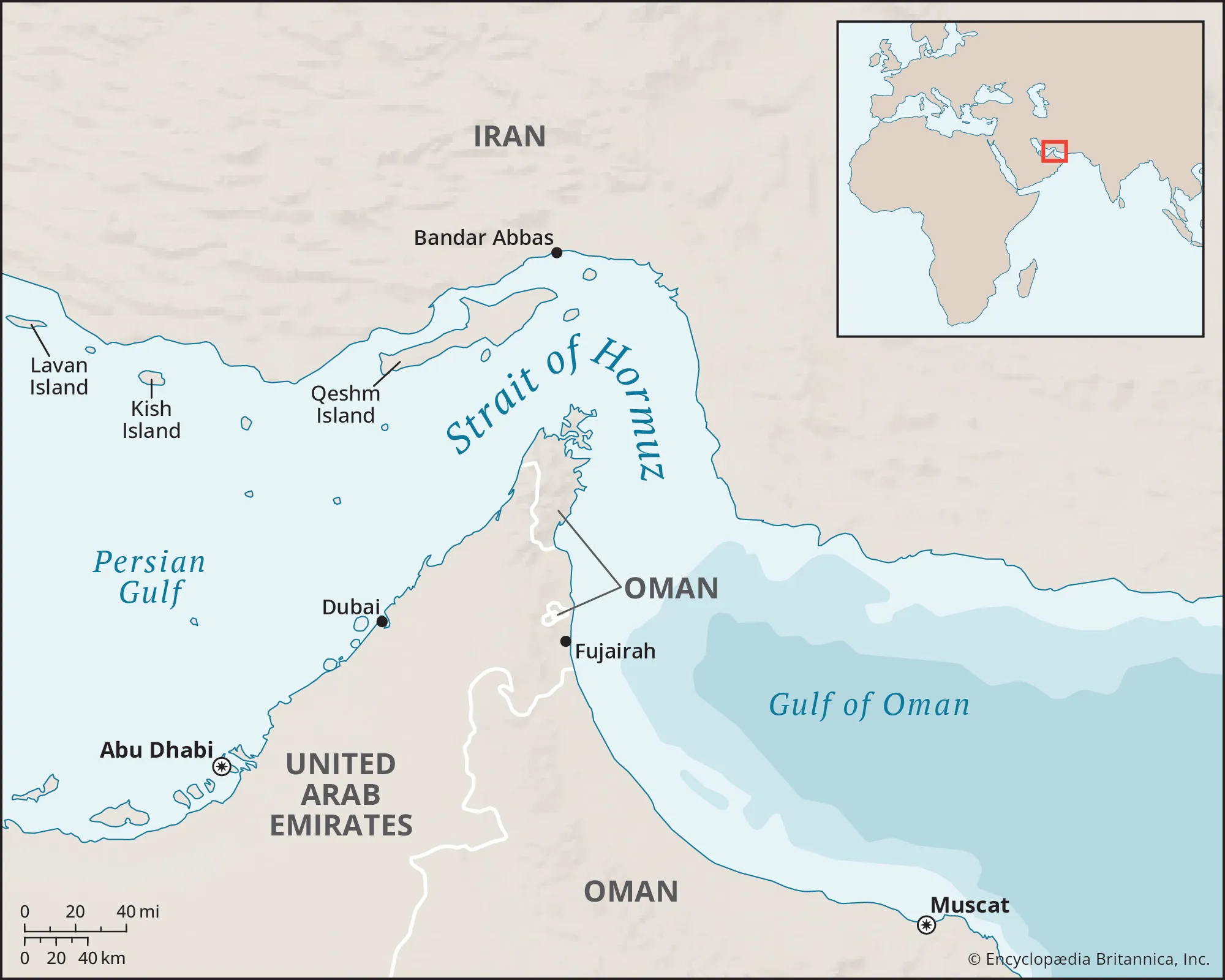
The Strait of Hormuz emerged as one of the most urgent issues in the US-Iran peace talks. Iran’s effective closure during the conflict disrupted tanker movement and threatened global energy markets, according to Bloomberg

Iran proposed long-term oversight of the Strait of Hormuz, while Washington demanded an unconditional reopening, a disagreement that analysts said illustrated the global economic stakes in the negotiations.

Lebanon Crisis Complicated Diplomacy

The situation in Lebanon threatened to derail the talks. Israel launched widespread strikes following the ceasefire, killing more than 300 people in a single day. Iran demanded that Lebanon be included in negotiations, while Washington maintained that the issue fell outside the current ceasefire terms, according to Al Jazeera.

Competing Frameworks

The United States presented a 15-point proposal focusing on the rollback of nuclear activity, missile limits and regional posture adjustments. Iran offered a 10-point plan prioritizing security guarantees, early sanctions relief and preservation of deterrence capabilities, according to Bloomberg.

The sequencing dispute, concessions first versus relief first, remained the biggest obstacle. Diplomats said bridging that gap would determine whether the US-Iran peace talks could produce a lasting Islamabad Accord.

Global Stakes

The US-Iran peace talks represented the highest-level diplomatic engagement between Washington and Tehran since the 1979 Iranian Revolution. A successful Islamabad Accord could reopen global energy flows, stabilise Middle Eastern security architecture and reshape regional geopolitics, according to Bloomberg. Failure risked renewed conflict and volatility in oil markets linked to the Strait of Hormuz.

For Pakistan, the stakes were equally significant. Success would cement Islamabad’s role as a credible global mediator and demonstrate how Pakistan mediates ceasefire diplomacy and influence international outcomes, as reflected in reporting by The Express Tribune and analysis by The Friday Times.

As negotiations unfolded, diplomats acknowledged that diplomacy had entered its most delicate phase. Whether the US-Iran talks Islamabad would yield a durable Islamabad Accord remained uncertain, but the outcome promised far-reaching consequences for regional stability, global energy markets and the future of US-Iran relations.

Global Significance

The Islamabad Talks marked the highest-level engagement between the United States and Iran since the 1979 Islamic Revolution, with implications extending far beyond the two countries.

A successful agreement could reopen global energy flows, stabilise the Middle East, and reshape regional geopolitics. Failure, however, risked renewed conflict, higher energy prices, and wider instability.

For Pakistan, success would strengthen its position as a credible global mediator, while failure would expose the limits of its diplomatic influence. As Prime Minister Shehbaz Sharif said, Pakistan would “put in its best efforts,” but the outcome ultimately rested with Washington and Tehran.

For more news on real estate and Special Reports, visit Chakor Ventures.
CategoriesNews Current Affairs Economy Geopolitics Investment Trade Trending

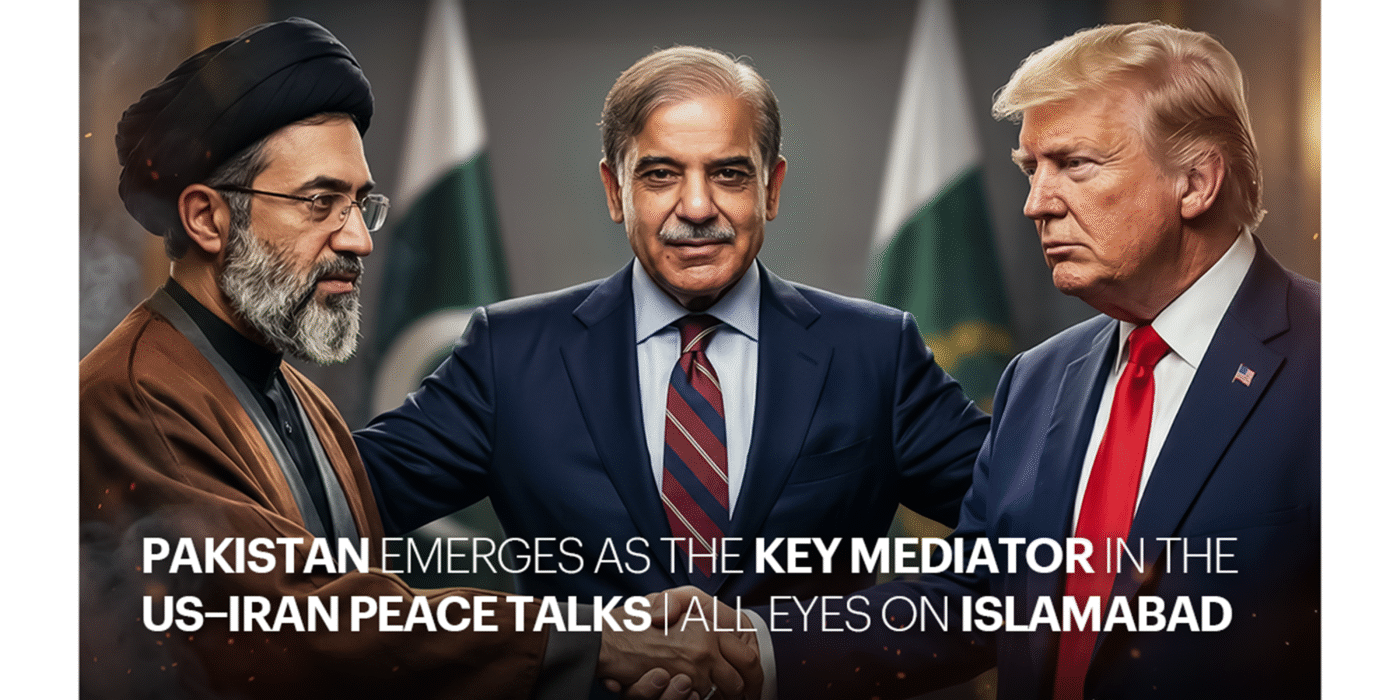
Pakistan Emerges as Key Mediator in the US–Iran Peace Talks | All Eyes on Islamabad

ISLAMABAD, April 10, 2026 —Pakistan stands at the centre of one of the most consequential diplomatic efforts in decades as Islamabad prepares to host the US Iran peace talks, positioning the country as the primary intermediary in efforts to stabilise a conflict that disrupts global energy supplies and threatens wider regional escalation. The emerging framework, increasingly referred to by diplomats as the Islamabad Accord, follows a Pakistan-brokered ceasefire after weeks of intensive shuttle diplomacy.

The US Iran talks come after the US-Iran ceasefire announced on April 7–8, which emerged following sustained diplomatic engagement led by Pakistan’s civilian and military leadership. Islamabad facilitates backchannel communication, relays proposals, hosts regional meetings and coordinates with partners including China and Saudi Arabia. The agreement pauses hostilities shortly before a U.S. escalation deadline, underscoring the urgency surrounding the diplomatic push.

Analysts describe the development as a major diplomatic breakthrough. South Asia expert Michael Kugelman calls the mediation “one of Pakistan’s biggest diplomatic wins in years,” according to a France 24 report.

Conflict Triggered Global Energy Shock After Strait of Hormuz Closure

strait of hormuz

The crisis begins on February 28, 2026, when coordinated U.S. and Israeli airstrikes target Iran’s leadership and military infrastructure. Iran responds with missile and drone attacks and moves to close the Strait of Hormuz, the narrow waterway through which roughly 20 percent of global oil supply flows.

The closure of the Strait of Hormuz immediately disrupts global markets. The International Energy Agency warns the situation represents “the largest supply disruption in the history of the global oil market,” according to the IEA Oil Market Report cited in the document.

According to IEA data referenced in the report:

  • About 20 million barrels per day of oil are disrupted
  • Brent crude rises close to $120 per barrel
  • Analysts warn prices could reach $200 per barrel, according to Bloomberg
  • Global LNG supply drops around 20 percent
  • Gulf food imports fall by roughly 70 percent
  • Global GDP risk reaches −1.3 percentage points, according to Dallas Fed research

These figures illustrate the global stakes surrounding the US Iran peace talks and the urgency behind the Pakistan-brokered ceasefire.

Jet fuel prices double while U.S. gasoline prices rise about 30 percent, according to reporting cited from Time and industry data referenced in the report.

Pakistan Emerges as Only Credible Mediator

Pakistan mediates the US Iran crisis largely because of its unique diplomatic positioning. Islamabad maintains relations simultaneously with Washington, Tehran, Riyadh and Beijing, a rare diplomatic victory.

Pakistan shares a 900-kilometre border with Iran, maintains defence cooperation with Saudi Arabia and retains longstanding ties with the United States. It is also widely regarded as China’s closest regional partner, according to analysis cited from Al-Monitor.

Pakistan also has significant domestic and economic stakes:

  • Over 20 million Shia Muslims
  • Approximately 5 million workers in Gulf states
  • Annual remittances of $38.3 billion
  • Heavy reliance on energy imports through the Strait of Hormuz

Pakistan also emphasises neutrality. Officials condemn attacks by all sides and rule out military participation against Iran, strengthening Islamabad’s credibility as mediator, according to reporting cited from Al Jazeera.

Six Weeks of Shuttle Diplomacy Leads to Islamabad Accord

Pakistan launches diplomatic outreach immediately after the conflict begins.

On March 3, Foreign Minister Ishaq Dar tells Pakistan’s Senate Islamabad is ready to facilitate US Iran talks, according to Al Jazeera.

Prime Minister Shehbaz Sharif meets Saudi leadership in Jeddah on March 12, expressing solidarity while reassuring Iran. The move helps prevent further escalation, according to reporting referenced from CNN.

Regional foreign ministers meet in Riyadh on March 19 and again in Islamabad on March 29, aligning diplomatic positions for the US Iran peace talks.

Pakistan relays a 15-point U.S. ceasefire proposal to Tehran on March 25. Iran rejects the proposal but submits its own conditions, keeping negotiations alive.

On March 31, Pakistan and China announced a joint five-point peace initiative calling for cessation of hostilities and restoration of navigation in the Strait of Hormuz, reinforcing momentum toward the Islamabad Accord.

Further negotiations follow. Pakistan presents a two-phase ceasefire framework in early April. The exchange culminates in the US-Iran ceasefire announced April 7–8, according to reporting from CNN, Al Jazeera and France 24.

Historic Significance of US Iran Peace Talks

US Iran peace talks

Analysts describe the US Iran peace talks in Islamabad as unprecedented. The mediation marks the first time Pakistan brokers a ceasefire between adversaries during active escalation, according to expert assessments cited from Al Jazeera.

The engagement also represents the highest-level US Iran talks since 1979, according to Time.

Economic Stakes Linked to Ceasefire

The US-Iran ceasefire and potential Islamabad Accord carry major economic implications.

A diplomatic breakthrough could revive the Iran–Pakistan gas pipeline. The project:

  • Length: 2,775 km
  • Gas flow: 21.5 million m³/day
  • Power generation: 4,000 MW
  • Savings: $2.3 billion annually
  • Penalty risk avoided: $18 billion

These figures come from IPRI Pakistan research cited in the report.

The conflict also threatens remittances from Gulf-based Pakistani workers. About five million workers send home $38.3 billion annually, according to Time.

Global Reaction to Pakistan Mediates Ceasefire

International leaders welcome the Pakistan-brokered ceasefire.The United Nations calls for compliance with terms. European Commission President Ursula von der Leyen welcomes de-escalation. UK Prime Minister Keir Starmer calls the deal a “moment of relief.”

These reactions are cited from international coverage referenced in the report, including Reuters and Al Jazeera.

China says it works actively to help bring about the US-Iran ceasefire, while Iran confirms acceptance of the agreement.

Islamabad at the Centre of Global Diplomacy

Islamabad accord

Pakistan mediates the crisis at a moment when global markets remain sensitive to disruptions in the Strait of Hormuz and regional escalation risks. The Pakistan-brokered ceasefire pauses what analysts describe as the largest oil disruption in modern history and positions Islamabad as a central diplomatic actor.

The US Iran peace talks, expected to shape the emerging Islamabad Accord 2026, now place Pakistan at the centre of global diplomacy; with energy security, regional stability and geopolitical alignment all hinging on the outcome.

For more news on real estate and Special Reports, visit Chakor Ventures.

CategoriesNews Economy Investment Trending

Gold Prices Surge in Pakistan Amid Global Market Rally

KARACHI: Gold prices in Pakistan continued their volatile trajectory on Wednesday, recording a sharp increase of Rs15,200 per tola to reach Rs479,262, according to the All-Pakistan Gems and Jewellers Sarafa Association. The price of 10-gram gold also climbed by Rs13,031, settling at Rs410,889.

The latest surge follows a turbulent few sessions in the domestic market. Gold had previously risen by Rs16,300 per tola on Tuesday before that gain came on the heels of a steep decline of approximately Rs43,000, underscoring the extreme price swings that have characterized the market in recent days.

The domestic rally closely tracked developments in the international market, where spot gold prices rose nearly 2% to $4,554.97 per ounce after hitting a four-month low earlier in the week. US gold futures for April delivery posted an even sharper gain of 3.5 percent, reaching $4,553.60 per ounce, according to Reuters.

Market analysts attributed the rebound to easing inflation concerns, partly stemming from a recent decline in global oil prices. However, persistent geopolitical tensions in the Middle East continue to cast a shadow of uncertainty over commodity markets, sustaining demand for gold as a protective asset.

Adnan Agar, Director at Interactive Commodities, offered a broader perspective on gold’s evolving role, noting that the metal has transitioned from a traditional safe-haven instrument to a recognized long-term investment class. He attributed this shift largely to aggressive gold purchases by central banks worldwide, as nations seek to reduce their dependence on the US dollar.

Looking ahead, futures market speculation suggests a potential price correction as markets enter their next phase. Analysts also cautioned that any escalation in crude oil prices could trigger broader inflationary pressures, potentially compelling central banks to curtail gold purchases.

Silver prices edged up by Rs370 per tola to Rs7,824, while the Pakistani rupee gained marginally, rising Rs0.01 to Rs279.21 against the US dollar in the interbank market.

For more news on the economy, real estate, and development, visit Chakor Ventures.

CategoriesTrending

A Wake-Up Call: Why Pakistan’s Shopping Malls Must Prioritize Fire Safety Now

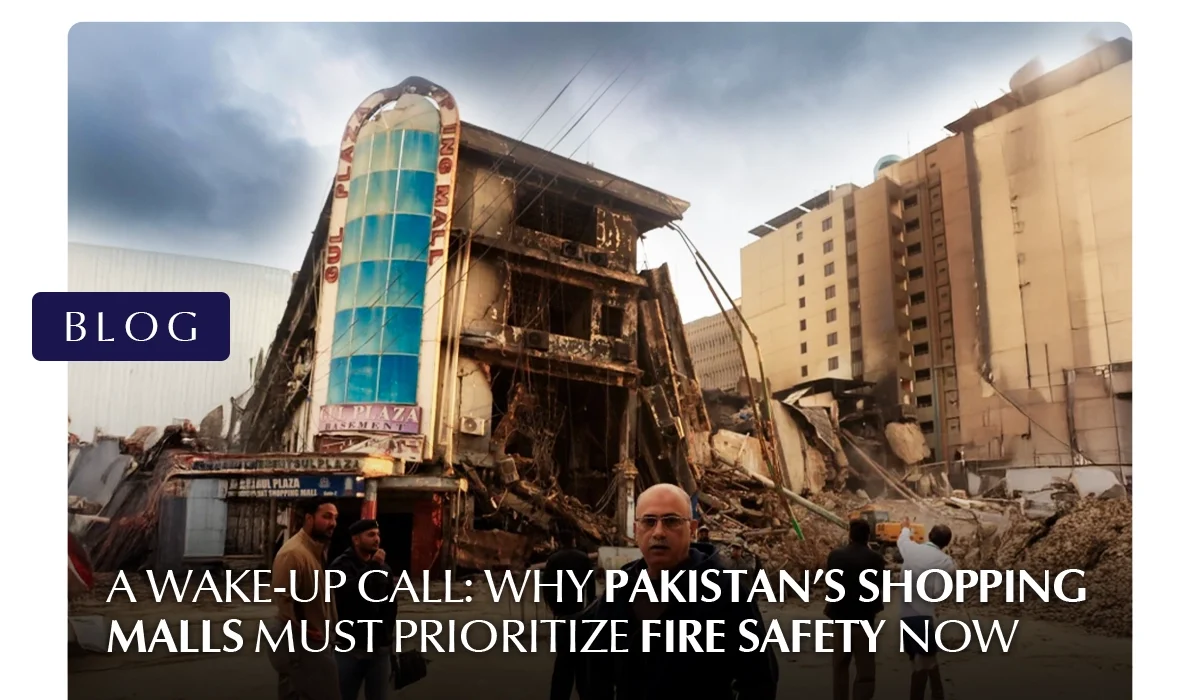
Over recent years, mall fire accidents across Pakistan, from the Gul Plaza fire incident in Karachi (January 2026) to repeated incidents at Hafeez Center in Lahore, RJ Mall in Karachi, and Centaurus Mall in Islamabad, have exposed a national crisis in fire safety standards for commercial real estate. These tragic shopping mall fire accidents reveal systemic failures across the board. 

Background: A Pattern of Shopping Mall Fire Accidents

The Gul Plaza fire in Karachi, which killed dozens of people in January 2026, was found to have started in a flower shop on the ground floor and spread rapidly through air-conditioning ducts, causing most of the fatalities on the mezzanine level, according to the final investigation report prepared for the Sindh chief minister.

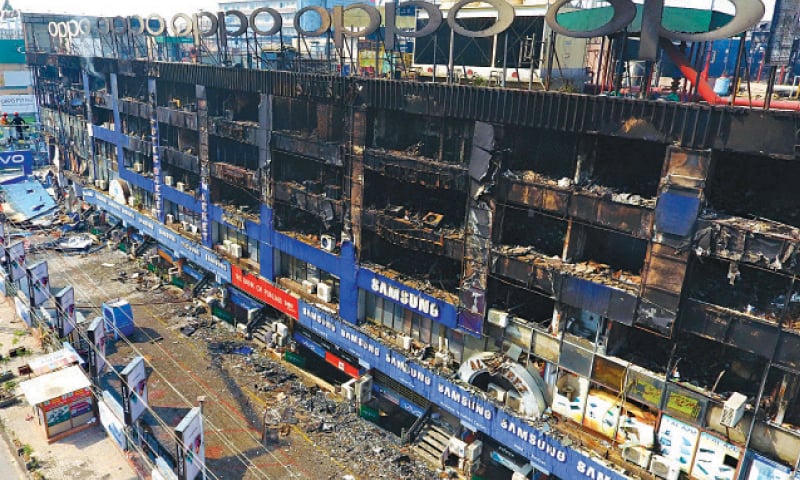
In Karachi’s Millennium Mall fire, a suspected electrical short circuit on the rooftop ignited flames that gutted over 250 shops, with firefighters hampered by non-functional suppression systems and water shortages.

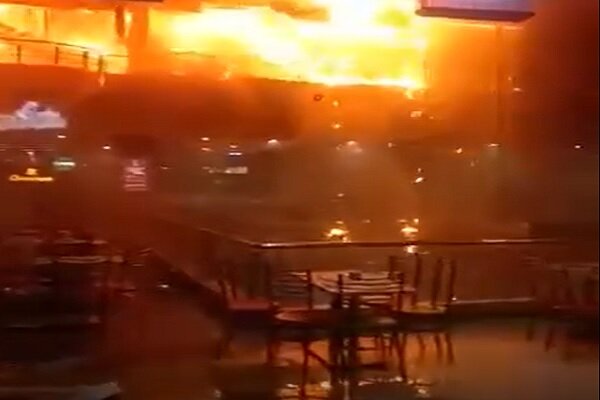
Similarly, the Hafeez Center fire in Lahore (March 2025) reignited old concerns from the 2020 tragedy; shops were evacuated, exits were blocked, and no automatic suppression or drills were in place.

The 2023 RJ Mall fire in Karachi killed at least 11 people due to faulty wiring, a lack of emergency exits, and no safety equipment available. The Centaurus Mall fire in Islamabad (October 2022) disrupted operations, highlighting a delayed response and inadequate preparedness. 

pakistan's shoping mall fire accidents

Preventing Shopping Mall Fire Accidents through Regulation and Oversight

Repeated shopping mall fire accidents, particularly in major cities such as Karachi, Lahore, and Islamabad, highlight that Pakistan lacks enforceable fire safety regulations, adequately trained emergency staff, and basic safety infrastructure. Electrical faults and blocked exits remain the leading causes, making the situation preventable, but only if urgent measures are taken.

What Must Be Done: Adopt Robust Fire Safety Protocols

Commercial buildings must meet NFPA-compliant safety standards:

fire accident at hafeez center

  • Functional automatic sprinkler systems, smoke detectors, and fire alarms
  • Fire-rated materials and compartmentalization
  • Marked, unobstructed emergency exits
  • Dedicated firefighting stairs and high-rise lifts
  • Emergency lighting, signage, annual safety audits, and compliance transparency

Training hospital-like readiness evacuation drills and designating fire wardens on-site is as critical as having the proper equipment. Without regulatory enforcement, even detailed guidelines remain window dressing.

Benefits of Fire-Safety Measures Commercial Malls

  • Protects lives in emergencies
  • Minimizes property loss and business interruption
  • Builds public trust and repeat footfall
  • Ensures legal compliance, avoiding fines and litigation
  • Enhances tenant retention and real estate value
  • Qualifies for lower insurance premiums and risk rating benefits

A New Standard: Citadel 7 by Chakor Ventures

In contrast to negligent developments, Citadel 7 Corporate Tower in Islamabad’s Blue Area, developed by Chakor Ventures, is designed with state-of-the-art fire safety systems. In stark contrast to many developments that compromise safety, Citadel 7, a CDA-approved high-rise tower by Chakor Ventures in Islamabad’s Blue Area, is meticulously engineered with international-standard fire protection systems. The facility features 24/7 CCTV surveillance and AI-based HVAC systems. These intelligent systems and safety-first protocols set  Citadel apart as a benchmark for resilient commercial real estate in Pakistan. 

Key Fire Safety Features at Citadel 7:

  • Automated Sprinkler Systems on every floor
  • Integrated Heat and Smoke Detection with central control
  • Dedicated Firefighting Elevators and Stairwells
  • Clearly Labeled, Accessible Emergency Exits
  • Fire-Rated Construction Materials
  • Certified Fire Safety Systems approved by the authorities

But Chakor Ventures goes further than hardware. They focus on training and preparedness, including

  • Regular evacuation drills
  • On-site fire wardens and safety staff
  • Preventive maintenance schedules
  • Third-party fire safety audits


Citadel 7: High-Security Corporate Tower Safe with Fire Protection

These recurring fire tragedies are more than isolated events; they’re an urgent warning. The government must enforce strict safety compliance, developers must act with integrity, and the public must demand safe environments. Chakor Ventures’ Citadel 7  offers a pioneering model: safe, functional, and resilient commercial infrastructure. It’s time to treat fire safety not as an afterthought, but as the foundation of every commercial property in Pakistan.

FAQs

1. How is Citadel 7 different from other commercial towers in terms of fire safety?

Citadel 7 is equipped with an advanced firefighting system that includes automated sprinklers, fire alarms, smoke detectors, and firefighting elevators. Unlike many older buildings in Pakistan, these systems are fully functional and regularly maintained to meet international safety standards.

2. What emergency protocols are in place at Citadel 7?

Chakor Ventures has implemented comprehensive emergency response protocols, including trained staff for evacuation, marked fire exits, and real-time alert systems. Regular drills are conducted to ensure that tenants and employees are prepared in the event of a fire emergency.

3. Is the fire safety system certified or regulated?

Yes, all fire safety installations at Citadel 7 are approved by the relevant regulatory authorities and conform to the latest building and fire safety codes, ensuring full compliance and reliability.

4. How does Citadel 7 ensure continuous safety as the building ages?

Citadel 7 incorporates preventive maintenance schedules, third-party inspections, and system upgrades to ensure optimal performance. Chakor Ventures prioritizes long-term safety through consistent investment in fire prevention technology and training.