BBC-featured Content Specialist with a sharp eye for search intent and a proven ability to turn content into a growth engine. I leverage cutting-edge digital marketing tools to craft strategies that fuel organic traffic, amplify brand growth, and own the local SEO landscape, particularly across the competitive real estate market. I help brands dominate search rankings and convert visibility into measurable business success.
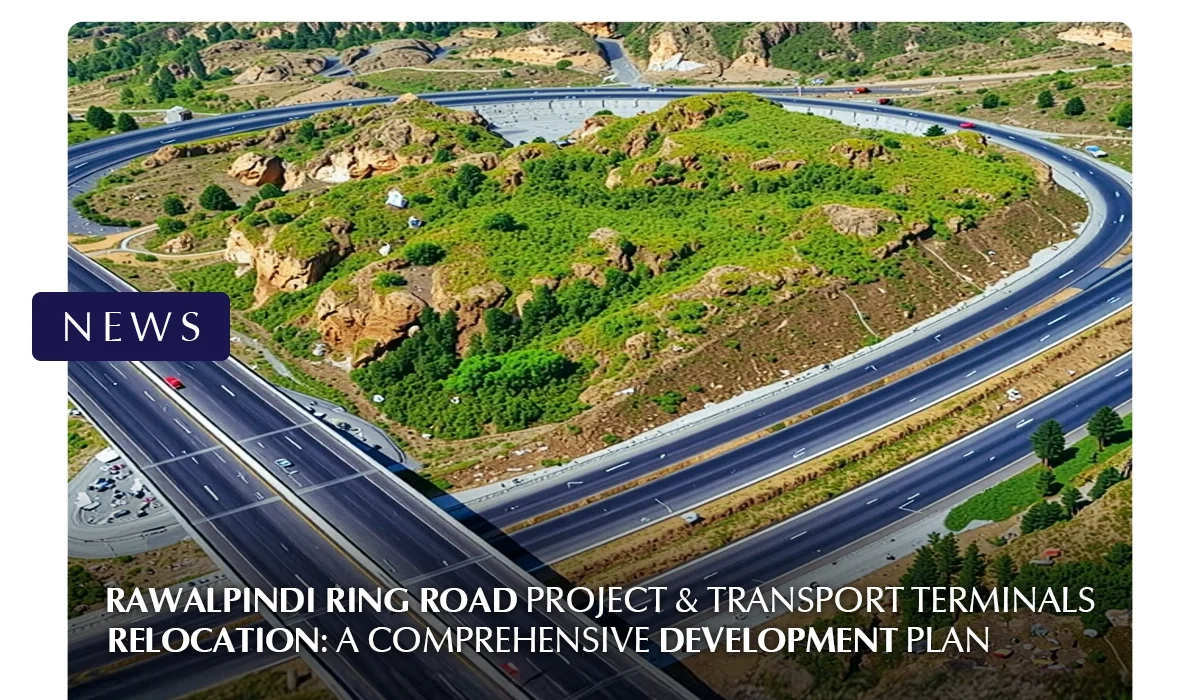
In a major move to alleviate traffic congestion and improve infrastructure, the Rawalpindi Development Authority (RDA) is making significant progress on the Rawalpindi Ring Road Project and the relocation of 44 key transport terminals. The dual initiatives are set to reshape the city’s traffic management, boost regional connectivity, and transform Rawalpindi’s transport landscape.
Rawalpindi Ring Road: Progress and Impacts
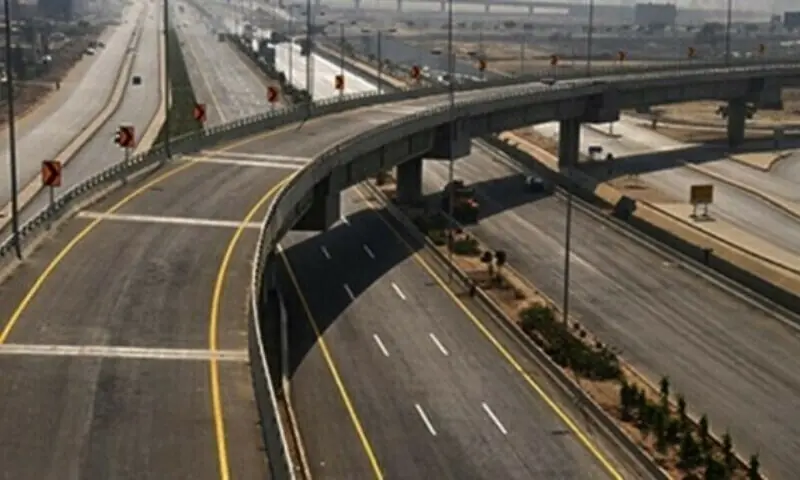
The Rawalpindi Ring Road, a crucial part of the city’s transportation overhaul, is a 38.3-kilometre, six-lane highway designed to connect key zones in Rawalpindi and Islamabad. The project aims to reduce congestion and improve access to regional economic zones.
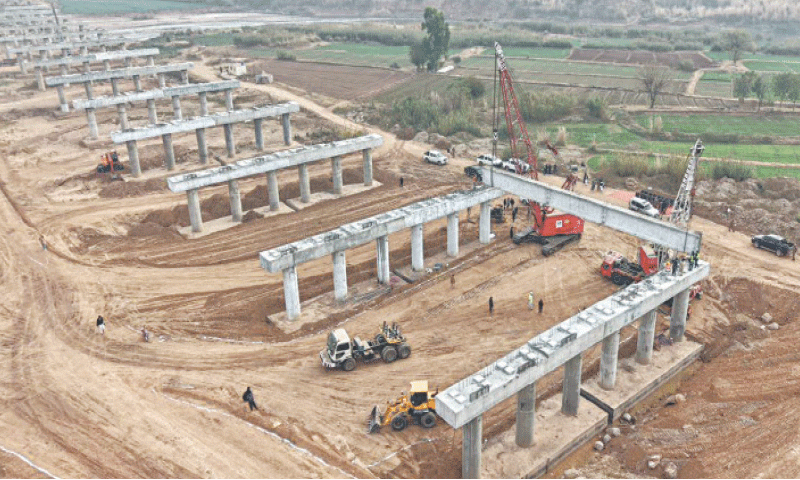
Current Progress: As of the latest reports, the project is 70% complete, with structural work, road surfacing, embankments, and drainage systems progressing steadily. Key sections, including the Banth to Thallian Interchange, are already under construction.
Revised Timeline: The Rawalpindi Ring Road, initially slated for completion by December 2025, now has a new deadline of March 2026. The project’s total cost has been revised upwards to Rs. 50 billion due to the redesigning of the Thallian Interchange, a critical junction connecting the Ring Road to the M-2 Motorway.
Expected Benefits: The Ring Road will significantly ease traffic congestion in Rawalpindi, improve access to major highways, and facilitate smoother connectivity to Islamabad. Once completed, it will reduce traffic volume on city roads, benefiting both commercial and commuter traffic.
Project Management: The construction is being carried out by Frontier Works Organisation (FWO) under the oversight of the Rawalpindi Development Authority (RDA).
Relocation of Transport Terminals: Strategic Planning for Traffic Management
In line with the vision to streamline Rawalpindi’s transport system, the Punjab government has approved the relocation of major transport terminals to areas near the Rawalpindi Ring Road. This move aims to reduce traffic congestion within the city, particularly from heavy transport vehicles.
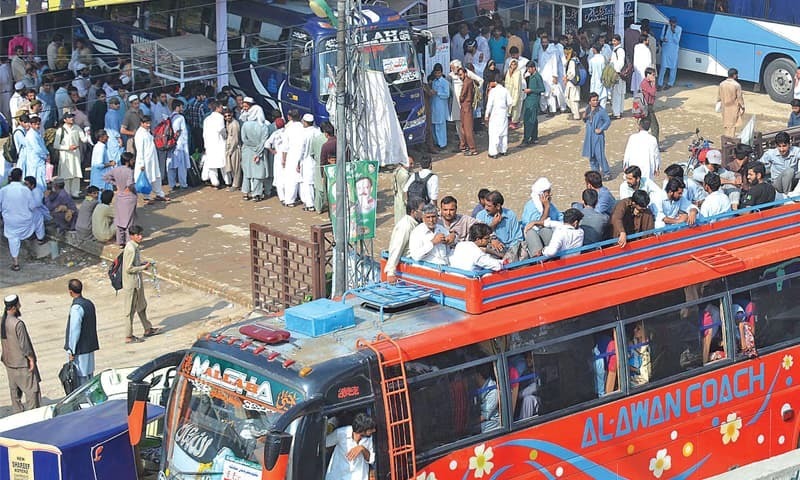
Pirwadhai Bus Stand: The prominent Pirwadhai General Bus Stand, along with other terminals, will be shifted to a more centralised location along the Ring Road. This relocation will accommodate inter-district buses and intra-city transport, improving traffic management and passenger operations.
New Terminal Locations: Other transport terminals, including those at Faizabad and Chungi No. 26, will also be closed, with all long-distance and goods transport hubs moved to strategic locations along the Ring Road.
Key Routes:
Transport coming from Peshawar will now operate from a new terminal near Islamabad Airport.
Vehicles from Azad Kashmir via Murree will stop at Bharakahu, while those coming from other districts will enter through Rawat.
Traffic and Fare Adjustments: The relocation will impact local travel. Fares for intra-city buses will range from Rs. 20 to Rs. 50, while passengers travelling to the newly relocated terminals may experience changes in travel time.
Policy Changes: To complement the relocation, the Punjab government will enforce a ban on heavy transport vehicles entering the city’s core. Any violating vehicles will face impoundment. Public transport buses and wagons will ferry passengers from the Ring Road terminals into the city centre, offering seamless connectivity.
Long-Term Impact: Urban Mobility and Economic Growth
Both the Rawalpindi Ring Road Project and the relocation of transport terminals are part of a comprehensive urban development strategy. By reducing congestion and improving connectivity, these initiatives are expected to enhance the city’s overall mobility, improve air quality, and stimulate local economic growth.
Environmental and Aesthetic Benefits: The Ring Road project incorporates green initiatives, including the creation of green belts, better drainage systems, and improved traffic safety measures. These will contribute to a cleaner, more sustainable urban environment.
Public Response: While many residents welcome the plan for its long-term traffic management benefits, some have expressed concerns about longer travel distances and the costs of relocating terminals. However, the shift is being framed as a necessary step to manage Rawalpindi’s increasing population and transport demands.
A Vision for a Modern Rawalpindi
With Rs. 50 billion invested in the Rawalpindi Ring Road Project and additional resources allocated for terminal relocations, the city is witnessing one of its most significant infrastructural transformations.
The development of this vital infrastructure will not only ease traffic congestion but will also position Rawalpindi as a model for modern urban mobility in Pakistan.
As the project progresses towards its 2026 completion, Rawalpindi’s residents and visitors can look forward to enhanced connectivity, reduced travel times, and a cleaner, more efficient transport system.
BBC-featured Content Specialist with a sharp eye for search intent and a proven ability to turn content into a growth engine. I leverage cutting-edge digital marketing tools to craft strategies that fuel organic traffic, amplify brand growth, and own the local SEO landscape, particularly across the competitive real estate market. I help brands dominate search rankings and convert visibility into measurable business success.
RAWALPINDI: The Rawalpindi Development Authority (RDA) has officially launched a significant beautification project along the Grand Trunk Road, covering the stretch from Defence Housing Authority (DHA) Phase-I to Phase-II, as well as the area in front of Bahria Town. The project, which aims to transform this key corridor into an aesthetically pleasing and environmentally friendly route, has commenced under the directives of RDA Director General Kinza Murtaza.
The beautification efforts will include extensive plantation, the creation of green belts, and various aesthetic enhancements, such as painting and the installation of decorative pools. These improvements are designed to not only elevate the visual appeal of the area but also to contribute to environmental sustainability.
Director General Kinza Murtaza emphasised that the project aligns with the vision of Chief Minister Maryam Nawaz Sharif for Rawalpindi, focusing on a blend of beauty, functionality, and long-term sustainability in urban development. To ensure the project’s success, Murtaza has directed all relevant directorates to complete the work within the specified timeframe, uphold strict quality standards, and establish ongoing monitoring and maintenance protocols.
The beautification of the Grand Trunk Road is expected to significantly enhance the city’s aesthetic and environmental landscape, making it a more attractive route for both residents and visitors. The project is also aimed at contributing to Rawalpindi’s overall development strategy, improving the quality of life for its residents.
BBC-featured Content Specialist with a sharp eye for search intent and a proven ability to turn content into a growth engine. I leverage cutting-edge digital marketing tools to craft strategies that fuel organic traffic, amplify brand growth, and own the local SEO landscape, particularly across the competitive real estate market. I help brands dominate search rankings and convert visibility into measurable business success.
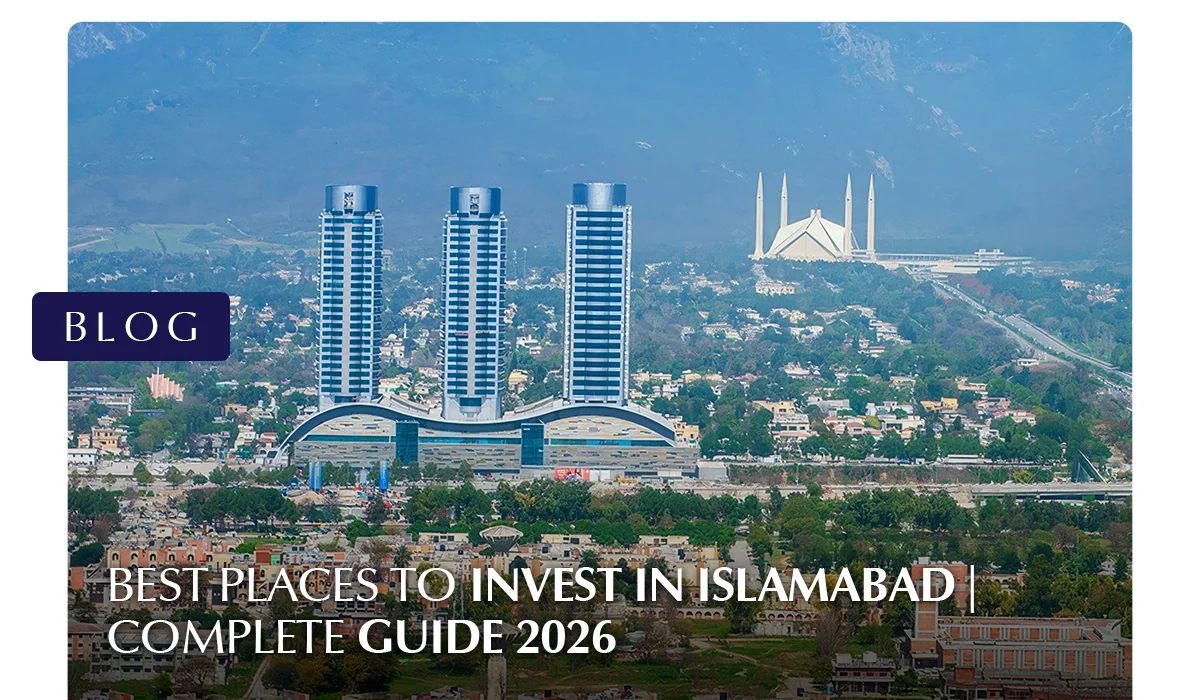
Islamabad, Pakistan’s capital, is a rapidly developing city with robust real estate opportunities. The city’s well-planned infrastructure, modern amenities, and strategic location make it an attractive option for real estate investment. With the population growing and demand for residential and commercial spaces increasing, Islamabad’s real estate market is poised for consistent growth. In this guide, we’ll explore the best places to invest in Islamabad in 2025, from established areas with high potential to up-and-coming developments that promise long-term value. Let’s dive into the details.
Premium location in Blue Area; commercial real estate hub, mixed-use development, high rental yields, CDA-approved, modern amenities, prime for corporate and retail tenants.
Smart city technology, cutting-edge infrastructure, good connectivity, significant appreciation potential, ideal for long-term growth.
Citadel 7 | Best Places to Invest in Islamabad
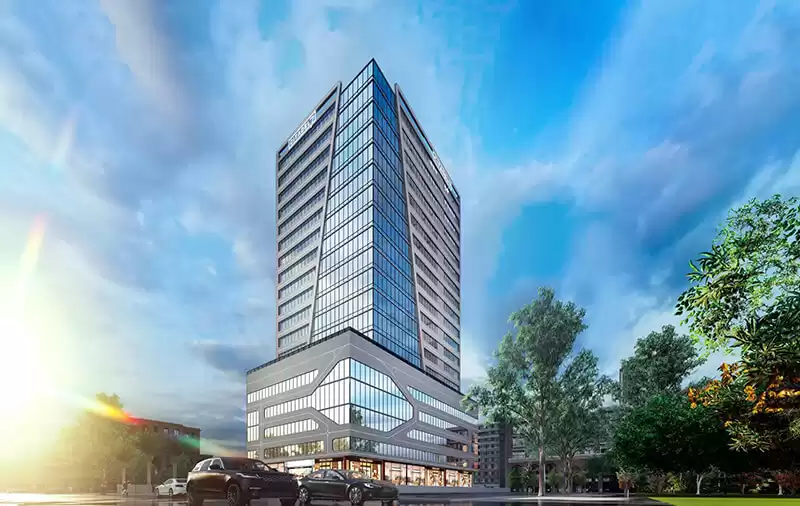
If you’re considering diversifying into commercial real estate in Islamabad, Citadel 7 offers a lucrative opportunity that combines corporate offices and a retail mall, all housed in a modern, state-of-the-art building.
Located in the heart of Islamabad’s most prestigious commercial district, the Blue Area, this development is positioned as a premium investment option for both corporate tenants and retail investors.
Prime Location & Strategic Positioning
Citadel 7 is strategically located on Jinnah Avenue, Islamabad’s most prominent commercial corridor. Its proximity to key landmarks like The Centaurus Mall and PIMS Hospital ensures high visibility and accessibility, making it a new retail landmark in Islamabad.
The location is also well-connected to major transport routes and business hubs, making it a prime choice for businesses and investors seeking best area to invest in Islamabad.
Being situated within walking distance of government offices and commercial spaces, Citadel 7 offers great convenience for both tenants and customers. This central positioning ensures constant demand, whether for office spaces or retail outlets.
What does Citadel 7 offer?
Here is a list of offerings by Citadel 7:
Corporate Offices
Citadel 7 features 14 floors of corporate office spaces, designed with modern architecture and high-end amenities. These office suites provide panoramic views of the city and are designed to cater to businesses of various sizes.
Spacious and flexible office layouts, ideal for companies in finance, tech, consultancy, or multinational corporations.
Smart building technologies with high-speed internet, energy-efficient systems, and integrated building management systems.
Premium facilities such as advanced HVAC systems, 24/7 security, and backup power solutions ensure smooth business operations.
These offices make Citadel 7 a sought-after location for corporate headquarters and a hub for professional services, guaranteeing a steady stream of potential tenants.
Citadel 7 Retail & Food Court
The 5 floors of Citadel 7 retail spaces are another highlight of Citadel 7, featuring a curated retail mall that is set to become one of Islamabad’s top shopping destinations. With its upscale ambience and high foot traffic, the retail spaces are ideal for international brands, lifestyle stores, and restaurants.
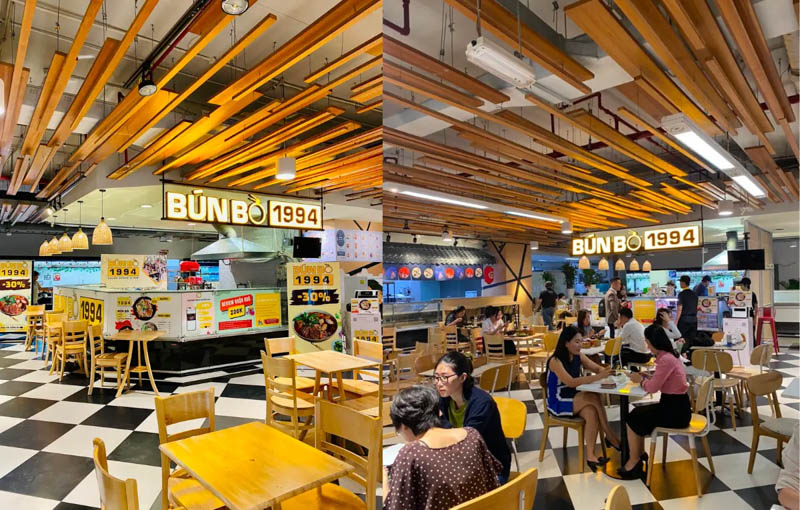
The food court offers a diverse dining experience, attracting shoppers and office workers alike. This combination of high-end retail and casual dining creates a dynamic shopping environment, ensuring that Citadel 7 becomes a go-to spot for both leisure and business.
Parking & Support Facilities
Citadel 7 offers ample parking space with 4 levels of basement parking, ensuring that tenants and visitors will have hassle-free access to the building. The parking facilities are equipped with smart digital systems, making it easy to navigate and secure.
Other amenities include separate entrances for office and retail visitors, high-speed elevators, and smart parking systems, all of which contribute to an enhanced experience for both business owners and customers.
Investment Highlights & ROI Potential
Citadel 7 stands out as a high-potential commercial investment for several reasons:
Location: Situated in the Blue Area, the most commercially active area of Islamabad, ensuring constant demand for both office and retail spaces.
Mixed-Use Development: The combination of corporate offices and retail spaces offers diversified revenue streams, making it a balanced investment.
Steady Rental Income: With its strategic location, Citadel 7 guarantees a high footfall and, therefore, a consistent rental yield. Both office spaces and retail outlets are expected to generate strong demand.
CDA-Approved Project: The development is CDA-approved, ensuring legal security and confidence for investors.
Investors can expect high returns from leasing both office spaces and retail units. The location, combined with the premium facilities and unique design, ensures that Citadel 7 will continue to appreciate in value.
Why Citadel 7 Stands Out in 2025
Citadel 7 is not just another office tower; it’s a symbol of modern commercial real estate development in Islamabad. Offering a high-quality working environment and premium retail experiences, it’s set to become a landmark in Islamabad’s commercial landscape.
For those looking to invest in commercial real estate in Islamabad, Citadel 7 offers a smart investment choice that promises long-term growth, capital appreciation, and diverse revenue options.
Whether you’re looking for corporate office space or retail units, this development presents an exceptional opportunity to be part of a modern, thriving business hub in Islamabad.
1. DHA Islamabad – Best Places to Invest in Islamabad
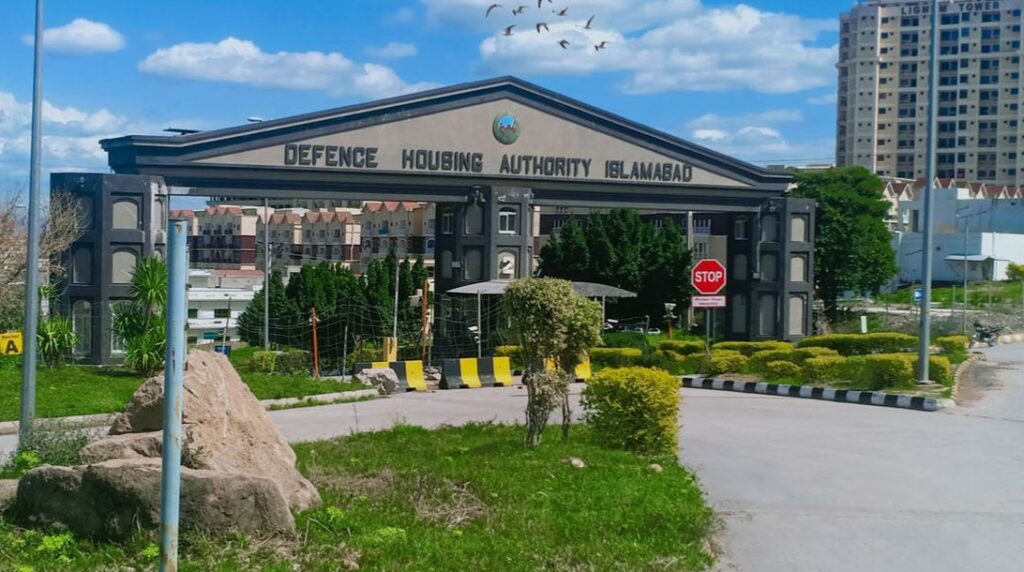
The Defence Housing Authority (DHA) is one of the most renowned and sought-after real estate projects in Islamabad. It has built a reputation for being an exclusive, high-value residential and commercial hub, making it an attractive investment opportunity in real estate.
Why Invest in DHA?
World-Class Infrastructure: DHA is known for its high standard of living with modern amenities, gated communities, and excellent roads.
Security and Lifestyle: Residents enjoy a secure, luxurious lifestyle with parks, schools, hospitals, shopping malls, and sports facilities.
Historical Price Appreciation: DHA Islamabad has consistently witnessed upward price trends over the years, offering both long-term capital gains and steady rental income.
Phases to Invest In:
Phases 2 and 3 are the most popular for residential properties and offer high demand.
Phase 5 is also gaining momentum for future investments.
DHA Valley offers more affordable options but has great potential for future returns due to its prime location and upcoming developments.
2. Bahria Town Islamabad – Best Places to Invest in Islamabad
Bahria Town is one of the most renowned private housing societies in Pakistan, and its Islamabad project is no exception. Known for its state-of-the-art planning and top-tier amenities, Bahria Town attracts investors due to its potential for high returns.
Why Invest in Bahria Town?
Master-Planned Community: Bahria Town offers residential and commercial plots, along with schools, hospitals, shopping malls, and recreational facilities.
Multiple Phases with Various Entry Points: With several phases, you can find plots that suit your budget. Investors often target Bahria Enclave for high-end residential properties due to its luxurious amenities and exclusive environment.
Strong Rental Yield: Due to the amenities and growing demand, rental properties in Bahria Town offer attractive yields.
Easy Access: Bahria Town is strategically located near major expressways and well connected to key parts of Islamabad, making it one of the best places to invest in Islamabad.
Best Areas to Invest in Islamabad Within Bahria Town:
Bahria Enclave
Bahria Town Phase 8
Bahria Town Phase 7
3. Gulberg Islamabad – Best Places to Invest in Islamabad
Gulberg Islamabad is one of the most prominent and fast-developing sectors in the city. It is a highly planned area that caters to those seeking a balance between luxury and affordability. Hence, making it one of the best places to invest in Islamabad.
Why Invest in Gulberg Islamabad?
Modern Infrastructure: Gulberg offers cutting-edge amenities and is developed with international standards in mind.
Green & Sustainable Living: Known for its eco-friendly environment, Gulberg Greens offers a unique living experience with green belts and abundant open spaces.
Growing Popularity: It is located just off the Islamabad Expressway, which is one of the city’s busiest roads, ensuring easy connectivity.
High Demand for Properties: Due to its strategic location, Gulberg is becoming one of the city’s most desirable areas. Investors can expect rising property values and rental income from well-developed residential and commercial areas.
Key Areas to Invest in Islamabad Within Gulberg:
Gulberg Residencia (Residential Area)
Gulberg Greens (For luxurious villas and farmhouses)
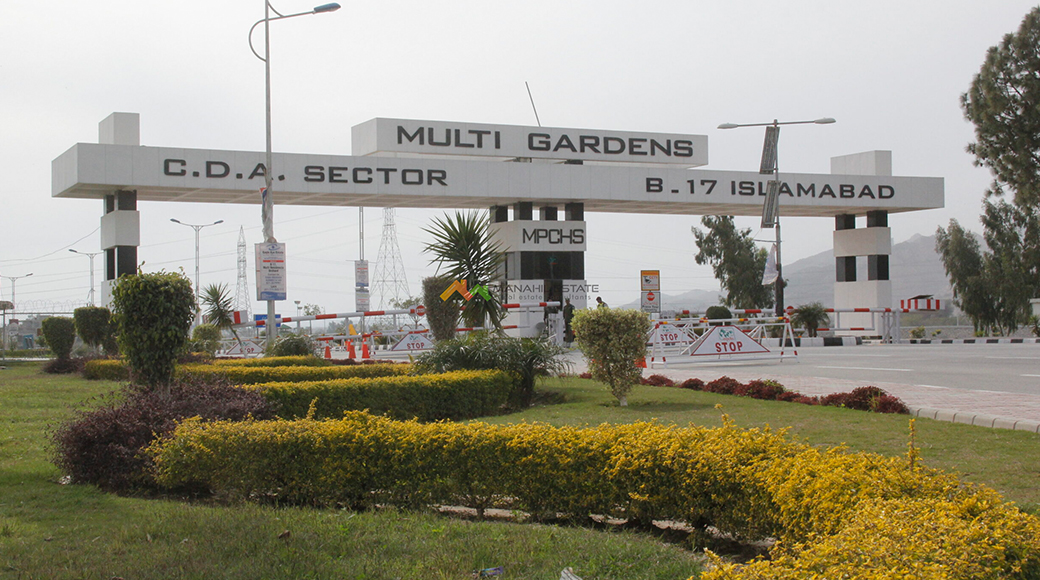
4. Sector B-17 (MPCHS) – Best Places to Invest in Islamabad
Sector B-17, developed under the Multi-Professional Cooperative Housing Society (MPCHS), is an affordable yet highly attractive real estate option to invest in some of the best places to invest in Islamabad. It offers significant value for money compared to many other areas in Islamabad.
Why Invest in Sector B-17: One of the Best Places to Invest in Islamabad?
Affordability: With lower property prices compared to high-end areas like DHA and Bahria Town, Sector B-17 offers an entry point for budget-conscious investors looking for a long-term return on one of the best places to invest in Islamabad.
Promising Development: Sector B-17 is continuously evolving, with infrastructure development underway, making it one of the best places to invest in Islamabad.
Proximity to Major Roads: It’s located near Islamabad’s main routes like the M1 motorway and Islamabad Expressway, ensuring convenient access to the city.
5. Sector G and Central Urban Areas – Best Places to Invest in Islamabad
While newer housing schemes have gained attention, Islamabad’s central sectors like G-11, G-12, F-11, and I-8 still hold substantial appeal due to their long-term rental potential. Hence, making them some of the best places to invest in Islamabad.
Why Invest in Central Sectors?
Proximity to City Centres: These sectors are close to Islamabad’s major commercial hubs, making them ideal for rental income.
Established Demand: High demand from both expatriates and locals for well-established residential properties ensures high resale value.
Solid Infrastructure: Full infrastructure, with schools, parks, hospitals, and commercial centres, ensures long-term sustainability.
Conclusion | Best Places to Invest in Islamabad
Islamabad’s real estate market is evolving, and with it, the opportunities to invest in the best places to invest in Islamabad for smart investors. Whether you are looking for luxury living, affordable options, or a long-term investment strategy, there is something for everyone in the capital. From established giants to the exciting Citadel 7 project, 2025 is shaping up to be a promising year for best places to invest in Islamabad.
BBC-featured Content Specialist with a sharp eye for search intent and a proven ability to turn content into a growth engine. I leverage cutting-edge digital marketing tools to craft strategies that fuel organic traffic, amplify brand growth, and own the local SEO landscape, particularly across the competitive real estate market. I help brands dominate search rankings and convert visibility into measurable business success.
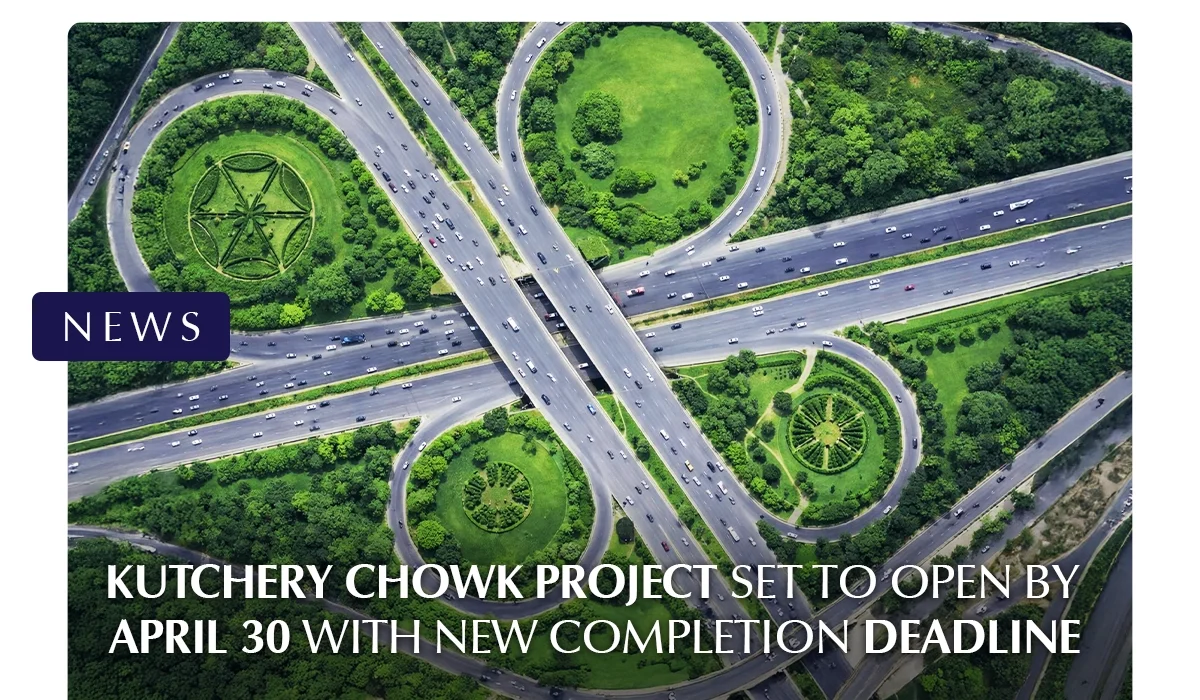
RAWALPINDI: The remodelling of Kachehri Chowk in Rawalpindi is progressing with a new deadline set for completion by April 30. The project, which includes the construction of two flyovers and three underpasses, is expected to open the busy junction to traffic by this date, following directives from the Punjab government.
According to Punjab Highway Department Executive Engineer Qamar Ali Saqib, over 45% of the work has been completed. Structural work, including the guide beam and piling at Kachehri Chowk and the Jinnah Park underpass, will be finished before Eid-ul-Fitr. The Frontier Works Organisation (FWO) is working around the clock to ensure the project meets its revised deadline.
The project includes several key features, such as a four-lane flyover between The Mall and Rashid Minhas Road, and underpasses at Kachehri Chowk and Mushtaq Baig Shaheed Road, aimed at managing traffic flows of over 250,000 vehicles daily. The total cost of the Kachehri Chowk flyover and underpass project is Rs5.974 billion, while the Annexy Chowk (Jinnah Park) project carries a budget of Rs4.672 billion.
In addition to roadwork, the Punjab Highway Department is collaborating with the Rawalpindi Parks and Horticulture Authority to enhance green spaces around the new flyovers and underpasses. Plantations will begin next month after the completion of road construction.
On Peshawar Road, work is underway to relocate electricity pylons for the construction of three underpasses at Race Course Park, Army Graveyard Square, and Charing Cross Square. The Rs8 billion project is designed to improve traffic flow for 250,736 daily commuters.
The remodelling of Kachehri Chowk and associated projects are expected to significantly ease traffic congestion and improve infrastructure in Rawalpindi.
BBC-featured Content Specialist with a sharp eye for search intent and a proven ability to turn content into a growth engine. I leverage cutting-edge digital marketing tools to craft strategies that fuel organic traffic, amplify brand growth, and own the local SEO landscape, particularly across the competitive real estate market. I help brands dominate search rankings and convert visibility into measurable business success.
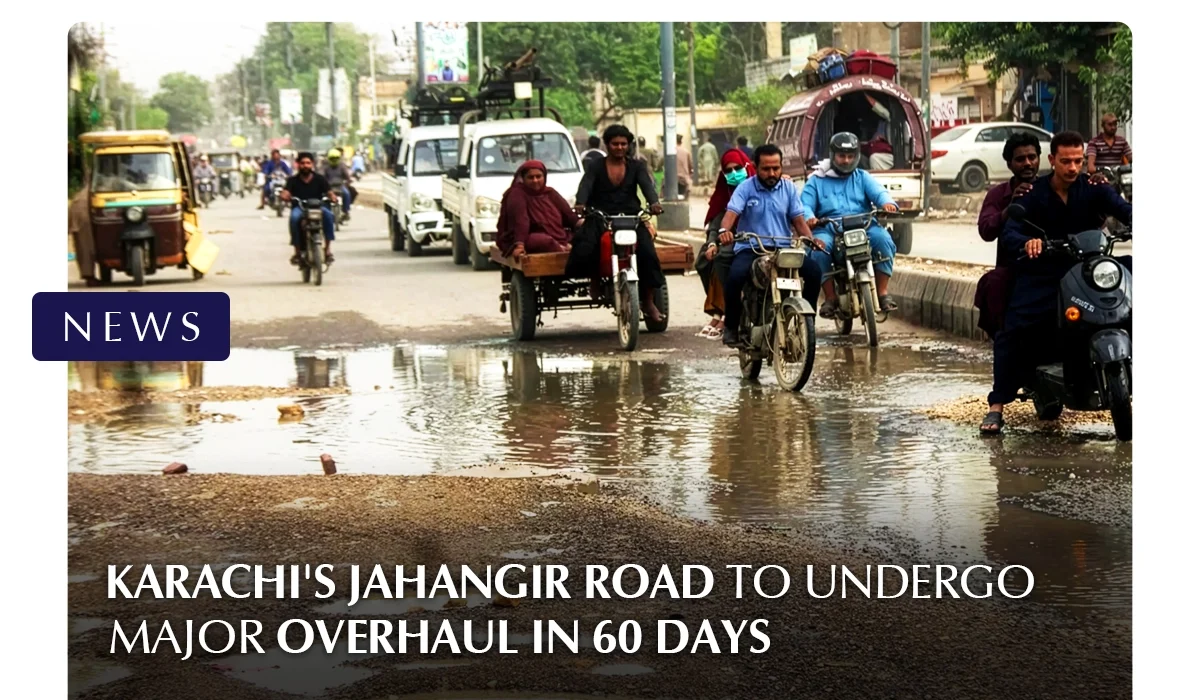
KARACHI: Jahangir Road, a vital link between two districts in Karachi, is set for a major reconstruction. The road has long suffered from severe damage and drainage problems, affecting residents and commuters.
At the foundation-laying ceremony on Wednesday, Mayor Karachi Barrister Murtaza Wahab highlighted the importance of this project. He noted that while the road was initially built by the Karachi Development Authority (KDA), it had been repeatedly damaged during rains due to outdated drainage systems.
This time, the Karachi Metropolitan Corporation (KMC) will fully fund the reconstruction. The project will not only rebuild the road but also replace the old sewerage system. Stormwater drains will be added on both sides to prevent future flooding.
The road will feature a 3-inch asphalt base, a 2-inch asphalt concrete wearing course, and 50,000 square feet of new carpeting. Additionally, 2,000 feet of stormwater drains will be constructed, along with 252,000 square feet of 80mm paver blocks.
The original project timeline was 90 days, but it has been shortened to 60 days to reduce public inconvenience. Work will continue day and night to meet the deadline.
Once completed, the road will improve traffic flow, drainage, and overall infrastructure for local residents. This project is part of a larger initiative to develop over 400 roads across the city, with a total budget of Rs. 46 billion.
BBC-featured Content Specialist with a sharp eye for search intent and a proven ability to turn content into a growth engine. I leverage cutting-edge digital marketing tools to craft strategies that fuel organic traffic, amplify brand growth, and own the local SEO landscape, particularly across the competitive real estate market. I help brands dominate search rankings and convert visibility into measurable business success.
Lisbon, Portugal – January 14, 2026: Muhammad Abbad Khan, CEO of Chakor Ventures, met with José Paulo Marques, President & CEO of OLAE, and Dr. Muhammad Sohail, CEO of SJ Investment, in Lisbon, Portugal. The primary objective of this meeting was to discuss inward FDI opportunities in Pakistan via Chakor Ventures’ upcoming project in Lahore.
The meeting was attended by Muhammad Abbad Khan, CEO of Chakor Ventures; José Paulo Marques, President & CEO of OLAE (Observatório Lusófono de Actividades Económicas); and Dr. Muhammad Sohail, CEO of SJ Investment and an investor and business developer with significant experience in the USA and Europe.
The discussions primarily focused on exploring avenues for inward foreign direct investment FDI in Pakistan through Chakor Ventures’ Lahore Project, which is set to play a pivotal role in enhancing economic opportunities and contributing to the region’s growth. The upcoming Lahore Project aims to provide world-class infrastructure and development solutions, creating new opportunities for local businesses and the broader economy.
Muhammad Abbas Khan, CEO of Chakor Ventures, stated, “We are focused on fostering FDI in Pakistan that not only accelerates development but also creates economic value and sustainable growth for local and global stakeholders.”
Meanwhile, President of OLAE, José Paulo Marques, a leading economist with extensive expertise in international trade and economic policy, emphasised the importance of cross-border investment in emerging markets and its potential to drive economic growth in the region.
Dr. Muhammad Sohail, with his extensive experience as a business developer and investor in international markets, discussed the importance of fostering global partnerships to support large-scale infrastructure projects in emerging economies.
The meeting aligned with Chakor Ventures’ ongoing efforts to explore global partnerships and investment opportunities for its expanding project portfolio, further supporting its mission to deliver world-class infrastructure and development solutions in Pakistan.
For more information about Chakor Ventures and its development initiatives, visit Chakor Ventures.
BBC-featured Content Specialist with a sharp eye for search intent and a proven ability to turn content into a growth engine. I leverage cutting-edge digital marketing tools to craft strategies that fuel organic traffic, amplify brand growth, and own the local SEO landscape, particularly across the competitive real estate market. I help brands dominate search rankings and convert visibility into measurable business success.
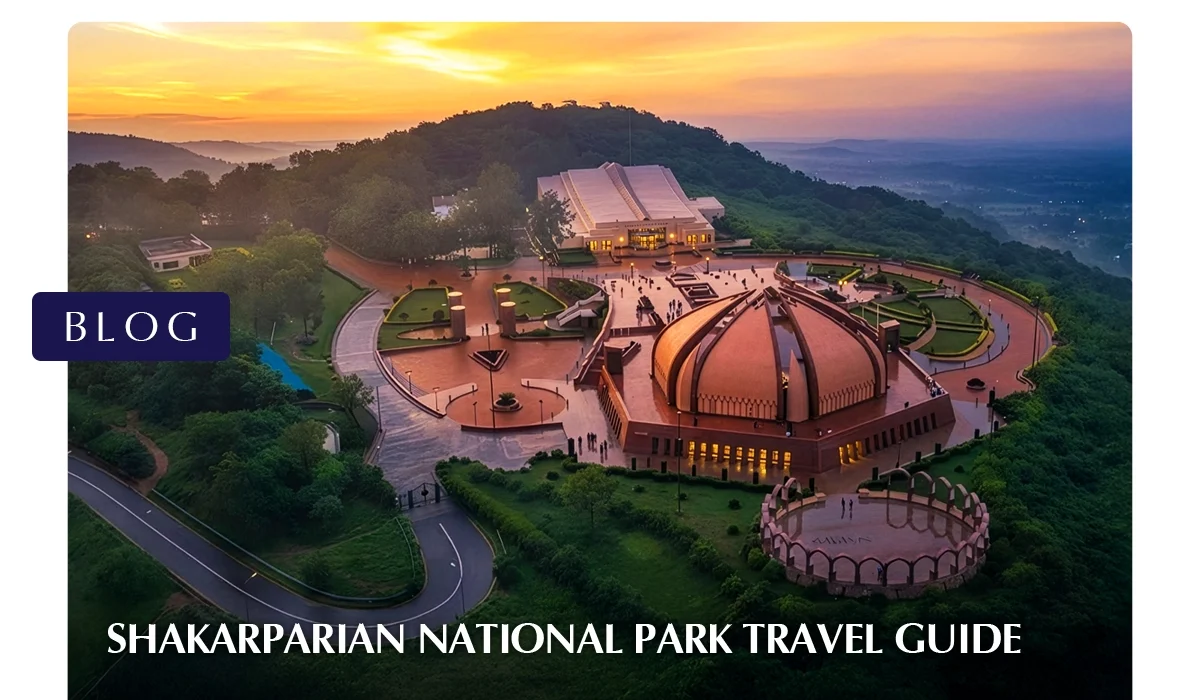
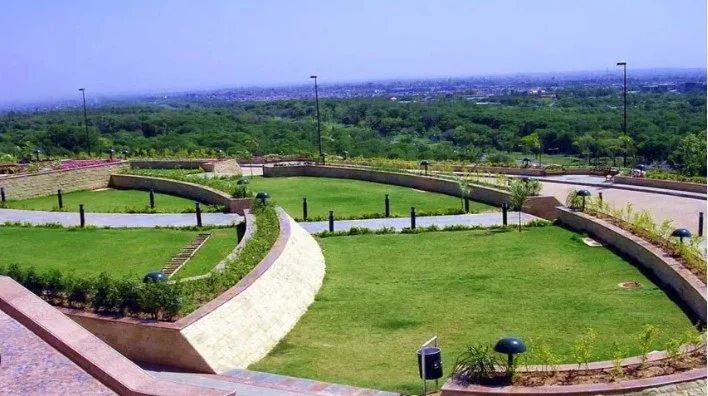
Shakarparian is one of Islamabad’s most iconic and scenic destinations, known for its green hills, panoramic viewpoints, national landmarks, and cultural attractions. Whether you are a tourist visiting Islamabad for the first time or a local planning a short evening outing, Shakarparian offers an ideal blend of nature, heritage, and relaxation.
In this complete guide, you’ll learn what Shakarparian is, where it is located, the best viewpoints, what to do inside Shakarparian National Park, how the parade ground is connected, and which nearby attractions make the trip even more worthwhile.
Key Facts
Quick Fact
Details
Name
Shakarparian
City
Islamabad, Pakistan
Type
Hills and recreational park / national park zone
Common Names
Shakarparian Hills, Shakarparian Park
Famous For
Scenic viewpoints, greenery, and national landmarks
Main Attractions Nearby
Pakistan Monument, Pakistan Monument Museum
Cultural Attraction Nearby
Lok Virsa Heritage Museum (Shakarparian Rd, Islamabad)
Key Landmark Area
Shakarparian View Point
National Significance
Shakarparian Parade Ground (Pakistan Day Parade venue)
Best Time to Visit
Early morning or late afternoon (sunset for best views)
1–3 hours (half-day if including museums/monuments)
Accessibility
Easily reachable by car, taxi, or ride-hailing services
Photography Tip
Sunset offers the best lighting for cityscape photos
What is Shakarparian?
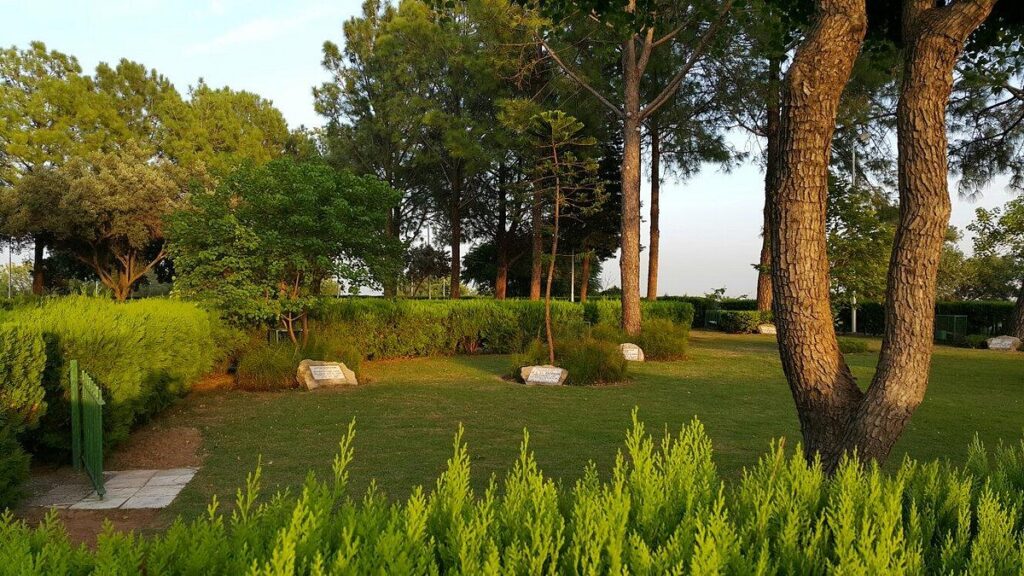
Shakarparian is a hill area in Islamabad that is widely recognised for its greenery, scenic views, and national importance. It is often referred to as the Shakarparian Hills and is part of Islamabad’s central recreational zone.
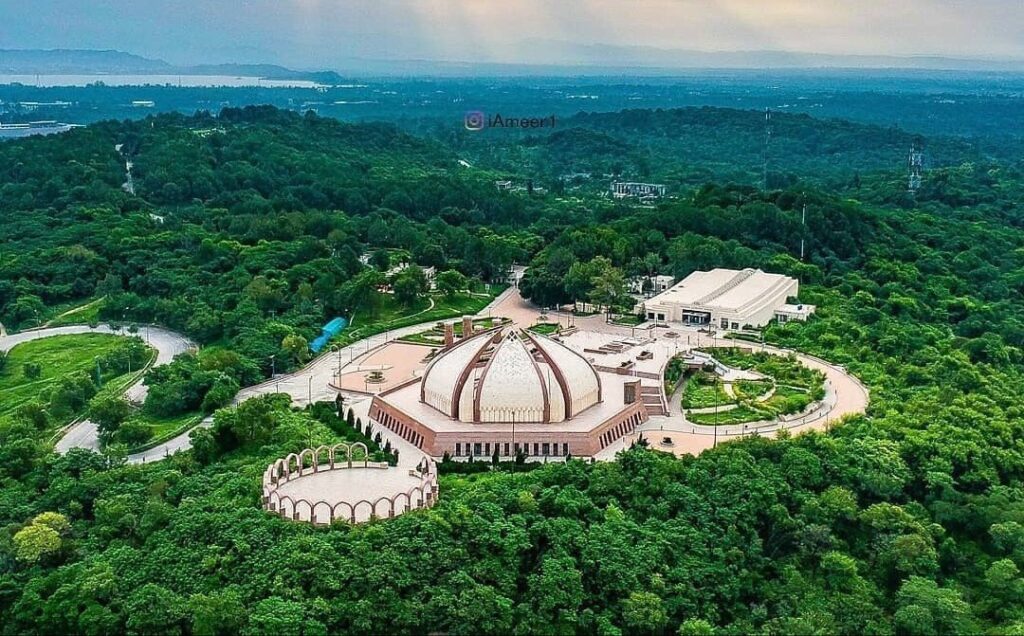
Shakarparian is also closely linked with national heritage sites such as the Pakistan Monument and cultural attractions like Lok Virsa. That is why this single location attracts a wide variety of visitors, including families, tourists, photographers, students, and hikers.
Shakarparian Location: Where is Shakarparian in Islamabad?
One of Shakarparian’s biggest advantages is its easy reach. It is located near Islamabad’s main landmark routes around the Zero Point area, making it highly accessible from most sectors of Islamabad and from Rawalpindi.
How to reach Shakarparian?
You can reach Shakarparian using:
Car
Taxi
Ride-hailing services
Tour transport
From the Blue Area and central sectors, it is usually a short drive. If you are coming from Rawalpindi, the Islamabad Highway route makes access convenient.
Shakarparian National Park: Why It’s Worth Visiting
Shakarparian National Park is not just a sightseeing spot; it is a valuable green zone that offers calm, fresh air and an escape from the busy city.
Visitors come here to:
walk and relax in nature
enjoy viewpoints overlooking Islamabad
Take photos on hill tracks and scenic roads
Visit iconic monuments and museums nearby
spend time with friends and family
It is particularly popular for combining outdoor recreation with cultural exploration.
Shakarparian Park: Things to Do
The following are some of the things to do at Shakarparian, Islamabad.
1) Walk, jog, or explore the trails
Shakarparian is well-suited for low-effort walking and casual hiking. Many people visit in the morning for exercise, while evenings are popular for relaxed walks and sightseeing.
If you want a peaceful experience:
Visit early morning on weekdays
avoid peak weekend hours
2) Enjoy a picnic or family time
Shakarparian Park has open green areas where families often sit, relax, and eat together. It is a good option for short picnics, especially in pleasant weather.
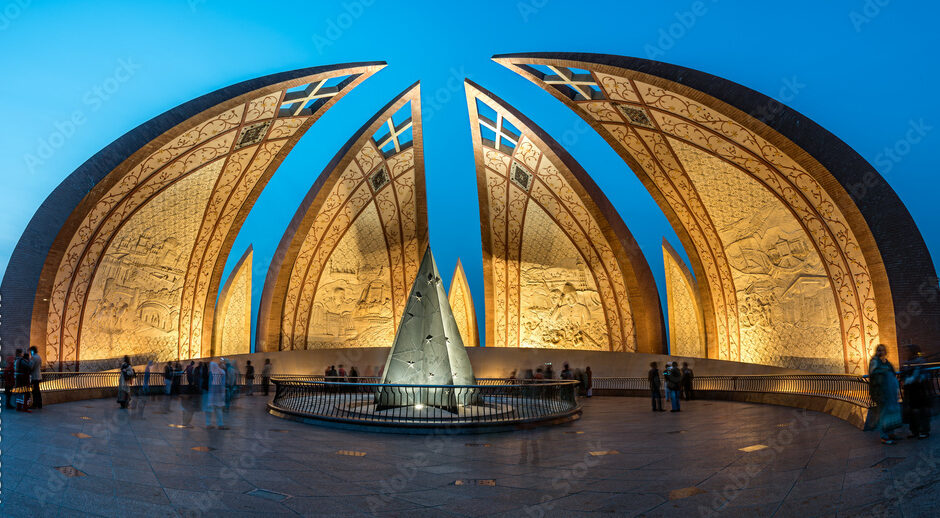
3) Explore the Pakistan Monument
A major highlight of the Shakarparian area is the Pakistan Monument. Many visitors consider it a must-see because of its architecture, symbolism, and beautiful views of Islamabad from its surrounding platforms.
If you want to make the most of your trip, include the monument in your plan even if your primary goal is the park and hills.
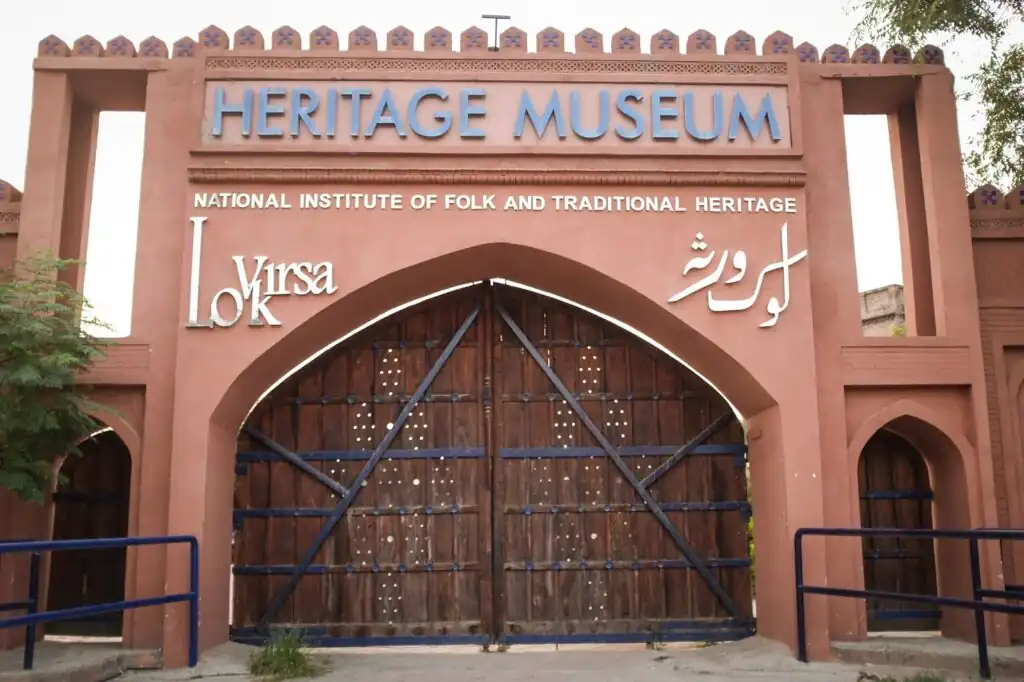
4) Visit Lok Virsa Heritage Museum
Lok Virsa Heritage Museum is one of the most culturally important attractions near the national park. It showcases Pakistan’s diverse heritage, folk traditions, and regional cultural identity.
For tourists, pairing Lok Virsa with the hill station is one of the best combinations in Islamabad because it offers both:
nature and viewpoints
history and cultural learning
Shakarparian View Point: Best Spots for Views and Photos
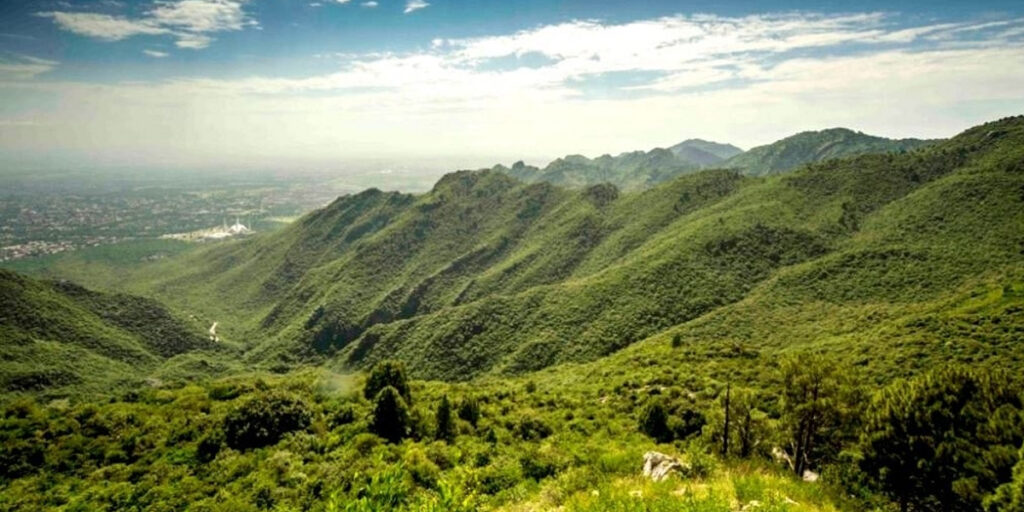
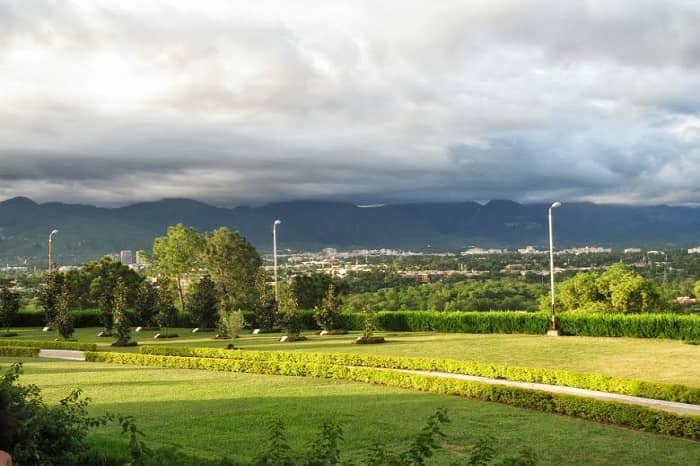
This is widely searched and visited for its viewpoints, which offer some of the most beautiful panoramic scenes in Islamabad. Because the area sits on elevated hills, the viewpoints give you a clear look over the capital’s landscape, making it an excellent spot for both casual visitors and photographers.
From View Point, you can enjoy:
wide views of Islamabad’s cityscape
scenic greenery and tree-filled slopes
distant hill ranges and layered natural scenery
landmark-focused shots near the monument area
Best spots for views and photography
While it has multiple scenic corners, the best view-focused areas are usually around:
high-elevation roadside points along the Hills
viewpoint zones near the Pakistan Monument surroundings
open areas where the trees don’t block the skyline
If you explore a little beyond the main crowd spots, you’ll often find quieter corners with cleaner shots and fewer people in the background.
Best time for viewpoint photography
Early morning Early morning is ideal if you prefer a calm and peaceful visit.
quiet atmosphere
cooler temperatures (especially in summer)
soft light that makes greenery look fresh
fewer crowds, easier to take clean photos
This timing is also great for walking and enjoying the view without rushing.
Sunset Sunset is usually the most visually impressive time at the place.
Golden-hour lighting enhances the city skyline
Dramatic shadows and contrast improve landscape photos
Perfect conditions for silhouette-style shots
The view feels more “cinematic” and memorable
For photographers and content creators, sunset is often the best option because it gives the most striking visuals in both photos and videos.
Photography tips for better results
Arrive 30–45 minutes before sunset to find the best spot
Use wide-angle shots for landscapes, then switch to portrait mode for closeups
If the area is crowded, change the angle and shoot slightly higher or lower for a cleaner frame
Bring a tripod if you want evening shots or stable videos
Shakarparian Hills: What to Expect
The Hills are one of the most scenic and relaxing natural spots in Islamabad. Unlike the steep, rugged hills you might find in northern areas of Pakistan, offers a gentle hill landscape that is easy to explore for visitors of all ages.
Here’s what you can realistically expect when visiting:
Mild elevation with easy walking paths
The Hills have light uphill and downhill slopes, making the area suitable for:
casual walks
family outings
elderly visitors
beginners who want a short “hiking” experience without difficulty
Most routes are not physically demanding, but comfortable shoes still make the experience much better.
Wide open views and scenic points
The elevation of the hills gives you clear, open views of:
Islamabad’s skyline and key sectors
nearby landmark zones around the monument area
layers of greenery stretching across the park
This is why it is often visited during sunset hours, when the lighting makes the scenery even more impressive.
Green environment and hill-station feel inside the city
Because the place is covered with trees and open parkland, it feels like a mini hill-station environment within Islamabad. Even though it sits close to the main city routes, the hills offer a more peaceful, fresh-air atmosphere compared to urban streets.
Peaceful vibes with occasional crowds
On weekdays, the hills are generally quiet and perfect for relaxing walks. On weekends and public holidays, the area becomes much more crowded, especially around viewpoint spots and major attractions.
If you prefer a calm experience, the best time is:
early morning
late afternoon on weekdays
Great for photography and short video content
The natural slopes, tree-lined roads, and viewpoint locations make Hills ideal for:
casual photography
family pictures
scenic sunset shots
travel reels and short videos
For creators, the best visuals usually come from golden hour, when the hills and city views look more dramatic.
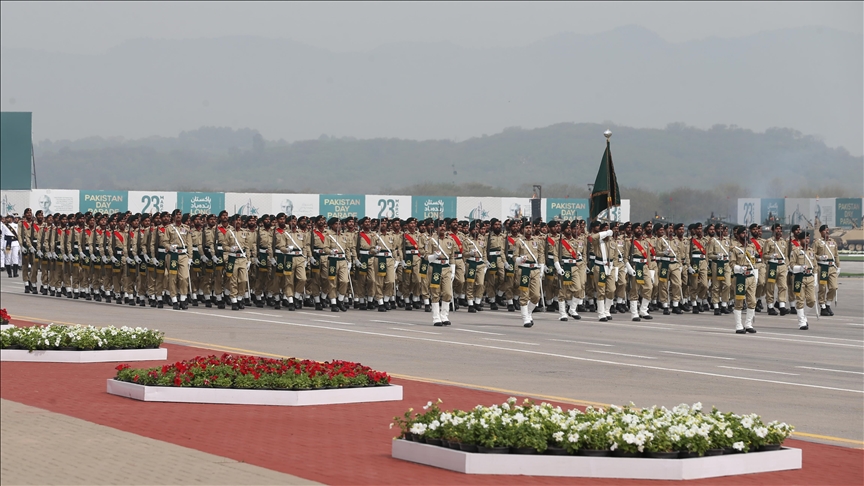
Shakarparian Parade Ground, Islamabad
The Parade Ground holds national significance because it is known for hosting the Pakistan Day Parade. This makes it important not only as a tourist destination but also as a symbolic national landmark.
Visitor note
If you are visiting around national events, rehearsal periods, or major occasions, access routes and public entry may be restricted near parade areas. Planning your visit outside such days is the best option.
Best Time to Visit
It can be visited year-round, but your experience will be best when the weather is comfortable.
Seasonal guide
Spring: best weather, greenery, pleasant walking conditions
Summer: visit early morning or evening to avoid the heat
Autumn: comfortable temperatures and great photography light
Winter: colder but enjoyable for daytime visits
Responsible Tourism
As one of Islamabad’s major green zones, the park needs responsible behaviour from visitors.
Do:
Keep the park clean
Take trash back with you
respect greenery and plants
avoid disturbing wildlife
Stay on walking tracks
A clean and maintained park benefits both tourists and Islamabad’s environment.
FAQs | Shakarparian
Is Shakarparian good for families?
Yes, it is family-friendly and commonly visited by groups, children, and tourists.
What are Shakarparian’s best viewpoints?
The best viewpoints are typically those facing the city and monument area, especially around sunset.
Is Shakarparian close to Lok Virsa?
Yes. Lok Virsa Heritage Museum is located nearby on Shakarparian Road, making it easy to combine both in one visit.
What is Shakarparian Parade Ground famous for?
It is famous for the Pakistan Day Parade held on 23 March.
Conclusion
It is one of the most complete destinations in Islamabad because it offers multiple experiences in one location: hills, viewpoints, greenery, walking tracks, national monuments, and nearby heritage museums. If you want a destination that feels scenic, culturally rich, and accessible without leaving the city, Shakarparian should be on your itinerary.
BBC-featured Content Specialist with a sharp eye for search intent and a proven ability to turn content into a growth engine. I leverage cutting-edge digital marketing tools to craft strategies that fuel organic traffic, amplify brand growth, and own the local SEO landscape, particularly across the competitive real estate market. I help brands dominate search rankings and convert visibility into measurable business success.
KARACHI: Gold prices in Pakistan extended their rally on Tuesday, supported by strong local demand and a firm upward trend in international bullion markets amid ongoing global uncertainty.
According to data released by the All Pakistan Gems and Jewellers Association (APGJA), the price of gold surged by Rs9,000 per tola to Rs481,862, while the rate for 10 grams increased by Rs771 to Rs413,118.
Market experts attributed the continued rise to volatility in international markets and concerns over the global economic outlook, prompting investors to seek safe-haven assets. On the international front, gold prices edged up by $9, trading at $4,595 per ounce.
Traders said the local bullion market remains closely linked to international price movements, with domestic rates also influenced by currency fluctuations and investor sentiment, as gold continues to attract buyers amid heightened uncertainty.
BBC-featured Content Specialist with a sharp eye for search intent and a proven ability to turn content into a growth engine. I leverage cutting-edge digital marketing tools to craft strategies that fuel organic traffic, amplify brand growth, and own the local SEO landscape, particularly across the competitive real estate market. I help brands dominate search rankings and convert visibility into measurable business success.
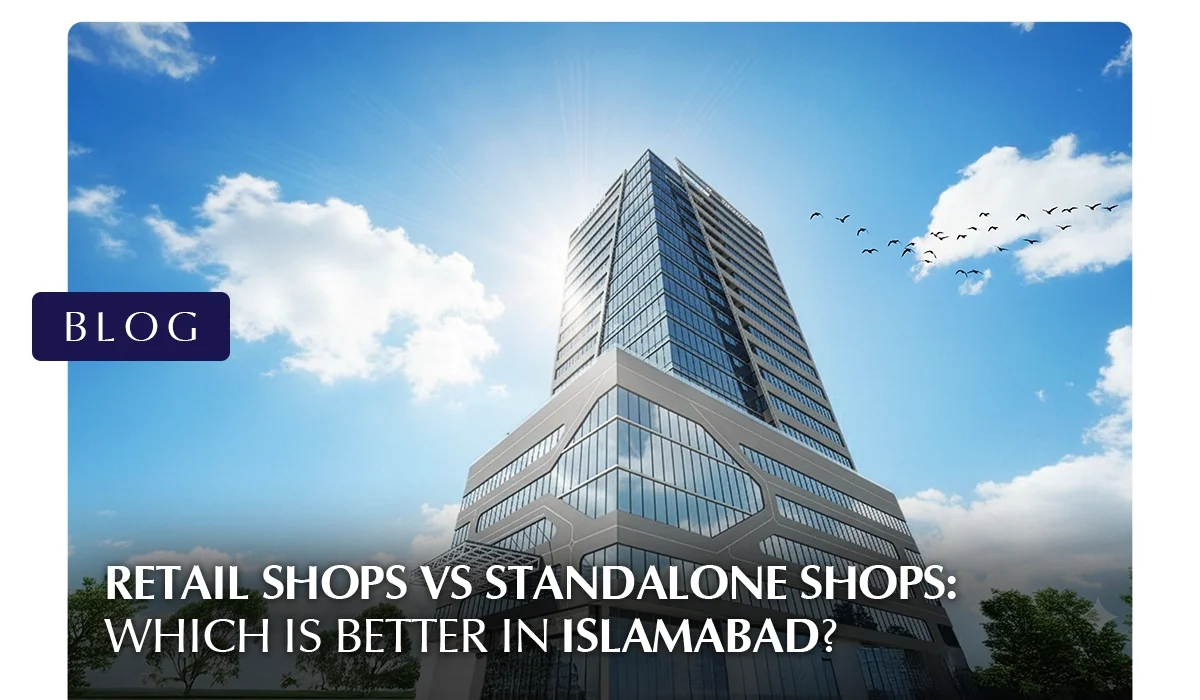
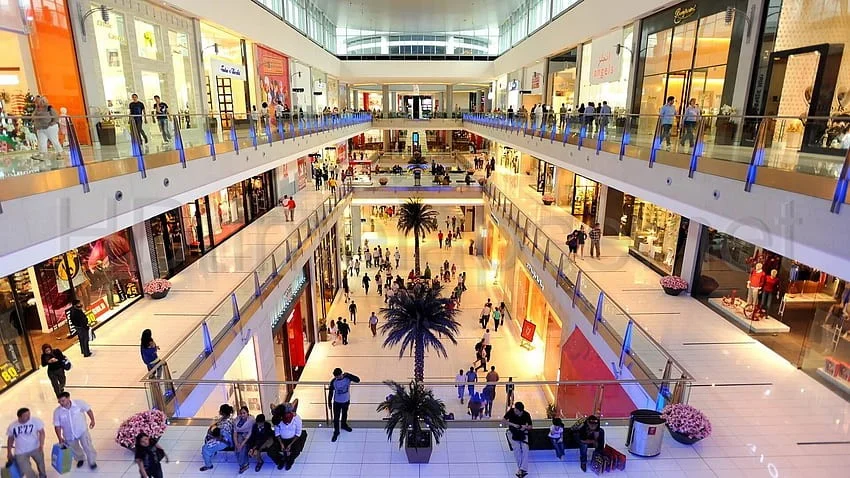
Retail shops in Islamabad are increasingly shifting toward curated mall environments, and Citadel 7 Mall is emerging as a modern retail destination in the Blue Area. Designed as a structured mall concept, it offers the kind of footfall-driven ecosystem that brands and investors prefer when comparing retail shops in Islamabad vs standalone shops.
In this guide, Chakor Ventures will compare retail shops in malls and standalone commercial shops across multiple factors, so you can decide what’s best for your goals.
Understanding Retail Shops in Islamabad: The Market Today
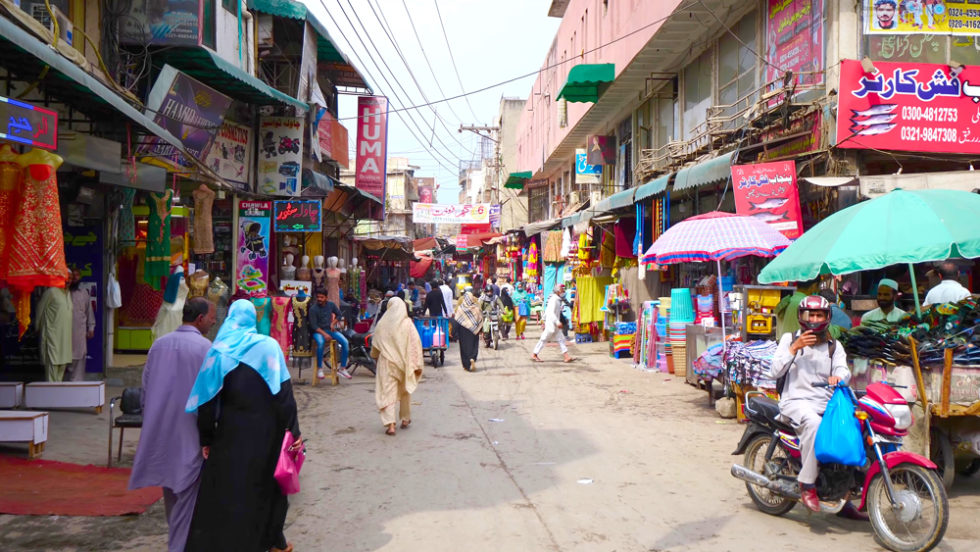
Islamabad’s retail ecosystem is no longer limited to traditional markets. The city now offers a blend of:
high-end malls
mixed-use commercial projects
sector-based shopping streets
standalone brand outlets and plazas
food streets and lifestyle hubs
This evolution has created strong opportunities for both retail entrepreneurs and investors. However, the competition has also grown, making commercial placement more important than ever.
Choosing between a mall shop and a standalone shop isn’t just about affordability; it’s about business positioning. Retail shops today succeed when they combine:
strong visibility
steady footfall
reliable infrastructure
brand-friendly environment
smart lease economics
That’s why comparing retail shops in Islamabad vs standalone shops is one of the most important decisions for anyone purchasing or renting retail shops in Islamabad.
What Are Mall Retail Shops?
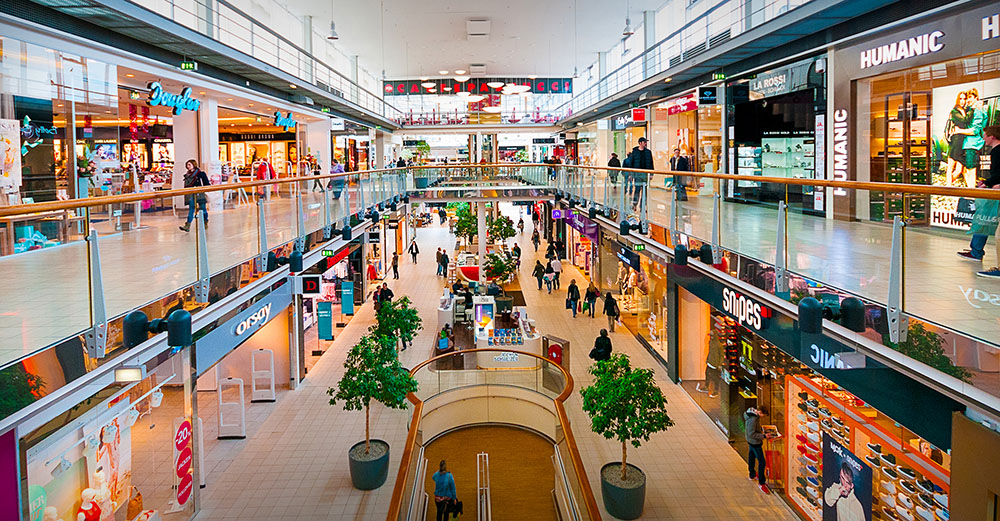
Mall retail shops are commercial units located inside structured shopping malls. These malls usually provide:
centralized parking
security and surveillance
shared marketing and branding
food courts and entertainment zones
climate-controlled indoor shopping
regular maintenance and cleanliness
Mall shops often operate in a planned retail ecosystem where the tenant mix is managed to create a complete customer experience.
Typical Retail Shop Categories
Retail shops in Islamabad commonly include:
fashion and footwear brands
cosmetics and perfumes
electronics and accessories
kids’ wear and toys
cafés and dessert outlets
service-based outlets
What Are Standalone Shops?
Standalone shops are independently located outlets not located within a mall. These can be found in:
commercial streets
sector markaz areas
plazas
roadside commercial corridors
mixed-use buildings
independent buildings with ground-floor retail
Standalone shops generally provide higher independence, stronger signage visibility, and greater control over operational decisions.
Typical Standalone Shop Categories
Standalone outlets in Islamabad commonly include:
restaurants and takeaway
showrooms
pharmacies
grocery and convenience stores
repair/service shops
furniture, interior, and home stores
Retail Shops in Islamabad vs Standalone Shops
Factor
Retail Shops in Islamabad
Standalone Shops
Footfall
Higher and more consistent due to shopping + dining + entertainment
Depends heavily on street location and surrounding activity
Restaurants, showrooms, services, and convenience-based retail
Investor Appeal
More stable tenant demand and structured leasing environment
Can offer strong returns in prime streets, but with higher variability
Which Is Better?
Category
Choose Mall Shops If
Choose Standalone Shops If
Best for Business Owners
You sell fashion, cosmetics, footwear, or electronics
You run a restaurant, café, takeaway, or showroom
You want strong walk-in footfall
You need flexible timings and signage
You prefer a premium brand association
You want direct roadside visibility
You want a managed environment (security, maintenance, facilities)
You want lower recurring charges and fewer service fees
Best for Investors
You want stable rental demand
You are investing in a prime commercial street
You prefer premium tenant potential (brands/franchises)
You want long-term appreciation through location scarcity
You value structured property management
You can evaluate location dynamics and future demand
You want predictable occupancy
You are comfortable with higher variability in returns
Citadel 7 Mall: A Modern Mall-Based Retail Option in Islamabad
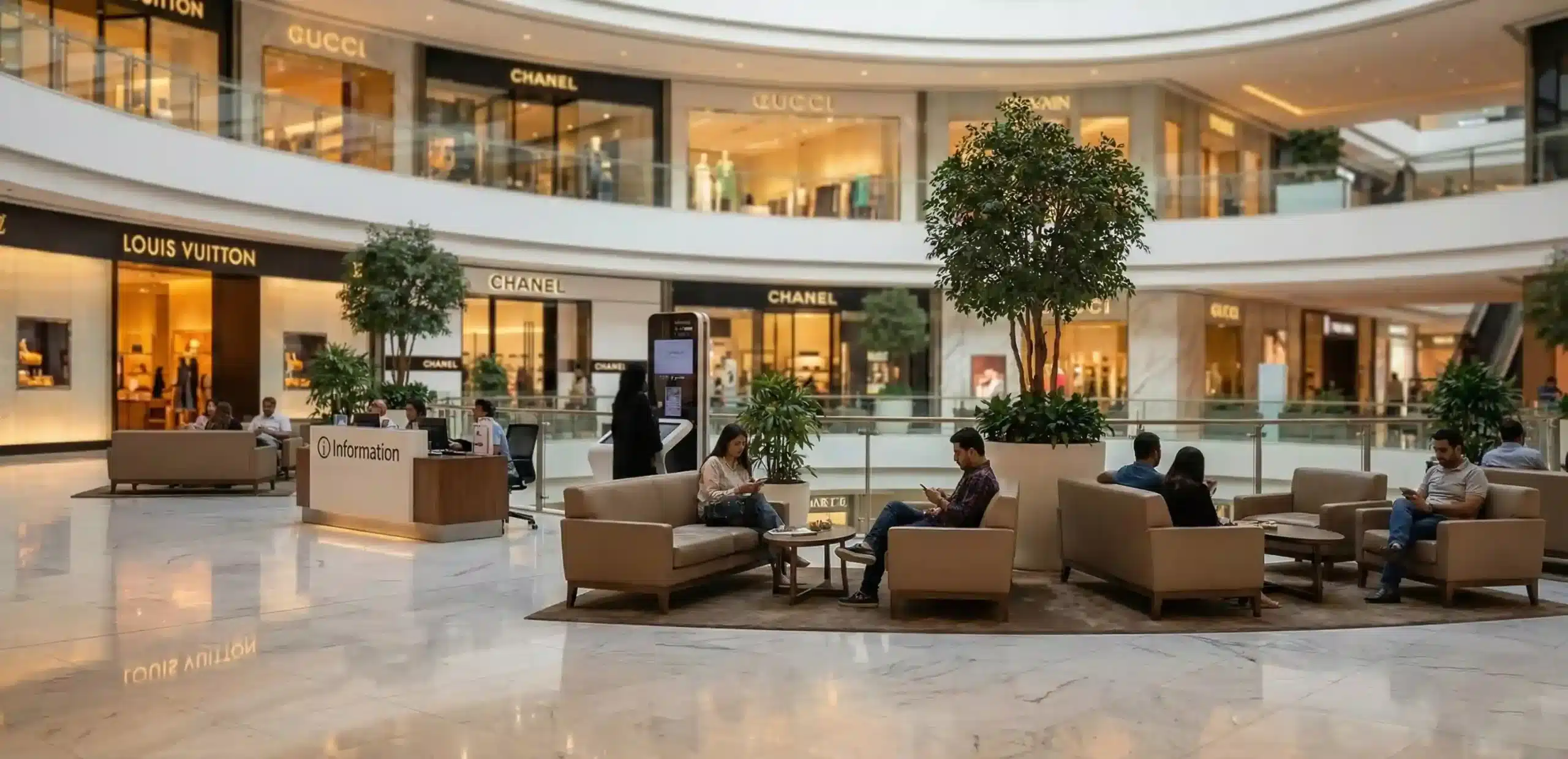
As Islamabad’s retail landscape becomes more structured and experience-driven, curated mall projects are gaining attention from both businesses and investors. Citadel 7 Mall is an upcoming shopping mall in the Blue Area being developed by Chakor Ventures.
It is positioned as a planned retail destination designed to support modern shopping behaviour. It also reflects long-term commercial value. For anyone evaluating retail shops in Islamabad, Citadel 7 Mall is a strong example of how mall-based retail is evolving beyond traditional plazas and standalone units.
Multiple retail levels designed for brands and outlets
Key Public Feature
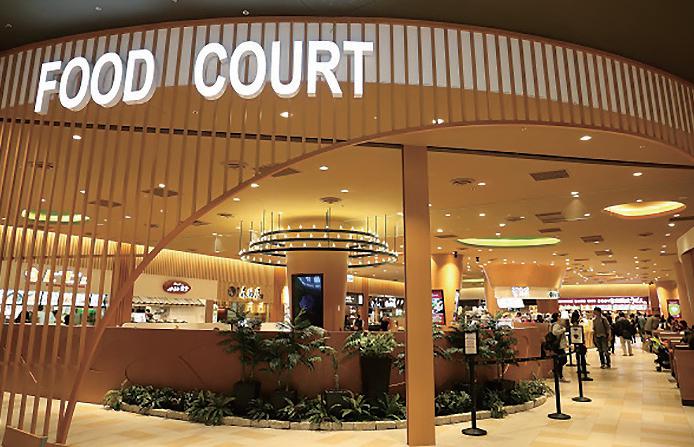
Dedicated food court to support footfall and visitor stay time
Designed For
Shoppers, brands, franchises, and commercial investors
What Makes Citadel 7 Mall Different from Typical Retail Buildings?
Unlike unplanned commercial buildings where shops are sold without ecosystem planning, Citadel 7 Mall follows a curated mall model. This approach focuses on developing the building as a complete mall experience by emphasising:
planned retail zoning
shop discovery design
organized mall circulation
lifestyle-driven shopping experience
This matters because mall performance depends on how long visitors stay and how effectively they explore multiple floors. In other words, the mall is not just selling space; it is designing shopping behaviour.
Mall Structure & Retail Floors
Citadel 7 Mall is planned with four dedicated retail floors, enabling a wider tenant mix compared to small plazas. This is especially important in a prime commercial corridor like the Blue Area, where retail brands compete aggressively for visibility and quality space.
A multi-floor mall format typically supports:
flagship outlets and standard retail units
category-based floors
Better brand variety under one destination
, premium storefront, and display visibility
For shoppers, this improves convenience. For investors, it improves tenant demand because brands prefer structured environments with consistent visitor traffic.
Food Court as a Footfall Engine
One of the most commercially valuable features of Citadel 7 Mall is its food court concept. In modern mall economics, dining areas play a major role in generating footfall and retaining customers.
A food court helps because it:
increases repeat visits
creates evening and weekend traffic
improves customer stay time inside the mall
supports surrounding shops through natural browsing behaviour
In the broader comparison of retail shops in Islamabad vs standalone shops, malls with strong dining zones often outperform standalone retail corridors because they keep visitors engaged for longer.
Why Citadel 7 Mall Matters When Comparing Retail Shops vs Standalone Shops
When people compare retail shops in Islamabad vs standalone shops, the biggest difference is the ecosystem advantage. Standalone shops operate independently, meaning each shop must generate its own traffic through signage, marketing, and location pull.
In contrast, mall-based shops benefit from:
shared footfall
centralised security and maintenance
collective brand environment
combined shopping + dining experience
structured parking and accessibility planning
Citadel 7 Mall fits strongly into the mall model, meaning a retail unit here can benefit from the mall’s overall performance, not just its own individual visibility.
Investor Angle: Why It’s Relevant for Retail Shops in Islamabad
Citadel 7 Mall is naturally relevant to investors exploring retail shops in Islamabad because mall-based retail assets in premium locations tend to offer stronger leasing potential, especially when the project is:
located in a high-demand zone like the Blue Area
designed with strong circulation planning
supported by the food court activity
built as a structured retail destination
For commercial investors, this increases the likelihood of:
stable tenant interest
better rental competitiveness
long-term resale demand due to scarcity in premium areas
Future Trend: Mall Retail Growth in Islamabad
Retail shops in Islamabad are increasingly shifting toward:
family shopping destinations
food and entertainment-based retail models
curated mall projects
mixed-use developments
This suggests that mall retail is likely to remain a strong long-term category for both shoppers and investors. As consumer lifestyles evolve, malls create a controlled environment that matches expectations of comfort, convenience, parking, and quality.
Conclusion | Retail Shops in Islamabad
If your priority is strong branding and a structured retail environment, mall shops may offer a clearer path to growth. But if you have a strong location and want full control over operations, standalone retail can deliver excellent performance in Islamabad.
BBC-featured Content Specialist with a sharp eye for search intent and a proven ability to turn content into a growth engine. I leverage cutting-edge digital marketing tools to craft strategies that fuel organic traffic, amplify brand growth, and own the local SEO landscape, particularly across the competitive real estate market. I help brands dominate search rankings and convert visibility into measurable business success.
A special report on the paper mulberry eradication campaign, the public backlash, competing claims of legality, and the long-term climate and economic cost of losing mature urban green cover.
ISLAMABAD: The drive along Shakarparian Road still feels familiar, until it doesn’t. One moment, the route is shaded by Islamabad’s old, settled tree canopy. Next, the green abruptly disappears, replaced by bare earth and freshly turned soil.
Along the roadside, labourers dig shallow pits. Nearby, pine saplings lie waiting for a plantation. A signboard makes its promise in bold letters: “Greener and Healthier Islamabad, Indigenous Tree Plantation.”
Yet, it is not the saplings that have captured the public’s attention; it is what is missing: decades-old, mature trees that once defined the capital’s identity.
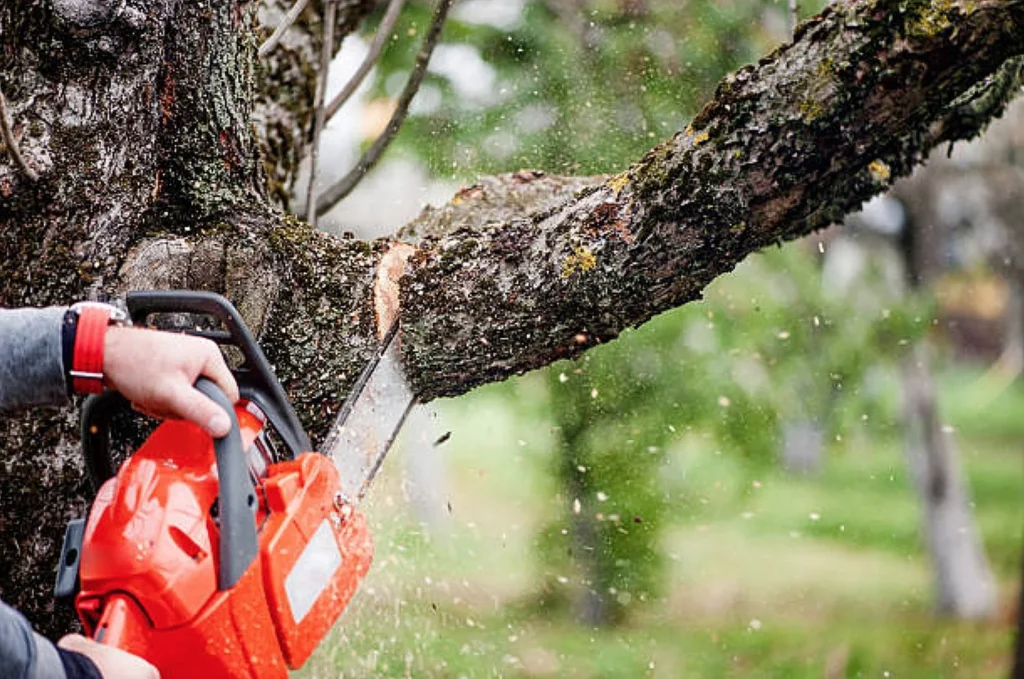
In recent days, the cutting of trees in Islamabad has triggered widespread public anger, forcing explanations from the government, pushing environmental groups into the spotlight, and raising an uncomfortable debate about whether the city’s green cover is being sacrificed under the banner of public health and development.
LATEST UPDATE: “IHC Halts CDA from Cutting Trees in Islamabad”
On January 15, 2026, the Islamabad High Court directed CDA to immediately stop cutting of trees in Islamabad. The court issued this order after a petition alleging that the tree removal violated environmental laws was filed. The CDA is required to submit a detailed report, and notices were issued to the Pakistan Environmental Protection Agency and the Ministry of Climate Change. The hearing has been adjourned until February 2.
Why This Matters? | Cutting of Trees in Islamabad
Beyond the immediate controversy, the cutting of trees in Islamabad episode lays bare a deeper governance dilemma: how a modern capital balances public health, rapid development, and climate resilience. In urban terms, tree cover is not decoration; it is infrastructure.
It cools neighbourhoods, filters air, prevents soil erosion, buffers floods, and protects water resources. Its removal can have long-lasting economic and climate consequences that outlive any short-term administrative goals.
What Happened and Where? Cutting of Trees in Islamabad
Large-scale cutting of trees in Islamabad was reported at several locations in Islamabad, including:
H-8 (along a portion of the Islamabad Expressway, where a park is being upgraded)
Chak Shahzad (where decades-old trees were cut for the construction of a dual carriageway)
In Shakarparian, citizens claim at least four patches have been cleared, collectively spread over more than 15 acres near Lok Virsa, leaving large stretches resembling open, barren land.
The cutting of trees in Islamabad has remained a hot topic online, with residents sharing images and videos of deforested patches, questioning both the scale of the operation and the intent behind it.
The Official Position: Only Paper Mulberry Was Removed
The government’s defence rests on one central claim: that the cutting of trees in Islamabad is not arbitrary, but targeted and legally backed.
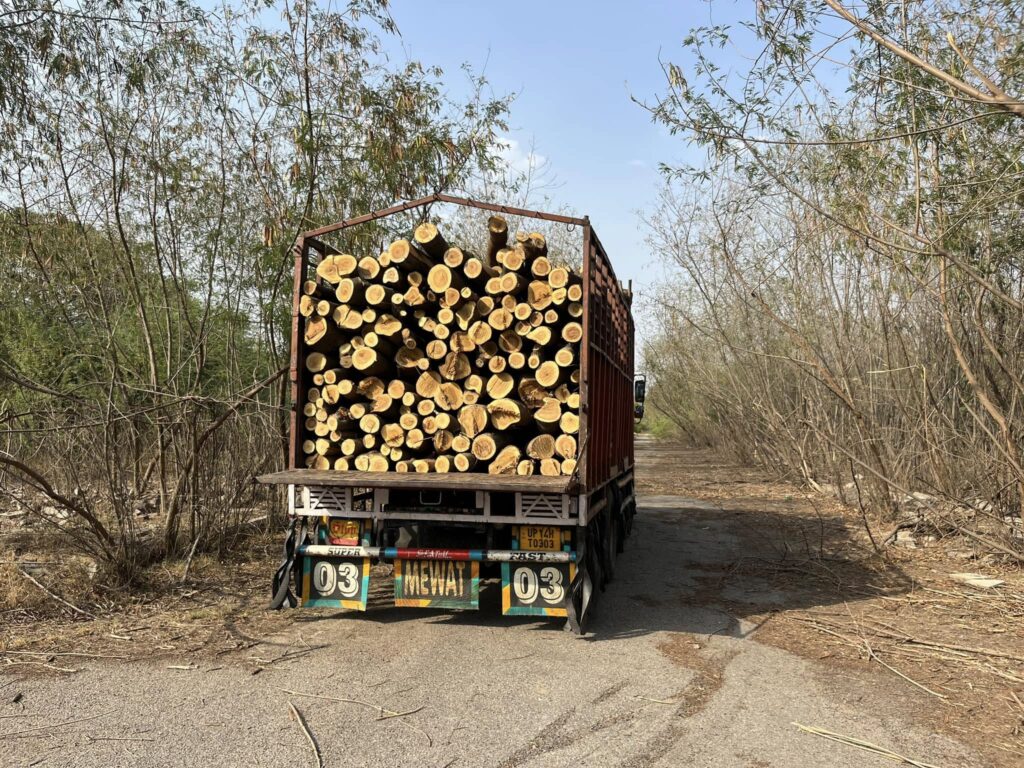
Minister for Climate Change and Environmental Coordination Dr Musadiq Malik, speaking on Friday after chairing a meeting on the issue, stated that around 29,000 paper mulberry trees had been removed in Islamabad in line with the Supreme Court’s orders issued in 2023.
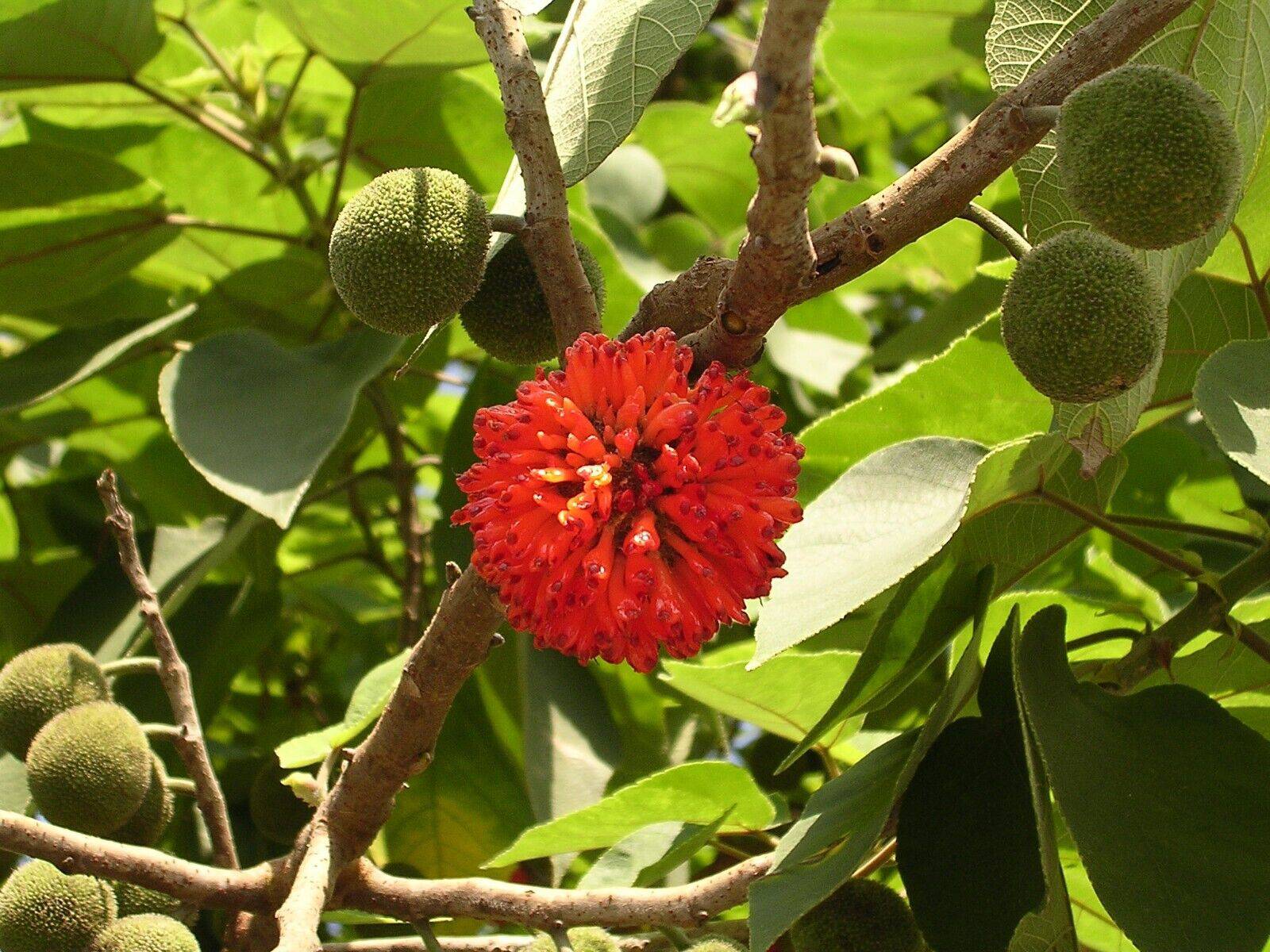
The minister said the directive was implemented again in 2025 to rid the city of what he described as an invasive, non-indigenous, and life-threatening species.
Paper mulberry, the minister claimed, is a major contributor to allergies and can cause fatal complications among chronic asthma patients. He added that the felling plan was finalised after confirming with the Ministry of Health that the species posed a major health concern.
“We are not planting non-indigenous species,” he said, adding that every tree chopped would be replaced at a ratio of one cut tree to three new saplings/trees.
The Capital Development Authority (CDA) also maintains that in Shakarparian, only paper mulberry trees were chopped down.
What the Numbers Say? | Cutting of Trees in Islamabad
According to CDA’s DG Environment Irfan Khan Niazi, the operation has proceeded under court directions with close supervision by CDA staff and documentation from cutting of trees in Islamabad to loading.
He stated:
approximately 12,000 paper mulberry trees were removed from F-9 Park
8,700 were cut in Shakarparian
Additional locations, including H-8, were also included
In total, the CDA reports that 29,115 paper mulberry trees have been removed to date.
The Public’s Concern: ‘This Was Not Only Paper Mulberry’
Despite official assurances, residents insist the reality on the ground looks far broader than a targeted health operation.
In Shakarparian, citizens stated that besides paper mulberry, other trees also appeared to have been cut down, and that large swathes of tree cover were cleared in a manner inconsistent with a selective removal drive.
For many, the question is not merely “why was paper mulberry removed?” but:
Why was the removal so abrupt?
Why did it involve such large patches of cleared land?
and whether decades-old green cover can truly be replaced by saplings in any meaningful timeframe?
Development Projects: The Road and Housing Link | Cutting of Trees in Islamabad
In Chak Shahzad, cutting of trees in Islamabad was carried out for the construction of a dual carriageway intended to connect to a CDA-DHA-owned housing scheme from Park Road, linking the controversy directly to Islamabad’s real-estate expansion and infrastructure development model.
Cutting of trees in Islamabad, H8, took place where a park is being upgraded alongside the Expressway.
This intersection, between ecological removal drives and physical development projects, has strengthened public suspicion that cutting of trees in Islamabad may not be purely a health-driven intervention.
The WWF Report and the ‘Bigger Reality’
Environmental groups argue that the issue is more complex than official explanations.
A WWF-Pakistan report criticised the recent removals and land clearing in Islamabad, stating that while the paper mulberry eradication drive is a major factor, extensive vegetation loss also stems from unchecked infrastructure development.
Field inspections conducted from December 2025 to January 2026 reportedly found large-scale clearing along:
H-8 Islamabad Expressway
Margalla Enclave Link Road
Shakarparian
The report raised concerns over:
lack of transparency
weak site-specific planning
monitoring gaps
incomplete restoration and exposed soil
Experts Warn: It’s Not Just Trees, It’s the City’s Climate System
Experts caution that even if paper mulberry removal is justified, the method matters.
Climate policy advocate Dr Zainab Naeem said the issue was not the removal itself but the alleged mismanagement, warning that the court-mandated phased approach, ecological assessment and prior afforestation steps appear to have been ignored. She stated native species such as shisham were reportedly also cut, as highlighted in WWF’s findings.
She described the move as climate misgovernance, warning that Islamabad is already developing an urban heat island effect due to concretisation and declining green buffers.
He stressed that even public-health-driven removal must follow proper mechanisms, because replacing trees with concrete accelerates heating, disrupts rainfall patterns, and accelerates degradation.
The Economic Cost Behind the Environmental Cost | Cutting of Trees in Islamabad
Beyond ecology, the cutting of trees in Islamabad canopy plays a direct economic role.
Urban analysts note that the loss of mature trees can lead to:
Higher electricity demand (cooling loads increase with higher temperatures)
Higher public health spending due to heat stress, dust, and air quality decline
increased stormwater runoff and greater risk of flooding, raising infrastructure repair costs
weaker livability, reducing quality-of-life indicators that sustain long-term urban value
In effect, while development projects may generate short-term economic activity through construction, poorly managed loss of ecological buffers can create long-term liabilities that quietly burden households and government alike.
Accountability Questions: What Was Approved, and Who Monitored?
The controversy has also revived core governance questions, especially in the context of environmental permissions:
Were site-specific ecological plans made public?
Were environmental assessments and approvals properly disclosed?
What independent monitoring existed beyond agency statements?
How was “only paper mulberry” verified on the ground?
Were permissions and licensing processes fully compliant?
Dr Malik directed that a transparent mechanism be developed to ensure compliance with laws, rules and procedures related to such campaigns, an indication that the current process may lack public confidence.
Notably, while official handouts discussed cutting in multiple sectors, they reportedly did not mention cutting of trees in Islamabad along Park Road in Chak Shahzad, raising further questions about disclosure.
CDA’s Plantation Response: A January Drive Amid Frost
Amid criticism, the CDA launched a plantation campaign in January, a month usually associated with frost and not traditionally viewed as ideal for mass plantation.
Historically, CDA plantation drives typically began around mid-February. This time, the plantation began over a month early in the Shakarparian area.
CDA officials defended the timing by stating that only suitable species, including Chir Pine, were being planted and that the drive aims to plant 30,000 trees, with greater momentum expected next month.
However, critics questioned whether the plantation effort was ecological restoration or merely damage control.
PM Takes Notice
After sustained pressure from citizens and civil society, Prime Minister Shehbaz Sharif took notice of the alleged cutting of trees in Islamabad and sought a report from the CDA.
The government’s response suggests recognition that public anger has moved beyond social media outrage into a politically sensitive urban governance issue.
The Bigger Debate: Health, Development and a City’s Identity
Islamabad’s paper mulberry dilemma is not a simple question of trees versus health. It is a debate about trust, transparency and what kind of capital Pakistan wants to build: one shaped by ecological planning, or one repeatedly “fixed” after irreversible damage.
So the question that arises here is: was this drastic approach truly necessary, or could public health have been protected without stripping the capital bare?
BBC-featured Content Specialist with a sharp eye for search intent and a proven ability to turn content into a growth engine. I leverage cutting-edge digital marketing tools to craft strategies that fuel organic traffic, amplify brand growth, and own the local SEO landscape, particularly across the competitive real estate market. I help brands dominate search rankings and convert visibility into measurable business success.