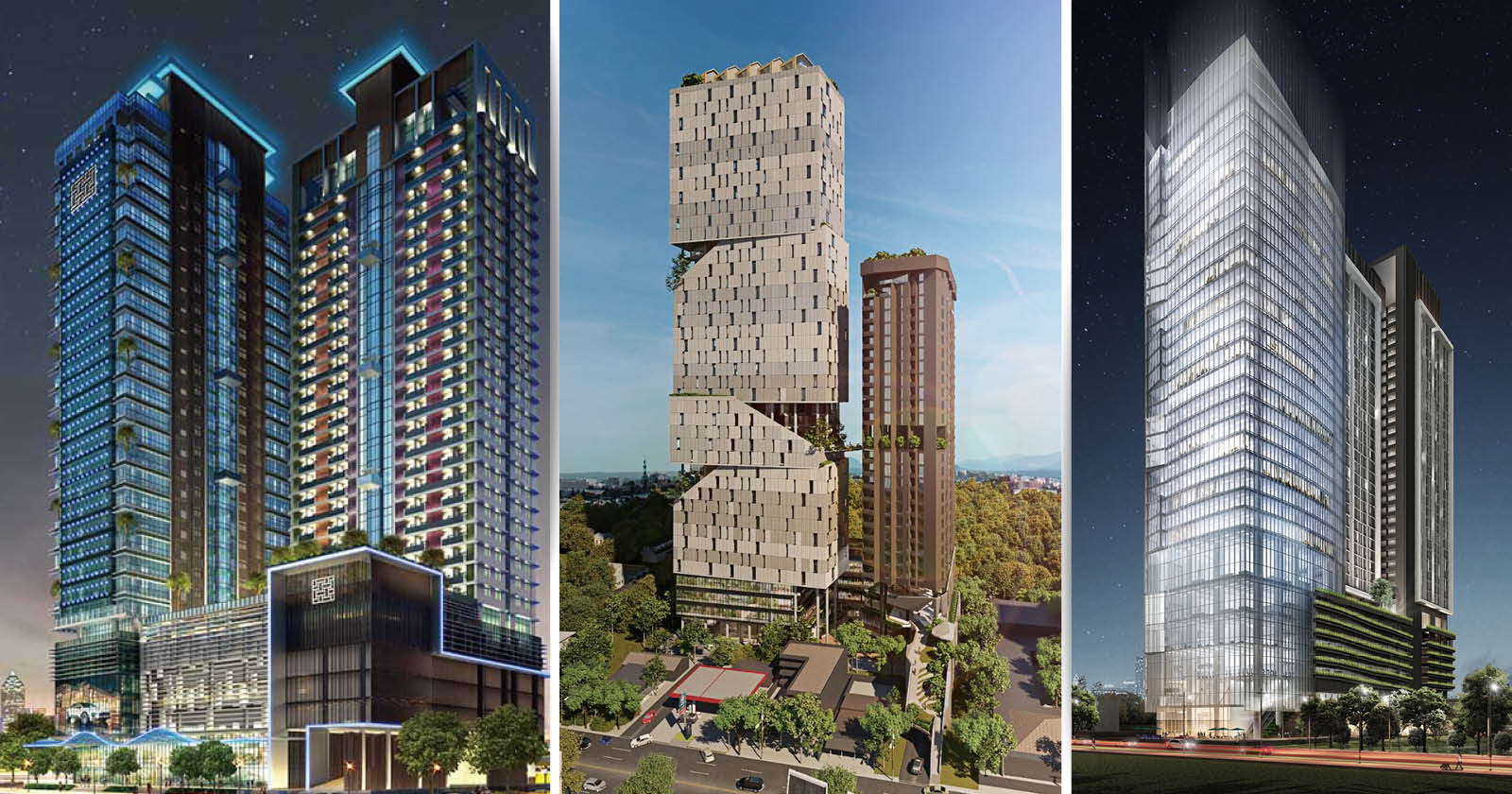
ISLAMABAD: The federal government is working on a comprehensive tax-free real estate investment package designed to attract overseas Pakistanis and foreign investors, with the proposal already submitted to the International Monetary Fund (IMF) for review and approval.
According to official sources, the initiative aims to remove long-standing procedural barriers that have historically deterred expatriates from investing in Pakistan’s property sector. The package is structured to channel foreign currency, particularly US dollars, into the country’s real estate and construction sectors, providing a much-needed boost to both.
Among the key measures under consideration is the establishment of dedicated special investment zones for real estate development, offering streamlined approval processes, infrastructure support, and additional financial incentives to encourage large-scale projects. Authorities are also exploring the introduction of Real Estate Investment Trusts (REITs) and escrow accounts for property transactions, moves intended to enhance transparency and significantly reduce the risk of fraud for investors operating from abroad.
The government is additionally seeking to revise existing taxes on property transactions as part of the broader reform package, though these adjustments remain subject to IMF concurrence. Notably, most of the proposed benefits are expected to be available exclusively to tax filers, with non-filers receiving limited relief under the current framework.
Officials have indicated that the initiative is partly motivated by evolving economic conditions in Gulf countries, where many overseas Pakistanis are based, presenting an opportunity to redirect investment flows back to Pakistan amid regional uncertainties.
Sources familiar with the matter suggest the package could be officially announced as early as next month, pending final regulatory approvals. If implemented, the scheme would represent one of the most substantial efforts in recent years to integrate the Pakistani diaspora more meaningfully into the country’s economic development.
If you’ve been searching for a smart way to grow your wealth in Pakistan’s real estate market, the term condo investment has probably crossed your mind more than once. High-rise living is no longer a foreign concept in Pakistan. But the real question every investor asks is: Is a condo a good investment in Pakistan’s unique economic environment? And more importantly, is a condo profitable enough to compete with traditional plots and houses?
What Is a Condo Investment?
Before diving into profitability, let’s get the basics right for Pakistani readers who may be more familiar with plots and houses than vertical living.
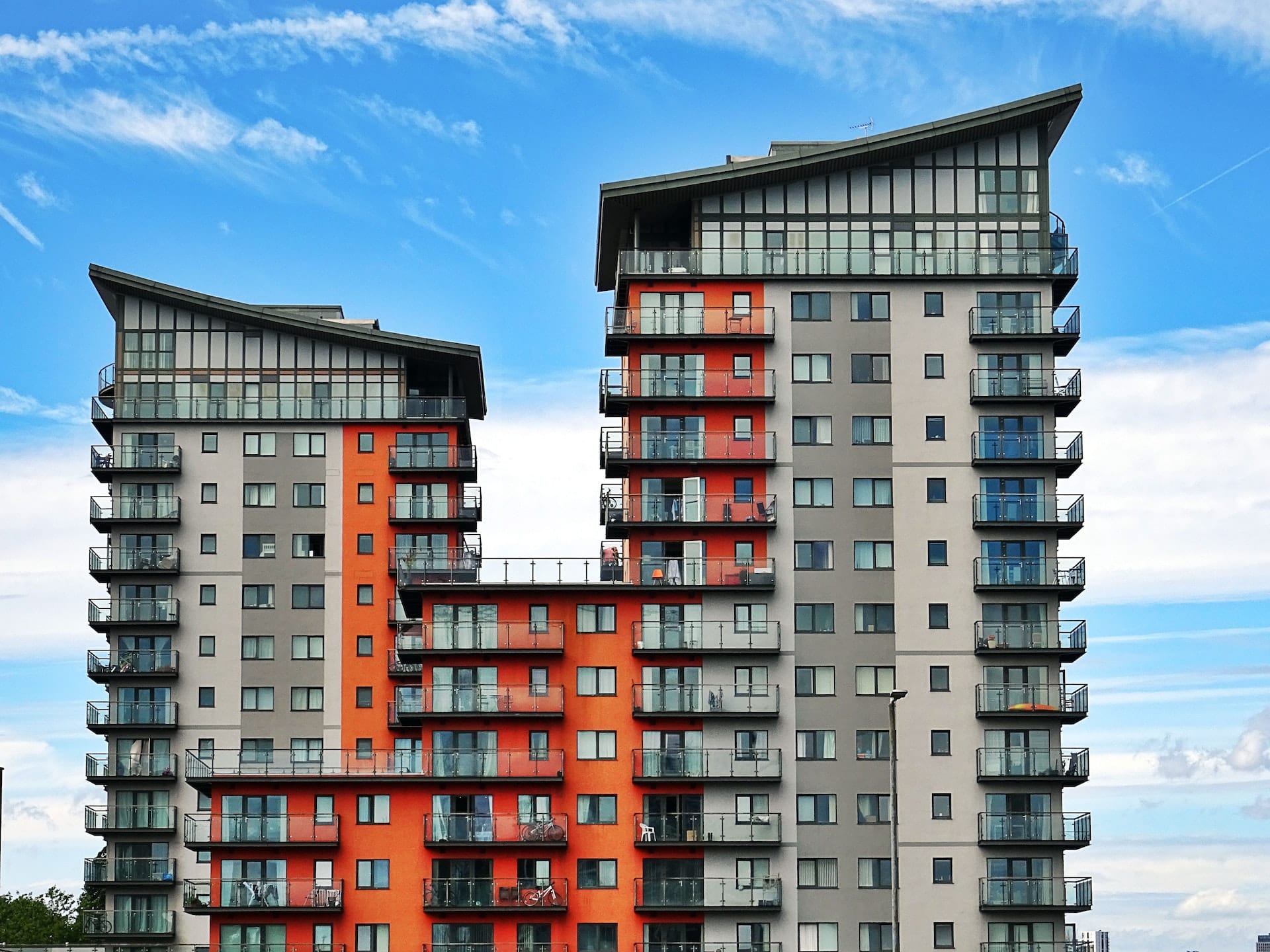
What is a condominium? A condo (short for condominium) is an individually owned unit within a larger residential building or complex. When you make a condo investment, you own your specific apartment unit outright while sharing ownership of common areas like lobbies, gyms, swimming pools, parking, and corridors with other residents.
Unlike renting a flat, a condo investment means you hold the asset. You can live in it, rent it out for income, or sell it later at a higher price. This dual benefit of rental income and capital appreciation is what makes condoinvestment so appealing globally.
The Rise of Condo Investment in Pakistan (2024–2026)
Pakistan’s real estate landscape has been shifting dramatically. Rapid urbanization, a growing middle class, and a young professional population hungry for modern amenities have collectively pushed demand for high-rise living to new heights.
The overseas Pakistani community has also played a major role in fueling condo investment demand. With easier remote management, fixed service charges, and professional building management, condos are far more practical for diaspora investors than plots or houses that require on-ground supervision.
In 2026, condo investment in Pakistan sits at an exciting but critical inflection point. The opportunity is real, but so is the need for informed decision-making.
Is Condo a Good Investment in Pakistan?
Let’s address the core question directly: Is condo a good investment in Pakistan? The short answer is yes, but conditionally. A condo investment in Pakistan can deliver strong returns when you choose the right city, the right developer, and the right location.
However, it is not a guaranteed win-all strategy. Pakistan’s real estate market has unique characteristics, including documentation challenges, concerns about developer reliability, and a cultural preference for plots that every investor must understand before committing capital.
Here is how the answer breaks down:
When Condo Investment Works Well in Pakistan
You are buying in a well-developed area with strong rental demand
The developer has a proven track record of timely project delivery
You are an overseas Pakistani looking for a managed, income-generating asset
You want access to a prime-location property without paying full house/plot prices
You have a long-term horizon of five to seven years minimum
When Condo Investment May Disappoint
You are buying from an unknown developer with no previously completed projects
The project is in an area with low rental demand or poor connectivity
You expect quick resale profits within one to two years
The building has extremely high monthly maintenance charges that eat into rental income
Documentation and NOC approvals are unclear or under litigation
Is a Condo Profitable? ROI Breakdown for Pakistan 2026
This is where most investors want specifics. Is a condo profitable enough in Pakistan? Here is a realistic look at the numbers:
Gross Rental Yield: In prime locations, well-managed condo units can yield 5%to 8% annually. This means a unit purchased at PKR 1.5 crore could generate monthly rental income of PKR 75,000 to 1,20,000, depending on size, furnishing, and amenities.
Net Yield (After Charges): After accounting for monthly service charges (typically PKR 8,000 to 25,000 in premium buildings), property management fees, and occasional vacancy, realistic net yields fall between 3.5% and 6% per year.
Capital Appreciation: In high-demand projects, annual capital appreciation has ranged from 10% to 20% over the past three years. More average projects in secondary locations may appreciate at 5% to 8% annually.
Combined Return Potential: A well-chosen condo investment in a prime Pakistani city can realistically yield a combined annual return of 8% to 14% when rental income and capital gains are combined. This is competitive, though it must be weighed against the current high-interest rate environment, where bank fixed deposits have offered returns of 18–20% in 2024. As the SBP has been cutting rates through 2025 into 2026, real estate, including condo investment, becomes increasingly attractive by comparison.
Quick Comparison Table
Asset Type
Estimated Annual Return
Liquidity
Risk Level
Condo (prime location)
8–14% combined
Low–Medium
Medium
Plot (DHA/Bahria)
10–20% capital gain
Medium
Medium
Gold
8–12%
High
Low
PSX Stocks
Variable
High
High
Bank Fixed Deposit (2026)
12–15% (declining)
High
Low
The table makes it clear: Is a condo profitable compared to other options? Yes, especially as interest rates decline and real estate regains its traditional role as Pakistan’s preferred wealth-building vehicle.
Pros of Condo Investment in Pakistan
Here are the key benefits that make condo investment worth serious consideration:
Lower Entry Price Than Houses or Plots A well-located condo unit can be acquired for PKR 80 lakh to 2.5 crore, far less than buying a plot or house in the same area. This makes condo investment accessible to a much wider range of investors.
Rental Income Generation Unlike plots that sit idle, condos generate monthly rental income from day one of possession. Corporate clients, expats, and young professionals in major cities create consistent rental demand for well-amenitized units.
Low External Maintenance Responsibility: Building exterior, elevators, lobbies, pools, and landscaping are maintained by the building management, not you personally. This is especially valuable for overseas Pakistani investors.
Premium Amenities Attract Quality Tenants. Condo buildings offering gym facilities, 24/7 security, backup power, and concierge services command higher rents and attract more reliable long-term tenants.
Ideal for Diaspora Investors. For Pakistanis abroad, a managed condo is far easier to oversee remotely than plots or independent houses, which require constant local supervision.
Cons of Condo Investment in Pakistan
A truly useful guide must also be honest about the downsides:
Developer Trust Remains a Serious Risk. Pakistan has unfortunately seen many cases of delayed handovers, incomplete amenities, and even fraudulent projects. Always verify developer history thoroughly before committing.
Monthly Service Charges Can Be High. Premium buildings charge service fees of PKR 15,000 to 40,000 per month. If the unit sits vacant, this is a direct cost with no offsetting income.
Resale Market Is Thinner. Pakistan does not yet have a deep secondary market for condo resales. Finding a buyer can take longer than selling a plot in the same area.
Title and Legal Documentation Complexity. Condo ownership title documentation in Pakistan is still less standardized than plot ownership. Always engage a property lawyer to verify all paperwork before purchase.
Citadel One3: A Prime Condo Investment Opportunity in Islamabad
What Is Citadel One3?
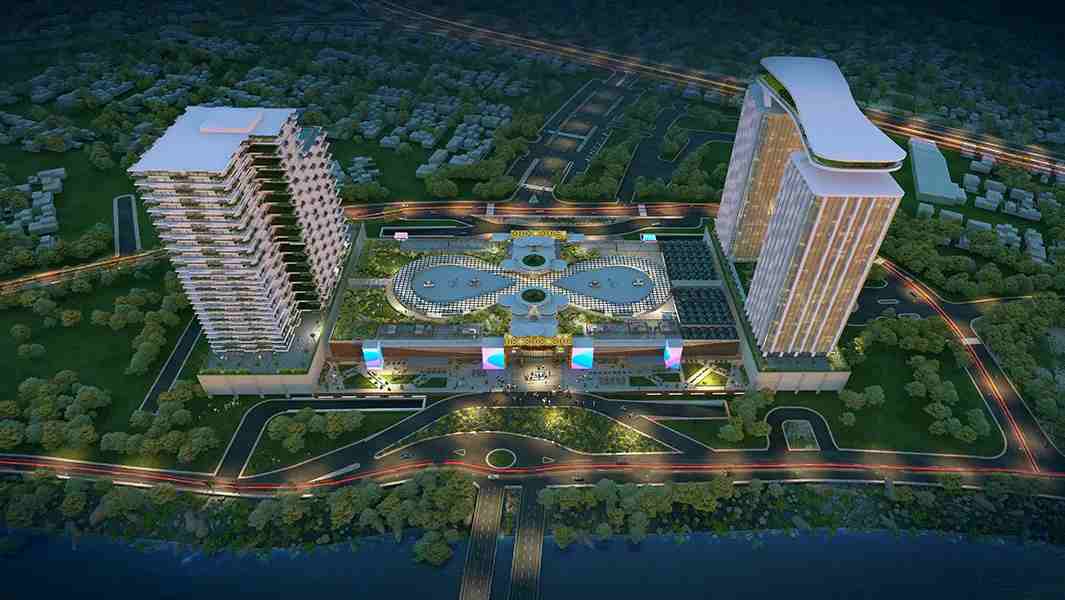
Citadel One3 is a luxury condominium complex being developed by Chakor Ventures, one of Islamabad’s most credible real estate development firms, with a proven portfolio that includes Citadel 7 Corporate Tower, Citadel Prime, and the upcoming Citadel Blu in Dubai. This track record alone addresses one of the biggest concerns Pakistani investors have: developer reliability.
Rising to 40+ floors along Jinnah Avenue in the Blue Area of Islamabad, Citadel One3 will offer both commercial and residential units across a total built-up area of 27,500 square feet. The tower offers breathtaking, unobstructed views of the Faisal Mosque, F-9 Park, and the Margalla Hills, a combination that is genuinely rare even by Islamabad’s high standards.
This is not just an apartment building. It is a condo investment vehicle designed for people who understand the long-term value of location, quality construction, and professional building management.
Why Citadel One3 Ticks Every Box for Condo Investment
Earlier in this guide, we laid out exactly what to look for before making a condo investment in Pakistan. Here is how Citadel One3 measures up against each criterion:
Prime Location
Reputable Developer with Proven Track Record
World-Class Amenities That Drive Rental Value
Iconic Views That Command Rental Premium
Structured Payment Plan
The project features:
A fully equipped gym
Sports and kids’ play area
Culinary court
Rental stay management services
Smart parking for 350+ cars
24/7 CCTV surveillance
Secure entry and exit points
Advanced firefighting system
Who Should Consider Investing in Citadel One3?
Based on the investment profile criteria we outlined earlier in this guide, Citadel One3 is particularly well-suited for:
Overseas Pakistanis who want a premium Islamabad asset managed professionally without needing to be present
High-income urban professionals seeking a luxury residence in the capital’s most central location
Long-term investors with a five-plus year horizon, looking for combined rental income and capital appreciation
Corporate rental investors targeting the steady stream of executives, diplomats, and government officials who need premium furnished accommodation in the Blue Area
First-time condo investors who want to enter the market through a credible developer with a transparent delivery history
Best Cities for Condo Investment in Pakistan in 2026
Islamabad
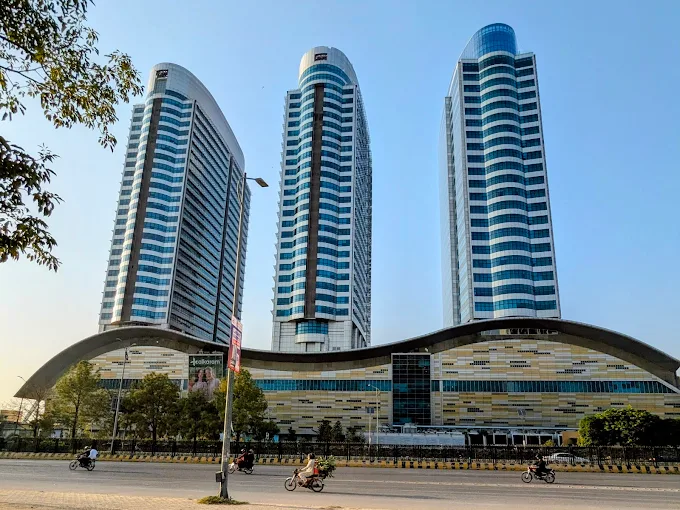
The capital remains the top destination for premium condo investment. Projects like Citadel One3, Eighteen Islamabad, Goldcrest Mall & Residency, and The Centaurus Residences attract diplomats, senior government officials, and corporate executives, all of whom generate strong rental demand and solid appreciation.
Lahore
Pearl One Tower, Icon Valley, and DHA Lahore’s emerging high-rise belt are drawing significant investor interest. Lahore’s large, young professional population creates sustained rental demand, making it one of the most condo investment-friendly markets in the country.
Karachi
Karachi has the largest rental market. DHA Karachi, Emaar Developments, and Bahria Heights serve a wide range of tenants, from expats to corporate professionals. Rental yields here are among the highest in the country.
What to Check Before Making a Condo Investment in Pakistan
To protect your capital and maximize returns, evaluate these factors carefully:
Developer Track Record
NOC and Legal Approvals
Monthly Service Charges
Location and Connectivity
Rental Demand
Exit Market Depth
Payment Plan Terms
Final Verdict: Is Condo Investment Worth It in Pakistan in 2026?
After analyzing the full picture, the answer is clear. Condo investment in Pakistan in 2026 is a legitimate, worthwhile strategy provided you go in with your eyes open.
KARACHI: Gold prices in Pakistan continued their volatile trajectory on Wednesday, recording a sharp increase of Rs15,200 per tola to reach Rs479,262, according to the All-Pakistan Gems and Jewellers Sarafa Association. The price of 10-gram gold also climbed by Rs13,031, settling at Rs410,889.
The latest surge follows a turbulent few sessions in the domestic market. Gold had previously risen by Rs16,300 per tola on Tuesday before that gain came on the heels of a steep decline of approximately Rs43,000, underscoring the extreme price swings that have characterized the market in recent days.
The domestic rally closely tracked developments in the international market, where spot gold prices rose nearly 2% to $4,554.97 per ounce after hitting a four-month low earlier in the week. US gold futures for April delivery posted an even sharper gain of 3.5 percent, reaching $4,553.60 per ounce, according to Reuters.
Market analysts attributed the rebound to easing inflation concerns, partly stemming from a recent decline in global oil prices. However, persistent geopolitical tensions in the Middle East continue to cast a shadow of uncertainty over commodity markets, sustaining demand for gold as a protective asset.
Adnan Agar, Director at Interactive Commodities, offered a broader perspective on gold’s evolving role, noting that the metal has transitioned from a traditional safe-haven instrument to a recognized long-term investment class. He attributed this shift largely to aggressive gold purchases by central banks worldwide, as nations seek to reduce their dependence on the US dollar.
Looking ahead, futures market speculation suggests a potential price correction as markets enter their next phase. Analysts also cautioned that any escalation in crude oil prices could trigger broader inflationary pressures, potentially compelling central banks to curtail gold purchases.
Silver prices edged up by Rs370 per tola to Rs7,824, while the Pakistani rupee gained marginally, rising Rs0.01 to Rs279.21 against the US dollar in the interbank market.
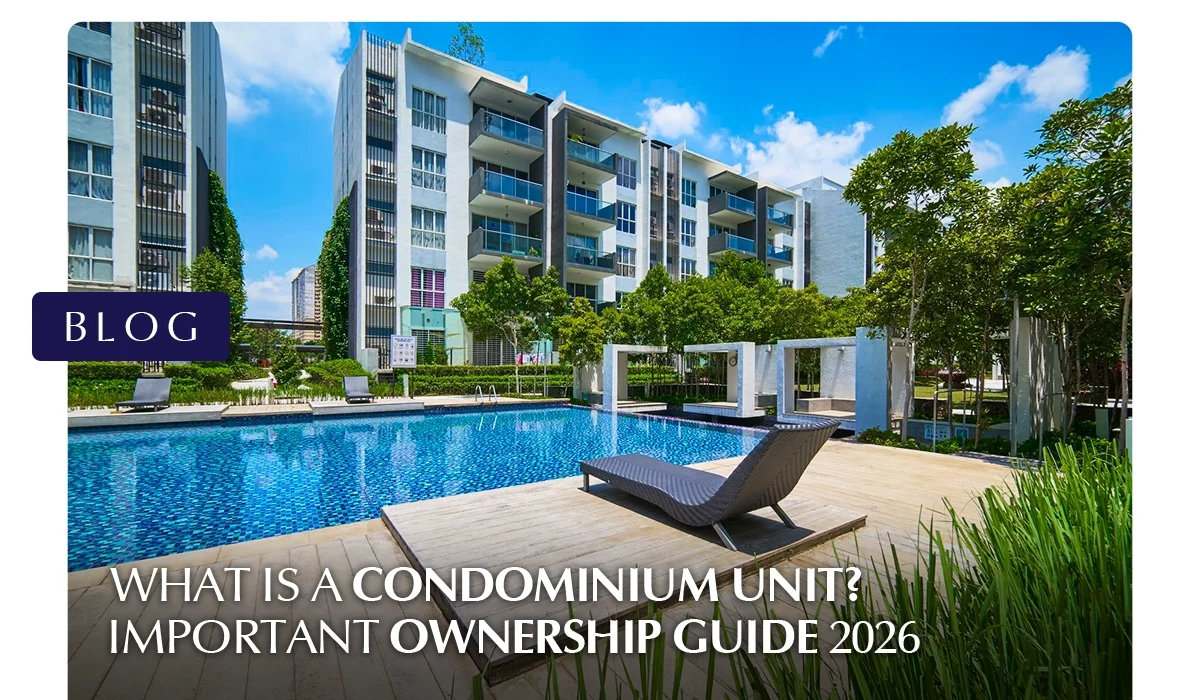
If you’ve ever searched for a home in an urban area, you’ve almost certainly come across the term “condominium.” But what is a condominium unit, exactly, and how does owning one actually work? Whether you’re a first-time buyer, someone transitioning from renting, or simply curious about your options, this guide breaks everything down clearly. From What Is a Condominium Unit, ownership structure and condo layout options to practical condo room design tips, here’s everything you need to know in 2026.
What Is a Condominium Unit?
So, what is a condominium unit at its most basic level? It is an individually owned piece of real estate situated within a larger, shared building or community. The word “condominium” comes from Latin “con,” meaning together, and “dominium,” meaning ownership.
A Condominium Unit is one where you own your private space outright, but you co-own everything surrounding it. You can sell it, renovate it (within Property Management Company rules), rent it out, or pass it on as an inheritance, just like a house.
Feature
Condominium Unit
Apartment
Single-Family House
Ownership
Individual title
Rented from the landlord
Individual title
Common Areas
Shared via Property Management Company
Managed by the landlord
Private/none
Maintenance
Property Management Company handles exterior
The landlord handles all
The owner handles all
Monthly Fees
Property Management Company dues apply
Rent only
No Property Management Company typically
How Does Condominium Unit Ownership Work?
Understanding what is a condominium unit or condominium residence also means understanding how ownership is structured because it differs from owning a standalone house in important ways.
When you purchase a condominium unit, you receive a deed for your specific space, the interior of your unit, typically from wall to wall. Everything outside that boundary: the hallways, the building’s exterior, the parking structure, the swimming pool, and the elevator is classified as common property. All unit owners share ownership of this common property collectively.
This shared ownership is managed by a Property Management Company or Residents’ Association. The Property Management Company is responsible for:
Maintaining and repairing all common areas
Enforcing community rules and bylaws
Collecting monthly maintenance fees from unit owners
Managing a reserve fund for major future repairs
Overseeing building insurance on shared structures
Types of Condominium Units
What is a condominium unit in terms of variety? There’s far more choice than most people realize. Condos come in a wide range of sizes, configurations, and building types to suit nearly every lifestyle and budget.
Studio Units: The most compact option, combining living, sleeping, and dining in a single open space. Ideal for singles and minimalists.
One-Bedroom Units: A separate bedroom provides privacy from the living area, making these popular with young professionals and couples.
Two-Bedroom Units: Great for small families, couples who work from home, or those who frequently host guests.
Three-Bedroom Units: Spacious configurations suited to growing families who want condo convenience without sacrificing room.
Penthouse Units: Located on the top floors, featuring luxury finishes, larger square footage, and panoramic views.
Loft-Style Units: Open layouts with high ceilings and minimal interior walls, popular in converted industrial buildings.
Detached Condominiums: Standalone structures with no shared walls. You get privacy similar to a house, but still share maintenance responsibilities for common areas.
Mixed-Use Condominiums: Buildings that combine residential units with commercial or office spaces, typically found in city centers.
Condo Hotels (Condotels): Units in hotel buildings that can be used personally or rented out like hotel rooms when the owner is away.
Citadel One3 Residences: Condominium Living Redefined in Islamabad
If you want a real-world example of what is a condominium unit at its finest, look no further than Citadel One3 Residences by Chakor Ventures. This 40+ floor luxury condominium complex is rising along Jinnah Avenue in the Blue Area, Islamabad, overlooking the iconic Faisal Mosque, F-9 Park, and the serene Margalla Hills. With a total area of 27,500 sq ft, it delivers exactly what modern condominium unit ownership promises: private living combined with world-class shared spaces.
How Citadel One3 Reflects the True Definition of a Condominium Unit
If you’ve been asking yourself what is a condominium unit in practical terms, Citadel One3 illustrates it clearly. Each apartment in the complex is individually owned. Residents hold title to their private unit while the building’s extensive common areas and facilities are shared and maintained collectively. This is the hallmark of condominium ownership, and Citadel One3 delivers it at a premium level.
The shared amenities at Citadel One3 include:
A fully equipped gym
Sports and kids’ play areas
A culinary courtfor dining
Smart parking for 350+ cars
24/7 CCTV surveillance
Advanced firefighting systems
Rental stay management
Why Citadel One3 Is a Strong Investment Opportunity
Beyond lifestyle, what is a condominium unit worth as an investment? Citadel One3 makes a compelling case. Located on Jinnah Avenue in Blue Area, Islamabad’s commercial and diplomatic heart, the project benefits from one of the highest-demand locations in Pakistan’s capital. The combination of a premium address, iconic views, world-class amenities, and Chakor Ventures’ developer credibility positions Citadel One3 as a long-term value asset.
The project also offers rental stay management services, meaning owner-investors can generate rental income without managing the property themselves, a feature that directly addresses one of the key advantages of condominium unit ownership discussed earlier in this guide.
Condo Layout Guide: Types, Sizes, and What to Look For
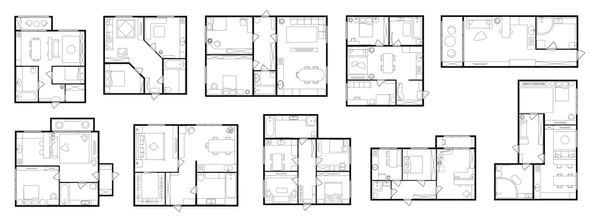
Once you understand what is a condominium unit as a concept, the next critical decision is evaluating its condo layout. The floor plan of a unit has a direct impact on how comfortable, functional, and spacious your daily life feels, regardless of the unit’s actual square footage.
Condo Layout by Size
Square Footage
Best For
Key Layout Features
Under 600 sq ft
Singles, minimalists
Open plan, multi-purpose furniture, smart storage
600–1,200 sq ft
Couples, small families
Defined living areas, 1–2 bedrooms, better separation
1,200+ sq ft
Families, those wanting space
Multiple bedrooms, dedicated dining, and a home office potential
Common Condo Layout Types
Open-Concept Layout
Closed/Compartmentalized Layout
L-Shaped Layout
Split-Bedroom Layout
Loft Layout
Key Areas to Evaluate in Any Condo Layout
When viewing a unit, go beyond aesthetics and examine these practical factors:
Traffic flow
Natural light
Kitchen configuration
Bedroom placement
Storage
Flexibility
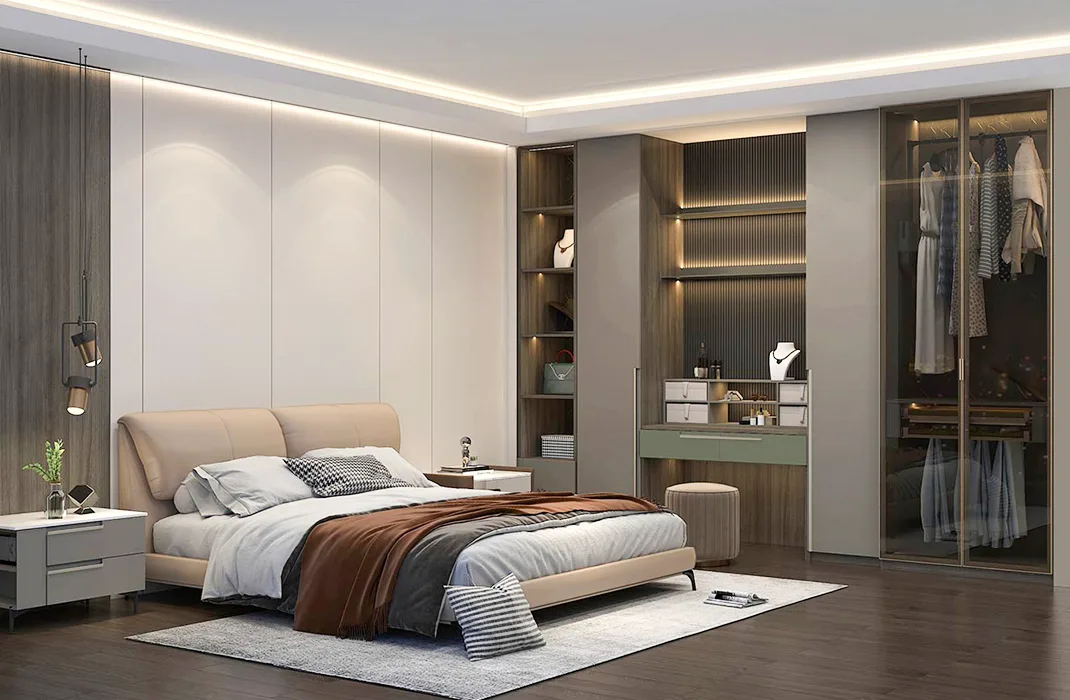
Condo Room Design Ideas to Maximize Every Square Foot
What Is a Condominium Unit or condo building meaning? Selecting the right condo layout is only half the equation. How you design and furnish the space determines whether your unit feels like a cramped box or a stylish, functional home. Here are the most effective condo room design strategies for every unit type.
Start With Color
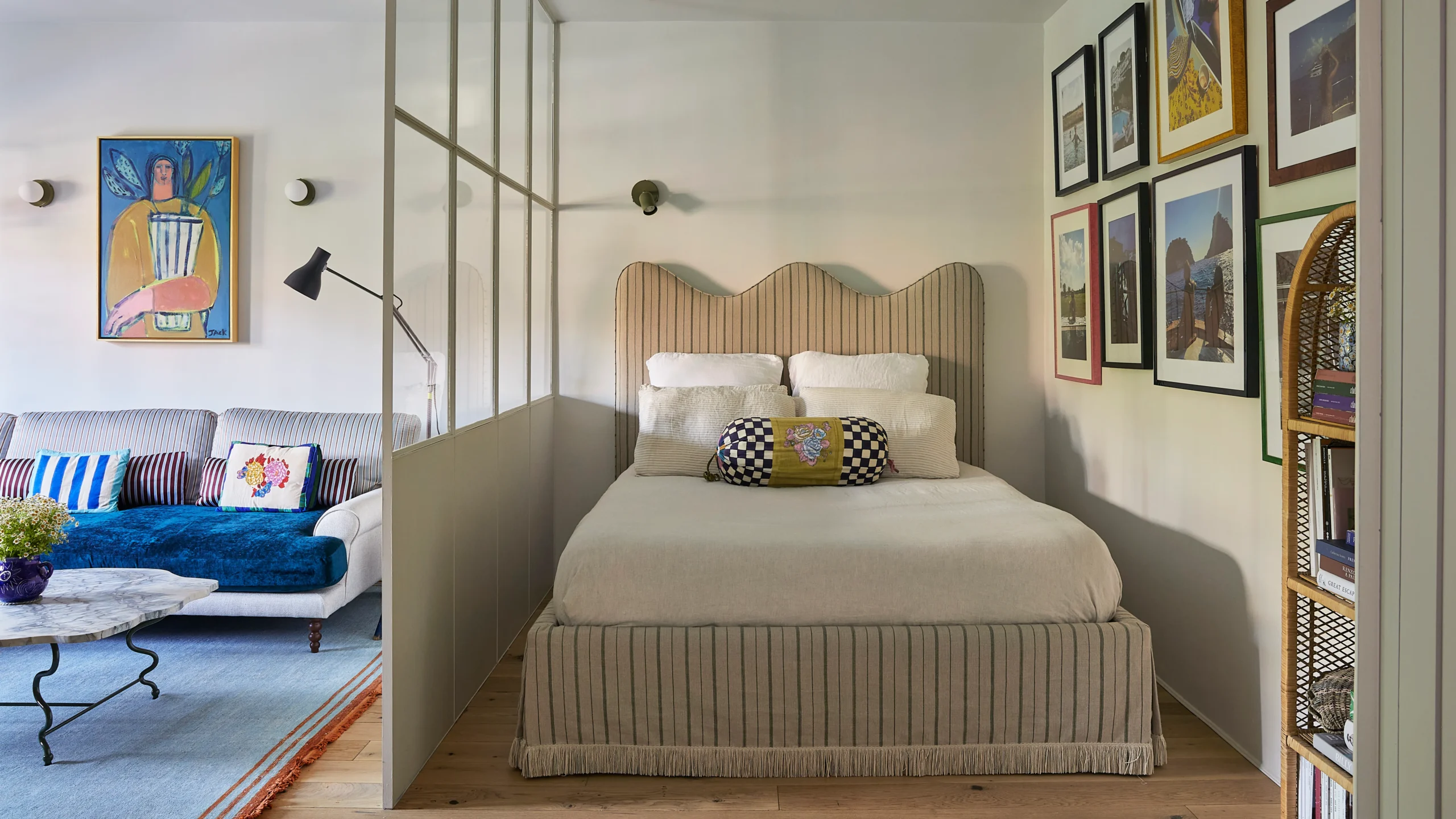
Color is one of the most powerful tools in condo room design. Light, neutral shades of off-white, soft gray, warm beige, and pastel tones reflect light, making a space feel open and airy. If you’re uncertain where to begin, a neutral base with bold color accents (throw pillows, rugs, artwork) gives you flexibility to evolve the design over time.
Maximize Space With Smart Furniture
In compact condo room design, multi-functional furniture is essential, not optional. Consider:
Sofa beds
Storage ottomans
Foldable dining tables
Built-in shelving and wall-mounted cabinets
Platform beds with built-in drawers
Use Mirrors, Lighting, and Drapes Strategically
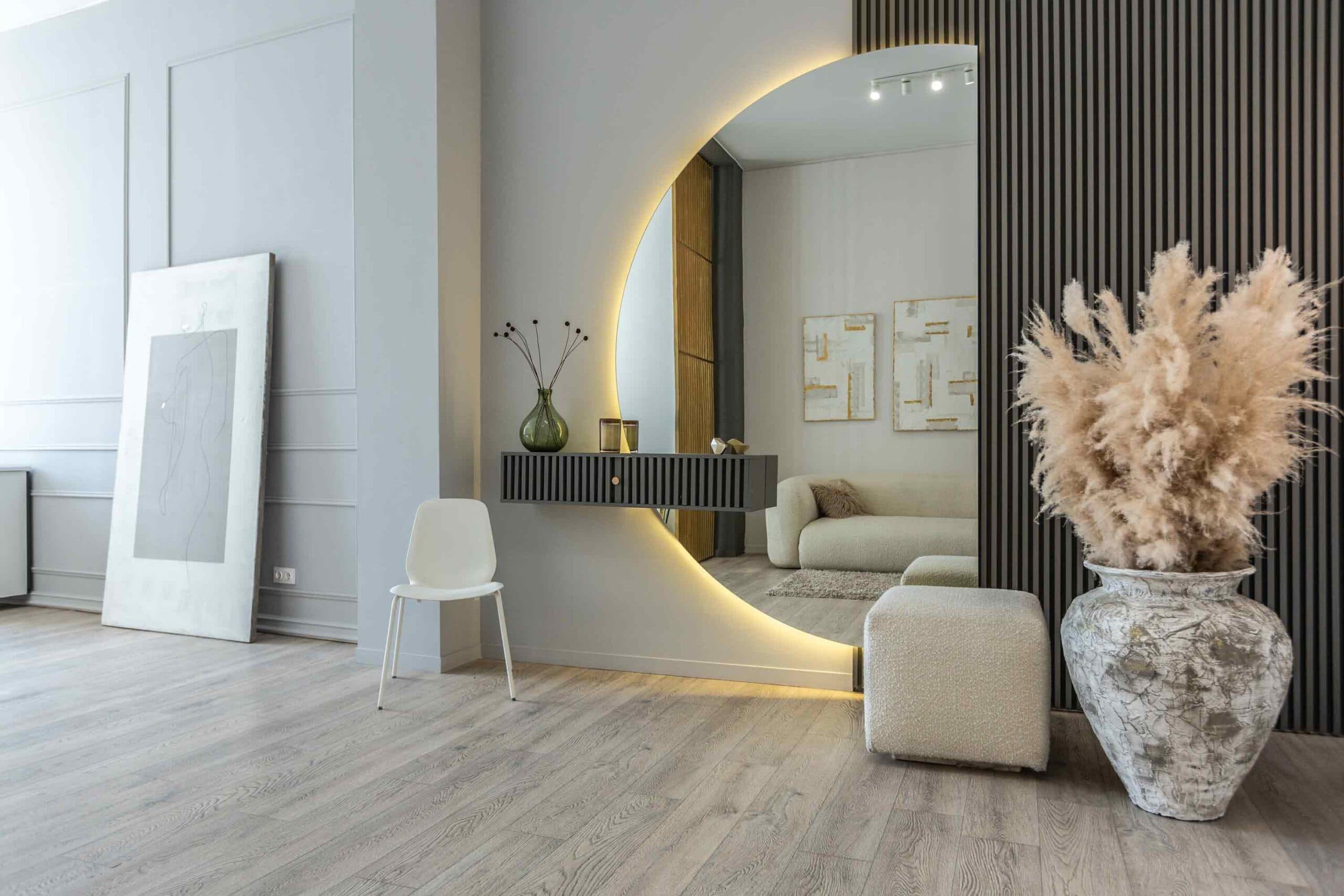
Three design elements consistently transform small condo spaces: mirrors, lighting, and window treatments. Mirrors reflect both light and the room itself, effectively doubling the visual depth of a space. For lighting, layer ambient, task, and accent sources; a single overhead fixture is rarely enough in thoughtful condo room design.
Condo Buying Checklist 2026
Now that you fully understand what is a condominium property, from its legal structure to its floor plan and interior design potential use this checklist before making a purchase:
Review the Property Management’s financial statements and reserve fund health
Read the Declaration, Bylaws, and any renovation restrictions carefully
Evaluate the condo layout against your actual daily lifestyle
Factor in monthly Property Management fees alongside mortgage and tax costs
Inspect common areas and assess the building’s overall maintenance condition
Research resale values and rental demand in the area
Confirm rental restrictions if you plan to lease the unit
Visit at different times of day to assess noise levels and light
Attend an Property Management meeting or speak to current residents if possible
Have a real estate attorney review all legal documents before signing
FAQs: What Is a Condominium Unit
What Is a Condominium Unit?
A condominium unit is a privately owned residential space within a larger building or complex, where the owner holds individual title to their unit while sharing common areas with other residents through a Property Management Company.
What is the difference between a condo and an apartment?
Understanding what is a condominium unit makes this simple: a condo is individually owned with a legal deed, while an apartment is rented from a landlord.
Is condo ownership permanent?
Yes. A condominium unit can be bought, sold, rented out, or inherited, just like a house. Ownership is indefinite unless you choose to sell.
What does an Property Management fee cover?
Property Management fees cover maintenance of common areas, building insurance, security, reserve funds, and shared amenities, all core to what is a condominium unit’s ownership model.
What is the best condo layout for a small space?
An open-concept condo layout works best for small units as it maximizes natural light, eliminates wasted wall space, and creates a more spacious feel.
How do I make my condo room design look bigger?
Use light wall colors, add mirrors, hang floor-to-ceiling curtains, choose multi-functional furniture, and keep clutter to a minimum.
Final Thoughts: What is a Condominium Unit
Understanding what is a condominium unit goes well beyond a simple definition. It means grasping how ownership works, what legal and financial responsibilities it entails, how to evaluate a condo layout that suits your lifestyle, and how to approach condo room design to make every square foot count.
Whether you’re buying your first condo, upgrading to a larger unit, or simply exploring your options in 2026, what is a condominium unit the fundamentals remain consistent: choose a unit whose structure, layout, and design potential align with the life you actually want to live. A well-chosen condominium unit isn’t just a property, it’s a home.
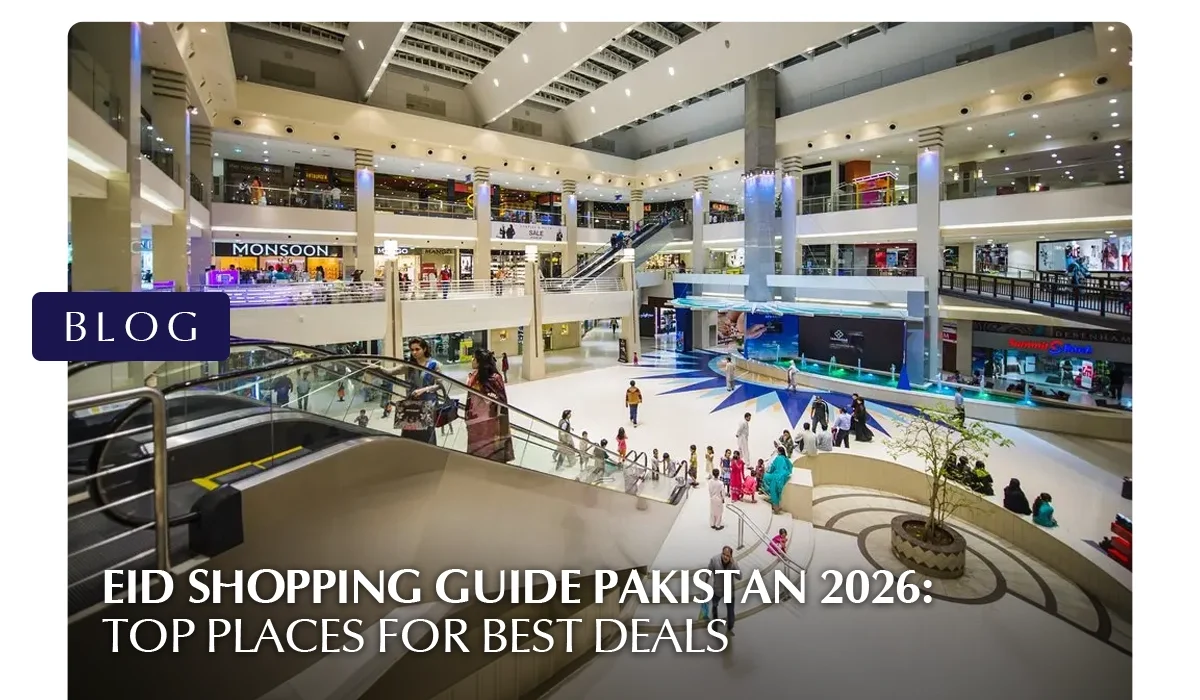
Eid is just around the corner, and if you haven’t started shopping yet, now is the time. Whether you live in Lahore, Islamabad, or Karachi, this Eid shopping guide Pakistan 2026 covers the best malls, markets, and deals across the country. From fashion trends to location-specific mall recommendations near Bahria Town, DHA, and Gulberg, we have got everything covered so your Eid is stress-free and stylish.
Why You Need to Plan Eid Shopping Early in 2026
Every year, the same mistake happens: people wait until the last week of Ramadan and then panic. Trending sizes go out of stock. Tailors stop accepting orders. Prices go up. This Eid shopping guide Pakistan 2026 exists to help you avoid exactly that.
Start at least 2–3 weeks before Eid. Set a budget for outfits, footwear, accessories, and gifts separately. Weekday visits to malls are far less crowded than weekends. The best Eid deals usually offer 10 to 30 percent off during mid-Ramadan, not in the last 10 days, when everyone is rushing.
Eid 2026 Fashion Trends in Pakistan
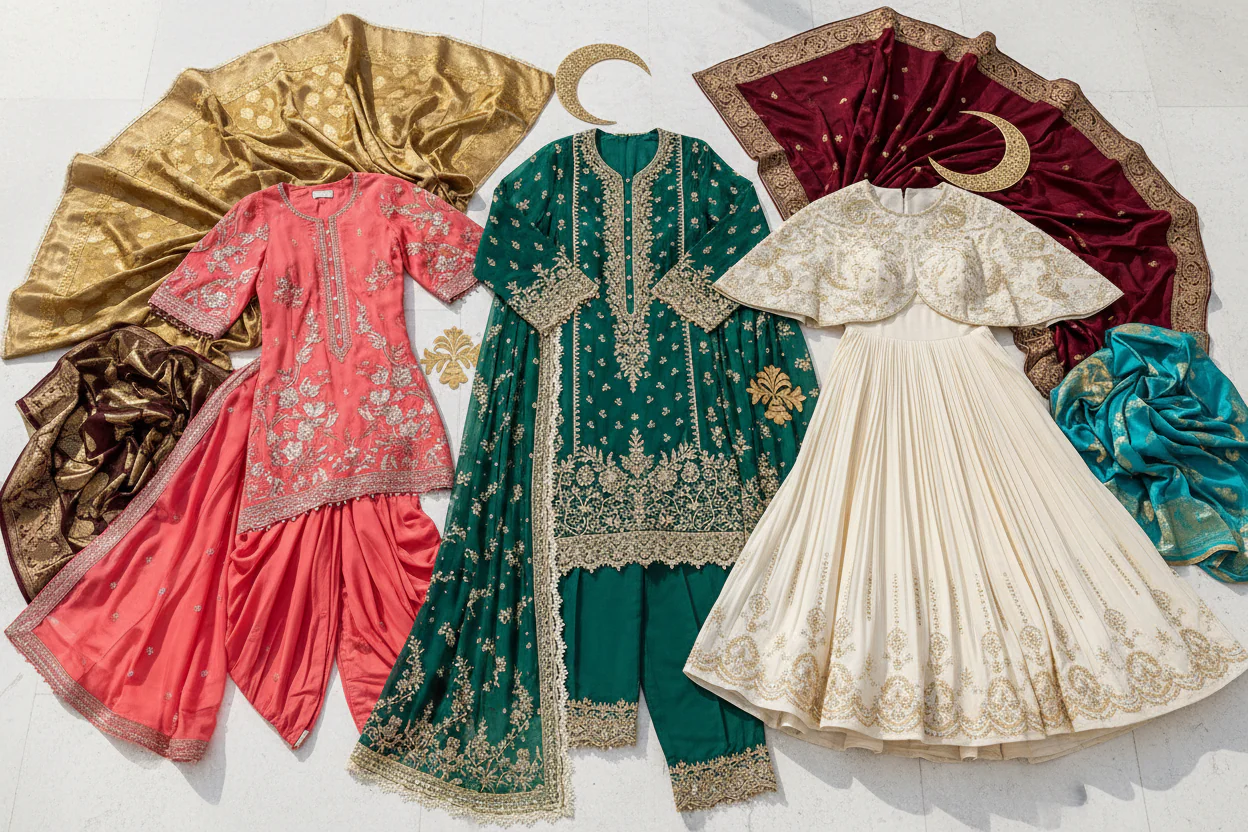
Before you head to the mall, know what is trending this season. According to Eid shopping guide Pakistan 2026 fashion reports this year, Kaftan silhouettes and flowy long shirts with subtle embroidery are leading the women’s Eid look. Fabrics like lawn for daytime and chiffon or organza for evening gatherings are the most popular choices.
Colors dominating Eid 2026:
Pastels — soft pink, mint green, ice blue
Jewel tones — emerald, sapphire, deep maroon
Classic whites and creams
For accessories, blingy khussas in fuchsia and mustard, glass and kashmiri churiyan, glittery potlis, and minimal mehndi designs are trending. For men, modern-collar kurta pajama with subtle embroidery and 3-piece suits for formal visits are the go-to choices this season.
Eid Shopping Guide Pakistan 2026 — Lahore
Lahore is the fashion capital of Pakistan, and it does not disappoint during Eid. Here is the Eid shopping guide Pakistan 2026 with the top zones to hit across the city.
If you live in Bahria Town, you have solid options right within your reach. This section of the Eid shopping guide Pakistan 2026 focuses specifically on the best malls near Bahria Town so residents do not have to travel far.
SQ 99 Mall
It is the biggest shopping mall in Bahria Town Lahore. It hosts a wide range of national brands across fashion, footwear, and accessories, making it perfect for full-family Eid shopping under one roof. The best malls near Bahria Town list cannot start without mentioning this one.
Mall of Lahore (Bahria Town)
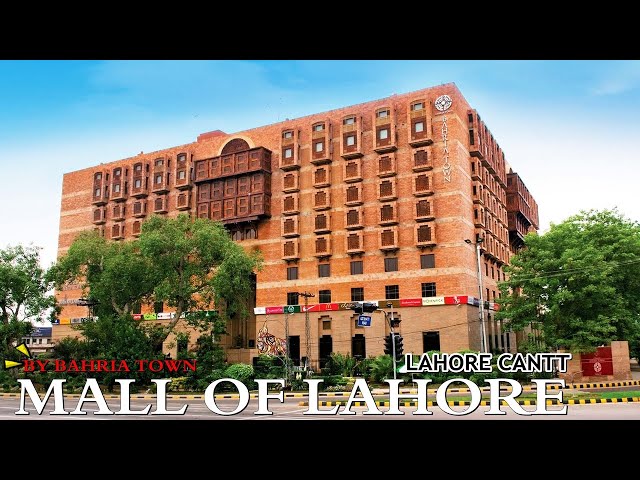
It is another flagship destination. It brings together popular Pakistani fashion brands, food courts, and entertainment, making it ideal for a full-day Eid shopping trip with the family.
Jasmine Mall
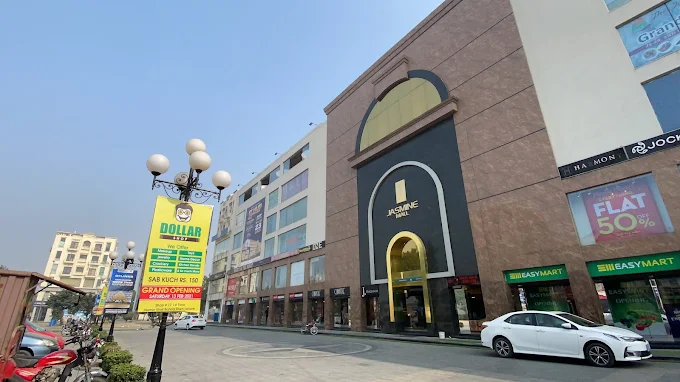
Jasmine Mallis conveniently located within Bahria Town and is among the best malls near Bahria Town for mid-range Eid shopping. Clothing, accessories, and footwear stores are all available here at reasonable prices.
Malls Near DHA Lahore
For residents of DHA, shopping near DHA Lahore is incredibly convenient with several quality options nearby.
Goldcrest DHA Mall
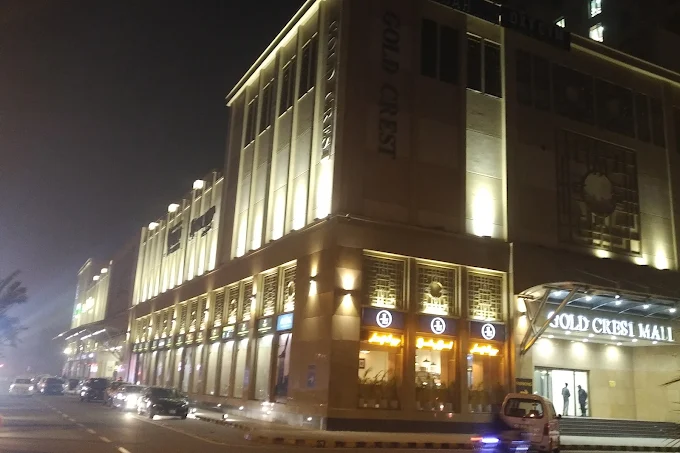
It is a premium destination for luxury brand shopping in DHA Lahore. It is ideal for those looking for high-end Eid outfits and imported accessories. The mall’s design and brand roster make it one of the top malls near DHA Lahore.
Packages Mall
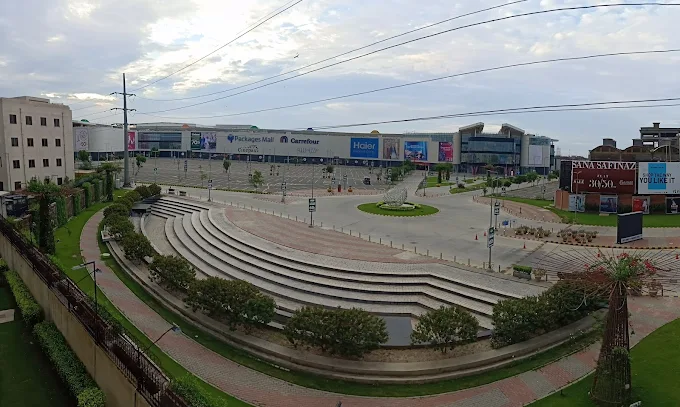
It is accessible from DHA and is one of Lahore’s most complete family malls. Major fashion brands like Khaadi, Sapphire, Gul Ahmed, and J. all have outlets here, making it a great place for one-stop Eid shopping.
Emporium Mall
It is on Johar Town Road, another top pick in the malls near DHA Lahore category. It has the largest footprint among Lahore’s malls and hosts international brands alongside local fashion houses. Eid deals here are substantial.
For boutique and local market shopping, the Phase 5 and Phase 6 commercial strips of DHA offer branded outlets and tailoring shops at competitive prices.
Shopping Near Gulberg Lahore
Gulberg is Lahore’s most iconic commercial district and a must-visit for Eid shopping. Shopping near Gulberg means access to everything from luxury malls to budget bazaars.
Gulberg Galleria
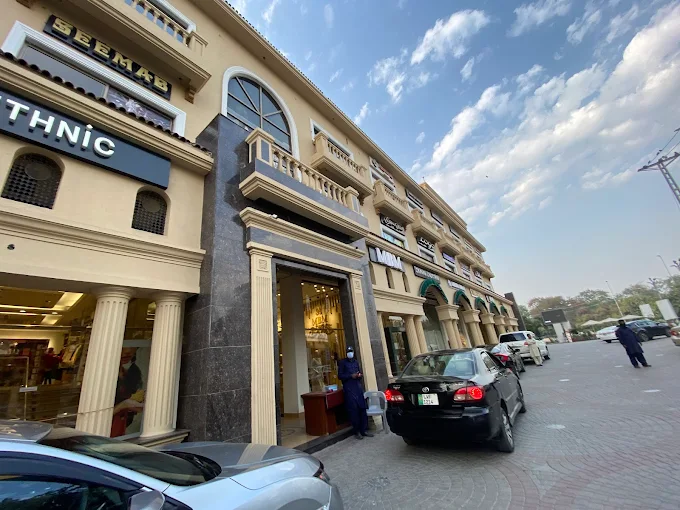
It is on Main Boulevard, Gulberg II, which is a premium lifestyle destination. Designed on a Spanish-Moorish aesthetic and operational since 2013, it houses haute couture brands, contemporary fashion labels, and a rooftop food area. For those who enjoy shopping near Gulberg with a luxury feel, this is the top pick.
Mall of Gulberg (Gulberg Mall & Signature Living)
It is a newer development by Transtech Developers. CDA-approved and designed with premium retail in mind, it is set to become a major fashion hub in the Gulberg corridor.
MM Alam Road
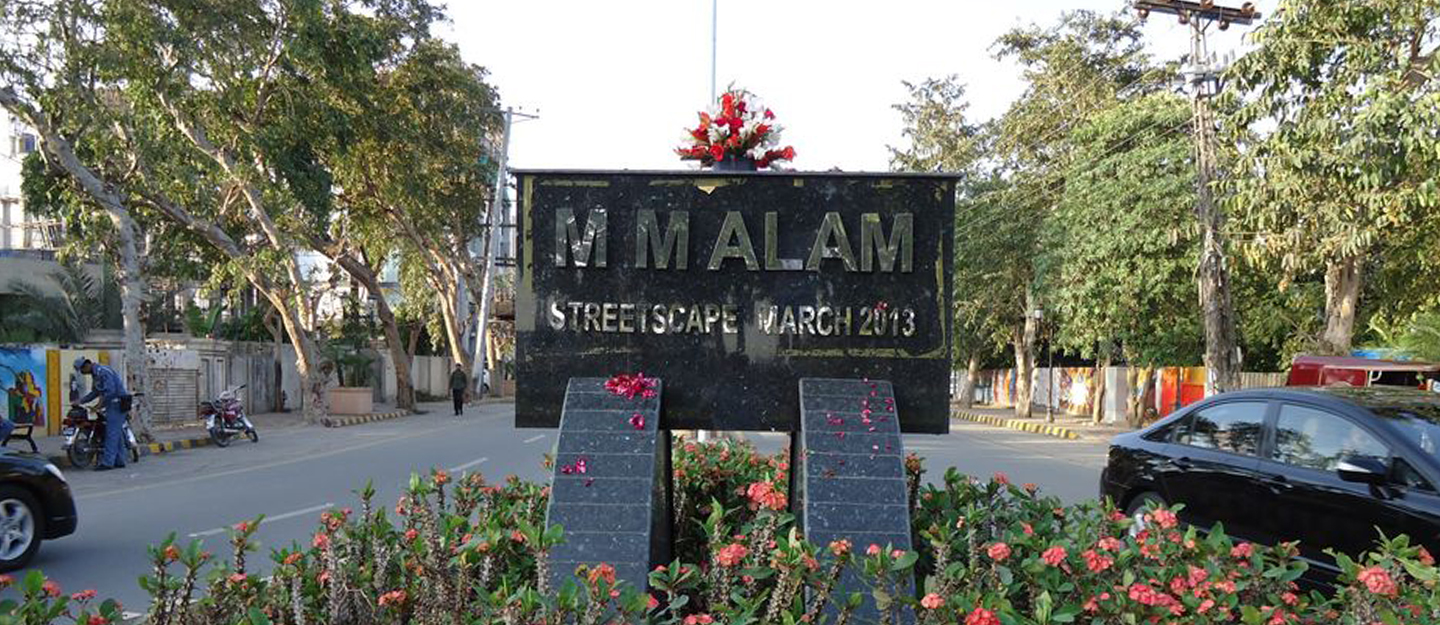
It remains the heartbeat of shopping near Gulberg. Brands like Khaadi, Sapphire, Gul Ahmed, Alkaram, and J. all have flagship stores here. This is where most Lahoris do their main Eid brand shopping, and almost every store runs Eid promotions.
Liberty Market
It is just adjacent to Gulberg, and is the go-to for traditional Eid shopping bangles, mehndi, dupattas, kids’ clothes, and accessories at very budget-friendly prices.
Eid Shopping Guide Pakistan 2026 — Islamabad
Islamabad’s mall scene has grown significantly and is now a proper destination for Eid shopping. This section of the Eid shopping guide Pakistan 2026 covers the capital’s top picks.
Top Malls in Islamabad: Eid shopping guide Pakistan 2026
Centaurus Mall
It remains in F-8, Islamabad’s most iconic shopping destination. With national and international fashion brands across multiple floors, it is the first choice for most Islamabad families during Eid. Expect heavy footfall in the last two weeks of Ramadan, so plan your visit early.
Giga Mall in DHA Phase 2
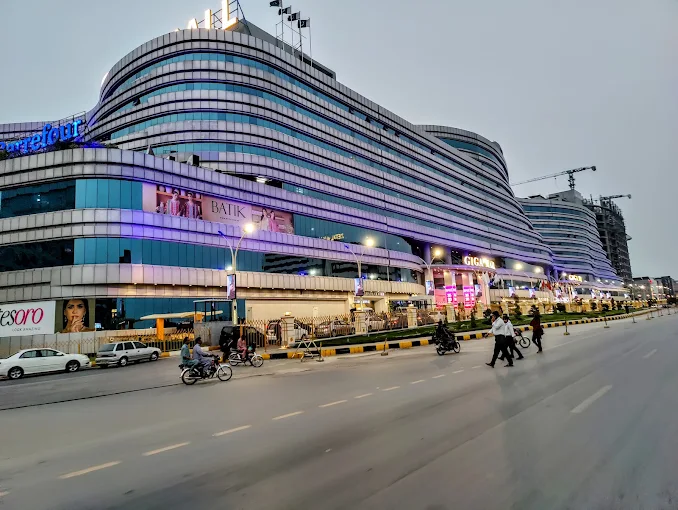
It is a strong alternative with a wide range of fashion, footwear, and lifestyle brands. Giga Mall in particular has become a top Eid destination for residents of DHA Islamabad and surrounding sectors.
Paradise Mall, Bahria Town Phase 4 Islamabad
It is one of the most ambitious mall projects in the country, spanning 4.5 million square feet. It is currently under development but already generating significant interest for its future retail offerings.
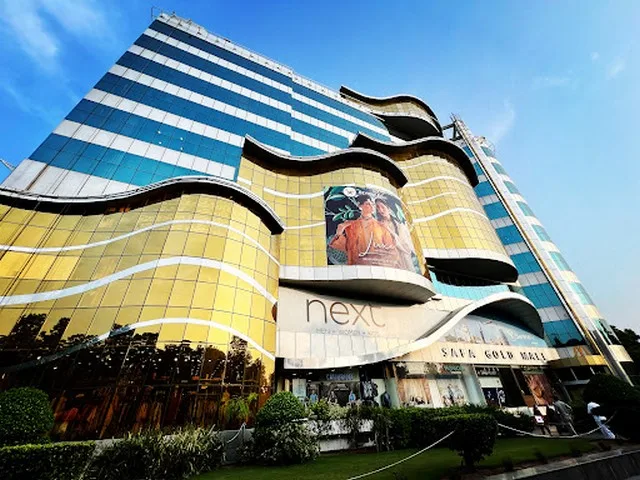
Safa Gold Mall
It is in F-7, well-known for branded clothing and jewellery, and is a good spot for Eid accessories shopping. Islamabad shoppers also frequent the Sunday Bazaars and F-9/F-10 Markaz for budget-friendly traditional Eid shopping.
Eid Shopping Guide Pakistan 2026 — Karachi
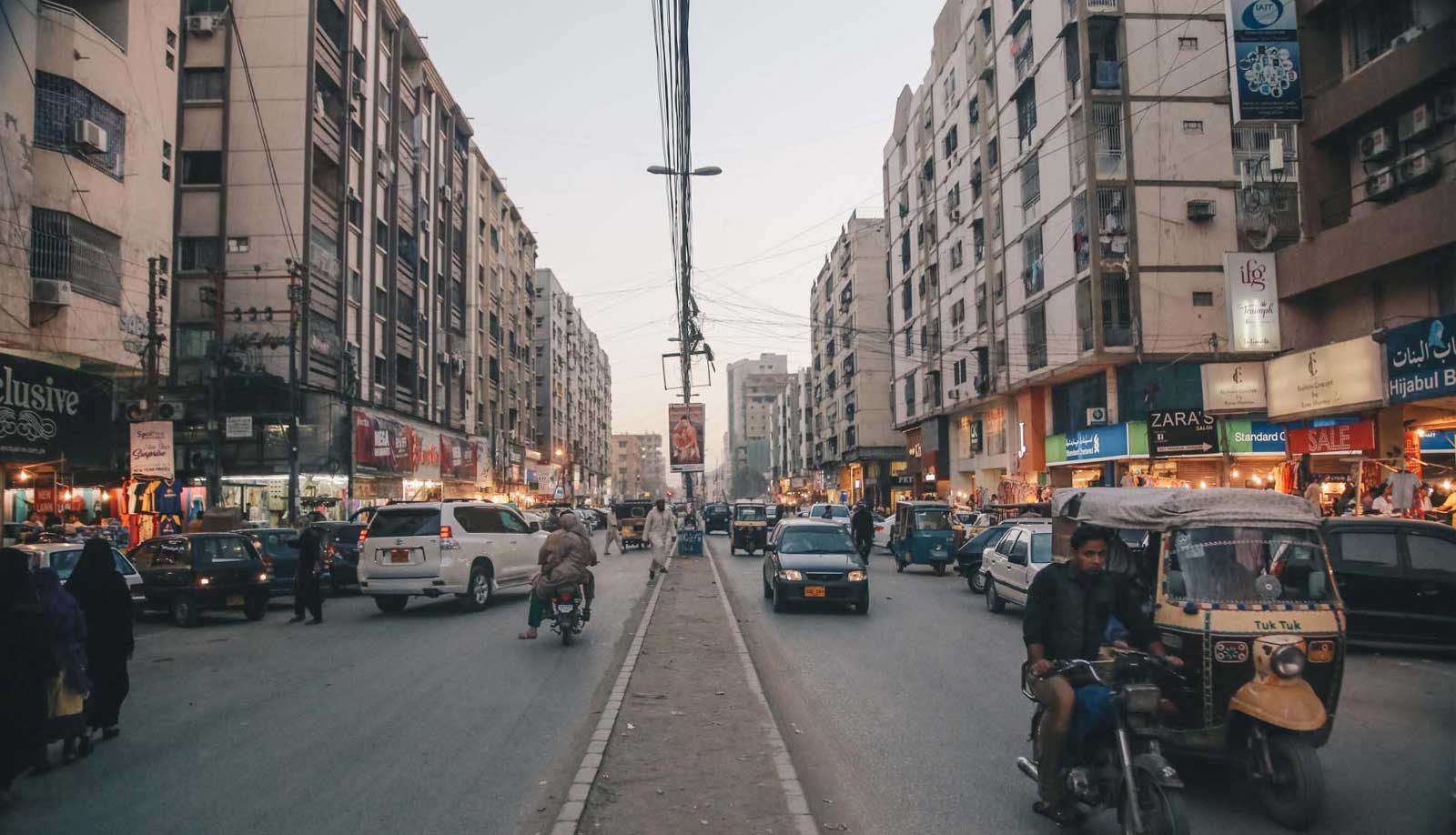
Karachi is Pakistan’s commercial hub, and Eid shopping here is an experience like no other. The Eid shopping guide Pakistan 2026 for Karachi spans luxury malls to iconic street markets.
Top Malls and Markets in Karachi: Eid shopping guide Pakistan 2026
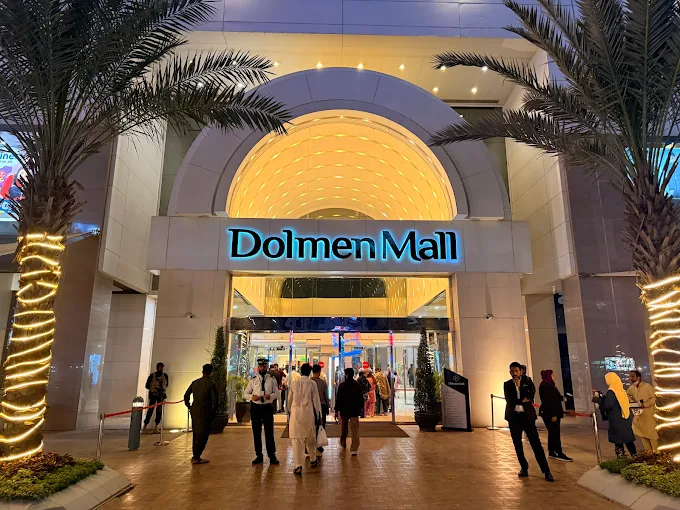
Dolmen Mall Clifton
It is Karachi’s premier luxury shopping destination. International brands, a well-curated food court, and a premium retail environment make it the top Eid mall for Karachi’s upscale shoppers. There are multiple Dolmen branches across the city, including Tariq Road and Hyderi.
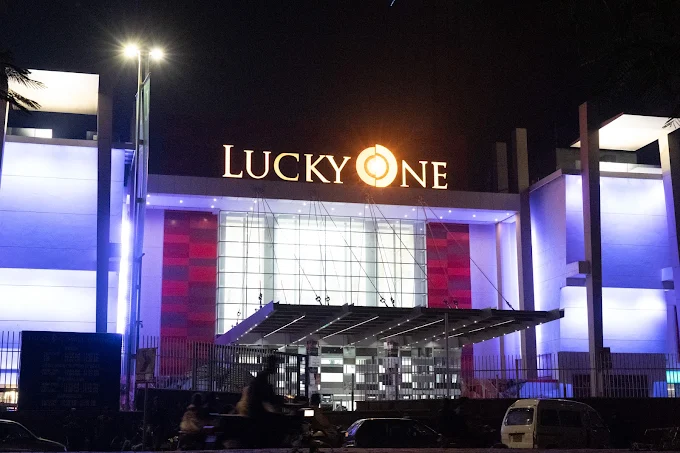
Lucky One Mall
It is in North Karachi and is among the largest and busiest malls in the city. Lucky One Mall, in particular, is massive, hosting over 350 stores, making it ideal for families wanting a complete Eid shopping day under one roof.
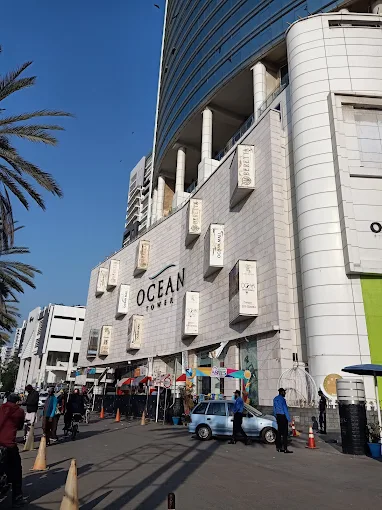
Ocean Mall and Forum Mall
These are in Clifton/DHA Karachi, offering mid-range to premium brand shopping with good accessibility for DHA and Clifton residents.
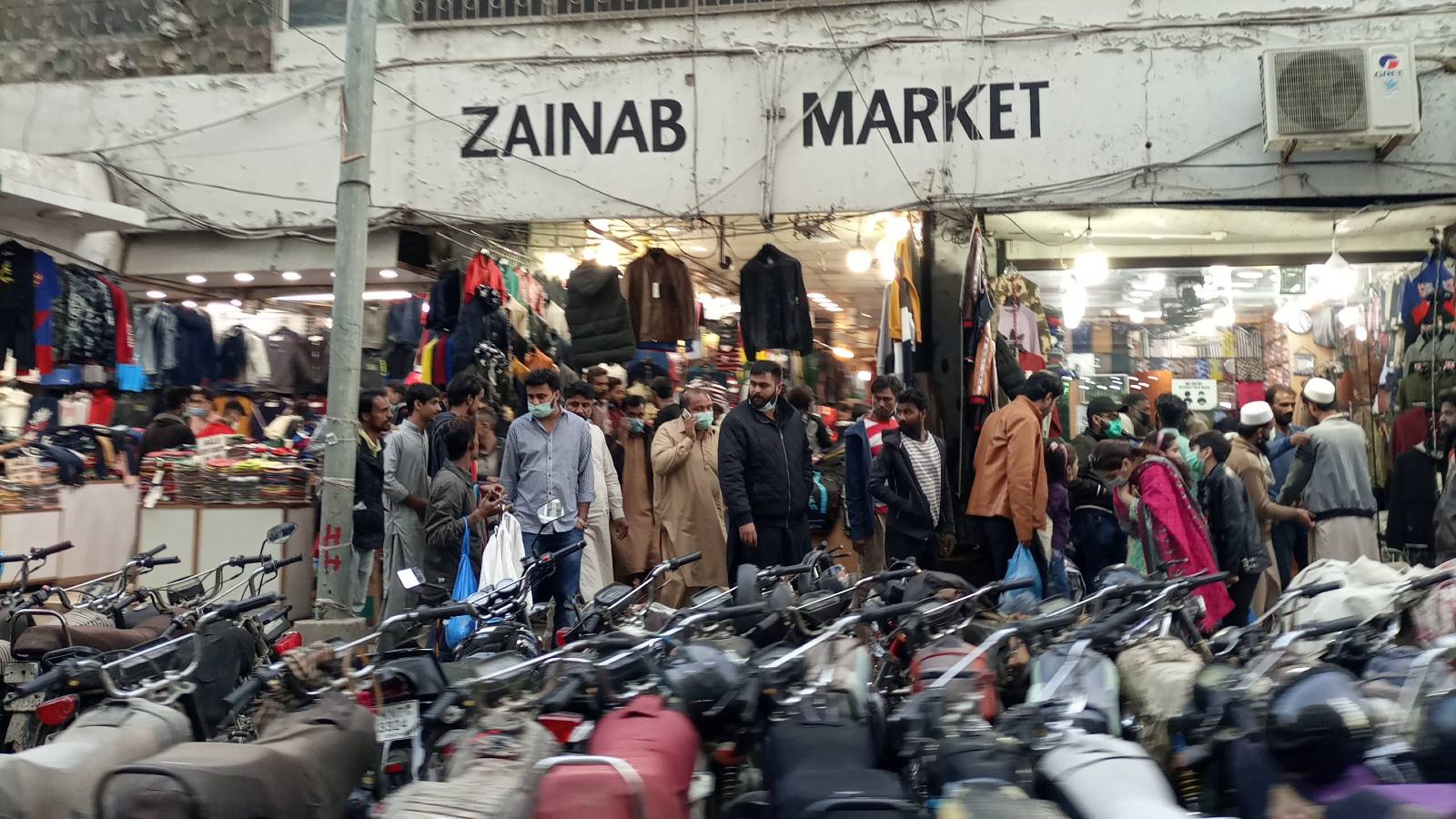
Zainab Market
Saddar is where Karachi’s most famous traditional Eid shopping destination is. Clothes, accessories, mehndi products, shoes, and gifts are all available at the most competitive prices in the city. If you are on a budget, Saddar and Zainab Market should be your first stop, not last.
Tariq Road
It is another iconic Karachi Eid shopping strip. Ready-made garments, fabric stores, jewellery shops, and footwear outlets line this road. It gets extremely busy close to Eid, so visit early in Ramadan for the best experience.
Smart Eid Shopping Tips for 2026
No Eid shopping guide Pakistan 2026 is complete without some practical advice:
Shop weekdays — malls are significantly less crowded Monday to Thursday
Order online early — brands like Zarlay, Khaadi, and Sapphire offer free shipping and pre-Eid discounts; note that most online brands stop dispatching orders around March 16 onwards for Eid delivery
Kids first — children’s sizes sell out fastest, shop for them before yourself
One stop for men — one good kurta and one formal suit covers all Eid occasions
Accessories last — bangles, mehndi, and potlis are easier to find last-minute than stitched outfits
Online Eid shopping guide Pakistan 2026
If you cannot visit a mall, Pakistan’s online fashion scene has you covered. Zarlay is offering up to 30% off with free nationwide shipping. Khaadi, Sapphire, Gul Ahmed, and J. all run dedicated Eid collections online with home delivery. Daraz is your best bet for Eid gifts, accessories, and home décor deals.
Order no later than the second week of Ramadan for guaranteed pre-Eid delivery.
Final Word: Eid shopping guide Pakistan 2026
From the best malls near Bahria Town to iconic markets in Karachi’s Saddar, this Eid shopping guide Pakistan 2026 has covered every major city and every type of shopper. Whether your budget is tight or you are splurging this season, Pakistan’s retail landscape in 2026 gives you options at every price point.
Plan early, shop smart, and enjoy Eid with your family without last-minute stress. Share this Eid shopping guide Pakistan 2026 with your friends and family so everyone can plan their best Eid yet.
Eid ul Fitr 2026 is just around the corner, and if you live in Islamabad or Rawalpindi, you already know what is coming: the mad rush to Murree, gridlocked roads to Naran, and fully booked hotels in Hunza. This year, skip the chaos entirely. Your Islamabad Eid outing 2026 can be just as memorable, far less stressful, and, honestly, more beautiful than any overcrowded hill-station escape. Islamabad sits at the foot of the Margalla Hills and is packed with CDA-managed parks, cultural landmarks, ancient caves, and scenic drives all within 20 minutes of each other. Here is your complete Islamabad Eid outing 2026 guide covering every spot worth visiting this Eid.
Quick Comparison: Islamabad Eid outing 2026
Spot
Best For
Entry Fee
Best Arrival
Faisal Mosque
Spiritual, photography
Free
Eid prayer time
Margalla Hills Trails
Hikers, families
Free
Before 6:30 AM
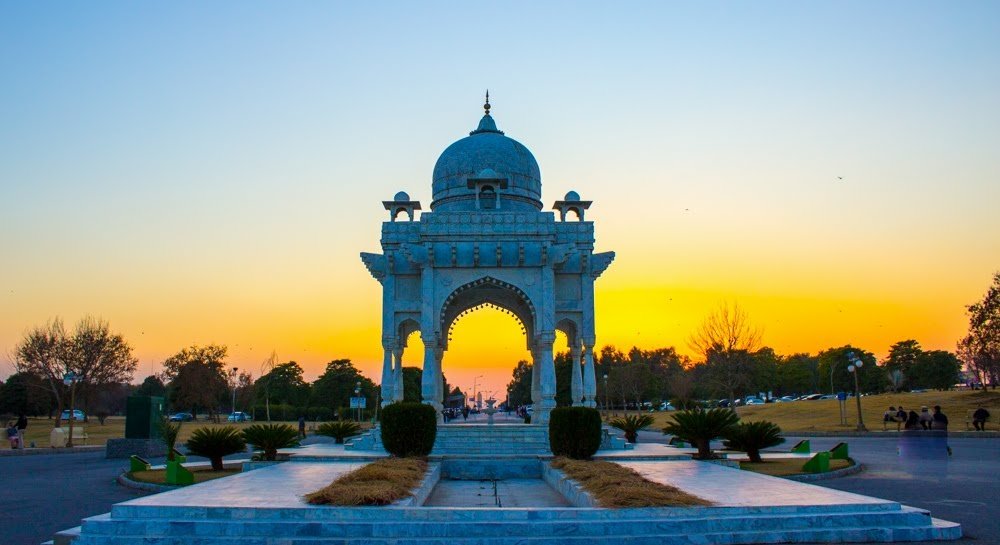
Fatima Jinnah Park F-9
Families, picnics
Free
Before 9 AM
Daman-e-Koh & Park
Views, casual walk
Free
Before 9 AM
Shakarparian National Park
Nature walks
Minimal
9–11 AM
Rose and Jasmine Garden
Couples, photography
Free
Morning
Japanese Children Park
Toddlers, young kids
Nominal
Morning
Pakistan Monument & Museum
Culture, history
PKR 150
Morning
Lake View & Bird Park
Boating, birds, kids
PKR 50–100
Morning
Lok Virsa Museum
Cultural heritage
Nominal
10 AM onward
Shah Allah Ditta Caves
History, adventure
Free
Morning
Saidpur Village
Dining, culture
Free entry
Evening
Pir Sohawa / Monal
Scenic drive, dining
Free road
Pre-book
Dino Valley
Young children
PKR 200+
Early morning
1. Faisal Mosque
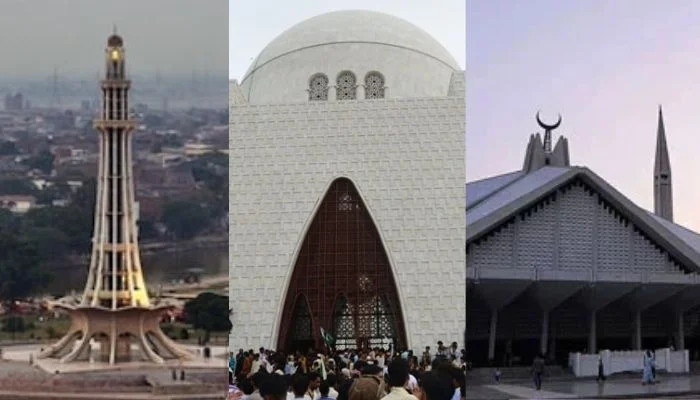
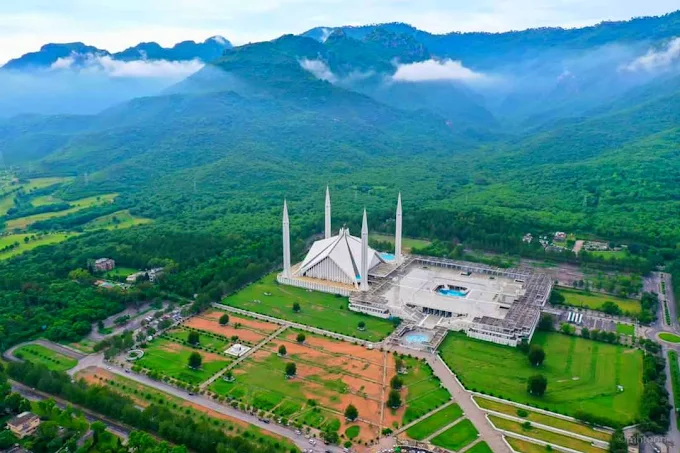
The most powerful start to your Islamabad Eid outing 2026 is at Faisal Mosque, Pakistan’s national mosque and one of the most architecturally stunning buildings in the world. On Eid morning, thousands gather on its vast marble courtyard for prayer, surrounded by the forested Margalla Hills.
After prayers, families linger for photographs and quiet reflection before the day picks up. Entry is free. Dress modestly and arrive early to experience it at its most serene.
2. Margalla Hills: Best Trails
No, the IslamabadEidouting2026 guide begins nowhere other than the Margalla Hills. Margalla Hills Eid mornings are genuinely magical. The city is quiet after prayer, the air is cool, and the trails are peaceful before 8 AM. Late March temperatures between 18°C and 28°C make it the finest hiking season of the year.
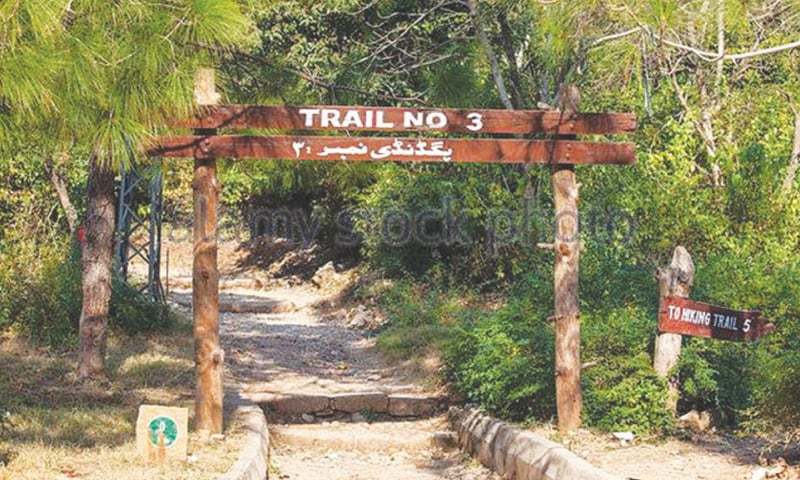
Trail 3: The Classic Climb
Trail 3 is the most famous and oldest hiking track in Islamabad and best for Islamabad Eid outing 2026. It starts from Margalla Road in Sector F-6 and takes about 90 minutes to reach the Pir Sohawa road at the top. The trail is steep in sections ideal for adults and fit teenagers. Start no later than 6:00 AM on Eid morning to enjoy it in peace.
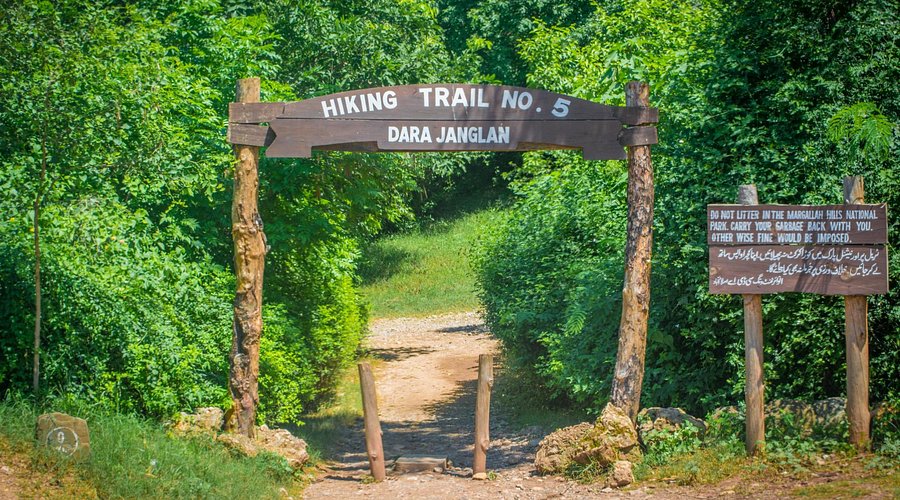
Trail 5: The Family-Friendly Option
Trail 5 begins from Sector F-5 and runs parallel to Trail 3, connecting via Trail 4 at intervals. It is noticeably gentler and takes 2.5 to 3.5 hours round trip, making it the right choice for families with older children or anyone who wants a steady walk without steep climbs.
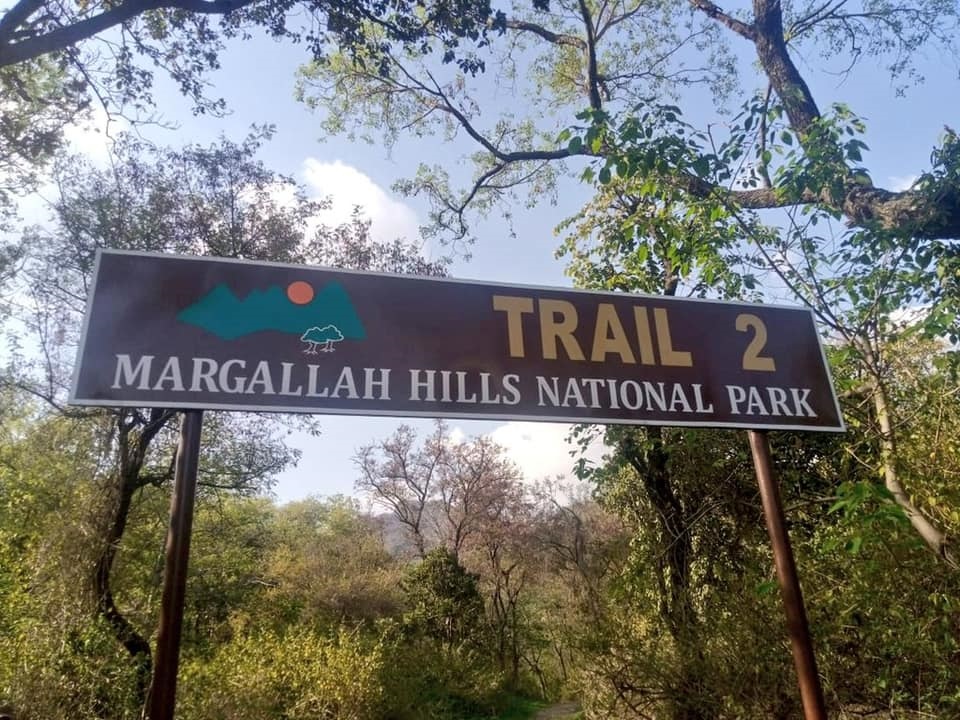
Trail 2: Short and Rewarding
Starting just above the Islamabad Zoo near Pir Sohawa, Trail 2 is a 1 to 1.5-hour walk that leads directly to the Daman-e-Koh viewpoint. It is the quickest way to earn a panoramic view of the city on foot.
Eid hiking tips for Margalla Hills:
Carry water vendors at trail heads sell out quickly on Eid morning
Parking at all trail heads fills by 8:00 AM; arrive earlier or use a ride-hailing app
Keep food sealed and away from monkeys; they are bold and plentiful
A light jacket is recommended for early morning starts; it warms up fast after sunrise
3. Fatima Jinnah Park Islamabad Eid
Fatima Jinnah Park Islamabad Eid is the single best parks Islamabad Eid in the capital on Eid day. Also known as F-9 Park, it spans over 760 acres in the heart of Islamabad and is completely free to enter.
The park has wide open lawns, a jogging and cycling track, children’s play areas, a skating zone, and shaded walkways for every family member. On Eid, families spread picnic mats across the lawns, children fly kites, and the air fills with the smell of corn and street snacks.
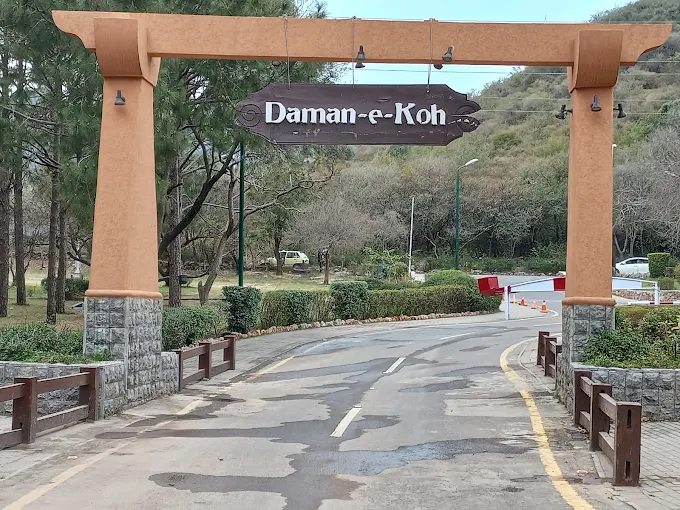
4. Daman-e-Koh & Daman-e-Koh Park
For anyone who wants a spectacular view without a full trail hike, Daman-e-Koh is the essential stop on your Islamabad Eid outing 2026. Accessible by car along Pir Sohawa Road, it offers one of the most dramatic panoramas in Pakistan, the entire city spread below with Faisal Mosque visible in the middle distance.
Daman-e-Koh Park, around the viewpoint, is one of the best parks Islamabad Eid flat, open, and great for families with small children. Tea stalls at the top provide light refreshments on a cool Eid morning.
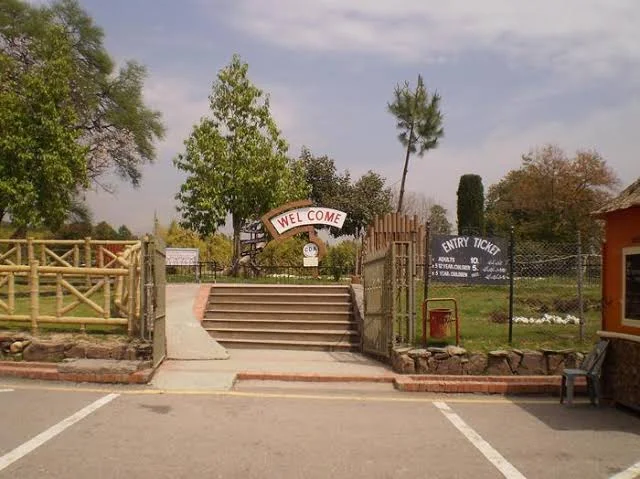
5. Shakarparian National Park
For families who want their Islamabad Eid outing 2026 to feel like a genuine escape, Shakarparian National Park delivers. It is wooded, hilly, and far less chaotic than F-9 on Eid.
Shaded pine walkways, sloping picnic clearings, and open viewpoints spread across enough terrain that it never feels overwhelmed. It is ideal for elderly family members who want a gentle stroll, parents with young children who need open space, and anyone who simply wants to sit under a tree and breathe.
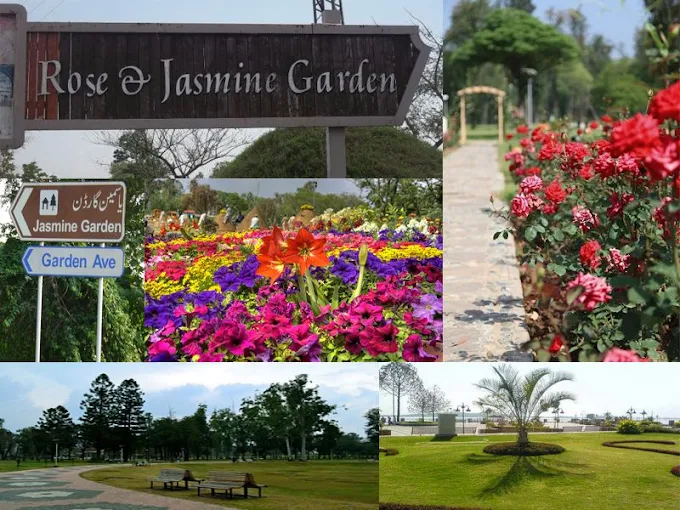
6. Rose and Jasmine Garden
The Rose and Jasmine Garden inside Shakarparian is tailor-made for an Islamabad Eid outing 2026 visit. The reason is simple: late March marks the peak rose-bloom season in Islamabad.
For couples, photographers, and families who want beauty over crowds, this garden is among the best parks Islamabad Eid options available. It pairs perfectly with the Pakistan Monument, just a five-minute walk away.
7. Japanese Children Park
Tucked inside the Shakarparian complex, the Japanese Children Park is one of the best parks Islamabad Eid on any Islamabad Eid outing 2026 for families with toddlers and young children.
Designed in a Japanese landscaping style, it features carefully maintained greenery, clean pathways, and a calm, structured environment worlds away from the chaos of larger Eid-day parks.
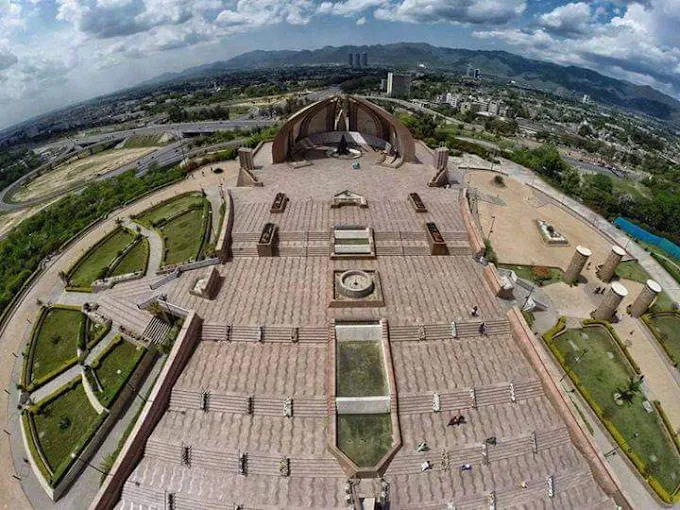
8. Pakistan Monument & Museum
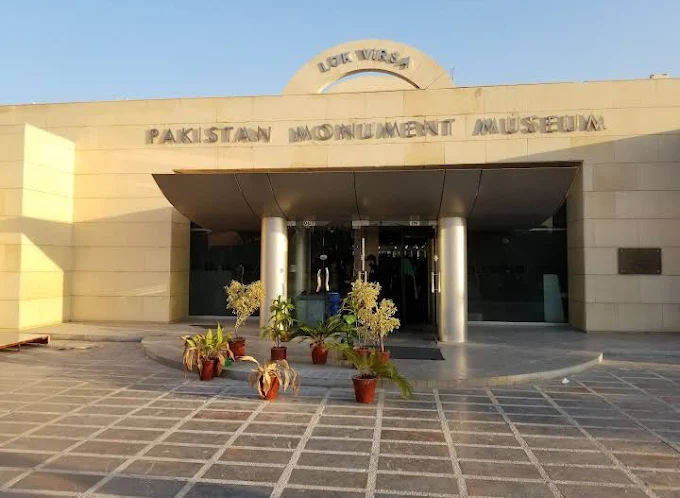
No visit to Shakarparian is complete without stopping at the Pakistan Monument. Constructed to symbolise the unity of the Pakistani people and the best location to visit for the Islamabad Eid outing 2026.
On Eid morning, with families gathered around it and the Margalla Hills as a backdrop, it carries a particular emotional weight. Entry is Rs. 150 for adults and Rs. 80 for students. Visit in the morning, as the museum closes in the evening.
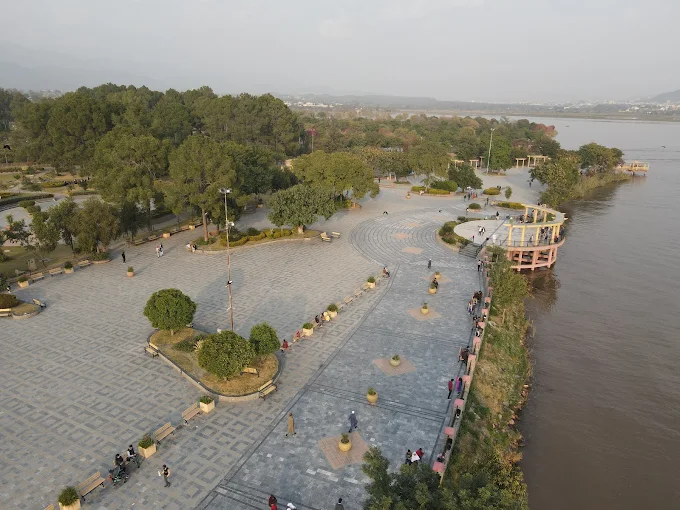
9. Lake View Park & Lake View Bird Park
Lake View Park near Rawal Lake in Sector E-7/8 is a top Islamabad Eid outing 2026 choice for families with young children. The park is among the best parks in Islamabad Eid and has boating on the lake, food stalls along the promenade, and wide grassy areas that feel open and airy even when crowds are high.
Right beside it, Lake View Bird Park houses a variety of exotic and local bird species, including peacocks, adding an educational and entertaining layer to the outing that children genuinely love. Entry fees across both parks are around PKR 50-100. Arrive in the morning before the boating queues build up.
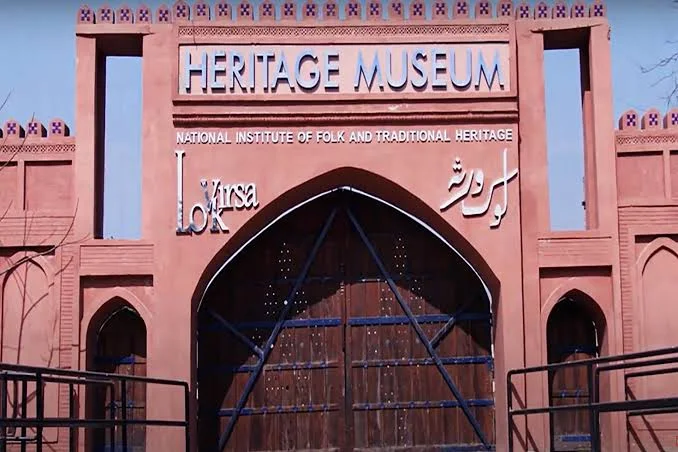
Crowd levels here are always manageable on Eid. Open from 10:00 AM to 7:00 PM, it is the perfect cultural add-on to a Shakarparian morning. For families who want their Islamabad Eid outing 2026 to carry meaning beyond picnics, this is it.
11. Shah Allah Ditta Caves: The Most Serene Spot on Eid Day
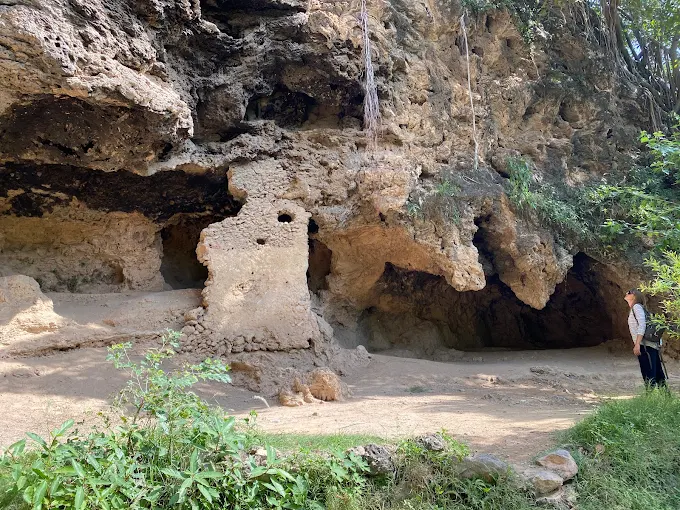
Shah Allah Ditta Caves on the western edge of Islamabad is the most historically significant and least crowded stop on any Islamabad Eid outing 2026 itinerary.
These ancient cave dwellings date back over 2,000 years, once used by Buddhist monks and later by Sikh saints. The site sits in a small, peaceful village surrounded by a stream, old trees, and a quiet shrine.
12. Saidpur Village
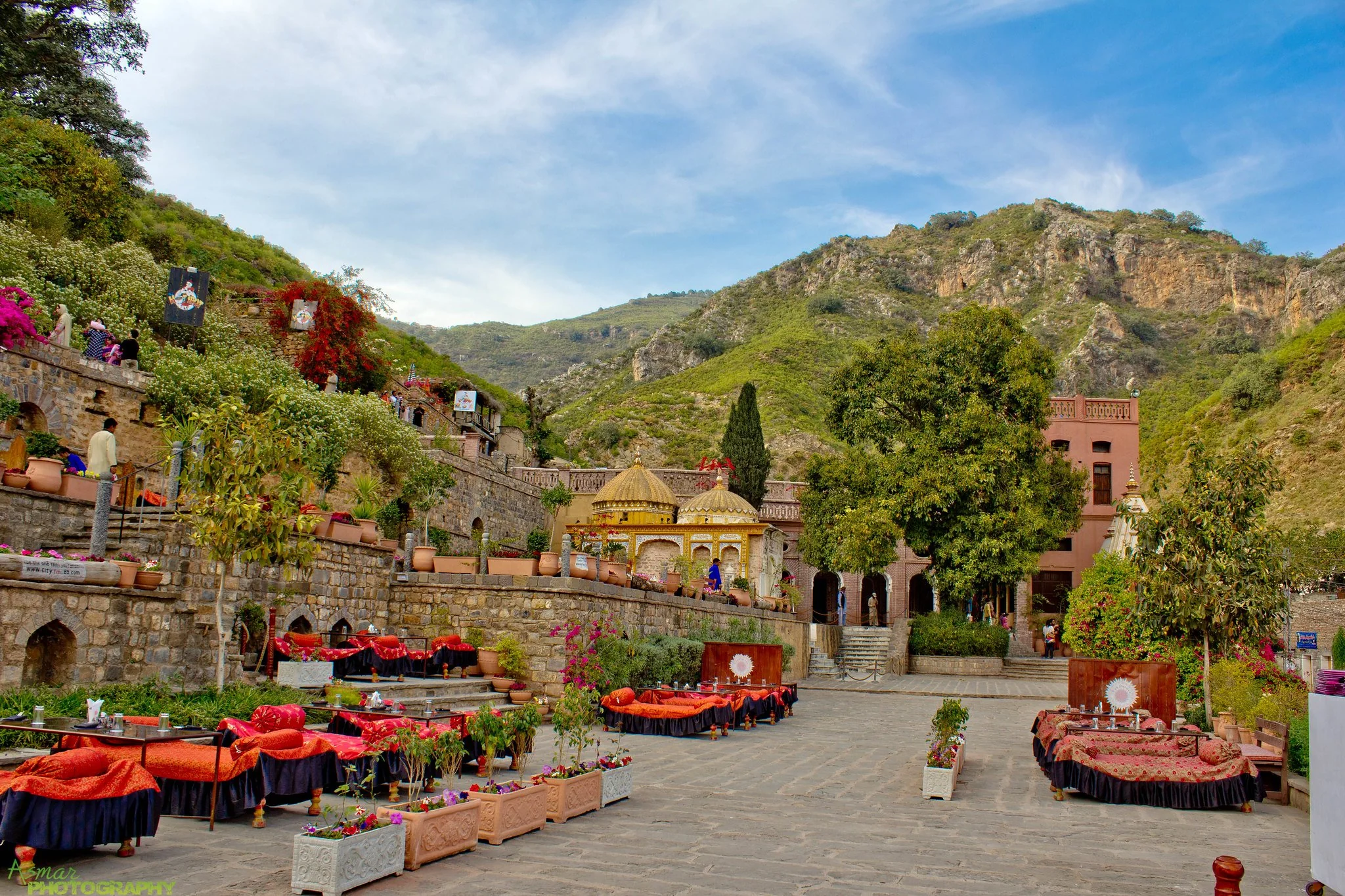
Saidpur Village is one of the oldest inhabited villages in the region and top place to visit on Islamabad Eid outing 2026. Remodelled into a heritage dining destination, its cobbled lanes, warm lights, art galleries, and restaurants create the most atmospheric Eid evening experience in the twin cities. Book your table in advance Eid evenings fill up fast.
Final Word: Islamabad Eid outing 2026
Islamabad does not need to be your backup plan for Eid; it deserves to be your first choice. This city has everything a perfect Eid day calls for. Spiritual mornings, forested trails, blooming gardens, open lawns for family picnics, cultural museums, ancient history, and scenic hilltop dinners all within 20 minutes of each other. No motorway jams. No overbooked hotels. No exhausted children after a six-hour drive. Just Islamabad is green, beautiful, and ready to celebrate with you. This city delivers a world-class Islamabad Eid outing 2026 without a single motorway jam.
Eid is the most awaited time of the year in Lahore, and if there is one thing Lahoris take as seriously as their new clothes, it is their Eid meal. The city buzzes with energy, families dress up, and everyone wants to celebrate with a proper feast. But the big question every family faces on Eid morning is: which restaurants open for Eid Dining Lahore 2026 are actually worth visiting? Which places are confirmed open, take reservations, and serve food worthy of the occasion?
This guide to Eid dining Lahore 2026 answers all of that. We have mapped out the best restaurants across three dining zones, organized by budget, cuisine, and vibe, so you can stop guessing and start booking.
Before You Go: 3 Things to Do Right Now
Book in advance, top restaurants fill up 2–3 days before Eid. Do not wait until Eid morning.
Check bank card discounts that many Lahore restaurants offer, 20–50% off on HBL, Meezan, Faysal, and UBL cards.
Plan around the timing of Eid lunch peaks between 1–3 PM. Arrive before 1 PM or after 4 PM to avoid the worst crowds.
Lahore’s 3 Eid Dining Zones
To make this guide easy to use, we have divided Eid dining Lahore 2026 into three distinct zones where the city’s best restaurants cluster.
Eid Dining Lahore 2026 Zone 1: MM Alam Road & Gulberg
If you ask any Lahori where to eat on Eid, the first answer is almost always MM Alam Road. This strip stays fully alive on Eid, often more so than on regular days. For anyone searching for MM Alam Eid restaurants, here is the complete breakdown.
The Carnival: All-Day Buffet (MM Alam Road, Gulberg II)
The Carnival is one of the most popular restaurants open on Eid in Lahore for good reason. Located at 118-P Block, MM Alam Road, it runs an all-day buffet covering Desi, Thai, Chinese, and Continental cuisines under one roof. It also has a second branch at Adda Plot Roundabout, Block K, Raiwind.
Salt n Pepper Village: King of Desi (MM Alam Road)
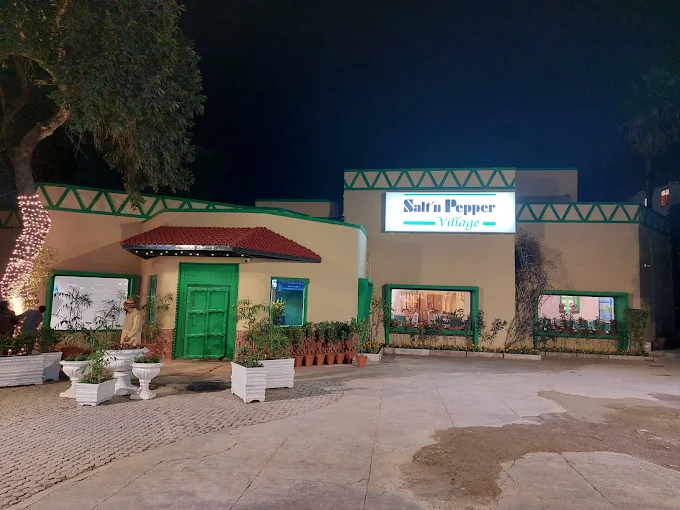
If your family wants a proper Lahori Eid feast BBQ, Malai Boti, Beef Nehari, Mutton, Paya, Haleem, and their iconic Biryani Salt n Pepper Village is the undisputed answer. This is the go-to for Eid lunch Lahore families who want authentic desi flavors without compromise. Premium ingredients, consistent quality, and a menu that feels designed for celebration make it a perennial Eid favorite.
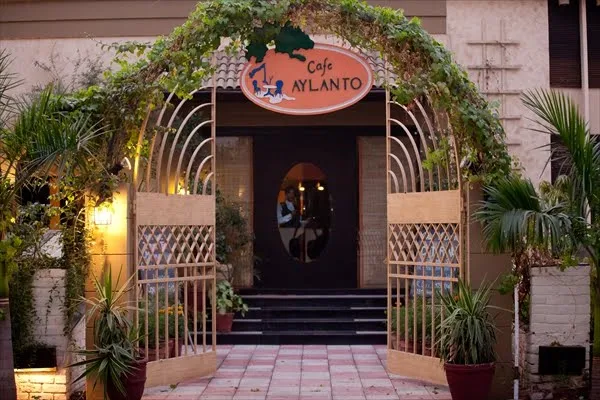
Cafe Aylanto: Best Continental on MM Alam Road
For families or couples who want something different from the usual desi spread, Cafe Aylanto at 12C/1, MM Alam Road, Gulberg III, is Lahore’s finest Mediterranean and Continental destination. A lush courtyard, and a menu built around fresh pasta, premium steaks, and vibrant salads make it the top non-desi pick for Eid dining Lahore 2026.
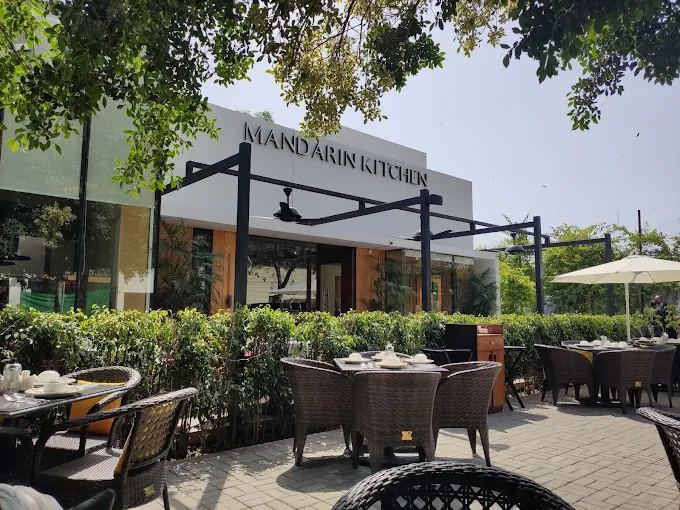
Mandarin Kitchen: Chinese, Thai & Pan-Asian
Mandarin Kitchen brings an authentic Pan-Asian experience to Lahore with multiple city locations. Classic Chinese, Thai curries, and Asian fusion dishes make it a strong choice for families wanting variety on Eid. A solid pick among MM Alam Eid restaurants for those craving something lighter and distinctly non-Desi.
Spice Bazaar: Desi Buffet (Gulberg & DHA Phase 6)
With two Lahore branches, Gulberg and DHA Phase 6 Spice Bazaar is one of the most accessible restaurants open on Eid in Lahore across different parts of the city. Their Hi-Tea Buffet and Sunday Brunch are crowd-pleasers, making it an excellent value.
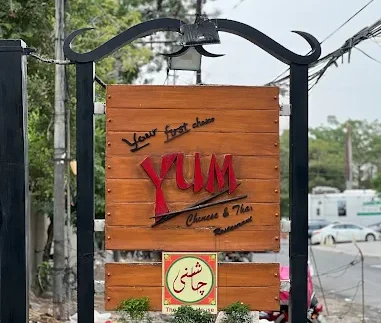
Yum Chinese & Thai Restaurant: (Gulberg II)
Located at 24-K, Gulberg II, Yum is Lahore’s dedicated Chinese and Thai specialist and a smart pick for Eid lunch Lahore families who want to skip the desi queue and go Asian.
Arcadian Cafe: Best Steak in Lahore (Gulberg II)
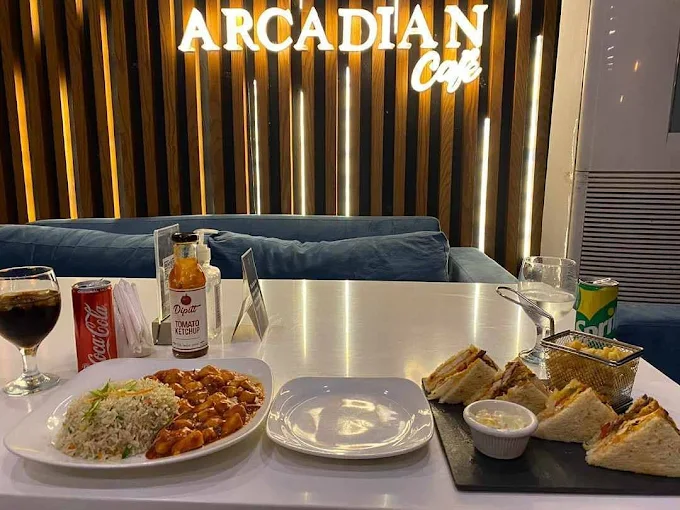
Tucked into Mini Market at 28-K, Gulberg II, Arcadian Cafe is known across Lahore as the destination for the city’s finest steak. Beyond steaks, the menu covers Pasta, Burgers, and a surprisingly solid Chicken Karahi. A stylish, contemporary interior makes it a great pick for young families and food lovers who want premium dining as part of their Eid dining Lahore 2026 plan.
Eid Dining Lahore 2026 Zone 2: Central Lahore & Liberty
The Monal Lahore: Rooftop Eid Dining
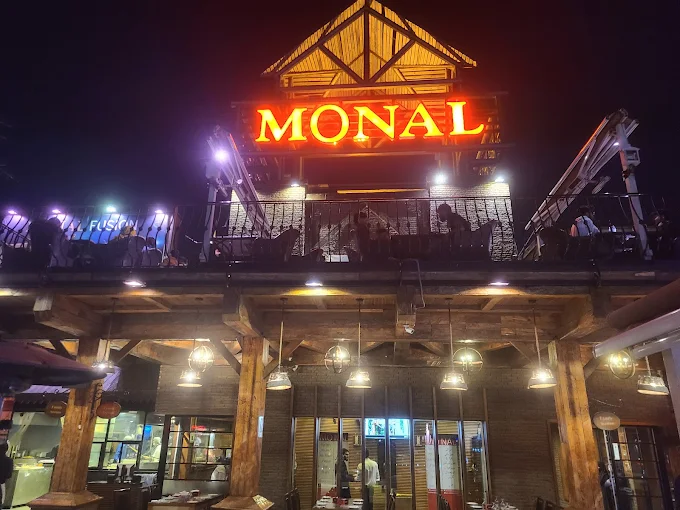
The Monal is one of the most dramatic dining experiences in all of Pakistan, a rooftop restaurant perched on the top ten floors at Liberty Chowk, with six outdoor terraces, live music seven days a week, and a sweeping view of Lahore’s skyline. For Eid dining Lahore 2026, this is the ultimate special-occasion pick. Book at least 3–4 days before Eid, as tables fill up fast.
Ziafat Restaurant: (Central Lahore)
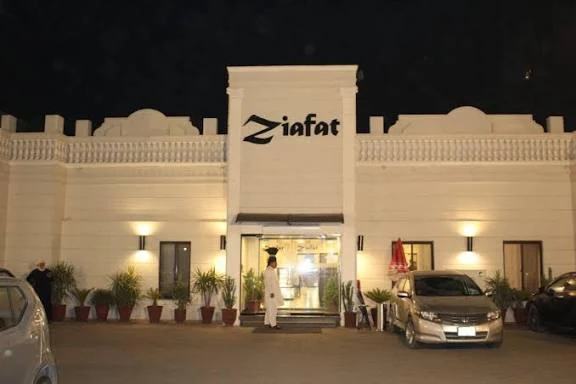
Established in 1997, Ziafat is one of those rare restaurants that feels like a Lahore institution. Their premium Pakistani buffet, available as Lunch Cum Hi-Tea and Dinner, has been a fixture for Eidlunchin Lahore families for nearly three decades.
Lal Qila: Two Lahore Branches (Garden Town & Falcon Downtown)
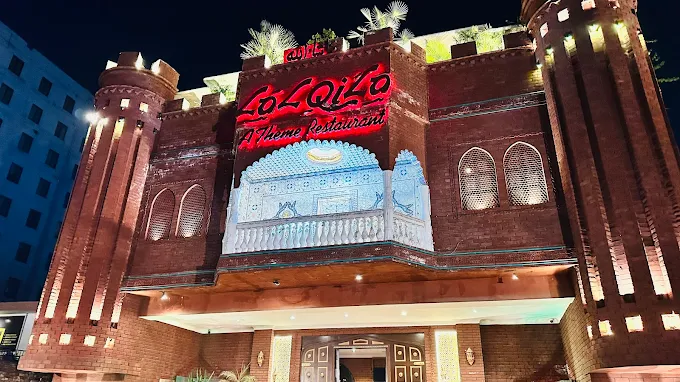
Lal Qila operates two full-service branches in Lahore Garden Town and Falcon Downtown, both running comprehensive buffet menus including Lunch, Hi-Tea, Dinner, and dedicated Eid specials. With a trusted name, a wide variety, and easy online reservations, Lal Qila consistently ranks among the top restaurants open on Eid in Lahore for families who want a no-surprise, high-quality buffet experience.
Tandoori Restaurants
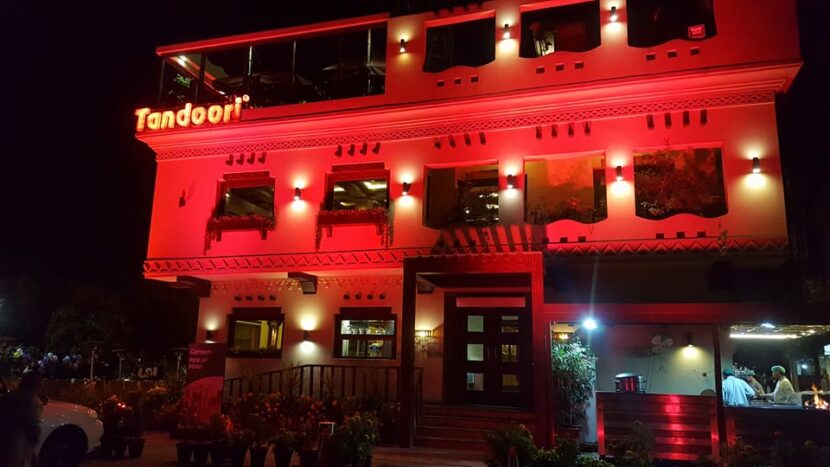
Celebrating over 30 years in Lahore, Tandoori Restaurants is an evergreen family pick. Their Dum Biryani, BBQ Platter, and Chicken Karahi are beloved across the city. Multiple Lahore locations, free home delivery, and catering services make them one of the most accessible restaurants open on Eid in Lahore for large family groups.
Walled City and Food Street, Eid with a View of Badshahi Mosque
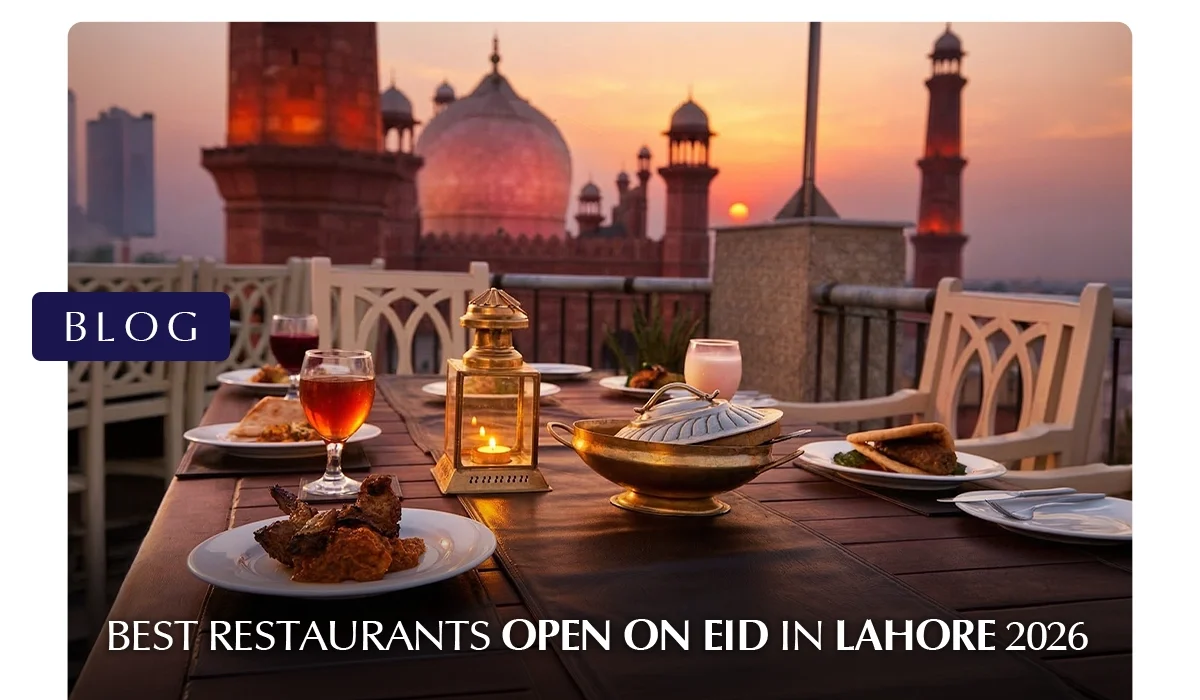
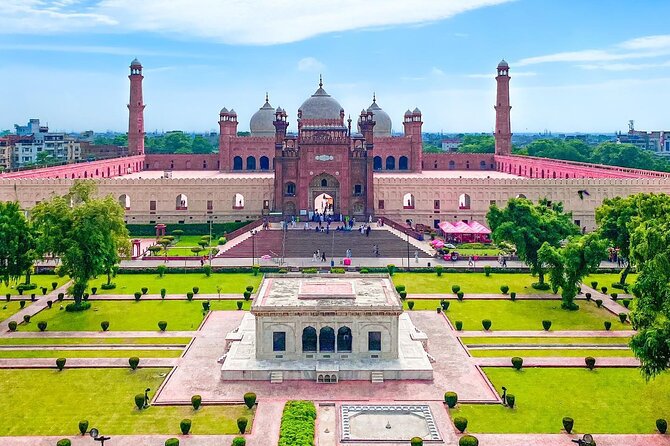
This is the most underrated Eid dining Lahore 2026 zone and the most emotionally powerful. Dining near Badshahi Mosque on Eid night, with the mosque lit up and the Walled City alive with festive energy, is an experience that no Gulberg restaurant can replicate.
Andaaz Restaurant
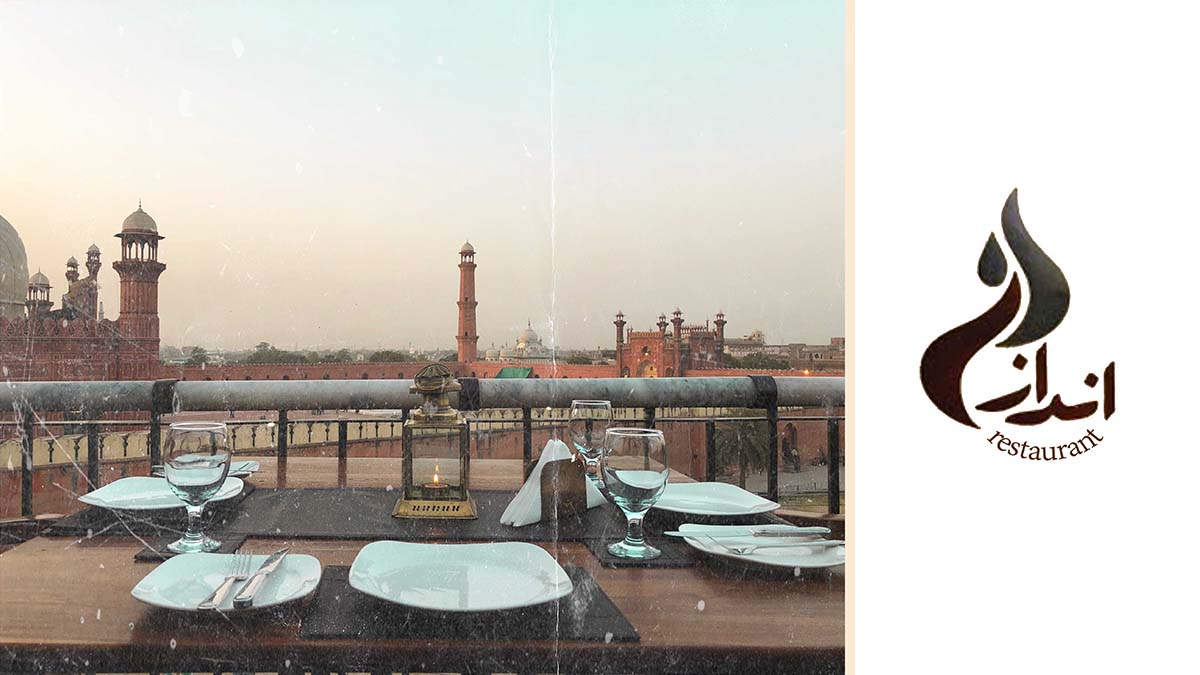
Andaaz is one of Lahore’s most extraordinary dining addresses for Eid Dining Lahore 2026 . Set inside a restored 1928 haveli beside Badshahi Mosque and Lahore Fort, it is one of the last surviving Art Deco–meets–British Raj residences in the city. Climate-controlled indoor dining rooms, open-air rooftop terraces with skyline views, and a curated Pakistani fine dining menu make it the most atmospheric restaurant for Eid dinner in Lahore. Reservations are absolutely essential, ideally 4–5 days before Eid.
Haveli Restaurant: Grand Eid Dining on Food Street (Fort Road)
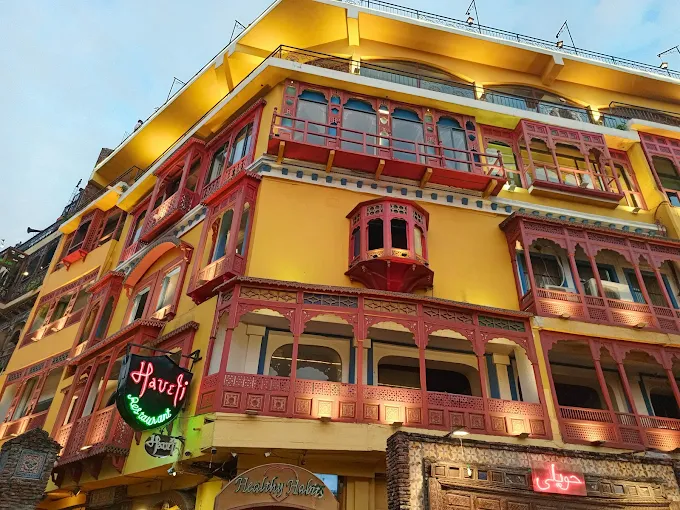
For large families who want a grand, historic setting with exceptional variety, Haveli Restaurant on Fort Road Food Street is unbeatable. Spanning 25,000 square feet, with over 250 dishes on the menu ranging from Lahori BBQ and Mughlai curries to Continental options.
The rooftop terrace, with its direct view of the Badshahi Mosque, lights up beautifully on Eid night, creating a setting that feels like a celebration in itself. For Eid dining Lahore 2026, Haveli is the single best option for groups of 10 or more.
FAQs: Eid Dining Lahore 2026
Q: Which restaurants are open on Eid in Lahore?
All restaurants listed in this guide, The Carnival, Ziafat, Lal Qila, Salt n Pepper Village, The Monal, Andaaz, Haveli, Spice Bazaar, Tandoori, Arcadian Cafe, Cafe Aylanto, Mandarin, and Yum are known to operate on Eid. Always call ahead to confirm hours.
Q: Do MM Alam Eid Dining Lahore 2026 restaurants require advance booking?
Yes, all top MM Alam Eid restaurants fill up fast, especially for lunch on Eid. Booking 2–3 days prior is strongly recommended.
Q: What is the best buffet for Eid Dining Lahore 2026?
For sheer variety, The Carnival’s all-day buffet and Lal Qila’s Eid menu are the top choices. For ambiance, The Monal’s rooftop buffet is unmatched.
Q: Which restaurant is best for Eid Dining Lahore 2026, a large family gathering?
Haveli Restaurant (500+ seats), Ziafat (group packages for 40+), and The Monal (multiple terraces) are the best options for large groups.
Final Word: Eid Dining Lahore 2026
Eid Dining Lahore 2026 has something for every family: rooftop views at The Monal, heritage haveli dinners at Andaaz, a buzzing all-day buffet at The Carnival, or a classic desi feast at Salt n Pepper. The key is to plan early, book ahead, and choose a restaurant that matches your budget and vibe.
Whether you are heading to the energy of MM Alam Eid restaurants, the grand Food Street atmosphere of the Walled City, or a trusted neighborhood buffet, Lahore’s dining scene will not disappoint this Eid.
If you are planning a Murree Eid trip 2026, you are not alone. Every year, as Eid holidays approach, hundreds of thousands of Pakistani families, couples, and friend groups make the same decision to escape the scorching summer heat of the plains and head straight to the cool pine-covered hills of Murree and Nathiagali. These two destinations have earned their reputation as the most beloved hill station Eid Pakistan choices, and for very good reason.
This complete guide will walk you through everything you need to know, from top attractions and itineraries to hotel booking, traffic tips, and costs, so your Murree Eid trip 2026 is stress-free and unforgettable.
Why Murree & Nathiagali Are the Top Hill Station Eid Pakistan Destinations
When it comes to choosing a hill station Eid Pakistan getaway, no destination comes close to the Galiyat region. Murree sits at 6,500 to 7,500 feet above sea level, just 51.8 km from Islamabad, roughly a 1.5 to 2-hour drive. Nathiagali, located 42 km further into the Galiyat range, sits even higher at 8,400 feet, making it noticeably cooler and quieter.
During the Eid holidays in June and July, temperatures in Lahore, Karachi, and Rawalpindi can reach 40°C or higher. Meanwhile, Murree and Nathiagali hover around a breezy 20–25°C. That contrast alone is enough to make every road leading to Murree jam-packed on Eid Day 2 and Day 3. Government records show that over 3 million tourists visit Murree during school holidays alone, and add Eid to that equation, and you have one of the busiest travel periods in Pakistan.
So yes, a Nathiagali Eid holiday or a Murree Eid trip 2026 is absolutely worth it if you plan smart.
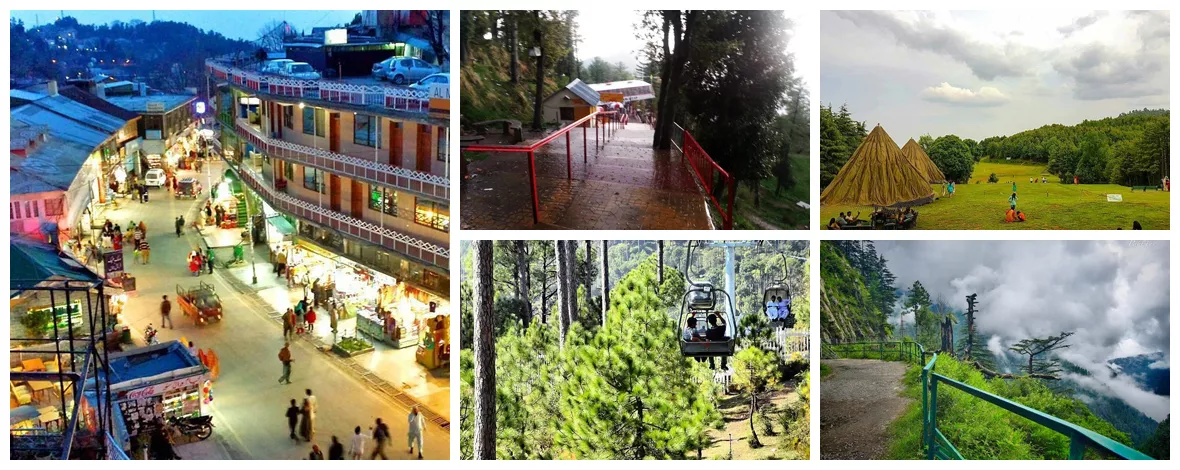
Mall Road is the beating heart of Murree. Lined with shops selling woolens, handicrafts, and local snacks, it is the most visited stretch in the entire hill station. During Murree Eid trip 2026, it transforms into a full festival visit early morning or after Maghrib to avoid peak congestion.
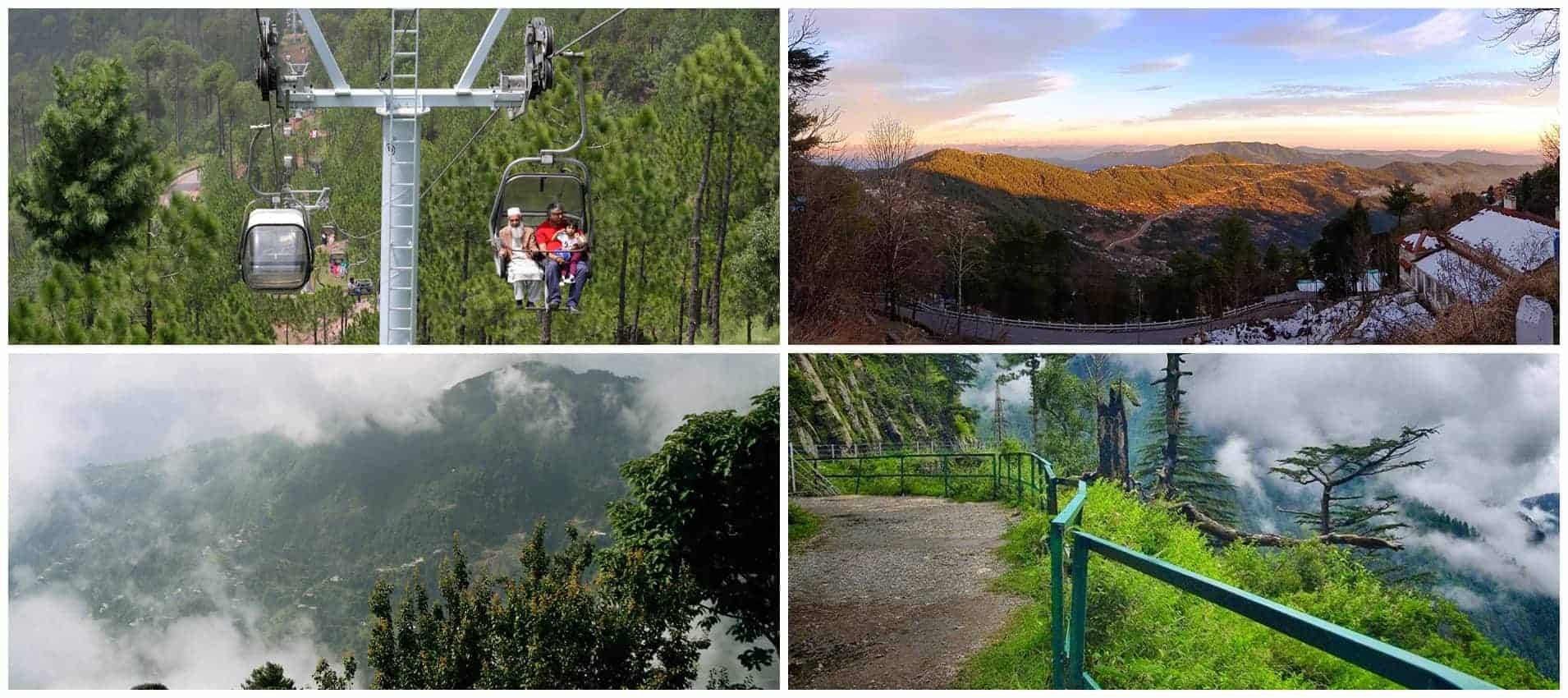
Patriata (New Murree) is home to Pakistan’s best chairlift and cable car experience. The 7-km chairlift ride offers sweeping panoramic views of valleys and forest ridges. Standard tickets cost Rs. 1,500, and executive tickets cost Rs. 2,500. It is less crowded than central Murree and highly recommended for families.
Kashmir Point: During Murree Eid trip 2026, Kashmir Point offers serene views of the Kashmir Valley. A short walk from Mall Road, it provides the kind of peaceful scenery you come to a hill station for. Perfect for photography and quiet picnics away from the Eid crowd.
Pindi Point gives you a stunning aerial view of the twin cities of Rawalpindi and Islamabad. The chairlift from here to Bansara Gali passes over dense pine forests, a must-do experience on your Murree Eid trip 2026.
Bhurban, located 13 km from Murree, is the luxury choice. Home to the iconic Pearl Continental Hotel, golf courses, and manicured gardens, it is perfect for travellers who want upscale Eid celebrations surrounded by nature.
Ghora Gali is a quieter colonial-era hill station near Murree offering horse riding, local food, and peaceful retreats. Its food scene is considered among the best in the entire Galiyat region.
Local Food to Try: Kashmiri Chai (pink tea), Sajji and BBQ, roasted corn (bhutta), pakoras, fresh cherries, and apples.
Top Things to Do in Nathiagali During Eid 2026
A nathiagali eid holiday should include these unmissable experiences:
Mushkpuri Top Trek is the crown jewel of a visit to Nathiagali. Starting near Dunga Gali, the 2 km trek takes 3–4 hours return and reaches 2,800 metres, the second-highest peak in Galiyat. On a clear Eid morning, views stretch across snow-capped peaks in the distance. This is the kind of experience that makes a nathiagali eid holiday memorable for years.
Ayubia National Park spans over 3,027 metres of mountainous terrain and was declared a national park in 1984. It is a sanctuary for wildlife, including Himalayan black bears, Asiatic leopards, yellow-throated martens, and golden eagles. The Ayubia Chairlift rides through dense virgin forest and is a favourite with families.
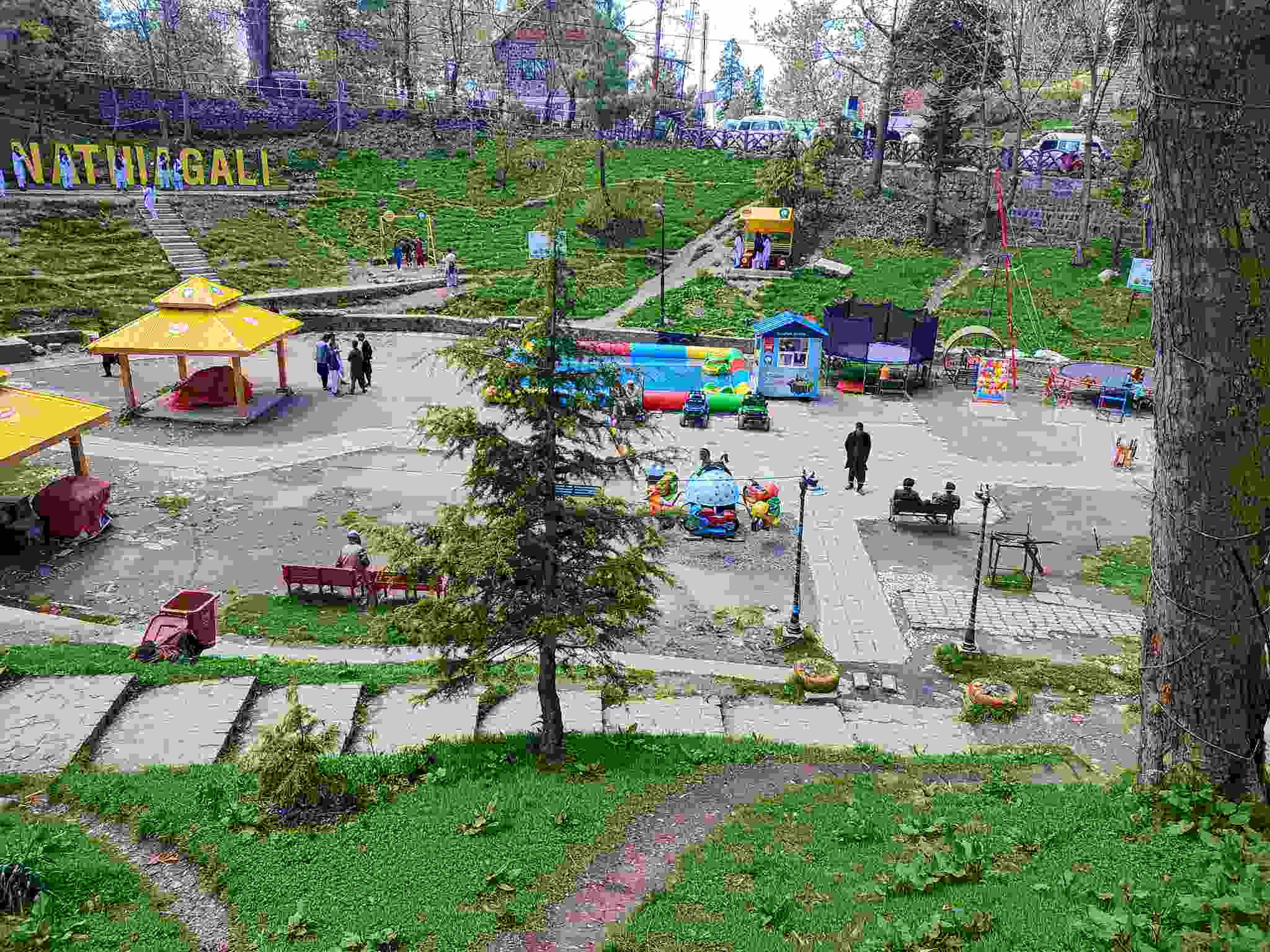
Nathiagali Bazaar is a small but charming place with local shawls, dried fruits, and mountain souvenirs. Far less commercial than Murree Mall Road, it gives you a more authentic shopping experience.
Wildlife Spotting Along the Road: Do not be surprised when rhesus macaques (monkeys) appear along the roadside. They are a beloved part of the Galiyat experience, especially for children.
Here is a practical day-by-day plan for your Murree Eid trip 2026:
Eid Day 1: Travel and Settle. Depart from Lahore at 11 PM on Eid Eve, or from Islamabad early morning on Eid Day 1. Reach Nathiagali by morning, check into your hotel, and spend the afternoon exploring the local bazaar. End the day with Kashmiri Chai and a BBQ dinner as the Eid festivities fill the cool mountain air.
Eid Day 2: Full Exploration Start with the Mushkpuri Top trek in the morning. After descending, drive through Changla Gali and Dunga Gali for snacks and photos. Head to central Murree in the afternoon, to Kashmir Point, Pindi Point, and a Mall Road evening walk. Try local food stalls and shop for souvenirs before heading back to your hotel in Nathiagali.
Eid Day 3: Patriata and Departure Morning visit to Patriata for the cable car and chairlift rides. Explore New Murree and, optionally, drive through Bhurban. Begin your return journey by 2–3 PM to avoid peak Eid return traffic on the Murree Expressway.
Murree vs Nathiagali: Which Is Better for Your Eid Trip 2026?
This is the question every traveller asks when planning a Murree Eid trip 2026. The honest answer is: both have their magic, and ideally, you should experience both in a 3-day Eid break.
Murree is lively, festive, and buzzing during the Murree Eid trip 2026. Mall Road fills up with families, food stalls, and the energy of celebration. It has more hotels, more restaurants, and more variety of activities. However, it also gets extremely crowded, parking is limited to just 3,500 vehicles, and roads can slow to a complete standstill.
Nathiagali, on the other hand, offers a quieter, more authentic hill-station experience. Pine forests, misty mornings, Mushkpuri Top treks, and the peaceful Ayubia National Park make a Nathiagali Eid holiday feel genuinely restorative. Accommodation options are fewer, which means you must book even earlier, but the reward is a cooler, calmer escape.
Hotel Booking Murree Eid trip 2026: Book Early or Miss Out
This is the most critical practical advice in this entire guide. Murree hotel booking Eid is not something you can leave to the last minute. Hotels across Murree and Nathiagali fill up weeks before Eid, and prices rise sharply on blackout dates.
Here is what you need to know about Murree hotel booking eid season:
Book at least 3 to 4 weeks in advance
Expect prices to be 1.5x to 2x normal rates during Eid
Pay 30–50% advance to confirm your reservation
Standard check-in is 12 PM, and check-out is 10 AM
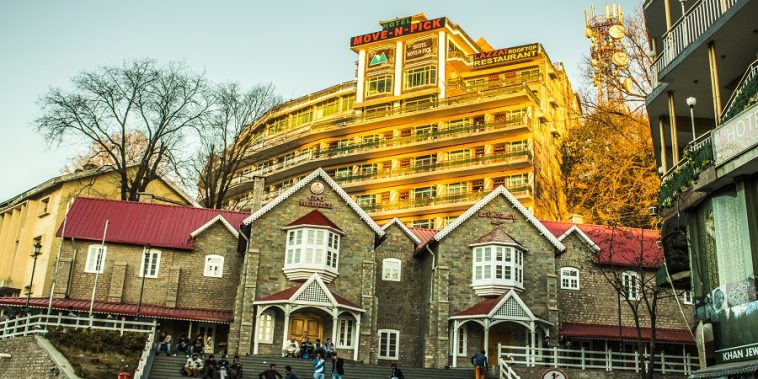
Top Hotels in Murree: Grand Hills, Mont Calm Resort, Wood Berry Hotel, Move n Pick Hotel, Sunway Hotel, Fiora Hotel
Top Hotels in Nathiagali: Nathia Gali Retreat, Alpine Resort, Richmond Boutique, Hotel Summer Retreat, Lemon Lodges Roomy
For luxury, Bhurban’s Pearl Continental Hotel is unmatched, but it requires advance booking for Eid. Budget options in Murree start from Rs. 5,000–15,000 per night, mid-range runs Rs. 15,000–40,000, and luxury from Rs. 60,000 and above.
Eid Trip Cost Estimate — Murree & Nathiagali 2026
Expense
Budget
Mid-Range
Luxury
Hotel (2 nights)
Rs. 10,000–25,000
Rs. 30,000–60,000
Rs. 80,000+
Transport
Rs. 5,000–8,000
Rs. 12,000–20,000
Rs. 25,000+
Food (3 days)
Rs. 3,000–5,000
Rs. 8,000–15,000
Rs. 20,000+
Activities
Rs. 2,000–3,500
Rs. 5,000–8,000
Rs. 10,000+
Total (per person)
~Rs. 20,000–42,000
~Rs. 55,000–100,000
Rs. 135,000+
Tour operator packages for a 2-day trip from Islamabad start at Rs. 45,000, and 3-day packages from Lahore range from Rs. 48,000 to Rs. 85,000 per person.
Final Thoughts: Murree Eid trip 2026 and Nathiagali Eid holiday
Whether you are a family looking for cool air and chairlift rides, a couple seeking a peaceful Nathiagali Eid holiday in misty pine forests, or a group of friends ready to trek Mushkpuri Top at dawn, the Galiyat region delivers one of the most rewarding Eid experiences in all of Pakistan.
The key to a perfect Murree Eid trip 2026 comes down to three things: book your hotel early, leave early to beat traffic, and plan a combined Murree and Nathiagali itinerary so you get the best of both worlds. This hill station Eid Pakistan escape is waiting for you. Just make sure you are prepared before the Eid rush begins.
Start your Murree hotel booking Eid today, pack your bags, and get ready for the Eid holiday you will be talking about all year.
Eid ul Fitr 2026 is just around the corner, and if you haven’t started planning your Eid travel Pakistan 2026 yet, now is the time. With the federal government expected to announce a 3-day public holiday and Eid falling in late March 2026, most travelers will enjoy a 5 to 6-day Eid long weekend Pakistan, which is perfect for a getaway. Whether you are looking for cool mountain valleys, cultural city escapes, or a beach retreat, Pakistan has something extraordinary for every kind of traveler.
The surge in domestic tourism during Eid is massive. Hotels fill up weeks in advance, roads get congested, and popular spots get packed by noon. That is exactly why this guide on the best places to visit Eid holidays Pakistan is built differently.
Eid Holidays 2026: How Long Is the Break & When to Leave?
Eid ul Fitr 2026 is expected to fall around March 20, 2026. Combined with the weekend before it, Pakistani families can realistically enjoy a 5 to 6-day Eid long weekend Pakistan is one of the best travel windows of the year.
Top Places to Visit on Eid Holidays in Pakistan 2026
Here is a quick reference before we dive in:
Destination
Best For
Distance from ISB
Crowd Level
Hunza Valley
Scenery, couples
~600 km
Very High
Swat Valley
Families, budget
~260 km
High
Naran & Kaghan
Adventure
~240 km
Very High
Murree & Galiyat
Short trips
~64 km
Extremely High
Azad Kashmir
Hidden gem
~80 km
Medium
Skardu
Trekkers
~650 km
Medium-High
Lahore
Culture & history
~376 km
High
Karachi
Beach & food
~1,356.5 km – 1,410 km
Medium
Places to Visit During Eid Holidays Pakistan
1. Hunza Valley: The Crown Jewel of Eid Travel Pakistan 2026
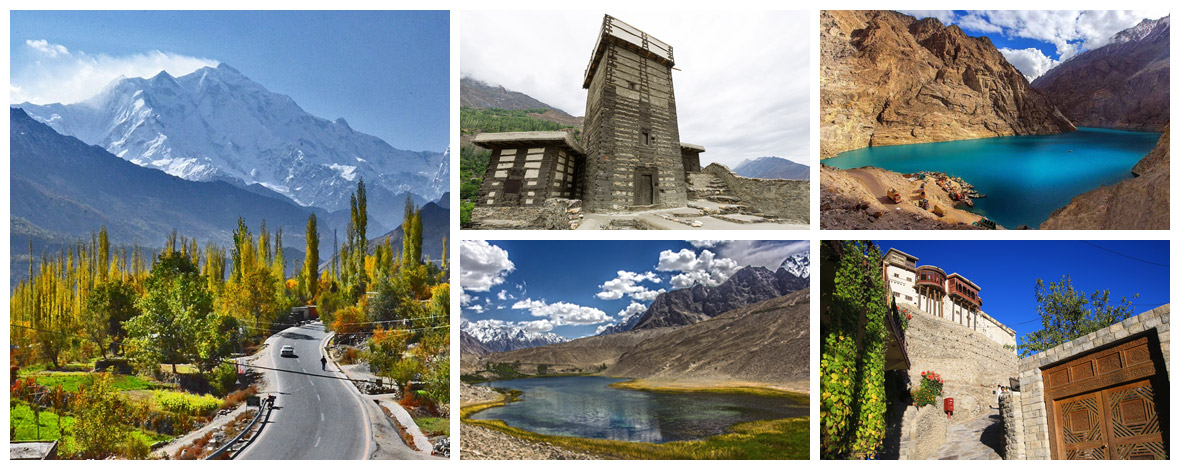
No list of places to visit during Eid holidays Pakistan is complete without Hunza Valley. Located in Gilgit-Baltistan, Hunza sits approximately 600 km north of Islamabad and rewards travelers with snow-capped peaks, turquoise lakes, ancient forts, and a culture unlike anywhere else in Pakistan.
Places to visit during Eid holidays Pakistan in Hunza Valley are Attabad Lake (boating and fishing), Baltit Fort (700 years old), Altit Fort (1,000 years old), Rakaposhi viewpoint, and Karimabad Bazaar.
Estimated cost: A 3-day Hunza trip costs roughly PKR 60,000–100,000 per person, including transport, accommodation, and meals.
Crowd warning: Hunza is the most searched destination for Eid travel Pakistan 2026. Book your hotel by late February, or you’ll find nothing available.
2. Swat Valley
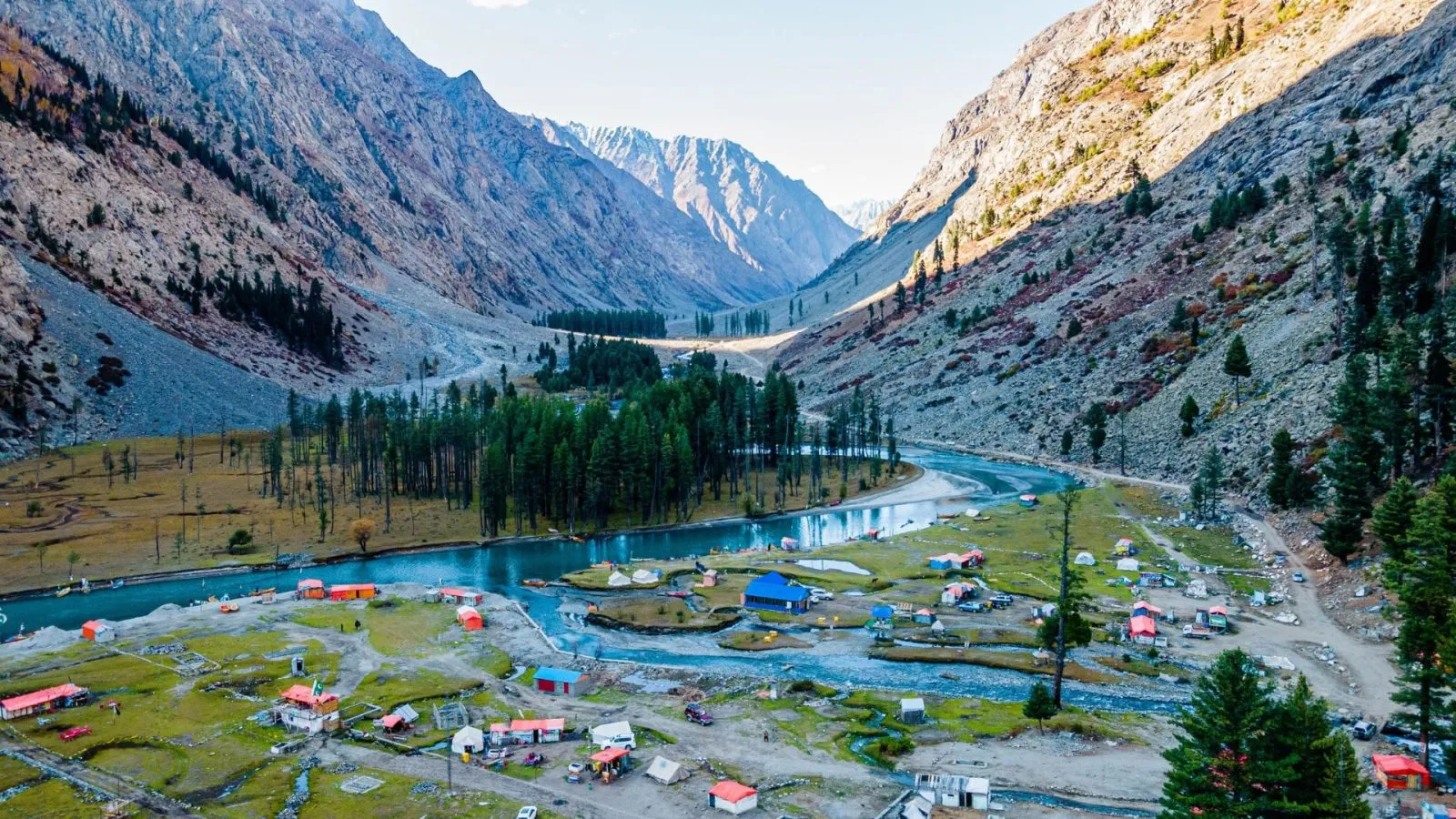
Swat Valley, often called the Switzerland of Pakistan, is the top recommendation for an Eid trip Pakistan family on a budget. Located about 260 km from Islamabad and easily accessible from Peshawar, Swat offers green meadows, clear rivers, pine forests, and a pleasant March climate, ideal for children and elderly family members.
Places to visit during Eid holidays in Pakistan include the Swat Valley (Kalam, Malam Jabba ski resort area), Mahodand Lake, Mingora Bazaar (great for Eid shopping), and the Swat River.
Estimated cost: PKR 25,000–45,000 per person for 3 days, one of the most affordable northern destinations.
Family tip: Swat has better road infrastructure than many northern areas, making it the most practical Eid trip Pakistan family if you are traveling with young children or elderly parents.
3. Naran & Kaghan Valley
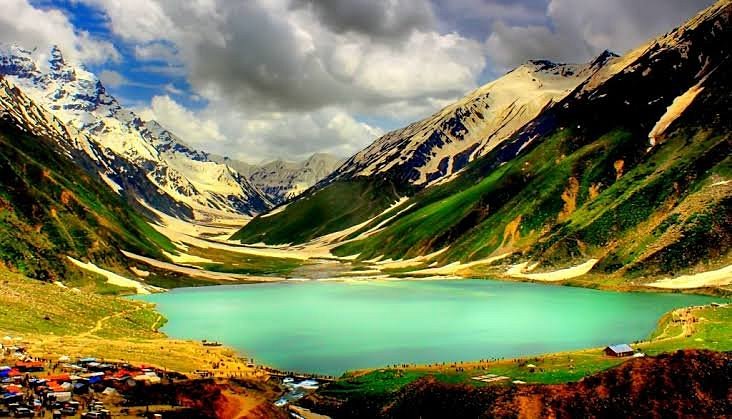
Naran and the wider Kaghan Valley consistently attract the largest Eid crowds in northern Pakistan. The valley’s centerpiece, Saif ul Malook Lake, is one of the most photographed places to visit Eid holidays Pakistan and for good reason. The glacial lake set against dramatic peaks is genuinely otherworldly.
Must-visit spots: Saif ul Malook Lake, Lulusar Lake, Babusar Top, and Shogran (a calmer alternative if Naran feels too crowded).
Crowd warning: Naran sees severe traffic jams during Eid, sometimes stretching hours on the approach road. If you want Kaghan’s beauty without the chaos, stay in Shogran instead and day-trip to Naran.
4. Murree & Galiyat
For families in Islamabad, Rawalpindi, or Lahore who want a quick Eid long weekend Pakistan retreat without a long drive, Murree and the Galiyat region remain the top choice. Murree sits just 64 km from Islamabad at 7,500 feet above sea level and is famous for its Mall Road, Pindi Point chairlift, and colonial-era charm.
Smart move: Skip central Murree and head to Nathia Gali (86 km from Islamabad, 8,000 feet above sea level) or Ayubia instead. These spots offer equally stunning cedar forests and mountain views with significantly lower Eid crowds. Bhurban with the Pearl Continental resort is a solid luxury option.
Must-visit spots: Pindi Point, Mall Road, Nathia Gali forest trails, Miranjani Trek, Ayubia chairlift.
5. Azad Kashmir: The Most Underrated of All Places to Visit Eid Holidays Pakistan
If you missed hotel bookings in Hunza or Swat, Azad Kashmir is your best backup and, in many ways, a better choice. Rawalakot is only 80 km from Islamabad and Rawalpindi, making it one of the most accessible places to visit Eid holidays Pakistan for last-minute planners.
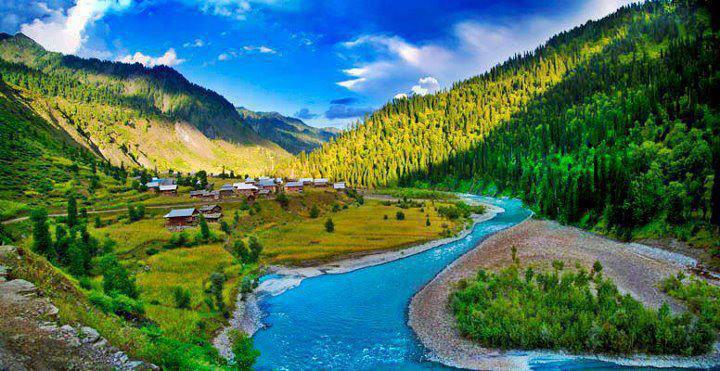
Must-visit spots: Neelum Valley (stunning green-and-blue river corridor), Banjosa Lake (boating surrounded by pine forests), Rawalakot, Pir Chinasi (adventure and views), Jhelum Valley, and Muzaffarabad.
Why it beats the alternatives: Medium crowd levels, great weather in late March, and proximity to major cities. It is also an excellent Eid trip Pakistan family destination with a shorter travel time, meaning less exhausted kids.
Estimated cost: PKR 15,000–30,000 per person for 3 days.
6. Skardu: For the Serious Explorer
Skardu is one of the most dramatic places to visit Eid holidays Pakistan, but it is best suited for travelers who plan far ahead and prefer raw adventure over convenience. As the gateway to K2 and the Karakoram range, Skardu offers landscapes that look more like another planet than a tourist destination.
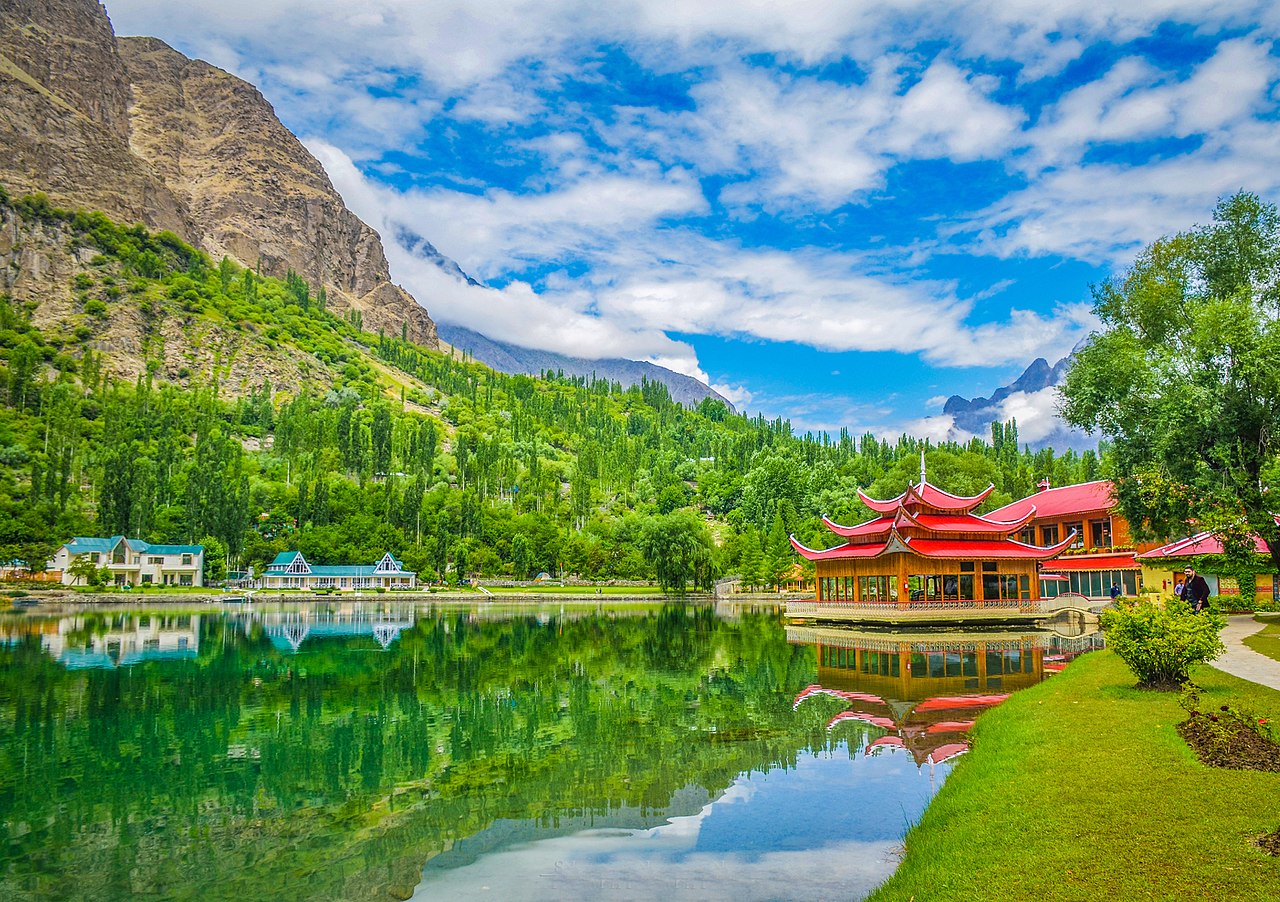
Must-visit spots: Shangrila Resort (Lower Kachura Lake), Deosai Plains (world’s second-highest plateau, known for Himalayan brown bears), Shigar Fort, Upper Kachura Lake, and Katpana Cold Desert.
Hidden gem tip: Astore Valley, located at the eastern face of Nanga Parbat, remains almost completely uncrowded during Eid. Rama Meadows here is extraordinary and appears in only a few mainstream Eid travel guides for Pakistan 2026.
Estimated cost: PKR 60,000–100,000+ per person.
7. Lahore: Cultural Capital Eid Experience
Not every great Eid trip requires mountains. Lahore offers unmatched cultural richness during Eid. Eid prayers at the Badshahi Mosque, one of the largest mosques in the world, are a deeply moving experience that draws thousands of people. Afterwards, the city comes alive with food, music, and bazaar energy.
Places to visit Eid holidays Pakistan in Lahore is Lahore Fort, Shalimar Gardens, Food Street in Fort Road, Wagah Border evening ceremony, and Anarkali Bazaar for Eid shopping.
8. Karachi: Beach Eid for the South
For those in Sindh and Balochistan, Karachi offers a completely different kind of Eid travel Pakistan 2026 experience, sea breeze, fresh seafood, and beaches. French Beach and Hawk’s Bay offer a quieter retreat from the city, while Port Grand and Do Darya are ideal for family dinners and Eid evening outings.
Places to visit Eid holidays Pakistan in Karachi are Clifton Beach, French Beach, Hawk’s Bay, Port Grand, and Karachi’s famous Burns Road for post-Eid food crawls.
Less Crowded Alternatives: Hidden Gems for Eid 2026
If beating the Eid rush is your priority, consider these underrated places to visit Eid holidays Pakistan that most travelers overlook:
Astore Valley (near Skardu) has almost zero Eid crowds, dramatic scenery
Shogran is calmer than Naran, equally beautiful
Rawalakot, AJK, 80 km from Islamabad, is rarely on mainstream lists
Gwadar is ideal for Balochistan-based families seeking a coast without Karachi crowds
Deosai Plains are accessible from Skardu, the world’s second-highest plateau
Practical Tips for Eid Travel Pakistan 2026
Book early: Hotels in all northern destinations fill up 3–4 weeks before Eid
Travel on Eid Day 1 morning traffic is lightest at this time
Dress in layers: Late March nights in northern Pakistan are cold, even if days are warm
Download offline maps: Mobile signal disappears in Gilgit-Baltistan and AJK regularly
Travel in groups: Group bookings at guesthouses can cut costs by 30–40%
Respect the environment: Carry your trash back. Pakistan’s tourism suffers most from littering during the peak Eid times
Final Word
Pakistan’s diversity means there is no single answer to which are the best places to visit Eid holidays Pakistan; it entirely depends on your budget, your family’s needs, and how much travel time you have. If you have a full week and a budget to match, Hunza or Skardu will leave you speechless. For a quick 3-day Eid long weekend Pakistan escape, Murree’s Galiyat or Azad Kashmir delivers without the long drive. For families wanting comfort and accessibility, Swat is the most practical choice for an eid trip Pakistan family.
Whatever you choose, plan your Eid travel Pakistan 2026 and Places to visit Eid holidays Pakistan now because the best hotels, the best routes, and the best experiences all go to those who book first. Eid Mubarak in advance, may your holidays be as beautiful as the destinations waiting for you.
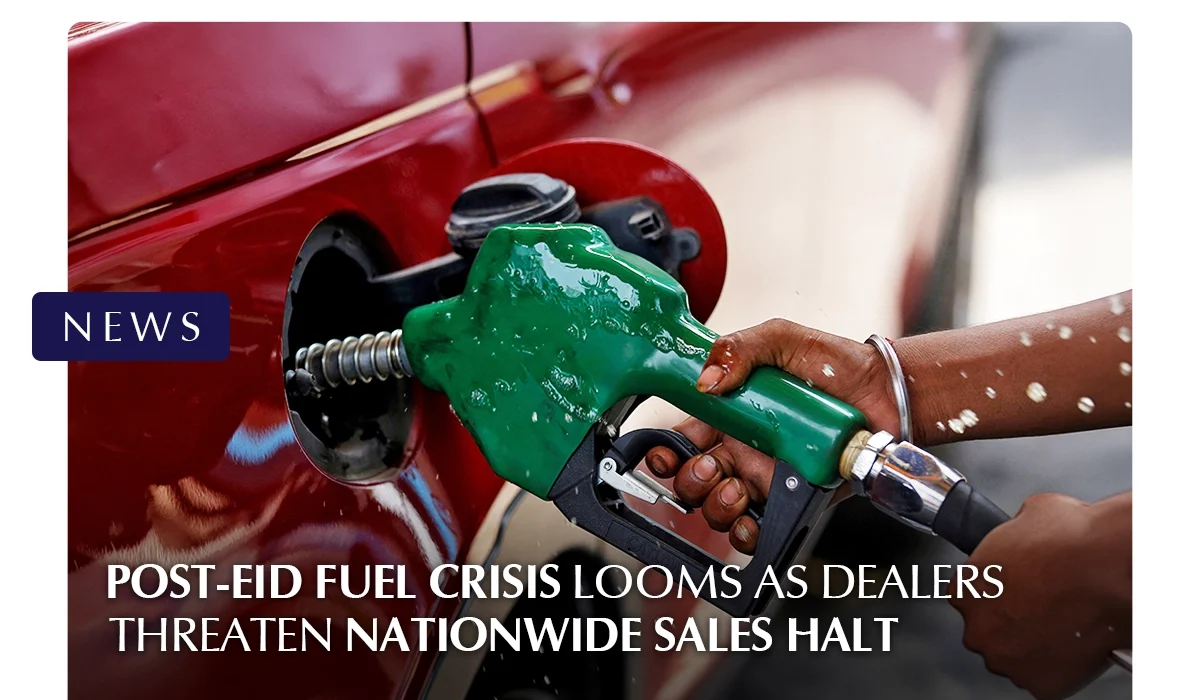
KARACHI: Pakistan’s petroleum dealers have issued a stern warning to the federal government, threatening to suspend the sale of petrol and diesel immediately after Eid al-Fitr if their longstanding demand for revised profit margins is not met.
The ultimatum was delivered by the leadership of the Pakistan Petroleum Dealers Association (PPDA) at a press conference held at the Karachi Press Club on Friday, March 13, 2026.
The PPDA has given the government until March 26 to increase dealers’ profit margins from the current 2.59 percent to 8 percent, a demand that has gained urgency in the wake of a steep Rs55-per-litre hike in petrol and diesel prices. At present, dealers earn approximately Rs8.64 per litre on fuel sales, a figure the association describes as wholly inadequate given the rising cost pressures on the sector.
Speaking at the press conference, PPDA leaders Abdul Sami Khan, Tariq Hasan, and Ameer Khan Masood argued that the combined effect of the petroleum levy and recent price increases has placed an unsustainable burden on both dealers and end consumers. The association further accused oil marketing companies (OMCs) of deliberately capping oil supplies to retail outlets, a practice it claims has led to fuel shortages at numerous pumps across the country.
The PPDA leadership also called for a formal government investigation into the conduct of OMCs, alleging that these companies have reaped significant inventory gains from profits on old fuel stocks, profits dealers say have come at the expense of those operating at the retail level.
This is not the first time dealers have raised these concerns. According to the PPDA, they have been pressing the government for upward margin revisions for over two years, with little to no response. Industry observers warn that a post-Eid strike, if carried out, could cause considerable disruption to fuel supply chains at a time when transport and economic activity typically surge.