RAWALPINDI: The Rawalpindi Development Authority (RDA) has initiated construction work on a slip road rehabilitation project at Faizabad Interchange, marking a significant step toward alleviating persistent traffic congestion in one of the city’s busiest transit corridors.
The project, valued at Rs. 15.490 million, falls under the supervision of the RDA Engineering Directorate and was set in motion following directives from Rawalpindi Commissioner and RDA Director General, Engineer Aamir Khattak. The inauguration was presided over by Raja Hanif, Chairman of the Chief Minister’s Inspection Team, Punjab, and Provincial Assembly member for constituency PP-17.
Works outlined under the project include the repair and rehabilitation of the existing slip road surface, alongside the installation of informational signboards at designated points around the interchange. The signage is intended to streamline vehicular movement and reduce navigational confusion during peak hours.
Authority officials stated that upon completion, the infrastructure improvements will contribute to smoother traffic regulation at the interchange, providing tangible relief to the thousands of daily commuters passing through the area. The project is also seen as part of RDA’s wider mandate to modernize urban road infrastructure across Rawalpindi.
Faizabad Interchange, which serves as a critical junction connecting Rawalpindi and Islamabad, has long been a flashpoint for traffic bottlenecks, particularly during rush hours. Civic authorities have faced mounting pressure to address the interchange’s deteriorating road conditions and inadequate directional guidance for motorists.
Officials confirmed that work is progressing on schedule and expressed confidence in meeting the project’s completion timeline. The RDA further indicated that several additional development schemes targeting urban mobility are currently in the pipeline for the region.
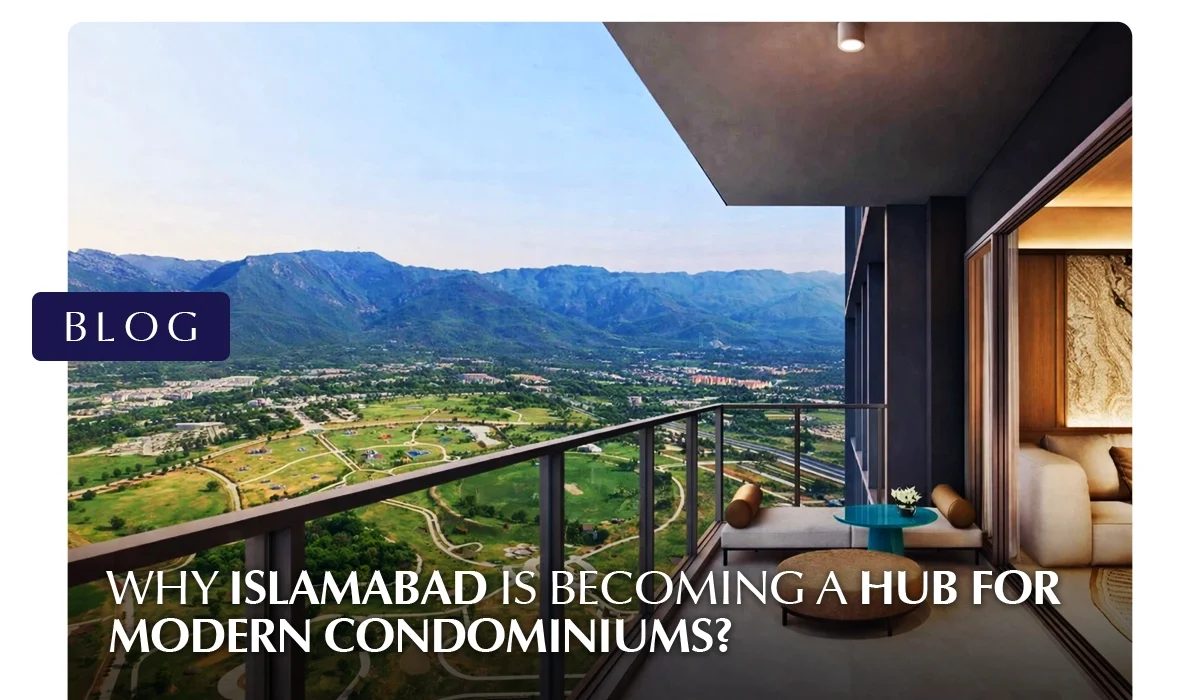
Islamabad has always been Pakistan’s most livable city. Planned infrastructure, green corridors, a stable professional economy, and a sense of order that no other Pakistani city quite replicates. But for years, one gap persisted in its real estate landscape: a mature, ownership-based condos in Pakistan that matched the city’s ambitions. In 2026, that gap is closing fast, and buyers who understand the shift are positioning themselves ahead of the curve.
In this blog, you will learn everything about buying or investing in a condominium complex in Islamabad right now.
Condos in Pakistan | How Condos Became a Serious Asset Class in Islamabad
Pakistan’s residential real estate sector has seen consistent structural growth, with a compound annual growth rate of 4.01% projected through 2029. Islamabad sits at the center of that trajectory. CDA-controlled land supply is finite.
Plot prices in established sectors like F-7, F-11, and G-11 have long moved beyond the reach of most buyers. The city has been growing vertically, and buyers who recognized that shift have already captured meaningful appreciation.
Projects across Gulberg Islamabad, DHA, Bahria Town, and the Expressway corridor have validated the market. Rental demand at the quality end consistently outpaces supply, which is exactly why new condominium developments continue entering the market with confidence.
What Separates a Great Condominium Complex from a Mediocre One | Condos in Pakistan
The Islamabad condo market today has no shortage of options. But not all of them deserve your money. Here is the framework serious buyers use.
Legal clarity is non-negotiable. A legitimate condominium gives buyers a registered title deed per unit not merely an allotment letter. The project must carry a valid CDA or RDA No Objection Certificate (NOC). Without these, your ownership is legally fragile regardless of how polished the marketing looks.
Location determines long-term value. Islamabad’s premium condo corridors Blue Area, Gulberg, the Expressway, and DHA have demonstrated consistent rental demand and reliable resale depth. Connectivity to major commercial zones, the airport, and Ring Road is now a baseline expectation, not a differentiator.
Amenities must be engineered in, not added as an afterthought. In 2026, buyers rightly expect 24/7 security, backup power, clean water infrastructure, covered parking, and professional building management as standard.
Projects charging premium prices while delivering below-standard construction and patchy management are increasingly being identified and avoided.
Condos in Pakistan | The Islamabad Condo Market in Numbers (2026)
Understanding where prices actually sit helps buyers cut through inflated marketing claims and evaluate value clearly.
Segment
Location Examples
Price Range
Entry-level (under-construction)
Expressway periphery, Rawalpindi border
PKR 70L – PKR 1.2 Crore
Mid-range (ready-to-move)
Gulberg, Expressway corridor
PKR 1.2 – PKR 2.5 Crore
Premium (Blue Area, DHA, branded)
Blue Area, DHA, F/G sectors
PKR 2.5 Crore+
Rental yields for well-located condos in Pakistan units currently average between 6–8% annually. Corporate tenants diplomats, senior executives, international NGO staff consistently seek quality managed condo units and face a persistent shortage of supply at their standard. This supply-demand imbalance is one of the strongest structural arguments for real estate investment in condos in Islamabad, right now.
Condos in Pakistan | Key Locations for Condo Investment in Islamabad
Not every Islamabad address serves the same investment purpose. Here is a quick breakdown of the major corridors:
Condos in Pakistan: Blue Area / Jinnah Avenue is Islamabad’s commercial and civic spine. The most central address in the city, with direct proximity to the business district, embassies, and iconic commercial landmarks such as Citadel 7. Rental demand here is driven by corporate and diplomatic tenants who pay a premium for quality. Supply of genuinely well-managed condo units remains tight.
Condos in Pakistan-Gulberg Islamabad is the city’s most established vertical living market CDA-approved, walkable, and adjacent to the Blue Area business district. Multiple developers are active here across all price points, making it the most liquid segment for resale.
Islamabad Expressway Corridor offers the best entry-level pricing with strong appreciation potential as infrastructure particularly the airport road and Ring Road links continues to mature. Higher risk tolerance required relative to more established zones.
DHA Islamabad represents the institutional-grade end of the market. Military housing authority backing means strong governance, reliable maintenance, and a consistent renter base of professionals. Higher entry prices, but also the most predictable resale behavior.
Condos in Pakistan | What Does Condo Living Actually Mean in Pakistan?
This is worth addressing directly because terminology is frequently misused in Pakistani real estate marketing.
A condo in Pakistan is a form of ownership, not just a building type. When you buy a condo unit, you hold a registered title deed for that specific unit while sharing ownership of common areas lobby, gym, parking, rooftop with other unit holders through a collective management structure.
An apartment is typically a rental arrangement. You pay monthly; the landlord retains ownership.
Many projects in Pakistan use the two terms interchangeably for marketing purposes, but the legal distinction matters enormously to your investment.
Before signing anything, confirm three things: that a registered title deed is issued per unit on possession, that the project carries a valid CDA or RDA NOC, and that a formal Owners’ Association or professional management company governs the building post-handover.
Citadel One3 by Chakor Ventures | Condos in Pakistan
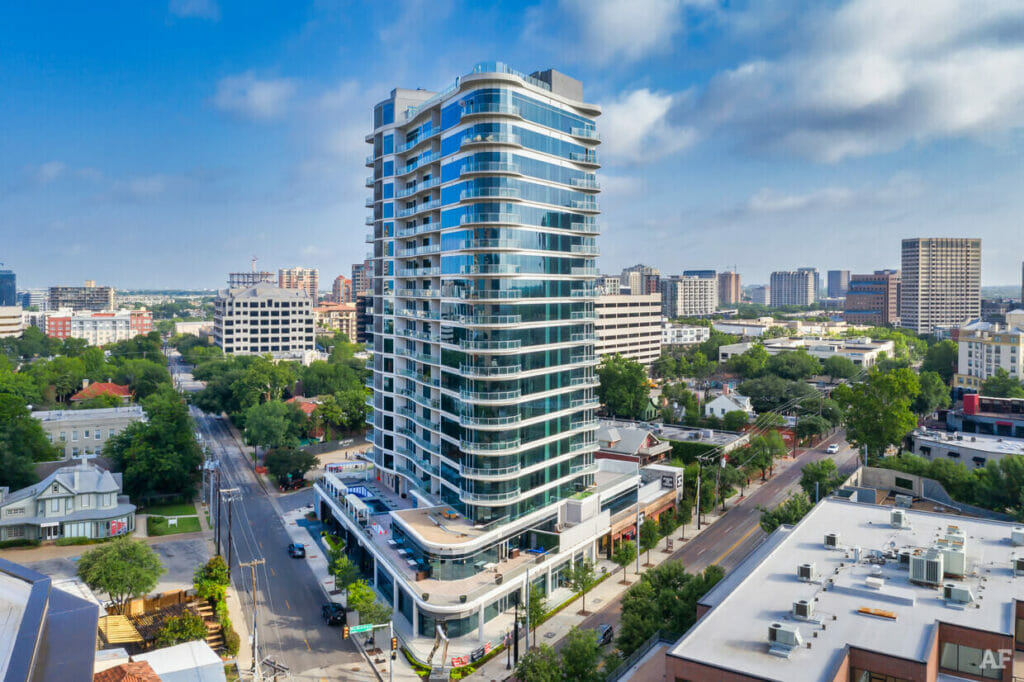
Among the upcoming condominium projects in Islamabad, Citadel One3 by Chakor Ventures stands out for its location and scale. Rising to 40+ floors on Jinnah Avenue, Blue Area with panoramic views of the Faisal Mosque and F-9 Park it occupies one of the most prestigious addresses any residential tower in the city has ever claimed.
The project offers both commercial and residential units across a 27,500 sq ft footprint. Amenities include a gymnasium, culinary court, sports and kids’ play area, 24/7 surveillance, advanced firefighting systems, secure entry and exit points, and smart parking for over 350 cars.
Notably, it includes a rental stay management service a built-in infrastructure for investors who want their units professionally tenanted and managed, particularly relevant for overseas Pakistani buyers.
Payment Plans | Condos in Pakistan
Most Islamabad condominium projects offer installment-based payment plans to make entry accessible. A sound plan structure typically works as follows:
Booking amount: 10–20% of the total unit price
Construction-phase installments: Quarterly payments spread across the build period
On-possession balance: Final payment on handover, concurrent with title deed transfer
Common Mistakes First-Time Condo Buyers Make in Islamabad | Condos in Pakistan
Buying on renders alone. CGI visuals and polished brochures are standard practice, not evidence of quality. Always verify construction progress on site and speak with existing investors where possible.
Overlooking monthly service charges. Condo living comes with ongoing maintenance fees covering security staff, common area utilities, building insurance, and management. These affect your net rental yield and should be factored into investment calculations from the outset.
Prioritizing location over the developer. A prestigious address paired with an unreliable developer is one of the most common and costly mistakes in Pakistani real estate. Developer delivery history matters as much as the postcode.
Confusing allotment letters with ownership. Some projects sell booking letters that never convert to registered deeds. Insist on a clear, legally documented title transfer mechanism before paying any booking amount.
Conclusion | Condos in Pakistan
Islamabad’s condominium market in 2026 is not a speculative bet it is an established and growing asset class with demonstrated rental demand, tested resale liquidity, and a buyer base that spans local professionals, overseas Pakistanis, and yield-focused investors.
The opportunities in Islamabad’s condos in Pakistan segment are real. So are the risks. Knowing the difference and doing the due diligence to act on it is what separates smart buyers from cautionary tales.
ISLAMABAD: The provincial government has commenced construction on Phase-II of the Swat Motorway, initiating a project expected to significantly improve road connectivity and boost tourism across the Swat Valley.
Officials confirmed the launch, describing it as a key milestone in the government’s broader push to modernize transportation infrastructure throughout Khyber Pakhtunkhwa. The Chief Minister stated that the motorway would ease travel across the region while generating new economic opportunities for local communities through increased visitor numbers and investment.
Authorities have linked the project to a wider provincial strategy aimed at reducing barriers to trade and development. Improved road access, officials noted, is expected to benefit multiple sectors, with tourism identified as a primary driver of anticipated growth.
The government has emphasized its commitment to quality construction and timely delivery. However, no specific completion date or project budget has been made public at this stage.
Local stakeholders have responded positively to the announcement, citing longstanding demand for reliable road infrastructure in the area. The motorway is expected to make the Swat Valley more accessible to both domestic and international visitors, strengthening its position as one of the province’s key tourism destinations.
Provincial authorities say construction will proceed under direct government supervision, with progress subject to ongoing review.
Urban living in Pakistan is rapidly evolving. Cities like Islamabad, Lahore, and Karachi are seeing a growing demand for modern residential spaces that combine convenience, security, and community living. One housing concept becoming increasingly popular is the condominium. But many people still ask: What exactly does the condo building meaning?
In simple terms, the condo building meaning refers to a residential building in which individual units are privately owned. These properties offer a balanced lifestyle for people who want ownership without the responsibilities of maintaining a full house.
Condo Building Meaning – Explained
A condo building is a type of residential property in which multiple housing units are within a single building, each owned separately by individuals. At the same time, residents share ownership of the building’s common spaces.
Shared areas like hallways, parking, and elevators
Collective management of building maintenance
Community rules for residents
In Pakistan’s urban areas, condominium-style buildings are often found in high-rise residential towers or gated communities. These developments provide facilities that traditional houses may not offer, such as security services, maintenance staff, and shared recreational spaces.
Understanding the condo building meaning helps buyers recognize that they own their individual unit while sharing responsibility for the building’s overall upkeep.
What You Own in a Condo Building
One important part of understanding the condo building meaning is knowing what exactly belongs to you and what belongs to the community.
Private Unit Ownership
In a condominium, the owner has full rights over the interior of their unit. This includes:
Interior walls and flooring
Fixtures and fittings
Personal renovations inside the unit
Furniture and appliances
Your condominium residence becomes your private living space, just like any other home.
Shared Common Areas
Common areas are shared by all residents in the building. These spaces may include:
Entrance lobby
Staircases and elevators
Parking areas
Rooftop spaces
Community halls or gyms (if available)
The condo building meaning highlights this shared ownership structure where residents collectively maintain these areas.
How Condo Buildings Work in Pakistan
Many modern residential developments in Pakistan are adopting condominium-style living. The condo building meaning also includes the management system that keeps the building functioning smoothly.
Resident Management System
Most condo buildings operate through a resident association or building management committee. This group is responsible for:
Organizing building maintenance
Managing security staff
Handling cleaning services
Maintaining elevators and utilities
Residents often contribute a monthly fee for these services.
Maintenance Fees
Another essential aspect of the condo is the concept of maintenance charges. These monthly contributions cover:
Cleaning of shared areas
Security services
Building repairs
Utility management for shared spaces
These fees allow residents to enjoy a well-maintained living environment without having to handle these responsibilities individually.
Example of a Modern Condo Development: Citadel One3
A practical example of a condo building in Pakistan is Citadel One3, a modern apartment project developed by Chakor Ventures in Islamabad. This project represents the kind of contemporary condominium residence that is becoming increasingly common in Pakistan’s major cities.
Why Projects Like Citadel One3 Are Important for Urban Living
Developments such as Citadel One3 highlight why the condo building is becoming more relevant in Pakistan. As cities expand and land becomes scarce, high-rise residential buildings enable developers to create modern living spaces that blend comfort, security, and community.
For residents, a condominium residence in a building like Citadel One3 offers:
Centralized City Living in Islamabad’s prime Blue Area location
27,500 sq ft total area within a large modern residential development
40+ floors offering high-rise urban living
Serene Margalla Hills views from selected apartments
Culinary Court for dining and social experiences
Sports & Kids Play Area for recreation and family activities
Fully equipped gym for fitness and health
Rental stay management for property owners who want rental income opportunities
Smart parking for over 350+ cars for residents and visitors
Advanced firefighting system for enhanced safety
Secure entry and exit points for controlled building access
24/7 surveillance to maintain security throughout the property
These features illustrate how the condo building meaning translates into real-world developments in Pakistan.
The Future of Condo Living in Islamabad
Projects like Citadel One3 demonstrate how Pakistan’s real estate sector is moving toward vertical living solutions. As demand for modern housing increases, more developments similar to this condominium complex are expected to emerge in Islamabad and other major cities.
For buyers exploring the condo building, developments like Citadel One3 provide a clear example of how condominium residences combine private home ownership with shared urban amenities, creating a balanced lifestyle for modern city residents.
Benefits of Living in a Condominium Residence
Understanding the condo building meaning also involves recognizing the advantages it offers, especially for modern urban lifestyles in Pakistan.
1. Low Maintenance Lifestyle
Owning a condominium residence means you do not need to manage external maintenance tasks such as building repairs or security arrangements. The management system handles these responsibilities.
2. Security and Safety
Most condo buildings provide:
Gated entry points
Security guards
CCTV monitoring
This makes condo living attractive for families and working professionals.
3. Efficient Use of Urban Space
Cities in Pakistan are becoming more densely populated. The condo building supports vertical housing solutions that allow more people to live comfortably within limited urban space.
4. Community Living
Residents share a living environment with neighbors, which often creates a sense of community.
5. Ideal for Professionals
For people working long hours or living alone in cities, a condo house offers convenience without the upkeep of a large property.
Possible Drawbacks of Condo Living
While the condo building meaning many advantages, it also comes with certain challenges that buyers should consider.
1. Monthly Maintenance Fees
Residents must regularly contribute to building maintenance costs.
2. Shared Spaces
Since common areas are shared, residents must follow building rules regarding noise, parking, and cleanliness.
3. Limited Customization Outside the Unit
Changes to the building’s external areas usually require approval from the management committee.
Despite these factors, many urban residents still prefer condos because they offer a practical balance between ownership and convenience.
Condo House vs Traditional House in Pakistan
Another way to understand the condo building is to compare it with a traditional independent house.
Condo House
A condo house usually means an apartment-style unit in a building where residents share common facilities.
Characteristics include:
Individual unit ownership
Shared building facilities
Lower maintenance responsibility
Security services
Independent House
An independent house means full ownership of both the building and the land.
Characteristics include:
Complete control over the property
No shared areas
Higher maintenance responsibilities
Greater privacy
For many city residents, understanding the condo building meaning helps them decide whether a condo house or an independent home suits their lifestyle.
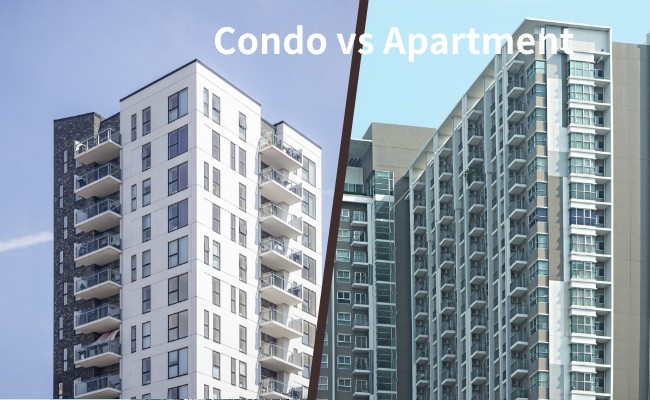
Condo vs Apartment: What’s the Difference?
In Pakistan, many people confuse condos with apartments. However, the condo building meaning differs mainly in ownership.
Apartment
Apartments are usually owned by a single landlord or developer who rents units to tenants.
Condominium
In a condominium building:
Each unit has a different owner
Residents may live in or rent out their units
Maintenance responsibilities are shared
This ownership difference defines the true condo building meaning.
Why Condo Living is Growing in Pakistan
The increasing interest in condos reflects changing urban lifestyles.
Several factors contribute to this trend:
Rapid Urbanization
Cities like Islamabad and Lahore are expanding rapidly. High-rise residential buildings offer an efficient way to accommodate growing populations.
Modern Amenities
Many condominium residences provide facilities such as:
Fitness areas
Community spaces
Parking management
Security services
These features attract younger buyers and professionals.
Affordable Entry into Property Ownership
For many first-time buyers, purchasing a condo house may be more affordable than buying a large independent house.
Understanding the condo building meaning helps buyers evaluate these benefits before making a decision.
Things to Check Before Buying a Condo in Pakistan
If you are considering a condominium residence, it is important to review several factors.
Building Maintenance System
Ensure the building has a clear management structure responsible for maintenance.
Monthly Fees
Understand what services are covered by maintenance charges.
Building Condition
Check elevators, parking areas, and other shared facilities to ensure the building is well-maintained.
Ownership Documents
Verify property documentation and ownership details before purchasing.
These steps help buyers fully understand the condo building meaning and avoid unexpected problems.
Who Should Consider a Condo House?
A condo house may be ideal for:
Working professionals living in cities
Small families seeking secure housing
First-time property buyers
People who prefer low-maintenance living
For many urban residents, the condo building meaning represents a practical modern lifestyle option.
Future of Condo Living in Pakistan
The future of condominium living in Pakistan looks promising. As cities continue to grow and space becomes limited, high-rise residential developments are likely to become more common.
The condo building meaning will continue to evolve with new architectural designs, improved security systems, and smarter building management technologies.
Many developers are already planning projects that combine modern amenities with efficient residential layouts, making condominium residences an attractive option for the next generation of homeowners.
Conclusion
The condo building meaning describes a residential structure in which individuals own separate housing units while sharing responsibility for common areas and building facilities. This housing model is becoming increasingly relevant in Pakistan’s rapidly expanding cities.
A condominium residence offers modern urban living with benefits such as convenience, security, and shared maintenance. At the same time, buyers must understand the responsibilities that come with community living.
Whether you are considering a condo house as your first property or exploring new housing options in major Pakistani cities, understanding the condo building meaning will help you make an informed decision about modern residential living.
Housing preferences are evolving as buyers prioritize convenience, efficiency, and lifestyle-driven features. Large homes with high maintenance demands are no longer the only symbol of success. Instead, flexibility and smart living are becoming the new standard.
Understanding the benefits of condominium ownership allows buyers to evaluate whether this property type aligns with their long-term goals. From affordability to modern condo living amenities, condominiums offer a powerful combination of ownership and convenience.
What Is a Condominium and How Does It Work?
A condominium is a privately owned residential unit within a larger building or community where residents share ownership of common areas. These shared spaces may include hallways, landscaping, gyms, pools, and parking areas.
This structure creates many built-in benefits of condominium living because responsibilities are divided among owners. Instead of managing every aspect alone, residents contribute to collective maintenance through association fees.
Key characteristics include:
Individual ownership of interior space
Shared ownership of common areas
Monthly maintenance contributions
Rules designed to protect property value
This shared ownership model forms the foundation of the long-term benefits of condominium living.
Low Maintenance Living: A Core Benefit of Condominium Ownership
Maintaining a standalone home can be time-consuming and expensive. Exterior repairs, landscaping, and seasonal upkeep often demand significant effort from homeowners.
One of the biggest benefits of condominium ownership is reduced maintenance responsibility. The condo lifestyle removes many routine burdens, allowing residents to focus on work, travel, and personal goals.
Maintenance typically covered:
Roof repairs and exterior walls
Landscaping and gardening
Snow removal or exterior cleaning
Common area lighting and cleaning
Structural maintenance
Low-maintenance living remains one of the most practical and attractive benefits of condominium ownership.
Access to Premium Amenities in Modern Condo Living
Amenities are a defining feature of modern condo living. Many developments provide luxury-level facilities that would be expensive for a single homeowner to maintain.
These shared spaces significantly enhance the quality of life and represent major benefits of condominium communities.
Common amenities include:
Fitness centers and yoga studios
Swimming pools and spas
Rooftop lounges
Co-working spaces
Event rooms and entertainment areas
Concierge services
Access to premium amenities is one of the lifestyle-driven benefits of condominium living that continues to attract modern buyers.
Enhanced Security and Peace of Mind
Security is a top priority for most homeowners. Condominiums are often designed with built-in safety systems that provide reassurance.
Among the strongest benefits of condominium living is enhanced security compared to many detached homes.
Security features often include:
Controlled access entry
Surveillance cameras
On-site security personnel
Well-lit parking areas
Neighbor proximity
These safety advantages make security one of the most valued benefits of condominium ownership.
Affordable Entry Into Property Ownership
In many urban markets, purchasing a detached home can be financially overwhelming. Condos often provide a more accessible pathway to ownership.
Affordability is one of the key financial benefits of condominium living, especially for first-time buyers seeking to build equity.
Cost advantages may include:
Lower purchase prices
Reduced exterior maintenance costs
Shared infrastructure expenses
Potentially lower insurance costs
For many buyers, affordability remains one of the strongest benefits of condominium ownership.
Prime Locations and Everyday Convenience
Location directly influences property value and daily convenience. Many condominiums are built in central areas close to essential services.
These location-based benefits of condominium living significantly enhance the condo lifestyle.
Nearby conveniences often include:
Public transportation
Restaurants and cafés
Business districts
Shopping centers
Healthcare facilities
Central accessibility remains one of the location-driven benefits of condominium communities.
Community Living and Social Connection
Shared living environments encourage interaction among residents. Unlike detached homes, condominiums often foster a stronger sense of belonging.
Community engagement is one of the overlooked benefits of condominium ownership, enhancing well-being.
Community advantages include:
Resident events
Shared recreation spaces
Collaborative decision-making
Increased neighborhood familiarity
A built-in social environment adds meaningful value to the benefits of condominium living.
Energy Efficiency and Sustainable Living
Modern buyers increasingly value sustainability. Many new developments incorporate energy-efficient materials and systems.
Energy efficiency is another important benefit of condominium features that supports cost savings and environmental responsibility.
Efficiency features may include:
Shared insulated walls
Centralized heating and cooling
Energy-efficient appliances
Sustainable construction materials
Eco-conscious design strengthens the long-term benefits of condominium ownership.
Lock-and-Leave Flexibility for Busy Lifestyles
Flexibility is critical for professionals and frequent travelers. Condominiums allow owners to leave their homes unattended with minimal concern.
This convenience is one of the lifestyle-focused benefits of condominium living.
Reasons this matters:
Ongoing exterior maintenance
Active security systems
Reduced vacancy risks
Lower upkeep responsibility
Lock-and-leave convenience perfectly reflects the flexibility of the condo lifestyle.
Professional Property Management Adds Stability
Many condominium communities hire professional management companies to oversee operations and finances. Structured oversight ensures organized maintenance.
Professional governance enhances the stability of the benefits of condominium living.
Management responsibilities include:
Maintenance scheduling
Budget management
Vendor coordination
Rule enforcement
Community communication
Strong management protects both the property and the long-term benefits of condominium ownership.
Shared Costs Reduce Financial Surprises
Unexpected home repairs can create financial strain. In a condominium community, expenses are distributed among residents.
This shared structure is one of the strongest financial benefits of condominium ownership.
Shared expenses may cover:
Elevator repairs
Structural maintenance
Building insurance
Landscaping and amenities
Reserve funds for major projects
Predictable budgeting remains one of the most practical benefits of condominium living.
Smart Design and Efficient Use of Space
Modern condo living emphasizes efficient layouts and intelligent design. Developers focus on maximizing functionality within compact spaces.
Smart layouts are practical benefits of condominium ownership that reduce wasted space.
Design highlights include:
Open-concept plans
Built-in storage
Multi-functional rooms
Integrated smart-home systems
Efficient design enhances both comfort and the everyday benefits of condominium living.
Investment Potential and Rental Opportunities
Condos can serve as both residences and investment properties. Rental demand remains strong in urban centers.
Investment flexibility is one of the forward-looking benefits of condominium ownership.
Investment advantages include:
Rental income opportunities
Urban tenant demand
Easier management
Long-term appreciation potential
Investment potential adds another financial layer to the benefits of condominium ownership.
Citadel One3: An Upcoming Condominium Redefining Modern Condo Living
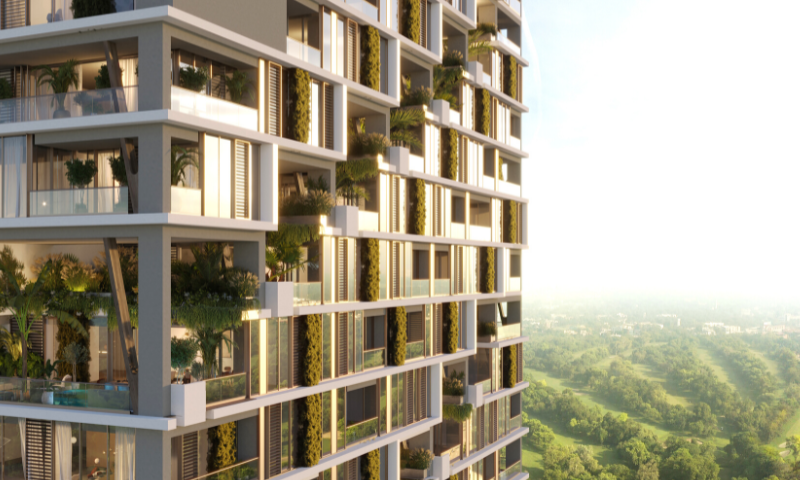
As the demand for premium urban housing continues to grow, new developments are reshaping what buyers expect from the condo lifestyle. One of the most anticipated upcoming projects in Islamabad is Citadel One3, a high-rise condominium development designed to deliver elevated living in the heart of the city. This upcoming project reflects the evolving benefits of condominium ownership by combining luxury, location, and lifestyle-focused amenities.
Citadel One3 is planned as a 40+ story residential tower located on Jinnah Avenue in the prestigious Blue Area of Islamabad. Its prime positioning offers residents proximity to major commercial hubs while providing panoramic views of iconic landmarks and green spaces. The project is being developed to meet the expectations of modern condo living, where comfort, convenience, and architectural sophistication come together.
Key features of Citadel One3 include:
Premium residential condominium units with contemporary layouts
Smart building infrastructure and modern architectural design
High-speed elevators and advanced building systems
Dedicated parking spaces with capacity for hundreds of vehicles
24/7 security surveillance and controlled access points
Wellness and fitness facilities for residents
Leisure areas and lifestyle-enhancing shared spaces
Advanced fire safety and emergency systems
As an upcoming condominium project, Citadel One3 is being designed to offer many long-term benefits of condominium ownership. Residents can expect reduced maintenance burdens, shared amenities, and a secure, community-driven environment, all central aspects of the condo lifestyle.
Its location in Islamabad’s central business district further enhances its appeal. These location advantages are among the strongest benefits of condominium living, particularly in growing metropolitan environments.
For investors, Citadel One3 also presents promising potential. Upcoming high-rise condominium projects in prime locations often experience strong demand, making them attractive for both resale value and rental income opportunities. As modern condo living continues to gain popularity, developments like Citadel One3 align perfectly with the increasing preference for vertical, amenity-rich communities.
Ultimately, Citadel One3 represents the future of modern condo living in Islamabad. As an upcoming project designed around convenience, security, and contemporary design, it reflects the evolving benefits of condominium ownership for buyers seeking a balanced, sophisticated urban lifestyle.
Common Misconceptions About Condominium Living
Some buyers hesitate due to outdated assumptions about privacy or restrictions. However, modern developments address many of these concerns.
Understanding the real benefits of condominium ownership helps dispel myths.
Common myths include:
Limited privacy
Excessive regulations
Poor resale value
Restricted customization
Accurate information reveals the true benefits of condominium living beyond common misconceptions.
Who Should Consider the Condo Lifestyle?
Condominiums suit a wide variety of buyers due to their flexibility and convenience. Different life stages benefit from different housing solutions.
The diverse benefits of condominium ownership make it suitable for a range of demographics.
Ideal for:
First-time buyers
Busy professionals
Retirees
Frequent travelers
Investors
The condo lifestyle continues to grow because it meets the needs of modern homeowners.
Condo Buyer Checklist Before Purchasing
Careful research protects your investment and ensures a smooth ownership experience. Reviewing financial and operational documents is essential.
Preparation allows you to fully experience the long-term benefits of condominium living.
Before buying, review:
HOA financial statements
Reserve fund levels
Monthly fees
Rental policies
Building maintenance history
Proper due diligence safeguards the benefits of condominium ownership.
The Future of Modern Condo Living
Urban growth and lifestyle changes continue driving condominium demand. Developers are incorporating smart technology and sustainable design.
These trends reinforce the evolving benefits of condominium ownership.
Emerging trends include:
Smart-home automation
Sustainable architecture
Wellness amenities
Mixed-use developments
The future of modern condo living looks increasingly innovative and resident-focused.
Is Condominium Living Worth It?
Choosing a home depends on personal goals, finances, and lifestyle priorities. For many buyers, condominiums offer the perfect balance of ownership and convenience.
The wide-ranging benefits of condominium living, from affordability to amenities, explain why the condo lifestyle continues to expand globally.
If you value simplicity, security, and modern condo living, the benefits of condominium ownership may make it your ideal next move.
Final Thoughts: Why the Condo Lifestyle Continues to Grow
The growing popularity of modern condo living reflects changing lifestyles. People increasingly value convenience, community, and flexibility over large properties requiring constant upkeep.
The benefits of condominium living extend beyond affordability; they represent a shift toward smarter, more efficient living environments designed for today’s world.
If you’re seeking a home that combines ownership with simplicity, accessibility, and modern comforts, the condo lifestyle may be exactly what you’re looking for.
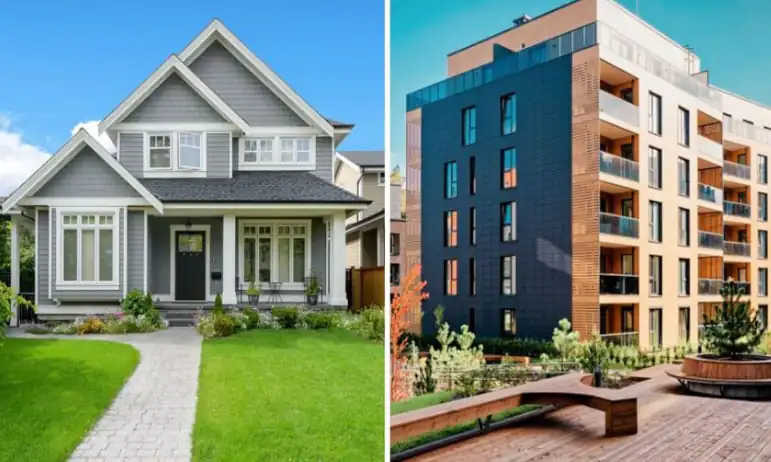
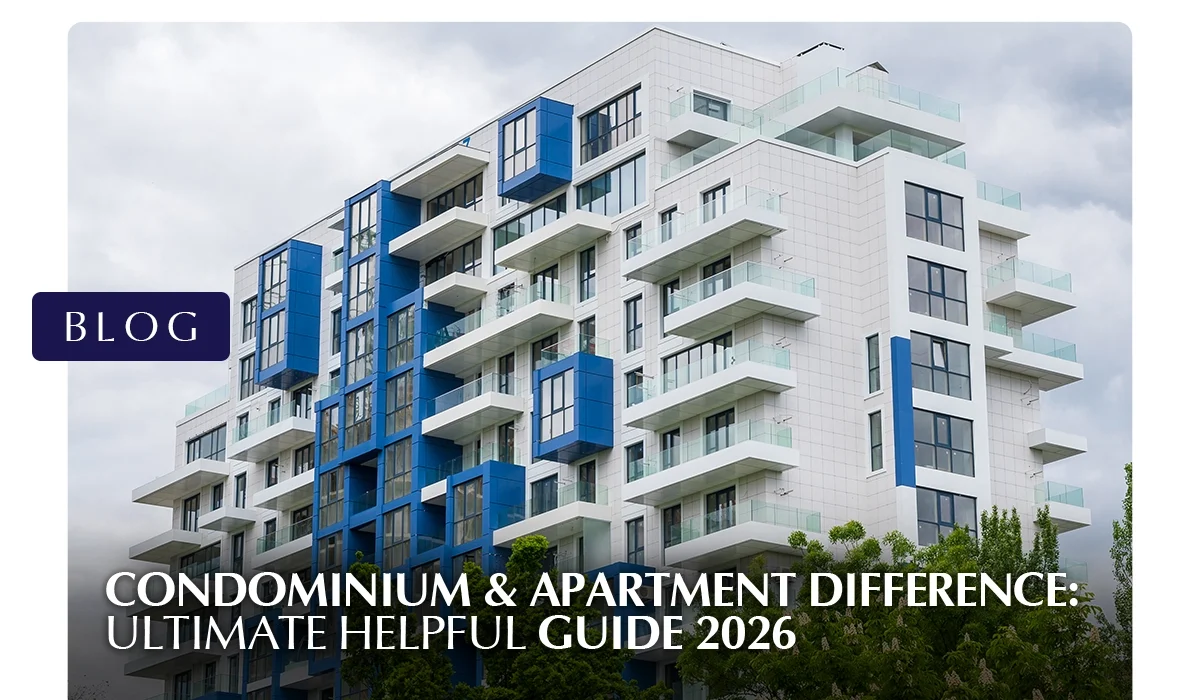
Choosing between a condominium and an apartment is one of the most common challenges faced by modern home seekers. At first glance, both housing types may appear identical multi-unit buildings with shared facilities and similar layouts. However, the condominium and apartment difference goes far beyond appearance. It affects ownership rights, financial responsibilities, lifestyle flexibility, and long-term investment potential.
As cities grow more crowded and urban housing evolves worldwide, including in Pakistan, understanding these differences has become essential for buyers, renters, and investors alike. This comprehensive guide explains everything you need to know, from definitions and ownership structures to costs, lifestyle considerations, and future housing trends.
Instant Definition: Condominium and Apartment Difference
The condominium and apartment difference is primarily based on ownership: a condominium is privately owned real estate within a shared building, while an apartment is a rental unit owned by a landlord or property company.
This single distinction influences nearly every other aspect of housing.
What Is a Condominium?
A common question that often comes up in the google searches is “what is a condominium“. A condominium, often called a condo, is a residential property where individuals own their specific unit but share ownership of common areas with other residents.
Unlike standalone houses, condominiums combine private ownership with community-managed living.
Condominium Ownership Explained
When you purchase a condominium, you legally own:
Interior living space
Walls, floors, and ceilings of your unit
Fixtures and appliances inside the unit
However, you share ownership of:
Hallways
Elevators
Parking areas
Gardens
Security systems
Recreational amenities
These shared elements are managed by a condominium association (often called an HOA).
Role of the Condominium Association
The association typically handles:
Maintenance of shared spaces
Building repairs
Security management
Community rules enforcement
Fee collection
Owners contribute monthly fees to maintain these services.
What Is an Apartment?
An apartment is a residential unit rented from a property owner or management company. Unlike condos, tenants do not own any part of the property.
Apartment Living Structure
In apartment housing:
One entity owns the entire building
Residents sign rental agreements
Maintenance is landlord responsibility
Tenants can relocate easily after leases end
Apartments emphasize convenience and flexibility rather than ownership.
Comparison Table | Condominium and Apartment Difference
Feature
Condominium
Apartment
Ownership
Individually owned
Owned by landlord
Payment
Mortgage + fees
Monthly rent
Equity Building
Yes
No
Maintenance
Shared + owner interior
Landlord responsible
Customization
Allowed inside unit
Limited
Investment Opportunity
Yes
No ownership
Stability
Long-term
Temporary
Flexibility
Lower
High
This comparison highlights why buyers and renters approach each option differently.
Ownership Differences: Condominium vs Apartment
Ownership is the defining factor in the condominium vs apartment comparison.
Condo Ownership Benefits
Property appreciation potential
Ability to sell or rent unit
Long-term financial asset
Greater personal control Apartment Rental Benefits
No long-term commitment
Easier relocation
No property taxes
Minimal maintenance responsibility
Financial Comparison: Condo vs Apartment Costs
Initial Costs
Condominium
Down payment
Closing costs
Registration fees
Apartment
Security deposit
First month’s rent
Ongoing Expenses
Condo Owners Pay
Mortgage payments
Condominium maintenance fees
Property taxes
Utilities
Apartment Tenants Pay
Rent
Utilities
Occasional service charges
Lifestyle Differences Between Condos and Apartments
Housing decisions often depend on daily lifestyle preferences.
Condominium Lifestyle
Stable community environment
Long-term neighbors
Personalization freedom
Access to shared amenities
Apartment Lifestyle
Flexibility to move
Less responsibility
Ideal for students or temporary workers
Easier budgeting without repair costs
Apartments favor mobility and simplicity.
Types of Condominiums | Condominium and Apartment Difference
Understanding condo varieties helps buyers evaluate options more accurately.
High-Rise Condominiums
Common in dense urban areas, offering elevators, security, and shared amenities.
Townhouse Condominiums
Multi-level homes sharing walls but managed collectively.
Detached Condominiums
Standalone homes within shared communities where maintenance responsibilities are distributed.
Condominium Hotels
Units owned privately but operated with hotel-style services and rental programs.
Advantages of Condominiums
Opportunity to build equity
Access to premium amenities
Reduced exterior maintenance
Strong resale potential
Urban location benefits
Disadvantages of Condominiums
Monthly association fees
Community regulations
Less privacy than houses
Shared decision-making
Advantages of Apartments
Lower upfront costs
Flexible relocation
Maintenance handled externally
Predictable monthly expenses
Disadvantages of Apartments
No ownership benefits
Rent increases over time
Limited customization
No investment return
Which Is Better: Condominium vs Apartment?
Your decision depends on personal priorities.
Choose a Condominium If You:
Want long-term housing stability
View property as investment
Plan to stay several years
Prefer ownership security
Choose an Apartment If You:
Move frequently
Want flexibility
Prefer minimal responsibility
Are not ready for property ownership
Condominium and Apartment Difference in Pakistan
This section creates a major SEO advantage because most international articles ignore local markets.
Urban Housing Trends in Pakistan
Rapid urbanization is reshaping housing demand.
Major cities experiencing vertical growth:
Karachi
Lahore
Islamabad
Legal Ownership Context in Pakistan
While condominium terminology varies, apartment ownership laws allow individual ownership within shared structures.
Buyers should verify:
Development authority approvals
Legal documentation
Ownership registration
Maintenance governance
Investment Perspective in 2026 | Condominium and Apartment Difference
Urban housing trends suggest continued condominium demand due to:
Population growth
Limited city-center land
Increasing rental demand
Lifestyle modernization
Condos may provide dual benefits: residence and investment.
Citadel One3: An Upcoming Condominium Development
Citadel One3 is an upcoming condominium project in new Blue Area, Islamabad that reflects the growing shift toward modern urban living in Pakistan. As cities continue to expand vertically, vertical towers in Islamabad like Citadel One3 highlight how condominium-style housing is becoming an important part of contemporary residential planning.
As an upcoming luxury residential complex in front of F9 Park Islamabad, Citadel One3 reflects the shift in luxury condo interiors toward subtle sophistication. Designed around the concept of shared community living, Citadel One3 aims to offer residential units within a structured property environment where individual ownership is combined with professionally managed common spaces. This approach aligns with the broader idea behind condominiums, providing private living areas while maintaining shared infrastructure through organized management systems.
For buyers researching the condominium and apartment difference, Citadel One3 demonstrate how condominium developments can provide an alternative to traditional apartment rentals by focusing on ownership-based housing models.
How to Choose Between a Condo and Apartment
Consider these questions:
Do I want ownership or flexibility?
Can I afford maintenance fees?
How long will I stay?
Is investment important?
Clear answers simplify decision-making.
Frequently Asked Questions | Condominium and Apartment Difference
Condominium and apartment difference
A condominium is owned property, while an apartment is rented housing managed by a landlord.
Condominium vs. apartment: Which is better?
Condos are better for long-term buyers; apartments suit short-term renters.
Can condos be rented?
Yes, owners may rent units depending on association policies.
Are condos cheaper than apartments?
Apartments cost less initially, but condos may offer long-term financial benefits.
Do condo owners pay rent?
No, owners pay the mortgage and association fees instead.
Final Thoughts | Condominium and Apartment Difference
Understanding the condominium and apartment difference allows you to choose housing aligned with your financial goals and lifestyle needs. Apartments provide flexibility and convenience, while condominiums offer ownership, stability, and investment potential.
As urban living continues evolving globally and within Pakistan, condominiums are becoming a key solution for modern housing challenges. By evaluating ownership structure, costs, and long-term goals, you can confidently decide which option suits your future best.
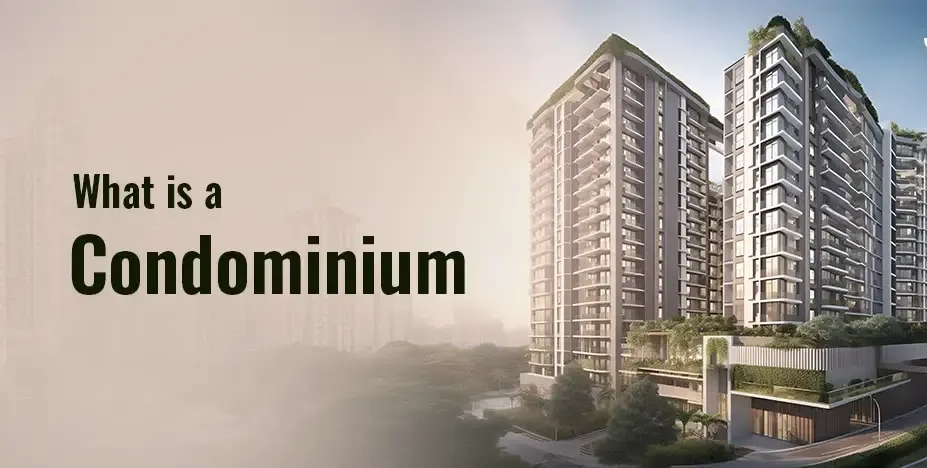
When researching modern housing options, one question appears frequently: What is a condominium? Whether you are a first-time homebuyer, investor, or simply comparing housing types, understanding condominiums is essential in today’s evolving real estate market.
Across the world and increasingly in Pakistan, condominiums are becoming a popular alternative to traditional houses and rental apartments. They combine private ownership with shared amenities, offering affordability, convenience, and urban lifestyle benefits.
This complete guide explains everything you need to know about condominiums, including ownership structure, differences from apartments and houses, types of condos, costs, advantages, and how condominiums are shaping Pakistan’s urban housing future.
What Is a Condominium?
A condominium is a type of real estate ownership where individuals own a private residential unit while sharing ownership of common areas such as hallways, parking, elevators, and amenities with other residents through a collective association.
Unlike renting, condo owners hold legal title to their unit while jointly maintaining shared spaces.
Explaining the Concept | What is a Condominium
To properly define condominium, it is important to understand that a condo refers to ownership structure, not building style.
A condominium can exist in:
High-rise buildings
Townhouses
Detached homes within communities
Mixed-use developments
What makes it a condominium is shared ownership of common elements.
Key Components of Condominium Ownership | What is a Condominium
Individual Ownership Owners legally own the interior of their unit.
Shared Common Areas Residents collectively own spaces like:
Lobbies
Parking areas
Elevators
Gyms and pools
Gardens and corridors
Condominium Association (HOA) An association manages maintenance, finances, and community rules.
This structure allows residents to enjoy amenities without individually managing large property maintenance responsibilities.
What Is a Condo?
The term condo is simply the shortened version of condominium.
When someone asks “what is a condo?”, they usually mean:
“A privately owned housing unit located within a shared residential building or community.”
Physically, condos often look identical to apartments, but legally, they function very differently due to ownership rights.
Condo vs Apartment: Key Differences Explained
Many buyers confuse condos with apartments. In the following section, you will find the difference between condos and apartments.
Condo vs Apartment Comparison Table
Feature
Condo
Apartment
Ownership
Individually owned
Owned by landlord/company
Payment
Purchase + HOA fees
Monthly rent
Equity
Builds property value
No ownership equity
Maintenance
Interior owner responsibility
Landlord responsible
Amenities
Shared via association
Provided by the property owner
Customization
Allowed (interior)
Usually restricted
Investment Potential
Yes
No ownership benefit
What Is the Difference Between a Condominium and a House?
A house provides full ownership of both the building and the land. A condominium owner, however, owns only their unit while sharing land and infrastructure.
Major Differences
Houses require full maintenance responsibility.
Condos distribute maintenance costs across residents.
Houses offer more privacy.
Condos provide convenience and shared amenities.
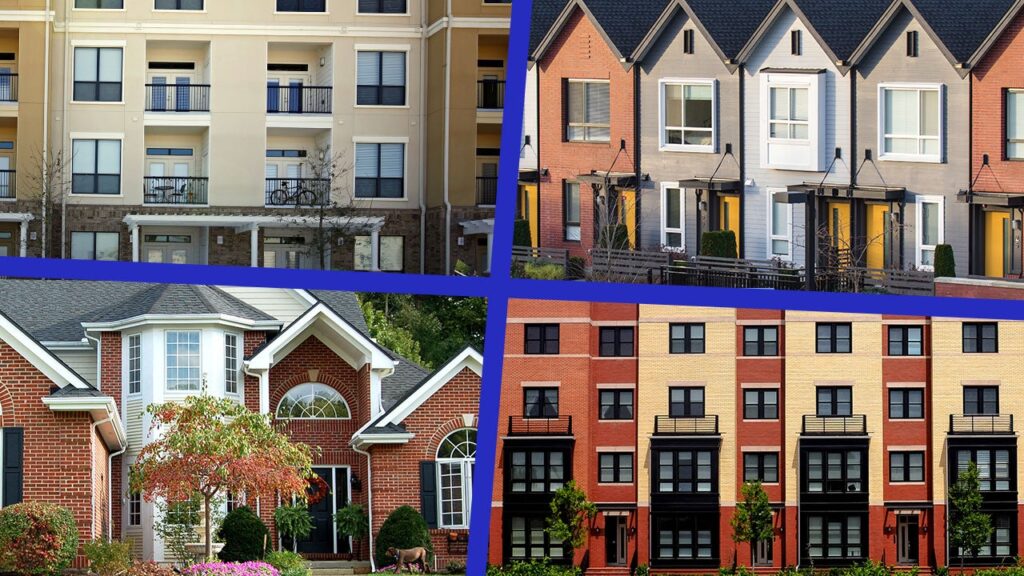
For urban residents, condos often represent a practical balance between affordability and ownership.
Types of Condominiums
One major gap in many articles, and a key ranking opportunity, is explaining condo types.
1. High-Rise Condominiums
Most common in cities.
Features:
Multi-story buildings
Elevators and security
Shared amenities like gyms and pools
Ideal for urban professionals
One common example of High-rise condominiums is Citadel One3 in Islamabad.
2. Townhouse Condominiums
Rows of connected homes sharing walls.
Benefits:
More space than apartments
Community maintenance included
Family-friendly layouts
3. Detached Condominiums
Standalone houses operating under condominium ownership rules.
Owners enjoy:
Private home feel
Shared infrastructure maintenance
Gated community benefits
4. Condominium Hotels (Condo Hotels)
Units owned privately but managed like hotels, allowing rental income opportunities.
How Condominium Ownership Works? | What is a Condominium
Ownership operates through a legal framework dividing responsibility.
What You Own
Interior walls
Flooring and fixtures
Appliances
Living space
What You Share
Roof
Elevators
Parking
Building exterior
Security systems
Owners contribute monthly fees for maintenance through the condominium association.
Costs Associated With Condominiums | What is a Condominium
Buying a condo includes several financial components:
Purchase Price
Usually lower than detached houses in urban locations.
Condominium Fees
Monthly payments covering:
Cleaning
Security
Repairs
Shared utilities
Building management
Maintenance Responsibilities
Owners maintain interior spaces only.
Advantages of Owning a Condominium
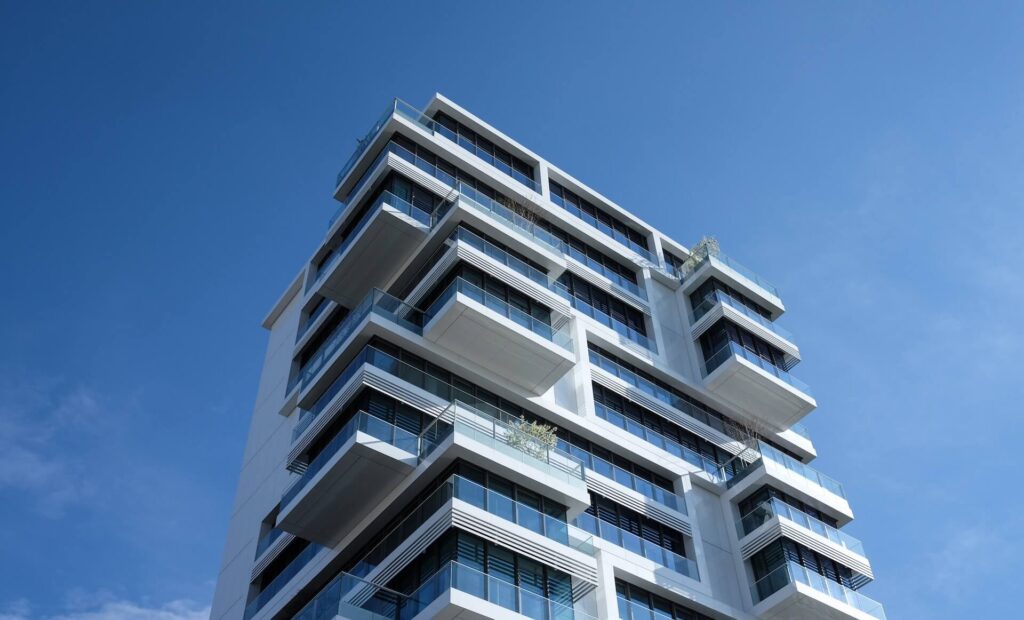
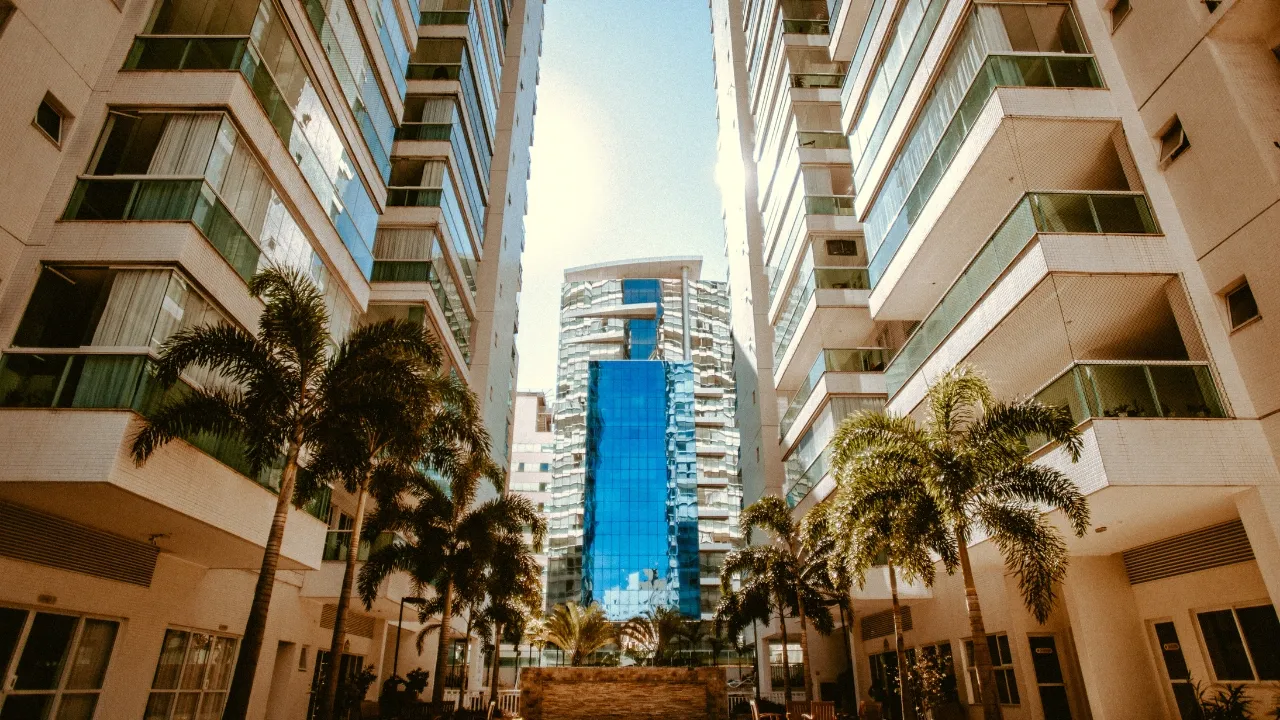
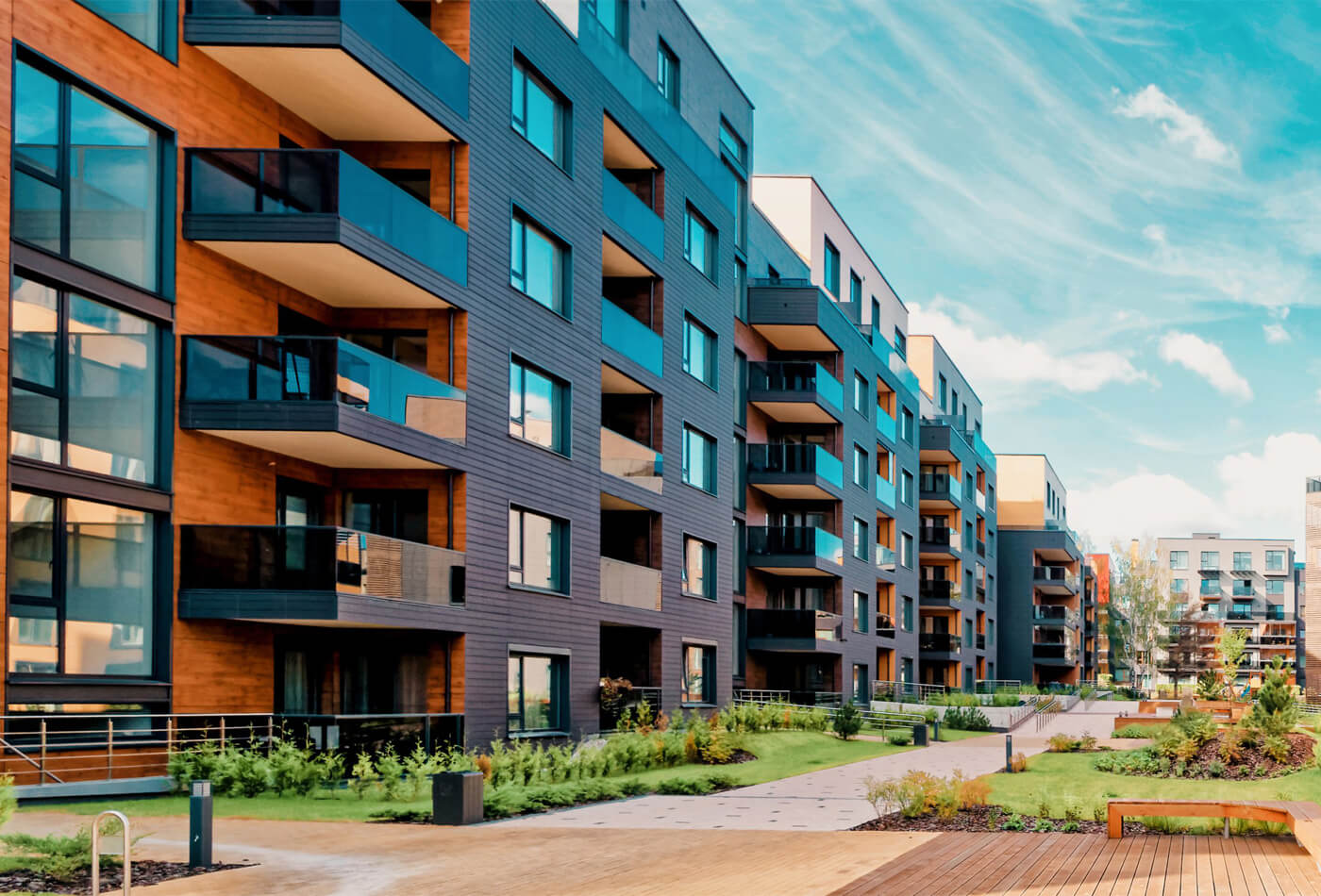
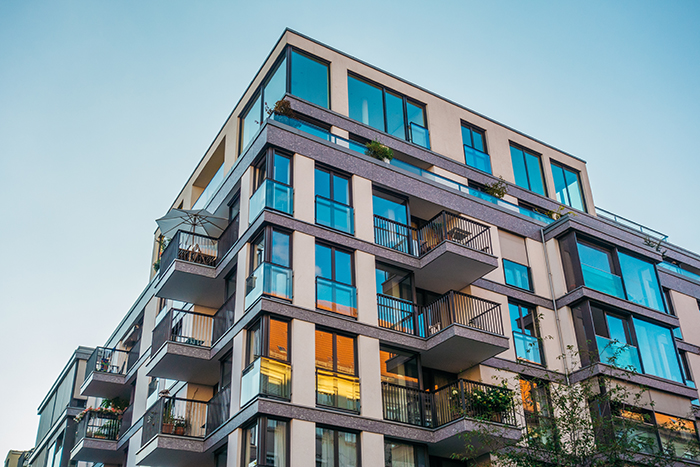
modern corner apartment complex with blue colored windows and light leaks
1. Lower Maintenance Lifestyle
Exterior upkeep is handled collectively.
2. Urban Accessibility
Condos are typically located near business districts and transport hubs.
3. Amenities Access
Pools, gyms, and security become affordable through shared costs.
4. Investment Potential
Urban condos often appreciate due to location demand.
Disadvantages of Condominiums
Monthly association fees
Limited exterior customization
Shared walls reduce privacy
Community rules must be followed
Understanding these trade-offs helps buyers make informed decisions.
Condominiums in Pakistan: A Growing Housing Trend
Most global guides ignore regional markets, but localized relevance strongly improves rankings.
Urban Housing Trends in Pakistan
Cities like:
Karachi,
Lahore,
and Islamabad
are experiencing rapid urbanization. Rising land prices and population density are shifting buyers toward vertical living solutions.
Condominiums offer:
Affordable ownership in city centers
Secure gated communities
Modern amenities are attractive to young professionals
Developers increasingly focus on mixed-use condominium projects combining residential, retail, and office spaces.
Citadel One3 | What is a Condominium
Citadel One3 is an upcoming condominium project designed to introduce modern and community-focused urban living in Pakistan. Planned around contemporary condominium principles, the development aims to combine private ownership with shared amenities and professionally managed common spaces.
Planned Features
The project is expected to offer:
Modern residential condominium units
Secure entry and controlled access
Dedicated parking facilities
Contemporary architectural design
Shared community amenities
Professionally maintained common areas
Location & Lifestyle Benefits
Citadel One3 is being developed to provide convenient access to key urban facilities, including commercial areas, educational institutions, healthcare services, and major transportation routes. The project is designed to support a comfortable lifestyle suited for professionals, families, and investors.
Legal Ownership | What is a Condominium
Although terminology varies, condominium-style ownership exists through apartment ownership laws and cooperative housing regulations.
What Buyers Should Verify
Project approval by local development authorities
Property registration documentation
Developer credibility
Maintenance governance structure
Provincial authorities such as CDA, LDA, and SBCA regulate developments depending on location.
Legal due diligence is essential before purchasing.
Typical Condominium Fees in Pakistani Cities
Fees vary depending on amenities and building quality.
Islamabad
Higher fees due to security and premium facilities.
Karachi
Wide range depending on neighborhood and services.
They may not suit buyers wanting large private land ownership.
How to Find Condominiums for Sale in Pakistan
You can explore available properties through:
Online property portals
Licensed real estate agencies
Developer project launches
Local market research
Always compare projects and verify legal approvals before committing.
Are Condominiums a Good Investment in 2026?
Global housing trends show increasing demand for compact urban living. Pakistan is following a similar path due to:
Rising urban migration
Increasing land costs
Changing lifestyle preferences
Well-located condominiums often provide:
Rental income opportunities
Capital appreciation
Lower maintenance burden compared to houses
Final Thoughts: What is a Condominium?
Understanding what is a condominium helps buyers evaluate one of the fastest-growing housing models worldwide.
A condominium blends ownership with community living, offering affordability, convenience, and modern amenities while reducing maintenance responsibilities.
As Pakistani cities continue expanding vertically, condominiums are likely to become a central part of urban housing solutions.
FAQs | What is a Condominium
The following are some of the FAQs relevant to condominium apartments:
What is a condominium in simple terms?
In simple terms, a condominium is a private property in a shared building or community.
What is the concept of a condominium?
The concept of a condominium is based on the idea of shared ownership. Each owner controls their unit, but the ownership of common areas is shared with other residents.
Why is it called a condo?
The term “condo” comes from condominium, which originates from Latin, meaning shared ownership.
What is meant by condo apartment?
A condo apartment refers to an apartment-style unit within a condominium complex that is owned by an individual rather than rented.
What are the characteristics of a condominium?
Some key characteristics of a condominium include:
Private ownership of residential units
Shared ownership of common areas such as pools, parking, and gardens
Monthly fees for maintenance and common area management
What is the difference between an apartment and a condo?
In an apartment, the entire building is typically owned by a single entity or landlord and rented out to tenants.
In a condo, the individual units are owned by different residents, and common areas are collectively owned and maintained by all the condo owners.
Are apartment and condo the same?
No, an apartment is a rental unit, owned by a landlord or company, while a condominium refers to privately owned units within a shared building or complex.
Is it smarter to get a condo or apartment?
Choosing between a condo and an apartment depends on your personal situation:
Condos are suitable for long-term ownership, investment opportunities, and building equity.
Apartments are more suitable for short-term rentals and flexibility with fewer responsibilities.
Is a condo more luxurious than an apartment?
While luxury depends on the property, condominiums typically offer better amenities than rental apartments, such as pools, gyms, and 24-hour security.
What is the difference between a condominium and a regular house?
A condominium is a type of property where you own a unit but share ownership of common areas such as hallways, parking, and amenities. In contrast, a regular house involves complete ownership of both the structure and the land. Condos typically have shared maintenance costs, while houses do not.
What is a condominium vs townhouse?
A condominium refers to ownership of a unit within a shared building or complex with shared responsibility for common areas. A townhouse, on the other hand, is a specific type of house that shares walls with other units but generally does not have shared amenities like a condo.
What is the difference between a condo and a unit?
A unit is a generic term that refers to any individual living space within a building or complex. A condo is a specific type of unit where ownership is governed by condominium rules.
Is a condo the same as a unit?
Not exactly. While all condos are units, not all units are condos.
What is a condominium house?
A condominium house is typically a standalone or semi-detached home that falls under condominium ownership rules.
What is a condominium complex?
A condominium complex refers to a large development consisting of multiple individually owned units, with shared amenities like gardens, pools, and common areas.
What is a condominium hotel?
A condominium hotel is a hybrid property where owners buy individual units that are operated like a hotel.
What is a condominium act.
The condominium act is a set of legal rules that governs condominium ownership, management, rights, and responsibilities of owners in a particular jurisdiction.
What is a condominium fees?
Condominium fees are monthly charges paid by condo owners to cover the cost of maintaining common areas, services, and amenities such as security, cleaning, and upkeep of shared spaces like lobbies or gardens.
What are the typical monthly fees for a condo?
Monthly condo fees typically vary depending on the size, location, and amenities offered by the building.
What are the typical maintenance fees for condominiums in Islamabad?
In Islamabad, maintenance fees for condominiums vary depending on the project’s location and amenities.
Pros and cons of buying a condominium unit. What is a condominium?
Pros of buying a condominium unit include access to amenities, reduced maintenance responsibilities, and lower costs compared to detached houses.
What are the legal regulations for buying a condominium in Pakistan?
In Pakistan, legal regulations for buying a condominium include ensuring the project is registered with relevant authorities and verifying ownership rights.
Which companies offer condominium listings in major Pakistani cities? What is a condominium?
Real estate agencies and property portals in Pakistan, such as Chakor Ventures offer condominiums in Islamabad like Citadel One3.
How to find available condominium properties for sale. What is a condominium?
You can find available condominium properties for sale by searching on reputable online property platforms, contacting local real estate agents, or checking with developers offering new condo projects.
What does 1 unit mean in housing?
In housing, 1 unit refers to an individual living space within a larger building or community, typically used as a measurement for apartments, condos, or houses in multi-unit developments.
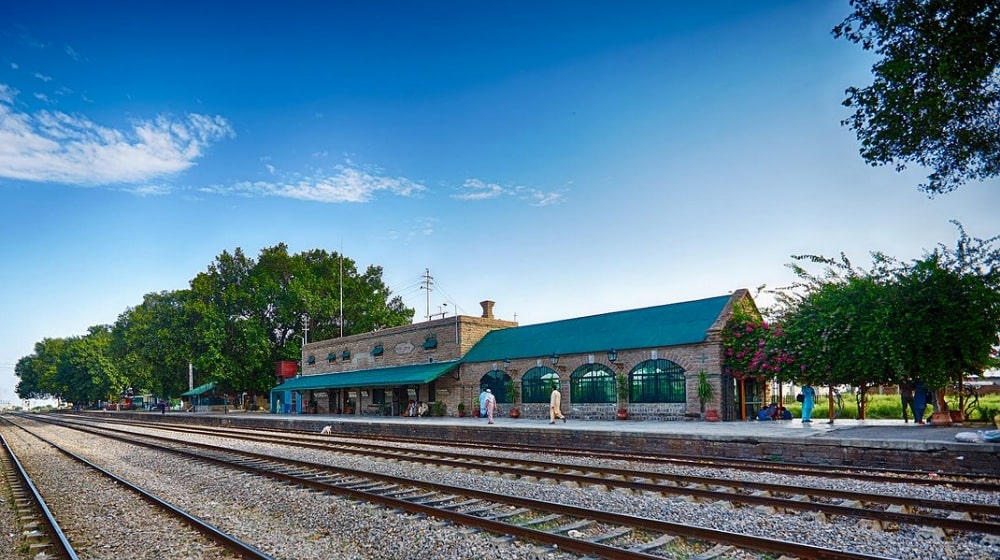
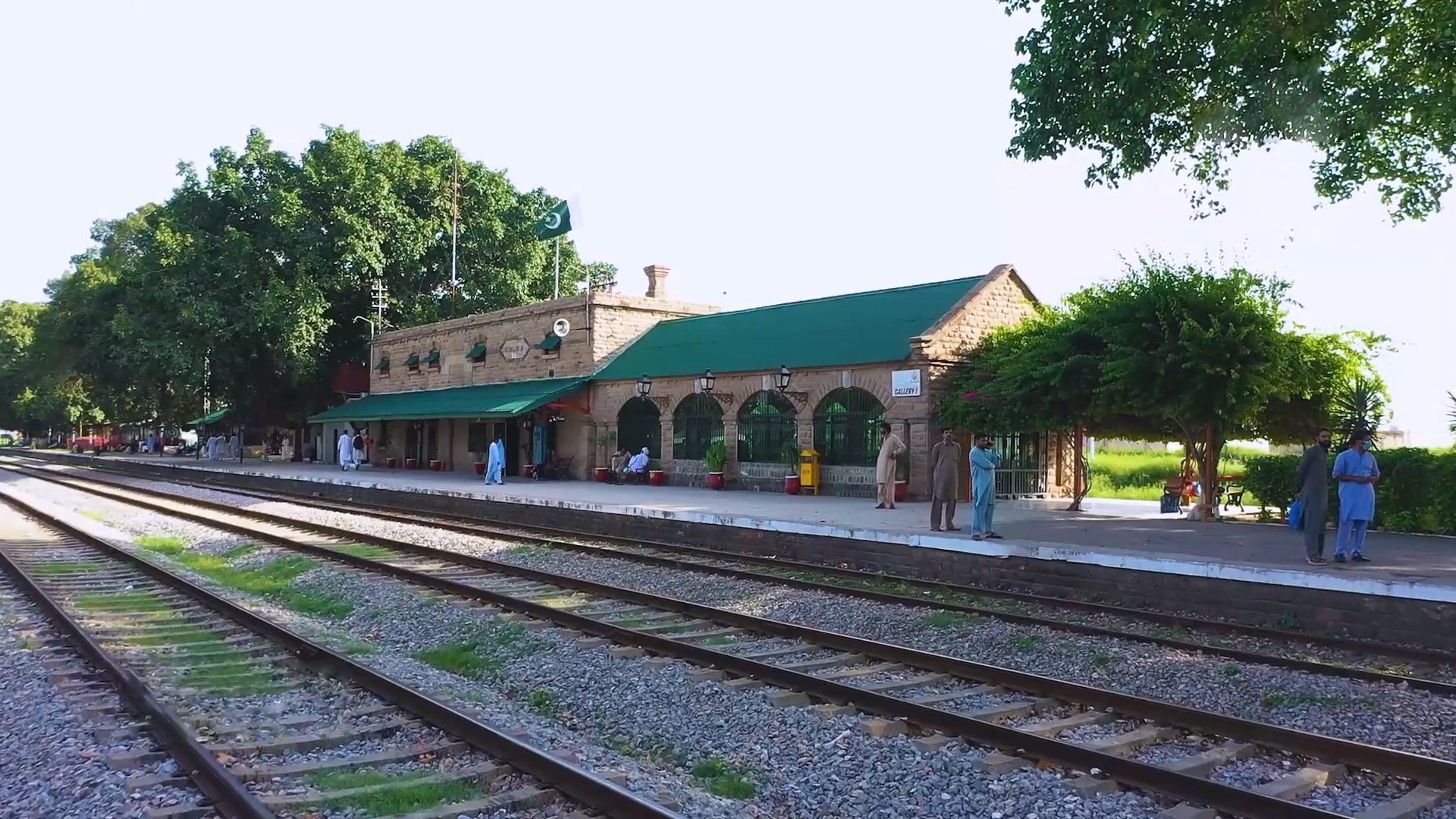
Golra Railway Station, officially known as Golra Sharif Junction Railway Station, is one of Pakistan’s most historically significant railway landmarks. Located on Golra Road in Islamabad, this station dates back to the late 19th century and continues to operate under Pakistan Railways.
What makes Golra Sharif Railway Station unique is its dual identity: it functions as an operational railway junction while also serving as a preserved heritage site through the Golra Sharif Railway Museum.
For travelers searching golra railway station golra road islamabad, railway history enthusiasts, or those looking for the Golra Railway Station contact number, this guide covers everything in depth.
Golra Railway Station, Golra Road Islamabad, is situated in Sector F-13 of Islamabad Capital Territory. Its location near the foothills of the Margalla Hills adds scenic value to the station’s historic presence.
Geographic Highlights
Feature
Details
Road Location
Positioned along Golra Road in Islamabad
Distance from Taxila
Approximately 17 km
Elevation
Around 1,994 feet above sea level
Accessibility
Easily accessible from central Islamabad and surrounding sectors
Because of its strategic location, Golra Sharif Railway Station historically served as a connecting point between northern regions and major railway routes. Today, its placement makes it accessible for tourists exploring Islamabad’s heritage attractions.
When searching online for directions to Golra Railway Station Golra Road Islamabad, mapping platforms recognize it as a major landmark.
Historical Background of Golra Sharif Railway Station
In the following sections, you can find the history of Golra railway station in chronological order.
Construction (1881–1882)
Golra Sharif Railway Station was constructed between 1881 and 1882 during the rapid expansion of railway infrastructure across British India. The late 19th century marked a transformative period in transportation development, and Golra Railway Station became part of that broader railway vision.
The railway system at the time was designed to:
Facilitate trade and commerce
Strengthen administrative control
Improve military logistics
Enhance regional connectivity
Golra Railway Station played a key role in linking northern territories with the main railway network.
Junction Status (1912)
In 1912, Golra Sharif Railway Station was officially upgraded to junction status. This development significantly enhanced its operational importance.
The station connected routes leading toward:
Peshawar
Kohat
Havelian
Multan
Jhelum
Becoming a junction transformed Golra Railway Station from a regional stop into a strategic railway hub. Its integration into the broader north–south railway corridor solidified its position in the region’s transport network.
Even today, this historic transition remains a defining milestone in the station’s legacy.
Architectural Features of Golra Railway Station
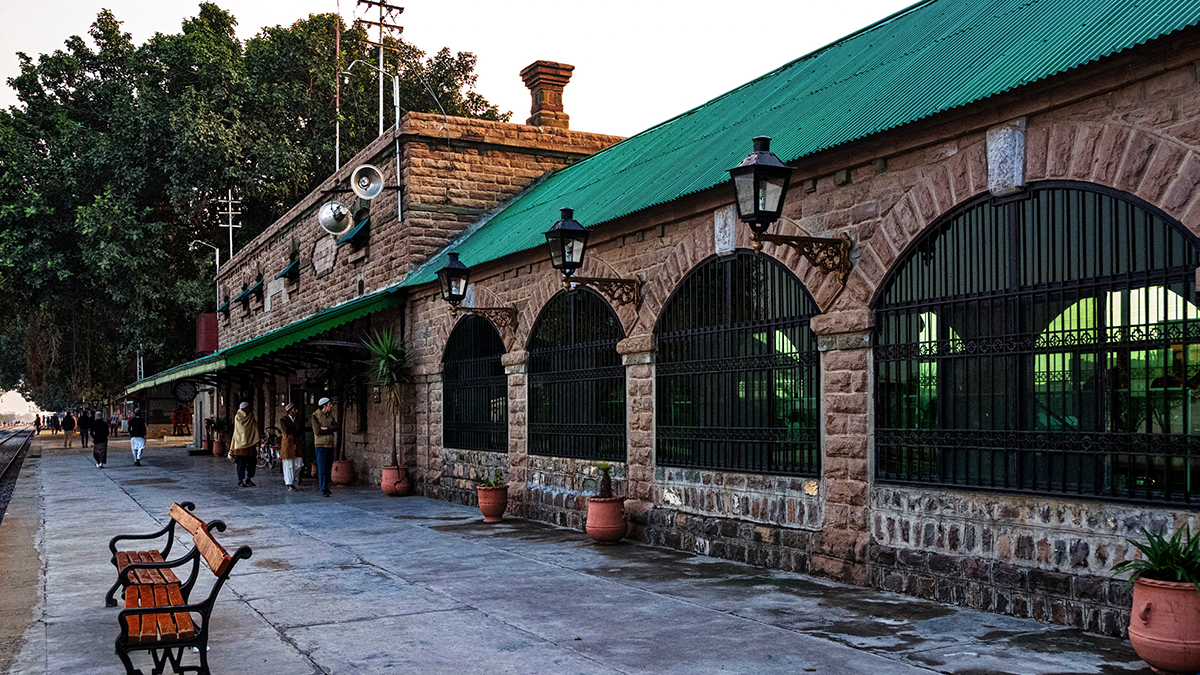
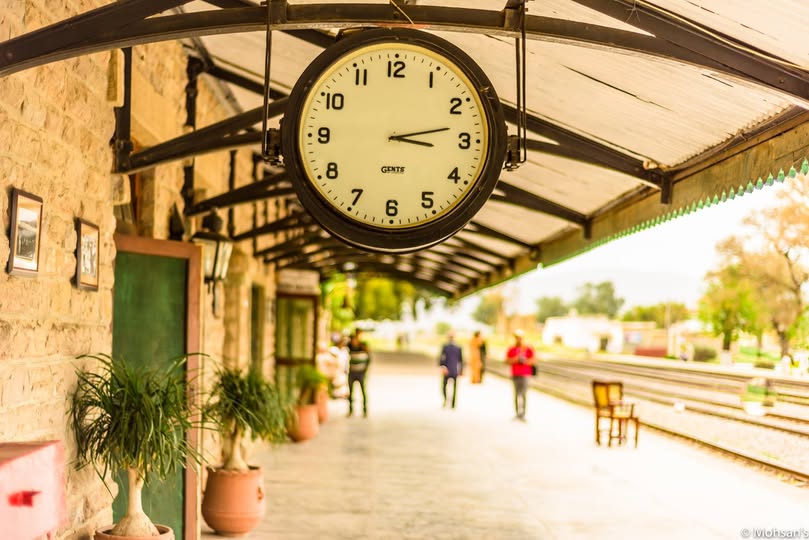
Golra Railway Station is admired for its preserved Victorian-era railway architecture. Unlike many historic stations that underwent extensive modernization, Golra Sharif Railway Station retains much of its original structural identity.
Key Architectural Elements
Yellow sandstone masonry
Thick stone walls for natural insulation
High ceilings for ventilation
Arched doors and windows
Spacious hall-style waiting rooms
Symmetrical colonial façade
The design reflects British-era railway construction standards, emphasizing durability and climate adaptation. The use of stone rather than brick adds to the building’s visual and structural longevity.
For visitors exploring Golra Railway Station Golra Road Islamabad, the architecture alone makes it worth a visit.
Operational Role of Golra Railway Station Today
Despite its historical roots, Golra Railway Station remains an operational railway facility. It continues to function under Pakistan Railways and forms part of the country’s primary north–south railway corridor.
Modern Operational Highlights
Functions as a junction station
Serves passenger and freight trains
Part of the main railway alignment connecting major cities
Listed in railway schedules and directories
While it may not be the busiest station in Islamabad, Golra Sharif Railway Station continues to support regional connectivity. Its continued operation enhances its authenticity as a living heritage site rather than a static monument.
Golra Sharif Railway Museum – Preserving Railway Heritage
Established in 2003, the Golra Sharif Railway Museum is one of Pakistan’s most important railway heritage initiatives. Located within the premises of Golra Railway Station, it preserves over 150 years of railway history.
The museum transforms Golra Sharif Railway Station from a transportation hub into a comprehensive historical experience.
Museum Exhibits and Collections
The museum houses an extensive collection of railway artifacts, including:
Vintage steam locomotives
Historic passenger coaches
Colonial-era saloon cars
Mechanical signaling systems
Telegraph and communication equipment
Antique railway furniture
Dining crockery used in railway services
Archival photographs and documents
Some preserved saloon cars are historically linked to prominent figures such as Muhammad Ali Jinnah.
The outdoor locomotive displays are particularly popular among visitors and photographers, offering a rare glimpse into early railway engineering.
Renovation and Preservation Efforts
Over the years, Golra Railway Station has undergone restoration and preservation efforts to maintain its structural integrity and visitor appeal.
Renovation initiatives have focused on:
Strengthening original stone structures
Improving station facilities
Enhancing museum presentation
Preserving architectural authenticity
These efforts ensure that Golra Sharif Railway Station continues to serve both operational and heritage purposes.
The careful balance between modernization and preservation makes Golra Railway Station a model for railway heritage conservation.
Cultural Significance
Golra Railway Station is located near the historic town of Golra Sharif, known for the shrine of Pir Meher Ali Shah.
This proximity enhances the cultural and spiritual importance of the area. Visitors exploring Golra Sharif Railway Station often combine their visit with nearby cultural landmarks.
The blend of colonial railway history and spiritual heritage creates a layered historical landscape unique to this part of Islamabad.
Tourism Experience at Golra Railway Station
Golra Railway Station attracts:
Railway enthusiasts
Students and researchers
Photographers
Families
Domestic tourists
The experience of walking through a functioning historic railway station adds depth to a typical museum visit. Unlike conventional museums, Golra Sharif Railway Station allows visitors to witness real-time railway activity alongside preserved heritage displays.
Searching for golra railway station golra road islamabad often leads travelers to discover this unique combination of transport and history.
Golra Railway Station Contact Number & Visitor Information
Online search queries frequently include:
Golra Railway Station contact number
Train timings
Museum visiting hours
Directions to Golra Sharif Railway Station
For the most accurate and updated Golra Railway Station contact number, visitors should consult official railway inquiry services. Since operational details can change, confirming directly with the railway authorities ensures reliable information.
Travelers planning to visit Golra Railway Station Golra Road Islamabad are encouraged to verify train schedules and museum timings in advance.
Why Golra Railway Station Remains Important
Golra Railway Station continues to hold significance because it:
Dates back to the early 1880s
Became a junction in 1912
Preserves colonial architecture
Remains operational today
Houses Golra Sharif Railway Museum
Attracts cultural and heritage tourism
Few railway stations in Pakistan successfully combine active railway operations with preserved historic identity. Golra Sharif Railway Station stands out as a rare example of continuity between past and present.
Conclusion
Golra Railway Station represents more than a transportation facility; it reflects over a century of railway history, architectural heritage, and cultural evolution.
Whether searched as Golra Sharif Railway Station, golra railway station golra road islamabad, or by those looking for the Golra Railway Station contact number, it remains one of Islamabad’s most significant railway landmarks.
From its colonial origins in the 19th century to its continued role under Pakistan Railways, Golra Railway Station embodies the enduring legacy of railway infrastructure in the region.
ISLAMABAD: Authorities have announced a comprehensive traffic management plan in connection with the construction of a new underpass at Margalla Enclave on Park Road in Islamabad. The diversion strategy aims to regulate vehicular movement and minimize congestion during the development phase.
According to the advisory, vehicles traveling from Rawal Dam Chowk toward Taramari will be redirected via NIH Road and will rejoin Park Road through Mohra Noor. Meanwhile, traffic moving from Taramari toward Rawal Dam Chowk will be diverted near Chai Khana, passing through the CDA Nursery area and two temporary access roads before merging back onto Park Road.
Motorists have been advised to consider alternative routes, including Lehtrar Road, Khanna Pul, and the Islamabad Expressway, to avoid delays near the construction site. Officials have cautioned that the area is likely to experience increased traffic pressure, particularly during peak hours, and commuters are encouraged to allow an additional 20 to 30 minutes for travel.
Islamabad Police personnel will remain deployed along affected stretches to assist drivers and ensure the orderly movement of vehicles. The traffic management measures will remain in place for the duration of the construction work.
The underpass project forms part of ongoing infrastructure development efforts aimed at improving traffic flow along Park Road, a key corridor connecting residential and commercial areas of the capital. Authorities have urged the public to cooperate with traffic officials and adhere to the designated diversion routes to maintain smooth traffic operations during the construction period.
ISLAMABAD: The Executive Committee of the National Economic Council (ECNEC) has given the green light to four public sector development projects with a total estimated cost exceeding Rs240 billion. The approvals were granted during a meeting chaired by Deputy Prime Minister Ishaq Dar, according to an official release.
One of the key initiatives involves expanding cardiac care facilities at a major medical institute in Rawalpindi, aimed at strengthening specialised healthcare services and increasing treatment capacity.
The committee also approved a nationwide youth-focused skills programme intended to enhance vocational and technical training opportunities. The initiative is designed to equip young people with market-relevant skills to improve employability.
In the transport sector, ECNEC endorsed the development of a new bus rapid transit corridor in Karachi. The project is expected to support urban mobility by providing an organised public transport system along a key route in the city.
Additionally, a hydropower project with a planned generation capacity of 34.5 megawatts in Gilgit-Baltistan received approval. The scheme is expected to contribute to regional electricity supply and support local infrastructure development.
The meeting was attended by federal and provincial officials, including representatives from finance, planning, water resources, defence, and technical training institutions. The approved projects span multiple sectors, reflecting ongoing efforts to address infrastructure, energy, healthcare, and workforce development needs through public investment.