
Every great financial decision begins with the right information. At Chakor, our Investment section is your comprehensive resource for opportunities, analysis, and insight spanning real estate, infrastructure, emerging markets, and beyond.
Whether you are a first-time investor or a seasoned portfolio builder, we bring you the depth of knowledge and the quality of opportunities needed to grow your wealth with purpose and confidence.
Global gold and silver markets experienced a sharp reversal after a historic price rally earlier this week, erasing roughly $3.4 trillion in market value as investors rushed to take profits and reduce exposure to volatile assets.
Precious metals had surged to unprecedented levels in recent sessions, with gold approaching around $5,600 per ounce and silver crossing above $120 per ounce, benchmarks rarely seen outside exceptional market conditions. However, a broad sell-off in major equities, particularly in U.S. technology and artificial intelligence sectors, dampened risk sentiment and triggered significant declines in commodity trading.
Gold prices fell sharply from their record peak, retreating by nearly $500 per ounce in recent trading. Silver also surrendered gains, sliding after reaching new highs that had drawn speculative interest from investors seeking safe-haven assets amid global uncertainty.
Analysts note that the steep drop highlights how rapidly prices can adjust after an intense surge driven by speculative inflows. Bullion markets, which saw unprecedented turnover and record trading volumes in the weeks leading up to the retreat, reacted sensitively to shifts in broader financial markets as traders recalibrated positions and exited volatile holdings.
Despite the recent pullback, longer-term factors such as geopolitical tensions, inflationary pressures, and ongoing central bank purchases continue to lend structural support to gold and silver. Still, the swift reversal serves as a reminder that even traditionally defensive assets can experience dramatic price swings when market sentiment shifts.
Investors are watching closely to see whether the latest correction signals a temporary pullback or the beginning of a wider recalibration in precious metals markets.
BBC-featured Content Specialist with a sharp eye for search intent and a proven ability to turn content into a growth engine. I leverage cutting-edge digital marketing tools to craft strategies that fuel organic traffic, amplify brand growth, and own the local SEO landscape, particularly across the competitive real estate market. I help brands dominate search rankings and convert visibility into measurable business success.
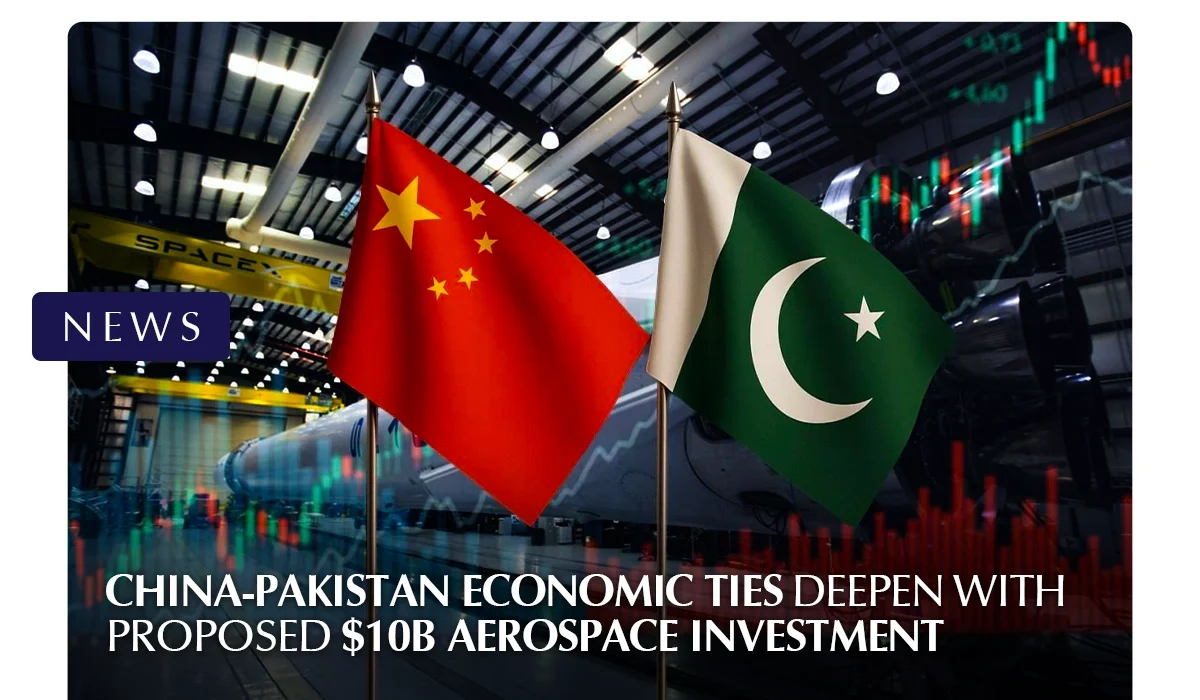
ISLAMABAD: Pakistan and Russia have agreed on a target year of 2027 to begin reconstruction and expansion work on the long-inactive Pakistan Steel Mills (PSM). This timeline was outlined during a review session, where officials shared plans to move the stalled revival project toward implementation.Â
The next major milestone for the project will be the signing of a formal Engineering, Procurement and Construction (EPC) contract with the Russian side, after which physical work on the mill’s rehabilitation is expected to commence. An EPC agreement is being drafted to ensure the project’s financial viability and readiness for execution.
Progress toward the revival has been ongoing since late 2025, when Pakistan and Russia formalised cooperation through a protocol aimed at rehabilitating and modernising the steel complex. As part of preparatory efforts, a Russian engineering firm conducted a technical audit of the mill and evaluated its assets, which are currently estimated to have a book value of roughly Rs. 139 million.
During discussions, lawmakers also raised legacy issues related to past disputes, including disagreements over gas supply contracts with a former operating partner. The session also addressed the status of shareholdings at the mill: the majority stakeholder has divested most of his equity, while a remaining small share cannot be transferred without regulatory approval. Government authorities retain the right to seize these shares if contractual obligations remain unmet.
The agreed 2027 timeline reflects renewed cooperation between Pakistan and Russia to restart operations at Pakistan Steel Mills, which remains one of the country’s largest industrial assets and a key component of its heavy industry sector.
BBC-featured Content Specialist with a sharp eye for search intent and a proven ability to turn content into a growth engine. I leverage cutting-edge digital marketing tools to craft strategies that fuel organic traffic, amplify brand growth, and own the local SEO landscape, particularly across the competitive real estate market. I help brands dominate search rankings and convert visibility into measurable business success.

KARACHI: In a significant development, the price of 24-karat gold in Pakistan surged to Rs. 506,362 per tola, reaching an all-time high, following a sharp increase in international prices. Gold prices rose by $127 per ounce in global markets, reaching $4,840 per ounce, driven by geopolitical tensions, trade wars, and investment movements.
On Wednesday, the domestic gold price rose by Rs. 12,700 per tola, adding further pressure on buyers, especially during the peak wedding season. Investors, however, are showing optimism, with gold emerging as the leading asset in returns, outpacing stocks. As of January 1, gold prices have surged by Rs. 232,762 per tola, following a $2,216 per ounce rise in the international market.
Meanwhile, silver prices also saw a significant rise. The one-tola silver rate reached Rs. 9,933, up by Rs. 64 per ounce, while the 10-gram silver rate climbed to Rs. 8,515. Due to high demand, silver is now being sold at a premium, ranging between Rs. 13,500–14,000 per tola in local markets.
Despite high demand for both metals, gold remains in abundant supply in Pakistan, with investors leading market trends, while jewellery buyers appear less active. Market rates vary, with jewellery shops offering slightly lower prices than official rates, mainly influenced by demand and supply dynamics.
BBC-featured Content Specialist with a sharp eye for search intent and a proven ability to turn content into a growth engine. I leverage cutting-edge digital marketing tools to craft strategies that fuel organic traffic, amplify brand growth, and own the local SEO landscape, particularly across the competitive real estate market. I help brands dominate search rankings and convert visibility into measurable business success.
Islamabad, Pakistan’s capital, is a rapidly developing city with robust real estate opportunities. The city’s well-planned infrastructure, modern amenities, and strategic location make it an attractive option for real estate investment. With the population growing and demand for residential and commercial spaces increasing, Islamabad’s real estate market is poised for consistent growth. In this guide, we’ll explore the best places to invest in Islamabad in 2025, from established areas with high potential to up-and-coming developments that promise long-term value. Let’s dive into the details.
Premium location in Blue Area; commercial real estate hub, mixed-use development, high rental yields, CDA-approved, modern amenities, prime for corporate and retail tenants.
Smart city technology, cutting-edge infrastructure, good connectivity, significant appreciation potential, ideal for long-term growth.
Citadel 7 | Best Places to Invest in Islamabad
If you’re considering diversifying into commercial real estate in Islamabad, Citadel 7 offers a lucrative opportunity that combines corporate offices and a retail mall, all housed in a modern, state-of-the-art building.Â
Located in the heart of Islamabad’s most prestigious commercial district, the Blue Area, this development is positioned as a premium investment option for both corporate tenants and retail investors.
Prime Location & Strategic Positioning
Citadel 7 is strategically located on Jinnah Avenue, Islamabad’s most prominent commercial corridor. Its proximity to key landmarks like The Centaurus Mall and PIMS Hospital ensures high visibility and accessibility, making it a new retail landmark in Islamabad.
The location is also well-connected to major transport routes and business hubs, making it a prime choice for businesses and investors seeking best area to invest in Islamabad.
Being situated within walking distance of government offices and commercial spaces, Citadel 7 offers great convenience for both tenants and customers. This central positioning ensures constant demand, whether for office spaces or retail outlets.
What does Citadel 7 offer?
Here is a list of offerings by Citadel 7:
Corporate Offices
Citadel 7 features 14 floors of corporate office spaces, designed with modern architecture and high-end amenities. These office suites provide panoramic views of the city and are designed to cater to businesses of various sizes.
Spacious and flexible office layouts, ideal for companies in finance, tech, consultancy, or multinational corporations.
Smart building technologies with high-speed internet, energy-efficient systems, and integrated building management systems.
Premium facilities such as advanced HVAC systems, 24/7 security, and backup power solutions ensure smooth business operations.
These offices make Citadel 7 a sought-after location for corporate headquarters and a hub for professional services, guaranteeing a steady stream of potential tenants.
Citadel 7 Retail & Food Court
The 5 floors of Citadel 7 retail spaces are another highlight of Citadel 7, featuring a curated retail mall that is set to become one of Islamabad’s top shopping destinations. With its upscale ambience and high foot traffic, the retail spaces are ideal for international brands, lifestyle stores, and restaurants.Â
The food court offers a diverse dining experience, attracting shoppers and office workers alike. This combination of high-end retail and casual dining creates a dynamic shopping environment, ensuring that Citadel 7 becomes a go-to spot for both leisure and business.
Parking & Support Facilities
Citadel 7 offers ample parking space with 4 levels of basement parking, ensuring that tenants and visitors will have hassle-free access to the building. The parking facilities are equipped with smart digital systems, making it easy to navigate and secure.Â
Other amenities include separate entrances for office and retail visitors, high-speed elevators, and smart parking systems, all of which contribute to an enhanced experience for both business owners and customers.
Investment Highlights & ROI Potential
Citadel 7 stands out as a high-potential commercial investment for several reasons:
Location: Situated in the Blue Area, the most commercially active area of Islamabad, ensuring constant demand for both office and retail spaces.
Mixed-Use Development: The combination of corporate offices and retail spaces offers diversified revenue streams, making it a balanced investment.
Steady Rental Income: With its strategic location, Citadel 7 guarantees a high footfall and, therefore, a consistent rental yield. Both office spaces and retail outlets are expected to generate strong demand.
CDA-Approved Project: The development is CDA-approved, ensuring legal security and confidence for investors.
Investors can expect high returns from leasing both office spaces and retail units. The location, combined with the premium facilities and unique design, ensures that Citadel 7 will continue to appreciate in value.
Why Citadel 7 Stands Out in 2025
Citadel 7 is not just another office tower; it’s a symbol of modern commercial real estate development in Islamabad. Offering a high-quality working environment and premium retail experiences, it’s set to become a landmark in Islamabad’s commercial landscape.
For those looking to invest in commercial real estate in Islamabad, Citadel 7 offers a smart investment choice that promises long-term growth, capital appreciation, and diverse revenue options.
Whether you’re looking for corporate office space or retail units, this development presents an exceptional opportunity to be part of a modern, thriving business hub in Islamabad.
1. DHA Islamabad – Best Places to Invest in Islamabad
The Defence Housing Authority (DHA) is one of the most renowned and sought-after real estate projects in Islamabad. It has built a reputation for being an exclusive, high-value residential and commercial hub, making it an attractive investment opportunity in real estate.
Why Invest in DHA?
World-Class Infrastructure: DHA is known for its high standard of living with modern amenities, gated communities, and excellent roads.
Security and Lifestyle: Residents enjoy a secure, luxurious lifestyle with parks, schools, hospitals, shopping malls, and sports facilities.
Historical Price Appreciation: DHA Islamabad has consistently witnessed upward price trends over the years, offering both long-term capital gains and steady rental income.
Phases to Invest In:
Phases 2 and 3 are the most popular for residential properties and offer high demand.
Phase 5 is also gaining momentum for future investments.
DHA Valley offers more affordable options but has great potential for future returns due to its prime location and upcoming developments.
2. Bahria Town Islamabad – Best Places to Invest in Islamabad
Bahria Town is one of the most renowned private housing societies in Pakistan, and its Islamabad project is no exception. Known for its state-of-the-art planning and top-tier amenities, Bahria Town attracts investors due to its potential for high returns.
Why Invest in Bahria Town?
Master-Planned Community: Bahria Town offers residential and commercial plots, along with schools, hospitals, shopping malls, and recreational facilities.
Multiple Phases with Various Entry Points: With several phases, you can find plots that suit your budget. Investors often target Bahria Enclave for high-end residential properties due to its luxurious amenities and exclusive environment.
Strong Rental Yield: Due to the amenities and growing demand, rental properties in Bahria Town offer attractive yields.
Easy Access: Bahria Town is strategically located near major expressways and well connected to key parts of Islamabad, making it one of the best places to invest in Islamabad.
Best Areas to Invest in Islamabad Within Bahria Town:
Bahria Enclave
Bahria Town Phase 8
Bahria Town Phase 7
3. Gulberg Islamabad – Best Places to Invest in Islamabad
Gulberg Islamabad is one of the most prominent and fast-developing sectors in the city. It is a highly planned area that caters to those seeking a balance between luxury and affordability. Hence, making it one of the best places to invest in Islamabad.
Why Invest in Gulberg Islamabad?
Modern Infrastructure: Gulberg offers cutting-edge amenities and is developed with international standards in mind.
Green & Sustainable Living: Known for its eco-friendly environment, Gulberg Greens offers a unique living experience with green belts and abundant open spaces.
Growing Popularity: It is located just off the Islamabad Expressway, which is one of the city’s busiest roads, ensuring easy connectivity.
High Demand for Properties: Due to its strategic location, Gulberg is becoming one of the city’s most desirable areas. Investors can expect rising property values and rental income from well-developed residential and commercial areas.
Key Areas to Invest in Islamabad Within Gulberg:
Gulberg Residencia (Residential Area)
Gulberg Greens (For luxurious villas and farmhouses)
4. Sector B-17 (MPCHS) – Best Places to Invest in Islamabad
Sector B-17, developed under the Multi-Professional Cooperative Housing Society (MPCHS), is an affordable yet highly attractive real estate option to invest in some of the best places to invest in Islamabad. It offers significant value for money compared to many other areas in Islamabad.
Why Invest in Sector B-17: One of the Best Places to Invest in Islamabad?
Affordability: With lower property prices compared to high-end areas like DHA and Bahria Town, Sector B-17 offers an entry point for budget-conscious investors looking for a long-term return on one of the best places to invest in Islamabad.
Promising Development: Sector B-17 is continuously evolving, with infrastructure development underway, making it one of the best places to invest in Islamabad.
Proximity to Major Roads: It’s located near Islamabad’s main routes like the M1 motorway and Islamabad Expressway, ensuring convenient access to the city.
5. Sector G and Central Urban Areas – Best Places to Invest in Islamabad
While newer housing schemes have gained attention, Islamabad’s central sectors like G-11, G-12, F-11, and I-8 still hold substantial appeal due to their long-term rental potential. Hence, making them some of the best places to invest in Islamabad.
Why Invest in Central Sectors?
Proximity to City Centres: These sectors are close to Islamabad’s major commercial hubs, making them ideal for rental income.
Established Demand: High demand from both expatriates and locals for well-established residential properties ensures high resale value.
Solid Infrastructure: Full infrastructure, with schools, parks, hospitals, and commercial centres, ensures long-term sustainability.
Conclusion | Best Places to Invest in Islamabad
Islamabad’s real estate market is evolving, and with it, the opportunities to invest in the best places to invest in Islamabad for smart investors. Whether you are looking for luxury living, affordable options, or a long-term investment strategy, there is something for everyone in the capital. From established giants to the exciting Citadel 7 project, 2025 is shaping up to be a promising year for best places to invest in Islamabad.Â
BBC-featured Content Specialist with a sharp eye for search intent and a proven ability to turn content into a growth engine. I leverage cutting-edge digital marketing tools to craft strategies that fuel organic traffic, amplify brand growth, and own the local SEO landscape, particularly across the competitive real estate market. I help brands dominate search rankings and convert visibility into measurable business success.

Islamabad has steadily positioned itself as one of Pakistan’s most secure and profitable destinations for real estate investors. With rapid urbanization, increasing commercial activity, and a rising demand for premium shopping and business spaces, retail investment in Islamabad has become a top choice for both local and overseas investors. If you are planning to invest in Islamabad, retail real estate offers unmatched advantages in terms of rental yields, long-term capital appreciation, and portfolio stability.
From iconic commercial corridors like Blue Area to emerging hubs such as Gulberg Islamabad, DHA, and Bahria Town, the city provides diverse opportunities for every investment scale. This comprehensive guide explores the best retail investment in Islamabad, high-performing locations, property types, and why premium mall developments—especially Citadel – Best Shopping Mall in Islamabad—are redefining commercial ROI in the capital.
Why You Should Invest in Islamabad’s Retail Real Estate Market
Islamabad’s planned infrastructure, strong governance, and expanding consumer base make it a uniquely resilient real estate market. Unlike speculative cities, investment in Islamabad is driven by real demand, particularly in the retail and commercial sector.
Key Reasons to Invest in Islamabad
High commercial ROI Islamabad with rental yields up to 12% annually
Consistent demand for modern retail and shopping mall spaces
Rising purchasing power and urban population growth
Strong presence of corporate offices, hospitals, and institutions
Increasing preference for organized retail and mall culture
Secure and regulated market under CDA oversight
For investors seeking predictable income with long-term growth, retail investment Islamabad offers an ideal balance of safety and profitability.
The retail landscape in Islamabad has evolved significantly over the last decade. Consumers now prefer shopping malls, mixed-use developments, and destination-based retail experiences rather than traditional markets.
Key trends include:
Growth of high-end mall investment
Increased demand for food courts and lifestyle destinations
Corporate-driven retail leasing
Preference for centrally located commercial hubs
Expansion of mixed-use retail and office projects
These trends strongly support long-term returns for investors looking to invest in Islamabad strategically.
Best Place to Invest in Islamabad for Retail & Commercial ROI
Choosing the right location is critical for maximizing returns. Below are the most promising retail investment zones in Islamabad.
Blue Area – Islamabad’s Prime Commercial & Retail Hub
Blue Area is the heart of Islamabad’s commercial activity and remains the best place to invest in Islamabad for retail real estate. Located along Jinnah Avenue, it connects major government institutions, corporate headquarters, hospitals, and luxury residential sectors.
Why Blue Area Is the Best Investment in Islamabad
Highest foot traffic in the city
Premium corporate and retail tenants
Strong rental demand year-round
Excellent connectivity and visibility
Proven long-term capital appreciation
Retail units and shopping malls in Blue Area command premium rents, making it the most secure zone for commercial ROI Islamabad.
Citadel 7 Mall – The Best Retail Investment in Islamabad
When investors look to invest in Islamabad, one name is rapidly redefining premium retail real estate—Citadel 7 Mall. Positioned in the heart of the capital’s most powerful commercial corridor, this next-generation shopping destination is more than a mall; it is a strategically engineered asset designed for high commercial ROI.
As demand for organized retail and luxury shopping experiences continues to rise, Citadel 7 Mall stands out as the best real estate investment in Islamabad, offering unmatched visibility, strong rental potential, and long-term capital appreciation.
A New Retail Landmark in Blue Area
Location defines retail success, and Citadel 7 Mall excels on this front.
Situated in Blue Area, Islamabad, the project enjoys a prime corner location at the intersection of Jinnah Avenue, directly opposite Centaurus Mall and adjacent to PIMS Hospital. This places the mall at the crossroads of corporate activity, healthcare, residential zones, and daily commuter traffic—ensuring exceptional footfall throughout the day.
This strategic positioning alone makes Citadel 7 Mall investment benefits far superior to conventional retail projects in Islamabad.
Project Overview at a Glance
Citadel 7 Mall has been carefully curated to meet the evolving needs of modern retail brands and investors.
Starting Price: PKR 160,000 per sq. ft.
Completion Timeline:December 2026
Exclusive Investor Offer:3-Year Leasing Agreement
Retail Configuration:4 premium retail floors
Lifestyle Highlight: A spacious, upscale food court designed to attract affluent visitors and extend dwell time
Each component is designed to maximize tenant performance and deliver sustainable rental income.
Why Citadel 7 Mall Is the Best Investment in Islamabad
Citadel 7 Mall is not a speculative development—it is a purpose-built commercial asset created to perform in Islamabad’s most competitive retail market.
Every architectural and functional element focuses on foot traffic optimization, brand visibility, and tenant satisfaction, ensuring consistent rental demand and minimized vacancy risk.
Key Investment Advantages
✔ Prime Blue Area address with year-round commercial demand ✔ High rental yields supported by premium tenants ✔ Strong capital appreciation potential due to limited supply in Blue Area ✔ Ideal for national & international brands ✔ Investor-friendly pricing and installment plan
For investors seeking a secure and profitable way to invest in Islamabad, Citadel 7 Mall delivers a rare blend of luxury, stability, and long-term financial growth.
World-Class Amenities That Elevate Retail Performance
Citadel 7 Mall sets new benchmarks for retail infrastructure by offering future-ready amenities that enhance both customer experience and operational efficiency.
1200+ Smart Car Parking Spaces for seamless access
24/7 Backup Power System to ensure uninterrupted business
High-Speed Internet & Full Mobile Coverage
Secure Entry and Exit Points for controlled access
Professional Building Maintenance & Management
EV Charging Stations supporting sustainable mobility
High-Speed Escalators for smooth circulation
Advanced Firefighting & Safety Systems
Smart VRF & HVAC Climate Control
BMS (Building Management System) for intelligent operations
Advanced Facade Design enhancing visual appeal
24/7 CCTV Surveillance for maximum security
These amenities not only enhance shopper comfort but also increase tenant retention and long-term rental sustainability.
Flexible Payment Plan – Invest in Islamabad with Confidence
Citadel 7 Mall offers a carefully structured payment plan that allows investors to secure a premium retail asset without financial strain.
Investor-Friendly Installment Plan
40% on Booking
12.5% – 15 March 2026
12.5% – 15 June 2026
12.5% – 15 September 2026
12.5% – 15 December 2026
10% on Possession
This flexible structure enables smart cash-flow management while locking in a high-performing retail investment in Islamabad.
DHA Islamabad & Bahria Town – Secure Retail Investments
DHA Islamabad and Bahria Town are among the most trusted names for investment in Islamabad. These master-planned communities offer strong retail demand due to high population density and controlled development.
Investment Benefits
Gated and secure environments
Continuous commercial expansion
Strong foot traffic from residents
Stable rental income
Long-term appreciation
Retail plazas and shopping centers in these areas remain a solid choice for conservative investors.
Gulberg Islamabad
Gulberg Islamabad is fast becoming a preferred destination for investors seeking early-stage growth opportunities. Compared to central sectors, Gulberg offers relatively lower entry prices with strong appreciation potential.
Why Gulberg Is a Smart Choice
Strategic access to Islamabad Expressway
Modern infrastructure
Rapid commercial development
Increasing brand presence
High future demand
For investors aiming to invest in Islamabad with medium- to long-term vision, Gulberg Islamabad is a compelling option.
Faisal Town & Faisal Hills
Faisal Town and Faisal Hills are developing rapidly due to affordable prices and flexible payment plans. These areas are ideal for investors targeting future growth.
Key advantages include:
Growing residential population
Affordable retail units
Increasing demand for daily-use businesses
Strong appreciation outlook
G-15 & B-17
These sectors are suitable for small to mid-scale investors looking for cost-effective retail properties.
Best suited for:
Pharmacies
Salons
Grocery stores
Clinics
Service-based businesses
They offer steady rental income with lower capital requirements.
Types of Retail Properties to Invest in Islamabad
Islamabad offers diverse retail investment options depending on budget and strategy:
Retail Shops
Ideal for immediate rental income in malls and commercial centers.
Commercial Plots
Best for investors looking to develop custom retail plazas.
Mixed-Use Mall & Office Spaces
Projects like Citadel 7 Mall maximize foot traffic and tenant diversity.
Key Considerations Before You Invest in Islamabad
Before making a retail investment, consider the following:
Market Research: Location demand and rental trends
Legal Verification: CDA approvals and ownership transfer
Developer Reputation: Timely delivery and quality
Payment Flexibility: Installment plans vs lump sum
Visibility & Accessibility: Key drivers of retail success
Final Verdict – Invest in Islamabad with Confidence
Islamabad continues to offer one of the safest and most rewarding real estate environments in Pakistan. With strong fundamentals, growing commercial demand, and premium developments, retail investment Islamabad stands out as a powerful wealth-building strategy.
Among all opportunities, Citadel Mall best shopping mall clearly emerges as the best investment in Islamabad, combining prime location, modern design, strong leasing prospects, and exceptional commercial ROI Islamabad.
If you are ready to invest in Islamabad, retail real estate—especially premium shopping mall investment—should be at the core of your portfolio strategy.
ISLAMABAD: The Securities and Exchange Commission of Pakistan (SECP) has announced amendments to the Real Estate Investment Trust (REIT) Regulations, 2022, aimed at improving the governance, transparency, and operational efficiency of REIT schemes in Pakistan. The revised regulations focus on streamlining processes, strengthening oversight, and fostering earlier listings of REIT schemes to enhance their development as a capital market asset class.
Key amendments introduced by the SECP include clearer timelines for transferring real estate and shares of special purpose vehicles (SPVs). These changes are designed to promote the early listing of REIT schemes, increasing their visibility in the market and attracting more investment. The regulatory updates also strengthen the roles of REIT Management Companies (RMCs) and trustees, ensuring better governance and reducing regulatory arbitrage across different REIT structures.
In a bid to align with Shariah governance frameworks, the SECP has refined the definition of real estate, distinguishing between passive and active components. Additionally, the regulations now include income and asset test requirements, consistent with international best practices, to ensure that REIT schemes primarily invest in and generate income from real estate assets.
The amendments followed a comprehensive stakeholder consultation process, which included meetings with RMCs, trustees, banks, mutual funds, law firms, and consultants. The SECP emphasised that the revised regulations are expected to boost investor confidence and encourage the growth of REITs as a long-term, stable investment option in Pakistan’s capital markets.
The amended REIT Regulations are now available on the SECP’s official website, marking a significant step toward strengthening Pakistan’s real estate investment framework.
BBC-featured Content Specialist with a sharp eye for search intent and a proven ability to turn content into a growth engine. I leverage cutting-edge digital marketing tools to craft strategies that fuel organic traffic, amplify brand growth, and own the local SEO landscape, particularly across the competitive real estate market. I help brands dominate search rankings and convert visibility into measurable business success.
Buying shops in shopping mall is a popular choice for investors looking for steady rental income and long-term growth. Shopping malls attract consistent footfall, which makes mall shop investments more secure compared to many other commercial options.
This retail shop buying guide explains what investors must know before buying shops in shopping mall. Factors like location, layout, and developer reputation play a key role in success.
Well-planned projects such as the Citadel 7 Mall in Islamabad’s Blue Area show how the right location and smart design can improve returns and reduce investment risk.
Why Buying Shops in Shopping Mall Is a Smart Investment?
Buying shops in shopping mall offers multiple advantages for investors seeking stable returns and long-term growth. Below are the key reasons why this investment strategy continues to gain popularity:
High Footfall
Shopping malls naturally attract a large number of visitors for shopping, dining, and entertainment, ensuring consistent customer flow for retail businesses.
Strong Brand Exposure
Retailers benefit from shared mall marketing, anchor brands, and prime internal visibility, helping businesses build recognition and attract walk-in customers.
Long-Term Rental Income
Buying shops in shopping mall provides investors with steady rental income, as well-located retail units remain in high demand among brands and businesses.
Capital Appreciation
Retail shops in prime commercial areas tend to appreciate in value over time, especially within well-planned and centrally located malls.
Prime Location
Centralised malls in premium locations such as Blue Area Islamabad, like Citadel 7 Mall, consistently attract demand due to excellent accessibility, high visibility, and strong foot traffic, making them ideal examples of successful mall shop investment opportunities.
Things Investors Must Know Before Buying Shops in Shopping Mall
When buying shops in shopping mall, investors must assess several critical factors that influence footfall, rental income, and long-term returns. Below are the key considerations every mall shops investment decision should cover.
Location & Footfall
Location plays a decisive role in retail success, as high footfall directly impacts sales and rental demand. Malls positioned on major roads and within established commercial zones attract consistent visitor traffic.
Key points to consider:
Presence on main roads and within prime commercial districts
Easy accessibility for pedestrians and vehicles
Proximity to offices, residential areas, and landmarks
Shop visibility near entrances, escalators, elevators, and main corridors
A strong example is Citadel 7 Mall, located on Jinnah Avenue in Blue Area, a high-footfall commercial corridor that ensures steady customer movement throughout the day.
Developer & Mall Management Reputation
The reputation of the developer and the quality of mall management significantly influence long-term investment performance. Professionally managed malls maintain higher occupancy and attract stronger brands.
Key points to consider:
Developer’s track record and timely project delivery
Quality of construction and planning standards
Professional mall management for operations, marketing, and maintenance
Tenant mix management to sustain footfall
Projects like Citadel 7 Mall prioritise professional mall management, directly supporting tenant success, rental stability, and long-term asset value.
Shop Size, Layout & Visibility
The size, layout, and positioning of a shop affect customer engagement and sales potential. Investors should carefully evaluate where their unit sits within the mall.
Key points to consider:
Ground-floor shops for maximum visibility vs upper-floor value opportunities
Corner shops offering better frontage and brand exposure
Adequate ceiling height for signage and interior design
Wide corridors and smooth circulation to support foot traffic
Citadel 7 Mall demonstrates best practices through optimised retail layouts, wide corridors, and high-speed escalators, ensuring strong visibility and movement across all floors.
Legal Due Diligence & Documentation
Legal clarity is essential when buying shops in shopping mall, as incomplete documentation can create serious investment risks.
Key points to consider:
Clear land title and ownership verification
Relevant authority approvals and NOCs
Transparent sale and purchase agreements
Clearly defined possession timelines
Premium, CDA-approved developments like Citadel 7 Mall typically offer structured documentation and transparent processes, reducing legal and compliance risks for investors.
Rental Yield & ROI Expectations
Investors should have realistic expectations regarding returns and understand how different factors influence profitability in mall shop investments.
Key points to consider:
Difference between rental income and capital appreciation
Impact of footfall and tenant demand on rental yields
Long-term value growth in prime commercial zones
Market demand and resale potential
Retail units in prime locations such as the Blue Area, including projects like Citadel 7 Mall, generally offer strong rental yields due to sustained demand and limited premium retail supply.
How to Evaluate a Mall for Retail Shop Investment?
Before buying shops in shopping mall, investors should carefully evaluate the project using a clear checklist to minimise risk and maximise returns. Below are the key factors every buyer should assess:
Location
Choose malls located in prime commercial zones with strong visibility and surrounding activity. Citadel 7 Mall, for example, is positioned in Islamabad’s Blue Area on Jinnah Avenue, ensuring constant exposure and demand.
Parking Availability
Adequate and well-planned parking is essential for consistent footfall. Malls with large basements and outdoor parking, like Citadel 7 Mall, offer convenience that directly supports retail performance.
Footfall Drivers
Look for malls near offices, hospitals, landmarks, and business hubs that naturally attract daily visitors. Citadel 7 benefits from nearby commercial activity and major city landmarks, creating steady foot traffic.
Food Court & Anchor Attractions
A dedicated food court or dining zone keeps visitors inside the mall longer and boosts shop visibility. Citadel 7 Mall features a dedicated food court and fine-dining options that act as strong footfall anchors.
Accessibility
Easy access from main roads and multiple entry points is critical for customer convenience. Being connected to Jinnah Avenue and Ibn-e-Sina Road, Citadel 7 Mall offers seamless accessibility.
Completion Timeline & Planning
Investors should assess project timelines, approvals, and overall planning quality. Professionally planned malls with clear completion schedules, such as Citadel 7 Mall, reduce uncertainty and support long-term investment confidence.
Buying Shops in Upcoming vs Ready Shopping Malls
When buying shops in shopping mall, investors often face the choice between upcoming (under-construction) malls and ready-to-operate malls. Each option offers distinct benefits and risks, and understanding the difference is essential for making a smart mall shop investment decision.
Pros and Cons of Under-Construction Shopping Malls
Pros
Cons
Lower entry price compared to ready malls
Rental income starts only after possession
Higher capital appreciation potential by completion
Risk of construction or possession delays
Flexible and staggered payment plans
Depends heavily on developer credibility
Better choice of shop sizes and locations
Market conditions may change at completion
Easier cash-flow management for investors
Requires thorough due diligence
Payment Plans: A Key Advantage
Upcoming malls usually offer structured instalment plans, allowing investors to spread payments over the construction period rather than making a large upfront payment. This makes retail shop buying more accessible and financially manageable, especially for long-term investors.
Price Advantage vs Delivery Risk
While under-construction malls offer attractive pricing and higher upside, investors must balance this against delivery risk. Evaluating the developer’s track record, approvals, and construction progress is critical to minimising uncertainty.
Citadel 7 Mall as a Practical Example
Citadel 7 Mall serves as a strong example of a well-planned, under-construction retail project. Located in Islamabad’s Blue Area, it offers a clear completion timeline (December 2026) and a structured payment plan, making it an appealing option for investors seeking a price advantage without compromising on project credibility. This approach aligns well with best practices outlined in any reliable retail shop buying guide.
Pros & Cons of Mall Shops Investment
Pros
Cons
High footfall ensures a consistent customer flow
Higher initial investment compared to other commercial options
Better rental yield due to strong retail demand
Requires thorough legal and financial due diligence
Enhanced brand visibility within a mall environment
Longer holding period before full ROI realisation
Professional and well-managed business setting
Investment performance depends on overall mall success
Why Citadel 7 Mall Fits Key Investment Criteria
Citadel 7 Mall aligns closely with the essential factors investors should evaluate when buying shops in shopping mall, making it a relevant example within any practical retail shop buying guide.
Blue Area Location: Situated in Islamabad’s most prominent commercial zone, Citadel 7 benefits from high business activity, strong footfall, and long-term demand for retail space.
Jinnah Avenue Frontage: Its direct frontage on Jinnah Avenue ensures maximum visibility and easy access, two critical drivers of retail performance.
Retail-Optimised Design: The mall is planned with multiple retail floors, wide corridors, and efficient circulation, supporting smooth customer movement and shop visibility.
Parking & Accessibility: Multiple basement parking levels and CDA-approved access points make the mall convenient for daily visitors and peak-hour traffic.
Long-Term Appreciation Potential: Being located in Blue Area, where commercial property values historically perform well, positions Citadel 7 Mall for sustained capital growth over time.
Conclusion | Buying Shops in Shopping Mall
In conclusion, buying shops in shopping mall can be a rewarding investment when key factors such as location, design, footfall, and long-term growth potential are carefully evaluated. Understanding the differences between upcoming and ready malls, assessing risks, and learning from well-planned projects like Citadel 7 Mall can help investors make informed decisions. A strategic approach ensures stronger rental yields, capital appreciation, and sustainable returns over time.
BBC-featured Content Specialist with a sharp eye for search intent and a proven ability to turn content into a growth engine. I leverage cutting-edge digital marketing tools to craft strategies that fuel organic traffic, amplify brand growth, and own the local SEO landscape, particularly across the competitive real estate market. I help brands dominate search rankings and convert visibility into measurable business success.

 Investing in Pakistan can be a smart way to grow wealth, especially with the country’s rapidly evolving market dynamics. Among the various investment options, two stand out: real estate and the Pakistan Stock Exchange (PSX). Both have their loyal followers and long-standing histories, but the big question for investors is: where can you find the best return on investment in Pakistan? Should you go with the tangible and stable real estate investing, or is it better to dive into the more volatile yet rewarding world of the investment in Pakistan Stock Exchange?
This article breaks down the strengths and challenges of each investment avenue, offering insights into their returns, risks, and long-term potential, so you can make a more informed decision for your financial future.
Real Estate vs. PSX: A Side-by-Side Comparison
To help you decide where to place your capital for the best return on investment in Pakistan, let’s break down the key differences between real estate investing and investing in the Pakistan Stock Exchange:
Criterion
Real Estate
Pakistan Stock Exchange
Average Return
5-7% (residential), 10-12% (commercial)
12-18% (volatile, with potential for high returns)
Risk
Lower volatility, but market cycles can affect returns
Higher volatility, with potential for significant gains or losses
Liquidity
Low—properties can take months to sell
High—buy and sell quickly during market hours
Initial Investment
High—millions of PKR needed
Low—can start with as little as PKR 1,000
Income Type
Rental income
Dividends and capital appreciation
Regulation
Often unregulated or informal
SECP regulated, with transparent oversight
Growth Potential
Steady, long-term growth
High growth potential during bull markets
Understanding Real Estate Investment in Pakistan
Real estate has long been regarded as a secure investment in Pakistan, and for good reason. With its tangible nature, real estate provides a sense of security, as it’s an asset that can’t be easily devalued or lost. Whether you’re considering residential or commercial real estate investment, Pakistan’s rapidly growing urban areas—especially cities like Karachi, Lahore, and Islamabad—offer lucrative opportunities for both capital appreciation and rental income.
Why Real Estate is an Attractive Investment in Pakistan?
Here are a few reasons why real estate remains a top choice for investors seeking the best return on investment in Pakistan:
1. Stable Long-Term Growth:
The growth in property prices over the last decade has been impressive. Residential real estate, in particular, offers annual returns of around 5-7%, while commercial real estate yields up to 10-12% annually. Areas like Karachi, Lahore, and Islamabad continue to see consistent demand, especially for residential and commercial properties, making real estate a reliable inflation hedge. As urbanization increases and housing shortages persist, the demand for property is expected to remain high, driving further price appreciation.
2. Passive Income Through Rent:
One of the most appealing aspects of real estate investing is the opportunity for rental income. Residential properties typically offer yields between 5-7%, but commercial properties can provide even higher returns, ranging from 10-12% annually. This steady cash flow can be reinvested or used to cover expenses, making real estate an excellent source of passive income.
3. Tangible Asset:
Real estate is a physical asset. Unlike stocks, which can fluctuate wildly due to market sentiment, property is less vulnerable to short-term market swings. Its value typically appreciates over time, offering long-term growth and stability. For investors looking for a low-risk and high-reward investment, real estate provides the ideal balance.
4. Legacy Building and Security:
Real estate investments can also be passed down from generation to generation, providing long-term financial security. Unlike stocks, where prices can be influenced by global markets, the value of real estate remains tied to the local economy, making it a more reliable asset for family wealth.
Families can explore different real estate options to choose assets that support long-term stability and future financial planning.
Challenges of Real Estate Investment in Pakistan
While real estate investing in Pakistan has its benefits, it’s not without its challenges. The high entry cost, legal hurdles, and maintenance requirements make it more suitable for investors with larger capital.
High Initial Investment
Real estate investments often require millions of Pakistani Rupees (PKR), which makes it less accessible for individuals just starting their investment journey. Unlike stocks, which allow for small investments, the capital requirement for property investments is significant. This high entry barrier means that real estate investing is more suited for wealthier investors.
Liquidity Issues
Selling property in Pakistan can take months, and the process is often delayed by legal issues, market conditions, and transaction costs. In comparison to stocks, where you can quickly sell and access your funds, real estate is less liquid, making it less suitable for investors who may need quick access to cash.
Legal and Maintenance Costs
Managing real estate comes with its own set of headaches. Legal issues, such as unclear ownership or land disputes, can complicate matters. Maintenance costs, especially for rental properties, can also add up. Whether you’re managing tenants, handling repairs, or dealing with legal challenges, the time and effort involved in real estate investing can be draining for some investors.
Investment in Pakistan Stock Exchange (PSX)
The Pakistan Stock Exchange (PSX) offers a different kind of investment experience. While it may seem more volatile and unpredictable than real estate, it comes with its own set of benefits that make it an attractive option for certain types of investors.
Why Invest in the Pakistan Stock Exchange?
High Return Potential:
Historically, the PSX has shown strong performance, with the KSE-100 index growing from 40,000 points in 2020 to over 85,000 points in 2025, providing investors with returns in the 12%-18% range annually. Despite political instability and market fluctuations, the stock market in Pakistan has exhibited resilience, offering strong returns over the long run.
Liquidity and Flexibility:
One of the key advantages of the investment in Pakistan Stock Exchange is its liquidity. Stocks can be bought and sold within minutes during market hours. If you need to liquidate your investment or make quick adjustments to your portfolio, you can do so instantly, unlike real estate, which requires months to sell. This flexibility makes PSX an attractive option for investors seeking quick access to funds.
Low Entry Cost:
You can start investing in the PSX with as little as PKR 1,000. This low entry barrier makes it an accessible option for a wider range of investors, including salaried individuals, students, and those who want to diversify their portfolios without committing large sums of capital. Apps like KTrade make it easy to buy shares and manage investments without requiring agents or excessive paperwork.
Passive Income through Dividends:
Just like real estate offers rental income, stocks can also provide passive income in the form of dividends. Many top-performing companies in Pakistan regularly distribute dividends to their shareholders, allowing investors to earn money while their stock holdings appreciate in value.
Challenges of Investing in the PSX
Volatility and Risk
One of the primary drawbacks of the stock market is its volatility. Prices can fluctuate drastically due to political events, economic news, and changes in investor sentiment. For example, in 2022, the PSX saw a significant downturn due to political instability, but it quickly recovered. Investors who aren’t prepared for market swings may find themselves exposed to substantial losses if they’re unable to ride out the volatility.
Technical Knowledge and Active Monitoring
Investing in the PSX requires a certain level of knowledge and active engagement. To maximize returns and avoid significant losses, investors need to research companies, understand market trends, and actively manage their portfolios. This can be a challenge for new investors or those who are not familiar with the stock market.
Market Cycles
The stock market operates in cycles, with periods of growth followed by downturns. Unlike real estate, which generally appreciates over time, stocks can experience long periods of stagnation or even loss. It’s important for investors to time their investments well and diversify their portfolios to minimize risk.
Conclusion: Real Estate vs. PSX – Which Is the Better Investment?
While both real estate investing and investment in the Pakistan Stock Exchange offer their own set of advantages, real estate is the better option for those seeking stability, tangible assets, and passive income over the long term. With higher rental yields, capital appreciation, and the ability to build legacy wealth, real estate in Pakistan remains a top investment choice for many.
However, for those with a lower budget, a shorter time horizon, or a higher risk tolerance, the PSX offers the potential for greater returns, though at the cost of higher volatility and the need for active management. For diversified investors, a balanced approach combining both assets can be a smart strategy.
Pakistan’s long-delayed decision to privatize Pakistan International Airlines (PIA) has become one of the most consequential economic reforms in nearly two decades. After years of losses, political interference, and failed sale attempts, the successful auction of a 75% stake in PIA for Rs135 billion by Arif Habib Ltd Consortium in December 2025 represents far more than a corporate transaction. It signals a structural shift in Pakistan’s economic thinking — away from perpetual state ownership toward market-driven reform.
While much of the public discussion has focused on whether PIA is privatized, who won the bidding war, and whether the valuation was fair, a deeper and more important question remains underexplored: What does the privatization of PIA mean for Pakistan’s broader economy — especially real estate and foreign investment?
This article examines PIA privatization as an economic reform, analyzing its direct and indirect impacts on aviation growth, real estate demand, foreign direct investment (FDI), and investor confidence, while addressing the long-term implications for Pakistan’s reform trajectory.
Understanding PIA Privatization in Context
The privatization of PIA marks a significant turning point in Pakistan’s economic trajectory. As the first major divestment since the privatization of K-Electric in 2005, it isn’t merely a financial transaction—it’s a litmus test of the country’s reform credibility.
After a failed attempt to offload PIA in 2024, the government recognized that systemic issues had to be addressed before any meaningful investor interest could be generated. At the time, PIA was weighed down by massive operational losses, an unsustainable cost structure, and a staggering debt burden exceeding Rs650 billion. The airline’s poor safety reputation, underscored by the tragic 2020 Karachi crash, further damaged investor sentiment and led to flight bans from key international regulators such as the UK and EU aviation authorities.
In a bold corrective move, the government undertook a sweeping financial and operational overhaul. Rs654–670 billion of legacy debt was absorbed onto the government’s balance sheet, instantly transforming PIA from a distressed liability into a viable investment proposition. Just as importantly, international flight bans were lifted, restoring access to European air corridors that are vital for revenue and route prestige. These developments restored not only operational credibility but also investor confidence.
This time, the privatization process was designed with transparency at its core. Unlike the previous year’s solitary lowball bid of Rs10 billion, the 2025 auction attracted three credible, pre-qualified consortia. A live-televised bidding war unfolded between Arif Habib Corporation and Lucky Cement, with the former clinching the 75% stake at a final bid of Rs135 billion—far surpassing the government’s minimum reference price of Rs100 billion.
Importantly, the deal was structured not to enrich the public treasury overnight, but to inject fresh capital into PIA’s operations. Only Rs10.1 billion from the bid proceeds will enter the government’s coffers, while the rest will fund fleet expansion, service upgrades, safety compliance, and infrastructure modernization. This signals a pivotal shift in Pakistan’s approach: privatization is no longer seen as a fiscal band-aid, but as a catalyst for operational turnaround and institutional reform.
Alignment with IMF Structural Reform Agenda
By aligning the process with International Monetary Fund (IMF) structural benchmarks, the government also reinforced its commitment to credible economic governance. This alignment not only satisfies IMF conditions under the $7 billion program but also sends a strong message to both domestic and foreign investors: Pakistan is open to transparent, rules-based capitalism.
The privatization structure—where ownership transfer is phased, post-deal investments are ring-fenced, and management insulation is prioritized—demonstrates a sophisticated understanding of political-economy risk. It explicitly addresses past failures where privatization devolved into asset-stripping or triggered ex-post litigation. By separating financial engineering from operational control, this approach offers a roadmap for other state-owned enterprises (SOEs) facing similar challenges.
In short, the privatization of PIA is not a fire sale of a national icon—it’s a strategic recalibration of Pakistan’s public sector role, a test case for responsible privatization, and a signal of market maturity. It represents the shift from a reactive state to a reform-minded, investor-conscious actor capable of unlocking long-term growth through institutional discipline.
Why PIA Privatization Is an Economic Reform — Not Just a Sale
The impacts of privatization on PIA go far beyond a mere shift in shareholder structure. This transformation addresses the deep-rooted structural inefficiencies that crippled the airline for decades, turning a once-celebrated national carrier into a perennial loss-making entity.
Legacy Burdens That Held PIA Back
For years, PIA was plagued by:
Chronic political interference, where appointments and operational decisions were influenced by non-commercial considerations
Severe overstaffing, with nearly 300 employees per aircraft—far exceeding the international norm of 150–200
Safety and compliance failures, culminating in damaging global bans, such as the EU and UK suspensions after the 2020 crash
Annual taxpayer bailouts of over Rs35 billion, draining public funds with little return
These legacy issues made PIA unattractive for both commercial growth and investment, deterring local and foreign stakeholders from engaging with the airline.
How Privatization Resets the Playing Field
The privatization of PIA directly addresses these dysfunctions by installing:
Professional management insulated from politics, capable of making data-driven, strategic decisions
Capital discipline and performance incentives, aligning leadership with profitability and efficiency
Route rationalization, prioritizing profitable paths and eliminating wasteful subsidies
Corporate governance frameworks, ensuring transparency, accountability, and compliance with international standards
This is a paradigm shift—from political patronage to performance, from bloated bureaucracy to lean strategy.
Ripple Effects on Real Estate and Foreign Investment
These operational reforms don’t just benefit the airline—they influence broader investor psychology. FDI flows and real estate investment are highly sensitive to signals of reform credibility. When a high-profile asset like PIA is restructured successfully:
Foreign investors gain trust in Pakistan’s reform agenda and institutional maturity
Real estate markets, particularly those linked to aviation and tourism (hotels, logistics parks, serviced apartments), gain momentum
Infrastructure investment around major airports (Karachi, Lahore, Islamabad) becomes viable due to predictable aviation traffic and better governance
By removing state inefficiency and political distortion from a major sector, PIA privatization acts as a beacon, attracting both capital and confidence.
How PIA Privatization Links to Real Estate Investment in Pakistan
1. Aviation Growth Drives Real Estate Demand
One of the most immediate and visible impacts of privatization on PIA is the expansion of Pakistan’s aviation sector. With the UK and EU flight bans lifted, and new capital committed for fleet modernization, PIA is set to significantly enhance: international flight routes, domestic connectivity and passenger and cargo capacity.
As more planes take off, the movement of people and goods across borders and cities will rise sharply. This surge directly boosts real estate investment in Pakistan, especially in airport-adjacent zones of Karachi, Lahore, and Islamabad.
How Aviation Growth Translates to Real Estate Demand
PIA’s revival under private management will:
Increase demand for hotels, serviced apartments, and hospitality real estate, as tourism and business travel rise.
Fuel commercial development, such as office spaces, business lounges, and retail outlets near aviation hubs.
Expand logistics and industrial real estate, including cold storage, cargo handling zones, and warehousing near airports.
Drive residential expansion, particularly for aviation staff and frequent travelers in airport-accessible neighborhoods.
2. Airport-Adjacent Real Estate Gains Momentum
Privatizing PIA strengthens Pakistan’s aviation ecosystem, creating spillover effects around major airports, especially in Karachi, Lahore & Islamabad
Increased air traffic boosts demand for:
Hotels and hospitality developments
Serviced apartments
Commercial plazas
Logistics hubs and warehousing
Cargo handling and cold-chain infrastructure
Airport-centric real estate has historically delivered premium yields in emerging markets where aviation capacity expands rapidly — a pattern Pakistan now appears poised to replicate.
3. Tourism Revival and Hospitality Expansion
The privatization of PIA coincides with the reopening of European routes, restoring Pakistan’s access to high-value tourism and diaspora travel markets.
Tourism growth stimulates:
Resort developments
Urban hotels
Mixed-use commercial districts
Retail and food destinations
Cities with international airports become real estate growth nodes, benefiting developers, REITs, and long-term investors.
Commercial Real Estate and Business Mobility
4. Business Travel Fuels Commercial Property Demand
Improved airline connectivity supports:
Multinational corporate travel
Regional headquarters operations
Trade exhibitions and conferences
As aviation reliability improves, corporate tenants seek Grade-A office space, co-working hubs, and business parks — particularly near airports and central business districts.
This dynamic reinforces demand for:
Commercial plazas
Business hotels
Logistics-linked office infrastructure
Logistics, Warehousing, and Industrial Real Estate
5. Cargo and Supply Chains Benefit from Airline Reform
PIA’s turnaround also enhances Pakistan’s air cargo potential, especially for:
Textiles
Pharmaceuticals
Perishables
E-commerce fulfillment
This creates demand for:
Warehousing near airports
Cold storage facilities
Distribution centers
Industrial real estate near Karachi, Lahore, and Islamabad airports stands to benefit significantly as air freight reliability improves.
Foreign Direct Investment (FDI): Why PIA Privatization Matters
6. A Credibility Signal to Global Investors
Foreign investors don’t assess economic reform by political promises—they evaluate execution. In this context, the successful privatization of PIA marks a breakthrough moment, sending strong, market-reassuring signals to global capital markets.
I. Contracts Can Survive Political Cycles
In Pakistan, the history of public-private partnerships (PPPs) and energy sector contracts is marred by ex-post renegotiations, sudden cancellations, and bureaucratic reversals. By successfully completing the PIA privatization process, the state has shown that large, multi-stakeholder transactions can survive political transitions—a crucial signal to long-term investors who require stability across administrations.
II. Competitive Bidding Is Possible
The live-televised bidding war between Arif Habib Corporation and Lucky Cement showcased not only transparency but also genuine market competition. This contrasts with previous failed privatization efforts where insider deals or lack of interest led to weak outcomes. It proves that competitive, rules-based asset divestment is achievable in Pakistan.
III. Large-Scale Transactions Can Be Closed
At Rs135 billion (~$480M), this was one of the largest privatization deals in recent history. Its successful closure shows that Pakistan’s institutions are capable of managing complex, high-stakes financial transactions—a critical trust factor for foreign direct investment (FDI), especially in sectors like energy, telecom, and infrastructure.
IV. State Interference Can Be Minimized
The separation of PIA’s management from direct government control also signals a reduction in political interference, which has historically been a top deterrent for institutional investors. Clear governance structures, performance incentives, and post-deal protection measures demonstrate that the government is serious about insulating private capital from political shocks.
7. Aviation as an FDI Enabler
A functioning national airline is far more than a mode of transportation—it is a strategic enabler of FDI. In the case of Pakistan, the privatization of PIA and its operational revival create ripple effects that go far beyond the aviation industry. For foreign investors, connectivity, convenience, and infrastructure reliability are crucial inputs into market entry decisions.
When an airline functions efficiently and offers expanded routes, it reduces key frictions that often deter FDI:
Lower transaction costs – Executive travel, site visits, due diligence, and logistics become faster and cheaper
Reduced travel friction – Easier access to and from major economic hubs like Karachi, Lahore, and Islamabad improves investor confidence
Less operational uncertainty – Reliable air transport ensures smoother supply chains and continuity of business operations
These improvements are not abstract—they translate into real-time investment decisions. Investors are more likely to expand into markets where access is predictable and professional, rather than patchy and politicized.
FDI Attraction Across Multiple Sectors
With PIA being modernized post-privatization, Pakistan’s air links with global markets are expected to grow. This development is especially impactful for FDI-intensive sectors such as:
Manufacturing: Investors need reliable movement of personnel, machinery, and goods across borders.
Real Estate Development: Global real estate developers, architects, and consultants rely on seamless mobility for project oversight.
Tourism & Hospitality: The revival of direct flights to Europe repositions Pakistan on the international tourism map.
Financial Services: Banks, fintechs, and investors benefit from reliable flight options for regional headquarters and branch expansions.
8. Real Estate as an FDI Gateway
The privatization of Pakistan International Airlines (PIA) is a strategic lever that strengthens all three of these prerequisites, thereby reinforcing the capital flow cycle into Pakistan’s built environment.
Improving City Connectivity Fuels Urban Expansion
By expanding international routes and domestic air access, the revitalized PIA enhances mobility across Pakistan’s major economic centers—Karachi, Lahore, and Islamabad. This reduces friction for businesses, tourists, and trade, making secondary cities more accessible and encouraging development of new growth corridors.
Improved connectivity supports:
Airport-linked commercial zones
Mixed-use residential communities
Suburban real estate clusters with higher livability and commuter access
Enhancing Investor Confidence Through Execution
Foreign investors have long been skeptical of Pakistan’s ability to complete large-scale, transparent privatization deals. The Rs135 billion PIA stake sale, conducted through open bidding, helps dispel that skepticism. It demonstrates:
Contract enforcement across political cycles
Capability to execute high-value transactions
A credible shift towards market-driven reforms
This boosts confidence among international real estate developers, infrastructure funds, and sovereign investors seeking frontier-market exposure.
Supporting Long-Term Urban Growth and Infrastructure Demand
With Pakistan’s urban population projected to cross 50% by the early 2030s, the need for modern housing, transportation, utilities, and commercial space is growing rapidly. The revival of national aviation capacity enables more predictable movement of talent, goods, and capital—essential ingredients for planned urbanization.
Catalyze private-public partnerships for city expansion projects
Impacts of Privatization on PIA and Investor Psychology
The broader impacts of privatization on PIA reshape how investors perceive Pakistan:
From Policy Volatility to Conditional Stability
Policy unpredictability has long been one of the most cited risks in foreign direct investment (FDI) risk assessments. Investors often fear abrupt contract cancellations, regulatory reversals, or shifting political priorities.
By aligning the PIA privatization with IMF structural benchmarks, maintaining process transparency, and ensuring institutional oversight, Pakistan has signaled a move toward conditional, rules-based stability. This change doesn’t remove risk—but it makes it more measurable, which is exactly what long-term capital seeks.
From Asset Decay to Value Recovery
For years, Pakistan’s national assets—airlines, energy firms, steel mills—were symbols of decline rather than growth. The revival of PIA through private capital, alongside the removal of Rs654+ billion in legacy debt, shows that value recovery is possible, even in distressed sectors.
This creates a blueprint for restructuring other loss-making SOEs, making them bankable and investible in the eyes of both local and foreign institutional investors.
Why This Psychological Shift Matters
Investor sentiment is driven as much by perception as by numbers. While fundamentals like GDP, interest rates, and regulatory policy matter, expectations about the future often shape actual capital flows.
If Pakistan is perceived as reform-minded, it will attract long-term infrastructure and real estate investors.
If it remains seen as politically unstable or anti-business, capital will continue to bypass it for more predictable markets.
The psychological shift triggered by PIA’s successful privatization tilts the scales toward optimism. It sends a message that Pakistan can respect contracts, conduct fair market processes, and pursue growth through market mechanisms.
Addressing Skepticism: Price vs Capability
Critics of PIA privatization often focus narrowly on valuation. However, aviation economics dictate that price alone cannot define success. What matters more is:
Capital depth of owners
Governance discipline
Operational expertise
Willingness to absorb early losses
From a real estate and FDI perspective, successful turnaround matters more than headline price, because sustainable aviation growth fuels downstream economic activity.
Labour, Stability, and Transitional Protection
The privatization structure includes:
One-year protection against layoffs
Preservation of pension rights
Transfer of legacy obligations to a holding entity
These measures reduce social disruption while allowing gradual restructuring — a balance that improves political sustainability and investor confidence.
Why Delay Was the Real Risk
In the case of PIA, delaying privatization had significant economic consequences. The airline continued to drain public funds, with annual subsidies exceeding Rs35 billion, putting pressure on already stretched national resources.
Meanwhile, PIA’s international relevance declined, especially after flight bans from major markets like the UK and EU. Prolonged inaction also contributed to the deterioration of aviation infrastructure, with underutilized fleets and outdated systems becoming liabilities.
Crucially, the delay led to missed opportunities in real estate and tourism. Poor connectivity limited growth around airports, holding back investments in hotels, logistics hubs, and commercial zones—sectors that rely heavily on air traffic.
By completing privatization, Pakistan has not only halted this value erosion but also created a foundation for growth across aviation, infrastructure, real estate, and tourism. It’s a strategic shift from managing decline to enabling reform-driven development.
Long-Term Outlook: Aviation, Real Estate, and Growth
Delays in PIA privatization came at a steep economic cost. The airline continued to absorb over Rs35 billion annually in public subsidies, burdening taxpayers without delivering value. Internationally, Pakistan’s aviation reputation suffered, with flight bans diminishing access to key markets and eroding global competitiveness.
Meanwhile, aging infrastructure, grounded aircraft, and weak service quality worsened. Real estate opportunities around airports stalled, and tourism growth remained undercut by poor connectivity.
Now, with privatization executed, Pakistan has reversed the trend of institutional decline. The reform halts value erosion and establishes a platform for recovery—fueling growth in aviation, real estate, logistics, and tourism while restoring investor confidence in the country’s reform agenda.
Conclusion: More Than an Airline Deal
The privatization of PIA is not merely about selling an airline. It is about restoring credibility, unlocking investment, and proving that reform is possible in a system long resistant to change.
For real estate investors, it strengthens demand drivers linked to mobility, tourism, logistics, and urban growth. For foreign investors, it signals a rare willingness to let markets function. For Pakistan’s economy, it represents a critical test case — one that could redefine the country’s investment narrative.
PIA privatization, if protected from reversal and politicization, has the potential to reshape Pakistan’s economic landscape — not just in the skies, but on the ground where real assets, capital, and confidence converge.
Foreign Direct Investment refers to investment made by a foreign individual or company into business ventures in another country, often through establishing operations, acquiring assets, or purchasing shares in local businesses. For Pakistan, Foreign Direct Investment in Pakistan is a vital driver of economic growth, offering numerous benefits such as job creation, technology transfer, and a boost to local industries. It helps improve infrastructure, enhances productivity, and strengthens the overall economy.
In this blog, we will explore the current trends in Foreign Direct Investment in Pakistan, identify key sectors attracting foreign investments, and highlight the opportunities available for investors. Whether you’re a potential investor or simply interested in Pakistan’s economic landscape, this guide will provide valuable insights into why Foreign Direct Investment in Pakistan matters now more than ever.
What Is Foreign Direct Investment in Pakistan & Why It Matters
Foreign Direct Investment in Pakistan is when a person or company from one country invests directly in a business or asset in another country. This type of investment usually involves setting up operations, like building factories, purchasing a company, or expanding an existing business.Â
Unlike other forms of foreign investment, such as portfolio investments (where investors buy stocks or bonds in foreign markets without gaining control of a business), Foreign Direct Investment in Pakistan involves a long-term commitment and a more active role in the local economy.
Foreign Direct Investment in Pakistan is crucial for Pakistan’s growth, as it brings several key benefits:
Job Creation: When foreign companies invest in Pakistan, they often build factories or set up offices, creating new jobs for the local workforce. For example, when a global tech company opens a factory, it employs local workers, boosting employment.
Technology and Expertise Transfer: Foreign investors often bring in advanced technology and management techniques, helping local businesses improve their processes. This can raise the overall efficiency of industries in Pakistan, like the textile or manufacturing sectors.
Export Growth: Foreign Direct Investment in Pakistan can lead to more local businesses producing goods for export. For instance, if a foreign company invests in Pakistan’s agricultural sector, it might help improve farming techniques, leading to better-quality produce for international markets.
Infrastructure Development: Foreign investments often contribute to improving a country’s infrastructure. For example, the construction of new roads, ports, and energy plants may be a part of foreign investment deals, which helps boost the economy in the long run.
The Current State of Foreign Direct Investment in Pakistan (2025)
Foreign Direct Investment in Pakistan has shown mixed trends, with occasional growth despite economic challenges. Here’s a breakdown of the current situation:
Recent Foreign Direct Investment in Pakistan Trends
November 2025: Foreign Direct Investment in Pakistan increased by $179 million compared to prior months.
FY 2024–25 (H1): Foreign Direct Investment in Pakistan inflows reached USD 1.33 billion, reflecting a growth trend.
Long-Term Investment Levels
Cumulative Foreign Direct Investment in Pakistan stock: Approximately USD 28.6 billion by the end of 2022.
Key sectors: Power, oil & gas, finance, telecom are the primary recipients of foreign investment.
Volatility in Foreign Direct Investment in Pakistan Inflows
Foreign Direct Investment in Pakistan is volatile due to factors like political instability, inflation, and exchange rate fluctuations.
Some months see lower inflows, especially during periods of political uncertainty.
Foreign Direct Investment in Pakistan as a Percentage of GDP
Foreign Direct Investment in Pakistan contributes around 1-2% of Pakistan’s GDP, supplementing domestic investments and supporting key sectors.
Historical data shows fluctuations, but overall foreign direct investment in Pakistan remains an important part of the economy.
Key Sources of Foreign Investment in Pakistan
Foreign direct investment in Pakistan comes from several key countries, each contributing significantly to various sectors of the economy. Here’s a breakdown of the major investors:
1. China: The Largest Investor
Share of FDI: Over 25% of total foreign investments
Key Projects:
China-Pakistan Economic Corridor (CPEC): A major infrastructure initiative involving roadways, energy projects, and industrial zones.
Sectors: Energy, infrastructure, transport, industrial zones
Impact: Long-term investment focusing on connectivity and economic development.
China’s investments are largely concentrated in energy and infrastructure, with the CPEC project acting as the backbone of its economic partnership with Pakistan.
2. United Kingdom
Investment Focus:
Financial services
Telecommunications
Consumer goods
Energy
Contribution: Strong trade ties and joint ventures in various sectors
Key Advantage: Long-standing historical connections that foster trust and collaboration between both countries.
3. Hong Kong
Investment Focus:
Banking
Manufacturing
Technology
Contribution: Facilitates investments from mainland China and other global investors.
Key Advantage: Favourable tax policies and business environment for companies seeking to operate in Pakistan.
Key Contribution: US companies are involved in setting up joint ventures and technology-based investments.
Switzerland:
Investment Focus: Energy, industrial sectors, and pharmaceuticals
Key Contribution: Swiss investors are significant in managing resources, energy projects, and pharmaceutical investments.
Foreign Investment Breakdown by Country
Country
Foreign Direct Investment in Pakistan Share
Primary Sectors
Key Projects
China
25%+
Energy, Infrastructure, Transport
CPEC (Energy, Roads, Industrial Zones)
United Kingdom
Moderate
Financial Services, Telecommunications, Energy
Joint Ventures, Infrastructure Projects
Hong Kong
Moderate
Banking, Manufacturing, Technology
Investment Facilitation from China
United States
Moderate
Technology, Consumer Goods, Finance
Technology, Joint Ventures
Switzerland
Moderate
Energy, Pharmaceuticals, Industrial
Energy Projects, Industrial Ventures
Top Sectors Attracting Foreign Direct Investment in Pakistan
Foreign Direct Investment in Pakistan is flowing into several key sectors that show strong growth potential and opportunities. These sectors not only contribute to the country’s economic development but also present promising returns for foreign investors. Here are the major sectors that are attracting the most foreign investment:
Power & Energy
Why it’s appealing: Pakistan’s power sector faces huge capital demands due to energy shortages and the need for modern infrastructure. The government’s efforts to privatise state-owned companies and offer incentives for foreign investors in renewable energy and traditional power generation make it an attractive sector.
Key opportunity: Investment in solar, wind energy, and hydropower projects is growing, as the country shifts toward more sustainable and cost-effective sources of energy.
Oil & Gas
Why it’s appealing: Pakistan is home to significant oil and gas reserves, particularly in its northern and southwestern regions. As energy consumption increases, there’s a need for modernising and expanding extraction and refining capacities.
Key opportunity: Foreign investors are particularly interested in the exploration, production, and distribution of oil and gas, with companies aiming to meet the growing domestic demand and export potential.
Financial Services (Banks & Insurance)
Why it’s appealing: The financial services sector is rapidly expanding as Pakistan’s middle class grows, leading to more demand for banking, insurance, and investment services. The government is pushing for financial inclusion and improving the regulatory environment, which encourages foreign investment.
Key opportunity: There’s an increasing demand for digital banking, insurance, and fintech solutions, with foreign investors looking to partner with or acquire local banks and financial institutions.
IT & Telecom
Why it’s appealing: Pakistan’s digital economy is booming, and the country has a growing tech-savvy youth population. The IT sector, including software development and tech startups, offers tremendous potential for growth. The telecom sector is also expanding, with increasing mobile and internet penetration.
Key opportunity: Investors are particularly focused on the IT outsourcing, mobile networks, and digital infrastructure, which are essential for the country’s evolving digital landscape.
Infrastructure & Transport
Why it’s appealing: Pakistan’s strategic location as a gateway to Central Asia and the Middle East makes infrastructure development crucial for trade and commerce. Investments in roads, ports, and airports are growing, especially as the country is working to develop its CPEC (China-Pakistan Economic Corridor) projects.
Key opportunity: Logistics, road networks, ports, and railway projects are major areas where foreign investors see high returns, particularly in public-private partnerships.
Real Estate & Construction
Why it’s appealing: With a rapidly growing urban population and increasing demand for housing, Pakistan’s real estate and construction sectors are experiencing a boom. There’s significant potential in both residential and commercial property development.
Key opportunity: Residential developments, retail spaces, and mixed-use developments are attracting foreign investors, especially in major cities such as Karachi, Lahore, and Islamabad, where demand for real estate continues to rise.
Investment Opportunities in Pakistan
Opportunity Area
Key Details
Growth Potential
Special Economic Zones & Policy Supports
Islamabad Model SEZ, $2.5B investment target, incentives for investors
High, Tax breaks, improved regulations, fast approvals
Technology & Digital Economy
IT outsourcing, fintech innovations, and growing demand for digital solutions
High, expanding tech industry and digital services
Green Energy & Solar Power
Solar power, renewable energy initiatives
High, Vast solar potential, government incentives
Manufacturing & Exports
Garments, electronics, and industrial production
Moderate, Increased demand, labour cost advantages
Agriculture & Food Processing
Large domestic market, modernising agricultural practices
Moderate, Export potential and local consumption growth
Real Estate & Urban Growth
Urbanisation is driving housing and commercial space demand
High, growing cities, expanding middle class
Infrastructure & Public-Private Projects
Ports, transport networks, and privatisations
High, Essential projects for improving connectivity
a. Special Economic Zones & Policy Supports
Pakistan has established Special Economic Zones (SEZs) to attract foreign investment, offering numerous incentives, such as tax breaks and reduced tariffs. A notable example is the Islamabad Model Special Economic Zone, designed to attract $2.5 billion in investments.
These zones offer streamlined processes, dedicated infrastructure, and other incentives to make business operations smoother and more profitable for foreign investors.
Key policy supports include:
Pakistan Investment Policy 2023: Designed to enhance the business climate by reducing barriers for foreign investors.
Board of Investment (BOI) and Special Investment Facilitation Council (SIFC): These institutions work closely with foreign investors to ensure smoother processes and faster project approvals.
These policies and SEZs are designed to foster a more investor-friendly environment, making Pakistan an increasingly attractive investment destination.
b. Growing Sectors to Watch
Technology & Digital Economy:
Pakistan’s IT outsourcing and fintech sectors are rapidly growing.
The country is emerging as a hub for global IT companies due to its skilled workforce and competitive costs.
Fintech innovations are gaining traction, with growing demand for digital payment solutions and financial inclusion.
Green Energy & Solar Power:
Pakistan has vast solar power potential, with high solar radiation levels.
The government is offering incentives for solar power projects as part of its renewable energy goals.
This sector presents a promising opportunity for foreign investors, given the global push for green energy.
Manufacturing & Exports:
Garments and electronics manufacturing are expanding due to both domestic and international demand.
Pakistan’s competitive labour costs and improving industrial infrastructure create significant growth opportunities in these sectors.
Agriculture & Food Processing:
Agriculture remains a critical part of Pakistan’s economy, and food processing is a growing investment area.
The country’s large domestic market, combined with modernisation efforts in agriculture, offers potential for food exports and agribusiness investments.
c. Real Estate & Urban Growth
As Pakistan undergoes rapid urbanisation, the demand for housing and commercial space is on the rise. Key points include:
Growing Cities: Major cities like Lahore, Karachi, and Islamabad are seeing increased demand for residential and commercial properties.
Expanding Middle Class: An increasing middle class is driving demand for better housing and commercial spaces.
These trends create lucrative investment opportunities in real estate development and urban infrastructure.
d. Infrastructure & Public-Private Projects
Pakistan’s infrastructure is set for major growth, with ongoing privatisations and large-scale public-private partnership (PPP) projects. Investment opportunities include:
Ports: Expanding Pakistan’s trade capacity.
Transport Networks: Upgrades in roads, railways, and public transport systems.
Privatisation Efforts: The government is privatising key sectors, creating opportunities for foreign investments in utilities, telecom, and energy.
These infrastructure developments offer long-term investment potential and are key to improving the country’s economic connectivity.
Challenges & What Needs Improvement
While Pakistan offers significant opportunities for foreign direct investment, several challenges still need to be addressed to unlock its full potential. Here are the key concerns for investors:
Regulatory Red Tape and Bureaucratic Delays
Complex and slow regulatory procedures
Lengthy approval processes for permits and business setups
Bureaucratic hurdles that can discourage foreign investors looking for efficiency
Security and Political Risk Perceptions
Internal political instability and regional tensions contribute to security concerns
Frequent changes in government and policies create uncertainty
Lack of long-term stability in laws and regulations
Currency Volatility and Macroeconomic Instability
Frequent fluctuations in the exchange rate cause financial losses for investors
Inflationary pressures and unpredictable fiscal policies
Economic instability can undermine investor confidence
Dependency on IMF/Loans
Heavy reliance on the International Monetary Fund (IMF) and foreign loans
Fiscal constraints imposed by loan agreements reduce government spending on development projects
Policy adjustments under IMF programs may limit incentives for foreign investors
Infrastructure Gaps
Gaps in transport, energy, and communications infrastructure
Poor infrastructure increases operational costs and affects business efficiency
Infrastructure deficiencies can deter large-scale investments
Government Initiatives & Reforms
The Pakistani government has introduced several key initiatives and reforms aimed at boosting Foreign Direct Investment. These efforts are designed to attract foreign capital, streamline investment processes, and improve the overall investment climate.
Adoption of Newer Investment Policies to Attract Foreign Investment
Pakistan Investment Policy 2023: Aimed at providing better incentives for foreign investors, including tax exemptions, ease of doing business, and improved legal protections.
Special Economic Zones (SEZs): Establishment of SEZs across Pakistan to offer investors benefits such as tax holidays, reduced tariffs, and fast-tracked infrastructure development.
Greenfield Investments: Promotion of new, foreign-owned businesses to invest in Pakistan’s sectors like manufacturing, technology, and renewable energy.
Reforms in Taxation: Simplification of tax systems to make investing in Pakistan more transparent and predictable for foreign companies.
Attractive Terms for Foreign Investors: The government is also offering guarantees for the repatriation of profits and capital.
Institutional Frameworks (SIFC) to Fast-Track Foreign Projects
Special Investment Facilitation Council (SIFC): A dedicated government body formed to expedite the process of foreign investment. SIFC is responsible for resolving bureaucratic hurdles, offering one-window operations for investors, and overseeing high-priority projects.
Streamlined Approvals: SIFC provides a fast-tracked approval process for foreign projects, including necessary permits and licenses, making it easier for foreign companies to set up operations in Pakistan.
Policy Coordination: SIFC coordinates with multiple government departments to ensure a unified approach toward investment attraction and facilitates dispute resolution.
Privatisation Efforts (E.g., Major Sales Like PIA)
Privatisation of State-Owned Enterprises (SOEs): The government has been gradually privatising major state-owned enterprises (SOEs) like Pakistan International Airlines (PIA), Pakistan Steel Mills, and others. These privatisations are designed to attract foreign investors and bring in capital and expertise to improve efficiency.
Public-Private Partnerships (PPPs): Encouraging foreign investment through PPPs in sectors such as infrastructure, energy, and transport, creating opportunities for foreign companies to manage and invest in key sectors.
Boost to FDI: These privatisation efforts indirectly stimulate Foreign Direct Investment in Pakistan by opening up state-owned industries to the global market, creating space for foreign expertise and investment in sectors that were previously under government control.
Conclusion | Foreign Direct Investment in Pakistan
In conclusion, Pakistan is actively enhancing its investment climate through policy reforms, institutional frameworks like SIFC, and privatisation efforts. These initiatives aim to attract foreign direct investment, offering significant opportunities in sectors such as energy, technology, and infrastructure, positioning Pakistan as an appealing destination for global investors in 2025.
These reforms may also create more structured real estate options for investors seeking opportunities in Pakistan’s developing property market.
A stronger investment climate can further support real estate investment by improving confidence, transparency, and long-term growth potential.
BBC-featured Content Specialist with a sharp eye for search intent and a proven ability to turn content into a growth engine. I leverage cutting-edge digital marketing tools to craft strategies that fuel organic traffic, amplify brand growth, and own the local SEO landscape, particularly across the competitive real estate market. I help brands dominate search rankings and convert visibility into measurable business success.