
Shah Allah Ditta Caves
CategoriesTourism

Shah Allah Ditta Caves: Myths & History Complete Guide 2026

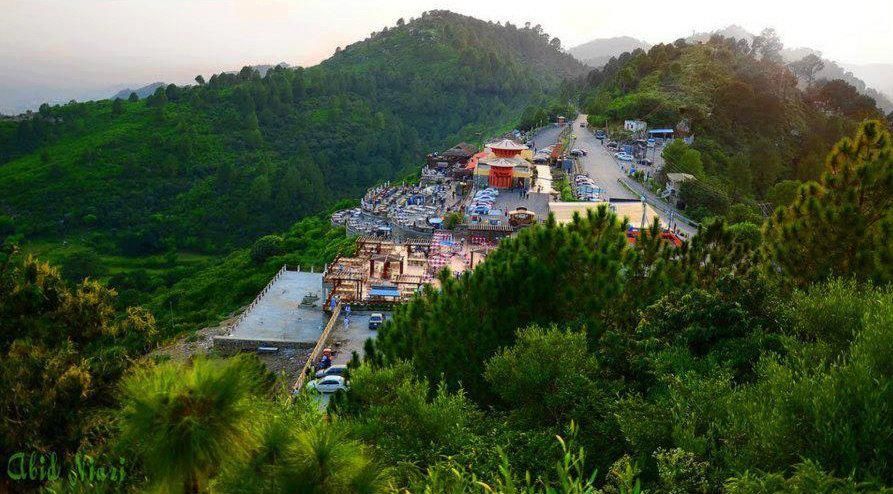
The Shah Allah Ditta Caves are an exceptional historical site nestled at the foot of the Margalla Hills near Islamabad, Pakistan. With a rich cultural and spiritual legacy, these caves draw both historians and travellers alike, offering a glimpse into Pakistan’s ancient past. Whether you’re intrigued by their Buddhist heritage, fascinated by their haunted legends, or planning a visit, this article will guide you through the many wonders of the Shah Allah Ditta Caves.

Key Facts

Quick Fact Details
Name Shah Allah Ditta Caves
City Islamabad, Pakistan
Location 14 km from Islamabad, in the Margalla Hills National Park
Type Archaeological site, historical landmark
Common Names Shah Allah Ditta Buddhist Caves
Famous For Buddhist heritage, ancient meditation caves, haunted legends
Main Attractions Nearby Margalla Hills National Park, Pir Sohawa
National Significance Historical Buddhist site, connection to ancient Gandhara civilization
Ideal For History enthusiasts, nature lovers, photographers, hikers
Best Time to Visit October to March (cooler months for a more comfortable visit)
Popular Activities Sightseeing, photography, hiking, exploring Buddhist history, picnicking
Entry Fee Generally free (check for any updates before visiting)
Accessibility Easily accessible by car or taxi from Islamabad
Photography Tip Best photography during the early morning or late afternoon, especially for city and hill views

Where Are the Shah Allah Ditta Caves?

Margalla Hills

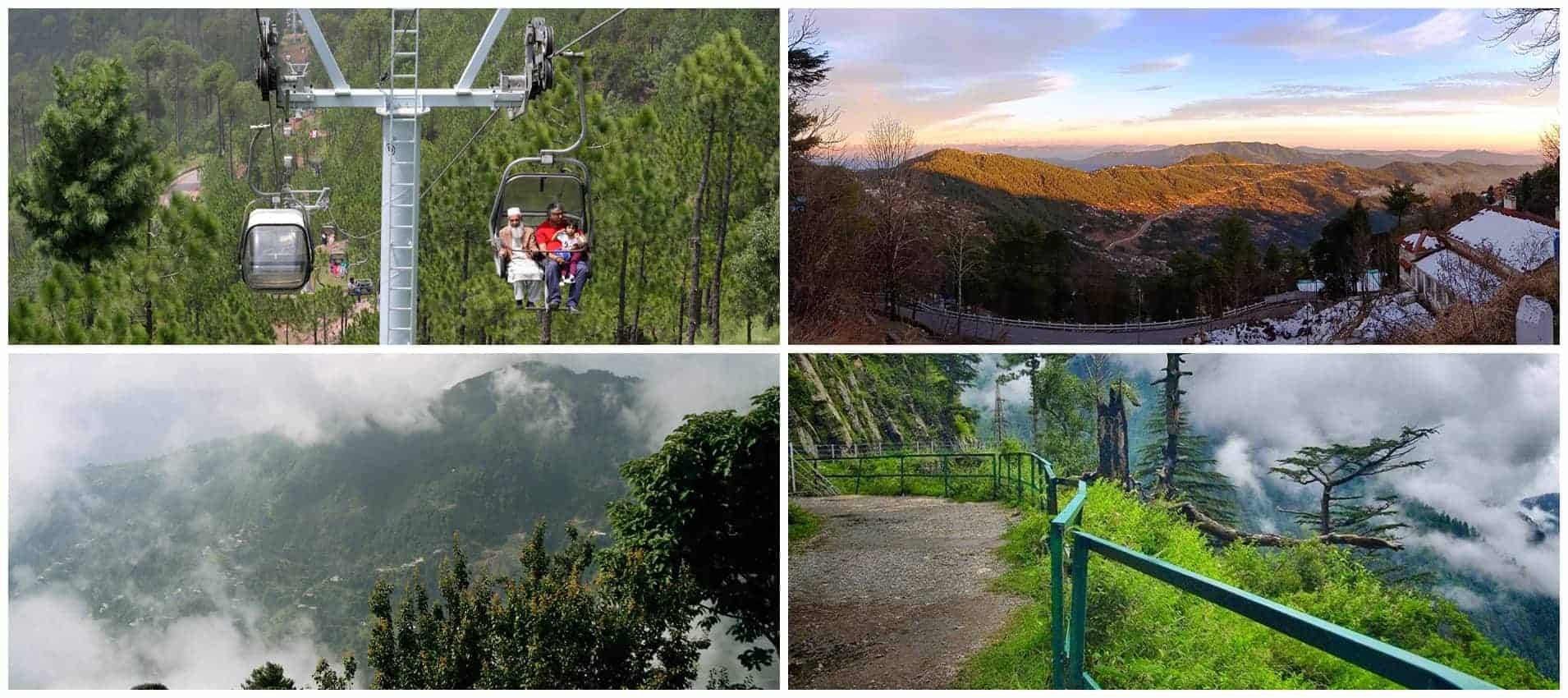
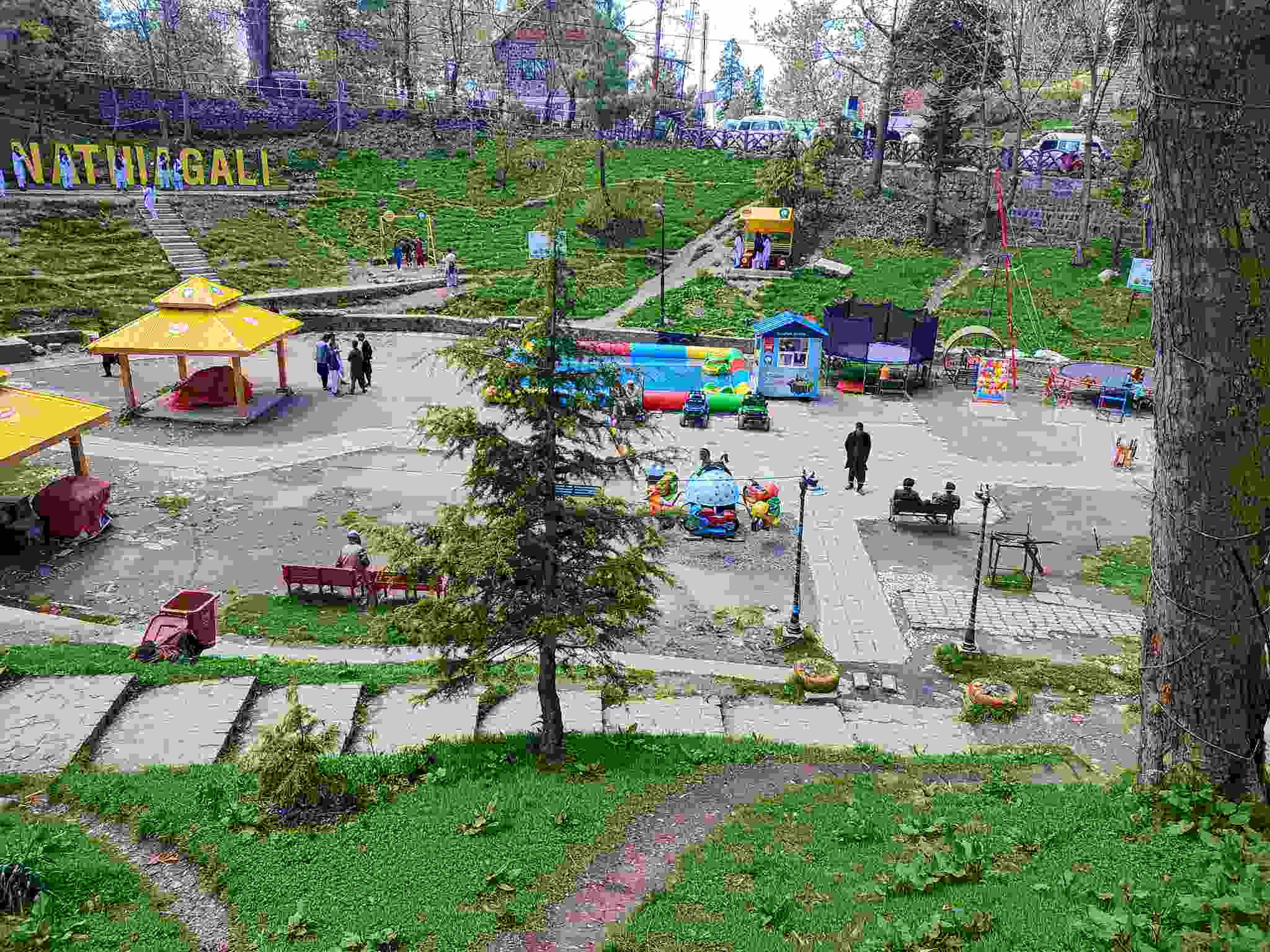
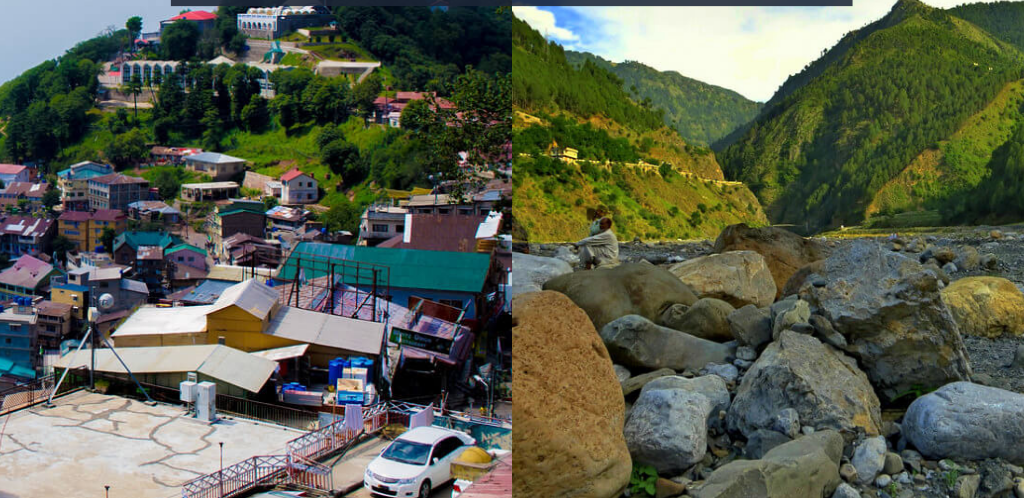
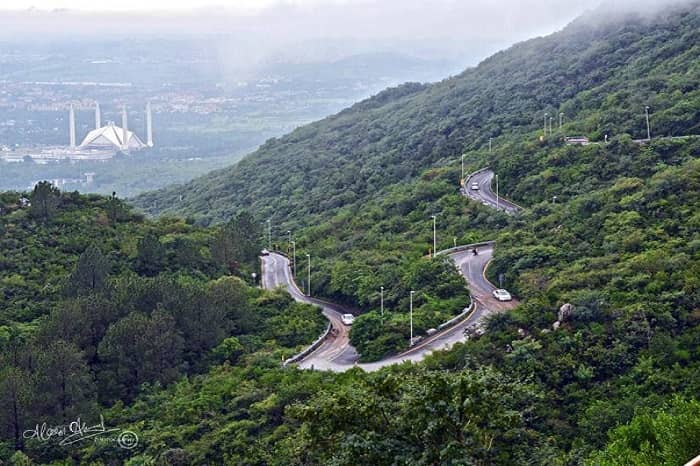
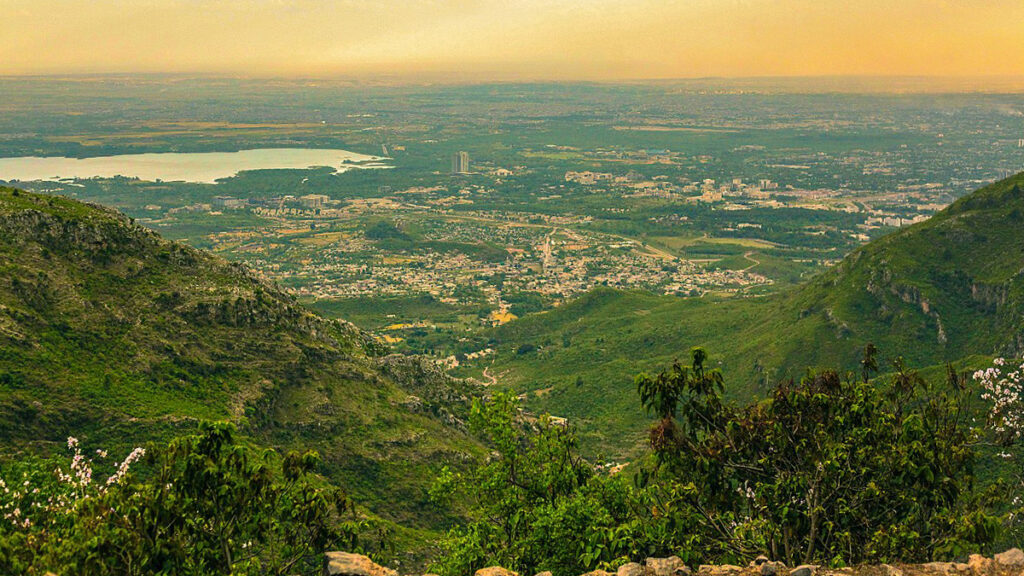
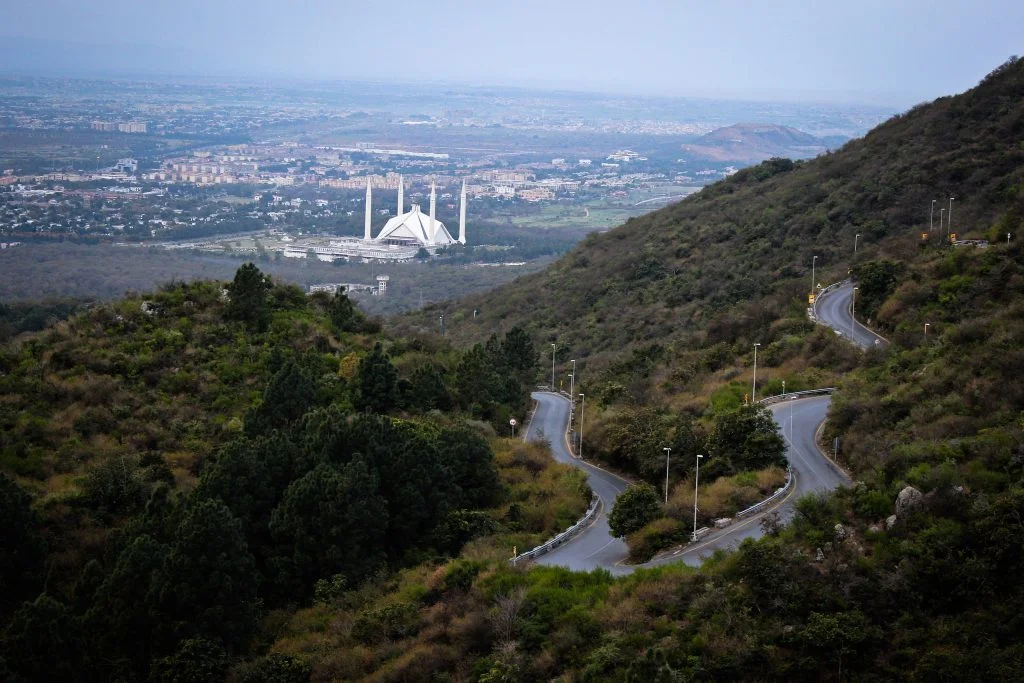
The Shah Allah Ditta Caves are located just 14 kilometers from Islamabad, easily accessible for a day trip. Situated in the Margalla Hills National Park, this site offers breathtaking views of the surrounding natural landscape. Whether you’re a history enthusiast or an adventure seeker, these caves offer the perfect blend of natural beauty and historical intrigue.

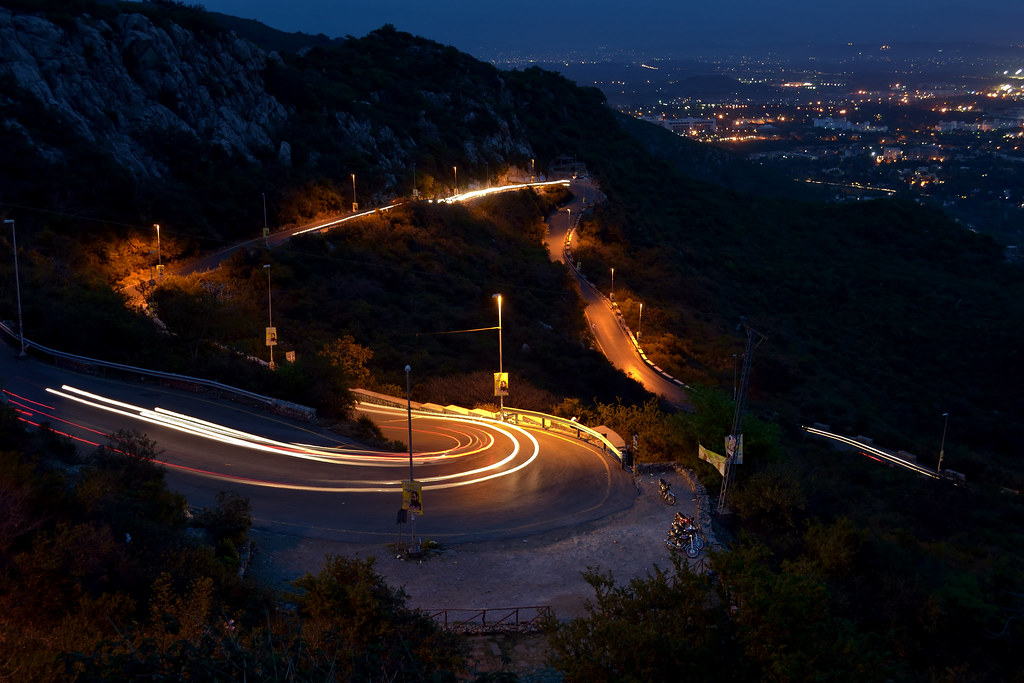
To get there, you can drive from Islamabad’s city center, taking around 20 to 30 minutes, depending on traffic. The road leading to the caves is lined with lush greenery, making the journey scenic and enjoyable.

How Old Are the Shah Allah Ditta Caves?

caves

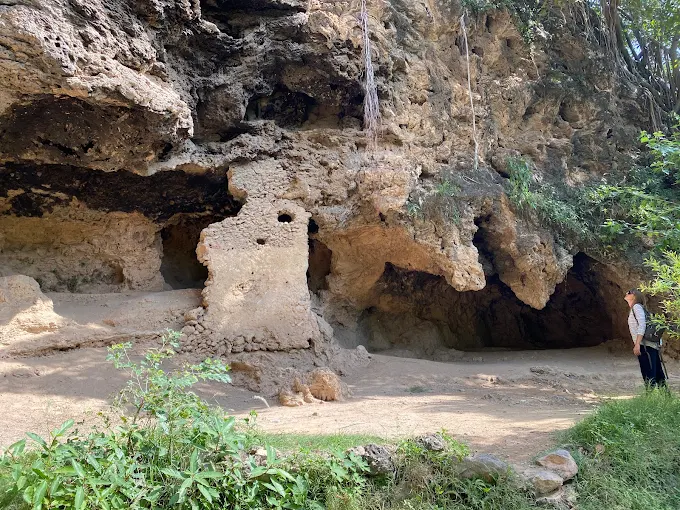
Dating back over 2,400 years, the Shah Allah Ditta Caves are a testament to the region’s ancient past. These caves were originally used by Buddhist monks as meditation and living spaces.

The name “Shah Allah Ditta” is believed to have originated from a Sufi saint, Shah Allah Ditta, who is said to have lived in the area and given the site its name. The area around the caves has been a place of religious significance for thousands of years, with evidence suggesting that Buddhism flourished here well before the advent of Islam.

The caves themselves are believed to have been carved out of the rock during the Gandhara period, a flourishing Buddhist civilisation in what is now northern Pakistan. These caves served as a place of reflection for the monks who once inhabited the region. Over time, they were also used by Hindu sadhus and later Muslim ascetics, blending the region’s diverse religious heritage.

The village of Shah Allah Ditta, where the caves are located, is thought to be around 650 years old. It has witnessed the passing of notable historical figures, such as Alexander the Great, Sher Shah Suri, and Emperor Jahangir, who all travelled through this area at various points in history.

Fact Details
Historical Significance Believed to be around 2,400–2,500 years old, with Buddhist, Hindu, and Muslim heritage
Buddhist Heritage Used by Buddhist monks for meditation and spiritual practices during the Gandhara period
Haunted Legends Local folklore suggests eerie sounds and ghostly sightings in the caves
Conservation Efforts Ongoing preservation and protection efforts by the Capital Development Authority (CDA)

Buddhist Heritage: Buddha Caves Shah Allah Ditta

The Shah Allah Ditta Caves are a significant site for Buddhist heritage. They are believed to have been used by Buddhist monks over 2,000 years ago for spiritual practices. The caves themselves contain remnants of Buddhist art and carvings, with some historical accounts even mentioning murals and statues that have unfortunately faded over time.

While the caves are not as well known for their Buddhist relics as other famous sites, their significance lies in their peaceful, serene atmosphere, which reflects Buddhist philosophy on meditation and enlightenment. For those interested in ancient Gandharan Buddhist culture, these caves are an important archaeological site that connects Buddhism to the diverse cultures that have passed through this region.

Haunted Legends and Local Myths

Shah_Allah_Ditta_caves

Beyond their historical and cultural significance, the Shah Allah Ditta Caves are also surrounded by haunting legends. According to local folklore, the caves are inhabited by spirits, and many visitors report strange sounds, eerie shadows, and ghostly sightings. These myths have added a layer of mystery to the caves, making them a point of interest for thrill-seekers and paranormal enthusiasts.

Haunted place

While the haunting claims cannot be scientifically verified, the caves’ isolated location and their centuries-old history make them a fascinating site for anyone interested in supernatural folklore. Whether you believe in the tales of restless spirits or not, these legends only add to the allure of the Shah Allah Ditta Caves.

Visitor Guide: How to Visit the Shah Allah Ditta Caves

For those planning a visit, here’s everything you need to know about exploring the Shah Allah Ditta Caves:

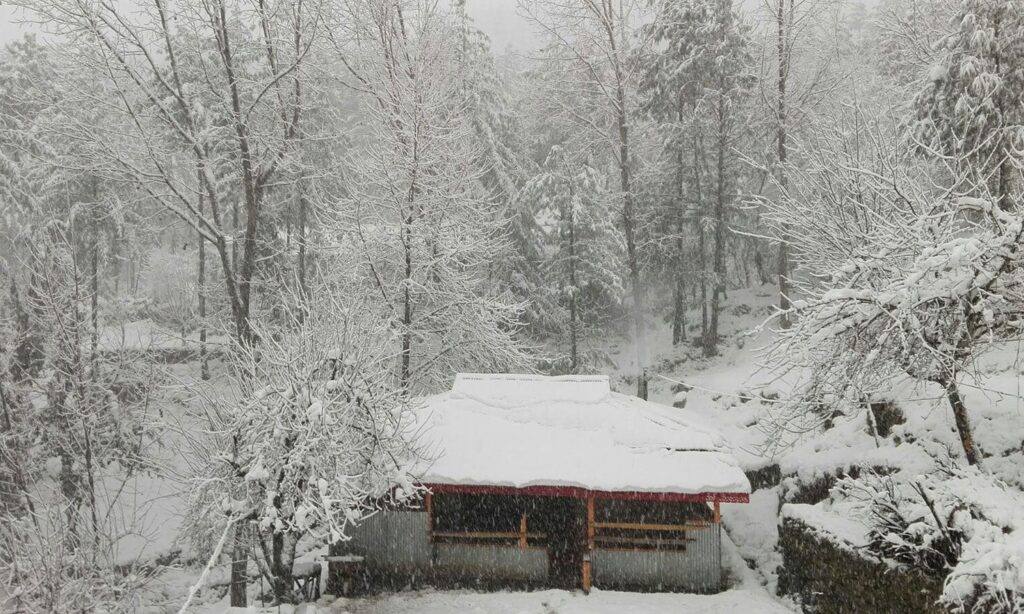
  1. Best Time to Visit: The caves are open to the public year-round, but the best time to visit is during the cooler months from October to March, when the weather in Islamabad is pleasant. Avoid visiting late at night due to the caves’ isolated location and the accompanying myths.
  2. Distance from Islamabad: As mentioned earlier, the Shah Allah Ditta Caves distance from Islamabad are located about 14 kilometers from the heart of Islamabad, which translates into a 20-30 minute drive.
  3. How to Reach: The most convenient way to get there is by car. You can drive or take a taxi to the site. The roads are in good condition, and it’s advisable to check the weather before heading out, as the hills can become misty in the rainy season.
  4. Entry Fees: The caves are generally free to visit, although it’s advisable to check for any updates on entry policies before your visit. Always carry some water, comfortable walking shoes, and a camera to capture the mesmerising scenery.
  5. Nearby Attractions: After visiting the caves, make sure to explore nearby attractions such as the Margalla Hills National Park or Pir Sohawa, both known for their panoramic views of Islamabad.
    visitors

Preservation Efforts and Conservation

The Shah Allah Ditta Caves Islamabad are an important part of Pakistan’s cultural and religious heritage, and as such, preservation efforts are vital. The Capital Development Authority (CDA), in collaboration with local organisations, has undertaken efforts to ensure the protection and conservation of this historical site.

However, due to the caves’ age and the erosion caused by natural elements, it is crucial for visitors to respect the site and help preserve its heritage for future generations.

Conclusion

The Shah Allah Ditta Caves are more than just a historical landmark; they are a window into the past, offering a unique blend of ancient Buddhist heritage, spiritual significance, and local myths. Whether you’re a history buff, a nature lover, or someone intrigued by the supernatural, the caves offer something for everyone. So, if you’re in Islamabad or planning a trip soon, don’t miss the chance to explore these ancient caves and immerse yourself in a piece of Pakistan’s fascinating history.

FAQs About Shah Allah Ditta Caves

Q1: How old are the Shah Allah Ditta caves?
A1: The Shah Allah Ditta Caves are believed to be around 2,400–2,500 years old, dating back to the Buddhist era.

Q2: Are the Shah Allah Ditta caves haunted?
A2: Many locals and visitors report eerie sounds and ghostly sightings, making the caves an interesting location for those intrigued by haunted legends.

Q3: How far are the caves from Islamabad?
A3: The caves are located approximately 14 kilometers from Islamabad, which is a 20–30 minute drive.

Q4: What is the best time to visit?
A4: The best time to visit is during the cooler months, from October to March, to enjoy pleasant weather while exploring the caves.

Q5: Is there an entry fee for the caves?
A5: The Shah Allah Ditta Caves are generally free to visit, but it’s always best to check for any entry policies or fees before your trip.

For more informative blogs on topics like Daman-e-Koh and Shakarparian, visit Chakor Blogs.

Shakarparian
CategoriesTourism

Shakarparian Islamabad: A Complete Visitor Guide

Shakarparian is one of Islamabad’s most iconic and scenic destinations, known for its green hills, panoramic viewpoints, national landmarks, and cultural attractions. Whether you are a tourist visiting Islamabad for the first time or a local planning a short evening outing, Shakarparian offers an ideal blend of nature, heritage, and relaxation.

In this complete guide, you’ll learn what Shakarparian is, where it is located, the best viewpoints, what to do inside Shakarparian National Park, how the parade ground is connected, and which nearby attractions make the trip even more worthwhile.

Key Facts

Quick Fact Details
Name Shakarparian
City Islamabad, Pakistan
Type Hills and recreational park / national park zone
Common Names Shakarparian Hills, Shakarparian Park
Famous For Scenic viewpoints, greenery, and national landmarks
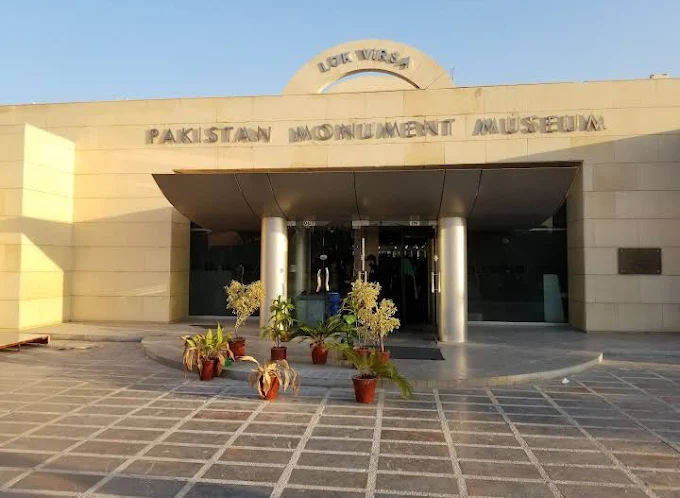
Main Attractions Nearby Pakistan Monument, Pakistan Monument Museum
Cultural Attraction Nearby Lok Virsa Heritage Museum (Shakarparian Rd, Islamabad)
Key Landmark Area Shakarparian View Point
National Significance Shakarparian Parade Ground (Pakistan Day Parade venue)
Best Time to Visit Early morning or late afternoon (sunset for best views)
Ideal For Families, tourists, walking/jogging, photography
Popular Activities Walking, jogging, sightseeing, picnics, photography
Entry Fee Usually free (park access)
Typical Visit Duration 1–3 hours (half-day if including museums/monuments)
Accessibility Easily reachable by car, taxi, or ride-hailing services
Photography Tip Sunset offers the best lighting for cityscape photos

What is Shakarparian?

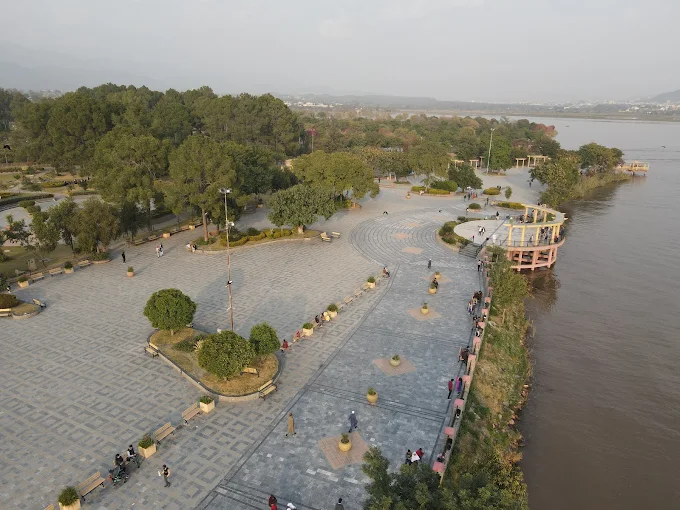
Shakarparian is a hill area in Islamabad that is widely recognised for its greenery, scenic views, and national importance. It is often referred to as the Shakarparian Hills and is part of Islamabad’s central recreational zone.

Shakarparian is also closely linked with national heritage sites such as the Pakistan Monument and cultural attractions like Lok Virsa. That is why this single location attracts a wide variety of visitors, including families, tourists, photographers, students, and hikers.

Shakarparian Location: Where is Shakarparian in Islamabad?

One of Shakarparian’s biggest advantages is its easy reach. It is located near Islamabad’s main landmark routes around the Zero Point area, making it highly accessible from most sectors of Islamabad and from Rawalpindi.

How to reach Shakarparian?

You can reach Shakarparian using:

  • Car
  • Taxi
  • Ride-hailing services
  • Tour transport

From the Blue Area and central sectors, it is usually a short drive. If you are coming from Rawalpindi, the Islamabad Highway route makes access convenient.

Shakarparian National Park: Why It’s Worth Visiting

Shakarparian National Park is not just a sightseeing spot; it is a valuable green zone that offers calm, fresh air and an escape from the busy city.

Visitors come here to:

  • walk and relax in nature
  • enjoy viewpoints overlooking Islamabad
  • Take photos on hill tracks and scenic roads
  • Visit iconic monuments and museums nearby
  • spend time with friends and family

It is particularly popular for combining outdoor recreation with cultural exploration.

Shakarparian Park: Things to Do

The following are some of the things to do at Shakarparian, Islamabad.

1) Walk, jog, or explore the trails

Shakarparian is well-suited for low-effort walking and casual hiking. Many people visit in the morning for exercise, while evenings are popular for relaxed walks and sightseeing.

If you want a peaceful experience:

  • Visit early morning on weekdays
  • avoid peak weekend hours

2) Enjoy a picnic or family time

Shakarparian Park has open green areas where families often sit, relax, and eat together. It is a good option for short picnics, especially in pleasant weather.

3) Explore the Pakistan Monument

Pakistan Monument near shakarparian islamabad

A major highlight of the Shakarparian area is the Pakistan Monument. Many visitors consider it a must-see because of its architecture, symbolism, and beautiful views of Islamabad from its surrounding platforms.

If you want to make the most of your trip, include the monument in your plan even if your primary goal is the park and hills.

4) Visit Lok Virsa Heritage Museum

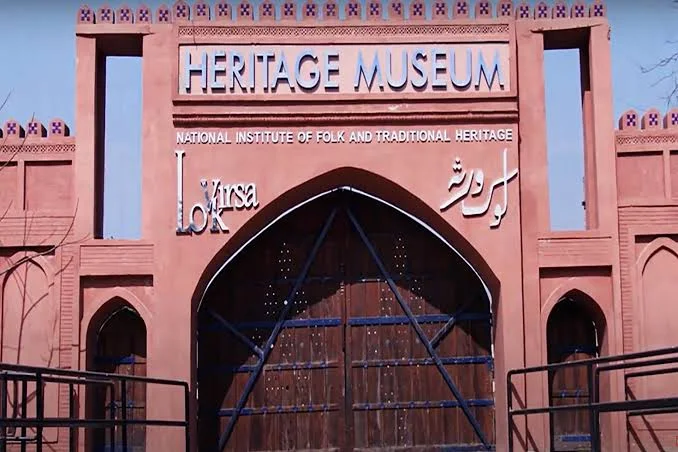
Lok Virsa Heritage Museum

Lok Virsa Heritage Museum is one of the most culturally important attractions near the national park. It showcases Pakistan’s diverse heritage, folk traditions, and regional cultural identity.

For tourists, pairing Lok Virsa with the hill station is one of the best combinations in Islamabad because it offers both:

  • nature and viewpoints
  • history and cultural learning

Shakarparian View Point: Best Spots for Views and Photos

Shakarparian View Point

This is widely searched and visited for its viewpoints, which offer some of the most beautiful panoramic scenes in Islamabad. Because the area sits on elevated hills, the viewpoints give you a clear look over the capital’s landscape, making it an excellent spot for both casual visitors and photographers.

From View Point, you can enjoy:

  • wide views of Islamabad’s cityscape
  • scenic greenery and tree-filled slopes
  • distant hill ranges and layered natural scenery
  • landmark-focused shots near the monument area

Best spots for views and photography

While it has multiple scenic corners, the best view-focused areas are usually around:

  • high-elevation roadside points along the Hills
  • viewpoint zones near the Pakistan Monument surroundings
  • open areas where the trees don’t block the skyline

If you explore a little beyond the main crowd spots, you’ll often find quieter corners with cleaner shots and fewer people in the background.

Best time for viewpoint photography

Early morning
Early morning is ideal if you prefer a calm and peaceful visit.

  • quiet atmosphere
  • cooler temperatures (especially in summer)
  • soft light that makes greenery look fresh
  • fewer crowds, easier to take clean photos

This timing is also great for walking and enjoying the view without rushing.

Sunset
Sunset is usually the most visually impressive time at the place.

  • Golden-hour lighting enhances the city skyline
  • Dramatic shadows and contrast improve landscape photos
  • Perfect conditions for silhouette-style shots
  • The view feels more “cinematic” and memorable

For photographers and content creators, sunset is often the best option because it gives the most striking visuals in both photos and videos.

Photography tips for better results

  • Arrive 30–45 minutes before sunset to find the best spot
  • Use wide-angle shots for landscapes, then switch to portrait mode for closeups
  • If the area is crowded, change the angle and shoot slightly higher or lower for a cleaner frame
  • Bring a tripod if you want evening shots or stable videos

Shakarparian Hills: What to Expect

shakarparian park

The Hills are one of the most scenic and relaxing natural spots in Islamabad. Unlike the steep, rugged hills you might find in northern areas of Pakistan, offers a gentle hill landscape that is easy to explore for visitors of all ages.

Here’s what you can realistically expect when visiting:

Mild elevation with easy walking paths

The Hills have light uphill and downhill slopes, making the area suitable for:

  • casual walks
  • family outings
  • elderly visitors
  • beginners who want a short “hiking” experience without difficulty

Most routes are not physically demanding, but comfortable shoes still make the experience much better.

Wide open views and scenic points

The elevation of the hills gives you clear, open views of:

  • Islamabad’s skyline and key sectors
  • nearby landmark zones around the monument area
  • layers of greenery stretching across the park

This is why it is often visited during sunset hours, when the lighting makes the scenery even more impressive.

Green environment and hill-station feel inside the city

shakarparian hills

Because the place is covered with trees and open parkland, it feels like a mini hill-station environment within Islamabad. Even though it sits close to the main city routes, the hills offer a more peaceful, fresh-air atmosphere compared to urban streets.

Peaceful vibes with occasional crowds

shakarparian view point

On weekdays, the hills are generally quiet and perfect for relaxing walks. On weekends and public holidays, the area becomes much more crowded, especially around viewpoint spots and major attractions.

If you prefer a calm experience, the best time is:

  • early morning
  • late afternoon on weekdays

Great for photography and short video content

shakarparian national park

The natural slopes, tree-lined roads, and viewpoint locations make Hills ideal for:

  • casual photography
  • family pictures
  • scenic sunset shots
  • travel reels and short videos

For creators, the best visuals usually come from golden hour, when the hills and city views look more dramatic.

Shakarparian Parade Ground, Islamabad

shakarparian parade ground

The Parade Ground holds national significance because it is known for hosting the Pakistan Day Parade. This makes it important not only as a tourist destination but also as a symbolic national landmark.

Visitor note

If you are visiting around national events, rehearsal periods, or major occasions, access routes and public entry may be restricted near parade areas. Planning your visit outside such days is the best option.

Best Time to Visit

It can be visited year-round, but your experience will be best when the weather is comfortable.

Seasonal guide

  • Spring: best weather, greenery, pleasant walking conditions
  • Summer: visit early morning or evening to avoid the heat
  • Autumn: comfortable temperatures and great photography light
  • Winter: colder but enjoyable for daytime visits

Responsible Tourism

As one of Islamabad’s major green zones, the park needs responsible behaviour from visitors.

Do:

  • Keep the park clean
  • Take trash back with you
  • respect greenery and plants
  • avoid disturbing wildlife
  • Stay on walking tracks

A clean and maintained park benefits both tourists and Islamabad’s environment.

FAQs | Shakarparian

Is Shakarparian good for families?

Yes, it is family-friendly and commonly visited by groups, children, and tourists.

What are Shakarparian’s best viewpoints?

The best viewpoints are typically those facing the city and monument area, especially around sunset.

Is Shakarparian close to Lok Virsa?

Yes. Lok Virsa Heritage Museum is located nearby on Shakarparian Road, making it easy to combine both in one visit.

What is Shakarparian Parade Ground famous for?

It is famous for the Pakistan Day Parade held on 23 March.

Conclusion

It is one of the most complete destinations in Islamabad because it offers multiple experiences in one location: hills, viewpoints, greenery, walking tracks, national monuments, and nearby heritage museums. If you want a destination that feels scenic, culturally rich, and accessible without leaving the city, Shakarparian should be on your itinerary. 

For more informative blogs on topics like Daman-e-Koh, visit Chakor Blogs.

Best water and amusement parks in Islamabad
CategoriesTourism

Best Water and Amusement Parks in Islamabad

Islamabad, the capital city of Pakistan, is not only known for its serene environment and scenic beauty but also for its family‑friendly entertainment options. If you’re searching for amusement parks in Islamabad, places where you can spend a thrilling day with family or friends, you’re in the right place.

In this guide, we explore the best amusement parks in Islamabad, including both outdoor theme parks and water park experiences, making it easy for you to pick the perfect destination for a fun‑filled outing.

Whether you’re looking for thrilling rides, carnival games, water slides, or unique experiences like zip lines and ATV tracks, Islamabad has it all.

Top Amusement Parks in Islamabad

Here are the best amusement parks and entertainment destinations worth visiting in Islamabad:

Name Location Activities Ticket Price
Laila Carnival Park Lake View Park Thrill rides, ATV tracks, VR games, bumper cars, picnic spots, cafés PKR 100 per person
Moj Mela Park Plot 5, Lake View Park Ziplining, climbing, adventure rides, family-friendly attractions Typically PKR 50+
YoYo Land Capital Square Mall, B-17 Carnival games, VR, kids’ rides, 120+ games, party space, indoor entertainment Based on game credits
Fun City Centaurus Mall, F-8/4 Soft play, kiddie and attraction rides, 60+ arcade games, concerts, recharge-based Fun Card system Fun Card: PKR 200 (initial), load credits for use
MegaZone Hub F-9 Sector, Islamabad Bowling, laser tag, arcade, indoor café, late-night entertainment Card System: 200 (initial), load credits for use
Chattar Park Kashmir Road Bumper cars, picnic areas, gardens, Korang River, camel/horse rides, bird aviary Adults: PKR 100
Children: PKR 50
Japanese Park Saidpur, Khayaban-e-Iqbal Kids’ swings, slides, picnic spots, shaded walking paths Adults: PKR 30
Children: PKR 20
Under 5: Free

1. Laila Carnival Park

Located inside the broader Lake View Park, Laila Carnival Park offers a delightful mix of thrill rides, entertainment zones, and family-friendly attractions. It combines the beauty of outdoor recreation with the excitement of amusement activities, making it one of the best amusement parks in Islamabad for a day of fun.

Laila Carnival Park

What You Can Do:

  • Enjoy thrilling rides and ATV racing tracks

  • Experience VR rides, bumper cars, and carnival-style games

  • Relax at on-site cafes and open-air picnic areas

Though Lake View Park is already known as one of Islamabad’s most scenic spots, Laila Carnival Park brings something extra: a distinct amusement experience perfect for families, groups, and young visitors. It’s spacious, well-kept, and designed to offer something for every age group.

Ticket Price:

  • PKR 100 per person

Timings:

  • Daily: 10:00 am – 11:00 pm

Whether you’re visiting with kids or just looking for a relaxing yet entertaining environment outdoors, Laila Carnival Park makes for a great day trip within the capital.

2. Moj Mela Park

Also located within the greater Lake View Park area, Moj Mela Park stands out for its adventure‑style rides and outdoor fun.

Moj Mela Park 

What You Can Do:

  • Zip lining and climbing

  • Enjoy various thrilling rides

  • Family entertainment and kids’ fun activities

Moj Mela Park offers a unique blend of rides and physical activities, giving it a slightly more adventurous vibe compared to traditional amusement parks. The park routinely opens around 11 am and runs until 11 pm, accommodating both daytime visitors and evening crowds.

3. YoYo Land

If you’re looking for an indoor destination, YoYo Land is a huge family entertainment center that creates a carnival atmosphere inside a climate‑controlled space.

Yoyo Land B-17 Islamabad

What You Can Do:

  • Carnival games and virtual reality experiences

  • Child‑friendly rides

  • Redemption and novelty games

  • Over 120 different types of games under one roof

With attractions suitable for school field trips and birthday parties, YoYo Land is one of the top amusement parks in Islamabad for indoor fun, especially during hot or rainy weather. It’s located in Capital Square Mall, B‑17 and operates with extended weekend hours.

4. Fun City

Fun City holds the distinction of being Pakistan’s first indoor family entertainment complex, located on the 4th floor of Centaurus Mall, Islamabad. With a vibrant and futuristic design, Fun City is a go-to destination for families looking for safe, weather-proof indoor fun.

Fin city Centaurus Islamabad

What You Can Do:

  • Explore multi-level soft play areas

  • Enjoy kiddie rides and attraction rides

  • Play over 60 arcade games, including racing, claw machines, air hockey, and more

  • Attend special events, concerts, and themed parties

Fun City is especially popular with families, school groups, and party planners. It brings together games, rides, and entertainment under one large, climate-controlled roof — making it an excellent choice year-round.

How the Fun City Card System Works

Instead of a fixed entry ticket, Fun City uses a rechargeable “Fun Card” system at both locations (Centaurus Mall & Giga Mall):

  • Get a Fun Card: Purchase your card at the counter for PKR 200 (one-time cost)

  • Load Credits: Add any desired amount of money to your card for rides and games

  • Play & Earn: Use your card to enjoy attractions — some games reward you with tickets that can be redeemed for prizes at the gift counter

This system lets you control your spending and play at your own pace. Whether you’re visiting for 30 minutes or a whole evening, you only pay for what you play.

For the latest deals, bundles, and promotions, visit: FunCity.pk or contact their sales team.

Timings:

  • Friday – Saturday: 11:00 am – 12:00 am

  • Sunday – Thursday: 11:00 am – 11:00 pm

5. MegaZone Entertainment Hub

If you’re after fun with friends or family that includes both activities and food, MegaZone Entertainment Hub is a great choice. Located in F‑9 Park Islamabad, it’s more of a modern entertainment zone than a classic amusement park — making it especially appealing to teens, young adults, and groups of friends.

megazone islamabad

What You Can Do:

  • Bowling

  • Laser tag

  • Ice skating

  • Arcade and gaming areas

  • Indoor café and snack options

The facility is a go-to spot for casual hangouts, indoor parties, and late-night entertainment. Whether you’re competing in a laser tag match or enjoying a relaxed game of bowling, there’s something here for everyone.

Entry Ticket Price: PKR 200
Timings: Open daily from 11:00 am to 12:00 am

It’s one of the few places in Islamabad where you can enjoy affordable indoor fun late into the night, making it a favorite for night owls and weekend visitors alike.

6. Chattar Park

Located on Kashmir Road, Chattar Park is one of the oldest and most beloved theme parks in the Islamabad region. A long-time family favorite, the park combines amusement rides with nature — offering a blend of thrill and relaxation for visitors of all ages.

Chattar Park

What You Can Do:

  • Enjoy bumper cars, swings, and classic carnival rides

  • Take a leisurely walk through spacious gardens

  • Relax by the Korang River during the summer

  • Try horse and camel rides

  • Visit the nearby bird park and admire beautiful peacocks

Chattar Park has undergone significant renovations in recent years, with modernized rides and new features added to improve the visitor experience — while still preserving its nostalgic charm as a family picnic spot.

Ticket Price:

  • Adults: PKR 100

  • Children: PKR 50

Timings: Daily, from 9:00 am to 8:00 pm

Whether you’re entertaining children, planning a scenic picnic, or looking for an affordable amusement option, Chattar Park remains one of the best amusement parks in Islamabad for a fun-filled outdoor day.

7. Japanese Park – Saidpur, Khayaban‑e‑Iqbal

Situated in Saidpur Village, Japanese Park is one of Islamabad’s largest and most well‑maintained parks, blending traditional play areas with amusement features.

Japanese Park

What You Can Do:

  • Let kids enjoy swings, slides, and play areas

  • Picnic in shaded green spaces

  • Take a peaceful walk under tree‑covered paths

The entrance fees are extremely affordable, with adult tickets often priced around PKR 30 and children’s tickets at PKR 20, while kids under five typically enter free. This makes Japanese Park a great choice for families looking for budget‑friendly entertainment.

Although it is more of a park with children’s rides than a full theme park, its size, greenery, and variety of activities easily place it among the best amusement parks in Islamabad for families with younger kids. It’s open daily from 8 am to 11 pm, letting you enjoy early morning walks or evening visits with lights and cool breezes.

Best Water Park in Islamabad and Rawalpindi

Now let’s talk about water park experiences — an especially popular choice during hot weather or summer vacations. Many people ask:

Is there any water park in Islamabad?
While Islamabad does not currently have a large standalone full‑scale water park inside the city center like some metropolises elsewhere, the nearby region around Rawalpindi and Islamabad offers water‑based attractions and theme parks that are perfect for cooling off and family fun.

Here is the most notable one:

Blue World Water Theme Park (Under Development)

Located within the Blue World City development, Blue World Water Theme Park will be a large water‑based recreational destination that draws both Islamabad and Rawalpindi visitors.

Blue World Water Theme Park

What You Can Do:

  • Experience over 20 world‑class water rides

  • Play areas for kids

  • Water slides, splash zones, and lazy rivers

  • Fast‑food outlets including McDonald’s, KFC, Subway, and Pizza Hut

This park will become one of the best places near Islamabad for a family water park in Islamabad‑area experience. With natural terrain, thrilling rides, and ample space for kids and adults alike, it stands out as one of the best water parks near Islamabad and Rawalpindi.

Tips for Visiting Amusement and Water Parks in Islamabad

When to Go:

  • Evenings are perfect for outdoor parks like Laila Carnival Park, Moj Mela, and Chattar Park because the weather is cooler and lights add to the experience.

  • Weekdays tend to be less crowded for indoor options like YoYo Land and Fun City.

  • Summer is the ideal season for water‑based attractions like Blue World Water Theme Park.

What to Bring:

  • Comfortable clothes and shoes

  • Sunscreen and hats for outdoor parks

  • Cash/card for entry fees, rides, and food

  • Water bottles and snacks (though most parks have food stands)

Plan Ahead:

  • Check park timings because some vary by season or day of the week.

  • Consider booking tickets in advance for popular attractions to avoid queues.

  • Combine parks in a single trip (for example, visiting Lake View Park’s recreation area and Moj Mela on the same day).


Final Thoughts

Islamabad is rapidly growing as a destination not just for scenic views and cultural attractions, but also for entertainment and family fun. Whether you’re exploring amusement parks in Islamabad or seeking a water‑filled adventure at places, there’s something for everyone.

From classic outdoor rides to indoor games and virtual reality experiences, this city offers a range of activities that make it a great place for family outings, school trips, and weekend getaways.

So next time someone asks where to find the best amusement park in Islamabad or the best water park in Islamabad, you’ll know exactly where to go and what fun awaits!

Daman-e-Koh Islamabad
CategoriesTourism

Daman-e-Koh Islamabad – An Iconic View Point in Margalla Hills

If you are visiting Pakistan’s capital and want to experience the city from above, Daman-e-Koh Islamabad should be at the top of your itinerary. Nestled beautifully in the lush green Margalla Hills, this scenic destination is not just a place—it’s an unforgettable experience of breathtaking panoramas, cool mountain air, wildlife encounters, and peaceful gardens.

Known as one of the most visited tourist spots after Faisal Mosque, Daman e Koh view point offers a remarkable bird’s-eye view of Islamabad city, with iconic landmarks like Shah Faisal Mosque, Rawal Lake, and Seventh Avenue clearly visible from its observation decks.

Whether you are a local looking for a relaxing picnic spot, a tourist searching for a must-see viewpoint, or a photographer chasing golden-hour cityscapes—Daman e Koh park welcomes you with charm, serenity, and mesmerizing scenery.

In a Glimpse – What Makes Daman-e-Koh Special?

Daman-e-Koh is a stunning hilltop garden located mid-way to Pir Sohawa, one of the highest viewpoints in Islamabad. The drive up to the park itself is refreshing and scenic, taking visitors through twisting hillside roads lined with trees, fresh breeze, and natural beauty.

Daman-e-koh view point

This place is famous for:

  • A breathtaking panoramic sight of Islamabad city

  • Clear views of the Shah Faisal Mosque, one of the largest mosques in the world

  • A visual sweep of Rawal Lake, Rawal Dam, and surrounding areas

  • Beautifully developed roads like Seventh Avenue

  • Wide open gardens perfect for relaxation and family outings

Above all, the true fame of Daman e Koh view point lies in its full skyline view, especially at sunrise, sunset, and after dark when Islamabad lights glitter like stars.

Meaning and History – Why It’s Called Daman-e-Koh

Many people don’t realize that the name itself carries cultural meaning. The term comes from two Persian words:

  • Daman = foot / lap

  • Koh = hill / mountain

Together, the meaning becomes “foothills” or “lap of the hill”, which perfectly suits its location—placed right in the lap of the Margalla Hills.

Daman-e-Koh was developed by the Capital Development Authority (CDA) in the early 1970s as a landscaped viewpoint and recreational garden. Later, significant upgrades were introduced around 2007, including improved amenities and visitor support infrastructure.

Daman e Koh Location – Where Is It Located?

Daman-e-Koh is located in the Margalla Hills National Park, Islamabad, Pakistan. It lies on the route to Pir Sohawa and sits at an elevation of around:

  • 2400 feet above sea level

  • around 500 feet above Islamabad city

Because of this height difference, the area feels cooler and fresher than the capital below—making it the perfect escape from the urban rush.

How to Reach Daman-e-Koh Islamabad

Reaching Daman-e-Koh Islamabad is easy whether you’re traveling by car, ride-hailing services, or tour transport.

By Car / Taxi

A direct road leads from Islamabad into Margalla Hills. The drive is scenic and well-maintained.

By Hiking Trails

Adventure lovers often hike from the lower trails to reach the viewpoint using different paths instead of the road. Hiking is especially popular in cooler months like October–March.

Daman e Koh Parking – Everything You Need to Know

A great thing about the place is its spacious parking area. Tourists can comfortably park their cars near the entrance.

  • Parking is large and organized

  • Vehicles are typically restricted beyond a certain gate

  • From the entrance, it’s around 800 meters walk to the main observation point

So if you’re planning to visit with family, rest assured: Daman e Koh parking is convenient and visitor-friendly.

Daman e Koh Park – A Garden in the Sky

Calling it a park doesn’t do justice—Daman e Koh park is a beautifully landscaped hill garden featuring:

daman e koh park

  • Vast green lawns

  • Terraced garden sections

  • Benches and gazebos

  • Walking trails and paved paths

  • Seasonal flowers and decorative plants

  • Signboards and helpful maps of Islamabad

The cleanliness and decor add to the experience, making it feel peaceful, organized, and calming. Whether you visit during rainfall, foggy mornings, or clear sunsets, the park remains equally magical.

Panoramic Views – What Can You See From Daman-e-Koh View Point?

The star attraction is undoubtedly the Daman e Koh view point.

From the observation decks, you can see:

views from daman e koh in a rainy day

  • Faisal Mosque (Shah Faisal Mosque)

  • Seventh Avenue

  • Centaurus Mall

  • Government buildings and residential sectors

  • Rawal Lake / Rawal Dam

  • Even nearby Rawalpindi on clear days

On rare clear days, some visitors even mention seeing far-off ranges like the Salt Range to the south.

The best part? Islamabad looks completely different from above, revealing its greenery, planning, and unique layout.

Wildlife Experience – Monkeys, Birds & Nature

Daman-e-Koh is also known for its wildlife. Visitors often witness monkeys moving freely through the gardens, which adds a fun (and sometimes chaotic) element.

wildlife near damanekoh

Important Tip

Monkeys are infamous for stealing food. Keep snacks hidden and avoid eating openly.

Beyond monkeys, nature enthusiasts may enjoy:

  • birdwatching opportunities

  • colorful local birds

  • occasional sightings of wild boars, barking deer, foxes, and jackals (rare)

  • over 300 bird species in Margalla Hills region

This is one of the reasons why Daman-e-Koh is considered a nature lover’s paradise.

Available Amenities – What Facilities Are Offered?

Tourists love Daman-e-Koh because it isn’t only scenic—it’s convenient too. Some key amenities include:

  • Binoculars/telescopes installed for viewing the city clearly

  • Food stalls and refreshment corners

  • Signboards and guidance maps

  • Neat walking trails

  • Seating areas

  • Spacious parking

  • Clean, maintained environment

This makes it an excellent family destination where people can spend several hours comfortably.

Daman e Koh Restaurant – Food With a View

One of the best experiences at this viewpoint is dining in the hills.

The Daman e Koh restaurant is popular among locals and tourists who want to enjoy meals while gazing at the city below. Whether you visit in daytime or at night, the atmosphere remains refreshing and scenic.

Many visitors specifically search for:

  • daman e koh restaurant islamabad

  • restaurants in daman e koh

Because yes—food here comes with a view that feels priceless.

You’ll find:

  • casual snack stalls

  • tea/refreshment options

  • restaurants offering Pakistani food

If you plan it right, you can enjoy lunch in pleasant daylight or dinner when Islamabad sparkles in lights.

Restaurants in Daman e Koh – What to Expect

Here are some of the best dining options you can explore while visiting the viewpoint:

# Restaurant Name Rating / Reviews Cuisine / Type Location Highlight / Review Quote
1 The Dome 4.4★ (2.9K) Restaurant View Point, Daman-e-Koh Rd “Everything was perfect — the ambiance, the service, and the food.”
2 PTDC Daman-e-Koh Restaurant Pakistani / Snacks & Tea Daman-e-Koh Viewpoint Famous for dining with a panoramic Islamabad view
3 Des Pardes Restaurant 4.0★ (8.5K) $$$ · Restaurant Saidpur Rd “Food was very good, atmosphere very refreshing and service was top notch.”
4 Dera Pashtun Restaurant 4.2★ (503) $$ · Meat / BBQ Saidpur “Very welcome staff, amazing food.”

1. The Dome

The Dome is one of the most popular dining spots right near the Daman-e-Koh viewpoint, known for its relaxing ambiance and scenic hilltop vibe. It’s a great place to sit back after exploring the park and enjoy a peaceful meal with cool Margalla air. Tourists love it for its well-managed service, comfortable seating, and overall dining experience, especially during sunset hours when the surroundings feel magical.

The dome restaurant in daman e koh

2. PTDC Daman-e-Koh Restaurant

The PTDC Daman-e-Koh Restaurant is the most iconic food stop at the viewpoint and one of the first choices for visitors who want to eat without leaving the hill area. It offers simple yet satisfying Pakistani meals, snacks, and tea—perfect for families, tourists, and hikers. What makes it special is the experience of dining while overlooking Islamabad’s skyline, particularly at night when the city lights shine below.

3. Des Pardes Restaurant

Located near the heritage village route on Saidpur Road, Des Pardes Restaurant is famous for combining traditional Pakistani flavors with a cultural and refreshing atmosphere. It’s a favorite among locals and tourists who want a more premium dining experience after visiting Daman-e-Koh. With its excellent service, pleasant environment, and tasty food, Des Pardes is ideal for family dinners and gatherings.

Des Pardes Restaurant

4. Dera Pashtun Restaurant

Dera Pashtun Restaurant, located in Saidpur, is the perfect spot for BBQ lovers who want authentic Pashtun-style food. The restaurant is widely appreciated for its welcoming staff and rich meat dishes, making it a great place to satisfy cravings after exploring the Margalla Hills. If you’re looking for a hearty meal with desi flavors, Dera Pashtun is one of the best options near Daman-e-Koh.

Top Things to Do at Daman-e-Koh Islamabad

There are plenty of exciting experiences that make a trip here worthwhile.

1. Enjoy the Observation Deck

This is the #1 reason tourists come here. The panoramic skyline view is unmatched.

2. Photography

Professional photographers, vloggers, and selfie lovers all find the spot ideal. Golden hour is the best time for outdoor photography.

3. Picnic With Family

The lawns and benches make it perfect for gatherings. Cooler weather adds comfort.

4. Hiking to Pir Sohawa

Many adventurous visitors hike from Daman-e-Koh to Pir Sohawa, typically taking around 2–3 hours. Carry water and wear proper shoes.

hiking to pir sohawa

5. Long Nature Walks

The park’s trails help you relax while achieving your daily steps target.

6. Birdwatching

Early morning and late afternoon are ideal for spotting native and migratory birds.

7. Live Local Music

Sometimes you may find local Rabab/Rubab players performing traditional tunes—an unexpected cultural treat.


Best Time to Visit Daman-e-Koh Islamabad

The best months to visit are:

  • October to March – ideal weather, perfect visibility
  • Monsoon season – lush greenery, macro photography opportunities
  • Sunset time – magical views
  • Night visit – top-down city lights look stunning

Avoid peak afternoon in summer months, especially if you plan hiking.


Celebrities Who Visited Daman-e-Koh

Daman-e-Koh is not only popular among locals—it has hosted famous global personalities too.

Reported visitors include:

  • Princess Diana during her 1991 Pakistan trip

  • Jacqueline Kennedy, wife of JFK, during a goodwill visit in 1962

  • Other notable foreign dignitaries

This adds an interesting historical and cultural value to the location, making it even more iconic.


Important Travel Tips Before You Go

To make your visit smooth, keep these tips in mind:

  • Carry water, especially if hiking

  • Avoid eating openly due to monkeys

  • Wear comfortable walking shoes

  • Visit on a clear day for best visibility

  • Keep the area clean and avoid littering

  • Sunset gets crowded—arrive early for a good spot


Final Thoughts – Is Daman-e-Koh Worth Visiting?

Absolutely yes.

Daman-e-Koh Islamabad remains one of the top scenic destinations in Pakistan because it offers a rare experience: a peaceful green hill park that overlooks a modern capital city in a panoramic sweep. From wildlife and gardens to photography and hiking, it is the perfect blend of adventure, nature, and relaxation.

Whether you’re a tourist exploring Islamabad for the first time or a local needing an escape from city life, it would truly be unjust to leave without visiting this breathtaking hilltop viewpoint.

So next time you search for daman e koh islamabad, remember: it’s not just a place, it’s a complete experience.

For more informative blogs visit Chakor Blogs.

Lok Virsa Museum | A Guide to Fascinating Heritage 2025
CategoriesCitadel 7 Tourism

Lok Virsa Museum | A Guide to Fascinating Heritage 2025

The Lok Virsa Heritage Museum in Islamabad is one of Pakistan’s most celebrated cultural landmarks, offering a deep and immersive look into the nation’s diverse folk traditions, ethnic identities, and historical journeys. The museum brings culture to life through dynamic displays, living crafts, music, and festivals. This comprehensive guide provides detailed insights into its history, layout, exhibitions, lok virsa timing, festivals, and everything you need to know before visiting.

What is Lok Virsa?

lok virsa heritage museum main entrance

Lok Virsa, which translates to “People’s Heritage,” is an institution dedicated to safeguarding the cultural traditions of Pakistan. It serves as a national platform for documenting oral histories, folk music, regional crafts, and traditional lifestyles.

The organization functions under the National Institute of Folk & Traditional Heritage and works to preserve both tangible and intangible cultural assets.

Lok Virsa’s role extends far beyond museum exhibits; it fosters cultural awareness through research projects, publications, field surveys, workshops, and festivals.

By creating spaces where artisans, musicians, and cultural practitioners can actively showcase their work, Lok Virsa ensures that heritage remains a living and evolving part of Pakistan’s identity.

History & Evolution of Lok Virsa Islamabad

The history of the Lok Virsa Museum reflects Pakistan’s long-standing commitment to preserving its cultural diversity. The institution began in 1974, with its first significant expansion in 1982 when the Folk Art Museum was established.

Over the years, the museum evolved in structure and purpose, becoming a comprehensive ethnology center documenting Pakistan’s living traditions.

In 2002, Lok Virsa was granted autonomous status, giving it greater flexibility to execute cultural projects and manage its growing archives.

A major renovation in 2004 transformed the museum into what is now known as the Pakistan National Museum of Ethnology, commonly called the Heritage Museum.

Additional expansions, such as the opening of the Pakistan Monument Museum in 2010 and the Sufis and Shrines Gallery in 2013, further enhanced its cultural scope.

Today, Lok Virsa stands as one of the most significant cultural institutions in the country and a premier destination for heritage tourism.

Lok Virsa Location

Lok Virsa is situated on Garden Avenue in the picturesque Shakarparian Hills of Islamabad. Lok Virsa location is not only central but also symbolic, as the surrounding landscape complements the museum’s cultural ambiance.

The elevated site provides a serene environment that contrasts with the bustling city, making it a refreshing destination for visitors.

Its proximity to notable attractions like the Pakistan Monument, Rose and Jasmine Garden, and several viewpoints makes it easily accessible and ideal for day trips.

Whether arriving by personal car, taxi, or a ride-hailing service, visitors find the route straightforward and the area welcoming for families and tourists alike.

Museum Structure, Layout & Experience

artifacts places inside lok virsa museum

The Lok Virsa Heritage Museum features a well-designed blend of indoor and outdoor spaces that collectively represent the cultural tapestry of Pakistan. The indoor galleries occupy roughly 20,000 square feet within the larger 60,000-square-foot complex.

These galleries use life-size dioramas, reconstructed environments, and immersive displays to convey the daily lives, traditions, and rituals of various ethnic groups.

Visitors walk through villages, marketplaces, traditional homes, and historical scenes that reflect the lifestyles of different regions.

In addition to the indoor exhibits, Lok Virsa includes several specialized galleries. The Sufis and Shrines Hall, for example, offers a spiritual journey through the imagery and music of Pakistan’s revered Sufi saints, showcasing shrines, devotional traditions, and qawwali performances.

The Historical Timeline Gallery provides a narrative arc beginning from ancient Indus Valley civilizations and moving through Islamic, Mughal, and modern eras.

The outdoor section of the museum is equally engaging. It features an extensive open-air space with an amphitheatre, artisan bazaar, and walkways designed to resemble traditional Pakistani towns.

Here, artisans work on pottery, fresco art, embroidery, and woodcraft as visitors watch and interact with them. Live performances of folk music and qawwali enhance the atmosphere, creating a dynamic cultural experience rarely found in traditional museum settings.

Exhibitions & Collections

lok virsa museum galleries

The exhibitions at Lok Virsa represent a comprehensive portrayal of Pakistan’s cultural diversity. Each regional gallery focuses on the specific traditions, crafts, and lifestyles of the province it represents.

  • The Punjab gallery showcases phulkari embroidery and folk music;
  • Sindh’s gallery highlights ajrak, rilli quilts, and Sufi heritage;
  • Balochistan features its nomadic crafts and distinctive embroidery styles;
  • Khyber Pakhtunkhwa offers insights into Pashtun jewelry, architecture, and social traditions;
  • and the galleries for Gilgit-Baltistan and Kashmir highlight mountain culture, woolen crafts, and intricate wooden architecture.

Beyond regional representation, the museum displays an impressive collection of handcrafted items, including pottery, ceramics, embroidered garments, metalwork, and musical instruments.

These artifacts not only illustrate the artistic talent of Pakistani artisans but also serve as historical markers of cultural evolution.

Many exhibits depict festivals, ceremonial practices, and domestic life, providing visitors with a holistic understanding of social customs.

Lok Virsa Festival & Lok Virsa Mela

One of the most vibrant features of Lok Virsa is its festivals, commonly known as the Lok Virsa Mela. These events transform the museum grounds into a bustling cultural fair, featuring music, dance, craft stalls, food courts, and traditional performances.

Each festival celebrates Pakistan’s provincial diversity by creating spaces where regional cultures are showcased through live demonstrations, storytelling, and performances.

Artisans from across the country travel to these events to display their crafts, share their skills, and interact with visitors.

Lok Virsa also organizes cultural weeks dedicated to specific provinces, thematic Sufi festivals, seasonal spring festivals, and special national day celebrations.

These events offer visitors a rare opportunity to witness authentic cultural expressions, making festival days the best time to explore Lok Virsa for those seeking an enriched, interactive experience.

Research, Archive & Media Facilities

lok virsa museum murals

Lok Virsa is not only a museum, it is a research powerhouse. The Lok Virsa Heritage Library houses more than 32,000 books, manuscripts, research papers, and archival reports on subjects such as anthropology, ethnology, folk literature, art history, and traditional craftsmanship.

This makes it a valuable resource for scholars, students, and cultural researchers seeking deep insights into Pakistan’s heritage.

The Virsa Research & Publication Centre conducts extensive field surveys across Pakistan, interviewing elders, artisans, musicians, and community historians to preserve oral traditions that might otherwise be lost.

Its publications play a vital role in documenting regional stories, folk genres, and disappearing crafts.

Complementing this is the Virsa Media Centre, which produces documentaries, records folk music, and maintains audio-visual archives.

With thousands of hours of recordings and over 50 cultural documentaries, the media center ensures that the living sounds and stories of Pakistan are preserved for future generations.
Visitor Information

Lok Virsa offers accessible and family-friendly visitor facilities, making it suitable for tourists, families, and school trips. The museum is generally open from Tuesday to Sunday, typically from morning until early evening, with Mondays reserved as a weekly holiday.

Fridays usually include a midday prayer break. Ticket prices are affordable, with discounted rates for students and free entry for young children.

Visitors also have access to parking, clean restrooms, a prayer area, and seating spots throughout the complex. During festivals or melas, food stalls become available, offering traditional snacks and meals.

The museum’s spacious design allows comfortable movement, and many areas are wheelchair accessible.

Why Visit Lok Virsa Museum?

Lok Virsa Islamabad stands out as a must-visit destination because it offers a unique opportunity to explore Pakistan’s cultural diversity in one immersive setting.

The museum’s combination of indoor galleries and outdoor artisan spaces provides a rich blend of education and entertainment. Families appreciate its child-friendly environment, while researchers and students benefit from the extensive archives and library.

Cultural travelers, photographers, and vloggers find endless inspiration in the displays, crafts, architecture, and live performances.

Whether you are a local resident or an international tourist, Lok Virsa offers a meaningful encounter with the traditions that define Pakistan.

Visitor Tips

To make the most of your visit, consider exploring Lok Virsa during the cooler months of winter and spring, when outdoor spaces are more enjoyable. Checking festival schedules in advance can significantly enhance your experience, as mela days offer the most vibrant displays of culture.

Plan to spend at least two to three hours if you want to explore both indoor and outdoor areas thoroughly. Combining your visit with nearby attractions like the Pakistan Monument can create a complete cultural outing in Islamabad.

Carrying a camera is recommended, as the museum offers beautiful photography opportunities.

FAQs

What is Lok Virsa Heritage Museum?

It is Pakistan’s national ethnology museum dedicated to showcasing the cultural diversity, traditions, crafts, and heritage of the country.

Where is Lok Virsa located?

The museum is located on Garden Avenue in Shakarparian Hills, Islamabad.

What are Lok Virsa’s timings?

Typically open Tuesday to Sunday from morning to early evening; closed on Monday.

What is the Lok Virsa Mela?

It is a cultural festival featuring traditional music, crafts, food, dance, and performances representing Pakistan’s regional heritage.

Is Lok Virsa suitable for families and children?

Yes, it is an ideal destination for families, school trips, and cultural education.

Conclusion

The Lok Virsa Heritage Museum is a living celebration of Pakistan’s cultural richness. It preserves centuries-old traditions while providing a vibrant platform for artisans and performers to share their talents.

With its blend of galleries, festivals, research facilities, and interactive cultural experiences, Lok Virsa stands as one of the most popular Islamabad tourist places.

Whether you’re interested in learning about regional histories, exploring traditional crafts, or attending a lively cultural mela, a visit to Lok Virsa promises both education and enjoyment. For more information on places of natural and cultural significance such as Badshahi masjid, visit Chakor blogs. 

CategoriesArchitecture Tourism

Shalamar Garden: Complete Guide to Lahore’s Historic Landmark (2025)

Built during the golden age of the Mughal Empire, Shalamar Garden in Lahore stands as a timeless symbol of beauty, art, and royal elegance. Designed by Emperor Shah Jahan in 1641, this UNESCO World Heritage Site reflects the perfection of Mughal architecture. From intricate marble pavilions to 400 sparkling fountains and lush greenery, every corner of Shalamar Garden Lahore tells a story of grace and grandeur. In this blog, you’ll find everything you need to know, from its history and architecture to Shalamar Garden’s timing and travel tips.

Why Visit Shalamar Garden Lahore?

Shalamar garden poolside view

Shalamar Garden is one of the most remarkable landmarks in Lahore and a proud reminder of the Mughal Empire’s architectural brilliance. Built in the 17th century under Emperor Shah Jahan, it reflects the Mughal vision of paradise on earth: a perfect balance of design, nature, and water.

UNESCO World Heritage Site

Shalamar Garden was added to the UNESCO World Heritage list in 1981 as part of Lahore Fort and Shalamar Garden. It is protected for its cultural and historical importance. The garden’s water system, architecture, and layout represent the finest achievements of Mughal-era engineering and aesthetics.

Unique Value Among Mughal Gardens

  • Designed in the Charbagh style, a Persian-inspired four-part layout divided by water channels and walkways.
  • Built on three descending terraces, each serving a unique function: royal, residential, and public.
  • Home to 410 fountains, marble pavilions, and elegant cascades that create a soothing atmosphere.
  • Represents the height of Mughal garden art, combining geometry, beauty, and spiritual symbolism.

Location and Appeal


Shalamar Garden is located in Baghbanpura, Lahore, about five kilometers from the Walled City. Its serene setting, flowing water, and lush greenery make it a peaceful retreat for locals and tourists alike. 

The garden’s charm lies in its quiet elegance, a perfect place to experience Lahore’s royal past in a calm, natural environment.

Location Information 

Detail Information
Address Shalamar Garden is located in Baghbanpura, Lahore, about 5 kilometers from Delhi Gate on the Grand Trunk Road.
Size and Area 16 hectares (approximately 40 acres). 
Date of Construction Construction began in 1641 and was completed in 1642 under the rule of Emperor Shah Jahan.
UNESCO World Heritage Status Inscribed on the UNESCO World Heritage list in 1981 as part of “Lahore Fort and Shalamar Gardens.” 

Address

Shalamar Garden is located in Baghbanpura, Lahore, about five kilometers from Delhi Gate on the Grand Trunk Road. The site is easily accessible by car, taxi, or public transport from anywhere in the city.

Size and Area

The garden covers around 16 hectares, which is roughly 40 acres of land. It is one of the largest surviving Mughal gardens in Pakistan and is known for its wide layout, long water channels, and open green spaces.

Date of Construction

Work on Shalamar Garden began in 1641 during the reign of Emperor Shah Jahan. It was completed in 1642, taking just over a year to finish.

The emperor ordered its creation as a royal retreat and a reflection of paradise on earth.

UNESCO World Heritage Status

Shalamar garden front view

In 1981, Shalamar Garden was added to the UNESCO World Heritage list as part of “Lahore Fort and Shalamar Gardens.” This status highlights its cultural, architectural, and historical importance as one of the finest examples of Mughal garden design in the world.

History of Shalamar Garden

The Shalamar Garden has a rich history that reflects the vision and artistry of the Mughal Empire. It was designed as a royal retreat and a symbol of peace, beauty, and power. The story of its creation and preservation spans several centuries.

Inspiration and Early Concept (Early 1600s)

shalamar garden lahore aerial view

The idea for Shalamar Garden was inspired by the earlier Shalimar Gardens in Kashmir, which were built during the reign of Emperor Jahangir. The Mughal emperors were known for their love of gardens that combined water, greenery, and architecture to represent paradise on earth.

When Emperor Shah Jahan came to power, he wanted to create a similar masterpiece in Lahore, a city he considered the heart of Mughal culture.

Construction under Shah Jahan (1641–1642)

Shalimar Gardens

The construction of Shalamar Garden began in 1641 and was completed in 1642. It was built under the rule of Emperor Shah Jahan, the same emperor who commissioned the Taj Mahal.

The garden was designed with help from Ali Mardan Khan, a nobleman and engineer in the Mughal court who supervised its planning and water systems. The project also involved skilled architects, gardeners, and craftsmen from across the empire.

Together, they created a garden that blended Persian style with Mughal refinement, using advanced hydraulic systems and artistic design.

Use During the Mughal Era (1642–1707)

During the Mughal period, Shalamar Garden served as a royal leisure retreat and a venue for official receptions and celebrations. Members of the royal family often visited the garden to relax by the fountains and enjoy musical performances.

It was a private sanctuary that symbolized the grandeur and grace of the Mughal court.

Sikh and Colonial Periods (1799–1947)

Shalimar Gardens Lahore gazebo structure

After the decline of the Mughal Empire, the garden fell under Sikh rule in the early 19th century. During this time, parts of the garden were damaged, and some decorative elements were removed.

The once private royal retreat became a public space but lost much of its original splendor. When the British colonial government took control of Lahore, they recognized the garden’s historical importance and began basic restoration work.

Pathways and fountains were repaired, and some sections were rebuilt to preserve the original Mughal layout.

Modern Era and UNESCO Recognition (1947–Present)

In the 20th century, Shalamar Garden received greater protection as Pakistan’s government and international organizations focused on conserving Mughal heritage.

In 1981, it was declared a UNESCO World Heritage Site, ensuring ongoing preservation efforts. 

Today, it stands as a reminder of Lahore’s royal past and remains one of the city’s most visited historical attractions.

Architecture & Layout

gazebo structure in the shalimar bagh lahore

The Shalamar Garden is a masterpiece of Mughal design where nature, architecture, and symmetry come together beautifully. Every part of the garden was built with purpose and precision, creating a calm and balanced atmosphere.

Persian-Style Charbagh Design

Persian Charbagh style garden

The garden’s layout follows the Persian Charbagh style, which represents paradise through water, greenery, and geometry. It is built on three descending terraces, each with its own name and purpose.

  • Bagh-e-Farah Baksh means The Bestower of Pleasure. It was used by the royal family for private gatherings.
  • Bagh-e-Faiz Baksh means The Bestower of Goodness. It was meant for guests and court officials.
  • Bagh-e-Hayat Baksh means The Bestower of Life. It was open for the public and special events.

The terraces are connected through marble cascades and flowing water channels. The gradual slope allows water to move smoothly from one terrace to the next, creating a peaceful sound and a cooling effect in the air.

Dimensions and Structure

Shalamar Garden stretches about 658 meters from north to south and 258 meters from east to west. The rectangular shape and balanced proportions highlight Mughal love for order and harmony.

The entire garden is enclosed by high brick walls with arched entrances and decorated patterns that separate it from the busy surroundings.

Water Engineering and Fountains

water fountain


The water system of the garden is one of its most impressive features. There are more than 410 fountains arranged across the three terraces.

These fountains are powered by a natural pressure system that pushes water through stone channels into pools and marble basins

The sound of running water and the sight of fountains create a refreshing and relaxing atmosphere. The design shows the advanced understanding of engineering during the Mughal period.

Walls, Pavilions, and Plantings

shalamar garden marble structures

Tall red sandstone walls protect the garden from outside noise and heat. Inside, beautifully designed pavilions and baradaris add elegance to the open landscape. These structures have marble floors, carved pillars, and open spaces that let air and light flow freely.

Rows of cypress and poplar trees line the walkways, symbolizing strength and life. Flowering plants and fruit trees fill the garden with color and fragrance. 

Every element is arranged in perfect symmetry, making Shalamar Garden not just a garden but a living work of art.

Visitor Information

Detail Information
Date of Construction 1641–1642
Opening Hours 8:00 AM – 6:00 PM
Entry Fee Affordable; discounts for students and children
Means of Transport Car, taxi, public transport, ride-sharing apps
Nearby Attractions Lahore Fort, Badshahi Mosque, Walled City of Lahore

Visiting Shalamar Garden is a must for anyone exploring Lahore. The site is easy to reach, well-maintained, and open to visitors throughout the week. Here is everything you need to know before planning your visit.

Opening Hours

Shalamar Garden is open daily from 8:00 AM to 6:00 PM. It is best to confirm the timing before your visit, as hours may vary slightly on public holidays or during special events.

Entry Fee

The entry fee is generally affordable for both locals and tourists. Children, students, and senior citizens may receive discounted rates. It is recommended to check the latest ticket price at the entrance gate.

How to Reach?

The garden is located in Baghbanpura, Lahore, near the Grand Trunk Road. It is about five kilometers from the Walled City and can be reached easily by car, taxi, or public transport.

Visitors can also hire ride-sharing services from anywhere in Lahore. The route is straightforward, and signboards along the way guide visitors to the main entrance.

Best Time to Visit

shalamar garden arches and pathways

The best time to visit Shalamar Garden is in the morning or early afternoon. During these hours, the temperature is pleasant, and the fountains are active. The natural light highlights the marble structures and water reflections beautifully.

Late afternoon is also a good time for photography as the sun softens and the garden grows quieter.

Nearby Attractions

badshahi masjid

Shalamar Garden is part of the “Lahore Fort and Shalamar Gardens” UNESCO World Heritage group. It pairs perfectly with a visit to Lahore Fort, which is located a short drive away. Other nearby attractions include:

Why Shalamar Garden Stands Out?

  • Masterpiece of Mughal Design: Represents the height of Mughal garden architecture with perfect symmetry, proportion, and balance.
  • UNESCO Recognition: Listed under UNESCO World Heritage criteria (i), (ii), and (iii) for its outstanding cultural and artistic value.
  • Architectural Harmony: Combines architecture, water channels, fountains, and vegetation in a seamless, peaceful layout.
  • Engineering Excellence: Features an advanced hydraulic system that still functions, showing the skill of Mughal engineers.
  • Natural Beauty: Shaded trees, flowing water, and open terraces create a refreshing and serene environment.
  • Well Preserved: One of the best-preserved Mughal gardens in South Asia, maintaining its original layout and design for nearly four centuries.
  • Cultural Symbol: Stands as a timeless reminder of Lahore’s royal heritage and the artistic brilliance of the Mughal Empire.

FAQs About Shalamar Garden

Following are some of the top FAQs regarding Shalamar Garden, Lahore.

Who built Shalamar Garden at Lahore?
Emperor Shah Jahan built the Shalamar Garden in 1641–1642.

What is the history of Shalamar Garden?
It was built during the Mughal era as a royal retreat and symbolizes paradise on earth.

Who built the Lahore Fort and Shalamar Gardens?
The Lahore Fort was also expanded and beautified by Emperor Shah Jahan, though its foundation dates back to earlier Mughal rulers.

Where does the name Shalamar come from?
The name “Shalamar” is derived from Sanskrit, meaning “abode of love” or “place of joy.”

What is the entry fee for Shalamar Garden?
The entry fee is affordable for locals and tourists, with possible discounts for students and children.

What is special about Lahore Fort and Shalamar Garden?
It showcases perfect Mughal symmetry, with flowing fountains, marble terraces, and lush greenery.

What is Shalamar famous for?
Shalamar Garden is famous for its 410 fountains, three terraces, and UNESCO World Heritage status.

What do you see when you visit Shalamar Garden?
Visitors can explore water channels, marble pavilions, shaded trees, and historic Mughal architecture.

What does the word Shalamar mean?
It means “abode of love” or “place of beauty.”

How much is the ticket for Shalamar Bagh Lahore?
Tickets are inexpensive and vary slightly by visitor category.

What is the entry fee for Shalamar Bagh?
The ticket price is modest, making it accessible for everyone.

How much is the entrance to Shalamar Gardens Lahore?
Entry fees are affordable and can be confirmed at the gate or via local tourism offices.

What is the best time to visit Shalamar Bagh?
Morning or early afternoon is ideal to enjoy pleasant weather and active fountains.

What is the best time of year to visit Shalamar Park?
Spring and autumn are best, with mild temperatures and blooming gardens.

What is Shalimar Bagh famous for?
It is known for its Mughal design, marble terraces, fountains, and peaceful atmosphere.

For more information on popular tourist places, visit Chakor blogs.

Pakistan Monument near shakarparian islamabad
CategoriesArchitecture Construction Tourism

Pakistan Monument: A Symbol of Unity and National Pride

Located in the heart of Islamabad, the Pakistan Monument stands as a proud symbol of the nation’s journey towards independence, unity, and national identity. This monumental structure not only commemorates Pakistan’s history but also showcases the country’s architectural brilliance and cultural diversity. Whether you’re a local resident, tourist, or history enthusiast, visiting this iconic landmark is a must.

In this guide, Chakor will explore its historical background, architectural design, visitor information, and cultural significance.

Key Facts About the Pakistan Monument Islamabad

Attribute Details
Name Pakistan Monument
Pakistan Monument Location Shakarparian Hills, Islamabad, Pakistan
Height 58 ft (about 17.7m)
Construction Period Begin 25 May 2004, complete 2006, open 23 March 2007.
Inauguration 23 March 2007
Architect Arif Masood
Design Style Fusion of Islamic, Mughal, and modern architecture
Materials Red sandstone, marble, granite
Symbolism Represents Pakistan’s four provinces and three territories
Nearby Attractions Lok Virsa Museum, Shakarparian Hills, Fatima Jinnah Park in Islamabad
Visitor Hours 8:00 AM to 10:00 PM

(Note: Timings may change. It’s better to confirm before visiting.)

Best For History lovers, families, students, photographers, and tourists

What Is the Pakistan Monument?

The Pakistan Monument is a famous national landmark located in Islamabad, built to symbolise the unity and strength of the Pakistani nation. The monument’s unique structure resembles a blooming flower, with petals representing Pakistan’s provinces and regions coming together as one.

It is one of the most photographed and visited places in Islamabad, not only because of its architectural beauty, but also because the site includes the Pakistan Monument Museum, which highlights the history and struggle behind Pakistan’s independence.

Pakistan Monument Location (Map + How to Reach)

The Pakistan Monument is located in the Shakarparian Hills of Islamabad, an easily accessible area near several major landmarks in the capital.

How to Reach the Pakistan Monument?

You can reach the monument by:

  • Car: Best option for families; parking is usually available nearby
  • Ride-hailing apps: Careem/InDrive/Uber (depending on availability) are convenient
  • Local transport: A mix of metro + taxi may work, but direct transport is easier for tourists

Approximate Travel Time (Islamabad)

  • From Blue Area: 15–20 minutes
  • From Faisal Mosque: 25–35 minutes
  • From Rawalpindi Saddar: 35–45 minutes

History of Pakistan Monument
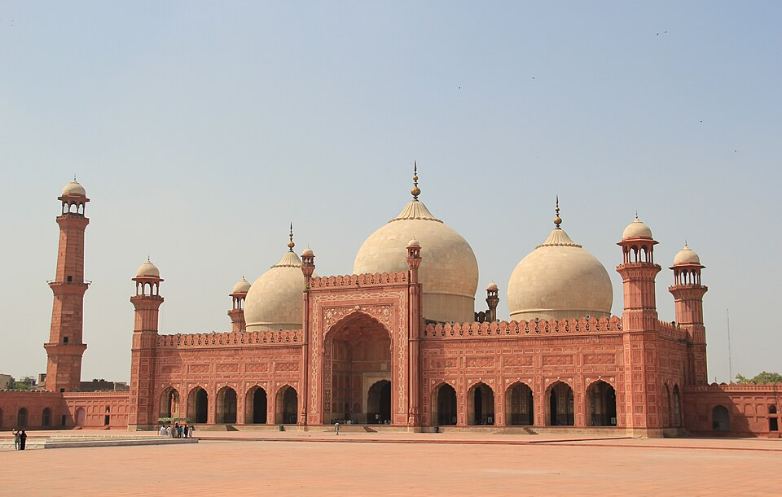
aerial view of pakistan monument

History of Pakistan Monument
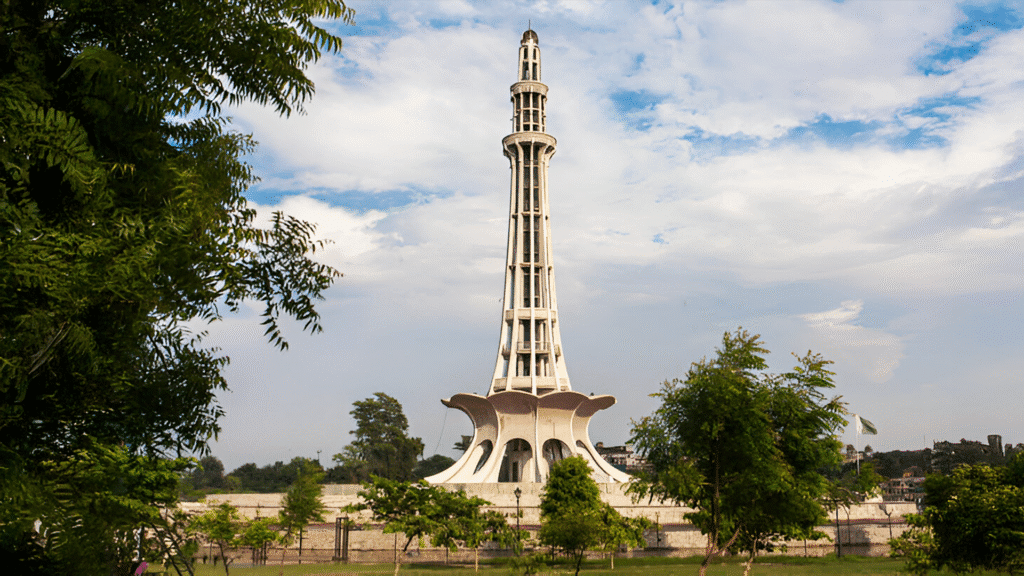
The idea of the Pakistan Monument was developed to create a national symbol that represents the country’s unity and heritage. It was designed and built in the early 2000s and quickly became one of Islamabad’s most iconic landmarks.
Timeline Highlights

  • 2002: Project initiated
  • 2004: Construction began
  • 2006: Monument completed
  • 23 March 2007: Officially inaugurated (Pakistan Day)
Since its opening, the monument has become a popular destination for tourists in Islamabad, educational trips, and national celebrations.

Architecture and Symbolism of Pakistan Monument
pakistan monument petals structure

The Monument is designed like a blooming flower, representing Pakistan’s growth and progress as a nation. Its petal-shaped structure symbolises how different communities and regions collectively form a united country.

What Do the Petals Represent?

The design includes seven petals, each representing a part of Pakistan’s identity:

  • Four large petals represent Pakistan’s four major cultural groups: Punjabi, Sindhi, Baloch, and Pakhtun
  • Three smaller petals represent minorities, Azad Kashmir, and Gilgit-Baltistan
Together, all seven petals converge on a central platform, showing unity and togetherness.

Pakistan monument
Crescent and Star Concept

Standing together, the petals visually protect the crescent and star, reflecting the national flag and linking the monument with Pakistan’s identity.

Murals and Interior Art

The inner walls feature artistic murals depicting Pakistan’s rich heritage and important landmarks, such as the Lahore Fort, Badshahi Mosque, Khyber Pass, and Minar-e-Pakistan.

Pakistan Monument Museum | What to See Inside

Pakistan Monument Museum exterior
Right next to the monument is the Pakistan Monument Museum, which is one of the most interesting cultural museums in Islamabad. It gives visitors a deeper understanding of Pakistan’s independence movement and national journey.
wax museums at Pakistan Monument Museum

Highlights Inside the Museum

  • Exhibits covering the Pakistan Movement
  • Visual storytelling through historic photographs, models, and artwork
  • A wax museum section showing key historical moments
  • Educational displays about Pakistan’s heritage and identity

Recommendation: If you’re already visiting the monument, the museum is absolutely worth adding; it transforms your visit from “just sightseeing” into a meaningful experience.

Things to Do at the Pakistan Monument

A visit to the Monument can be relaxing, educational, and highly photogenic. Here are some of the best things you can do while visiting:

  • Enjoy panoramic views of Islamabad from Shakarparian Hills
  • Take photos at sunset (golden hour looks stunning on the monument’s structure)
  • Visit at night to see the monument beautifully lit
  • Explore the museum for historical context
  • Spend time with family; the area is spacious and ideal for casual walking
  • Capture aesthetic shots from the stairs and the central platform

Average visit time: 1–2 hours (2–3 hours with museum + photography)

Pakistan Monument Timings & Ticket Price

Pakistan monument view at night

Before planning your visit, it’s best to confirm the timings, as they may vary depending on the season, maintenance, or national events.

General Visiting Timings

  • The monument area is generally accessible daily
  • Evening visits are popular due to the lighting and weather comfort

Pakistan Monument Museum Timings

Museum timings may differ from monument access hours, and it may sometimes have a weekly day off.

Ticket Price

  • Entry to the monument grounds is usually affordable
  • The museum may have a separate ticket

Tip: For the latest ticket pricing and updated timings, check the Google Maps listing or official updates before visiting.

Best Time to Visit

The best time to visit the Pakistan Monument depends on the weather and the type of experience you want.

Best Season

  • October to March is ideal due to pleasant weather
  • Summers in Islamabad can be hot, especially during midday

Best Time of Day

  • Sunset (Golden Hour): best for photography
  • Night Visits: perfect for lights + city vibes
  • Weekdays: less crowded than weekends

Cultural and Political Significance

The Monument is not only a famous landmark in Islamabad, but it is also a powerful national symbol. Built to represent unity, pride, and shared identity, the monument reflects how Pakistan’s diverse provinces, regions, and minority communities come together as one nation.

Because of its symbolism, the monument is often visited during national celebrations (especially Pakistan Day), educational tours, and cultural gatherings. Many visitors see it as a reminder of Pakistan’s history, independence struggle, and the collective journey of its people.

Beyond tourism, the monument holds value as a national space where people connect with Pakistan’s heritage, making it one of the most meaningful public landmarks in the capital.

FAQs

What is Pakistan’s monument called in Urdu?

Monument is called “یادگارِ پاکستان” in Urdu.

What is the monument of Pakistan?

The Monument is a national monument in Islamabad symbolising unity and pride.

Who made the Pakistan Monument?

The Monument was designed by Architect Arif Masoud.

Why was the monument built?

The Monument was built to represent the unity of Pakistan and honour national sacrifices.

What is the famous monument of Pakistan?

The Monument is one of Pakistan’s most famous monuments.

Where is the Pakistan Monument located?

It is located in Shakarparian Hills, Islamabad, Pakistan.

What is the meaning of the monument of Pakistan?

It represents unity, with petals symbolising Pakistan’s regions and communities.

How much is the ticket for Pakistan Monument?

The ticket price may vary, so check the latest official update before visiting.

Conclusion

The Monument Islamabad is more than just an iconic structure — it is a powerful symbol of unity, pride, and national identity. With its meaningful petal-shaped design, cultural murals, and the nearby Museum, the site offers a complete experience of Pakistan’s heritage and history.

Whether you’re visiting for photography, sightseeing, or learning about the country’s journey, the Monument is a must-visit landmark for anyone exploring Islamabad.

For more information on tourist attractions like Minar-e-Pakistan, visit Chakor blogs.