Pakistan is a country in motion. At Chakor, our Developments section brings you the latest on real estate projects, infrastructure works, and urban growth initiatives transforming cities and communities across the country.
From newly launched housing schemes to large-scale commercial builds, stay up to date with the developments that are defining where Pakistan is headed.
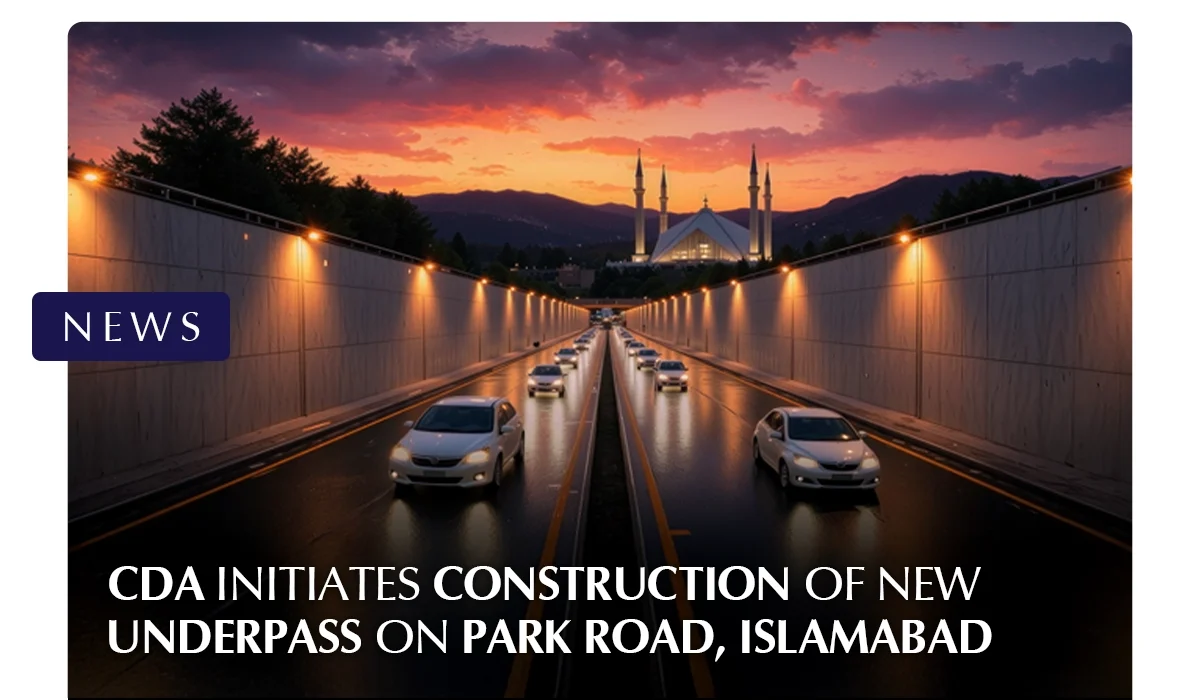
ISLAMABAD: The Capital Development Authority (CDA) has begun work on a new underpass at Margalla Enclave along Park Road in Islamabad, marking another step in its ongoing efforts to improve urban traffic infrastructure. The project is designed to ease congestion on one of the city’s busiest routes and enhance overall traffic movement for daily commuters.
To facilitate construction, the Islamabad Traffic Police (ITP) has implemented a comprehensive traffic diversion plan. Vehicles travelling from Rawal Dam Chowk toward Tramri will be redirected via NIH Road and Mohra Noor before rejoining Park Road beyond the construction zone. For traffic heading from Tramri toward Rawal Dam Chowk, a diversion has been established near Chai Khana, routing vehicles through the CDA Nursery area and back onto Park Road via temporary feeder roads.
Commuters are advised to use alternative routes such as Lehtrar Road, Khanna Pul, and the Islamabad Expressway where possible to avoid delays. Authorities have warned that the construction work is expected to cause significant traffic pressure, particularly during peak hours, and have recommended allowing an additional 20–30 minutes for travel.
Traffic police personnel will be stationed throughout the affected areas to assist motorists and manage orderly flow. Real-time updates and guidance are being provided to help drivers navigate the altered traffic patterns.
The new underpass project is part of the CDA’s broader strategy to modernise Islamabad’s road network and improve urban mobility. Once completed, it is expected to reduce congestion, shorten travel times, and support the city’s growing transportation needs, contributing to smoother and more efficient commuting for residents and visitors alike.
BBC-featured Content Specialist with a sharp eye for search intent and a proven ability to turn content into a growth engine. I leverage cutting-edge digital marketing tools to craft strategies that fuel organic traffic, amplify brand growth, and own the local SEO landscape, particularly across the competitive real estate market. I help brands dominate search rankings and convert visibility into measurable business success.
ISLAMABAD: Pakistan and Kazakhstan have moved a step closer toward launching a major regional railway connectivity initiative, following a high-level consultation held at the Ministry of Railways in Islamabad between Federal Minister for Railways Muhammad Hanif Abbasi and Kazakhstan’s Ambassador to Pakistan, Yerzhan Kistafin.
The meeting focused on strengthening bilateral cooperation in the railway sector and advancing Pakistan’s broader regional connectivity agenda. Both sides discussed strategic projects aimed at linking Pakistan with Central Asia through rail corridors, emphasizing the potential economic impact and long-term trade benefits for the region.
Officials stated that the proposed Pakistan–Kazakhstan Rail Connectivity Project has been identified as a strategically significant initiative under the Prime Minister’s Regional Connectivity Vision. Minister Abbasi described the project as a historic development for Pakistan’s railway sector, noting that it could open new avenues for trade expansion and strengthen regional linkages through enhanced transport integration.
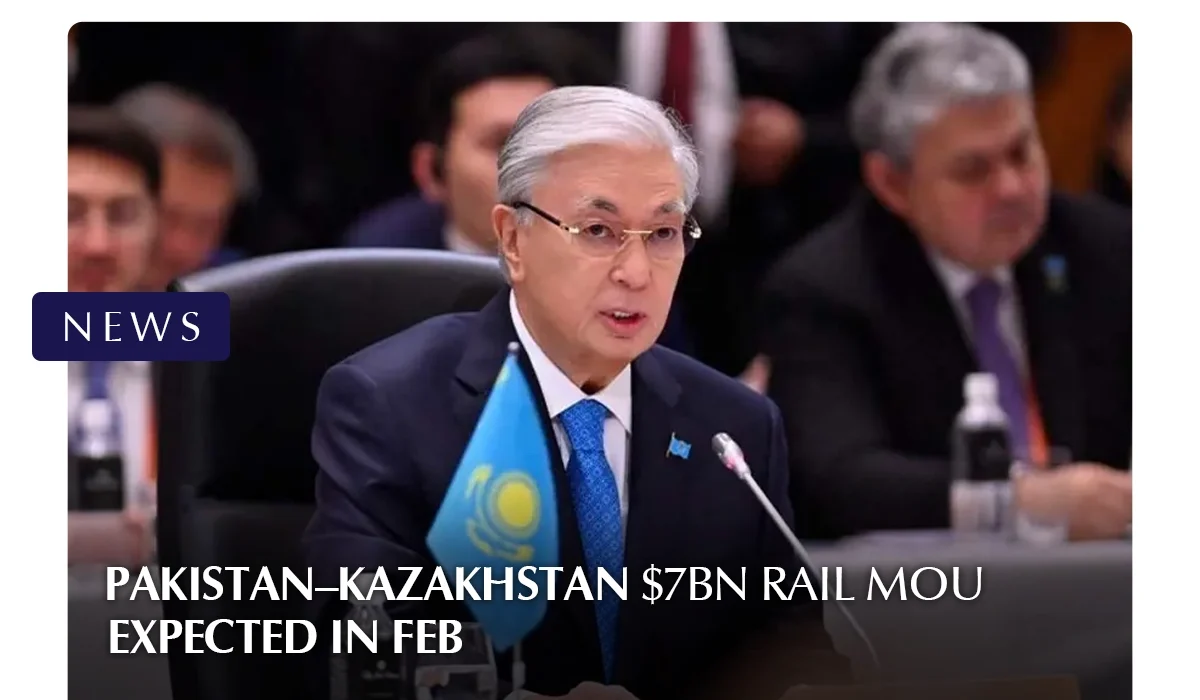
Meanwhile, momentum for the agreement is expected to accelerate in the coming weeks, as Kazakhstan’s President Kassym-Jomart Kemeluly Tokayev is scheduled to visit Pakistan on February 3, 2026. The visit is expected to culminate in the formal signing of a Memorandum of Understanding, further solidifying railway cooperation between the two countries and advancing regional integration goals.
According to the discussions, a preliminary railway network linking Karachi Port to Kazakhstan has already been prepared. The network is intended to strengthen trade routes and improve Pakistan’s access to Central Asian markets.
The plan also envisions extending the railway linkage through Chaman, connecting Afghanistan, Turkmenistan and Kazakhstan, which could further consolidate Pakistan’s role as a key transit hub for regional commerce.
The initiative, estimated to cost approximately USD 7 billion, is expected to be completed within three years, placing it among the largest railway connectivity projects currently under consideration in the region. Stakeholders believe the project could enhance freight movement, lower transportation costs and contribute to broader economic development.
Dedicated and detail-oriented SEO Content Writer, Real Estate Writer, and Research Analyst based in Islamabad, with proven expertise in developing accurate, valuable, and well-researched content. Skilled in analytical writing, market research, and reporting, with the ability to turn insights into clear, professional, and impactful content. Passionate about exploring new ideas, analyzing industry trends, and contributing to high-quality writing and research-driven projects.
LAHORE: In response to the tragic fire that claimed 26 lives at Karachi’s Gul Plaza, Punjab Chief Minister Maryam Nawaz Sharif has directed a province-wide audit of fire safety systems in both public and private buildings. The audit is part of a broader initiative to ensure public safety and prevent similar disasters.
The Chief Minister expressed her grief over the incident and extended condolences to the victims’ families. She urged the immediate implementation of safety measures, stating that fire safety systems in all buildings must be regularly inspected and upgraded where necessary.
As part of her ongoing efforts to improve infrastructure, CM Maryam Nawaz also announced a series of urban development initiatives. These include fully reconstructing roads after excavation for sewerage and drainage projects and ensuring that pits dug during development work are properly covered and fenced to avoid accidents.
The Chief Minister further emphasized the importance of transparency in ongoing development projects. Under the Punjab Development Plan (PDP), she highlighted that Phase-I projects had saved the government Rs 2.8 billion through effective transparency measures.
CM Nawaz also outlined plans for major sewerage, drainage, and water storage projects across various districts, including Sargodha, Dera Ghazi Khan, and Gujrat, as well as for developing green spaces and utility corridors in urban areas.
Punjab Emergency Services Minister Khawaja Salman Rafique also called for the complete enforcement of the Building Safety Regulations 2022, following a survey of 2,214 high-rise buildings in the province. He revealed plans to extend firefighting services to 39 additional tehsils, with an investment of Rs 2 billion. Rescue 1122 has already responded to over 280,000 fire emergencies, saving an estimated Rs 768 billion in potential damages.
These measures reflect the Punjab government’s commitment to improving public safety and urban infrastructure across the province.
Dedicated and detail-oriented SEO Content Writer, Real Estate Writer, and Research Analyst based in Islamabad, with proven expertise in developing accurate, valuable, and well-researched content. Skilled in analytical writing, market research, and reporting, with the ability to turn insights into clear, professional, and impactful content. Passionate about exploring new ideas, analyzing industry trends, and contributing to high-quality writing and research-driven projects.
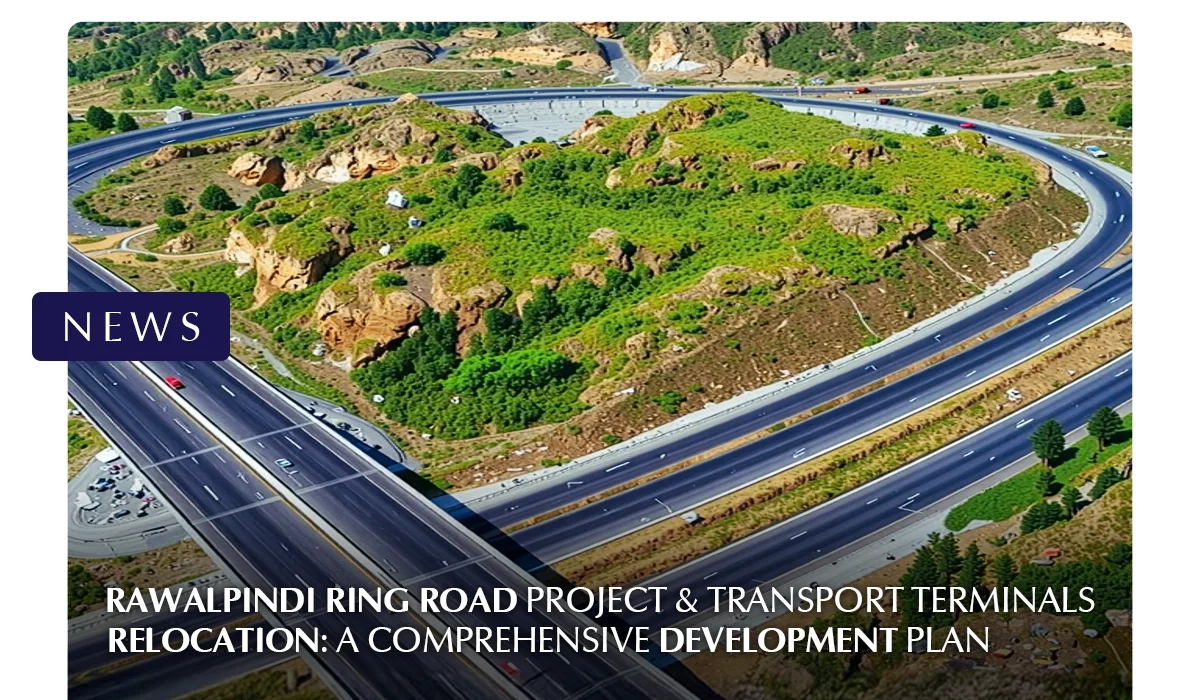
In a major move to alleviate traffic congestion and improve infrastructure, the Rawalpindi Development Authority (RDA) is making significant progress on the Rawalpindi Ring Road Project and the relocation of 44 key transport terminals. The dual initiatives are set to reshape the city’s traffic management, boost regional connectivity, and transform Rawalpindi’s transport landscape.
Rawalpindi Ring Road: Progress and Impacts
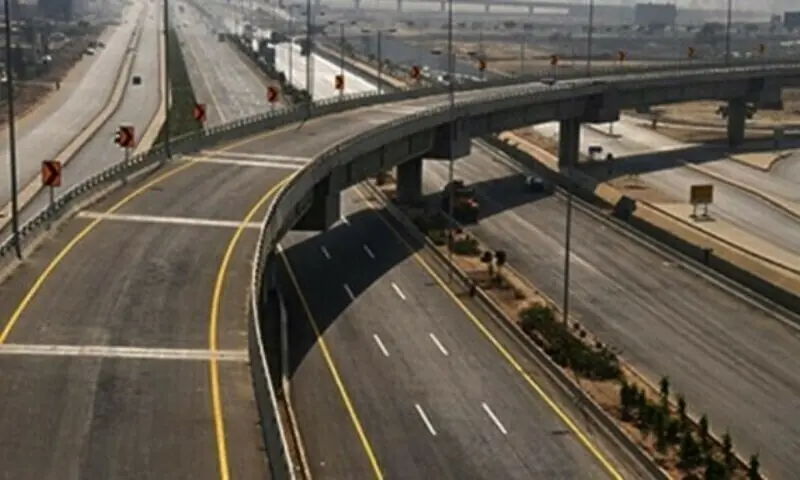
The Rawalpindi Ring Road, a crucial part of the city’s transportation overhaul, is a 38.3-kilometre, six-lane highway designed to connect key zones in Rawalpindi and Islamabad. The project aims to reduce congestion and improve access to regional economic zones.
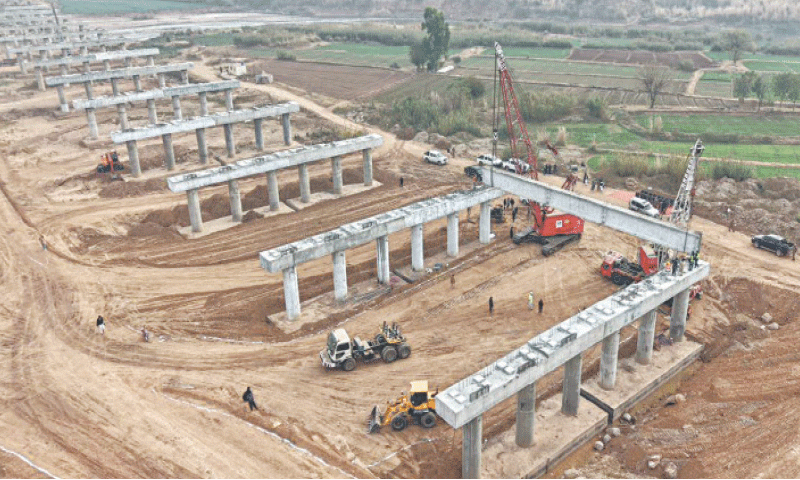
Current Progress: As of the latest reports, the project is 70% complete, with structural work, road surfacing, embankments, and drainage systems progressing steadily. Key sections, including the Banth to Thallian Interchange, are already under construction.
Revised Timeline: The Rawalpindi Ring Road, initially slated for completion by December 2025, now has a new deadline of March 2026. The project’s total cost has been revised upwards to Rs. 50 billion due to the redesigning of the Thallian Interchange, a critical junction connecting the Ring Road to the M-2 Motorway.
Expected Benefits: The Ring Road will significantly ease traffic congestion in Rawalpindi, improve access to major highways, and facilitate smoother connectivity to Islamabad. Once completed, it will reduce traffic volume on city roads, benefiting both commercial and commuter traffic.
Project Management: The construction is being carried out by Frontier Works Organisation (FWO) under the oversight of the Rawalpindi Development Authority (RDA).
Relocation of Transport Terminals: Strategic Planning for Traffic Management
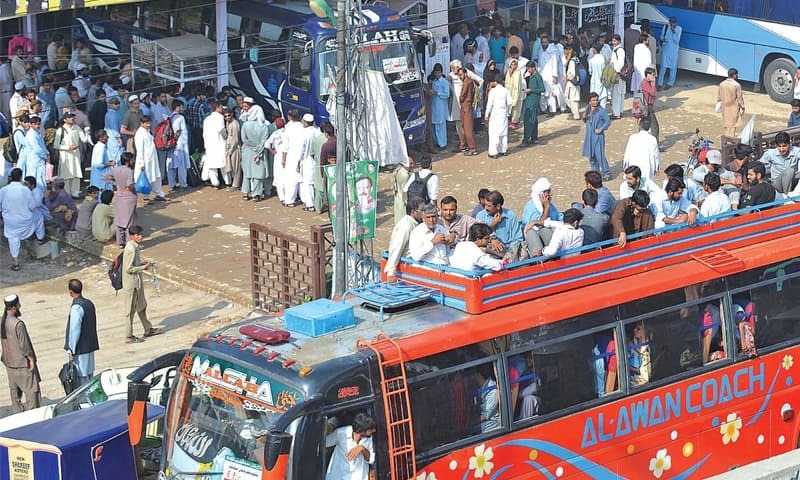
In line with the vision to streamline Rawalpindi’s transport system, the Punjab government has approved the relocation of major transport terminals to areas near the Rawalpindi Ring Road. This move aims to reduce traffic congestion within the city, particularly from heavy transport vehicles.
Pirwadhai Bus Stand: The prominent Pirwadhai General Bus Stand, along with other terminals, will be shifted to a more centralised location along the Ring Road. This relocation will accommodate inter-district buses and intra-city transport, improving traffic management and passenger operations.
New Terminal Locations: Other transport terminals, including those at Faizabad and Chungi No. 26, will also be closed, with all long-distance and goods transport hubs moved to strategic locations along the Ring Road.
Key Routes:
Transport coming from Peshawar will now operate from a new terminal near Islamabad Airport.
Vehicles from Azad Kashmir via Murree will stop at Bharakahu, while those coming from other districts will enter through Rawat.
Traffic and Fare Adjustments: The relocation will impact local travel. Fares for intra-city buses will range from Rs. 20 to Rs. 50, while passengers travelling to the newly relocated terminals may experience changes in travel time.
Policy Changes: To complement the relocation, the Punjab government will enforce a ban on heavy transport vehicles entering the city’s core. Any violating vehicles will face impoundment. Public transport buses and wagons will ferry passengers from the Ring Road terminals into the city centre, offering seamless connectivity.
Long-Term Impact: Urban Mobility and Economic Growth
Both the Rawalpindi Ring Road Project and the relocation of transport terminals are part of a comprehensive urban development strategy. By reducing congestion and improving connectivity, these initiatives are expected to enhance the city’s overall mobility, improve air quality, and stimulate local economic growth.
Environmental and Aesthetic Benefits: The Ring Road project incorporates green initiatives, including the creation of green belts, better drainage systems, and improved traffic safety measures. These will contribute to a cleaner, more sustainable urban environment.
Public Response: While many residents welcome the plan for its long-term traffic management benefits, some have expressed concerns about longer travel distances and the costs of relocating terminals. However, the shift is being framed as a necessary step to manage Rawalpindi’s increasing population and transport demands.
A Vision for a Modern Rawalpindi
With Rs. 50 billion invested in the Rawalpindi Ring Road Project and additional resources allocated for terminal relocations, the city is witnessing one of its most significant infrastructural transformations.
The development of this vital infrastructure will not only ease traffic congestion but will also position Rawalpindi as a model for modern urban mobility in Pakistan.
As the project progresses towards its 2026 completion, Rawalpindi’s residents and visitors can look forward to enhanced connectivity, reduced travel times, and a cleaner, more efficient transport system.
BBC-featured Content Specialist with a sharp eye for search intent and a proven ability to turn content into a growth engine. I leverage cutting-edge digital marketing tools to craft strategies that fuel organic traffic, amplify brand growth, and own the local SEO landscape, particularly across the competitive real estate market. I help brands dominate search rankings and convert visibility into measurable business success.
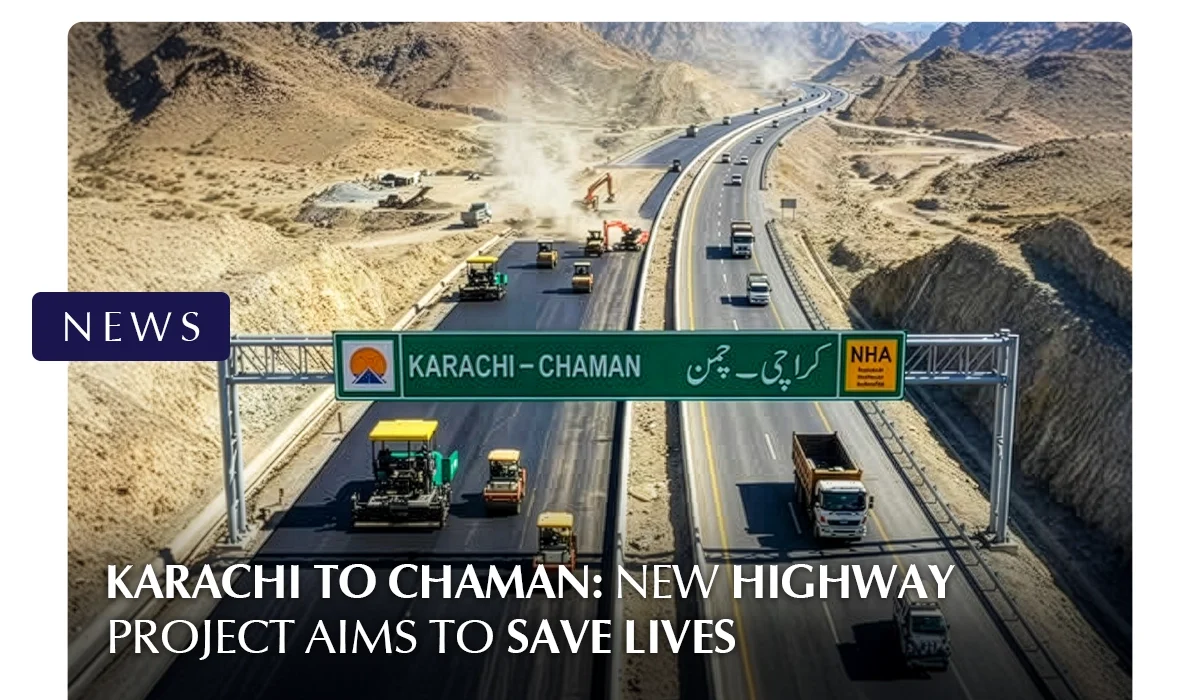
KARACHI: Prime Minister Shehbaz Sharif has announced that construction work on the Karachi–Chaman highway has officially started. He said the project will be completed in one year. Earlier, it was expected to take two years.
The prime minister called the highway a major step for safer travel. He said the current route has a long history of deadly accidents. The new highway will improve road safety and regional connectivity.
PM Sharif told the federal cabinet that he recently visited Quetta. He laid the foundation stone of the highway there. The road will be nearly 850 kilometres long. It will link Karachi to Chaman through key areas of Balochistan.
He said the project will cost around Rs400 billion. The entire cost will be paid by the federal government. He explained that funds were arranged through savings. These savings came when the government did not reduce fuel prices despite falling global oil prices. He said this money is now being used for national development.
The prime minister also highlighted support for farmers. He said a Rs75 billion agricultural package for Balochistan has been completed. Out of this, Rs50 billion was provided by the federal government. He added that solar energy solutions are being introduced to reduce dependence on unreliable electricity. Farmers can now irrigate their lands using solar panels.
He also shared updates about Daanish schools in the province. He said construction has begun and contractors are mobilised. He added that the plan has expanded from five schools to seven. The goal is to improve education and opportunities in underserved areas.
Dedicated and detail-oriented SEO Content Writer, Real Estate Writer, and Research Analyst based in Islamabad, with proven expertise in developing accurate, valuable, and well-researched content. Skilled in analytical writing, market research, and reporting, with the ability to turn insights into clear, professional, and impactful content. Passionate about exploring new ideas, analyzing industry trends, and contributing to high-quality writing and research-driven projects.
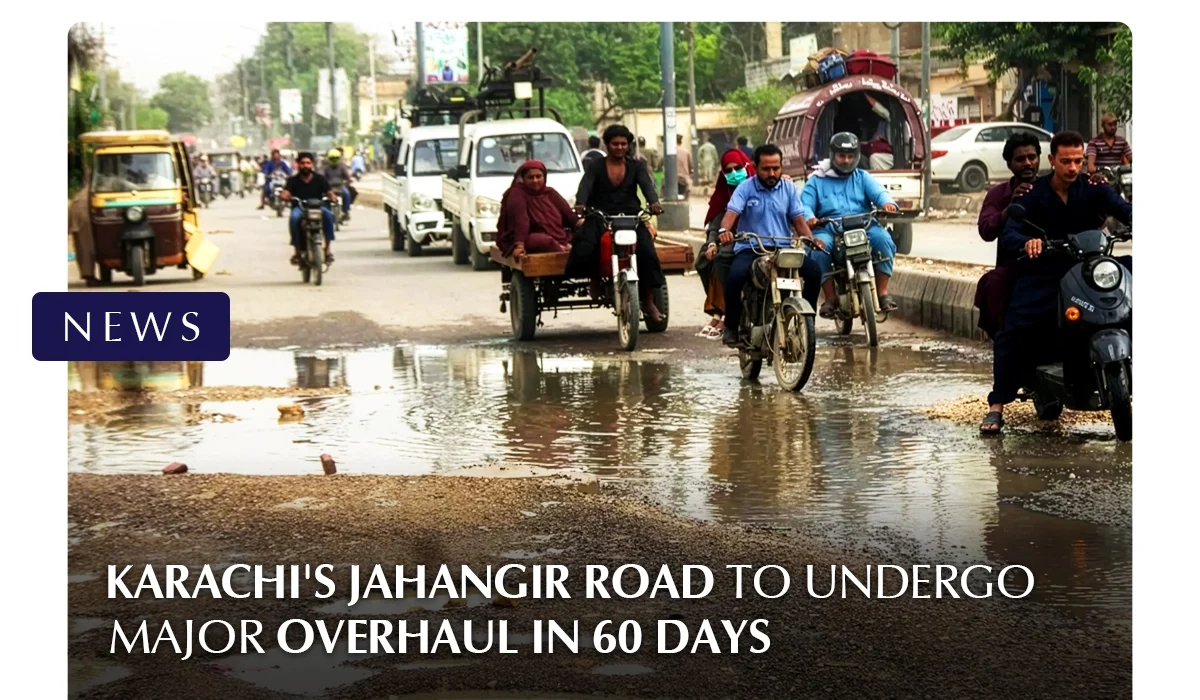
KARACHI: Jahangir Road, a vital link between two districts in Karachi, is set for a major reconstruction. The road has long suffered from severe damage and drainage problems, affecting residents and commuters.
At the foundation-laying ceremony on Wednesday, Mayor Karachi Barrister Murtaza Wahab highlighted the importance of this project. He noted that while the road was initially built by the Karachi Development Authority (KDA), it had been repeatedly damaged during rains due to outdated drainage systems.
This time, the Karachi Metropolitan Corporation (KMC) will fully fund the reconstruction. The project will not only rebuild the road but also replace the old sewerage system. Stormwater drains will be added on both sides to prevent future flooding.
The road will feature a 3-inch asphalt base, a 2-inch asphalt concrete wearing course, and 50,000 square feet of new carpeting. Additionally, 2,000 feet of stormwater drains will be constructed, along with 252,000 square feet of 80mm paver blocks.
The original project timeline was 90 days, but it has been shortened to 60 days to reduce public inconvenience. Work will continue day and night to meet the deadline.
Once completed, the road will improve traffic flow, drainage, and overall infrastructure for local residents. This project is part of a larger initiative to develop over 400 roads across the city, with a total budget of Rs. 46 billion.
BBC-featured Content Specialist with a sharp eye for search intent and a proven ability to turn content into a growth engine. I leverage cutting-edge digital marketing tools to craft strategies that fuel organic traffic, amplify brand growth, and own the local SEO landscape, particularly across the competitive real estate market. I help brands dominate search rankings and convert visibility into measurable business success.
Lisbon, Portugal – January 14, 2026: Muhammad Abbad Khan, CEO of Chakor Ventures, met with José Paulo Marques, President & CEO of OLAE, and Dr. Muhammad Sohail, CEO of SJ Investment, in Lisbon, Portugal. The primary objective of this meeting was to discuss inward FDI opportunities in Pakistan via Chakor Ventures’ upcoming project in Lahore.
The meeting was attended by Muhammad Abbad Khan, CEO of Chakor Ventures; José Paulo Marques, President & CEO of OLAE (Observatório Lusófono de Actividades Económicas); and Dr. Muhammad Sohail, CEO of SJ Investment and an investor and business developer with significant experience in the USA and Europe.
The discussions primarily focused on exploring avenues for inward foreign direct investment FDI in Pakistan through Chakor Ventures’ Lahore Project, which is set to play a pivotal role in enhancing economic opportunities and contributing to the region’s growth. The upcoming Lahore Project aims to provide world-class infrastructure and development solutions, creating new opportunities for local businesses and the broader economy.
Muhammad Abbas Khan, CEO of Chakor Ventures, stated, “We are focused on fostering FDI in Pakistan that not only accelerates development but also creates economic value and sustainable growth for local and global stakeholders.”
Meanwhile, President of OLAE, José Paulo Marques, a leading economist with extensive expertise in international trade and economic policy, emphasised the importance of cross-border investment in emerging markets and its potential to drive economic growth in the region.
Dr. Muhammad Sohail, with his extensive experience as a business developer and investor in international markets, discussed the importance of fostering global partnerships to support large-scale infrastructure projects in emerging economies.
The meeting aligned with Chakor Ventures’ ongoing efforts to explore global partnerships and investment opportunities for its expanding project portfolio, further supporting its mission to deliver world-class infrastructure and development solutions in Pakistan.
For more information about Chakor Ventures and its development initiatives, visit Chakor Ventures.
BBC-featured Content Specialist with a sharp eye for search intent and a proven ability to turn content into a growth engine. I leverage cutting-edge digital marketing tools to craft strategies that fuel organic traffic, amplify brand growth, and own the local SEO landscape, particularly across the competitive real estate market. I help brands dominate search rankings and convert visibility into measurable business success.
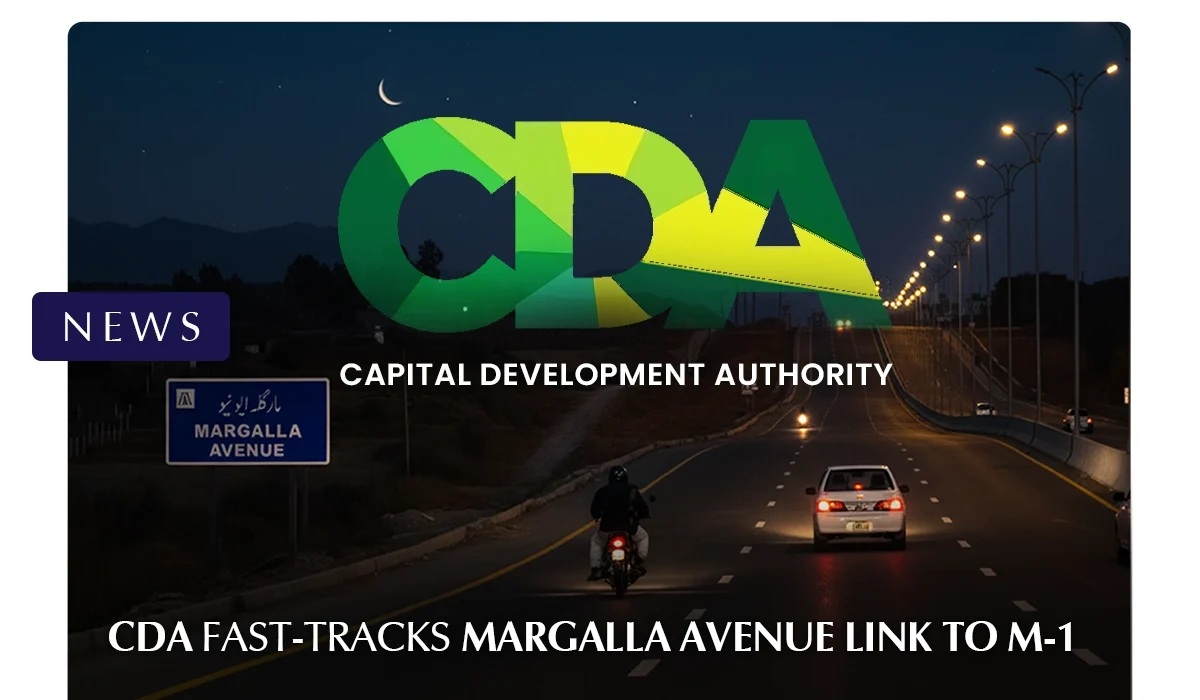
ISLAMABAD: The Capital Development Authority has moved forward with plans to connect Margalla Avenue to the Peshawar Motorway (M-1), marking a significant step toward enhancing regional traffic flow and improving access to the federal capital.
CDA has invited tenders for the construction of the final 2.7-kilometre stretch of Margalla Avenue, which will include an interchange on GT Road. According to officials, technical bids will be opened on January 23, and the project is expected to be completed within eight months once construction begins.
At the road’s endpoint near Sangjani Grid Station, the National Highway Authority will undertake construction of an additional 2.5-kilometre section within Rawalpindi’s jurisdiction. This section will connect the route to M-1 near the AWT Housing Society. NHA has already awarded a Rs 4.1 billion contract for this segment to the National Logistic Cell.
The project, which has been under discussion for nearly five years, is designed as a three-lane dual carriageway with two-lane service roads, featuring a cloverleaf interchange. Once completed, it will provide a six-lane alternative route for commuters travelling between Islamabad and GT Road (N-5), easing congestion on existing arteries.
Separately, CDA officials confirmed preparations to invite bids for an underpass near Islamabad Club on Murree Road, with the design currently undergoing finalisation. The authority stated that these initiatives align with its broader agenda to enhance urban mobility and road infrastructure in the capital.
Dedicated and detail-oriented SEO Content Writer, Real Estate Writer, and Research Analyst based in Islamabad, with proven expertise in developing accurate, valuable, and well-researched content. Skilled in analytical writing, market research, and reporting, with the ability to turn insights into clear, professional, and impactful content. Passionate about exploring new ideas, analyzing industry trends, and contributing to high-quality writing and research-driven projects.
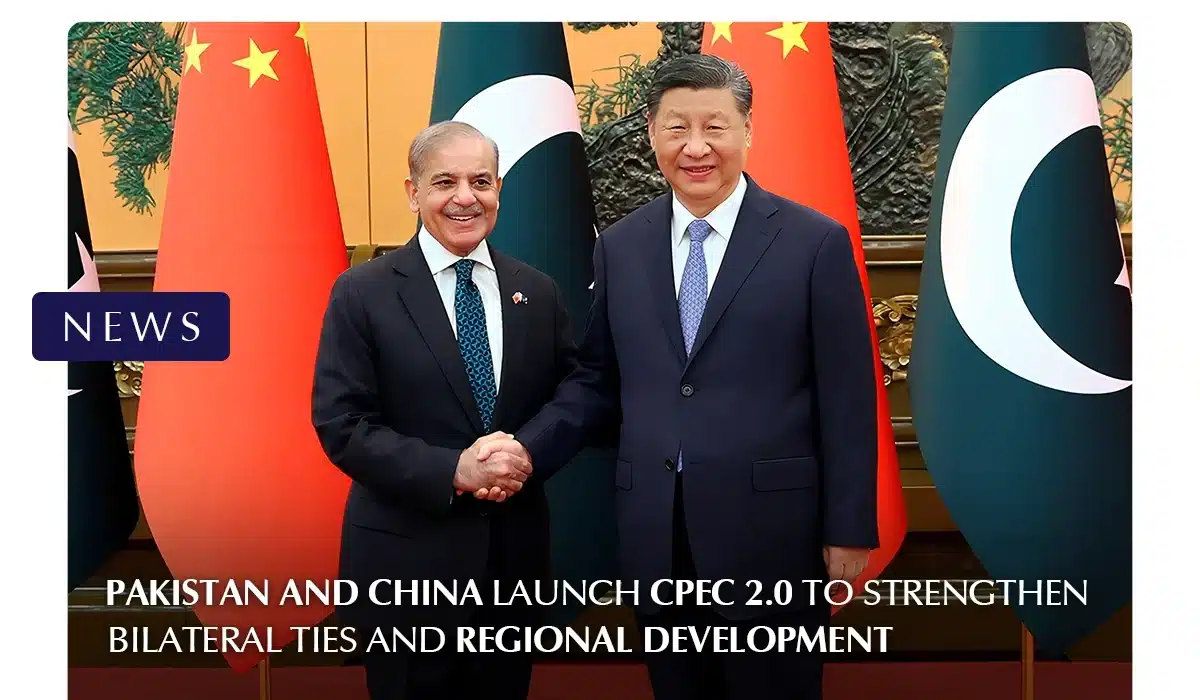
ISLAMABAD: In a significant diplomatic move, Pakistan and China have agreed to align their development strategies under the upgraded China-Pakistan Economic Corridor (CPEC), now known as CPEC 2.0. The agreement was reached during the Seventh Round of the Pakistan-China Foreign Ministers’ Strategic Dialogue, co-chaired by Chinese Foreign Minister Wang Yi and Pakistan’s Deputy Prime Minister and Foreign Minister Mohammad Ishaq Dar in Beijing.
Both countries reaffirmed their longstanding strategic partnership, with CPEC 2.0 being a major milestone in their economic and political cooperation. The upgraded corridor will focus on key sectors, including industry, agriculture, and mining, with a strong emphasis on Gwadar Port development and ensuring the smooth operation of the Karakoram Highway. These initiatives aim to boost sustainable development and strengthen Pakistan’s economic resilience.
Additionally, Pakistan and China agreed to expand cooperation in trade, investment, and cybersecurity, alongside technical exchanges in science, education, and vocational training. The opening of the Khunjerab Pass year-round will further enhance bilateral trade and people-to-people ties.
The dialogue also touched on global and regional issues, with both nations committing to deepen mutual trust and safeguard common interests. They underscored their readiness to collaborate on counter-terrorism, finance, space cooperation, and multilateral forums.
Looking forward, the two sides are preparing for the 75th anniversary of diplomatic relations in 2026 and have reaffirmed their commitment to the Action Plan for 2025–2029, aiming for closer bilateral cooperation in the years ahead.
The next round of talks will be held in Islamabad next year, continuing the momentum of strategic collaboration.
BBC-featured Content Specialist with a sharp eye for search intent and a proven ability to turn content into a growth engine. I leverage cutting-edge digital marketing tools to craft strategies that fuel organic traffic, amplify brand growth, and own the local SEO landscape, particularly across the competitive real estate market. I help brands dominate search rankings and convert visibility into measurable business success.
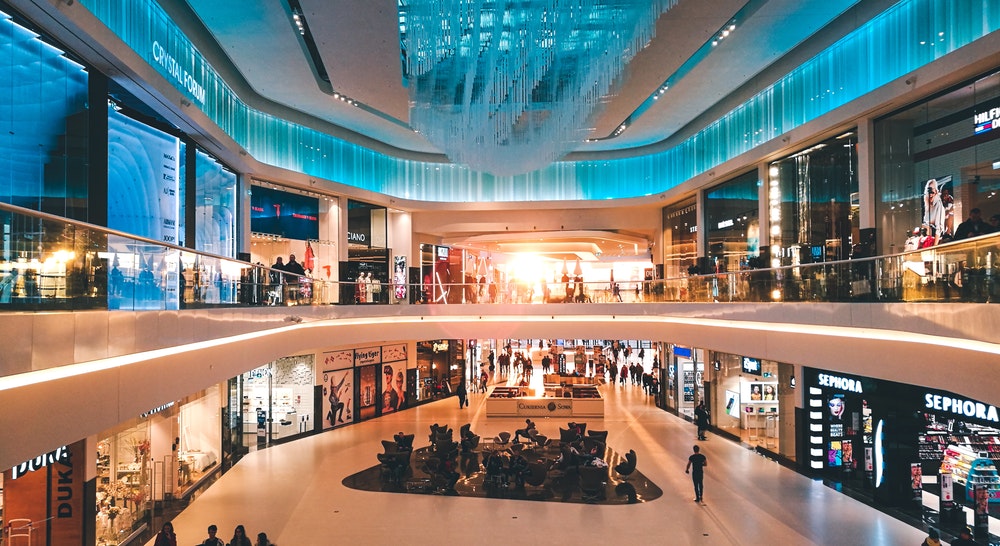
Buying shops in shopping mall is a popular choice for investors looking for steady rental income and long-term growth. Shopping malls attract consistent footfall, which makes mall shop investments more secure compared to many other commercial options.
This retail shop buying guide explains what investors must know before buying shops in shopping mall. Factors like location, layout, and developer reputation play a key role in success.
Well-planned projects such as the Citadel 7 Mall in Islamabad’s Blue Area show how the right location and smart design can improve returns and reduce investment risk.
Why Buying Shops in Shopping Mall Is a Smart Investment?
Buying shops in shopping mall offers multiple advantages for investors seeking stable returns and long-term growth. Below are the key reasons why this investment strategy continues to gain popularity:
High Footfall
Shopping malls naturally attract a large number of visitors for shopping, dining, and entertainment, ensuring consistent customer flow for retail businesses.
Strong Brand Exposure
Retailers benefit from shared mall marketing, anchor brands, and prime internal visibility, helping businesses build recognition and attract walk-in customers.
Long-Term Rental Income
Buying shops in shopping mall provides investors with steady rental income, as well-located retail units remain in high demand among brands and businesses.
Capital Appreciation
Retail shops in prime commercial areas tend to appreciate in value over time, especially within well-planned and centrally located malls.
Prime Location
Centralised malls in premium locations such as Blue Area Islamabad, like Citadel 7 Mall, consistently attract demand due to excellent accessibility, high visibility, and strong foot traffic, making them ideal examples of successful mall shop investment opportunities.
Things Investors Must Know Before Buying Shops in Shopping Mall
When buying shops in shopping mall, investors must assess several critical factors that influence footfall, rental income, and long-term returns. Below are the key considerations every mall shops investment decision should cover.
Location & Footfall
Location plays a decisive role in retail success, as high footfall directly impacts sales and rental demand. Malls positioned on major roads and within established commercial zones attract consistent visitor traffic.
Key points to consider:
Presence on main roads and within prime commercial districts
Easy accessibility for pedestrians and vehicles
Proximity to offices, residential areas, and landmarks
Shop visibility near entrances, escalators, elevators, and main corridors
A strong example is Citadel 7 Mall, located on Jinnah Avenue in Blue Area, a high-footfall commercial corridor that ensures steady customer movement throughout the day.
Developer & Mall Management Reputation
The reputation of the developer and the quality of mall management significantly influence long-term investment performance. Professionally managed malls maintain higher occupancy and attract stronger brands.
Key points to consider:
Developer’s track record and timely project delivery
Quality of construction and planning standards
Professional mall management for operations, marketing, and maintenance
Tenant mix management to sustain footfall
Projects like Citadel 7 Mall prioritise professional mall management, directly supporting tenant success, rental stability, and long-term asset value.
Shop Size, Layout & Visibility
The size, layout, and positioning of a shop affect customer engagement and sales potential. Investors should carefully evaluate where their unit sits within the mall.
Key points to consider:
Ground-floor shops for maximum visibility vs upper-floor value opportunities
Corner shops offering better frontage and brand exposure
Adequate ceiling height for signage and interior design
Wide corridors and smooth circulation to support foot traffic
Citadel 7 Mall demonstrates best practices through optimised retail layouts, wide corridors, and high-speed escalators, ensuring strong visibility and movement across all floors.
Legal Due Diligence & Documentation
Legal clarity is essential when buying shops in shopping mall, as incomplete documentation can create serious investment risks.
Key points to consider:
Clear land title and ownership verification
Relevant authority approvals and NOCs
Transparent sale and purchase agreements
Clearly defined possession timelines
Premium, CDA-approved developments like Citadel 7 Mall typically offer structured documentation and transparent processes, reducing legal and compliance risks for investors.
Rental Yield & ROI Expectations
Investors should have realistic expectations regarding returns and understand how different factors influence profitability in mall shop investments.
Key points to consider:
Difference between rental income and capital appreciation
Impact of footfall and tenant demand on rental yields
Long-term value growth in prime commercial zones
Market demand and resale potential
Retail units in prime locations such as the Blue Area, including projects like Citadel 7 Mall, generally offer strong rental yields due to sustained demand and limited premium retail supply.
How to Evaluate a Mall for Retail Shop Investment?
Before buying shops in shopping mall, investors should carefully evaluate the project using a clear checklist to minimise risk and maximise returns. Below are the key factors every buyer should assess:
Location
Choose malls located in prime commercial zones with strong visibility and surrounding activity. Citadel 7 Mall, for example, is positioned in Islamabad’s Blue Area on Jinnah Avenue, ensuring constant exposure and demand.
Parking Availability
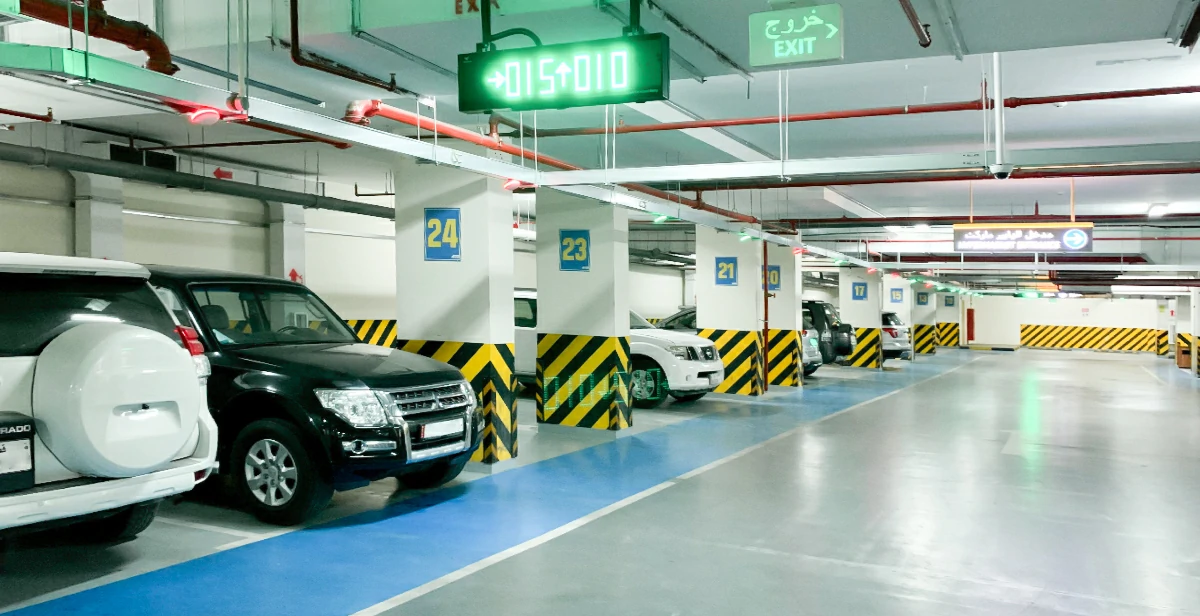
Adequate and well-planned parking is essential for consistent footfall. Malls with large basements and outdoor parking, like Citadel 7 Mall, offer convenience that directly supports retail performance.
Footfall Drivers
Look for malls near offices, hospitals, landmarks, and business hubs that naturally attract daily visitors. Citadel 7 benefits from nearby commercial activity and major city landmarks, creating steady foot traffic.
Food Court & Anchor Attractions
A dedicated food court or dining zone keeps visitors inside the mall longer and boosts shop visibility. Citadel 7 Mall features a dedicated food court and fine-dining options that act as strong footfall anchors.
Accessibility
Easy access from main roads and multiple entry points is critical for customer convenience. Being connected to Jinnah Avenue and Ibn-e-Sina Road, Citadel 7 Mall offers seamless accessibility.
Completion Timeline & Planning
Investors should assess project timelines, approvals, and overall planning quality. Professionally planned malls with clear completion schedules, such as Citadel 7 Mall, reduce uncertainty and support long-term investment confidence.
Buying Shops in Upcoming vs Ready Shopping Malls
When buying shops in shopping mall, investors often face the choice between upcoming (under-construction) malls and ready-to-operate malls. Each option offers distinct benefits and risks, and understanding the difference is essential for making a smart mall shop investment decision.
Pros and Cons of Under-Construction Shopping Malls
Pros
Cons
Lower entry price compared to ready malls
Rental income starts only after possession
Higher capital appreciation potential by completion
Risk of construction or possession delays
Flexible and staggered payment plans
Depends heavily on developer credibility
Better choice of shop sizes and locations
Market conditions may change at completion
Easier cash-flow management for investors
Requires thorough due diligence
Payment Plans: A Key Advantage
Upcoming malls usually offer structured instalment plans, allowing investors to spread payments over the construction period rather than making a large upfront payment. This makes retail shop buying more accessible and financially manageable, especially for long-term investors.
Price Advantage vs Delivery Risk
While under-construction malls offer attractive pricing and higher upside, investors must balance this against delivery risk. Evaluating the developer’s track record, approvals, and construction progress is critical to minimising uncertainty.
Citadel 7 Mall as a Practical Example
Citadel 7 Mall serves as a strong example of a well-planned, under-construction retail project. Located in Islamabad’s Blue Area, it offers a clear completion timeline (December 2026) and a structured payment plan, making it an appealing option for investors seeking a price advantage without compromising on project credibility. This approach aligns well with best practices outlined in any reliable retail shop buying guide.
Pros & Cons of Mall Shops Investment
Pros
Cons
High footfall ensures a consistent customer flow
Higher initial investment compared to other commercial options
Better rental yield due to strong retail demand
Requires thorough legal and financial due diligence
Enhanced brand visibility within a mall environment
Longer holding period before full ROI realisation
Professional and well-managed business setting
Investment performance depends on overall mall success
Why Citadel 7 Mall Fits Key Investment Criteria
Citadel 7 Mall aligns closely with the essential factors investors should evaluate when buying shops in shopping mall, making it a relevant example within any practical retail shop buying guide.
Blue Area Location: Situated in Islamabad’s most prominent commercial zone, Citadel 7 benefits from high business activity, strong footfall, and long-term demand for retail space.
Jinnah Avenue Frontage: Its direct frontage on Jinnah Avenue ensures maximum visibility and easy access, two critical drivers of retail performance.
Retail-Optimised Design: The mall is planned with multiple retail floors, wide corridors, and efficient circulation, supporting smooth customer movement and shop visibility.
Parking & Accessibility: Multiple basement parking levels and CDA-approved access points make the mall convenient for daily visitors and peak-hour traffic.
Long-Term Appreciation Potential: Being located in Blue Area, where commercial property values historically perform well, positions Citadel 7 Mall for sustained capital growth over time.
Conclusion | Buying Shops in Shopping Mall
In conclusion, buying shops in shopping mall can be a rewarding investment when key factors such as location, design, footfall, and long-term growth potential are carefully evaluated. Understanding the differences between upcoming and ready malls, assessing risks, and learning from well-planned projects like Citadel 7 Mall can help investors make informed decisions. A strategic approach ensures stronger rental yields, capital appreciation, and sustainable returns over time.
BBC-featured Content Specialist with a sharp eye for search intent and a proven ability to turn content into a growth engine. I leverage cutting-edge digital marketing tools to craft strategies that fuel organic traffic, amplify brand growth, and own the local SEO landscape, particularly across the competitive real estate market. I help brands dominate search rankings and convert visibility into measurable business success.