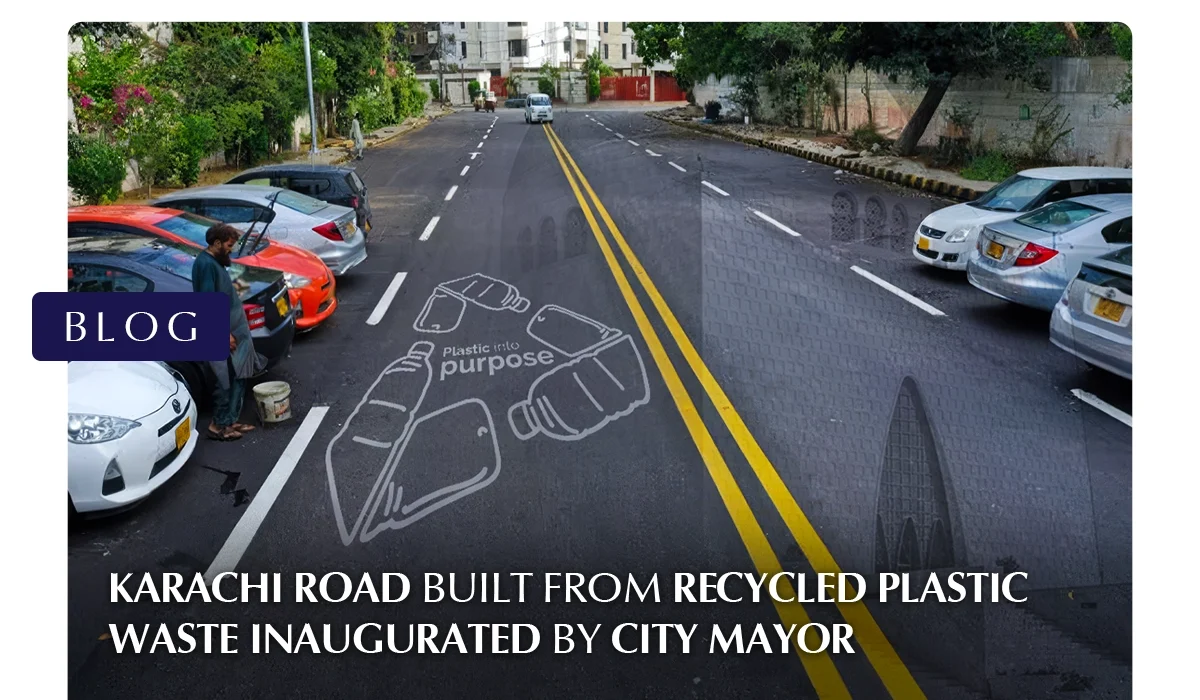
Pakistan is a country in motion. At Chakor, our Developments section brings you the latest on real estate projects, infrastructure works, and urban growth initiatives transforming cities and communities across the country.
From newly launched housing schemes to large-scale commercial builds, stay up to date with the developments that are defining where Pakistan is headed.
FAISALABAD – The city’s road infrastructure is being rapidly upgraded under the ongoing ‘Sarakain Bahal – Safar Asaan’ program, as repair and restoration work gains momentum along Sheikhupura Road up to Nishatabad Bridge.
Divisional Commissioner and Administrator Municipal Corporation Faisalabad, Raja Jahangir Anwar, said the government is utilizing all available resources to improve road conditions and provide residents with safer, smoother, and more convenient travel options. He emphasized that the initiative reflects the Punjab government’s commitment to enhancing urban mobility and public convenience across the province.
Alongside road repairs, anti-encroachment operations are underway throughout the city, including Faisalabad’s eight main bazaars, to reclaim public spaces and ensure unobstructed pedestrian and traffic movement. Authorities are also restoring traffic signals, illuminating streetlights, and completing asphalt work on link roads and inner streets to improve citywide connectivity.
Raja Jahangir Anwar noted that municipal services will continue uninterrupted during the development work and reaffirmed that the improvement drive will persist until Faisalabad’s infrastructure aligns with the standards envisioned by the Chief Minister of Punjab.
The “Sarakain Bahal – Safar Asaan” program is part of the Punjab government’s broader effort to modernize urban infrastructure, promote civic development, and facilitate efficient, safe travel for citizens across major cities.
BBC-featured Content Specialist with a sharp eye for search intent and a proven ability to turn content into a growth engine. I leverage cutting-edge digital marketing tools to craft strategies that fuel organic traffic, amplify brand growth, and own the local SEO landscape, particularly across the competitive real estate market. I help brands dominate search rankings and convert visibility into measurable business success.
Mangla Dam is more than concrete and rock, it’s a lifeline for Pakistan’s water and energy needs. Built on the Jhelum River in the 1960s, this engineering marvel has powered irrigation, generated clean electricity, and shielded millions from floods for decades. Today, it stands not only as a symbol of national progress but also as a reminder of the urgent need to manage water and energy resources wisely in a changing climate.
Fast Facts & Key Specs
Feature
Details
Location
Jhelum River, near Mirpur (AJK) and Jhelum District, Punjab
The story of Mangla Dam begins in the 1950s, when Pakistan faced urgent challenges of water scarcity and irrigation management after the signing of the Indus Waters Treaty. To ensure secure and reliable water supplies, the project became part of the broader Indus Basin Replacement Works.
1950s–1960s: Planning and Launch
The dam was designed to harness the Jhelum River’s potential for irrigation and power generation.
Construction began in 1961, led by international engineers and local expertise, marking one of the largest development projects in Pakistan at the time.
Engineering Adaptations
Mangla was built under a “design as you build” philosophy. Engineers adapted to on-site conditions such as sheared clays and included auxiliary works like the Jari Dam to stabilize the system.
These adaptations allowed the project to maintain momentum and reach completion ahead of schedule.
Completion in 1967
By 1967, Mangla was fully operational, ranking as one of the largest earth and rockfill dams in the world.
Initial features included:
Four main embankments forming the dam structure.
Main and emergency spillways for safe water discharge.
Five tunnels constructed for water conveyance and power generation.
A staged powerhouse designed for phased installation of turbines and expansion over time.
Mangla Dam’s construction not only transformed Pakistan’s irrigation and energy landscape but also set a benchmark in large-scale engineering for the region.
The Raising Project (2004–2009)
By the early 2000s, Mangla Dam had lost a significant share of its storage due to continuous sedimentation. This reduction threatened irrigation supplies, power generation, and flood protection. To overcome these challenges, the Mangla Dam Raising Project was launched between 2004 and 2009, marking one of Pakistan’s most ambitious water infrastructure upgrades.
Why It Was Carried Out
Sedimentation had reduced effective storage, undermining agricultural and energy needs.
Flood routing capacity was compromised, raising risks during high inflows.
Pakistan’s growing energy demand called for restoring and expanding hydropower potential.
Key Works Undertaken
The project raised the dam’s height by 30 feet, which transformed its capacity and resilience. Major engineering works included:
Dam and dyke raising to increase reservoir volume.
Spillway throttling to manage higher water levels safely.
Construction of a control weir for better water regulation.
Foundation drainage and seepage control to strengthen long-term structural stability.
Outcomes Achieved
Restored lost storage and added ~2.9 million acre-feet (MAF) of new capacity.
Boosted annual energy benefits by approximately 644 GWh, enough to power millions of homes.
Enhanced flood routing efficiency, providing better protection for downstream communities.
Increased gross storage to ~7.49 MAF, about 27% higher than the original 1967 design.
At-a-Glance Metrics
Dam Height Increase: 30 feet
Additional Storage: ~2.9 MAF
Total Gross Capacity: ~7.49 MAF
Annual Power Gain: ≈644 GWh
Project Duration: 2004–2009
Investment Scale: Multi-billion rupees, one of the largest infrastructure undertakings of its time
Mangla Dam is not only a water reservoir but also a cornerstone of Pakistan’s clean energy production. Its powerhouse plays a critical role in meeting the nation’s electricity demand.
Existing Setup
The dam is equipped with 10 Francis-type turbines.
Each unit ranges between 100–135 MW, operating under a rated head of about 295 feet.
After the raising project, the total installed capacity reached approximately 1,070–1,120 MW, making it one of Pakistan’s largest hydropower stations.
Ongoing & Planned Refurbishments
Refurbishment programs are underway to extend the lifespan of the existing turbines and improve efficiency.
Modernization of control systems, gates, and auxiliary equipment is being carried out to enhance safety and reliability.
Expansion concepts are under review to further increase generation capacity, leveraging the additional water head created by the raising project.
Long-Term Benefits
Sustained supply of renewable electricity to reduce reliance on fossil fuels.
Improved performance and reliability of the turbines under high sediment load conditions.
Contribution to Pakistan’s broader goals of energy security and climate resilience.
Irrigation Role & Flood Management
Mangla Dam has been central to transforming Pakistan’s water system from unpredictable flows to a regulated network that sustains agriculture across the Indus plain. Before its construction, farmers relied on seasonal fluctuations of the Jhelum River. With Mangla’s reservoir and controlled releases, irrigation became more reliable, boosting crop yields and ensuring water availability even in drier months.
Reliable Water for the Indus Basin
The reservoir provides dependable irrigation water to millions of acres of farmland.
Its regulated releases support wheat, rice, and cotton production, which form the backbone of Pakistan’s economy.
By acting as a buffer, the dam ensures year-round supply, reducing the dependency on monsoon rains.
Flood Moderation Role
Mangla is not only about storage and irrigation—it is also a major shield against floods.
A notable example was the 1992 floods, where the dam absorbed peak inflows and reduced downstream devastation by cutting flood peaks.
Controlled releases allow for “peak shaving,” which helps reduce the severity of floods along the Indus system.
2025 Context: New Challenges
In recent years, inflow volatility has increased, with some seasons bringing late or reduced river flows.
In 2025, filling delays highlighted the dam’s vulnerability to changing rainfall and snowmelt patterns.
Coordination with the National Disaster Management Authority (NDMA) has become crucial. Real-time monitoring and early-warning systems are now used to balance water storage with flood risk, ensuring communities downstream remain protected while keeping enough water in reserve.
Sedimentation: Current Status, Risks & Engineering Options
One of the most pressing long-term challenges for Mangla Dam is sedimentation. Over time, silt and debris carried by the Jhelum River settle in the reservoir, reducing its effective storage and threatening both irrigation supply and hydropower generation.
Current Status
By 2010, measured deposition had already reduced storage by around 1.29 million acre-feet (MAF).
On average, the dam loses about 0.5% of its capacity each year, a trend that, if unchecked, will continue to erode its usefulness.
Risks from Sediment Advance
The sediment delta is gradually moving closer to the intake structures, raising the risk of blockage and reduced efficiency.
If it reaches critical points, it could severely impact turbine operations and irrigation outlets.
Engineering Options for Side-Pocket Storages
Mangla’s reservoir includes side pockets such as Poonch, Khud-Jari, and Kanshi. Over time, sedimentation may isolate these areas from the main pool. To utilize them effectively, engineers are considering long-term options such as:
Cutting channels to reconnect them with the main reservoir.
Tunnels or siphon systems to draw water.
Targeted dredging windows during low inflow periods to recover storage.
Downstream Morphology & Operational Timing
Increased sediment outflow can reshape riverbeds downstream, affecting canals and distributaries.
This raises the risk of canal siltation, making irrigation networks harder to maintain.
Operators often lower reservoir levels in February–March to flush sediments when inflows are low, but this strategy has limits.
Impact on Hydropower Systems
High sediment load increases turbine wear, reducing efficiency and raising maintenance costs.
Cooling systems and auxiliary equipment face extra stress during peak silt periods.
Contingency planning now includes advanced monitoring, improved turbine design, and predictive maintenance schedules to minimize risks.
Irrigation Role & Flood Management
Mangla Dam has been a game-changer for Pakistan’s irrigation system. Before its construction, farmers in the Indus basin had to depend on unpredictable river flows. With the dam in place, flows are regulated, and water is released according to demand.
This shift from unregulated flows to controlled releases has brought greater reliability to agriculture across the plains. Millions of acres of farmland now benefit from timely irrigation, helping boost food production and ensuring water security throughout the year.
Regulated Releases for the Indus Basin
Provides consistent irrigation supplies across Punjab and Sindh.
Stabilizes cropping cycles for wheat, rice, and cotton.
Ensures water availability in dry months, reducing reliance on rainfall.
Flood Moderation Role
Mangla is also critical for flood control. By storing floodwaters and releasing them gradually, the dam reduces peak flows that would otherwise devastate downstream communities.
A striking example was the 1992 flood, one of the worst in Pakistan’s history. Mangla played a vital role in peak shaving, absorbing massive inflows and cutting the scale of destruction.
This flood moderation capacity remains one of its greatest contributions to national safety.
2025 Context: New Challenges
In 2025, Mangla faced inflow volatility due to shifting rainfall and snowmelt patterns. The dam’s filling was delayed despite monsoon rains, highlighting the vulnerability of storage systems under climate change.
Coordination with the National Disaster Management Authority (NDMA) has become central, with early-warning systems and real-time monitoring in place.
Operators now balance the need for storage with flood-risk reduction, making Mangla an active player in disaster management as well as irrigation.
Sedimentation: Current Status, Risks & Engineering Options
Sedimentation is one of the biggest threats to the long-term effectiveness of Mangla Dam. The Jhelum River carries heavy silt, which settles in the reservoir and gradually reduces its capacity.
Current Status
By 2010, Mangla had already lost about 1.29 million acre-feet (MAF) of capacity to silt deposits.
On average, the reservoir loses around 0.5% of capacity each year.
This continuous buildup reduces both irrigation water availability and hydropower efficiency.
Risks from Sediment Delta Advance
The sediment delta has been moving closer to the dam’s intake structures. If it reaches critical points, it could block or damage the intakes, disrupting power generation and irrigation flows. Managing this advance is essential to keep the system functional.
Side-Pocket Storage Challenges
Mangla has several side pockets such as Poonch, Khud-Jari, and Kanshi. Over time, sedimentation can cut these pockets off from the main reservoir, reducing usable capacity. Engineers have explored solutions like:
Cutting channels to reconnect side pockets.
Building tunnels or siphons to draw water from isolated zones.
Targeted dredging during low inflow seasons to recover capacity.
Downstream Morphology & Siltation Risks
Sediment released from Mangla can alter riverbeds downstream. This has implications for irrigation canals, which may experience higher siltation rates, raising maintenance costs.
Operators often schedule drawdowns in February and March to flush sediments, but this approach has its limits and cannot fully offset long-term deposition.
Cooling systems: Sediment clogs and stresses auxiliary equipment, raising the risk of breakdowns.
Contingency planning: Modern approaches now focus on predictive maintenance, upgraded turbine designs, and real-time monitoring of sediment flow to protect hydropower output.
Social & Environmental Dimensions
Mangla Dam is more than an engineering project, it has shaped communities, livelihoods, and landscapes for over half a century. While it brought irrigation, power, and flood protection, it also came with major social and environmental trade-offs.
Original Displacement (1960s)
When Mangla Dam was first built, nearly 81,000 people were displaced from their ancestral lands. Approximately 67,800 acres of land were acquired to create the reservoir. The scale of resettlement was unprecedented at the time and left lasting social impacts.
Families lost farmland, villages were submerged, and entire communities were forced to adapt to new environments. These experiences provided lessons in planning and managing resettlement for future projects in Pakistan.
Raising Resettlement (2000s)
The Mangla Raising Project (2004–2009) required another round of displacement. About 63,000 more people were resettled as the higher dam levels submerged additional areas.
To address this, the government developed New Mirpur City along with four model towns, complete with roads, schools, and basic services. A structured compensation package was introduced for landowners and affected families.
Notably, resettlement and rehabilitation costs formed a significant portion of the project budget, showing how central social issues had become in large-scale infrastructure planning.
Changing Livelihoods on the Rim
Over time, life around Mangla has evolved. Communities have developed new economic activities, including:
Fisheries in the reservoir, creating both food supply and income sources.
Brick kilns and construction-related industries benefiting from urban expansion.
Vocational training programs to help younger generations shift into new professions.
These shifts reflect the resilience of local populations as they adapt to a transformed social and environmental landscape.
Operations in 2025: Water Stress vs. Flood Risk
In 2025, Mangla Dam once again proved its importance but also revealed new vulnerabilities under climate stress and water scarcity.
Dead-Level Episode (March 2025)
In March 2025, the reservoir dropped to its dead storage level of 1,050 feet, halting water releases and curtailing hydropower production. This rare event highlighted how reduced inflows and shifting weather patterns can put extreme stress on Pakistan’s water and power systems. Farmers faced irrigation shortages, while electricity generation was cut back, increasing reliance on costlier energy sources.
Monsoon 2025: Filling Delays
Despite heavy rains during the monsoon season, Mangla’s filling remained slow. Erratic inflows and unusual timing of rainfall disrupted normal reservoir operations. Storage levels stayed below targets, limiting both irrigation reserves and electricity generation headroom. This underscored the growing challenge of balancing water supply with changing climate conditions.
Real-Time Risk Management
To address these risks, NDMA and WAPDA coordinated closely during 2025. Flood advisories for the Jhelum River were issued in real time, and multi-agency teams created readiness checklists for downstream communities. This included early warning systems, pre-evacuation planning, and tighter monitoring of reservoir levels. These steps show how Mangla’s operations are now as much about disaster risk management as they are about irrigation and hydropower.
Rehabilitation & Modernization Programs
Mangla Dam, now over five decades old, requires continuous upgrades to remain efficient and safe. Rehabilitation and modernization programs have been launched with the dual goal of extending the dam’s operational life and boosting energy output.
Goals of Rehabilitation
Extend the dam’s service life well into the next century.
Increase electricity generation by up to 90 MW, adding around 750 GWh of clean energy annually.
Enhance irrigation reliability for millions of farmers.
Improve safety systems to cope with changing hydrological conditions and seismic risks.
Priority Focus Areas
Unit refurbishment: Overhaul of turbines and generators to restore efficiency.
Gate and hoist reliability: Upgrades to spillway gates and control systems for secure water management.
SCADA systems: Modern digital controls for real-time monitoring and automation.
Sediment monitoring: Installation of advanced tools to track sediment inflow and reservoir health.
Safety instrumentation: Enhanced sensors and monitoring devices to ensure structural integrity and early warning in case of stress events.
These modernization efforts are designed not only to secure Mangla’s future performance but also to align it with modern sustainability and safety standards.
Tourism, Local Economy & Heritage
Mangla is more than a water and energy asset—it has also become a hub for tourism and local economic activity.
Recreational Value: The vast Mangla Lake is a popular destination for boating, fishing, and water sports. Its scenic setting attracts visitors from nearby cities and beyond.
Local Economy: Tourism and hospitality industries in Mirpur and Jhelum benefit directly, with hotels, restaurants, and small businesses thriving around the reservoir.
Heritage Sites: The region hosts historical and cultural attractions, including remnants of old Mirpur submerged under the lake, which remain a point of identity for locals.
Visitor Highlights: District portals regularly promote Mangla as a tourism gem, emphasizing eco-tourism, recreational development, and weekend getaways for families.
Tourism has turned Mangla into not just an engineering landmark, but also a symbol of cultural and economic vitality.
2025–2040 Challenges & Strategy Roadmap
Looking ahead, Mangla Dam faces significant challenges that require proactive strategies to ensure long-term sustainability.
Water Balance & Climate Variability
Increasing demand for irrigation water is placing stress on limited resources.
Climate variability has made inflows unpredictable, disrupting filling schedules.
Strategies now emphasize multi-year storage planning and careful release protocols to balance supply and demand.
Sediment Management
Adaptive operational rules are being developed to manage minimum drawdown levels.
Engineering options include connecting side pockets like Poonch and Kanshi with channels or tunnels to maintain usable storage.
Targeted dredging windows during low-inflow periods are under consideration to recover lost capacity.
Asset Health
Protecting turbines during high-silt inflows is a growing concern.
Cooling system redesigns are being studied to improve resilience against clogging and wear.
Predictive maintenance programs are being developed to anticipate failures and extend turbine life.
Community & Resettlement Stewardship
Long-term stewardship involves supporting communities displaced during both the original project and the raising.
Focus areas include land compensation, housing development, and livelihood restoration.
Grievance redress mechanisms and phased completion of resettlement towns remain ongoing priorities.
Policy, Governance & Data Transparency
Mangla Dam’s operation is overseen by a web of institutions, each playing a critical role:
WAPDA manages dam operations and hydropower production.
IRSA (Indus River System Authority) regulates water distribution across provinces.
NDMA coordinates disaster risk management and flood response.
Provincial irrigation departments oversee regional irrigation supply and infrastructure.
Transparency has become increasingly important. Public dashboards now provide real-time reservoir levels (maximum 1242 ft, dead level 1050 ft), while routine updates are shared through multiple platforms to improve communication with stakeholders and communities
Q1. What is Mangla Dam’s current capacity and conservation level?
Mangla’s current gross capacity is about 7.49 MAF, with a conservation level of 1242 feet and a dead storage level of 1050 feet.
Q2. Why did Mangla hit dead level in March 2025?
A combination of low inflows, erratic rainfall, and higher water demand caused the reservoir to fall to dead storage, halting releases and reducing hydropower output.
Q3. How does sediment threaten turbines and canals?
Sediment advances toward intakes, reducing water flow and efficiency. Downstream, excess silt increases canal blockages, while abrasive particles wear down turbine blades and auxiliary systems.
Q4. What did the raising project achieve?
The 2004–2009 raising project increased dam height by 30 feet, restoring lost storage and adding ~2.9 MAF. It also improved flood routing and enhanced hydropower generation by an additional ~644 GWh annually.
Q5. How many people were resettled and how?
The original dam displaced about 81,000 people in the 1960s. The raising project displaced another 63,000, resettled in New Mirpur City and surrounding towns with compensation and planned infrastructure.
In every thriving city, beyond the concrete towers and bustling roads, there are spaces where people can breathe, connect, and create. These are the parks where children run free, the museums that preserve our stories, and the cultural centers that celebrate who we are. Together, they form the soft power of a nation, shaping how its people feel about their cities and how the world perceives its identity. Community spaces are more than just amenities. They are social glue, public classrooms, and sanctuaries in the chaos of urban life. A nation’s well-being can often be measured by how it treats its public spaces. In Pakistan, this conversation is becoming increasingly important as cities grow, vertical living expands, and people seek balance in fast-paced environments.
The Soft Power of Parks, Museums, and Cultural Centers
Think of New York’s Central Park, London’s British Museum, or Istanbul’s Hagia Sophia. These places are not only local treasures but also symbols of global cultural influence. They draw tourists, inspire art, and foster community belonging. In Pakistan, examples like Lahore’s Shalimar Gardens, Islamabad’s Lok Virsa Museum, and Karachi’s Frere Hall carry a similar magic. They tell our story, attract visitors, and most importantly, give citizens spaces to experience peace, beauty, and cultural pride. Soft power works quietly but effectively. A park does not directly change policy, yet it shapes healthier lifestyles. A museum may not feed the hungry, but it feeds minds and preserves identity. Cultural centers become bridges between generations and communities, encouraging dialogue and understanding.
Why Community Spaces Matter for National Wellbeing
The benefits of well-designed public spaces go far beyond aesthetics:
Physical Health: Parks encourage walking, sports, and outdoor activities, reducing lifestyle diseases.
Mental Health: Green areas lower stress, improve mood, and boost creativity.
Cultural Cohesion: Museums and cultural hubs keep traditions alive while inviting new interpretations.
Economic Impact: Attractive community spaces increase property values and tourism revenue.
In short, they are investments with long-term returns, not just in money, but in human capital and social harmony.
Citadel 7: Wellness in a Commercial Landmark
While community spaces are often associated with public projects, forward-thinking commercial developments are beginning to embrace their value.Citadel 7, a landmark corporate tower in Islamabad, is a prime example. Though primarily a commercial hub, Citadel 7 integrates open terraces, shared lounges, and green elements into its design, providing tenants and visitors with more than just office space. These areas encourage informal conversations, creative brainstorming, and moments of calm during hectic workdays. This approach reflects a growing understanding in real estate: wellness drives productivity. By providing access to thoughtfully designed spaces, even within corporate settings, developers indirectly contribute to the mental health and satisfaction of the workforce. It’s a model that blends business needs with human needs, a balance every city should aim for.
Designing for the People in an Urban Future
As Pakistan’s cities expand both vertically and horizontally, urban planners and architects face a challenge: How do we ensure community spaces remain central to our growth story?
Here are three principles to guide this vision:
Integration, Not Isolation: Public and private projects should integrate accessible green and cultural spaces rather than isolating them to select districts.
Multi-Use Design: Spaces should serve multiple functions, like a plaza that hosts both weekday markets and weekend concerts.
Local Identity: Incorporating cultural elements ensures spaces feel rooted in the community’s heritage while still embracing modern design.
If we can weave parks, museums, and cultural centers into the urban fabric, alongside commercial developments like Citadel 7, we can create cities that are both dynamic and deeply livable.
A Nation’s Character in Its Spaces
A nation’s buildings reflect its ambitions, but its public spaces reflect its soul. When a city invests in parks, museums, and cultural hubs, it signals care for its people, pride in its heritage, and confidence in its future. From a child’s first trip to the museum to an executive’s quiet coffee on Citadel 7’s terrace, these spaces shape how we live, connect, and dream. They remind us that a truly modern city is not just about faster roads and taller buildings; it’s about places where people feel they belong.
Well-Being at the Heart of Development with Chakor Ventures
The next chapter of Pakistan’s urban growth must be written with people at its center. Whether through national parks, heritage museums, or community-inspired commercial developments like Citadel 7 by Chakor Ventures, our cities can become healthier, happier, and more connected. Together, let’s create spaces that inspire pride, foster wellness, and drive progress because when we design for the people, we design for the nation’s future.
The story of Pakistan’s real estate market is deeply intertwined with the country’s history. From the earliest days after Partition to the present moment, real estate has mirrored the nation’s struggles, ambitions, and transformations. This blog traces the evolution of Pakistan real estate, highlighting key milestones, market shifts, and emerging trends, while offering insights into the current situation of real estate in Pakistan and its future potential. It’s also part of our Independence Day blog series, showing how real estate development has become a cornerstone of national progress.
1947–1970: The Foundational Phase
After Partition, Pakistan faced the monumental task of building cities to accommodate millions of migrants. Urban land was scarce, and planning policies were rudimentary. Karachi, the initial capital, experienced unplanned urban sprawl. Cities like Lahore and Peshawar struggled to cope with the sudden population boom.
In response, early housing schemes like Nazimabad and PECHS in Karachi and Model Town in Lahore were launched to create affordable housing. The government initiated the first regulatory frameworks, such as the 1959 Land Acquisition Act, to manage development and distribution of land.
Key Characteristics:
Government-led land schemes
Absence of private developers
Emphasis on housing migrants
No vertical development
This era laid the groundwork for what would become a multi-billion-rupee industry.
1971–1990: Regulation and Expansion
The 1970s brought more regulation and a renewed focus on urban development. The Housing and Physical Planning Department (HPPD) was formed to address the growing demand for structured housing and town planning.
The Defence Housing Authority (DHA), though initially formed in the 1970s for military personnel, gradually gained traction with civilians as well. Large-scale private developers were still not dominant, but there was growing interest in real estate as an investment vehicle.
Notable Shifts:
Development of Gulshan-e-Iqbal and Gulistan-e-Jauhar in Karachi
Rise of cooperative housing societies in Lahore and Islamabad
Increased construction of plazas and commercial markets
This era introduced the idea of real estate as a savings tool for the middle class, setting the foundation for speculative growth in the following decades.
1991–2010: The Boom Years
The real estate sector entered a phase of rapid growth. Economic liberalization, overseas remittances, and the increasing demand for housing drove prices up. Large developers began to emerge, leading to more planned urban expansion.
DHA expanded rapidly. Bahria Town entered the scene in the late 1990s and quickly became a game-changer by offering gated communities with modern infrastructure.
Key Trends:
Gated housing societies became standard
Real estate was seen as a top investment
Speculation became common
Overseas Pakistanis drove up demand
This was a turning point in the evolution of Pakistan real estate, as the sector became more organized and investor-focused. Private developers started delivering mega housing projects, redefining urban living.
2011–2021: Digital Transformation and Demand Surge
This decade saw the advent of real estate portals like Zameen.com and Graana, transforming how people searched, bought, and sold properties. Information became more accessible, and market transparency improved.
Pakistan also saw record-breaking foreign remittances and local investment in real estate during this time. Housing demand increased due to the country’s rapidly growing population.
Key initiatives included:
Naya Pakistan Housing Scheme: Aimed to build 5 million affordable homes
RERA (Real Estate Regulatory Authority) proposals: Intended to bring transparency
Technology began playing a key role:
Virtual tours
3D visualization
Digital land records in Punjab and KPK
This digital shift brought the real estate industry closer to global standards.
2022–2024: Uncertainty and Slowdown
April 2022 marked a significant political shift with the removal of the PTI-led government. Their tax amnesty schemes had previously fueled massive growth in the sector.
The new administration introduced stricter tax measures and removed amnesties, leading to a cooling of the market. Simultaneously, macroeconomic instability—including high inflation and currency depreciation—shrunk purchasing power.
Key Impacts:
Real estate transactions declined
Developers like DHA reported slower activity
Speculative investments reduced
These changes sparked concern about the current situation of real estate in Pakistan, but also laid the groundwork for a more transparent, structured future.
2024–2025: Early Signs of Recovery
Amid uncertainty, a critical development occurred: the State Bank of Pakistan slashed interest rates from 22% to 13% in just a few months. This triggered optimism in the market.
Why This Matters:
Bank deposits became less attractive
Investors began seeking alternative avenues—like real estate
Developers started launching projects again
Industry analysts project interest rates could fall to single digits by March 2025—creating favorable conditions for mortgage and construction financing.
High-Rise and Mixed-Use Projects Gain Momentum
A major transformation in the real estate trends in Pakistan has been the shift from horizontal to vertical growth. With land scarcity and increasing urbanization, cities are moving upward.
Commercial Real Estate Trends:
CBD Lahore: A dedicated commercial zone attracting multinational businesses
IT Parks in Islamabad: Government-supported innovation hubs
High-rise apartments: Emerging in Lahore, Islamabad, and Karachi
Mixed-use developments that combine residential, commercial, and recreational spaces are gaining popularity. These trends are reshaping how Pakistanis live and work.
Citadel 7: A New Era of Innovation
In the heart of Islamabad’s Blue Area, Citadel 7 corporate tower Islamabad stands tall—both literally and symbolically. It reflects the next generation of Pakistan’s real estate vision: tech-integrated, strategically located, and future-ready.
What Makes It Unique:
Smart building features and modern architecture
Prime business location at the capital’s commercial hub
Designed for a hybrid workforce with premium workspaces and lifestyle facilities
Citadel 7 is not just another high-rise—it’s a blueprint for what’s possible. Where traditional landmarks once marked progress through size, Citadel 7 marks it through innovation.
Population Pressure and Housing Demand
Pakistan’s current population exceeds 260 million. Housing demand far exceeds supply. A study by the World Bank reveals that Pakistan needs 5 million new homes to accommodate renters alone.
Addressing this gap could:
Stimulate construction
Create jobs
Expand middle-class housing options
Serviced apartments, short-term rentals, and co-living spaces are also rising in popularity, particularly in high-tourism areas like Murree, Naran, and Hunza.
Innovation and Sustainability Are the Future
The best real estate in Pakistan will increasingly reflect global trends:
Green building standards
Digital transactions using blockchain
Smart city infrastructure
Shared workspaces, e.g., WeWork-style office setups, are already popular in Lahore and Karachi.
Sustainability certifications and eco-friendly developments are becoming the new gold standard for real estate developers.
Challenges That Still Need Solving
While the industry is evolving, it still faces serious challenges:
Policy inconsistency
Tax confusion
Corruption in land acquisition
Lack of reliable urban data
Improving transparency, streamlining regulations, and adopting tech can resolve many of these issues.
A Look Ahead: Real Estate Market 2025 and Beyond
Despite recent struggles, experts believe the market is set to rebound by mid-to-late 2025. Here’s why:
Interest rate cuts will unlock capital
Urbanization trends will continue
High-rise developments will become the norm
Digitalization will streamline transactions
Demand for housing will remain high
Investors looking for the top real estate trends should focus on:
Commercial high-rises
Mixed-use developments
Serviced apartments
Eco-certified housing
Final Thoughts: From Partition to Progress
From emergency shelters in 1947 to smart skyscrapers in 2025, the evolution of Pakistan real estate tells a powerful story of resilience, ambition, and reinvention.
The real estate trends in Pakistan reflect the nation’s ongoing transition—from rural to urban, informal to regulated, fragmented to integrated.
Projects like Citadel 7 represent a bold new chapter—where design meets data, and growth meets governance.
This blog is part of our Independence Day blog series, connecting the dots between past, present, and future.
Because building homes, offices, and cities isn’t just construction—it’s nation-building.
Most cities happen by accident. Islamabad was built on purpose.
In this article, you’ll learn why Islamabad is more than just a capital — it’s a masterclass in national planning. And more importantly, why Pakistan today needs to revisit the principles that built it.
The Problem With Most Cities
If you’ve ever lived in or visited a major city in Pakistan — whether it’s Karachi, Lahore, or Peshawar — you already know the challenges.
Unplanned growth.
Overcrowded streets.
Poor waste management.
Lack of green space.
And a traffic situation that feels more like survival training than commuting.
It’s not just frustrating — it’s costly. Poorly designed cities affect quality of life, economic productivity, mental health, and even how we think about the future. And the worst part? These issues didn’t appear overnight. They’re the result of decades of building without long-term thinking.
Which brings us to Islamabad — a city that flipped the script.
Islamabad Wasn’t an Upgrade. It Was a Clean Slate.
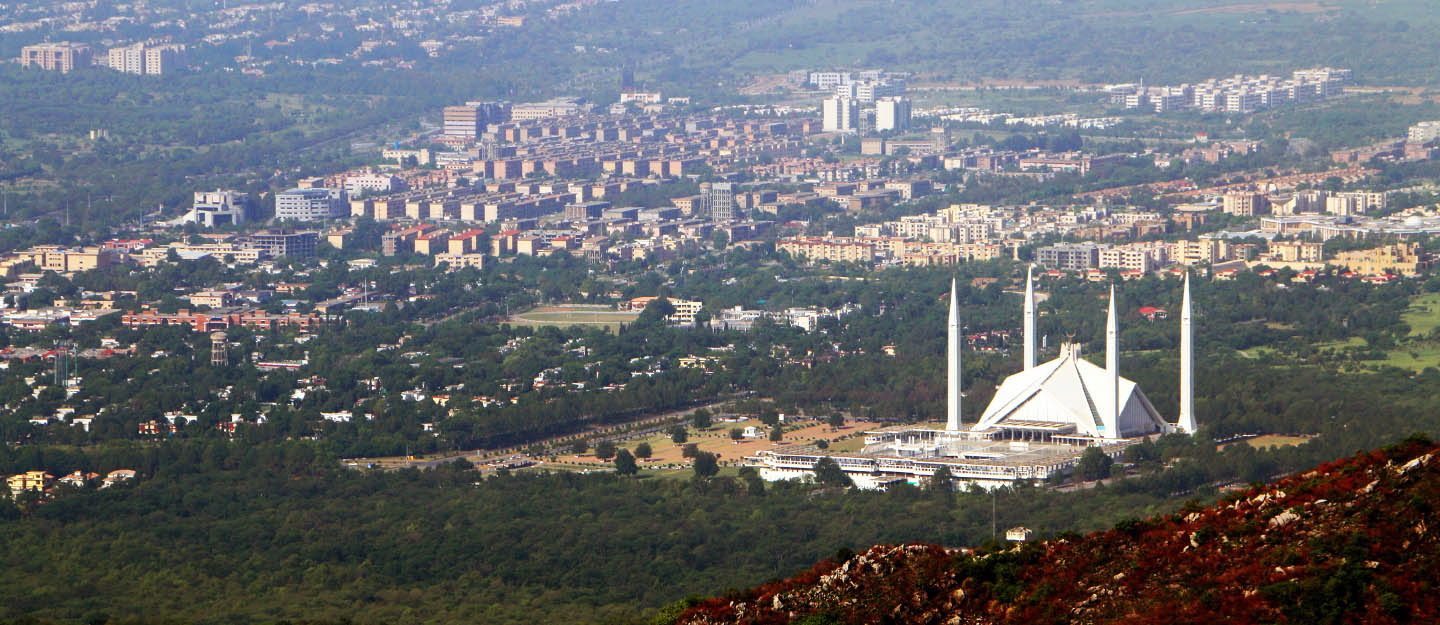
In the early 1960s, Pakistan’s leadership faced a big decision. Karachi, though vibrant and economically vital, was bursting at the seams. It struggled with crowding, outdated infrastructure, and remnants of colonial layout. Pakistan needed a capital that felt new — one that would represent the country’s future, not its past.
That’s when they made a bold move.
Instead of fixing what was already broken, they decided to start fresh. They selected a site in the northern foothills of Punjab, surrounded by the Margalla Hills. It wasn’t just about geography. It was about philosophy.
The government brought in Constantinos A. Doxiadis, a respected architect and urban planner from Greece, to lead the project. His approach was different. Instead of expanding a city, he would design one from scratch.
And the results speak for themselves.
A City That Thinks Before It Builds
Doxiadis didn’t just design streets and buildings. He designed a system of life. Islamabad was divided into clearly defined zones: residential, diplomatic, commercial, educational, and green. Each sector was placed with thought. Roads were laid out like a grid for easy navigation. Heights of buildings were controlled to protect the natural skyline and maintain harmony with the Margalla Hills.
Green belts were added not as decoration but as essential breathing space. Parks were part of every residential sector. Schools and mosques were within walking distance of homes. Everything was about balance — between nature and progress, between community and convenience.
This wasn’t just urban planning. It was vision-driven development.
The result? A city that functions smoothly, feels breathable, and still ranks as one of the most livable urban areas in South Asia.
Why This Matters (Right Now)
Islamabad is proof that long-term planning works. It’s also proof that a better Pakistan is possible — if we’re willing to think ahead.
Because the truth is: Pakistan is growing. Fast. Its cities are expanding. But the way we’re building right now isn’t sustainable.
We’re adding concrete faster than we’re building community. We’re prioritizing short-term gain over long-term livability. And we’re replicating the very mistakes Islamabad was built to avoid.
But it doesn’t have to be that way.
Islamabad gives us a clear lesson: when you plan well, you don’t just create a place — you create a future.
The Heart of the Capital: Blue Area
If Islamabad is a city of vision, Blue Area is its commercial core.
Designed to be the capital’s main business district, Blue Area runs along Jinnah Avenue and lies next to government institutions, diplomatic enclaves, and top hotels. It’s the perfect location for businesses that want visibility, access, and prestige.
Over the years, Blue Area has hosted banks, corporate offices, tech firms, and startups. It’s been the face of Pakistan’s formal economy in its capital.
But here’s the reality: the business world is changing — fast.
Today’s companies need smarter buildings. They need digital infrastructure. They need sustainability, flexibility, and premium design. That means Blue Area must evolve if it wants to stay at the center of Pakistan’s economic future.
Located in the heart of Blue Area, Citadel 7 isn’t just another office tower. It’s a symbol of what happens when business development meets smart design.
Built with a sleek 3D glass façade, equipped with intelligent systems, and developed for high-end commercial use, Citadel 7 is what future-ready looks like. It doesn’t just offer space — it offers an environment. A place where global businesses, tech firms, and progressive enterprises can thrive.
It also mirrors the very idea Islamabad was founded on: planned progress.
Citadel 7 doesn’t disrupt the city’s vision — it enhances it, showing how modern architecture and original planning can work together. Just as Islamabad reflected Pakistan’s ambition in the 1960s, Citadel 7 reflects what that ambition looks like in the 2020s.
Key Takeaway: Plan First. Build Second.
Here’s the simple truth: Pakistan doesn’t need more buildings. It needs more thinking behind the buildings.
Every city expansion, every housing scheme, every tech zone — they all need to ask the same questions:
Who is this serving?
What problems are we solving?
What will this place look like in 20 years?
That’s what made Islamabad work. It wasn’t just a project — it was a plan. And not just a plan for today, but one that could adapt and grow for decades.
Imagine if every new city followed that model. Imagine if housing colonies were designed with walkability, parks, schools, and clean water from the start. Imagine if roads weren’t just wide — they were smart. If buildings weren’t just tall — they were sustainable.
The answer to so many of Pakistan’s challenges lies in those three words: Plan. Before. Build.
Final Thoughts
Islamabad is more than a capital. It’s a quiet success story in a country often too focused on its failures. It’s not perfect. But it’s proof of what happens when we dare to dream, design, and deliver with discipline.
As we celebrate Pakistan’s independence, we’re reminded of our nation’s struggles, sacrifices, and hopes. But we also need to talk about systems. About infrastructure. About how we build the environments that shape our lives.
Because a better Pakistan isn’t just a slogan. It’s a structure.
And if we want our future to look different — we need to start building it that way.
Islamabad is home to Pakistan’s most concentrated cluster of high-ranking universities. Within a few kilometres of each other, you will find institutions that consistently dominate national HEC rankings and best universities in Islamabad. The twin cities of Islamabad and Rawalpindi together form an educational ecosystem that is unmatched in diversity and institutional quality anywhere in Pakistan.
But with that breadth comes a genuinely difficult decision. The universities in Islamabad span every type of institution imaginable, from federally chartered public universities with near-zero tuition to elite private institutions charging over PKR 300,000 per semester, from open-enrollment distance learning programs accessible to anyone in the country to admission processes so competitive that thousands of students fail to secure a single seat. Choosing between them requires more than a fee comparison. It requires understanding what each institution actually stands for, who it is built to serve, and what it realistically delivers for the career you are trying to build.
This guide covers all major categories of higher education in Islamabad and Rawalpindi, including best universities in Islamabad, public universities, private universities, medical institutions, engineering universities, law schools, architecture programs, arts and humanities universities, and professional accountancy institutes. Each entry goes beyond the brochure, giving you the institutional context, academic reputation, and honest positioning that a prospectus alone cannot.
Best Universities in Islamabad
Here’s the list of the best universities in Islamabad.
#
Institution
Type
Programs
Key Departments
Tuition Fee (Per Semester / Total)
Admission / Registration Fee
Entry Test / Exam Body
Website
1
Quaid-i-Azam University (QAU)
Public
BS, MS, MPhil, PhD, LLB, Pharm-D
Biological, Natural, Social Sciences, Law, Pharmacy
Avionics, Aerospace, CS, Electrical Engineering, Business
PKR 142,000–148,000
PKR 10,000 (one-time)
Air University CBT
au.edu.pk
7
NUML
BS, MS, MBA, PhD
Languages (27+), IT, Management, Education, Social Sciences
PKR 25,000–55,000
PKR 2,000
NUML Entry Test
numl.edu.pk
8
AIOU
BA, BS, MA, MS, BEd, MEd, PhD
Education, Humanities, Sciences, Commerce
PKR 5,000–20,000
PKR 1,000
No Entry Test
aiou.edu.pk
9
Federal Urdu University (FUUAST)
BS, MS, PhD
Sciences, Fine Arts, Education, Law, Commerce
PKR 10,000–35,000
PKR 1,500
Entry Test
fuuast.edu.pk
10
PIDE
BS, MS, MPhil, PhD
Economics, Econometrics, Business, Data Science
PKR 20,000–50,000
PKR 2,000
PIDE Entry Test
pide.org.pk
11
Institute of Space Technology (IST)
BE, BS, MS, PhD
Space Science, Aerospace, CS, Remote Sensing
PKR 80,000–130,000
PKR 2,000–3,000
IST Entry Test
ist.edu.pk
12
National Defence University (NDU)
MS, MPhil, PhD
Security Studies, Strategic Studies, International Relations
PKR 30,000–80,000
PKR 3,000
NDU Entry Test
ndu.edu.pk
13
Health Services Academy (HSA)
MPH, MS, PhD
Public Health, Epidemiology, Health Management
PKR 30,000–60,000
PKR 2,500
Entry Test
hsa.edu.pk
14
NUTECH
BE, BS
Engineering, Technology, Mechatronics
PKR 60,000–100,000
PKR 2,000
Entry Test
nutech.edu.pk
15
NUMS
MBBS, BDS, DPT, Nursing, BS Allied Health
Medicine, Dentistry, Nursing, Allied Health
PKR 150,000–250,000
PKR 3,000–5,000
MDCAT / NUMS Test
nums.edu.pk
⚠️ Note: All fees are approximate for 2025 and subject to annual revision. Always verify on official university websites before applying.
1. Quaid-i-Azam University (QAU):
Located in Islamabad, Quaid-i-Azam University is one of Pakistan’s most prestigious public research universities and among best universities in Islamabad, known for its excellence in Biological Sciences, Natural Sciences, Social Sciences, Law, and Pharmacy.
Established in 1967, QAU has consistently ranked among the top universities in Pakistan by HEC and holds a strong position in QS World University Rankings (#315 globally in 2024). It offers programs from the BS to the PhD level and is especially renowned for its research output and merit-based admissions.
Programs: BS, MS, MPhil, PhD, LLB, Pharm-D
Tuition Fee: Regular: PKR 58,940–60,860 / SF Evening: PKR 109,070–129,380 per semester
Application Fee: PKR 2,860
Admission Test: QAU Entry Test
Website: qau.edu.pk
2. NUST (National University of Sciences and Technology)
Located in H-12, Islamabad, NUST is Pakistan’s leading public research university and one of the best universities in Islamabad, widely recognised for its world-class programs in Engineering, Architecture, Business, IT, and Medicine.
Founded in 1991, NUST consistently ranks among the top 500 universities globally in QS World University Rankings and is considered the gold standard for engineering and technology education in Pakistan. It’s highly competitive NET (NUST Entry Test) attracts thousands of students annually from across the country.
Programs: BE, BS, BBA, MS, MBA, PhD
Tuition Fee: Engineering: PKR 196,000 / BSCS: PKR 125,000–140,000 per semester
Application Fee: PKR 3,500
Admission Test: NET (NUST Entry Test)
Website: nust.edu.pk
3. COMSATS University Islamabad (CUI)
Located on Park Road, Tarlai Kalan, Islamabad, COMSATS University is one of best universities in Islamabad, Pakistan’s top public sector universities, offering a broad range of programs in Engineering, Computer Science, Business, Architecture, Law, and Pharmacy.
Ranked among the top universities by HEC and recognised in the THE World University Rankings (601–800), CUI is known for its strong industry linkages, state-of-the-art research facilities, and affordable, high-quality education. It operates multiple campuses across Pakistan, with Islamabad as its principal seat.
Programs: BS, MS, MBA, PhD
Tuition Fee: PKR 145,000–152,000 per semester
Application Fee: PKR 22,000 (one-time admission fee)
Admission Test: CUI Entry Test / SAT
Website: comsats.edu.pk
4. International Islamic University Islamabad (IIUI)
Located in Sector H-10, Islamabad, the International Islamic University is a unique federal public university that blends modern academic disciplines with Islamic values and principles.
IIUI is one of the largest universities in Pakistan with separate campuses for male and female students, which sets it apart from the best universities in Islamabad. It offers a wide range of programs from Shariah & Law to Engineering, Management, Education, and Humanities. The university attracts both local and international students, particularly from Muslim countries, making it one of the most diverse campuses in the country.
Programs: BS, BBA, LLB, BE, MS, MBA, PhD
Tuition Fee: BBA: PKR 77,400 / Engineering: PKR 97,200 (1st semester)
Application Fee: PKR 10,500–16,500 (one-time)
Admission Test: IIUI Entry Test / LAT (for Law)
Website: iiu.edu.pk
5. PIEAS (Pakistan Institute of Engineering and Applied Sciences)
Located in Nilore, Islamabad, PIEAS is a highly specialised public research university among best universities in Islamabad, operated by the Pakistan Atomic Energy Commission (PAEC) and is widely regarded as one of the most selective and prestigious engineering institutions in Pakistan.
PIEAS offers a limited number of seats in highly competitive programs, including Electrical Engineering, Mechanical Engineering, Computer and Information Sciences, and Physics. Its graduates are among the most sought-after professionals in Pakistan’s strategic and industrial sectors. The acceptance rate is extremely low, making admission a mark of exceptional academic merit.
Programs: BE, BS, MS, PhD
Tuition Fee: PKR 85,000–95,000 per semester
Application Fee: PKR 3,000–4,000
Admission Test: PIEAS Entry Test / SAT
Website: pieas.edu.pk
6. Air University
Located in E-9, Islamabad, Air University is a federally chartered public university established and sponsored by the Pakistan Air Force (PAF), offering programs in Engineering, Computer Science, Business, and Aviation Management.
Ranked among best universities in Islamabad in the Engineering and Technology category by HEC, Air University is well known for its programs in Avionics, Aerospace Engineering, and Electrical Engineering. It provides a disciplined academic environment, modern facilities, and strong industry connections through PAF’s extensive network.
Core Programs: BE, BS, BBA, MS, MBA, PhD
Tuition Fee: BS CS: PKR 148,460 / BS Aviation Management: PKR 142,080 per semester
Application Fee: PKR 10,000 (one-time)
Admission Test: Air University CBT
Website: au.edu.pk
7. NUML (National University of Modern Languages)
Located in H-9, Islamabad, NUML is Pakistan’s premier public university for languages, linguistics, and communication studies, offering programs in over 27 oriental and occidental languages, as well as in Management Sciences, IT, and Education. For students comparing the best universities in Islamabad, NUML stands out for its unmatched strength in language education and cross-cultural communication.
Established in 1970 and granted full university status in 2000, NUML serves a student body of over 11,000 students across its main campus and regional sub-campuses. It is a member of the prestigious Association of Commonwealth Universities and is particularly popular among students as one of the best universities in Islamabad pursuing careers in diplomacy, translation, and international relations.
Programs: BS, MS, MBA, PhD
Tuition Fee: PKR 25,000–55,000 per semester
Application Fee: PKR 2,000
Admission Test: NUML Entry Test
Website: numl.edu.pk
8. AIOU (Allama Iqbal Open University)
Located in H-8, Islamabad, Allama Iqbal Open University is Pakistan’s largest university by enrollment and one of the largest distance-learning institutions in the world, offering flexible education to students across Pakistan and abroad.
Founded in 1974, AIOU follows an open and distance learning model, making higher education accessible to working professionals, housewives, and students in remote areas. It offers programs from matriculation to PhD level across Education, Humanities, Sciences, Commerce, and Social Work with no entry test requirement.
Programs: BA, BS, MA, MS, BEd, MEd, PhD
Tuition Fee: PKR 5,000–20,000 per semester
Application Fee: PKR 1,000
Admission Test: No Entry Test (Open Admissions)
Website: aiou.edu.pk
9. Federal Urdu University of Arts, Science and Technology (FUUAST)
Located in G-7/1, Islamabad, the Federal Urdu University is a unique public university among best universities in Islamabad that uses Urdu as its primary medium of instruction, making it one of the few universities in Pakistan to offer degree programs entirely in the national language.
FUUAST offers programs across Sciences, Fine Arts, Education, Law, and Commerce, and plays an important role in preserving and promoting the Urdu language and literature at the university level. It is an affordable option for students seeking quality public-sector education in Islamabad.
Programs: BS, MS, PhD
Tuition Fee: PKR 10,000–35,000 per semester
Application Fee: PKR 1,500
Admission Test: Entry Test
Website: fuuast.edu.pk
10. PIDE (Pakistan Institute of Development Economics)
Located on the Quaid-i-Azam University Campus in Islamabad, PIDE is Pakistan’s leading public research institution specialising in Economics, Econometrics, Business, and Development Studies.
Established in 1957, PIDE has a long history of shaping Pakistan’s economic policy. It is home to some of the country’s most distinguished economists and researchers, and its graduates go on to lead roles in government, international organisations, and academia. PIDE is known for its rigorous academic culture and strong emphasis on policy-relevant research.
Programs: BS, MS, MPhil, PhD
Tuition Fee: PKR 20,000–50,000 per semester
Application Fee: PKR 2,000
Admission Test: PIDE Entry Test
Website: pide.org.pk
11. Institute of Space Technology (IST)
Located in I-11, Islamabad, the Institute of Space Technology is a public research university established under the Pakistan Space and Upper Atmosphere Research Commission (SUPARCO), specialising in Space Sciences, Aerospace Engineering, Remote Sensing, and Computer Science.
IST is one of the one of the best universities in Islamabad, offering highly specialised programs in space and satellite technology. It produces graduates who contribute to Pakistan’s national space program and work in defence, telecommunications, and environmental monitoring.
Programs: BE, BS, MS, PhD
Tuition Fee: PKR 80,000–130,000 per semester
Application Fee: PKR 2,000–3,000
Admission Test: IST Entry Test
Website: ist.edu.pk
12. National Defence University (NDU)
Located in E-9, Islamabad, the National Defence University is Pakistan’s premier institution for advanced studies in Security, Strategic Studies, International Relations, and Leadership, catering primarily to senior military officers, civil servants, and diplomats.
NDU is recognised internationally as one of the best universities in Islamabad for its research on national security, geopolitics, and conflict resolution. While its programs are primarily postgraduate, and many seats are reserved for government and military officials, it also accepts civilian applicants for select programs, making it a unique and prestigious institution in Islamabad.
Programs: MS, MPhil, PhD, Executive Programs
Tuition Fee: PKR 30,000–80,000 per semester
Application Fee: PKR 3,000
Admission Test: NDU Entry Test
Website: ndu.edu.pk
13. Health Services Academy (HSA)
Located in Chak Shahzad, Islamabad, the Health Services Academy is a public sector university and stands as best universities in Islamabad, operating under the Ministry of National Health Services, dedicated exclusively to Public Health education, research, and training.
HSA is one of the best universities in Islamabad for public health and plays a critical role in producing public health professionals, epidemiologists, and health policy experts. Its graduates work with leading national and international health organisations, including the WHO, UNICEF, and the government of Pakistan, to address the country’s health challenges.
Programs: MPH, MS, PhD
Tuition Fee: PKR 30,000–60,000 per semester
Application Fee: PKR 2,500
Admission Test: Entry Test
Website: hsa.edu.pk
14. NUTECH (National University of Technology)
Located in I-12, Islamabad, NUTECH is a relatively new public university established in 2018 with a focus on applied engineering, vocational technology, and technical education to bridge the skills gap in Pakistan’s industrial sector.
NUTECH is among the best universities in Islamabad for hands-on technical education, offering programs in Civil Engineering, Electrical Engineering, Mechatronics, and Industrial Technology. It aims to produce technically skilled graduates ready to contribute to Pakistan’s manufacturing, construction, and energy sectors.
Programs: BE, BS
Tuition Fee: PKR 60,000–100,000 per semester
Application Fee: PKR 2,000
Admission Test: Entry Test
Website: nutech.edu.pk
15. NUMS (National University of Medical Sciences)
Located in Rawalpindi, near Islamabad, NUMS is Pakistan’s best universities in Islamabad of public medical university, established under the Ministry of Defence, and oversees and affiliates numerous medical and dental colleges across the country.
NUMS is one of the best universities in Islamabad for medical education, with Pakistan’s largest network of affiliated institutions, and is recognised by the Pakistan Medical Commission (PMC) and international medical bodies. It offers programs in Medicine, Dentistry, Nursing, and Allied Health Sciences, and conducts its own centralised entry test for affiliated colleges.
Programs: MBBS, BDS, DPT, Nursing, BS Allied Health
Business, CS, Media Sciences, Social Sciences, Law
PKR 120,000–165,000
PKR 1,500 + PKR 20,000 (one-time)
SZABIST Entry Test
szabist-isb.edu.pk
5
Foundation University (FUI)
BS, MBBS, BDS, BE, MBA
Medicine, Dentistry, Engineering, Business
PKR 60,000–120,000
PKR 2,000–5,000
FUI Entry Test
fui.edu.pk
6
Capital University (CUST)
BS, BE, LLB, MBA, MS, B.Arch
Engineering, CS, Business, Law, Architecture
PKR 70,000–120,000
PKR 2,500
CUST Entry Test
cust.edu.pk
7
Iqra University
BBA, BSCS, BS Media, MBA, MS
Business, CS, Media, Social Sciences
PKR 60,000–100,000
PKR 2,000
Iqra Entry Test
iqraisb.edu.pk
8
Abasyn University
BS, BBA, MBA, MS
Business, CS, Management
PKR 50,000–90,000
PKR 2,000
Entry Test
abasyn.edu.pk
9
Muhammad Ali Jinnah University (MAJU)
BS, BBA, MBA, MS
Business, CS, Management Sciences
PKR 50,000–85,000
PKR 1,500–2,500
MAJU Entry Test
jinnah.edu.pk
10
Shifa Tameer-e-Millat University (STMU)
MBBS, BDS, DPT, Nursing
Medicine, Dentistry, Rehabilitation Sciences
PKR 200,000–300,000
PKR 5,000–10,000
Entry Test / MDCAT
stmu.edu.pk
11
Islamabad Medical & Dental College (IMDC)
MBBS, BDS
Medicine, Dentistry
PKR 250,000–350,000
PKR 5,000
MDCAT
imdc.edu.pk
⚠️ Note: All fees are approximate for 2025 and subject to annual revision. Always verify on official university websites before applying.
1. FAST-NUCES (National University of Computer and Emerging Sciences)
Located in H-11, Islamabad, FAST-NUCES is Pakistan’s most prestigious private university and one of the best universities in Islamabad for Computer Science, Software Engineering, and Electrical Engineering, known for producing some of the country’s top tech talent and entrepreneurs.
Founded in 2000 as a federally chartered university, FAST has built an exceptional reputation for its rigorous academic standards, merit-based admissions, and strong industry connections. Its graduates consistently dominate Pakistan’s software industry and are highly sought after by leading technology companies both locally and internationally. The university’s competitive entry test and low acceptance rate make a FAST degree a mark of academic distinction.
Programs: BS CS, BS SE, BS AI, BE, BBA, MS, PhD
Tuition Fee: PKR 150,000–180,000 per semester (@ PKR 11,000/credit hour)
Application Fee: PKR 3,000 + PKR 30,000 (one-time admission fee)
Admission Test: NU Entry Test / SAT
Website: nu.edu.pk
2. Bahria University
Located in E-8, Naval Complex, Islamabad, Bahria University is one of the best universities in Islamabad, established in 2000 under the sponsorship of the Pakistan Navy’s Bahria Foundation.
Bahria University offers a diverse range of programs across Engineering, Computer Science, Business Administration, Law, Social Sciences, and Health Sciences. It is recognised by HEC, PEC, PMC, and several international accreditation bodies, making its degrees globally acknowledged. The university is known for its modern infrastructure, disciplined academic environment, strong placement record, and large and active alumni network spread across Pakistan and abroad.
Programs: BS, BBA, LLB, BE, MS, MBA, PhD
Tuition Fee: BBA: PKR 172,000 / Engineering: PKR 115,000+ / LLB: PKR 121,000 per semester
Application Fee: PKR 2,500 (one-time)
Admission Test: Bahria CBT
Website: bahria.edu.pk
3. Riphah International University
Located in I-14, Islamabad, Riphah International University is one of Pakistan’s fastest-growing private universities, established in 2002 and sponsored by the Islamic International Medical College Trust (IIMCT), one of the best universities in Islamabad with a mission to produce professionals grounded in Islamic moral and ethical values.
Riphah is among the best universities in Islamabad, offering diverse programs in Medicine, Dentistry, Engineering, Computer Science, Business, Law, Rehabilitation Sciences, and Pharmacy. It holds ISO 9001:2015 certification and is ranked among Pakistan’s top private universities by HEC. Its multiple campuses in Islamabad and Rawalpindi make it highly accessible for twin-city students.
Programs: BS, MBBS, Pharm-D, BE, LLB, MS, PhD
Tuition Fee: BS CS: PKR 80,000–95,000 / DPT: PKR 130,000 per semester
Application Fee: PKR 20,000 (one-time)
Admission Test: Riphah Entry Test
Website: riphah.edu.pk
4. SZABIST Islamabad
Located in F-7, Islamabad, SZABIST (Shaheed Zulfiqar Ali Bhutto Institute of Science and Technology) is one of Pakistan’s most reputable private universities, established in 1995 in memory of Shaheed Zulfikar Ali Bhutto and Shaheed Benazir Bhutto.
SZABIST Islamabad is among the best universities in Islamabad, particularly for Business Administration, Computer Science, Media Sciences, and Law. With campuses in Karachi, Islamabad, Hyderabad, Larkana, and Dubai, it has a strong national and international presence. Recognised by HEC, PEC, and NCEAC, it is known for its industry-aligned curriculum, experienced faculty, and vibrant campus culture.
Programs: BBA, BSCS, BS Media, LLB, MBA, MS
Tuition Fee: PKR 120,000–165,000 per semester
Application Fee: PKR 1,500 (application) + PKR 20,000 (one-time admission fee)
Admission Test: SZABIST Entry Test
Website: szabist-isb.edu.pk
5. Foundation University Islamabad (FUI)
Located in New Lalazar, Rawalpindi near Islamabad, Foundation University is a private university established under the Fauji Foundation, one of Pakistan’s largest welfare organisations, offering programs in Medicine, Dentistry, Engineering, and Business.
FUI is among the best universities in Islamabad, best known for Foundation Medical College and Foundation University Institute of Engineering and Management Sciences. Backed by Fauji Foundation, it has access to strong resources, hospitals, and industry connections. It offers an affordable fee structure compared to other private medical and engineering institutions in the region.
Programs: BS, MBBS, BDS, BE, MBA
Tuition Fee: PKR 60,000–120,000 per semester
Application Fee: PKR 2,000–5,000
Admission Test: FUI Entry Test
Website: fui.edu.pk
6. Capital University of Science and Technology (CUST)
Located on Express Highway in Islamabad, CUST is one of the best universities in Islamabad, offering diverse programs in Engineering, Computer Science, Business, Law, and Architecture, making it one of the most diverse private institutions in the capital.
CUST is recognised by HEC, PEC, and NCEAC and is known for providing quality education at a relatively affordable fee structure compared to other private universities in Islamabad. It has a strong focus on producing industry-ready graduates and offers one of the few private Architecture programs in the city, making it a popular choice for students pursuing creative and technical disciplines simultaneously.
Programs: BS, BE, LLB, MBA, MS, B.Arch
Tuition Fee: PKR 70,000–120,000 per semester
Application Fee: PKR 2,500
Admission Test: CUST Entry Test
Website: cust.edu.pk
7. Iqra University Islamabad
Located in H-9, Islamabad, Iqra University is among the best universities in Islamabad, with a strong reputation in Business Administration, Computer Science, and Media Sciences, serving students from Islamabad and Rawalpindi.
Iqra University Islamabad operates as a campus of the main Karachi-based institution and is recognised by HEC. It is particularly popular among students seeking quality business and technology education at a relatively affordable cost. The university offers a supportive learning environment, experienced faculty, and strong alumni connections in the corporate sector.
Programs: BBA, BSCS, BS Media, MBA, MS
Tuition Fee: PKR 60,000–100,000 per semester
Application Fee: PKR 2,000
Admission Test: Iqra Entry Test
Website: iqraisb.edu.pk
8. Abasyn University Islamabad
Located in E-8, Islamabad, Abasyn University is a private, HEC-recognised university offering programs in Business, Computer Science, and Management Sciences, with a focus on providing accessible, high-quality education in the twin cities region.
Originally established in Peshawar, Abasyn University expanded to Islamabad to serve growing demand for private higher education in the capital. It is among the best universities in Islamabad for students seeking a smaller, more personalised university experience, with a student-friendly environment, flexible programs, and affordable fee structure.
Programs: BS, BBA, MBA, MS
Tuition Fee: PKR 50,000–90,000 per semester
Application Fee: PKR 2,000
Admission Test: Entry Test
Website: abasyn.edu.pk
9. Shifa Tameer-e-Millat University (STMU)
Located in H-8/4, Islamabad, Shifa Tameer-e-Millat University is among the best universities in Islamabad for medical education, home to the renowned Shifa College of Medicine and Shifa College of Dentistry, both affiliated with Shifa International Hospital.
STMU is recognised by the Pakistan Medical Commission (PMC) and is known for its exceptional clinical training facilities due to its direct affiliation with Shifa International Hospital, one of Pakistan’s top private hospitals. Students benefit from hands-on clinical exposure from early in their medical training, making STMU graduates highly competitive in both local and international medical job markets.
Programs: MBBS, BDS, DPT, Nursing
Tuition Fee: PKR 200,000–300,000 per semester
Application Fee: PKR 5,000–10,000
Admission Test: MDCAT / Entry Test
Website: stmu.edu.pk
10. Islamabad Medical & Dental College (IMDC)
Located in G-8/2, Islamabad, the Islamabad Medical & Dental College is a private medical institution affiliated with Islamabad Diagnostic Centre (IDC) and recognised by the Pakistan Medical Commission (PMC), offering MBBS and BDS programs.
IMDC is one of the more established private medical colleges in Islamabad, known for its experienced faculty and strong clinical training infrastructure. Students receive clinical exposure through affiliation with leading diagnostic and healthcare facilities in the capital. Though its fee structure is among the higher end for private medical institutions, it remains a sought-after option for students who do not secure seats in public medical universities through the MDCAT.
Programs: MBBS, BDS
Tuition Fee: PKR 250,000–350,000 per semester
Application Fee: PKR 5,000
Admission Test: MDCAT
Website: imdc.edu.pk
Law Universities in Islamabad
#
University
Type
Programs
Law Faculty/Dept
Tuition Fee (Per Semester)
App Fee
Admission Test
Website
1
IIUI
Public
LLB, BA LLB (5-yr), LLM
Faculty of Shariah & Law
PKR 77,400–97,200 (1st sem)
PKR 10,500–16,500
IIUI Entry Test / LAT
iiu.edu.pk
2
QAU
Public
BA LLB (5-yr)
School of Law
PKR 96,320 (1st sem)
PKR 2,860
QAU Entry Test / LAT
qau.edu.pk
3
COMSATS (CUI)
Public
LLB
Department of Law
PKR 145,000–152,000
PKR 22,000 (one-time)
CUI Entry Test
comsats.edu.pk
4
Bahria University
Private
LLB
Department of Law
PKR 121,000
PKR 25,000 (one-time)
Bahria CBT
bahria.edu.pk
5
SZABIST Islamabad
Private
LLB
Department of Law
PKR 120,000–165,000
PKR 1,500 + PKR 20,000
SZABIST Entry Test
szabist-isb.edu.pk
6
Riphah International University
Private
LLB, LLM
Riphah Institute of Legal Studies
PKR 80,000–100,000
PKR 20,000 (one-time)
Riphah Entry Test
riphah.edu.pk
7
Capital University (CUST)
Private
LLB
Department of Law
PKR 70,000–120,000
PKR 2,500
CUST Entry Test
cust.edu.pk
8
Federal Urdu University (FUUAST)
Public
LLB
Department of Law
PKR 10,000–35,000
PKR 1,500
Entry Test
fuuast.edu.pk
⚠️ Note: All fees are approximate for 2025 and subject to annual revision. Always verify on official university websites before applying.
1. IIUI (International Islamic University Islamabad)
Located in H-10, Islamabad, IIUI is among the best universities in Islamabad for Islamic and legal education, renowned for integrating Shariah principles with modern jurisprudence in a uniquely structured law curriculum.
Founded under a federal charter with strong ties to the Organisation of Islamic Cooperation, IIUI’s Faculty of Shariah & Law holds a rare academic position in Pakistan, offering law degrees grounded in both civil and Islamic legal traditions. Its graduates go on to serve in Pakistan’s superior courts, federal ministries, and international Islamic legal bodies. The university’s dual-track approach to legal education makes it especially valuable for those seeking careers in Shariah-compliant law, constitutional practice, or international Islamic institutions.
Programs: LLB, BA LLB (5-Year), LLM
Tuition Fee: PKR 77,400–97,200 per semester (first semester)
Situated on the scenic foothills of the Margalla Hills in Islamabad, Quaid-i-Azam University is Pakistan’s flagship public research university and one of the country’s most academically reputable institutions across disciplines, including law.
Established in 1967 and named after Pakistan’s founder, QAU is among the best universities in Islamabad, carrying national prestige and consistently ranking among the country’s top universities. Its School of Law offers a five-year BA LLB program emphasising constitutional, international, and legal theory. As a federal university with subsidised tuition, QAU provides an affordable pathway into law without compromising quality or credibility.
Programs: BA LLB (5-Year)
Tuition Fee: PKR 96,320 per semester (first semester)
Located across multiple campuses with its principal Islamabad campus in Park Road, COMSATS University Islamabad is a leading public sector university originally known for science and technology and now expanding its academic footprint into professional disciplines, including law.
CUI holds HEC recognition and a federal charter, making it one of the best universities in Islamabad with strong national standing. Its Department of Law offers an LLB program shaped by a contemporary curriculum, research culture, interdisciplinary thinking, and merit-based rigour. For students seeking a law degree from an institution with STEM credibility and growing professional reputation, CUI is a compelling option.
Set in the E-8 sector of Islamabad, Bahria University is a well-regarded private institution originally established under the patronage of the Pakistan Navy, known for its disciplined academic environment, professional culture, and strong placement outcomes.
Since its founding, Bahria has built a credible reputation across business, engineering, and professional programs, making it one of the best universities in Islamabad for law. Its LLB program produces practice-ready legal professionals, balancing theory with practical legal skills. The university’s institutional discipline and industry-focused approach make it a preferred choice for structured, professionally-oriented legal education.
Programs: LLB Tuition Fee: PKR 121,000 per semester
Located in the F-7 area of Islamabad, SZABIST (Shaheed Zulfikar Ali Bhutto Institute of Science and Technology) is a prominent private university with a long-standing reputation for business and social sciences education and a growing presence in professional legal studies.
SZABIST’s Islamabad campus benefits from the institution’s national network, which spans Karachi, Larkana, Gharo, and Dubai, lending it a multi-city academic credibility that few private universities in Pakistan can claim. The Department of Law delivers an LLB program within an environment known for academic rigour, faculty quality, and active student engagement. For students seeking a private law degree with strong institutional backing and an established graduate network, SZABIST offers a premium option in Islamabad.
Based in Islamabad with multiple campuses across Pakistan, Riphah International University is a fast-growing private institution known for its values-driven academic model, blending professional education with an emphasis on ethics, integrity, and Islamic principles.
Riphah’s Institute of Legal Studies is among the best universities in Islamabad for law, offering both LLB and LLM programs, a postgraduate option few private institutions in the region provide. Its integrated ethical framework and practical legal curriculum suit students pursuing careers where professional ethics and legal practice intersect, including corporate law, human rights, and family law.
7. Capital University of Science and Technology (CUST)
Situated in Islamabad’s I-14 sector, CUST is among the best universities in Islamabad, an HEC-recognised private university that has expanded beyond science and technology roots to include professional programs in law, business, and social sciences..
CUST’s Department of Law offers an LLB program at one of the more accessible tuition ranges among Islamabad’s private institutions, making it a practical choice for students seeking a recognised private law degree without the premium price tag of larger institutions. The university’s smaller cohort sizes allow for closer faculty-student interaction, and its growing alumni base in Pakistan’s legal and corporate sectors reflects a developing institutional track record in legal education.
8. Federal Urdu University of Arts, Science and Technology (FUUAST)
Located in Islamabad, with its main campus in Karachi, FUUAST is a federal public university with a distinct mandate to provide higher education through instruction in Urdu as the medium of instruction, making it one of the most accessible and inclusive university options in Pakistan.
FUUAST’s Department of Law is among the best universities in Islamabad for affordable legal education, offering an LLB program at some of the region’s lowest tuition rates. For students facing financial barriers at private institutions, FUUAST provides a federally recognised law degree at a fraction of the cost, making it a valuable entry point into the legal profession.
⚠️ Note: All fees are approximate for 2025 and subject to annual revision. Always verify on official university websites before applying.
1. NUMS (National University of Medical Sciences)
Located in Rawalpindi, with affiliated teaching hospitals across Pakistan, NUMS is the country’s premier federal medical university, established under the Ministry of Defence, and one of the most respected institutions for medical and allied health education in the region.
Founded in 2015, NUMS is among the best universities in Islamabad for medical education, operating a vast network of military-affiliated hospitals and colleges across Pakistan. Its rigorous standards, simulation facilities, and pipeline into military and civilian healthcare systems give graduates an edge in public postings and competitive postgraduate training. A NUMS degree carries exceptional institutional weight.
Programs: MBBS, BDS, DPT, Nursing, BS Allied Health
Medical Departments: Medicine, Dentistry, Nursing, Allied Health
Situated in Rawalpindi and affiliated with Holy Family Hospital and Benazir Bhutto Hospital, Rawalpindi Medical University is often compared with the best universities in Islamabad, standing among Punjab’s oldest public medical institutions with a legacy of producing generations of Pakistan’s practising physicians and dentists.
Formerly known as Rawalpindi Medical College before its elevation to university status, RMU combines decades of clinical teaching heritage with a modernised academic framework aligned with Pakistan Medical Commission standards. Its location within Rawalpindi’s major tertiary care hospitals gives students unmatched clinical exposure from the earliest years of training. For students seeking an affordable, publicly funded MBBS or BDS from an institution with deep regional roots and strong hospital affiliations, RMU remains one of the most dependable choices in the twin cities.
Located in H-8, Islamabad, and anchored by the Shifa International Hospital is one of Pakistan’s leading tertiary care facilities. STMU is widely regarded as the capital’s most prestigious private medical university, combining clinical excellence with a comprehensive multi-disciplinary health sciences curriculum.
STMU, among the best universities in Islamabad for health sciences, was built on Shifa College of Medicine, operating since 1995 and producing graduates who compete in FCPS, USMLE, and PLAB. Its integration with Shifa International Hospital provides high-volume clinical training, while dentistry, rehabilitation sciences, and nursing create a comprehensive health sciences ecosystem.
Programs: MBBS, BDS, DPT, Nursing
Medical Departments: Medicine, Dentistry, Rehabilitation Sciences
Located in Islamabad and affiliated with Bahria Town International Hospital, IMDC is a well-recognised private medical and dental college offering focused MBBS and BDS programs within a modern, purpose-built clinical and academic environment.
IMDC has steadily built its reputation through structured PMC-compliant curricula, qualified faculty, and its affiliation with a fully operational private hospital that provides students with consistent clinical training opportunities. The college appeals particularly to students seeking a smaller, more focused institutional setting one where faculty accessibility and cohort size allow for a more personalised medical education experience than larger university systems typically offer. Its premium tuition reflects the investment in facilities and clinical infrastructure that underpin its training model.
Based in the Defence Housing Authority area of Islamabad, Foundation University is a private institution established by the Fauji Foundation, one of Pakistan’s largest welfare organisations, providing it with stable institutional backing and a strong culture of discipline and professional development.
FUI, among the best universities in Islamabad for health sciences, delivers medical and dental programs through Foundation Medical and Dental College, backed by Fauji Foundation’s hospital network. This provides meaningful clinical exposure and placement opportunities. Its moderate private-sector tuition makes it attractive for families seeking a structured, foundation-backed institution without the highest-tier price point.
Programs: MBBS, BDS
Medical Departments: Foundation Medical and Dental College
Headquartered in Islamabad with campuses across multiple cities, Riphah International University is among the best universities in Islamabad, emerging as one of Pakistan’s most expansive private health sciences universities and offering one of the capital region’s broadest medical program portfolios.
Riphah’s Islamic International Medical and Dental College sits at the centre of a health sciences ecosystem that spans medicine, dentistry, pharmacy, physiotherapy, and nursing, a breadth of offering that reflects the university’s ambition to develop well-rounded healthcare professionals grounded in both clinical competence and ethical practice. The university’s values-integrated curriculum, combined with its PMC-accredited programs and growing hospital network, makes it a particularly strong choice for students seeking a private medical education grounded in a coherent professional and ethical framework.
Programs: MBBS, BDS, DPT, Pharm-D, Nursing
Medical Departments: Islamic International Medical and Dental College
Located within the premises of the Ministry of National Health Services in Islamabad, the Health Services Academy is Pakistan’s only dedicated federal institution for postgraduate public health education, occupying a unique and specialised niche that no other university in the country fills.
Established to build capacity within Pakistan’s public health system, HSA trains the epidemiologists, health policy analysts, biostatisticians, and public health administrators who go on to serve in federal and provincial health departments, WHO, UNICEF, and other national and international health organisations. Its student body is largely composed of working health professionals and government officers seeking advanced qualifications, and its faculty includes some of Pakistan’s most experienced public health practitioners and researchers. For those pursuing careers in health policy, disease surveillance, or global health, HSA is not just an option it is the destination.
Programs: MPH, MS, PhD
Medical Departments: Public Health, Epidemiology, Biostatistics
BE Civil, Electrical, Mechanical, Chemical, Aerospace, MS, PhD
Multiple Engineering Schools
PKR 196,000
PKR 3,500
NET
nust.edu.pk
2
PIEAS
Public
BE Electrical, Mechanical, Computer Sciences, Physics
Nuclear & Engineering Sciences
PKR 85,000–95,000
PKR 3,000–4,000
PIEAS Entry Test
pieas.edu.pk
3
COMSATS (CUI)
Public
BE Civil, Electrical, Software, MS, PhD
Engineering, CS, Architecture
PKR 145,000–152,000
PKR 22,000 (one-time)
CUI Entry Test
comsats.edu.pk
4
Air University
Public
BE Avionics, Aerospace, Electrical, MS, PhD
Avionics, Aerospace, CS
PKR 142,000–148,000
PKR 10,000 (one-time)
Air University CBT
au.edu.pk
5
Institute of Space Technology (IST)
Public
BE Aerospace, Electrical, MS, PhD
Space Science, Aerospace, Remote Sensing
PKR 80,000–130,000
PKR 2,000–3,000
IST Entry Test
ist.edu.pk
6
NUTECH
Public
BE Civil, Electrical, Mechatronics, Industrial
Engineering & Technology
PKR 60,000–100,000
PKR 2,000
Entry Test
nutech.edu.pk
7
FAST-NUCES
Private
BE Electrical, Civil, BS CS, MS, PhD
CS, Electrical, Civil Engineering
PKR 150,000–180,000
PKR 3,000 + PKR 30,000
NU Entry Test
nu.edu.pk
8
Bahria University
Private
BE Electrical, Software, Mechanical, MS, PhD
Engineering, CS
PKR 115,000+
PKR 25,000 (one-time)
Bahria CBT
bahria.edu.pk
9
Capital University (CUST)
Private
BE Civil, Electrical, Mechanical, MS
Engineering, CS
PKR 70,000–120,000
PKR 2,500
CUST Entry Test
cust.edu.pk
10
Foundation University (FUI)
Private
BE Electrical, Civil, MS
Engineering Faculty
PKR 60,000–120,000
PKR 2,000–5,000
FUI Entry Test
fui.edu.pk
11
Riphah International University
Private
BE Electrical, Civil, Software, MS
Islamic International Engineering College
PKR 95,000
PKR 20,000 (one-time)
Riphah Entry Test
riphah.edu.pk
⚠️ Note: All fees are approximate for 2025 and subject to annual revision. Always verify on official university websites before applying.
1. NUST (National University of Sciences and Technology)
Located in Sector H-12, Islamabad, NUST is among the best universities in Islamabad, Pakistan’s most prestigious engineering and sciences university, and a federally chartered institution consistently ranked among the country’s top universities and Asia’s best, producing engineers and scientists who lead Pakistan’s critical industries and institutions.
Established under the Ministry of Defence and later granted autonomous status, NUST operates through a constellation of specialised schools and colleges, including SEECS, SCME, SMME, SCEE, and ASAB, each functioning as a centre of excellence in its domain. Its graduates are recruited by Pakistan’s top engineering firms, armed forces, NASA, and Fortune 500 companies, and the university’s research output dominates Pakistan’s engineering and sciences landscape. The NUST Entry Test is widely considered the most competitive engineering admission test in the country, and earning a place here is a mark of exceptional academic distinction.
Programs: BE Civil, Electrical, Mechanical, Chemical, Aerospace, MS, PhD
2. PIEAS (Pakistan Institute of Engineering and Applied Sciences)
Nestled within the campus of the Pakistan Atomic Energy Commission in Nilore, Islamabad, PIEAS is Pakistan’s most selective public university, a federally funded institution of exceptional academic depth that trains the engineers and scientists at the core of Pakistan’s nuclear, energy, and advanced technology programs.
PIEAS is among the best universities in Islamabad, with admission among Pakistan’s hardest and acceptance rates rivaling elite technical institutions. Students benefit from subsidised education, world-class labs, and mentorship from scientists and engineers working on critical research programs. PIEAS graduates carry a reputation for technical depth, placing them in demand across energy, defence, and research sectors.
Programs: BE Electrical, Mechanical, Computer Sciences, Physics
Engineering Departments: Nuclear and Engineering Sciences
Spread across its principal Park Road campus in Islamabad and multiple satellite campuses nationwide, COMSATS University Islamabad is one of Pakistan’s largest and most productive public engineering universities, known for its strong research culture, HEC rankings, and broad engineering program portfolio.
Originally established as the COMSATS Institute of Information Technology, CUI has grown into a full-spectrum university with nationally recognised engineering schools covering civil, electrical, software, and architectural disciplines. Its engineering programs are PEC-accredited, its research publications rank among the highest of any Pakistani university, and its faculty includes a significant number of internationally trained PhDs. For students seeking a high-quality public engineering education with national campus reach and a proven record of graduate employment, CUI is one of the most compelling options in Pakistan.
Located in E-9, Islamabad, and established by the Pakistan Air Force, Air University is Pakistan’s only institution dedicated to aerospace and avionics engineering education, occupying a singular position in the country’s engineering landscape that no civilian institution can replicate.
Air University’s academic programs are shaped by direct input from PAF’s operational and technical arms, ensuring that its aerospace, avionics, and electrical engineering curricula reflect real-world requirements at the cutting edge of Pakistani aviation and defence technology. Students benefit from access to PAF’s technical facilities, industry exposure through PAF-affiliated aerospace projects, and a disciplined institutional environment that produces graduates known for both technical competence and professional reliability. For students with ambitions in aviation, defence engineering, or aerospace research, Air University is the definitive destination in Pakistan.
Programs: BE Avionics, Aerospace, Electrical, MS, PhD
Located in Islamabad and operating under the Pakistan Space and Upper Atmosphere Research Commission (SUPARCO), IST is Pakistan’s only university dedicated to space science and technology, a nationally strategic institution that trains engineers and researchers who will define Pakistan’s future in space.
IST was established to address a critical gap in Pakistan’s technical education landscape: the need for engineers specifically trained in aerospace systems, remote sensing, satellite technology, and space sciences. Its faculty includes SUPARCO scientists and internationally experienced researchers, and its students gain access to facilities and research programs directly tied to Pakistan’s national space agenda. As Pakistan’s space program accelerates and the global space economy expands, an IST degree positions graduates at the intersection of national priority and global opportunity in a way no other Pakistani university currently can.
Programs: BE Aerospace, Electrical, MS, PhD
Engineering Departments: Space Science, Aerospace, Remote Sensing
Located in Islamabad and established by the federal government with a mandate focused squarely on applied engineering and industrial technology, NUTECH is a relatively young public university purpose-built to bridge the gap between engineering education and Pakistan’s industrial and manufacturing sectors.
NUTECH’s program design is deliberately industry-oriented, with curricula in civil, electrical, mechatronics, and industrial engineering developed in close alignment with the needs of Pakistan’s construction, manufacturing, and infrastructure sectors. Its tuition falls among the most affordable of any engineering university in the capital region, making it a strong value option for students seeking a PEC-recognised engineering degree from a public institution with a practical, employment-focused academic philosophy. As the university matures and its alumni enter the industry, its professional reputation continues to grow.
Programs: BE Civil, Electrical, Mechatronics, Industrial Engineering
Engineering Departments: Engineering and Technology
7. FAST-NUCES (National University of Computer and Emerging Sciences)
Located in H-11, Islamabad, FAST-NUCES is among the best universities in Islamabad and Pakistan’s most prestigious private university for Computer Science, Software Engineering, and Electrical Engineering, known for producing top tech talent, engineers, and entrepreneurs across every major industry.
Founded in 2000 as a federally chartered private university, FAST has built an exceptional reputation for its rigorous academic standards, merit-based admissions, and strong industry connections. Its engineering and computer science graduates consistently dominate Pakistan’s software and technology sectors and are highly sought after by leading firms locally and internationally. The university’s competitive entry test, low acceptance rate, and demanding academic culture make a FAST degree a mark of genuine technical distinction that carries weight across Pakistan’s engineering and technology industries.
Set in the E-8 sector of Islamabad and operating under the institutional backing of the Pakistan Navy, Bahria University is a well-established private engineering institution known for its disciplined academic environment, structured program delivery, and consistent graduate placement across Pakistan’s engineering and technology sectors.
Bahria is among the best universities in Islamabad for engineering, covering electrical, software, and mechanical disciplines within a professional culture shaped by the Navy’s emphasis on precision, accountability, and technical excellence. Its PEC-accredited programs and structured learning outcomes produce reliable, well-trained engineers, while strong organisational backing sustains infrastructure, faculty continuity, and institutional credibility.
Programs: BE Electrical, Software, Mechanical, MS, PhD
9. Capital University of Science and Technology (CUST)
Located in Islamabad’s I-14 sector, CUST is among the best universities in Islamabad for engineering, offering an HEC-recognised private university portfolio across civil, electrical, and mechanical disciplines, with PEC-accredited programs at one of the most affordable tuition rates among the capital’s private engineering institutions.
CUST’s relatively compact institutional size works in its students’ favour: smaller class sizes allow for closer faculty engagement, more individualised academic support, and a campus culture where engineering students are active participants rather than anonymous faces in large lecture halls. The university’s growing alumni presence in Pakistan’s construction, power, and infrastructure sectors reflects a steady improvement in its graduate outcomes and industry recognition. For students weighing private engineering options in the capital, CUST offers a credible, affordable, and increasingly recognised alternative to higher-cost institutions.
Based in the Defence Housing Authority area of Islamabad and established by the Fauji Foundation, one of Pakistan’s largest and most financially robust welfare organisations, FUI offers engineering programs that benefit from the Foundation’s extensive industrial network, disciplined institutional culture, and long-term organisational stability.
FUI’s engineering faculty delivers BE programs in electrical and civil engineering within an environment shaped by the Fauji Foundation’s deep presence in Pakistan’s fertiliser, cement, energy, and infrastructure industries. This industrial connection gives FUI engineering students a natural pathway into Foundation Group companies and affiliated enterprises upon graduation, an employment advantage that few private universities of comparable size can offer. Its tuition range sits at the accessible end of Islamabad’s private engineering market, making it a financially sensible choice for families who want foundation-backed institutional credibility without the highest-tier cost.
Headquartered in Islamabad with a growing multi-campus presence across Pakistan, Riphah International University has steadily expanded its engineering portfolio through its Islamic International Engineering College, offering PEC-accredited programs in electrical, civil, and software engineering within the university’s distinctively values-integrated academic framework.
Riphah’s approach to engineering education is shaped by its broader institutional identity: a commitment to producing professionals who are not only technically competent but ethically grounded and socially responsible. Its engineering programs are delivered by qualified faculty, supported by modern laboratory infrastructure, and aligned with PEC accreditation standards, ensuring graduates meet the professional requirements for engineering practice in Pakistan. For students seeking a private engineering degree from an institution with a clear ethical philosophy, a broad health and sciences ecosystem, and a moderate tuition structure, Riphah offers a distinctive and coherent option in Islamabad.
Programs: BE Electrical, Civil, Software, MS
Engineering Departments: Islamic International Engineering College
Languages, Linguistics, Humanities, Social Sciences
PKR 25,000–55,000
PKR 2,000
NUML Entry Test
numl.edu.pk
2
IIUI
Public
BA, BS English, BS Islamic Studies, MA, MPhil
Humanities, Islamic Studies, Literature, Social Sciences
PKR 49,050–77,400
PKR 10,500–16,500
IIUI Entry Test
iiu.edu.pk
3
QAU
Public
BS, MA, MPhil in Social Sciences, Psychology, History
Social Sciences, Gender Studies, Pakistan Studies
PKR 58,940–60,860
PKR 2,860
QAU Entry Test
qau.edu.pk
4
Federal Urdu University (FUUAST)
Public
BS Fine Arts, BS Mass Communication, MA
Fine Arts, Media, Urdu Literature
PKR 10,000–35,000
PKR 1,500
Entry Test
fuuast.edu.pk
5
AIOU
Public
BA, MA, BS in Humanities & Social Sciences
Education, Languages, Social Work
PKR 5,000–20,000
PKR 1,000
No Entry Test
aiou.edu.pk
6
SZABIST Islamabad
Private
BS Media Sciences, BS Social Sciences, MBA
Media Sciences, Social Sciences
PKR 120,000–165,000
PKR 1,500 + PKR 20,000
SZABIST Entry Test
szabist-isb.edu.pk
⚠️ Note: All fees are approximate for 2025 and subject to annual revision. Always verify on official university websites before applying.
1. NUML (National University of Modern Languages)
Located in H-9, Islamabad, NUML is Pakistan’s only federal university dedicated entirely to languages, linguistics, and communication, a uniquely positioned public institution that has spent decades training the country’s diplomats, translators, linguists, and communication professionals across dozens of languages.
Established originally as a language training institute for the Pakistan Army and later elevated to university status, NUML now offers an extraordinary breadth of language programs spanning Arabic, Chinese, French, German, Russian, Korean, and beyond alongside strong humanities and mass communication disciplines. Its graduates populate Pakistan’s foreign service, intelligence agencies, media organisations, and multinational corporations, where multilingual competence is a professional necessity. For students with a passion for language, communication, or the humanities, NUML offers something no other public university in Pakistan does: an entire institution built around the power of language.
Programs: BS English, BS Languages, BS Mass Communication, MA
Arts Departments: Languages, Linguistics, Humanities, Social Sciences
2. IIUI (International Islamic University Islamabad)
Located in H-10, Islamabad, IIUI is one of Pakistan’s most distinctive public universities, an institution where the humanities, literature, and social sciences are taught within a coherent intellectual framework that integrates Islamic scholarship with modern academic disciplines, producing graduates who are as conversant in classical tradition as they are in contemporary thought.
IIUI’s humanities and Islamic studies programs draw students from across Pakistan and from dozens of countries worldwide, reflecting the university’s genuinely international academic character and its standing within the global Islamic education community. Its faculties of Arabic, English literature, Islamic studies, and social sciences are staffed by scholars with both traditional and Western academic credentials, creating an intellectually rich environment rarely found in Pakistani public universities. For students seeking a humanities education shaped by a coherent worldview and recognised by institutions across the Muslim world, IIUI occupies a position no other university in Pakistan can replicate.
Situated on the scenic foothills of the Margalla Hills in Islamabad, Quaid-i-Azam University is Pakistan’s flagship public research university and its social sciences and humanities programs carry the same institutional prestige and academic seriousness that define its better-known science and law faculties.
QAU’s departments of psychology, history, gender studies, Pakistan studies, and social sciences have long produced the researchers, academics, and policy professionals who shape public discourse and scholarship in Pakistan. The university’s research culture permeates even its undergraduate programs, giving students early exposure to rigorous academic inquiry, critical analysis, and original research skills that translate directly into competitive postgraduate admissions and careers in academia, policy, journalism, and public service. At its highly subsidised tuition rates, a QAU social sciences degree represents one of the strongest academic investments available in Pakistan’s public university system.
Programs: BS, MA, MPhil in Social Sciences, Psychology, History
Arts Departments: Social Sciences, Gender Studies, Pakistan Studies
4. Federal Urdu University of Arts, Science and Technology (FUUAST)
Located in Islamabad with its principal campus in Karachi, FUUAST holds a singular cultural mandate among Pakistan’s public universities to preserve, develop, and advance the Urdu language as a medium of higher education while offering creative and media arts programs that serve students from all economic backgrounds.
FUUAST’s fine arts, mass communication, and Urdu literature programs operate within an institutional philosophy that treats cultural and artistic education as a public good accessible to students who might otherwise be priced out of creative education entirely. Its fine arts department produces painters, designers, and visual artists trained in both classical and contemporary traditions, while its mass communication programs prepare graduates for careers across Pakistan’s rapidly expanding media landscape. With tuition rates among the lowest of any university in the region, FUUAST makes arts and media education genuinely accessible to all.
Programs: BS Fine Arts, BS Mass Communication, MA
Arts Departments: Fine Arts, Media, Urdu Literature
Based in Islamabad and operating as Pakistan’s largest university by enrollment, Allama Iqbal Open University is a federally chartered distance-learning institution that has spent five decades democratising access to higher education, making humanities, social sciences, and education programs available to millions of Pakistanis who cannot access conventional campus-based learning.
AIOU’s open-admission model, semester-based distance learning system, and extraordinarily low tuition fees have made it the educational backbone for working professionals, rural students, homemakers, and underserved communities across every province of Pakistan. Its humanities and social sciences programs spanning education, languages, social work, and more carry full HEC recognition and provide a legitimate, affordable pathway to bachelor’s and master’s degrees for students whose circumstances make conventional university attendance impossible. No institution in Pakistan has done more to expand access to arts and humanities education than AIOU.
Programs: BA, MA, BS in Humanities and Social Sciences
Arts Departments: Education, Languages, Social Work
Located in the F-7 area of Islamabad, SZABIST is one of Pakistan’s most respected private universities for media and social sciences education, an institution that has built a strong reputation for producing media professionals, researchers, and social scientists who are immediately competitive in Pakistan’s most demanding professional environments.
SZABIST’s media sciences program is widely regarded as among the best offered by any private university in the capital, combining rigorous theoretical foundations with hands-on production training, industry internships, and faculty drawn from Pakistan’s active media industry. Its social sciences programs follow the same philosophy: academically serious, professionally oriented, and designed to produce graduates who can think critically and communicate effectively across public, private, and civil society sectors. For students willing to invest in a premium private arts and media education, SZABIST delivers one of the strongest returns in Islamabad’s private university landscape.
Programs: BS Media Sciences, BS Social Sciences, MBA
⚠️ Note: All fees are approximate for 2025 and subject to annual revision. Always verify on official university websites before applying.
1. NUST (National University of Sciences and Technology)
Located in Sector H-12, Islamabad, NUST is home to one of Pakistan’s most prestigious and creatively rigorous architecture programs delivered through its School of Art, Design and Architecture (SADA), an institution that combines the analytical precision of one of Asia’s top engineering universities with a genuinely ambitious vision for architectural education.
SADA’s architecture program is shaped by NUST’s broader culture of research excellence, interdisciplinary thinking, and high academic standards, producing graduates who are equally comfortable with structural systems, computational design, urban theory, and architectural history. The program’s portfolio requirement at admission ensures that only students with demonstrated creative aptitude enter the school, resulting in cohorts of exceptional design talent trained within an environment of intellectual rigour that few architecture schools in Pakistan can match. NUST architects go on to lead Pakistan’s most significant design practices, win international competitions, and pursue postgraduate studies at universities abroad.
Programs: B.Arch, MS Architecture
Architecture Department: School of Art, Design and Architecture (SADA)
Located on its Park Road campus in Islamabad, COMSATS University’s Department of Architecture offers one of the most well-established public architecture programs in the twin cities a PEC and Pakistan Council of Architects and Town Planners (PCATP) recognised program that has produced practising architects across Pakistan’s construction, urban planning, and design sectors for years.
CUI’s architecture curriculum balances design studio practice with technical building systems, environmental design, and urban studies, reflecting the department’s understanding that contemporary architecture demands professionals who are as conversant in construction technology as they are in spatial design. The university’s broader research culture and its interdisciplinary connections with engineering and environmental sciences departments add intellectual depth to a program that might otherwise be narrowly confined to studio work alone. For students seeking a PCATP-accredited public architecture degree at a nationally recognised research university, CUI is among the strongest available options in Islamabad.
Programs: B.Arch, MS Architecture
Architecture Department: Department of Architecture
3. Capital University of Science and Technology (CUST)
Located in the I-14 sector of Islamabad, CUST’s Department of Architecture offers a focused, studio-centred B.Arch program within a smaller institutional environment, one where the intimacy of the cohort size allows for the kind of close faculty mentorship and iterative design critique that architectural education fundamentally depends on.
CUST’s architecture program sits among the most affordable tuition rates among private architecture schools in the capital region, making it a genuinely practical option for students committed to a design career who are mindful of the financial investment a five-year professional degree requires. The department’s portfolio admission requirement ensures a creatively self-selected student body, and its curriculum covers the full spectrum of architectural education from design theory and history to structural systems, building services, and professional practice. For students who want a private architecture education without the highest-tier price tag, CUST offers a credible and affordable path.
Programs: B.Arch
Architecture Department: Department of Architecture
Set in the E-8 sector of Islamabad and backed by the institutional discipline and organisational stability of the Pakistan Navy, Bahria University’s Department of Architecture delivers a PCATP-recognised B.Arch program within a structured, professionally oriented academic environment that has become one of the more recognised private architecture programs in the twin cities. For students comparing architecture programs among the best universities in Islamabad, Bahria stands out for its disciplined academic culture, professional orientation, and strong institutional backing.
Bahria’s architecture program benefits from the university’s broader culture of precision and accountability, which translates directly into the technical rigour and project management discipline that the architecture profession demands. Studio culture at Bahria is shaped by faculty with active professional practices, ensuring that design education remains grounded in the realities of Pakistan’s built environment rather than purely theoretical abstraction. The university’s strong institutional backing, consistent infrastructure investment, and growing alumni presence in Pakistan’s architecture and real estate development sectors make it a reliable and increasingly respected choice for aspiring architects in Islamabad.
Programs: B.Arch
Architecture Department: Department of Architecture
Located in Islamabad with a growing multi-campus presence across Pakistan, Riphah International University’s Department of Architecture offers a B.Arch program shaped by the university’s distinctive institutional identity, one that approaches the built environment not merely as a technical or aesthetic challenge but as a domain with deep ethical, cultural, and human dimensions. For students evaluating architecture options among the best universities in Islamabad, Riphah offers a values-driven academic environment that connects design education with broader social responsibility.
Riphah’s architecture curriculum integrates sustainable design principles, Islamic architectural heritage, and contemporary spatial practice into a program that encourages students to think about what buildings mean and who they serve, not just how they stand. This values-integrated approach to design education produces graduates with a reflective architectural sensibility that complements their technical training, making them thoughtful practitioners in a profession that shapes the quality of human life at the most immediate and physical level. At a moderate tuition range for a private institution, Riphah offers an architecture education with a clear philosophical identity that distinguishes it from more conventionally structured programs.
Programs: B.Arch
Architecture Department: Department of Architecture
Based in the Defence Housing Authority area of Islamabad and established under the Fauji Foundation, FUI’s Department of Architecture offers a B.Arch program that benefits from the Foundation’s deep institutional presence in Pakistan’s construction, infrastructure, and real estate development sectors, giving architecture students a natural professional context that extends well beyond the classroom. For students comparing architecture pathways among the best universities in Islamabad, FUI stands out for its foundation-backed professional environment and applied industry relevance.
FUI’s architecture program is structured to develop design professionals who are practice-ready upon graduation fluent in design studio methodology, building technology, environmental systems, and the professional ethics that govern architectural practice in Pakistan. The Fauji Foundation’s extensive portfolio of construction and development projects across the country creates an organic pipeline of industry exposure, site visits, and potential employment pathways that architecture students at larger, less industry-connected institutions rarely enjoy. With tuition positioned at the affordable end of Islamabad’s private architecture market, FUI offers a foundation-backed architecture degree that balances professional relevance with affordability.
Programs: B.Arch
Architecture Department: Department of Architecture
Exam Fee: PRC PKR 6,850/paper / CAF PKR 6,400/paper / CFAP from PKR 13,050
PRC Enrollment: PKR 20,000 / QAT: PKR 5,800
5–6 yrs
icap.org.pk
3
ICMAP Islamabad
CMA (Cost & Management Accountancy)
Foundation, Intermediate, Final
PKR 15,000–25,000 per stage
PKR 5,000–10,000
2–4 yrs
icmap.com.pk
4
PAC (Pakistan Accountancy Centre)
CA, ACCA
PRC, CAF, CFAP / ACCA all levels
Contact institute for current rates
PKR 10,000–15,000
2–6 yrs
pac.edu.pk
5
Beacon Institute
CA, ACCA
PRC, CAF, CFAP / ACCA all levels
Contact institute for current rates
PKR 10,000
2–6 yrs
—
6
KPMG Learning Academy
CA Training, ACCA, Professional Courses
Professional level
Contact for corporate rates
Varies
Varies
kpmg.com/pk
7
PwC’s Academy Pakistan
CA, ACCA, Professional Certifications
Professional level
Contact for rates
Varies
Varies
pwc.com/pk
⚠️ Note: All fees are approximate for 2025 and subject to annual revision. Always verify on official university websites before applying.
1. SKANS School of Accountancy
With its principal Islamabad campus serving as one of the most active professional accountancy training centres in the twin cities, SKANS School of Accountancy is Pakistan’s most well-known private institute for CA, ACCA, and allied professional finance qualifications a dedicated accountancy school that has spent decades preparing students for the country’s most demanding financial credentials.
SKANS has built its reputation on the strength of its results: consistently producing top performers in ICAP and ACCA examinations, maintaining pass rates that benchmark favourably against both local competitors and international averages, and sending graduates into the Big Four firms, leading corporates, and financial institutions across Pakistan and the Gulf. Its focused institutional identity, built entirely around professional accountancy rather than diluted across a broad university curriculum, means that everything from its faculty selection to its study material to its classroom scheduling is optimised for one outcome: getting students through their professional exams and into practice. For students serious about a career in chartered accountancy or professional finance, SKANS is the most established private training ground in the region.
2. ICAP (Institute of Chartered Accountants of Pakistan)
Based in Karachi with regional offices and examination centres across Pakistan, including Islamabad, ICAP is the statutory body that owns, regulates, and administers Pakistan’s chartered accountancy qualification, making it not merely a training provider but the definitive source and ultimate authority of the CA credential itself.
Enrolling directly with ICAP gives students access to the qualification at its most direct and cost-efficient point, bypassing coaching institute fees while still sitting the same examinations that all CA students must pass, regardless of where they prepare. ICAP’s own study materials, syllabus updates, and student support resources are the baseline from which all coaching institutes work, making direct enrollment the natural choice for highly self-disciplined students with strong academic foundations who can manage independent study effectively. For those who require structured classroom instruction, ICAP enrollment is typically combined with coaching at an affiliated institute, but the qualification, the examinations, and the membership that follows all belong to ICAP alone.
Programs: CA — Official Qualification
Levels: PRC, CAF, CFAP, SCS
Exam Fees: PRC PKR 6,850/paper | CAF PKR 6,400/paper | CFAP from PKR 13,050/paper
Registration Fee: PRC Enrollment PKR 20,000 | QAT PKR 5,800
3. ICMAP Islamabad (Institute of Cost and Management Accountants of Pakistan)
Operating through its Islamabad regional office and a network of centres across the country, ICMAP is Pakistan’s statutory body for cost and management accountancy, the professional qualification for financial professionals specialising in management accounting, cost control, budgeting, and strategic financial decision-making within organisations.
The CMA qualification offered by ICMAP occupies a distinct and valuable position in Pakistan’s professional finance landscape: while CA prepares graduates primarily for audit, tax, and public practice, CMA is designed for finance professionals who operate inside organisations as financial controllers, management accountants, CFOs, and strategic finance advisors in manufacturing, services, and government sectors. ICMAP’s Islamabad centre delivers a structured program across foundation, intermediate, and final levels at tuition rates that are among the most affordable of any professional accountancy qualification in Pakistan, making the CMA credential one of the best-value professional finance qualifications available in the country.
Located in Islamabad, Pakistan Accountancy Centre is one of the twin cities’ established professional training institutes for CA and ACCA preparation a dedicated accountancy coaching centre that has built a steady local reputation for structured tuition, experienced faculty, and consistent student results across the full range of professional examination levels.
PAC’s institutional focus on CA and ACCA as its core offerings means its academic resources, teaching staff, and student support systems are concentrated on the qualifications that matter most to aspiring professional accountants in Pakistan. The institute attracts students at every stage of their professional journey, from those just beginning at the PRC level to experienced professionals working through CFAP or the upper levels of ACCA. For students in Islamabad and Rawalpindi seeking a locally rooted, professionally focused coaching environment as an alternative to the larger national chains, PAC represents a credible and accessible option.
Programs: CA, ACCA
Levels: PRC, CAF, CFAP / ACCA, all levels
Total Tuition Fee: Contact the institute for current rates
Operating in the Islamabad and Rawalpindi markets as a focused professional accountancy coaching centre, Beacon Institute has carved out a reliable local presence in CA and ACCA preparation, offering structured tuition programs across all examination levels within a smaller, more personalised institutional setting than the larger national training chains provide. While it is not a university, it is often considered alongside the best universities in Islamabad by students comparing professional accountancy education options.
Beacon’s appeal lies in its accessibility and community: a coaching environment where students benefit from direct faculty relationships, smaller class sizes, and a focused academic atmosphere dedicated entirely to professional examination success. For students who find the scale and pace of larger institutes overwhelming, or who prefer a more intimate study environment during what is already a demanding, high-stakes qualification journey, Beacon provides a grounded, locally trusted alternative. Its low registration fee makes it one of the most financially accessible entry points into structured professional accountancy coaching in the Twin Cities.
Programs: CA, ACCA
Levels: PRC, CAF, CFAP / ACCA, all levels
Total Tuition Fee: Contact the institute for current rates
Registration Fee: PKR 10,000
Duration: 2–6 years
Website: Not available
6. KPMG Learning Academy Pakistan
Operating under the global brand and intellectual infrastructure of KPMG, one of the world’s Big Four professional services firms, KPMG Learning Academy Pakistan delivers professional accountancy training and corporate finance education from a position of industry authority that no independent coaching institute can replicate.
When KPMG trains accountants, it does so with direct knowledge of what the profession actually demands at the highest levels, because KPMG is itself one of the largest employers of chartered accountants in the world. Often considered alongside the best universities in Islamabad for professional accountancy and finance training, its learning programs, whether for CA training, ACCA preparation, or bespoke corporate professional development, are designed by practitioners for practitioners, with a level of real-world relevance and professional depth that reflects the firm’s front-line engagement with audit, tax, advisory, and regulatory practice. For finance professionals seeking CPD, employer-sponsored training, or high-level professional certifications delivered with Big Four credibility, KPMG Learning Academy stands alone.
Delivered under the global umbrella of PricewaterhouseCoopers is one of the world’s most respected professional services networks and a dominant force in Pakistan’s audit, tax, and advisory landscape. PwC’s Academy Pakistan brings the firm’s global learning standards and professional expertise directly to bear on accountancy training and professional certification in the local market.
PwC Academy’s training programs carry the weight of an institution that recruits, trains, and develops chartered accountants at scale across its own practice, meaning its curriculum is shaped not by academic approximation but by lived professional experience at the highest levels of the industry. While it is often discussed alongside the best universities in Islamabad for professional education pathways, its CA and ACCA programs, alongside specialised professional certifications, are particularly valued by working professionals and corporate finance teams seeking training immediately applicable to real-world practice environments. For organisations investing in their finance talent and for individuals who want their professional education delivered with the credibility of a Big Four name behind it, PwC Academy represents the gold standard of professional accountancy training in Pakistan.
Final Thoughts: Finding the Right University in Islamabad for You
Islamabad’s university landscape is, by any measure, Pakistan’s most impressive. Nowhere else in the country will you find this concentration of research universities, and the best universities in Islamabad, specialised institutions, professional training bodies, and internationally recognised degree programs within a single metropolitan area. But the right university is never simply the highest-ranked one. It is the one that aligns with your academic strengths, your career objectives, your financial reality, and the kind of professional you are genuinely trying to become.
A few principles are worth keeping in mind as you decide. Reputation matters, but field-specific reputation matters more. When comparing the best universities in Islamabad, remember that NUST’s engineering brand carries far more professional weight than its business programs do in certain sectors, just as NUML’s language degrees open doors that a general arts degree from a larger institution cannot. Accreditation is non-negotiable. Always verify that your chosen program is recognised by the relevant professional body. And tuition cost, while important, should always be evaluated against outcomes. A higher fee at an institution with strong placement, industry connections, and alumni networks can deliver significantly better returns than a lower fee at one without them.
Fees, intake schedules, and program structures change annually, so always verify current information directly on official university websites before submitting any application.
Dedicated and detail-oriented SEO Content Writer, Real Estate Writer, and Research Analyst based in Islamabad, with proven expertise in developing accurate, valuable, and well-researched content. Skilled in analytical writing, market research, and reporting, with the ability to turn insights into clear, professional, and impactful content. Passionate about exploring new ideas, analyzing industry trends, and contributing to high-quality writing and research-driven projects.

Owning property in Islamabad comes with responsibilities. One of the most important is paying your CDA Property Tax Bill on time. Many property owners feel confused about the process. This guide will make it simple for you.
The Capital Development Authority (CDA) manages Islamabad’s urban development. It also collects annual property taxes from all registered property owners. Whether you own a house, a shop, or a plot, you must pay this tax every year.
This complete guide covers everything. You will learn how to find your bill, pay it online or offline, and avoid penalties.
What is CDA Property Tax?
The CDA Property Tax Bill is an annual charge on your property. CDA collects it from all property owners in Islamabad. It applies to residential, commercial, plot, and shop properties.
The revenue from this tax funds city infrastructure. It helps build roads, parks, and public facilities. Paying it on time keeps your property in good legal standing.
The CDA ordinance has been in effect since 1960. Over the years, CDA has digitised many services. Today, paying your CDA Property Tax Bill is easier than ever before.
Who Needs to Pay CDA Property Tax?
Not everyone in Pakistan pays the CDA property tax. It applies specifically to properties within CDA-regulated sectors in Islamabad.
You must pay if you own:
A residential property in a CDA sector
A commercial property or shop
A plot registered under CDA jurisdiction
There is one important exemption. Properties of 5 Marla or less are generally not subject to this tax. If you are unsure about your eligibility, visit cda.gov.pk or contact the CDA Revenue Office.
How to Find and Download Your CDA Property Tax Bill
Before you can pay, you need your bill. Here is how to access it.
Step 1: Visit the official CDA payment portal at cda.gov.pk
Step 2: Enter your Consumer Number. This number is printed on your previous tax bill or property documents.
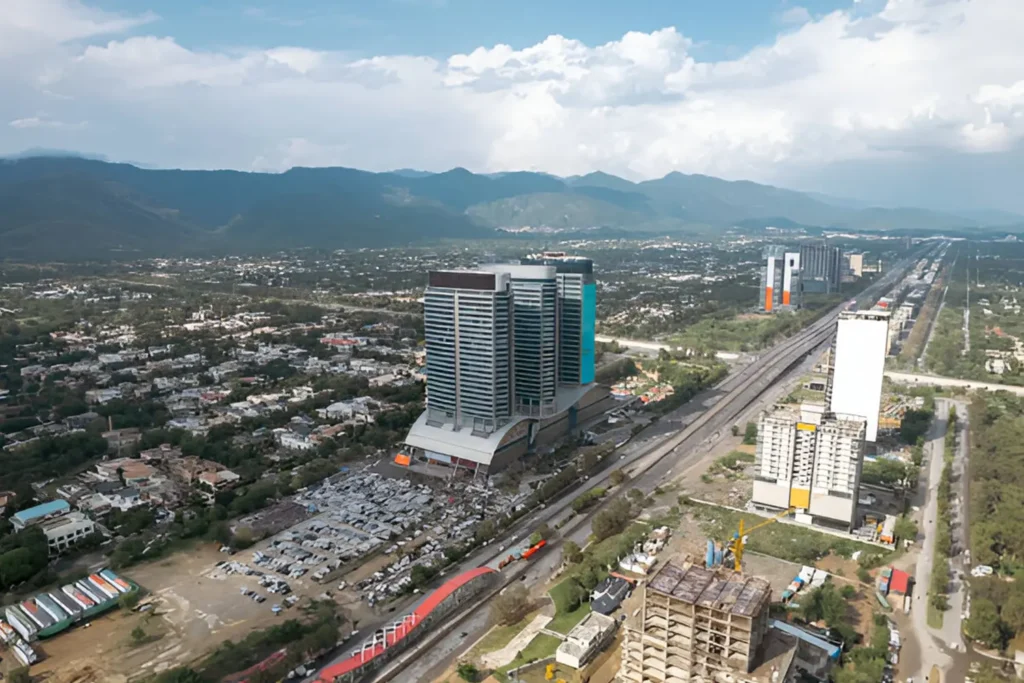
Step 3: The portal will display your complete tax record. You will see your tax year, the amount payable within the due date, the amount payable after the due date, and your current bill status.
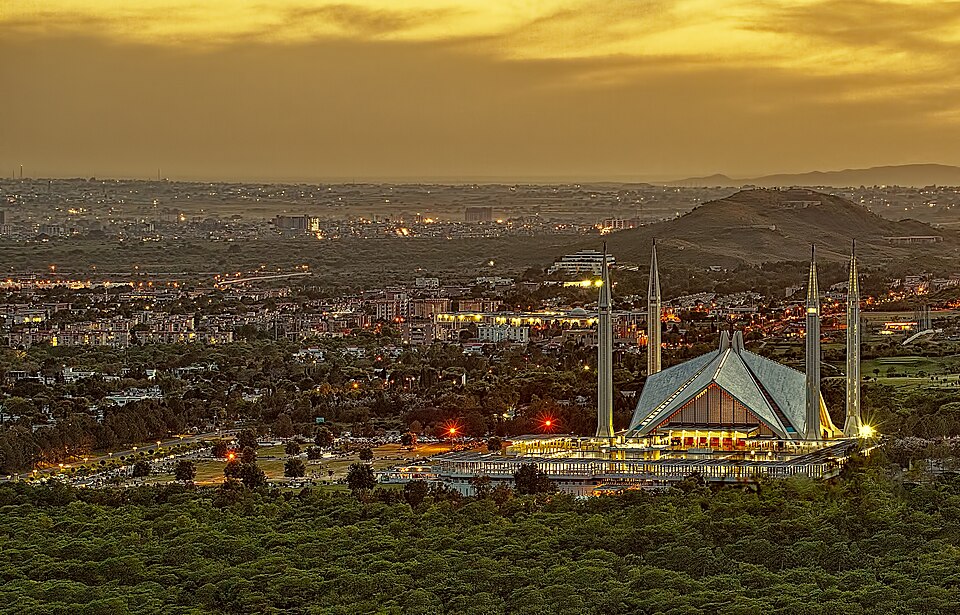
Step 4: Download or save your CDA Property Tax Bill for reference.
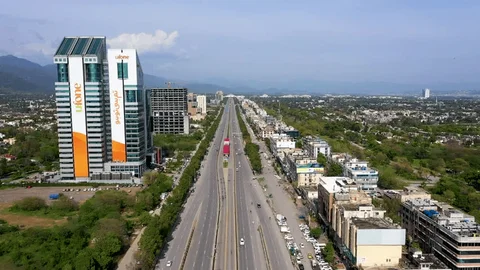
If you cannot find your Consumer Number, contact the CDA Revenue Office directly. They will help you locate your property record.
How to Pay the CDA Property Tax Bill Online
CDA has introduced multiple digital payment options. You no longer need to stand in long queues. Here are all the online methods available in 2026.
Method 1: Pay via the EasyPaisa App
EasyPaisa is one of the most convenient options. Follow these simple steps:
Download the EasyPaisa app from the Google Play Store or the Apple App Store
Open the app and log in with your registered mobile number and PIN
Tap on “Bill Payments” from the main menu
Select “Government Fees” from the list of categories
Choose “CDA Property Tax” as the service provider
Enter your 1Bill Consumer Number (found on your tax bill)
Verify the tax amount and property details shown on the screen
Tap “Pay Now” and confirm with your PIN
Save the confirmation receipt for your records
The entire process takes less than five minutes. It is available 24/7.
Method 2: Pay via JazzCash App
JazzCash also supports payments for CDAPropertyTaxBills. The process is nearly identical to EasyPaisa.
Open the JazzCash app and log in
Go to “Pay Bills”
Select “Government” as the category
Choose “CDA Property Tax”
Enter your Consumer Number
Confirm the amount and pay
Save your receipt
Method 3: Pay via HBL, Meezan, or Other Banking Apps
Most major banking apps in Pakistan now support the 1BILL system. This includes HBL, Meezan Bank, MCB, UBL, and Askari Bank apps.
Steps are the same across all apps:
Log in to your banking app
Go to “Bill Payments”
Select “CDA Property Tax” under government bills
Enter your Consumer Number
Review the bill details
Confirm and complete the payment
You will receive an instant confirmation on your app and via SMS.
Method 4: Pay via ATM
You can also pay your CDA Property Tax Bill at any 1-Link ATM across Pakistan. Here is how:
Insert your debit card and enter your PIN
Select “Bill Payment” from the menu
Choose “Government Fees”
Select “CDA Property Tax”
Enter your Consumer Number
Confirm the amount displayed
Authorise the payment
Keep the printed ATM receipt as proof of payment.
Method 5: Pay via Online Banking Portal
If you prefer using a computer, you can use your bank’s online portal. ABL, HBL, UBL, and MCB all support this.
Log in to your bank’s internet banking website
Navigate to “Bill Payments” or “Utility Bills”
Select “CDA Property Tax” under government payments
Enter your Consumer Number
Review and confirm the payment
How to Pay CDA Property Tax Bill Offline (Bank Branches)
Prefer to pay in person? CDA has authorised several banks across Islamabad. You can pay your CDA Property Tax Bill by cheque or pay order.
Make the cheque or pay order in favour of the “CDA Director of Revenue”.
Carry your printed tax bill when visiting the bank. The teller will process your payment and provide a stamped receipt.
CDA Property Tax Bill 2025–26: Deadline and Early Payment Discount
Timing matters when it comes to your CDA Property Tax Bill. CDA announces the payment schedule every year before August 15.
For the fiscal year 2025–26, the key deadline was September 30, 2025. CDA offered a 5% discount to all property owners who paid before this date.
This early payment rebate applies to both residential and commercial properties. It is a significant saving, especially for commercial property owners with higher tax amounts.
If you missed the September deadline, you can still pay. However, a late payment penalty will be added to your bill. The penalty amount increases the longer you delay.
For the upcoming FY 2026–27 cycle, watch for CDA’s official announcement on cda.gov.pk before August 15, 2026.
CDA helpline numbers for tax queries:
RO (Residential): 051-9252823
RO (Commercial): 051-9252498
How to Calculate Your CDA Property Tax
Understanding your tax amount is important. CDA uses the Capital Gains Tax (CGT) rules for calculation. There are three main methods:
Method 1: Using New FBR Value. Use the actual transaction price when buying or selling. Pay capital gains on the real profit earned.
Method 2: Using Old DC Rate and New FBR Value. Subtract the Deputy Commissioner (DC) rate at purchase from the FBR value at sale. Apply a 5% rate on the resulting profit.
Method 3: Using FBR Value for Both Transactions. Subtract the FBR value at purchase from the FBR value at sale to get the total profit. Then apply the CGT rates:
Year 1: 10% on profit
Year 2: 7.5% on profit
Year 3: 5% on profit
These rates change periodically.
Always check the latest rates on the FBR or CDA website before calculating.
What Happens If You Don't pay the CDA Property Tax Bill?
Ignoring your CDA Property Tax Bill has serious consequences. CDA takes non-payment seriously.
Late payment penalties are added to your outstanding amount. The longer you delay, the higher the penalty grows.
Your property’s legal status can be affected. This creates problems if you want to sell, transfer, or mortgage your property in the future.
CDA regularly launches drives against property tax defaulters in Islamabad. Defaulters risk legal notices and enforcement action.
Paying on time protects you from all of these risks. It also supports Islamabad’s development and public services.
Quick Tips for Paying Your CDA Property Tax Bill
Keep these tips in mind every year:
Save your Consumer Number in a safe place. You need it for every payment.
Check the CDA portal before August 15 every year for the new bill.
Pay before September 30 to get the 5% early payment discount.
Always save your receipt, whether you pay online or at a bank.
Contact CDA directly if your bill shows an incorrect amount.
FAQs: CDA Property Tax Bill
Where can I find my Consumer Number?
Your Consumer Number is printed on your previous CDA Property Tax Bill. You can also get it from the CDA Revenue Office by providing your property address.
Can I pay without a bank account?
Yes. Easy Paisa and Jazz Cash allow payments without a traditional bank account. You just need a registered mobile wallet.
Is there a penalty for late payment?
Yes. CDA adds a surcharge to your bill after the deadline passes. The amount increases over time.
How do I contact CDA for a billing query?
Call 051-9252823 for residential queries or 051-9252498 for commercial property queries. You can also visit cda.gov.pk for online support.
Can I pay from outside Pakistan?
Yes. If you have access to Pakistani banking apps or online portals, you can pay your CDA Property Tax Bill from anywhere in the world.
Final Word: CDA Property Tax Bill
Paying your CDA Property Tax Bill is a straightforward process in 2026. CDA has made it easy with multiple payment options, both online and offline. You can use Easy Paisa, Jazz Cash, banking apps, ATMs, or visit a designated bank branch in person.
The key is to act early. Pay before the deadline to avoid penalties and claim the 5% early payment discount. Keep your receipts safe. Stay updated by checking cda.gov.pk regularly.
Timely tax payment keeps your property’s legal standing intact. It also contributes to the development of Islamabad. If you are ever unsure, CDA’s Revenue Office is available to help.
Dedicated and detail-oriented SEO Content Writer, Real Estate Writer, and Research Analyst based in Islamabad, with proven expertise in developing accurate, valuable, and well-researched content. Skilled in analytical writing, market research, and reporting, with the ability to turn insights into clear, professional, and impactful content. Passionate about exploring new ideas, analyzing industry trends, and contributing to high-quality writing and research-driven projects.