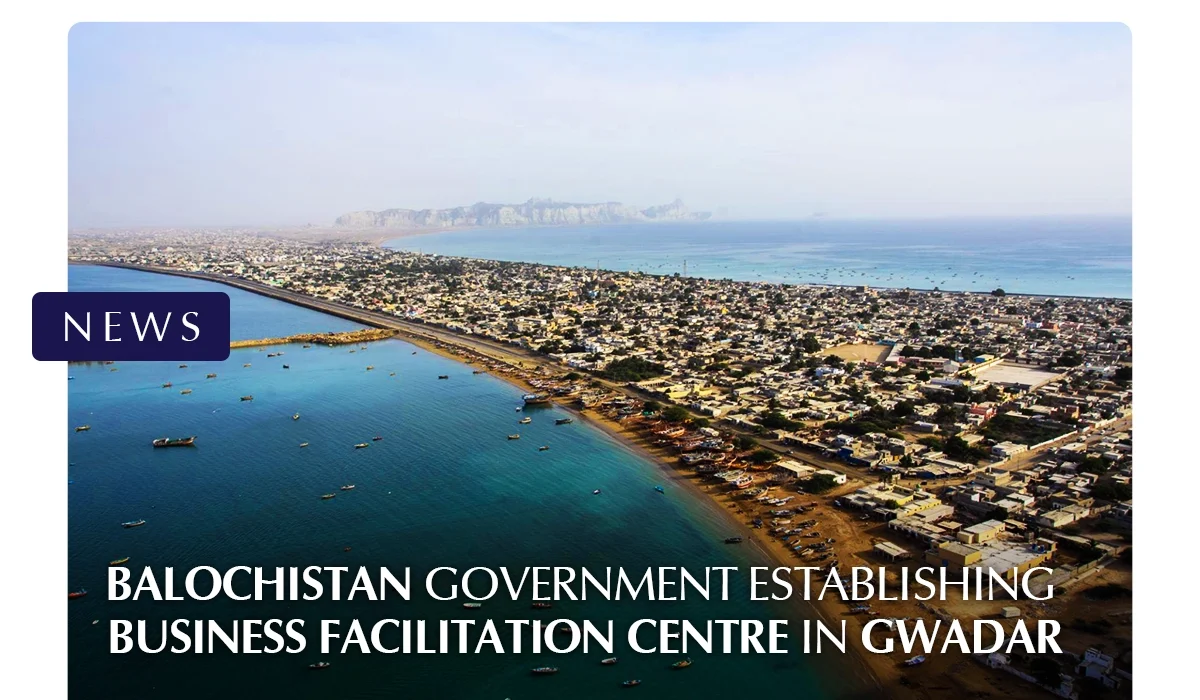
GWADAR: The Balochistan government is in the process of setting up a Business Facilitation Centre (BFC) in Gwadar to provide administrative and regulatory services to the business community. The facility is expected to become operational in the near future.
The centre will operate as a one-window platform, bringing together representatives from various government departments to process applications and approvals required for business activities. Services to be offered include the issuance of no-objection certificates (NOCs), licenses, permits, and other regulatory clearances needed to initiate or expand commercial operations.
A digital coordination system is being introduced to connect relevant departments and support the processing of applications. Business Facilitation Officers will be stationed at the centre to assist applicants and manage documentation and procedural requirements.
The initiative is part of ongoing administrative measures aimed at improving service delivery for investors and businesses operating in Gwadar. The centre is intended to centralise procedures that are currently handled by multiple offices.
The decision to establish the facility was discussed during meetings between representatives of the business community and provincial authorities responsible for investment and trade. The Business Facilitation Centre will function as a dedicated point of contact for investors seeking regulatory approvals related to business operations in Gwadar.
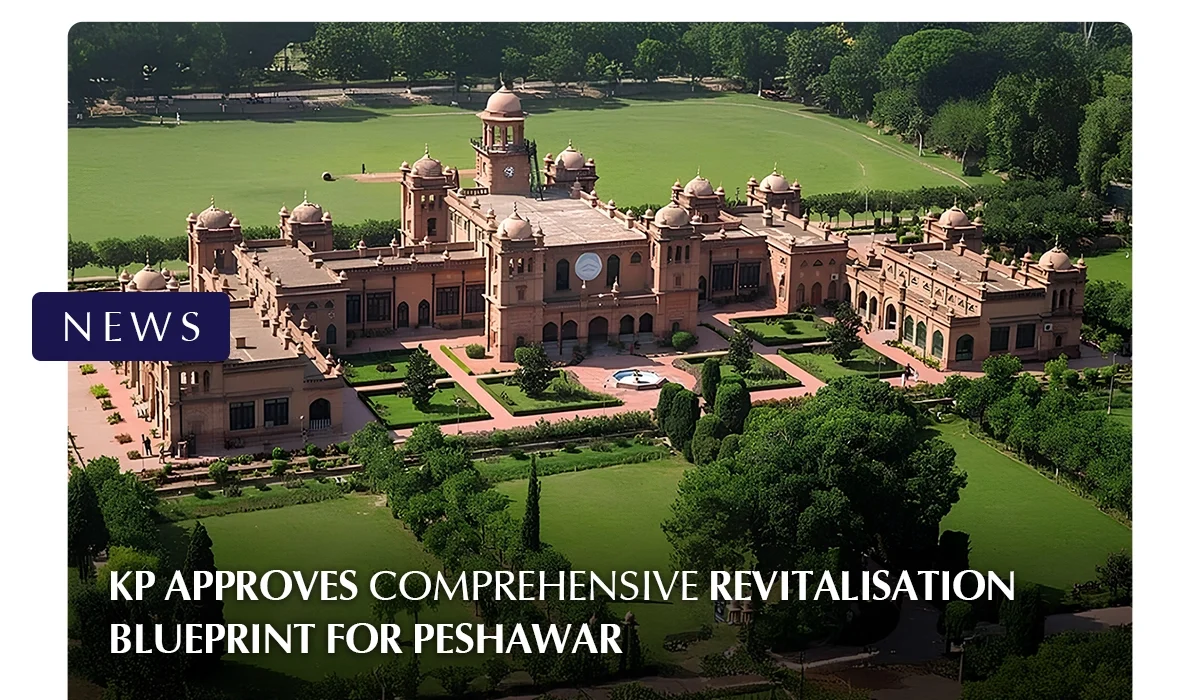
PESHAWAR: The Khyber Pakhtunkhwa government has granted initial approval to a wide-ranging urban revitalisation plan aimed at reshaping Peshawar into a more modern, livable, and well-connected city. The decision was made during a high-level review meeting chaired by the provincial chief minister, who directed departments to prioritise projects that are both technically sound and practically achievable.
The proposed plan spans multiple sectors and will be executed through coordinated efforts of key provincial departments and development authorities. A major focus will be on upgrading dozens of important city roads to improve traffic flow and accessibility. Authorities also intend to install underground electricity cabling along selected corridors to enhance safety and urban aesthetics.
To ease congestion, several underpasses are proposed at high-traffic intersections, alongside a new link road connecting the Hayatabad Industrial Estate with major surrounding routes. Urban beautification and recreation also form a central component of the initiative, with plans for theme parks, a modern children’s park, and new public landmarks designed to enhance community spaces.
Heritage preservation is included through proposed conservation work in the historic Walled City, while technical studies are being planned to guide improvements in public transportation. Infrastructure upgrades will extend to water supply, sanitation, irrigation channels, street lighting, and waste management systems. New municipal facilities, including slaughterhouses and sewerage treatment infrastructure, are also part of the blueprint.
The chief minister emphasised the timely completion of feasibility studies and planning documentation to prevent delays and ensure that development delivers visible improvements to residents. The revitalisation program is expected to significantly enhance Peshawar’s infrastructure, environmental conditions, and overall quality of urban life.
ISLAMABAD: Pakistan and Russia have agreed on a target year of 2027 to begin reconstruction and expansion work on the long-inactive Pakistan Steel Mills (PSM). This timeline was outlined during a review session, where officials shared plans to move the stalled revival project toward implementation.
The next major milestone for the project will be the signing of a formal Engineering, Procurement and Construction (EPC) contract with the Russian side, after which physical work on the mill’s rehabilitation is expected to commence. An EPC agreement is being drafted to ensure the project’s financial viability and readiness for execution.
Progress toward the revival has been ongoing since late 2025, when Pakistan and Russia formalised cooperation through a protocol aimed at rehabilitating and modernising the steel complex. As part of preparatory efforts, a Russian engineering firm conducted a technical audit of the mill and evaluated its assets, which are currently estimated to have a book value of roughly Rs. 139 million.
During discussions, lawmakers also raised legacy issues related to past disputes, including disagreements over gas supply contracts with a former operating partner. The session also addressed the status of shareholdings at the mill: the majority stakeholder has divested most of his equity, while a remaining small share cannot be transferred without regulatory approval. Government authorities retain the right to seize these shares if contractual obligations remain unmet.
The agreed 2027 timeline reflects renewed cooperation between Pakistan and Russia to restart operations at Pakistan Steel Mills, which remains one of the country’s largest industrial assets and a key component of its heavy industry sector.
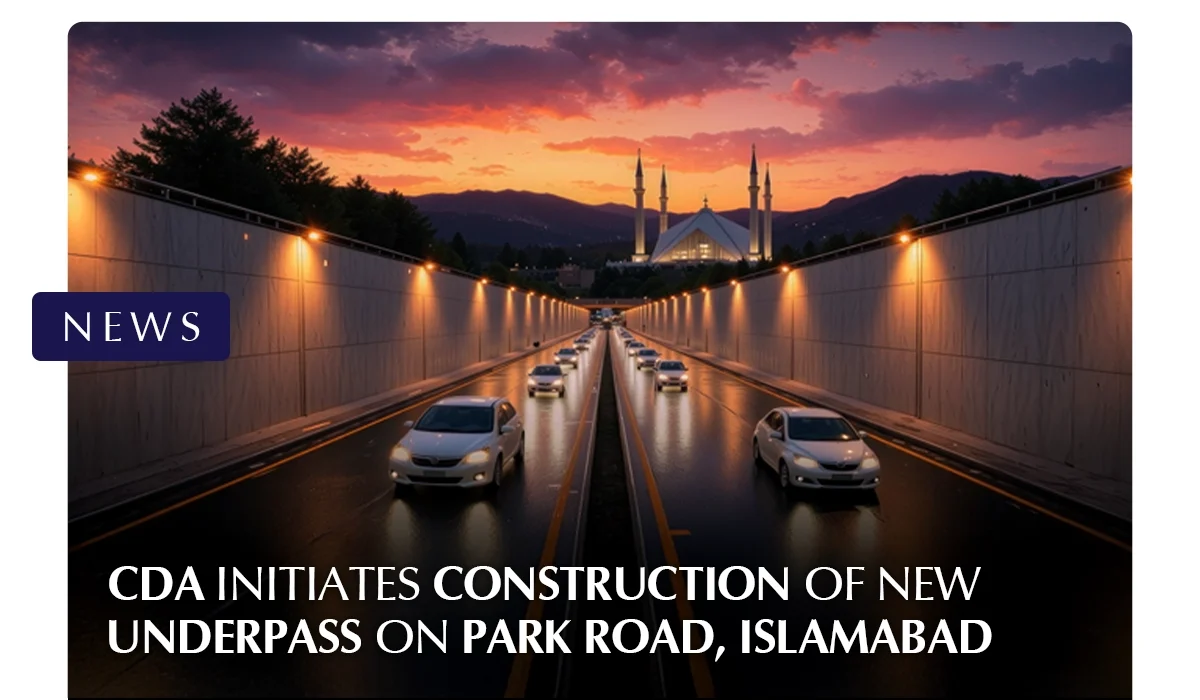
ISLAMABAD: The Capital Development Authority (CDA) has begun work on a new underpass at Margalla Enclave along Park Road in Islamabad, marking another step in its ongoing efforts to improve urban traffic infrastructure. The project is designed to ease congestion on one of the city’s busiest routes and enhance overall traffic movement for daily commuters.
To facilitate construction, the Islamabad Traffic Police (ITP) has implemented a comprehensive traffic diversion plan. Vehicles travelling from Rawal Dam Chowk toward Tramri will be redirected via NIH Road and Mohra Noor before rejoining Park Road beyond the construction zone. For traffic heading from Tramri toward Rawal Dam Chowk, a diversion has been established near Chai Khana, routing vehicles through the CDA Nursery area and back onto Park Road via temporary feeder roads.
Commuters are advised to use alternative routes such as Lehtrar Road, Khanna Pul, and the Islamabad Expressway where possible to avoid delays. Authorities have warned that the construction work is expected to cause significant traffic pressure, particularly during peak hours, and have recommended allowing an additional 20–30 minutes for travel.
Traffic police personnel will be stationed throughout the affected areas to assist motorists and manage orderly flow. Real-time updates and guidance are being provided to help drivers navigate the altered traffic patterns.
The new underpass project is part of the CDA’s broader strategy to modernise Islamabad’s road network and improve urban mobility. Once completed, it is expected to reduce congestion, shorten travel times, and support the city’s growing transportation needs, contributing to smoother and more efficient commuting for residents and visitors alike.
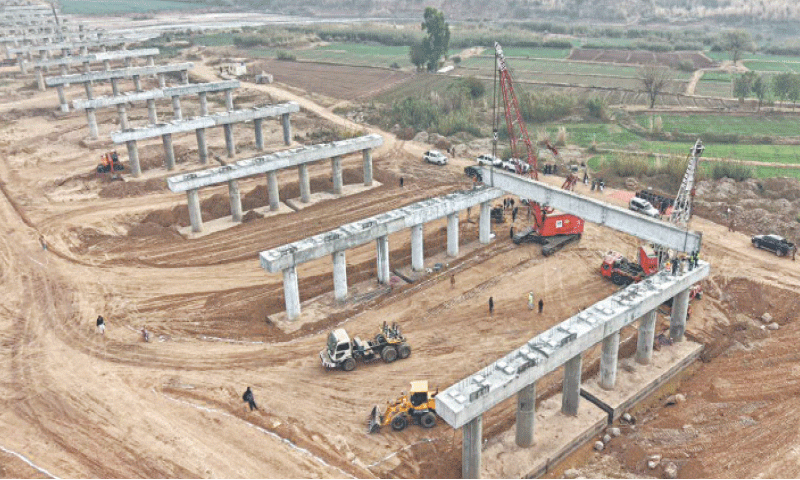
In a major move to alleviate traffic congestion and improve infrastructure, the Rawalpindi Development Authority (RDA) is making significant progress on the Rawalpindi Ring Road Project and the relocation of 44 key transport terminals. The dual initiatives are set to reshape the city’s traffic management, boost regional connectivity, and transform Rawalpindi’s transport landscape.
Rawalpindi Ring Road: Progress and Impacts
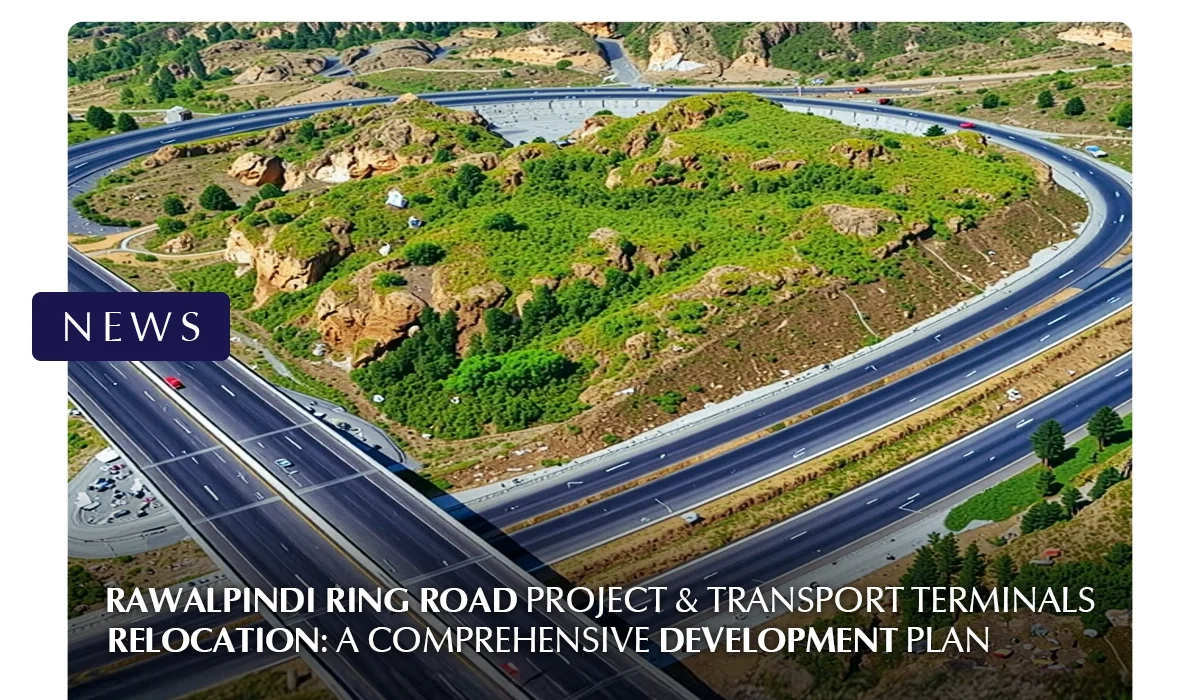
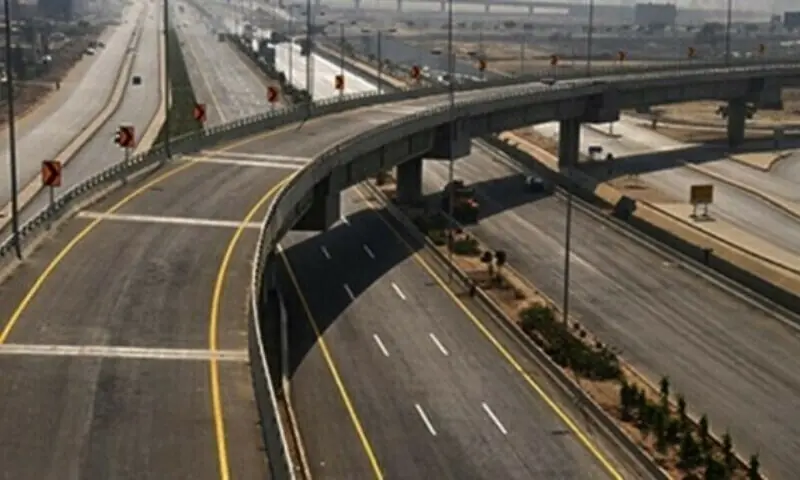
The Rawalpindi Ring Road, a crucial part of the city’s transportation overhaul, is a 38.3-kilometre, six-lane highway designed to connect key zones in Rawalpindi and Islamabad. The project aims to reduce congestion and improve access to regional economic zones.
Current Progress: As of the latest reports, the project is 70% complete, with structural work, road surfacing, embankments, and drainage systems progressing steadily. Key sections, including the Banth to Thallian Interchange, are already under construction.
Revised Timeline: The Rawalpindi Ring Road, initially slated for completion by December 2025, now has a new deadline of March 2026. The project’s total cost has been revised upwards to Rs. 50 billion due to the redesigning of the Thallian Interchange, a critical junction connecting the Ring Road to the M-2 Motorway.
Expected Benefits: The Ring Road will significantly ease traffic congestion in Rawalpindi, improve access to major highways, and facilitate smoother connectivity to Islamabad. Once completed, it will reduce traffic volume on city roads, benefiting both commercial and commuter traffic.
Project Management: The construction is being carried out by Frontier Works Organisation (FWO) under the oversight of the Rawalpindi Development Authority (RDA).
Relocation of Transport Terminals: Strategic Planning for Traffic Management
In line with the vision to streamline Rawalpindi’s transport system, the Punjab government has approved the relocation of major transport terminals to areas near the Rawalpindi Ring Road. This move aims to reduce traffic congestion within the city, particularly from heavy transport vehicles.
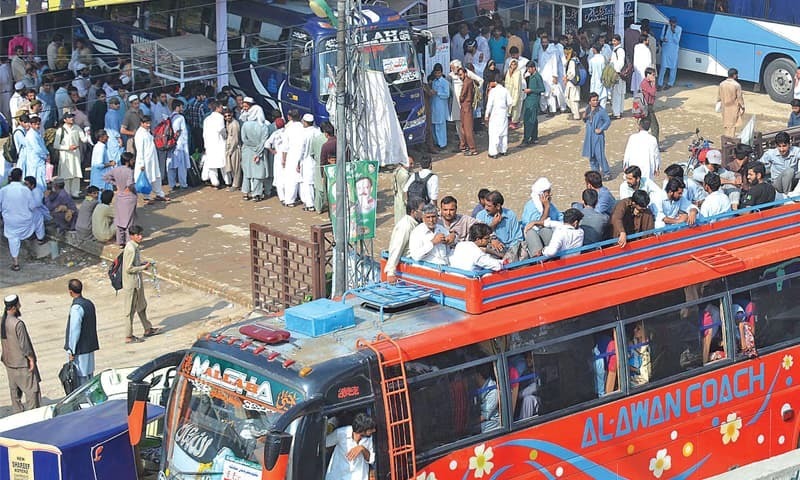
Pirwadhai Bus Stand: The prominent Pirwadhai General Bus Stand, along with other terminals, will be shifted to a more centralised location along the Ring Road. This relocation will accommodate inter-district buses and intra-city transport, improving traffic management and passenger operations.
New Terminal Locations: Other transport terminals, including those at Faizabad and Chungi No. 26, will also be closed, with all long-distance and goods transport hubs moved to strategic locations along the Ring Road.
Key Routes:
Transport coming from Peshawar will now operate from a new terminal near Islamabad Airport.
Vehicles from Azad Kashmir via Murree will stop at Bharakahu, while those coming from other districts will enter through Rawat.
Traffic and Fare Adjustments: The relocation will impact local travel. Fares for intra-city buses will range from Rs. 20 to Rs. 50, while passengers travelling to the newly relocated terminals may experience changes in travel time.
Policy Changes: To complement the relocation, the Punjab government will enforce a ban on heavy transport vehicles entering the city’s core. Any violating vehicles will face impoundment. Public transport buses and wagons will ferry passengers from the Ring Road terminals into the city centre, offering seamless connectivity.
Long-Term Impact: Urban Mobility and Economic Growth
Both the Rawalpindi Ring Road Project and the relocation of transport terminals are part of a comprehensive urban development strategy. By reducing congestion and improving connectivity, these initiatives are expected to enhance the city’s overall mobility, improve air quality, and stimulate local economic growth.
Environmental and Aesthetic Benefits: The Ring Road project incorporates green initiatives, including the creation of green belts, better drainage systems, and improved traffic safety measures. These will contribute to a cleaner, more sustainable urban environment.
Public Response: While many residents welcome the plan for its long-term traffic management benefits, some have expressed concerns about longer travel distances and the costs of relocating terminals. However, the shift is being framed as a necessary step to manage Rawalpindi’s increasing population and transport demands.
A Vision for a Modern Rawalpindi
With Rs. 50 billion invested in the Rawalpindi Ring Road Project and additional resources allocated for terminal relocations, the city is witnessing one of its most significant infrastructural transformations.
The development of this vital infrastructure will not only ease traffic congestion but will also position Rawalpindi as a model for modern urban mobility in Pakistan.
As the project progresses towards its 2026 completion, Rawalpindi’s residents and visitors can look forward to enhanced connectivity, reduced travel times, and a cleaner, more efficient transport system.
RAWALPINDI: The Rawalpindi Development Authority (RDA) has officially launched a significant beautification project along the Grand Trunk Road, covering the stretch from Defence Housing Authority (DHA) Phase-I to Phase-II, as well as the area in front of Bahria Town. The project, which aims to transform this key corridor into an aesthetically pleasing and environmentally friendly route, has commenced under the directives of RDA Director General Kinza Murtaza.
The beautification efforts will include extensive plantation, the creation of green belts, and various aesthetic enhancements, such as painting and the installation of decorative pools. These improvements are designed to not only elevate the visual appeal of the area but also to contribute to environmental sustainability.
Director General Kinza Murtaza emphasised that the project aligns with the vision of Chief Minister Maryam Nawaz Sharif for Rawalpindi, focusing on a blend of beauty, functionality, and long-term sustainability in urban development. To ensure the project’s success, Murtaza has directed all relevant directorates to complete the work within the specified timeframe, uphold strict quality standards, and establish ongoing monitoring and maintenance protocols.
The beautification of the Grand Trunk Road is expected to significantly enhance the city’s aesthetic and environmental landscape, making it a more attractive route for both residents and visitors. The project is also aimed at contributing to Rawalpindi’s overall development strategy, improving the quality of life for its residents.
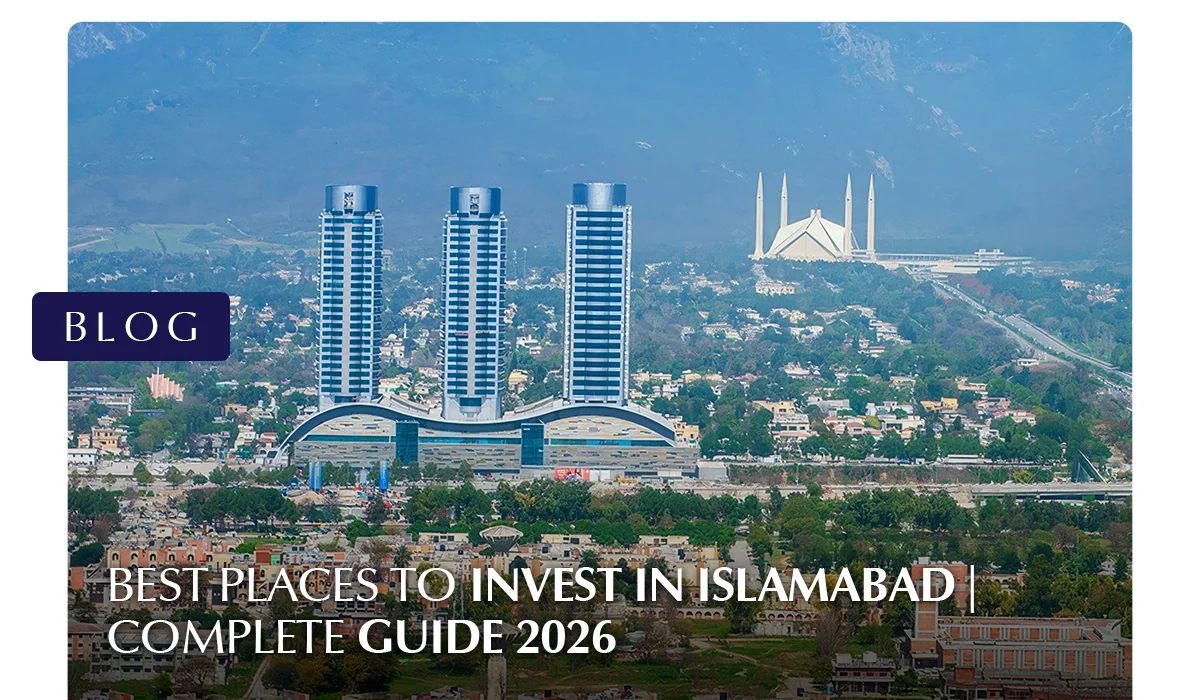
Islamabad, Pakistan’s capital, is a rapidly developing city with robust real estate opportunities. The city’s well-planned infrastructure, modern amenities, and strategic location make it an attractive option for real estate investment. With the population growing and demand for residential and commercial spaces increasing, Islamabad’s real estate market is poised for consistent growth. In this guide, we’ll explore the best places to invest in Islamabad in 2025, from established areas with high potential to up-and-coming developments that promise long-term value. Let’s dive into the details.
Premium location in Blue Area; commercial real estate hub, mixed-use development, high rental yields, CDA-approved, modern amenities, prime for corporate and retail tenants.
Smart city technology, cutting-edge infrastructure, good connectivity, significant appreciation potential, ideal for long-term growth.
Citadel 7 | Best Places to Invest in Islamabad
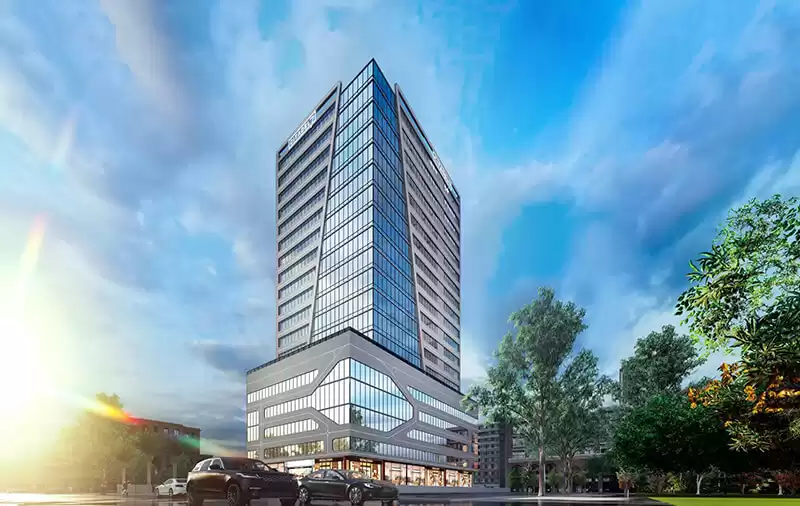
If you’re considering diversifying into commercial real estate in Islamabad, Citadel 7 offers a lucrative opportunity that combines corporate offices and a retail mall, all housed in a modern, state-of-the-art building.
Located in the heart of Islamabad’s most prestigious commercial district, the Blue Area, this development is positioned as a premium investment option for both corporate tenants and retail investors.
Prime Location & Strategic Positioning
Citadel 7 is strategically located on Jinnah Avenue, Islamabad’s most prominent commercial corridor. Its proximity to key landmarks like The Centaurus Mall and PIMS Hospital ensures high visibility and accessibility, making it a new retail landmark in Islamabad.
The location is also well-connected to major transport routes and business hubs, making it a prime choice for businesses and investors seeking best area to invest in Islamabad.
Being situated within walking distance of government offices and commercial spaces, Citadel 7 offers great convenience for both tenants and customers. This central positioning ensures constant demand, whether for office spaces or retail outlets.
What does Citadel 7 offer?
Here is a list of offerings by Citadel 7:
Corporate Offices
Citadel 7 features 14 floors of corporate office spaces, designed with modern architecture and high-end amenities. These office suites provide panoramic views of the city and are designed to cater to businesses of various sizes.
Spacious and flexible office layouts, ideal for companies in finance, tech, consultancy, or multinational corporations.
Smart building technologies with high-speed internet, energy-efficient systems, and integrated building management systems.
Premium facilities such as advanced HVAC systems, 24/7 security, and backup power solutions ensure smooth business operations.
These offices make Citadel 7 a sought-after location for corporate headquarters and a hub for professional services, guaranteeing a steady stream of potential tenants.
Citadel 7 Retail & Food Court
The 5 floors of Citadel 7 retail spaces are another highlight of Citadel 7, featuring a curated retail mall that is set to become one of Islamabad’s top shopping destinations. With its upscale ambience and high foot traffic, the retail spaces are ideal for international brands, lifestyle stores, and restaurants.
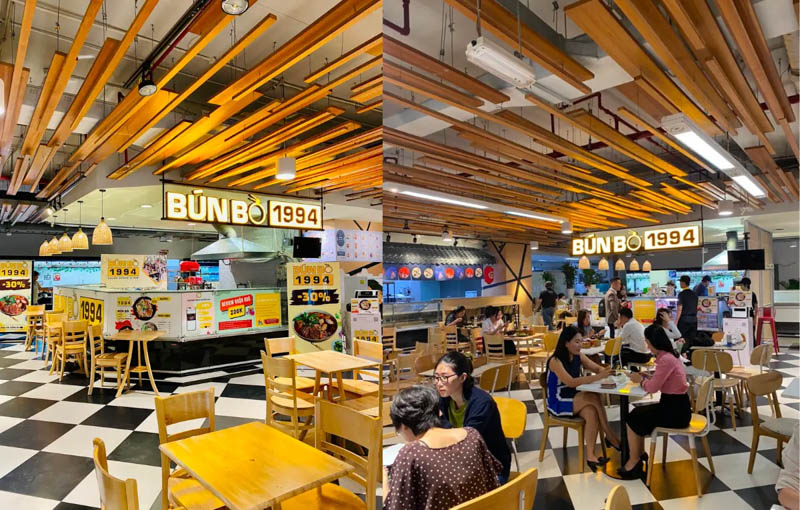
The food court offers a diverse dining experience, attracting shoppers and office workers alike. This combination of high-end retail and casual dining creates a dynamic shopping environment, ensuring that Citadel 7 becomes a go-to spot for both leisure and business.
Parking & Support Facilities
Citadel 7 offers ample parking space with 4 levels of basement parking, ensuring that tenants and visitors will have hassle-free access to the building. The parking facilities are equipped with smart digital systems, making it easy to navigate and secure.
Other amenities include separate entrances for office and retail visitors, high-speed elevators, and smart parking systems, all of which contribute to an enhanced experience for both business owners and customers.
Investment Highlights & ROI Potential
Citadel 7 stands out as a high-potential commercial investment for several reasons:
Location: Situated in the Blue Area, the most commercially active area of Islamabad, ensuring constant demand for both office and retail spaces.
Mixed-Use Development: The combination of corporate offices and retail spaces offers diversified revenue streams, making it a balanced investment.
Steady Rental Income: With its strategic location, Citadel 7 guarantees a high footfall and, therefore, a consistent rental yield. Both office spaces and retail outlets are expected to generate strong demand.
CDA-Approved Project: The development is CDA-approved, ensuring legal security and confidence for investors.
Investors can expect high returns from leasing both office spaces and retail units. The location, combined with the premium facilities and unique design, ensures that Citadel 7 will continue to appreciate in value.
Why Citadel 7 Stands Out in 2025
Citadel 7 is not just another office tower; it’s a symbol of modern commercial real estate development in Islamabad. Offering a high-quality working environment and premium retail experiences, it’s set to become a landmark in Islamabad’s commercial landscape.
For those looking to invest in commercial real estate in Islamabad, Citadel 7 offers a smart investment choice that promises long-term growth, capital appreciation, and diverse revenue options.
Whether you’re looking for corporate office space or retail units, this development presents an exceptional opportunity to be part of a modern, thriving business hub in Islamabad.
1. DHA Islamabad – Best Places to Invest in Islamabad
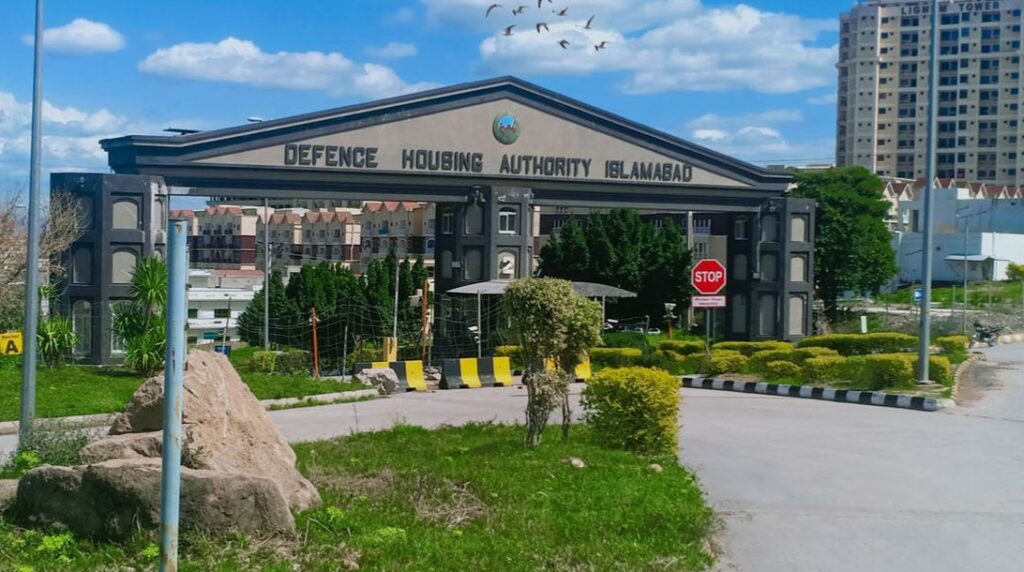
The Defence Housing Authority (DHA) is one of the most renowned and sought-after real estate projects in Islamabad. It has built a reputation for being an exclusive, high-value residential and commercial hub, making it an attractive investment opportunity in real estate.
Why Invest in DHA?
World-Class Infrastructure: DHA is known for its high standard of living with modern amenities, gated communities, and excellent roads.
Security and Lifestyle: Residents enjoy a secure, luxurious lifestyle with parks, schools, hospitals, shopping malls, and sports facilities.
Historical Price Appreciation: DHA Islamabad has consistently witnessed upward price trends over the years, offering both long-term capital gains and steady rental income.
Phases to Invest In:
Phases 2 and 3 are the most popular for residential properties and offer high demand.
Phase 5 is also gaining momentum for future investments.
DHA Valley offers more affordable options but has great potential for future returns due to its prime location and upcoming developments.
2. Bahria Town Islamabad – Best Places to Invest in Islamabad
Bahria Town is one of the most renowned private housing societies in Pakistan, and its Islamabad project is no exception. Known for its state-of-the-art planning and top-tier amenities, Bahria Town attracts investors due to its potential for high returns.
Why Invest in Bahria Town?
Master-Planned Community: Bahria Town offers residential and commercial plots, along with schools, hospitals, shopping malls, and recreational facilities.
Multiple Phases with Various Entry Points: With several phases, you can find plots that suit your budget. Investors often target Bahria Enclave for high-end residential properties due to its luxurious amenities and exclusive environment.
Strong Rental Yield: Due to the amenities and growing demand, rental properties in Bahria Town offer attractive yields.
Easy Access: Bahria Town is strategically located near major expressways and well connected to key parts of Islamabad, making it one of the best places to invest in Islamabad.
Best Areas to Invest in Islamabad Within Bahria Town:
Bahria Enclave
Bahria Town Phase 8
Bahria Town Phase 7
3. Gulberg Islamabad – Best Places to Invest in Islamabad
Gulberg Islamabad is one of the most prominent and fast-developing sectors in the city. It is a highly planned area that caters to those seeking a balance between luxury and affordability. Hence, making it one of the best places to invest in Islamabad.
Why Invest in Gulberg Islamabad?
Modern Infrastructure: Gulberg offers cutting-edge amenities and is developed with international standards in mind.
Green & Sustainable Living: Known for its eco-friendly environment, Gulberg Greens offers a unique living experience with green belts and abundant open spaces.
Growing Popularity: It is located just off the Islamabad Expressway, which is one of the city’s busiest roads, ensuring easy connectivity.
High Demand for Properties: Due to its strategic location, Gulberg is becoming one of the city’s most desirable areas. Investors can expect rising property values and rental income from well-developed residential and commercial areas.
Key Areas to Invest in Islamabad Within Gulberg:
Gulberg Residencia (Residential Area)
Gulberg Greens (For luxurious villas and farmhouses)
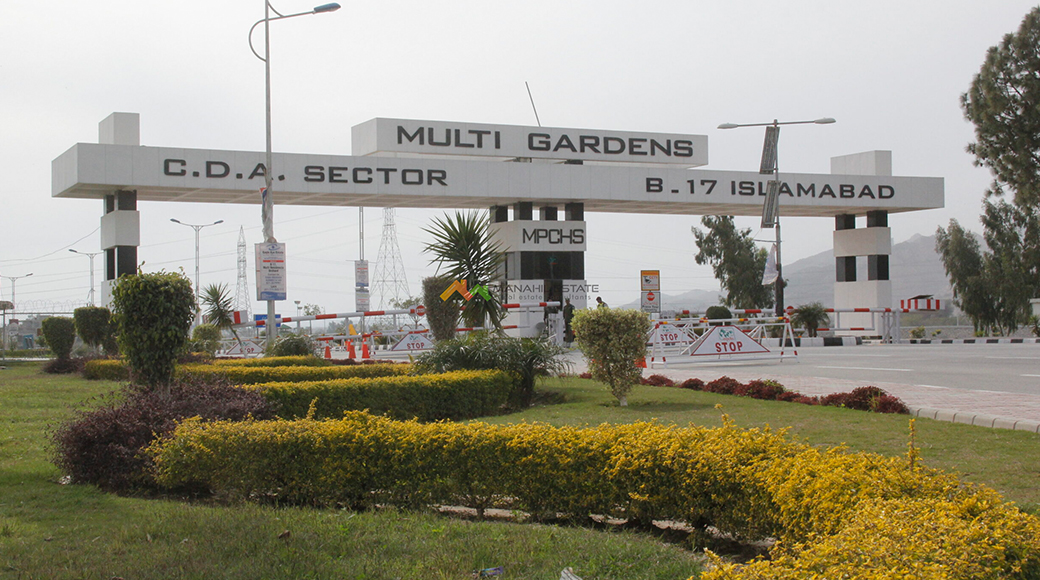
4. Sector B-17 (MPCHS) – Best Places to Invest in Islamabad
Sector B-17, developed under the Multi-Professional Cooperative Housing Society (MPCHS), is an affordable yet highly attractive real estate option to invest in some of the best places to invest in Islamabad. It offers significant value for money compared to many other areas in Islamabad.
Why Invest in Sector B-17: One of the Best Places to Invest in Islamabad?
Affordability: With lower property prices compared to high-end areas like DHA and Bahria Town, Sector B-17 offers an entry point for budget-conscious investors looking for a long-term return on one of the best places to invest in Islamabad.
Promising Development: Sector B-17 is continuously evolving, with infrastructure development underway, making it one of the best places to invest in Islamabad.
Proximity to Major Roads: It’s located near Islamabad’s main routes like the M1 motorway and Islamabad Expressway, ensuring convenient access to the city.
5. Sector G and Central Urban Areas – Best Places to Invest in Islamabad
While newer housing schemes have gained attention, Islamabad’s central sectors like G-11, G-12, F-11, and I-8 still hold substantial appeal due to their long-term rental potential. Hence, making them some of the best places to invest in Islamabad.
Why Invest in Central Sectors?
Proximity to City Centres: These sectors are close to Islamabad’s major commercial hubs, making them ideal for rental income.
Established Demand: High demand from both expatriates and locals for well-established residential properties ensures high resale value.
Solid Infrastructure: Full infrastructure, with schools, parks, hospitals, and commercial centres, ensures long-term sustainability.
Conclusion | Best Places to Invest in Islamabad
Islamabad’s real estate market is evolving, and with it, the opportunities to invest in the best places to invest in Islamabad for smart investors. Whether you are looking for luxury living, affordable options, or a long-term investment strategy, there is something for everyone in the capital. From established giants to the exciting Citadel 7 project, 2025 is shaping up to be a promising year for best places to invest in Islamabad.
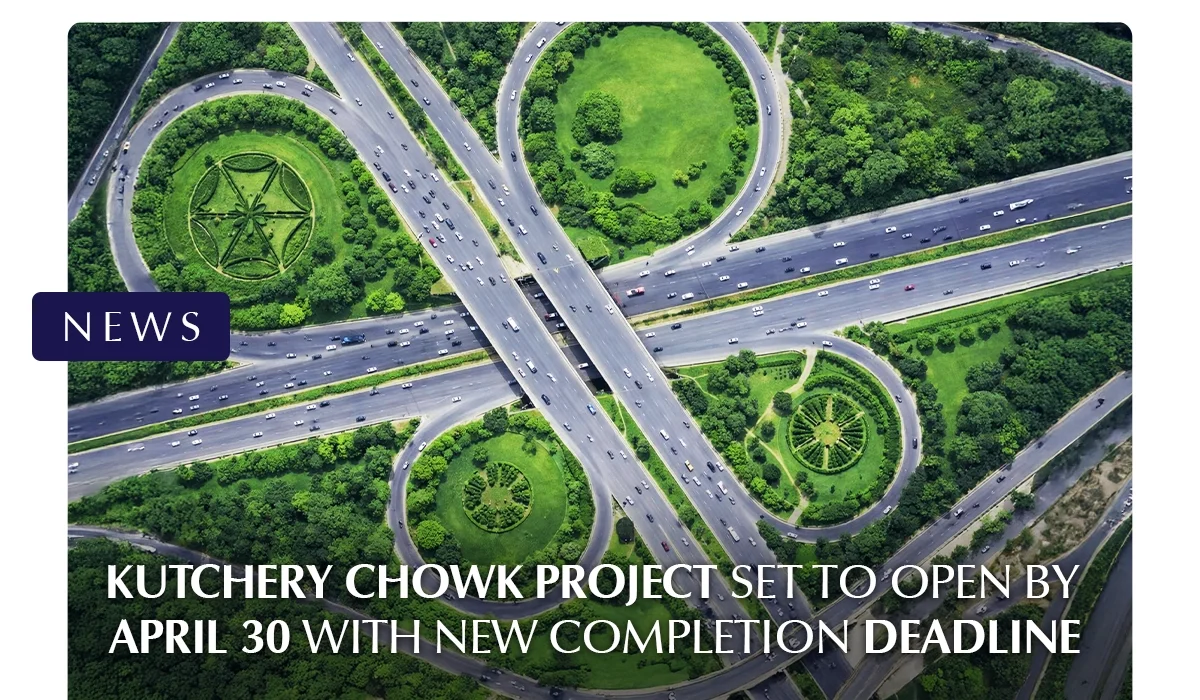
RAWALPINDI: The remodelling of Kachehri Chowk in Rawalpindi is progressing with a new deadline set for completion by April 30. The project, which includes the construction of two flyovers and three underpasses, is expected to open the busy junction to traffic by this date, following directives from the Punjab government.
According to Punjab Highway Department Executive Engineer Qamar Ali Saqib, over 45% of the work has been completed. Structural work, including the guide beam and piling at Kachehri Chowk and the Jinnah Park underpass, will be finished before Eid-ul-Fitr. The Frontier Works Organisation (FWO) is working around the clock to ensure the project meets its revised deadline.
The project includes several key features, such as a four-lane flyover between The Mall and Rashid Minhas Road, and underpasses at Kachehri Chowk and Mushtaq Baig Shaheed Road, aimed at managing traffic flows of over 250,000 vehicles daily. The total cost of the Kachehri Chowk flyover and underpass project is Rs5.974 billion, while the Annexy Chowk (Jinnah Park) project carries a budget of Rs4.672 billion.
In addition to roadwork, the Punjab Highway Department is collaborating with the Rawalpindi Parks and Horticulture Authority to enhance green spaces around the new flyovers and underpasses. Plantations will begin next month after the completion of road construction.
On Peshawar Road, work is underway to relocate electricity pylons for the construction of three underpasses at Race Course Park, Army Graveyard Square, and Charing Cross Square. The Rs8 billion project is designed to improve traffic flow for 250,736 daily commuters.
The remodelling of Kachehri Chowk and associated projects are expected to significantly ease traffic congestion and improve infrastructure in Rawalpindi.
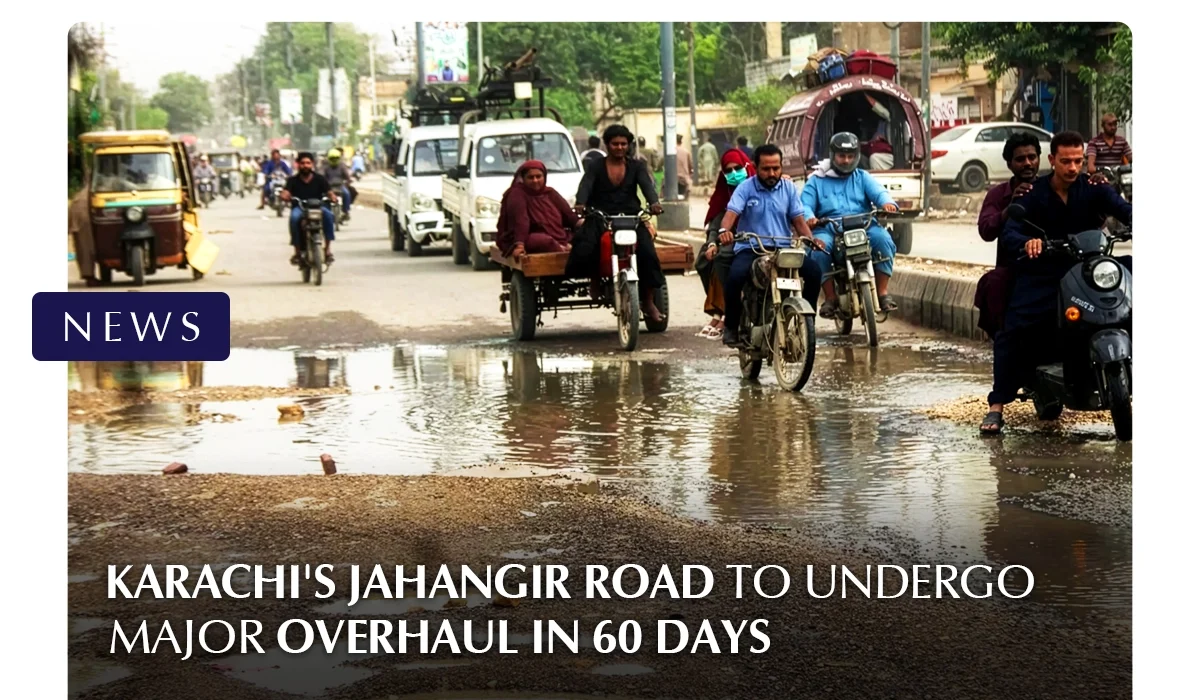
KARACHI: Jahangir Road, a vital link between two districts in Karachi, is set for a major reconstruction. The road has long suffered from severe damage and drainage problems, affecting residents and commuters.
At the foundation-laying ceremony on Wednesday, Mayor Karachi Barrister Murtaza Wahab highlighted the importance of this project. He noted that while the road was initially built by the Karachi Development Authority (KDA), it had been repeatedly damaged during rains due to outdated drainage systems.
This time, the Karachi Metropolitan Corporation (KMC) will fully fund the reconstruction. The project will not only rebuild the road but also replace the old sewerage system. Stormwater drains will be added on both sides to prevent future flooding.
The road will feature a 3-inch asphalt base, a 2-inch asphalt concrete wearing course, and 50,000 square feet of new carpeting. Additionally, 2,000 feet of stormwater drains will be constructed, along with 252,000 square feet of 80mm paver blocks.
The original project timeline was 90 days, but it has been shortened to 60 days to reduce public inconvenience. Work will continue day and night to meet the deadline.
Once completed, the road will improve traffic flow, drainage, and overall infrastructure for local residents. This project is part of a larger initiative to develop over 400 roads across the city, with a total budget of Rs. 46 billion.
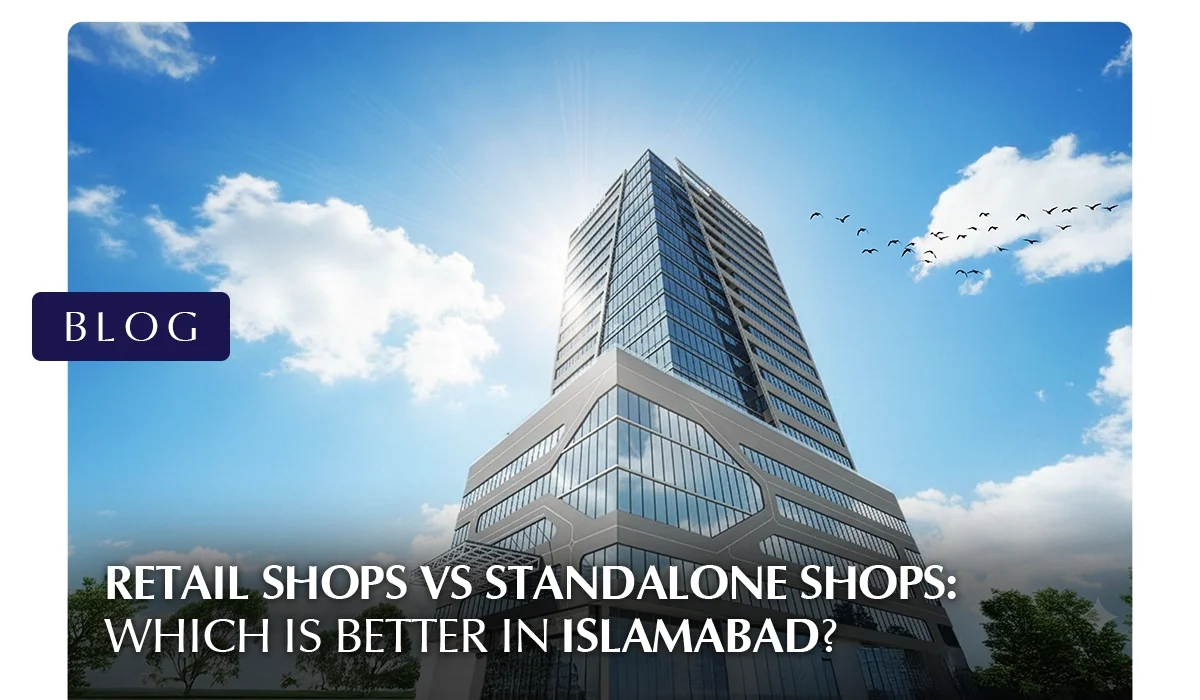
Retail shops in Islamabad are increasingly shifting toward curated mall environments, and Citadel 7 Mall is emerging as a modern retail destination in the Blue Area. Designed as a structured mall concept, it offers the kind of footfall-driven ecosystem that brands and investors prefer when comparing retail shops in Islamabad vs standalone shops.
In this guide, Chakor Ventures will compare retail shops in malls and standalone commercial shops across multiple factors, so you can decide what’s best for your goals.
Understanding Retail Shops in Islamabad: The Market Today
Islamabad’s retail ecosystem is no longer limited to traditional markets. The city now offers a blend of:
high-end malls
mixed-use commercial projects
sector-based shopping streets
standalone brand outlets and plazas
food streets and lifestyle hubs
This evolution has created strong opportunities for both retail entrepreneurs and investors. However, the competition has also grown, making commercial placement more important than ever.
Choosing between a mall shop and a standalone shop isn’t just about affordability; it’s about business positioning. Retail shops today succeed when they combine:
strong visibility
steady footfall
reliable infrastructure
brand-friendly environment
smart lease economics
That’s why comparing retail shops in Islamabad vs standalone shops is one of the most important decisions for anyone purchasing or renting retail shops in Islamabad.
What Are Mall Retail Shops?
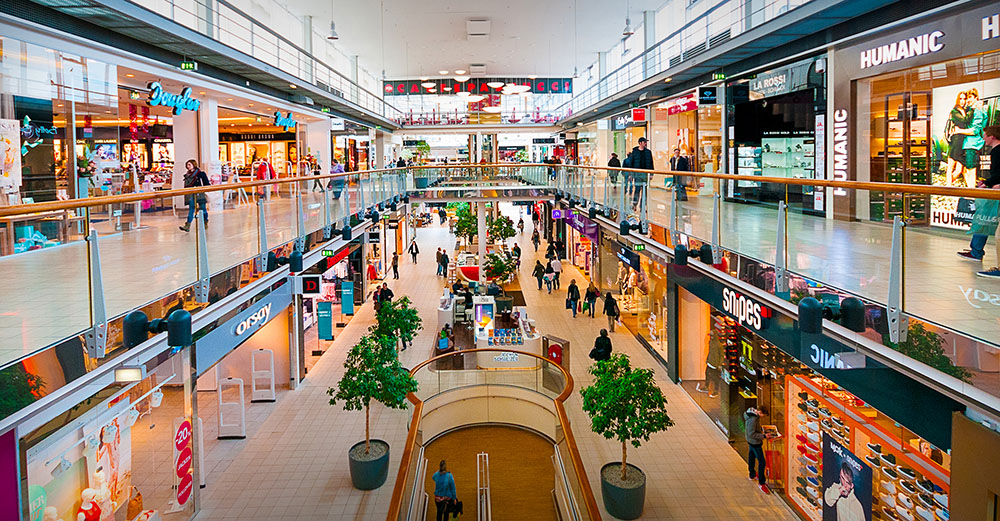
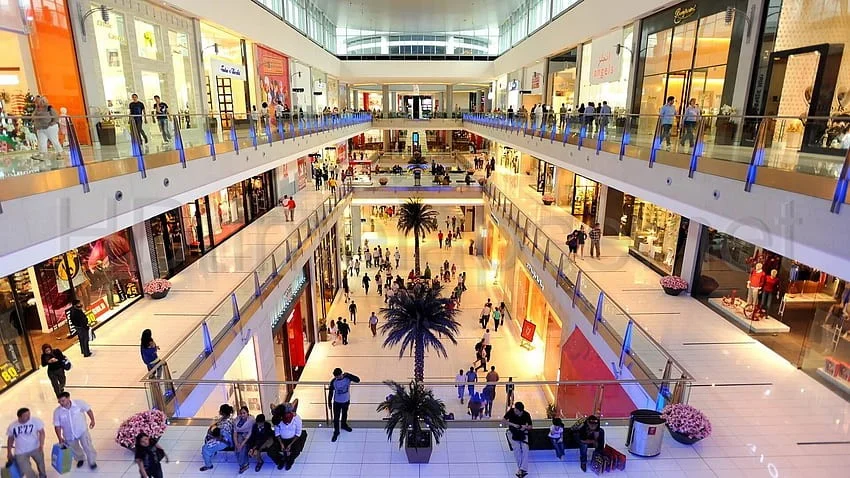
Mall retail shops are commercial units located inside structured shopping malls. These malls usually provide:
centralized parking
security and surveillance
shared marketing and branding
food courts and entertainment zones
climate-controlled indoor shopping
regular maintenance and cleanliness
Mall shops often operate in a planned retail ecosystem where the tenant mix is managed to create a complete customer experience.
Typical Retail Shop Categories
Retail shops in Islamabad commonly include:
fashion and footwear brands
cosmetics and perfumes
electronics and accessories
kids’ wear and toys
cafés and dessert outlets
service-based outlets
What Are Standalone Shops?
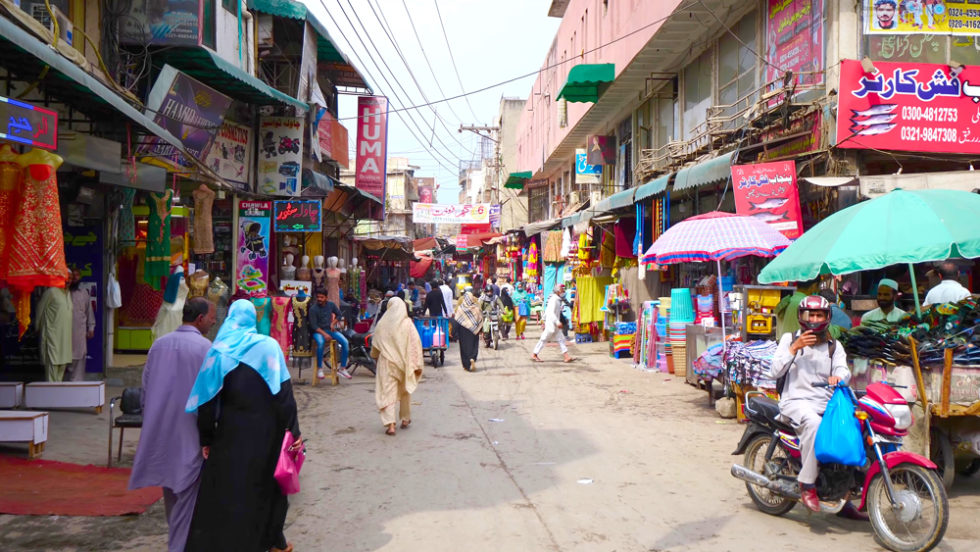
Standalone shops are independently located outlets not located within a mall. These can be found in:
commercial streets
sector markaz areas
plazas
roadside commercial corridors
mixed-use buildings
independent buildings with ground-floor retail
Standalone shops generally provide higher independence, stronger signage visibility, and greater control over operational decisions.
Typical Standalone Shop Categories
Standalone outlets in Islamabad commonly include:
restaurants and takeaway
showrooms
pharmacies
grocery and convenience stores
repair/service shops
furniture, interior, and home stores
Retail Shops in Islamabad vs Standalone Shops
Factor
Retail Shops in Islamabad
Standalone Shops
Footfall
Higher and more consistent due to shopping + dining + entertainment
Depends heavily on street location and surrounding activity
Restaurants, showrooms, services, and convenience-based retail
Investor Appeal
More stable tenant demand and structured leasing environment
Can offer strong returns in prime streets, but with higher variability
Which Is Better?
Category
Choose Mall Shops If
Choose Standalone Shops If
Best for Business Owners
You sell fashion, cosmetics, footwear, or electronics
You run a restaurant, café, takeaway, or showroom
You want strong walk-in footfall
You need flexible timings and signage
You prefer a premium brand association
You want direct roadside visibility
You want a managed environment (security, maintenance, facilities)
You want lower recurring charges and fewer service fees
Best for Investors
You want stable rental demand
You are investing in a prime commercial street
You prefer premium tenant potential (brands/franchises)
You want long-term appreciation through location scarcity
You value structured property management
You can evaluate location dynamics and future demand
You want predictable occupancy
You are comfortable with higher variability in returns
Citadel 7 Mall: A Modern Mall-Based Retail Option in Islamabad
As Islamabad’s retail landscape becomes more structured and experience-driven, curated mall projects are gaining attention from both businesses and investors. Citadel 7 Mall is an upcoming shopping mall in the Blue Area being developed by Chakor Ventures.
It is positioned as a planned retail destination designed to support modern shopping behaviour. It also reflects long-term commercial value. For anyone evaluating retail shops in Islamabad, Citadel 7 Mall is a strong example of how mall-based retail is evolving beyond traditional plazas and standalone units.
Multiple retail levels designed for brands and outlets
Key Public Feature
Dedicated food court to support footfall and visitor stay time
Designed For
Shoppers, brands, franchises, and commercial investors
What Makes Citadel 7 Mall Different from Typical Retail Buildings?
Unlike unplanned commercial buildings where shops are sold without ecosystem planning, Citadel 7 Mall follows a curated mall model. This approach focuses on developing the building as a complete mall experience by emphasising:
planned retail zoning
shop discovery design
organized mall circulation
lifestyle-driven shopping experience
This matters because mall performance depends on how long visitors stay and how effectively they explore multiple floors. In other words, the mall is not just selling space; it is designing shopping behaviour.
Mall Structure & Retail Floors
Citadel 7 Mall is planned with four dedicated retail floors, enabling a wider tenant mix compared to small plazas. This is especially important in a prime commercial corridor like the Blue Area, where retail brands compete aggressively for visibility and quality space.
A multi-floor mall format typically supports:
flagship outlets and standard retail units
category-based floors
Better brand variety under one destination
, premium storefront, and display visibility
For shoppers, this improves convenience. For investors, it improves tenant demand because brands prefer structured environments with consistent visitor traffic.
Food Court as a Footfall Engine
One of the most commercially valuable features of Citadel 7 Mall is its food court concept. In modern mall economics, dining areas play a major role in generating footfall and retaining customers.
A food court helps because it:
increases repeat visits
creates evening and weekend traffic
improves customer stay time inside the mall
supports surrounding shops through natural browsing behaviour
In the broader comparison of retail shops in Islamabad vs standalone shops, malls with strong dining zones often outperform standalone retail corridors because they keep visitors engaged for longer.
Why Citadel 7 Mall Matters When Comparing Retail Shops vs Standalone Shops
When people compare retail shops in Islamabad vs standalone shops, the biggest difference is the ecosystem advantage. Standalone shops operate independently, meaning each shop must generate its own traffic through signage, marketing, and location pull.
In contrast, mall-based shops benefit from:
shared footfall
centralised security and maintenance
collective brand environment
combined shopping + dining experience
structured parking and accessibility planning
Citadel 7 Mall fits strongly into the mall model, meaning a retail unit here can benefit from the mall’s overall performance, not just its own individual visibility.
Investor Angle: Why It’s Relevant for Retail Shops in Islamabad
Citadel 7 Mall is naturally relevant to investors exploring retail shops in Islamabad because mall-based retail assets in premium locations tend to offer stronger leasing potential, especially when the project is:
located in a high-demand zone like the Blue Area
designed with strong circulation planning
supported by the food court activity
built as a structured retail destination
For commercial investors, this increases the likelihood of:
stable tenant interest
better rental competitiveness
long-term resale demand due to scarcity in premium areas
Future Trend: Mall Retail Growth in Islamabad
Retail shops in Islamabad are increasingly shifting toward:
family shopping destinations
food and entertainment-based retail models
curated mall projects
mixed-use developments
This suggests that mall retail is likely to remain a strong long-term category for both shoppers and investors. As consumer lifestyles evolve, malls create a controlled environment that matches expectations of comfort, convenience, parking, and quality.
Conclusion | Retail Shops in Islamabad
If your priority is strong branding and a structured retail environment, mall shops may offer a clearer path to growth. But if you have a strong location and want full control over operations, standalone retail can deliver excellent performance in Islamabad.