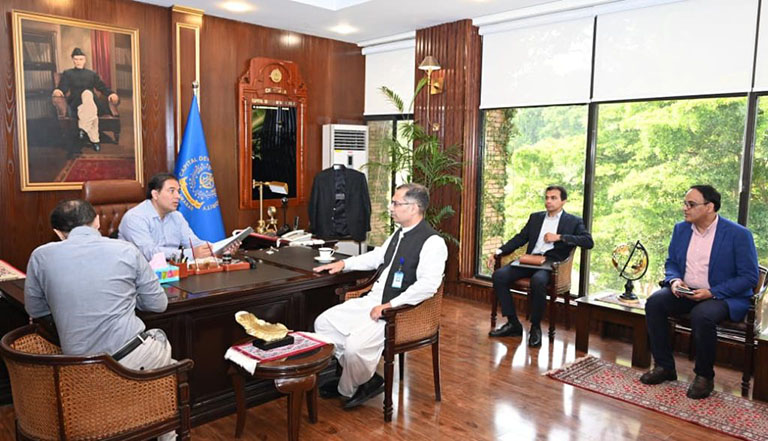
LAHORE:The Ravi Urban Development Authority (RUDA) has launched a Vocational Training Centre and a Lower Primary School at the Maskan-e-Ravi Low-Cost Housing Project, aiming to empower local communities.
The inauguration ceremony, held on Thursday, was attended by RUDA Chief Operating Officer (COO) Mansoor Ahmed Janjua, who highlighted the significance of the project. The initiative is part of RUDA’s broader vision to provide essential services and opportunities to underserved communities. The housing project, which includes 100 residential units, aims to offer a comfortable living environment alongside educational and vocational support.
The Vocational Training Centre, developed in collaboration with the Punjab Vocational Training Council (PVTC), is designed to equip local women with practical skills, such as sewing and tailoring, thereby creating new employment opportunities and fostering economic independence. RUDA Director of Special Initiatives, Fatima Ali Khan, emphasized the centre’s role in empowering women and providing them with tools to build a sustainable livelihood.
This initiative is aligned with the vision of Punjab Chief Minister Maryam Nawaz Sharif, who has been supportive of efforts to uplift marginalized communities. The collaboration between RUDA, PVTC, and other stakeholders is expected to serve as a model for integrated community development.
Earlier this year, on January 13, 2025, the Maskan-e-Ravi Housing Scheme was inaugurated by Chief Minister Maryam Nawaz Sharif, marking a significant step toward providing affordable housing for the needy and deserving families in the region.
Once again, it’s Pakistan vs India, and this time, it’s for the FINAL MATCH. Cricket fans all around the world are excited to see these age-old rivals in the finals. It’s going to be a historic event, as this is the first time in 41 years of Asia Cup history that these two teams will meet in the final.
Throughout Asia Cup 2025, both teams have clashed twice, with India claiming victory on both occasions. However, this time, things aren’t as predictable as they might seem.
Against all odds, Pakistan has managed to reach the final, and here’s how they got there.
Group Stage Results
Team
Opponent
Result
India
Pakistan
India won by 7 wickets
India
Oman
India won by 21 runs
India
UAE
India won by 9 wickets
Pakistan
Bangladesh
Pakistan won by 6 wickets
Pakistan
Hong Kong
Pakistan won by 4 wickets
Pakistan
Afghanistan
Pakistan won by 6 wickets
In the Super Four, team Pakistan and team India both continued to impress
Super Four Results
Team
Opponent
Result
India
Pakistan
India won by 6 wickets
India
Sri Lanka
Tie (India won Super Over)
Pakistan
Sri Lanka
Pakistan won by 5 wickets
Pakistan
Bangladesh
Pakistan won by 11 runs
India
Pakistan
Tie (India won Super Over)
India finished the Super Four top of the table with 6 points, while Pakistan secured their place in the final with 4 points, finishing second.
Key Players to Watch
Abhishek Sharma has been in outstanding form for India, setting a record for the most runs in a single Asia Cup T20 edition, and his consistency will be vital in the final.
For Pakistan, Haris Rauf has been a key bowler, with his pace and knack for breaking partnerships playing a crucial role.
As both teams prepare for the historic final, all eyes will be on this thrilling showdown. Will India continue their dominance, or will Pakistan create an upset?
ISLAMABAD: City managers have decided to strictly enforce energy-efficient building codes in the capital, making adherence to the National Energy Conservation Building Codes 2023 mandatory for all upcoming construction projects.
At a meeting held at CDA Headquarters on Tuesday, chaired by CDA Chairman Muhammad Ali Randhawa and attended by National Energy Efficiency and Conservation Authority (NEECA) Managing Director Sardar Moazzam along with CDA board members, officials reviewed the adoption and implementation of the new codes and by-laws of the Pakistan Engineering Council.
Under the plan, building owners will be required to use energy-efficient materials and install low-voltage, energy-saving electrical systems. New building plans will not receive approval unless they comply with the updated standards. CDA has already issued a notification for their enforcement.
Officials noted that compliance will not only improve energy conservation but also reduce electricity costs for citizens. The meeting also discussed the establishment of electric vehicle (EV) charging stations across the city, including at petrol pumps, government facilities, and commercial areas.
NEECA informed participants that it has developed software tools such as the Building Performance Database, ECBC Compliance Tool, and Residential Load Factor Tool to monitor implementation. Training programmes are also being conducted in relevant institutions.
CDA has directed the creation of a financial model to gradually bring older residential and commercial buildings into compliance, with phased implementation after financial reviews. Meanwhile, NEECA announced that electricity would be supplied to registered EV charging stations at subsidised rates, and CDA’s electric feeder buses would be registered with NEECA.
The meeting concluded with consensus on energy conservation, strict enforcement of energy-efficient building codes, and expanding EV charging infrastructure in Islamabad, in line with the prime minister’s vision of sustainable urban development.
RAWALPINDI: The Rawalpindi Development Authority (RDA) has launched a large-scale crackdown against illegal housing schemes and unauthorized constructions on the instructions of its Director General, Kinza Murtaza.
During the operation, the Task Force targeted several unapproved projects. At Islamabad City Housing in Katarian, near Shinwari Hotel on Main Airport Avenue, officials demolished the boundary wall, removed manhole pipes, sealed the site office, and lodged an FIR against the scheme’s owners, Qasim Bhatti and Nasir Bhatti.
At Waddia Homes in Mouza Morgha near Askari 14, the boundary wall, guard room, main gate, and barrier were demolished, while in Wazir Town Housing Scheme, 40 illegally under-construction shops in commercial markets were taken down.
An RDA spokesperson said the drive, supervised directly by DG Kinza Murtaza, will continue to curb fraudulent schemes and protect citizens from exploitation. She stressed that strict action will be taken against land grabbers and owners of illegal projects.
The authority also advised the public to avoid investing in unauthorized housing societies and to verify approvals through the official RDA website before making transactions.
Building strong, durable, and environmentally friendly structures has become a top priority in modern construction. Traditional materials like clay bricks are being complemented by innovative alternatives that offer better performance and sustainability. Among these, Fly Ash Bricks have gained significant attention due to their strength, consistency, and eco-friendly properties.
In this blog, we will explore everything you need to know about Fly Ash Bricks: their types, manufacturing process, costs, advantages and disadvantages, how they compare to regular bricks, and the latest rates in Pakistan for builders and homeowners.
What Are Fly Ash Bricks?
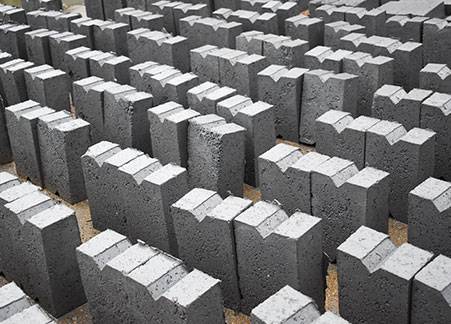
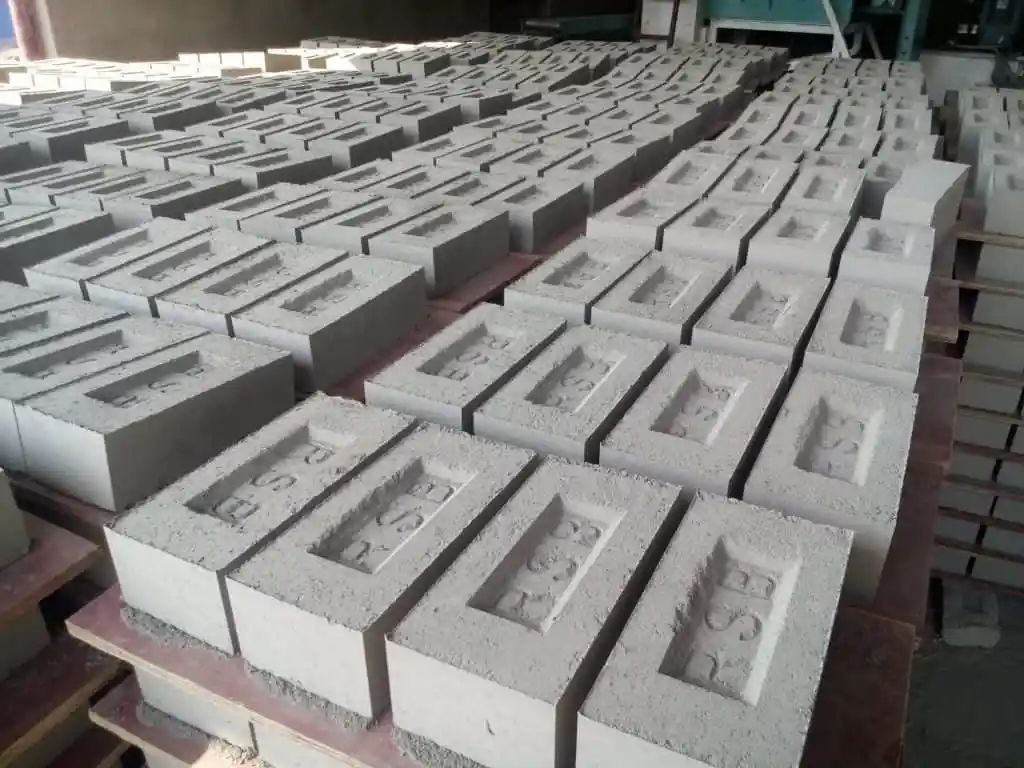
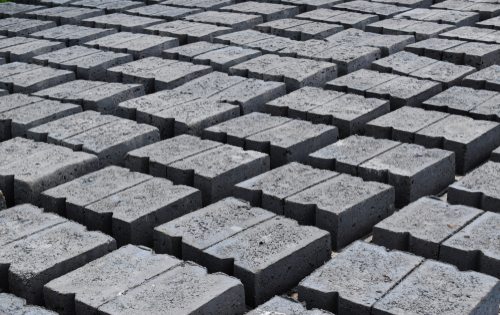
Fly Ash Bricks are high-quality building blocks made primarily from fly ash, a by product of coal-fired power plants, mixed with cement, sand, and water. Unlike conventional clay bricks, these bricks are cured instead of fired, giving them a smooth finish, uniform size, and superior strength. Depending on the application, other additives like lime or gypsum may also be used to enhance durability and workability.
How They Differ from Traditional Clay Bricks
Unlike clay bricks, which are made by baking clay at high temperatures, Fly Ash Bricks:
Are lighter in weight, reducing the overall load on structures.
Have higher compressive strength, making them suitable for load-bearing walls.
Feature uniform dimensions, which simplifies construction and reduces mortar usage.
Absorb less water, minimizing dampness and cracking.
Require less energy for production, as they do not need firing in kilns.
Environmental Benefits and Sustainability
Fly Ash Bricks are considered an eco-friendly construction material because:
They recycle industrial waste, reducing fly ash disposal into landfills.
They conserve topsoil, as they do not rely on clay extraction.
They reduce greenhouse gas emissions, since no firing is involved.
They support sustainable construction practices, promoting long-term environmental responsibility.
By combining strength, durability, and sustainability, Fly Ash Bricks have become a preferred alternative to traditional bricks for builders and homeowners alike.
Types of Fly Ash Bricks
Fly Ash Bricks are versatile and come in multiple types, each tailored to meet specific construction requirements. Choosing the right type can improve durability, efficiency, and cost-effectiveness of your project.
Solid Fly Ash Bricks
Solid Fly Ash Bricks are the most commonly used type for general construction due to their strength and density. They are ideal for walls and structures that require maximum stability and load-bearing capacity.
Characteristics:
Dense and robust with high compressive strength.
Offers excellent durability and uniformity.
Provides good thermal insulation for walls.
Applications:
Load-bearing walls in residential and commercial buildings.
Boundary walls and fencing.
General masonry work where strength and durability are key.
Hollow Fly Ash Bricks
Hollow Fly Ash Bricks are designed with air cavities to reduce weight and improve insulation. They are suitable for constructions where reducing structural load and enhancing energy efficiency is important.
Characteristics:
Lighter than solid bricks due to hollow cavities.
Reduces overall structure weight, saving on foundation costs.
Offers better thermal insulation because of trapped air pockets.
Applications:
Partition walls and non-load-bearing structures.
Multi-story residential buildings where weight reduction is important.
Interior walls for improved energy efficiency.
High-Density Fly Ash Bricks
High-Density Fly Ash Bricks are made for heavy-duty construction. Their increased density and strength make them ideal for industrial and large infrastructure projects.
Characteristics:
Manufactured with higher fly ash and cement content, resulting in very high compressive strength.
Provides enhanced durability and resistance to weathering.
Suitable for heavy-duty construction.
Applications:
Industrial buildings and warehouses.
Bridges and retaining walls.
Foundations requiring high-load-bearing capacity.
Specialty Fly Ash Bricks
Specialty Fly Ash Bricks are designed to meet specific functional needs beyond standard construction. They include variants for fire resistance, soundproofing, and lightweight structures.
Characteristics:
Fire-resistant bricks: withstand high temperatures.
Soundproof bricks: reduce noise transmission.
Lightweight bricks: ideal for high-rise buildings.
Can be produced in both solid and hollow forms.
Applications:
Fire-resistant bricks: kitchens, industrial zones, and chemical plants.
Soundproof bricks: offices, theaters, and residential complexes in noisy areas.
Lightweight bricks: multi-story residential and commercial buildings where structural load reduction is required.
Fly Ash Brick Price List (As of September 2025)
Brick Type
Price per Brick
Price per 1,000 Bricks
Price per 3,000 Bricks
Notes
Fly Ash Brick
₨ 18
₨ 18,000
₨ 54,000
Standard size: 9″ x 4.5″ x 3″; eco-friendly and durable.Niazi bricks
Buyers need to keep in mind that these prices are based on the standard size of 9″ x 4.5″ x 3″ and may vary depending on location, quantity, and delivery charges.
Manufacturing of Fly Ash Bricks
Fly Ash Bricks are made from a combination of fly ash, cement, sand, and water. Additional additives like lime or gypsum may be used in specific mixes to enhance strength, workability, and durability. Fly ash, a byproduct of coal-fired power plants, is the primary component, giving the bricks their eco-friendly credentials.
Step-by-Step Manufacturing Process
Mixing: Fly ash, cement, sand, and water are measured in precise proportions and thoroughly mixed to form a consistent slurry.
Molding: The mixture is poured into molds to form bricks of standard dimensions. Some molds create hollow bricks to reduce weight.
Compaction: Bricks are compressed either manually or using a hydraulic press to achieve desired density.
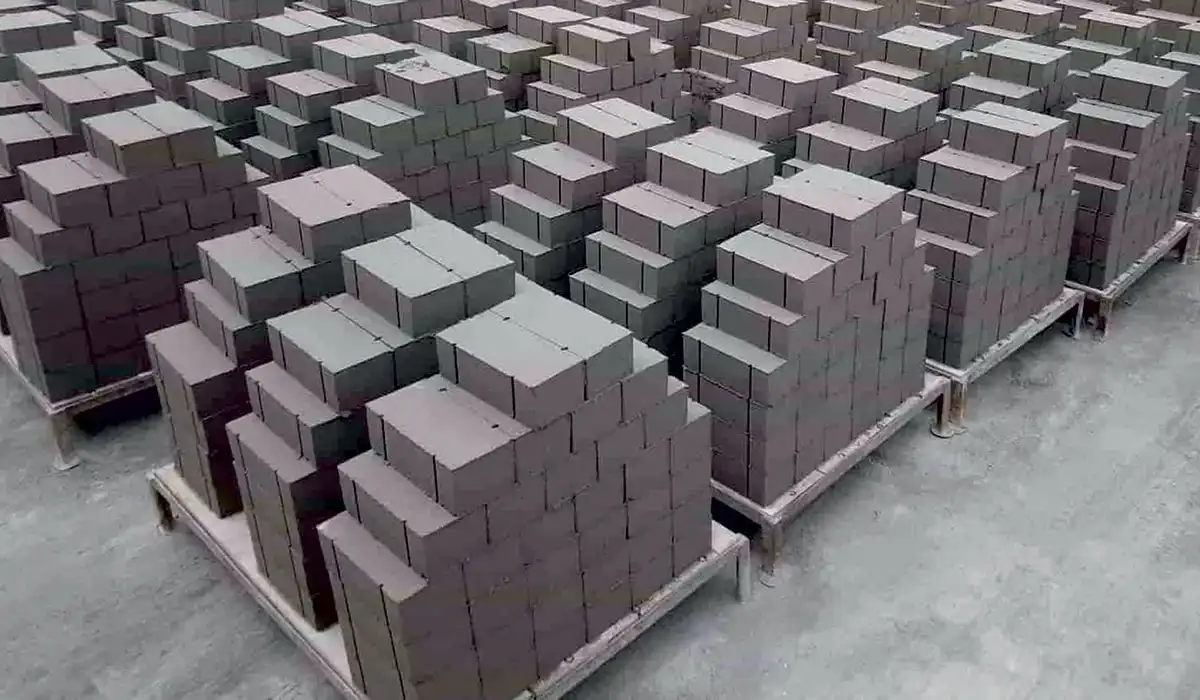
Curing: Molded bricks are cured under controlled conditions, typically for 7–14 days, to achieve maximum strength without firing.
Manual vs Machine-Made Bricks
Manual Bricks: Produced using hand molds; suitable for small-scale production.
Machine-Made Bricks: Manufactured using hydraulic presses or brick-making machines; offer consistent size, strength, and faster production rates, ideal for large projects.
Quality Control Measures
Uniform size and shape inspection
Compressive strength testing to ensure structural suitability
Water absorption tests to ensure durability Visual inspection for surface defects or cracks
Manufacturing Cost
The main cost components include fly ash, cement, sand, and water. Cement is typically the most significant contributor to total production cost.
Labor and Machine Costs
Labor costs vary depending on manual or machine production.
Machine-made bricks require investment in hydraulic presses, molds, and maintenance, which increases initial setup cost.
Factors Affecting Production Cost in Pakistan
Regional availability of raw materials
Transportation costs to construction sites
Local energy costs for production facilities
Scale of production and automation level
Economical Considerations for Small vs Large-Scale Production
Small-scale units: Lower setup costs but higher per-brick labor expenses.
Large-scale units: Higher initial investment but lower production cost per brick and consistent quality.
Difference Between Fly Ash Bricks and Regular Clay Bricks
Slightly higher upfront cost but saves on mortar, plaster, and maintenance
Lower upfront cost but more maintenance over time
Advantages and Disadvantages of Fly Ash Bricks
Advantages
Lightweight and easier to handle
High compressive strength and durability
Eco-friendly; recycles industrial waste
Uniform size reduces mortar and plaster usage
Fire-resistant and termite-proof
Disadvantages
Limited availability in some regions
Slightly higher initial cost compared to clay bricks
Requires proper curing to achieve full strength
This was all about fly ash bricks. For more information on similar content such as green buildings, visit Chakor blogs.
FAQs
What are Fly Ash Bricks and how are they made?
ly Ash Bricks are eco-friendly bricks made from fly ash, cement, sand, and water. They are molded and cured instead of fired, resulting in strong, uniform bricks suitable for modern construction.
Are Fly Ash Bricks stronger than traditional bricks?
Yes, they generally have higher compressive strength and durability compared to standard clay bricks, making them suitable for load-bearing walls.
Can they be used for load-bearing walls?
Absolutely. Solid and high-density Fly Ash Bricks are designed for load-bearing applications in both residential and commercial buildings.
How much does a 50 kg bag cost in Pakistan?
Fly Ash Bricks are sold individually or in bulk; a single brick costs around ₨ 18–22, while 1,000 bricks can cost between ₨ 18,000 and ₨ 22,000, depending on supplier and region.
Where can I buy Fly Ash Bricks in Pakistan?
They are available from suppliers like Niazi Bricks, Zarea, Bajisitan, Flyash.pk, and Ultratech Cement, with regional delivery options for large construction projects.
ISLAMABAD: CDA and SNGPL have agreed to fast-track replacement of old gas pipelines in G-6 and Blue Area, aiming to complete work before winter. The new network will prevent leakages, improve pressure, and ensure uninterrupted supply, with strict action against illegal connections.
Chairman CDA and Chief Commissioner Islamabad, Muhammad Ali Randhawa, met with Sui Northern Gas Pipelines Limited (SNGPL) General Manager Adnan Ahmed on Monday to review progress on the new gas pipeline network in the capital.
The meeting, attended by senior CDA officials, discussed ongoing replacement of deteriorated pipelines in Sector G-6 and Blue Area. It was agreed that installation work would resume without delay to ensure uninterrupted gas supply before winter.
Randhawa directed that the project be completed ahead of the cold season to prevent shortages, while ensuring consumers face no inconvenience during the replacement process. He also instructed SNGPL to provide early gas connections to the Gandhara Citizen Center in F-9 and to halt supply to illegal and unauthorized constructions.
SNGPL officials said a strategy was being implemented to improve gas pressure across the city, with all measures to be finalized before winter. Both CDA and SNGPL reaffirmed their commitment to working together for improved public services.
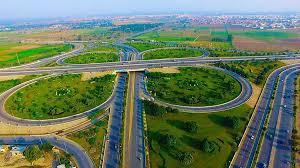
RAWALPINDI: The Rawalpindi Development Authority (RDA) announced that more than 70 percent of work on the Rawalpindi Ring Road (RRR) project has been completed, marking a major milestone in one of the region’s most significant infrastructure schemes.
The project is designed to serve as an economic corridor, with plans to establish logistics and education centres, a health city, a dry port, business hubs, industrial zones, transport terminals, wholesale markets, recreational parks, and residential communities along both sides of the route.
At a recent meeting on the Ring Road Economic Zones chaired by RDA Director General Kinza Murtaza, officials reviewed progress and upcoming development prospects. Speaking at the session, Murtaza said the project would not only ease traffic congestion in Rawalpindi and Islamabad but also deliver a cleaner, healthier, and safer urban environment.
She further noted that the initiative is expected to stimulate regional economic growth, generate employment, and improve civic facilities, assuring stakeholders that construction would be completed on an accelerated timeline.
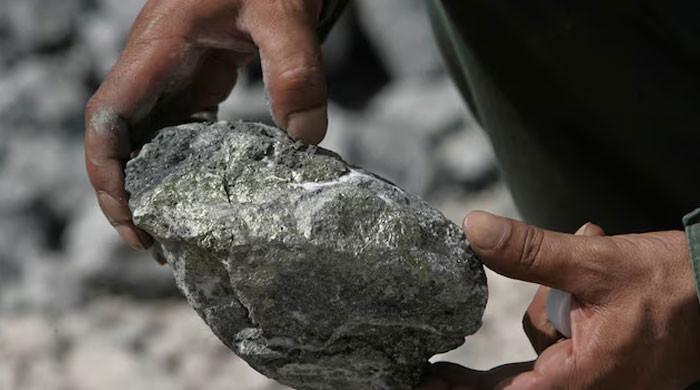
KARACHI: Pakistan’s mining sector could see its revenues triple to $6–8 billion annually by 2030 if the country harnesses its vast mineral wealth, industry leaders said at the Natural Resources and Energy Summit 2025 on Wednesday.
Delivering the keynote, Shamsuddin A. Shaikh, CEO of National Resources Ltd (NRL), noted that Pakistan contributes only 0.15 percent to global mineral output and around 2–3 percent to its own GDP, despite being located on one of the richest mineral belts in the world. He said of the 92 known minerals in the country, nearly 90 percent remain unexplored.
Shaikh warned that delaying action would allow foreign companies to take the lead, urging Pakistani investors to form joint ventures and partnerships to capture opportunities. “This is the time for local companies to create wealth and jobs at home,” he stressed.
He outlined key projects already in motion, including Reko Diq, which is projected to generate $4–5 billion annually, Siah Diq ($1–2 billion), Thar coal expansion ($200 million), and barite, lead, and zinc projects ($100 million). Additional copper and gold exploration in Balochistan’s Chagai region, he said, could bring in $5–10 billion more annually after 2030.
Highlighting the social dimension, Shaikh said responsible mining could transform communities through job creation, better housing, and improved access to healthcare and education. “Mining is not just about minerals—it’s about uplifting lives and eradicating poverty,” he remarked.
Experts at the summit cautioned that the sector’s growth depends on stronger governance, regulatory consistency, and skilled human resources. They also pointed to climate challenges and policy uncertainty as risks, stressing that technology and innovation, including artificial intelligence, will be key enablers.
Bringing together policymakers, investors, and international experts, the summit positioned mining and energy as critical to Pakistan’s economic future. Concluding his address, Shaikh urged decisive action from both government and industry: “This is Pakistan’s moment. With the right policies and investments, mining can become a $10 billion-plus industry, driving growth, stability, and national pride.
ISLAMABAD: The Punjab government has initiated feasibility studies to promote tourism in the hill tehsils of Murree and Kotli Sattian, with a focus on introducing innovative projects aimed at enhancing the region’s appeal.
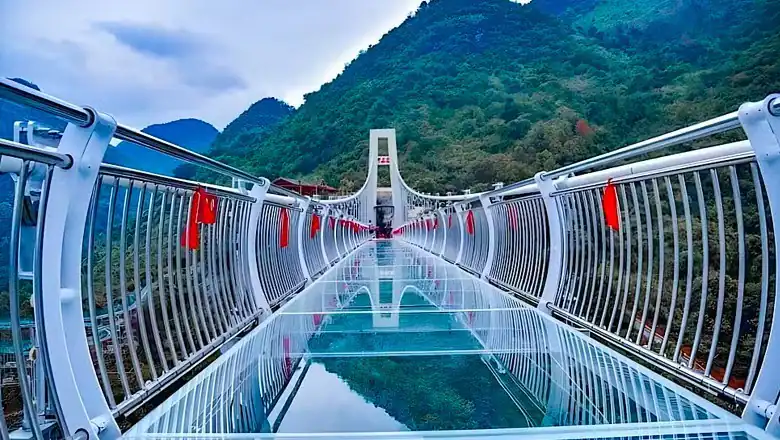
Backed by an allocation of Rs150 million, the studies will be completed within three months and cover developments such as two new chairlifts, Pakistan’s first sky glass bridge in Murree, glamping pod villages, and a modern jungle theme park.
As part of the plan, Kotli Sattian is being designated Punjab’s model tourism tehsil. A chairlift is proposed for the scenic Panj Peer mountain range, while another will be installed at a newly identified tourist spot in Murree. The proposed sky glass bridge in Murree will mark the country’s first of its kind.
Glamping pod villages, currently limited in number, are also set for expansion, with two to three additional sites under consideration. Meanwhile, jungle theme parks are envisaged in both tehsils with the private sector expected to play a significant role in development.
Speaking to the media, Asim Raza, Managing Director of the Tourism Development Corporation Punjab (TDCP), said that Kotli Sattian is the principal focus of these initiatives. “It is emerging as a new tourist destination, blessed with green forests, rugged mountains, waterfalls, and natural springs,” he remarked.
The involvement of Boy Scouts and Girl Guides is also being planned to engage youth in the promotion and preservation of eco-tourism.
ISLAMABAD: The Asian Development Bank (ADB) has approved an additional $80.75 million (Rs 22.47 billion) for the Sindh Emergency Flood Assistance Project (EFAP), raising total project funding to $280.47 million (Rs 78.04 billion).
Launched after the 2022 floods, EFAP focuses on rebuilding irrigation, drainage, and flood protection systems while strengthening disaster resilience. Of the new funding, $54.42 million will go to civil works, with overall project progress reported at 43.9%.
So far, $135.33 million has been disbursed, though officials note delays due to contract disputes, land issues, and material shortages. ADB says the fresh allocation will speed up work in flood-prone districts and enhance Sindh’s long-term preparedness against climate-related risks.