ISLAMABAD: The Capital Development Authority (CDA) has approved a comprehensive urban regeneration plan aimed at upgrading recognised kachi abadis across the Islamabad Capital Territory. The decision was taken during a CDA Board meeting chaired by Chairman and Chief Commissioner Islamabad Muhammad Ali Randhawa.
The approved framework introduces new regulations focused on the regularisation, improvement, and possible relocation of informal settlements under an organised urban development strategy. The initiative is intended to integrate recognised kachi abadis into Islamabad’s formal planning system while improving living conditions for residents.
Under the plan, only individuals verified as residents through official surveys conducted up to December 31, 2002, will be eligible to benefit from the programme. The CDA Planning Wing will carry out fresh surveys of the settlements to prepare updated layout plans and development proposals.
The regeneration process will include infrastructure upgrades and the provision of essential municipal services. Planned improvements cover road and street development, rehabilitation works, and measures aimed at enhancing access to basic urban facilities within these communities.
Officials stated that the initiative aligns with legal provisions under the CDA Ordinance 1960 and follows directives issued by the Supreme Court to regulate informal housing areas through structured planning measures.
The approved measures form part of broader efforts to promote planned urban growth and improve civic infrastructure across Islamabad while addressing long-standing issues related to informal settlements.
Islamabad, Pakistan — February 24, 2026 — Chakor Ventures successfully hosted its second Safety Award Ceremony, recognizing the continued commitment of contractors and team members toward maintaining the highest standards of workplace safety across the project.
The ceremony marked an important milestone in reinforcing the organization’s “Safety First” culture and celebrating collective efforts to ensure a safe and secure working environment. The achievement reflects consistent adherence to safety protocols, proactive risk management, and the dedication of project teams in upholding strong safety practices.
Through this initiative, Chakor Ventures aims to encourage ongoing compliance with safety standards and promote daily safety awareness across all operations. The company remains focused on sustaining project progress without major incidents or injuries while strengthening preventive measures on site.
As the project advances, all teams are encouraged to remain vigilant in identifying potential hazards and continue promoting safe working practices within their workforce to maintain eligibility for future safety recognitions.
Chakor Ventures reiterates its commitment to prioritizing workforce safety and looks forward to completing the project with an exemplary safety record.
Lahore, Pakistan — February 24, 2026 — Chakor Ventures continued its strong run at the Allied Bank Punjab Polo Cup 2026 (League B) with a closely contested 5–4 victory over Soofar Squad at the Lahore Polo Club. The match showcased high-intensity polo, with both teams delivering competitive performances before Chakor Ventures sealed the win through disciplined teamwork and decisive play.
The Allied Bank Punjab Polo Cup remains one of Pakistan’s premier polo tournaments, bringing together leading teams and skilled players in a celebration of the sport’s heritage and competitive excellence. Matches at the historic Lahore Polo Club continue to highlight the speed, strategy, and precision that define elite polo competition.
With consecutive wins in the tournament, Chakor Ventures strengthens its position in the league standings and looks ahead to upcoming fixtures with growing momentum as the competition progresses toward the knockout stages.
A Chakor Ventures spokesperson praised the team’s determination, stating, “We are proud of the players’ performance and their commitment to maintaining high standards of sportsmanship and competitive excellence.”
Chakor Ventures is committed to excellence, innovation, and supporting initiatives that promote teamwork and sporting heritage. Through its participation in polo, the organization continues to contribute to the growth and visibility of the sport in Pakistan.
Lahore, Pakistan — February 23, 2026 — Chakor Ventures secured a commanding 11–4 victory over HS Polo in their opening match of the Allied Bank Punjab Polo Cup 2026 (League B) at the Lahore Polo Club, marking a strong start to their tournament campaign. Demonstrating excellent coordination and control throughout the game, the Chakor Ventures team delivered a confident performance from the first chukker to the final whistle.
The Allied Bank Punjab Polo Cup is one of Pakistan’s premier polo tournaments, bringing together competitive teams across multiple pools and showcasing high-level polo at the historic Lahore Polo Club. Competing in Pool ‘A’, Chakor Ventures entered the event with a balanced lineup and quickly established itself as a team to watch with this decisive opening result.
Following the win, Chakor Ventures looks ahead to its upcoming fixtures in the league stage, aiming to build momentum and maintain consistency as the tournament progresses toward the knockout rounds.
A Chakor Ventures spokesperson praised the team’s effort, stating, “We are extremely proud of the players for their discipline, teamwork, and sportsmanship. We look forward to seeing them continue this positive momentum in the matches ahead.”
Chakor Ventures is committed to excellence, innovation, and supporting initiatives that promote teamwork and sporting heritage. Through its participation in polo, the organization continues to contribute to the growth and visibility of the sport in Pakistan.
MUZAFFARABAD: The government of Azad Jammu and Kashmir (AJK) has launched the Tax Asaan mobile application, a digital platform designed to simplify tax-related services and improve interaction between taxpayers and the revenue department.
The application was introduced as part of broader efforts to modernize the region’s tax administration through technology-driven solutions. Officials stated that the platform enables users to access a range of services through their mobile devices, including verification of sales invoices, viewing registration records, checking tax return details, making online payments, and monitoring the status of applications.
Alongside the mobile app, authorities also introduced a digital monitoring system aimed at strengthening oversight of revenue collection. The system is intended to support administrative planning and enhance efficiency by providing real-time data and performance tracking tools for officials.
The initiative builds upon earlier digital reforms introduced within the tax system, including electronic invoicing mechanisms, and is aimed at improving transparency and reducing procedural delays. By shifting key services online, the government seeks to make tax compliance more accessible while streamlining operational processes within the revenue department.
Officials noted that the introduction of digital platforms is expected to improve service delivery and facilitate easier compliance for taxpayers across AJK. The move reflects ongoing efforts to adopt modern administrative practices and strengthen revenue management through the use of technology.
The Tax Asaan application is now available for public use, marking another step toward digitisation of government services in the region.
ISLAMABAD: The International Monetary Fund (IMF) has acknowledged a notable improvement in Pakistan’s economic conditions, citing policy reforms implemented under the country’s ongoing IMF-supported programme.
According to IMF Communications Director Julie Kozack, Pakistan’s recent policy efforts have contributed to macroeconomic stabilisation and helped restore confidence in financial markets. The assessment comes as the country continues to implement reforms under the Extended Fund Facility (EFF).
The IMF highlighted Pakistan’s strengthened fiscal performance, noting that the country achieved a primary fiscal surplus of approximately 1.3 percent of GDP in fiscal year 2025, meeting programme targets. Improved revenue collection and tighter fiscal discipline were identified as key factors behind the progress.
Pakistan’s external sector has also shown signs of recovery, with the country recording its first current account surplus in over a decade. The development signals reduced pressure on foreign exchange reserves and improved balance-of-payments stability.
Inflation, which surged during the recent economic crisis, has begun to moderate, reflecting the impact of monetary tightening and stabilisation measures. IMF officials emphasised that these trends indicate a gradual easing of macroeconomic pressures.
An IMF mission is expected to visit Pakistan later this month to conduct programme review discussions, including assessments under both the Extended Fund Facility and the Resilience and Sustainability Facility.
Despite recognising the progress, the IMF stressed the importance of maintaining reform momentum. Continued fiscal discipline, structural reforms, and prudent economic management will be essential to sustaining stability and supporting long-term growth.
The Fund described Pakistan’s recent performance as a shift toward economic stabilisation rather than a full recovery, underscoring the need for consistent policy implementation in the months ahead.
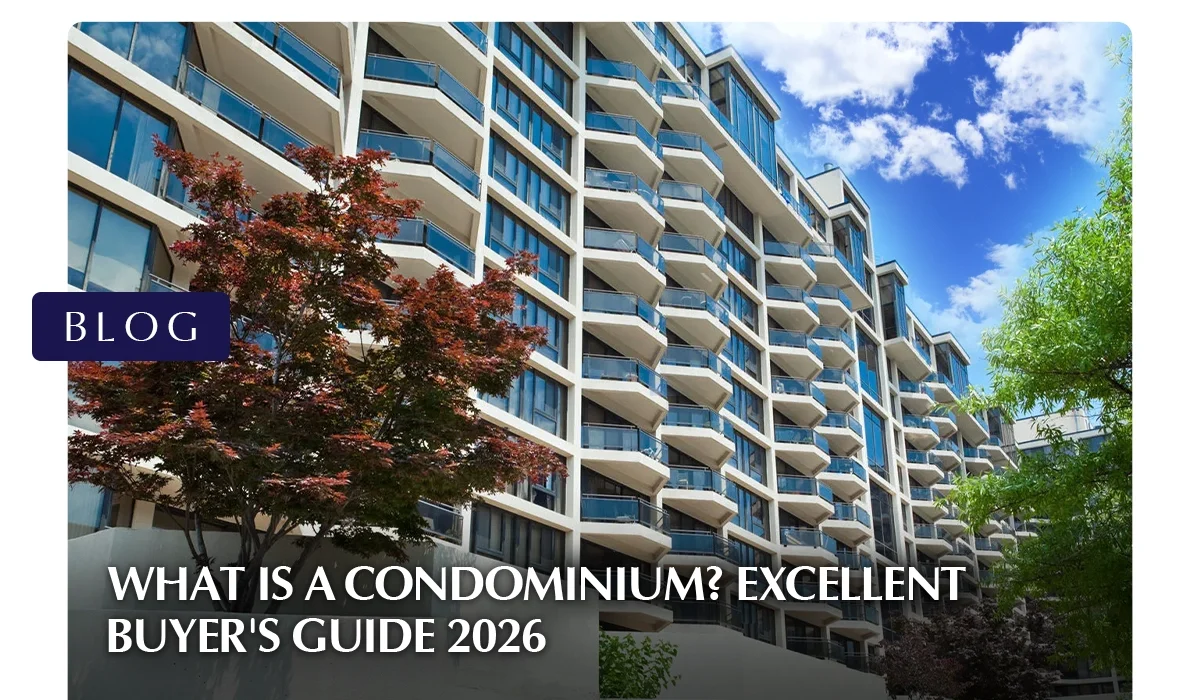
When researching modern housing options, one question appears frequently: What is a condominium? Whether you are a first-time homebuyer, investor, or simply comparing housing types, understanding condominiums is essential in today’s evolving real estate market.
Across the world and increasingly in Pakistan, condominiums are becoming a popular alternative to traditional houses and rental apartments. They combine private ownership with shared amenities, offering affordability, convenience, and urban lifestyle benefits.
This complete guide explains everything you need to know about condominiums, including ownership structure, differences from apartments and houses, types of condos, costs, advantages, and how condominiums are shaping Pakistan’s urban housing future.
What Is a Condominium?
A condominium is a type of real estate ownership where individuals own a private residential unit while sharing ownership of common areas such as hallways, parking, elevators, and amenities with other residents through a collective association.
Unlike renting, condo owners hold legal title to their unit while jointly maintaining shared spaces.
Explaining the Concept | What is a Condominium
To properly define condominium, it is important to understand that a condo refers to ownership structure, not building style.
A condominium can exist in:
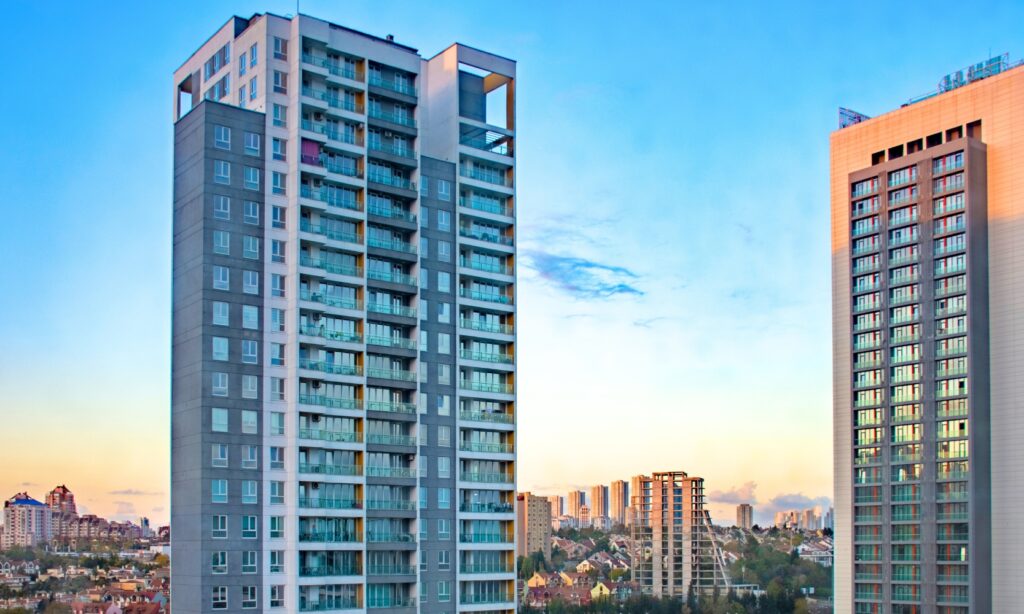
High-rise buildings
Townhouses
Detached homes within communities
Mixed-use developments
What makes it a condominium is shared ownership of common elements.
Key Components of Condominium Ownership | What is a Condominium
Individual Ownership Owners legally own the interior of their unit.
Shared Common Areas Residents collectively own spaces like:
Lobbies
Parking areas
Elevators
Gyms and pools
Gardens and corridors
Condominium Association (HOA) An association manages maintenance, finances, and community rules.
This structure allows residents to enjoy amenities without individually managing large property maintenance responsibilities.
What Is a Condo?
The term condo is simply the shortened version of condominium.
When someone asks “what is a condo?”, they usually mean:
“A privately owned housing unit located within a shared residential building or community.”
Physically, condos often look identical to apartments, but legally, they function very differently due to ownership rights.
Condo vs Apartment: Key Differences Explained
Many buyers confuse condos with apartments. In the following section, you will find the difference between condos and apartments.
Condo vs Apartment Comparison Table
Feature
Condo
Apartment
Ownership
Individually owned
Owned by landlord/company
Payment
Purchase + HOA fees
Monthly rent
Equity
Builds property value
No ownership equity
Maintenance
Interior owner responsibility
Landlord responsible
Amenities
Shared via association
Provided by the property owner
Customization
Allowed (interior)
Usually restricted
Investment Potential
Yes
No ownership benefit
What Is the Difference Between a Condominium and a House?
A house provides full ownership of both the building and the land. A condominium owner, however, owns only their unit while sharing land and infrastructure.
Major Differences
Houses require full maintenance responsibility.
Condos distribute maintenance costs across residents.
Houses offer more privacy.
Condos provide convenience and shared amenities.
For urban residents, condos often represent a practical balance between affordability and ownership.
Types of Condominiums
One major gap in many articles, and a key ranking opportunity, is explaining condo types.
1. High-Rise Condominiums
Most common in cities.
Features:
Multi-story buildings
Elevators and security
Shared amenities like gyms and pools
Ideal for urban professionals
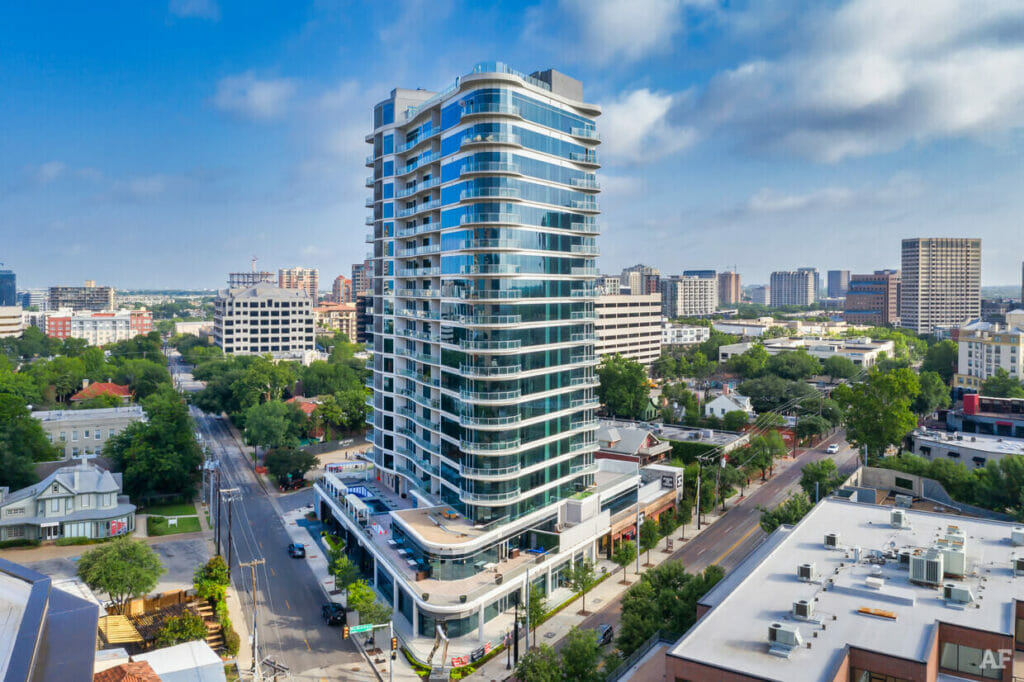
One common example of High-rise condominiums is Citadel One3 in Islamabad.
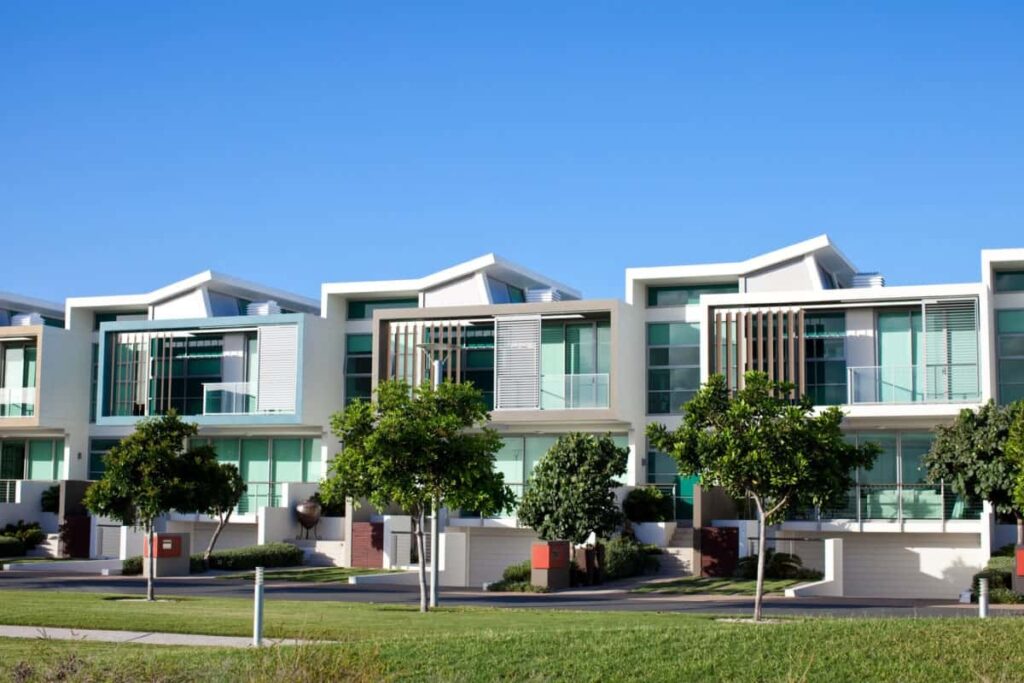
2. Townhouse Condominiums
Rows of connected homes sharing walls.
Benefits:
More space than apartments
Community maintenance included
Family-friendly layouts
3. Detached Condominiums
Standalone houses operating under condominium ownership rules.
Owners enjoy:
Private home feel
Shared infrastructure maintenance
Gated community benefits
4. Condominium Hotels (Condo Hotels)
Units owned privately but managed like hotels, allowing rental income opportunities.
How Condominium Ownership Works? | What is a Condominium
Ownership operates through a legal framework dividing responsibility.
What You Own
Interior walls
Flooring and fixtures
Appliances
Living space
What You Share
Roof
Elevators
Parking
Building exterior
Security systems
Owners contribute monthly fees for maintenance through the condominium association.
Costs Associated With Condominiums | What is a Condominium
Buying a condo includes several financial components:
Purchase Price
Usually lower than detached houses in urban locations.
Condominium Fees
Monthly payments covering:
Cleaning
Security
Repairs
Shared utilities
Building management
Maintenance Responsibilities
Owners maintain interior spaces only.
Advantages of Owning a Condominium
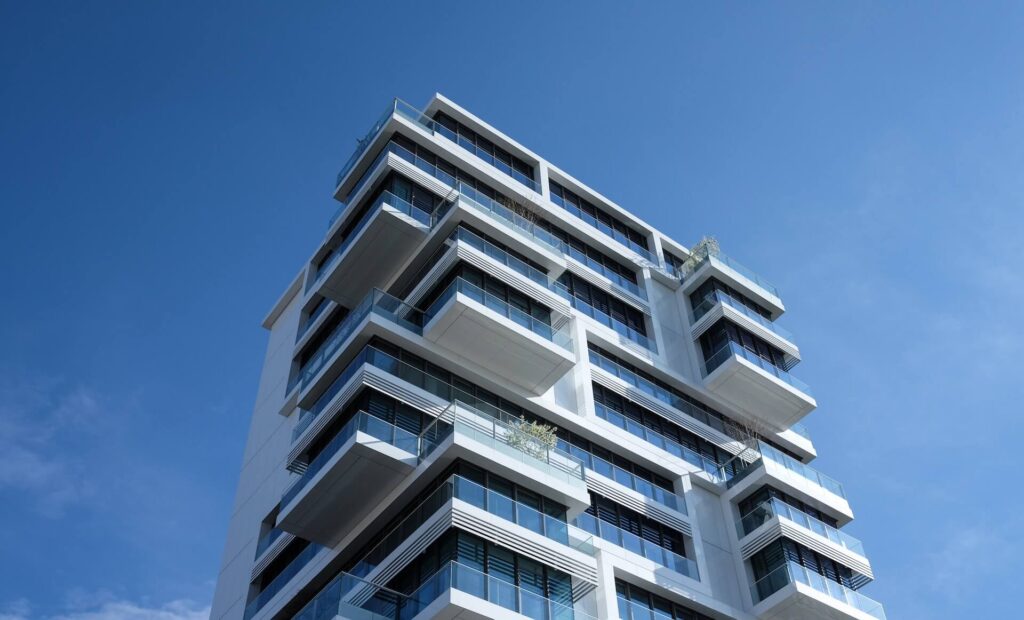
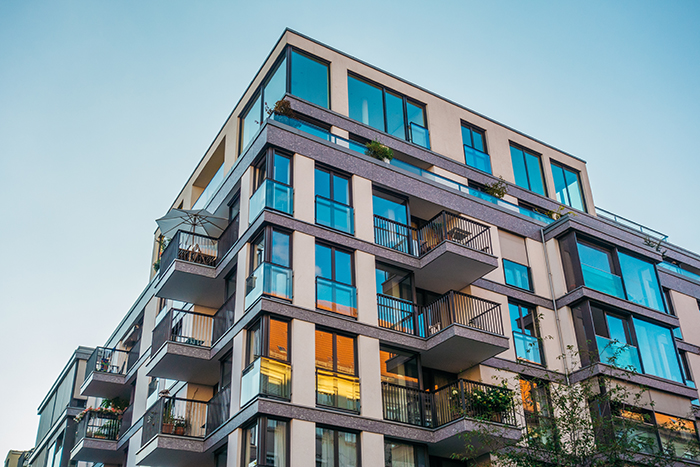
modern corner apartment complex with blue colored windows and light leaks
1. Lower Maintenance Lifestyle
Exterior upkeep is handled collectively.
2. Urban Accessibility
Condos are typically located near business districts and transport hubs.
3. Amenities Access
Pools, gyms, and security become affordable through shared costs.
4. Investment Potential
Urban condos often appreciate due to location demand.
Disadvantages of Condominiums
Monthly association fees
Limited exterior customization
Shared walls reduce privacy
Community rules must be followed
Understanding these trade-offs helps buyers make informed decisions.
Condominiums in Pakistan: A Growing Housing Trend
Most global guides ignore regional markets, but localized relevance strongly improves rankings.
Urban Housing Trends in Pakistan
Cities like:
Karachi,
Lahore,
and Islamabad
are experiencing rapid urbanization. Rising land prices and population density are shifting buyers toward vertical living solutions.
Condominiums offer:
Affordable ownership in city centers
Secure gated communities
Modern amenities are attractive to young professionals
Developers increasingly focus on mixed-use condominium projects combining residential, retail, and office spaces.
Citadel One3 | What is a Condominium
Citadel One3 is an upcoming condominium project designed to introduce modern and community-focused urban living in Pakistan. Planned around contemporary condominium principles, the development aims to combine private ownership with shared amenities and professionally managed common spaces.
Planned Features
The project is expected to offer:
Modern residential condominium units
Secure entry and controlled access
Dedicated parking facilities
Contemporary architectural design
Shared community amenities
Professionally maintained common areas
Location & Lifestyle Benefits
Citadel One3 is being developed to provide convenient access to key urban facilities, including commercial areas, educational institutions, healthcare services, and major transportation routes. The project is designed to support a comfortable lifestyle suited for professionals, families, and investors.
Legal Ownership | What is a Condominium
Although terminology varies, condominium-style ownership exists through apartment ownership laws and cooperative housing regulations.
What Buyers Should Verify
Project approval by local development authorities
Property registration documentation
Developer credibility
Maintenance governance structure
Provincial authorities such as CDA, LDA, and SBCA regulate developments depending on location.
Legal due diligence is essential before purchasing.
Typical Condominium Fees in Pakistani Cities
Fees vary depending on amenities and building quality.
Islamabad
Higher fees due to security and premium facilities.
Karachi
Wide range depending on neighborhood and services.
They may not suit buyers wanting large private land ownership.
How to Find Condominiums for Sale in Pakistan
You can explore available properties through:
Online property portals
Licensed real estate agencies
Developer project launches
Local market research
Always compare projects and verify legal approvals before committing.
Are Condominiums a Good Investment in 2026?
Global housing trends show increasing demand for compact urban living. Pakistan is following a similar path due to:
Rising urban migration
Increasing land costs
Changing lifestyle preferences
Well-located condominiums often provide:
Rental income opportunities
Capital appreciation
Lower maintenance burden compared to houses
Final Thoughts: What is a Condominium?
Understanding what is a condominium helps buyers evaluate one of the fastest-growing housing models worldwide.
A condominium blends ownership with community living, offering affordability, convenience, and modern amenities while reducing maintenance responsibilities.
As Pakistani cities continue expanding vertically, condominiums are likely to become a central part of urban housing solutions.
FAQs | What is a Condominium
The following are some of the FAQs relevant to condominium apartments:
What is a condominium in simple terms?
In simple terms, a condominium is a private property in a shared building or community.
What is the concept of a condominium?
The concept of a condominium is based on the idea of shared ownership. Each owner controls their unit, but the ownership of common areas is shared with other residents.
Why is it called a condo?
The term “condo” comes from condominium, which originates from Latin, meaning shared ownership.
What is meant by condo apartment?
A condo apartment refers to an apartment-style unit within a condominium complex that is owned by an individual rather than rented.
What are the characteristics of a condominium?
Some key characteristics of a condominium include:
Private ownership of residential units
Shared ownership of common areas such as pools, parking, and gardens
Monthly fees for maintenance and common area management
What is the difference between an apartment and a condo?
In an apartment, the entire building is typically owned by a single entity or landlord and rented out to tenants.
In a condo, the individual units are owned by different residents, and common areas are collectively owned and maintained by all the condo owners.
Are apartment and condo the same?
No, an apartment is a rental unit, owned by a landlord or company, while a condominium refers to privately owned units within a shared building or complex.
Is it smarter to get a condo or apartment?
Choosing between a condo and an apartment depends on your personal situation:
Condos are suitable for long-term ownership, investment opportunities, and building equity.
Apartments are more suitable for short-term rentals and flexibility with fewer responsibilities.
Is a condo more luxurious than an apartment?
While luxury depends on the property, condominiums typically offer better amenities than rental apartments, such as pools, gyms, and 24-hour security.
What is the difference between a condominium and a regular house?
A condominium is a type of property where you own a unit but share ownership of common areas such as hallways, parking, and amenities. In contrast, a regular house involves complete ownership of both the structure and the land. Condos typically have shared maintenance costs, while houses do not.
What is a condominium vs townhouse?
A condominium refers to ownership of a unit within a shared building or complex with shared responsibility for common areas. A townhouse, on the other hand, is a specific type of house that shares walls with other units but generally does not have shared amenities like a condo.
What is the difference between a condo and a unit?
A unit is a generic term that refers to any individual living space within a building or complex. A condo is a specific type of unit where ownership is governed by condominium rules.
Is a condo the same as a unit?
Not exactly. While all condos are units, not all units are condos.
What is a condominium house?
A condominium house is typically a standalone or semi-detached home that falls under condominium ownership rules.
What is a condominium complex?
A condominium complex refers to a large development consisting of multiple individually owned units, with shared amenities like gardens, pools, and common areas.
What is a condominium hotel?
A condominium hotel is a hybrid property where owners buy individual units that are operated like a hotel.
What is a condominium act.
The condominium act is a set of legal rules that governs condominium ownership, management, rights, and responsibilities of owners in a particular jurisdiction.
What is a condominium fees?
Condominium fees are monthly charges paid by condo owners to cover the cost of maintaining common areas, services, and amenities such as security, cleaning, and upkeep of shared spaces like lobbies or gardens.
What are the typical monthly fees for a condo?
Monthly condo fees typically vary depending on the size, location, and amenities offered by the building.
What are the typical maintenance fees for condominiums in Islamabad?
In Islamabad, maintenance fees for condominiums vary depending on the project’s location and amenities.
Pros and cons of buying a condominium unit. What is a condominium?
Pros of buying a condominium unit include access to amenities, reduced maintenance responsibilities, and lower costs compared to detached houses.
What are the legal regulations for buying a condominium in Pakistan?
In Pakistan, legal regulations for buying a condominium include ensuring the project is registered with relevant authorities and verifying ownership rights.
Which companies offer condominium listings in major Pakistani cities? What is a condominium?
Real estate agencies and property portals in Pakistan, such as Chakor Ventures offer condominiums in Islamabad like Citadel One3.
How to find available condominium properties for sale. What is a condominium?
You can find available condominium properties for sale by searching on reputable online property platforms, contacting local real estate agents, or checking with developers offering new condo projects.
What does 1 unit mean in housing?
In housing, 1 unit refers to an individual living space within a larger building or community, typically used as a measurement for apartments, condos, or houses in multi-unit developments.
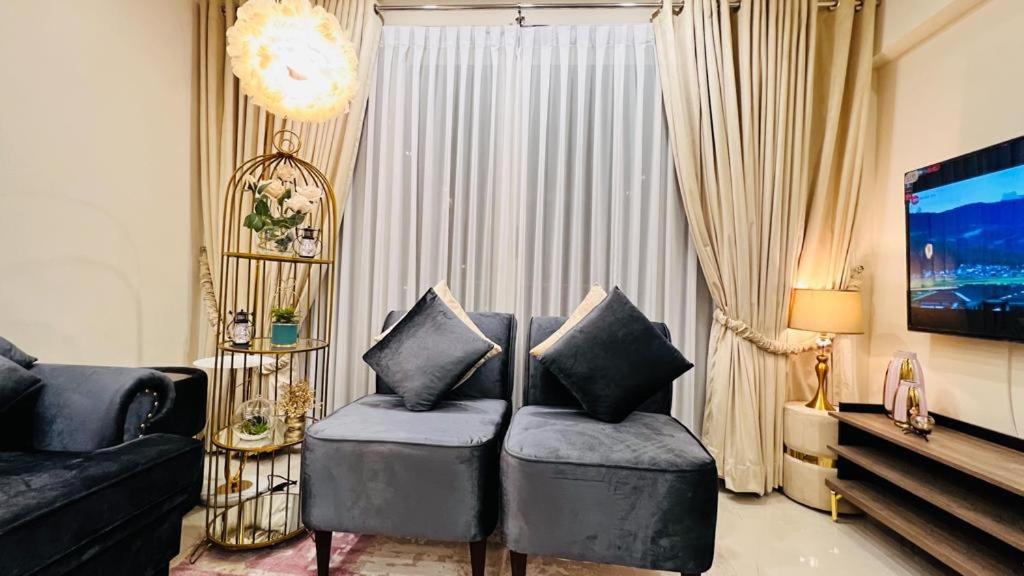
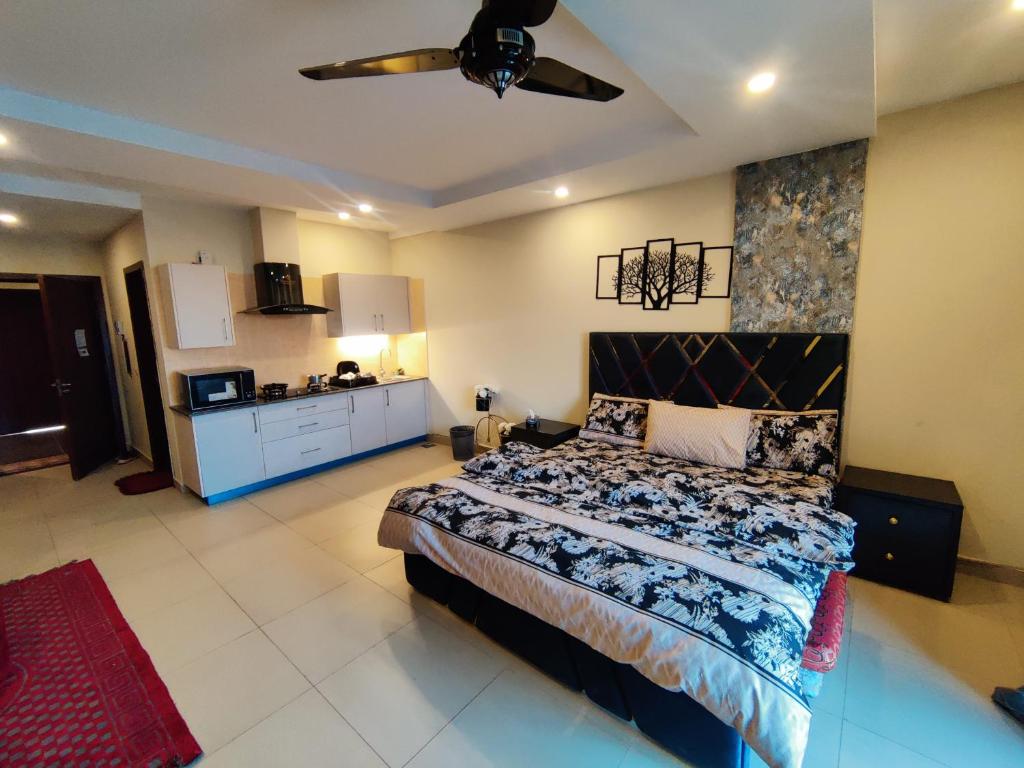
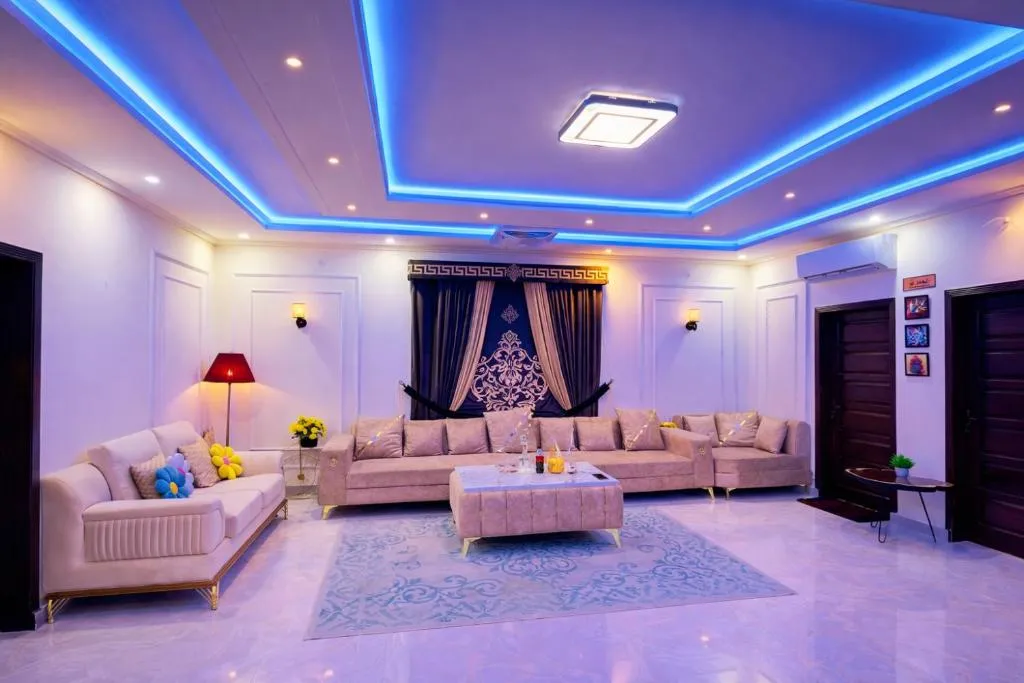
If you’re looking for holiday apartments that offer luxury, comfort, and modern amenities in Islamabad, it’s essential to choose a place that provides both convenience and quality. Holiday apartment rentals have become a preferred choice for travelers, offering more space, privacy, and the flexibility to feel more at home than traditional hotels. In Islamabad, holiday apartment rentals offer the perfect way to enjoy the capital’s sights, sounds, and culture, while maintaining the comfort of home.
Whether you’re visiting for a short business trip, a family vacation, or an extended stay, holiday apartments are becoming the preferred choice for travelers in Pakistan. They provide more space, flexibility, and amenities than typical hotel rooms, giving you the freedom to cook, entertain, and relax in your own environment.
Navigate the Article
What Are Holiday Apartments?
Why are Holiday Apartments Becoming Popular?
Why Choose Holiday Apartments for Your Stay in Islamabad?
Benefits of Holiday Apartment Rentals
Citadel One3: A Future Premier Option for Holiday Apartments in Islamabad
How Holiday Apartments Can Enhance Your Stay in Islamabad
What to Keep in Mind Before Booking Your Holiday Apartment in Islamabad
Conclusion
What Are Holiday Apartments?
Holiday apartments are fully furnished properties available for short-term or long-term rentals. They are a popular alternative to traditional hotel rooms, offering travelers private living spaces, fully equipped kitchens, bedrooms, and living areas. Holiday apartments can accommodate individuals, families, and groups, making them an ideal solution for a variety of travel needs.
Why are Holiday Apartments Becoming Popular?
The growing demand for holiday apartment rentals stems from their ability to offer more flexibility, space, and privacy than standard hotel rooms. Whether for a few nights or several weeks, holiday apartments offer the following benefits:
More Space & Comfort: Unlike cramped hotel rooms, holiday apartments provide separate bedrooms, living areas, and kitchens. This is especially valuable for families, groups, or those staying for extended periods.
Self-Catering: With fully equipped kitchens, guests have the flexibility to cook their own meals, saving on dining costs and enjoying the comfort of eating at home.
Cost-Effective: Holiday apartments often cost less than booking multiple hotel rooms for a group or family, and offer better value for long-term stays.
Why Choose Holiday Apartments for Your Stay in Islamabad?
When visiting Islamabad, holiday apartments offer a flexible and comfortable way to stay, especially when compared to traditional hotels. Here’s why holiday apartment rentals are an excellent choice for travelers:
More Space & Flexibility: Whether you’re traveling for a short weekend or a long stay, holiday apartments offer significantly more space than hotels. Having multiple bedrooms, a living area, and kitchens gives guests the freedom to live more comfortably during their stay.
Cost-Effective: Holiday apartments are more cost-effective, especially for longer stays. Guests can prepare their own meals and avoid the expenses of dining out for every meal. With more space and added facilities, holiday apartments provide better value for both short-term and long-term stays.
Perfect for Groups & Families: Holiday apartments in Islamabad provide ample space for families or groups, allowing everyone to stay together in a more personal, private setting. This can be especially important for families with children or groups who want to enjoy their vacation or trip in comfort.
Location & Convenience: Holiday apartments in central locations provide easy access to major attractions, business areas and hotels in Blue Area Islamabad, making them a great choice for travelers looking to explore the city or attend business meetings.
Home-Like Experience: One of the biggest draws of holiday apartments is that they provide a home-like experience. Whether you’re on a business trip or vacation, staying in a holiday apartment allows you to feel like a local, with the freedom to relax, cook, and enjoy your time in a private, comfortable setting.
Benefits of Holiday Apartment Rentals
Holiday apartments offer multiple benefits, some of which are mentioned below.
1. More Space & Privacy
Unlike hotels, holiday apartments offer much more space, including separate bedrooms, a fully equipped kitchen, and a comfortable living room. This extra space makes holiday apartment rentals ideal for families, groups, or those who are staying for a longer period.
2. Self-Catering Convenience
Holiday apartment rentals give you the option to prepare your own meals in a fully equipped kitchen. This not only saves on the cost of dining out but also gives you the flexibility to cook what you like, when you like.
3. Comfort & Convenience
With fully furnished apartments, you can enjoy the comfort of a home-like environment while traveling. Holiday apartments allow you to relax, entertain, or even work in the comfort of your own space, which is ideal for extended stays.
4. Ideal for Families or Groups
Hotels can become expensive for families or large groups, as you often need to book multiple rooms. With holiday apartments, everyone can stay in one spacious unit, saving both money and the hassle of managing multiple bookings.
Citadel One3: A Future Premier Option for Holiday Apartments in Islamabad
Citadel One3 is an upcoming luxury residential complex located in the Blue Area Islamabad, offering holiday apartments designed with comfort, convenience, and luxury in mind. While still under construction, Citadel One3 will offer travelers the opportunity to experience some of the best holiday rentals in Islamabad once completed.
Upon completion, Citadel One3 will feature modern architecture, spacious apartments, and breathtaking views of iconic landmarks like the Faisal Mosque and Margalla Hills.
Its prime location in the heart of Islamabad, combined with exclusive amenities, will make it the ideal choice for both business travelers and vacationers looking for a luxurious yet affordable stay.
How Holiday Apartments Can Enhance Your Stay in Islamabad
Urban evolutionin the city has made holiday apartments a go-to option for tourists in Islamabad. Choosing a holiday apartment rental in Islamabad offers a variety of benefits, especially for those seeking flexibility and convenience during their stay. Here are the top advantages of booking holiday apartments:
Stay Like a Local: With a holiday apartment, you can live like a local, with access to a kitchen, laundry facilities, and more space than typical hotel rooms.
Perfect for Business and Leisure: Whether you’re in Islamabad for business or leisure, holiday apartments offer the comfort of home with all the amenities needed to make your trip enjoyable.
Privacy and Flexibility: Enjoy the privacy of your own apartment and the flexibility to come and go as you please, without worrying about hotel schedules.
What to Keep in Mind Before Booking Your Holiday Apartment in Islamabad
Booking your holiday apartment rental in Islamabad is a straightforward process. Many platforms allow you to filter and choose apartments based on your preferred location, amenities, and budget. Some platforms also offer direct contact with property managers for personalized service and support.
If you are interested in booking holiday rental in Islamabad, be sure to:
Check for properties in central locations, such as the Blue Area, which provide easy access to major tourist attractions and business districts.
Look for properties that offer flexibility in booking, whether you need a short-term stay or a long-term rental.
Ensure that the apartments offer modern amenities, such as high-speed internet, air conditioning, and fully equipped kitchens.
Conclusion
Whether you’re visiting Islamabad for business or leisure, a holiday apartment, especially ones in vertical towers in Islamabad, provides the perfect combination of luxury, privacy, scenic views, and convenience. The growing trend of holiday apartment rentals is driven by travelers seeking more space, flexibility, and the freedom to experience the city on their own terms.
For those looking to experience the best apartments for holidays in Islamabad, consider upcoming options like Citadel One3 once completed, or explore other holiday rentals in central locations. By choosing holiday apartment rentals, you can enjoy a comfortable, cost-effective stay with all the conveniences of home.
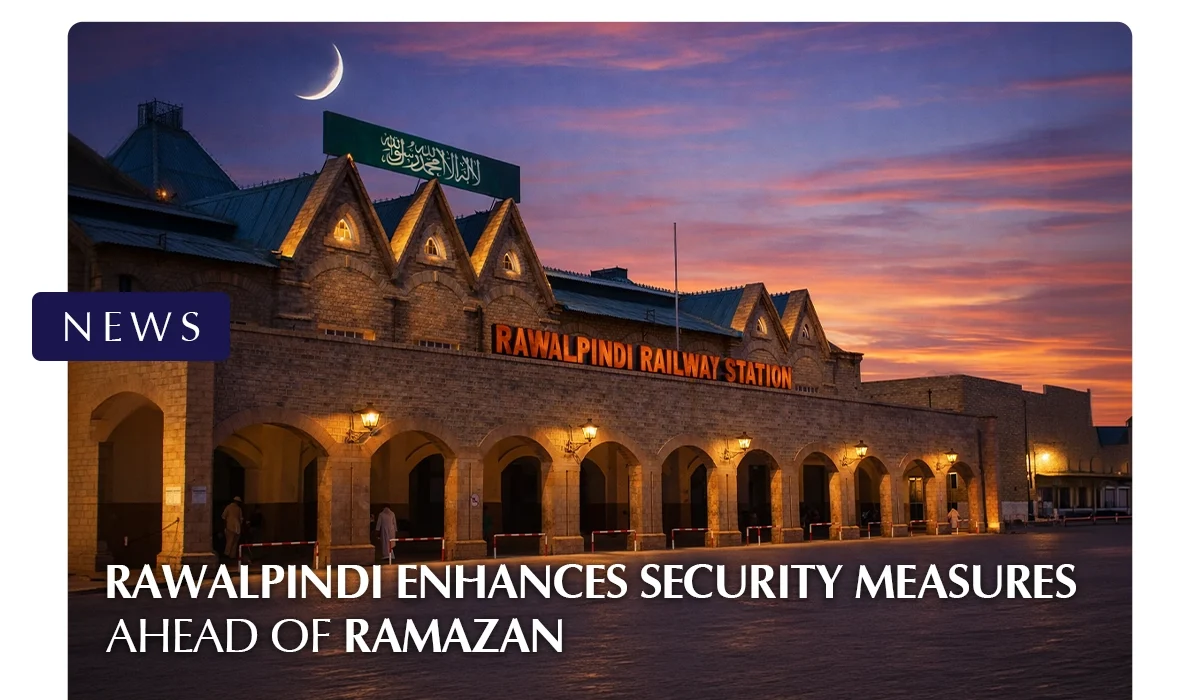
RAWALPINDI: Rawalpindi’s law enforcement agencies have implemented additional security measures in preparation for Ramazan, focusing on maintaining public safety and order during the holy month. The decision was made following a meeting of the Regional Police Coordination Committee, chaired by Regional Police Officer (RPO) Rawalpindi, Syed Khalid Mahmood Hamdani.
The newly outlined security plan includes specific measures for Taraweeh prayers and other religious gatherings, ensuring proper security arrangements are in place at these key events. The authorities will also increase surveillance of sensitive installations across the city and enhance overall security presence in vulnerable areas.
As part of the security strategy, police will conduct search and combing operations throughout Rawalpindi to ensure the safety of residents and visitors. The coordination between law enforcement agencies will be strengthened to improve response times and enforcement efficiency. Additionally, the official complaint portal will be used to address any public concerns promptly.
The police have been tasked with managing traffic flow to ensure smoother movement of vehicles, particularly in high-traffic areas, and protecting tourists in the Murree region.
RPO Hamdani stressed that the protection of citizens’ lives and property remains the primary objective, and all police units are on heightened alert during the month of Ramazan. These comprehensive security efforts aim to ensure a peaceful environment throughout the month and enhance public confidence in law enforcement.
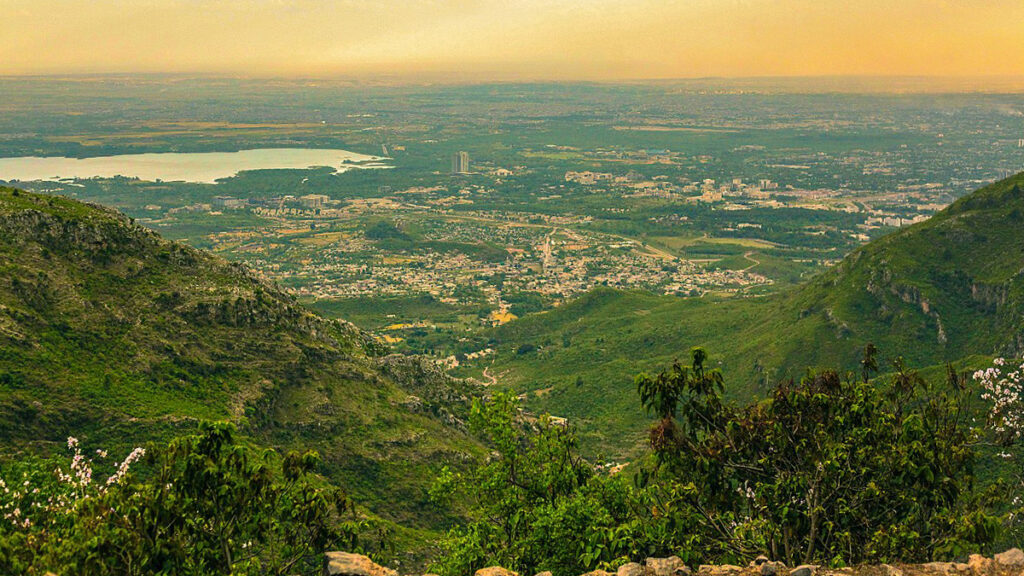
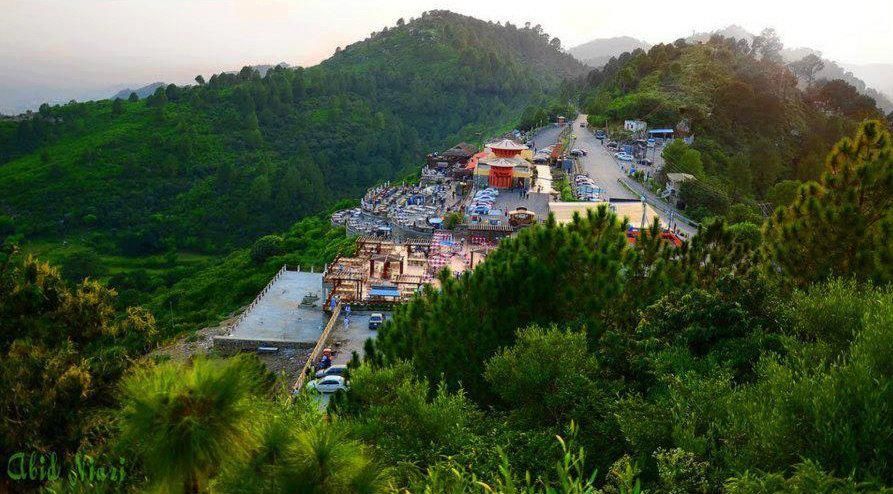
Pir Sohawa Islamabad, is one of the most popular hilltop destinations in the capital city of Pakistan. Located inside Margalla Hills National Park, Pir Sohawa sits at an elevation of approximately 1,500 meters (4,900 feet) above sea level and offers panoramic views of Islamabad’s skyline which includes regal structures like Citadel 7. Visitors come here for sunset views, cooler mountain weather, scenic drives, light hiking, and historically well-known hilltop restaurants.
If you are searching for Pir Sohawa height, Pir Sohawa restaurants, Pir Sohawa hotel options, Pir Sohawa waterfall information, or simply how to reach Pir Sohawa Islamabad, this complete 2026 guide covers everything you need to know before planning your visit.
Pir Sohawa is a famous viewpoint and hilltop area on the Margalla Hills ridge, widely visited by locals and tourists looking for a quick escape from the city. People search “Pir Sohawa Islamabad” because it’s one of the most recognizable outdoor destinations near the capital the kind of place you can visit without taking a full-day road trip.
What makes Pir Sohawa special is the combination of:
Altitude (cooler air than Islamabad)
Views (wide skyline panorama)
Accessibility (a paved road with a manageable drive)
Sunset vibes (golden-hour photography and city lights)
Nature proximity (Margalla Hills National Park environment)
Pir Sohawa Location
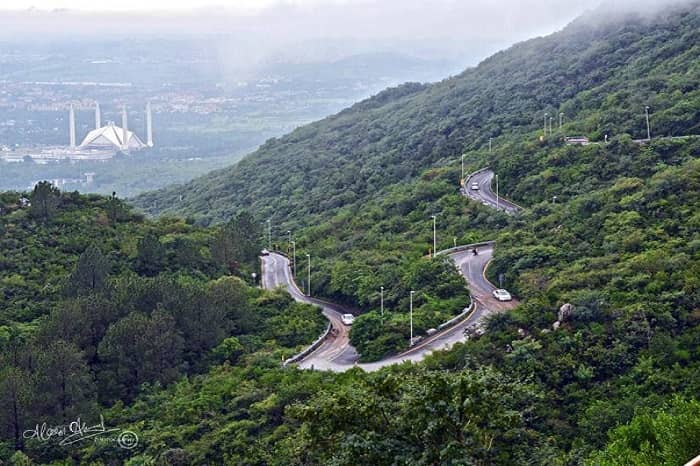
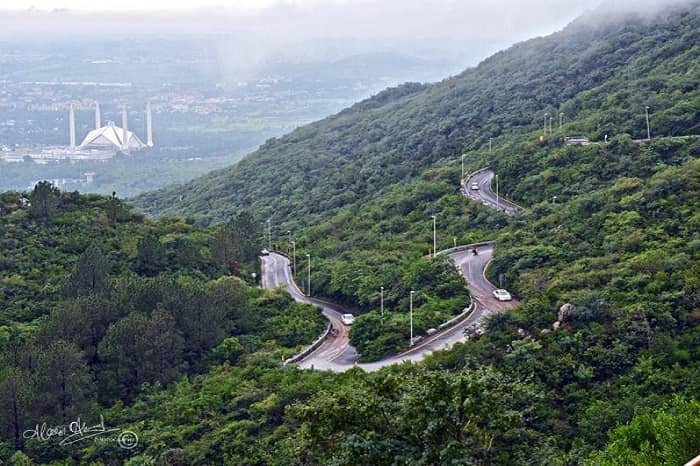
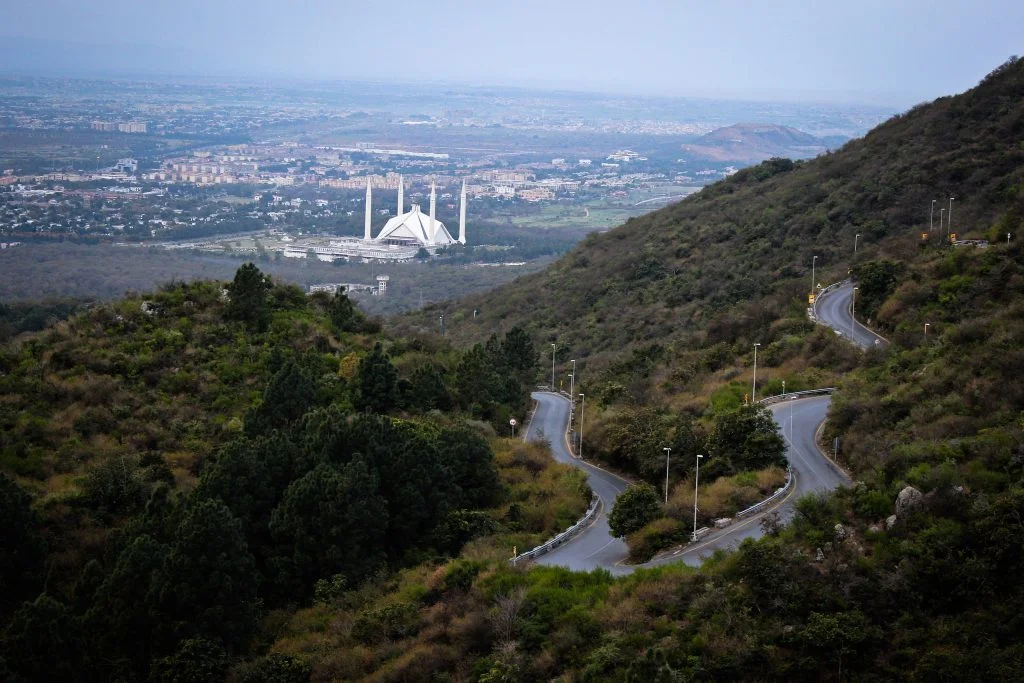
One of the most common questions that people ask is “Where is Pir Sohawa located”? Pir Sohawa is located north of Islamabad within Margalla Hills National Park. It is accessible via Pir Sohawa Road, a paved mountain road that winds through forested hills before reaching the viewpoint.
In practical terms:
Distance from central Islamabad: approximately 17–20 kilometers
Average drive time: 25–30 minutes (longer during peak traffic hours)
Accessible by: private car, ride-hailing services, and motorcycles
Most visitors treat Pir Sohawa as a short evening trip rather than an overnight destination. Because of its proximity to the city, it is one of the easiest mountain viewpoints to access in Islamabad.
How to Reach Pir Sohawa Islamabad
Pir Sohawa is easily accessible from central Islamabad and makes for a convenient 25–30 minute drive into the Margalla Hills. Located inside Margalla Hills National Park, the viewpoint is connected via the well-paved Pir Sohawa Road.
The most practical way to reach Pir Sohawa Islamabad is by private car or ride-hailing services. The road is paved and generally in good condition, but it includes sharp mountain curves. Drive carefully, especially during foggy winter evenings or rainy monsoon days.
By Motorcycle
Many locals prefer motorcycles for the scenic ride. However, riders should exercise caution on curves and avoid high speeds.
Public Transport
There is no direct public bus service to Pir Sohawa. Visitors relying on public transport typically take a ride-hailing service from central Islamabad.
Navigation Tips
Simply search “Pir Sohawa Islamabad” in your preferred navigation app. Mobile network coverage is generally available along most of the route, but it is advisable to set directions before starting the uphill drive.
Best Time to Travel
If you are planning to visit for sunset, leave at least 45–60 minutes earlier than sunset time to avoid peak traffic and parking congestion. Weekends, especially Friday to Sunday evenings, experience higher traffic volume.
Reaching Pir Sohawa is straightforward, but planning your timing wisely ensures a smoother and more enjoyable visit.
Pir Sohawa Height and Elevation
One of the most searched questions is: What is the height of Pir Sohawa?
Pir Sohawa stands at approximately 1,500 meters (4,900 feet) above sea level. For comparison, Islamabad city sits at roughly 540 meters above sea level. This significant elevation difference explains why the temperature at Pir Sohawa is noticeably cooler than in the city.
Why the Height Matters
The elevation of Pir Sohawa Islamabad affects your visit in several ways:
Temperatures are often 5–8°C cooler than Islamabad.
Evenings can be windy, especially in winter.
Fog is more common in colder months.
The skyline view appears wider and more expansive.
Sunset visibility can be clearer during certain seasons.
Because of its height, Pir Sohawa weather feels more like a mild mountain climate compared to the urban environment below.
Things to Do at Pir Sohawa
Although Pir Sohawa is primarily known as a viewpoint, there are several activities you can enjoy during your visit.
1. Watch the Sunset
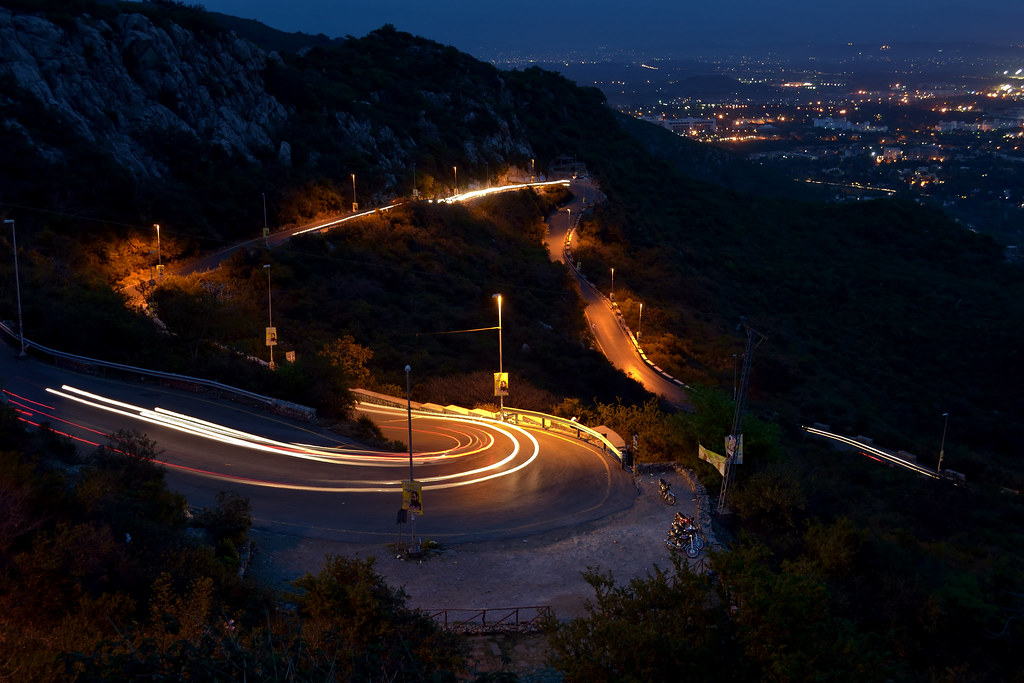
Pir Sohawa sunset views are the main attraction. As the sun sets behind the hills, the sky changes colors and gradually transitions into a cityscape filled with lights. Many visitors arrive 30 to 45 minutes before sunset to secure parking and choose the best viewing spot.
The “blue hour” period after sunset is particularly beautiful, as the city lights contrast against the deepening sky.
2. Enjoy the Scenic Drive
The drive up Pir Sohawa Road is part of the experience. The road curves through the Margalla Hills and offers multiple scenic points along the way. For many residents of Islamabad, the drive itself is a relaxing escape from city traffic.
3. Light Hiking and Nature Walks
While Pir Sohawa is not a single defined hiking trail, it connects to areas within Margalla Hills National Park where you can take short nature walks. Casual ridge walks near the viewpoint are suitable for families and beginners.
More experienced hikers may explore connecting trails within the Margalla Hills region, but this requires proper preparation, water, and appropriate footwear.
4. Photography
This place is one of the best photography spots in Islamabad. Popular photography themes include:
Sunset skyline shots
Night city lights
Forest landscapes
Monsoon cloud formations
Winter fog scenes
Both smartphone and DSLR photographers can capture impressive results here, especially during golden hour and blue hour.
5. Relax and Enjoy the Mountain Air
Many visitors simply come to sit, walk around, and enjoy the cooler mountain air. Compared to Islamabad’s busy commercial areas, offers a quieter and more open atmosphere, particularly on weekdays.
Pir Sohawa Weather: Month-by-Month Overview
Because of its altitude, weather differs from Islamabad city conditions. Understanding seasonal patterns helps you choose the best time to visit.
January – February
Cold evenings
High chance of clear skyline views
Occasional fog
Warm clothing recommended
March – April
Pleasant temperatures
Moderate tourist activity
Good visibility for sunset
May – June
Warm in Islamabad but cooler
Peak sunset crowds
Comfortable evenings after 6 PM
July – August (Monsoon Season)
Rain showers possible
Dramatic cloud formations
Slippery road conditions during heavy rain
Fog can reduce visibility
September – October
Balanced weather
Clear evenings
One of the best periods to visit
November – December
Cooler nights
Windier conditions at higher elevation
Fog risk increases
For the best overall experience, many locals consider September and October ideal due to comfortable temperatures and relatively clear skies.
Highly rated local snack/quick food option on Road (limited hours).
Notes on Historic or Popular Hilltop Spots
The Monal Restaurant was previously the most famous hilltop restaurant with panoramic city views, but was closed in 2024 following regulatory action within Margalla Hills National Park.
Nearby options like La Montana Restaurant were also traditionally popular for views and dining; many visitors still refer to these names, but operating status can change, so it’s best to check on arrival or locally updated listings.
Other Nearby Dining Areas
If hilltop dining isn’t available or you prefer more variety, consider returning to or passing through:
Kohsar Market (F-6/F-7 Islamabad) – many cafés and restaurants including Italian, café-style, and international cuisine.
Downtown Islamabad dining districts near Blue Area or F-7 Markaz.
Hotels Nearby
Another common search query is “Pir Sohawa hotel.” It is important to clarify that there are no major hotels located directly at the Pir Sohawa hilltop viewpoint.
Most visitors stay in Islamabad and treat as a short trip from their accommodation.
Best Areas to Stay in Islamabad
If you want easy access to the place, consider staying in:
F-6 (central, upscale options)
F-7 (mid-range and dining access)
Blue Area (business-friendly location)
Nearby Airbnb apartments for budget or family stays
From these areas, this place is typically a 20–35 minute drive depending on traffic.
Is There a Waterfall at Pir Sohawa?
Many people search for “Pir Sohawa waterfall,” but there is no major waterfall located directly at the viewpoint.
The confusion likely arises from the broader Margalla Hills area, where seasonal streams and small waterfalls may appear during monsoon months.
If your primary goal is to see waterfalls, you may need to explore other trails within Margalla Hills National Park. The location itself is primarily known for its viewpoint and scenic drive rather than water features.
Policies can change over time. While many visitors experience open access to the viewpoint area, it is wise to check local updates if you are planning a special visit.
Visiting Hours
Visitors come throughout the day, but late afternoon and sunset are the busiest times. There are no fixed “closing hours” in the traditional sense, but nighttime visits require caution due to limited lighting in certain areas.
Basic Rules
Do not litter.
Avoid feeding wildlife.
Drive cautiously on mountain curves.
Keep children supervised near viewpoints.
Respect the natural environment.
Road Condition, Traffic, and Parking
Pir Sohawa Road Condition
Road is fully paved and generally in good condition. However:
There are sharp turns.
Fog may reduce visibility in winter.
Heavy rain can make sections slippery.
Weekend traffic increases near sunset.
Driving slowly and carefully is strongly recommended.
Traffic Patterns
Peak congestion typically occurs:
Friday to Sunday
Around sunset (approximately 5:30 PM to 8:30 PM depending on season)
If you want to avoid traffic, visit on weekdays or arrive earlier than the main sunset rush.
Parking
Parking space near the viewpoint is limited and becomes congested during peak hours.
Practical tips:
Arrive before sunset to secure easier parking.
Avoid parking on blind curves.
Do not block traffic lanes.
Follow safe uphill parking practices.
Planning around parking can significantly improve your overall experience.
Pir Sohawa vs Daman-e-Koh
Visitors often compare Pir Sohawa with Daman-e-Koh, another popular viewpoint in Islamabad.
Feature
Pir Sohawa
Daman-e-Koh
Elevation
~1,500 m
~730 m
View
Wider skyline panorama
Closer city view
Crowd Level
Moderate to High
Very High
Atmosphere
More open ridge feel
Compact tourist stop
If you want a higher elevation and broader view, is generally the better option.
Sample Half-Day Itinerary
Here is a simple and practical plan:
4:30 PM – Leave Islamabad
5:00 PM – Arrive and park
5:15 PM – Explore viewpoints and take photos
6:00 PM – Watch sunset
6:30 PM – Stay for city lights
7:15 PM – Return to Islamabad
You can combine this visit with dinner in the city afterward.
Frequently Asked Questions
What is the height of Pir Sohawa?
Pir Sohawa is approximately 1,500 meters (4,900 feet) above sea level.
How far is Pir Sohawa from Islamabad?
It is about 17–20 kilometers from central Islamabad and usually takes 25–30 minutes by car.
Are there restaurants at Pir Sohawa?
Restaurant availability may vary depending on environmental regulations. Confirm before planning a dining visit.
Are there hotels at Pir Sohawa?
No major hotels are located directly at the hilltop. Visitors stay in Islamabad.
Is there a waterfall at Pir Sohawa?
There is no major waterfall at the viewpoint itself.
Is Pir Sohawa safe at night?
Yes, generally safe, but drivers should be cautious due to sharp curves and possible fog.
Final Thoughts –
It remains one of the most iconic and accessible hilltop destinations in the capital. Its height, cooler weather, scenic drive, and panoramic skyline views make it ideal for sunset outings, photography, and short nature escapes.
Whether you searched for the height, restaurants, hotel options, waterfall details, or the best time to visit, you now have a complete, practical guide to planning your trip.
With proper timing, safe driving, and a little preparation, can be one of the most rewarding and memorable viewpoints in Islamabad.
For more information on other popular places, such as Badshahi Masjid, Lahore, visit Chakor blogs.