BBC-featured Content Specialist with a sharp eye for search intent and a proven ability to turn content into a growth engine. I leverage cutting-edge digital marketing tools to craft strategies that fuel organic traffic, amplify brand growth, and own the local SEO landscape, particularly across the competitive real estate market. I help brands dominate search rankings and convert visibility into measurable business success.
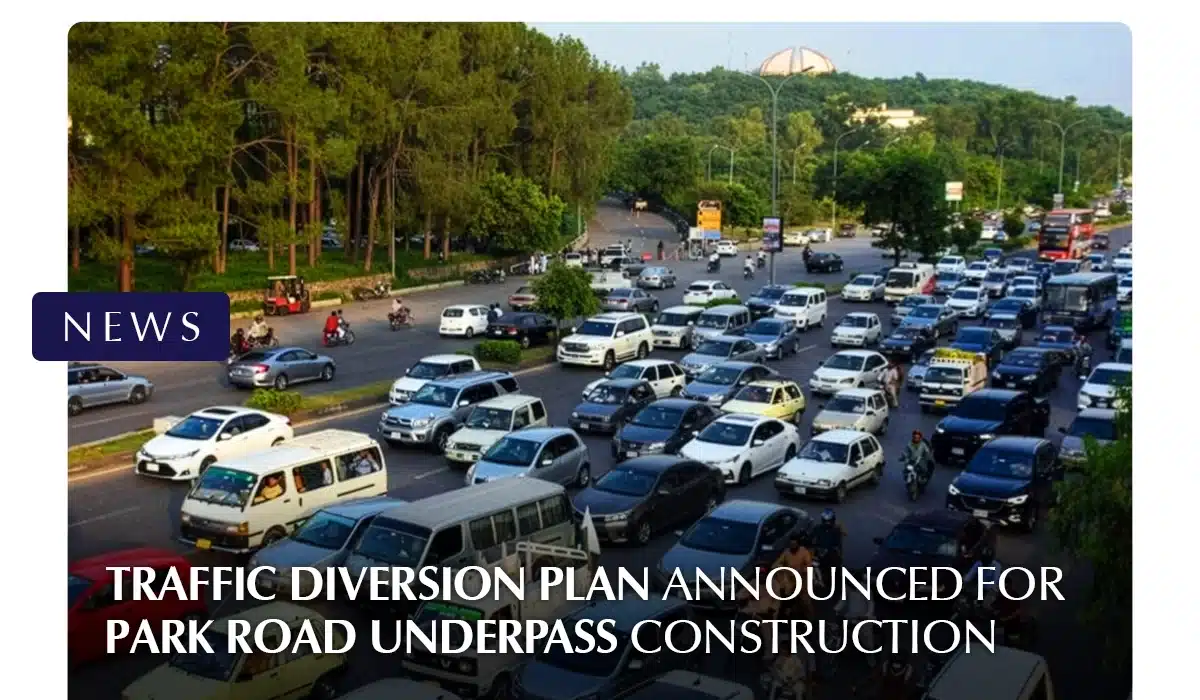
ISLAMABAD: Authorities have announced a comprehensive traffic management plan in connection with the construction of a new underpass at Margalla Enclave on Park Road in Islamabad. The diversion strategy aims to regulate vehicular movement and minimize congestion during the development phase.
According to the advisory, vehicles traveling from Rawal Dam Chowk toward Taramari will be redirected via NIH Road and will rejoin Park Road through Mohra Noor. Meanwhile, traffic moving from Taramari toward Rawal Dam Chowk will be diverted near Chai Khana, passing through the CDA Nursery area and two temporary access roads before merging back onto Park Road.
Motorists have been advised to consider alternative routes, including Lehtrar Road, Khanna Pul, and the Islamabad Expressway, to avoid delays near the construction site. Officials have cautioned that the area is likely to experience increased traffic pressure, particularly during peak hours, and commuters are encouraged to allow an additional 20 to 30 minutes for travel.
Islamabad Police personnel will remain deployed along affected stretches to assist drivers and ensure the orderly movement of vehicles. The traffic management measures will remain in place for the duration of the construction work.
The underpass project forms part of ongoing infrastructure development efforts aimed at improving traffic flow along Park Road, a key corridor connecting residential and commercial areas of the capital. Authorities have urged the public to cooperate with traffic officials and adhere to the designated diversion routes to maintain smooth traffic operations during the construction period.
BBC-featured Content Specialist with a sharp eye for search intent and a proven ability to turn content into a growth engine. I leverage cutting-edge digital marketing tools to craft strategies that fuel organic traffic, amplify brand growth, and own the local SEO landscape, particularly across the competitive real estate market. I help brands dominate search rankings and convert visibility into measurable business success.
ISLAMABAD: Pakistan and Canada have reviewed the status of bilateral trade and investment cooperation during a telephonic conversation between Commerce Minister Jam Kamal Khan and Canada’s Minister of International Trade Maninder Sidhu. The discussion focused on strengthening economic engagement and expanding collaboration across multiple sectors.
Both sides acknowledged ongoing trade ties and discussed measures to enhance market access and facilitate smoother commercial exchanges. Canadian authorities appreciated Pakistan’s support in enabling the resumption of canola shipments, describing it as a positive development for agricultural trade between the two countries.
The dialogue also explored opportunities to diversify trade beyond traditional areas. Pakistan highlighted its export capabilities in textiles and apparel, leather goods, agro-based products, surgical instruments, sports goods, paper, plastics, and footwear. The country’s growing capacity in value-added food processing and higher-value manufacturing segments was also outlined.
Investment prospects were discussed, particularly in the minerals and mining sector, which Pakistan identified as a priority area for industrial development. Canadian firms were encouraged to explore potential ventures in this field as part of broader economic cooperation.
Officials from both countries agreed to continue engagement at technical and policy levels to identify priority areas and address trade-related matters. The interaction reflects ongoing efforts by Islamabad and Ottawa to expand bilateral economic relations and explore new avenues for collaboration in trade and investment.
The meeting was also attended by senior officials, including representatives from diplomatic and trade missions, as part of continued dialogue between the two governments on economic cooperation.
BBC-featured Content Specialist with a sharp eye for search intent and a proven ability to turn content into a growth engine. I leverage cutting-edge digital marketing tools to craft strategies that fuel organic traffic, amplify brand growth, and own the local SEO landscape, particularly across the competitive real estate market. I help brands dominate search rankings and convert visibility into measurable business success.
LAHORE: City’s long-awaited Basant revival has triggered a remarkable surge in commercial activity, with kite and string sales surpassing Rs1.5 billion within the first five days of trading.
According to the Kite Flying Association, daily trade volumes climbed steadily from Rs160 million on the first day to Rs180 million on the second and Rs200 million on the third, before jumping sharply to Rs680 million on the fourth day alone. By the fifth day, cumulative sales had crossed Rs1.5 billion, reflecting strong consumer demand ahead of the festival’s official start on February 6.
On the fourth trading day, more than one million kites were sold in Lahore, alongside over 20,000 spools of string (pinna). Despite rising prices, demand remained resilient. A one-and-a-half tawa kite was priced at Rs700, a one tawa kite at Rs400, and a pauna tawa kite at Rs300. Two-piece string spools ranged between Rs12,000 and Rs15,000, depending on quality and length.
Traditional commercial hubs such as Mochi Gate, Islampura, Samanabad, Delhi Gate, Shah Alam Market, and Anarkali reported heavy footfall, while Liberty Chowk emerged as a prominent focal point of public celebrations. Markets remained active late into the night as buyers stocked up on kites, spools, and decorations.
The festival’s revival has extended beyond rooftops into public spaces, marked by fireworks displays, decorative installations, and large gatherings across the city. Punjab Chief Minister Maryam Nawaz visited Liberty Chowk and Mochi Gate, affirming that safety rods for motorcycles would be mandatory during Basant, though motorcycles themselves would not be banned.
After nearly 25 years, Basant’s return has not only revived a cultural tradition but also generated substantial economic momentum across Lahore’s retail and informal sectors.
BBC-featured Content Specialist with a sharp eye for search intent and a proven ability to turn content into a growth engine. I leverage cutting-edge digital marketing tools to craft strategies that fuel organic traffic, amplify brand growth, and own the local SEO landscape, particularly across the competitive real estate market. I help brands dominate search rankings and convert visibility into measurable business success.
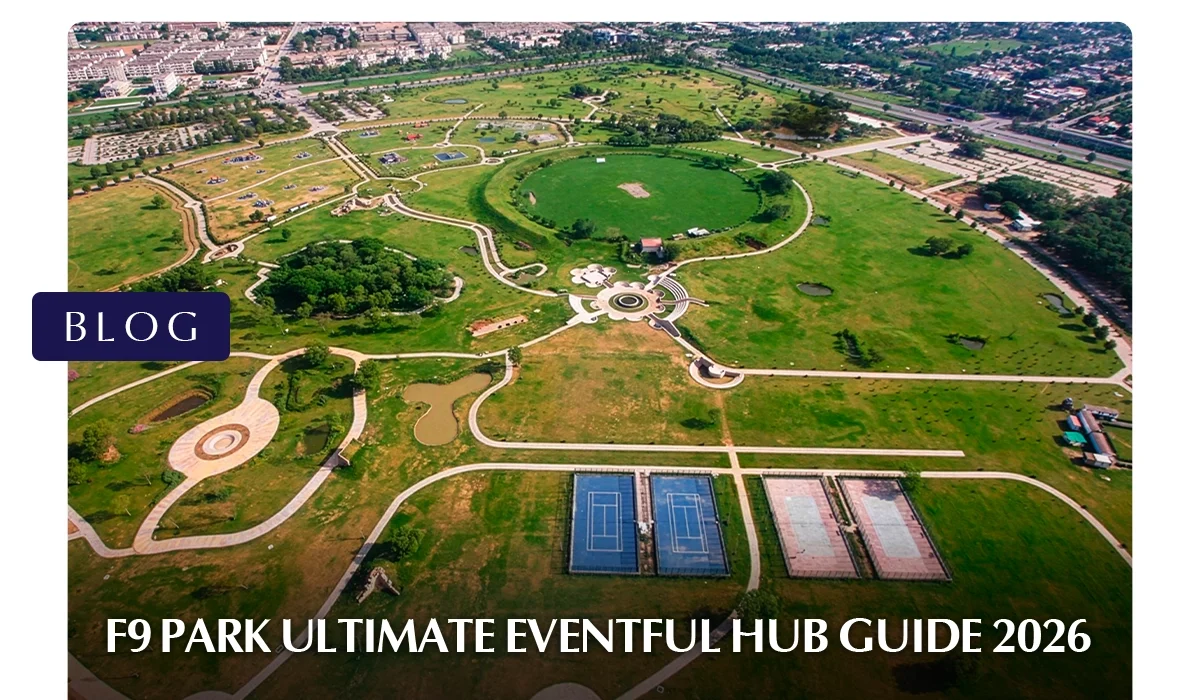
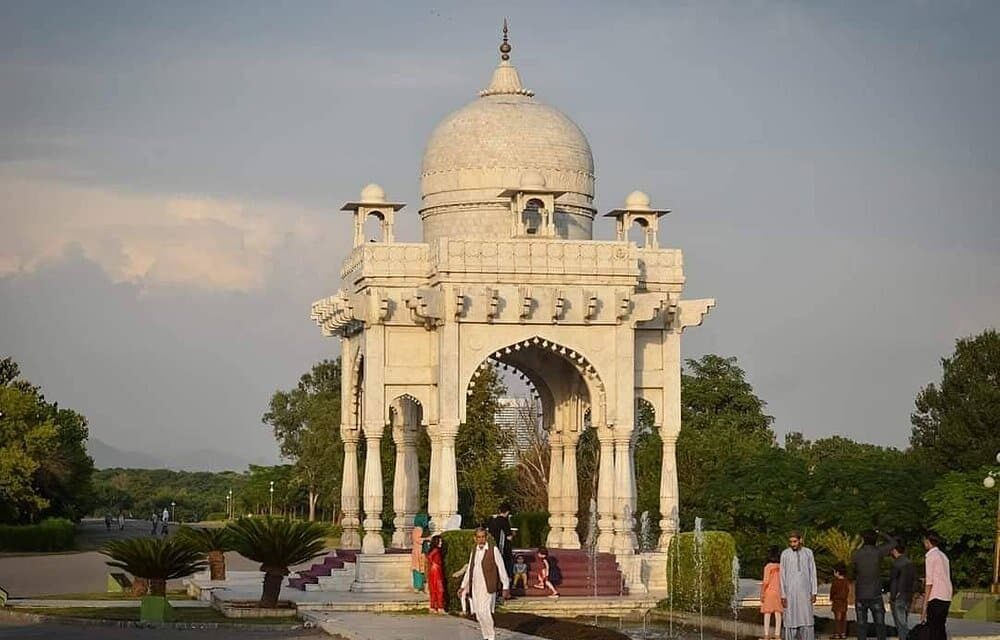
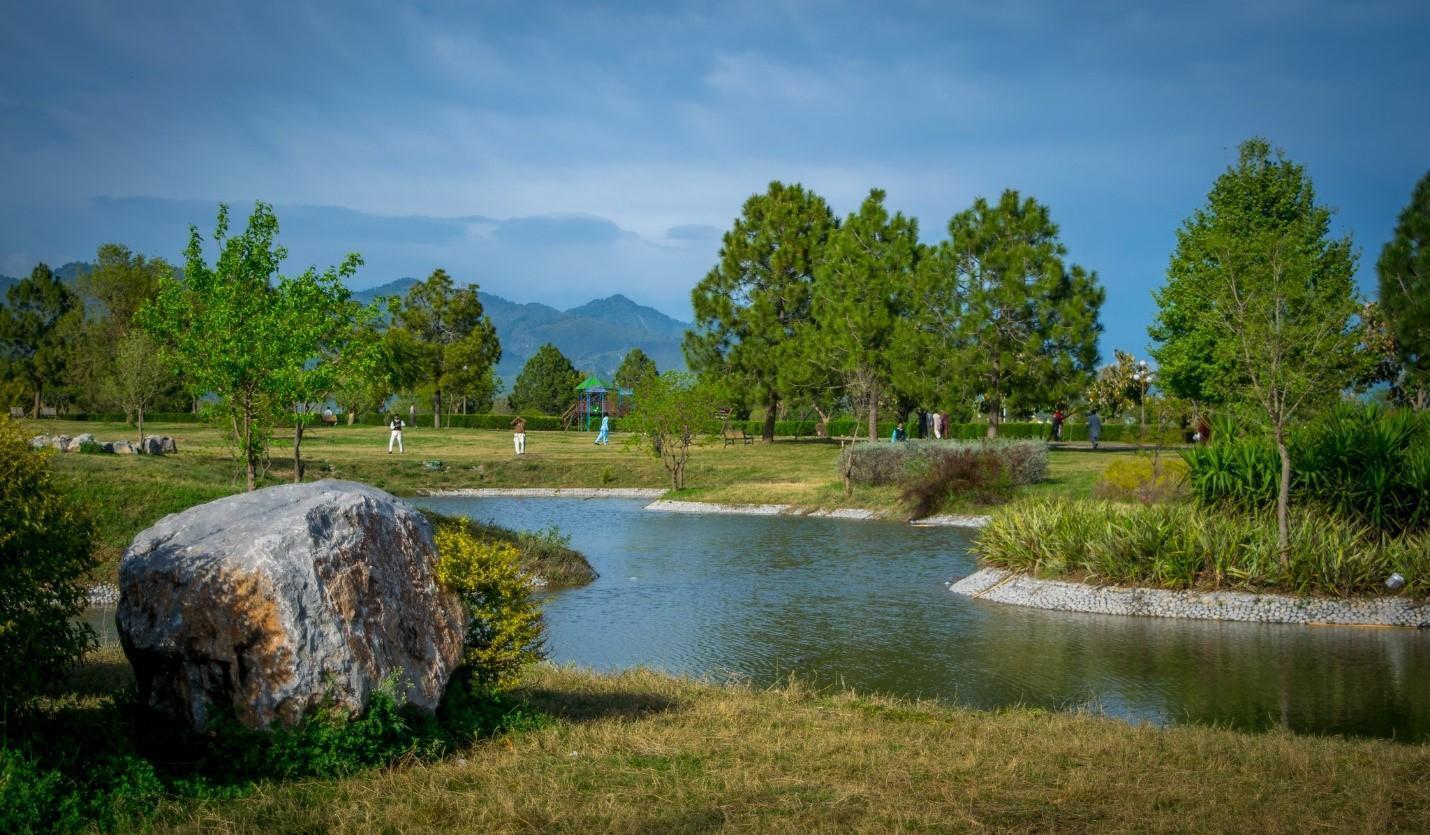
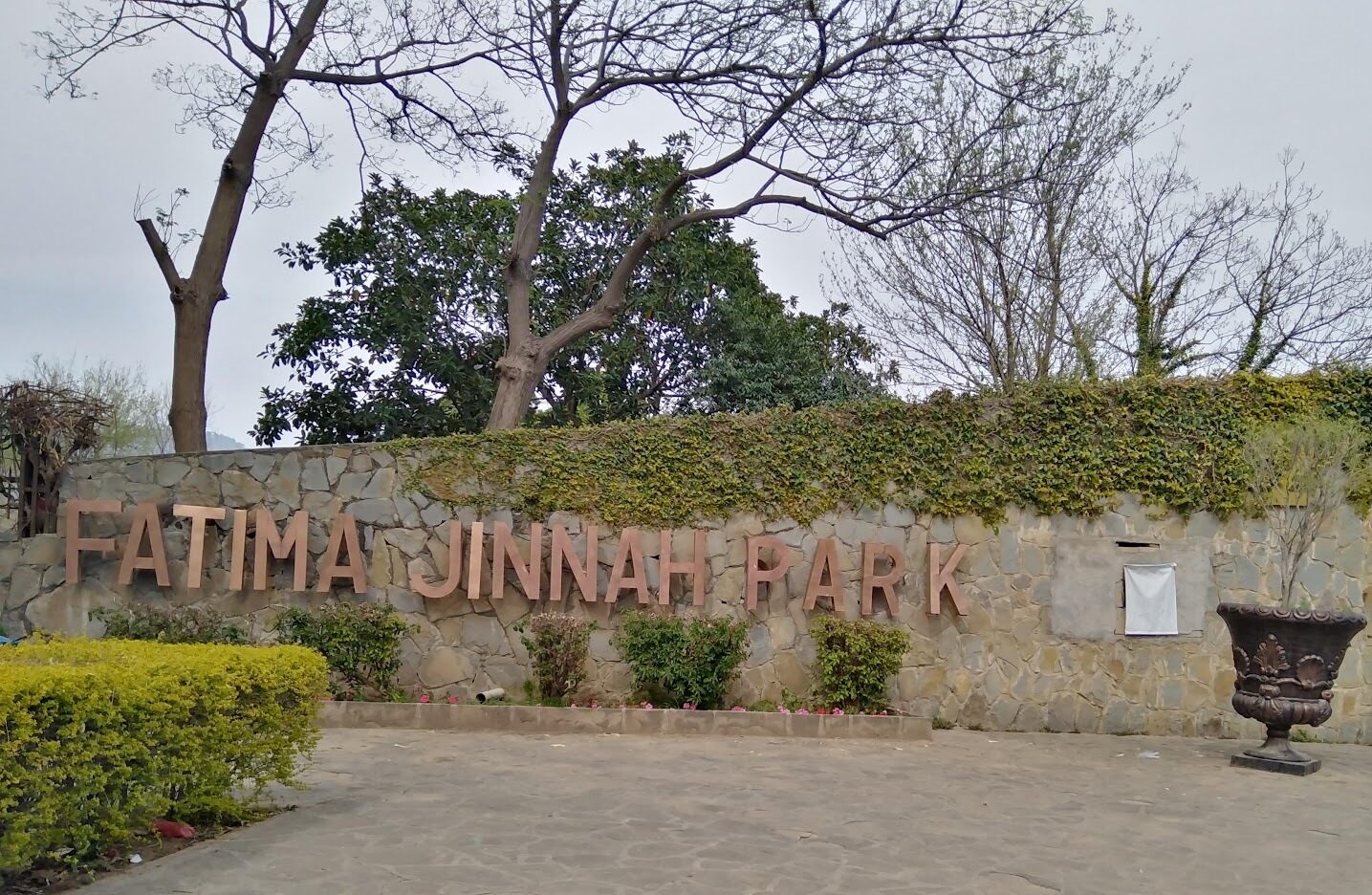
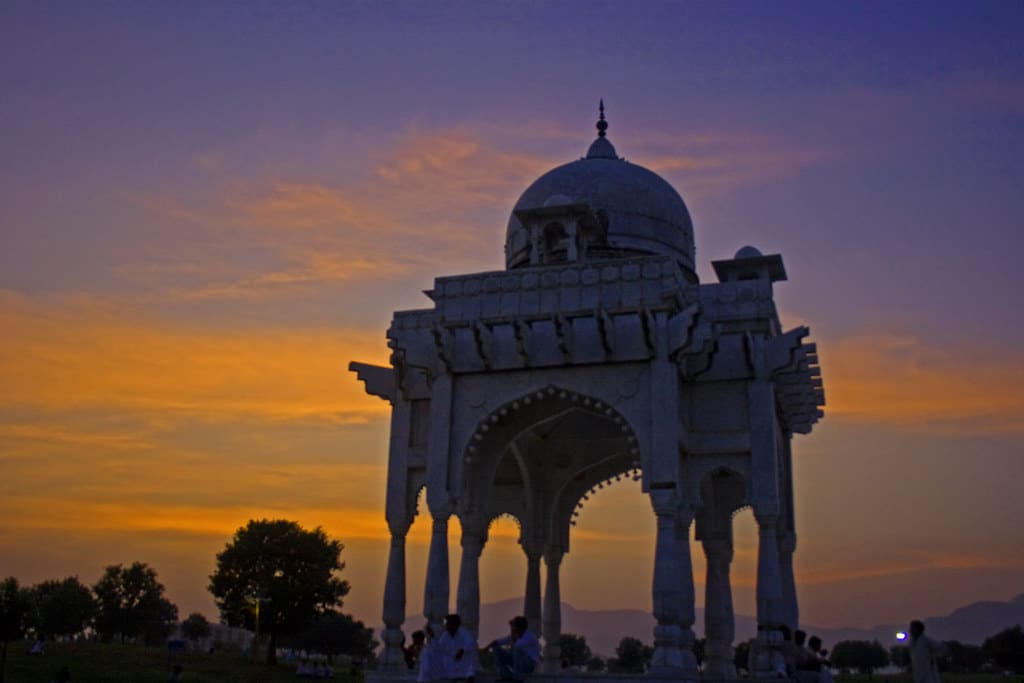
F9 Park Islamabad, officially known as Fatima Jinnah Park, is the city’s most visited public green space for a reason: it’s huge, central, and flexible. People come here for morning walks, jogging, family outings, kids’ play time, cycling, photography, and relaxed evenings on the lawns.
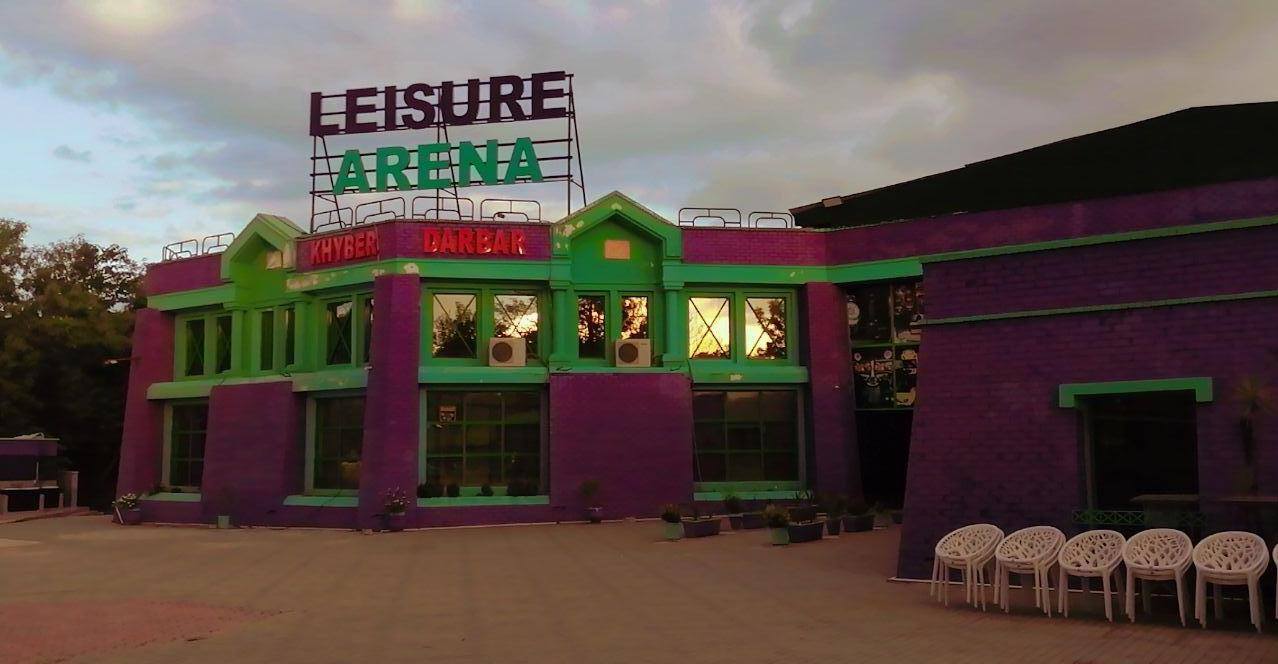
This guide is designed to answer the questions people actually search: F9 Park timings, best gate, kids play area details, jogging track guidance, Leisure Arena overview, entry fee, parking, safety, and what to do depending on how much time you have.
F9 Park Islamabad – Quick Facts
Feature
Details
Official Name
Fatima Jinnah Park
Location
Sector F-9, Islamabad
Size
Approx. 750 acres
Entry Fee
Free (kids’ area may charge)
Opening Hours
Early morning to late evening
Best Time to Visit
Morning (fitness) / Evening (families)
Main Gates
Mehran, Bolan, Khyber, Ravi
What is F9 Park Islamabad famous for?
F9 Park Islamabad is famous for being the largest public park in the city, offering jogging tracks, a kids’ play area, picnic lawns, and indoor entertainment like Megazone bowling.
F9 Park Location
F9 Park Islamabad is located in Sector F-9, Islamabad, Pakistan, centrally positioned between major residential and commercial sectors like the Blue Area of the capital city, Islamabad.
F9 Park Islamabad lies near the city’s central business and residential districts, making it one of the most accessible parks in Islamabad.
How to Reach F9 Park?
Easily accessible via major city roads
Reachable by private car, ride-hailing services, and local transport
Multiple entry gates allow access from surrounding sectors
Because of its central location, F9 Park is convenient for visitors coming from the Blue Area, F-10, G-9, and other nearby sectors. If you are using navigation apps, simply search “F9 Park Islamabad” or a specific gate name for precise directions.
F9 Park: Weekend vs Weekday – What’s Better?
If you’re deciding when to visit F9 Park Islamabad, here’s a practical comparison to help you choose the best time.
Factor
Weekdays
Weekends
Crowd Level
Moderate to Low
High
Kids Play Area
Less crowded
Very busy
Jogging Experience
Smooth and steady
Heavier foot traffic
Parking
Easier
Limited at peak hours
Atmosphere
Calm
Social and lively
Overview of Fatima Jinnah Park | What is F9 Park?
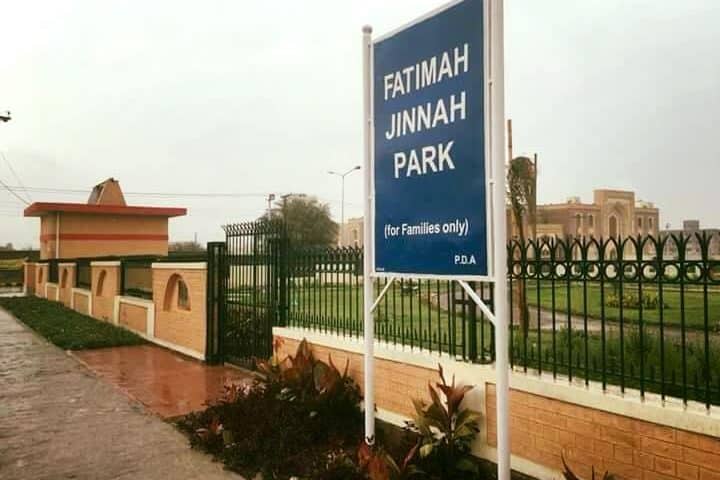
F9 Park is a large public park located in Sector F-9, Islamabad. Many visitors search for it as “F-9 Park,” “F9 Park,” or “Fatima Jinnah Park Islamabad”, all refer to the same place.
What makes F9 Park different from smaller parks in Islamabad is the scale. You can visit it like a simple neighbourhood park (short walk and leave), or treat it like a full outing (walk, kids’ play area, Leisure Arena, and a picnic). Hence, it’s quite a popular destination in Islamabad for tourism.
Quick Facts for First-Time Visitors
Location: Sector F-9, Islamabad
Size: approximately 750 acres
General Entry: free
Best for: walking, jogging, family outings, kids’ play, cycling, open lawns, nature breaks
Time needed: 45 minutes to half a day, depending on the plan
F9 Park Timings – General Park and Key Areas
Timings can vary by season, by entrance flow, and by specific facilities inside the park. Instead of assuming one universal schedule, use this practical breakdown.
General F9 Park Opening and Closing Times
In most seasons, the park is accessible from early morning until late evening. Many visitors plan around early morning fitness hours and evening family hours.
Kids’ Play Area Timings
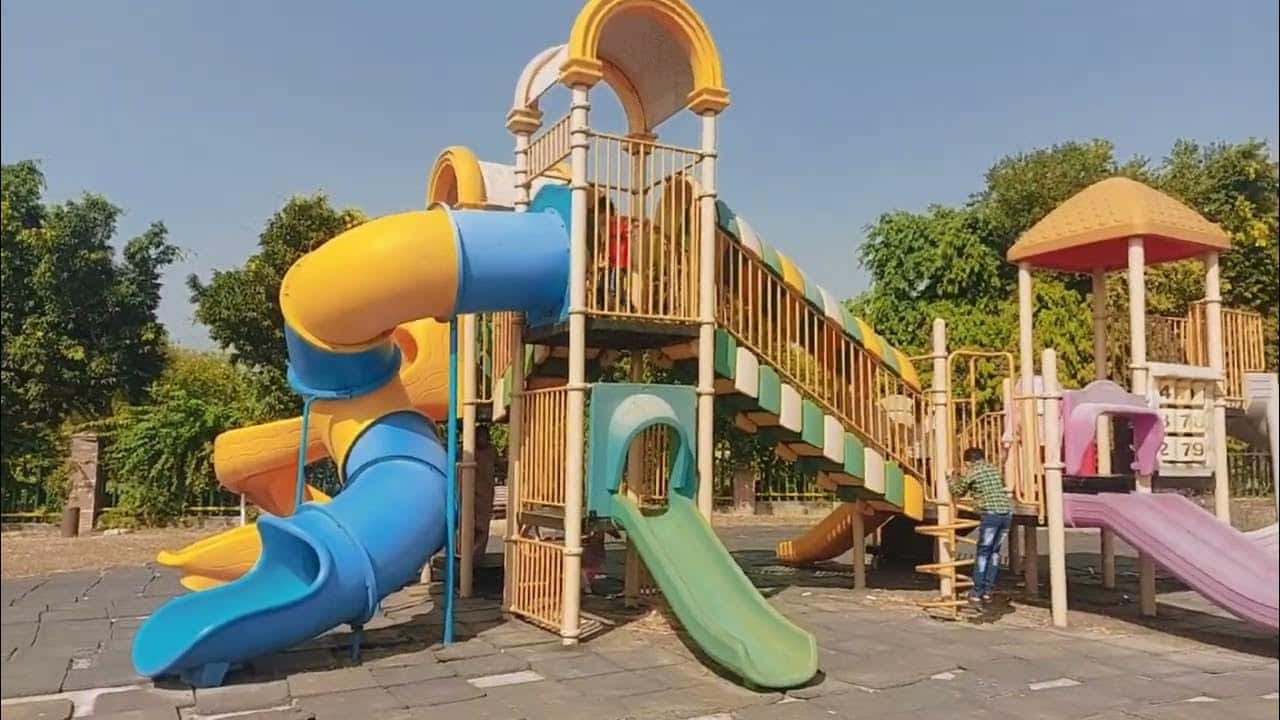
The kids’ play area typically runs on fixed operating hours and may close earlier than the rest of the park. A common operating window is approximately 9:00 AM to 9:00 PM.
Leisure Arena Timings
The Leisure Arena follows facility-specific timings (gym, swimming, indoor sports). These timings may differ from the park’s general access hours.
How to Confirm Timings on the Day
If you are travelling specifically for the kids’ play area or Leisure Arena, confirm the current hours on the day of your visit using the facility’s posted information at entry points or on-location notices. This avoids arriving after activity areas have closed, even if the park itself is still open.
F9 Park Gates and Entrances
F9 Park has multiple gates, including widely known named gates and additional numbered gates. The right gate depends on your plan and who you’re visiting with.
Commonly Used Gates
Mehran Gate
Bolan Gate
Khyber Gate
Ravi Gate
Other numbered gates (often referenced by navigation apps)
Which F9 Park gate should you use?
Use this decision guide:
With Family and Kids Choose a gate that reduces walking time to recreational zones, especially if you plan to spend time in the kids play area. This helps avoid long walks with strollers or tired children.
Jogging or Brisk Walking Most major gates work well because internal paths connect easily. Choose based on parking convenience or where you want to start and finish.
In-and-Out Visit Pick the closest gate to your approach route. For short visits, minimising parking and entry time matters more than which section you see.
For a Quieter Entry Avoid peak-time entrances during weekends. A less busy gate can give a calmer start, especially if your goal is a relaxed walk rather than social crowds.
Things to do in F9 Park, Islamabad
F9 Park is best enjoyed when your plan matches your goal. Below are the top activities, with practical tips for each.
Walking and Casual Strolling
If you want a simple break from the city, plan a 30–60 minute walk. For comfort:
Go early morning or near sunset in warmer months
Choose paths with more shade
Bring water if you plan to walk longer than 45 minutes
Jogging and Fitness Routines
F9 Park is one of Islamabad’s most popular fitness locations. If your goal is consistent training:
Visit early morning for better weather and fewer disruptions
Warm up for 5–10 minutes with a brisk walk
Use a loop-based approach (repeat a comfortable loop rather than pushing distance immediately)
Kids’ Play Area Visit
The kids’ play area is one of the busiest zones on weekends. If you want a calmer experience:
Prefer weekday afternoons or early weekend mornings
Keep a small snack and water for children
Plan a post-play wind-down: lawn time, short walk, or photography
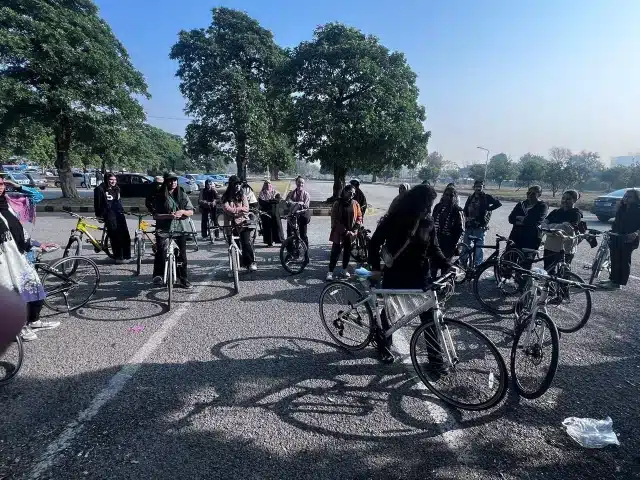
Cycling
Cycling is common inside the park, where paths and internal roads allow it. For safety:
Ride at moderate speed near family zones
Expect more foot traffic in the evening
Consider early morning for uninterrupted cycling
Picnics and Lawn Time
F9 Park is popular for simple family picnics. The key to a comfortable picnic is the setup:
Choose a lawn spot that’s not directly on a busy walking path
Bring a ground sheet and a small trash bag
Keep food simple if you are not near a stall area
Leisure Arena (gym, swimming, indoor activities)
If you want structured recreation, the Leisure Arena is a major option inside the park. It’s especially useful when:
Visit during golden hour (late afternoon to sunset)
Use open lawns for wide shots and paths for leading lines
Capture “scale” by framing trees and pathways with people at a distance
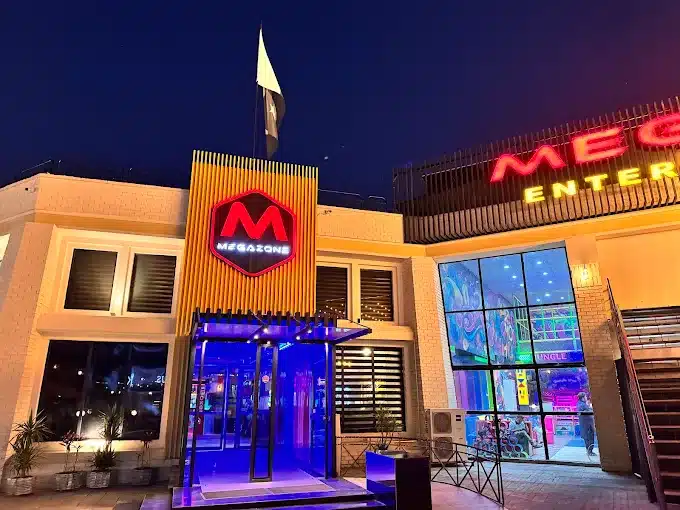
Megazone F9 Park – Indoor Entertainment & Bowling Hub
Inside F9 Park Islamabad, one of the most popular indoor attractions is Megazone, an entertainment complex offering bowling and arcade activities.
Megazone adds a structured indoor experience to the otherwise outdoor-focused F9 Park visit, making it ideal during extreme weather or evening outings.
What is Megazone F9 Park?
Megazone Entertainment Hub offers:
Bowling lanes
Arcade games
Snooker and indoor games
Birthday party hosting
Corporate event bookings
Casual dining
It is especially popular among teenagers, families with older children, university students, and group gatherings.
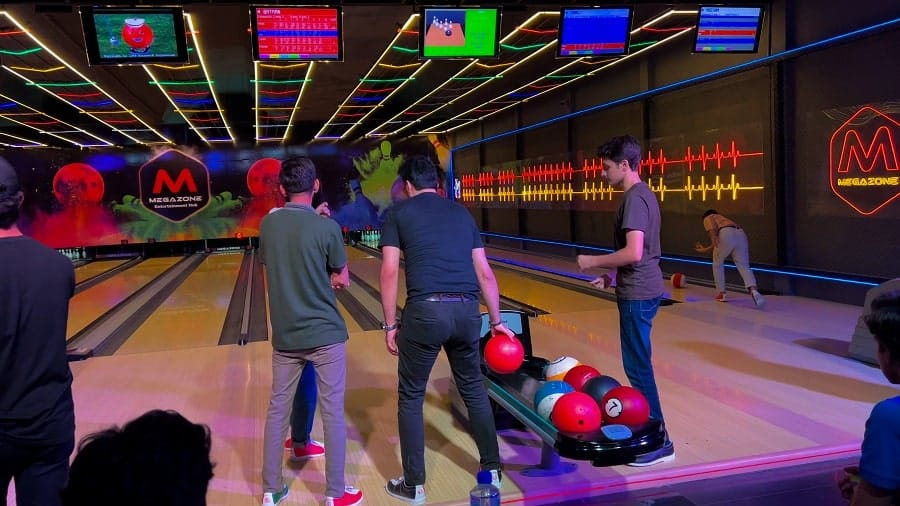
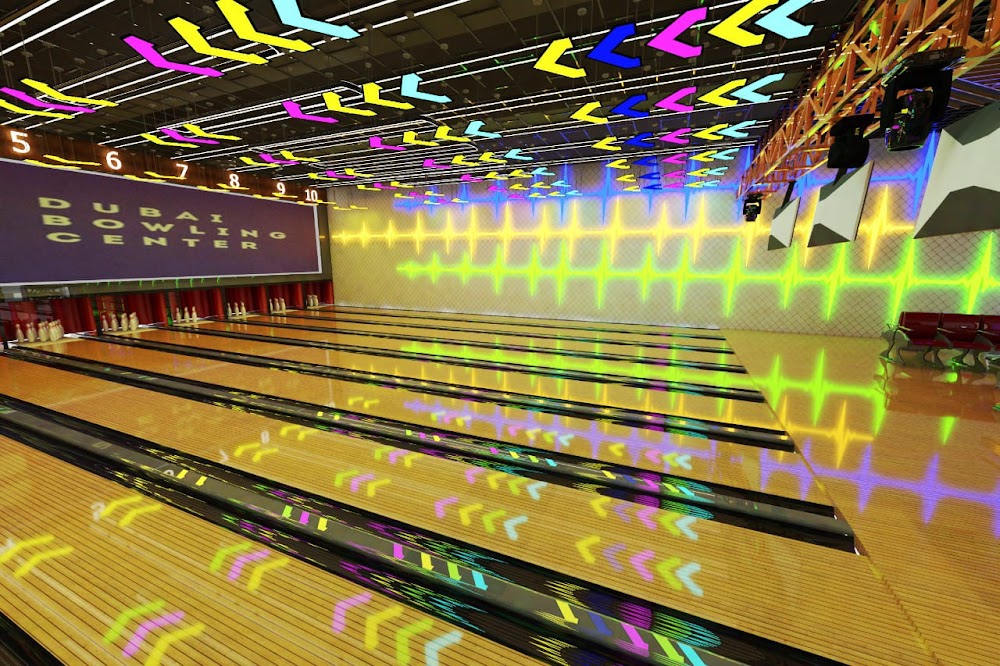
F9 Park Bowling – Experience & Planning Guide
The bowling alley inside Megazone is one of Islamabad’s established bowling venues.
Best For
Family outings
Birthday celebrations
Group hangouts
Casual competitive play
When to Visit for Bowling
Weekdays: smoother experience, shorter wait times
Weekend evenings: busier and more energetic
Public holidays: high footfall expected
If visiting in a group, booking in advance is recommended to avoid waiting time.
Megazone F9 Park Contact Number & Booking Details
For reservations, pricing, birthday bookings, or event inquiries, use the official contact details below:
Name
Address
Cell
Hours
Megazone Entertainment Hub
Gate #2 Bolan, F-9 Park, Islamabad
0330 5756100
11:00 AM – 11:00 PM
Calling during business hours is recommended if you plan to reserve bowling lanes or book a party slot.
Contact details and booking information may change over time. For the most accurate and updated contact number, check Megazone’s official listing, social media page, or on-site information board before planning a visit.
Why Megazone Strengthens F9 Park as a Destination?
Adding Megazone to your F9 Park visit gives you:
A backup indoor plan during extreme weather
A structured entertainment option for teens
A social activity beyond walking or picnics
An evening-friendly activity after sunset
This combination of open green space and indoor recreation is one of the reasons F9 Park Islamabad remains one of the most versatile public spaces in the city.
F9 Park Kids Play Area (complete family guide)
The kids’ play area is the second most-searched subtopic after timings and gates, as it’s often the main reason families visit.
Entry Fee
General entry to F9 Park is free, but the kids’ play area may charge a nominal ticket fee. Fees can change, so plan for a small cash amount.
Best Age Range
Toddlers: enjoy swings and short slides with supervision
Ages 4–8: get the most value from play structures and open movement
Ages 9–12: may enjoy the area briefly, then prefer wider park activities (cycling, longer walks)
Crowd Strategy (weekend vs weekday)
Weekends: higher crowd density, shorter play turns, noisier environment
Weekdays: more relaxed play, easier supervision, smoother experience
Parent Checklist
Comfortable shoes (you will walk more than you expect)
Water for children
A light snack
Wet wipes or sanitiser
A simple plan for after play (to avoid “we’re bored” moments)
Simple Family Itinerary (2–3 hours)
Enter through a convenient gate and walk toward the kids’ zone
Kids play area (60–90 minutes)
Short family walk (20–30 minutes)
Lawn time or snack break (20–40 minutes)
Exit before the peak crowd builds (especially on weekends)
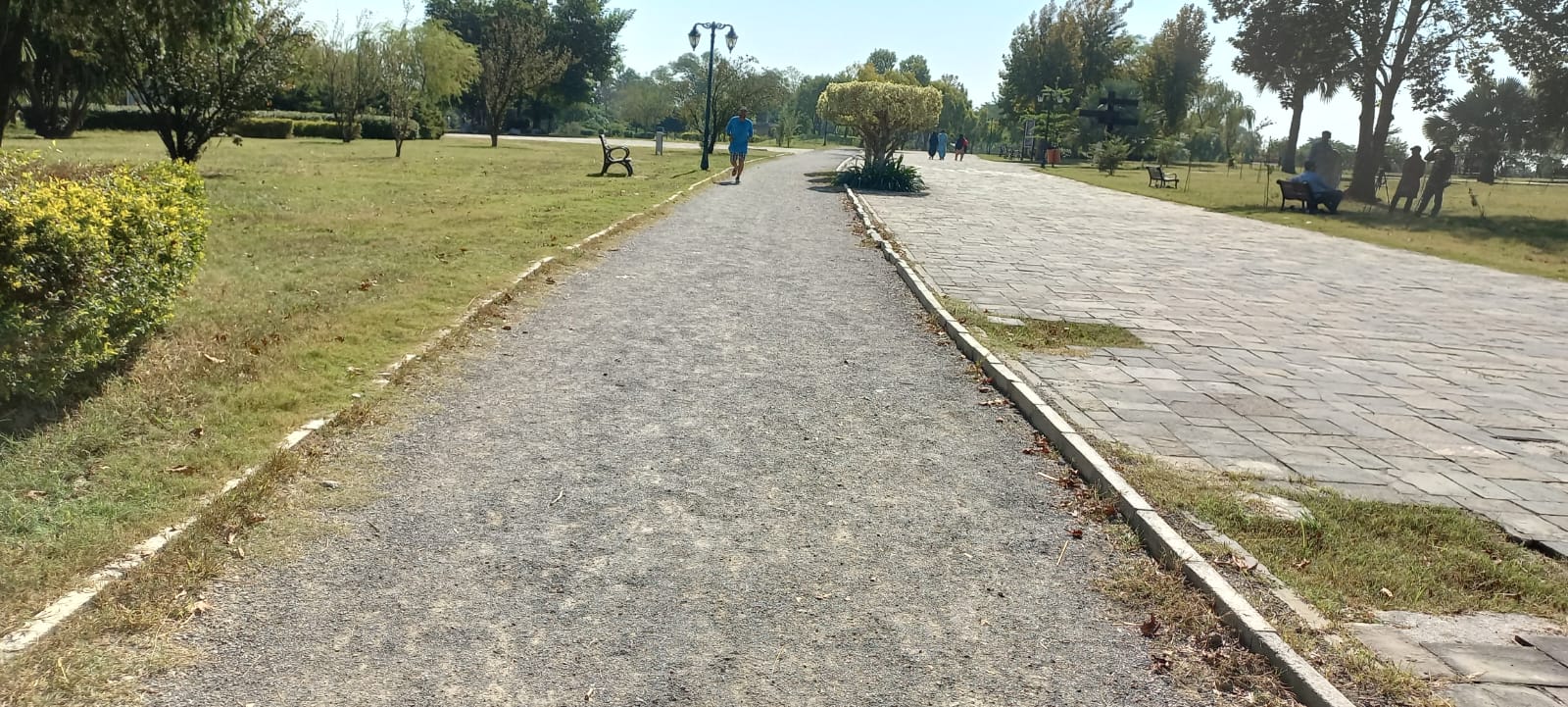
F9 Park Jogging Track and Walking Route
Many visitors search for “F9 Park jogging track” because they want a reliable route in Islamabad. While the exact loop distance can vary depending on where you start and how you route internally, you can still plan training effectively.
Best times for jogging at F9 Park
Early morning: best weather, fewer crowds, easier pacing
Late afternoon/evening: social atmosphere, but more foot traffic
Beginner (30–40 minutes total)
8 minutes brisk walk warm-up
12–18 minutes easy jog
8 minutes walk cool-down
Light stretching
Intermediate (45–60 minutes total)
10 minutes warm-up
25–35 minutes steady run
5–10 minutes cool-down walk
Optional strides (short controlled accelerations) if space allows
Practical Training Trps
Use time-based training rather than distance-based training if you are unsure of loop lengths
Stay on predictable paths to avoid frequent stops
Keep your pace steady and let crowds dictate your route choice
If you’re going in the evening, choose better-lit areas and stay in busier sections
Facilities in F9 Park
F9 Park generally offers a combination of open public-space basics and structured paid facilities.
Common Amenities
Parking areas near major entrances
Public washrooms (availability and condition can vary by area)
Benches and sitting spots
Open lawns suitable for small picnics
Security presence, especially in busier sections
Limited food stalls or nearby food options, depending on the gate area
Leisure Arena for paid recreation
If facilities matter for your visit (washrooms, parking proximity, or specific activities), plan your gate choice around convenience.
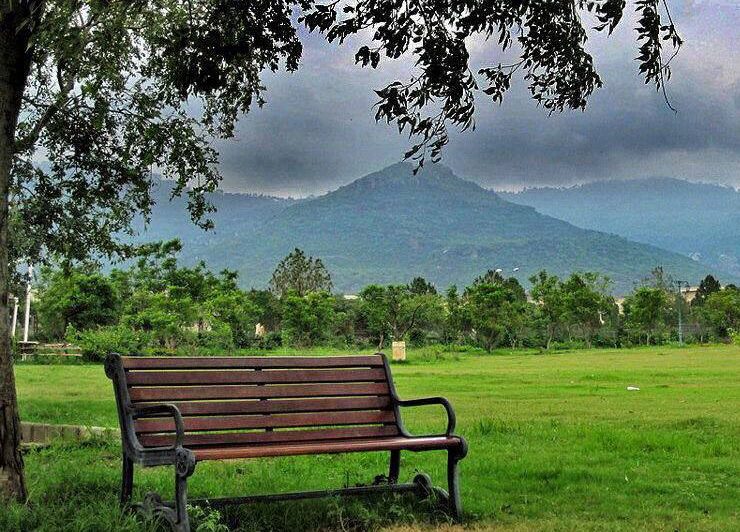
Nature at F9 Park
Despite being popular, F9 Park can still feel peaceful if you choose your time and route well.
How to Experience F9 Park as a Nature Break?
Visit early morning when the park feels less crowded
Walk away from the busiest family zones for quieter paths
Keep volume low and avoid disturbing wildlife and other walkers
Carry water and avoid leaving litter, especially in greener sections
Photography and Calm Walks
If you want calm rather than crowds, treat it like a “slow park visit”:
20 minutes gentle walk
15 minutes seated rest
20 minutes loop back through a different path
This makes your visit feel longer and more restorative than rushing through.
Is F9 Park safe?
F9 Park is generally considered safe during normal visiting hours, especially in areas with higher foot traffic.
Practical Safety Guidance
Solo visitors: prefer peak hours and stay on main paths
Families: keep children within sight near busy zones
Late evening: avoid isolated areas and stick to well-lit sections
Personal belongings: keep phones and wallets secure in crowded areas
If your plan involves the kids’ play area or evening walks, arriving earlier and leaving before late hours usually makes the experience more comfortable.
F9 Park Entry Fee and Ticket Information
General entry to F9 Park: free
Kids’ play area: may require a nominal ticket
Leisure Arena: paid services (pricing depends on activity)
If you’re planning a family visit, budget some small cash for kids’ activities and incidental snacks.
Best Time to Visit F9 Park, Islamabad
Your best time depends on your goal.
For Jogging and Fitness
Early morning is the most reliable choice, especially in warmer months.
For Families and Kids’ Play Area
Late afternoon to early evening is popular, but weekends can be crowded. For a calmer kids’ experience, choose weekday afternoons or early weekend mornings.
For Weather Comfort
Hot months: early morning and near sunset are best
Winter months: late morning to afternoon can be very comfortable
Weekends: expect more crowds and more social activity
Visit Plans: 1 Hour, 2–3 Hours, and Half a Day
1-Hour Plan (quick reset)
Park, enter, and walk a comfortable loop
Sit for 10 minutes on a lawn or bench
Exit without overcomplicating the visit
Best for: solo visitors, quick breaks, first-time visitors
2–3 Hour Plan (most popular)
Walk and explore (30–40 minutes)
Kids play area or fitness session (60–90 minutes)
Lawn time and snacks (30 minutes)
Exit before the park feels crowded or tiring
Best for: families, casual outings, weekend plans
Half-Day Plan (full experience)
Early arrival for walking/jogging
Leisure Arena activity or extended exploration
Picnic time on the lawn
Slow photography walk before leaving
Best for: visitors coming from farther areas or meeting friends/family
What is F9 Park Famous for?
F9 Park is famous for being Islamabad’s largest public park, offering jogging tracks, a kids’ play area, open picnic lawns, and the Leisure Arena recreational complex.
Frequently Asked Questions About F9 Park Islamabad
Following are the frequently asked questions regarding Fatima Jinnah park Islamabad.
What is the Megazone F9 Park contact number?
The official Megazone F9 Park contact number is 0330 5756100. It is located at Gate #2, Bolan, F-9 Park, Islamabad and operates from 11:00 AM to 11:00 PM.
What is F9 Park Islamabad also called?
F9 Park is officially called Fatima Jinnah Park.
Where is F9 Park located?
It is located in Sector F-9, Islamabad.
What are the F9 Park timings?
The park is typically accessible from early morning to late evening. Timings can vary by season and facility.
Is F9 Park open at night?
The park remains accessible into the evening, but specific areas may close earlier. Late-night visits are not recommended for isolated sections.
Is there an entry fee for F9 Park?
General entry is free. Some areas, such as the kids’ play zone or paid facilities, may charge fees.
What is the ticket price for the kids’ play area in F9 Park?
A nominal fee may apply and can change. Carry small cash for convenience.
How many gates does F9 Park have?
There are multiple entrances, including named gates and numbered gates.
Which gate is best for families?
Choose a gate that minimises walking distance to the recreational zones and kids’ play area.
Is F9 Park good for jogging?
Yes. It is one of Islamabad’s most popular places for jogging and walking.
Popular activities include kids’ play, cycling, photography, relaxation on lawns, and structured recreation via the Leisure Arena.
Conclusion
F9 Park Islamabad (Fatima Jinnah Park) is an easy win for almost any kind of outing: fitness, family time, quiet walks, or a simple picnic. The key is planning based on your goal, choosing the right gate, visiting at the right time, and structuring your visit so you’re not stuck in crowds or wandering without a plan.
BBC-featured Content Specialist with a sharp eye for search intent and a proven ability to turn content into a growth engine. I leverage cutting-edge digital marketing tools to craft strategies that fuel organic traffic, amplify brand growth, and own the local SEO landscape, particularly across the competitive real estate market. I help brands dominate search rankings and convert visibility into measurable business success.
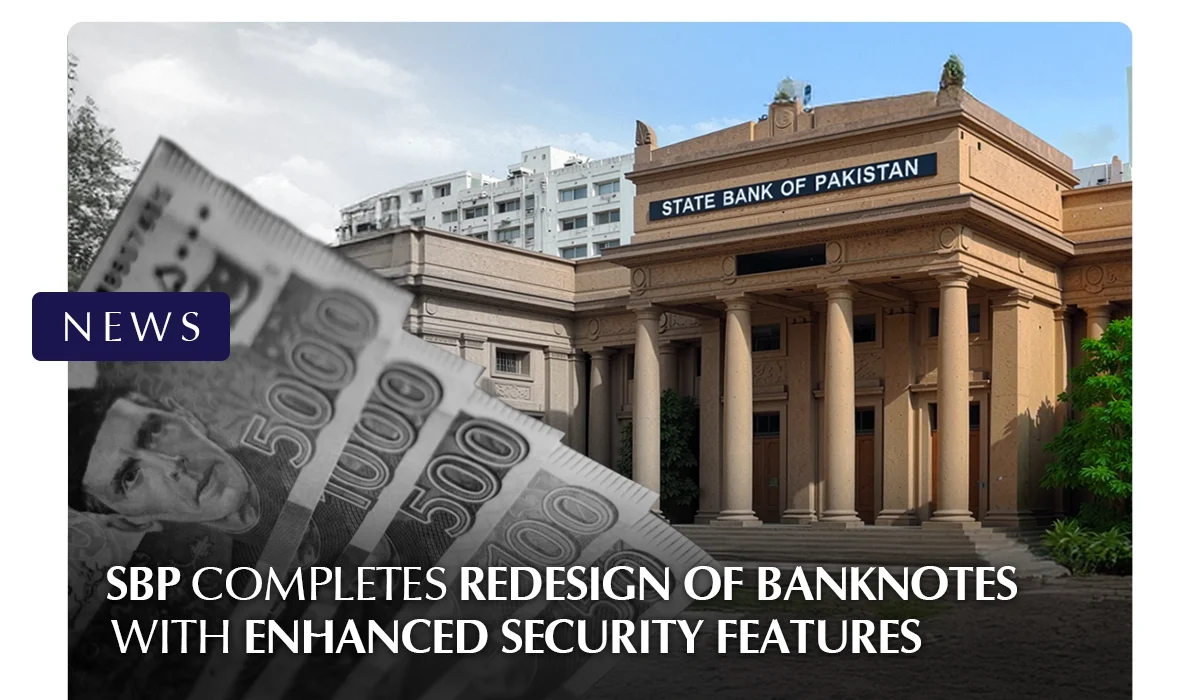
ISLAMABAD: The State Bank of Pakistan (SBP) has completed the development of new banknote designs incorporating updated security elements and has submitted them to the federal cabinet for formal approval. The progress was shared during a meeting of the Senate Standing Committee on Finance and Revenue.
According to SBP Governor Jameel Ahmad, the proposed designs have already been cleared by the central bank’s board. He informed lawmakers that the printing process will commence once the cabinet grants its approval. The introduction of the new notes into circulation will take place gradually, beginning after sufficient stock has been produced to replace existing notes.
The redesign initiative is intended to strengthen safeguards against counterfeiting and modernise Pakistan’s currency framework. Officials indicated that more than one denomination may be printed at the same time; however, no details were provided regarding which notes will be released first.
At present, currency denominations in circulation include Rs10, Rs20, Rs50, Rs75, Rs100, Rs500, Rs1,000 and Rs5,000. The committee session, chaired by Senator Saleem Mandviwala, also addressed matters related to financial oversight and regulatory administration.
In a separate development, the SBP’s Monetary Policy Committee decided to maintain the benchmark interest rate at 10.5 percent in its first meeting of 2026. The rollout of the redesigned currency will proceed once the necessary approvals are completed and production benchmarks are achieved.
BBC-featured Content Specialist with a sharp eye for search intent and a proven ability to turn content into a growth engine. I leverage cutting-edge digital marketing tools to craft strategies that fuel organic traffic, amplify brand growth, and own the local SEO landscape, particularly across the competitive real estate market. I help brands dominate search rankings and convert visibility into measurable business success.
ISLAMABAD: The Executive Committee of the National Economic Council (ECNEC) has given the green light to four public sector development projects with a total estimated cost exceeding Rs240 billion. The approvals were granted during a meeting chaired by Deputy Prime Minister Ishaq Dar, according to an official release.
One of the key initiatives involves expanding cardiac care facilities at a major medical institute in Rawalpindi, aimed at strengthening specialised healthcare services and increasing treatment capacity.
The committee also approved a nationwide youth-focused skills programme intended to enhance vocational and technical training opportunities. The initiative is designed to equip young people with market-relevant skills to improve employability.
In the transport sector, ECNEC endorsed the development of a new bus rapid transit corridor in Karachi. The project is expected to support urban mobility by providing an organised public transport system along a key route in the city.
Additionally, a hydropower project with a planned generation capacity of 34.5 megawatts in Gilgit-Baltistan received approval. The scheme is expected to contribute to regional electricity supply and support local infrastructure development.
The meeting was attended by federal and provincial officials, including representatives from finance, planning, water resources, defence, and technical training institutions. The approved projects span multiple sectors, reflecting ongoing efforts to address infrastructure, energy, healthcare, and workforce development needs through public investment.
BBC-featured Content Specialist with a sharp eye for search intent and a proven ability to turn content into a growth engine. I leverage cutting-edge digital marketing tools to craft strategies that fuel organic traffic, amplify brand growth, and own the local SEO landscape, particularly across the competitive real estate market. I help brands dominate search rankings and convert visibility into measurable business success.
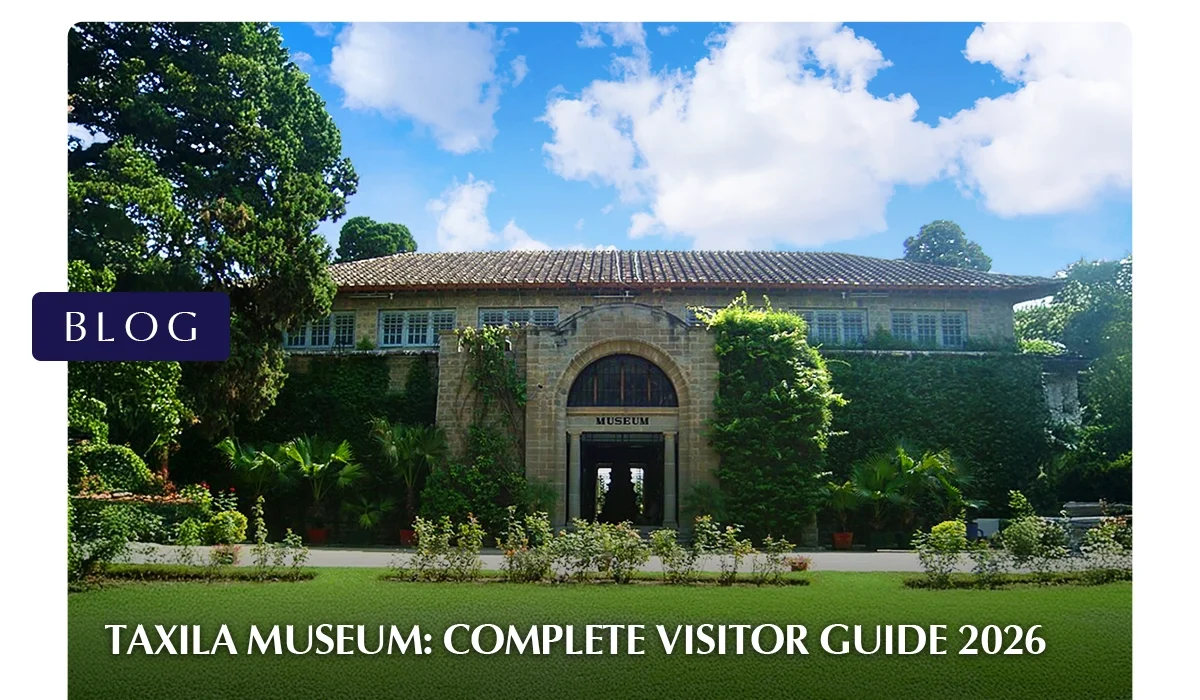
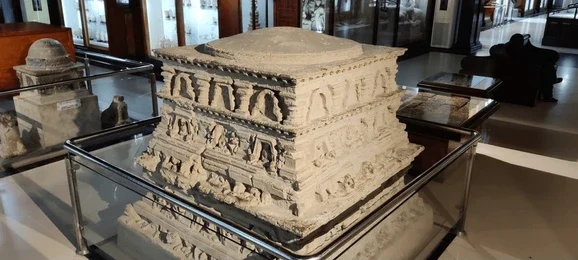
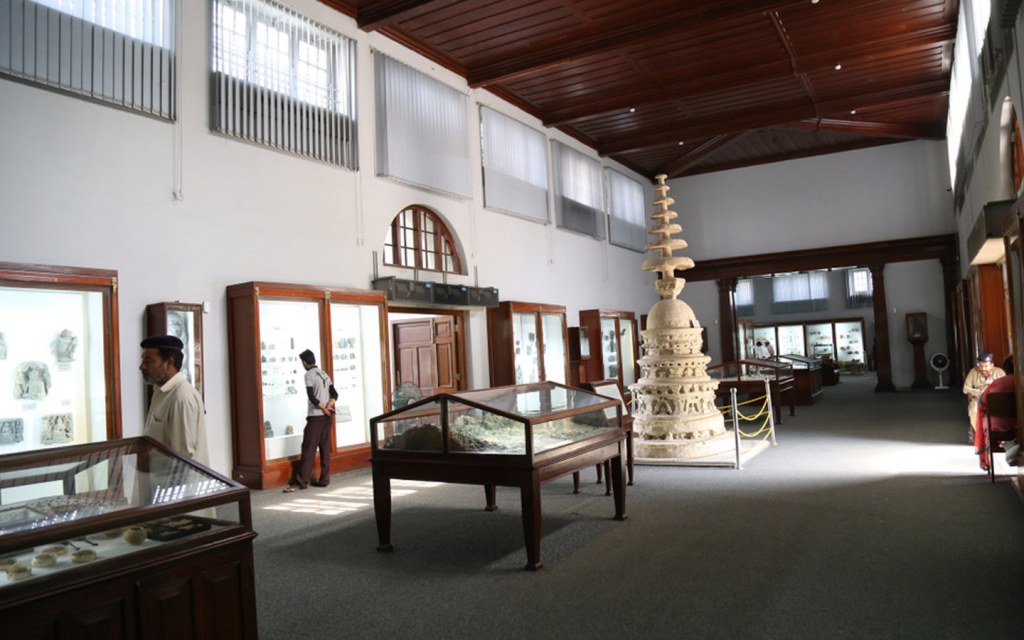
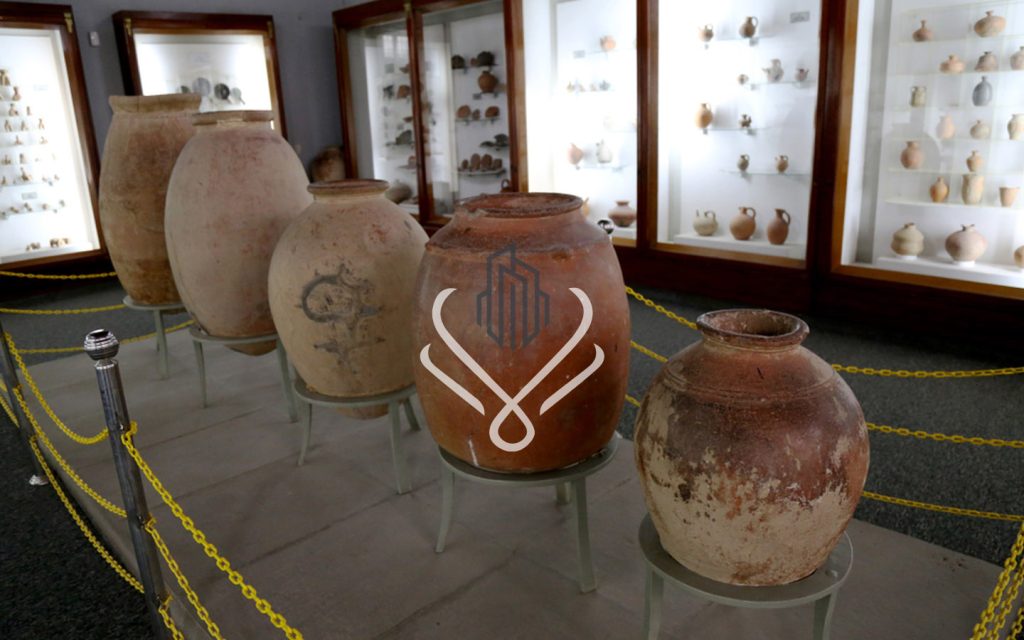
If you’re planning a cultural day trip near Islamabad or Rawalpindi, the Taxila Museum is one of the most rewarding stops in Pakistan. It’s one of the top tourist places in Islamabad, and a site museum dedicated to the Gandhara world, showcasing sculptures, coins, inscriptions, and relics excavated from the Taxila Valley’s famous ruins.
Last updated: February 2026
Timings, ticket prices, and holiday closures may change. Visitors are advised to confirm details before planning their trip.
Within the Taxila archaeological valley, surrounded by historic sites
The museum lies along Shahpur Road, a local road that connects visitors to multiple excavation sites scattered across the Taxila valley.
Why is the Taxila Museum location so important?
Unlike many museums that are built far from excavation zones, the Taxila Museum is located inside the historical landscape. Most of the objects displayed inside were discovered only a few kilometres away.
Nearby ancient cities and monasteries include:
Bhir Mound – One of the earliest settlement areas of ancient Taxila
Sirkap – A later city showing a mix of Greek and local urban planning
Sirsukh – A Kushan-era fortified city
Dharmarajika Stupa – A major Buddhist religious complex
Jaulian Monastery – A hilltop monastery with preserved student cells
Because of this, many travellers treat the museum as the starting point before exploring the valley’s ruins.
Taxila Museum Timing
Planning your visit according to the official Taxila Museum Timing is important, as seasonal schedules apply.
Opening Hours
Season
Opening Time
Closing Time
Summer
8:30 AM
5:00 PM
Winter
9:00 AM
4:00 PM
Weekly and Holiday Closures
The museum remains closed on:
The first Monday of every month
Islamic public holidays
Reduced hours may apply during Ramadan, with possible early afternoon closing
Because religious holidays and Ramadan schedules change each year, visitors are advised to confirm timings before travelling.
Taxila Museum Ticket Price
The terms Taxila Museum ticket price and Taxila Museum entry fee both refer to admission charges.
Entry Fees
Visitor Type
Ticket Price
Local Adult
Rs. 20
Children
Rs. 10
Foreign Visitors
Rs. 500
Ticket prices may be revised by authorities, so checking updated rates before visiting is recommended.
Taxila Museum Contact Number
Visitors who want to confirm opening hours, group visits, or other details can use the following contact information.
ContactInformation
Contact Type
Details
Landline Phone
+92-51-9315476
Mobile Number
0300-5899952
Email Address
info@taxilamuseum.com
Taxila Museum Distance From Major Cities
If you’re planning your route, here’s how far the museum is from key nearby hubs:
Starting Point
Approx Distance to Taxila Museum
Travel Time (by car)
Islamabad
30–35 km
40–50 minutes
Rawalpindi
~32 km
45–55 minutes
Wah Cantonment
~10 km
15–20 minutes
This makes it an easy day trip from Islamabad or Rawalpindi.
Surroundings & Landscape of Taxila Museum
The Taxila museum sits in a broad valley ringed by low hills, which once hosted monasteries, stupas, and ancient urban centres. The calm, semi-rural setting contrasts sharply with nearby cities, giving visitors a sense of stepping back in time.
You’ll notice:
Open archaeological fields rather than dense city buildings
Signposted routes leading to nearby ruins
A quieter, heritage-focused environment ideal for slow exploration
How to Reach the Taxila Museum?
The museum is easy to access because it lies within the Taxila heritage zone.
By Road
Well-connected by road from Islamabad and Rawalpindi
Directional signs guide visitors once inside the city
By Train
Taxila has a nearby railway station
Local transport is available from the station to the museum
Nearby Walking Distance
The museum is only minutes away from Bhir Mound, one of the oldest archaeological sites in the area
Suggested Sightseeing Route
Because major heritage sites are located close to one another, visitors often follow this route:
Taxila Museum
Bhir Mound
Sirkap ruins
Dharmarajika Stupa
Jaulian or Mohra Moradu monasteries
This sequence helps visitors understand the historical background inside the museum before exploring the ruins themselves.
Taxila: A UNESCO World Heritage Context
The Taxila Museum is more than a local museum; it preserves artefacts discovered in the wider Taxila archaeological region. Taxila is internationally recognised for its role as an ancient centre of learning, trade, and Buddhist culture.
Many of the sculptures, coins, and relics displayed inside the museum were excavated from nearby sites such as monasteries, stupas, and ancient cities. Visiting the museum first provides a historical background that makes exploring the ruins far more meaningful.
History of Taxila Museum – A Quick Timeline
Year / Period
Event
Early 1900s
Major excavations begin in the Taxila valley, uncovering Buddhist monasteries, cities, and artefacts
1918
Construction of the Taxila Museum begins
1928
The museum officially opens to the public
20th Century (mid–late)
Collections expand as more objects are recovered from surrounding sites
1998
The northern gallery was added to accommodate additional exhibits.
Why the Taxila Museum Was Built?
Before the museum existed, artefacts from Taxila were at risk of damage or removal far from their discovery sites. Authorities decided to establish a local site museum so:
Objects could be preserved close to where they were found
Scholars could study Gandharan art and history in one place
Visitors could understand the region’s past before touring the ruins
This made the Taxila Museum one of the earliest purpose-built archaeological museums in the region.
Growth of the Collection
Over the decades, the museum’s holdings grew as excavations continued at nearby locations like Sirkap, Dharmarajika Stupa, and Jaulian Monastery.
Today, the museum is especially known for:
Gandharan stone and stucco sculptures
Buddhist religious art dating roughly from the 1st to the 7th centuries CE
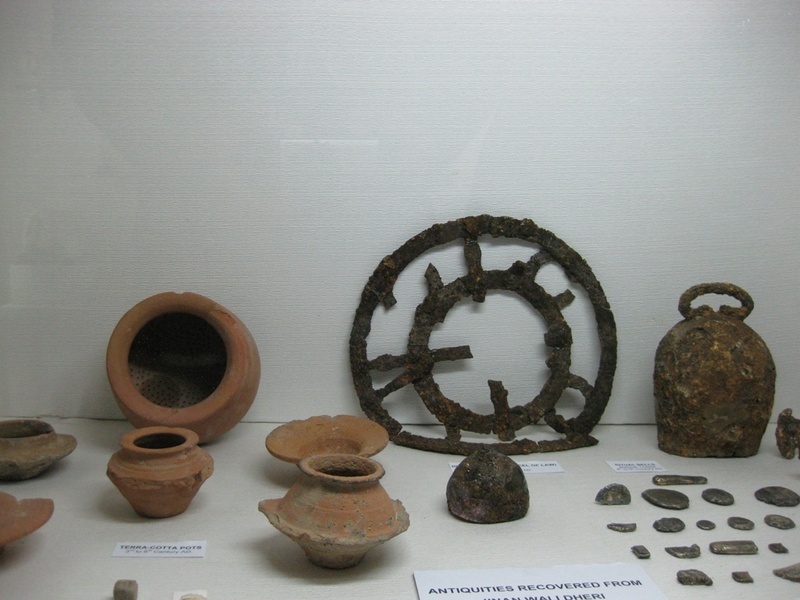
Coins, inscriptions, jewellery, and daily-life objects from ancient Taxila
What to See Inside the Taxila Museum?
Gallery Focus
Key Highlights
Gandharan Sculptures
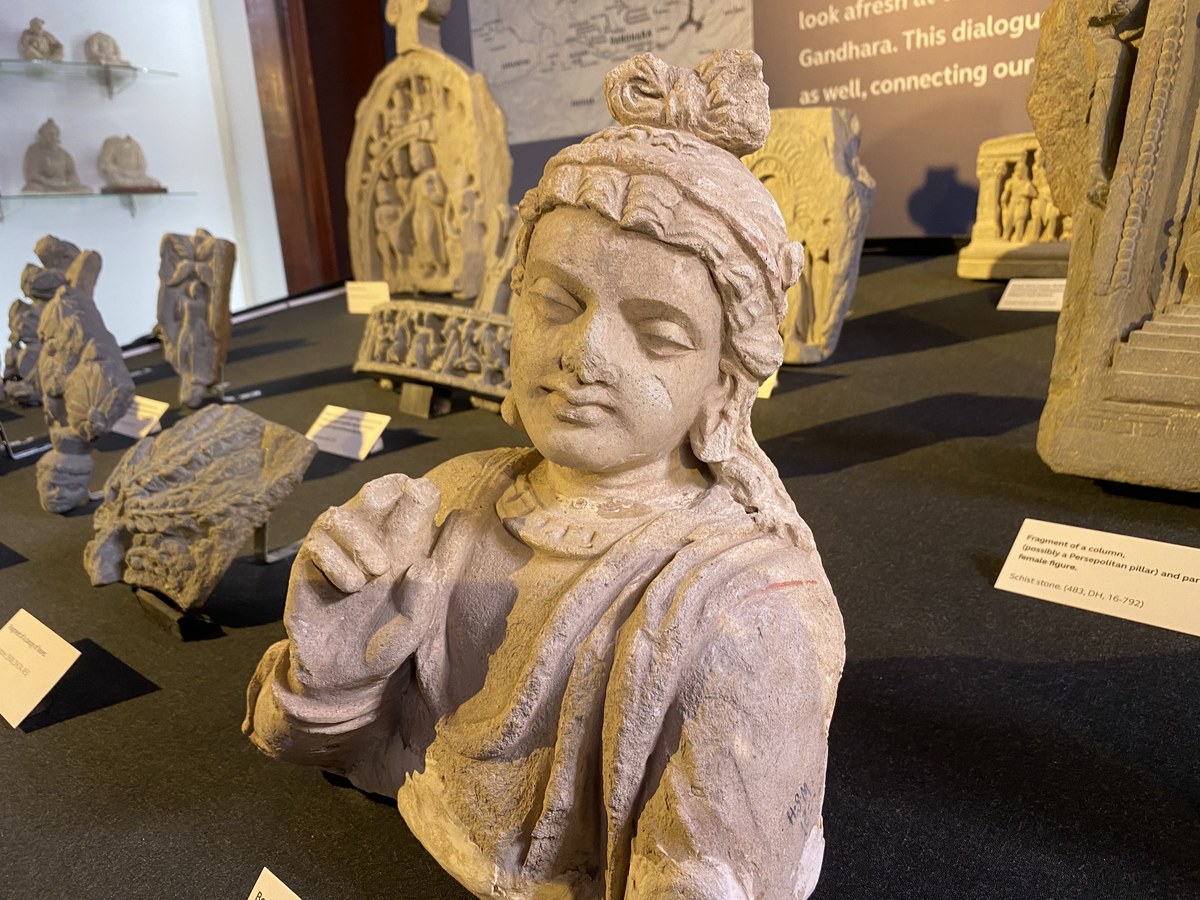
Buddha statues, Bodhisattva figures, and detailed relief panels
Coins & Trade Objects
Coins from Indo-Greek, Kushan, and later periods
Everyday Life Artefacts
Pottery, tools, ornaments, and domestic items
Inscriptions & Scripts
Early writing was used for religious and administrative purposes
Architectural Fragments
Carved stone pieces from stupas and monasteries
The galleries of the Taxila Museum are arranged to showcase artefacts excavated from the surrounding Taxila valley. The focus is on Gandharan civilisation, especially its Buddhist art, daily life objects, and trade-era relics.
Here’s a quick, visitor-friendly breakdown of the highlights.
Gandharan Sculptures
Type
What You’ll Notice
Buddha Statues
Calm facial expressions, detailed robes, and halo carvings are typical of Gandhara art
Bodhisattva Figures
Jewellery, crowns, and princely dress showing royal symbolism
Relief Panels
Scenes from the life of Buddha carved in stone
Stucco Heads
Lighter material used in monastery decorations
These sculptures reflect a blend of regional and broader artistic influences and are considered the museum’s most important collection.
Everyday Life in Ancient Taxila
Not everything in the museum is religious — many objects reveal how people actually lived.
Pottery vessels used for cooking and storage
Tools and household items
Beads and jewellery pieces
Terracotta figurines
These items help visitors understand that Taxila was not just a religious centre but also a busy urban settlement.
Coins & Trade Artefacts
Item Type
Why It Matters
Ancient Coins
Show rulers, symbols, and scripts from different eras
Metal Objects
Indicate craftsmanship and trade skills
Seals & Tokens
Used in commerce and administration
The coin collection is especially interesting because it reflects Taxila’s role as a major trade crossroads.
Inscriptions & Scripts
Stone and metal inscriptions found in the region are displayed in select sections.
You may notice:
Early writing styles were used for religious and official records
Dedication inscriptions from monasteries
Scripts that reveal linguistic diversity in ancient Taxila
These pieces provide clues about governance, religion, and literacy.
Architectural Fragments
Some displays include carved stone pieces that once decorated stupas and monasteries.
These fragments show:
Decorative motifs like lotuses and geometric designs
Pieces of columns and railings
Carved panels that once formed larger religious structures
Gandhara and Cultural Importance of Taxila
Taxila Museum’s collections reflect the legacy of the Gandharan civilisation, known for its distinctive Buddhist art and cultural exchange along ancient trade routes. The region flourished under various rulers, including the Indo-Greek and Kushan dynasties, which influenced artistic styles and architecture.
The sculptures displayed in the museum are especially significant because they represent one of the earliest artistic traditions to depict the Buddha in human form. This blend of regional and international artistic influences makes Taxila an important cultural crossroads in ancient history.
Why Visit the Museum Before the Ruins?
Many travellers head straight to the archaeological sites, but starting at the Taxila Museum gives a valuable background.
Inside the museum, you can see restored sculptures, architectural fragments, and everyday objects in a protected environment. Once you understand their purpose and context, the nearby ruins, such as monasteries, stupas, and city walls, become easier to interpret and more engaging to explore.
Suggested 1-Day Taxila Itinerary
Because major heritage sites are located close together, visitors often follow this route:
Taxila Museum – Begin with historical context and artefacts
Bhir Mound – One of the oldest settlement areas
Sirkap – Ruins of a later planned city
Dharmarajika Stupa – Important Buddhist religious complex
Jaulian Monastery – Hilltop monastery with preserved structures
This route helps visitors understand the artefacts in the museum before seeing where they were originally discovered.
Visitor Tips for Taxila Museum
To make the most of your visit, keep these practical points in mind:
Time needed: Most visitors spend 1 to 1.5 hours inside the museum
Best time of day: Morning visits are quieter and more comfortable, especially in summer
Photography: Usually allowed for personal use, but flash photography may be restricted
Parking: Parking space is generally available near the entrance
Guides: Local guides may be available around the archaeological sites nearby
These small details help travellers plan better and avoid surprises during their visit.
Recent Preservation and Conservation Efforts (2026)
Taxila Museum continues to benefit from modern preservation initiatives aimed at protecting its historic collections. Conservation efforts focus on improving storage conditions, restoration techniques, and display methods to ensure that delicate artefacts remain preserved for future generations.
These improvements reflect the ongoing importance of Taxila as a heritage site and highlight efforts to maintain its collections according to international conservation standards.
Taxila Museum – Tourist Destination
The Taxila Museum serves as the central collection point for artefacts excavated from the ancient Taxila valley. Its displays of sculptures, tools, coins, and architectural fragments help visitors understand the region’s importance as a historical centre of culture, religion, and trade. Seeing the museum first adds context and depth to visits to nearby archaeological sites.
FAQ-Taxila Museum
What are the Museum Timing details?
Summer hours are 8:30 AM to 5:00 PM, and winter hours are 9:00 AM to 4:00 PM. The museum is closed on the first Monday of each month and on Islamic holidays.
What is the Museum ticket price or entry fee?
Entry fees are Rs. 20 for local adults, Rs. 10 for children, and Rs. 500 for foreign visitors.
What is the Museum Location?
It is located in Taxila, Rawalpindi District, Punjab, near the Bhir Mound archaeological site.
What is the contact number?
The museum can be contacted at +92-51-9315476.
What is the Museum’s distance from Islamabad?
The museum is about 30 to 35 km from Islamabad, making it an easy day trip.
BBC-featured Content Specialist with a sharp eye for search intent and a proven ability to turn content into a growth engine. I leverage cutting-edge digital marketing tools to craft strategies that fuel organic traffic, amplify brand growth, and own the local SEO landscape, particularly across the competitive real estate market. I help brands dominate search rankings and convert visibility into measurable business success.
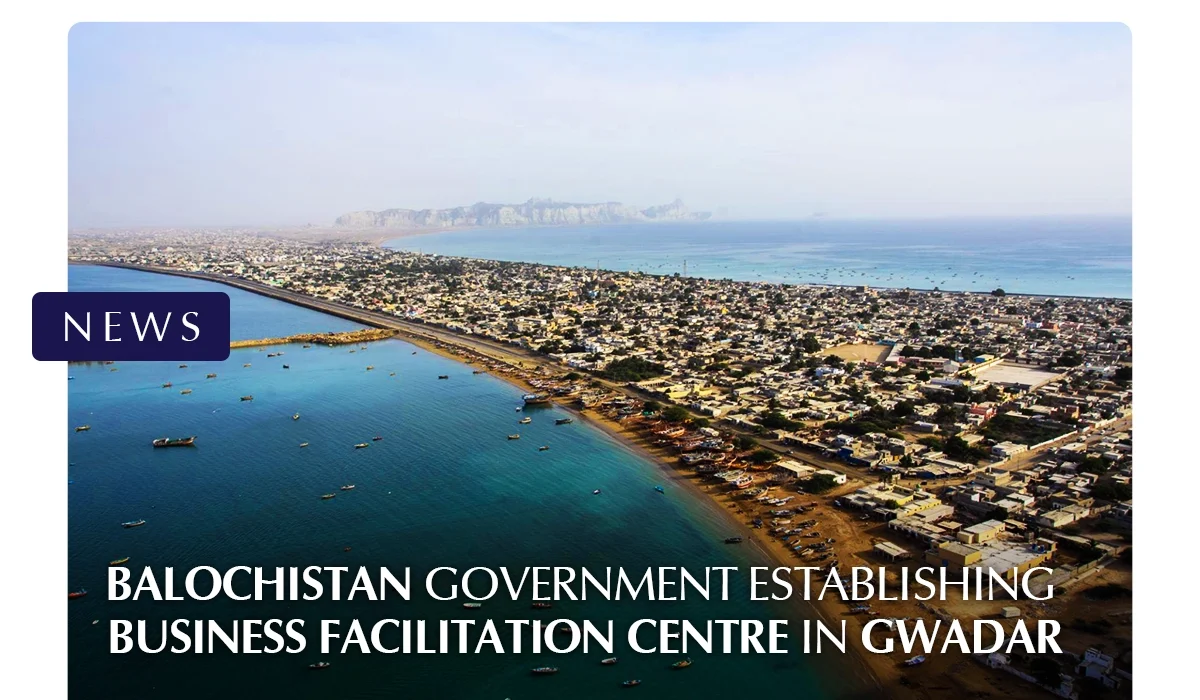
GWADAR: The Balochistan government is in the process of setting up a Business Facilitation Centre (BFC) in Gwadar to provide administrative and regulatory services to the business community. The facility is expected to become operational in the near future.
The centre will operate as a one-window platform, bringing together representatives from various government departments to process applications and approvals required for business activities. Services to be offered include the issuance of no-objection certificates (NOCs), licenses, permits, and other regulatory clearances needed to initiate or expand commercial operations.
A digital coordination system is being introduced to connect relevant departments and support the processing of applications. Business Facilitation Officers will be stationed at the centre to assist applicants and manage documentation and procedural requirements.
The initiative is part of ongoing administrative measures aimed at improving service delivery for investors and businesses operating in Gwadar. The centre is intended to centralise procedures that are currently handled by multiple offices.
The decision to establish the facility was discussed during meetings between representatives of the business community and provincial authorities responsible for investment and trade. The Business Facilitation Centre will function as a dedicated point of contact for investors seeking regulatory approvals related to business operations in Gwadar.
BBC-featured Content Specialist with a sharp eye for search intent and a proven ability to turn content into a growth engine. I leverage cutting-edge digital marketing tools to craft strategies that fuel organic traffic, amplify brand growth, and own the local SEO landscape, particularly across the competitive real estate market. I help brands dominate search rankings and convert visibility into measurable business success.
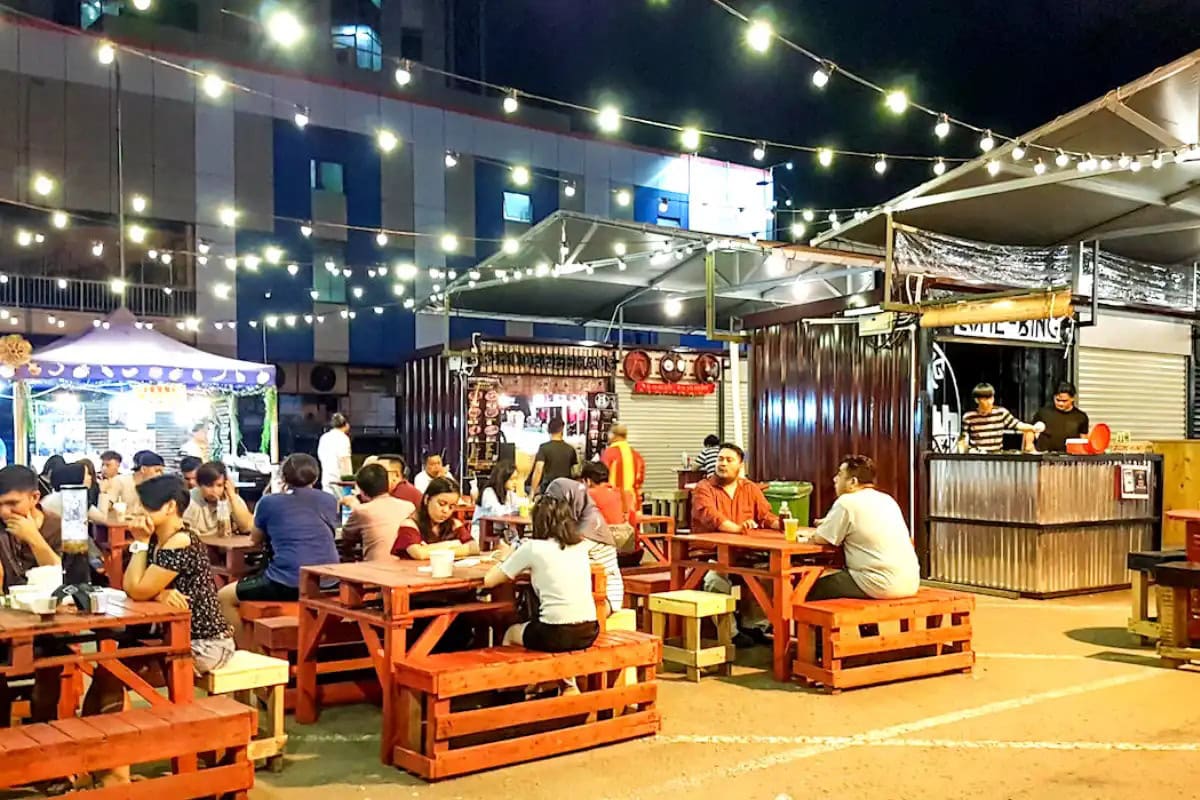
Islamabad isn’t just known for its modern architecture and serene landscapes; it’s also home to a lively and flavorful street food scene that every food lover should explore. From bustling food street in Islamabad to popular market corners buzzing with vendors, the city offers an exciting mix of traditional Pakistani snacks and contemporary street eats that satisfy every palate.
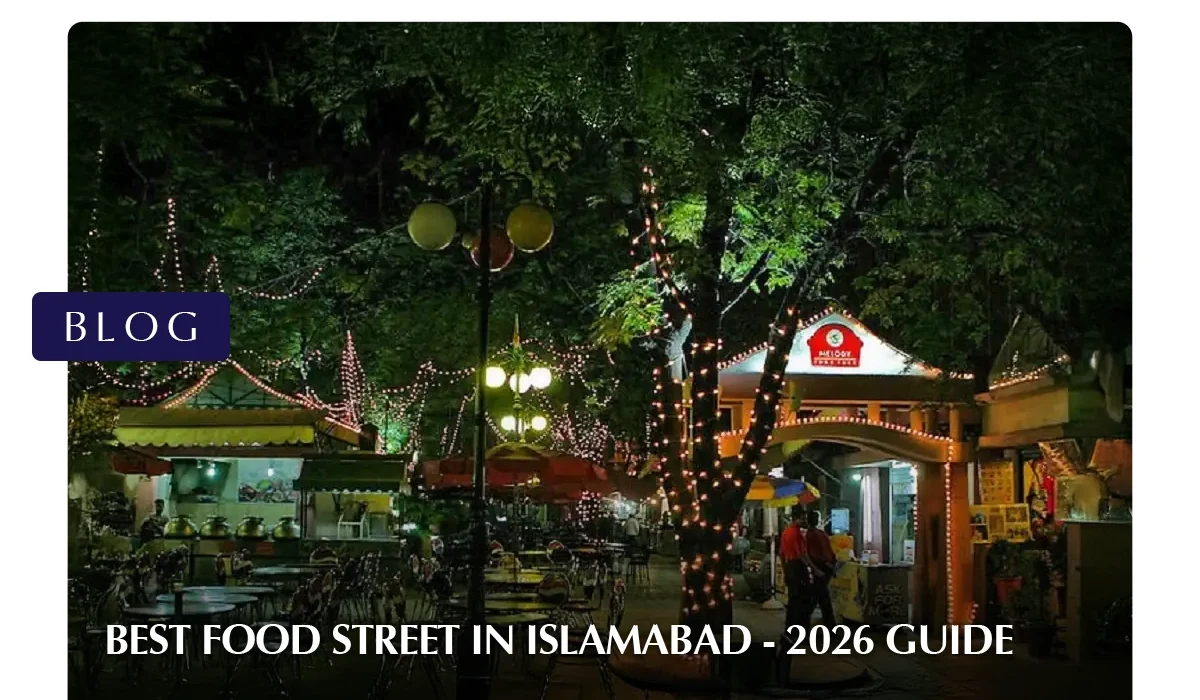
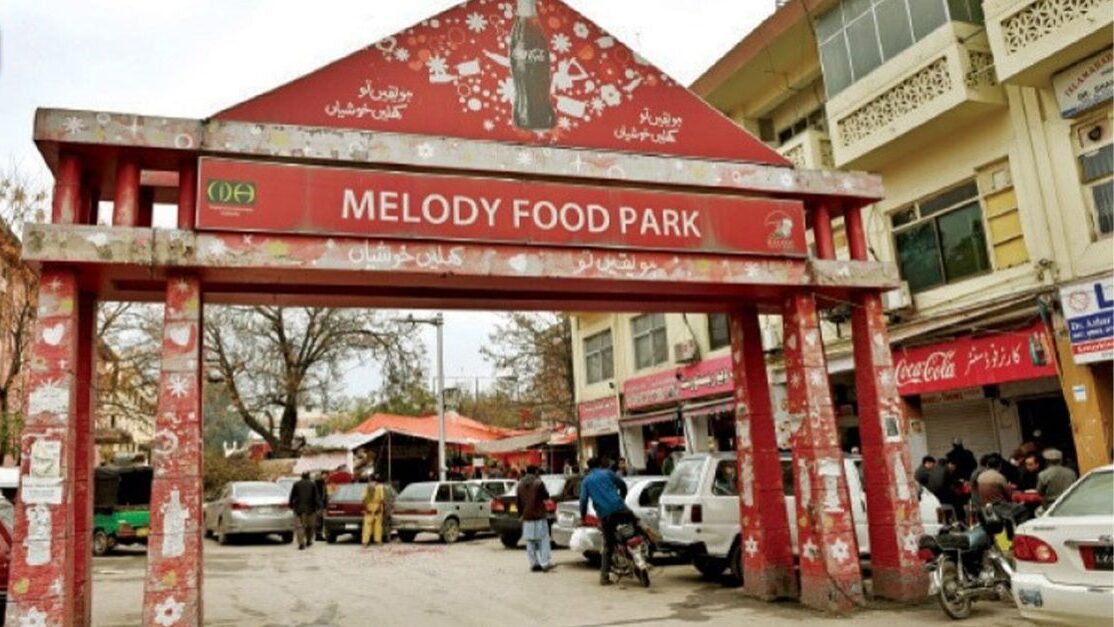
Whether you’re strolling through Melody Food Street, sampling wraps and kebabs in F-10 Markaz, or discovering hidden stalls in local markets, the best street food in Islamabad reflects the city’s diverse tastes and rich culinary culture. This guide highlights the best food street in Islamabad and the must-try dishes that make the city a must-visit destination for foodies.
List of Best Street Food in Islamabad
Name
Address
Contact
Approx. Rating
Cuisine Type
Menu Highlights
Basti The Food Street
Golra Rd, Golra E-11, Islamabad
+92 311 1828222
4.7
Asian / Casual eats
Street-food style bites, grills, and local snacks
Melody Food Park
1 Street 5, G-6/3, Islamabad
–
4.0
Mixed (Street food court)
Kebabs, rolls, chaat, drinks
Capital Food Street
Islamabad (food court zone)
+92 341 9695038
4.1
Food court / Street eats
Assorted street food vendors
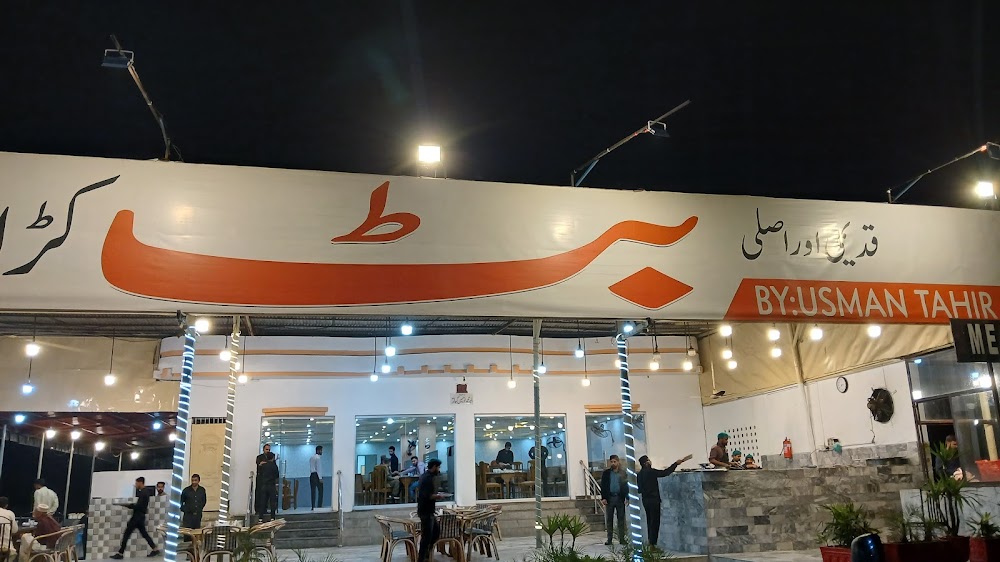
Butt Karahi By Usman Tahir
Service Rd E, F-10 Markaz, Islamabad
+92 306 0666605
4.6
Pakistani
Karahi, curries, naan
Bismillah Tikka & Chargha House
Madina Market, Street 21, F-8/2
+92 51 2280302
4.2
Barbecue / Grill
Tikka, chargha, grilled meats
STREET EATS i‑10 Markaz Islamabad
I-10 Markaz, Islamabad
+92 335 9988880
4.3
Fast food / Street
Wraps, fast bites, drinks
Abey KHAO!
Bhittai Rd, F-7 Markaz
+92 307 0509115
4.8
Fast food / Casual
Burgers, fries, snacks
Hanif Rajput Rooftop Grill
PAK CHINA Mall, Markaz G-9
+92 317 7770989
4.3
Grill / Casual
BBQ, grilled meats
Howdy Islamabad
Street 3, Gol Market, F-7/3
+92 51 2611182
4.5
Fast food / Casual
Burgers, fast bites
Savour Foods, Blue Area, Islamabad
Fortune Plaza, Jinnah Ave, Blue Area
+92 51 2348097
4.3
Pakistani Rice & Street eats
Tikka rice, karahi, quick eats
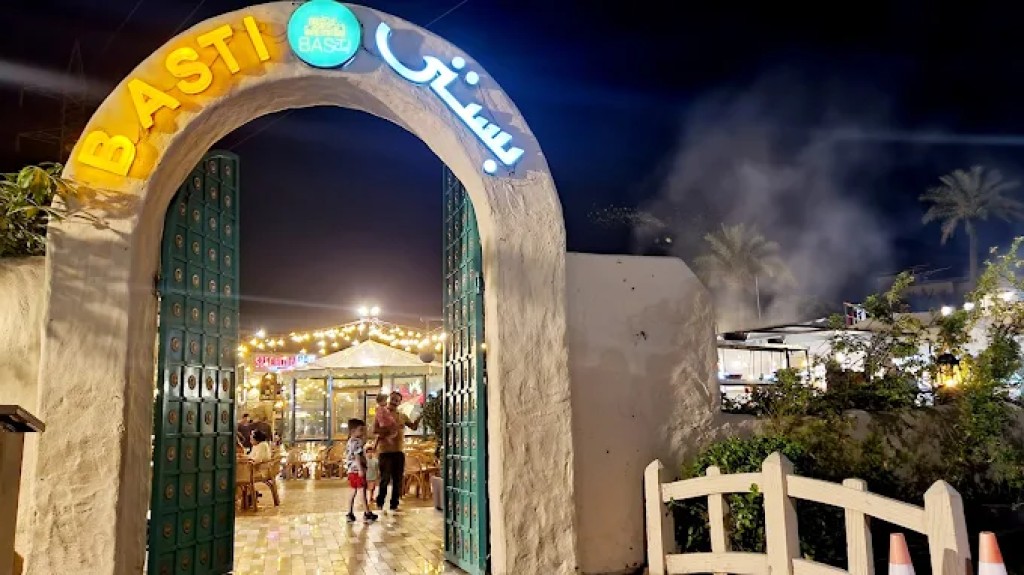
Basti The Food Street in Islamabad
Located in the E-11/Golra area, this open-air food hub recreates the lively feel of a traditional Pakistani food street. Visitors come for sizzling BBQ, karahi, and freshly baked naan served straight from tandoors. The atmosphere is social and energetic, making it ideal for long evening hangouts. It’s especially popular with families and groups who want variety in one place.
Melody Food Park – Food Street in Islamabad
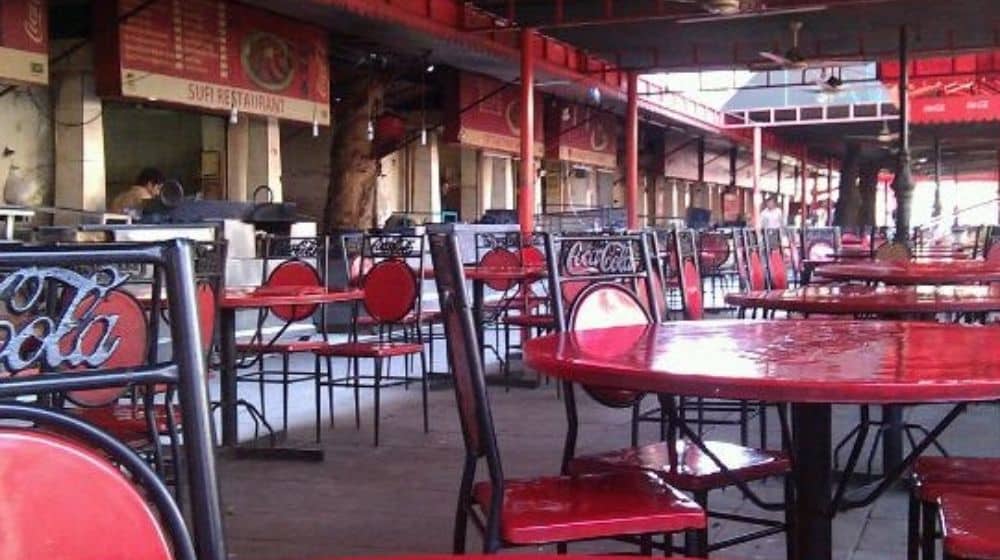
One of the capital’s most iconic food streets, Melody is packed with small eateries and street-style vendors. You’ll find chaat, samosas, bun kebabs, biryani, and plenty of quick desi comfort food. The setting is busy, casual, and perfect for food hopping. Its central location makes it a favourite with students, office workers, and tourists alike.
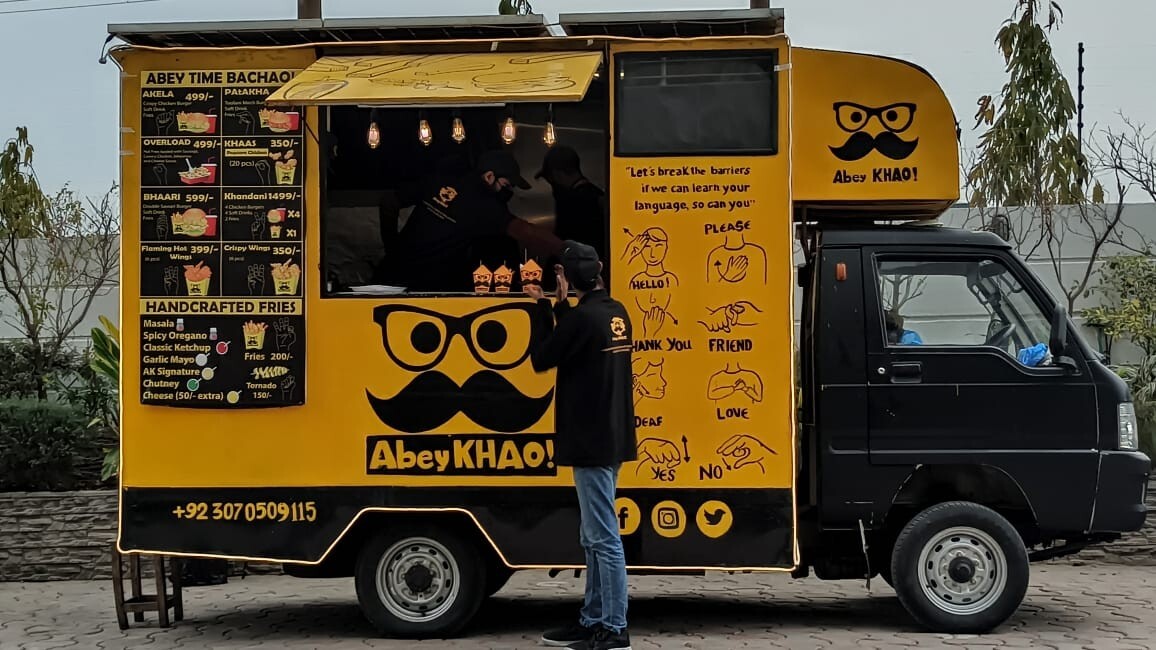
Abey KHAO!
Situated in F-7 Markaz, this spot mixes street-food energy with modern fast-food flair. Known for loaded fries, juicy burgers, and flavorful wraps, it’s a hit with younger crowds. The menu leans toward indulgent comfort food with bold sauces and spices. It’s an easy stop while exploring the lively F-7 market.
Melody Restaurant
Close to the main Melody Food Park area, this restaurant offers a calmer sit-down experience while keeping you near the street food buzz. Guests enjoy classic Pakistani dishes served in generous portions. It’s a good choice when you want traditional flavours without standing at outdoor stalls. Many visitors pair it with dessert or chaat from nearby vendors.
Deaflicious
A small but well-liked eatery in F-6 Markaz known for quick snacks and sandwiches. While not a full food street, it fits nicely into a street-food crawl through Islamabad’s market areas. It’s the kind of place you stop at for an easy bite between shopping stops. Simple food and a relaxed vibe make it a convenient addition to your list.
Capital Food Street – Food Street in Islamabad
This is a handy “many options in one place” destination where you can sample different street-style foods in a single visit. It works well for groups since everyone can choose their own favourite dishes. Expect BBQ, rolls, burgers, and desi snacks in a lively, casual setting. Come hungry so you can try more than one stall.
Butt Karahi By Usman Tahir
A popular stop in the F-10 Markaz area for rich, traditional Pakistani meals with street-side appeal. It’s best known for karahi dishes cooked in bold spices and served with fresh naan. This is a great place to pause for a hearty, sit-down meal during a food tour. Dishes are ideal for sharing family-style.
Bismillah Tikka & Chargha House
A favourite for grill lovers craving tikka, chargha, and smoky BBQ platters. Meals here focus on pairing tender meats with naan, chutneys, and salads. It’s a strong evening street food in Islamabad for your BBQ cravings. Perfect for those who prefer savoury, protein-rich street flavours.
STREET EATS i-10 Markaz Islamabad
A practical stop in I-10 Markaz for quick, satisfying street-style fast food. You’ll typically find wraps, burgers, fried snacks, and cold drinks. It’s more of a grab-and-go place than a sit-down destination. Great for a casual bite while exploring the market.
Hanif Rajput Rooftop Grill
Known for BBQ nights and generous grill platters, this spot offers street-food flavours in a more relaxed dining environment. Kebabs, tikka, and handi dishes are popular choices for sharing. It’s ideal for groups who want to sit, eat, and chat rather than stand at stalls. Plan it as a dinner stop after lighter snacks.
Howdy
A well-known name for burger fans in Islamabad, especially around F-7. Though more of a fast-food joint than a street stall, it’s often included in street-food-style food runs. People come for hearty burgers, fries, and filling comfort meals. A reliable option when you want something familiar and satisfying.
Savour Foods
A classic choice for a quick, filling desi meal that’s easy on the wallet. Best known for rice plates paired with chicken and signature sauces, it’s simple and satisfying. This works well as a “main meal” break between snack stops. Many people opt for takeaway, but dine-in is available too.
Conclusion
From every buzzing food street in Islamabad to hidden market gems, the city serves unforgettable flavours. Explore the best street food in Islamabad and discover why the food streets in Islamabad are a must-visit for every food lover.
BBC-featured Content Specialist with a sharp eye for search intent and a proven ability to turn content into a growth engine. I leverage cutting-edge digital marketing tools to craft strategies that fuel organic traffic, amplify brand growth, and own the local SEO landscape, particularly across the competitive real estate market. I help brands dominate search rankings and convert visibility into measurable business success.
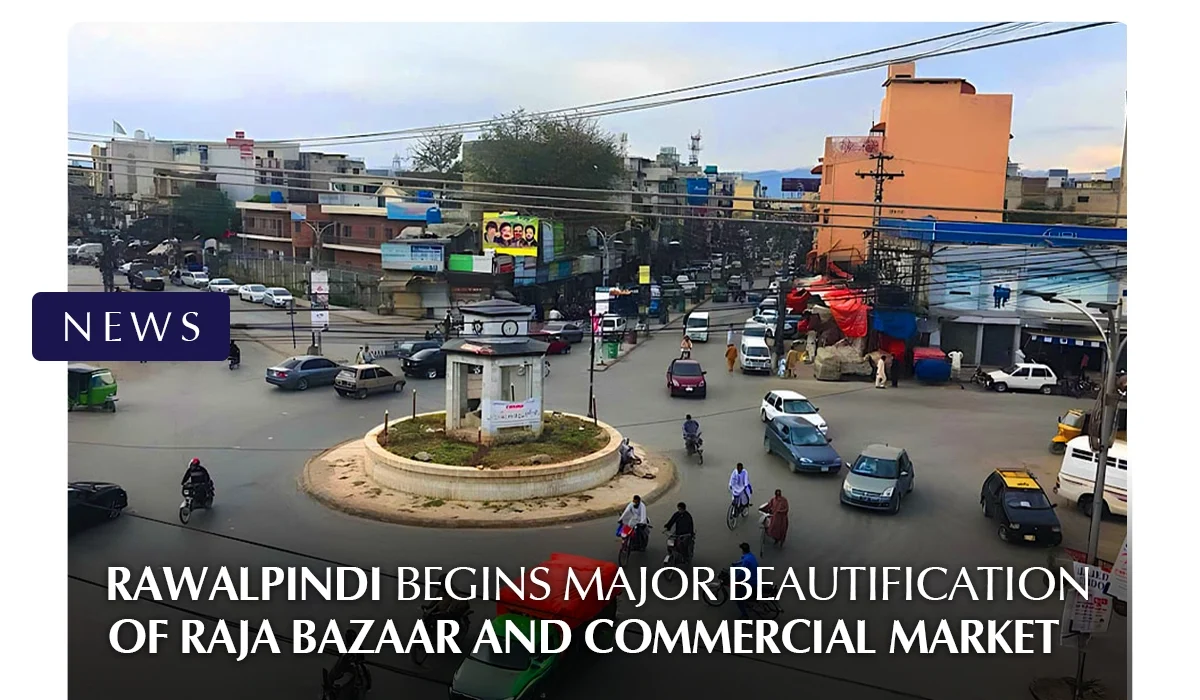
RAWALPINDI: The Rawalpindi Municipal Corporation (RMC) is nearing completion of a large-scale urban upgrade in the historic Raja Bazaar and the city’s busy Commercial Avenue Market, with most underground utility work already finished and beautification efforts now underway.
Municipal officials report that around 80 percent of underground cabling has been completed along the key commercial stretch of Raja Bazaar, while nearly 90 percent of similar work has been finalised in Commercial Avenue Market. The project, valued at Rs875 million, is scheduled for completion by May 30, with the transformed areas expected to reopen to the public in June.
The next phase in Raja Bazaar includes restoring old building façades, installing uniform signboards, constructing tuff-tiled pedestrian walkways, upgrading pavements, and adding public washrooms and seating areas. Decorative lighting, flower pots, and greenery will also be introduced to improve the visual appeal. Once finished, the market will operate as a pedestrian-friendly walking street.
In Commercial Avenue Market, beautification has begun following the relocation of utilities. Similar improvements are planned to enhance infrastructure and create a more organised shopping environment.
Officials say the initiative, launched under Punjab’s broader urban improvement drive, aims to boost cleanliness, modernise infrastructure, and create a healthier and more attractive setting for residents and visitors. Authorities believe the revamped markets will encourage increased foot traffic and commercial activity, positioning both locations as vibrant, accessible urban destinations.
BBC-featured Content Specialist with a sharp eye for search intent and a proven ability to turn content into a growth engine. I leverage cutting-edge digital marketing tools to craft strategies that fuel organic traffic, amplify brand growth, and own the local SEO landscape, particularly across the competitive real estate market. I help brands dominate search rankings and convert visibility into measurable business success.