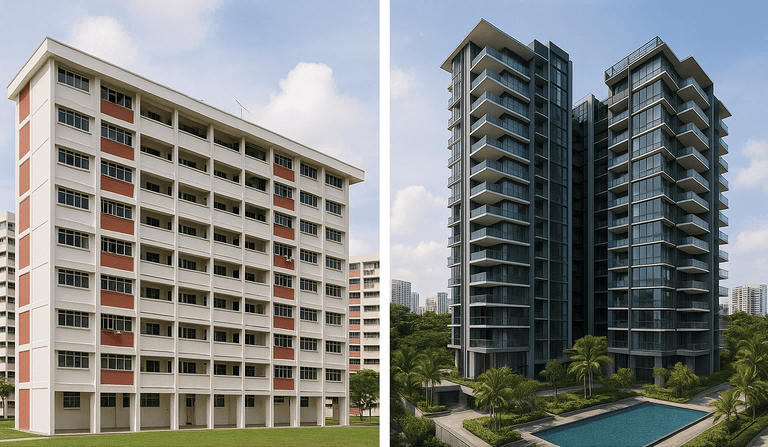

Best Halal Investment in Pakistan
CategoriesCitadel 7

Why Real Estate Investment is the Best Halal Investment in Pakistan

When looking for investment options that are both profitable and aligned with Islamic principles, real estate in Pakistan stands out as one of the best halal investments. Real estate offers not only the potential for steady income and long-term capital appreciation but also aligns with Shariah law, making it an attractive choice for ethical investors. Let’s explore why real estate is the ideal halal investment and why it stands out in the Pakistani market.

What Does Halal Investment Mean?

Best Halal Investment in Pakistan

A halal investment is one that complies with Shariah law. This means avoiding any involvement with activities prohibited in Islam, such as:

  • Riba (interest): Prohibited interest-based transactions.
  • Gharar (uncertainty): Excessive uncertainty or speculation.
  • Haram (forbidden): Investments in industries like alcohol, gambling, and others are deemed unethical.

Real estate in Pakistan is considered halal because it is based on physical assets and does not involve interest-based financing if done correctly.

Why is Real Estate Considered Halal?

best halal investment in Pakistan

Real estate is often deemed the best halal investment for the following reasons:

  1. Tangible Asset: Unlike stocks or bonds, real estate is tangible and concrete. Investors own a physical property that holds intrinsic value.
  2. Rental Income: Income earned from property rentals is halal, provided the transaction doesn’t involve interest-based financing.
  3. Capital Appreciation: Over time, the value of the property increases, allowing investors to benefit from long-term wealth growth without violating Shariah principles.
  4. Shariah-Compliant Financing: You can finance real estate investments through interest-free models like Ijarah (leasing) or Musharakah (joint venture), ensuring compliance with Islamic law.

Key Benefits of Real Estate Investment in Pakistan

Pakistan’s real estate market offers several advantages, especially for halal investors. Here are some of the key benefits:

Benefit Description
High Growth Potential Urbanisation in cities like Islamabad and Lahore creates demand for properties.
Steady Cash Flow Rental income offers a consistent, reliable source of passive income.
Capital Appreciation Property values tend to rise over time, increasing your wealth.
Inflation Hedge Real estate can protect against inflation, preserving your capital.
Shariah Compliance Real estate can be financed using interest-free, halal methods like Ijarah.

These benefits make real estate investment an ideal way to build wealth in a profitable and ethical manner.

Risks and Considerations

Like any investment, real estate comes with its own set of risks. Here are some things to consider:

  • Market Fluctuations: Property values may fluctuate in the short term. While long-term growth is typical, short-term dips can occur.
  • Liquidity: Real estate is not as liquid as stocks or bonds. Selling property to access cash quickly can take time.
  • Legal & Documentation Issues: Always ensure that the property is legally sound and properly documented to avoid future disputes.
  • Interest-Free Loans: To remain Shariah-compliant, avoid interest-based loans. Opt for Islamic financing options like Diminishing Musharakah or Ijarah.

How to Ensure Shariah Compliance When Investing in Real Estate?

To ensure your investment in real estate is halal, follow these tips:

  1. Seek Shariah-Compliant Financing: Always choose financing options that avoid interest-based loans, such as Ijarah (leasing) or Musharakah (joint ownership).
  2. Avoid Haram Activities: Ensure the property you invest in doesn’t host businesses engaged in prohibited activities, such as gambling or alcohol.
  3. Consult Shariah Scholars: If unsure, consult with an Islamic finance expert or Shariah scholar to verify compliance.
  4. Perform Due Diligence: Always check the property’s legal status, ownership, and documentation before investing.

How to Start Investing in Real Estate in Pakistan?

Investing in real estate in Pakistan can be a highly rewarding endeavour, especially when done correctly. Whether you are a first-time investor or have some experience, there are key steps you should follow to ensure success in this lucrative market. 

Here’s a step-by-step guide on how to start your real estate investment journey in Pakistan:

Understand the Real Estate Market

Before making any investment decisions, it’s essential to understand the real estate market in Pakistan. The market can vary significantly across cities, with investment opportunities that differ by location.

Key factors to consider include:

  • Urban Growth Areas: Cities like Islamabad, Lahore, and Karachi are rapidly urbanising, and areas near business districts, commercial hubs, or educational institutions tend to offer higher returns.
  • Market Trends: Understand whether the market is currently in a boom or a downturn. Analyse historical price trends to gauge whether the area you are considering is growing or stagnant.
  • Types of Properties: Understand the different types of properties available for investment, residential, commercial, and land. 
  • Resources to Research: Use platforms such as real estate websites, property forums, and real estate blogs to understand current trends, forecasts, and the best-performing areas.

Define Your Investment Goals and Budget

Real estate investment requires significant capital, and understanding your goals will help you choose the right investment type.

Ask yourself questions such as:

  • Are you looking for long-term capital appreciation, or do you prefer a regular income stream from rentals?
  • Are you planning to sell the property in the short term for quick profits, or do you want to hold the property for decades?
  • What is your tolerance for risk? Are you okay with speculative investments, or do you prefer safer, more established properties?

Budgeting

    • Initial Investment: Make sure you have a clear budget for the property price and related costs such as taxes, registration, legal fees, and renovation costs.
    • Maintenance and Upkeep: Properties require ongoing maintenance, especially if they are rented out. Factor in these costs as well.
    • Financing Options: Consider how you will finance the property. If you don’t have enough cash for a full purchase, look into Shariah-compliant financing options like Ijarah (leasing) or Diminishing Musharakah (joint venture).

Choose the Right Type of Property

There are three main types of properties you can invest in, each with its own benefits and challenges:

Property Type Description Best For
Residential Properties Includes houses, apartments, and villas. These are usually rented out for long-term income. Long-term investors looking for steady rental income.
Commercial Properties Office buildings, retail spaces, or industrial properties. Typically more expensive but offer higher returns. Investors seeking higher yields or business owners looking for office space.
Land Undeveloped or agricultural land. Land prices often appreciate faster than built properties. Investors are looking for long-term capital appreciation or future development potential.
  • Residential Properties: These are the most common types of real estate investments. They provide a steady cash flow from rental income and are often more affordable than commercial properties. 
  • Commercial Properties: Although commercial properties can be more expensive, they often come with higher returns. 
  • Land Investment: Land is often considered a long-term investment, with significant appreciation in areas where infrastructure is being developed. However, it may take time to realise a return, as it doesn’t generate immediate rental income.

Select the Right Location

  • Proximity to Key Areas: Invest in areas close to key amenities such as schools, hospitals, shopping centres, and transportation hubs. 
  • Infrastructure Developments: Look for areas where government or private projects are planned, such as new highways, universities, or business hubs. 
  • Neighbourhood Quality: Pay attention to the neighbourhood’s overall safety, cleanliness, and development. 

Financing Your Investment

If you do not have enough cash to purchase a property outright, there are several financing options available. However, it’s crucial to ensure that the financing methods you choose comply with Shariah law:

  • Shariah-Compliant Financing Options: Opt for Islamic finance models such as Ijarah (lease-to-own) or Diminishing Musharakah (joint ownership). These methods avoid the use of interest (riba), ensuring compliance with Islamic law.
  • Real Estate Investment Trusts (REITs): If you prefer a more hands-off approach to real estate investing, consider investing in Shariah-compliant REITs. 

Legal Due Diligence

  • Verify Ownership: Ensure that the seller has a clear title to the property and that it is free from any legal disputes or encumbrances.
  • Check Zoning Regulations: Verify that the property is zoned for the intended use (e.g., residential, commercial).
  • Contract and Documentation: Ensure that all agreements are legally binding and clearly outline the terms of the transaction, including price, payment schedule, and delivery date.

Manage Your Investment

  • Rental Management: If you are renting out the property, you’ll need to ensure proper tenant management, including collecting rent on time and handling maintenance issues.
  • Maintenance: Regular maintenance helps preserve the property’s value and keeps it attractive to tenants or buyers.

Conclusion | Best Halal Investment in Pakistan

This was all about finding the best halal investment in Pakistan. For more information on relevant topics such as investing in real estate in Pakistan, visit Chakor Ventures.

CategoriesNews

Senator Anusha Rehman Calls for Acceleration of NSIT City Development to Boost Punjab’s IT Sector

LAHORE: Senior Advisor to the Chief Minister of Punjab, Senator Anusha Rehman, visited NSIT City, Pakistan’s first and largest IT-focused development project, to review its progress and emphasise the need for fast-tracking its development. The project is set to position Punjab as a regional hub for IT, innovation, and investment.

During the visit, Senator Rehman underscored the importance of accelerating the project in line with the vision of Chief Minister Maryam Nawaz Sharif. She called for the use of advanced technologies to speed up construction and infrastructure development, furthering the government’s commitment to economic growth and innovation.

CEO of CBD Punjab, Imran Amin, provided a comprehensive briefing on the project’s scope, planning, and progress. He highlighted that NSIT City is a cornerstone initiative aimed at creating a thriving ecosystem for skilled youth and startups, fostering high-value investment in the region.

Senator Rehman stressed the need for collaboration with regulatory authorities to resolve any hurdles in completing the first phase of the project. She emphasised the government’s commitment to strengthening the IT ecosystem by connecting industry and academia and focusing on the development of emerging technologies.

NSIT City aims to not only enhance Punjab’s IT infrastructure but also provide a platform for economic growth, creating new opportunities for professionals and businesses. The project is poised to play a pivotal role in the province’s future as a technological and innovation hub.

For more news on real estate-relevant topics, visit Chakor Ventures.

CategoriesInvestment

What is an Economic Analysis of Investment? Applying it to Your Next Real Estate Investment

Investing wisely is crucial, but how do you ensure your investment decisions are backed by solid data? This is where economic analysis of investment comes in. It’s a systematic approach that evaluates the costs, benefits, and economic impacts of potential investments, helping investors make informed, strategic decisions. When applied to real estate, it provides insights into factors like market trends, interest rates, and long-term profitability. For those looking to enhance their investment strategy, understanding economic analysis is key. Please keep reading to learn how it can help guide your next real estate investment.

Understanding Economic Analysis of Investment

Economic Analysis of Investment

In the following sections, we explain the concept of economic analysis of investment.

What Is Economic Analysis of Investment?

  • Definition: Economic analysis of investment is a comprehensive approach that evaluates the potential costs, benefits, and broader economic impacts of an investment. It helps investors understand not just financial returns, but also the long-term viability of their investment within the larger economic context.
  • Core Focus: Unlike traditional financial analysis, economic analysis takes into account:
    • Cost-Benefit Comparison: Weighing the financial outlay against expected returns.
    • Macroeconomic Factors: Assessing the influence of external factors such as inflation, interest rates, and economic growth.

Why Economic Analysis of Investment is Essential

  • Ranking Investment Opportunities: Economic analysis helps investors prioritise projects or investments based on their economic viability rather than just their financial returns.
  • Beyond Financial Metrics: It moves past simple calculations like ROI to include broader economic factors:
    • Interest Rates: How borrowing costs impact returns.
    • Inflation: How rising prices erode future value.
    • Economic Growth: The broader market conditions that could influence the investment’s performance.

Key Benefits of Economic Analysis of Investment

Benefit Explanation
Comprehensive Evaluation Assesses both financial and economic impacts for better decision-making.
Risk Mitigation Helps identify potential risks from macroeconomic shifts (e.g., interest rates).
Optimized Strategy Guides investors in making more informed, long-term investment strategies.

How Economic Analysis Influences Investment Decisions | Economic Analysis of Investment

Economic analysis is a powerful tool for investors, helping them make informed decisions based on the broader economic environment.

By evaluating key financial indicators, such as growth rates, inflation, and interest rates, investors can gauge the potential risks and rewards of various asset classes.

This analysis helps identify whether an investment is likely to meet expectations and align with broader market trends.

Link Between Economy and Investment Markets | Economic Analysis of Investment

Economy and Investment Markets

Economic conditions directly impact investment decisions. Here are the key factors that influence expected returns and asset valuations:

  • Growth Rates (GDP): A growing economy boosts corporate earnings, driving up the value of stocks, real estate, and other investments. Slower growth or recessions can reduce demand and lower asset values.
  • Interest Rates: Higher interest rates increase borrowing costs, potentially slowing consumer spending and business investments. This can negatively affect sectors like real estate. Conversely, lower rates stimulate borrowing and investment, making assets more attractive.
  • Risk Premiums: Investors demand higher returns for riskier investments. When economic conditions are uncertain, investors seek higher premiums to compensate for increased risk, influencing asset pricing.

Role of Economic Variables | Economic Analysis of Investment

Several key macroeconomic variables shape investment strategies:

  • GDP (Gross Domestic Product): GDP measures a country’s overall economic output. Strong GDP growth suggests a thriving economy, leading to higher investment returns. A contracting GDP signals slower economic growth and may lead to lower investment returns.
  • Inflation: Inflation erodes purchasing power and reduces the real return on investment. High inflation often prompts investors to seek assets such as real estate or commodities, which may serve as hedges. Low inflation supports stable returns across asset classes.
  • Unemployment Rates:High unemployment may indicate a weakening economy, reducing consumer demand and business profits, negatively affecting investments. Low unemployment typically suggests a strong economy, boosting consumer confidence and spending.

These macroeconomic indicators help investors assess market stability and growth potential, guiding asset pricing and investment strategies.

Economic Analysis of Investment | Assessing Economic Data Helps Shape Investment Approaches

Economic analysis is crucial for shaping investment strategies. Here’s how it affects decision-making:

  • Asset Allocation: Economic conditions guide where to allocate capital. During economic growth, equities may perform better, while downturns may prompt a shift toward bonds, real estate, or other stable assets.
  • Sector Focus: Economic data helps identify sectors with growth potential. For example, low interest rates often benefit real estate, while recessions may make defensive sectors like utilities more appealing.

Key Components of Economic Analysis in Investment

economic analysis of investment

The following are the key components of economic analysis in the environment.

Cost–Benefit and Viability Assessment

One of the foundational aspects of economic analysis is comparing the costs and benefits of an investment to determine its viability. By evaluating both direct and indirect costs against the potential returns, investors can decide whether an investment is economically sound.

This analysis helps investors understand whether the potential benefits justify the costs. It also provides a clear picture of the risks involved, offering a structured approach to weigh different investment options. 

For example, in a real estate investment, costs include the property purchase price, taxes, and maintenance, while benefits include rental income and property value appreciation.

A thorough cost-benefit analysis not only helps determine whether an investment is worth pursuing but also ensures it aligns with the investor’s financial goals.

Macroeconomic Data Assessment | Economic Analysis of Investment

Macroeconomic data is critical in shaping an investment strategy. Key indicators such as GDP growth, inflation, and interest rates provide a broad view of the economic landscape and help investors assess the market’s overall health.

  • GDP Growth: A growing GDP signals a healthy economy, typically leading to higher corporate profits and rising asset prices. In contrast, a contracting GDP may indicate an economic slowdown, influencing decisions to move away from riskier investments.
  • Inflation: Inflation affects the purchasing power of money and the real return on investments. High inflation can reduce the value of future cash flows, prompting investors to seek assets that hedge against inflation, such as real estate or commodities.
  • Interest Rates: The level of interest rates directly impacts the cost of borrowing. When rates are low, borrowing is cheaper, encouraging investment in growth assets. Conversely, higher interest rates can slow economic activity and make debt-financed investments less attractive.

Strategy Development | Economic Analysis of Investment

Economic analysis doesn’t just evaluate individual investments; it also plays a crucial role in shaping the broader investment strategy. It helps investors decide where to allocate capital, how to manage risk, and which sectors to focus on.

  • Sector Rotation: Economic cycles often favour specific sectors at different times. For instance, during periods of economic expansion, sectors such as technology and consumer goods may perform well, while defensive sectors such as utilities may outperform during recessions. 
  • Asset Allocation: Economic analysis guides the distribution of investments across various asset classes, stocks, bonds, real estate, and commodities. By adjusting the allocation based on economic conditions, investors can balance risk and return.
  • Risk Management: Understanding macroeconomic trends and their impact on different assets allows investors to manage risk more effectively. Economic analysis can help identify market risks and inform better hedging strategies, such as diversifying across sectors or using financial instruments that protect against market downturns.

Applying Economic Analysis of Investment to Your Next Real Estate Investment

When making a real estate investment, it’s crucial to understand how economic factors influence property values and returns. These factors, such as interest rates, inflation expectations, and economic growth, can significantly impact the profitability of your investment.

  • Interest Rates: Higher interest rates can increase borrowing costs, making mortgage payments more expensive and potentially reducing property demand.
  • Inflation: Inflation can erode the value of money over time, but it may also increase property values, particularly in sectors like housing, as demand for real estate increases.
  • Economic Growth: A growing economy typically leads to higher consumer spending and better job prospects, both of which can drive demand for real estate. Conversely, a recession may lead to lower demand and lower returns.

Step‑by‑Step Application | Economic Analysis of Investment

The steps are mentioned below:

Evaluate Economic Conditions | Economic Analysis of Investment

To start, investors should review macroeconomic indicators, including GDP growth, inflation, and employment. These indicators provide insights into the overall health of the economy and can help gauge whether the market is in an expansion or contraction phase. 

A growing economy typically signals higher demand for real estate, while a contracting economy may indicate reduced demand or price stagnation.

Assess Key Real Estate Economic Drivers | Economic Analysis of Investment

Key economic factors that directly impact the real estate market include:

  • Interest Rates: These affect the cost of borrowing money. When interest rates are high, mortgage rates rise, reducing buyers’ ability to purchase property. Conversely, when rates are low, it’s easier and cheaper to finance a property, which may drive up property demand and prices.
  • Consumer Confidence: This reflects individuals’ willingness to spend and invest. High consumer confidence can drive demand for housing and commercial properties, while low confidence may lead to stagnation in property sales and rental demand.

By understanding these economic drivers, investors can better predict how external factors may affect the real estate market and adjust their strategies accordingly.

Compare Investment Scenarios

Once you’ve reviewed economic indicators and identified key drivers, use cost-benefit analysis to evaluate different investment options. For instance, compare the purchase of a residential property in an expanding neighbourhood versus investing in commercial real estate in an area showing signs of stagnation. Weigh the potential returns and risks to determine the most profitable choice.

Applying cost-benefit principles helps ensure you’re making an investment that delivers the best possible financial return given your goals and the current economic climate. This approach enables you to avoid overly speculative investments or areas with minimal growth potential.

Integrate Risk & Strategy

The final step is to integrate risk into your investment strategy. Economic conditions can change quickly, so it’s important to allocate capital wisely, taking into account both economic signals and risk tolerance. 

For instance, during periods of economic uncertainty, you might choose more stable, low-risk investments, such as properties in well-established neighbourhoods.

On the other hand, during periods of economic expansion, higher-risk investments with potentially higher returns may be more appealing.

Common Mistakes to Avoid | Economic Analysis of Investment

Most investors make the following common mistakes; make sure to avoid them.

1. Failing to Integrate Macroeconomic Trends into Investment Analysis

Many investors overlook macroeconomic trends like GDP growth, inflation, and interest rates. These factors significantly influence real estate markets. Ignoring them can lead to poor decisions. For instance, investing during an economic slowdown without considering its impact on property demand could result in lower returns.

2. Ignoring Long‑Term Economic Valuations in Favour of Short‑Term Returns

Focusing too much on short-term profits can be risky. Real estate requires a long-term perspective for better returns. Ignoring long-term trends, such as population growth or inflation, can hurt investment decisions. Short-term gains may overlook the potential for long-term property value appreciation.

Conclusion | Economic Analysis of Investment

In conclusion, economic analysis of investment offers a structured, data-driven framework for making informed, strategic decisions in real estate. By considering economic variables such as interest rates, inflation, and growth trends, investors can evaluate potential risks and returns more effectively.

For more information on relevant topics such as real estate investment, visit Chakor Ventures.

CategoriesNews

FBR Suspends New Property Valuation Rates Amid Business Community Protest

ISLAMABAD: The Federal Board of Revenue (FBR) has announced a suspension of the newly revised property valuation table for tax assessment in Islamabad, following objections from the business community. The suspension will remain in effect until January 31, 2026, or until a new SRO for fair market values of immovable properties is issued, whichever comes first.

The decision came after the Islamabad Chamber of Commerce and Industry (ICCI) called for a protest on December 22, 2025, outside the FBR House, demanding the withdrawal of the notification. The business community has expressed strong opposition to the new rates, which, according to ICCI, could increase property values by up to 1,700%, resulting in a sharp rise in property transfer fees. Previously, transfer fees ranged between Rs 4 million to Rs 10 million due to the new valuation.

The FBR had initially issued the revised valuation table on December 8, 2025, under SRO 2392/2025. However, following complaints from real estate associations about inflated property values in certain areas, the FBR reviewed the objections and acknowledged their validity. As a result, the revised rates for Islamabad have been put on hold pending a re-evaluation.

Since 2016, FBR has been responsible for determining the fair market prices of properties in major urban centers, with provincial valuations typically handled by district collectors. The revised tables were set to be used for calculating federal taxes such as capital gains tax (CGT) and withholding tax.

The decision to delay the implementation of the new rates comes as a relief to many in the real estate sector, who had voiced concerns over the potential negative impact on property transactions.

For more News, visit Chakor Ventures.

Benefits of an Investment Policy Statement for Real Estate Investors in Pakistan
CategoriesInvestment

Benefits of an Investment Policy Statement for Serious Real Estate Investors in Pakistan

Investing in real estate can be one of the most rewarding ways to build wealth, but it’s also filled with risks, uncertainties, and complex decisions. For serious real estate investors in Pakistan, having a clear strategy isn’t just a good idea; it’s essential for long-term success. This is where an Investment Policy Statement (IPS) comes in. There are numerous benefits of investment policy statement. Think of it as a roadmap that guides your investment decisions, helping you stay on track and make informed choices even when the market is volatile.

Whether you’re aiming for steady rental income or looking to capitalise on capital appreciation, having a structured investment plan can mean the difference between long-term growth and missed opportunities. By incorporating an IPS into your real estate strategy, you can ensure your investments align with your financial goals, risk tolerance, and market conditions in Pakistan.

For more insights on building a strong investment strategy, keep reading the Chakor blog.

What is an Investment Policy Statement (IPS)?

benefits of Investment Policy Statement

An Investment Policy Statement (IPS) is a crucial document that outlines a set of guidelines and strategies for managing investments. While it’s traditionally used for financial portfolios, its principles are highly applicable to real estate investing. 

An IPS is essentially a blueprint that defines an investor’s goals, risk tolerance, investment strategies, and guidelines for selecting and managing assets.

For serious real estate investors, it serves as a structured framework that ensures consistency and discipline, particularly in markets as dynamic as Pakistan’s.

Component Description Benefits of Investment Policy Statement for Real Estate Investors in Pakistan
Clear Investment Goals Define financial objectives (e.g., rental income, capital appreciation). Keeps investors focused on their long-term goals and ensures every decision aligns with them.
Risk Tolerance Assess personal comfort level with market volatility and economic changes. Helps navigate market fluctuations and political instability in Pakistan’s real estate market.
Asset Allocation Distribute investments across different real estate sectors (residential, commercial, land). Provides diversification, reducing risk and ensuring balanced growth across sectors.
Investment Guidelines Establish criteria for property selection, financing, and location preferences. Ensures disciplined decision-making and helps avoid impulsive or emotional investment choices.
Performance Monitoring Regularly review investment performance and adjust the strategy based on changing conditions. Keeps the investment strategy relevant and flexible, especially in a volatile market.

Key Components of an Investment Policy Statement

benefits of investment policy statement

  1. Clear Investment Objectives: The IPS helps investors articulate their specific goals, whether it’s generating passive income, achieving long-term capital growth, or diversifying their investment portfolio. In real estate, these objectives can range from securing rental properties for consistent cash flow to focusing on capital appreciation through land or commercial property investments.
  2. Risk Tolerance: A key component of the IPS is defining the investor’s risk profile. This is particularly important in real estate, where market conditions can change rapidly. Factors such as location, property type, and market volatility all impact the level of risk an investor is willing to take. For example, investors in Pakistan may need to adjust their risk tolerance based on the local market’s economic stability and regulatory environment.
  3. Asset Allocation and Diversification: In real estate, an IPS will outline how investments are to be spread across different property types (residential, commercial, or land) to reduce risk. Diversification helps ensure that the investor’s portfolio is not overly reliant on one sector or market. For instance, balancing investments between emerging areas and established properties can provide both growth opportunities and stability.
  4. Investment Guidelines: The IPS provides specific criteria for selecting investments. For real estate, these guidelines could include location preferences, property types, budget limits, or certain legal and regulatory criteria. This ensures that every investment decision aligns with the overall investment strategy, enabling disciplined, consistent choices in a competitive market like Pakistan.
  5. Performance Monitoring and Adjustments: An IPS isn’t a static document; it’s designed to evolve with the market. Performance monitoring ensures that real estate investments are achieving the desired outcomes, whether that’s rental yields or property value appreciation. An IPS also includes a framework for adjusting to changing market conditions, personal financial goals, or new opportunities in the real estate sector.

Benefits of Investment Policy Statement for Real Estate Investors in Pakistan

There are multiple benefits of investment policy statement for real estate investment in Pakistan. With its ability to provide clarity, reduce risk, ensure consistency, and align investments with long-term goals, an IPS is a vital tool for making informed, strategic decisions. 

Here’s how it can help investors:

1. Clarity and Focus in Decision-Making

In Pakistan’s unpredictable real estate market, having a clear plan is crucial. A well-defined IPS helps investors make informed decisions based on long-term objectives.

  • Focuses on the investor’s core goals (residential, commercial, or land investments).
  • Helps avoid hasty decisions based on market trends.
  • Ensures each investment aligns with the broader strategy.

2. Risk Mitigation

Real estate investments carry inherent risks, especially in a market like Pakistan. An investment policy statement reduces emotional decision-making by providing a clear plan.

  • Helps investors navigate economic changes, political instability, and inflation.
  • Reduces the impact of short-term market fluctuations.
  • Keeps investment decisions grounded in predefined criteria.

3. Consistency in Strategy

The real estate market in Pakistan can change rapidly. An IPS ensures that investors maintain a steady investment strategy, even during times of market volatility.

  • Provides clear guidelines for property selection, asset allocation, and diversification.
  • Prevents knee-jerk reactions to market changes.
  • Helps investors stay on course, even when trends shift quickly.

4. Alignment of Long-Term Goals

An IPS helps ensure that real estate investments align with broader wealth-building objectives.

  • Focuses on long-term growth rather than quick profits.
  • Helps investors make decisions that contribute to sustainable wealth-building.
  • Maximises returns over time by sticking to the IPS plan.

Real Estate Investing in Pakistan: Benefits of Investment Policy Statement

benefits of Investment Policy Statement

Investing in real estate in Pakistan offers excellent opportunities, but it also comes with its fair share of challenges. An Investment Policy Statement (IPS) can play a critical role in helping investors navigate these obstacles and create a strong, effective investment strategy.

Challenges in Pakistan’s Real Estate Market

Real estate investors in Pakistan face several unique challenges, including:

  • Economic Fluctuations: Pakistan’s economy can experience periods of rapid inflation, currency depreciation, and shifting interest rates, which can significantly impact property values and rental yields.
  • Regulatory Hurdles: The real estate market is often subject to changing laws, zoning regulations, and government policies. These fluctuations can create uncertainty for investors and affect the potential profitability of properties.
  • Land Acquisition Complexities: Acquiring land in Pakistan can be complicated by unclear land titles, disputes, and bureaucratic delays. These obstacles can make property transactions more time-consuming and risky.

These challenges can make real estate investing in Pakistan more difficult, but with a clear strategy in place, investors can better navigate these hurdles.

How an Investment Policy Statement Helps

An Investment Policy Statement (IPS) provides a structured approach to overcoming these challenges by:

  • Setting a Clear Investment Strategy: The IPS ensures that the investor has a well-defined strategy that guides them through market fluctuations and regulatory changes. It helps them stay focused on their goals, whether it’s long-term capital appreciation or securing rental income.
  • Defining Risk Tolerance: The investment policy statement helps investors assess their risk tolerance, allowing them to make decisions based on their comfort level with market volatility. For instance, less risk-averse investors may choose to avoid high-risk areas in favour of more stable markets.
  • Providing a Decision-Making Framework: The IPS offers guidelines on property selection, asset allocation, and portfolio management. This framework ensures that decisions are made based on careful analysis rather than reactive impulses caused by changing market conditions.

Conclusion | Benefits of Investment Policy Statement

An Investment Policy Statement (IPS) provides essential structure and clarity for real estate investors in Pakistan. By setting clear goals, defining risk tolerance, and establishing a strategic decision-making framework, an IPS helps investors make more informed and consistent choices. 

It not only minimises the risk of emotional or reactive decisions but also ensures that investments are aligned with long-term financial goals. Whether you’re looking for steady rental income or capital growth, an investment policy statement helps keep you focused on what truly matters, even amid market volatility.

If you’re serious about building wealth through real estate in Pakistan, it’s time to create your own investment policy statement. By doing so, you’ll have a clear roadmap to guide your investment decisions and keep your strategy on track. If you need expert guidance, consider seeking professional advice to tailor an investment policy statement that aligns perfectly with your investment needs.

For more information on relevant blogs such as investment in Karachi, visit Chakor Ventures.

FAQs | Benefits of Investment Policy Statement

What are the main advantages of using a professional investment policy statement service?

Professional services provide expert guidance, clarity, and tailored strategies for investment goals.

How can an investment policy statement improve portfolio management with top financial advisors?

It ensures a structured approach aligned with financial goals, risk tolerance, and market conditions.

What are the benefits of investment policy statement when using online wealth management tools?

It ensures automated strategies align with your long-term financial goals and risk preferences.

What role does an investment policy statement play in risk management offered by asset management companies?

It defines risk tolerance and guidelines to ensure portfolio decisions align with the investor’s comfort level.

What are the benefits of investment policy statements when working with private wealth management firms?

They provide advisors with a roadmap to create strategies tailored to specific financial goals and preferences.

What are the benefits of investment? Benefits of investment policy statement.

Investment builds wealth, provides income, and helps achieve long-term financial goals.

What is the 5 rule in investing?

The 5 rule refers to diversifying investments across five key asset classes to mitigate risks.

What are the features of a good investment policy? Benefits of investment policy statement.

A good investment policy includes clear objectives, risk tolerance, and strategic asset allocation.

What should an investment policy include?

An IPS should include investment objectives, risk tolerance, asset allocation, and performance benchmarks.

What are the 5 P’s of investing?

The 5 P’s are Purpose, Process, Performance, Persistence, and Patience.

What is the purpose of the investment policy statement?

An IPS defines the investment strategy and guidelines to meet financial goals and manage risk.

What is described in an investment policy statement?

An IPS outlines investment goals, risk tolerance, asset allocation, and guidelines for performance monitoring.

What is the concept of the benefits of investment policy statement?

An investment policy sets guidelines for making investment decisions that align with a client’s objectives and risk tolerance.

What does an investment policy do? Benefits of investment policy statement.

It directs investment decisions, ensuring they align with the investor’s financial objectives and risk preferences.

What are the Benefits of investment policy statement?

An IPS provides structured guidance, aligns strategies with goals, and effectively manages investment risks.

CategoriesNews

Peshawar’s Northern Bypass: Major Delays Amid Budget Constraints

PESHAWAR: The Northern Bypass project, intended to complete the Ring Road around Peshawar, continues to face significant delays due to insufficient funding. The project, which began in 2010, has entered its 17th year and is now facing a severe financial shortfall. The federal government has allocated only Rs500 million for the current fiscal year, far below the Rs5.3 billion required to complete the final phase of the project on schedule.

Initially conceived with an estimated cost of Rs 3.07 billion, the project’s cost has ballooned to Rs 27 billion following multiple revisions. The construction of various packages has experienced repeated delays, with Package I originally set for completion in 2011 but revised to 2014. Similarly, other phases, including Package II and Package 3A, have also missed deadlines, with completion now expected in 2025.

The most recent phase, Package 3B, which runs from Nasir Bagh to Takhta Baig in Khyber district, was launched in December 2023 and is now projected to complete in February 2026. The project requires Rs4.27 billion in actual funding, along with an additional Rs1.1 billion for escalation costs.

At a recent meeting chaired by the Commissioner of Peshawar Division, officials from the National Highway Authority (NHA) and the district administration discussed the urgent need for additional funds. The provincial government is expected to approach the federal government to request the release of the necessary funds.

The Northern Bypass is intended to alleviate traffic congestion by providing an alternate route for vehicles coming from the motorway and GT Road, benefiting both Peshawar city and the surrounding areas. Timely completion is critical for improving traffic flow and infrastructure in the region.

For more news on construction or real estate-related topics, visit Chakor Ventures.

CategoriesNews

T-Chowk Flyover Completed 2 Months Before Deadline, Shaheen Chowk Underpass Nears Completion

ISLAMABAD: The Capital Development Authority (CDA) has completed the primary phase of the T-Chowk Flyover project, situated at the junction of G.T. Road and Islamabad Expressway, ahead of its initially scheduled deadline.

The 1.1-kilometre flyover, worth Rs 1.4 billion, is designed to alleviate traffic congestion, particularly for commuters travelling from Lahore. Initially slated for completion by February 19, the project was finalised in just 90 days, with only minor works remaining, expected to conclude within the week.

Prime Minister Shehbaz Sharif laid the foundation stone for the project on September 12. Despite the project being completed ahead of time, the cost increased by 15% due to the addition of an extra lane and the construction of U-turns. This adjustment was in line with the Public Procurement Regulatory Authority (PPRA) guidelines, which allow for such increases when deemed necessary.

In parallel, the Shaheen Chowk Underpass project, located at the intersection of 9th Avenue and Khyaban-i-Iqbal, is also nearing completion. Initially planned for April, this underpass is expected to be finished ahead of schedule. Similar to the T-Chowk Flyover, this project also experienced a 15% cost rise due to changes in the scope of work.

Although some concerns were raised regarding the revisions to the project scope, officials have praised the CDA’s efficiency in completing these major infrastructure projects swiftly, minimising public inconvenience and controlling costs. Acknowledgement for the timely execution of these projects goes to Prime Minister Sharif, Interior Minister Mohsin Naqvi, and CDA Chairman Mohammad Ali Randhawa.

For more news, visit Chakor Ventures.

gold investment in pakistan
CategoriesCitadel 7 Investment

Gold Investment in Pakistan vs. Property: Which is the Smarter Long-Term Hold?

Pakistan’s investment landscape offers a variety of options, but two assets consistently stand out: gold and property. Both have proven valuable for protecting wealth and providing long-term growth, making them popular choices for investors looking to secure their financial future.

However, each investment option comes with its unique set of benefits, risks, and considerations. When it comes to long-term investment decisions, making the right choice is crucial. In this blog, we will compare two of the most common investment options: gold investment in Pakistan and property investment.

We will explore the key factors you should consider, including liquidity, long-term growth potential, risks, and the possibility of generating passive income. By the end of this article, you’ll have a clearer understanding of which option may be better suited to your investment goals and risk profile. For more details, keep reading.

Gold Investment in Pakistan

gold investment in Pakistan

In the following paragraphs, you will find the significant reasons to invest money in gold in Pakistan.

1. Gold as an Investment Asset

Gold is widely regarded as a globally recognised asset and a reliable hedge against inflation. Its value tends to remain stable, or even increase, during periods of economic uncertainty, making it a safe haven for investors. 

One of the key advantages of investing in gold is its strong liquidity. Unlike some other assets, gold can be quickly bought or sold in virtually any market worldwide, providing investors with immediate access to cash if needed.

Moreover, gold doesn’t require the same level of maintenance as physical assets like property. There are no property taxes, repairs, or insurance costs to worry about, making it an attractive investment for those who prefer low-maintenance assets. 

This ease of management adds to gold’s appeal, particularly for those who wish to avoid the complexities of handling physical property.

Types of Gold Investment

gold bar for gold investment in Pakistan

Investors in Pakistan have several options for investing in gold, ranging from physical gold to financial products that offer exposure to gold prices.

  • Physical Gold: This includes buying gold jewellery, coins, or bars. Many people prefer this tangible form of investment, as it provides a physical asset that can be stored or even passed down through generations. However, this type of investment comes with the responsibility of ensuring its secure storage and proper insurance.
  • Gold Funds: For those who don’t want to deal with the complexities of storing physical gold, gold mutual funds offer a Shariah-compliant way to gain exposure to gold. These funds pool money from multiple investors to invest in gold assets, providing the same benefits as owning physical gold but without the need for storage or security concerns. 

Pros of Gold Investment

  • Liquidity & Accessibility: Gold is easy to trade and liquidate, allowing investors to access their funds quickly in times of need.
  • Hedge Against Inflation: Gold’s value tends to rise during periods of high inflation, helping preserve the purchasing power of investments.
  • Low Maintenance: No ongoing property taxes, repairs, or insurance costs, making gold a hassle-free asset to hold over the long term.

Pros of Gold Investment

  • No Passive Income: Unlike property, gold does not generate rental income or dividends. Investors must rely on price appreciation for returns.
  • Price Volatility: Gold prices can be volatile, with significant fluctuations depending on global economic conditions. This means that while gold is considered a safe asset, it still carries some risk, especially over shorter time frames.
  • Storage Costs: If investing in physical gold, the costs of securing and insuring the gold can reduce overall profitability.

Property Investment in Pakistan

gold Investment in Pakistan

Real estate has long been one of the most popular investment choices in Pakistan due to its tangible nature and potential for significant long-term growth. As a physical asset, property offers investors a sense of security and a stable store of value, particularly in uncertain economic times.

One of the key attractions of real estate investment is the potential for rental income. Residential and commercial properties in high-demand areas can provide steady cash flow through rent, making them a reliable source of passive income for investors.

Additionally, real estate offers the opportunity to leverage financing options. Unlike gold or other assets, property investors can often borrow significant amounts of capital through mortgages, enabling them to purchase more valuable properties than they could otherwise afford.

Real Estate Pros

  • Appreciation Over Time: Real estate tends to appreciate in value, particularly in developing urban areas or regions with increasing demand. Properties in prime locations can see significant long-term growth.
  • Steady Passive Income: Rental properties generate regular income, which can supplement your earnings and provide financial security.
  • Tangible Asset: Unlike stocks or other financial instruments, property is a physical asset that holds intrinsic value and offers a sense of stability. 

    Real Estate Pros & Cons

  • Less Liquid than Gold: Selling a property can take time, and transaction costs (including real estate agent fees and taxes) can be high. This makes real estate a less liquid investment compared to gold or other assets.
  • Requires Maintenance & Taxes: Properties require ongoing maintenance, repairs, and insurance. Additionally, owners must pay property taxes, which can add to the overall cost of investment. This is in contrast to assets like gold, which require little upkeep.

Current Market Trends (2025)

gold investment in pakistan animation

The real estate market in Pakistan is expected to remain strong in 2025, with significant growth in major urban centres like Karachi, Lahore, and Islamabad.

As these cities continue to expand, demand for residential, commercial, and industrial properties increases. Commercial projects like Citadel 7, a corporate tower in Islamabad, are prime examples of this.

Government initiatives, such as infrastructure development, are also driving growth in the sector, creating new investment opportunities.

Top Investment Options in Real Estate

  • Residential Properties: Apartments, houses, and plots in urban centres are always in demand due to growing populations and urbanisation. Areas such as DHA (Defence Housing Authority) in Lahore and Karachi are beautiful for long-term investment.
  • Commercial Properties: Offices, retail spaces, and warehouses can offer high returns, particularly in bustling business districts or emerging commercial hubs.
  • Plots in Developing Areas: Investing in land in developing areas or near major infrastructure projects (such as new highways or metro lines) can be highly lucrative, as land prices in these areas tend to rise sharply once development picks up.
  • Real Estate Investment Trusts (REITs): For investors seeking a more passive approach to real estate investing, REITs offer exposure to large-scale properties without the hassle of managing them directly.

Key Considerations

  • Location is critical to the success of any real estate investment. Properties in prime locations, such as near commercial hubs, schools, and transportation links, tend to yield better returns over time.
  • Urban Growth: With cities expanding rapidly, particularly in Lahore, Islamabad, and Karachi, urban growth is a major driver of rising property values. Investing in these growing cities can be particularly profitable for long-term investors.

Property Investment vs. Gold Investment in Pakistan

Feature Gold Investment Property Investment
Liquidity High: Gold can be easily bought and sold globally. Low: Selling property can take time due to market conditions.
Income Generation No passive income (unless through gold funds). Yes: Generates rental income from residential or commercial properties.
Capital Requirements Low: Can start with small amounts (even as little as 1 gram). High: Requires significant upfront capital for purchase and maintenance.
Maintenance Minimal: No ongoing costs unless storing physical gold. High: Requires maintenance, property taxes, repairs, and insurance costs.
Appreciation Potential Steady over the long term, but can fluctuate. High: Properties, especially in growing areas, generally appreciate significantly over time.
Risk Factors Price volatility, inflation risks, storage/insurance costs. Market fluctuations, property taxes, and high transaction costs.
Passive Income No rental or dividend income. Yes: Consistent rental income from tenants.
Tangibility Physical gold is tangible but requires secure storage. Highly tangible asset, offering physical security and long-term stability.
Tax Implications No taxes on gold unless sold at a profit Property taxes, capital gains taxes upon sale, and ongoing insurance costs.
Diversification Acts as a hedge against inflation and financial market volatility. Provides portfolio diversification, especially when combined with other asset types.
Time Horizon Short to long-term: Can be held or traded based on market conditions. Long-term: Property investments typically require a more extended holding period to realise significant returns.

Conclusion | Gold Investment in Pakistan

In conclusion, both gold investment and property investment in Pakistan offer distinct advantages depending on your financial goals and risk appetite. Gold is a highly liquid, low-maintenance asset that serves as a hedge against inflation, making it ideal for those seeking stability and quick access to their capital. 

However, it cannot generate passive income and is subject to price volatility. On the other hand, property investment offers the potential for steady rental income and long-term capital appreciation, making it attractive to those looking to build wealth over time.

While real estate requires significant upfront capital and ongoing maintenance, its tangible nature and growth potential in emerging urban areas make it a favoured choice for many investors.

Ultimately, the right choice for you will depend on your financial goals, risk tolerance, and investment timeline. A diversified approach that includes both assets may also be worth considering for balanced long-term growth.

For more information on investment-related topics, such as finding the best return on investment in Pakistan, visit Chakor Ventures.

FAQs | Gold Investment in Pakistan

The following are some of the top FAQs about gold investment in Pakistan vs real estate investment in Pakistan.

What is digital gold investment in Pakistan?

Digital gold allows investors to buy gold in digital form, without the need for physical storage, through online platforms.

How to buy gold coins safely in Pakistan?

For gold investment in Pakistan, buy gold coins from reputable dealers or certified stores to ensure authenticity and proper documentation.

Compare gold investment options offered by Pakistani banks.

Pakistani banks offer options like gold savings accounts, gold-backed bonds, and gold mutual funds, each with varying degrees of risk and returns.

What are the investment risks associated with gold in Pakistan’s market?

Gold investment in Pakistan comes with risks, including volatility, storage costs (for physical gold), and potential liquidity issues during market downturns.

Is gold a good investment in Pakistan?

Gold is a stable hedge against inflation and a safe haven. Gold investment in Pakistan is a good long-term investment.

Is gold or FD better?

Gold offers potential for higher returns and is a hedge against inflation, while FDs provide guaranteed returns but lower risk.

What is the best investment in Pakistan right now?

The best investment in Pakistan depends on your goals, but options like gold, property, and stocks are popular choices based on current trends.

What are the benefits of gold investment in Pakistan?

Gold offers liquidity, inflation protection, and stability, making it a reliable choice for investors seeking low-maintenance assets.

How to invest in gold in Pakistan.

To invest in gold in Pakistan, you can buy physical gold (coins, jewelry, bars), invest in gold mutual funds, or trade digital gold through online platforms.

CategoriesNews

Rawalpindi’s Development Boom: RDA Unveils Key Projects to Transform the City

RAWALPINDI: Following directives from Chief Minister Punjab Maryam Nawaz Sharif, Sultan Bajwa, Parliamentary Secretary for Housing, Urban Development, and Public Health Engineering (HUD&PHE), visited the Rawalpindi Development Authority (RDA) on Saturday to review ongoing development projects. The meeting focused on evaluating progress and discussing future urban planning strategies.

RDA Director General Kinza Murtaza presented a comprehensive overview of major projects, including the Rawalpindi Ring Road, the Nullah Lai Project, and the Rehabilitation of the Metro Bus Corridor. Proposed initiatives discussed included the rehabilitation of Murree Road from Flashman to Faizabad and the construction of joint check posts at Adyala Road, Koral Chowk, and Chur Chowk.

Murtaza also highlighted RDA’s efforts to combat illegal housing schemes, reaffirming the authority’s commitment to transparency, modern urban planning, and the timely completion of projects. These initiatives are expected to significantly improve city infrastructure, traffic management, and public services.

Sultan Bajwa commended RDA’s work in addressing civic challenges and accelerating development. He stressed the need for sustainable growth, environmental considerations, and enhanced civic infrastructure to improve the quality of life for Rawalpindi’s residents.

The meeting concluded with directives to speed up project timelines, improve coordination between departments, and ensure that public interest remains at the core of all development activities.

The session was attended by senior RDA officials, including Director Engineering Muhammad Anwar Baran and Director Land Ghazafar Ali Awan.

For more news, visit Chakor Ventures.

CategoriesCitadel 7

Investment in Karachi: Why the City of Lights is Still a Top Real Estate Investment in Pakistan

Looking for a city where real estate investments shine? Karachi, Pakistan’s bustling economic hub, has long been a prime destination for investors seeking high returns. Despite market fluctuations, investment in Karachi remains a top choice, driven by its robust infrastructure, growing population, and promising real estate investment opportunities. Whether you’re eyeing residential, commercial, or rental properties, Karachi offers something for every investor. For further details, keep reading the Chakor Blog.

Why Karachi Still Leads in Real Estate Investment

In the following paragraphs, you will find the reasons why real estate still leads in Karachi.

Economic Powerhouse & Strategic Role

Karachi stands as Pakistan’s financial and industrial capital, housing the country’s principal port and hosting numerous multinational companies. This makes it a vital centre for trade, commerce, and industry, attracting businesses and talent from all over the country. 

Investment in karachi

As a result, the city’s real estate market consistently experiences high demand, with commercial and residential properties seeing steady growth.

Investors find the city’s economic dynamism to be a major draw, offering opportunities in both the high-end and mid-range segments.

Strong Residential Demand

With Pakistan’s population continuing to grow, particularly in urban areas, Karachi faces an ever-increasing demand for housing. The influx of a younger workforce and people from rural areas seeking better opportunities in the city has led to a surge in housing demand. 

Whether it’s for rentals or property purchases, Karachi’s real estate market offers solutions for every buyer segment. This demand ensures that properties remain in high demand, making the city a reliable choice for long-term investments.

Diversified Property Market

One of Karachi’s key strengths is its diverse property market. From luxurious residential developments in areas like DHA and Clifton to affordable housing and commercial spaces, Karachi caters to a wide range of investors. 

karachi's diversified real estate market

Whether you’re looking for a high-end investment opportunity or a more affordable, mid-range property, Karachi offers a variety of options. This diversity allows investors to choose based on their budget, risk tolerance, and investment goals, making it a flexible and attractive market.

Infrastructure & Connectivity

Karachi’s growing infrastructure is another key factor driving its real estate market. The expansion of roads, expressways, and public transport systems has greatly improved accessibility, which in turn has enhanced property values. 

Areas that were once considered remote or underserved are now being rapidly developed, and the increased connectivity boosts the appeal of these locations. 

Whether it’s new road networks or large-scale urban development projects, Karachi’s infrastructure continues to evolve, making it an even more attractive location for real estate investors.

High Rental & Capital Appreciation Potential

Karachi offers substantial potential for both rental income and capital appreciation. The city’s growing population and economic expansion ensure that demand for rental properties remains consistently high, making it an excellent choice for investors seeking steady cash flow. 

Additionally, real estate in Karachi has historically outpaced inflation, providing significant capital appreciation opportunities. 

As the city continues to develop and expand, property values are expected to keep rising, offering investors the potential for long-term growth.

Karachi’s Real Estate Market in the Context of Pakistan

When comparing Karachi with other major real estate markets in Pakistan, such as Lahore and Islamabad, it’s clear that Karachi remains the top choice for both rental income and capital growth. 

While Lahore and Islamabad boast well-established real estate markets, Karachi’s scale, diverse economic base, and larger population make it a more dynamic environment for real estate investment.

Karachi’s strategic position as Pakistan’s economic engine continues to attract both domestic and international investors, contributing to its leading role in the country’s real estate sector.

With a greater variety of properties, from luxury homes to industrial spaces, Karachi offers ample opportunities for investors. As real estate investment in Pakistan continues to evolve, Karachi stands out for its higher returns, larger rental yields, and stronger overall market performance.

8 Best Areas To Invest in Karachi

Area Investment Type Key Highlights Ideal For
DHA Karachi Premium Residential & Commercial High-end lifestyle, strong rental yields, secure environment Luxury investors & long-term capital growth
Bahria Town Karachi Residential & Commercial Gated community, modern amenities, easy installments Long-term investors & end-users
Gulshan-e-Iqbal Residential & Rental Central location, stable prices, high rental demand Safe and steady investment
Gulistan-e-Johar Mid-Range Residential High population density, affordability, rental income Rental-focused investors
Scheme 33 Emerging Residential Affordable entry, rapid development, future appreciation Long-term growth investors
Clifton Luxury Residential & Commercial Prime location, high demand, limited supply Premium and high-return investors
North Nazimabad Residential Family-friendly, stable market, consistent returns Low-risk, conservative investors
Gadap Town Future Development / Land Low prices, expansion potential, long-term upside Budget investors with long horizon

1. DHA Karachi

Defence Housing Authority (DHA) Karachi is one of the most prestigious and reliable real estate destinations in the city. Known for its modern planning and elite lifestyle, DHA remains a top preference for both local and overseas investors.

DHA Karachi

Why Invest in DHA Karachi?

  • Well-planned infrastructure with modern road networks and utilities.

  • High demand for luxury apartments, bungalows, and commercial spaces.

  • Strong rental yields due to prime location and lifestyle appeal.

  • Secure, gated, and well-maintained environment.

With continuous expansion and new development phases, DHA Karachi remains a strong investment option in Pakistan for investors planning their investment plans 2026.


2. Bahria Town Karachi – A Rapidly Growing Community

Bahria Town Karachi is one of the largest master-planned gated communities in Pakistan. Its modern lifestyle, secure environment, and long-term development vision make it a favorite among investors and homebuyers.

Bahria Town Karachi - Best area to invest in Karachi

Why Invest in Bahria Town Karachi?

  • Fully gated community with 24/7 security and maintenance.

  • Flexible and easy installment plans for investors.

  • Modern amenities including schools, hospitals, parks, and entertainment zones.

  • High appreciation potential due to continuous development.

The rising demand and large-scale infrastructure make Bahria Town Karachi one of the best areas to invest in Karachi for long-term growth.


3. Gulshan-e-Iqbal – A Centrally Located Investment Hub

Gulshan-e-Iqbal is a well-established and centrally located residential area, offering a balance between affordability and high demand. It is popular among families, students, and professionals.

gulshan e iqbal karachi

Why Invest in Gulshan-e-Iqbal?

  • Central location with easy access to main roads and business districts.

  • Close proximity to universities, hospitals, and commercial areas.

  • Strong and consistent rental demand.

  • Stable property prices with reliable returns.

Gulshan-e-Iqbal is an ideal choice for investors seeking safe and steady real estate investment in Karachi.


4. Gulistan-e-Johar – A High-Demand Residential Area

Gulistan-e-Johar is one of Karachi’s most populated and fast-growing residential localities. Its affordability and connectivity make it a preferred option for middle-income investors.

Gulistan e Johar Karachi

Why Invest in Gulistan-e-Johar?

  • High population density ensuring continuous rental demand.

  • Easy access to main roads and commercial centers.

  • Availability of apartments and houses at competitive prices.

  • Ideal for rental income and mid-range investment.

Due to consistent demand, Gulistan-e-Johar remains a strong option for property investment in Karachi.


5. Scheme 33 – A High-Growth Investment Zone

Scheme 33 is emerging as a promising investment area due to large-scale residential projects and improving infrastructure. It offers affordable entry points for investors with long-term goals.

Why Invest in Scheme 33?

  • Lower property prices compared to central areas.

  • Rapid development with multiple housing projects.

  • Increasing demand as the city expands outward.

  • Strong potential for future price appreciation.

Scheme 33 is suitable for investors planning long-term real estate investment in 2025 and beyond.


6. Clifton – Prime Location with Luxury Appeal

Clifton is one of Karachi’s most upscale and prime localities, offering a mix of residential, commercial, and high-rise developments. Its location makes it highly desirable.

clifton is the best area to invest in karachi

Why Invest in Clifton?

  • Prime location near business districts and coastal areas.

  • High demand for luxury apartments and commercial properties.

  • Excellent rental income potential.

  • Consistent appreciation due to limited land availability.

Clifton remains a top choice for investors looking for premium real estate opportunities in Karachi.


7. North Nazimabad – A Stable and Family-Friendly Area

North Nazimabad is a well-planned residential area known for its peaceful environment and strong community living. It is ideal for investors seeking low-risk options.

Why Invest in North Nazimabad?

  • Organized blocks with parks and wide roads.

  • Strong demand from families and long-term tenants.

  • Stable property prices with steady returns.

  • Well-developed infrastructure and facilities.

This area is best suited for secure and conservative real estate investment.


8. Gadap Town – A Future Investment Opportunity

Gadap Town is gaining attention as Karachi continues to expand toward the outskirts. With vast land availability, it is considered a future-focused investment option.

Why Invest in Gadap Town?

  • Affordable land prices compared to central Karachi.

  • Long-term growth potential as development expands.

  • Suitable for investors with a long investment horizon.

  • Increasing interest due to upcoming housing projects.

Gadap Town is ideal for investors looking for budget-friendly investment opportunities with future potential.

Benefits of Investing in Karachi Real Estate

The following are the benefits of investing in Karachi real estate:

Tangible Asset & Inflation Hedge

Investing in Karachi real estate provides a tangible asset that generally appreciates over time. Real estate serves as a reliable hedge against inflation, meaning that as the cost of living rises, property values in the city rise as well. This makes it an excellent investment choice for those looking to preserve and grow their wealth.

Lower Entry Barriers vs. Long-Term Returns

Unlike other markets in Pakistan, Karachi’s real estate market still offers significant returns for investors with relatively lower entry barriers. While prices have increased over the years, the market remains more affordable than in other major cities, making Karachi an attractive place for first-time investors seeking long-term gains.

Passive Income Through Rentals

With its growing population and economic development, Karachi’s residential and commercial segments continue to offer strong occupancy rates. This means investors can generate steady passive income by renting out properties, whether they’re luxury homes, apartments, or commercial office space.

Risks & Mitigation Strategies

While Karachi’s real estate market offers substantial benefits, investors must be aware of potential risks and take steps to mitigate them.

  • Market Cycles and Price Volatility: Like all real estate markets, Karachi is not immune to market fluctuations. Prices may dip during specific periods, but long-term trends indicate steady growth. Investors must understand the cyclical nature of real estate and adopt a long-term investment strategy.
  • Regulatory and Legal Due Diligence: Ensuring that all documentation is in order, including clear property titles and legal approvals, is vital to avoiding costly legal disputes. Investors should always conduct thorough due diligence or work with experienced professionals.
  • Importance of KDA‑Approved Properties and Professional Brokers: To avoid the risk of investing in unapproved or fraudulent developments, investors should prioritise properties that are Karachi Development Authority (KDA) approved. Additionally, working with licensed brokers ensures access to credible listings and valuable market insights.

Conclusion

Investment in Karachi remains one of the most strategic and lucrative opportunities in Pakistan’s real estate market. With its robust economic foundation, growing demand for housing and commercial spaces, and diverse investment options, Karachi continues to outperform other major cities. Whether you’re looking for rental income, long-term capital appreciation, or both, Karachi’s real estate market offers something for every investor.

For those ready to take the plunge, the city presents excellent growth opportunities. If you’re considering to invest money in Pakistan, keep reading the Chakor Blog for more insights, expert advice, and updates on the latest trends.