KARACHI: Pakistan’s petroleum dealers have issued a stern warning to the federal government, threatening to suspend the sale of petrol and diesel immediately after Eid al-Fitr if their longstanding demand for revised profit margins is not met.
The ultimatum was delivered by the leadership of the Pakistan Petroleum Dealers Association (PPDA) at a press conference held at the Karachi Press Club on Friday, March 13, 2026.
The PPDA has given the government until March 26 to increase dealers’ profit margins from the current 2.59 percent to 8 percent, a demand that has gained urgency in the wake of a steep Rs55-per-litre hike in petrol and diesel prices. At present, dealers earn approximately Rs8.64 per litre on fuel sales, a figure the association describes as wholly inadequate given the rising cost pressures on the sector.
Speaking at the press conference, PPDA leaders Abdul Sami Khan, Tariq Hasan, and Ameer Khan Masood argued that the combined effect of the petroleum levy and recent price increases has placed an unsustainable burden on both dealers and end consumers. The association further accused oil marketing companies (OMCs) of deliberately capping oil supplies to retail outlets, a practice it claims has led to fuel shortages at numerous pumps across the country.
The PPDA leadership also called for a formal government investigation into the conduct of OMCs, alleging that these companies have reaped significant inventory gains from profits on old fuel stocks, profits dealers say have come at the expense of those operating at the retail level.
This is not the first time dealers have raised these concerns. According to the PPDA, they have been pressing the government for upward margin revisions for over two years, with little to no response. Industry observers warn that a post-Eid strike, if carried out, could cause considerable disruption to fuel supply chains at a time when transport and economic activity typically surge.
ISLAMABAD: The provincial government has commenced construction on Phase-II of the Swat Motorway, initiating a project expected to significantly improve road connectivity and boost tourism across the Swat Valley.
Officials confirmed the launch, describing it as a key milestone in the government’s broader push to modernize transportation infrastructure throughout Khyber Pakhtunkhwa. The Chief Minister stated that the motorway would ease travel across the region while generating new economic opportunities for local communities through increased visitor numbers and investment.
Authorities have linked the project to a wider provincial strategy aimed at reducing barriers to trade and development. Improved road access, officials noted, is expected to benefit multiple sectors, with tourism identified as a primary driver of anticipated growth.
The government has emphasized its commitment to quality construction and timely delivery. However, no specific completion date or project budget has been made public at this stage.
Local stakeholders have responded positively to the announcement, citing longstanding demand for reliable road infrastructure in the area. The motorway is expected to make the Swat Valley more accessible to both domestic and international visitors, strengthening its position as one of the province’s key tourism destinations.
Provincial authorities say construction will proceed under direct government supervision, with progress subject to ongoing review.
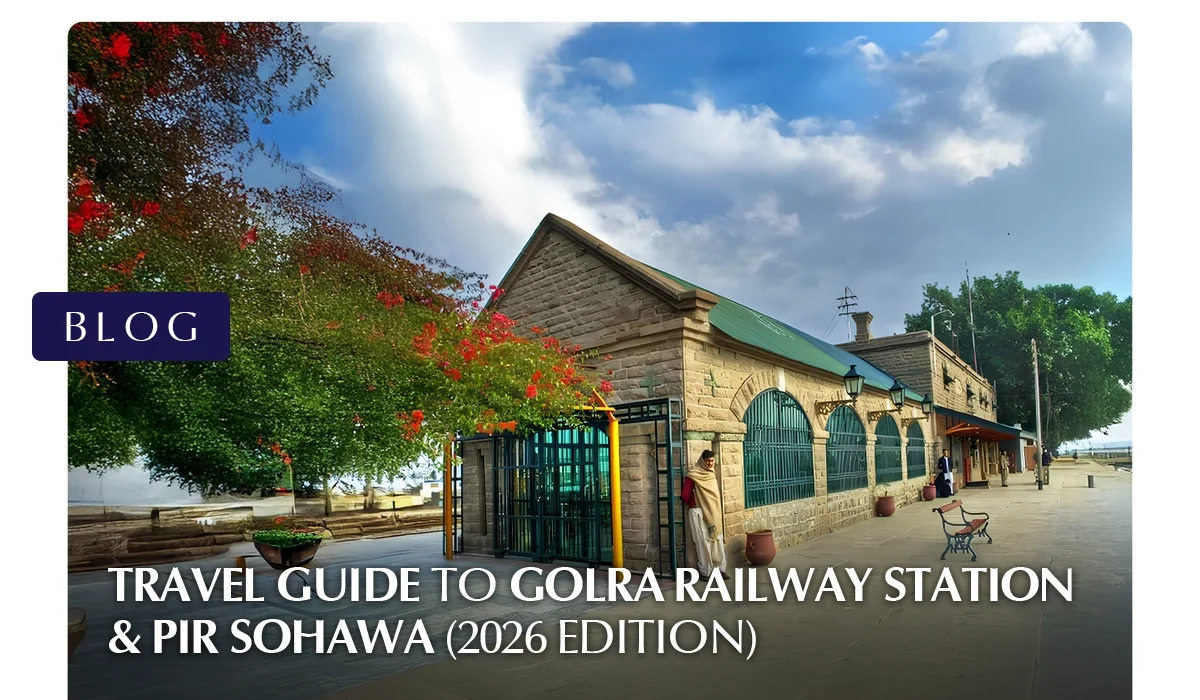
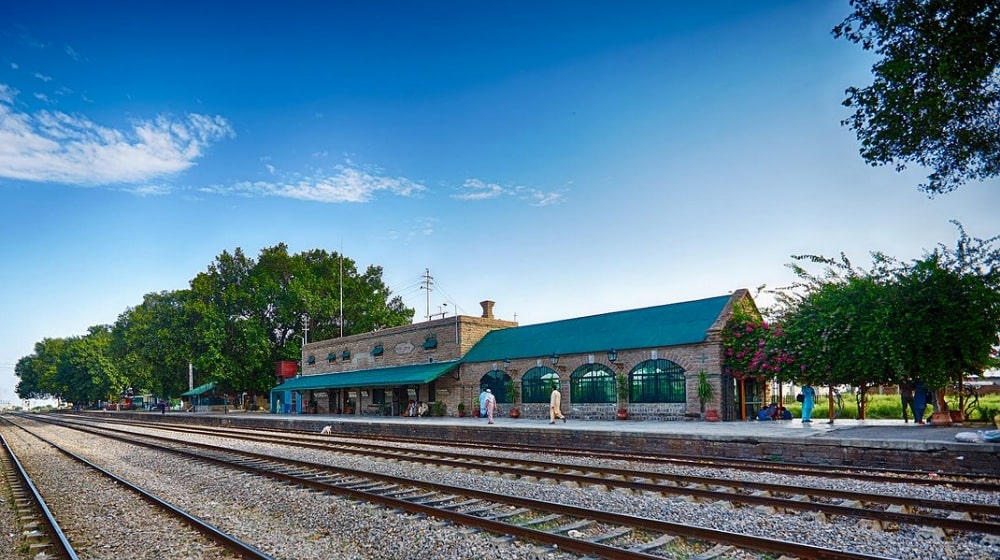
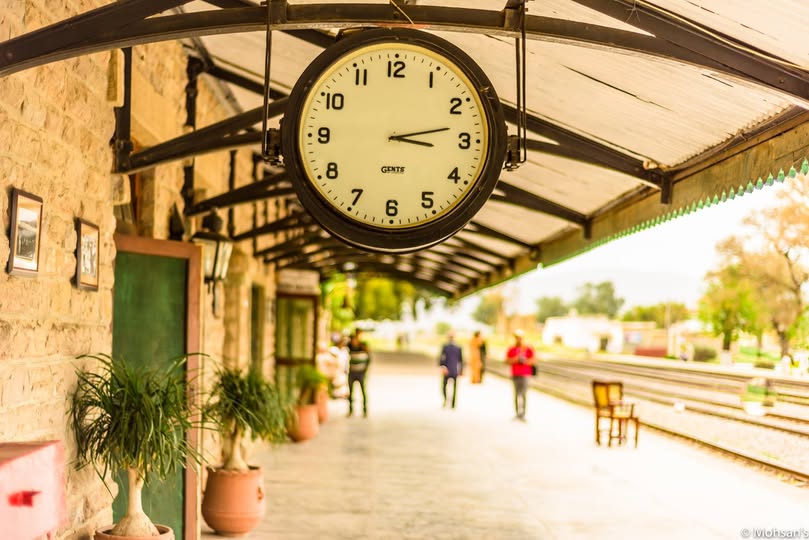
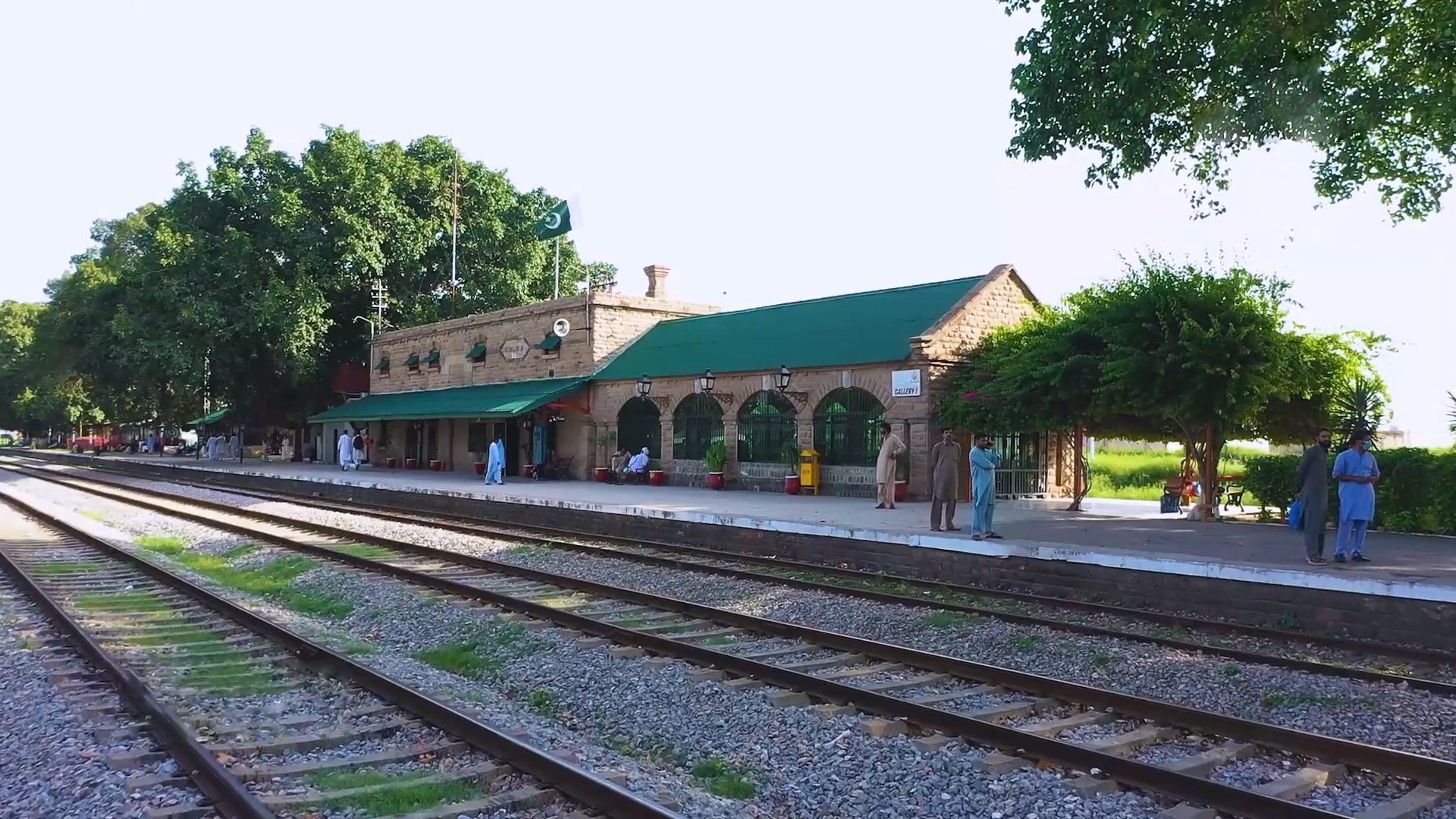
Golra Railway Station, officially known as Golra Sharif Junction Railway Station, is one of Pakistan’s most historically significant railway landmarks. Located on Golra Road in Islamabad, this station dates back to the late 19th century and continues to operate under Pakistan Railways.
What makes Golra Sharif Railway Station unique is its dual identity: it functions as an operational railway junction while also serving as a preserved heritage site through the Golra Sharif Railway Museum.
For travelers searching golra railway station golra road islamabad, railway history enthusiasts, or those looking for the Golra Railway Station contact number, this guide covers everything in depth.
Golra Railway Station, Golra Road Islamabad, is situated in Sector F-13 of Islamabad Capital Territory. Its location near the foothills of the Margalla Hills adds scenic value to the station’s historic presence.
Geographic Highlights
Feature
Details
Road Location
Positioned along Golra Road in Islamabad
Distance from Taxila
Approximately 17 km
Elevation
Around 1,994 feet above sea level
Accessibility
Easily accessible from central Islamabad and surrounding sectors
Because of its strategic location, Golra Sharif Railway Station historically served as a connecting point between northern regions and major railway routes. Today, its placement makes it accessible for tourists exploring Islamabad’s heritage attractions.
When searching online for directions to Golra Railway Station Golra Road Islamabad, mapping platforms recognize it as a major landmark.
Historical Background of Golra Sharif Railway Station
In the following sections, you can find the history of Golra railway station in chronological order.
Construction (1881–1882)
Golra Sharif Railway Station was constructed between 1881 and 1882 during the rapid expansion of railway infrastructure across British India. The late 19th century marked a transformative period in transportation development, and Golra Railway Station became part of that broader railway vision.
The railway system at the time was designed to:
Facilitate trade and commerce
Strengthen administrative control
Improve military logistics
Enhance regional connectivity
Golra Railway Station played a key role in linking northern territories with the main railway network.
Junction Status (1912)
In 1912, Golra Sharif Railway Station was officially upgraded to junction status. This development significantly enhanced its operational importance.
The station connected routes leading toward:
Peshawar
Kohat
Havelian
Multan
Jhelum
Becoming a junction transformed Golra Railway Station from a regional stop into a strategic railway hub. Its integration into the broader north–south railway corridor solidified its position in the region’s transport network.
Even today, this historic transition remains a defining milestone in the station’s legacy.
Architectural Features of Golra Railway Station
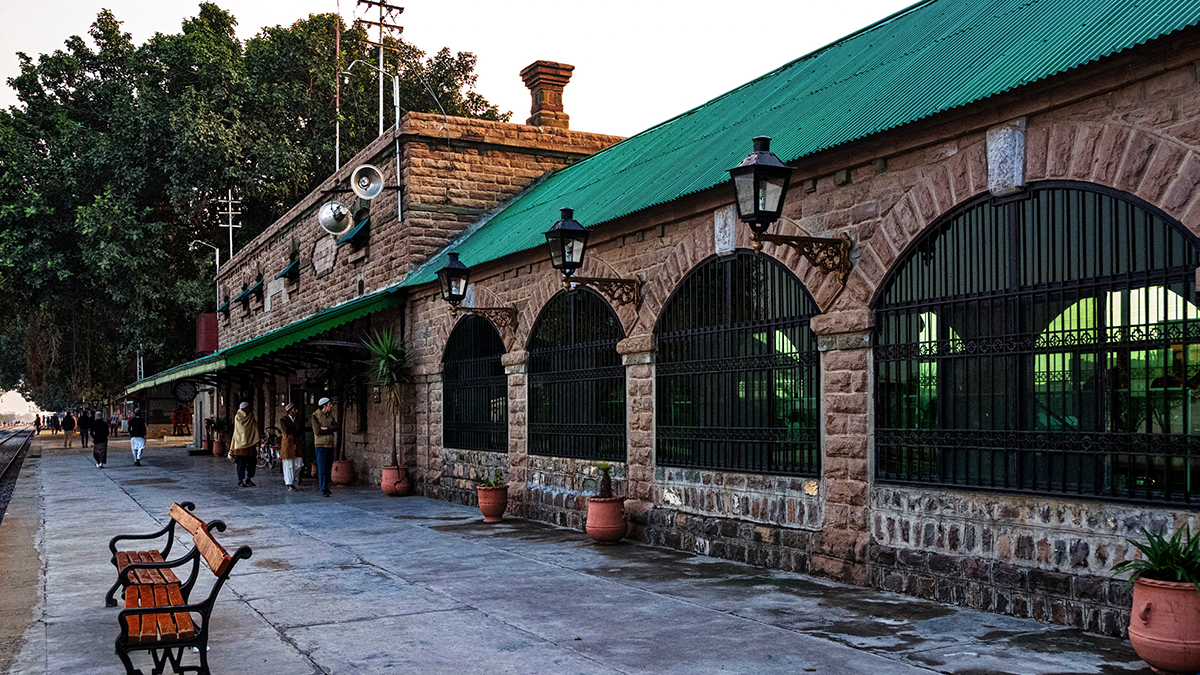
Golra Railway Station is admired for its preserved Victorian-era railway architecture. Unlike many historic stations that underwent extensive modernization, Golra Sharif Railway Station retains much of its original structural identity.
Key Architectural Elements
Yellow sandstone masonry
Thick stone walls for natural insulation
High ceilings for ventilation
Arched doors and windows
Spacious hall-style waiting rooms
Symmetrical colonial façade
The design reflects British-era railway construction standards, emphasizing durability and climate adaptation. The use of stone rather than brick adds to the building’s visual and structural longevity.
For visitors exploring Golra Railway Station Golra Road Islamabad, the architecture alone makes it worth a visit.
Operational Role of Golra Railway Station Today
Despite its historical roots, Golra Railway Station remains an operational railway facility. It continues to function under Pakistan Railways and forms part of the country’s primary north–south railway corridor.
Modern Operational Highlights
Functions as a junction station
Serves passenger and freight trains
Part of the main railway alignment connecting major cities
Listed in railway schedules and directories
While it may not be the busiest station in Islamabad, Golra Sharif Railway Station continues to support regional connectivity. Its continued operation enhances its authenticity as a living heritage site rather than a static monument.
Golra Sharif Railway Museum – Preserving Railway Heritage
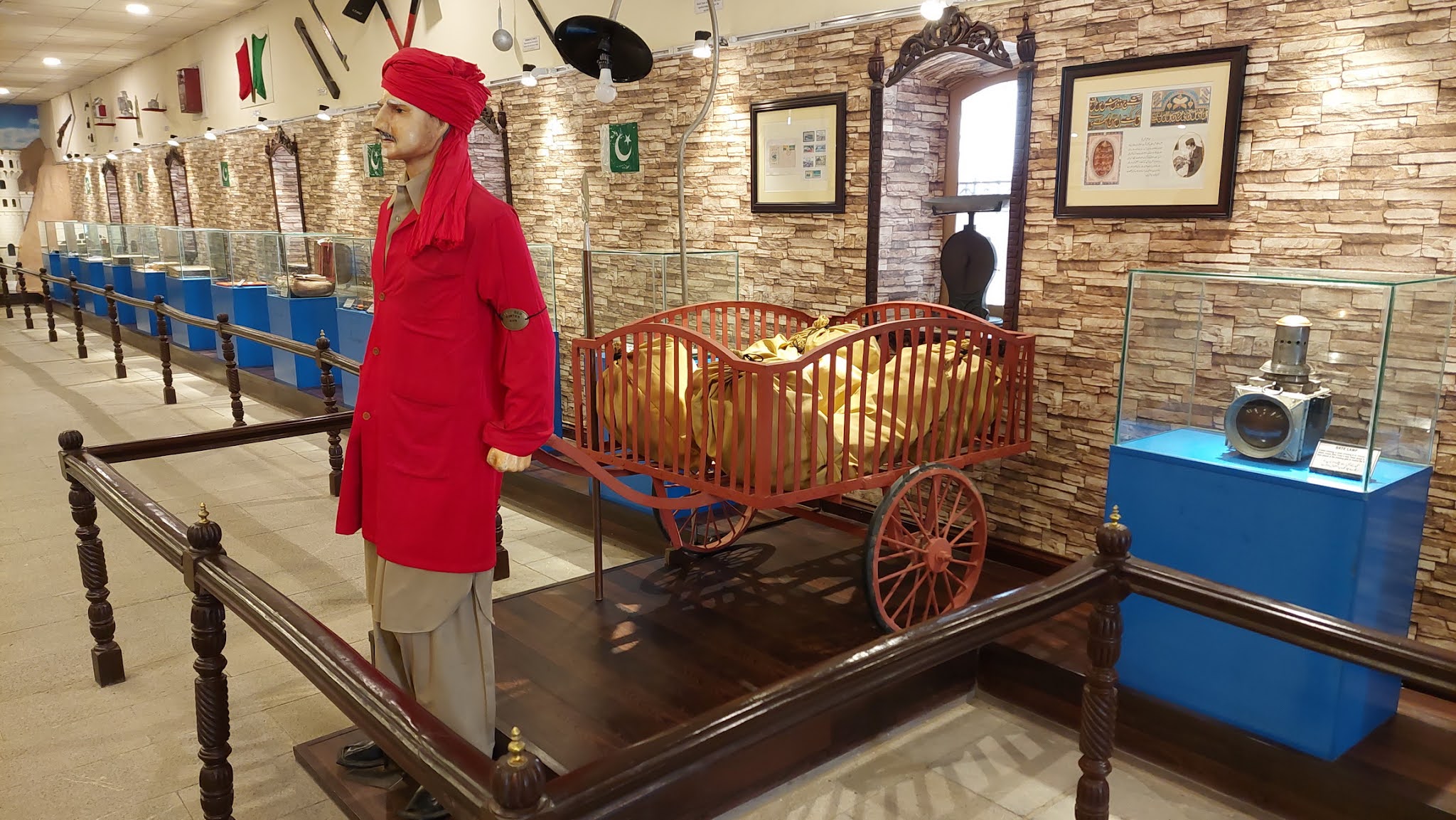
Established in 2003, the Golra Sharif Railway Museum is one of Pakistan’s most important railway heritage initiatives. Located within the premises of Golra Railway Station, it preserves over 150 years of railway history.
The museum transforms Golra Sharif Railway Station from a transportation hub into a comprehensive historical experience.
Museum Exhibits and Collections
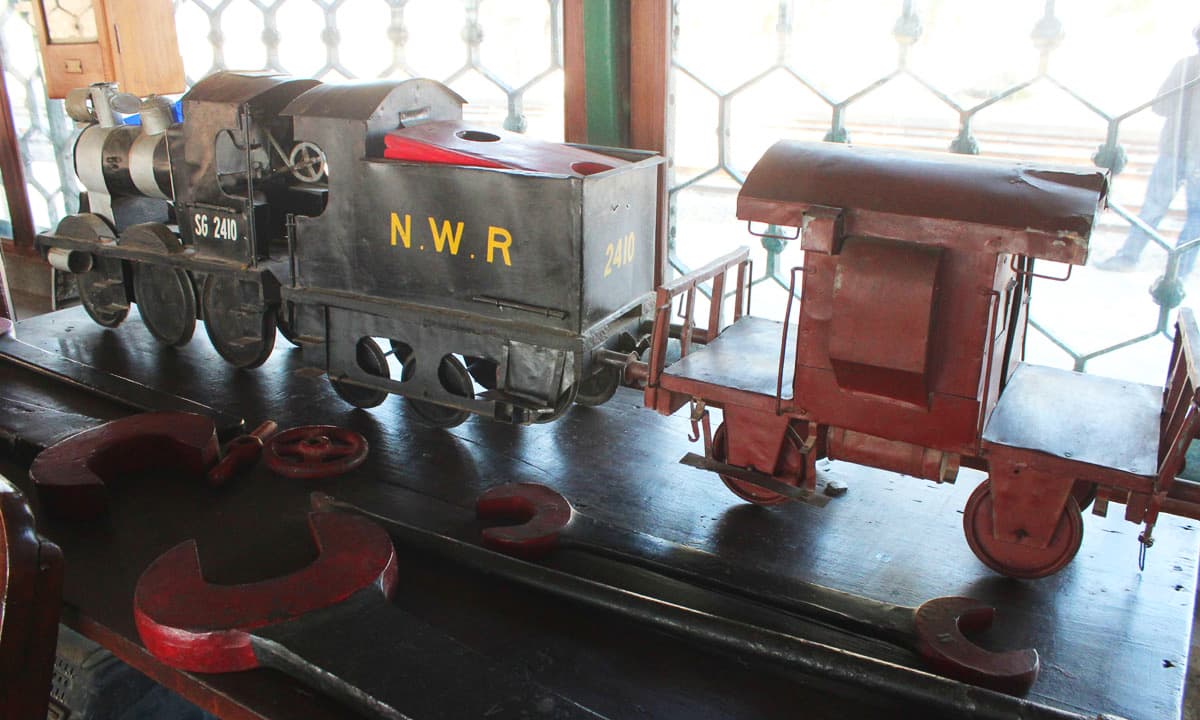
The museum houses an extensive collection of railway artifacts, including:
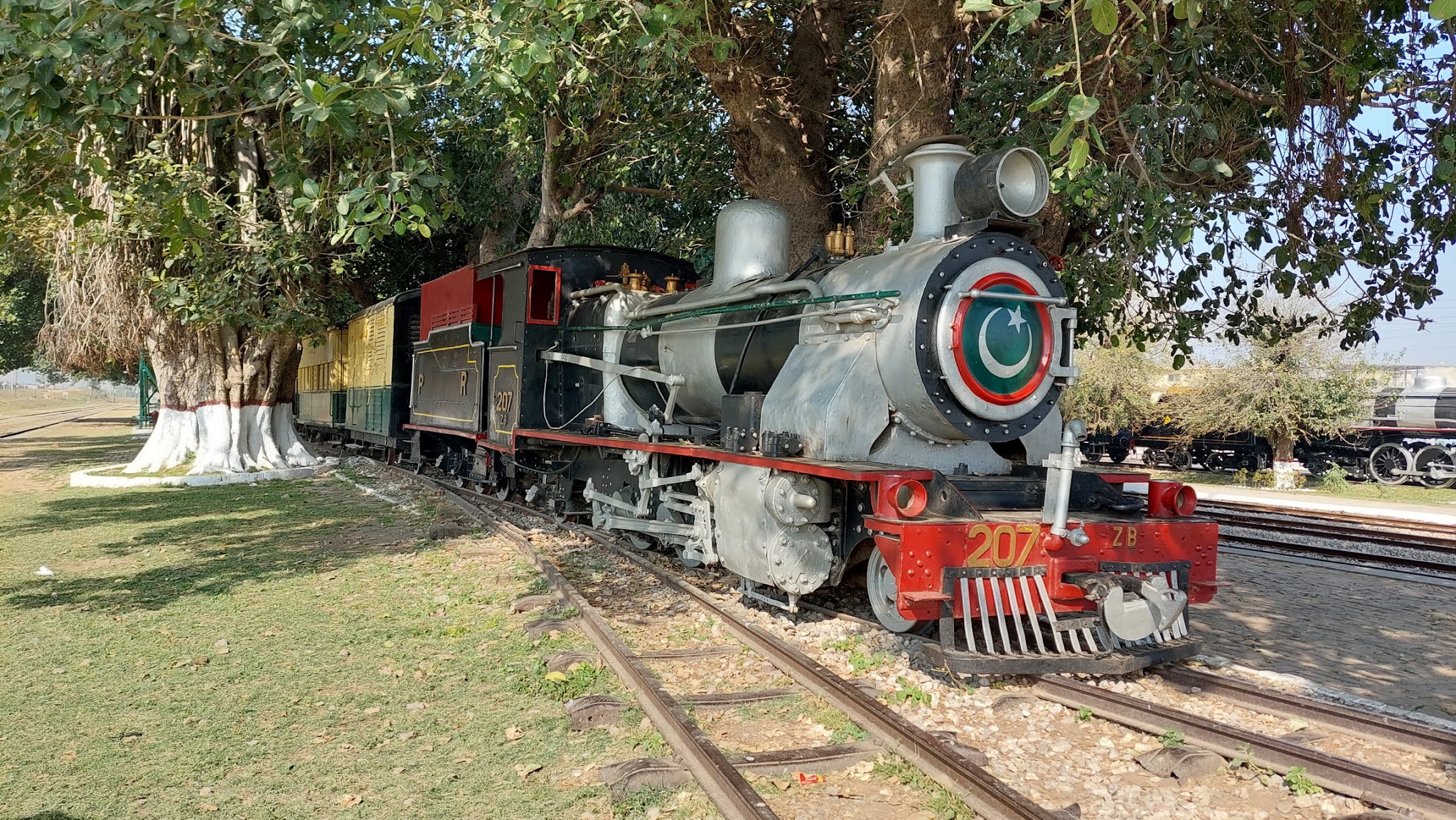
Vintage steam locomotives
Historic passenger coaches
Colonial-era saloon cars
Mechanical signaling systems
Telegraph and communication equipment
Antique railway furniture
Dining crockery used in railway services
Archival photographs and documents
Some preserved saloon cars are historically linked to prominent figures such as Muhammad Ali Jinnah.
The outdoor locomotive displays are particularly popular among visitors and photographers, offering a rare glimpse into early railway engineering.
Renovation and Preservation Efforts
Over the years, Golra Railway Station has undergone restoration and preservation efforts to maintain its structural integrity and visitor appeal.
Renovation initiatives have focused on:
Strengthening original stone structures
Improving station facilities
Enhancing museum presentation
Preserving architectural authenticity
These efforts ensure that Golra Sharif Railway Station continues to serve both operational and heritage purposes.
The careful balance between modernization and preservation makes Golra Railway Station a model for railway heritage conservation.
Cultural Significance
Golra Railway Station is located near the historic town of Golra Sharif, known for the shrine of Pir Meher Ali Shah.
This proximity enhances the cultural and spiritual importance of the area. Visitors exploring Golra Sharif Railway Station often combine their visit with nearby cultural landmarks.
The blend of colonial railway history and spiritual heritage creates a layered historical landscape unique to this part of Islamabad.
Tourism Experience at Golra Railway Station
Golra Railway Station attracts:
Railway enthusiasts
Students and researchers
Photographers
Families
Domestic tourists
The experience of walking through a functioning historic railway station adds depth to a typical museum visit. Unlike conventional museums, Golra Sharif Railway Station allows visitors to witness real-time railway activity alongside preserved heritage displays.
Searching for golra railway station golra road islamabad often leads travelers to discover this unique combination of transport and history.
Golra Railway Station Contact Number & Visitor Information
Online search queries frequently include:
Golra Railway Station contact number
Train timings
Museum visiting hours
Directions to Golra Sharif Railway Station
For the most accurate and updated Golra Railway Station contact number, visitors should consult official railway inquiry services. Since operational details can change, confirming directly with the railway authorities ensures reliable information.
Travelers planning to visit Golra Railway Station Golra Road Islamabad are encouraged to verify train schedules and museum timings in advance.
Why Golra Railway Station Remains Important
Golra Railway Station continues to hold significance because it:
Dates back to the early 1880s
Became a junction in 1912
Preserves colonial architecture
Remains operational today
Houses Golra Sharif Railway Museum
Attracts cultural and heritage tourism
Few railway stations in Pakistan successfully combine active railway operations with preserved historic identity. Golra Sharif Railway Station stands out as a rare example of continuity between past and present.
Conclusion
Golra Railway Station represents more than a transportation facility; it reflects over a century of railway history, architectural heritage, and cultural evolution.
Whether searched as Golra Sharif Railway Station, golra railway station golra road islamabad, or by those looking for the Golra Railway Station contact number, it remains one of Islamabad’s most significant railway landmarks.
From its colonial origins in the 19th century to its continued role under Pakistan Railways, Golra Railway Station embodies the enduring legacy of railway infrastructure in the region.
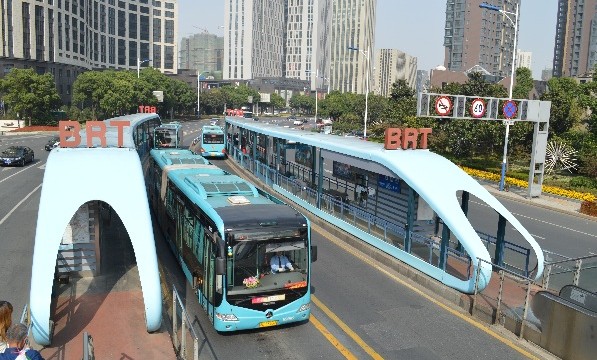
KARACHI: The Edhi Orange Line Bus Rapid Transit (BRT) has been officially integrated with the Green Line BRT, significantly improving connectivity for commuters in Karachi, Sindh Senior Minister Sharjeel Inam Memon announced on Tuesday.
Speaking at the integration ceremony, the minister said the merger has expanded the Orange Line from four to 10 stations, enabling passengers to travel seamlessly from Orangi Town to Nagan Chowrangi. Under the new arrangement, Orange Line buses will operate along the Green Line BRT track, providing improved access and convenience for residents of Orangi Town.
The Orange Line BRT project was initiated in 2016 under the Sindh Mass Transit Authority (SMTA) as a four-kilometre route from Orangi Town Office to Matriculation Board Office Chowrangi. Initially scheduled for completion in 2017, the project remained stalled for several years and was finally completed in 2022.
The project’s cost was revised twice, with the final budget reaching Rs5.5 billion, including the purchase, maintenance and operation of 20 buses and extension to Nagan Chowrangi. Operational responsibilities were later handed over to the Sindh Infrastructure Development Company Limited (SIDCL) for three years.
The minister also shared updates on the Green Line BRT extension, a 1.8-kilometre stretch from Numaish Chowrangi to Jama Cloth Market, which is expected to be opened to the public by October 31, 2026, according to assurances by Pakistan Infrastructure Development Company Limited (PIDCL).
Memon noted that daily ridership on the Green Line has increased from 55,000 to 75,000 passengers, with a target of 100,000. He highlighted the introduction of a women-only BRT service, the arrival of electric buses, and announced the launch of a double-decker bus service on a trial basis from Malir to Shahrah-e-Faisal starting Wednesday.
He also outlined plans to expand bus services across Hyderabad, Khairpur, Shikarpur and Tando Allahyar, underscoring the Sindh government’s commitment to improving public transport across the province.