


If you’ve ever searched for a home in an urban area, you’ve almost certainly come across the term “condominium.” But what is a condominium unit, exactly, and how does owning one actually work? Whether you’re a first-time buyer, someone transitioning from renting, or simply curious about your options, this guide breaks everything down clearly. From What Is a Condominium Unit, ownership structure and condo layout options to practical condo room design tips, here’s everything you need to know in 2026.
What Is a Condominium Unit?

So, what is a condominium unit at its most basic level? It is an individually owned piece of real estate situated within a larger, shared building or community. The word “condominium” comes from Latin “con,” meaning together, and “dominium,” meaning ownership.
A Condominium Unit is one where you own your private space outright, but you co-own everything surrounding it. You can sell it, renovate it (within Property Management Company rules), rent it out, or pass it on as an inheritance, just like a house.
| Feature | Condominium Unit | Apartment | Single-Family House |
| Ownership | Individual title | Rented from the landlord | Individual title |
| Common Areas | Shared via Property Management Company | Managed by the landlord | Private/none |
| Maintenance | Property Management Company handles exterior | The landlord handles all | The owner handles all |
| Monthly Fees | Property Management Company dues apply | Rent only | No Property Management Company typically |
How Does Condominium Unit Ownership Work?

Understanding what is a condominium unit or condominium residence also means understanding how ownership is structured because it differs from owning a standalone house in important ways.
When you purchase a condominium unit, you receive a deed for your specific space, the interior of your unit, typically from wall to wall. Everything outside that boundary: the hallways, the building’s exterior, the parking structure, the swimming pool, and the elevator is classified as common property. All unit owners share ownership of this common property collectively.
This shared ownership is managed by a Property Management Company or Residents’ Association. The Property Management Company is responsible for:
- Maintaining and repairing all common areas
- Enforcing community rules and bylaws
- Collecting monthly maintenance fees from unit owners
- Managing a reserve fund for major future repairs
- Overseeing building insurance on shared structures
Types of Condominium Units

What is a condominium unit in terms of variety? There’s far more choice than most people realize. Condos come in a wide range of sizes, configurations, and building types to suit nearly every lifestyle and budget.
Studio Units: The most compact option, combining living, sleeping, and dining in a single open space. Ideal for singles and minimalists.
One-Bedroom Units: A separate bedroom provides privacy from the living area, making these popular with young professionals and couples.
Two-Bedroom Units: Great for small families, couples who work from home, or those who frequently host guests.
Three-Bedroom Units: Spacious configurations suited to growing families who want condo convenience without sacrificing room.
Penthouse Units: Located on the top floors, featuring luxury finishes, larger square footage, and panoramic views.
Loft-Style Units: Open layouts with high ceilings and minimal interior walls, popular in converted industrial buildings.
Detached Condominiums: Standalone structures with no shared walls. You get privacy similar to a house, but still share maintenance responsibilities for common areas.
Mixed-Use Condominiums: Buildings that combine residential units with commercial or office spaces, typically found in city centers.
Condo Hotels (Condotels): Units in hotel buildings that can be used personally or rented out like hotel rooms when the owner is away.
Citadel One3 Residences: Condominium Living Redefined in Islamabad

If you want a real-world example of what is a condominium unit at its finest, look no further than Citadel One3 Residences by Chakor Ventures. This 40+ floor luxury condominium complex is rising along Jinnah Avenue in the Blue Area, Islamabad, overlooking the iconic Faisal Mosque, F-9 Park, and the serene Margalla Hills. With a total area of 27,500 sq ft, it delivers exactly what modern condominium unit ownership promises: private living combined with world-class shared spaces.
How Citadel One3 Reflects the True Definition of a Condominium Unit
If you’ve been asking yourself what is a condominium unit in practical terms, Citadel One3 illustrates it clearly. Each apartment in the complex is individually owned. Residents hold title to their private unit while the building’s extensive common areas and facilities are shared and maintained collectively. This is the hallmark of condominium ownership, and Citadel One3 delivers it at a premium level.
The shared amenities at Citadel One3 include:
- A fully equipped gym
- Sports and kids’ play areas
- A culinary court for dining
- Smart parking for 350+ cars
- 24/7 CCTV surveillance
- Advanced firefighting systems
- Rental stay management
Why Citadel One3 Is a Strong Investment Opportunity
Beyond lifestyle, what is a condominium unit worth as an investment? Citadel One3 makes a compelling case. Located on Jinnah Avenue in Blue Area, Islamabad’s commercial and diplomatic heart, the project benefits from one of the highest-demand locations in Pakistan’s capital. The combination of a premium address, iconic views, world-class amenities, and Chakor Ventures’ developer credibility positions Citadel One3 as a long-term value asset.
The project also offers rental stay management services, meaning owner-investors can generate rental income without managing the property themselves, a feature that directly addresses one of the key advantages of condominium unit ownership discussed earlier in this guide.
Condo Layout Guide: Types, Sizes, and What to Look For
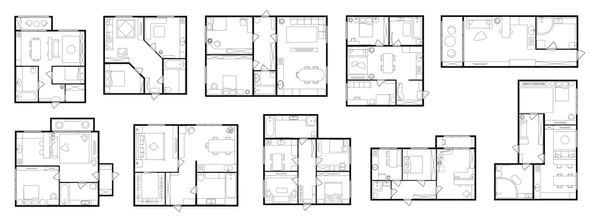
Once you understand what is a condominium unit as a concept, the next critical decision is evaluating its condo layout. The floor plan of a unit has a direct impact on how comfortable, functional, and spacious your daily life feels, regardless of the unit’s actual square footage.
Condo Layout by Size
| Square Footage | Best For | Key Layout Features |
| Under 600 sq ft | Singles, minimalists | Open plan, multi-purpose furniture, smart storage |
| 600–1,200 sq ft | Couples, small families | Defined living areas, 1–2 bedrooms, better separation |
| 1,200+ sq ft | Families, those wanting space | Multiple bedrooms, dedicated dining, and a home office potential |
Common Condo Layout Types
- Open-Concept Layout
- Closed/Compartmentalized Layout
- L-Shaped Layout
- Split-Bedroom Layout
- Loft Layout
Key Areas to Evaluate in Any Condo Layout
When viewing a unit, go beyond aesthetics and examine these practical factors:
- Traffic flow
- Natural light
- Kitchen configuration
- Bedroom placement
- Storage
- Flexibility
Condo Room Design Ideas to Maximize Every Square Foot

What Is a Condominium Unit or condo building meaning? Selecting the right condo layout is only half the equation. How you design and furnish the space determines whether your unit feels like a cramped box or a stylish, functional home. Here are the most effective condo room design strategies for every unit type.
Start With Color
Color is one of the most powerful tools in condo room design. Light, neutral shades of off-white, soft gray, warm beige, and pastel tones reflect light, making a space feel open and airy. If you’re uncertain where to begin, a neutral base with bold color accents (throw pillows, rugs, artwork) gives you flexibility to evolve the design over time.
Maximize Space With Smart Furniture

In compact condo room design, multi-functional furniture is essential, not optional. Consider:
- Sofa beds
- Storage ottomans
- Foldable dining tables
- Built-in shelving and wall-mounted cabinets
- Platform beds with built-in drawers
Use Mirrors, Lighting, and Drapes Strategically
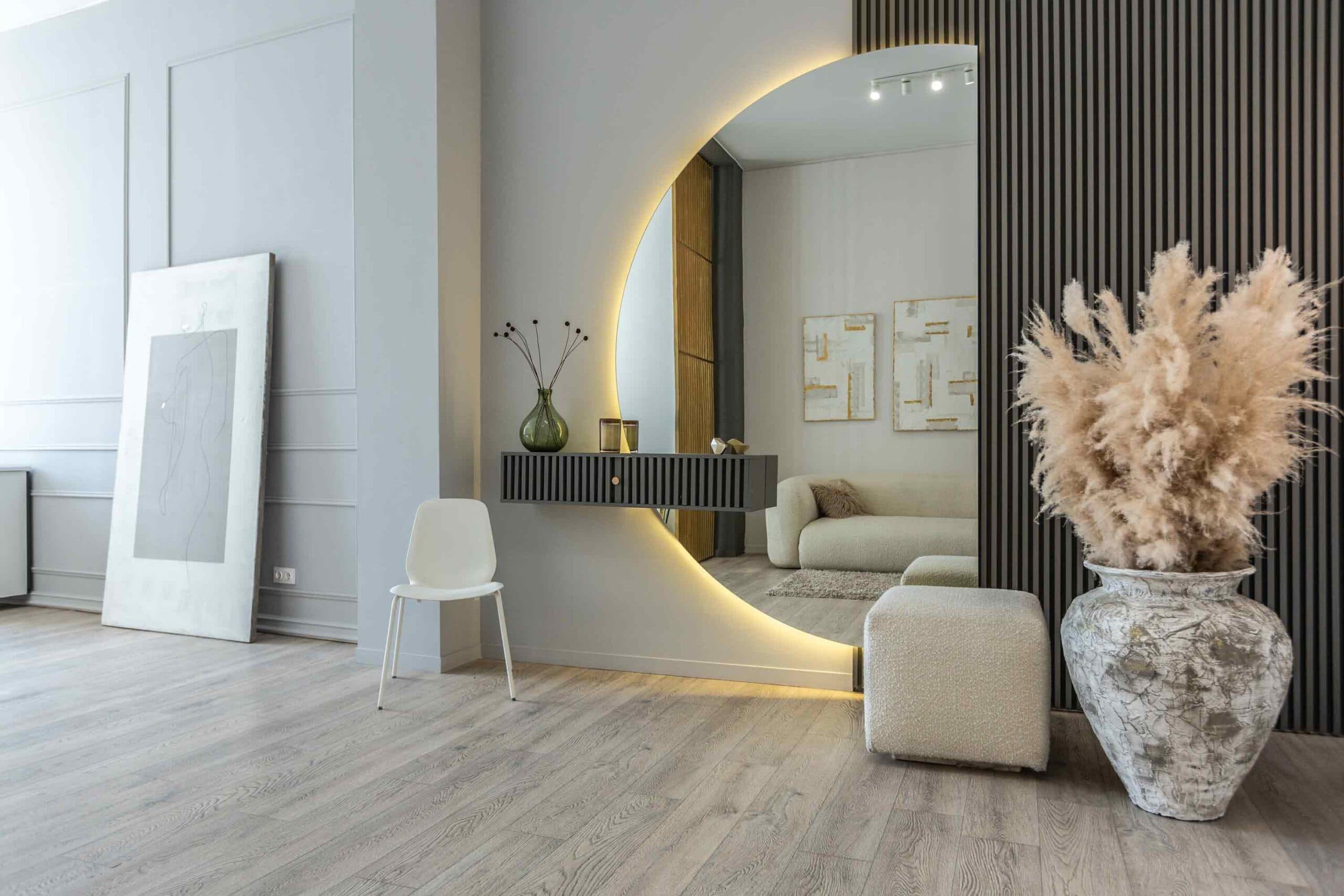
Three design elements consistently transform small condo spaces: mirrors, lighting, and window treatments. Mirrors reflect both light and the room itself, effectively doubling the visual depth of a space. For lighting, layer ambient, task, and accent sources; a single overhead fixture is rarely enough in thoughtful condo room design.
Condo Buying Checklist 2026
Now that you fully understand what is a condominium property, from its legal structure to its floor plan and interior design potential use this checklist before making a purchase:
- Review the Property Management’s financial statements and reserve fund health
- Read the Declaration, Bylaws, and any renovation restrictions carefully
- Evaluate the condo layout against your actual daily lifestyle
- Factor in monthly Property Management fees alongside mortgage and tax costs
- Inspect common areas and assess the building’s overall maintenance condition
- Research resale values and rental demand in the area
- Confirm rental restrictions if you plan to lease the unit
- Visit at different times of day to assess noise levels and light
- Attend an Property Management meeting or speak to current residents if possible
- Have a real estate attorney review all legal documents before signing
FAQs: What Is a Condominium Unit
What Is a Condominium Unit?
A condominium unit is a privately owned residential space within a larger building or complex, where the owner holds individual title to their unit while sharing common areas with other residents through a Property Management Company.
What is the difference between a condo and an apartment?
Understanding what is a condominium unit makes this simple: a condo is individually owned with a legal deed, while an apartment is rented from a landlord.
Is condo ownership permanent?
Yes. A condominium unit can be bought, sold, rented out, or inherited, just like a house. Ownership is indefinite unless you choose to sell.
What does an Property Management fee cover?
Property Management fees cover maintenance of common areas, building insurance, security, reserve funds, and shared amenities, all core to what is a condominium unit’s ownership model.
What is the best condo layout for a small space?
An open-concept condo layout works best for small units as it maximizes natural light, eliminates wasted wall space, and creates a more spacious feel.
How do I make my condo room design look bigger?
Use light wall colors, add mirrors, hang floor-to-ceiling curtains, choose multi-functional furniture, and keep clutter to a minimum.
Final Thoughts: What is a Condominium Unit
Understanding what is a condominium unit goes well beyond a simple definition. It means grasping how ownership works, what legal and financial responsibilities it entails, how to evaluate a condo layout that suits your lifestyle, and how to approach condo room design to make every square foot count.
Whether you’re buying your first condo, upgrading to a larger unit, or simply exploring your options in 2026, what is a condominium unit the fundamentals remain consistent: choose a unit whose structure, layout, and design potential align with the life you actually want to live. A well-chosen condominium unit isn’t just a property, it’s a home.
If you’re looking for a holiday apartment in Islamabad, visit Chakor Ventures.
Read More:
- Condominium vs Townhouse: Ultimate Smart living Guide 2026
- Ultimate Benefits of Condominium Living in Islamabad 2026
- Condominium and Apartment Difference: Ultimate Helpful Guide 2026

Dedicated and detail-oriented SEO Content Writer, Real Estate Writer, and Research Analyst based in Islamabad, with proven expertise in developing accurate, valuable, and well-researched content. Skilled in analytical writing, market research, and reporting, with the ability to turn insights into clear, professional, and impactful content. Passionate about exploring new ideas, analyzing industry trends, and contributing to high-quality writing and research-driven projects.
