


Pakistan is facing one of the most serious water crises in its history. Groundwater levels in cities like Lahore, Karachi, and Islamabad are dropping every year, water tanker costs keep rising, and monsoon rains that once recharged the water table now mostly run off into drains and streets. Against this backdrop, more homeowners across Pakistan are turning to a simple but effective solution: a Rainwater Harvesting System for Homes.
Instead of letting rainwater go to waste, a Rainwater Harvesting System for Homes captures it, stores it, and puts it to use, reducing dependence on tankers, borewells, and overstretched municipal supply.
This guide will walk you through exactly how a Rainwater Harvesting System for Homes works, what it costs in the Pakistani market, and practical ways to save water and money with one.
What Is a Rainwater Harvesting System?
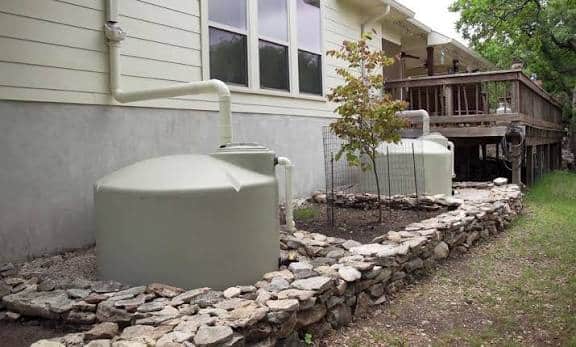
A Rainwater Harvesting System for Homes is a setup that collects rain from your rooftop or terrace, filters it, and stores it in a tank for later use. This isn’t a new concept in this region; the first urban rainwater harvesting system in Pakistan was installed at Faisal Mosque, Islamabad, back in 2010, with a storage capacity of nearly 3 million litres. What’s changing now is that this practice is moving from mosques and government buildings into ordinary homes.
A Rainwater Harvesting System for Homes can be as simple as a plastic drum placed under a downspout, or as advanced as an underground concrete tank with a filtration chamber and pump connected directly to your household plumbing. Either way, the goal is the same: capture free rainwater that would otherwise flow into the street, and use it for everyday needs like gardening, washing, cleaning, and even non-potable indoor use.
In fact, the Capital Development Authority (CDA) has already made rooftop rainwater harvesting mandatory for new buildings in Islamabad, and cities like Lahore have invested millions of rupees into public harvesting projects.
How Does a Rainwater Harvesting System Work?
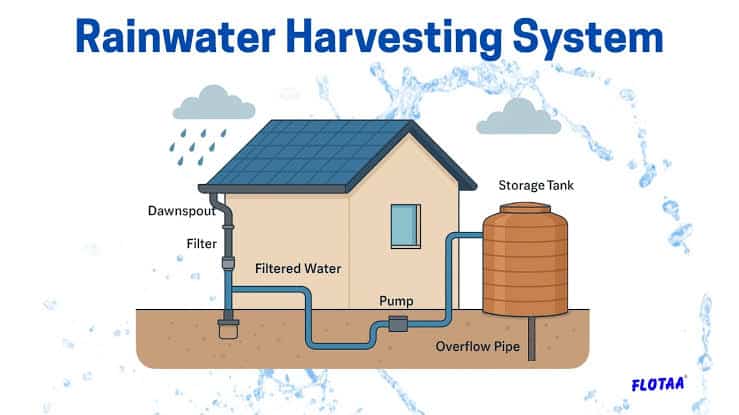
If you’re wondering how does a rainwater harvesting system work, the process is easy to understand once you break it into steps.
1. Collection (roof or terrace)
Rainwater harvesting begins at your rooftop or terrace, which acts as the catchment area. In cities like Lahore, which receives around 670mm of rainfall annually, even an average-sized rooftop can collect thousands of litres of water over a single monsoon season through a well-designed Rainwater Harvesting System for Homes.
2. Conveyance (pipes and downspouts)
Rainwater flows off the roof into gutters and PVC downspouts, which channel it toward the storage point. Many systems in Pakistan use a simple diverter to let the first, dirtiest flush of water (carrying dust and debris from the roof) bypass the tank.
3. Filtration
Before storage, water passes through a mesh or filter chamber to remove leaves, dust, and sediment a critical step given Pakistan’s dusty urban environment. Some homeowners even use a simple muslin cloth as an inexpensive first-level filter.
4. Storage
The filtered water then collects in a tank, either an above-ground plastic tank (the most common option in Pakistani homes) or an underground concrete/ferrocement tank built into the ground floor or lawn area.
5. Pump and Distribution
For larger systems, a motor pump moves stored water to an overhead tank or directly into a separate plumbing line for irrigation, washing, or toilet flushing.
6. Backup and Overflow
A properly built Rainwater Harvesting System for Homes includes an overflow pipe to safely direct excess water once the tank is full, and many households keep their WASA or tanker connection as backup during dry months.
This complete cycle of collection, conveyance, filtration, storage, and distribution is what makes a Rainwater Harvesting System for Homes such a practical addition to any Pakistani household, whether in Islamabad, Lahore, Karachi, or smaller cities.
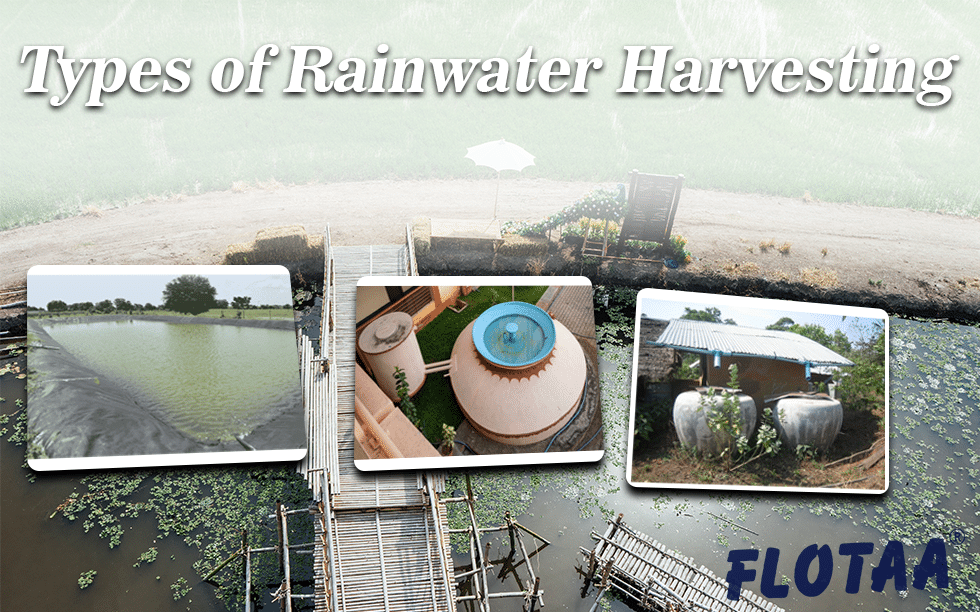
Types of Rainwater Harvesting Systems for Homes in Pakistan
-
Drum or Barrel Systems
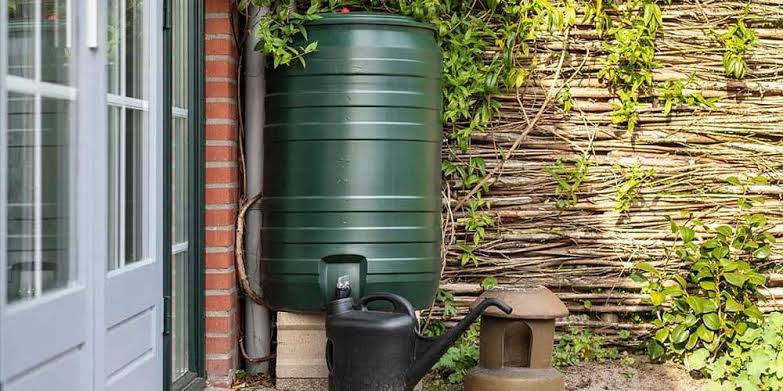
The most affordable and common starting point. A plastic drum placed under a downspout can be set up for as little as Rs. 1,500–3,000 and is ideal for garden watering and outdoor cleaning.
-
Above-Ground Plastic Tank Systems
This is the most popular option for Pakistani homes. Tanks ranging from 500 to 2,000 litres are widely available from local brands and can be connected to a simple filtration and piping setup for a complete Rainwater Harvesting System for Homes.
-
Underground Concrete or Ferrocement Tanks
Common in larger homes and plots, these tanks are built into the ground and offer much larger storage capacity, often several thousand litres, while keeping the lawn or driveway usable above.
-
Combined Harvesting-and-Recharge Systems
Increasingly used in Islamabad under CDA regulations, these systems both store water for reuse and direct excess water into recharge wells to replenish groundwater, an approach also recommended by Pakistan’s Council of Research in Water Resources (PCRWR).
Rainwater Harvesting Cost in Pakistan
One of the biggest questions homeowners have before installing a Rainwater Harvesting System for Homes is what it will actually cost. It’s worth noting upfront: there is no official government price list for home rainwater harvesting systems in Pakistan. Regulatory bodies like PCRWR (Pakistan Council of Research in Water Resources) and CDA (Capital Development Authority) publish technical guidelines and building bylaws, but not itemised consumer pricing.
The figures below are based on current retail prices from Pakistani water tank suppliers and rainwater harvesting cost ranges reported by real estate and construction industry sources, not fixed government rates.
| System Type | Estimated Market Cost (PKR) |
| Basic drum/barrel setup (DIY) | Rs. 1,500 – 5,000 |
| 500–1,000 litre plastic tank + basic filtration | Rs. 15,000 – 40,000 |
| Above-ground system with piping and pump | Rs. 40,000 – 150,000 |
| Underground concrete/ferrocement tank system | Rs. 80,000 – 400,000 |
| Full CDA-compliant system (larger homes) | Rs. 80,000 – 500,000 |
Real estate industry sources tracking Islamabad’s building regulations report that a complete, CDA-compliant Rainwater Harvesting System for Homes typically falls between Rs. 80,000 and Rs. 500,000, depending on property size, though it’s worth stressing that CDA itself has not published an official fixed rate, and actual costs will vary by contractor, roof area, and material choices.
What drives the rainwater harvesting cost up or down?
- Tank type and size – Retail prices from Pakistani suppliers (Dura, Sonex, Polycon, Turk Plast) show 500-litre plastic tanks starting around Rs. 8,000–15,000, and 1,000-litre tanks ranging from Rs. 12,000–32,000 depending on brand and layer quality. Underground concrete tanks cost more due to excavation and construction work.
- Filtration quality – A basic mesh or cloth filter costs very little, while a proper multi-stage filtration chamber adds several thousand rupees.
- Pump and plumbing – A motor pump and separate distribution line typically add Rs. 15,000–50,000 depending on system complexity.
- Excavation and construction – Underground tanks require digging and structural work, adding Rs. 30,000–150,000 depending on tank size and soil type.
- Labour and location – Installation costs tend to run higher in Islamabad and Lahore than in smaller towns.
Getting an accurate quote for your home
Because pricing varies significantly by roof size, soil conditions, and contractor rates, the most reliable way to budget for a Rainwater Harvesting System for Homes is to get quotes directly from local installers or architectural firms that specialise in rainwater harvesting; several now operate in Islamabad in response to CDA’s building requirements. This gives you a system-specific quote rather than a generic estimate.
DIY vs. Professional Installation
A basic drum-based Rainwater Harvesting System for Homes is well within DIY reach; many Pakistani households set one up for under Rs. 5,000 using PVC piping, plastic drums, and a cloth filter. For a full system with underground storage, pumps, and plumbing tied into your house, hiring a local plumber or a firm experienced in rainwater harvesting is the safer route to avoid leaks, contamination, or non-compliance with CDA rules (where applicable).
How Much Money Can You Save?
The savings potential of a Rainwater Harvesting System for Homes in Pakistan is significant, especially given how expensive tanker water has become in many areas. A single water tanker delivering roughly 2,000 litres can cost around Rs. 1,500 or more, depending on your city a cost that adds up quickly during dry months.
Homeowners who install even a modest Rainwater Harvesting System for Homes report reducing their monthly water expenses by up to Rs. 6,000 during peak summer months, particularly when the harvested water is used for gardening, car washing, floor cleaning, and other non-potable needs. Larger systems that supply toilets and laundry can cut overall water costs even further, especially in areas with unreliable WASA supply or high dependence on private tankers.
Keep in mind that a Rainwater Harvesting System for Homes is a long-term investment. While a fully built underground system can cost several hundred thousand rupees upfront, many households recover this cost within a few years through reduced tanker bills and lower reliance on paid water sources, not to mention the added value it brings to your property, especially in cities like Islamabad where such systems are becoming a regulatory requirement.
Benefits Beyond Cost Savings
- Reduced dependence on tankers and borewells – Especially valuable in cities facing falling groundwater levels.
- Groundwater recharge – Combined harvesting-and-recharge systems help replenish aquifers, a growing priority under PCRWR guidance.
- Flood and drainage relief – Capturing rooftop runoff reduces pressure on urban drainage systems during heavy monsoon rains.
- Better quality water for outdoor use – Rainwater is naturally soft and free of the salinity issues common in groundwater in parts of Pakistan.
- Regulatory compliance – In Islamabad, a compliant Rainwater Harvesting System for Homes is now a legal requirement under CDA building bylaws, making early installation a smart move for homeowners and builders alike.
Tips to Maximise Savings and Efficiency
- Match your tank size to your roof area and local rainfall
- Start with a simple drum system
- Use harvested water for non-potable needs first
- Maintain your filters regularly
- Check local regulations
Is a Rainwater Harvesting System Worth It for Your Home?
Given Pakistan’s worsening water scarcity, rising tanker costs, and falling groundwater levels, a Rainwater Harvesting System for Homes is one of the most practical investments a homeowner can make. Whether you start with a Rs. 3,000 drum setup or invest in a full underground concrete tank system costing several hundred thousand rupees, the long-term savings on water bills combined with the environmental and regulatory benefits make it a smart choice for homes across Lahore, Karachi, Islamabad, and beyond.
Frequently Asked Questions
How does a rainwater harvesting system work?
It collects rainwater from your rooftop, filters out dust and debris, and stores it in a tank for uses like gardening, washing, and cleaning the basic principle behind every Rainwater Harvesting System for Homes.
How much does a rainwater harvesting system cost in Pakistan?
Costs range from around Rs. 1,500 for a basic drum setup to Rs. 500,000 for a full underground, CDA-compliant system, depending on property size and complexity.
Can I drink harvested rainwater?
It’s possible with proper multi-stage filtration and treatment, but most residential systems in Pakistan are designed for non-potable uses like gardening, cleaning, and toilet flushing.
How much water can I collect from my roof?
It depends on your roof size and local rainfall. A home in a high-rainfall city like Lahore can collect thousands of litres per monsoon season through a well-designed Rainwater Harvesting System for Homes.
Final Verdict
A Rainwater Harvesting System for Homes isn’t just an environmentally responsible choice in Pakistan; it’s becoming a financial necessity. With tanker prices rising and groundwater reserves shrinking, every litre of rain captured on your rooftop is a litre you don’t have to buy.

Dedicated and detail-oriented SEO Content Writer, Real Estate Writer, and Research Analyst based in Islamabad, with proven expertise in developing accurate, valuable, and well-researched content. Skilled in analytical writing, market research, and reporting, with the ability to turn insights into clear, professional, and impactful content. Passionate about exploring new ideas, analyzing industry trends, and contributing to high-quality writing and research-driven projects.
