
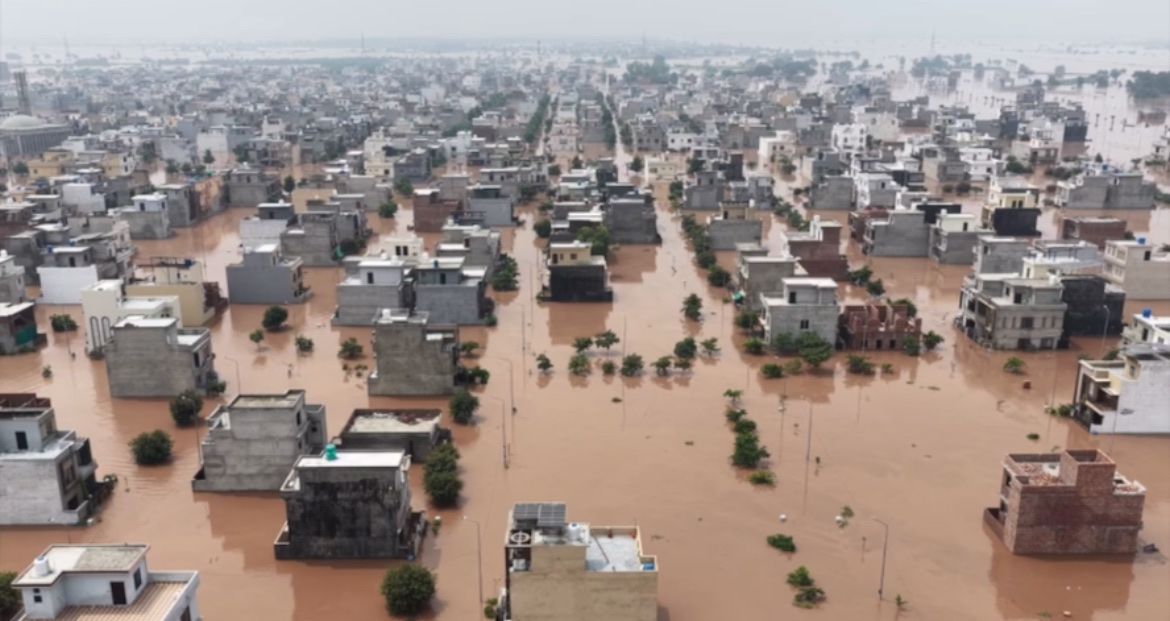

Punjab is once again facing serious flooding this monsoon season. Heavy rains have swelled the province’s major rivers, and thousands of families are watching water levels rise near their homes. This guide explains the current flood in Punjab Pakistan, what is causing it, which areas are most at risk, and what residents can do to stay safe.
Key Facts – Flood in Punjab Pakistan (July 2026)
| Category | Key Facts – Flood in Punjab Pakistan |
| Duration | Punjab experienced 6 consecutive days of monsoon rainfall (as of late July 2026) |
| Area affected | ~400 sq km underwater across Sheikhupura, Muridke, Gujranwala, Narowal, Sambrial, and Pasrur |
| Main rivers | Chenab and Ravi rivers are at the center of this year’s flooding |
| Chenab flood points | Medium-to-high flood levels at Marala, Khanki, Qadirabad, and Chiniot Bridge |
| Ravi flood points | Rising inflows at Abdul Hakeem Headworks and Head Sidhani |
| Worst-hit districts | Hafizabad, Gujranwala, Sialkot, Jhang |
| Highest flash flood risk zones | Hill torrents of Dera Ghazi Khan; low-lying areas near the Ravi and Chenab |
| Also at risk | Northern Balochistan and KPK (flash flood threats) |
| Lead agencies | PDMA Punjab, and Flood Forecasting Division/FFD |
| Recent PDMA advisory | Low-to-medium flood levels on Chenab and Jhelum; flash flooding expected in DG Khan (July 28–30) |
| 2025 comparison | Prior year’s monsoon affected 4,400+ villages and ~4.4 million people across Punjab |
| Root causes | Repeated monsoon spells, overwhelmed drainage systems, upstream water flows, riverside settlements |
| Rainwater harvesting | Mandatory in Islamabad (CDA); linked to groundwater recharge and reduced urban flooding |
| Key rainwater initiative | IWMI/WaterAid/PCRWR project at Kachnar Park |
| Broader context | Rising flood frequency linked to climate change in Pakistan (heavier monsoons, faster snowmelt) |
Current Flood Situation in Punjab (July 2026)
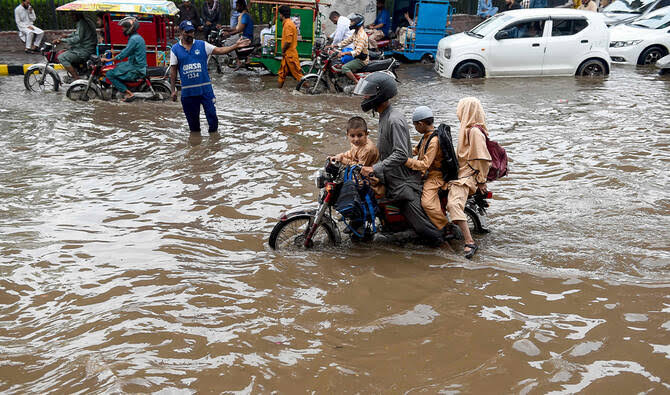
As of late July 2026, Punjab is experiencing its sixth straight day of monsoon rainfall. Nearly 400 square kilometres of land across Sheikhupura, Muridke, Gujranwala, Narowal, Sambrial, and Pasrur have already gone underwater. A senior Punjab irrigation official described the scale of flooding as unprecedented for the region.
The National Disaster Management Authority (NDMA) has warned that flood risk remains high across several parts of the country. Medium-level flooding has been recorded at key points along the Chenab River, and flash flood threats loom over northern Balochistan, Khyber Pakhtunkhwa, and the hill torrents of Dera Ghazi Khan.
In several districts, floodwater has entered residential areas. Near Alipur Chattha, fast-moving water has caused heavy riverbank erosion, putting dozens of homes at risk of collapse.
Protective embankments have been breached in some villages, and local administrations have opened relief camps to shelter displaced families.
Chenab River Flood Update
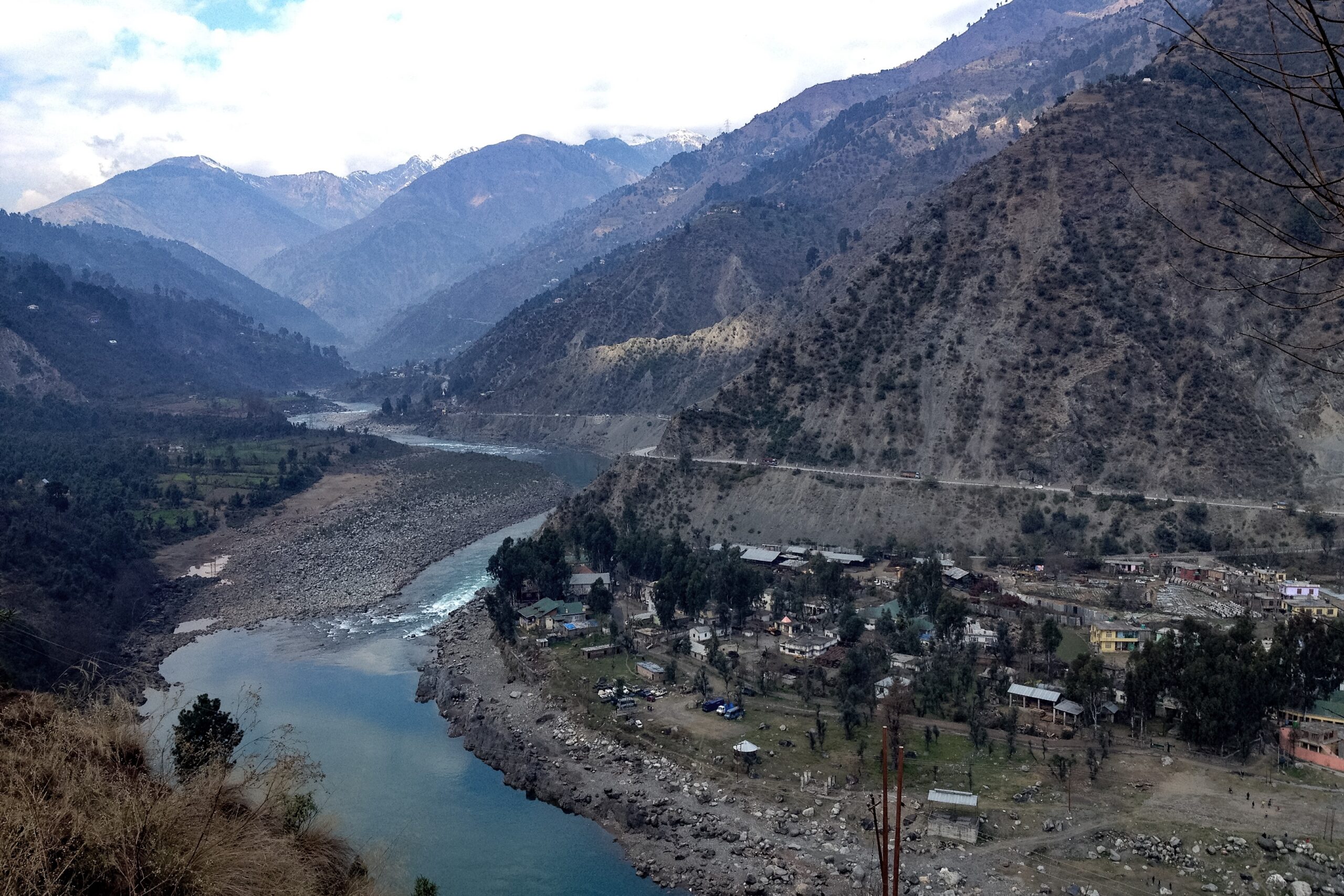
The Chenab River is at the center of this year’s flooding. Water levels have moved between medium and high flood stages at Marala, Khanki, Qadirabad, and Chiniot Bridge. Districts along the river, including Hafizabad, Gujranwala, Sialkot, and Jhang, are under close watch.
Residents in areas like the Qadirabad river belt say the situation feels familiar. Many are still recovering from last year’s flooding and are once again monitoring water levels through the night.
The Flood Forecasting Division (FFD) has reported high-level flooding at Chiniot, with moderate flooding continuing at Marala, Khanki, and Qadirabad.
The Ravi River is also rising. Inflows at Abdul Hakeem Headworks and Head Sidhani have increased steadily, adding pressure to an already stretched system of embankments and drainage channels.
What Is Causing the Flood in Punjab Pakistan
A few factors are driving this year’s flooding.
- Repeated monsoon spells. Punjab has seen back-to-back rounds of heavy rain rather than a single storm, giving rivers little time to recede between spells.
- Overwhelmed drainage systems. Several drains in the Lahore and Gujranwala divisions have carried far more water than they were designed to handle, pushing floodwater into farmland and villages.
- Upstream water flows. Rainfall in the wider catchment area, along with water releases from upstream dams and barrages, adds to the volume moving through Punjab’s river system.
- Low-lying, riverside settlements. Many communities live close to riverbanks, which puts them in the direct path of rising water when embankments are breached.
Flash Flood Risk Areas in Punjab
Flash flood risk is highest in areas with hilly or fast-draining terrain, where water levels can rise within hours rather than days.
In Punjab, the hill torrents of Dera Ghazi Khan are a particular concern, along with low-lying stretches near the Ravi and Chenab rivers.
Urban flooding is also likely in parts of Punjab, Khyber Pakhtunkhwa, and Balochistan wherever drainage systems are already stretched thin.
Because flash floods can develop quickly, residents in these zones are advised to stay alert to official alerts rather than wait for visible signs of rising water.
PDMA Punjab and Flood Forecasting Division (FFD) Response

The Provincial Disaster Management Authority (PDMA) Punjab is the main body coordinating the province’s flood response. It regularly issues advisories on river levels, expected rainfall, and flood alerts for specific districts.
Its most recent advisory flagged low-to-medium flood levels on the Chenab and Jhelum rivers, with flash flooding expected in DG Khan hill torrents, and a wider weather advisory for heavy rain across Rawalpindi, Murree, Gujranwala, Lahore, and DG Khan.
The Flood Forecasting Division works alongside PDMA to track river discharge and issue technical flood forecasts. Together, these two bodies give residents and district administrations the lead time needed to move people and livestock out of harm’s way before water levels peak.
Anyone living near a river in Punjab is encouraged to follow PDMA Punjab and FFD updates directly, rather than relying only on word of mouth.
Flood in Lahore: Local Impact
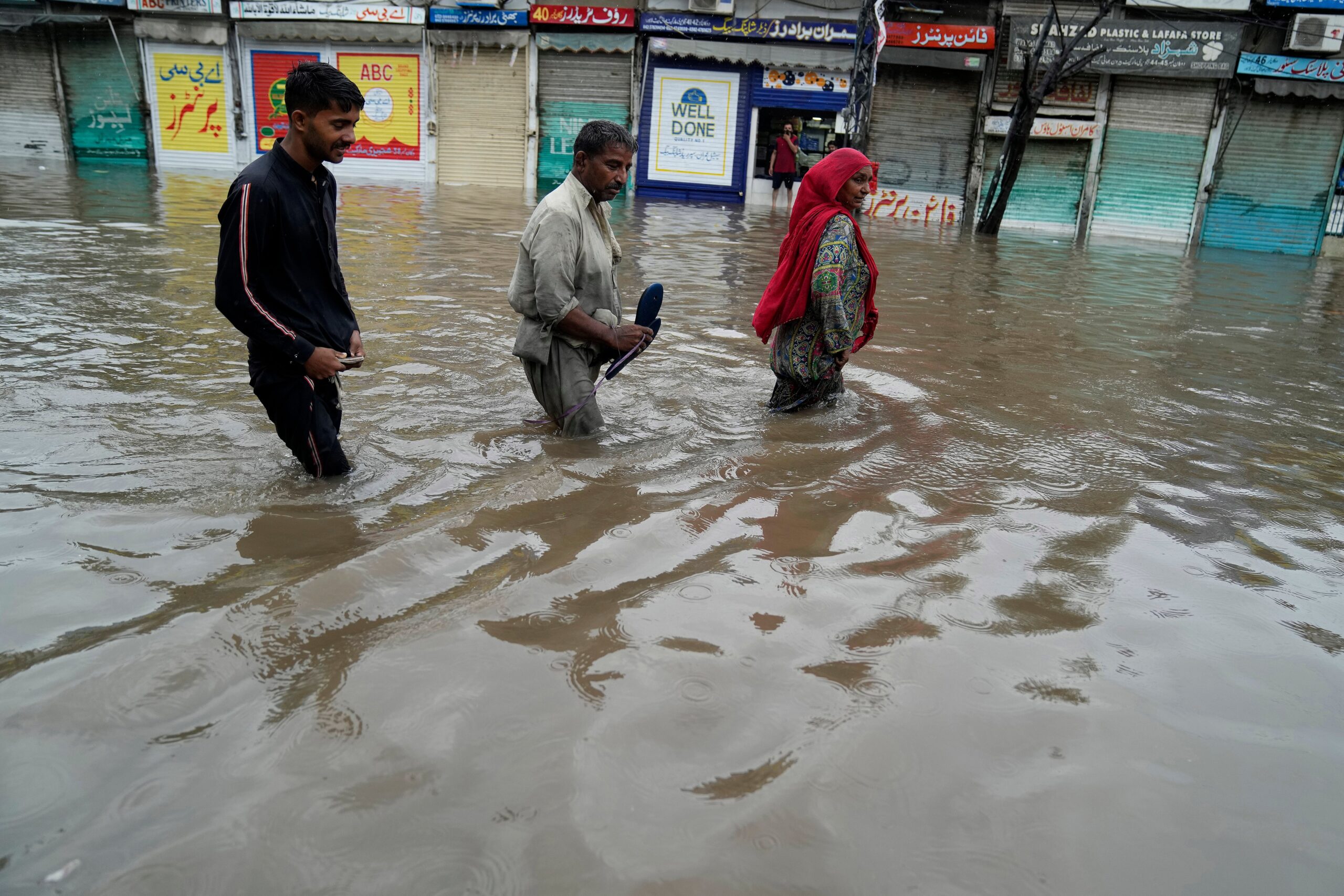
Lahore has recorded six consecutive days of monsoon rain this season, and the flood in Punjab Pakistan is being felt directly in and around the city. Heavy downpours have left several low-lying roads and neighbourhoods waterlogged, and drainage channels in parts of the Lahore and Gujranwala divisions have carried far more water than they were built to handle.
District authorities have set up relief camps for residents in the worst-affected outskirts, and commuters are being advised to avoid known flood-prone underpasses and roads during and after heavy rain. Residents can check daily updates from PDMA Punjab for road closures and rainfall forecasts specific to Lahore.
Climate Change in Pakistan and Rising Flood Frequency
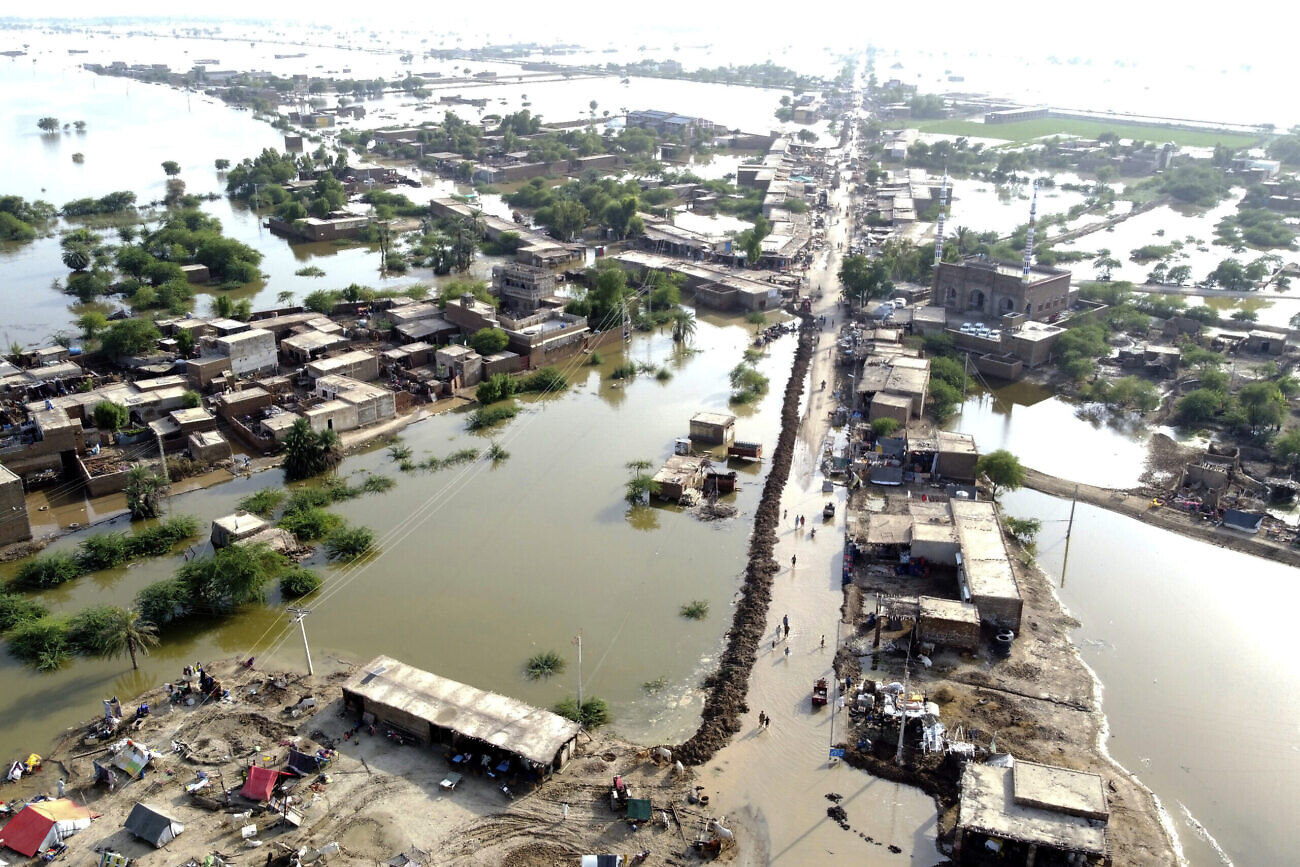
This year’s flooding is part of a broader pattern. Pakistan has experienced increasingly intense and frequent flood events over the past several monsoon seasons, with 2025 alone affecting more than 4,400 villages and around 4.4 million people across Punjab.
Experts consistently point to climate change in Pakistan as a key factor behind this shift, citing heavier and less predictable monsoon rainfall, faster snowmelt in the north, and longer flood seasons overall.
For Punjab, this means flood preparedness is no longer a once-in-a-decade concern. Stronger early warning systems, better drainage infrastructure, and more resilient housing in flood-prone districts are becoming a yearly necessity rather than an occasional response.
Safety Tips for Flood in Punjab Pakistan
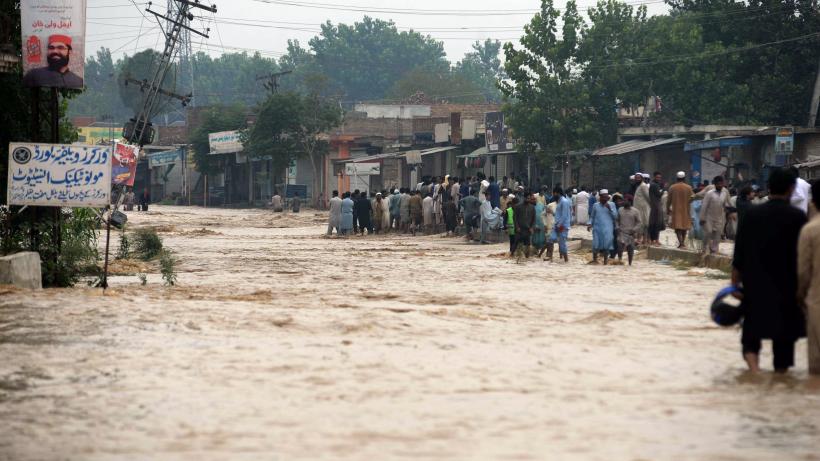
The following are some of the safety tips during flood in Punjab Pakistan:
- Follow PDMA Punjab and NDMA alerts for flood in Punjab Pakistan for your district and act on evacuation notices without delay.
- Avoid crossing flooded roads, bridges, or fields, even in a vehicle, since water depth and current strength are hard to judge.
- Keep important documents, medicines, and a basic emergency kit ready if you live near a river or low-lying area.
- Move livestock and valuables to higher ground as soon as an alert is issued for your area.
- Stay in touch with your local district administration for the location of the nearest relief camp.
Rainwater Harvesting in Pakistan – Flood in Punjab Pakistan

Rainwater harvesting is emerging as a key tool for Pakistan’s long-term water security, helping manage both flood risk and growing water scarcity at the same time.
Government-level progress:
- Islamabad’s Capital Development Authority (CDA) has made rooftop rainwater harvesting mandatory for all new buildings.
- Existing homeowners have been given a retrofit grace period before non-compliance penalties apply.
- The federal cabinet has approved green building codes that embed rainwater harvesting into national construction standards.
- A pilot project at Kachnar Park, led by IWMI with WaterAid and PCRWR, has shown that channeling rooftop runoff into recharge systems can ease urban flooding while restoring depleted groundwater.
Flood in Punjab Pakistan – Individual-level adoption:
- Homeowners, mosques, and commercial developers in Lahore, Islamabad, and Rawalpindi are increasingly installing rooftop harvesting systems.
- Common components include leaf screens, first-flush diverters, and storage tanks to capture and reuse rainwater.
- Retrofitting is possible for existing properties, making adoption practical even without new construction.
Why it matters:
- Reduces pressure on groundwater and borewells during dry spells.
- Eases strain on stormwater drainage during monsoon season.
- Strengthens water security at both the household and city level as flood patterns become less predictable.
FAQ – Flood in Punjab Pakistan
Is Punjab currently experiencing floods?
Yes. As of late July 2026, several districts are dealing with flood in Punjab Pakistan along the Chenab and Ravi rivers, with PDMA Punjab warning of further rain and flood risk into early August.
Which rivers are most affected by the current flood in Punjab Pakistan?
The Chenab and Ravi rivers are currently the most affected, with monitoring points at Marala, Khanki, Qadirabad, and Chiniot Bridge showing medium-to-high flood levels.
Which areas in Punjab are at the highest flash flood risk?
The hill torrents of Dera Ghazi Khan, along with low-lying areas near the Ravi and Chenab rivers, currently carry the highest flash flood risk in Punjab.
Where can residents check official flood updates?
PDMA Punjab and the Flood Forecasting Division publish regular advisories on river levels, rainfall, and district-level flood alerts.
Are there any safety tips during Flood in Punjab Pakistan?
Yes, there are a few tips to follow during floods in Pakistan.
Final Word – Flood in Punjab Pakistan
The flood in Punjab Pakistan this monsoon season is a reminder of how quickly conditions can change for communities living near the province’s major rivers. Staying informed through PDMA Punjab and FFD updates, understanding local flash flood risk, and preparing early can make a real difference when water levels rise. As climate change in Pakistan continues to intensify monsoon patterns, this kind of preparedness is becoming part of everyday life in Punjab rather than an exception.
This was all about flood in Punjab Pakistan. For more information on rainwater harvesting systems and real estate investment options, please visit Chakor.

BBC-featured Content Specialist with a sharp eye for search intent and a proven ability to turn content into a growth engine. I leverage cutting-edge digital marketing tools to craft strategies that fuel organic traffic, amplify brand growth, and own the local SEO landscape, particularly across the competitive real estate market. I help brands dominate search rankings and convert visibility into measurable business success.
