
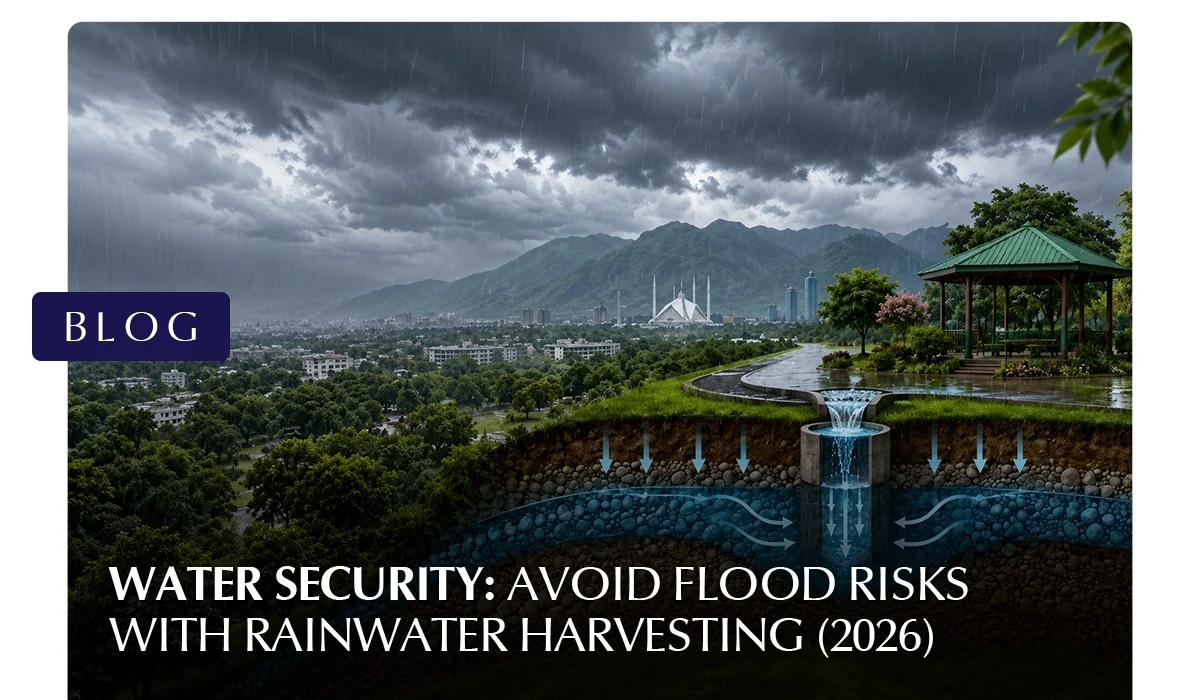

Water is essential to life, yet the world faces a growing paradox: some regions struggle with too little water, while others are increasingly overwhelmed by too much. Both scenarios fall under one critical concept: water security. While most people associate this with drought and scarcity, it equally concerns the destructive risks of excess water, particularly flooding.
This article explores what water security truly means, why urban flooding is becoming a growing threat, and how a simple, time-tested solution, rainwater harvesting, can help communities strengthen their security of water while reducing flood risks.
What Is Water Security?

Water security refers to the reliable availability of an acceptable quantity and quality of water for health, livelihoods, and economic production, combined with an acceptable level of water-related risk.
In simpler terms, water sustainability isn’t just about having enough water; it’s about managing water safely, sustainably, and resiliently, so that it neither runs out nor causes harm.
According to UN-Water, security of water is “the capacity of a population to safeguard sustainable access to adequate quantities of acceptable quality water for sustaining livelihoods, human well-being, and socio-economic development, while ensuring protection against water-related disasters.”
This definition highlights an important truth: water security is a balancing act. It requires managing the following things at once:
- Water scarcity – ensuring enough water is available to meet demand
- Water quality – keeping that water safe and free from contamination
- Water-related disasters – protecting communities from floods, droughts, and other water-driven shocks
Achieving security of water also means addressing risk at every level of society:
- Household level – reliable, safe access for daily drinking, cooking, and sanitation needs
- Community level – shared infrastructure like wells, pipelines, and local drainage systems functioning safely
- City level – stormwater management, treatment plants, and supply networks built to handle demand and extreme weather
- National level – policies, investment, and coordination across regions and river basins
When any one of these levels fails to manage water risk effectively, the consequences can be severe:
- Contaminated drinking water
- Damaged infrastructure
- Displaced communities
- Long-term economic setbacks
The Three Pillars of Water Security
To fully understand water security, it helps to break it down into three interconnected pillars:
- Availability – Having enough water to meet the needs of people, agriculture, industry, and ecosystems.
- Quality – Ensuring that available water is safe, clean, and free from harmful contaminants.
- Risk Management – Protecting communities from water-related disasters, including flash floods, droughts, and infrastructure failures.
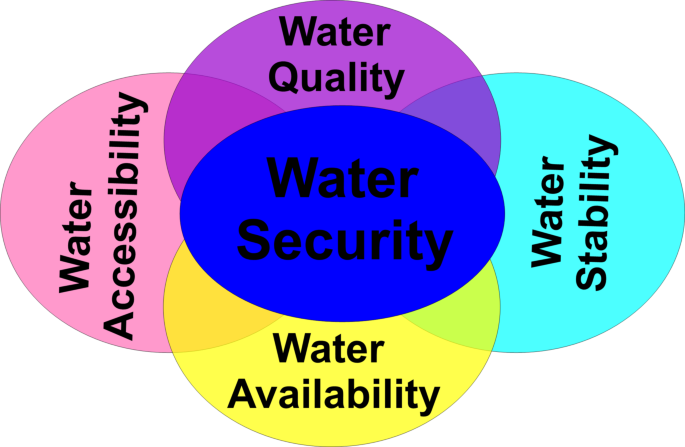
Most conversations around security of water focus heavily on scarcity and rightly so, given that millions of people worldwide lack reliable access to clean water. However, the risk management pillar of water security is just as important, and it’s here that flooding becomes a central concern.
A community can have abundant water resources and still suffer a severe water security crisis if a flood destroys its water infrastructure or contaminates its drinking supply.
Urban Flooding, Climate Change, and Water Security
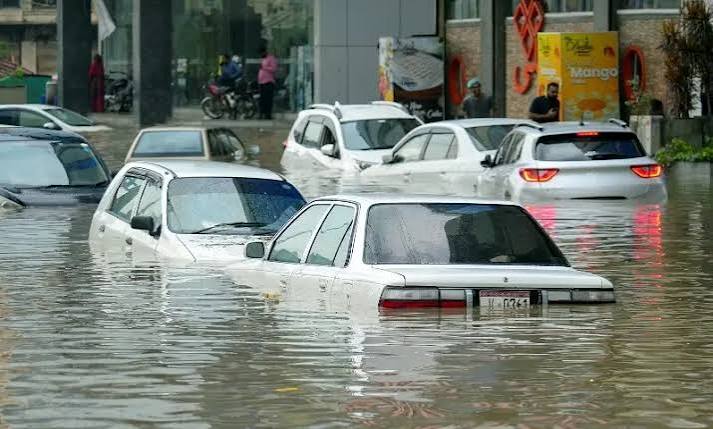
One of the most pressing challenges to water security today is the rise of urban flooding driven by climate change. As global temperatures increase, rainfall patterns are becoming more erratic and extreme.
Instead of steady, predictable precipitation, many regions are now experiencing short bursts of intense rainfall that overwhelm drainage systems within minutes.
Why Cities Are Especially Vulnerable
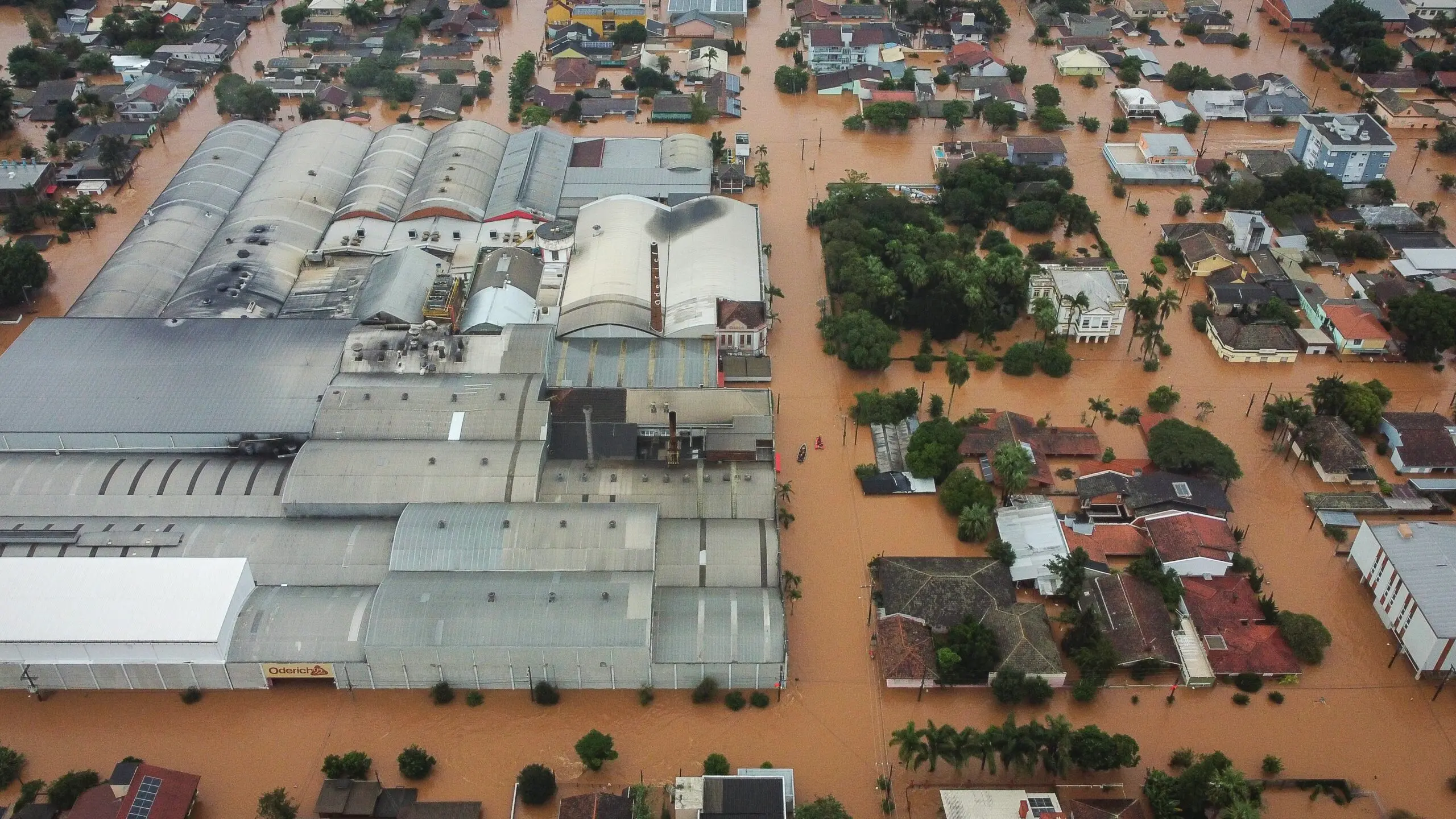
Cities are particularly vulnerable to this shift. Urban landscapes are dominated by concrete, asphalt, and rooftops impervious surfaces that prevent rainwater from soaking into the ground.
Instead of being absorbed naturally, rainwater rushes across these hard surfaces, collecting pollutants and rapidly overwhelming stormwater drains.
The result is urban flooding: streets submerged in water, basements flooded, and in severe cases, contaminated water supplies and displaced families.
When Flooding Becomes a Water Security Crisis
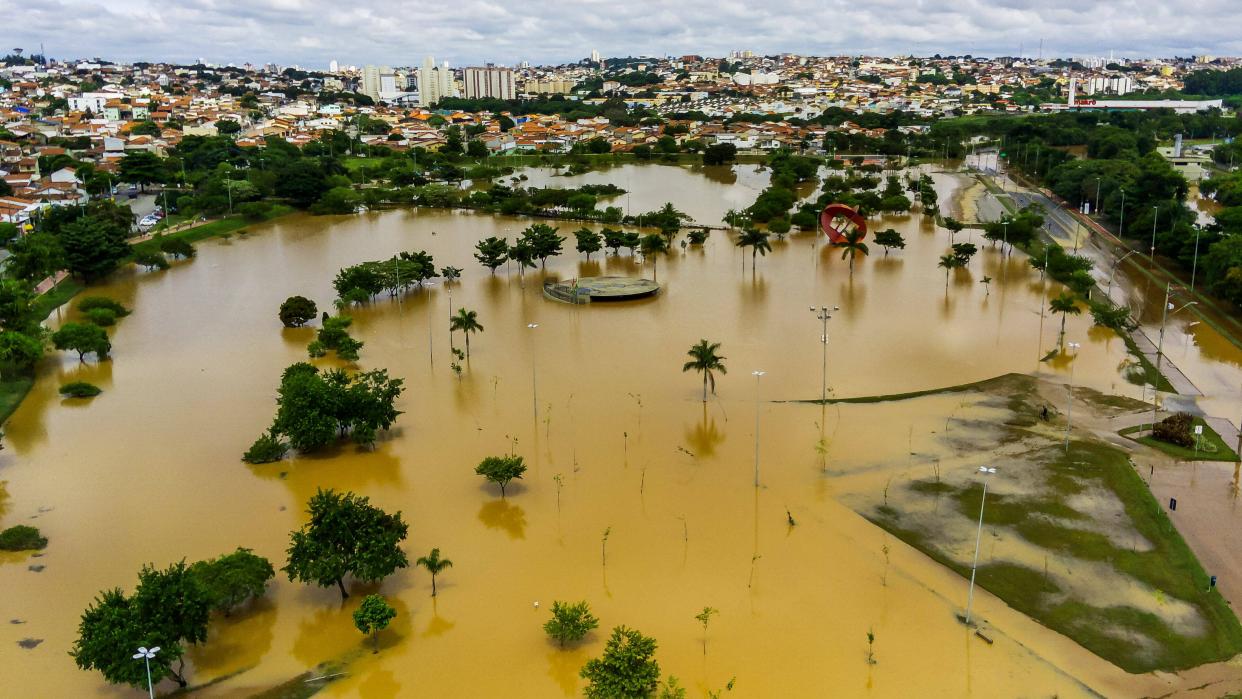
This connection between urban flooding, climate change, and security of water cannot be overstated. When floodwaters mix with sewage or industrial runoff, they compromise drinking water quality, turning what should be a water abundance problem into a water security crisis.
In coastal and low-lying urban areas, monsoon-driven flooding has been shown to pollute municipal water supplies, forcing communities to rely on unsafe water sources in the flood’s aftermath.
This is a clear example of how flooding, even when it brings excess water, directly undermines water security rather than improving it.
The Role of Poor Urban Planning
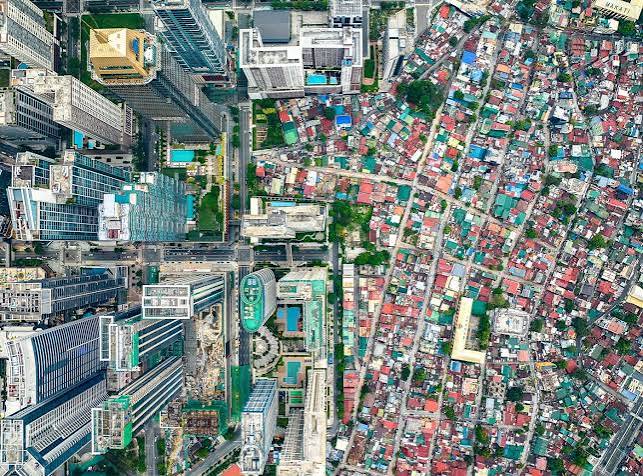
Urban planning plays a central role in shaping how effectively a city manages its water resources and protects itself from flood risk. Poor urban planning compounds the issue. Rapid, unregulated urbanisation often outpaces the development of adequate drainage and stormwater infrastructure.
As more green spaces are paved over, natural water absorption capacity disappears, and the risk of flash flooding grows.
Without deliberate intervention, water security in fast-growing cities will continue to deteriorate as climate change intensifies rainfall extremes.
How Rainwater Harvesting Strengthens Water Security
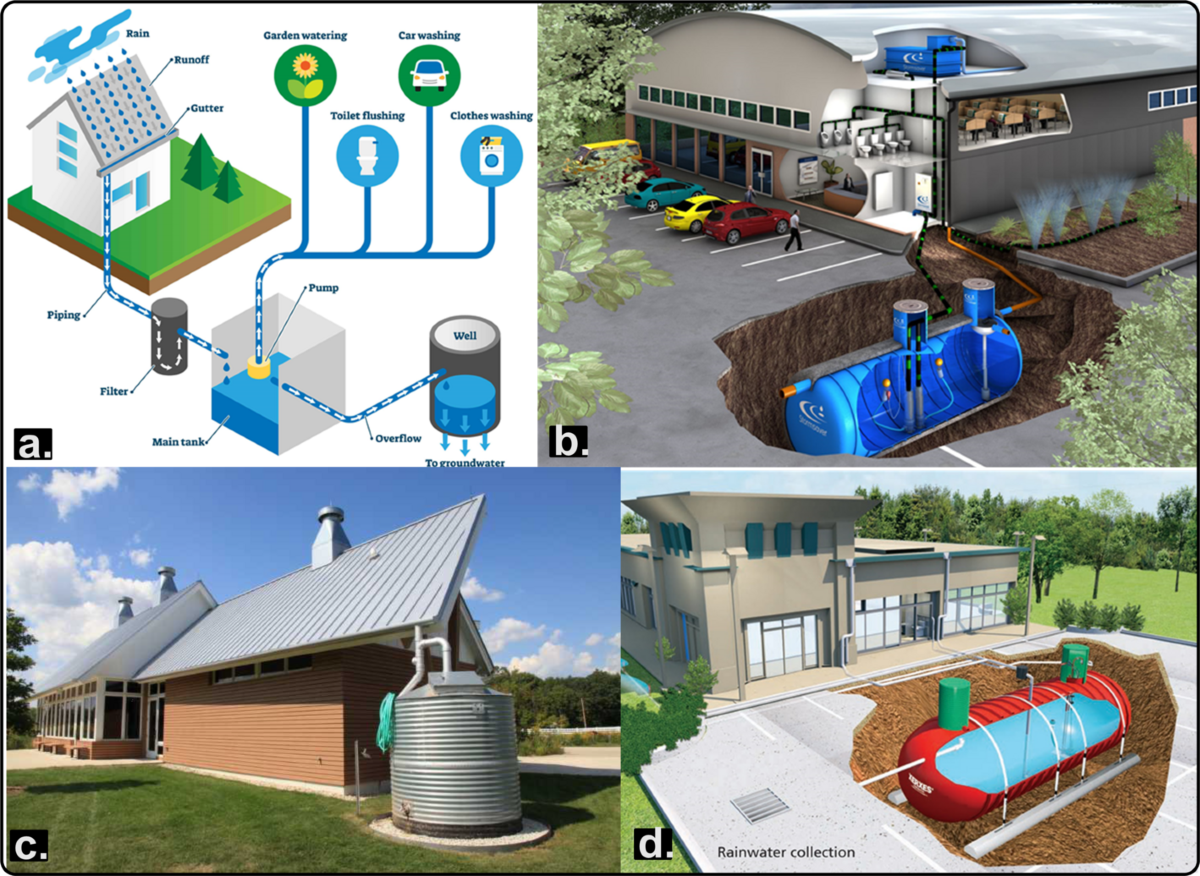
Fortunately, there is a practical, scalable solution that addresses both sides of the water security equation: rainwater harvesting. Rainwater harvesting is the practice of collecting, storing, and using rainwater rather than allowing it to run off uncontrolled into drains, streets, or waterways.
It can be as simple as a rooftop catchment system connected to a storage tank, or as sophisticated as large-scale urban infrastructure designed to capture and redirect stormwater.
By intercepting rainwater at its source, rainwater harvesting reduces the volume of water that would otherwise contribute to surface runoff and flash flooding. This makes it one of the most effective, low-cost tools for improving security of water in both urban and rural settings.
Rainwater Harvesting Benefits
The rainwater harvesting benefits extend far beyond flood prevention, making it a cornerstone strategy for long-term water security:
- Reduces surface runoff and flood peaks – By capturing rainwater before it reaches the ground, harvesting systems lower the volume and speed of runoff, easing pressure on drainage systems during heavy storms.
- Recharges groundwater – Excess harvested water can be directed into the ground, replenishing aquifers and supporting long-term security of water for the surrounding region.
- Reduces pressure on stormwater infrastructure – Aging or undersized municipal drainage systems benefit significantly when a portion of rainfall is captured before it ever enters the system.
- Provides an alternative water source – Harvested rainwater can supplement household and agricultural water use, strengthening security of water during dry spells or supply disruptions.
- Improves water quality – By reducing the volume of runoff that picks up pollutants from streets and rooftops, rainwater harvesting helps limit contamination of rivers, lakes, and drinking water sources.
Together, these benefits illustrate why rainwater harvesting is not just an environmental nicety; it’s a direct, actionable contributor to water security at the household, community, and city level.
Rainwater Harvesting as a Flood Risk Mitigation Strategy
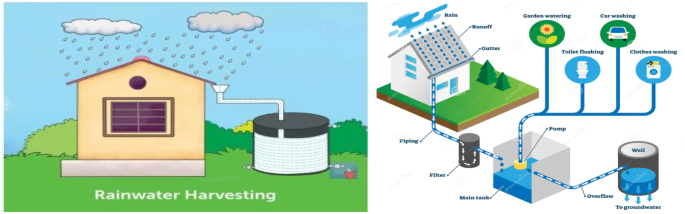
While large-scale flood infrastructure like levees, dams, and stormwater drains remain essential, they are not always sufficient on their own, especially as climate change pushes rainfall intensity beyond the design capacity of aging systems.
Rainwater harvesting offers a complementary, decentralised approach to flood risk management that strengthens overall water security.
Several practical methods make this possible:
- Rooftop rainwater harvesting systems: Gutters and downspouts direct roof runoff into storage tanks instead of the street, reducing the immediate burden on drainage systems.
- Rain gardens and bioswales: These landscaped depressions absorb and filter runoff before it reaches storm drains, slowing the flow of water during heavy rain.
- Permeable pavements: Unlike traditional concrete, permeable surfaces allow rainwater to seep into the ground rather than running off, reducing flood volume in parking lots, driveways, and walkways.
- Retention and detention ponds: These structures temporarily hold large volumes of stormwater, releasing it gradually to prevent sudden surges downstream.
When implemented at scale across households, neighbourhoods, and municipal planning, these rainwater harvesting techniques can meaningfully reduce flood peaks during extreme weather events.
They don’t eliminate the need for traditional flood infrastructure, but they significantly ease the burden on it, creating a more resilient, multi-layered defence system. This is precisely the kind of integrated approach that strengthens water security over the long term.
How Individuals and Communities Can Start Rainwater Harvesting
You don’t need to wait for large-scale government infrastructure to start improving water security in your own home or neighbourhood. Here’s a practical starting checklist:
- Assess your rooftop catchment area – Larger roofs can capture more rainwater, giving you a sense of your harvesting potential.
- Install gutters and downspouts – Direct roof runoff toward a designated collection point rather than the street or drain.
- Choose appropriate storage – Options range from simple rain barrels to large underground cisterns, depending on your space and water needs.
- Add a first-flush diverter – This component discards the initial, dirtiest runoff before clean water enters your storage tank.
- Check local building codes – Many municipalities have specific guidelines or incentives for rainwater harvesting systems.
- Consider a rain garden – If a full harvesting system isn’t feasible, even a small rain garden can absorb runoff and support local security of water.
Adopting these steps at a household level, combined with community-wide adoption, can meaningfully reduce local flood risk while contributing to broader water security goals.
Frequently Asked Questions
Water scarcity is simply a shortage of available water, while security of water is broader; it also covers water quality and protection from disasters like floods. A region can even face water security risks despite having abundant water.
Yes. It captures rainwater at the source, reducing runoff volume and speed, which lowers flood peaks during heavy storms.
Absolutely. Urban areas benefit the most, since rainwater harvesting directly addresses the runoff problem caused by concrete and rooftops.
Climate change intensifies rainfall extremes, driving both severe droughts and more frequent flooding, making security of water harder to maintain.
Conclusion
Water security means more than just having access to water; it’s about managing it wisely, protecting its quality, and reducing risks from both scarcity and excess. As urban flooding intensifies with climate change, rainwater harvesting offers a practical, scalable way to reduce flood risk, recharge groundwater, and strengthen security of water at every level.
By treating security of water as a holistic goal, individuals, communities, and governments can build a more flood-resilient, water-secure future for generations to come.
This was all about Water Security. For more information on rainwater harvesting systems and real estate investment options, please visit Chakor.

Dedicated and detail-oriented SEO Content Writer, Real Estate Writer, and Research Analyst based in Islamabad, with proven expertise in developing accurate, valuable, and well-researched content. Skilled in analytical writing, market research, and reporting, with the ability to turn insights into clear, professional, and impactful content. Passionate about exploring new ideas, analyzing industry trends, and contributing to high-quality writing and research-driven projects.
