
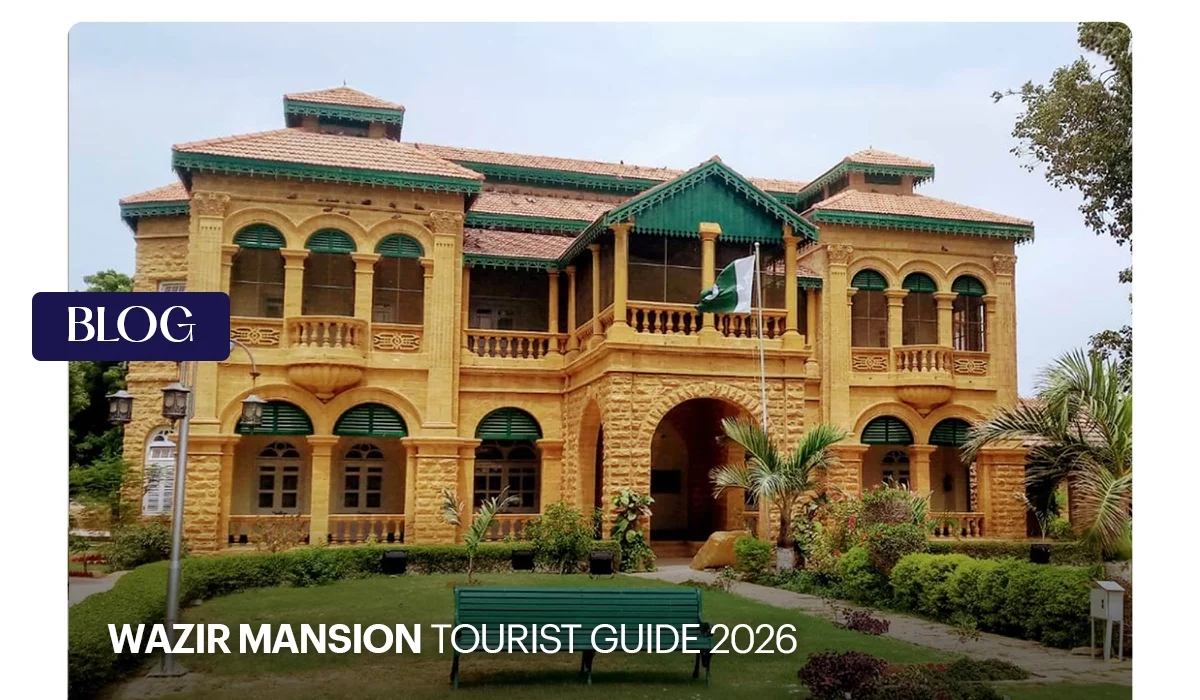

In the heart of old Karachi, surrounded by the narrow streets and historic energy of Kharadar, stands one of Pakistan’s most meaningful national landmarks: Wazir Mansion. More than just a preserved building, it is remembered as the birthplace of Quaid-e-Azam Muhammad Ali Jinnah, the founder of Pakistan.
This guide explores the history, significance, museum experience, visitor details, and architecture of Wazir Mansion, helping readers understand why this heritage site remains one of Karachi’s most important historical places.
Quick Facts About Wazir Mansion
| Feature | Details |
| Name | Wazir Mansion |
| Official Name | Quaid-e-Azam Birthplace Museum |
| Location | Barkati Street, Kharadar, Karachi |
| Historical Significance | Birthplace of Muhammad Ali Jinnah |
| Date of Birth Associated | 25 December 1876 |
| Built | Around 1860–1870 |
| Floors | Three storeys |
| Construction | Stone masonry with lime and jute mortar |
| Museum Opened | 14 August 1953 |
| Renovation | Major restoration completed between 2008 and 2010 |
| Current Custodian | Government of Sindh |
Location of Wazir Mansion Karachi
Wazir Mansion is located on Barkati Street, Kharadar, Karachi, in the city’s historic old town area.
- Area: Kharadar, Karachi South
- Street: Barkati Street, formerly Chagla Street
- Landmark: Also known as Quaid-e-Azam Birthplace Museum
- Best map search: “Wazir Mansion Museum Karachi” or “Quaid-e-Azam Birthplace Museum”
How to Reach Wazir Mansion?
By Car or Ride-Hailing App
- Use Careem, Uber, InDrive, or a private car.
- Enter Wazir Mansion Museum Karachi in Google Maps.
- Parking may be limited because Kharadar has narrow and busy streets.
- It is best to get dropped near Barkati Street and walk to the museum.
From Saddar or M.A. Jinnah Road
- Travel toward Tower.
- Continue into Kharadar.
- Follow directions to Barkati Street.
From Clifton or DHA
- Take the route toward I.I. Chundrigar Road or Tower.
- Continue toward Kharadar.
- Use Google Maps for the quickest route based on traffic.
Visitor Tip
- Visit in the morning to avoid heavy traffic and crowded market hours.
What Is Wazir Mansion?
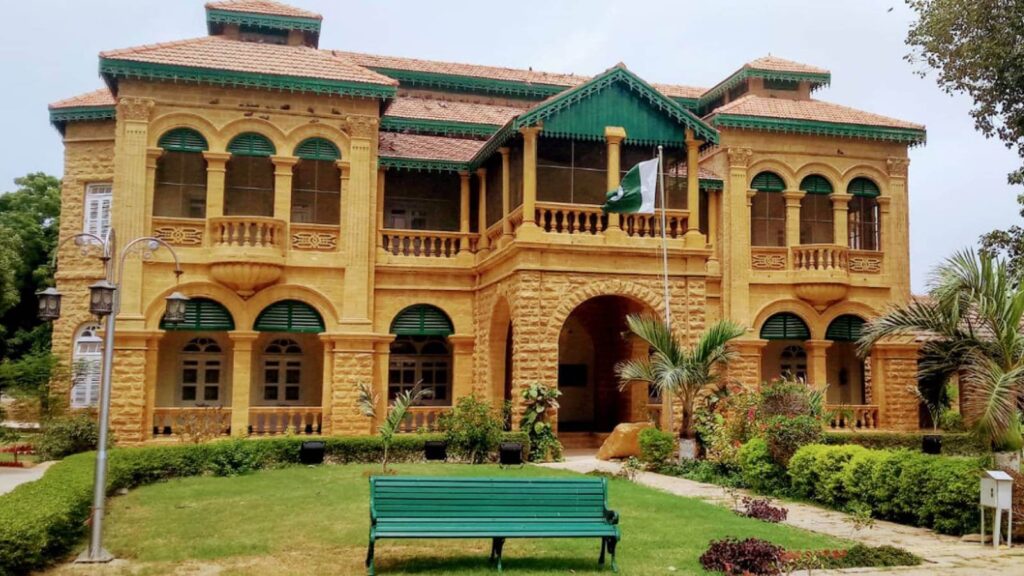
Wazir Mansion is a protected heritage building located in Kharadar, one of Karachi’s oldest and most historically rich neighborhoods. The building is best known as the birthplace of Muhammad Ali Jinnah, who was born there on 25 December 1876.
The mansion has been preserved as a museum dedicated to Jinnah’s early life, family background, and national legacy. For many Pakistanis, visiting the site is not simply a tourist activity. It is a symbolic journey into the origins of Pakistan’s independence movement.
The building stands in a part of Karachi that was once central to trade, migration, and community life. Kharadar’s streets, markets, and old buildings still reflect the city’s layered past, making Wazir Mansion an important stop for anyone interested in Karachi’s heritage.
The Story Behind the Name: Who Was Wazir Ali?
Although Wazir Mansion is remembered because of Quaid-e-Azam Muhammad Ali Jinnah, its name comes from Wazir Ali Ponawala, who purchased the building around the early 20th century.
Before Wazir Ali acquired it, the building is believed to have belonged to Gowardhan Das. Over time, the mansion became associated with Wazir Ali’s ownership and came to be known by his name. This creates an interesting contrast: the building’s name reflects one part of its ownership history, while its national significance comes from its connection to Jinnah’s birth and childhood.
That contrast is part of what makes Wazir Mansion Karachi so fascinating. It is both a private residential building from colonial-era Karachi and a national monument tied to Pakistan’s founding story.
Historical Background
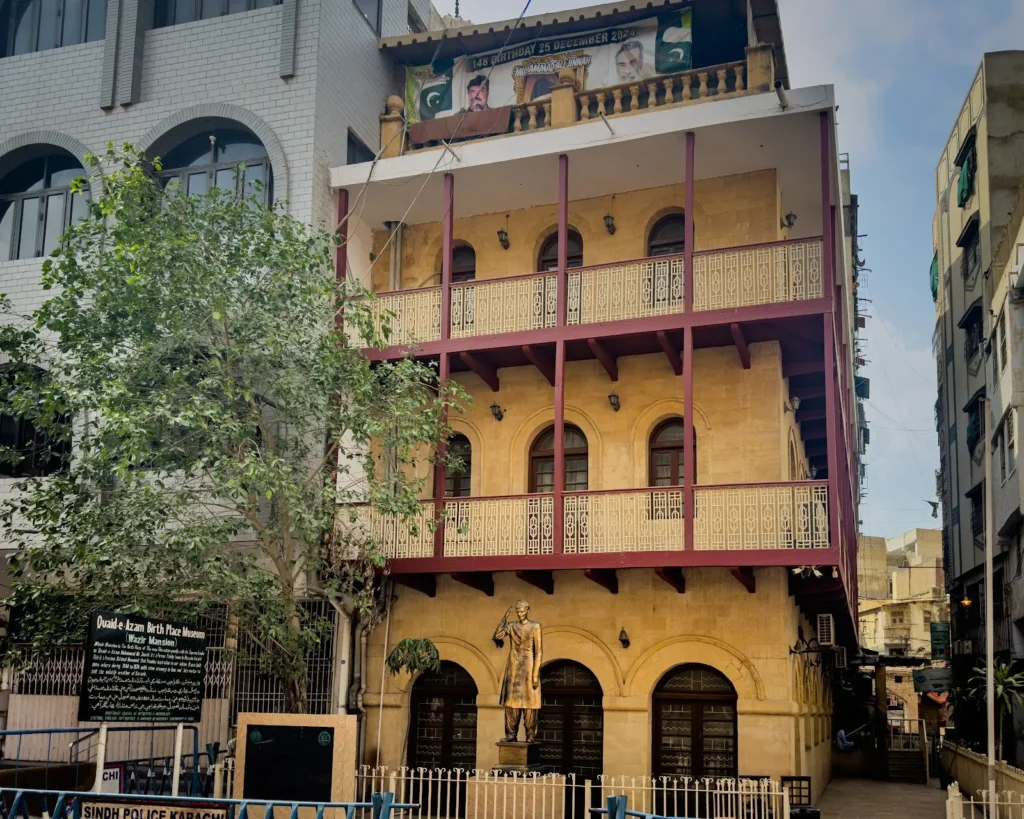
Wazir Mansion was constructed around 1860–1870, during a period when Karachi was growing as a commercial port city. Its materials and structure reflect the building practices of the time. The mansion was built using stone masonry, lime, and jute mortar, materials commonly used in durable colonial-era buildings.
Muhammad Ali Jinnah’s father, Jinnah Bhai Poonja, moved to Karachi from Paneli village in Gondal State, Gujarat. He became involved in business and is said to have rented part of the mansion after entering into a partnership with Grams Trading Company. The family lived in the building during the early years of Jinnah’s life.
At that time, Karachi was becoming a city of trade, opportunity, and movement. Merchants, communities, and families from different regions were drawn to the city. Wazir Mansion, therefore, belongs not only to Jinnah’s personal history but also to the wider story of Karachi’s rise as an urban and commercial center.
December 25, 1876: The Birth of Pakistan’s Founder
The most important historical event associated with Wazir Mansion is the birth of Muhammad Ali Jinnah on 25 December 1876. This connection transformed the building from an old residence into one of the most emotionally significant heritage sites in Pakistan.
For years, there was some confusion about Jinnah’s exact birthplace, with some accounts suggesting Jhirk in Sindh. However, the widely accepted view recognizes Wazir Mansion in Karachi as his birthplace. Fatima Jinnah’s book My Brother also played an important role in strengthening the recognition of Wazir Mansion as the place where Jinnah was born.
This makes Wazir Mansion more than an architectural landmark. It is a place where national memory, family history, and public heritage come together. Standing inside the building allows visitors to imagine the early life of the leader who would later guide Muslims of the subcontinent toward the creation of Pakistan.
From Family Home to National Monument
After Jinnah’s rise as the leader of the Pakistan movement and the creation of Pakistan in 1947, the importance of his birthplace grew dramatically. The Government of Pakistan acquired the building in 1953, recognizing its national value.
The mansion was formally opened as a museum on 14 August 1953, a symbolic date chosen to connect the site with Pakistan’s Independence Day. It was later protected under heritage and antiquities laws, ensuring that the building would be preserved for future generations.
Over the years, restoration became necessary due to age, climate, and the challenges of maintaining a historic structure in a dense urban area. A major conservation and renovation project was carried out between 2008 and 2010, with careful attention given to preserving the building’s original character. In 2011, custodianship was handed over to the Government of Sindh.
This journey from private family residence to protected national museum shows how deeply the Mansion is tied to Pakistan’s identity.
Inside Wazir Mansion Museum Karachi: What Can Visitors See?
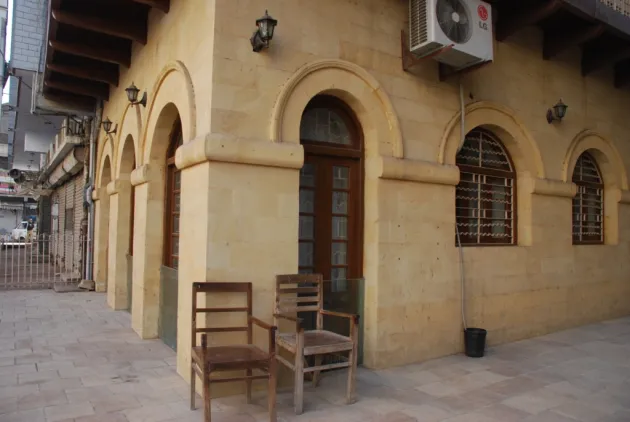
The Wazir Mansion Museum Karachi allows visitors to walk through the preserved space associated with Quaid-e-Azam’s early life. The building has three floors, with museum galleries, archival material, photographs, and historical displays.
Inside, visitors may find:
- Photographs related to Muhammad Ali Jinnah’s life and political journey
- Personal and historical items connected to the Jinnah family
- Museum displays explaining the importance of the site
- Archival material and references to Pakistan’s independence history
- Preserved rooms and spaces that reflect the character of the original building
The atmosphere inside the museum is quiet and reflective. Unlike many large museums, the Mansion feels intimate. Its importance comes not from grand scale but from emotional and historical closeness. Visitors are not simply looking at objects behind glass; they are standing in a place connected to the earliest chapter of Jinnah’s life.
Architecture of Wazir Mansion
The architecture of Wazir Mansion reflects the practical and aesthetic choices of colonial-era Karachi. Built as a three-story structure, the mansion uses stone masonry, lime, and jute mortar, giving it strength and durability.
Its design is not overly ornamental, but it carries the dignity of a historic urban residence. The layout reflects a time when Karachi’s residential buildings had to respond to heat, humidity, and the demands of dense neighborhood living. Thick walls, durable materials, and a compact vertical plan helped the building survive Karachi’s changing climate and urban pressures.
The restoration of the mansion focused on preserving its original structure while making it suitable for museum use. This balance is important in heritage conservation. A building like the Mansion must remain safe for visitors, but it must also retain the character that makes it historically meaningful.
For anyone interested in Karachi’s built heritage, the architecture of the mansion offers a valuable example of how residential buildings from the 19th century can become national monuments.
Wazir Mansion Karachi and the Heritage of Kharadar
Kharadar is one of Karachi’s oldest neighborhoods. Its name, streets, markets, and buildings reflect the city’s early development as a port and trading hub. Its location in Kharadar adds another layer to its importance.
A visit to Wazir Mansion Karachi is also a visit to old Karachi. The surrounding area offers glimpses of historic urban life, from traditional markets to old street patterns. For heritage tourists, this makes the trip more rewarding. The mansion can be part of a broader walking or driving tour of Karachi’s historic quarters.
Visitors interested in architecture, history, and culture can combine Wazir Mansion with nearby heritage stops in Karachi South. This helps position the site not only as a national monument but also as part of Karachi’s larger tourism story.
FAQs
Where is Wazir Mansion located?
The Mansion is located on Barkati Street in Kharadar, Karachi. The area is part of Karachi’s historic old city and is known for its narrow streets, markets, and heritage buildings.
Why is Wazir Mansion famous?
The Mansion is famous because it is recognized as the birthplace of Quaid-e-Azam Muhammad Ali Jinnah, the founder of Pakistan. It is now preserved as the Quaid-e-Azam Birthplace Museum.
When was Muhammad Ali Jinnah born in Wazir Mansion?
Muhammad Ali Jinnah was born on 25 December 1876. The Mansion is widely recognized as the place of his birth.
What can you see inside Wazir Mansion Museum Karachi?
Inside Wazir Mansion Museum Karachi, visitors can see photographs, historical displays, archival material, and preserved spaces connected to Jinnah’s early life and Pakistan’s national history.
What is special about the architecture?
The architecture is notable for its colonial-era construction, three-storey layout, stone masonry, and use of lime and jute mortar. Its preservation shows how Karachi’s historic residential buildings can be adapted into national museums.
Conclusion
For those exploring historical places in Karachi, Wazir Mansion Karachi deserves a place near the top of the list. It is not just a building from the past. It is a living reminder of the origins of Pakistan’s founding story.
For more informative blogs on topics like Altit Fort and Gurudwara Janam Asthan Nankana Sahib, visit Chakor Blogs.
Read More:
- Tomb of Jahangir 2026: Lahore’s Remarkable Mughal Heritage
- All You Need to Know About Tomb of Quaid e Azam
- 10 Incredible Haunted Places in Pakistan to Explore

BBC-featured Content Specialist with a sharp eye for search intent and a proven ability to turn content into a growth engine. I leverage cutting-edge digital marketing tools to craft strategies that fuel organic traffic, amplify brand growth, and own the local SEO landscape, particularly across the competitive real estate market. I help brands dominate search rankings and convert visibility into measurable business success.
