The world’s political landscape has a direct bearing on markets, investment flows, and development priorities. At Chakor, our Geopolitics section examines how regional and global political dynamics shape Pakistan’s economy, real estate sector, and infrastructure ambitions.
From cross-border trade relations to foreign investment trends and diplomatic developments, we connect the bigger picture to what it means for you on the ground.
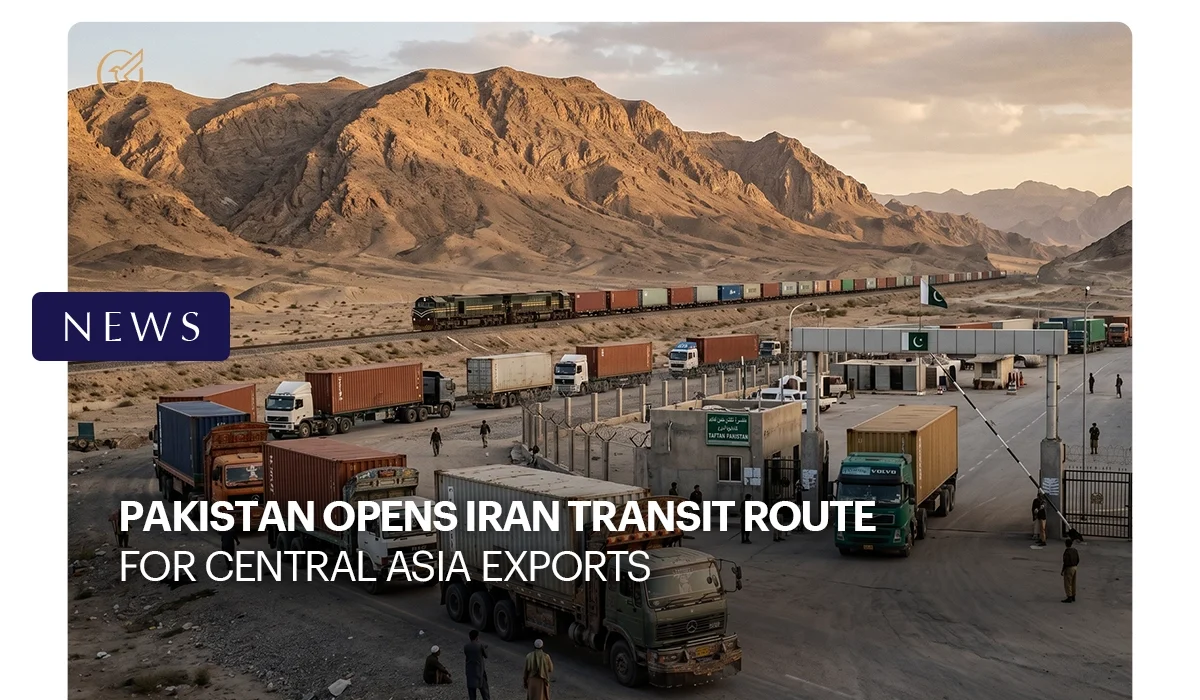
ISLAMABAD: Pakistan has dispatched its first commercial export consignment to Uzbekistan through a newly activated land route via Iran. The shipment, consisting of refrigerated trucks carrying frozen beef, departed from Karachi and crossed into Iran at the Gabd-Rimdan border point.
The transit is being conducted under the TIR convention, an international customs framework that allows goods to move across borders with minimal regulatory delay. The consignment is currently en route to Tashkent.
The route bypasses Afghanistan, offering Pakistan a more reliable alternative for accessing landlocked Central Asian markets. The Gabd-Rimdan crossing sits near Gwadar, effectively connecting the deep-sea port to regional trade networks.
Officials view the development as part of Pakistan’s broader push to expand its export footprint under the CPEC framework. Central Asia represents a combined market of over 70 million consumers.
The inaugural shipment is expected to strengthen trade ties between Islamabad, Tehran, and Tashkent, while boosting the commercial role of both Karachi and Gwadar ports.
BBC-featured Content Specialist with a sharp eye for search intent and a proven ability to turn content into a growth engine. I leverage cutting-edge digital marketing tools to craft strategies that fuel organic traffic, amplify brand growth, and own the local SEO landscape, particularly across the competitive real estate market. I help brands dominate search rankings and convert visibility into measurable business success.
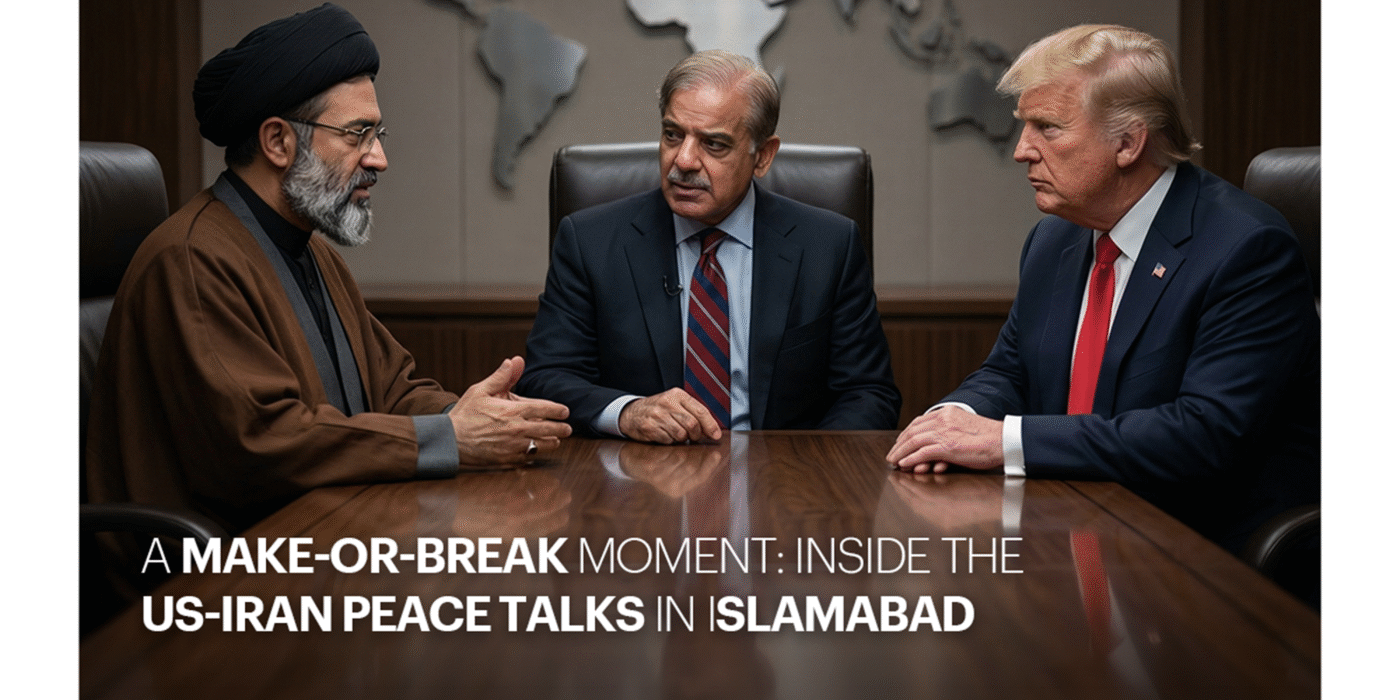
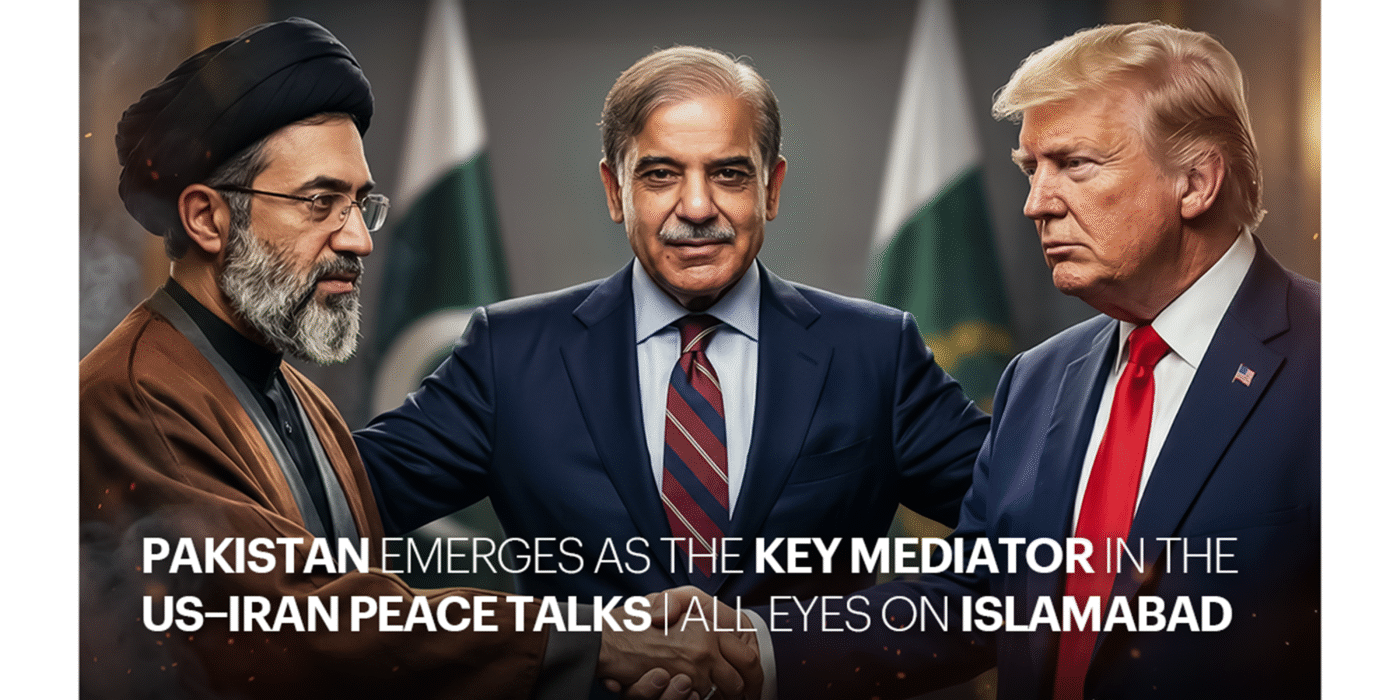
ISLAMABAD, April 11, 2026 — Pakistan’s capital became the centre of global diplomacy as senior delegations from Washington and Tehran gathered for high-stakes US-Iran peace talks, widely described by analysts as the most consequential negotiations in decades. The meeting followed a Pakistan-brokered truce that halted a devastating six-week conflict and reopened diplomatic channels between long-time adversaries.
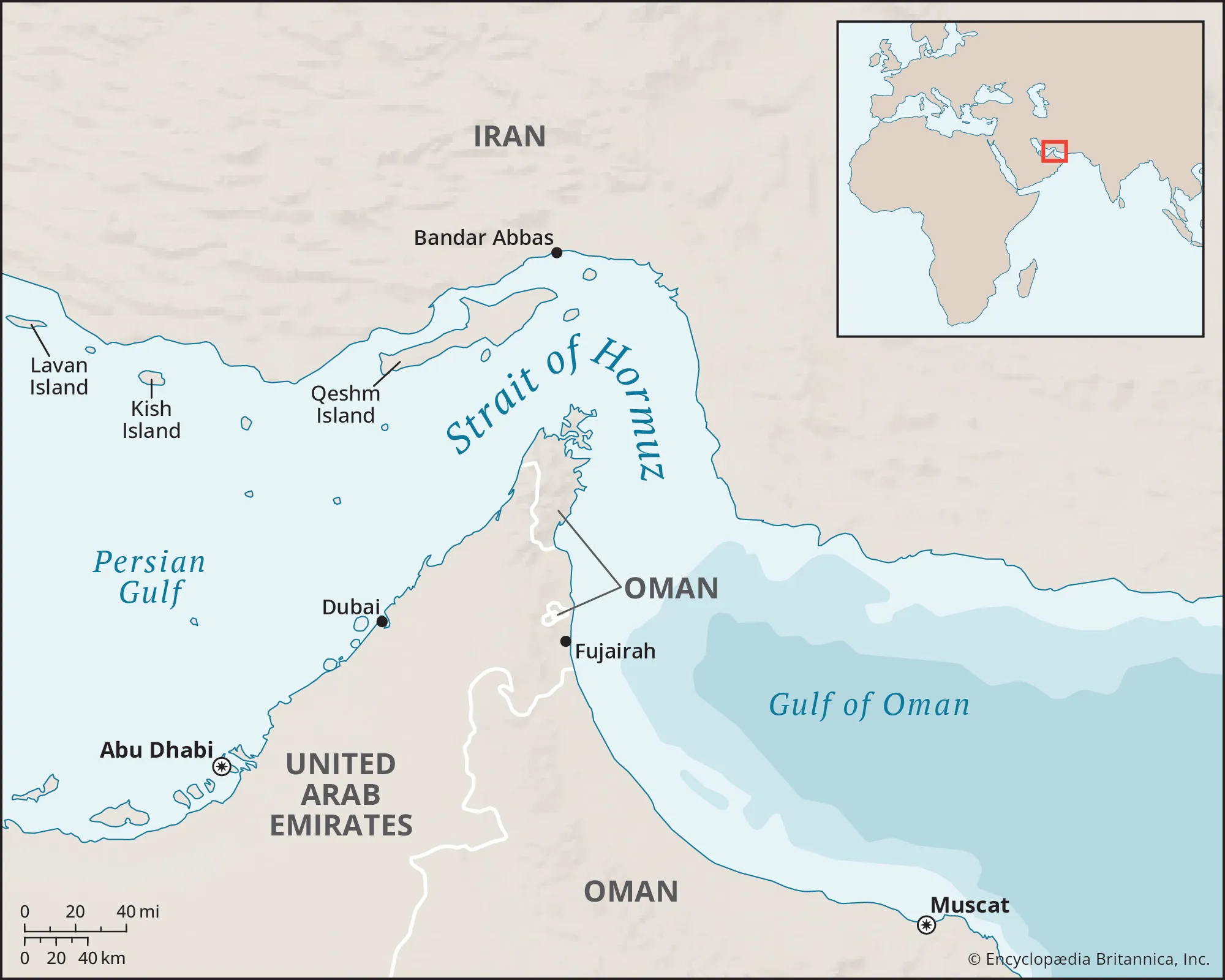
The war, which began on February 28, lasted roughly 40 days and involved extensive US-Israeli aerial bombardment of Iranian targets. The conflict resulted in thousands of casualties and pushed shipping through the Strait of Hormuz, a corridor responsible for nearly 20 percent of global oil and gas transit, to the brink of disruption.
The ceasefire, achieved after weeks of quiet diplomacy in which Pakistan mediates ceasefire efforts between the two sides, created the conditions for the US-Iran talks, Islamabad framework.
Prime Minister Shehbaz Sharif described the talks as a decisive moment. “I ask all of you to pray that these talks are successful and countless lives are saved and the world shall see peace,” he said in a televised address, according toThe Express Tribune’s report.
Delegations Arrived Amid Global Attention
United States
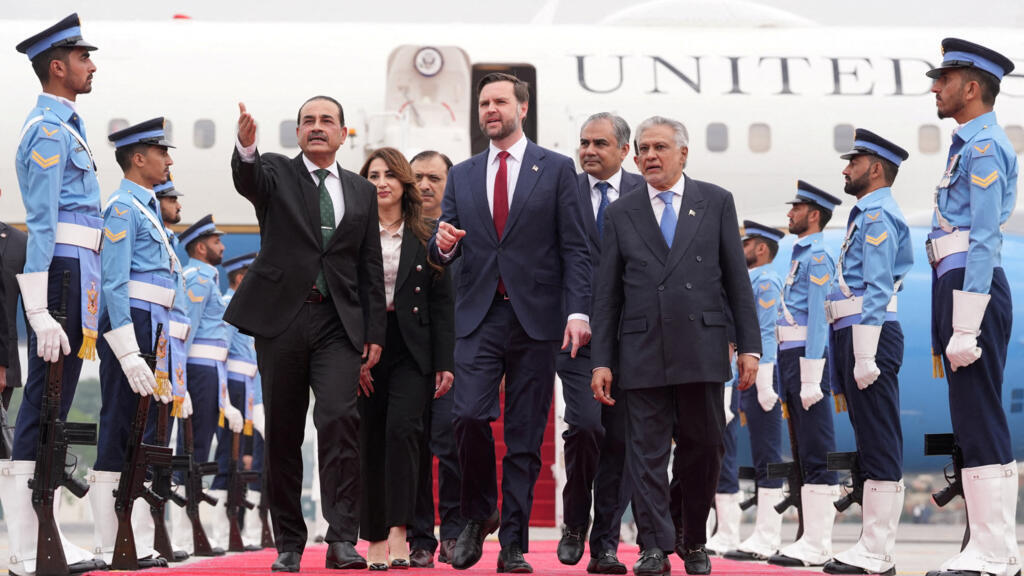
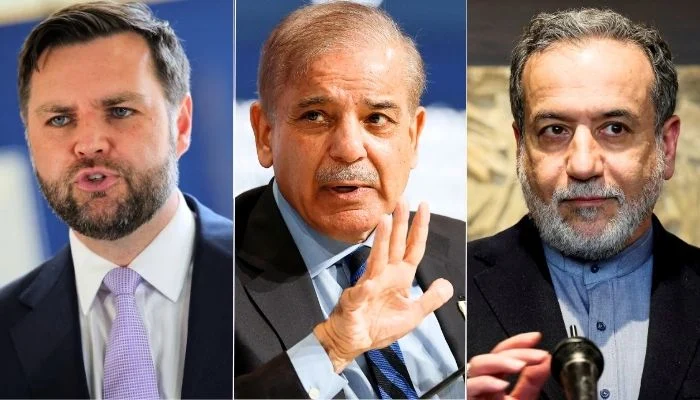
The United States delegation was led by Vice President JD Vance, marking the first visit by a sitting US vice president to Pakistan since 2011. The delegation also included Middle East Special Envoy Steve Witkoff and Jared Kushner, according toThe Express Tribune’s andBloomberg. Pakistani officials, including Deputy Prime Minister Ishaq Dar and Army Chief Field Marshal Syed Asim Munir, received the delegation at Nur Khan Airbase.
President Trump, speaking from Washington, expressed optimism while simultaneously warning of renewed military action should the talks collapse, saying: “We’re going to find out in about 24 hours.”
Before departure, Vance expressed cautious optimism regarding the US-Iran peace talks. “We’re looking forward to the negotiation. I think it’s going to be positive. If the Iranians are willing to negotiate in good faith, we’re certainly willing to extend the open hand,” he told reporters, according toThe Express Tribune.
Iran
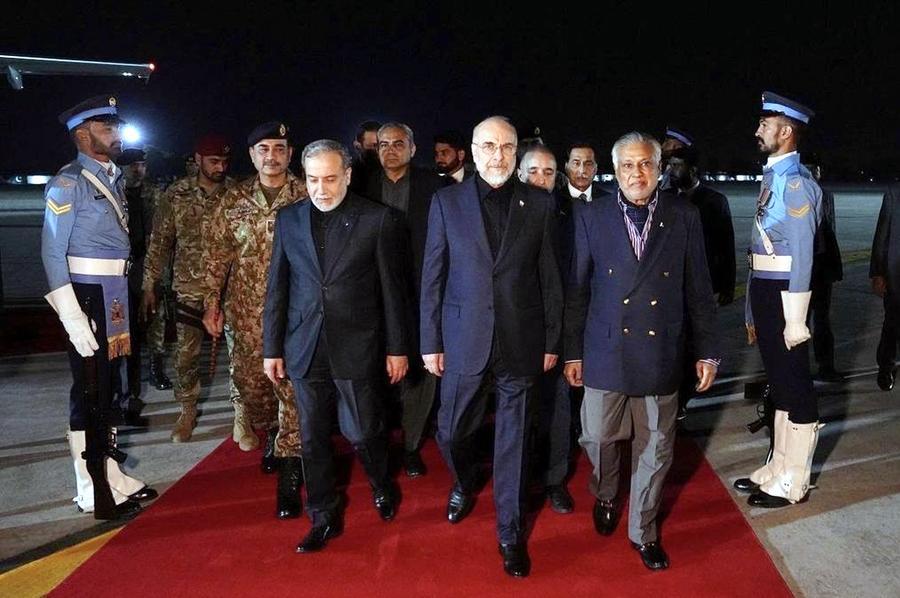
Iran’s delegation, led by Parliament Speaker Mohammad Bagher Ghalibaf and Foreign Minister Abbas Araghchi, arrived late on Friday night. Tehran entered the US-Iran talks Islamabad with a firm negotiating position, demanding sanctions relief, access to frozen financial assets, and security guarantees against further military operations, according toBloomberg andAl Jazeera.
Iran also called for oversight of the Strait of Hormuz, compensation for war damages, and inclusion of Lebanon in any ceasefire arrangement, conditions analysts described as more expansive than those presented before the conflict began.
Pakistan Mediates Ceasefire and Hosts Negotiations
Pakistan’s emergence as a mediator followed weeks of quiet diplomacy. Islamabad maintained backchannel contacts with Tehran while coordinating with Washington and consulting regional actors, including China, Saudi Arabia, Turkey and Egypt. These efforts helped bring both sides to the negotiating table and shaped the format of the US-Iranpeacetalks, according to an analysis published byThe Friday Times.
Pakistan’s civil-military leadership adopted a layered mediation structure. Prime Minister Sharif provided political authority, Foreign Minister Ishaq Dar managed the diplomatic process, and senior security officials engaged at the strategic level.
Analysts noted that Pakistan mediates ceasefire diplomacy, combining pressure and reassurance. Islamabad warned against escalation while maintaining neutrality, enabling both sides to accept a pause without conceding.
Islamabad Under Tight Security
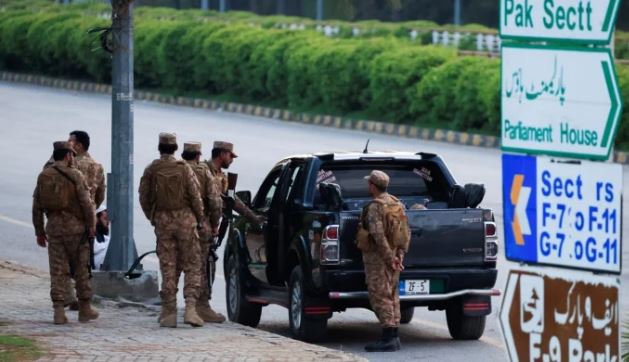
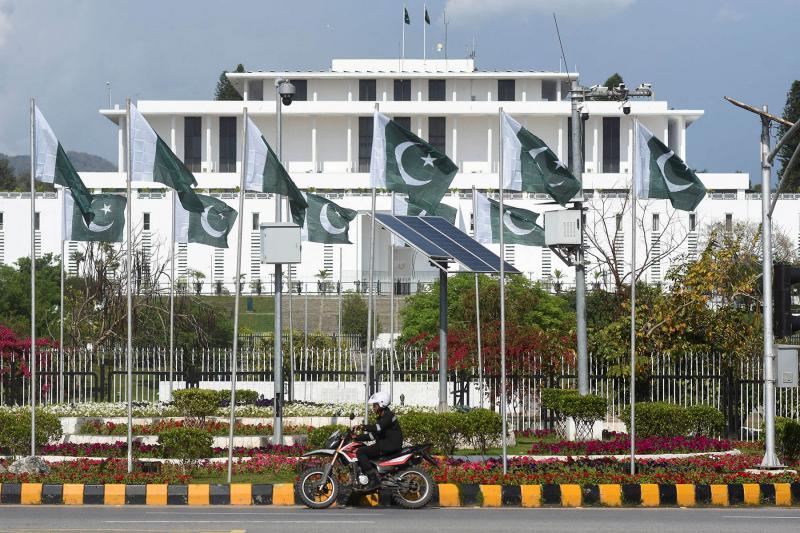
The US-Iran talks Islamabad were held in Islamabad’s Red Zone, with heavy security deployed across the capital. Roads were sealed, barriers erected, and a dedicated media centre established for international coverage, according toThe Express Tribune. Officials indicated negotiations could continue for up to 15 days, beginning with shuttle diplomacy before direct exchanges.
Nuclear Programme at the Core of US-Iran Peace Talks
The nuclear dispute remained the most contentious issue. Washington demanded a permanent halt to uranium enrichment and disposal of Iran’s enriched uranium stockpile, including approximately 460 kilograms of 60 percent enriched material, according toBloomberg. Tehran rejected a zero-enrichment proposal and insisted on its right to peaceful nuclear development.
Iran argued that any Islamabad Accord must go beyond the 2015 nuclear agreement, which it described as a baseline rather than a ceiling.
The Strait of Hormuz Became Critical Bargaining Point
The Strait of Hormuz emerged as one of the most urgent issues in the US-Iran peace talks. Iran’s effective closure during the conflict disrupted tanker movement and threatened global energy markets, according toBloomberg.
Iran proposed long-term oversight of the Strait of Hormuz, while Washington demanded an unconditional reopening, a disagreement that analysts said illustrated the global economic stakes in the negotiations.
Lebanon Crisis Complicated Diplomacy
The situation in Lebanon threatened to derail the talks. Israel launched widespread strikes following the ceasefire, killing more than 300 people in a single day. Iran demanded that Lebanon be included in negotiations, while Washington maintained that the issue fell outside the current ceasefire terms, according toAl Jazeera.
Competing Frameworks
The United States presented a 15-point proposal focusing on the rollback of nuclear activity, missile limits and regional posture adjustments. Iran offered a 10-point plan prioritizing security guarantees, early sanctions relief and preservation of deterrence capabilities, according toBloomberg.
The sequencing dispute, concessions first versus relief first, remained the biggest obstacle. Diplomats said bridging that gap would determine whether the US-Iran peace talks could produce a lasting Islamabad Accord.
Global Stakes
The US-Iran peace talks represented the highest-level diplomatic engagement between Washington and Tehran since the 1979 Iranian Revolution. A successful Islamabad Accord could reopen global energy flows, stabilise Middle Eastern security architecture and reshape regional geopolitics, according toBloomberg. Failure risked renewed conflict and volatility in oil markets linked to the Strait of Hormuz.
For Pakistan, the stakes were equally significant. Success would cement Islamabad’s role as a credible global mediator and demonstrate how Pakistan mediates ceasefire diplomacy and influence international outcomes, as reflected in reporting byThe Express Tribune and analysis byThe Friday Times.
As negotiations unfolded, diplomats acknowledged that diplomacy had entered its most delicate phase. Whether the US-Iran talks Islamabad would yield a durable Islamabad Accord remained uncertain, but the outcome promised far-reaching consequences for regional stability, global energy markets and the future of US-Iran relations.
Global Significance
The Islamabad Talks marked the highest-level engagement between the United States and Iran since the 1979 Islamic Revolution, with implications extending far beyond the two countries.
A successful agreement could reopen global energy flows, stabilise the Middle East, and reshape regional geopolitics. Failure, however, risked renewed conflict, higher energy prices, and wider instability.
For Pakistan, success would strengthen its position as a credible global mediator, while failure would expose the limits of its diplomatic influence. As Prime Minister Shehbaz Sharif said, Pakistan would “put in its best efforts,” but the outcome ultimately rested with Washington and Tehran.
Dedicated and detail-oriented SEO Content Writer, Real Estate Writer, and Research Analyst based in Islamabad, with proven expertise in developing accurate, valuable, and well-researched content. Skilled in analytical writing, market research, and reporting, with the ability to turn insights into clear, professional, and impactful content. Passionate about exploring new ideas, analyzing industry trends, and contributing to high-quality writing and research-driven projects.
ISLAMABAD, April 10, 2026 —Pakistan stands at the centre of one of the most consequential diplomatic efforts in decades as Islamabad prepares to host the US Iran peace talks, positioning the country as the primary intermediary in efforts to stabilise a conflict that disrupts global energy supplies and threatens wider regional escalation. The emerging framework, increasingly referred to by diplomats as the Islamabad Accord, follows a Pakistan-brokered ceasefire after weeks of intensive shuttle diplomacy.
The US Iran talks come after the US-Iran ceasefire announced on April 7–8, which emerged following sustained diplomatic engagement led by Pakistan’s civilian and military leadership. Islamabad facilitates backchannel communication, relays proposals, hosts regional meetings and coordinates with partners including China and Saudi Arabia. The agreement pauses hostilities shortly before a U.S. escalation deadline, underscoring the urgency surrounding the diplomatic push.
Analysts describe the development as a major diplomatic breakthrough. South Asia expert Michael Kugelman calls the mediation “one of Pakistan’s biggest diplomatic wins in years,” according to a France 24 report.
Conflict Triggered Global Energy Shock After Strait of Hormuz Closure
The crisis begins on February 28, 2026, when coordinated U.S. and Israeli airstrikes target Iran’s leadership and military infrastructure. Iran responds with missile and drone attacks and moves to close the Strait of Hormuz, the narrow waterway through which roughly 20 percent of global oil supply flows.
The closure of the Strait of Hormuz immediately disrupts global markets. The International Energy Agency warns the situation represents “the largest supply disruption in the history of the global oil market,” according to the IEA Oil Market Report cited in the document.
According to IEA data referenced in the report:
About 20 million barrels per day of oil are disrupted
Brent crude rises close to $120 per barrel
Analysts warn prices could reach $200 per barrel, according to Bloomberg
Global LNG supply drops around 20 percent
Gulf food imports fall by roughly 70 percent
Global GDP risk reaches −1.3 percentage points, according to Dallas Fed research
These figures illustrate the global stakes surrounding the US Iran peace talks and the urgency behind the Pakistan-brokered ceasefire.
Jet fuel prices double while U.S. gasoline prices rise about 30 percent, according to reporting cited from Time and industry data referenced in the report.
Pakistan Emerges as Only Credible Mediator
Pakistan mediates the US Iran crisis largely because of its unique diplomatic positioning. Islamabad maintains relations simultaneously with Washington, Tehran, Riyadh and Beijing, a rare diplomatic victory.
Pakistan shares a 900-kilometre border with Iran, maintains defence cooperation with Saudi Arabia and retains longstanding ties with the United States. It is also widely regarded as China’s closest regional partner, according to analysis cited from Al-Monitor.
Pakistan also has significant domestic and economic stakes:
Over 20 million Shia Muslims
Approximately 5 million workers in Gulf states
Annual remittances of $38.3 billion
Heavy reliance on energy imports through the Strait of Hormuz
Pakistan also emphasises neutrality. Officials condemn attacks by all sides and rule out military participation against Iran, strengthening Islamabad’s credibility as mediator, according to reporting cited from Al Jazeera.
Six Weeks of Shuttle Diplomacy Leads to Islamabad Accord
Pakistan launches diplomatic outreach immediately after the conflict begins.
On March 3, Foreign Minister Ishaq Dar tells Pakistan’s Senate Islamabad is ready to facilitate US Iran talks, according to Al Jazeera.
Prime Minister Shehbaz Sharif meets Saudi leadership in Jeddah on March 12, expressing solidarity while reassuring Iran. The move helps prevent further escalation, according to reporting referenced from CNN.
Regional foreign ministers meet in Riyadh on March 19 and again in Islamabad on March 29, aligning diplomatic positions for the US Iran peace talks.
Pakistan relays a 15-point U.S. ceasefire proposal to Tehran on March 25. Iran rejects the proposal but submits its own conditions, keeping negotiations alive.
On March 31, Pakistan and China announced a joint five-point peace initiative calling for cessation of hostilities and restoration of navigation in the Strait of Hormuz, reinforcing momentum toward the Islamabad Accord.
Further negotiations follow. Pakistan presents a two-phase ceasefire framework in early April. The exchange culminates in the US-Iran ceasefire announced April 7–8, according to reporting from CNN, Al Jazeera and France 24.
Historic Significance of US Iran Peace Talks
Analysts describe the US Iran peace talks in Islamabad as unprecedented. The mediation marks the first time Pakistan brokers a ceasefire between adversaries during active escalation, according to expert assessments cited from Al Jazeera.
The engagement also represents the highest-level US Iran talks since 1979, according to Time.
Economic Stakes Linked to Ceasefire
The US-Iran ceasefire and potential Islamabad Accord carry major economic implications.
A diplomatic breakthrough could revive the Iran–Pakistan gas pipeline. The project:
Length: 2,775 km
Gas flow: 21.5 million m³/day
Power generation: 4,000 MW
Savings: $2.3 billion annually
Penalty risk avoided: $18 billion
These figures come from IPRI Pakistan research cited in the report.
The conflict also threatens remittances from Gulf-based Pakistani workers. About five million workers send home $38.3 billion annually, according to Time.
Global Reaction to Pakistan Mediates Ceasefire
International leaders welcome the Pakistan-brokered ceasefire.The United Nations calls for compliance with terms. European Commission President Ursula von der Leyen welcomes de-escalation. UK Prime Minister Keir Starmer calls the deal a “moment of relief.”
These reactions are cited from international coverage referenced in the report, including Reuters and Al Jazeera.
China says it works actively to help bring about the US-Iran ceasefire, while Iran confirms acceptance of the agreement.
Islamabad at the Centre of Global Diplomacy
Pakistan mediates the crisis at a moment when global markets remain sensitive to disruptions in the Strait of Hormuz and regional escalation risks. The Pakistan-brokered ceasefire pauses what analysts describe as the largest oil disruption in modern history and positions Islamabad as a central diplomatic actor.
The US Iran peace talks, expected to shape the emerging Islamabad Accord 2026, now place Pakistan at the centre of global diplomacy; with energy security, regional stability and geopolitical alignment all hinging on the outcome.
BBC-featured Content Specialist with a sharp eye for search intent and a proven ability to turn content into a growth engine. I leverage cutting-edge digital marketing tools to craft strategies that fuel organic traffic, amplify brand growth, and own the local SEO landscape, particularly across the competitive real estate market. I help brands dominate search rankings and convert visibility into measurable business success.