RAWALPINDI: The Excise, Taxation and Narcotics Control Department has reported a 57 per cent shortfall in property and professional tax collection across Rawalpindi Division during the first six months of fiscal year 2025–26 (July 1 to December 31), amid mounting economic pressures, including inflation and unemployment.
During a visit to Rawalpindi, Additional Director General Rizwan Akram Sherwani conducted an open hearing to address complaints and petitions filed by taxpayers from Rawalpindi, Jhelum, Attock, and Chakwal. The petitions challenged property tax bills amounting to millions of rupees, with taxpayers alleging excessive and incorrect assessments.
The Additional DG approved all appeals and directed the immediate cancellation of inflated bills, ordering excise inspectors to issue revised and reduced bills strictly in line with applicable laws. Incorrect assessments were annulled, while inspectors found responsible for excessive or fictitious billing were issued strict warnings.
Authorities also initiated action against specific excise inspectors accused of sending fake property tax bills worth millions to major housing societies and later issuing reduced bills after alleged settlements.
In a separate incident, the department imposed a professional tax of Rs 1.5 million on a cricket ground owned by a private housing society near Taxila, prompting strong protests from the management.
Following continued underperformance, the director general of excise has issued show-cause notices to excise inspectors and directed them to recover tax targets within the next two months. Officials reiterated that excessive billing will not be tolerated and urged citizens to pay taxes on time, citing tax compliance as essential for public service delivery.
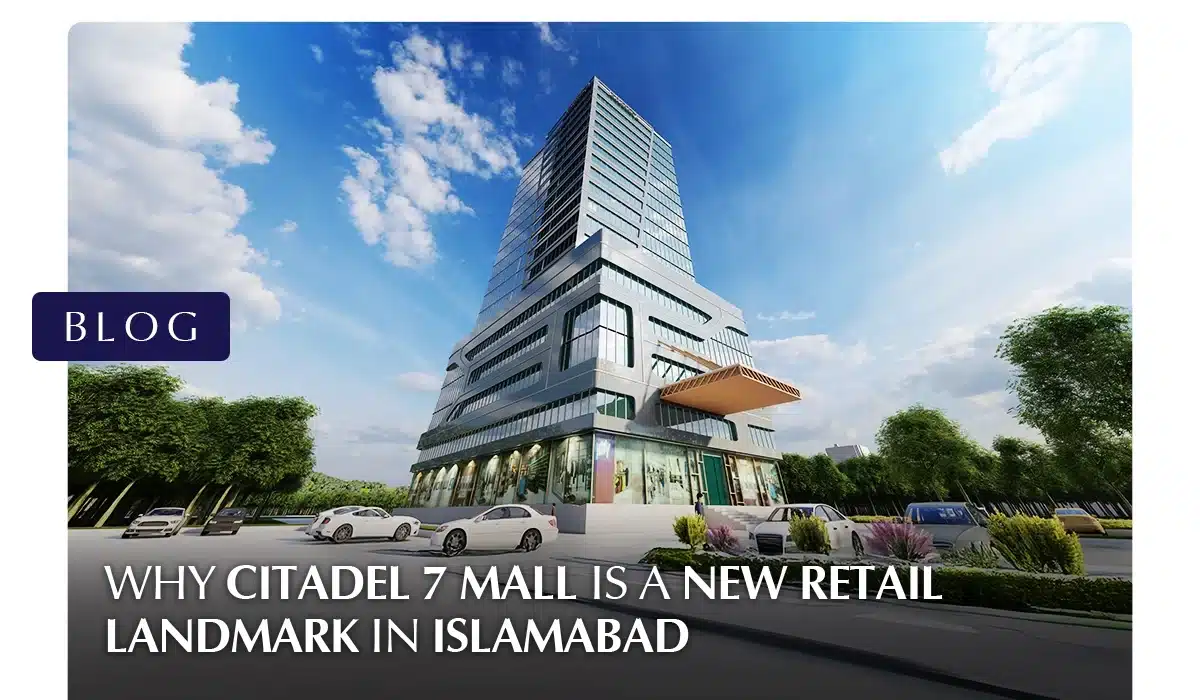
Over the past few decades, the Blue Area has emerged as a hub for a retail landmark in Islamabad, especially with its rapid urbanisation, increasing demand for premium shopping experiences, and expanding business opportunities. Retail investments in Islamabad have proven to be highly lucrative, attracting both local and international investors. Among the prominent developments, Citadel 7 Mall stands out as a new retail landmark in Islamabad, offering investors and shoppers alike a sophisticated, modern retail space with exceptional growth potential.
This article explores why Citadel 7 Mall is poised to become a key retail destination, highlighting its unique offerings, strategic location in the Blue Area, and the substantial investment benefits it offers.
The Rise of Retail Investment in Islamabad
Islamabad’s rapidly growing real estate market presents significant investment potential, especially in retail properties. As the city expands, retail investment in Islamabad has become an increasingly attractive option for both local and international investors, offering strong returns and long-term growth. Here’s why:
High Demand for Commercial Spaces: With the city’s growing commercial and residential sectors, retail properties are in high demand, making them a lucrative investment in Islamabad’s retail market.
Impressive Returns: Retail investments in Islamabad can yield annual returns of up to 12%, thanks to the city’s high-foot traffic and thriving consumer base.
Capital Appreciation: Retail investment in Islamabad also offers significant capital appreciation, driven by the ongoing expansion of residential, commercial, and recreational spaces.
Urban Expansion: Islamabad’s rapid urbanisation and infrastructure development contribute to long-term growth for premium retail spaces and commercial investments.
With its growing demand and substantial returns, Islamabad’s retail sector continues to offer the best investment opportunities, especially in areas like Blue Area, Islamabad’s downtown, where Citadel 7 Mall is set to become one of the top retail landmarks in Islamabad.
Best Locations for Retail Investment in Islamabad
Location
Key Characteristics
Investment Potential
Blue Area
Primary commercial hub with high foot traffic and proximity to key business and residential districts.
Best for high-end retail and commercial office spaces.
DHA Islamabad & Bahria Town
Well-established communities with continuous development and high foot traffic.
Long-term value with strong demand and secure investment.
Faisal Town & Faisal Hills
Growing areas with affordable entry points and strong future growth potential.
Ideal for flexible investments with high growth potential.
Gulberg Islamabad
Emerging business hub with significant future development.
Excellent for future growth and higher returns in the long term.
Best Locations for Retail Investment in Islamabad
The location of a shopping mall plays a crucial role in its long-term success. Some of the key investment locations in Islamabad include:
Blue Area
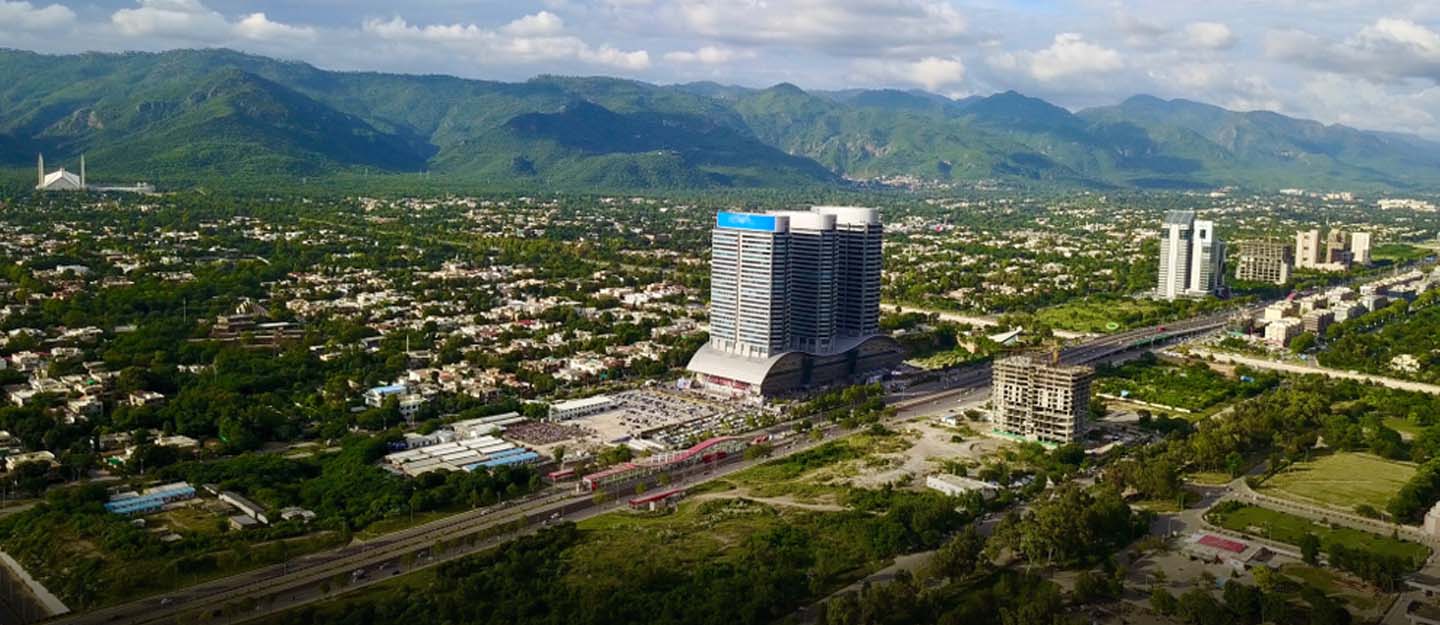
The Blue Area is Islamabad’s primary commercial hub, offering excellent accessibility and high foot traffic. It’s known for its proximity to major business districts and residential zones, making it the top choice for high-end retail spaces. Citadel 7 Mall, located in the Blue Area, is poised to become one of the best real estate investments in the city.
DHA Islamabad & Bahria Town
Both DHA Islamabad and Bahria Town are well-established communities with a strong customer base and high foot traffic. These areas offer a secure environment and significant long-term growth potential, making them ideal for retail investment.
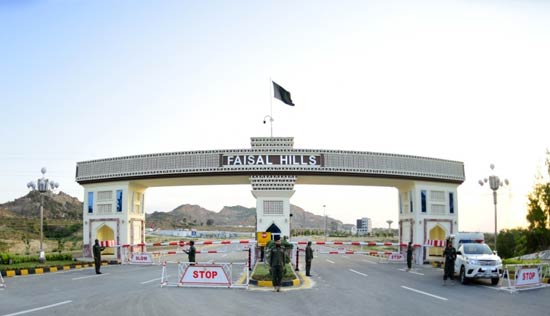
Faisal Town and Faisal Hills
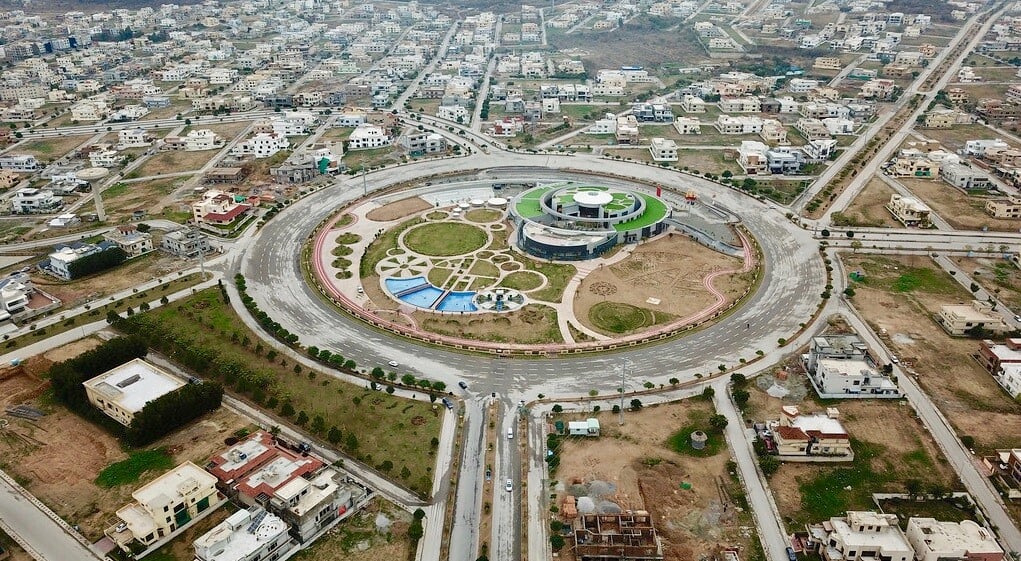
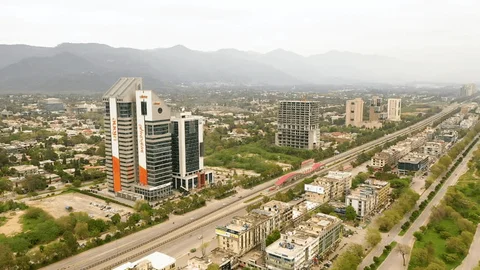
These areas offer strong growth potential with affordable entry prices. These rapidly developing areas present flexible investment opportunities, particularly for small to medium-sized retail businesses. As the areas continue to grow, property values and demand for retail spaces are expected to rise.
Gulberg Islamabad
An emerging business hub with significant future growth prospects. The area’s mix of residential and commercial developments creates a thriving environment for retail businesses. As more projects are completed, Gulberg is expected to become one of Islamabad’s prime retail locations.
Citadel 7 Mall | A New Retail Landmark in Islamabad
Citadel 7 Mall is set to redefine the retail landscape in Islamabad, emerging as a new retail landmark in Islamabad. With its premium investment opportunities, the mall promises an extraordinary shopping experience for consumers and a lucrative investment for investors.
Featuring state-of-the-art infrastructure, luxury amenities, and a strategic location, Citadel 7 Mall stands out in the city’s competitive retail market as a premium retail landmark in Islamabad.
Prime Location in Blue Area
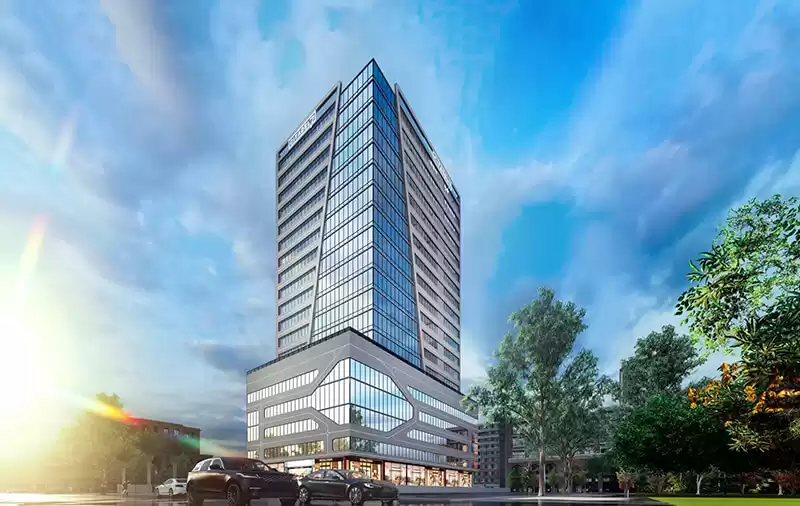
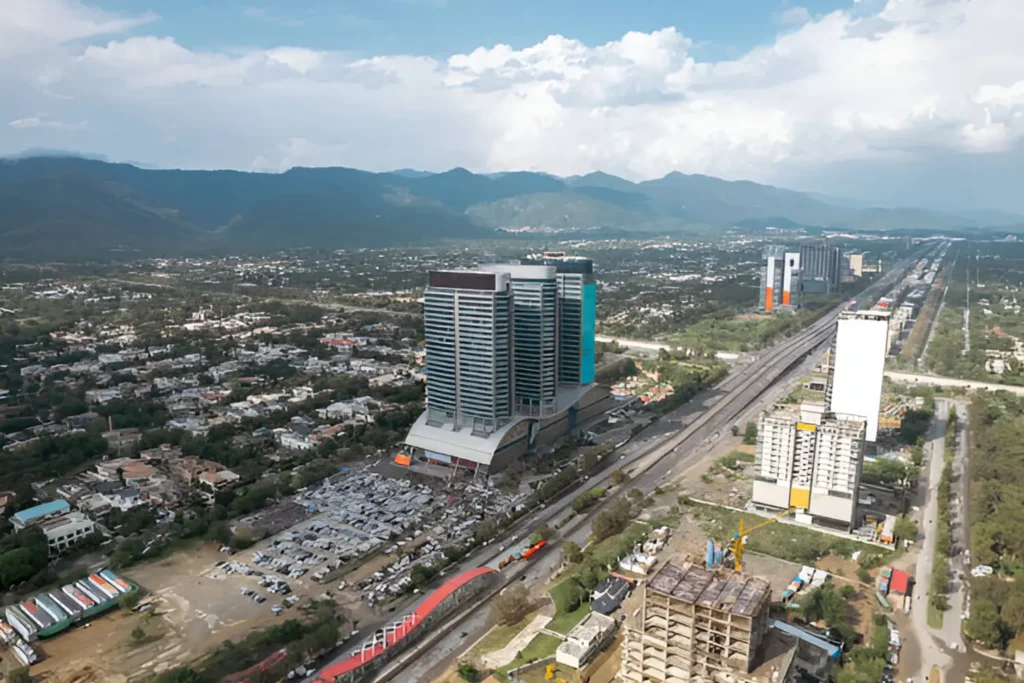
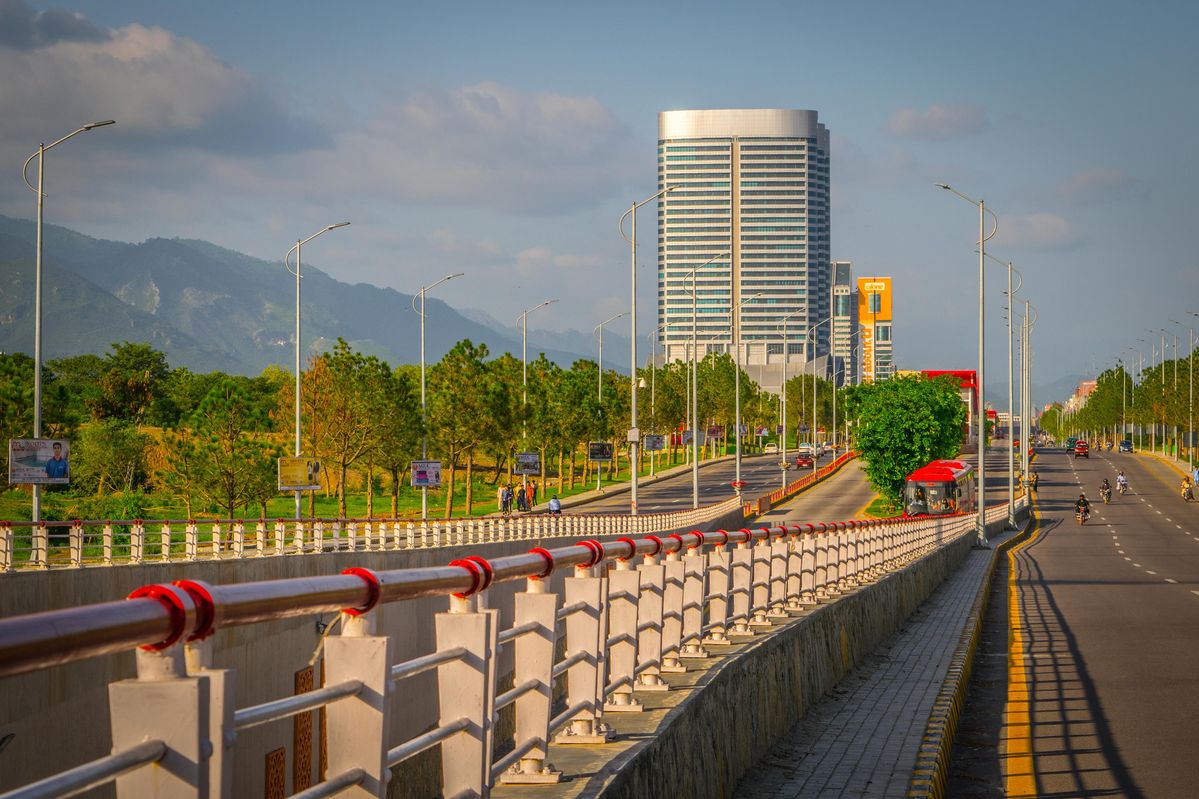
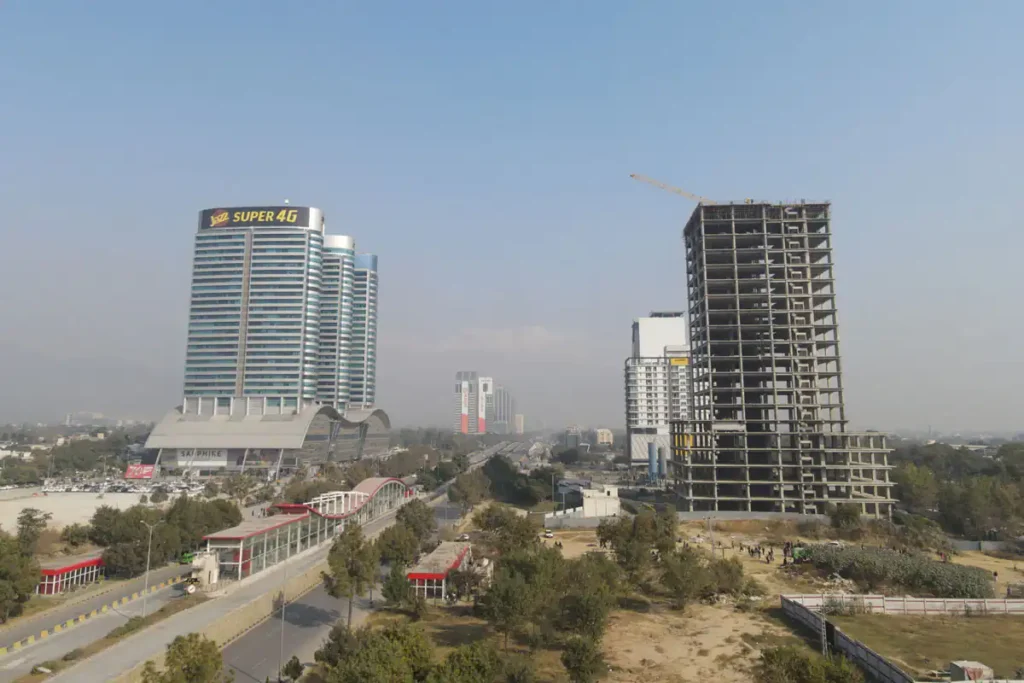
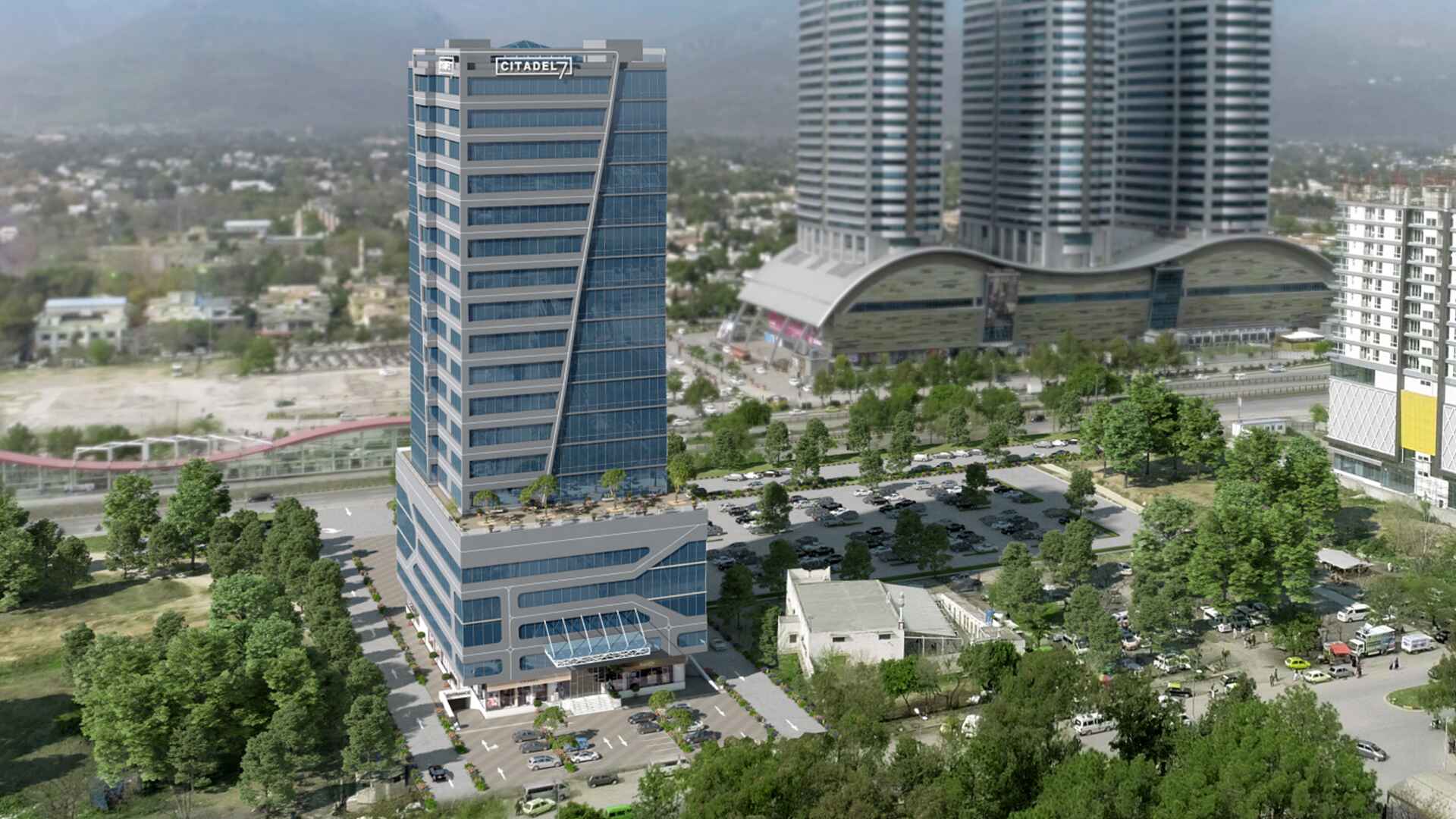
Citadel 7 Mall boasts an unbeatable location in the heart of the Blue Area, at the intersection of Jinnah Avenue, one of Islamabad’s most important commercial streets. This prime location ensures:
Unmatched visibility
Easy accessibility
High foot traffic from local shoppers and tourists
Strategically Positioned Across Key Retail Landmarks in Islamabad:
Opposite Centaurus Mall – one of busiest retail landmark in Islamabad
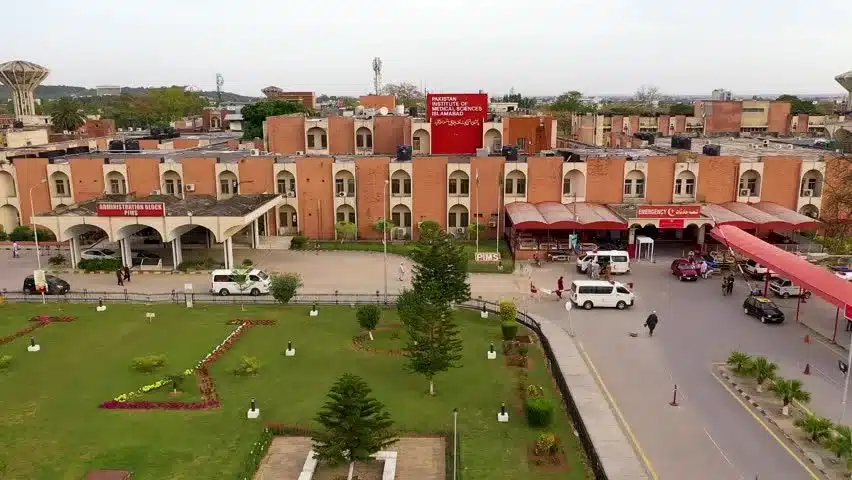
Near PIMS Hospital – a central healthcare hub attracting a large number of visitors
The location guarantees strong rental yields and the potential for capital appreciation, making it the best place to invest in Islamabad for retail businesses and investors alike.
With Blue Area being a prime commercial hub, Citadel 7 Mall is ideally situated to attract high-end retailers, service providers, and discerning customers. The mall’s central position among business districts and residential zones further ensures its prominence as a premium retail landmark in Islamabad.
Why Citadel 7 Mall is the Best Investment and a Premium Retail Landmark in Islamabad
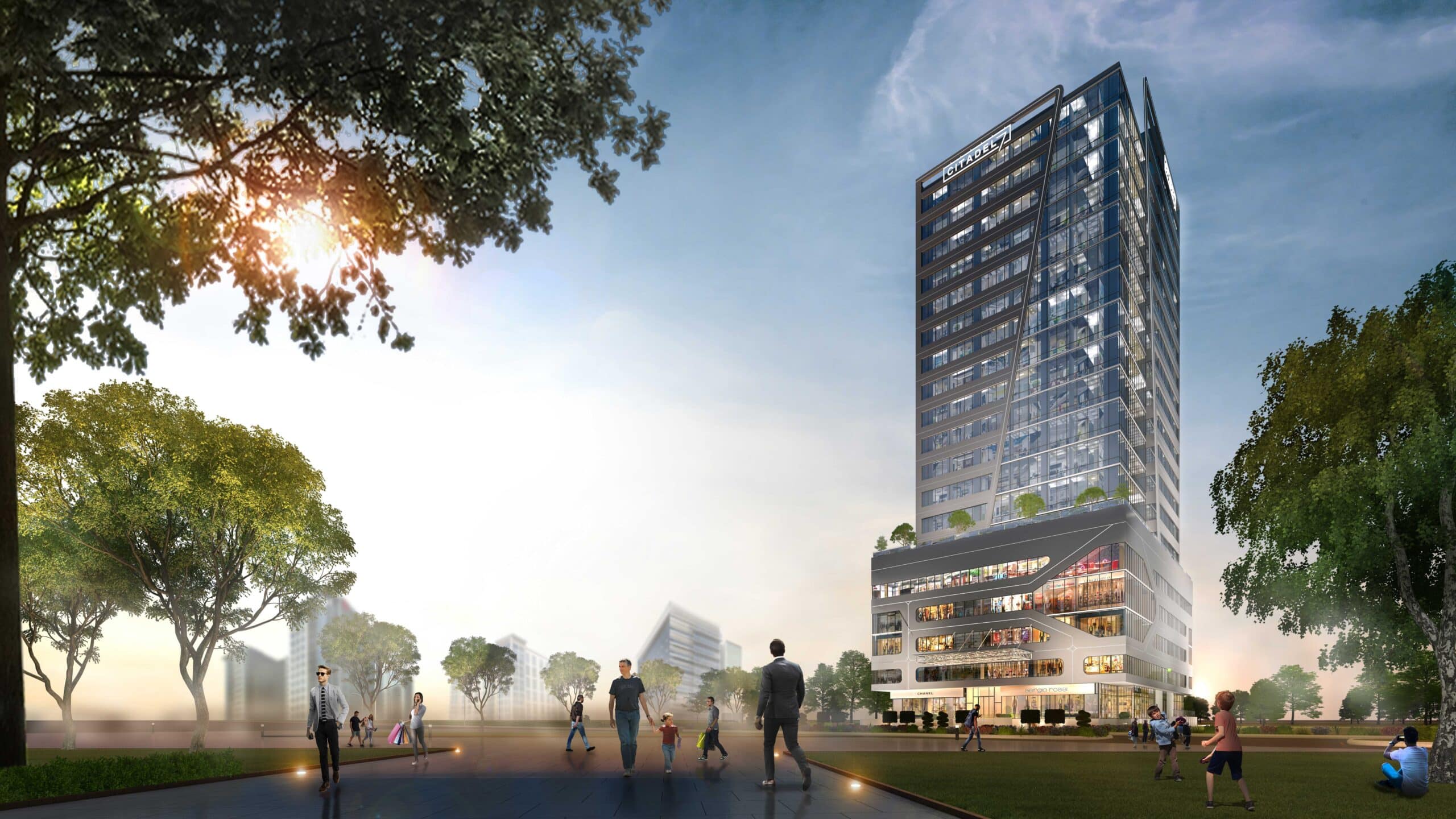
Citadel 7 Mall is a premium mall thoughtfully designed to serve investors, retailers, and customers alike. The strategic layout features four meticulously designed retail floors, a spacious food court, and advanced escalators, ensuring a seamless shopping experience. Retailers and visitors alike benefit from smooth circulation, ensuring maximum foot traffic and engagement.
The luxurious interiors and high-end finishes elevate the mall’s appeal, making it the perfect destination for luxury brands and discerning shoppers. Citadel 7 Mall is a true retail landmark in Islamabad, offering an unrivalled shopping experience that meets the growing demand for a premium shopping mall, which will ultimately become a premium retail landmark in Islamabad.
Exclusive Investment Opportunities and Flexibility
Citadel 7 Mall offers investors a unique opportunity to acquire premium retail spaces with a 3-year leasing agreement, ensuring consistent rental income and a secure investment.
Investors can take advantage of the flexible Split Strategy, which allows them to purchase entire zones and sell individual shops separately after a set period. This flexibility provides investors with the potential for high returns and capital growth.
3-year leasing agreement for consistent rental income
Prime location in Blue Area offers high rental yields
Long-term investment potential for significant capital appreciation
Tailor-made asset designed for investors looking for secure returns
With its strategic location and flexible investment options, Citadel 7 Mall is an ideal choice for those seeking investment opportunities in a retail mall in Islamabad.
Modern Amenities for a Seamless Experience
In addition to its luxury retail spaces, Citadel 7 Mall is equipped with state-of-the-art amenities designed to provide an exceptional experience for both retailers and shoppers. These modern amenities include:
Smart parking with over 1200 car spaces
Backup power system to ensure business continuity 24/7
High-speed internet and full mobile coverage throughout the mall
EV charging stations for a sustainable shopping experience
Smart HVAC systems for energy-efficient climate control
Advanced fire safety and security systems for peace of mind
24/7 surveillance to ensure safety and security
BMS system for enhanced operational management
Luxury dining options and an expansive food court to attract high-end consumers
Digital directories and interactive displays for easy navigation
These modern amenities ensure that Citadel 7 Mall remains at the forefront of modern shopping malls in Islamabad, providing an excellent environment for both shoppers and retail investors.
Excellent Investment ROI
Located in the highly sought-after Blue Area, Citadel 7 Mall-the premium retail landmark in Islamabad promises strong returns on investment (ROI). The prime location ensures high rental yields and continued demand for retail spaces.
With sustained commercial growth in the Blue Area, Citadel 7 Mall is set to deliver significant capital appreciation over time. This, combined with its premium location, makes it an ideal choice for investors seeking secure and profitable real estate investments in a retail landmark in Islamabad.
Prime Blue Area location for high rental yields
High foot traffic and premium visibility for tenants
Long-term capital appreciation potential
Sustained demand for retail spaces from high-end retailers
Attractive returns for early investors
The Best Place to Invest in Islamabad
For those looking for the best real estate investment in Islamabad, Citadel 7 Mall stands out as an unparalleled opportunity. The mall’s strategic location, modern design, and luxury amenities make it one of the best places to invest in Islamabad.
Whether you are a retailer seeking a premium shopping mall in Islamabad or an investor looking for high returns, Citadel 7 Mall offers an exceptional investment opportunity.
Best place to invest in Islamabad for retail investments
Premium investment opportunities in a rapidly growing area
Blue Area’s commercial growth ensures high future returns
Top investment choice for those seeking a modern shopping mall experience
With its luxury offerings, prime location, and high return potential, Citadel 7 Mall is set to become the most iconic retail landmark in Islamabad, offering unmatched value for both investors and shoppers.
Citadel 7 Mall: A Premium Retail Landmark in Islamabad
With the best investment in Islamabad often being tied to high-foot traffic areas and luxury developments, Citadel 7 Mall stands as an obvious choice for anyone looking to invest in Islamabad’s retail market.
Its location in Blue Area, coupled with its sophisticated infrastructure, positions it as the best investment opportunity and a retail landmark in Islamabad. The 3-year leasing agreement and flexible payment options further add to the allure of this premium mall as a strong, sustainable investment opportunity.
Conclusion | Retail Landmark in Islamabad
As the city continues to grow and urbanise, the demand for premium retail landmark in Islamabad will only increase. Citadel 7 Mall offers an exceptional retail investment opportunity with its prime location in the Blue Area, modern design, and luxurious amenities. Whether you are a retailer seeking a prestigious address or an investor looking for high returns, Citadel 7 Mall stands as the new retail landmark in Islamabad, offering exceptional potential for those who choose to invest in its future.
ISLAMABAD: In a significant diplomatic move, Pakistan and China have agreed to align their development strategies under the upgraded China-Pakistan Economic Corridor (CPEC), now known as CPEC 2.0. The agreement was reached during the Seventh Round of the Pakistan-China Foreign Ministers’ Strategic Dialogue, co-chaired by Chinese Foreign Minister Wang Yi and Pakistan’s Deputy Prime Minister and Foreign Minister Mohammad Ishaq Dar in Beijing.
Both countries reaffirmed their longstanding strategic partnership, with CPEC 2.0 being a major milestone in their economic and political cooperation. The upgraded corridor will focus on key sectors, including industry, agriculture, and mining, with a strong emphasis on Gwadar Port development and ensuring the smooth operation of the Karakoram Highway. These initiatives aim to boost sustainable development and strengthen Pakistan’s economic resilience.
Additionally, Pakistan and China agreed to expand cooperation in trade, investment, and cybersecurity, alongside technical exchanges in science, education, and vocational training. The opening of the Khunjerab Pass year-round will further enhance bilateral trade and people-to-people ties.
The dialogue also touched on global and regional issues, with both nations committing to deepen mutual trust and safeguard common interests. They underscored their readiness to collaborate on counter-terrorism, finance, space cooperation, and multilateral forums.
Looking forward, the two sides are preparing for the 75th anniversary of diplomatic relations in 2026 and have reaffirmed their commitment to the Action Plan for 2025–2029, aiming for closer bilateral cooperation in the years ahead.
The next round of talks will be held in Islamabad next year, continuing the momentum of strategic collaboration.
KARACHI: Commercial banks have reported a muted public response to the government’s recently relaunched subsidised housing finance scheme, with industry experts attributing the slowdown to financing limits that fall short of prevailing property prices in major urban centres.
The government allocated a Rs5 billion subsidy for the current financial year, following which the State Bank of Pakistan (SBP) introduced a housing finance facility offering a maximum loan of Rs3.5 million for the purchase, construction and renovation of residential properties.
However, market participants say the cap is insufficient in cities such as Karachi, Lahore and Islamabad, where even small housing units are priced well above the scheme’s ceiling. As a result, banks have seen limited uptake, weakening the initiative’s aim of promoting home ownership and reviving construction activity.
Experts warn that the challenge is compounded by Pakistan’s growing housing deficit, which has reached 12 million units nationwide, and by rising land and construction costs. According to data from World Population Review, Pakistan’s housing affordability index has declined to 0.4, placing it below regional peers such as Bangladesh and India.
Industry specialists have urged policymakers to revise the scheme and align financing limits with market realities. They also recommend encouraging foreign investment in low-cost and vertical housing, adopting climate-resilient construction models, and improving collaboration between banks and developers. Several stakeholders argue that raising the loan ceiling to Rs 10 million could significantly expand access for middle-income households and overseas Pakistanis, thereby driving employment and economic growth.
Observers point to the success of an earlier SBP housing finance programme launched in 2020, which allowed loans of up to Rs10 million and generated strong demand before being discontinued due to fiscal constraints. The current scheme, relaunched in September 2025 with reduced limits, is now under scrutiny as calls grow for policy adjustments to restore momentum in the housing and construction sector.
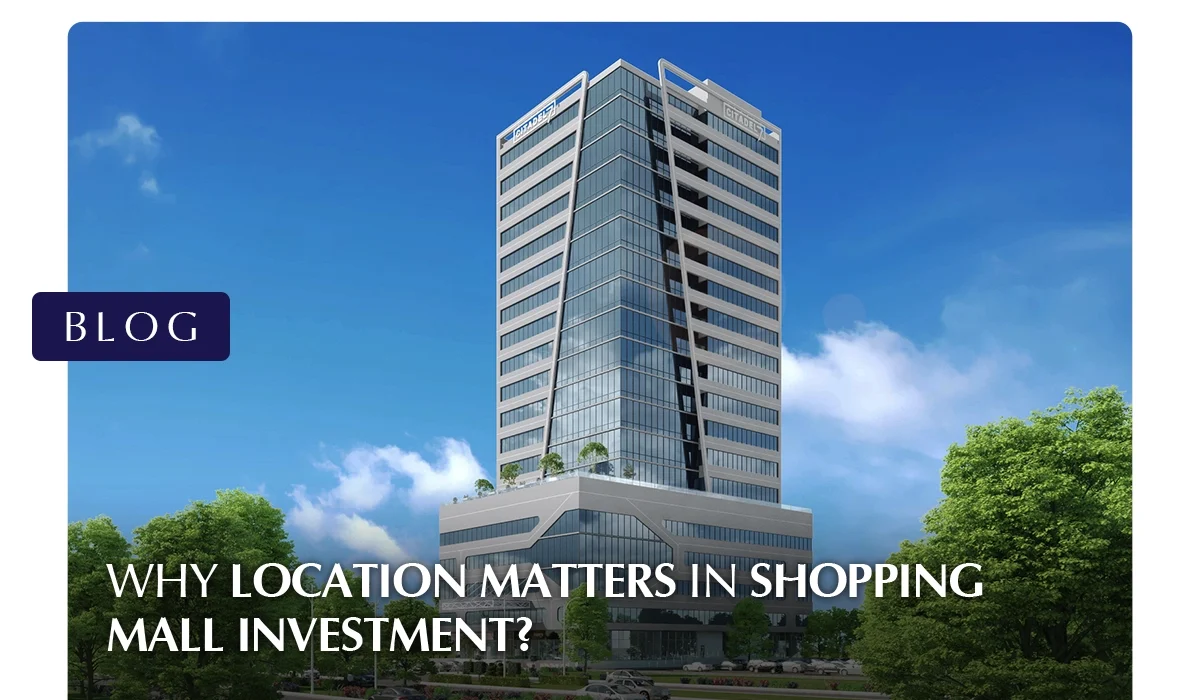
One of the most crucial factors in determining the success of an investment is the shopping mall location. A careful retail location strategy not only boosts foot traffic and enhances visibility but also ensures higher rental yields and long-term profitability. Proximity to high-demand areas, transportation hubs, and complementary businesses significantly contributes to a mall’s performance. In this regard, Citadel 7 Mall, situated in the heart of Islamabad’s prestigious Blue Area, stands out as a prime investment opportunity. Its central location guarantees high footfall and exceptional visibility, making it an ideal choice for investors seeking sustainable growth and high returns.
Why the Shopping Mall Location Matters for Investment?
Location is the single most critical determinant of a mall’s commercial success because it directly influences footfall, tenant demand, rental yields, and long-term asset appreciation.
Unlike design or tenant mix, location is a fixed attribute that cannot be altered once the project is developed, making it the foundation of mall investment performance.
Footfall Generation and Accessibility
A shopping mall location determines how easily consumers can access it. Sites near major roads, public transport routes, residential catchments, and business districts attract consistent daily traffic.
High accessibility increases visit frequency, dwell time, and impulse purchases, key drivers of retail sales and tenant profitability.
Proximity to Amenities and Activity Nodes
Malls located close to schools, offices, hospitals, residential communities, and entertainment zones benefit from natural, recurring demand.
Such proximity integrates the mall into consumers’ daily routines, positioning it as a convenient shopping and social destination rather than a destination for discretionary visits.
Surrounding Development and Economic Vitality
Shopping mall locations within economically active or rapidly developing areas experience stronger demand from both consumers and retailers. Nearby infrastructure improvements, utilities, commercial projects, parks, and urban expansion enhance the mall’s visibility, attractiveness, and future value.
Malls in growth corridors are better positioned to benefit from rising purchasing power and population inflows.
Safety, Security, and Perception
A mall situated in a safe, well-planned neighbourhood enjoys higher consumer confidence and longer operating hours.
Perceived safety directly impacts family visits, evening footfall, and brand willingness to lease space, all of which translate into stronger rental performance.
Rental Potential and Tenant Attraction
Retailers prioritise locations with substantial foot traffic, purchasing power, and connectivity. Prime shopping mall locations allow mall owners to command higher rents, reduce vacancy rates, and attract anchor tenants and national brands.
Shopping mall locations near universities, offices, or dense residential areas typically deliver superior rental yields.
Lifestyle, Convenience, and Experience Value
Modern malls function as lifestyle destinations. Locations that offer access to green spaces, dining clusters, healthcare, and entertainment ecosystems enhance the consumer experience and willingness to spend. Convenience-driven locations strengthen repeat visitation and brand loyalty.
Digital Connectivity and Modern Consumer Needs
Reliable digital infrastructure and mobile connectivity have become increasingly crucial for malls, supporting digital payments, omnichannel retail, smart parking, and data-driven operations. Shopping mall locations with strong digital connectivity are better aligned with evolving retail and consumer behaviour.
Long-Term Appreciation and Return on Investment
Future infrastructure projects, such as expressways, metro lines, airports, or commercial hubs, can significantly enhance a mall’s value over time.
Strategic shopping mall location selection based on market trends and upcoming developments ensures sustainable capital appreciation and long-term ROI.
Importance of Location Research
Thorough shopping mall location analysis, assessing traffic patterns, neighbourhood dynamics, future development plans, and market trends, is essential before investing in a mall.
Evaluating the area over time and understanding long-term urban growth help reduce risk and improve investment outcomes.
The Advantage of Blue Area Investment
Blue Area investment stands out due to its status as Islamabad’s central business district. With its concentration of corporate offices, retail hubs, and premium developments, it remains one of the most sought-after zones for shopping mall investment.
Citadel 7 Mall: The Ultimate Investment Opportunity
Citadel 7 mall stands as a compelling investment proposition, thoughtfully designed to capitalise on Islamabad’s most sought-after commercial landscape. Its strategic positioning, refined design, and flexible investment model make it a standout choice for discerning investors.
Strategic Shopping Mall Location in Blue Area
Situated at the very heart of Islamabad’s Blue Area, the city’s primary commercial corridor
Offers exceptional visibility and effortless accessibility for both shoppers and tenants
Benefits from consistently high foot traffic, reinforcing its position as a premier retail destination in the capital
World-Class Infrastructure & Design
Defined by sophisticated architecture that balances aesthetic elegance with commercial functionality
Comprises four well-planned retail floors, complemented by a spacious, dedicated food court
Features high-speed escalators and seamless floor-to-floor circulation, engineered to optimise customer flow and engagement
Investment Flexibility
Introduces an exclusive Split Strategy, allowing investors to purchase entire retail zones
Provides the flexibility to sell half of the acquired zone, shop by shop, after a designated period
Enables strategic exit options while maximising value appreciation and liquidity
Shopping Mall Location | Blue Area Investment
While a new addition, Citadel 7 Mall draws strength from the Blue Area’s established reputation as Islamabad’s most resilient commercial hub
Benefits from sustained demand, consistent rental growth, and long-term capital appreciation associated with the area
Positions investors to leverage the enduring value and growth trajectory of Blue Area real estate
Why is Blue Area a Prime Investment Shopping Mall Location?
Recognised as Islamabad’s foremost business district and prime shopping mall location, Blue Area serves as the city’s commercial and corporate nucleus.
Hosts a concentration of multinational corporations, premium retail outlets, and prominent office developments.
Commands sustained demand due to its central location, accessibility, and commercial prestige.
Blue Area investment has historically delivered strong rental returns and consistent capital appreciation.
With Citadel 7 Mall strategically located within this high-demand zone, investors are well-positioned to benefit from long-term growth and attractive rental yields.
Conclusion
In shopping mall investment, location remains the defining factor that determines long-term success, profitability, and sustainability. Positioned in the heart of Islamabad’s prestigious Blue Area, Citadel 7 Retail Mall benefits from exceptional visibility, substantial foot traffic, and sustained commercial demand, key elements that underpin a successful retail asset.
ISLAMABAD: The Securities and Exchange Commission of Pakistan (SECP) has announced amendments to the Real Estate Investment Trust (REIT) Regulations, 2022, aimed at improving the governance, transparency, and operational efficiency of REIT schemes in Pakistan. The revised regulations focus on streamlining processes, strengthening oversight, and fostering earlier listings of REIT schemes to enhance their development as a capital market asset class.
Key amendments introduced by the SECP include clearer timelines for transferring real estate and shares of special purpose vehicles (SPVs). These changes are designed to promote the early listing of REIT schemes, increasing their visibility in the market and attracting more investment. The regulatory updates also strengthen the roles of REIT Management Companies (RMCs) and trustees, ensuring better governance and reducing regulatory arbitrage across different REIT structures.
In a bid to align with Shariah governance frameworks, the SECP has refined the definition of real estate, distinguishing between passive and active components. Additionally, the regulations now include income and asset test requirements, consistent with international best practices, to ensure that REIT schemes primarily invest in and generate income from real estate assets.
The amendments followed a comprehensive stakeholder consultation process, which included meetings with RMCs, trustees, banks, mutual funds, law firms, and consultants. The SECP emphasised that the revised regulations are expected to boost investor confidence and encourage the growth of REITs as a long-term, stable investment option in Pakistan’s capital markets.
The amended REIT Regulations are now available on the SECP’s official website, marking a significant step toward strengthening Pakistan’s real estate investment framework.
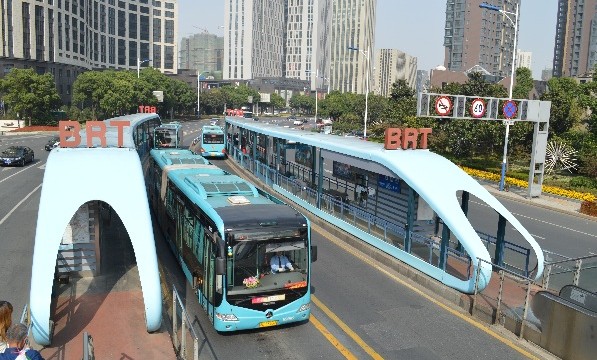
KARACHI: The Edhi Orange Line Bus Rapid Transit (BRT) has been officially integrated with the Green Line BRT, significantly improving connectivity for commuters in Karachi, Sindh Senior Minister Sharjeel Inam Memon announced on Tuesday.
Speaking at the integration ceremony, the minister said the merger has expanded the Orange Line from four to 10 stations, enabling passengers to travel seamlessly from Orangi Town to Nagan Chowrangi. Under the new arrangement, Orange Line buses will operate along the Green Line BRT track, providing improved access and convenience for residents of Orangi Town.
The Orange Line BRT project was initiated in 2016 under the Sindh Mass Transit Authority (SMTA) as a four-kilometre route from Orangi Town Office to Matriculation Board Office Chowrangi. Initially scheduled for completion in 2017, the project remained stalled for several years and was finally completed in 2022.
The project’s cost was revised twice, with the final budget reaching Rs5.5 billion, including the purchase, maintenance and operation of 20 buses and extension to Nagan Chowrangi. Operational responsibilities were later handed over to the Sindh Infrastructure Development Company Limited (SIDCL) for three years.
The minister also shared updates on the Green Line BRT extension, a 1.8-kilometre stretch from Numaish Chowrangi to Jama Cloth Market, which is expected to be opened to the public by October 31, 2026, according to assurances by Pakistan Infrastructure Development Company Limited (PIDCL).
Memon noted that daily ridership on the Green Line has increased from 55,000 to 75,000 passengers, with a target of 100,000. He highlighted the introduction of a women-only BRT service, the arrival of electric buses, and announced the launch of a double-decker bus service on a trial basis from Malir to Shahrah-e-Faisal starting Wednesday.
He also outlined plans to expand bus services across Hyderabad, Khairpur, Shikarpur and Tando Allahyar, underscoring the Sindh government’s commitment to improving public transport across the province.
Buying shops in shopping mall is a popular choice for investors looking for steady rental income and long-term growth. Shopping malls attract consistent footfall, which makes mall shop investments more secure compared to many other commercial options.
This retail shop buying guide explains what investors must know before buying shops in shopping mall. Factors like location, layout, and developer reputation play a key role in success.
Well-planned projects such as the Citadel 7 Mall in Islamabad’s Blue Area show how the right location and smart design can improve returns and reduce investment risk.
Why Buying Shops in Shopping Mall Is a Smart Investment?
Buying shops in shopping mall offers multiple advantages for investors seeking stable returns and long-term growth. Below are the key reasons why this investment strategy continues to gain popularity:
High Footfall
Shopping malls naturally attract a large number of visitors for shopping, dining, and entertainment, ensuring consistent customer flow for retail businesses.
Strong Brand Exposure
Retailers benefit from shared mall marketing, anchor brands, and prime internal visibility, helping businesses build recognition and attract walk-in customers.
Long-Term Rental Income
Buying shops in shopping mall provides investors with steady rental income, as well-located retail units remain in high demand among brands and businesses.
Capital Appreciation
Retail shops in prime commercial areas tend to appreciate in value over time, especially within well-planned and centrally located malls.
Prime Location
Centralised malls in premium locations such as Blue Area Islamabad, like Citadel 7 Mall, consistently attract demand due to excellent accessibility, high visibility, and strong foot traffic, making them ideal examples of successful mall shop investment opportunities.
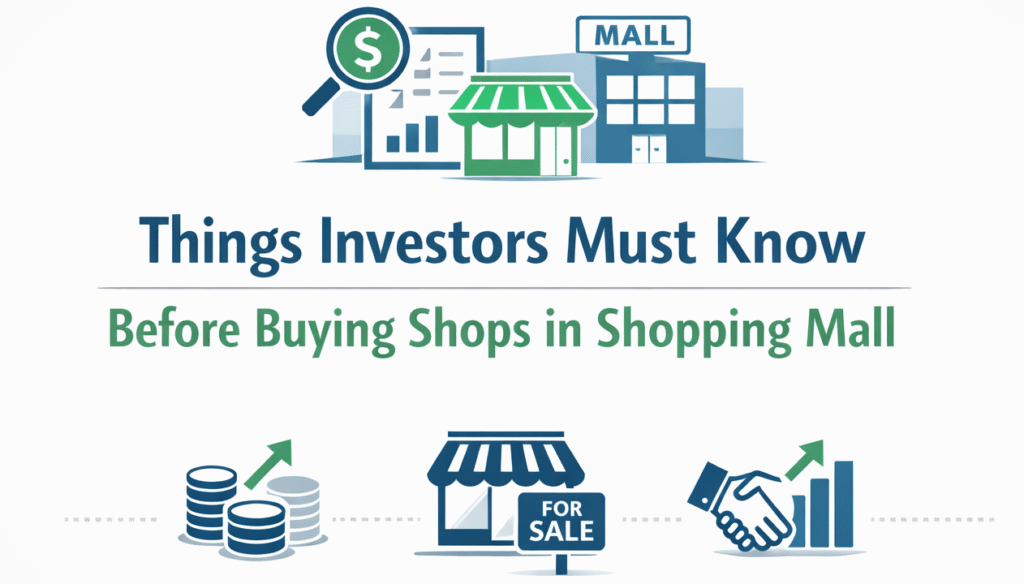
Things Investors Must Know Before Buying Shops in Shopping Mall
When buying shops in shopping mall, investors must assess several critical factors that influence footfall, rental income, and long-term returns. Below are the key considerations every mall shops investment decision should cover.
Location & Footfall
Location plays a decisive role in retail success, as high footfall directly impacts sales and rental demand. Malls positioned on major roads and within established commercial zones attract consistent visitor traffic.
Key points to consider:
Presence on main roads and within prime commercial districts
Easy accessibility for pedestrians and vehicles
Proximity to offices, residential areas, and landmarks
Shop visibility near entrances, escalators, elevators, and main corridors
A strong example is Citadel 7 Mall, located on Jinnah Avenue in Blue Area, a high-footfall commercial corridor that ensures steady customer movement throughout the day.
Developer & Mall Management Reputation
The reputation of the developer and the quality of mall management significantly influence long-term investment performance. Professionally managed malls maintain higher occupancy and attract stronger brands.
Key points to consider:
Developer’s track record and timely project delivery
Quality of construction and planning standards
Professional mall management for operations, marketing, and maintenance
Tenant mix management to sustain footfall
Projects like Citadel 7 Mall prioritise professional mall management, directly supporting tenant success, rental stability, and long-term asset value.
Shop Size, Layout & Visibility
The size, layout, and positioning of a shop affect customer engagement and sales potential. Investors should carefully evaluate where their unit sits within the mall.
Key points to consider:
Ground-floor shops for maximum visibility vs upper-floor value opportunities
Corner shops offering better frontage and brand exposure
Adequate ceiling height for signage and interior design
Wide corridors and smooth circulation to support foot traffic
Citadel 7 Mall demonstrates best practices through optimised retail layouts, wide corridors, and high-speed escalators, ensuring strong visibility and movement across all floors.
Legal Due Diligence & Documentation
Legal clarity is essential when buying shops in shopping mall, as incomplete documentation can create serious investment risks.
Key points to consider:
Clear land title and ownership verification
Relevant authority approvals and NOCs
Transparent sale and purchase agreements
Clearly defined possession timelines
Premium, CDA-approved developments like Citadel 7 Mall typically offer structured documentation and transparent processes, reducing legal and compliance risks for investors.
Rental Yield & ROI Expectations
Investors should have realistic expectations regarding returns and understand how different factors influence profitability in mall shop investments.
Key points to consider:
Difference between rental income and capital appreciation
Impact of footfall and tenant demand on rental yields
Long-term value growth in prime commercial zones
Market demand and resale potential
Retail units in prime locations such as the Blue Area, including projects like Citadel 7 Mall, generally offer strong rental yields due to sustained demand and limited premium retail supply.
How to Evaluate a Mall for Retail Shop Investment?
Before buying shops in shopping mall, investors should carefully evaluate the project using a clear checklist to minimise risk and maximise returns. Below are the key factors every buyer should assess:
Location
Choose malls located in prime commercial zones with strong visibility and surrounding activity. Citadel 7 Mall, for example, is positioned in Islamabad’s Blue Area on Jinnah Avenue, ensuring constant exposure and demand.
Parking Availability
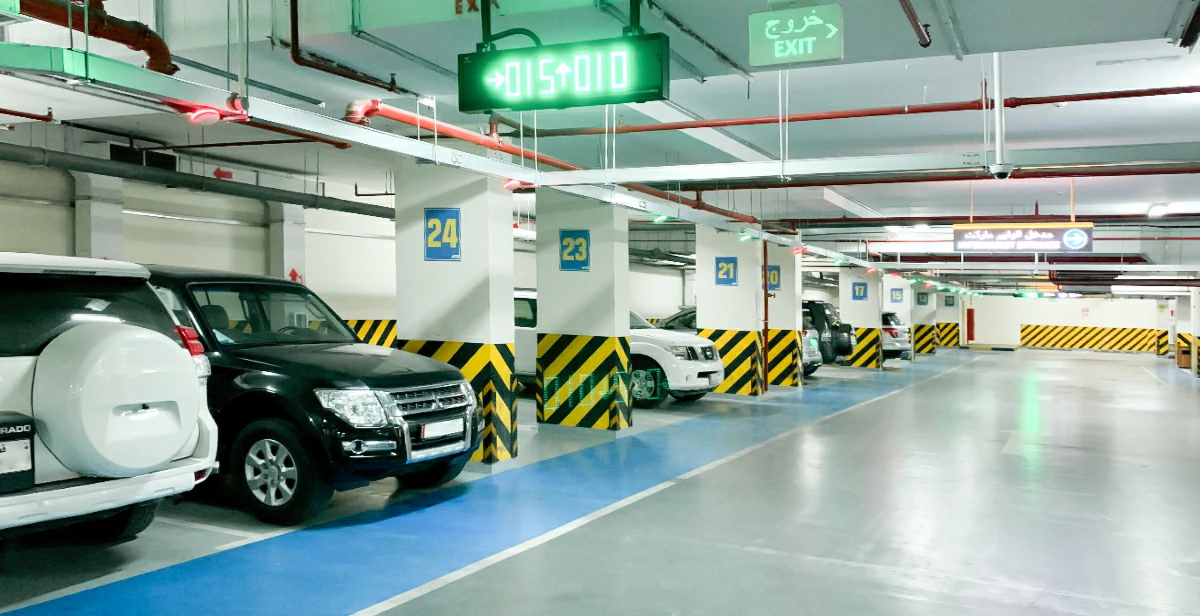
Adequate and well-planned parking is essential for consistent footfall. Malls with large basements and outdoor parking, like Citadel 7 Mall, offer convenience that directly supports retail performance.
Footfall Drivers
Look for malls near offices, hospitals, landmarks, and business hubs that naturally attract daily visitors. Citadel 7 benefits from nearby commercial activity and major city landmarks, creating steady foot traffic.
Food Court & Anchor Attractions
A dedicated food court or dining zone keeps visitors inside the mall longer and boosts shop visibility. Citadel 7 Mall features a dedicated food court and fine-dining options that act as strong footfall anchors.
Accessibility
Easy access from main roads and multiple entry points is critical for customer convenience. Being connected to Jinnah Avenue and Ibn-e-Sina Road, Citadel 7 Mall offers seamless accessibility.
Completion Timeline & Planning
Investors should assess project timelines, approvals, and overall planning quality. Professionally planned malls with clear completion schedules, such as Citadel 7 Mall, reduce uncertainty and support long-term investment confidence.
Buying Shops in Upcoming vs Ready Shopping Malls
When buying shops in shopping mall, investors often face the choice between upcoming (under-construction) malls and ready-to-operate malls. Each option offers distinct benefits and risks, and understanding the difference is essential for making a smart mall shop investment decision.
Pros and Cons of Under-Construction Shopping Malls
Pros
Cons
Lower entry price compared to ready malls
Rental income starts only after possession
Higher capital appreciation potential by completion
Risk of construction or possession delays
Flexible and staggered payment plans
Depends heavily on developer credibility
Better choice of shop sizes and locations
Market conditions may change at completion
Easier cash-flow management for investors
Requires thorough due diligence
Payment Plans: A Key Advantage
Upcoming malls usually offer structured instalment plans, allowing investors to spread payments over the construction period rather than making a large upfront payment. This makes retail shop buying more accessible and financially manageable, especially for long-term investors.
Price Advantage vs Delivery Risk
While under-construction malls offer attractive pricing and higher upside, investors must balance this against delivery risk. Evaluating the developer’s track record, approvals, and construction progress is critical to minimising uncertainty.
Citadel 7 Mall as a Practical Example
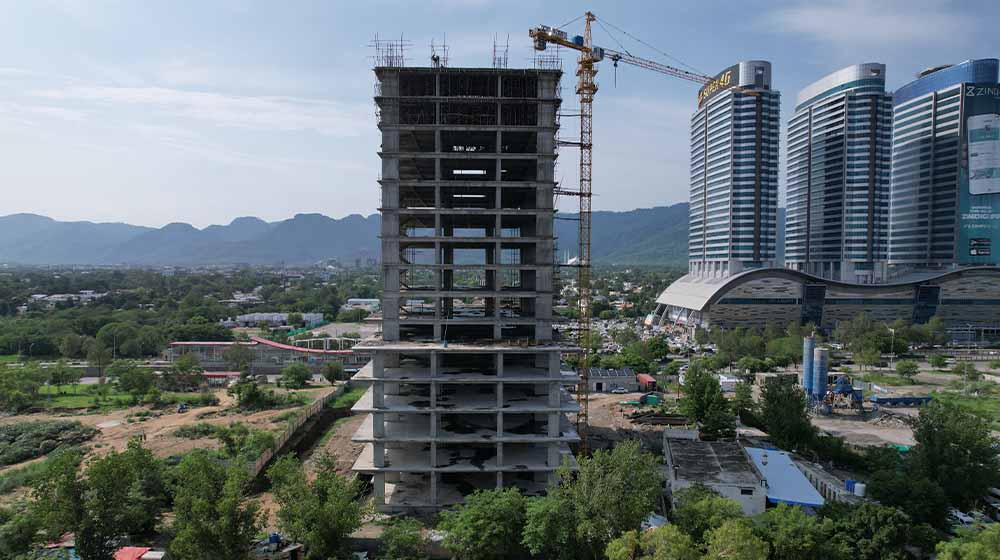
Citadel 7 Mall serves as a strong example of a well-planned, under-construction retail project. Located in Islamabad’s Blue Area, it offers a clear completion timeline (December 2026) and a structured payment plan, making it an appealing option for investors seeking a price advantage without compromising on project credibility. This approach aligns well with best practices outlined in any reliable retail shop buying guide.
Pros & Cons of Mall Shops Investment
Pros
Cons
High footfall ensures a consistent customer flow
Higher initial investment compared to other commercial options
Better rental yield due to strong retail demand
Requires thorough legal and financial due diligence
Enhanced brand visibility within a mall environment
Longer holding period before full ROI realisation
Professional and well-managed business setting
Investment performance depends on overall mall success
Why Citadel 7 Mall Fits Key Investment Criteria
Citadel 7 Mall aligns closely with the essential factors investors should evaluate when buying shops in shopping mall, making it a relevant example within any practical retail shop buying guide.
Blue Area Location: Situated in Islamabad’s most prominent commercial zone, Citadel 7 benefits from high business activity, strong footfall, and long-term demand for retail space.
Jinnah Avenue Frontage: Its direct frontage on Jinnah Avenue ensures maximum visibility and easy access, two critical drivers of retail performance.
Retail-Optimised Design: The mall is planned with multiple retail floors, wide corridors, and efficient circulation, supporting smooth customer movement and shop visibility.
Parking & Accessibility: Multiple basement parking levels and CDA-approved access points make the mall convenient for daily visitors and peak-hour traffic.
Long-Term Appreciation Potential: Being located in Blue Area, where commercial property values historically perform well, positions Citadel 7 Mall for sustained capital growth over time.
Conclusion | Buying Shops in Shopping Mall
In conclusion, buying shops in shopping mall can be a rewarding investment when key factors such as location, design, footfall, and long-term growth potential are carefully evaluated. Understanding the differences between upcoming and ready malls, assessing risks, and learning from well-planned projects like Citadel 7 Mall can help investors make informed decisions. A strategic approach ensures stronger rental yields, capital appreciation, and sustainable returns over time.
ISLAMABAD: Interior Minister Mohsin Naqvi on Thursday chaired a high-level meeting at the Capital Development Authority (CDA) Headquarters to review progress on significant development and public welfare projects in the federal capital. During the meeting, the minister directed the CDA to finalise the designs of the proposed international cricket stadium and the Kashmir Chowk underpass within 10 days.
It was decided to construct a state-of-the-art cricket stadium in Islamabad in collaboration with the Pakistan Cricket Board (PCB). The proposed stadium will be developed at the foothills of Margalla Hills near Sector D-12, for which land has already been earmarked. The project aims to enhance sports infrastructure and promote international cricket in the capital.
To improve traffic flow, the meeting also approved the construction of a smart underpass at Kashmir Chowk, with instructions to submit its final design within the stipulated timeframe.
Additionally, the meeting discussed plans for the construction of a five-star hotel and a new convention centre in Islamabad. The minister directed the relevant departments to identify long-vacant commercial plots and submit detailed reports at the next meeting. It was also decided to engage renowned companies for the hospitality projects to ensure international standards.
The meeting further approved the formation of a special team to hire a Solid Waste Management company and reviewed proposals for allocating land for the headquarters of various law enforcement agencies, including the Federal Constabulary, Rangers, and Islamabad Traffic Police.
Minister Naqvi reiterated that anti-encroachment operations would continue, adding that retrieved land would be utilised exclusively for public welfare projects.
Islamabad, the capital city of Pakistan, is renowned not only for its stunning landscapes and modern architecture but also for its vibrant retail scene. The city is home to some of the best shopping mall in Islamabad, offering a perfect blend of luxury, convenience, and entertainment. In this blog, we take you through the top shopping destinations in the city, each providing an exceptional shopping experience that makes them stand out as the best shopping mall in Islamabad.
List of the Best Shopping Malls in Islamabad
Islamabad is home to some of the most modern, diverse and best shopping malls in Pakistan, offering a variety of retail, dining, and entertainment experiences. Below is a list of the top shopping malls in the city:
Citadel 7 Mall occupies a prime location in Islamabad’s Blue Area, right across from The Centaurus, one of the city’s most iconic commercial landmarks. This positioning ensures excellent visibility and easy accessibility for both local shoppers and international visitors.
Being part of the central commercial and cultural artery of Jinnah Avenue, the mall experiences high footfall, with professionals, families, and tourists passing by daily.
Easy Accessibility
The mall’s accessibility is unparalleled, located at the intersection of Jinnah Avenue and Ibn-e-Sina Road. The location is close to major transportation hubs, making it easy for visitors to reach via public transit, taxis, and private vehicles.
Furthermore, its proximity to key city landmarks, such as PIMS (Pakistan Institute of Medical Sciences), enhances its appeal as a destination for both shopping and leisure.
About Citadel 7 Mall
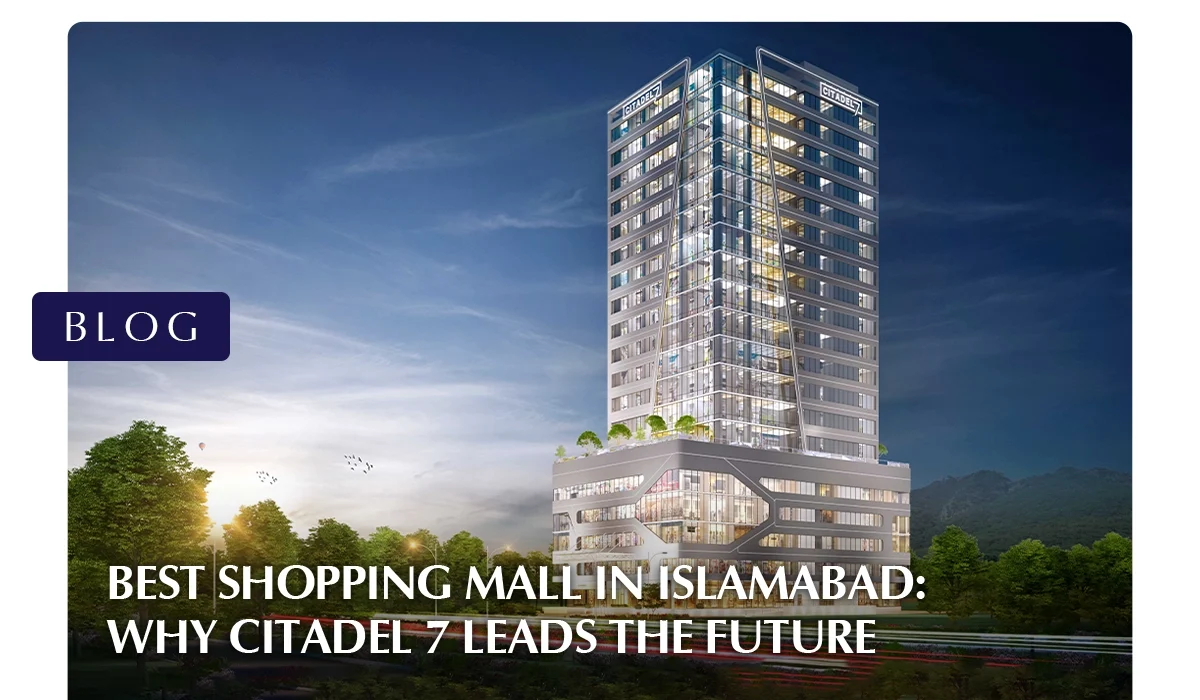
Citadel 7 Mall Islamabad is more than just a shopping centre; it’s an experience. With four expansive retail floors and a dedicated food court, the mall is designed to cater to both businesses and shoppers.
The space is thoughtfully optimised, with wide concourses and spacious corridors to handle heavy foot traffic, ensuring a seamless shopping experience at any time of the day. These features make it one of the best shopping malls in Islamabad.
Fine Dining & Exclusive Food Court
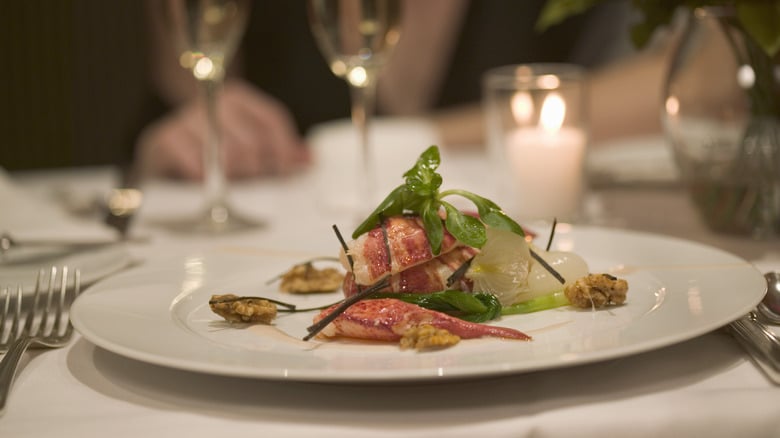
For those who enjoy combining shopping with indulgent dining, Citadel 7 offers an exquisite 5th-floor restaurant with a terrace offering panoramic views of Islamabad.
A diverse range of dining options is also available in the mall’s large, dedicated food court, ensuring that shoppers can take a break from retail therapy and enjoy a variety of cuisines.
Mall Layout & Design Features
Citadel 7 features a five-level design: four retail floors and a food court on the fifth floor. Every inch of space has been carefully planned to maximise visibility and shopper engagement.
Whether you’re looking for a ground-floor unit with high exposure or a more private second or third-floor location, Citadel 7 has a layout that suits your business needs.
Advanced Escalators System
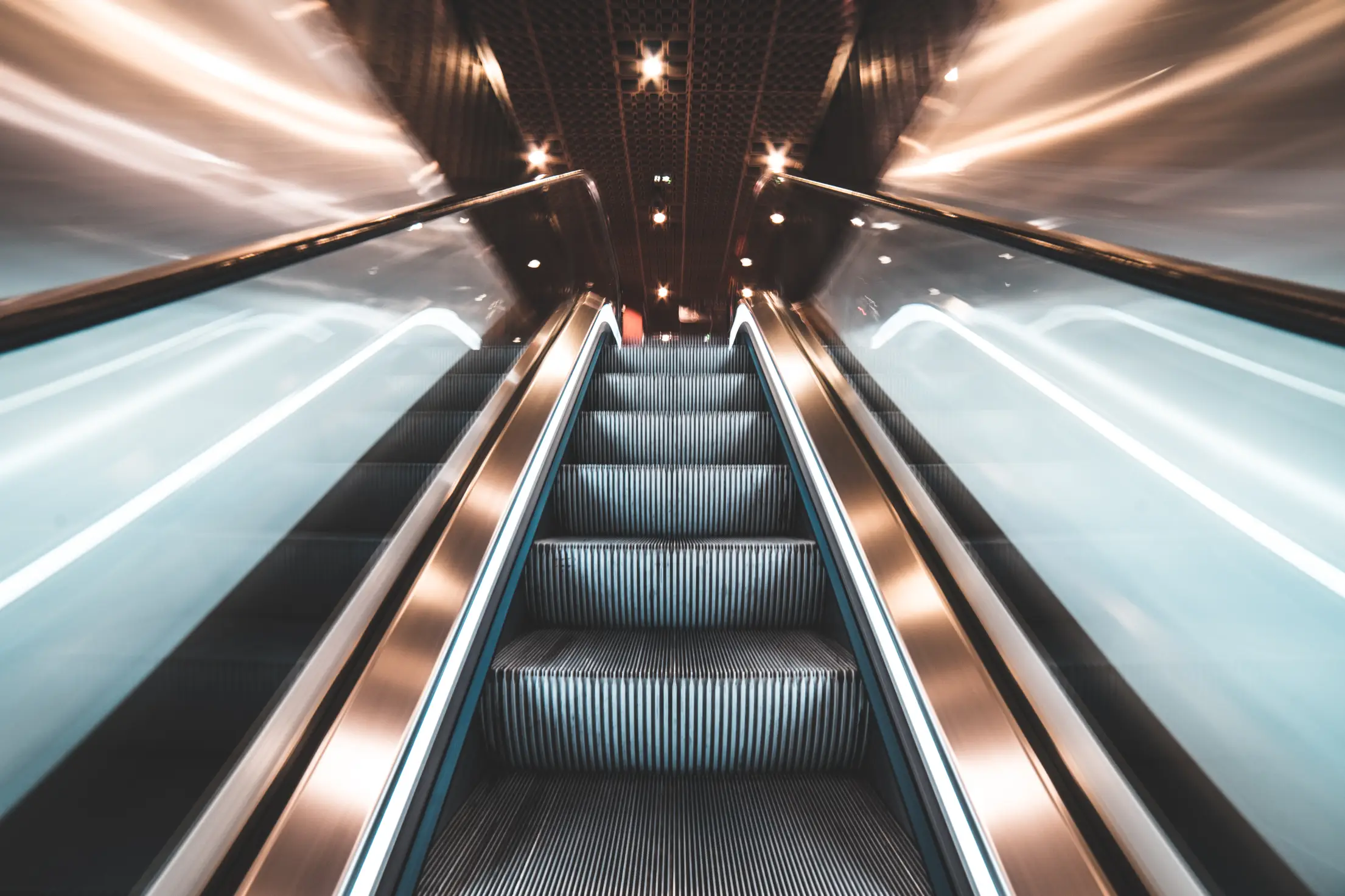
Modern escalators ensure that customers can move between floors with ease, enhancing their shopping experience. With efficient circulation across all floors, Citadel 7 ensures shoppers can quickly and comfortably navigate from one store to the next, leading to higher customer retention and increased foot traffic.
World-Class Amenities | Citadel 7-Best Shopping Mall in Islamabad
Luxurious Dining Experience: The 5th-floor restaurant and terrace offer a fine-dining experience unlike anything else in the city. Whether indoors or out, diners are treated to breathtaking views.
Ample Parking: Citadel 7 Mall features over 1,200 parking spaces spread across four basement levels, with additional outdoor parking available. This makes it easy for visitors to access the mall, even during peak hours.
24/7 Security & Modern Connectivity: With round-the-clock security and high-speed internet available throughout the mall, both shoppers and retailers can enjoy a safe and connected environment.
Energy-Efficient Design: Built with sustainability in mind, Citadel 7 Mall features energy-efficient systems that reduce operational costs and support long-term environmental goals.
Investment Highlights
Feature
Description
Prime Location
Citadel 7 Mall is situated in Islamabad’s Blue Area, ensuring high demand for retail spaces and making it the best shopping mall in Islamabad.
High Rental Returns
Due to its strategic positioning, the mall guarantees high rental yields and attracts steady foot traffic.
Long-Term Capital Appreciation
As Islamabad expands, property values in the Blue Area are expected to rise, increasing long-term value.
Prestigious Address
Located on Jinnah Avenue, directly opposite Centaurus, the mall enjoys high visibility and commercial activity.
Low Vacancy Risk
High demand for premium retail spaces in Blue Area ensures consistent occupancy and low vacancy rates.
Citadel 7 Mall’s prime location ensures consistent demand for retail space; the mall’s accessibility and strategic positioning within Islamabad’s most prestigious commercial zone guarantee high rental returns. Retail units in the Blue Area consistently perform well, attracting a steady stream of customers.
Long-Term Capital Appreciation
As Islamabad continues to expand and develop, property values in the Blue Area are expected to grow. Citadel 7 Mall is situated in one of the city’s most coveted areas, ensuring long-term capital appreciation. The combination of high foot traffic, prime location, and quality design positions the mall as a reliable asset for investors.
Prestigious Location
Being on Jinnah Avenue, directly across from Centaurus and close to significant landmarks like PIMS and Citadel 7, it benefits from high visibility and constant foot traffic. The area is known for its commercial activity, which keeps retail units in the mall in high demand.
Low Vacancy Risk
Given the strong demand for retail space in the Blue Area and the mall’s strategic positioning, investors can rest assured that their units will see consistent occupancy. The demand for premium retail spaces in Islamabad’s most prestigious areas keeps vacancy rates low.
Flexible Payment Plan
Investing in Citadel 7 Mall is made simple with a flexible payment plan designed to suit investors’ needs:
Sr. No.
Payment Milestone
Date
Percentage
1
On Booking
Immediately upon booking
40%
2
15th Payment
15th March 2026
12.5%
3
15th Payment
15th June 2026
12.5%
4
15th Payment
15th September 2026
12.5%
5
15th Payment
15th December 2026
12.5%
6
Final Payment (Possession)
At the time of possession
10%
1. Centaurus Mall
One of Islamabad’s most iconic shopping destinations, Centaurus Mall offers a luxurious shopping experience with a mix of high-end international and local brands. Situated on Jinnah Avenue, it also features entertainment options, including a cinema, a food court, and a bowling alley, making it one of the best shopping malls in Islamabad.
2. Giga Mall
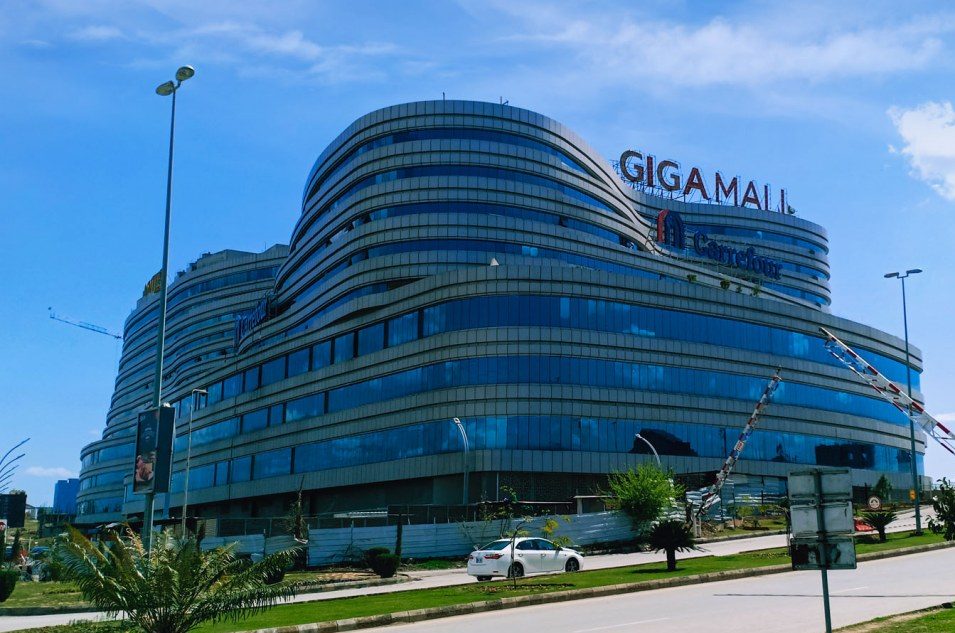
Located in DHA Phase II, Giga Mall is one of the largest malls in Islamabad, boasting over 200 retail stores. The mall offers a wide range of shopping, dining, and entertainment options, including a play area for kids and ample parking space, making it an ideal shopping mall in Islamabad for family outings.
3. Safa Gold Mall
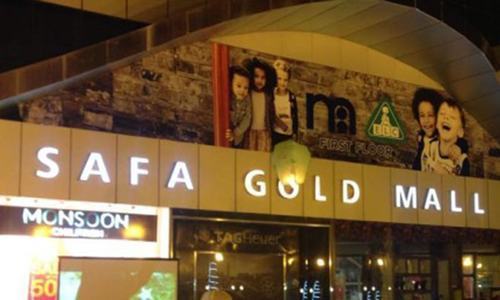
Known for its premium shopping experience, Safa Gold Mall offers a blend of luxury brands and high-end retail options. Located in F-7, this mall is perfect for shoppers seeking upscale merchandise and a refined atmosphere, making it a go-to destination for premium products and hence one of the best shopping malls in Islamabad.
4. Olympus Mall
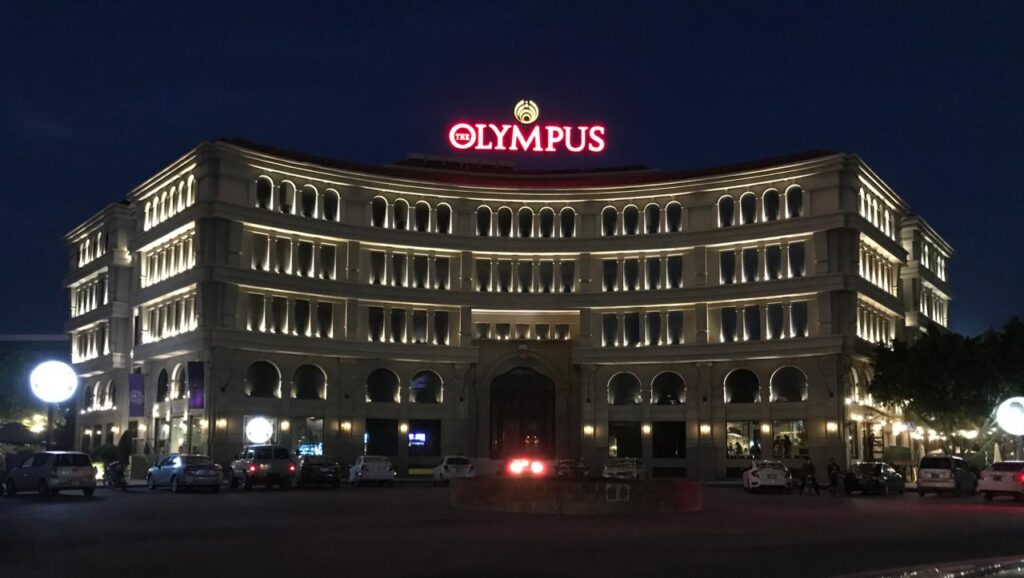
Olympus Mall is a contemporary shopping space offering a mix of fashion, electronics, and dining options. It’s known for its spacious design and vibrant interior, with stores catering to a wide variety of tastes, from fashion to lifestyle products, making it a versatile shopping destination.
6. Mall of Islamabad
Located in Bahria Enclave, Mall of Islamabad is a newly emerging retail space with a growing collection of retail stores, a spacious food court, and ample parking. All these features make it one of the best shopping mall in Islamabad.
7. Amazon Outlet Mall
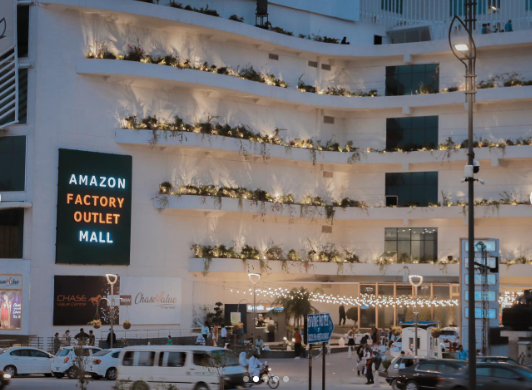
Amazon Outlet Mall is a unique retail destination featuring a mix of outlet stores, offices, and modern amenities. Located in the heart of Islamabad, it’s ideal for bargain hunters and shoppers looking for discounted products from well-known brands. The mall also adds diversity to Islamabad’s growing retail scene.
Why Citadel 7 Mall Is a Smart Investment?
Strategic Blue Area Location: The mall’s central location ensures high visibility and access for both shoppers and retailers.
Future-Proof Investment: With demand for high-quality retail space in Islamabad expected to rise, Citadel 7 Mall is designed to cater to evolving retail trends, making it the best shopping mall in Islamabad.
Long-Term Value: Positioned in an area that is rapidly becoming one of Islamabad’s top commercial zones, the value of retail units at Citadel 7 will appreciate steadily.
Low Vacancy Risk: The demand for space in the Blue Area ensures that your investment will remain lucrative with minimal risk of vacancy.
Conclusion | Best Shopping Mall in Islamabad
Citadel 7 Mall is more than just a retail centre; it’s an investment opportunity that combines luxury, prime location, and high rental yield potential. Positioned in the heart of Islamabad’s Blue Area, it offers an unmatched opportunity for investors looking for long-term capital appreciation and steady returns.
The best shopping mall in Islamabad is one that offers a prime location, modern amenities, strong footfall, and a mix of retail, dining, and entertainment options.
Which Islamabad mall is a go-to place for everybody?
Malls located in central areas like the Blue Area are considered go-to places due to easy access, diverse brands, and dining choices.
Which market is best in Islamabad for shopping and leisure?
Blue Area is widely regarded as the best market in Islamabad for shopping, business, and entertainment.
Which Markaz is best to visit in Islamabad?
Popular Markaz areas such as F-7 and F-8 are best to visit due to their commercial activity and accessibility.
Which is the No. 1 shopping mall in Pakistan?
Large-scale malls in prime cities like Islamabad and Lahore are often ranked among the top shopping malls in Pakistan.
Which is the biggest shopping mall in Pakistan?
Some of the biggest shopping malls in Pakistan include large mixed-use developments offering retail, food courts, and entertainment under one roof.
Which is the largest Markaz in Islamabad for the best shopping mall in Islamabad?
Blue Area is considered the largest and most prominent commercial zone in the capital, offering some of the best shopping malls in Islamabad.
Which is the best area in Islamabad?
Blue Area is considered the best area in Islamabad due to its central location, business importance, and premium developments.
Is Blue Area home to the best shopping mall in Islamabad?
Yes, Blue Area hosts some of the best shopping mall in Islamabad options due to high visibility, accessibility, and strong commercial demand.
Why is the best shopping mall in Islamabad important for investors?
The best shopping mall in Islamabad offers high rental yields, low vacancy risk, and long-term capital appreciation due to consistent demand.



 These areas offer strong growth potential with affordable entry prices. These rapidly developing areas present flexible investment opportunities, particularly for small to medium-sized retail businesses. As the areas continue to grow, property values and demand for retail spaces are expected to rise.