ISLAMABAD: The federal government has given the green light to a high-speed rail project aimed at connecting Islamabad and Rawalpindi, cutting travel time between the twin cities to just 20 minutes.
The initiative is designed to provide commuters with a fast and affordable transport option while reducing fuel consumption and easing traffic congestion. Officials say the project will also support economic activity and environmental sustainability.
The decision was taken at a high-level meeting on Monday, jointly chaired by Interior Minister Mohsin Naqvi and Railways Minister Hanif Abbasi. Minister of State for Interior Talal Chaudhry, the Federal Interior Secretary, Secretary Railways, CDA Chairman, Rawalpindi Commissioner, Islamabad Police Inspector General, and representatives of the Frontier Corps were also present.
According to the plan, the Ministry of Railways will develop the track infrastructure, while the Capital Development Authority (CDA) will manage the service. The framework agreement for the project is expected to be signed next week. The government has also decided to import modern trains to ensure efficient, safe, and comfortable travel.
Railways Minister Hanif Abbasi hailed the upcoming service as a landmark project for public welfare, saying it will make daily commuting between the two cities quick and convenient. Minister of State Talal Chaudhry added that the service would be a low-cost, high-speed solution that will ease the burden on existing road networks.
Officials emphasised that the rail link represents a transformative step in urban transportation, setting the stage for modernised, sustainable travel in the Islamabad-Rawalpindi region.
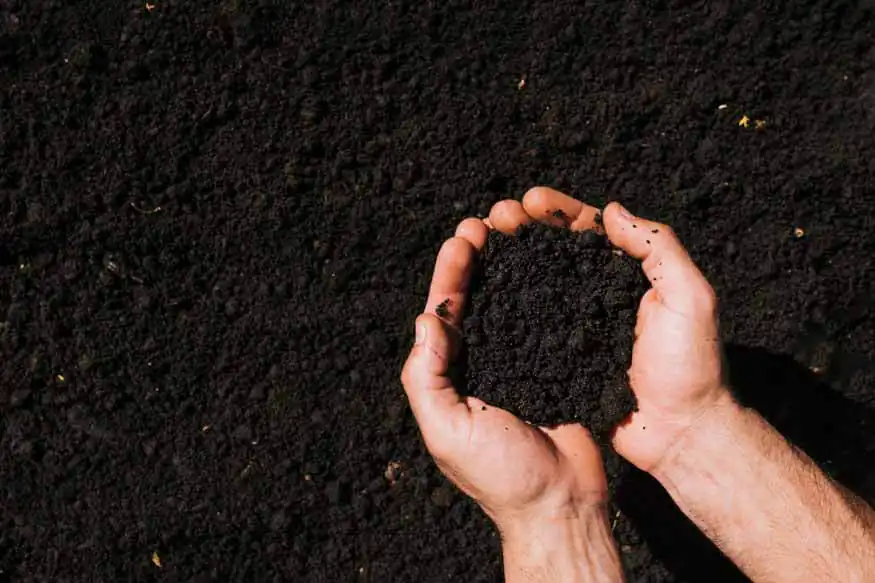
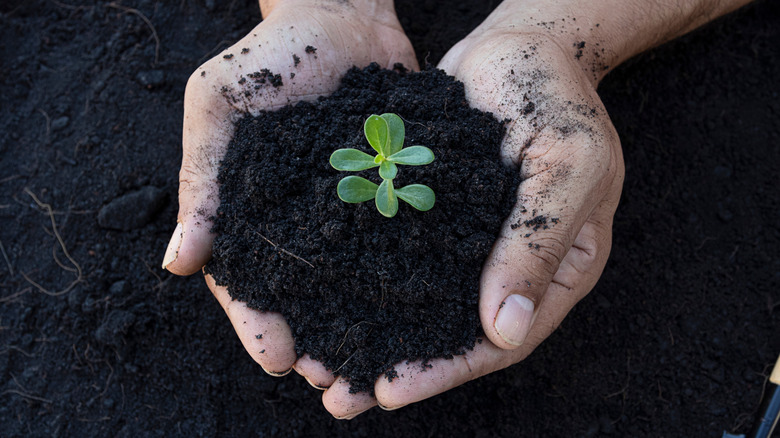
Soil is the foundation of life, whether you’re cultivating a garden or managing farmland. But not all soils are created equal. Different types of soil have unique characteristics that influence everything from water retention and nutrient availability to drainage and stability. Whether it’s sandy, clay, loamy, or silty, understanding soil properties is essential in fields like agriculture, landscaping, and even construction. In this guide, we’ll dive into the key soil types, their distinct features, and how they impact the overall environment.
Types of Soil in Pakistan and Their Characteristics, Pros and Cons
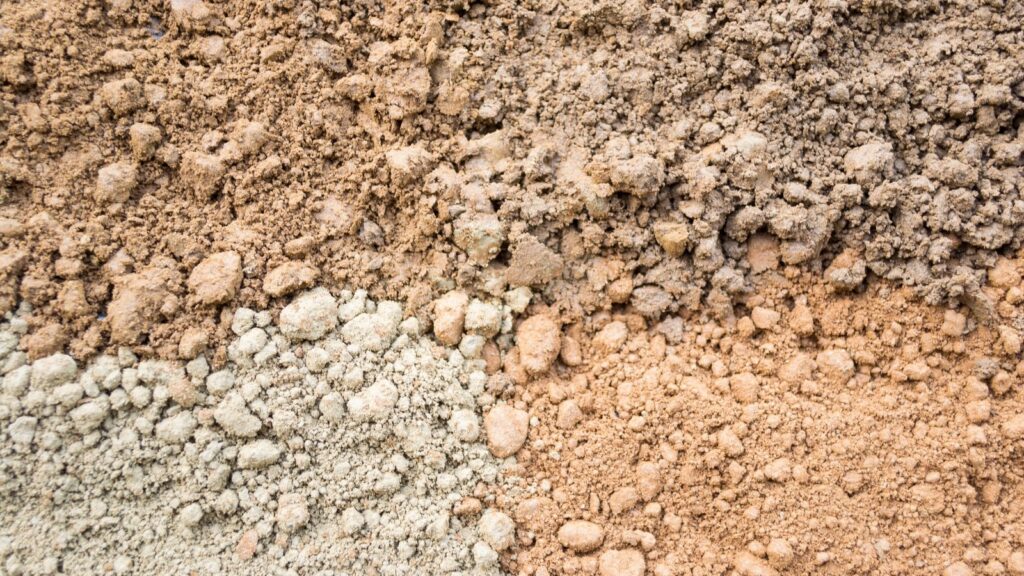
Types of Soil
Key Traits
Advantages
Disadvantages
Sandy soil
Large particles, very good drainage, low water retention
warms quickly; good for drought-resistant plants; easy tilling
poor nutrients; dries fast; can erode easily
Silt soil
Smooth, fine particles, retain moisture, good fertility
fertile; holds moisture; good for many plants
tends to compact; poor drainage if structure breaks; erosion risk
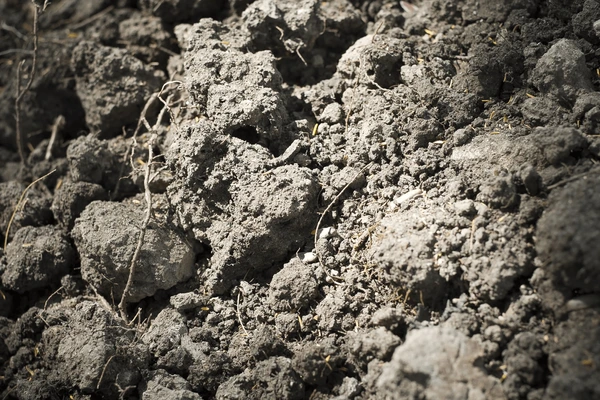
Clay soil
Very fine particles, compact, high retention of water and nutrients
nutrient rich; retains water; good for water-loving crops
drains poorly; heavy; slow to warm; may crack when dry
Loamy soil
Balanced mix of sand, silt, clay, + organic matter
ideal fertility; moisture + nutrient retention + good drainage; best all-round
Requires good soil management; may need amendment if dominated by one component
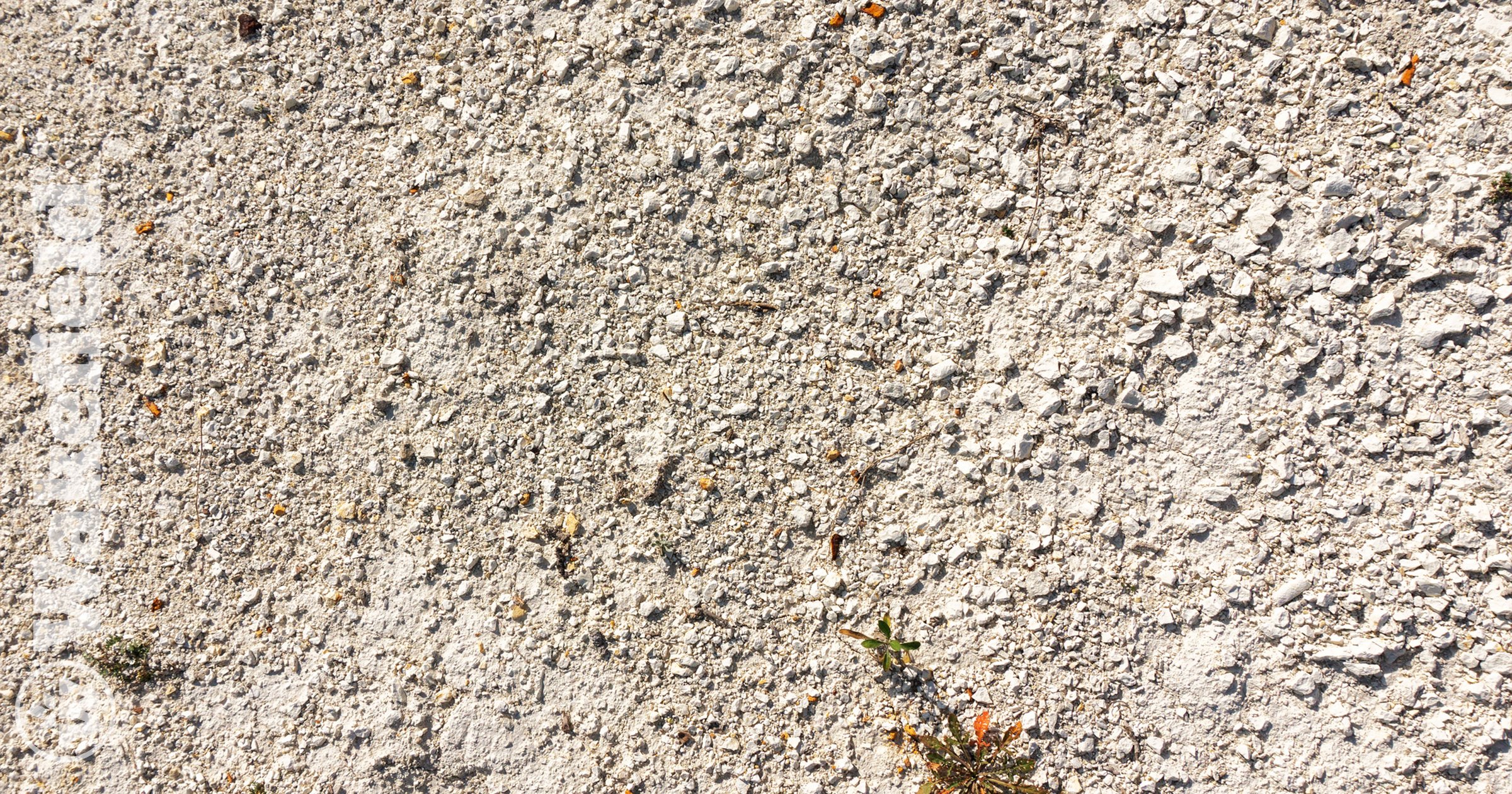
Chalky soil
Limestone/calcium carbonate content; alkaline
good for plants that prefer higher pH; often free draining
many plants dislike alkaline; nutrient availability issues; may need acidifying amendments
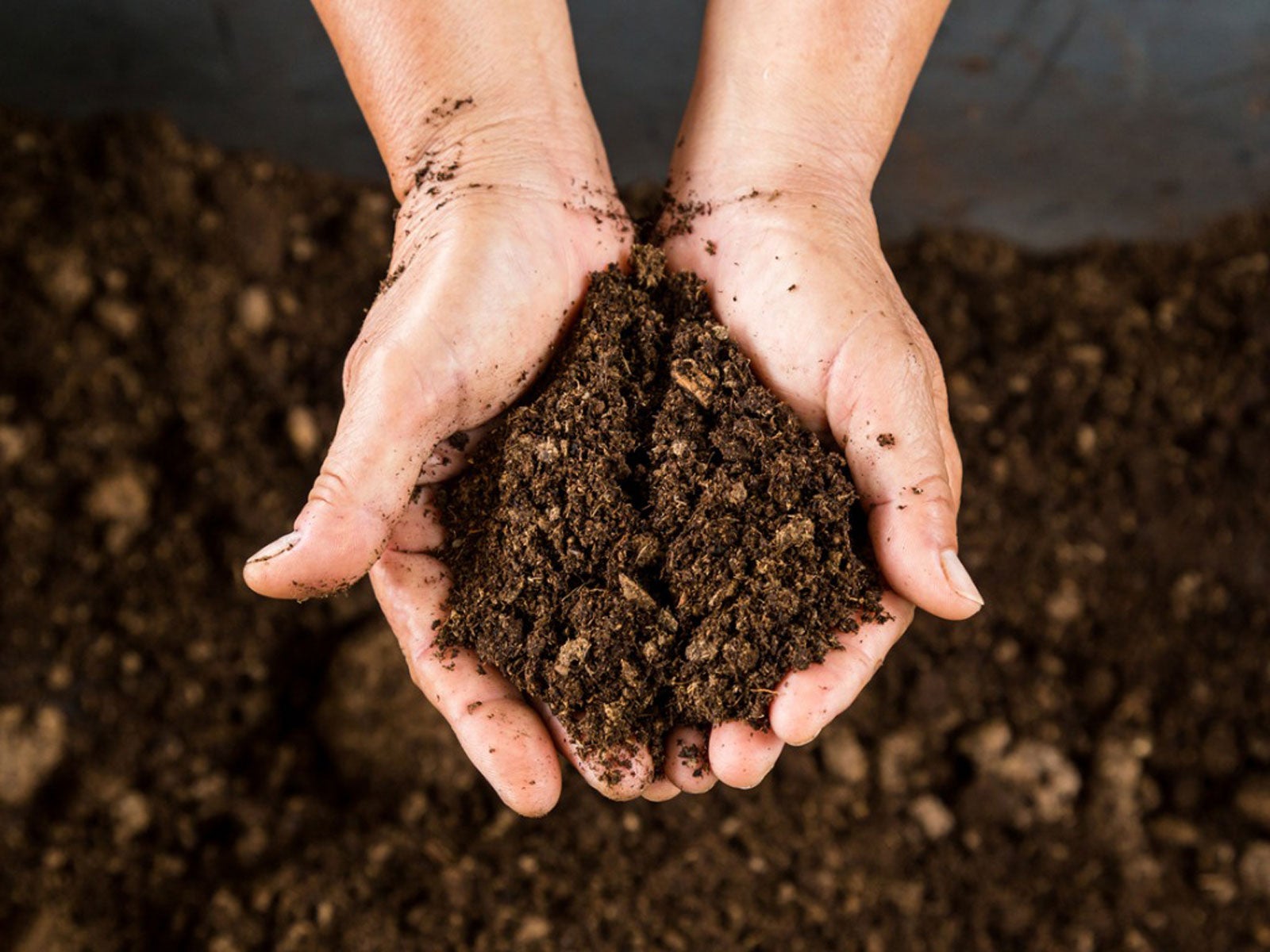
Peaty / Organic soils
High organic matter, retains moisture, often acidic
very fertile; retains moisture; good structure; rich in nutrients
may be too wet; decomposition causes subsidence; acidity may limit plant types
Types of Soil | Pros and Cons
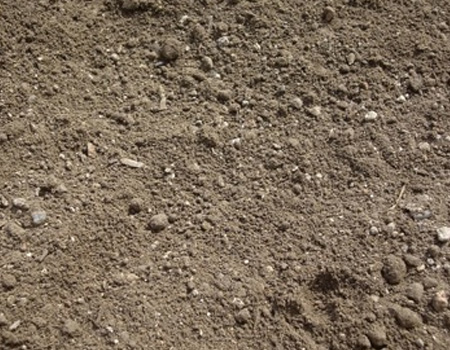
Soil texture plays a crucial role in determining how well plants will grow. The main types of soil are sand, silt, and clay, and the proportions of these particles determine how the soil behaves in terms of moisture retention, nutrient availability, and drainage.
Sand: The Largest Particles
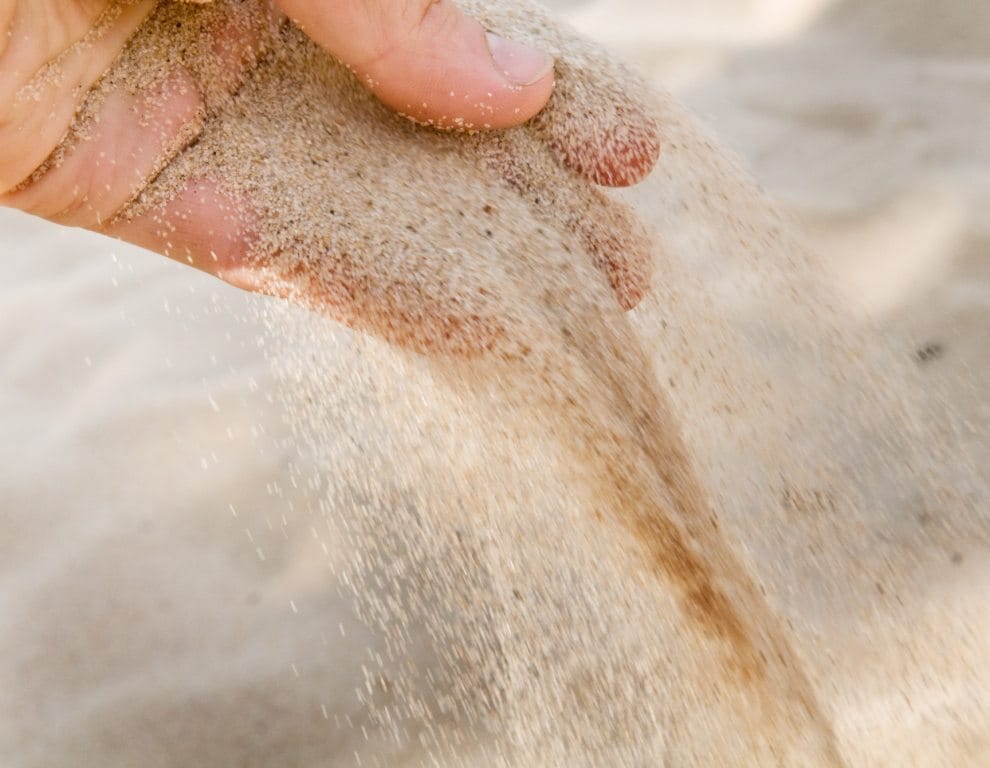
Sand is composed of the largest particles, which gives it a gritty texture. It has good aeration and allows water to flow through it easily. While it dries out quickly, it also warms up fast, making it ideal for plants that thrive in drier conditions. However, sand doesn’t retain nutrients or moisture very well, which requires additional care and amendments.
Aggregate Structure: Sand’s particles don’t bind together well, leaving plenty of air gaps. This allows water to flow freely but also leads to rapid evaporation and poor nutrient retention.
Compaction & Pore Spaces: Sand has large pore spaces that allow good airflow but can lead to rapid compaction when the soil structure is disturbed. Root growth can become restricted in overly compacted sand.
Soil pH: Sandy soil can have varying pH levels depending on the surrounding environment, but it is often more alkaline, especially in areas near coastal regions. Alkaline pH can make certain nutrients less available to plants.
Organic Matter: Adding organic matter can improve sandy soil’s fertility and water retention, helping it hold nutrients for longer periods.
Silt soil consists of fine particles that feel soft and powdery. It holds moisture better than sandy soil and has better fertility. It can be compacted easily, and when over-watered, it can become prone to erosion. However, it’s still an excellent choice for growing plants that require consistent moisture.
Aggregate Structure: Silt particles are small and form fine aggregates that allow for good nutrient retention. However, the small particles can also form clumps that reduce water movement.
Compaction & Pore Spaces: Due to its fine texture, silt is prone to compaction, which can restrict root growth and water drainage. Small pore spaces reduce the amount of soil oxygen, affecting root health.
Soil pH: Silt soil tends to have a neutral to slightly acidic pH, making it one of the ideal types of soil in Pakistan for most plants. However, if the pH is too low, nutrient availability may be reduced.
Organic Matter: Silt benefits from organic matter that can improve its structure and prevent compaction. Adding compost helps improve its drainage while maintaining moisture retention.
Advantages:
Holds moisture well.
Fertile soil that supports a variety of plants.
Smooth texture, making it easy to work with.
Disadvantages:
Easily compacted, reducing aeration and root growth.
Prone to erosion, especially when not covered with vegetation.
Drains slowly, which can result in waterlogged conditions.
Clay: The Smallest Particles
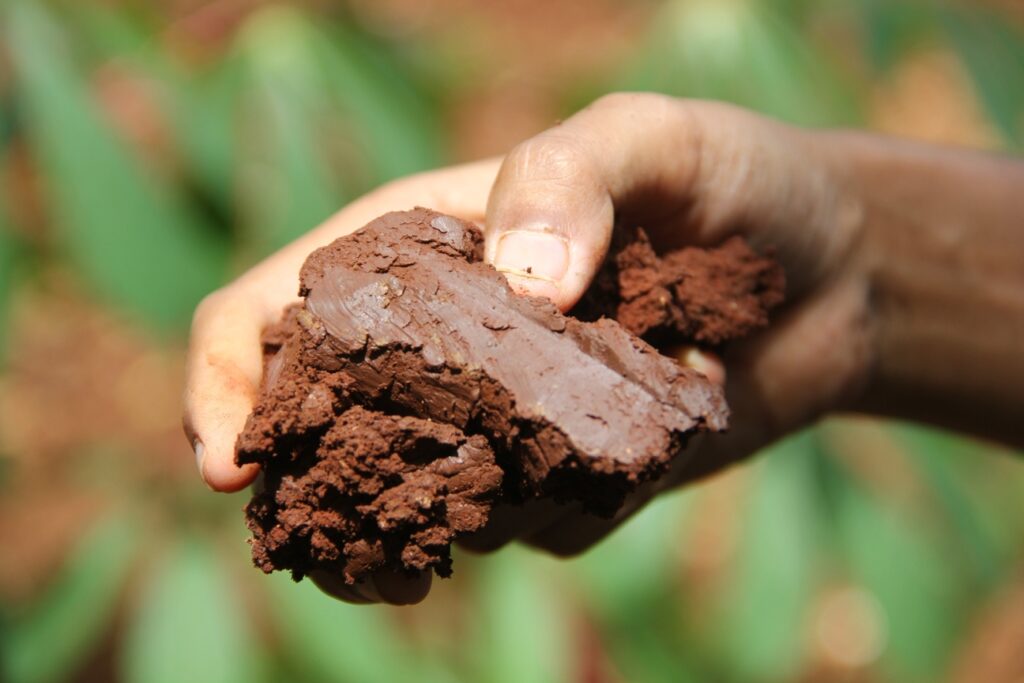
Clay soil has the smallest particles of all three soil types, which makes it dense and sticky when wet. While it’s great at retaining water and nutrients, it suffers from poor drainage. Clay becomes hard and cracks when dry, which can inhibit root penetration and growth.
Aggregate Structure: Clay particles are very fine and bind together tightly, which helps it retain nutrients but reduces airflow and drainage.
Compaction & Pore Spaces: Low pore space and high compaction can suffocate roots and prevent air from reaching the soil. Roots may struggle to penetrate deep, especially in dense clay.
Soil pH: Clay soil tends to be slightly alkaline, which may make some nutrients less available. However, if the pH becomes too high, essential nutrients like iron and phosphorus may become unavailable.
Organic Matter: Adding organic matter to clay soil helps break up compaction, improves aeration, and increases moisture retention. This is essential for plant growth in clay-heavy areas.
Advantages:
Nutrient-rich and capable of retaining a large amount of nutrients.
Excellent water retention for water-loving plants.
Stable structure that can withstand harsh weather conditions.
Disadvantages:
Poor drainage, which can cause waterlogging.
Tends to compact easily, suffocating plant roots.
Hardens when dry, making it difficult for roots to penetrate.
Loam: The Ideal Soil
Loam is a balanced mixture of sand, silt, and clay, making it one of the best soil types for plant growth. It combines the best characteristics of all three types: excellent drainage, moisture retention, and nutrient-holding capabilities. It is easy to work with and provides a supportive environment for a wide range of plants.
Aggregate Structure: Loam has an optimal aggregate structure, with enough pore space for water and air to circulate while still retaining moisture and nutrients.
Compaction & Pore Spaces: Loam has moderate pore spaces, providing a perfect balance of aeration and water retention. It does not compact easily and supports healthy root development.
Soil pH: Loam generally has a neutral pH, making it ideal for a wide range of plants. The pH is suitable for nutrient uptake and supports plant growth without needing much adjustment, which makes it one of the ideal types of soil.
Organic Matter: Loam contains a good amount of organic matter, which improves fertility and enhances soil structure. It’s easier to maintain and amend than other soil types.
Advantages:
Perfect balance of drainage and moisture retention.
Fertile and nutrient-rich, ideal for most plants.
Easy to work with and amend for specific plants.
Disadvantages:
Requires occasional maintenance to keep it well-drained in wet conditions.
In dry areas, it may need additional moisture-retention amendments.
Chalky Soil: Alkaline, Rock-Based Soil
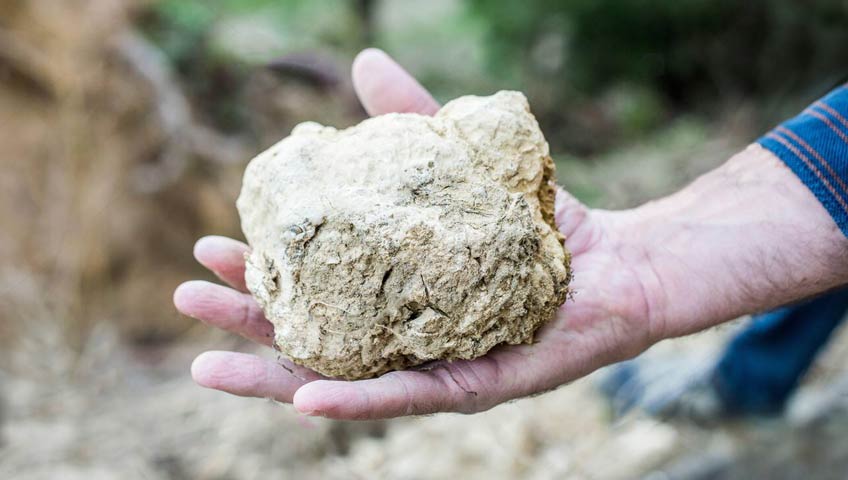
Chalky soil is one of the coarse types of soil and is slightly alkaline due to its high lime content. It is typically coarser and can be a mix of clay and gravel. While it tends to drain well, its high pH can limit the types of plants that thrive in it. It is often more suitable for plants that prefer alkaline conditions.
Aggregate Structure: Chalky soil particles are coarse, and the structure tends to be loose, allowing for good drainage and aeration. This makes it easier for roots to penetrate, but it can also dry out quickly in hot conditions.
Compaction & Pore Spaces: Chalky soils are typically non-compact, due to the presence of gravel and coarse particles. This results in larger pore spaces, which improves aeration but can also lead to the soil drying out faster. However, the loose structure also allows for better root growth compared to more compact soils like clay.
Soil pH: Chalky soil is naturally alkaline, which can affect plant growth. Most plants prefer slightly acidic to neutral soil for optimal nutrient uptake. If the soil’s pH is too high, it can lock up essential nutrients like iron and phosphorus, making them unavailable to plants.
Organic Matter: Adding organic matter like compost or mulch helps lower the pH slightly and improves soil fertility by providing nutrients that the soil may lack. Organic amendments also help retain moisture, preventing the soil from drying out too quickly.
Advantages:
Well-drained, preventing waterlogging.
Works well for alkaline-loving plants, such as certain herbs.
Easy to till and manage compared to clay.
Disadvantages:
The alkaline nature limits plant variety.
Nutrient availability issues for certain plants that prefer acidic soils.
Requires pH adjustments for non-alkaline-tolerant plants.
Peaty Soil: Rich in Organic Matter
Peaty soil is rich in organic material, often dark and spongy to the touch. It retains moisture very well but can become too wet in certain conditions. It’s ideal for plants that need high organic content and moisture retention, like blueberries or moisture-loving vegetables.
Aggregate Structure: Peaty soil has a fine, loose texture with plenty of organic material that can form aggregates. This structure improves water retention but can also become waterlogged if not properly managed.
Compaction & Pore Spaces: The high organic content allows for good aeration in the soil, but it can become compacted over time, especially in wet conditions. The pore spaces in peaty soil are often filled with water, making it difficult for roots to access air and nutrients if the soil is too saturated.
Soil pH: Peaty soil tends to be acidic, which can limit the availability of nutrients like calcium, magnesium, and potassium. Acidic conditions are great for plants like blueberries, but they may not be ideal for other species. Amending with lime or alkaline materials can help balance the pH if needed.
Organic Matter: Peaty soil is naturally high in organic matter, which helps improve soil structure, water retention, and fertility. Adding more organic material, such as compost or well-rotted manure, can enhance the soil’s ability to support plant growth by improving drainage and increasing nutrient availability.
Advantages:
Highly fertile and rich in organic matter.
Excellent water retention—great for moisture-loving plants.
Supports healthy root growth with plenty of organic nutrients.
Disadvantages:
It can become waterlogged, leading to root rot.
Acidic pH, which may need adjustments depending on plant requirements.
Decomposes over time, causing soil subsidence.
Soil Texture Triangle & Combinations
Understanding how soil types combine is key to determining the best soil for your needs. The soil texture triangle helps to visualize how sand, silt, and clay mix to form different soil types. For example:
Sandy Loam: A balanced soil with good drainage but still retains enough moisture for most plants.
Silty Clay: A mixture of silt and clay that retains moisture but drains poorly.
Knowing the properties of these soil combinations allows you to make better decisions about soil amendments, irrigation, and plant selection.
Types of Soil in Pakistan
Pakistan’s diverse topography and climatic conditions have led to the formation of various soil types, each with unique characteristics and agricultural significance. Understanding these soil types is crucial for effective land use, agriculture, and construction.
1. Alluvial Soil
Location: Predominantly found in the Indus Plain, encompassing regions like Punjab and parts of Sindh.
Composition: A mix of clay, silt, and sand.
Properties:
Light and easily tillable due to its porous nature.
Rich in nutrients, making it highly fertile.
Ideal for cultivating a variety of crops, including wheat, rice, and cotton.
2. Sandy Soil
Location: Common in arid and semi-arid regions such as Thar, Cholistan, and parts of Balochistan.
Composition: High sand content with minimal clay.
Properties:
Excellent drainage but low water and nutrient retention.
Generally acidic, requiring amendments for improved fertility.
Suitable for drought-resistant plants and certain desert vegetation.
3. Clayey Soil
Location: Found in areas like Hyderabad, Sahiwal, Multan, and Badin.
Composition: High clay content.
Properties:
Heavy and sticky texture.
High water retention and nutrient content.
Prone to waterlogging; requires proper drainage systems.
Supports crops like rice, sugarcane, and various vegetables.
4. Silty Soil
Location: Found in regions with fine sediment deposition.
Composition: A balance of sand, silt, and clay.
Properties:
Smooth texture with moderate water retention.
Moderate fertility; may require organic matter for enhanced productivity.
Suitable for a wide range of crops, including vegetables and fruits.
5. Calcareous Soil
Location: Common in the western mountainous regions such as Sibbi, Kohat, and Quetta.
Composition: High in calcium carbonate.
Properties:
Alkaline pH, often above 7.
Low in iron and phosphorus availability.
Supports limited vegetation; requires soil amendments for agricultural use.
How to Identify Types of Soil in Pakistan?
Knowing the types of soil is crucial for making the right decisions for your garden or land. Different soils support different plant types and have unique needs for drainage, watering, and fertilization.
Fortunately, you don’t need expensive equipment to identify your soil type. You can do simple field tests to understand your soil better and ensure it’s suitable for your intended plantation or construction projects.
Feel Test:
Take a small amount of soil and rub it between your fingers.
Sandy Soil: Feels gritty and rough.
Clay Soil: Feels sticky and smooth.
Silty Soil: Feels smooth and powdery, like flour.
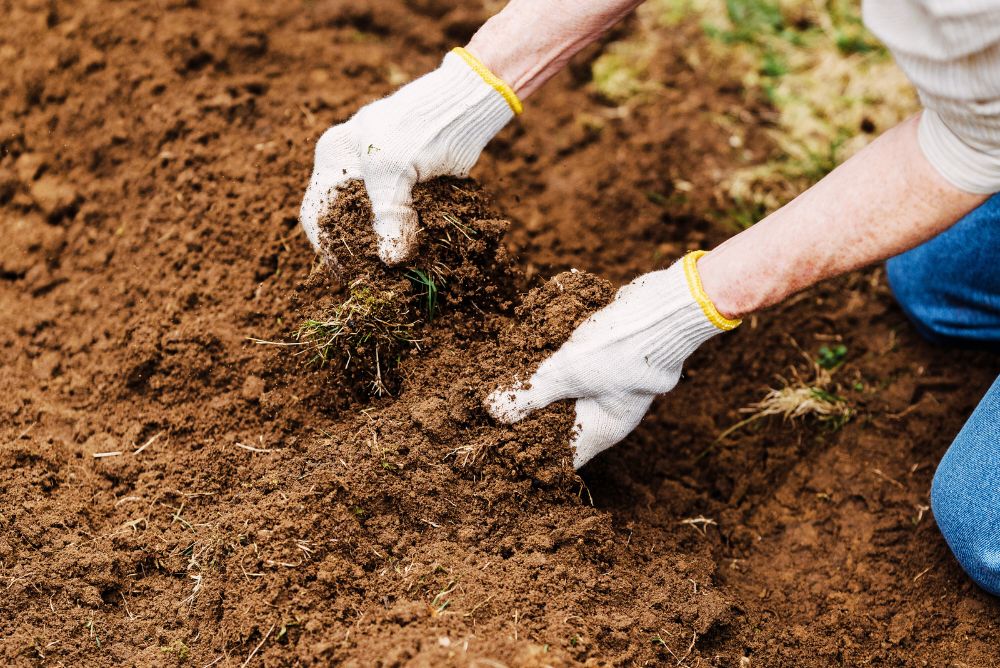
Loamy Soil: Feels soft, crumbly, and balanced between smooth and gritty.
1. Water Retention Test:
Fill a container with soil and add water.
Sandy Soil: Water drains through quickly.
Clay Soil: Water will sit on the surface for a long time.
Silty Soil: Water will absorb slowly but stay for a while.
Loamy Soil: Water will be absorbed at a moderate rate, with no pooling.2. Squeeze Test:
Take a handful of moistened soil and squeeze it in your hand.
Sandy Soil: Falls apart quickly with minimal shaping.
Clay Soil: Molds into a ball easily but feels sticky.
Silty Soil: Forms a loose ball but doesn’t stick as much as clay.
Loamy Soil: Forms a loose ball but crumbles when touched lightly.3. Drainage Test:
Dig a small hole in the soil and fill it with water.
Sandy Soil: Water drains within 1-2 hours.
Clay Soil: Water takes several hours or more to drain.
Silty Soil: Water drains in about 2-3 hours.
Loamy Soil: Water drains moderately within a few hours.
Observing Soil Color, Drainage, and Texture
Color: Darker soils tend to have more organic matter, making them fertile. Lighter soils, like sandy soils, are often low in organic matter.
Texture: Look for smoothness, grittiness, or stickiness in your soil to help identify its type.
Drainage: Well-draining soil is ideal for most plants, whereas slow-draining soil may require amendments or drainage systems.
Lab Test to Understand Types of Soil
While simple field tests can provide useful insights, lab testing can offer a more precise understanding of your soil’s composition. This is especially useful when you want to:
Test for pH: Determining whether your soil is acidic, neutral, or alkaline is critical, as it affects nutrient availability.
Check nutrient levels: A soil test can tell you if your soil has enough of the essential nutrients like nitrogen, phosphorus, and potassium.
Identify toxicities: Some soils may have excess metals or salts that could harm plants. A lab test can help you determine whether your soil needs treatment or amendment.
Call to action: Try improving soil health once this season; small changes yield big rewards.
FAQs
What Soil Type is Best for Vegetable Gardens?
For vegetable gardens, loamy soil is often considered the best choice. It strikes a perfect balance between drainage and moisture retention, while also providing enough nutrients for healthy plant growth.
How Do I Know if Soil is Clay or Sandy Without a Lab?
Feel Test: Sandy soil feels gritty and rough, while clay soil feels smooth and sticky when wet.
Squeeze Test: Sandy soil falls apart easily when squeezed, while clay soil forms a ball and may even stay intact.
Water Drainage Test: Sandy soil drains water quickly, while clay soil holds water longer.
Can Soil Type Change Over Time?
Yes, soil type can change over time due to natural processes or human intervention. Factors like erosion, compaction, and the addition of organic material can alter the composition of your soil.
How Often Should I Test Soil pH and Nutrients to understand types of soil?
Soil pH and nutrient levels should be tested at least once a year, preferably in early spring before planting. If you’re making changes to your garden or farming practices, testing more frequently (every 6 months) can help you track soil improvements.
Conclusion
Understanding types of soil is the first step to successful gardening and farming. Whether you’re growing vegetables, flowers, or trees, knowing what your soil needs, be it better drainage, more nutrients, or a specific pH, can help you optimize growth and yield.
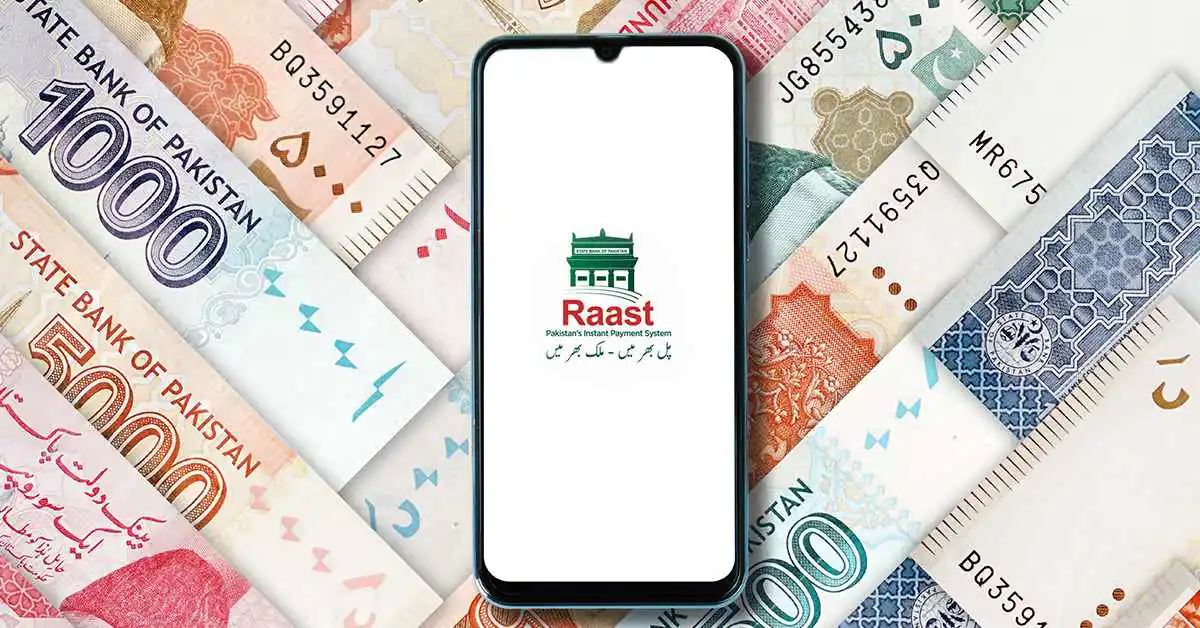
ISLAMABAD: The Capital Development Authority (CDA) has intensified efforts to turn Islamabad into Pakistan’s first cashless city by rolling out the State Bank of Pakistan’s (SBP) Raast QR code system across markets and public spaces.
The decision was taken at a high-level meeting held at CDA Headquarters on Thursday, chaired by Member Administration and Estate Talat Mehmood on the instructions of CDA Chairman and Chief Commissioner Islamabad Muhammad Ali Randhawa. The session was attended by officials from commercial banks, the SBP, and the Islamabad Capital Territory (ICT) administration.
Officials briefed participants that the Raast QR code, already operational at weekly bazaars, will now be introduced at Class III markets, shopping centres, and major commercial hubs. CDA Member Finance Tahir Naeem said strong measures were being implemented to ensure that one unified QR code is displayed for all categories of transactions throughout the capital.
To monitor the rollout, a digital dashboard has been created to gather real-time data from banks. The meeting also underlined the need for awareness campaigns to encourage citizens and traders to embrace Raast as a secure and transparent digital payment solution.
CDA officials noted that the Raast system would play a central role in Islamabad’s transition to a digital economy, ensuring faster, safer, and more reliable transactions. Talat Mehmood said the CDA was coordinating efforts through a steering committee comprising CDA, MCI, ICT, and partner banks.
Once again, the two traditional rivals and giants of cricket; India and Pakistan collide on the grand stage of Dubai for Asia Cup 2025. Rivalries are common in sport, but this one transcends the field, it’s culture, history, and passion rolled into one.
On Sunday, September 14, 2025, the cricketing world will once again tune in as the two neighbors square off in the Asia Cup.
Time, Ticket, Date, Location
The Group A encounter has already set pulses racing. Scheduled for 6:30 PM local time (14:30 GMT) at the Dubai International Cricket Stadium, the match is expected to attract not only sell-out crowds but also millions of viewers worldwide.
Online tickets are available exclusively through Platinumlist.net, while offline tickets can be purchased from box offices in Dubai and Abu Dhabi. As expected, demand is feverish, after all, who wouldn’t want to say they watched India and Pakistan live under the lights of Dubai?
Pakistan’s Winning Start | 93-Run Win Against Oman
Pakistan come into the clash high on confidence, having cruised past Oman in their opening game. A 93-run win sent a clear message: even without their biggest names, this team means business.
Fakhar Zaman’s aggressive knock at the top set the tone, while Shaheen Afridi reminded everyone why he is among the most feared new-ball bowlers in the world. Captain Salman Agha led from the front, earning praise for a calm yet attacking approach.
Analysts say the decisive factor was Pakistan’s bowling depth, with multiple options to squeeze the opposition.
Coach Mike Hesson echoed that view and explained Pakistan’s selection strategy after the controversial omission of Babar Azam and Mohammad Rizwan:
“Being honest about your assessment of players is pretty important. Looking at things objectively is important. What I have alluded to is the way the modern game is played and the strike rates required, particularly in good conditions.”
Hesson also fired a quiet warning to India, highlighting Pakistan’s spin options:
“I guess the beauty of our side is we’ve got five spinners. We’ve got Mohammed Nawaz, who’s the best spin bowler in the world at the moment… and obviously we’ve had Abrar Ahmed and Sufiyan Muqeem doing as well as they have.”
India vs Pakistan Stats – Past Asia Cup Matches
Whenever India and Pakistan meet, statistics are dusted off like old family albums. In 19 Asia Cup encounters, India has the edge with 10 wins, while Pakistan has claimed 6, and 3 matches ended without a result.
The last time these two sides met earlier this year, India clinched victory in a tight finish, once again proving why this matchup is rarely one-sided.
Add to that the fact that India are the defending Asia Cup champions, having dismantled Sri Lanka in the 2023 final, and the storyline becomes even juicier. Numbers say India usually hold the upper hand, but Pakistan’s habit of springing surprises makes every clash unpredictable.
Squads & Selection | Who’s in Who’s Out
Both teams arrive in Dubai with lineups that have stirred plenty of chatter.
For India, captain Suryakumar Yadav and vice-captain Shubman Gill headline a youthful but balanced squad. Exciting names like Abhishek Sharma and Tilak Varma are in, alongside experienced campaigners Hardik Pandya, Jasprit Bumrah, and Kuldeep Yadav. Yet, several established players are missing: Shreyas Iyer and KL Rahul were left out, Rishabh Pant continues his recovery, and Mohammed Siraj didn’t make the cut.
It’s a bold approach by selectors, prioritizing form and flexibility over reputation.
After India’s comfortable win over UAE in their opener, Surya Kumar Yadav praised the team’s clinical approach:
“Wanted to see how the wicket was playing. It was the same in the second innings. Clinical performance from the boys, we wanted good attitude and energy on the field and that’s what we got.”
He also underlined the importance of spinners in Dubai’s heat:
“The wicket looked good but it was on the slower side and the spinners have a role. Here it is very hot right now and Kuldeep did well, got good support from Hardik, Dube and Bumrah.”
Looking ahead to Sunday’s clash, the Indian skipper kept it simple but exciting:
“Everyone is excited for the game against Pakistan.”
Pakistan’s squad selection stole even bigger headlines. Longtime batting pillars Babar Azam and Mohammad Rizwan were both dropped, a decision that raised eyebrows across cricketing circles.
Stepping in as captain is Salman Agha, with Fakhar Zaman, Saim Ayub, Shaheen Afridi, and Haris Rauf carrying the responsibility.
Former greats have weighed in: Wasim Akram called the decision to drop Babar “a brave gamble,” while Harbhajan Singh suggested India’s squad was “refreshingly balanced, with youth and experience in harmony.”
Views of General Public and Analysts
While fans are hyped, politics has added its usual layer of noise. Some voices in India have called for boycotts of cricketing ties with Pakistan, especially after tensions spiked between the two nations in May 2025.
To sidestep complications, the Asian Cricket Council settled on Dubai as the neutral venue, a city that has long hosted this high-stakes rivalry with relative ease.
Former Pakistan wicketkeeper Kamran Akmal also reminded both sides that while aggression is natural, it must stay in check:
“Aggression is the beauty of an India-Pakistan match. How to take that aggression is the key. Respect should be there. Players will have to remember cricket is a gentleman’s game. If they keep that in mind, I am sure Sunday’s match will go untroubled.”
Weather & Pitch Report
Fortunately for the organizers and fans, Sunday’s forecast is clear skies and pleasant conditions, no rain clouds to spoil the party. The Dubai pitch is traditionally friendly to batsmen, though the dew factor in the second innings often makes chasing easier.
Expect spinners to come into play during the middle overs, while fast bowlers like Bumrah and Shaheen will look to make early inroads with the new ball.
The Final Word
India vs Pakistan is never just another cricket match. It’s a spectacle, a carnival, sometimes even a stress test for fans’ heart rates. Both sides come armed with new lineups, bold strategies, and points to prove.
India wants to defend its crown, Pakistan wants to show that life after Babar and Rizwan can still sparkle.
Whatever happens on Sunday, one thing is certain: when these two teams collide, cricket takes center stage. Politics can wait, calculators can rest, and fans can simply enjoy the drama.
Because India–Pakistan matches are not just contests, they’re chapters in a never-ending story, and the next one is about to be written under the Dubai lights.
This is the 17th edition of the Asia Cup, first held in 1983 as an ODI tournament. Since 2016, the event has alternated between the ODI and T20I formats. The 2025 edition returns to the 20-over format as a lead-up to the T20 World Cup next year.
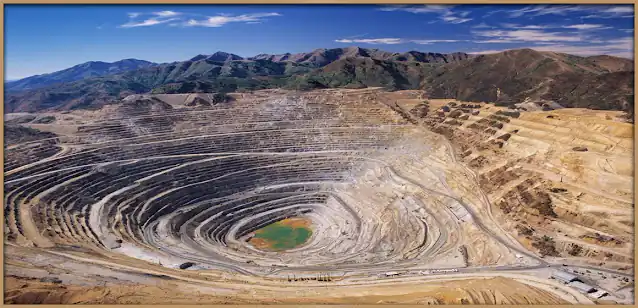
ISLAMABAD: Pakistan’s flagship Reko Diq copper and gold mining venture is set to achieve long-awaited financial closure by late September or early October, according to senior officials, marking a milestone for the country’s mining and investment sector.
Situated in Balochistan’s Chagai district, the project is projected to generate nearly $74 billion in free cash flows over a 37-year span, positioning it as a cornerstone of Pakistan’s future economic framework.
At recent Annual General Meetings, the boards of state-owned OGDCL, PPL, and GHPL formally approved an additional $715 million in costs, bringing the total to $7.48 billion. The revised figure accounts for inflation, commodity price volatility, and lender-imposed contingencies. Officials, however, stressed that strict cost discipline could still keep execution within the original $6.765 billion estimate.
Construction is slated to begin in December 2025, with commercial production targeted for 2028. The project’s financing plan rests on a 50:50 equity-to-debt ratio, providing room for both domestic and international investment without excessive borrowing. Oversight lies with the Reko Diq Mining Company (RDMC), a special-purpose entity jointly owned by Barrick Gold and the governments of Pakistan and Balochistan.
Barrick Gold, the lead operator, controls 50 percent of the venture. The remaining half is split equally, with the Government of Pakistan holding its share through OGDCL, PPL, and GHPL, while the Government of Balochistan retains 25 percent. That provincial share includes a 10 percent free-carried interest and 15 percent fully funded equity underwritten by the federal government, ensuring Balochistan’s participation without financial exposure.
The project has already drawn major international financiers. The International Finance Corporation (IFC) has committed $700 million, including a $400 million subordinated loan secured on the balance sheets of Pakistan’s SOEs—structured without sovereign guarantees, a first for projects of this scale. The Asian Development Bank (ADB) has followed with a $300 million loan, its first mining-sector financing in four decades, along with a $110 million credit guarantee to strengthen Balochistan’s stake.
Talks are also advancing with US EXIM Bank, Export Development Canada, and Japan Bank for International Cooperation (JBIC), with further commitments expected soon.
Beyond mining, RDMC has pledged $350–400 million in bridge financing for Pakistan Railways’ ML-2 and ML-3 upgrades, creating a direct link from the mine to Port Qasim for mineral exports. The upgrades are expected to be ready by the time production begins in 2028.
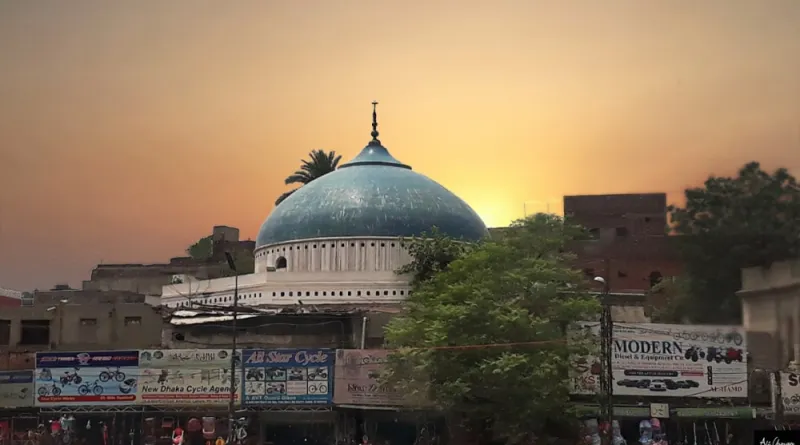
Lahore – The historic Neela Gumbad is set for a Rs. 2.45 billion redevelopment to ease traffic, resolve parking woes, and revive its cultural value.
Located near Anarkali and King Edward Medical College, the site houses the 17th-century shrine of Sheikh Abdul Razzak Maki. Despite its heritage, the area has long suffered from congestion and encroachments.
TEPA’s plan includes a three-level underground facility over 16 kanals: two basements for 374 cars and 790 motorcycles, and one for 69 shops. The project will also feature walkways, elevators, CCTV, and firefighting systems.
With Rs. 300 million already released, work is expected to finish in 18 months, transforming Neela Gumbad into Lahore’s first fully walk-friendly zone and a new cultural landmark.
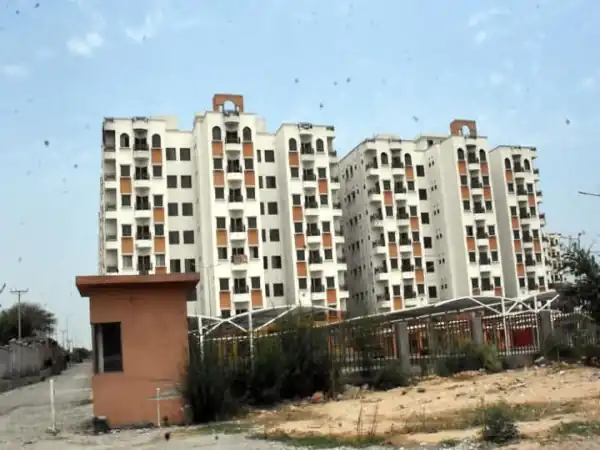
Islamabad: The Pakistan Housing Authority Foundation (PHAF) has launched fast-paced development and construction activities at the site of PHAF Residencia in Peshawar, in collaboration with the Khyber Pakhtunkhwa Housing Authority (KPHA).
According to the agreement between the two bodies, work on the boundary wall, main boulevard, and main entrance is already underway. To strengthen security at the site, a permanent police station has been established, with deployment carried out by the Khyber Pakhtunkhwa government.
Spread across more than 8,000 kanal, PHAF Residencia is being described as one of the largest government-led housing projects not only in Khyber Pakhtunkhwa but also nationwide. The initiative is a joint venture of the federal and provincial governments and is being positioned as a secure and reliable investment in the housing sector.
The project is situated on Kohat Road, about 15 kilometers from Peshawar city, and will feature over 8,000 residential units, including grey structures and apartments, divided into categories I, II, III, and IV. Development will take place in four phases, with contracts for 400 housing units already awarded out of 885 planned in the first phase. Heavy machinery has been mobilized to accelerate the work.
Meanwhile, PHAF has urged allottees and members to begin paying their dues under the three-year installment schedule. Officials noted that timely contributions will ensure smooth financial flows, allowing construction and development to continue without delays.
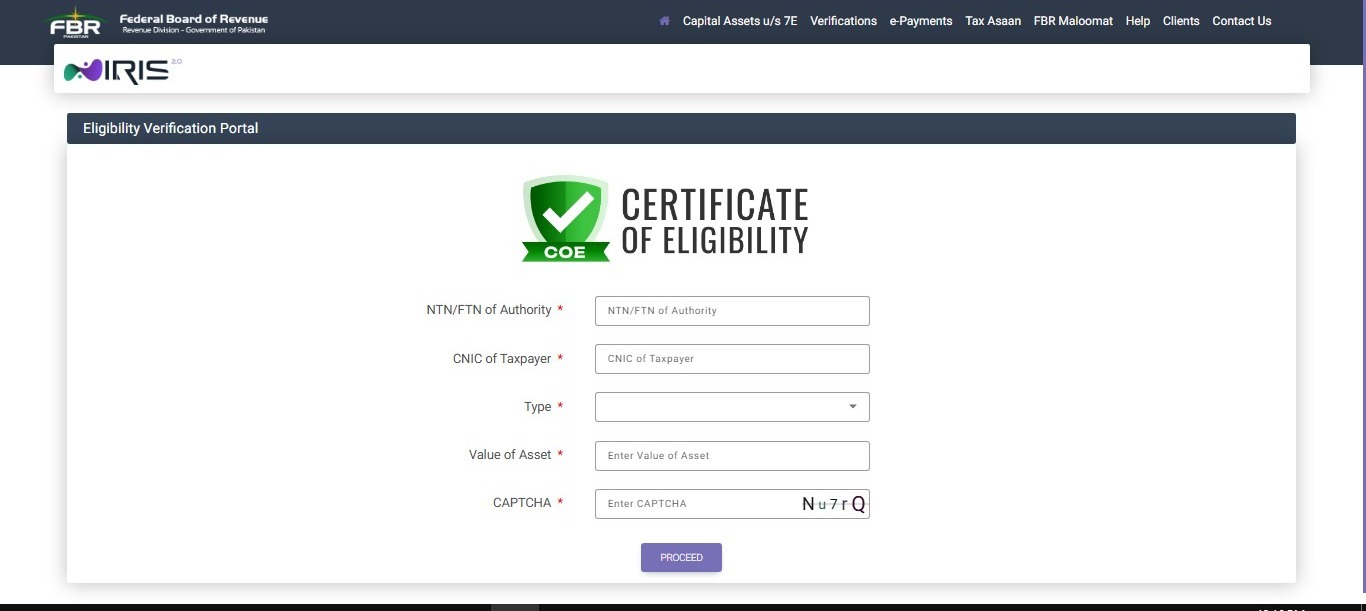
A property valuation certificate is an official document that states the fair market value of a property after proper assessment. It is issued by either government authorities such as the Federal Board of Revenue (FBR) or by private firms registered with the State Bank of Pakistan (SBP). The certificate reflects the property’s worth based on its location, size, condition, construction quality, and current market trends.
This document is more than just a piece of paper, it plays a vital role in different financial and legal matters. It is required for taxation purposes, such as calculating capital gains tax and property tax. Banks and financial institutions demand it when approving loans or mortgages against property.
By understanding what a property valuation certificate is and why it matters, property owners and investors in Pakistan can make informed decisions and avoid legal or financial complications.
What Is a Property Valuation Certificate?
A property valuation certificate is an official document that states the fair market value of a property at a specific point in time. It acts as proof of how much a property is worth and is widely used for taxation, loans, legal transactions, and immigration purposes.
Who Issues the Certificate?
The certificate can be issued through two main channels:
Government Authorities: The Federal Board of Revenue (FBR) or local District Revenue Offices are authorized to issue property valuation certificates. These are commonly required for tax purposes, property registration, or legal documentation.
Private Valuation Firms: Firms that are registered with the State Bank of Pakistan (SBP) can also issue certificates. These are often used when applying for bank loans, mortgages, or financial evaluations, as banks rely on valuations from SBP-approved firms.
What Is Assessed During Valuation?
When a property is being evaluated for its certificate, surveyors and experts take into account a wide range of factors to calculate its value:
Location – where the property is situated, including city, neighborhood, and proximity to main roads or commercial hubs.
Structure and Materials – quality of construction, type of materials used, and overall condition of the building.
Soil and Land Quality – especially important for plots or agricultural land, where soil strength and land usability affect value.
Utilities and Amenities – access to water, gas, electricity, sewerage, and nearby facilities like schools, hospitals, and markets.
Market Comparables – prices of similar properties in the same area.
Interior & Exterior Quality – design, finishing, layout, and overall aesthetic appeal of the property.
In short, a property valuation certificate is a reliable document that reflects the true market worth of your property by considering all physical and market-based factors.
Who Issues the Property Valuation Certificate?
In Pakistan, property valuation certificates can be obtained through two main paths:
1. Government Path
The Federal Board of Revenue (FBR) and local Excise & Taxation offices are authorized to issue valuation certificates. In this process, an official surveyor visits the property, inspects it on-site, and evaluates its worth based on government valuation tables and prevailing market trends. Certificates issued by these authorities carry strong legal weight and are commonly used for:
Taxation purposes, such as calculating capital gains or property tax.
Property transfers and registration with government offices.
Legal disputes, where official proof of value is required in court.
2. Private Path
Alongside government bodies, private valuation firms registered with the State Bank of Pakistan (SBP) are also allowed to issue property valuation certificates. These firms follow professional valuation methods and provide detailed reports, often faster than government channels. Their certificates are especially useful for:
Bank loans and mortgages, as financial institutions rely on SBP-approved valuations before approving financing.
Investor needs, where quick and independent valuations are required for decision-making.
Property transactions, where buyers and sellers want a reliable, neutral estimate of value.
Both government and private paths serve important but slightly different purposes. While government-issued certificates are mandatory for legal and tax compliance, private firm certificates are preferred in financial and commercial matters like securing loans or finalizing investments.
Step-by-Step — How to Get Your Certificate
Getting a property valuation certificate in Pakistan is a straightforward process if you follow the right steps. Here’s how it works:
1. Gather Required Documents
Start by collecting all the necessary paperwork. Commonly required documents include:
Copy of your CNIC
Title deed or allotment letter of the property
Registry/Fard to confirm ownership
Recent utility bills (electricity, gas, water)
Any previous valuation reports (if available)
Having these documents ready helps avoid delays during the application process.
2. Submit Application
Once the documents are in order, submit your application through the proper channel. This can be done by:
Visiting the FBR portal or the local revenue/excise office for a government-issued certificate.
Contacting an SBP-registered private firm if you are seeking a certificate for bank loans or faster service.
3. Property Inspection
After the application is filed, a surveyor or valuation officer will visit your property. During the inspection, they assess:
Location and accessibility
Size and layout of the land or building
Quality of construction and building materials
Nearby amenities and utilities
Comparison with similar properties in the area
This inspection is the foundation for determining the accurate market value.
4. Receiving the Certificate
Once the evaluation is complete, the certificate is prepared and issued. In most cases, this process takes about 5 to 10 working days, though timelines may vary depending on the authority or firm you apply through.
5. Fee Payment
The cost of getting a property valuation certificate depends on the issuing body:
Government-issued certificates usually come at a lower fee.
Private firm certificates may cost more but are often faster and include detailed reports accepted by banks.
By completing these steps, you can obtain an official property valuation certificate that reflects the true market value of your asset and can be used for taxation, loans, legal, or personal purposes.
DC Value, FBR Value, and Valuation Methods
Property valuation in Pakistan can be a bit confusing because different authorities use different values. To understand the process better, it’s important to know the difference between DC value, FBR value, and market value, along with the common methods used to calculate property worth.
DC Value (District Collector Rate)
The DC value is the rate set by the local District Collector for property transactions. It is mainly used to calculate:
Stamp duty
Capital Value Tax (CVT)
This value is often lower than the market rate and is used by provincial authorities when registering or transferring property.
FBR Value
The FBR value is determined by the Federal Board of Revenue and is applied nationwide. It plays a key role in calculating federal taxes such as capital gains tax and withholding tax on property transactions. Like DC values, FBR rates are also usually below the actual market price.
Market Value
The market value reflects the actual price a buyer is willing to pay and a seller is willing to accept for a property in open market conditions. It is usually higher than both DC and FBR values, which creates a gap between recorded values and real transaction prices.
FBR Value vs DC Value vs Market Rates
DC Value: Used at the provincial level for stamp duty and CVT. FBR Value: Used at the federal level for taxation purposes.
Market Value: The real price based on demand, location, and market conditions.
This difference often leads to discrepancies in property taxation and can create confusion for buyers and sellers.
Five Common Valuation Methods
Property experts and surveyors generally use one or more of the following methods to determine accurate value:
Comparison Method – Compares the property with similar ones recently sold in the area.
Investment Method – Calculates value based on the expected return or rental income.
Residual Method – Common for development projects; value is based on potential profits after construction or redevelopment.
Profits Method – Often used for commercial properties like hotels or shops, where income generation determines value.
Cost Method – Considers the cost of building the property today minus depreciation, plus land value.
These methods provide a more realistic and detailed assessment of property value compared to the fixed DC or FBR tables.
Policy Context & Challenges
The property valuation system in Pakistan has long faced issues of inconsistency and lack of transparency. While steps have been taken to improve the process, several challenges still remain.
Lack of Standardization
One of the biggest challenges is the absence of a uniform valuation system across the country. Different authorities apply different values—DC rates, FBR values, and market rates—which creates confusion for buyers, sellers, and investors. This lack of standardization often results in undervalued transactions being recorded officially.
Updates by FBR
Since 2016, the Federal Board of Revenue has updated its valuation tables for multiple cities. These revisions aimed to bring official values closer to market prices and increase tax revenue. However, even after updates, FBR values still remain lower than actual market rates. This gap exists partly to encourage compliance and partly to reduce pressure on taxpayers, but it continues to distort the real estate market.
Encouragement of Black Money
Because of the difference between official values and true market rates, many property transactions are recorded at artificially low figures. The remaining amount is often exchanged in cash or “grey money.” This practice allows tax evasion, reduces government revenue, and makes it difficult to track the true flow of money in the real estate sector.
Market Distortion
These weaknesses in the system affect fair property pricing. Buyers and sellers may face mistrust in transactions, investors struggle with unclear valuations, and the government loses significant tax income. Without a standardized, transparent system, the property market remains vulnerable to manipulation.
Other Related Property Processes & Legal Terms
Property valuation is closely tied to other legal processes in Pakistan’s real estate sector. Understanding these related terms and documents is important for smooth transactions.
Property Registration vs Valuation
Valuation determines the market worth of a property. It helps in tax assessment, loan approval, and ensuring a fair deal between buyers and sellers.
Property registration, on the other hand, is the legal process of recording the property under the buyer’s name in government records. This is done through local registrars or revenue offices. Without proper registration, even a valued property has no legal standing in ownership disputes. Together, valuation and registration ensure that a property is both fairly priced and legally protected.
Key Documents in Property Ownership
Fard– An official record of ownership, issued by the revenue department.
Inteqaal – The process of transferring ownership from one person to another.
Jamabandi – A land record that shows details of ownership, cultivation, and revenue collected.
Gardavri – A seasonal record of crops and land use, important for agricultural properties.
Haq-e-Shufa – The “right of pre-emption,” allowing certain relatives or neighbors to claim first right if a property is being sold.
Knowing these terms helps property buyers and sellers navigate legal requirements and avoid disputes.
FAQs
Here are answers to some of the most common questions about property valuation certificates in Pakistan:
How long does it take?
Usually between 5 to 10 working days, depending on whether it’s processed by a government office or a private firm.
Can I get a free valuation?
No. Property valuation always involves a fee, as surveyors and agents must be paid for their professional assessment.
Which option is better: government or private certificate?
Government-issued certificates carry more legal and tax-related weight, making them necessary for official transactions.
Private certificates are generally faster and are preferred when applying for loans or mortgages.
What if I disagree with the valuation?
You can request a revaluation or file an appeal through the concerned authority or valuation firm. In many cases, presenting updated market data can support your case.
Conclusion
A property valuation certificate is more than just a formality—it is a key document for ensuring transparency, fairness, and legal compliance in Pakistan’s real estate market. From paying taxes to securing bank loans and even applying for visas, this certificate proves the true market value of your property and helps prevent disputes.
Both government-issued and private certificates serve important roles. Government certificates are essential for legal and tax matters, while private certificates provide speed and flexibility, especially in financial dealings. Choosing the right path depends on your specific needs.
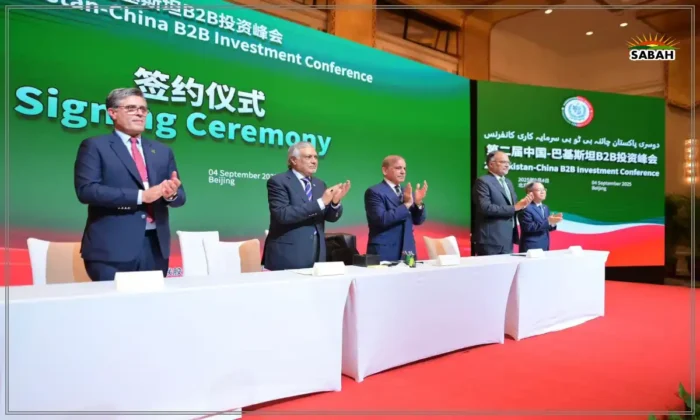
Beijing: The Pakistan–China B2B Investment Conference in Beijing concluded with the signing of agreements worth USD 8.5 billion, signaling a major boost in bilateral economic cooperation. The event, reported by China Economic Net (CEN), marked a significant step toward strengthening trade and industrial partnerships between the two countries.
The conference, held on September 4 at the China World Hotel, was the second edition of the forum and brought together leading business figures from Pakistan and China. Prime Minister Shehbaz Sharif, who addressed the gathering, hailed the outcome as a “long march of economic growth.” He assured participants that he would personally oversee facilitation for investors, stressing that unnecessary delays in approvals would not be tolerated.
Out of the total commitments, USD 7 billion were finalized through Memorandums of Understanding (MoUs), while USD 1.54 billion was secured in joint ventures. The agreements cover a wide range of sectors including agriculture, textiles, electric vehicles, solar power, healthcare, chemicals, minerals, and steel.
Pakistani delegates — including Osama Abid of Al-Hammd International, Engr. Asad Ahmed of PMDC, and Kashif Mehtab Chawla of Al-Karam Textiles — highlighted Pakistan’s advantages such as abundant raw materials, a competitive workforce, and GSP+ trade access to Europe. They also pointed out challenges in regulation, outdated machinery, and logistical infrastructure.
On the Chinese side, Ren Hongbin of the China Council for the Promotion of International Trade (CCPIT) and Xu Guimin of Zhongjing Kehui emphasized that leveraging China’s industrial know-how in Pakistan could generate mutual benefits, provided facilitation and streamlined processes continue.
To address investor concerns, Pakistani officials highlighted the establishment of the Special Investment Facilitation Council (SIFC), designed to accelerate approvals and guarantee state-level support for foreign investors.
Participants agreed that beyond the financial commitments, the agreements represent a long-term shift toward positioning Pakistan as a regional manufacturing hub, driven by Chinese capital, technology transfer, and industrial cooperation.
Pakistan is urbanizing faster than ever before. Nearly four out of ten Pakistanis now live in cities, and this number is growing each year. With this rapid shift comes both opportunity and risk. Cities are the engines of economic growth, but without proper planning they also face traffic jams, housing shortages, flooding, and rising costs of living.
Urban planning is the process that helps cities grow in a smart, organized, and sustainable way. It connects housing, transport, public spaces, and infrastructure so that urban areas remain livable and productive. For Pakistan, where housing deficits run into the millions and climate risks are increasing, urban planning is no longer a choice, it is a necessity.
This blog takes a detailed look at urban planning in Pakistan: what it means, why it matters, the standards involved, and the challenges our cities face. It also highlights modern approaches, sustainability practices, and examples like the Punjab Spatial Strategy and Karachi Master Plan 2047 to show how better planning can shape the future of Pakistan’s cities.
Urban Planning Basics
Urban planning is the process of designing and regulating the use of land, buildings, infrastructure, and services in a city. Its goal is to make cities functional, fair, and resilient.
Town planning and urban management: Town planning decides where and how the city grows, while urban management ensures daily services like water supply, transport, and waste collection run smoothly.
Urban Planning vs. Architecture: Urban planning works at the city scale, while architecture designs individual buildings. Both architecture and urban planning are linked, planners decide land-use and street design, while architects bring those spaces to life.
Aspects of Urban Planning in Pakistan
Urban planning is a broad field that touches many areas of city life. Below are the key aspects that matter most for Pakistan’s growing cities:
1. Embracing Innovation in Urban Planning
Modern tools like GIS mapping, digital twins, and smart sensors are helping planners make better decisions. For Pakistan, adopting these technologies can improve traffic management, disaster response, and land monitoring.
2. Land Use
Land use defines how space is divided for housing, businesses, transport, and green areas. In Pakistan, weak zoning laws and poor enforcement often lead to haphazard growth and encroachment on agricultural land.
3. Climate Resilience
Pakistan faces extreme risks from floods, heatwaves, and air pollution. Climate-resilient planning means protecting floodplains, planting trees, and designing infrastructure that can withstand heavy rainfall and rising temperatures.
4. Environmental Planning
Cities need to manage air quality, water resources, and waste disposal. In Pakistan, untreated wastewater and solid waste are major challenges, especially in large cities like Karachi and Lahore.
5. Urban Revitalization
Old city areas often lose value because of congestion and poor maintenance. Revitalization projects, such as upgrading historic neighborhoods or redeveloping riverfronts—can bring life back to these spaces.
6. Navigating the Urban Planning Landscape
Urban planning involves many institutions: municipal bodies, provincial departments, and private developers. Clear roles, coordination, and strong governance are needed to avoid overlaps and delays.
7. Well-Planned Cities Optimize Impact
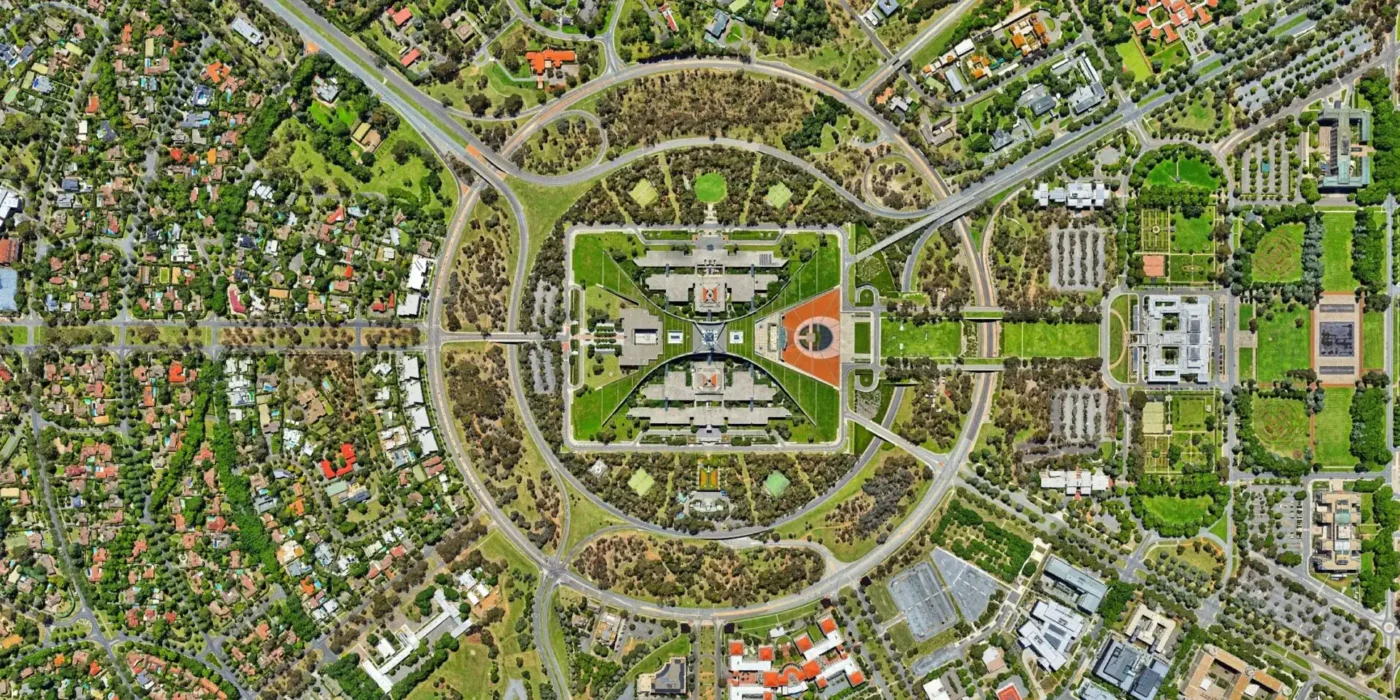
Planned cities use resources more efficiently, attract investment, and provide better living conditions. Islamabad is a rare example of a master-planned city in Pakistan, while most other cities grew without a clear framework.
8. Affordable Housing Policies
Housing affordability is one of Pakistan’s biggest issues. Urban planning can help by providing serviced land, incentivizing low-cost housing, and upgrading informal settlements.
9. Compact Development
Compact, higher-density development reduces sprawl, makes public transport viable, and preserves green land. This approach is especially important for cities like Lahore and Karachi, which are spreading outward at a fast pace.
10. Economics of Urban Planning
Well-planned cities boost productivity by clustering jobs, services, and markets. Poorly planned ones increase costs through congestion, long commutes, and inefficient infrastructure.
11. Green Spaces
Parks, urban forests, and playgrounds improve health and reduce heat stress. In Pakistan, the average green space per resident is far below global recommendations, making this a critical area for improvement.
12. Infrastructure
Roads, drainage, sanitation, power, and transport are the backbone of any city. Many Pakistani cities suffer from outdated infrastructure that cannot keep up with population growth.
13. Stakeholder Roles and Community Involvement
Planning should not be top-down. Involving citizens, NGOs, businesses, and local governments ensures that plans reflect real needs and gain public support.
14. Strategies for Sustainable Growth
To achieve long-term results, cities need strategies that balance economic growth, environmental protection, and social inclusion. This means guiding growth towards corridors, investing in transit, and protecting natural resources.
15. Sustainability
Sustainability runs across all aspects of urban planning. It means building cities that meet today’s needs without harming the future, whether through renewable energy, efficient transport, or eco-friendly housing.
Planning and Urban Design Standards
Urban planning depends on clear standards and rules. In Pakistan, provincial governments have begun using spatial strategies.
For example, the Punjab Spatial Strategy (2016–2040) guides investments into specific growth corridors and urban nodes.
Globally, planners use standards like:
Minimum density around transit stations.
Setbacks and floor-to-area ratios (FAR) for building height.
Sidewalk and road width requirements.
Ratios for open space and green areas per capita.
Risk-sensitive zoning to prevent construction in flood zones.
Pakistan’s cities need updated codes and enforcement to align with these principles.
How to Design Urban Planning?
Designing a strong urban plan involves several steps:
Diagnosis: Study population trends, housing needs, economy, and risks like floods.
Vision: Decide what kind of city the community wants, compact, mixed-use, or sprawling.
Structure plan: Prepare the framework for land use, transit networks, and utilities.
Rules and regulations: Introduce zoning, overlays, and building standards.
Investments: Plan infrastructure spending in phases.
Governance: Assign roles to institutions and set up funding mechanisms.
Monitoring: Track performance with measurable indicators.
Modern Urban Planning Approaches
Urban planning has evolved to focus on:
Compact Growth: Higher density, mixed-use development near transit.
Transit-Oriented Development (TOD): Linking housing and jobs with bus or metro corridors.
Nature-based solutions: Using wetlands, green belts, and urban forests to manage floods and heat.
Data-driven tools: Using GIS maps and digital dashboards for real-time planning.
Resilience planning: Designing cities to withstand climate shocks.
Checklist of Urban Planning Standards
Category
Standard / Guideline
Pakistan Context / Note
Land Use
Encourage mixed-use zoning near transit; minimum density of 150–200 people per hectare in growth areas
Needed in Karachi, Lahore, and Islamabad to stop sprawl
Building Form
FAR (Floor Area Ratio) set by transit accessibility; setbacks of 10–20 ft for main roads
FAR rarely enforced in Pakistan; needs revision
Streets & Roads
Collector road width: 18–24m; Local streets: 9–12m; Sidewalks min. 1.5–2m
Many Pakistani cities lack walkable sidewalks
Parking
Maximum (not minimum) parking standards near transit; encourage shared parking
Pakistani codes still require high minimums, worsening congestion
Public Transport
Transit-Oriented Development (TOD): housing and jobs within 500–800m of stations
Lahore Metro and Karachi BRT corridors need integrated land-use
Public Space
Minimum 9–10 sqm of open/green space per person
WHO guideline; Pakistan’s urban per-capita green space is below 3 sqm in many cities
Social Services
1 primary school per 5,000 residents; 1 health unit per 10,000 residents
Pakistan faces severe shortages in both
Drainage & Water
Blue-green infrastructure; no-build zones in floodplains; rainwater harvesting mandatory
Most Pakistani master plans ignore flood risk zones
Climate Resilience
Minimum 30% tree canopy cover in urban neighborhoods
Needed for heat resilience in Karachi, Multan, Lahore
Governance
Clear metropolitan authority; budgets linked to spatial strategy
Punjab Spatial Strategy shows the model but needs real enforcement
Why we Need Urban Planning in Pakistan?
Urban planning is no longer just an option for Pakistan, it is a necessity. With one of the fastest urban growth rates in South Asia, the country’s cities are expanding quickly but often without proper direction. Poorly managed growth brings problems like traffic congestion, housing shortages, water scarcity, and environmental degradation. Good urban planning addresses these challenges and sets the foundation for sustainable growth.
1. Controlling Unmanaged Sprawl and Preserving Agricultural Land
Cities like Lahore and Karachi are expanding outward at an alarming pace, swallowing up fertile agricultural land. This sprawl makes infrastructure more expensive to build and maintain because roads, utilities, and services have to cover larger areas. Planned growth encourages compact development, protects farmland, and reduces the strain on city services.
2. Closing Service Gaps in Housing, Sanitation, and Transport
Pakistan faces a housing shortage of more than 10 million units. A large share of urban residents live in informal settlements without proper sanitation, clean water, or electricity. Urban planning can help by introducing affordable housing policies, regulating land use, and planning sewerage, drainage, and solid waste systems. Well-planned public transport networks—like Bus Rapid Transit (BRT) systems—also reduce reliance on private vehicles, cutting both costs and pollution.
3. Boosting Productivity and Economic Growth
Cities are known as the engines of economic development. When industries, businesses, and services are well-clustered, workers spend less time commuting and companies benefit from shared infrastructure. Planned industrial zones, business districts, and transport corridors allow firms to operate more efficiently and attract investment. For example, projects like the Punjab Spatial Strategy are designed to connect industries with labor and markets more effectively.
4. Reducing Risks from Disasters and Climate Change
Pakistan is one of the countries most vulnerable to climate change. Urban flooding, heatwaves, and air pollution are now yearly challenges. Without planning, people often build in floodplains or areas with poor drainage, which increases losses during heavy rains. Urban planning can designate no-build zones in risky areas, design drainage and stormwater systems, and create green belts that act as buffers. Planting urban forests and increasing tree cover also help reduce urban heat islands in cities like Karachi and Multan.
5. Making Cities Livable, Healthy, and Attractive for Investment
Well-planned cities improve quality of life for residents. Wider sidewalks, clean parks, efficient transit, and reliable utilities all make daily life easier. At the same time, these improvements attract investors and businesses, who prefer to operate in environments with stable infrastructure and services. Cities like Islamabad show that a planned environment can draw both residents and global organizations because it feels orderly, green, and safe.
Advantages and Disadvantages of Urban Planning
Below are the main advantages and disadvantages that come with urban planning in Pakistan and elsewhere.
Advantages
Organized growth and efficient land use: Prevents haphazard expansion and protects valuable farmland by guiding cities to grow in a compact and balanced way.
Better infrastructure and public services: Makes it easier and cheaper for governments to deliver clean water, sanitation, power, and transport.
Safer, greener, and more inclusive public spaces: Ensures the presence of parks, walkways, and recreational areas that benefit all citizens, including vulnerable groups.
Increased property value and economic productivity: Well-planned zones attract investors, raise land values, and support business growth.
Reduced disaster and climate risks: Identifies flood-prone or heat-sensitive areas, helping cities prepare for and limit damage from climate shocks.
Long-term cost savings: Compact, well-planned infrastructure is more cost-effective than trying to retrofit unplanned development later.
Improved quality of life: Provides residents with cleaner air, shorter commutes, and easier access to education, healthcare, and jobs.
Disadvantages
Poorly made plans can worsen inequality: If the needs of low-income groups are ignored, it can push them into informal settlements without services.
Over-regulation without capacity can delay development: Complex codes and approval processes often slow down projects when institutions lack capacity.
Plans often fail without budgets or political will: Many master plans in Pakistan remain unimplemented because they are not linked to proper funding.
Risk of outdated or rigid plans: Cities change fast, and plans that aren’t updated become irrelevant, blocking innovation or adaptation.
Corruption and weak enforcement: Illegal construction and encroachments reduce the effectiveness of even the best plans.
High upfront costs: Preparing surveys, GIS maps, and technical studies is expensive, and often underfunded in developing countries.
Challenges of Urban Planning in Pakistan
Urban planning in Pakistan faces deep-rooted obstacles that go beyond technical issues. These challenges in urban planning often stem from governance, financing, and capacity gaps.
Weak governance: City and provincial authorities often work in silos, with little coordination between planning, housing, transport, and utility departments. This fragmentation makes it difficult to implement integrated urban plans. For example, in Karachi multiple agencies control water, land, and transport, but coordination between them is minimal.
Housing backlog: Pakistan faces a shortage of over 10 million housing units, and this deficit continues to grow as the urban population increases. The lack of affordable housing has led to the spread of katchi abadis (informal settlements), where millions live without access to basic services.
Service gaps: Many Pakistani cities rely on outdated water supply, sanitation, and drainage systems built decades ago. Sewerage often flows untreated into rivers, drainage systems fail during monsoons, and waste management struggles with rising population density.
Climate risks: Pakistan is ranked among the most climate-vulnerable countries in the world. Cities like Karachi face rising heatwaves, Lahore struggles with severe smog, and urban flooding is now a yearly event in Sindh and Punjab. Without climate-sensitive planning, these risks will intensify.
Implementation gaps: Master plans are frequently prepared but rarely executed. Lack of funding, political instability, and short-term decision-making mean that plans remain on paper. In many cases, by the time funding is arranged, the data used for planning has already become outdated.
Current Initiatives in Pakistan
Despite the challenges, some initiatives are underway to bring structure and sustainability to Pakistan’s urban growth.
Punjab Spatial Strategy (2016–2040): This strategy focuses on guiding infrastructure spending through defined growth corridors and urban nodes. It aims to integrate economic development with land-use planning so that investments in roads, housing, and industries are aligned. The strategy also emphasizes decentralization, encouraging medium-sized cities to take pressure off Lahore.
Karachi Master Plan 2047: Karachi, Pakistan’s largest city, is preparing a long-term plan to manage growth until 2047. The plan addresses issues like drainage, transport networks, housing, and climate resilience. It also aims to make Karachi more competitive by supporting industrial and port-related growth while improving livability for its residents.
National urban policy work: At the federal level, policymakers are holding discussions on creating a national framework for urban development. This includes improving metropolitan governance, supporting mass transit projects, addressing housing shortages, and linking urban development with climate adaptation strategies.
City-level reforms: Some cities are experimenting with Bus Rapid Transit (BRT) systems, smart waste management pilots, and municipal finance reforms. Although still limited in scale, these efforts represent steps toward modernizing urban management.
Sustainable Urban Planning for Pakistan
For Pakistan’s cities to become more livable and resilient, urban planning must integrate sustainability into every decision.
Low-carbon mobility: Expanding BRT systems in Lahore, Karachi, and Peshawar, and introducing Mass Rapid Transit (MRT) where feasible, can reduce car dependency. Walkability and cycling infrastructure should also be prioritized to cut emissions and improve health.
Water-sensitive design: With recurring floods and water shortages, Pakistan needs stormwater harvesting, protection of floodplains, and modern drainage systems. Cities must also recycle wastewater for irrigation and industry use.
Affordable housing: Upgrading informal settlements with basic services and providing secure land tenure can improve living conditions for millions. In addition, incentivizing affordable housing schemes and promoting vertical development can reduce the housing deficit.
Heat resilience: Increasing tree cover, creating shaded walkways, and adding ventilation corridors can help combat heat islands in cities. For example, Karachi needs large-scale urban forestry to offset rising summer temperatures.
New finance tools: Traditional municipal budgets are insufficient. Cities can explore land value capture, where rising property values fund infrastructure, and green bonds, which raise funds for climate-resilient projects. Public-private partnerships (PPPs) can also help bridge the financing gap.
Circular economy practices: Reducing waste, promoting recycling, and encouraging renewable energy adoption will help cities become more resource-efficient over the long term.
Architecture Urban Planning
Urban planning and architecture are often seen as separate, but they work best when integrated.
Urban planning: Operates at the city and regional scale, focusing on land use, transportation systems, housing policies, utilities, and open spaces. Planners look decades ahead to ensure cities grow in a way that is balanced, efficient, and resilient.
Architecture: Works at the building and site level, shaping how structures look and function within the urban fabric. Architects design residential blocks, offices, cultural centers, and public spaces, bringing creativity and functionality to everyday environments.
The link between them: Planning provides the framework, zoning laws, density rules, and design guidelines, while architecture brings those rules to life. For example, a transport-oriented development planned by urban planners may include high-rise apartments and pedestrian plazas designed by architects.
Conclusion
Urban planning is one of the most urgent needs for Pakistan today. With a fast-growing population, rising housing demand, and increasing climate risks, cities cannot afford to grow without direction.
If urban planning is done well, with strong governance, clear standards, and phased investments, Pakistan’s cities can become engines of growth, centers of innovation, and safer, healthier places for future generations.