CategoriesClimate Change

Causes and Effects of Deforestation in Pakistan

Forests are Pakistanโ€™s natural defense against climate change, floods, and soil erosion. Yet they are shrinking at an alarming pace. Almost 5% of Pakistanโ€™s land area is under forests, one of the lowest ratios in the region. Every year, thousands of hectares disappear because of human pressure, weak governance, and natural disasters. This loss directly threatens biodiversity, rural livelihoods, and climate security. Understanding the main causes of deforestation in Pakistanย is critical if Pakistan is to build a resilient future.

Pakistanโ€™s Forest Profile at a Glance

Pakistan is a forest-poor country, with only about 5% of its total land area under forest cover. This is far below the global average of around 31%. Forests are unevenly distributed and highly vulnerable to human activity and climate stress.

Major Forest Types in Pakistan

Forest Type Key Locations Importance Major Threats
Mangrove forests Sindh coast, Indus Delta, Karachi creeks Fish nurseries, storm protection, carbon storage Encroachment, pollution, reduced freshwater flow
Coniferous & Chilgoza pine forests Northern Pakistan (KP, Gilgit-Baltistan, Balochistan) Timber, fuelwood, edible pine nuts, biodiversity habitats Illegal logging, overgrazing, wildfires, fuelwood dependence
Riverine forests Along the Indus River (Punjab, Sindh) Flood control, riverbank stabilization, local fuelwood and fodder Agricultural expansion, urban settlements, water scarcity
Scrub forests Punjab hills, Balochistan dry zones Grazing lands, medicinal plants, firewood Overgrazing, cutting for fuelwood, climate change


Forest Loss Statistics

Source / Measurement Estimated Loss Notes
World Bank / FAO (natural forests) ~27,000 hectares per year Based on ground surveys; measures permanent forest conversion
Global Forest Watch (tree cover) ~9,500 hectares lost since 2001 Satellite-based; includes all canopy >5m, not just forests
WWF / AA recent reports ~11,000 hectares per year Includes loss from wildfires, climate change, and land conversion


Why the Numbers Differ

  • Natural forest loss counts the disappearance of entire ecosystems, usually through logging or land conversion.
  • Tree cover loss is satellite-detected canopy change, which can include plantations, orchards, or temporary loss from fires.
  • Annual estimates vary depending on whether short-term events (like fires) are included or excluded.

Causes and Effects of Deforestation in Pakistan

Deforestation in Pakistan is not caused by one single factor. It is the result of overlapping social, economic, and environmental pressures. Each driver leads to a set of harmful consequences that affect the climate, economy, and peopleโ€™s lives.

Causes and effects of deforestation in Pakistan

Energy Poverty and Fuelwood Dependence

Around 68% of households in Pakistan depend on wood for cooking and heating. This is especially true in rural and mountainous areas where access to electricity or gas is limited. Upland forests in Khyber Pakhtunkhwa, Gilgit-Baltistan, and Balochistan face the heaviest pressure. Inefficient stoves mean that families burn more wood than needed.

Effects:

  • Large-scale removal of pine and conifer trees, reducing forest cover.
  • Loss of carbon sinks, which increases greenhouse gas emissions.
  • Rising health problems due to indoor smoke exposure.
  • Women and children spend long hours collecting fuelwood, reducing time for education or income-generating work.

Illegal Logging and Timber Mafias

Illegal logging is a long-standing issue in Pakistan. Weak enforcement, corruption, and high demand for cheap timber allow timber mafias to operate across forested regions. Transport routes from KP and Azad Kashmir move illegally cut wood to urban centers.

Effects:

  • Rapid depletion of natural forests, especially old-growth trees.
  • Loss of biodiversity habitats that depend on mature forests.
  • Reduction in government revenue as illegal timber escapes taxation.
  • Long-term decline in forest regeneration due to unsustainable cutting.

Agricultural Expansion and Overgrazing

Population growth and rising land demand push communities to clear forests for farming. Along the Indus, riverine forests are converted into farmland. At the same time, rangelands face overgrazing by livestock, which prevents natural regrowth of saplings.

Effects:

  • Permanent loss of forest ecosystems to cropland.
  • Increased soil erosion and desertification.
  • Reduced water retention, leading to flash floods and droughts.
  • Declining productivity of land, forcing farmers into a cycle of poverty.

Urbanization and Infrastructure Development

Rapid urban growth is consuming green cover in Pakistanโ€™s cities. Housing schemes, industrial zones, and road networks are replacing natural habitats. In Karachi, mangroves have been destroyed by real estate projects and port expansion.
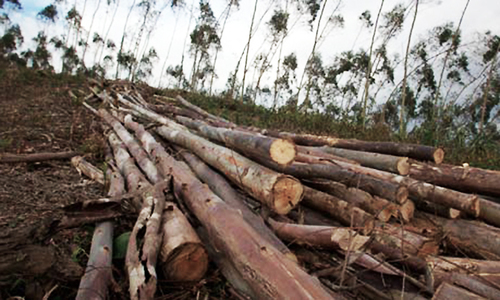
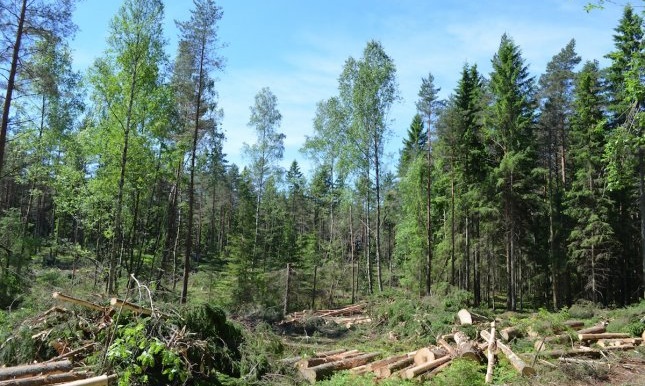
Deforestation

Effects:

  • Shrinking coastal mangroves, which protect against cyclones and storm surges.
  • Rising urban heat as green buffers are replaced by concrete.
  • Loss of fish nurseries, threatening coastal livelihoods.
  • Greater flood risk in cities due to reduced natural drainage.

Disasters, Fires, and Climate Extremes

Climate change has made Pakistanโ€™s forests more vulnerable to natural disasters. Wildfires are becoming frequent during extreme heat and droughts. In 2022, wildfires in Sherani (Balochistan) destroyed nearly 900,000 trees, severely affecting chilgoza pine nut farmers. Floods and landslides also damage natural forests.

Effects:

  • Sudden large-scale forest loss with long recovery times
  • Decline in valuable crops like pine nuts, hurting rural economies.
  • Increased greenhouse gas emissions from burned biomass.
  • Higher risk of floods and landslides in mountainous areas. 

Weak Governance and Policy Gaps

Pakistan has forest laws, but enforcement is inconsistent. Corruption and poor coordination between provincial departments allow illegal activities to continue. Courts have repeatedly warned that natural forests are shrinking at alarming rates.

Effects:

  • Forest crime goes unchecked, fueling illegal logging networks.
  • Weak institutions fail to protect reforested areas.
  • Restoration programs face setbacks due to mismanagement.
  • Public trust in government conservation initiatives is reduced. 

Overall Economic and Social Costs

The combined impact of deforestation is devastating:

  • About 2.8 million tons of COโ‚‚ released since 2001 due to tree cover loss.
  • Billions spent each year on disaster relief for floods and erosion damage.
  • Reduced supply of timber, fodder, fruit, and medicinal plants.
  • Worsening poverty for rural communities who rely directly on forests.
Cause Effect
Energy poverty and fuelwood dependence Heavy cutting of upland forests, release of carbon, indoor air pollution, and loss of time for women and children collecting wood
Illegal logging and timber mafias Rapid forest depletion, biodiversity loss, decline in natural regeneration, and loss of government revenue
Agricultural expansion and overgrazing Permanent forest conversion to farmland, soil erosion, reduced water retention, and land degradation leading to poverty cycles
Urbanization and infrastructure development Destruction of mangroves, increased flood risk, urban heat islands, and loss of fish nurseries and coastal livelihoods
Disasters, fires, and climate extremes Large-scale forest destruction, higher COโ‚‚ emissions, loss of pine nut incomes, and increased floods and landslides
Weak governance and policy gaps Unchecked illegal logging, failed enforcement, mismanaged restoration, and reduced public trust in conservation


Regional Snapshots of Deforestation in Pakistan

Karachi Mangroves (Sindh Coast & Indus Delta)

Karachi once had one of the largest mangrove ecosystems in the region. The Indus Delta covered about 600,000 hectares of mangroves in the mid-20th century. Today, only a fraction remains. These forests protect Karachi from cyclones and serve as nurseries for fish and shrimp. However, urban expansion, industrial effluents, and reduced freshwater flow from the Indus have severely damaged them.
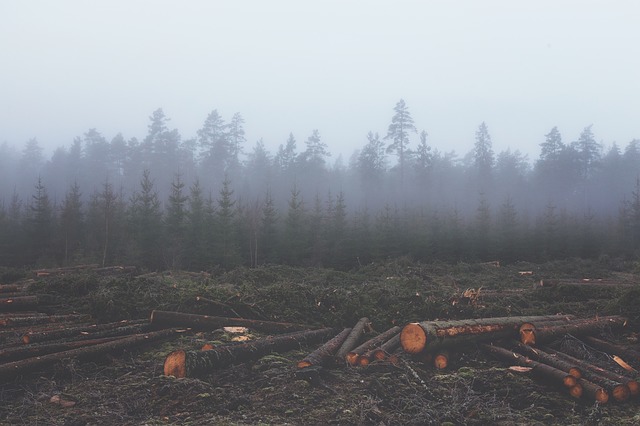
Causes of Deforestation in Pakistan

  • Threats: Encroachment for real estate and port expansion, untreated sewage, and shrinking river flow due to upstream dams.
  • Impact: Loss of biodiversity, decline in fish populations, and higher risk of storm surges for Karachiโ€™s coastal communities.
  • Response: WWF and Sindh Forest Department have initiated mangrove plantation drives, but survival rates vary due to pollution and water scarcity.

Sherani, Balochistan (Chilgoza Pine Forests)

Sherani district is home to rare chilgoza pine forests, covering about 26,000 hectares. These forests are critical because pine nuts are a major export and income source for local farmers. In May 2022, massive wildfires fueled by extreme heat and dry winds destroyed over 900,000 trees. The losses were catastrophic:

  • Economic loss: Farmers lost pine nuts worth billions of rupees, their main livelihood.
  • Environmental loss: Destruction of centuries-old trees that regenerate very slowly.
  • Causes: Climate extremes, lack of firefighting resources, and delayed response.
  • Long-term effect: Reduced household income, migration pressure, and increased vulnerability to soil erosion and desertification in Balochistan.

Northern Pakistan (Khyber Pakhtunkhwa & Gilgit-Baltistan)

The north hosts vast coniferous forests of deodar, blue pine, and fir, along with scrub and broadleaf species. These are Pakistanโ€™s most important carbon sinks and water catchments. However, they face growing threats:

  • Fuelwood demand: About 68% of rural households use wood as their primary energy source, leading to constant cutting.
  • Illegal logging: Timber mafias exploit weak enforcement, especially in KPโ€™s Hazara and Malakand divisions.
  • Overgrazing: Livestock eat saplings before they can mature, halting regeneration.
  • Effects: Deforestation here worsens floods downstream by reducing watershed stability. It also destroys habitats for endangered species such as the snow leopard, markhor, and Himalayan black bear.
  • Case study: The World Bank notes that KP and Gilgit-Baltistan are hotspots of deforestation, where losses in natural forests contribute to erosion and landslides that affect millions in the Indus basin.

Illegal Tree Cutting in Pakistan

Illegal logging is one of the most persistent threats to Pakistanโ€™s forests, rooted in decades of unsustainable practices and weak enforcement.

Prevalence and Patterns

Illegal tree cutting has been a serious challenge in Pakistan for decades, especially in forest-rich regions such as Khyber Pakhtunkhwa, Gilgit-Baltistan, and Azad Kashmir. Organized groups, commonly known as timber mafias, have been felling trees and transporting the wood to urban markets.ย 

This practice has become a deeply rooted part of the local economy in some areas, where people see tree cutting as a quick source of income.

In districts like Swat, Hazara, and parts of Gilgit-Baltistan, coniferous and pine forests have suffered heavy losses due to large-scale illegal felling.

In certain valleys, entire slopes have been stripped of mature trees, leading to severe deforestation. This unchecked practice is further enabled by weak law enforcement and instances of corruption within forest management systems.

Historical Roots

The problem is not new. For decades, forests in Punjab, KP, and Azad Kashmir have been exploited through unsustainable cutting, with some areas losing nearly half their tree cover. Large state-managed forests like Changa Manga have also been targeted, showing how deeply systemic the issue is.

Consequences

Illegal cutting brings multiple long-term damages:

  • Environmental: destruction of natural habitats, reduced carbon storage, and rising flood risks.
  • Economic: loss of timber revenue to the government and declining availability of forest products for legal markets.
  • Social: increased poverty cycles in forest-dependent communities and migration pressure when local resources dry up.

What Needs to Be Done

To stop illegal logging, Pakistan needs a mix of enforcement, governance reform, and community involvement:

  • Stricter penalties and monitoring to deter illegal loggers.
    Forest tracking systems such as digital permits, drone monitoring, and real-time surveillance.
  • Deployment of dedicated forest protection forces in vulnerable areas.
  • Community engagement through alternative livelihoods, such as eco-tourism, agroforestry, and sustainable forest product industries.
  • Anti-corruption reforms in forest departments to prevent collusion with timber mafias.
  • Awareness campaigns to discourage the purchase of illegally sourced timber in urban markets.

Efforts on Government Level

Following are some of the government level efforts.

Punjab Governmentโ€™s Plant for Pakistanย 

The Plant for Pakistan campaign, led by the Punjab government, is one of the largest afforestation drives in the country. Its focus is on expanding forest cover and creating green buffers against pollution and climate change.

  • In 2024โ€“25, Punjab planted 7.36 million trees across 8,496 acres, backed by an Rs 1.8 billion budget.
  • During the spring season alone, 5.96 million saplings were planted on 6,637 acres.
  • The overall target is to plant 42.5 million saplings across 48,368 acres in the province.
  • Special projects include planting 634,000 trees along the Ravi River on nearly 978 acres, designed to act as a natural โ€œgreen wallโ€ against smog and improve Lahoreโ€™s air quality.
  • The long-term goal is ambitious: to double Punjabโ€™s forest area in five years by planting 51 million trees in 2025โ€“26 alone (20 million during monsoon and 31 million in spring).

Provincial Actions

Beyond plantation campaigns, provincial governments are also addressing enforcement and urban greening:

  • Punjab and Khyber Pakhtunkhwa (KP) have introduced penalties for illegal tree cutting.
  • Urban plantation campaigns are being promoted in major cities to reduce pollution and restore tree cover.
  • In Murree, aerial seed distribution campaigns have been conducted under the Plant for Pakistan banner to accelerate reforestation.

Community Forestry

Community participation is an essential part of Pakistanโ€™s forest recovery strategy.

  • In several districts, local communities manage forest patches with support from provincial forestry departments and NGOs.
  • At the University of Sargodha, over 500 trees of guava, peach, moringa, and bakain were planted and geo-tagged under the Plant for Pakistan initiative. This was coupled with awareness drives on tree care and environmental protection.

Court Interventions

Judicial bodies have also stepped in to protect Pakistanโ€™s forests.

  • The Supreme Court of Pakistan has repeatedly warned provincial governments about the alarming deforestation rate in Pakistan.
  • Courts have directed stronger enforcement of existing forest laws, stricter penalties for timber mafias, and greater accountability in provincial forestry departments.

Solutions and Recommendations

Here are some of the solutions and recommendations:

Reduce Fuelwood Demand

Distribute energy-efficient stoves and gasifiers. Provide alternatives like LPG, biogas, and solar cookers. These reduce wood use and indoor air pollution.

Protect and Restore Critical Ecosystems

Mangrove planting in Sindh and assisted natural regeneration in pine forests can bring back tree cover. Fire management plans are vital in Balochistan.

Strengthen Law Enforcement

Crack down on timber mafias with tracking systems, community patrols, and quick prosecution.

Data-Driven Monitoring

Use Global Forest Watch alerts and local monitoring systems to track losses in real time.

Link Forests to Livelihoods

Support pine nut value chains, ecotourism, and non-timber products to give communities incentives to protect forests.

Conclusion

Deforestation in Pakistan is a green emergency. The country is losing between 11,000 and 27,000 hectares of forests every year, depending on the definition used. This loss is driven by fuelwood dependence, illegal logging, urban growth, and climate extremes. The effects are visible in floods, erosion, poverty, and biodiversity loss.

The way forward is clear: reduce fuelwood use, enforce laws, restore ecosystems, and link forests to community livelihoods. If Pakistan invests in protecting its forests today, it can secure its climate, economy, and people for tomorrow.

For more information on relevant blogs like Climate change in Pakistan, visit Chakor blogs!

FAQs

Q1: What are the causes of deforestation in Pakistan?

The main reason of deforestation in Pakistan are fuelwood consumption, illegal logging, agricultural expansion, and rapid urbanization. Weak governance and climate pressures also contribute to the problem.

Q2: Why is deforestation happening in Pakistan?

Deforestation is happening in Pakistan because of high population pressure, demand for timber and land, and lack of alternative energy sources. Poor enforcement of forest laws further worsens the situation.

Q3: What is the rate of deforestation in Pakistan?

The rate of deforestation in Pakistan is estimated between 11,000 and 27,000 hectares per year. This makes it one of the fastest rates in South Asia.

Q4: What are the consequences of deforestation in Pakistan?

The consequences of deforestation in Pakistan include soil erosion, desertification, biodiversity loss, and higher vulnerability to floods and droughts. Rural communities also face declining livelihoods.

Q5: What are the effects of deforestation in Pakistan?

The effects of deforestation in Pakistan range from loss of carbon sinks and water scarcity to damage to agriculture and health. It also accelerates climate change impacts across the country.

Q6: Which areas are affected by deforestation in Pakistan?

Major areas affected by deforestation in Pakistan include riverine forests in Sindh, pine and alpine forests in Khyber Pakhtunkhwa, juniper forests in Balochistan, and urban belts in Punjab and Karachi.

Q7: Are there any laws to stop deforestation in Pakistan?

Yes, there are laws to stop deforestation in Pakistan, but enforcement is weak. Recent programs like the Billion Tree Tsunami and the 10 Billion Tree Tsunami work alongside these laws to restore forest cover.

Q8: What is the solution of deforestation in Pakistan?

The solution of deforestation in Pakistan lies in strong forest governance, community-led reforestation, promoting alternative energy, and enforcing strict anti-logging measures.

Q9: How to stop deforestation in Pakistan?

To know how to stop deforestation in Pakistan, efforts must include:

  • Enforing forest protection laws.
  • Expanding afforestation projects.
  • Reducing fuelwood dependency through cleaner energy.
    Educating communities on sustainable practices.

Q10: What is the latest report on reasons of deforestation in Pakistan?

A recent report on deforestation in Pakistan by the World Bank states that the country loses around 27,000 hectares of forest annually. Global Forest Watch also reports a steady decline in forest cover from 2001 to 2024.


CategoriesNews

ICCI to Host Shopping Festival in Blue Area to Boost Trade

Islamabad: The Islamabad Chamber of Commerce and Industry (ICCI) has announced that a shopping festival will be organized in Blue Area in collaboration with the Traders Welfare Association to encourage business activity and provide citizens with reasonably priced shopping options.

ICCI President Ahsan Zafar Bakhtawari, while speaking to a delegation of the Traders Welfare Association led by its President Raja Hassan Akhtar, said that Blue Area is the capitalโ€™s largest commercial hub and plays an important role in the national economy. He added that the festival would not only promote trade but also attract more visitors to the market.

Bakhtawari pointed out that traders face serious challenges in Blue Area, particularly insufficient parking arrangements. He proposed that temporary parking should be allowed on the green belt along Fazal Haq Road until a permanent parking plaza is built. He also called on the Capital Development Authority (CDA) to resolve civic issues, including outdated sewage systems and non-functioning streetlights.

Raja Hassan Akhtar stressed the need to address infrastructure shortcomings such as parking, drainage, and lighting. He also suggested developing a flower market and ensuring proper maintenance of greenery in the area. He assured ICCI of full cooperation from traders, acknowledging that efforts under Bakhtawariโ€™s leadership had strengthened coordination with the business community.

Khalid Iqbal Malik, Group Leader ICCI, noted that the Blue Area Traders Welfare Association is one of the most influential bodies in trade politics, with a larger membership than other markets. He reaffirmed ICCIโ€™s support for traders and urged CDA to take practical steps to address their concerns.

ICCI leaders said they expect CDAโ€™s collaboration in resolving key infrastructure issues, adding that such measures would not only facilitate business activity but also contribute to the success of the planned shopping festival.

CategoriesClimate Change

The Ultimate Guide to Green Buildings

Picture a building that breathes with nature, where sunlight brightens every corner, fresh air flows easily, and the monthly bills stay low. This is the idea behind green buildings.

A green building is not just about walls and roofs. It is designed to save energy, cut water waste, and create healthier spaces for people. Simple features like efficient lights, water recycling, eco-friendly materials, and wide windows make a big difference.

In a time when climate change and high costs affect us all, green buildings offer hope. They lower expenses, improve health, and protect the environment. Around the world, businesses, governments, and homeowners are moving toward this smarter way of building. This is why all around the world green architecture high rise building construction is getting really popular.

In this blog, weโ€™ll walk through what green buildings are, how they started, their key features, inspiring examples, and the future of sustainable design.

What Is a Green Building?

A green building is a structure that is designed, built, and operated in a way that reduces its impact on the environment while improving the quality of life for the people inside it. The main idea is to use resources like energy, water, and materials more efficiently, while also creating healthier and more comfortable indoor spaces.

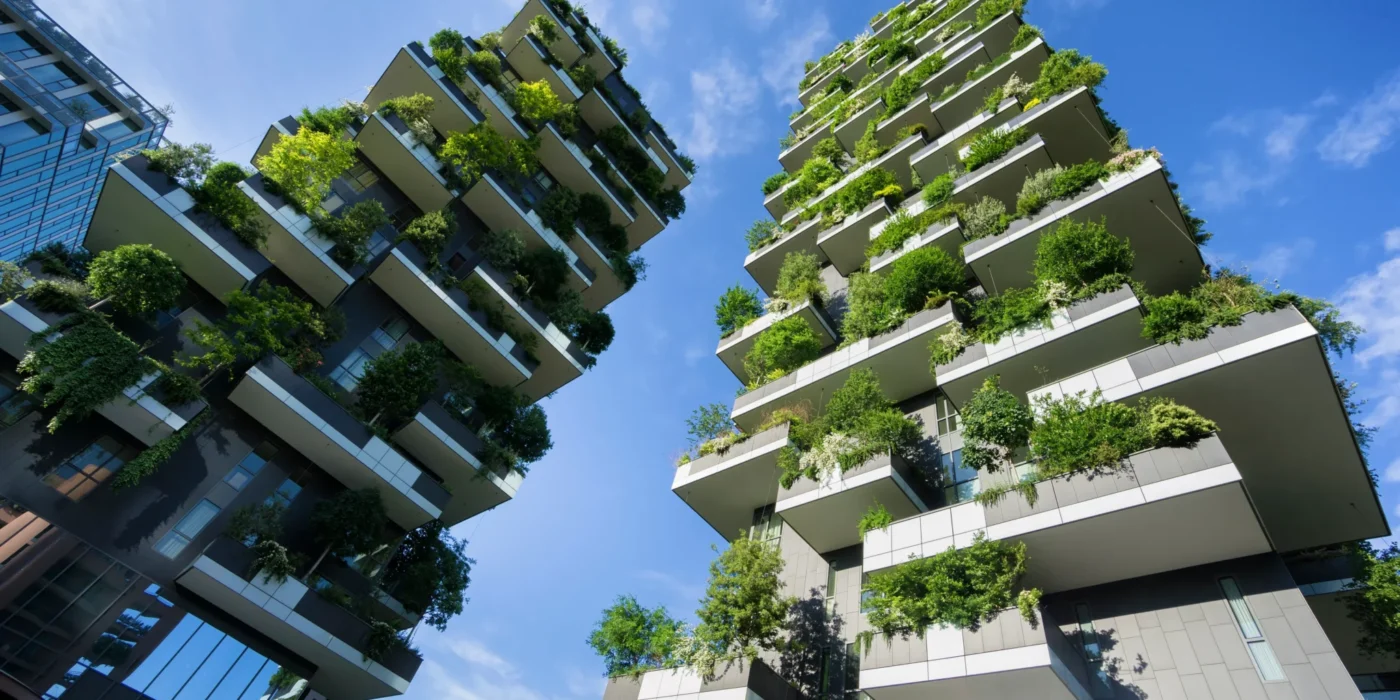
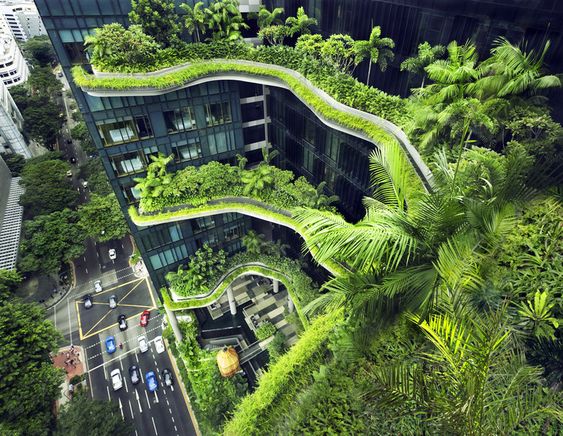
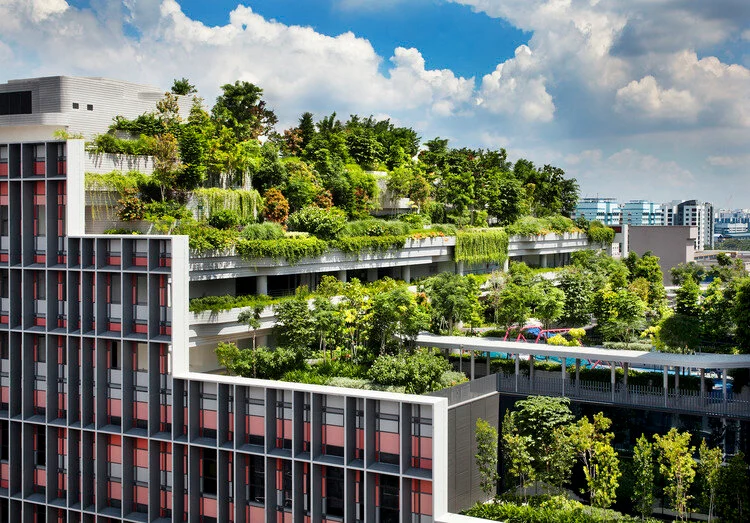
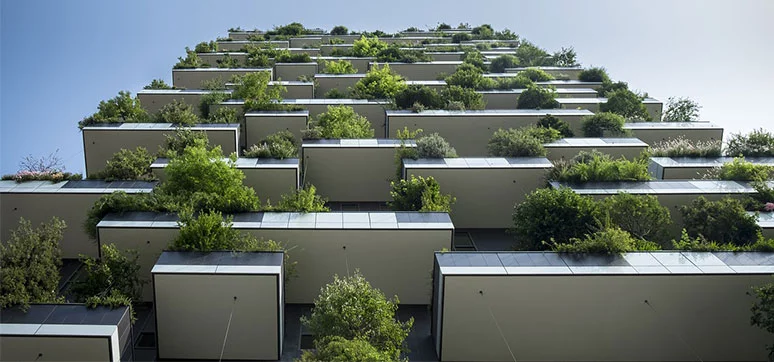
Green building the future of urban infrastructure

Unlike traditional buildings, which often consume high amounts of energy and generate waste, green apartment building focus on sustainability at every stage of their lifecycle, from construction to daily operation. They aim to balance environmental responsibility, economic efficiency, and human well-being.

Key features of a green building include:

  • Energy efficiency through smart design, insulation, and renewable energy use.
  • Water conservation with low-flow fixtures, rainwater harvesting, and recycling systems.
  • Use of eco-friendly and recyclable materials.
  • Improved indoor air quality and natural lighting.
  • Waste reduction during construction and operation.

In short, a green building is more than just a physical structure. It is a modern approach towards green building and sustainability, reduces long-term costs, and promotes healthier living and working environments.

The Evolution and History of Green Buildings

Architecture has always reflected the way humans interact with their environment. From ancient times to modern cities, the principles of sustainability have shaped how we design and build spaces.

Ancient Foundations

Sustainable architecture is not a new idea. Ancient builders worked closely with nature, using local materials such as mud, stone, and timber. Designs were simple yet effective, keeping homes comfortable without modern technology. Common features included:

  • Thick walls for natural insulation.
  • Courtyards to allow airflow and light.
  • Wind catchers and green roofs for cooling.
  • Passive solar design to regulate temperature.

These methods showed an early understanding of environmental harmony.

The 1970s: A Modern Awakening

The global energy crises of the 1970s sparked a shift in thinking. Rising fuel costs and growing awareness of pollution forced architects to explore energy-efficient designs. The focus turned to reducing dependence on non-renewable energy and lowering the environmental footprint of buildings.

The 1980s: Defining Sustainability

In the 1980s, the Brundtland Commission introduced the concept of sustainable development, meeting present needs without compromising the ability of future generations. This definition became the guiding principle for sustainable architecture.ย 

Sustainable buildings

Buildings were no longer judged only by cost or function, but also by their impact on the environment and human health.

The 1990s: Green Building Standards Emerge

The 1990s marked the formalization of sustainability in construction. Important milestones included:

  • 1990: The UK launched BREEAM, the first global green building rating system.
  • 1993: The U.S. Green Building Council (USGBC) was established.
  • 1998: The LEED certification system was introduced, becoming a worldwide benchmark for green design.

These systems encouraged builders to use eco-friendly and sustainable green building materials, conserve resources, and prioritize occupant well-being.

The Present: Expanding the Vision

Today, sustainable architecture goes beyond individual structures. Entire communities and cities are designed with eco-friendly principles. Modern practices integrate advanced technologies and nature-based solutions, such as:

  • Solar panels and renewable energy systems.
  • Smart building automation and energy modeling.
  • Vertical gardens, green roofs, and natural ventilation.
  • Water-saving systems like rainwater harvesting and greywater recycling.

Governments, developers, and individuals now recognize that sustainable design brings long-term economic, social, and environmental benefits.

The Future: Toward Climate-Resilient Cities

The next phase of sustainable architecture aims to create carbon-neutral and climate-resilient cities. Future designs will combine artificial intelligence, renewable technologies, and bio-based materials to build smarter and healthier spaces.ย 

7 Essential Green Building Elements

Although the term green building has become very popular in recent years, the main question is what makes a building green.

Green buildings work because many parts come together. Components of green building reduces impact and improves comfort. Below are the seven essentials, kept simple but complete.

Essentials of Green Building Elements

1) Energy Efficiency & Renewables

A green building starts with a tight envelope and smart systems. Good insulation, high-performance glazing, and air sealing reduce heat loss and gain. Efficient lighting and right-sized HVAC cut demand. Add renewables most commonly rooftop solarโ€”to replace fossil energy.

  • Typical tools: insulation upgrades, LED lighting, variable-speed drives, solar PV.

2) Water Efficiency & Stormwater Management

Use less water indoors and manage rain outdoors. Low-flow fixtures, leak detection, and greywater reuse trim indoor use. Rainwater harvesting and permeable surfaces reduce runoff and support landscaping.

  • Quick wins: low-flow taps and toilets, rain tanks, drip irrigation, permeable paving.

3) Low-Impact, Durable Materials

Choose materials with low embodied carbon and long life. Recycled steel, certified wood, and bio-based options reduce impacts. Specify low-VOC finishes for health. When possible, verify with EPDs and prefer local supply to cut transport emissions.

  • Examples often used: recycled steel, bamboo, low-carbon concrete, low-VOC paints.

4) Indoor Environmental Quality (IEQ)

Healthy interiors are central to green design. Provide ample fresh air, filter particulates, and control humidity. Daylight and views support well-being; acoustic and thermal comfort reduce stress and boost productivity.

  • Focus areas: ventilation rates, filtration, daylighting, low-emitting materials.

5) Site & Ecology (Location, Orientation, Biodiversity)

Pick sites that cut travel and protect nature. Proximity to transit reduces car use. Orient the building for sun and wind to support passive heating and cooling. Use green roofs and native planting to limit heat-island effects and support urban ecology.

  • Tactics: transit-served sites, solar-aware massing, green roofs, habitat planting.

6) Construction & Operational Waste Reduction (Circularity)

Design to use fewer materials and generate less waste. Plan for off-site prefabrication where it helps. Reuse and recycle construction debris. In operation, separate waste streams and compost organics where feasible. Durable, adaptable design extends building life and avoids future waste.ย 

7) Smart Operations, Codes & Continuous Performance

What gets measured gets managed. Use building management systems and sensors to monitor energy, water, and IAQ. Commission systems at handover and re-commission periodically. Align with energy codes and voluntary rating systems to keep performance on track over time.

  • Tools: BMS/IoT, fault detection, ongoing commissioning, code and rating compliance.

Green Building Materials

The choice of materials plays a crucial role in making a building sustainable. Traditional construction often relies on resource-intensive products like cement and steel, which carry high environmental costs. In contrast, green building materials are selected for their low impact, durability, and contribution to healthier indoor environments. They not only reduce the carbon footprint of construction but also improve long-term performance.

Green building material structures

Characteristics of Green Materials

Sustainable building materials share certain qualities that make them better for the environment and people:

  • Low embodied energy: Produced with minimal energy use and emissions.
  • Renewable or recyclable: Either come from renewable sources or can be reused at the end of life.
  • Non-toxic: Free from harmful chemicals and volatile organic compounds (VOCs).
  • Durability: Long lifespan reduces replacement needs and waste.
  • Local availability: Minimizes transport emissions and supports regional economies.

Commonly Used Green Building Materials

Several eco-friendly materials are now being widely used in both residential and commercial projects:

  • Bamboo: A rapidly renewable resource that is stronger than many types of wood and ideal for flooring, walls, and furniture.
  • Recycled steel: Provides strength like conventional steel but with significantly lower environmental impact.
  • Fly ash and slag cement: Industrial by-products used as partial replacements for Portland cement, reducing carbon emissions.
  • Reclaimed wood: Offers character and reduces the demand for new lumber.
  • Low-VOC paints and finishes: Improve indoor air quality while providing durability.
  • Insulating concrete forms (ICFs): Reduce energy loss and provide strong structural performance.
  • Unfired clay bricks and hollow blocks: Require less energy to produce and provide natural insulation.

Pros and Cons of Green Buildings

Following are some of the advantages and disadvantages of green building.ย 

Pros Cons
Energy efficiency โ€“ Reduced electricity demand through insulation, efficient lighting, and renewable energy use. Higher upfront costs โ€“ Sustainable materials, advanced systems, and certifications increase initial investment.
Water conservation โ€“ Low-flow fixtures, rainwater harvesting, and greywater recycling save significant water. Limited material availability โ€“ Eco-friendly or certified materials may not be accessible in every market.
Lower operating costs โ€“ Utility bills drop over time due to energy and water savings. Skilled labor required โ€“ Construction teams often need special training in green methods.
Healthier indoor spaces โ€“ Better air quality, daylight access, and non-toxic materials enhance well-being. Longer approval and certification timelines โ€“ LEED, BREEAM, or other certifications demand extra documentation and time.
Reduced environmental footprint โ€“ Lower carbon emissions, waste reduction, and efficient resource use. Maintenance complexity โ€“ Smart systems and eco-technologies can require specialized upkeep.
Higher property value โ€“ Certified green buildings attract premium tenants and buyers. Delayed ROI โ€“ Savings accumulate slowly, so the full return on investment may take years.
Future-ready and resilient โ€“ Prepared for stricter codes, climate change, and energy challenges. Perception barriers โ€“ Some stakeholders still view green buildings as expensive or experimental.


Global Standards & Certification Frameworks

Green buildings are measured and validated through recognized certification systems and codes. These frameworks ensure that sustainability is not just a design choice but a measurable performance standard. Below are the key global benchmarks shaping the future of green construction.

LEED: The Global Benchmark

The Leadership in Energy and Environmental Design (LEED) system, developed by the U.S. Green Building Council (USGBC), is the most widely used green building certification. It evaluates projects across several categories:

LEED: The Global Benchmark

  • Energy performance and renewable energy use
  • Water efficiency in green buildings with conservation and recycling measures
  • Indoor environmental quality for health and comfort
  • Materials and resources emphasizing eco-friendly and recycled products

LEED awards four levels of certification, Certified, Silver, Gold, and Platinum, based on the number of points earned. Its global recognition makes it the benchmark for offices, schools, hospitals, and community-scale projects.

BREEAM and Green Globes

The Building Research Establishment Environmental Assessment Method (BREEAM), launched in the UK in 1990, is the oldest green building certification system. It assesses:

  • Management and operations
  • Energy, water, and waste performance
  • Transport and materials use
  • Health, well-being, and ecological impact

In North America, Green Globes serves as a flexible and cost-effective alternative to LEED. Its key features include:

  • Online questionnaires and simplified assessment tools
  • Third-party verification for credibility
  • Practical pathways for small- and mid-scale projects

Both BREEAM and Green Globes remain influential in setting sustainability standards across regions.

GRESB: Benchmarking for Investors

The Global Real Estate Sustainability Benchmark (GRESB) focuses on investment portfolios rather than individual buildings. It measures:

  • Environmental performance across property portfolios
  • Social impact and community engagement
  • Governance practices for accountability and transparency

GRESB provides investors with data to compare sustainability across funds and companies, making it a critical tool for green finance and ESG reporting.

National Building Codes and Incentives

Governments also drive sustainability by setting mandatory codes and offering incentives. Over 80 countries now enforce building codes focused on energy efficiency and environmental standards. These often include:

  • Minimum efficiency requirements for energy and water use
  • Climate-adapted codes suited to local conditions
  • Financial incentives such as tax breaks, grants, or fast-track permits

These measures ensure that green building practices scale beyond voluntary certifications and become part of everyday construction.

Why Certification Matters?

Certification and standards provide more than recognition. They deliver:

  • Guidance for architects and builders
  • Marketability and higher property value for developers
  • Credibility and trust for tenants and investors
    Continuous improvement by pushing innovation in design and technology

Green Building Success Stories in Pakistan

Pakistan has begun embracing sustainable architecture, with several projects standing out as pioneers in eco-friendly construction. These buildings prove that sustainable design is possible in developing economies, where energy shortages and climate challenges are pressing concerns.

The Arfa Software Technology Park, Lahore

One of the earliest large-scale sustainable buildings in Pakistan, this IT hub integrates modern design with efficiency measures.

  • Energy-efficient HVAC systems reduce operational costs.
  • Natural light optimization lowers electricity demand.
  • Rainwater harvesting contributes to water conservation.

The Aga Khan University Hospital, Karachi

Healthcare facilities are among the most resource-intensive buildings, but this hospital has adopted green practices.

  • Uses efficient lighting and smart energy management systems.
  • Incorporates waste management strategies to minimize hospital-generated waste.
  • Focus on patient well-being through natural ventilation and improved indoor air quality.

Packages Mall, Lahore

This commercial complex is one of the countryโ€™s largest malls, designed with sustainable elements in mind.

  • Incorporates energy-efficient lighting and centralized HVAC.
  • Waste management systems segregate and recycle materials.
  • Stormwater and rainwater management reduce environmental strain.

The Nishat Hotel, Lahore

Hospitality projects are energy-intensive, but the Nishat Hotel demonstrates a shift toward eco-conscious design.

  • Smart building systems for energy monitoring.
  • Efficient water usage with low-flow fixtures.
  • Green materials used in interiors to improve sustainability.

UBL Tower, Karachi

The headquarters of United Bank Limited is among the most modern green towers in the country.

  • High-performance glass faรงade minimizes heat gain.
  • Efficient elevators and building automation systems reduce energy waste.
  • Designed to meet international sustainability standards for corporate towers.

Emporium Mall, Lahore

Another major retail complex that has integrated sustainable technologies.

  • Centralized waste management system for recycling and disposal.
  • Energy-efficient cooling and heating systems.
  • Designed to maximize daylight use while reducing heat load.

Why These Projects Matter?

These examples show that Pakistan is taking steps toward sustainable construction, even in energy-hungry sectors like IT, healthcare, retail, and hospitality. Each project demonstrates:

  • Lower operational costs through energy and water efficiency.
  • Healthier spaces that prioritize human comfort.
  • Environmental responsibility by reducing carbon footprints.

Benefits & ROI of Going Green

Investing in green buildings is not just an environmental choiceโ€”it is also a smart financial and social decision. Sustainable construction delivers measurable savings, healthier living conditions, and long-term economic returns. These benefits make green design attractive for homeowners, businesses, and investors alike.

Energy and Water Savings

One of the most tangible benefits of green buildings is the reduction in utility bills. By using energy-efficient systems and water-saving technologies, buildings consume fewer resources without compromising comfort.

  • On average, green buildings use about 25% less energy and 11% less water compared to traditional structures.

  • High-performance insulation, efficient lighting, and renewable energy systems lower electricity demand.

  • Rainwater harvesting, low-flow fixtures, and greywater recycling help conserve water and reduce operating costs.

These savings quickly add up, providing a clear return on investment within just a few years.

Health and Productivity Benefits

Green buildings are designed with people in mind, not just structures. By focusing on indoor environmental quality, they create healthier and more productive spaces.

  • Improved air quality through natural ventilation and low-emission materials reduces respiratory issues.

  • Access to natural light boosts mood, focus, and productivity for occupants.

  • Comfortable thermal and acoustic conditions reduce stress and improve overall well-being.


Studies show that businesses operating in green-certified spaces often report higher employee satisfaction and reduced absenteeism.

Long-Term Economic Advantages of Green Building

Beyond immediate utility savings, green buildings offer significant long-term financial returns.

  • Properties with green certifications often have higher market value and attract premium tenants.

  • Lower operational costs improve net operating income, making them more appealing to investors.

  • Many governments offer incentives, tax breaks, or grants for sustainable construction, further improving ROI.

Enhanced Marketability and Reputation

In todayโ€™s competitive real estate market, sustainability is a selling point. Buildings that are energy-efficient and environmentally responsible are easier to market and often lease or sell faster. They also strengthen a companyโ€™s brand image, signaling responsibility and innovation to clients, employees, and stakeholders.

Innovative Technologies & the Future of Green Buildings

The future of green buildings lies in innovation. As cities grow and environmental pressures intensify, sustainable design is moving beyond basic efficiency to embrace advanced technologies and creative solutions. These innovations not only improve building performance but also redefine how we interact with our spaces.

Eco-Innovations in Design

Modern green buildings integrate natural systems into their structures, creating healthier and more sustainable environments.

  • Green walls and vertical gardens improve air quality, regulate indoor temperatures, and enhance aesthetics.
  • Hydroponic gardens inside or on rooftops provide fresh produce while reducing food miles.
  • LED lighting systems drastically cut energy use while offering longer lifespans and better illumination.

Such eco-innovations connect occupants with nature while reducing the ecological footprint of buildings.

Smart Integration and Digital Tools

Technology is revolutionizing how buildings are designed and managed. Smart systems ensure real-time monitoring and optimization of resources.

  • IoT sensors track energy, water, and air quality, allowing automated adjustments.
  • AI-driven energy optimization predicts usage patterns and reduces waste.
  • Climate-responsive designs adapt building operations to changing weather, ensuring comfort with minimal energy input.

These tools create โ€œintelligent buildingsโ€ that learn from data, becoming more efficient over time.

Tackling Global Challenges

Future green buildings must address broader challenges linked to urbanization and climate change.

  • Urban density: High-rise sustainable towers with shared resources can house more people while minimizing land use.
  • Climate change: Buildings designed to withstand floods, heatwaves, and extreme weather will ensure long-term resilience.
  • Resource scarcity: Innovations like greywater recycling, modular construction, and bio-based materials reduce pressure on natural resources.

How to Build or Retrofit Green

Creating a green building does not always require starting from scratch. Whether constructing a new project or upgrading an existing one, the process involves a series of steps that ensure sustainability, efficiency, and long-term performance. These steps guide developers, architects, and building owners through practical choices that make a lasting difference.

Sustainable Site Selection and Passive Design

The journey begins with choosing the right location and layout. A carefully selected site reduces environmental disruption and improves efficiency. Passive design strategies also lower long-term energy demand.

  • Sites close to public transport reduce car dependency.
  • Building orientation, shading, and natural ventilation cut heating and cooling needs.
  • Preserving landscapes and biodiversity supports ecological balance.

Energy Modeling and Performance Goals

Energy modeling helps predict a buildingโ€™s consumption before construction begins. It allows teams to set clear, measurable targets.

  • Simulations reveal heating, cooling, and lighting requirements.
  • Performance goals guide design decisions and encourage renewable integration.
  • Adding systems like solar panels or geothermal heating early ensures better efficiency.

Material Selection for Impact and Recyclability

The choice of materials defines both the immediate and long-term environmental footprint of a building.

  • Locally sourced and recyclable materials reduce transport emissions.
  • Low-VOC paints and adhesives create healthier indoor spaces.
  • Durable options like bamboo, recycled steel, or engineered wood extend building life.

Water Management and Waste Reduction

Conserving water and reducing waste are central to green design. Both construction and operation benefit from smart strategies.

  • Low-flow fixtures and dual-flush toilets minimize water use.
  • Rainwater harvesting and greywater recycling reduce pressure on municipal supplies.
  • Recycling and repurposing construction debris lowers landfill waste.

Certification and Code Compliance

Certification frameworks and building codes ensure credibility and accountability. They also add long-term value to projects.

  • Systems like LEED, BREEAM, or Green Globes provide global recognition.
  • Local energy codes guarantee compliance with regional standards.
  • Government incentives reward projects that exceed efficiency targets.

Smart Systems and Post-Occupancy Evaluation

A buildingโ€™s sustainability journey continues after occupancy. Smart systems and evaluations ensure performance remains consistent over time.

  • Building Management Systems (BMS) monitor energy and water use in real time.
  • IoT sensors track indoor air quality and optimize HVAC systems.
  • Post-occupancy evaluations confirm design goals and highlight areas for improvement.

Conclusion

The importance of green building materials can not be denied.They are a necessity for a sustainable future. By combining energy efficiency, water conservation, sustainable materials, and smart technologies, they reduce costs, protect the environment, and improve human well-being.

The journey of sustainable architecture, from ancient climate-responsive designs to modern smart buildings, shows how innovation and responsibility can go hand in hand. With global certifications like LEED and BREEAM, as well as local initiatives, green design has become a benchmark for quality and resilience.

For Pakistan and other developing countries, adopting green building practices means more than lowering bills. It means building healthier cities, creating long-term economic value, and addressing challenges like climate change and resource scarcity.

The future of construction is clear: smarter, greener, and healthier spaces that benefit both people and the planet. Choosing to build or retrofit green is not just an investment in propertyโ€”it is an investment in a sustainable tomorrow.

For more informational blogs like Impacts of climate change in Pakistan, visit Chakor blogs.

Safety Measures during flood
CategoriesClimate Change

Top 10 Safety Measures During Floods in Pakistan

Floods are among the most destructive natural disasters, often arriving with little warning but leaving behind widespread devastation. In Pakistan, seasonal floods are no longer rare events, they are recurring crises intensified by climate change in Pakistan, poor drainage systems, and deforestation. The only way to minimize losses is through preparation, awareness, and strong safety measures that individuals and communities can practice before, during, and after floods. In this blog, Chakor provides a comprehensive guide to safety measures during flood in Pakistan.

Floods in Pakistan

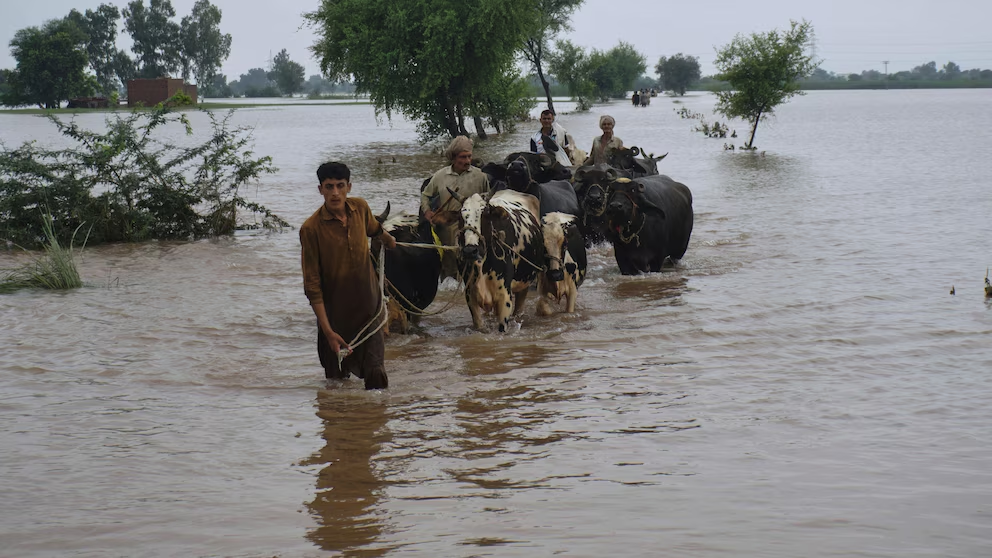
people carrying their belongings through the flood

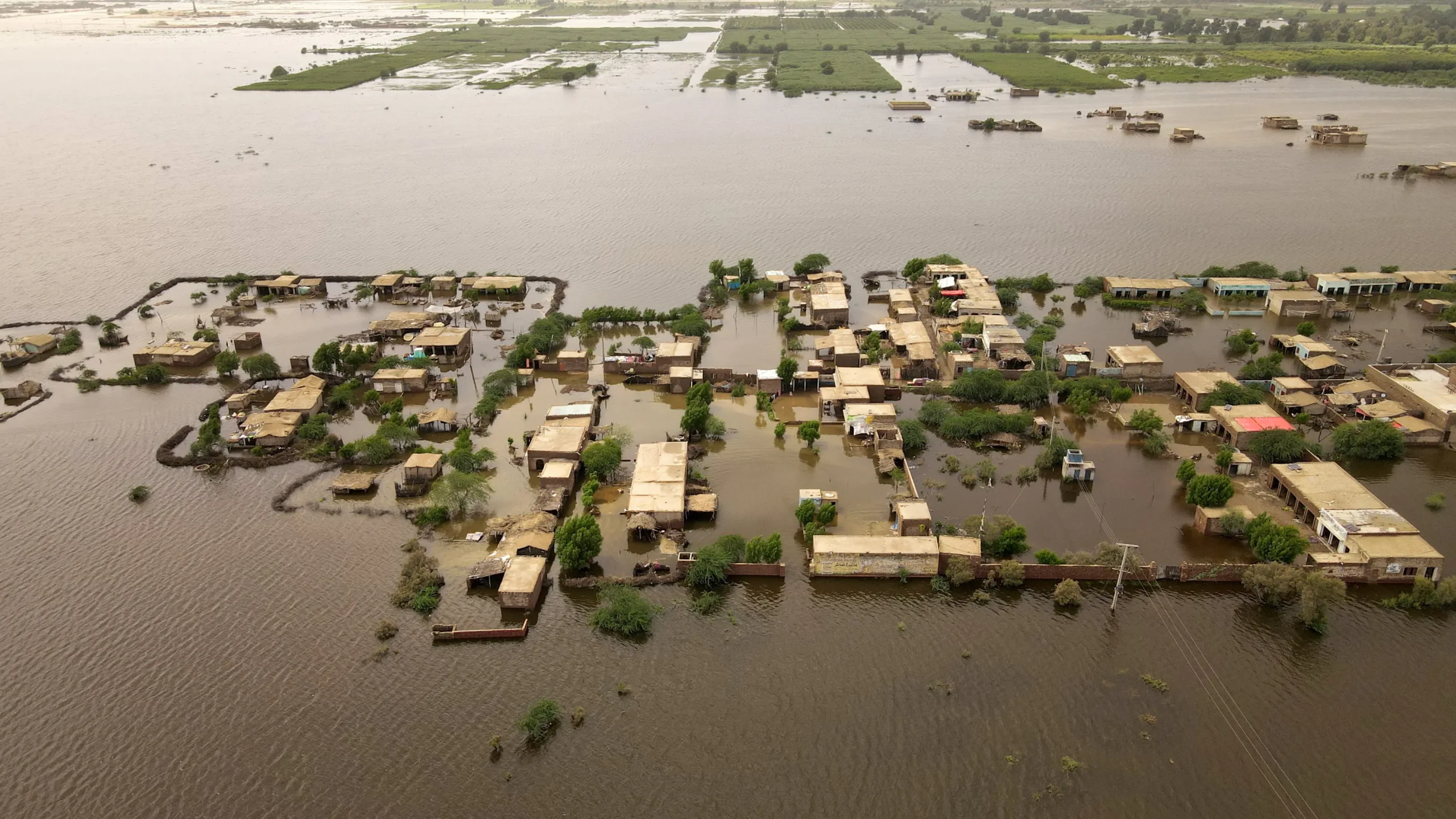
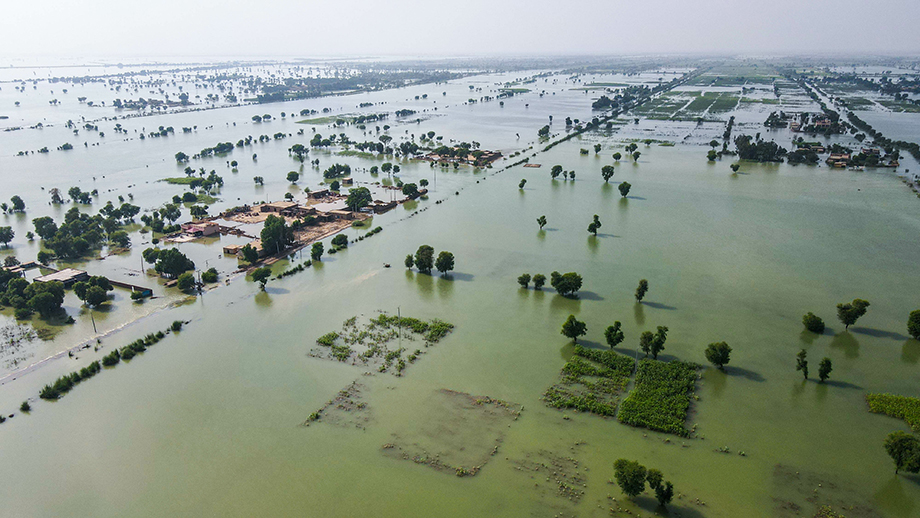
Flooding has become a harsh reality in Pakistanโ€™s history. Entire villages have been swept away, crops destroyed, and infrastructure reduced to rubble.

Families have been forced to abandon their homes, seeking shelter in makeshift camps or on rooftops surrounded by water.

In KPK, recent flash floods triggered by intense rainfall and glacial melting caused massive destruction. Towns like Swat and Buner witnessed people stranded without food or supplies as houses collapsed and bridges broke down. Hundreds of lives, including many children, were tragically lost.

safety measures during flood

In Punjab, the situation has been equally dire. Overflowing rivers such as the Sutlej, Ravi, and Chenab have submerged entire farming communities. Millions have been displaced as embankments gave way and roads disappeared under water.

The devastation extends beyond homes; fields of crops have been destroyed, pushing families further into poverty and creating severe food insecurity.

These floods donโ€™t just wash away property; they leave long-term scars on infrastructure, education, health, and the economy.

Reasons for floods also include sewage blockages, stagnant water, and destroyed drainage channels, which add to the suffering, creating a breeding ground for disease outbreaks.

Precautionary and Safety Measures During Flood

Flood preparedness is not only the governmentโ€™s responsibility.

Individuals, families, and communities must also take steps to protect themselves. Below are comprehensive safety measures tailored for Pakistanโ€™s context:

1. Pre-Flood Preparation

cleaning streets as part of safety measures during flood

  • Clean streets and sewerage channels: Individuals and local governments must ensure that waste does not clog drains. Blocked channels worsen waterlogging during heavy rains.
  • Water harvesting at home: Collect rainwater in safe storage tanks. This not only helps reduce surface runoff but also provides a clean water supply in case of contamination.
  • Stay updated: Keep track of NDMA, PDMA, and Rescue 1122 alerts during the monsoon season. Early warnings can save lives.

2. Emergency Kits/Go Bags

Go Bags as a part of safety measures during flood

Prepare an emergency bag in advance, including:

  • Essential medications
  • Non-perishable food and clean drinking water
  • Clothes, blankets, and hygiene products
  • Flashlight, batteries, and a power bank
  • Copies of important documents (CNIC, property papers, bank records)
  • Cash in small denominations

This kit should be kept in a waterproof bag, ready to grab at a momentโ€™s notice.

3. Safety Measures During Flood

Turn off electricity as part of safety measures during flood

  • Do not walk through floodwaters: Even shallow water can hide open drains, sharp debris, or dangerous currents.
  • Stay away from rivers, streams, and storm drains: Riverbanks and canal edges are particularly unsafe during floods.
  • Turn off electricity and gas before leaving home or if water enters the house.
  • Move to higher ground immediately if water levels rise.

4. Protection Against Water-Borne Diseases

After floods, stagnant water becomes a breeding ground for diseases like dengue, malaria, diarrhea, and cholera. To stay safe:

  • Use mosquito nets, mosquito coils, and repellents such as Mospel.
  • Drink boiled or bottled water only.
  • Wash hands frequently with soap or sanitizer.
  • Avoid consuming food that may have been in contact with floodwater.

5. Food Safety & Packing Essentials

  • Carry dry, packaged foods such as biscuits, rice, and lentils.
  • Store food in waterproof containers.
  • Always prioritize clean drinking water over food, as dehydration during emergencies is life-threatening.

6. Post-Flood Recovery

  • Thorough cleaning: Wash and disinfect homes, furniture, and utensils after floodwater recedes.
  • Street sanitation: Community efforts to clear debris and sludge are essential for preventing epidemics.
  • Health check-ups: Visit nearby medical camps for screenings and vaccinations to avoid delayed disease outbreaks.

7. Long-Term Structural Awareness

  • Support and demand the construction of dams, levees, and embankments. These are critical for regulating river flows and storing excess rainwater.
  • Encourage flood-resilient urban planning, including proper drainage systems and zoning laws to prevent construction on riverbeds.
  • Participate in awareness campaigns about climate change and disaster preparedness.

Safety Measures During Flood | Checklist

Stage Key Actions | Safety Measures During Flood
Before Floods – Clean streets and drainage channels

– Set up rainwater harvesting systems for safe storage

– Prepare an emergency bag (medicines, food, clothes, documents, flashlight, cash)

– Stay updated with NDMA/PDMA alerts

Safety Measures During Flood – Avoid walking or driving through floodwater

– Stay away from rivers, canals, and storm drains

– Move to higher ground quickly

– Switch off electricity and gas

– Keep your emergency bag with you

Health & Hygiene – Use mosquito nets, repellents (Mospel), and coils

– Drink only boiled or bottled water

– Wash hands regularly

– Avoid food contaminated by floodwater

Food & Essentials – Carry dry, packaged food in waterproof containers

– Store safe drinking water

– Keep cash and emergency contact numbers handy

After Floods – Clean and disinfect homes and streets

– Clear debris and stagnant water

– Get medical checkups and vaccinations

– Reconnect electricity/gas safely with professional help

Long-Term Prevention – Support construction of dams and embankments

– Advocate proper drainage and flood-resilient urban planning

– Promote rainwater harvesting awareness at the community level

– Join community awareness and preparedness drills

Institutional Support Systems

Flood safety is a shared responsibility between citizens and institutions. In Pakistan, several organizations are actively working to protect communities:

  • Rescue 1122: Emergency response service available across multiple provinces for fire, medical, and rescue operations.
  • NDMA (National Disaster Management Authority) and PDMAs (Provincial Disaster Management Authorities): These bodies issue flood warnings, flash flood warning, organize evacuations, and coordinate relief operations.
  • Federal Flood Commission (FFC): Responsible for managing Pakistanโ€™s flood protection infrastructure.
  • National Institute of Disaster Management (NIDM): Works on training, policy, and public awareness for disaster preparedness.

By following their guidance, communities can better prepare for and respond to floods.

Safety Measures During Flood | Conclusion

Floods in Pakistan are no longer occasional events; they are recurring crises demanding vigilance. From flash flood in Punjab to overflowing rivers, the destruction of homes, crops, and infrastructure continues to threaten lives.ย 

Safety measures during flood begin with awareness and end with action. Together, we can build resilience against these natural disasters and safeguard the future of Pakistan.

For more information on flash vs. riverine flood, visit Chakor blogs.

Cement Price in Pakistan
CategoriesConstruction

A Comprehensive Guide on Cement Price in Pakistan, Types & Uses

Cement is the backbone of modern construction, forming the basis of concrete, mortar, and other essential building materials. But not all cement is created equal. Different types of cement have unique characteristics, making them suitable for specific applications. Understanding these differences is crucial for engineers, builders, and homeowners alike. In this blog, weโ€™ll explore common types of cement and cement price in Pakistan

What is Cement and Types of Cement

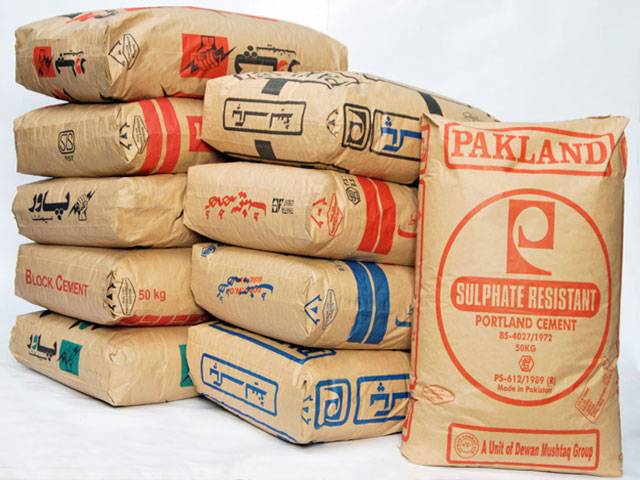
sac of cement in pakistan

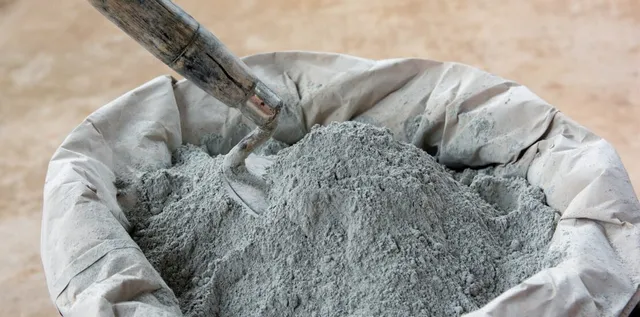
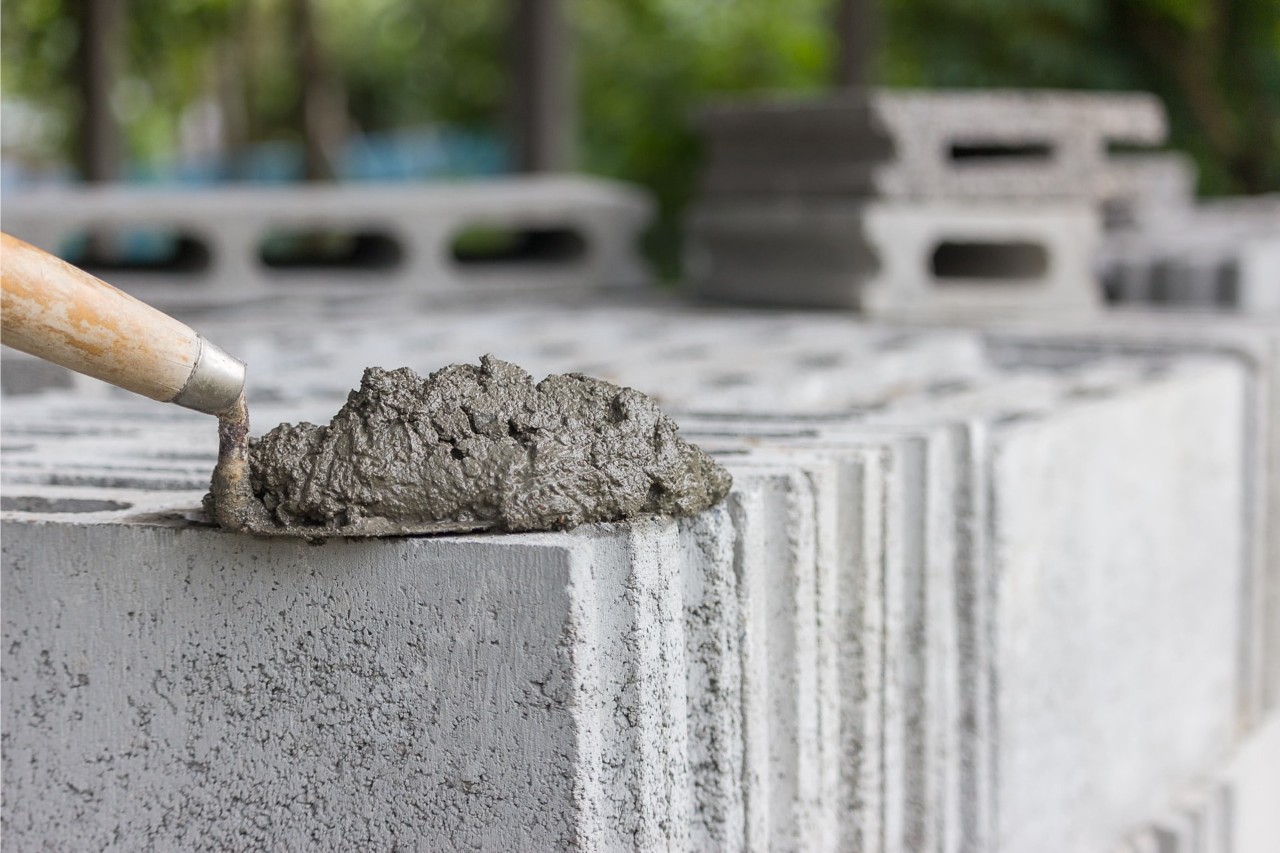
Cement is a binding material made by grinding clinker with gypsum and other additives. When mixed with water, it undergoes a chemical reaction called hydration, forming a hard, solid mass that holds aggregates together in concrete and mortar. Cement plays a vital role in construction, providing strength, durability, and stability to buildings, roads, bridges, and other infrastructure.

Cement Price in Pakistan Today

Choosing the right cement is essential for any construction project. In Pakistan, a variety of cement types are available, each designed for specific applications.ย 

Common options include Ordinary Portland Cement (OPC) for general construction, Portland Pozzolana Cement (PPC) for long-lasting durability, white cement for decorative finishes, and rapid hardening or sulfate-resistant cement for specialized structures.

Keeping track of today’s cement price in Pakistan helps builders and homeowners budget accurately and make informed choices for their construction needs.

Brand Type Price Range (PKR) Notes
DG Cement Price in Pakistan Today OPC 1,345 โ€“ 1,450 Widely used for general construction.
Fauji Cement Price in Pakistanย  OPC 1,375 โ€“ 1,475 Known for consistent quality.
Lucky Cement Price in Pakistan Today OPC 1,355 โ€“ 1,475 Offers both OPC and SRC variants.
Cherat Cement Price in Pakistan Today OPC 1,305 โ€“ 1,445 Competitive pricing in the market.
Bestway Cement Price in Pakistan OPC 1,325 โ€“ 1,465 Offers both OPC and SRC variants.
Kohat Cement Price in Pakistan Today OPC 1,335 โ€“ 1,465 Available in both grey and white cement.
Maple Leaf Cement Price in Pakistan OPC 1,375 โ€“ 1,485 Premium quality cement.
Fecto Cement Price in Pakistanย  OPC 1,375 โ€“ 1,450 Reliable choice for various applications.
Paidar Cement Price in Pakistan Today OPC 1,380 โ€“ 1,450 Economical option for large projects.
White Cement Price in Pakistan โ€“ 2,050 โ€“ 2,380 Higher cost due to special production requirements.

Common Types of Cement and Their Uses

In the following sections, you will find the various types of cement and their uses.

1. Ordinary Portland Cement (OPC)

OPC is the most widely used cement worldwide. It has a fine, powdery texture and provides high early and final compressive strength. OPC is available in different strength grades, typically 33, 43, and 53 MPa, allowing engineers to choose based on structural requirements. Its quick setting time makes it suitable for general construction, but it is less resistant to chemical attacks and aggressive environments.

Uses:

  • Residential and commercial buildings
  • Concrete for roads, pavements, and flooring
  • Mortar for brickwork and plastering
Advantages Disadvantages
High compressive strength and long-term durability Poor resistance to chemical corrosion such as sulphates and chlorides
Quick setting time for faster construction Not suitable for marine or acidic soil conditions
Widely available and cost-effective Requires proper curing for optimal strength development

2. Portland Pozzolana Cement (PPC)

PPC is blended with pozzolanic materials, such as fly ash, which enhances durability, chemical resistance, and long-term strength. Its slower setting time compared to OPC is advantageous in hot climates, as it reduces cracking due to rapid hydration. PPC is environmentally friendlier because the inclusion of industrial by-products like fly ash lowers carbon emissions.

Uses:

  • Hydraulic structures and dams
  • Coastal and marine constructions
  • Bridges, tunnels, and irrigation channels
Advantages Disadvantages
Excellent resistance to chemical and environmental attacks Slower initial strength gain compared to OPC
Provides long-term strength and durability Slightly more expensive
Generates lower heat of hydration, reducing thermal cracks Needs proper curing for best performance

3. Sulphate-Resistant Cement (SRC)

SRC is specifically formulated to resist sulphate attacks from soils or groundwater, which can deteriorate standard cement. It has low C3A content, which makes it suitable for areas with sulphate-rich soils or water.

Uses:

  • Foundations in sulphate-rich soils
  • Sewage treatment plants
  • Underground and marine structures
Advantages Disadvantages
Protects concrete from sulphate corrosion in soils and groundwater Slower setting time than standard cement
Ensures long-term durability in harsh environments Limited availability in some regions
Ideal for industrial and marine projects Slightly higher cost compared to OPC

4. White Cement

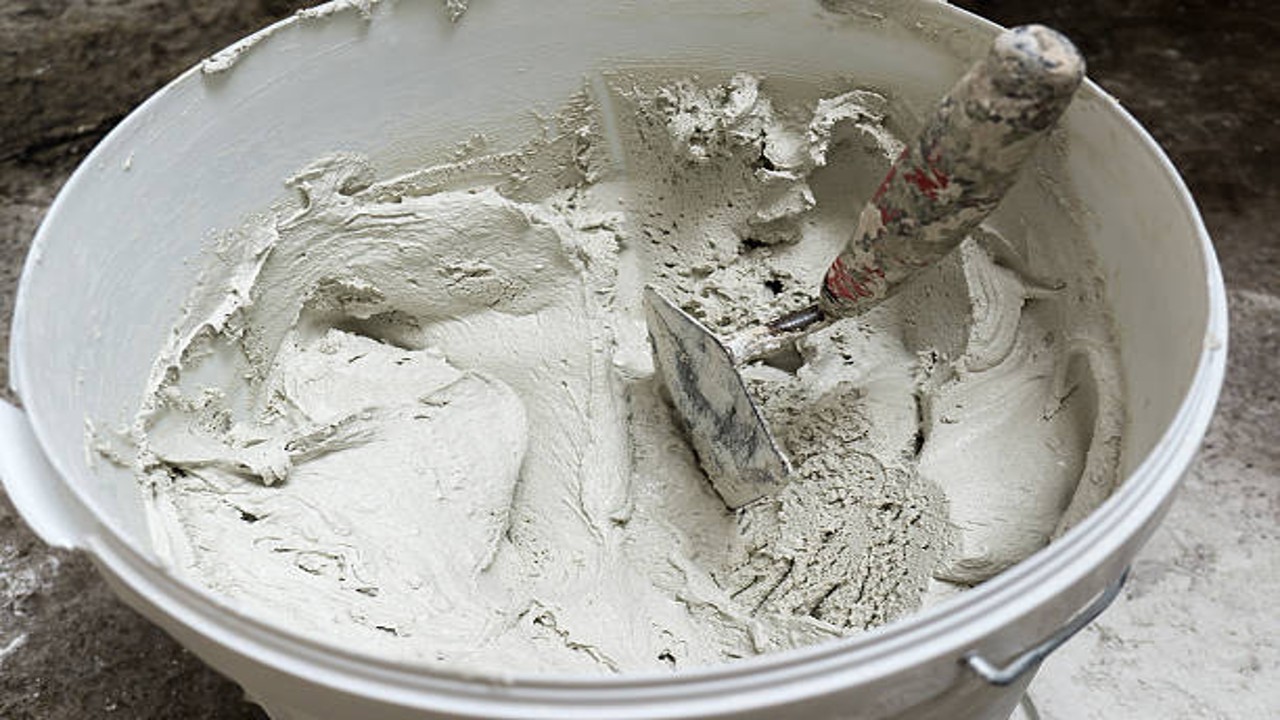
White Cement mixture one of the types of cement in pakistan

White cement is similar to OPC but manufactured from raw materials with low iron content, giving it a pure white color. It is primarily used for aesthetic and decorative applications, rather than heavy structural use.

Uses:

  • Decorative plastering and wall finishes
  • Flooring, terrazzo, and tiles
  • Architectural features and sculptures
Advantages Disadvantages
Superior aesthetic appeal for architectural designs More expensive than grey OPC and PPC
Can be mixed with pigments for decorative finishes Not suitable for structural purposes
Enhances visual appeal in floors, tiles, and walls Often less accessible in remote areas

5. Rapid Hardening Cement

Rapid hardening cement gains strength faster than OPC, allowing early removal of formwork. It contains finer clinker particles and higher C3S content, which accelerates the initial strength gain.

Uses:

  • Urgent repair and renovation works
  • Precast concrete products
  • Road repairs and fast-track construction
Advantages Disadvantages
Gains strength quickly, allowing early formwork removal Higher cost than ordinary cement
Reduces construction time for urgent projects Requires careful handling and curing
Suitable for repairs and precast concrete Not ideal for mass concreting

6. Low Heat Cement

Low heat cement is designed to minimize heat generation during hydration, making it ideal for massive concrete structures like dams. It has lower C3A content, which reduces the risk of thermal cracking.

Uses:

  • Large foundations and massive concrete structures
  • Dams and reservoirs
  • Nuclear and industrial constructions
Advantages Disadvantages
Produces less heat during hydration, reducing thermal cracking Gains strength more slowly
Durable and stable for large concrete structures Not widely available
Suitable for dams, foundations, and reservoirs Unsuitable for projects needing rapid strength gain
  1. High Alumina Cement

High alumina cement is known for rapid strength gain and resistance to high temperatures. It contains high percentages of alumina (Al2O3) and is often used in refractory applications.

Uses:

  • Refractory concretes for furnaces and kilns
  • Industrial constructions exposed to high temperatures
  • Chemical-resistant structures
Advantages Disadvantages
Rapid early strength and high temperature resistance Expensive compared to conventional cement
Resistant to chemical and thermal damage Not ideal for regular structural projects
Suitable for refractory and industrial applications Requires precise mix design for long-term stability

8. Specialty Cements (Optional/Industrial)

cement price in pakistan

Examples:

  • Expansive Cement: Controls cracking by slight expansion; used in shrinkage-sensitive structures.
  • Oil-Well Cement: Designed for high-pressure well applications.
  • Super Sulfate Cement: Highly resistant to chemical attacks in aggressive environments.

Uses: Specialized industrial, marine, and chemical constructions.

Advantages Disadvantages
Highly effective for specialized or industrial applications Not widely produced or available
Strong resistance to chemical, marine, or pressure conditions Costly for general construction use
Designed for unique engineering requirements Limited to specific projects only

8. Other Specialty Cements

In addition to the commonly used types of cement, there are several specialty cements designed for specific industrial, structural, or environmental requirements.

These cements address unique challenges such as controlled expansion, extreme chemical resistance, or high-pressure applications.

Expansive Cement

Expansive cement is formulated to expand slightly during hydration, which helps to counteract shrinkage cracking in concrete. This property is particularly useful in large concrete structures where cracks can compromise durability and aesthetics.

Uses:

  • Mass concrete foundations
  • Dam construction
  • Large floor slabs and pavements
Advantages Disadvantages
Minimizes shrinkage cracks in large concrete structures More expensive than ordinary Portland cement
Enhances durability and reduces long-term maintenance Requires precise proportioning to prevent over-expansion
Ideal for massive structures such as dams and foundations Limited availability in some regions

Oil-Well Cement

Oil-well cement is specially designed for high-pressure and high-temperature environments, making it suitable for drilling and petroleum industry applications. It is resistant to downhole chemical attacks and can maintain integrity under extreme conditions.

Uses:

  • Oil and gas well cementing
  • Deep-well drilling projects
  • Geothermal wells
Advantages Disadvantages
Maintains strength and stability under high pressure and temperature Highly specialized and costly
Resistant to chemical attacks in deep-well environments Not suitable for general construction projects
Ensures long-term structural integrity in oil and gas wells Limited to petroleum and geothermal applications

Super Sulfate Cement

Super sulfate cement is engineered for maximum resistance to aggressive chemicals, such as sulphates, chlorides, and acidic environments. It is ideal for structures exposed to highly reactive conditions that could otherwise deteriorate standard cement.

Uses:

  • Coastal and marine constructions
  • Industrial floors and chemical plants
  • Sewerage systems
Advantages Disadvantages
Excellent resistance to sulphates, chlorides, and acidic environments More expensive than OPC or PPC
Provides long-lasting durability in harsh conditions Limited market availability
Reduces maintenance in industrial and marine structures Requires accurate mix design for best performance

How to Choose the Right Type of Cement?

Selecting the appropriate cement is crucial for structural integrity, durability, and cost efficiency. Several factors must be considered to ensure the cement performs well in its intended application.

Type of Construction

  • Residential: OPC or PPC for standard structures and masonry.
  • Industrial: SRC, super sulfate cement, or high alumina cement for chemical resistance or high-load applications.
  • Infrastructure: Low-heat cement for massive pours, such as dams; rapid-hardening cement for urgent repair work.

Environmental Conditions

  • Marine or coastal areas: PPC or SRC to resist sulfate and chloride attacks.
  • Acidic soils: Sulfate-resistant cement or blended cements.
  • Hot climates: PPC for slower setting and reduced cracking.

Desired Strength and Durability

  • Early strength requirement: Rapid hardening or high alumina cement.
  • Long-term durability: PPC or super sulfate cement for chemical resistance.

Aesthetic Requirements

  • White or decorative finishes: White cement or colored cement blends.
  • Textured or exposed surfaces: Consider cements that allow smooth finishes or can be polished.

For more information on similar topics, such as types of soil in Pakistan, visit Chakor blogs.

FAQs

1. What are the different types and uses of cement?

Cement comes in various types like OPC, PPC, white cement, and specialty cements. Each type is designed for specific construction needs such as general building, decorative work, hydraulic structures, or industrial applications.

2. What are the types of cement in Pakistan?

In Pakistan, common cement types include OPC, PPC, white cement, rapid hardening cement, low heat cement, and high alumina cement. Major brands supplying these include DG Cement, Lucky, Fauji, Cherat, Bestway, Kohat, Maple Leaf, Fecto, Paidar, and Pakcem.

3. How much is a 50 kg cement bag in Pakistan?

The price of a 50 kg cement bag in Pakistan generally ranges from PKR 1,305 to PKR 1,485 for OPC and PPC, while white cement is higher, usually between PKR 2,050 and PKR 2,380. Prices vary by brand and region.

4. What is the cement block price in Pakistan?

Cement block prices depend on block size, cement quality, and mix ratio. Standard blocks usually cost between PKR 50 and PKR 120 each, with reinforced or specialty blocks priced higher.

5. What is Fauji Cement price per bag today in Pakistan?

Fauji Cement OPC bags currently range from PKR 1,375 to PKR 1,475 per 50 kg bag, depending on the city and supplier. PPC variants may be slightly higher but offer better durability.

6. How do I find todayโ€™s cement price in Pakistan?

You can check todayโ€™s cement price through local suppliers, brand websites, or online portals for DG Cement, Lucky Cement, Fauji Cement, and other manufacturers, ensuring you get updated and competitive rates.

CategoriesCitadel 7

Citadel 7 Makes Waves in Quetta: Chakor Ventures Hosts Successful Open House and Investor Meet

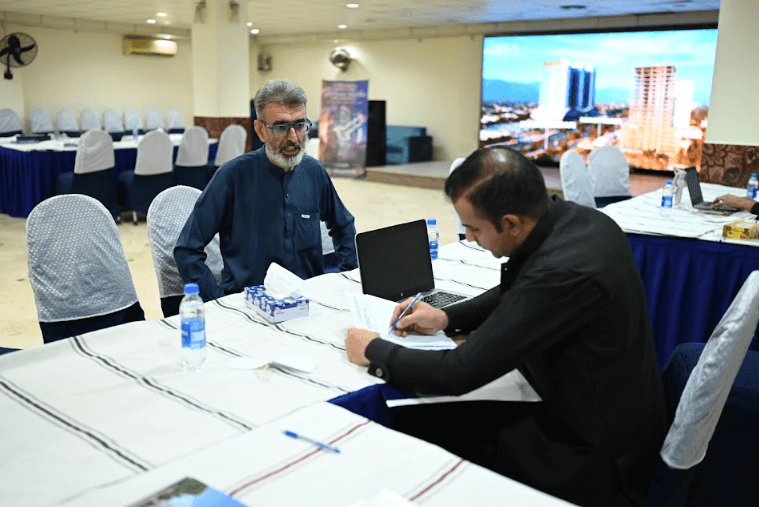
Chakor Ventures recently concluded a highly successful promotional visit to Quetta for its flagship project, Citadel 7, a premium mixed-use real estate development that is redefining urban living in Pakistan. From May 20th to May 24th, the Chakor team was stationed at the prestigious Serena Hotel, Quetta, where they conducted a series of productive meetings and engagement sessions with prospective investors and stakeholders.

A Strategic Visit to Engage Quettaโ€™s Real Estate Market

During the five-day stay at Serena, the Chakor Ventures team held over 170 one-on-one meetings with local investors, brokers, and business owners. The sessions were designed to introduce Quettaโ€™s real estate community to the potential and value proposition of Citadel 7, located in a prime area with high rental yield prospects. The level of enthusiasm from Quettaโ€™s investors was remarkable. They expressed keen interest in the project, especially due to its central location, advanced infrastructure plans, and guaranteed minimum 1% rental yield, a figure that sets Citadel 7 apart in todayโ€™s competitive property market.

Continue reading
CategoriesCitadel 7

Renting vs. Buying Commercial Space in Islamabad: Which Is Right for Your Business?

Choosing between renting and buying commercial space in Islamabad is a pivotal decision that can significantly impact your businessโ€™s financial health, flexibility, and long-term growth. As the Islamabad commercial property market grows more competitive, so do business owners. Whether startups, SMEs, or large corporations must weigh the pros and cons of both options carefully. This article explores the advantages and disadvantages of renting vs. buying commercial property in Islamabad, providing real-world scenarios and expert insight to help you make the most strategic choice.

Understanding the Islamabad Commercial Property Landscape

Islamabad has emerged as a vibrant hub for entrepreneurs, franchises, and corporate entities thanks to its organized infrastructure, safety, and expanding business zones. From high-traffic retail areas like F-10 Markaz and Blue Area to up-and-coming sectors like Bahria Town and Gulberg Greens, the city offers a wide range of options for commercial space. But the real question remains: Should you rent or buy?

Continue reading
CategoriesCitadel 7

Islamabadโ€™s Growing Commercial Real Estate Market: Trends & Forecast 2026

As Pakistan’s capital continues to evolve, the Islamabad commercial real estate market is witnessing transformative growth. With urban expansion, infrastructure development, and a surge in business activities, 2025 is shaping up to be a pivotal year for commercial property investors. This article will explore the emerging property trends in Islamabad, market demand drivers, and investment opportunities across different zones.

Why Is Islamabadโ€™s Commercial Property Market in High Demand?

Islamabad has long been known for being well-planned, secure, and administratively significant. But over the last few years, it has evolved from a bureaucratic center to a thriving business hub. Several factors drive the growth:

  • Improved road and metro infrastructure

  • Rising middle-class consumerism

  • Expansion of IT, finance, education, and health sectors

  • Innovative and smart city initiatives and real estate digitization

As a result, business property in 2025 is increasingly viewed as a stable and high-return investment opportunity.

Continue reading
CategoriesCitadel 7

Buying Commercial Property in Islamabad: Top Locations and Investment Tips

Investing in commercial property in Islamabad has become an increasingly attractive option for both seasoned investors and first-time buyers. The demand for commercial real estate is surging as the capital city continues to expand with modern infrastructure, well-planned sectors, and a growing population. Whether you’re looking to buy a shop in Islamabad for your business or secure a long-term investment property in Islamabad, this guide covers top commercial zones, ROI expectations, and essential tips to make an informed purchase.

Continue reading
CategoriesCitadel 7

Top Commercial Areas in Islamabad for Office and Retail Space Rental in 2026

Are you looking for a commercial space in Islamabad? Finding the right commercial space for rent in Islamabad can significantly impact the success of your business. Whether you lease a high-visibility shop or a professional office, Islamabad offers several prime locations catering to various industries and business needs. In 2025, the demand for commercial real estate in the capital continues to rise, with areas like Blue Area, F-6, F-10, G-11 Markaz, and Bahria Town standing out as top choices.

Continue reading